The Claim That Followed The Man In Black
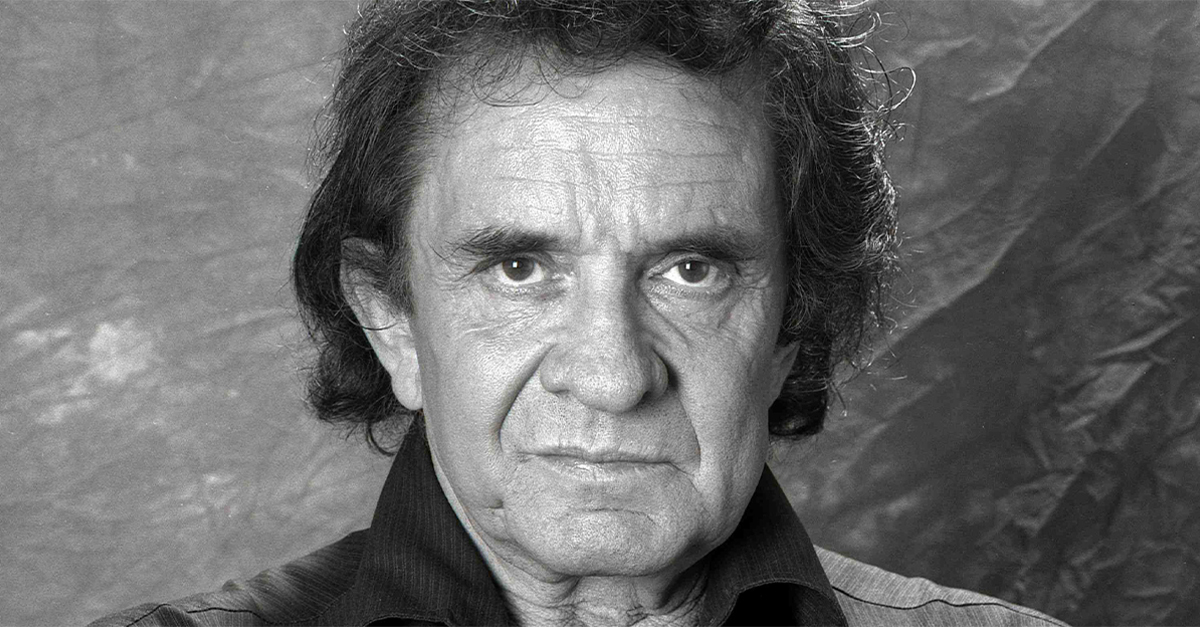
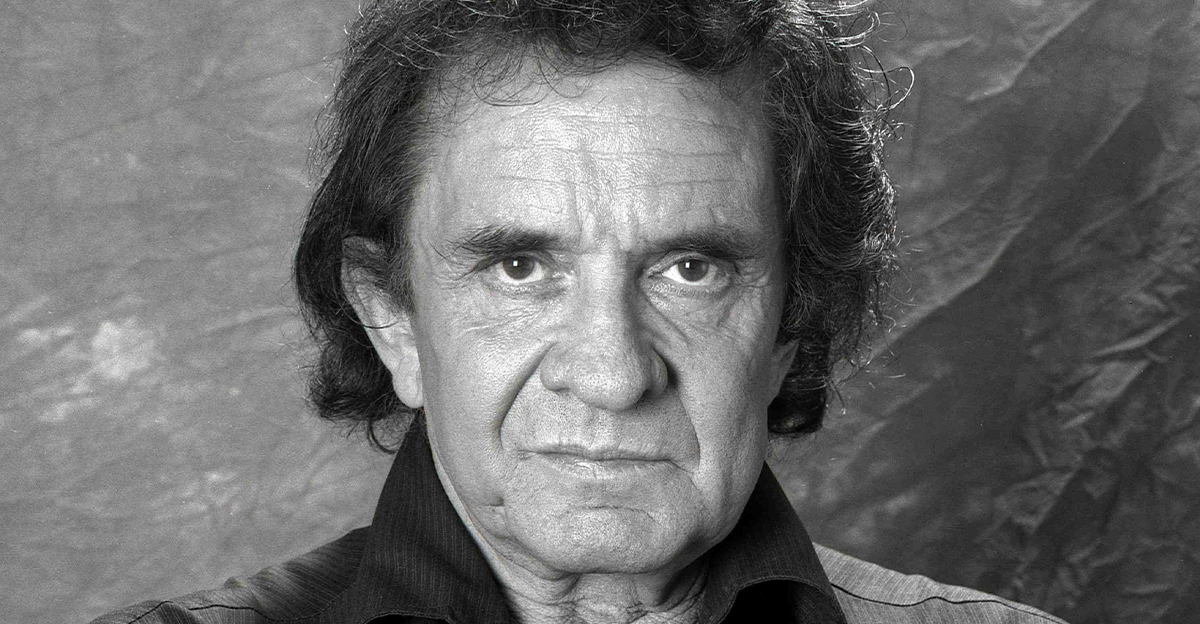
Johnny Cash built part of his image around standing with outsiders, inmates, poor families, and people pushed aside by American history. For years, that image also included a powerful family story: that he had Cherokee roots. But decades later, his daughter Rosanne Cash appeared on Finding Your Roots, and the old story became much harder to defend.
 Robert Knight Archive, Getty Images
He Was Already Drawn To Forgotten People
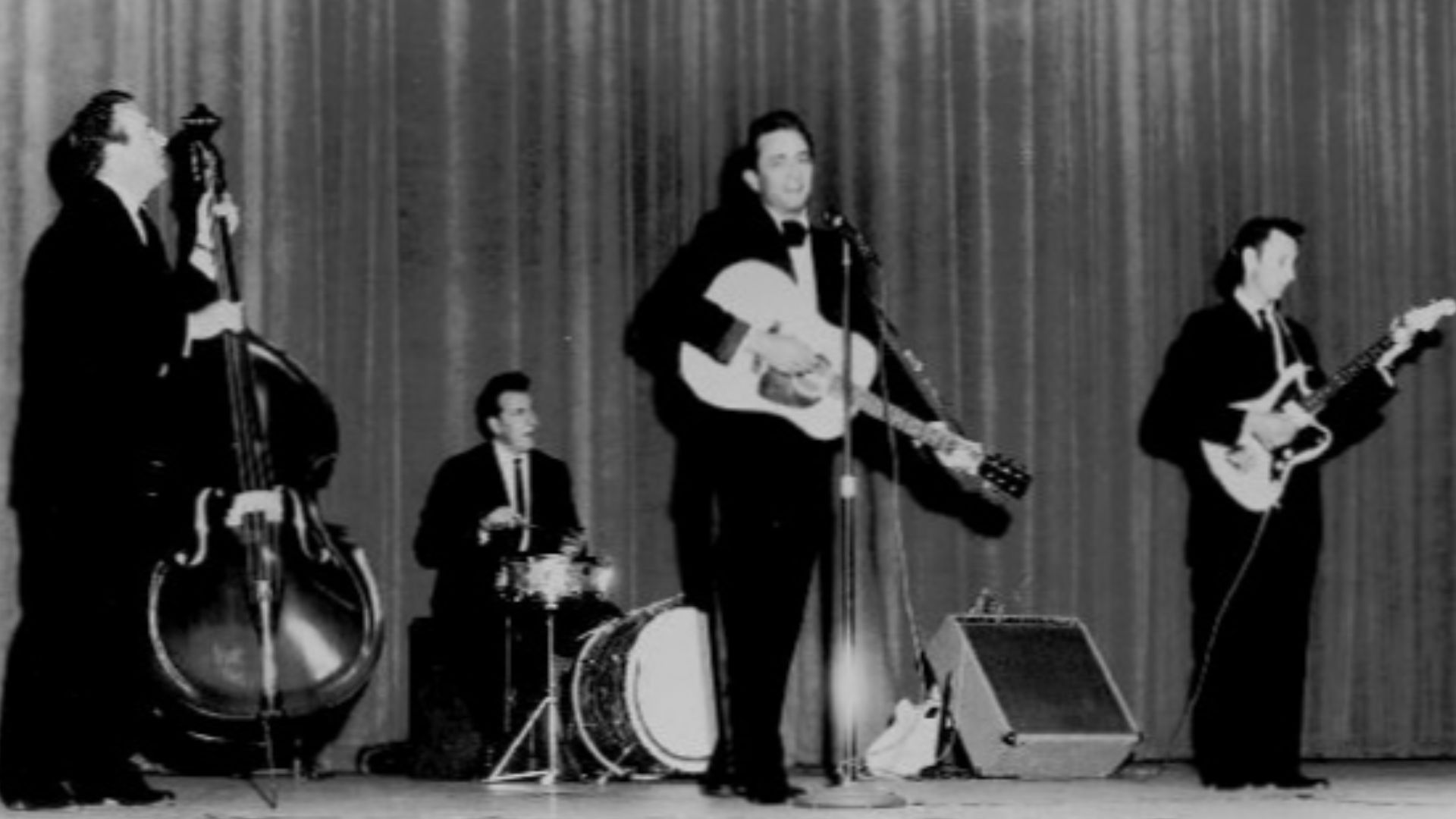
Johnny Cash’s music often focused on people who had been ignored, judged, or mistreated. He sang about inmates, laborers, grieving families, and moral failures. That made his interest in Indigenous history feel like part of a larger pattern. He wanted to sing about people mainstream country music often avoided.
 Saul Holiff, Ventura, California (management), Wikimedia Commons
The Cherokee Story Became Part Of His Public Identity
Cash’s supposed Cherokee ancestry was repeated in album materials, interviews, articles, and public discussion. In the 1960s, when he began recording Native-themed material, the idea that he had Cherokee blood gave the project a personal aura. It suggested he was not only sympathizing with Indigenous suffering, but speaking from a claimed family connection.
Bitter Tears Turned That Story Into Art
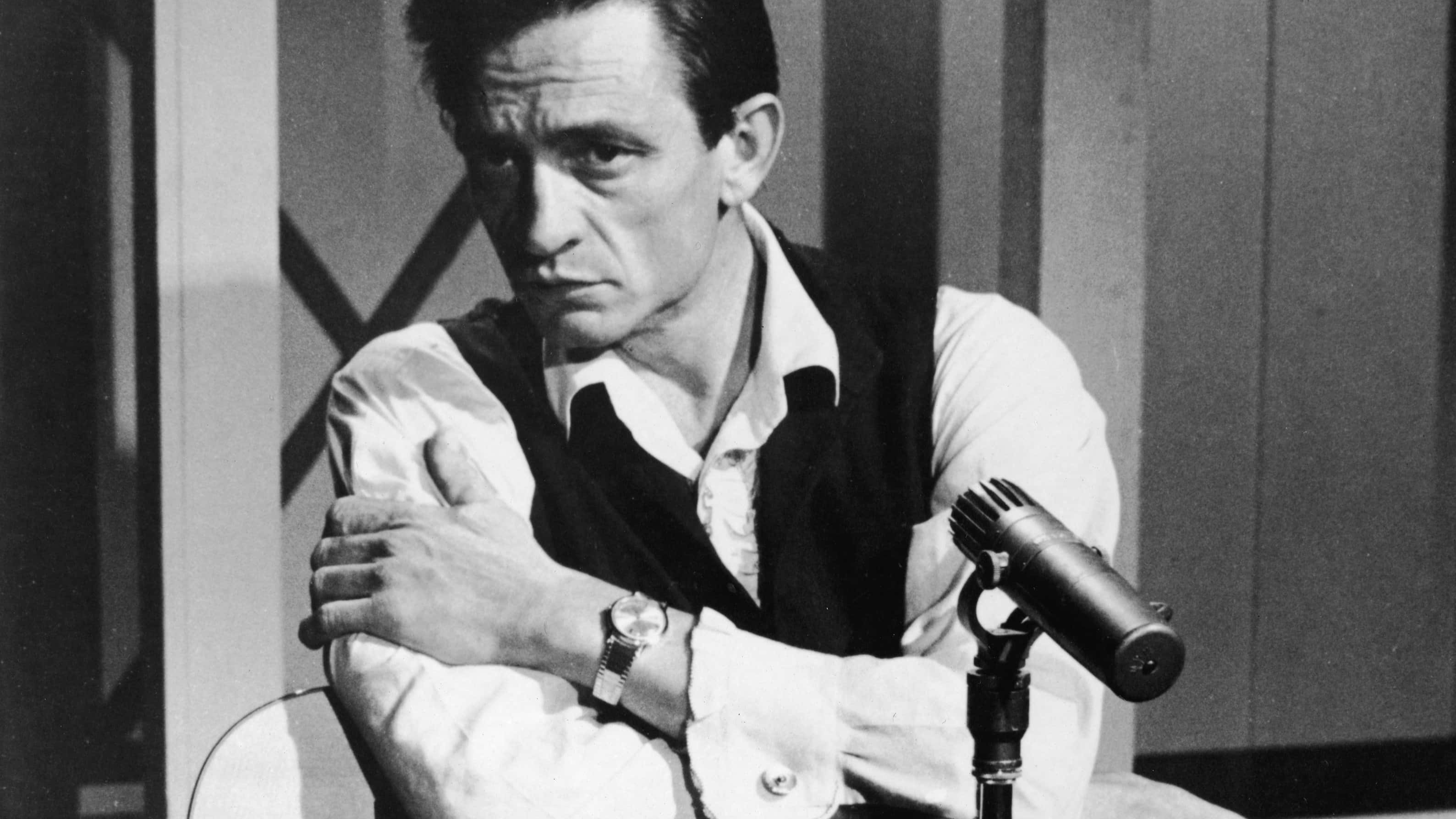
In 1964, Cash released Bitter Tears: Ballads Of The American Indian, a concept album centered on Native American history and injustice. It was a bold move for a mainstream country star, especially one who had already scored major commercial success. The album made Indigenous suffering central, not decorative.
 Michael Ochs Archives, Getty Images
The Album Confronted A Painful History
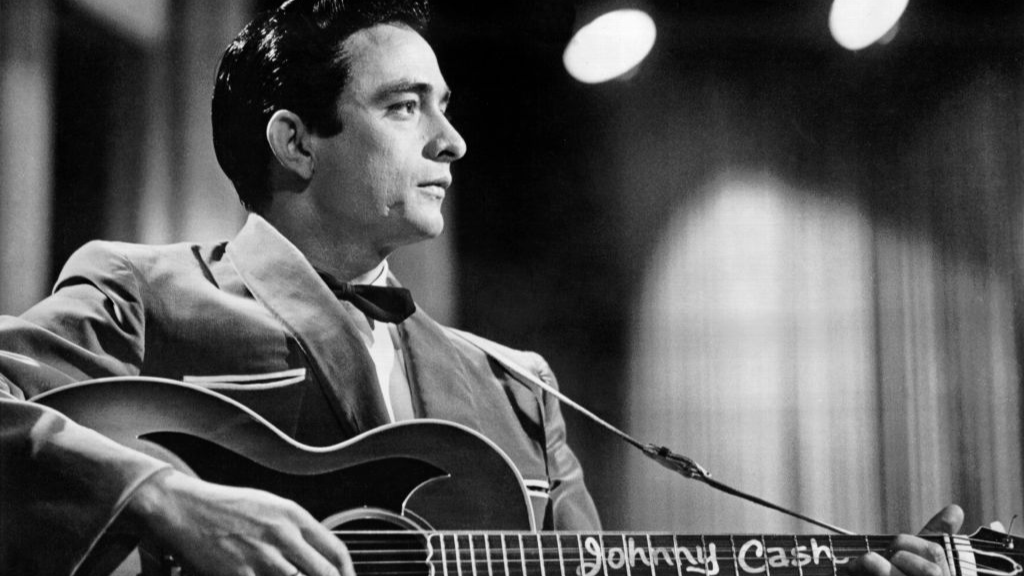
Bitter Tears focused on broken treaties, forced displacement, prejudice, poverty, and betrayal. Cash was trying to make country audiences sit with subjects many radio stations and listeners preferred to avoid. The album was not a casual novelty record. It was a protest record with real moral force.
 Michael Ochs Archives, Getty Images
“The Ballad Of Ira Hayes” Became The Centerpiece
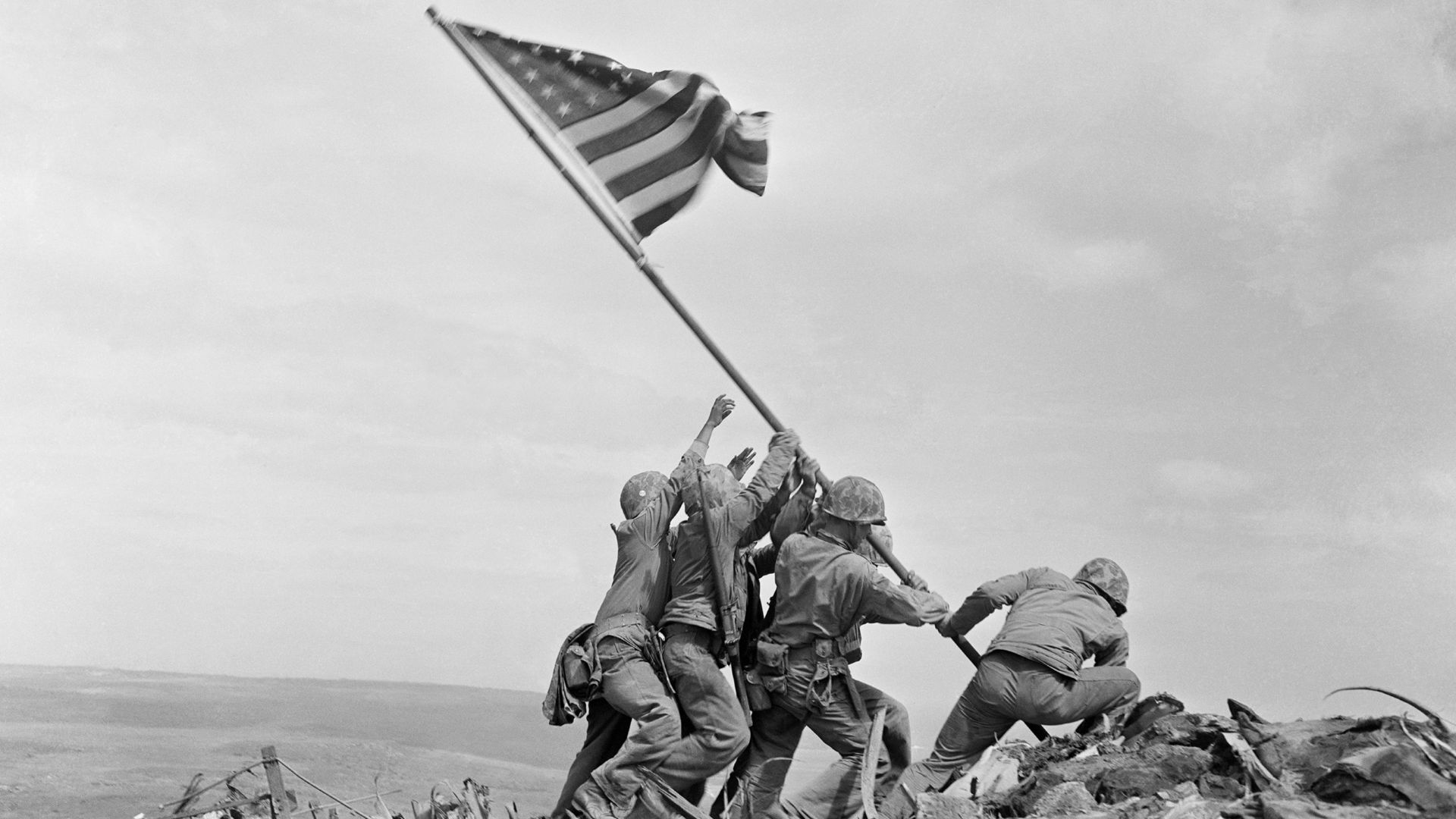
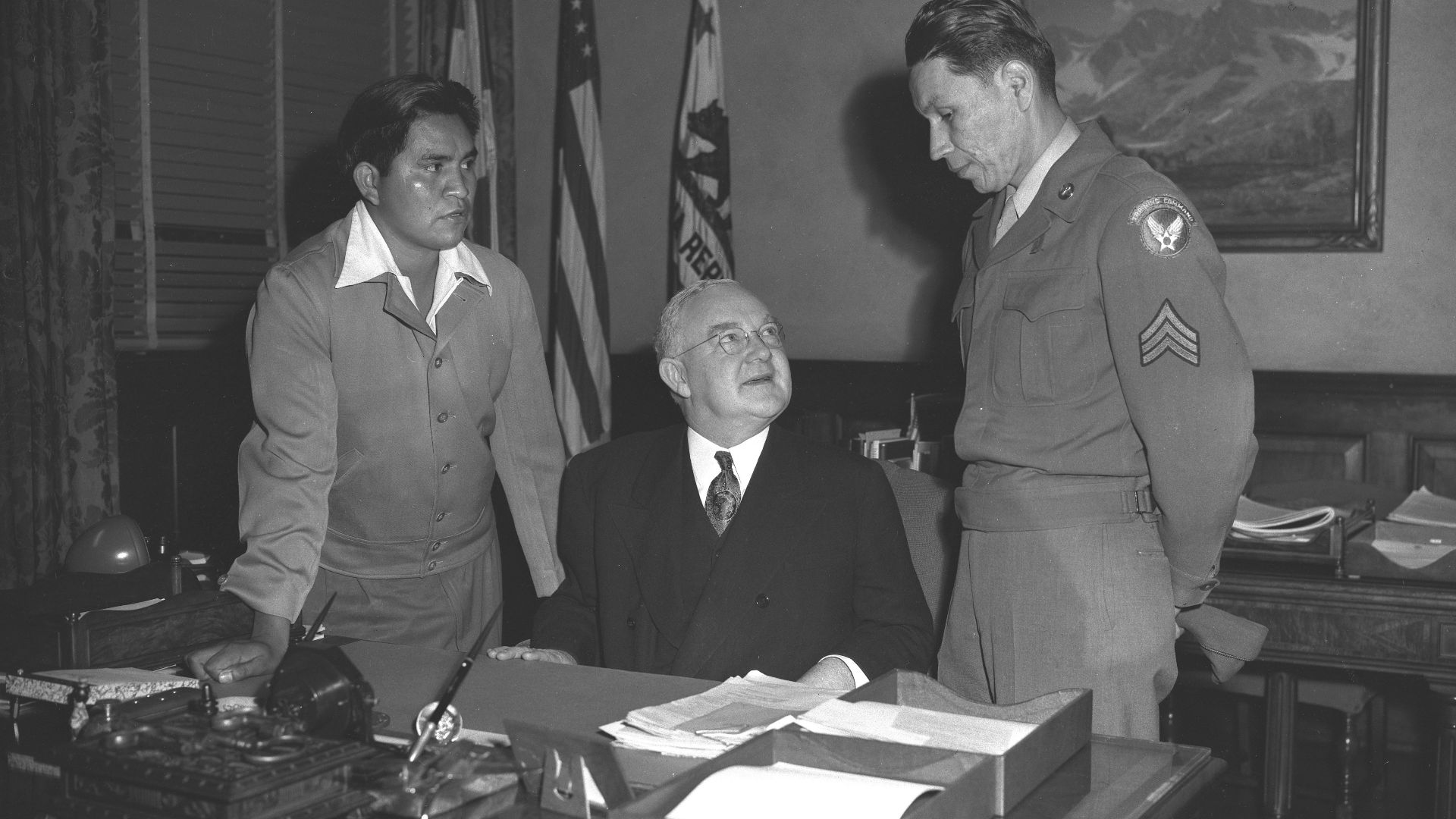
The best-known song from the album was “The Ballad Of Ira Hayes,” written by Peter La Farge. It told the story of Ira Hayes, the Pima Marine who helped raise the flag at Iwo Jima but returned home to poverty, trauma, and neglect. Cash’s recording forced listeners to hear a darker side of American heroism.
 Joe Rosenthal, Wikimedia Commons
He Sang About More Than One Indigenous Tragedy
The album also included songs about Native resistance, land loss, and the brutality of colonization. Cash used his commercial platform to tell stories that country radio rarely centered at the time. That made the project historically important, even before later questions about his ancestry became impossible to ignore.
 Los Angeles Times, Wikimedia Commons
The Album Notes Leaned On His Supposed Bloodline
One reason the ancestry story mattered is that it was used to support the album’s authority. The official album description includes the line that Cash was proud of his Cherokee blood. It made Bitter Tears appear rooted not only in empathy, but also in personal identity.
 Columbia Records, Wikimedia Commons
The Music Industry Pushed Back
Country radio did not warmly embrace the project. Cash faced resistance from radio programmers, DJs, and parts of the music business who considered the album too political or uncomfortable. In the middle of the civil rights era, a country star singing about Native injustice was treated by some as a threat.
 Michael Ochs Archives, Getty Images
Cash Fought Radio Stations Publicly
When “The Ballad Of Ira Hayes” struggled for airplay, Cash did not quietly accept it. He bought a full-page ad in Billboard, challenging DJs and station managers who refused to play the song. His message was blunt, angry, and unusually direct.
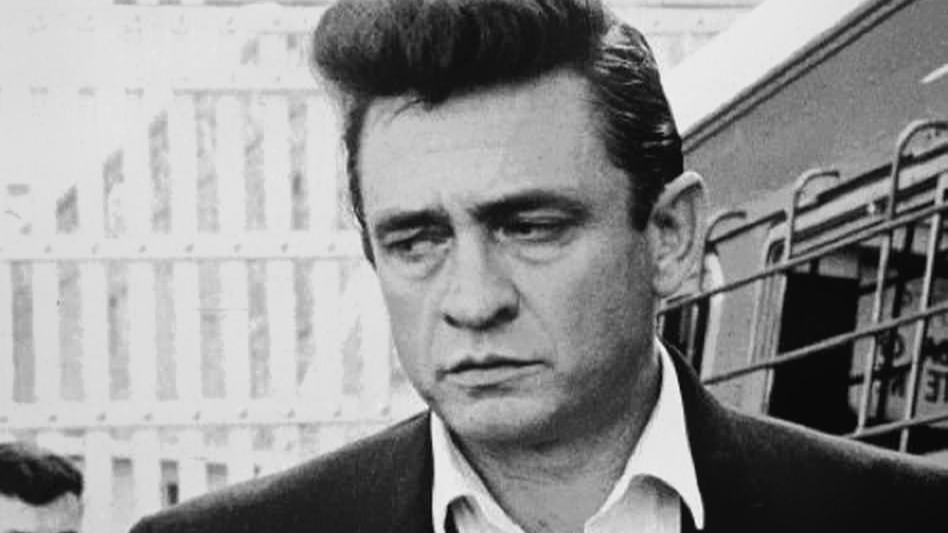 Dillan Stradlin, CC BY-SA 4.0, Wikimedia Commons
That Fight Became Part Of His Legend
For many admirers, Cash’s defense of Bitter Tears proved that he was willing to risk his standing for a moral cause. He did not abandon the album when it became inconvenient. He pushed back against the industry and kept insisting that Native stories deserved to be heard.
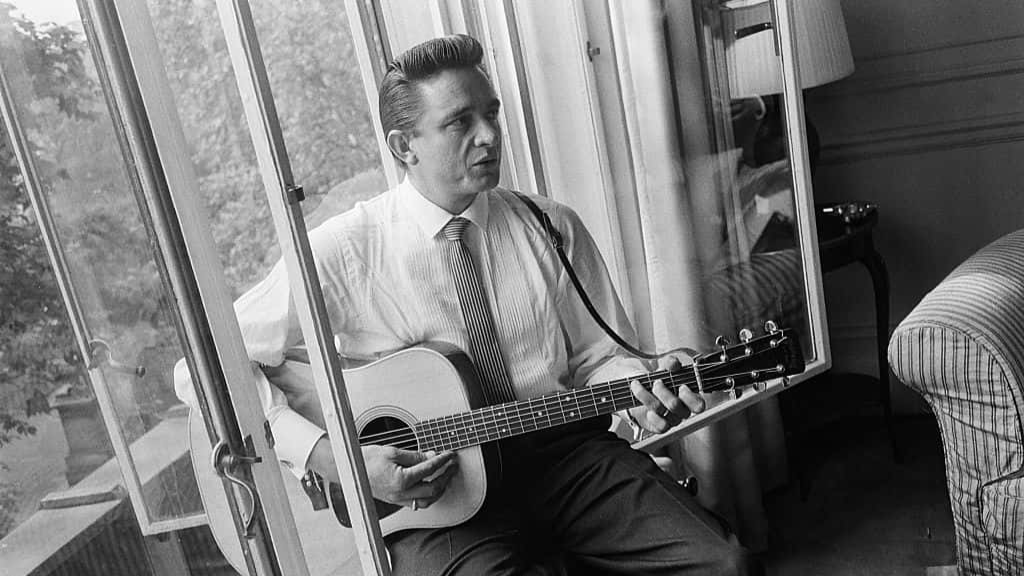
But The Ancestry Story Was Never Solid
The Cherokee story was not as firm as fans might have assumed. Later scholarship and reporting pointed out that Cash’s account shifted, softened, or came under doubt. The public myth was simple: Cash had Cherokee blood. The evidence behind it was much less clear.
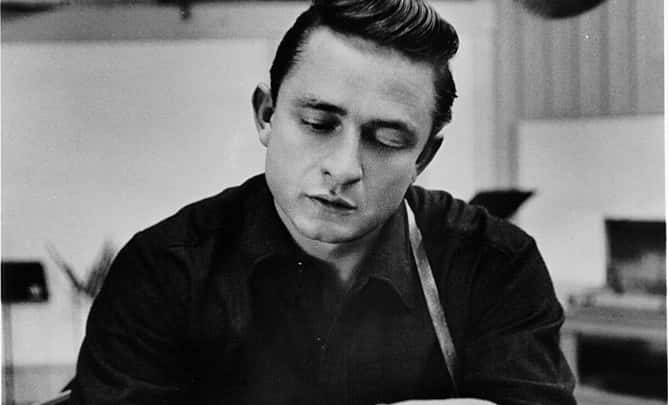 Michael Ochs Archives, Getty Images
Cash Himself Later Undercut The Story
The 2021 DNA result did not expose the Cherokee claim from nowhere. Cash himself had already weakened it decades earlier. In a 1975 interview, he reportedly said he had no Cherokee blood, making it clear that the public story had become unreliable even before later genealogy work.
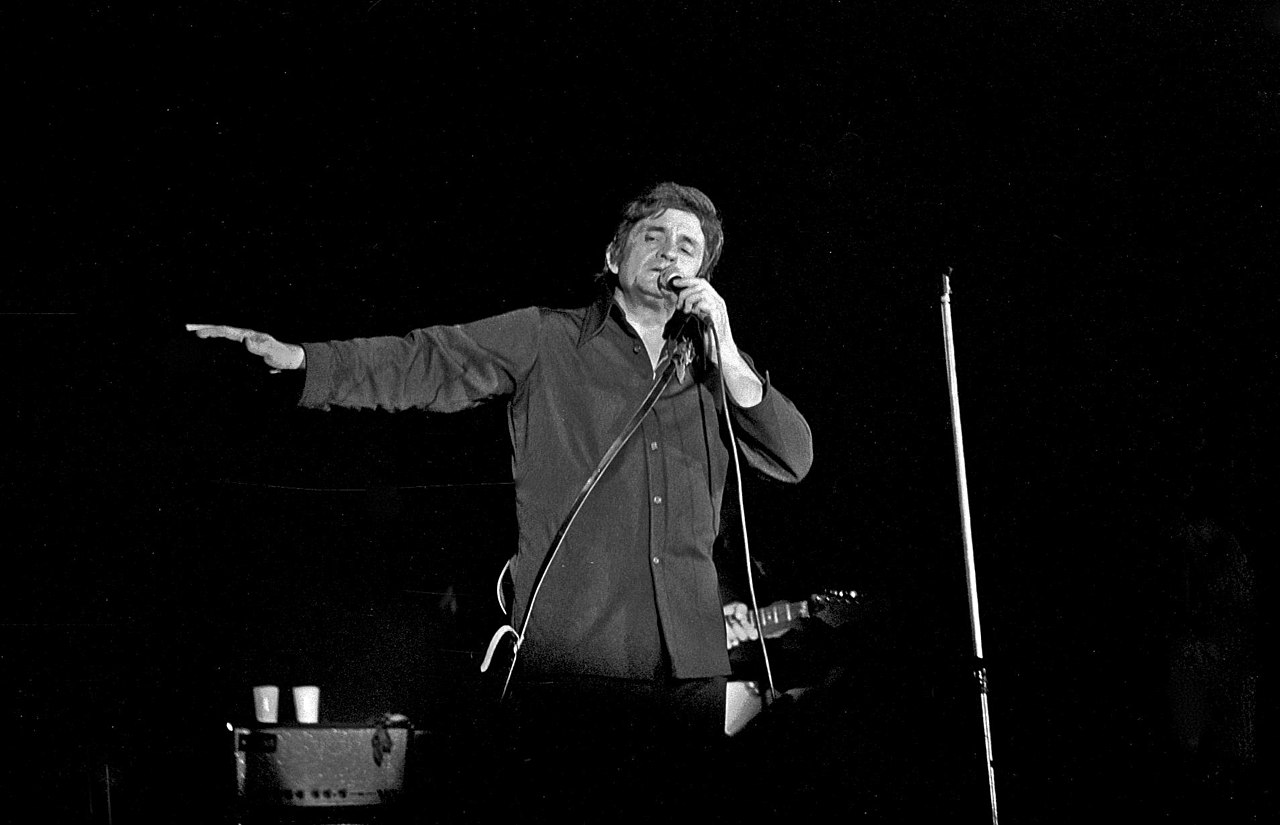 Heinrich Klaffs, CC BY-SA 2.0, Wikimedia Commons
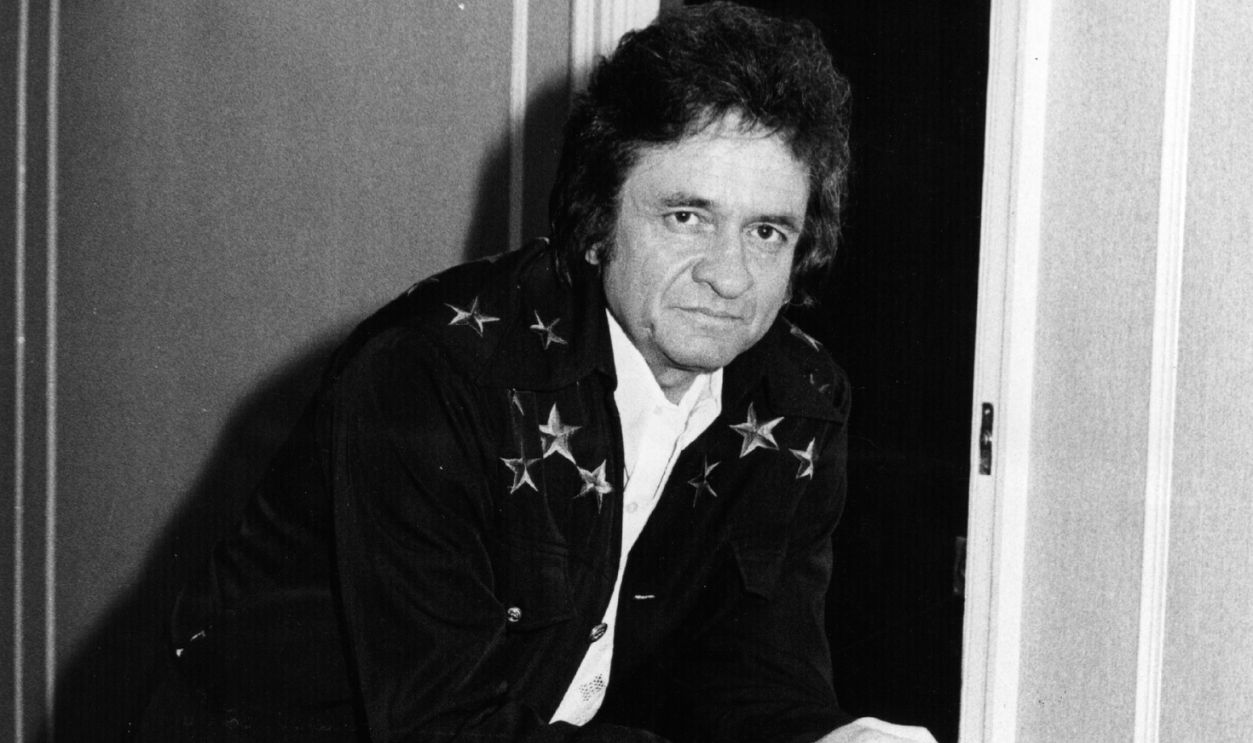
He Later Emphasized His Scottish Roots
By the later part of his life, Cash became more interested in tracing his documented family line to Scotland. His official site and later reporting connected the Cash family to Fife, Scotland. That did not fit the older Cherokee myth, but it matched the genealogical direction Cash increasingly embraced.
Still, The Myth Lingered
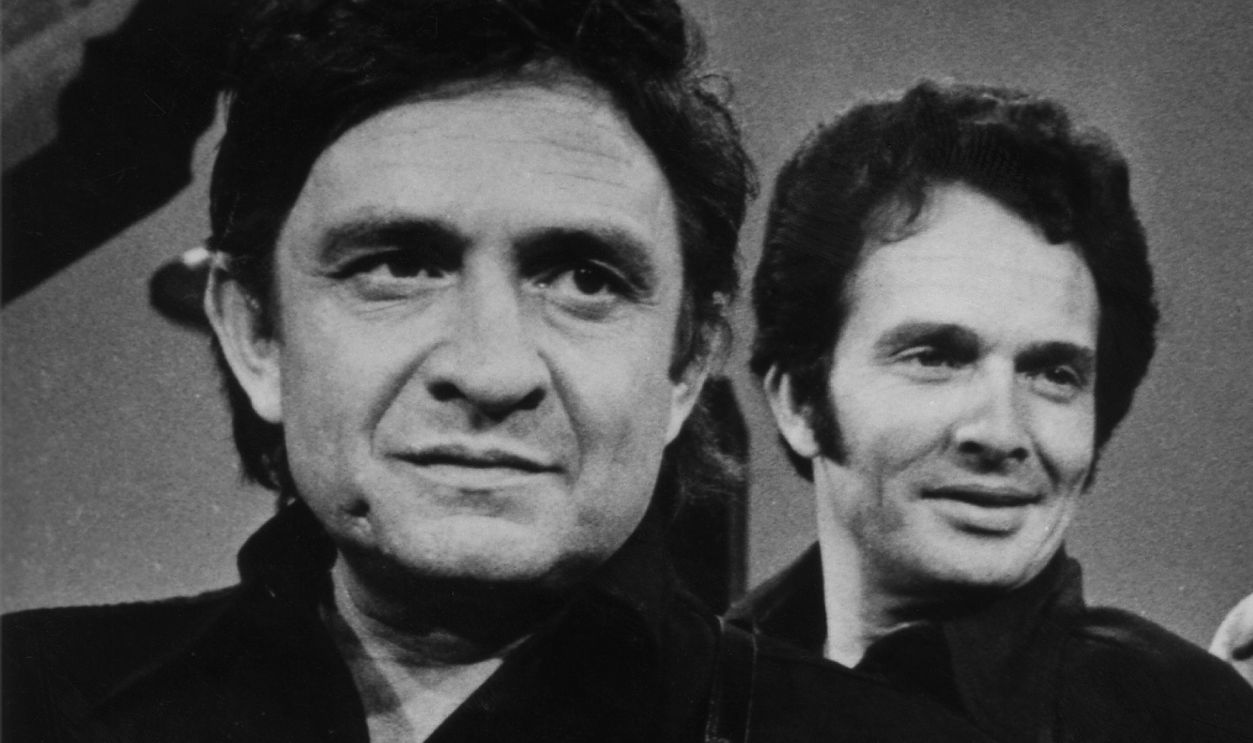
Even after Cash’s own doubts and later emphasis on Scottish ancestry, the Cherokee story stayed attached to him. That is how celebrity mythology works. Once a story helps explain a famous person’s art, it can keep circulating long after the evidence behind it weakens.
 Michael Ochs Archives, Getty Images
Then Rosanne Cash Went On Finding Your Roots
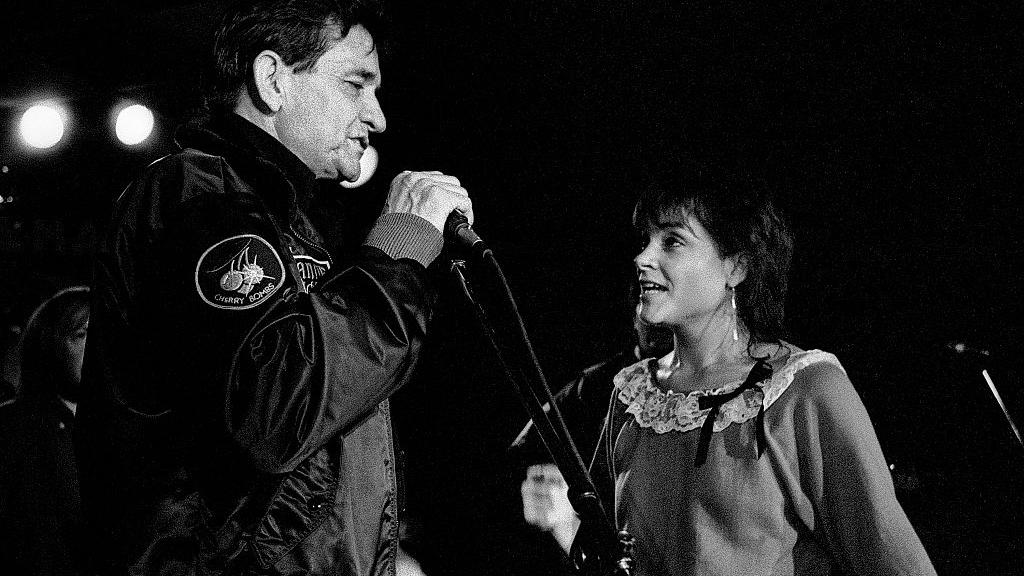
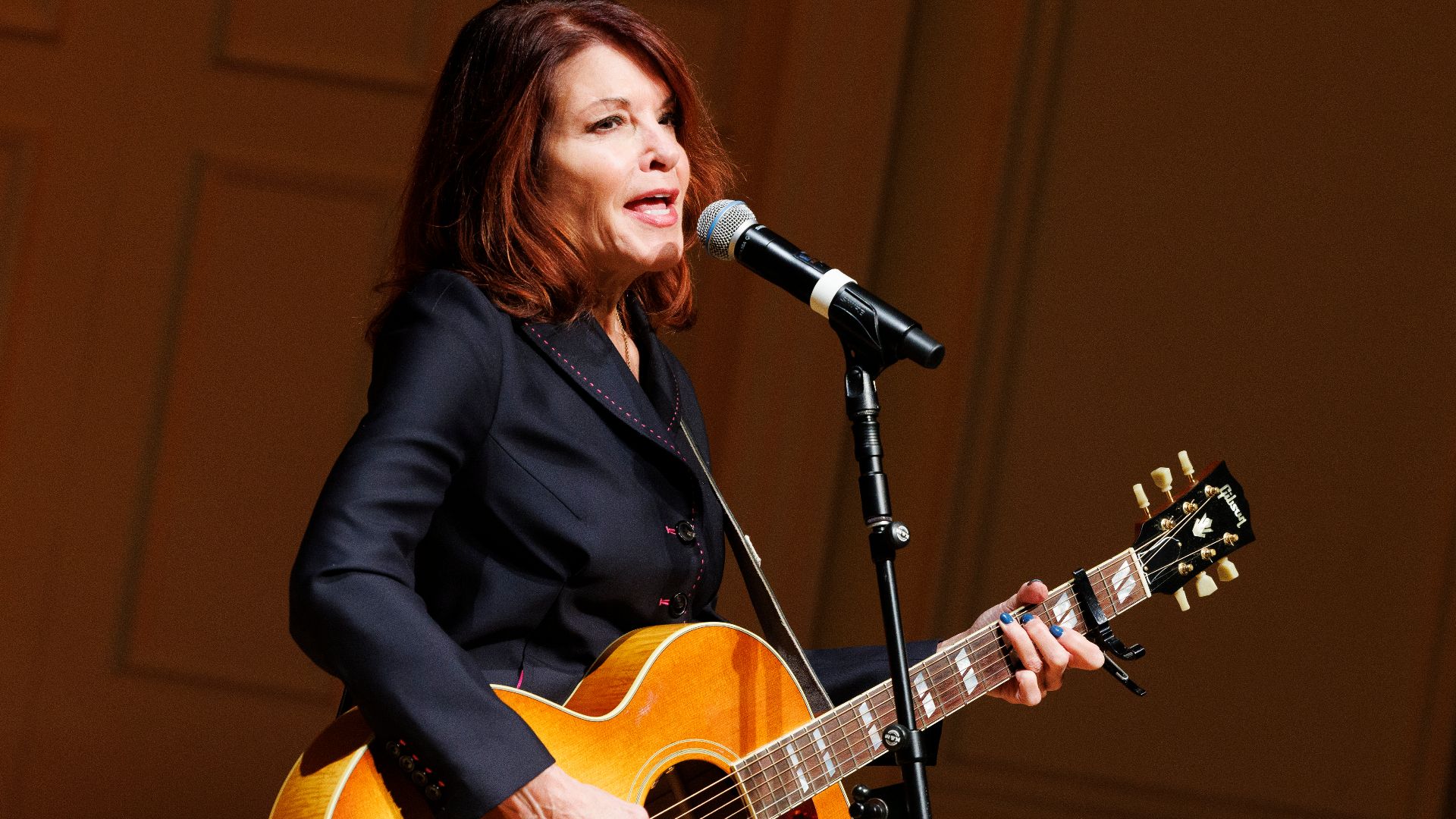
In 2021, Rosanne Cash appeared on Henry Louis Gates Jr.’s PBS series Finding Your Roots. The episode examined her family history and DNA. Because Rosanne is Johnny Cash’s daughter, her results carried obvious significance for stories long told about the Cash family.
The Test Confirmed The Old Story Did Not Hold Up
The episode reported African American DNA on both sides of Rosanne’s family and no Native American DNA. DNA testing does not define Indigenous identity in general, because tribal citizenship, kinship, documentation, and community recognition all matter. But in this specific case, the result further undermined a family story that was already shaky.
The Surprise Was African Ancestry Instead
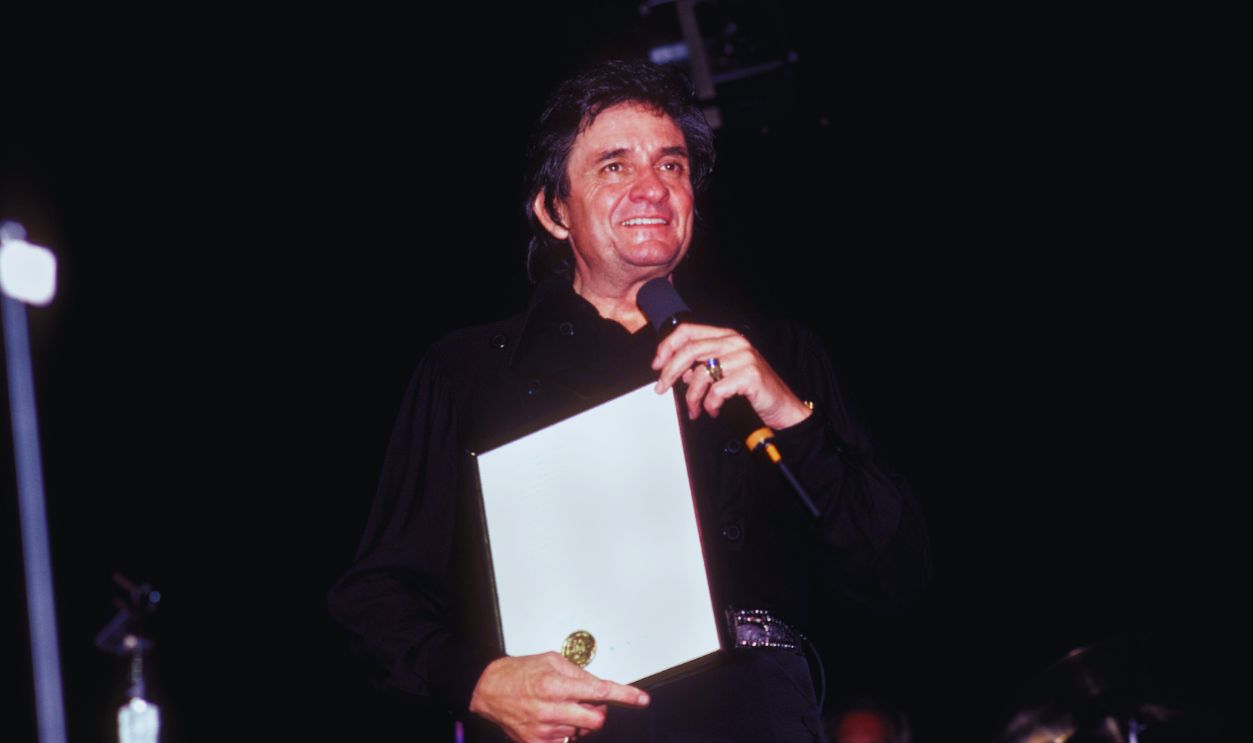
The episode revealed a different hidden history: Rosanne Cash had African ancestry on both sides of her family. That meant the test did not simply erase one story. It uncovered another one, including African ancestry connected to Johnny Cash’s side as well as Vivian Liberto’s side.
 Library of Congress Life, Wikimedia Commons
That Changed An Old Family Narrative
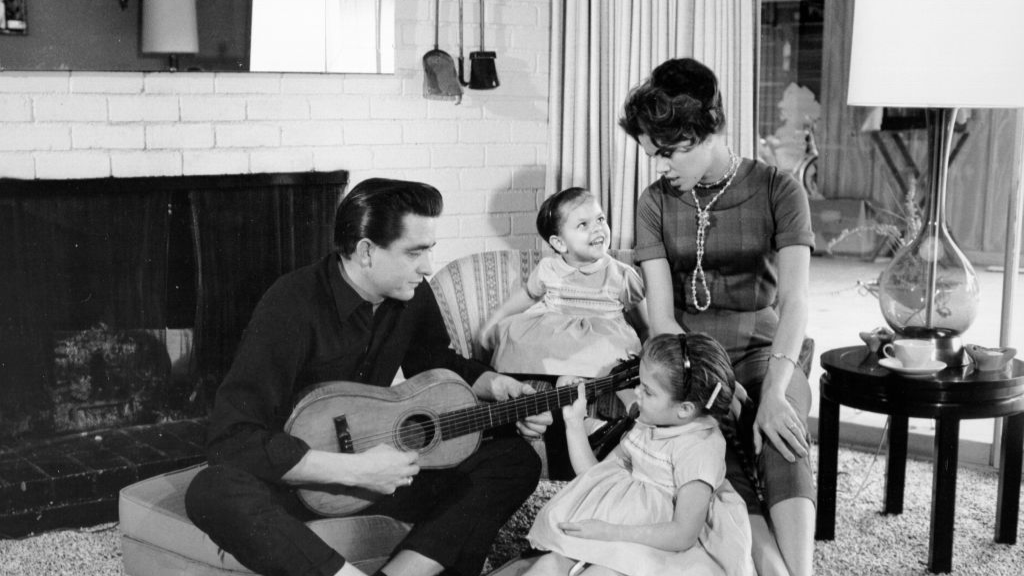
For years, the Cash family had been surrounded by racial speculation in another way. Vivian Liberto, Johnny Cash’s first wife and Rosanne’s mother, was attacked by white supremacists who claimed she was Black after a photograph was published in the 1960s. The 2021 findings gave that old story a more complicated historical context.
 Michael Ochs Archives, Getty Images
It Also Changed How People Read Cash’s Image
Cash had been celebrated as a white country star who stood with Native people and, supposedly, had Cherokee roots himself. The DNA revelation complicated that image. His family story did not support confirmed Native ancestry, but it did include African ancestry that had largely been unknown or unacknowledged.
The Music World Did Not Explode Overnight
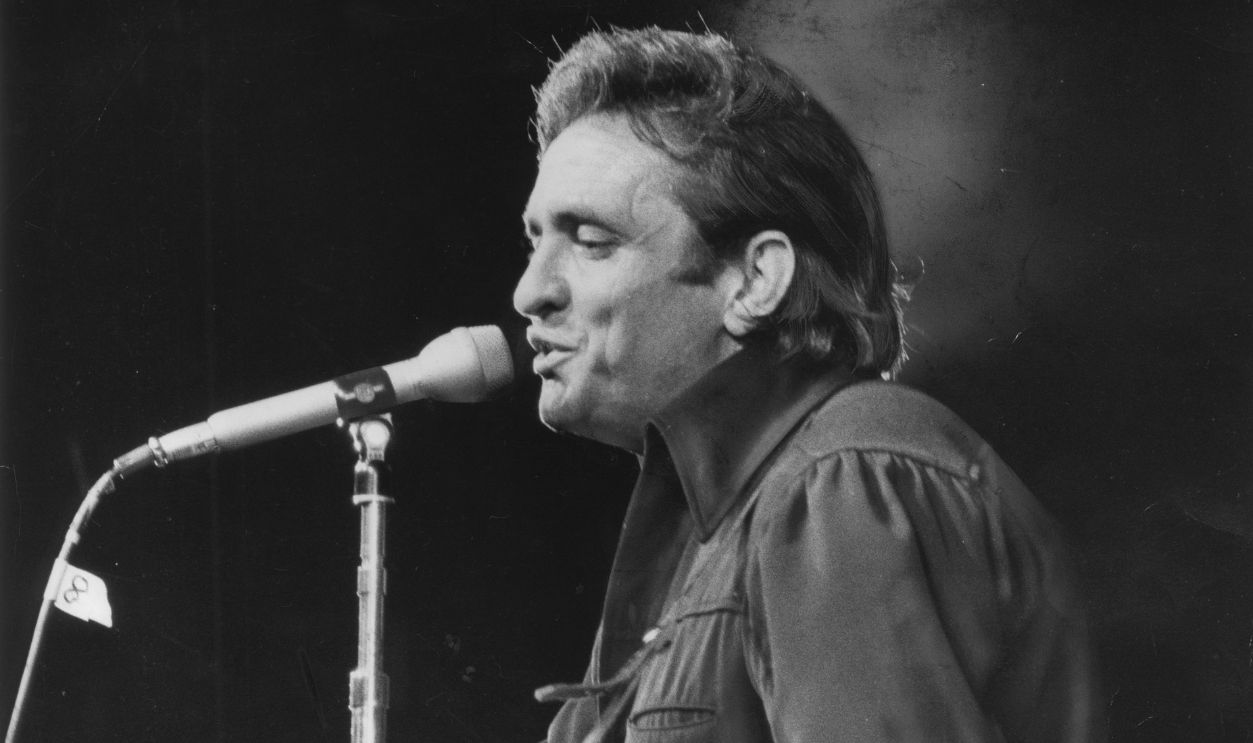
The revelation did not trigger a huge music-industry scandal. Cash had been gone for nearly two decades, and doubts about the Cherokee story had already existed. Instead, the episode gave writers, historians, and fans a new reason to revisit the old narrative more carefully.
The Conversation Became More Complicated
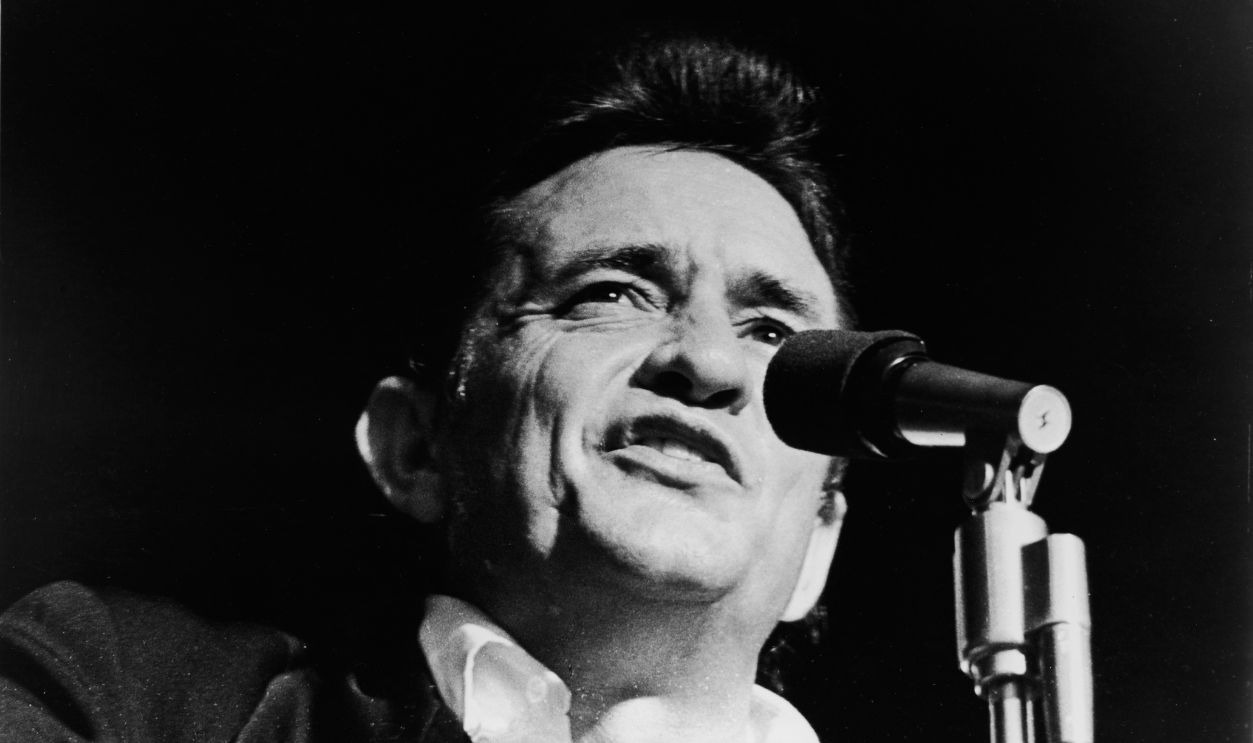
The reaction was quieter than a traditional celebrity scandal, but it mattered. The new information pushed renewed discussion about Cash’s use of identity, the authority behind Bitter Tears, and the long American habit of repeating family stories about Cherokee ancestry without proof.
Critics Revisited Bitter Tears Differently
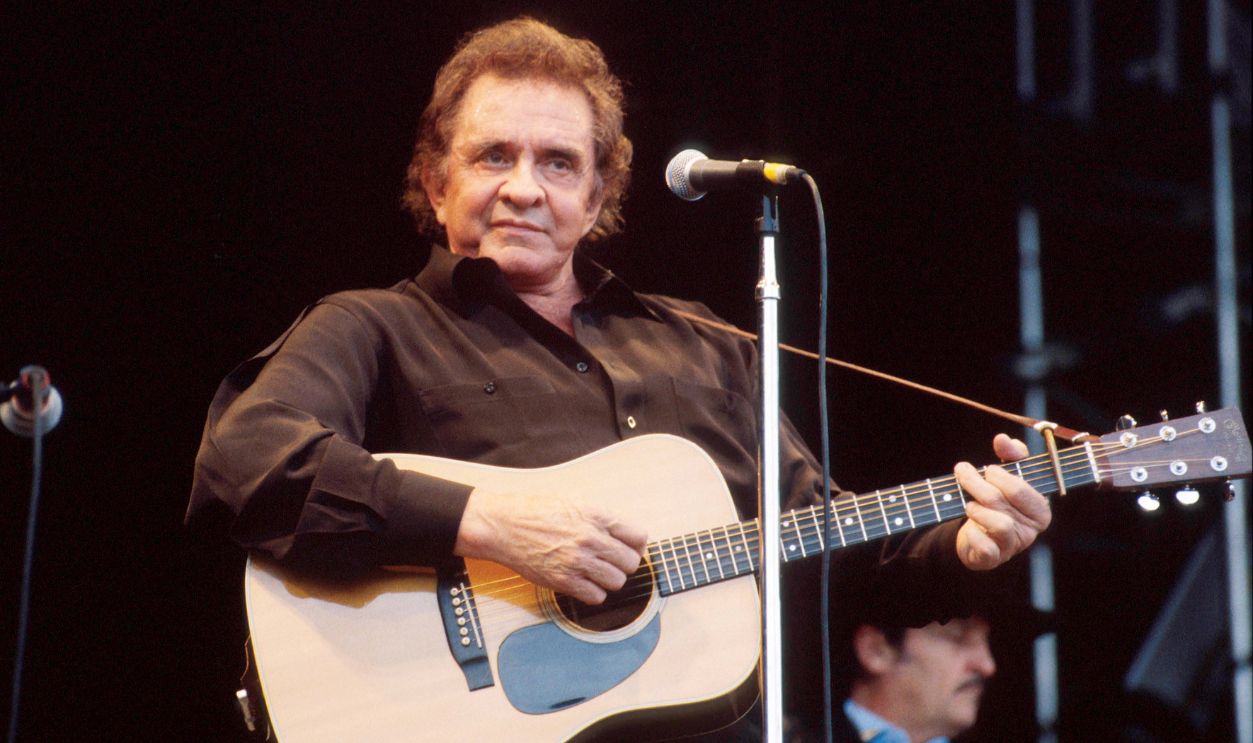
After the DNA revelation, Bitter Tears became harder to discuss in simple heroic terms. The album still mattered as a rare mainstream country protest record about Native injustice. But Cash’s use of a false Cherokee identity made the project more complicated, especially because the music had been partly framed through that supposed heritage.
Some Still Defended The Album’s Purpose
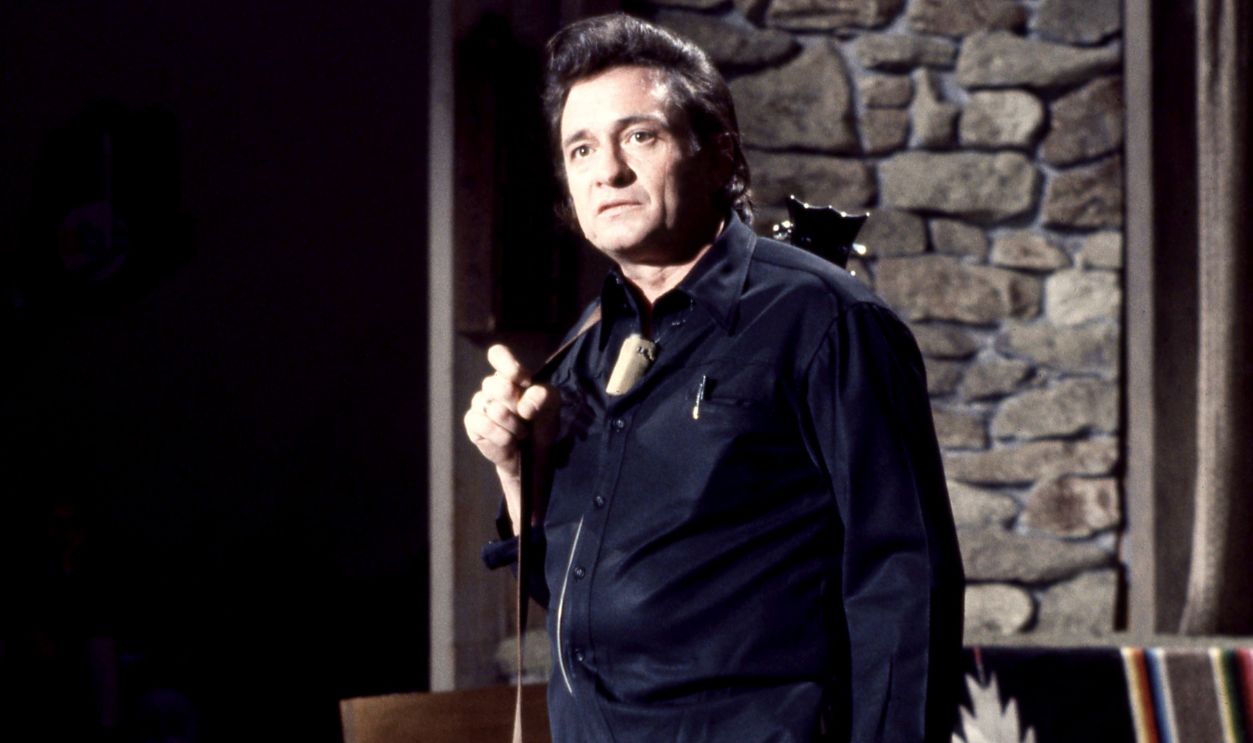
Many listeners still see Bitter Tears as an important work. Cash used his fame to spotlight Native suffering at a time when country radio resisted those stories. That remains historically significant. The problem is not that he sang about injustice. The problem is that a false ancestry story strengthened his authority.
Others Saw A Familiar Pattern
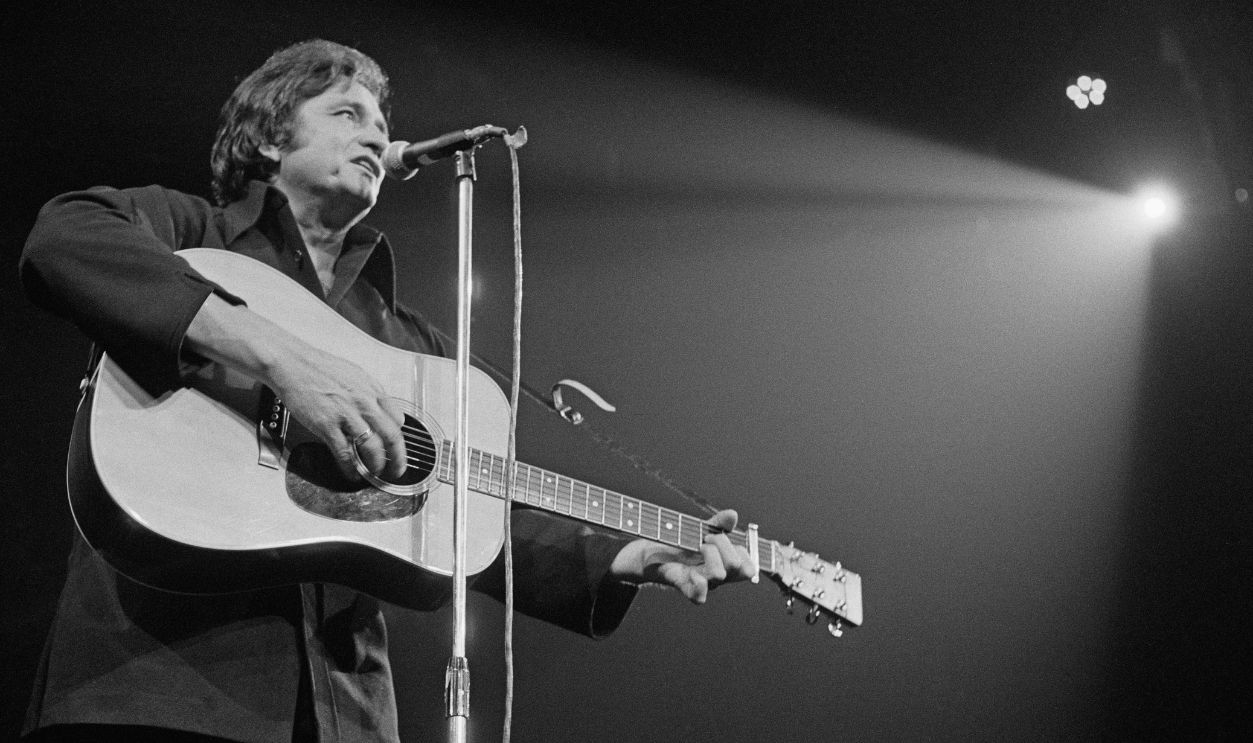
The revelation also fit a broader American pattern: white public figures claiming distant Cherokee roots without enrollment, documentation, or community connection. Such stories have long been common, especially in families from the South. Cash’s case became part of that larger conversation about myth-making and false Native identity.
The Claim Was False, But The Sympathy Was Real
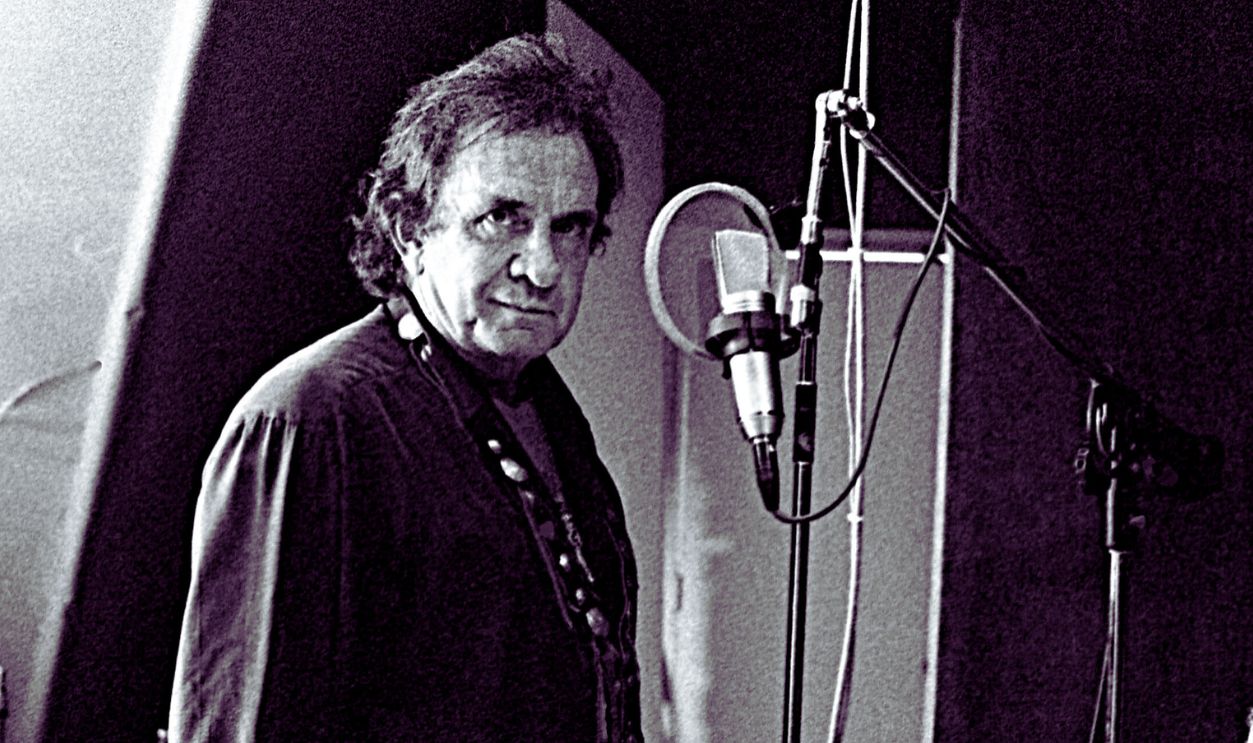
Cash’s Cherokee claim was false, but that does not mean every song on Bitter Tears was cynical. The album appears to have grown from real outrage at Native injustice and from collaboration with writers like Peter La Farge. Cash’s empathy could be genuine even when the identity story attached to it was wrong.
That Is What Makes The Story So Uncomfortable
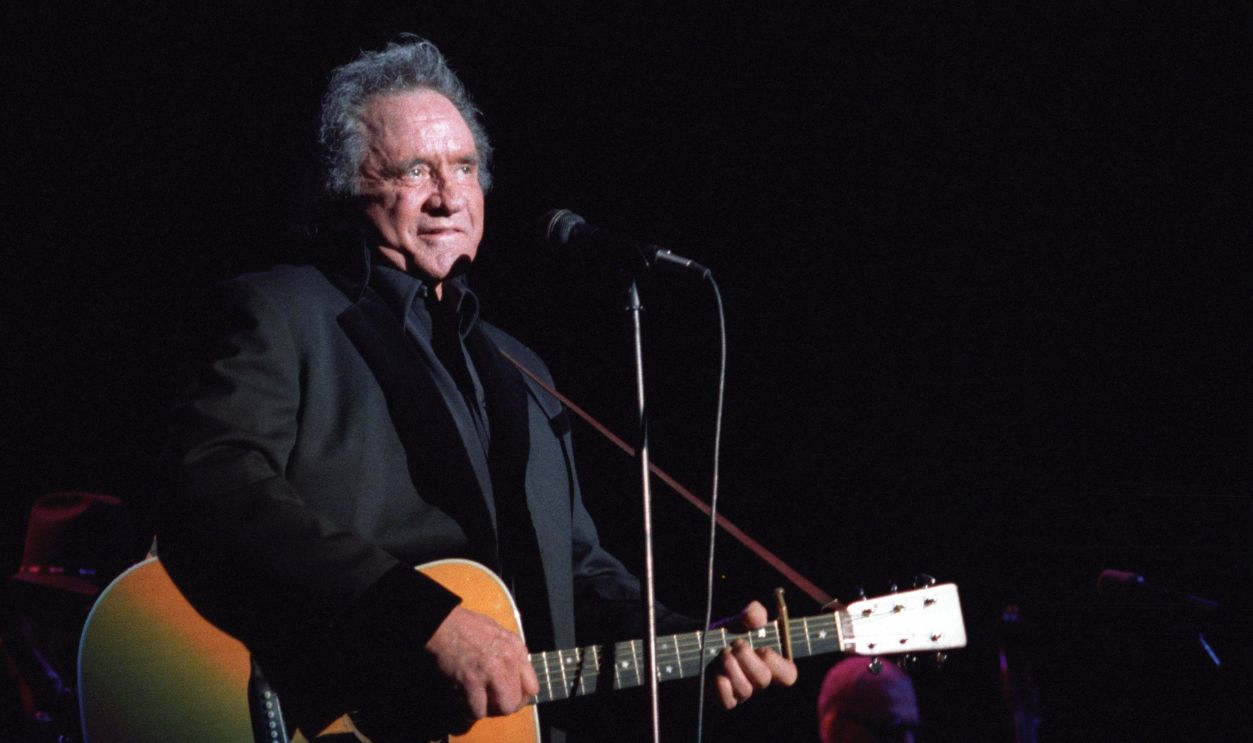
The uncomfortable truth is that Cash could be both ahead of many country stars in singing about Native suffering and wrong to claim Native roots. Those facts do not cancel each other out. They make the legacy harder, more human, and more tangled than the old myth allowed.
 Glucksman Library, Wikimedia Commons
Rosanne’s Test Forced A Reckoning
Rosanne Cash’s DNA test did not create the doubt by itself. It confirmed and sharpened doubts already visible in Cash’s own later statements and in scholarship. The Man in Black had sung for the marginalized, but one part of his claimed identity did not hold up.
 Bryan Ledgard from Yorkshire, UK, Wikimedia Commons
The Truth Did Not Erase The Songs
The revelation did not make Bitter Tears disappear. People still study it, cover it, criticize it, and admire parts of its courage. But the album can no longer be discussed honestly without noting that Cash’s supposed Cherokee roots were not supported and that the story helped shape how the work was received.
You May Also Like:
Crystal Gayle Is So Much More Than Just Loretta Lynn’s Little Sister
The Craziest Things That Happened To Famous Musicians On Stage—Ranked
Forgotten Soft-Rock Hits From The 1970s That Once Played Everywhere