Changing The Channel On Nostalgia
The Golden Age of television gave us unforgettable stars, groundbreaking shows, and moments that helped shape modern entertainment. But over the years, plenty of myths have grown right alongside those classic broadcasts. From live TV misconceptions to sponsor influence and famous scandals, here's a look at some of the biggest misunderstandings about television's most celebrated era.
 Bureau of Industrial Service, Wikimedia Commons
It Was One Clearly Defined Era
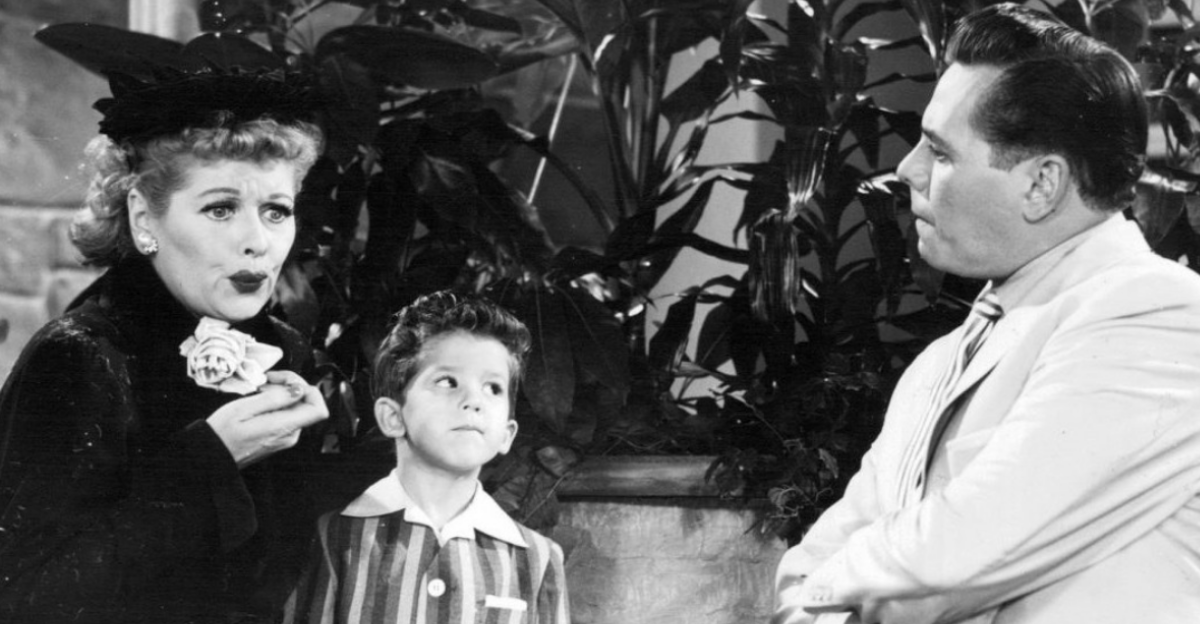
People love talking about television's Golden Age like it had a neat beginning and end, but historians don't completely agree. Some say it started in the late 1940s and wrapped up around 1960, while others stretch the timeline a little further. It really depends on whether you're focusing on live drama, network television, or the industry's biggest creative breakthroughs.
 Australian National Maritime Museum on The Commons, Wikimedia Commons
Every Show Was Broadcast Live
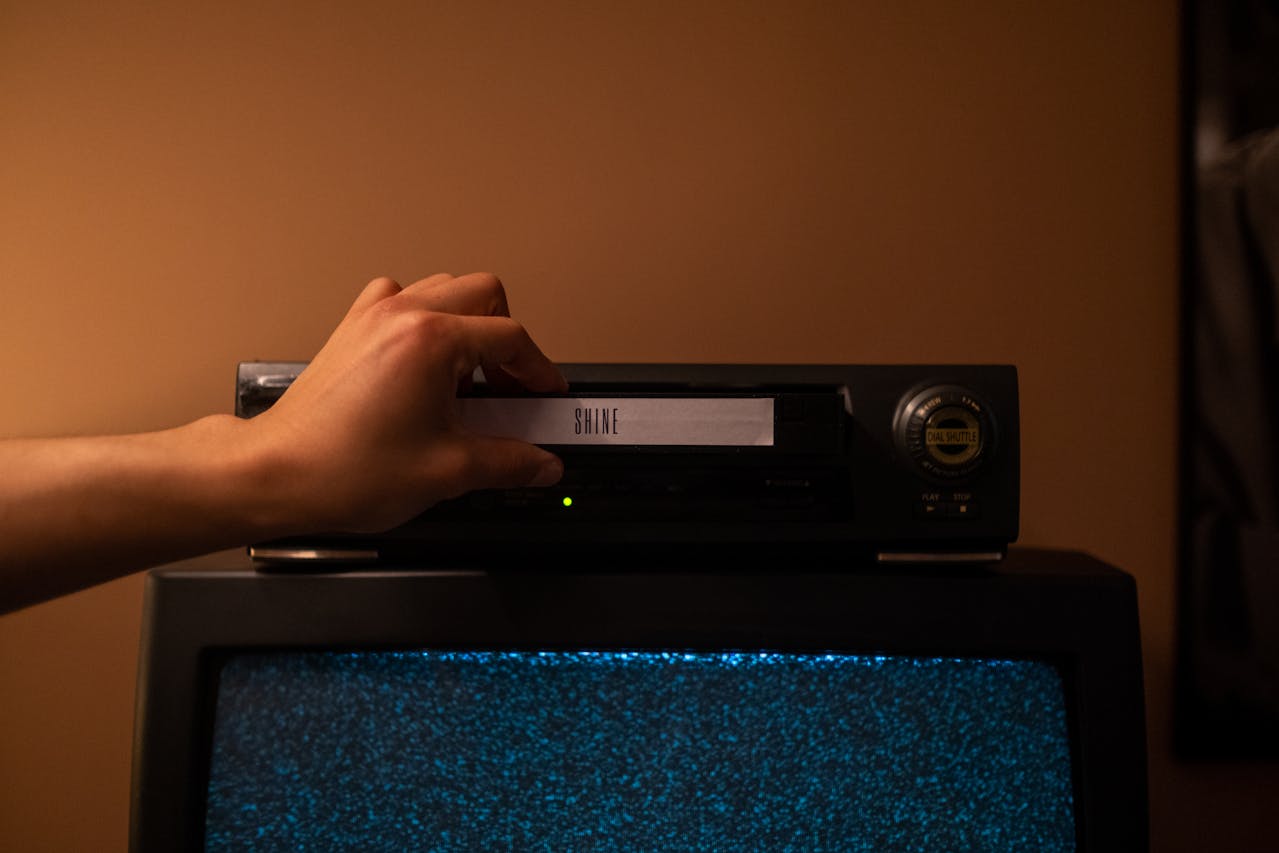
Live television was a huge part of the era, but it wasn't the whole story. By the mid-1950s, plenty of sitcoms and dramas were already being filmed instead of performed live. Videotape also started changing how shows were made, so television was evolving much faster than many people realize.
Almost Everything Was Lost Forever
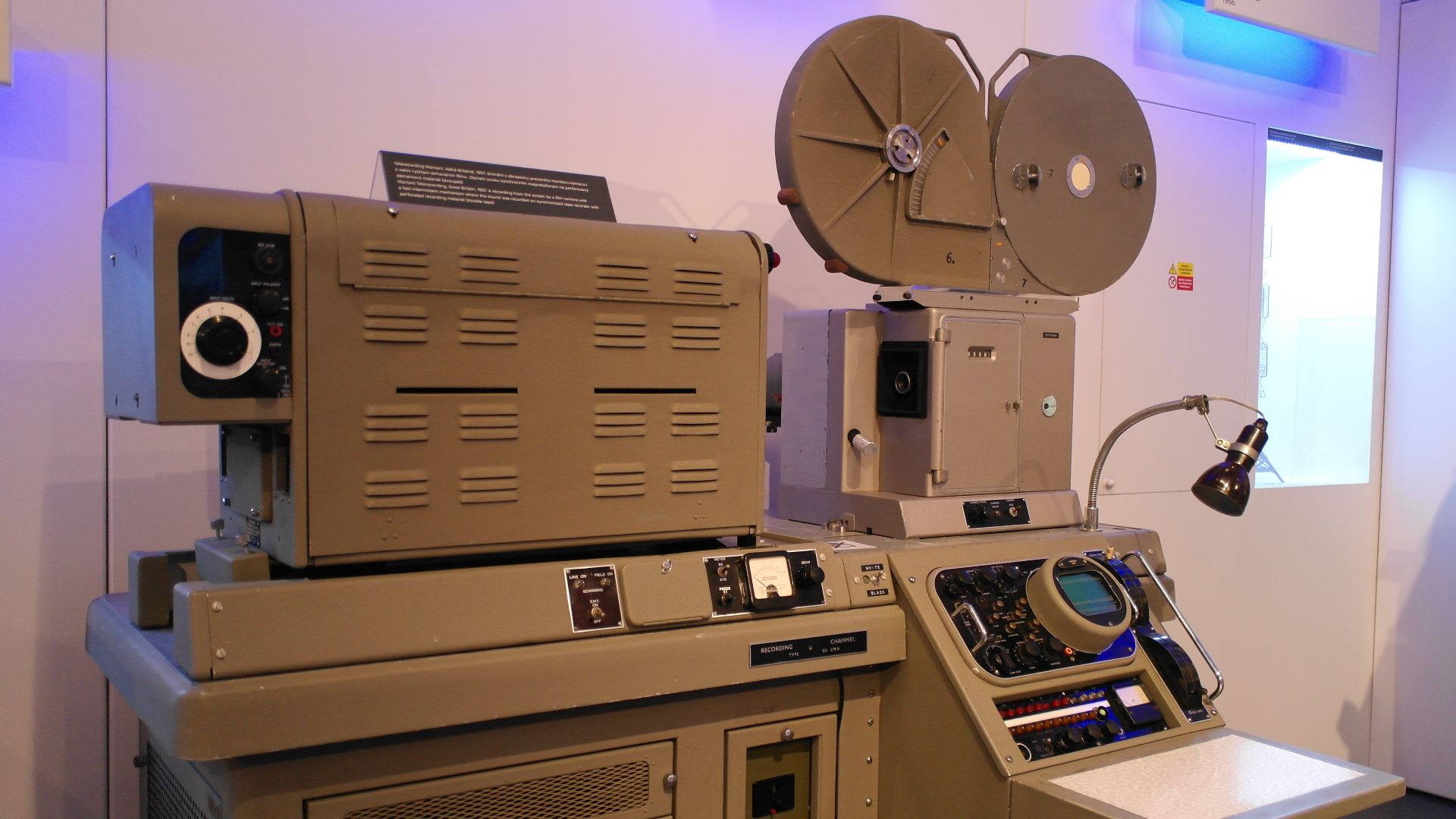
It's true that many early television broadcasts disappeared, but not nearly as many as people think. Before videotape became common, networks often used kinescopes, which were films made by recording a television screen during a live broadcast. Thanks to those recordings, many famous shows from the era can still be watched today.
It Was All Serious Drama
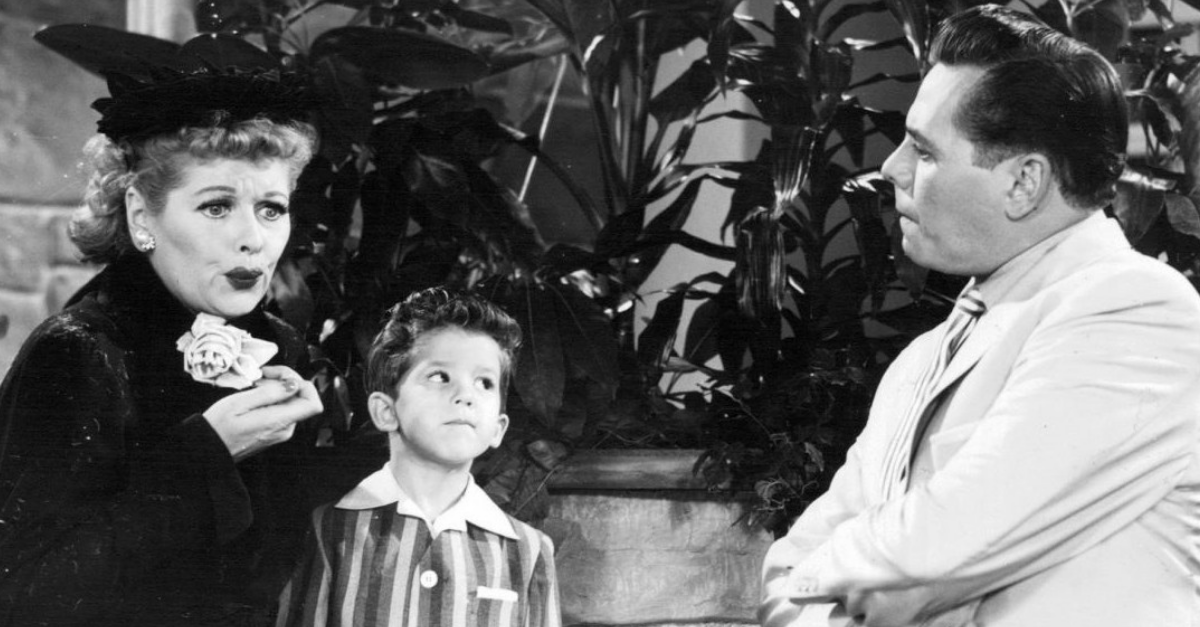
When people think of television's Golden Age, they usually picture prestigious live dramas filled with famous actors. Those shows were certainly important, but they were only one piece of the puzzle. Westerns, sitcoms, children's programs, variety shows, sports, news, and game shows all attracted huge audiences too.
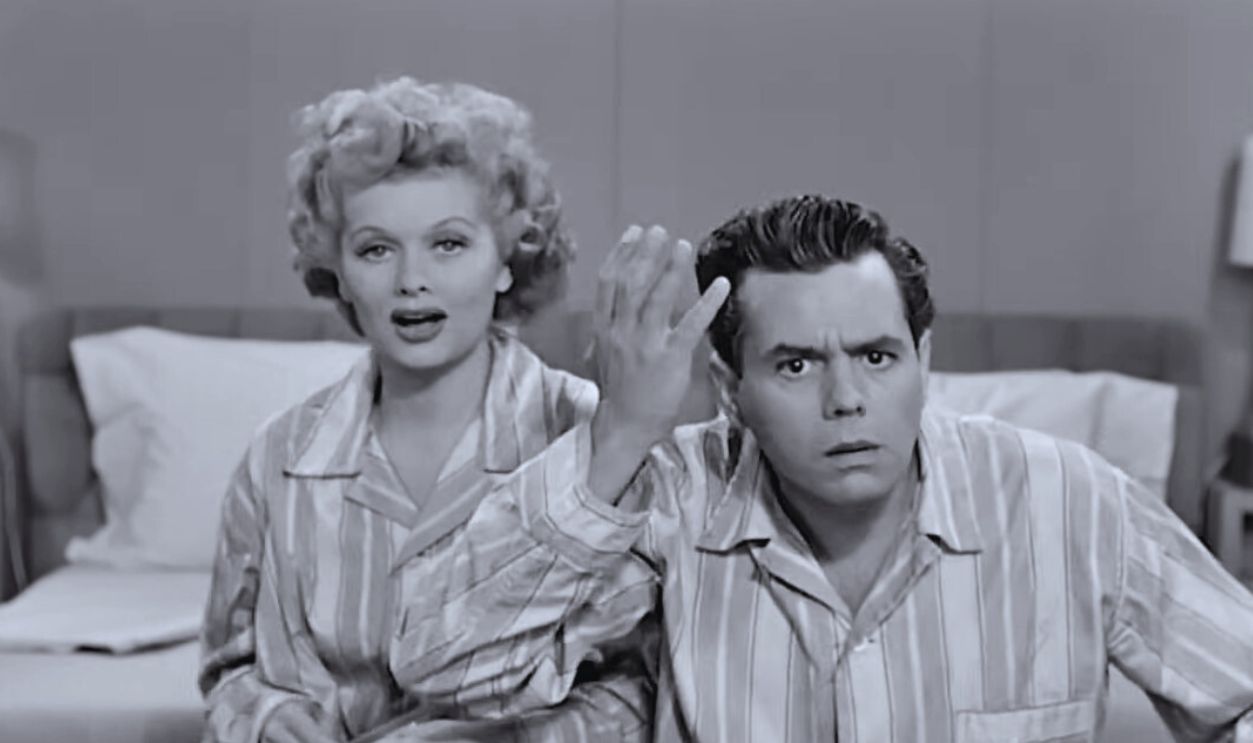 Screenshot from I Love Lucy, CBS (1951-1957)
Networks Didn't Compete Back Then
Competition was just as intense in the 1950s as it is now. CBS, NBC, ABC, and the now-defunct DuMont network constantly battled for viewers by signing stars, developing new shows, and trying to outdo one another in the ratings. The fight for audience attention has always been part of television.
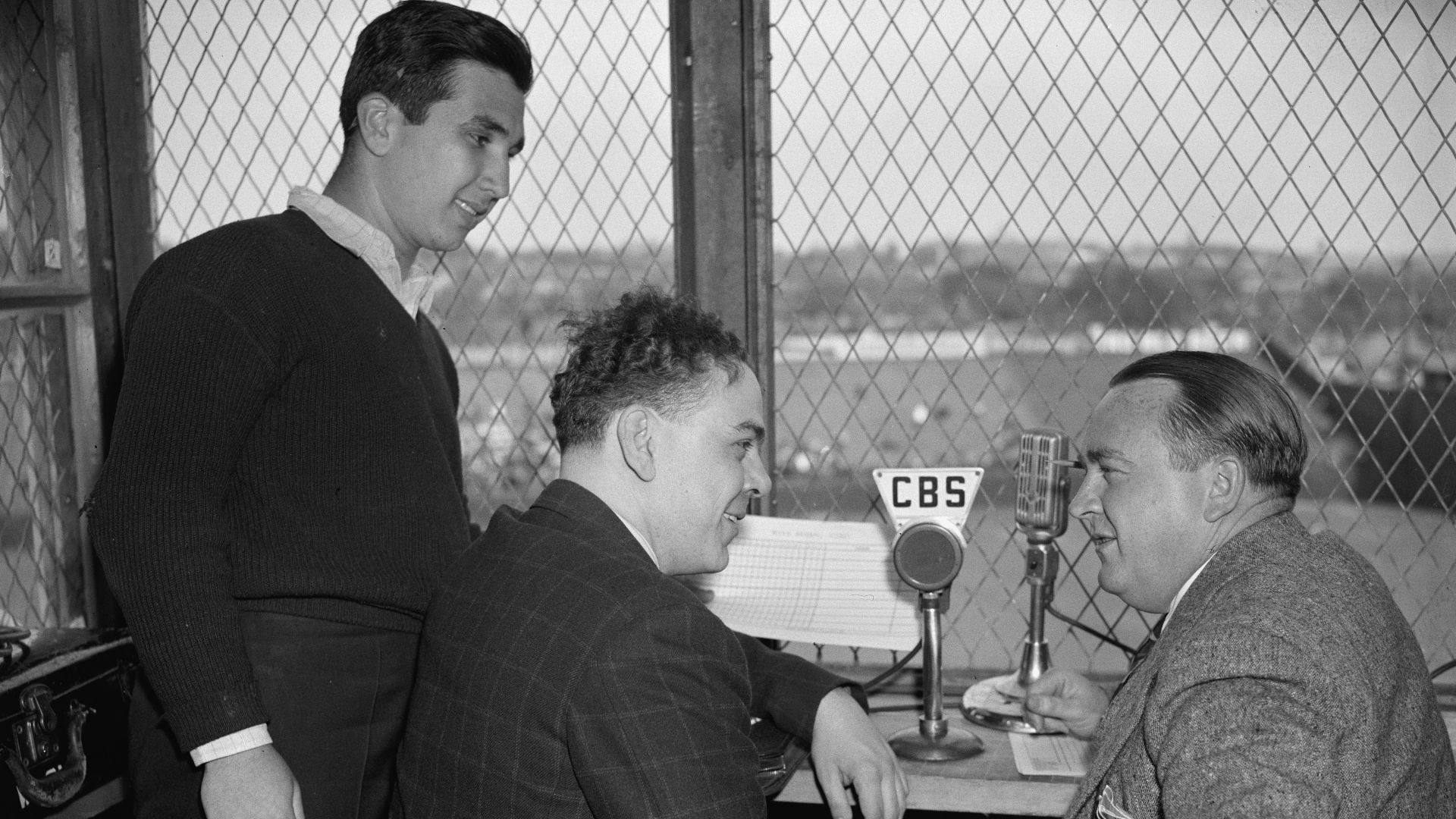 Harris & Ewing, photographer, Wikimedia Commons
Television Was All About Art
It's easy to imagine early television as a creative playground where writers could do whatever they wanted, but money was always involved. Sponsors often paid for entire programs and sometimes had a say in casting, scripts, and storylines. Creative freedom existed, but it came with plenty of strings attached.
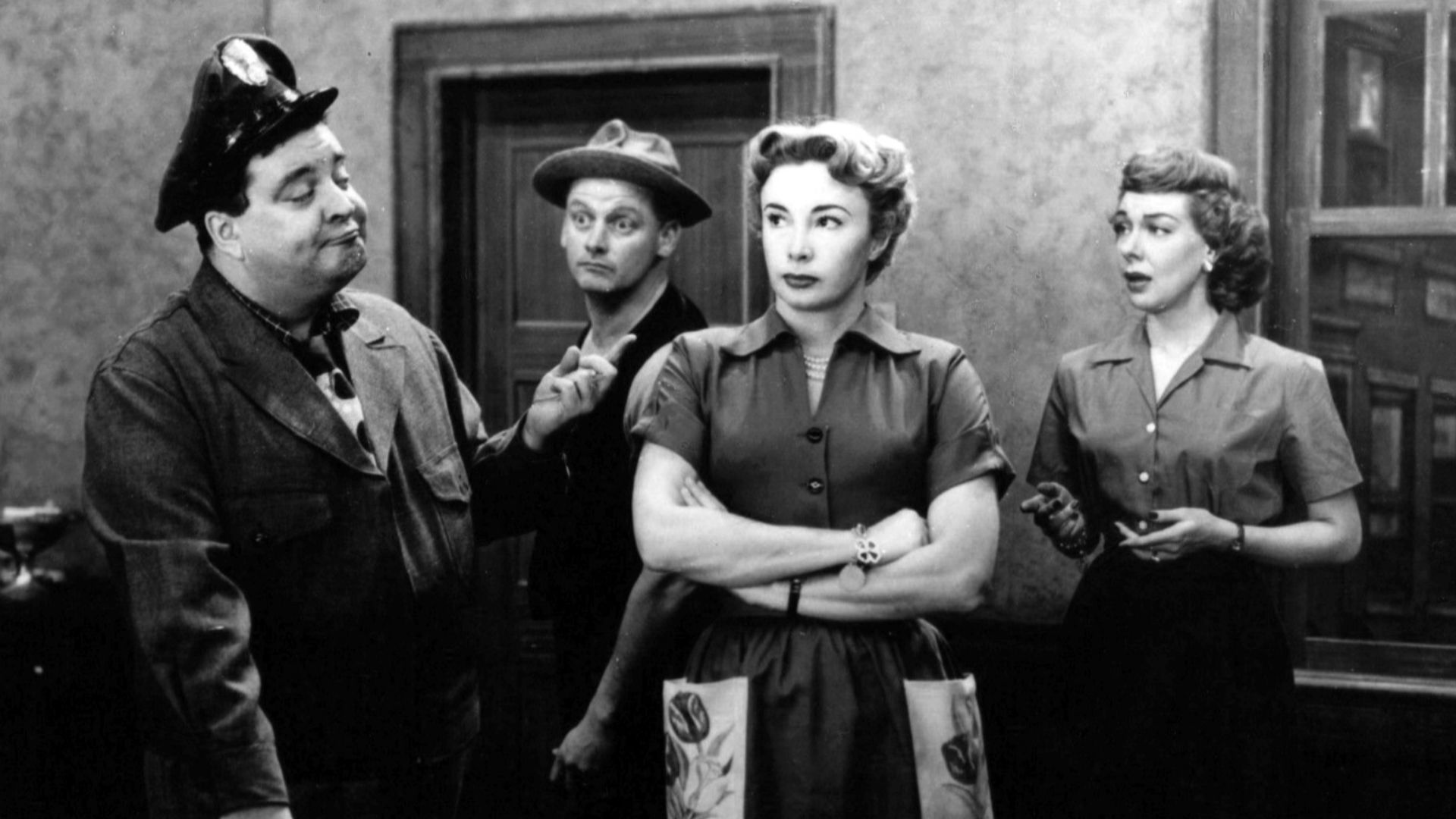 CBS Television, Wikimedia Commons
Quiz Shows Were Completely Fair
Many of the biggest quiz shows looked like honest competitions, but some weren't nearly as genuine as viewers believed. Investigations later revealed that certain contestants had been coached or even given answers ahead of time. The scandal shocked the public and led to lasting changes in how television competitions are run.
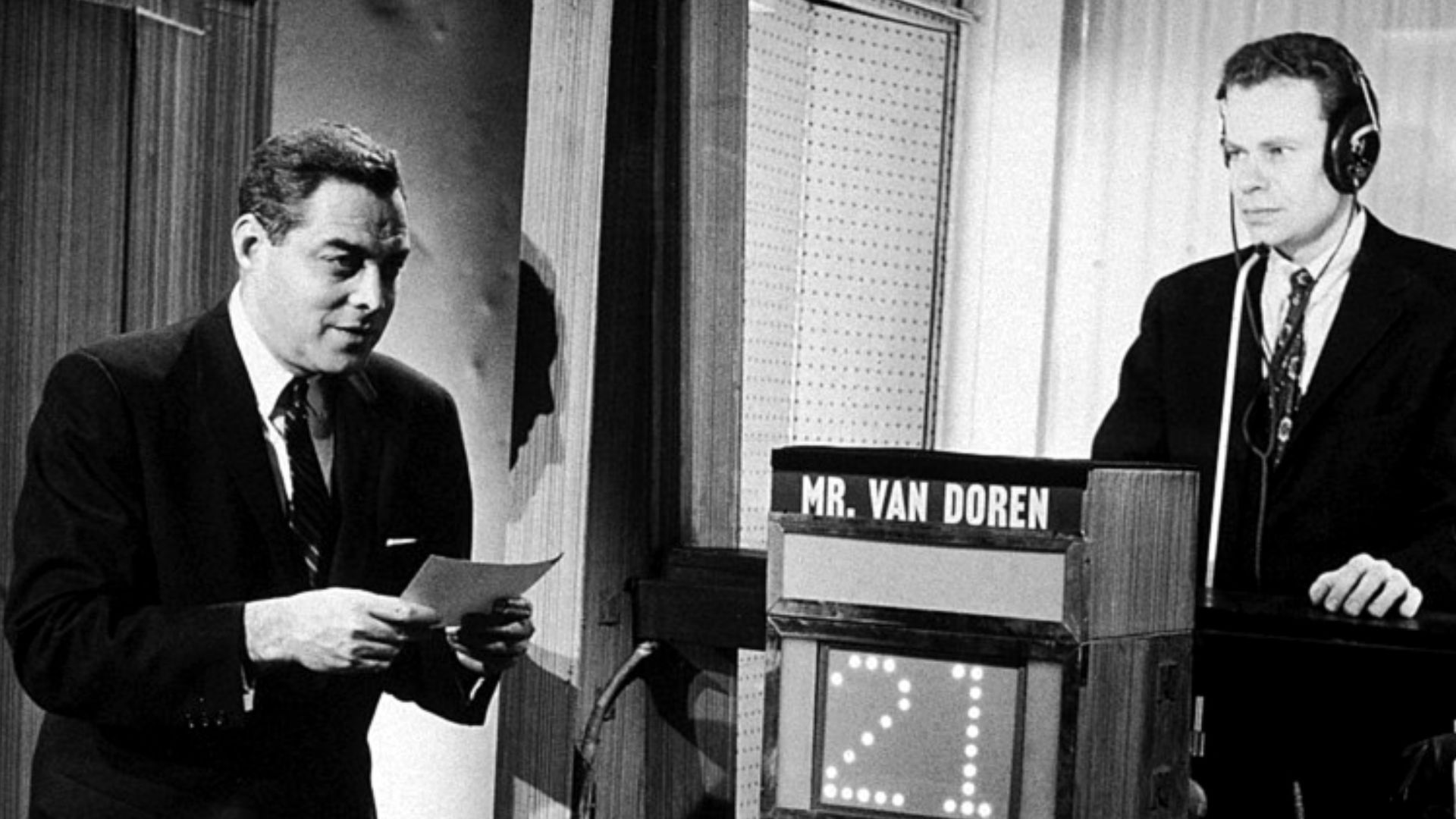 Macfadden Publications, no photographer credited, Wikimedia Commons
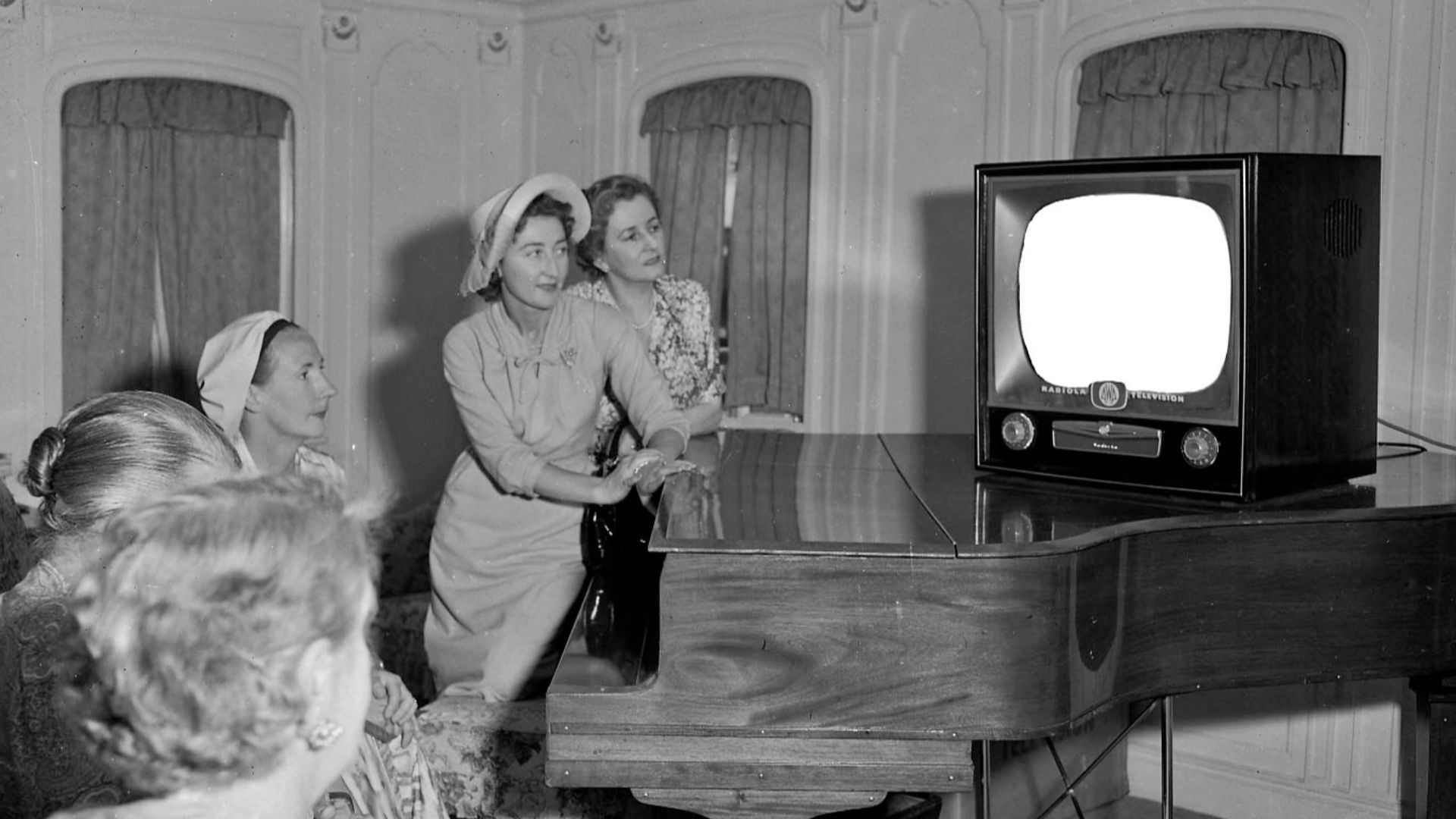
Every Family Had A Television Right Away
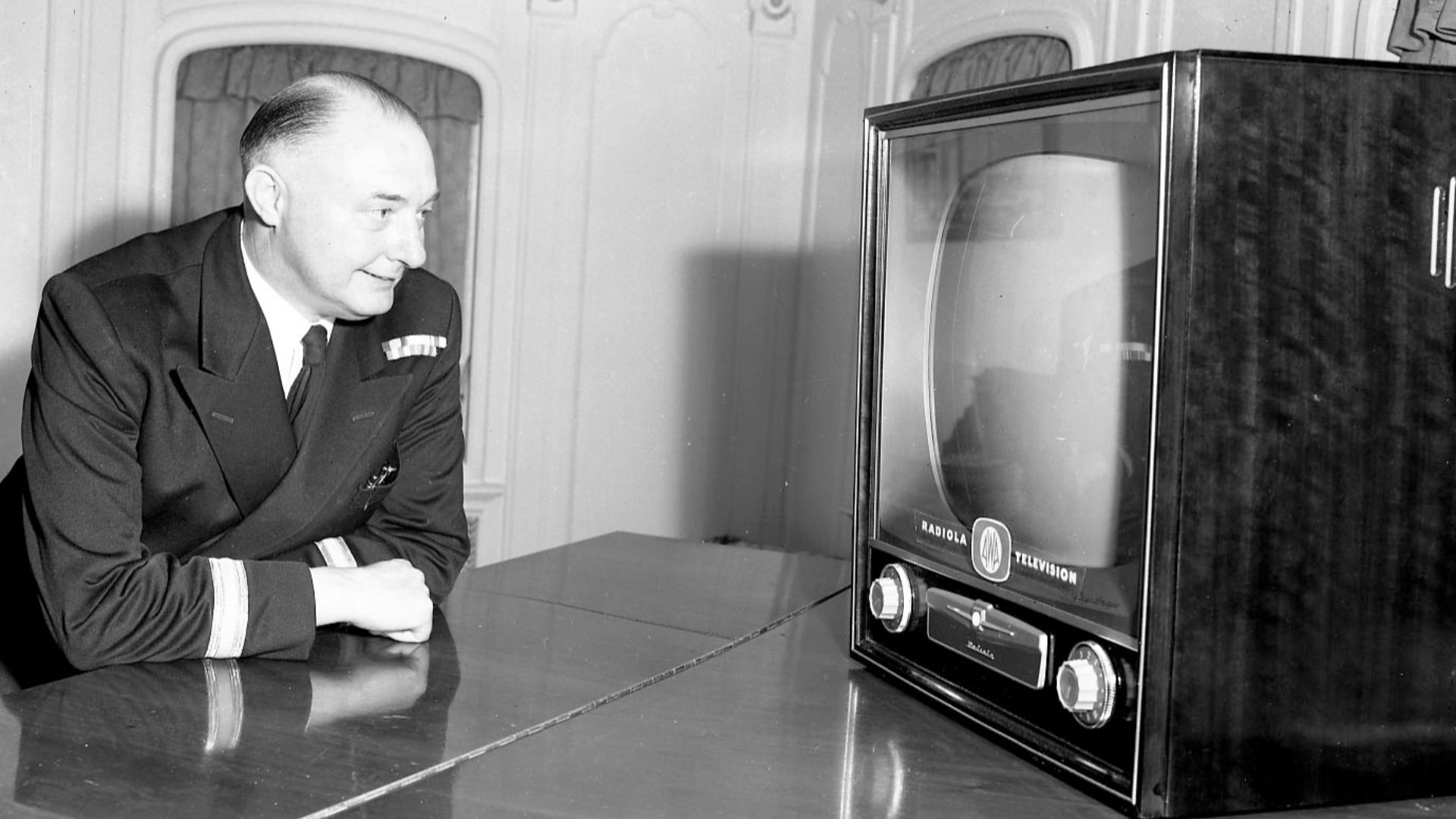
Television spread incredibly fast after World War II, but it wasn't an overnight phenomenon. As prices dropped and more programming became available, millions of households gradually bought their first TV sets. It took several years before television truly became the center of American family life.
 Australian National Maritime Museum on The Commons, Wikimedia Commons
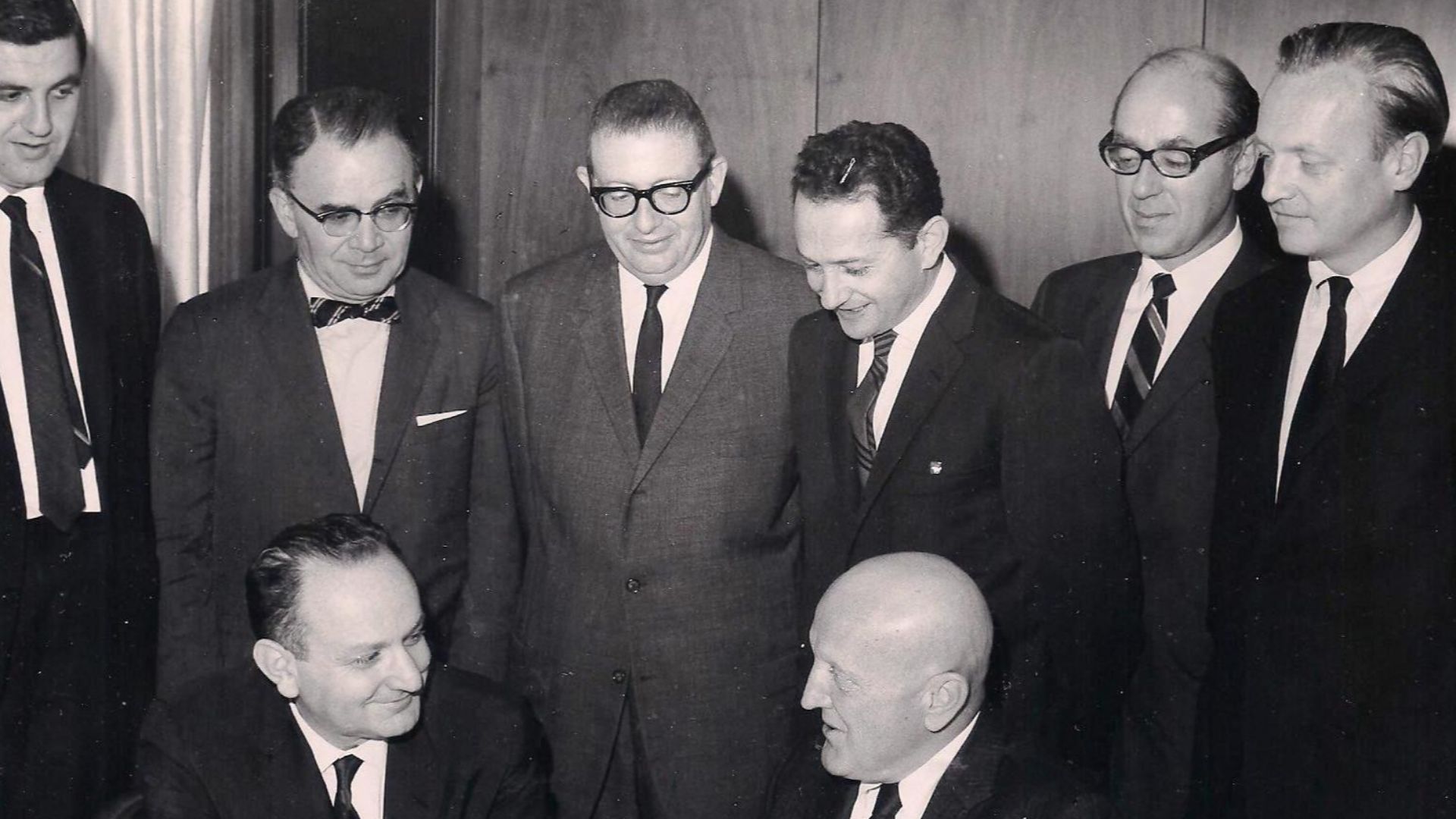
Writers Could Say Whatever They Wanted
Golden Age television produced some bold storytelling, but writers still had to work around plenty of restrictions. Sponsors, network executives, and broadcast standards all influenced what could and couldn't appear on screen. Many controversial topics were toned down or avoided altogether.
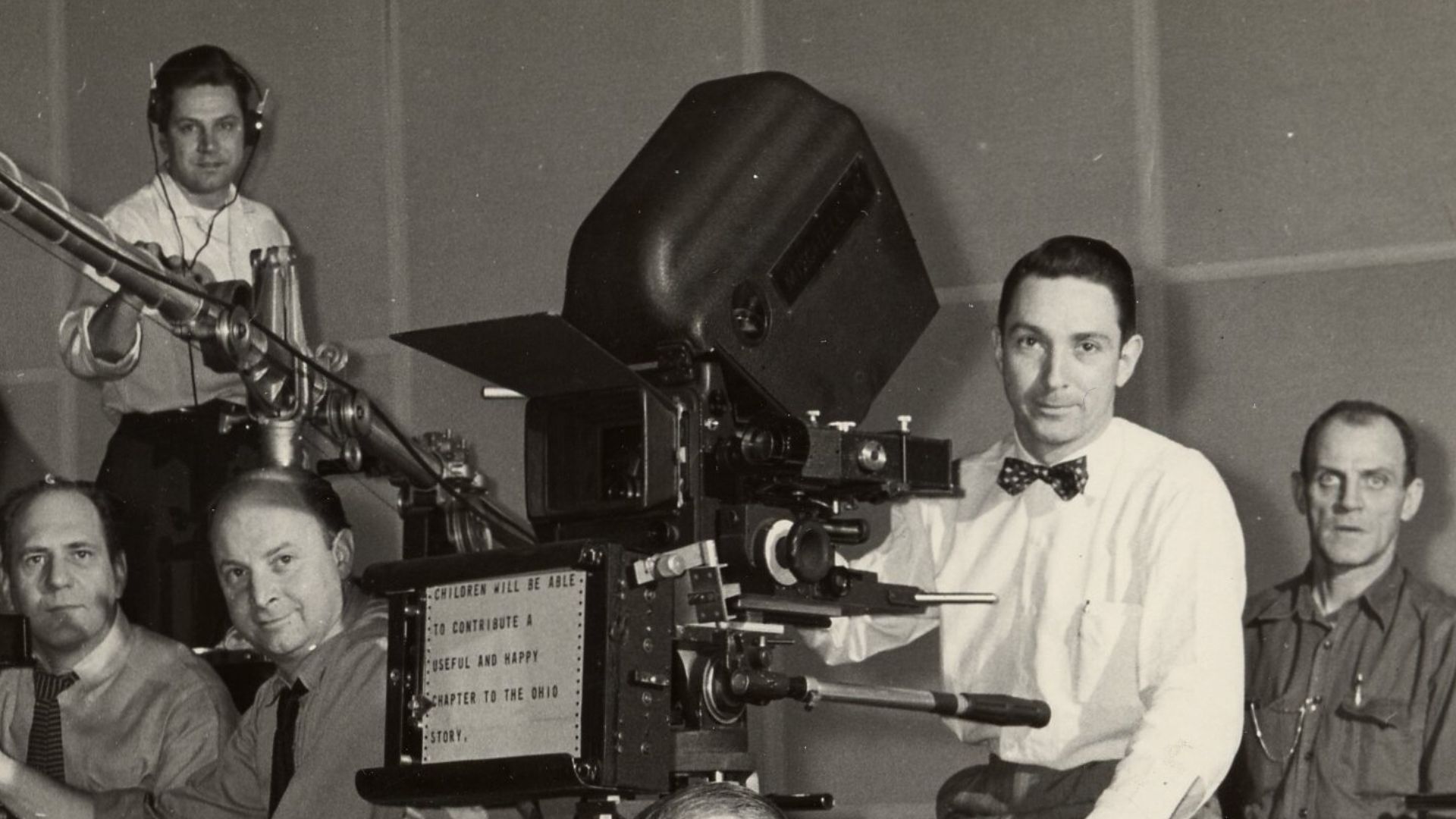
The Technology Was Primitive
Compared to today's equipment, early television certainly looks basic. Even so, producers pulled off some incredibly impressive live productions using multiple cameras, fast set changes, and carefully choreographed performances. Those innovations helped shape how television is still produced today.
 75Portlewes, Wikimedia Commons
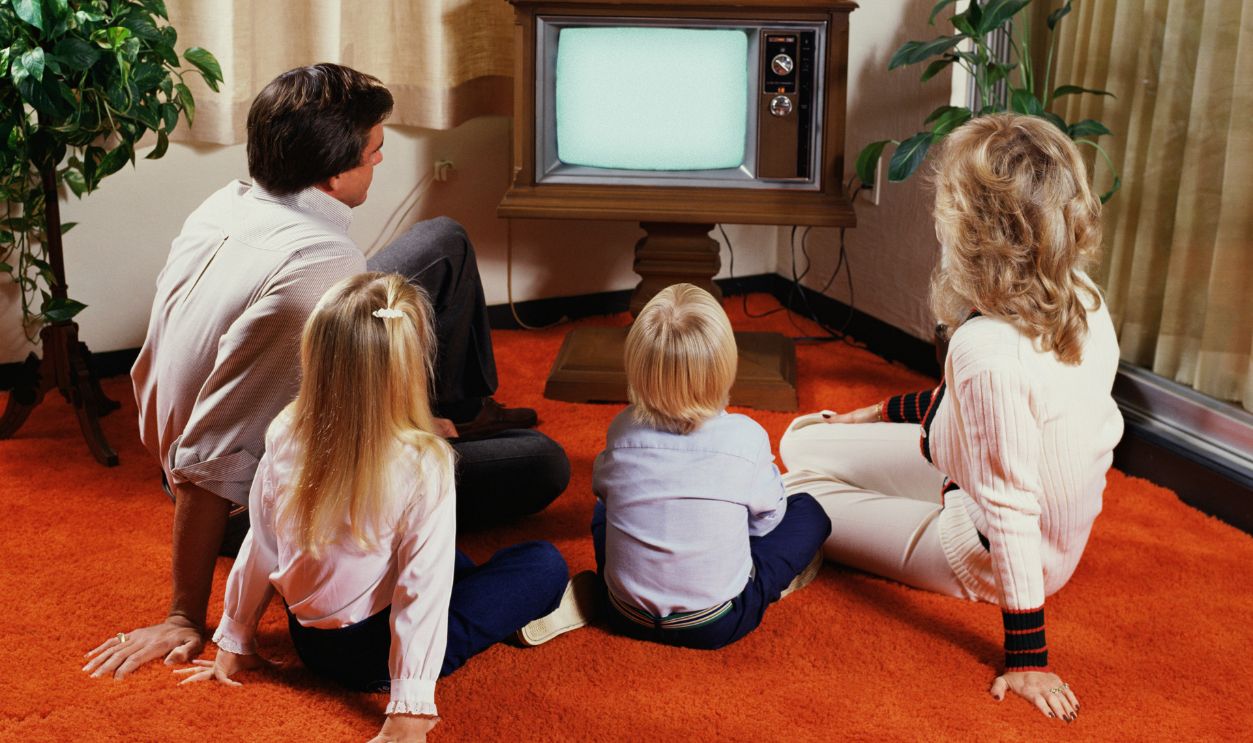
Nobody Had Color Television
Because so many classic clips are in black and white, it's easy to assume color television didn't exist yet. In fact, commercial color broadcasting began during the 1950s. The reason most people remember black-and-white TV is that color sets were expensive, so it took years before they became common in American homes.
Every Classic Was An Instant Hit
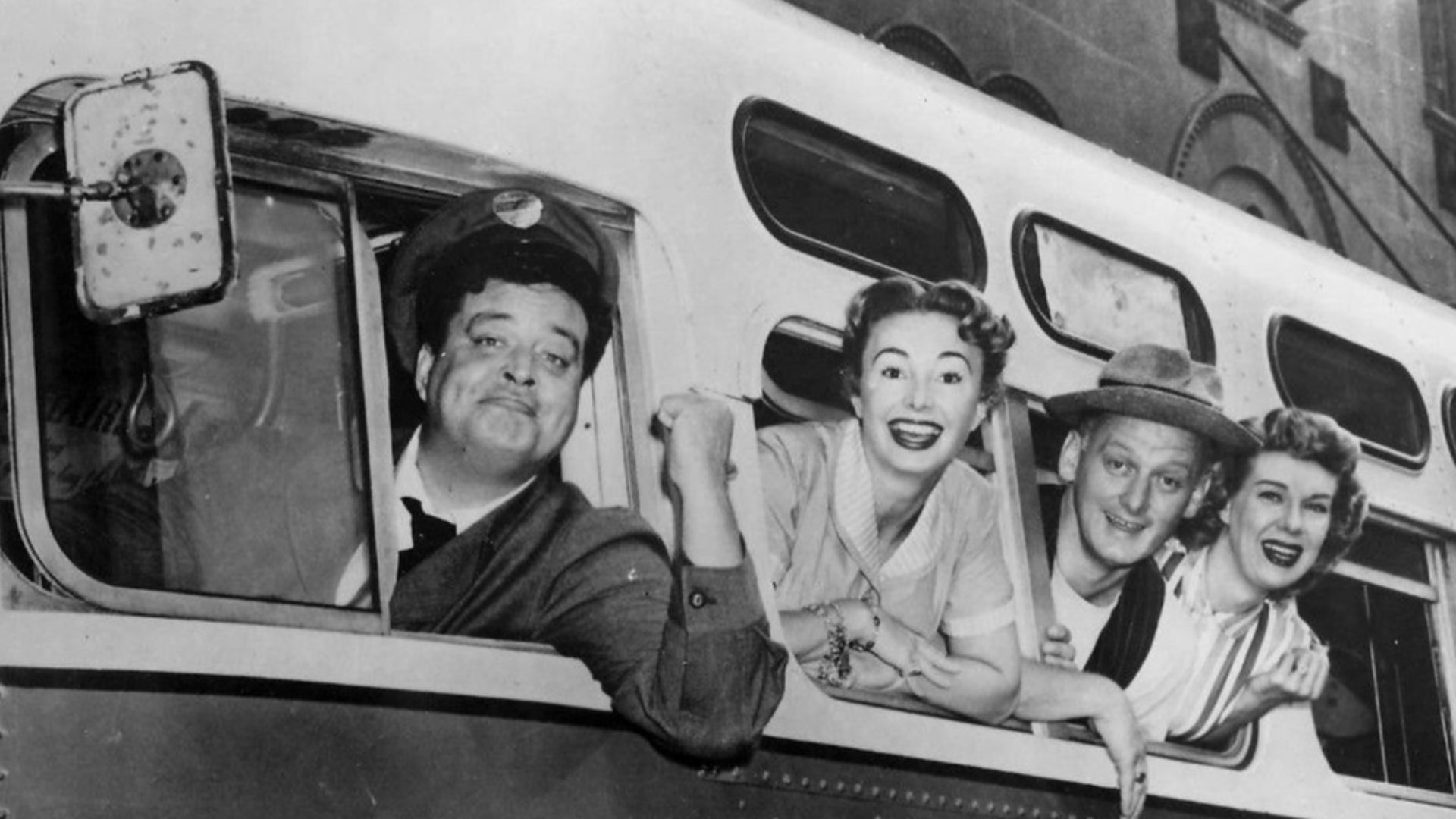
Not every beloved television classic became a success overnight. Some shows needed time to find an audience, while others earned critical praise even if they struggled in the ratings. Looking back, it's easy to remember the winners and forget how many ambitious programs disappeared quickly.
 CBS Television, Wikimedia Commons
Networks Always Called The Shots
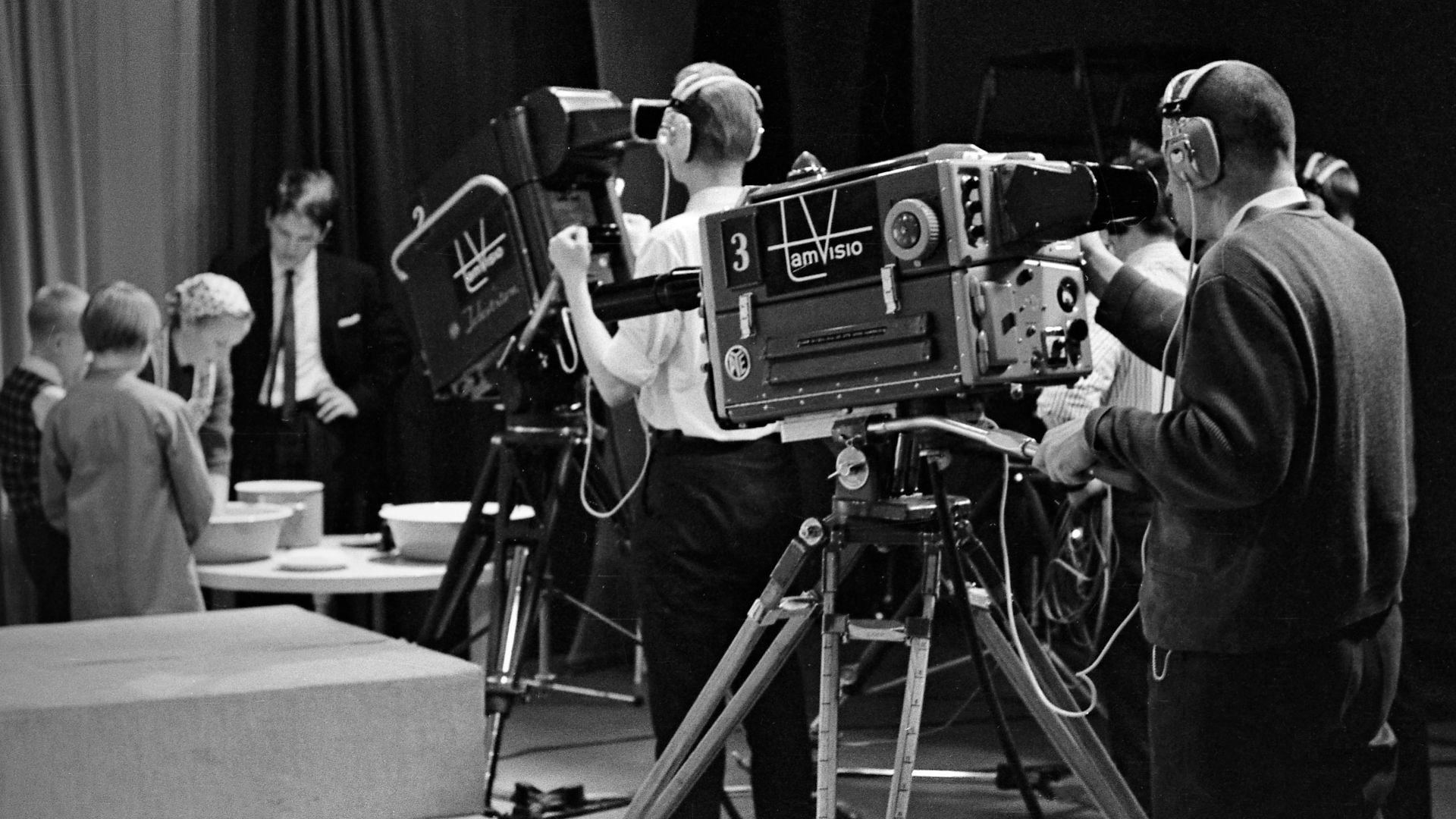
Today, networks usually have the final say, but that wasn't always the case. During television's early years, advertisers often held remarkable power because they were paying the bills. In some cases, sponsors influenced everything from casting decisions to storylines before networks gradually took more control.
 AnonymousUnknown author / Archives of the Finnish Broadcasting Company Yleisradio, Wikimedia Commons
Everyone Watched The Same Shows
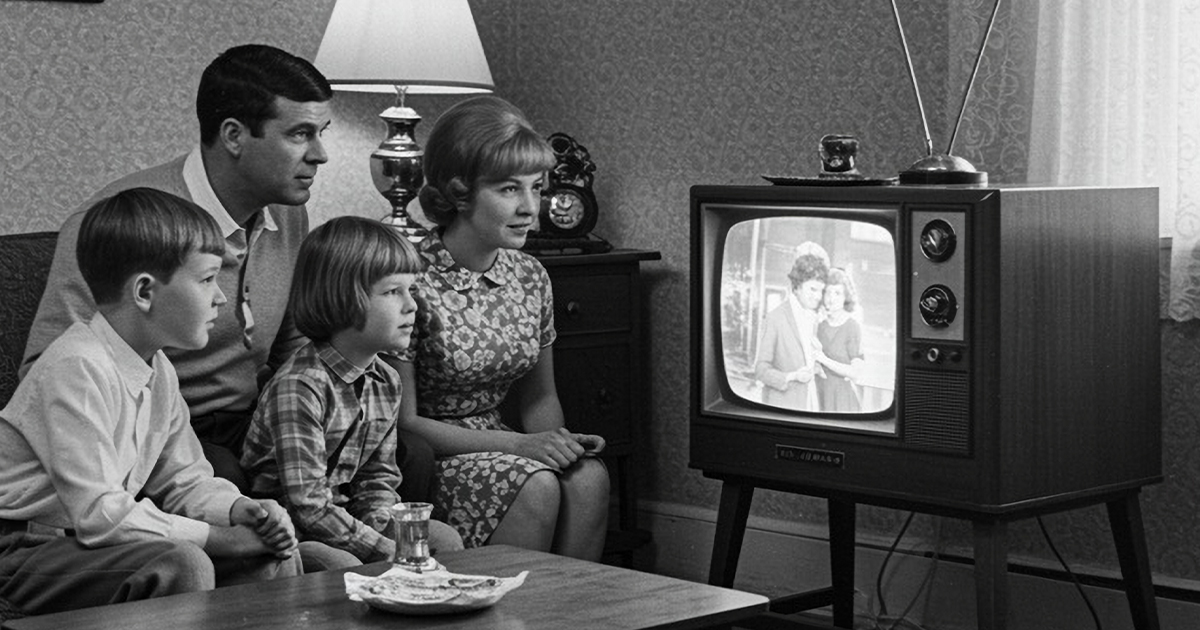
There weren't hundreds of channels, but viewers still had choices. Families watched different genres depending on their interests, and not every station carried the exact same lineup. Even during television's earliest decades, audiences weren't nearly as uniform as nostalgia sometimes suggests.
Television Demolished Radio Overnight
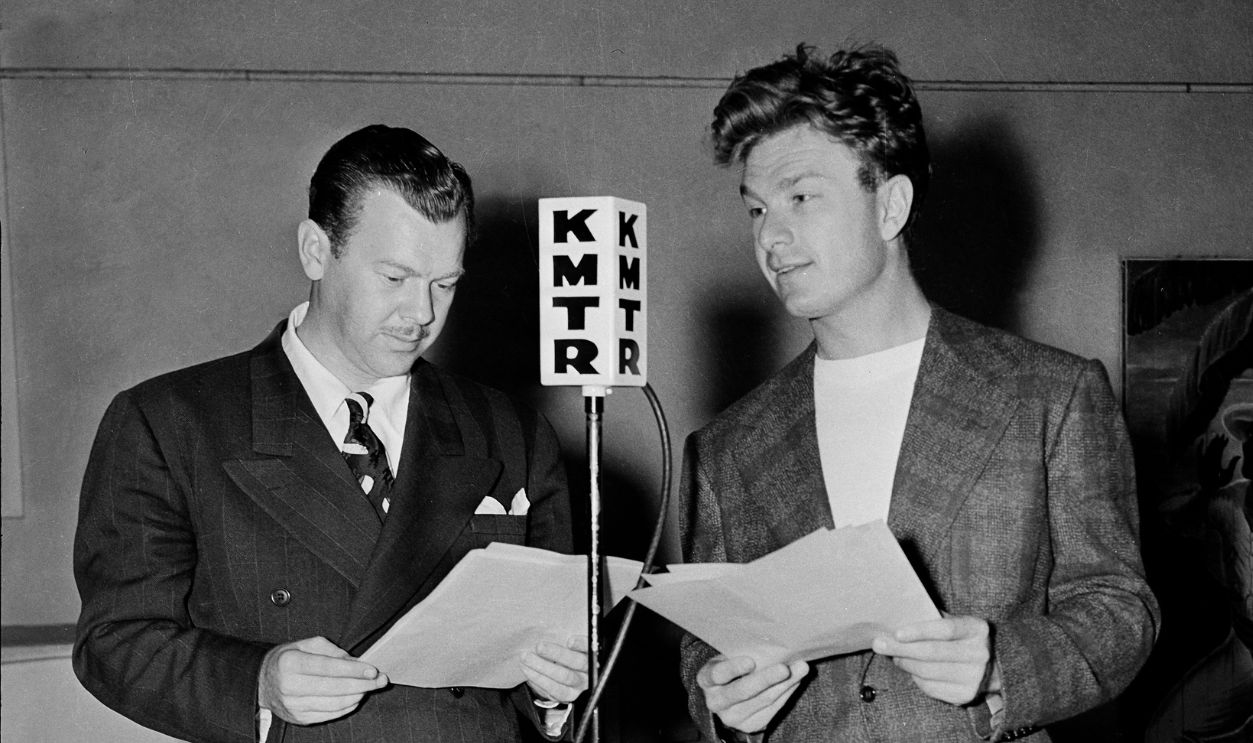
Television definitely changed entertainment, but radio didn't simply disappear. Many radio stars successfully moved into television, while radio itself reinvented its role by focusing more on music, local programming, and news. The two mediums ended up evolving alongside one another.
 Michael Ochs Archives, Getty Images
The Golden Age Ended All At Once
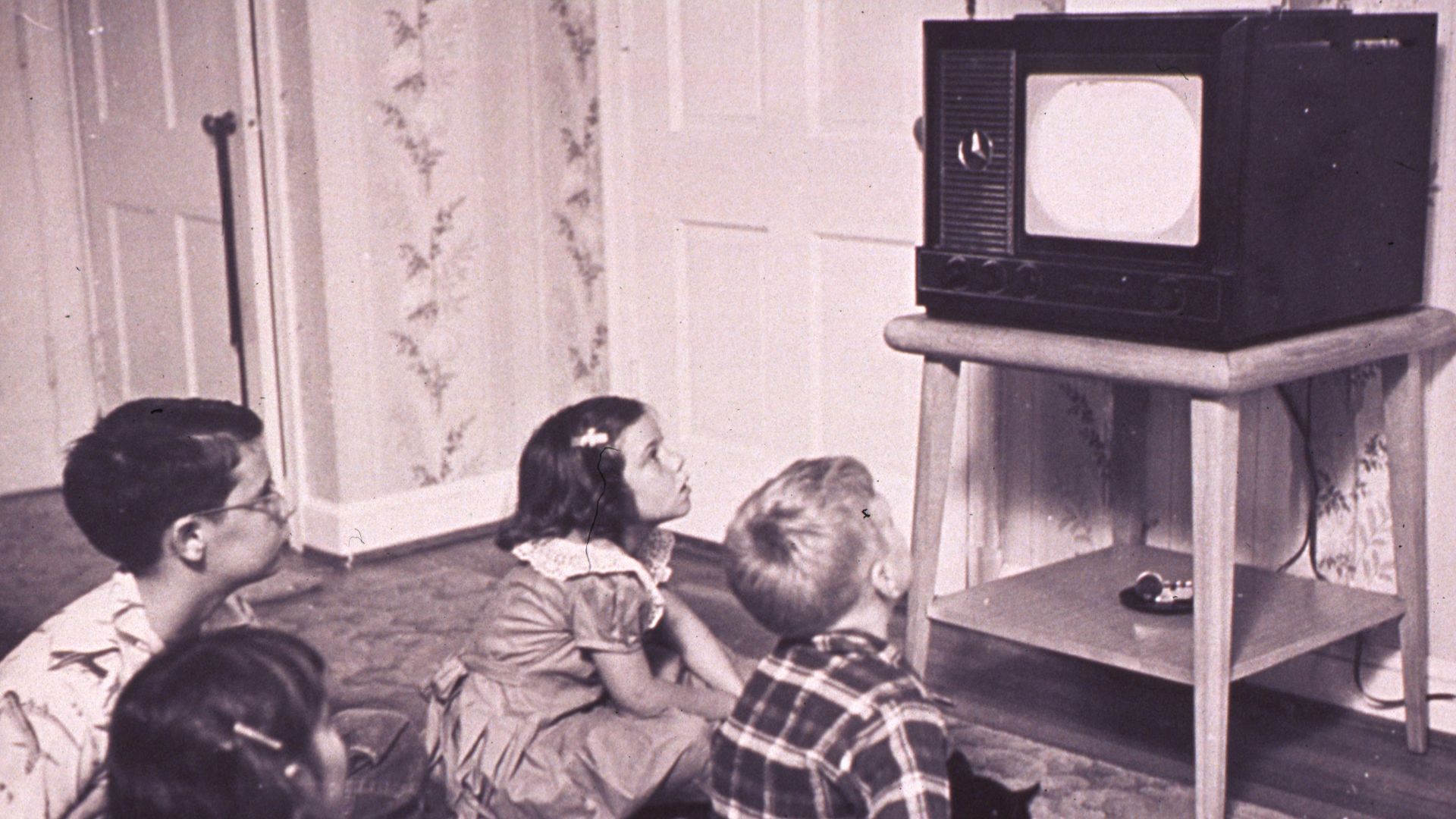
There wasn't one dramatic moment when television's Golden Age suddenly stopped. Instead, the industry slowly shifted as filmed series became more common, live anthology dramas faded, and changing audience tastes reshaped programming. It was more of a gradual transition than a hard finish.
 National Library of Medicine, Unsplash
Early Television Didn't Take News Seriously
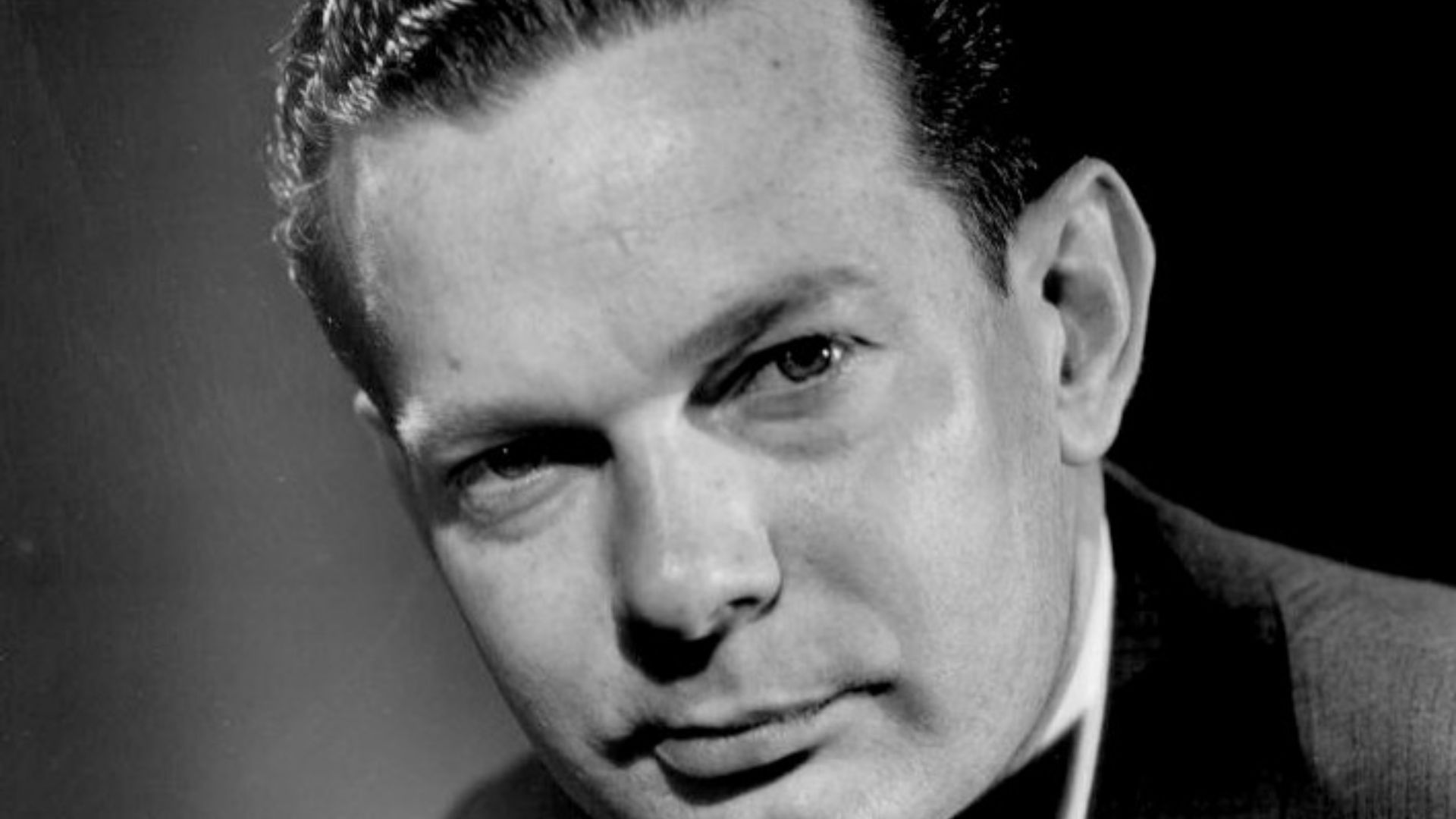
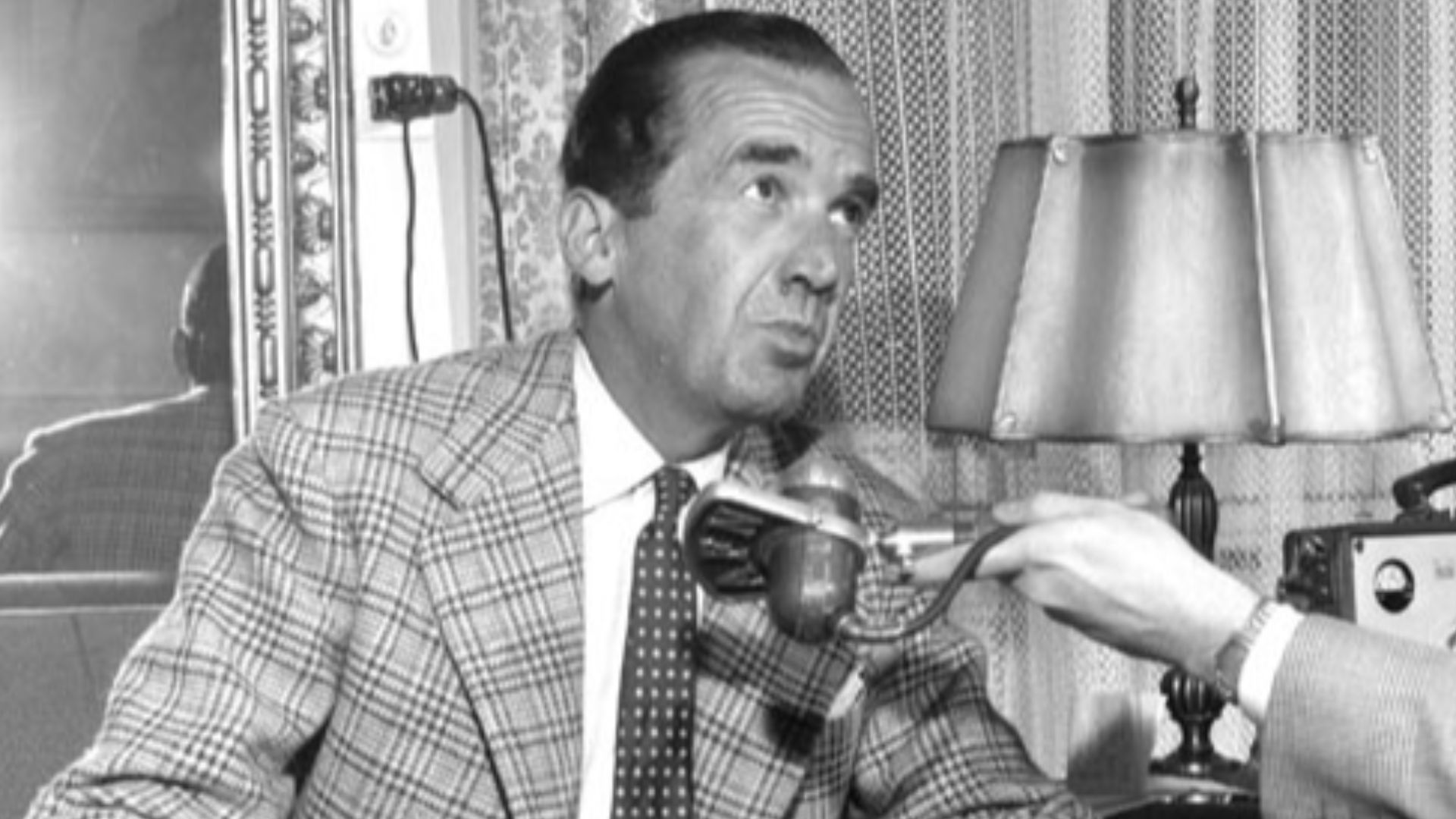
Entertainment got most of the attention, but television journalism was growing rapidly during this period too. Legendary broadcasters like Edward R. Murrow, Walter Cronkite, Chet Huntley, and David Brinkley helped establish many of the reporting styles and news formats that viewers still recognize today.
 NBC Television, Wikimedia Commons
There Were Hardly Any Rules
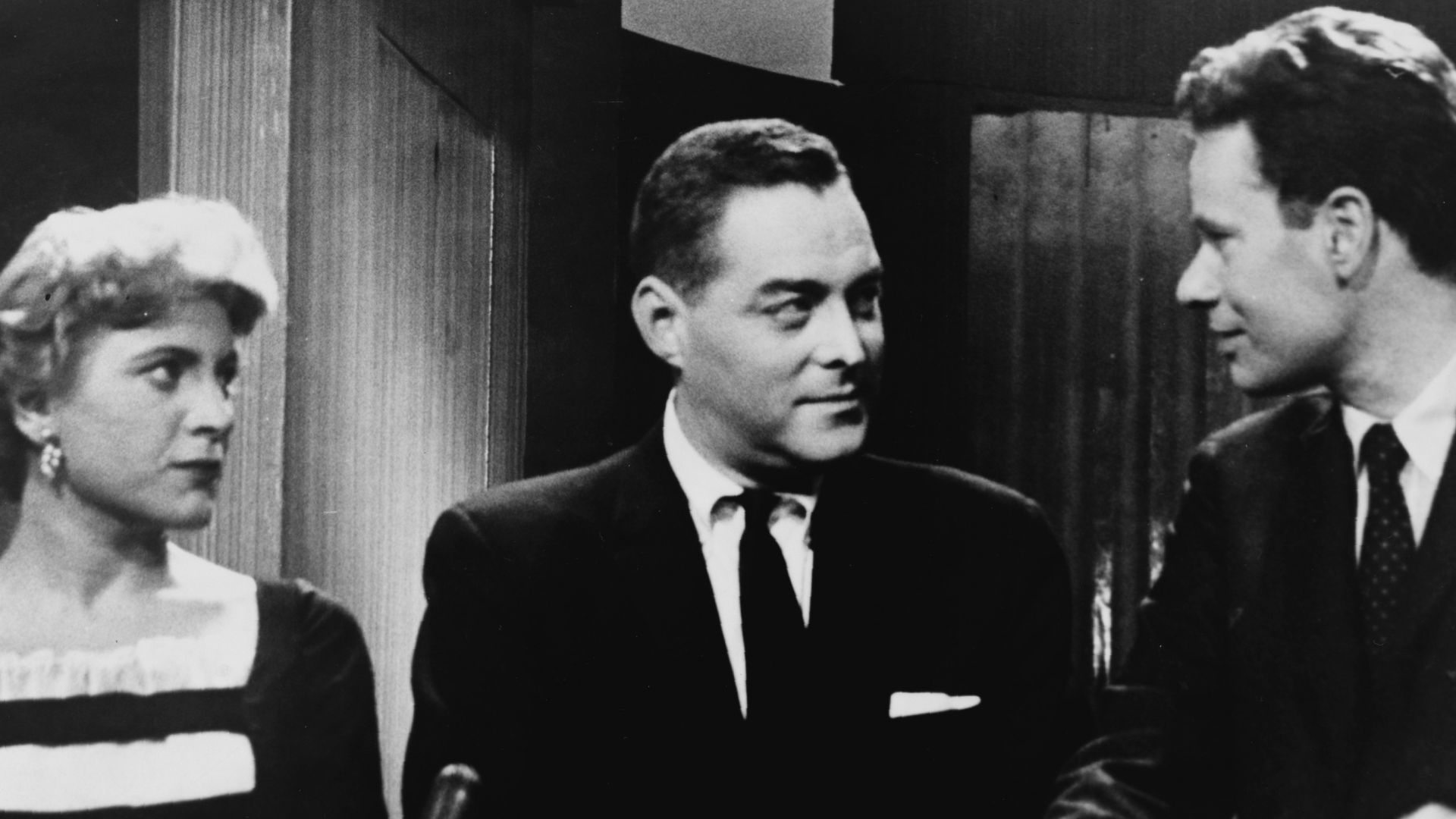
Some people assume early television operated like the Wild West, but broadcasters still had standards to follow. After the quiz show scandals exposed serious problems, lawmakers and networks tightened oversight even further. Those changes helped restore public trust and shaped how television operates today.
 New York World-Telegram and the Sun staff photographer: Orlando Fernandez, Wikimedia Commons
The Era Is Only Remembered Because Of Nostalgia
Nostalgia certainly plays a role, but that's not the whole reason people still talk about television's Golden Age. Many of the storytelling techniques, production methods, and news formats developed during those years became the blueprint for modern television. Its influence is still easy to spot decades later.
Everything Was Better Back Then
This is probably the biggest myth of them all. The Golden Age gave us groundbreaking shows and unforgettable performers, but it also had technical limitations, censorship, sponsor interference, and some very public scandals. It was an exciting time for television, not because it was perfect, but because it was constantly experimenting and pushing the medium forward.
You May Also Like:
The career move that turned James Best into a television legend long before The Dukes of Hazzard.
The fascinating career of Petticoat Junction star Bea Benaderet, television's most familiar voice.
Actors Who Appeared In More Classic TV Shows Than You Realized—How Many Do You Remember?