
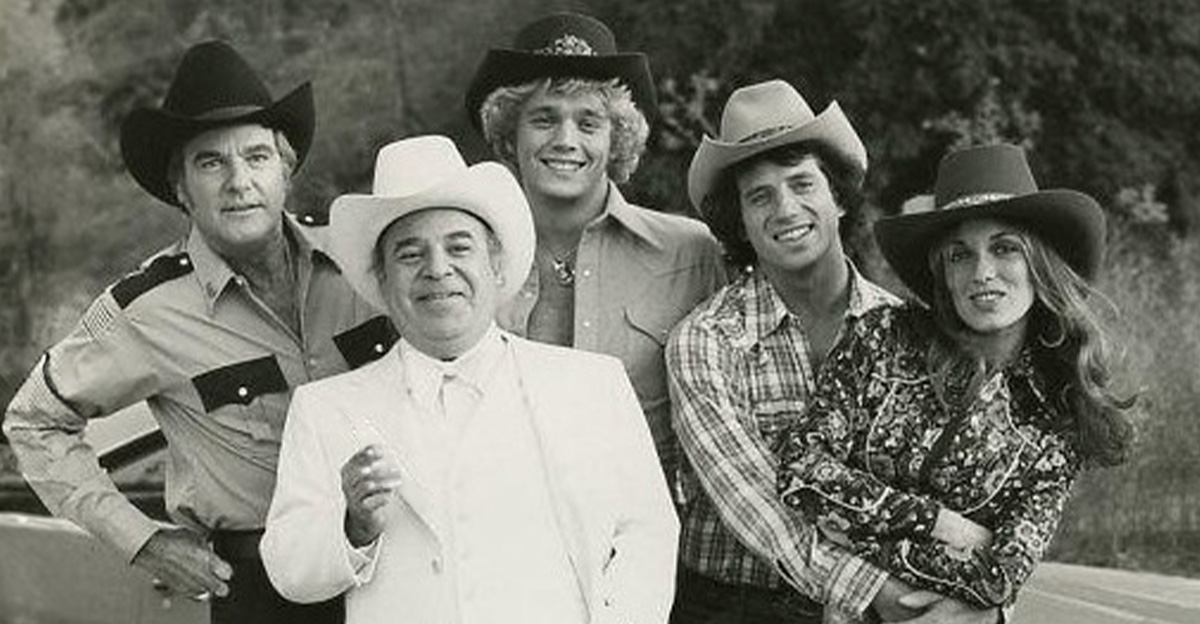
The Star Before The Sheriff
Before James Best became the sputtering, giggling, lovable Sheriff Rosco P. Coltrane on The Dukes of Hazzard, he had already built the kind of television career most actors dream about. His big career move was simple but brilliant: he embraced TV early, and he became one of its most dependable faces.
 CBS, Public domain, via Wikimedia Commons
A Hard Start In Kentucky
James Best was born Jewel Guy in Powderly, Kentucky, in 1926. His early life was anything but Hollywood-glamorous. After losing his mother as a young child, he was adopted and raised in Indiana. That rough beginning gave him something audiences later recognized instantly: warmth, toughness, and a little mischief behind the eyes.
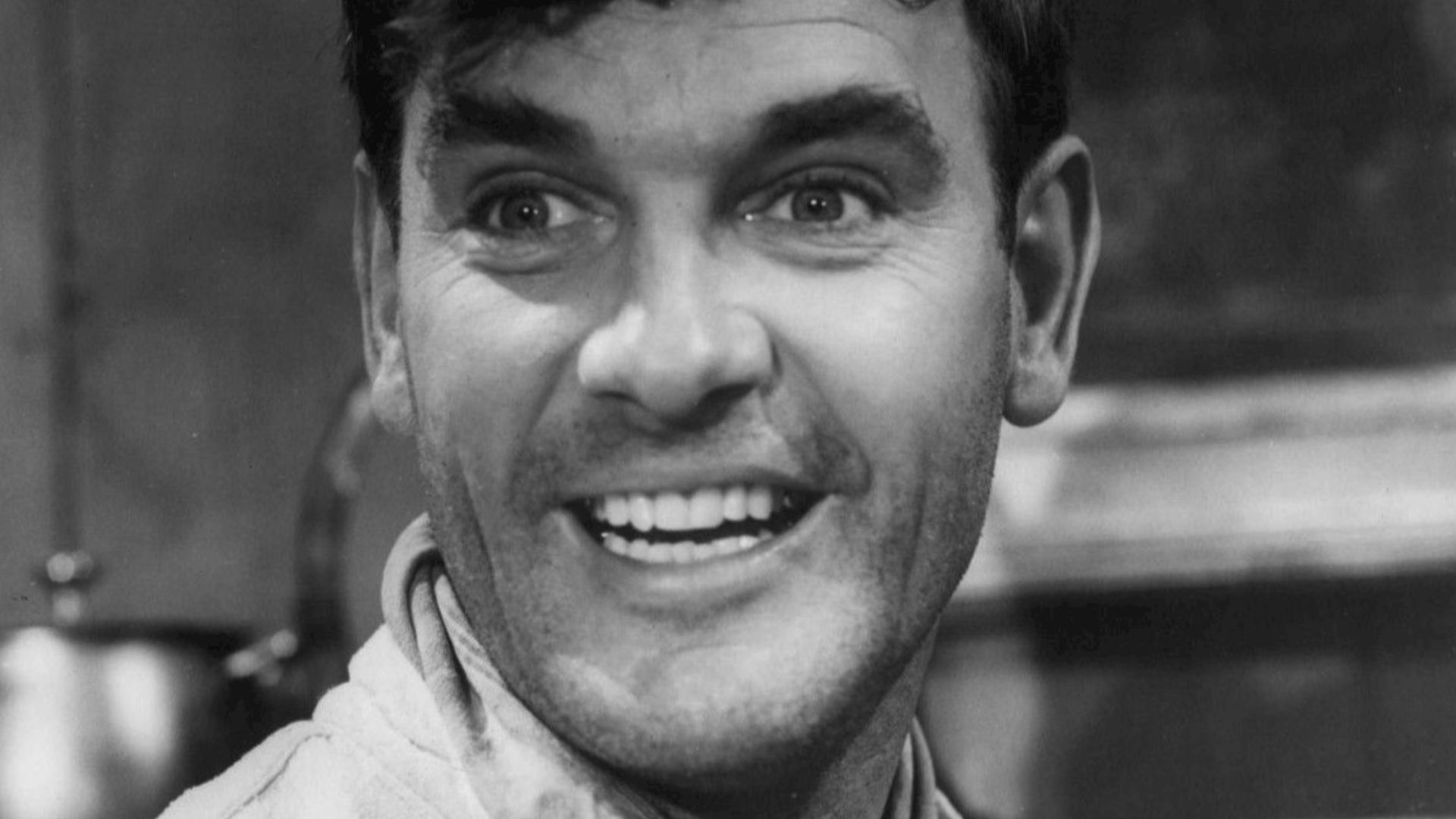
The Army Came First
Before acting, Best served in the U.S. Army during World War II. Like many performers of his generation, he came back with discipline, confidence, and a sense that life was not something to waste. Hollywood was changing fast after the war, and Best was ready to chase it.
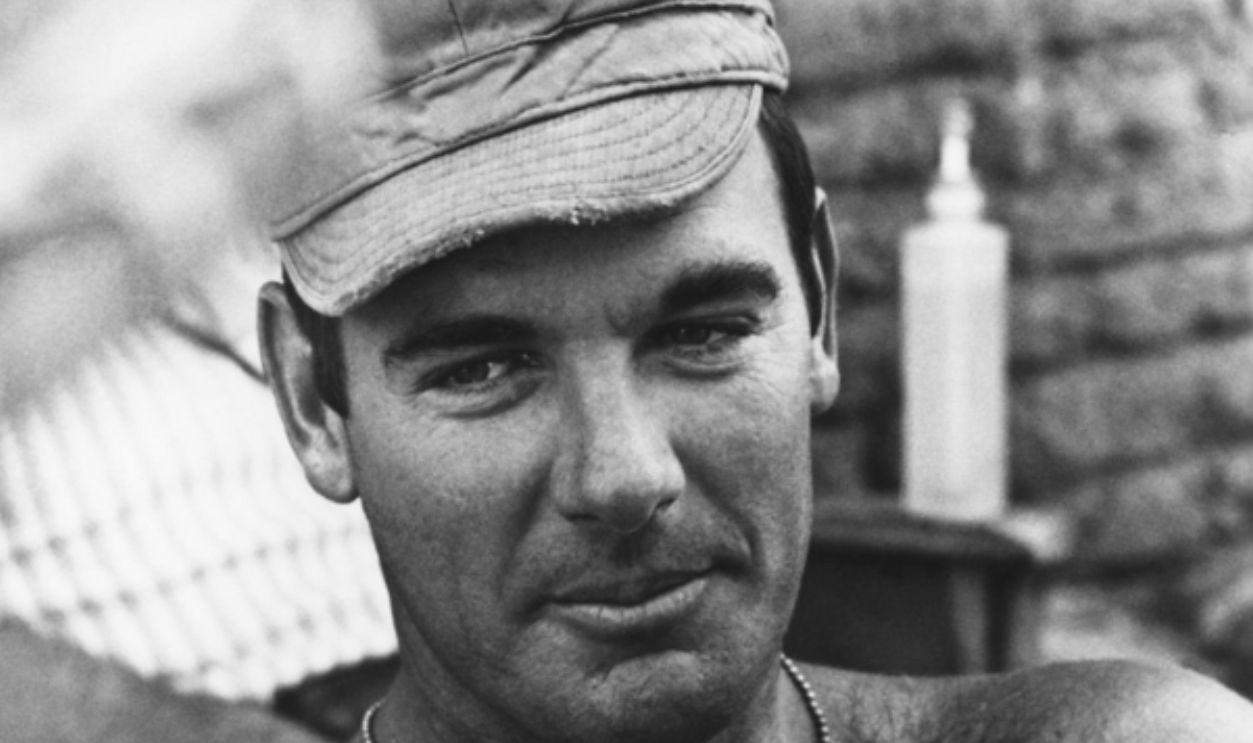 Silver Screen Collection, Getty Images
Universal Opened The Door
Best got his early break at Universal Studios, where he entered the old studio system. That meant small parts, long days, and lots of learning. He was not instantly treated like a star, but he was surrounded by future names and got a crash course in how movies were really made.
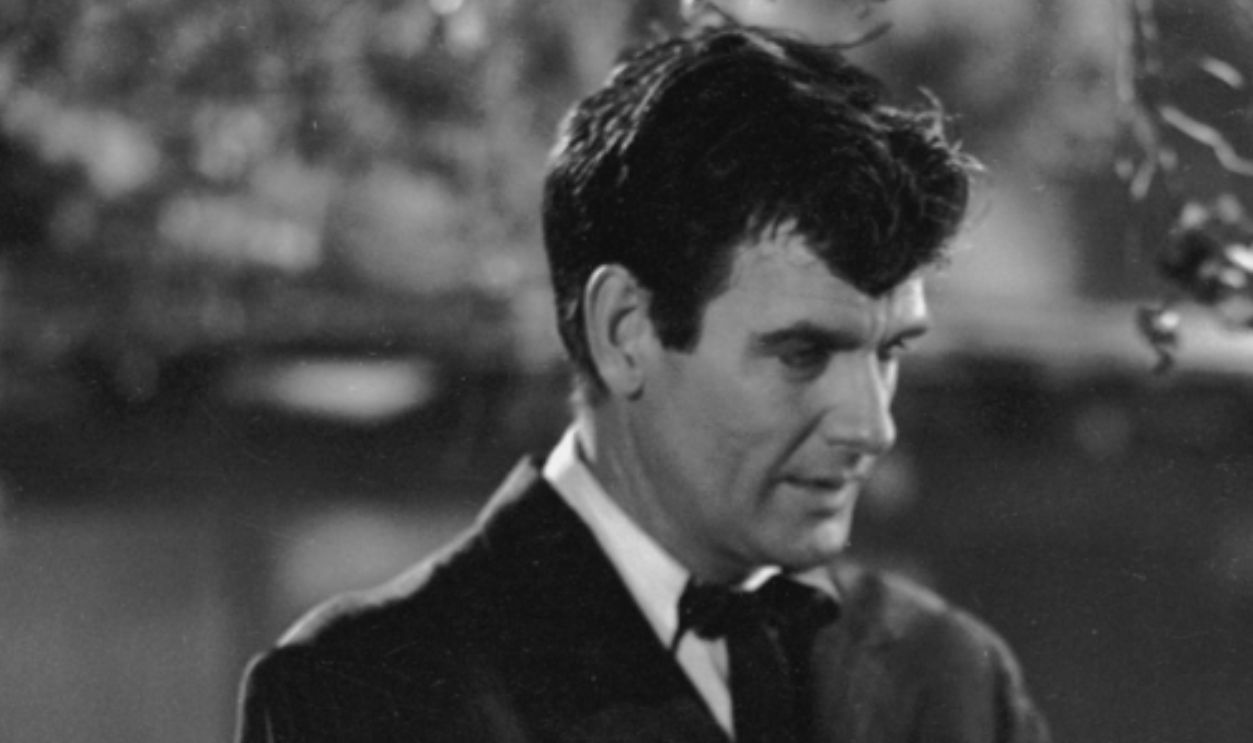 CBS Photo Archive, Getty Images
Westerns Made Him Useful
One of Best’s smartest early breaks was landing in Westerns. He appeared in films like Winchester ’73, Kansas Raiders, and Comanche Territory. Westerns needed actors who could ride, fight, sweat, and sell a scene quickly. Best could do all of that without looking like he was trying too hard.
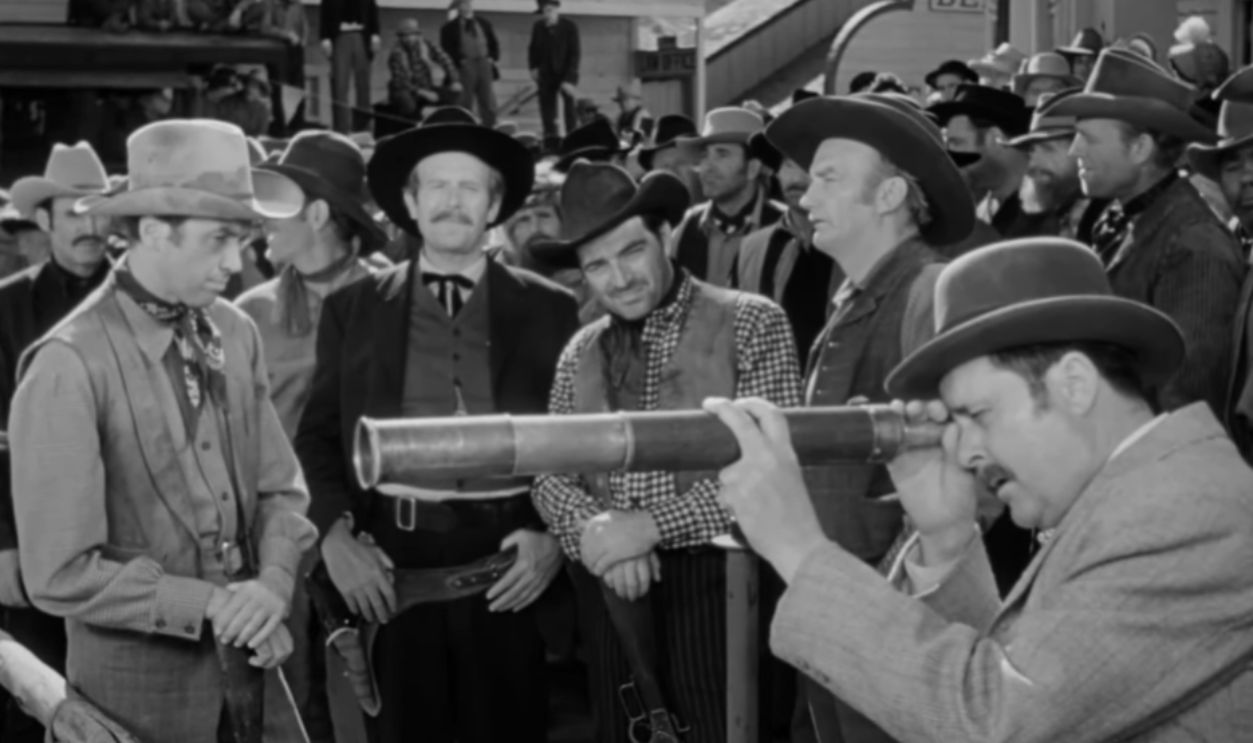 Screenshot from Winchester ’73, Universal Pictures (1950)
He Was Never Just One Thing
Best had the looks of a young leading man, but he also had the instincts of a character actor. That combination kept him working. He could play sincere, sneaky, frightened, charming, or dangerous. Producers love actors like that, because they can drop them into almost any story and trust them.
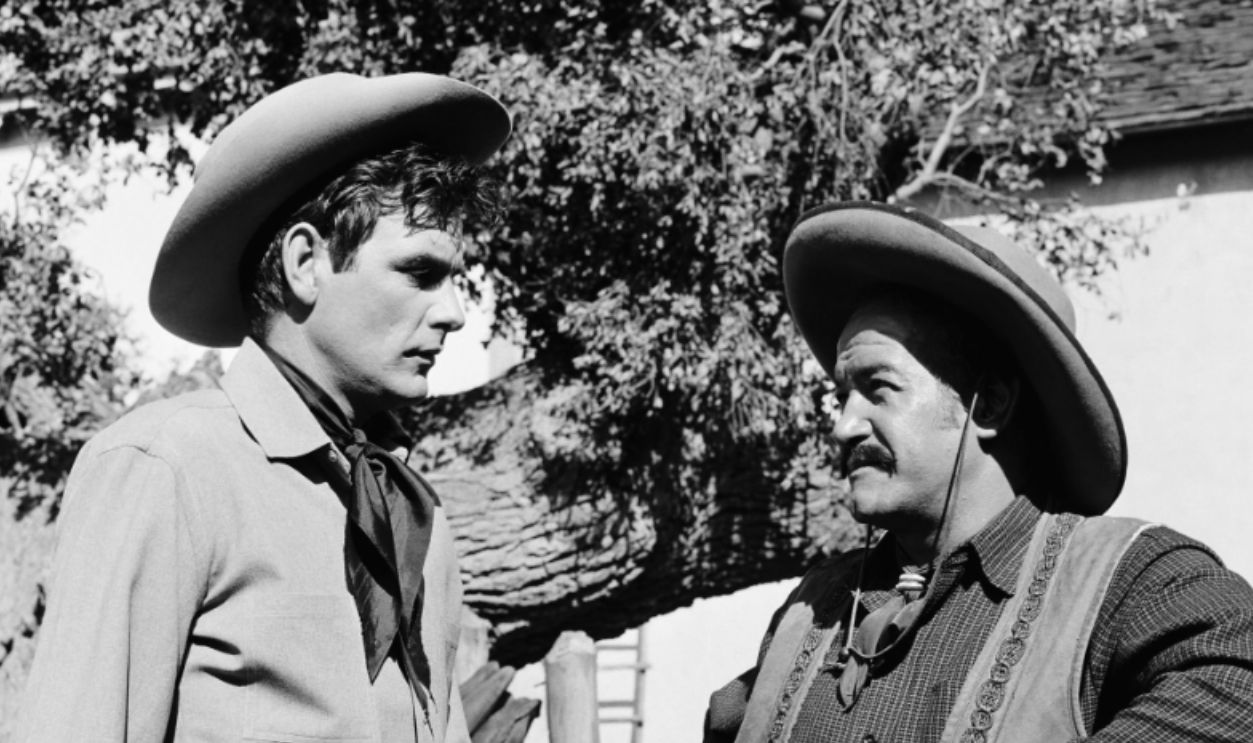
Television Was The Big Move
The real turning point came when Best leaned into television. In the 1950s and 1960s, TV was hungry for actors who could show up, nail a role, and move on to the next episode. Best did not treat television like a step down. He treated it like a new frontier.
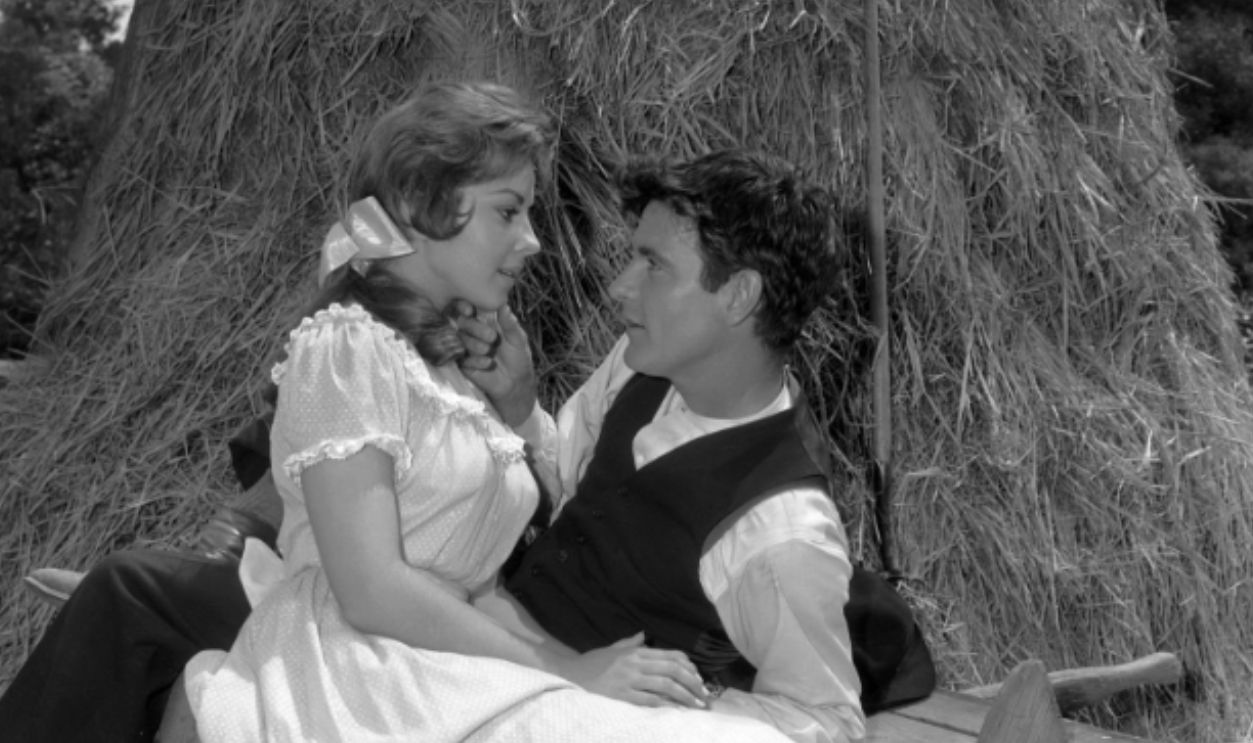 CBS Photo Archive, Getty Images
The Guest-Star Game
Long before modern viewers started binge-watching familiar faces, James Best became one of those actors people recognized from everywhere. He popped up across dramas, Westerns, mysteries, and anthology shows. He was not always the headline name, but he often became the person you remembered after the credits rolled.
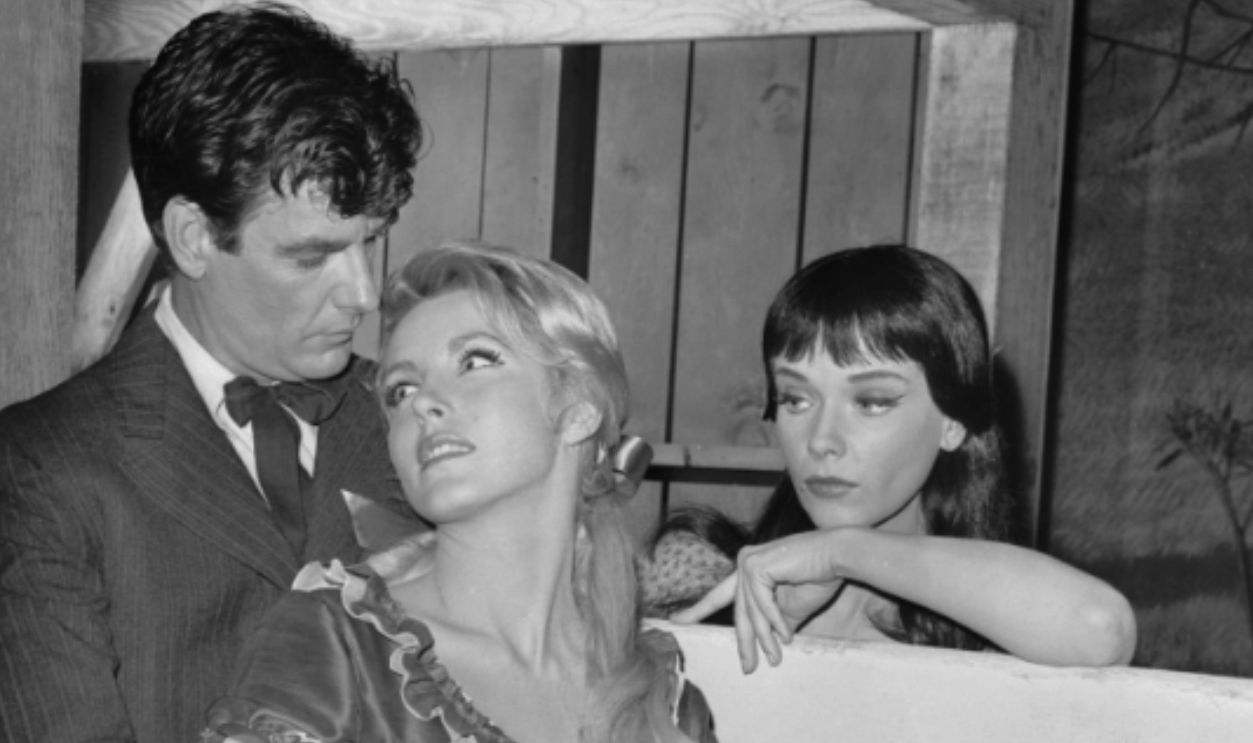 CBS Photo Archive, Getty Images
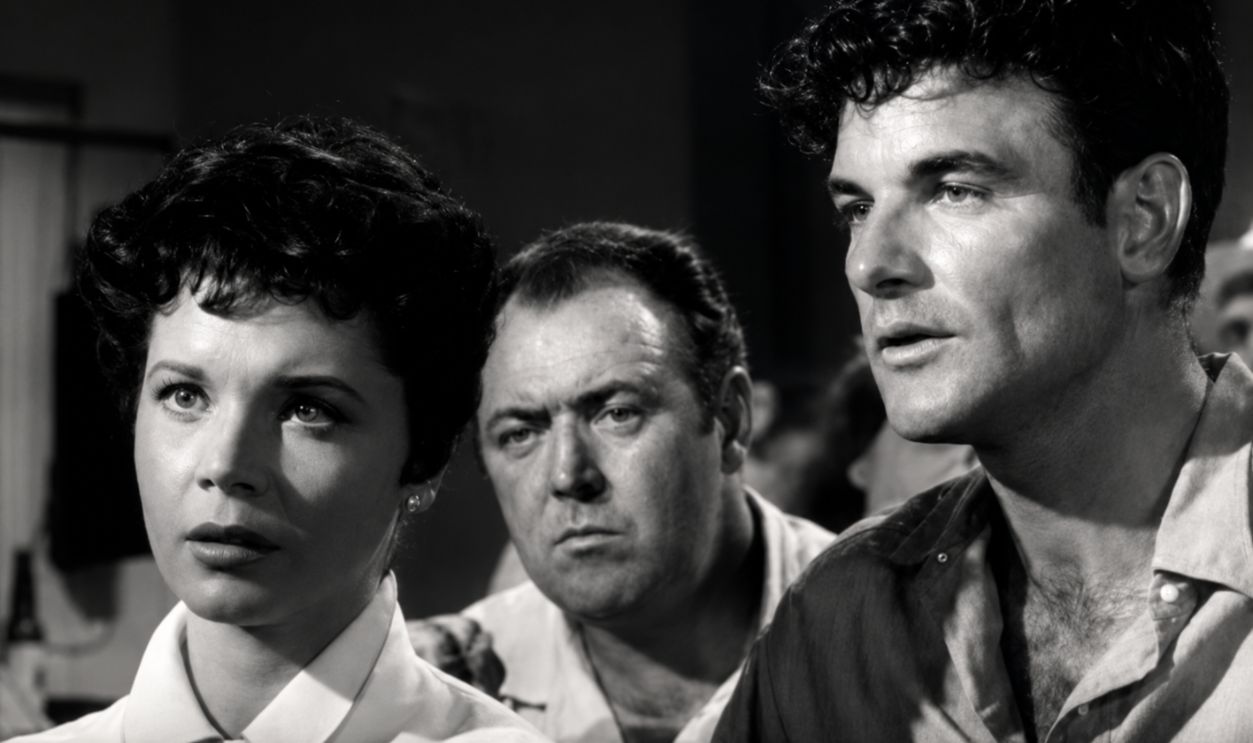
He Fit The Golden Age Perfectly
Early television rewarded speed, range, and personality. Best had all three. A guest star might have only a few scenes to make the audience care, worry, laugh, or gasp. Best understood that. He made quick impressions that felt complete, which is a rare skill.
 film trailer screenshot (MGM), Wikimedia Commons, Enhanced
Riding Into TV Westerns
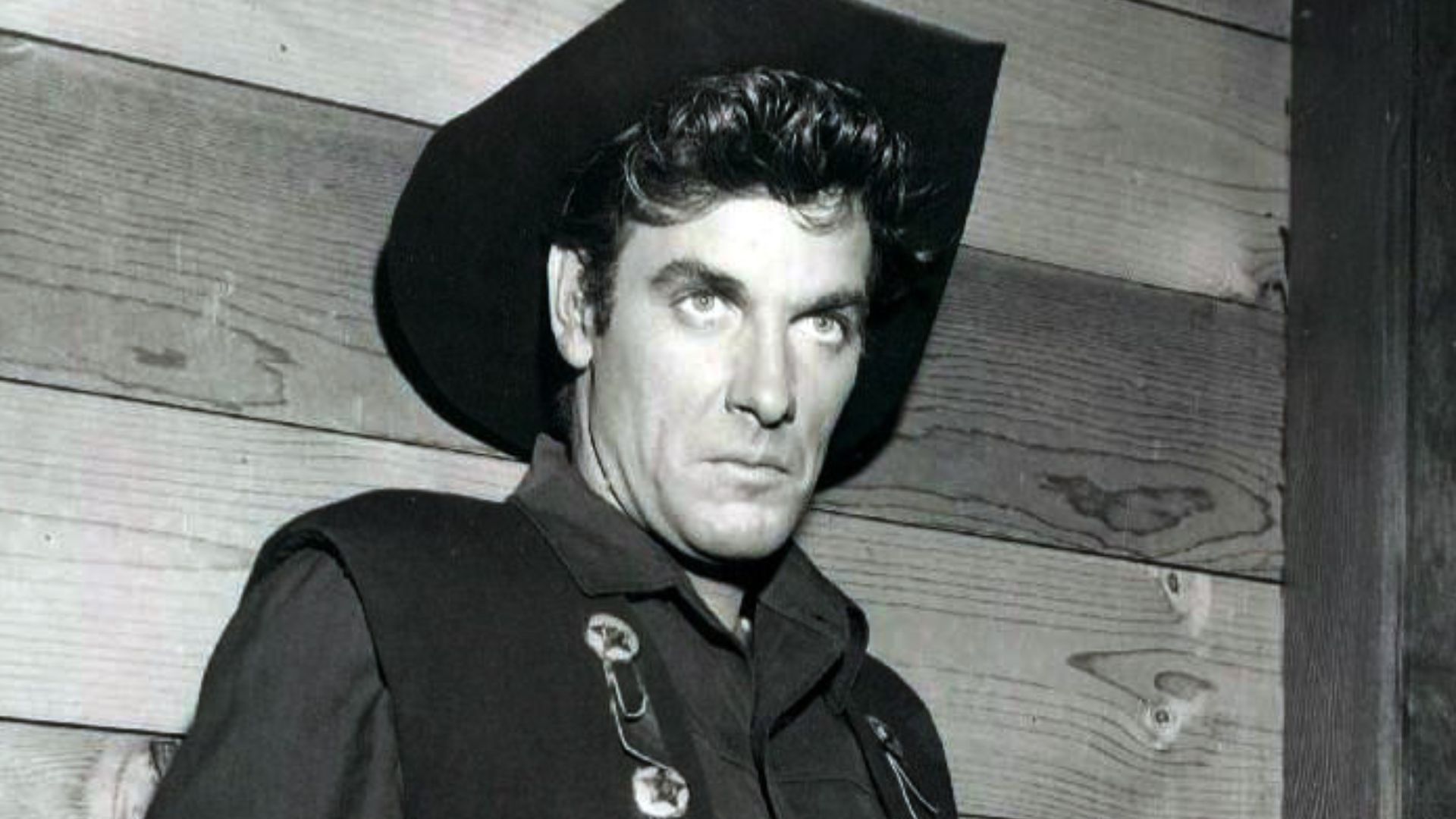
Best’s movie Western background made him a natural fit for television Westerns. He appeared in shows where dusty streets, tense saloons, and moral showdowns were weekly business. He could play the nervous kid, the dangerous drifter, the misunderstood stranger, or the man hiding a secret.
 NBC Television, Wikimedia Commons
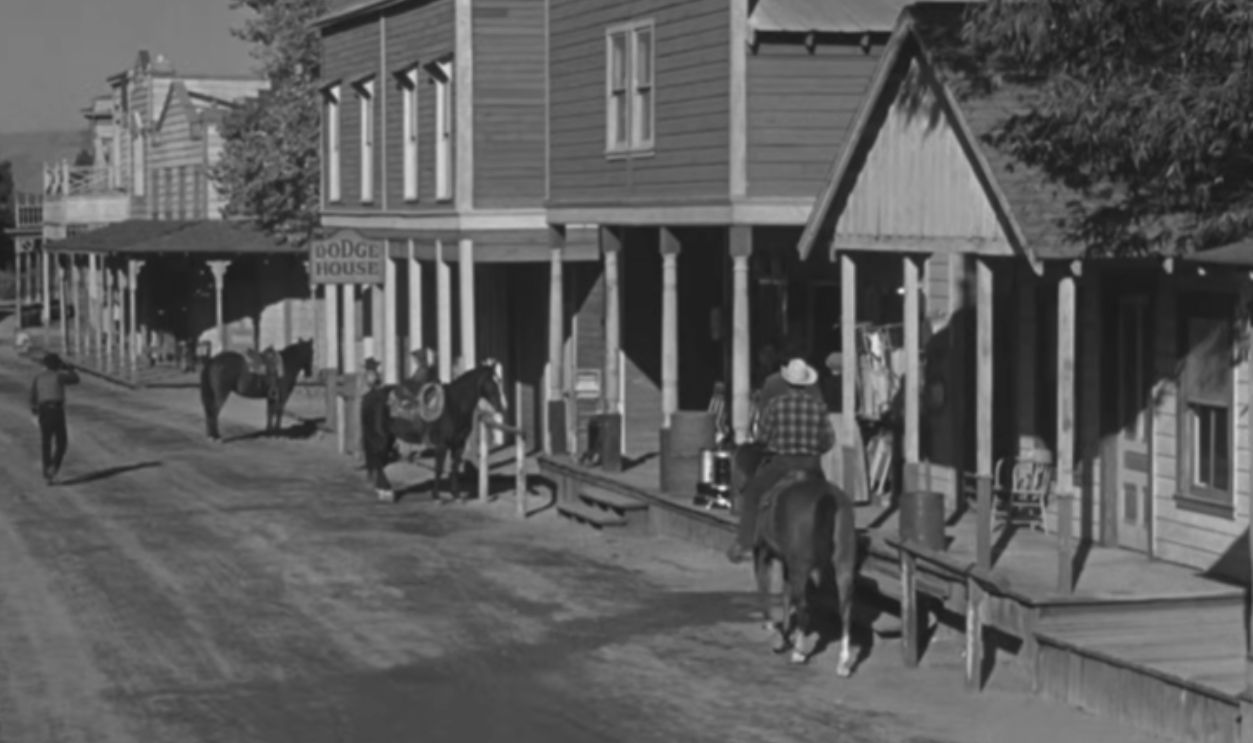
Gunsmoke And The Familiar Face
Like many strong television actors of his era, Best appeared in Gunsmoke, one of the most important Westerns in TV history. That mattered. Shows like Gunsmoke were not just popular; they were institutions. Appearing in them helped an actor become part of America’s living room routine.
 Screenshot from Gunsmoke, CBS Television (1955-1975)
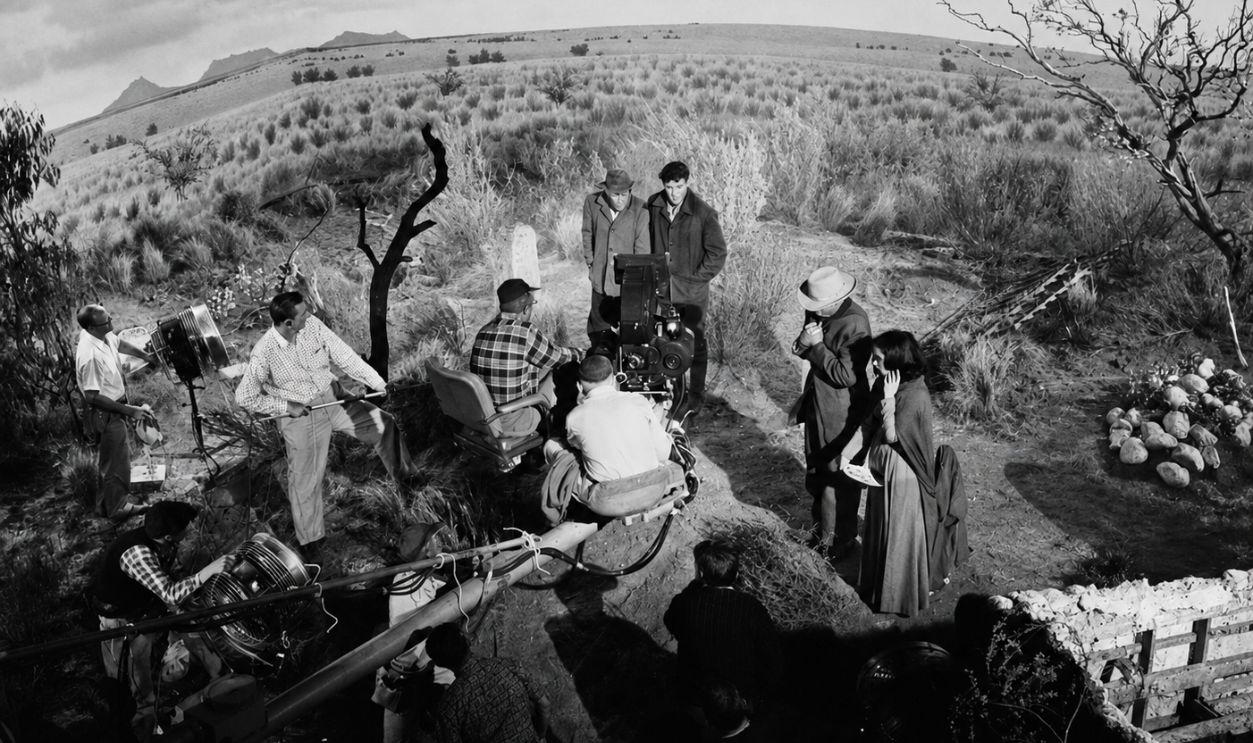
The Twilight Zone Connection
Best also stepped into the strange world of The Twilight Zone. That was a perfect fit for him, because the show needed actors who could make weird stories feel emotionally real. Best could ground a bizarre situation with a human face, which is exactly what great anthology TV required.
 CBS Photo Archive, Getty Images
Alfred Hitchcock Wanted That Edge
Best’s work on suspense shows, including Alfred Hitchcock Presents and related Hitchcock television projects, showed another side of him. He had a slightly unpredictable quality. Even when he smiled, you wondered what else was going on. That made him valuable in mystery and thriller roles.
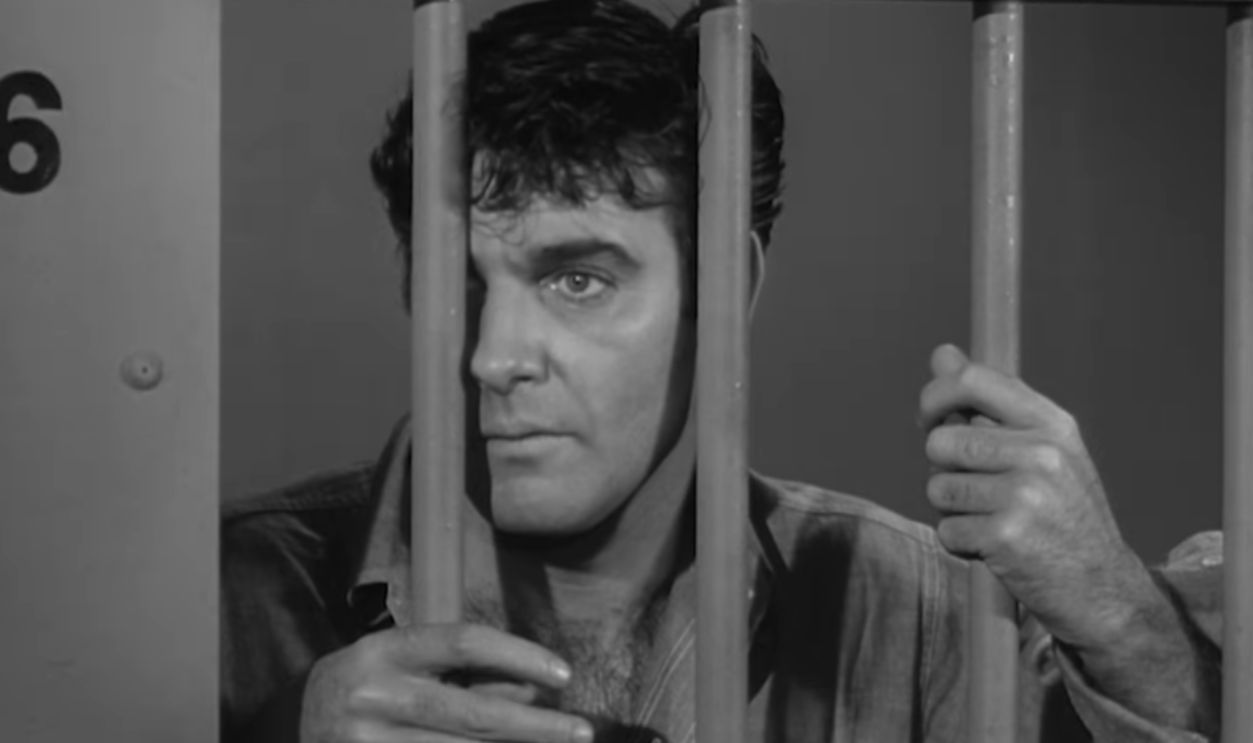 Screenshot from Alfred Hitchcock Presents, NBC (1955-1965)
The Andy Griffith Show Surprise
One of the joys of Best’s career is that he could slide from danger to comedy without losing his footing. His appearances connected him to the gentler world of The Andy Griffith Show, proving he was not trapped in gun belts and grimaces. He could be funny, too.
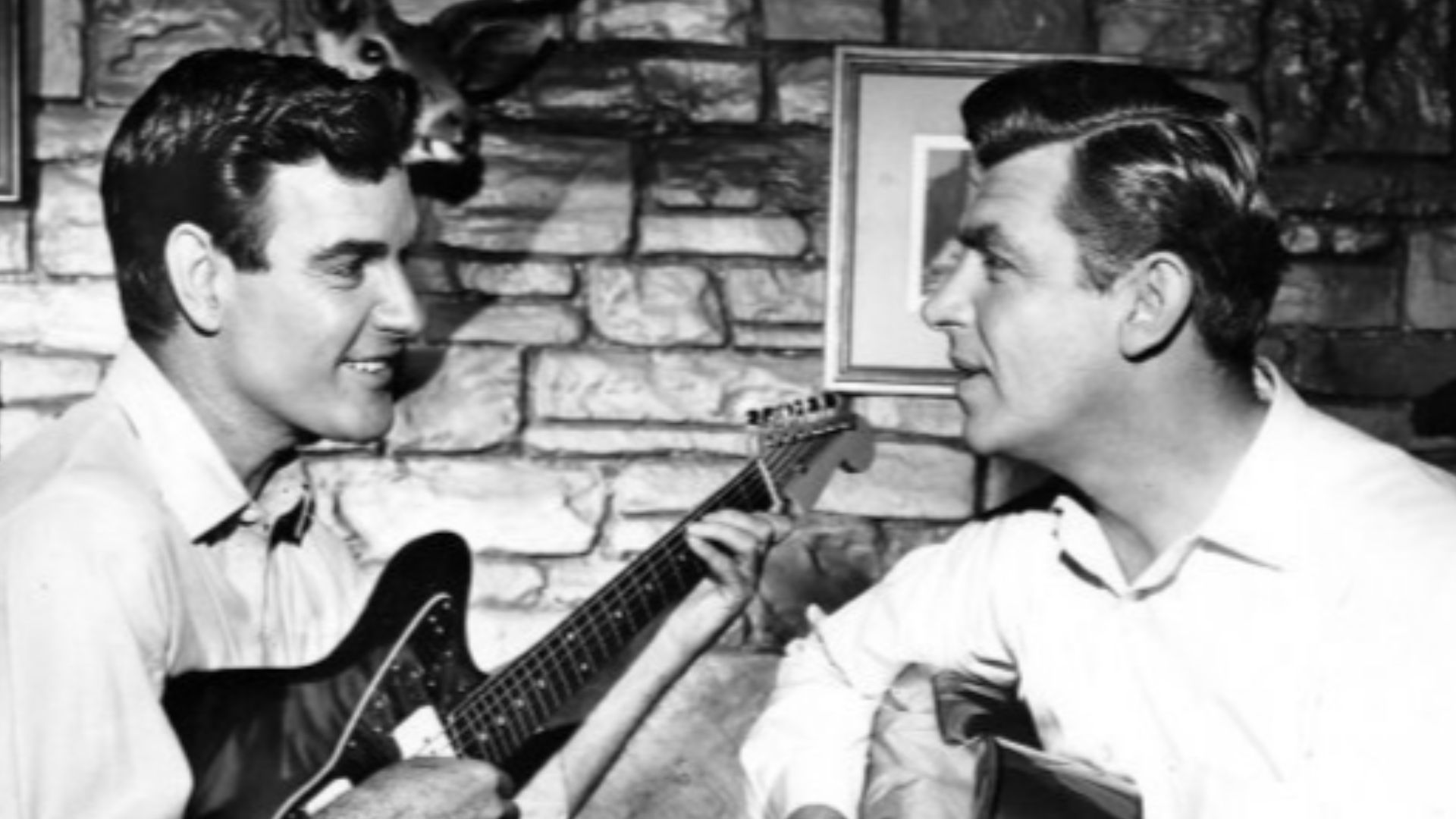 CBS Television, Wikimedia Commons
Movie Roles Kept Coming
Television gave Best regular visibility, but movies never disappeared from his life. He appeared in films such as The Killer Shrews, The Naked and the Dead, Shenandoah, and Hooper. Some were serious, some were odd, and some became cult favorites. Best handled them all.
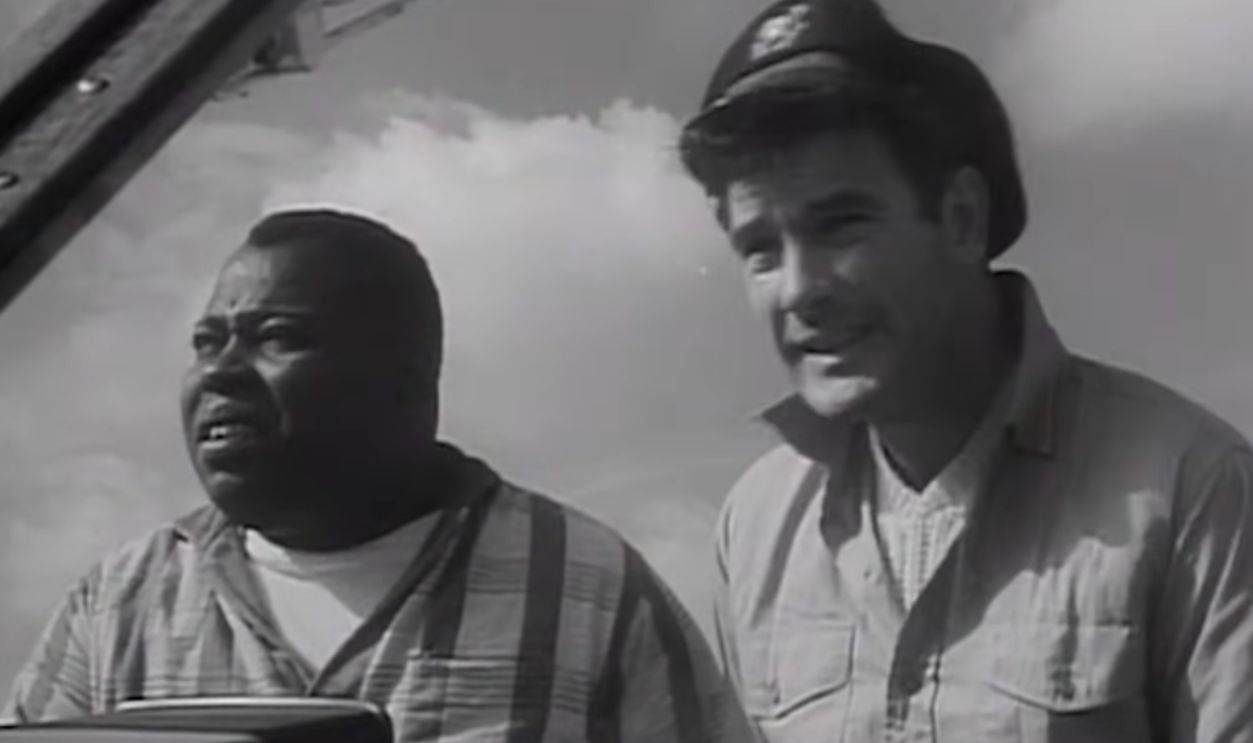 Screenshot from The Killer Shrews, McLendon-Radio Pictures Distributing Company (1959)
The Cult-Movie Badge
Not every actor gets to be part of a cult classic, but Best managed it with The Killer Shrews. It was the kind of low-budget creature feature that later audiences watched with affection. Best’s presence helped give the movie more personality than its furry monsters probably deserved.
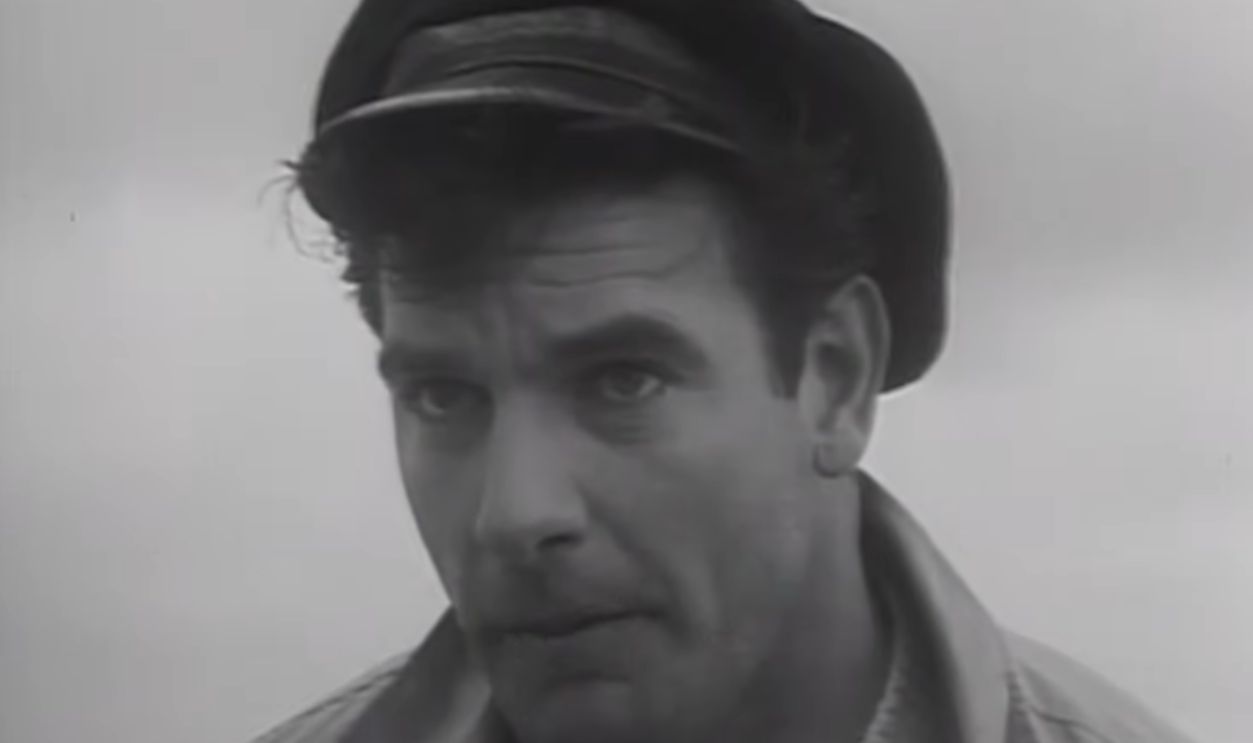 Screenshot from The Killer Shrews, McLendon-Radio Pictures Distributing Company (1959)
Working With James Stewart
Best appeared in Shenandoah, starring James Stewart, which gave him a place in a major Civil War drama. That was another example of his career balance. He could work in small TV episodes one month and then show up in a big, emotional Hollywood film the next.
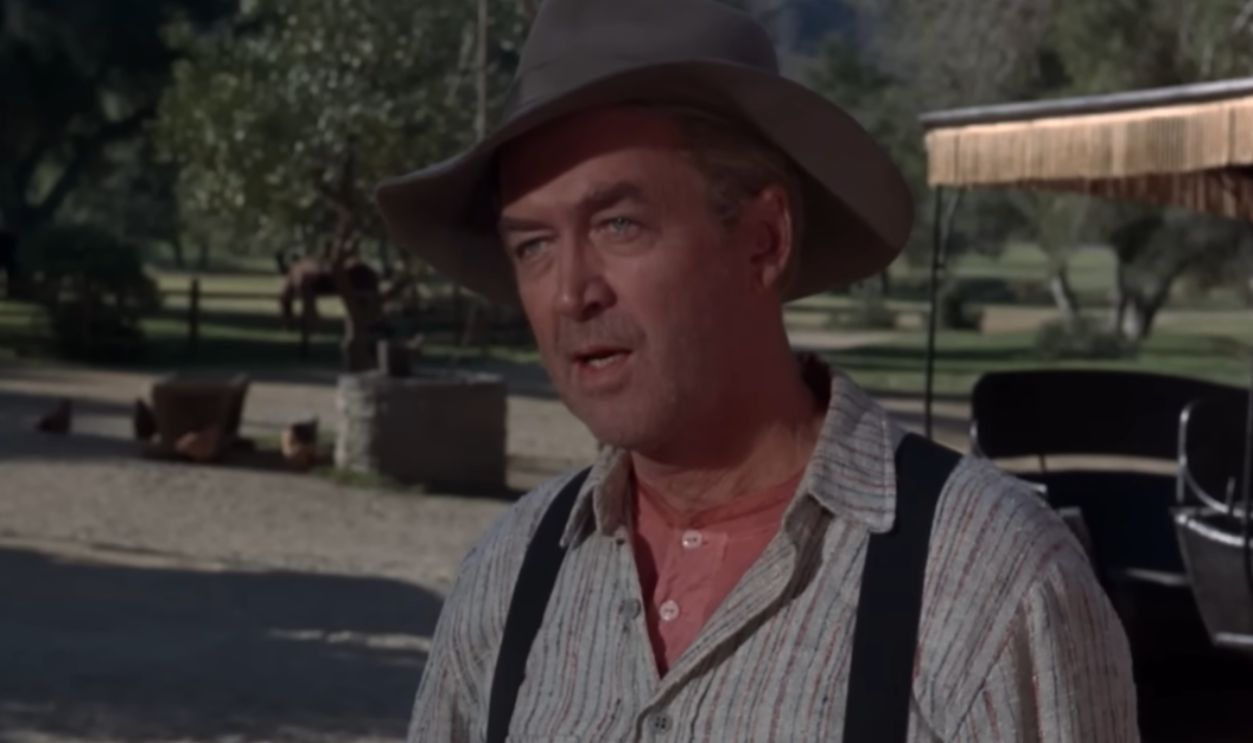 Screenshot from Shenandoah, Universal Pictures (1965)
He Learned Every Angle
Best was not only collecting credits. He was studying the craft from the inside. Years of jumping between sets taught him timing, camera awareness, character building, and professionalism. Later, that knowledge helped him become a respected acting teacher, which became another important chapter in his life.
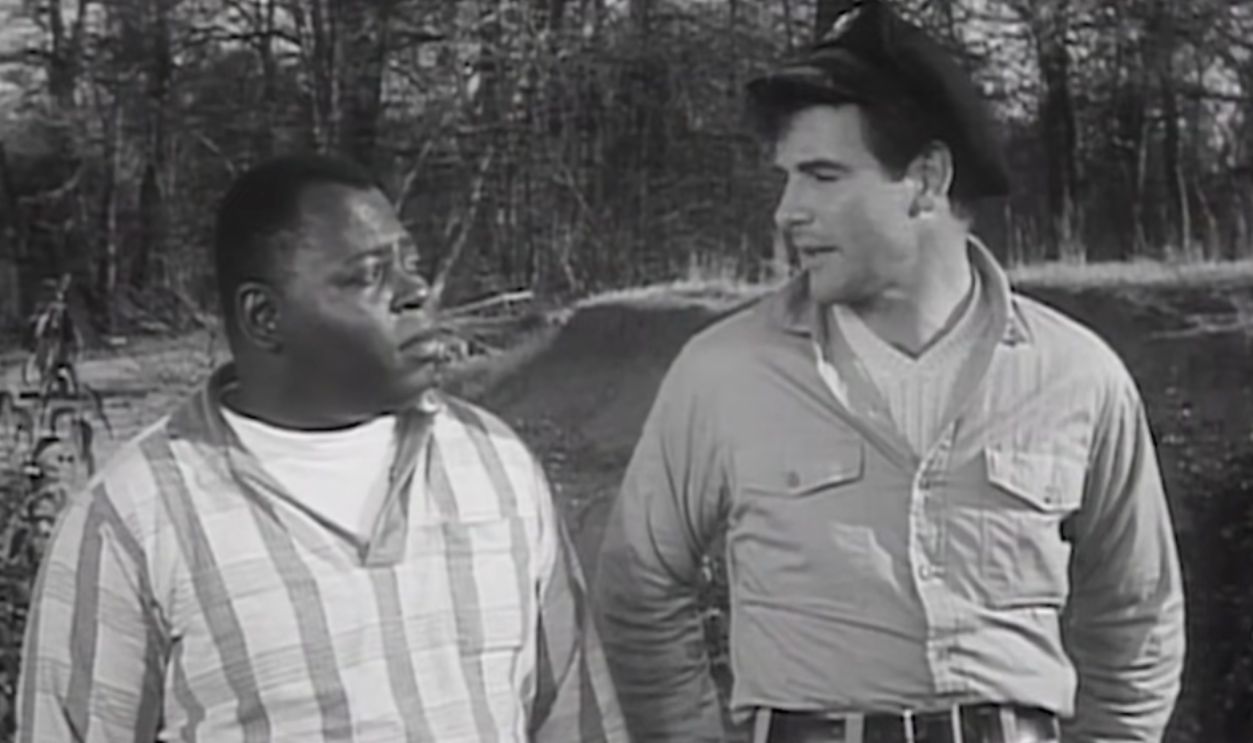 Screenshot from The Killer Shrews, McLendon-Radio Pictures Distributing Company (1959)
Teaching The Next Crowd
Best spent years teaching acting, and that part of his career is easy to overlook. It should not be. Actors who teach well usually understand performance on a deeper level than memorizing lines. Best knew how to make a scene breathe, and he passed that on.
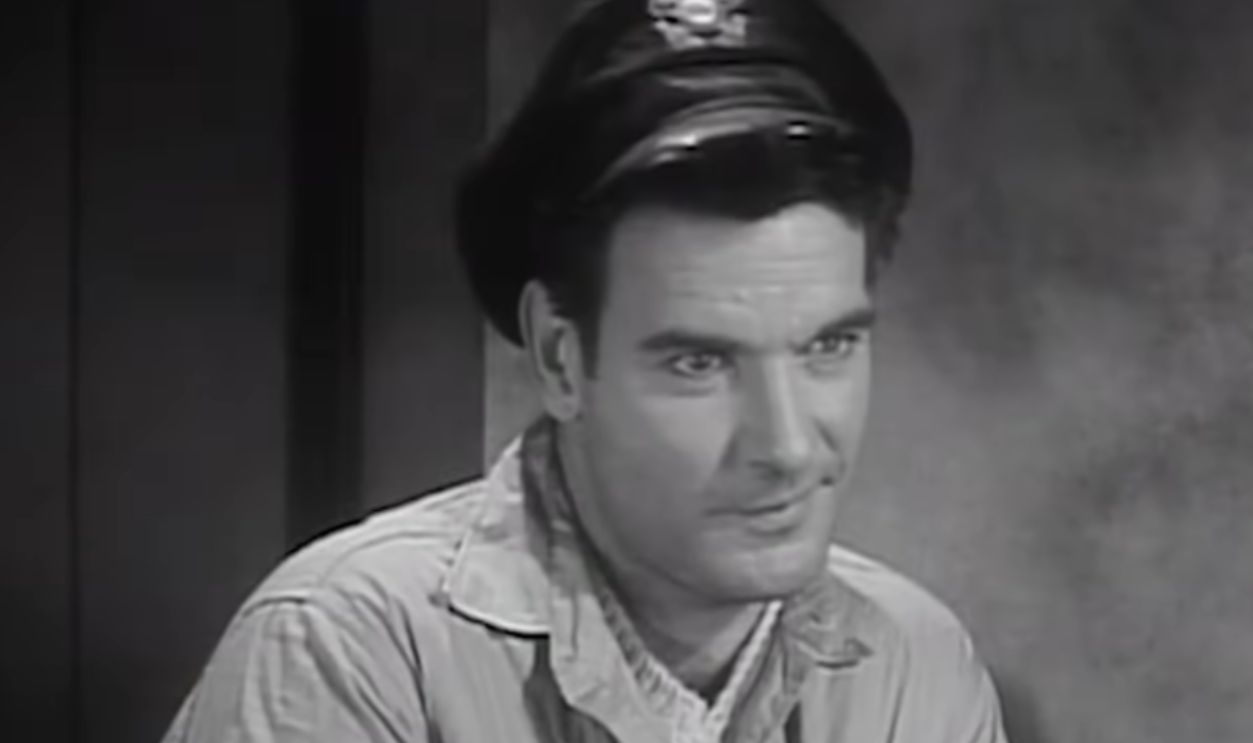 Screenshot from The Killer Shrews, McLendon-Radio Pictures Distributing Company (1959)
Then Came Rosco
When The Dukes of Hazzard arrived in 1979, James Best was hardly a newcomer. He was a veteran with decades of experience. That is why Rosco worked so well. Best could have played him as a flat villain, but instead he turned him into a cartoon tornado with a heart.
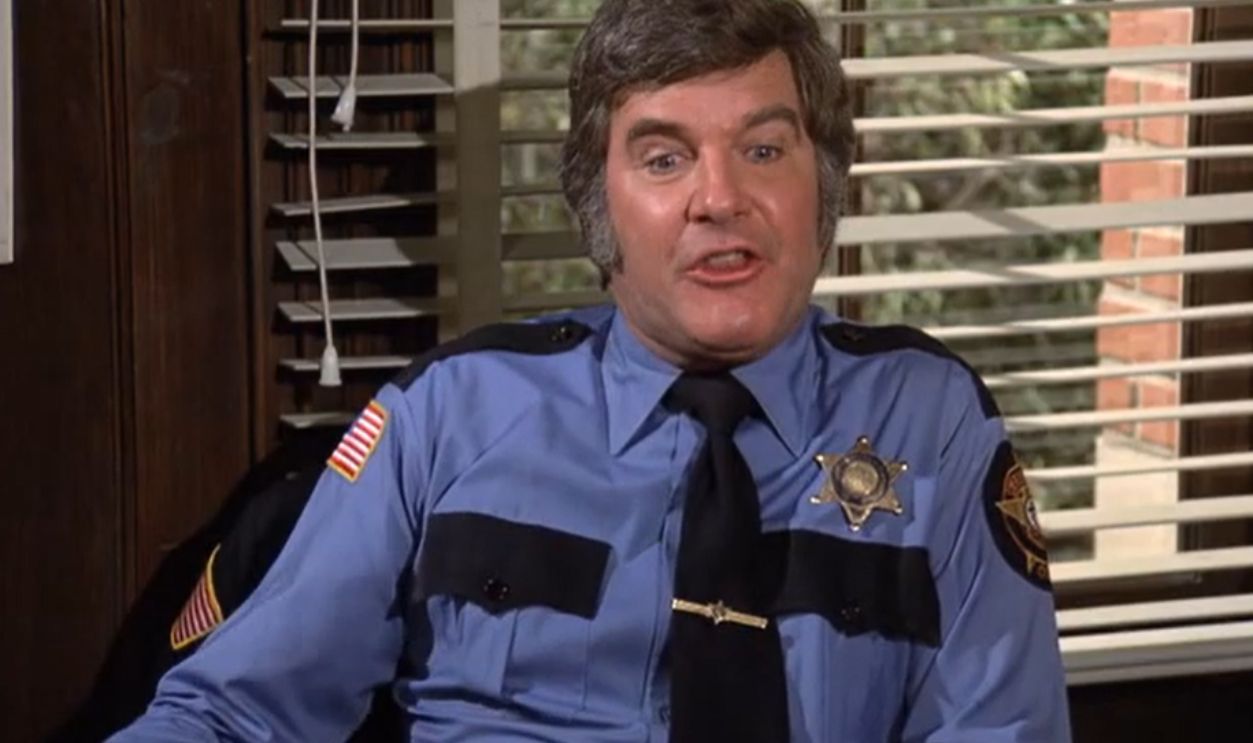 Screenshot from The Dukes Of Hazzard, CBS (1979-1985)
Rosco Was A Wild Invention
Sheriff Rosco P. Coltrane could have been forgettable. In Best’s hands, he became unforgettable. The laugh, the panic, the swagger, the foolish confidence, the sudden softness around his dog Flash — all of it felt weirdly perfect. Best turned a small-town sheriff into a weekly comedy machine.
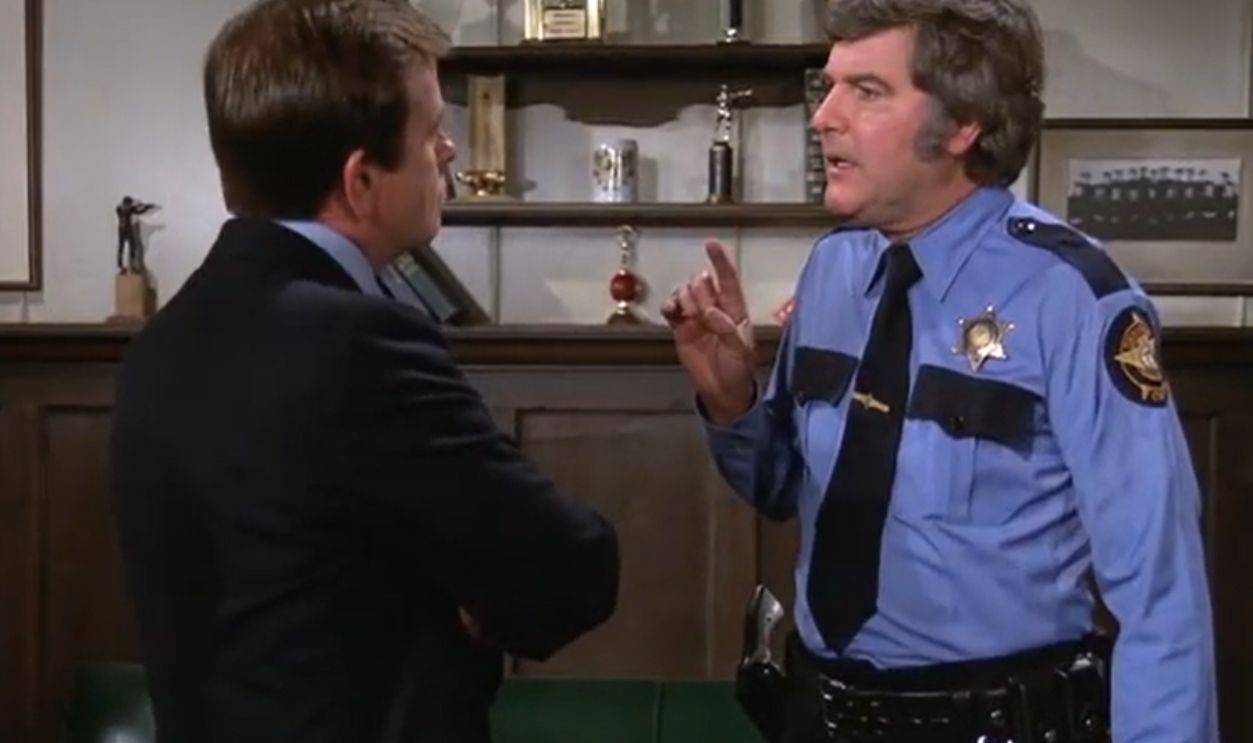 Screenshot from The Dukes Of Hazzard, CBS (1979-1985)
The Secret Was Skill
Rosco looked chaotic, but Best’s performance was controlled. He knew when to go big and when to pull back. That kind of comedy is harder than it looks. Best had spent years learning how far a scene could stretch before it snapped, and Rosco benefited from all of it.
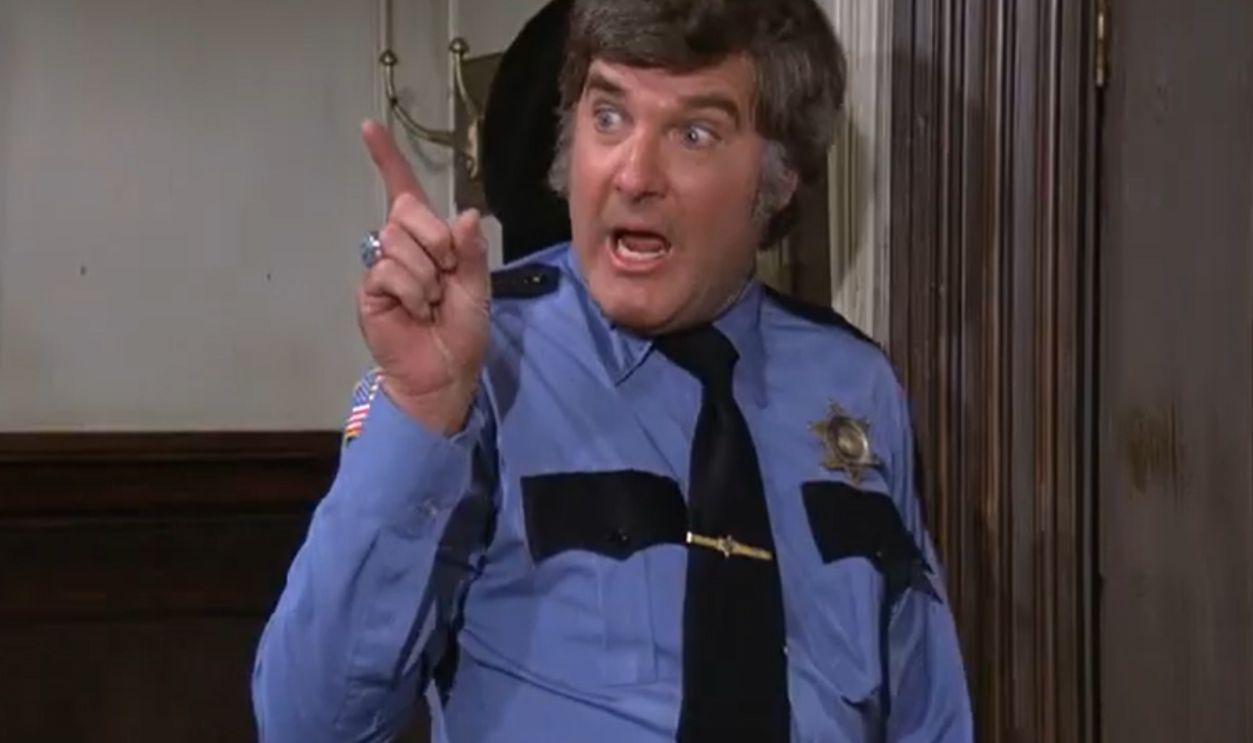 Screenshot from The Dukes Of Hazzard, CBS (1979-1985)
Fans Loved The Soft Side
Part of Rosco’s appeal was that he never felt truly mean. He chased the Duke boys, barked orders, crashed cars, and made bad choices, but he remained oddly lovable. Best gave him innocence under the bluster. That softness helped make the character last far beyond the show’s original run.
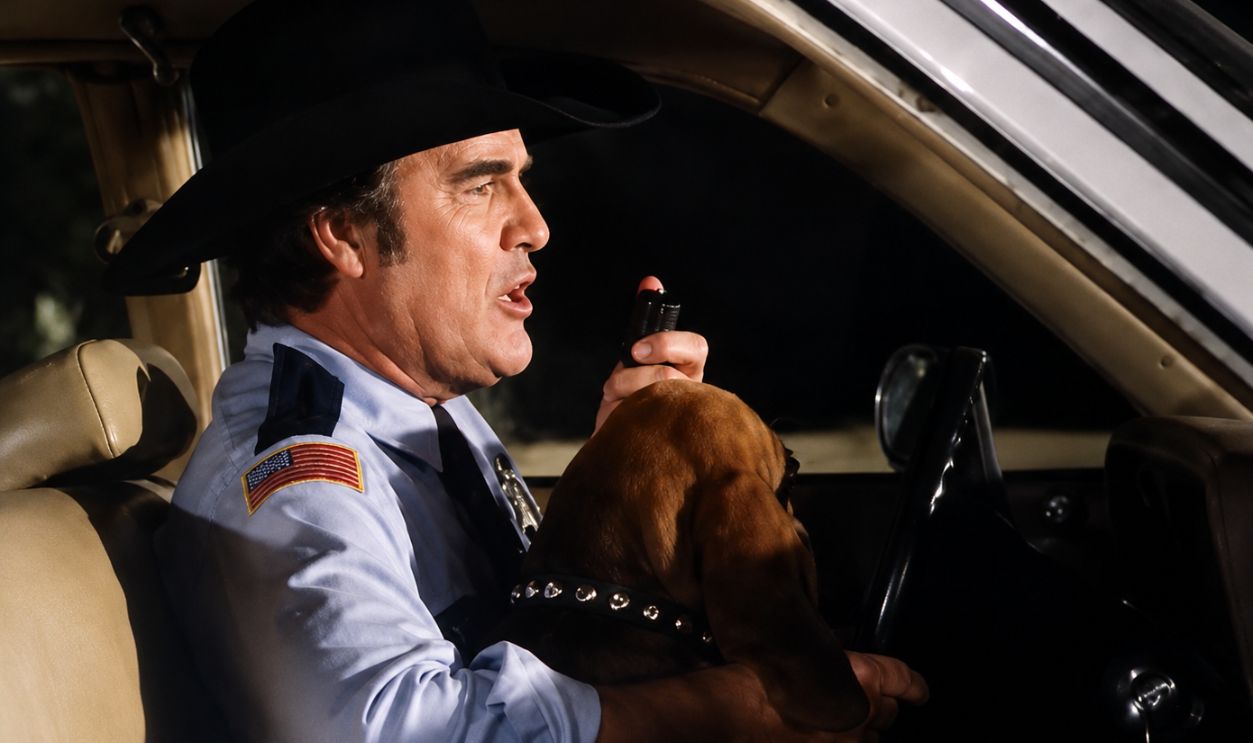 Screenshot from The Dukes Of Hazzard, CBS (1979-1985), Enhanced
He Became A Pop-Culture Fixture
The Dukes of Hazzard made Best famous to a new generation, but it did not create his talent. It showcased it. Suddenly, millions of viewers knew the face that television casting directors had trusted for decades. Rosco was the victory lap after years of serious work.
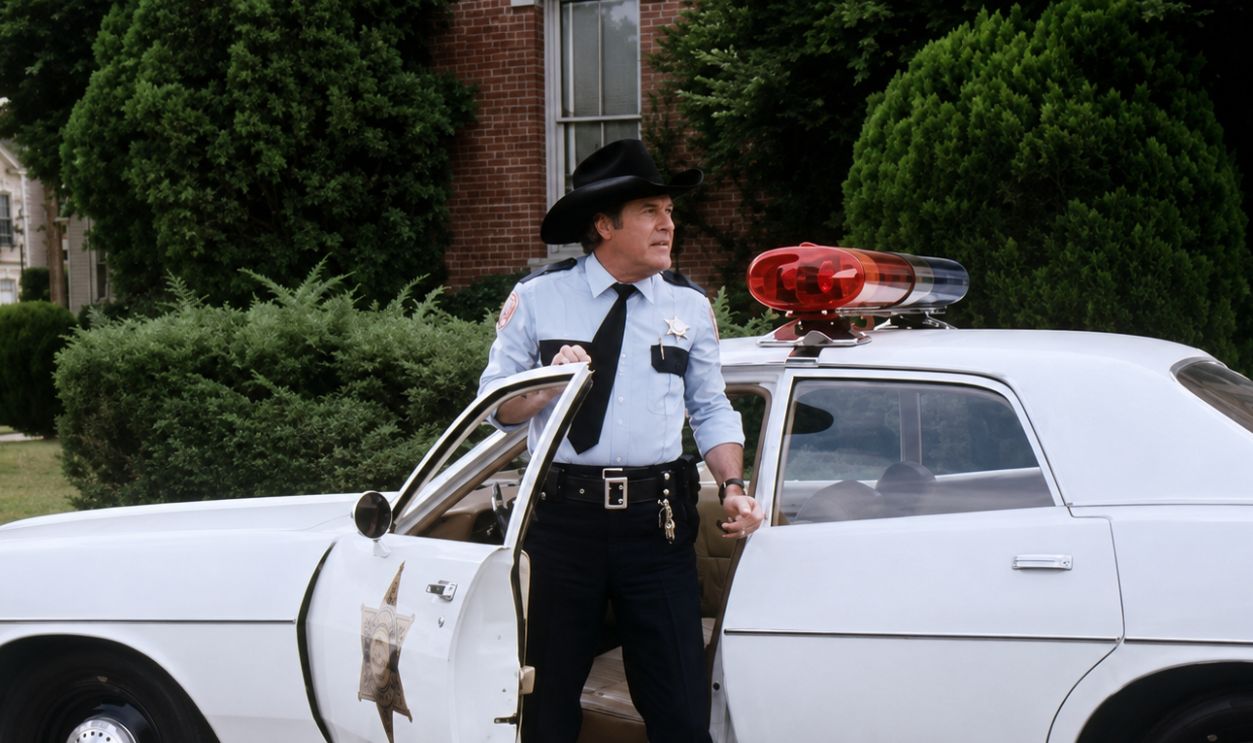 Screenshot from The Dukes Of Hazzard, CBS (1979-1985), Enhanced
Life After Hazzard County
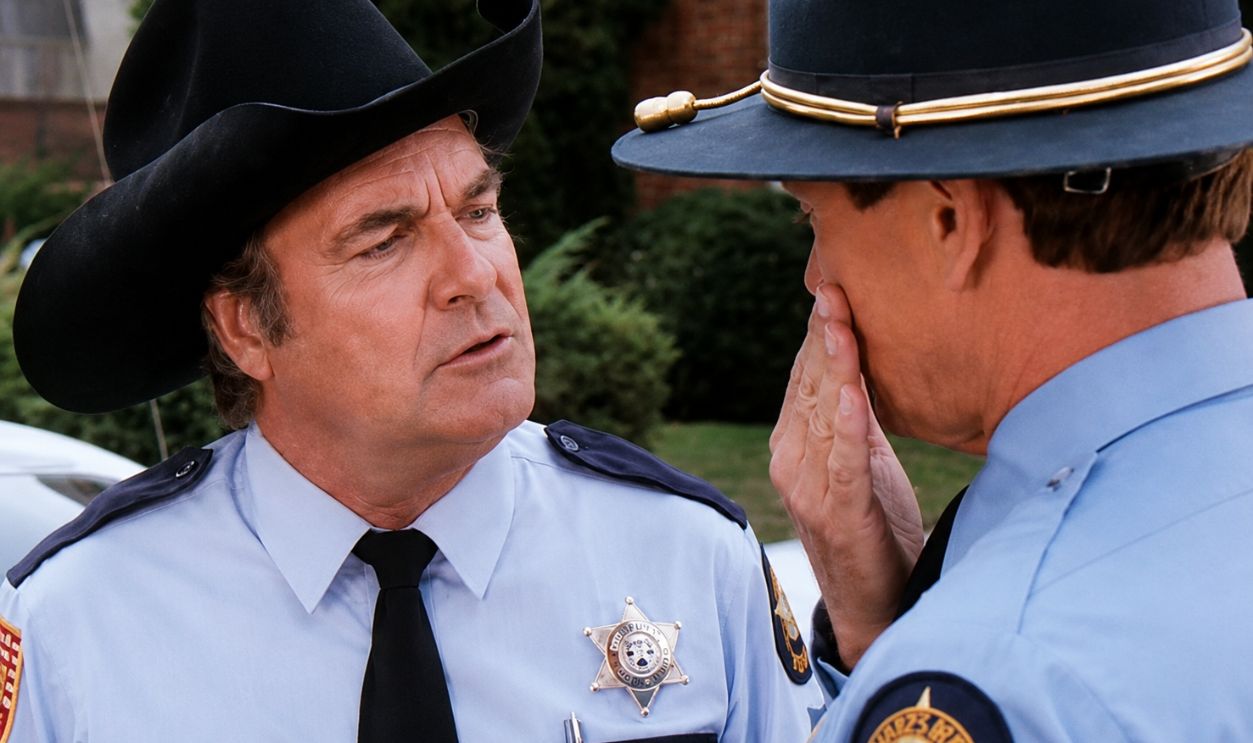
After The Dukes of Hazzard, Best kept acting, teaching, painting, and staying connected with fans. He understood that Rosco had become part of people’s childhoods. Instead of running from that, he embraced it, while still carrying the pride of a much broader career.
 Screenshot from The Dukes Of Hazzard, CBS (1979-1985), Enhanced
Why The Career Move Mattered
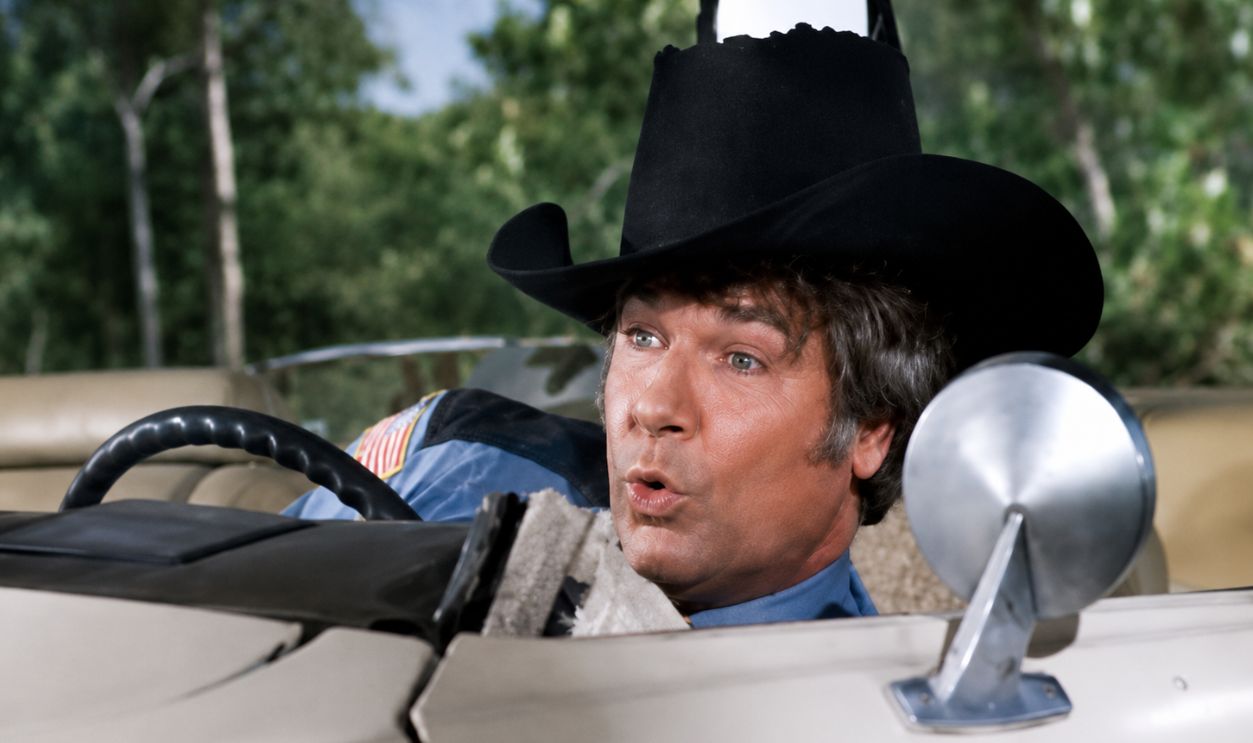
The move that changed everything was Best’s decision to make television his playground. He did not wait for one perfect leading role. He built a career one guest spot, one Western, one thriller, and one comedy turn at a time. By the time Hazzard County called, he was ready.
 Screenshot from The Dukes Of Hazzard, CBS (1979-1985), Enhanced
A Legend Before The Badge
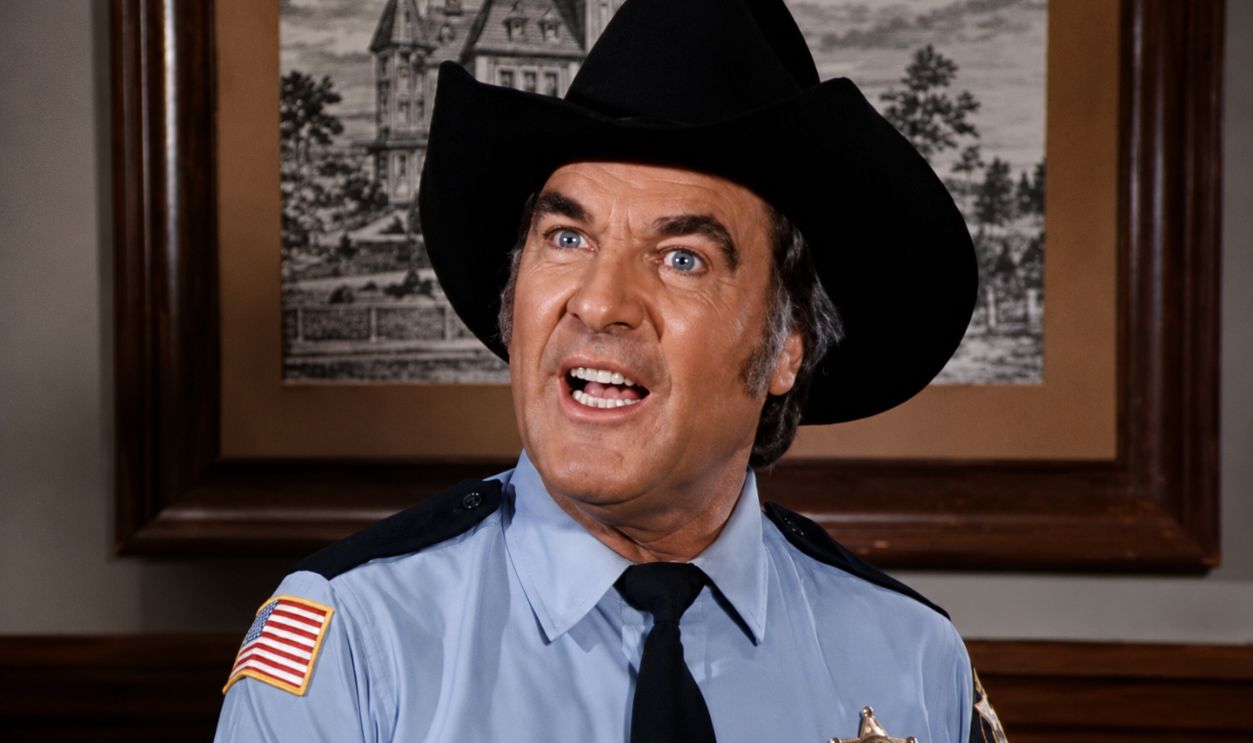
James Best will always be remembered as Rosco P. Coltrane, and honestly, that is a pretty wonderful legacy. But the real story is bigger. He became a television legend long before the sheriff’s badge, because he mastered the art of showing up, standing out, and making every role count.
 Screenshot from The Dukes Of Hazzard, CBS (1979-1985), Enhanced
You May Also Like:
Late Night TV Guest Hosts Through The Decades—Did You Catch Any Of Their Episodes?
.jpg)
_trailer_2.jpg)