A Television Pioneer
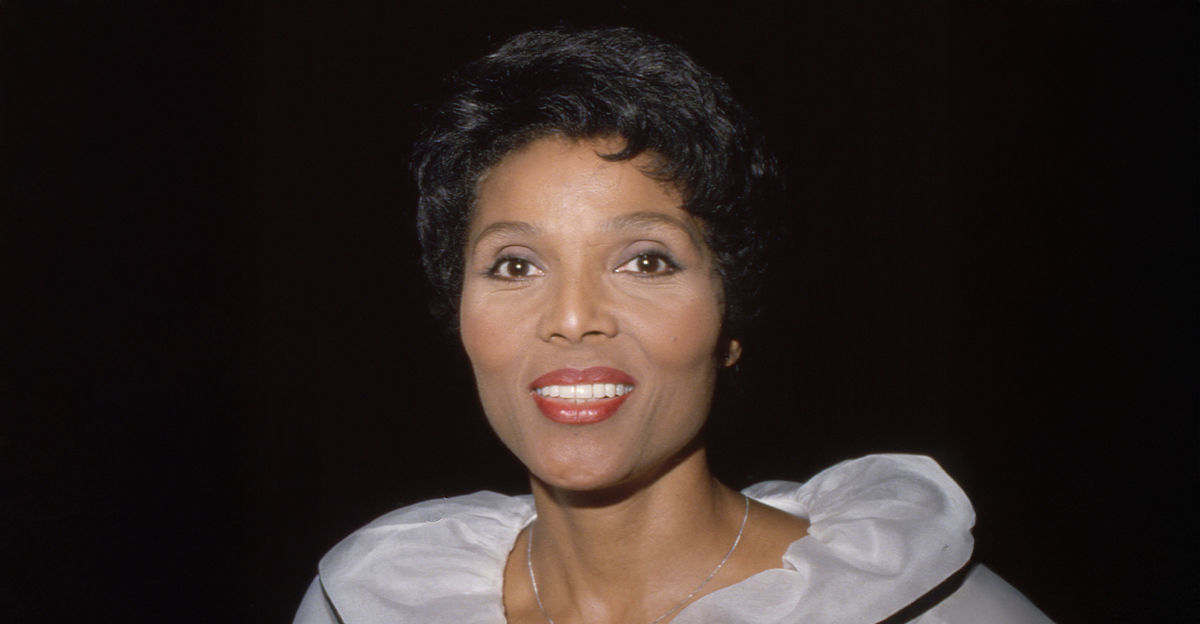
Kim Hamilton was never a household name, but she quietly helped reshape American television in a time when meaningful roles for Black actresses were painfully scarce. In becoming one of the first Black actresses with recurring roles on network television, Hamilton built a career defined by perseverance, talent, and groundbreaking achievements that paved the way for future generations.
 Ralph Dominguez/MediaPunch via Getty Images
Early Life
Kim Hamilton was born Dorothy Mae Aiken on September 12, 1932, in Los Angeles, California. Raised during an era of rigid racial segregation, she grew up with ambitions that reached far beyond the limitations society attempted to impose. Her intelligence, poise, and determination would later become hallmarks of both her personal life and professional career.
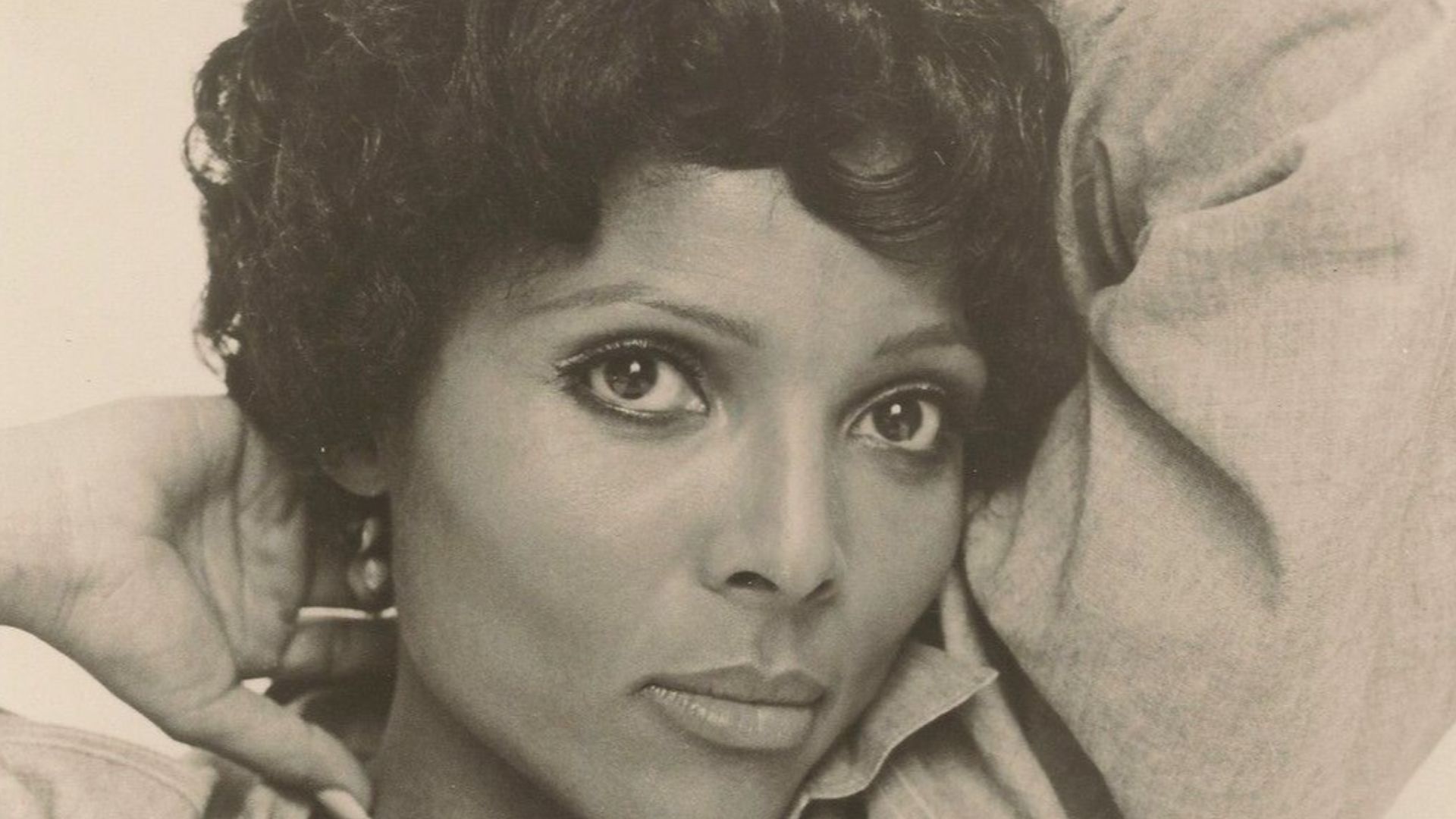 The Moss Agency Ltd., Beverly Hills, Wikimedia Commons
Dreams Of Modeling
Before she ever decided to pursue acting, Hamilton hoped to establish herself as a fashion model. She possessed striking features and exceptional elegance, but the industry of the 1950s presented formidable obstacles. Agencies frequently rejected Black models outright, while Hamilton's height was also considered unsuitable by many employers of the period.
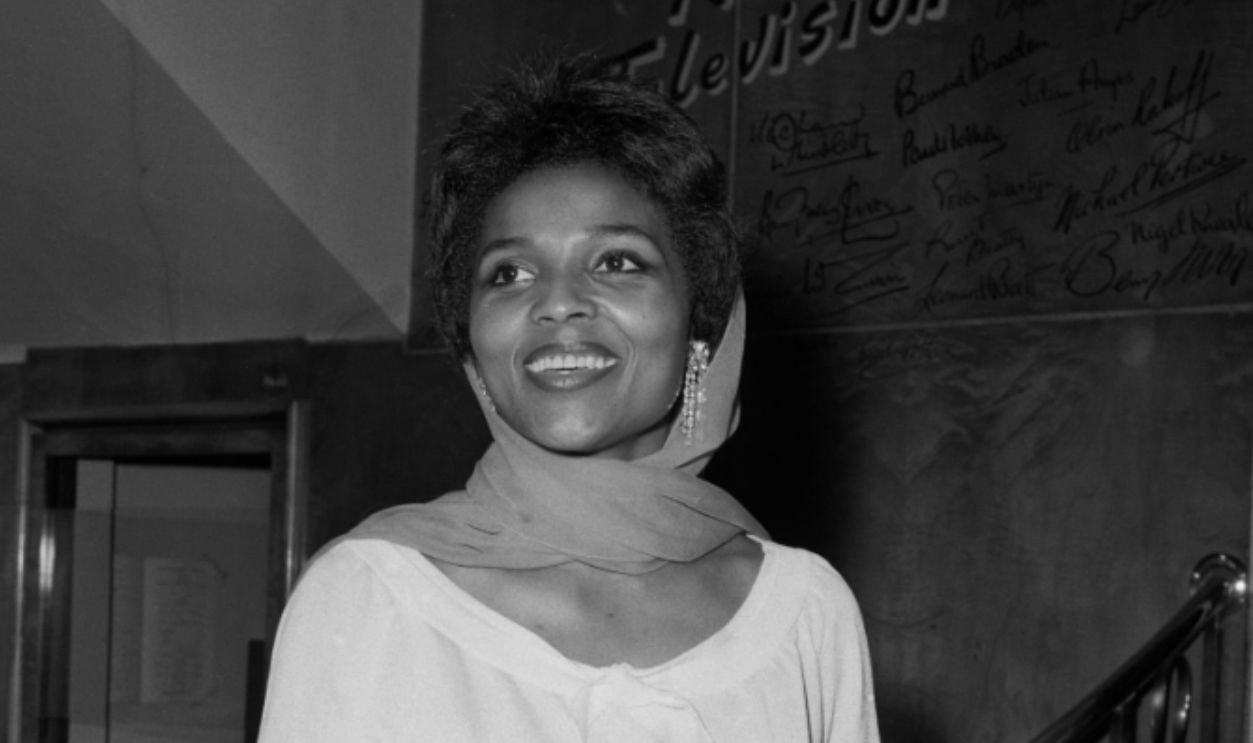 Evening Standard, Getty Images
Looking Overseas
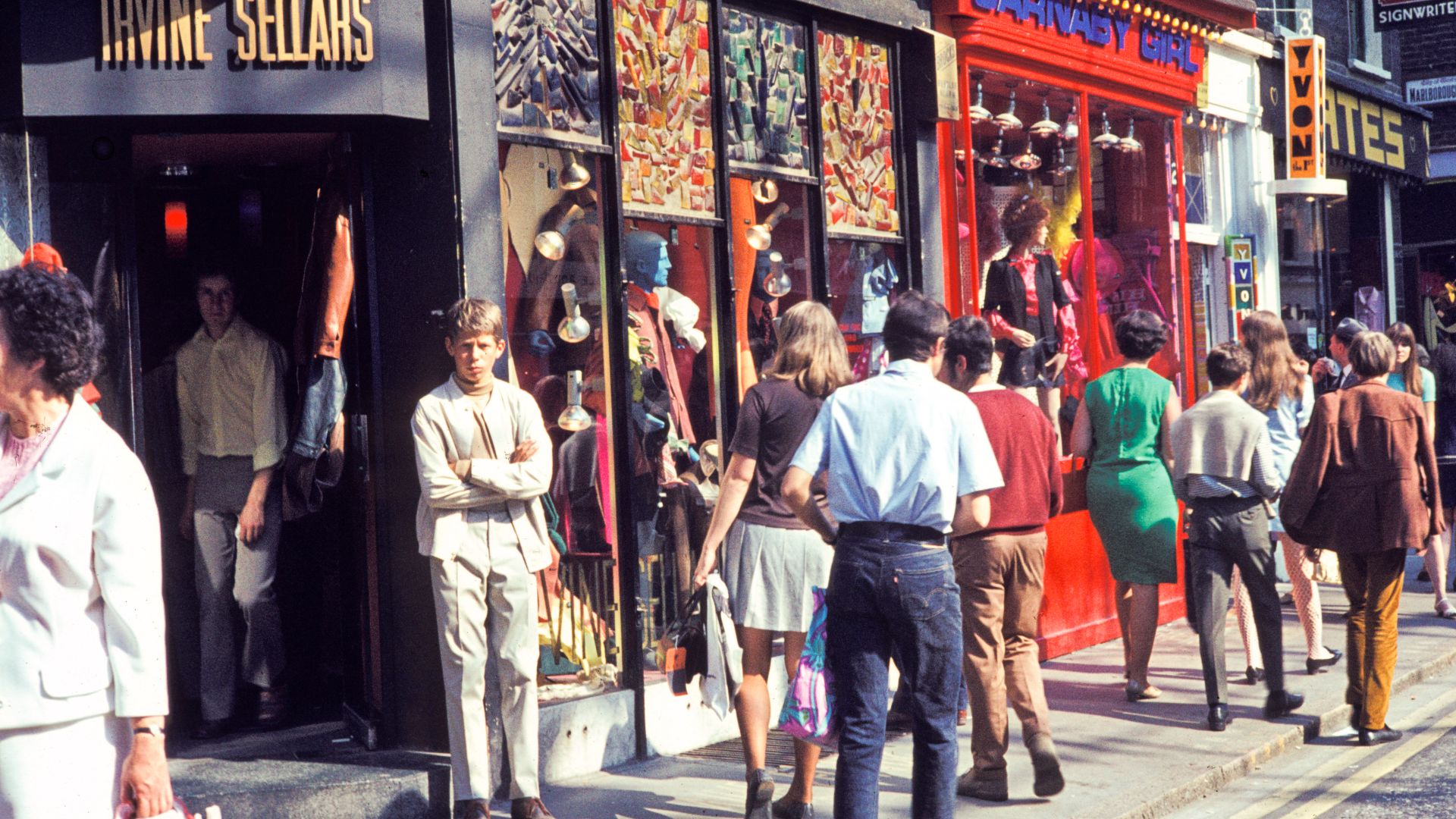
Believing Europe might offer greater opportunities than Hollywood, Hamilton traveled to Britain. A lot of American performers found London's entertainment industry more welcoming, and she hoped her modeling and acting prospects would see an improvement abroad. For a time, Britain appeared to offer the fresh start she had been seeking.
 Lies Thru a Lens , Wikimedia Commons
Britain Disappoints
Although Hamilton found occasional work, the steady career she had in mind never materialized. Professional opportunities remained inconsistent, and she struggled to establish herself in London's competitive entertainment world. Despite her determination, success proved elusive, leaving her future increasingly uncertain.
Forced To Return
Hamilton's British work permit eventually expired, leaving her unable to remain in the country legally. With few options available, she returned to the United States. Although the experience didn't produce the breakthrough she wanted, it strengthened her commitment to build an acting career back home.
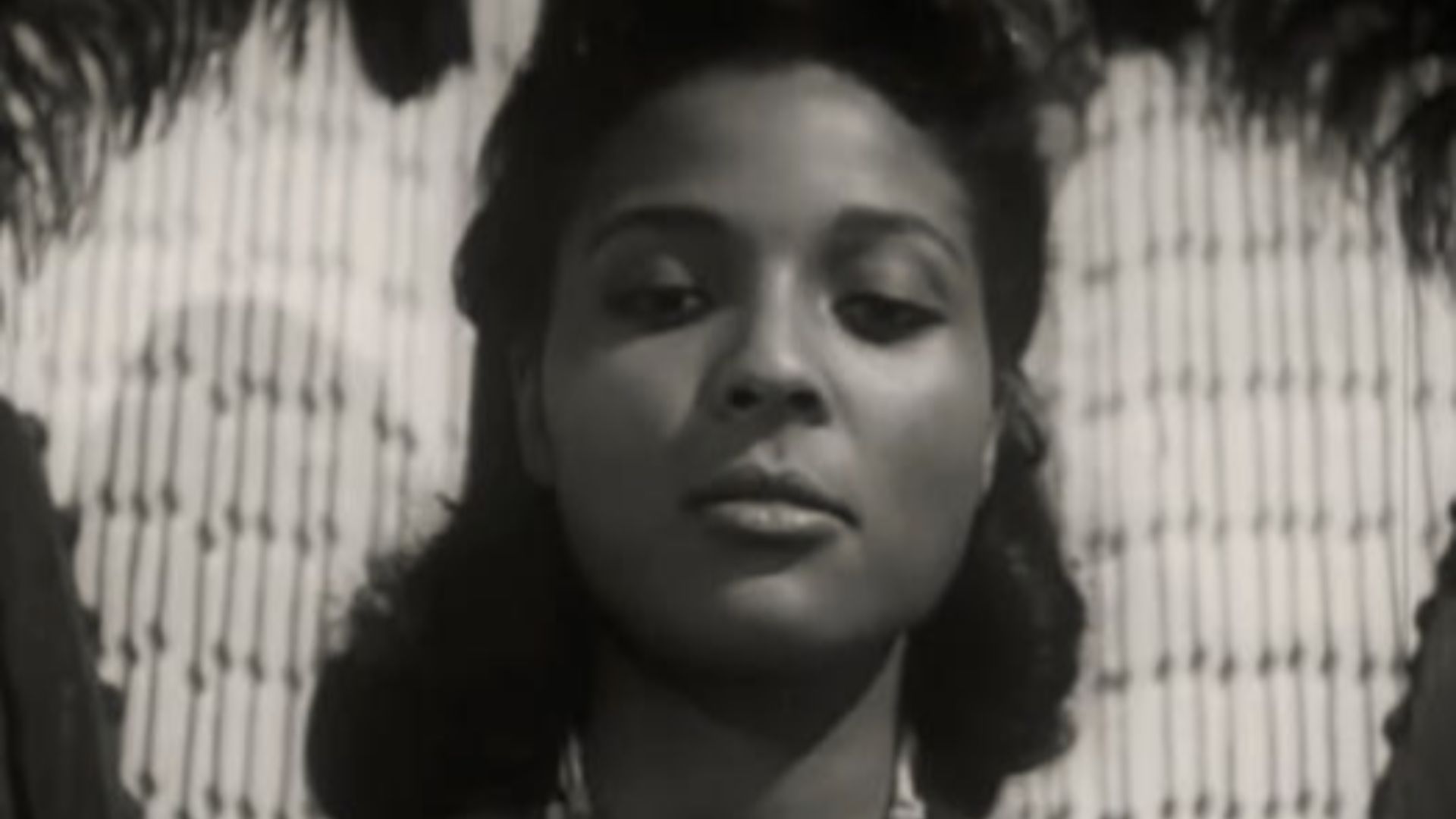 film trailer screenshot (Universal Pictures), Wikimedia Commons
Beginning An Acting Career
Returning to Los Angeles, Hamilton redirected her ambitions toward acting. She studied her craft while auditioning steadily, determined to overcome the racial barriers that limited opportunities for Black performers. Her persistence gradually began to attract the attention of television producers looking for talented new faces.
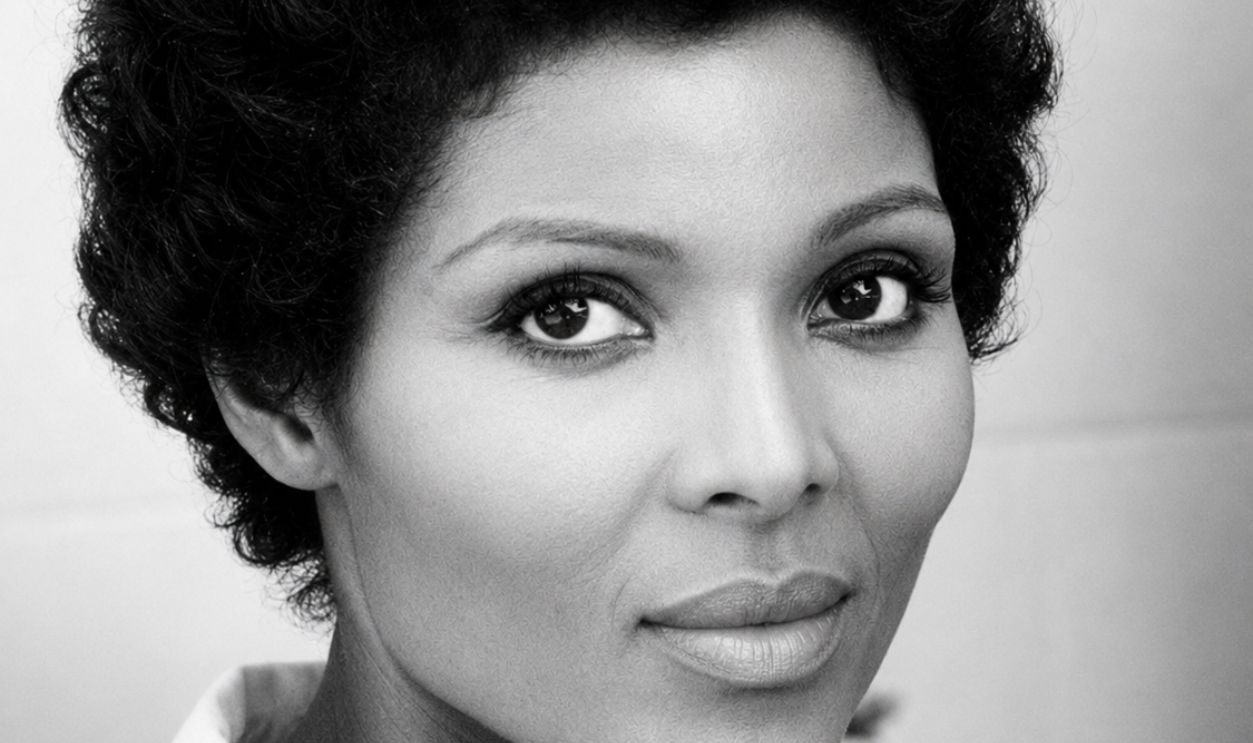 ABC Photo Archives, Getty Images, Enhanced
Television Debut
Hamilton made her television acting debut on Amos 'n' Andy. While the series itself remained controversial because of its portrayal of African American characters, it nevertheless provided Hamilton with valuable professional experience and introduced her to network television audiences for the first time.
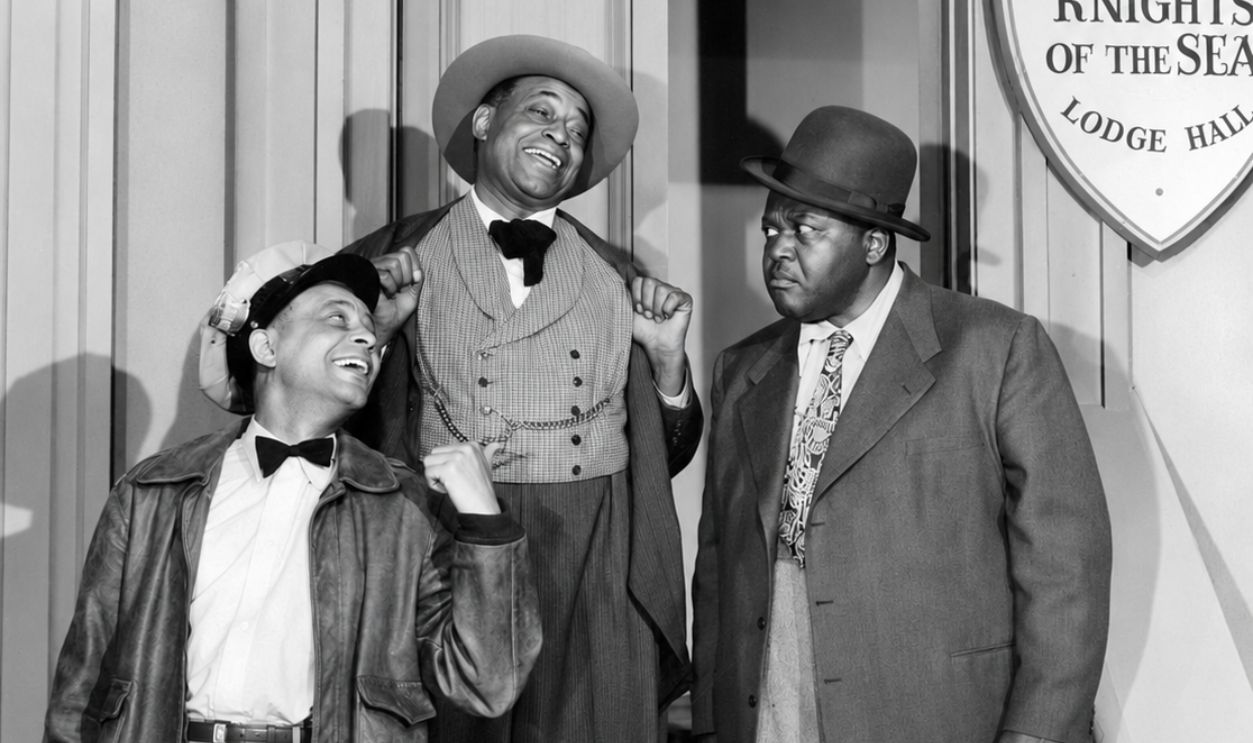 Sponsor Publications page 4, Wikimedia Commons, Modified
Entering The Twilight Zone
One of Hamilton's most memorable early appearances came on The Twilight Zone in the 1960 episode “The Big Tall Wish.” Her work on Rod Serling's acclaimed anthology placed her alongside some of television's finest writers and performers, demonstrating that she could hold her own in sophisticated dramatic productions that reached millions of viewers.
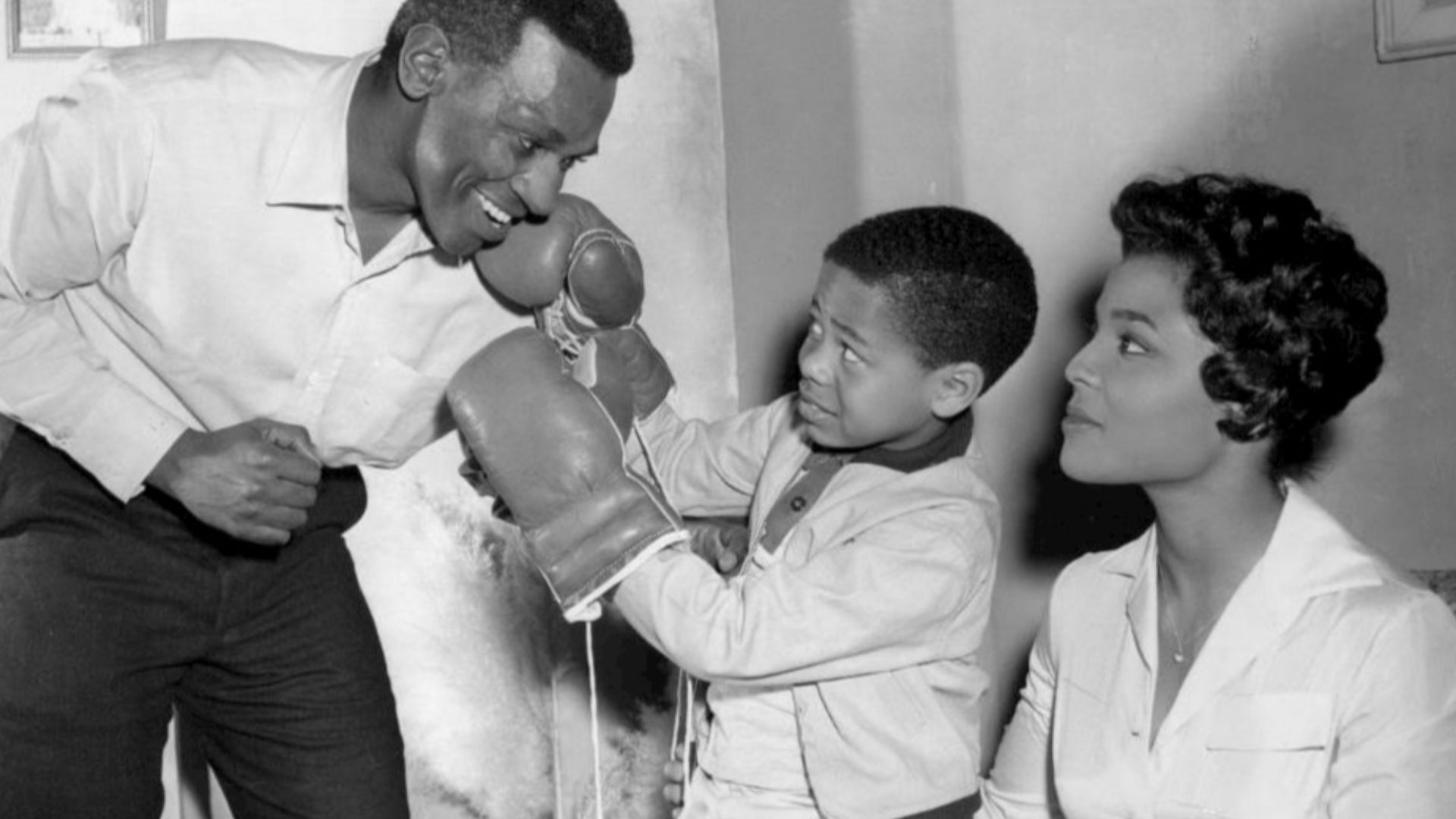 CBS Television, Wikimedia Commons
Breaking New Ground
Hamilton steadily became one of the first Black actresses to secure recurring work on American network television. At a time when Black performers were often confined to stereotypical parts or isolated guest appearances, her continued visibility represented meaningful progress within the entertainment industry.
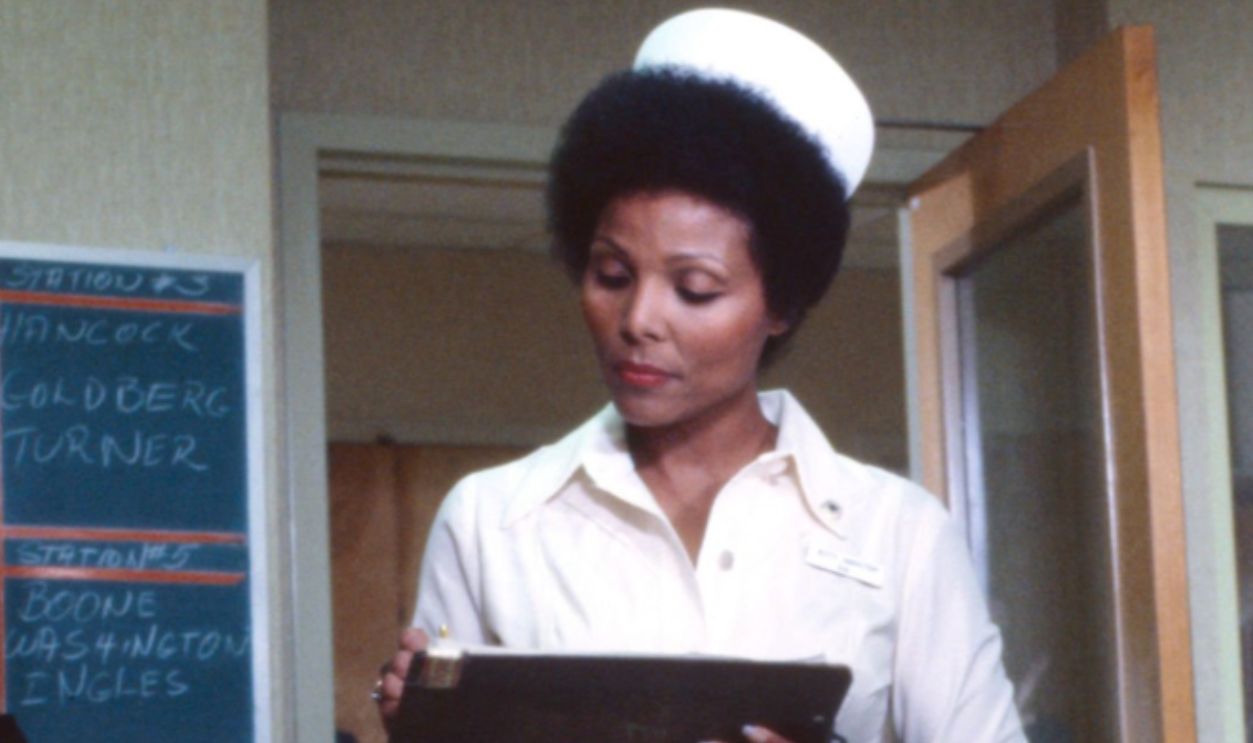 Walt Disney Television Photo Archives, Getty Images
Joining A Classic Film
Hamilton reached an even larger audience with her appearance in To Kill a Mockingbird (1962). Sharing the screen in one of Hollywood's most celebrated literary adaptations added an enduring credit to her growing résumé and connected her to a film that would become an American classic.
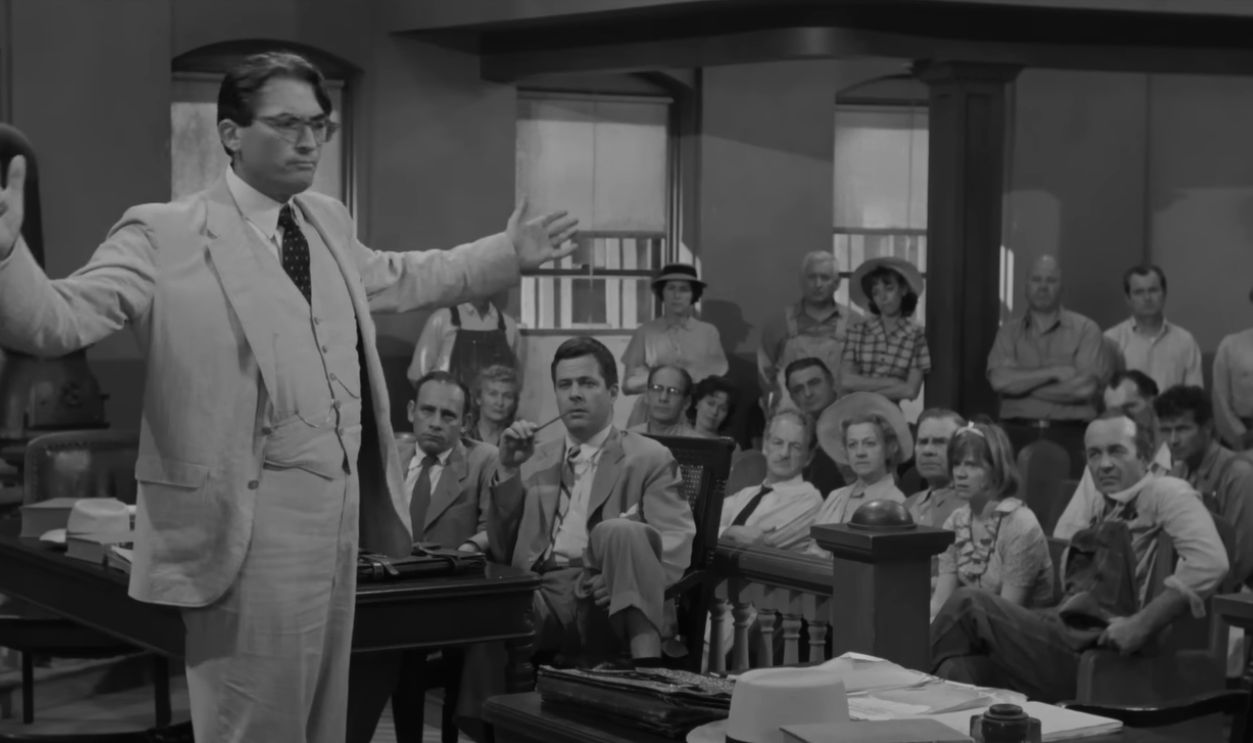 Screenshot from To Kill a Mockingbird, Universal Pictures (1962)
Leave It To Beaver
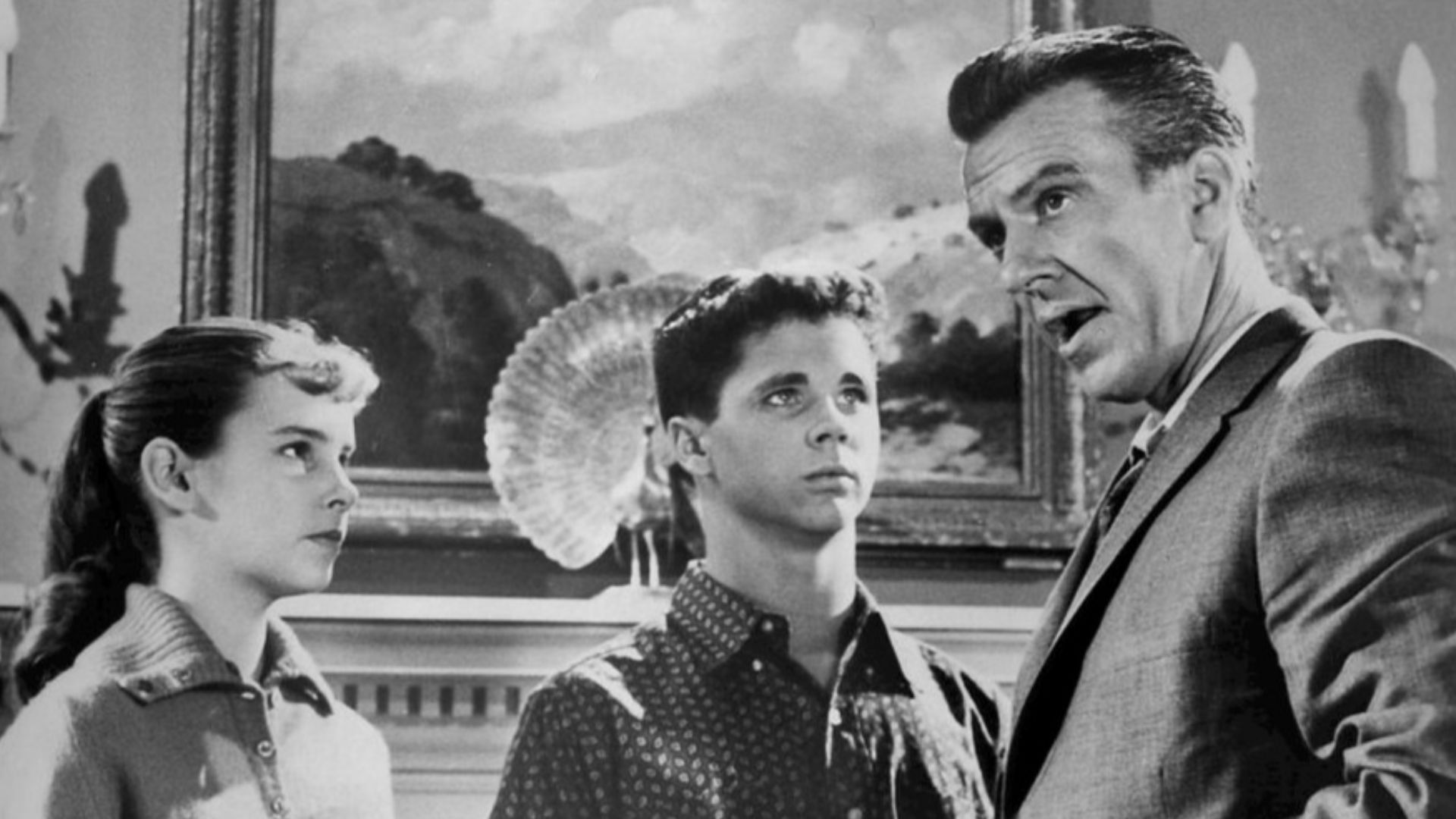
Hamilton made television history with her appearance on Leave It to Beaver. She became the first Black actress to have a speaking role on the enormously popular family sitcom. Although the role itself was modest, it reflected the slow dismantling of racial barriers on network television.
 ABC Television, Wikimedia Commons
Building A Reputation
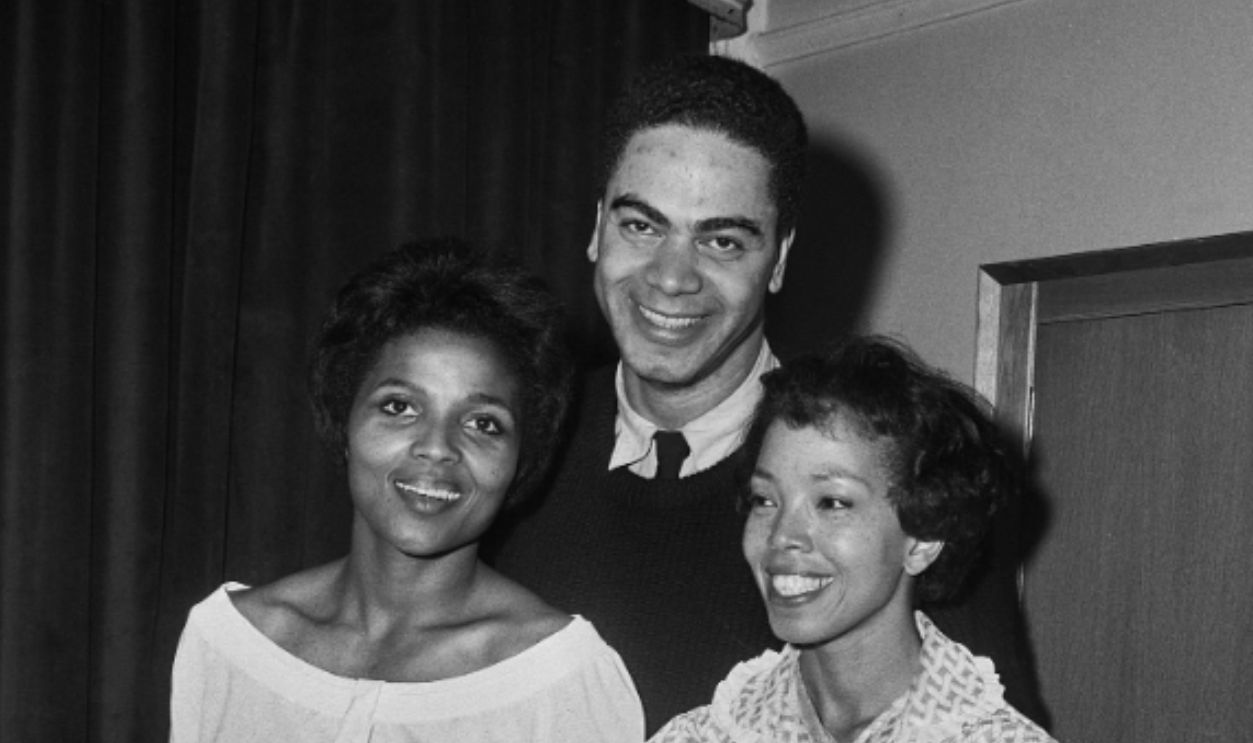
Throughout the 1960s, Hamilton developed a reputation as a dependable character actress capable of bringing warmth, dignity, and authenticity to every performance. Casting directors increasingly sought her out for dramatic and comedic productions alike, allowing her career to steadily expand.
A Busy Seventies
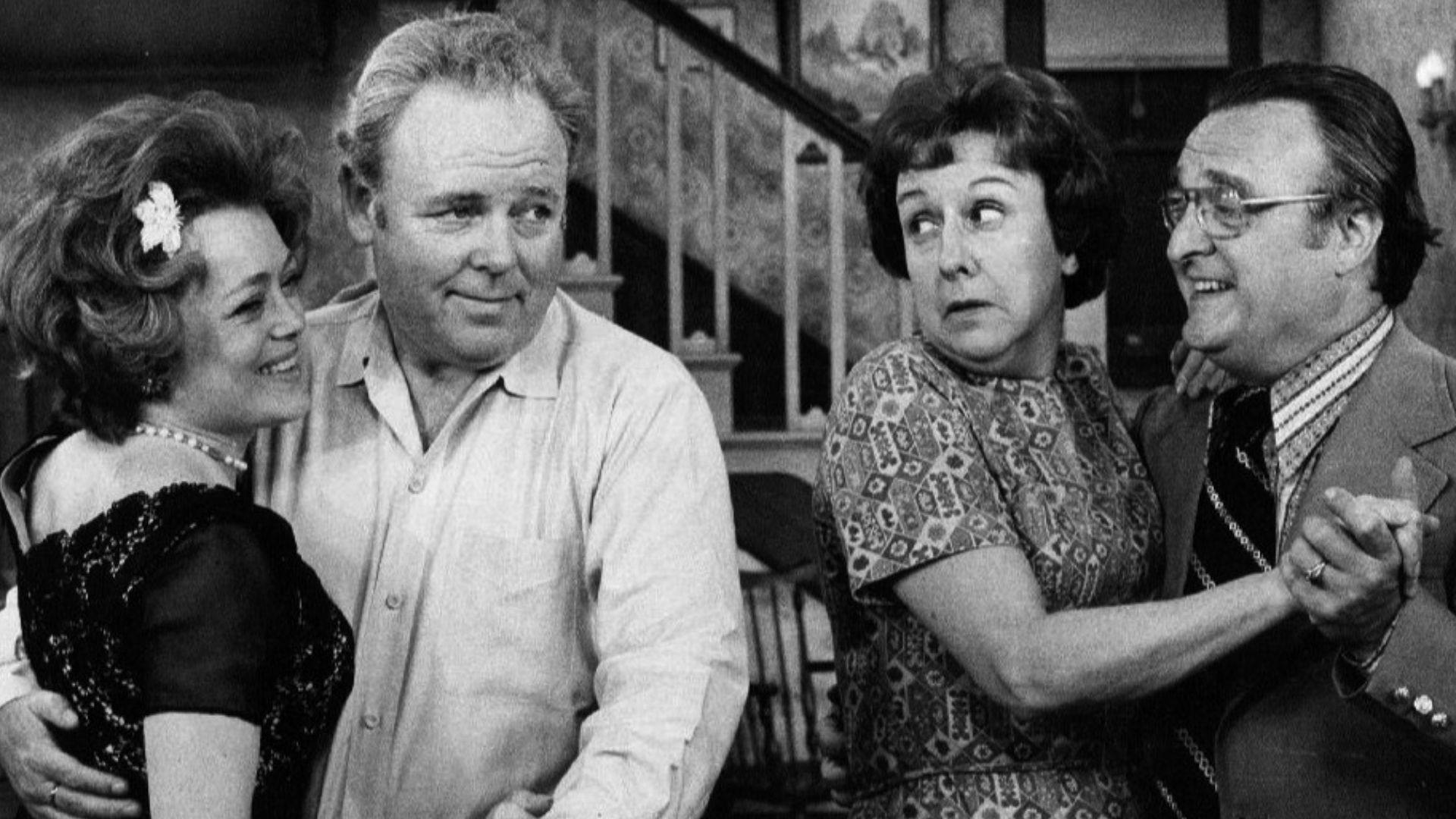
The 1970s proved to be even more productive for Hamilton. She became a familiar face on American television as guest appearances multiplied across numerous popular network programs from Kojak and All in the Family to Days of Our Lives and Marcus Welby, M.D.. Her versatility allowed her to move comfortably between sitcoms, dramas, and made-for-television productions.
 CBS Television, Wikimedia Commons
Appearing On Good Times
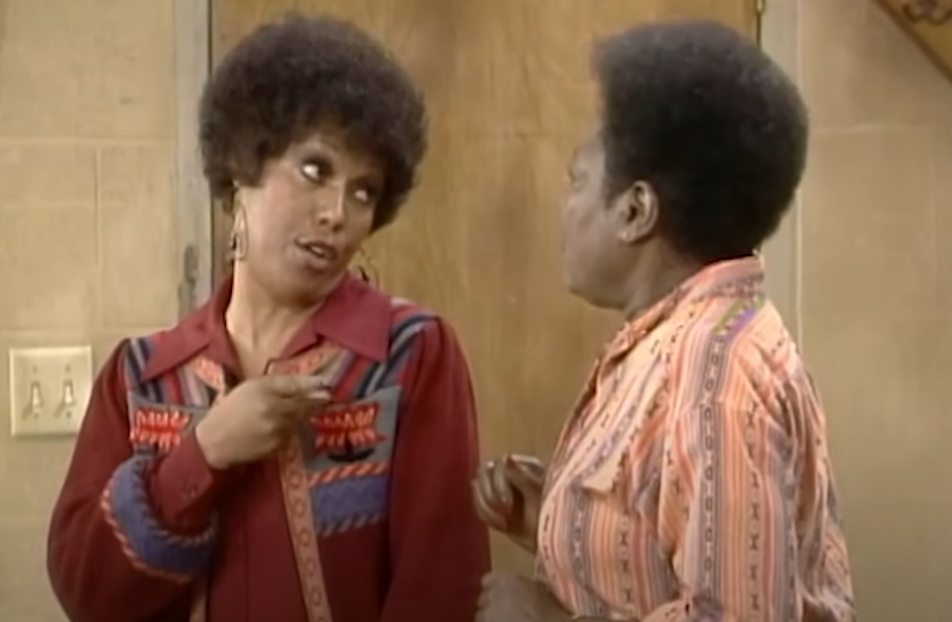
Hamilton appeared on a 1975 episode of Good Times, one of the decade's defining sitcoms. The series offered more substantial opportunities for Black performers than earlier television had provided, and Hamilton's appearance reflected the industry's gradual movement toward broader and more authentic representation.
 Screenshot from Good Times, Tandem Productions (1974-1979)
Sanford And Son
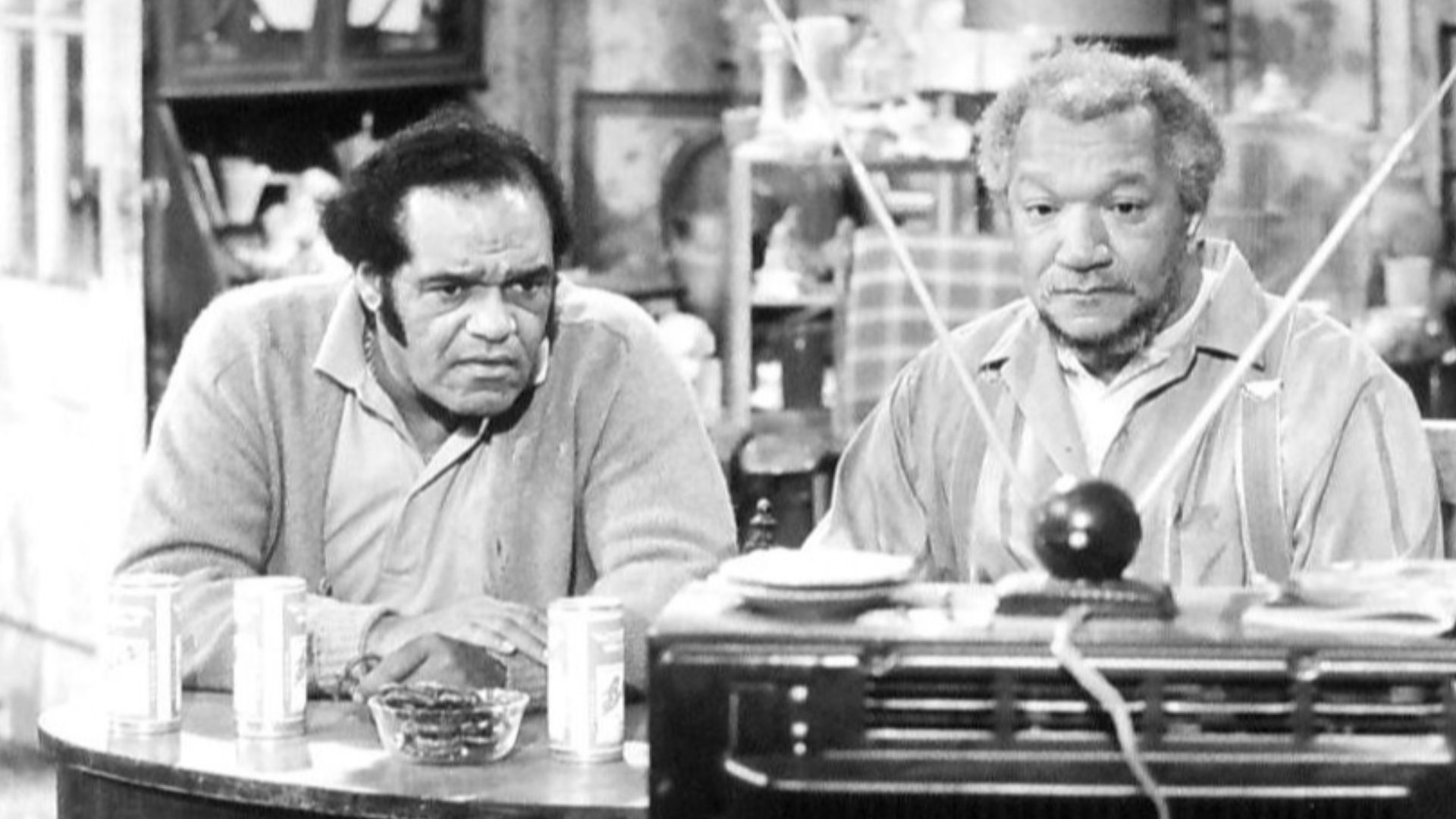
Hamilton also joined the cast of Sanford and Son on two different occasions. Working alongside Redd Foxx and the series' accomplished ensemble further strengthened her reputation as a respected character actress capable of fitting naturally into some of television's most successful comedies.
 NBC Television, Wikimedia Commons
Visiting The Jeffersons
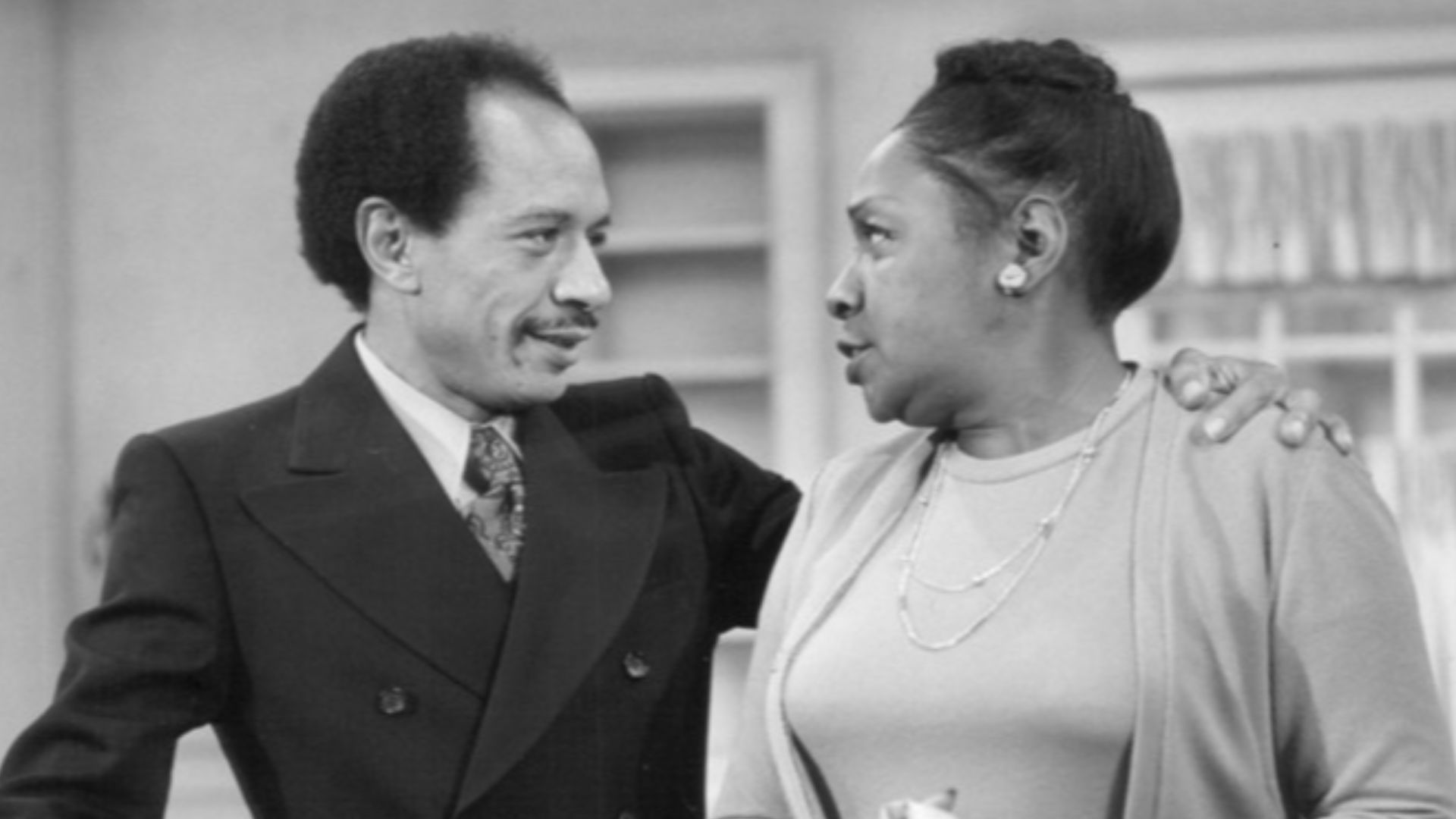
Another memorable television appearance came later in 1983 on The Jeffersons. By this stage of her career, Hamilton had become one of those familiar faces audiences instantly recognized, even if they did not always remember her name, thanks to her consistent work across television's biggest series.
 CBS Television Uploaded by We hope at en.wikipedia, Wikimedia Commons
Marriage To Werner Klemperer
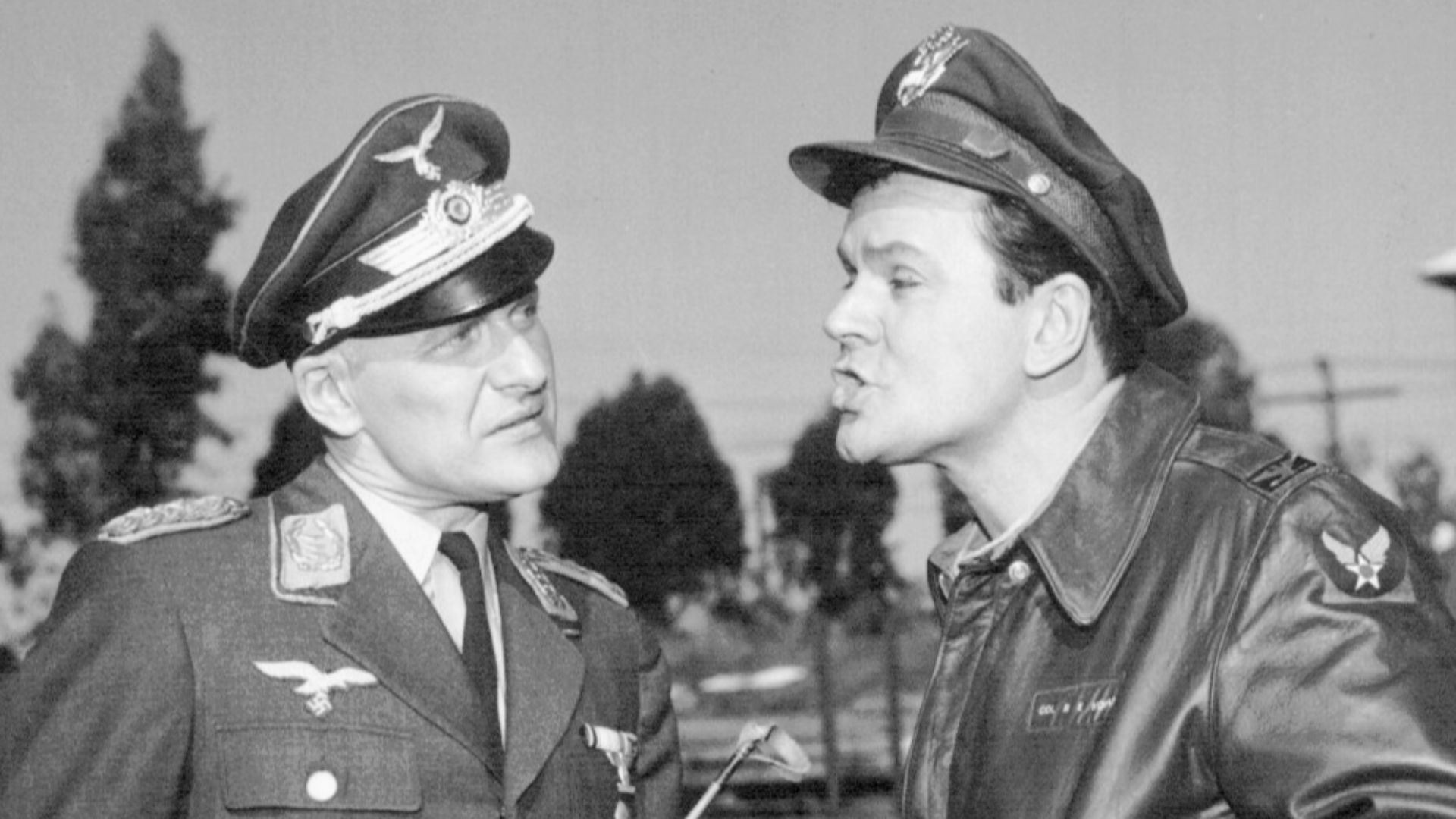
Away from the cameras, Hamilton enjoyed a long relationship with actor Werner Klemperer, beloved for portraying Colonel Klink on Hogan's Heroes. The couple eventually married in 1983, remaining together until Klemperer's death in 2000. Their marriage united two accomplished performers from very different acting backgrounds.
 CBS Television, Wikimedia Commons
Returning For Star Trek
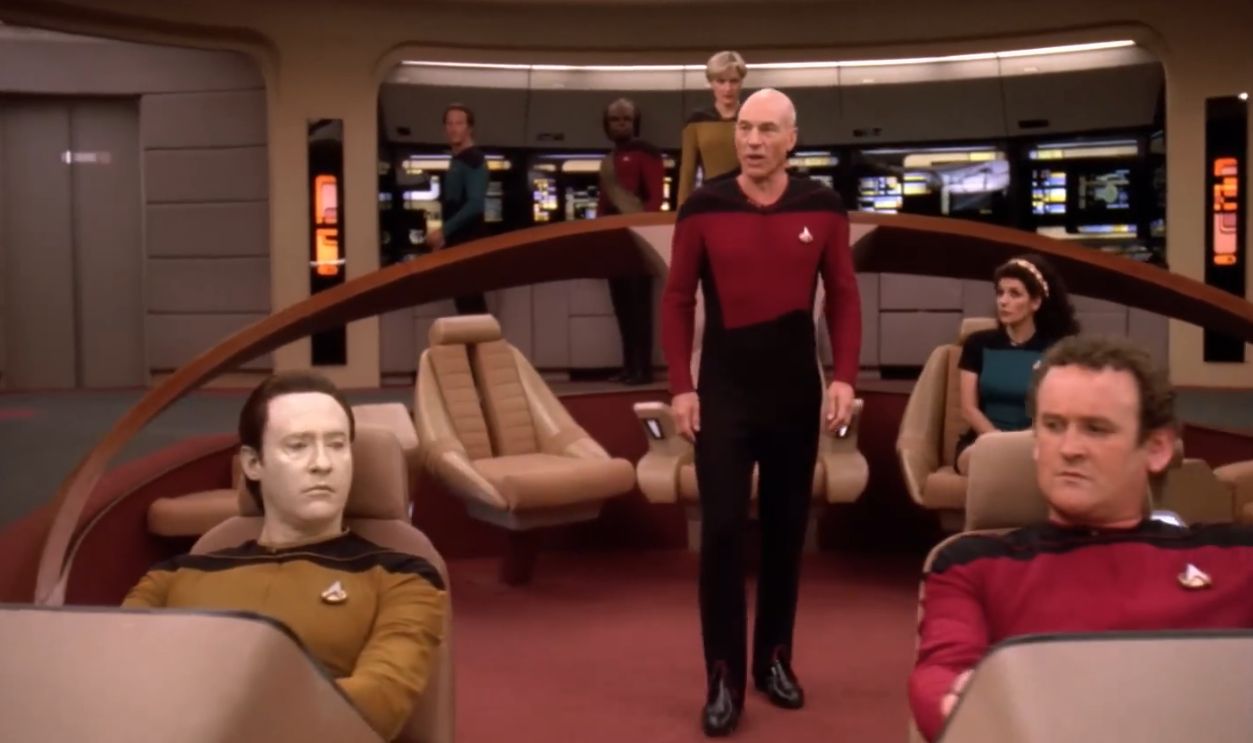
Hamilton introduced herself to a new generation of viewers in 1990 with an appearance on Star Trek: The Next Generation. The role demonstrated both her longevity and her remarkable ability to remain active across decades of dramatic changes in American television.
 Screenshot from Star Trek: The Next Generation, Paramount Television (1987–1994)
Recognition And Honors
Although Hamilton never achieved major celebrity status, historians and television scholars increasingly recognized her importance as a pioneering performer. Her contributions helped open doors for Black actresses who followed, and her groundbreaking appearances remain significant milestones in television history.
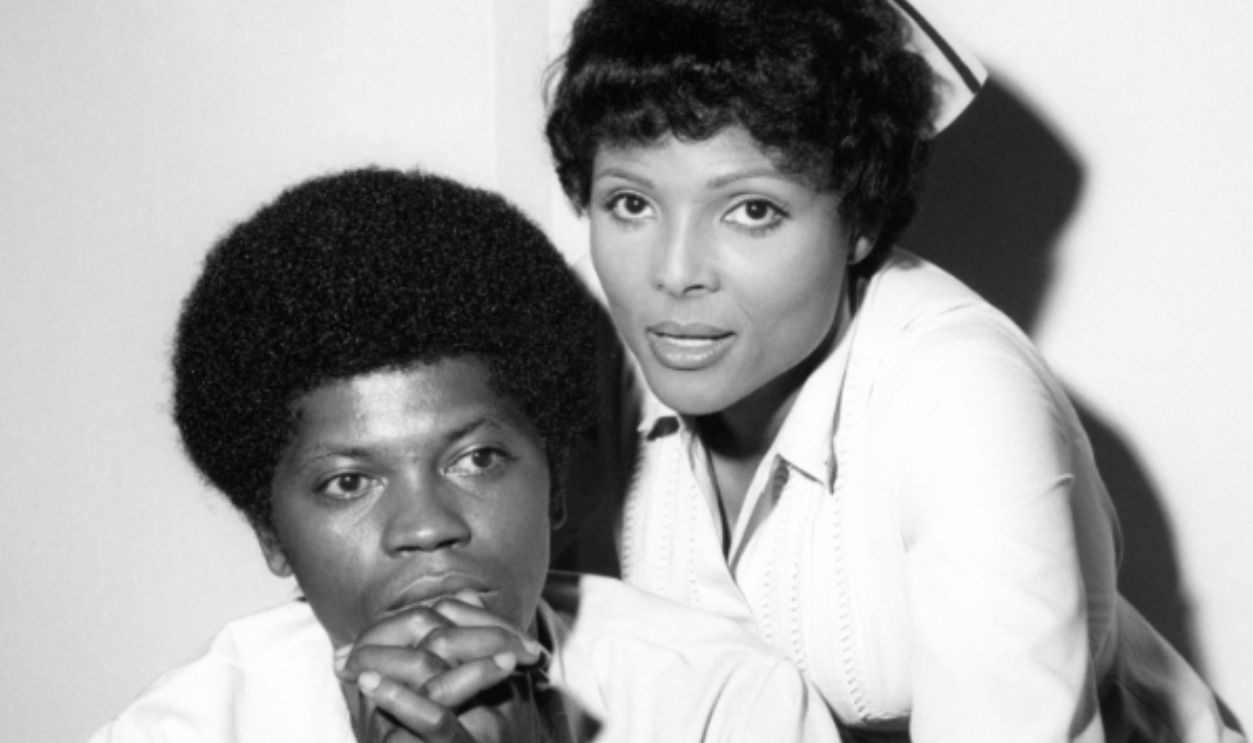 ABC Photo Archives, Getty Images
Final Years
Hamilton largely stepped away from acting during her later years after building an impressive career spanning nearly four decades. She remained respected by colleagues who admired both her professionalism and the quiet determination that had carried her through an often difficult industry.
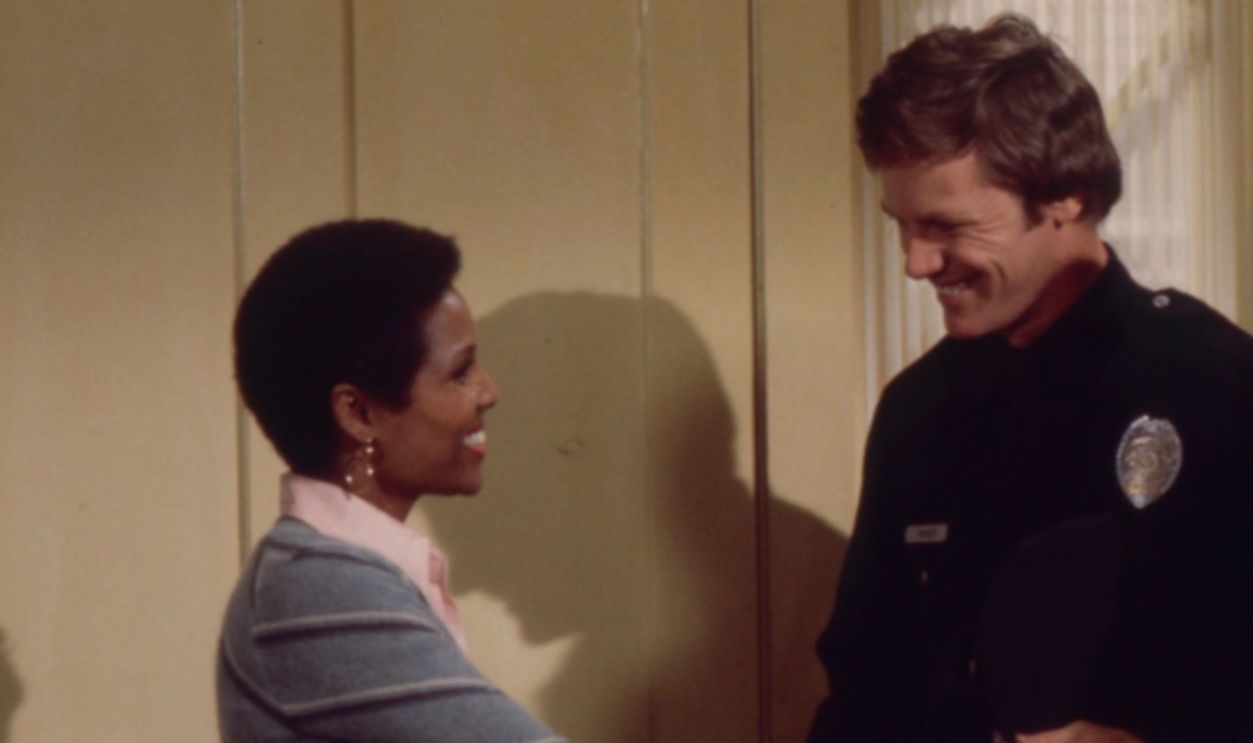 Walt Disney Television Photo Archives, Getty Images
Lasting Legacy
Kim Hamilton died on September 16, 2013, at the age of 81. Today she is remembered not simply for the many films and television series in which she appeared, but for quietly helping to transform network television during a pivotal period. Her career demonstrated that lasting influence often belongs to supporting cast members whose groundbreaking achievements changed Hollywood forever—even if we didn’t realize it at the time!
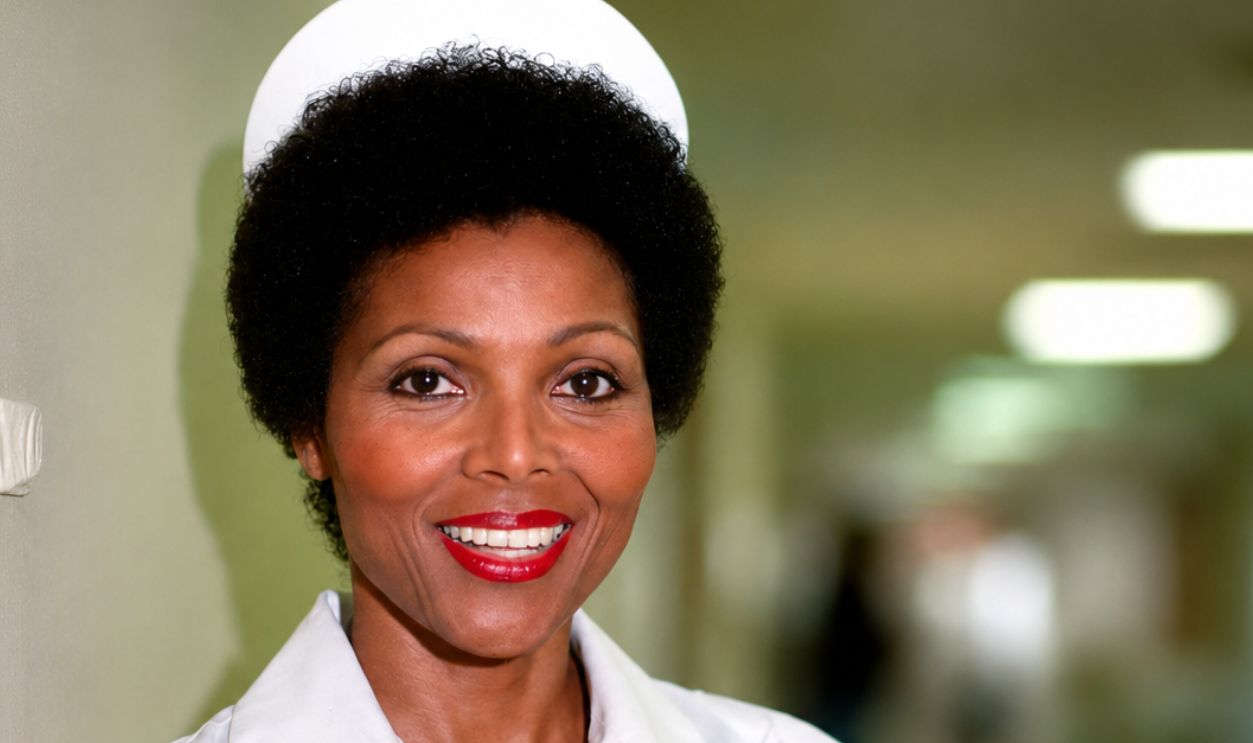 Walt Disney Television Photo Archives, Getty Images, Modified
You May Also Like:
The Comedy Legend Of Werner Klemperer
The Most Unforgettable Guest Stars In Television History—How Many Do You Remember?