
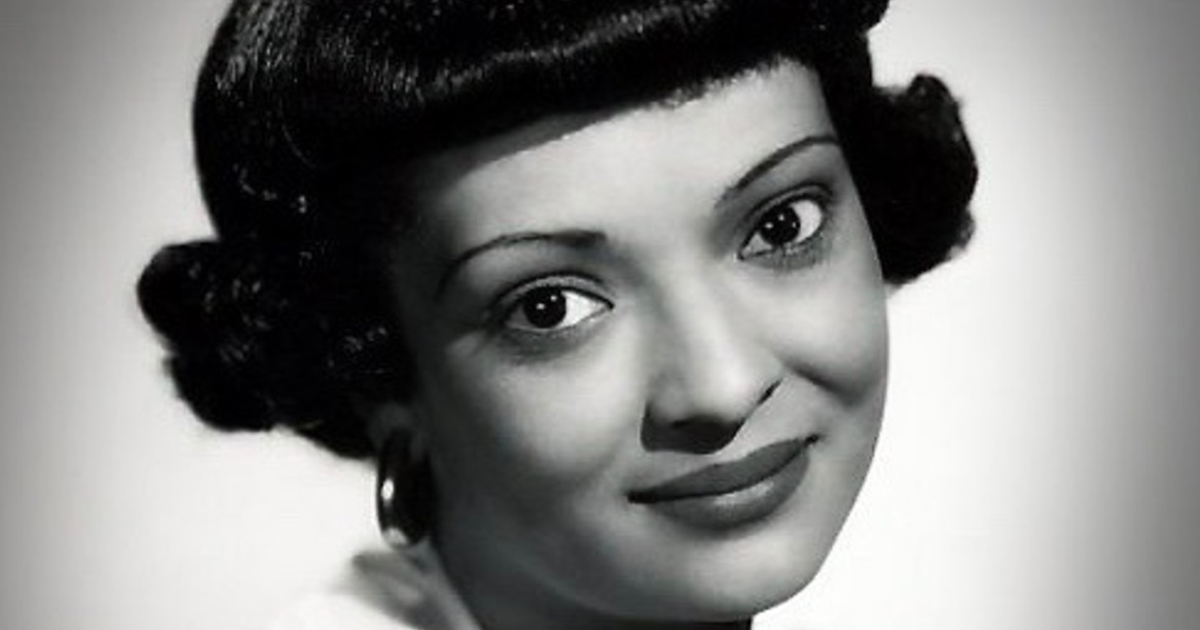
Unsung Black Actresses Of Stage And Screen
During Hollywood’s Golden Age, stars like Lena Horne and Dorothy Dandridge lit up the screen with undeniable talent and presence—but they were only part of the story. Behind the spotlight stood a long list of equally brilliant Black actresses whose performances were overlooked, minimized, or left uncredited altogether, thanks to the harsh realities of discrimination.
Their names may not have always appeared in lights—but they should have.
Here are 10 classic Black actresses worth knowing—trailblazers who not only pushed their way into an industry that tried to shut them out, but also used their voices to challenge injustice and reshape the path for those who followed.
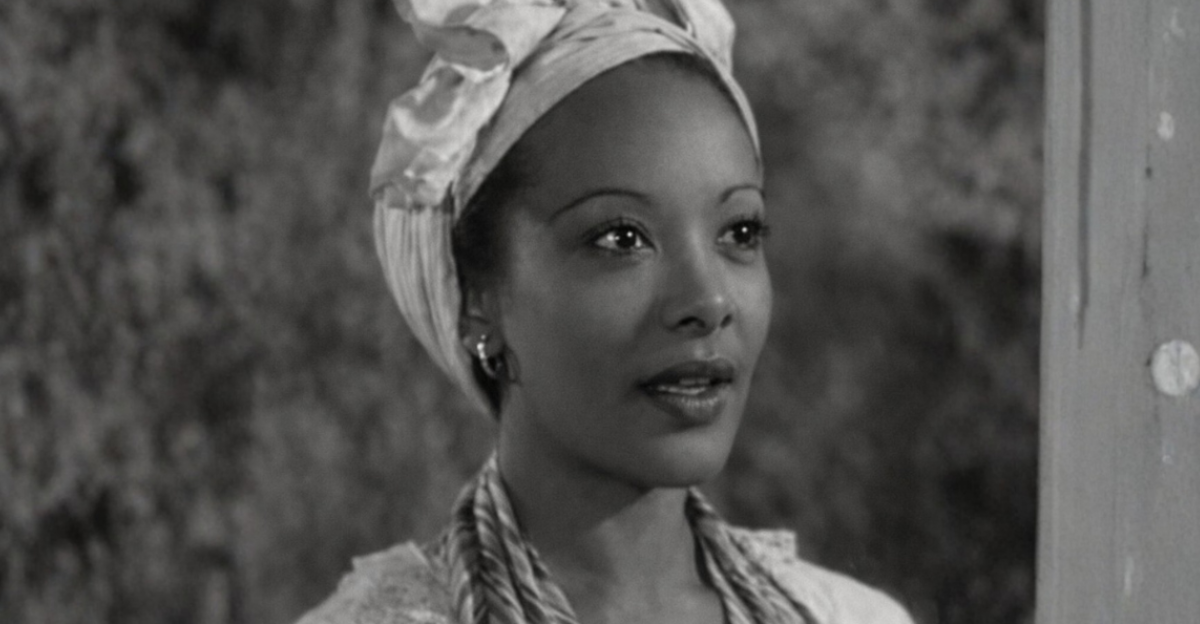 trailer screenshot (RKO), Wikimedia Commons
Nina Mae McKinney
June 12, 1912 – May 3, 1967
Nina Mae McKinney was an American actress who worked internationally during the 1930s and in the postwar period in theatre, film, and television. She was dubbed “The Black Garbo” in Europe because of her remarkable beauty.
And although McKinney was both one of the first African American film stars in the United States and one of the first African Americans to appear on British television—today, she is mostly forgotten.
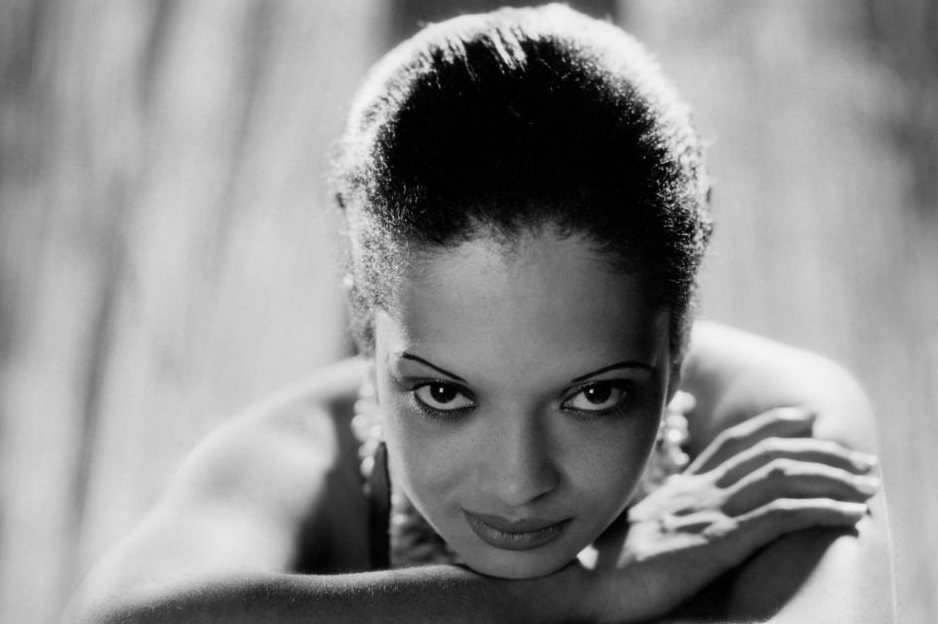 De Carvalho Collection, Getty Images
Nina Mae McKinney
McKinney had the whole package. She was absolutely stunning, she was enthusiastic, and she had all the acting talent she needed to succeed. Unfortunately, for Black women of her time, there weren’t many roles available to her.
But in 1929, all that changed. McKinney was on stage in Broadway when her performance caught the attention of MGM producer/director King Vidor, who offered her the starring role in Hallelujah (1929)— the first all-Black, all-sound musical.
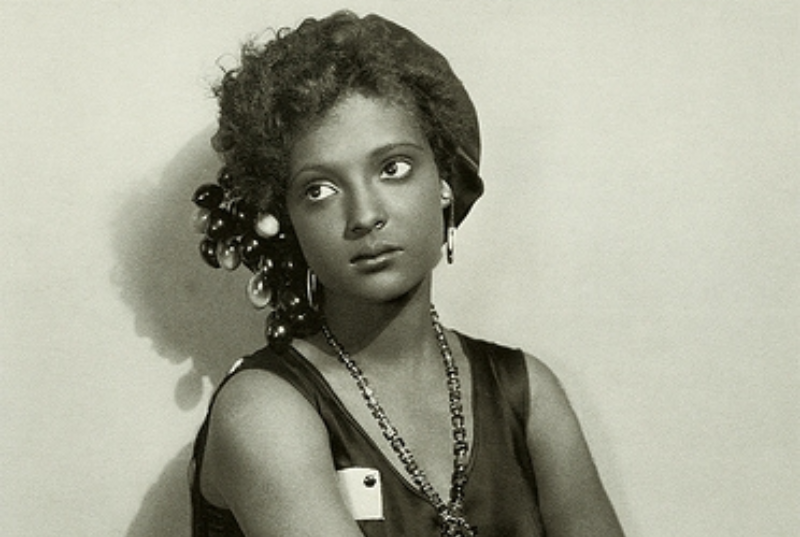 Ruth Harriet Louise, Wikimedia Commons
Nina Mae McKinney
After a number of all-Black cast or Black-themed films, Nina felt she had more success on stage. She left Hollywood (and the US entirely) and made film and stage appearances all over Europe, becoming known as “The Black Garbo,” due to her resemblance to the White actress, Greta Garbo.
In 1978, Nina received a posthumous award from the American Black Filmmakers Hall of Fame for her lifetime achievement.
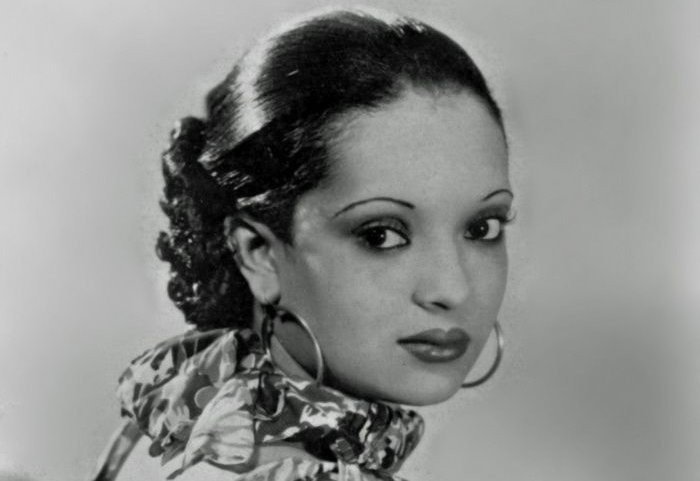 Unknown Author, Wikimedia Commons
Evelyn Preer
July 26, 1896 – November 17, 1932
Evelyn Preer was a pioneering screen and stage actress, and jazz and blues singer in Hollywood during the late-1910s through the early 1930s. She became known in the Black community as “The First Lady of the Screen”.
Preer was the first Black actress to earn celebrity status and popularity. She appeared in ground-breaking films and stage productions, including the first play by a Black playwright to be produced on Broadway, and the first New York–style production with a Black cast.
Sadly, her career was cut short.
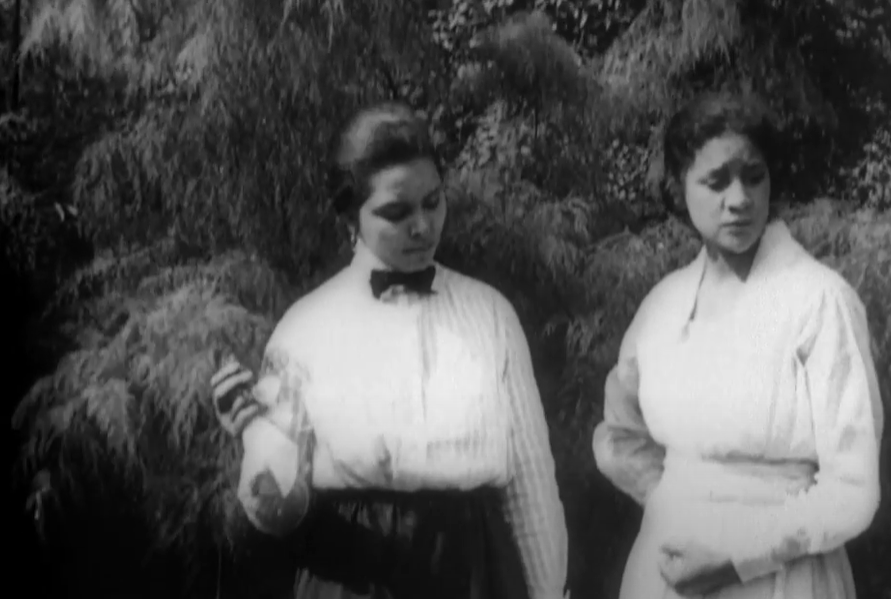 Micheaux Book & Film Company, Within Our Gates (1920)
Evelyn Preer
Preer made her film debut in The Homesteader (1919), which was also the first film for pioneering Black filmmaker Oscar Micheaux. She made nine more films with Micheaux, and went on to star in several Broadway shows. On top of all that, Preer was an accomplished singer and made records that were backed by musical icons like Duke Ellington.
Preer's career was tragically cut short in 1932, when she died after a short battle with double pneumonia due to postpartum complications after the birth of her daughter, Edeve.
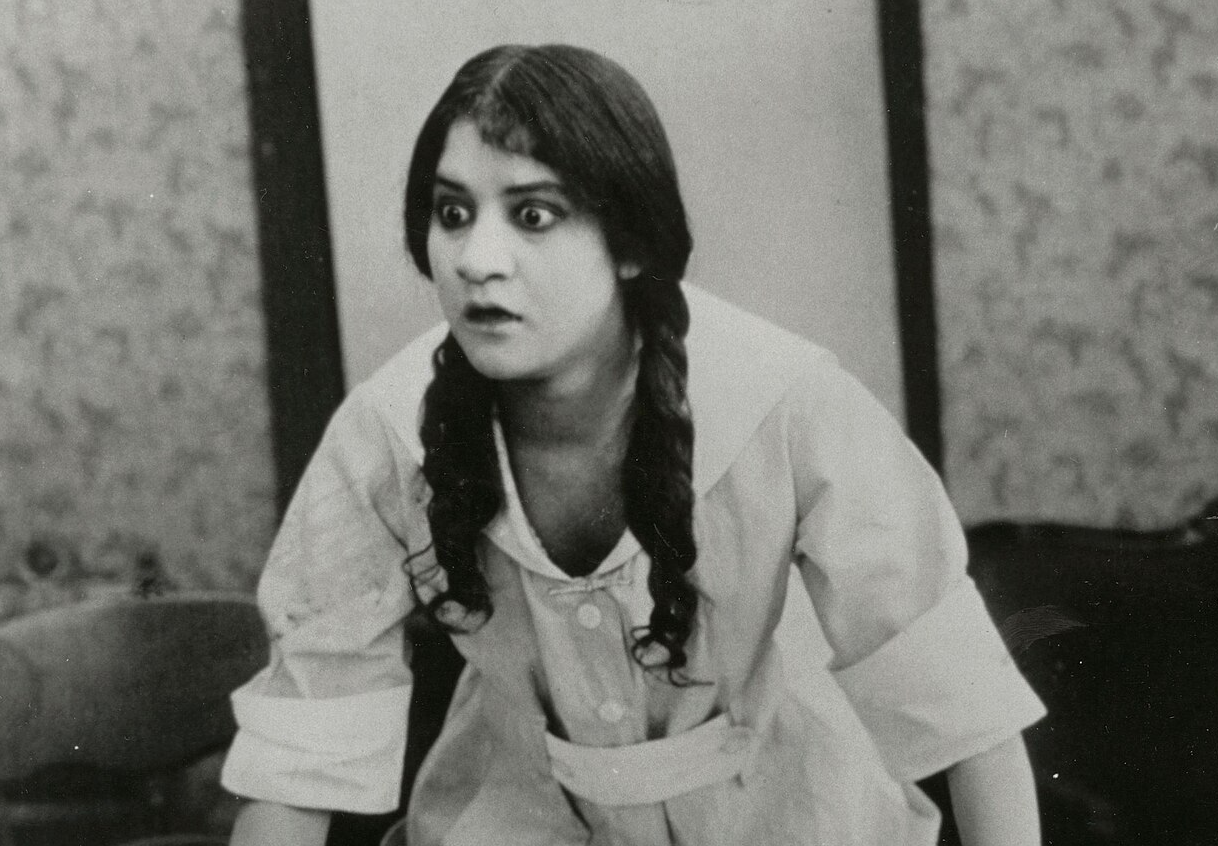 The New York Public Library, Wikimedia Commons
Kathleen Noisette
March 1903 – April 16, 1935
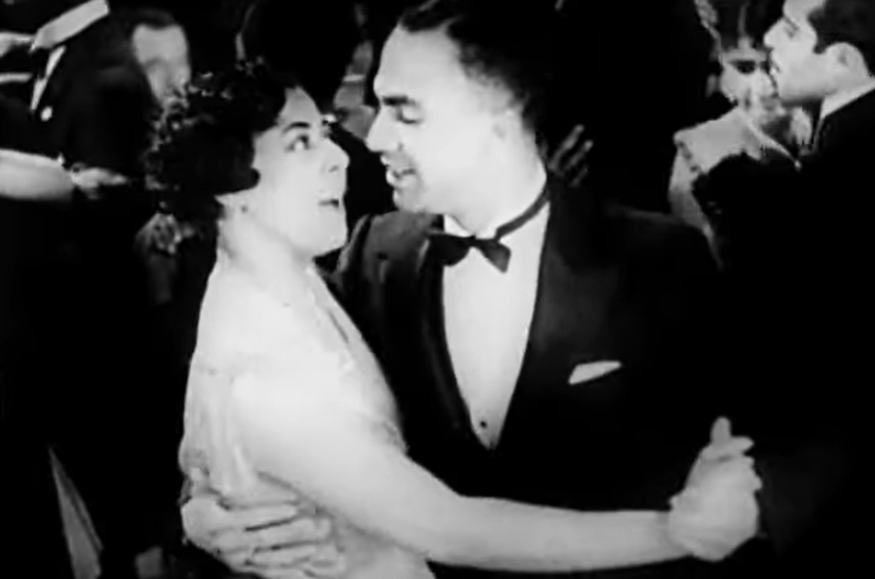
Kathleen Noisette (born Catherine Hackett) was another one of filmmaker Oscar Micheaux’s leading actresses. She was absolutely beautiful and often referred to as his “most glamorous” actress.
Noisette usually played the femme fatale, the vamp, or the snooty gossip queen. But she always added wit and charm, without overdoing it. She was classy, savvy, and all-around alluring on screen.
And while Noisette always received good reviews, she could have made it further—had her personal life not been complete chaos.
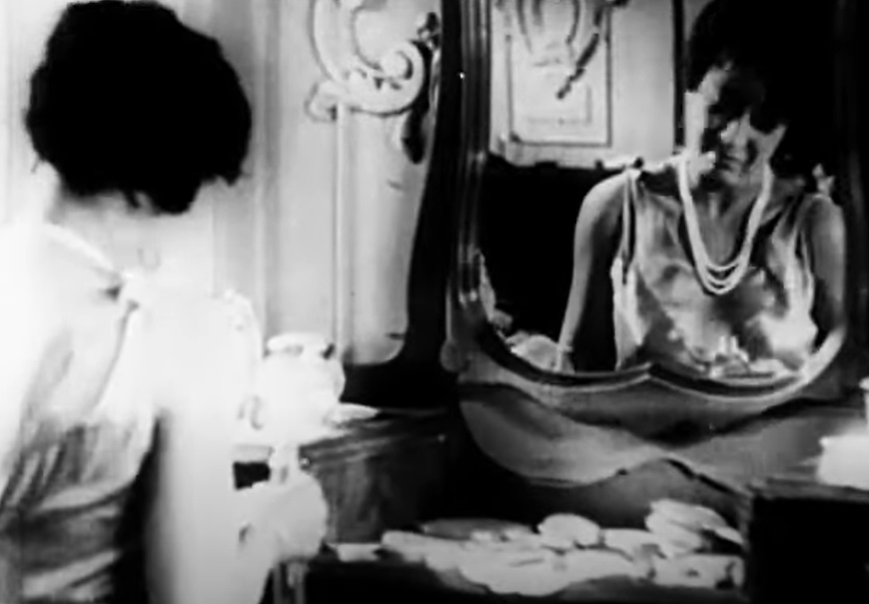 Micheaux Film, The Exile (1931)
Kathleen Noisette
Noisette appeared in a wide range of films—both major productions and smaller roles—yet today, her name has all but faded from memory. In fact, she doesn’t even have a Wikipedia page, a telling sign of just how overlooked her legacy has become. Many believe she might have reached far greater heights if her personal life hadn’t begun to overshadow her rising career.
Behind the scenes, Noisette’s life was marked by turmoil, often landing her in headlines for all the wrong reasons. Tragically, her story was cut short not long after her career stalled—she passed at just 29, following struggles with mental illness and complications from tuberculosis.
 Micheaux Film, The Exile (1931)
Josephine Baker
June 3, 1906 – April 12, 1975
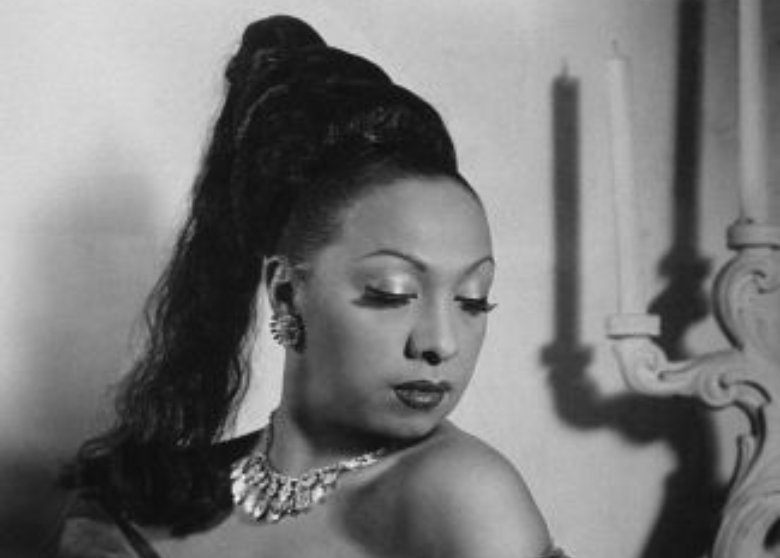
Josephine Baker was an American-born French dancer, singer, and actress—whose career was mostly in France. She was the first Black woman to star in a major motion picture, the 1927 French silent film Siren of the Tropics.
But before she hit the stage, she hit the streets.
 Rudolf Suroch, Wikimedia Commons
Josephine Baker
Before Baker got her big break on screen, she started small, dancing in the street for nickels and dimes. She even had a quickie teenage marriage before leaving America for Paris, France.
America was full of racial discrimination, but Europe was different. In Paris, her first job was in La Revue Negre, then she went on to become a member of the all-Black revue at Folies Bergere. It was there that she first performed her famous “banana dance”—and quickly became a French favorite.
But during the “Red Scare” era of the 1950s, Baker's home country dealt her the ultimate betrayal.
 Eric Koch / Anefo, CC0, Wikimedia Commons
Josephine Baker
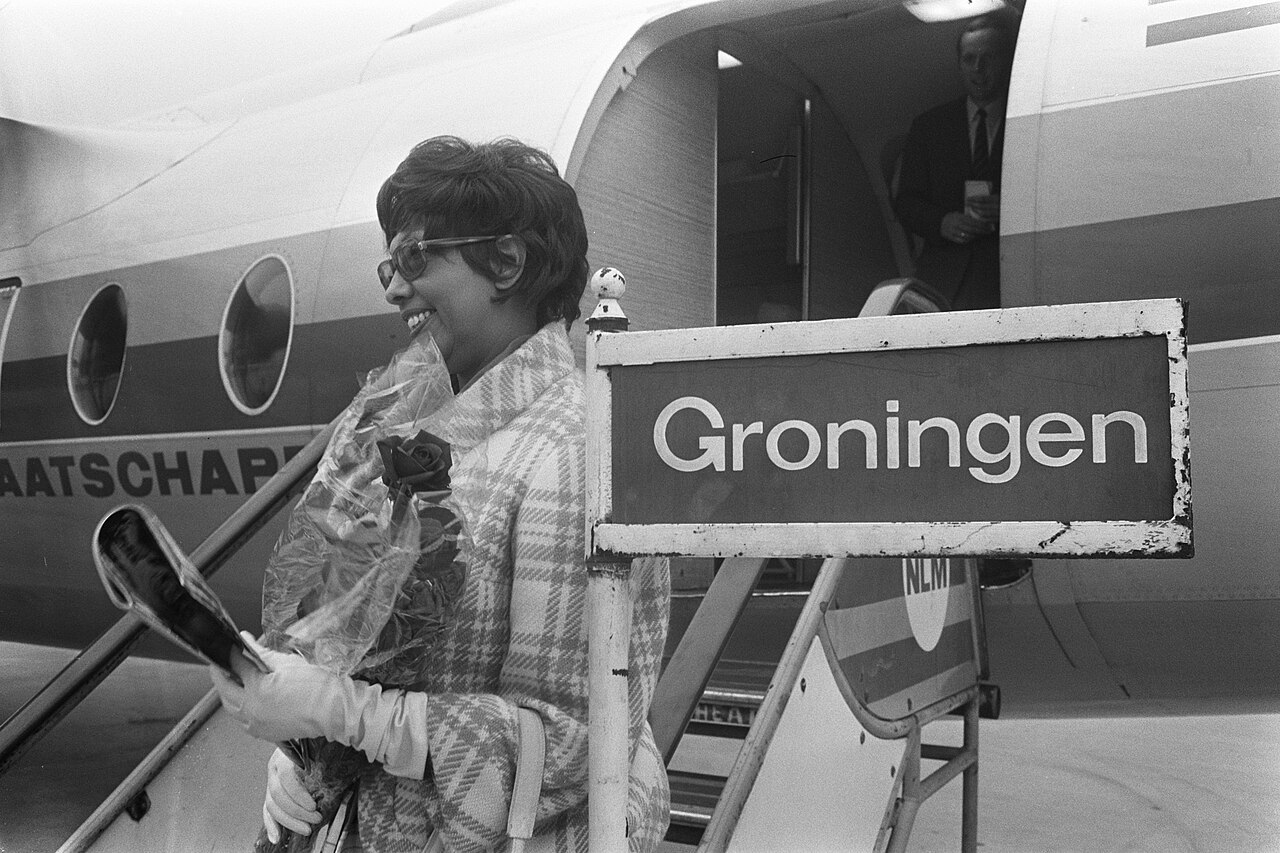
While Baker was a star in France—they even dubbed her the “Black Venus”—her home country was falsely accusing her of being a communist. They informed her she was no longer welcome in the US.
This was likely because back in 1937, she had renounced her American citizenship after being utterly disgusted by the blatant and official racism against Black people, and instead, became a French citizen.
Baker was then awarded the Legion of Honor, France’s highest award—and caught the attention of someone very important.
 Daan Noske / Anefo, CC0, Wikimedia Commons
Josephine Baker
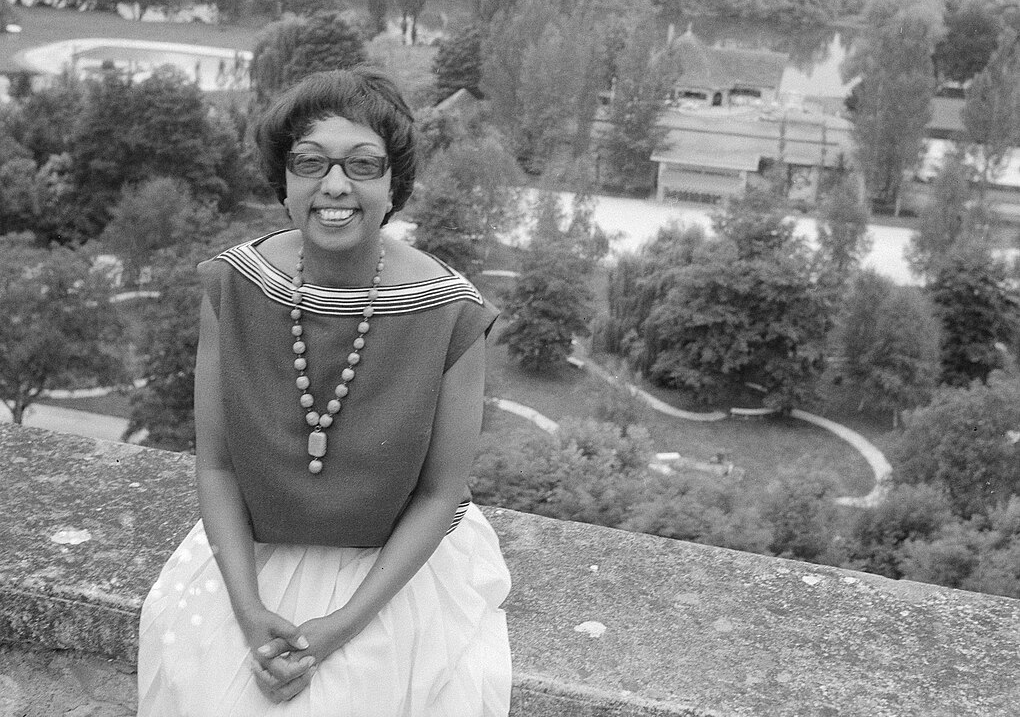
During the 1950s, Baker experienced an immense amount of racial discrimination—mostly in America. The media painted her as an anti-American communist sympathizer, and by the late 1960s, Baker's popularity started to dip and her career took a nosedive. She had stopped performing and was now broke.
After a public incident where Baker was refused service at a club because she was Black, Grace Kelly—the Princess of Monaco—offered her a home, and a job. Before long, her career was back on track.
Josephine Baker continued to perform right up until her sudden demise at 68 years old.
 Jack de Nijs for Anefo, CC0, Wikimedia Commons
Mildred Washington
March 16, 1905– September 7, 1933
Mildred Washington was an American actress and dancer during the 1920s and 1930s. Her name isn’t well known today, but she appeared in a number of films—mostly in small parts. What makes her most memorable, though, was her finesse and her vivacious personality.
Washington started her career acting in musicals and later conquered California nightclubs and theaters, becoming a full-fledged, substantial, popular entertainer who was called “The Sensation of the West".
But while she took the stage by storm, she dabbled in a dream on the side.
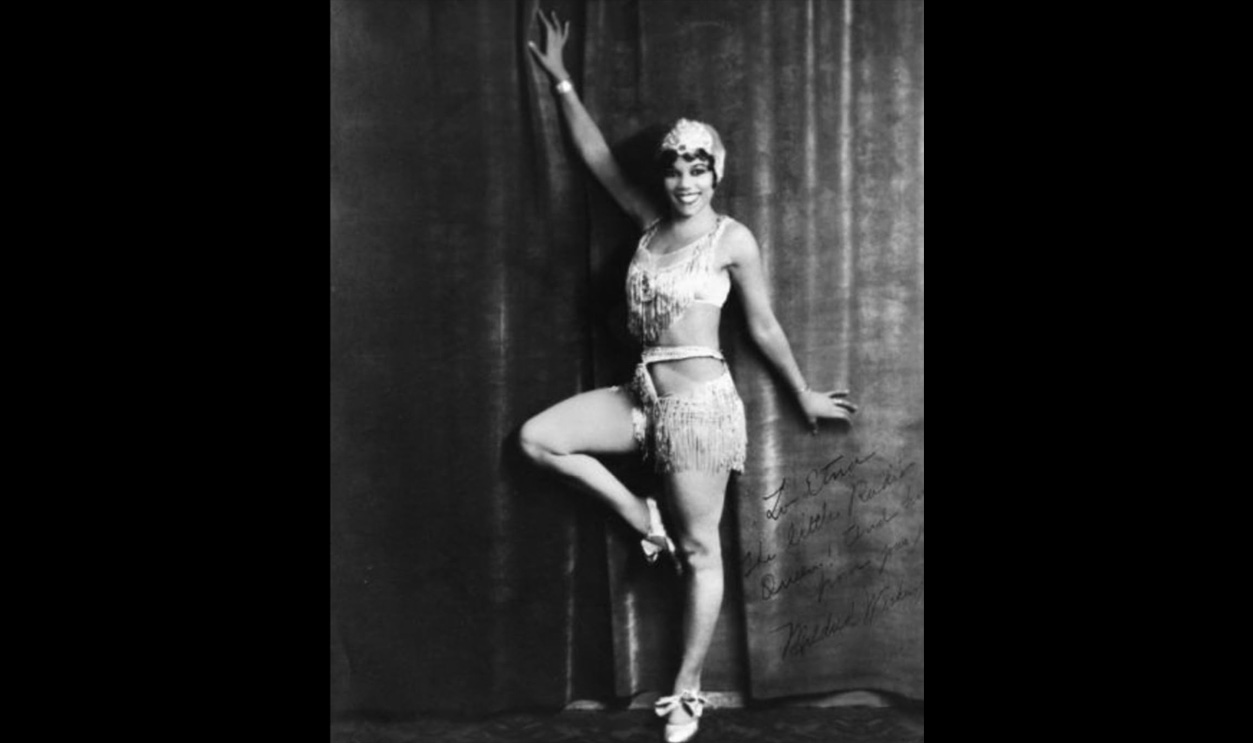
Mildred Washington
Washington had always dreamed of being in the movies—and she certainly had the talent, and sex appeal for it. It didn’t take long to get noticed and she quickly scored a leading role in the 1929 film Hearts in Dixie—one of the first big-studio productions to boast a predominantly African American cast.
Washington started working her way up the Hollywood ladder, with filmmakers offering her role after role. Sadly, her career was suddenly cut short when she died from complications with appendicitis at only 28 years old.
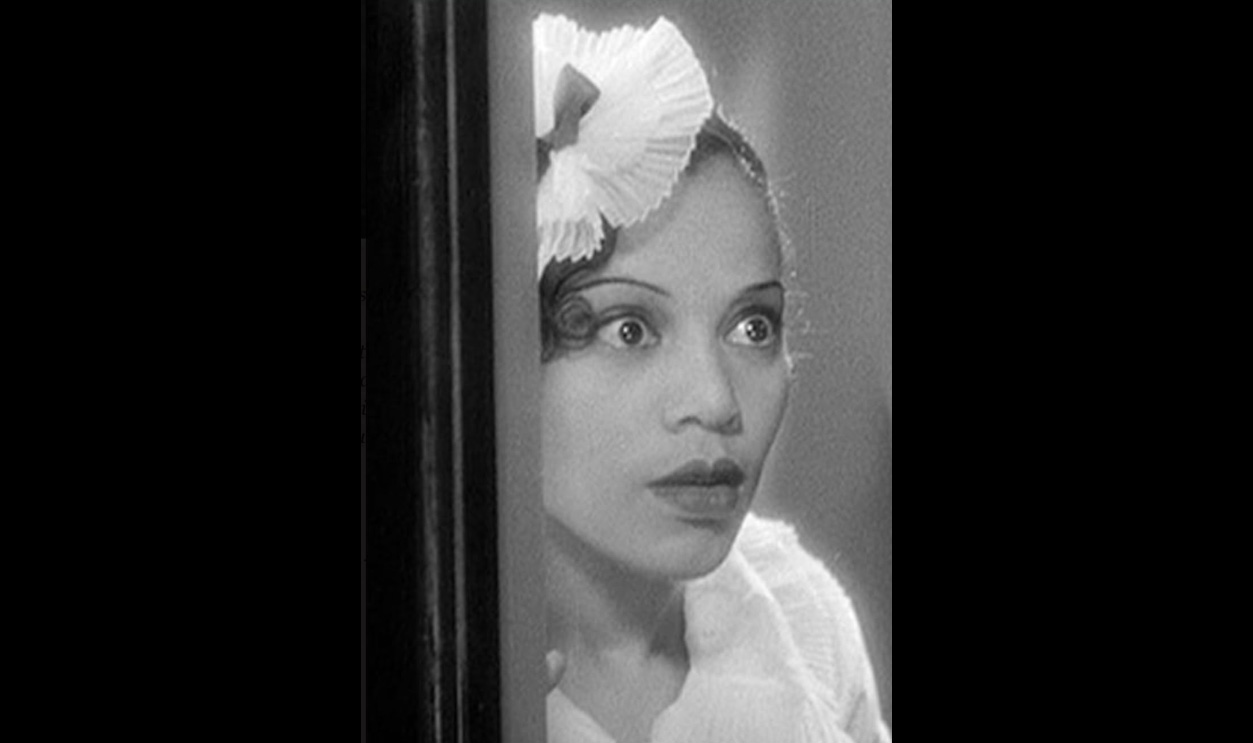
Etta Moten
November 5, 1901 – January 2, 2004
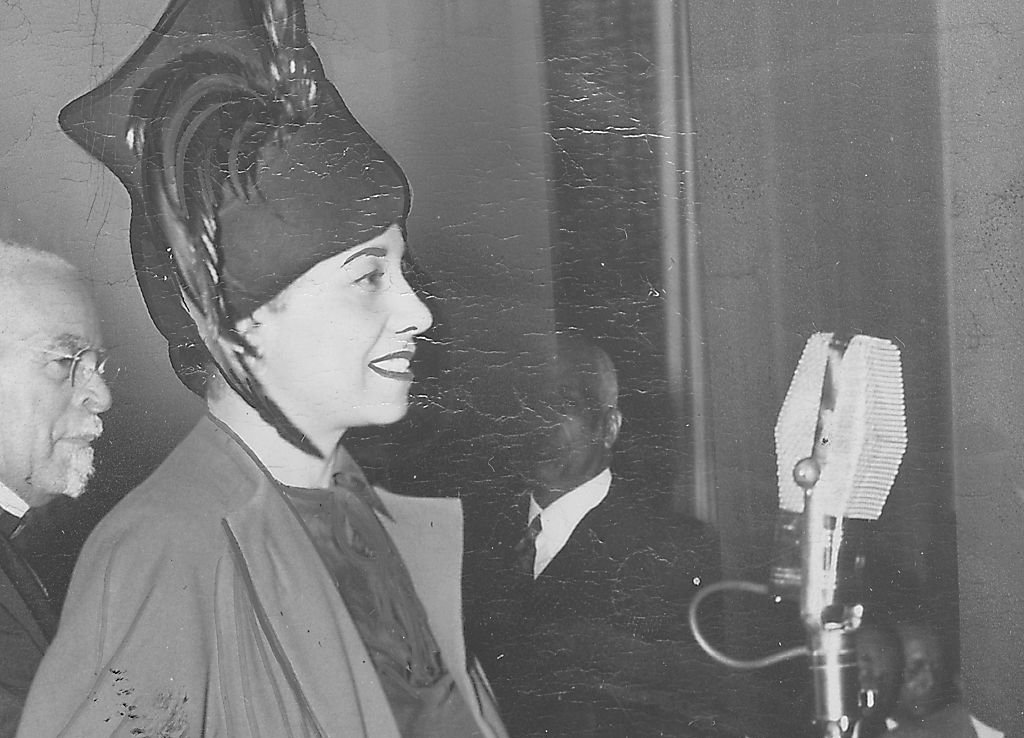
Etta Moten wasn’t just a performer—she was a force of talent and intellect. An American actress and contralto vocalist, she became best known for her defining role as Bess in Porgy and Bess, captivating audiences with a voice that was as powerful as it was unforgettable. Offstage, she was just as impressive, holding multiple university degrees and bringing a sharp, academic edge to her artistry.
But Moten didn’t stop at the opera world. After establishing herself through her extraordinary voice, she set her sights on Hollywood—ready to make her mark on the film industry next.
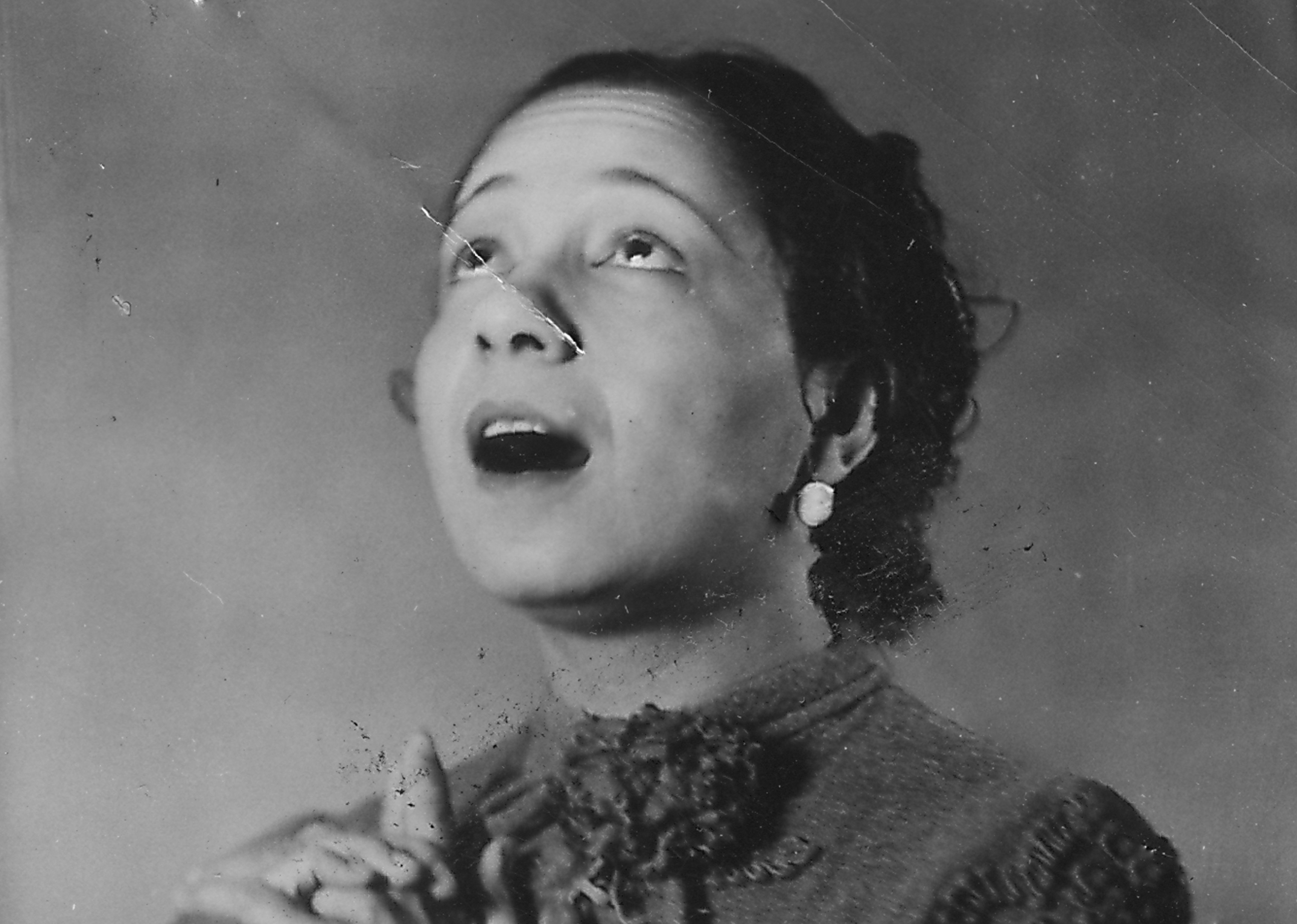 Afro American Newspaper/Gado, Getty Images
Etta Moten
As we know, most films of this time only allowed Black women to play maids or nannies, but Moten made a breakthrough with her roles in these movies and is generally recognized as the first Black woman to do so.
And then, in 1934, she became the first African American to perform at the White House in the 20th century. She performed "Remember My Forgotten Man", from her movie Gold Diggers of 1933, for President Franklin Delano Roosevelt at his birthday party.
But it wasn’t all fun and games for Moten.
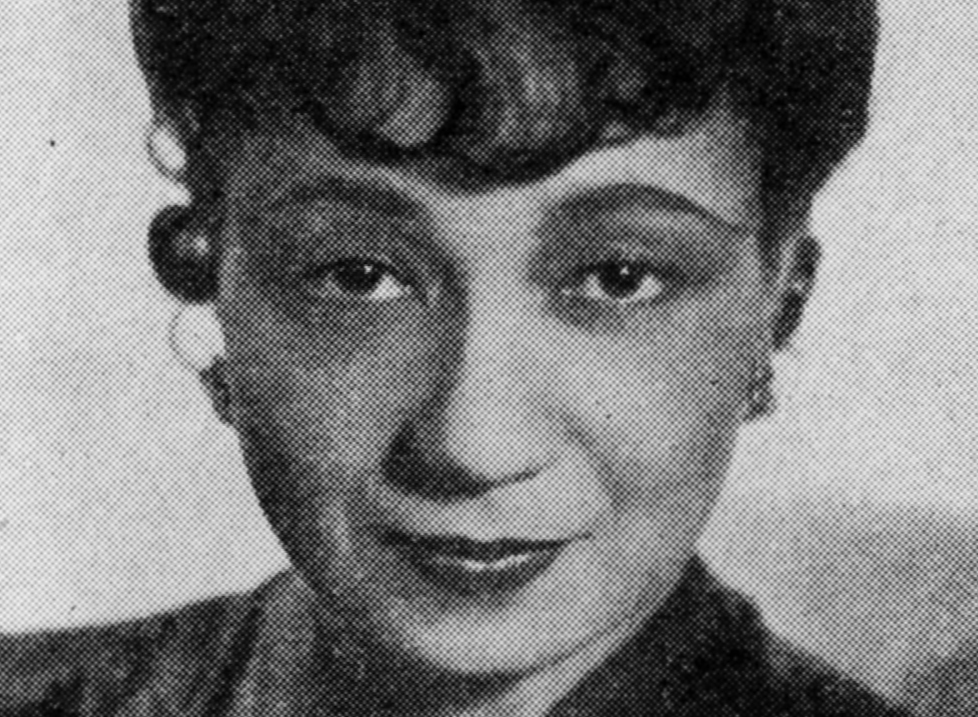 Maud Cuney-Hare, Wikimedia Commons
Etta Moten
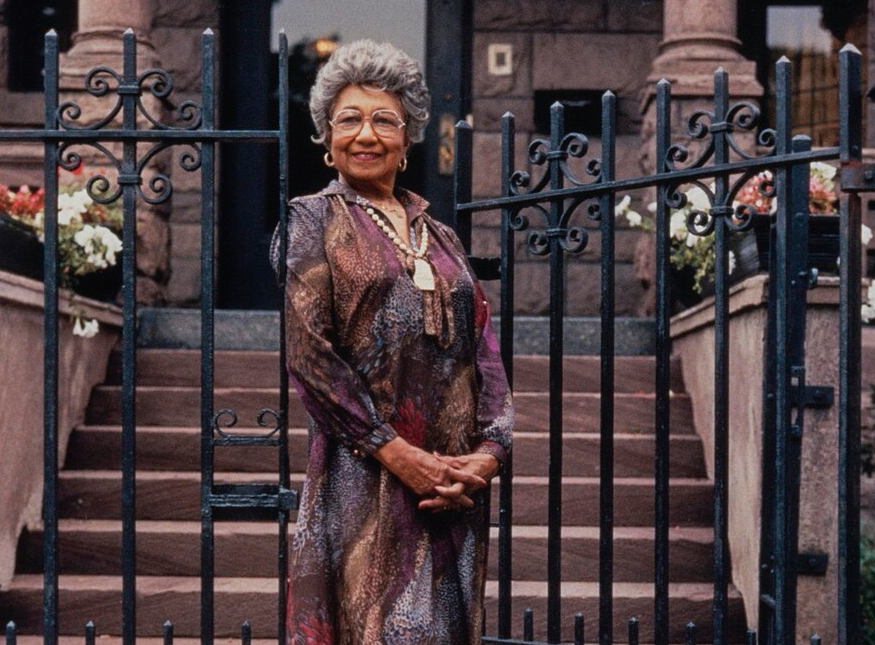
Much like the other ladies in this list, Etta Moten was disturbed by subtle yet persistent racial discrimination throughout her entire career. So, in 1952, when she was unable to sing anymore due to a cyst on her vocal cords, Moten became heavily involved in activism, where she advocated for Black women’s rights.
In the 50s and 60s, Moten went on to host a radio show that was perhaps the first “Black woman’s radio broadcast created for Black listeners that also had a broader audience".
 Afro American Newspaper/Gado, Getty Images
Etta Moten
Moten was also sent by the US government on cultural missions to Africa, where she was given the opportunity to interview Martin Luther King Jr.
After a long and accomplished life, Etta Moten died shortly after her 102nd birthday, from pancreatic cancer.
 Schlesinger Library, RIAS, Harvard University, Wikimedia Commons
Theresa Harris
December 31, 1906 – October 8, 1985
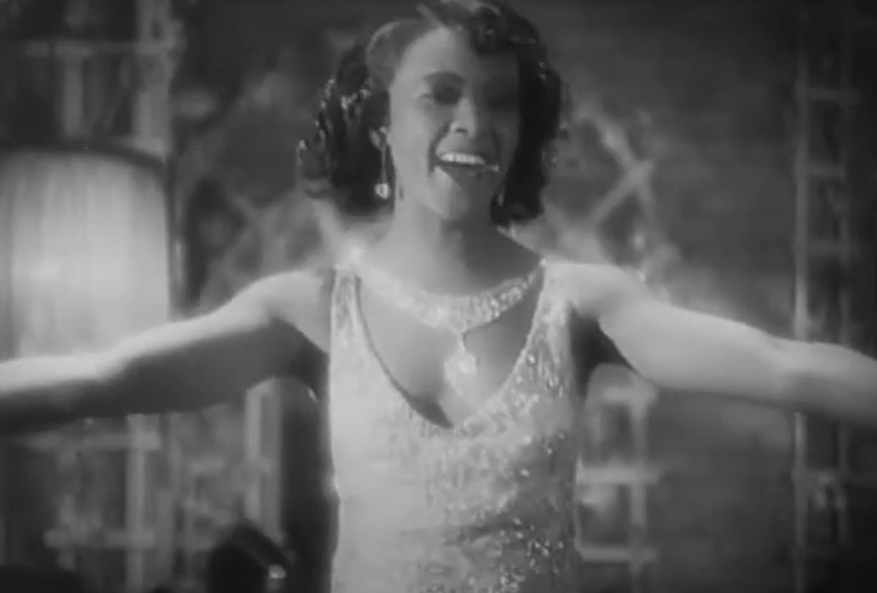
Theresa Harris was an American television and film actress, singer, and dancer. She appeared with more stars of the Golden Era of Hollywood than anyone else, and is credited with making a lot of otherwise dull films worthwhile.
Harris was another young Black actress who was stereotyped by receiving only maid roles, but her immense beauty and undeniable talent proved she was better fit for more.
Theresa Harris
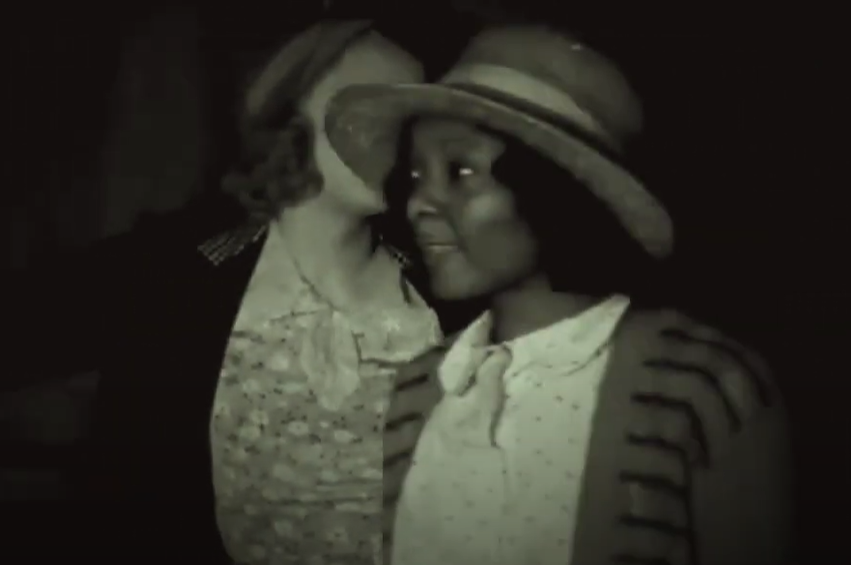
Though the beginning of her career went mostly uncredited, Harris was finally given a leading role in the pre-Code classic Baby Face (1933), where she and Barbara Stanwyck had equal screen time—a rare occurrence between Black and White actors at that time.
But even after that, studio heads saw her and naturally cast her as maids, waitresses, and coat check girls. Eventually, she spoke out.
 Warner Bros., Baby Face (1933)
Theresa Harris
Harris expressed her frustration over the difficulty African American actors faced in the film industry, stating, “I never had the chance to rise above the role of maid in Hollywood movies. My color was against me anyway you looked at it".
She then went on to lobby for better parts in Hollywood. And while most of her roles were still maids, she managed to take her career up a notch and star in several films and even TV shows (95 different roles, to be exact)—saving up enough cash from her career to live comfortably after retirement.
Theresa Harris lived to the age of 78. And while she may not be well known today, her legacy lives on with the 2011 play By the Way, Meet Vera Stark, based in part on her life.
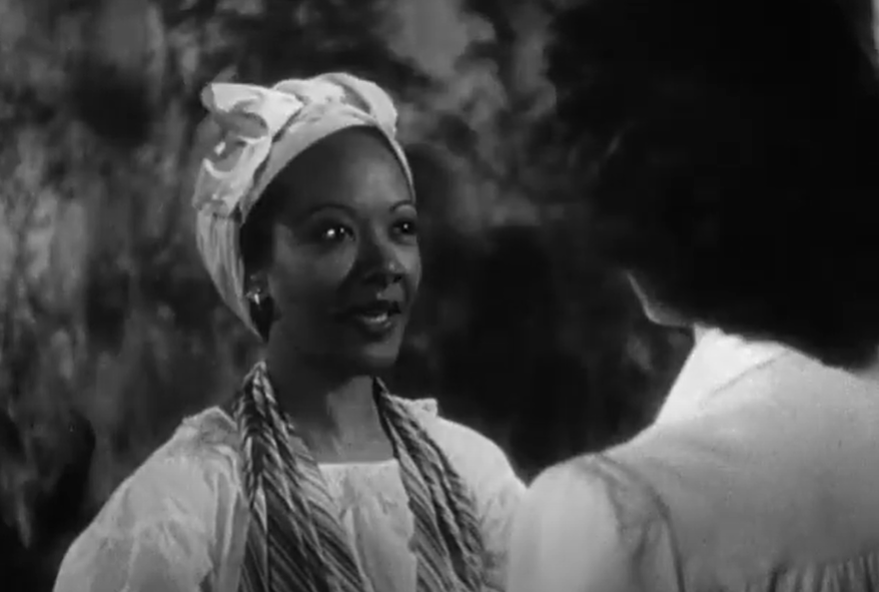 RKO, I Walked with a Zombie (1943)
Mildred Boyd
October 2, 1908 - October 22, 1999
Mildred Boyd was a true triple threat—an actress, singer, and dancer who worked steadily in Hollywood from the 1920s through the 1950s. Strikingly beautiful and undeniably talented, she appeared in more than 200 films, though she was too often confined to roles as maids or nurses.
Still, Boyd brought a quiet charm to every performance, elevating even the smallest parts with her presence. And when she had the chance to dance, she stood out—adding a spark to her roles that set her apart from the crowd.
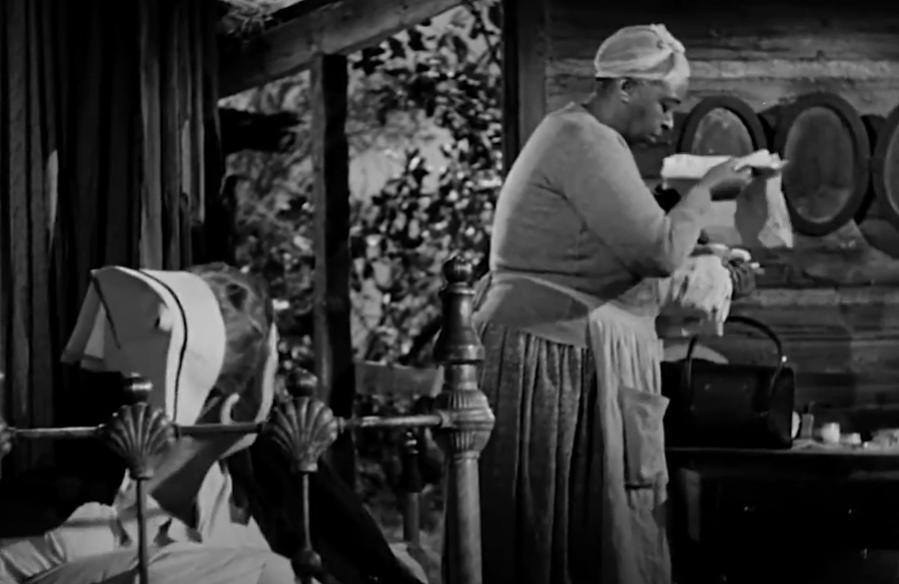 Twentieth Century, Pinky (1949)
Mildred Boyd
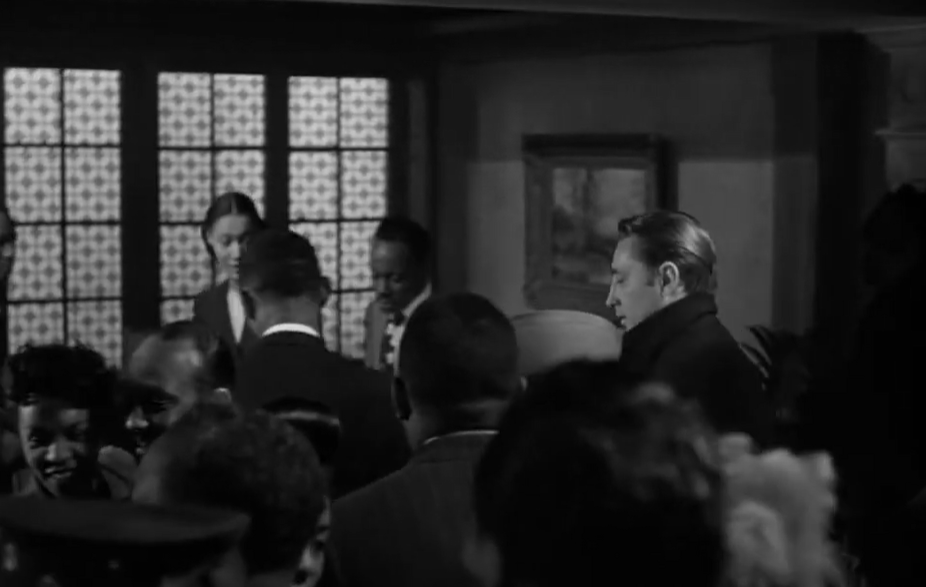
During the mid-1940s, Boyd was given an opportunity to step out of the maid role, and into something that showcased her true acting talent. In fact, there were a few Hollywood films, such as I Love a Bandleader and film noir classic, Out of the Past, where Boyd got a chance to come out of the maid roles and give impressive performances as a true actress playing someone from all walks of life.
Boyd's career was steady throughout the 1930s and 1940s, and she happily retired in the 1950s—not realizing that once she stepped out of the limelight, her name would nearly be forgotten.
Ethel Moses
April 29, 1904 – June 1982
Ethel Moses was an American stage and film actress, and dancer. During the 1920s and 1930s, she was one of the most popular Harlem performers. When she started working with filmmaker Oscar Micheaux, she became the most popular, most recognizable, and most beloved actress of Black cinema—even to this day.
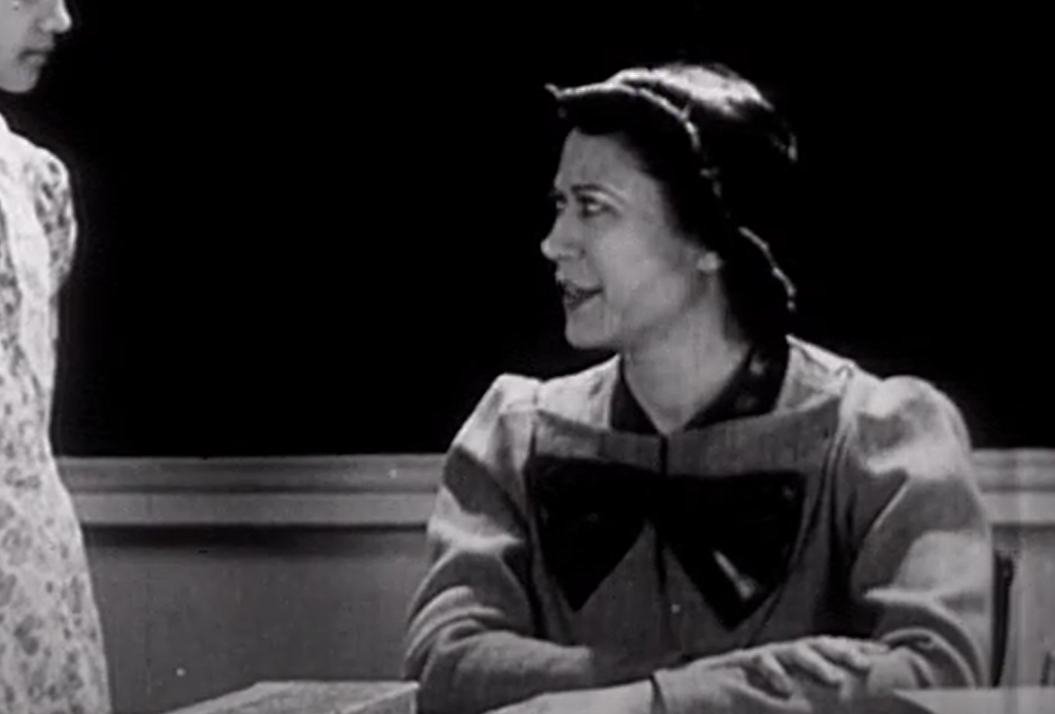 Micheaux Film, God's Step Children (1938)
Ethel Moses
Ethel Moses was a Harlem star. She was a part of the Golden Era of Harlem and was often called “One of the Most Beautiful Women in America". She was also voted "The Most Beautiful Girl on Stage," and "The Most Shapely Dancer".
She entertained at Harlem’s most popular nightclubs—The Cotton Club, Connie's Inn, and Ubangi Club—and starred in popular Black Broadway shows like, Shuffle Along, Keep Shuffling, and Showboat.
But after a busy career performing, she took her talents to the big screen.
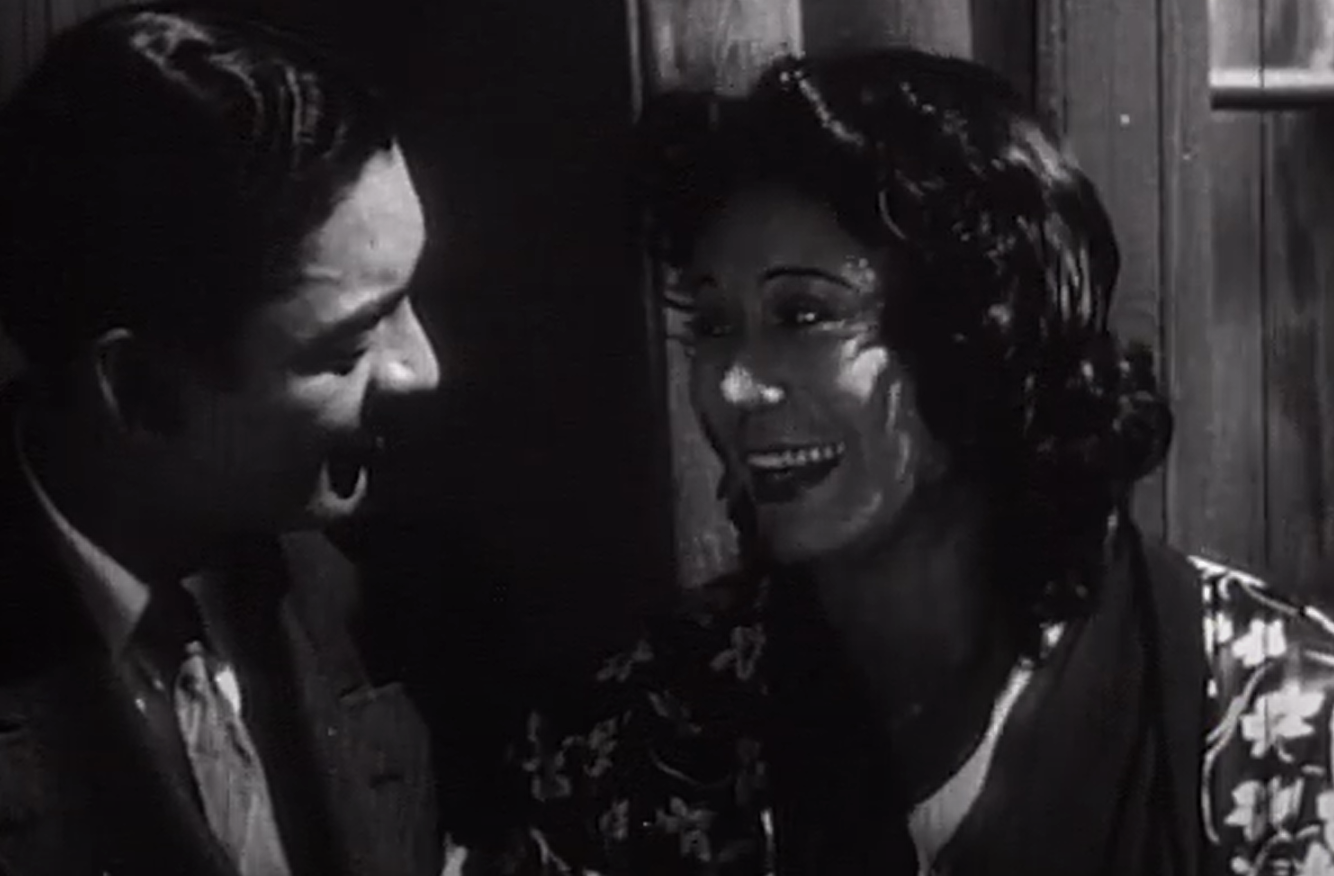 Micheaux Film, God's Step Children (1938)
Ethel Moses
Though Moses was never a Hollywood star, she was a part of American cinema just the same. She was arguably better than Black actresses in Hollywood because through Black cinema, Moses got to be versatile and play roles as people from all walks of life without a stereotype—not just maids and nannies.
After much success, Ethel Moses was billed as “The Black Jean Harlow,” because of her resemblance to the White star, and her career skyrocketed. Moses' screen and stage image was sexy but innocent, mysterious, warm, and alluring.
She received only positive reviews throughout her entire career, and even after her death in 1982, at age 78.
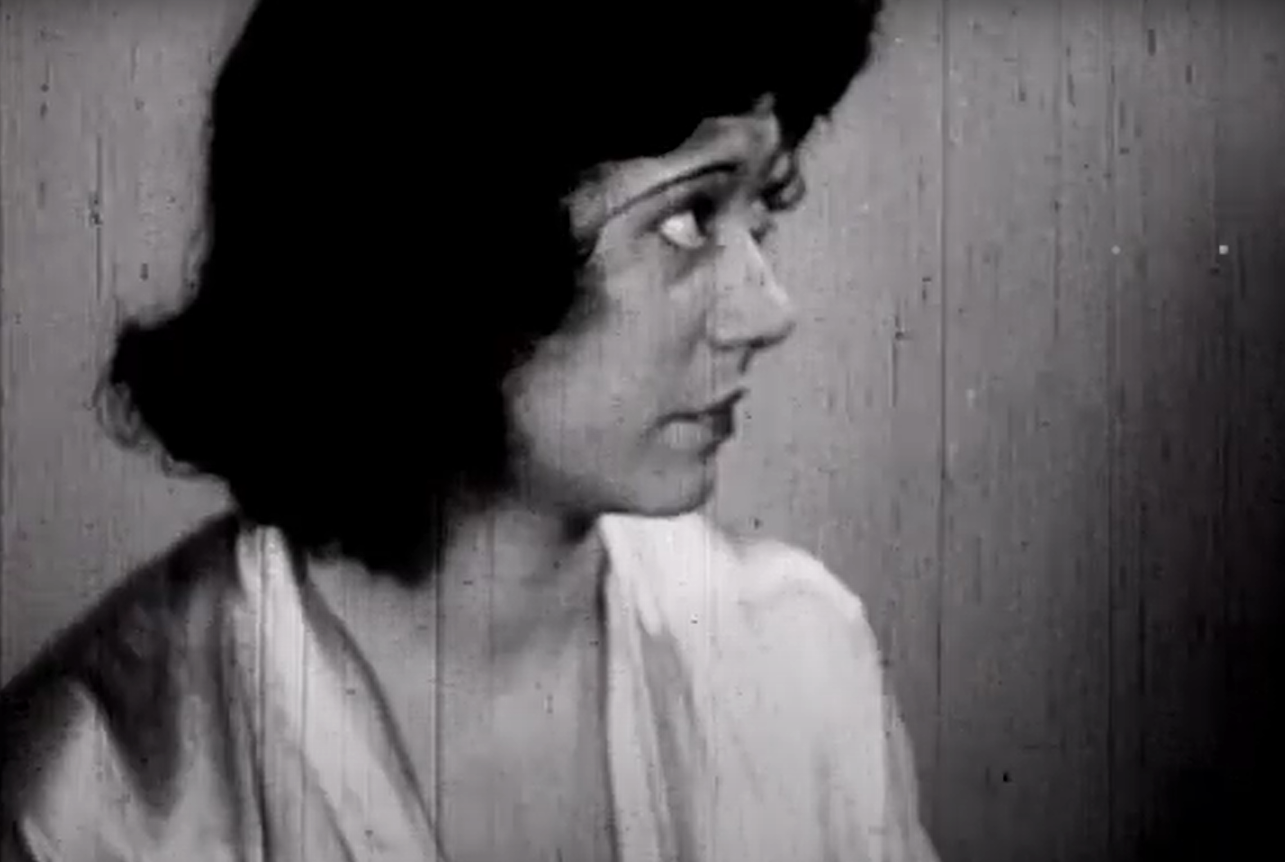 Micheaux Film, God's Step Children (1938)
Fredi Washington
December 23, 1903 – June 28, 1994
Fredi Washington was an American stage and film actress, civil rights activist, performer, and writer. She was one of the first Black Americans to gain recognition for film and stage work in the 1920s and 1930s.
Her fair skin and green eyes drew serious attention and people became obsessed with her race and color—so much so, that her incredible acting talent was often overlooked.
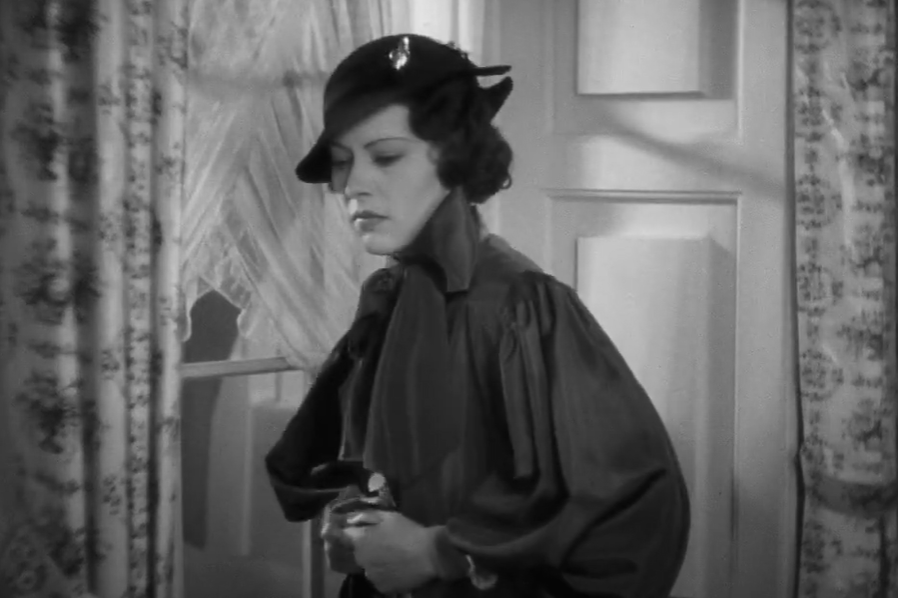 Universal, Imitation of Life (1934)
Fredi Washington
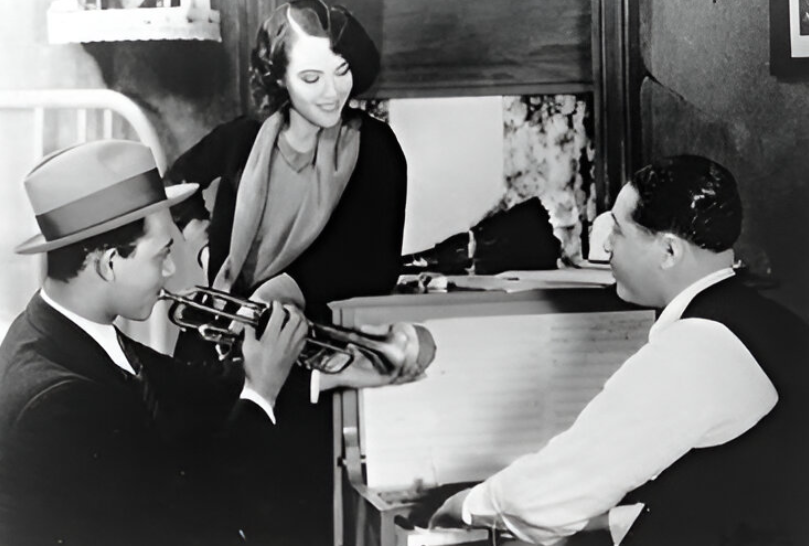
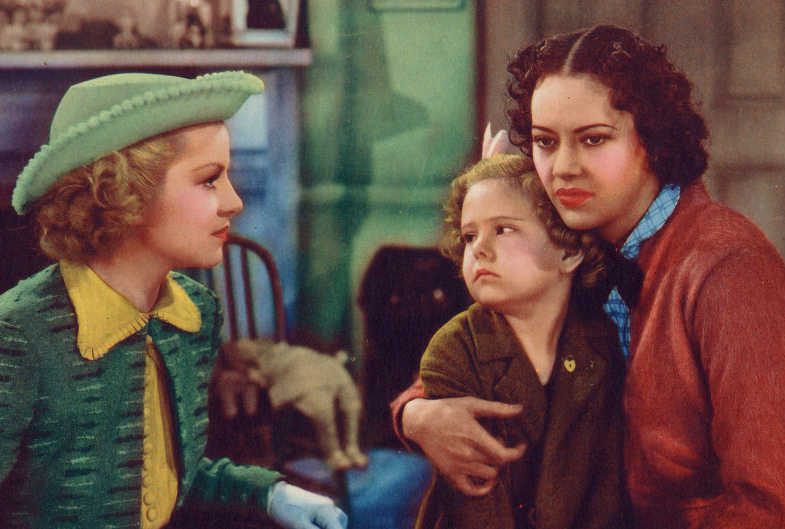
Washington's best-known film role was as Peola in Imitation of Life (1934), where she played a young light-skinned Black woman who decides to pass as White. However, afterward, Hollywood studio heads made a disturbing request.
They urged Washington to “pass” for fully White in real life too, as it would “make her a bigger star". Her response was nothing short of amazing.
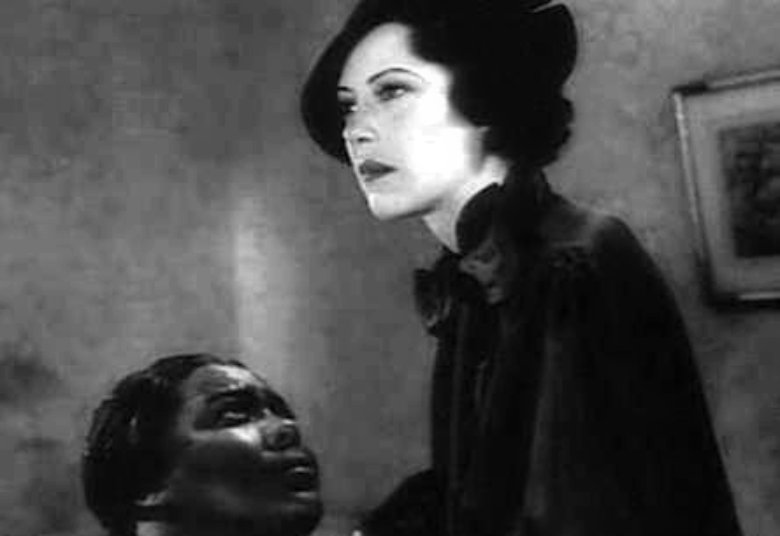 Universal Pictures, Wikimedia Commons
Fredi Washington
It took her only seconds to respond—and when she did, the room felt it. Washington refused, without hesitation. Then, with unwavering confidence, she told reporters she identified as Black, explaining that it came down to honesty—and the simple truth that talent has nothing to do with being white. She made it clear she had spent much of her life pushing back against that very idea, proudly declaring who she was.
And she didn’t stop there. Washington chose to turn her experiences into something bigger.
 RKO Radio Pictures, Wikimedia Commons
Fredi Washington
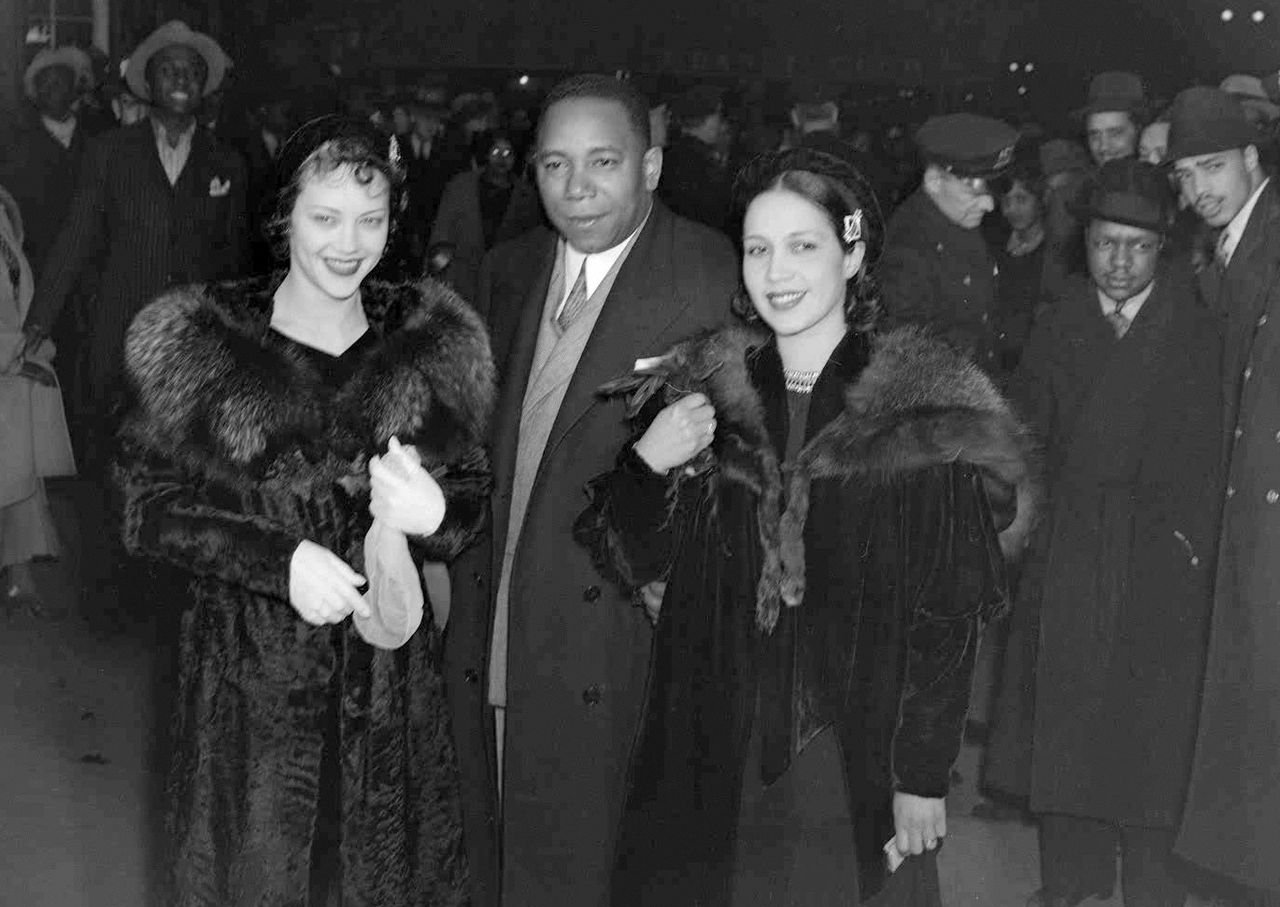
After being typecast by filmmakers, and having to constantly defend her looks, Fredi Washington took her experiences in the industry and became a civil rights activist. In an effort to help other Black actors and actresses find more opportunities, in 1937, she co-founded the Negro Actors Guild of America (NAG)—the mission included speaking out against stereotyping and advocating for a wider range of roles.
She also became heavily involved with the National Association for the Advancement of Colored People (NAACP), where she fought for more representation and better treatment of Black actors in Hollywood.
 Federal Theatre Project, Wikimedia Commons
Fredi Washington
Even though Washington received critical acclaim for her noteworthy contributions to Hollywood, she was unable to find much work in the 1930s and 1940s. Studios at that time preferred Black actresses with darker skin.
One modern critic explained, “Fredi was too beautiful and not dark enough to play maids, but rather too light to act in all-Black movies".
Fredi Washington became known as the “tragic mulatto,” and never made it to the top in Hollywood, but even she agreed that her best work was as an activist.
 John Kisch Archive, Getty Images




.jpg)
_trailer_8.jpg)
.jpg)
