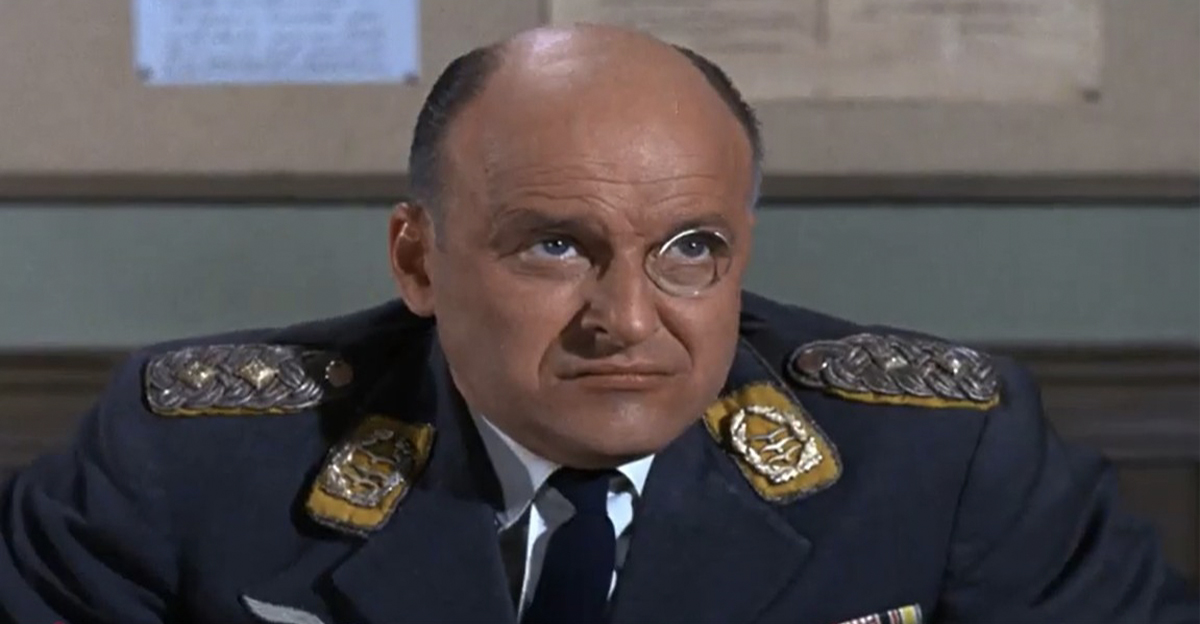
A Life Beyond Colonel Klink
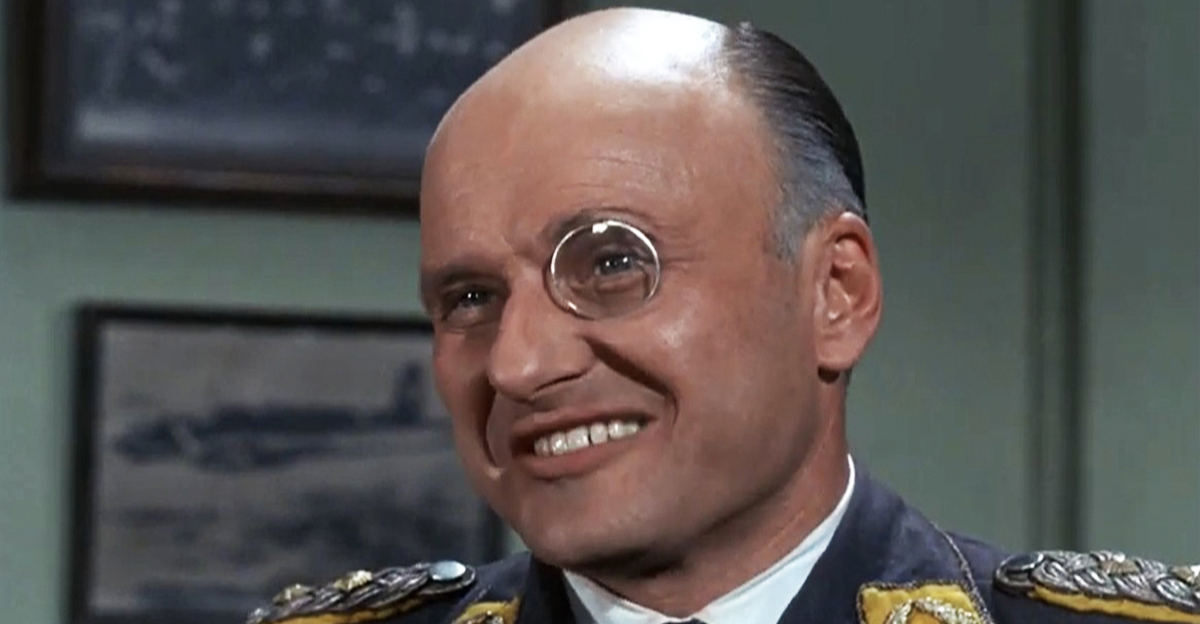
For millions of television viewers, Werner Klemperer was the bumbling Colonel Klink on Hogan’s Heroes (1965). But behind the comedy was a remarkable life shaped by political upheaval, artistic achievement, military service, and a lifelong determination to ensure that Nazi figures were never portrayed as admirable. His journey from Germany to Hollywood is one of television’s most fascinating stories.
Born Into Culture
Werner Klemperer was born on March 22, 1920, in Cologne, Germany. The Klemperer family was deeply immersed in the arts and intellectual life of the Weimar Republic, as Germany was called in the 1920s. His upbringing exposed him to music, theater, and a general cultural atmosphere that would strongly influence his future career as a performer.
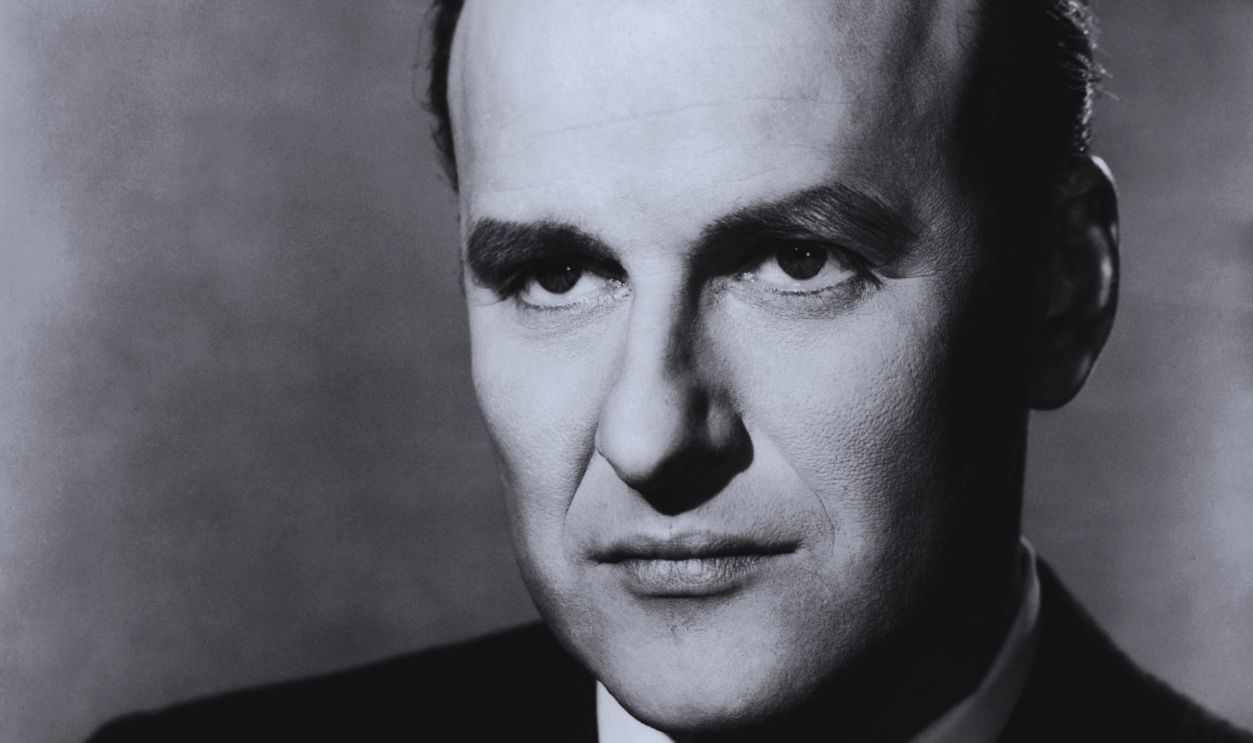 John Springer Collection, Getty Images
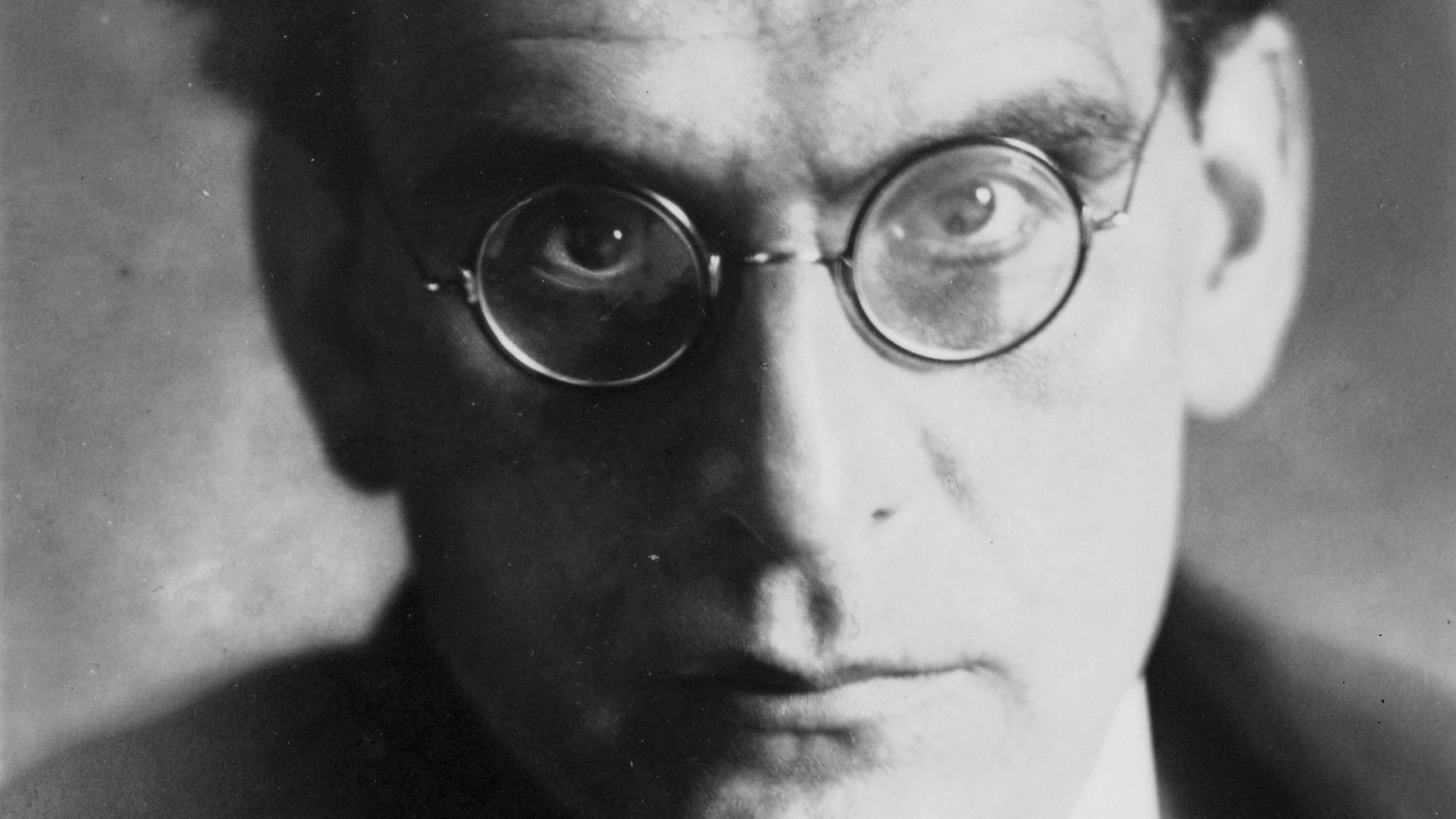
Otto Klemperer's Reputation
Werner's father, Otto Klemperer, was already becoming one of Europe's most respected conductors. Otto's innovative approach to classical music and opera earned him international acclaim, placing the Klemperer family among Germany's prominent artistic circles during the years before Germany was overtaken by totalitarian rule.
 Bain Collection, Wikimedia Commons
The Kroll Opera Years
In 1927, Otto Klemperer became conductor of Berlin's Kroll Opera. Under his leadership, the company gained a reputation for modern productions and artistic experimentation. His work there had a lasting impact on twentieth-century opera and established him as one of Germany's most influential conductors.
 UnknownUnknown , Wikimedia Commons
Economic Hardship Arrives
The Great Depression hit Germany hard, and even respected artistic families felt its effects. Although Otto was internationally known, the family's financial situation became increasingly difficult. Werner later recalled growing up during years when money was often scarce despite his father's professional stature.

Otto Loses His Position
In 1931, Otto Klemperer's tenure at the Kroll Opera came to an end when the institution was closed amid economic and political pressures. The loss of this prestigious position created uncertainty for the family as Germany's political climate grew more and more unstable.
 Abu badali~commonswiki, Wikimedia Commons
Danger On The Horizon
As Adolf Hitler and the Nazi party gained power, the Klemperers faced growing danger. Being Jewish made their future in Germany precarious. The family watched as opportunities narrowed and anti-Jewish policies became more visible throughout German society.
 Unknown authorUnknown author, Wikimedia Commons
Leaving Germany Behind
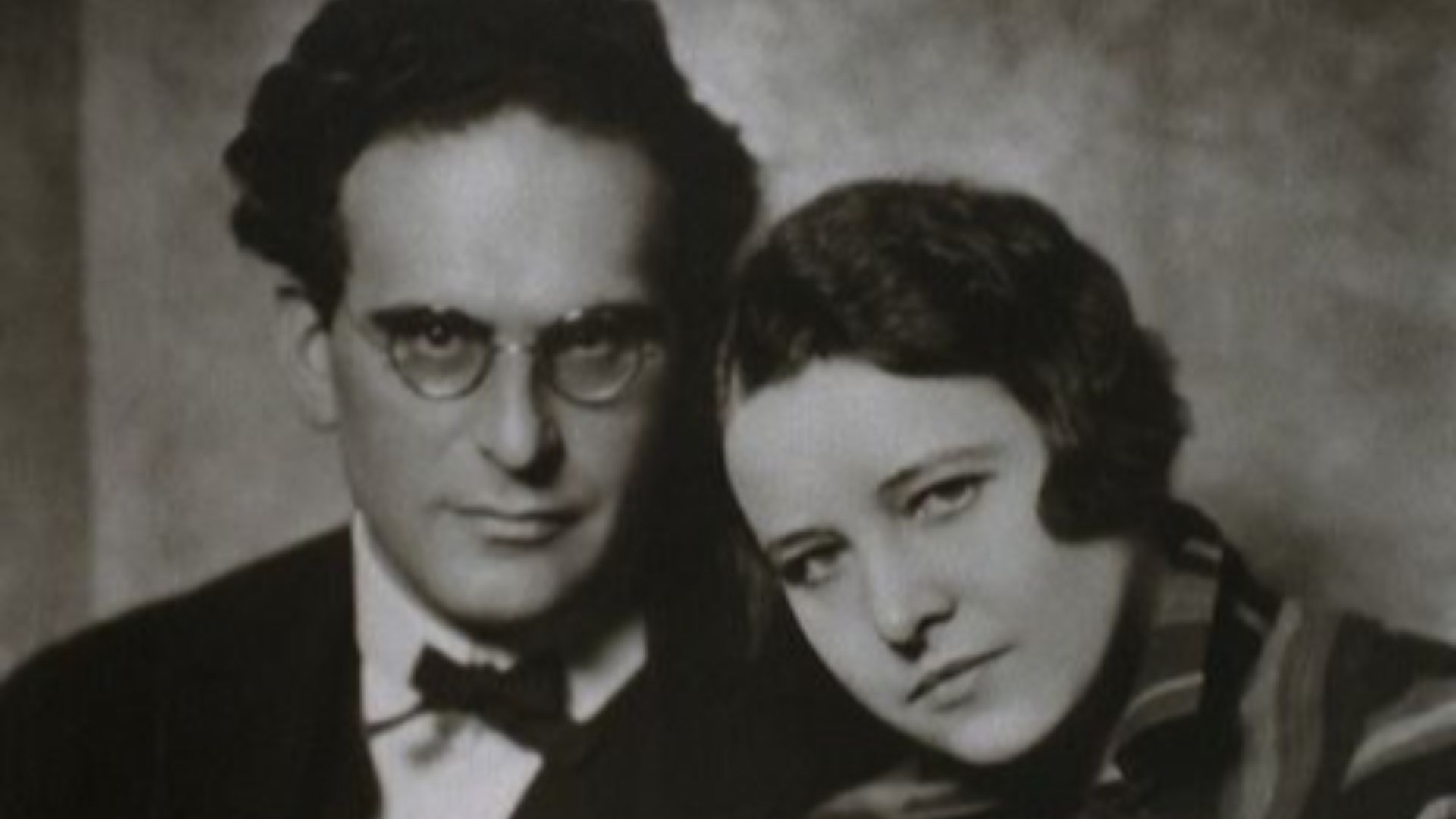
In 1933, the Klemperers decided to leave Germany. The move came shortly after Hitler's rise to power and proved life-saving. Werner later became one of many German Jewish refugees whose lives were permanently changed by the political upheaval engulfing Europe.
 Unknown authorUnknown author, Wikimedia Commons
A New Life
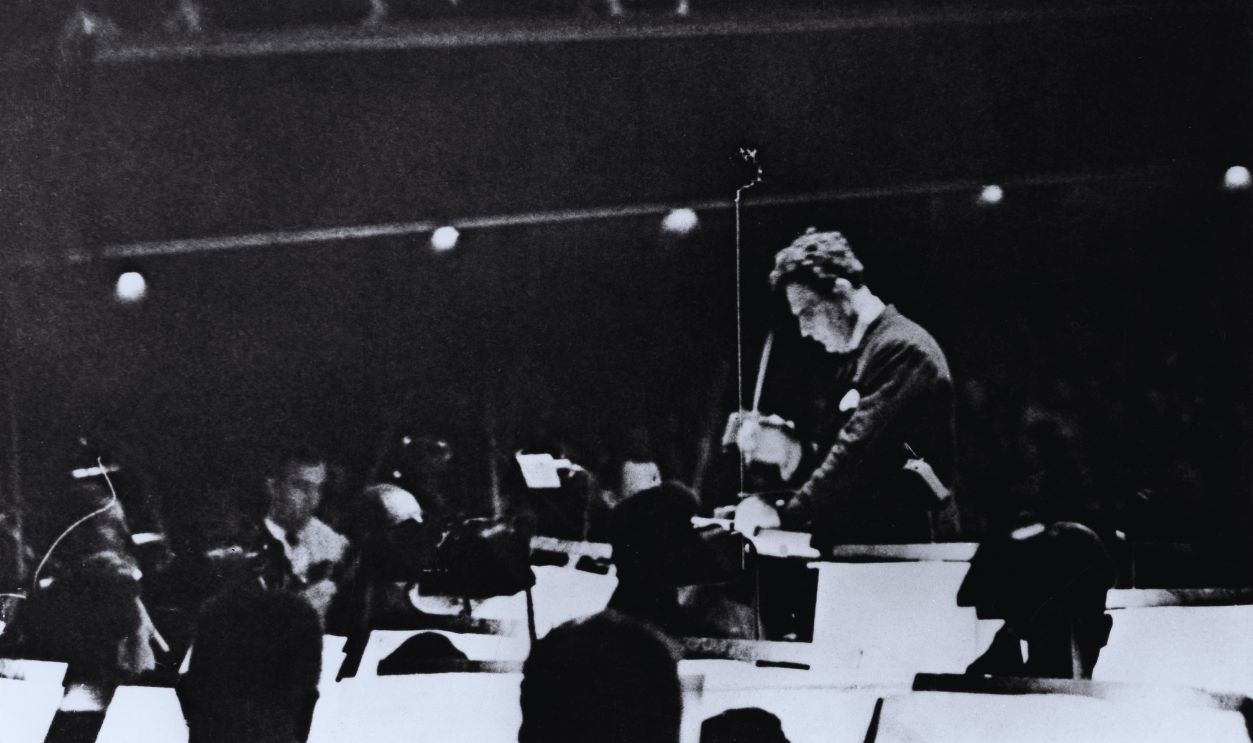
The family eventually settled in Los Angeles, where Otto accepted opportunities connected to the city's musical institutions. Although America offered safety, starting over wasn’t easy. The Klemperers faced financial challenges while adapting to a completely different country and culture.
 ullstein bild Dtl., Getty Images
Discovering The Stage
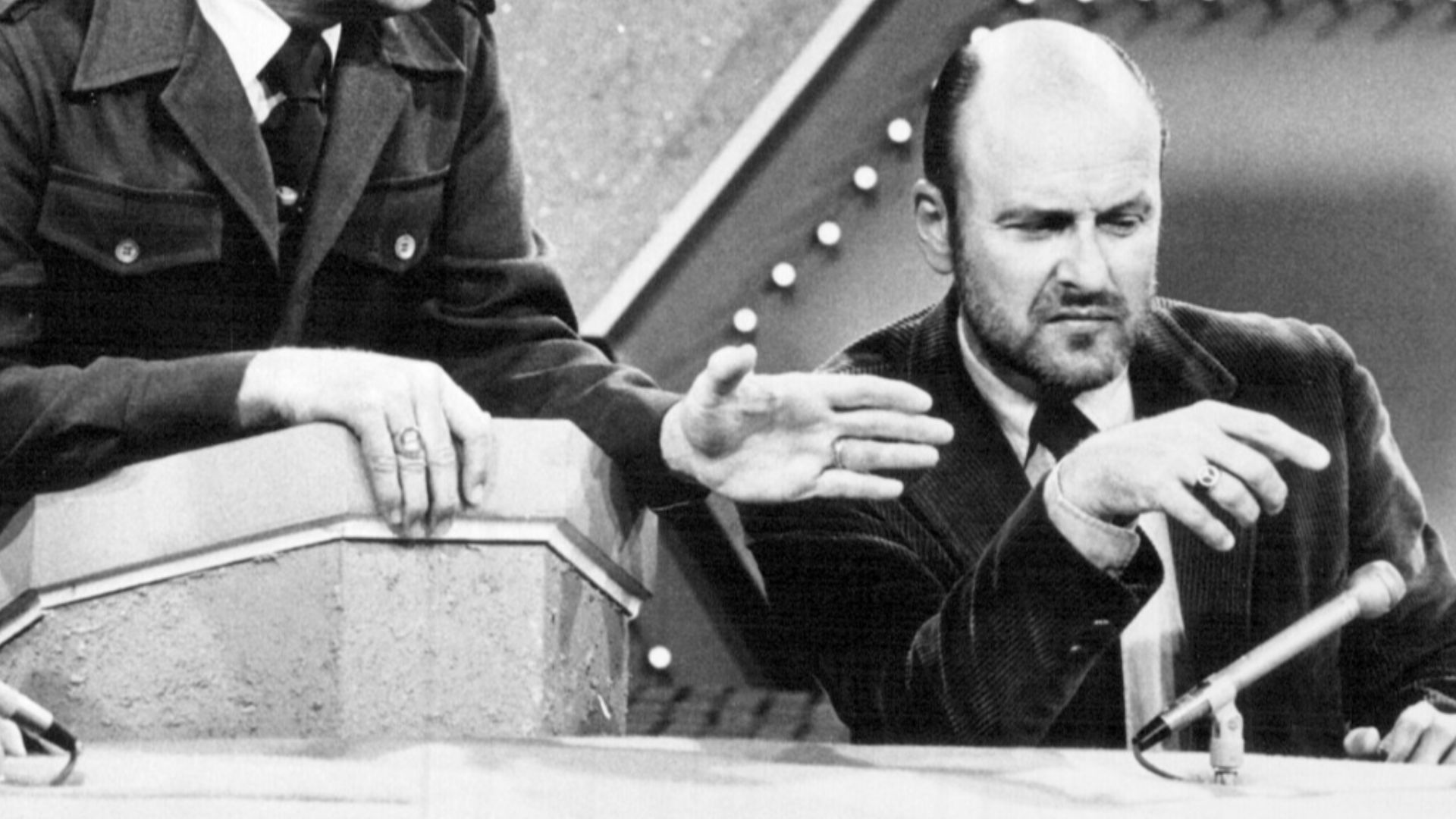
As a teenager in California, Werner developed a growing interest in acting and performance. Having grown up around artists and musicians, the transition toward theater felt natural. School productions provided him with opportunities to explore the craft that would define his future.
 Jay Bernstein, Public Relations-Los Angeles, Wikimedia Commons
High School Performer
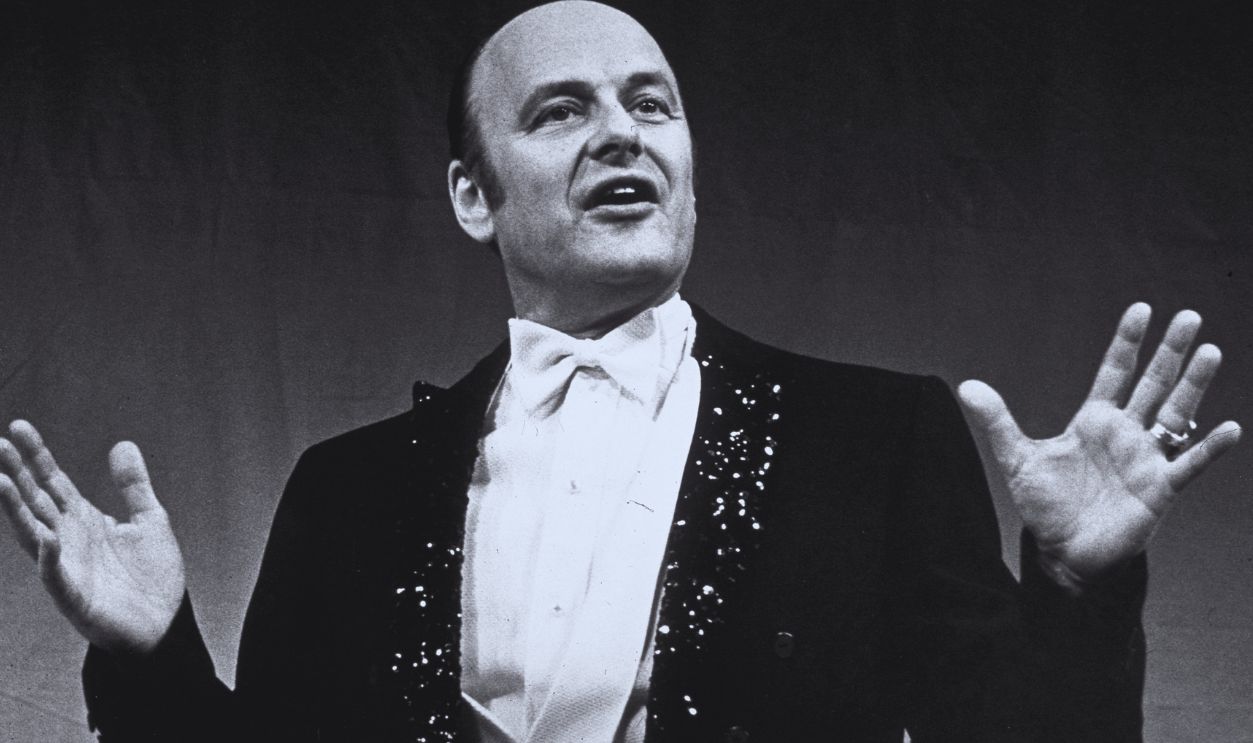
While attending high school in Los Angeles, Werner actively participated in theatrical productions. These early performances helped him build confidence and stage experience. By the time he graduated, acting had become more than a hobby and was beginning to look like a profession.
Wartime Service
During World War II, Klemperer served in the United States Army. As a German-born refugee who had escaped the regime's persecution, his military service reflected both gratitude toward his adopted country and opposition to the regime that had forced his family from Europe.
 Unknown authorUnknown author, Wikimedia Commons
Broadway Beckons
Following the war, Klemperer pursued acting professionally and found work on Broadway. The stage offered valuable opportunities to refine his skills before live audiences. These experiences helped establish him as a versatile performer capable of handling both dramatic and comedic material.

Early Television Success
As television expanded during the 1950s, Klemperer became a familiar face in American living rooms. His distinctive appearance, commanding voice, and European background made him a natural fit for a wide variety of dramatic roles in the growing new entertainment format.
 Evert F. Baumgardner, Wikimedia Commons
Hitchcock's Wrong Man
Klemperer's first notable film appearance came in Alfred Hitchcock’s The Wrong Man (1956). Working under such an accomplished director gave him visibility with a wider audience and helped strengthen his reputation as a reliable character actor.
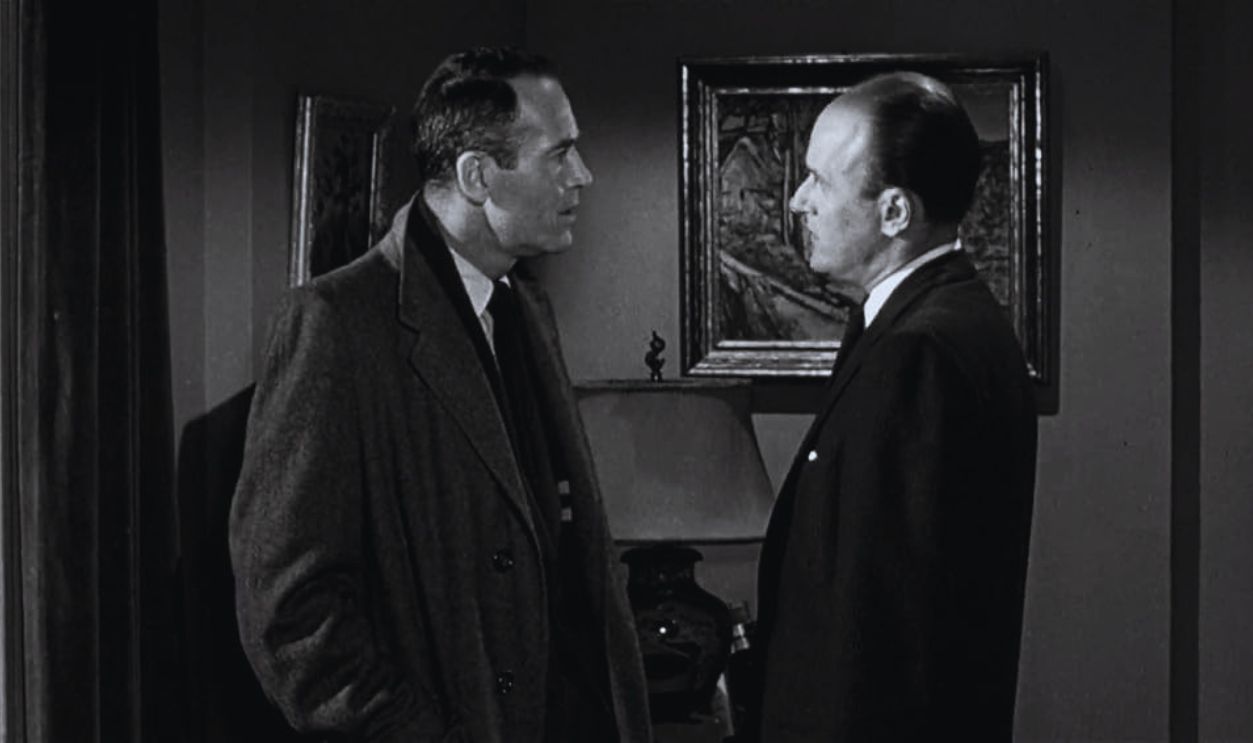 Screenshot from The Wrong Man, Warner Bros. (1956)
Hitchcock Returns
Klemperer later appeared several times on Alfred Hitchcock Presents (1955). The anthology series featured many respected performers, and his appearances demonstrated his ability to bring intelligence and subtlety to suspenseful television stories.
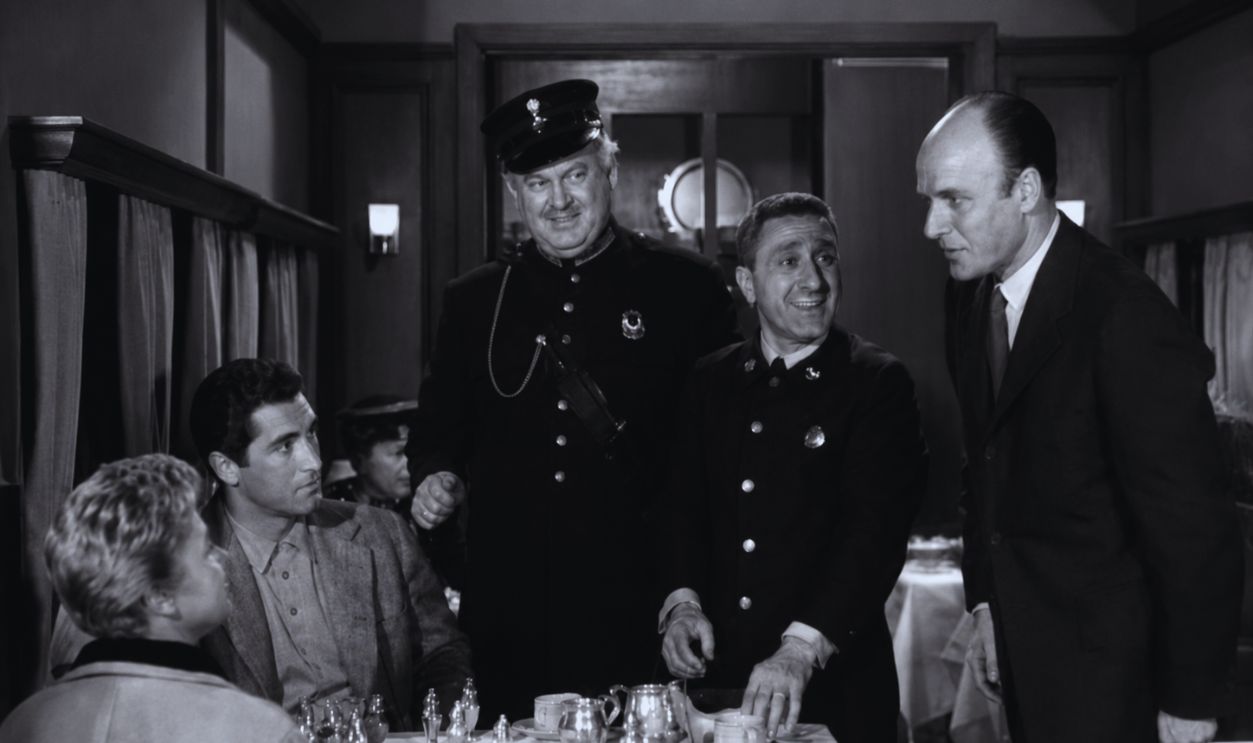 Screenshot from Alfred Hitchcock Presents, Universal Television (1955–1962)
Courtroom Television
During the late 1950s and early 1960s, Klemperer made multiple guest appearances on Perry Mason (1957). The popular legal drama regularly showcased talented character actors, and his performances further established him as a dependable presence in television.
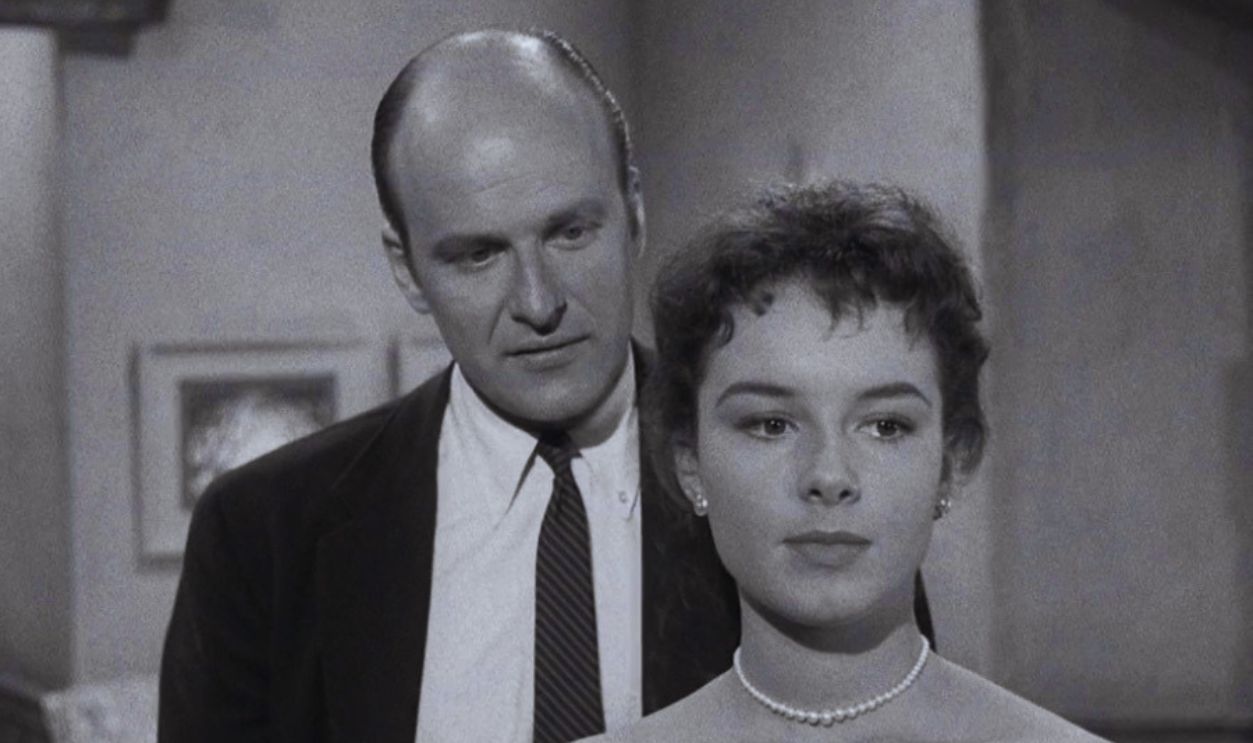 Screenshot from Perry Mason, CBS Television Distribution (1957–1966)
Judgment At Nuremberg
Klemperer appeared in Judgment at Nuremberg (1961), a film examining the crimes of WWII and postwar justice. Given his family's escape from pre-war Germany, participation in a project dealing with such themes carried particular significance within his acting career.
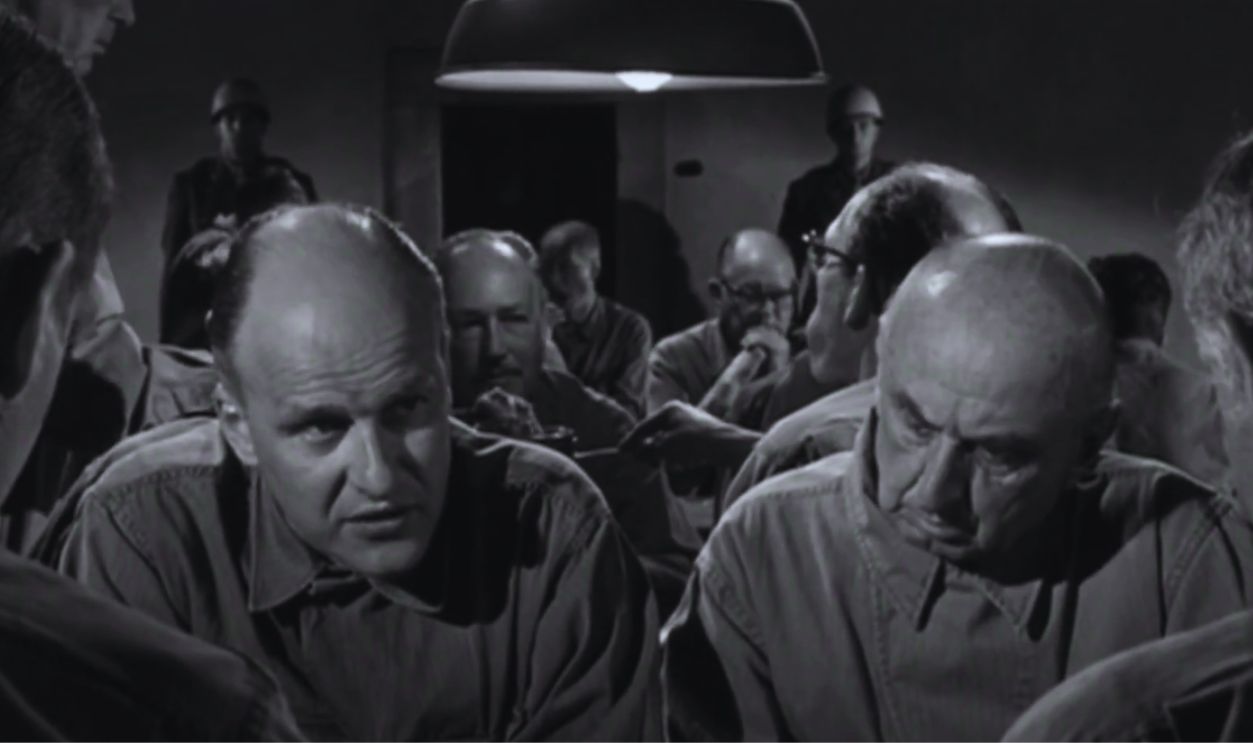 Screenshot from Judgment at Nuremberg, United Artists (1961)
Ship Of Fools
In Ship of Fools (1965), Klemperer shared the screen with renowned actress Vivien Leigh. The film became especially notable because it marked Leigh's final screen appearance. Their scenes together placed Klemperer among that film's impressive ensemble of distinguished performers.
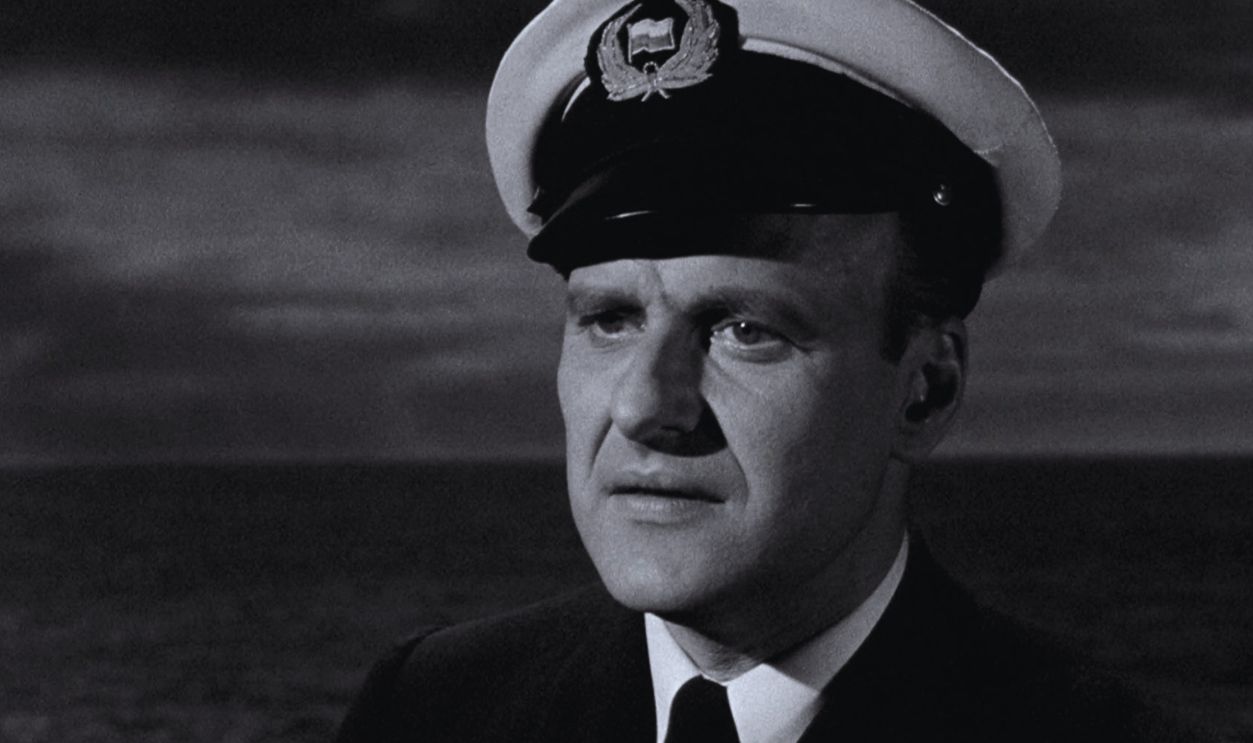 Screenshot from Ship of Fools, Columbia Pictures (1965)
Busy Television Years
Throughout the 1960s, Klemperer remained in demand on television. He appeared on series including Rawhide (1960), My Three Sons (1963), and additional episodes of Perry Mason (1964), demonstrating remarkable versatility across different genres and formats.
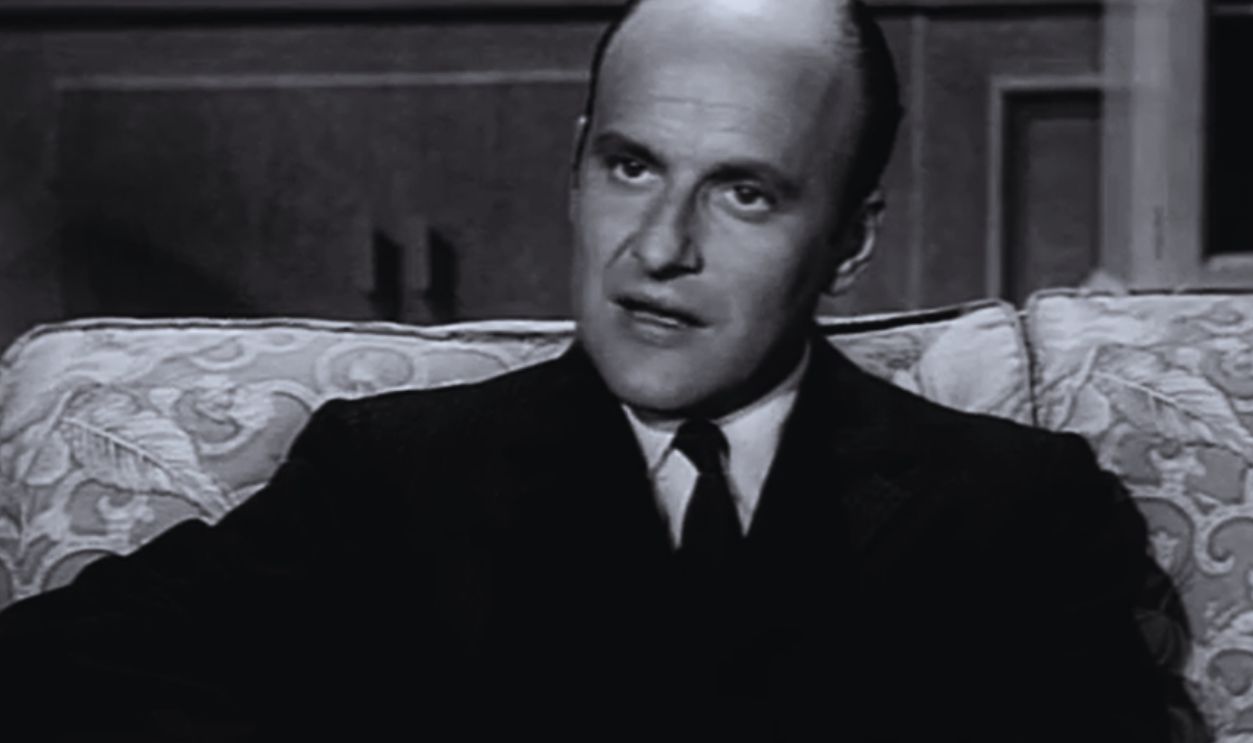 Screenshot from Perry Mason, CBS Television Distribution (1957–1966)
Becoming Colonel Klink
In 1965, Klemperer accepted the role that would define his career: Colonel Wilhelm Klink in Hogan's Heroes (1965). The sitcom's unusual premise required actors capable of balancing comedy with sensitive historical subject matter.
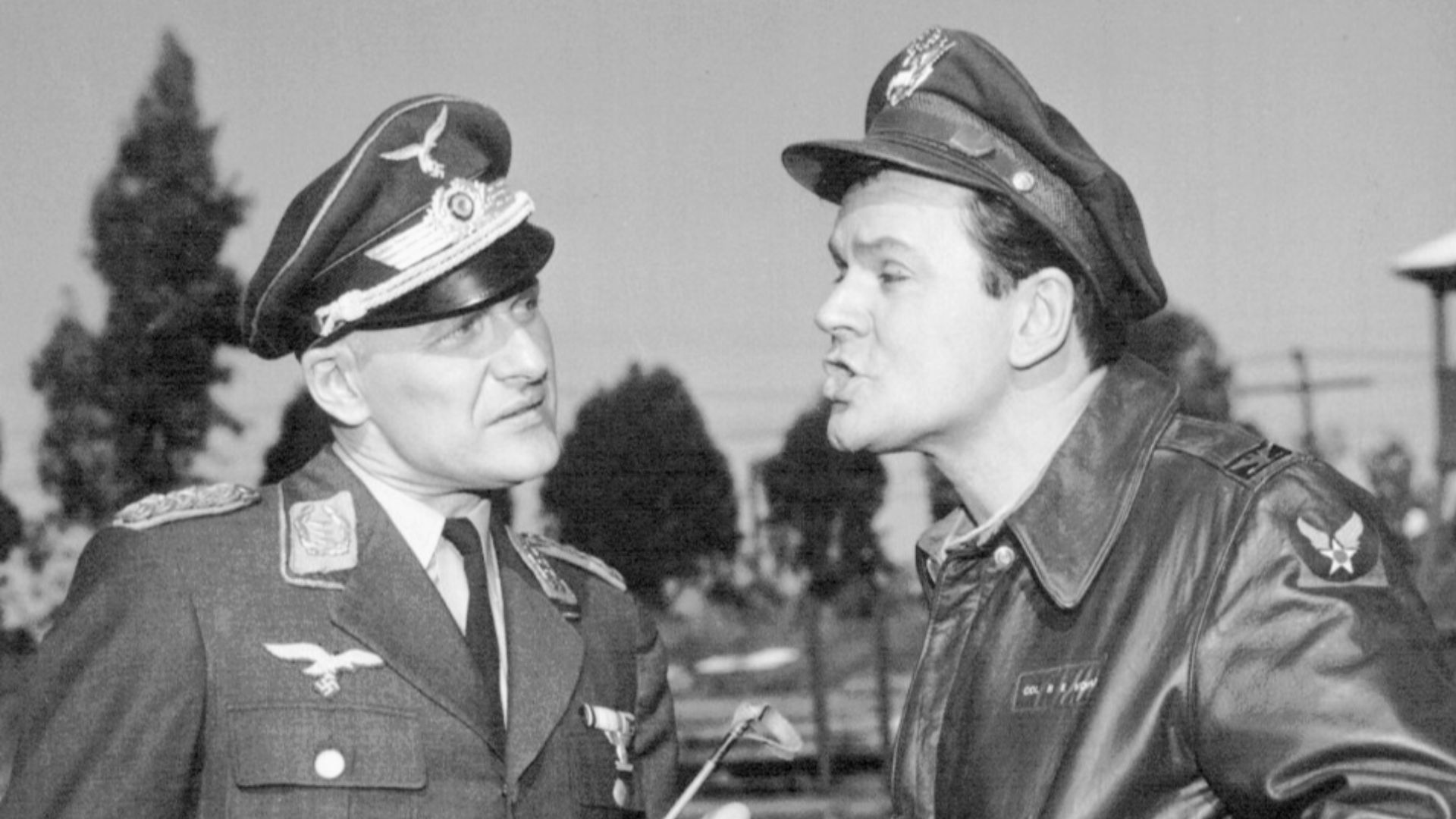 CBS Television, Wikimedia Commons
One Important Condition
Klemperer reportedly agreed to play Klink only with the understanding that the character would always be portrayed as foolish. Having fled Nazi Germany, he refused to participate in any depiction that made their officers appear competent, admirable, or heroic.
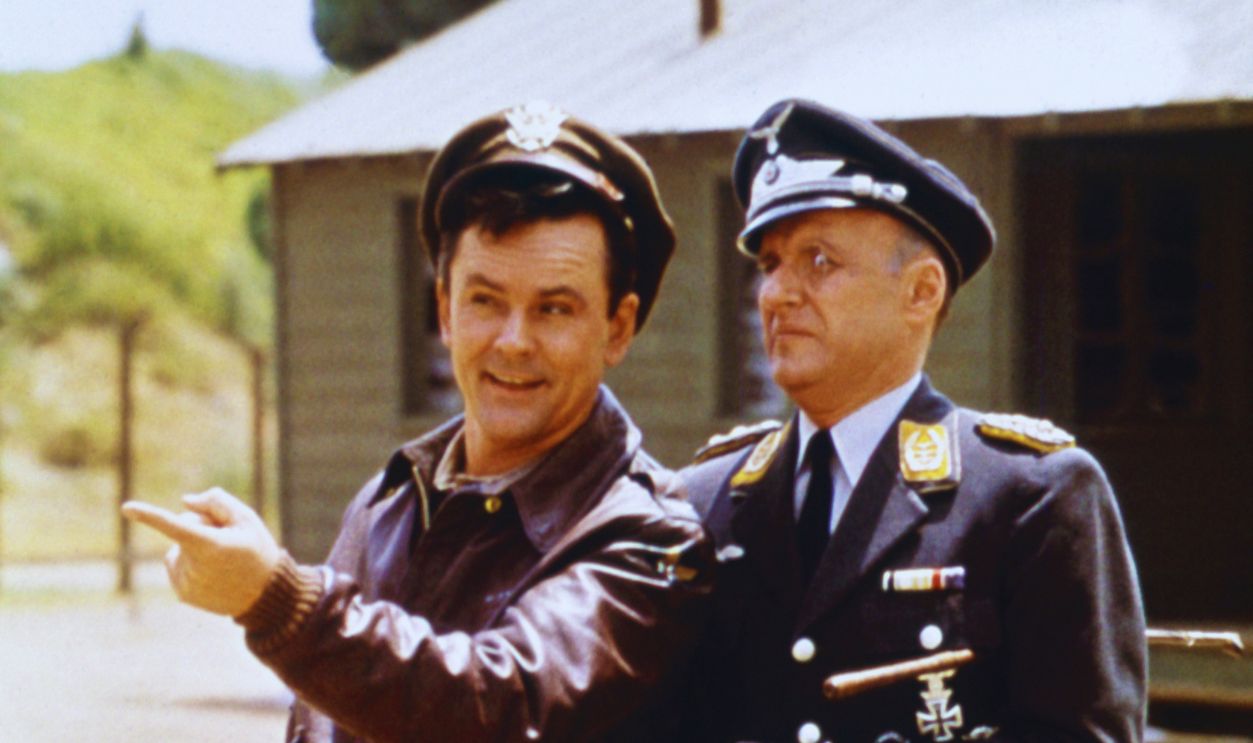 Silver Screen Collection, Getty Images
Building Klink's Character
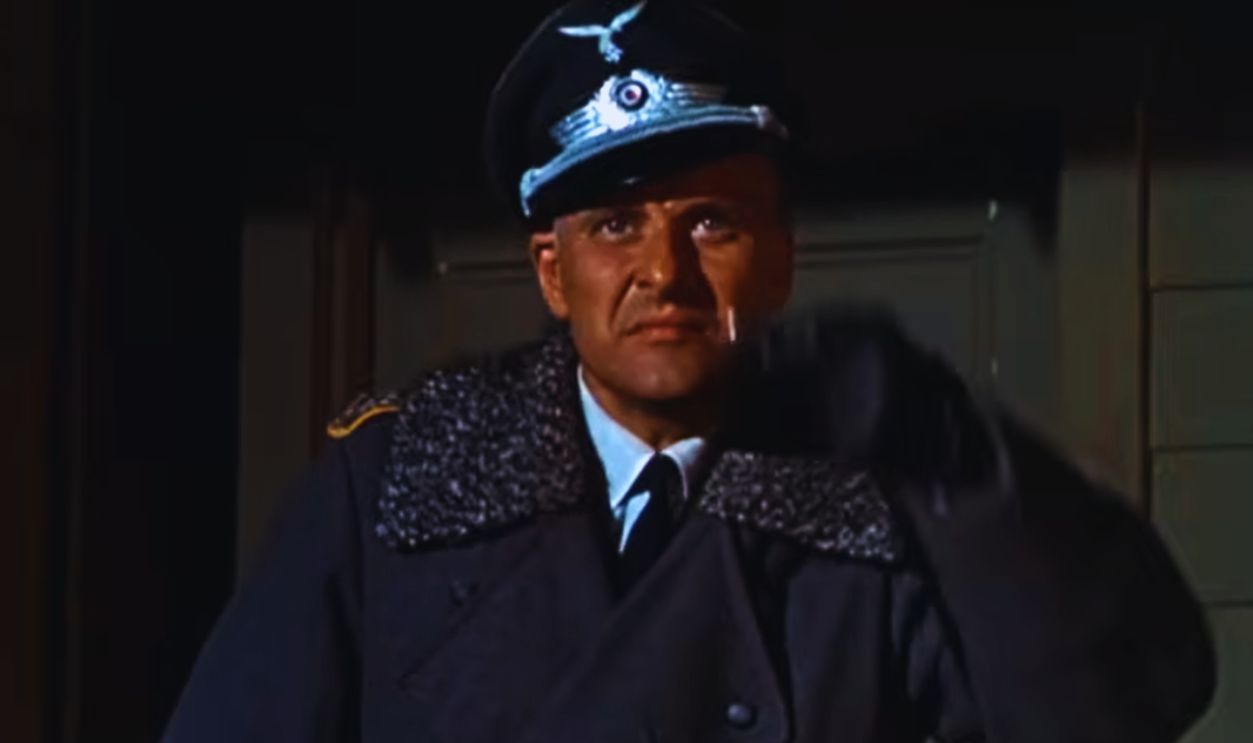
Klemperer contributed significantly to Klink's portrayal. Among the character traits associated with the colonel was the monocle that became one of his visual trademarks. His performance transformed Klink into a memorable comic figure whose arrogance routinely led to embarrassment.
 Silver Screen Collection, Getty Images
A Talented Violinist
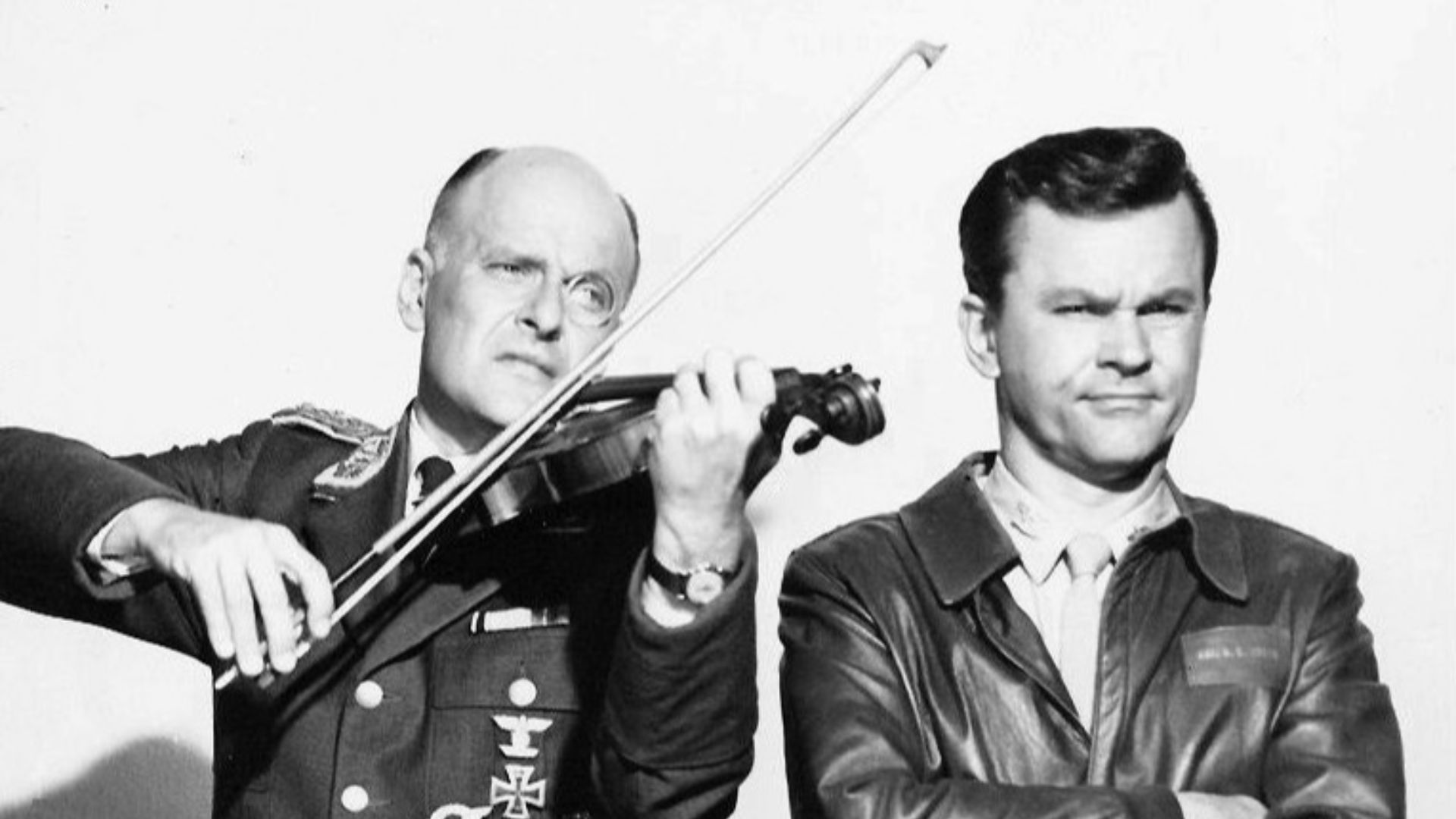
Klemperer was also an accomplished violinist, a skill that occasionally appeared on Hogan's Heroes. His musical abilities reflected the influence of his father. These moments allowed viewers to glimpse talents beyond comedy and showcased another side of his artistic upbringing.
 CBS Television, Wikimedia Commons
Supporting Symphony Orchestras
Although best known as an actor, Klemperer occasionally appeared as a guest conductor for symphony orchestras seeking to boost attendance and fundraising efforts. Drawing upon his family's musical heritage and public recognition from Hogan's Heroes (1965), he helped bring attention to organizations facing financial challenges while celebrating the classical music tradition that had shaped his childhood.
 Screenshot from Hogan's Heroes, CBS Television Distribution (1965–1971)
Emmy Recognition
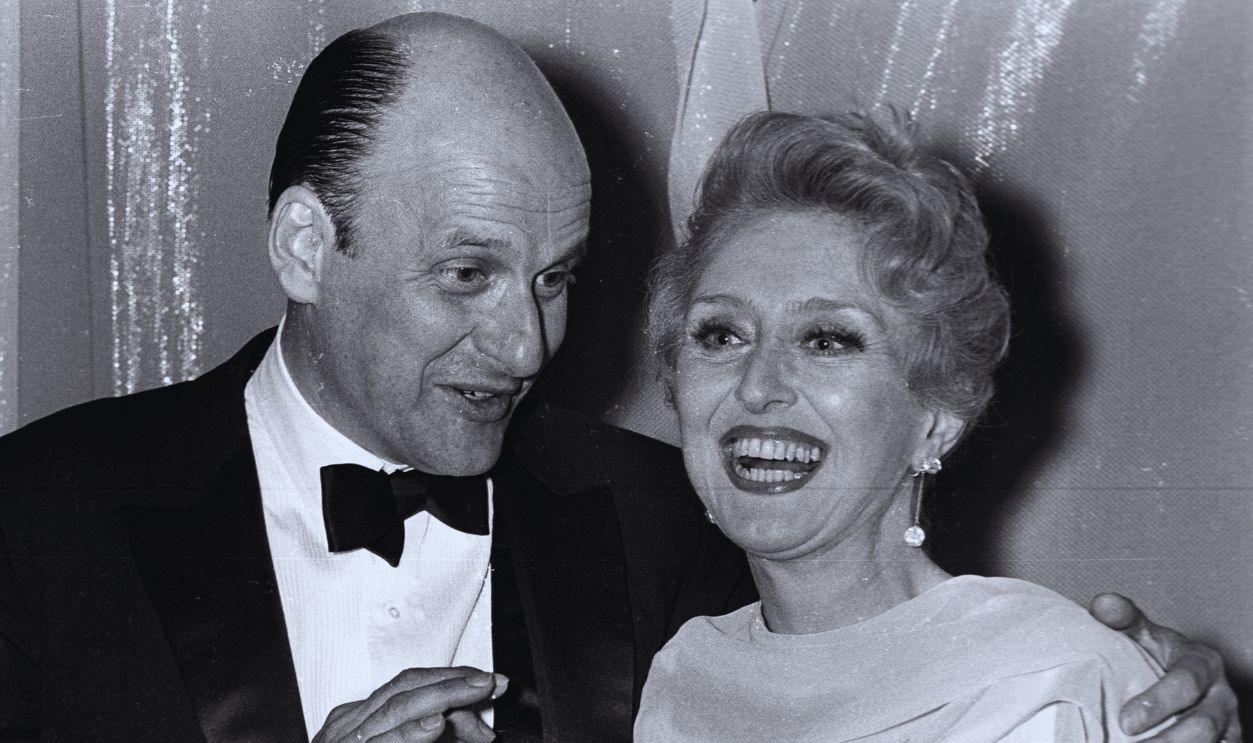
Klemperer's work as Colonel Klink earned major recognition. He was nominated six times for Primetime Emmy Awards for Outstanding Supporting Actor in a Comedy Series, winning twice in 1968 and 1969. The honors reflected both the popularity of Hogan's Heroes (1965) and the skill required to make Klink consistently entertaining.
After Klink
After Hogan's Heroes (1965), Klemperer continued working steadily through the 1970s and 1980s. He appeared as Bassa Selim in Mozart’s opera The Abduction from the Seraglio from 1979 to 82, and put in an acclaimed stint as Prince Orlofsky in the Johann Strauss musical Die Fledermaus.
![Werner Klemperer, actor, as Bassa Selim in Mozart's Die Entführung aus dem Serail (The Abduction from the Seraglio).
Title: Werner Klemperer, actor
Creator(s): Gotfryd, Bernard, photographer
Date Created/Published: [March 1982]
Medium: 1 photograph : colo](https://www.factinate.com/storage/app/media/theshot/2026/6/12/1781276531d18a2d3feae5564d44e13424799af8f384a9fe9d.jpg) Gotfryd, Bernard, photographer, Wikimedia Commons
Gotfryd, Bernard, photographer, Wikimedia Commons
Late Career Achievement
Klemperer received a Tony Award nomination in 1988 for his performance in the 1987 Broadway run of Cabaret. He also appeared in numerous television productions and later voiced a cartoon version of Klink on The Simpsons (1993). He also made a guest appearance on Law & Order (1990).
 Screenshot from The Simpsons, 20th Television (1989–Present)
Earlier Marriages And Children
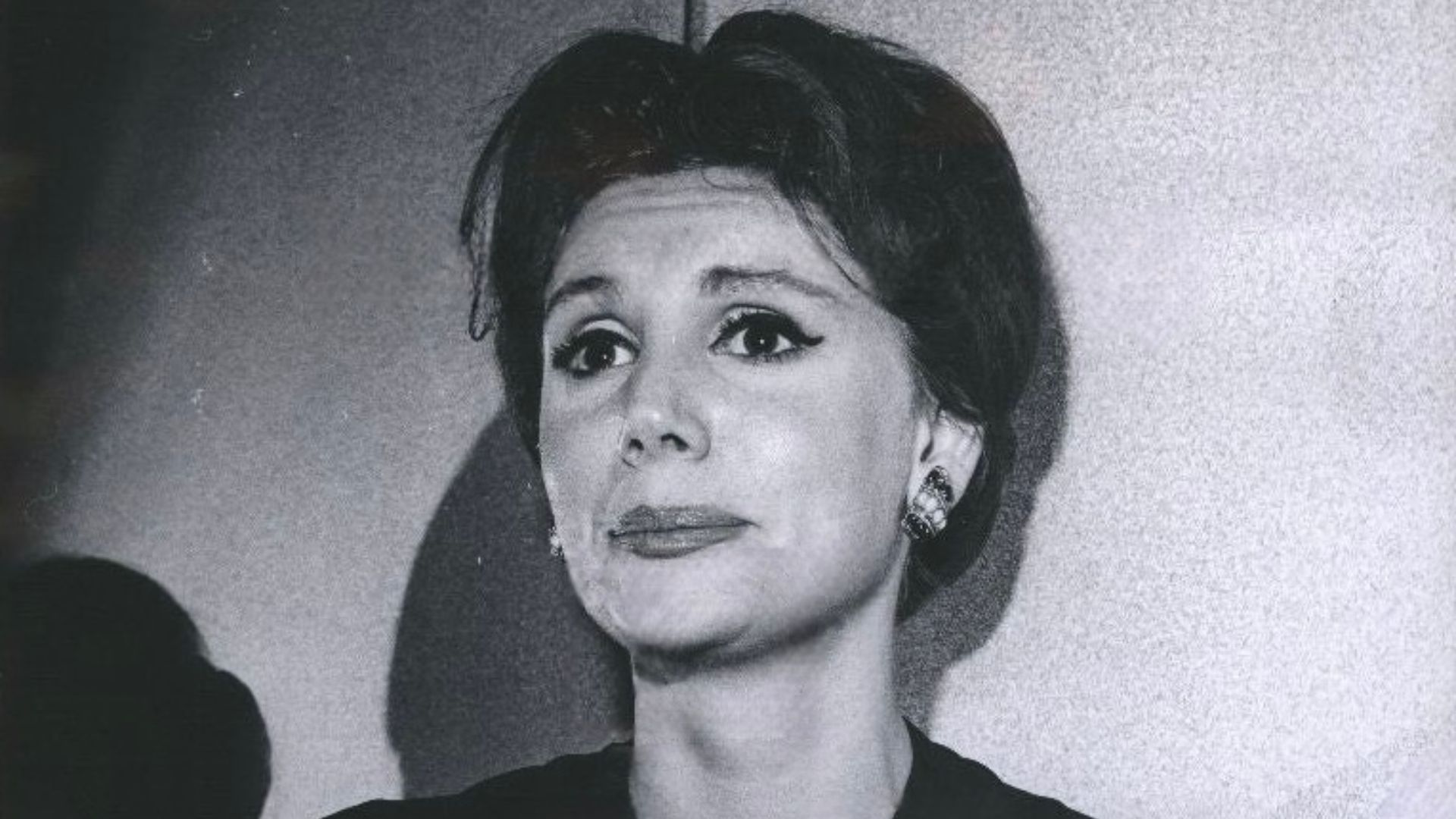
Klemperer was married four times. His first marriage was to Janet Riley, followed by a marriage to Susan Dempsay with whom he had two kids, and later a marriage to actress Louise Troy, who he met on the set of Hogan’s Heroes. The couple divorced in 1975.
 Unknown photographer, Wikimedia Commons
Finding Lasting Love
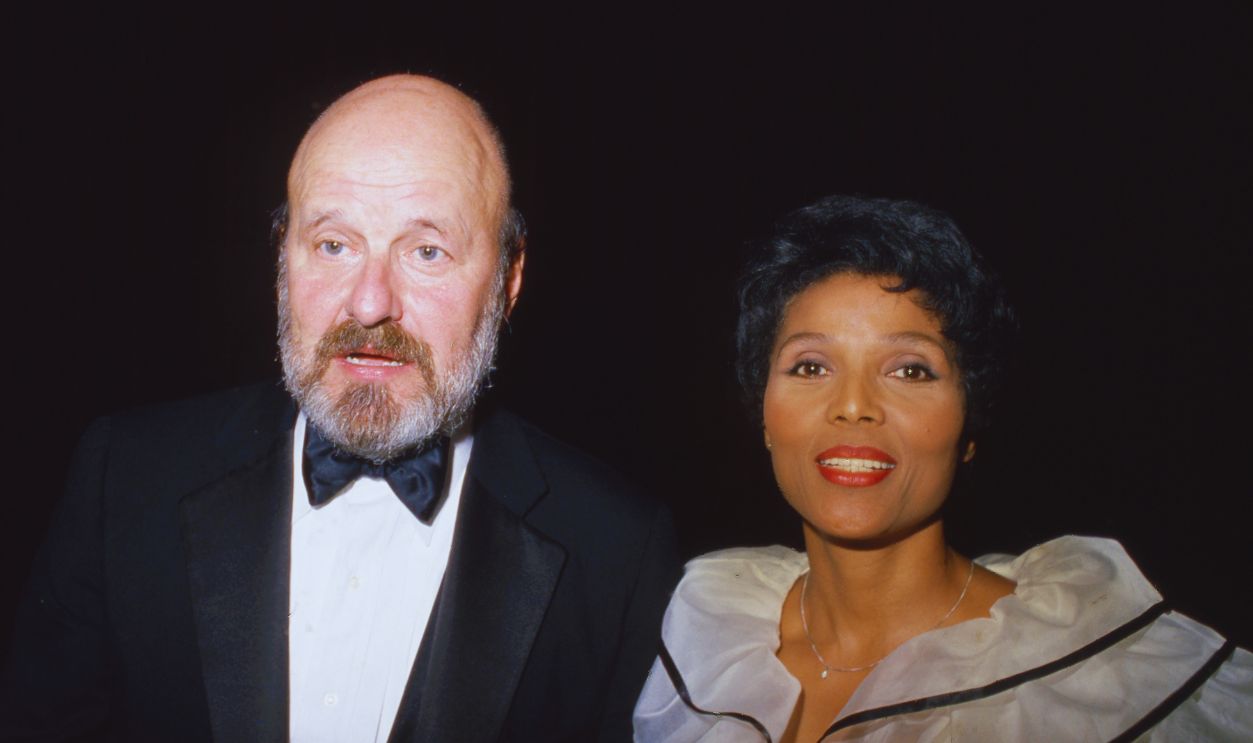
In 1976, Klemperer began dating actress Kim Hamilton. Hamilton had built her own successful career in television and film, and their partnership proved to be the most enduring of Klemperer's life. The couple remained together for the last 25 years of Klemperer’s life, marrying finally in 1997.
Talent And Integrity
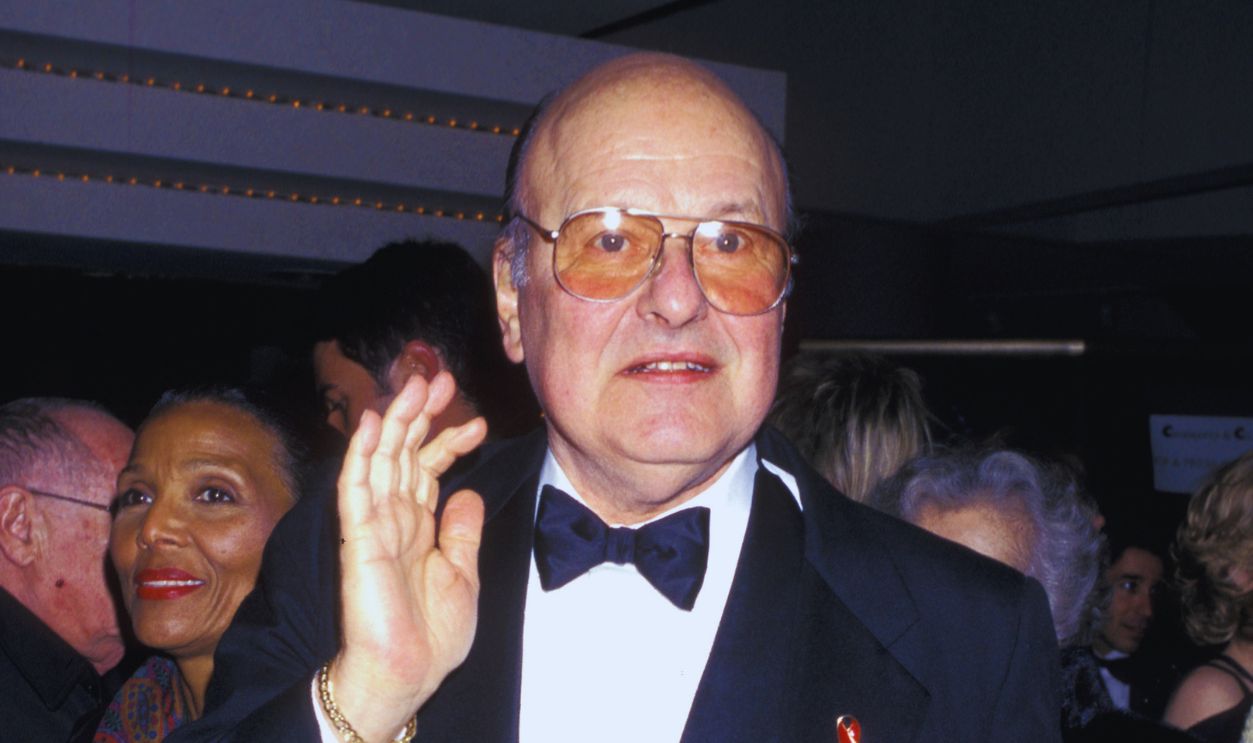
Werner Klemperer died on December 6, 2000, at the age of 80. Tributes remembered him as far more than Colonel Klink. Colleagues and fans celebrated his talent, intelligence, and integrity, particularly his ability to ridicule some of the most unpleasant people in history, upholding an important moral principle throughout his career.
You May Also Like:
How Bonanza star Michael Landon became one of television’s most influential producers
The Groundbreaking Comedy Career Of Flip Wilson
At 100, Dick Van Dyke Shares The Exact Daily Routine Behind His Longevity