He Broke New Ground
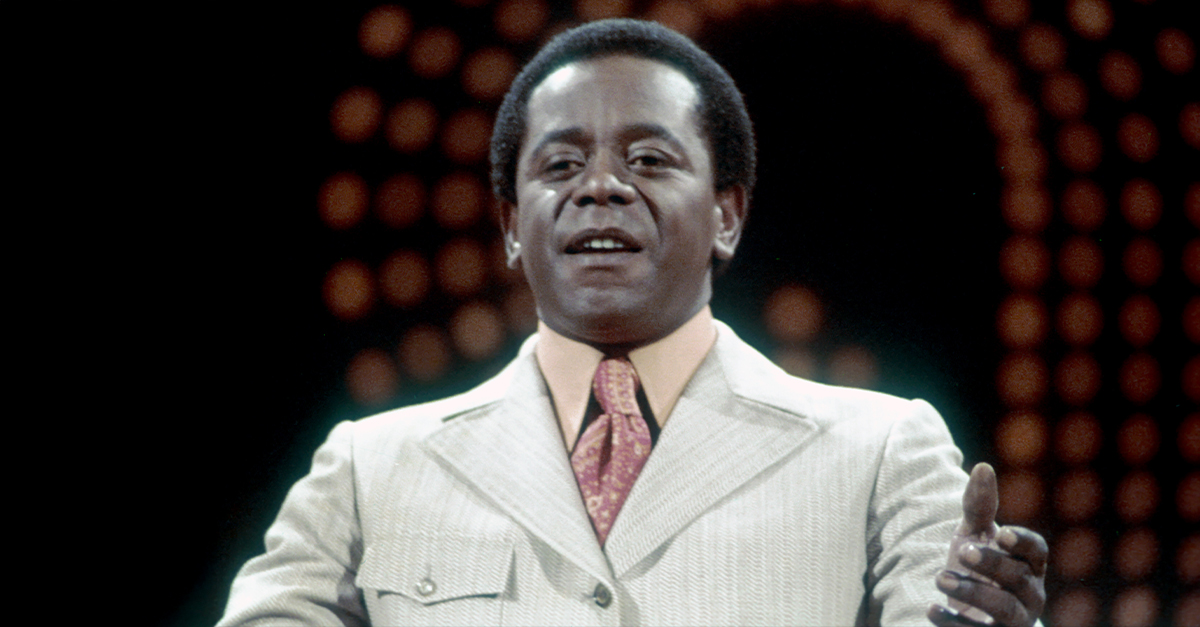
Before late-night hosts and sketch-comedy giants dominated the TV airwaves, Flip Wilson became a cultural phenomenon unlike anything America had seen before. With sharp timing, unforgettable characters, and enormous charisma, Wilson rose from poverty and hardship to become the first Black entertainer to host a wildly successful prime time network variety show.
 Michael Ochs archive/Getty Images
Growing Up In Poverty
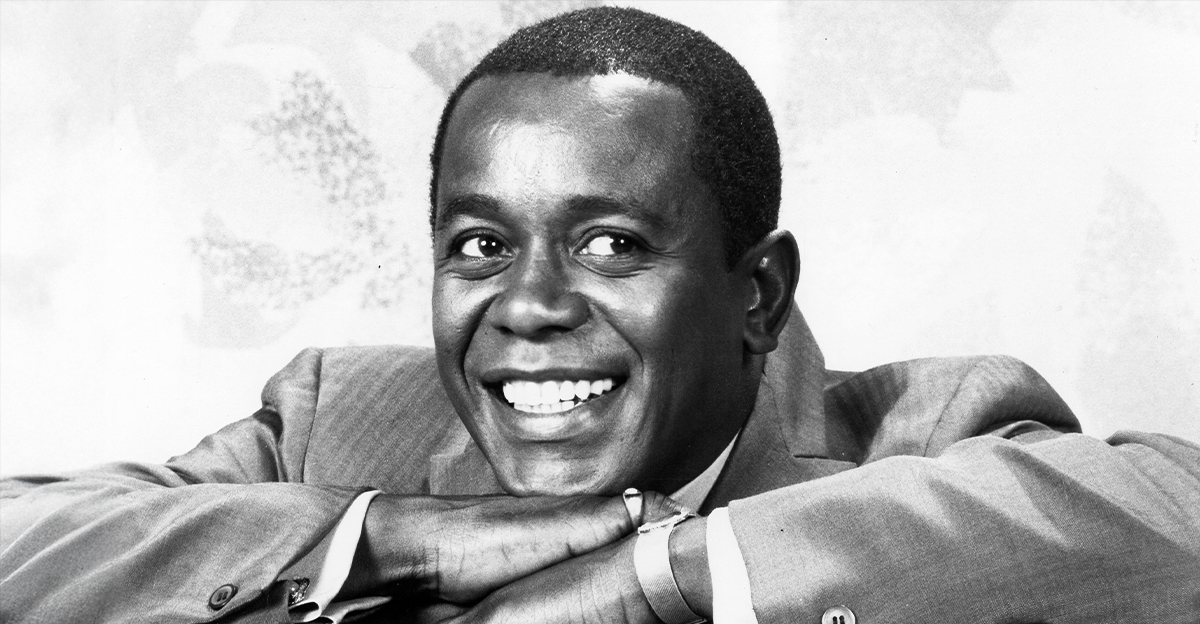
Flip Wilson was born Clerow Wilson Jr. in Jersey City, New Jersey, in 1933 during the depths of the Great Depression. His childhood was unstable and difficult. After his mother abandoned the family, Wilson and his siblings were largely raised by their overworked father under harsh financial circumstances (did we mention that it was the Depression?)
 News service, Wikimedia Commons
Life In Foster Care
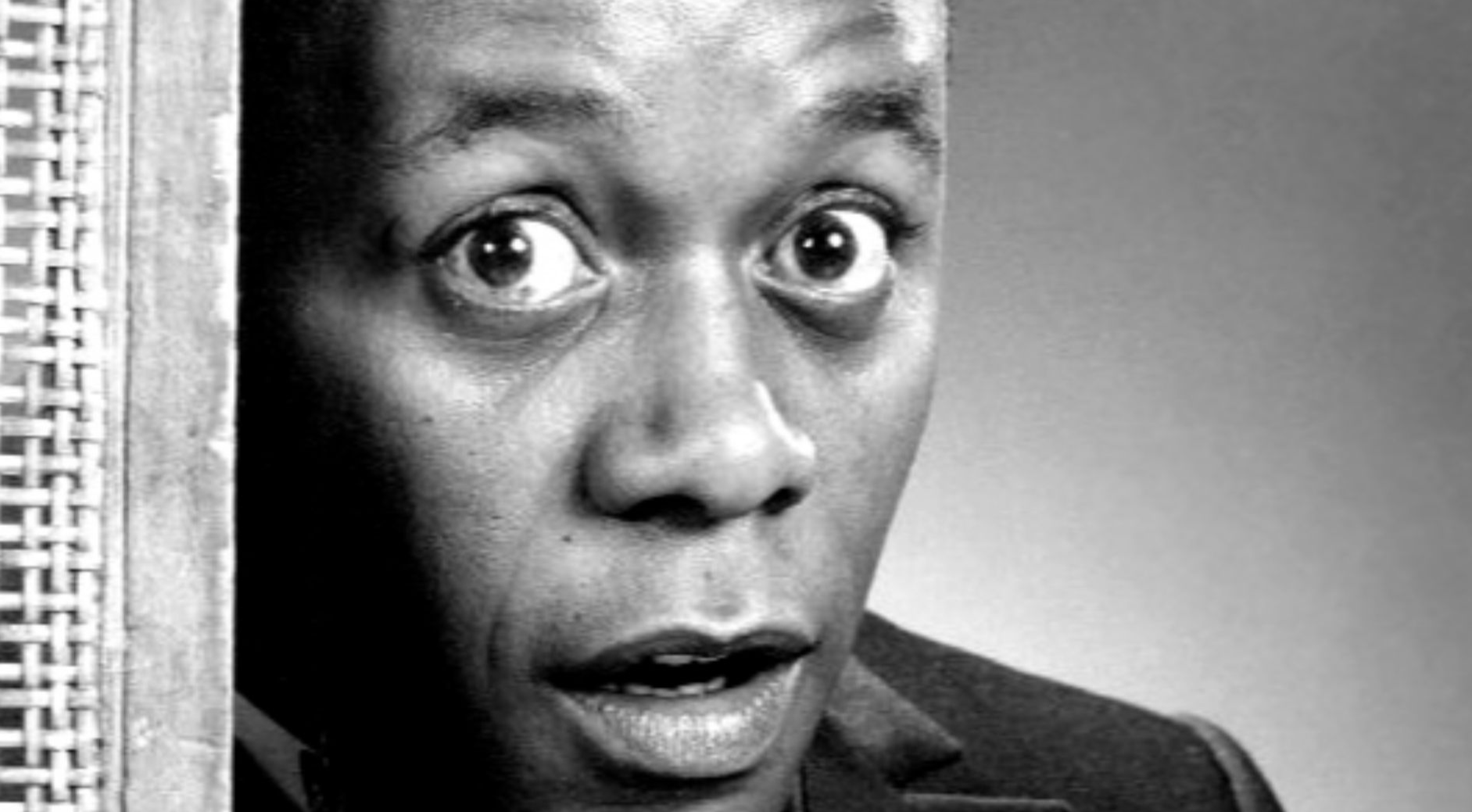
Tough times at home eventually led to Wilson having to spend time in foster care institutions. The experience deeply affected him and forced him to grow up quickly. Decades later, Wilson would use humor as both a form of protection and as an escape, turning these painful memories into comedic observations that connected strongly with audiences.
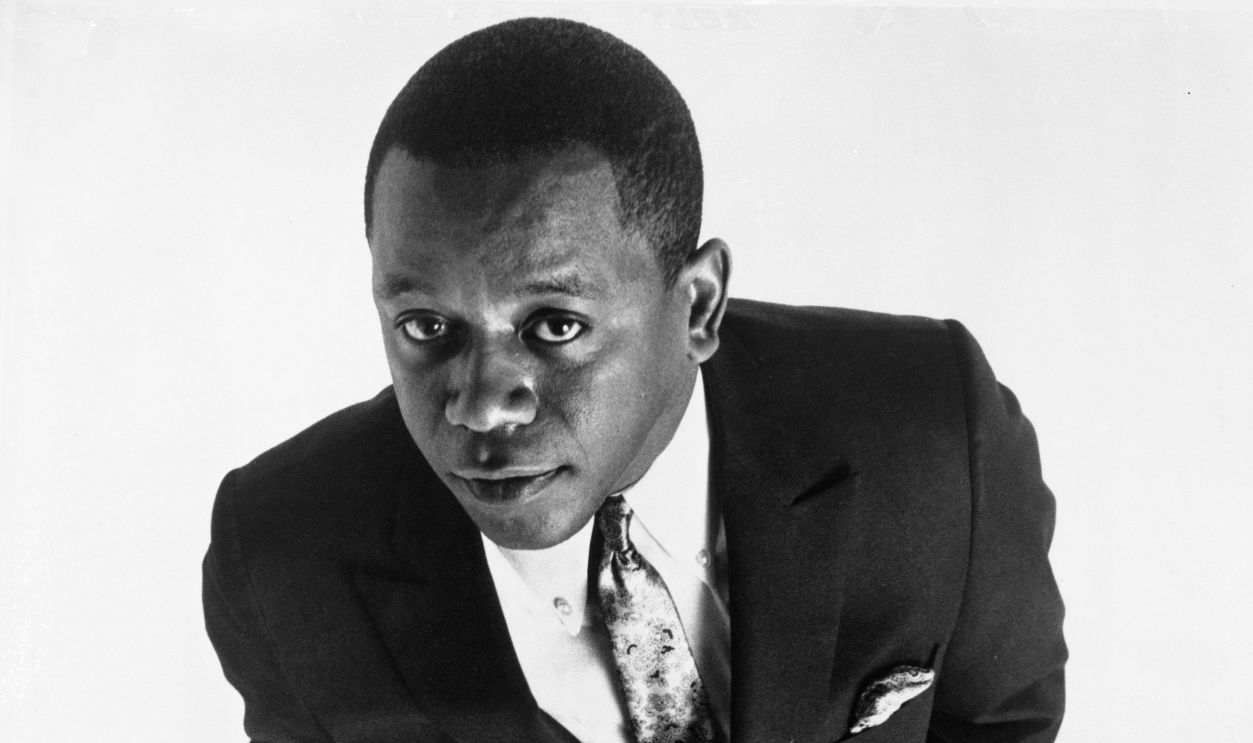 Michael Ochs Archives, Getty Images
Humor As Survival Strategy
As a kid, Wilson learned that comedy could defuse tension and attract positive attention. He was well-known for his impressions, storytelling, and ability to make his classmates laugh. Even during difficult moments, he showed two key qualities that every successful comedian needs: remarkable confidence and timing. Those early instincts would later form the foundation of his entertainment career.
 Michael Ochs archive/Getty Images
Joining The Air Force
At sixteen, Wilson lied about his age and enlisted in the United States Air Force. Military life actually helped Wilson shape his stage presence and discipline. Fellow servicemen quickly noticed his comic abilities. As Wilson began to make a habit of entertaining troops with jokes and impressions during off-duty performances and informal gatherings and there was no doubt that his fellow servicemen enjoyed having him around to lighten the mood.
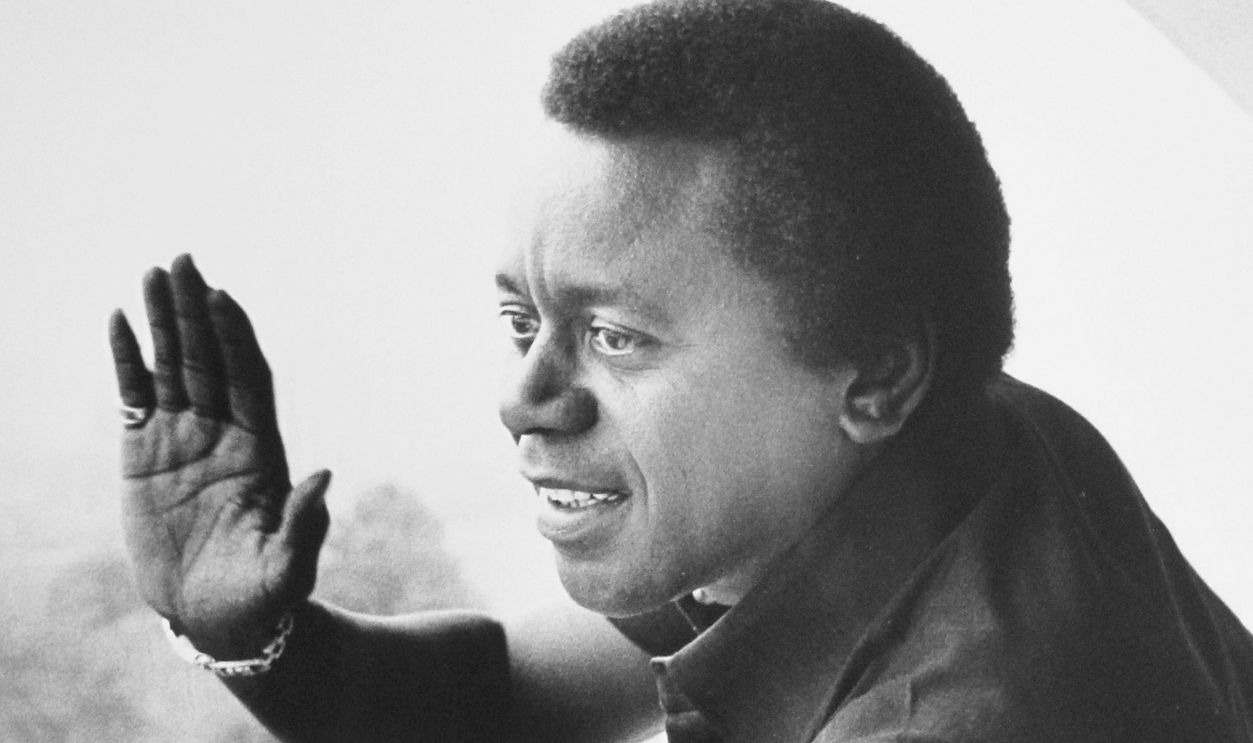
Performing On Military Bases
While stationed overseas, Wilson honed his comedic timing to razor sharpness by performing for fellow airmen. He developed a relaxed storytelling style instead of relying on rapid-fire punchlines. Audiences appreciated his conversational delivery and vivid characters. The military gave him a chance to practice performing regularly in front of live crowds.
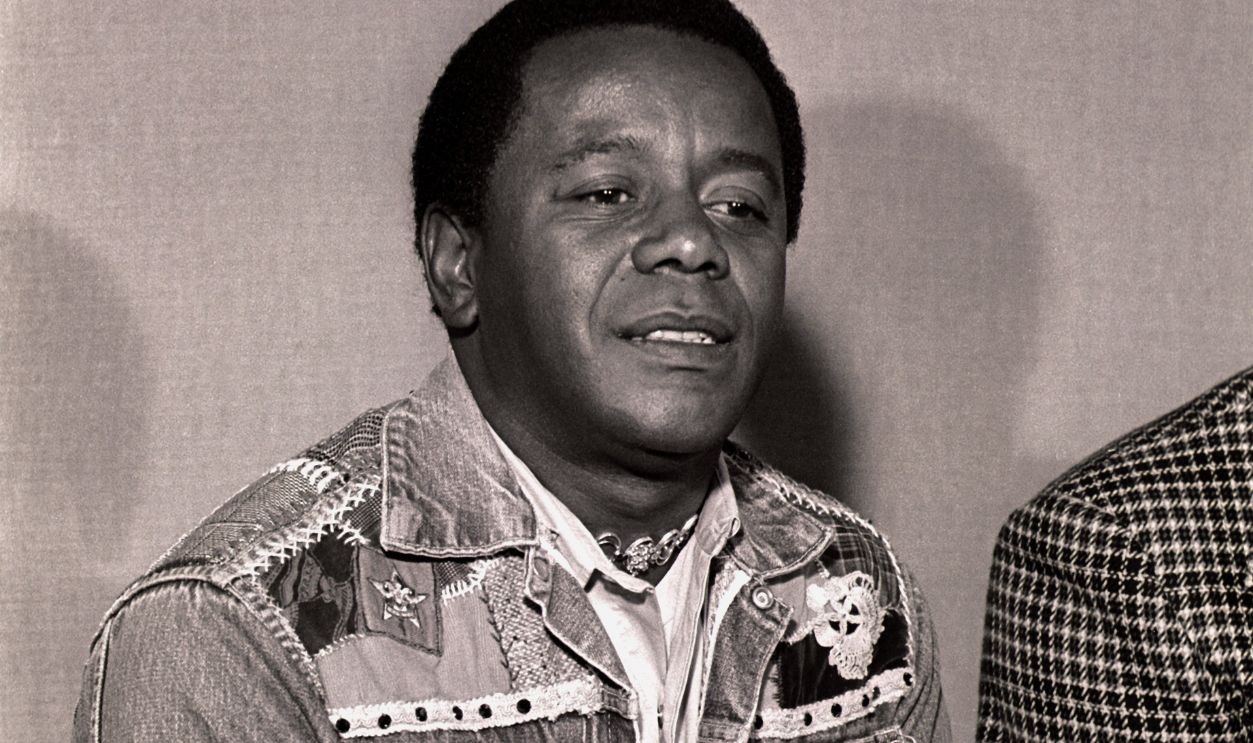 Michael Ochs Archives, Getty Images
Starting Over As A Civilian
After leaving the Air Force in the 1950s, Wilson pursued comedy professionally despite the enormous uncertainty of that career choice. Like so many other aspiring entertainers, he struggled financially while trying to break into clubs and small venues. Success came slowly, especially for Black comedians facing limited opportunities in segregated entertainment industries.
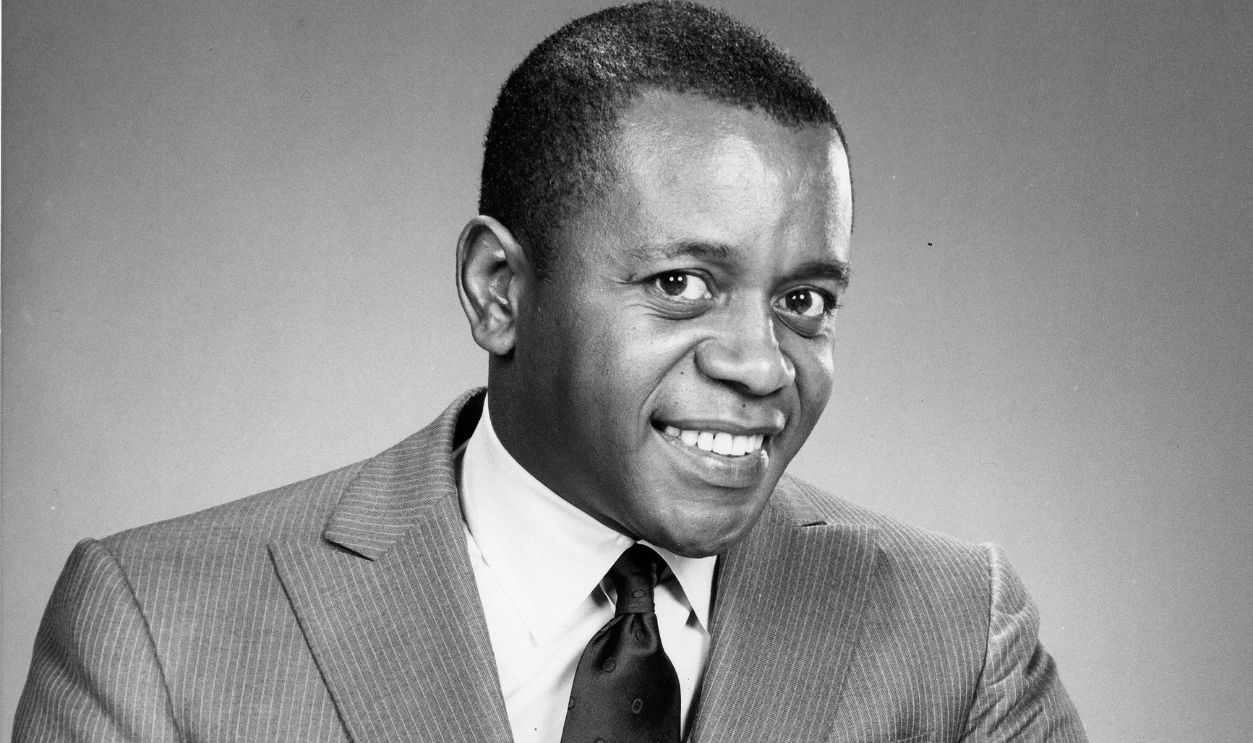 Michael Ochs Archives, Getty Images
Harsh Reality
During Wilson’s early career, Black entertainers dealt with constant discrimination in television and nightclub circuits. Major TV networks rarely gave Black performers much in the way of meaningful exposure outside of stereotypical roles. Even talented comedians found themselves stuck playing smaller venues or forced to perform under unfair business arrangements and expectations.
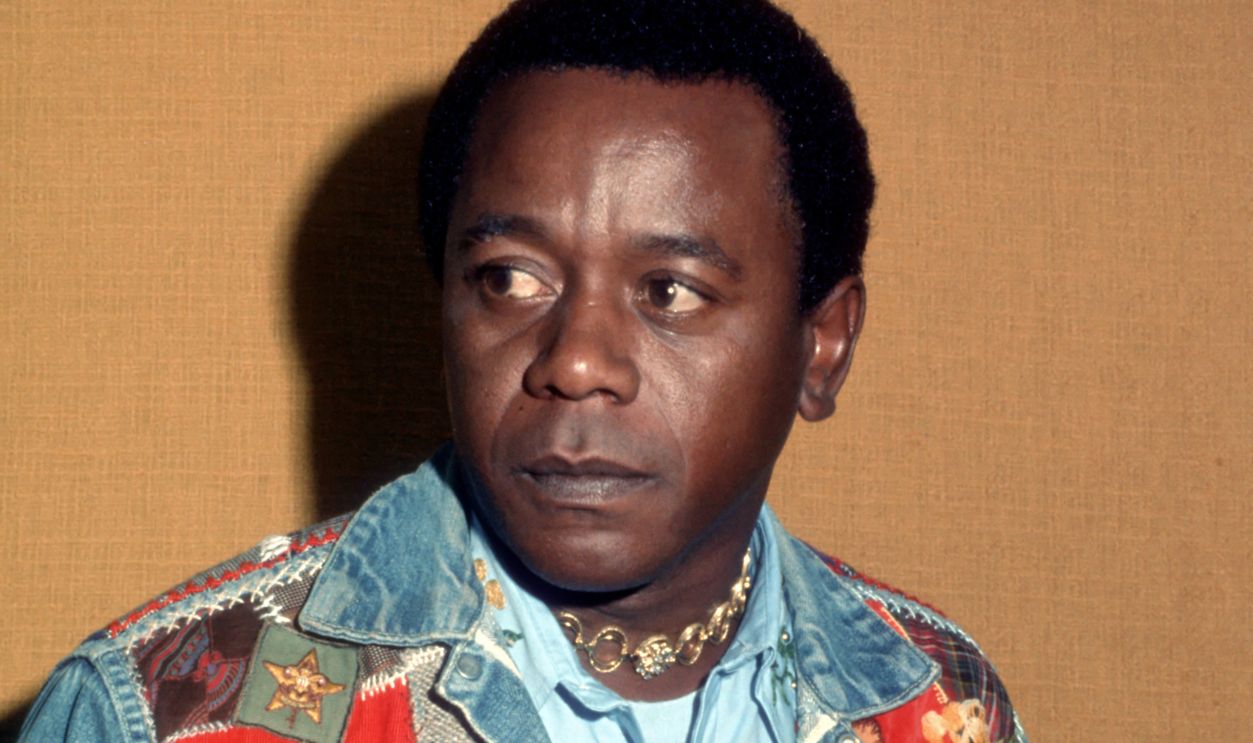 Michael Ochs Archives, Getty Images
Working Small Clubs Across America
Wilson spent years performing in tiny clubs, bars, and hotels while trying to establish himself. The travel was exhausting and often poorly paid. Still, every performance made his skill set that much sharper. He carefully studied audiences and refined the warm, approachable stage persona that would eventually make him famous nationwide.
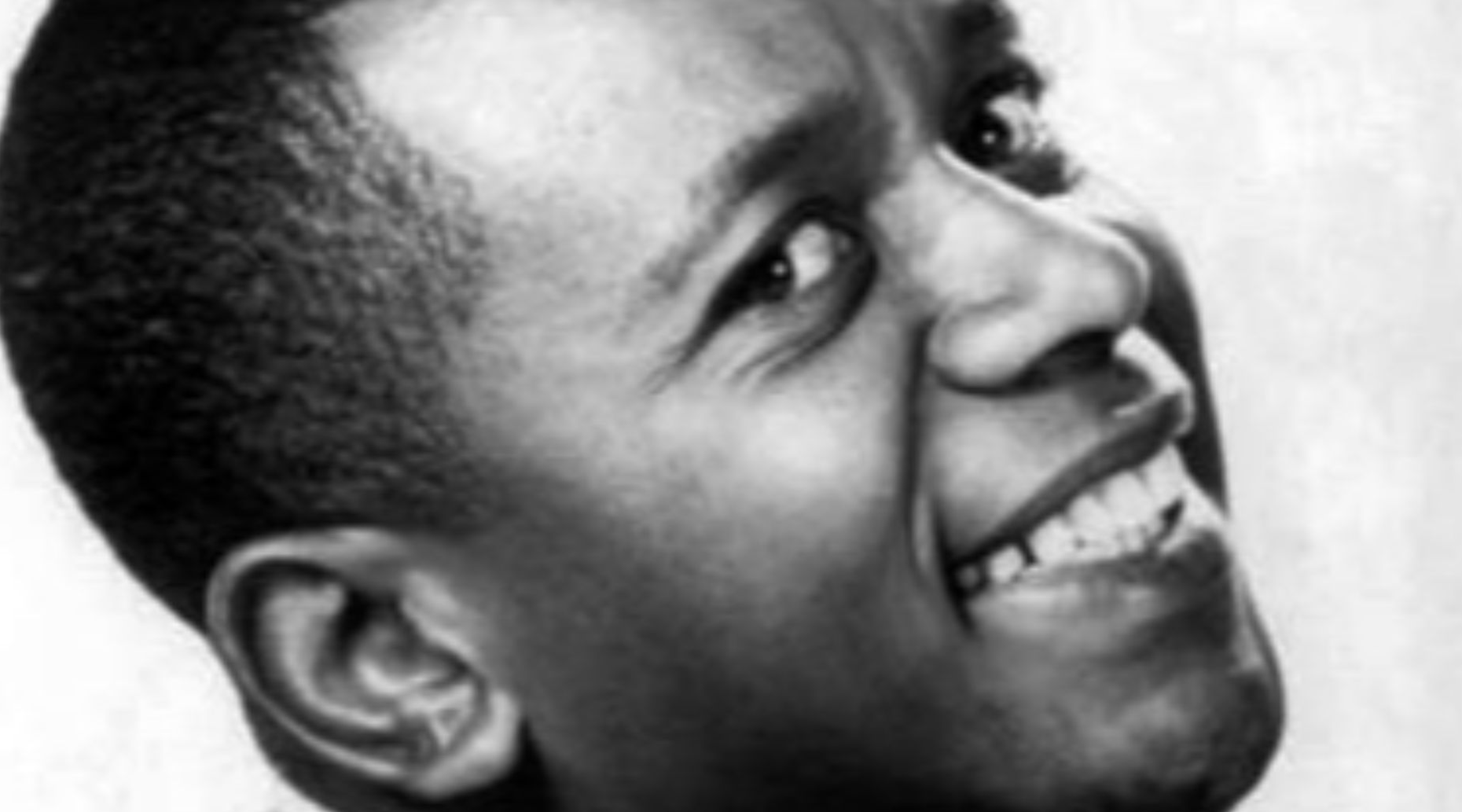 NBC Television, Wikimedia Commons
Making A Name For Himself
Unlike a lot of comedians who relied on shock or insult humor, Wilson developed a clean and broadly accessible act. Club owners appreciated his professionalism, while audiences responded warmly to his storytelling style. Gradually, positive word of mouth helped him nail down some better bookings and larger crowds across the country.
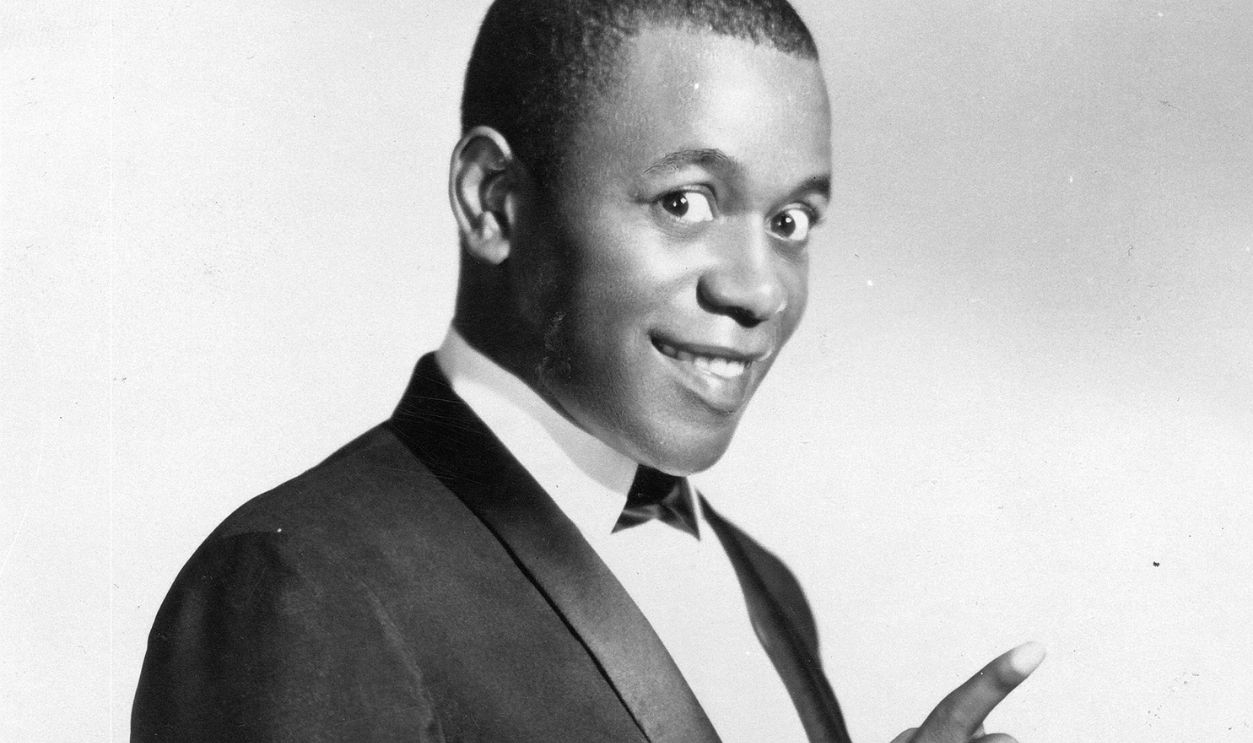 Michael Ochs Archives, Getty Images
Breakthrough In California
Wilson’s career picked up momentum after he moved to California, where he found greater opportunities in the growing entertainment industry. Performing in Los Angeles clubs brought him closer to television producers and influential entertainers. His polished style and unique delivery quickly set him apart from many a struggling stand-up comic.
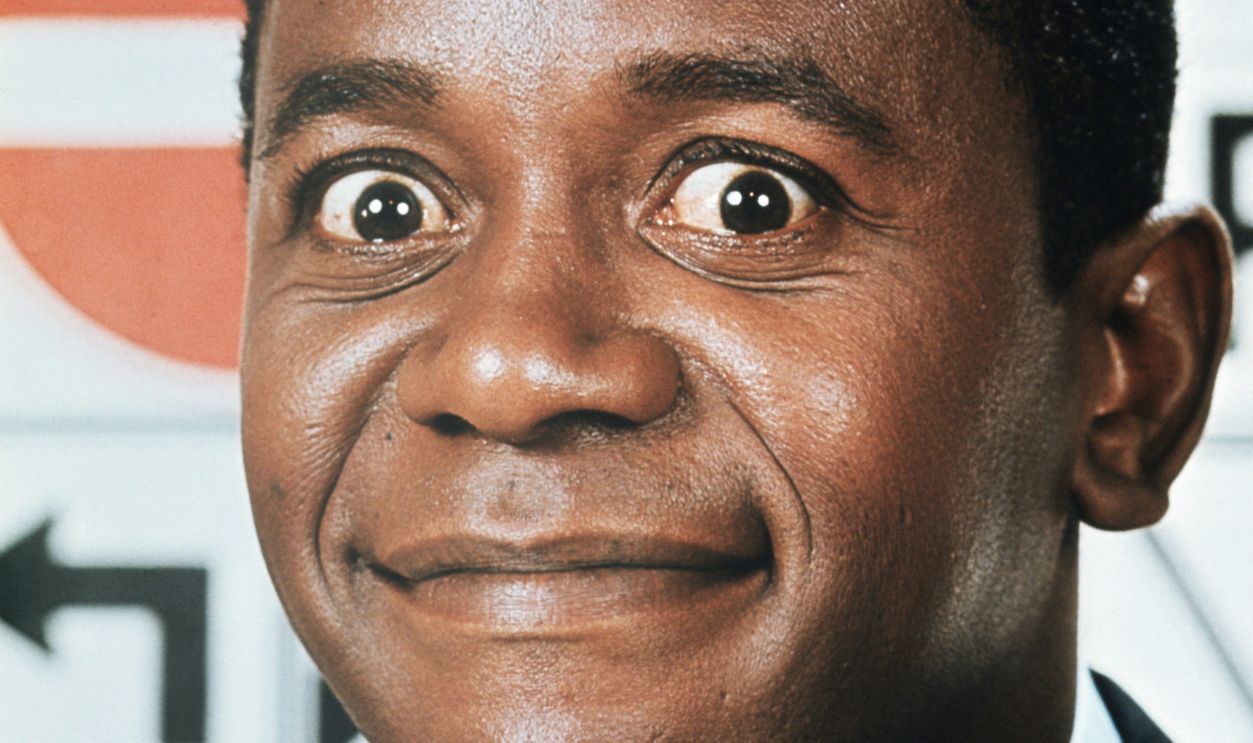
The Importance Of Johnny Carson
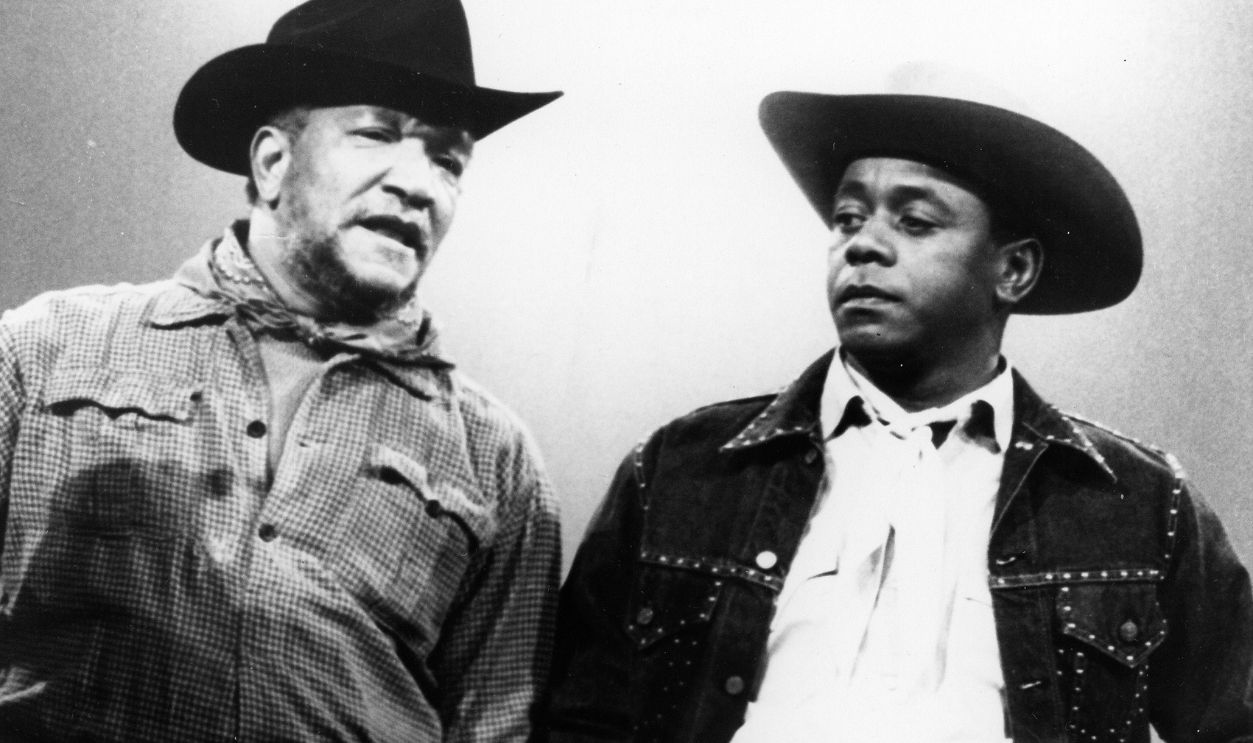
One big turning point came through an appearance by comedian Redd Foxx on the Tonight Show with Johnny Carson. Carson asked Foxx who the funniest comedian working was, and Foxx replied without hesitation that it was Flip Wilson. Wilson himself appeared on the Tonight Show a short time afterward. The national exposure introduced Wilson to millions of Americans who had never seen his performances before.
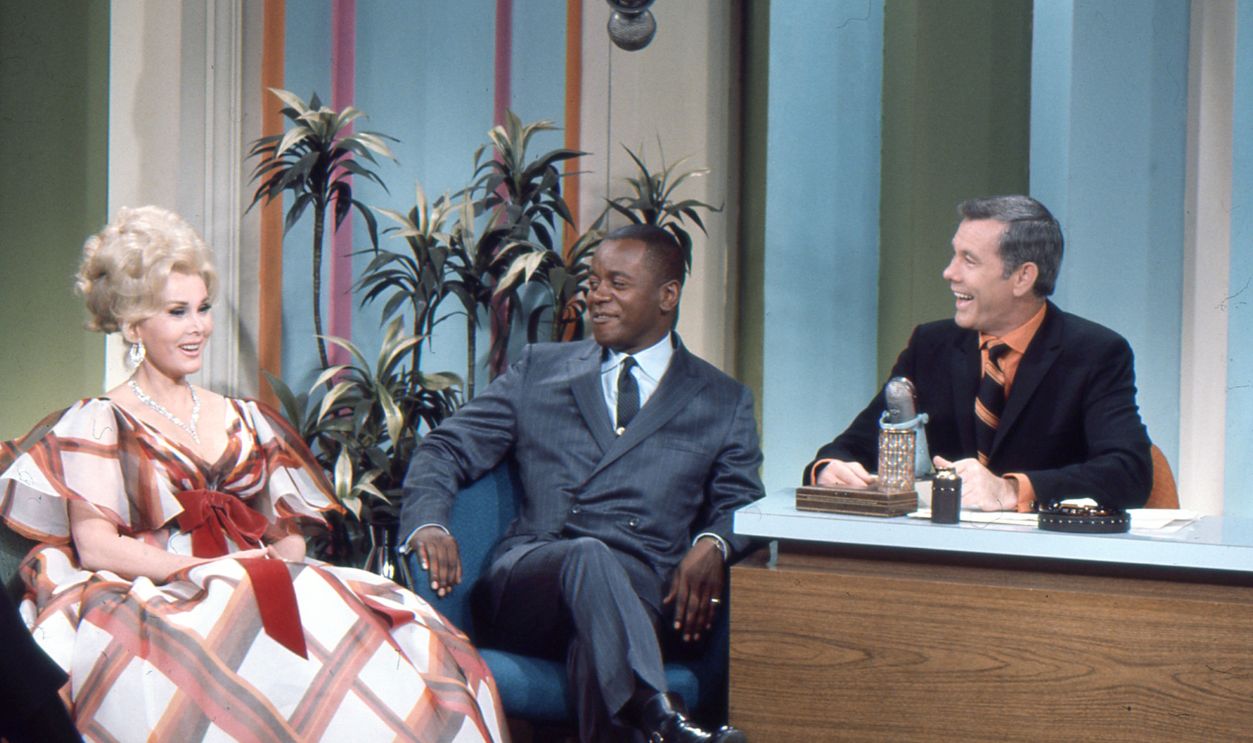
Winning Over Television Audiences
Wilson’s relaxed style translated beautifully to television. Unlike some nightclub comics whose material felt too aggressive or edgy for mainstream audiences, Wilson appeared friendly and relatable. Viewers felt comfortable with him immediately. His growing television appearances dramatically expanded his popularity during the 1960s.
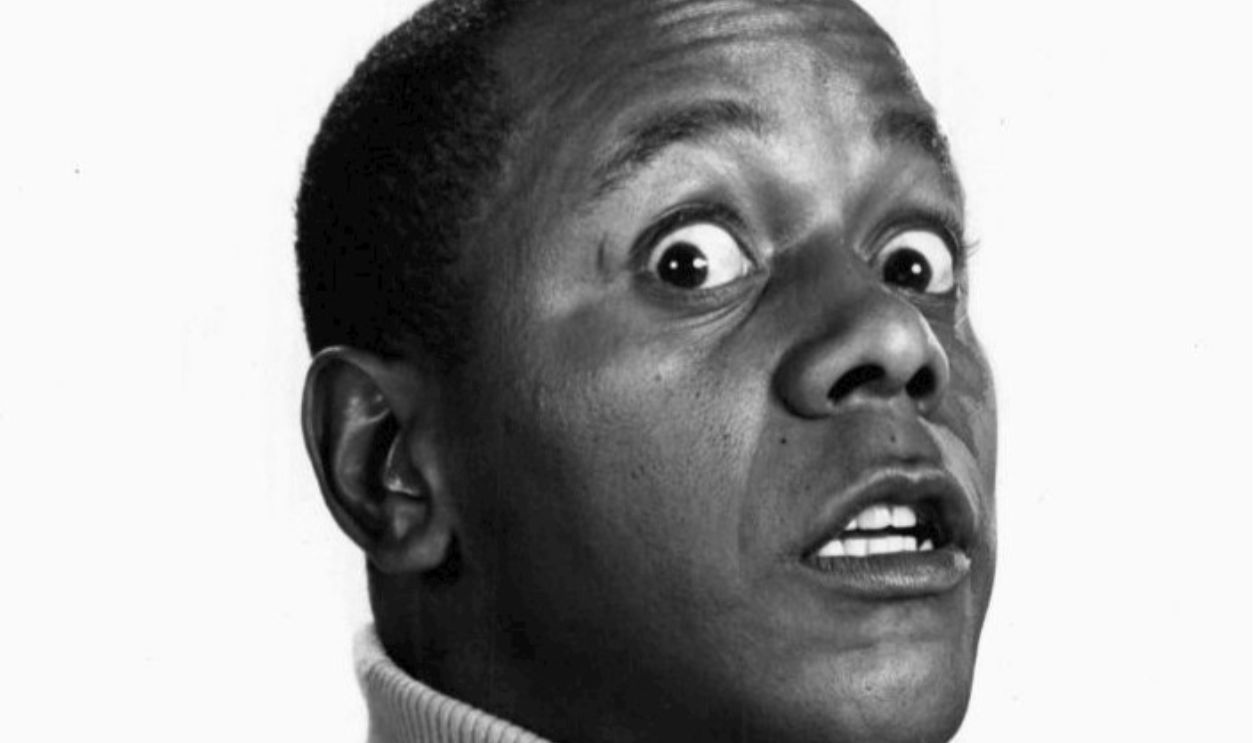 NBC Television, Wikimedia Commons
Recording Comedy Albums
Wilson also gained even more fans through bestselling comedy albums. His records showcased memorable characters and humorous storytelling routines that audiences replayed repeatedly. At a time when comedy albums could launch national careers, Wilson’s albums made a mark with the public and proved his reach went beyond the nightclub stage.
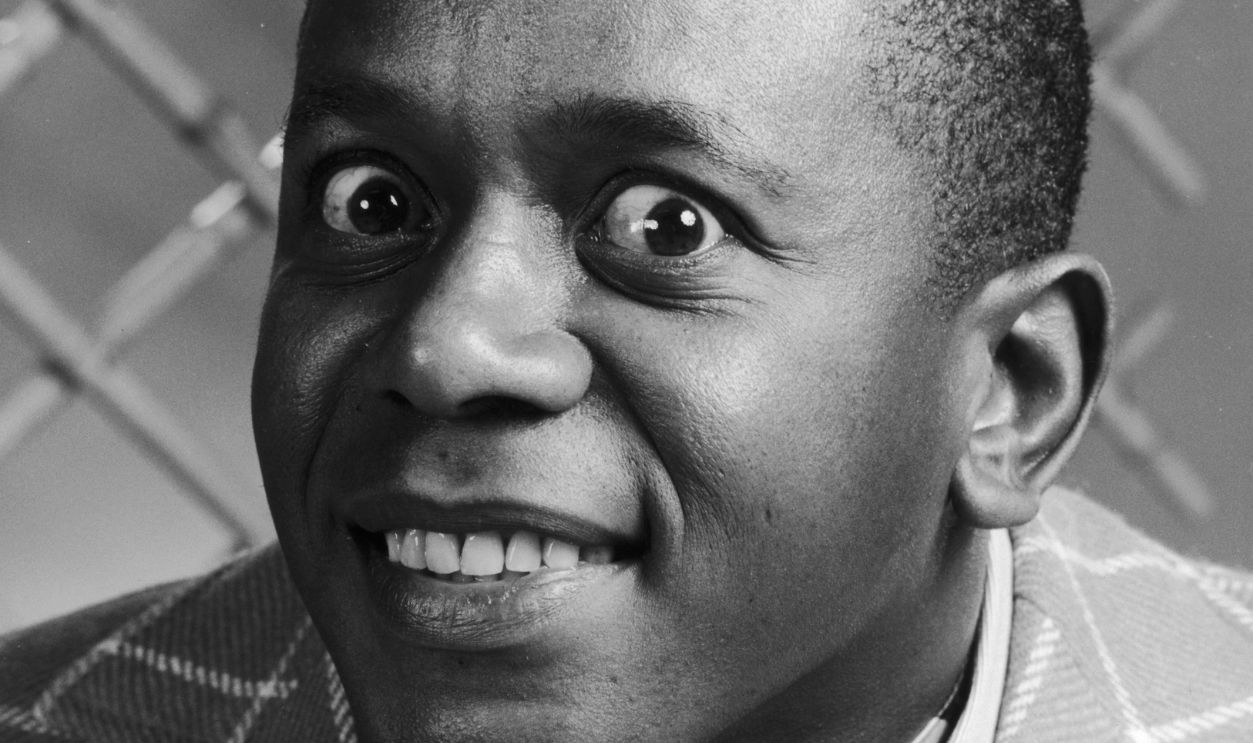
The Christopher Columbus Routine
One of Wilson’s most famous routines imagined Christopher Columbus explaining America to Queen Isabella using contemporary slang and comic exaggeration. The routine was a popular example of Wilson’s gift for blending history, timing, and character work for a wide audience.
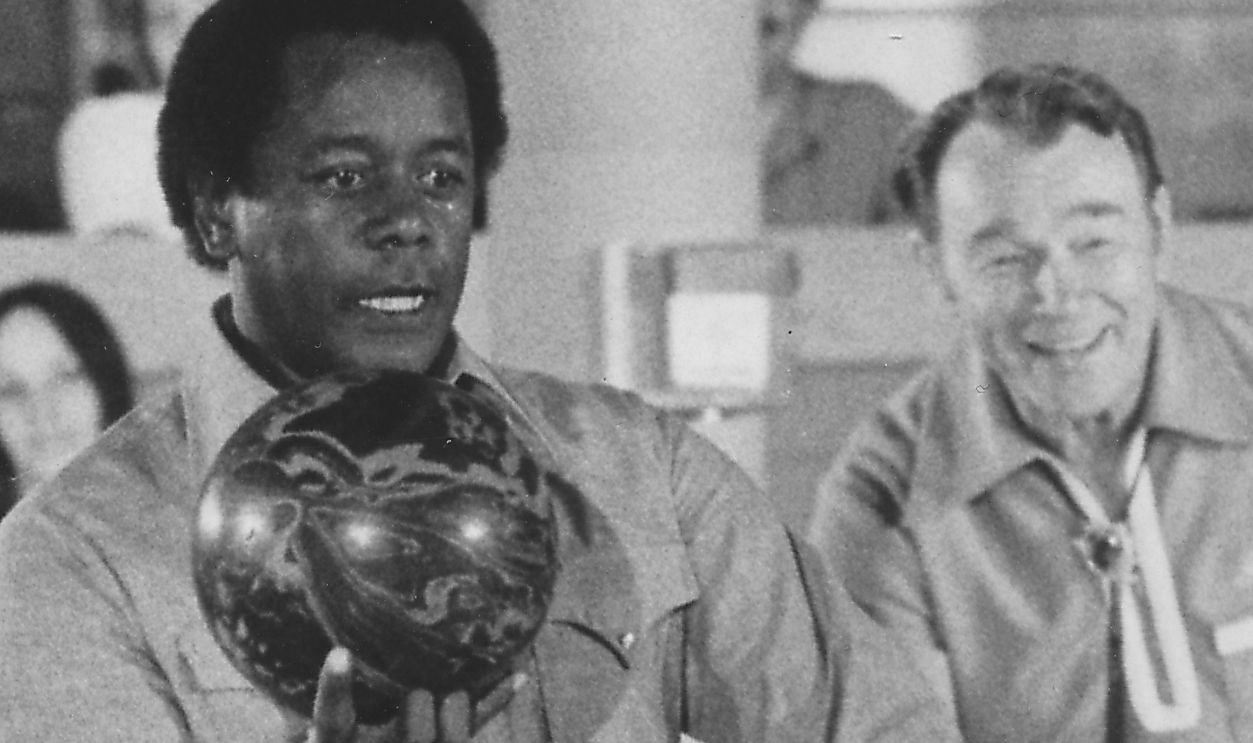
Frequent Television Appearances
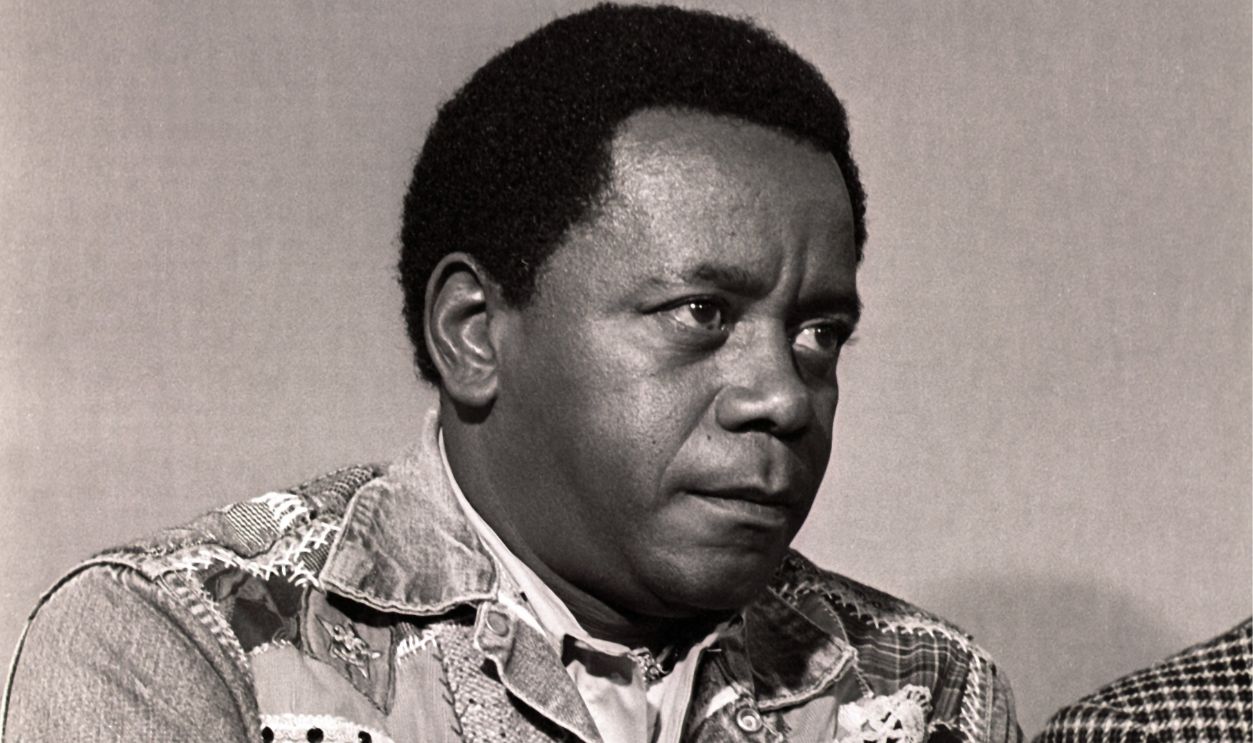
By the late 1960s, Wilson was showing up regularly on popular TV programs, including variety and talk shows. Those appearances gave audiences repeated exposure to his comedic style. Television executives increasingly realized Wilson possessed something very rare in those days: the ability to appeal successfully to both Black and white viewers simultaneously.
 Michael Ochs Archives, Getty Images
Friendship With Television Insiders
Wilson benefited greatly from friendships and support within the entertainment industry. In addition to the support from Redd Foxx and Johnny Carson, Ed Sullivan later provided even greater visibility through repeated appearances, helping Wilson build the trust and mainstream popularity that eventually convinced NBC he could carry his own variety series. Dean Martin often invited Wilson on his show, an additional source of visibility
 Michael Ochs Archives, Getty Images
Breakthrough: Rowan & Martin’s Laugh-In
Wilson’s appearances on Rowan & Martin’s Laugh-In significantly boosted his profile. The wildly popular sketch-comedy program exposed him to mainstream America at just the right moment. Wilson’s charm and comic instincts stood out even within the show’s crowded ensemble format.
 Screenshot from Rowan & Martin’s Laugh-In, NBC Television (1967–1973)
Creating Geraldine Jones
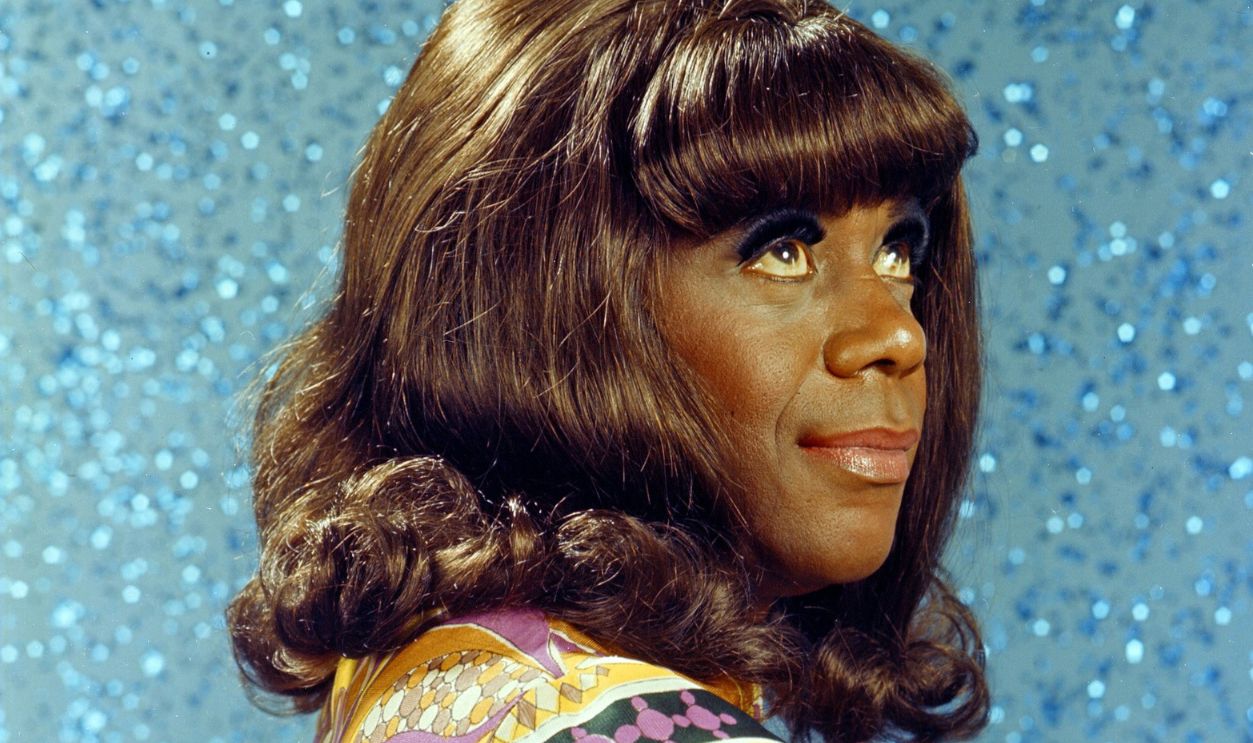
Wilson’s most iconic character became Geraldine Jones, a flirtatious and outspoken woman whose catchphrases entered American pop culture. Audiences adored the character’s confidence and humor. Geraldine was one character that allowed Wilson to stand apart from other comedians while showing some versatility as both performer and storyteller.
 Michael Ochs Archives, Getty Images
The Famous Catchphrases
Wilson’s routines generated catchphrases repeated constantly by fans during the early 1970s. “The devil made me do it” became one of the era’s most recognizable comic lines. Those memorable phrases helped turn Wilson into more than a comedian. He became a genuine mainstream cultural phenomenon.
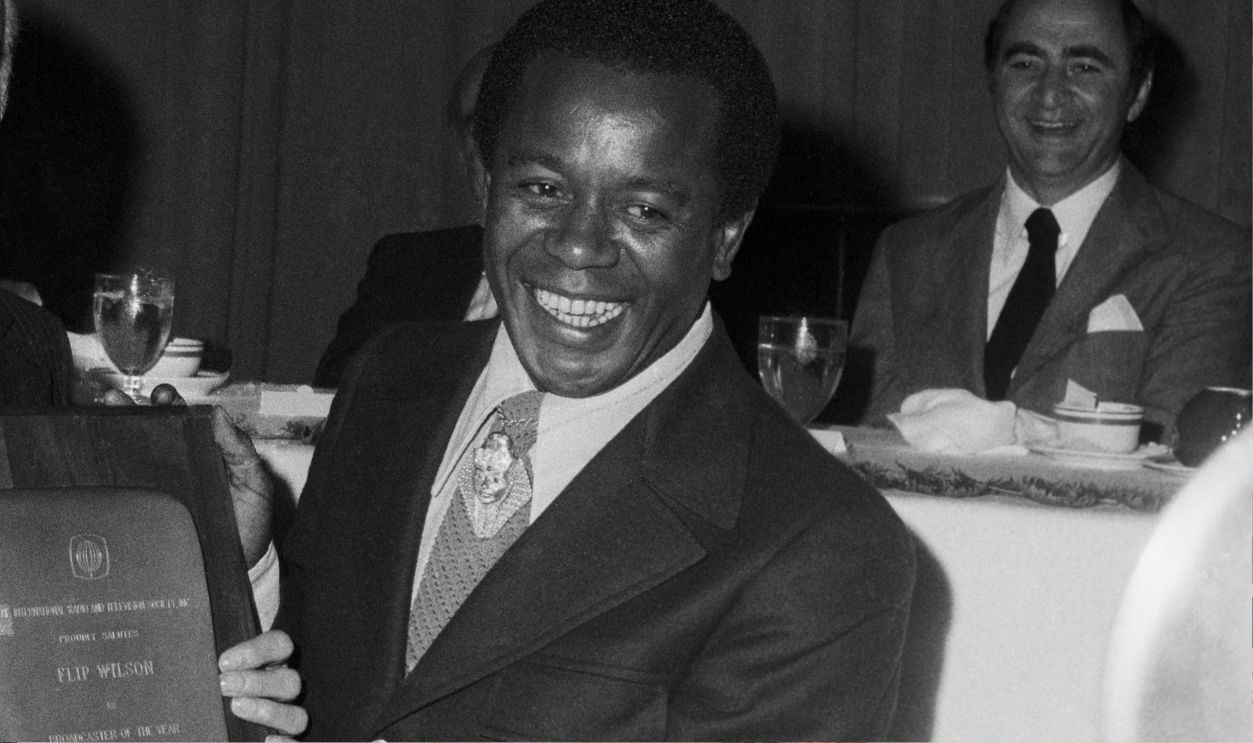
Networks Got The Picture
As Wilson’s popularity grew, the TV networks realized he could carry his own major program. That possibility represented a historic shift in American entertainment. Until then, Black entertainers had rarely been trusted with hosting large network variety programs aimed at broad national audiences during prime-time television hours.
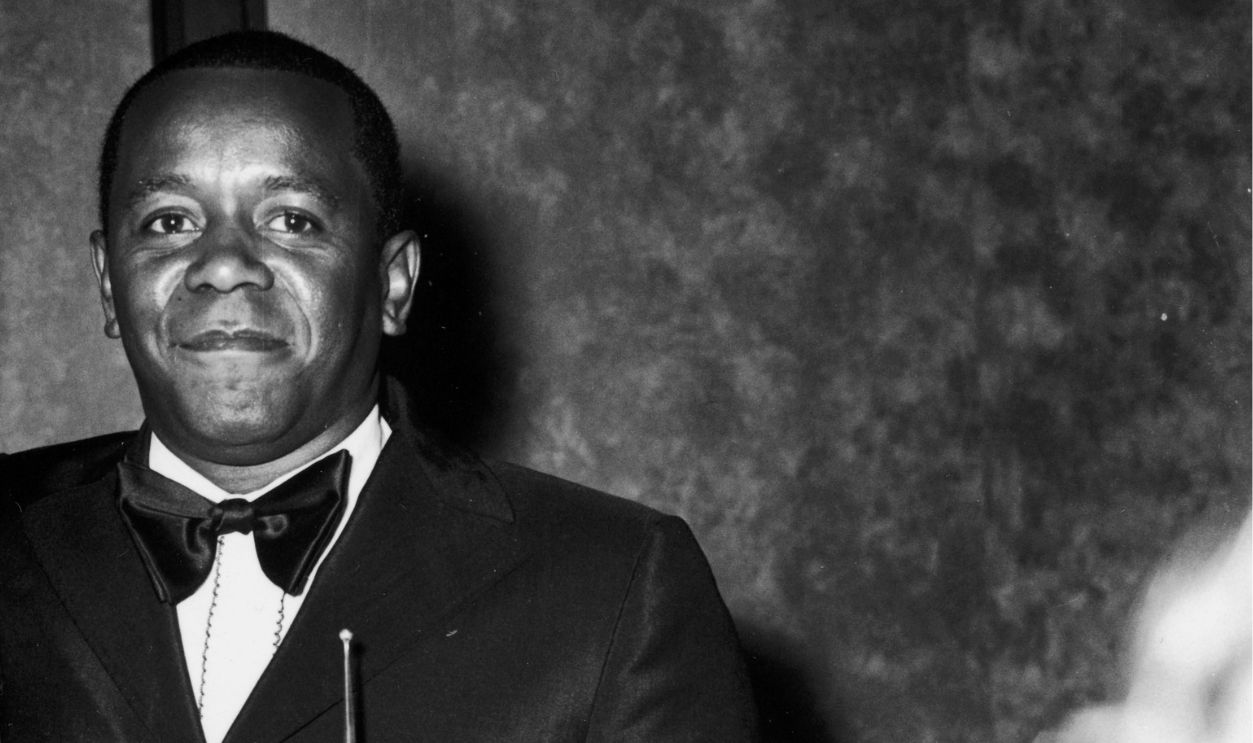
Launching The Flip Wilson Show
In 1970, NBC premiered The Flip Wilson Show. Wilson became the first Black entertainer to host a hugely successful network variety show. The program combined comedy sketches, celebrity guests, music, and Wilson’s beloved characters into one of television’s biggest hits.
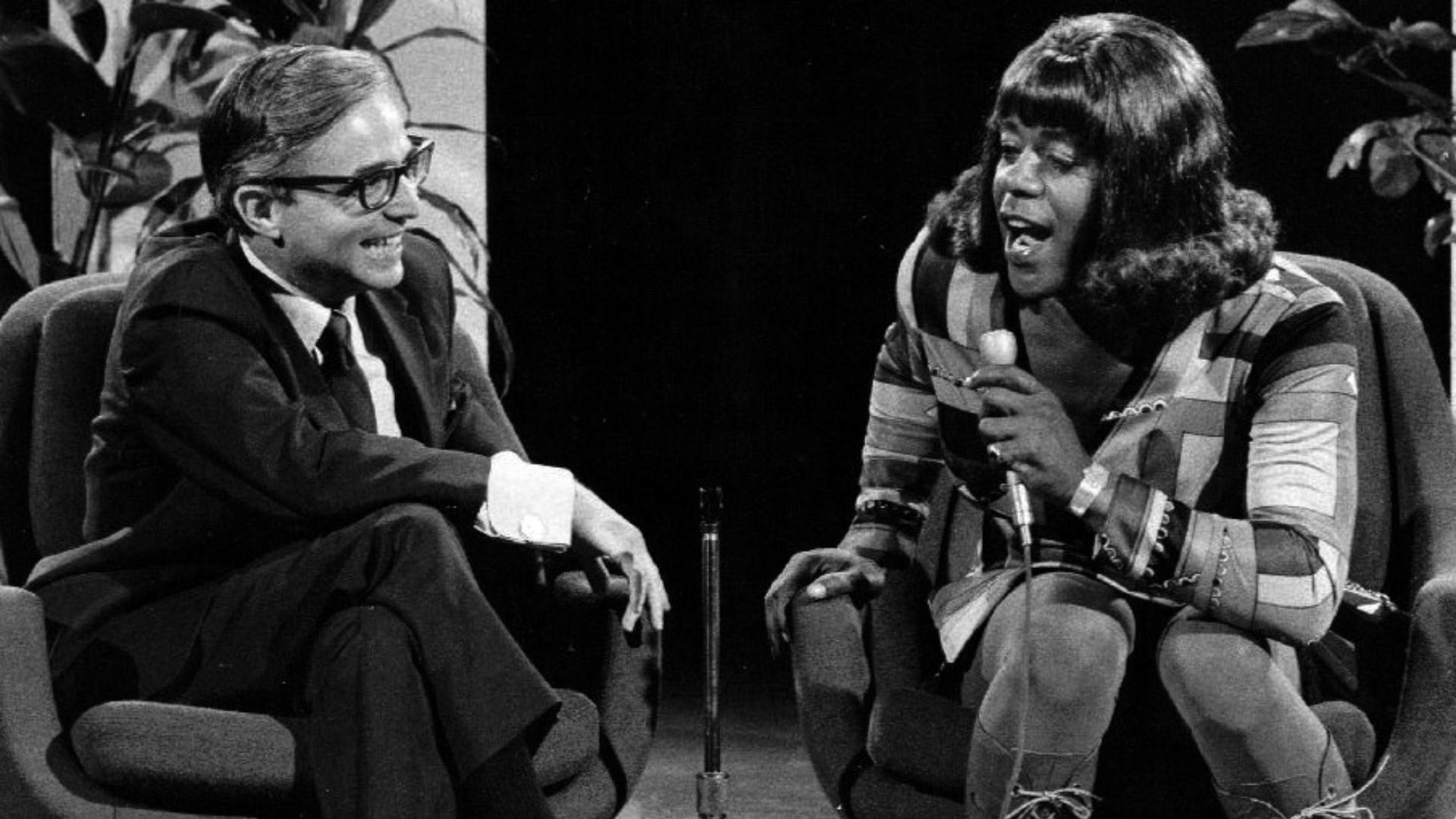 NBC Television., Wikimedia Commons
America Tuned In To Flip Wilson
Audiences responded enthusiastically to Wilson’s warmth and humor. The show quickly became a ratings success and attracted massive viewership across demographic groups. At a time of serious racial tension and social change in America, Wilson’s broad appeal represented a significant cultural breakthrough for network television.
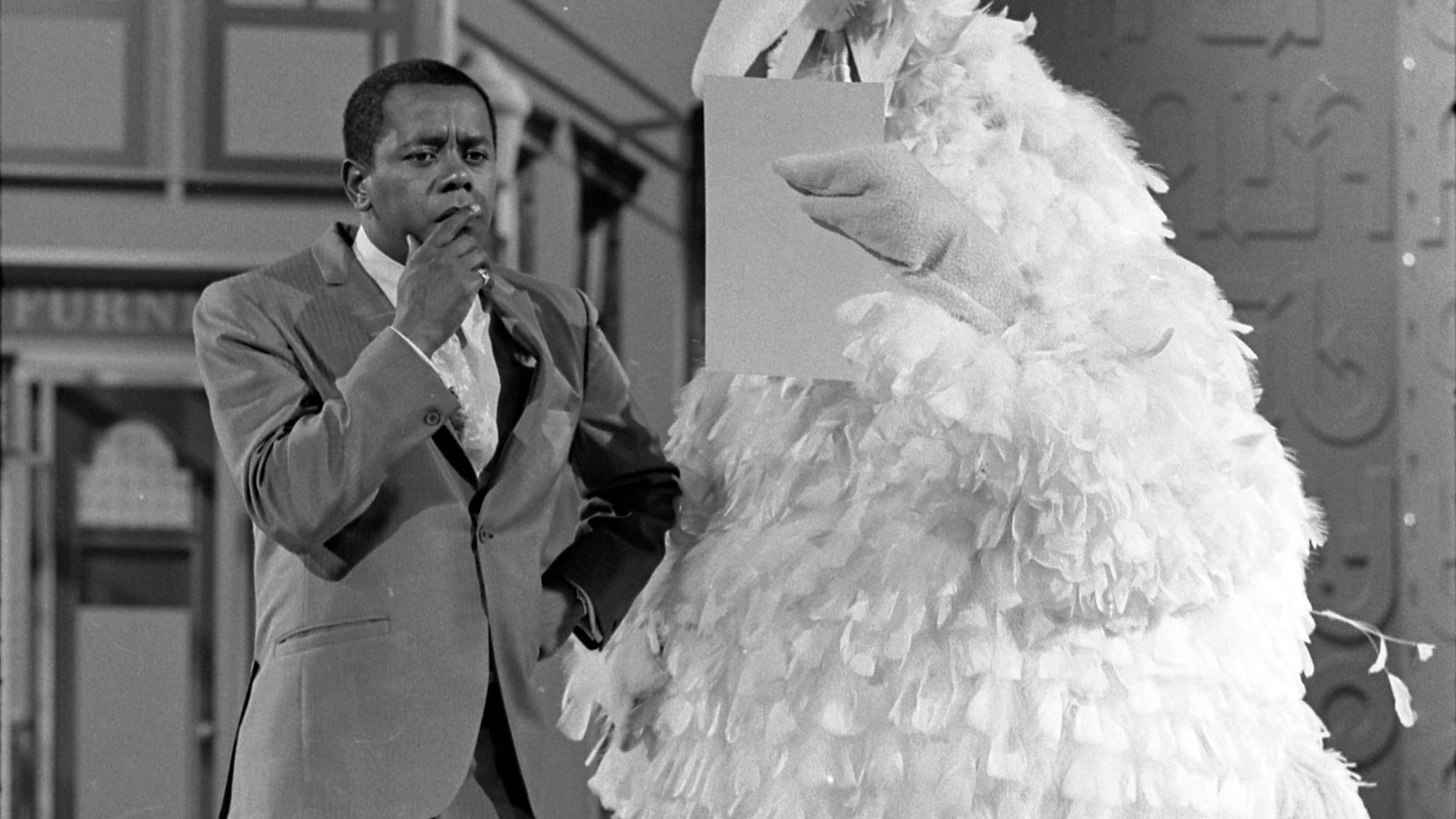 Larry Bessel, Los Angeles Times, Wikimedia Commons
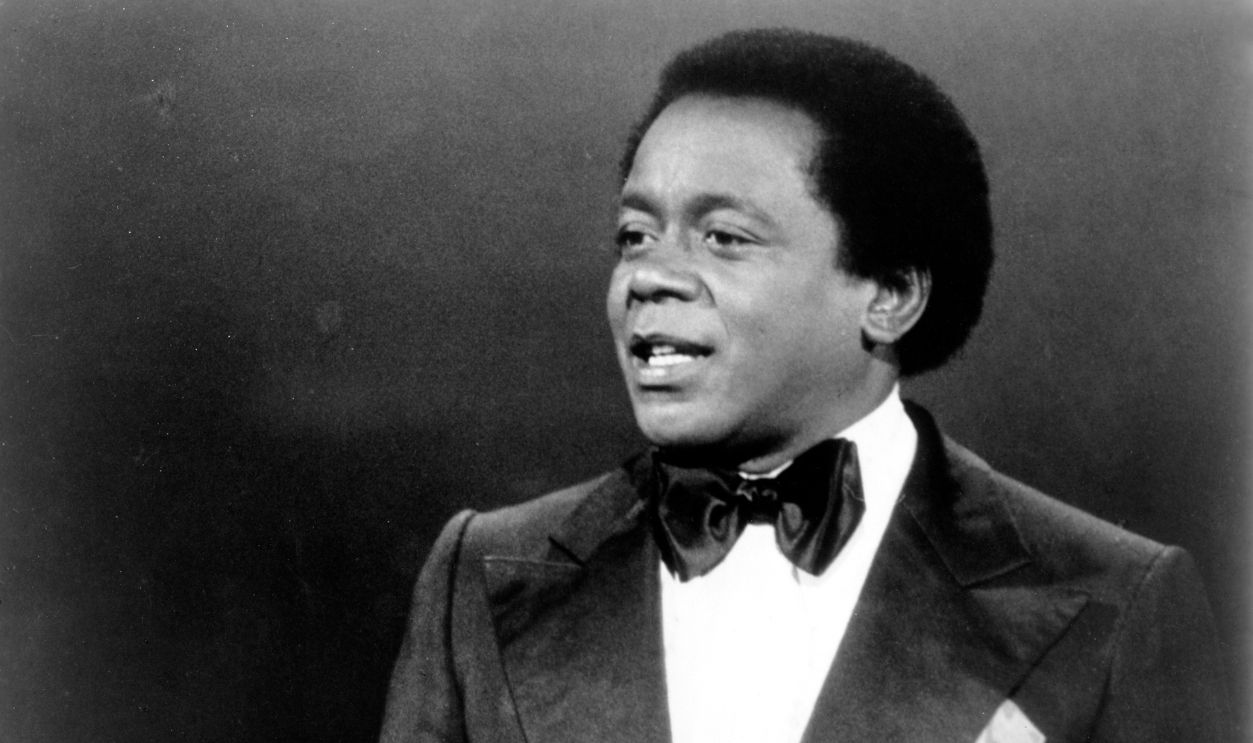
Celebrity Guests Flock To The Show
Wilson’s variety show attracted a lot of the era’s biggest stars, including entertainers, musicians, and actors eager to appear alongside him. His easygoing personality made guests feel relaxed onscreen. The program became one of television’s hottest bookings and helped cement Wilson as a top-tier entertainment figure.
 Michael Ochs Archives, Getty Images
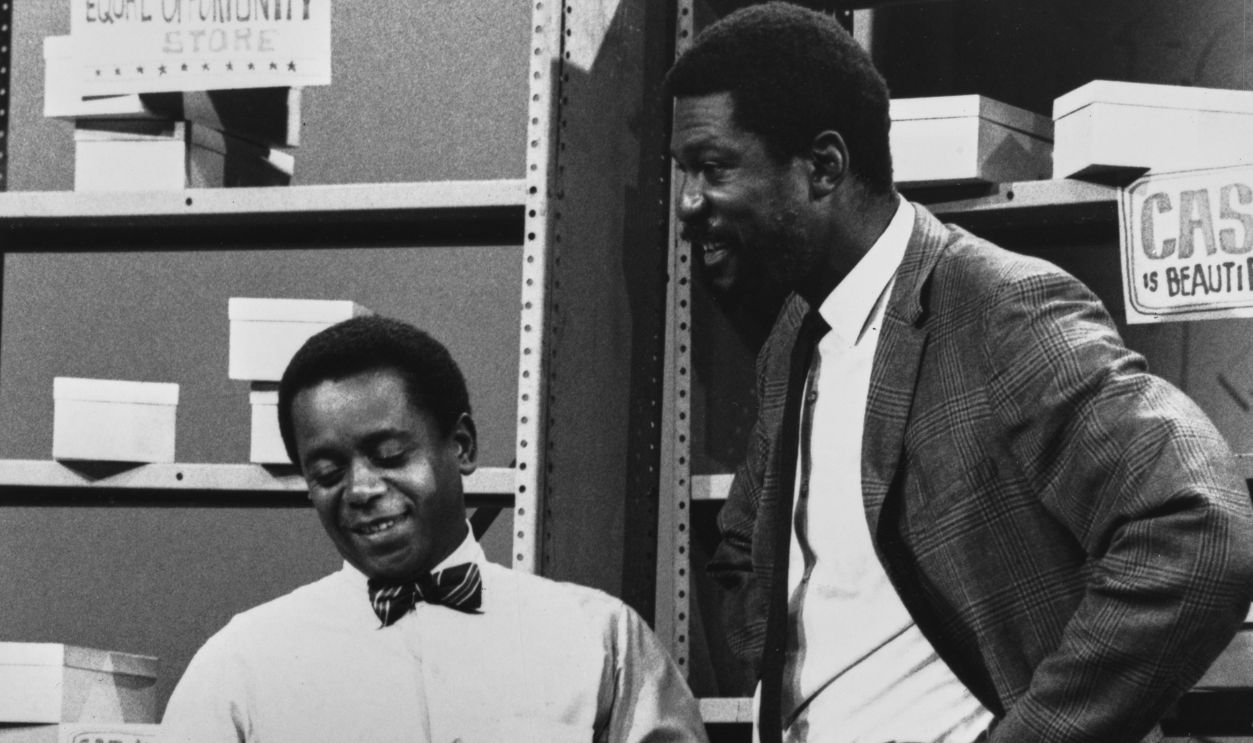
Winning Awards And Recognition
The success of The Flip Wilson Show earned it major awards and industry recognition, including two Emmy wins in 1971 for Best Variety Show and Best Writing. Critics praised both his performances and the program’s broad appeal. More importantly, Wilson shattered long-standing assumptions within TV networks about what Black entertainers could accomplish in a prime time television context.
The Pressure Of Stardom
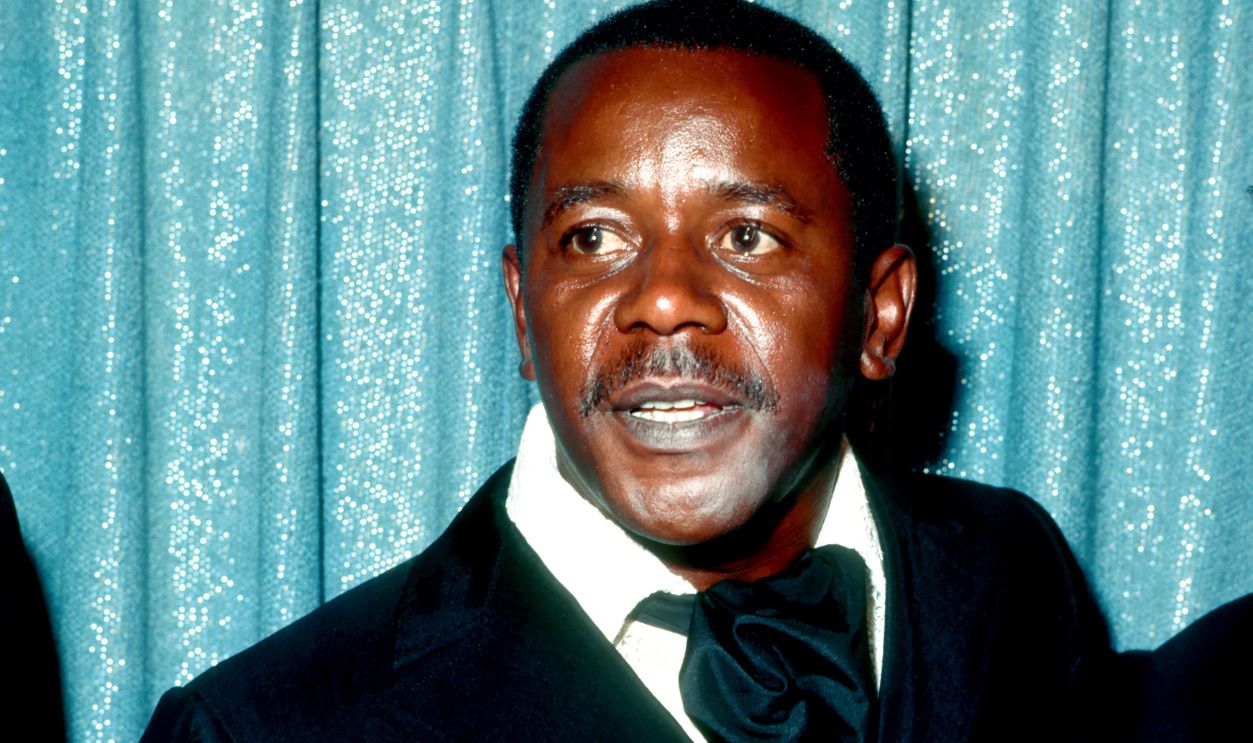
Despite his success, Wilson also faced intense pressure as a groundbreaking figure. Expectations surrounding his program were enormous because executives saw him as representing broader opportunities for Black performers. Wilson worked tirelessly to keep ratings high while balancing comedy, celebrity appearances, and network demands each week.
 Michael Ochs Archives, Getty Images
Opening Doors For Future Stars
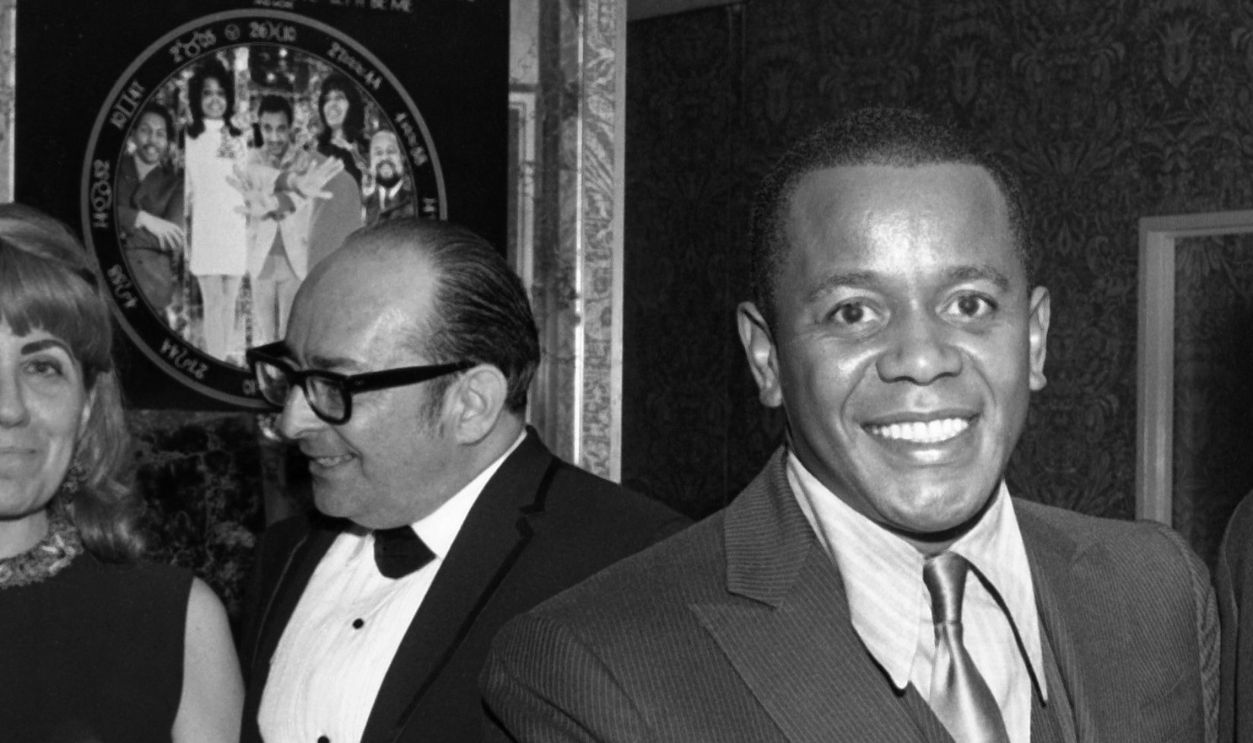
Wilson’s success helped create opportunities for later Black entertainers in television comedy and hosting. Future Black comedians benefited from the barriers he broke during the early 1970s. His achievements demonstrated that Black-led programs could attract mainstream audiences and enormous advertising revenue for major television networks.
 Donaldson Collection, Getty Images
The Legacy Of Flip Wilson
Today, Flip Wilson is still remembered as one of America’s most important comedy pioneers. His rise from poverty and discrimination onto national TV transformed American entertainment history. Long before modern sketch-comedy empires and celebrity hosts became commonplace, Wilson proved charisma, intelligence, and a never-say-die attitude could totally reshape the TV comedy landscape.
You May Also Like:
The Legendary Comedy Career of Sherman Hemsley
The Hollywood Legend Of Ricardo Montalban
TV Shows That Lasted More Than 5 Seasons, But No One Talks About Now—How Many Do You Remember?