Many Seasons, Many Memories?
Some shows burn bright and disappear. Others stick around for years…quietly stacking seasons, building loyal audiences, and then just like that, vanish from the conversation the second they end. These are the shows that lasted—five seasons or more—and yet no one really talks about them anymore.
How many did you actually watch…and (maybe more importantly for this conversation) how many do you still think about?
Quincy, M.E. (1976–1983)
Eight seasons and one of the earlier shows to really lean into forensic science before it turned into an entire TV genre. Jack Klugman carried it, and it actually tackled some pretty serious topics for the time. Now it feels like one of those shows you only remember if someone else brings it up first.
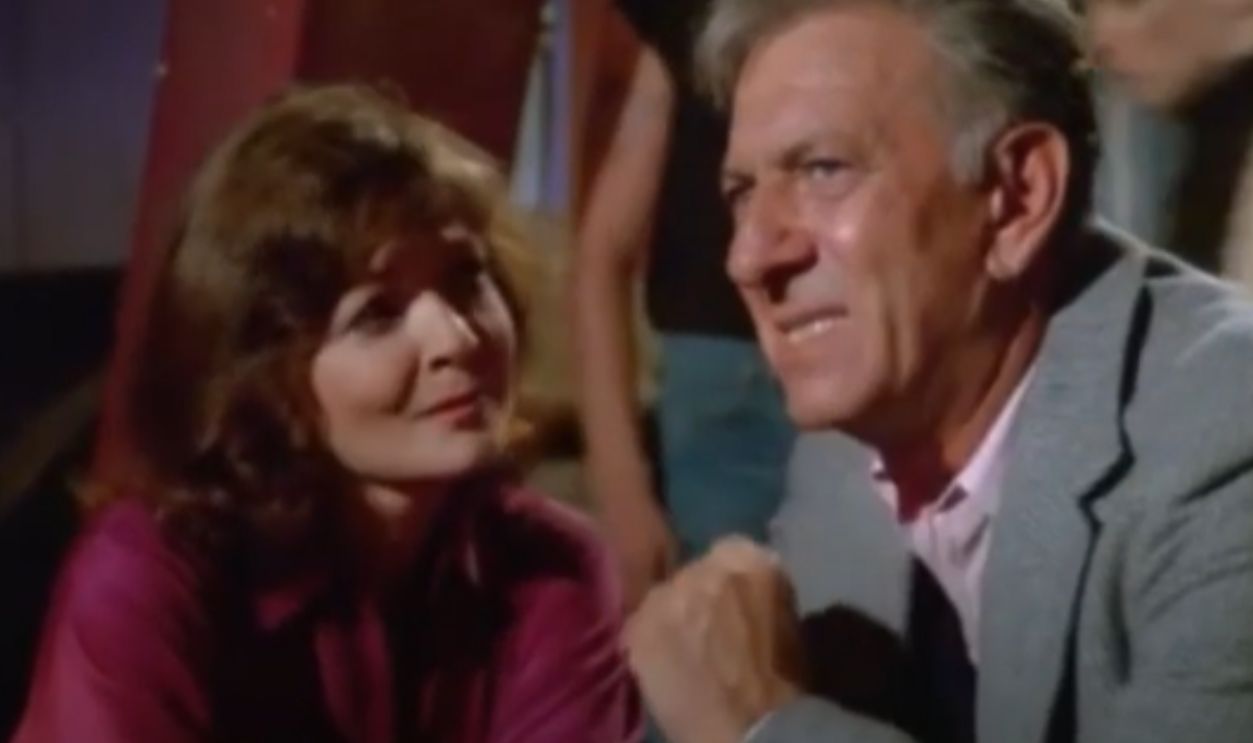 Screenshot from Quincy, M.E., NBC (1976-1983)
Coach (1989–1997)
Nine seasons and one of those shows that people absolutely watched…even if no one really talks about it now. Craig T. Nelson was great, it had a steady rhythm, and it stuck around for years. It just never became one of those shows people keep circling back to.
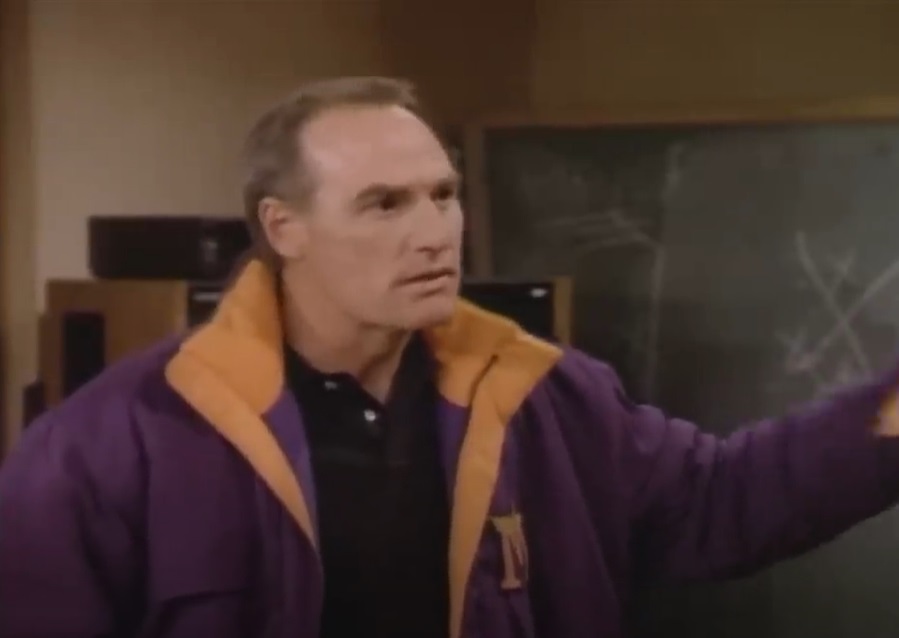 Screenshot from Coach, ABC (1989-1997)
Las Vegas (2003–2008)
Five seasons, a flashy setting, and a cast that fit the vibe perfectly. It had a different energy than most shows at the time. Even so, it didn’t stick in the long-term conversation.
 Screenshot from Las Vegas, NBC (2003–2008)
Alice (1976–1985)
Nine seasons, a simple diner setup, and characters people genuinely liked spending time with. “Kiss my grits” was everywhere for a while—which is kind of the legacy now. The show lasted nearly a decade, but the catchphrase somehow outlived everything else.
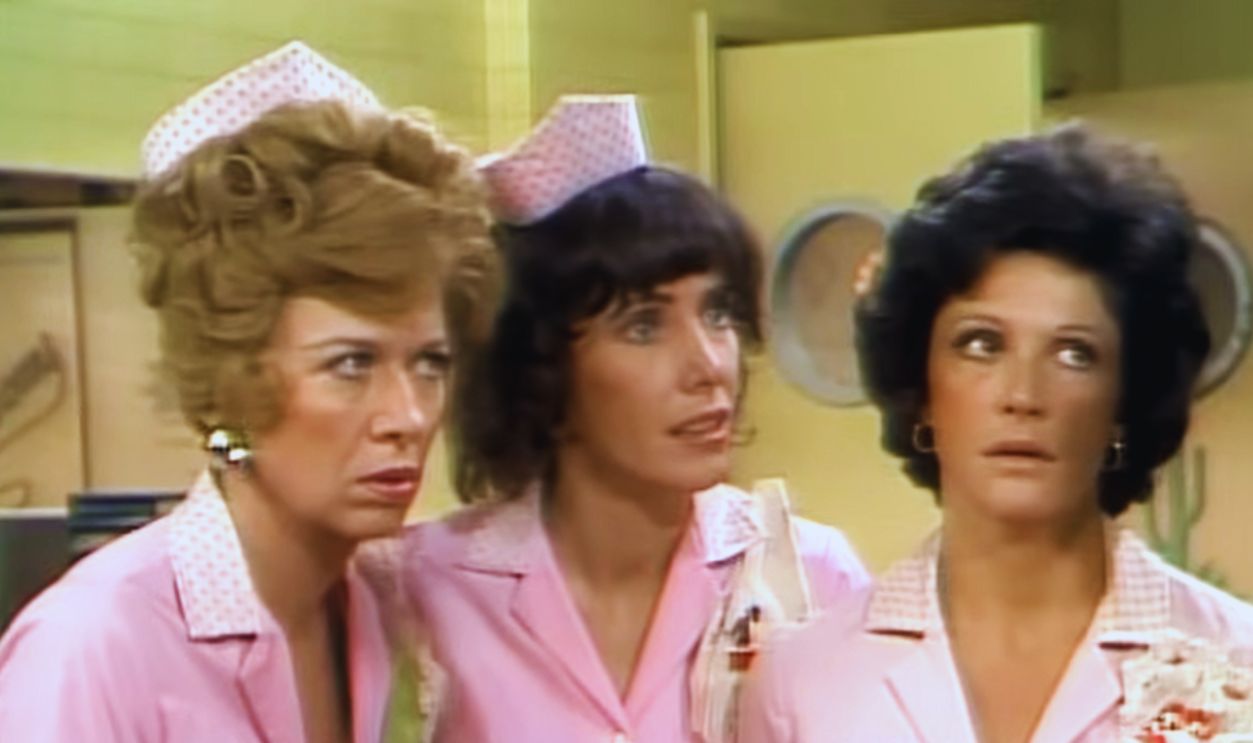 Screenshot from Alice, CBS (1976–1985)
CSI: NY (2004–2013)
Nine seasons, part of one of the biggest TV franchises ever—and somehow it’s the one people forget first. It had the formula down, the cases, the tone. It just never stuck the way the original did…or CSI: Miami, with David Caruso’s famous sunglasses. And speaking of David Caruso…
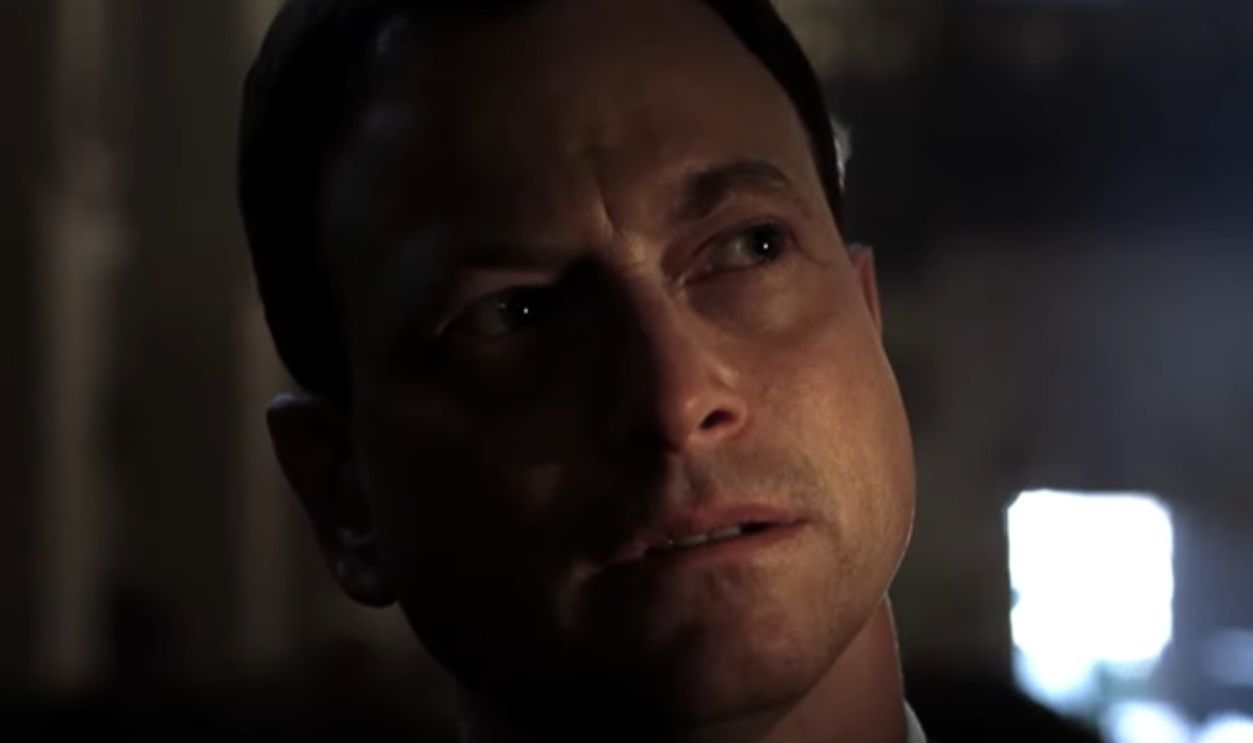 Screenshot from CSI: NY, CBS (2004–2013)
NYPD Blue (1993–2005)
Caruso made his mark here before leaving after the first season to pursue a movie career that never really materialized. For twelve seasons, this show was a big deal. Gritty, raw, and pushing boundaries for network TV, it helped define the tone for a lot of shows that came after. Now it barely comes up unless someone’s really digging into 90s TV history.
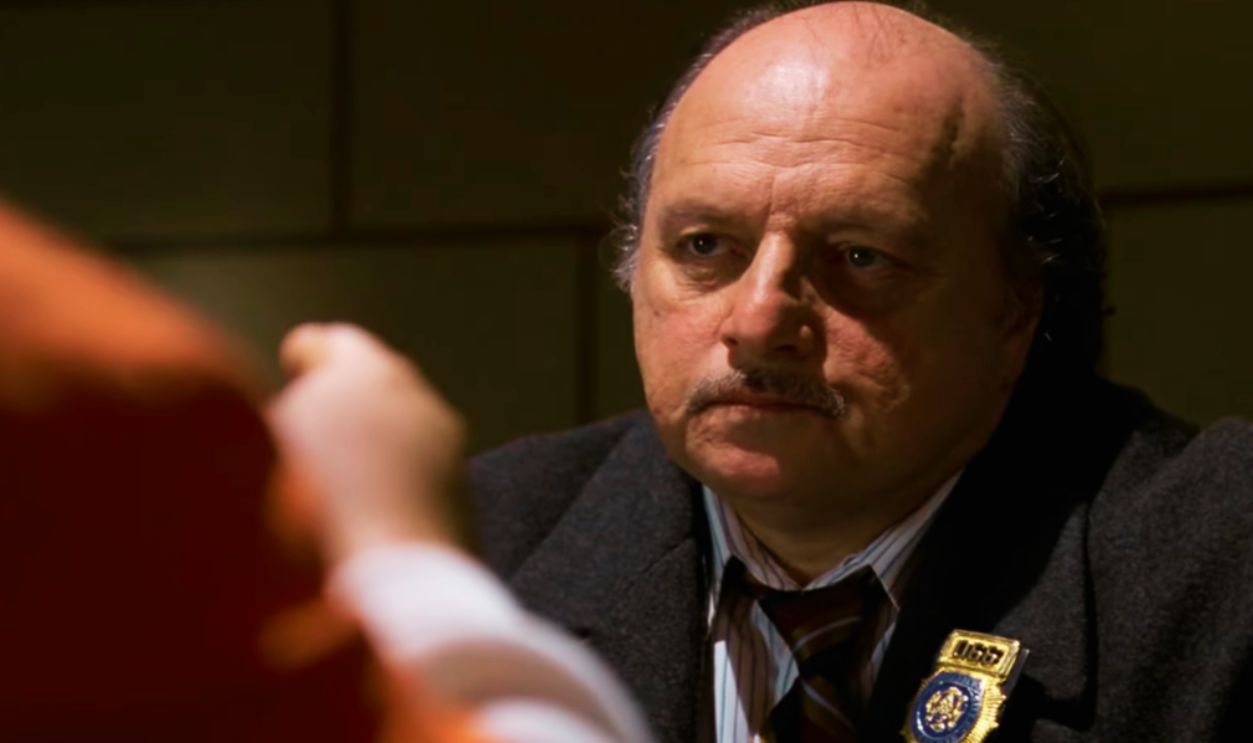 Screenshot from NYPD Blue, ABC (1993-2005)
The Mentalist (2008–2015)
Seven seasons, strong lead, and a long-running mystery arc that kept people watching. It worked, it lasted, and delivered what it promised. It just doesn’t come up much now unless someone specifically brings it into the conversation.
 Screenshot from The Mentalist, Warner Bros. Television Distribution (2008–2015)
Murphy Brown (1988–1998)
Ten seasons and, at the time, this show wasn’t just popular—it was part of the cultural conversation. It tackled politics and media in a way that actually got attention. Now it’s more about remembering moments than revisiting full episodes.
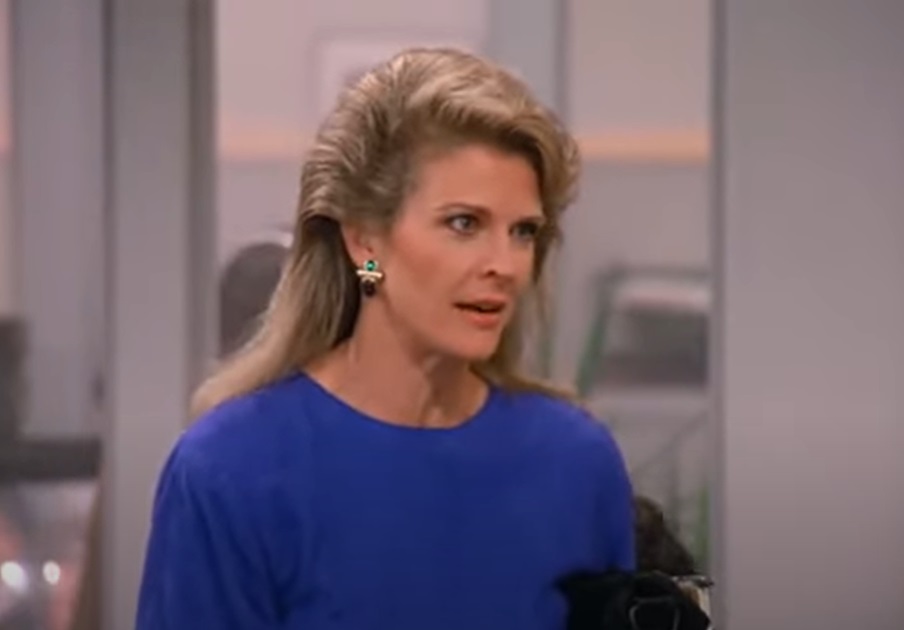 Screenshot from Murphy Brown, CBS (1988-1998)
Wings (1990–1997)
Eight seasons and the kind of show that always felt easy to drop into. Small airport, strong cast, simple setup—it worked. It just happened to exist in the shadow of Cheers and Frasier, which probably didn’t help its long-term memory.
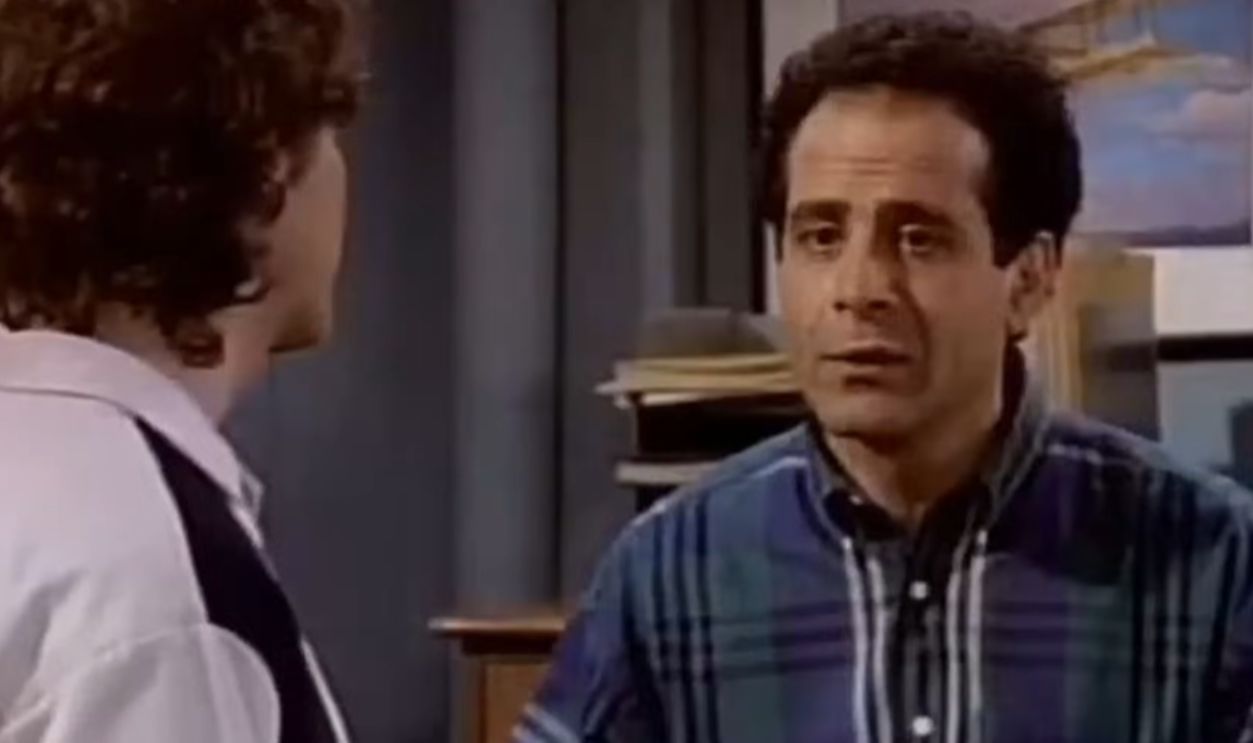 Screenshot from Wings, Paramount Network Television (1990–1997)
Fantasy Island (1977–1984)
Seven seasons and one of the most recognizable setups TV ever had. People still know “the plane, the plane!” instantly—but a lot of them probably couldn’t even tell you what show it came from. That’s kind of where this one lives now: famous reference, fuzzy memory.
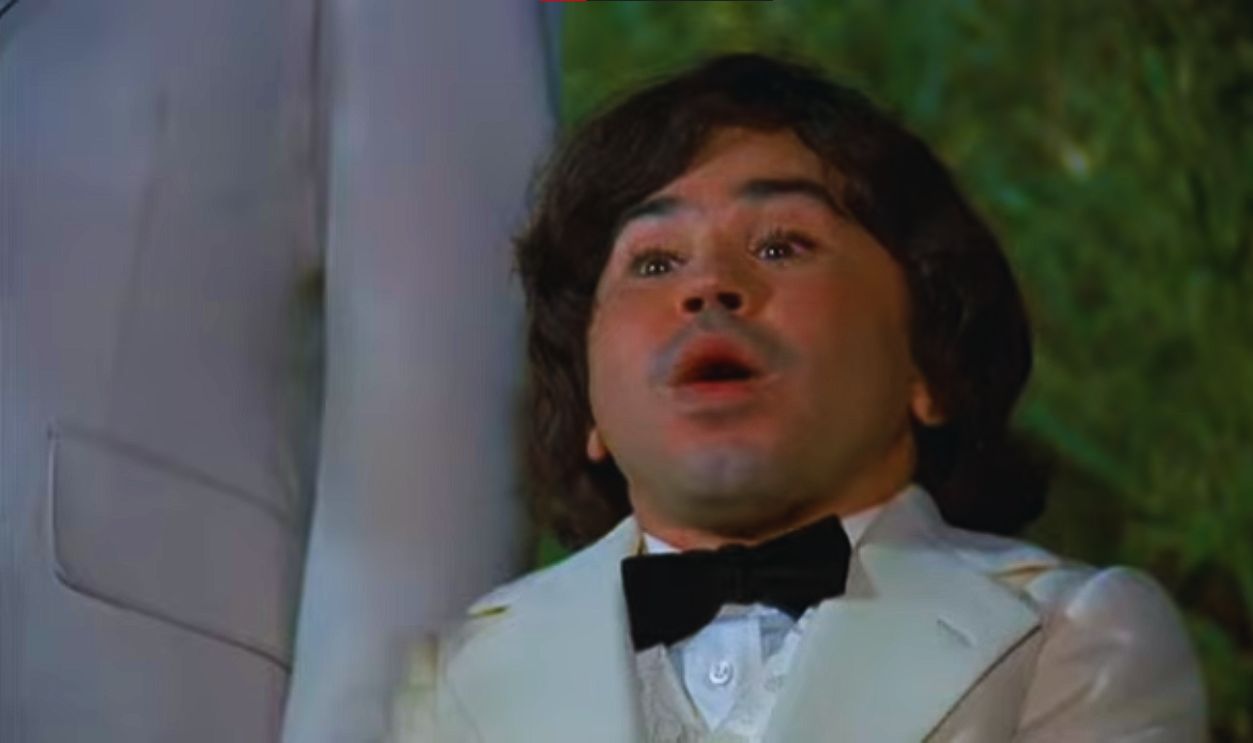 Screenshot from Fantasy Island, Spelling-Goldberg Productions / Sony Pictures Television (1977-1984)
Dharma & Greg (1997–2002)
Five seasons, strong ratings, and a premise you could explain in one sentence. Opposites attract, chaos follows—it worked. People watched it consistently. It just didn’t leave much of a footprint after it ended.
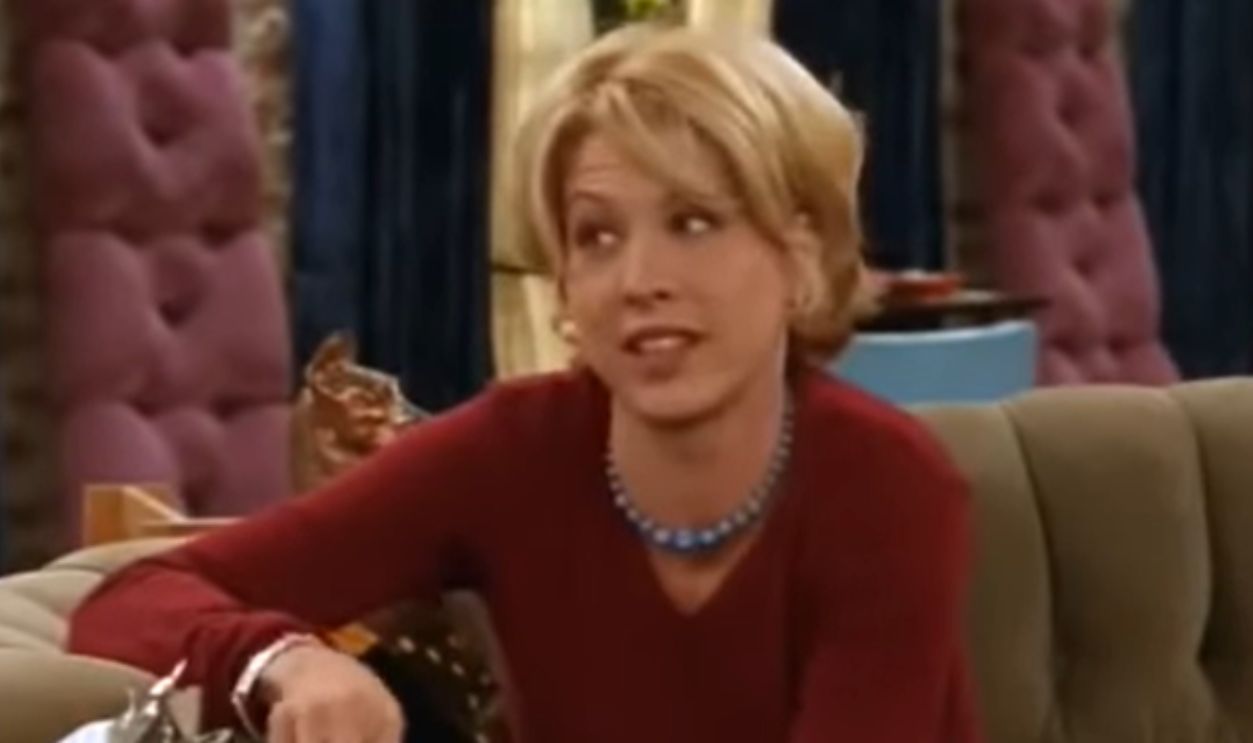 Screenshot from Dharma & Greg, 20th Century Fox Television (1997–2002)
Cold Case (2003–2010)
Seven seasons and a show that actually had a pretty distinct identity, especially with its use of music from different time periods. It stood out more than people remember. Still, it’s mostly faded into the background over time.
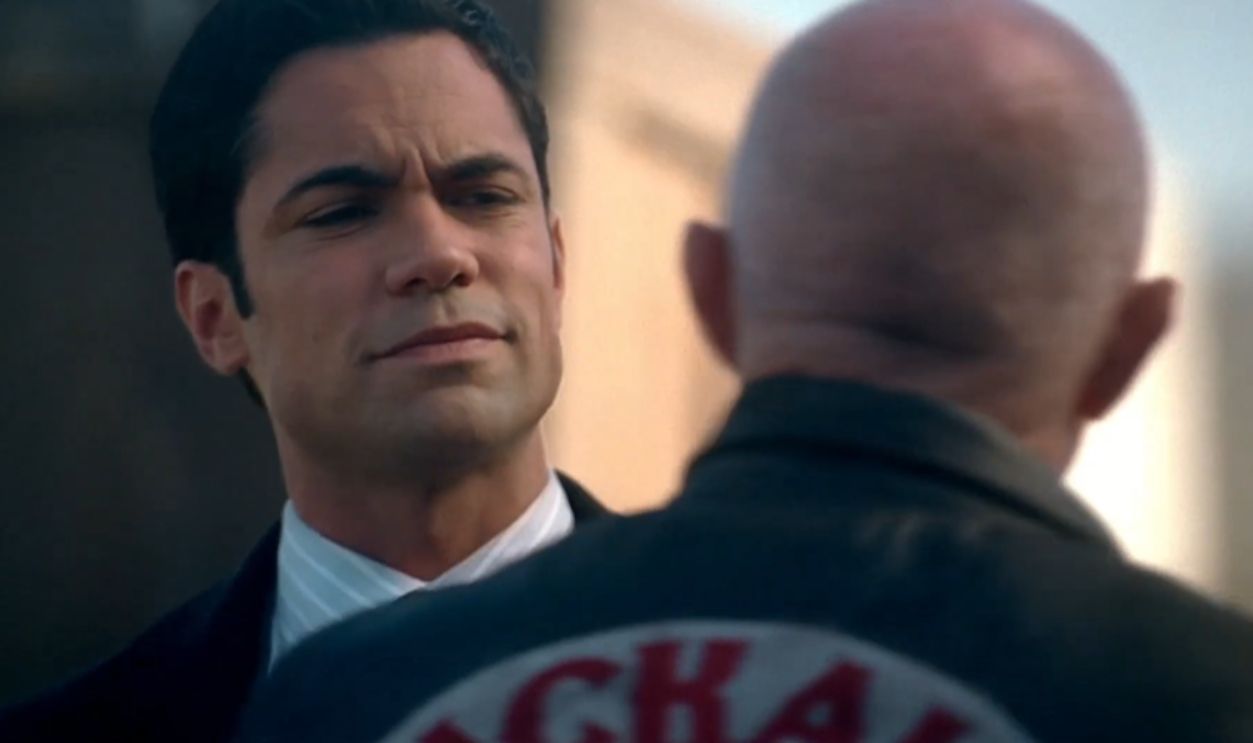 Screenshot from Cold Case, Warner Bros. Television (2003–2010)
Castle (2009–2016)
Eight seasons, great chemistry, and a fanbase that really stuck with it. It was fun, easy to watch, and reliable week to week. Now it feels more like something people remember liking than something they actively revisit.
 Screenshot from Castle, ABC (2009–2016)
Eight Is Enough (1977–1981)
Five seasons and a genuinely big family drama at the time. Large cast, lots of emotion, the kind of show people followed every week. Now it’s one of those titles where you go, “oh yeah…” and then realize you haven’t thought about it in decades.
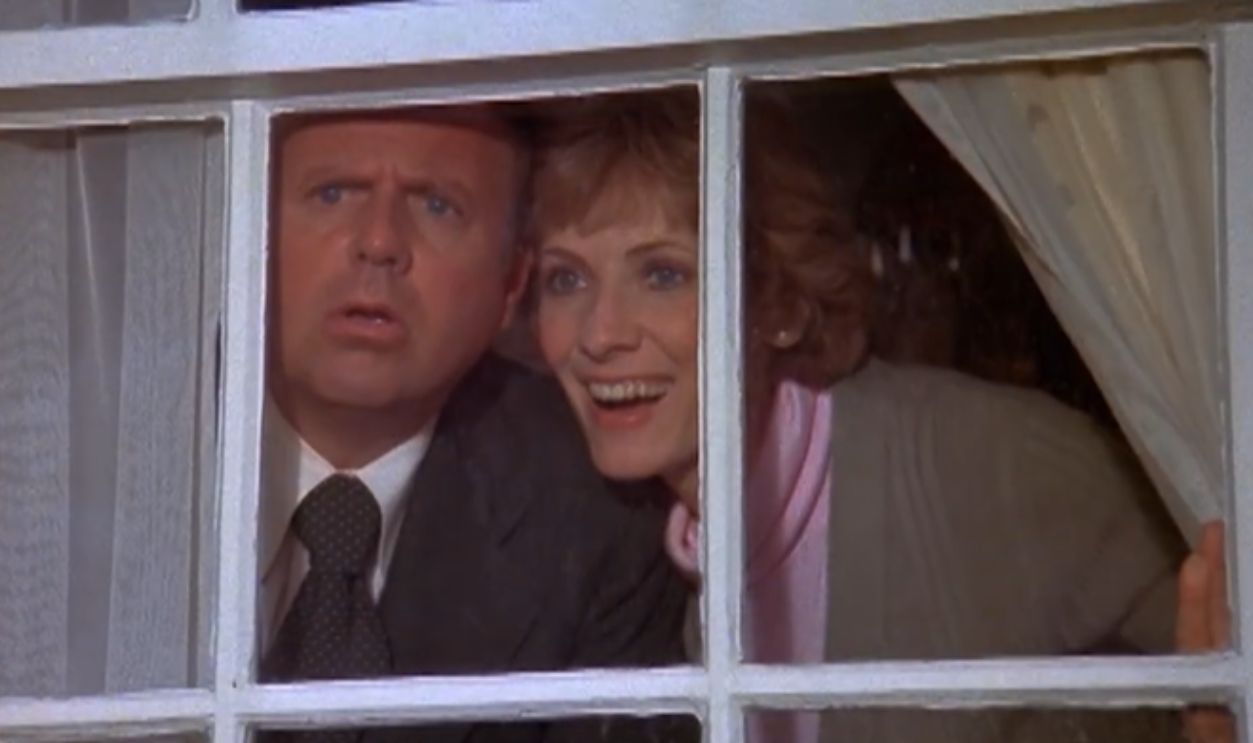 Screenshot from Eight Is Enough, Warner Bros. Television (1977–1981)
House (2004–2012)
Eight seasons and a main character who somehow made being completely miserable to everyone around him entertaining for that long. Hugh Laurie carried it, and it was huge while it aired. The diagnostic mysteries were fun—but let’s be honest, people mostly showed up to see what he’d say next.
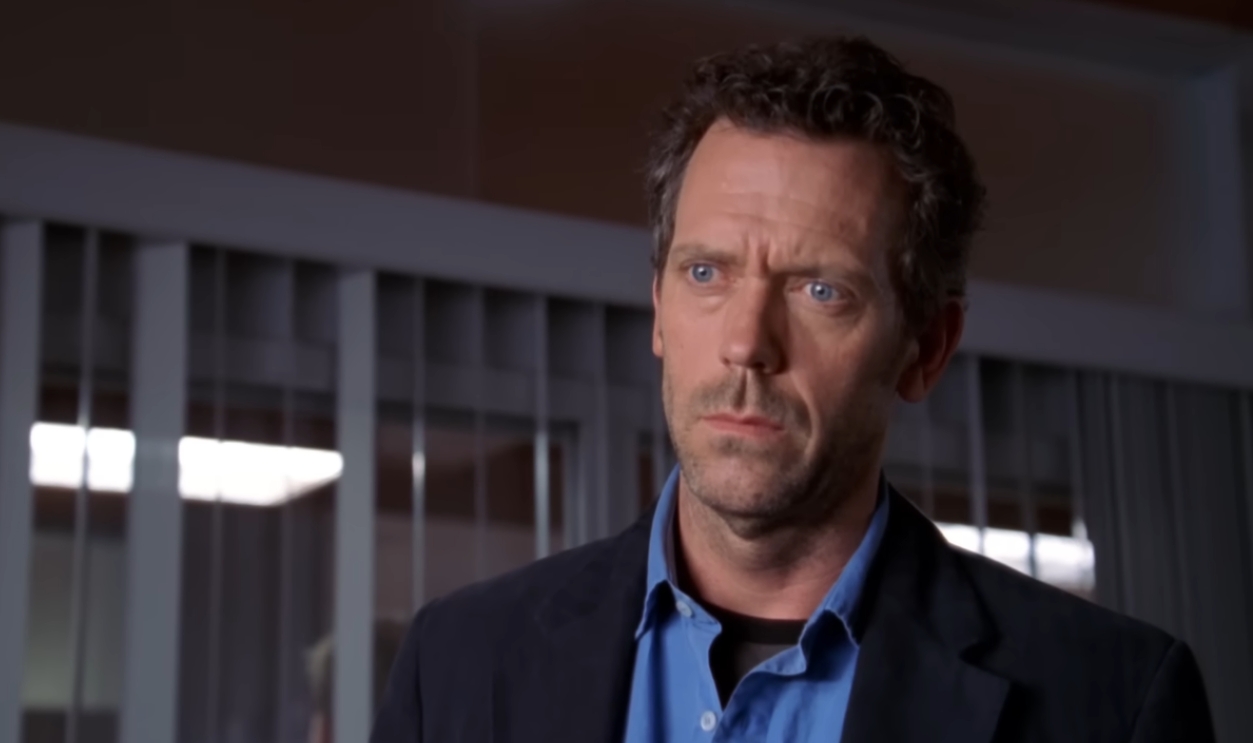 Screenshot from House, Fox (2004–2012)
Spin City (1996–2002)
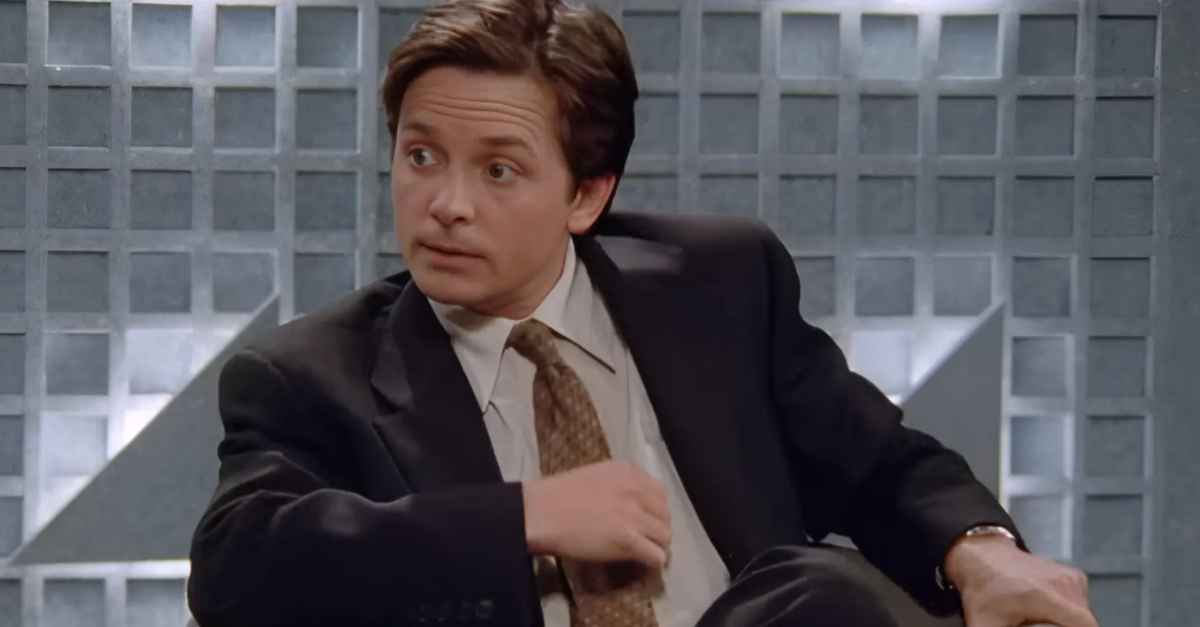
Six seasons and a show that felt like a big deal while it was on. Michael J. Fox carried the early years, and even after he left, it kept going. Now it feels very tied to that specific late-90s moment.
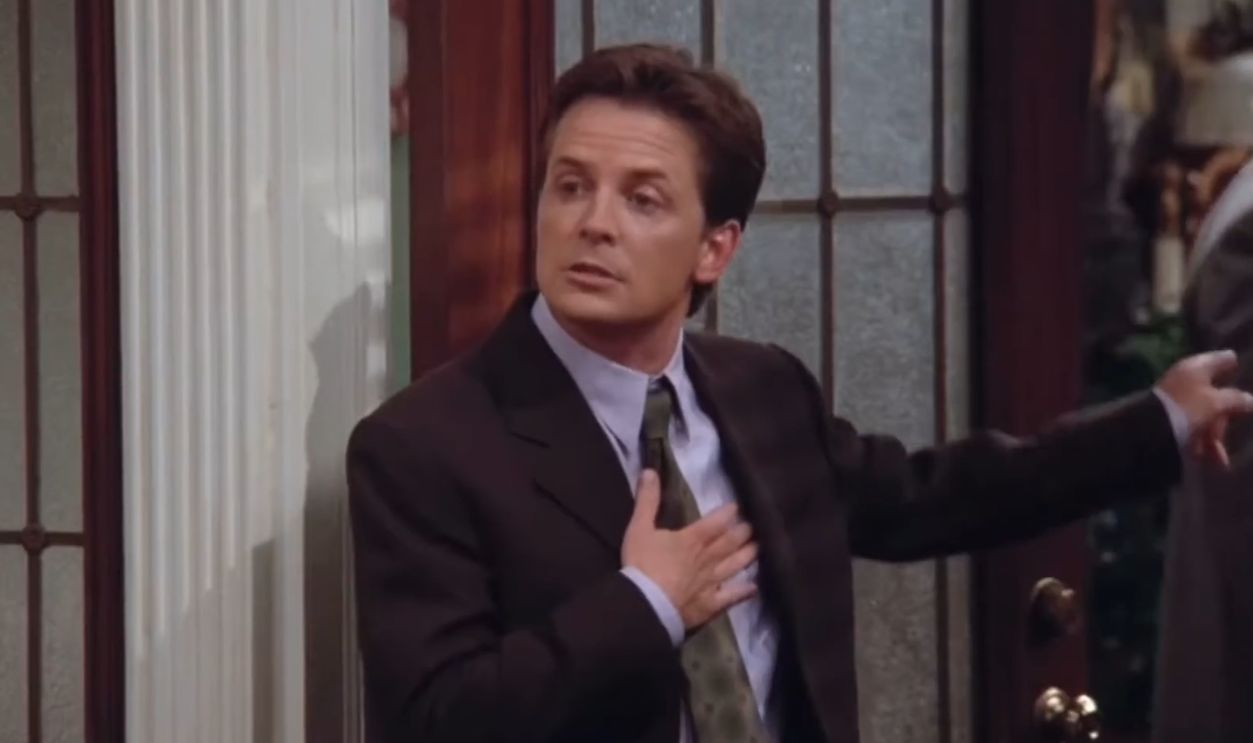 Screenshot from Spin City, ABC (1996–2002)
Lou Grant (1977–1982)
Five seasons, a respected drama, and one of the weirder spinoffs when you think about it—it came out of The Mary Tyler Moore Show, but instead of staying a sitcom, it just went full drama with the same character. Somehow, that actually worked.
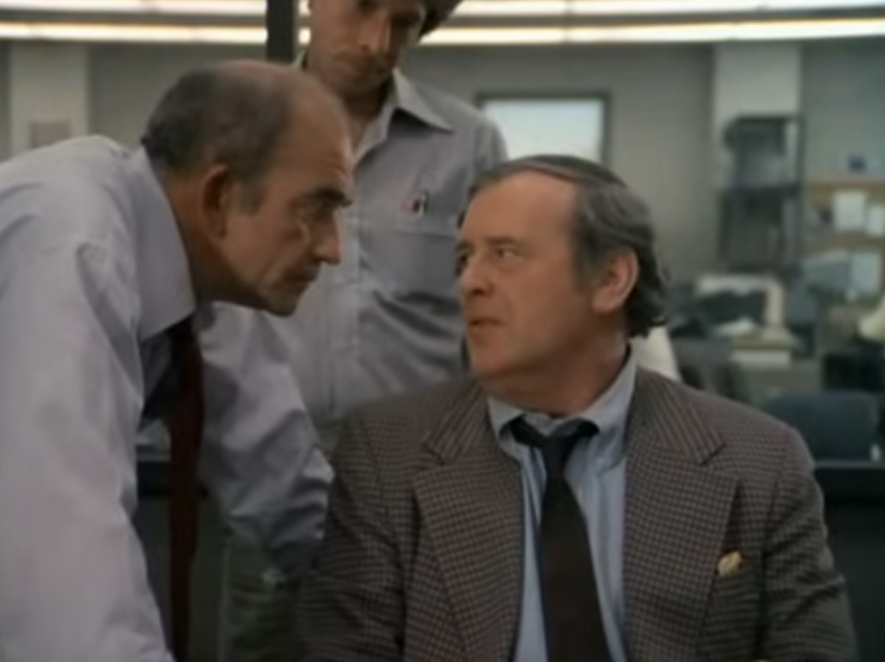 Screenshot from Lou Grant, CBS (1977-1982)
Without a Trace (2002–2009)
Seven seasons, strong ratings, and a format that clearly worked. Missing persons cases, emotional hooks, and a consistent tone. It was dependable—but not something people really revisit now.
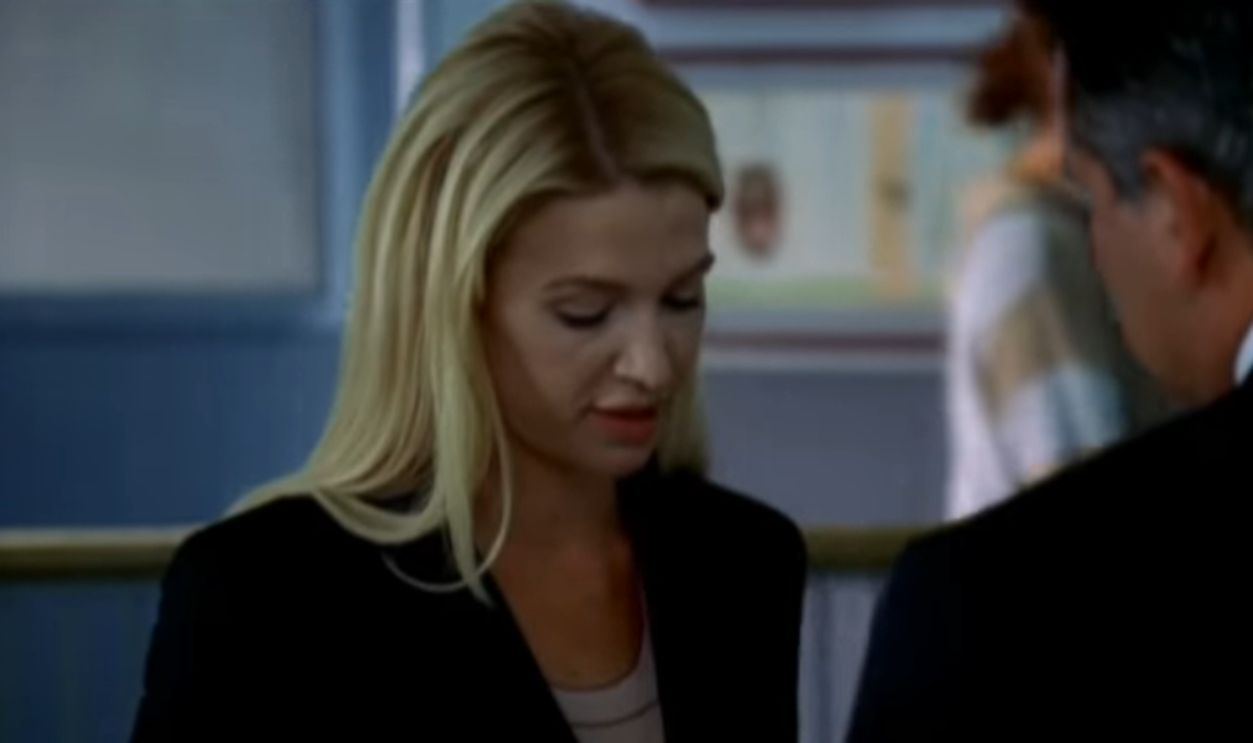 Screenshot from Without a Trace, CBS (2002–2009)
The King of Queens (1998–2007)
Nine seasons and one of those shows that was just solid the whole time. The chemistry carried it, the jokes landed, and people kept watching. It’s still recognizable—but not nearly as talked about as other sitcoms from that era.
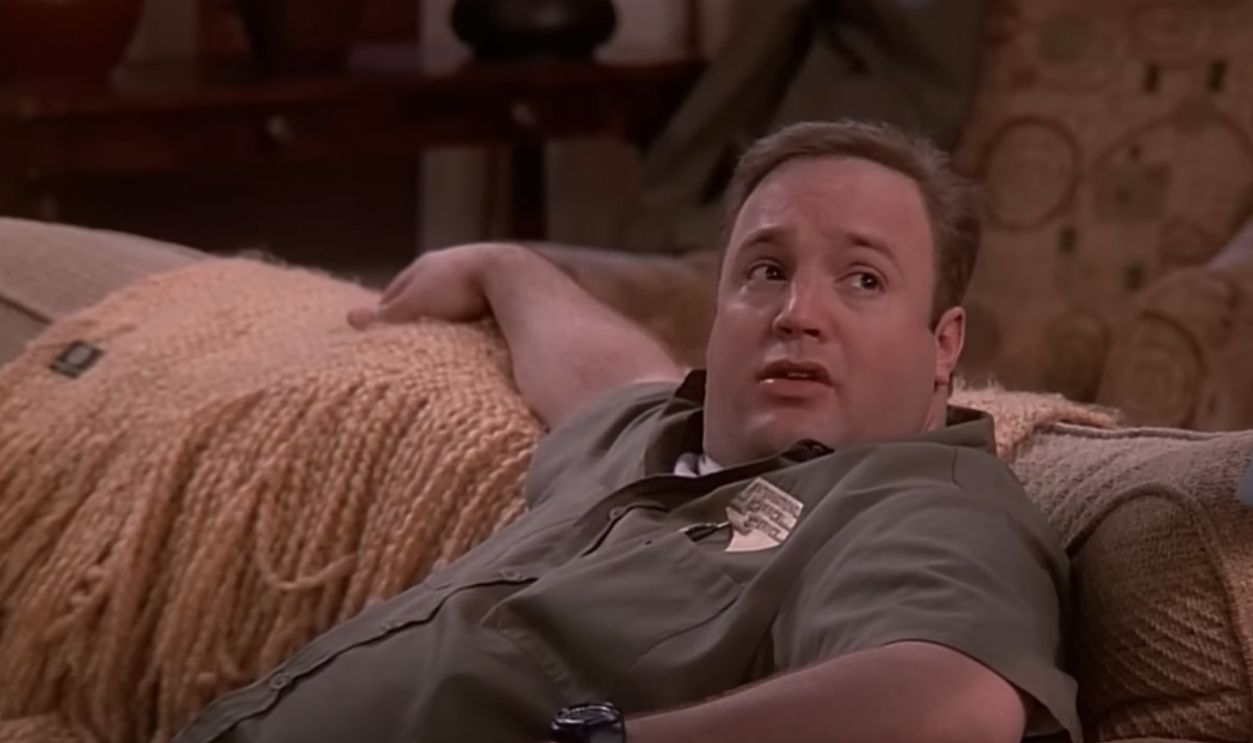 Screenshot from The King of Queens, CBS (1998–2007)
Hart to Hart (1979–1984)
Five seasons of a wealthy couple solving crimes basically because they could. It had style, charm, and that very specific late-70s/early-80s vibe. People who watched it remember it—but it’s not exactly leading the nostalgia conversation anymore.
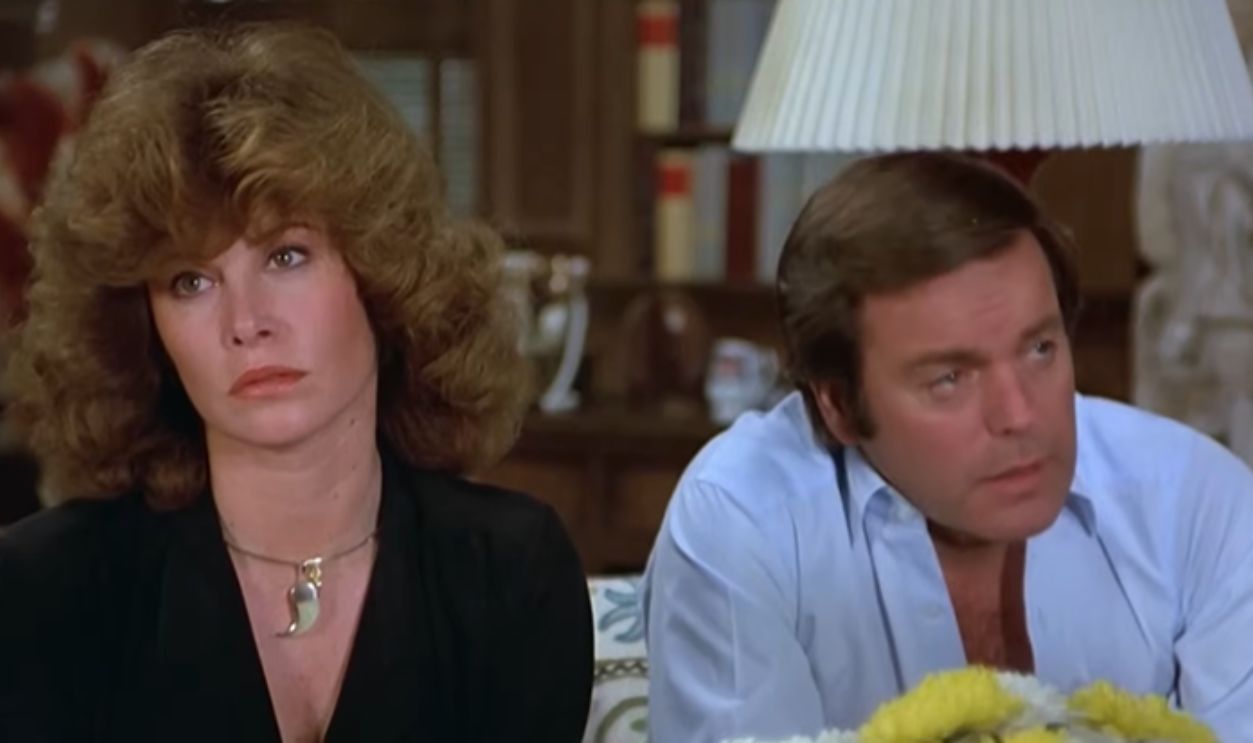 Screenshot from Hart to Hart, Columbia Pictures Television (1979–1984)
Bones (2005–2017)
Twelve seasons is a long run by any standard. It had a loyal fanbase, strong leads, and a formula that worked for years. It’s still around in reruns, but it doesn’t dominate the conversation the way you’d expect.
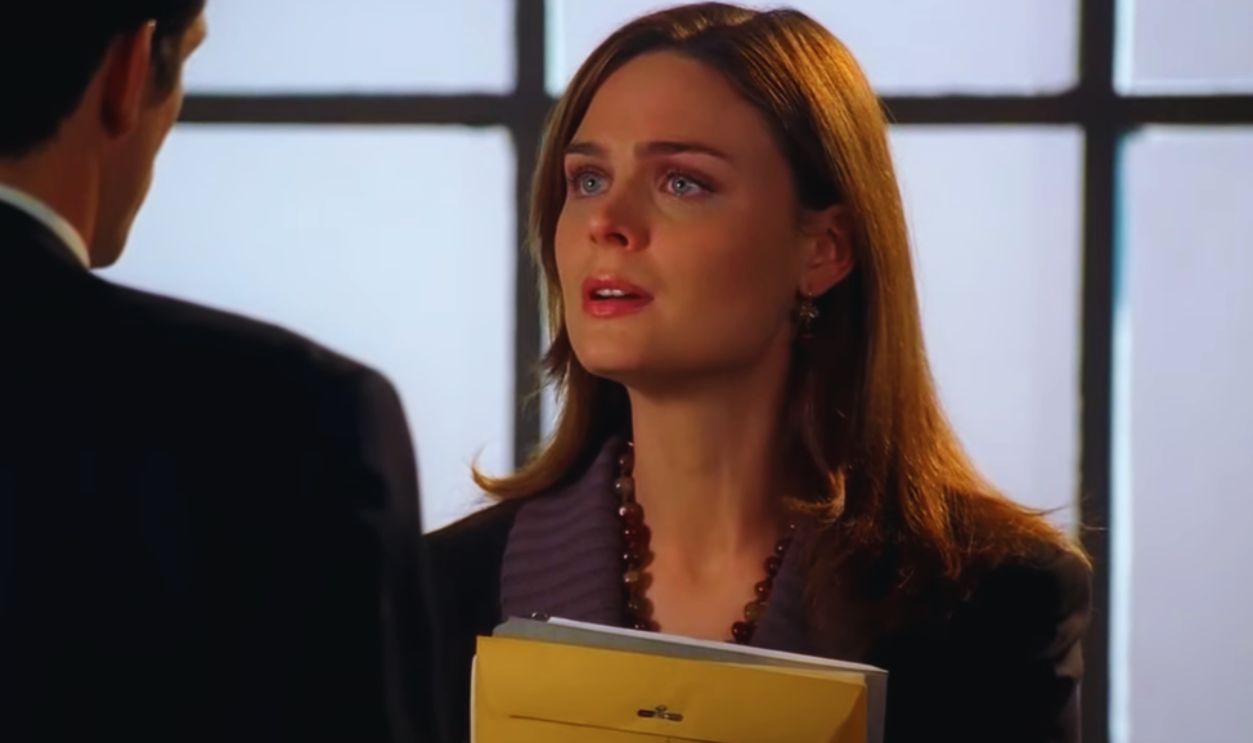 Screenshot from Bones, 20th Century Studios (2005-2017)
7th Heaven (1996–2007)
Eleven seasons. That’s a massive run. This was a regular part of a lot of people’s weekly routine for years. Now it mostly shows up as a distant memory rather than something people actively revisit.
 Screenshot from 7th Heaven, The CW (1996–2007)
ER (1994–2009)
Fifteen seasons and once one of the biggest shows on television. At its peak, it was everywhere. Now it doesn’t come up nearly as much as you’d expect, which feels strange considering how dominant it once was.
 Screenshot from ER, NBC (1994–2009)
According to Jim (2001–2009)
Eight seasons and a perfect example of a show that did exactly what it needed to do for a long time. It worked, it lasted, and it filled its slot. It just didn’t leave much behind once it was gone.
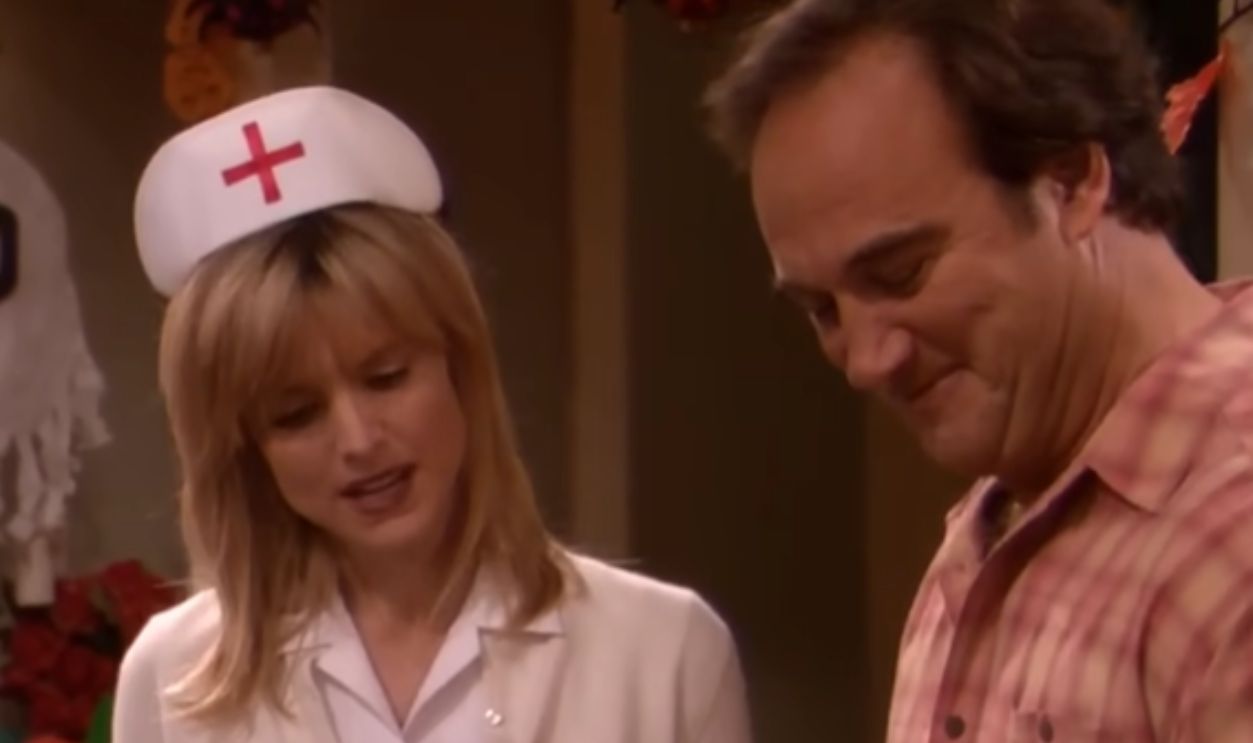 Screenshot from According to Jim, Buena Vista Television (2001–2009)
JAG (1995–2005)
Ten seasons and the reason NCIS even exists. That alone should keep it front of mind—but somehow it doesn’t. It had a long run, a loyal audience, and then just quietly handed the spotlight to its spinoff.
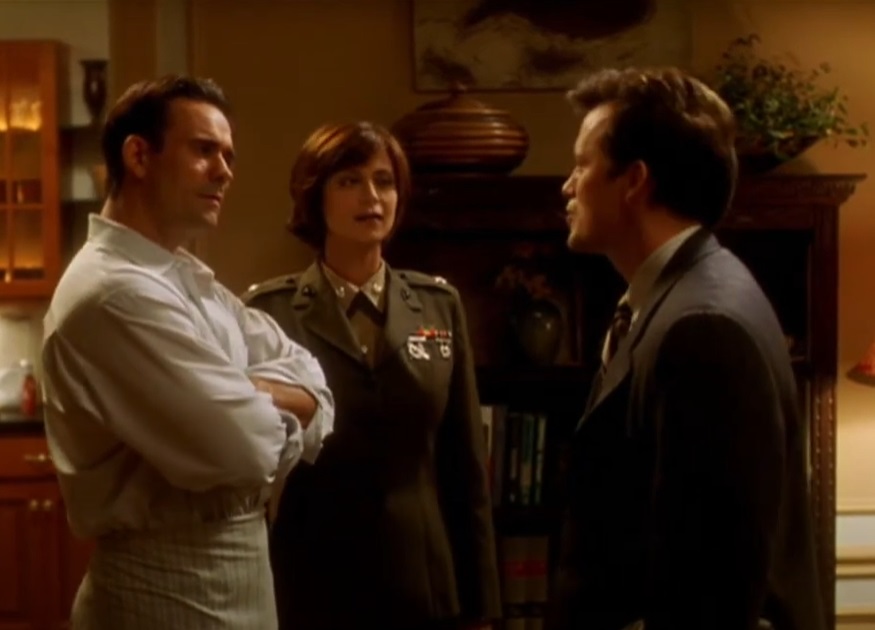 Screenshot from JAG, Paramount (1995-2005)
Desperate Housewives (2004–2012)
Eight seasons and a huge early run that felt like a real moment in TV. It mixed mystery, drama, and humor in a way that pulled people in fast. Then it ended—and the conversation dropped off quicker than you’d expect.
 Screenshot from Desperate Housewives, ABC (2004–2012)
You Might Also Like:
Movies from the 1970s that no one remembers—seriously, do you remember even 5 of these films?
The Rat Pack Never Had A Sixth Member—But If They Did, It Would’ve Been Her
Thought-Provoking George Carlin Trivia (And Some Of His Funniest Jokes)