Behind The Laughter
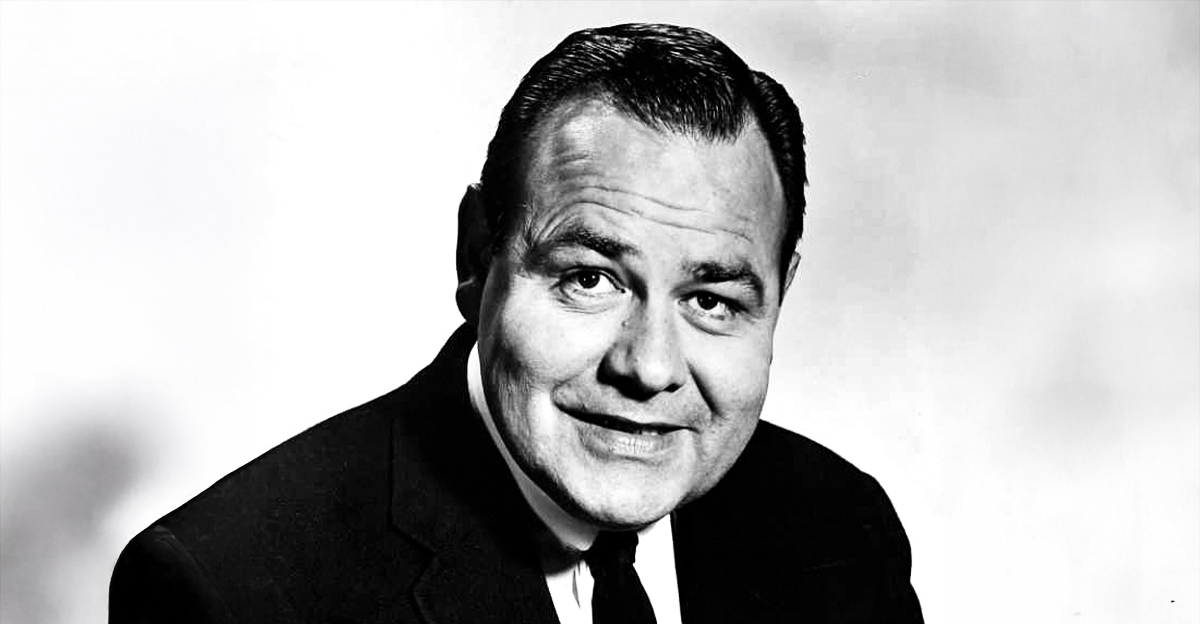
Jonathan Winters became one of America's most original comedians by turning everyday observations into wildly imaginative performances. Behind his boundless energy and improvisational brilliance, however, he battled severe mental illness throughout much of his adult life. His willingness to confront those struggles became as inspiring as his extraordinary career.
An Ohio Childhood
Jonathan Harshman Winters III was born on November 11, 1925, in Dayton, Ohio. His parents divorced when he was young, leaving him to be raised primarily by his mother and grandmother. He often escaped into his imagination, creating colorful characters that would later become the foundation of his comedy.
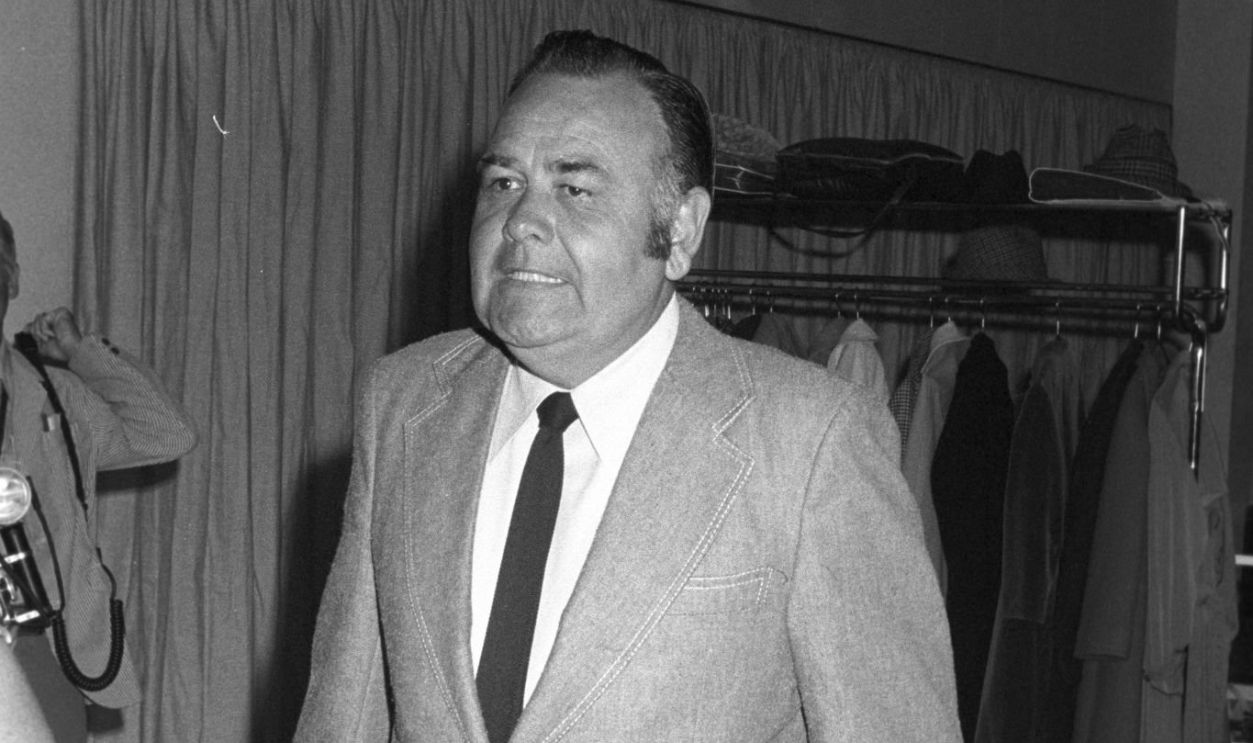 Fairchild Archive, Getty Images
Early Creative Influences
Winters discovered that making people laugh earned him attention and acceptance during a sometimes lonely childhood. He admired vaudeville performers, radio comedians, and cartoonists, developing a fascination with voices, impressions, and exaggerated personalities long before he ever stepped onto a professional stage.
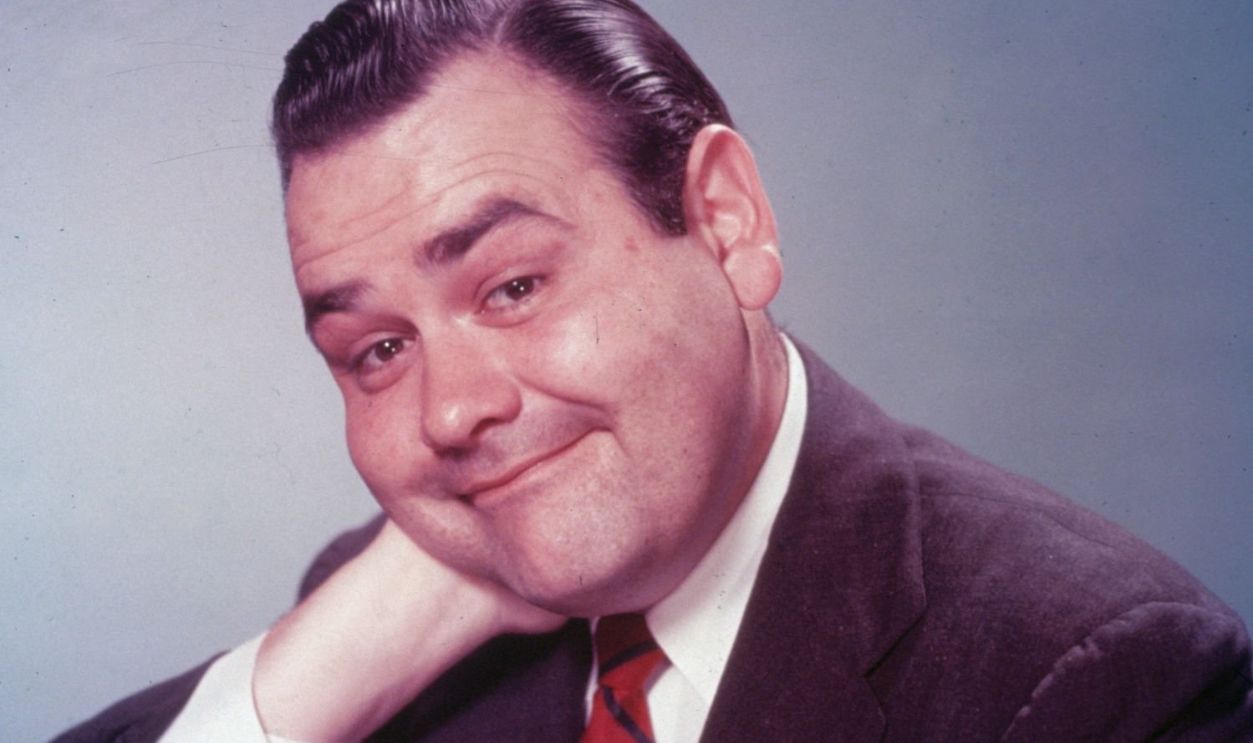
Serving During Wartime
At just 17 years old, Winters enlisted in the United States Marine Corps during World War II. He served in the Pacific theater before the conflict ended. Military life exposed him to people from every walk of life, adding new observations and personalities to his growing mental library.
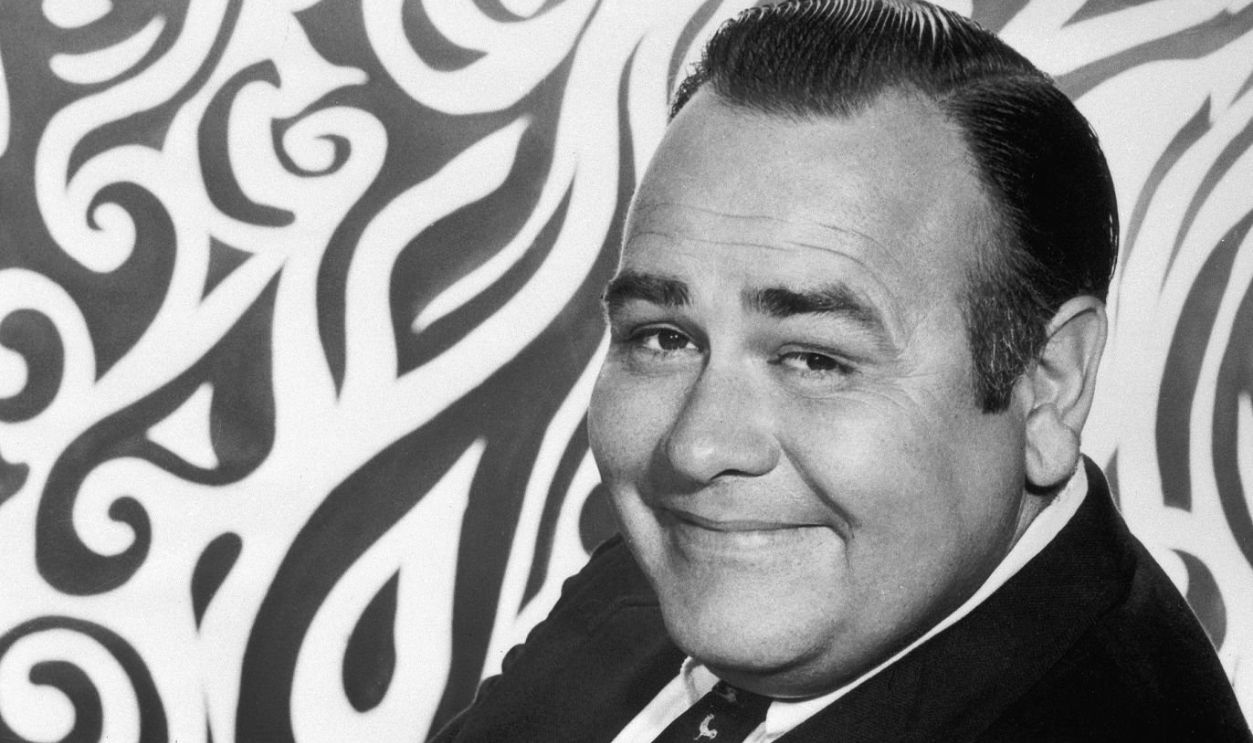
Marriage Before Stardom
While still a young man, Winters married Eileen Schauder in 1948. Their marriage would last for more than six decades, becoming one of Hollywood's longest-lasting unions. Together they raised two children, Jay and Lucinda, while navigating the unpredictable demands of his entertainment career.
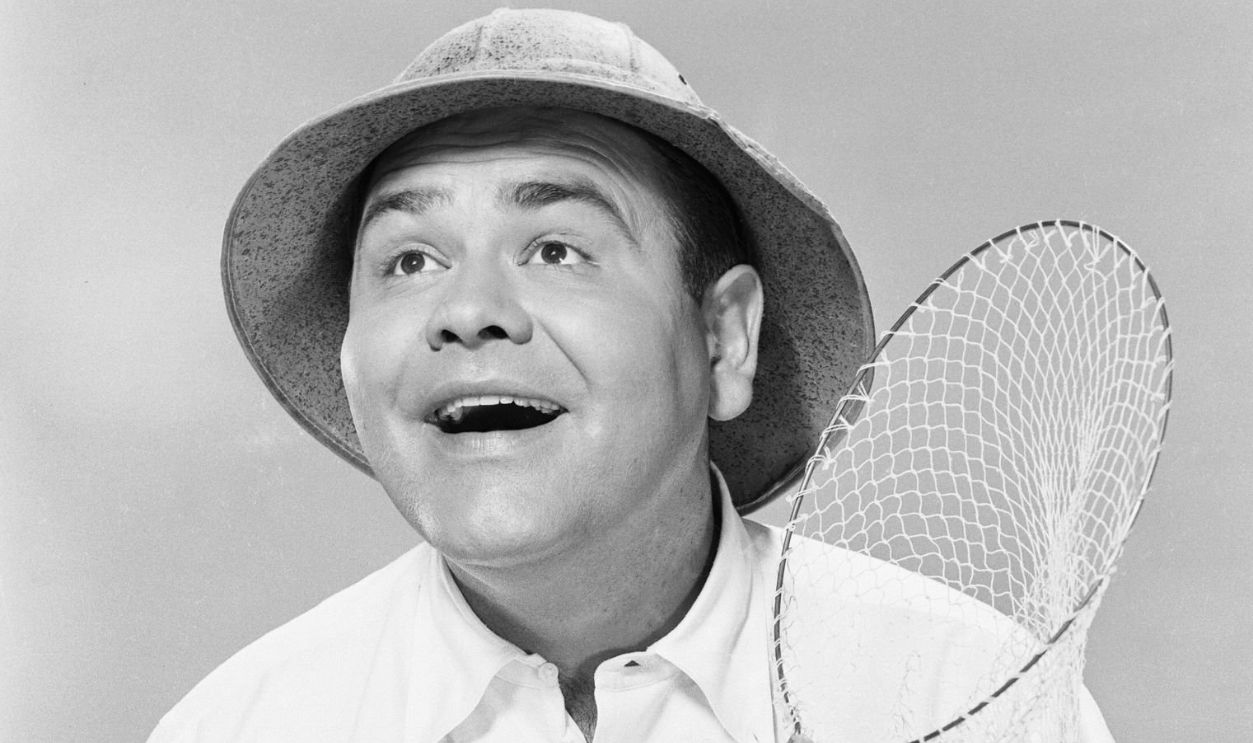
Finding A New Direction
After leaving the Marines, Winters attended the Dayton Art Institute before continuing his studies at Kenyon College. Although he initially pursued art, he gradually realized that entertaining audiences came more naturally. His quick wit and spontaneous humor soon began attracting attention outside the classroom.
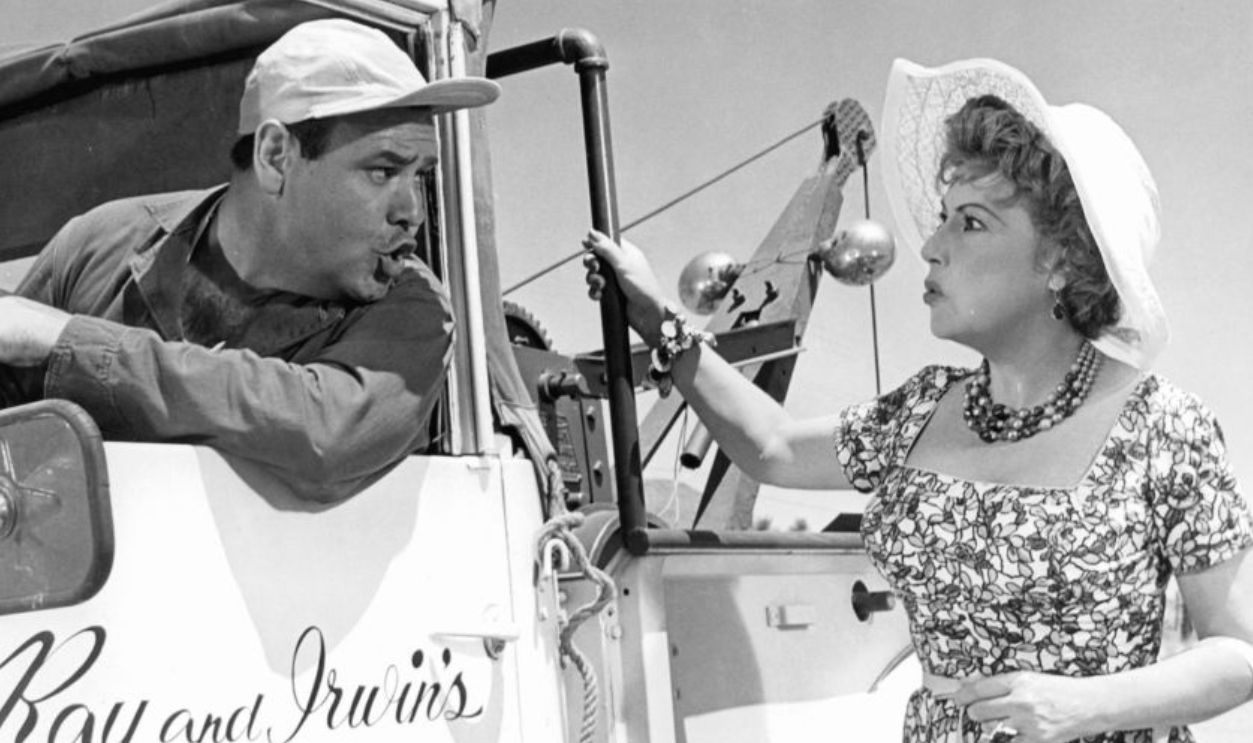
Radio Opens Doors
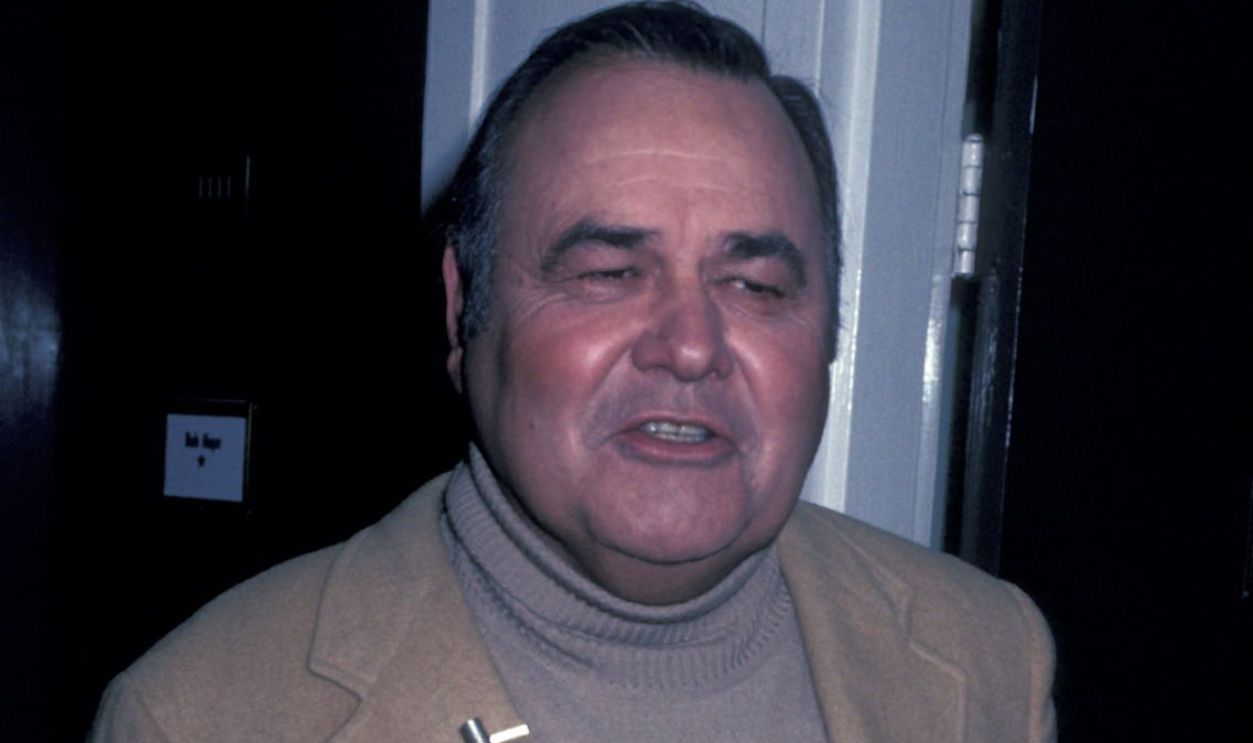
Winters entered a local talent contest after his wife encouraged him to pursue comedy. Winning the competition led to work in Dayton radio, where his remarkable ability to invent characters and improvise dialogue set him apart from conventional announcers and launched his broadcasting career.
Television Takes Notice
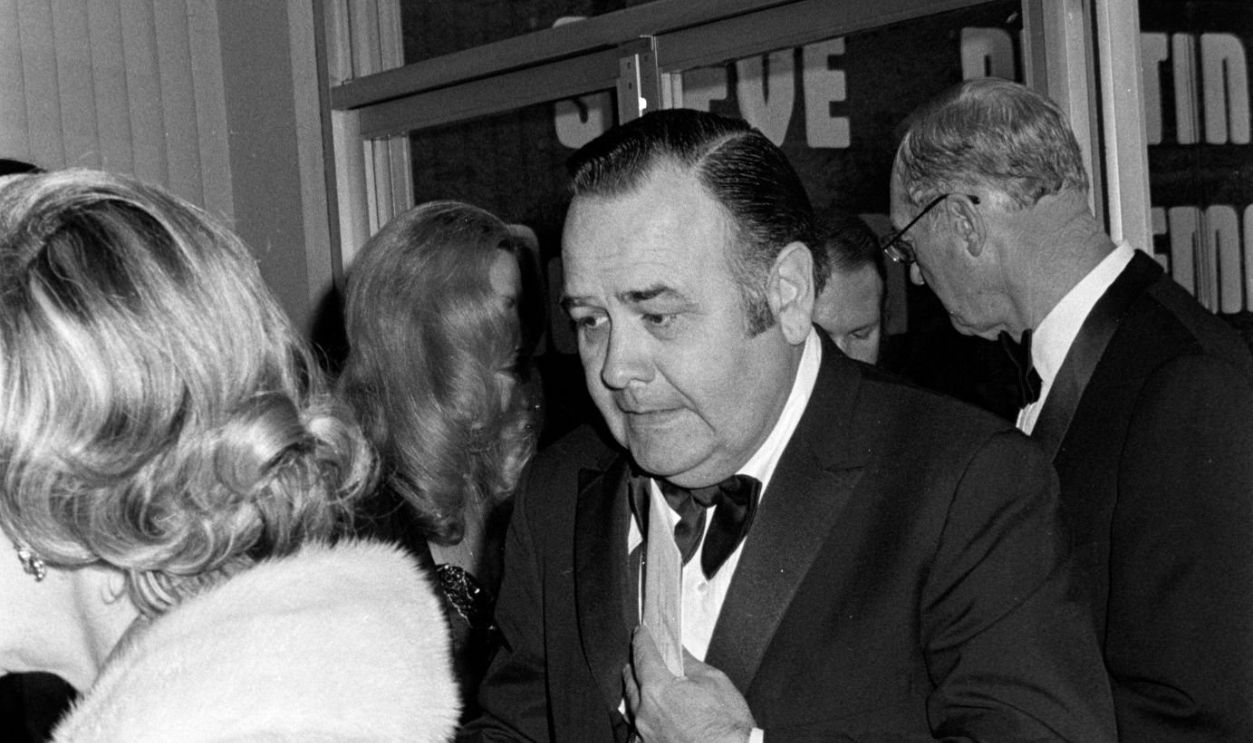
His growing reputation eventually brought him to New York, where television producers quickly recognized his unusual talent. Unlike comedians who relied on carefully memorized routines, Winters seemed able to create entire scenes, conversations, and unforgettable personalities entirely on the spot.
A National Breakthrough
Winters' appearances on The Tonight Show and other nationally televised variety programs introduced millions of viewers to his unpredictable style. Audiences never knew what would happen next, and that fearless spontaneity quickly made him one of television's most exciting new comedy stars.
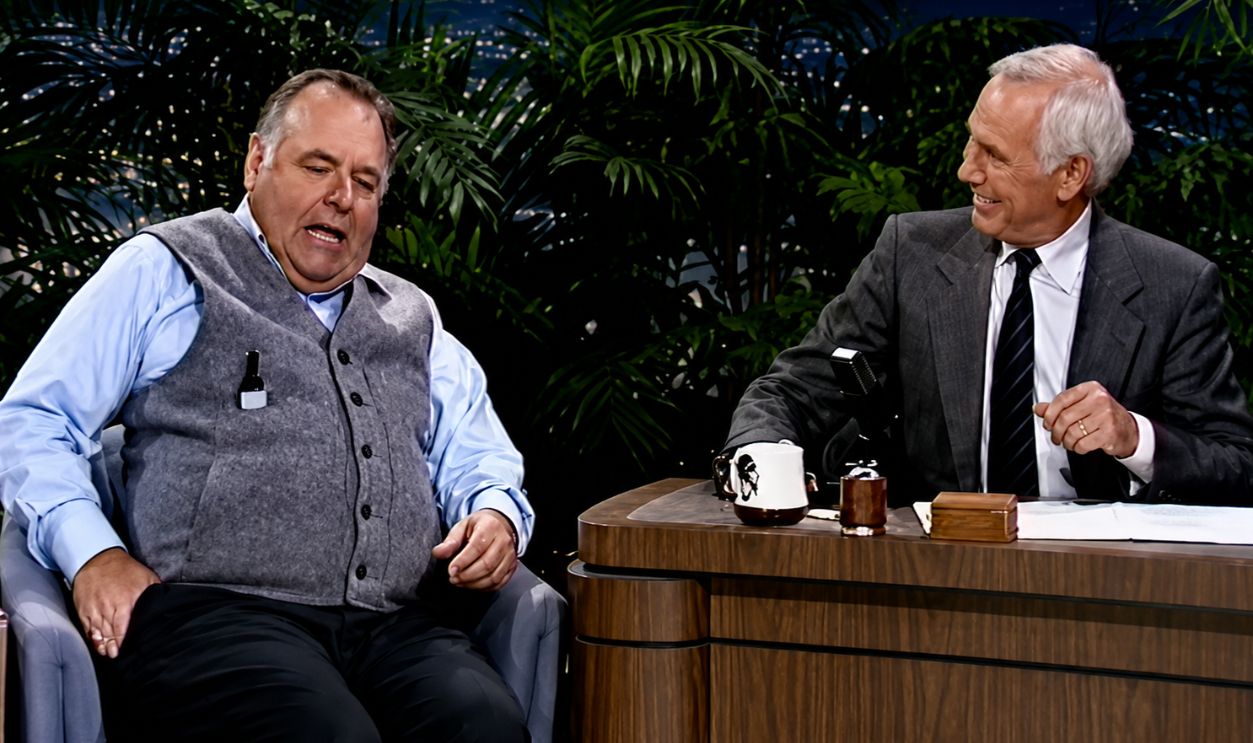 Screenshot from The Tonight Show Starring Johnny Carson, Shout! Studios (1962-1992), Enhanced
Comedy Without Limits
Instead of simply telling jokes, Winters transformed himself into dozens of completely different people. His performances mixed impressions, physical comedy, storytelling, and improvisation into something audiences had rarely seen before. Every appearance felt unique because even Winters often didn't know even know himself where his imagination would take him.
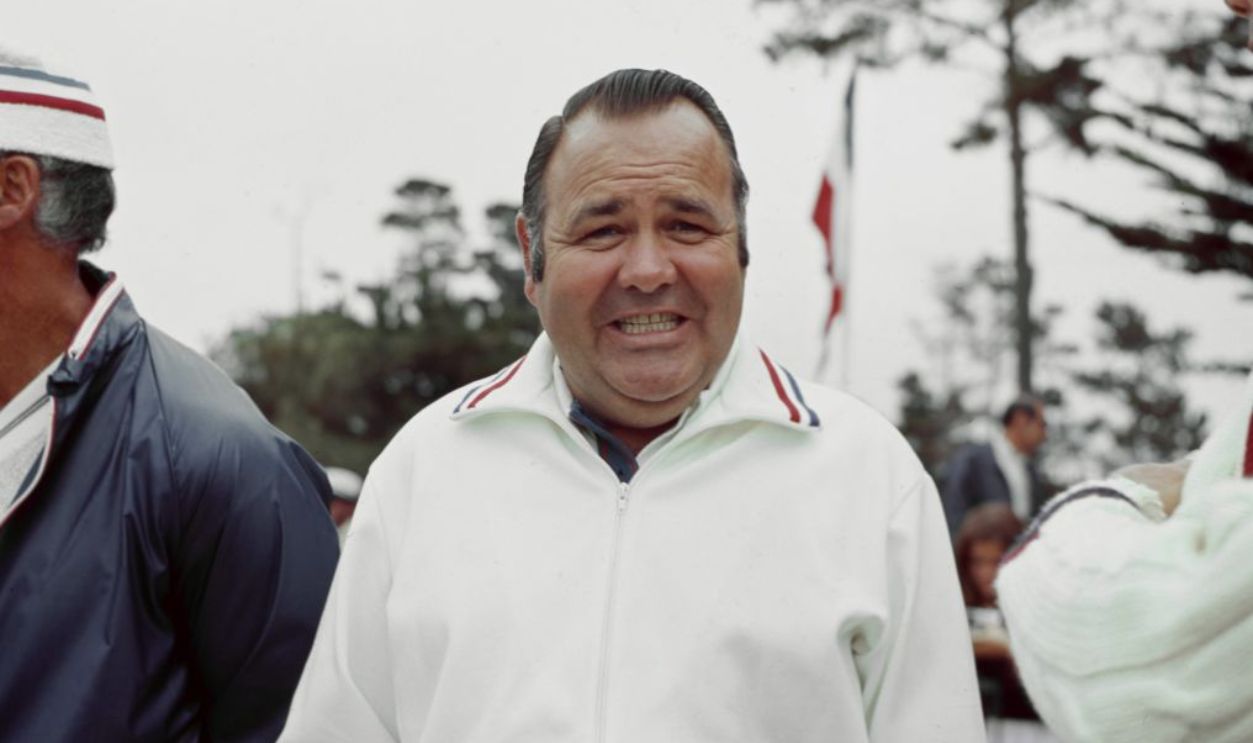 Michael Ochs Archives, Getty Images
Success And Inner Battles
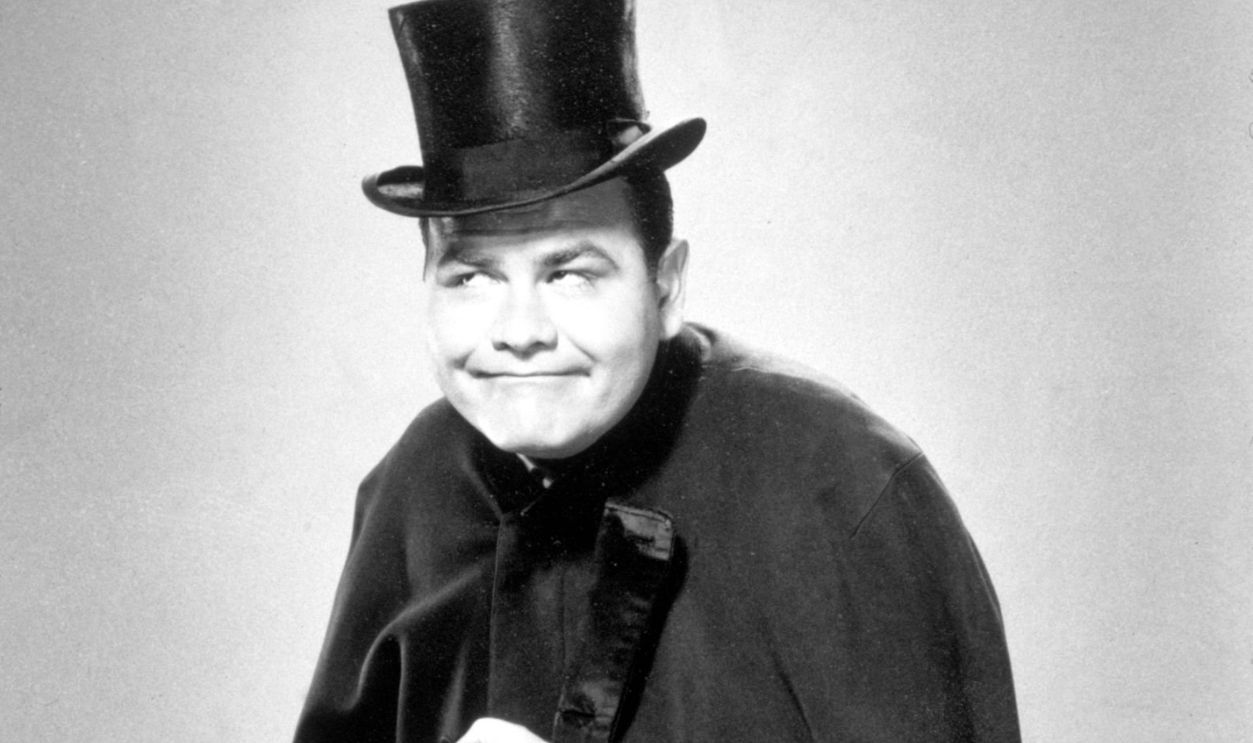
As his career accelerated during the late 1950s, Winters privately struggled with serious mental health challenges. The same vivid imagination that fueled his comedy could also become overwhelming. Despite growing fame, he found himself fighting emotional battles that audiences knew nothing about.
Seeking Professional Help
Rather than hiding indefinitely, Winters sought psychiatric treatment when his mental health deteriorated. He later spoke openly about his experiences, helping reduce the stigma surrounding mental illness. His honesty demonstrated remarkable courage during an era when celebrities rarely discussed any of their psychological struggles publicly.
Becoming Television Royalty
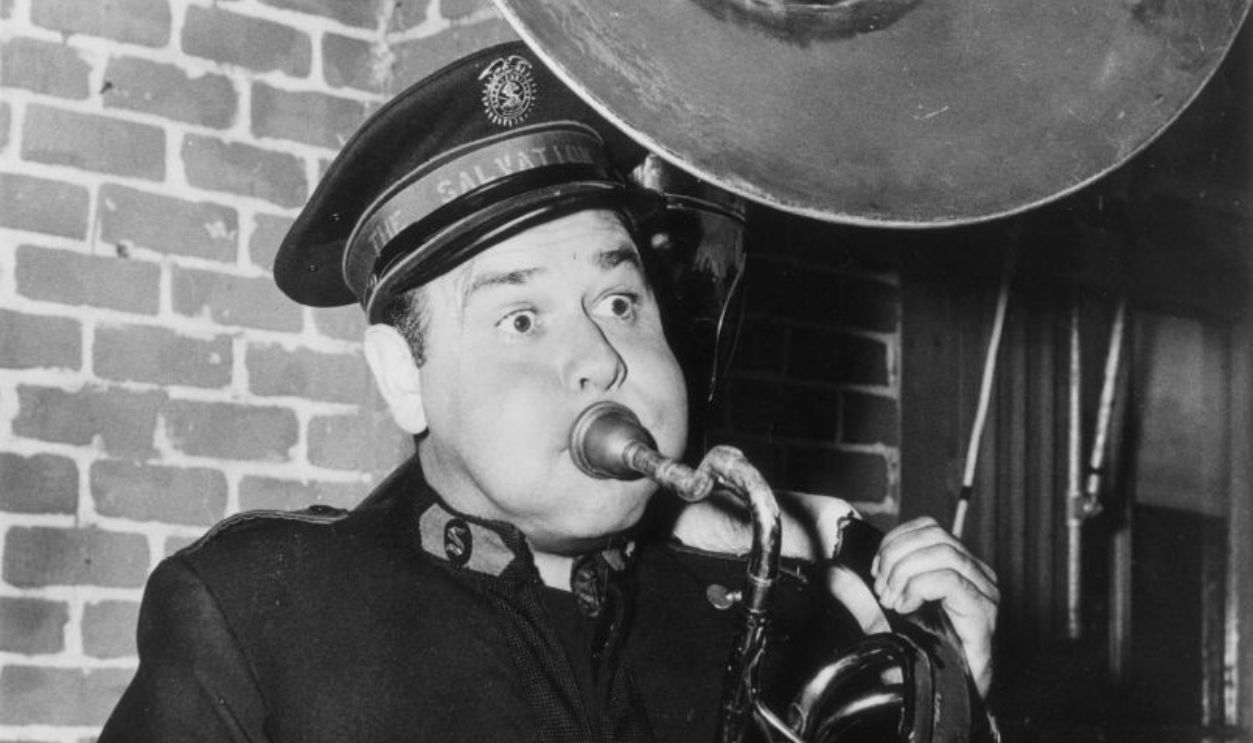
By the early 1960s, Jonathan Winters had become one of America's most celebrated comedians. His extraordinary improvisational skills, unforgettable characters, and willingness to expose his own vulnerabilities distinguished him from virtually every other comic working in television, setting the stage for decades of continued success.
Memorable Movie Roles
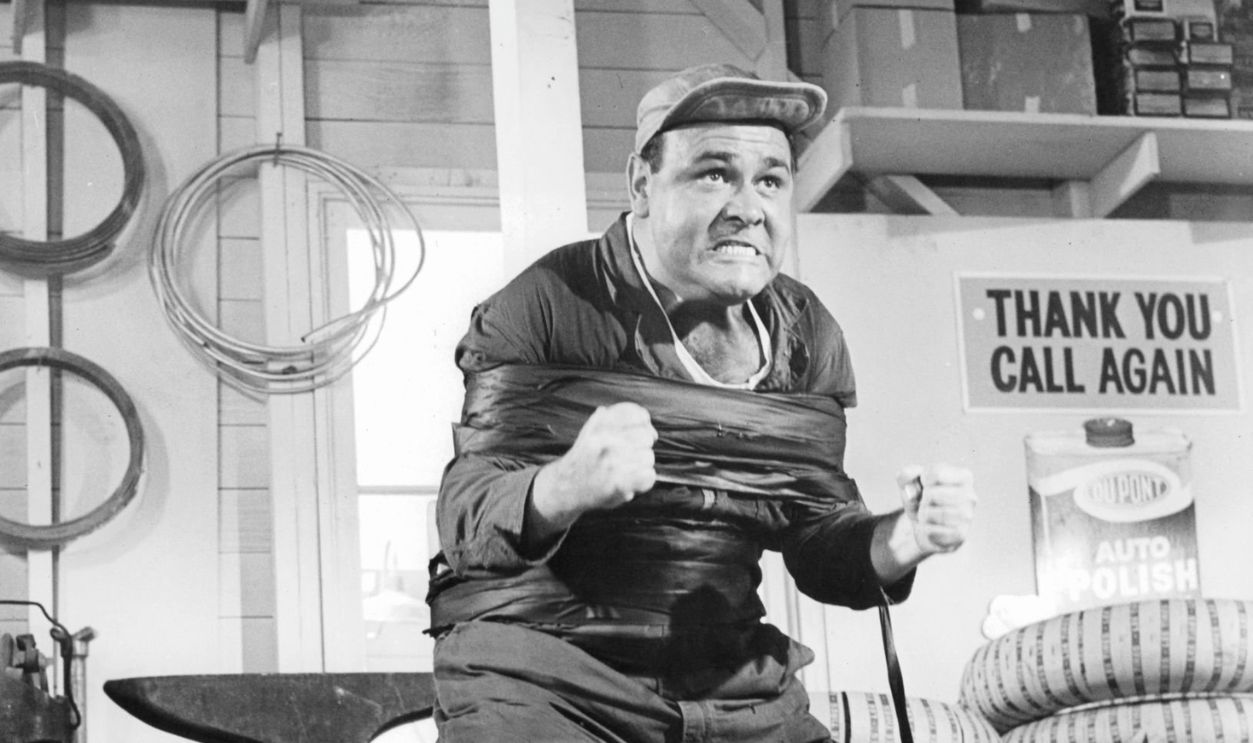
Winters' growing popularity soon led to memorable film work. He appeared in It's a Mad, Mad, Mad, Mad World (1963), The Loved One (1965), The Russians Are Coming, the Russians Are Coming (1966), and The Fish That Saved Pittsburgh (1979), bringing his trademark improvisation and larger-than-life personality to every performance.
 Screenshot from It's a Mad, Mad, Mad, Mad World, United Artists (1963), Enhanced
Television Favorite
Television remained one of Winters' strongest showcases. He appeared on countless variety and talk shows while also starring in The Wacky World of Jonathan Winters and later delighting younger audiences with recurring appearances on Mork & Mindy, where his improvisational chemistry with Robin Williams became legendary.
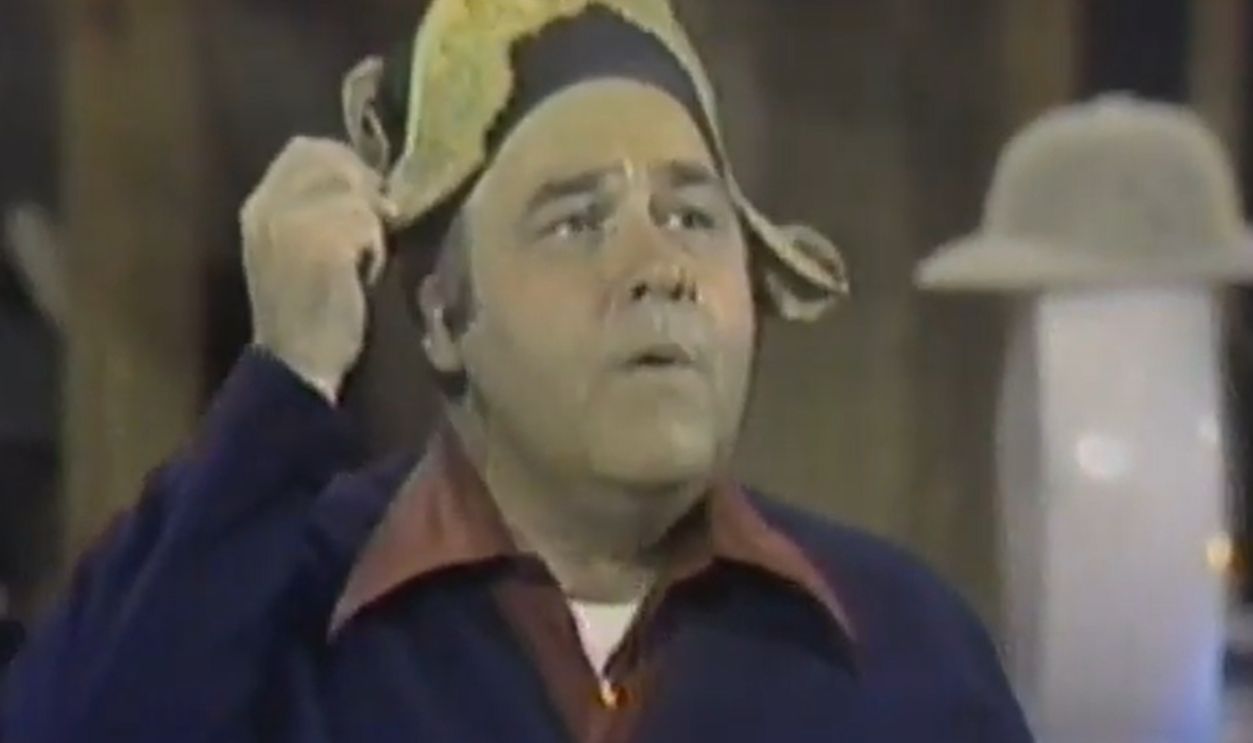 Screenshot from The Wacky World of Jonathan Winters, Time-Life Television Productions (1972-1974)
An Artist Beyond Comedy
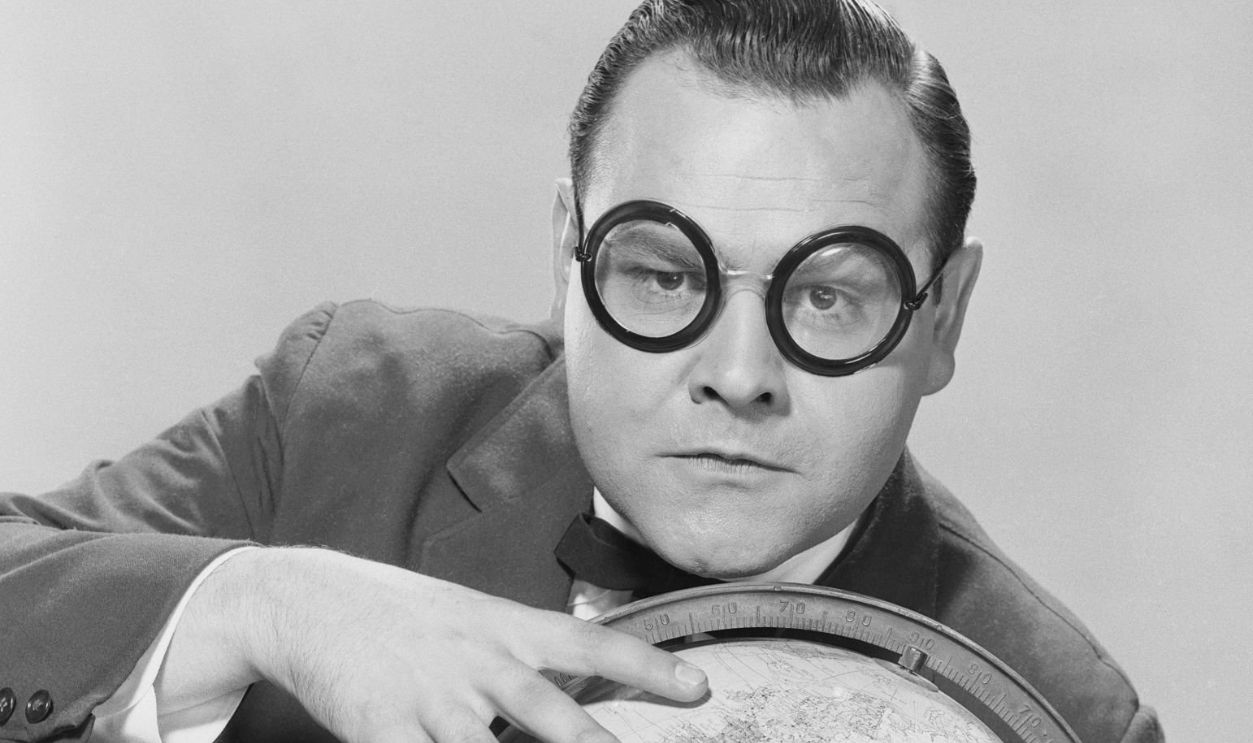
Comedy was only one of Winters' creative talents. He was also an accomplished painter and visual artist, producing hundreds of works throughout his lifetime. His playful imagination flowed naturally from the stage to the canvas, and he often considered painting another way of expressing the characters living inside his mind.
Inspiring Comic Legends
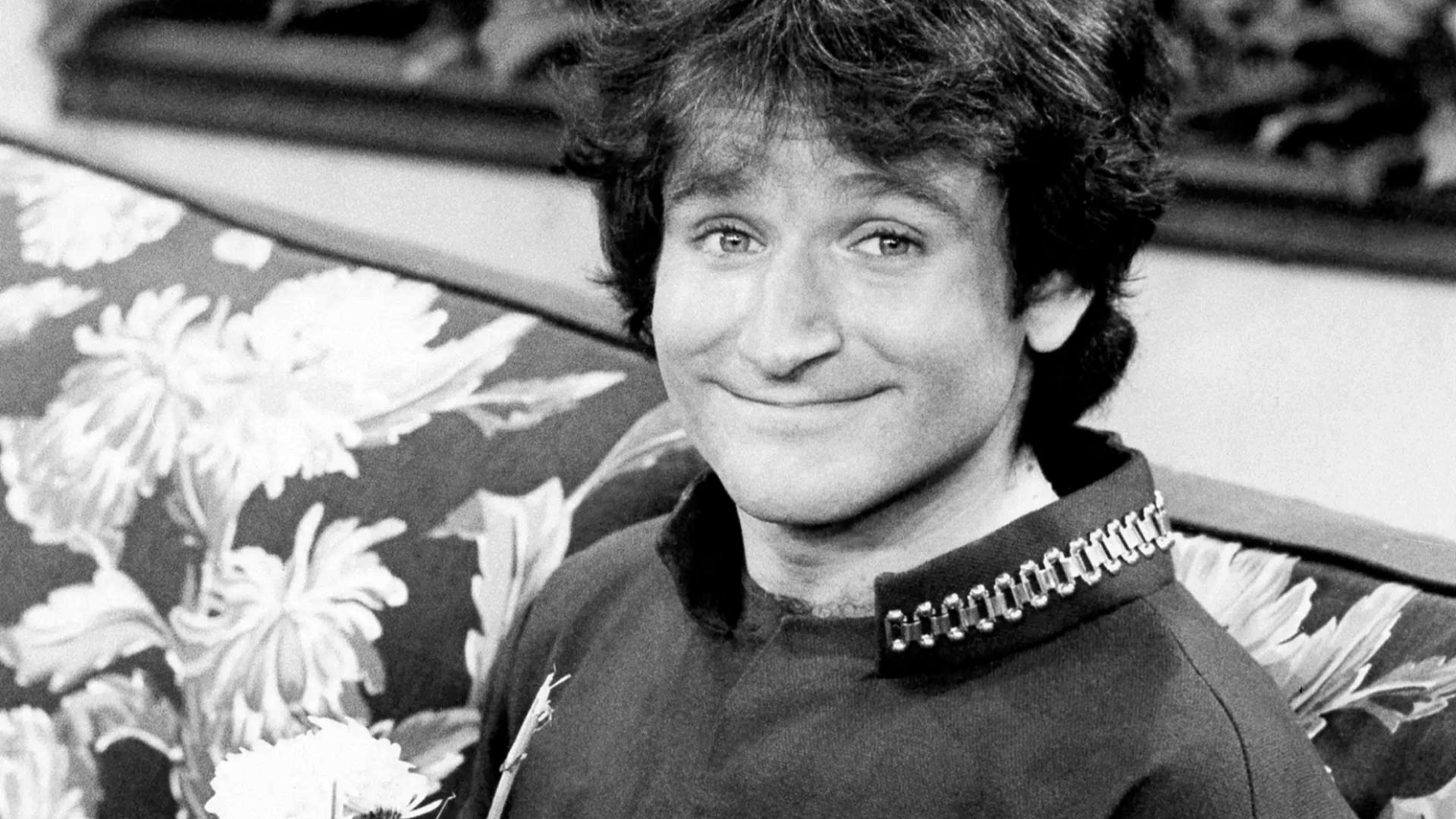
Many of the greatest comedians credited Winters as a major influence. Robin Williams often described him as his comedic hero and treasured the chance to perform alongside him. Williams admired Winters' fearless improvisation and ability to invent unforgettable characters without relying on prepared material.
The Funniest Comedian
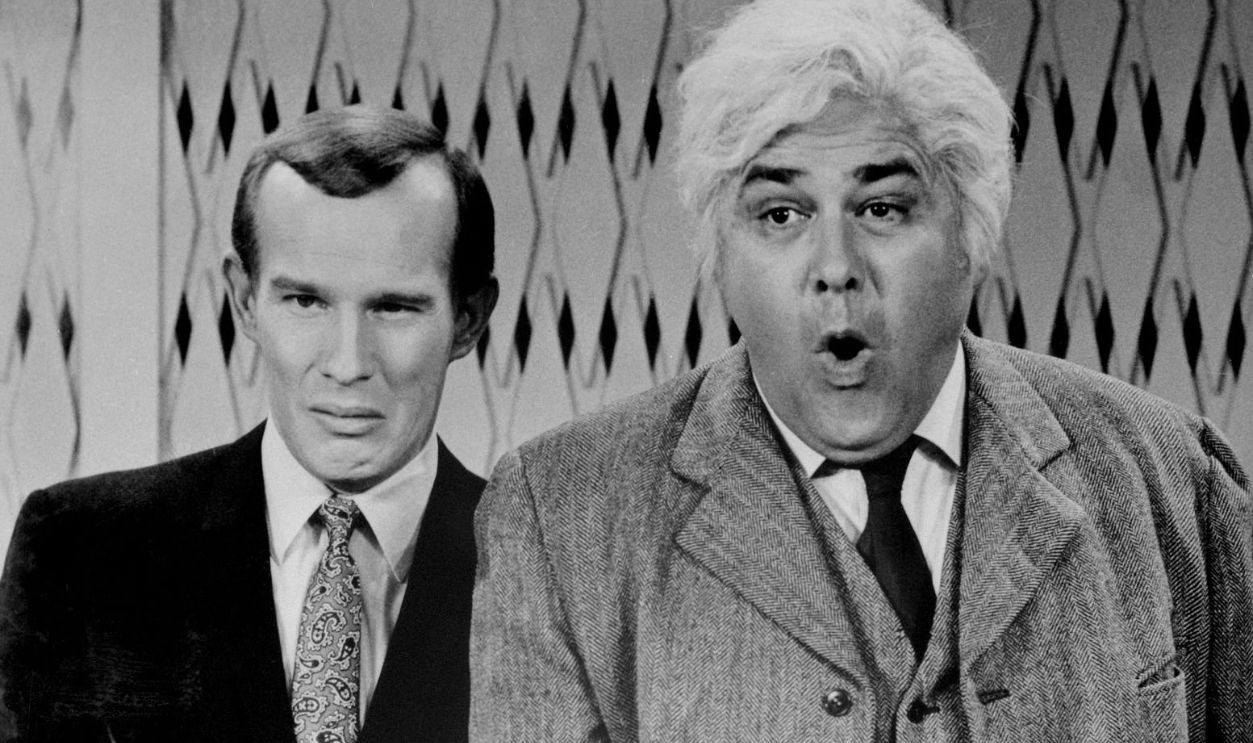
Jonathan Winters also earned extraordinary praise from fellow comics. Richard Pryor once called him "the funniest man in the world," a compliment that reflected the immense respect Winters commanded among professional comedians. His originality permanently changed what improvisational comedy could become.
Award Winning Career
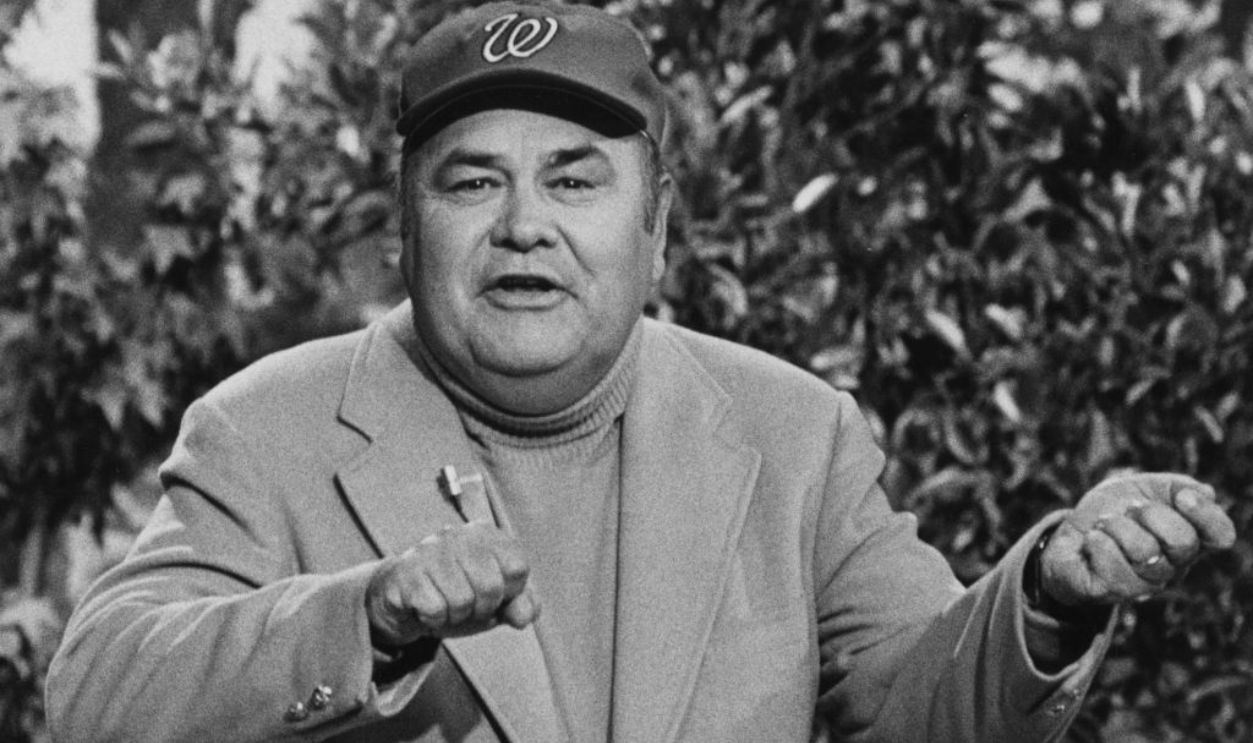
Winters' remarkable body of work earned numerous honors over the years. He received multiple Emmy Awards and, in 1999, was presented with the Mark Twain Prize for American Humor. The recognition celebrated decades of innovation that had influenced generations of performers across television, film, and stand-up comedy.
A Family Man
Despite his madcap stage persona, Winters was devoted to his family. He and Eileen remained married until her death in 2009, a remarkable partnership that endured through both triumphs and personal hardships. Their children, Jay and Lucinda, remained important parts of his life throughout his career.
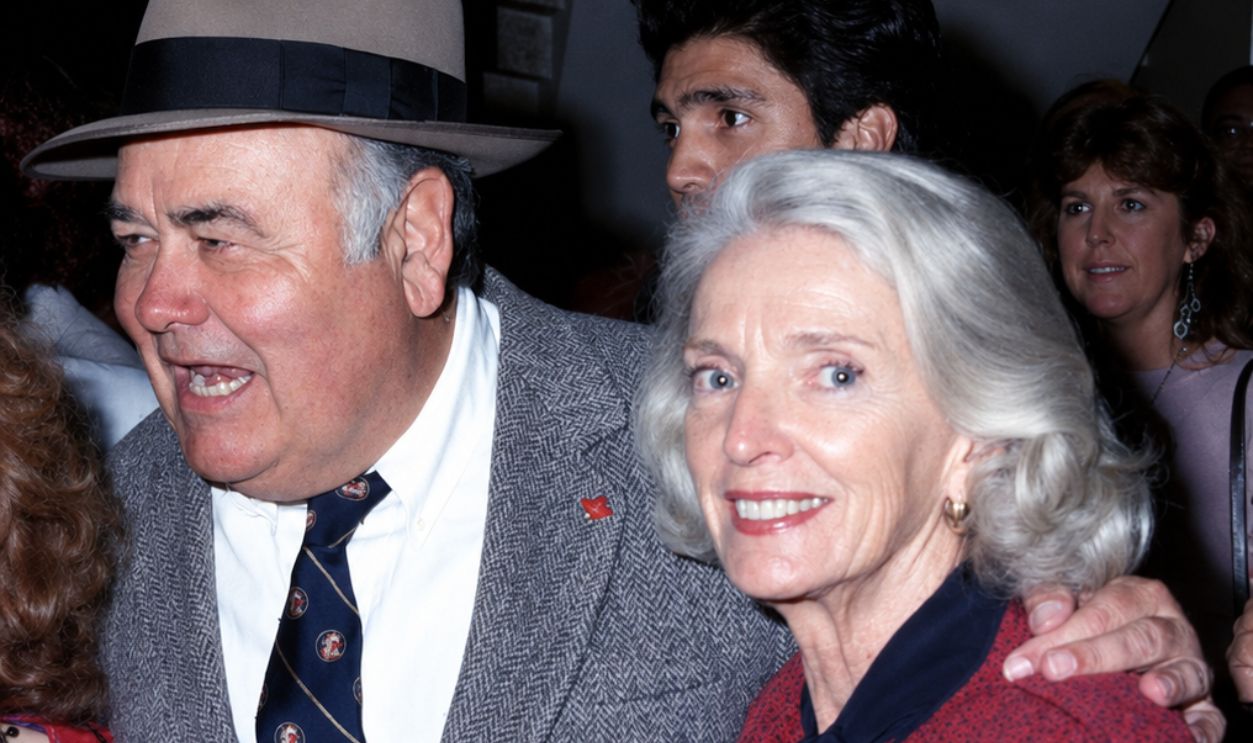 Jeff Kravitz, Getty Images, Modified
Returning To Pixar
Late in life, Winters introduced himself to a new generation of fans by voicing Papa Smurf in The Smurfs (2011) and The Smurfs 2 (2013). His final film role demonstrated that his warmth, wit, and distinctive voice had lost none of their charm.
 Screenshot from The Smurfs, Sony Pictures Releasing (2011)
His Final Years
Although his public appearances became less frequent, Winters remained widely admired by fellow entertainers and audiences alike. His daughter later reflected that beneath the legendary comic stood a thoughtful, compassionate father whose resilience and creativity continued to inspire those closest to him.
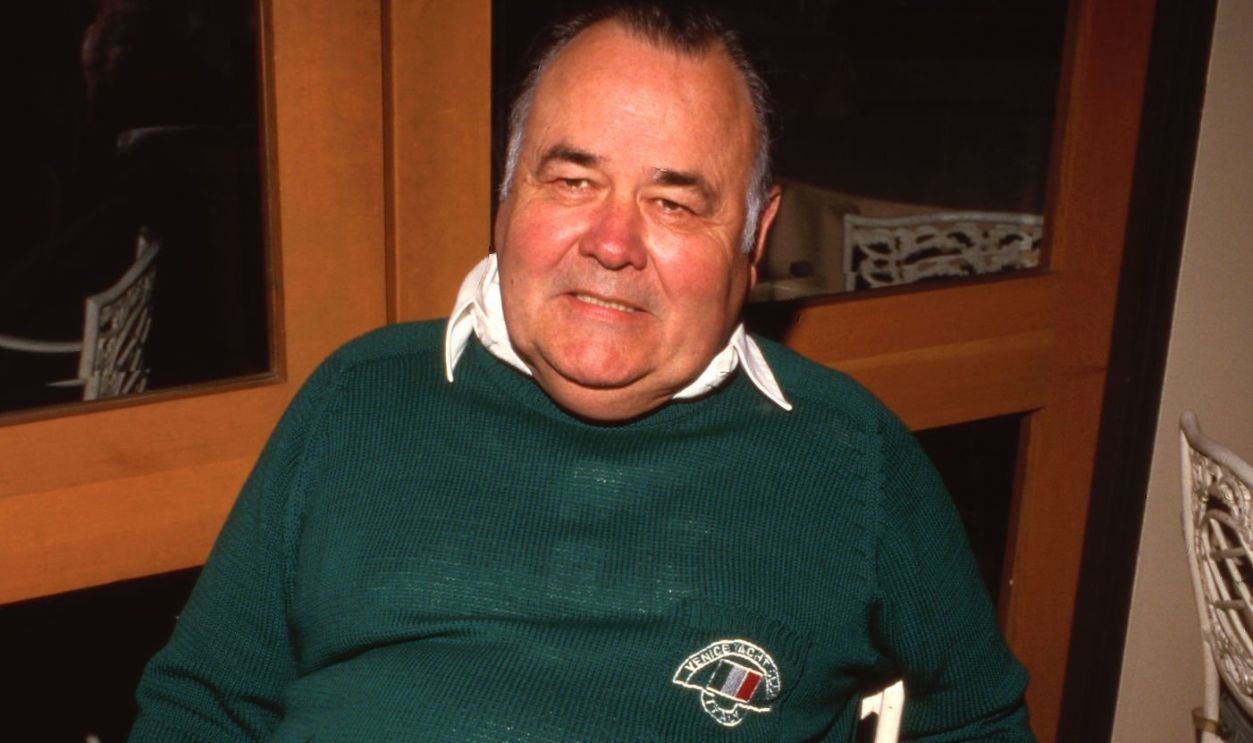
Saying Goodbye
Jonathan Winters died at his home in Montecito, California, on April 11, 2013, at the age of 87. Tributes poured in from comedians, actors, and longtime friends who celebrated not only his extraordinary talent, but also the courage he displayed throughout his personal struggles.
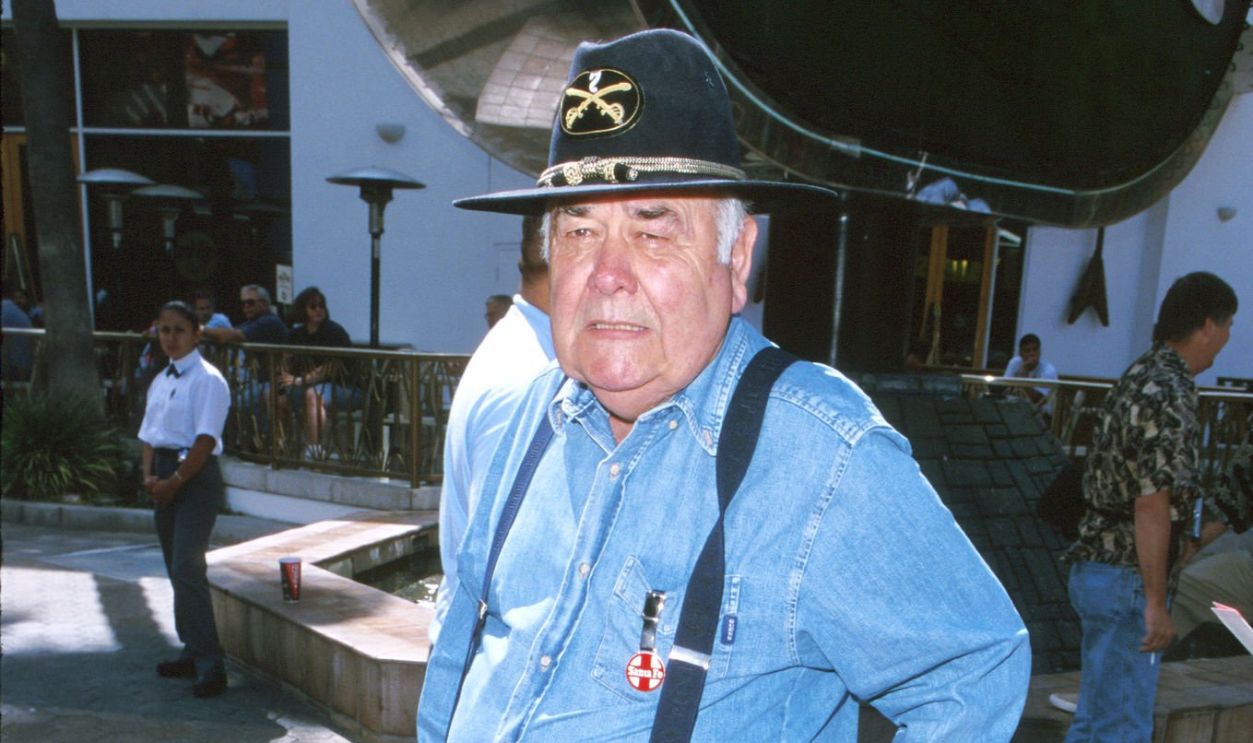
A Lasting Legacy
Jonathan Winters transformed American comedy by proving that imagination could be funnier than carefully rehearsed jokes. His fearless improvisation influenced performers from Robin Williams onward, while his openness about mental illness encouraged greater understanding and compassion. Few comedians have left a legacy that is both as groundbreaking and as deeply human.

You May Also Like:
The Groundbreaking Comedy Career Of Flip Wilson
Richard Pryor Quotes That Still Ring True Today