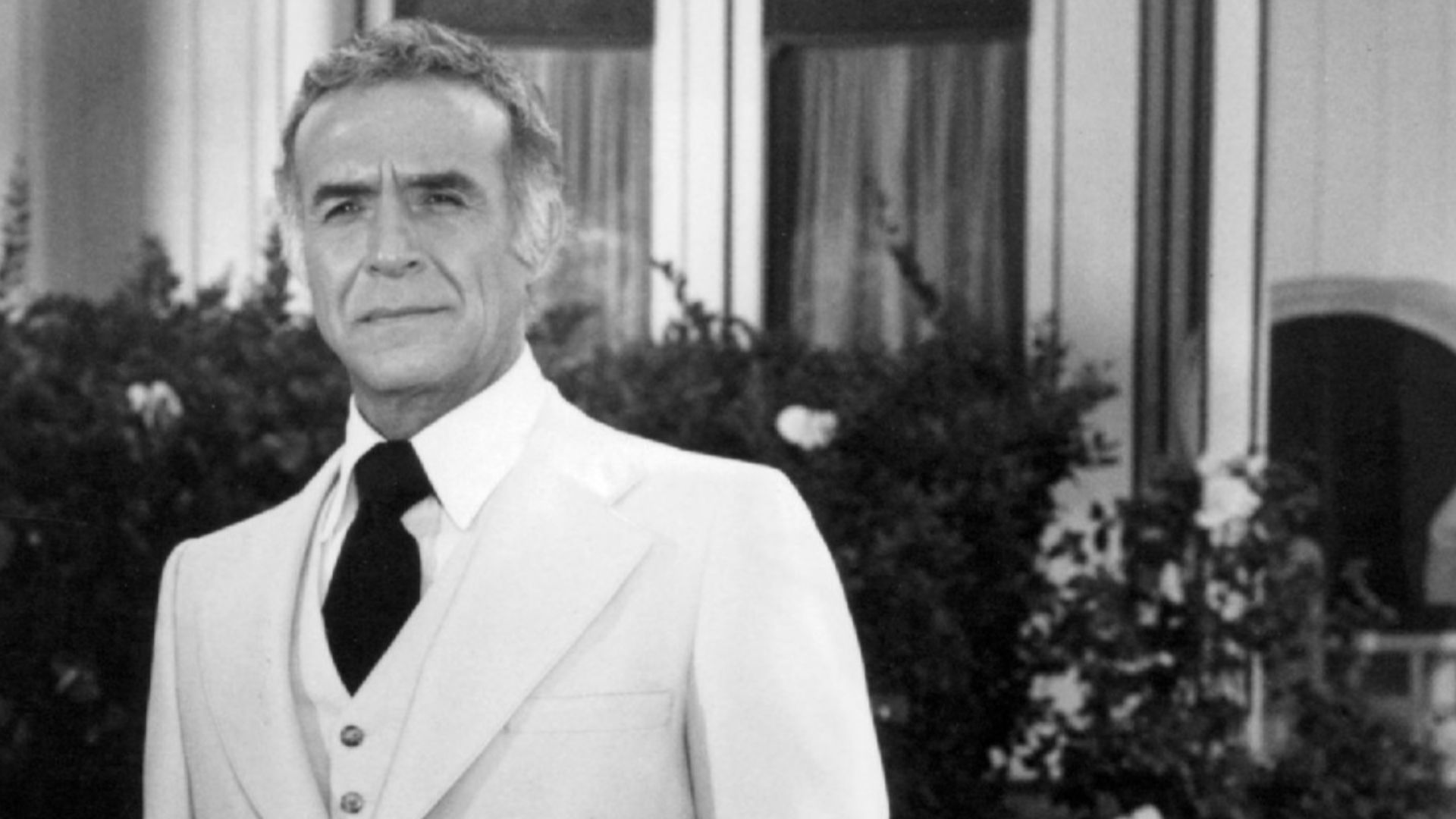
A Charismatic Star With A Hidden Burden
Ricardo Montalbán built a decades-long film and TV career defined by elegance, charm, and versatility. But behind his polished image was a lifetime of physical suffering. A severe back injury early in his career left him in constant pain, a fact of life that affected his professional choices and tested his generous reserves of personal resilience.
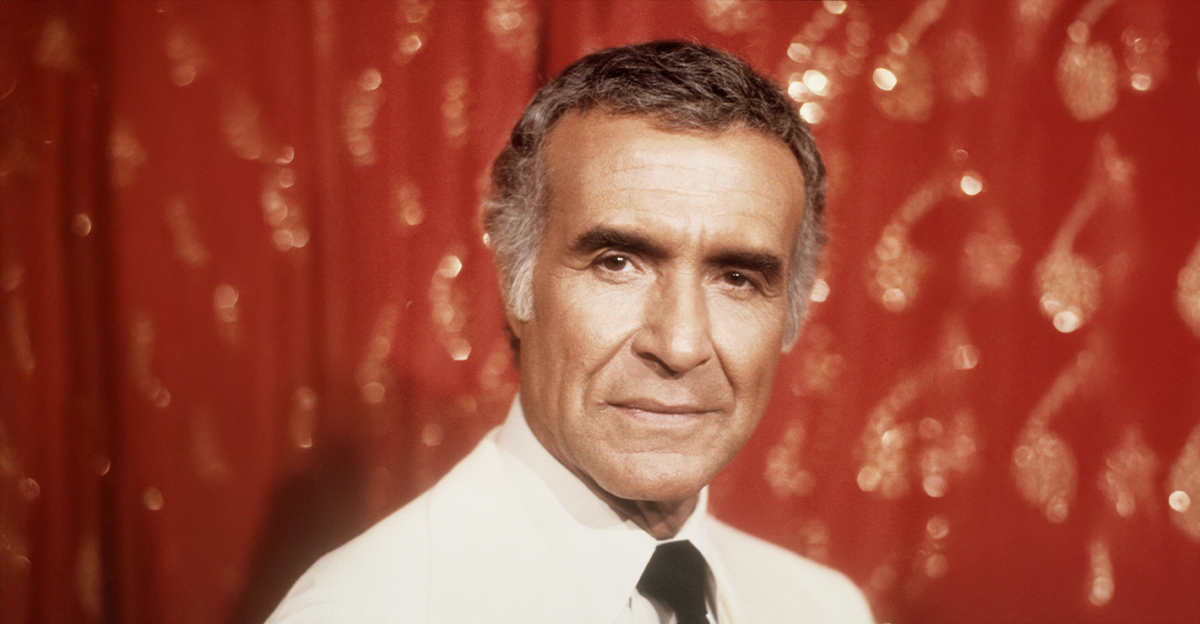 Michael Ochs Archive/Getty Images
Born Into A Creative Family
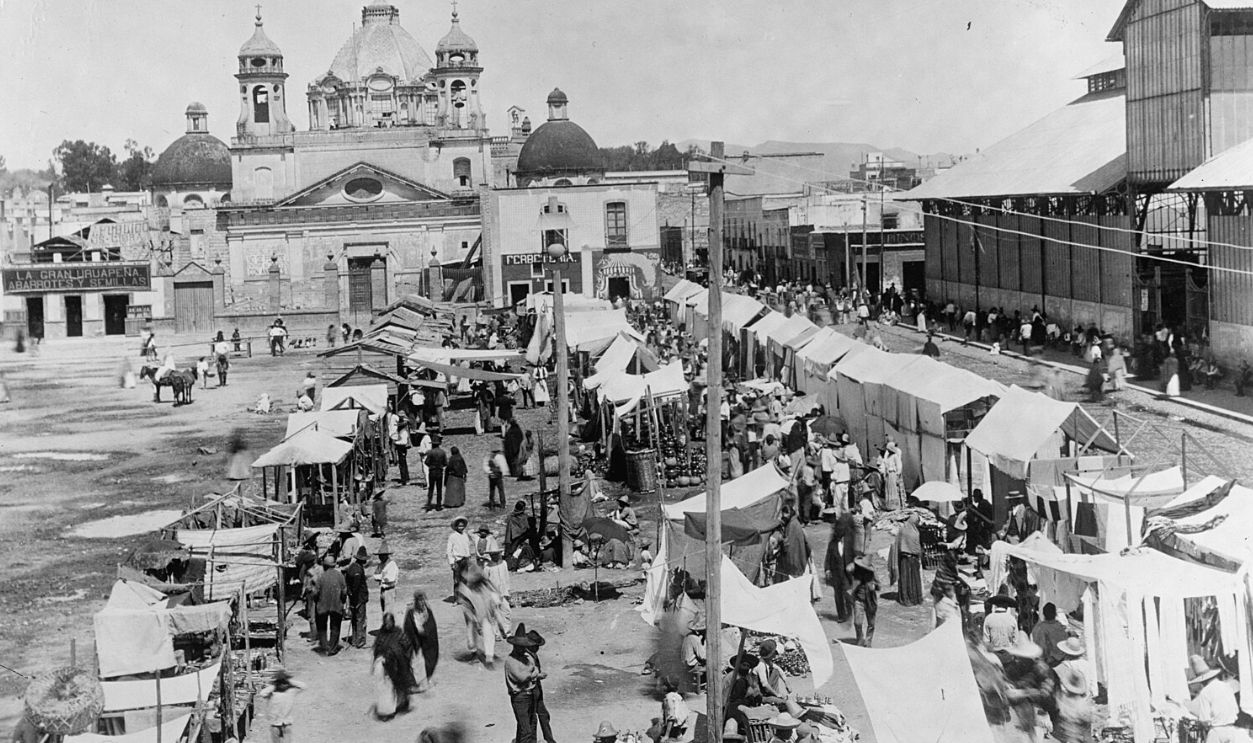
Montalbán was born on November 25, 1920, in Mexico City, into a family immersed in the arts. His parents supported his creative pursuits wholeheartedly, and his brother became a filmmaker. Growing up in this vibrant environment, he cultivated an early appreciation for storytelling and performance, though as yet there was no indication that a successful acting career was in the cards.
 National Photo Company Collection, Wikimedia Commons
Move To The States
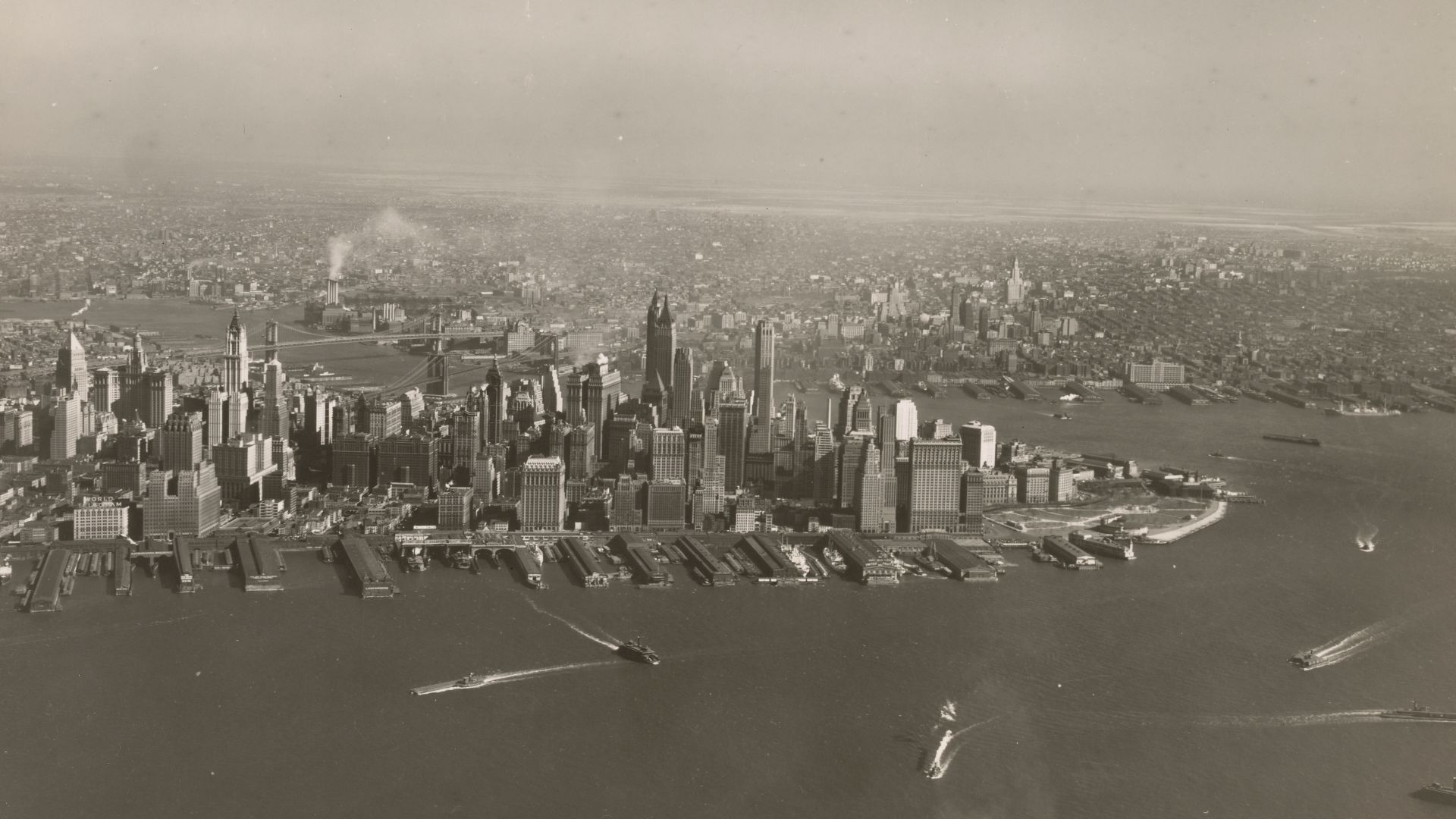
As a teenager, Ricardo Montalbán moved to Los Angeles to live with his older brother Carlos, an actor. It was here that Ricardo began to take an interest in acting. Then in 1940, he followed his brother to New York, where he landed a minor role in the stage production Her Cardboard Lover and started to appear in small parts in theater and film. It was Ricardo’s first professional acting experience, setting him on the path to a lifelong career.
 Unknown authorUnknown author or not provided, Wikimedia Commons
Mexican Star On The Rise
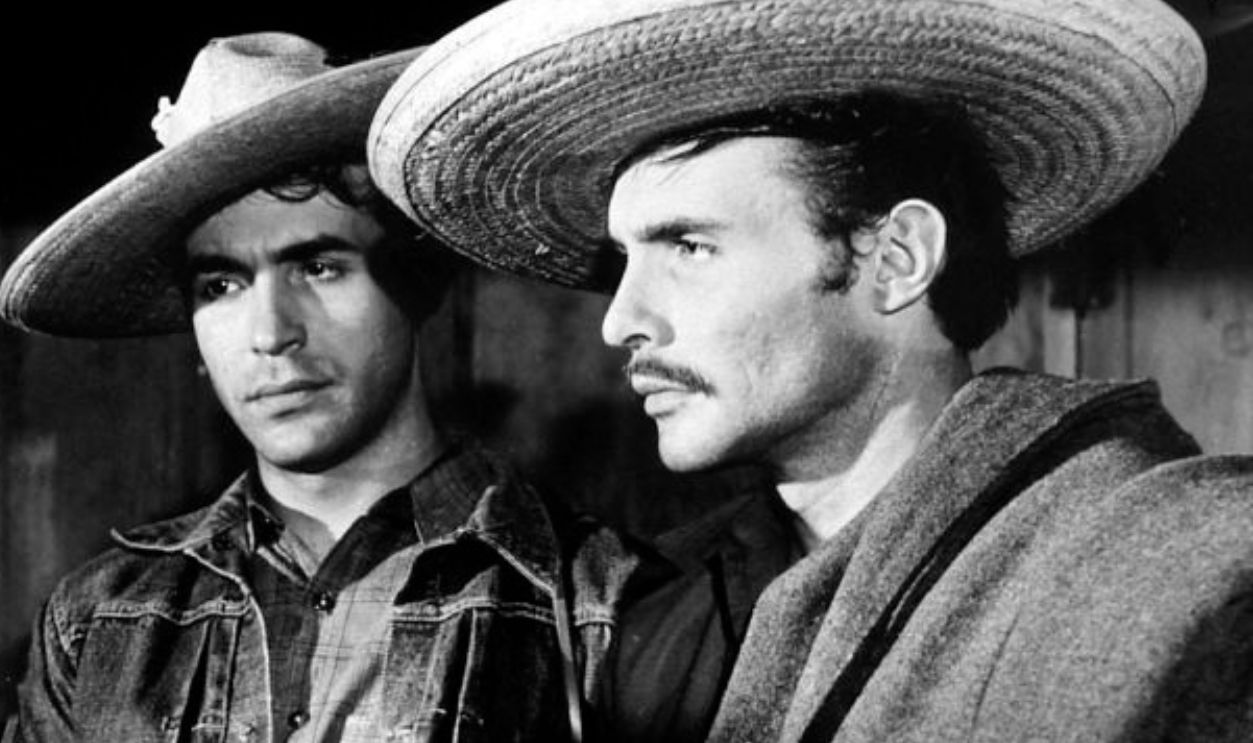
Ricardo Montalbán's rise to stardom in Mexico came soon after he returned there in the early 40s, appearing in several Spanish-language films as leading man. His breakthrough was in Santa (1943), directed by Norman Foster, a film that brought him to national prominence. He followed this with leading parts in The Escape (1944) and several 1945 productions, solidifying his reputation as a star in Mexican cinema before moving on to Hollywood.
Move Toward Hollywood
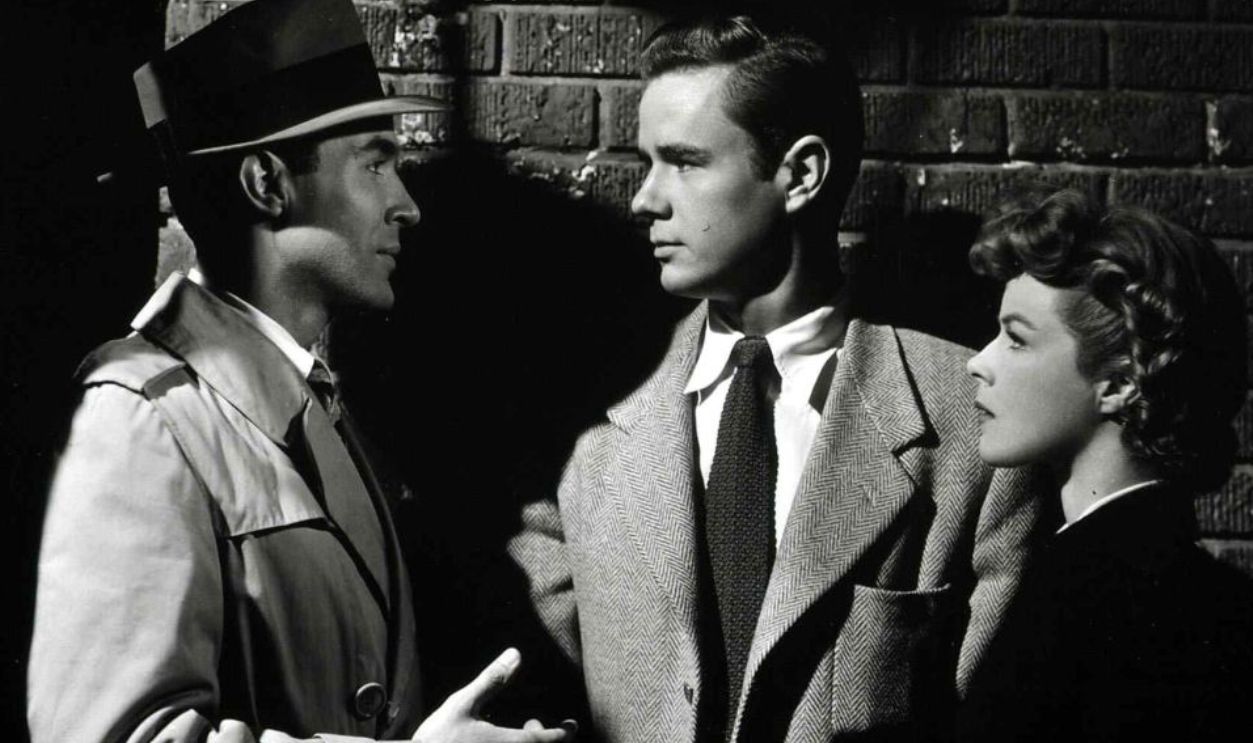
Montalbán eventually transitioned to Hollywood in the 1940s at a time when Latino actors and other minorities faced serious typecasting challenges in breaking into the industry. Studios often limited him to stereotypical roles, but that did little to discourage his determination to prove himself. His persistence would eventually translate into more substantial opportunities.
Breaking Into MGM Productions
Montalban’s early Hollywood success came through Metro-Goldwyn-Mayer, where he appeared in musicals and dramas. His first of these was Fiesta (1947) in which he played a bullfighter. The film was a hit and MGM signed Montalban to a long-term contract. Though his early films often leaned on exotic stereotypes, Montalban used each performance to build credibility and expand his range.
 Trailer screenshot, Wikimedia Commons
Early Film Recognition
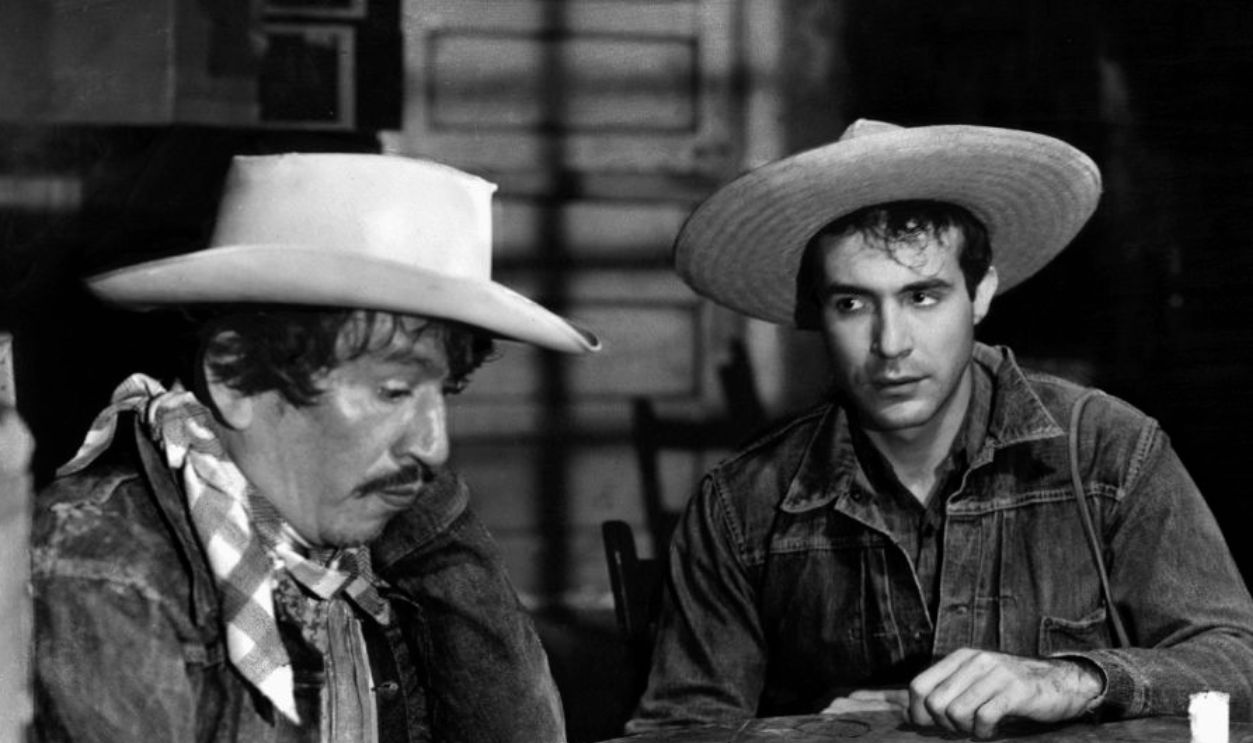
One of Montalban’s early standout roles came in the noir film Border Incident (1949), which highlighted his capabilities as a dramatic lead. Audiences were now starting to see him as more than a supporting actor. As had been the case since the very start of his career, Montalban’s ability to command attention on screen marked him as a rising talent in postwar Hollywood.
The Injury That Changed Everything
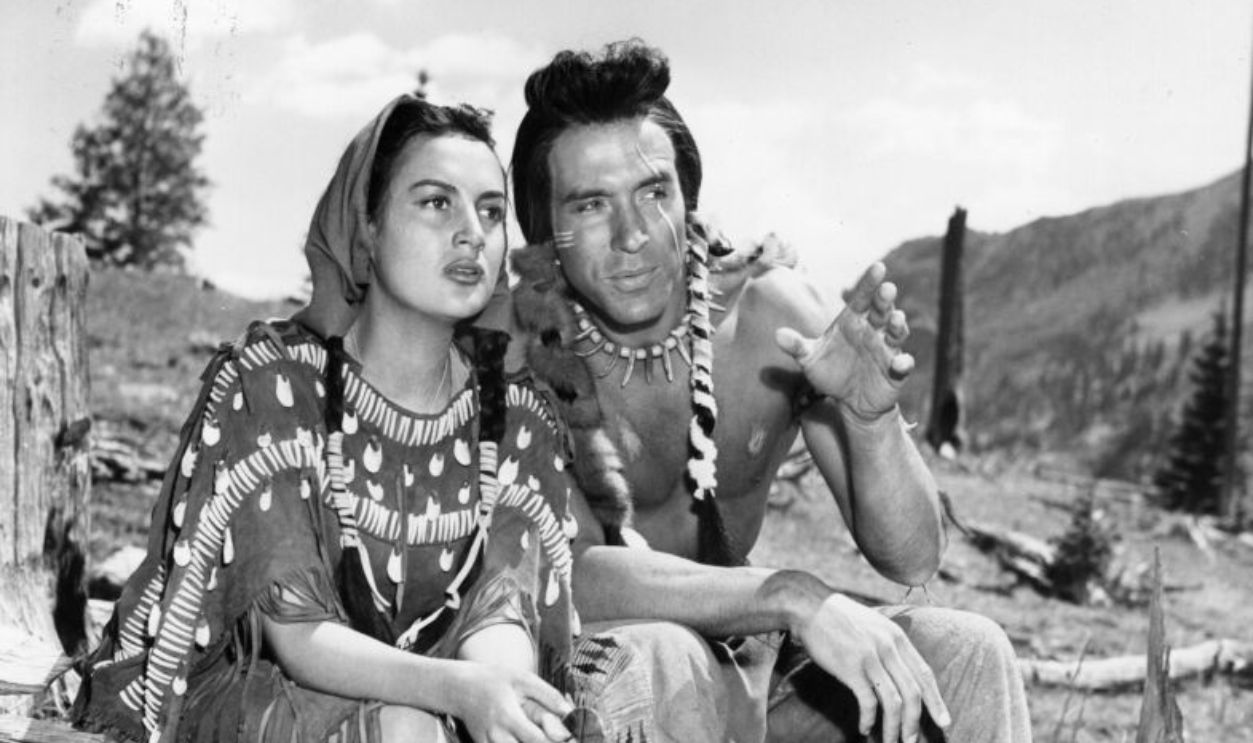
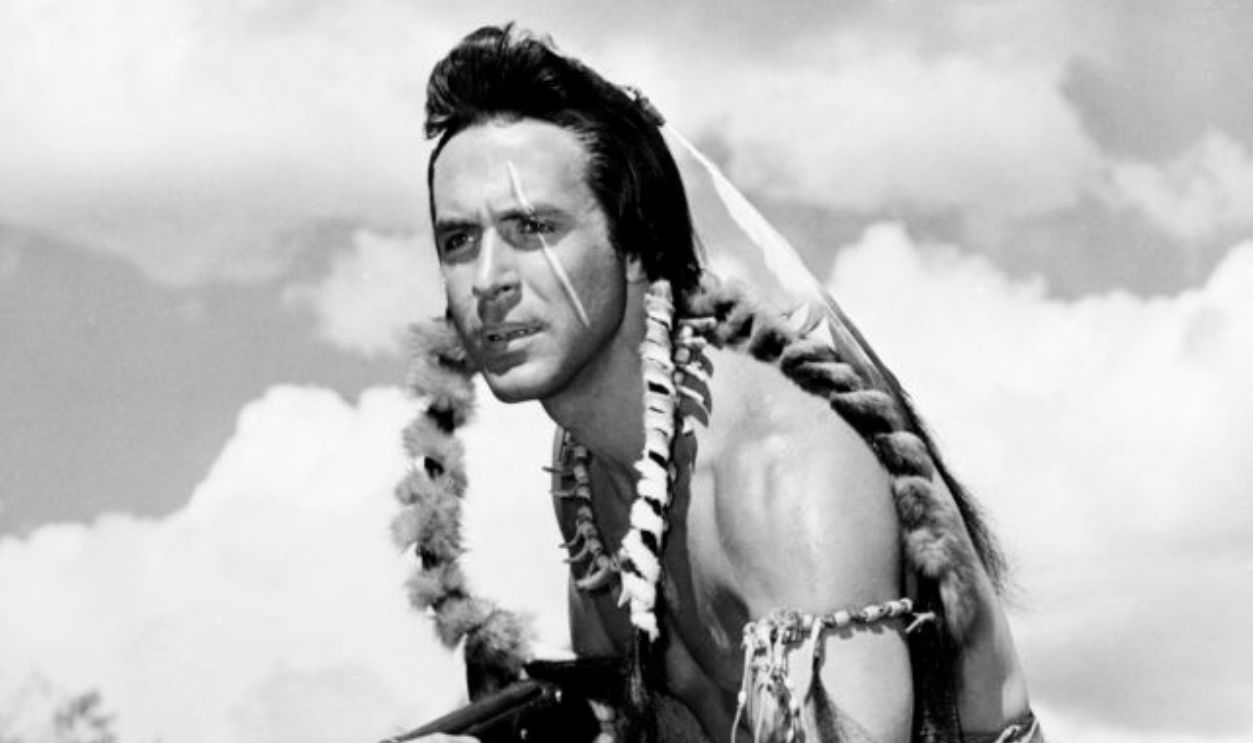
During production of the Western film Across the Wide Missouri in 1951, Montalbán suffered a serious spinal injury while performing a stunt involving a horse. The damage to his back would haunt him for the rest of his life. Despite surgeries and treatments, he endured chronic pain that never fully went away.
Working Through Constant Pain
Remarkably, Montalban continued acting despite his injury. He often performed while wearing braces or going through severe discomfort. His professionalism became legendary among colleagues, who admired his ability to keep putting in strong performances day after day while quietly managing debilitating physical pain.
 Silver Screen Collection, Getty Images
Small Screen Career Begins
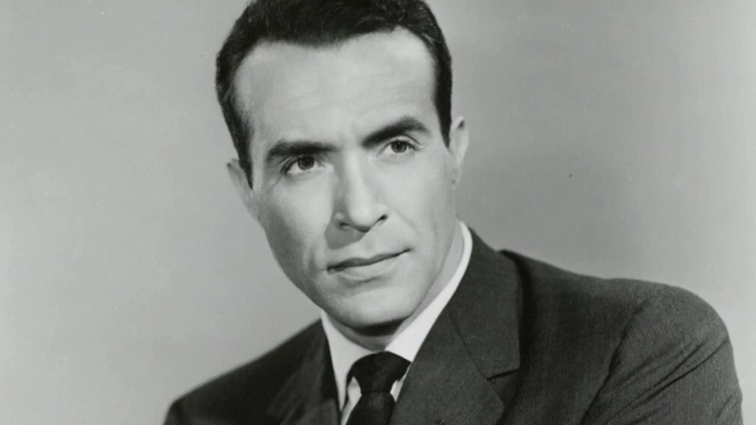
As television started to gain prominence in the 1950s, Montalbán adapted quickly. He appeared in numerous anthology series and guest roles, building a steady presence on the small screen. These roles added to his already prolific schedule in B films in Hollywood. All of this allowed him to demonstrate versatility beyond the constraints of studio film casting.
 Publicity photo, Wikimedia Commons
Expanding His Range
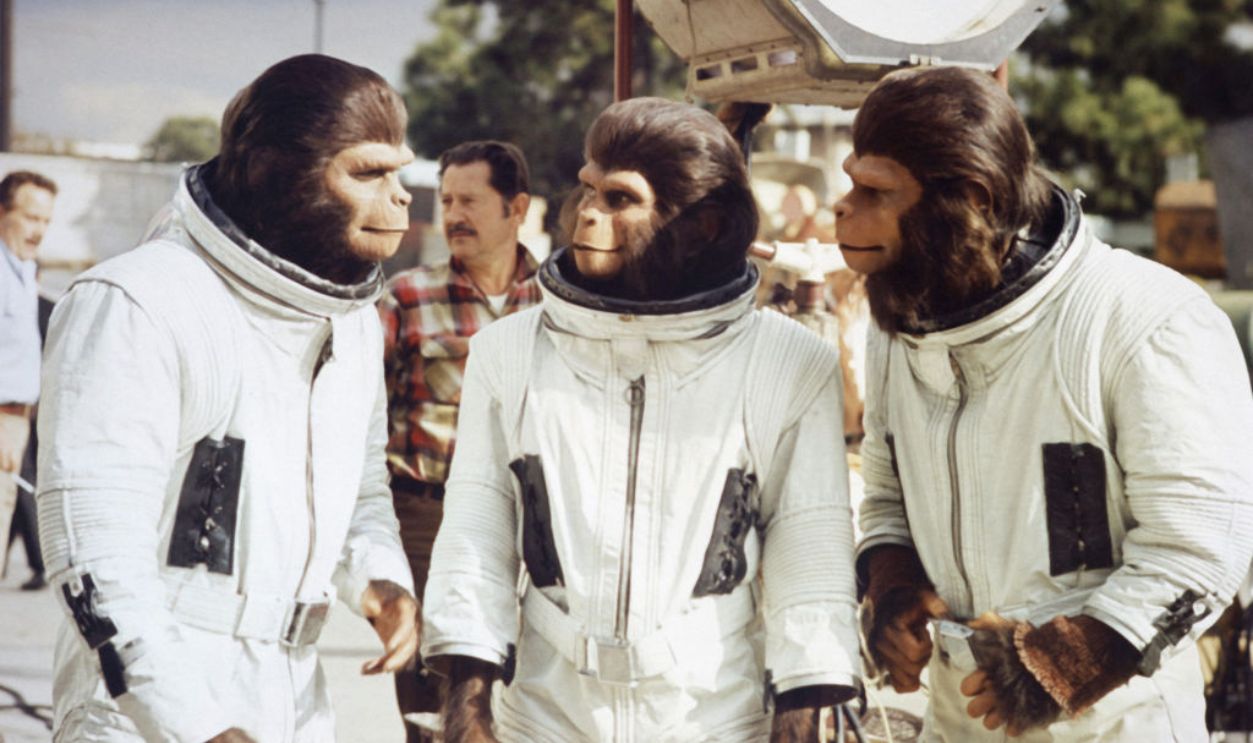
Throughout the 1960s, he took on many roles across all genres. The best example in this period may have been the western Blue (1968) opposite Terence Stamp; he put in more minor roles in Bob Fosse’s Sweet Charity (1969); and Escape from the Planet of the Apes (1971). More importantly, he’d at last broken out of the narrow casting lane and established himself as a dependable, multifaceted actor capable of carrying complex characters.
Fantasy Island And Mainstream Fame
It was in the late 70s that Montalbán achieved widespread fame starring as Mr. Roarke in Fantasy Island. The show became a surprise hit, and his role as the mysterious host showcased his warmth and authority. As silly a show as it was, Fantasy Island made Montalbán a household name during the late 1970s and early 1980s.
 ABC Television, Wikimedia Commons
A Unique On-Screen Partnership
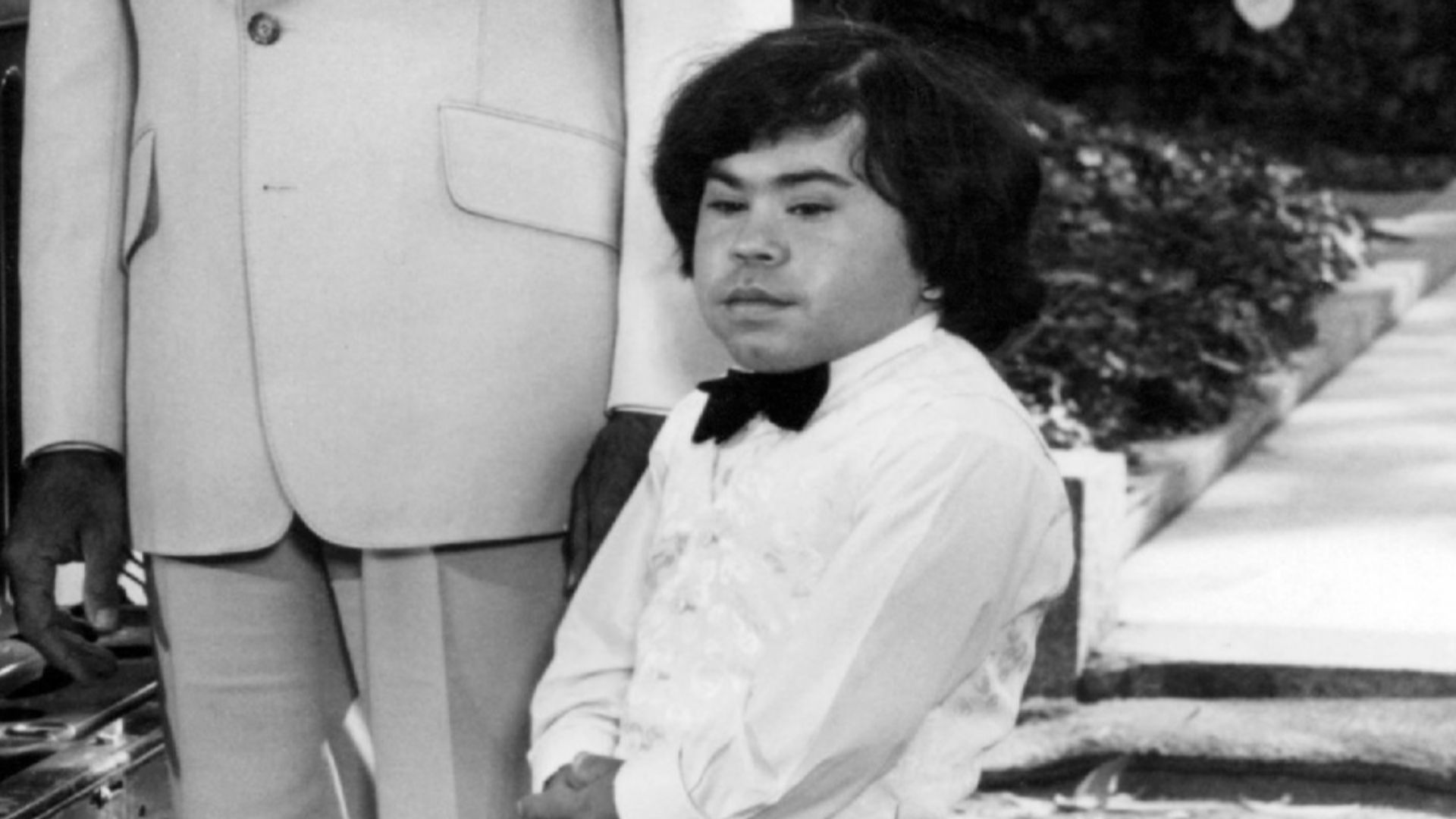
His co-star Hervé Villechaize, who played Tattoo, became an integral part of the show’s appeal. Their dynamic brought both humor and emotional depth. Montalbán’s mentorship and professionalism helped anchor the series’ tone and success.
 ABC Television, Wikimedia Commons
A Complex Relationship
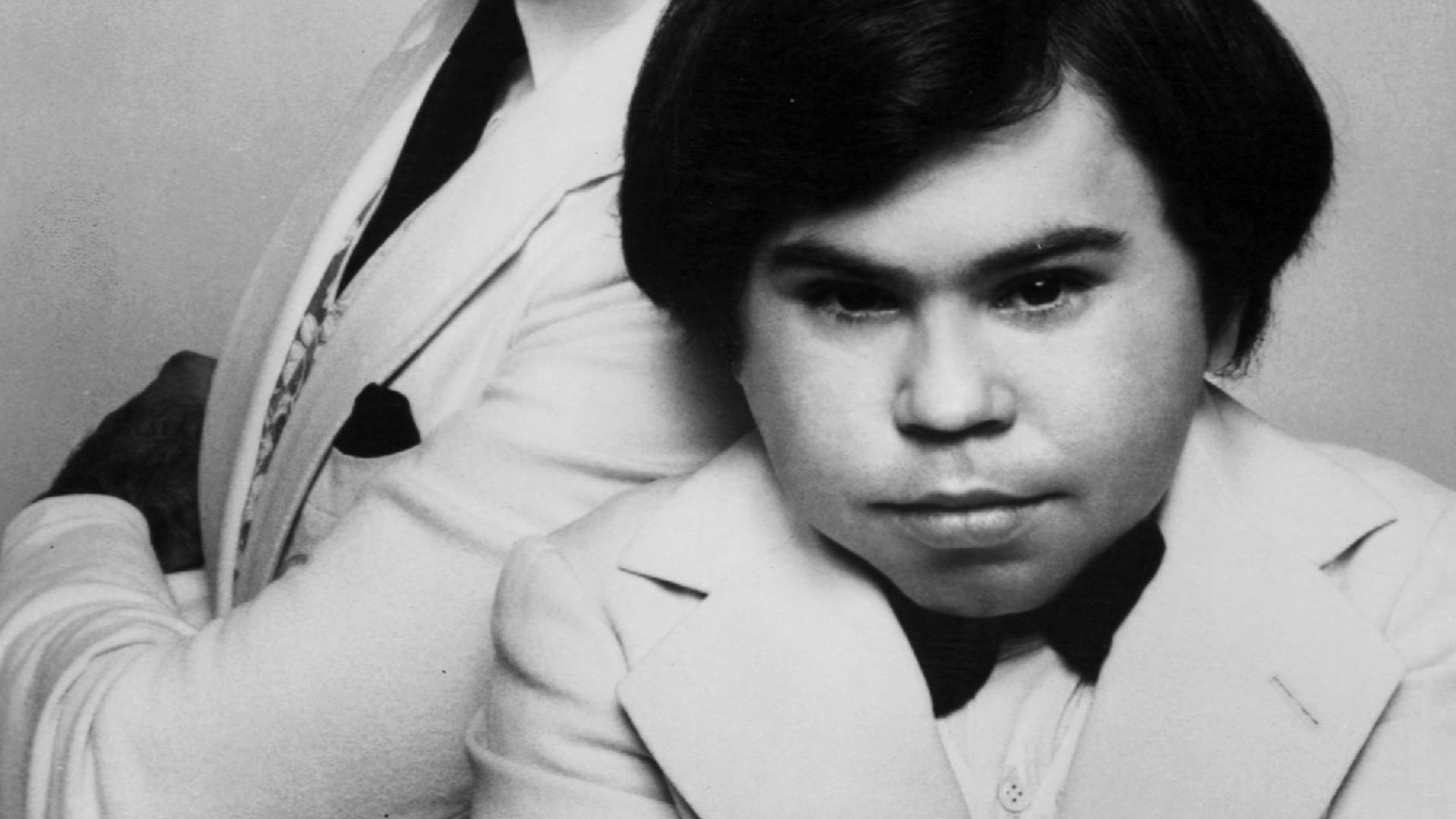
Tensions emerged between Montalbán and Villechaize during the later seasons of Fantasy Island. Villechaize grew dissatisfied with his salary and screen time compared to Montalbán. Despite Montalbán’s professionalism and efforts to maintain stability on set, the situation escalated. Villechaize was finally let go after the sixth season in 1983 when contract negotiations broke down, bringing an abrupt end to his role as Tattoo.
 ABC Television, Wikimedia Commons
Star Trek And The Role Of Khan
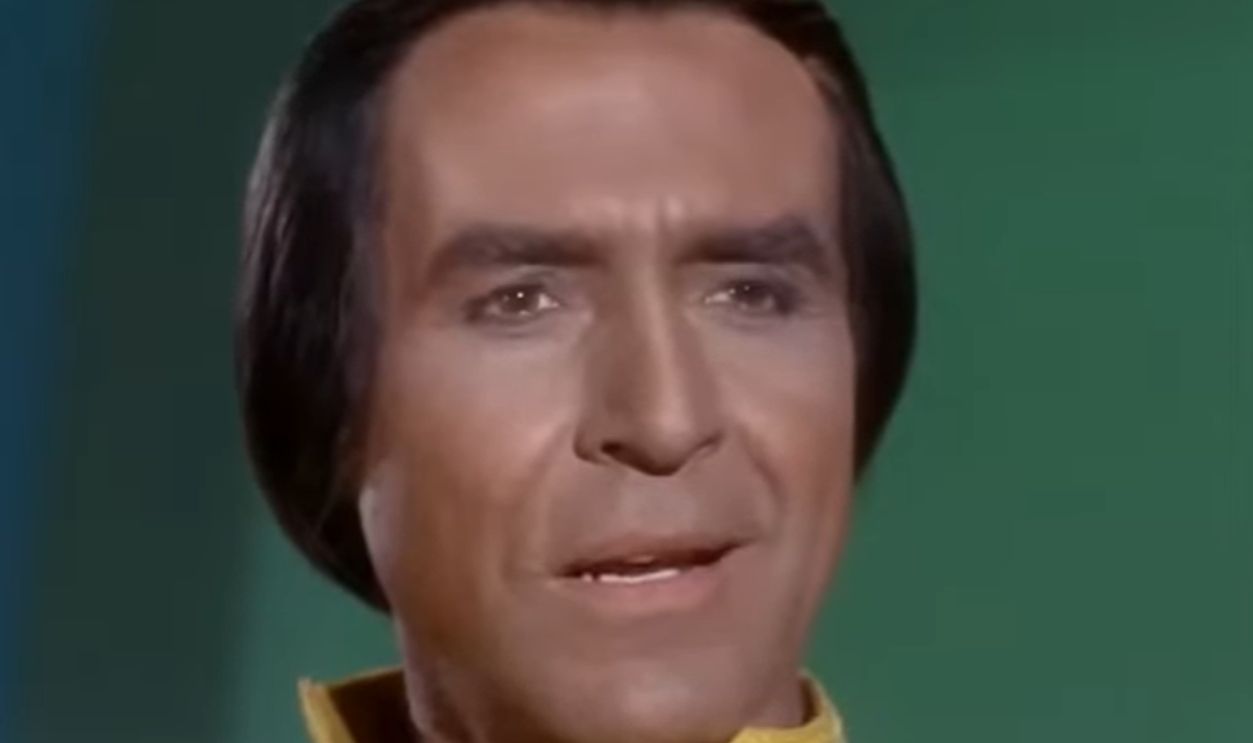
One of Montalbán's most iconic roles came as Khan Noonien Singh in a 1967 episode of Star Trek. His commanding performance brought depth and intensity to the character. Surprisingly, the role became a defining moment in his career and introduced him to a new generation of fans.
 Screenshot from Star Trek: The Original Series, NBC (1967-1969)
Returning To Khan Years Later
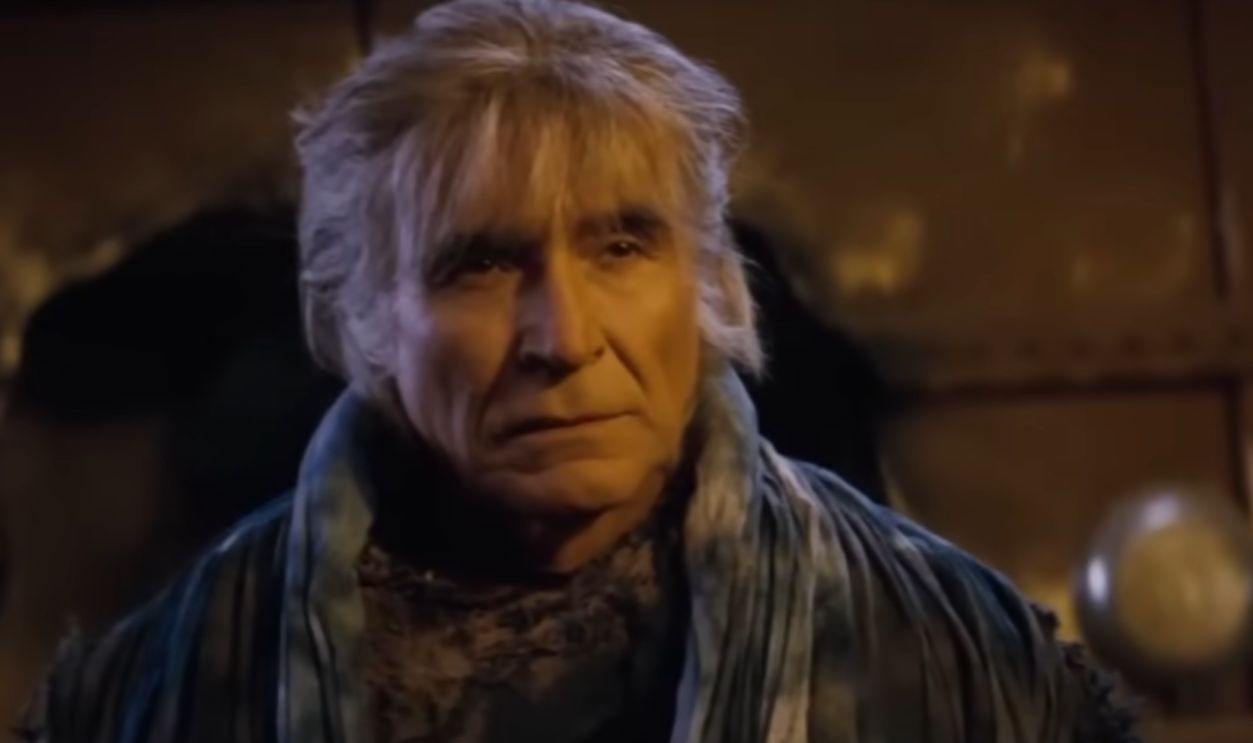
Montalbán reprised the role in Star Trek II: The Wrath of Khan (1982), delivering one of the most memorable villain performances in science fiction history. His portrayal combined charisma, intellect, and menace, immortalizing his legacy within the franchise.
 Screenshot from Star Trek II: The Wrath of Khan, Paramount Pictures (1982)
TV Commercial Success
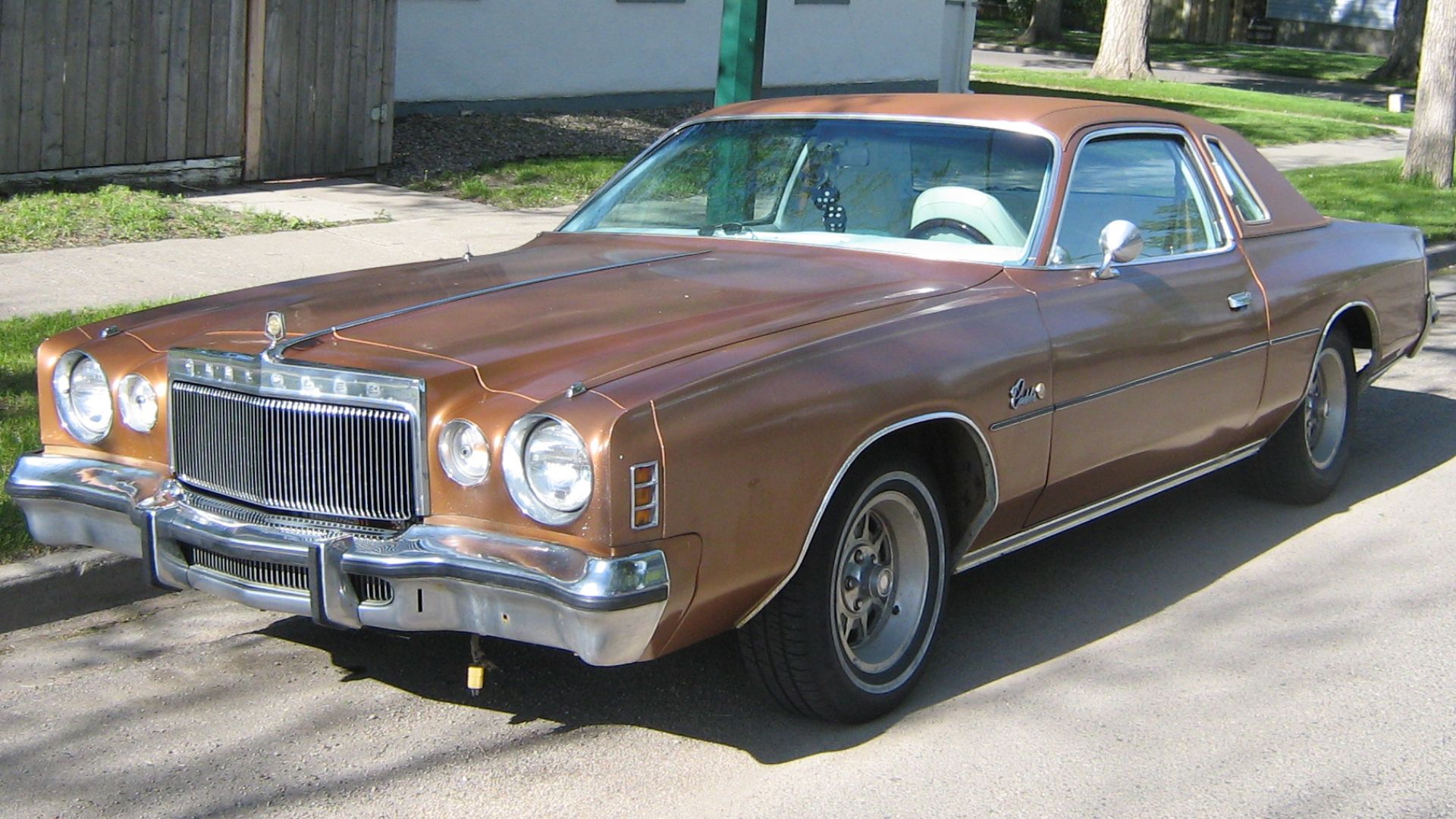
Montalbán became widely recognized for his advertisements for the Chrysler Cordoba. His smooth delivery and emphasis on “rich Corinthian leather” became iconic. These commercials further cemented his image as a symbol of sophistication and elegance. He also lent his face and voice to a long sequence of Maxwell House coffee ads through the 80s. Superb!
A Cultural Catchphrase
The phrase “Corinthian leather” became part of pop culture mostly due to Montalbán’s distinctive delivery. Though the term itself was purely an invention of marketing, Montalbán’s voice and presence gave it credibility. His performance elevated a simple advertisement into a memorable cultural moment; in fact, many of us who saw those old ads never questioned the authenticity of Corinthian leather.
 Asociación Nacional de Actores, Wikimedia Commons
Challenging Stereotypes In Hollywood
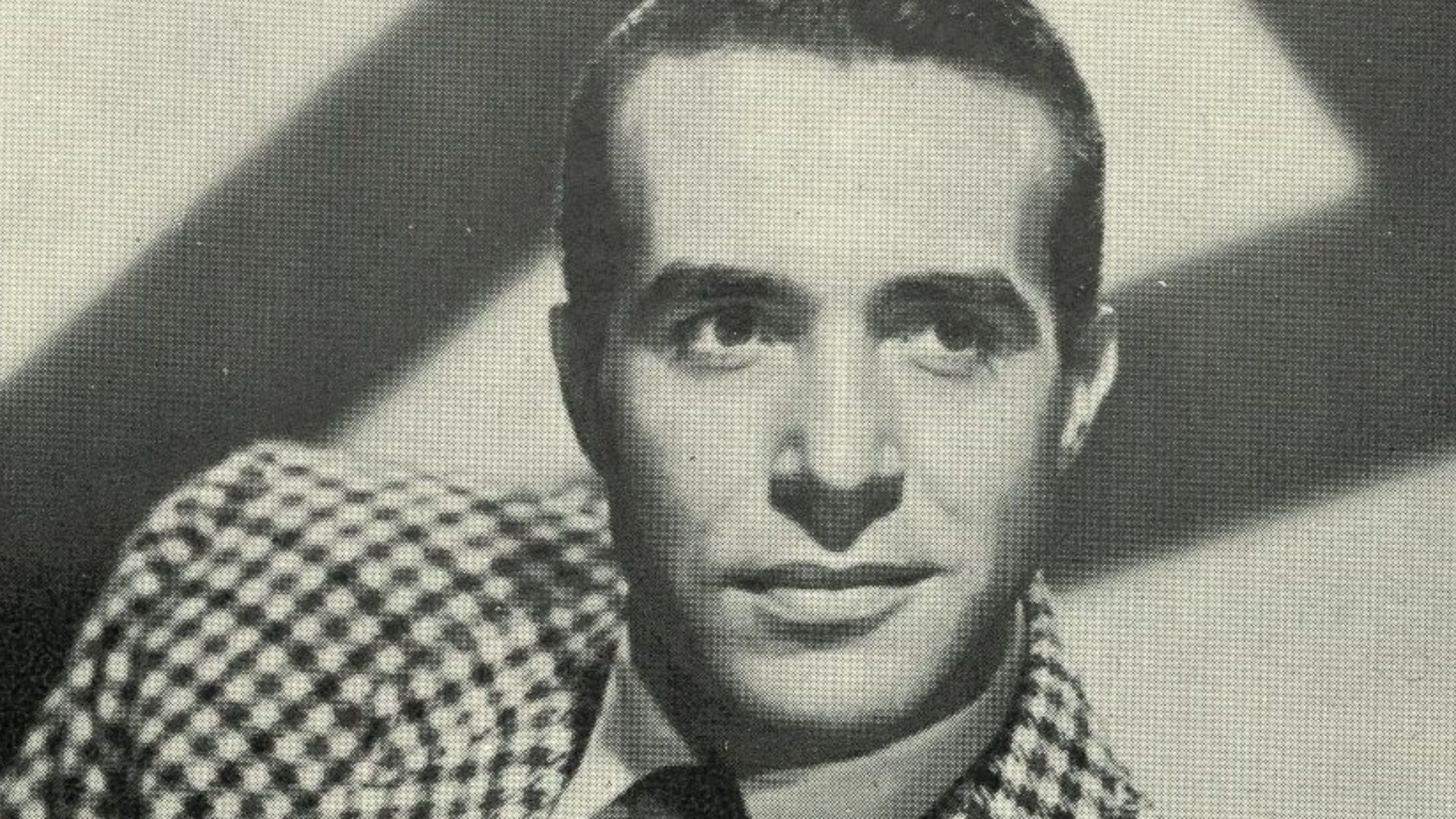
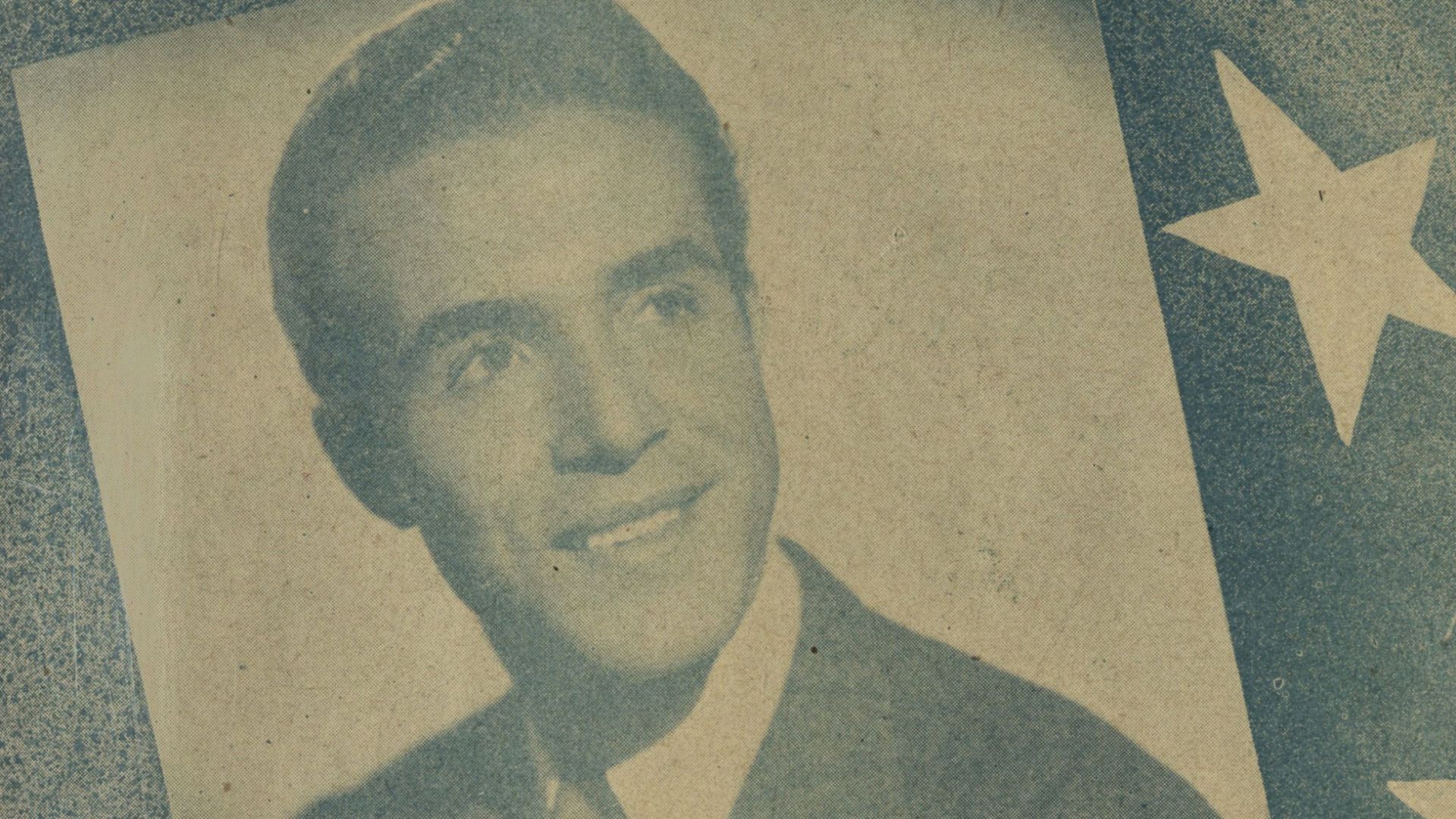
Over the entire course of his career, Montalbán advocated for better representation of Latino actors. He turned down roles he considered demeaning and worked to open doors for future performers. His efforts contributed to gradual changes in how Latino characters were portrayed in American media.
 Core Collection Periodicals, Wikimedia Commons
Founding The Nosotros Foundation
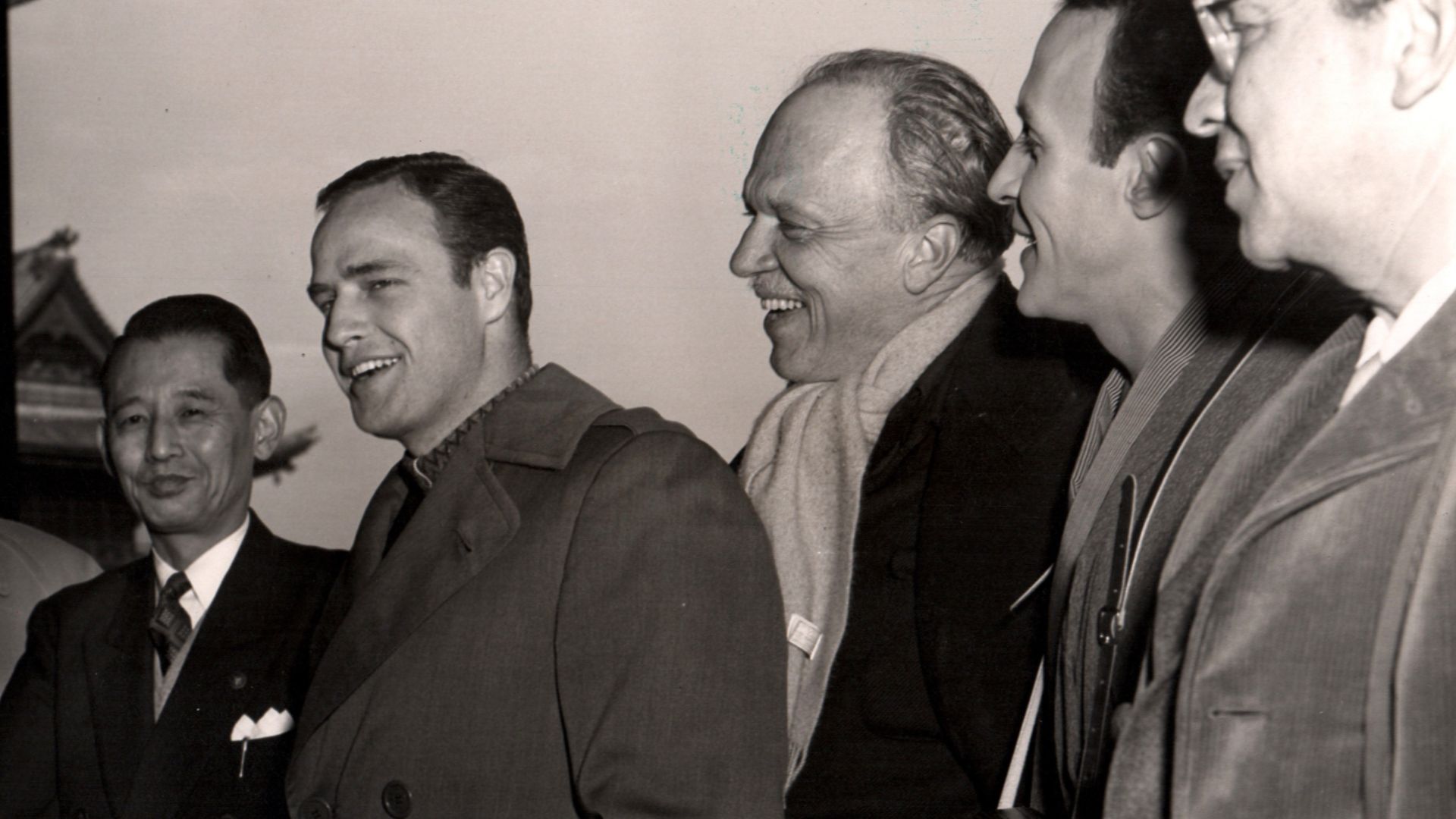
Montalbán co-founded the Nosotros Foundation to support Latino actors and promote diversity in Hollywood. The organization provided opportunities, training, and advocacy, proving his commitment to making the industry more open to others beyond his own success.
 Warner Bros., Wikimedia Commons
The Montalbán Theater
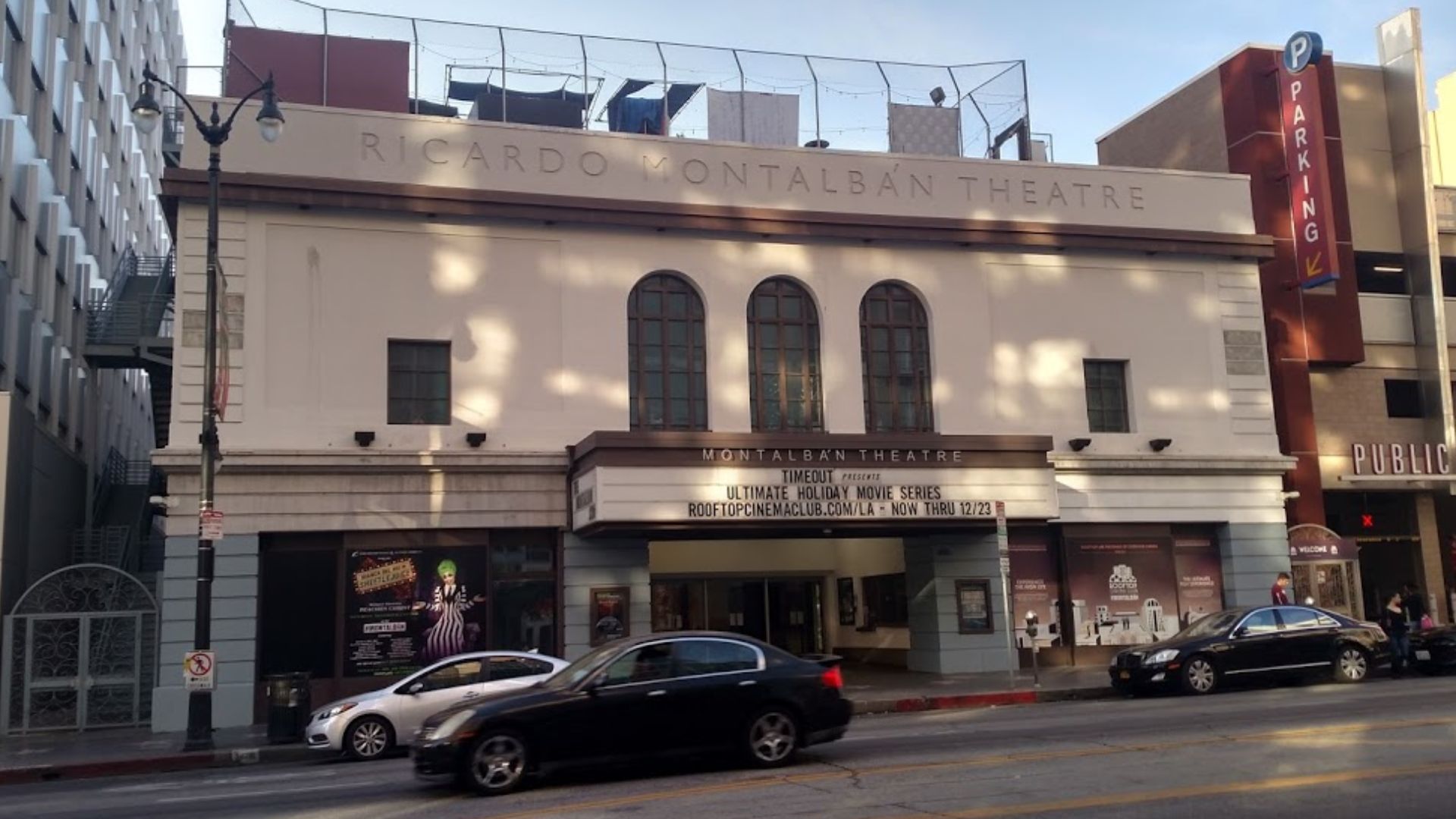
The Ricardo Montalbán Theatre in Hollywood is a legacy of Montalbán’s advocacy work. The Nosotros Foundation and the Ricardo Montalbán Foundation purchased the historic Doolittle Theatre in 1999 and restored it. Reopened in 2004 under Montalbán’s name, the theatre promotes Latino-focused productions and offers a platform for emerging artists, reflecting his long-standing commitment to changing the industry from within.
 Peter Greenberg, Wikimedia Commons
Personal Life And Family
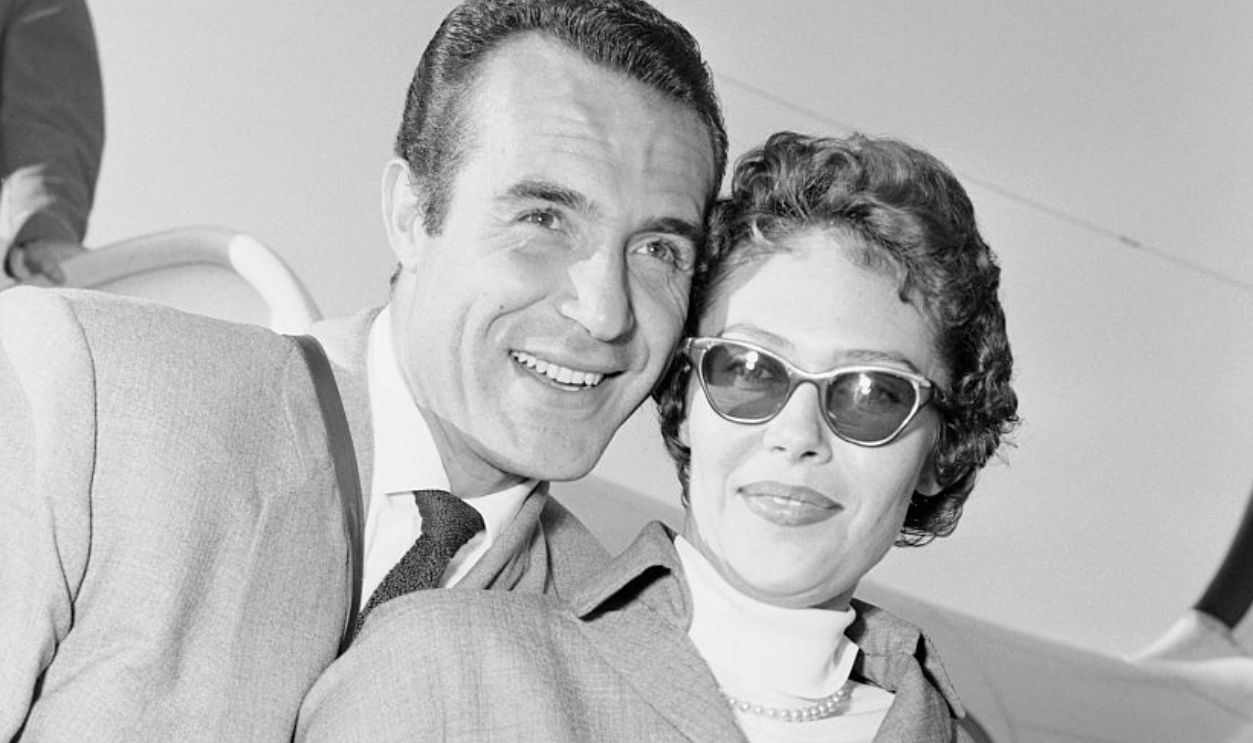
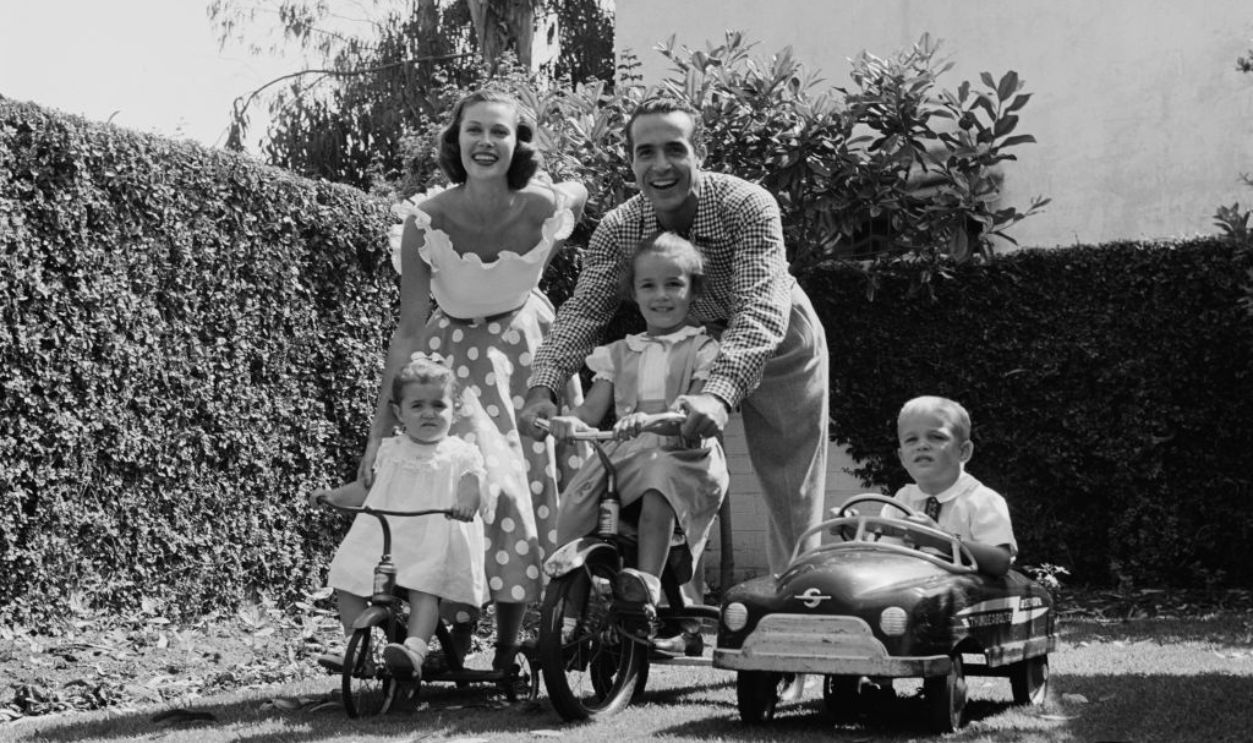
He married Georgiana Young, and their marriage lasted over six decades. Together they had four children. Despite his demanding career and physical challenges, he maintained a strong commitment to family life, often citing it as a source of strength.
Balancing Fame And Faith
Montalbán was a deeply religious man and credited his faith with helping him endure long years of chronic physical pain. He approached his career with humility and gratitude, often speaking about perseverance and purpose in both interviews and public appearances.
Worsening Physical Condition
As he aged, his spinal condition worsened. Starting in the early 90s, Montalbán underwent multiple surgeries in an attempt to ease the pain, but complications persisted. Eventually, his mobility became so limited that he needed to be assisted to continue working and attending public events.
Continuing To Work Despite Limitations
Even as his health declined, Montalbán continued to act and make appearances. His determination to stay active led him into less demanding guest roles and voice acting stints. Audiences admired his resilience and refusal to let physical hardship define him. The many interviews he gave in the last decades of his life revealed Montalbán as an engaging raconteur with a wealth of personal stories and reminiscences from countless movie sets.
Remembered For Grace And Strength
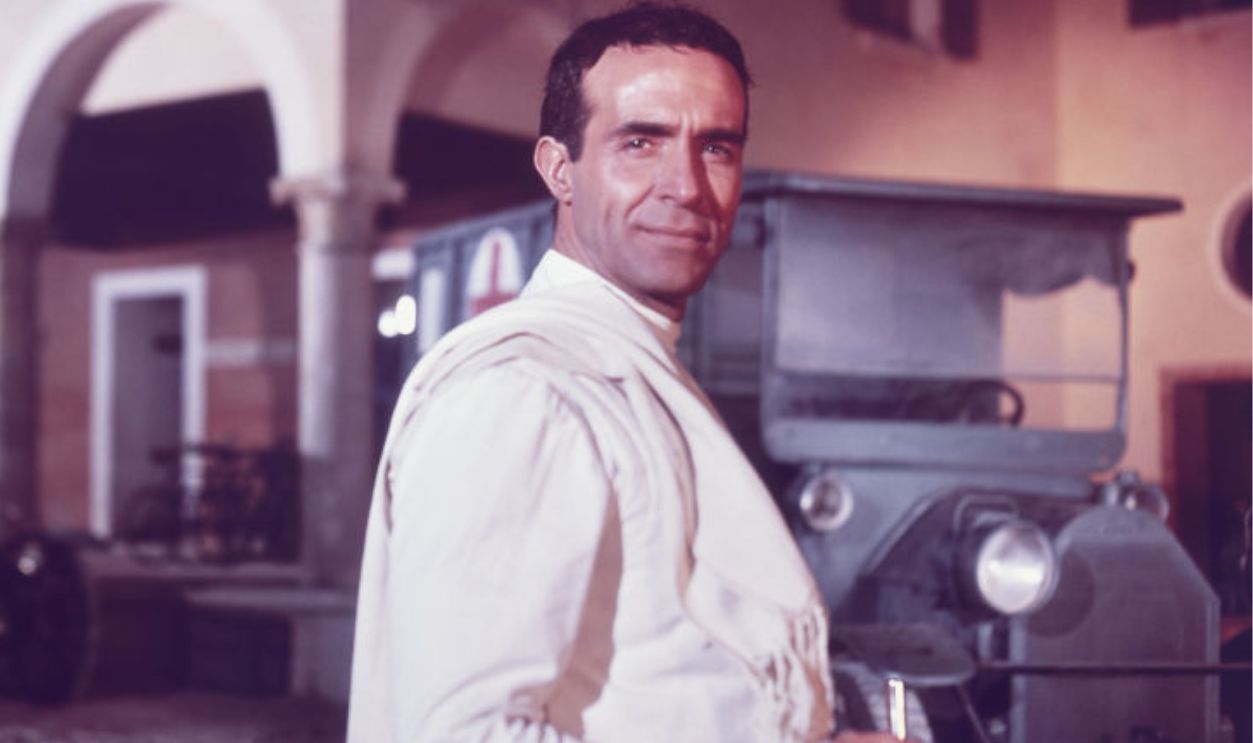
Montalbán was widely remembered for his dignity, warmth, and professionalism. Even in pain, he maintained his customary composed gracious public presence. His ability to balance hardship with optimism left a lasting impression on those who worked with him. It’s never been easy to get to the top, and for Montalban it was especially difficult. He never forgot his roots.
His Passing And Legacy
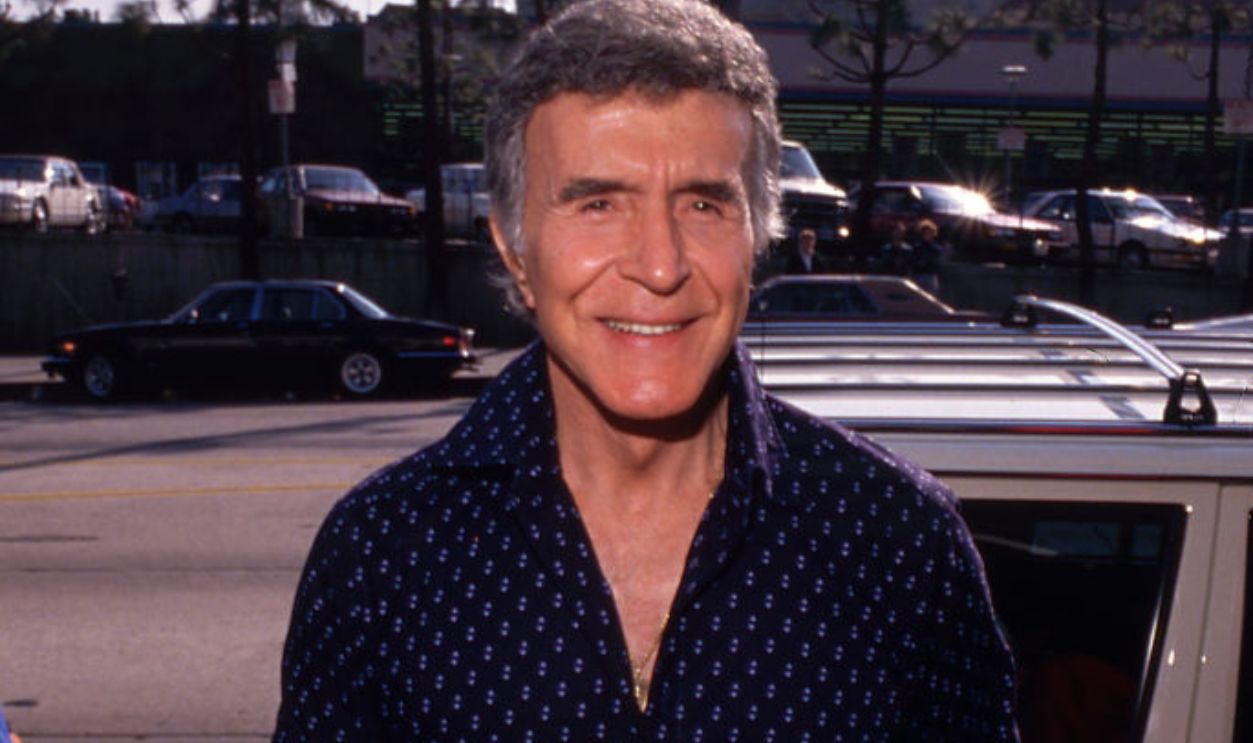
Montalbán passed away in 2009 at the age of 88. Tributes poured in from across the entertainment industry, highlighting his talent and character. His work continues to be celebrated by fans of classic television and film.
A State Of Mind
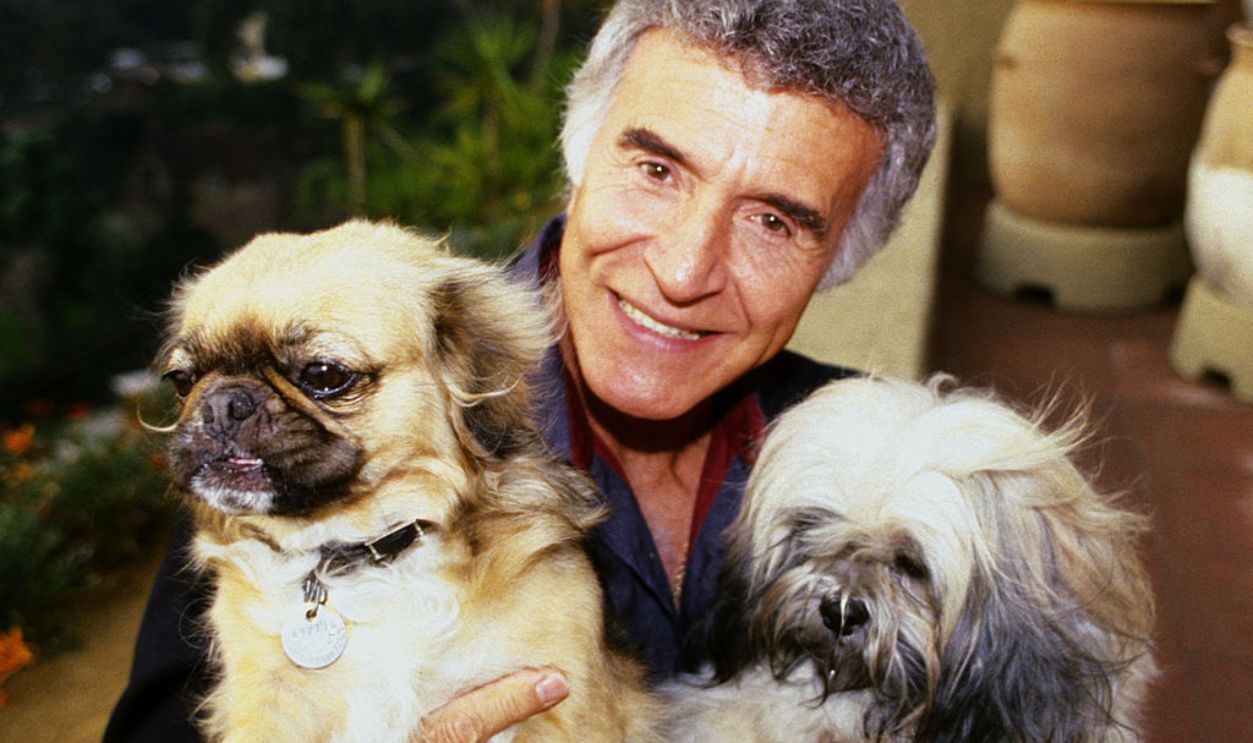
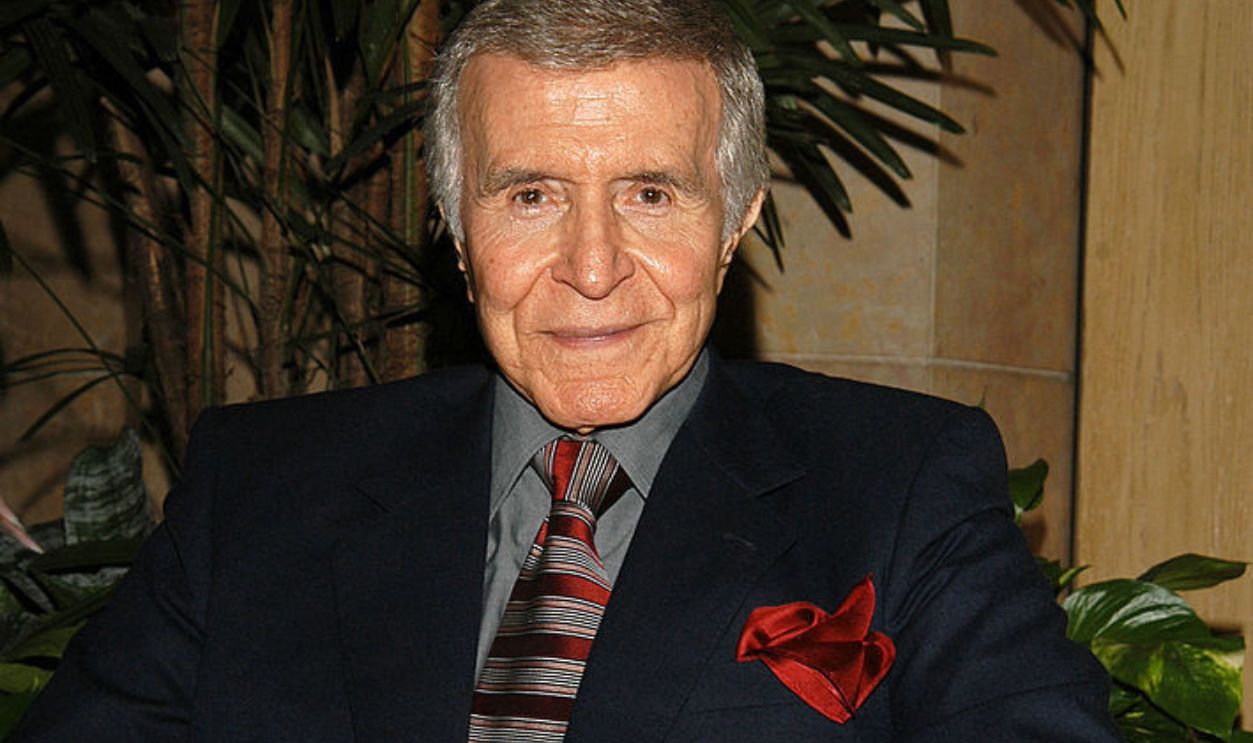
Ricardo Montalbán’s story is one of perseverance, and putting aside constant physical pain in order to accomplish the task at hand. From his early struggles in Hollywood and Mexico to classic roles and advocacy work for Latinos, he built a legacy beyond entertainment, proving his endurance, talent, and quiet strength along the way.
You May Also Like:
Spellbound Facts About Elizabeth Montgomery, TV’s Angelic Enchantress
Louis Gossett Jr. reached the peak of Hollywood success, but he fought battles that few people saw.