
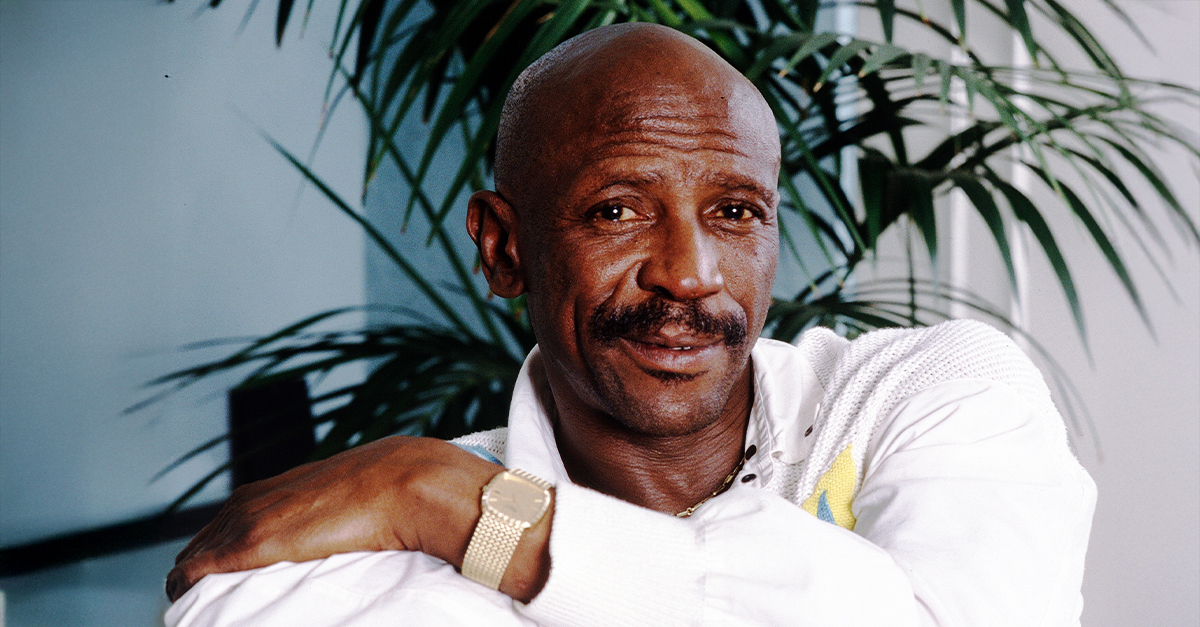
A Trailblazer’s Complicated Legacy
You likely know Louis Gossett Jr. as the commanding actor who made history with an Academy Award and unforgettable performances in film and television. But behind that success was a life marked by resilience, discrimination, deathly illness, and unending personal struggle.
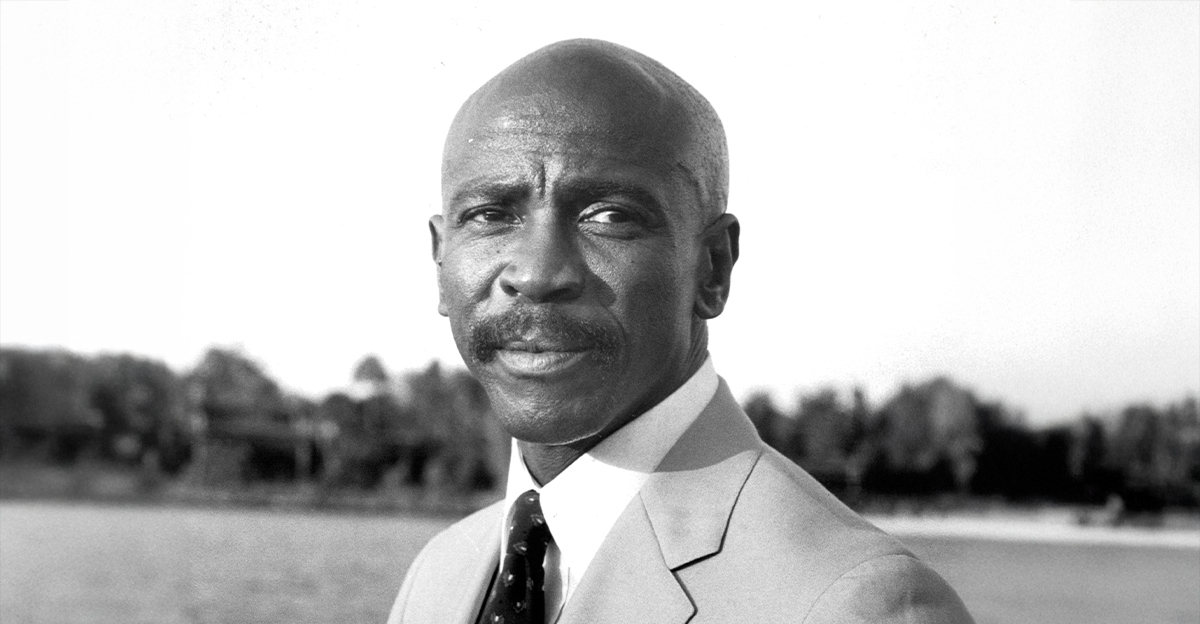 Photo by Michael Ochs Archives/Getty Images
Growing Up In Brooklyn
Gossett was born in 1936 in Brooklyn, New York, and grew up in a working-class household. His mother was a nurse and his father a porter, and their steady influence helped to shape his self-discipline. As a young man, he was initially more interested in sports than acting. Surprisingly, his early ambitions didn’t point toward the stage at all.
 National Museum of the U.S. Navy, Wikimedia Commons
Childhood Illness And Early Setbacks
As a child, Gossett contracted polio, a potentially deadly illness that could have left him permanently disabled. Though he made a full recovery, the experience instilled a sense of determination and resilience that would stay with him for the rest of his life. It also gave him an early understanding of hardship that influenced his performances.
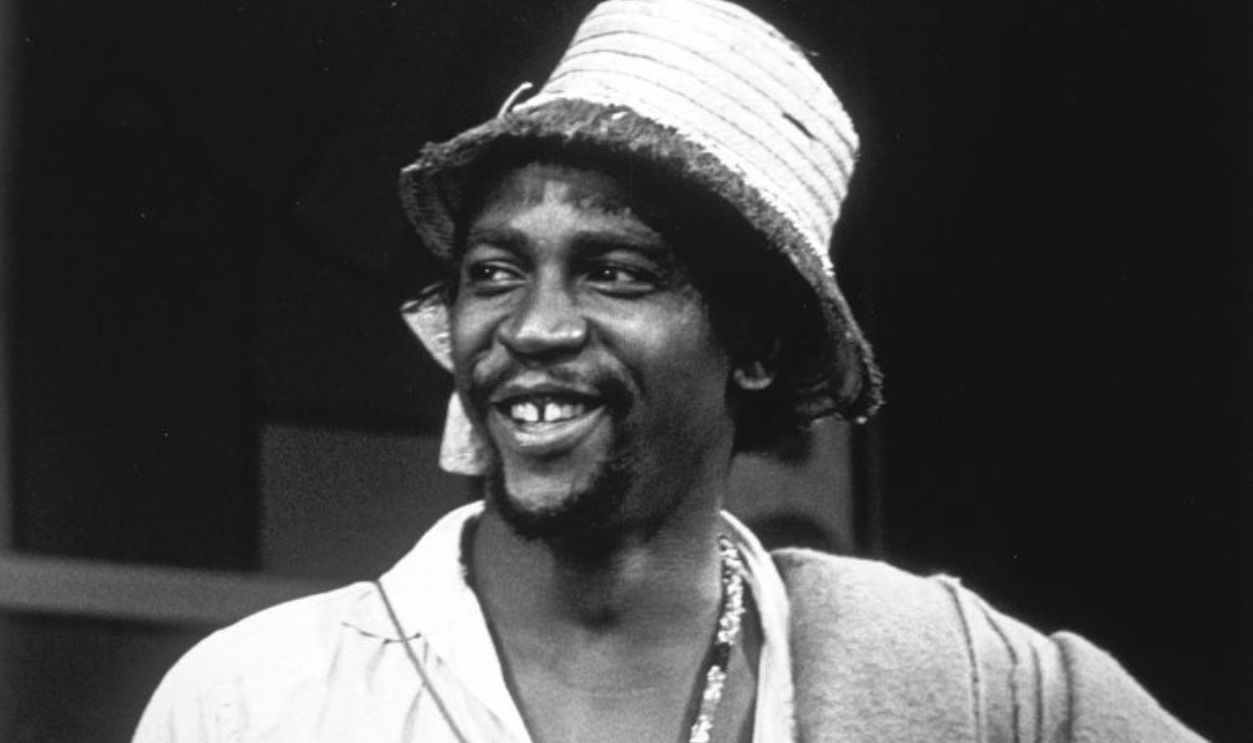
Chance Encounter With Acting
Everything changed when Gossett was a student at Lincoln High School in Brooklyn. A basketball injury kept him off the court and led him to start thinking about acting. A teacher encouraged him to audition for a play, and voila! Gossett discovered the spark of natural ability. The unexpected turn would set him on a path that led from Brooklyn classrooms to Broadway stages.

Broadway Breakthrough At 17
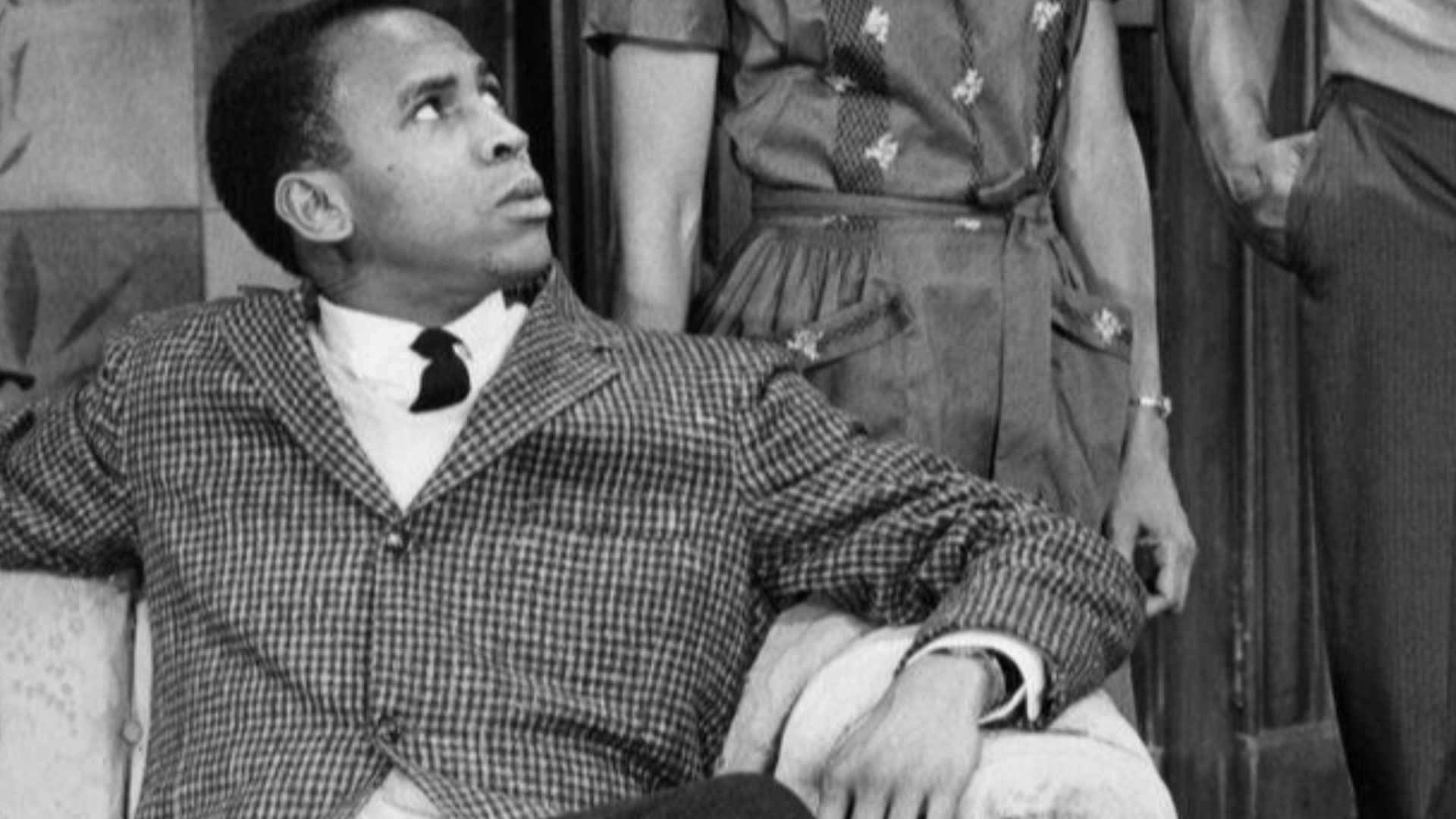
At just 17 years old, Gossett made his Broadway debut in Louis S. Peterson’s Take a Giant Step (1953), an extraordinary achievement for someone so young. The performance was well received and immediately marked him out as a rising young talent. It was clear from the beginning that Gossett brought authority and emotional depth to his roles.
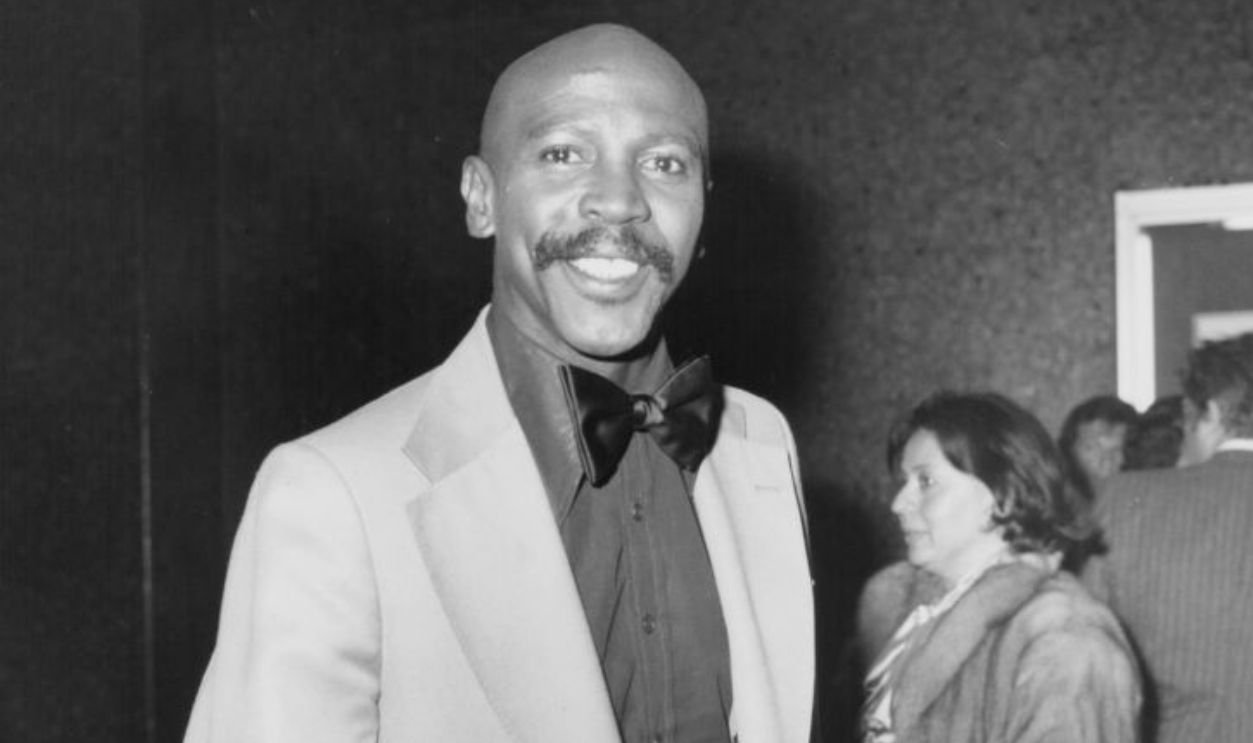
Building A Stage Reputation
Through the late 1950s and early 1960s, Gossett continued building his reputation in theater. He appeared in major productions like A Raisin in the Sun (1959) and The Desk Set (1955), working alongside leading performers of the era. Gossett actually turned down an offer to play basketball for the New York Knicks so he could stick with acting. But these early roles established him as part of a generation of Black actors pushing against industry barriers.
Confronting Racism In Early Career
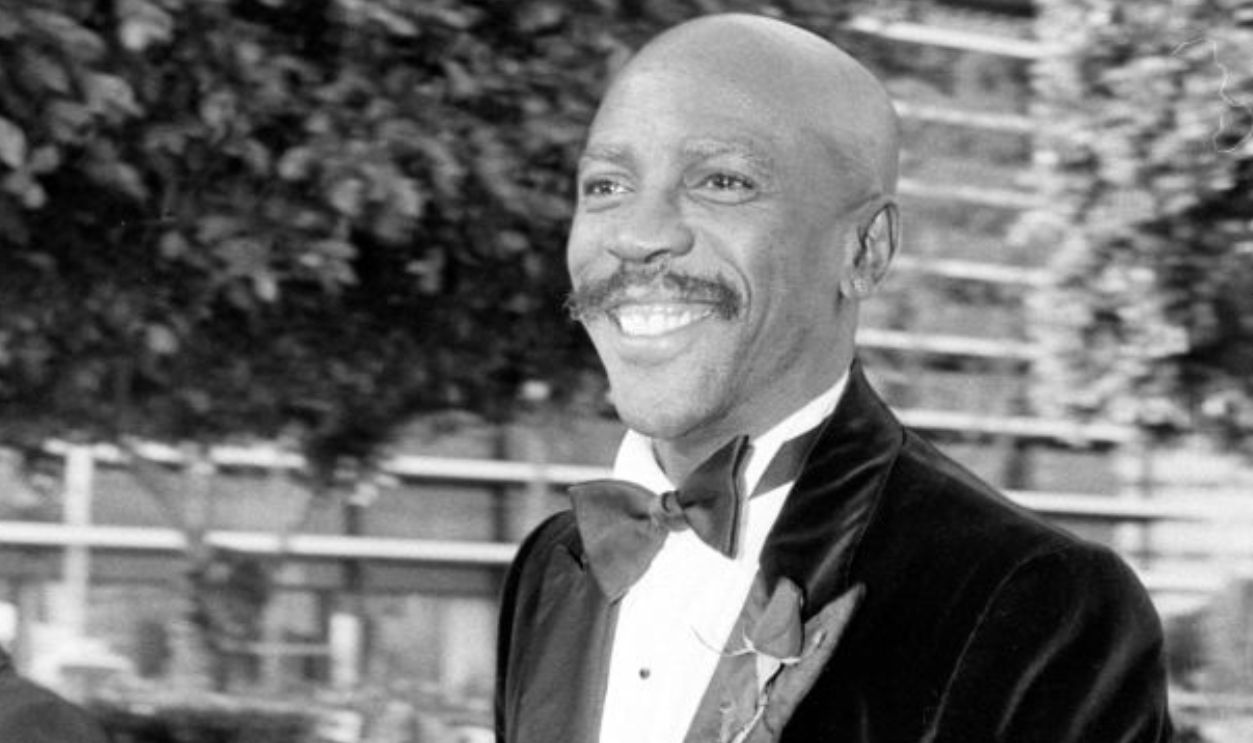
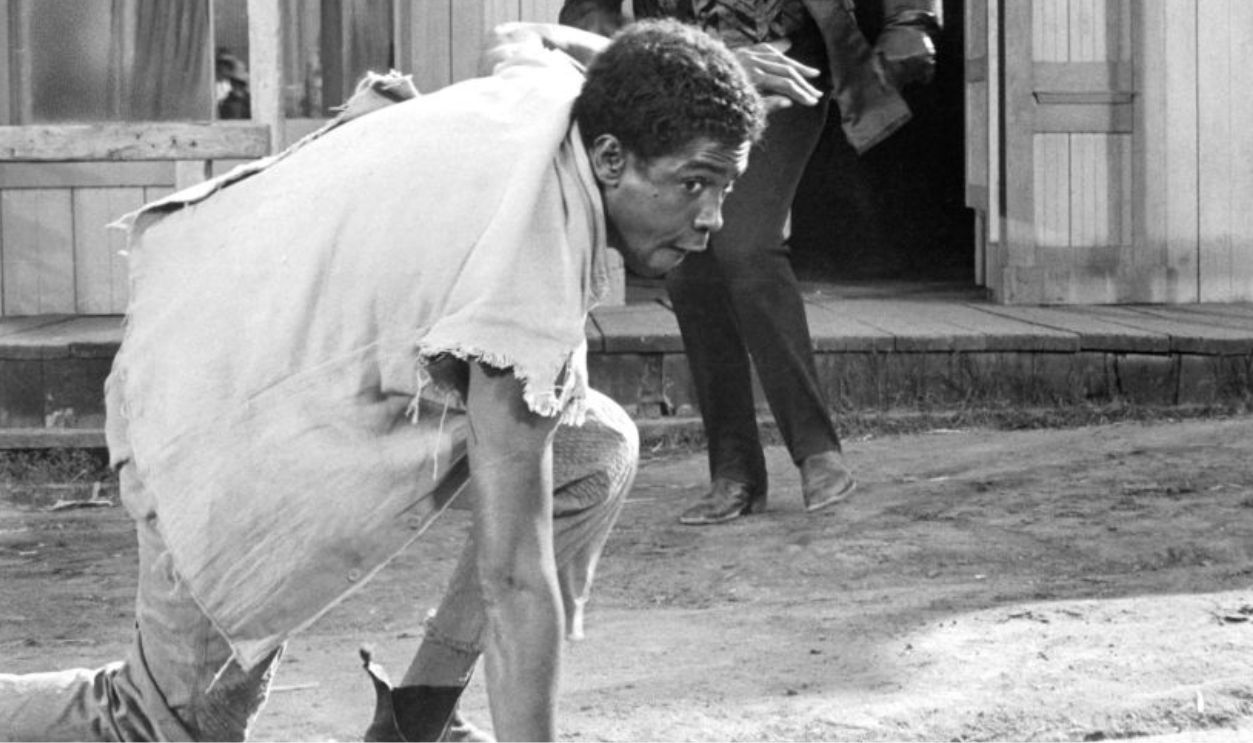
Despite his abundant talent as an actor, Gossett faced persistent racism in Hollywood and on the road. He later spoke about being harassed by police and marginalized within the industry. These experiences weren’t isolated but part of a broader reality at the time for Black actors, affecting both his career opportunities and his personal outlook. But Gossett had another creative outlet beyond acting.
 Michael Ochs Archives, Getty Images
Songwriting With Richie Havens
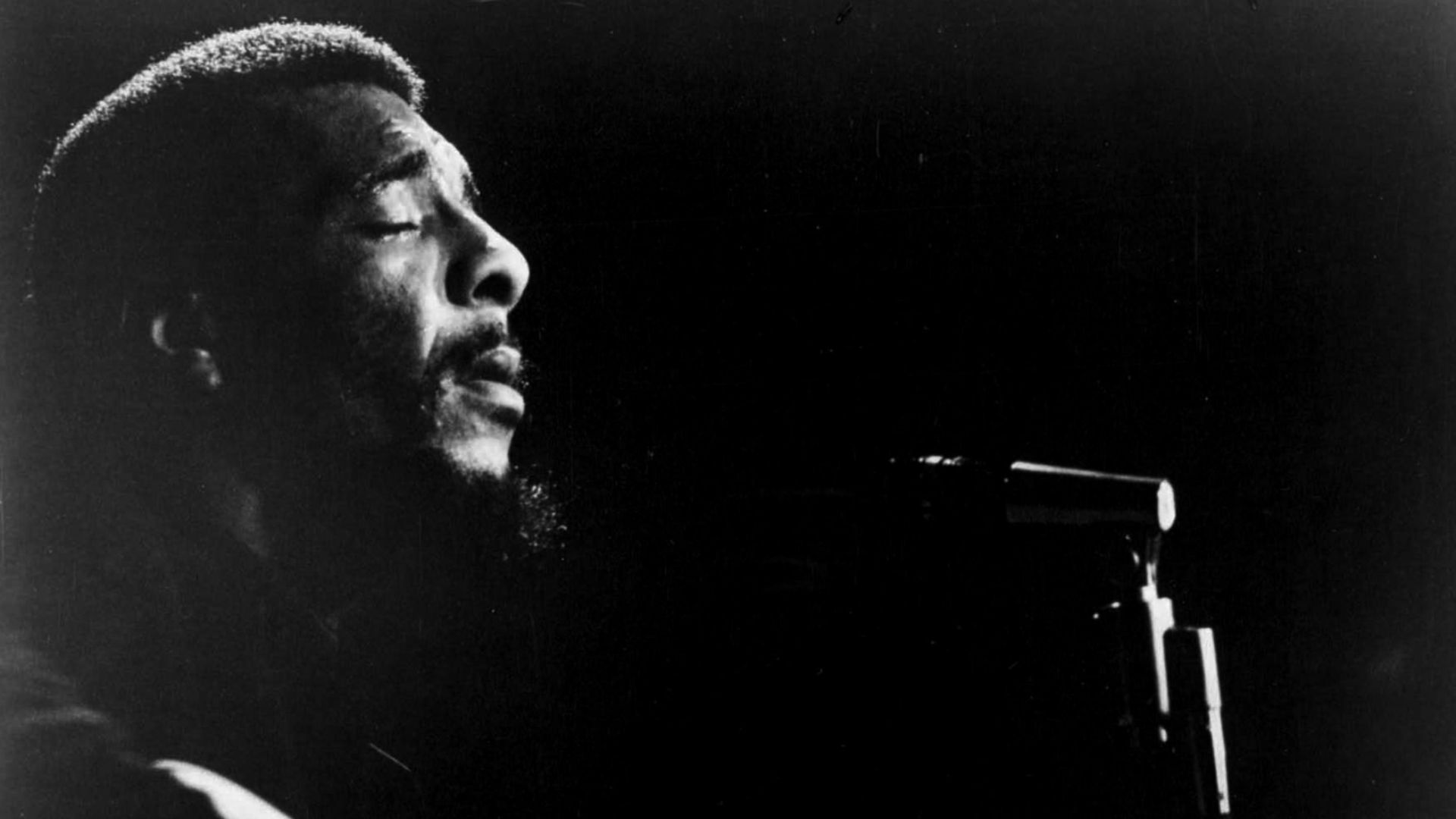
Gossett also explored music, co-writing the protest song “Handsome Johnny” with Richie Havens in the mid-1960s. The song, which reflects on the long history of American soldiers from different wars, became one of Havens’ signature pieces. Havens performed it at Woodstock in 1969, where its powerful lyrics and driving rhythm helped set the tone for the iconic festival’s opening moments.
 Eluhim-William Morris Agency-management, Wikimedia Commons
Breaking Into Film And TV For Good
By the 1970s, Gossett had made a firm transition into film and TV roles, appearing in projects like: Skin Game (1971) with James Garner; Laughing Policeman (1973) with Walter Matthau and Bruce Dern; and The Deep (1977) co-starring Robert Shaw. While these performances helped build his visibility, he hadn’t quite broken through to major stardom. Still, his steady work laid the foundation for something big.
The Cultural Impact Of Roots
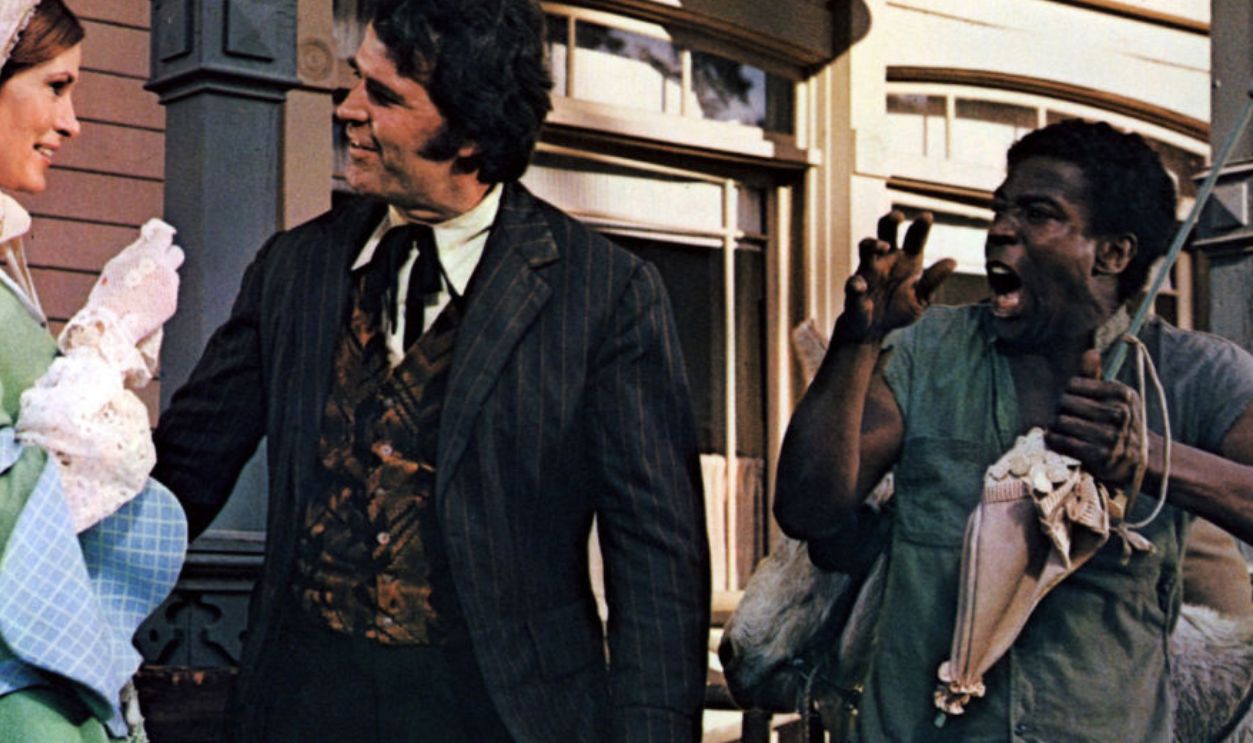
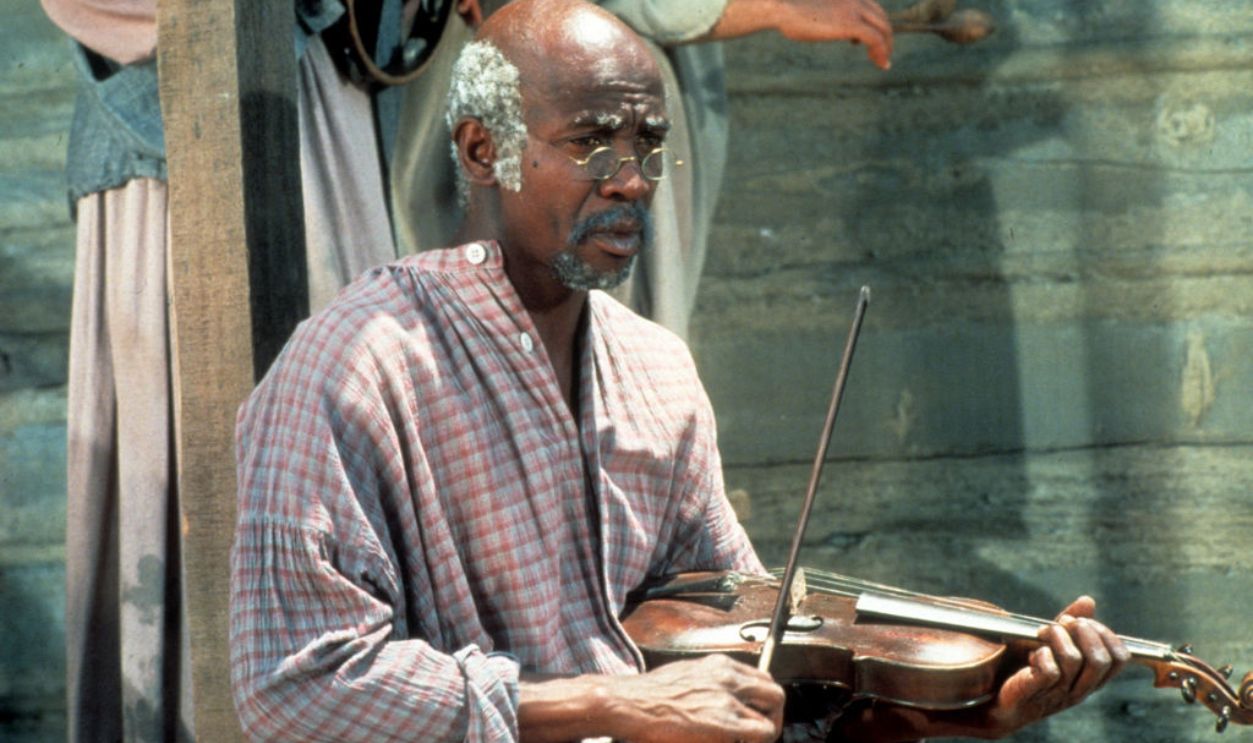
Gossett’s career changed dramatically with the 1977 TV miniseries Roots. His portrayal of Fiddler resonated deeply with audiences and critics alike. The series turned into a cultural phenomenon, and Gossett’s role in it placed him firmly in the national spotlight as a powerful and compelling actor.
Emmy Recognition For Roots
Gossett’s performance in Roots earned him an Emmy Award, a major milestone that validated his work on a national level. The recognition helped to open more doors and proved he could command attention in major productions. The stage was set for even greater success in the years that followed.
 Bill Ingalls, Wikimedia Commons
A Career On The Rise
Following Roots, Gossett’s career gained momentum as he began receiving more prominent roles. He became a recognizable presence on both television and film screens. For the first time, it seemed possible that he might break through into the highest levels of Hollywood success.
 Michael Ochs Archives, Getty Images
The Breakthrough Of An Officer And A Gentleman
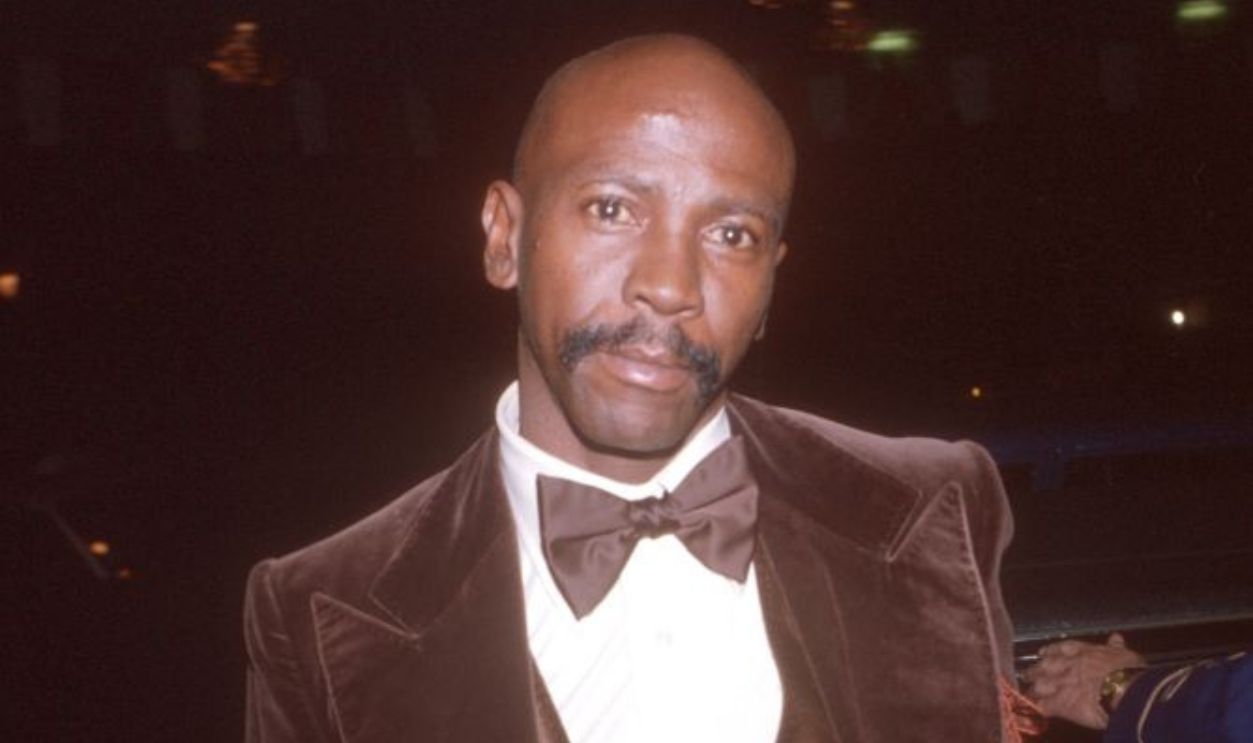
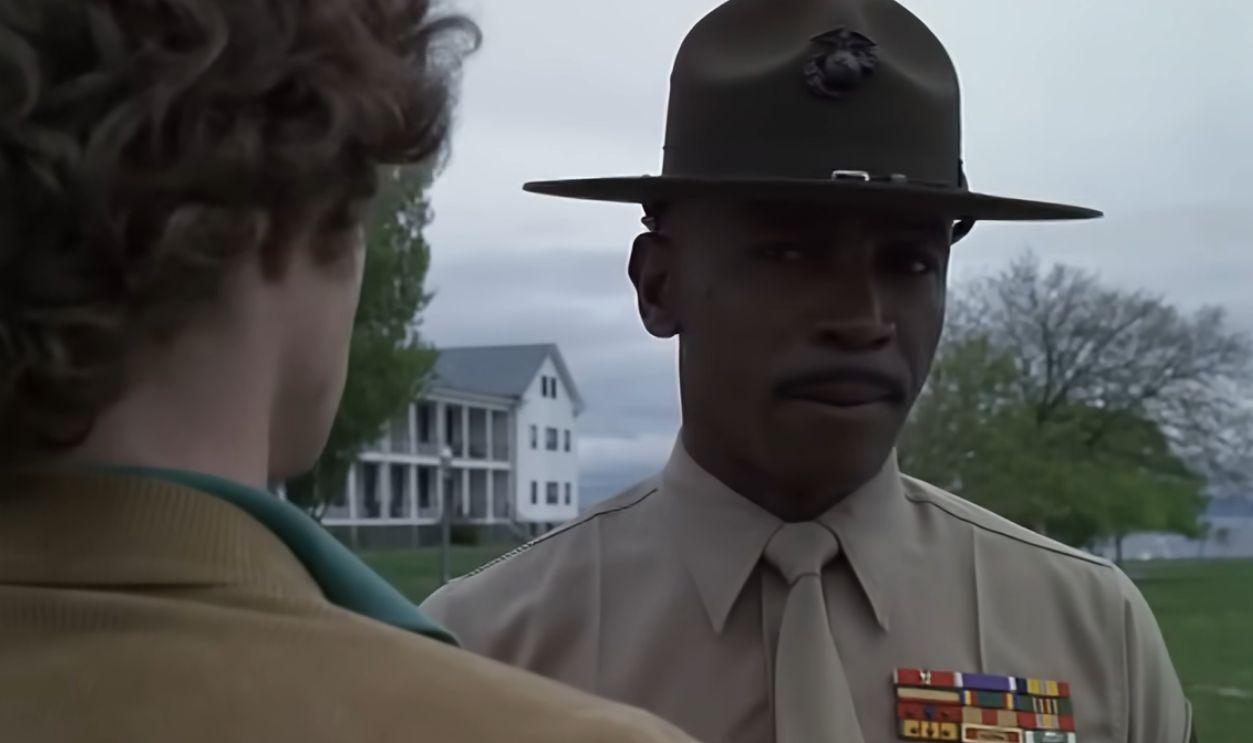
That breakthrough came in 1982 with An Officer and a Gentleman, directed by Taylor Hackford. Gossett’s portrayal of Gunnery Sergeant Emil Foley was intense, disciplined, and unforgettable. His performance stood out even among a strong cast, earning widespread rave reviews and cementing his place in Hollywood history.
 Screenshot from An Officer and a Gentleman, Paramount Pictures (1982)
Winning The Academy Award
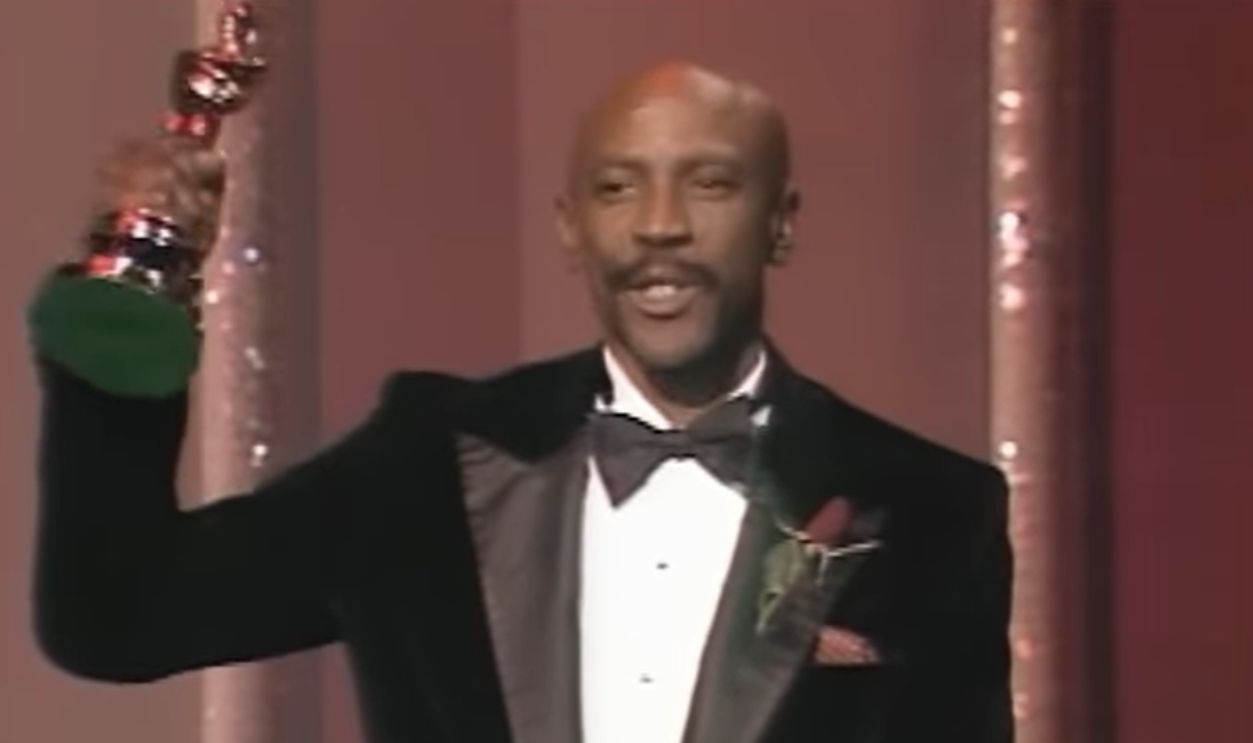
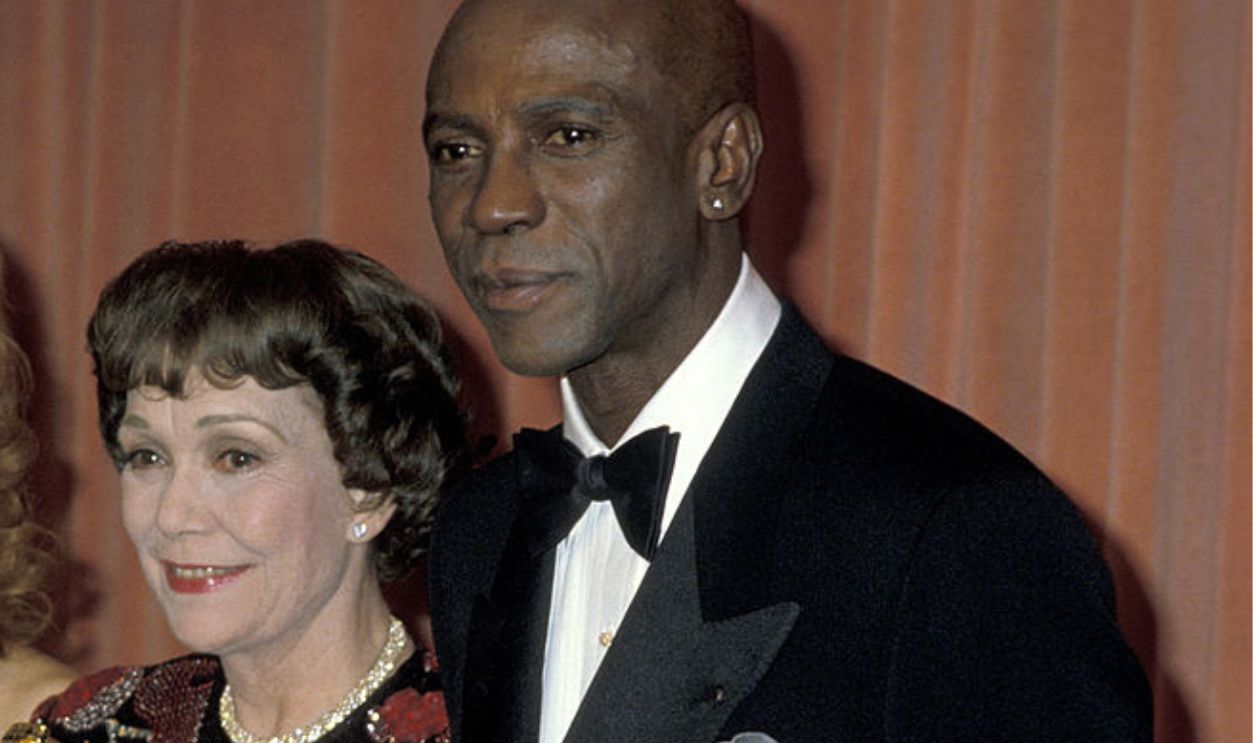
Gossett made history by becoming the first Black man to win the Academy Award for Best Supporting Actor. It was a landmark moment of progress in an industry that had long excluded actors like him. The win brought him world recognition and solidified his legacy.
 Screenshot from 55th Academy Awards, ABC (1983)
Golden Globe Recognition
His performance in An Officer and a Gentleman also earned him a Golden Globe Award, further deepening the impact of his work. The recognition confirmed that his achievement went beyond one award, and was part of a broader acknowledgment of his talent across the industry.
Life After The Oscar
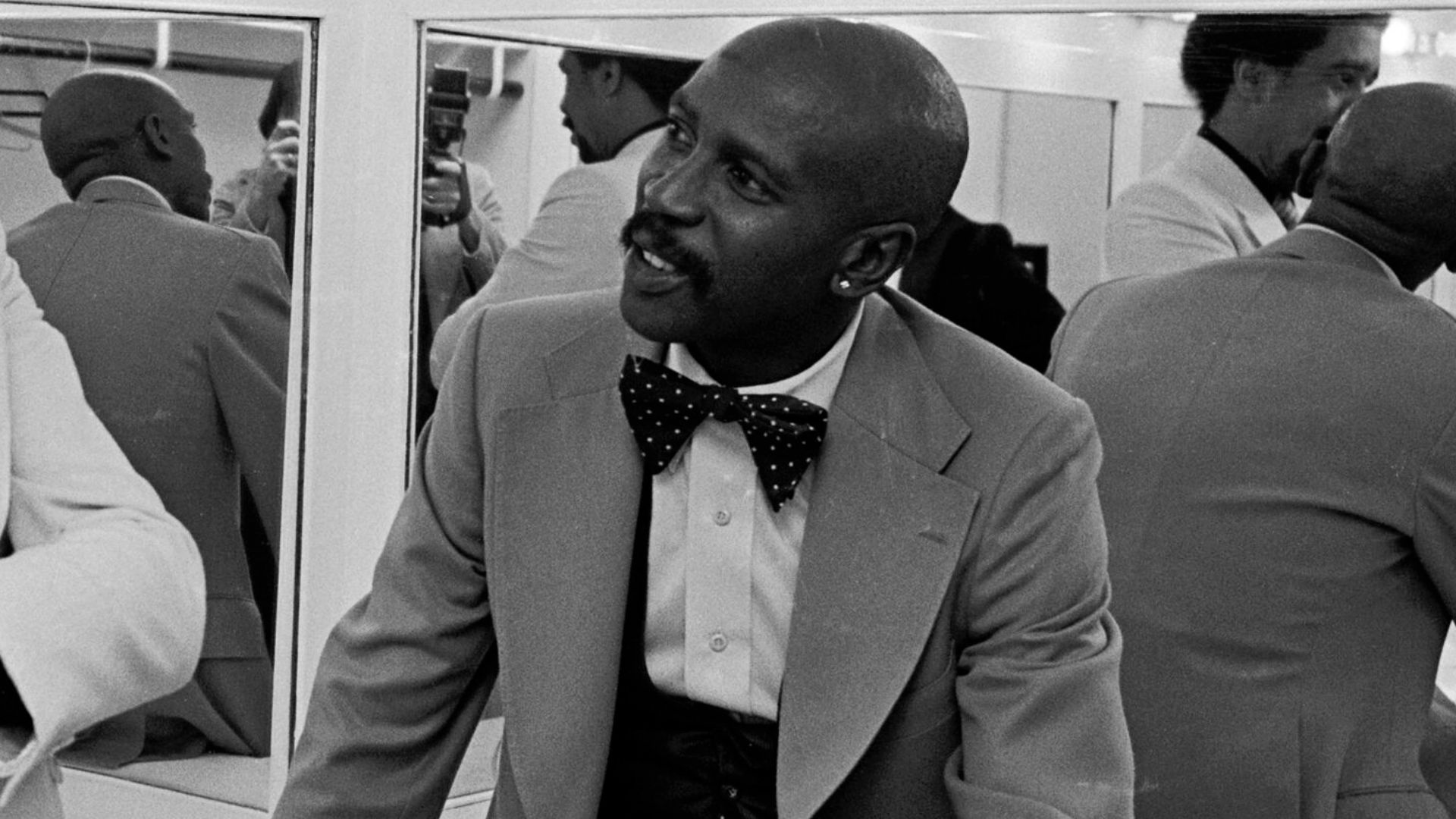
Despite his historic Oscar win, Gossett didn’t garner the sustained leading roles that many filmgoers might’ve expected. Hollywood continued to cast him in supporting parts, reflecting ongoing limitations for Black actors. His success didn’t fully shield him from the industry’s systemic challenges.
 Los Angeles Times, Wikimedia Commons
Roles In The 1980s And Beyond
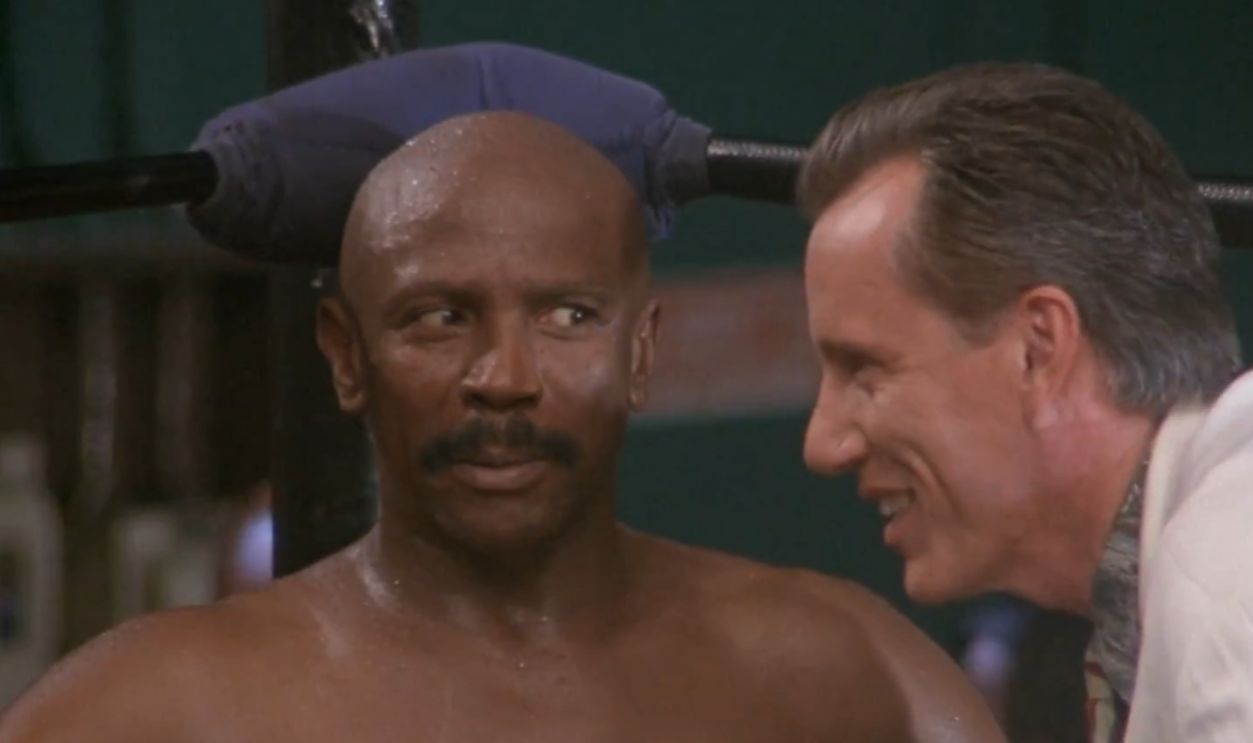
He remained active in the 1980s and beyond, appearing in films like Enemy Mine (1985), Iron Eagle (1986), and Diggstown (1992). These roles showcased his strong screen presence and kept him visible to audiences. Even when projects had mixed success, his own performances were consistently respected.
 Screenshot from Diggstown, Metro-Goldwyn-Mayer (1992)
Grueling Production Conditions
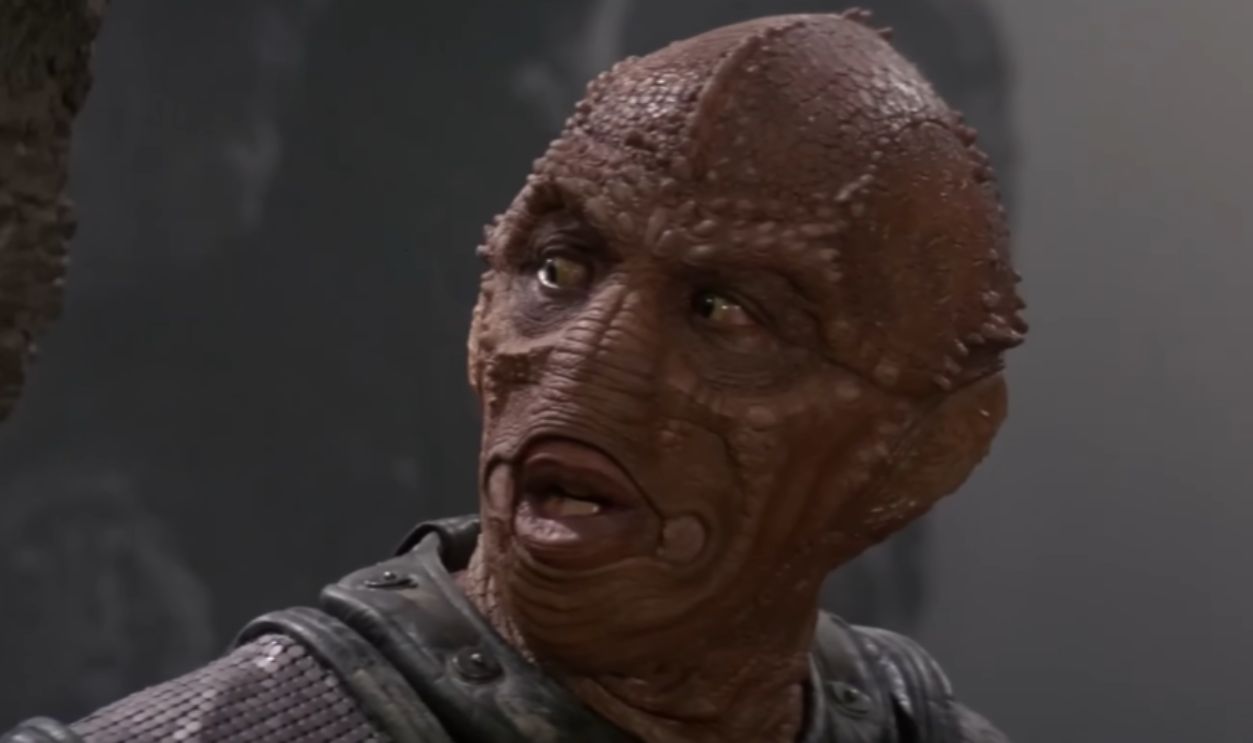
Filming Enemy Mine proved especially demanding. Gossett endured heavy prosthetics, painful contact lenses, and extreme physical conditions. At one point, his eyes became severely irritated, and his costume caused skin damage. The experience demonstrated his commitment, even when the role took a physical toll.
 Screenshot from Enemy Mine, 20th Century Fox (1985)
Second Golden Globe Win
Gossett earned a second Golden Globe for his role in HBO’s TV movie The Josephine Baker Story (1991), demonstrating his continued excellence in television. This second major award was a nod to Gossett’s versatility in consistent strong performances across different formats and genres.
Struggles With Addiction
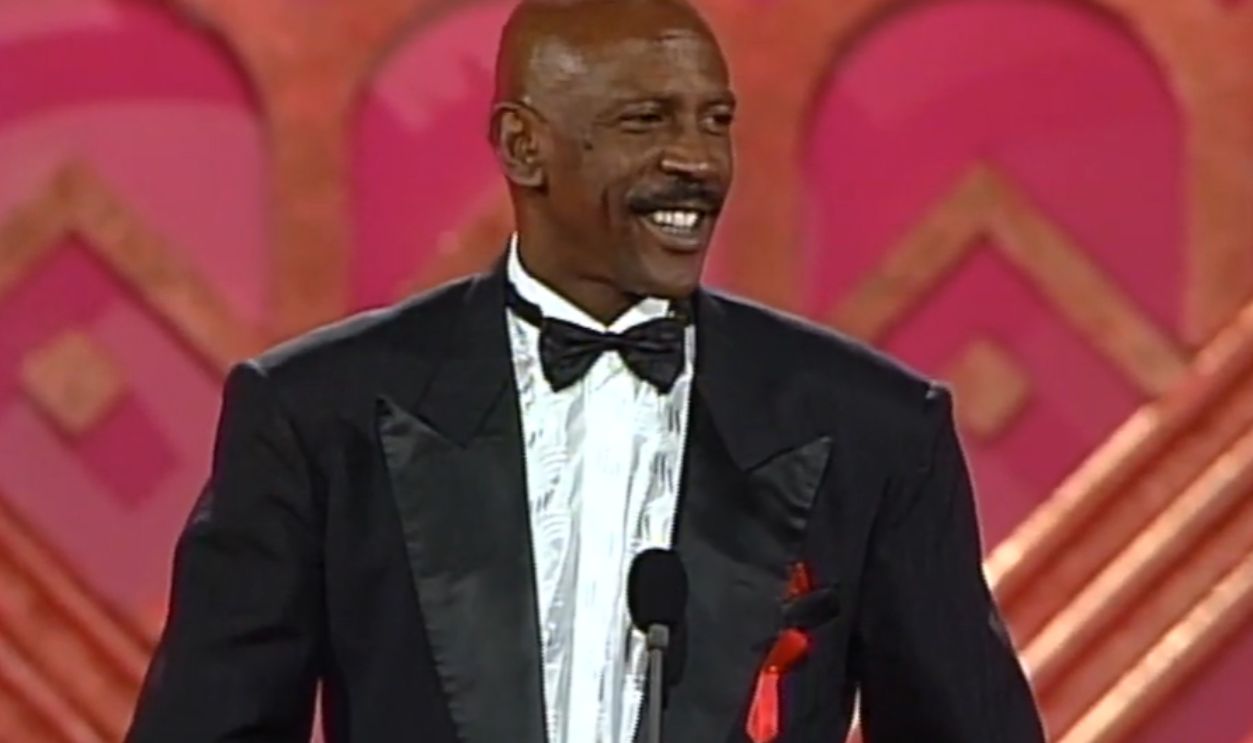
Behind the scenes, Gossett struggled with alcohol and cocaine addiction, particularly after his Oscar win. The pressures of fame and limited opportunities contributed to these challenges. In 2004 he sought out treatment in a head-on confrontation with his personal demons that threatened to derail his career entirely.
Health Challenges
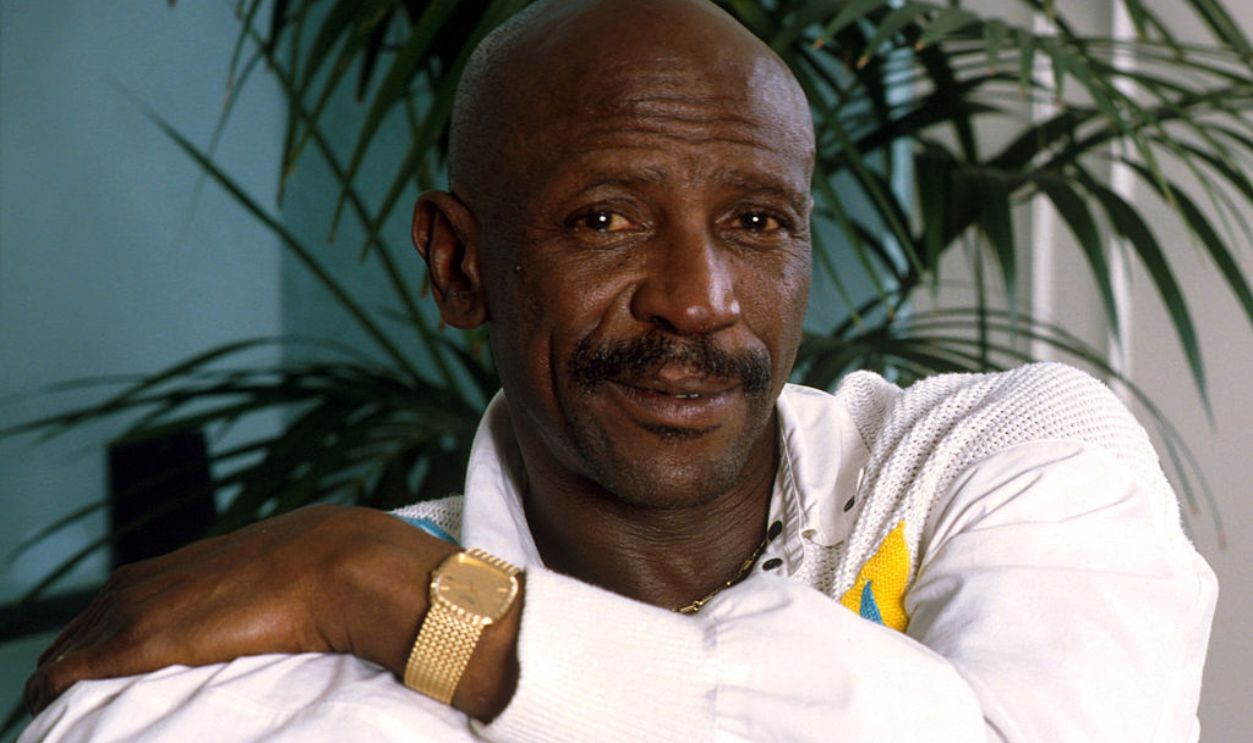
In the 1990s, Gossett faced serious health issues. At one point, he was given only six months to live, with doctors warning he might not even make it that long. It later turned out that the problem was linked to toxic mold in his Malibu home. He would finally recover, but the experience was a clear warning sign of how fragile his health had become. It also underscored how debilitating mold can be in a home.
 Friedman-Abeles, New York, Wikimedia Commons
Cancer Battle
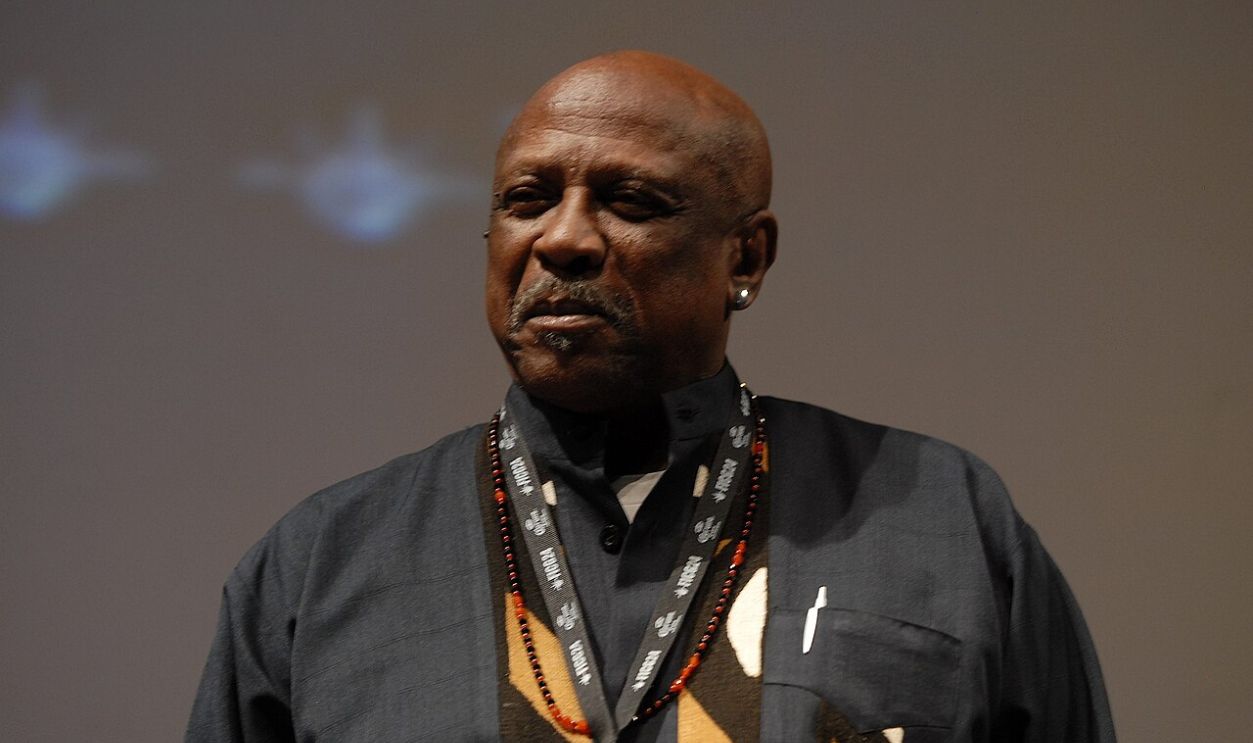
In 2010, Gossett was diagnosed with prostate cancer. Fortunately, the disease was detected in its early stages, and he remained optimistic about treatment. His ability to continue working through such challenges reflected the same resilience that had defined his life from the beginning.
 Festival Internacional de Cine en Guadalajara, Wikimedia Commons
Continued Work Despite Setbacks
Even in later years, Gossett continued acting in film and television, including projects like the HBO series Watchmen (2019) and a new version of The Color Purple (2023). His longevity in the industry was remarkable, especially given the health and personal challenges he’d had to fight through along the way.
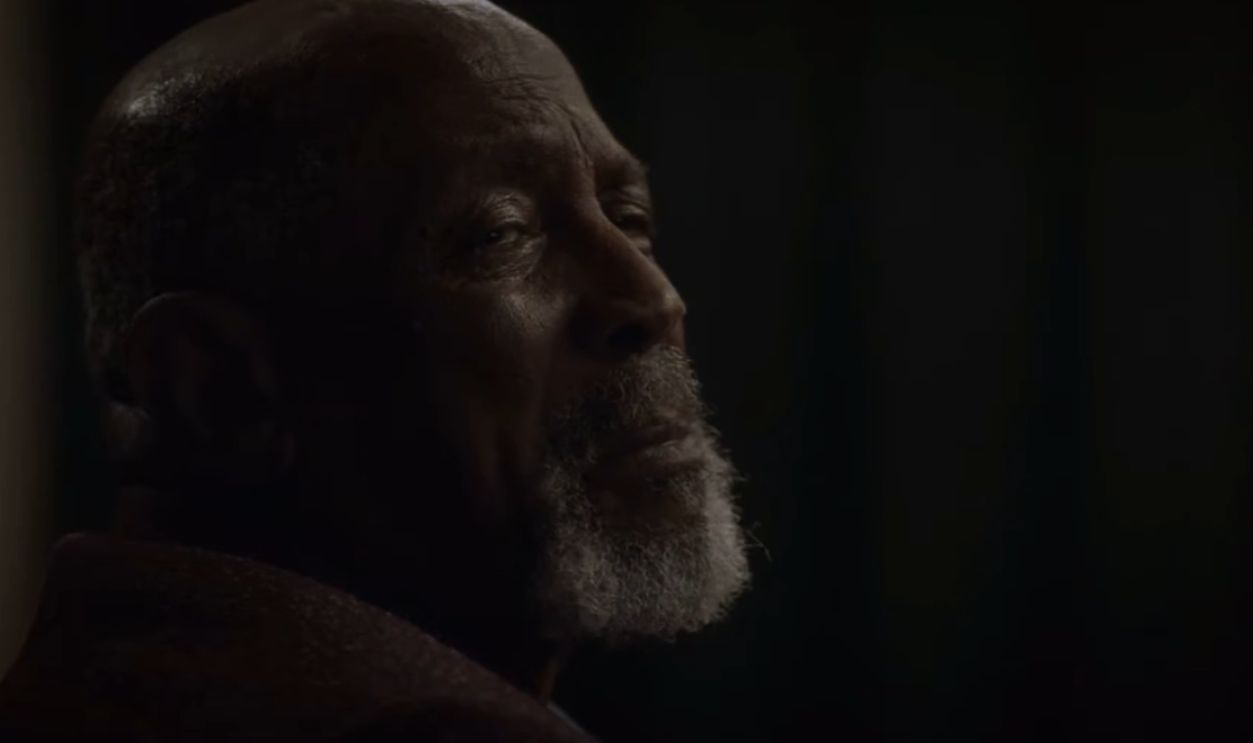 Screenshot from Watchmen, HBO (2019)
Personal Life And Family
Gossett’s personal life included multiple marriages and two sons. It wasn’t always easy, but he stayed close to his family and often spoke about the importance of fatherhood in shaping his later years.
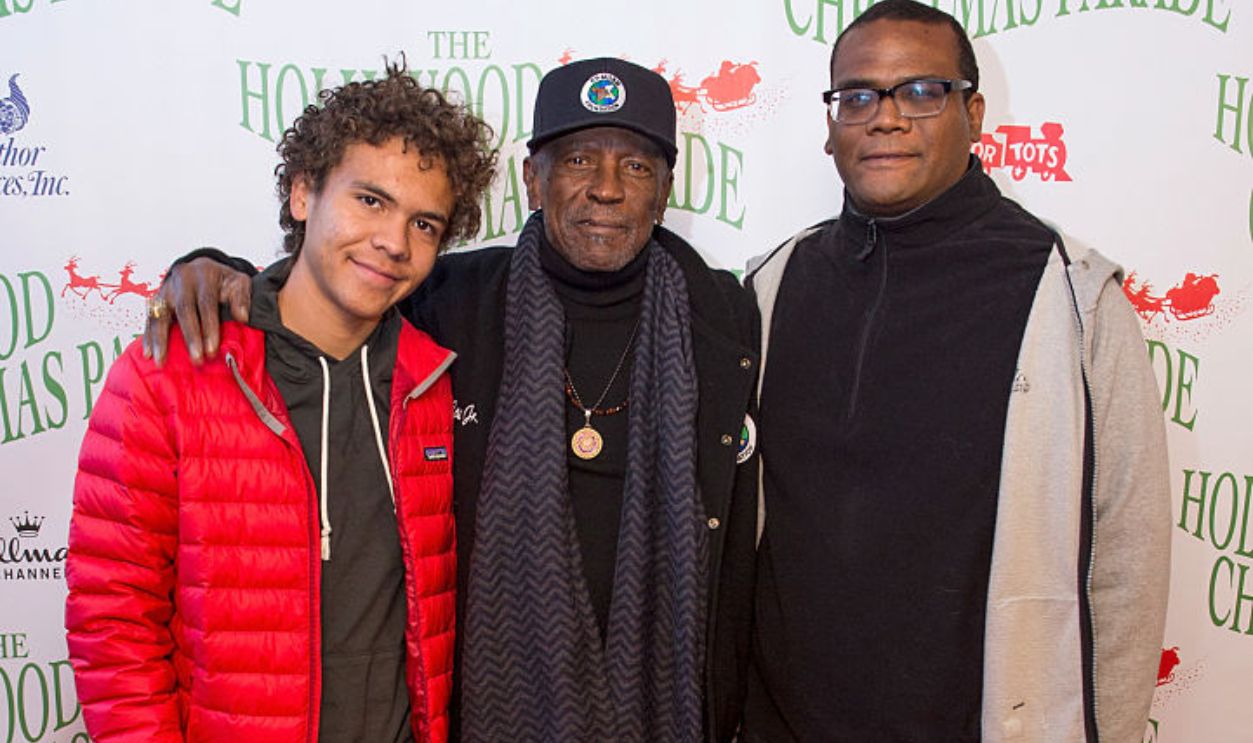
Advocacy And The Eracism Foundation
Later in life, Gossett founded the Eracism Foundation, an organization aimed at combating racism and promoting cultural understanding. This was his way of addressing the inequalities he’d gone through and to create opportunities for future generations.
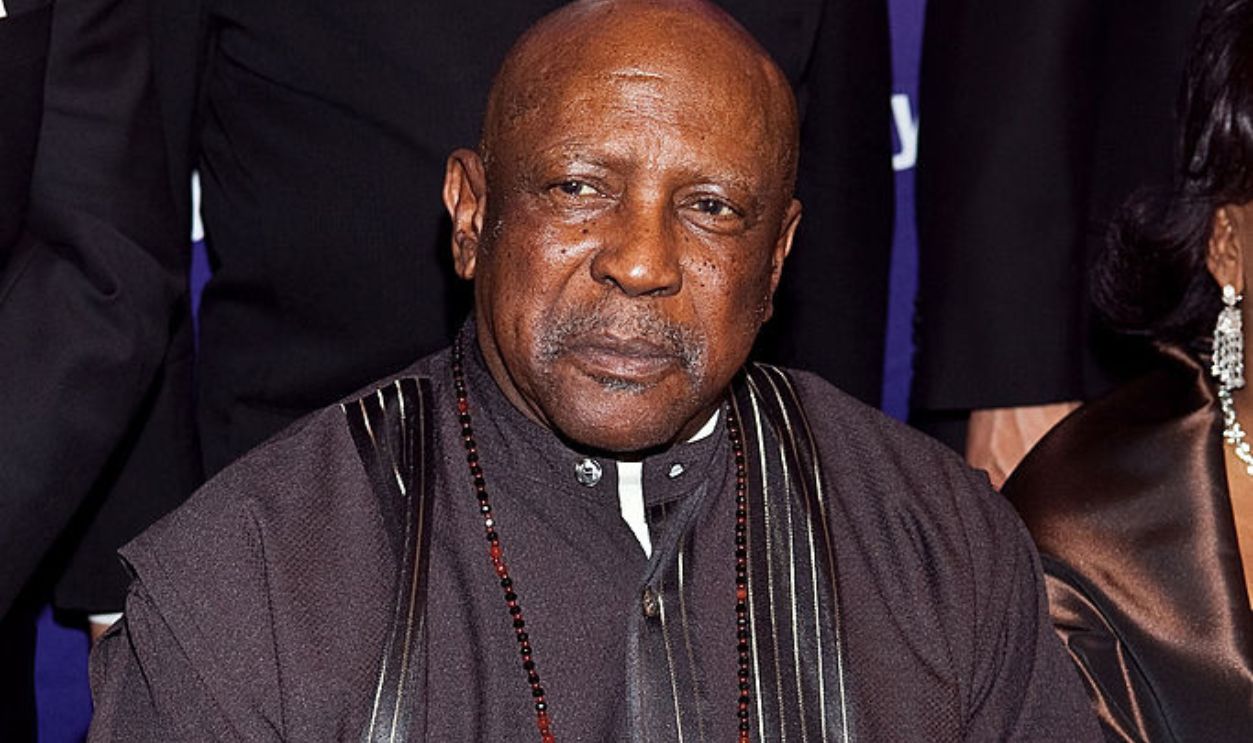
Recognition As A Pioneer
Gossett’s legacy extends far beyond awards. As a Black actor achieving historic success, he helped open doors for others and challenged longstanding industry barriers. His career stands as a testament to both talent and perseverance in the face of adversity. Much of the ups and downs of his life he recounted in his autobiography An Actor and a Gentleman, published in 2010.
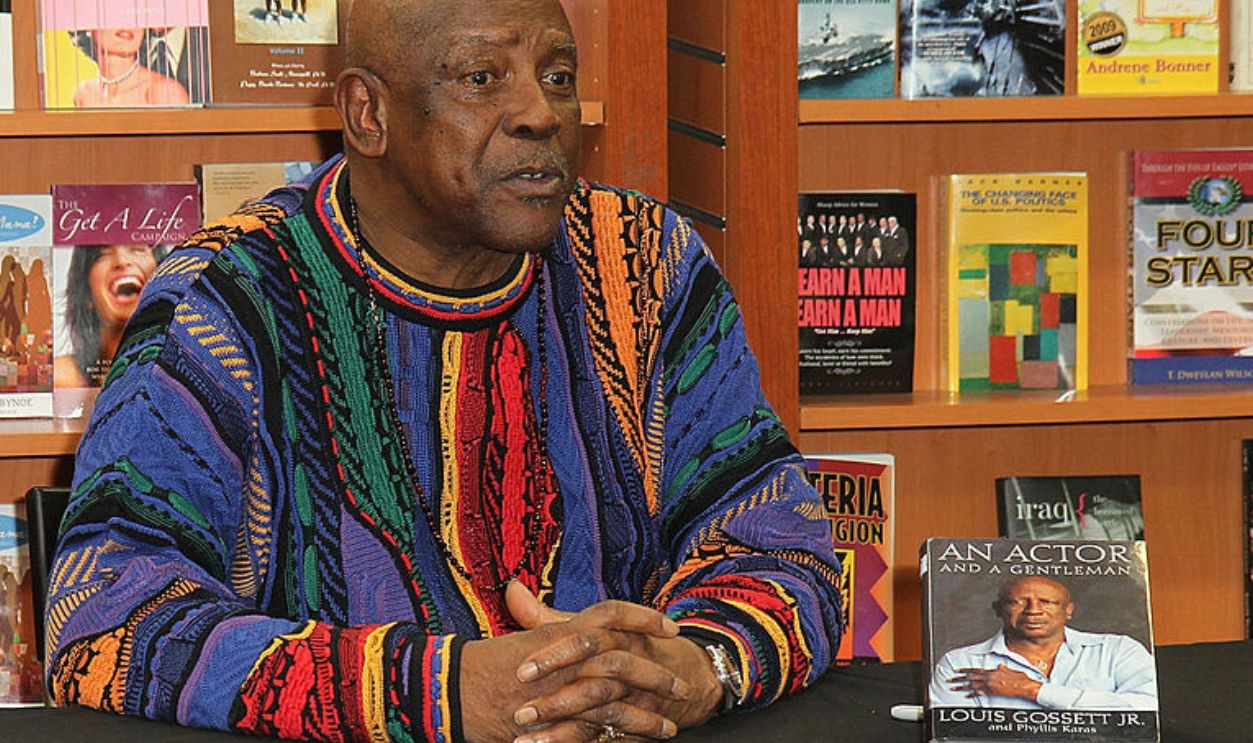
Final Years And Lasting Impact
In his final years, Gossett was still taking on and excelling in meaningful acting roles. His presence in later projects showed that his passion for acting never faded, even after decades in the industry.
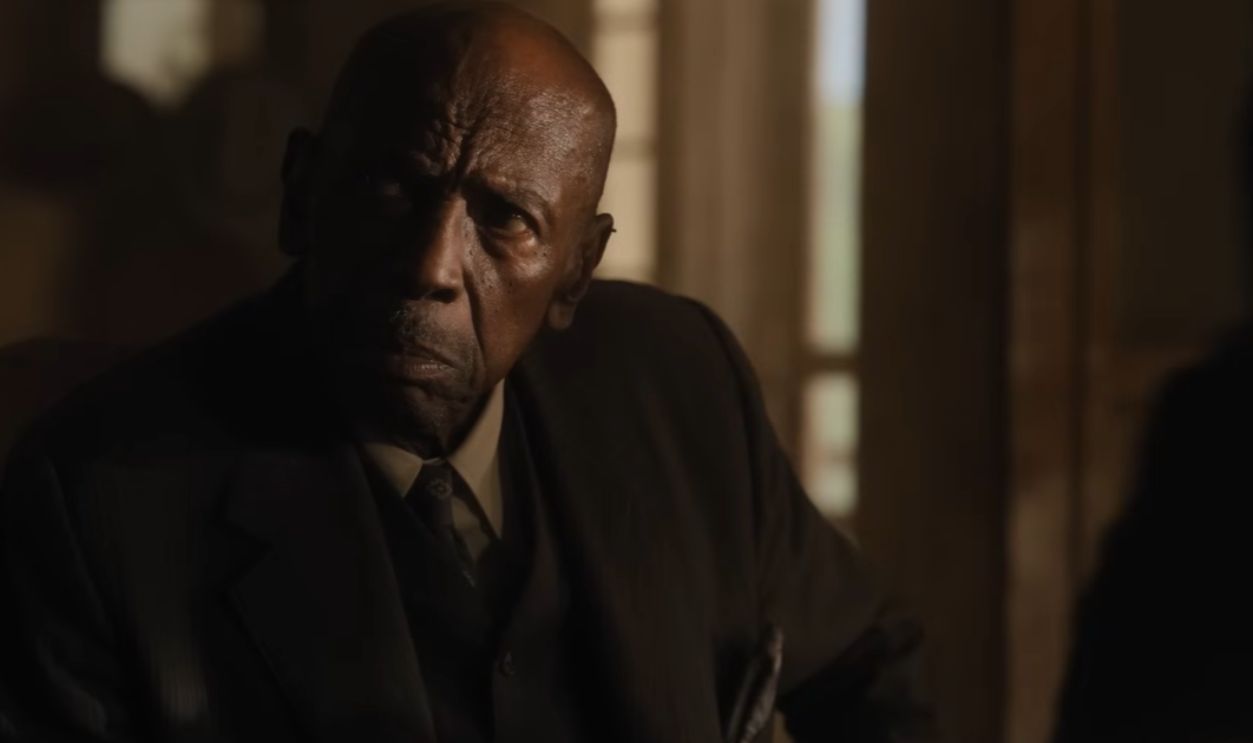 Screenshot from The Color Purple, Warner Bros. (2023)
His Passing And Legacy
Louis Gossett Jr. died in 2024 at the age of 87 after a long and influential career. His passing was the end of an era, but his work continues to resonate with audiences and actors alike.
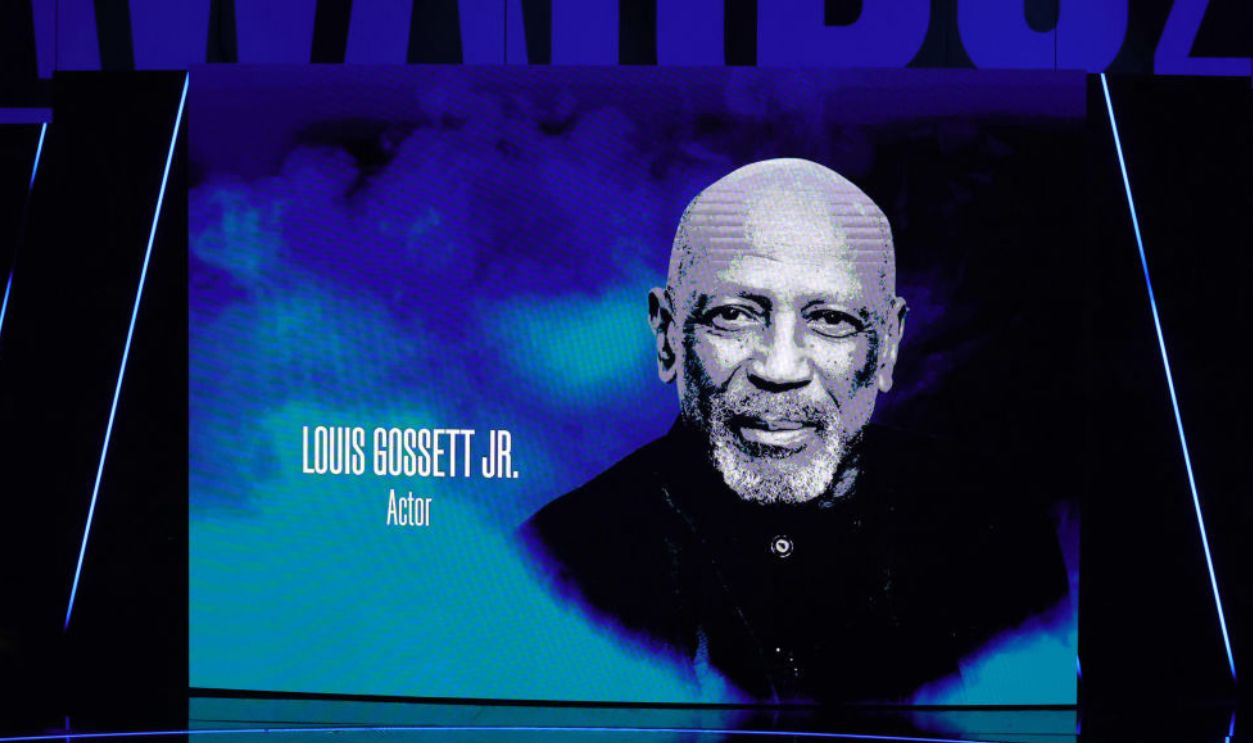
A Life Of Triumph And Struggle
When we step back and look at the life of Louis Gossett Jr., we see the story of extraordinary success and profound struggle. Gossett reached the peak of Hollywood achievement, but his private battles show the true value of his accomplishments.
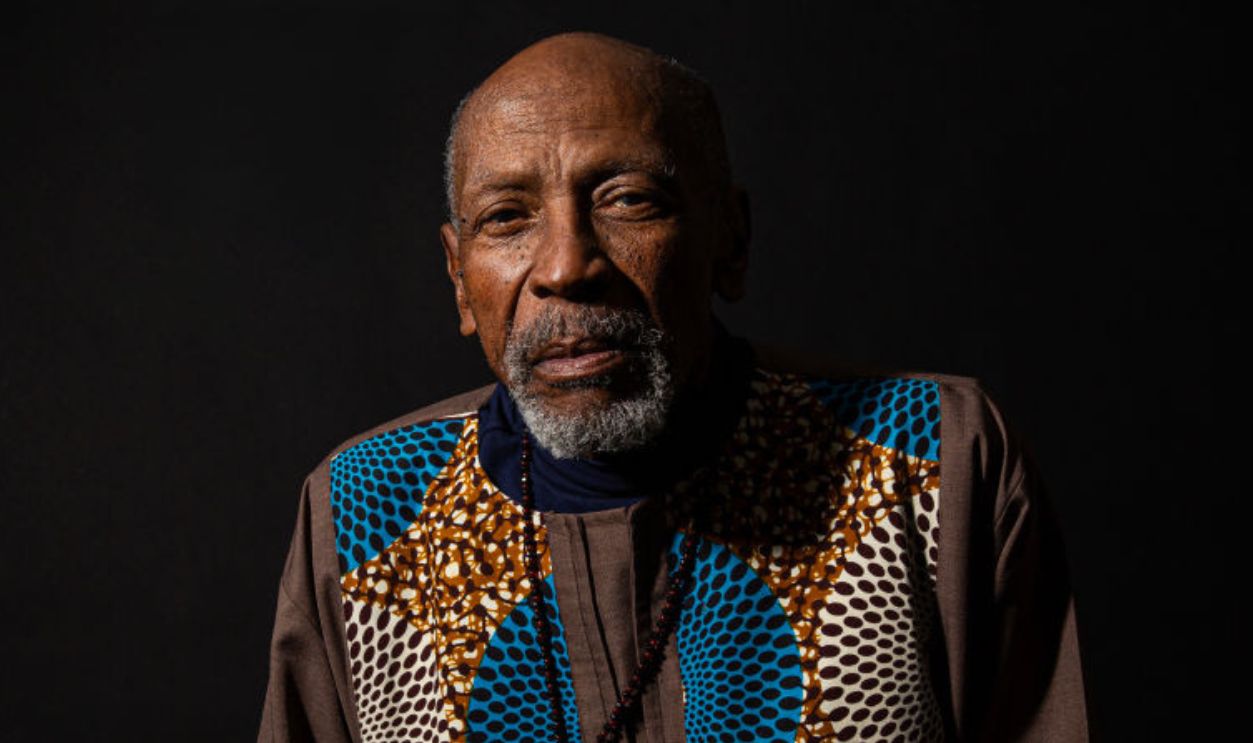 Barry Brecheisen, Getty Images
You May Also Like:
Fearless Facts About Donald Sutherland, The Unsung Actor




.jpg)