The Faces That Launched A Thousand Crushes
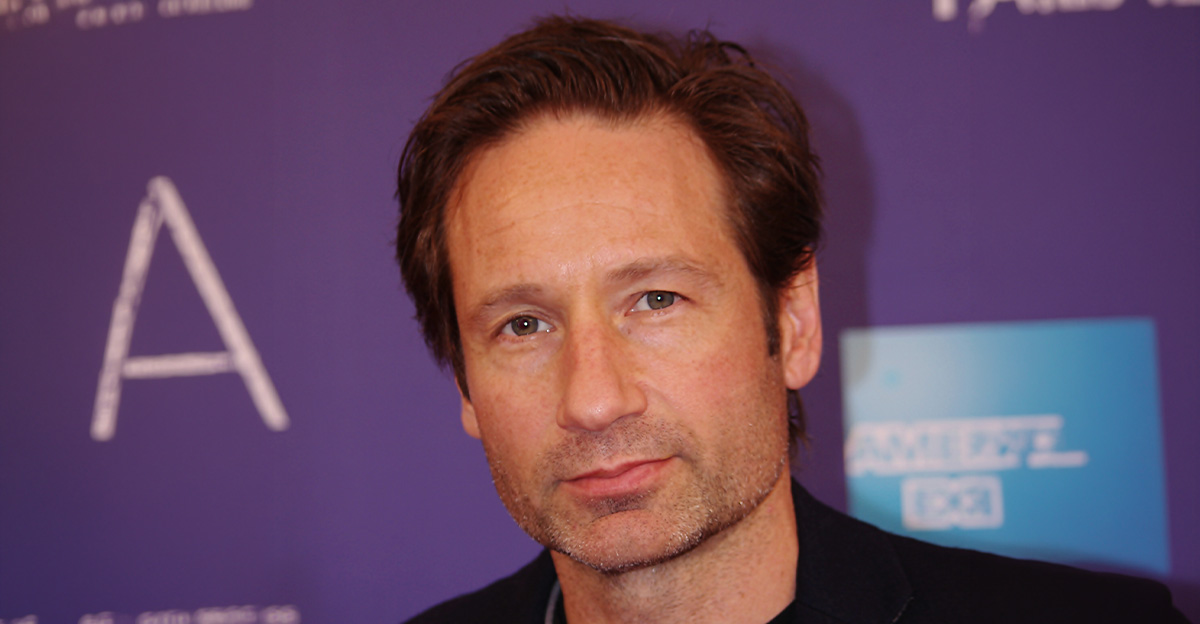
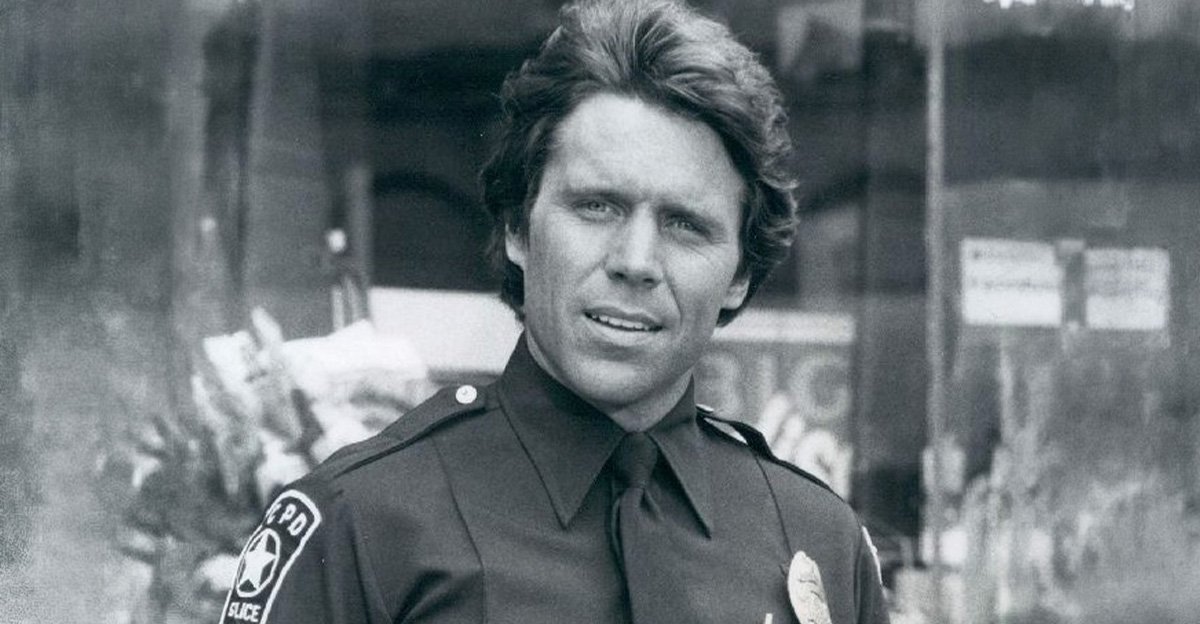
These men starred in hit movies, dominated television, and had enough charm to leave entire generations of women weak in the knees. The funny part? Many Millennial women probably wouldn't recognize half of them. Let's see how many of these former heartthrobs you remember.
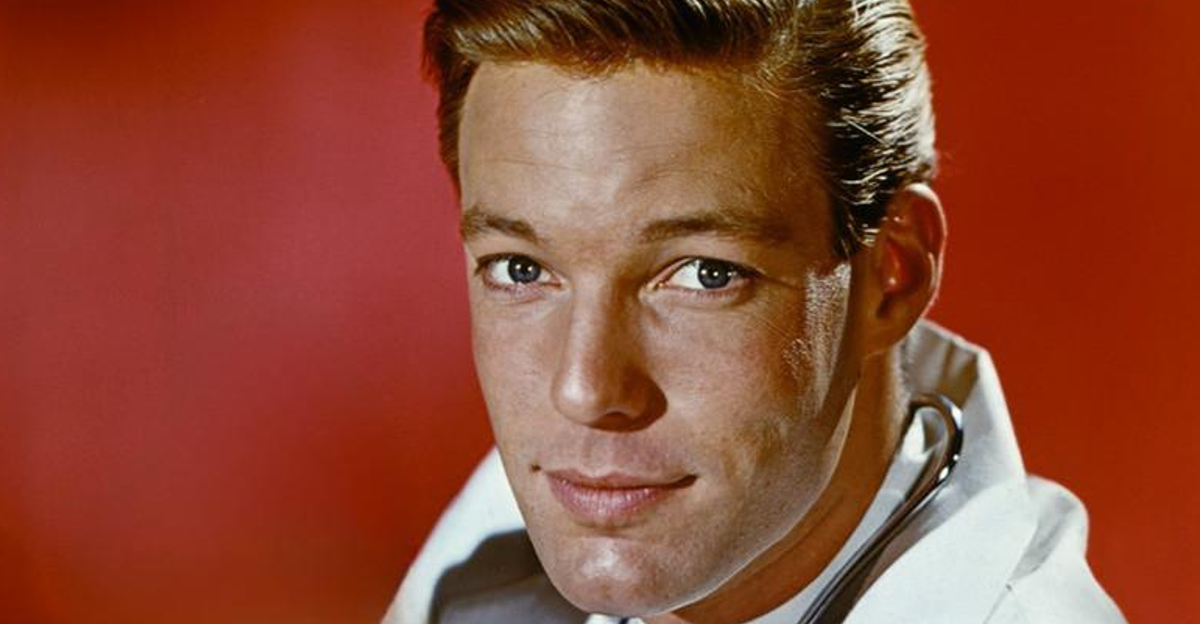
Tab Hunter
If you were a teenage girl in the 50s, avoiding Tab Hunter was basically impossible. The blond-haired, blue-eyed actor seemed to be everywhere at once. Movies, television, magazines—you couldn't escape him. His popularity became so massive that studios practically printed money by putting his face on things. Today, younger audiences often know him only through old Hollywood documentaries.
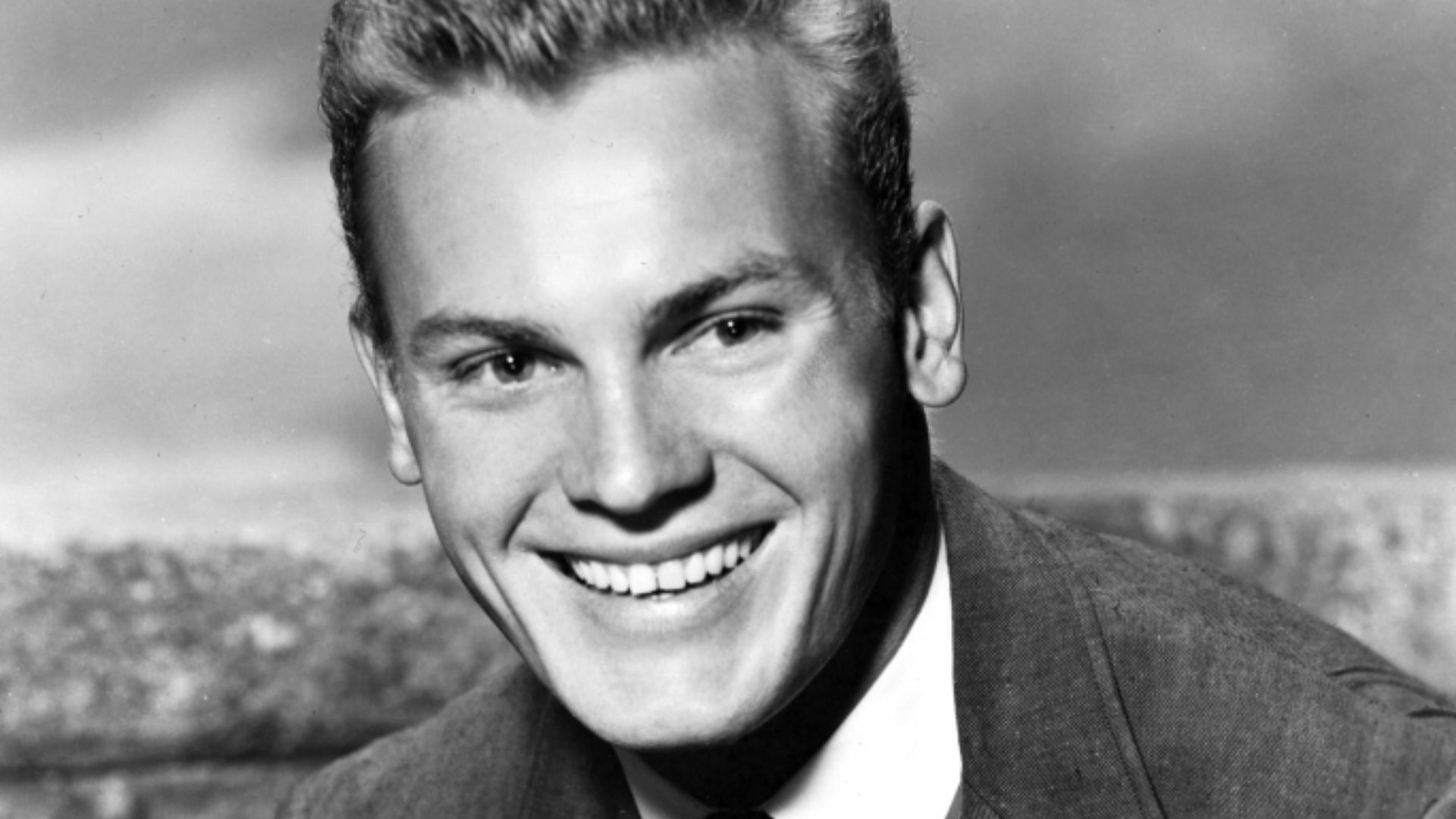 Studio Publicity, Wikimedia Commons
Troy Donahue
For a few years, Troy Donahue was exactly what Hollywood executives wanted every leading man to look like. Tall, handsome, and seemingly built in a laboratory for romantic movies, he became one of the biggest heartthrobs of the early 60s. Back then, women loved him. Today, many Millennials would probably assume Troy Donahue was an old baseball player.
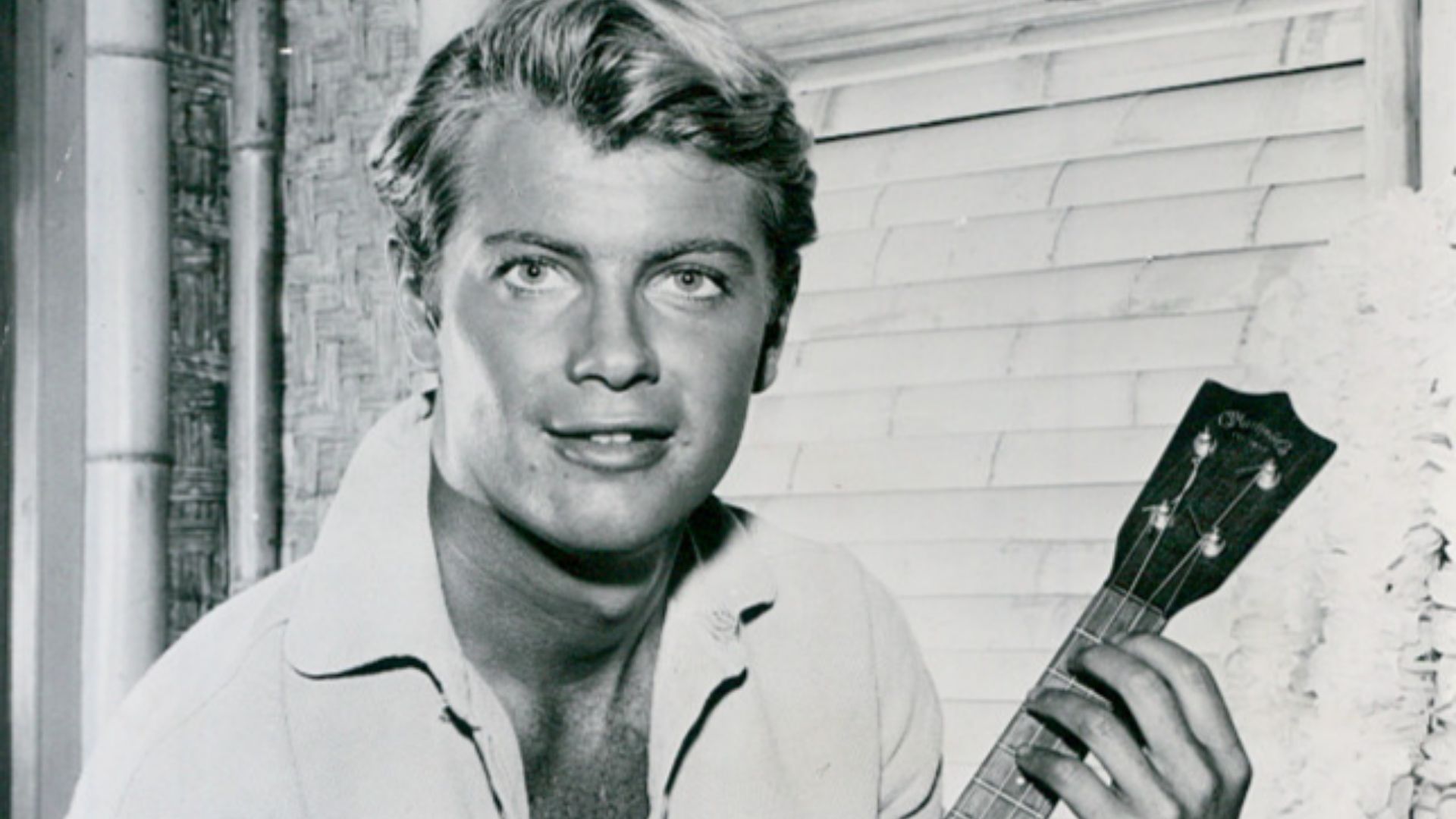 ABC Television, Wikimedia Commons
Fabian
Fabian's acting career almost felt secondary to his looks. The singer-turned-actor became such a teen idol that his posters covered bedroom walls across America. If social media had existed back then, Fabian probably would've broken it. His fame was enormous, even if his name doesn't ring many bells with younger generations today.
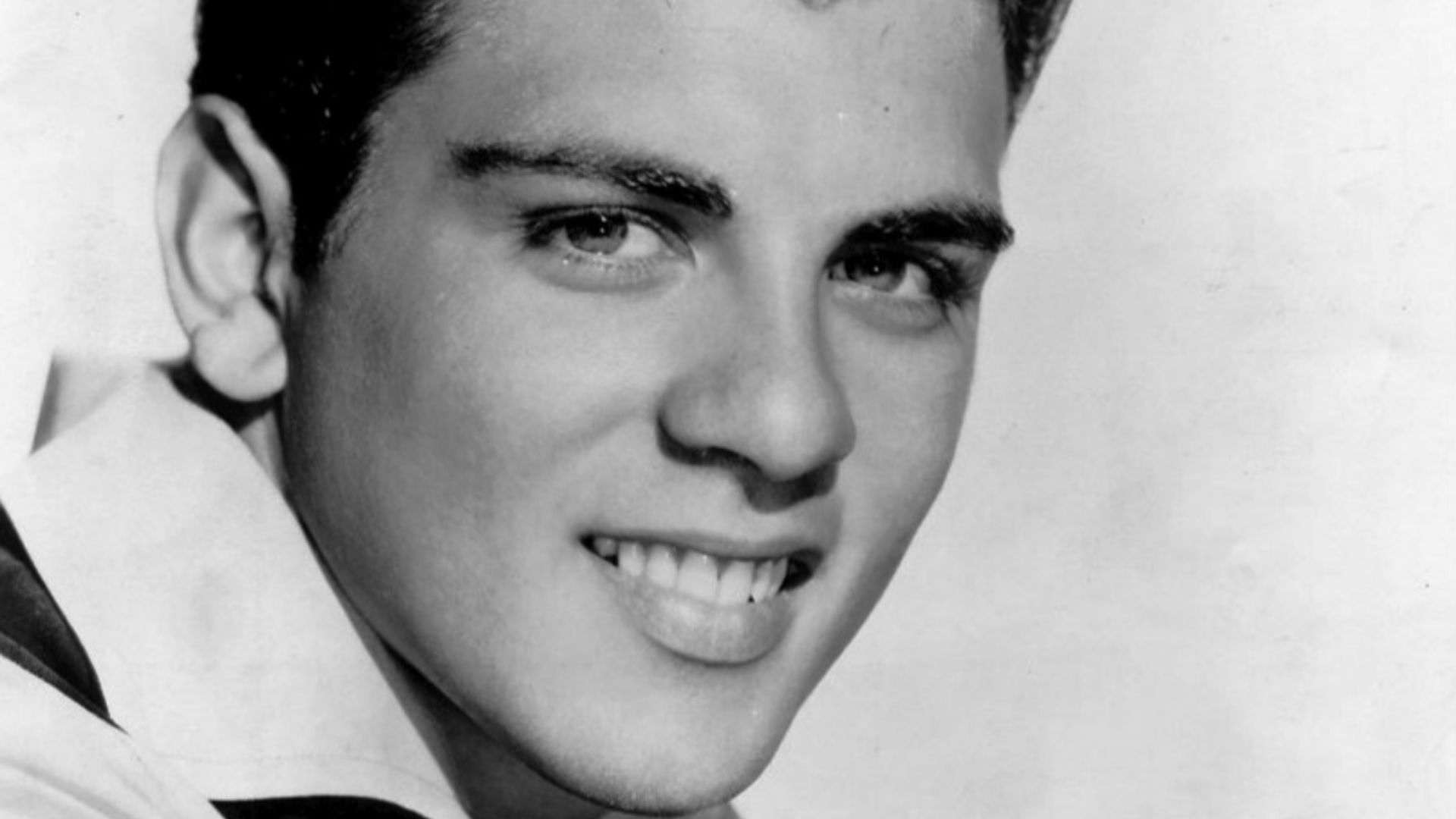 20th Century Fox, Wikimedia Commons
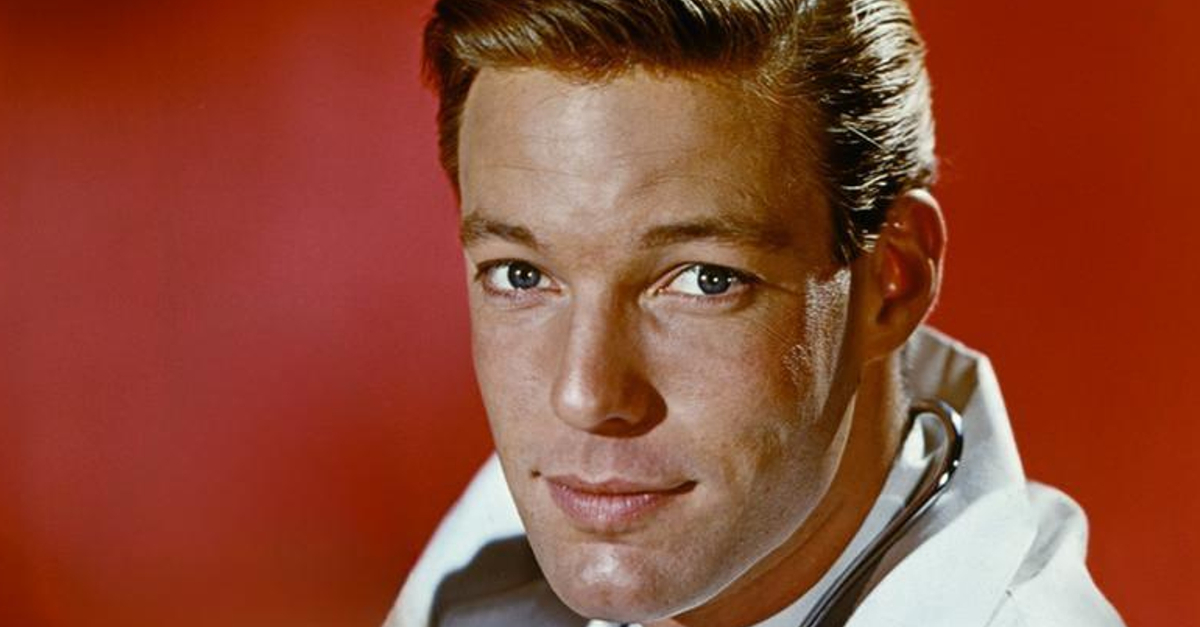
Richard Chamberlain
Before George Clooney played TV's dream doctor, there was Richard Chamberlain. His role on Dr. Kildare turned him into a full-blown phenomenon. Women adored him, magazines couldn't get enough of him, and fan clubs popped up everywhere. He later built an impressive acting career, but Boomers still remember when he was one of television's biggest crushes.
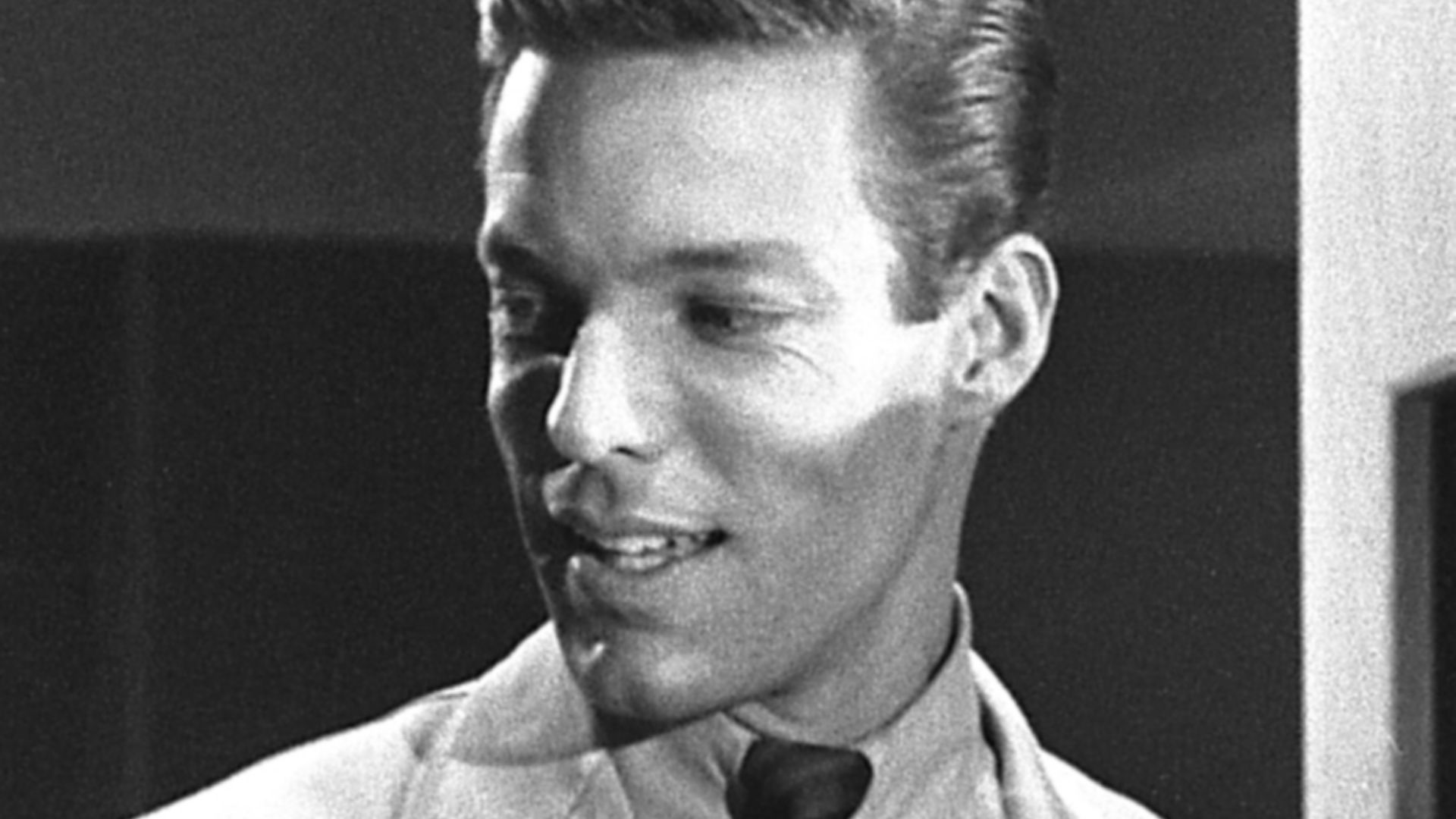 Los Angeles Times, Wikimedia Commons
David McCallum
Most Millennials know David McCallum as Ducky from NCIS. Baby Boomers remember something very different. On The Man from U.N.C.L.E., McCallum became one of television's biggest heartthrobs. His cool spy persona inspired fan hysteria that surprised even network executives. For a while, he was almost as popular as The Beatles.
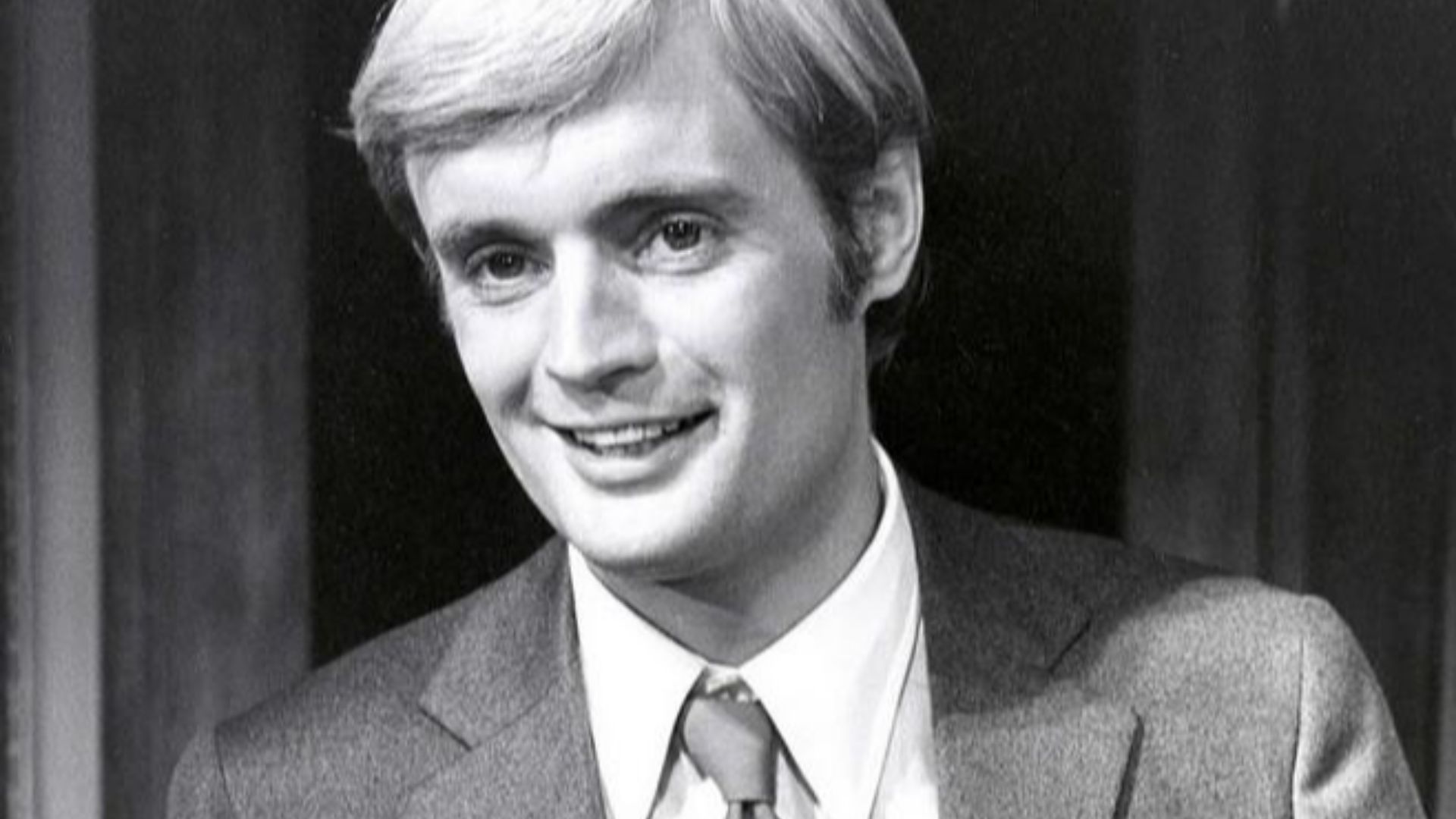 Photographer: Friedman-Abeles, New York City, Wikimedia Commons
Robert Wagner
If Hollywood ever built a machine designed specifically to create charming leading men, it probably would've produced Robert Wagner. He had movie-star looks, confidence, and the kind of smile that seemed to belong on every magazine cover. For years, he was one of the smoothest operators in show business.
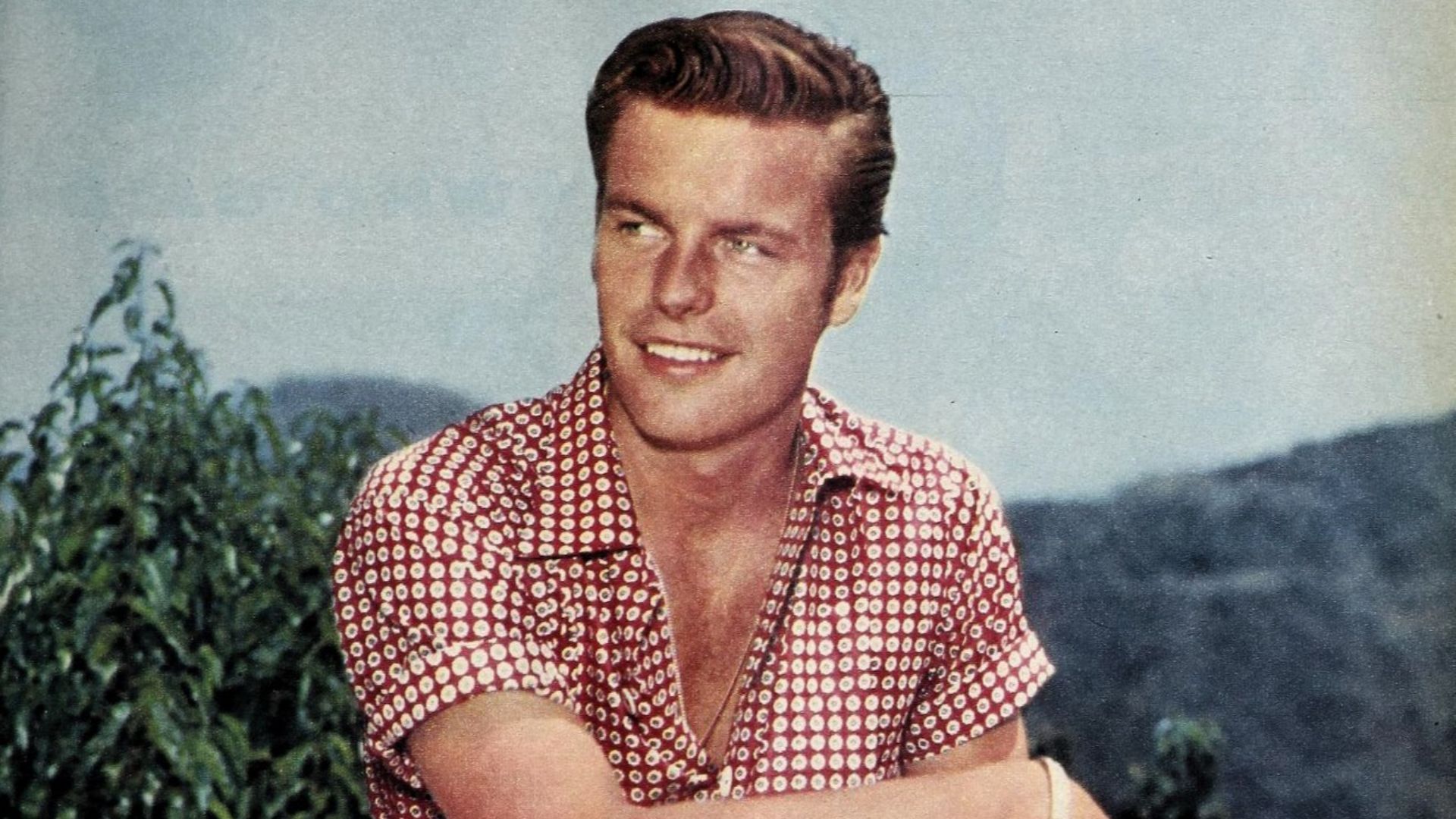 Photographer: Smith [1], Wikimedia Commons
James Darren
James Darren had the rare ability to succeed as both a singer and an actor. His role in the Gidget films helped launch him into teen-idol territory, and fans couldn't get enough. He had the hair, the smile, and the effortless cool that defined young Hollywood during the late 50s and early 60s.
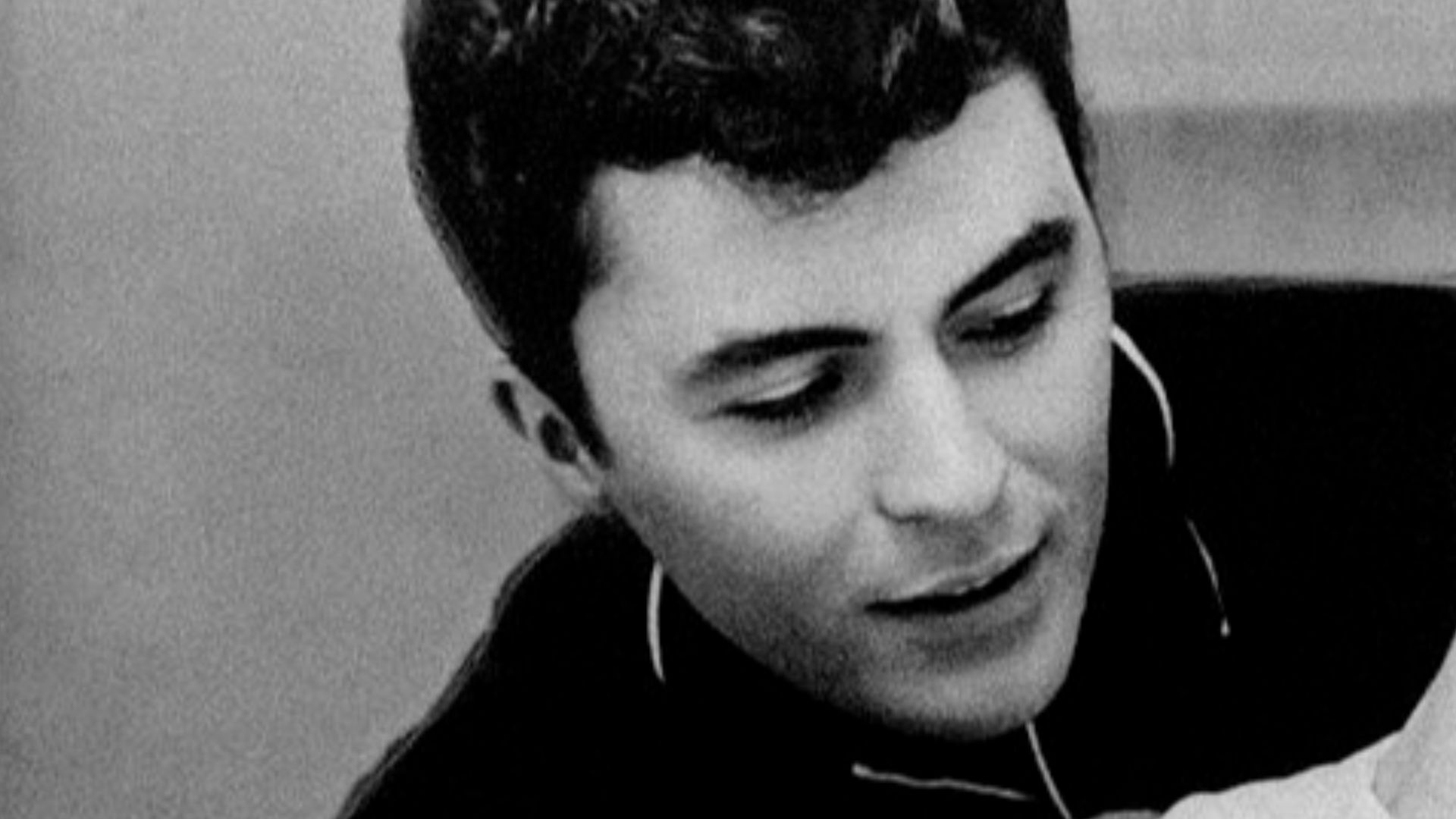 Unknown (Mondadori Publishers), Wikimedia Commons
Chad Everett
For years, Chad Everett was television's answer to 'What if a leading man looked absolutely perfect?' Thanks to Medical Center, he became one of TV's biggest stars. Women loved him. Fan magazines loved him. Television executives loved him. Somewhere along the way, though, younger audiences mostly forgot about him.
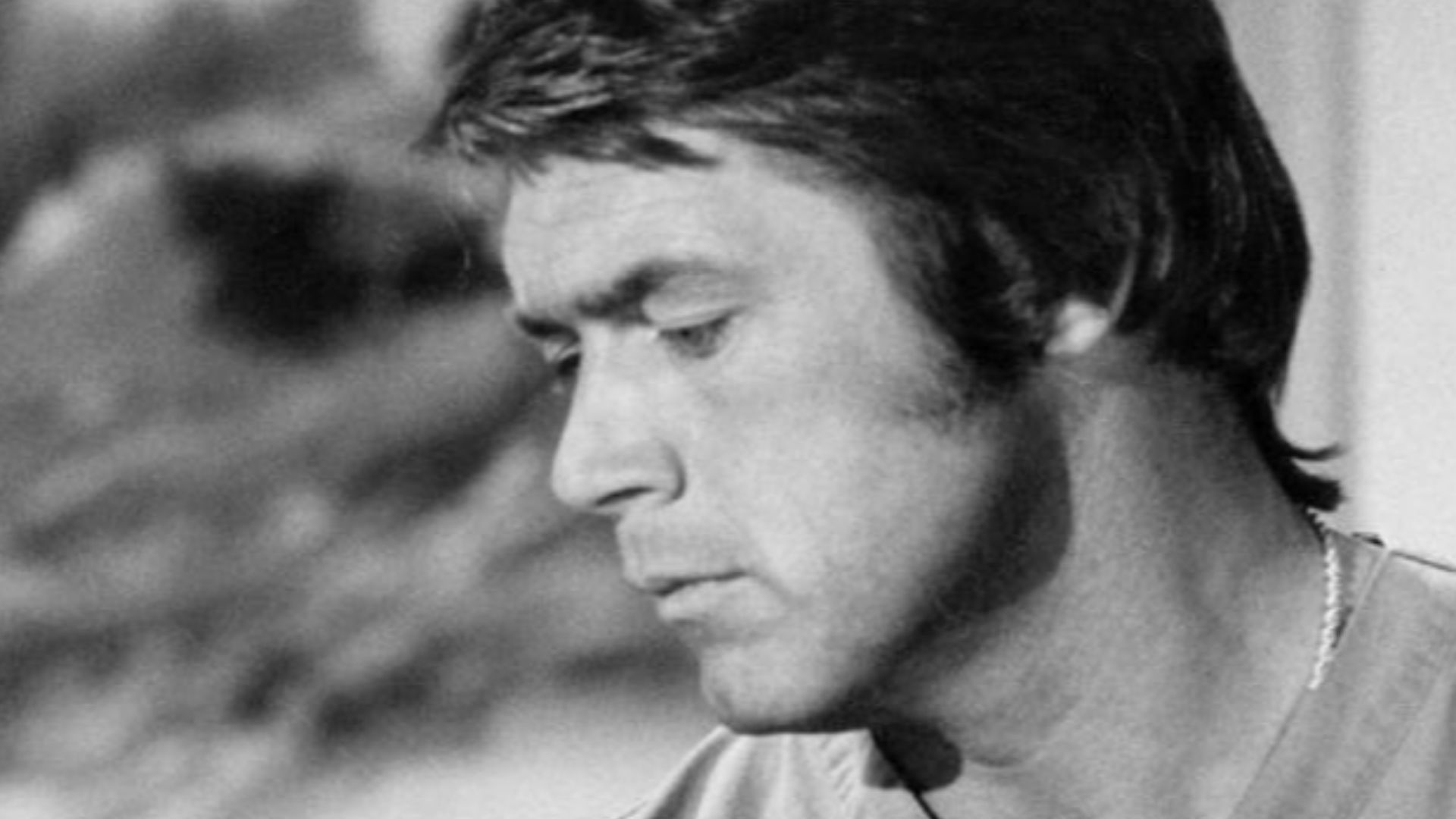 CBS Television, Wikimedia Commons
Doug McClure
Doug McClure made being a TV cowboy look easy. His role on The Virginian helped turn him into a familiar face in millions of homes. He wasn't flashy or controversial. He was simply handsome, dependable, and the kind of guy viewers enjoyed spending an hour with every week.
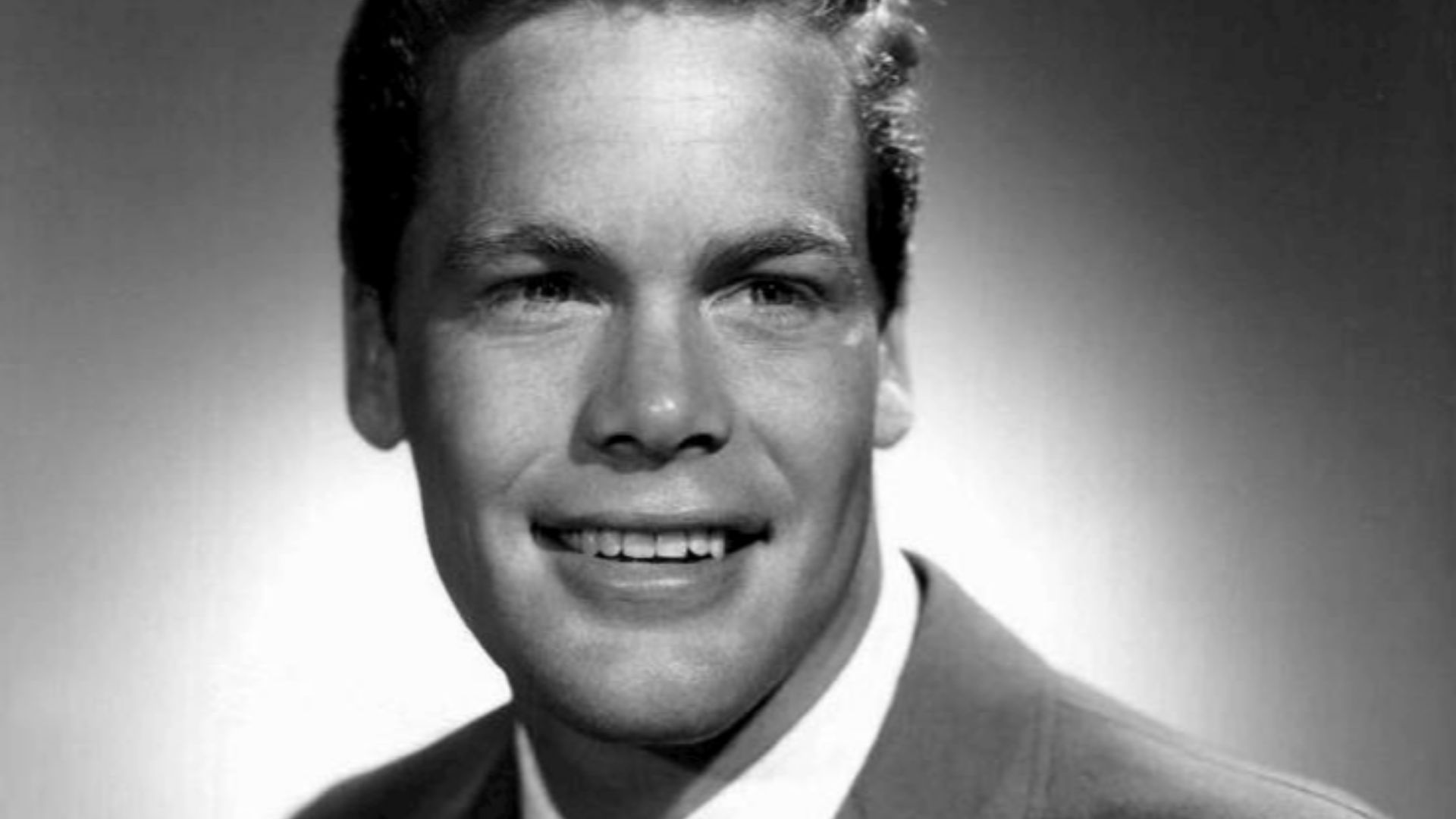 CBS Television/photographer-Gabor Rona, Wikimedia Commons
Robert Fuller
Robert Fuller built a devoted fan base through shows like Laramie and later Emergency! He had rugged good looks without looking overly polished, which made him especially popular with female viewers. Plenty of Boomers still remember him fondly. Most Millennials probably don't know the name at all.
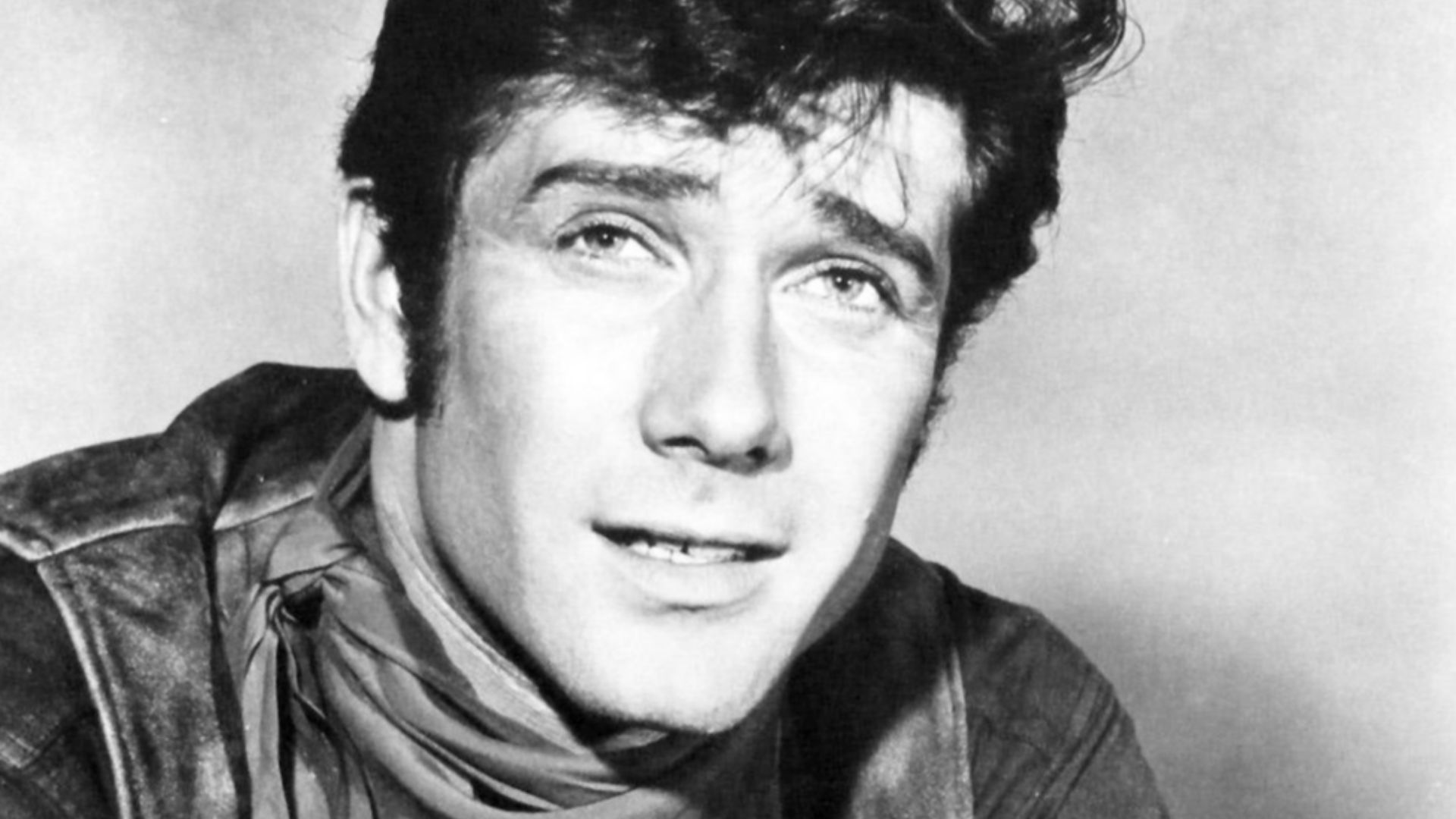 ABC Television, Wikimedia Commons
Clint Walker
At 6-foot-6, Clint Walker wasn't exactly difficult to notice. The star of Cheyenne looked like someone had taken the idea of a Western hero and turned it into a real person. He towered over co-stars, had movie-star looks, and quickly became one of television's biggest attractions.
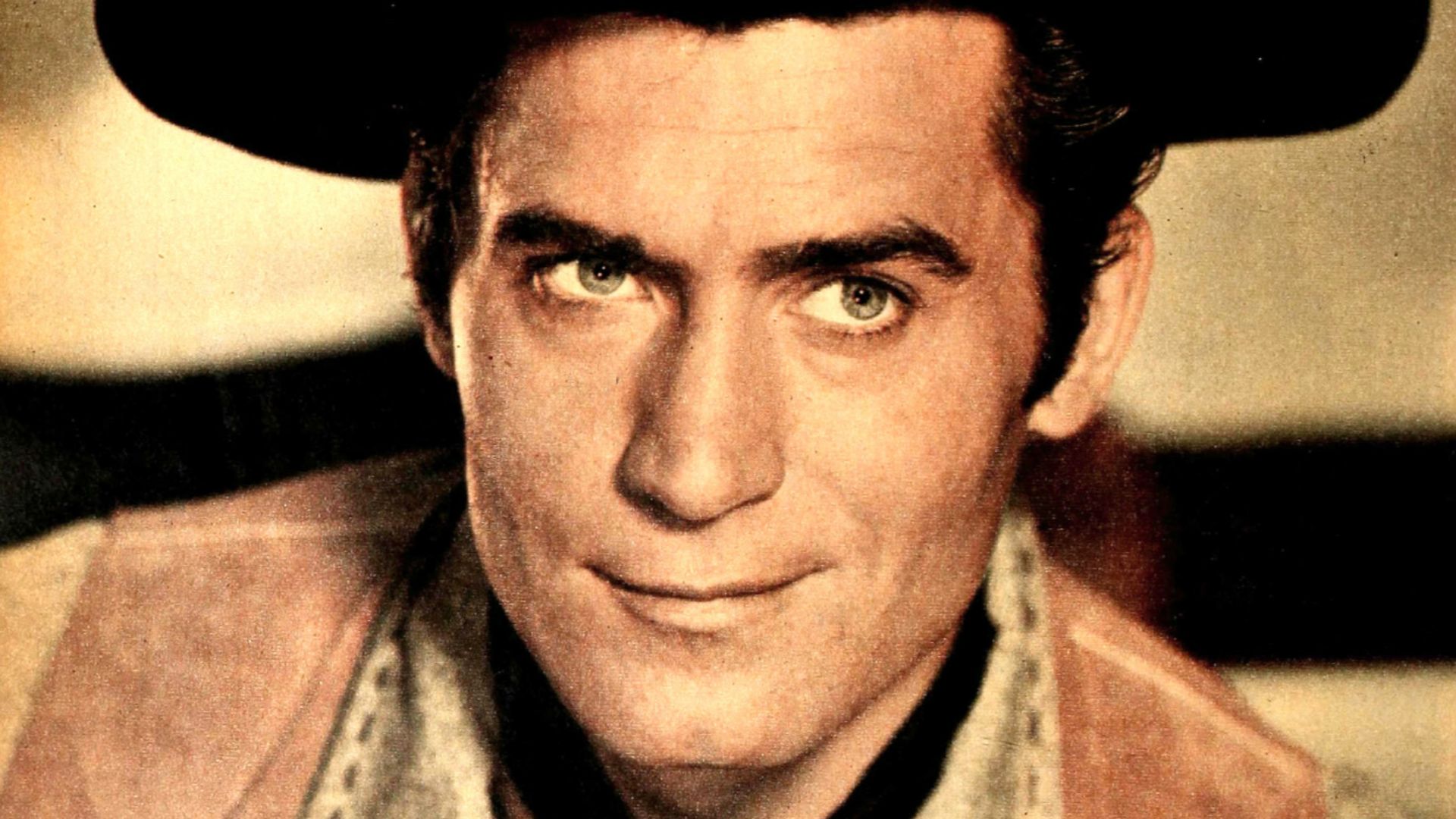 Macfadden Publications page 2, Wikimedia Commons
Ty Hardin
Ty Hardin became one of television's favorite cowboys thanks to Bronco. During the golden age of TV Westerns, that was a very good place to be. His rugged appearance and easy charm earned him plenty of admirers, even if his name doesn't get mentioned much today.
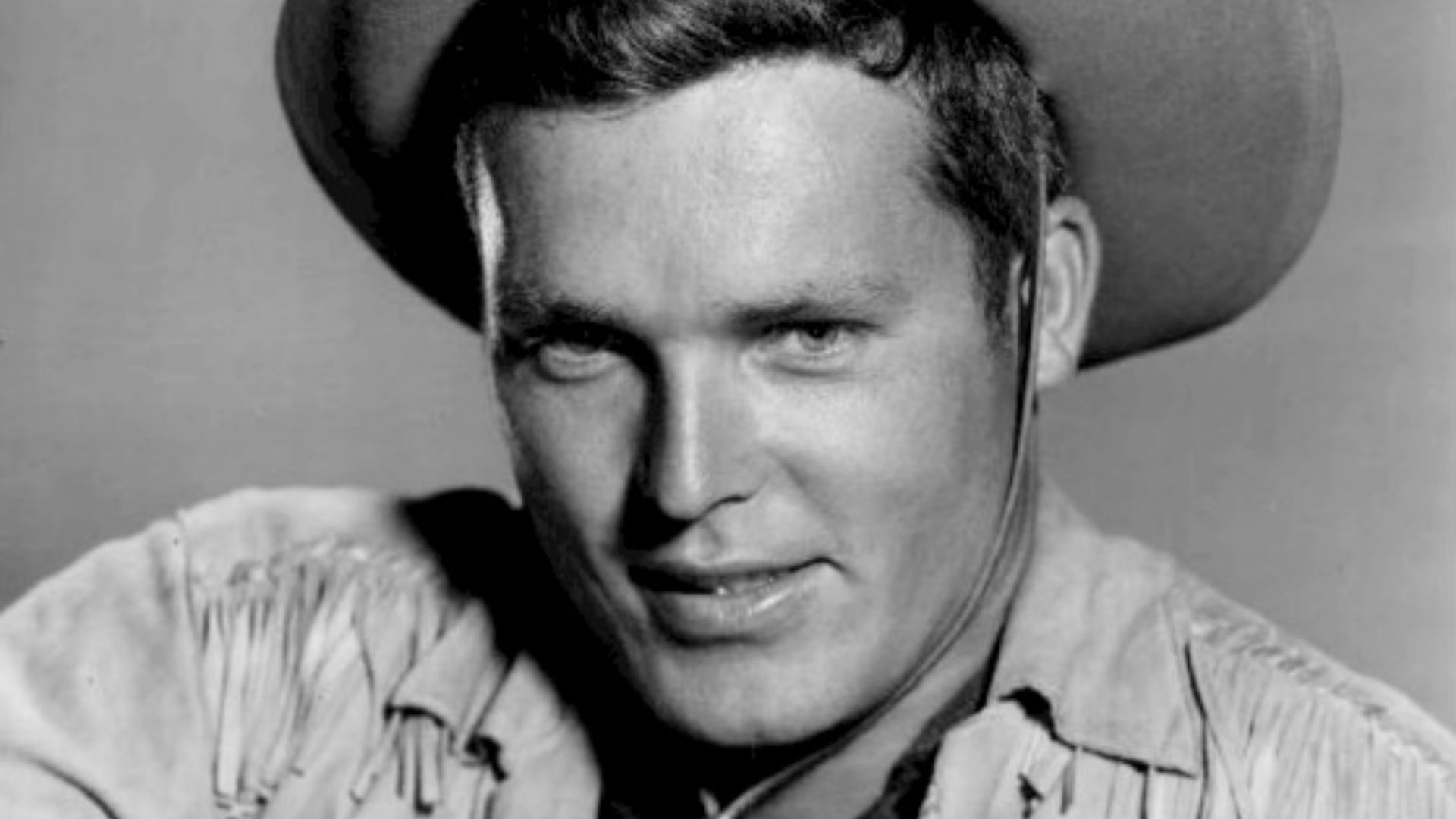 ABC Television, Wikimedia Commons
James Garner
Few actors ever made charm look as effortless as James Garner. Whether he was starring in Westerns, detective shows, or movies, audiences simply liked him. Women especially loved his relaxed confidence. He never seemed to be trying too hard, which somehow made him even more appealing.
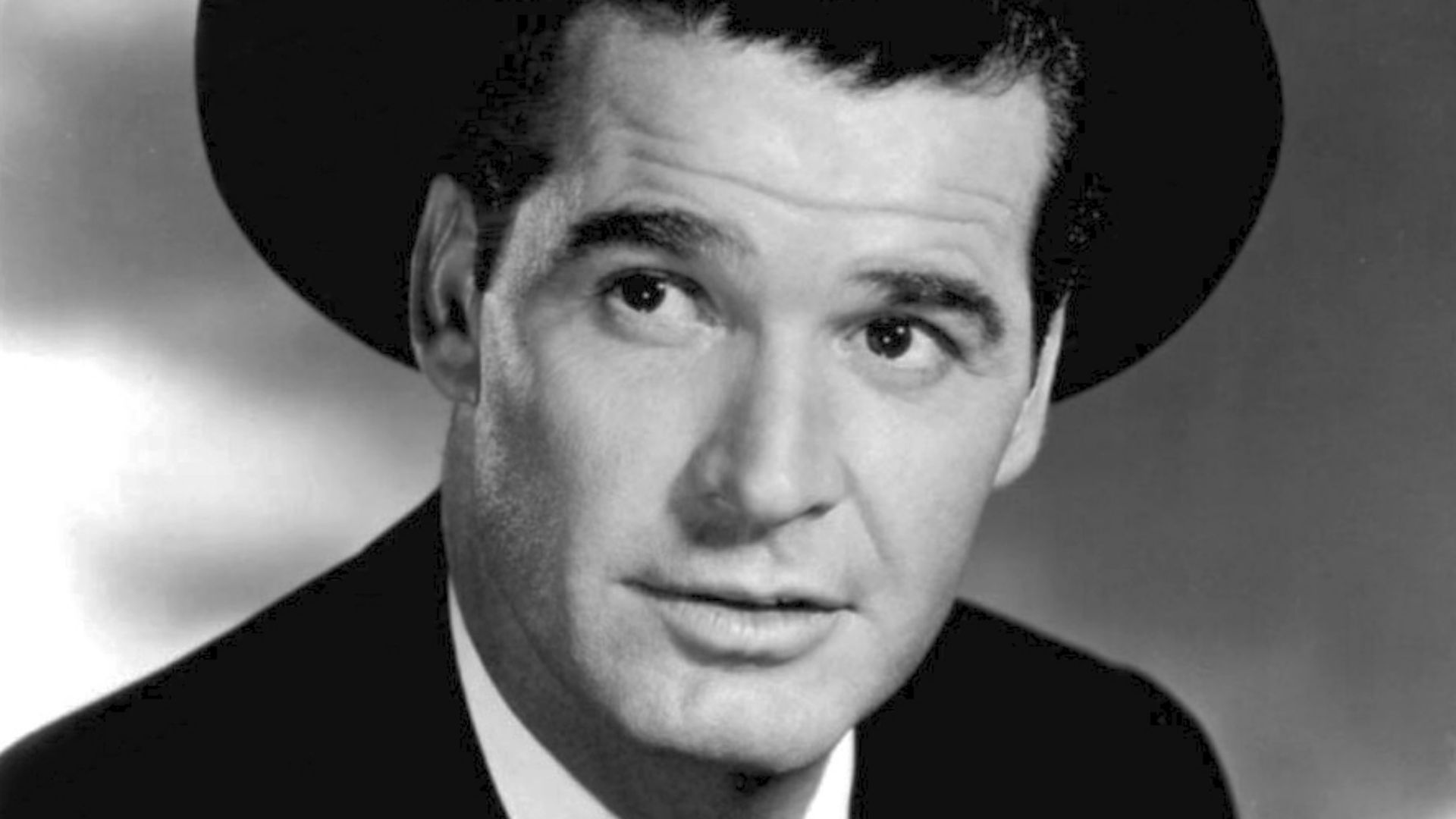 Warner Brothers Television, Wikimedia Commons
Lee Majors
Long before he became the Six Million Dollar Man, Lee Majors was already turning heads. His role on The Big Valley introduced him to audiences, and his career only grew from there. For many women, he combined movie-star looks with just enough ruggedness to make him seem approachable.
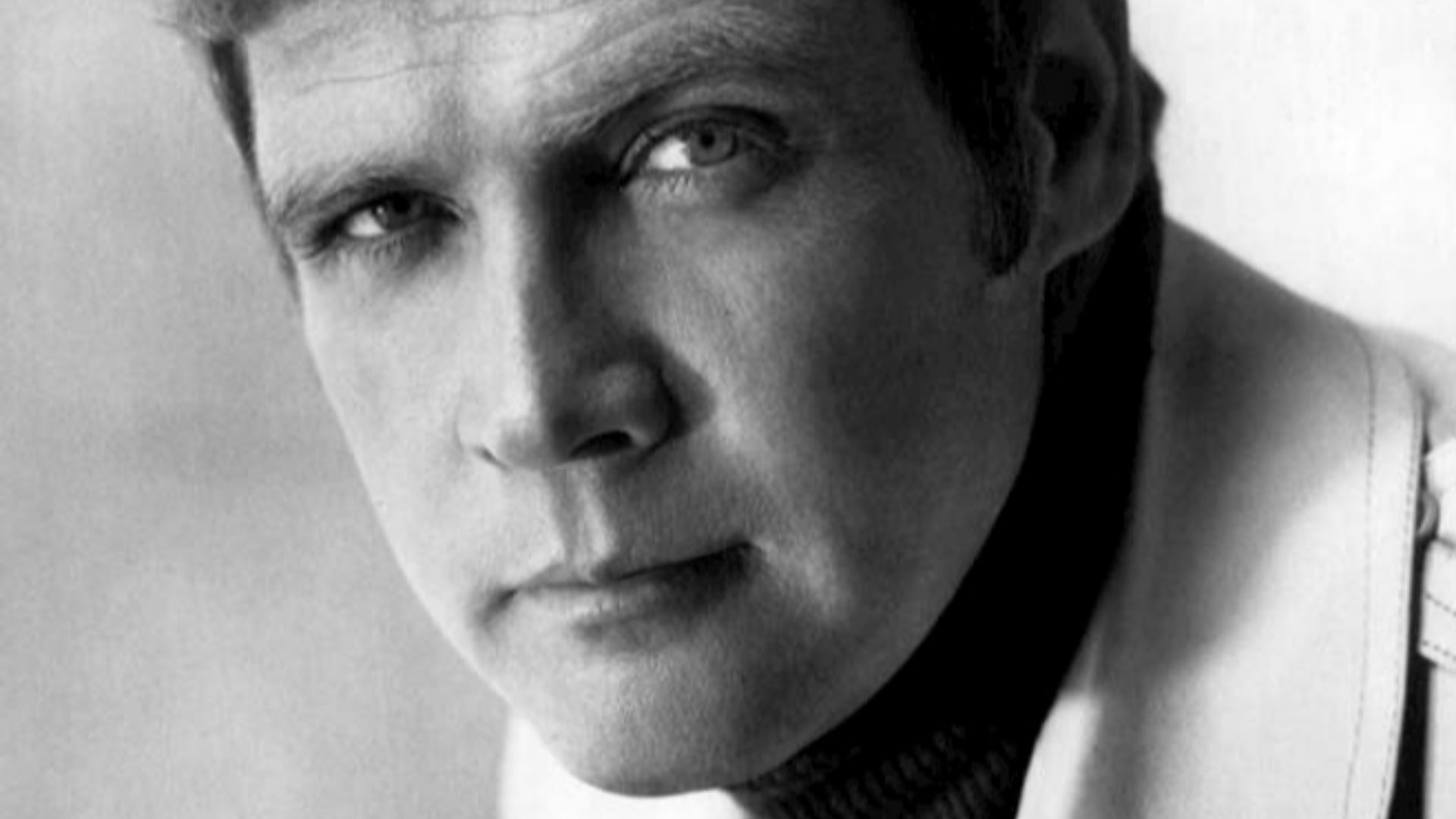 ABC Television, Wikimedia Commons
George Peppard
George Peppard had a swagger that made him stand out in almost any role. From Breakfast at Tiffany's to later television success, he carried himself with the confidence of someone who knew exactly how cool he looked. Judging by his fan base, plenty of women agreed.
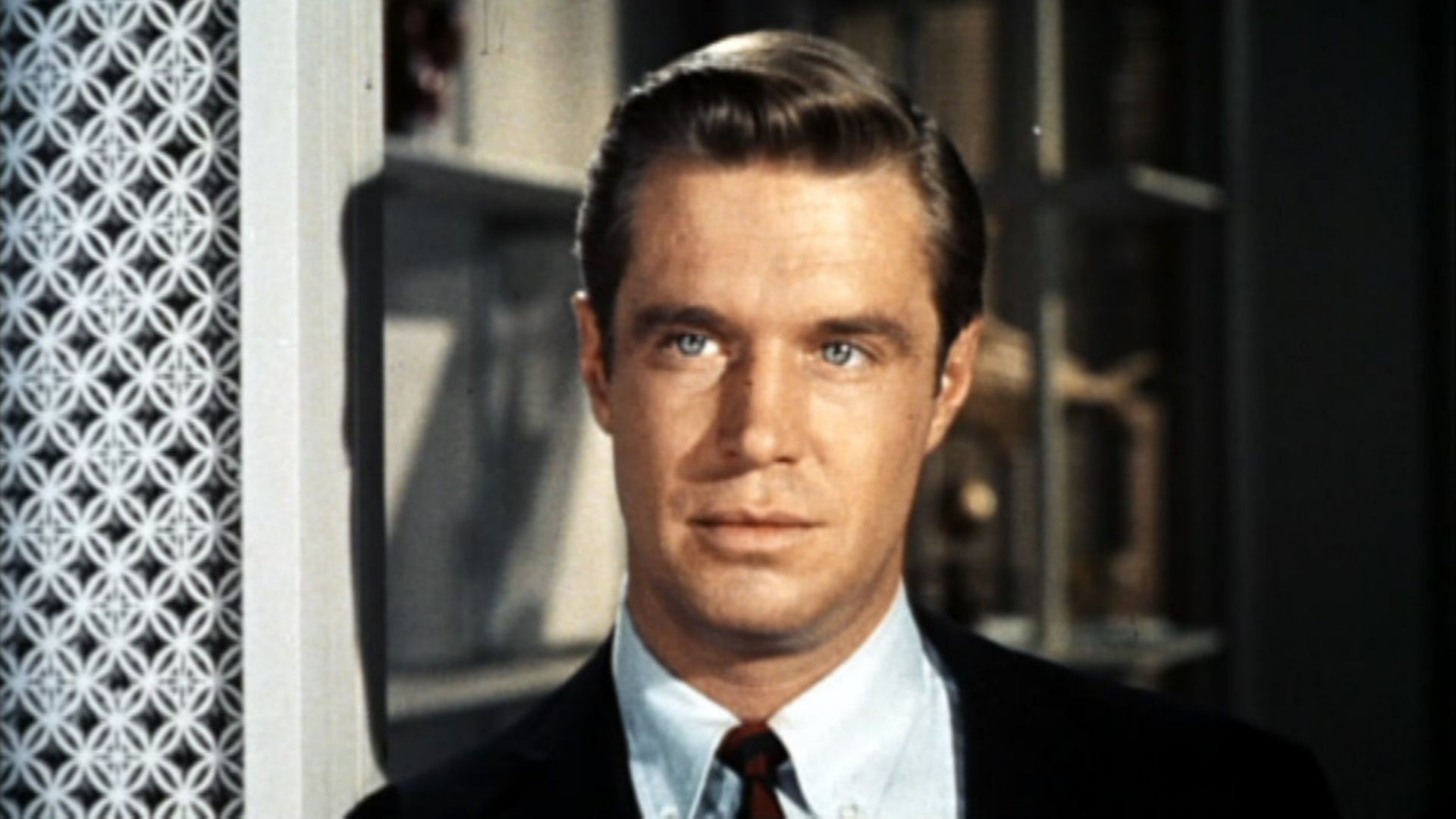 Trailer screenshot, Wikimedia Commons
Michael Landon
Michael Landon spent years becoming one of television's most beloved stars. Between Bonanza and Little House on the Prairie, he was in America's living rooms almost every week for decades. The hair alone probably deserves its own place in television history.
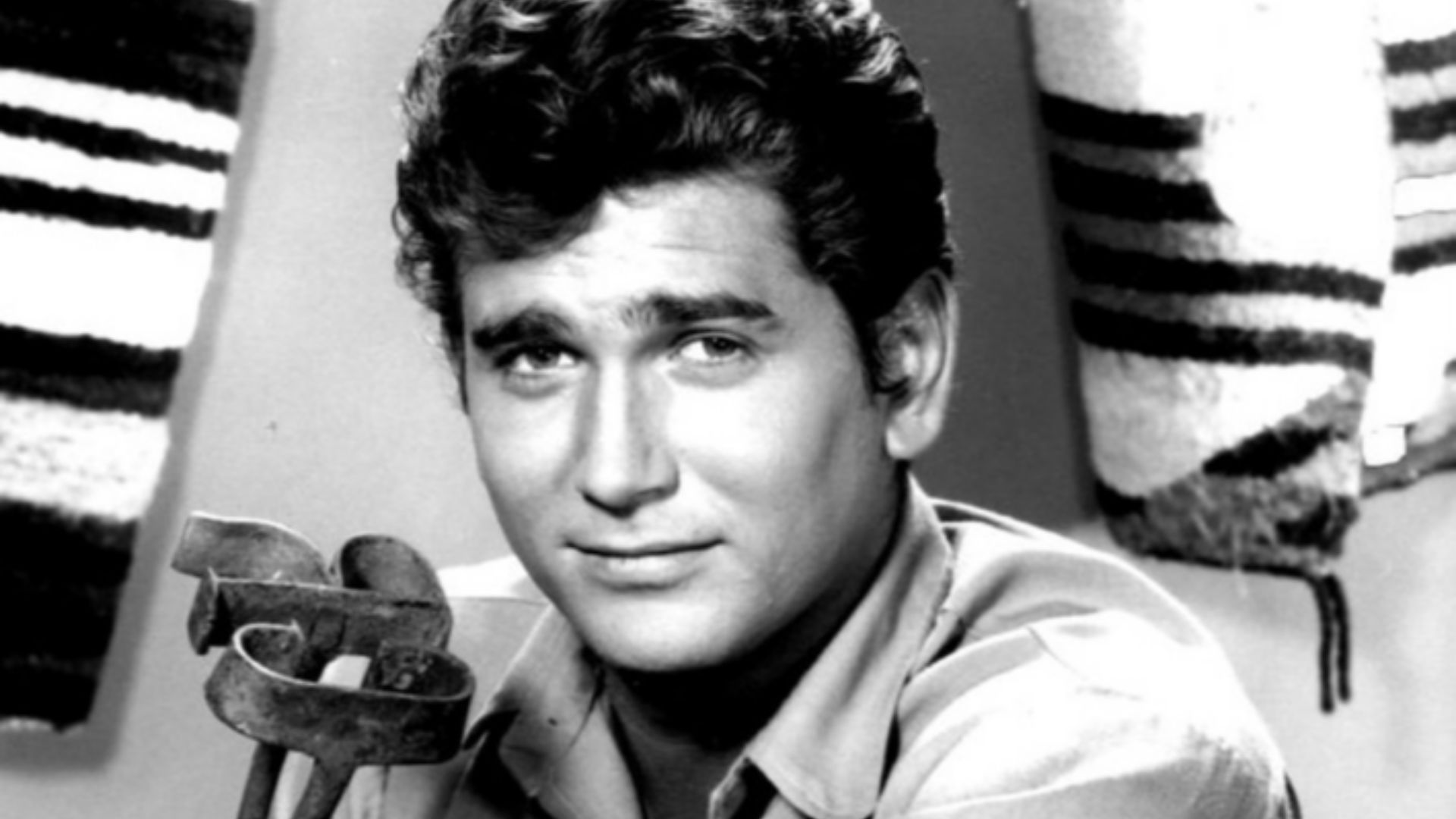 NBC Television, Wikimedia Commons
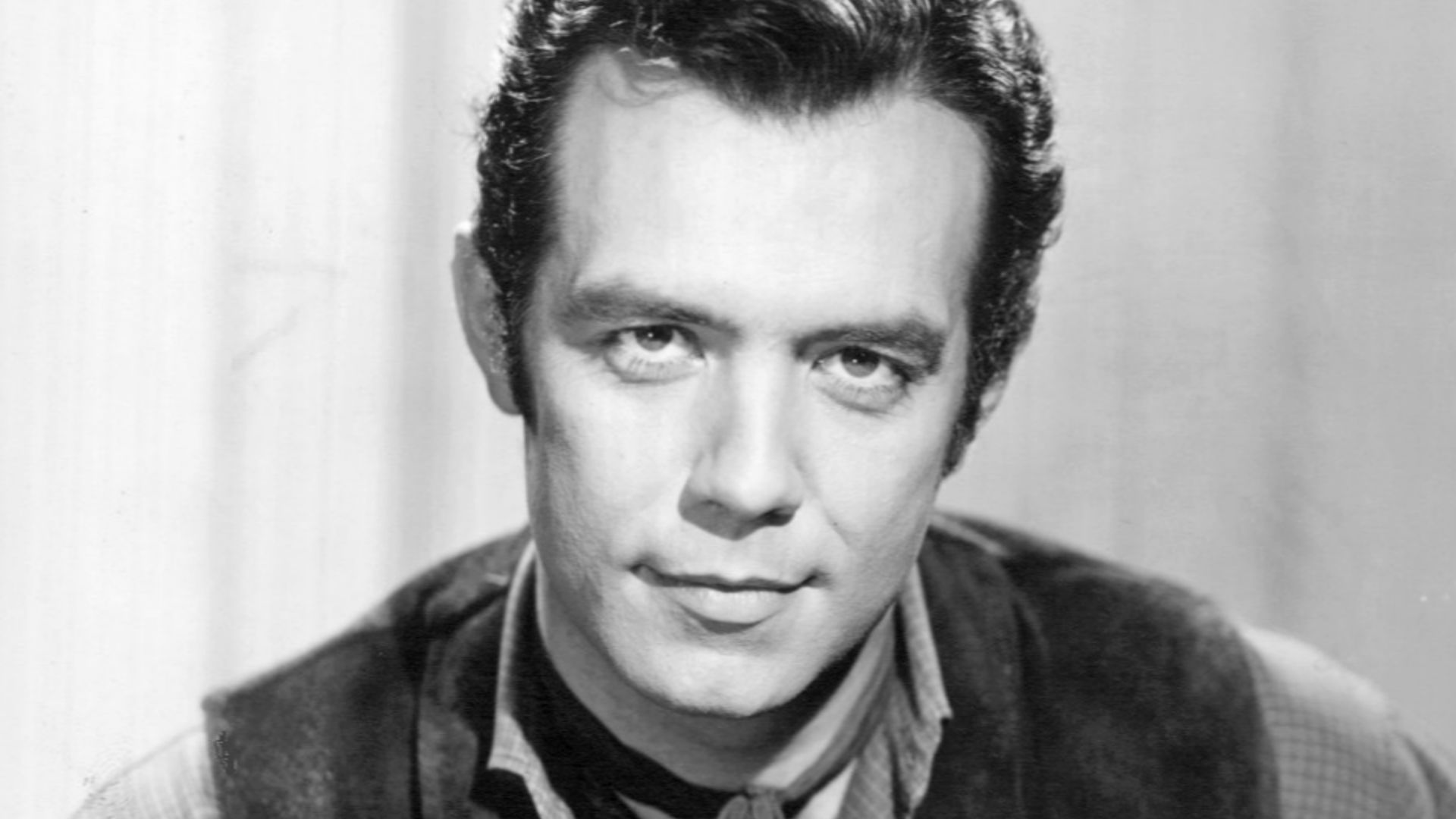
Pernell Roberts
While many viewers watched Bonanza for the adventures, plenty stayed because of Pernell Roberts. As Adam Cartwright, he brought intelligence, confidence, and leading-man looks to one of television's biggest hits. He may not have been the flashiest member of the cast, but he had plenty of fans.
 NBC Television, Wikimedia Commons
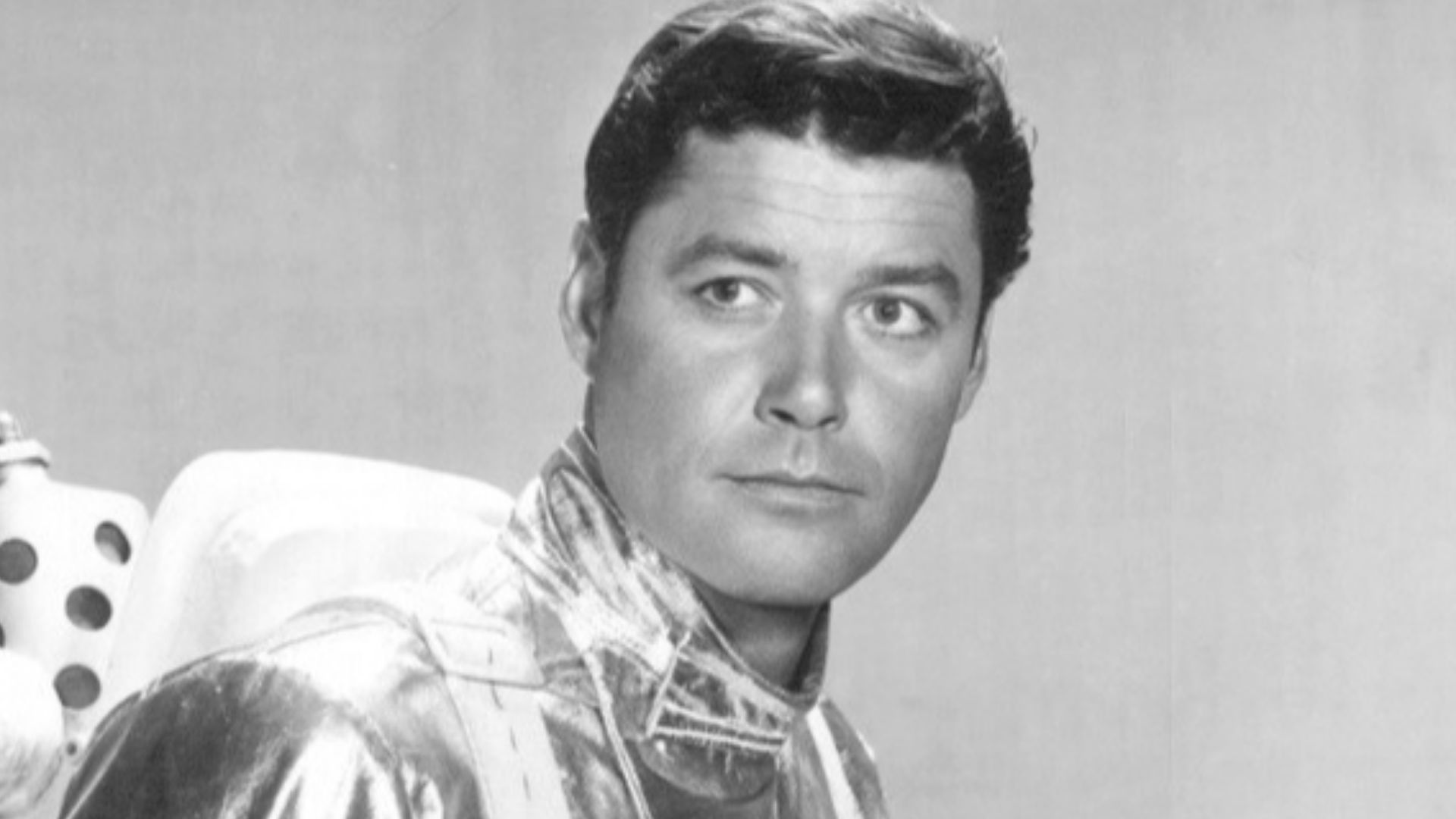
Guy Williams
As television's Zorro, Guy Williams became one of the coolest men on TV. He fought villains, rode horses, wielded a sword, and somehow managed to keep his hair looking perfect through all of it. Not a bad combination if you're trying to become a heartthrob.
 CBS Television, Wikimedia Commons
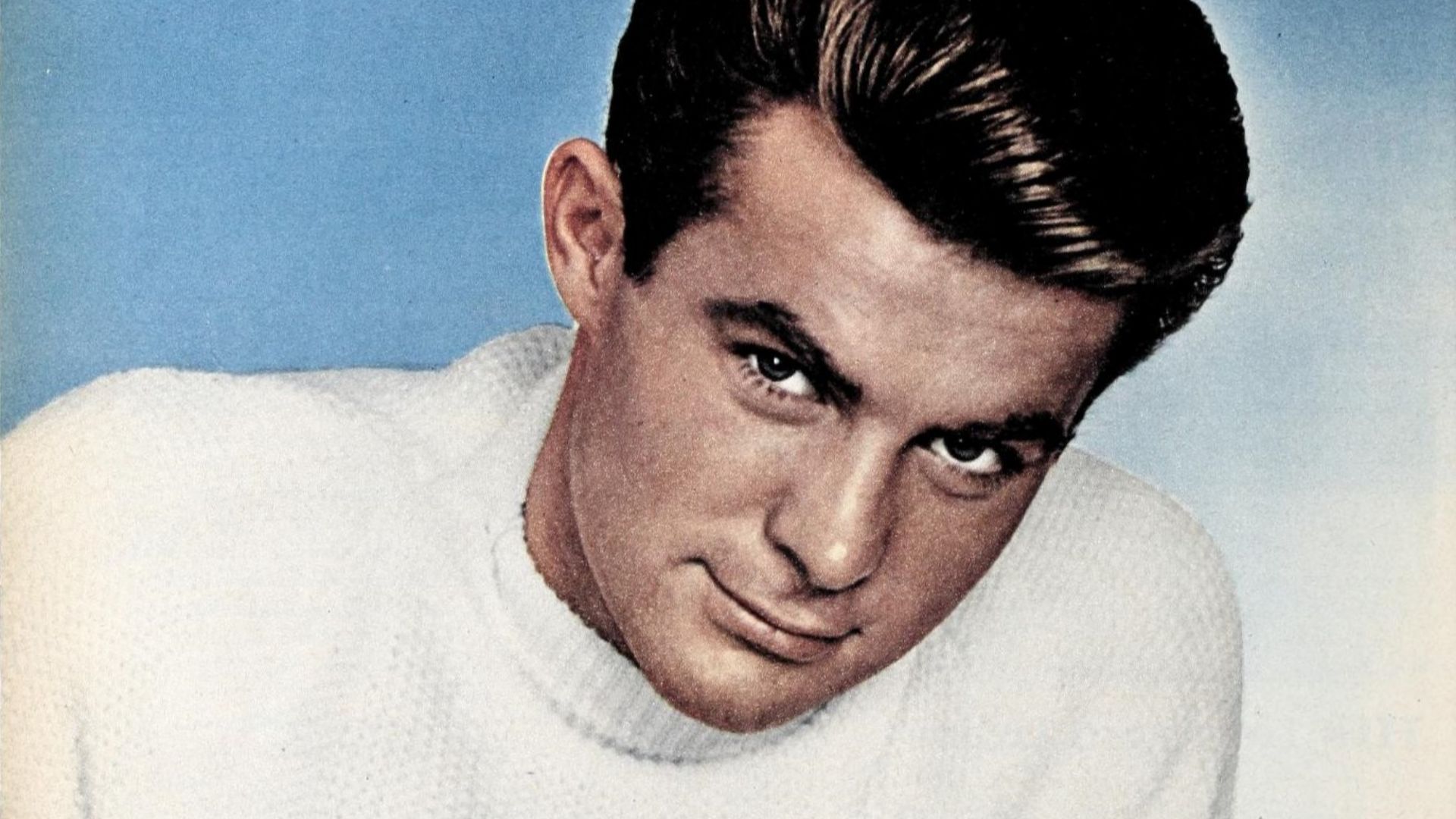
Robert Conrad
Robert Conrad never lacked confidence. In fact, he practically seemed powered by it. The star of The Wild Wild West combined toughness with movie-star looks and became one of television's most recognizable leading men. If charisma were an Olympic sport, he'd have brought home gold.
 Topix. Photographer not credited [1], Wikimedia Commons
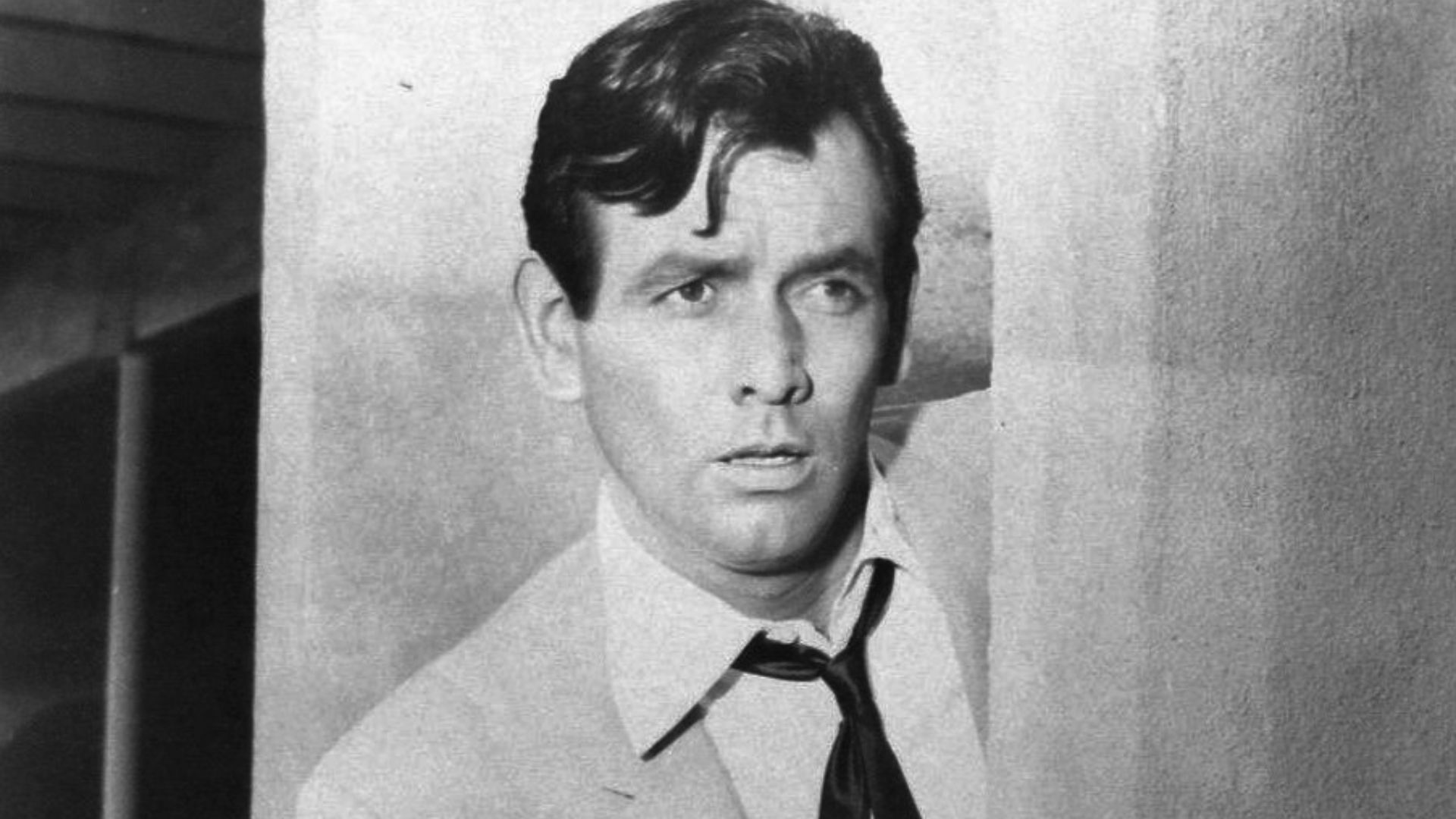
David Janssen
As the star of The Fugitive, David Janssen spent years running across America on television. Millions of viewers tuned in every week to see what happened next. Plenty of women also tuned in because Janssen happened to be extremely handsome. The two things probably weren't unrelated.
 NBC Television, Wikimedia Commons
Rock Hudson
It's almost impossible to explain just how popular Rock Hudson once was. He wasn't simply a movie star. He was one of the movie stars. Handsome, charismatic, and seemingly everywhere, Hudson became one of the defining romantic leads of his era. Women absolutely adored him.
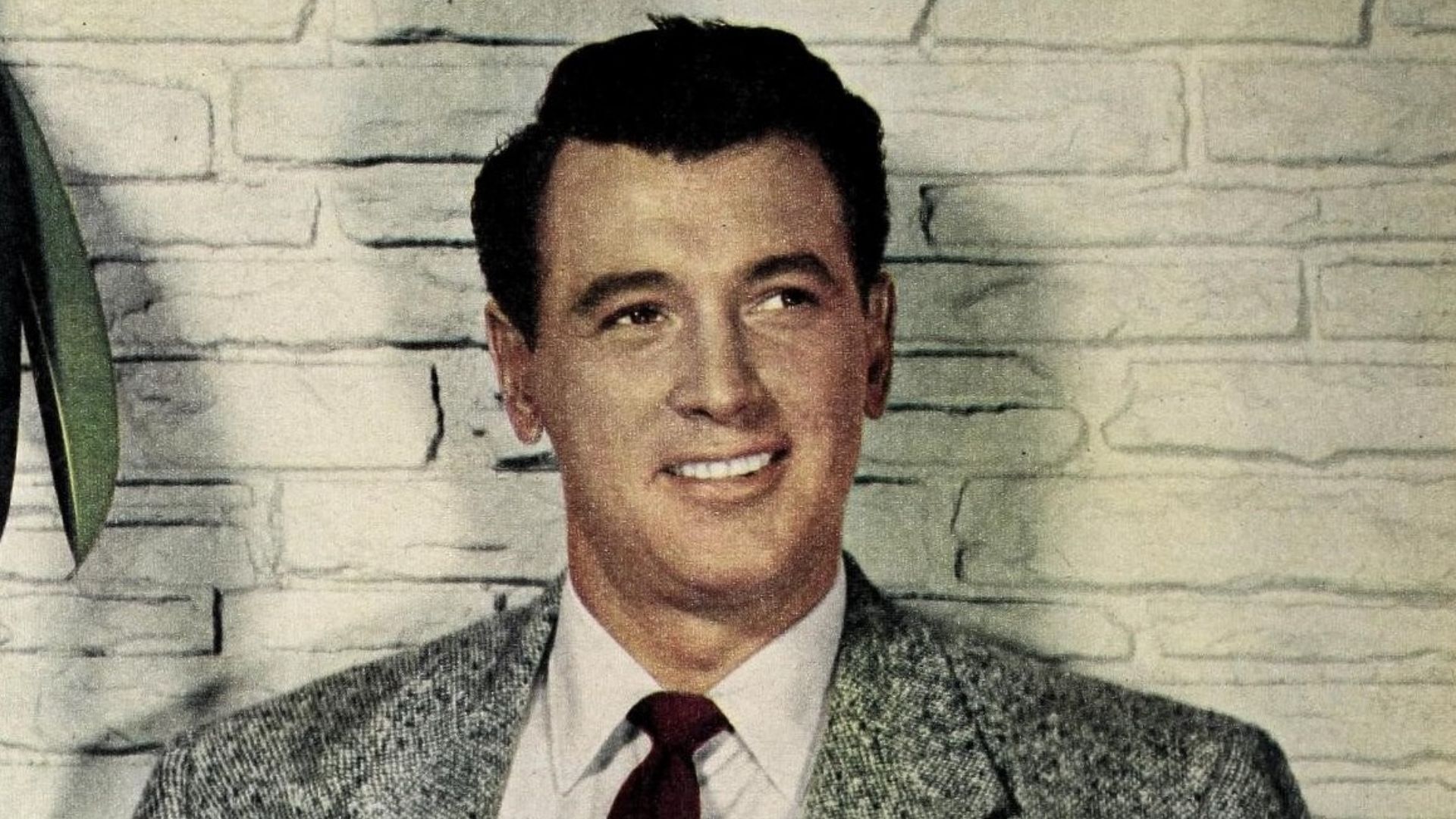 Photographer: Ray Jones (1892-1967), [1], Wikimedia Commons
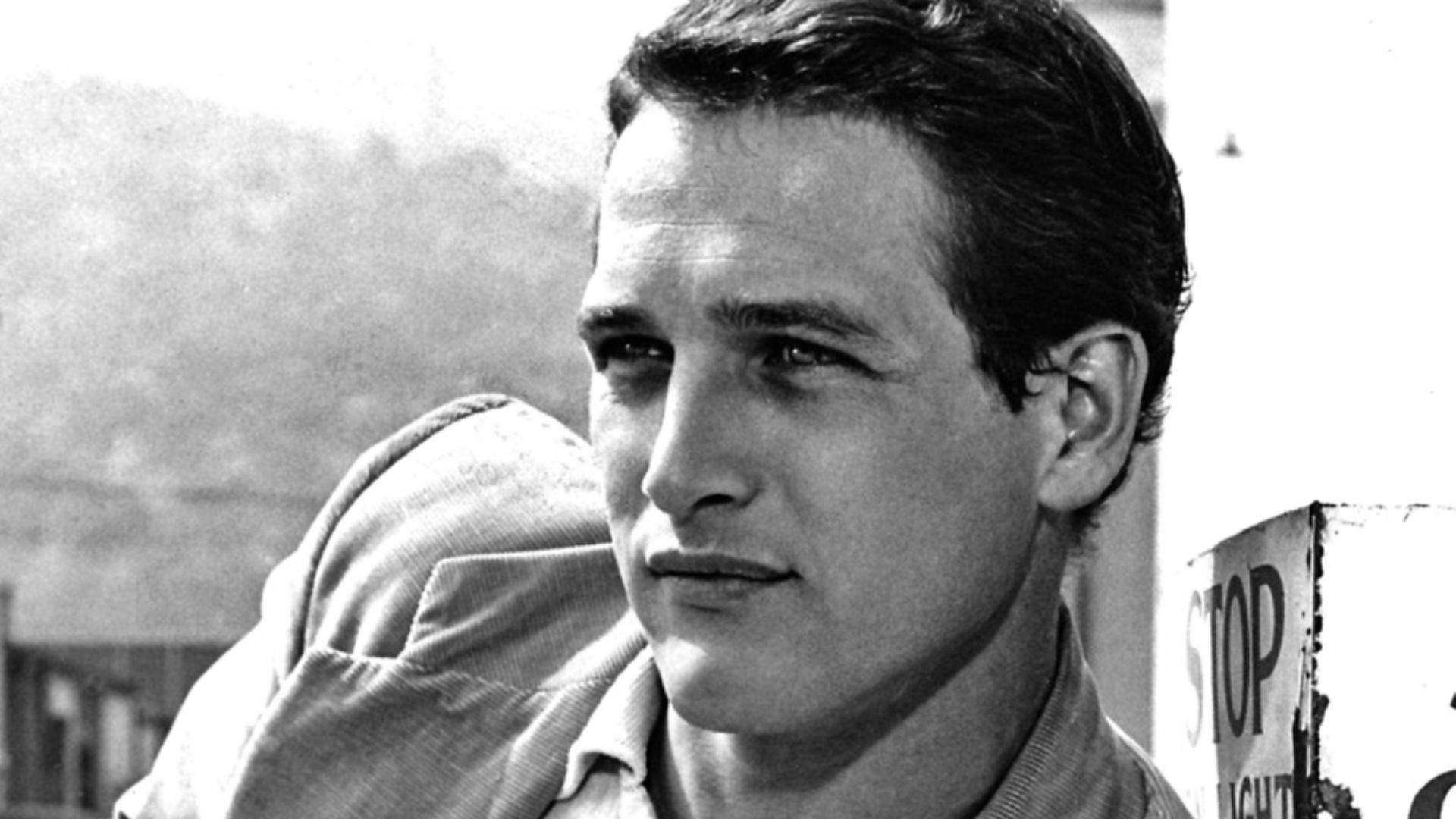
Paul Newman
Let's be honest. Paul Newman could probably have made this list based on his eyes alone. The actor combined incredible looks with serious talent and became one of the biggest stars in Hollywood history. Even younger generations recognize him, but Boomers remember the full-scale phenomenon.
Robert Redford
Robert Redford somehow managed to be handsome, talented, cool, and respected all at the same time. That shouldn't even be fair. From Butch Cassidy and the Sundance Kid to The Way We Were, he became one of the most admired leading men of the 60s and 70s.
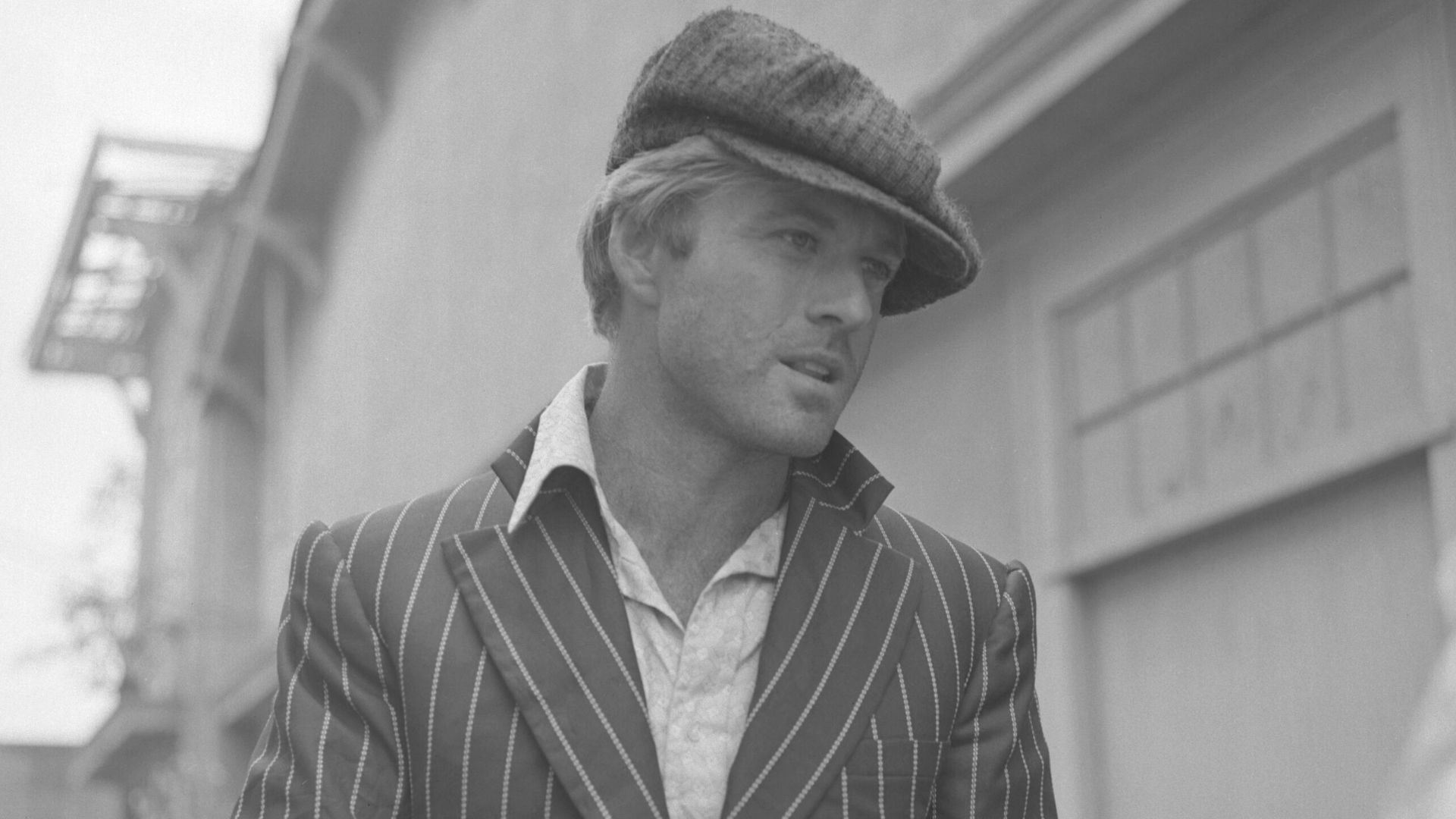 Ken Dare, Los Angeles Times, Wikimedia Commons
Burt Reynolds
For a while, Burt Reynolds wasn't just famous. He was everywhere. Movies, talk shows, magazine covers, commercials—you name it. He had a sense of humor, a legendary mustache, and enough charisma to power a small city. Women loved him, and he knew it.
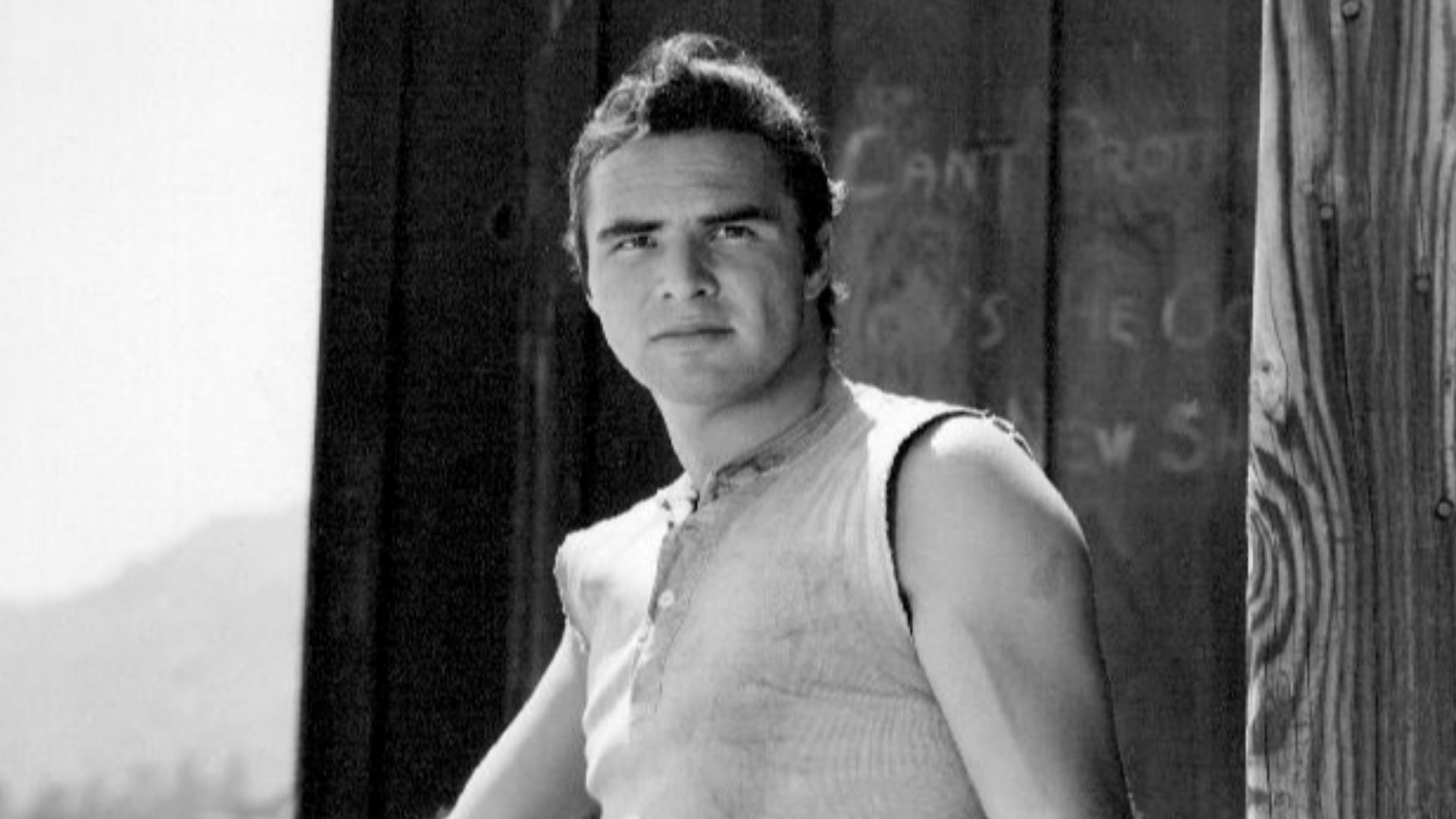 CBS Television, Wikimedia Commons
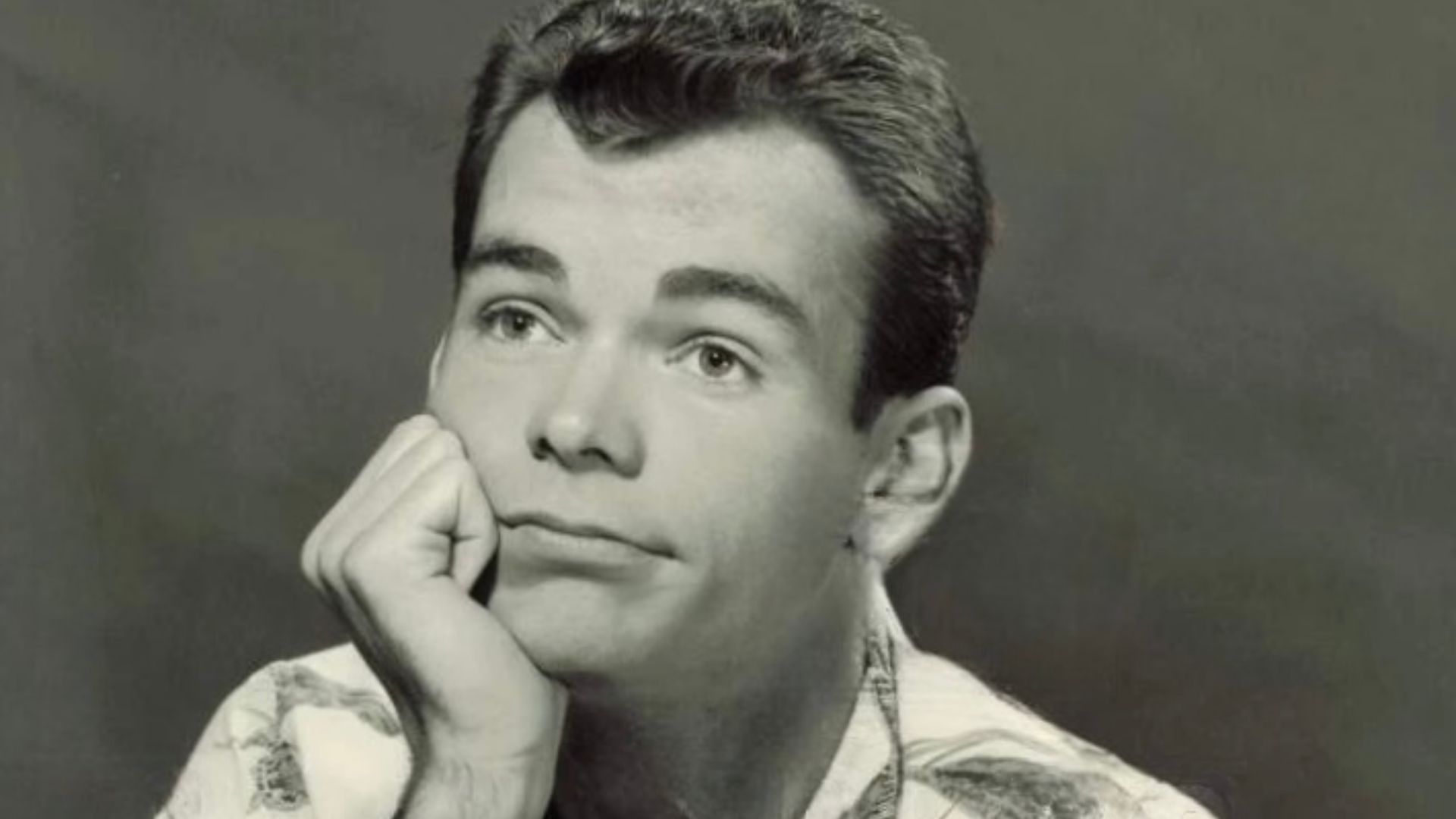
Dean Jones
Disney found its perfect leading man in Dean Jones. Whether he was dealing with magical cars, runaway animals, or family chaos, he brought warmth and charm to every role. During the 60s and 70s, he became one of the most familiar faces in family entertainment.
 CBS Television, Wikimedia Commons
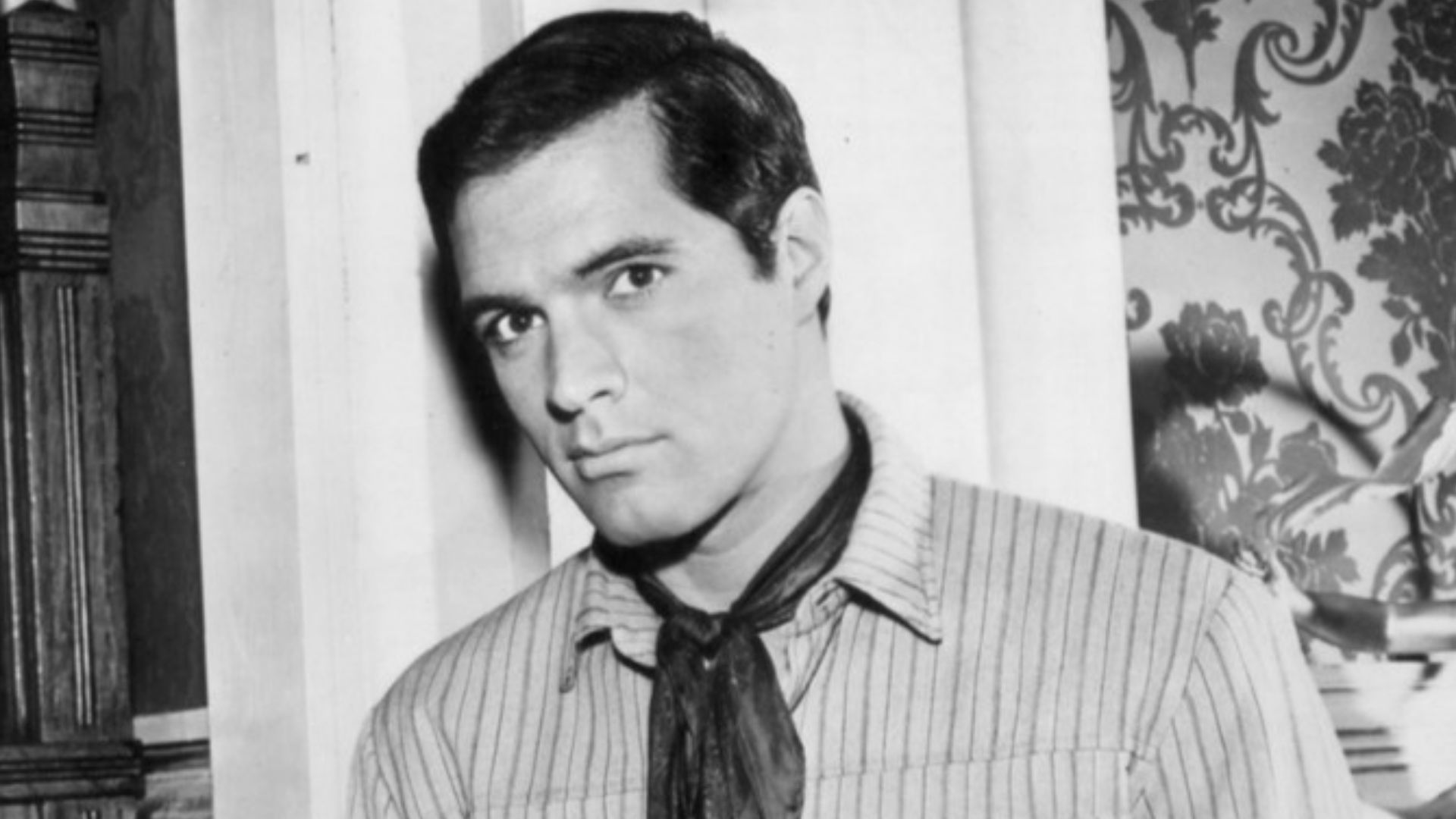
John Gavin
John Gavin appeared in classics like Psycho and Spartacus while building a reputation as one of Hollywood's most handsome actors. Tall, polished, and effortlessly sophisticated, he seemed destined for superstardom. Yet somehow his name faded much faster than many of his contemporaries.
 ABC Television, Wikimedia Commons
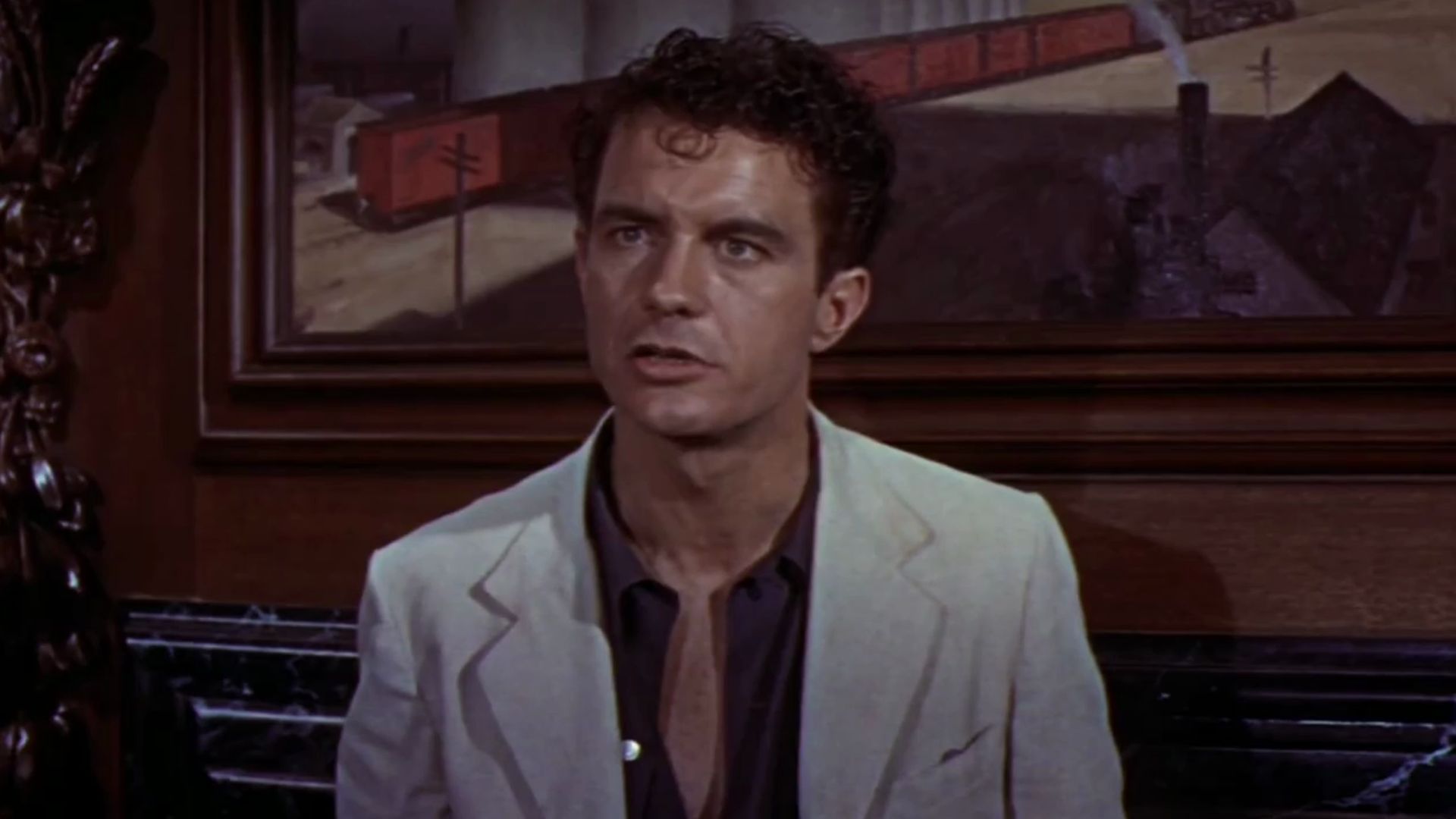
Cliff Robertson
Cliff Robertson had the rare combination of good looks and serious acting chops. He eventually won an Academy Award, but he was attracting admirers long before that happened. He wasn't flashy. He simply had the kind of confidence that never goes out of style.
 Unknown authorUnknown author, Wikimedia Commons
You Might Also Like:
Valerie Harper And The Making Of A 70s TV Legend
Surprising Facts About Gregory Peck, Hollywood’s Irresistible Nice Guy