A Sitcom Heroine For The 70s
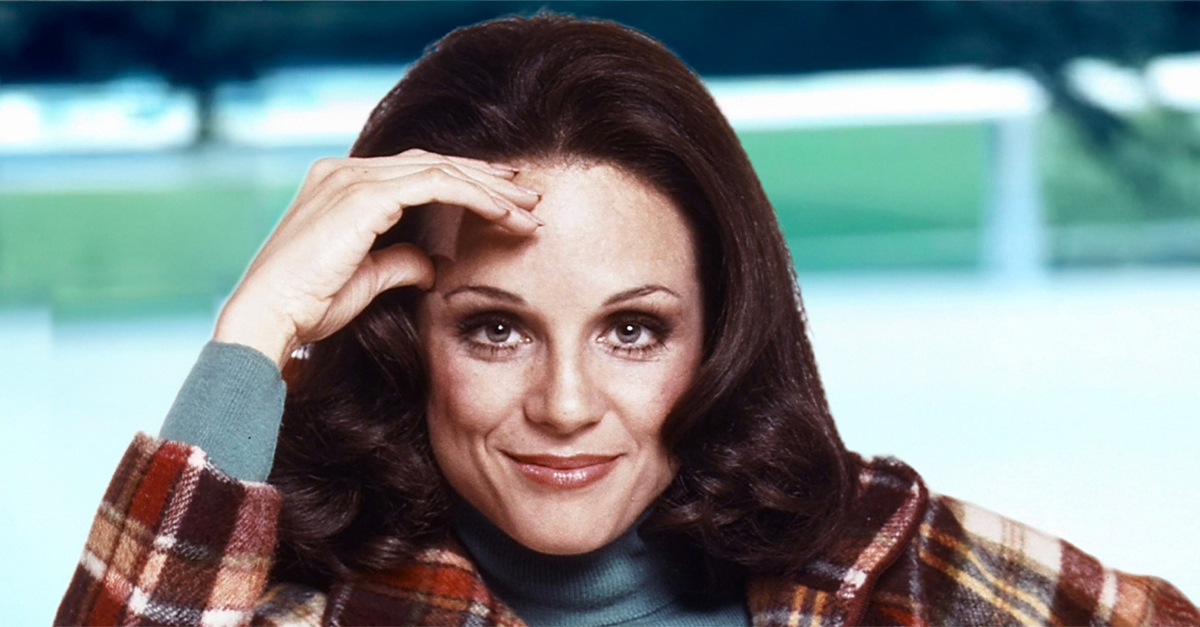
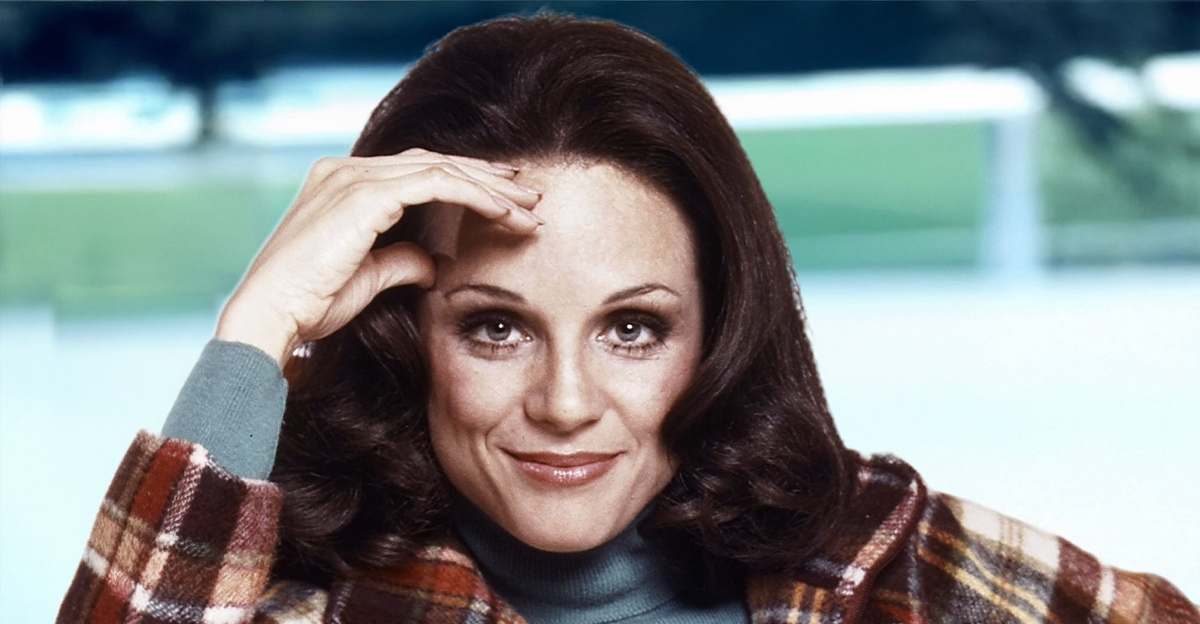
For millions of television viewers in the 1970s, Valerie Harper was Rhoda Morgenstern, the wisecracking best friend of Mary Richards on The Mary Tyler Moore Show who became one of sitcom history’s most beloved characters. Her rise seemed unstoppable until a bitter behind-the-scenes battle over her later sitcom Valerie transformed her from television darling into one of Hollywood’s most controversial stars.
 Michael Ochs Archives/Getty Images
A Tough Beginning
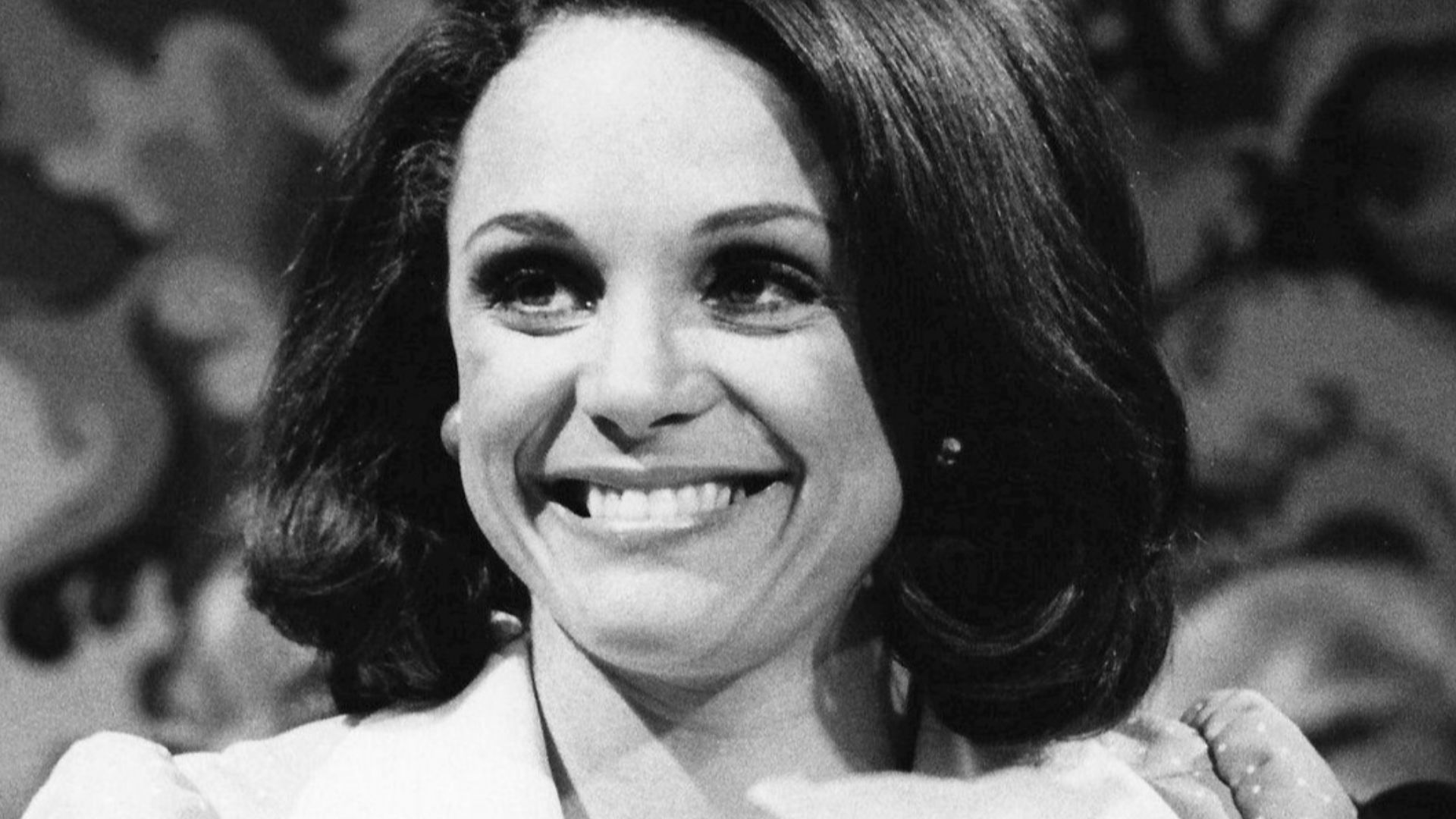
Valerie Harper was born in Suffern, New York, in 1939 and spent much of her childhood moving around because of her father’s sales career. Frequent relocations made lasting friendships difficult, but they also taught her adaptability and sharp observational skills that later fueled her comedy performances.
 CBS Television, Wikimedia Commons
Dreams Of Performing
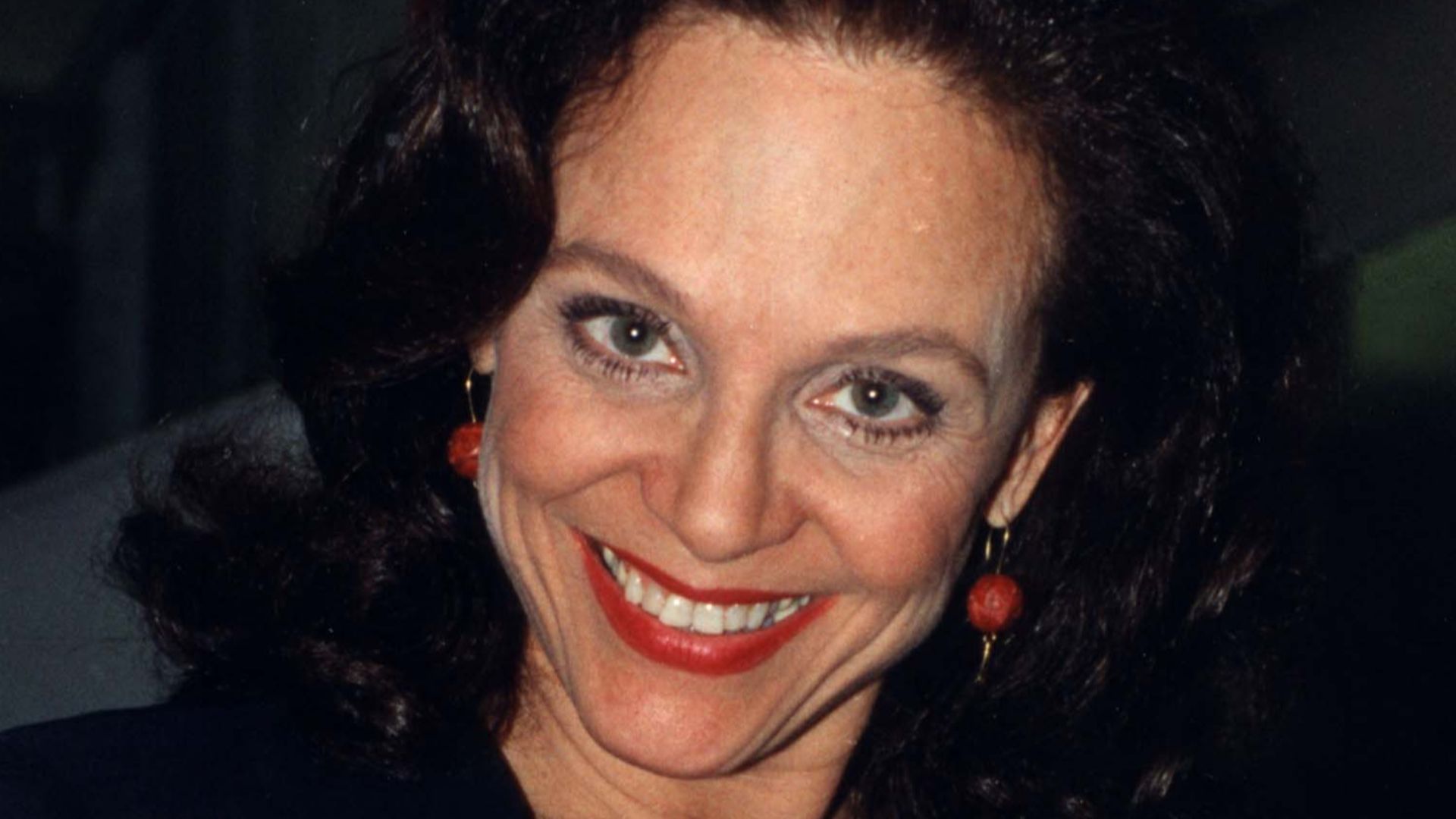
As a young woman, Harper initially wanted to become a dancer rather than a television actress. She studied ballet and musical theater while supporting herself with modeling and chorus work. The discipline required for stage performance would later help her thrive during television’s demanding multi-camera sitcom era.
 Kingkongphoto & www.celebrity-photos.com from Laurel Maryland, USA, Wikimedia Commons
Breaking Into Show Business
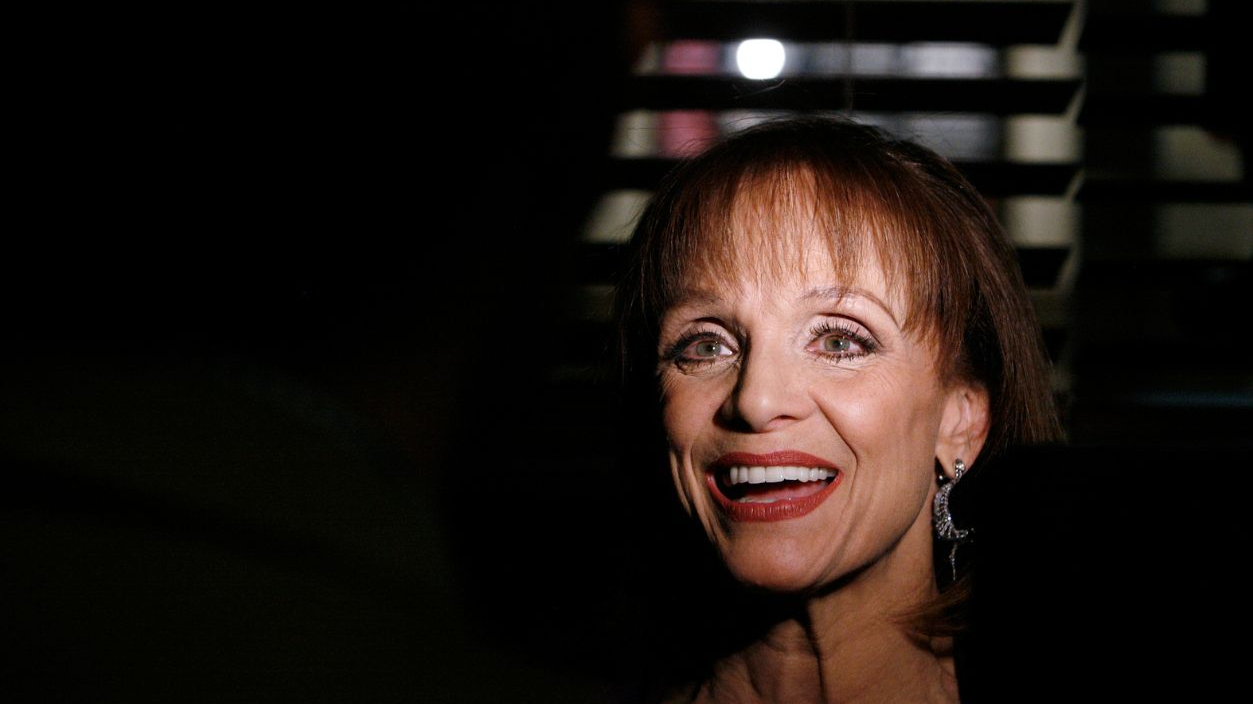
Harper spent years grinding through small stage roles, commercials, and off-Broadway productions before Hollywood finally noticed her. She developed a reputation for sharp comic timing and energetic performances, though success was a lot slower in coming than she hoped. Like all aspiring actors, she endured countless auditions and rejections.
Broadway And Second City
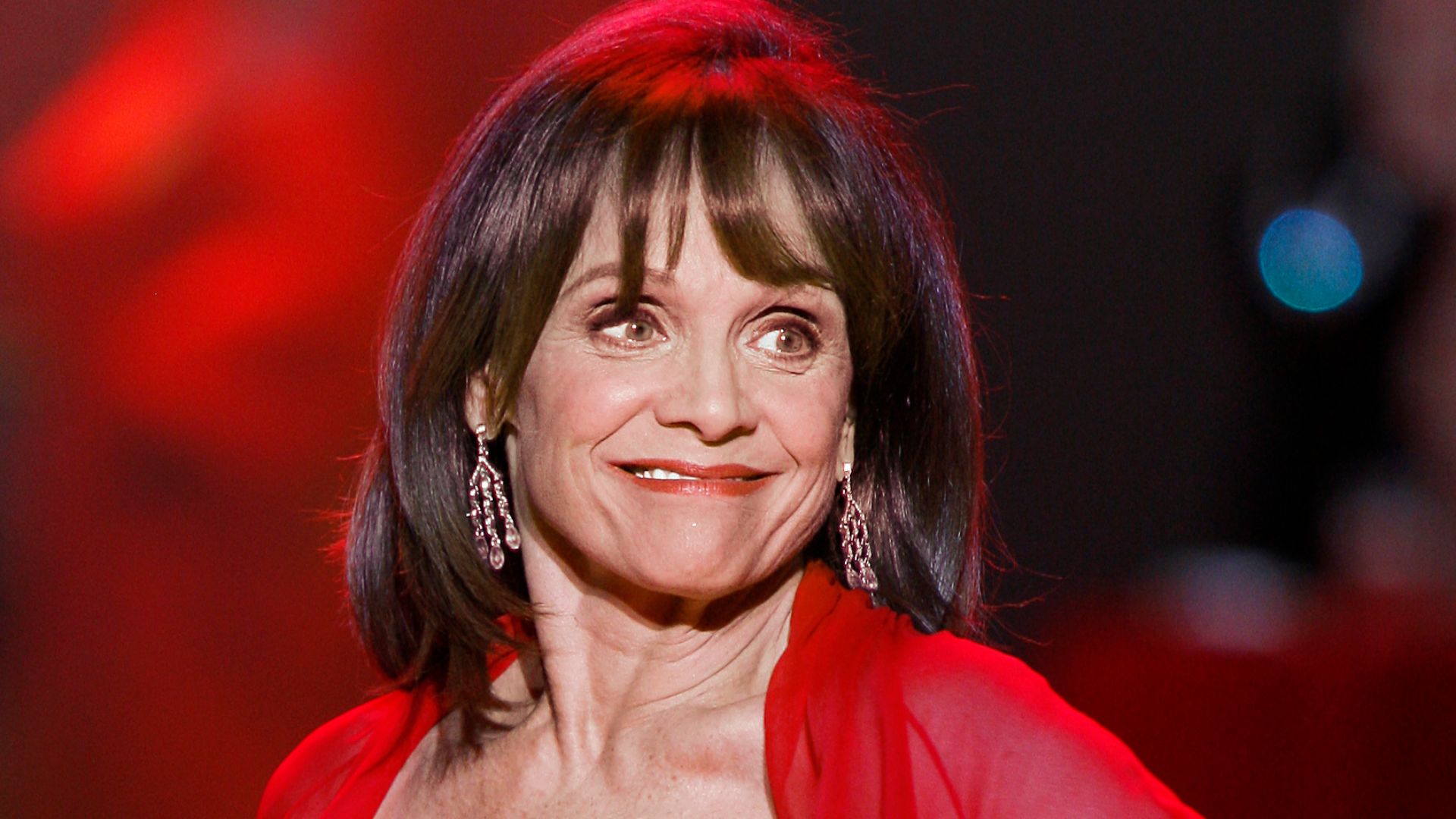
Before television fame arrived, Harper sharpened her skills performing in theater and improvisational comedy environments. She appeared as a dancer in Broadway productions including Li’l Abner (1957–58) and Wildcat (1960–61) and worked alongside talented performers who pushed her comedic instincts further. Those experiences prepared her for the fast-paced ensemble chemistry television sitcoms demanded during the 1970s.
 The Heart Truth, Wikimedia Commons
Landing Mary Tyler Moore
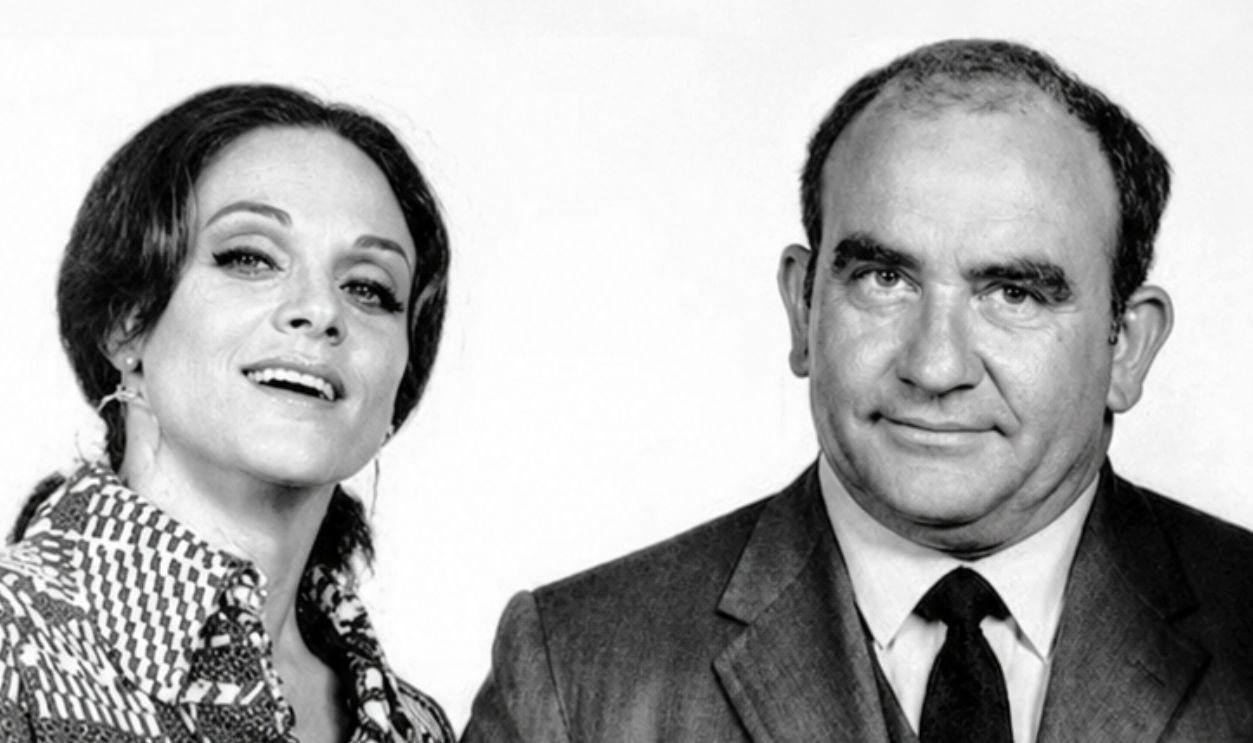
Harper’s career changed forever when she auditioned for The Mary Tyler Moore Show in 1970. Producers initially intended Rhoda Morgenstern to appear in just a single episode. But Harper’s sarcastic humor and instantly relatable personality made the character impossible for audiences to forget.
 CBS TelevisionUploaded by We hope at en.wikipedia, Wikimedia Commons, enhanced
Creating Rhoda Morgenstern
Rhoda quickly became the perfect counterbalance to Mary Tyler Moore’s optimistic Mary Richards. Harper gave Rhoda warmth, insecurity, wit, and vulnerability all at once. Viewers were able to relate to her struggles, which helped make Rhoda into a breakout television supporting character.
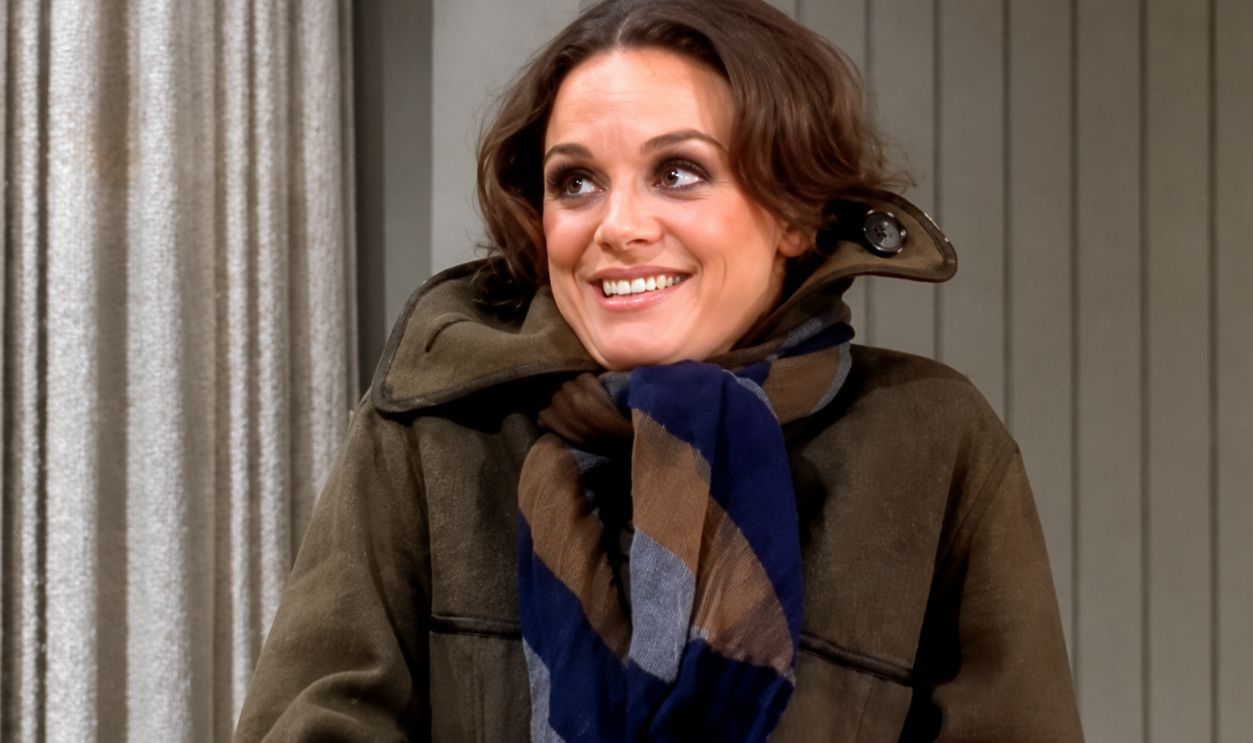 Screenshot from The Mary Tyler Moore Show, The Walt Disney Company (1970-1977), enhanced
Emmy Success Arrives
Harper’s work on The Mary Tyler Moore Show earned her widespread critical acclaim almost immediately. She won three consecutive Emmy Awards for Outstanding Supporting Actress in a Comedy Series (1971–73), becoming one of television’s hottest performers. Suddenly, network executives realized Rhoda could carry an entire series of her own.
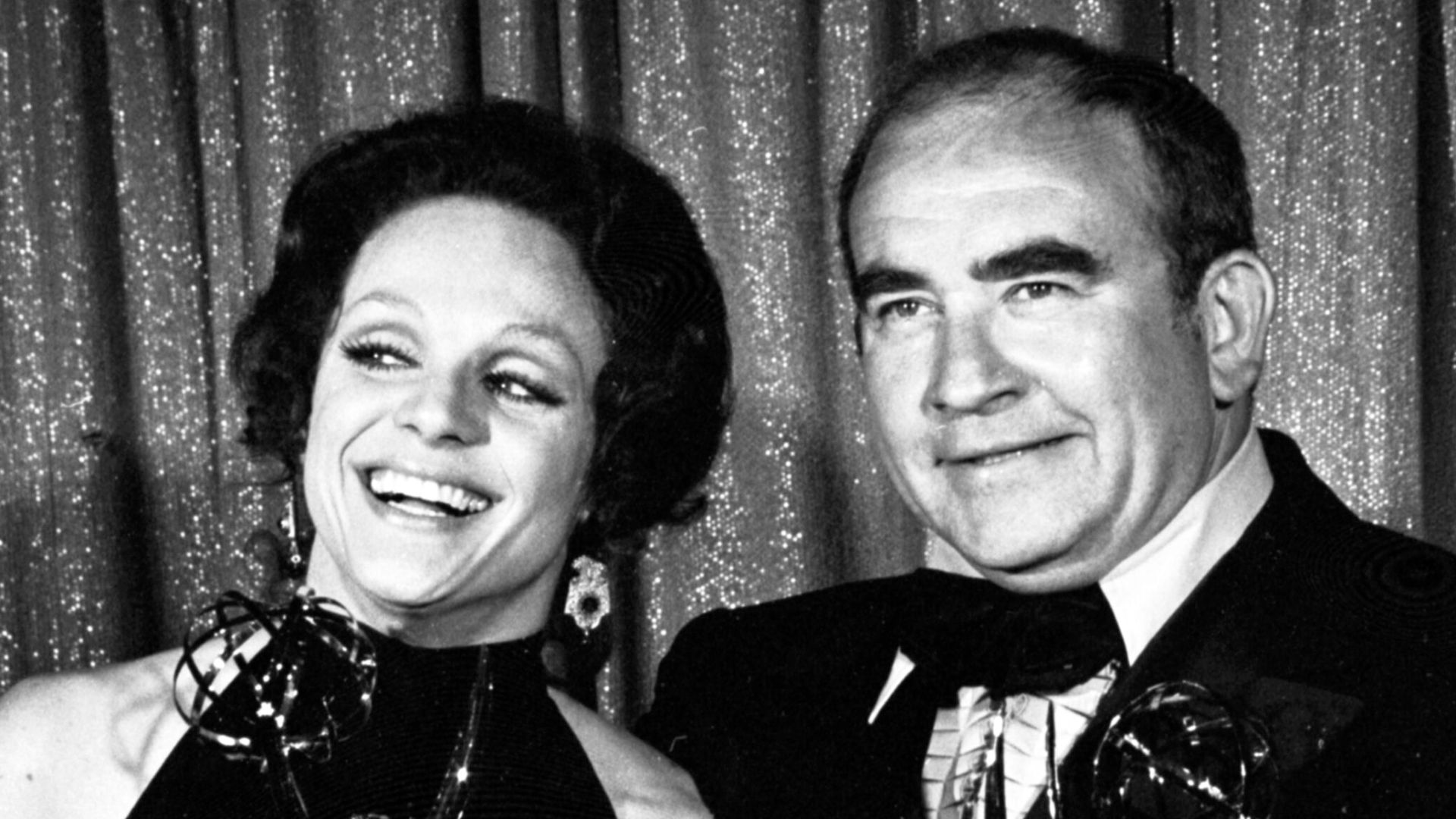 Rick Browne, Los Angeles Times, Wikimedia Commons
The Birth Of Rhoda
In 1974, Harper officially spun off into her own sitcom, Rhoda. The series followed Rhoda’s return to New York and focused heavily on her dating life, career struggles, and close-knit family. Audiences embraced the show instantly, helping it become one of television’s biggest ratings hits.
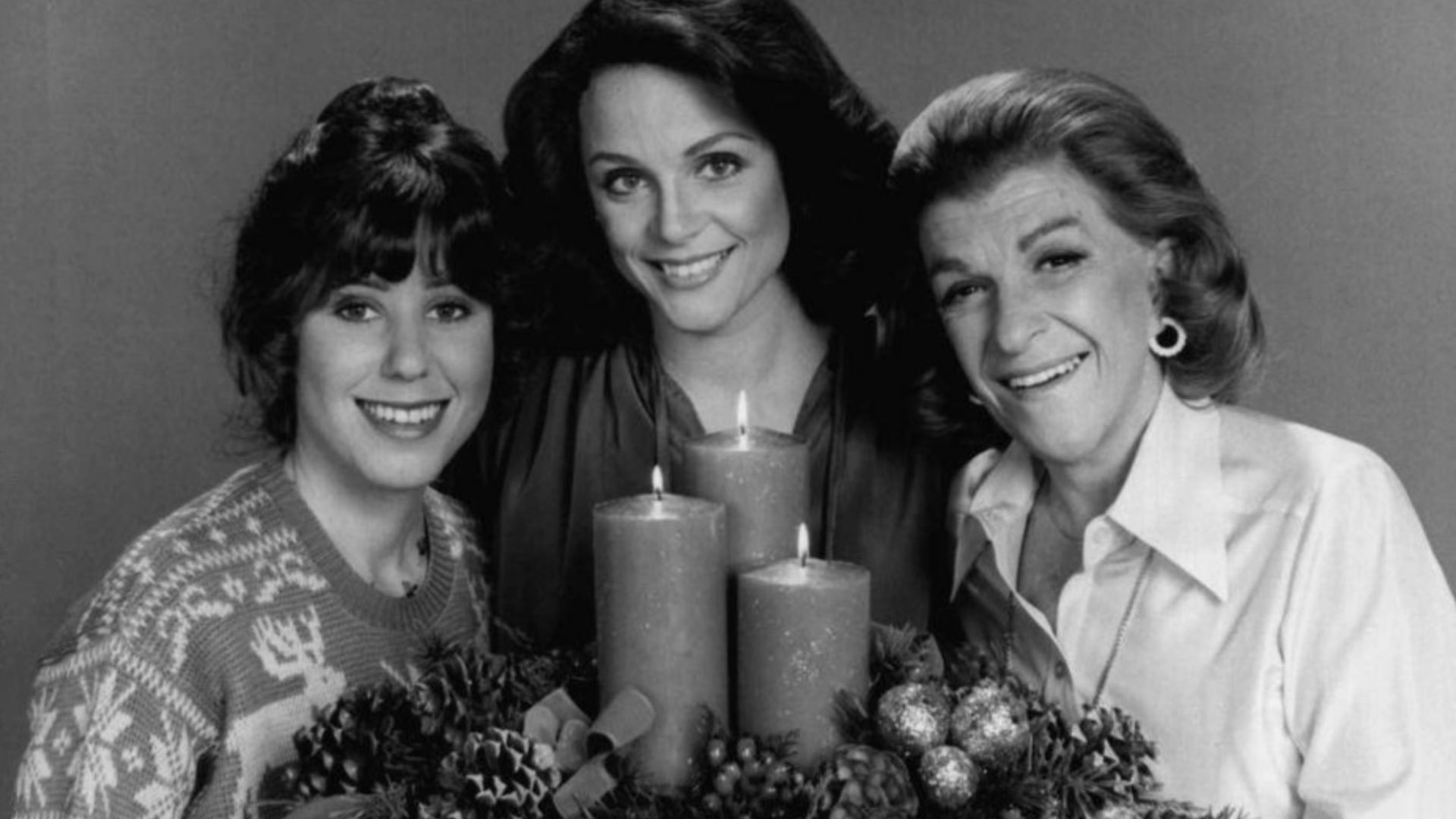 CBS Television, Wikimedia Commons
A Television Event
The wedding episode of Rhoda became a genuine cultural phenomenon. 52 million viewers tuned in on October 28, 1974 to watch Rhoda marry Joe Gerard (David Groh), proving Harper had become a full-fledged television superstar. Few sitcom episodes of the era generated that level of nationwide excitement and conversation.
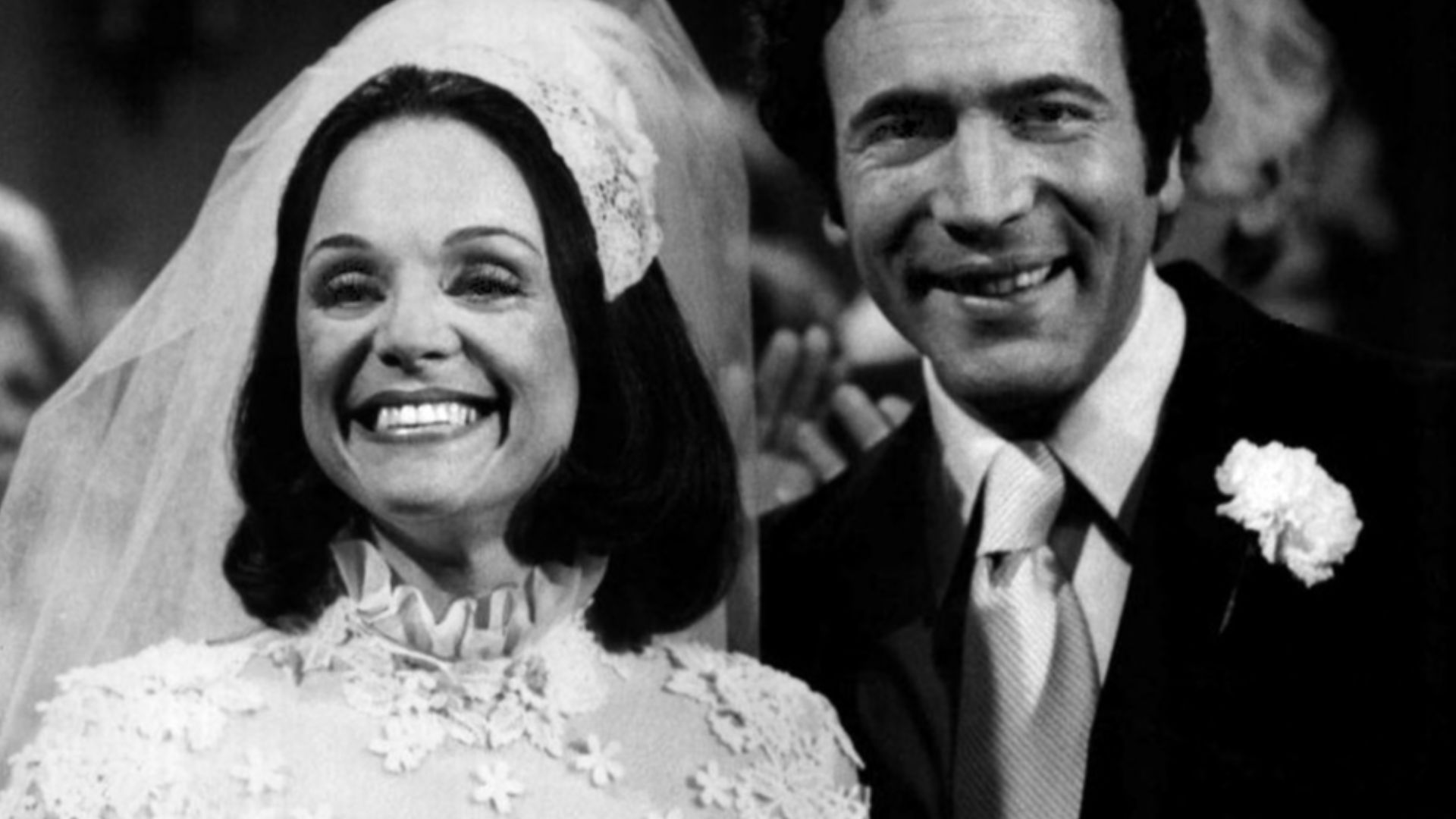 CBS Television, Wikimedia Commons
Emmy Wins As A Leading Actress
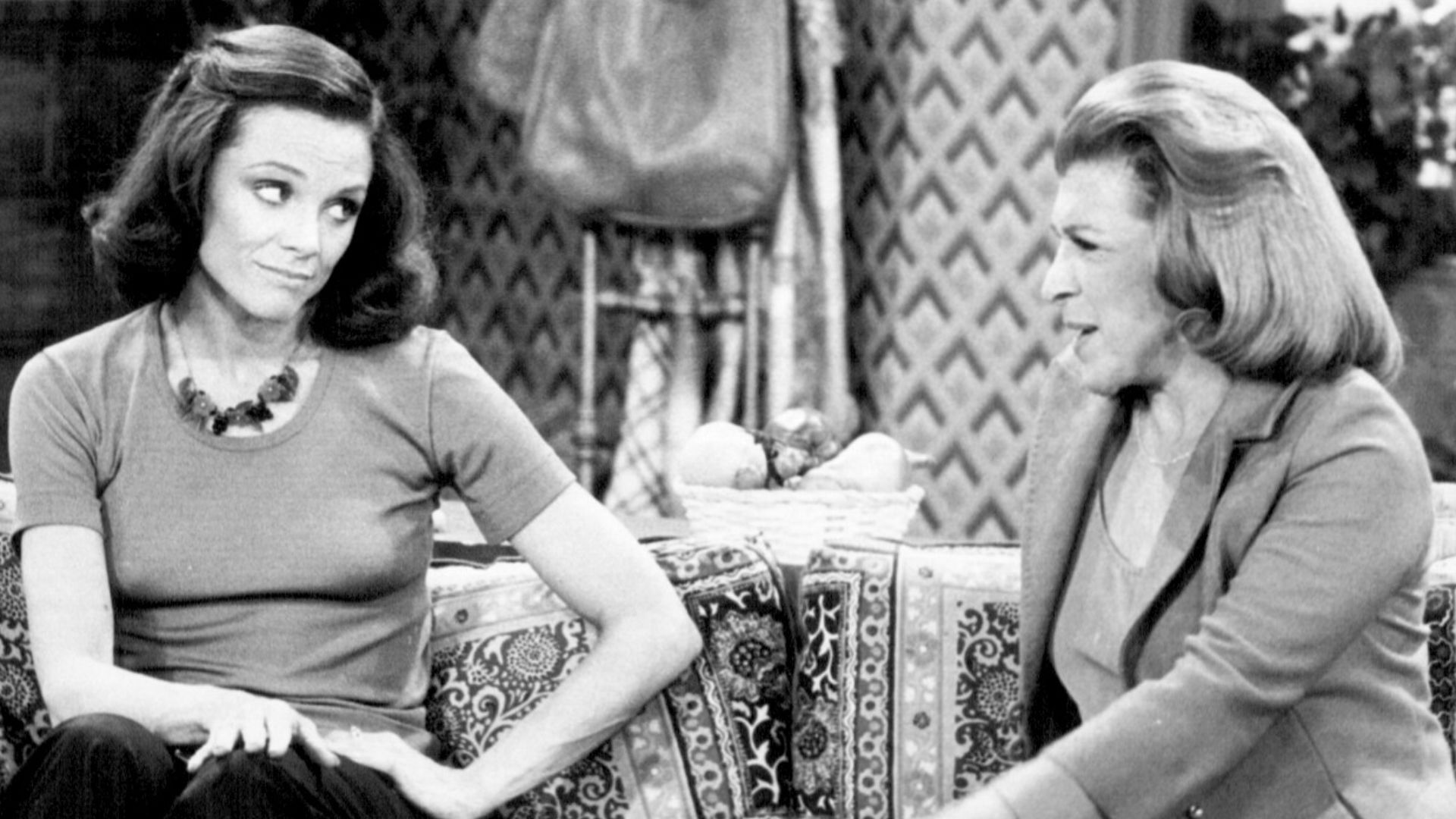
Harper’s success on Rhoda put her up into television’s top comedic tier. She won another Emmy Award in 1974, this time as Outstanding Lead Actress in a Comedy Series. The transition from supporting player to headline star was complete, and Harper suddenly stood among the defining television faces of the decade.
 CBS Television, Wikimedia Commons
Pressure Of Sustained Success
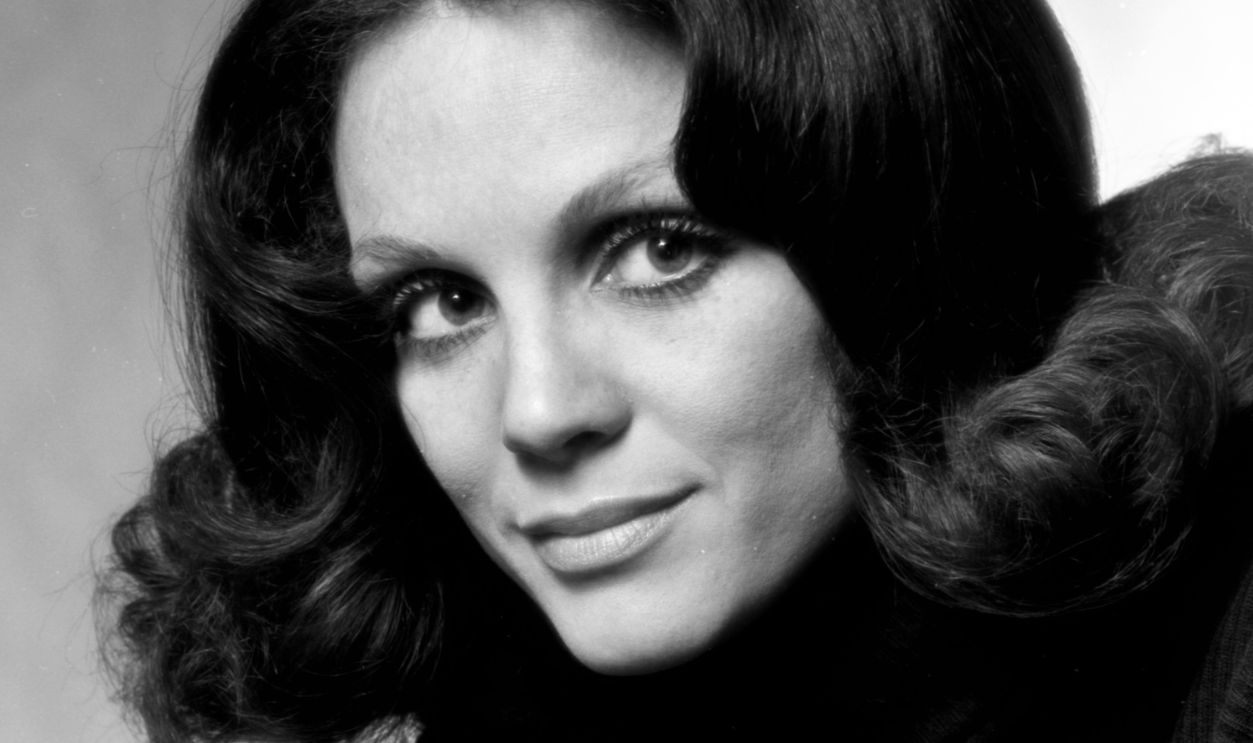
Maintaining a hit sitcom was turning out to be a lot harder than launching one. Writers struggled to keep Rhoda fresh as storylines became increasingly domestic and relationship-focused. Ratings eventually softened after Rhoda and Joe divorced on the series, though Harper herself remained widely admired for her energetic performances and natural comedic timing.
Life After Rhoda
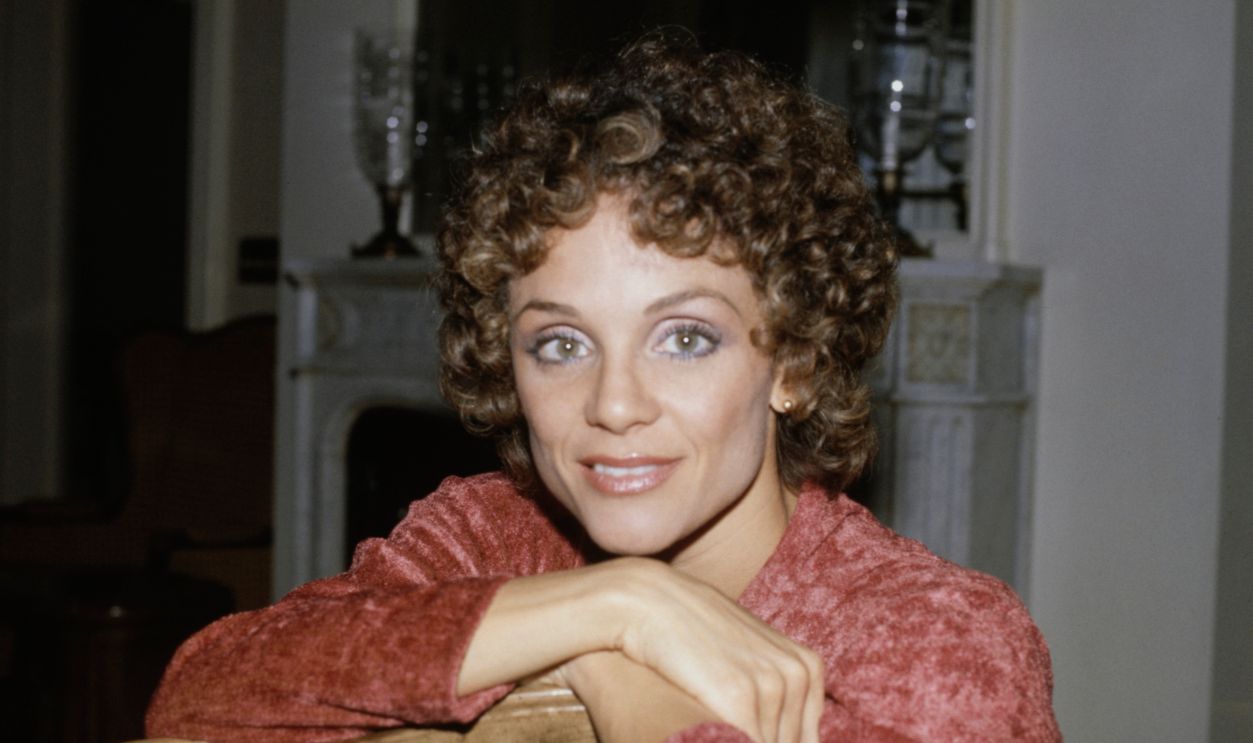
When Rhoda ended in 1978, Harper entered an uncertain period. She guest-starred on various television programs and appeared in stage productions while searching for the right follow-up vehicle. Hollywood still looked on her as a major star, but finding another signature role was turning out to be a challenge.
Movie And Television Projects
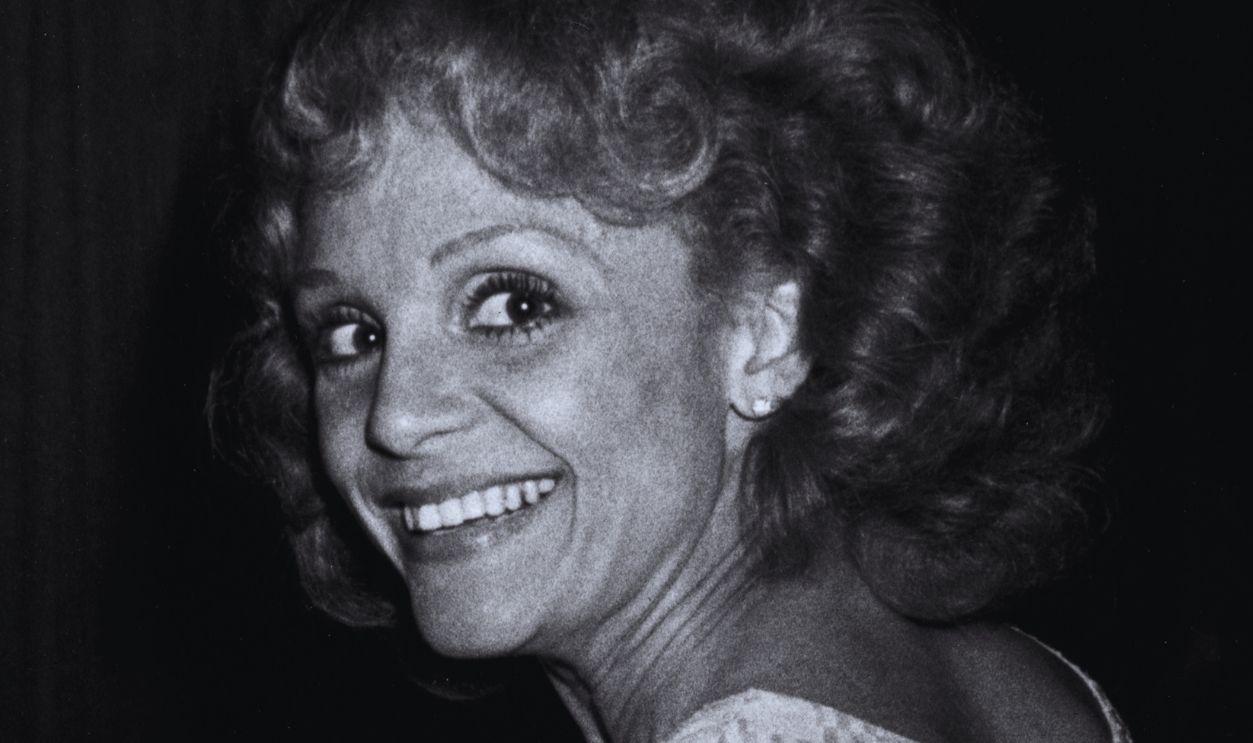
During the late 1970s and early 1980s, Harper appeared in projects including the romantic comedy Chapter Two (1979) with James Caan, for which she received a Golden Globe nod as a supporting actress. She also played in television movies that showcased her dramatic range alongside her comedic instincts. While none of these became major breakout hits, they helped keep her visible in the industry as networks searched for another sitcom concept built around her personality.
Back To Sitcom Television
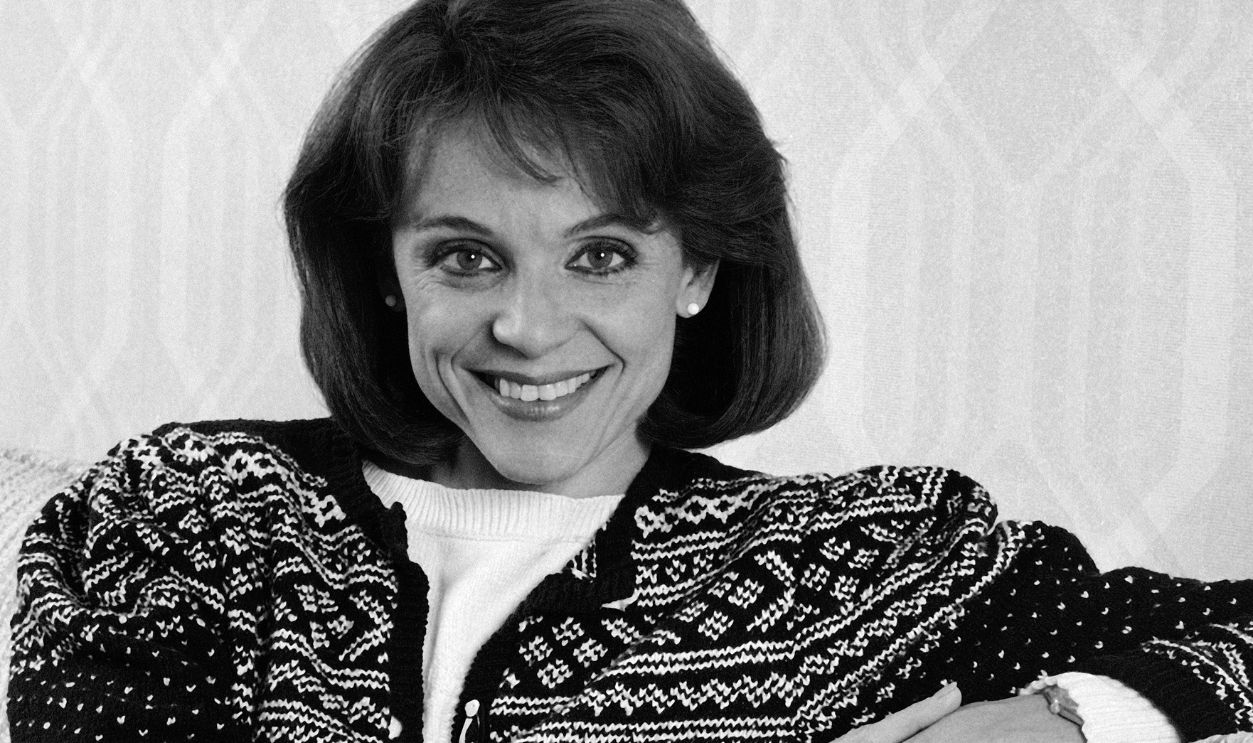
By the mid-1980s, television executives once again thought Harper could anchor a major network comedy. NBC launched Valerie in 1986, centering on a busy mother juggling family life while her husband frequently traveled for work. The setup seemed perfect for Harper’s comedic strengths.
Early Promise Of Valerie
Initially, Valerie performed reasonably well in the ratings and attracted a loyal audience. Harper’s chemistry with the young actors playing her children gave the series warmth and emotional grounding. Behind the scenes, however, tension was growing between Harper, producers, and the show’s corporate leadership.
Salary And Creative Disputes
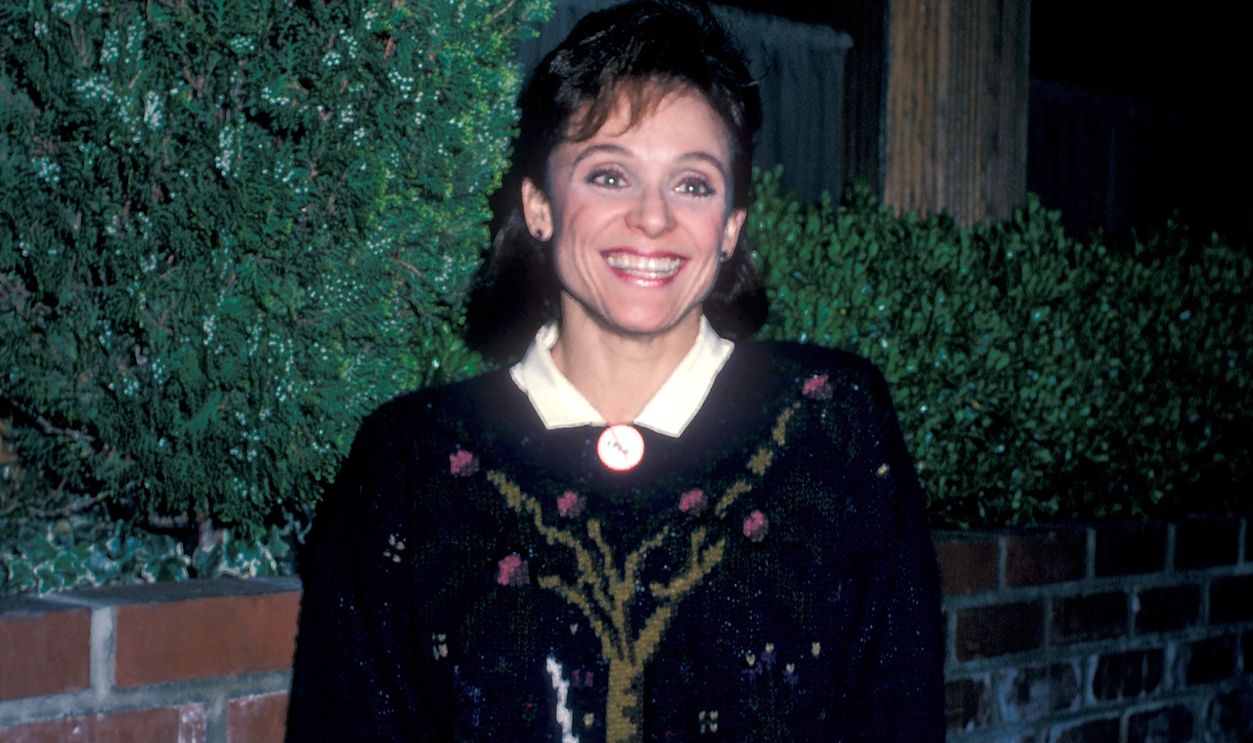
As Valerie gained momentum, Harper reportedly got frustrated over salary issues and creative direction. She thought her role as the show’s central star justified higher compensation and greater influence over production decisions. Executives at Lorimar Television would have none of it, which led to a bitter showdown.
 Louise Palanker, Wikimedia Commons
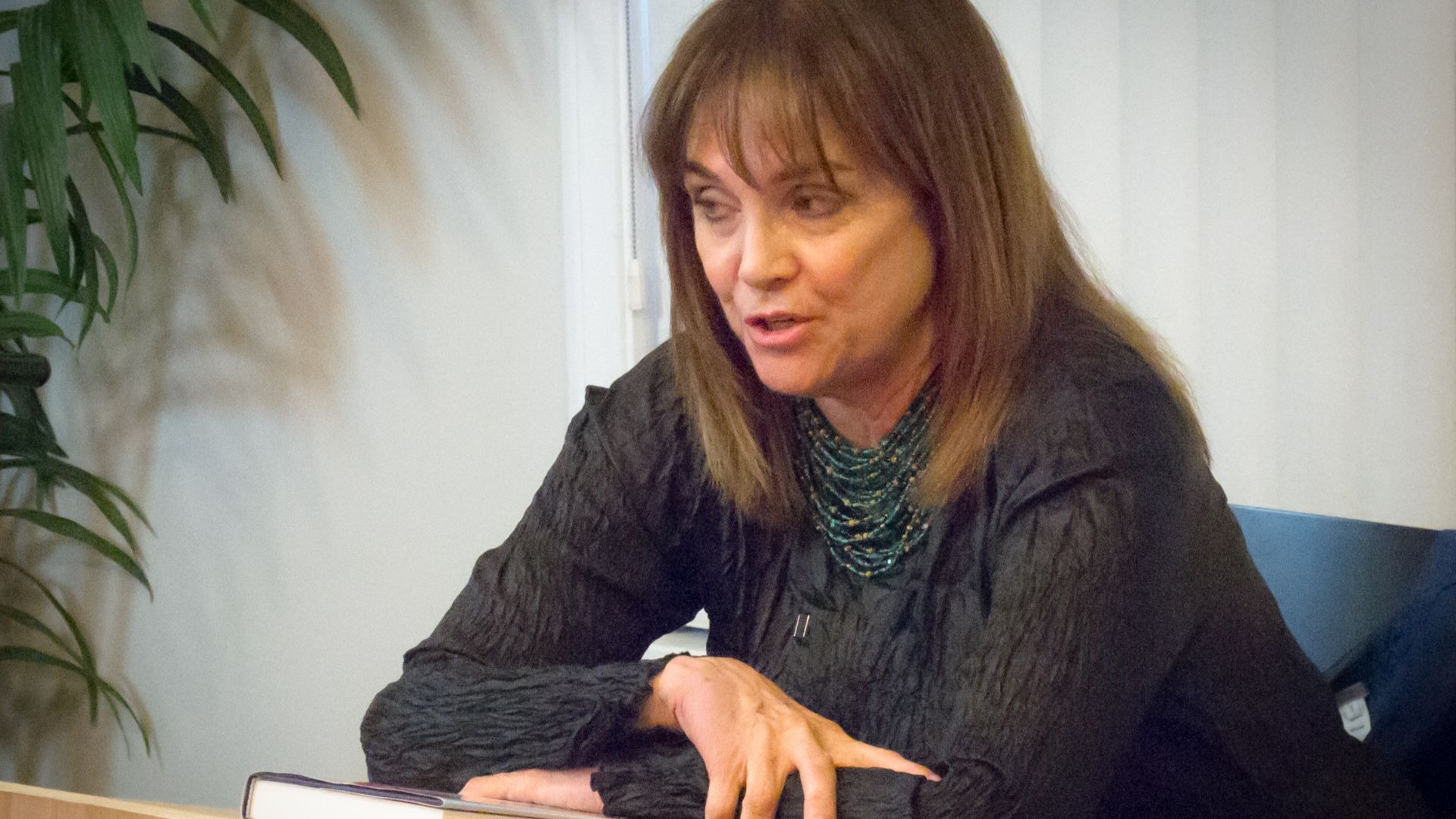
A Shocking Firing
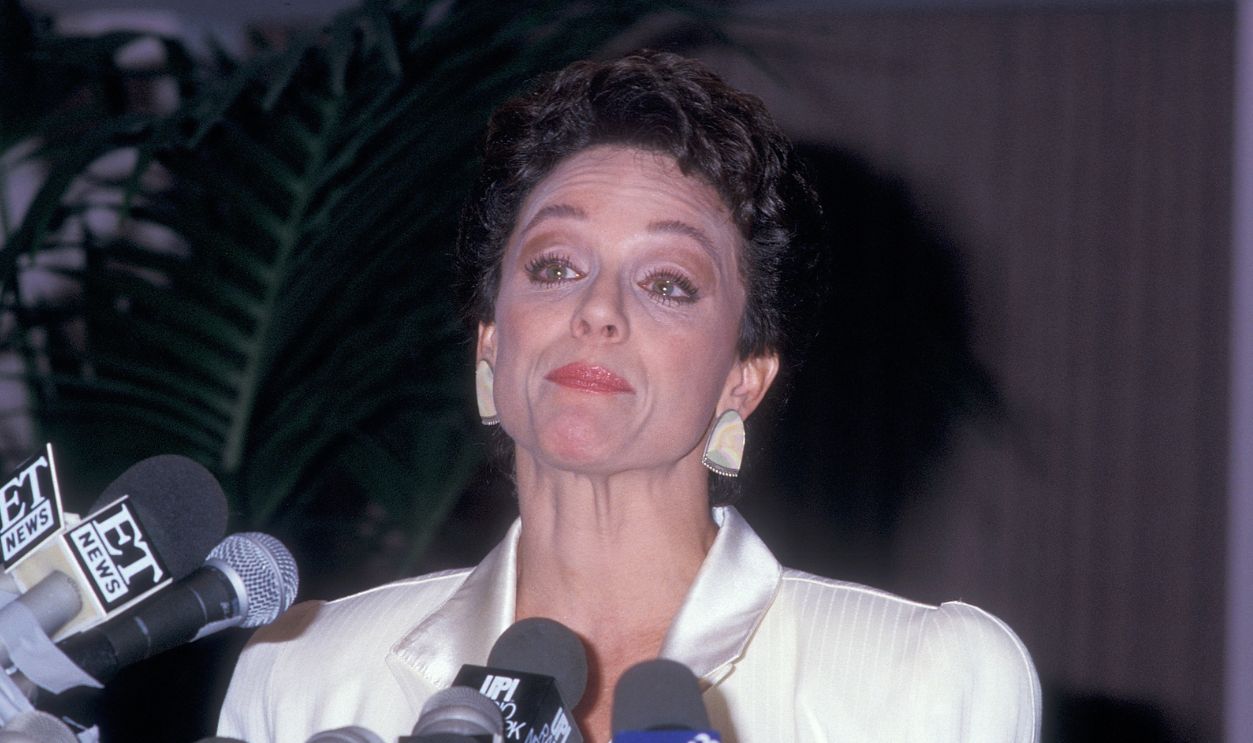
In 1987, Harper was abruptly fired from her own sitcom after contract negotiations collapsed. Television audiences were stunned that the star whose name defined the series had suddenly been removed. The decision generated enormous media attention and sparked fierce debate throughout Hollywood about power, gender, and creative control in television.
Writing Valerie Off The Show
Rather than quietly recasting Harper, producers made the startling decision to simply kill her character off in a car accident. The series continued on with actor Sandy Duncan joining the cast as the children’s aunt. The renamed series eventually evolved into The Hogan Family.
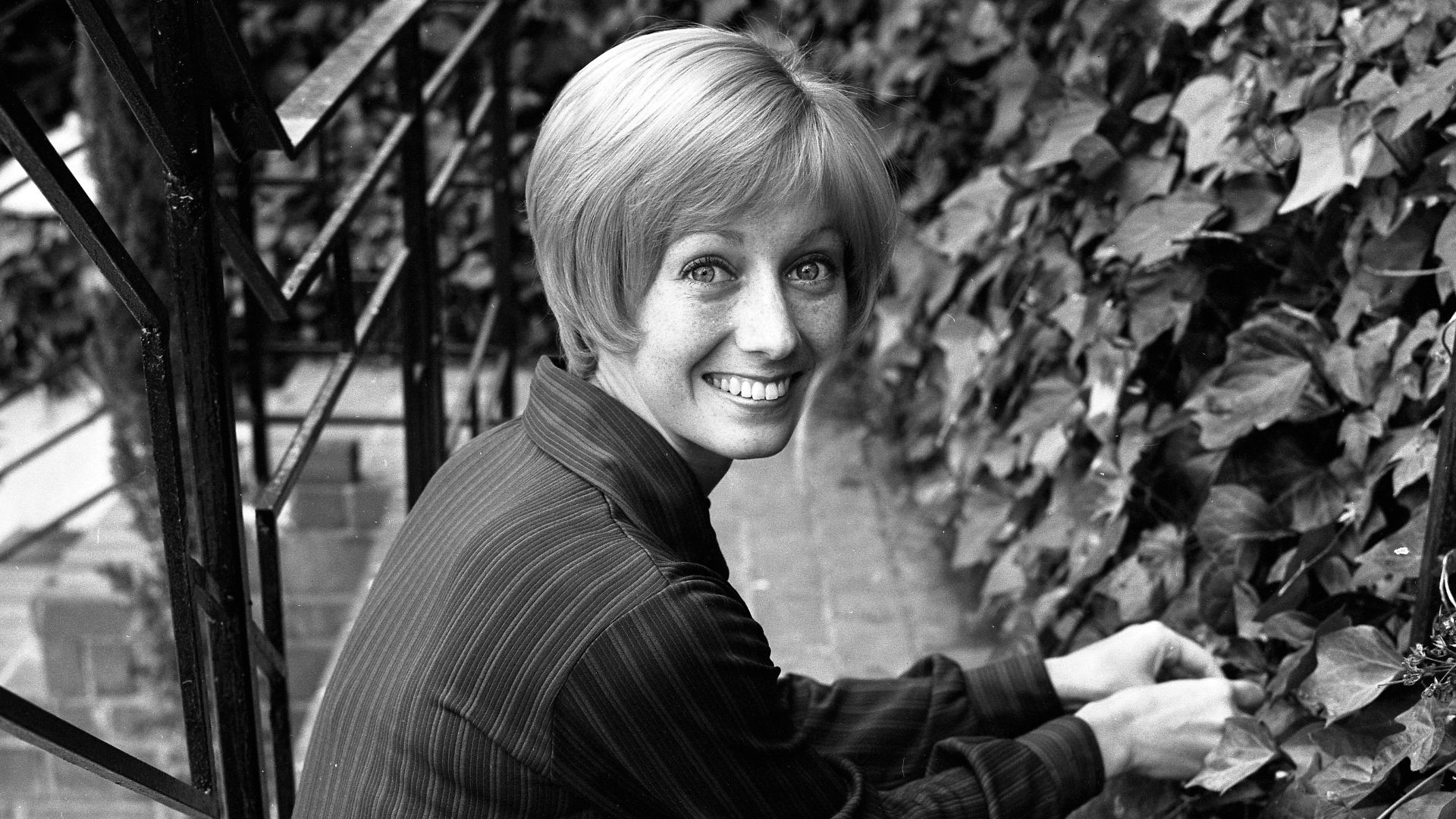 Kathleen Ballard, Los Angeles Times, Wikimedia Commons
Harper Fights Back
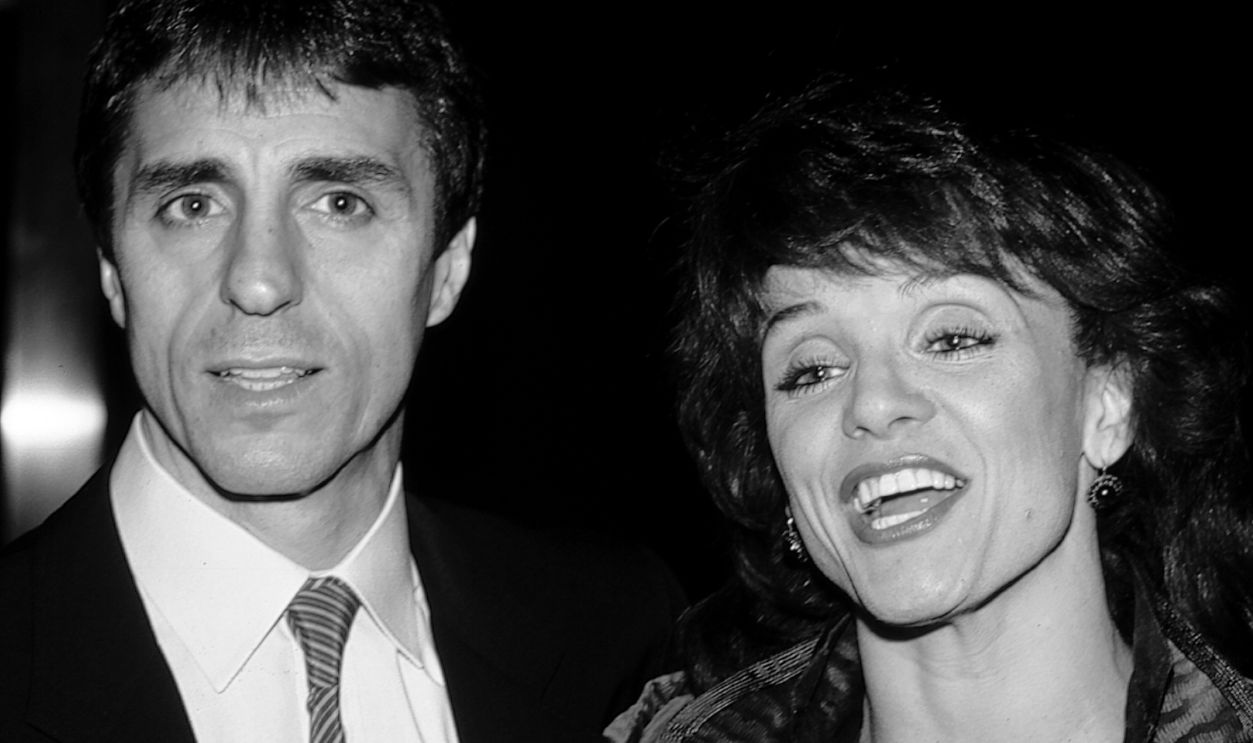
Harper and her husband, manager Tony Cacciotti, weren’t about to take this lying down. They responded aggressively with lawsuits and public criticism. They argued Harper had been wrongfully terminated and unfairly portrayed during negotiations. The dispute turned into one of television’s ugliest legal battles of the late 1980s and dominated entertainment headlines for months.
Lorimar’s Lawsuit
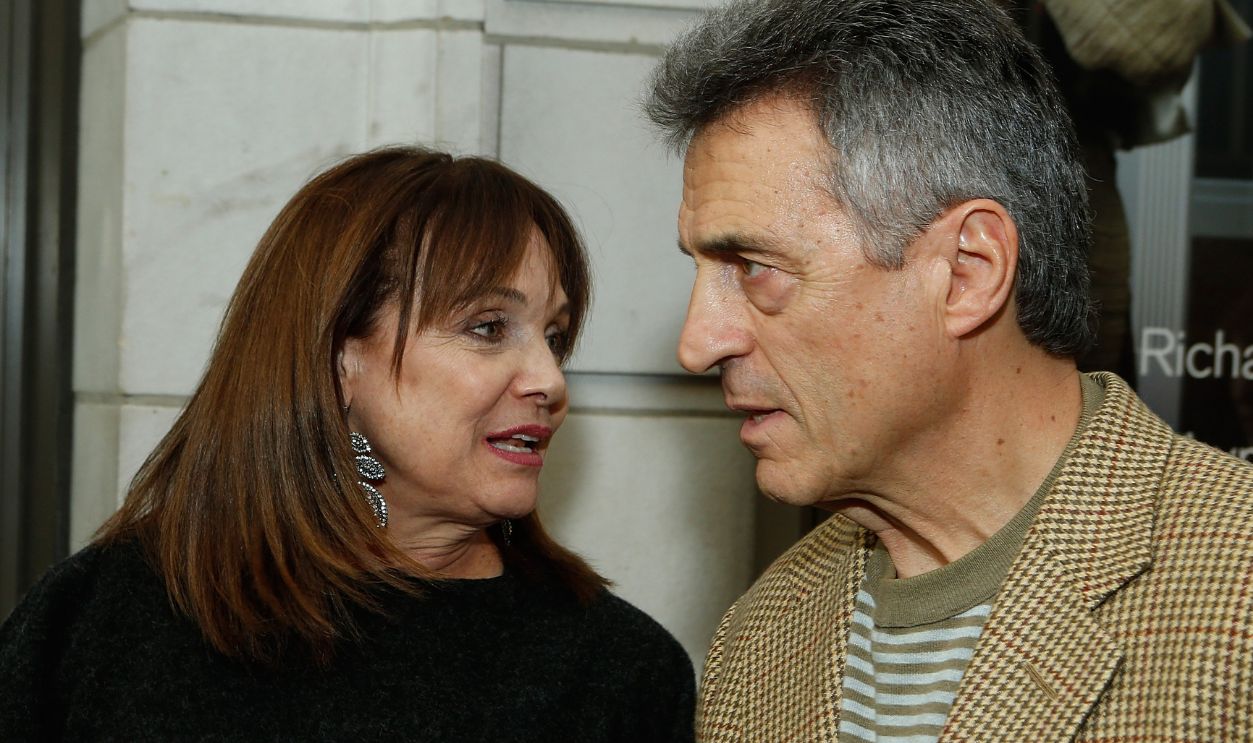
Lorimar Television countersued Harper and Cacciotti, accusing them of damaging the production through unreasonable demands and disruptive behavior. Court proceedings blew the lid off the ugly accusations hurled by both sides, turning a once-beloved sitcom star into a controversial Hollywood figure almost overnight.
Career Fallout
Although Harper eventually received a financial settlement, the public battle damaged her career momentum badly. Hollywood studios often avoid performers associated with expensive lawsuits and production conflicts. Throughout the 1990s, Harper struggled to get back to the level of visibility and star power she once enjoyed back in the Rhoda years, which were starting to become a distant memory.
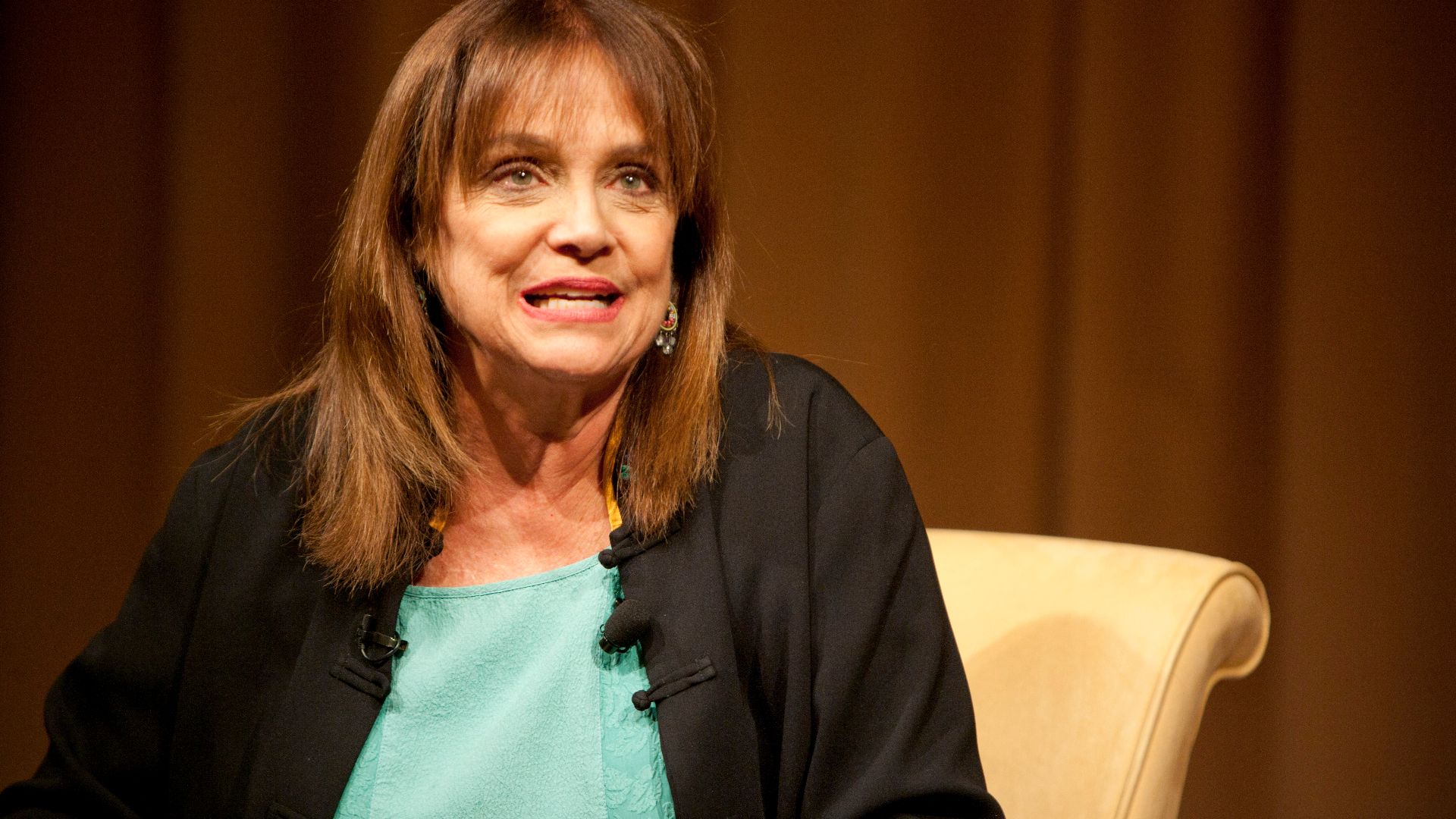 Michelle Farnsworth--NARA Staff, Wikimedia Commons
A Quieter Decade
Harper continued working steadily during the 1990s through guest appearances (Melrose Place, Sex and the City, That ‘70s Show), stage performances, and smaller television roles. Yet the era lacked the breakout successes that had once seemed routine for her. Younger audiences increasingly knew her more as a former sitcom star than as one of television comedy’s defining talents.
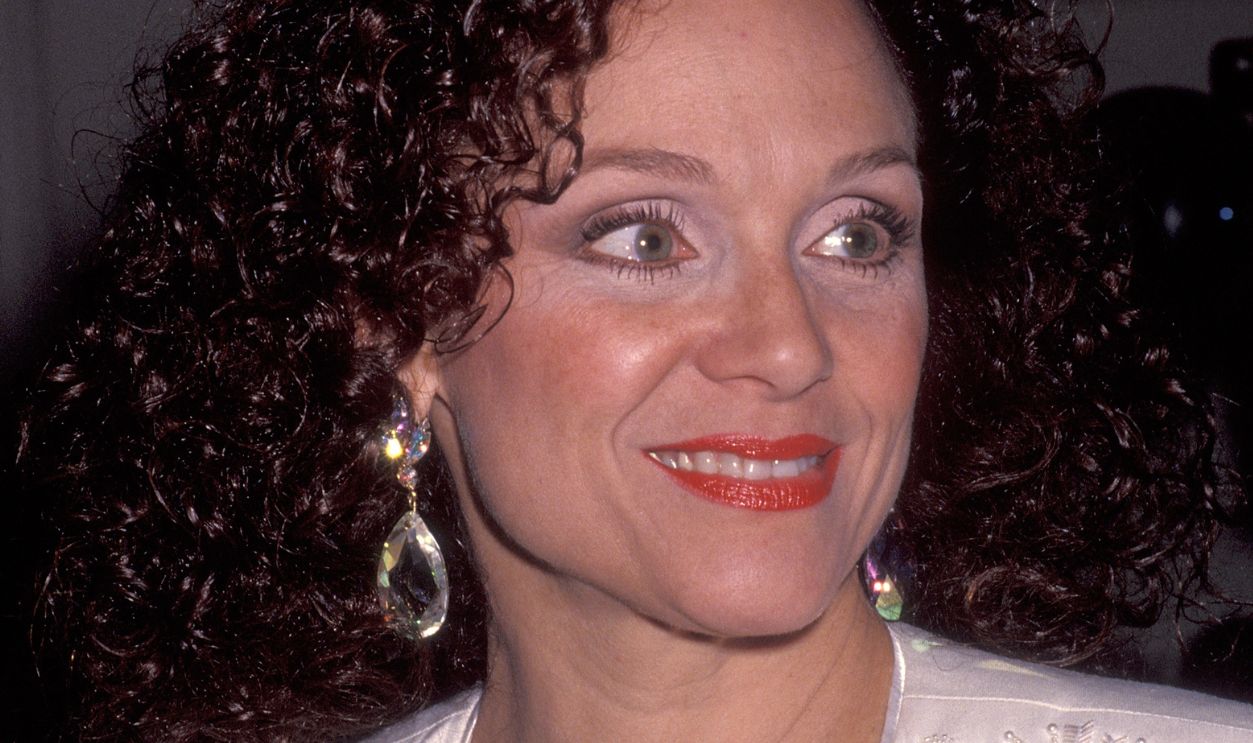
Returning To The Stage
In the 2000s, Harper experienced something of a creative resurgence through theater work. Critics praised her performances onstage, where her timing and emotional depth was still sharp. Audiences who remembered Rhoda warmly rediscovered just how versatile and commanding she could still be as a performer.
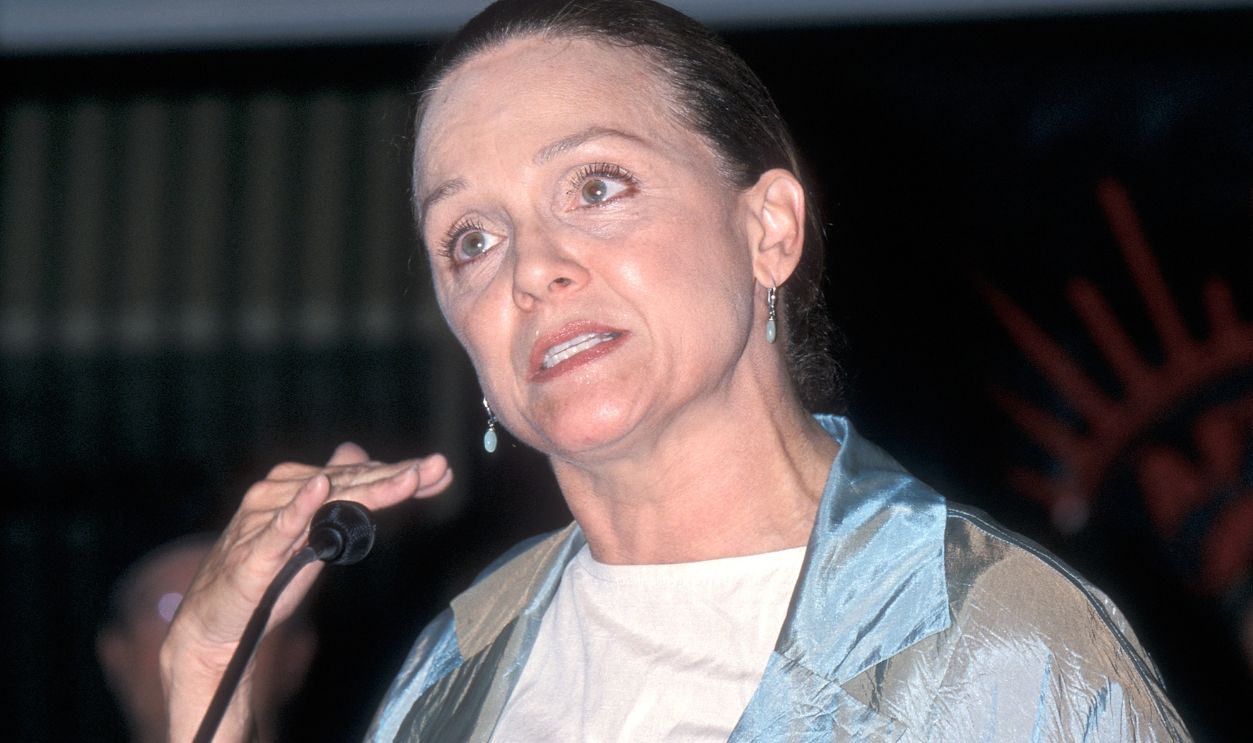
Broadway Recognition Again
Harper earned a Tony Award nomination in 2010 for her performance in Looped, a play centered on the life of actress Tallulah Bankhead. The nomination reminded Hollywood that Harper remained a formidable talent decades after her sitcom peak. It also introduced her work to younger theater audiences unfamiliar with her television legacy.
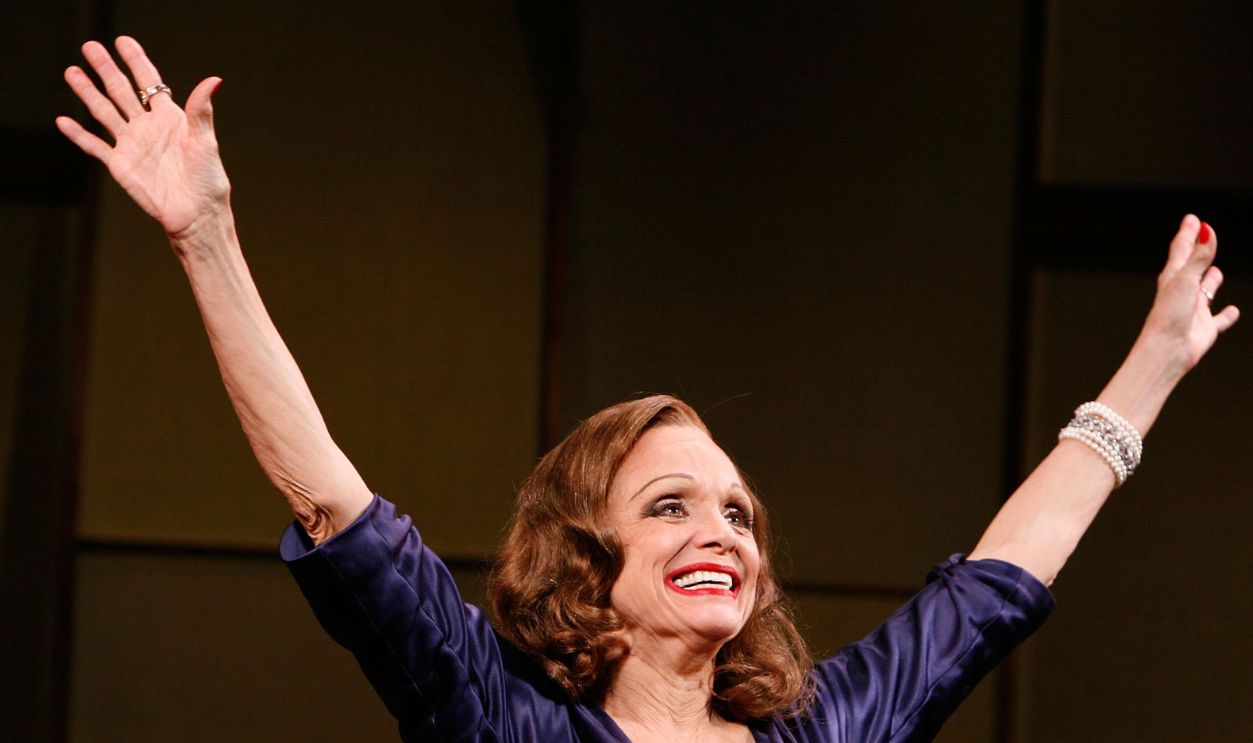
Illness And Public Courage
In 2013, Harper publicly revealed she had been diagnosed with terminal brain cancer after years of battling other serious illnesses. Rather than retreat off from public life and go into a fetal position, she approached the diagnosis with remarkable openness and her customary sense of humor. Fans admired the resilience and warmth she displayed throughout these extremely difficult health struggles.
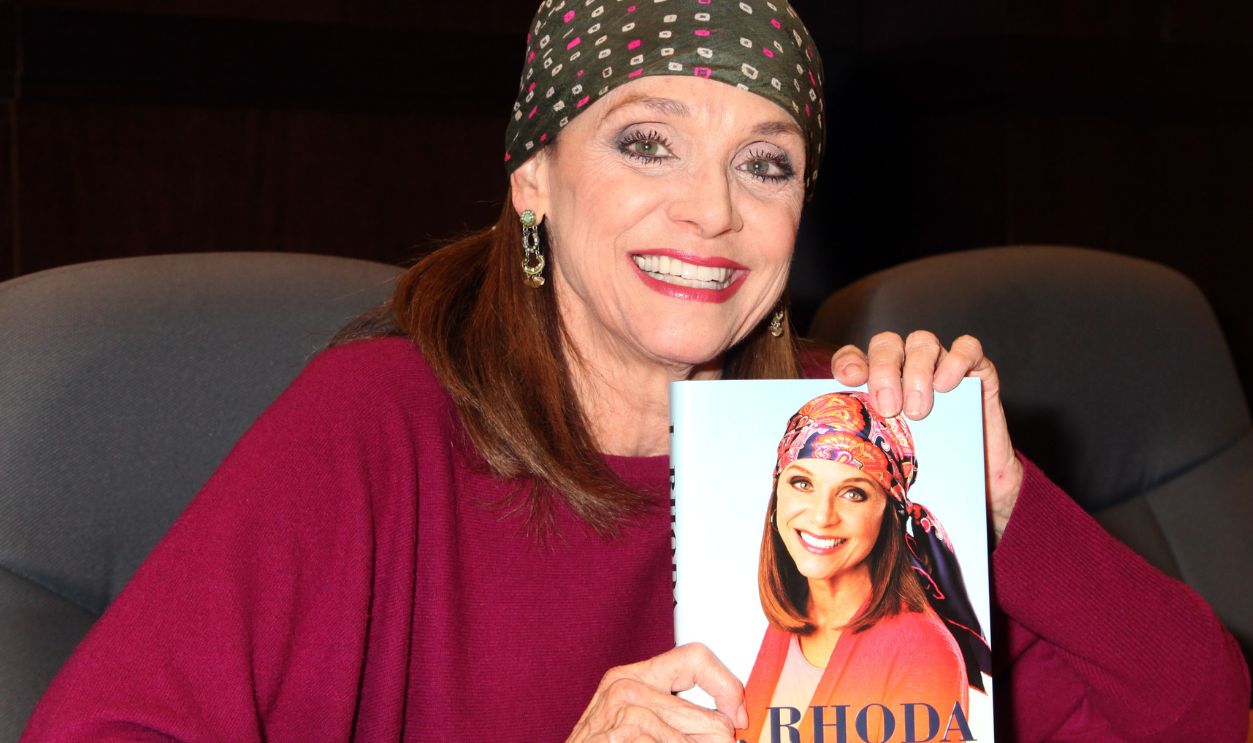
Death And Lasting Legacy
Valerie Harper died in 2019 at age 80, prompting an outpouring of tributes from fellow actors, comedians, and longtime fans. Many remembered her not only as Rhoda Morgenstern, but as one of television’s most influential comedic actresses whose decade of groundbreaking work in the 70s helped to reshaped sitcom heroines for future generations of actresses and audiences.
You May Also Like:
The First TV Shows To Break Major Barriers
The Multifaceted Acting Career Of Suzanne Pleshette