Barrier-Breaking TV Shows
Television history isn’t just a timeline of cathode-ray tubes and binge-worthy nights—it’s full of shows that tossed out the rulebook and rewrote what TV could be. From taboo-breaking kisses to bold new genres, TV’s biggest breakthroughs didn’t happen quietly. They happened loudly, defiantly, and often with millions of viewers watching in real time. So, grab some popcorn and settle in—here are 25 shows that didn’t just push boundaries…they jumped right over them.
I Love Lucy – First Multicultural Sitcom Power Couple
Lucille Ball and Desi Arnaz didn’t just make people laugh—they blew open the doors of what a sitcom could portray. In the 1950s, seeing a Latina lead and an interracial marriage on American television was practically unheard of. But Lucy and Ricky weren’t trying to make a political statement—they were just being themselves. And America loved them for it.
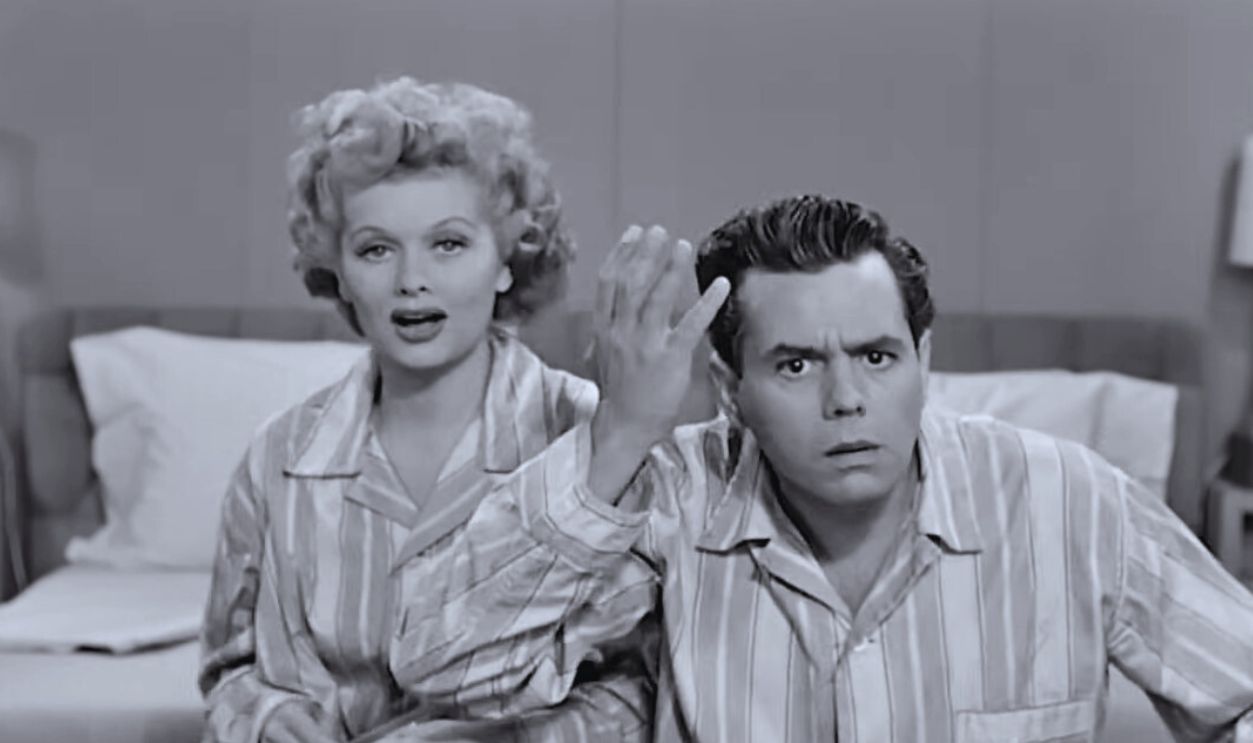 Screenshot from I Love Lucy, CBS (1951-1957)
Star Trek – First Interracial On-Screen Kiss
Leave it to Star Trek to boldly go where no show had gone before. In 1968, the kiss between Captain Kirk and Lieutenant Uhura wasn’t just a sci-fi moment—it was a cultural earthquake. At a time when interracial relationships were still controversial, this one scene proved that TV could help move society forward.
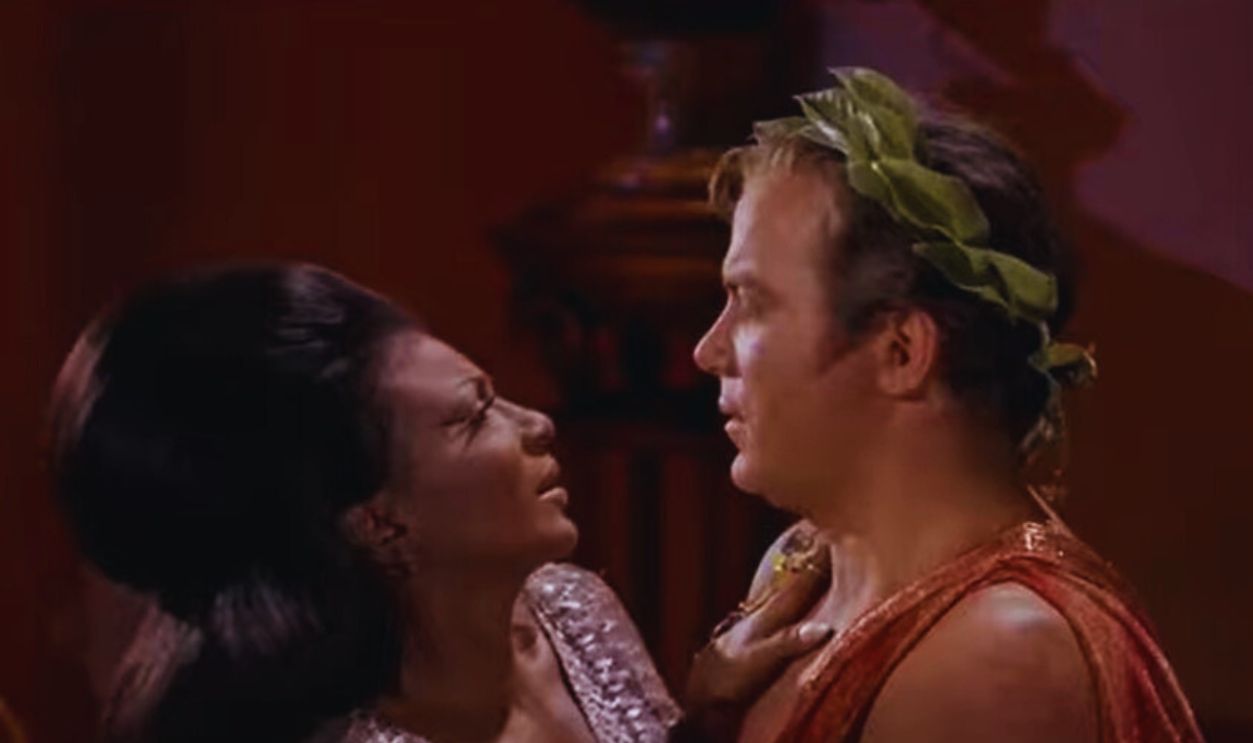 Screenshot from Star Trek, Paramount Television (1966-1969)
Julia – First Sitcom With a Black Female Lead in a Non-Stereotyped Role
When Julia premiered in 1968, it felt like a breath of fresh air. Diahann Carroll played a nurse and single mom—smart, confident, and grounded. She wasn’t a stereotype or a sidekick; she was the star. For many viewers, it was the first time they saw a Black woman on TV portrayed with dignity and modernity.
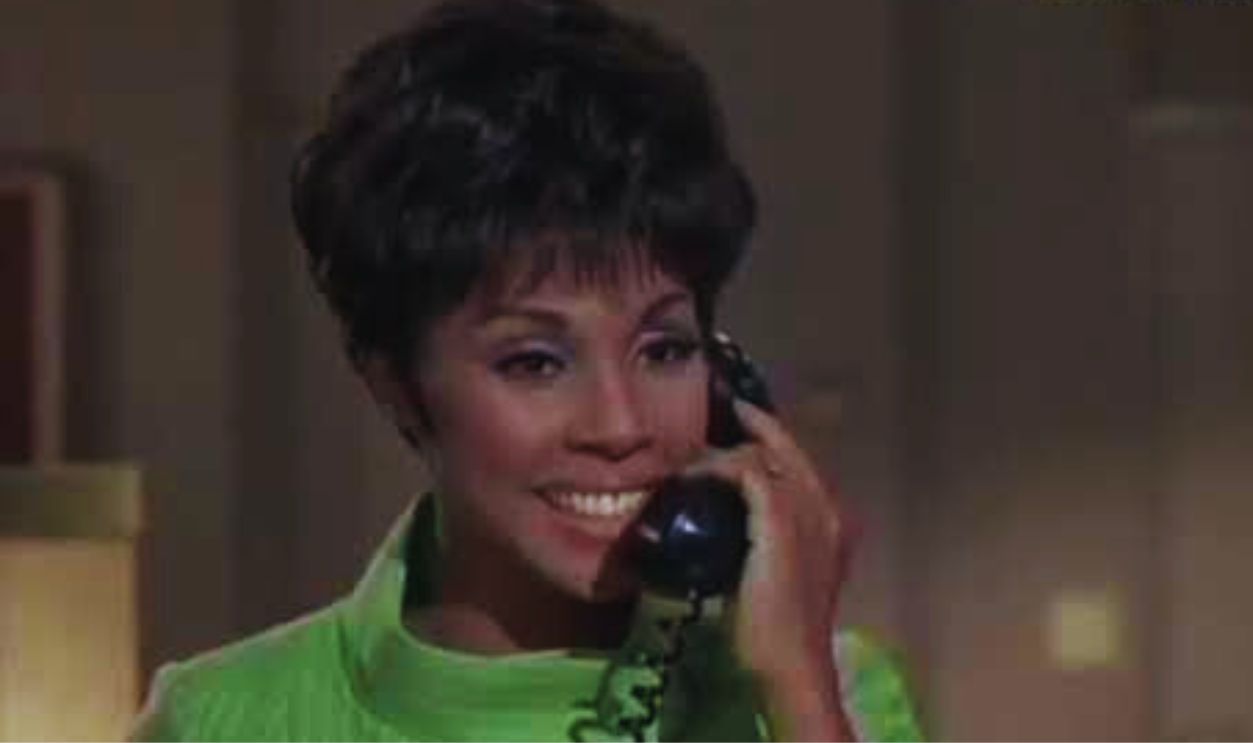 Screenshot from Julia, 20th Century-Fox Television (1968–1971)
All in the Family – First Sitcom To Dive Straight Into Social Issues
Archie Bunker wasn’t an easy character to love, but that was the point. All in the Family didn’t tiptoe around hot-button issues—it marched right in and made them dinner-table conversation. Racism, feminism, politics…the show tackled everything, changing sitcoms forever.
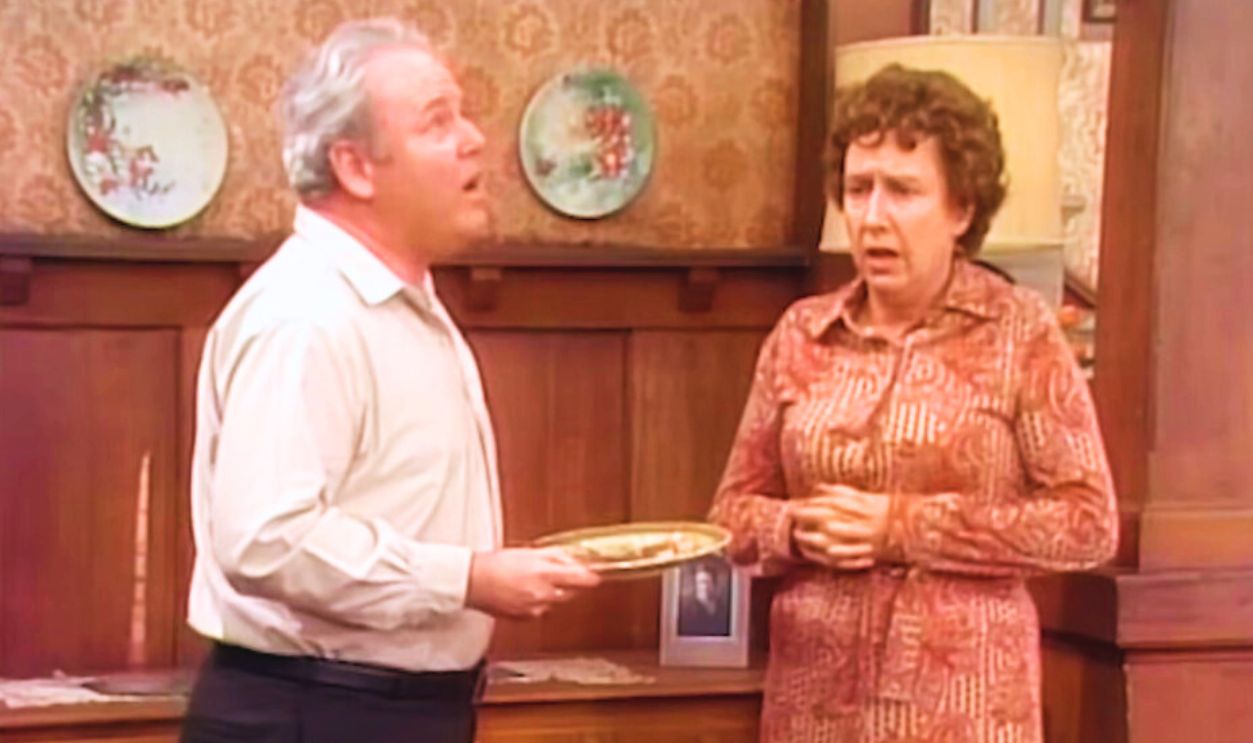 Screenshot from All in the Family, CBS (1971–1979)
The Mary Tyler Moore Show – First To Celebrate the Single, Career-Driven Woman
Mary Richards walked into the newsroom with a smile and quietly rewrote TV history. In the early ’70s, single women on TV were usually waiting for marriage. Not Mary. She focused on her career, her friendships, and her independence. It was revolutionary—and it inspired generations of characters who followed.
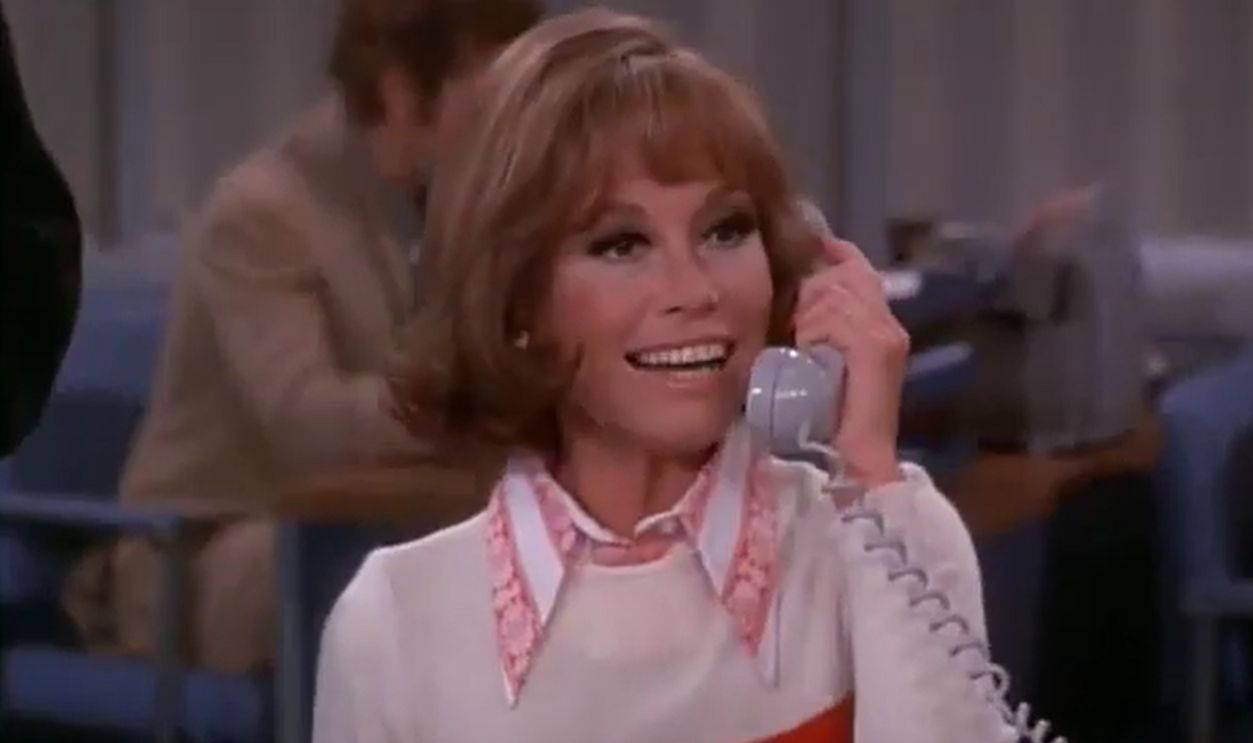 CBS, The Mary Tyler Moore Show (1970–1977)
Roots – First Blockbuster Miniseries Event
When Roots aired in 1977, it wasn’t just a TV show—it became a national moment. More than 100 million people watched the story of Kunta Kinte and his descendants. It was painful, powerful, and impossible to ignore. Roots proved that television could tell difficult history on an epic scale.
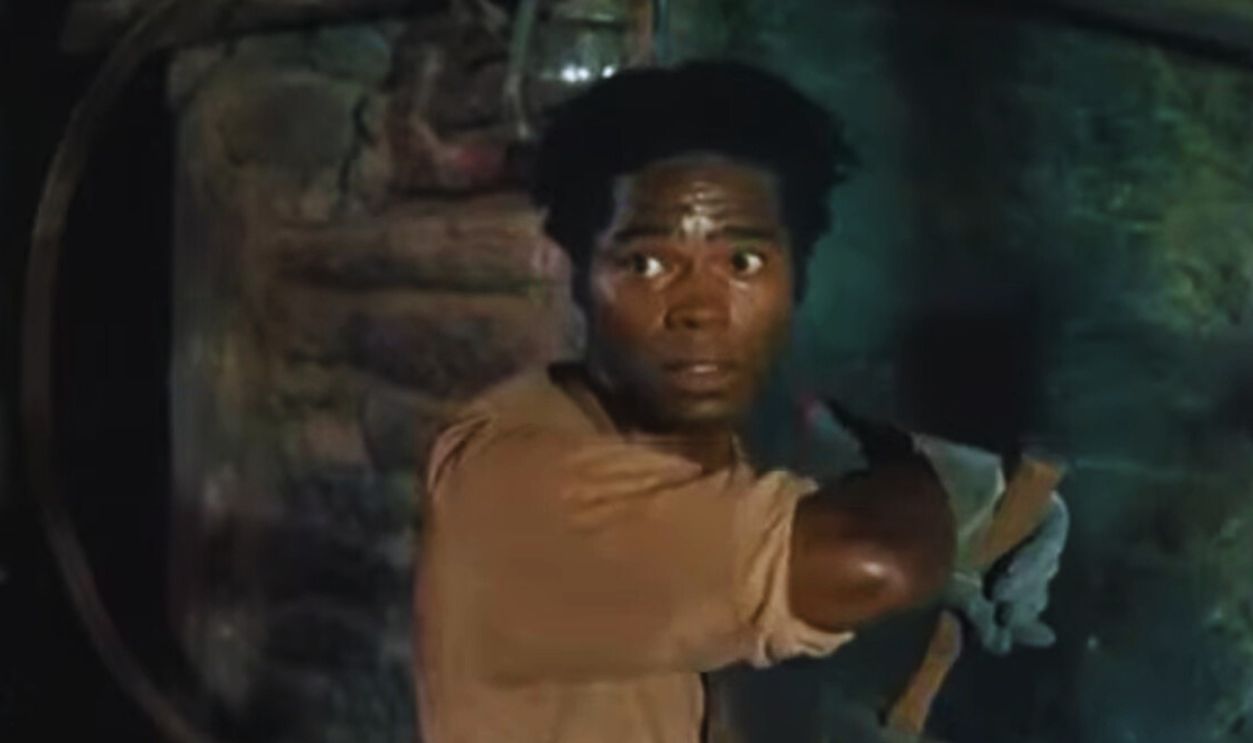 Screenshot from Roots, ABC (1977)
M*A*S*H – First Dramedy With Real Emotional Weight
Before M*A*S*H, TV comedies weren’t exactly known for tackling trauma. But this series blended wartime heartbreak with razor-sharp humor in a way no show had before. It opened the door for the “dramedy”—and showed that TV could make you laugh and cry in the same scene.
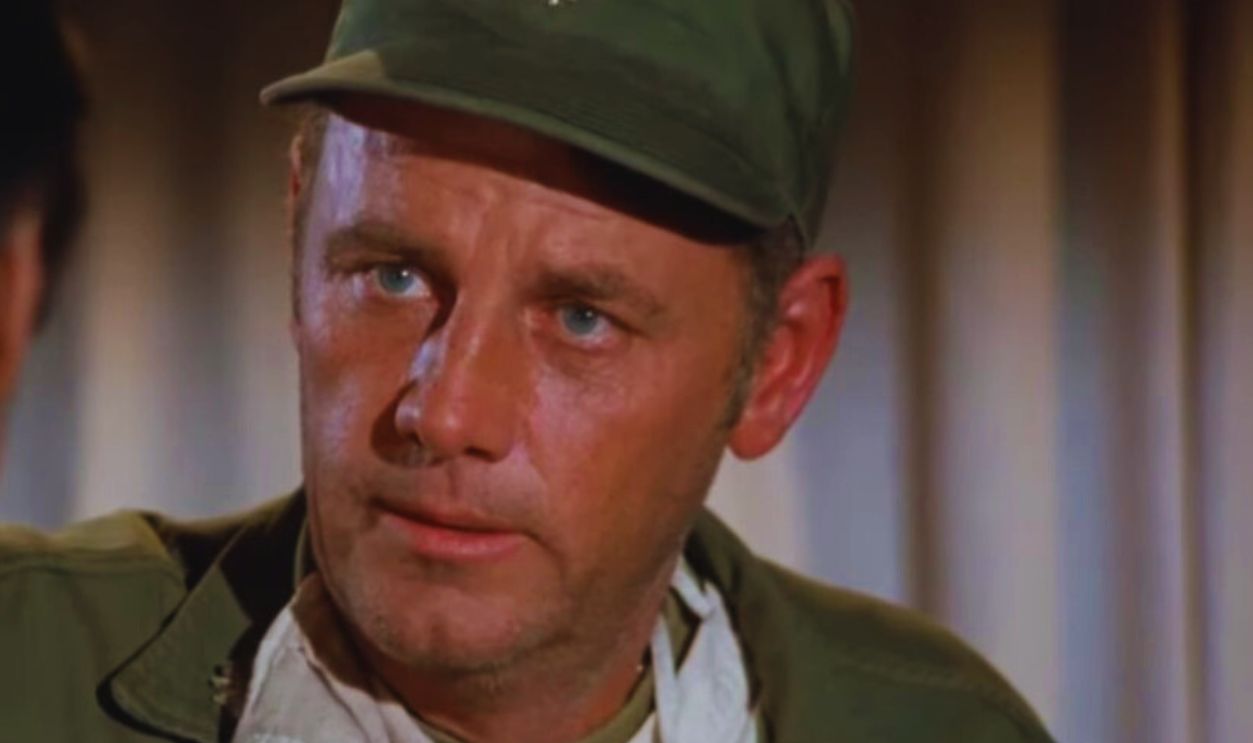 Screenshot from M*A*S*H, CBS (1972-1983)
An American Family – First Reality TV Series
Yes, reality TV existed long before roses were handed out and islands were survived. An American Family (1973) simply followed the Loud family through real life—marriage struggles, career changes, teenage drama. In hindsight, it basically invented an entire genre.
 Screenshot from An American Family, PBS (1973)
Hill Street Blues – First True Grit Police Ensemble Drama
In the early ’80s, Hill Street Blues arrived looking nothing like other cop shows. It was gritty, chaotic, and packed with intertwined storylines and complex characters. Its layered approach became the blueprint for the modern police drama.
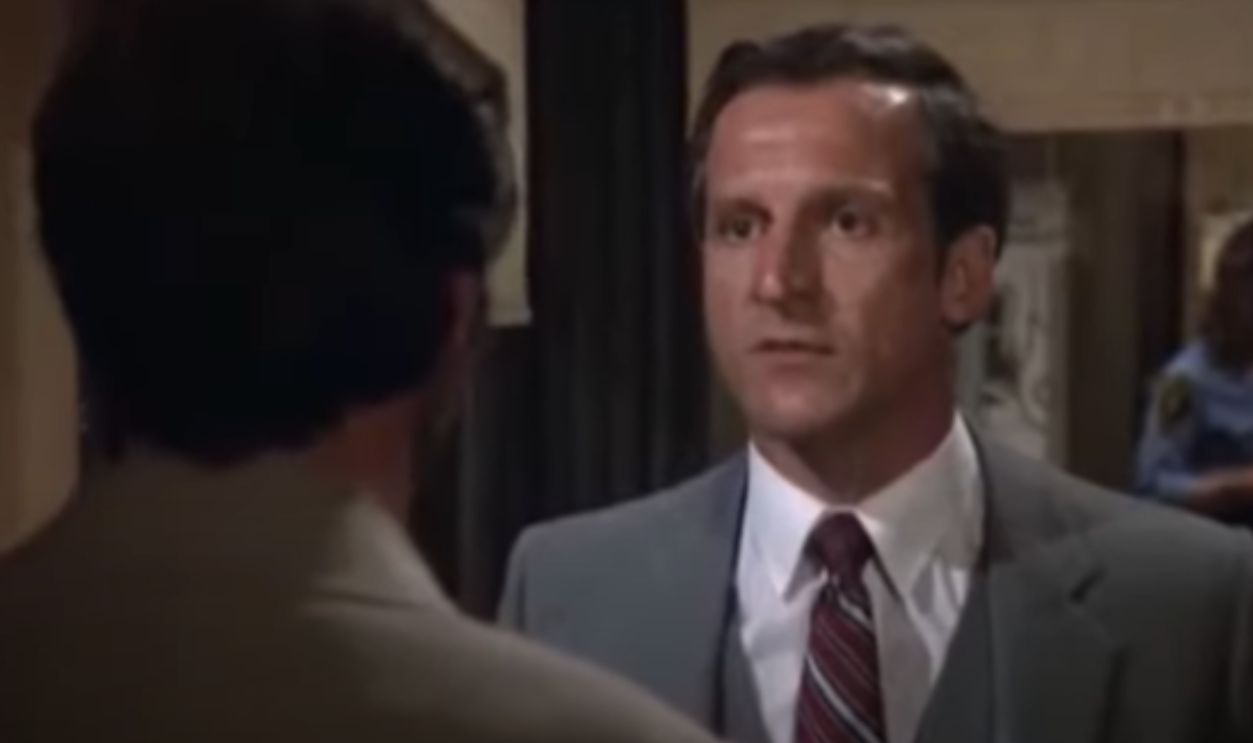 Screenshot from Hill Street Blues, NBC (1981-1987)
The Cosby Show – First Sitcom To Show an Upper-Middle-Class Black Family
Though the series’ legacy is complicated today, The Cosby Show had undeniable cultural impact in the 1980s. It presented a successful, loving Black family on primetime television—something audiences rarely saw. For many, it broadened the idea of what representation could look like.
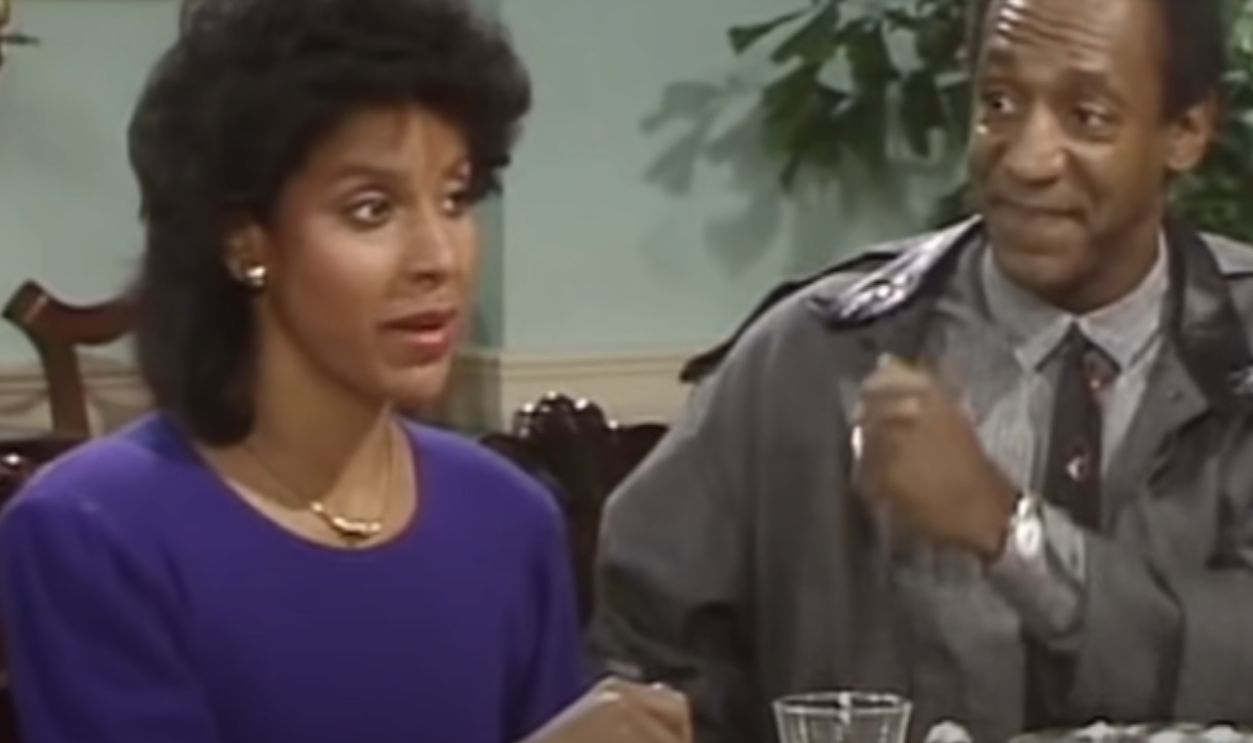 Screenshot from The Cosby Show, NBC (1984-1992)
Miami Vice – First Music-Video-Style TV Drama
Think neon lights, pastel suits, and a soundtrack full of ’80s hits. Miami Vice didn’t just tell stories—it looked cool doing it. It brought cinematic flair to TV and proved that style could be as memorable as plot.
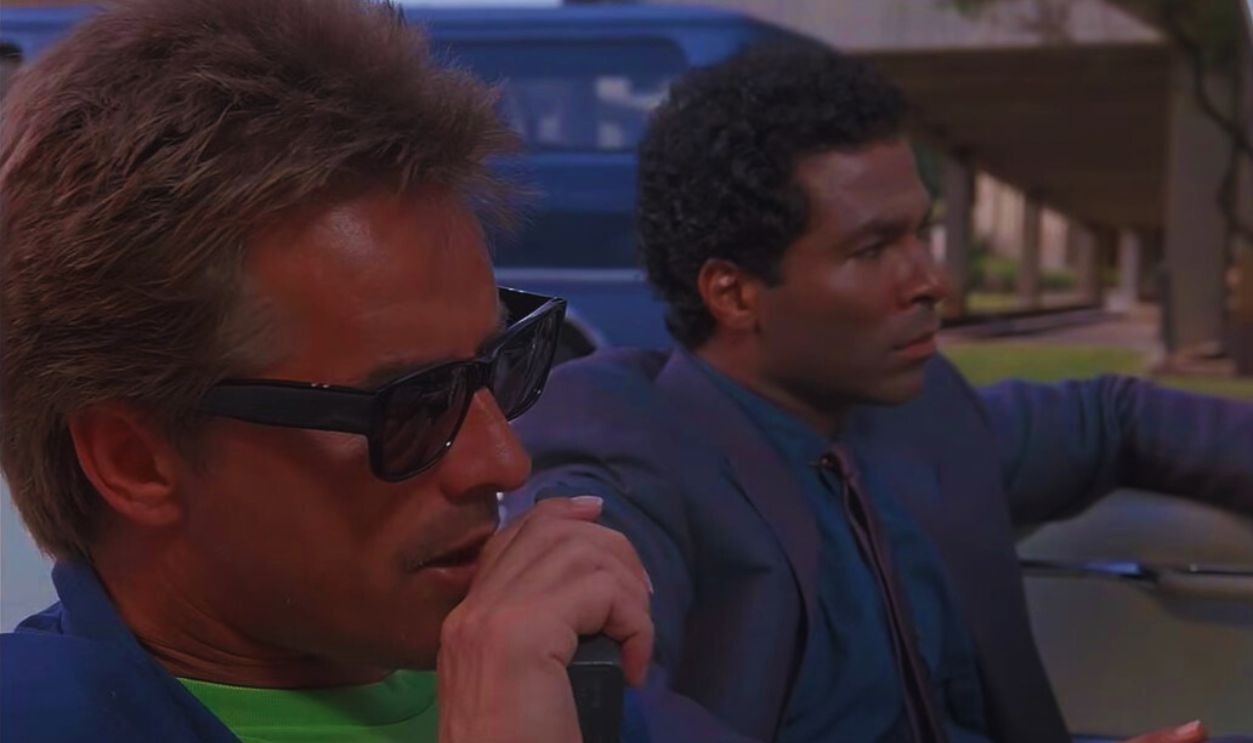 Screenshot from Miami Vice, NBC (1984-1989)
The Golden Girls – First Show To Put Older Women Front and Center
Blanche, Dorothy, Rose, and Sophia did more than share cheesecake—they redefined what aging looked like on TV. Funny, sharp, and unapologetically themselves, they proved that stories about older women could be both heartfelt and wildly entertaining.
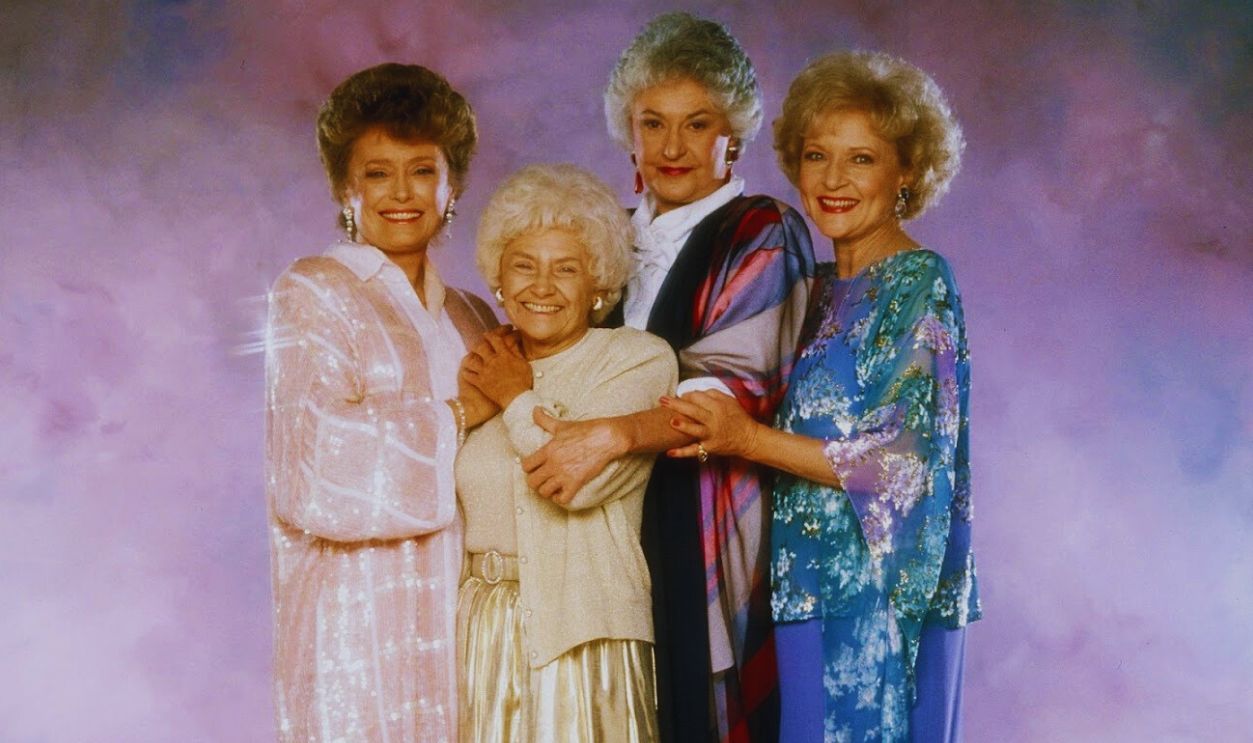 Screenshot from The Golden Girls, NBC (1985-1982)
Twin Peaks – First Surrealist Drama on Network TV
In 1990, David Lynch brought his dream-logic weirdness to primetime—and audiences were mesmerized. Twin Peaks was eerie, stylish, and completely unlike anything else on television. It paved the way for the future of prestige, “what did I just watch?” storytelling.
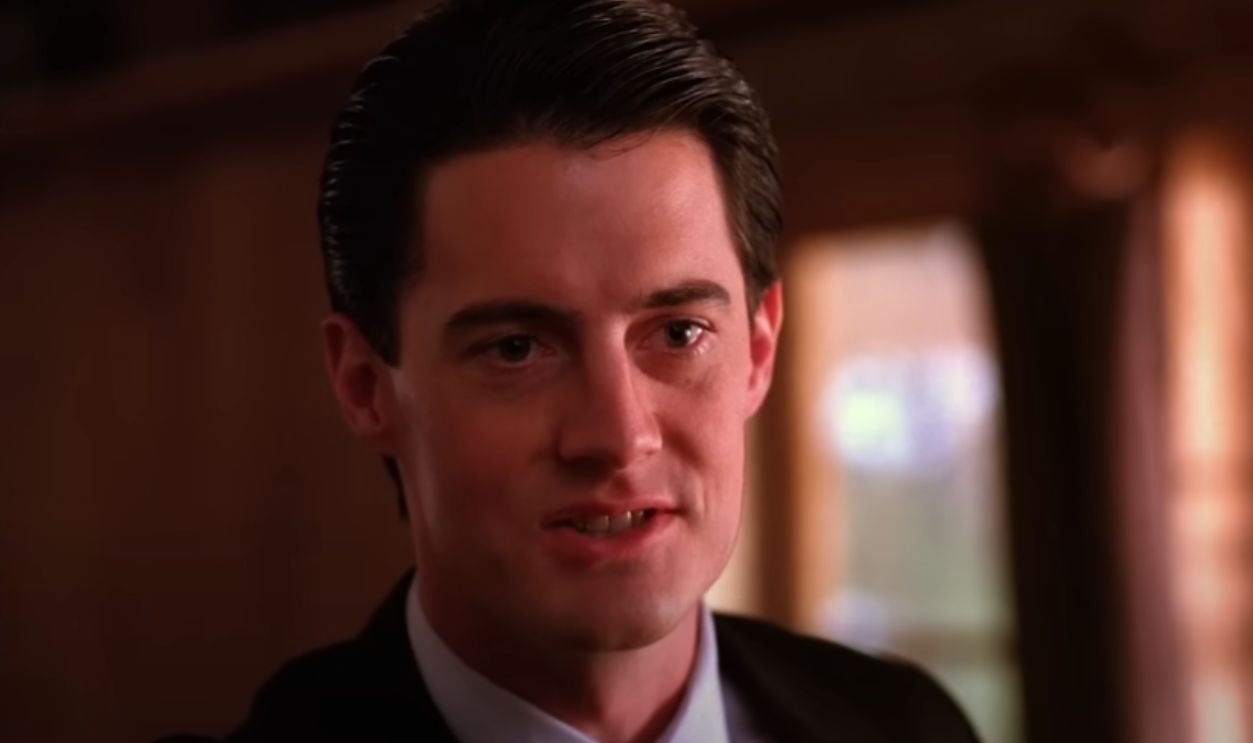 Screenshot from Twin Peaks, ABC (1990–1991)
Ellen – First Sitcom With an Out Gay Lead Character
In 1997, when Ellen DeGeneres (and her character) came out, it was a huge moment—not just for TV, but for LGBTQ+ representation. The “Puppy Episode” was bold, vulnerable, and groundbreaking. It changed the industry’s relationship with queer storytelling.
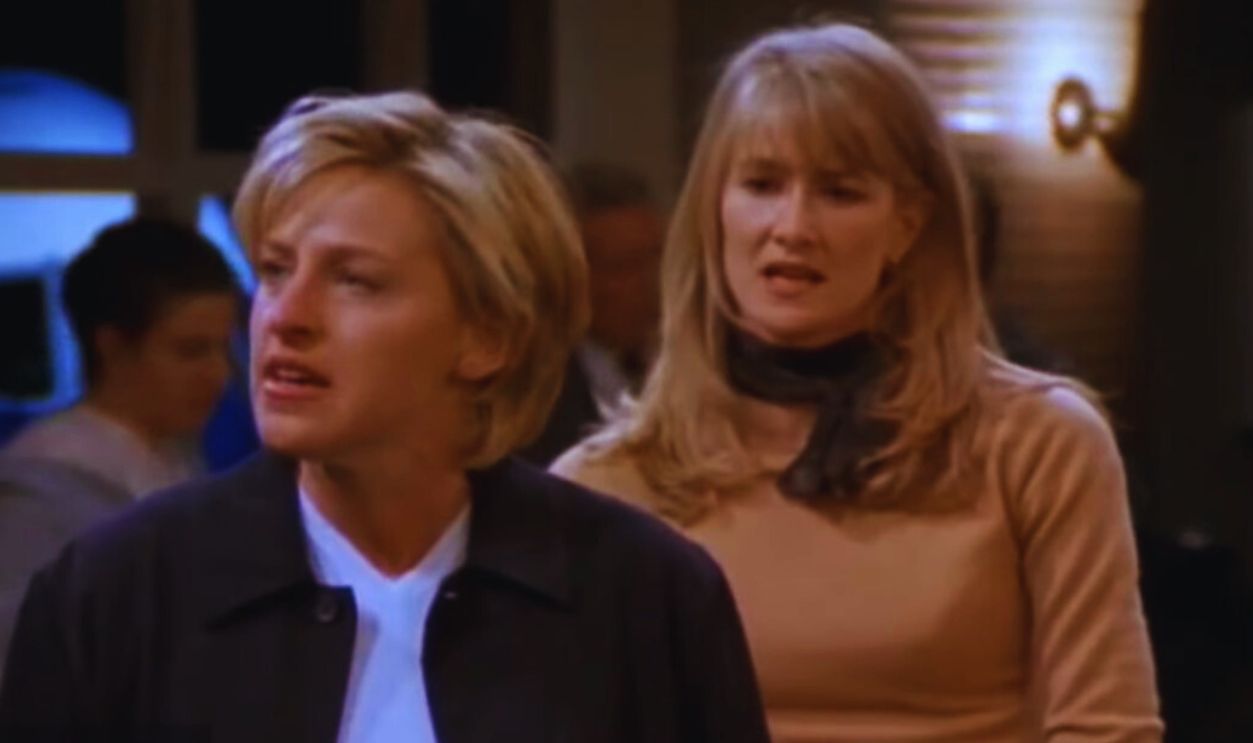 Screenshot from Ellen, ABC (1994–1998)
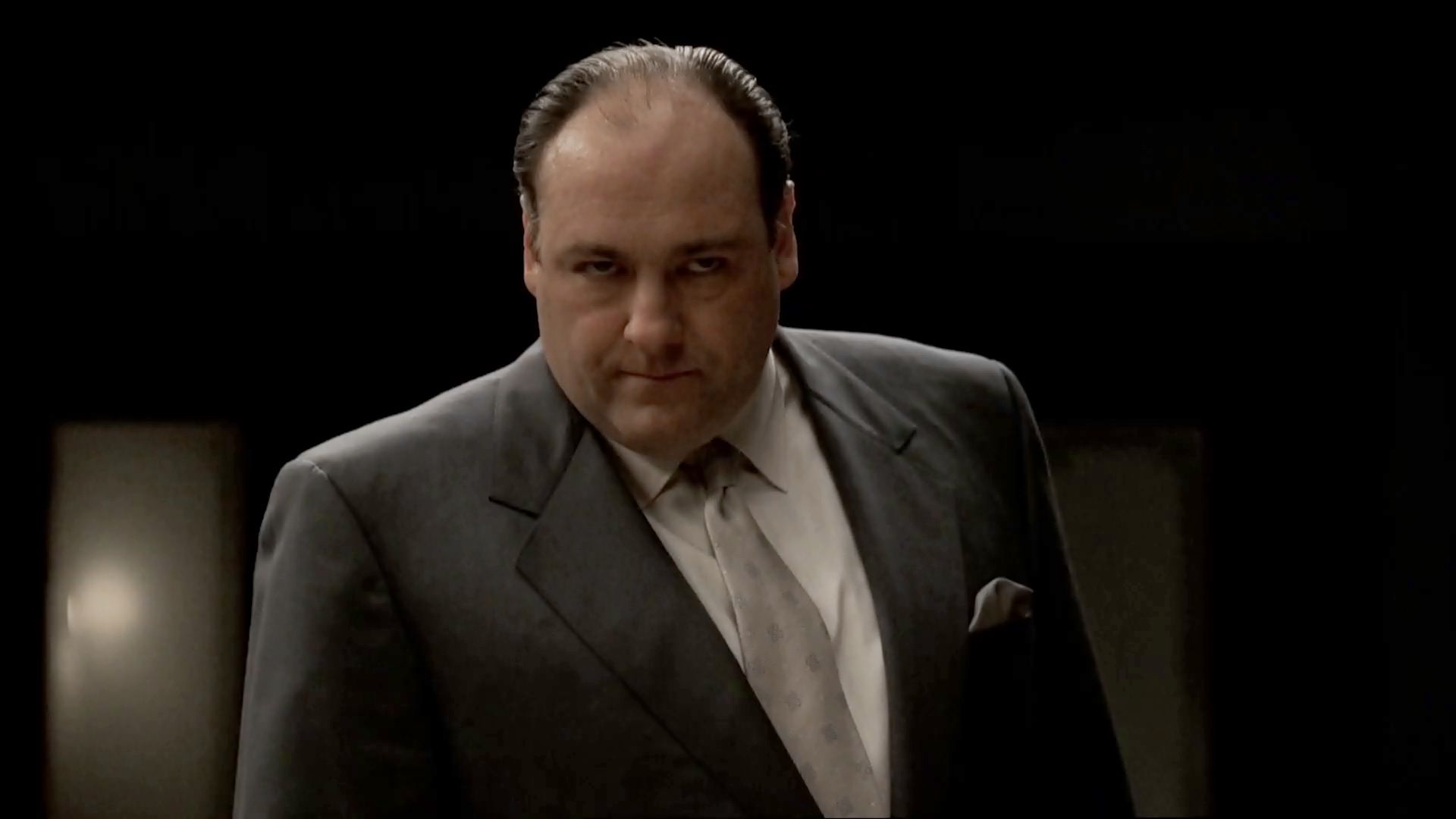
The Sopranos – First Prestige Antihero Powerhouse
Tony Soprano didn’t walk into TV history so much as he stomped in. The Sopranos introduced the age of the flawed antihero—morally complex, deeply human, and endlessly compelling. It raised the bar for TV writing and ushered in the golden age of prestige drama.
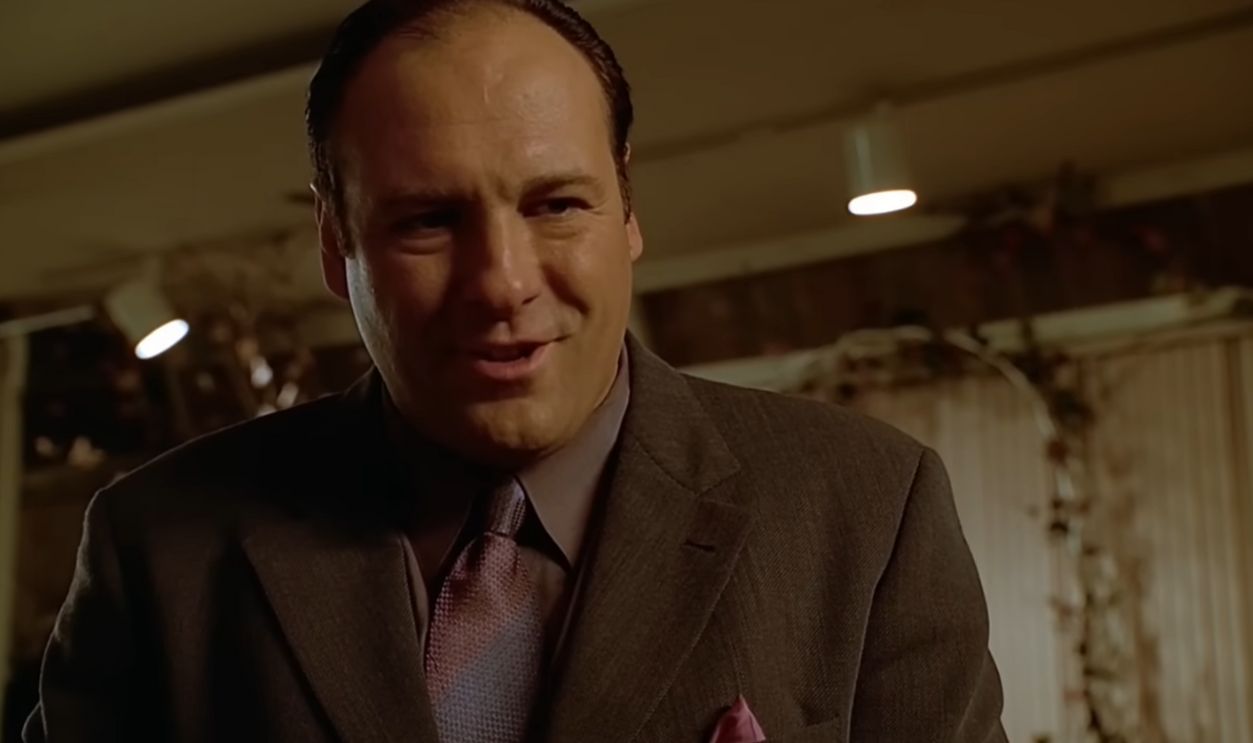 Screenshot from The Sopranos, HBO (1999–2007)
Survivor – First Truly Global Reality Competition Phenomenon
When Survivor premiered in 2000, viewers had never seen anything like it. Strategy! Alliances! Betrayals! It became a worldwide phenomenon and reshaped the entire reality-competition landscape.
 Screenshot from Survivor, CBS (2000–present)
The West Wing – First Political Drama With Realistic Walk-and-Talk Energy
Aaron Sorkin’s signature rapid-fire dialogue and “walk-and-talk” shots gave The West Wing a kinetic energy that felt revolutionary. It was idealistic, fast-paced, and utterly absorbing—setting a new bar for political storytelling.
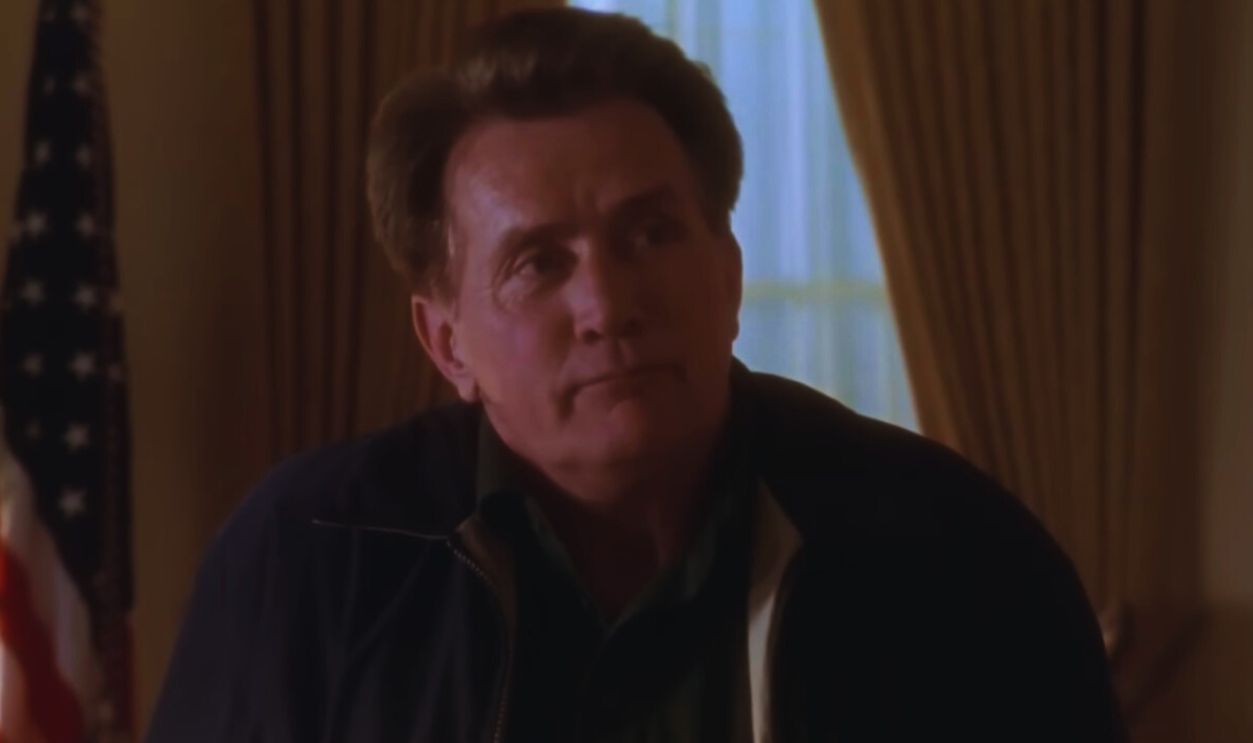 Screenshot from The West Wing, NBC (1999–2006)
The Wire – First Crime Drama Where Institutions Were the Main Character
More than just a police show, The Wire dissected the systems—schools, politics, the drug trade—that shape American life. Its layered, novelistic approach redefined prestige crime television.
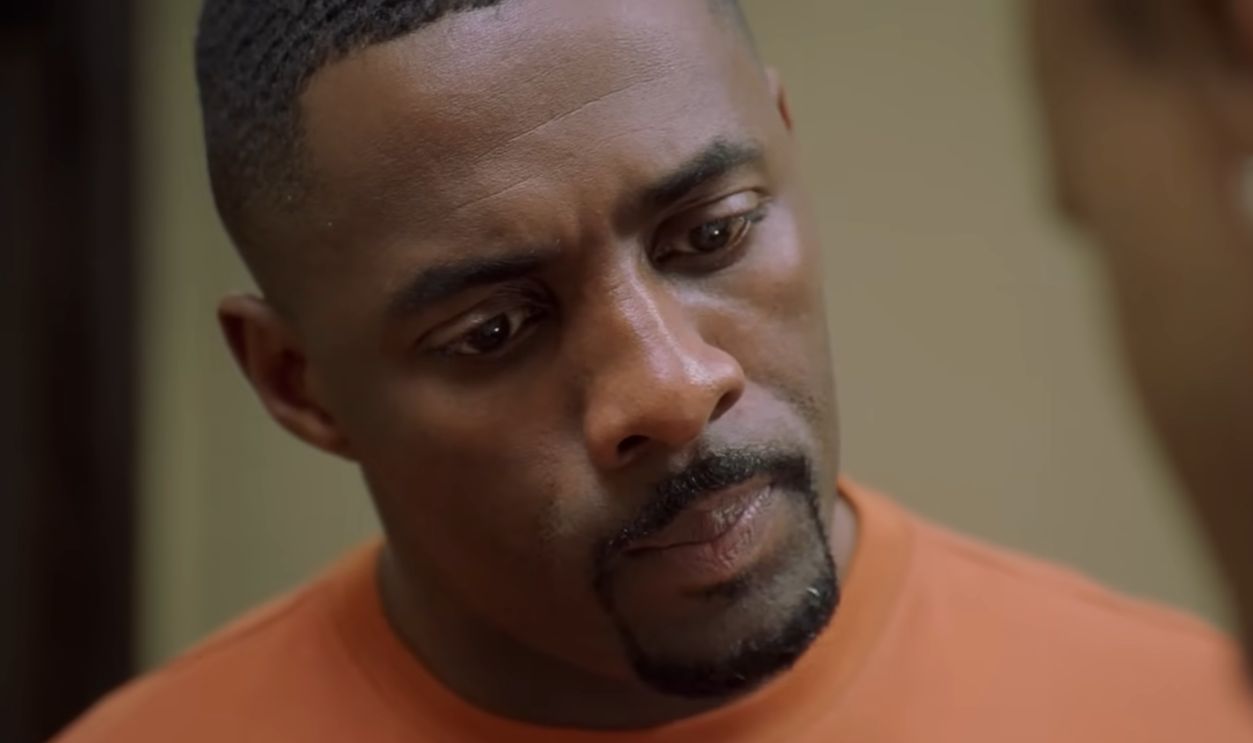 Screenshot from The Wire, HBO (2002–2008)
Glee – First Network Musical Dramedy to Hit Big
A weekly musical comedy about high-school misfits was a gamble—but Glee turned it into an event. Its covers charted, its characters became icons, and it revived the idea that musical TV could thrive in primetime.
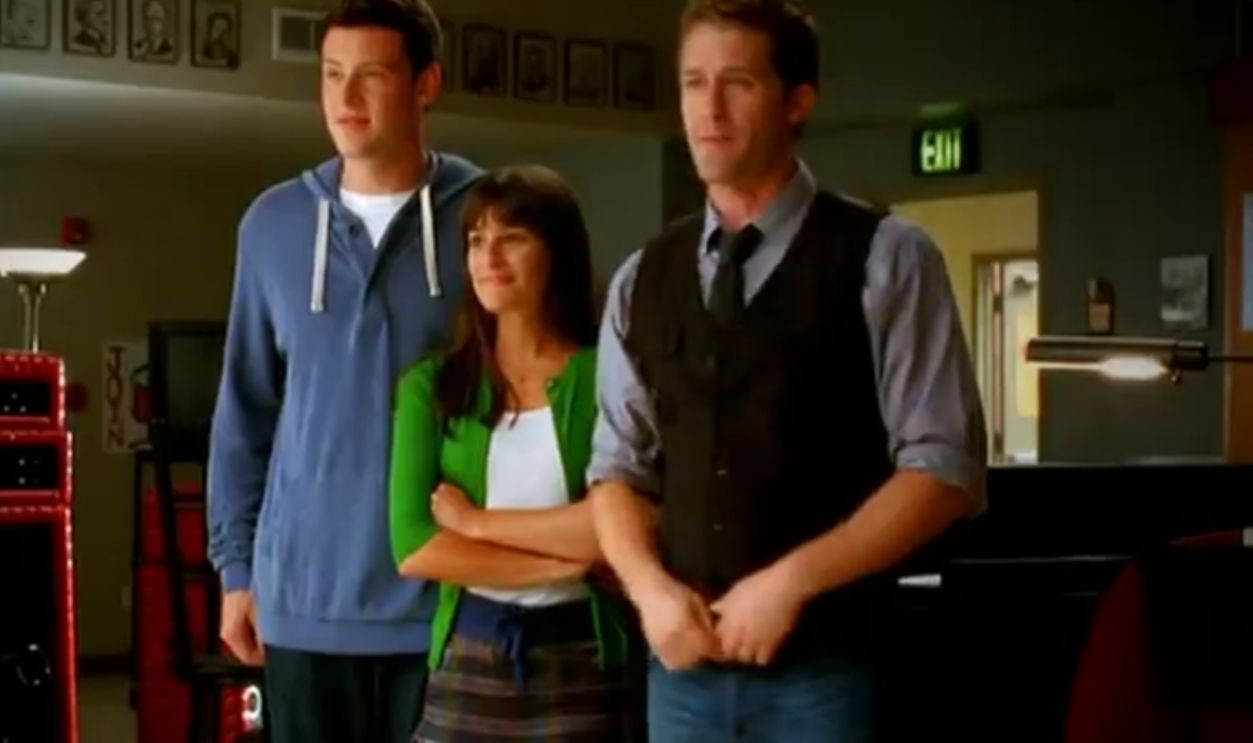 Screenshot from Glee, Fox (2009–2015)
Orange Is the New Black – First Streaming Show to Break Into the Mainstream
Before streaming took over the world, Orange Is the New Black showed what the future looked like. It was Netflix’s first big breakout hit, and it proved that streaming platforms could produce must-see, prestige storytelling.
 Screenshot from Orange Is the New Black, Netflix (2013–2019)
Transparent – First Show To Center Trans Stories With Trans Creators
Transparent helped spark a shift toward authentic representation by putting trans characters—and trans talent—at the core of the show. It was intimate, emotional, and undeniably influential.
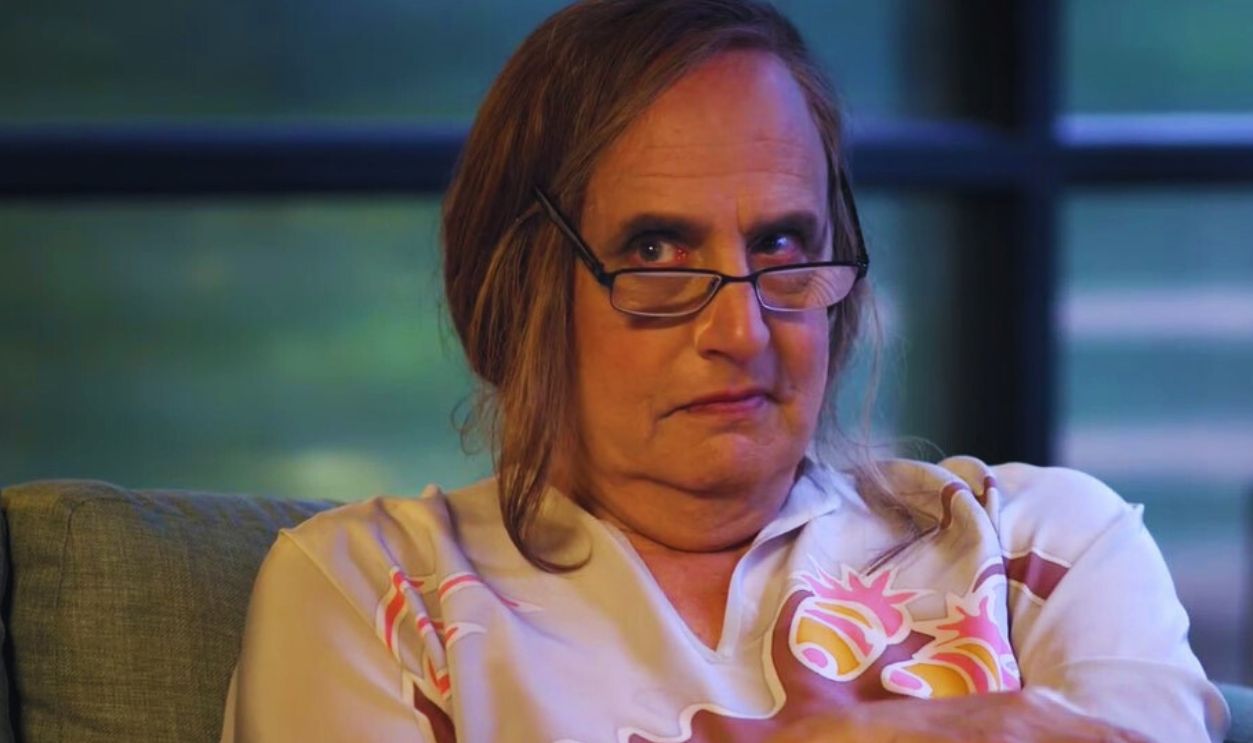 Screenshot from Transparent, Amazon Prime Video (2014–2019)
RuPaul’s Drag Race – First Mainstream Drag Competition Series
What began as a quirky, low-budget competition quickly grew into a global force. RuPaul’s Drag Race brought drag artistry into living rooms everywhere and helped make LGBTQ+ culture a celebrated part of mainstream entertainment.
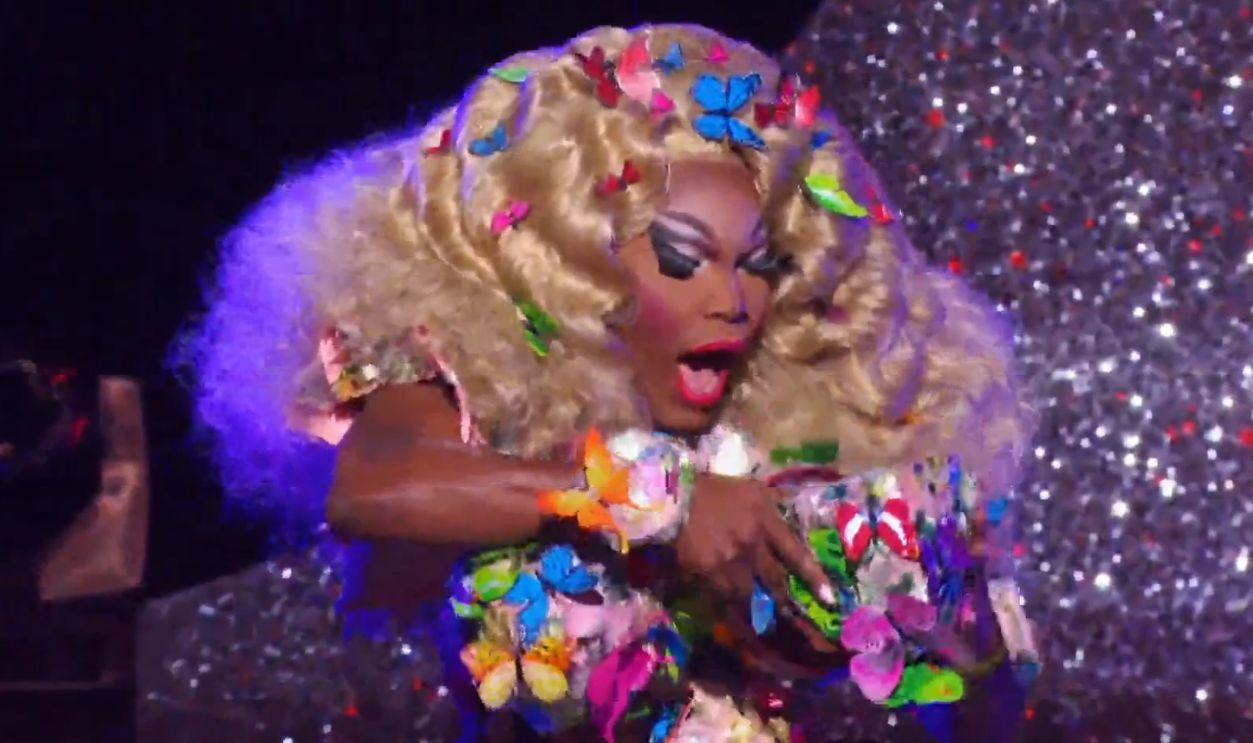 Screenshot from RuPaul’s Drag Race, VH1 (2009–present)
Pose – First Series With the Largest Trans Ensemble Cast
Pose rewrote TV history by centering trans actors and telling the stories of New York’s ballroom community with unprecedented authenticity. The show was groundbreaking, emotional, and culturally vital.
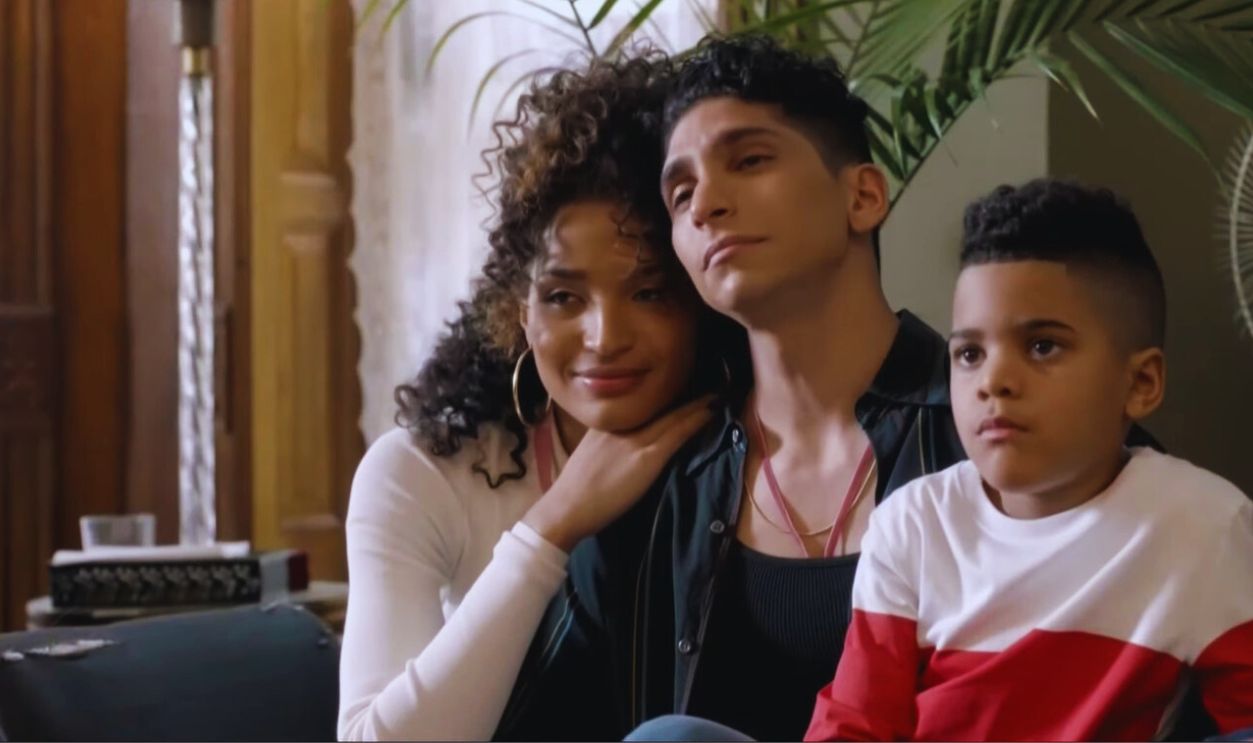 Screenshot from Pose, FX (2018–2021)
Abbott Elementary – First Modern Network Comedy to Go Fully Viral
Just when everyone thought network sitcoms were fading, Abbott Elementary came along and delivered heart, humor, and a whole lot of TikTok love. Its mockumentary style and sharp writing helped breathe new life into network comedy.
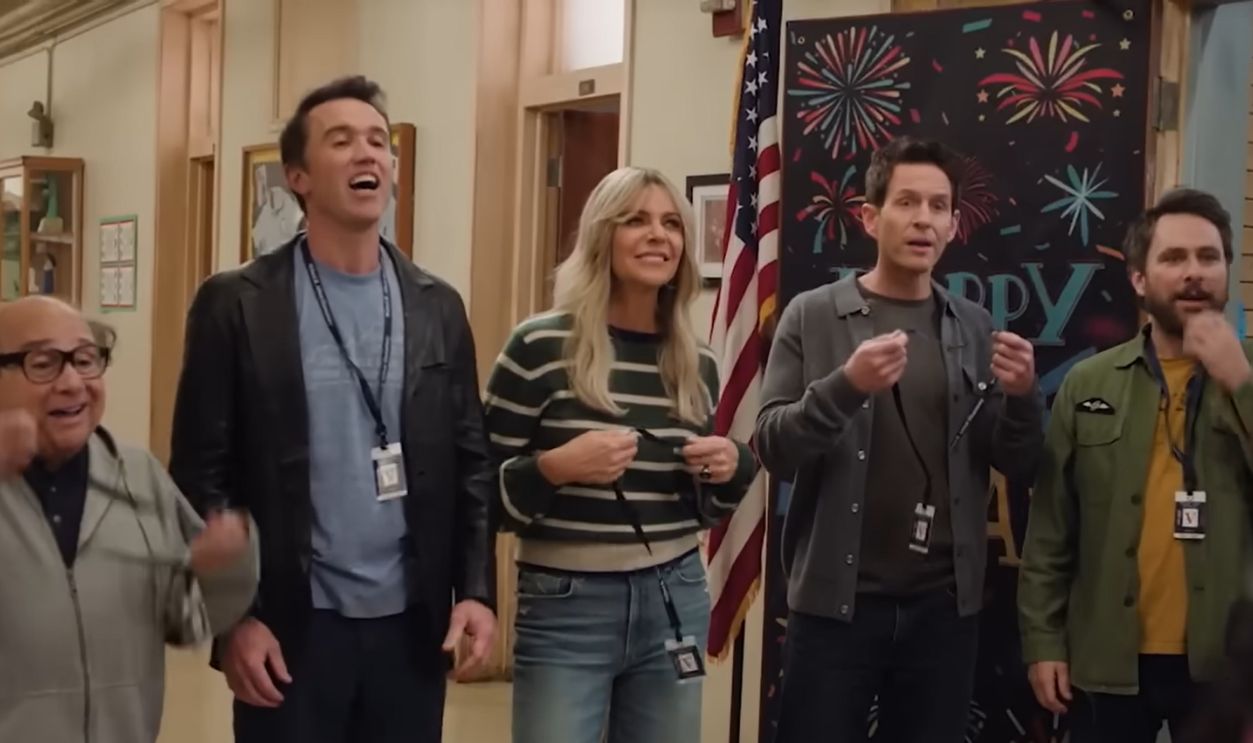 Screenshot from Abbott Elementary, ABC (2021–present)
Which Is Your Favorite Episode That Broke Barriers?
TV has always been more than just entertainment—it’s a reflection of who we are, who we’ve been, and who we’re becoming. These 25 barrier-breaking shows didn’t just make us laugh or cry; they changed the landscape of television itself. And if history tells us anything, it’s that the next groundbreaking moment is already being written in some writer’s room right now.
You May Also Like:
Classic Rock Songs That Came From Real-Life Tragedy
These Celebrities Have Some Very Surprising Tattoos In Some Very Surprising Places