The Voice Everyone Knew
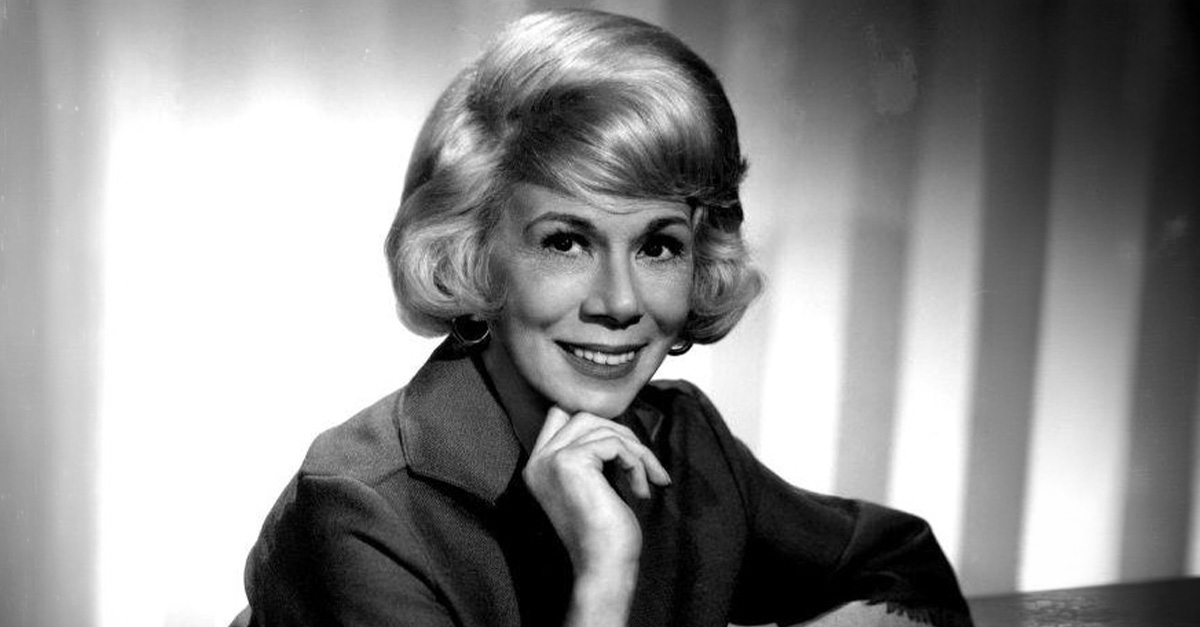
Bea Benaderet was one of those performers people recognized before they knew her name. She could be sweet, sharp, silly, nosy, motherly, or completely ridiculous, sometimes all in the same week. From radio to cartoons to classic sitcoms, Benaderet helped build the sound of American comedy.
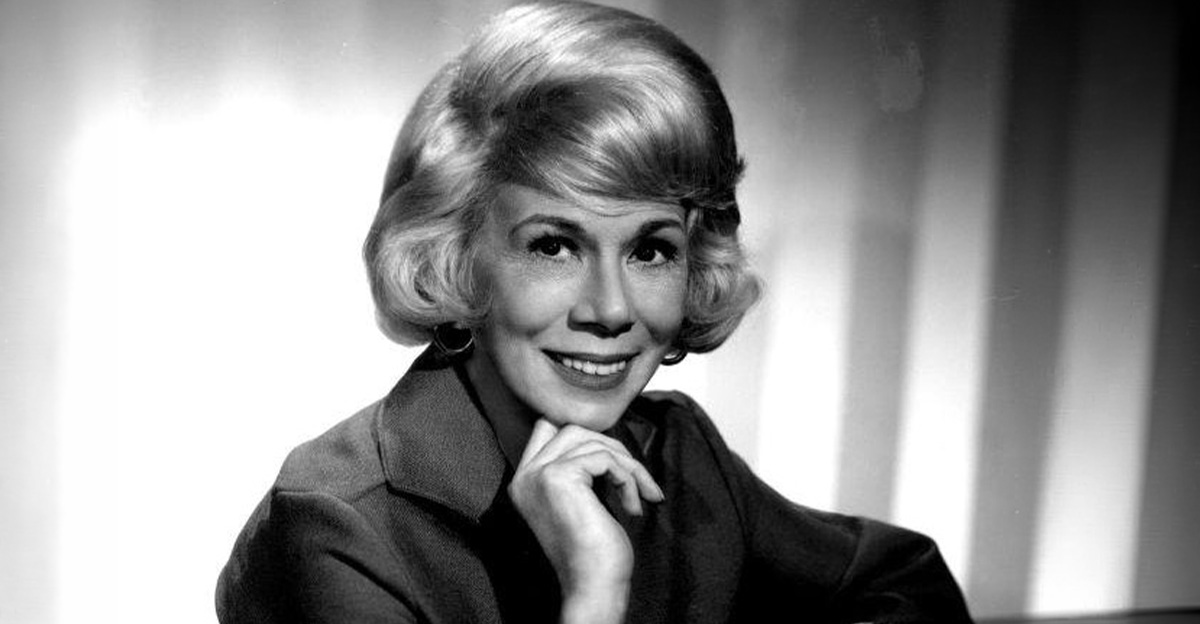 Public domain, via Wikimedia Commons
A Star With A Familiar Sound
Long before she became Kate Bradley on Petticoat Junction, Benaderet was already everywhere. She had the kind of voice that slipped easily into living rooms and stuck there. Audiences heard her in radio shows, animated shorts, and sitcoms, often without realizing the same woman was behind it all.
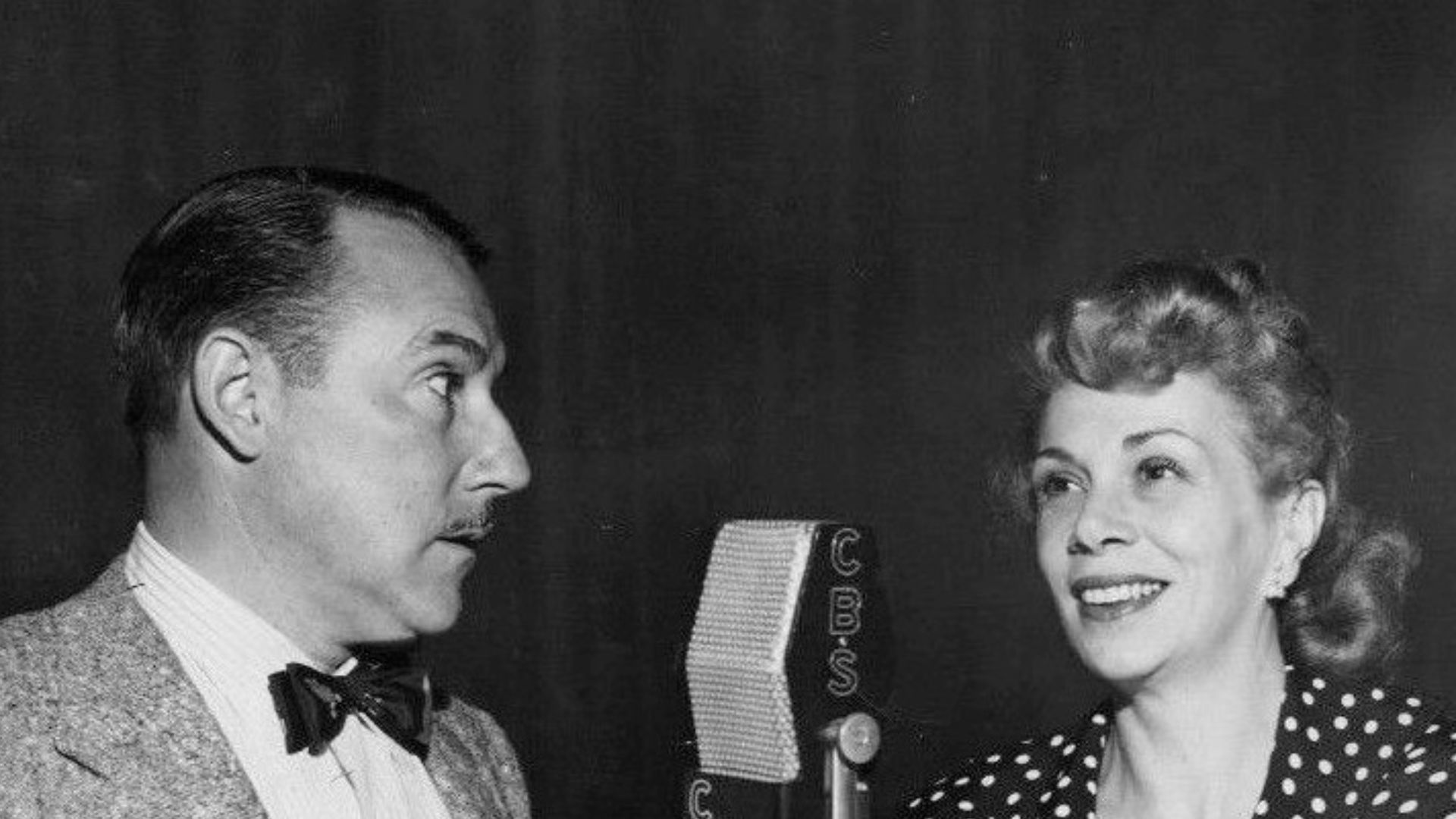
From New York To San Francisco
Beatrice Benaderet was born in New York City in 1906, but she grew up in San Francisco. That city gave her an early doorway into performance. She acted as a child, learned timing young, and developed the confident stage presence that later made her seem so natural on radio and television.
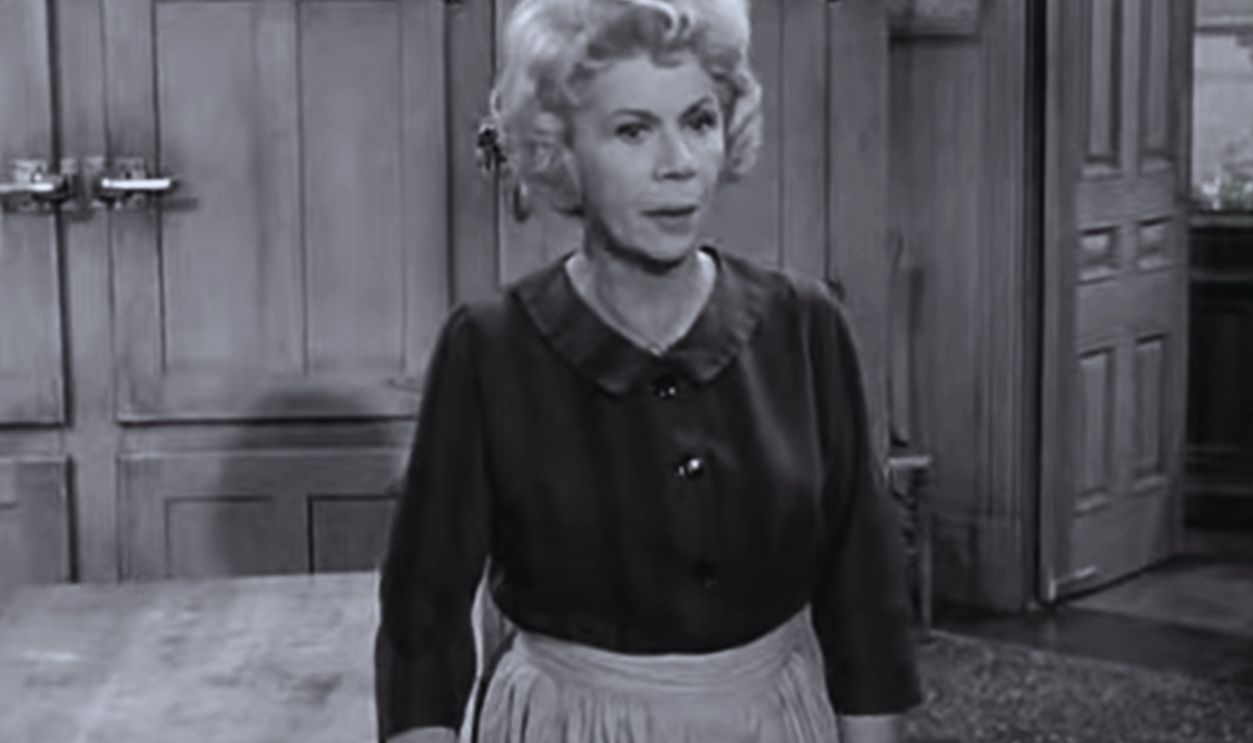 Screenshot from Petticoat Junction, Paramount Global (1963-1970)
Radio Was Her First Kingdom
Radio was the perfect playground for Benaderet. Without costumes or sets, everything depended on voice, rhythm, and imagination. She could create a character with a pause, a squeak, or a beautifully timed complaint. That made her valuable in an era when radio comedy moved fast and needed fearless performers.
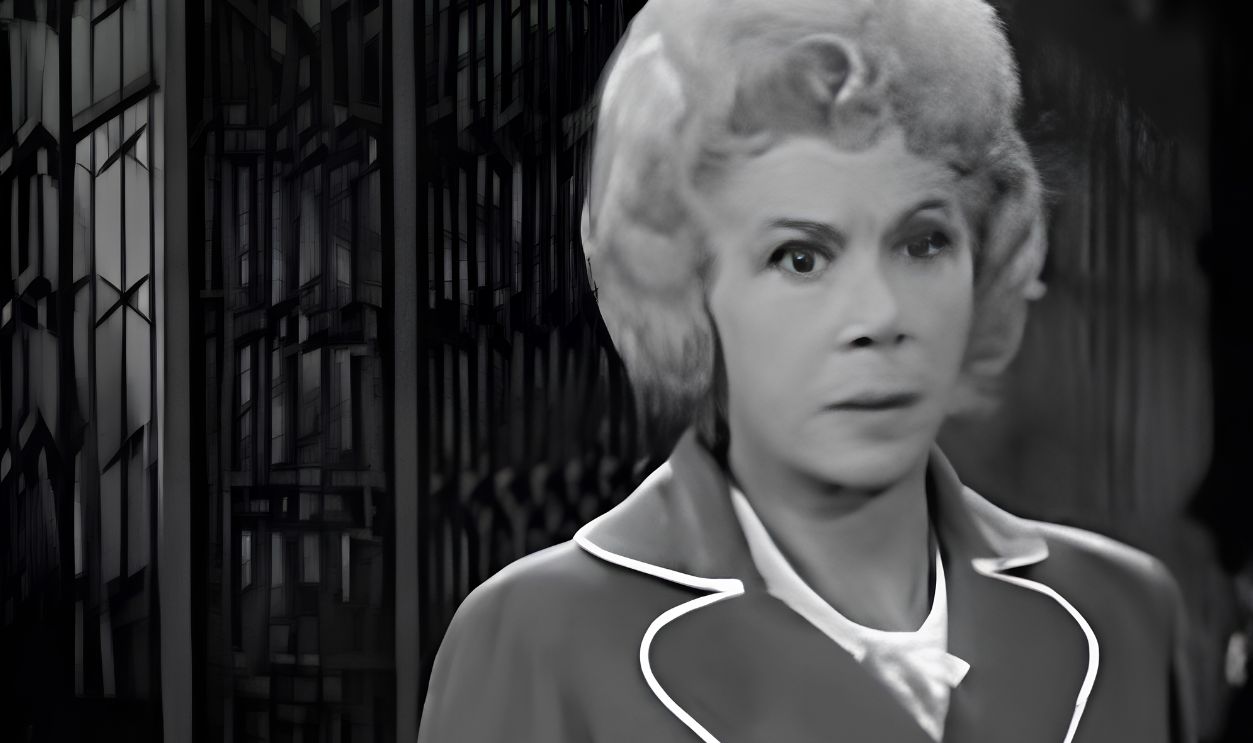 Screenshot from Petticoat Junction, Paramount Global (1963-1970), enhanced
She Could Play Anyone
Benaderet’s secret weapon was range. She did not sound like one performer doing different jobs. She sounded like different people entirely. She could play a glamorous woman, a gossiping neighbor, a confused customer, or a cranky old-timer, and each one felt fully cooked.
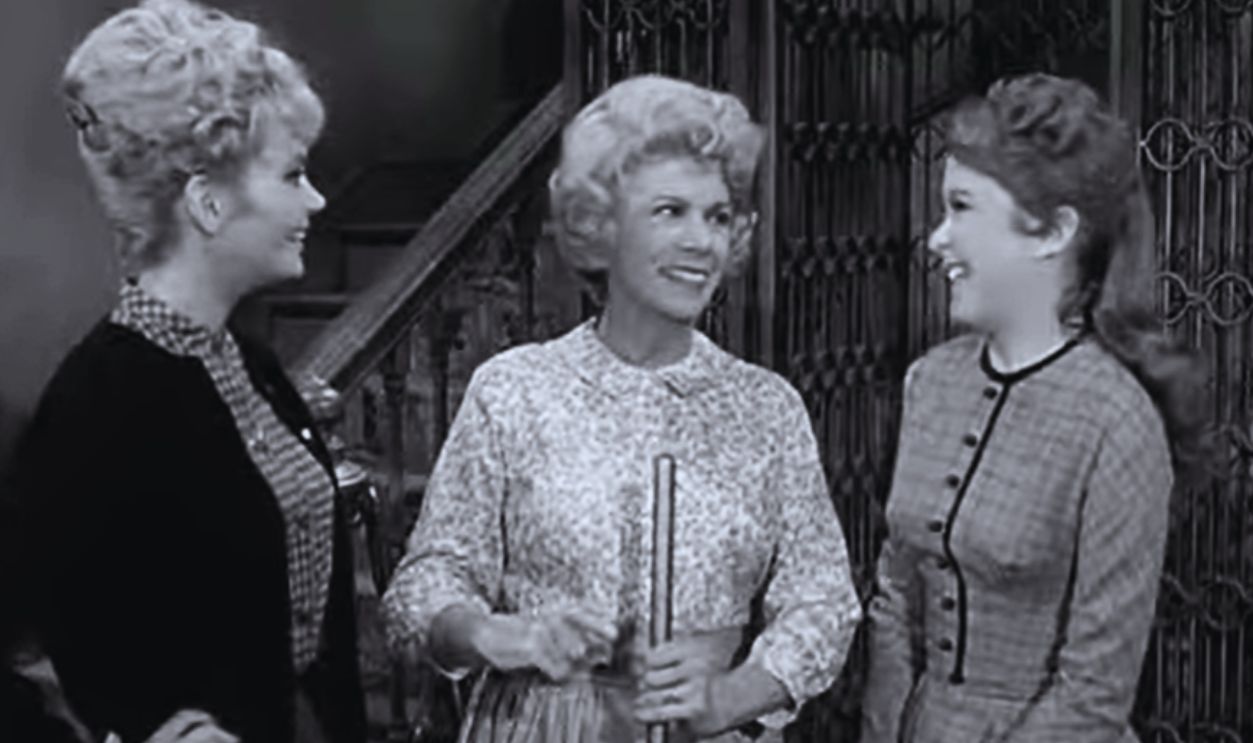 Screenshot from Petticoat Junction, Paramount Global (1963-1970)
Working With Comedy Giants
Her radio résumé reads like a greatest-hits album of early American comedy. Benaderet worked around performers such as Jack Benny, George Burns, Gracie Allen, and Lucille Ball. That was not just good company. It was comedy boot camp, and she could keep up with the best of them.
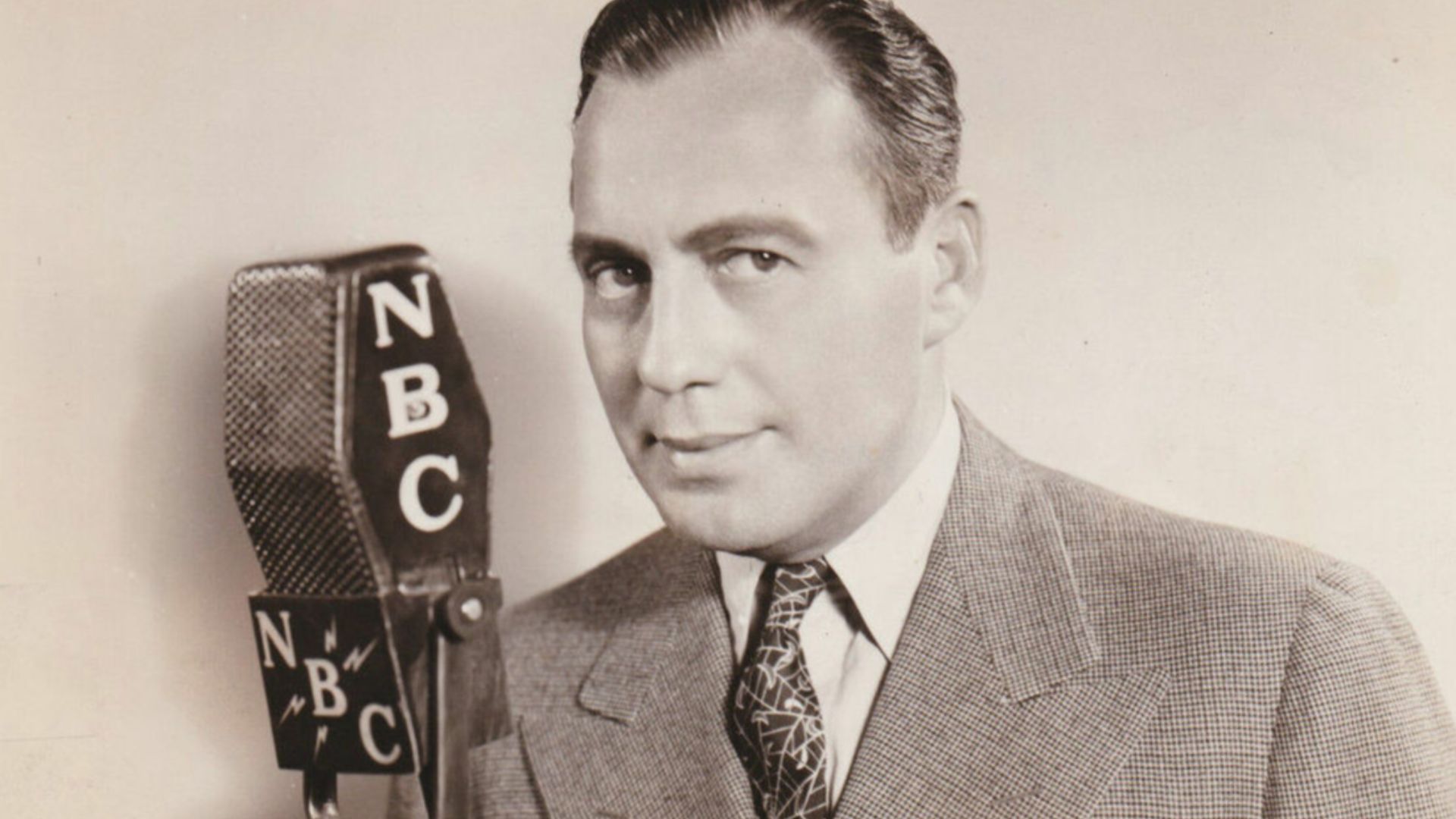
The Lucille Ball Connection
On radio’s My Favorite Husband, Benaderet worked in the same orbit as Lucille Ball before I Love Lucy became television royalty. It is easy to imagine Benaderet fitting into that world. She had the snap, warmth, and comic intelligence that made everyday domestic chaos feel hilarious.
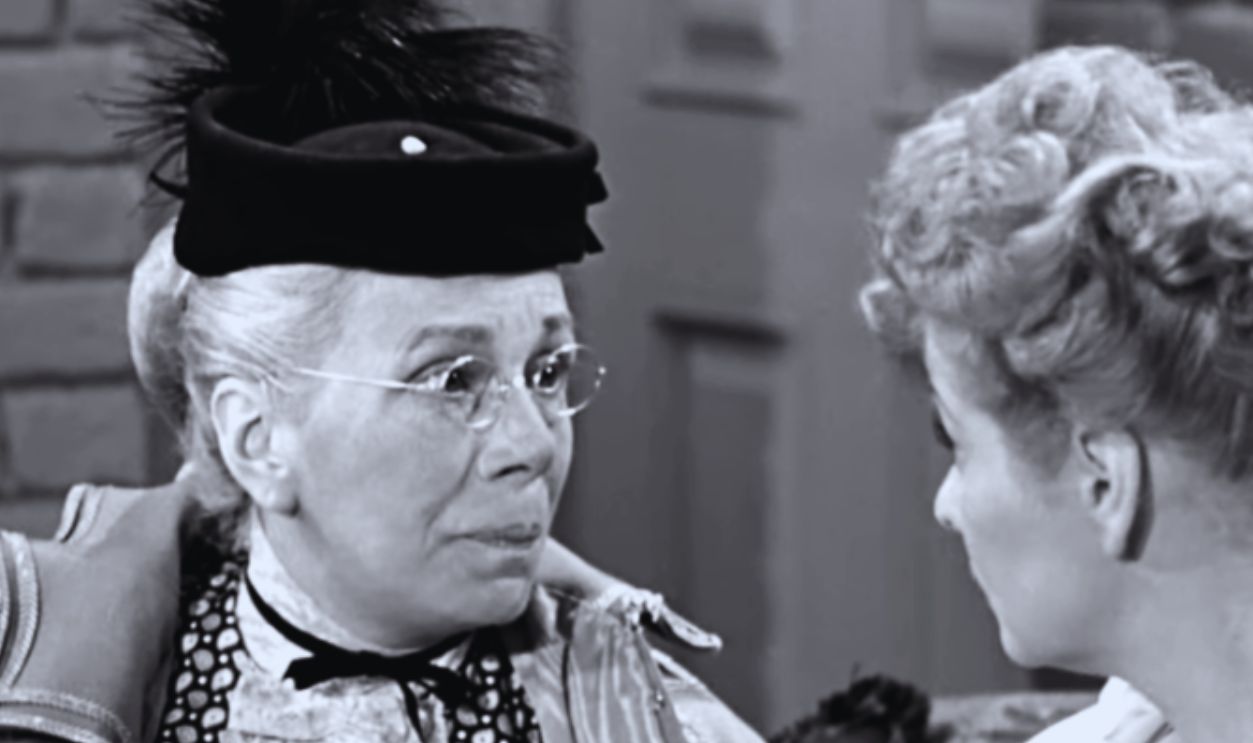 Screenshot from I Love Lucy, Paramount Global (1951-1957)
A Master Of The Side Character
Some actors need the spotlight to shine. Benaderet could steal a scene from the side door. She specialized in characters who seemed to wander in, say something perfectly funny, and leave the room brighter than they found it. That talent became her television superpower.
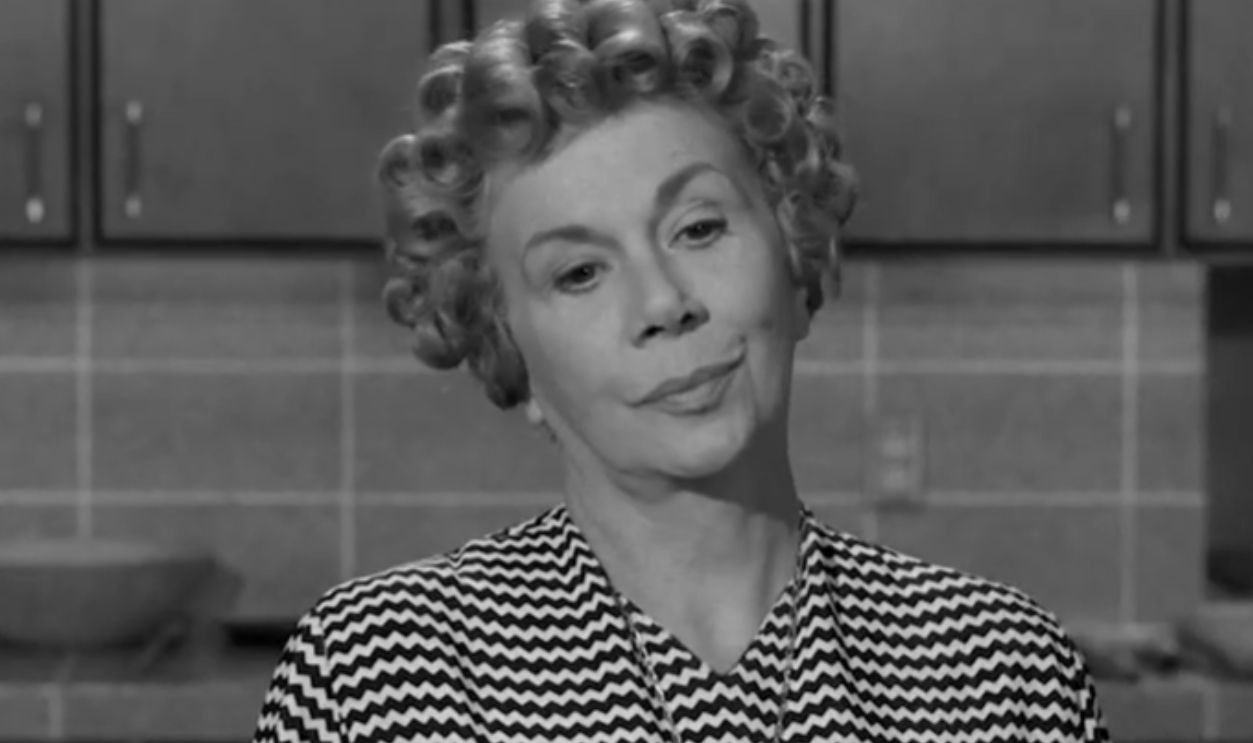 Screenshot from The Beverly Hillbillies, Paramount Global (1962-1971)
Enter The Cartoon World
Benaderet’s voice also became part of the golden age of Warner Bros. animation. In Looney Tunes and Merrie Melodies shorts, she helped create the female characters who bounced around Bugs Bunny’s world. Her work was often uncredited, but it was impossible to miss once you knew it.
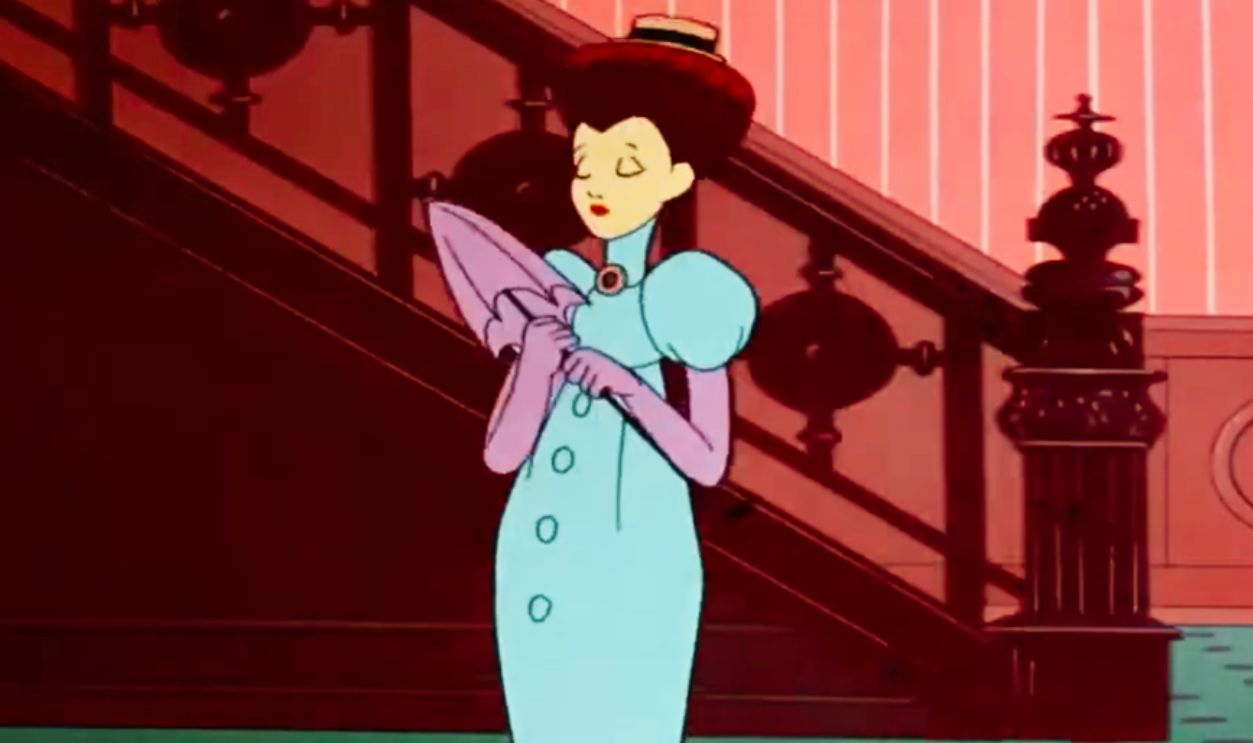 Screenshot from The Dover Boys at Pimento University, Warner Bros. Discovery (1942)
Granny, Witches, Hens, And More
Benaderet’s cartoon voices included memorable turns connected to characters such as Granny, Witch Hazel, and Foghorn Leghorn’s feathered world. These were not flat voices tossed onto drawings. She gave them personality, speed, and a little comic sparkle, making animated chaos feel strangely human.
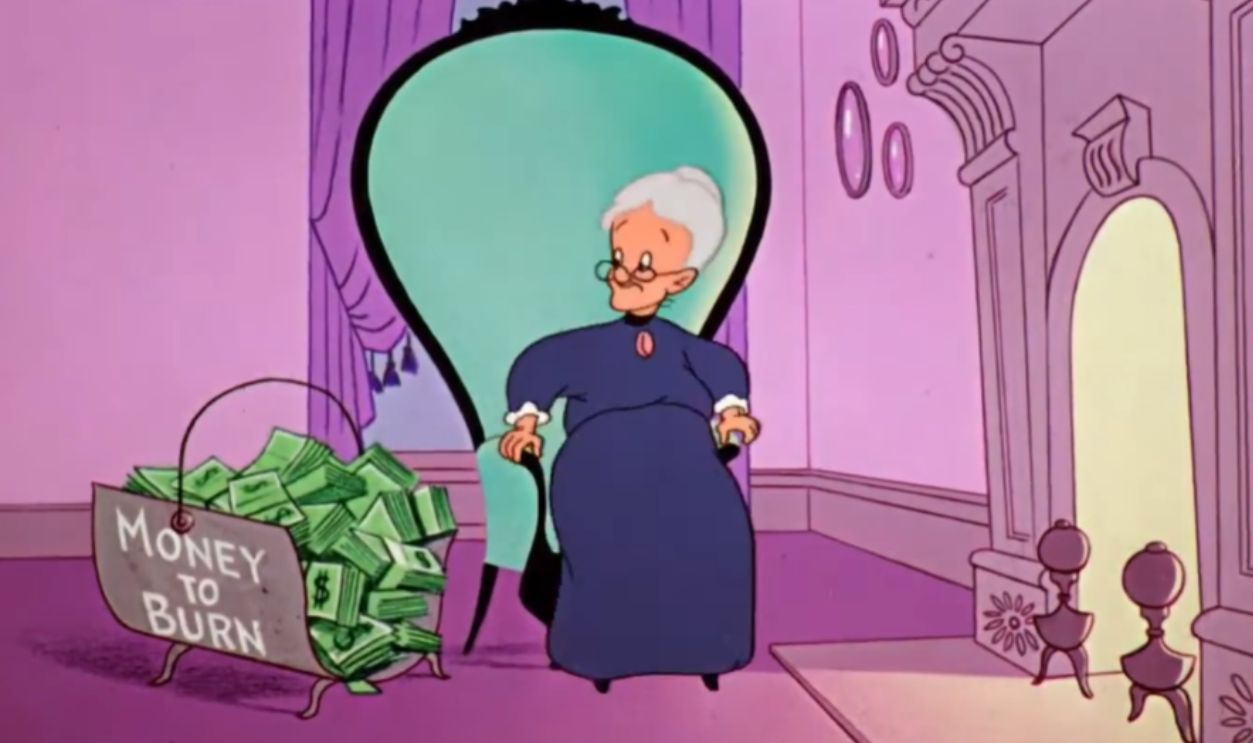 Screenshot from Hare Trimmed, Warner Bros. Discovery (1953)
The Voice Behind Betty Rubble
Then came The Flintstones, where Benaderet voiced Betty Rubble in the show’s early years. Betty’s laugh, warmth, and friendly patience helped sell the Stone Age sitcom as a real neighborhood. Benaderet made Bedrock feel less like a gimmick and more like a place next door.
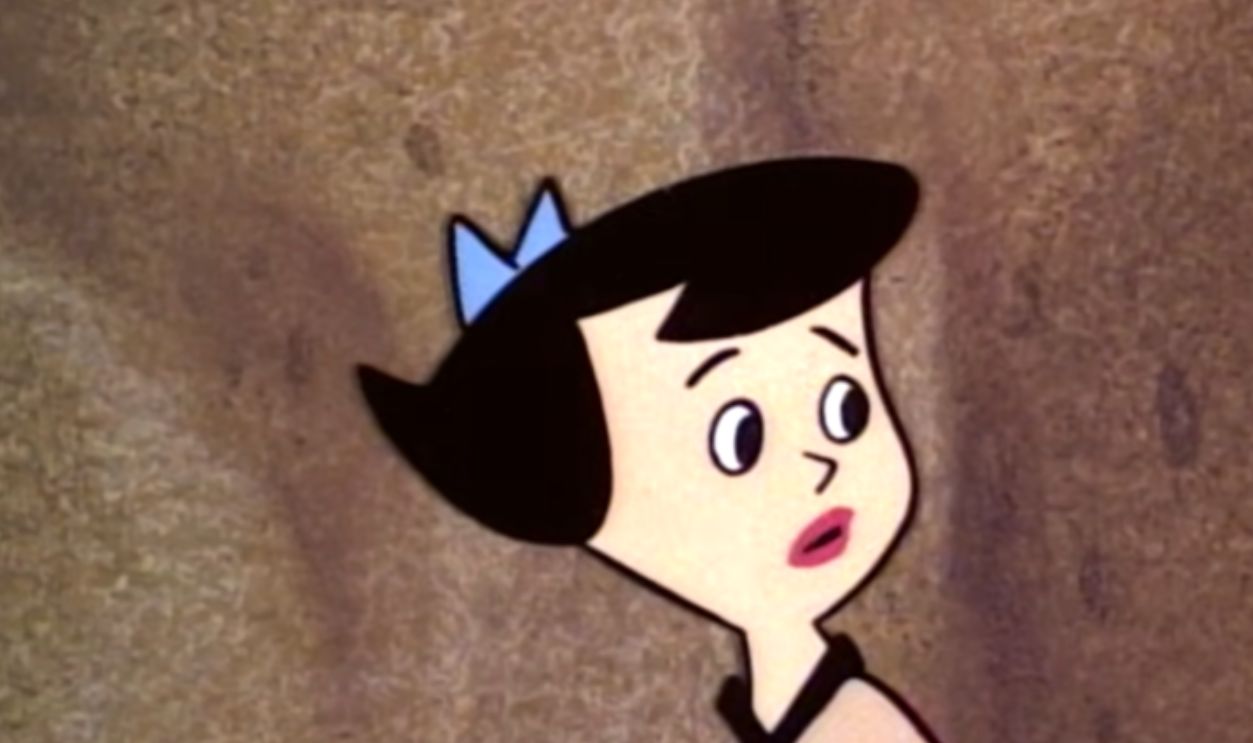 Screenshot from The Flintstones, Warner Bros. Discovery (1960-1966)
She Made Animation Feel Natural
Benaderet understood something important about cartoon acting: big does not have to mean fake. Her voices were exaggerated, but they were rooted in recognizable behavior. A laugh, a gasp, or a suspicious little “hmm” could tell you exactly who the character was.
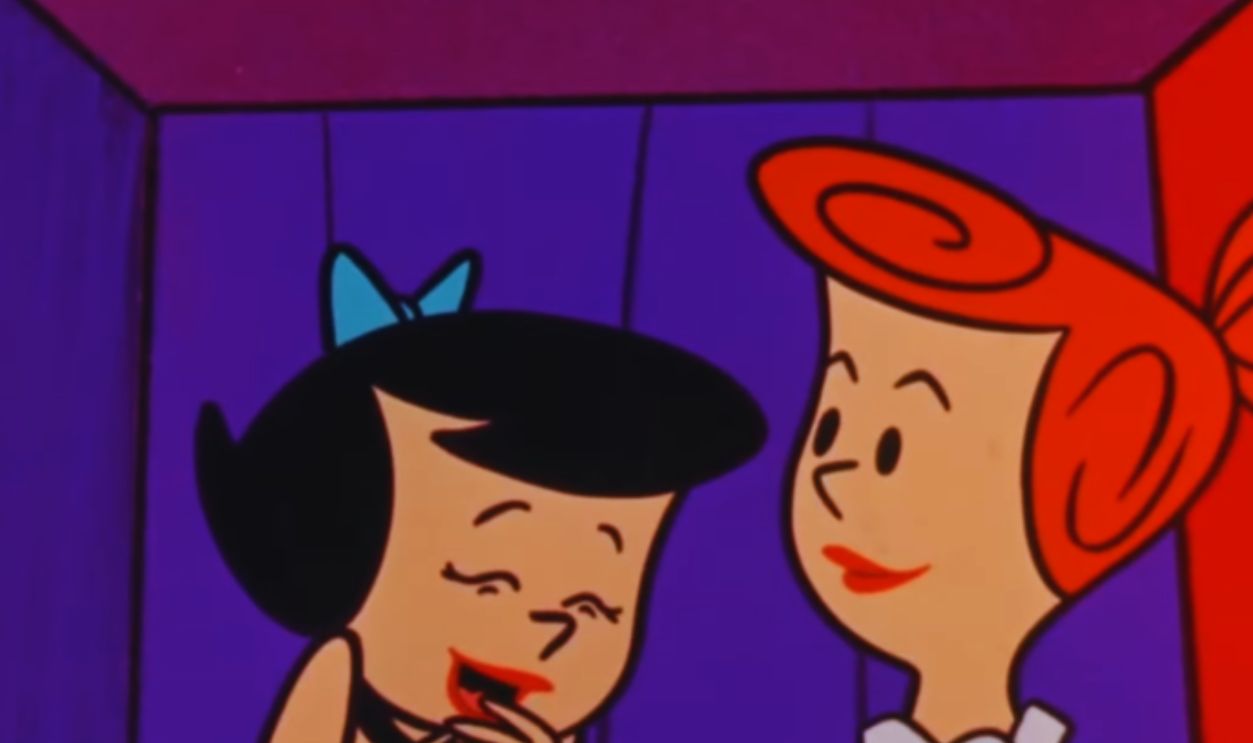 Screenshot from The Flintstones, Warner Bros. Discovery (1960-1966)
Television Found Her Waiting
When television took over American homes, Benaderet was ready. She already knew how to land jokes, build characters quickly, and work with top comedy talent. The camera simply gave viewers a face to go with a voice many of them had been hearing for years.
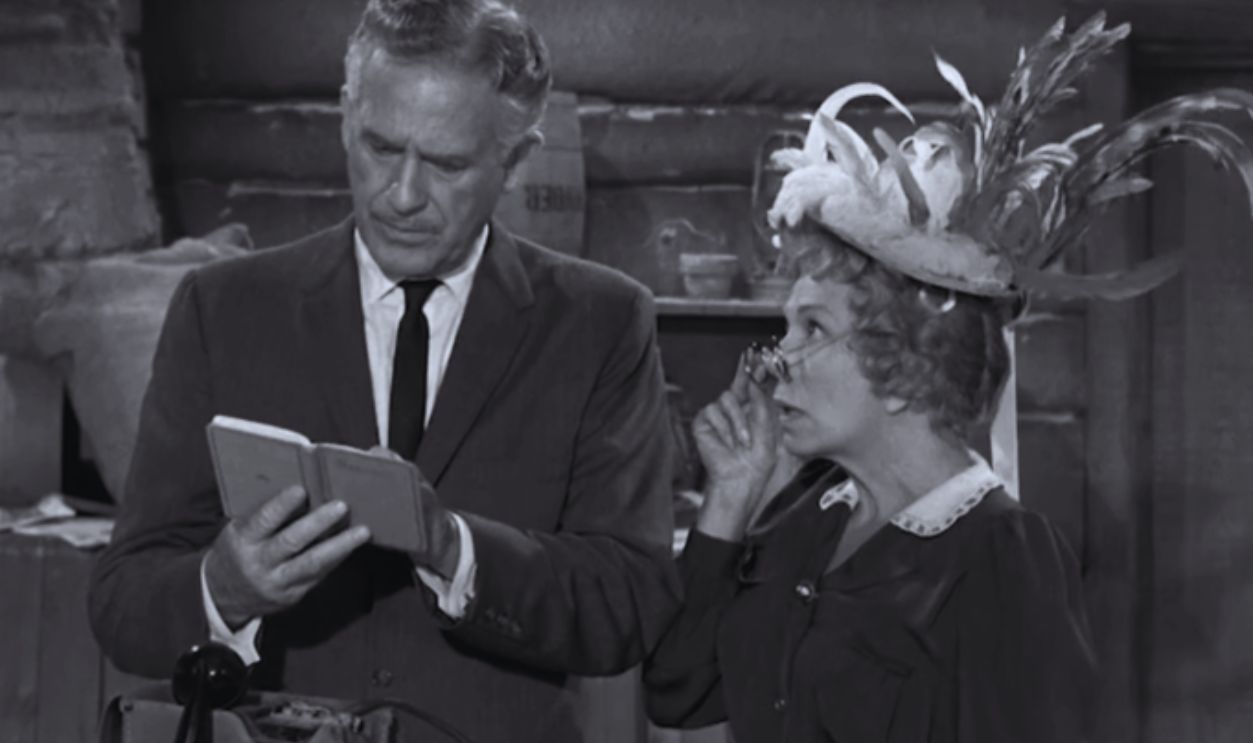 Screenshot from The Beverly Hillbillies, Paramount Global (1962-1971)
Blanche Morton Arrives
On The George Burns And Gracie Allen Show, Benaderet played Blanche Morton, the neighbor who could react to Gracie’s logic with just the right mix of confusion and loyalty. Blanche was funny because she felt real. She was the audience’s raised eyebrow in human form.
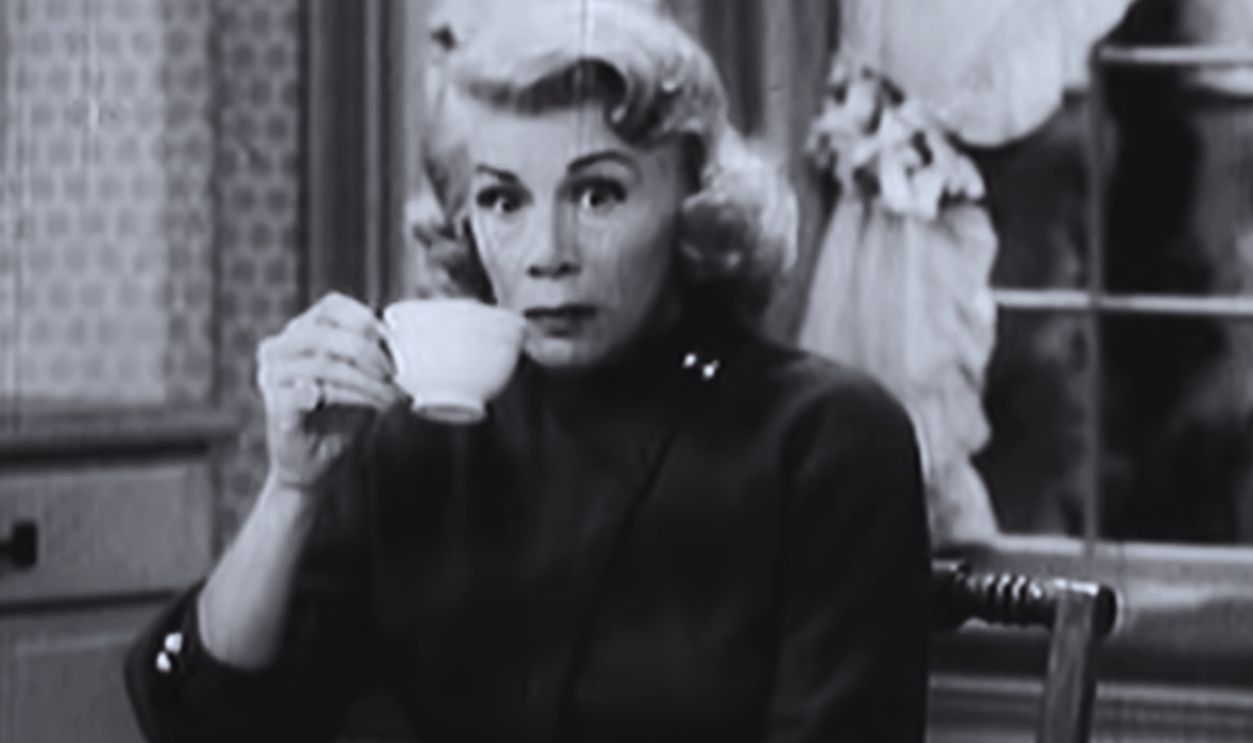 Screenshot from The George Burns and Gracie Allen Show, Paramount Global (1950-1958)
Perfect Chemistry With Gracie
Benaderet’s chemistry with Gracie Allen was a gift. Gracie would float through conversations on her own strange wavelength, and Blanche would try to follow along without losing her mind. Benaderet never overplayed it. She trusted the rhythm, and the rhythm loved her back.
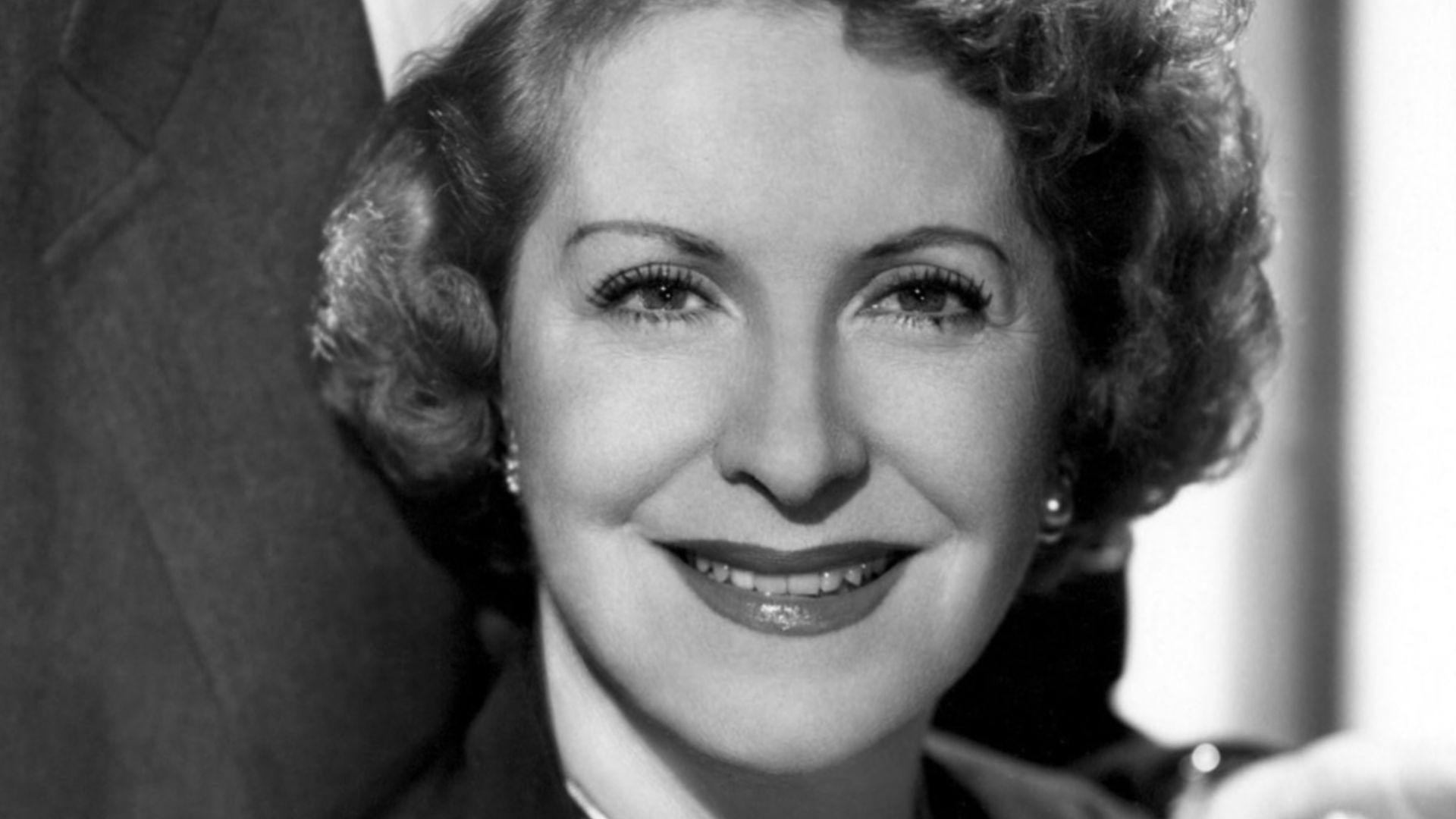 CBS Television Uploaded by We hope at en.wikipedia, Wikimedia Commons
The Emmy Recognition
Her work as Blanche earned Benaderet Emmy nominations, which made sense. Supporting comedy can be tricky because the performer has to be funny without swallowing the scene. Benaderet knew exactly when to push, when to pause, and when to let someone else’s madness bloom.
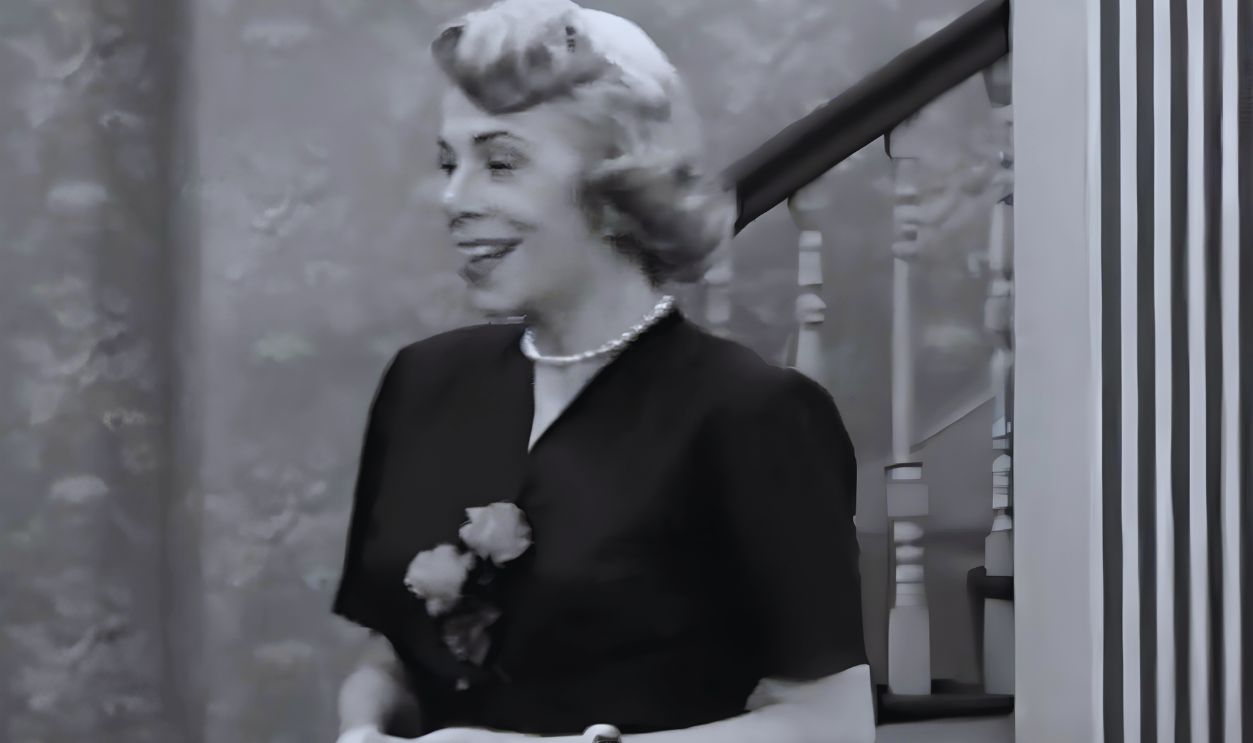 Screenshot from The George Burns and Gracie Allen Show, Paramount Global (1950-1958)
The Beverly Hillbillies Boost
In the 1960s, Benaderet joined The Beverly Hillbillies as Pearl Bodine, cousin to Jed Clampett and mother to Jethro. Pearl was big, loud, musical, and determined. Benaderet played her with country confidence and just enough chaos to make her unforgettable.
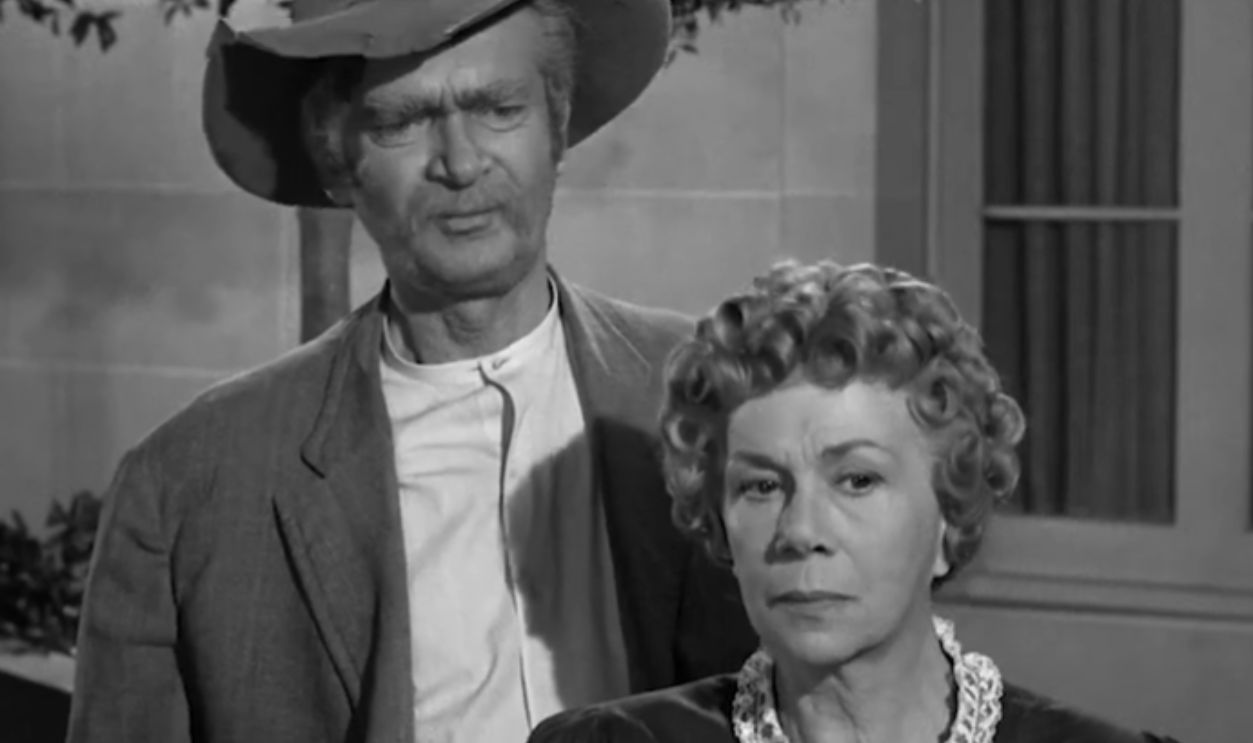 Screenshot from The Beverly Hillbillies, Paramount Global (1962-1971)
Paul Henning Saw Her Value
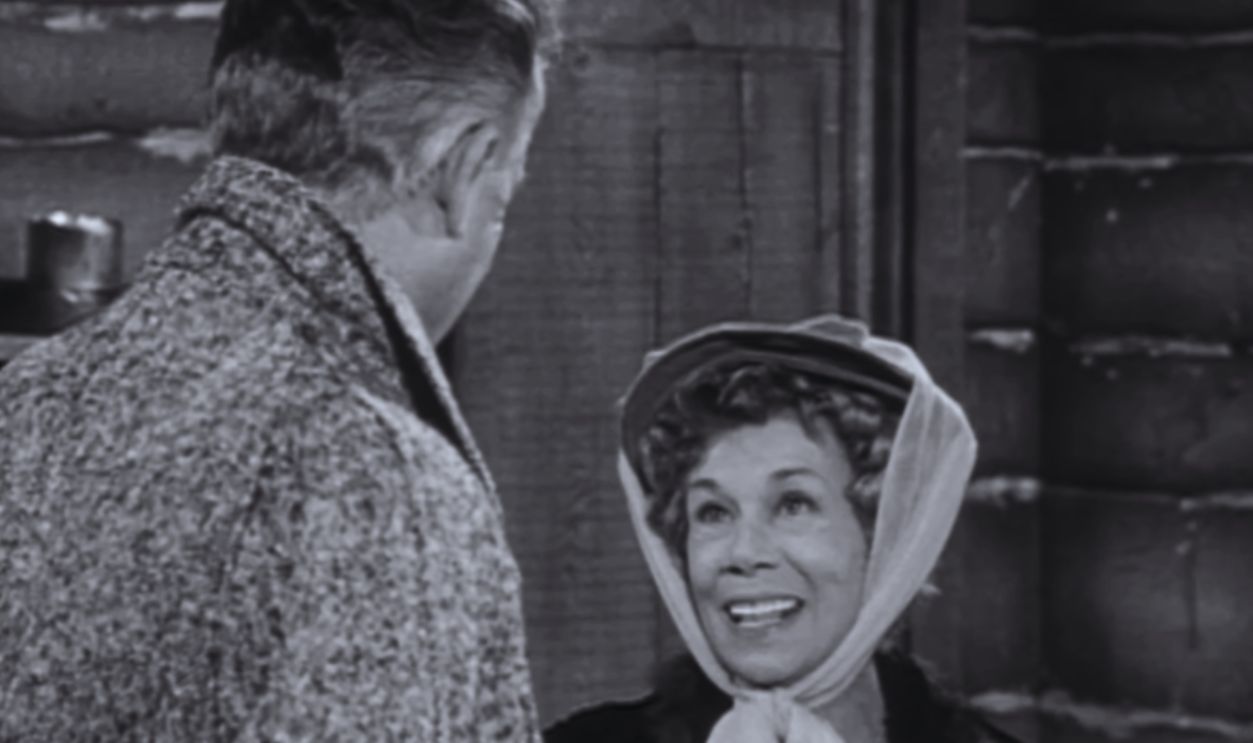
Producer Paul Henning clearly understood what Benaderet brought to a show. She was not just a funny performer. She made comedy feel lived-in. Her presence helped connect The Beverly Hillbillies, Petticoat Junction, and the larger Hooterville television universe that audiences came to love.
 Screenshot from The Beverly Hillbillies, Paramount Global (1962-1971)
Finally, Her Own Show
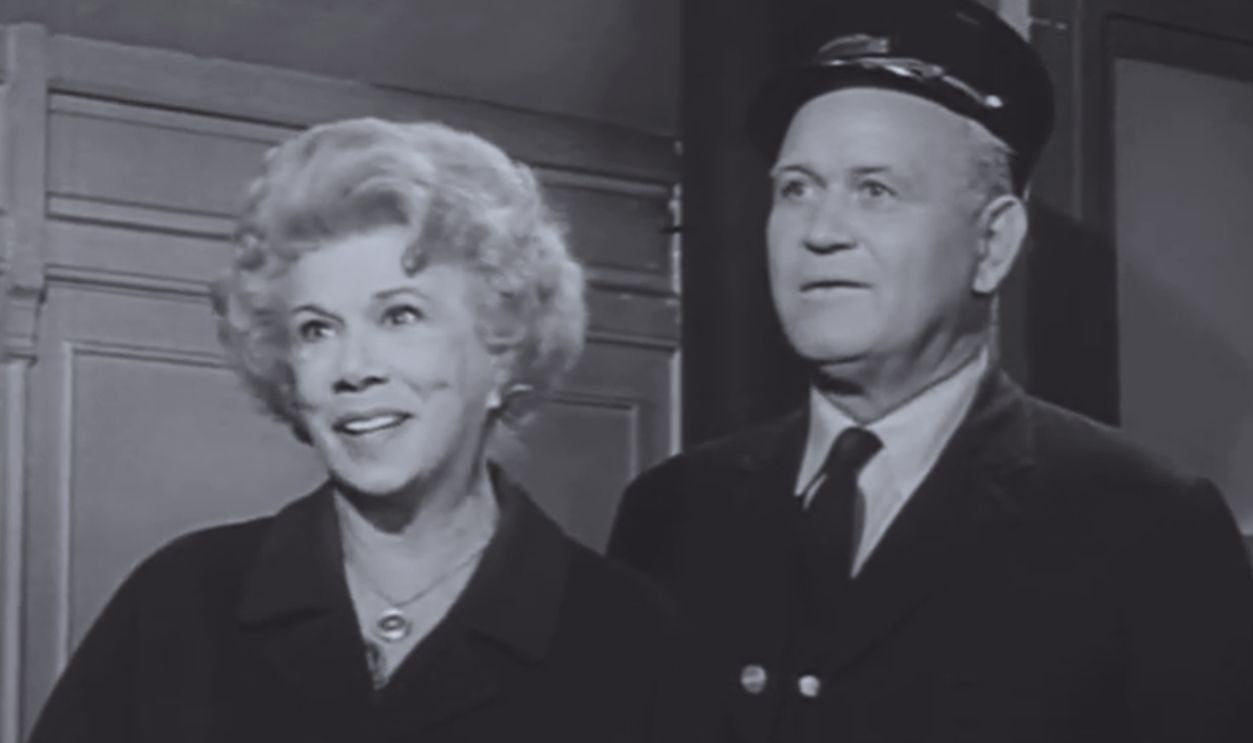
Petticoat Junction gave Benaderet the starring role she had long deserved. As Kate Bradley, owner of the Shady Rest Hotel, she became the warm center of the series. After years of supporting everyone else, she finally had a show built around her steady comic glow.
 Screenshot from Petticoat Junction, Paramount Global (1963-1970)
Kate Bradley Had Heart
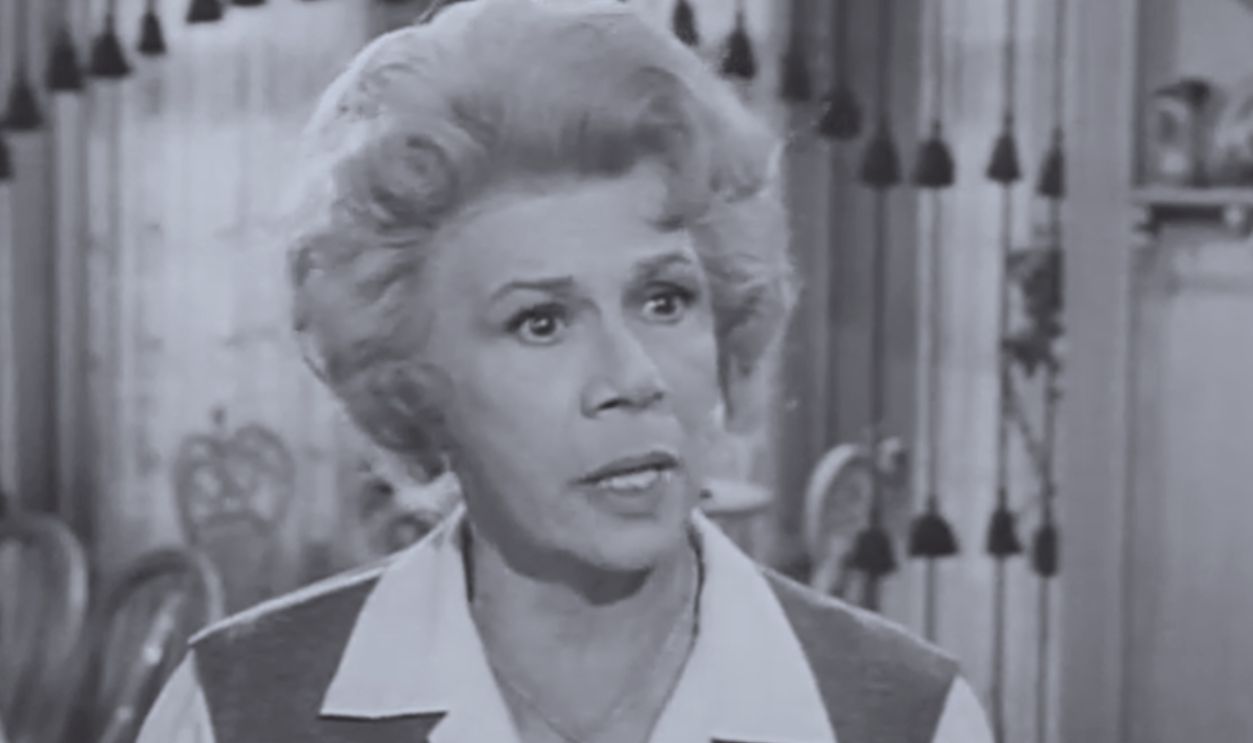
Kate Bradley was not a cartoon mother or a sitcom scold. She was smart, patient, practical, and funny. She ran the hotel, raised three daughters, managed Uncle Joe, and still found time to keep the whole town from drifting completely off the rails.
 Screenshot from Petticoat Junction, Paramount Global (1963-1970)
The Shady Rest Needed Her
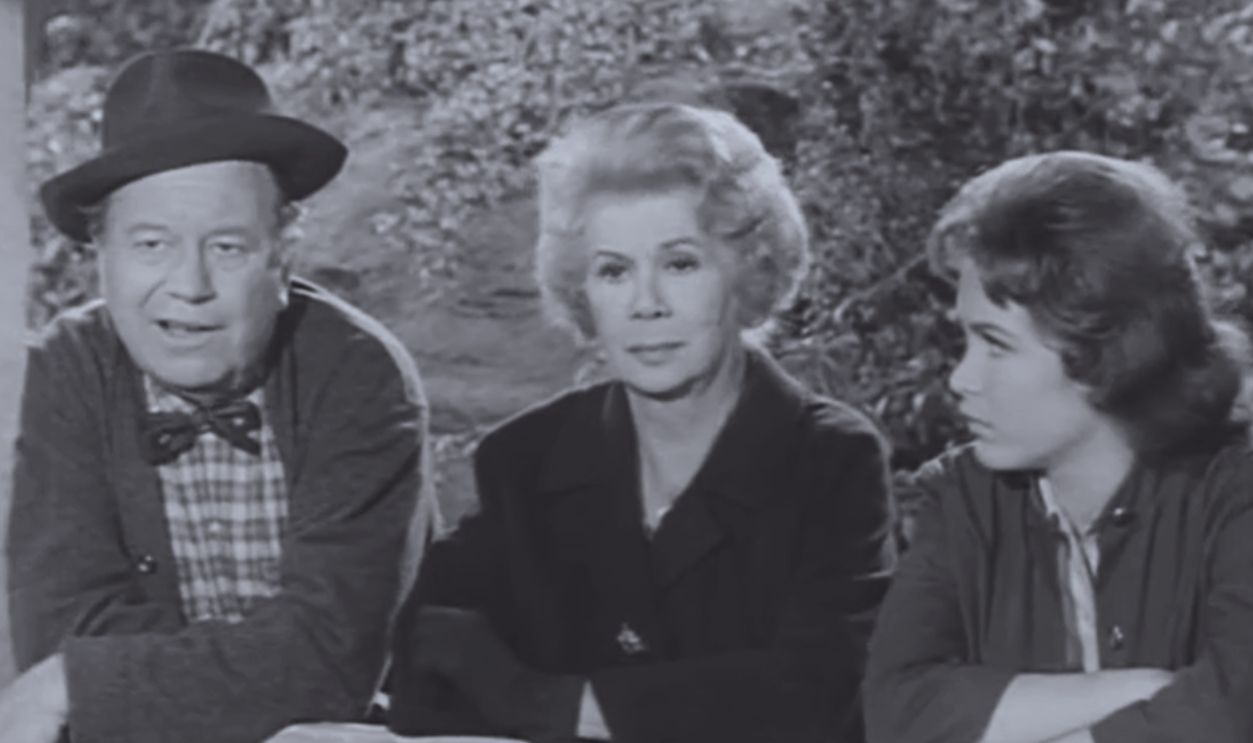
Petticoat Junction worked because Kate Bradley made the Shady Rest feel safe. The show had trains, water towers, odd neighbors, and plenty of silliness, but Kate gave it emotional balance. Benaderet made viewers believe this funny little hotel was a real home.
 Screenshot from Petticoat Junction, Paramount Global (1963-1970)
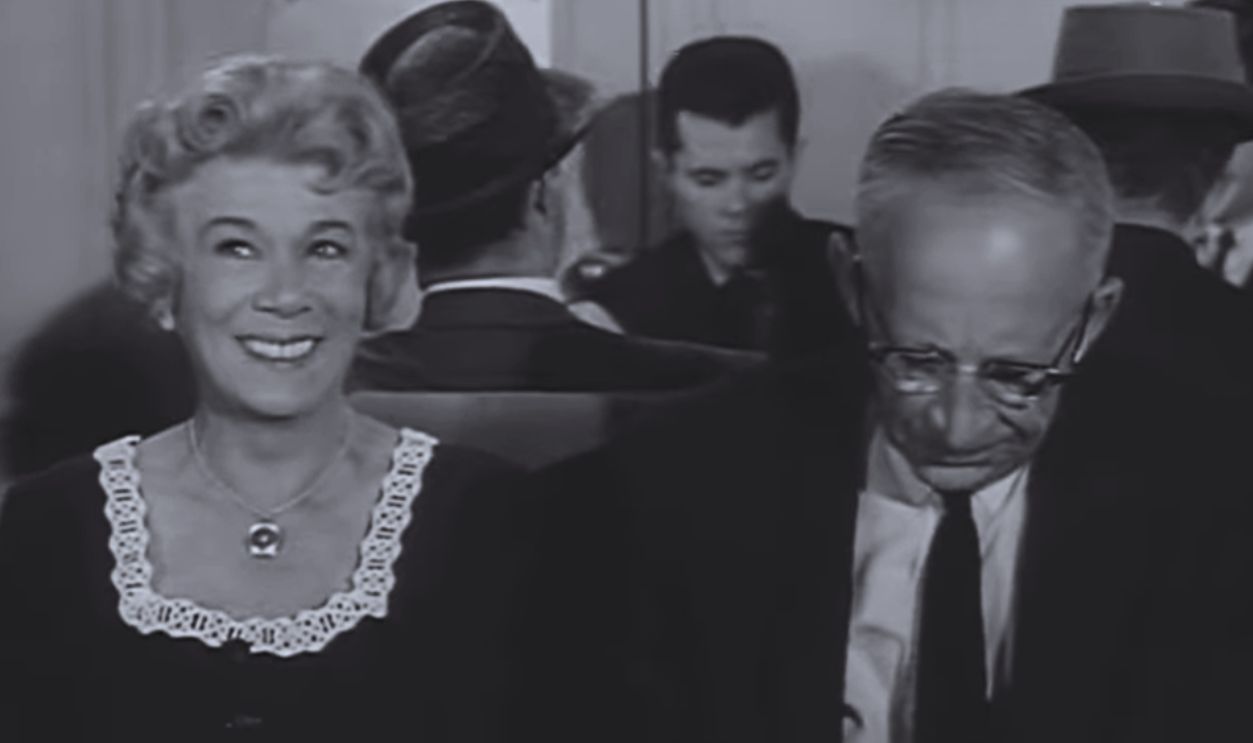
A Different Kind Of Sitcom Mom
Kate Bradley stood apart from many TV mothers of the era. She was not just there to fuss over dinner or react to trouble. She was the engine of the household and the business. Benaderet played her with dignity, humor, and a wonderfully light touch.
 Screenshot from Petticoat Junction, Paramount Global (1963-1970)
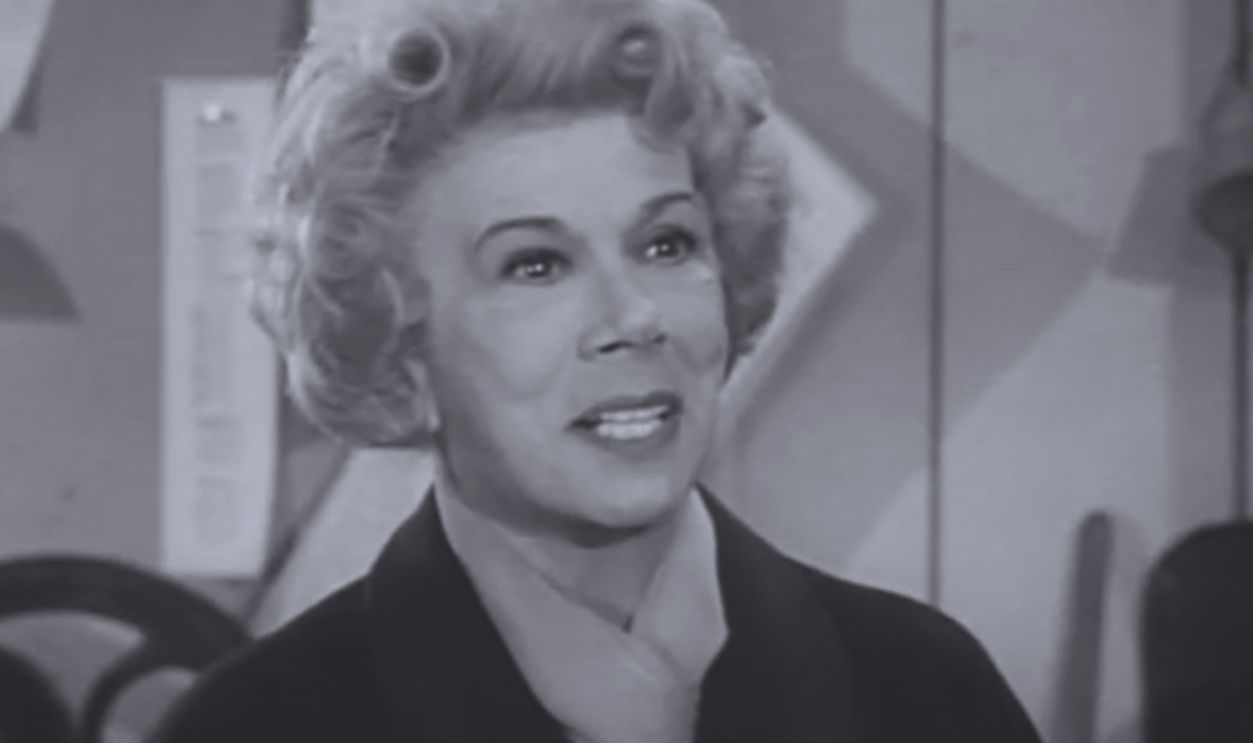
Green Acres And Hooterville
Benaderet’s Kate Bradley also appeared in the connected world of Green Acres, helping stitch together one of television’s quirkiest rural comedy universes. Hooterville may have been ridiculous, but her presence gave it continuity. When Kate appeared, the whole place felt a little more grounded.
 Screenshot from Petticoat Junction, Paramount Global (1963-1970)
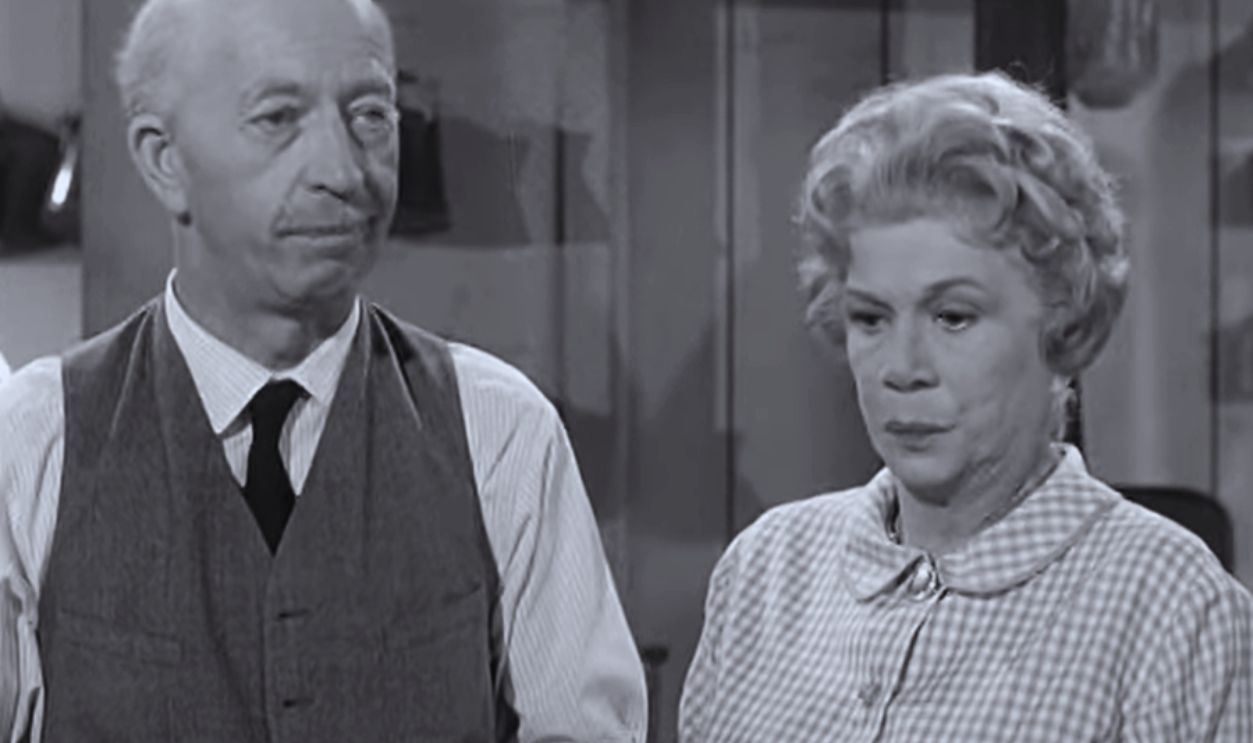
Working Through Illness
Benaderet’s final years were difficult, as illness interrupted her work on Petticoat Junction. Her absence changed the feeling of the show because Kate had been its heart. Viewers did not just miss a character. They missed Bea’s warmth, timing, and quiet authority.
 Screenshot from Petticoat Junction, Paramount Global (1963-1970)
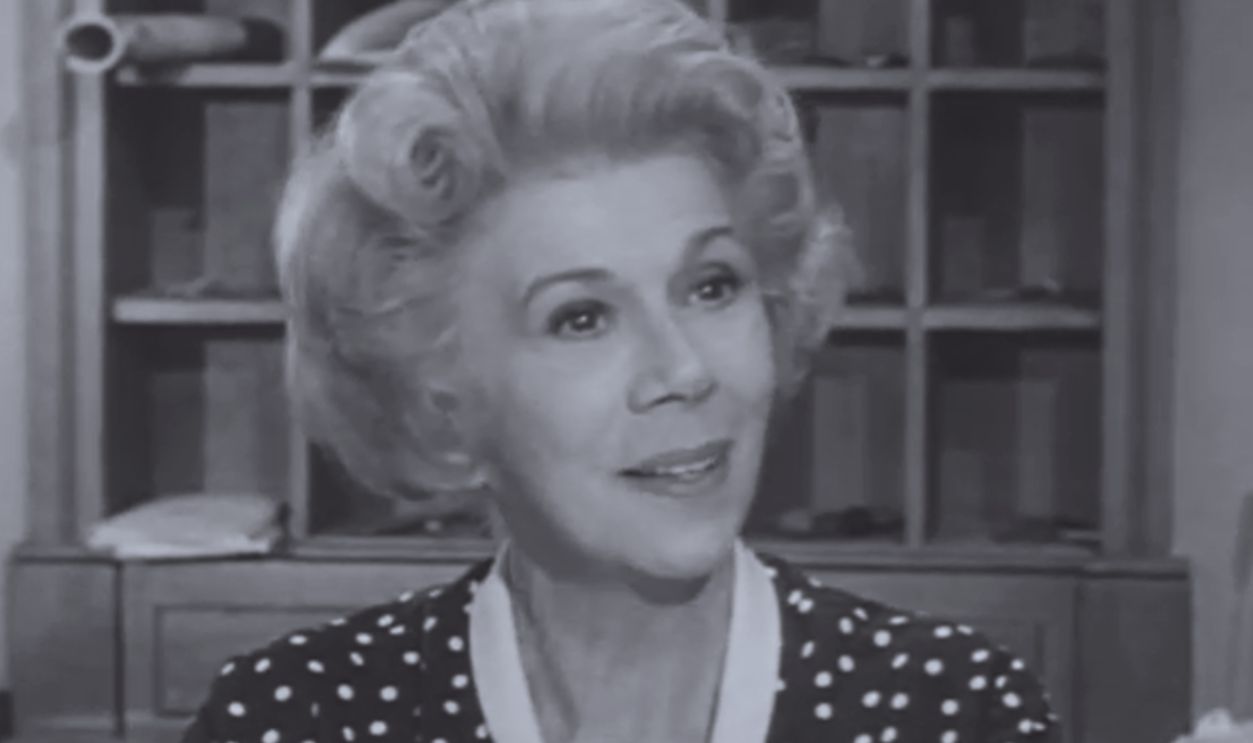
A Career Cut Short
Bea Benaderet died in 1968 at age 62, while Petticoat Junction was still on the air. It was a sad ending to a career that had touched almost every corner of mid-century entertainment. Radio, animation, sitcoms, and rural comedy all carried her fingerprints.
 Screenshot from Petticoat Junction, Paramount Global (1963-1970)
Why She Still Matters
Benaderet’s legacy is easy to underestimate because she was so good at blending in. She rarely shouted for attention, yet she made everything better. She helped define what funny neighbors, cartoon grandmothers, sitcom mothers, and warmhearted scene-stealers could sound like on American television.
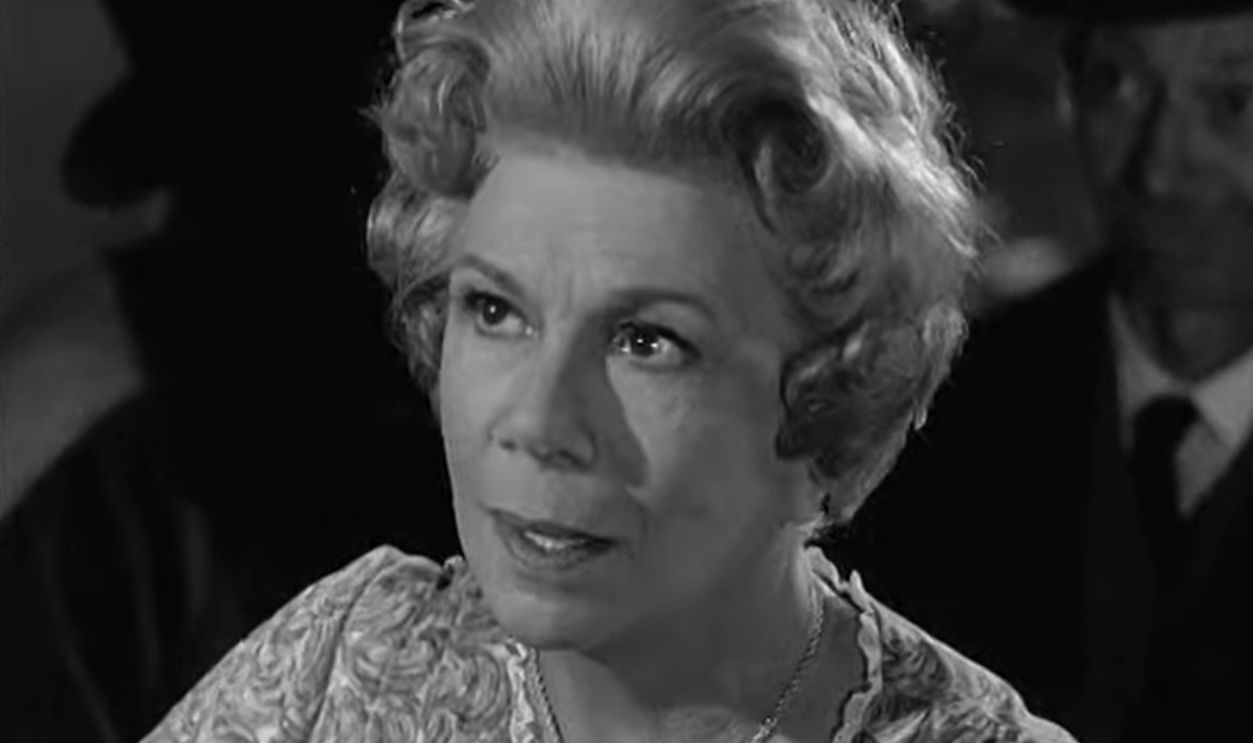 Screenshot from Petticoat Junction, Paramount Global (1963-1970)
Television’s Most Familiar Voice
Bea Benaderet was more than the star of Petticoat Junction. She was one of the great connective threads of classic entertainment, linking radio comedy, Looney Tunes, The Flintstones, The Beverly Hillbillies, and Hooterville. Her face was beloved, her timing was golden, and her voice was everywhere.
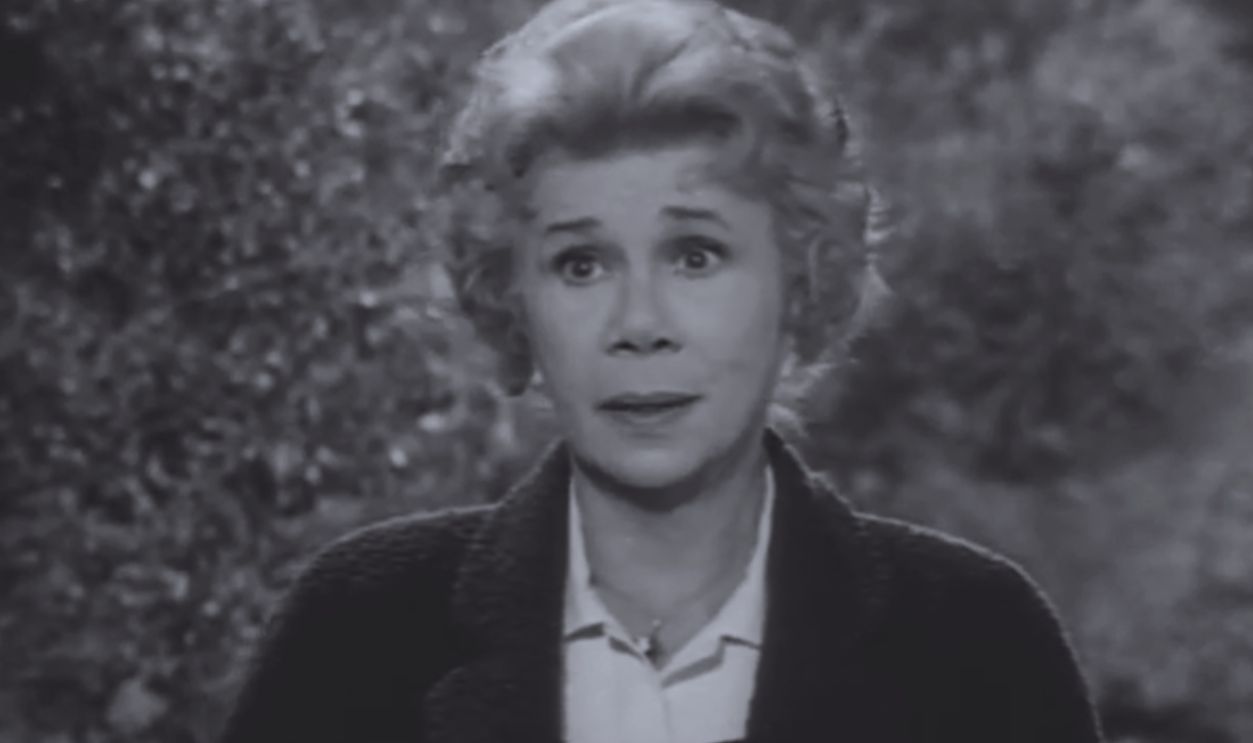 Screenshot from Petticoat Junction, Paramount Global (1963-1970)
You May Also Like:
Late Night TV Guest Hosts Through The Decades—Did You Catch Any Of Their Episodes?