Two Rebels, One Unexpected Bond
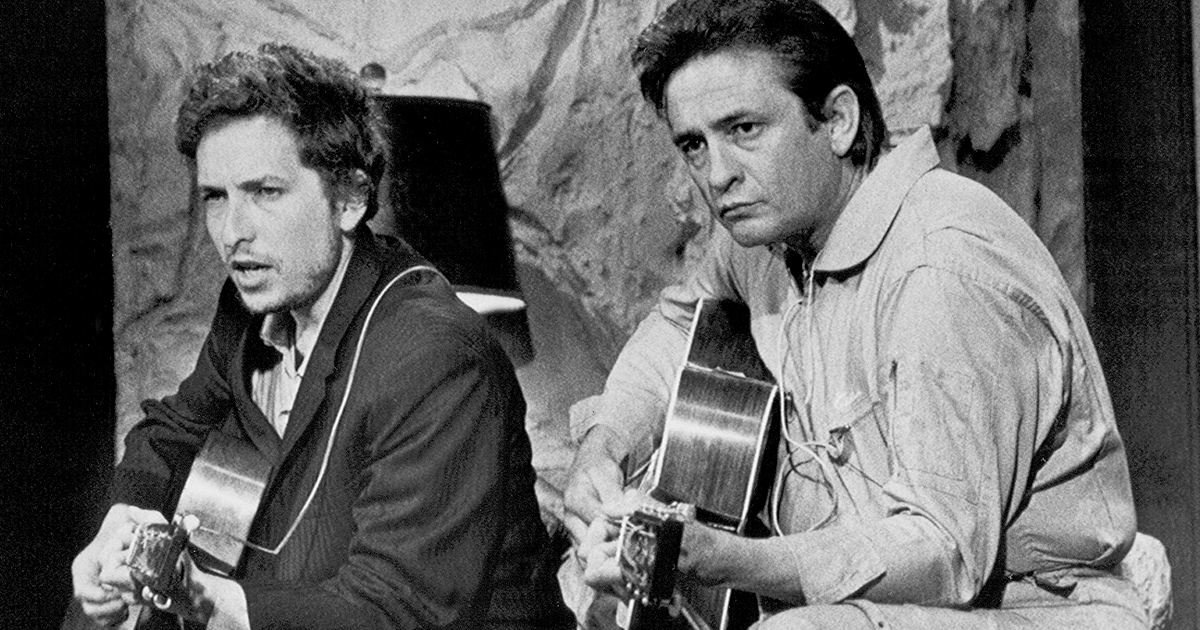
In the mid-1960s, Johnny Cash was already a country legend, dressed in black and battling his own demons. Bob Dylan was the voice of a generation, turning folk music inside out. On paper, they didn’t seem like an obvious match. But when their paths crossed, something electric happened — and both of their careers would shift because of it.
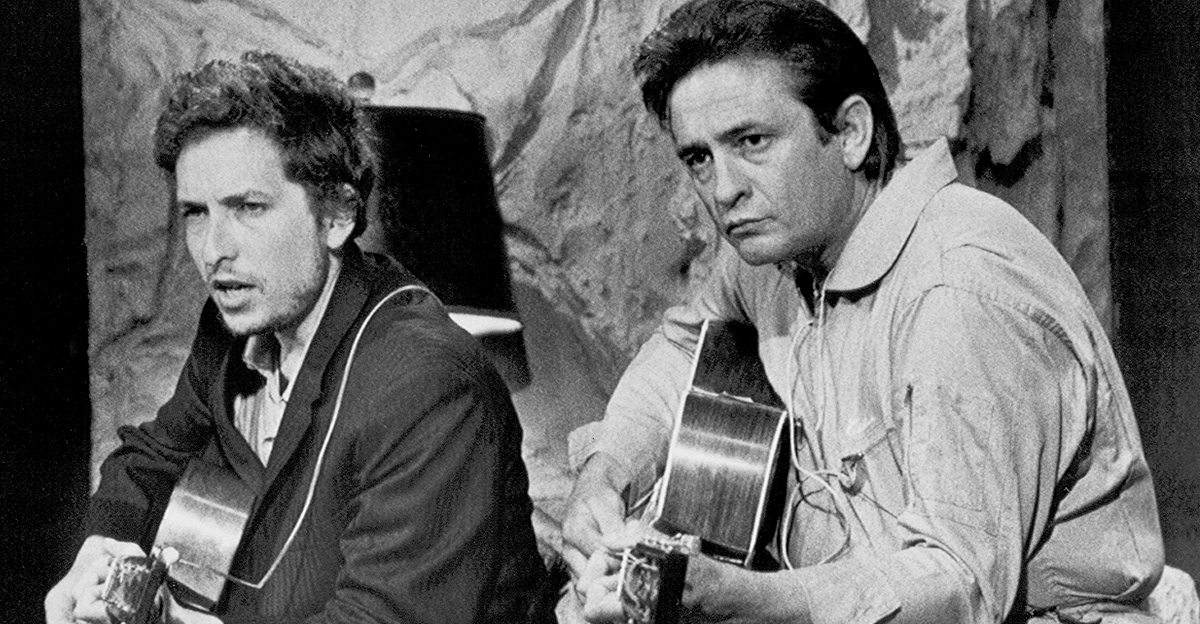 Michael Ochs Archives, Getty Images
Johnny Cash: The Man in Black Before the Meeting
By 1964, Johnny Cash had already scored hits like “I Walk the Line” and “Ring of Fire.” Born February 26, 1932, in Kingsland, Arkansas, Cash had built his reputation on raw storytelling and a baritone voice that sounded like it carried dust from the Mississippi Delta. But by the mid-1960s, his career was wobbling under the weight of substance dependence.
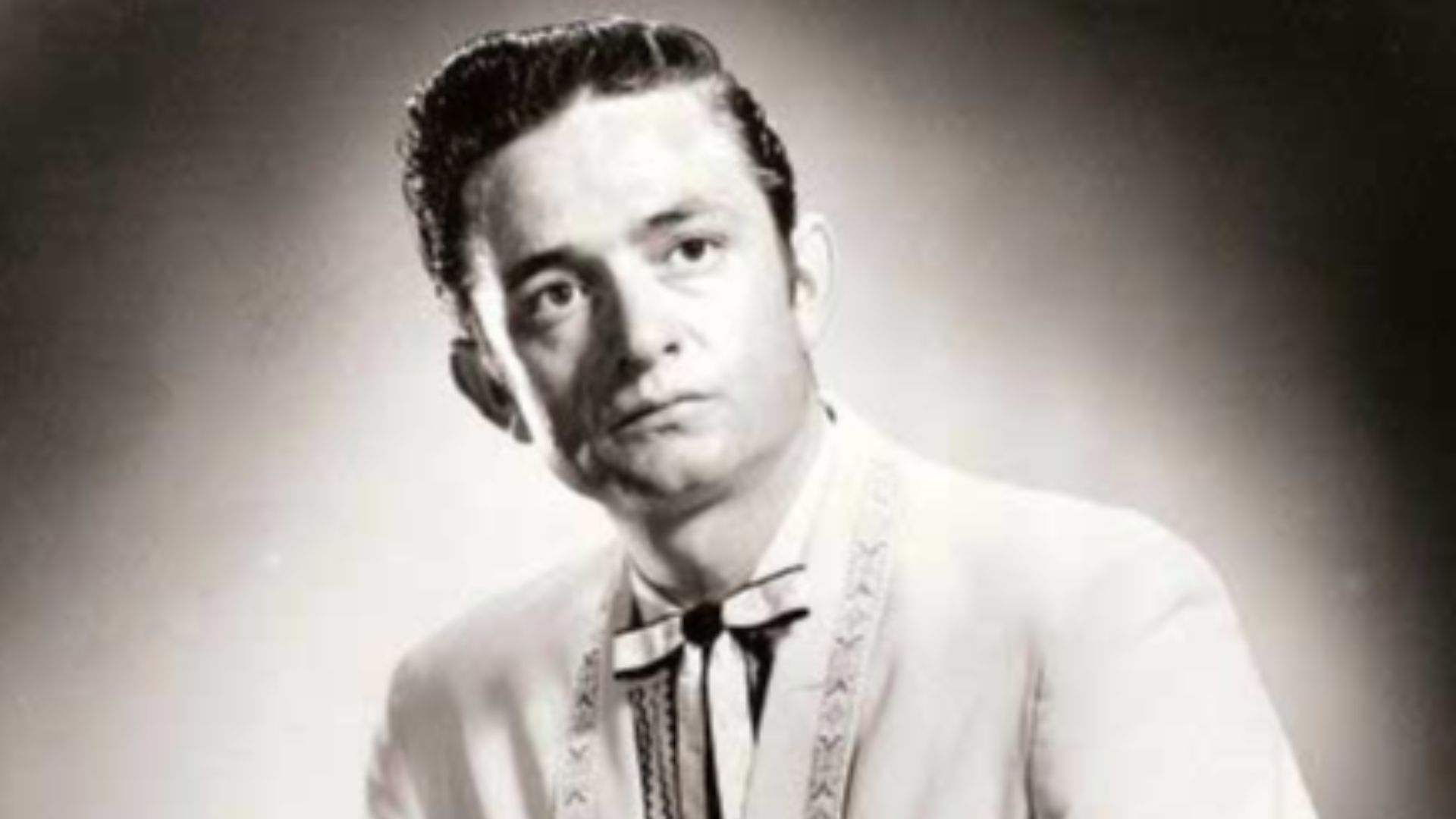 Sun Records, Wikimedia Commons
Bob Dylan: The Folk Prodigy
Bob Dylan, born Robert Zimmerman on May 24, 1941, in Duluth, Minnesota, had exploded onto the scene with protest anthems like “Blowin’ in the Wind” and “The Times They Are A-Changin’.” By 1965, however, Dylan shocked folk purists by going electric at the Newport Folk Festival — and the backlash was intense.
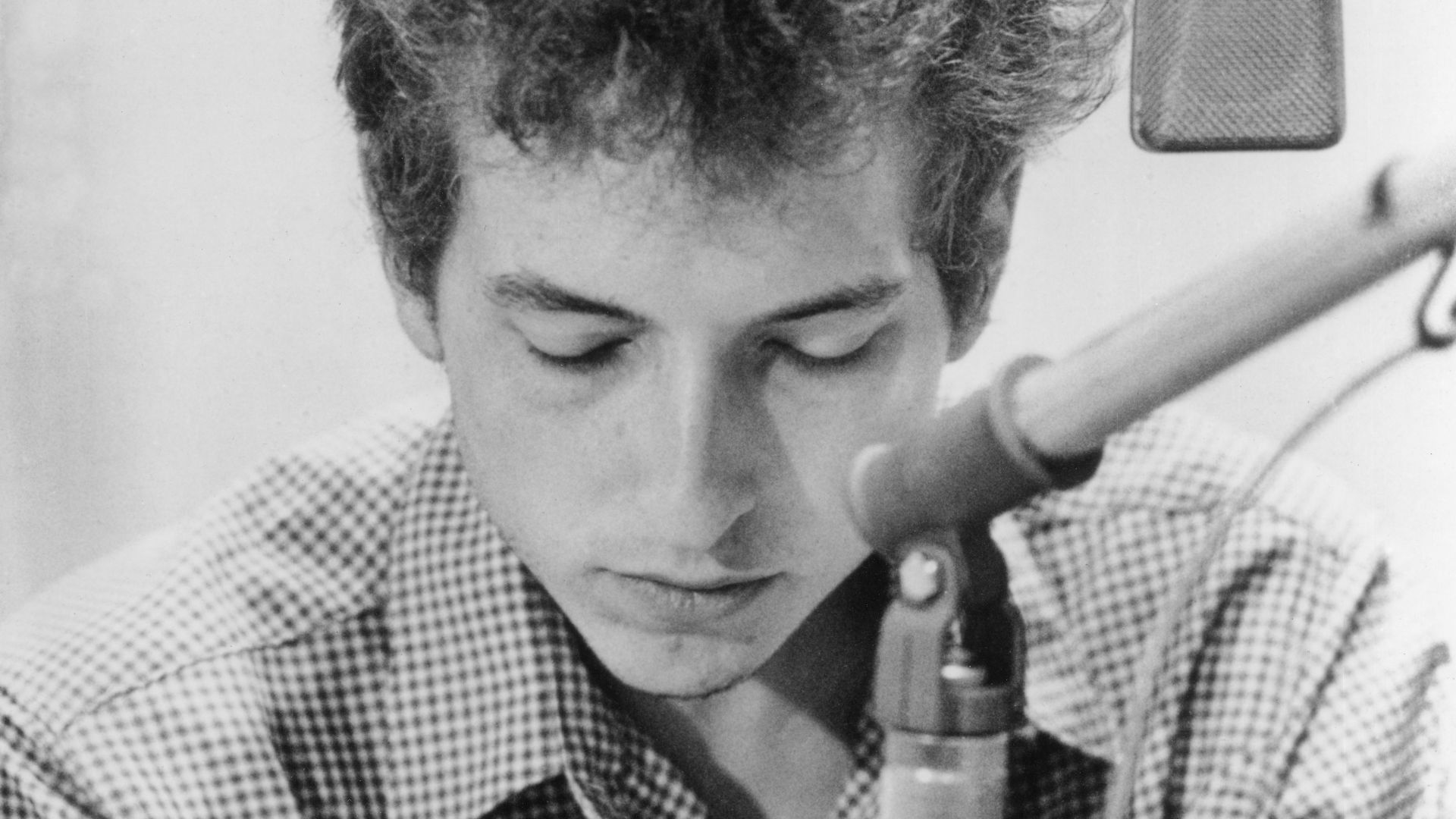 Don Hunstein, Wikimedia Commons
The Letter That Started It All
In 1964, Cash wrote a letter to Dylan after hearing critics attack him for abandoning folk traditions. Cash publicly defended Dylan in Broadside magazine, writing that critics should “shut up and let him sing.” Dylan later said that letter meant everything to him during a brutal period of public backlash.
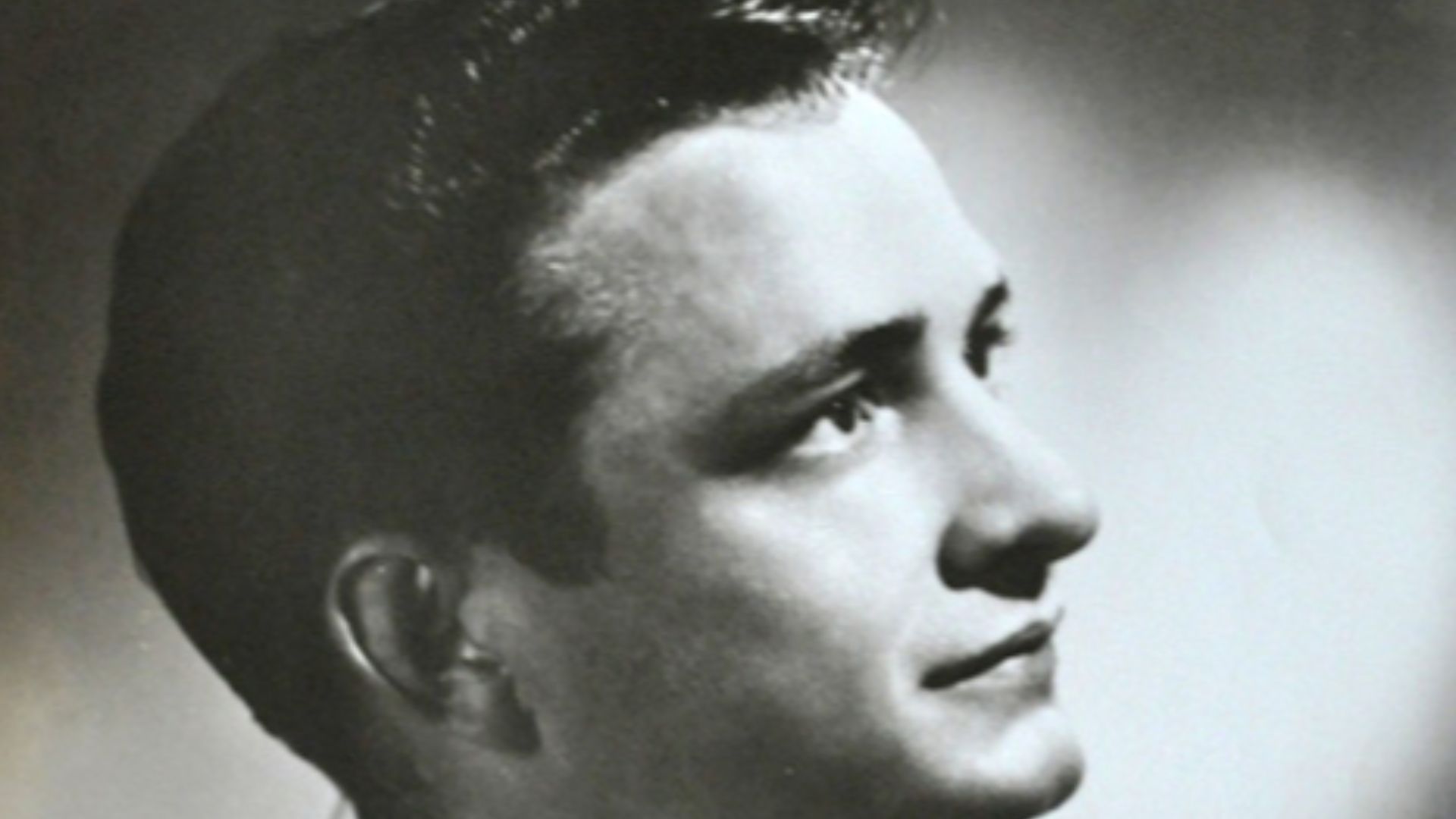 Johnny Cash Promotional Photo for Sun Records, taken in 1955, Wikimedia Commons
Mutual Admiration
Dylan had long admired Cash. He once said he kept Cash’s early Sun Records songs close because they felt “pure.” Cash admired Dylan’s songwriting courage. What began as artistic respect quickly turned personal.
 Unknown authorUnknown author, Wikimedia Commons
The 1965 Newport Fallout
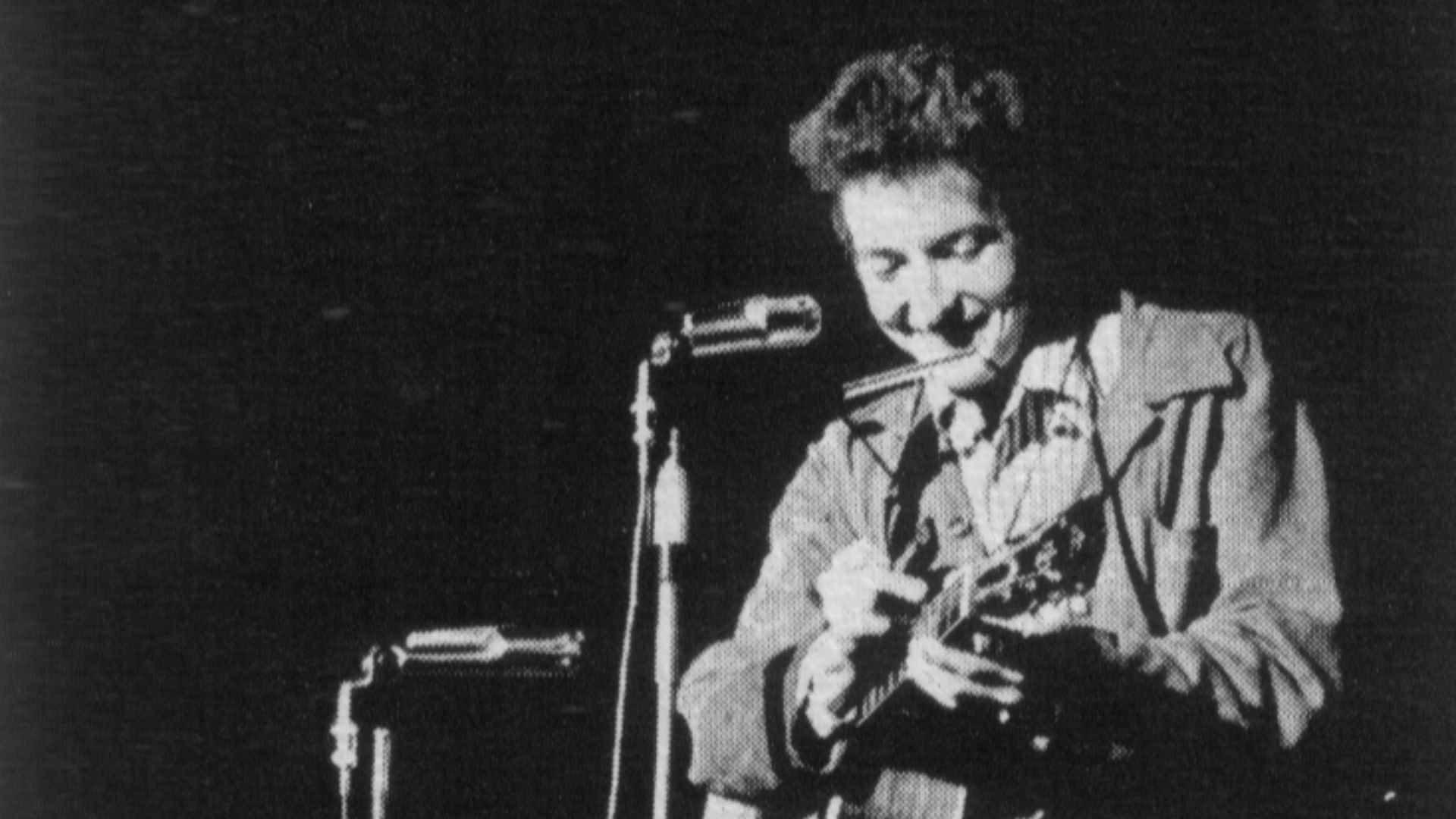
When Dylan plugged in his electric guitar at Newport in July 1965, boos reportedly filled the air. Folk traditionalists felt betrayed. Cash, who was present, understood rebellion. He stood firmly on Dylan’s side.
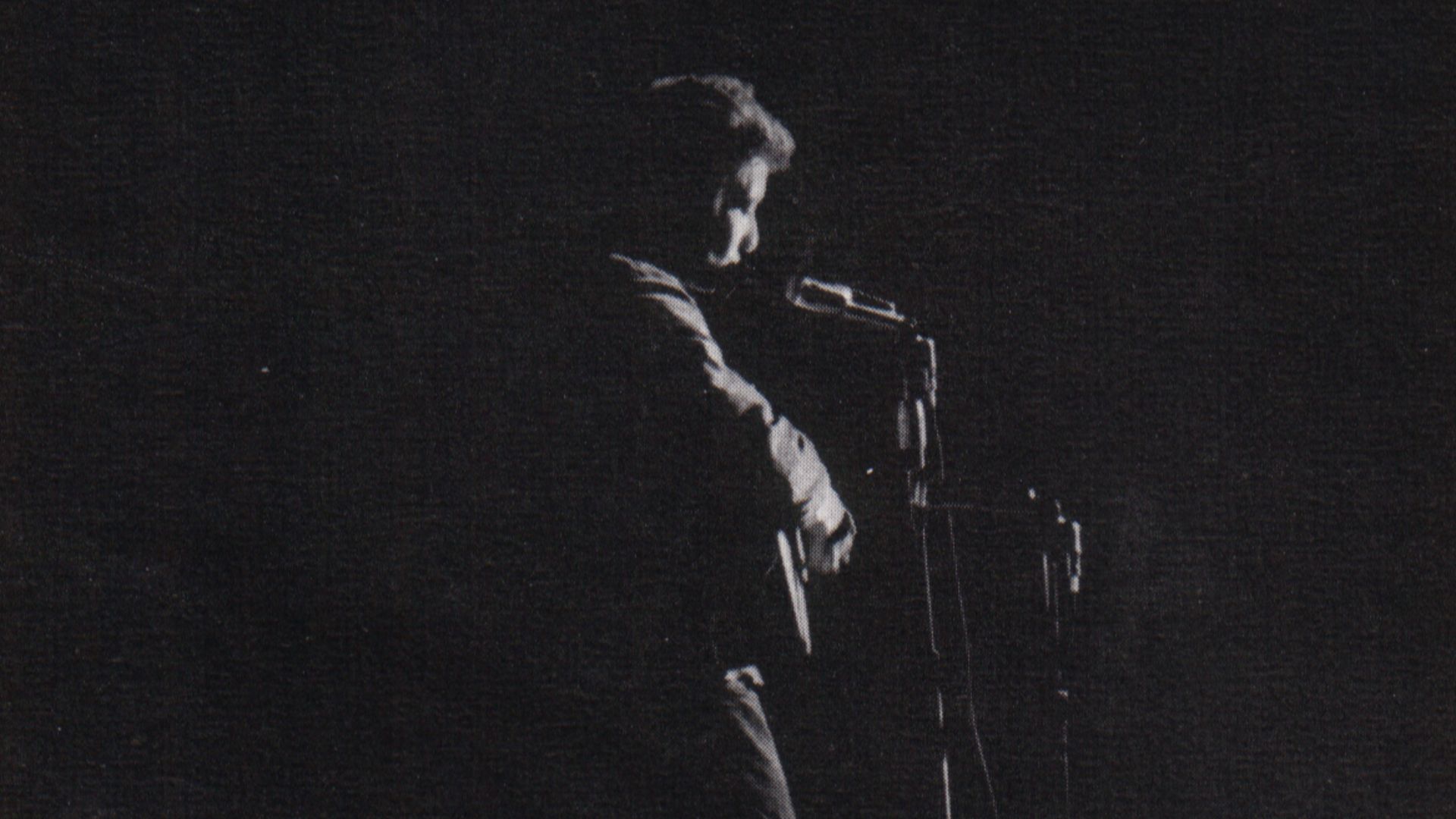 Unknown authorUnknown author, Wikimedia Commons
A Friendship Sealed in Nashville
Their bond deepened in 1969 when Dylan recorded his album Nashville Skyline. He invited Cash to Columbia Studio A in Nashville in February 1969. The two recorded hours of duets together. Most tracks were never officially released, but their chemistry was undeniable.
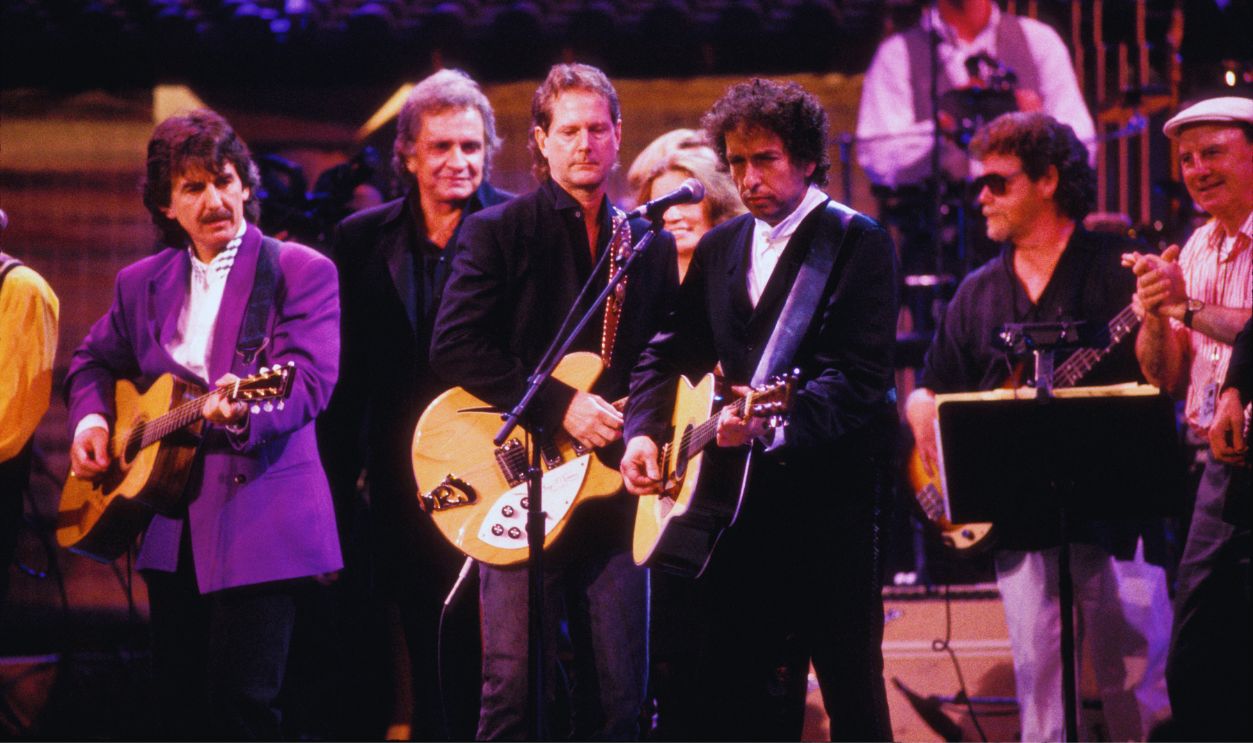
Girl from the North Country
One duet did make the final cut: “Girl from the North Country.” Released in April 1969, the collaboration was gentle, understated, and deeply human. Cash later called Dylan “the greatest songwriter of our time.”
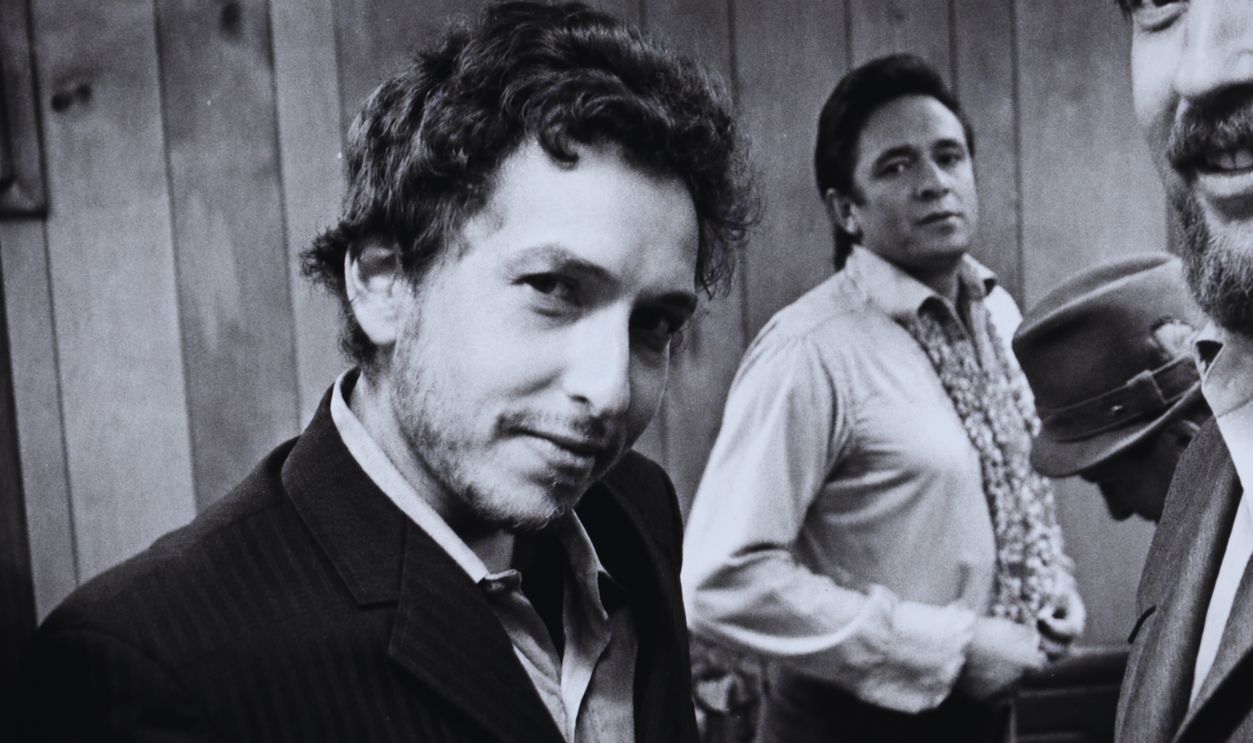 Screenshot from Girl from the North Country, Columbia Records (1969)
Cash’s Television Gamble
That same year, Cash launched The Johnny Cash Show on ABC. In a bold move, he invited Dylan to appear on the very first episode on June 7, 1969. It was Dylan’s first major TV appearance in years.
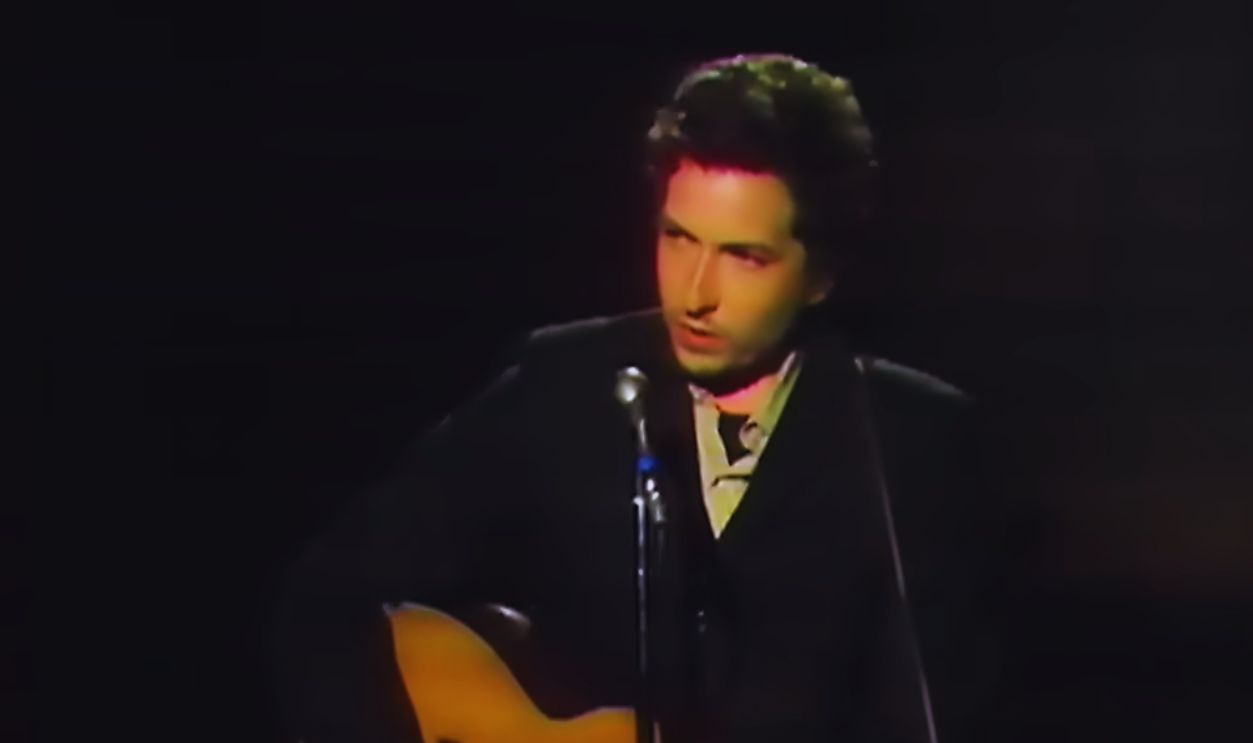 Screenshot from The Johnny Cash Show, ABC (1969–1971)
A Risky Booking
Television executives worried Dylan was too controversial. He was unpredictable and had largely avoided mainstream media. But Cash insisted. He trusted his friend — and his instincts.
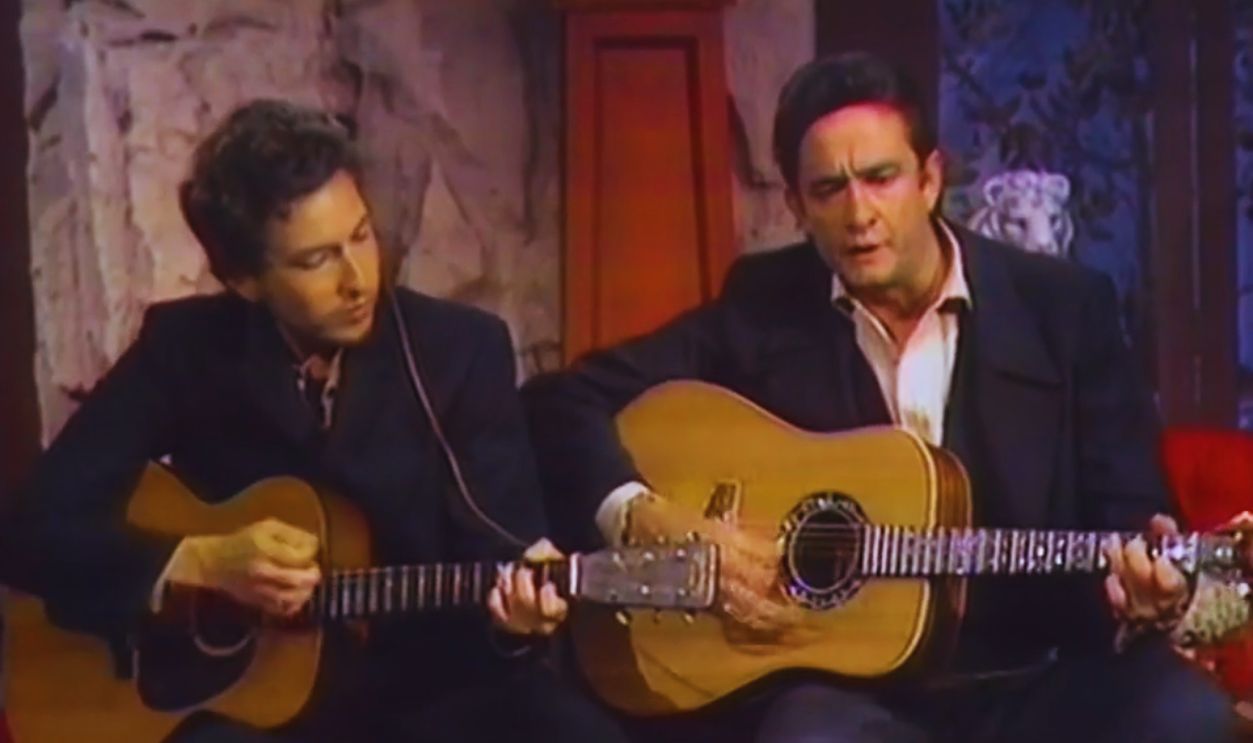 Screenshot from The Johnny Cash Show, ABC (1969–1971)
The Performance That Changed Perception
Dylan performed “I Threw It All Away” and “Lay, Lady, Lay.” The performance was calm, confident, and stripped of chaos. Millions of viewers saw a different side of him.
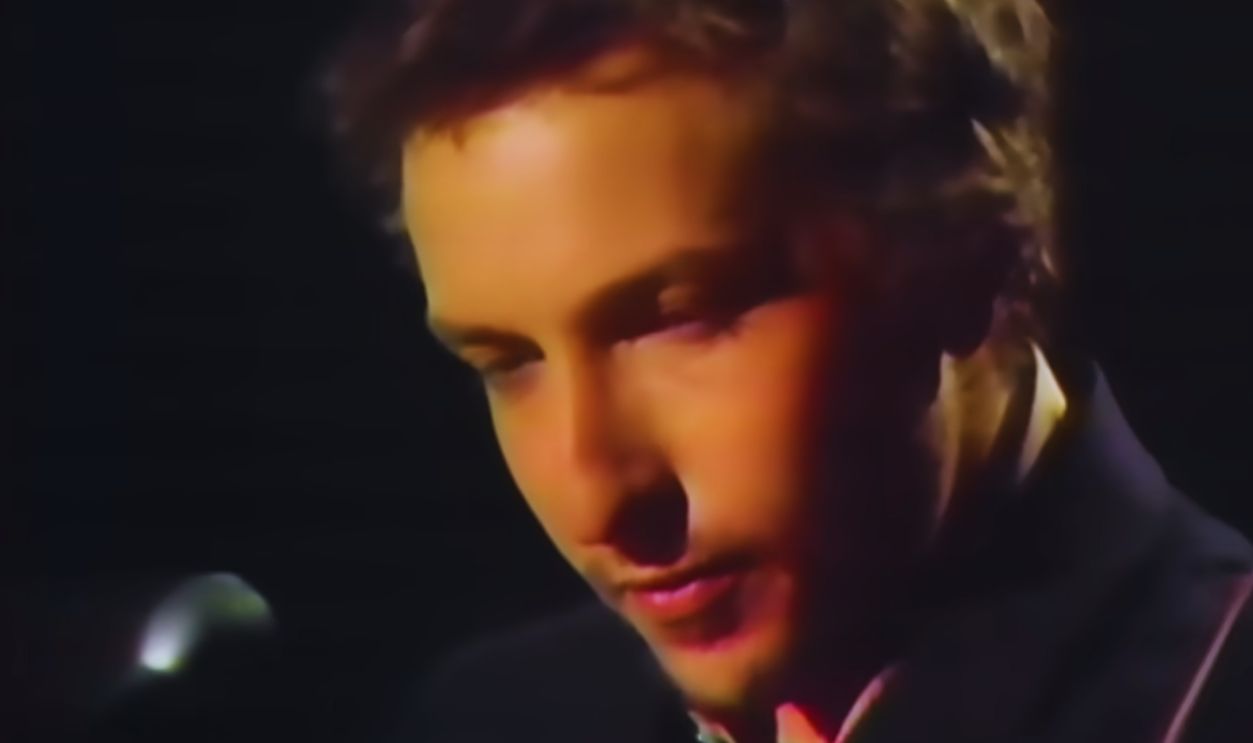 Screenshot from The Johnny Cash Show, ABC (1969–1971)
Redemption Through Friendship
At that moment, Cash gave Dylan something priceless: mainstream legitimacy after years of backlash. In return, Dylan gave Cash cultural credibility beyond country music.
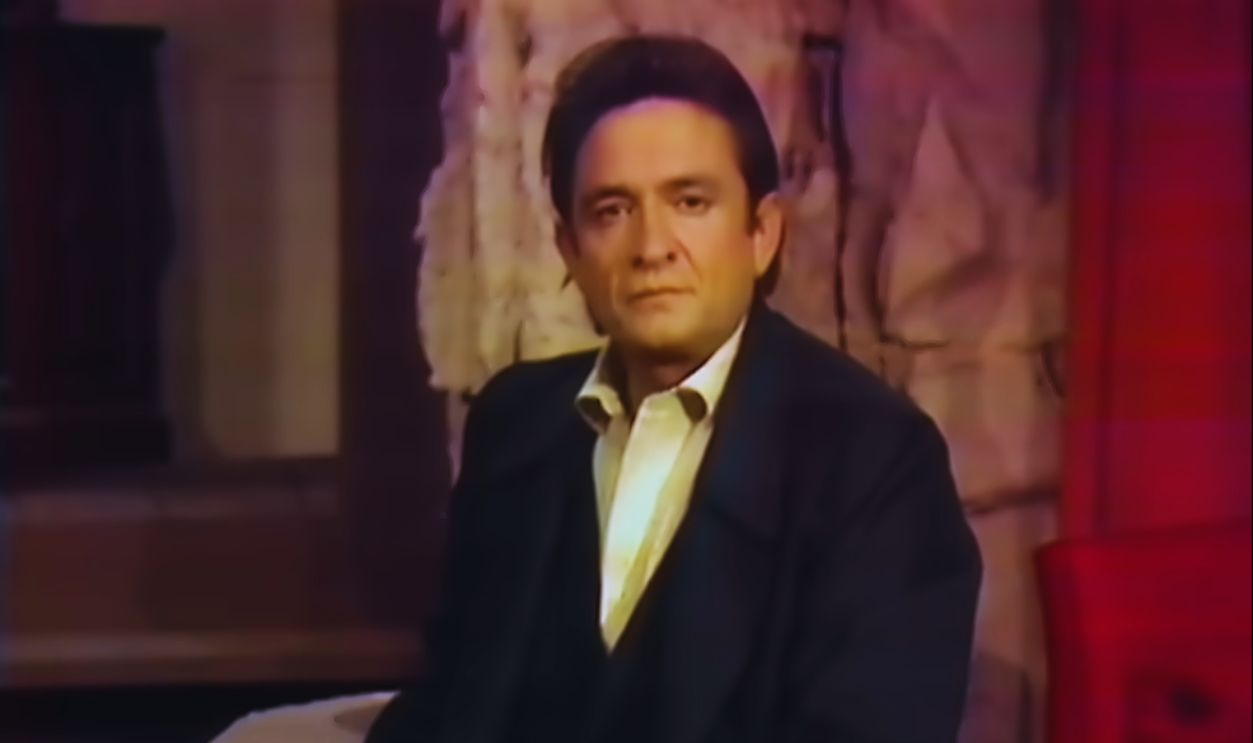 Screenshot from The Johnny Cash Show, ABC (1969–1971)
Cash’s Own Battle Behind the Scenes
While publicly supporting Dylan, Cash was privately fighting severe substance dependence. By the late 1960s, his health was deteriorating. Dylan’s creative resurgence seemed to inspire him.
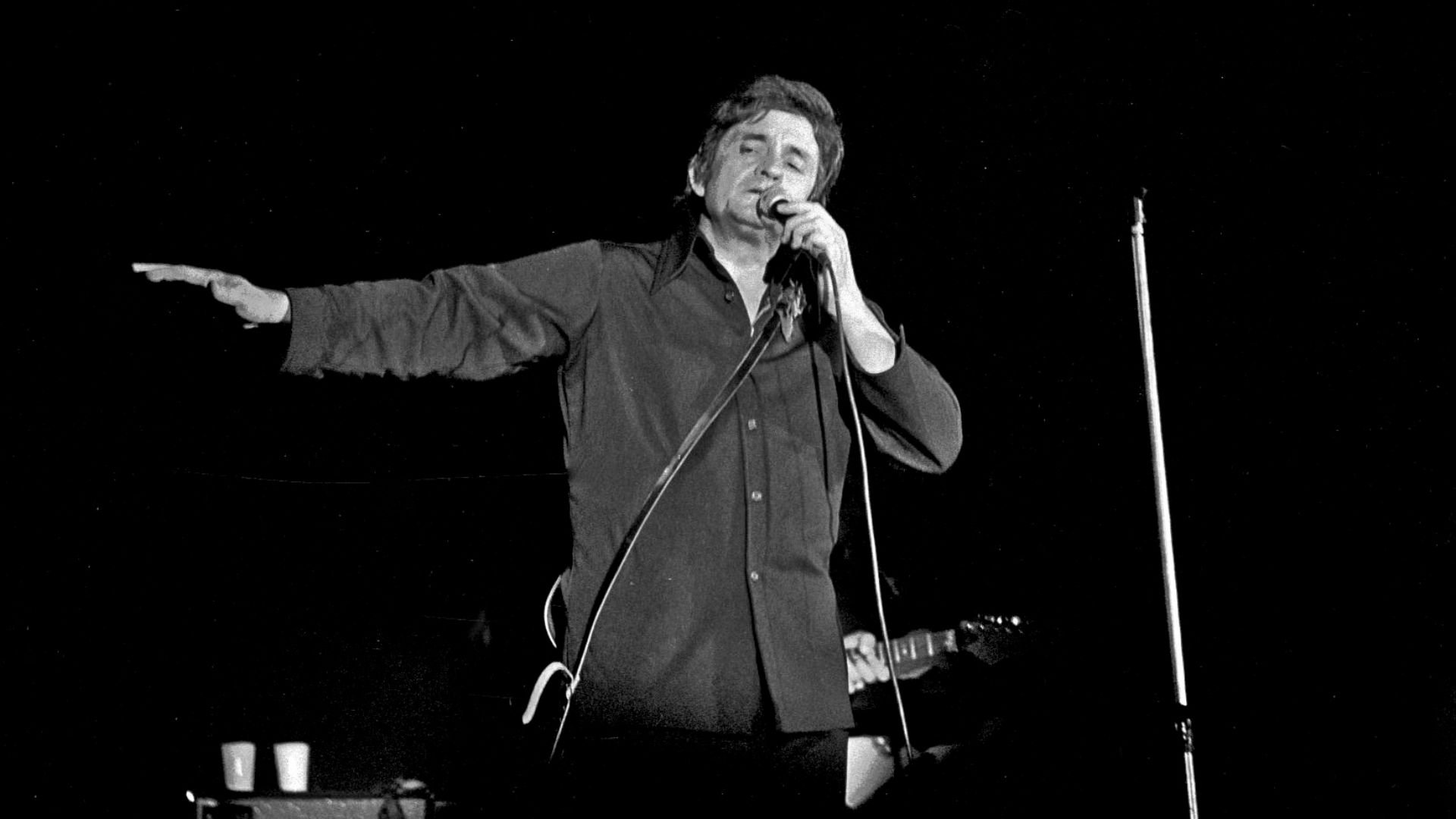 Heinrich Klaffs, Wikimedia Commons
Dylan’s Motorcycle Crash
After Dylan’s 1966 motorcycle accident in Woodstock, New York, he retreated from public life. Cash continued sending him letters of encouragement during that period.
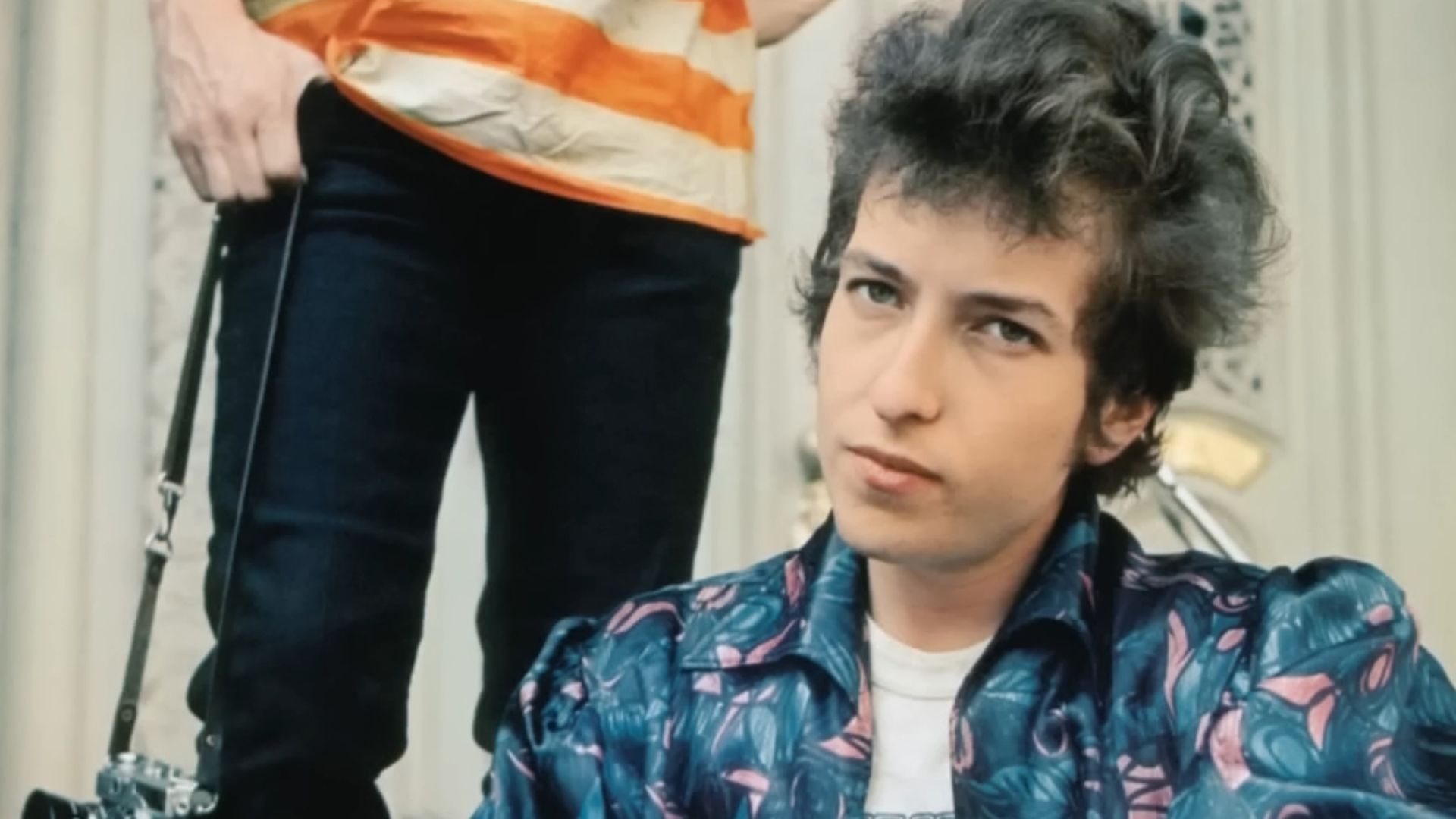 Columbia Records or the graphic artist(s), Wikimedia Commons
Letters That Survived
Many of those letters still exist. In one, Dylan wrote to Cash, “Johnny, I don’t know when I’ve ever felt so close to anybody.” Their written exchanges reveal warmth rarely seen in either man’s public persona.
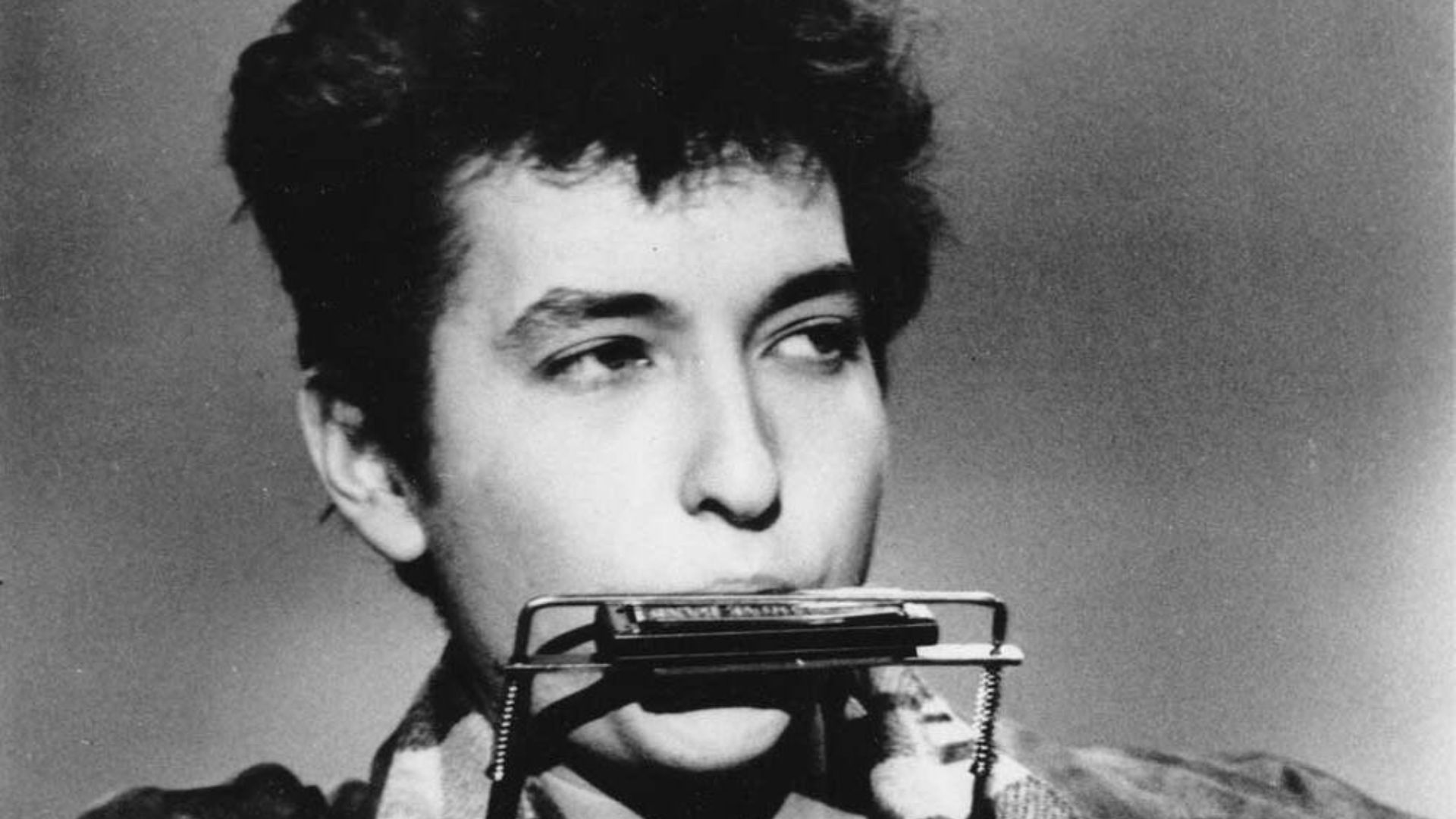 Unknown authorUnknown author, Wikimedia Commons
Crossing Genre Lines
Their friendship blurred the lines between country and folk rock. Cash had already been seen as an outsider in Nashville. Aligning with Dylan strengthened that image.
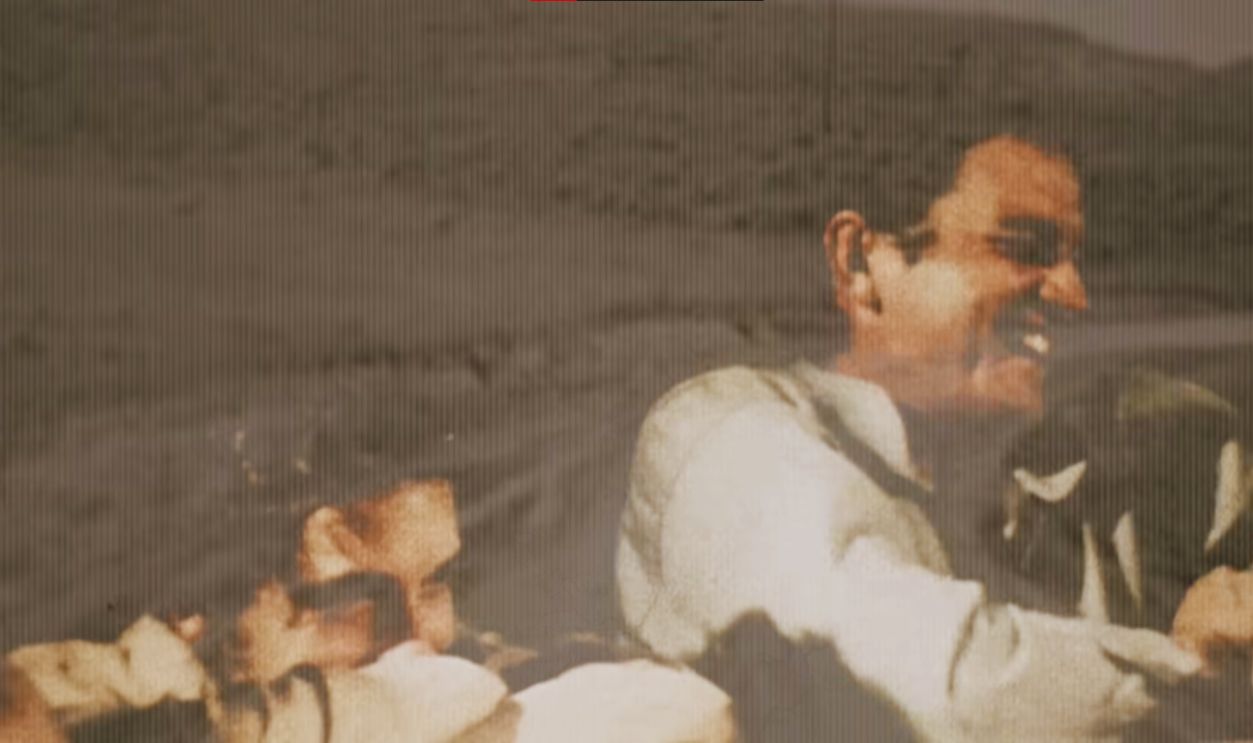 Screenshot from Wanted Man (Take 1), Sony Music Entertainment (2019)
Nashville Pushback
Traditional country figures were wary of Dylan’s presence. Some felt Cash was risking his country credibility by associating with the so-called folk rebel. Cash didn’t care.
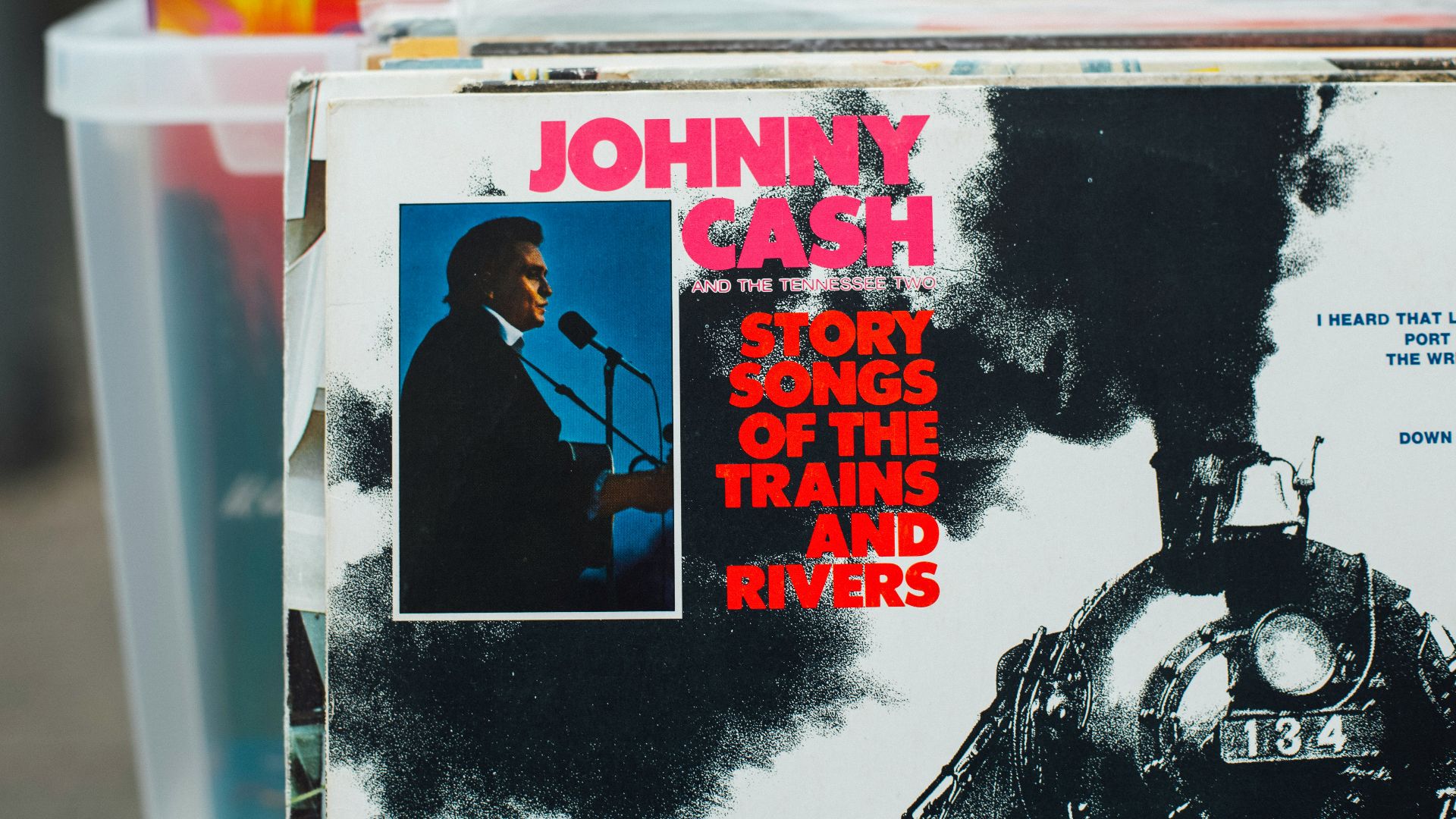
The Outlaw Spirit
Both men shared an outlaw mystique. Cash’s prison concerts at Folsom (1968) and San Quentin (1969) reinforced his anti-establishment image. Dylan’s electric rebellion mirrored that spirit in a different arena.
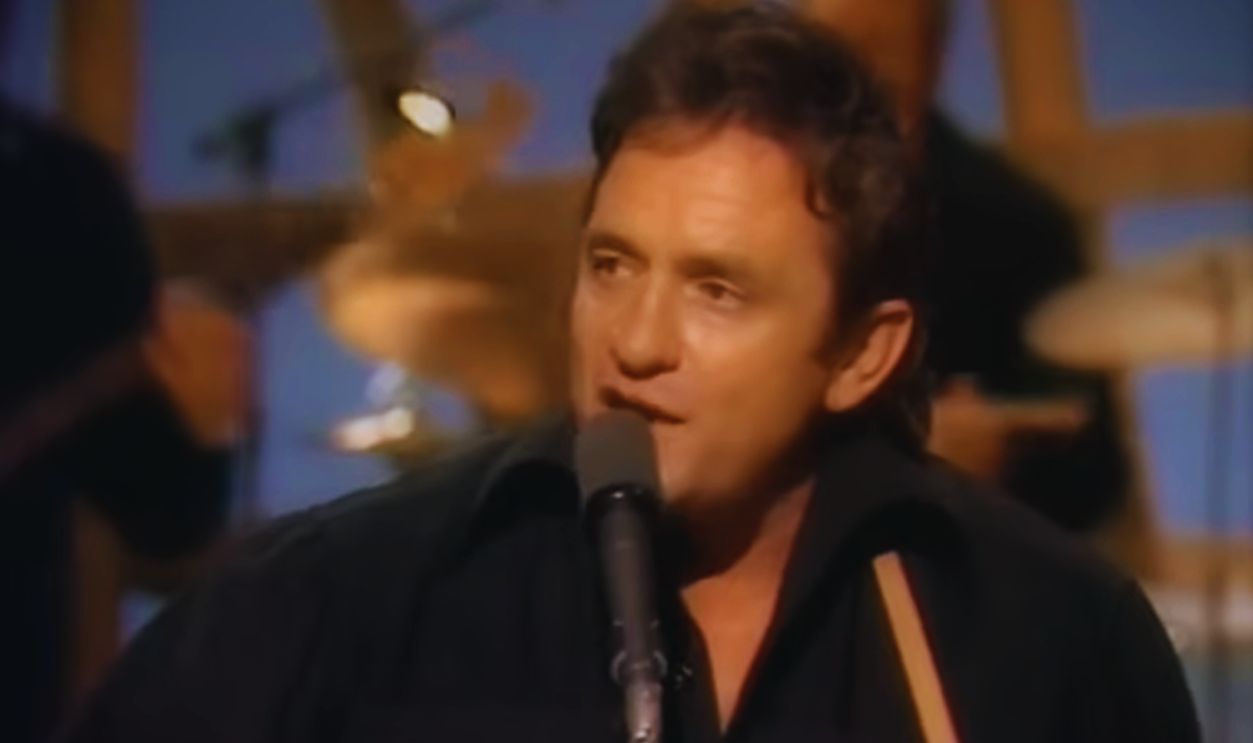 Screenshot from Folsom Prison Blues, Columbia Records (1968)
Different Paths, Shared Respect
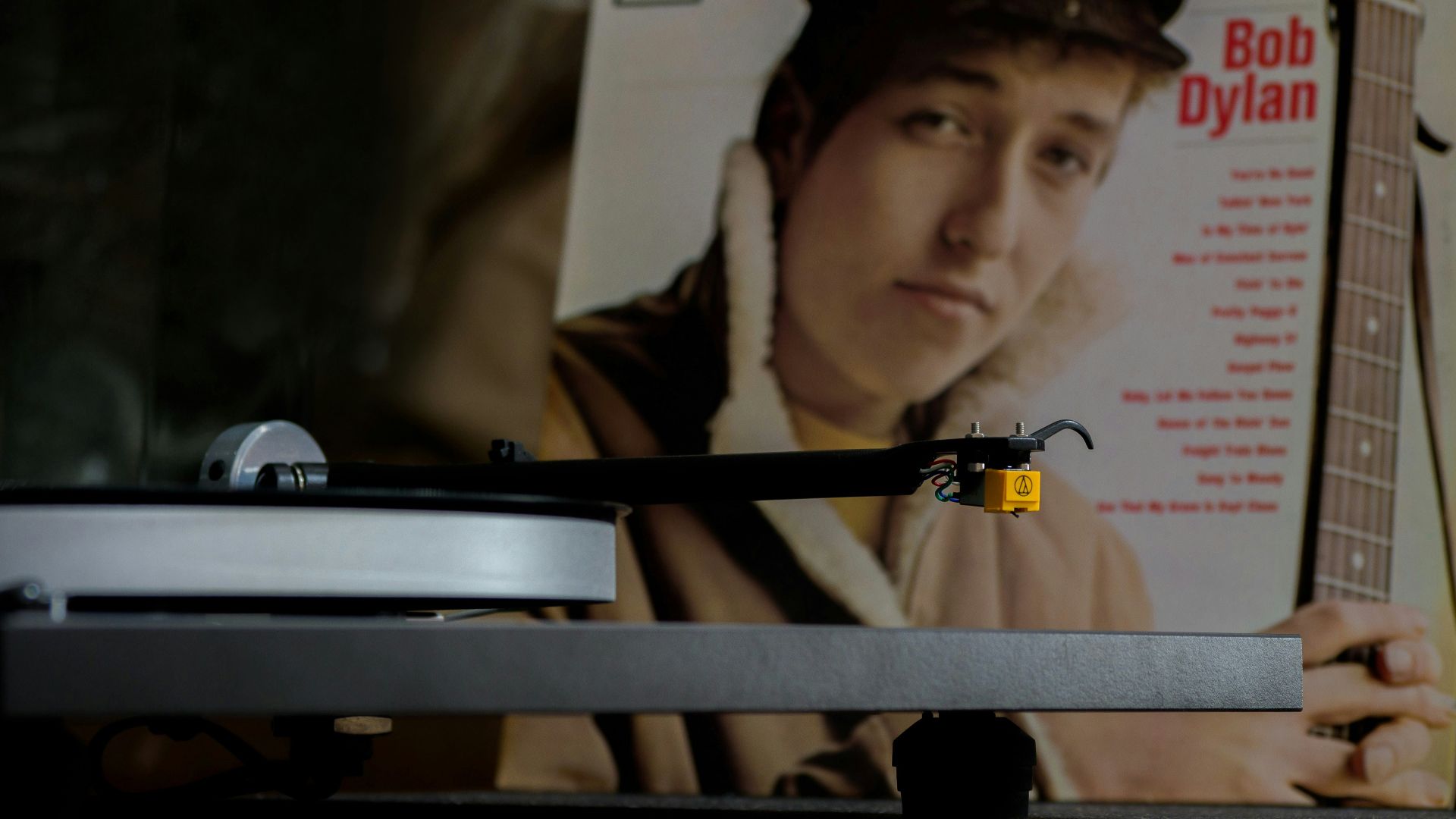
As the 1970s progressed, their careers diverged. Dylan experimented constantly. Cash leaned deeper into gospel and Americana. But the respect never faded.
The Final Collaborations
In later decades, they reunited occasionally, and Dylan joined Cash in reflections during the American Recordings era. Though they never recreated the magic of 1969, the friendship endured.
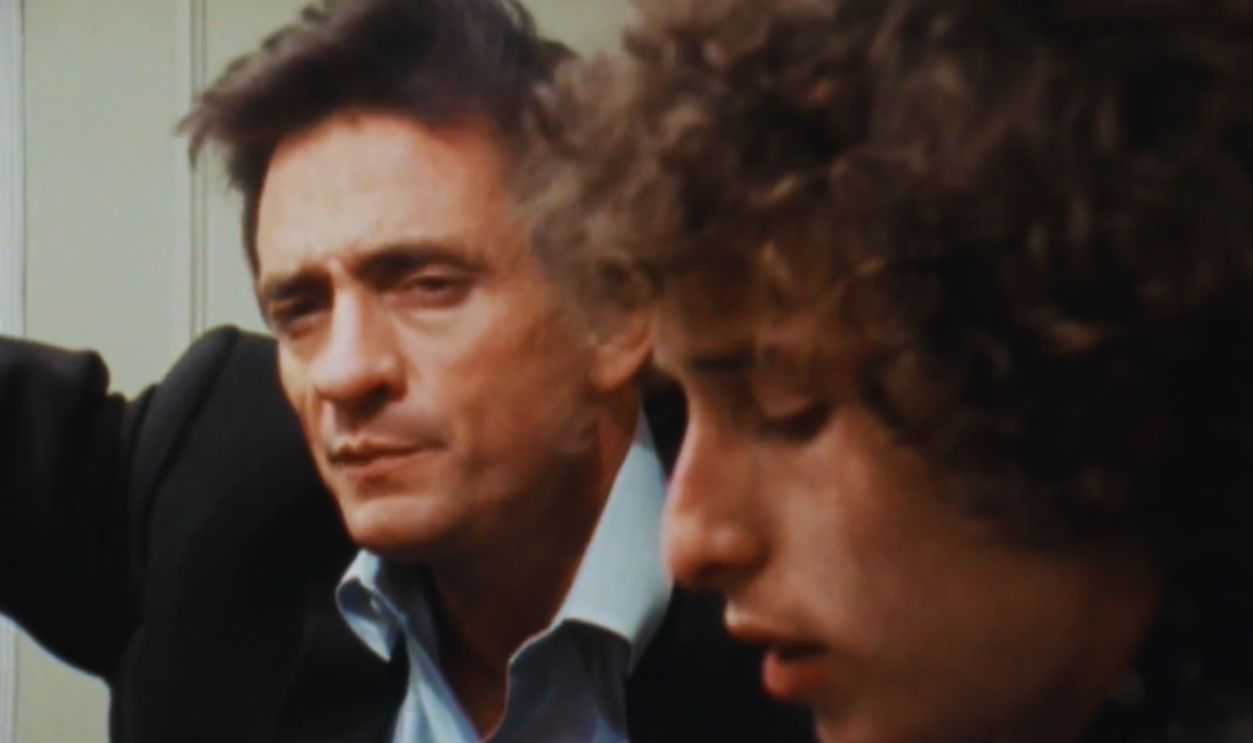 Bob Dylan and Johnny Cash, Columbia Studio A (1969)
Cash’s Public Praise
Cash frequently praised Dylan in interviews, calling him “a guiding light.” Even when their styles evolved, the admiration remained steady.
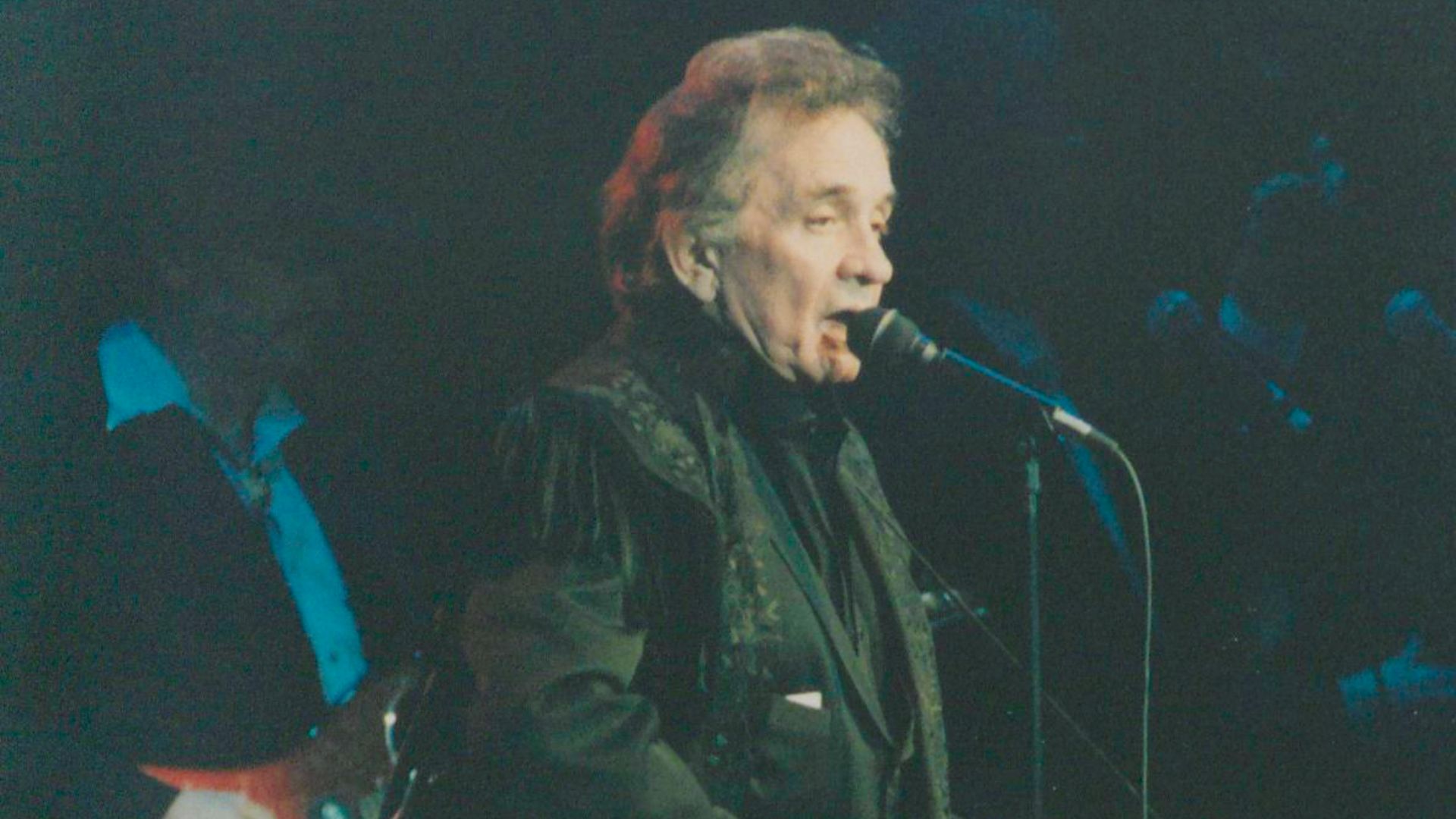 Glucksman Library, Wikimedia Commons
Dylan’s Tribute After Cash’s Death
Johnny Cash died on September 12, 2003, in Nashville, Tennessee. Dylan later said, “Johnny was and is the North Star.” It was one of Dylan’s most emotional public tributes.
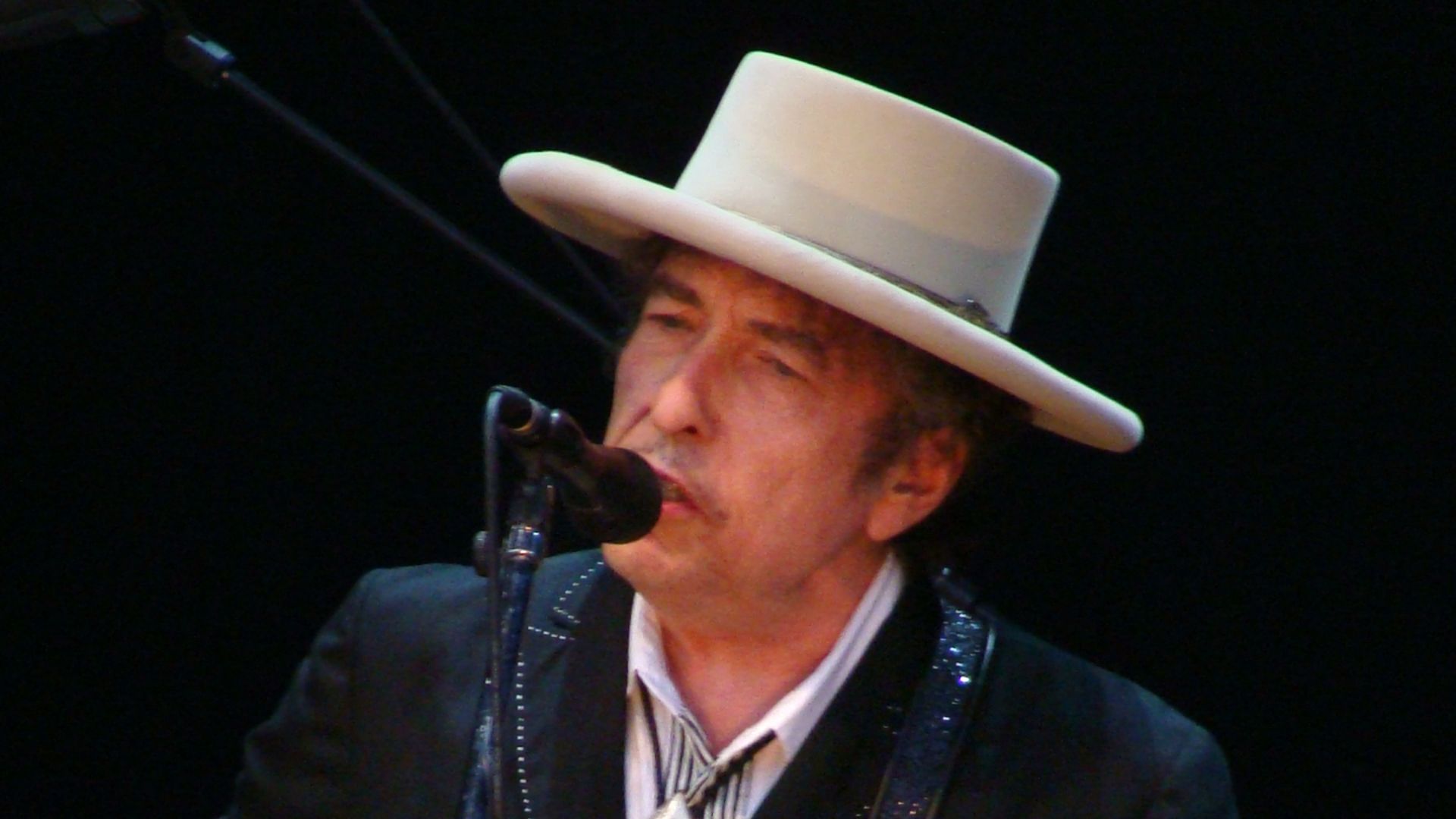 Alberto Cabello from Vitoria Gasteiz, Wikimedia Commons
Fame, Fragility, and Loyalty
The most fascinating part of their friendship wasn’t the duets. It was timing. At moments when each man stood at a crossroads — criticized, doubted, or battling personal demons — the other showed up. In an industry fueled by ego, their bond was surprisingly steady. They didn’t compete. They fortified one another.
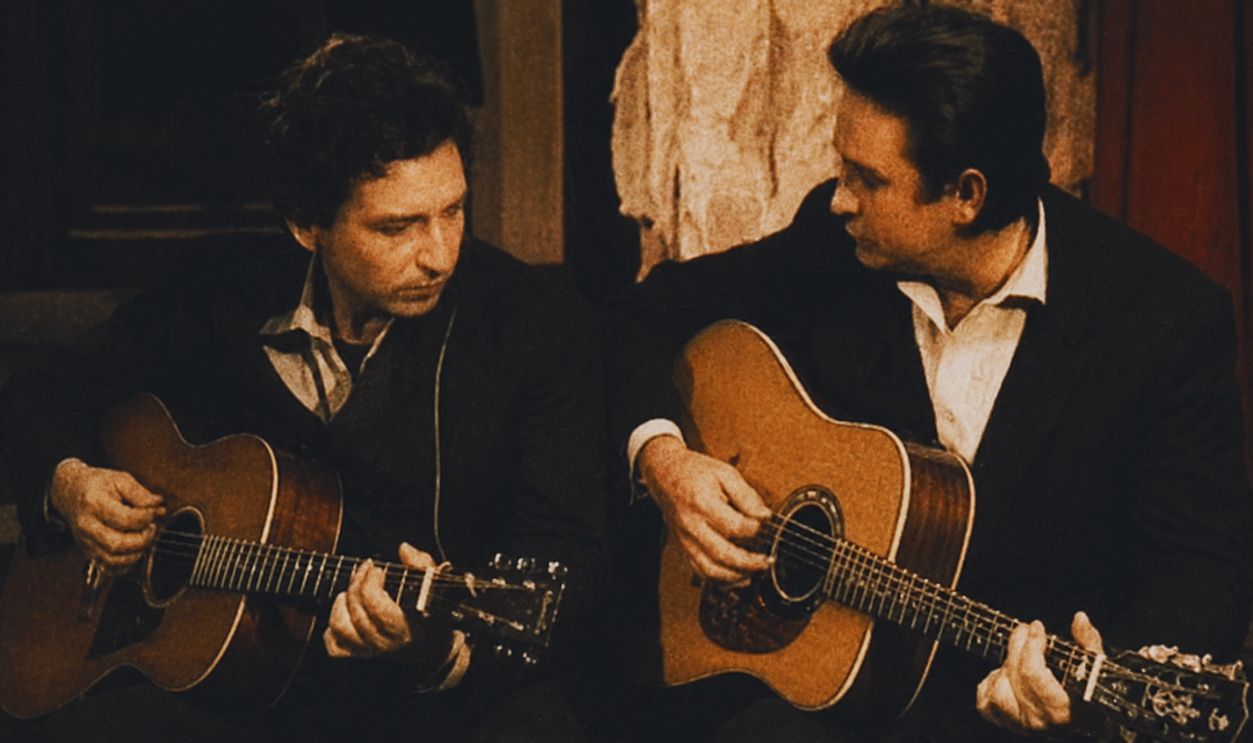 Screenshot from Wanted Man (Take 1), Sony Music Entertainment (2019)
Two Legends, One Lifeline
Cash helped Dylan survive public scorn. Dylan helped Cash regain cultural relevance. Their friendship wasn’t flashy — it was strategic, emotional, and deeply human.
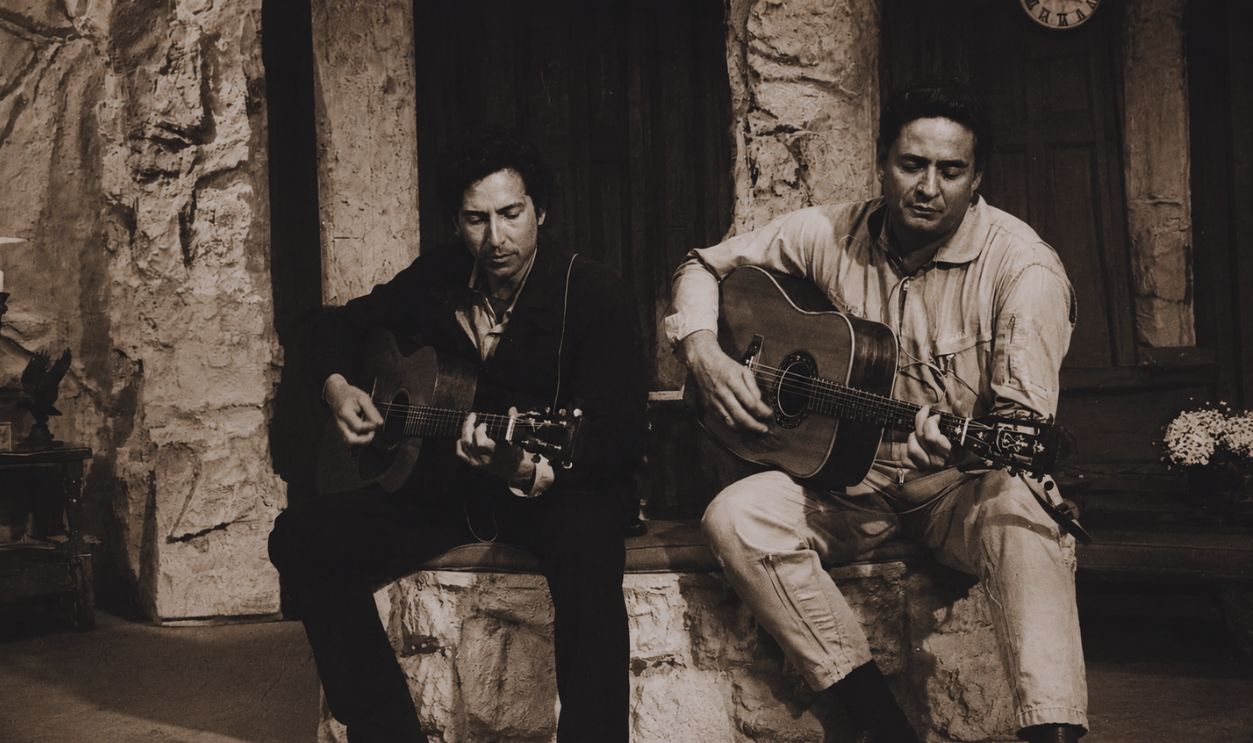 Screenshot from Wanted Man (Take 1), Sony Music Entertainment (2019)
The Legacy of Their Unusual Alliance
Johnny Cash and Bob Dylan didn’t just share a stage. They shared turning points. And in doing so, they altered the trajectory of modern American music.
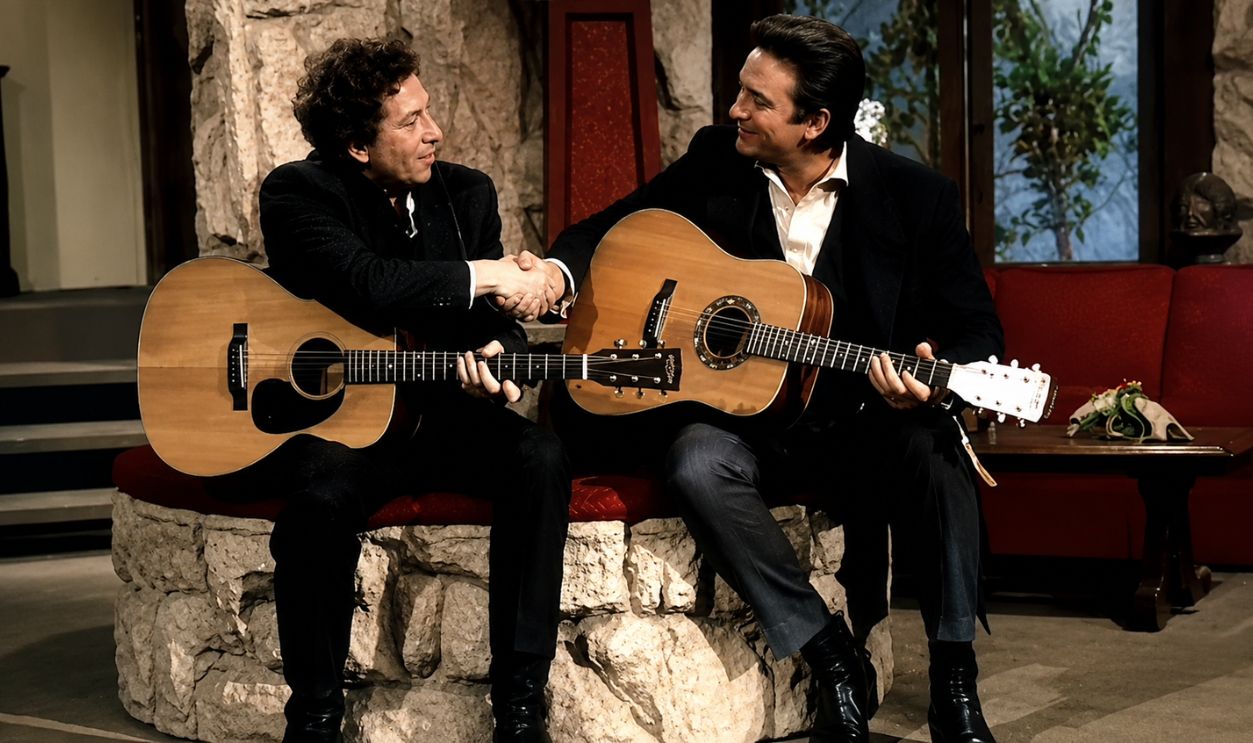 Screenshot from Wanted Man (Take 1), Sony Music Entertainment (2019)
You May Also Like:
While famous across America for his role as Uncle Jesse on The Dukes of Hazzard—Denver Pyle never truly lived like a Hollywood star.
Behind his wholesome television persona, Bob Crane led a double life that shocked even the darkest corners of Hollywood.