Country On Its Own Terms
The 1970s gave country music some of its boldest songwriters and most rebellious performers. Instead of smoothing away their accents, stories, and rough edges, these artists doubled down on them. The result was a run of albums that reshaped Nashville without losing what made it country.
 Stephanie Chernikowski, Getty Images
Willie Nelson - Phases And Stages (1974)
Willie Nelson structured Phases and Stages around the breakup of a marriage, with one side largely presenting the woman's perspective and the other the man's. Recorded with Jerry Wexler and Muscle Shoals musicians, it was an unusually ambitious country concept album whose songs included “Bloody Mary Morning,” “It's Not Supposed to Be That Way,” and “Pick Up the Tempo”. More importantly, Nelson was finally being allowed to sound like Willie Nelson rather than Nashville's idea of him.
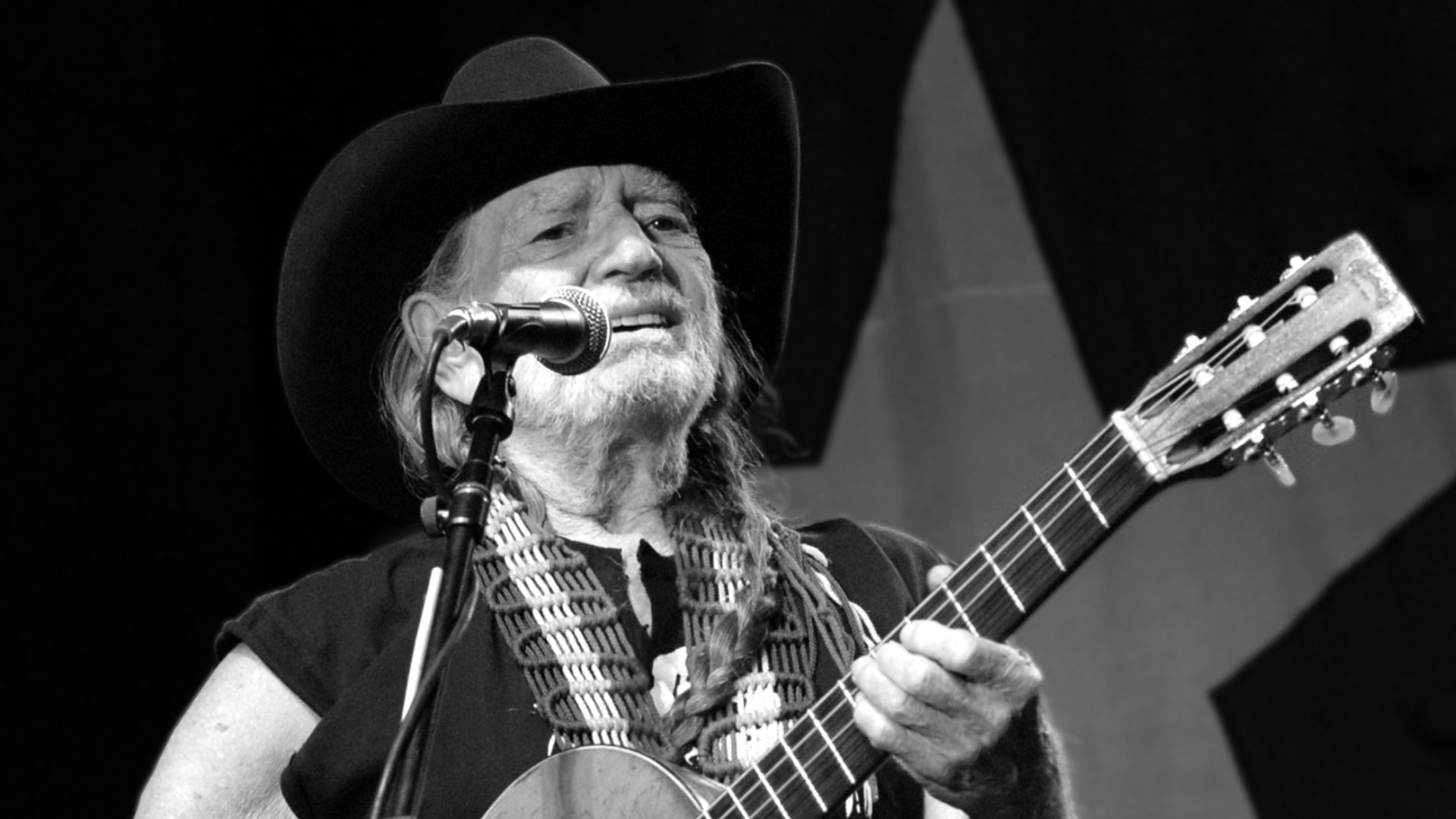 Minette Layne, Wikimedia Commons
Guy Clark - Old No. 1 (1975)
Guy Clark's debut barely troubled country radio, but Nashville's songwriters were paying attention. Old No. 1 contained “L.A. Freeway,” “Desperados Waiting for a Train,” “Texas 1947,” and “Let Him Roll,” songs built around sharply observed characters rather than obvious commercial hooks. Clark had already watched other singers find audiences with his writing, but this album established his own understated voice and helped set the standard for the songwriter-centered country that followed.
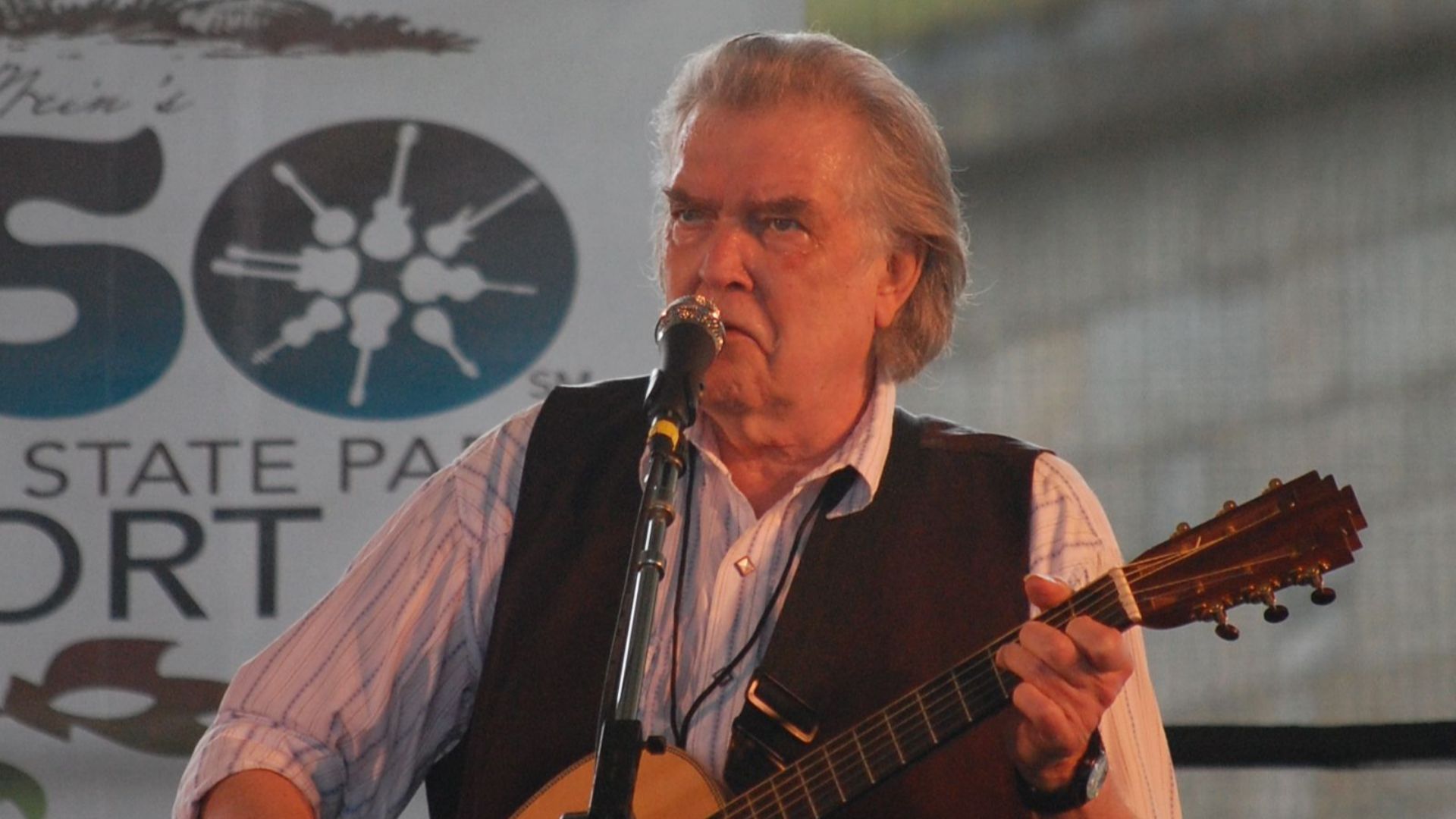 William Wallace from Austin, TX, USA, Wikimedia Commons
Dolly Parton - Jolene (1974)
Dolly Parton was becoming a bigger star, but Jolene succeeded because her songwriting grew more distinctive rather than more generic. The title track approached jealousy with vulnerability instead of anger, while “I Will Always Love You” was written as Parton's farewell to Porter Wagoner as she pursued independence. Eight of the album's ten songs were her own compositions. Parton was proving that commercial country could still be driven by an artist's personal voice and storytelling.
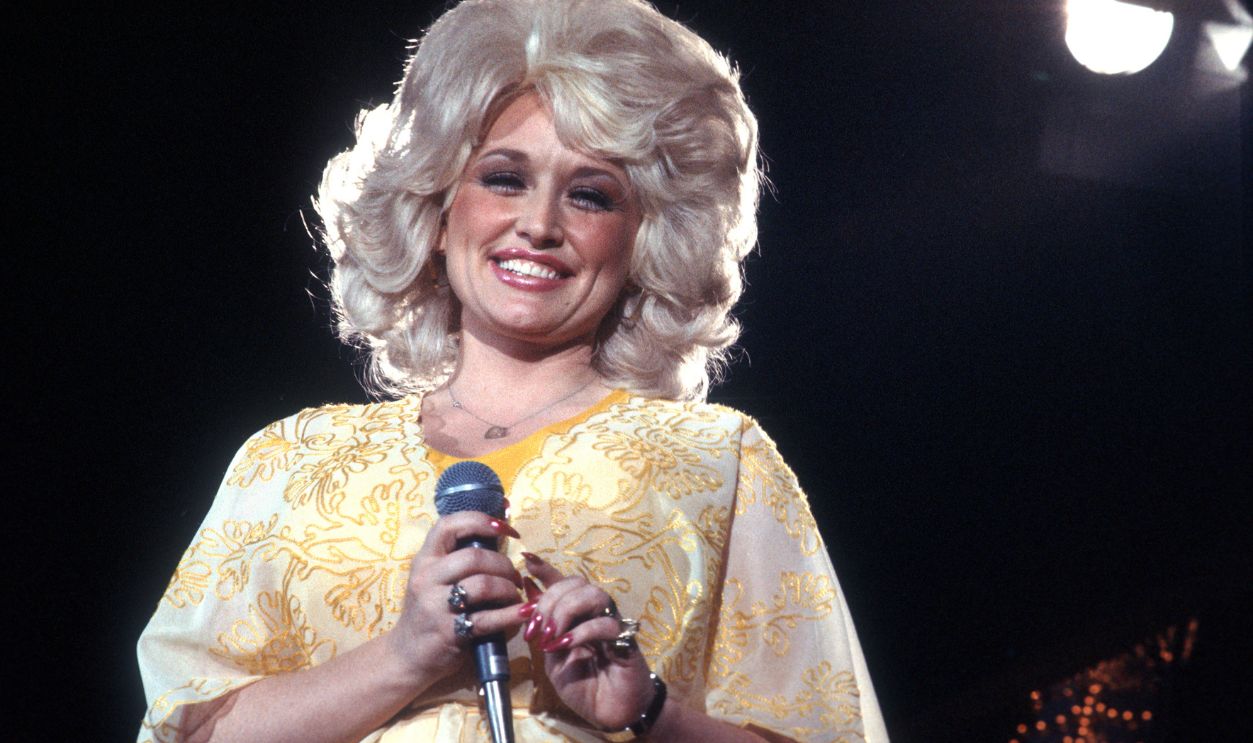 Michael Ochs Archives, Getty Images
Emmylou Harris - Pieces Of The Sky (1975)
After working with Gram Parsons, Emmylou Harris made her major-label solo breakthrough by treating country tradition as something alive rather than something to preserve behind glass. Pieces of the Sky moved from the Louvin Brothers and Merle Haggard to the Beatles and Dolly Parton, while “Boulder to Birmingham” addressed Harris' grief over Parsons' passing. “If I Could Only Win Your Love” became a country hit, proving that roots-minded music could still connect with a large audience.

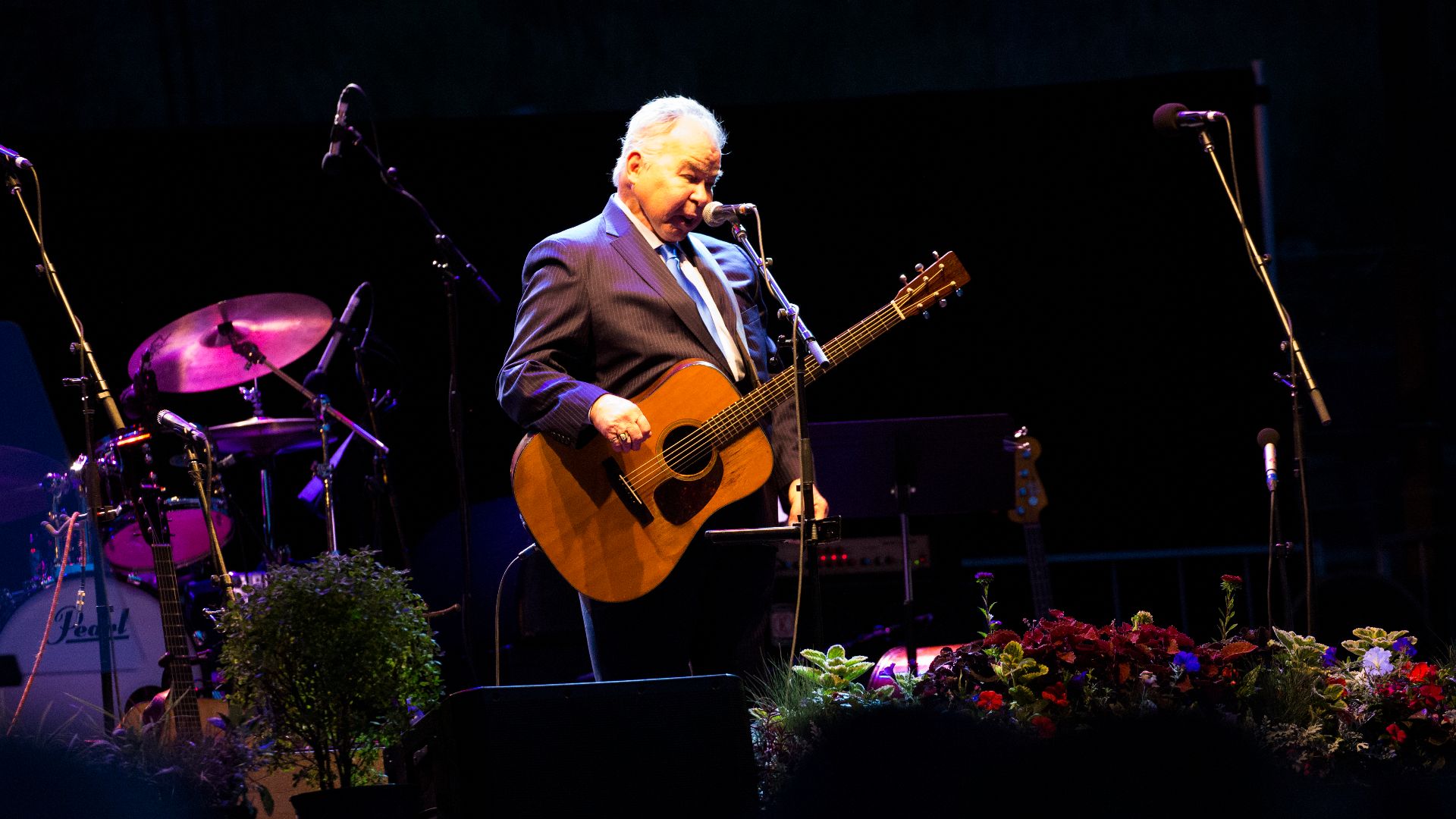
John Prine - John Prine (1971)
John Prine's debut introduced a songwriter who could be funny, devastating, political, and conversational without sounding like he was trying particularly hard to be any of those things. “Sam Stone,” “Hello in There,” “Angel from Montgomery,” and “Paradise” tackled addiction, aging, difficult relationships, and environmental destruction through ordinary people. Other performers quickly began recording the songs, and the album eventually became a collection of roots standards despite Prine's limited country-radio presence.
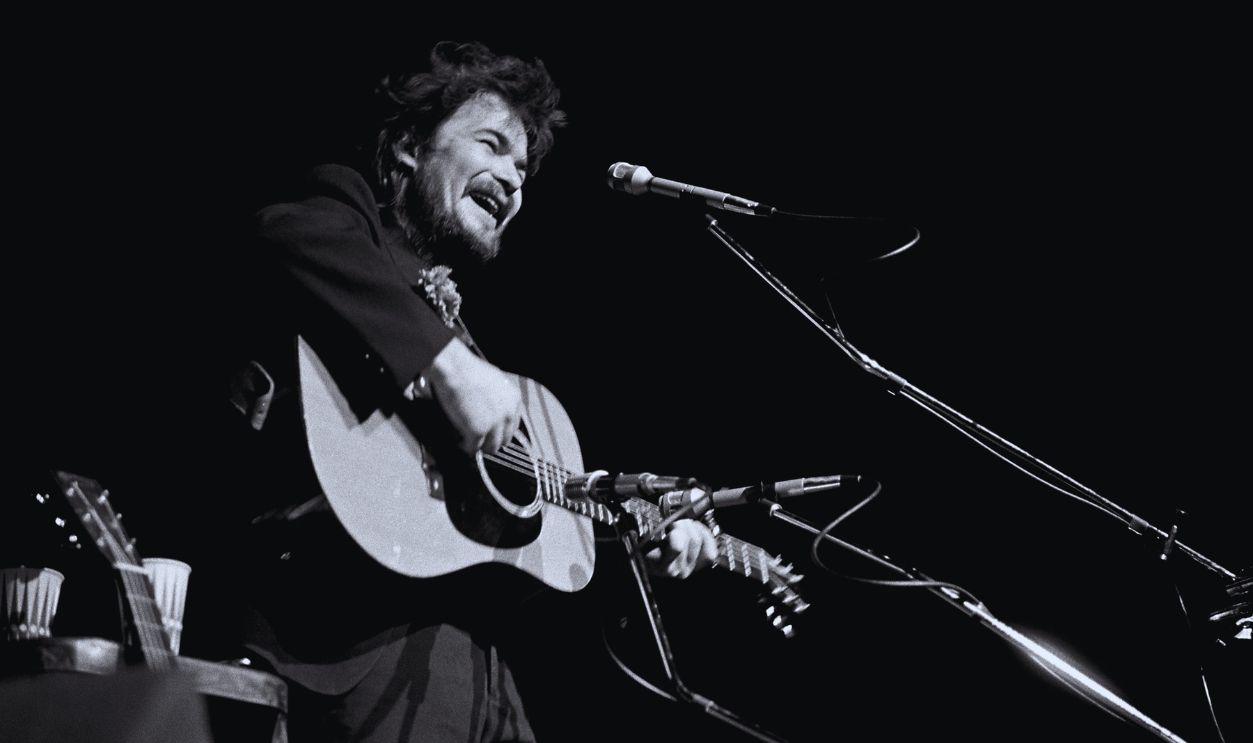
Waylon Jennings - Lonesome, On'ry And Mean (1973)
The title alone announced the direction Waylon Jennings wanted to go. After years of frustration with Nashville's production system, Jennings gained greater control over his recordings and began shaping music around his own touring sound. Lonesome, On'ry and Mean included the title song, “Me and Bobby McGee,” and “Gone to Denver,” putting more rock attitude and roughness into his country arrangements. The outlaw persona wasn't fully formed yet, but the break from convention was underway.
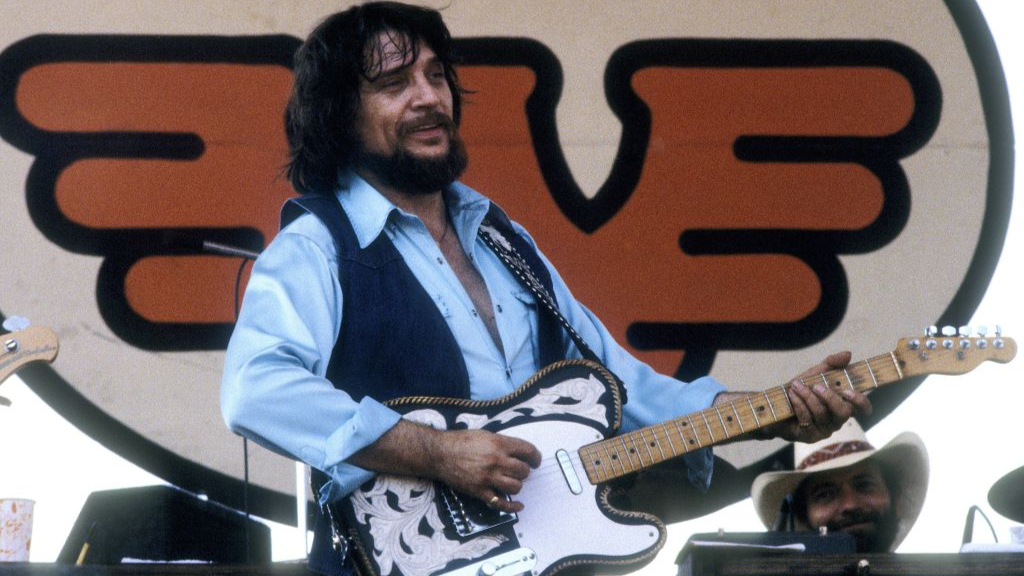
Mickey Newbury - 'Frisco Mabel Joy (1971)
Mickey Newbury was one of the writers quietly making Nashville stranger and more literary from within. 'Frisco Mabel Joy mixed country songwriting with chamber-pop textures, folk influences, atmospheric production, and “An American Trilogy,” his audacious medley of “Dixie,” “The Battle Hymn of the Republic,” and “All My Trials”. Nashville's Songwriters Hall of Fame credits Newbury as one of the outsiders who brought poetry and folk influences into the city's mainstream.
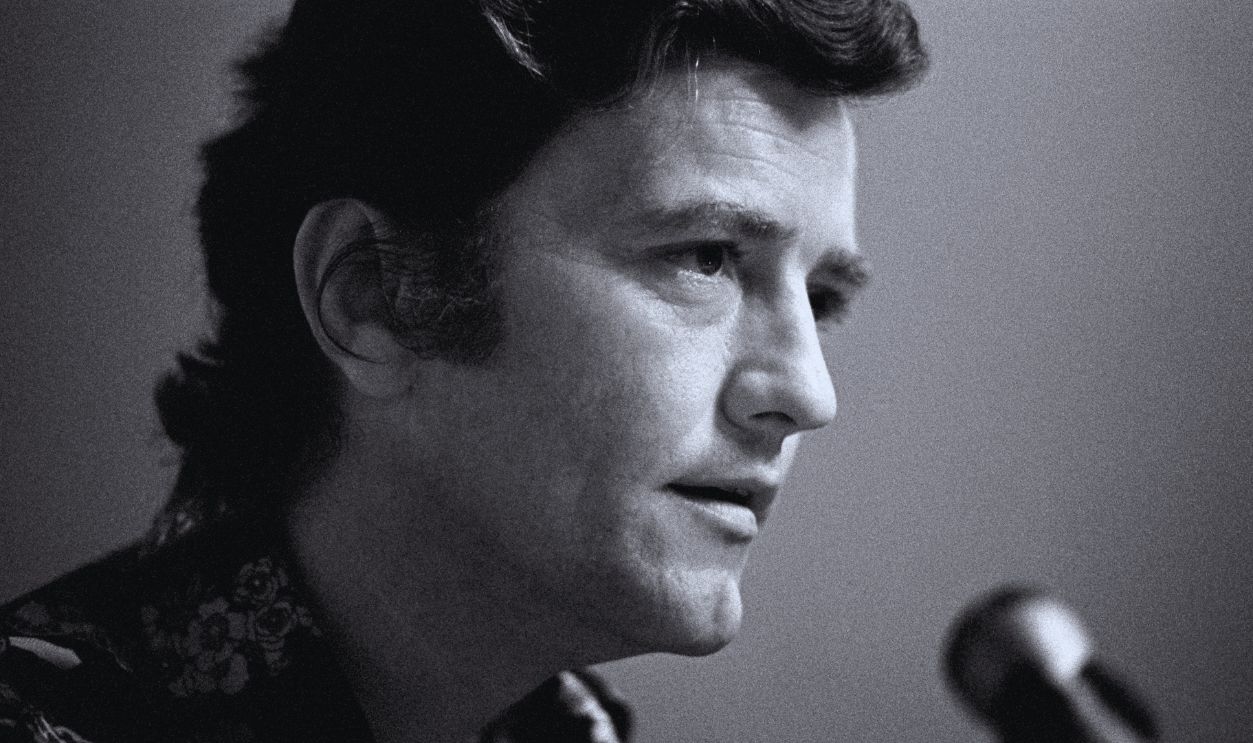
Kris Kristofferson - The Silver Tongued Devil And I (1971)
By his second album, the rest of the country world was catching up with Kristofferson. “Loving Her Was Easier,” “The Pilgrim, Chapter 33,” and the title track presented an artist who sounded more interested in complicated people than polished heroes. His characters drank, failed, contradicted themselves, and kept moving. That emotional frankness helped bring folk songwriting and countercultural attitudes deeper into mainstream country without requiring Kristofferson to clean up his worldview.
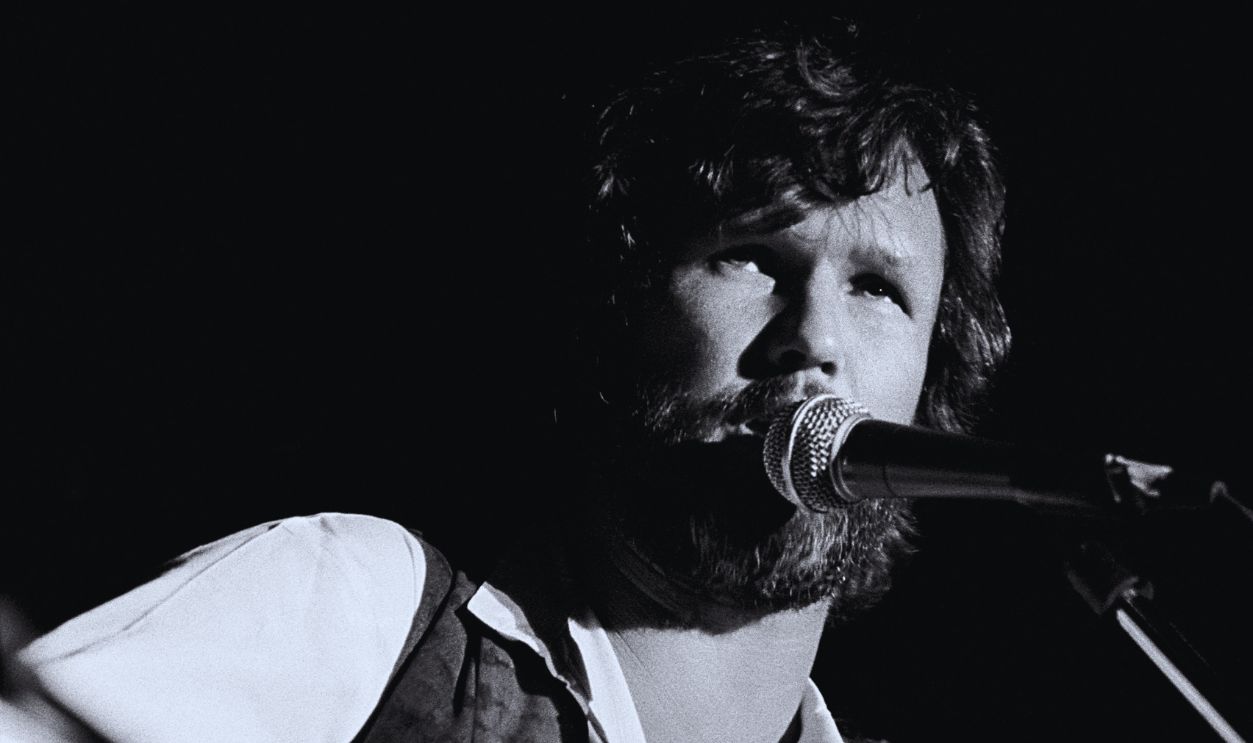
Townes Van Zandt - Delta Momma Blues (1971)
Townes Van Zandt was never going to fit comfortably into Nashville's commercial machinery. Delta Momma Blues makes that clear through songs like “Rake,” “Tower Song,” “Nothin',” and “Only Him or Me”. The arrangements moved through folk, blues, and progressive country while keeping Van Zandt's bleak storytelling at the center. It was country music built around the songwriter's emotional logic rather than radio convention, a formula that countless later Americana artists would understand immediately.
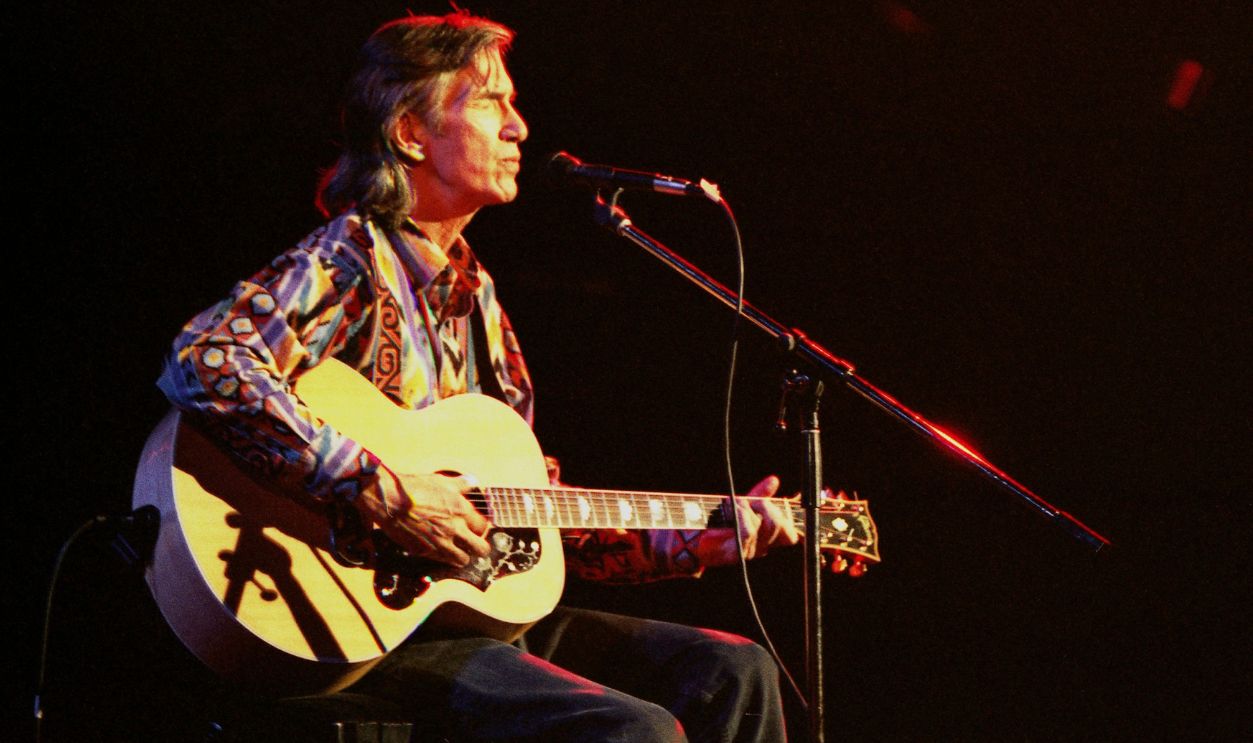
Johnny Cash - Man In Black (1971)
Johnny Cash used Man in Black to make his public image into a statement of purpose. The title song explained that his black clothing represented solidarity with poor people, prisoners, the sick, and people slain by war. Elsewhere, “Singin' in Viet Nam Talkin' Blues” and other tracks addressed contemporary issues directly. Cash wasn't abandoning country tradition, but he was insisting that a major country star could speak openly about subjects commercial entertainment often preferred to soften.
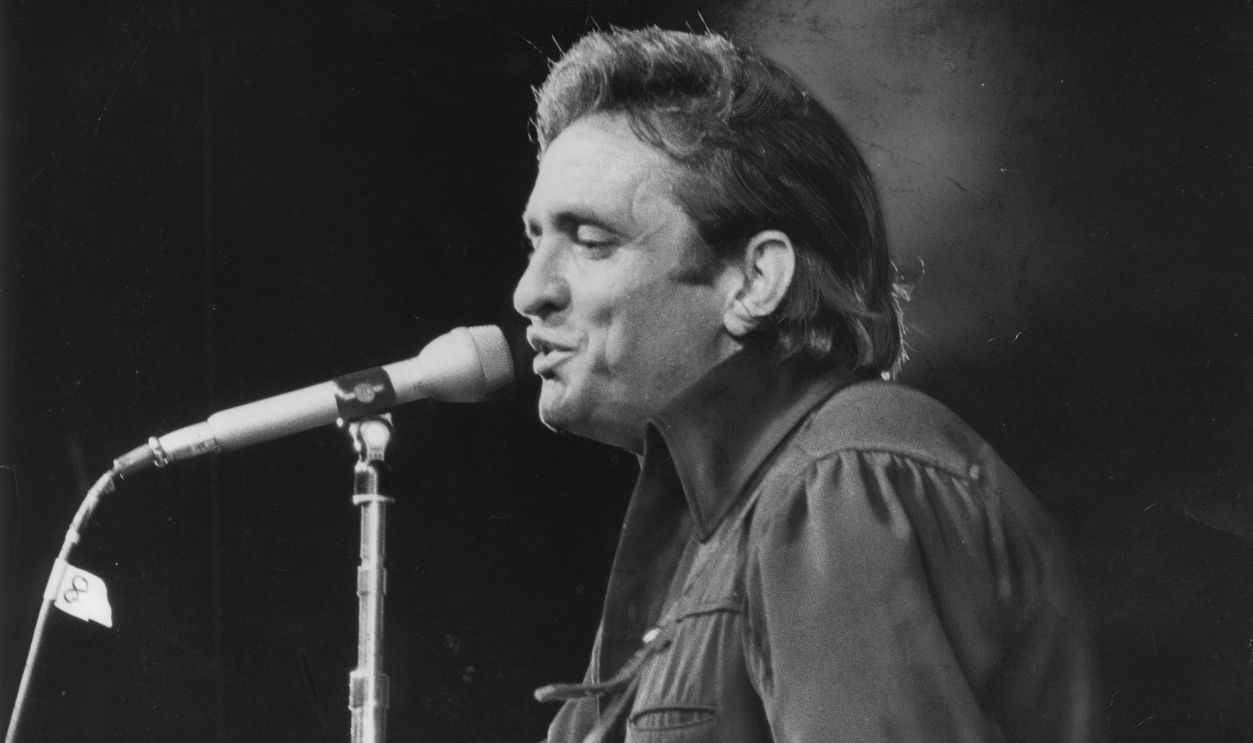
Jerry Jeff Walker - ¡Viva Terlingua! (1973)
Jerry Jeff Walker helped demonstrate that some of country's most important 70s developments were happening far from Music Row. Recorded live in Luckenbach, Texas, ¡Viva Terlingua! captured the loose, communal sound that became central to progressive country. It included Guy Clark's “Desperados Waiting for a Train,” Ray Wylie Hubbard's “Up Against the Wall, Redneck Mother,” and Gary P. Nunn's “London Homesick Blues”. The album eventually went gold and helped turn the Texas scene into a genuine alternative country center.
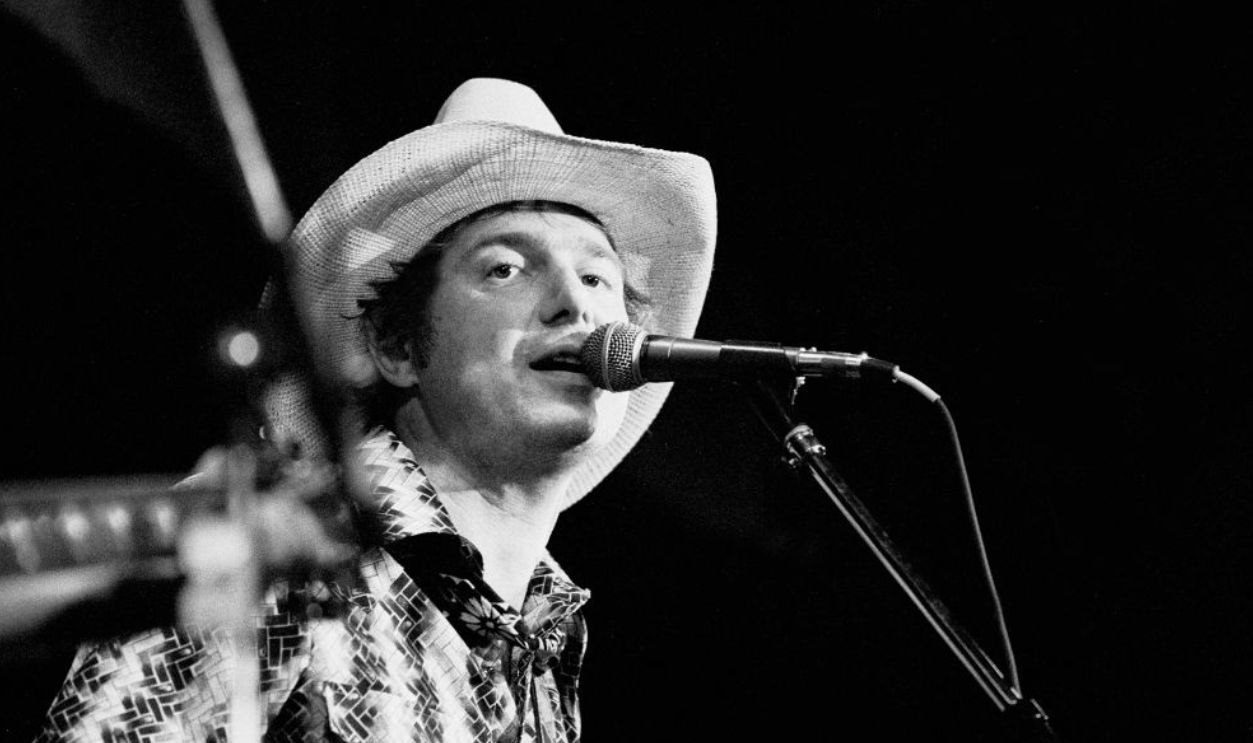
Willie Nelson - Red Headed Stranger (1975)
Columbia gave Willie Nelson the creative control he'd been seeking, and he responded with an album so sparse that executives reportedly worried it sounded unfinished. Nelson knew better. Red Headed Stranger used old songs, recurring musical themes, and stripped-down performances to tell a loose story about a fugitive preacher. “Blue Eyes Crying in the Rain” became Nelson's first Number 1 country single as a performer, proving that listeners didn't need the gloss Nashville had assumed they wanted.
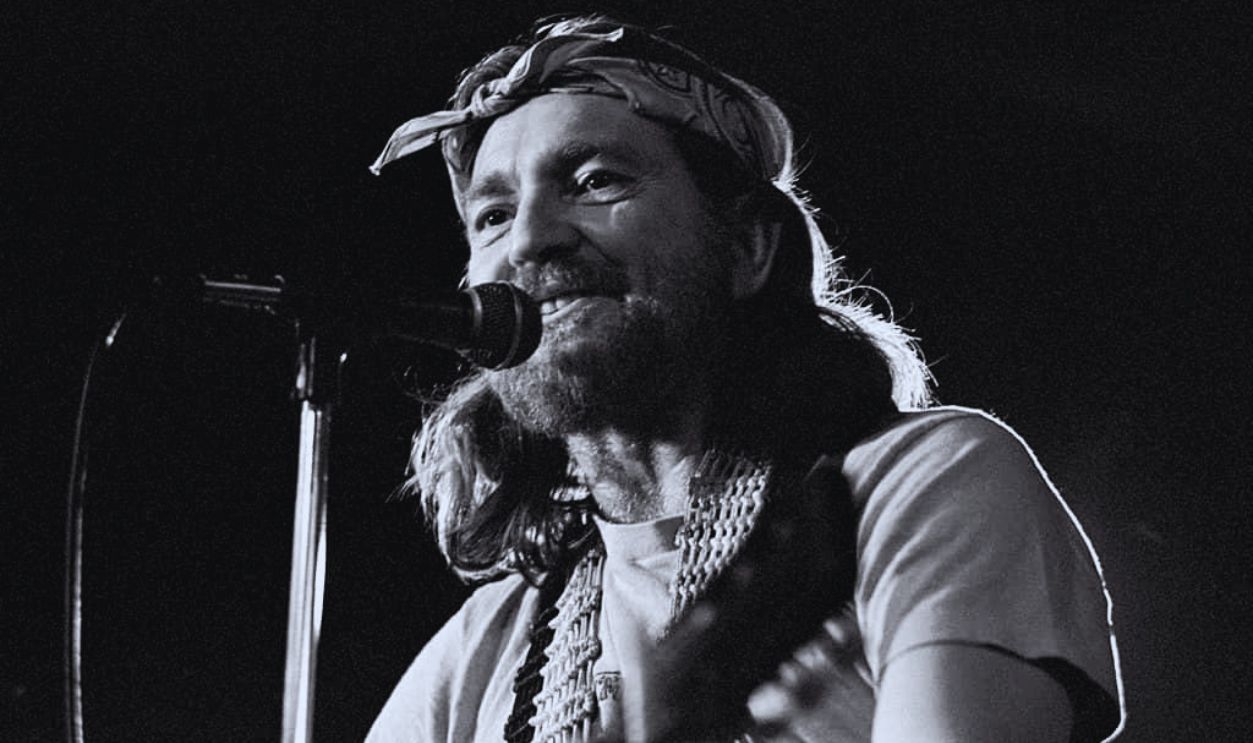
Gram Parsons - Grievous Angel (1974)
Released after Gram Parsons' passing, Grievous Angel brought his idea of “Cosmic American Music” into especially sharp focus. Emmylou Harris became a true duet partner on songs including “Love Hurts” and “Hearts on Fire,” while “Return of the Grievous Angel,” “Ooh Las Vegas,” and “In My Hour of Darkness” blurred country and rock without reducing either side. Its sales were modest, but the album's influence would eventually dwarf its original commercial performance.

Guy Clark - Texas Cookin' (1976)
Clark's second album felt less like a meticulously constructed Nashville product than a talented group of friends gathering to play songs together. Texas Cookin' brought in musicians and singers from Clark's circle and mixed humor, tenderness, and Texas storytelling on tracks such as “Anyhow, I Love You,” “The Last Gunfighter Ballad,” and the title song. It reinforced Clark's reputation as someone whose influence couldn't be measured simply by his own chart positions.
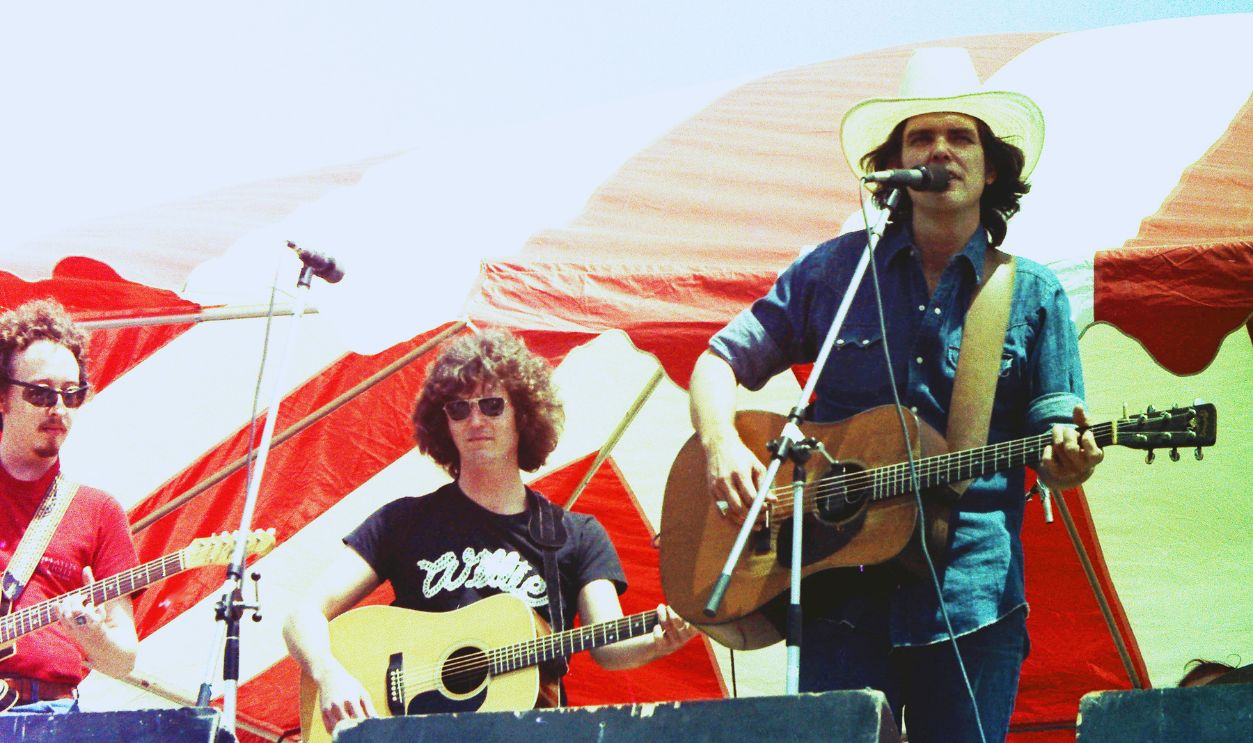
Kenny Rogers - The Gambler (1978)
Kenny Rogers became a crossover superstar, so The Gambler may seem like an unusual fit here. Yet the album's biggest song succeeded because it embraced one of country's oldest strengths: storytelling. Don Schlitz's title track turned a conversation with an aging card player into a miniature philosophy of life. Elsewhere, Rogers interpreted Mickey Newbury and explored country-soul and narrative material, showing that massive accessibility didn't have to mean abandoning the songcraft at country's core.
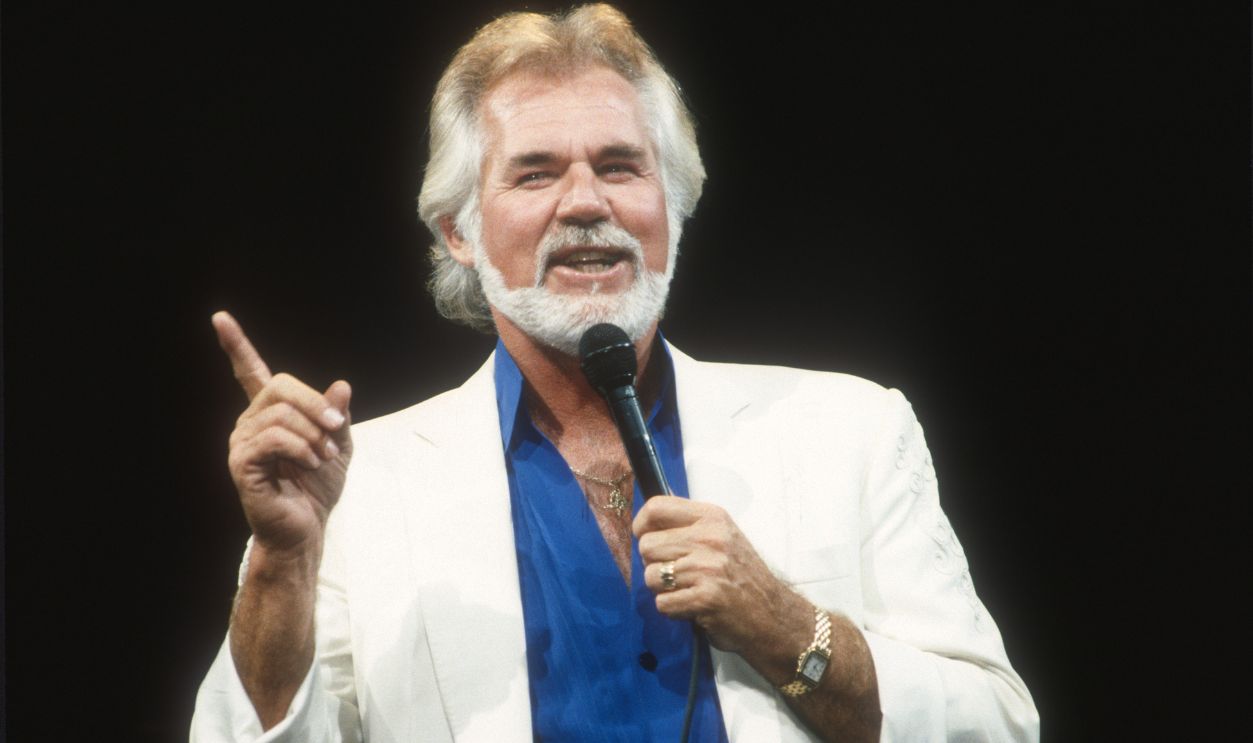
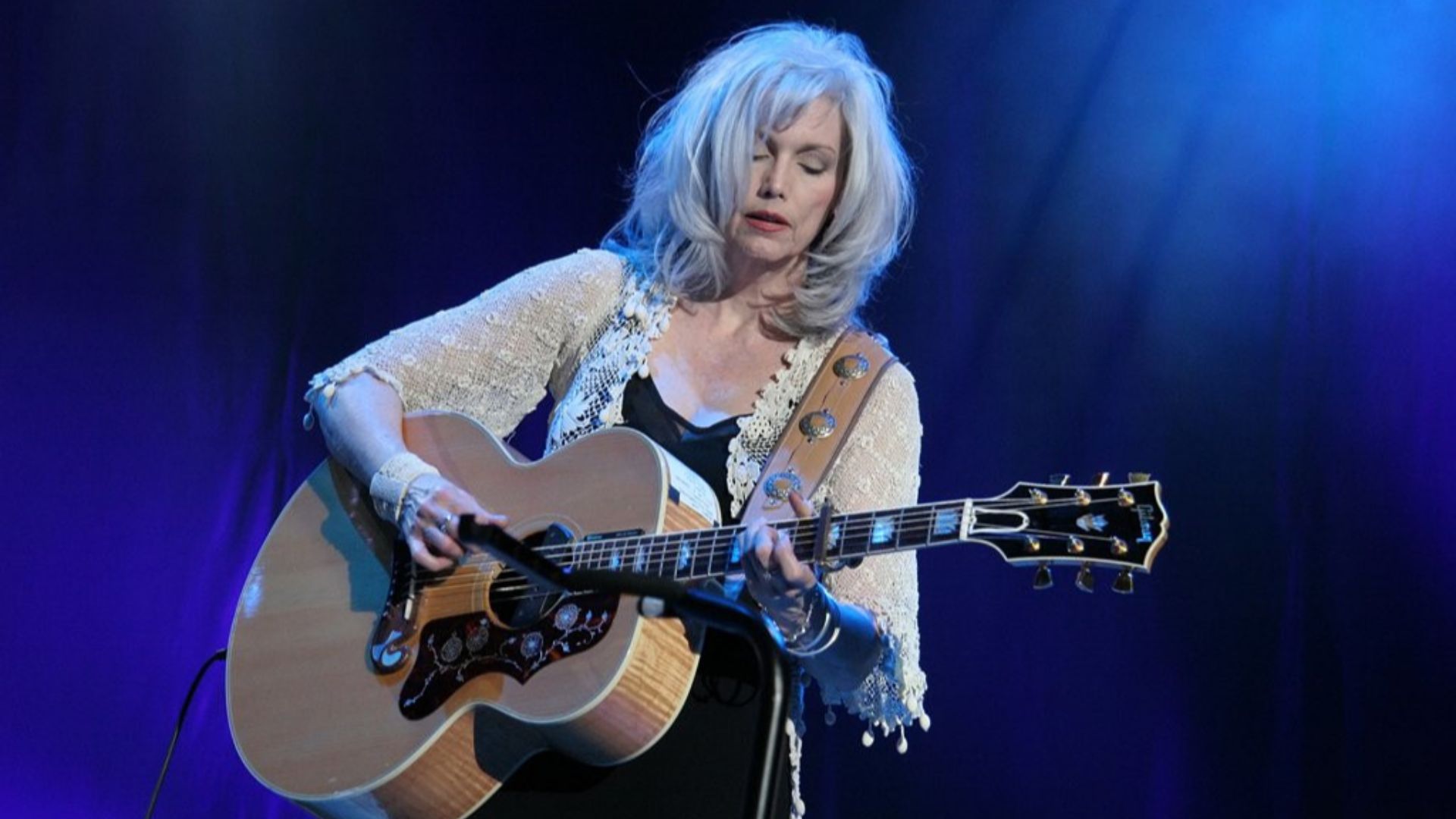
Emmylou Harris - Luxury Liner (1977)
By Luxury Liner, Emmylou Harris had become one of the artists most capable of connecting country's past with its increasingly eclectic present. She interpreted Townes Van Zandt's “Pancho and Lefty,” Chuck Berry's “(You Never Can Tell) C'est La Vie,” the Louvin Brothers' “When I Stop Dreaming,” and Gram Parsons' title song without sounding like a covers act. Her taste itself became influential, introducing country audiences to writers and traditions they might otherwise have missed.
 Ckuhl at Dutch Wikipedia, Wikimedia Commons
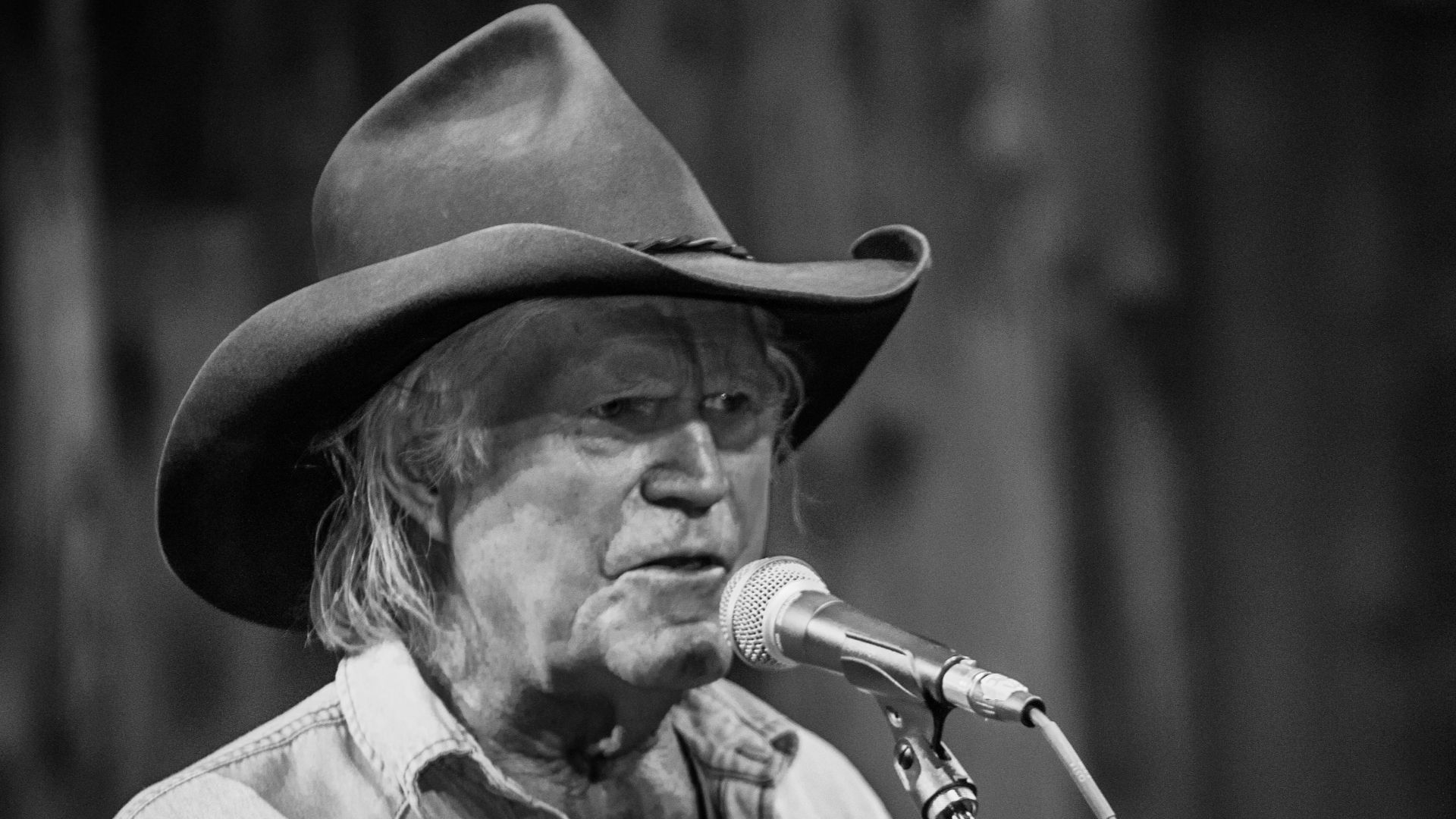
Billy Joe Shaver - Old Five And Dimers Like Me (1973)
Billy Joe Shaver's debut gave the man behind so many outlaw-country songs a record of his own. Produced by Kris Kristofferson, Old Five and Dimers Like Me included “Georgia on a Fast Train,” “Ride Me Down Easy,” and its title track, while several of Shaver's songs were already becoming better known through other singers. Waylon Jennings even built Honky Tonk Heroes largely around Shaver's writing. The album showed how much Nashville's emerging outlaw movement depended on songwriters operating outside its polished mainstream.
 Republic Country Club, Wikimedia Commons
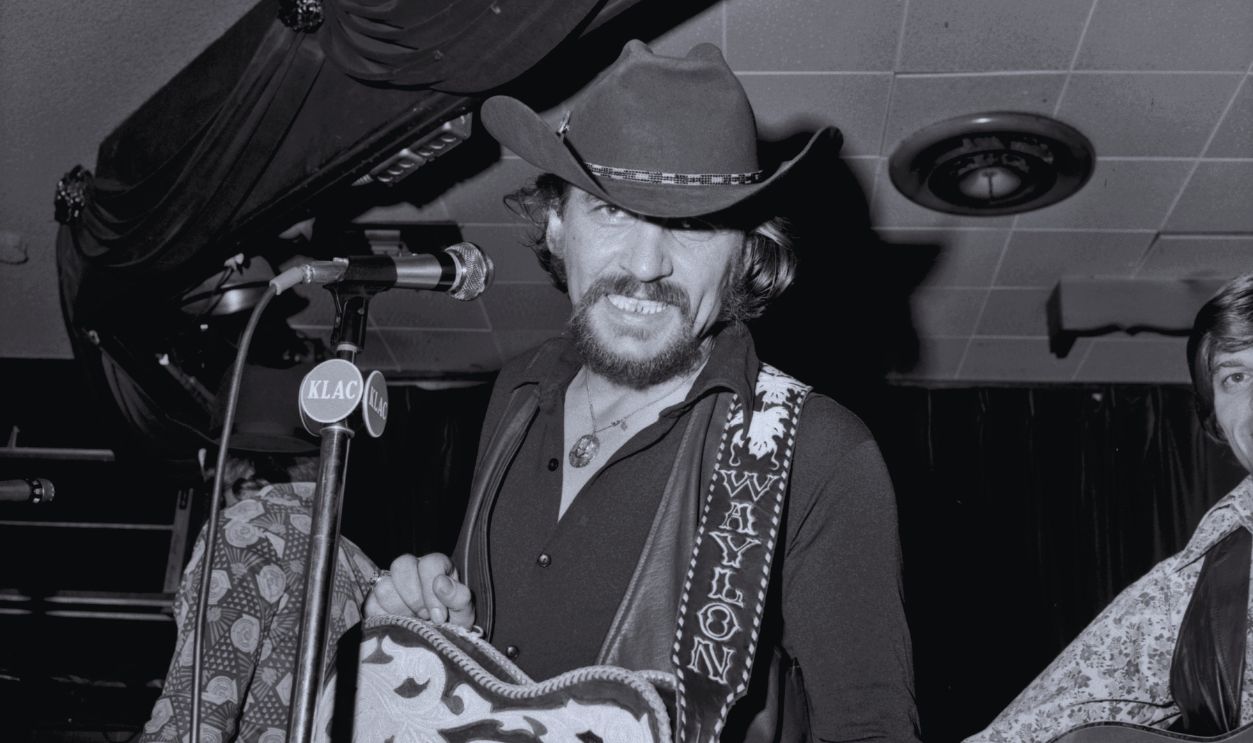
Waylon Jennings - Honky Tonk Heroes (1973)
If Lonesome, On'ry and Mean opened the door, Honky Tonk Heroes kicked it in. Most of the album came from songs by Billy Joe Shaver, whose writing perfectly suited Jennings' increasingly defiant sound. “You Ask Me To,” “Black Rose,” and the title track sounded tougher and less polished than Nashville's prevailing country-pop. The record became one of the foundational outlaw-country albums and helped turn Shaver into a songwriter's songwriter.
 Michael Ochs Archives, Getty Images
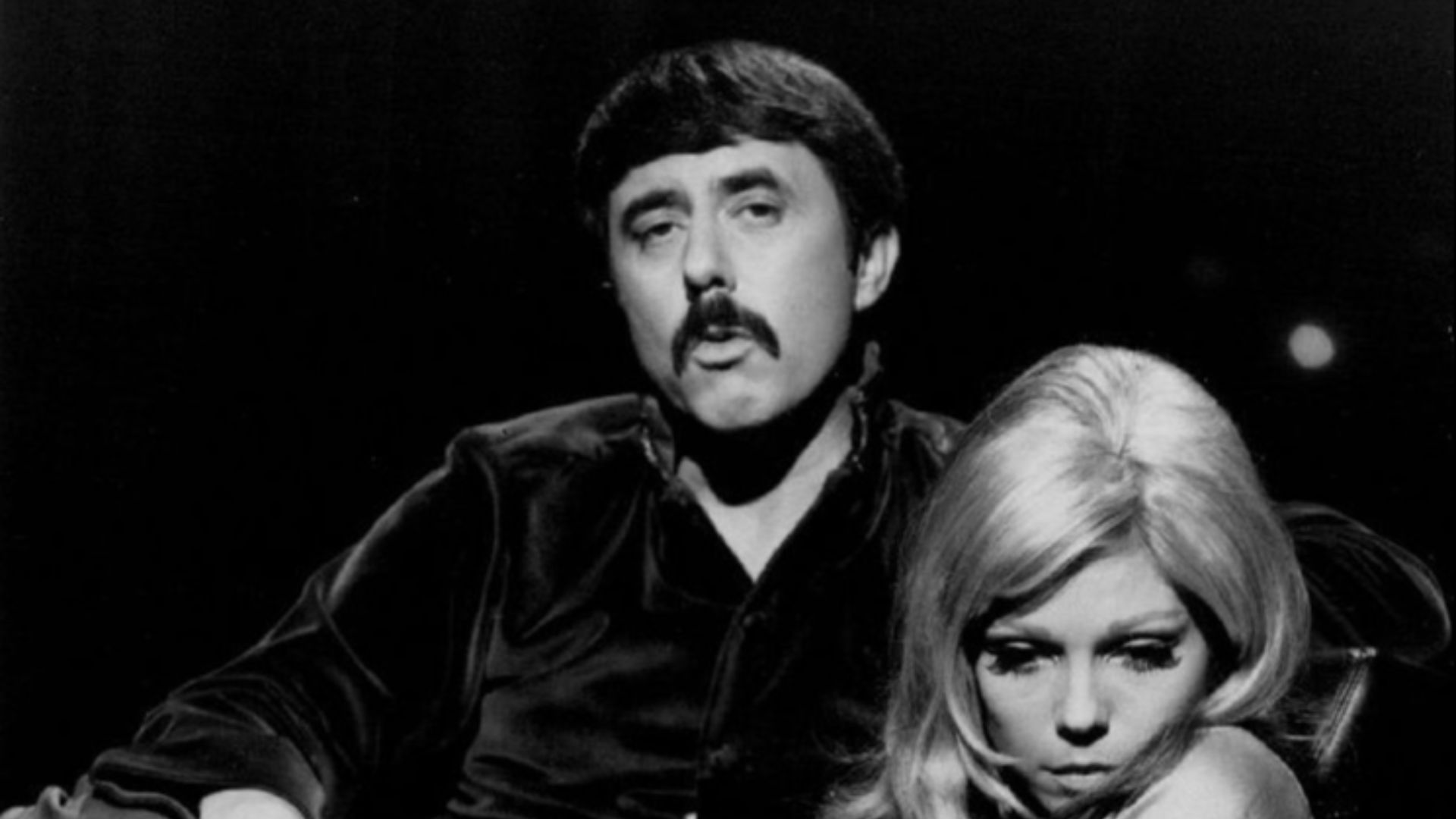
Lee Hazlewood - Cowboy In Sweden (1970)
Lee Hazlewood took country somewhere Nashville could hardly have predicted: Scandinavia. Created alongside a Swedish television project, Cowboy in Sweden wrapped cowboy songs and Hazlewood's deep, laconic voice in cinematic, psychedelic production. Tracks such as “No Train to Stockholm” and “Leather and Lace” sounded connected to country while occupying their own peculiar universe. It wasn't a Nashville blueprint, but it demonstrated just how far country's imagery and songwriting language could be stretched.
 ABC Television, Wikimedia Commons
John Prine - Sweet Revenge (1973)
Prine sounded tougher and more mischievous on Sweet Revenge. “Please Don't Bury Me,” “Dear Abby,” “Christmas in Prison,” and “The Accident” turned mundane situations into funny, strange, and unexpectedly moving stories. Much of the record was made in Nashville with producer Arif Mardin, but it never felt designed around what Nashville radio expected. Prine's characters were too odd, his humor too dry, and his observations too sharply specific for that.
 Yellowstone National Park, YPF/Matt Ludin, Wikimedia Commons
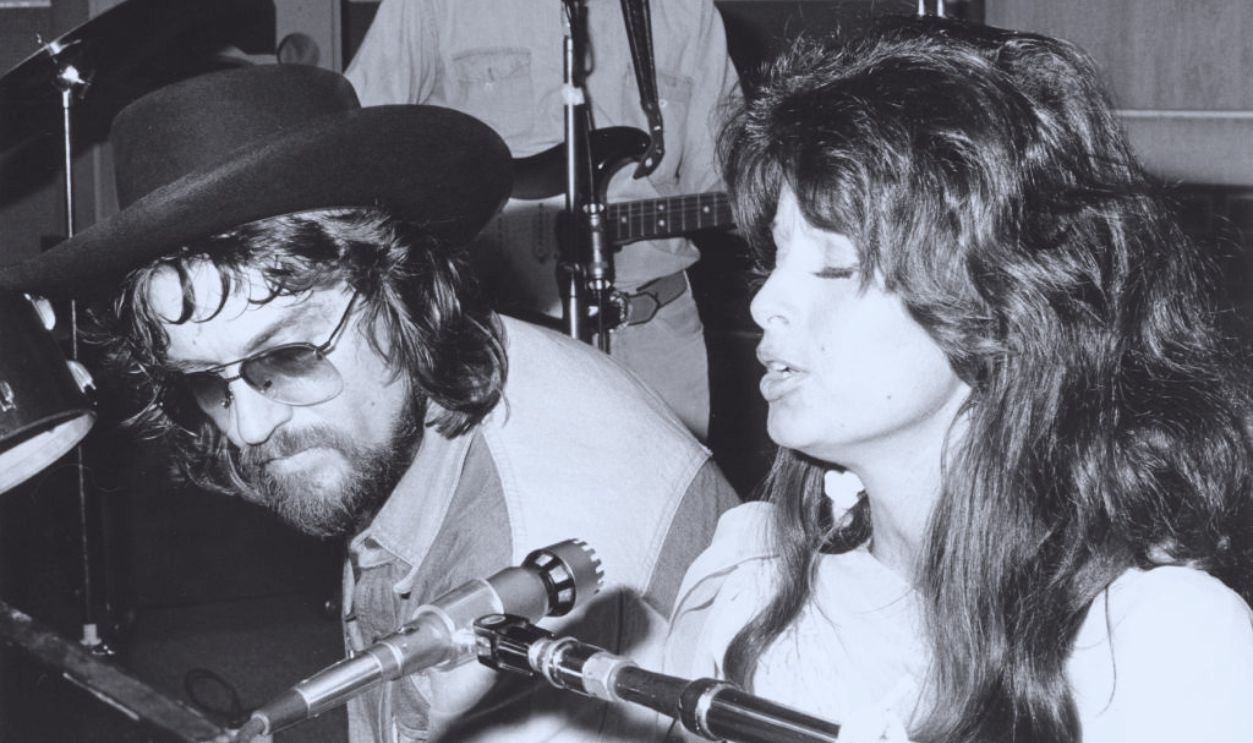
Various Artists - Wanted! The Outlaws (1976)
Wanted! The Outlaws was partly a clever marketing exercise, compiling previously issued recordings by Waylon Jennings, Willie Nelson, Jessi Colter, and Tompall Glaser. What happened next mattered enormously. The album became the first country release officially certified platinum by the RIAA and pushed “outlaw country” from a loose artistic rebellion into a marketable movement. Nashville had discovered that giving audiences something outside its normal formula could be spectacularly profitable.
 Michael Ochs Archives, Getty Images
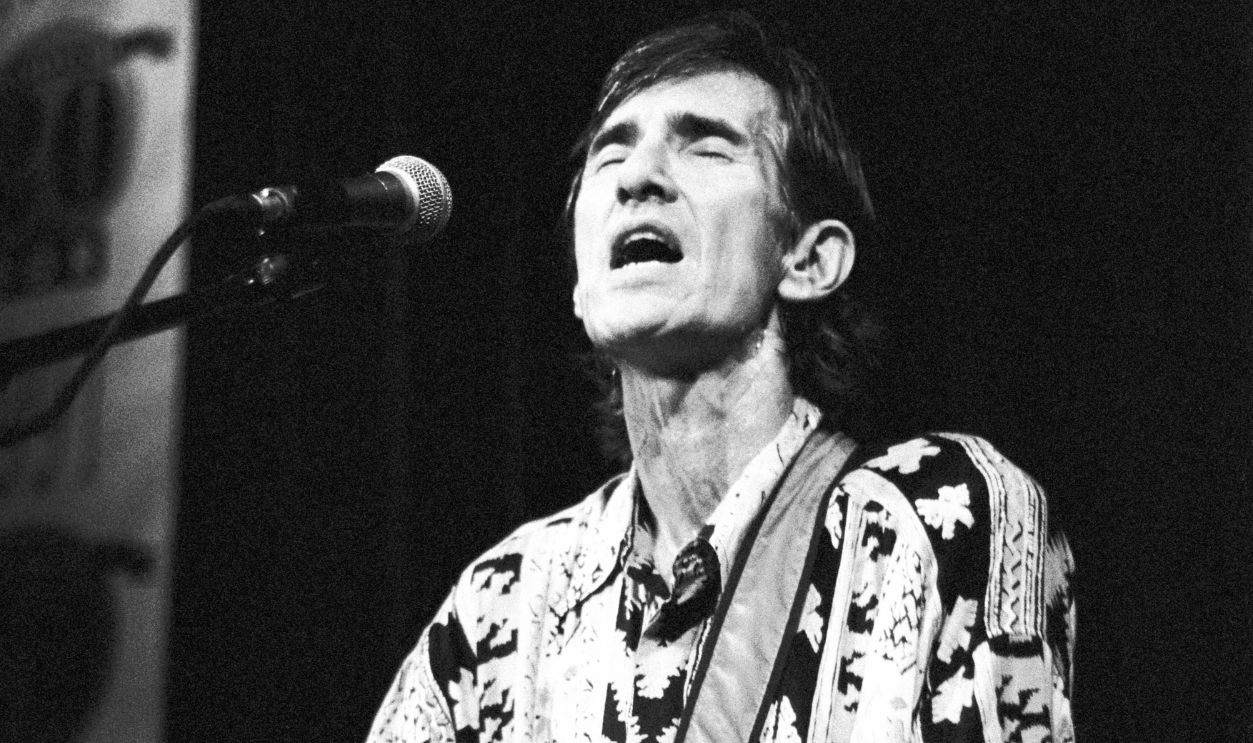
Townes Van Zandt - Flyin' Shoes (1978)
By the time Flyin' Shoes arrived, Van Zandt's reputation among fellow songwriters was far greater than his record sales suggested. The album included “No Place to Fall,” “Loretta,” “Snake Song,” and the haunting title track, with relatively sparse production leaving plenty of room for the writing. Van Zandt still sounded positioned somewhere between folk and country rather than comfortably inside either industry, which only made his growing influence on younger songwriters more remarkable.
 Frans Schellekens, Getty Images
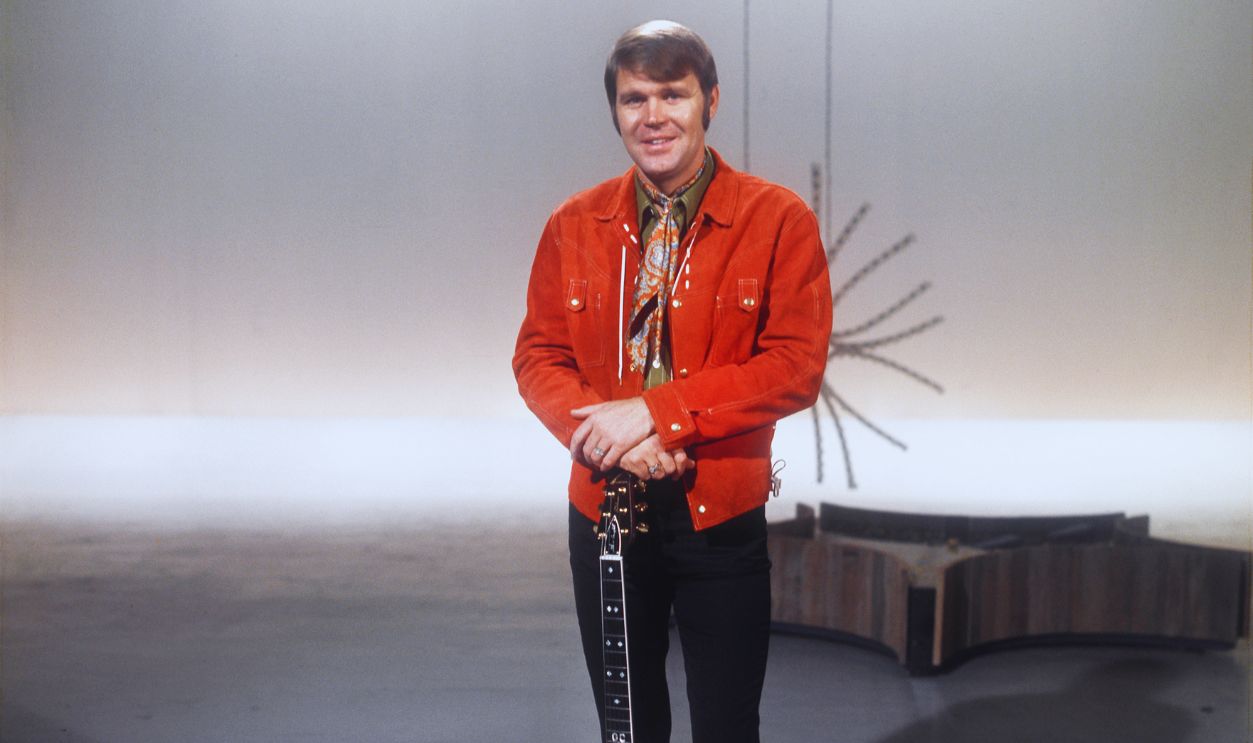
Glen Campbell - Rhinestone Cowboy (1975)
Glen Campbell had always been comfortable crossing between country and pop, and Rhinestone Cowboy certainly wasn't hostile to crossover success. What makes it significant is how convincingly Campbell brought Nashville craftsmanship into the broader mainstream without pretending to be something else. The title track became his signature song and a huge country and pop hit. Campbell's success showed Nashville that country storytelling and polished production could travel together without completely erasing the genre's identity.
 Donaldson Collection, Getty Images
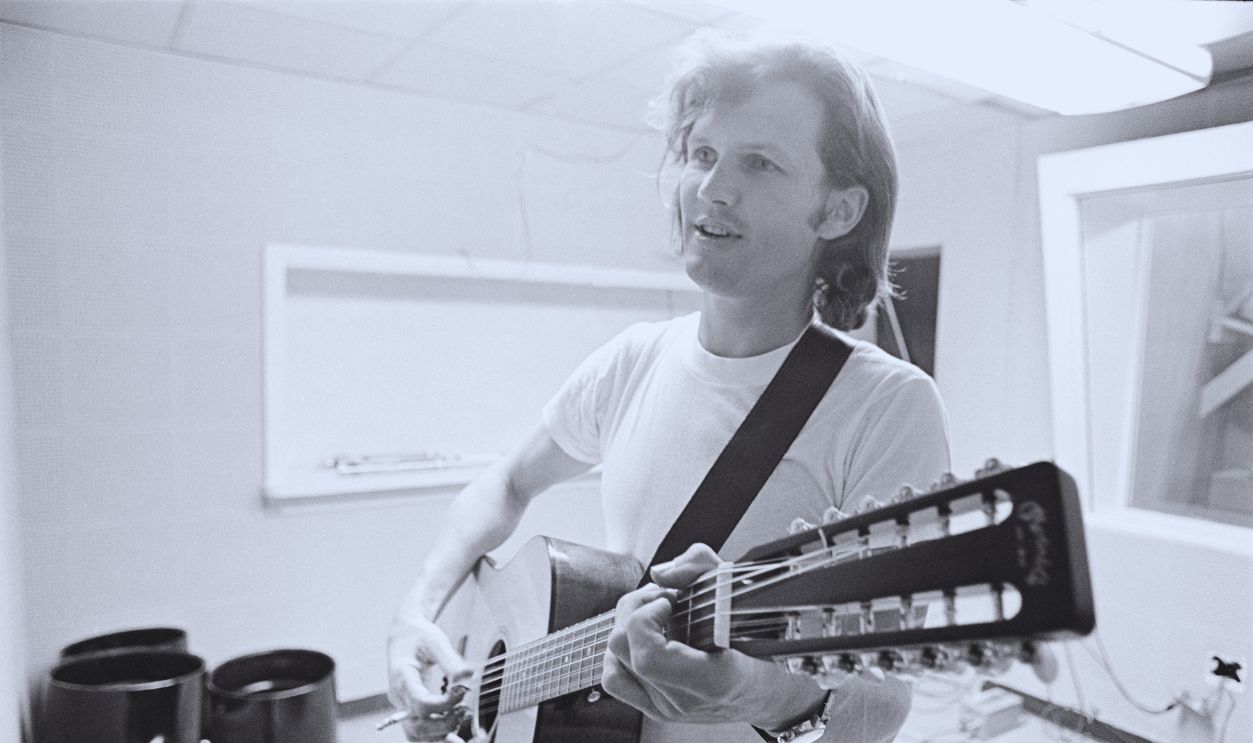
Kris Kristofferson - Kristofferson (1970)
Before Kris Kristofferson became a star himself, Nashville already knew his songs. His debut collected extraordinary material including “Me and Bobby McGee,” “Sunday Mornin' Comin' Down,” “Help Me Make It Through the Night,” and “To Beat the Devil”. The album wasn't initially a commercial triumph, but Kristofferson's literate, emotionally candid writing changed expectations for what a Nashville songwriter could say. Bob Dylan later summed up his impact by describing Nashville as having a pre-Kris and post-Kris era.
 Al Clayton Photography, LLC, Getty Images
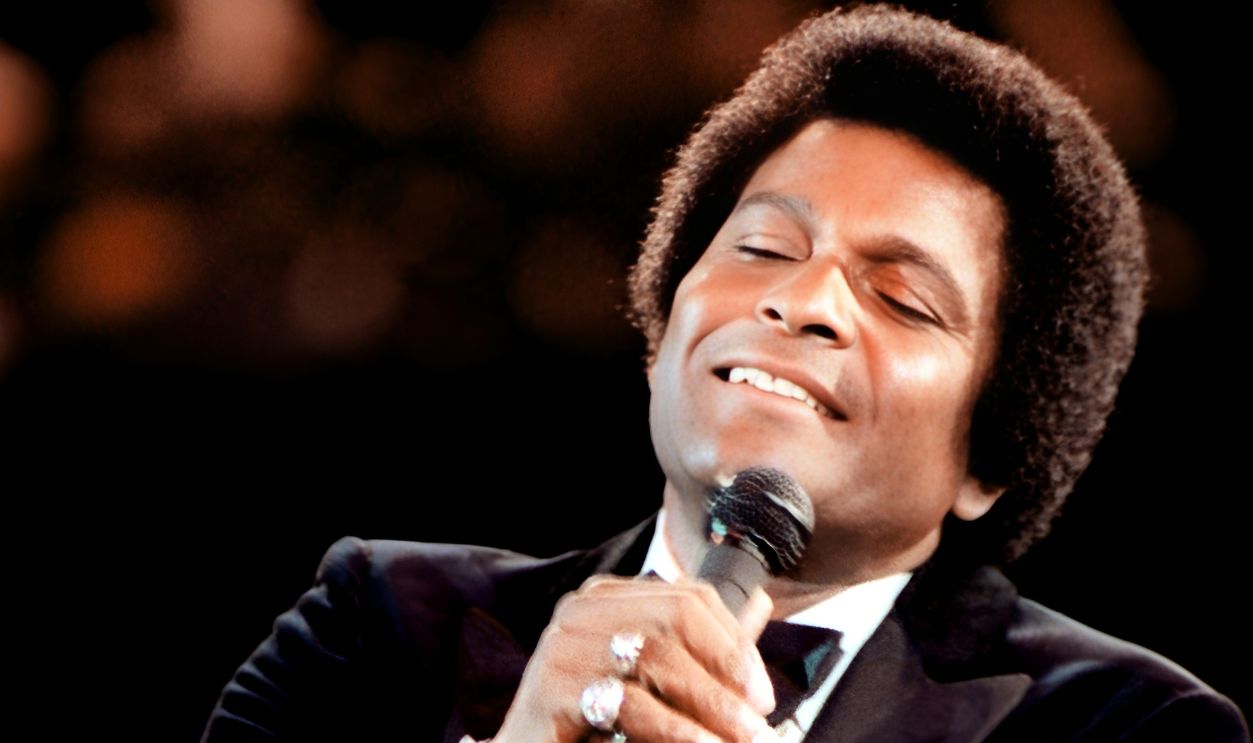
Charley Pride - Charley Pride Sings Heart Songs (1971)
Charley Pride's success was historic long before Sings Heart Songs, but this album demonstrated just how completely he'd become part of country's mainstream. “Kiss an Angel Good Mornin'” reached Number 1 on the country chart, and the album spent 16 weeks atop Billboard's country-albums ranking. Pride wasn't presented as a crossover novelty. He succeeded singing straightforward country at the highest commercial level, breaking racial barriers while demanding no special musical category for himself.
You May Also Like:
Classic Country Duets That Romantic Baby Boomers Still Remember Word For Word