A Decision That Would Never Let Him Go
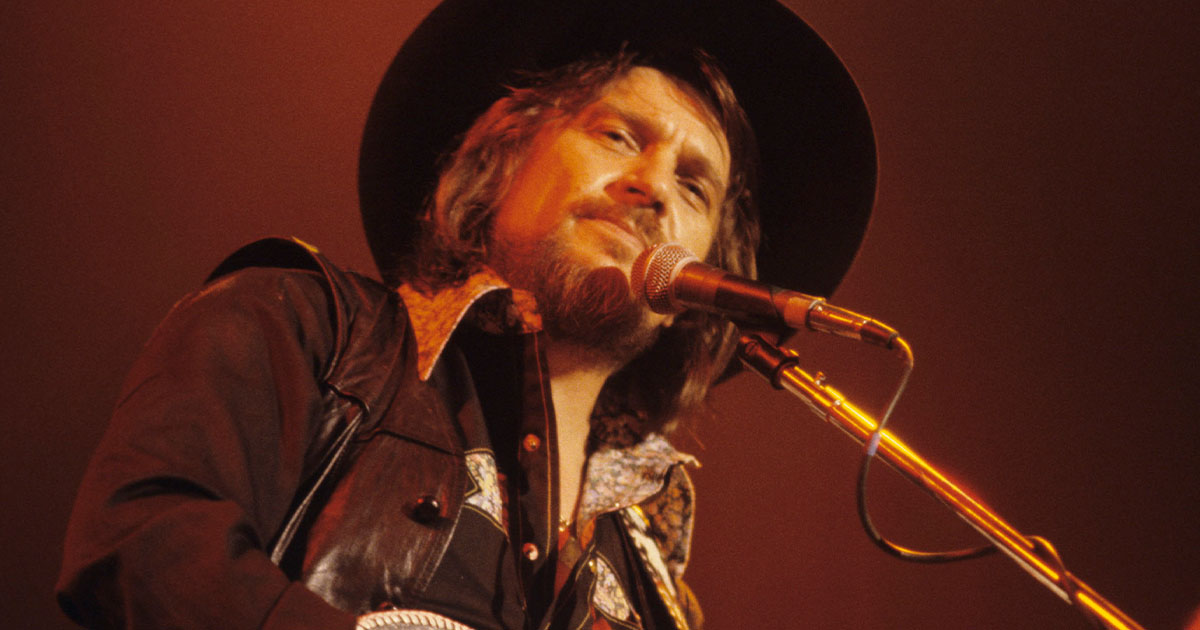
On February 3, 1959, Waylon Jennings made a choice that seemed small at the time. He gave up his seat on a plane after a show in Iowa. Hours later, that plane crashed. Three musicians were gone. Waylon lived. That single decision followed him for the rest of his life.
Waylon Before the Legend
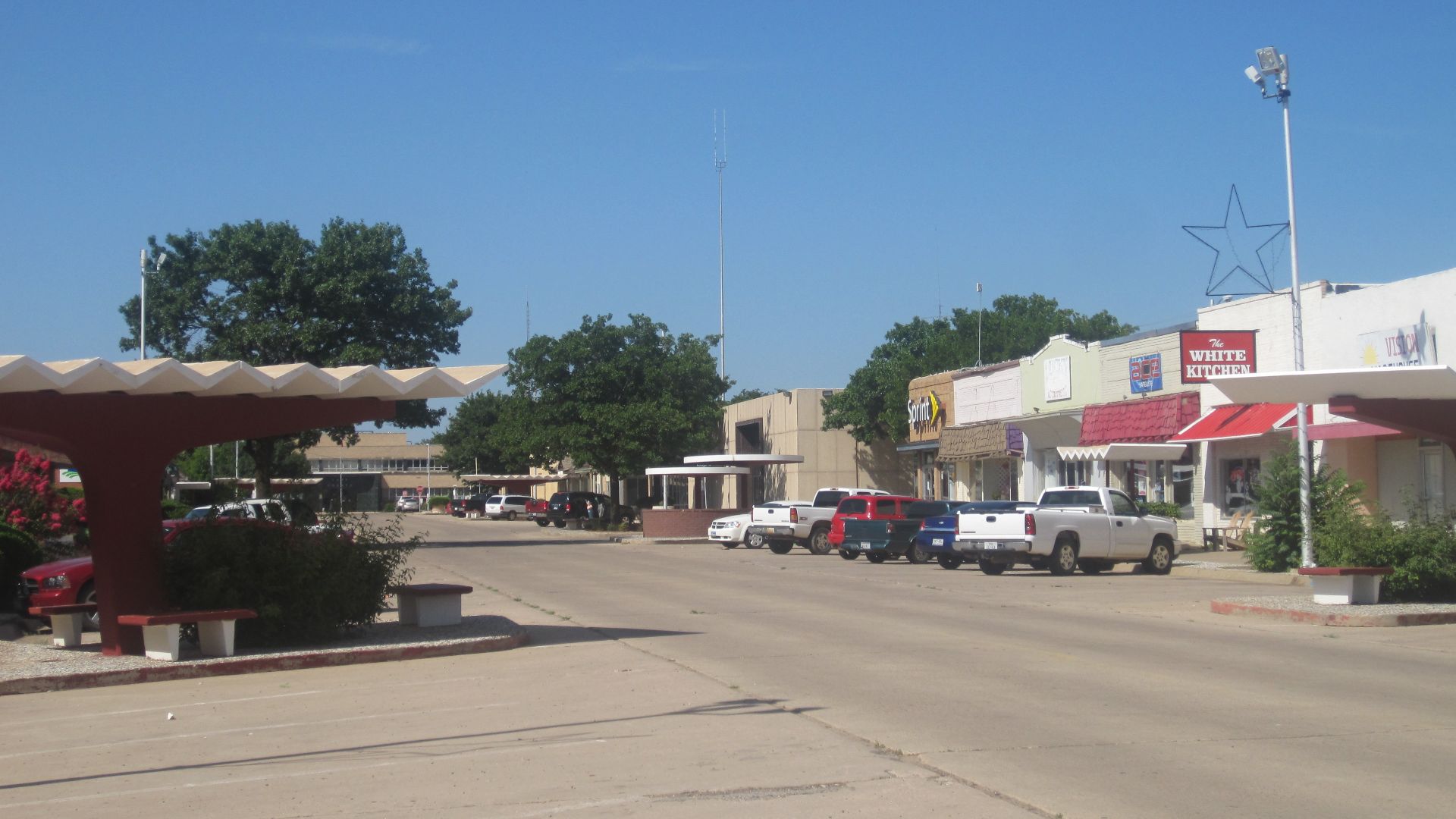
In the late 1950s, Waylon Jennings was still finding his place in music. He was born in Littlefield, Texas, on June 15, 1937. By his early twenties, he was already a working musician with a deep voice, sharp instincts, and a growing reputation.
 Billy Hathorn, Wikimedia Commons
Joining Buddy Holly’s Band
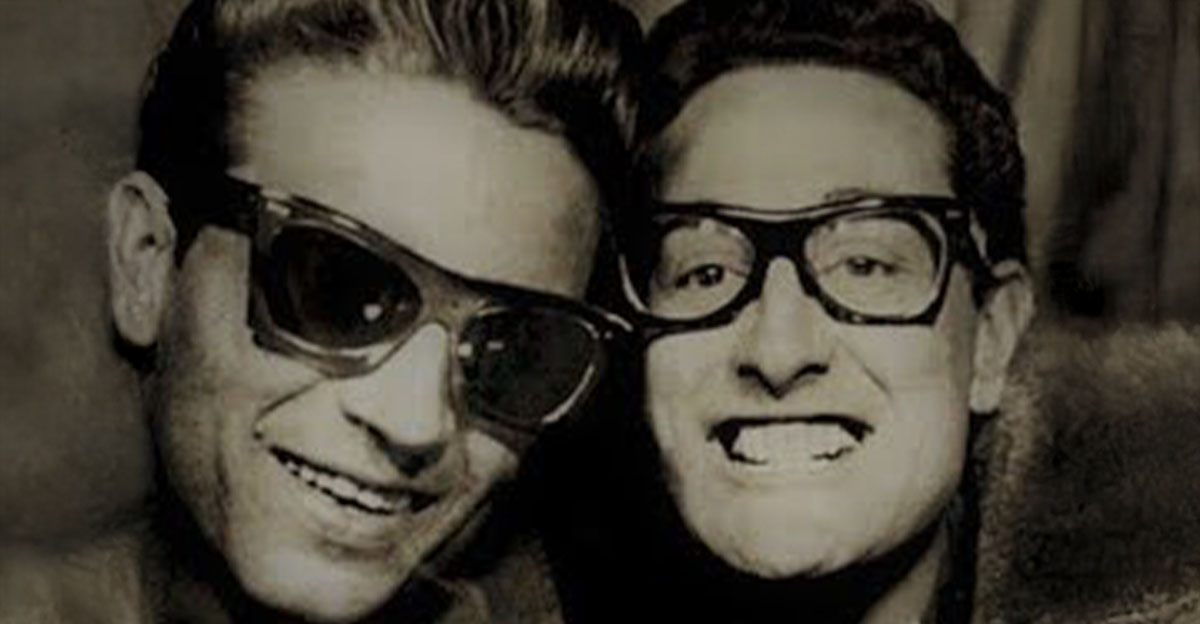
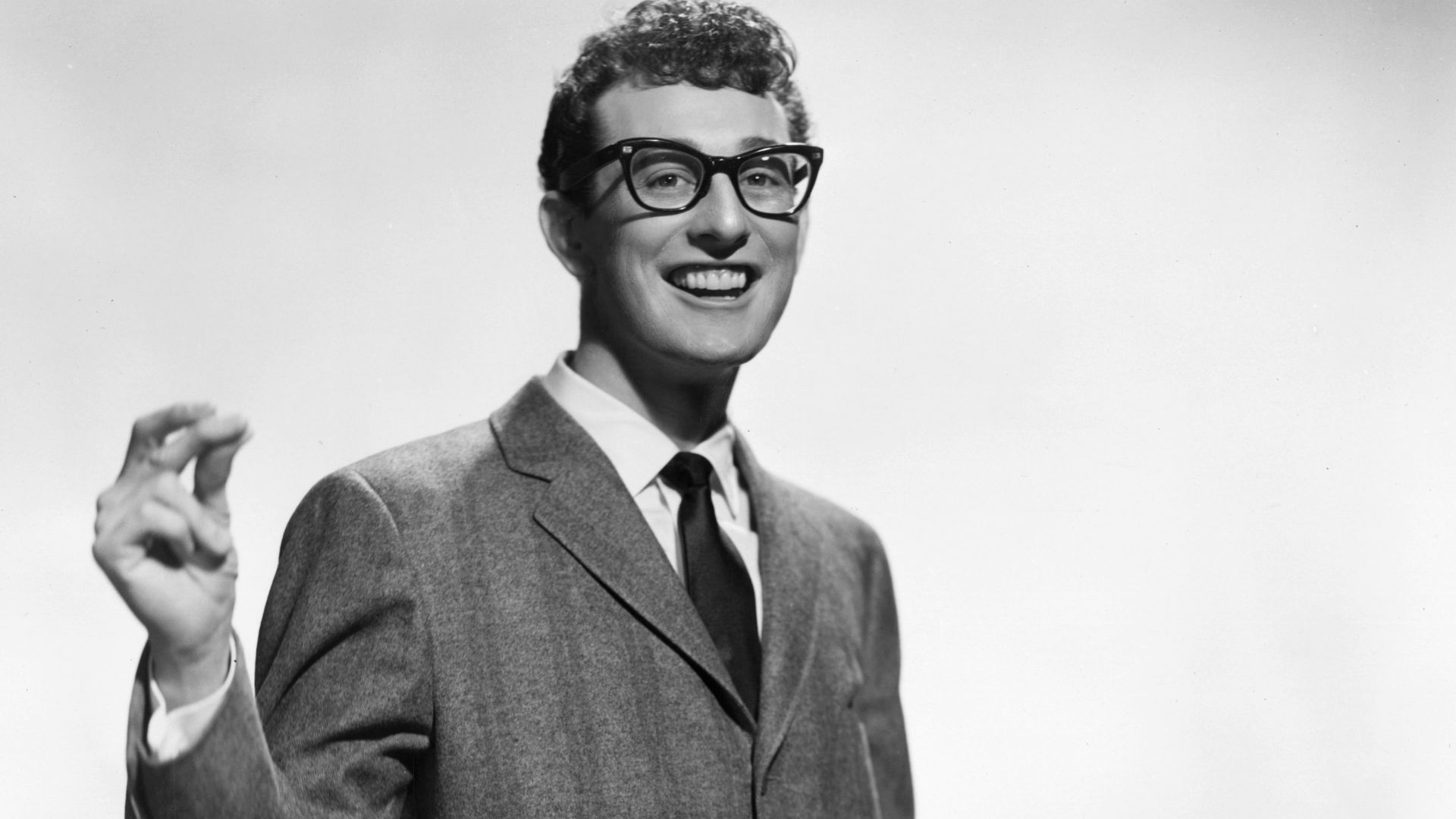
In 1958, Buddy Holly hired Waylon as his bass player. It was a huge opportunity. Buddy was already a star, and Waylon admired him deeply. He later said Buddy treated him like an equal, not an employee. That respect stayed with Waylon for the rest of his life.
 Brunswick Records, Wikimedia Commons
The Winter Dance Party Tour
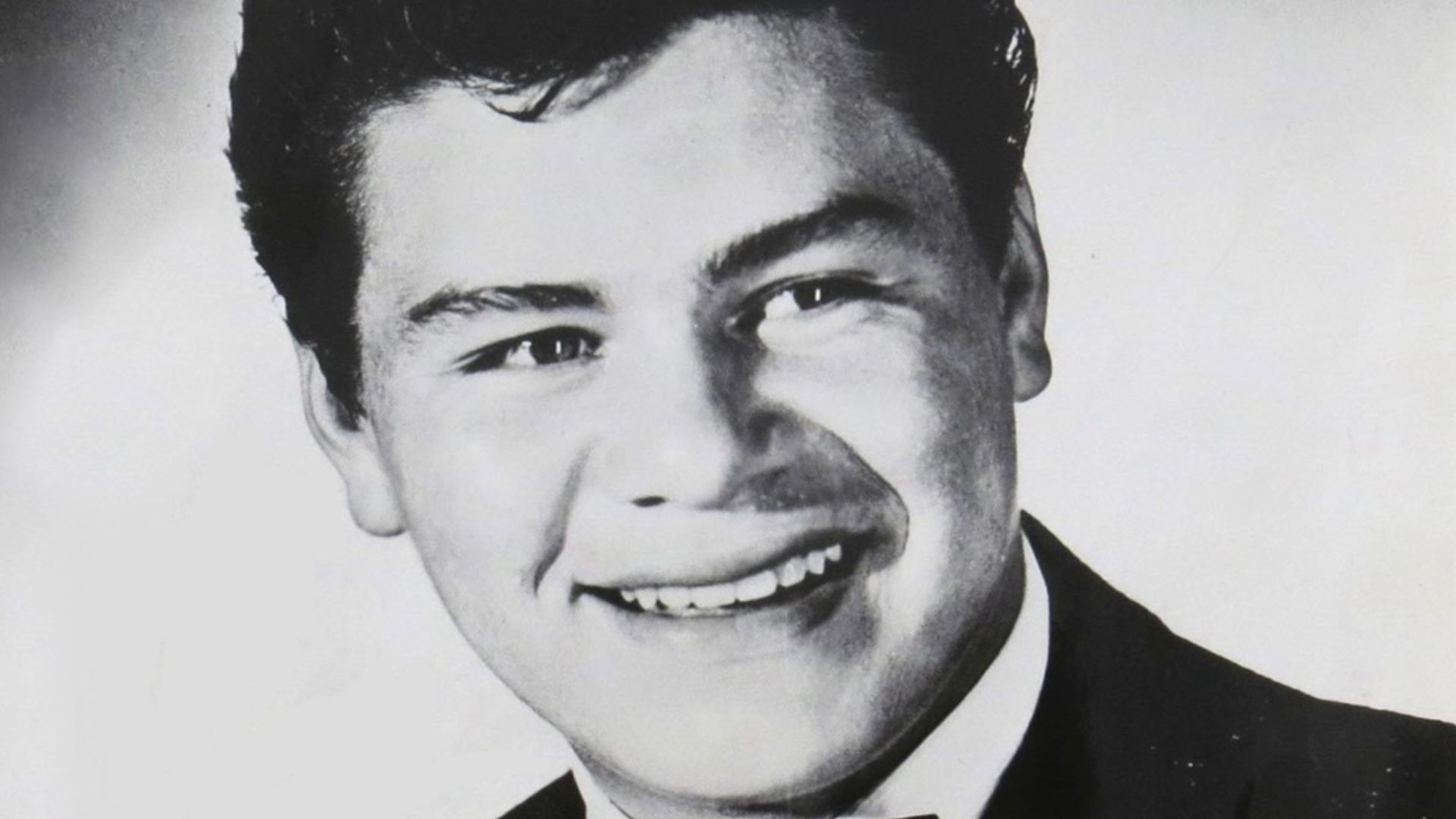
The Winter Dance Party tour kicked off in January 1959. It included Buddy Holly, Ritchie Valens, JP Richardson, and Waylon Jennings. The tour was brutal. Long drives. Broken buses. Freezing Midwest temperatures. Exhaustion set in quickly.
 Distributed by General Artists Corportation, Wikimedia Commons
The Bus That Froze Everyone
The tour bus had no proper heating. Musicians traveled hundreds of miles in subzero weather. Drummer Carl Bunch was hospitalized with frostbite. The conditions were miserable, and everyone was desperate for relief.
 Lorah~commonswiki, Wikimedia Commons
The Plane Ride Idea
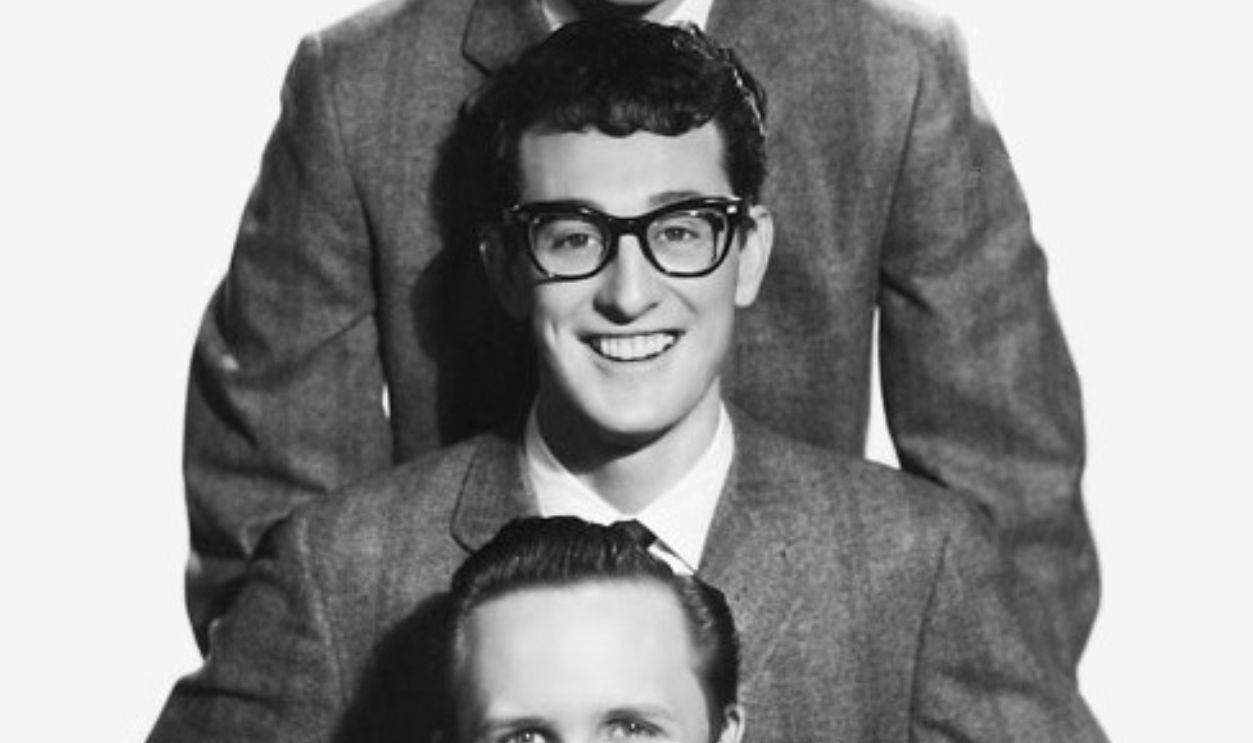
After a show at the Surf Ballroom in Clear Lake, Iowa, Buddy Holly decided to charter a small plane to get to the next stop faster. It felt like a luxury after weeks of suffering on the road.
 Coral Records, Wikimedia Commons
Who Was Supposed to Fly
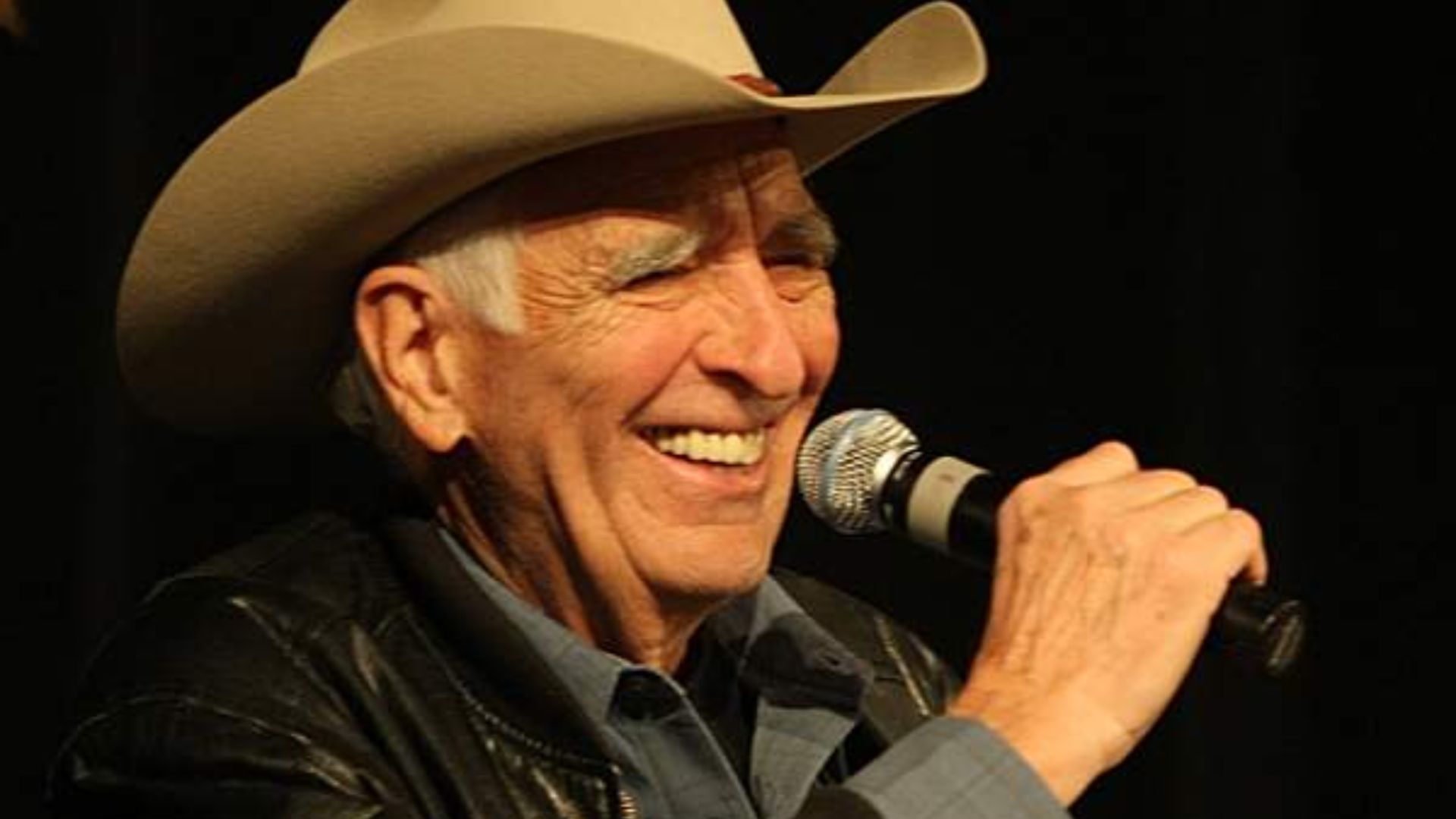
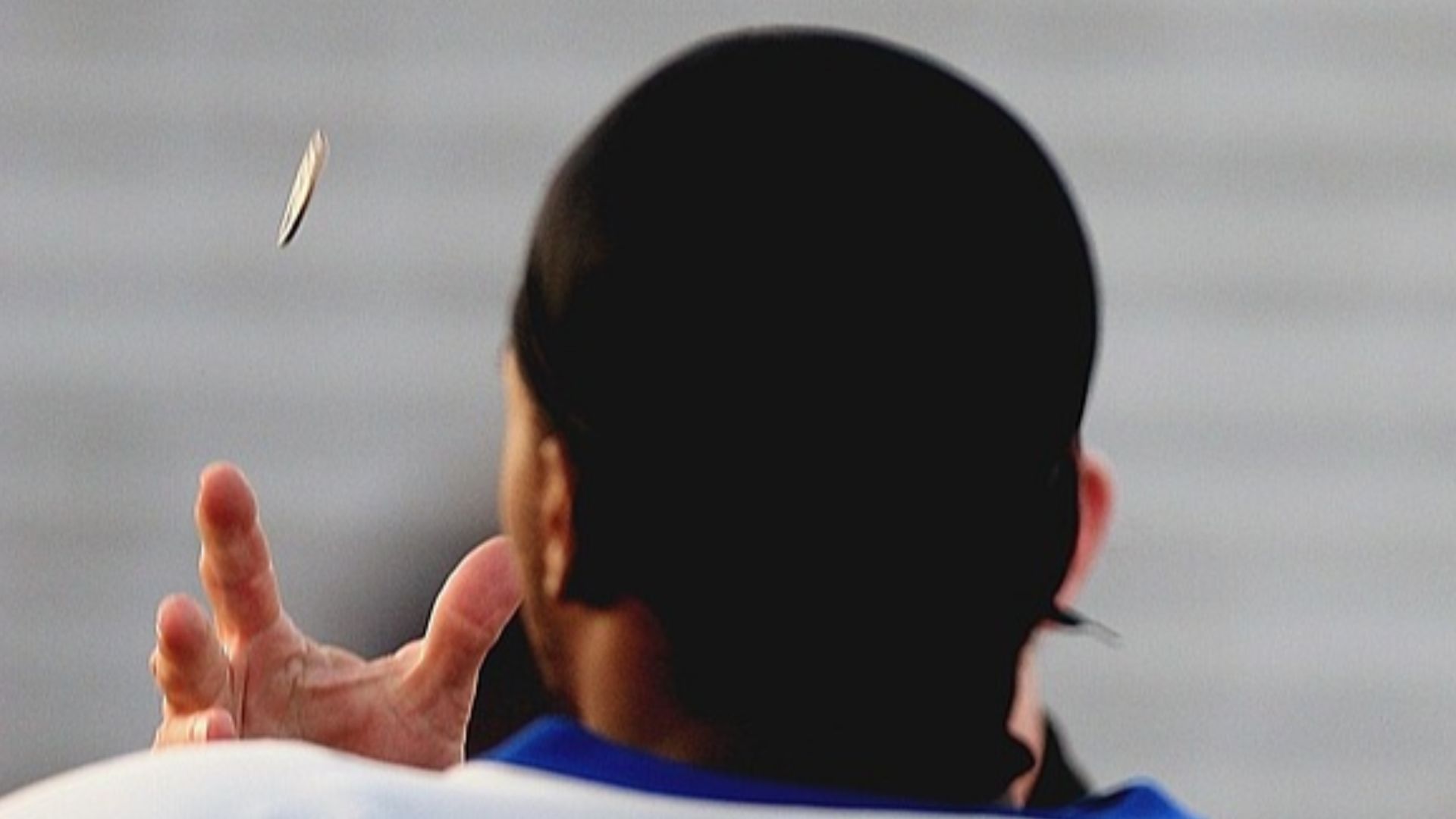
The original plan was for Buddy Holly, Waylon Jennings, and Tommy Allsup to take the plane. Ritchie Valens wanted a seat. He and Allsup flipped a coin backstage. Valens won. Allsup later said that moment never left him.
 Eric Shaiman, Wikimedia Commons
Waylon Gives Up His Seat
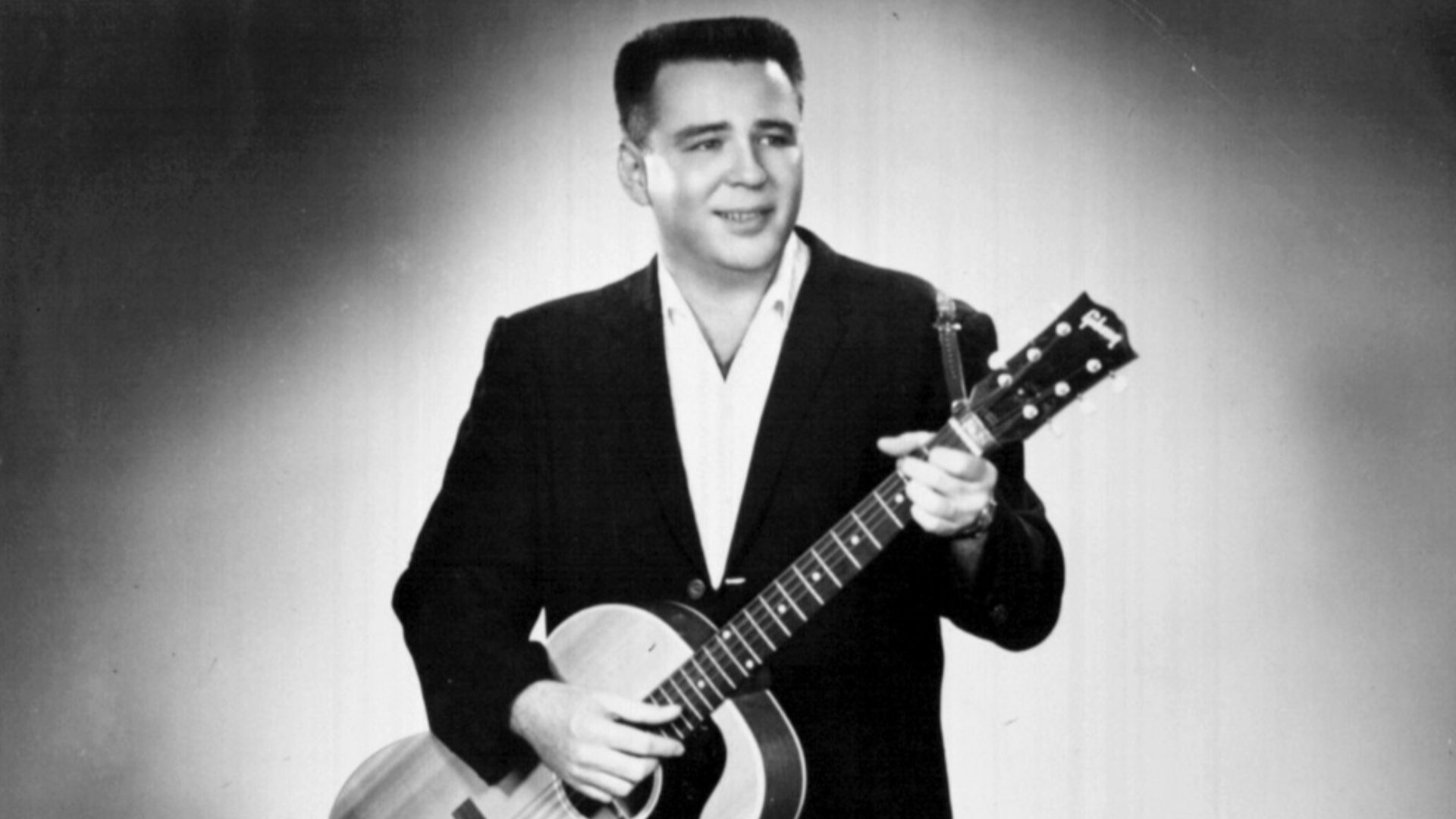
J.P. “The Big Bopper” Richardson was sick with the flu. Waylon gave him his seat out of kindness. Years later, Waylon said it felt like the right thing to do at the time.
 General Artists Corporation-photo by Van Dyck, Wikimedia Commons
The Joke That Haunted Him
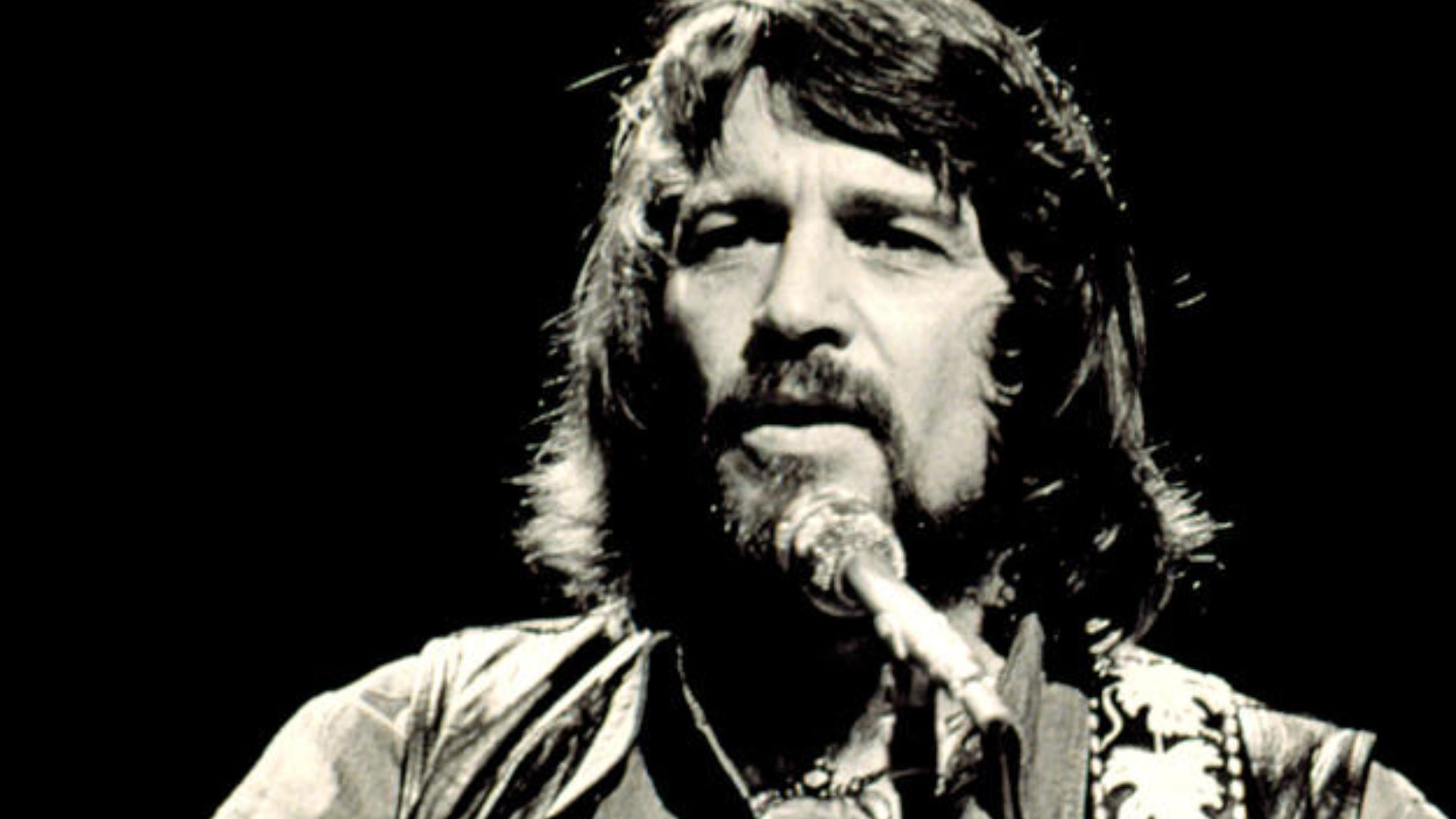
As Waylon walked away, Buddy Holly joked, “Well, I hope your ol’ bus freezes up.” Waylon replied, “Well, I hope your ol’ plane crashes.” It was said in jest. Waylon later called it the worst thing he ever said.
 RCA Records, Wikimedia Commons
The Crash
The plane took off shortly after 1:00 a.m. on February 3, 1959. It crashed less than five miles from the airport in a cornfield near Clear Lake, Iowa. Buddy Holly was 22. Ritchie Valens was 17. The Big Bopper was 28.

Finding Out the Next Morning
Waylon learned about the crash the next morning. He was stunned. He later said the guilt hit him immediately. He had lived. They had not. That contrast never stopped hurting.

Why Me?
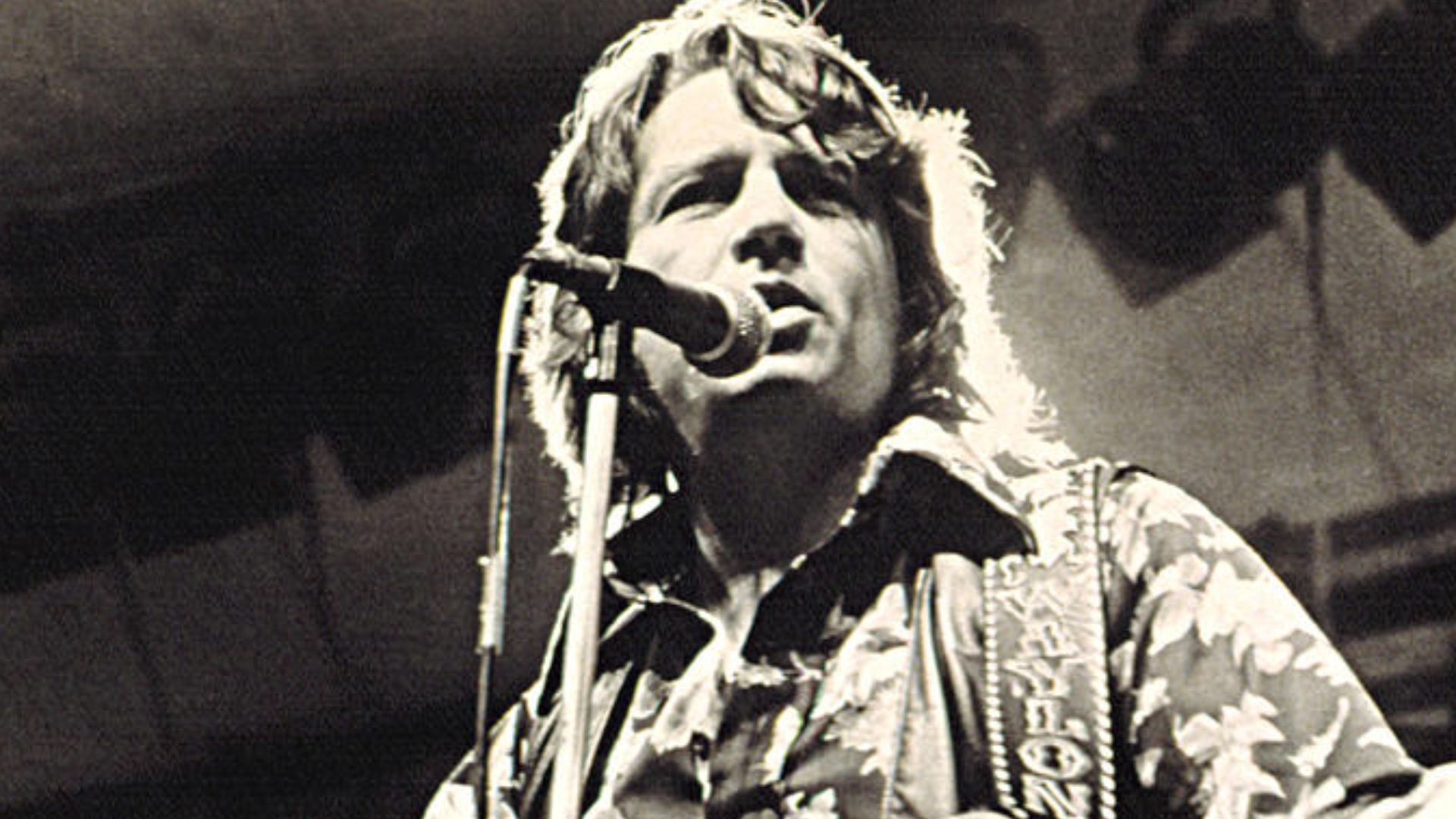
Waylon asked himself the same question for decades. Why did he give up his seat? Why did he survive? He later said the guilt followed him “like a shadow.” Fame did not erase it. Success did not quiet it.
 RCA Records, Wikimedia Commons
Living With Survivor’s Guilt
In interviews, Waylon openly talked about the emotional weight. “I always felt like I cheated death,” he said. He believed part of him stayed in that cornfield forever.
Channeling Pain Into Music
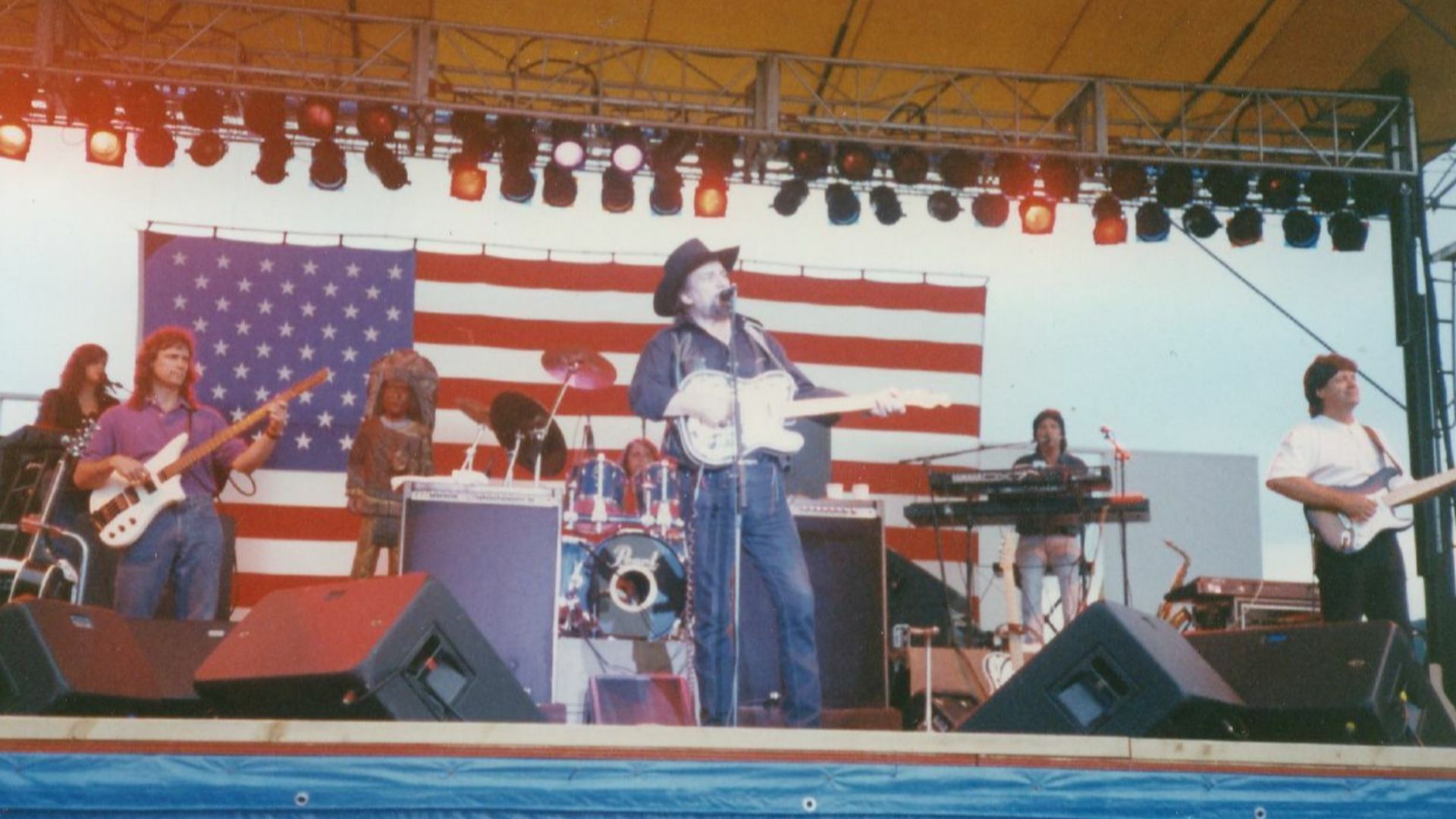
Waylon threw himself into music. He worked harder. He pushed boundaries. Some close to him believed the crash fueled his stubborn independence and refusal to be controlled by the industry.
 Mike James from Reston, VA, USA, Wikimedia Commons
Outlaw Country Takes Shape
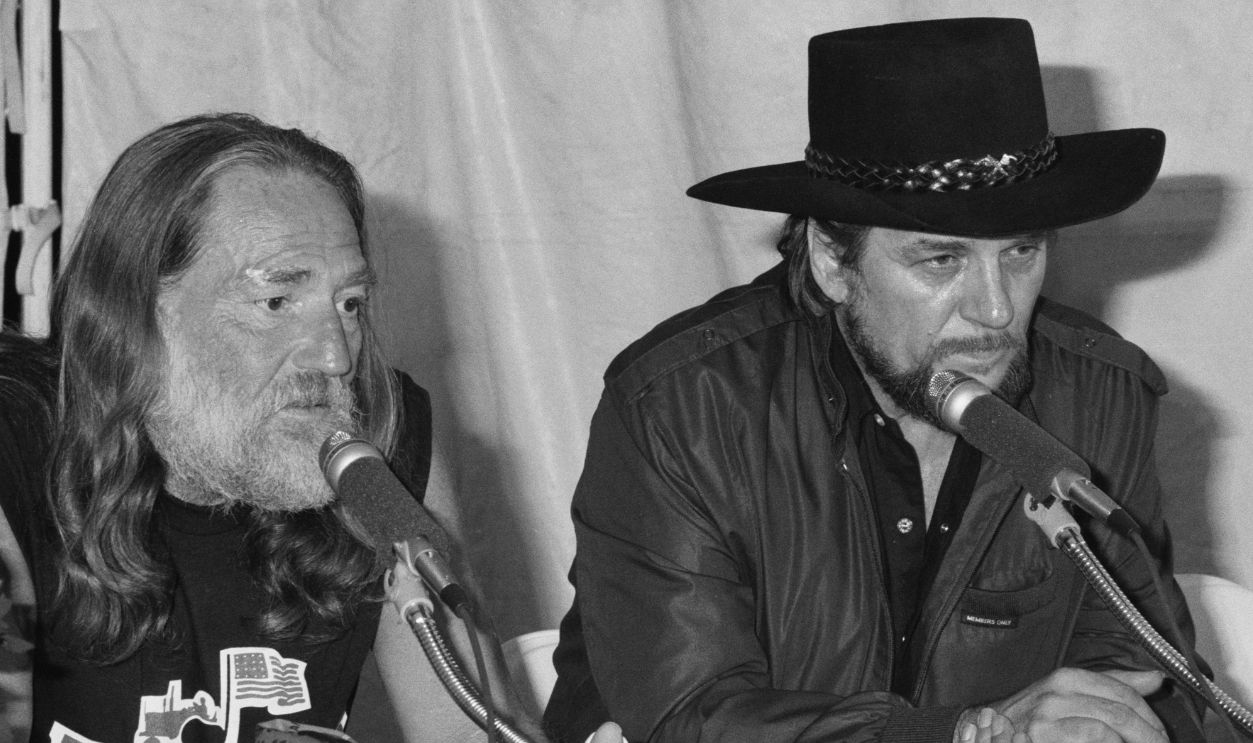
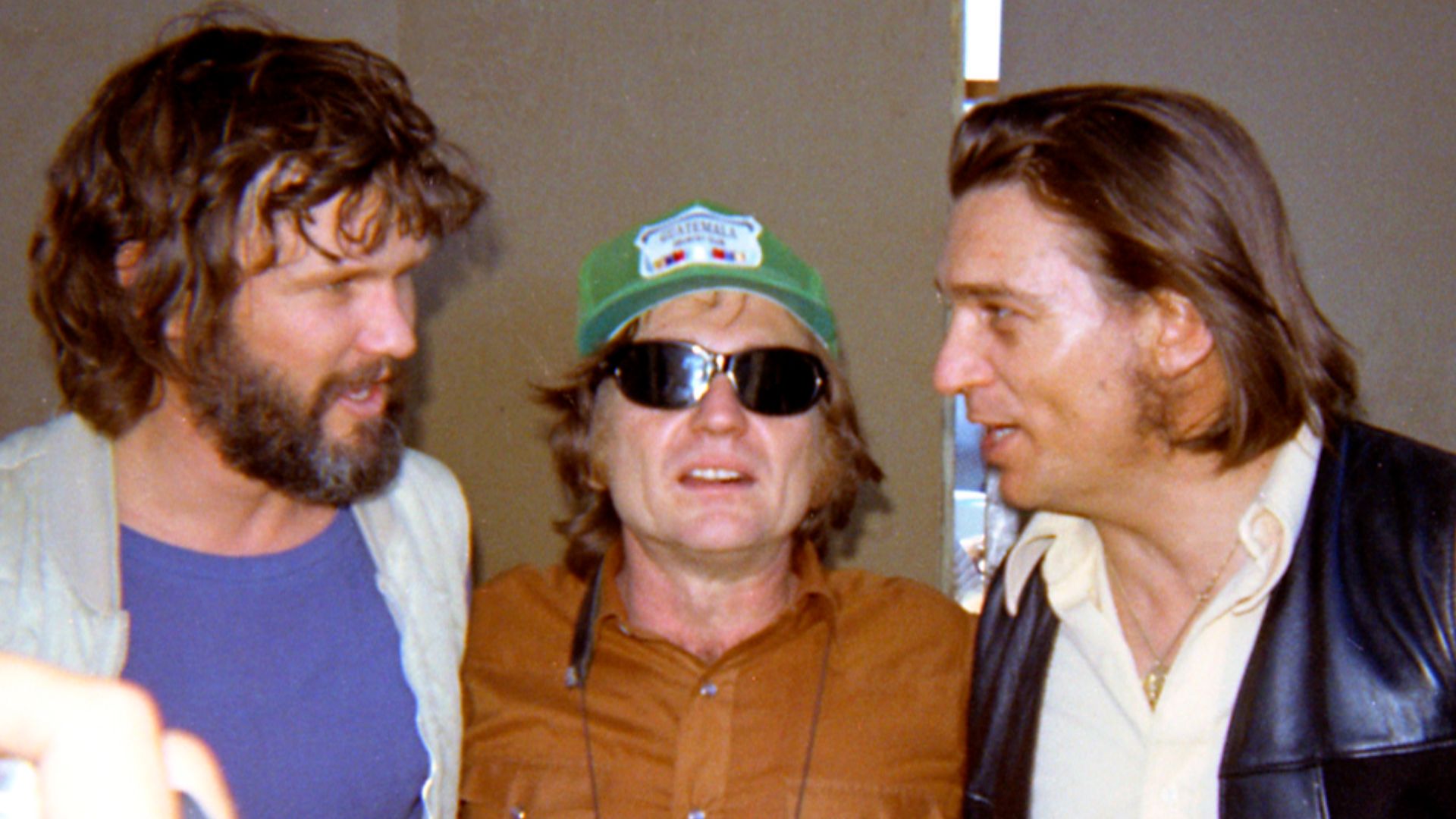
In the 1970s, Waylon helped define outlaw country alongside Willie Nelson. He rejected Nashville’s polish. He wanted honesty. Rawness. Truth. That edge came from lived pain, not image.
The Crash Never Left the Room
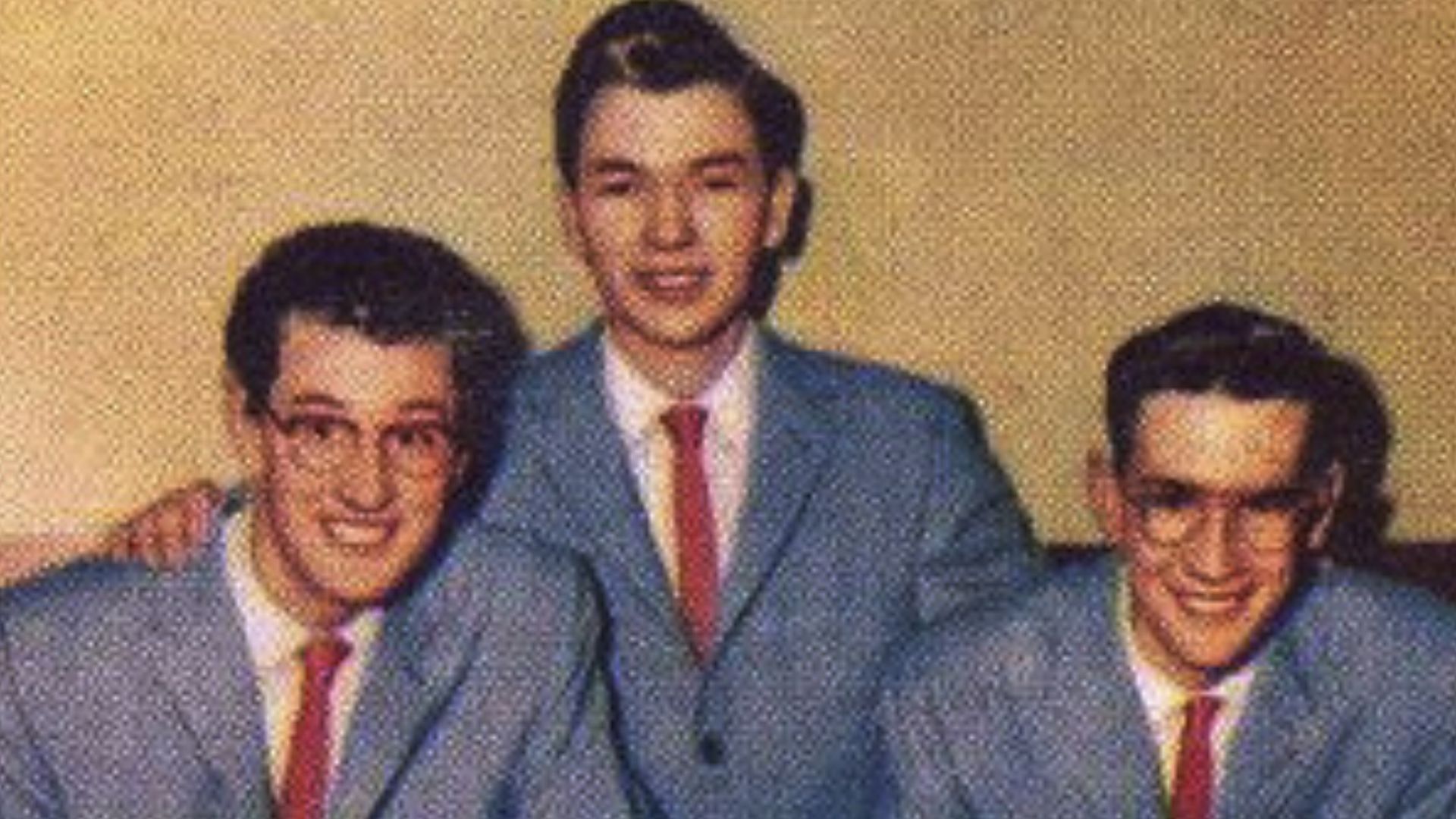
Even at the height of his success, Waylon spoke about Buddy Holly. He kept his memory alive. He credited Buddy for teaching him professionalism and confidence.
 TGC-Topps Gum Cards-photo from Brunswick Records, Wikimedia Commons
Other Survivors Felt It Too
Tommy Allsup, who lost the coin flip, said, “That coin toss is the worst thing that ever happened to me.” Each survivor carried their own version of the weight.
Waylon’s Honesty About Regret
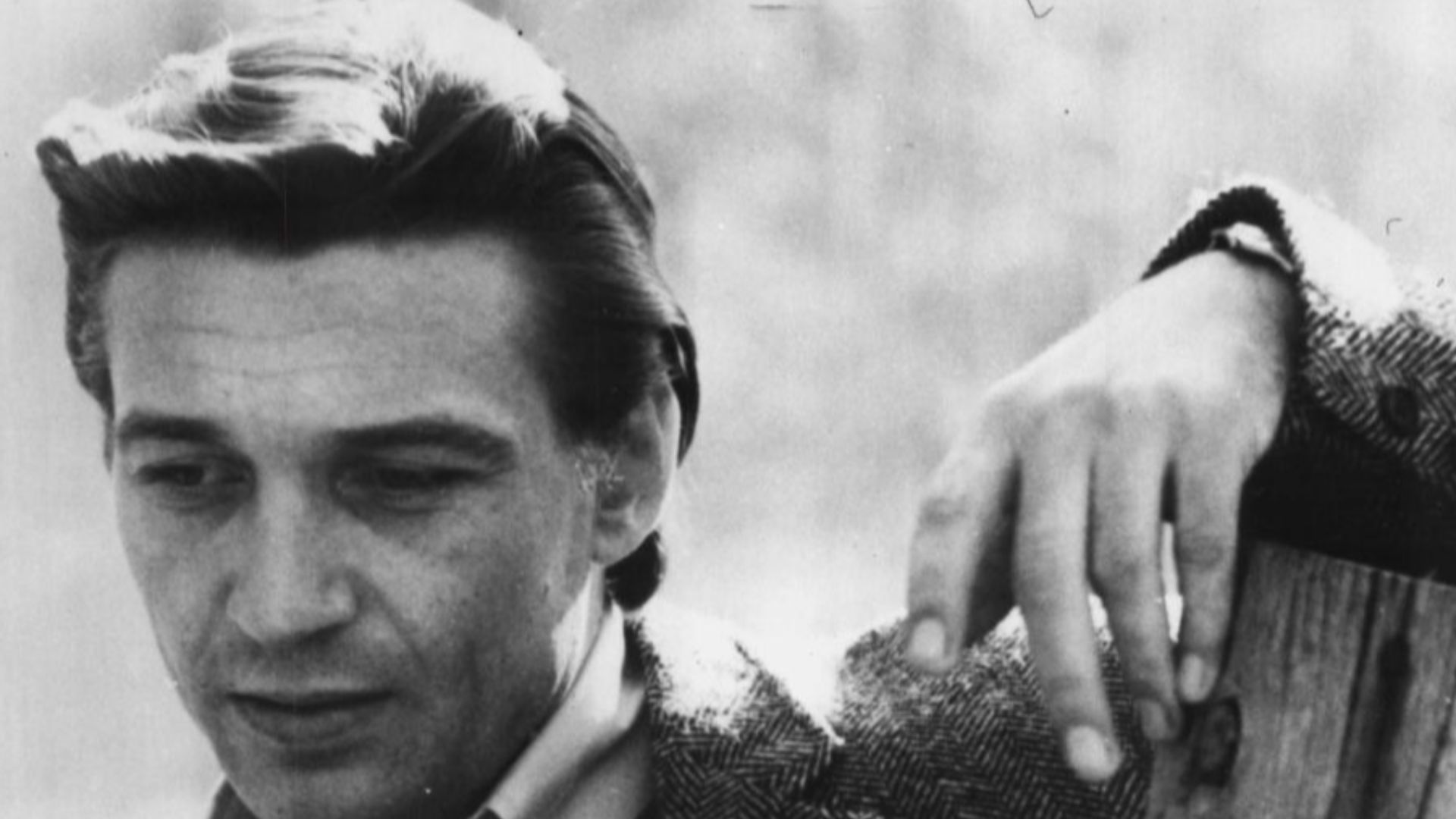
Waylon never pretended he was at peace with it. He said guilt became part of his identity. He believed it shaped how he lived and how he loved.
 Unknown authorUnknown author, Wikimedia Commons
The Day the Music Died
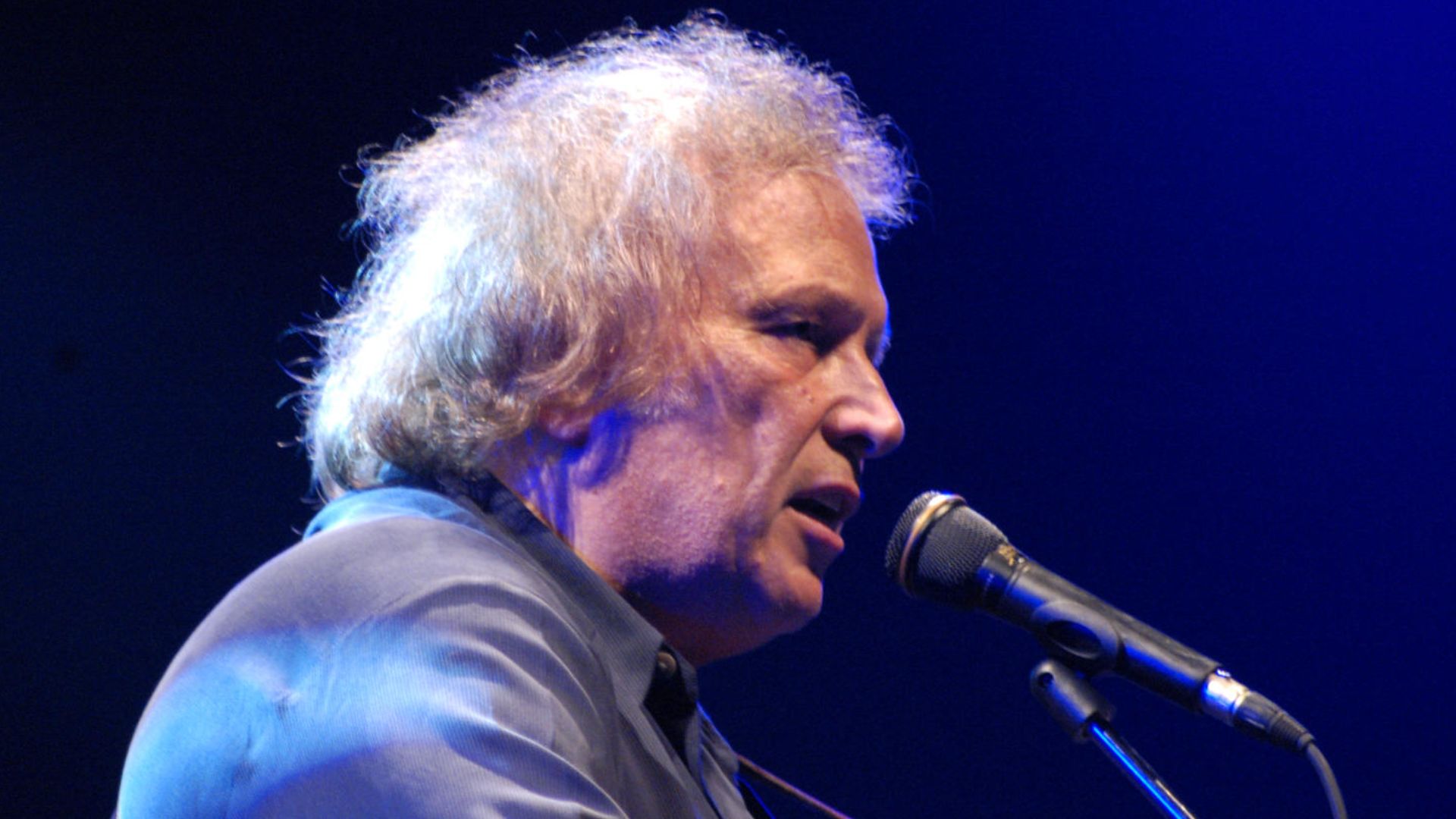
The crash became known as “The Day the Music Died,” a phrase popularized by Don McLean. For Waylon, it was not poetic. It was deeply personal.
 Alan Howard, Wikimedia Commons
Late-Life Reflections
As he aged, Waylon spoke more openly about forgiveness. He said he eventually learned to accept that he did not cause the crash. Acceptance did not erase memory, but it softened it.
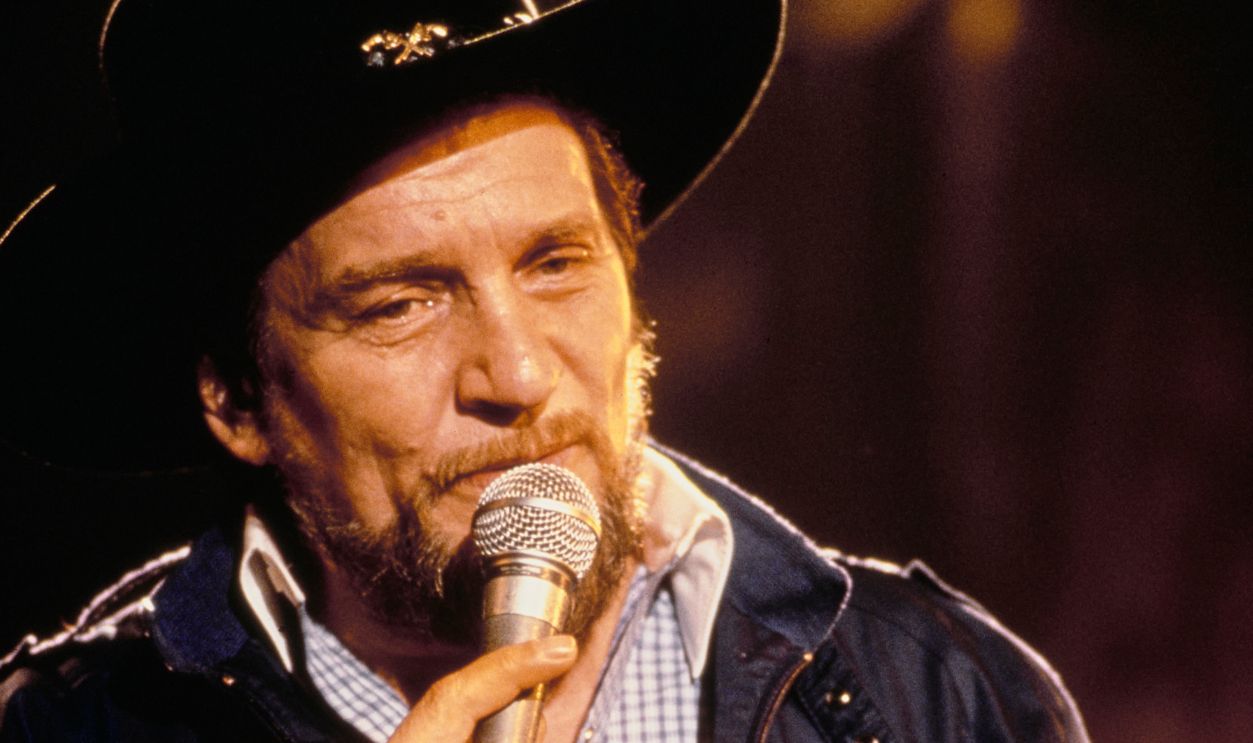
Waylon’s Legacy Beyond Survival
Waylon Jennings died on February 13, 2002, at age 64. His music, honesty, and influence reshaped country music forever. But behind the legend was a man who never forgot the friends he lost.
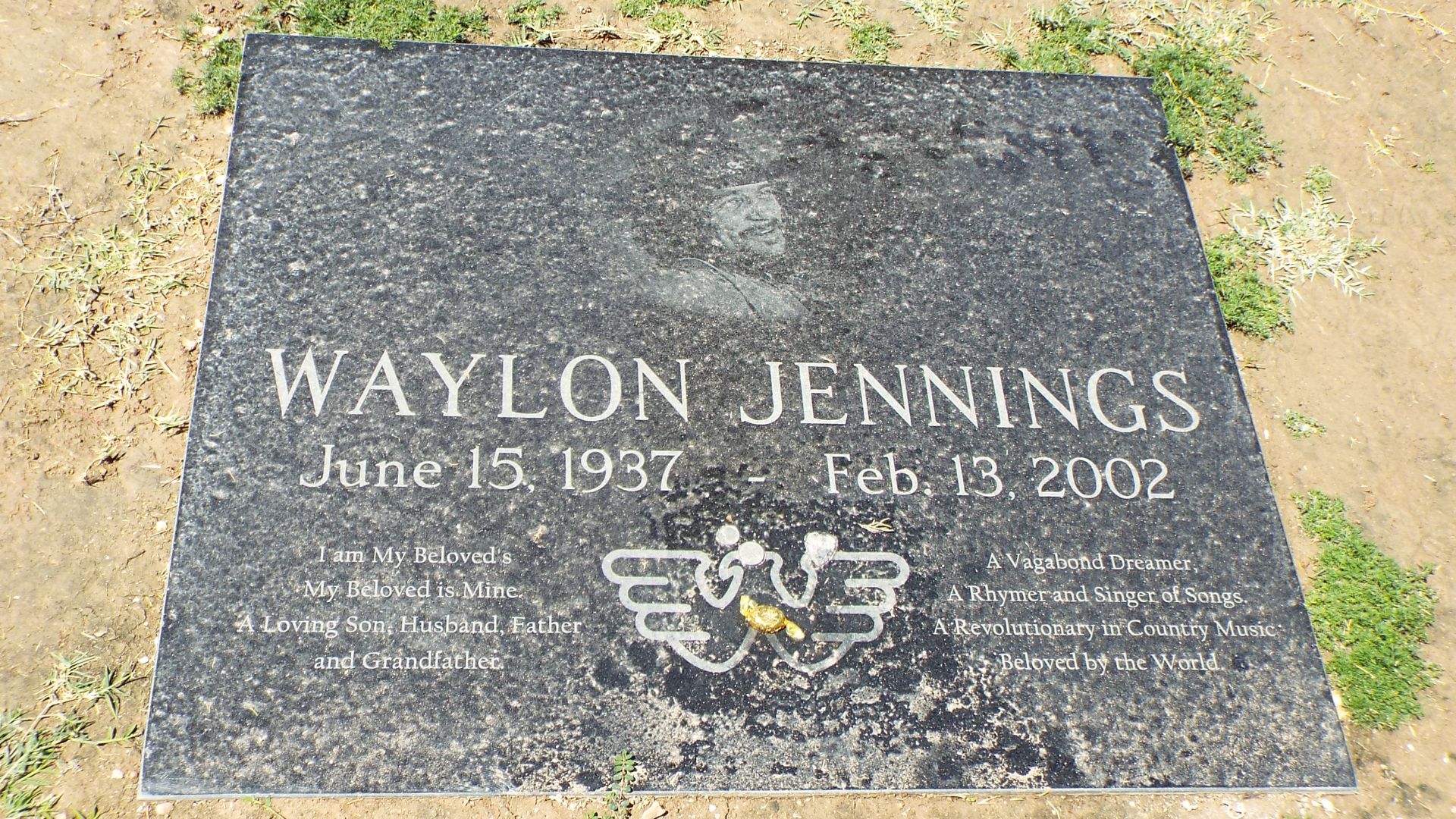 Marine 69-71, Wikimedia Commons
A Seat That Changed Music History
That empty seat changed everything. It ended three lives. It shaped another. Waylon Jennings carried that night with him until the end. He never claimed heroism. He claimed responsibility to remember. And through his music, he did.
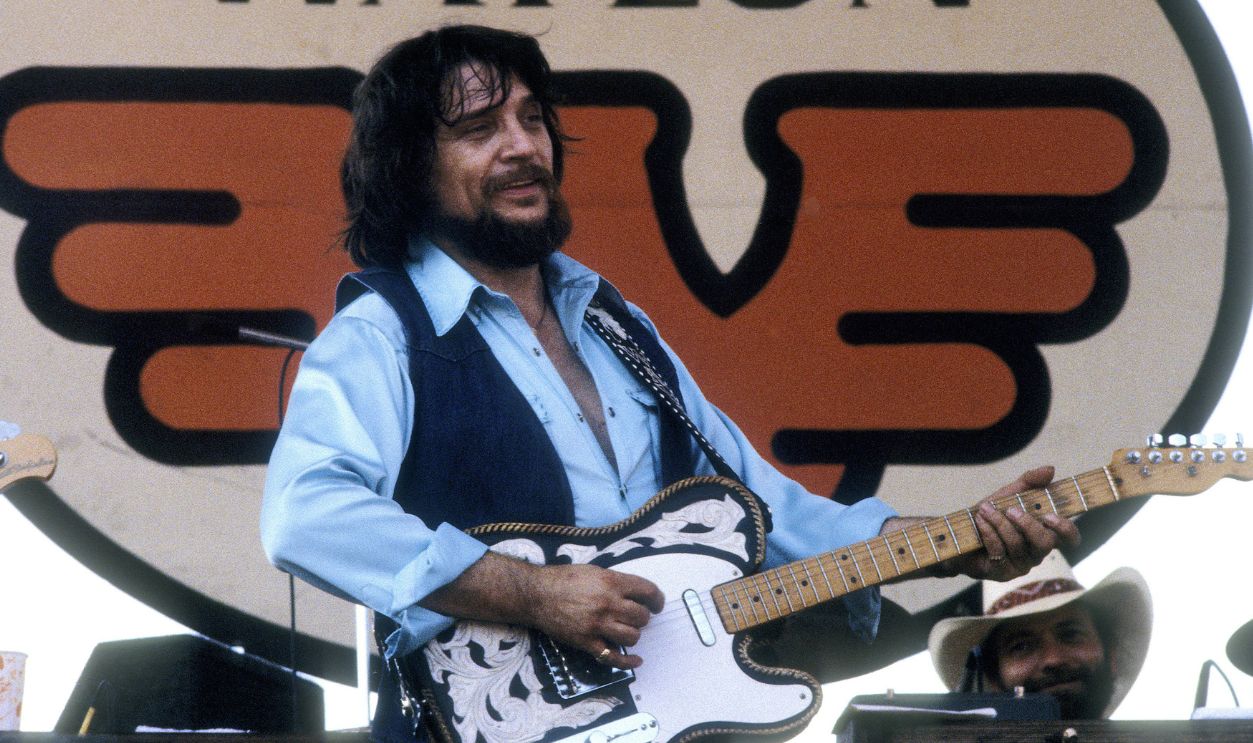
The Weight of Survival
Surviving can be its own burden. Waylon Jennings lived with that truth. He turned it into music that still feels honest because it was born from something real.
You May Also Like:
The night Keith Moon wrecked his hotel room wasn’t unusual—but in the hours that followed, it became clear that Moon was spiraling.
After years of being overshadowed by his brother, Malcolm Young’s decline and departure from AC/DC hit the band harder than any lineup change.