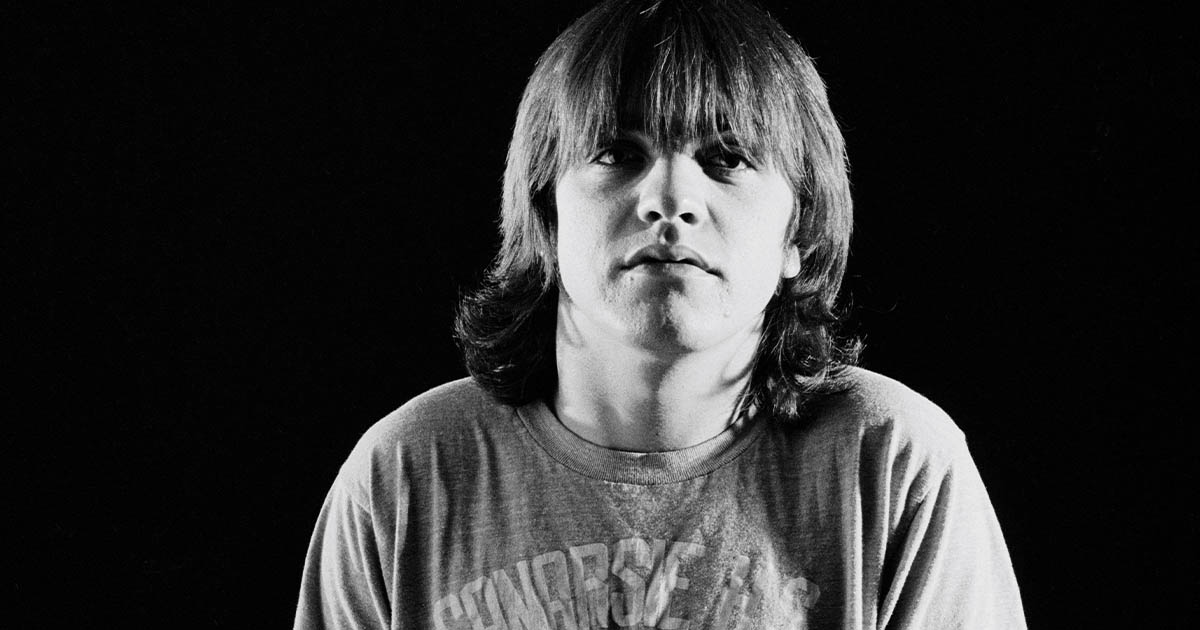
The Brother Who Never Sought the Spotlight
For decades, Malcolm Young stood just to the side of the spotlight, happy to let others shine. While fans focused on the frontmen and flashy solos, Malcolm was the steady force holding AC/DC together. He wasn’t interested in fame — he was interested in sound, discipline, and making the band work.
Growing Up Young in a Loud World
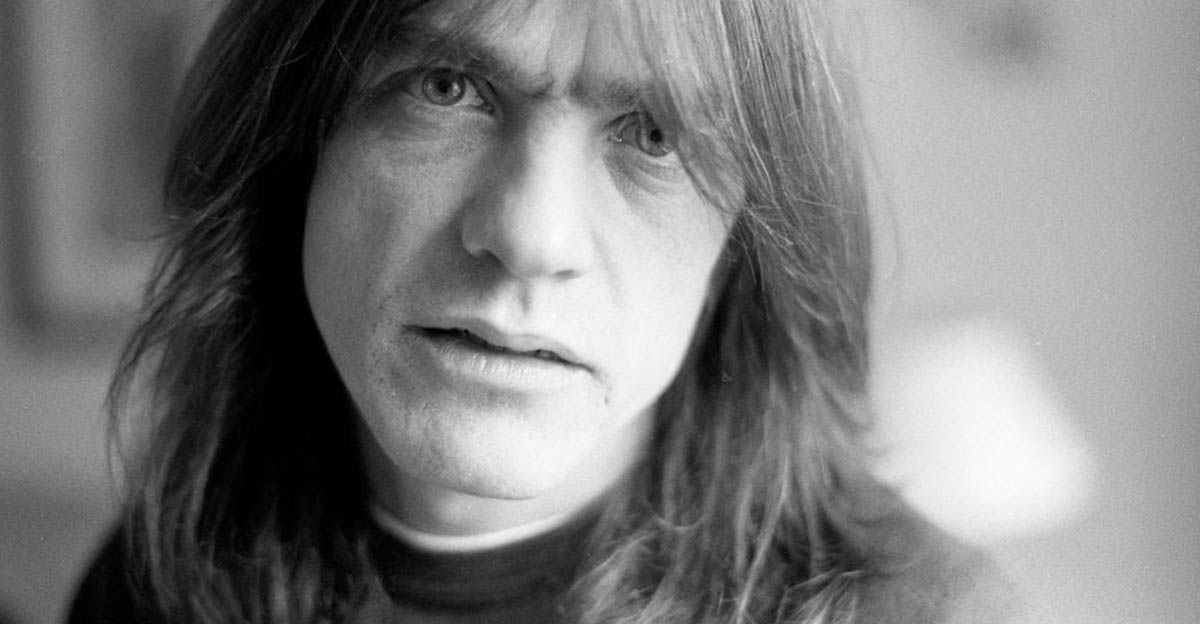
Born on January 6, 1953, in Glasgow, Scotland, Malcolm grew up in a working-class family that emigrated to Australia when he was young. Music filled the Young household. His older brother Angus may have been the wild one, but Malcolm was the anchor — calm, thoughtful, and deeply serious about craft.
Forming AC/DC With Purpose, Not Ego
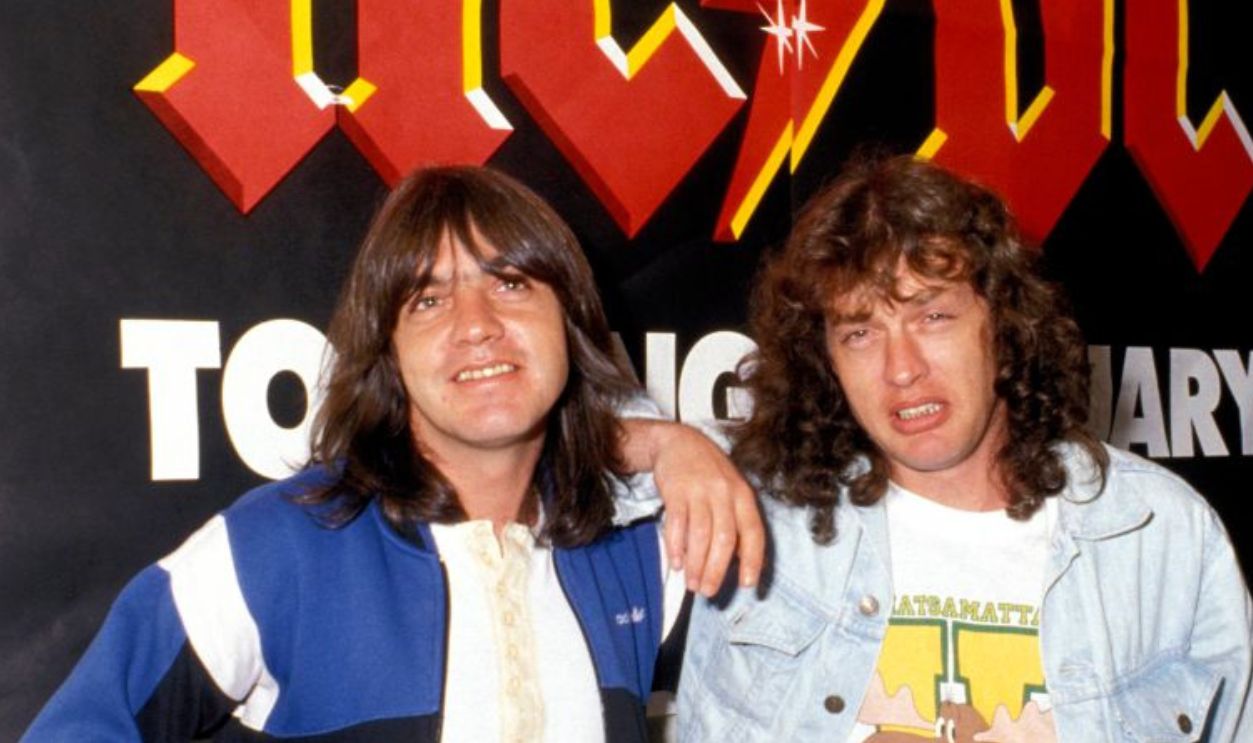
When Malcolm and Angus formed AC/DC in 1973, it wasn’t about stardom. Malcolm wanted a band that sounded tight, raw, and honest. He built AC/DC from the ground up, choosing members carefully and shaping the band’s identity with precision rather than flash.

The Rhythm Guitarist Who Built a Sound
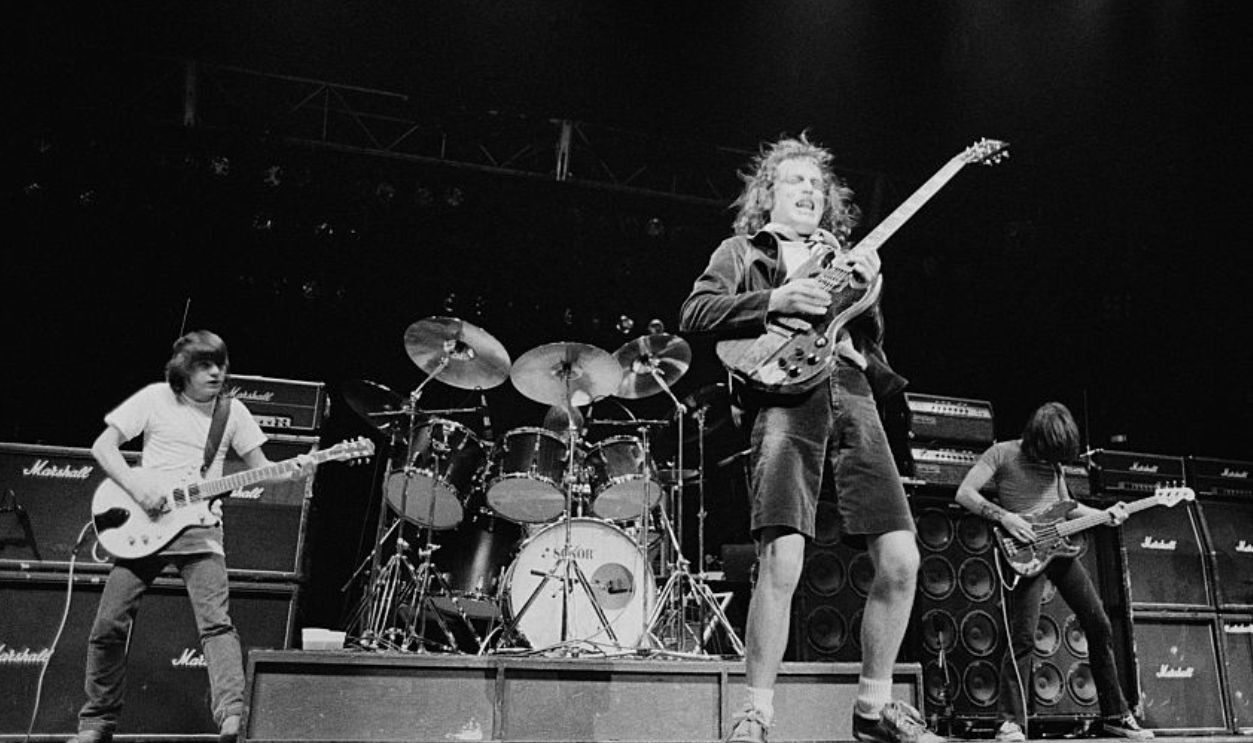
Malcolm’s rhythm guitar playing defined AC/DC more than any solo ever could. His riffs were sharp, relentless, and perfectly timed. Music critics later noted that AC/DC’s power came from Malcolm’s right hand — a machine-like consistency that drove every song forward.
Overshadowed, but Never Resentful
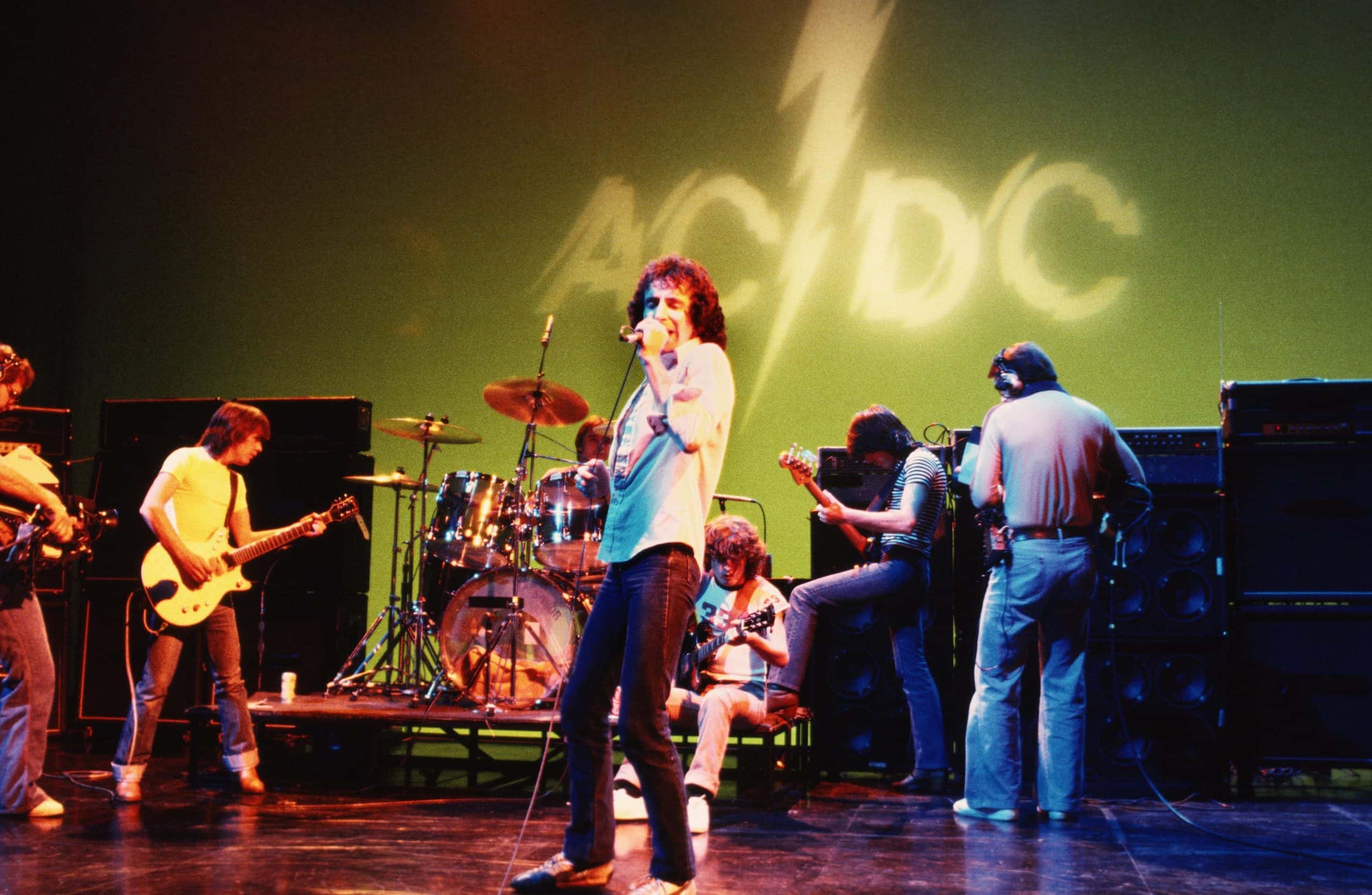
Angus Young became the visual symbol of AC/DC, and Malcolm was fine with that. Friends said Malcolm preferred the background, believing the band worked best when everyone stayed in their lane. He didn’t crave applause — he craved cohesion.
 Michael Ochs Archives, Getty Images
The Unofficial Leader of the Band
Behind the scenes, Malcolm was AC/DC’s leader. He made decisions, enforced discipline, and wasn’t afraid to fire band members if they didn’t meet his standards. Angus once said, “Without Malcolm, AC/DC wouldn’t exist.” It wasn’t exaggeration — it was fact.
A Reputation for Absolute Precision
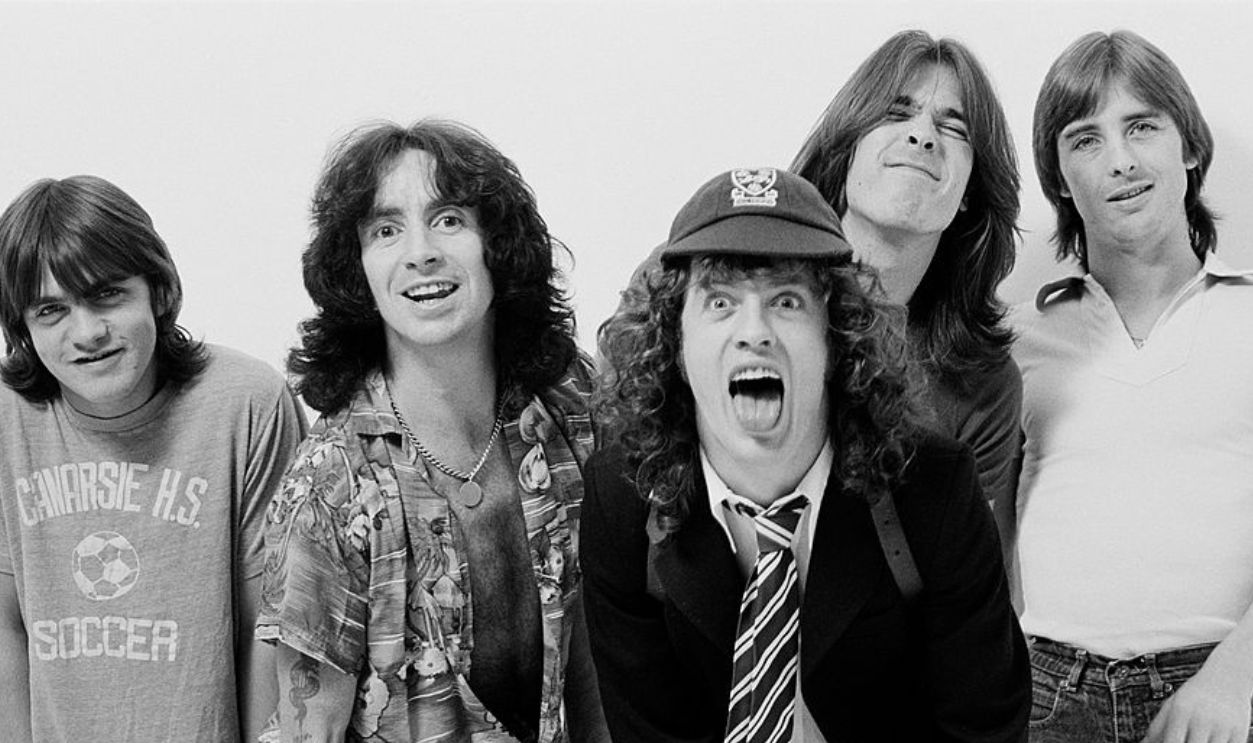
Malcolm was famously demanding in the studio. He could spend hours perfecting a rhythm track, refusing to settle for “good enough.” Producer Mutt Lange said Malcolm had an “engineer’s mind” — always listening for balance, timing, and punch.

Personal Struggles Kept Quiet
Like many musicians of his era, Malcolm struggled with alcohol earlier in his life. In the late 1980s, he stepped away from touring to address it — quietly, without drama or headlines. He returned sober, focused, and stronger, setting an example few talked about publicly.
A Brotherly Bond Built on Trust
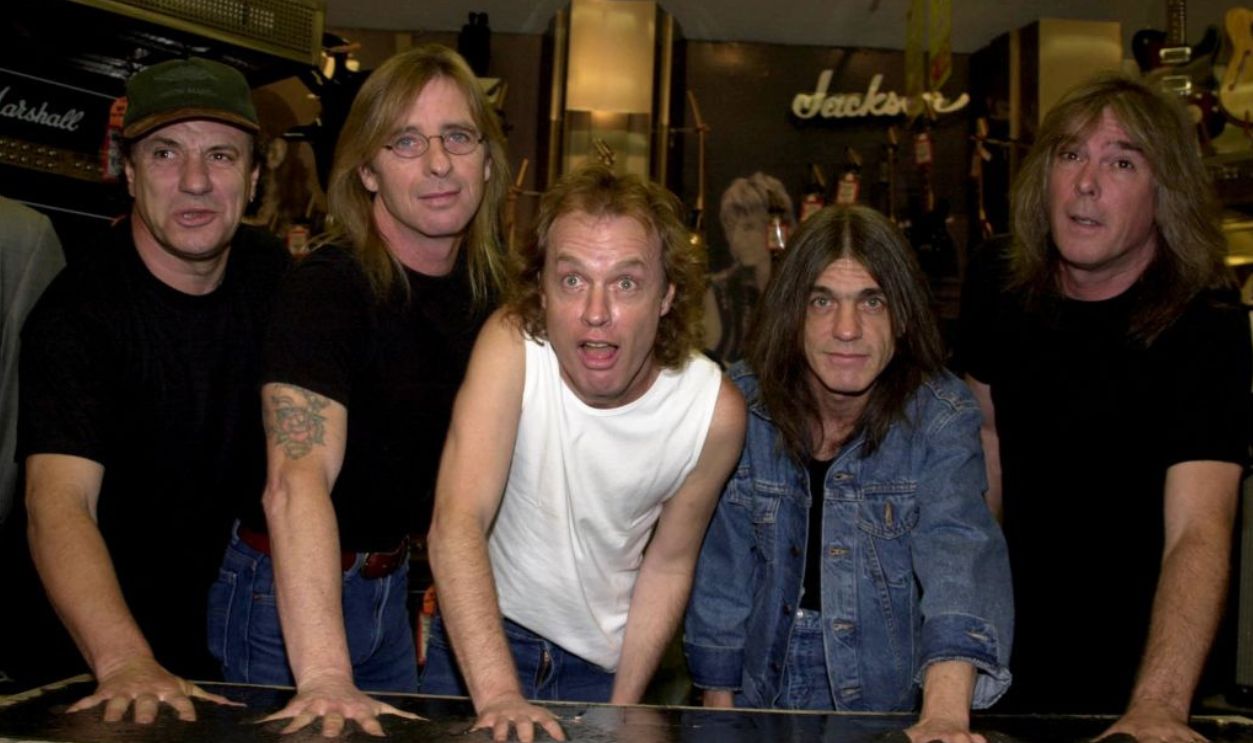
Angus and Malcolm weren’t just siblings — they were musical partners who communicated without words. Angus trusted Malcolm completely. When Malcolm nodded during a song, Angus knew exactly what to do. Their connection was the backbone of AC/DC’s live shows.

The First Signs Something Was Wrong
By the early 2010s, those closest to Malcolm noticed changes. He became forgetful. Conversations repeated. Riffs he’d played for decades slipped away. At first, it was subtle — easy to dismiss. But it didn’t go away.
A Diagnosis That Changed Everything
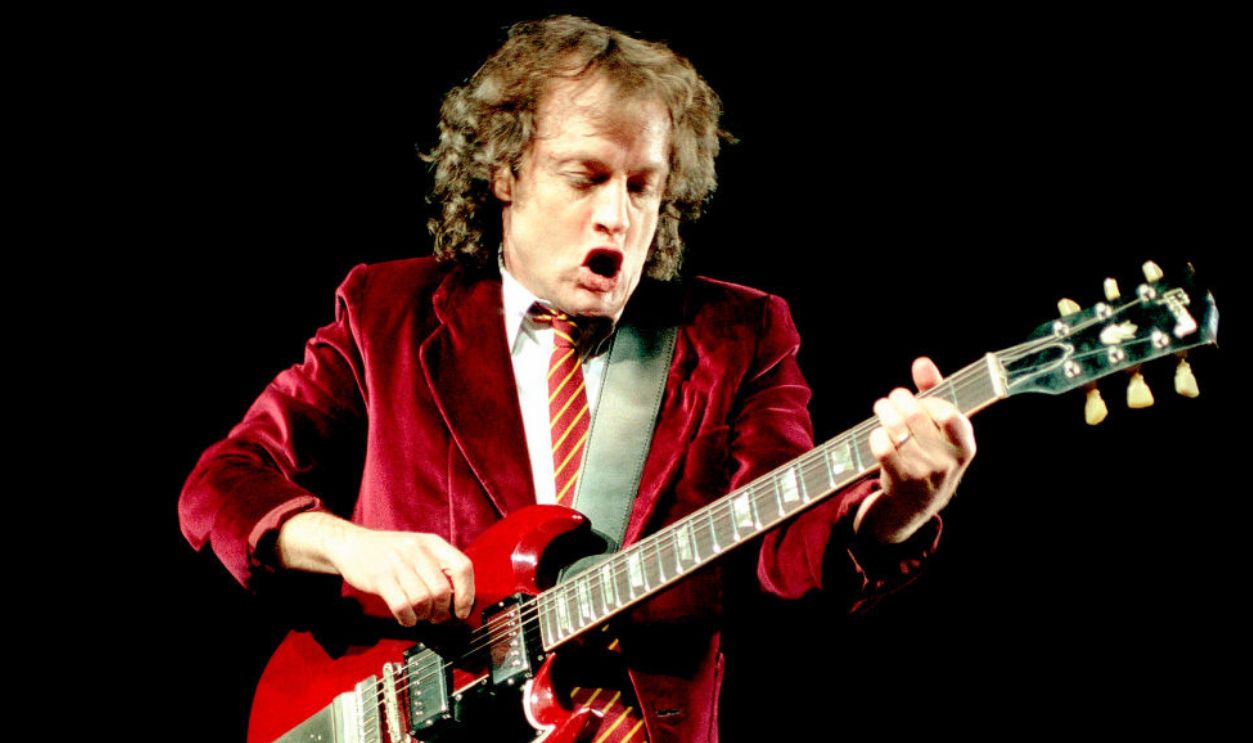
In 2014, Malcolm was diagnosed with dementia. The news devastated the band. This wasn’t just a lineup issue — this was the loss of their foundation. Angus later said it was the hardest moment in the band’s history.
Stepping Away From the Band He Built
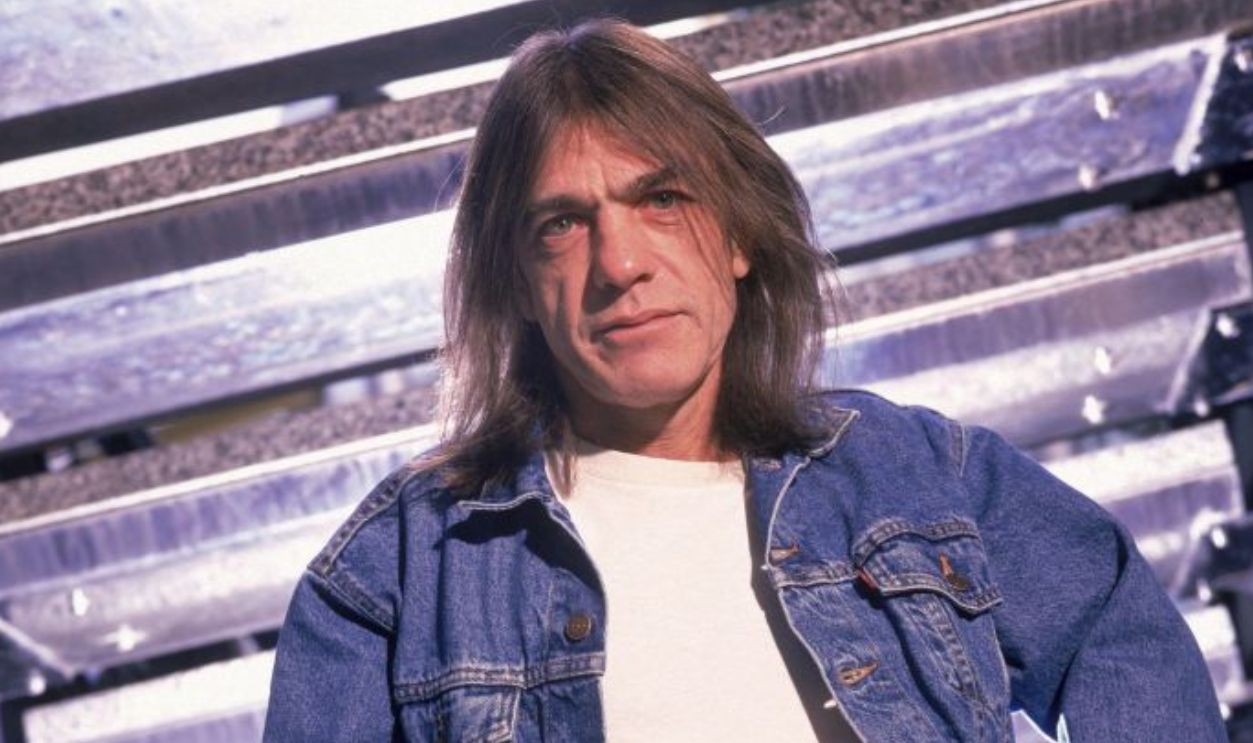
Malcolm officially retired from AC/DC in 2014. For the first time, the band moved forward without the man who shaped its sound, discipline, and identity. Fans felt the absence immediately, even if they couldn’t always explain why.
 Ron Pownall Photography, Getty Images
The Emotional Weight on Angus
Angus carried the loss heavily. He spoke openly about how difficult it was to play without Malcolm beside him. “I always knew where Malcolm was,” he said. “Now, he wasn’t there.” The stage felt emptier.
 Harry (Howard) Potts, Wikimedia Commons
AC/DC Continued — But It Was Different
The band pressed on, with nephew Stevie Young stepping in admirably. But everyone knew the truth: AC/DC without Malcolm wasn’t the same band. Something fundamental had shifted — not musically, but emotionally.

A Quiet Decline Away From the Public Eye
As Malcolm’s condition worsened, his family protected his privacy. He lived quietly, surrounded by loved ones, while fans around the world slowly came to terms with the fact that the man behind the riffs was fading.
Respect From the Music World
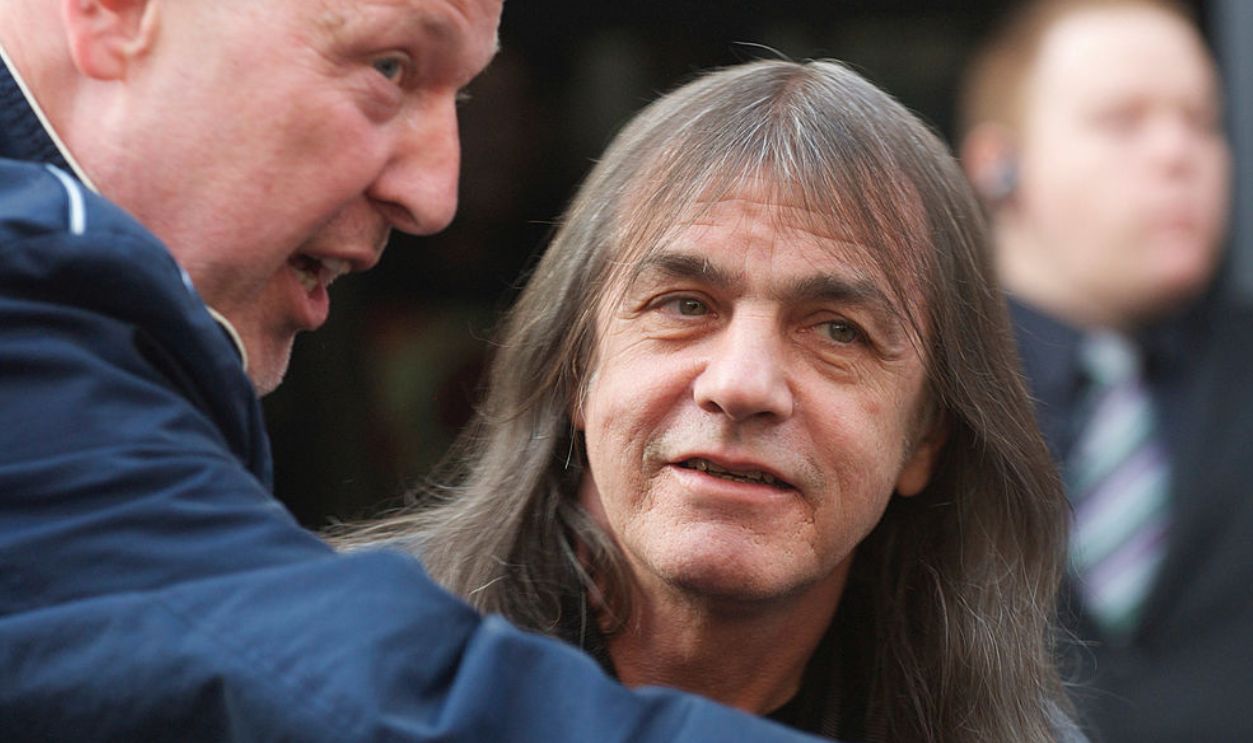
Tributes poured in from musicians who understood Malcolm’s importance. Dave Grohl called him “one of the greatest rhythm guitarists of all time.” Others said AC/DC’s influence simply wouldn’t exist without Malcolm’s discipline and restraint.
 Lindsay from Pittsburgh, Wikimedia Commons
His Passing Left a Deep Silence
Malcolm Young died on November 18, 2017, at the age of 64. The announcement felt heavy — not shocking, but deeply sad. It marked the end of an era that had already been quietly slipping away.
Angus’s Tribute to His Brother
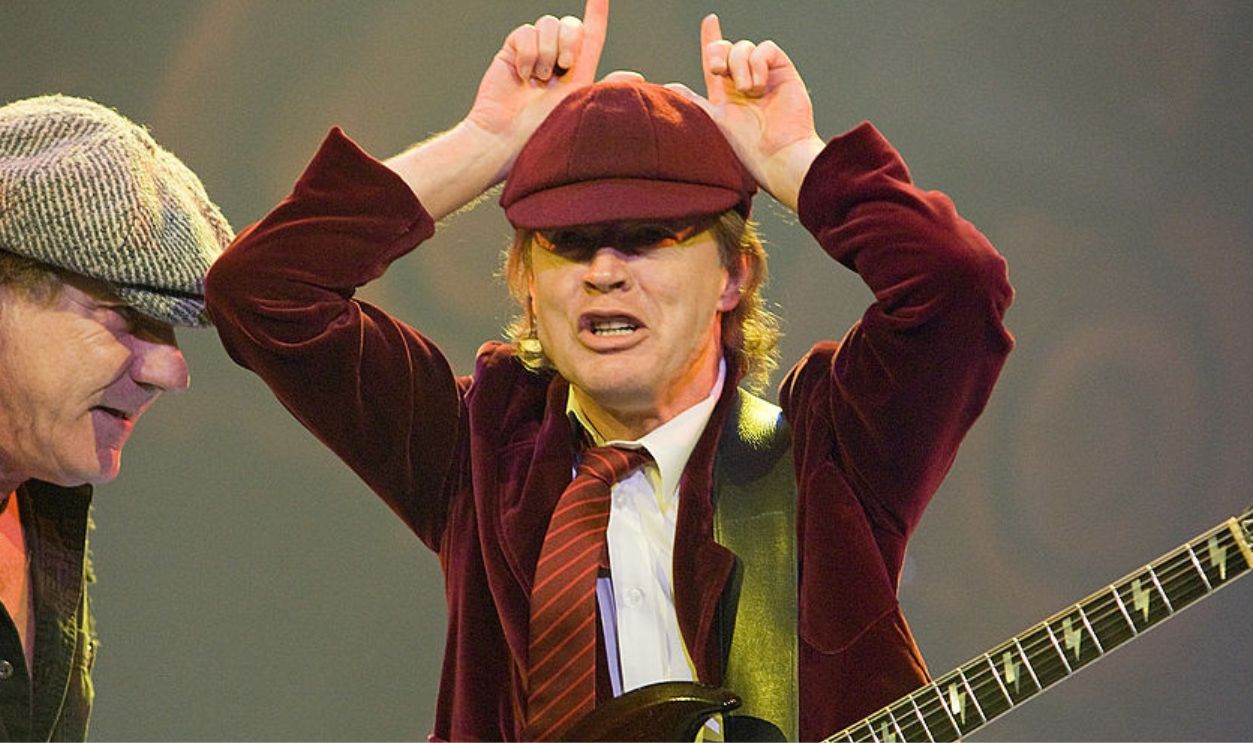
Angus honored Malcolm by continuing to play — because that’s what Malcolm would have wanted. “As long as AC/DC exists,” Angus said, “Malcolm will always be there.” It was a promise, not a slogan.
 ManoSolo13241324, Wikimedia Commons
Why His Loss Hit Harder Than Any Lineup Change
AC/DC survived singers, drummers, and trends — but Malcolm was irreplaceable. He wasn’t just a guitarist. He was the spine of the band. Losing him wasn’t a change. It was a wound.
 Ed Vill from Caracas, Venezuela, Wikimedia Commons
The Legacy of the Quiet Architect
Malcolm Young proved that leadership doesn’t need volume, ego, or applause. Sometimes, the most important person in the room is the one holding everything together quietly. AC/DC roared because Malcolm stood firm.
You May Also Like: