When Reinvention Goes Wrong
Every musician eventually faces the same problem: How do you stay relevant without repeating yourself? Some artists successfully reinvent their sound and image, while others discover that their fans aren't interested in following them. From teen idols embracing punk to rock legends experimenting with disco, these ambitious reinventions produced some of music's most fascinating misfires.
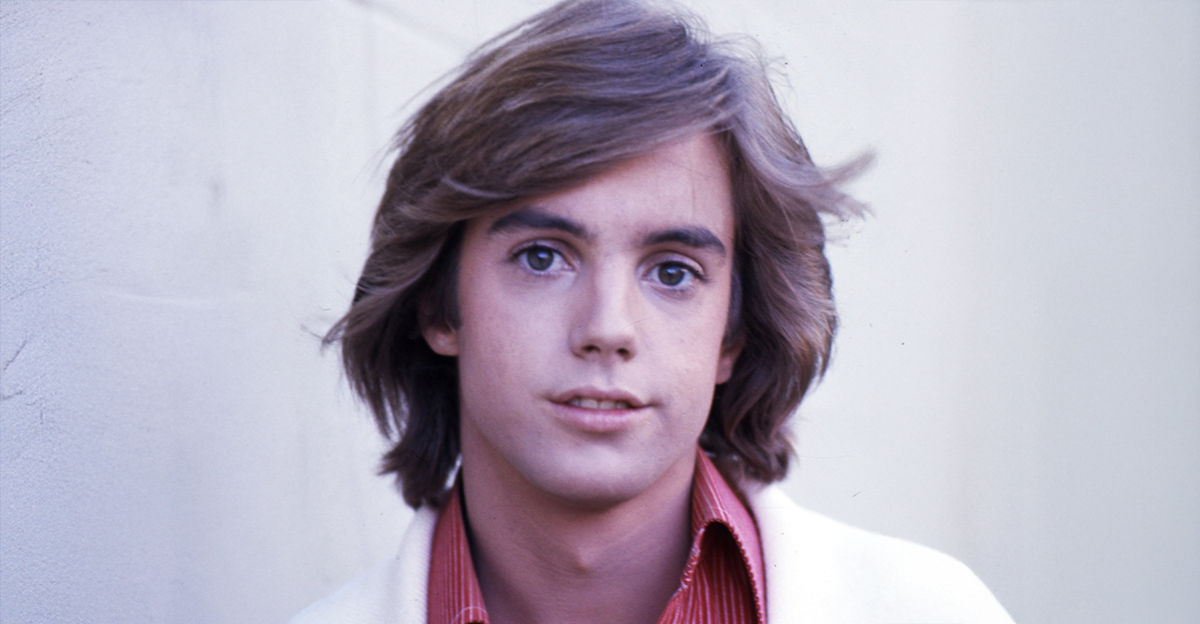 Maureen Donaldson/Michael Ochs Archives/Getty Images
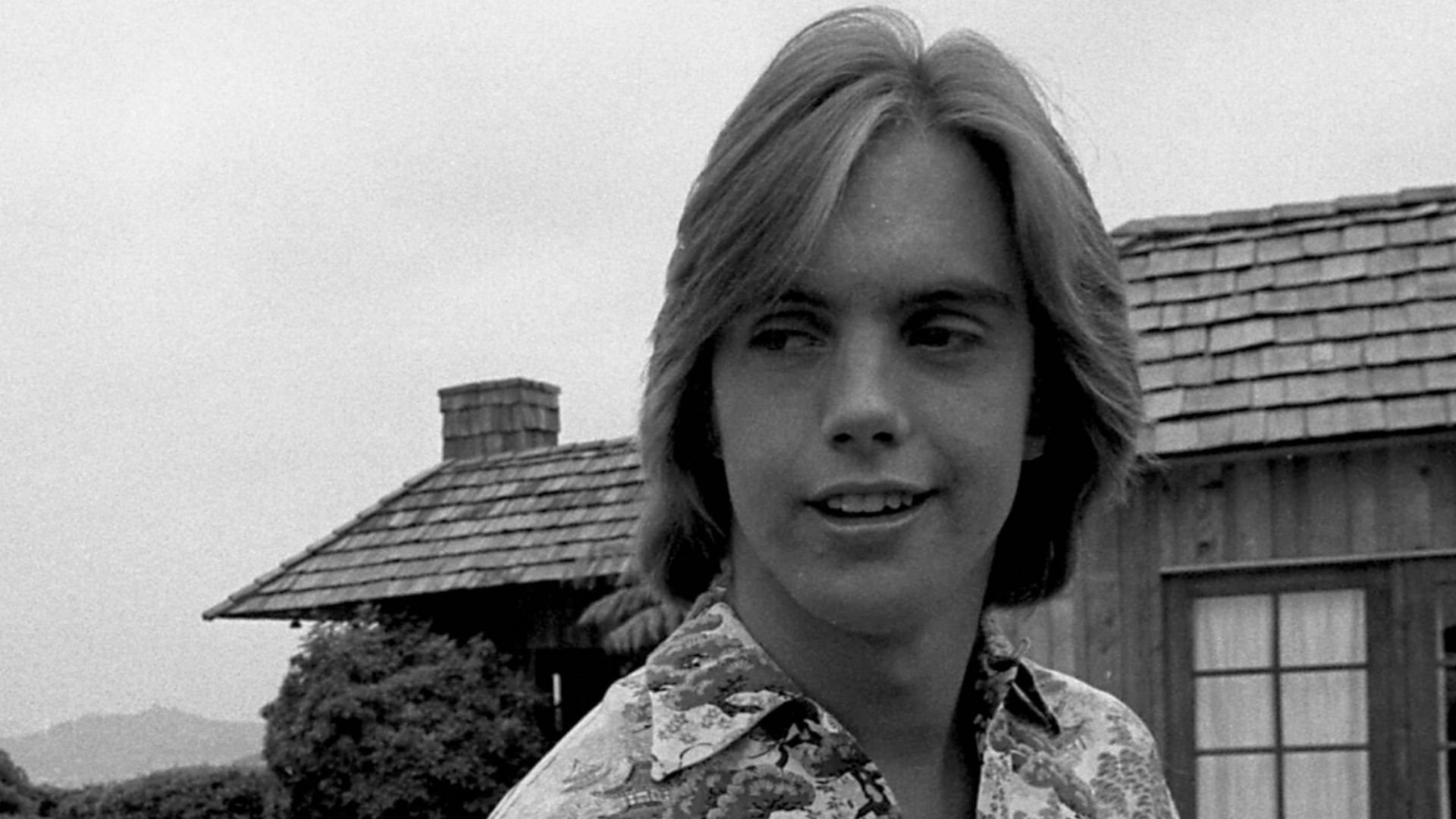
Shaun Cassidy: Wasp (1980)
Shaun Cassidy was determined to escape his teen-idol image when he recruited Todd Rundgren to produce Wasp. The album featured new-wave interpretations of songs by David Bowie, Talking Heads, and The Who. Unfortunately, Cassidy's teenage audience had largely moved on, while rock and new-wave listeners showed little interest in his transformation. The album failed commercially, bringing his recording career to a close.
 Tony Barnard, Los Angeles Times, Wikimedia Commons
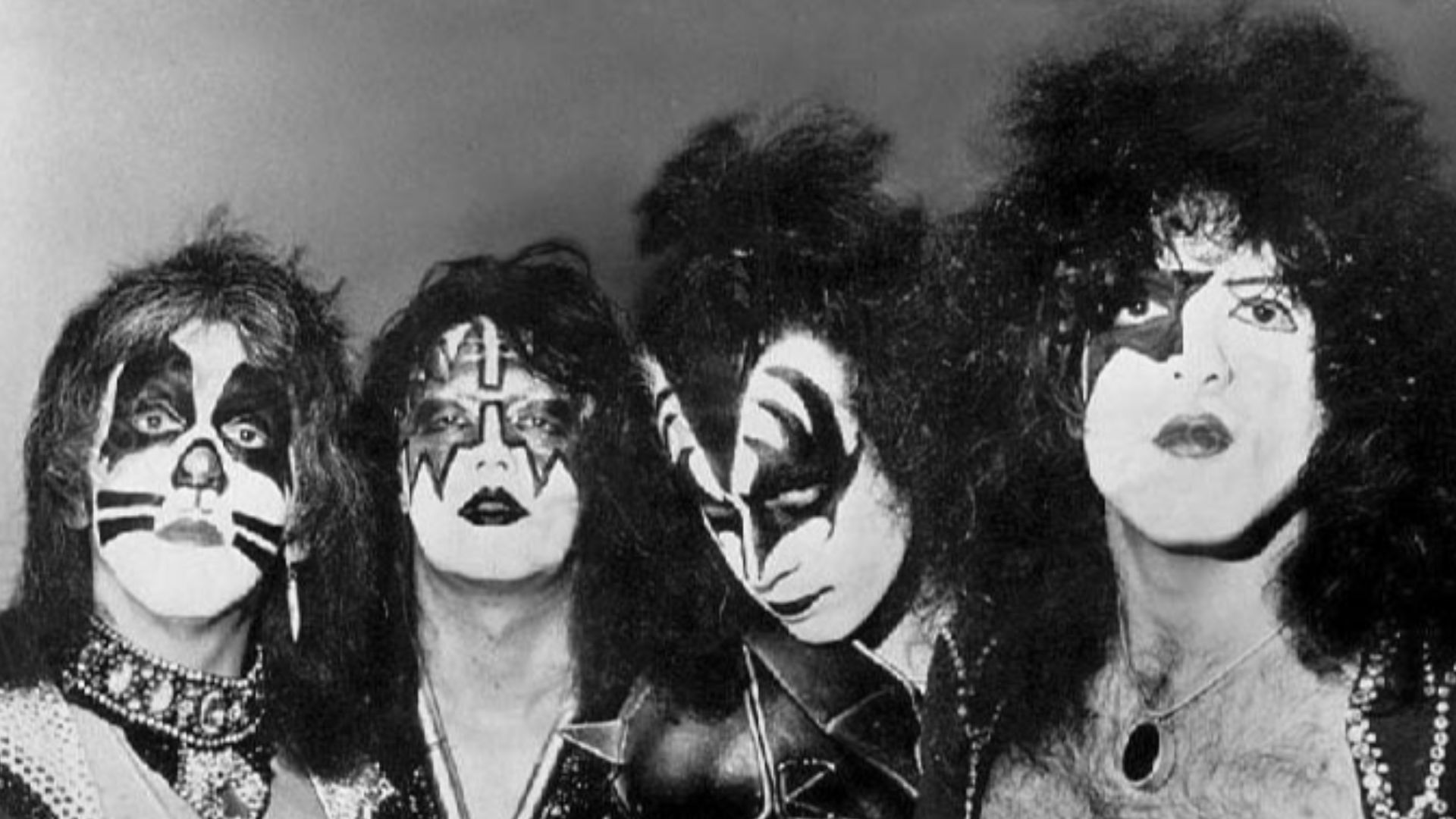
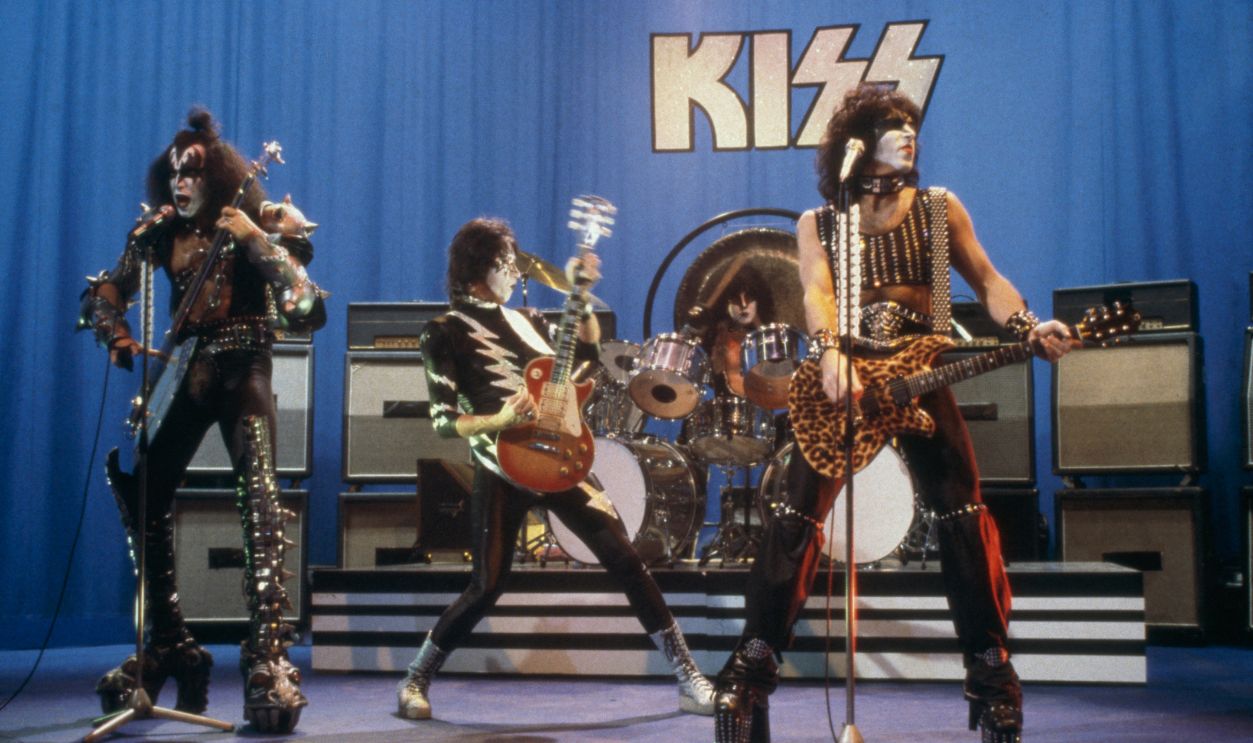
KISS: Music From "The Elder" (1981)
KISS had built their reputation on makeup, pyrotechnics, and uncomplicated hard rock. Then they decided to make a sophisticated fantasy concept album with producer Bob Ezrin. Music From "The Elder" featured orchestral arrangements and an elaborate storyline that bewildered longtime fans. It became one of the band's biggest commercial disappointments, and the proposed accompanying film never materialized.
Garth Brooks: The Life Of Chris Gaines (1999)
Country superstar Garth Brooks decided to become someone else entirely. Chris Gaines was a fictional Australian rock singer with dark hair, a soul patch, and a troubled backstory. Brooks recorded an album in character as part of a planned movie project. Although it went double platinum and produced the Top Five pop hit "Lost in You," the unusual reinvention confused many fans, and the proposed movie was never made.

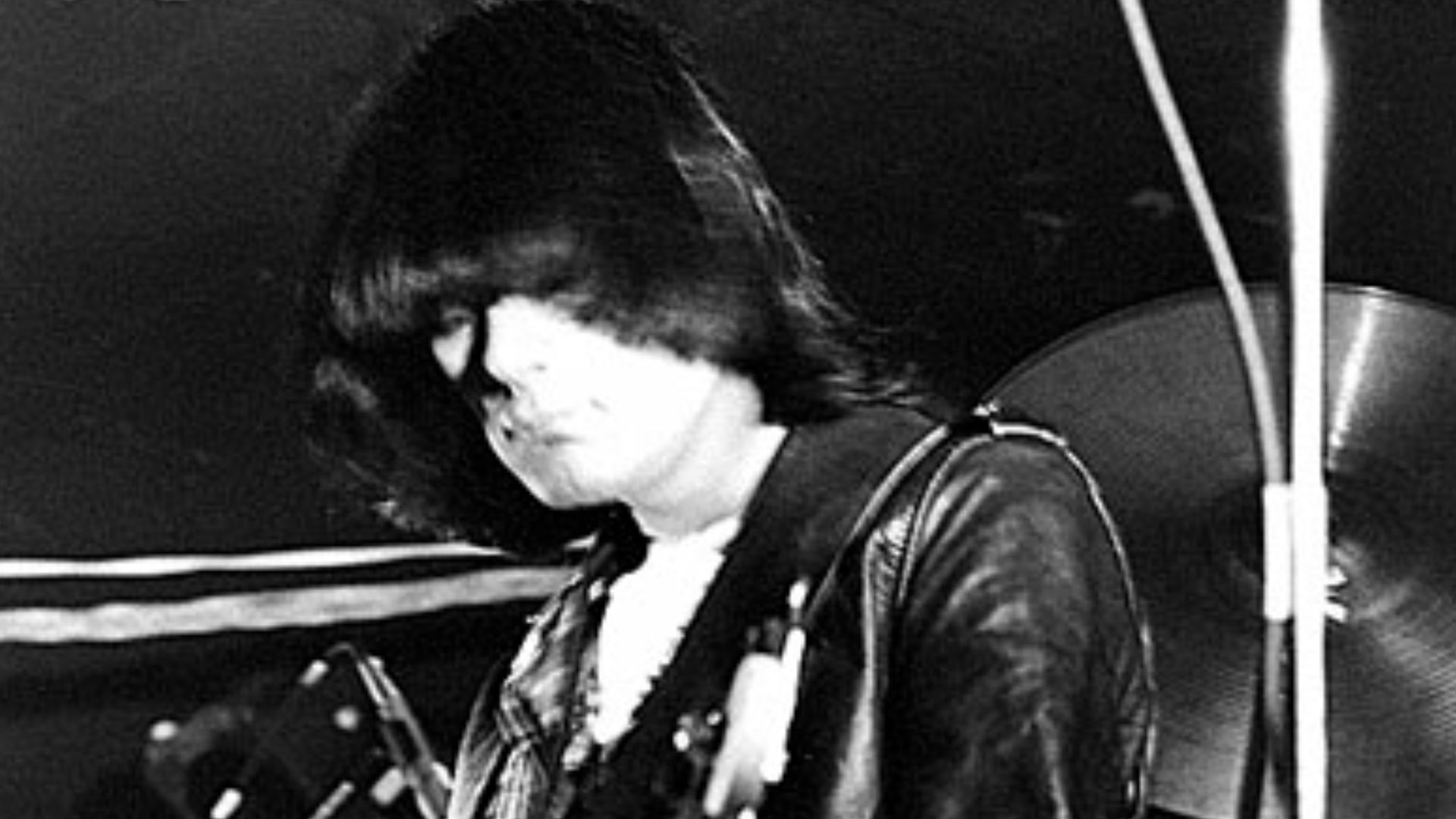
Dee Dee Ramone: Standing In The Spotlight (1989)
Few career transformations were stranger than Ramones bassist Dee Dee Ramone becoming rapper Dee Dee King. His 1989 solo album, Standing in the Spotlight, mixed old-school hip-hop, doo-wop, and punk influences. Unfortunately, critics weren't impressed, and the album failed to establish him as a rap star. Dee Dee eventually returned to the music that made him famous.
 Michael Markos, Wikimedia Commons
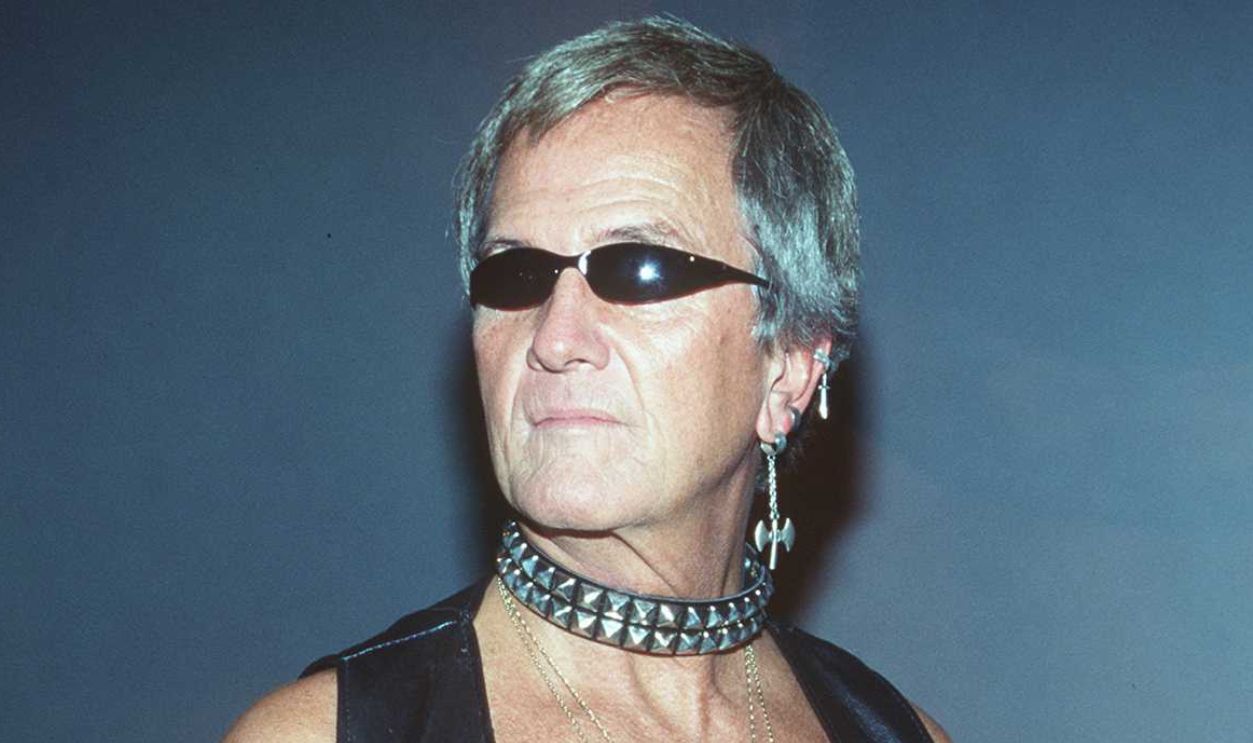
Pat Boone: In A Metal Mood (1997)
Pat Boone had spent decades cultivating one of the cleanest images in American entertainment. Then he recorded big-band versions of heavy-metal songs and appeared at the American Music Awards wearing leather and a studded collar. His conservative Christian audience was horrified, and Trinity Broadcasting Network temporarily dropped his television program. Despite enormous publicity, the album peaked at number 125 on the Billboard 200, with reported sales of approximately 50,000 copies by July 1997.
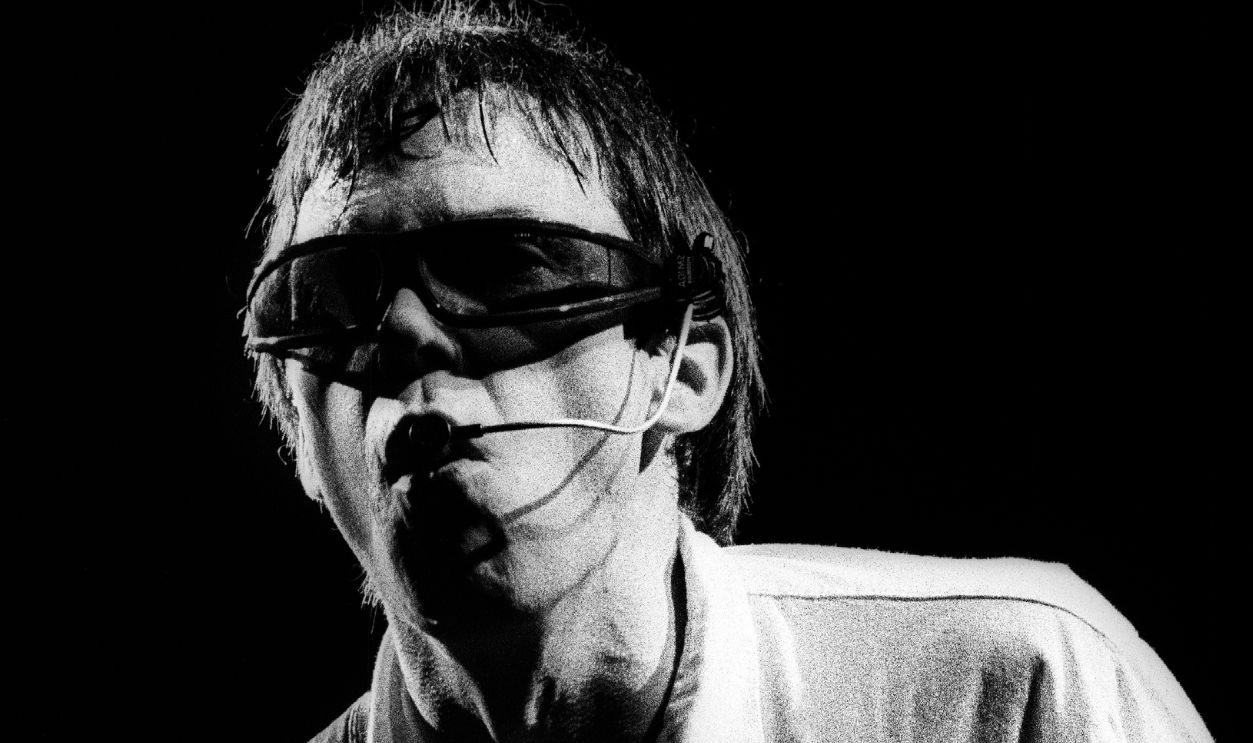
Neil Young: Trans (1982)
Fans expecting another folk-rock masterpiece from Neil Young were stunned when he released Trans. Much of the album featured synthesizers, electronic rhythms, and vocals processed through a vocoder. Young's experimentation had deeply personal motivations, including his efforts to communicate with his son. Nevertheless, the record confused audiences and helped ignite a remarkable dispute with his record company.
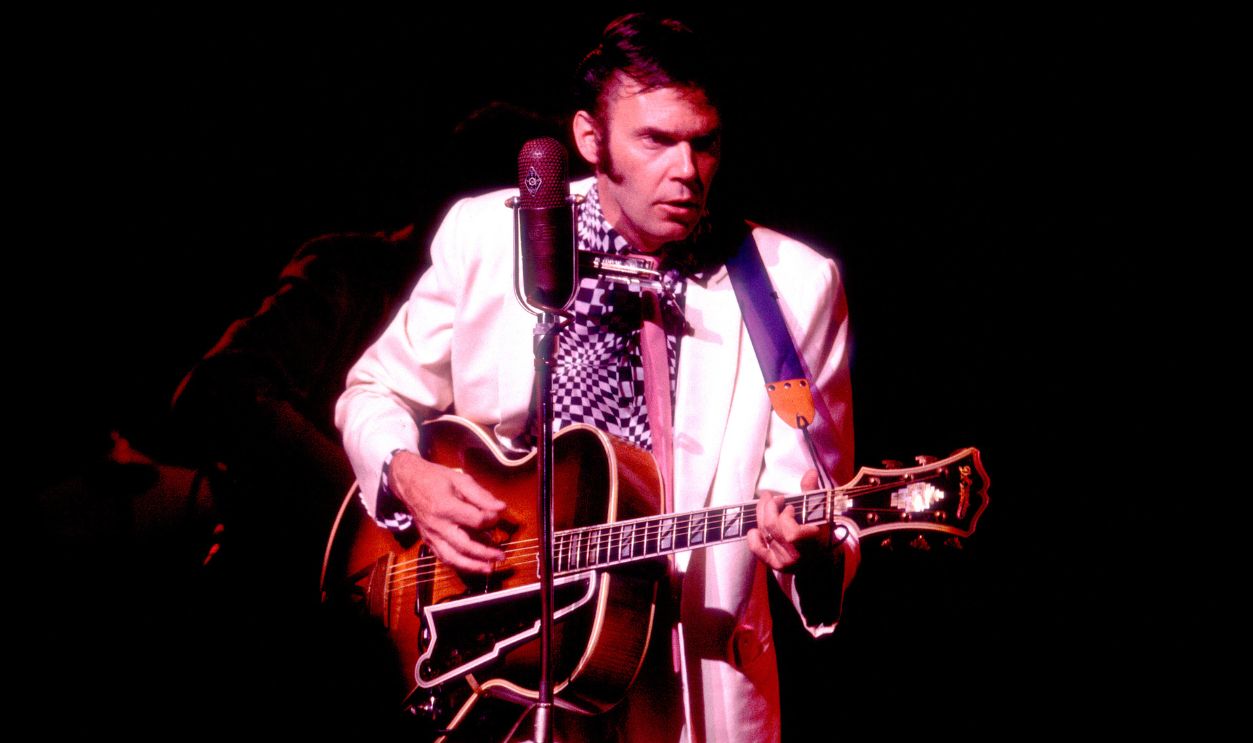
Neil Young: Everybody's Rockin' (1983)
Neil Young followed his electronic experiment with another unexpected transformation, this time embracing 1950s-style rockabilly. Recording with a band called the Shocking Pinks, he produced Everybody's Rockin', a brief collection of retro rock songs. Geffen Records was furious about Young's unpredictable musical direction and eventually sued him for delivering music it considered unrepresentative of his established work.
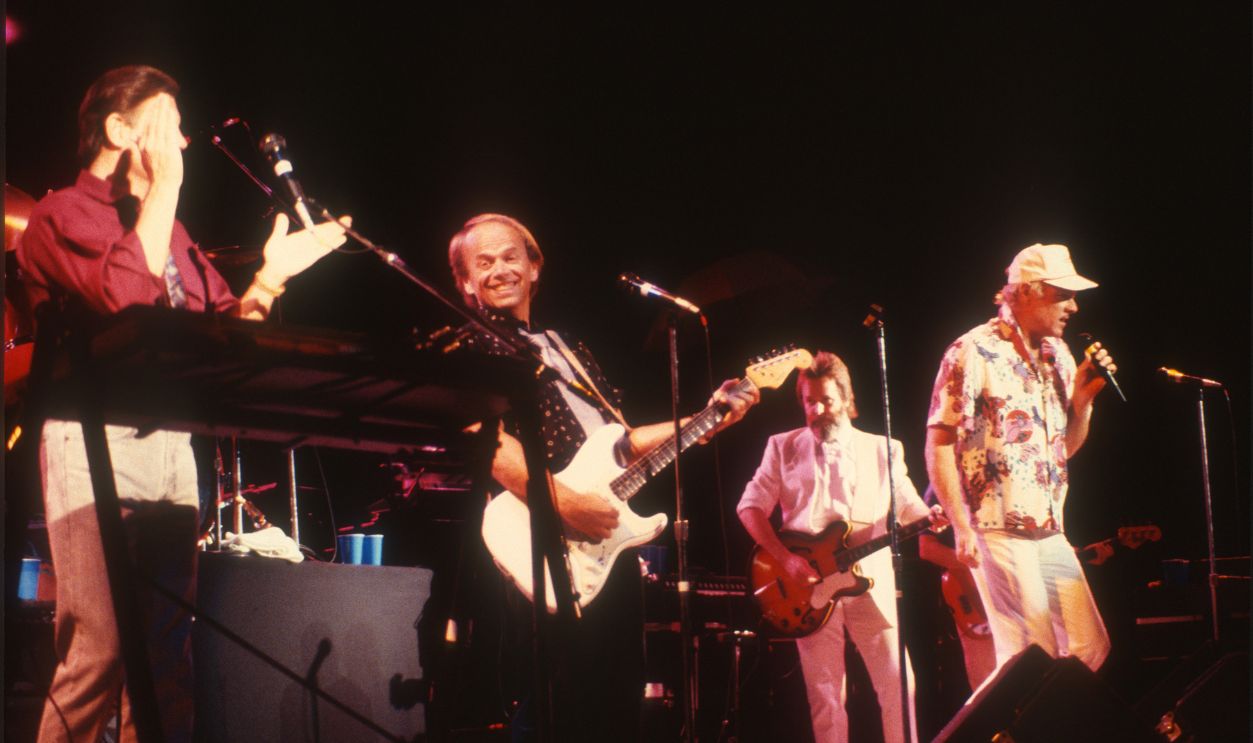
The Beach Boys: Summer In Paradise (1992)
After scoring an unexpected comeback with "Kokomo" in 1988, the Beach Boys attempted to modernize their familiar sunshine-and-surf formula. Unfortunately, Summer in Paradise sounded more like a manufactured imitation of their classic records. Brian Wilson wasn't involved, critics were unimpressed, and the album failed to chart in America. It became one of the group's most notorious commercial disappointments.
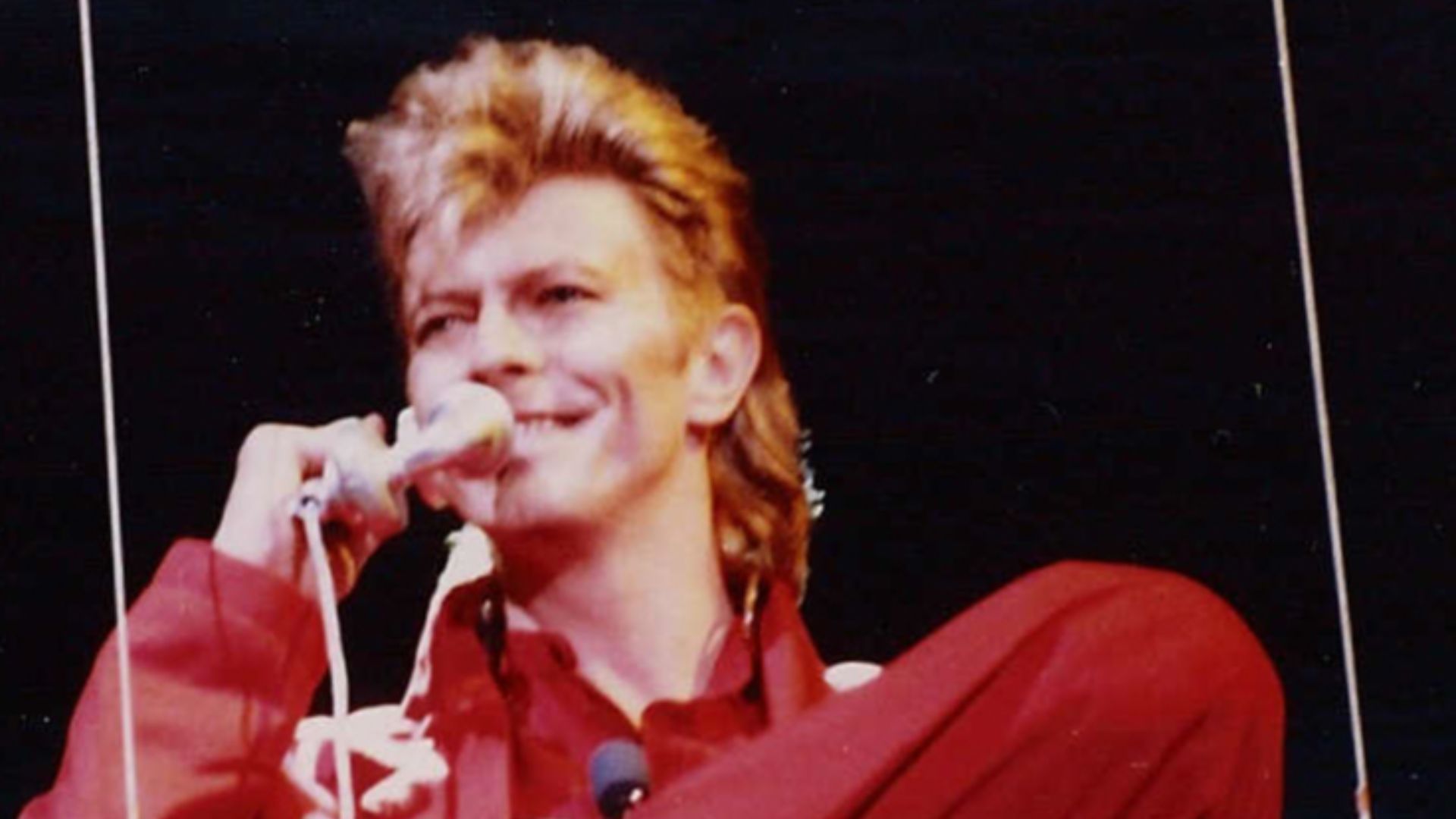
David Bowie: Never Let Me Down (1987)
David Bowie had reinvented himself brilliantly throughout the 1970s, but his late-1980s transformation proved considerably less successful. Never Let Me Down embraced glossy production, contemporary rock arrangements, and arena-sized ambitions. Although the album initially sold reasonably well, critics were disappointed, and Bowie later expressed dissatisfaction with the record. Its reputation became one of the weakest in his catalog.
 Elmar J. Lordemann (de:User:Jo Atmon), Wikimedia Commons
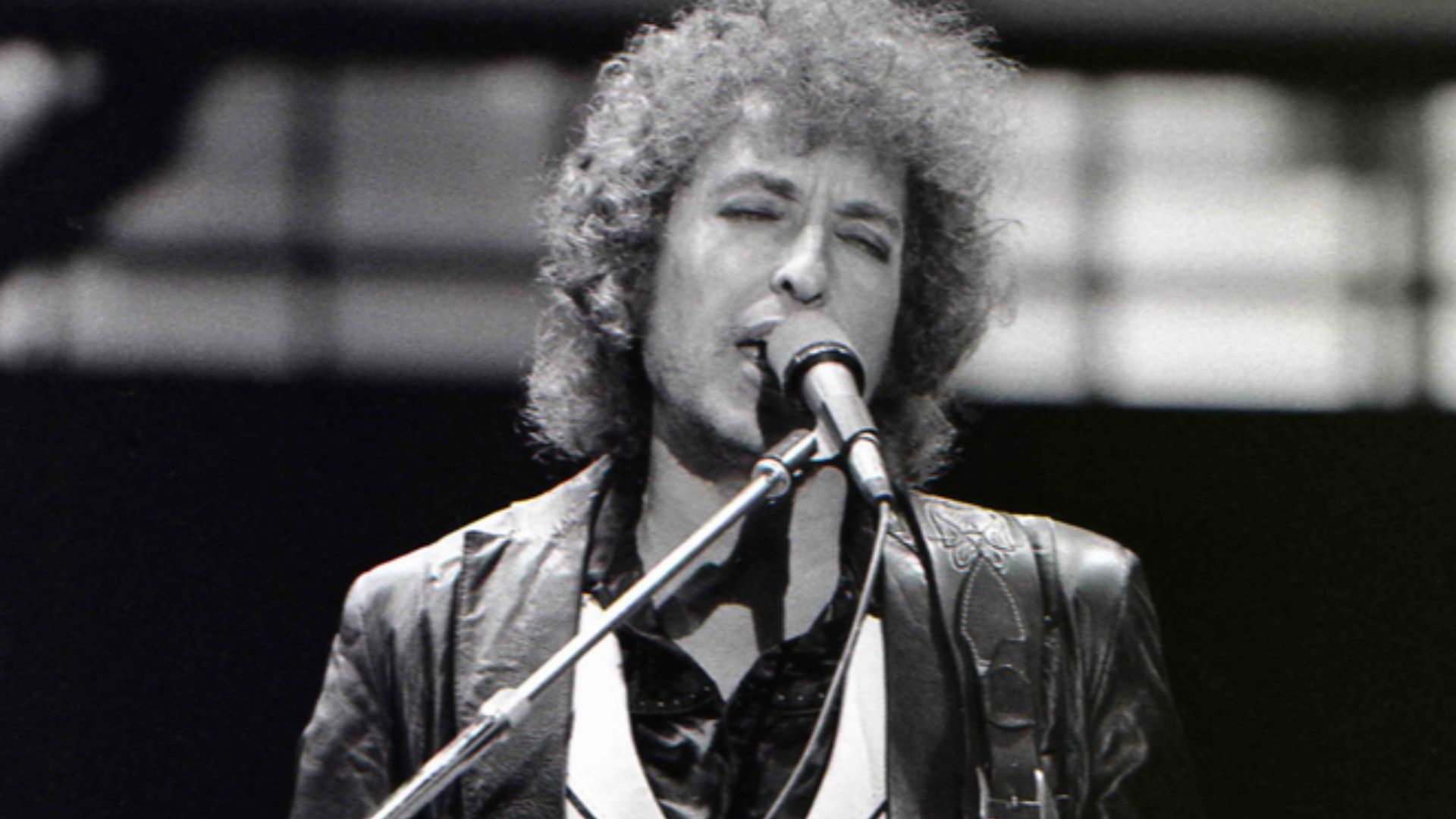
Bob Dylan: Self Portrait (1970)
After transforming popular music throughout the 1960s, Bob Dylan surprised listeners with a sprawling double album dominated by cover songs, country influences, and unexpected arrangements. Self Portrait was a commercial success, but critics tore it to shreds. Many listeners couldn't understand why one of America's greatest songwriters seemed determined to avoid doing what he did best.
 Chris Hakkens, Wikimedia Commons
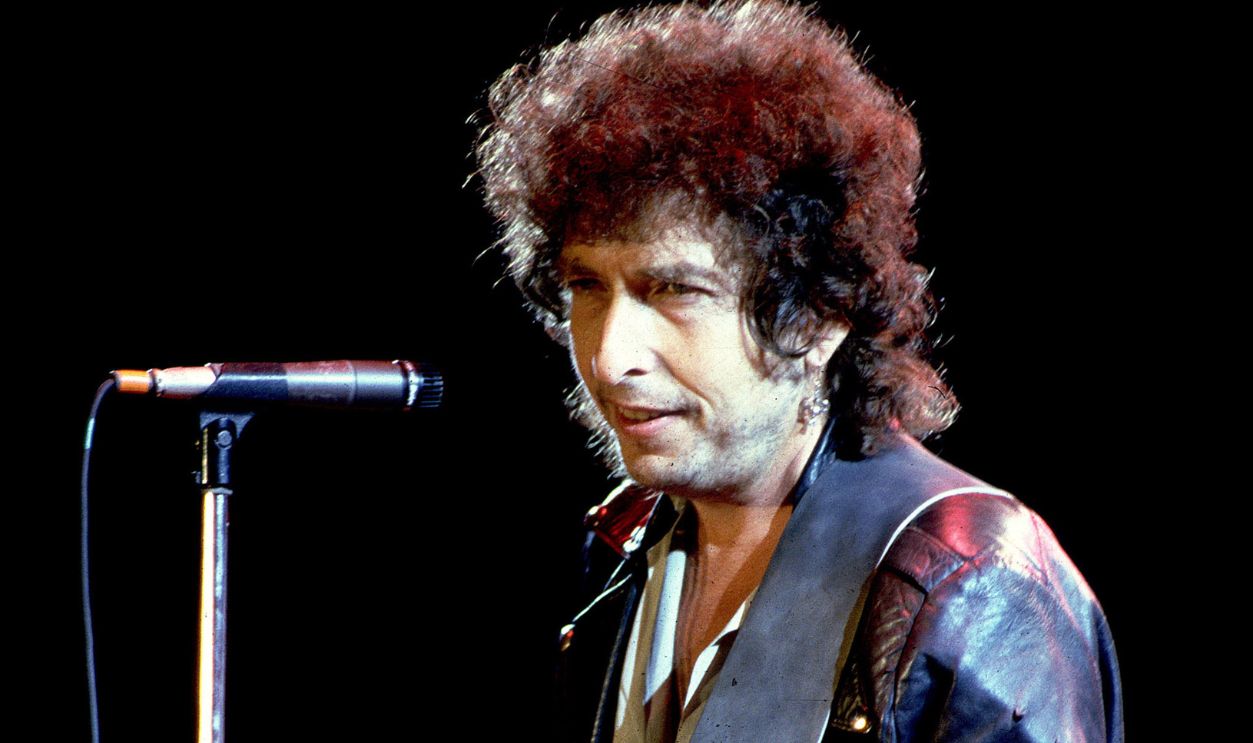
Bob Dylan: Empire Burlesque (1985)
Bob Dylan embraced contemporary 1980s production on Empire Burlesque, surrounding his songs with synthesizers, polished arrangements, and fashionable studio effects. The album produced some worthwhile material, including "Tight Connection to My Heart," but its sound divided listeners. For fans who loved Dylan's stripped-down songwriting, the glossy production seemed to bury the very qualities that made him distinctive.
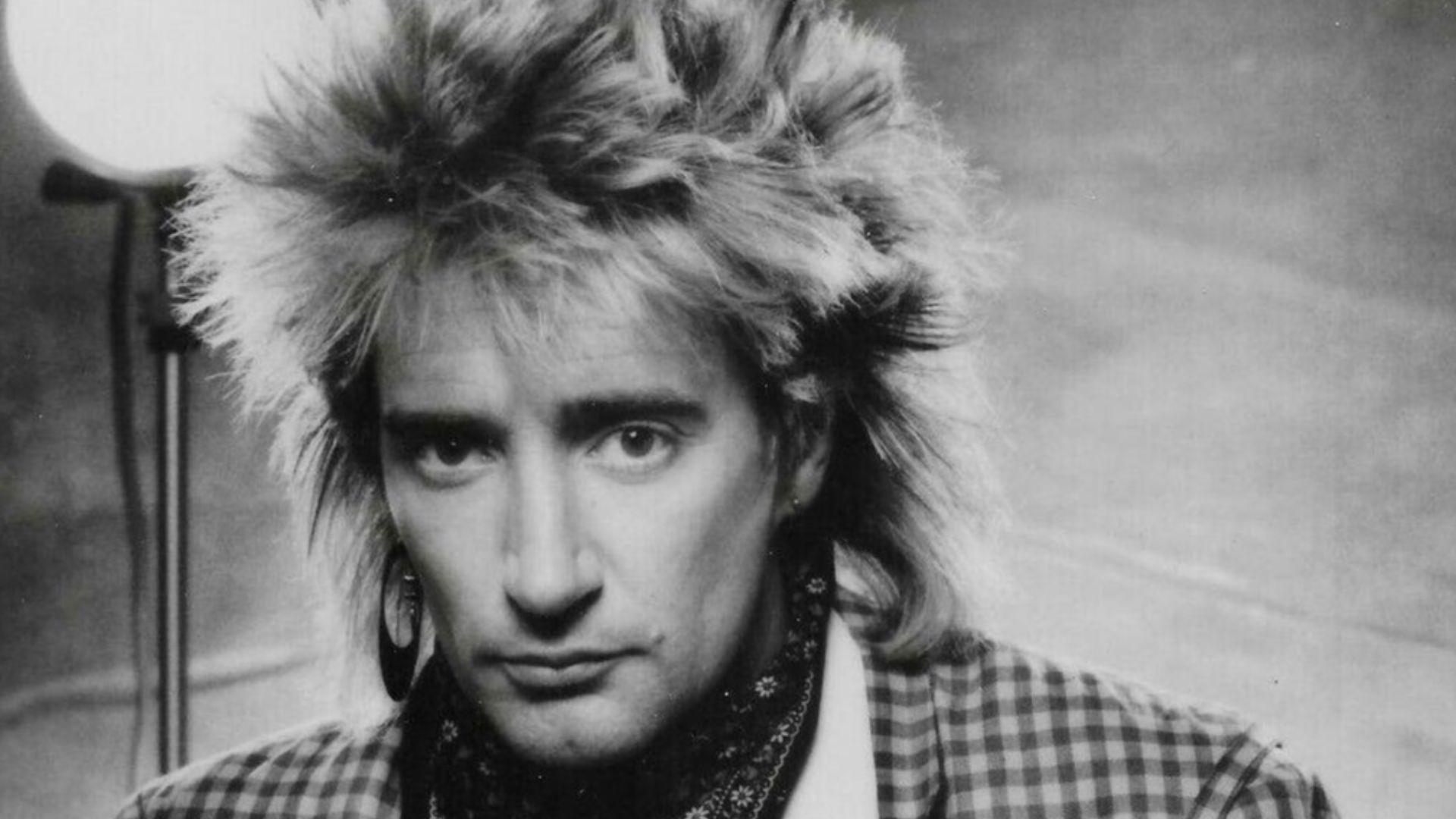
Rod Stewart: Camouflage (1984)
Rod Stewart had already demonstrated a willingness to experiment with pop synthesizers with his 1981 album Tonight I'm Yours, but Camouflage pushed him even further into glossy 1980s production. Synthesizers and electronic rhythms dominated much of the album. Although "Infatuation" became a hit, the record performed less impressively than many of his earlier releases and did little to satisfy listeners longing for his bluesy rock roots.
 Distributed by Warner Bros. Records, Wikimedia Commons
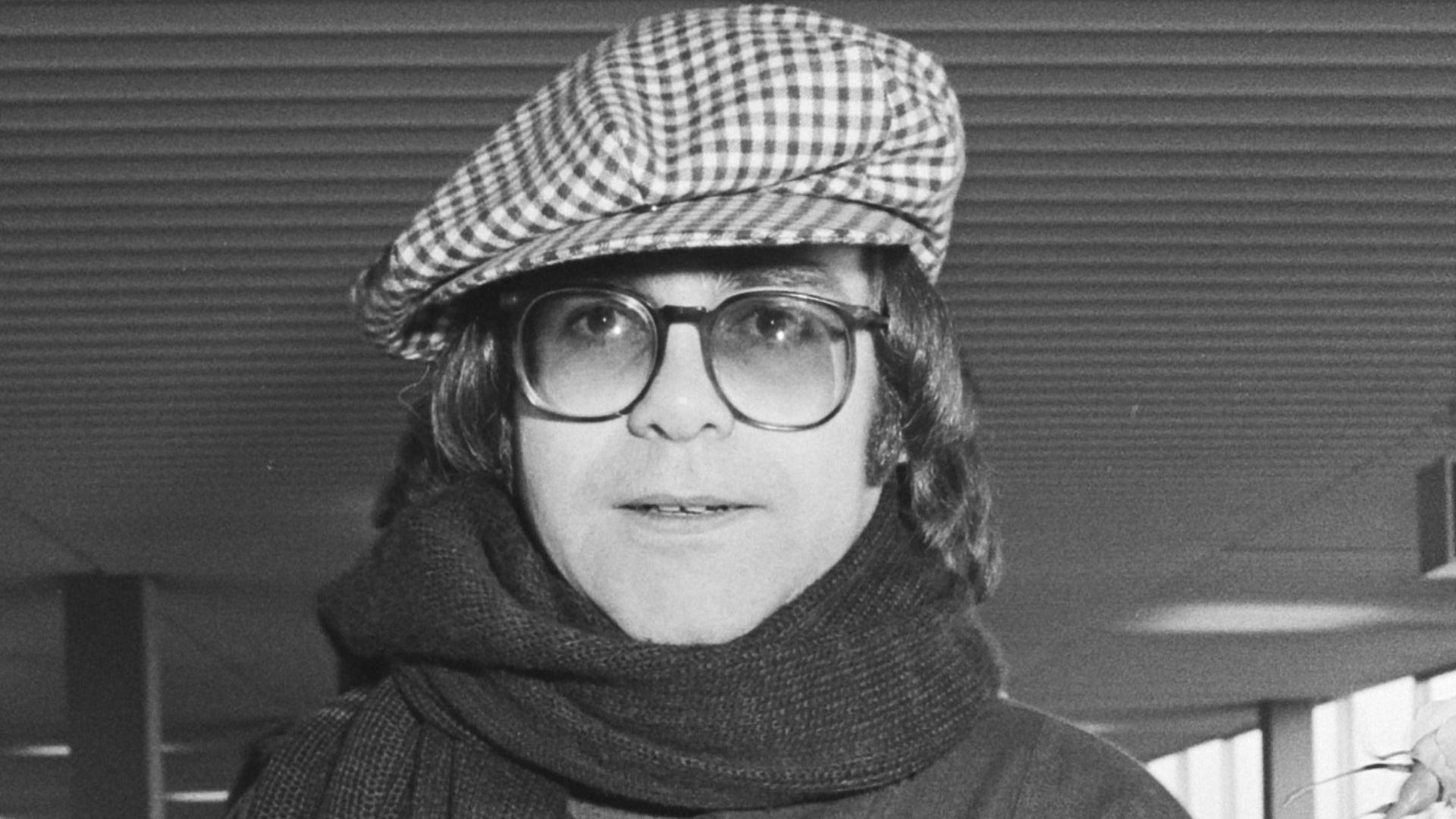
Elton John: Victim Of Love (1979)
At the height of the disco craze, Elton John decided to join the party. Working with producer Pete Bellotte, he recorded Victim of Love, a dance-oriented album featuring an extended disco version of Chuck Berry's "Johnny B. Goode." The experiment received poor reviews and became one of John's weakest commercial performers. He soon returned to more familiar pop-rock territory.
 Hans van Dijk for Anefo, Wikimedia Commons
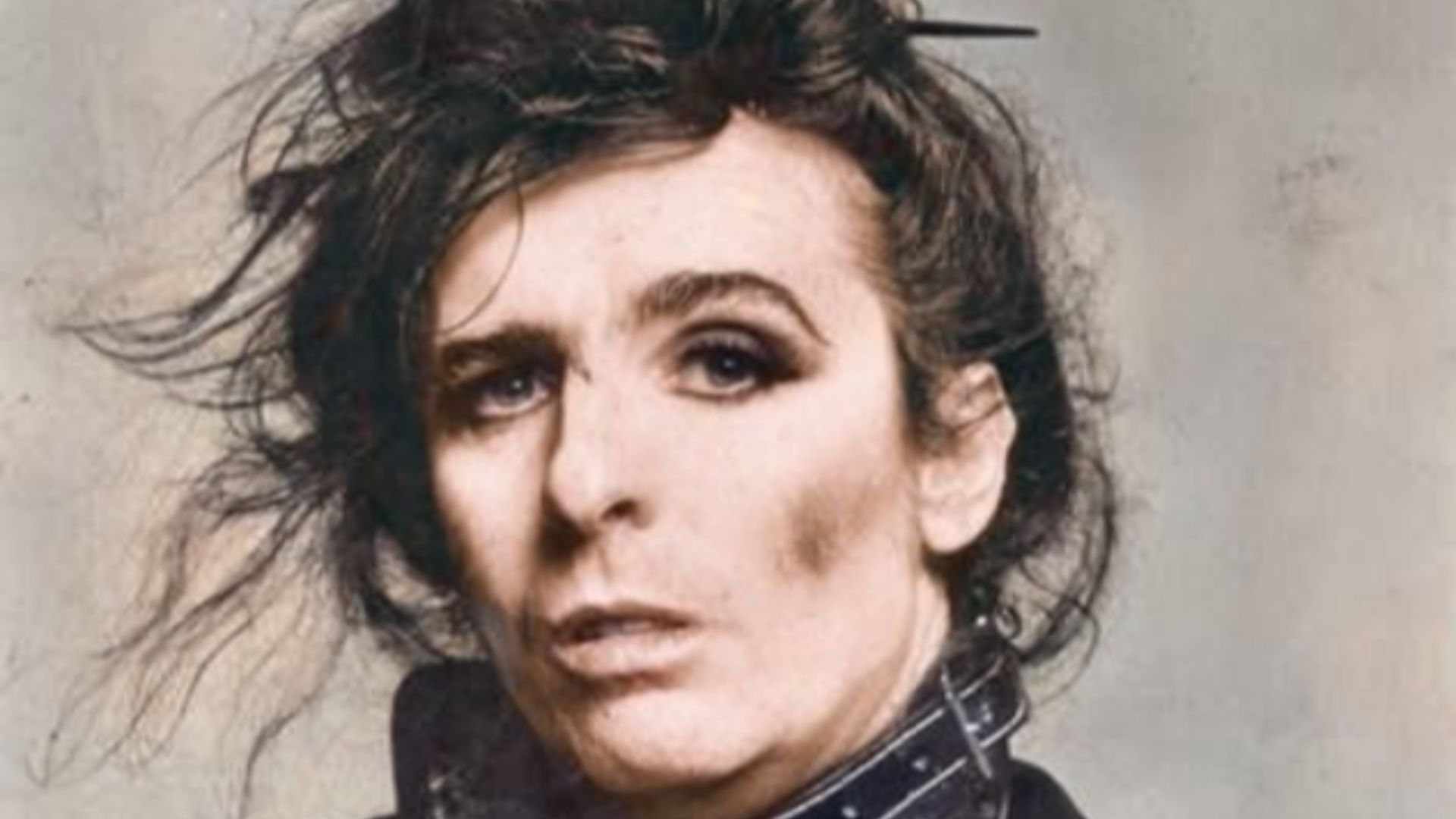
Alice Cooper: Zipper Catches Skin (1982)
Alice Cooper had become famous for theatrical hard rock and outrageous stage performances. By 1982, however, he was experimenting with stripped-down, new-wave-influenced music. Zipper Catches Skin featured quirky songwriting and a markedly different sound. Unfortunately, the album failed to chart in America, and Cooper's career was already suffering from personal difficulties that complicated his attempts at reinvention.
 Warner Bros, Wikimedia Commons
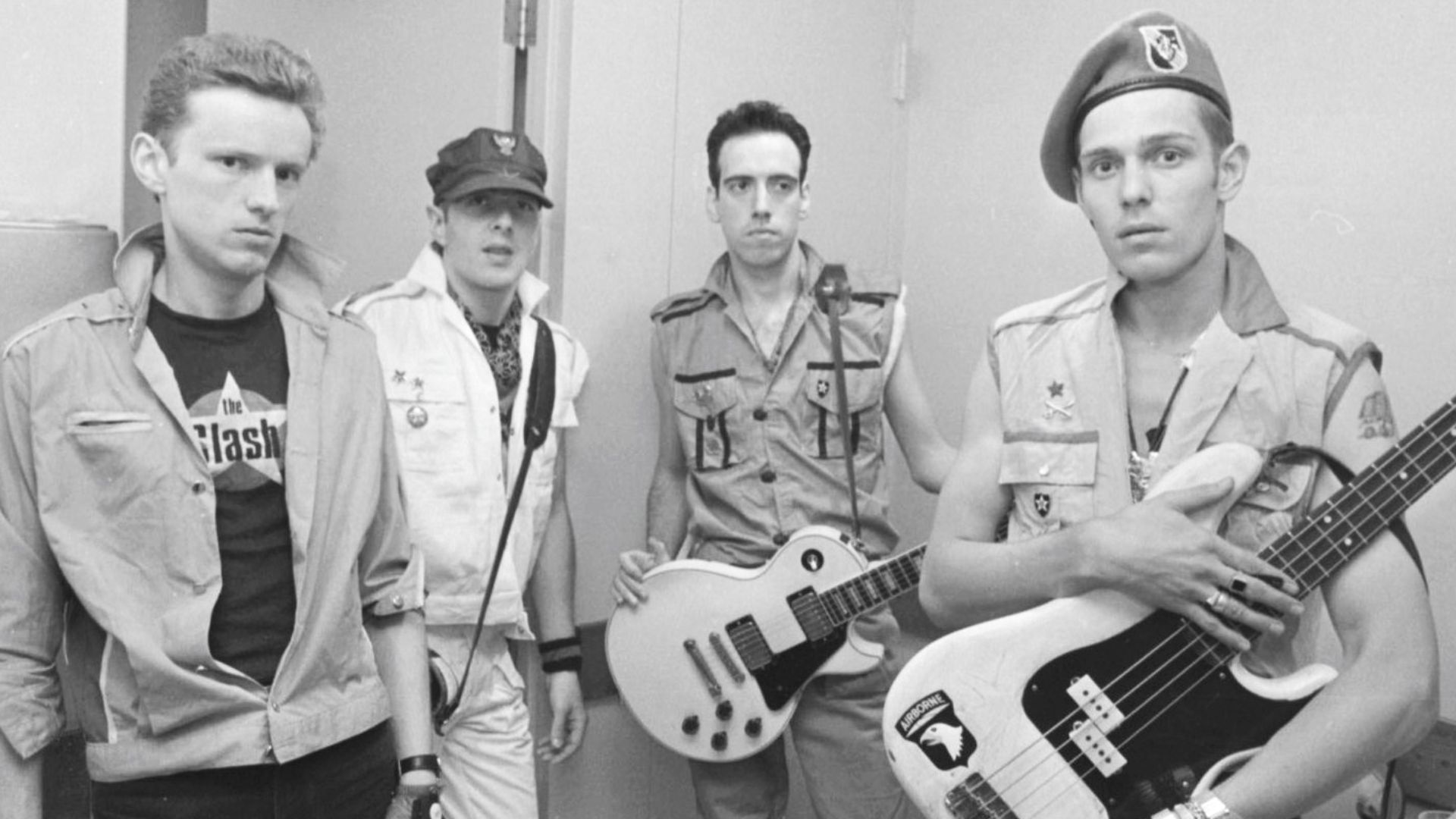
The Clash: (1985)
The Clash had successfully combined punk with reggae, funk, and other styles, but their final album in 1985 pushed experimentation too far. With Mick Jones and Topper Headon gone, manager Bernie Rhodes exerted considerable influence over their 1985 album. Drum machines and synthetic production overwhelmed the band's familiar sound. Critics and fans largely rejected the album, and the Clash soon disbanded.
 UCLA Library Special Collections, Wikimedia Commons
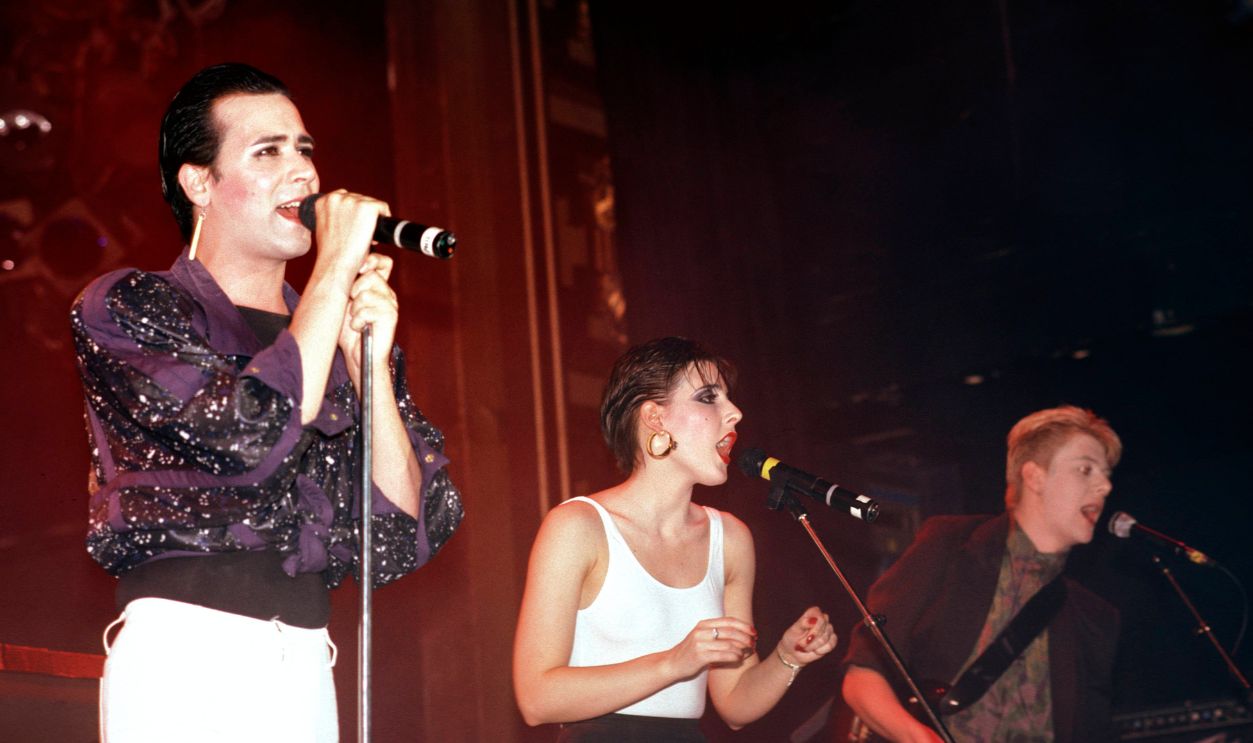
The Human League: Crash (1986)
The Human League had helped define British synth-pop, but their 1986 album Crash represented a dramatic change. American producers Jimmy Jam and Terry Lewis introduced a polished R&B sound associated with their work for Janet Jackson. The gamble produced the American number-one single "Human," while the album reached number seven in Britain and number 24 in America. Although the change divided some longtime fans, this reinvention was hardly a commercial failure.
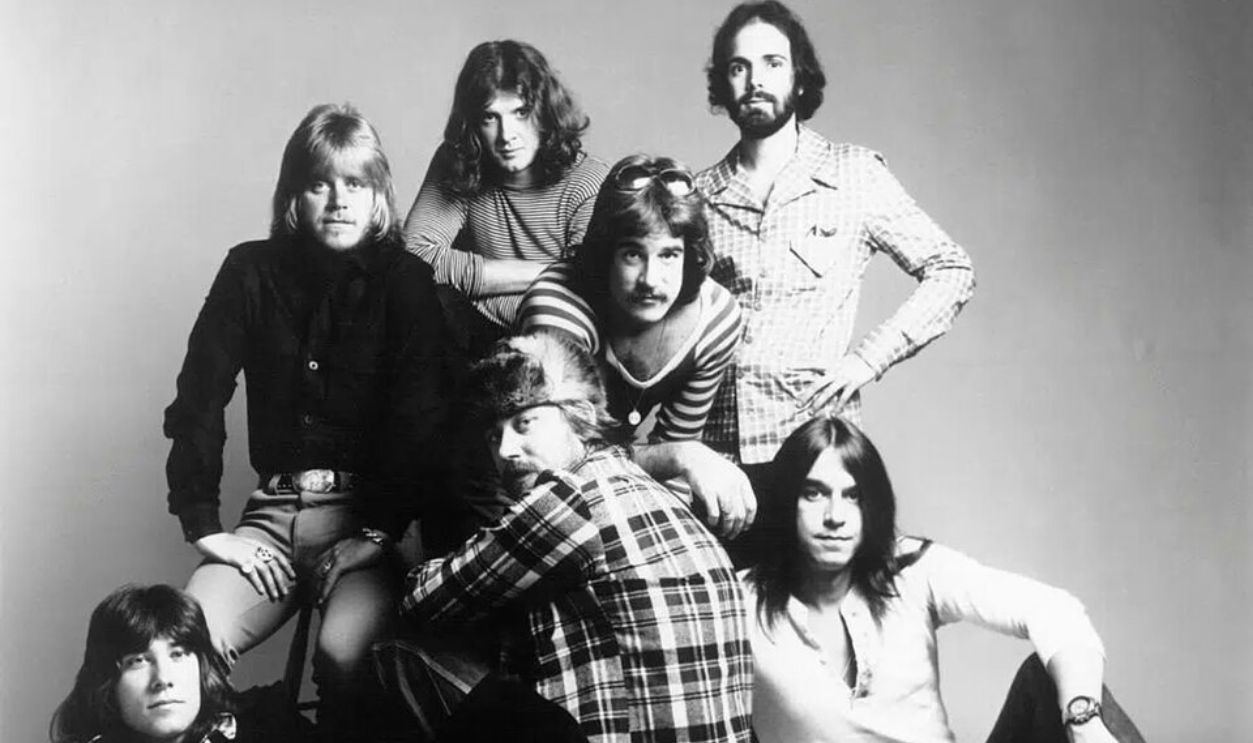
Chicago: Chicago XIV (1980)
Chicago had built its reputation around a distinctive horn-driven mixture of rock and jazz. By 1980, however, the band was struggling to remain commercially relevant. Chicago XIV attempted to update their sound with a more contemporary pop-rock approach. The album disappointed commercially, and Columbia Records subsequently dropped the group. Ironically, Chicago soon reinvented itself much more successfully as a ballad-oriented hit machine.
 Unknown author, Wikimedia Commons
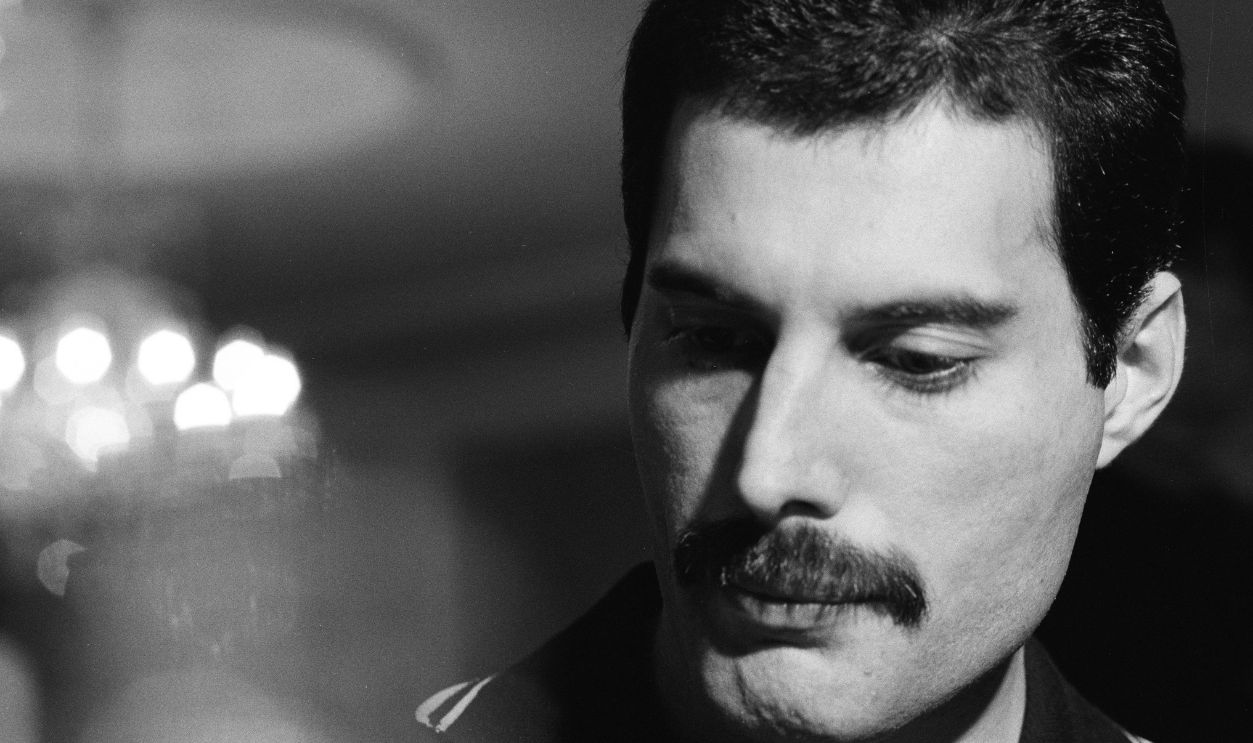
Queen: Hot Space (1982)
Queen had already experimented with dance music on "Another One Bites the Dust," but Hot Space pushed further into funk, disco, and electronic rhythms. Some rock fans were unimpressed by the change, and the album became divisive. Nevertheless, it wasn't a complete failure: it reached number four in Britain and included the enormous Queen-David Bowie hit "Under Pressure."
 Midori Tsukagoshi/Shinko Music, Getty Images
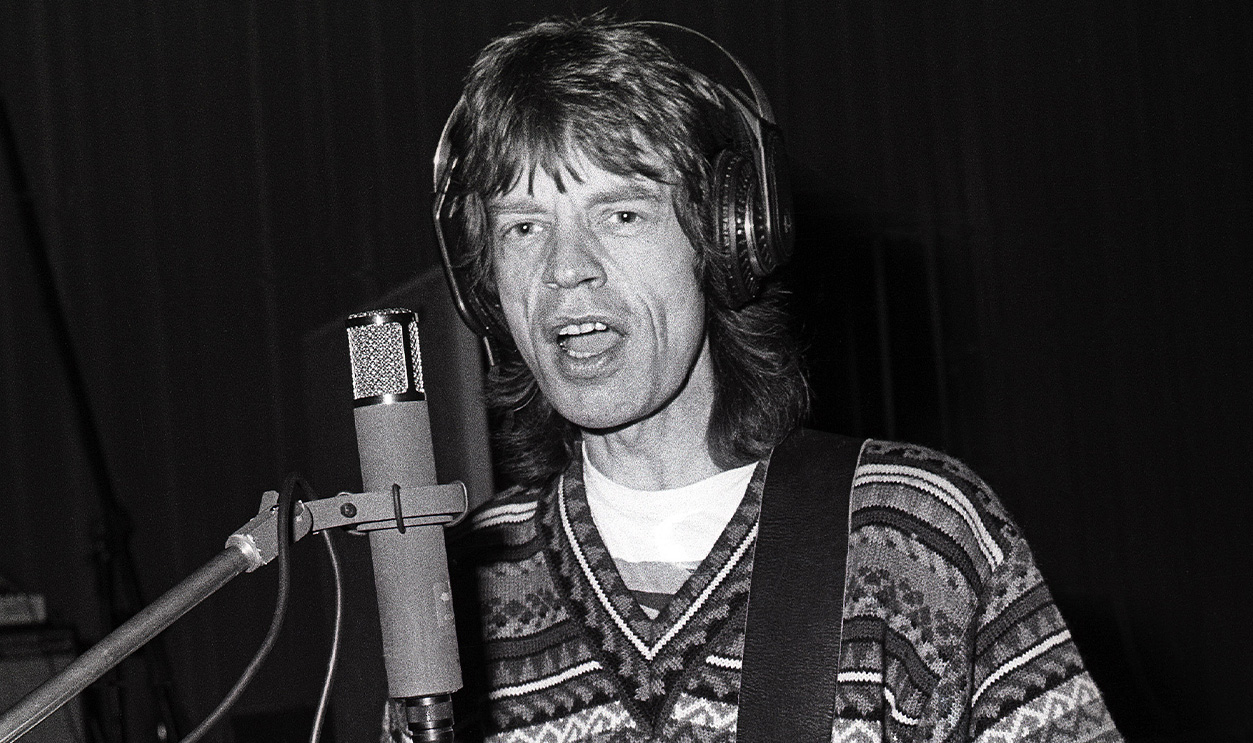
The Rolling Stones: Dirty Work (1986)
The Rolling Stones were struggling with internal tensions when they recorded Dirty Work. The album combined their familiar blues-rock influences with a harder, contemporary 1980s production style. Although it sold respectably and produced the hit "Harlem Shuffle," reviews were mixed. Rather than launching an exciting new era, the record became associated with one of the band's most troubled periods.
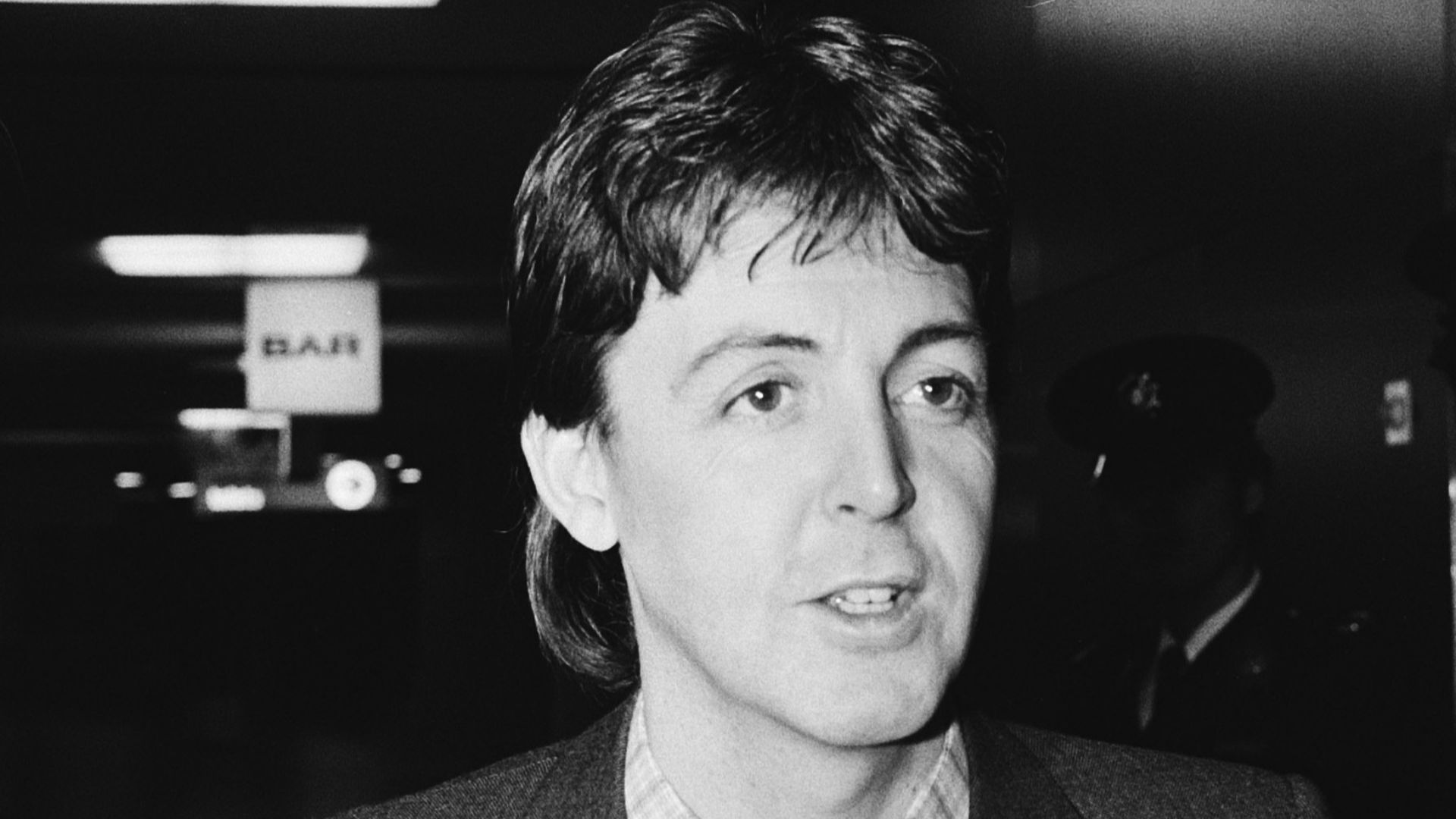
Paul McCartney: Press To Play (1986)
Paul McCartney recruited producer Hugh Padgham, known for his work with Phil Collins and Genesis, to help modernize his sound. The resulting Press to Play featured synthesizers, elaborate studio production, and contemporary pop arrangements. Unfortunately, the album became one of McCartney's weakest commercial performers up to that point, suggesting that following musical fashions wasn't necessarily the answer.
 Koen Suyk / Anefo, Wikimedia Commons
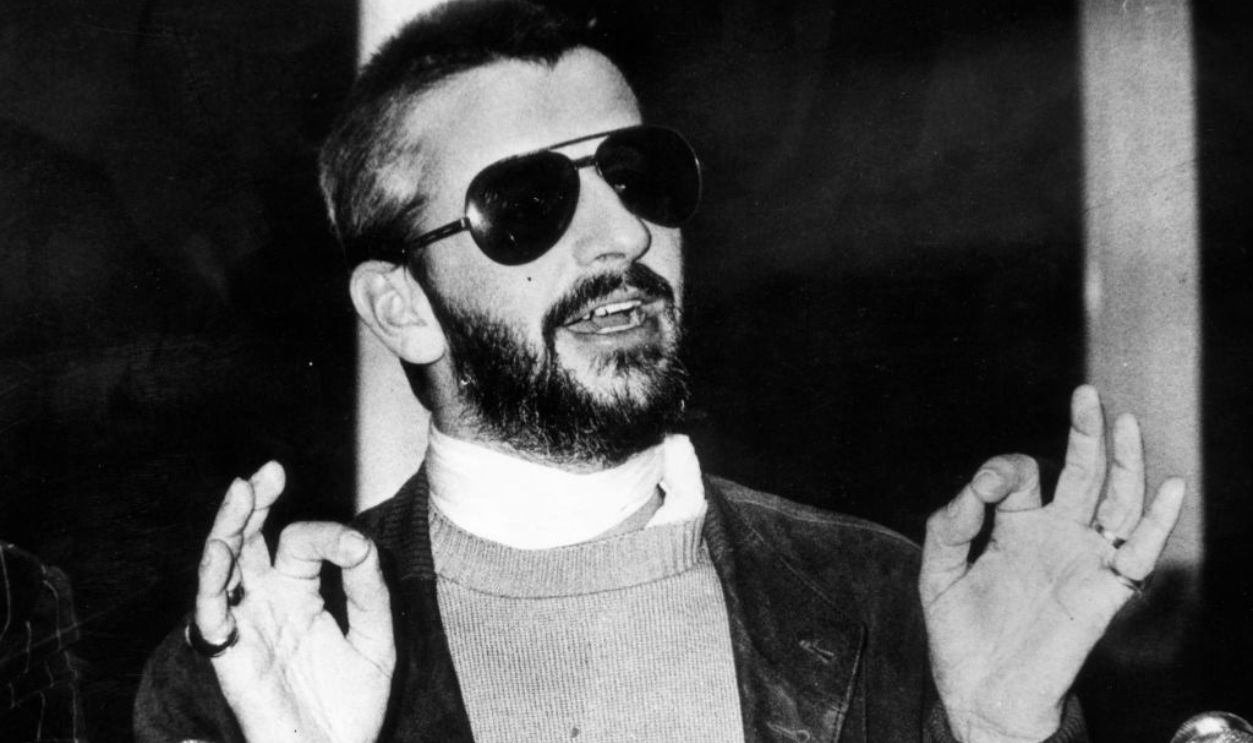
Ringo Starr: Ringo The 4th (1977)
Ringo Starr had enjoyed considerable solo success after the Beatles split, but his fortunes declined during the late 1970s. On Ringo the 4th, he experimented with disco-influenced arrangements and dance-oriented material. The results were poorly received, and the album failed commercially. Rather than revitalizing his career, the record marked another setback in an increasingly difficult period.
Van Halen: Van Halen III (1998)
Van Halen had survived the departure of David Lee Roth by recruiting Sammy Hagar. Repeating that success with a third singer proved much harder. Former Extreme vocalist Gary Cherone joined for Van Halen III, which featured longer songs and a more experimental approach. The album disappointed commercially, and Cherone departed after just one studio release with the band.
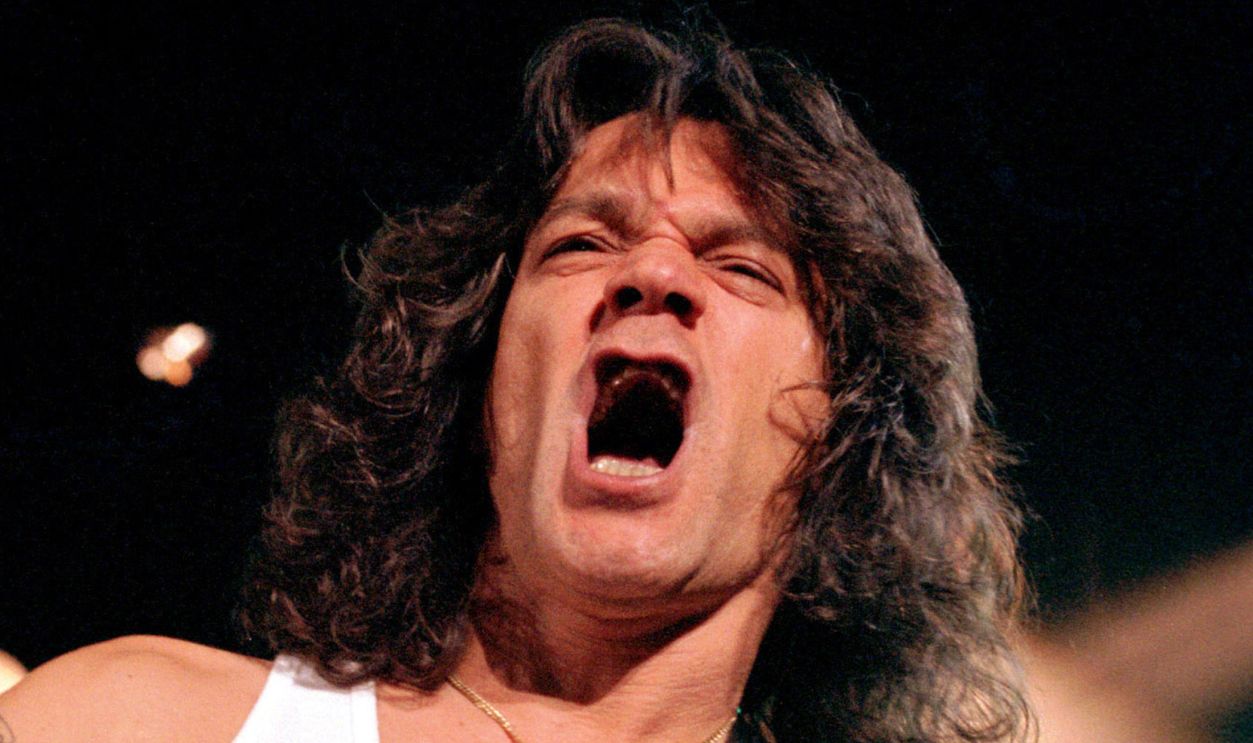
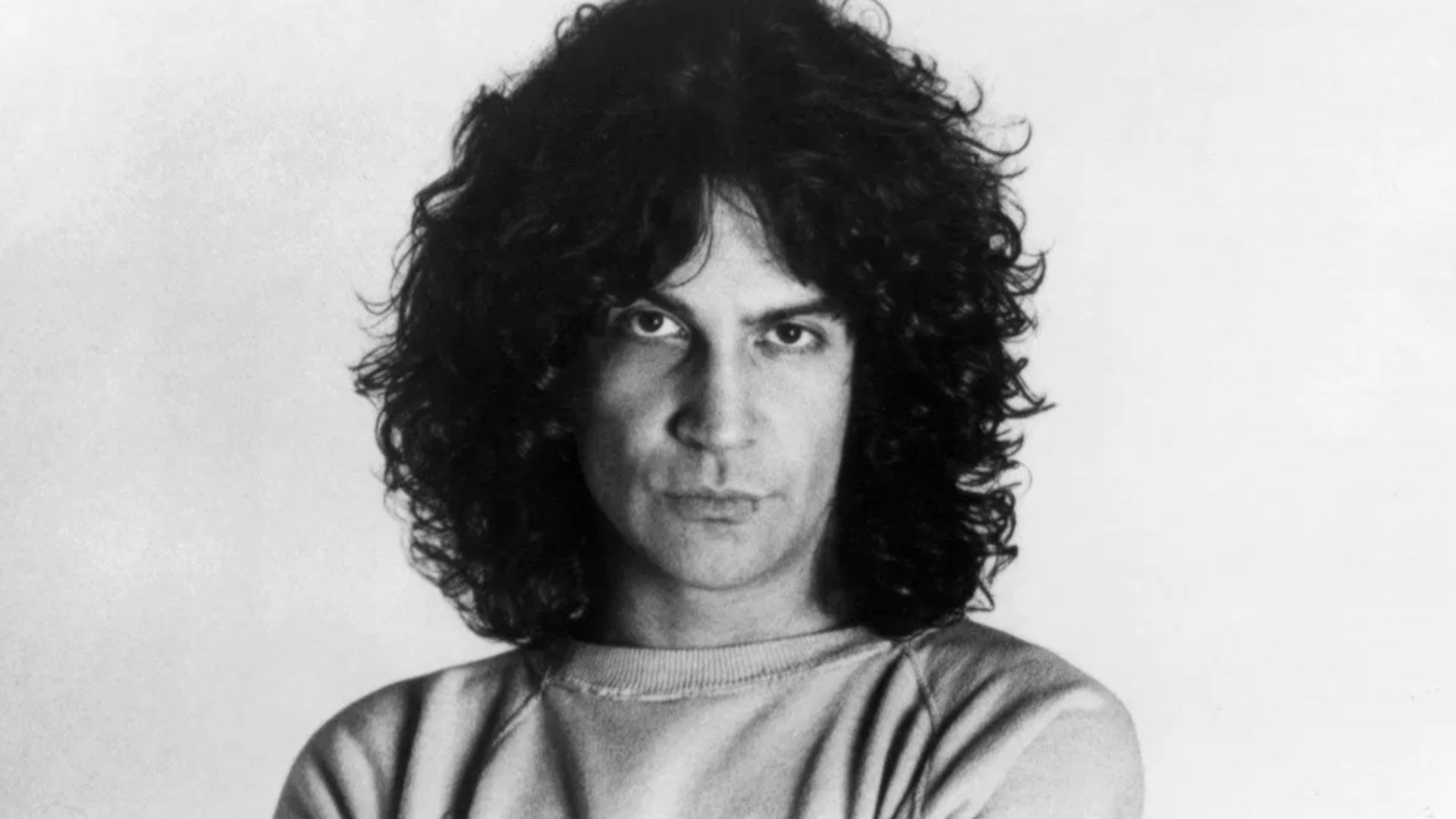
Billy Squier: "Rock Me Tonite" (1984)
Billy Squier's "Rock Me Tonite" was actually a major hit, reaching number 15 on the Billboard Hot 100 and topping the rock chart. Unfortunately, its music video became infamous. Directed by Kenny Ortega, it featured Squier dancing around a bedroom in a manner that clashed with his established hard-rock image. Although the accompanying album Signs of Life went platinum, the video attracted ridicule and became closely associated with Squier's subsequent career decline.
 Distributed by Premier Talent Agency, Wikimedia Commons
Lou Reed And Metallica: Lulu (2011)
Few collaborations generated more confusion than Lou Reed joining forces with Metallica. Their album Lulu combined Reed's spoken-word delivery and experimental songwriting with Metallica's heavy instrumentation. Inspired by plays by Frank Wedekind, the record was deliberately challenging. Some critics admired its ambition, but many listeners rejected it, and the album became notorious for its hostile reception.

Snoop Dogg: Reincarnated (2013)
Snoop Dogg announced a spiritual and musical transformation after visiting Jamaica, adopting the name Snoop Lion and embracing reggae. His album Reincarnated, produced with help from Diplo and Major Lazer, featured collaborations with established reggae musicians. Although it attracted considerable publicity, reviews were mixed, and the reinvention never displaced the hip-hop identity that made Snoop famous.

Chris Cornell: Scream (2009)
Chris Cornell possessed one of rock's most recognizable voices, having fronted Soundgarden and Audioslave. But for his third solo album, Scream, he teamed with hip-hop producer Timbaland and largely abandoned guitar-driven rock. The electronic pop arrangements shocked longtime fans, while critics were often brutal. Even Trent Reznor publicly criticized the album, although Cornell defended his decision to experiment.

You May Also Like:
Bands Who Ditched Their Old Sound And Changed Everything
Famous Rock Bands That Changed Lead Singers In The 1980s—Who Did It Better?
Celebrities Who Changed Their Image So Much They’re Almost Unrecognizable
Sources: 1, 2, 3, 4, 5, 6, 7, 8, 9, 10, 11, 12, 13, 14, 15, 16, 17, 18