A Friendship That Cost Him Millions
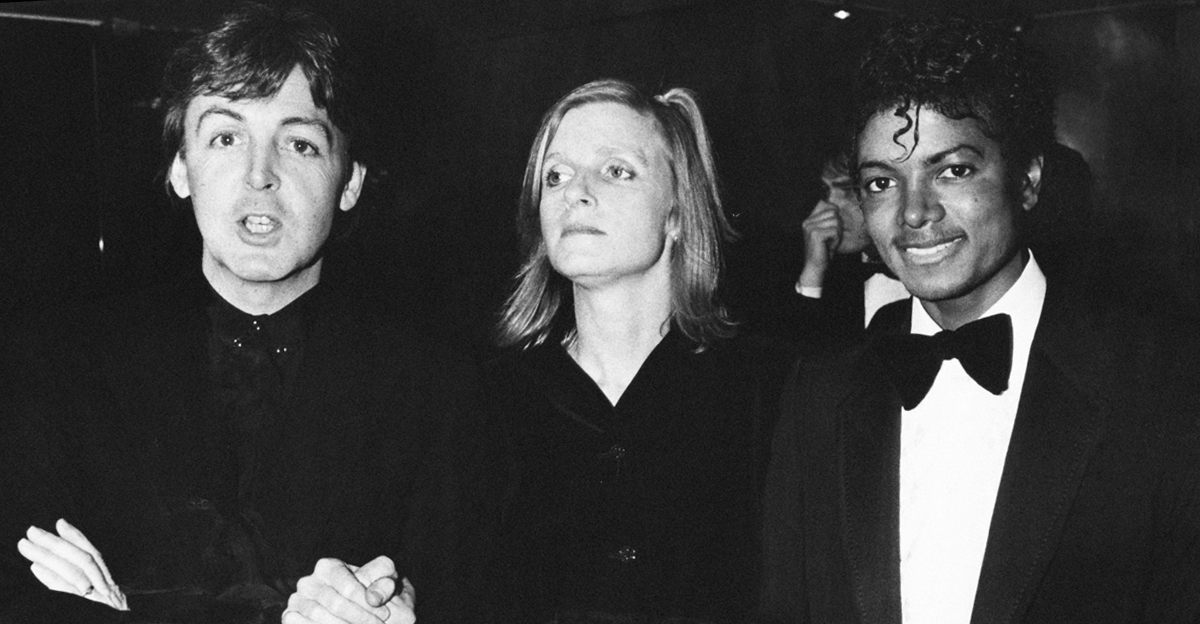
Paul McCartney and Michael Jackson were once close friends, but in 1985, Jackson spent $47.5 million buying the rights to hundreds of Beatles songs, leaving McCartney feeling deeply betrayed. What made the purchase especially painful was that McCartney had personally introduced Jackson to the lucrative world of music publishing. He had unknowingly given his friend the very idea that would come back to haunt him. But the full story of how Jackson pulled off the deal, and why McCartney couldn't stop him, was even more extraordinary.
Two Legends, One Unlikely Friendship
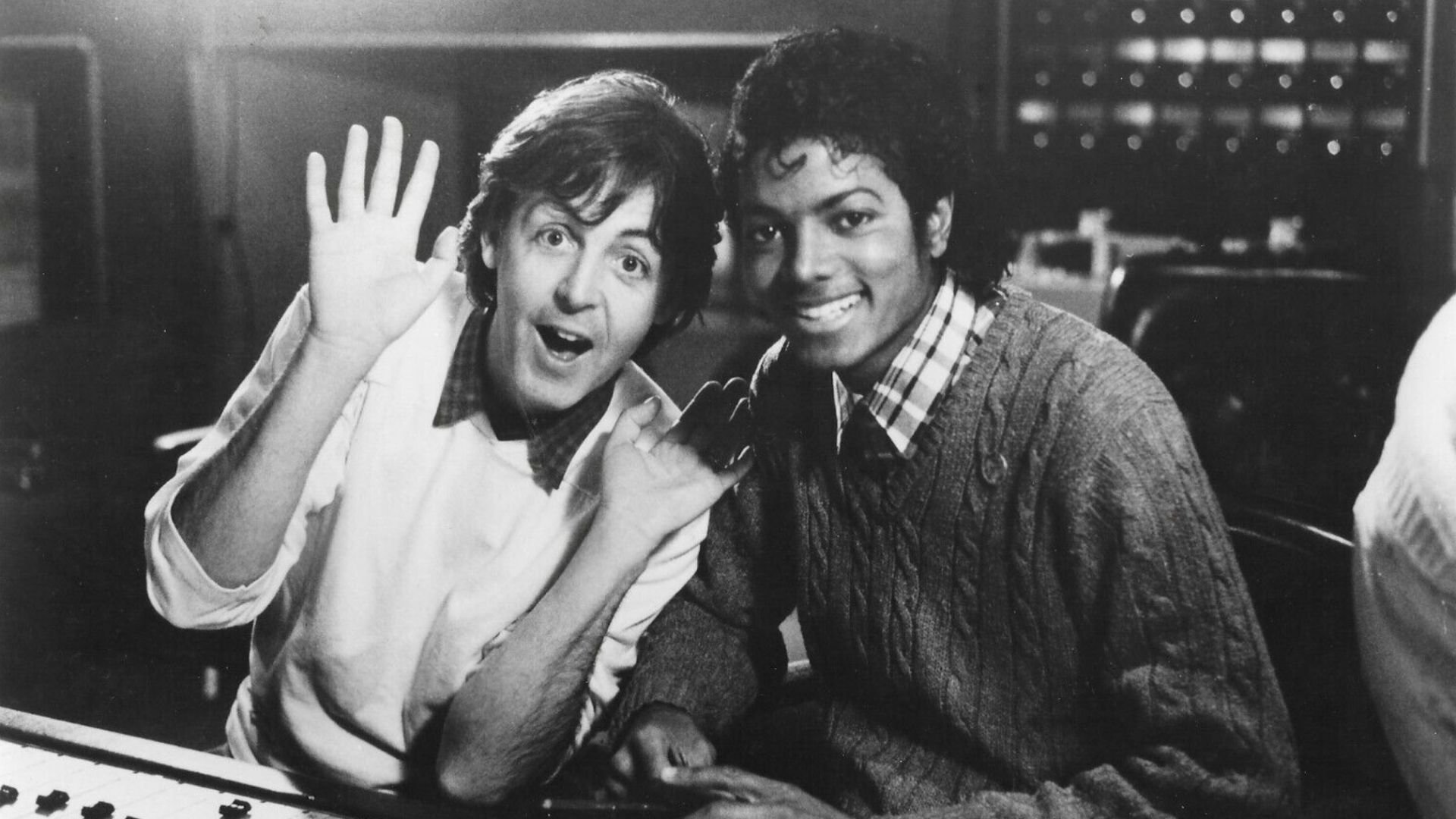
By the early 1980s, Paul McCartney was already a music legend, while Michael Jackson was on his way to becoming the biggest pop star in the world. Despite their different generations and backgrounds, the two musicians discovered they had plenty in common. Both loved catchy melodies, clever songwriting, and making records that people couldn't stop listening to. Their friendship would soon produce some unforgettable hits, but it all began with an unexpected phone call.
 Unknown author, Wikimedia Commons
Michael Made The First Move
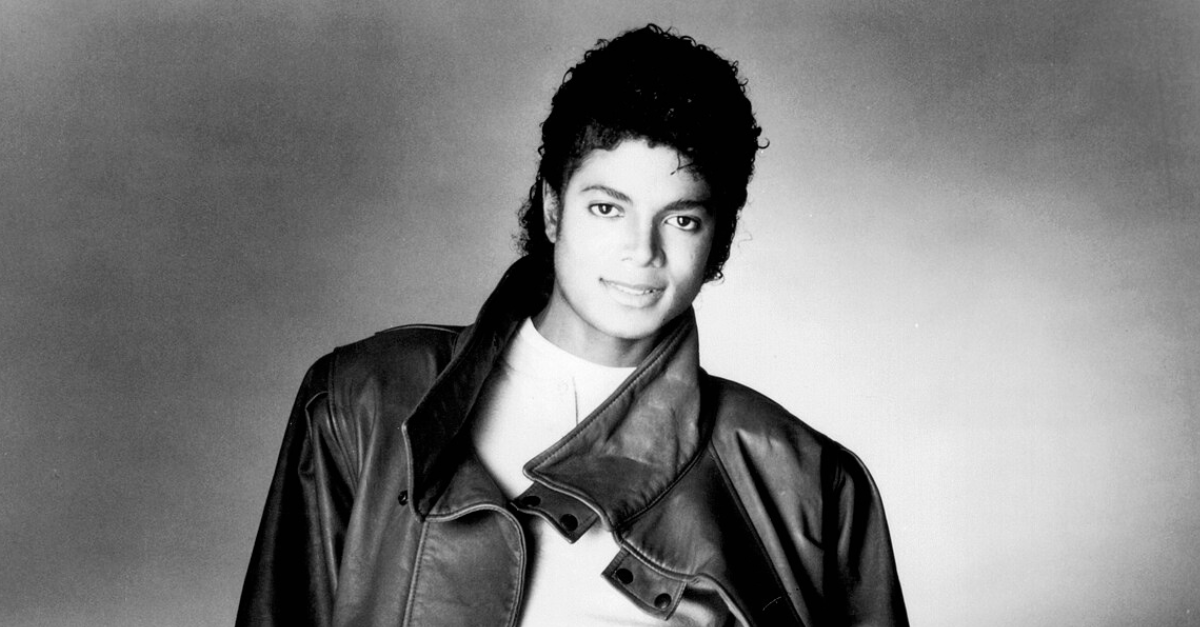
Around Christmas 1980, McCartney received a telephone call from someone claiming to be Michael Jackson. At first, the former Beatle wondered how the young singer had managed to get his private number. Jackson quickly introduced himself and asked whether McCartney wanted to make some hits together. McCartney was intrigued, and that simple conversation launched one of pop music's most memorable collaborations.
 Matthew Rolston; Distributed by Epic Records, Wikimedia Commond
They Became Fast Friends
Jackson traveled to England and spent time at McCartney's country home while they worked on songs together. According to McCartney, Jackson became friendly with his family, and the two musicians spent much of their time laughing and joking around. Their working relationship was relaxed, playful, and full of creative energy. Before long, they had something special to show for it.
Their First Hit Was A Smash
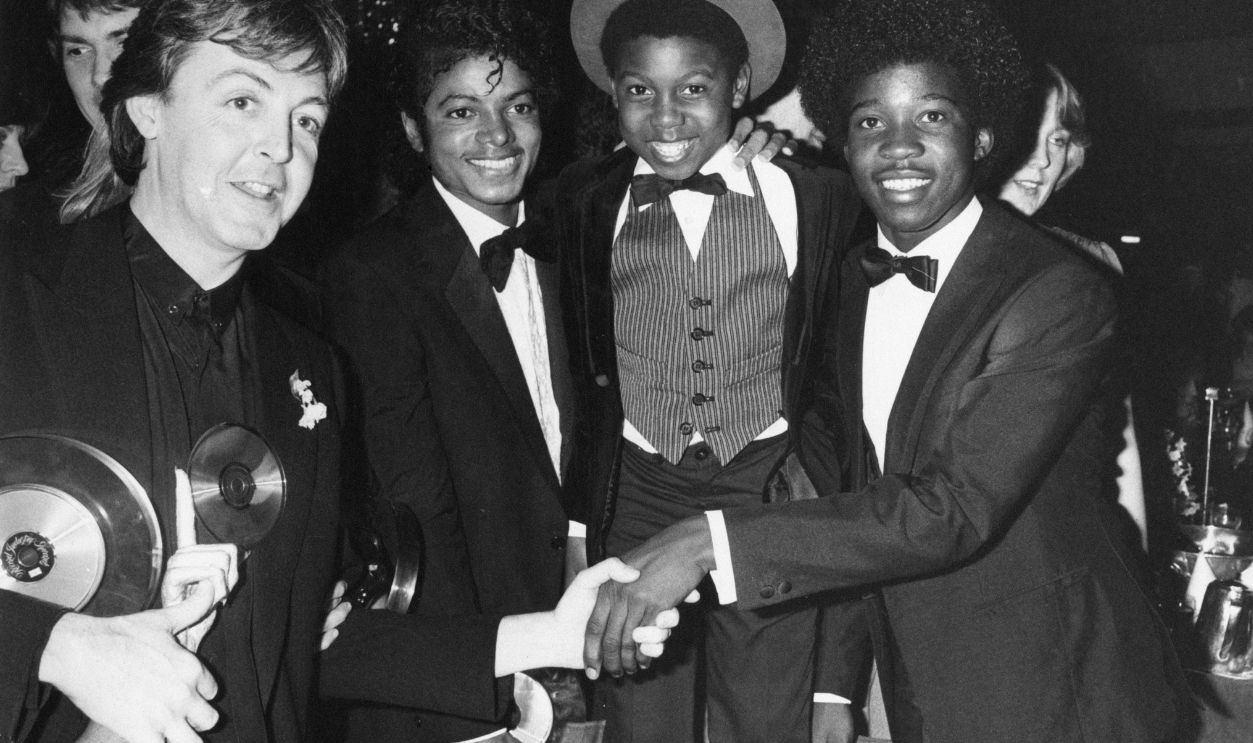
In 1982, Jackson released "The Girl Is Mine," a duet with McCartney that appeared on his groundbreaking album Thriller. The song featured the two singers playfully competing for the attention of the same woman, trading lines in a friendly musical argument. American audiences loved it, sending the single to number two on the Billboard Hot 100. But their next collaboration would prove even more successful.
They Took Over The Charts
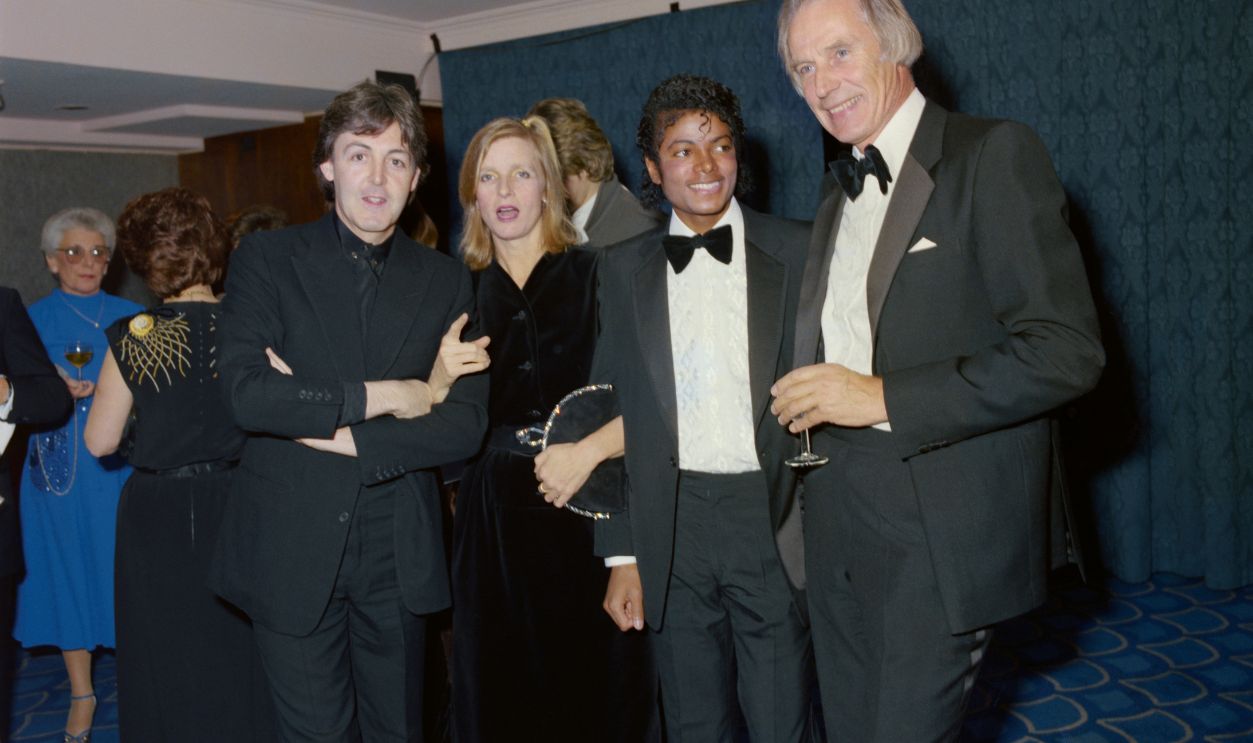
The following year, McCartney released "Say Say Say," another duet with Jackson, on his album Pipes Of Peace. This time, the song climbed all the way to number one on the Billboard Hot 100 and remained there for six weeks. Its music video featured the pair playing traveling entertainers, with Jackson and McCartney clearly enjoying themselves. To fans, they looked like inseparable friends, which made their eventual disagreement all the more surprising.
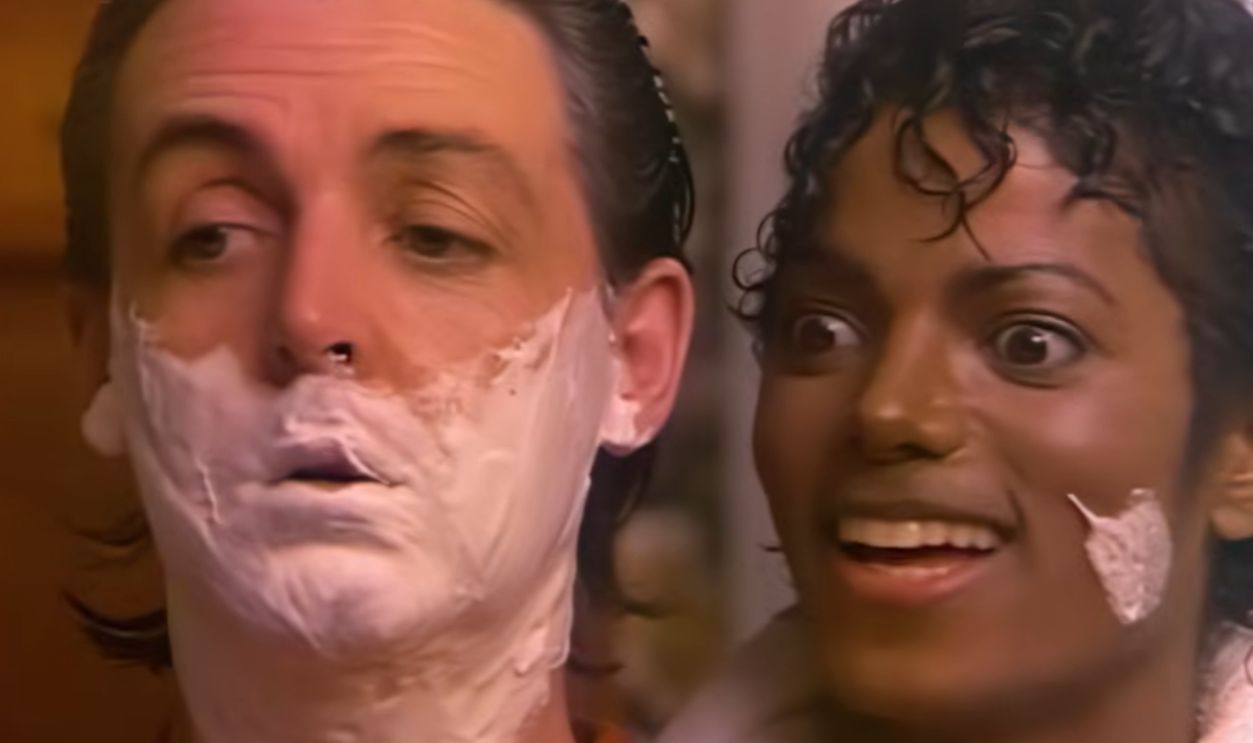 Screenshot from Say Say Say, Columbia Records (US) (1983)
Paul Had Another Talent
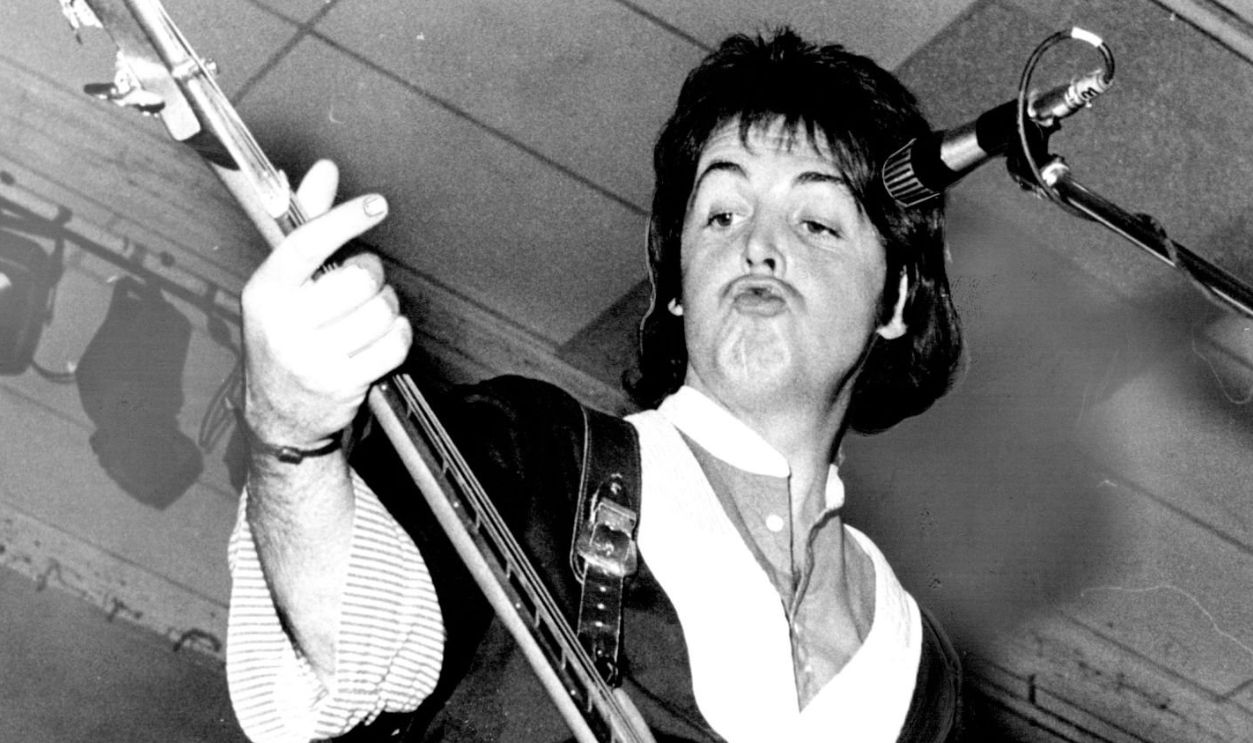
While Jackson was enjoying his extraordinary success, McCartney had been quietly building a second career as a music publisher. He had discovered that owning the rights to popular songs could be extremely profitable, even when someone else had written or recorded them. His investments included compositions associated with rock and roll pioneer Buddy Holly. McCartney was so enthusiastic about this business that he decided to share his knowledge with Jackson.
 Fairfax Media Archives, Getty Images
He Let Michael In On His Secret
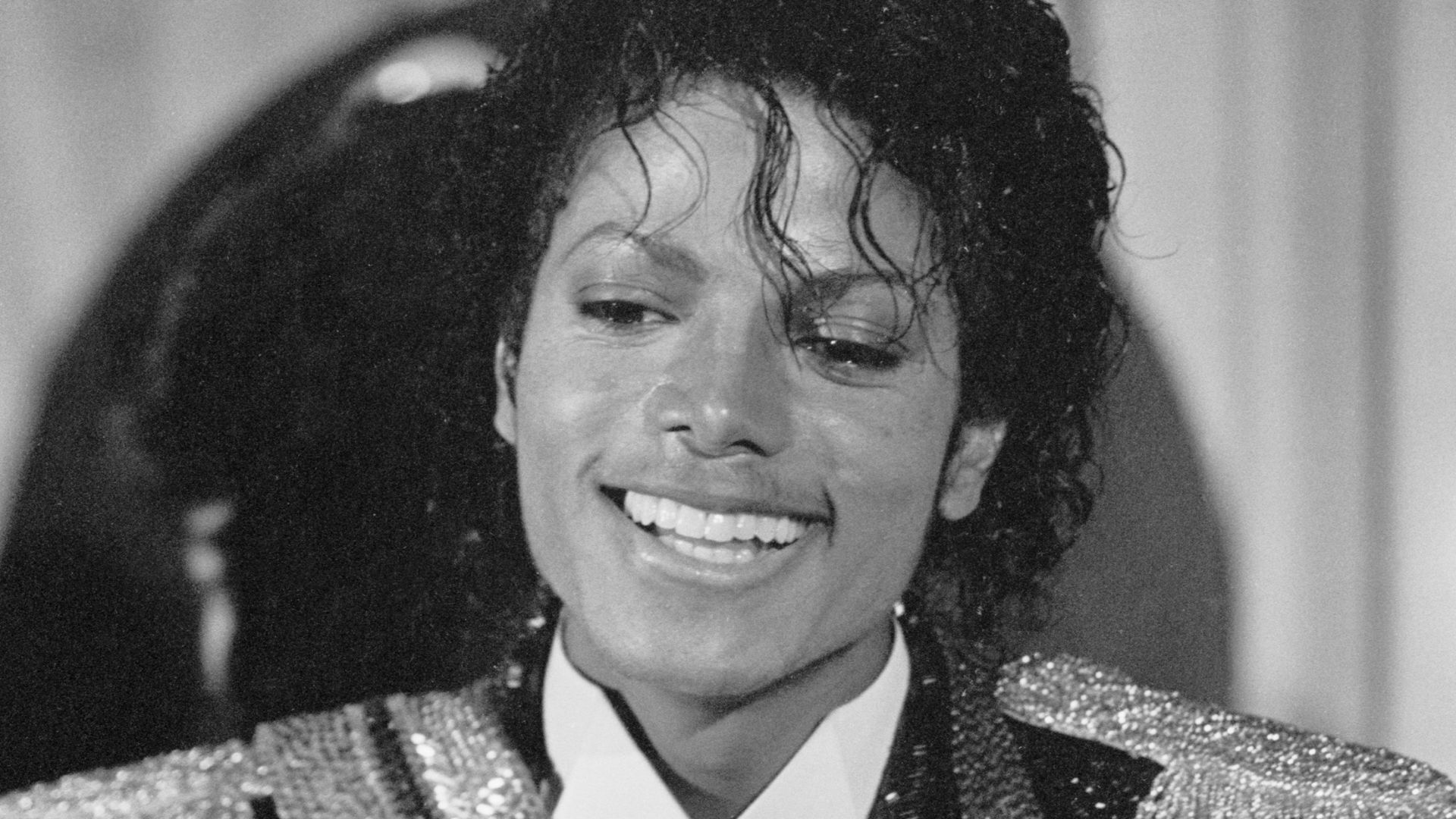
During their friendship, McCartney showed Jackson a booklet containing information about his music publishing investments. He explained how owning song copyrights could generate money whenever compositions were recorded, performed, or used commercially. Jackson was fascinated by the idea of making money from songs that other people had written. McCartney thought he was simply sharing useful financial advice with a friend, but Jackson was paying closer attention than he realized.
 United Press International, Wikimedia Commons
Michael Made A Strange Remark
According to McCartney's later recollections, Jackson responded to the conversation by announcing that he intended to buy McCartney's songs someday. The former Beatle found the remark amusing and apparently didn't believe Jackson was serious. After all, they were friends, and McCartney had been explaining the business as a helpful gesture. But Jackson's seemingly playful comment would eventually become an uncomfortable reality.
 Zoran Veselinovic, CC BY-SA 2.0, Wikimedia Commons
Paul Had Already Lost Control
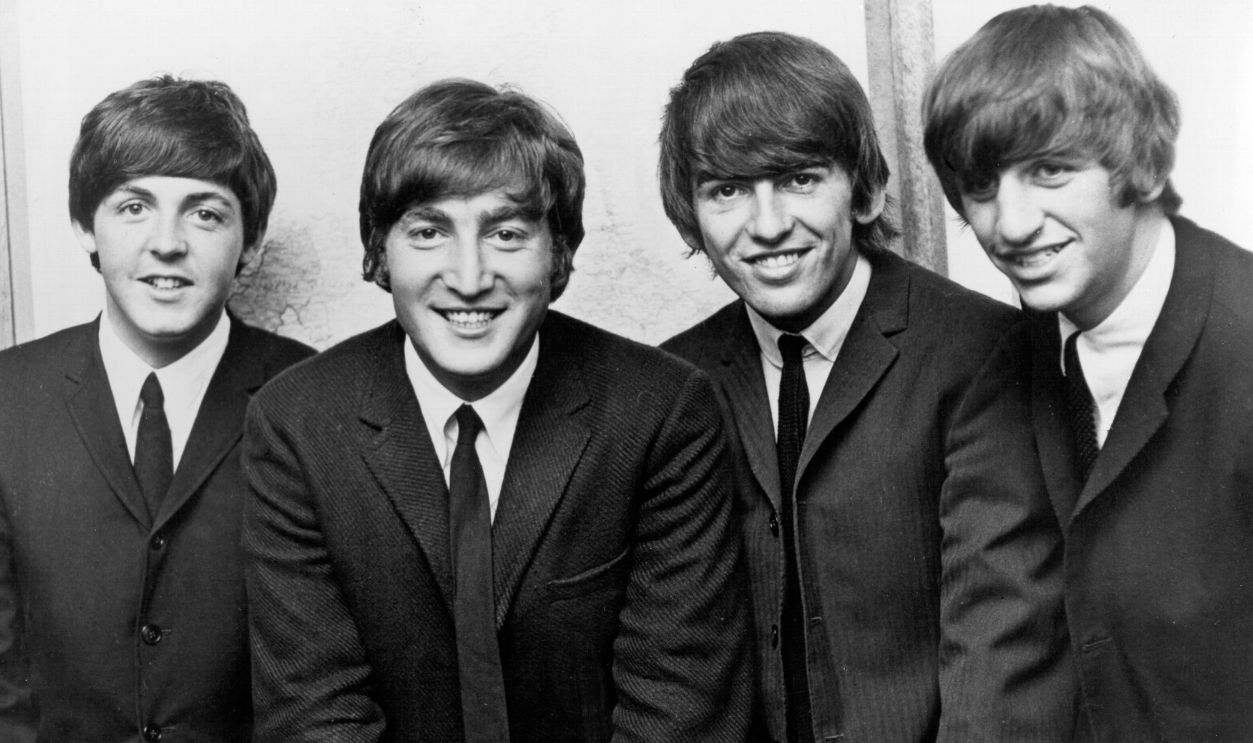
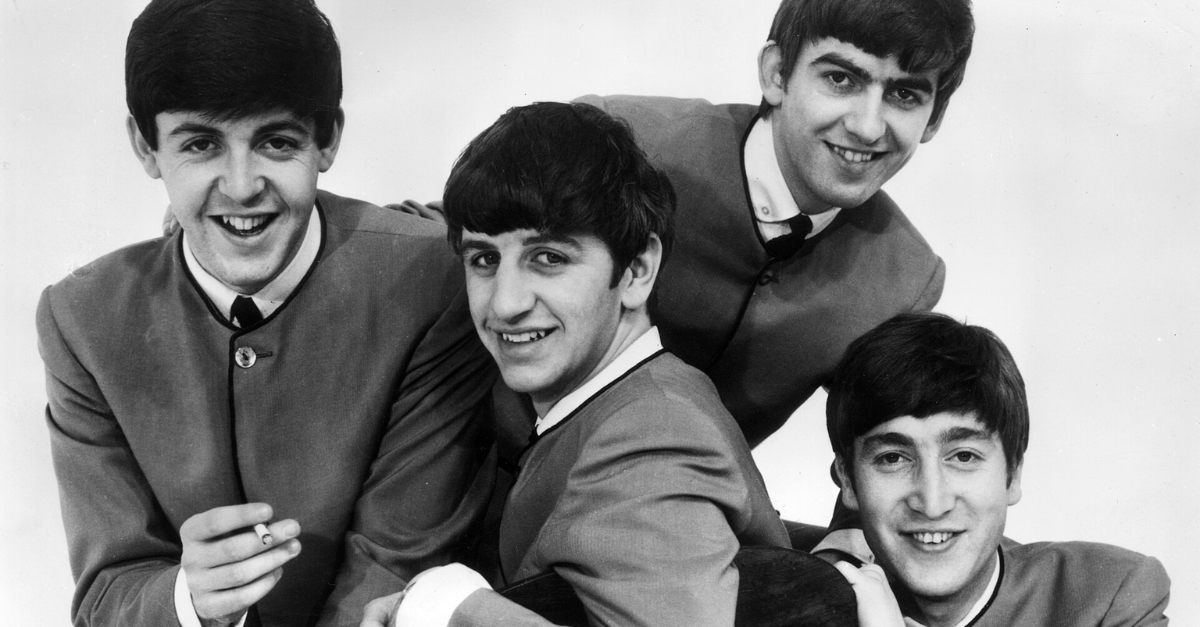
There was a painful reason McCartney should have been particularly concerned about anyone purchasing Beatles publishing rights. Although he and John Lennon had written some of the most famous songs in music history, they no longer controlled the company that owned the publishing rights to many of those compositions. That situation stretched back to business arrangements made during the Beatles' early success. And those decisions had left McCartney with a problem that even his enormous wealth couldn't easily solve.
 Michael Ochs Archives, Getty Images
The Beatles Made A Costly Decision
During the 1960s, Lennon and McCartney's compositions were published through a company called Northern Songs. The arrangement helped manage their songwriting business, but the musicians never had complete control of the company. As the Beatles became international superstars, the songs grew increasingly valuable. Unfortunately, the men who had written them weren't necessarily the people making the biggest business decisions.
 Dezo Hoffmann, Distributed by Capitol Records, Wikimedia Commons
Then Their Songs Changed Hands
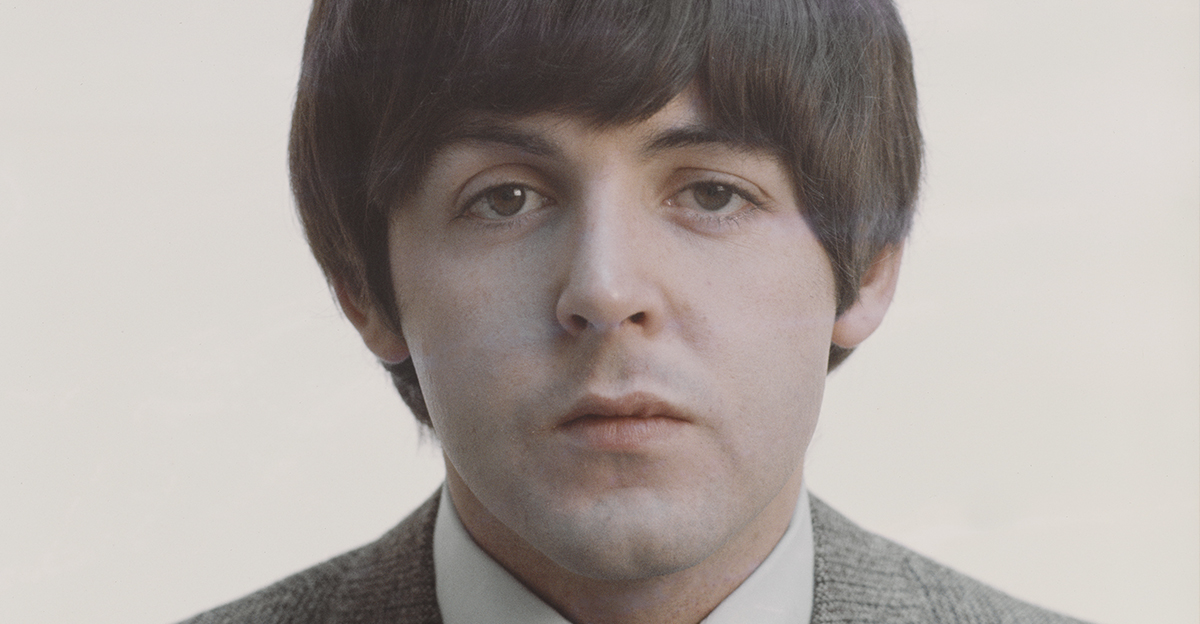
In 1969, a company called ATV gained control of Northern Songs following a complicated corporate struggle. Lennon and McCartney subsequently sold their remaining shares, leaving the publishing rights to many of their greatest compositions in other hands. They continued receiving songwriter royalties, but they no longer held the ownership interests they once had. McCartney would spend years regretting how things had turned out, and an unexpected opportunity eventually appeared.
 Mark Hayward Archive, Getty Images
A Second Chance Emerged
By the mid-1980s, ATV's enormous music publishing catalog was available for purchase. It contained thousands of compositions, including 251 Beatles songs written by Lennon and McCartney. For the former Beatle, regaining control of those publishing rights would have been an extraordinary opportunity. But the catalog was valuable to plenty of other people too, including someone McCartney knew extremely well.
Michael Had Been Paying Attention
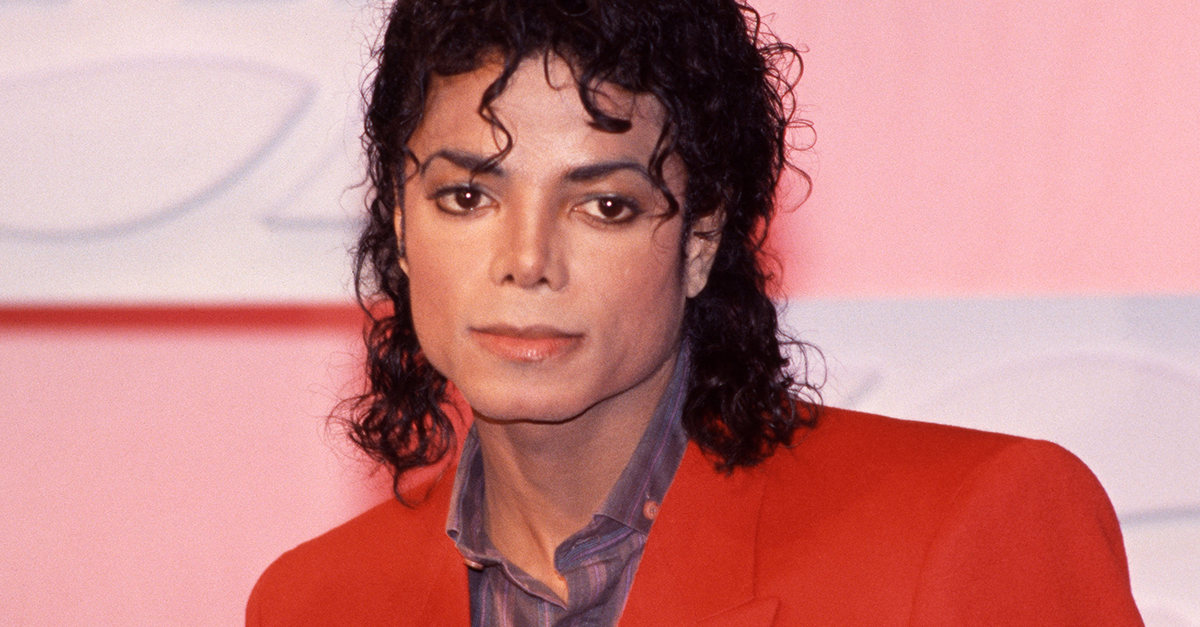
Jackson had become a global phenomenon following the success of Thriller, and his financial resources were considerable. He had also taken McCartney's publishing advice seriously, recognizing that valuable songs could provide income for decades. When the ATV catalog became available, Jackson saw an opportunity to acquire some of the most recognizable compositions ever written. Rather than treating the idea as a passing fantasy, he decided to pursue it.
He Brought In A Powerful Ally
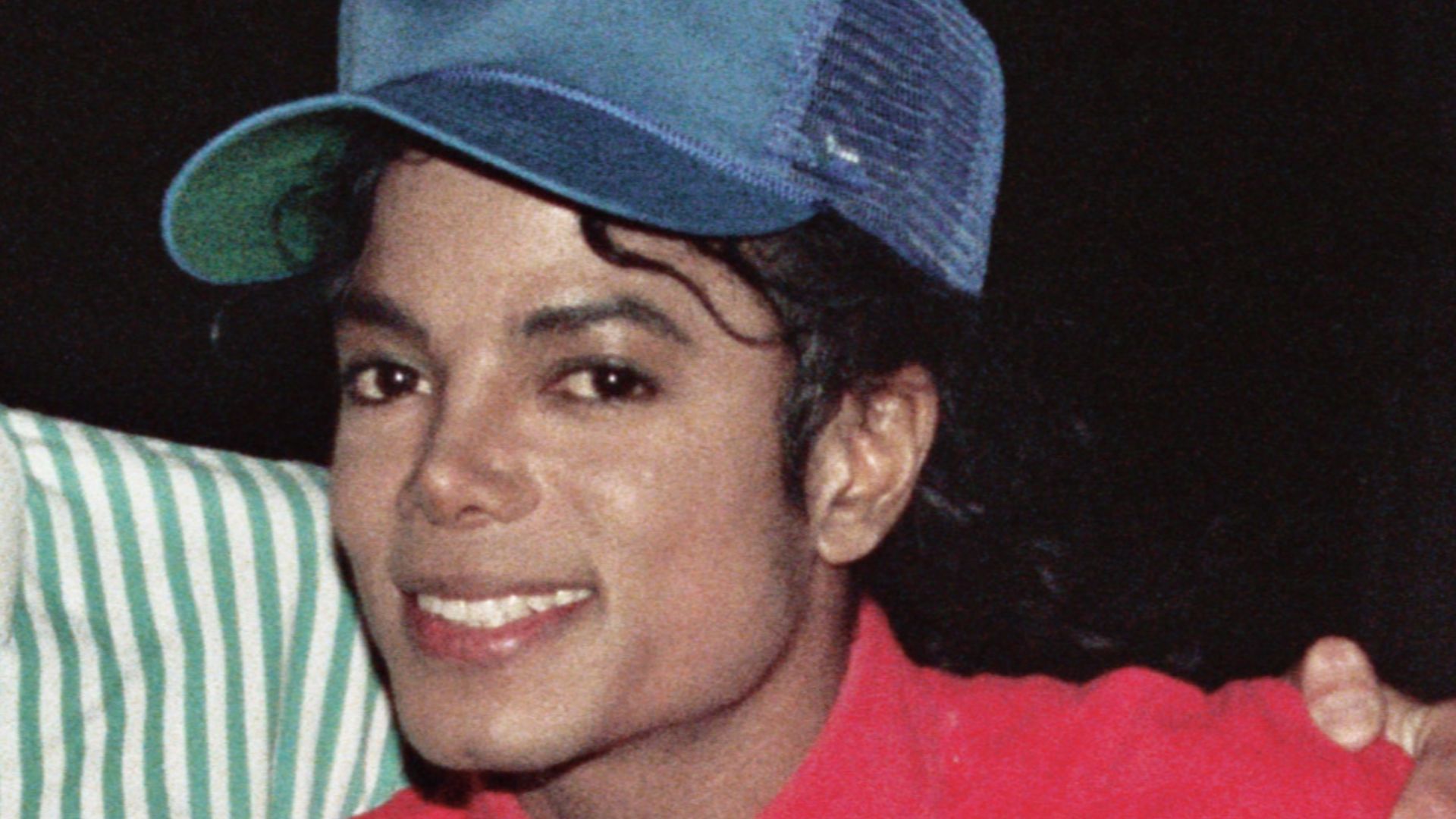
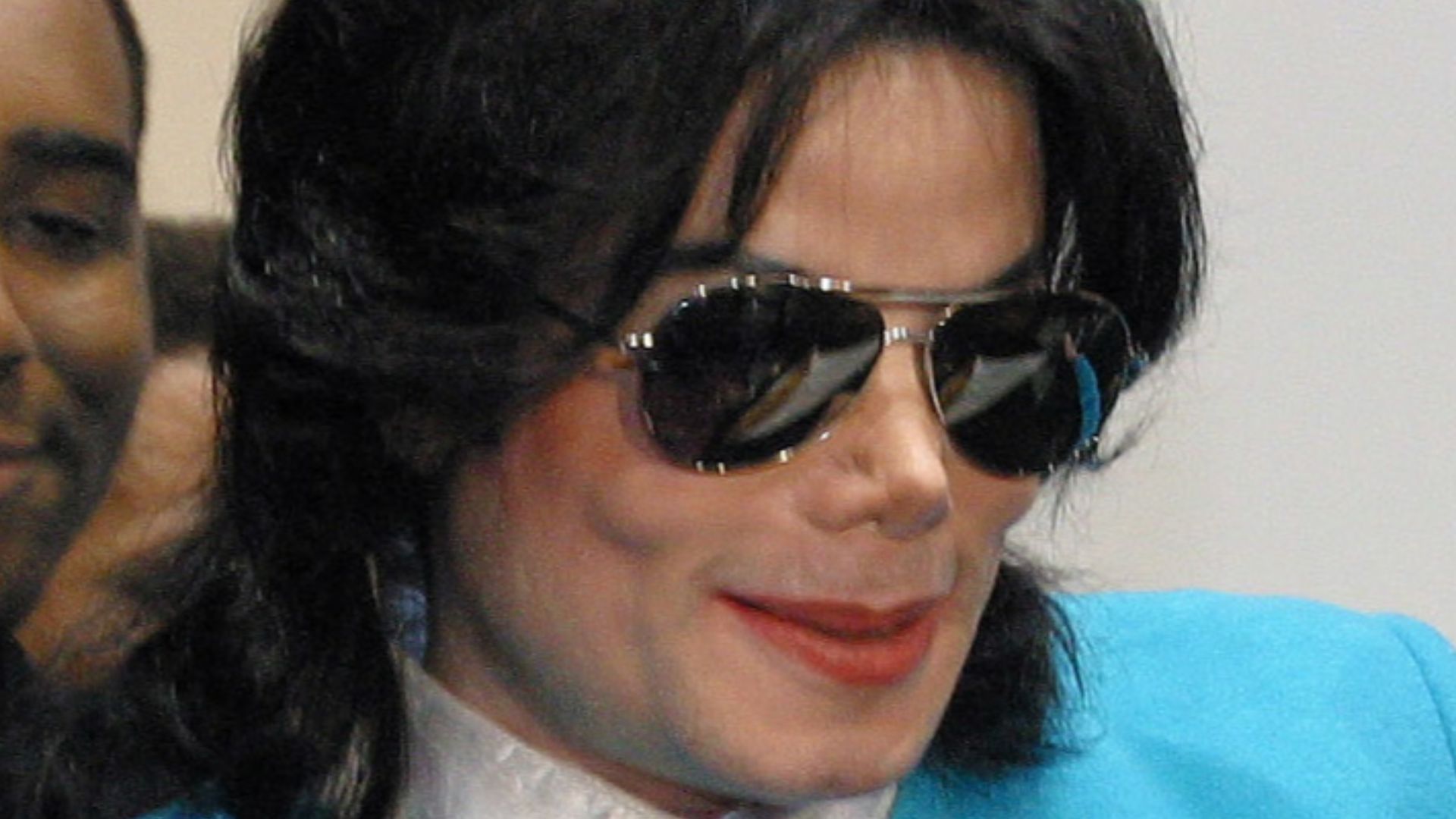
Jackson turned to entertainment attorney John Branca, who had helped guide important parts of his business career. Branca understood the potential value of ATV's catalog and began exploring the possibility of purchasing it. The collection included Beatles classics alongside songs associated with numerous other famous performers. Jackson was interested in the entire business, but the Beatles compositions were undoubtedly the crown jewels.
 INTX: The Internet & Television Expo, Wikimedia Commons
Michael Had One Concern
According to a later U.S. Tax Court account of Jackson's business dealings, the singer initially had reservations about purchasing music associated with his friend. Before moving forward, he instructed Branca to contact McCartney and John Lennon's widow, Yoko Ono, about their interest in the catalog. The account states that both indicated they weren't interested in buying it at that stage. Jackson apparently considered that sufficient reason to continue, but the situation was more complicated than a simple refusal.

Paul Had Considered Buying It
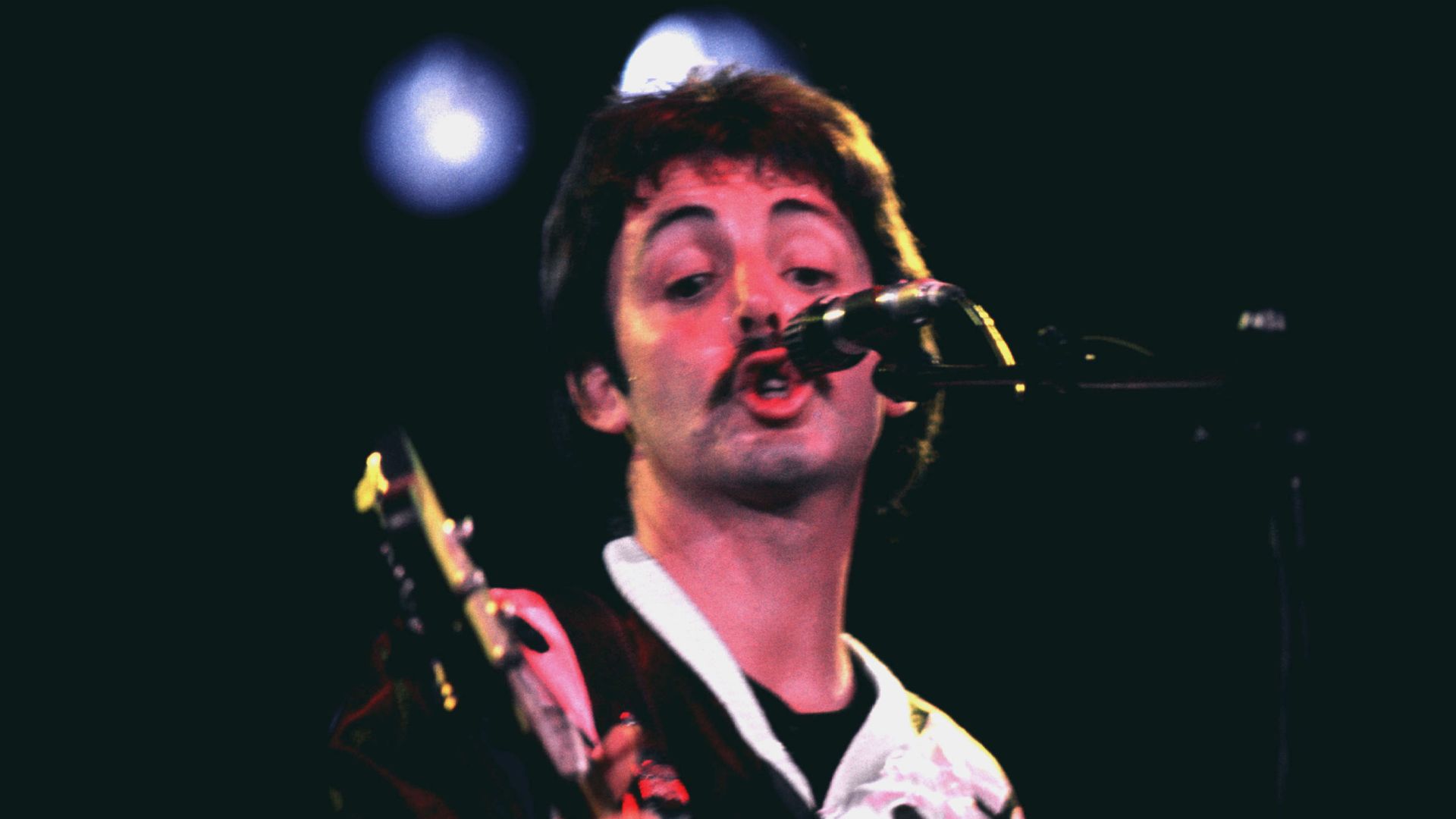
McCartney hadn't been completely indifferent to the possibility of regaining the Beatles publishing rights. He and Ono had considered acquiring the catalog, but they couldn't agree on a purchase at the price being discussed. McCartney's own company, MPL Communications, was also identified in contemporary reporting among the interested parties during the broader bidding process. The former Beatle had clearly recognized the opportunity, but Jackson was prepared to spend considerably more to secure it.
 Gorupdebesanez, Wikimedia Commons
A Bidding War Began
Jackson wasn't the only wealthy buyer pursuing ATV, and competition for the catalog became increasingly intense. Major music companies recognized the enormous earning potential of songs that had already remained popular for decades. Jackson's representatives spent months negotiating with the catalog's owner, Australian businessman Robert Holmes à Court. The process became so difficult that even Jackson's advisers began wondering whether the deal would ever happen.
The Deal Nearly Fell Apart
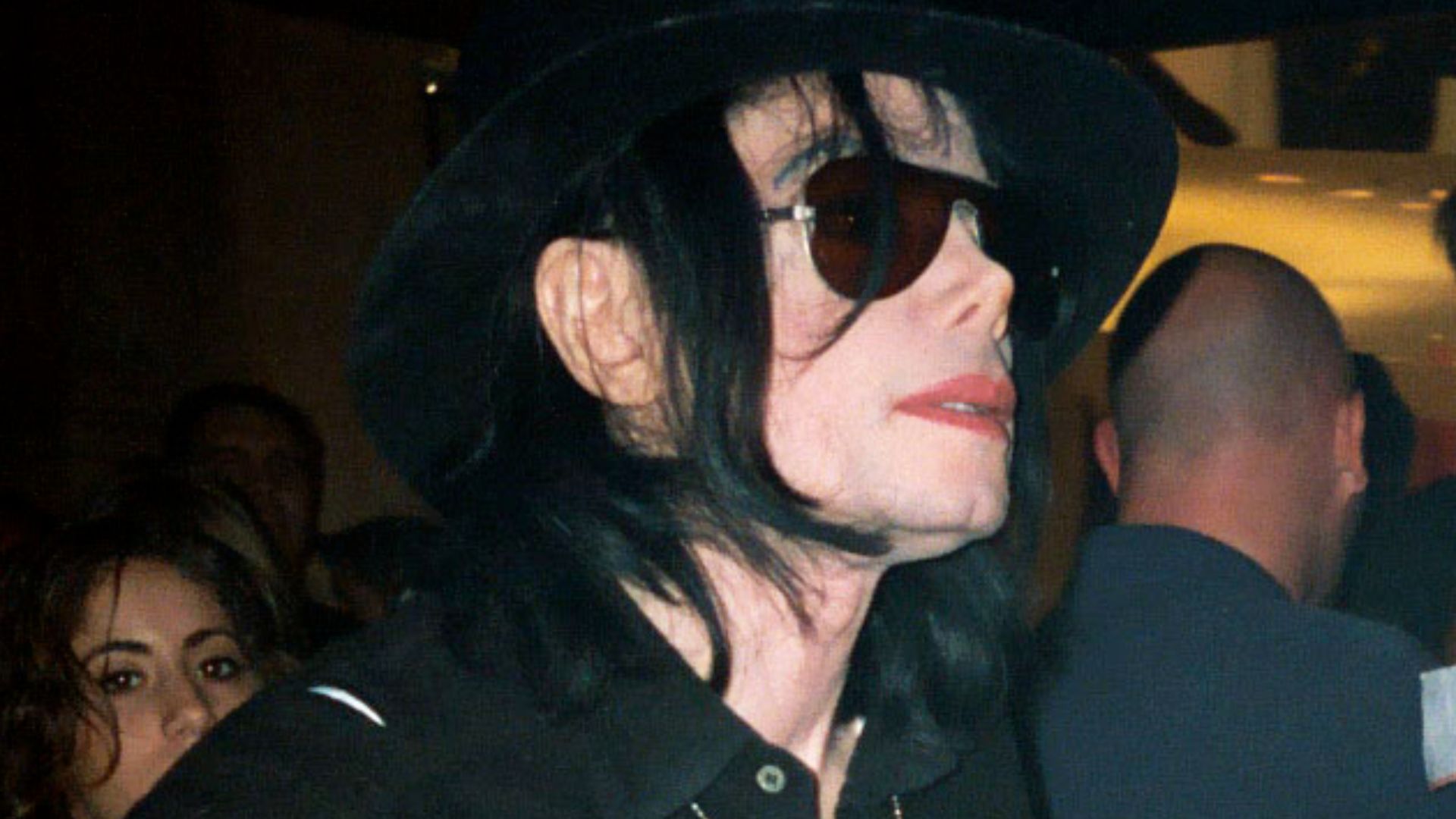
By May 1985, negotiations had become so frustrating that Jackson's representatives walked away from the discussions. According to a detailed Los Angeles Times investigation, they refused to return calls for nearly a month, despite having already invested substantial time and money in the effort. It appeared that Jackson's dream of owning the Beatles publishing rights might collapse before he could complete the purchase. But the singer wasn't ready to give up.
 White House Photo Office, Wikimedia Commons
Michael Refused To Walk Away
Negotiations eventually resumed, and Jackson's representatives continued working through the obstacles. The singer remained determined to secure the collection, even as the process dragged on and other interested buyers remained in the picture. After months of complicated discussions, his persistence finally paid off. In August 1985, Jackson completed a purchase that would make headlines around the world and permanently change his relationship with McCartney.
The $47.5 Million Surprise
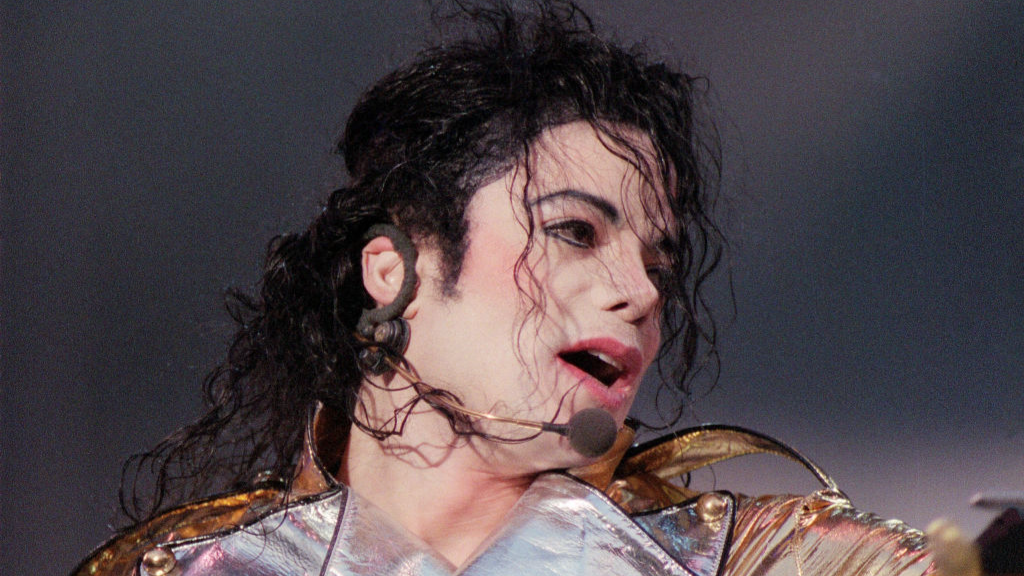
Jackson purchased ATV Music for $47.5 million, acquiring a publishing catalog that included 251 Beatles compositions. Among them were beloved classics such as "Yesterday," "Help!," and "Let It Be," songs that McCartney had helped make famous. The deal was one of the most remarkable music publishing purchases ever made by an individual at the time. But for McCartney, watching his former collaborator take control of those publishing rights was a bitter experience.
Paul Felt Betrayed
The irony was almost impossible to ignore: McCartney had personally introduced Jackson to the business strategy that made the purchase so attractive. Now his friend controlled the publishing rights to songs McCartney had spent years wishing he could reclaim. Although Jackson had purchased the catalog through a legitimate business deal, McCartney felt uncomfortable about the way their friendship had intersected with the transaction. And the disagreement was about to become much more personal.
 Eric Koch for Anefo, Wikimedia Commons
He Wanted A Better Arrangement
Jackson's purchase didn't erase McCartney's songwriting credits or eliminate his songwriter royalties, but it did give Jackson control over the publishing company. As the years passed, McCartney became increasingly frustrated with the financial arrangements surrounding the Lennon-McCartney compositions. He believed that after decades of success, the songwriters deserved more favorable terms. Eventually, he decided to approach Jackson directly about the matter.
 Universal History Archive, Getty Images
Michael's Response Stung
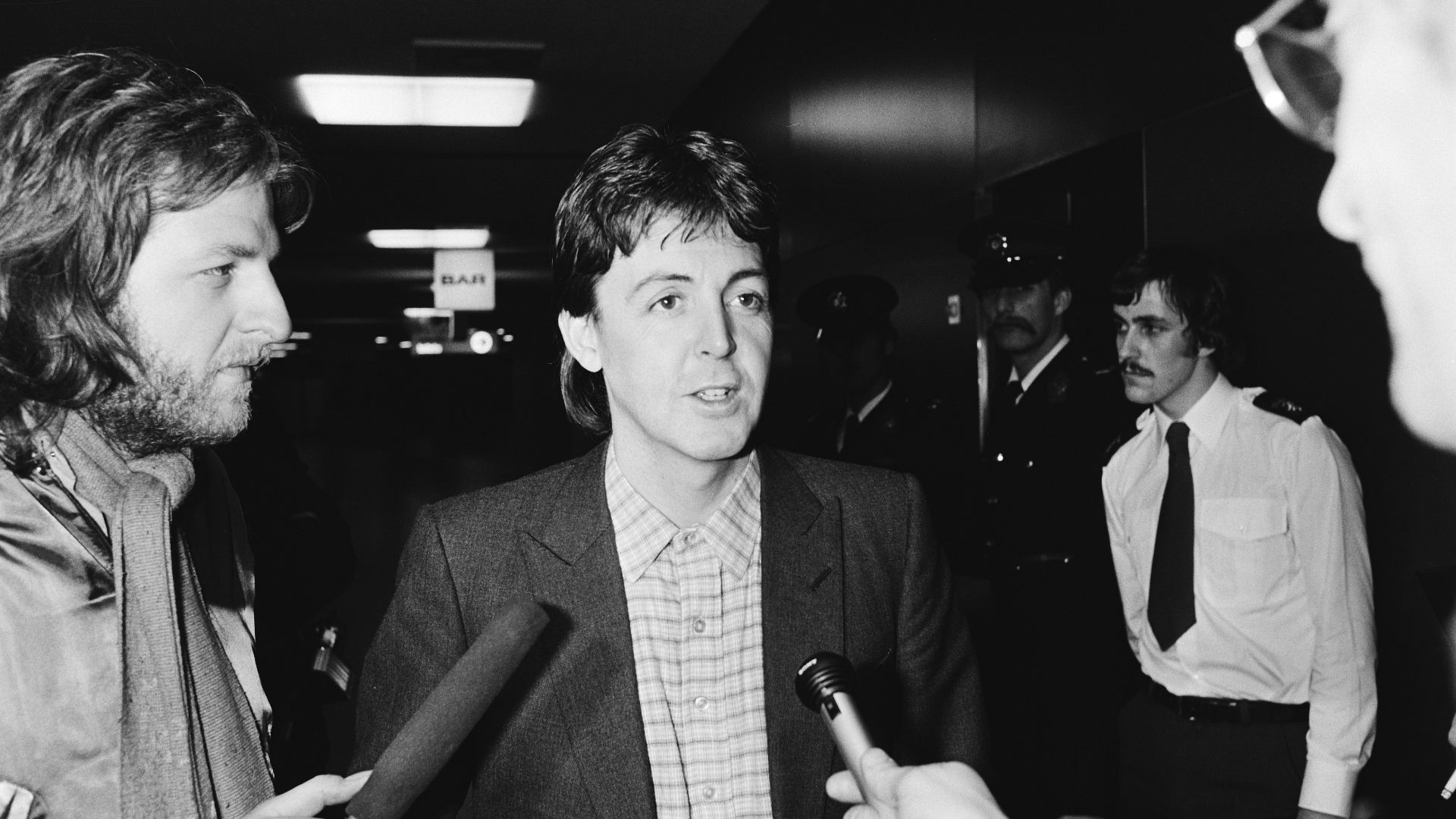
In a 2001 interview, McCartney recalled writing Jackson letters asking whether he deserved a better financial arrangement after so many successful years. According to McCartney, Jackson brushed aside the request with a simple response: "Oh Paul, that's just business." McCartney was deeply disappointed by what he considered his former friend's unwillingness to reconsider the arrangement. Their once-easy friendship had become strained, and McCartney admitted that they were no longer particularly close.
 Koen Suyk / Anefo, Wikimedia Commons
There Was Another Bitter Twist
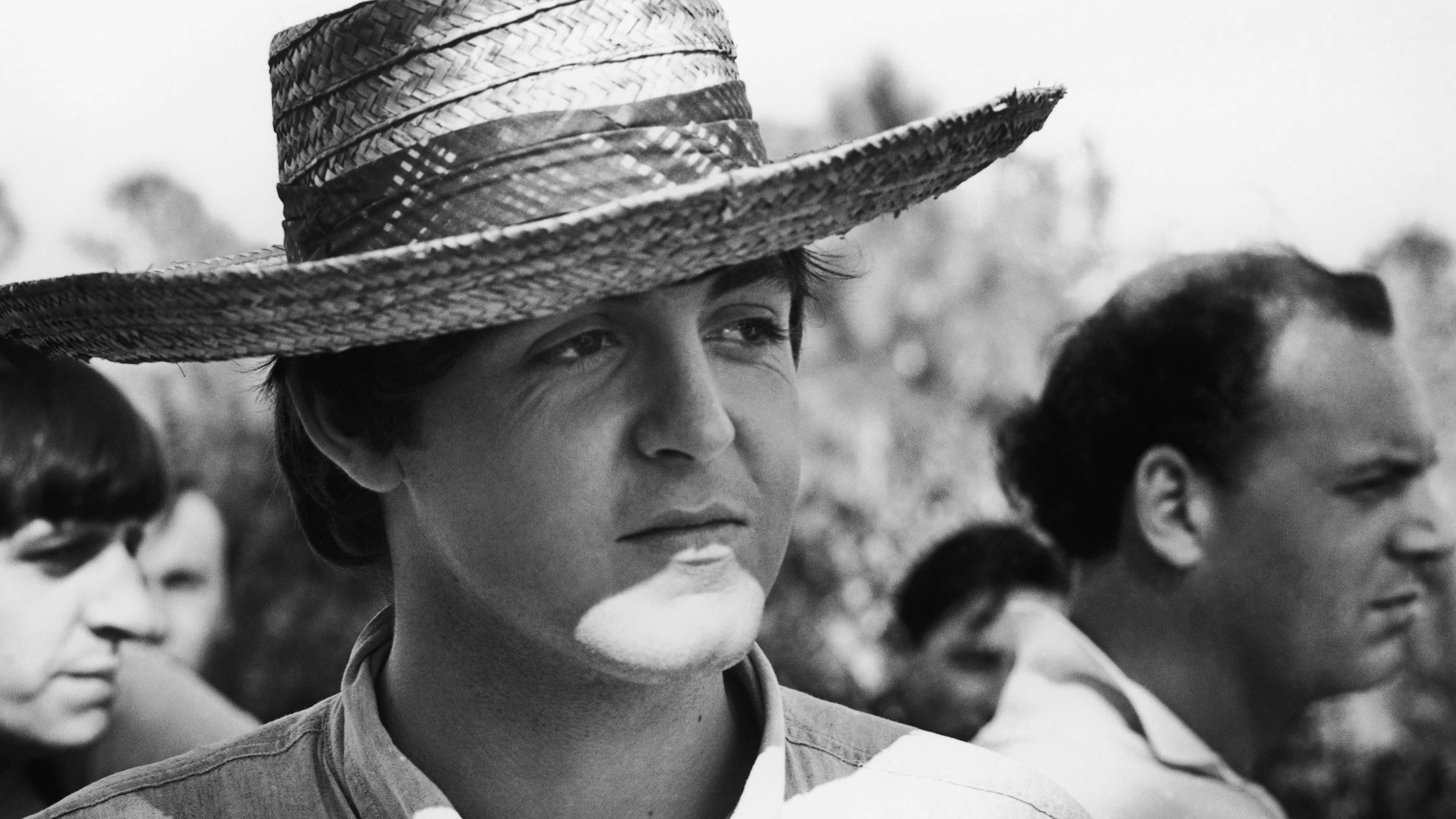
McCartney also disliked seeing Beatles compositions used in commercial advertisements after Jackson acquired the publishing catalog. The former Beatle had long regarded those songs as something more meaningful than advertising material, and he was uncomfortable with their commercial use. Although such licensing decisions involved the publishing business rather than Jackson personally approving every advertisement, McCartney associated the change with the new ownership. The dispute reinforced his belief that the songs belonged in the hands of people who understood their creative importance.
 William Lovelace, Getty Images
Michael's Gamble Paid Off
Whatever the personal consequences, Jackson's purchase proved to be an extraordinary financial investment. In 1995, he combined his ATV publishing interests with Sony's music publishing operation, creating Sony/ATV Music Publishing. The arrangement gave Jackson a 50% interest in a major publishing company with an increasingly valuable collection of songs. His decision to follow McCartney's business advice had paid off spectacularly, even if their friendship had suffered along the way.

Paul Eventually Set The Record Straight
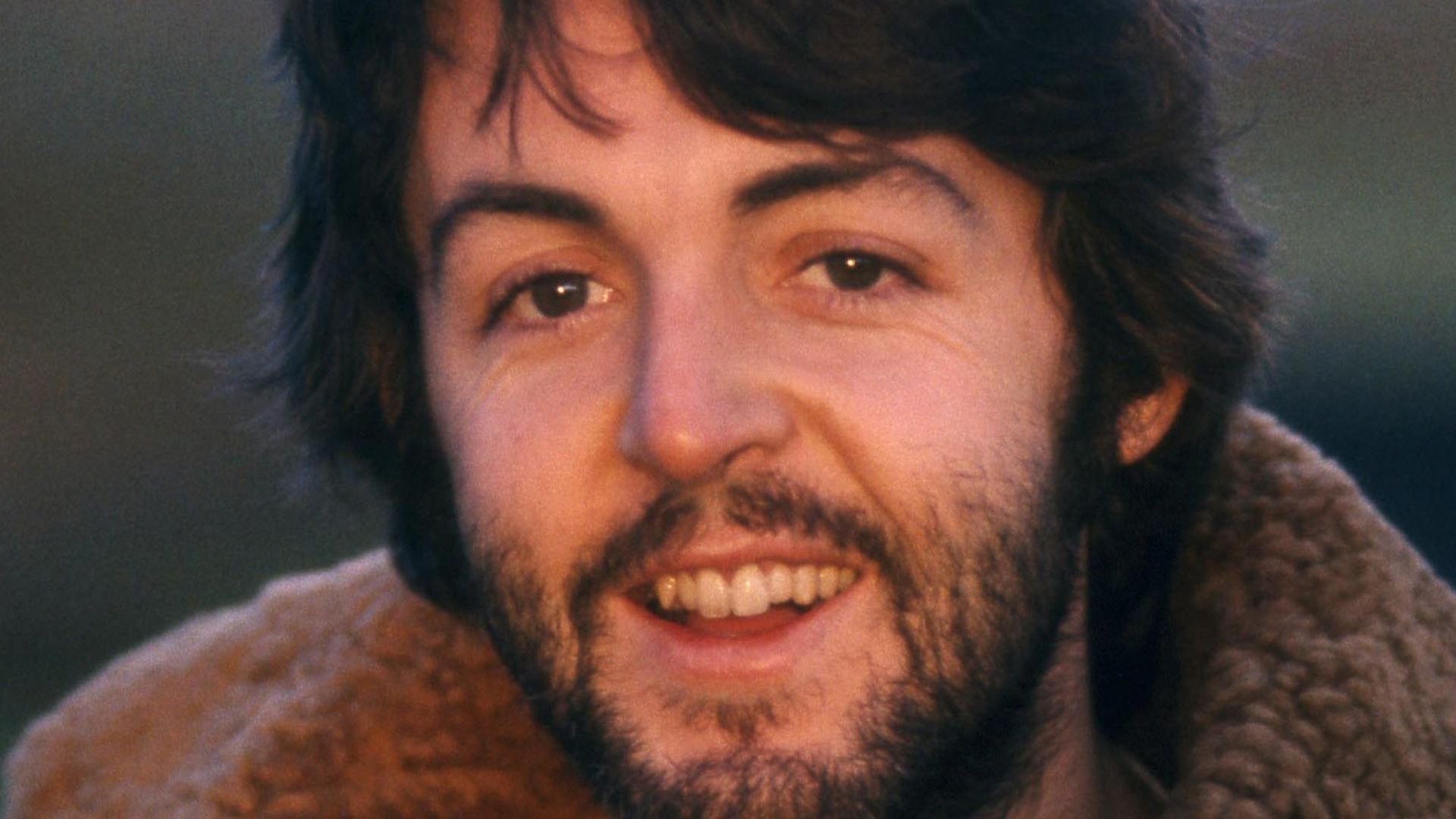
Following Jackson's passing in June 2009, rumors circulated that he had intended to leave his Beatles publishing interests to McCartney. The former Beatle publicly dismissed those claims, explaining that he had never believed Jackson planned to give him the rights. More surprisingly, McCartney also challenged the idea that the two men had remained bitter enemies. Although their friendship had faded, he insisted they had never truly fallen out.
 Apple Records, distributed by Capitol Records in the U.S., Wikimedia Commons
He Remembered A Different Michael
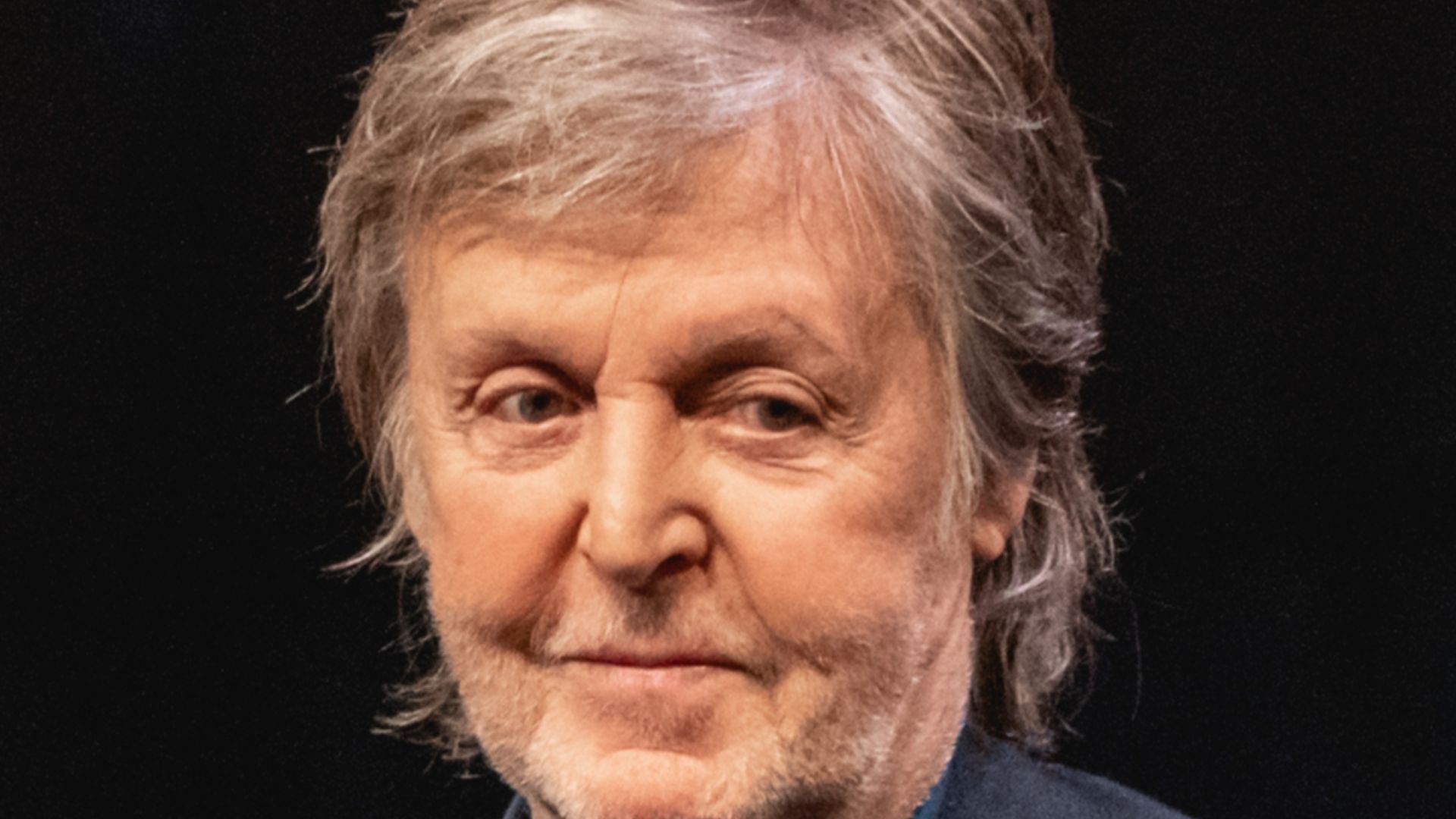
In a tribute published on his official website, McCartney recalled the happier days when Jackson visited his family and the two musicians worked together. He remembered Jackson's playful personality, their shared laughter, and the enjoyment they had found making music. Rather than dwelling on the publishing disagreement, McCartney praised his former collaborator's talent and spoke warmly about their time together. It was a touching reminder that their relationship had once meant far more than a business deal.
 Raphael Pour-Hashemi, Wikimedia Commons
The Songs Became Worth A Fortune
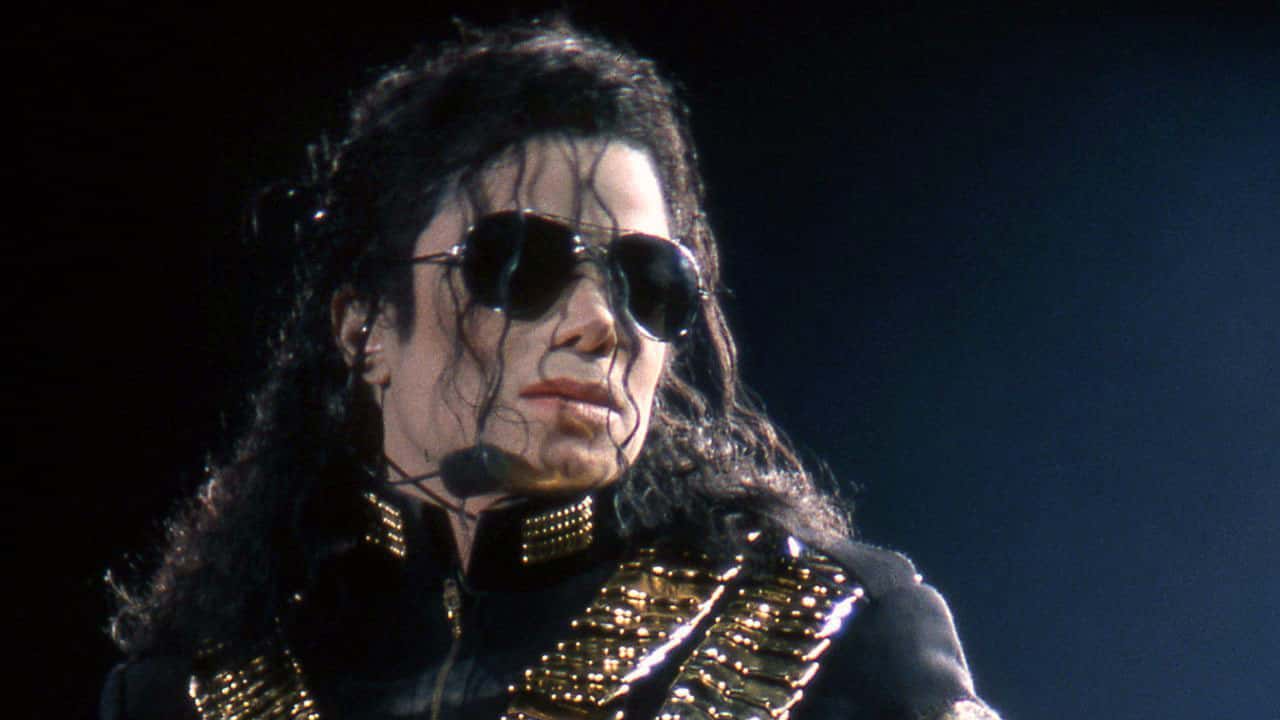
Jackson's publishing investment continued to grow in value long after the original purchase. In 2016, Sony acquired the Jackson estate's remaining 50% interest in Sony/ATV Music Publishing through an agreement involving total payments of $750 million. The transaction covered a stake in the much larger publishing company, not simply the Beatles songs Jackson had purchased in 1985. Still, it demonstrated just how extraordinary his original investment had become.
 Constru-centro, CC BY-SA 4.0, Wikimedia Commons
A Friendship With A Complicated Legacy
McCartney had introduced Jackson to the lucrative possibilities of music publishing, never imagining that his friend would eventually acquire the rights to hundreds of his own Beatles compositions. Jackson's $47.5 million purchase became one of pop music's most famous business deals, but it also placed a lasting strain on their relationship. Despite their disagreements, McCartney ultimately chose to remember the music, laughter, and friendship they had shared. Their story remains a remarkable reminder that even the closest friendships can become complicated when enormous fortunes are involved.
You May Also Like:
Classic TV Best Friends Who Were Anything But Friendly Offscreen