When Country Stars Became Television Stars
Some country legends had a surprising second act. When these familiar voices stepped in front of television cameras, audiences discovered personalities, talents, and unexpected sides of their favorite performers that hit records alone had never revealed.
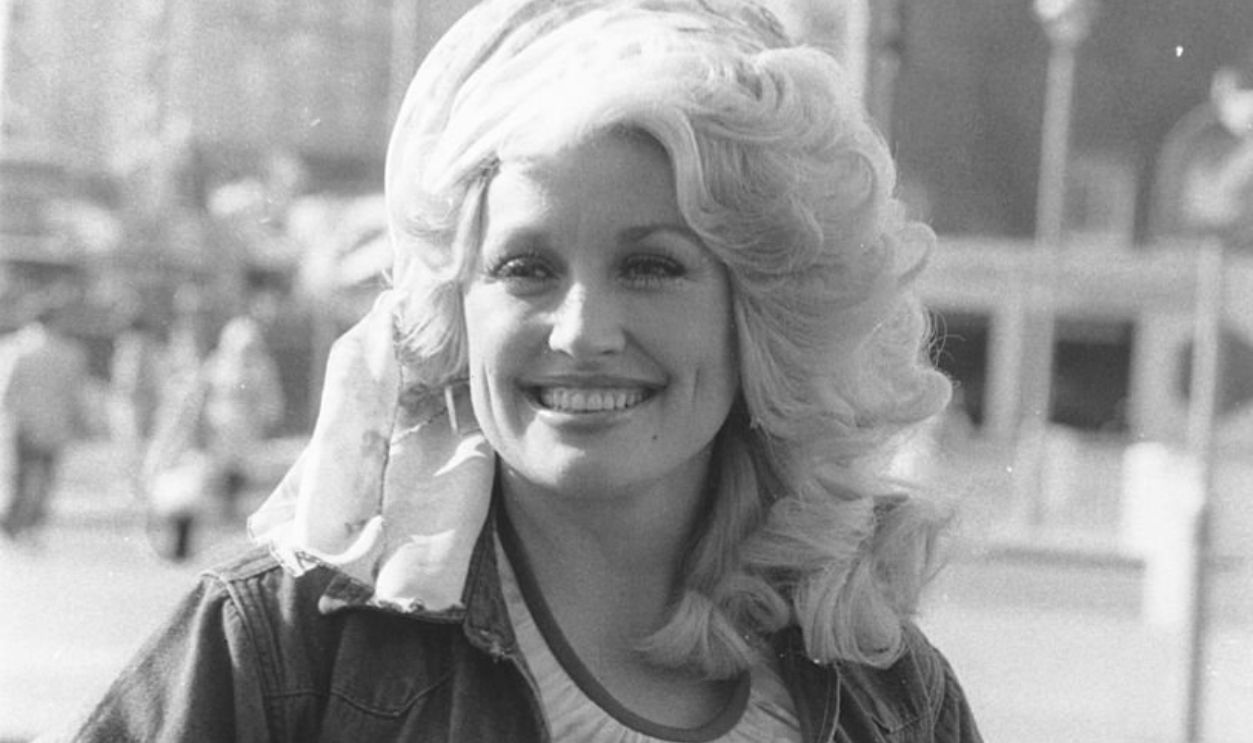
Dolly Parton Started As Someone Else's Television Sidekick
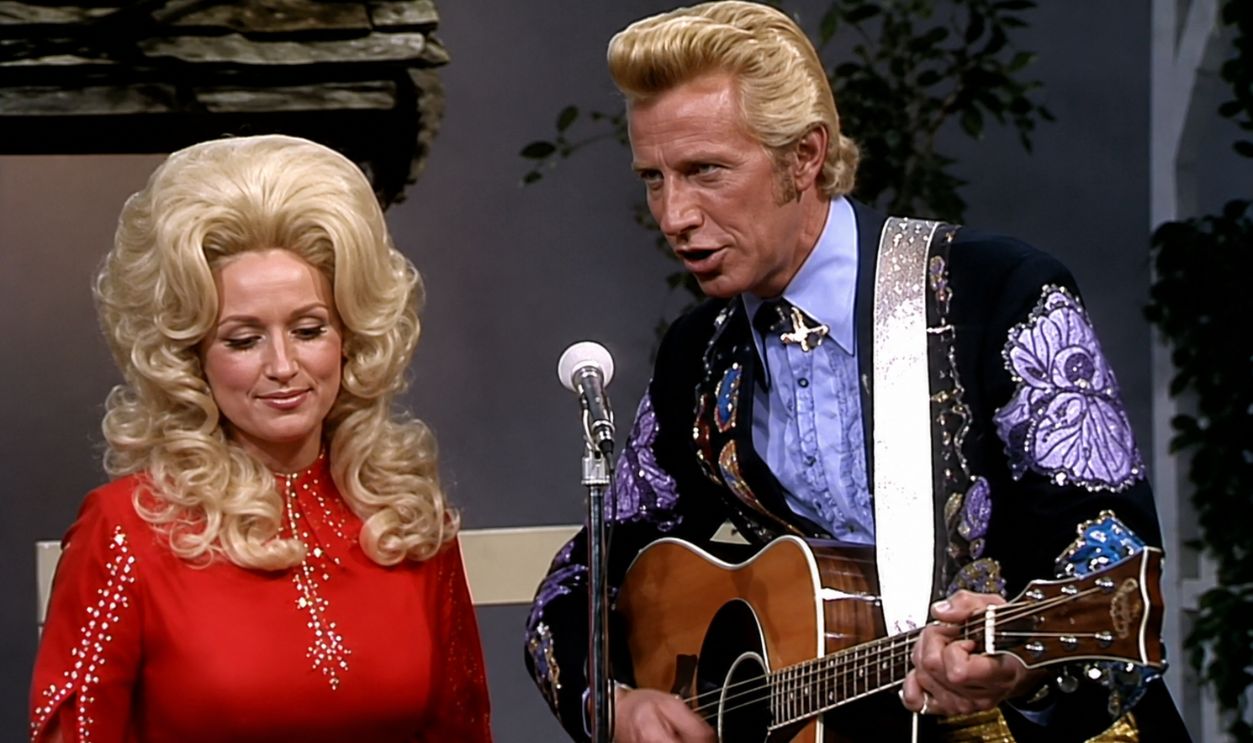
Long before she became an entertainment empire unto herself, Dolly Parton gained national attention through The Porter Wagoner Show. She joined the popular syndicated program in 1967, replacing singer Norma Jean as Wagoner's regular duet partner. Their contrasting personalities created an entertaining partnership, and Parton's appearances introduced her distinctive voice, sparkling personality, and songwriting talents to television audiences across America.
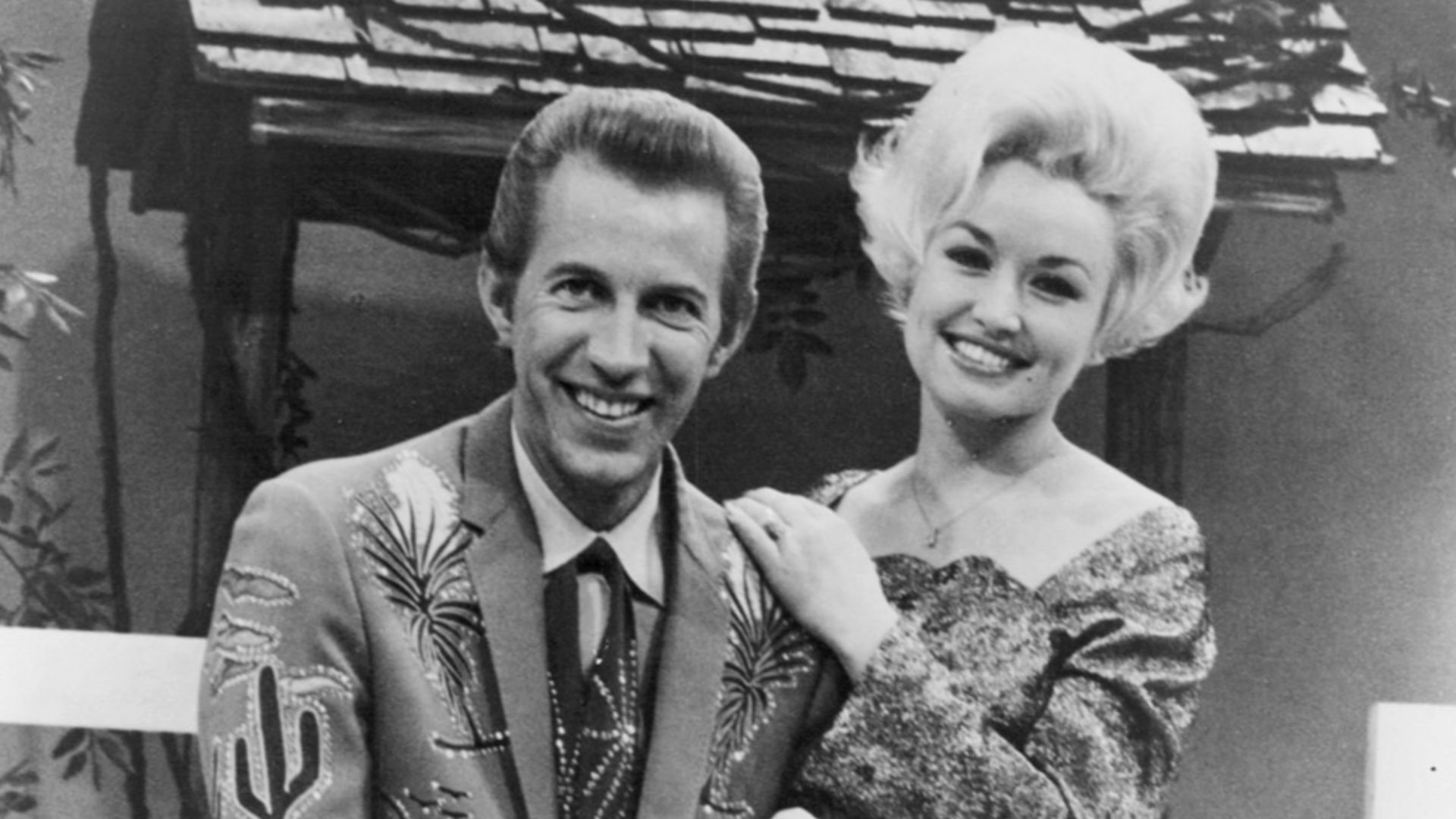 Moeller Talent, Inc. Nashville (management), Wikimedia Commons
Dolly Eventually Became The Main Attraction
As Parton's popularity grew, she became increasingly determined to pursue her own career beyond Wagoner's television program. She departed in 1974 and launched her own syndicated variety series, Dolly, in 1976, demonstrating that she could command the screen without a co-host. Although the program lasted only one season, it helped establish the outgoing television personality who would eventually become a familiar presence in movies, specials, and talk shows.
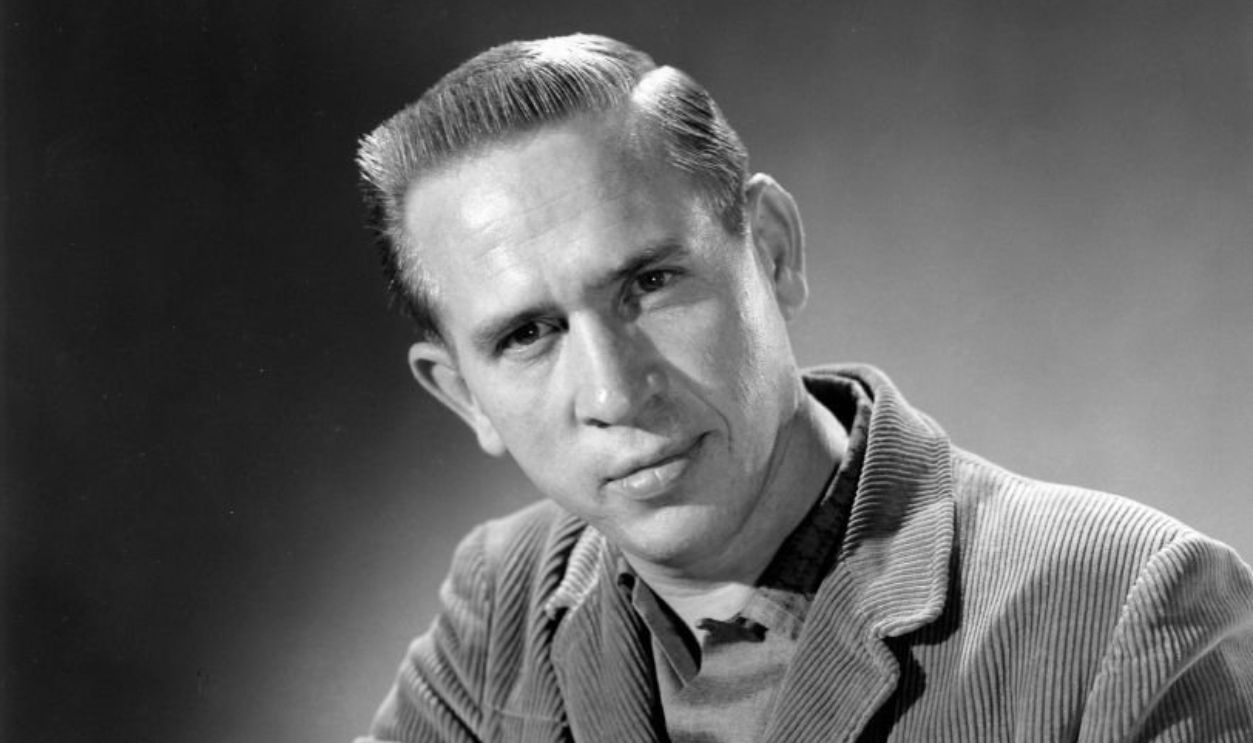
Buck Owens Traded Bakersfield Cool For Country Comedy
Buck Owens had already established himself as one of country music's most influential performers before Hee Haw premiered on CBS in 1969. His string of chart-topping recordings, including "Act Naturally" and "My Heart Skips a Beat," helped define the energetic Bakersfield sound. Yet television introduced a different version of Owens, presenting the respected singer and guitarist as a cheerful entertainer surrounded by rural comedy sketches.
 Michael Ochs Archives, Getty Images
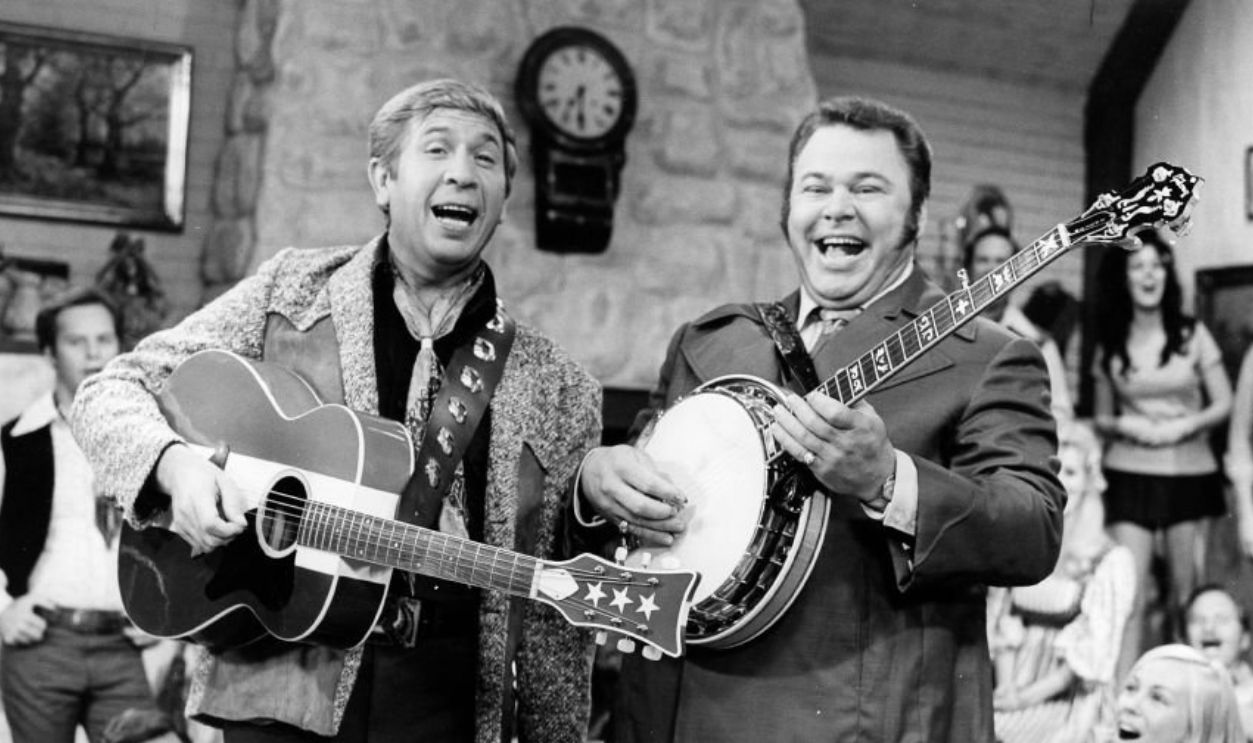
Hee Haw Made Buck A Household Fixture
Owens co-hosted Hee Haw alongside Roy Clark, combining musical performances with lighthearted comedy and familiar recurring characters. Although CBS canceled the program in 1971, it continued successfully in syndication, reaching audiences far beyond traditional country music fans. Owens eventually became almost as closely associated with the show's playful humor as with the influential guitar-driven recordings that had originally made him famous.
 Michael Ochs Archives, Getty Images
Roy Clark Had A Secret Weapon Beyond His Guitar
Roy Clark earned admiration as a gifted instrumentalist who could perform brilliantly on guitar, banjo, and fiddle. By the time Hee Haw launched in 1969, he had already developed considerable experience appearing on television and entertaining audiences in major showrooms. The new series gave him an opportunity to reveal something that his recordings could not fully capture: an effortless ability to make audiences laugh.

Roy Clark Became Country's Favorite Television Showman
Clark's friendly personality and impeccable comic timing made him a natural partner for Buck Owens. Between jokes and sketches, he regularly reminded audiences of his extraordinary musical abilities, sometimes delivering dazzling instrumental performances. His television reputation grew so strong that he also served as a guest host on The Tonight Show, demonstrating that a country musician could comfortably move between rural comedy and mainstream late-night entertainment.
 Screenshot from Hee Haw, CBS Television Network (1969-1997), Enhanced
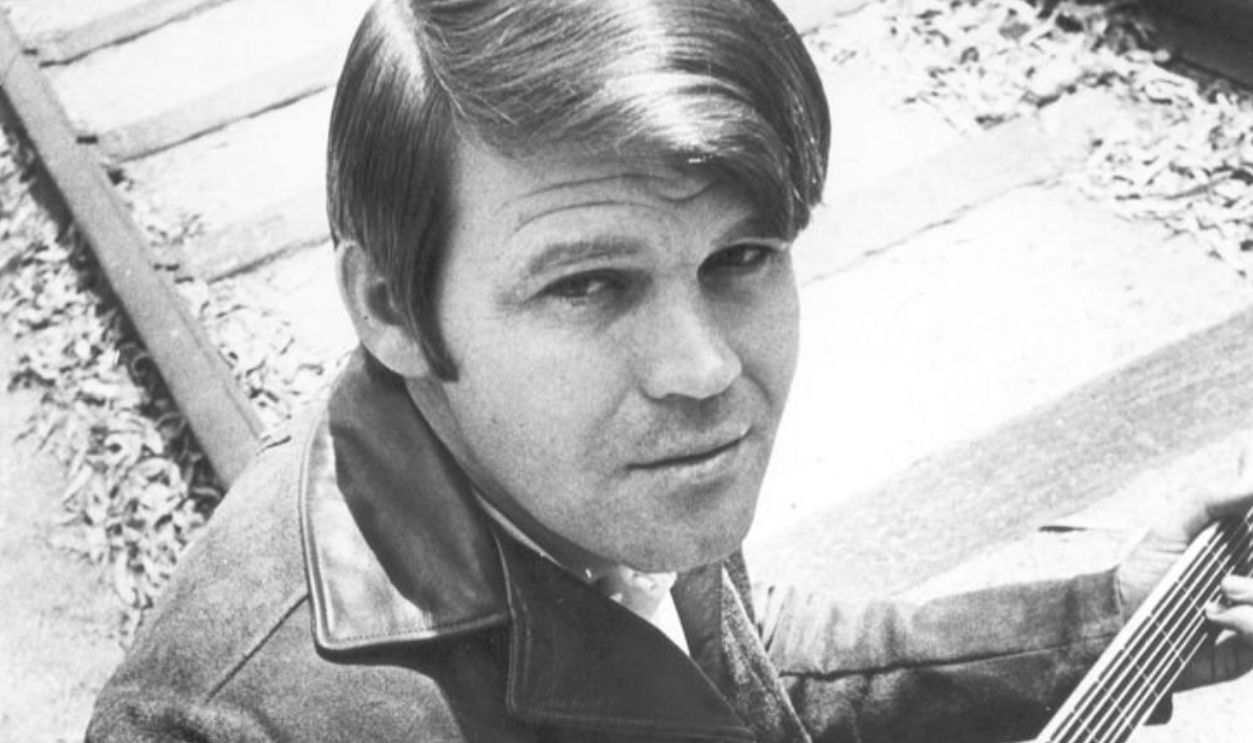
Glen Campbell Became America's Smiling Television Star
Glen Campbell was already achieving crossover success with recordings like "Gentle on My Mind" and "By the Time I Get to Phoenix" when television came calling. In 1968, CBS introduced The Glen Campbell Goodtime Hour, transforming the accomplished guitarist and singer into a nationally recognizable variety-show host. His relaxed manner and easygoing humor presented a remarkably approachable image that extended his appeal well beyond country music.
 Michael Ochs Archives, Getty Images
His Goodtime Hour Opened Unexpected Doors
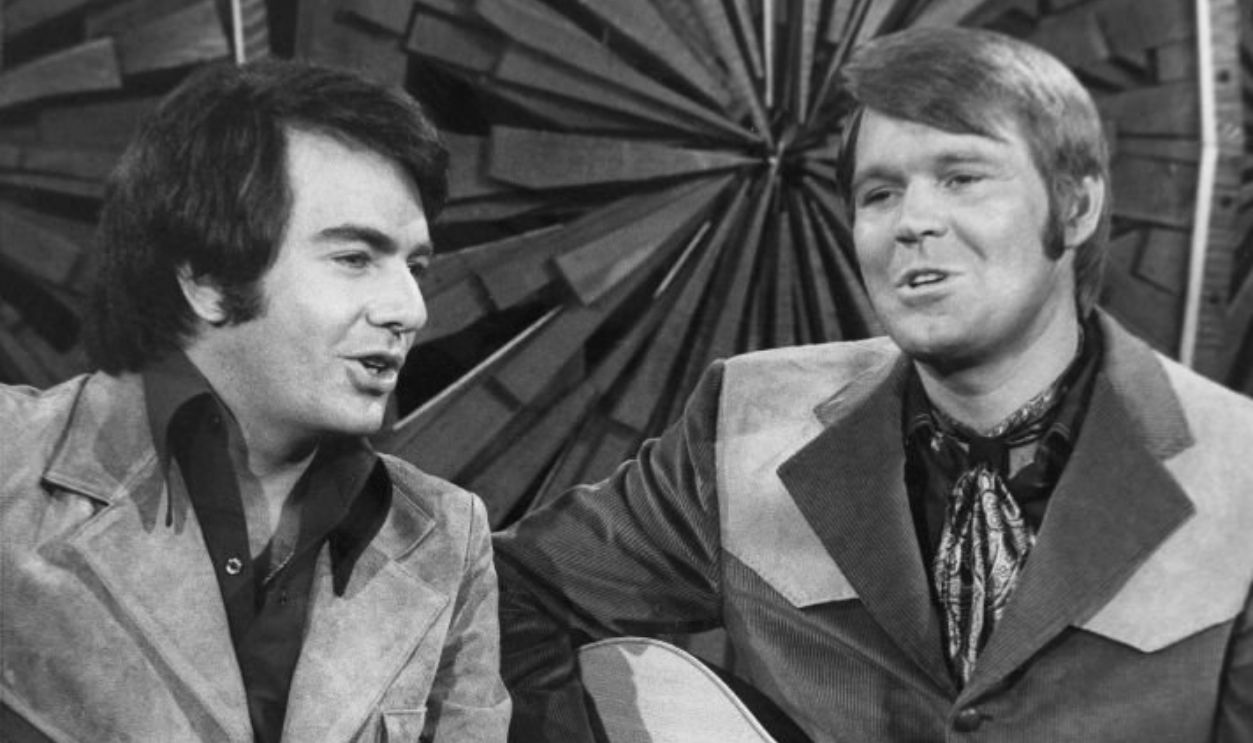
Campbell's series ran until 1972, featuring a mixture of musical performances and television variety entertainment. During this period, he also made his feature-film debut opposite John Wayne in True Grit, released in 1969. Together, those appearances established Campbell as something more than a successful recording artist, giving him a broadly recognizable entertainment personality that supported his later crossover hits.
 Michael Ochs Archives, Getty Images
Johnny Cash Brought His Rebel Image Into Living Rooms
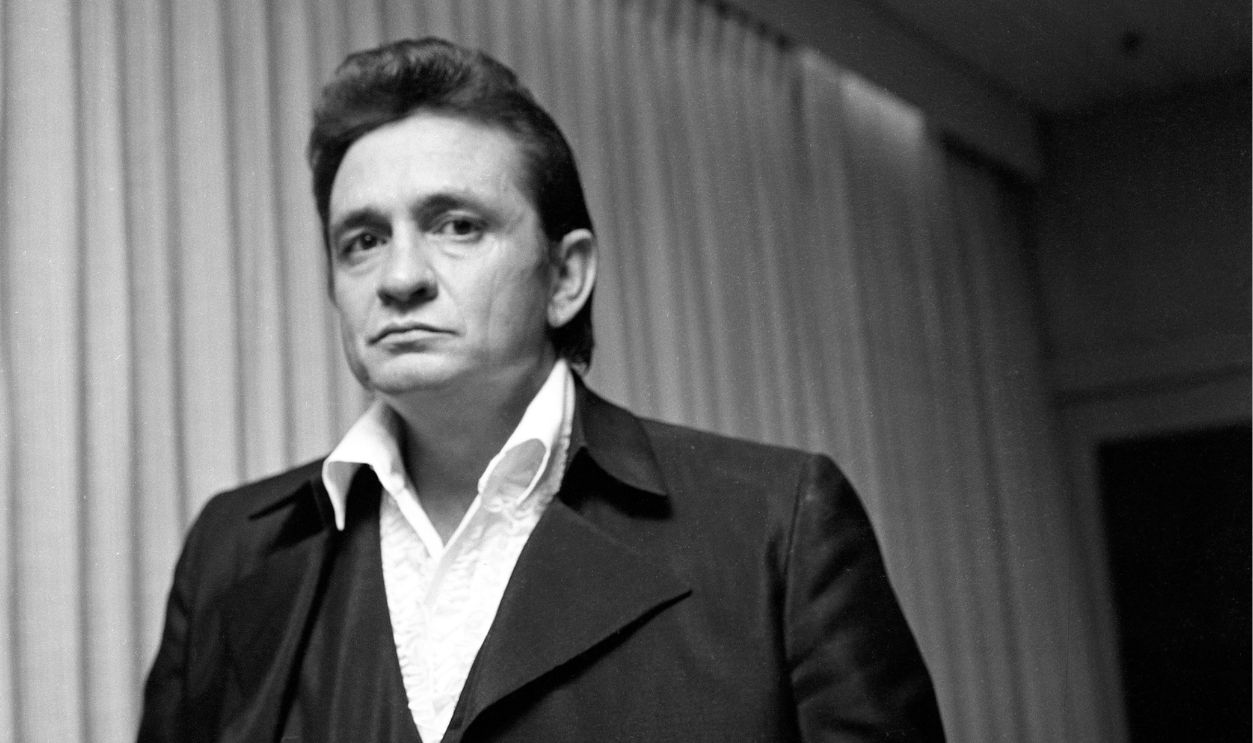
Johnny Cash had long been associated with stark performances, emotionally powerful songs, and his unmistakable black clothing. When The Johnny Cash Show premiered on ABC in 1969, audiences encountered a surprisingly welcoming host capable of connecting with performers from many different musical backgrounds. Filmed at Nashville's Ryman Auditorium, the program allowed Cash to introduce viewers to music far beyond the conventional boundaries of country.
 Michael Ochs Archives, Getty Images
The Man In Black Became A Musical Ambassador
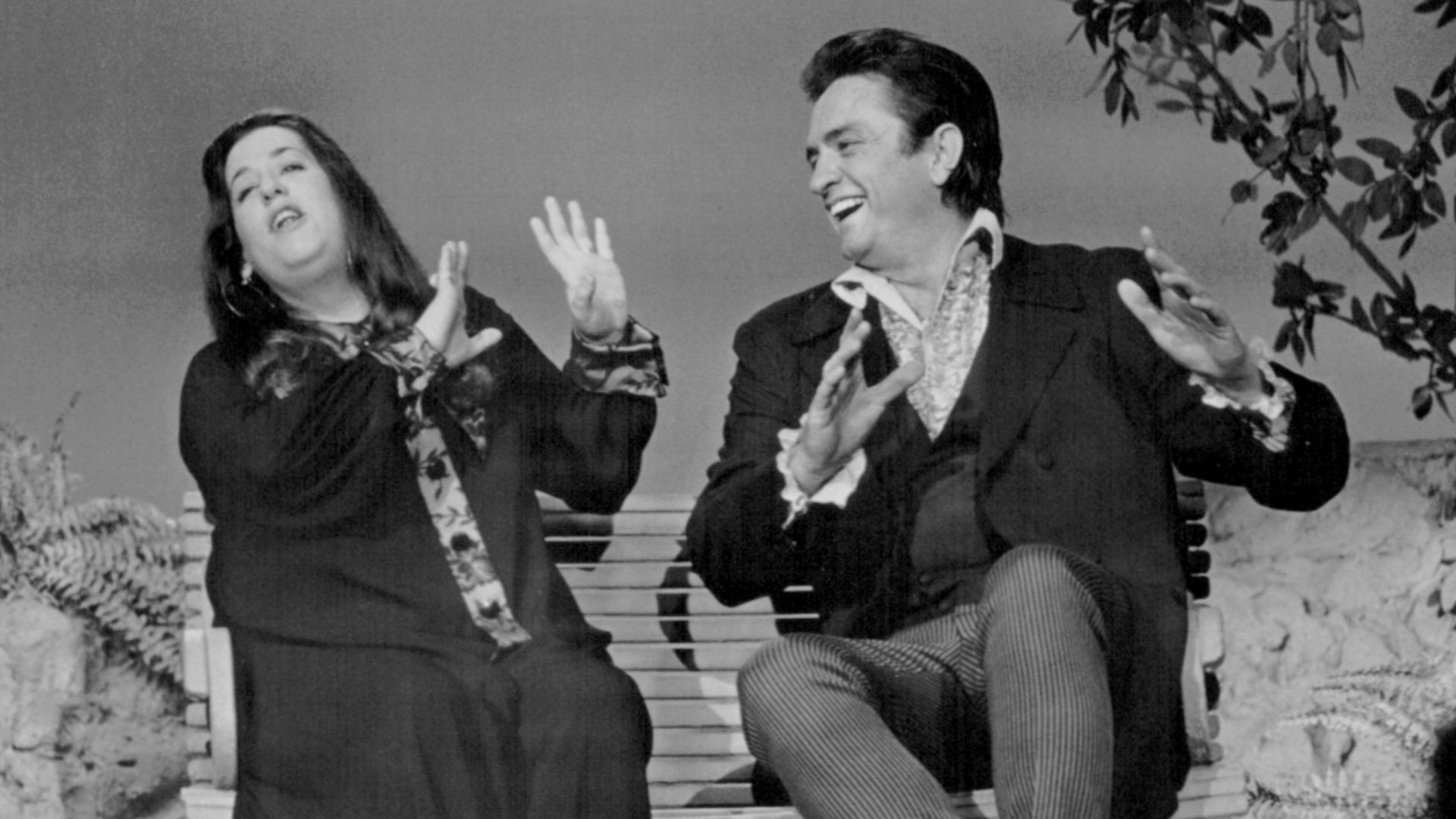
Cash's television series ran from 1969 through 1971 and featured an unusually wide range of performers. Alongside established country stars, the program welcomed musicians associated with folk, rock, and other popular styles, reflecting Cash's adventurous musical interests. His performance of Kris Kristofferson's "Sunday Morning Coming Down" became a chart-topping country hit, demonstrating how television could reinforce his musical career while changing perceptions of his public personality.
 ABC Television., Wikimedia Commons
Barbara Mandrell Revealed A Talent Fans Had Barely Seen
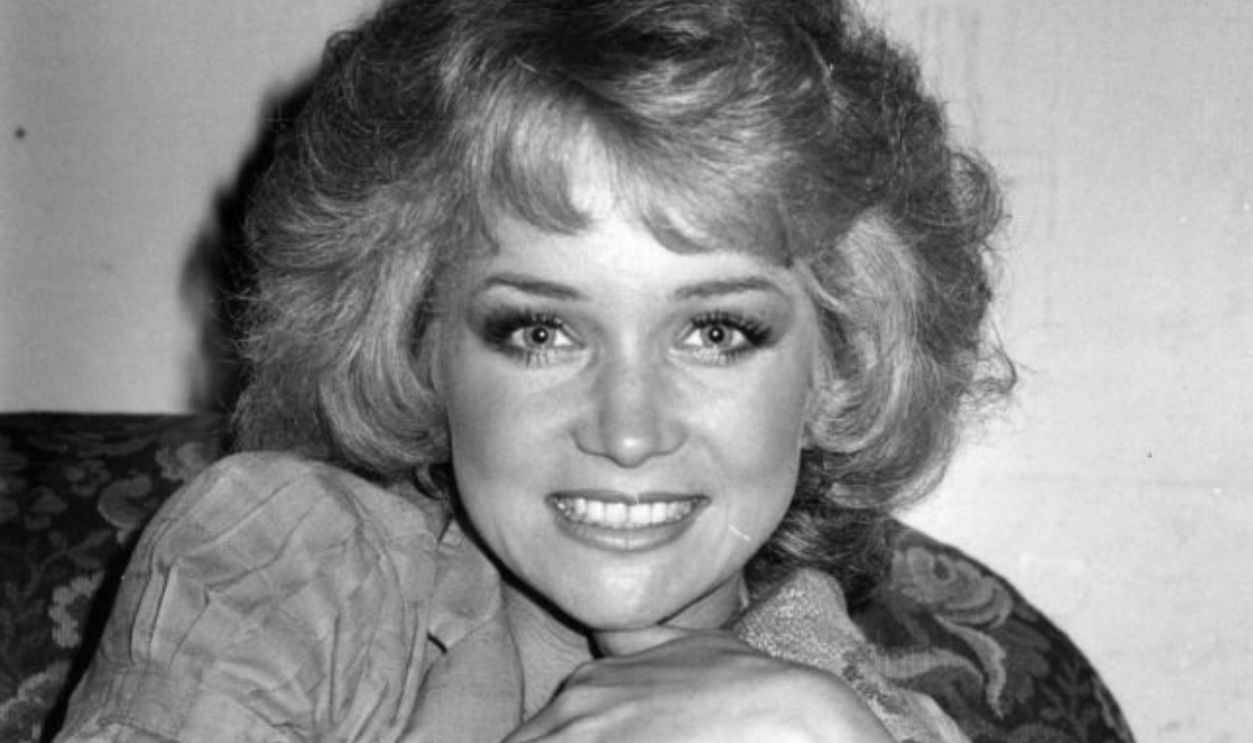
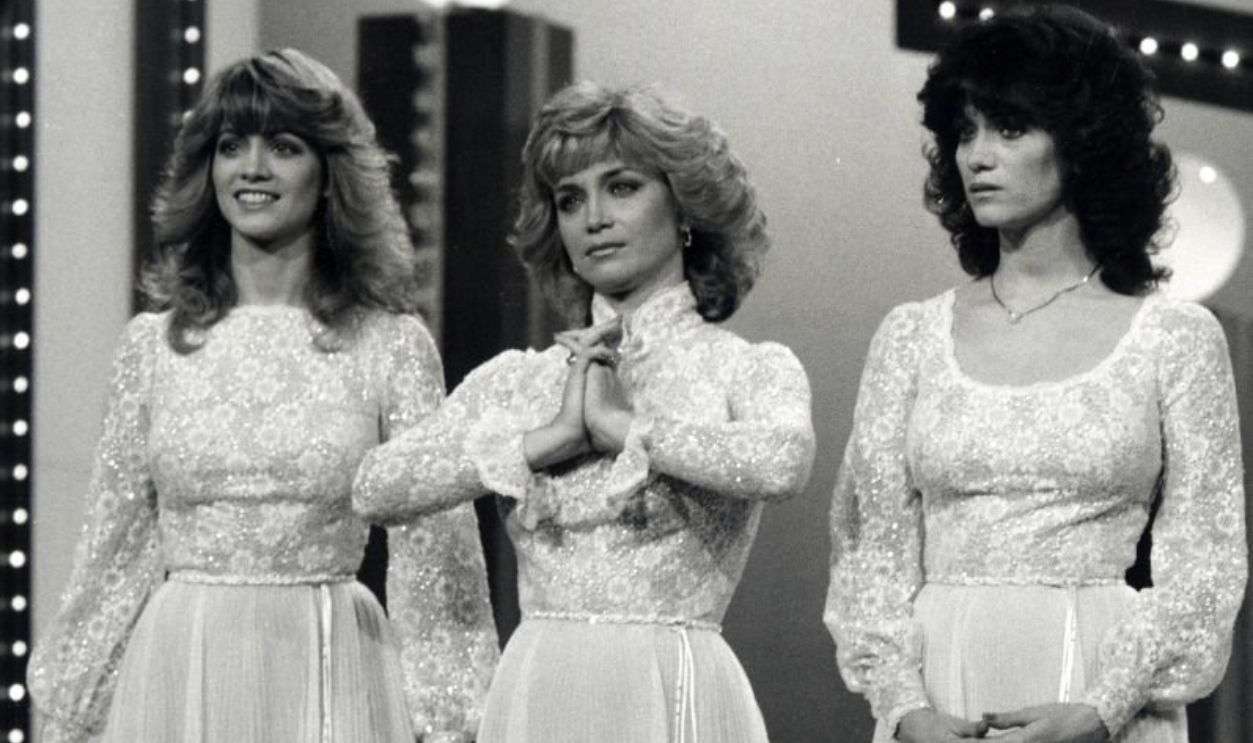
By the late 1970s, Barbara Mandrell was an established country performer with hits including "Sleeping Single in a Double Bed." She was also a remarkably accomplished instrumentalist, capable of playing several instruments alongside her singing. When NBC launched Barbara Mandrell and the Mandrell Sisters in 1980, audiences discovered just how extensive her talents really were.
The Mandrell Sisters Became Variety Television Favorites
Barbara joined sisters Louise and Irlene for an hour-long series combining musical performances, comedy, dancing, and celebrity guests. The program ran from 1980 until 1982 and gave Mandrell opportunities to demonstrate skills that conventional concert appearances rarely showcased together. Although the demanding production schedule eventually contributed to serious vocal difficulties, the show firmly established her reputation as a versatile all-around entertainer.
Porter Wagoner Turned His Flashy Image Into Television Gold
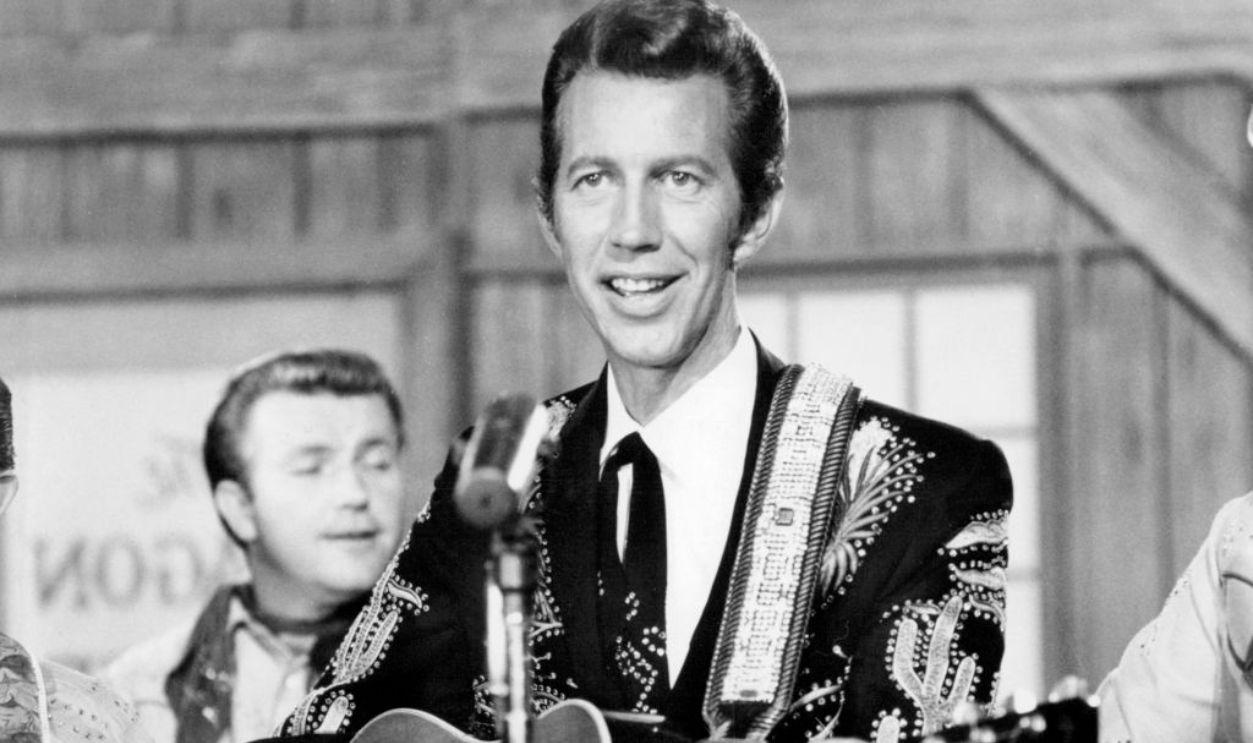
Porter Wagoner was already known for his rhinestone-covered suits and traditional country recordings when he received an opportunity to host a syndicated television program in 1960. The Porter Wagoner Show combined his musical performances with guest singers, comedy, and appearances by his regular band. What began as a showcase for a successful recording artist eventually became one of the most recognizable country music programs of its era.
 Silver Screen Collection, Getty Images
His Television Show Became A Star-Making Machine
Wagoner's program expanded into nearly 100 television markets, attracting more than three million viewers at its height. The show welcomed established stars and rising performers, including Willie Nelson and Waylon Jennings, while eventually providing Dolly Parton with an invaluable national platform. By the time the series ended in 1981, Wagoner's public image had expanded from successful country singer to influential television host and musical talent scout.
 Screenshot from The Porter Wagoner Show, Showbiz Inc. (1961-1979), Enhanced
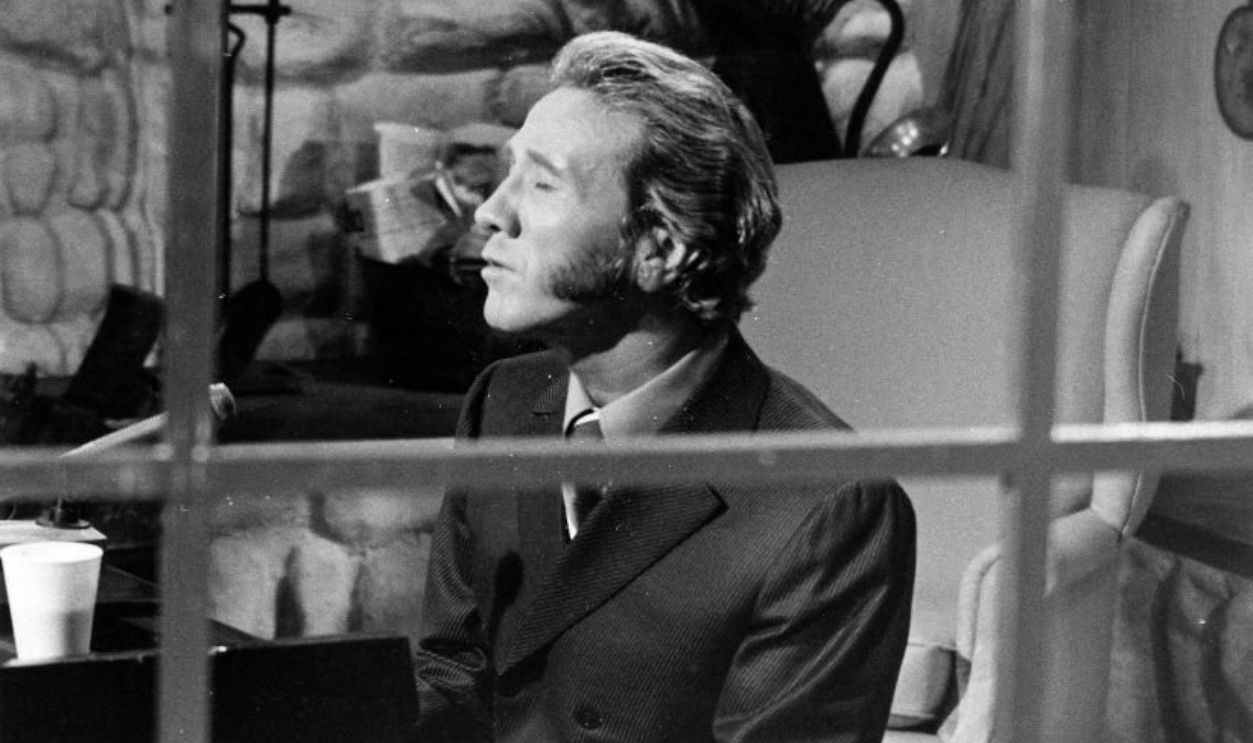
Marty Robbins Was More Than A Cowboy Balladeer
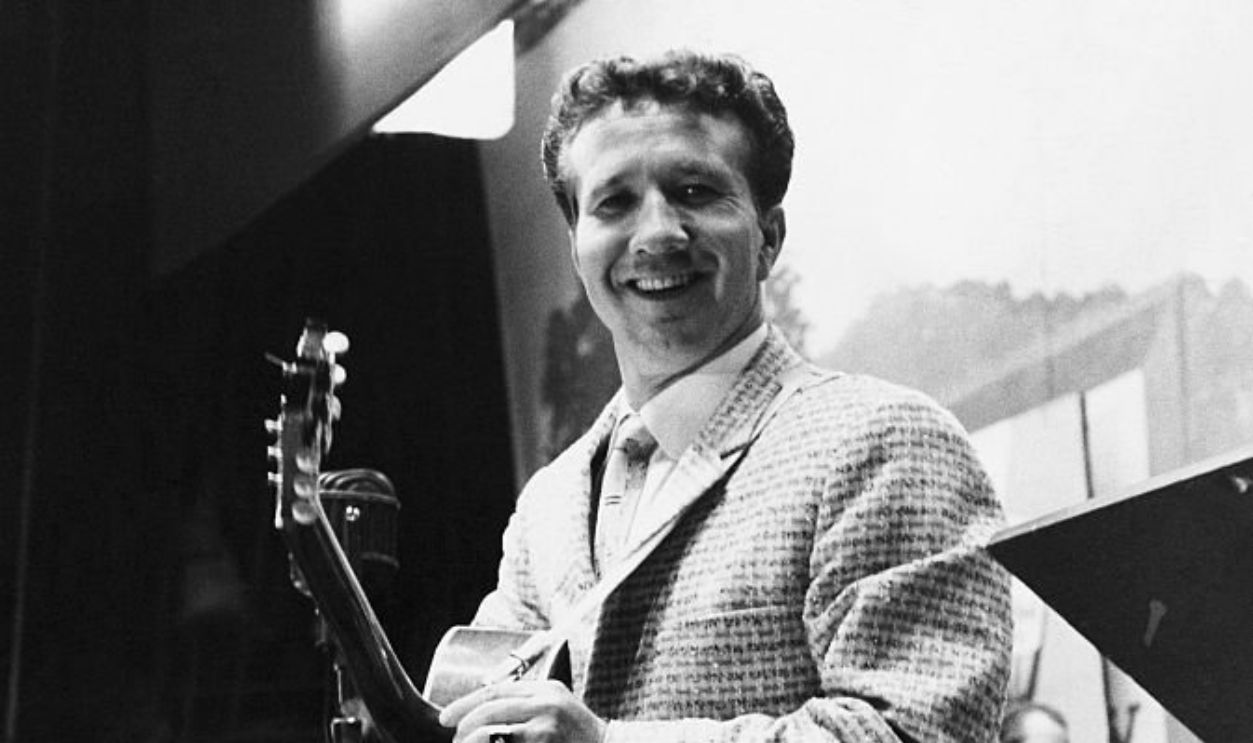
Marty Robbins built a remarkable recording career with songs such as "El Paso," earning widespread admiration for his storytelling and versatile singing voice. But his ambitions extended well beyond the recording studio, and he began appearing on local television in Phoenix early in his career. He eventually starred in several television projects, including The Drifter in 1965 and The Marty Robbins Show in 1969.
Television Let Marty Play Several Different Roles
Robbins returned to television with Marty Robbins Spotlight, which aired during 1977 and 1978. His appearances complemented a screen career that included western-themed films, demonstrating that his interest in storytelling extended beyond songs. Combined with his enthusiasm for stock car racing, these ventures gave audiences a much broader picture of the performer behind some of country music's most memorable ballads.
 Michael Ochs Archives, Getty Images
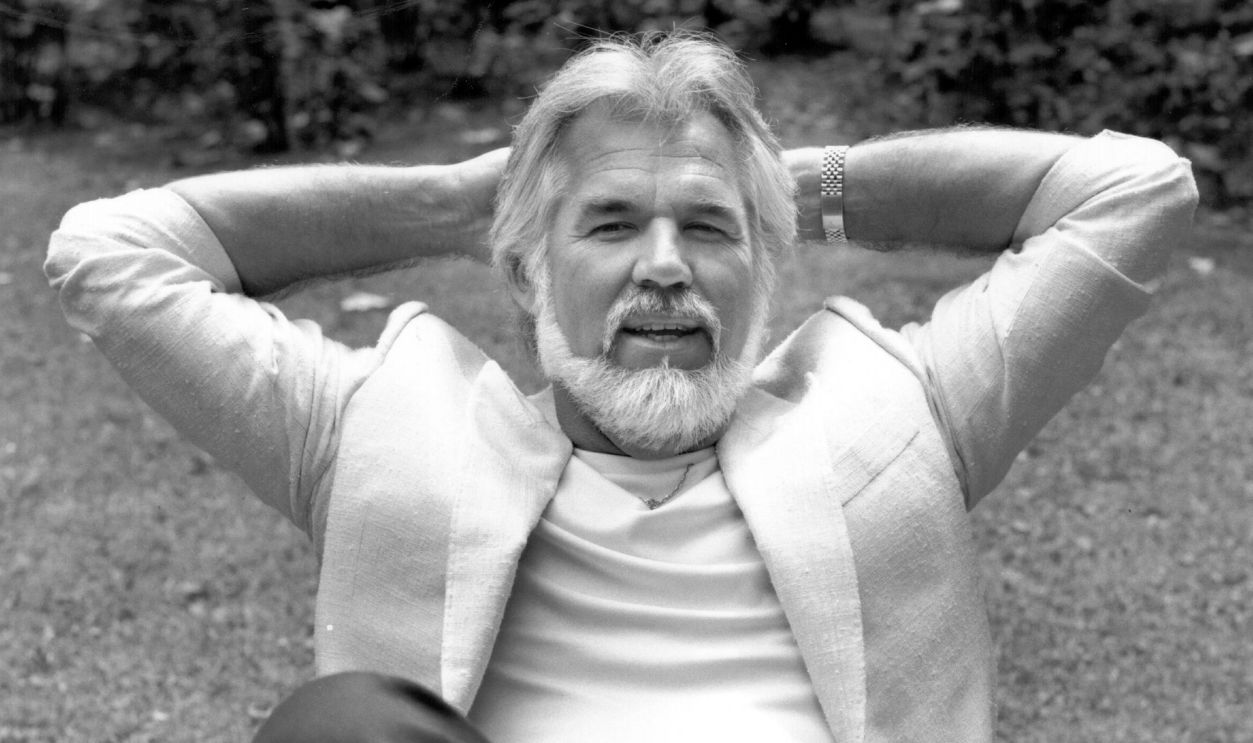
Kenny Rogers Turned A Hit Song Into A Television Character
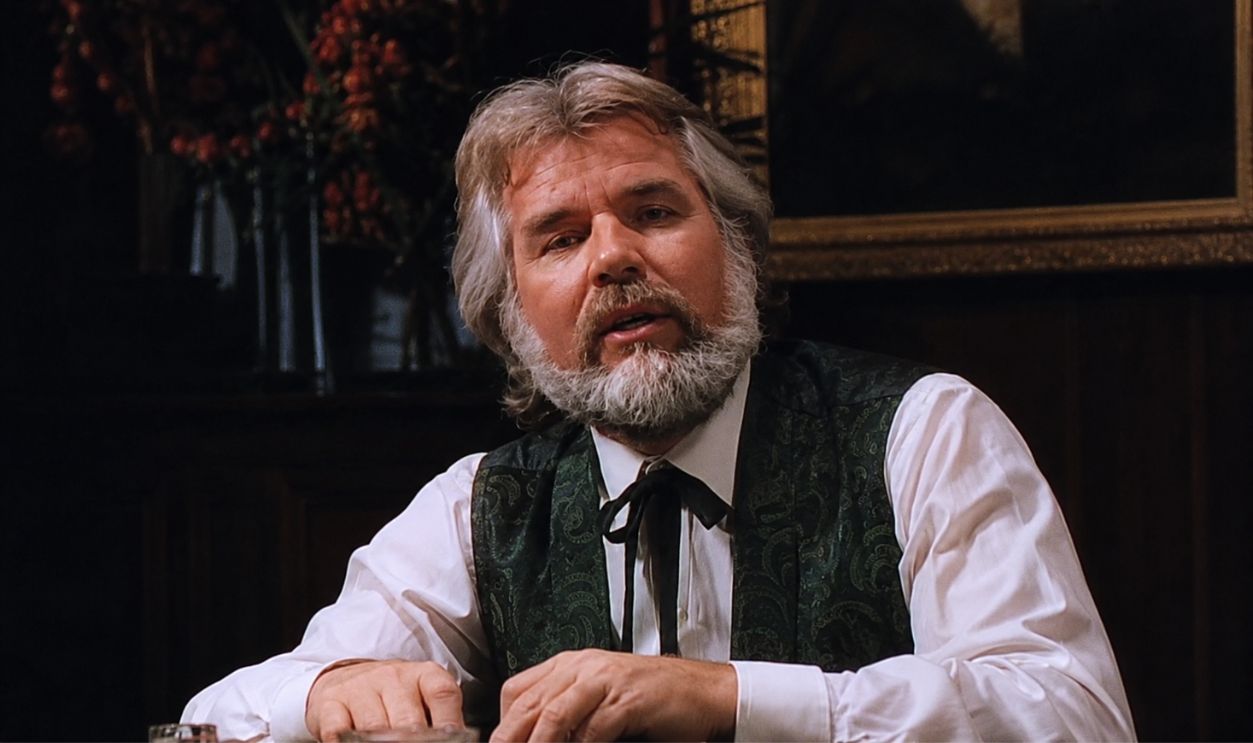
Kenny Rogers became one of country music's biggest stars during the late 1970s with recordings like "Lucille" and "The Gambler." The latter song, written by Don Schlitz, told a memorable story that seemed perfectly suited to a dramatic screen adaptation. In 1980, Rogers starred as Brady Hawkes in the CBS television movie Kenny Rogers as The Gambler, introducing audiences to an unexpectedly convincing western hero.
The Gambler Became A Television Franchise
The original television movie proved successful enough to launch a series of five productions featuring Rogers as Brady Hawkes. Its popularity transformed a familiar song into an enduring screen character, while the first movie received two Primetime Emmy nominations for its technical achievements. Rogers had already been a television performer, but The Gambler established him as a leading man capable of carrying an entire dramatic production.
 Screenshot from The Gambler, Kragen & Company (1980)
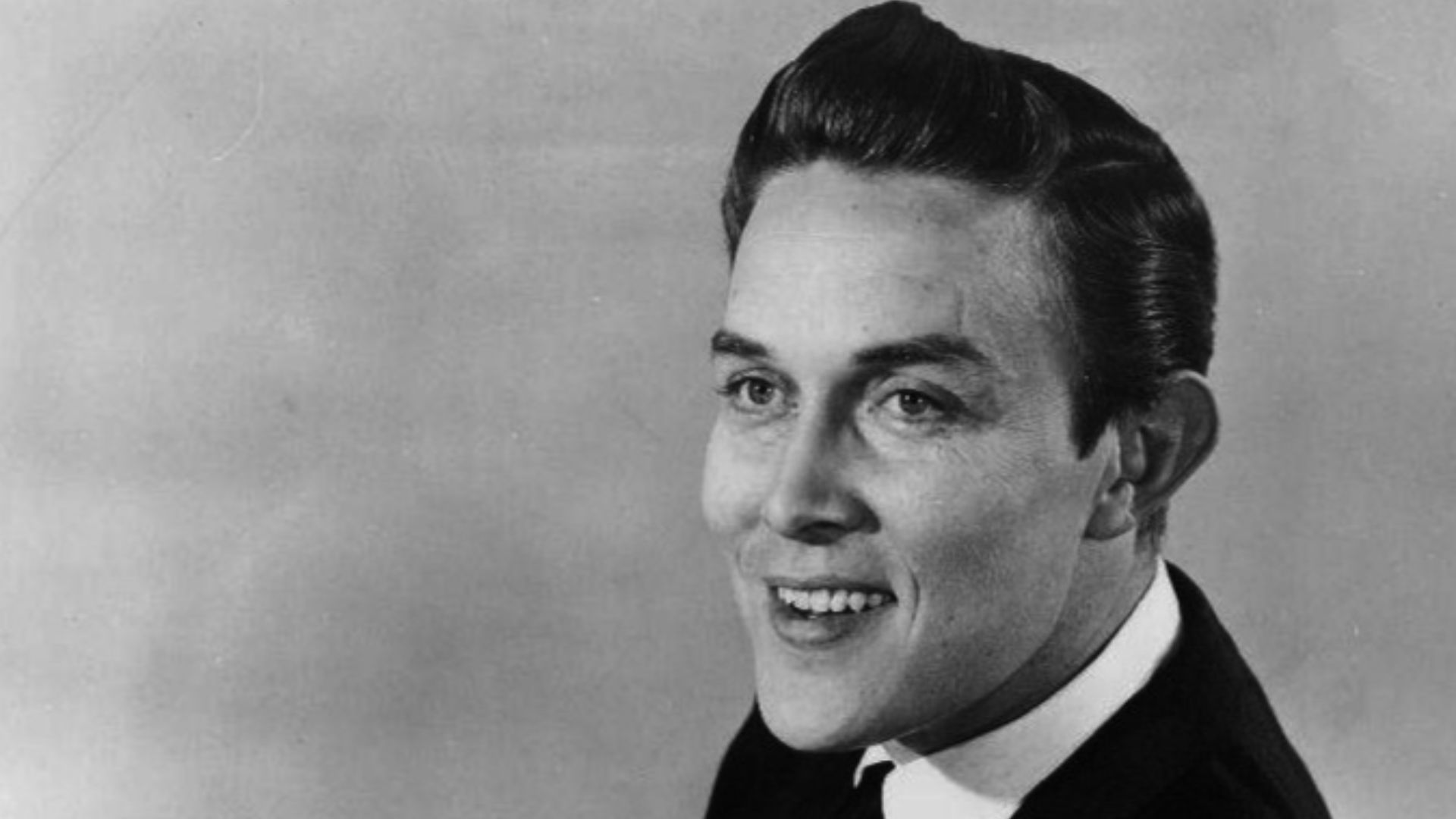
Jimmy Dean Found Stardom Through Television
Jimmy Dean first attracted attention as a country singer performing around Washington, D.C., but television quickly became an important part of his career. His appearances on Town and Country Time introduced his friendly personality and natural humor to audiences far beyond local nightclubs. By 1957, Dean was hosting a program on CBS, establishing himself as one of country music's early television personalities.
 William Morris Agency (management), Wikimedia Commons
Jimmy Dean Helped Introduce An Unexpected Television Legend
Dean returned to network television in 1963 with a new version of The Jimmy Dean Show on ABC. The program featured established performers and rising talent, but one regular attraction became especially memorable: Jim Henson's character Rowlf the Dog. Dean's easygoing interactions with Rowlf helped bring Henson's puppetry to national attention, adding an unexpected chapter to Dean's legacy as a country entertainer and television host.
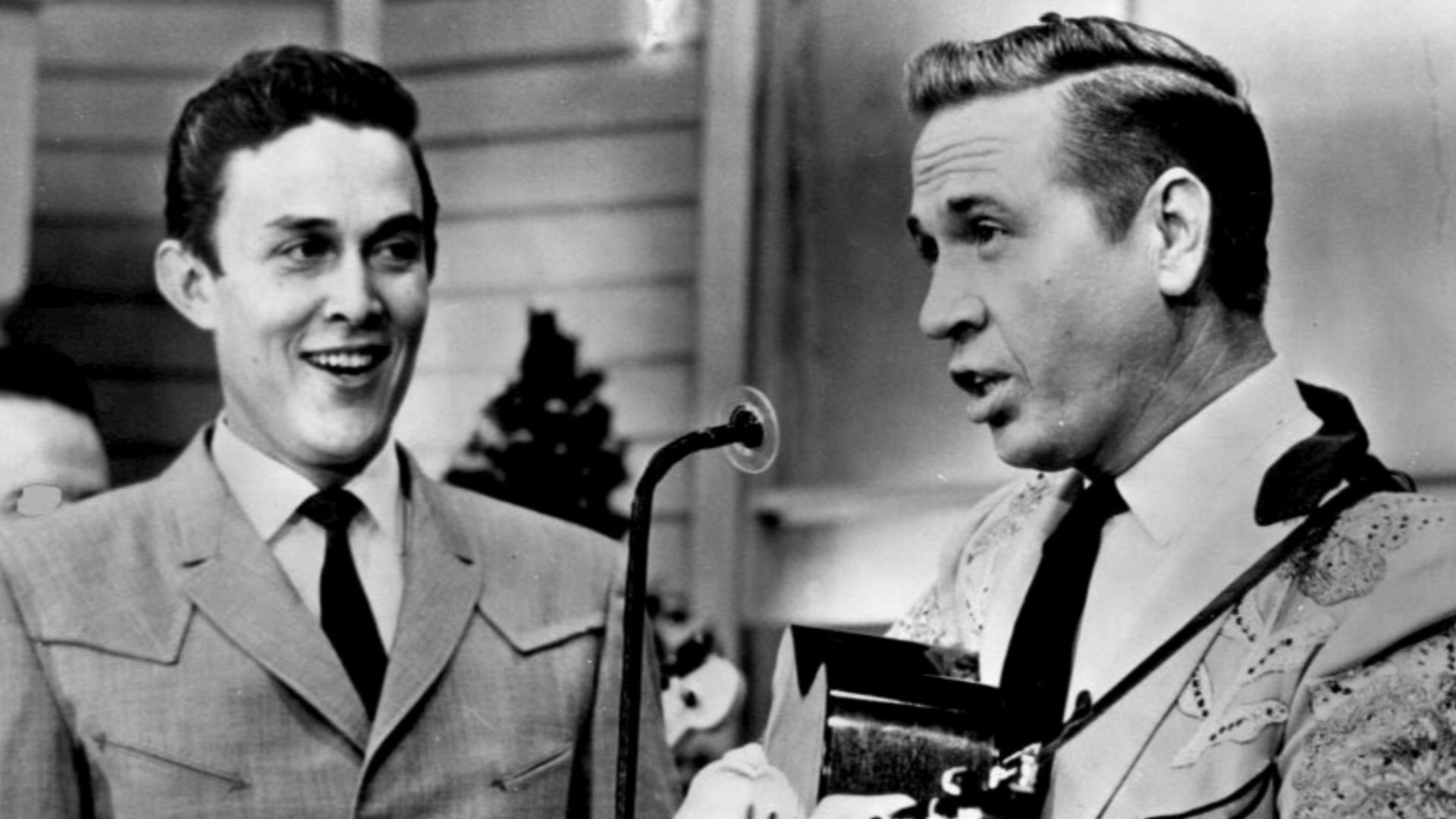 ABC Television, Wikimedia Commons
Reba McEntire Became America's Favorite Sitcom Mom
Reba McEntire had already achieved enormous success as a country singer when she began exploring acting during the late 1980s and early 1990s. Her music videos frequently featured elaborate storylines, helping demonstrate her ability to portray characters and communicate emotions beyond the concert stage. In 2001, she took a major step by starring in her own television sitcom, Reba, playing a determined single mother navigating complicated family relationships.

Reba Proved Her Talent Extended Beyond Country Music
The sitcom ran for six seasons, ending in 2007, and established McEntire as a recognizable television comedy performer. Her warmth, comic timing, and familiar Oklahoma accent helped create a character who felt both approachable and believable. The show's success introduced McEntire to viewers who might not have followed her recording career, expanding her reputation well beyond country music.
 Screenshot from Reba, 20th Century Fox Television (2001-2007)
Billy Ray Cyrus Found A Completely Different Audience
Billy Ray Cyrus became an international country sensation in 1992 with "Achy Breaky Heart," a recording that helped make line dancing enormously popular. Although he remained active in music, his career eventually took an unexpected turn toward television acting. In 2001, Cyrus began starring in Doc, a television series about a country doctor adjusting to life in New York City.
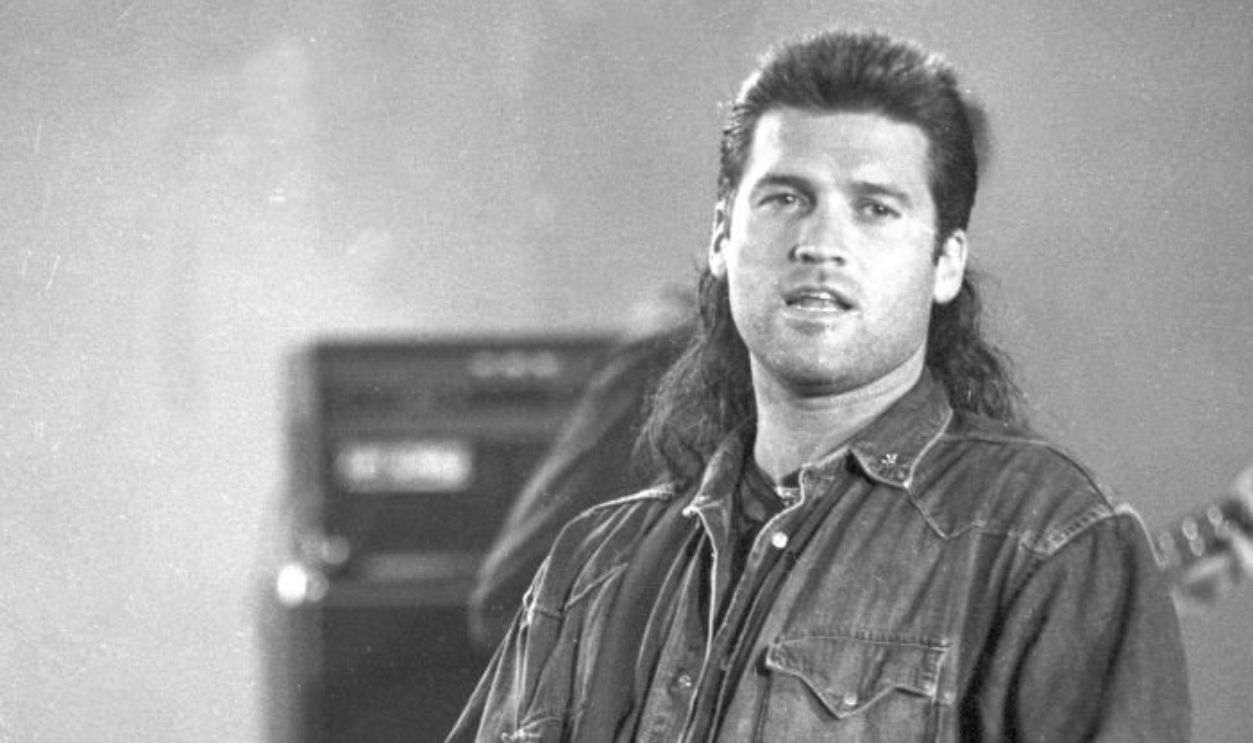 Michael Ochs Archives, Getty Images
Hannah Montana Transformed His Public Image Again
In 2006, Cyrus began appearing alongside his daughter Miley on Disney Channel's Hannah Montana. Rather than portraying the country superstar audiences remembered from the early 1990s, he played Robby Ray Stewart, a devoted father helping his daughter balance ordinary teenage life with a secret pop-star career. The series introduced Cyrus to a younger generation, making him familiar to millions of viewers primarily through his television role rather than his original country hits.
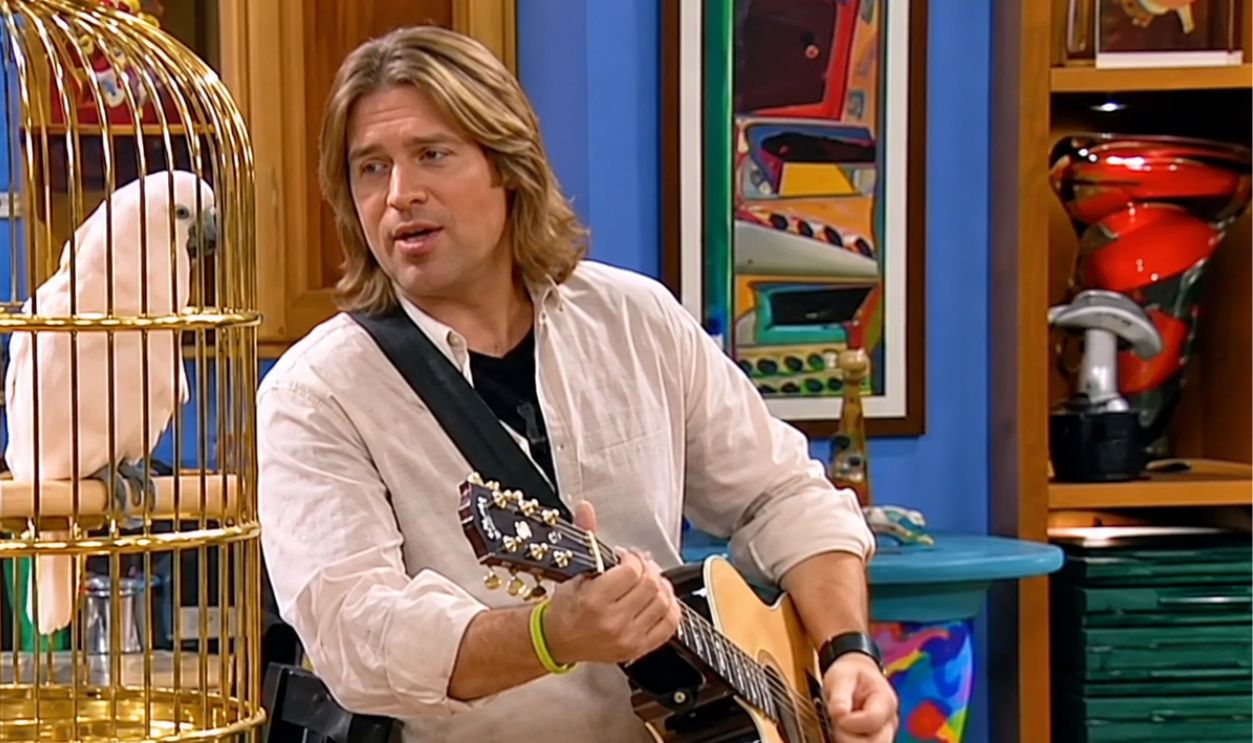 Screenshot from Hannah Montana, Disney Channel (2006–2011)
Ray Stevens Turned Comedy Into A Television Career
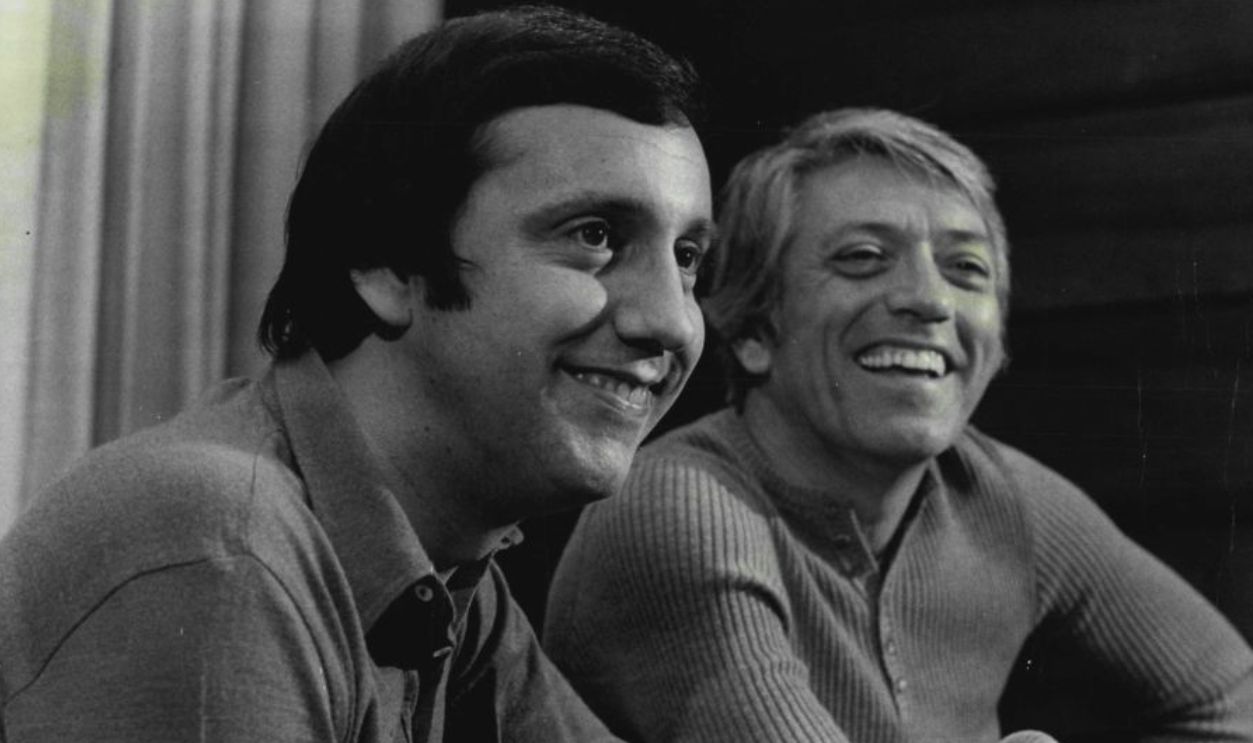
Ray Stevens had already established himself as an inventive Nashville musician and recording artist before receiving a major television opportunity in 1970. He was selected to host an NBC summer replacement program for Andy Williams, allowing his humorous personality to become a central part of his public image. The experience demonstrated that Stevens could entertain audiences through more than records, combining comedy, musical performance, and television presentation.
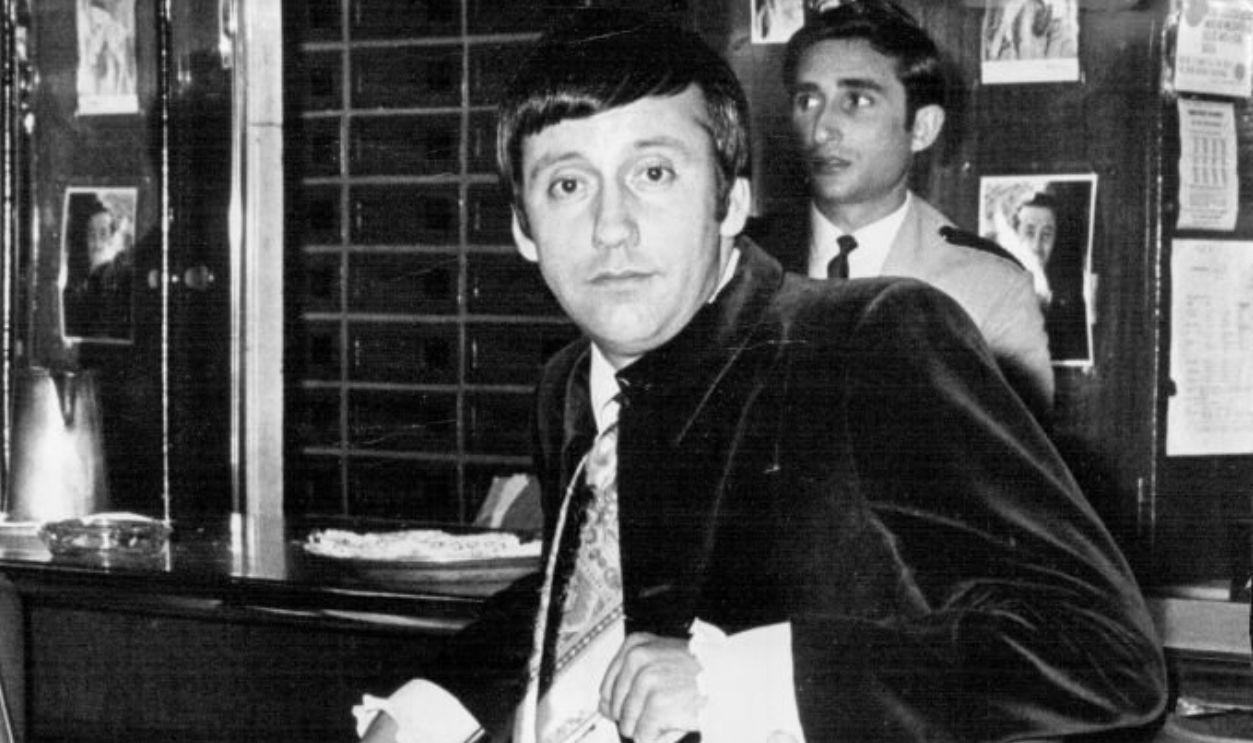 Fairfax Media Archives, Getty Images
His Television Theme Became An Unexpected Smash Hit
While preparing for his new show, Stevens wrote a song that became one of his greatest commercial achievements. "Everything Is Beautiful" reached number one on the pop chart in 1970 and earned him a Grammy Award for his vocal performance. The uplifting recording demonstrated another side of an entertainer frequently associated with novelty songs, while his later televised comedy performances helped maintain his reputation as one of Nashville's most versatile personalities.
 Fairfax Media Archives, Getty Images
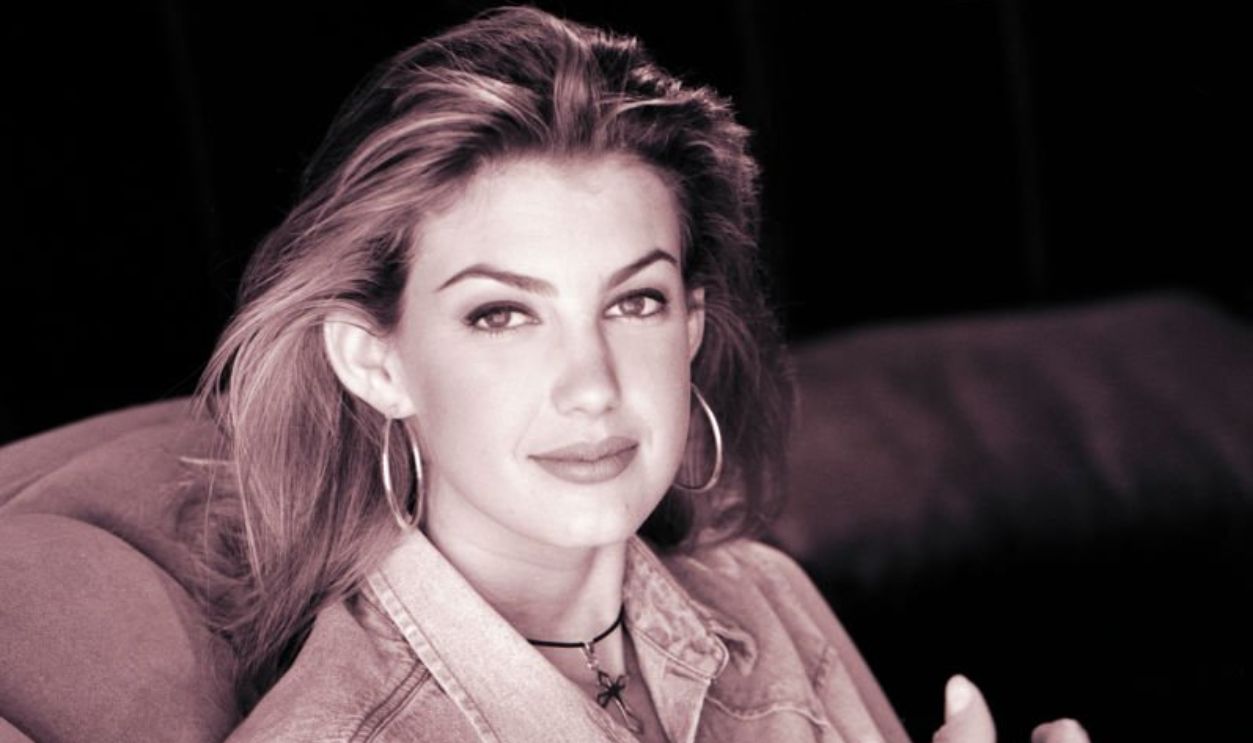
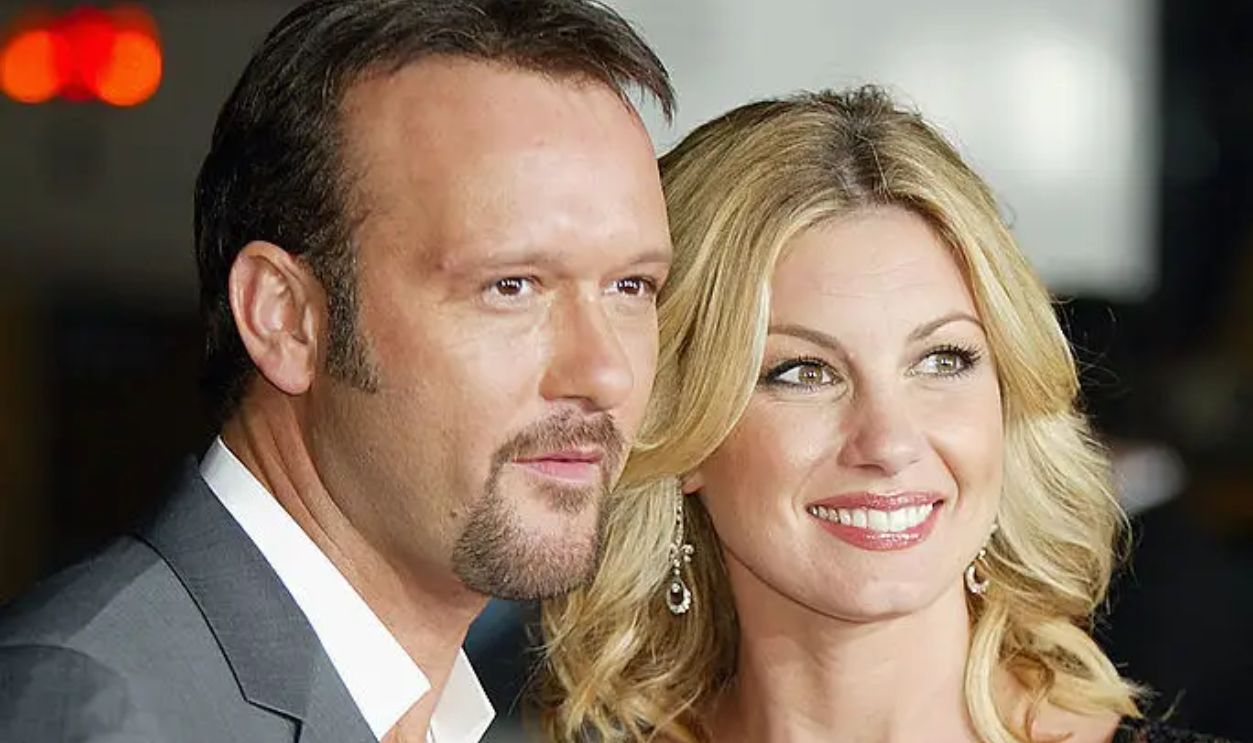
Faith Hill Became A Frontier Television Matriarch
Faith Hill spent decades as one of country music's most recognizable voices, achieving major success through recordings and performances that helped bring the genre to mainstream audiences. In 2021, she took on a dramatically different challenge by starring in the western television series 1883. Playing Margaret Dutton, she traded the polished environment of contemporary country stardom for the harsh realities of a family making a dangerous journey across the American frontier.
Her Performance Revealed A Tougher Side
Hill starred alongside her husband, fellow country superstar Tim McGraw, in the Yellowstone prequel. Her character faced the challenges of protecting her family while traveling through unfamiliar and often unforgiving territory, a considerable departure from the glamorous image associated with her musical career. The series gave audiences an opportunity to see Hill as a dramatic performer, expanding an entertainment career previously centered on music.
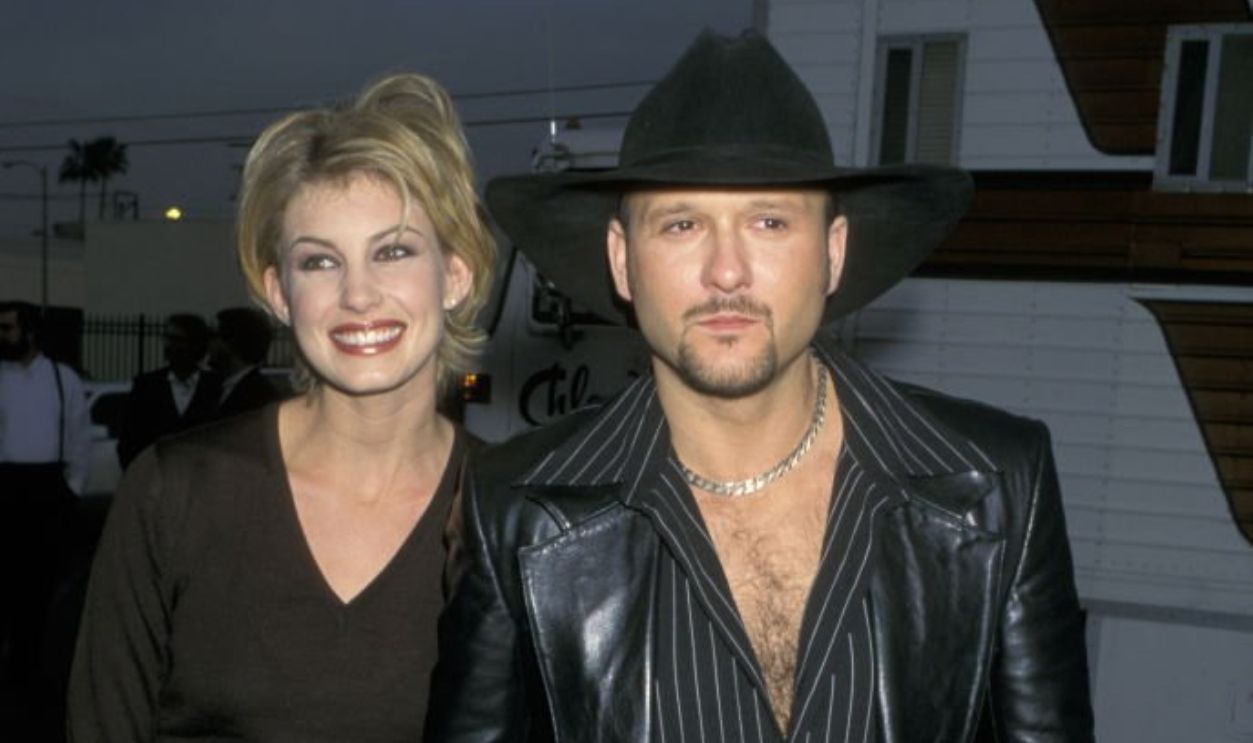
Tim McGraw Traded Concert Stages For The Wild West
Tim McGraw had already built an extensive career as a successful country singer before joining the cast of 1883. Although he had appeared in films before, the Paramount+ drama placed him at the center of a major television production as James Dutton, the determined patriarch of a family traveling west. The role demanded a far more rugged screen presence than the polished country star audiences had grown accustomed to seeing.
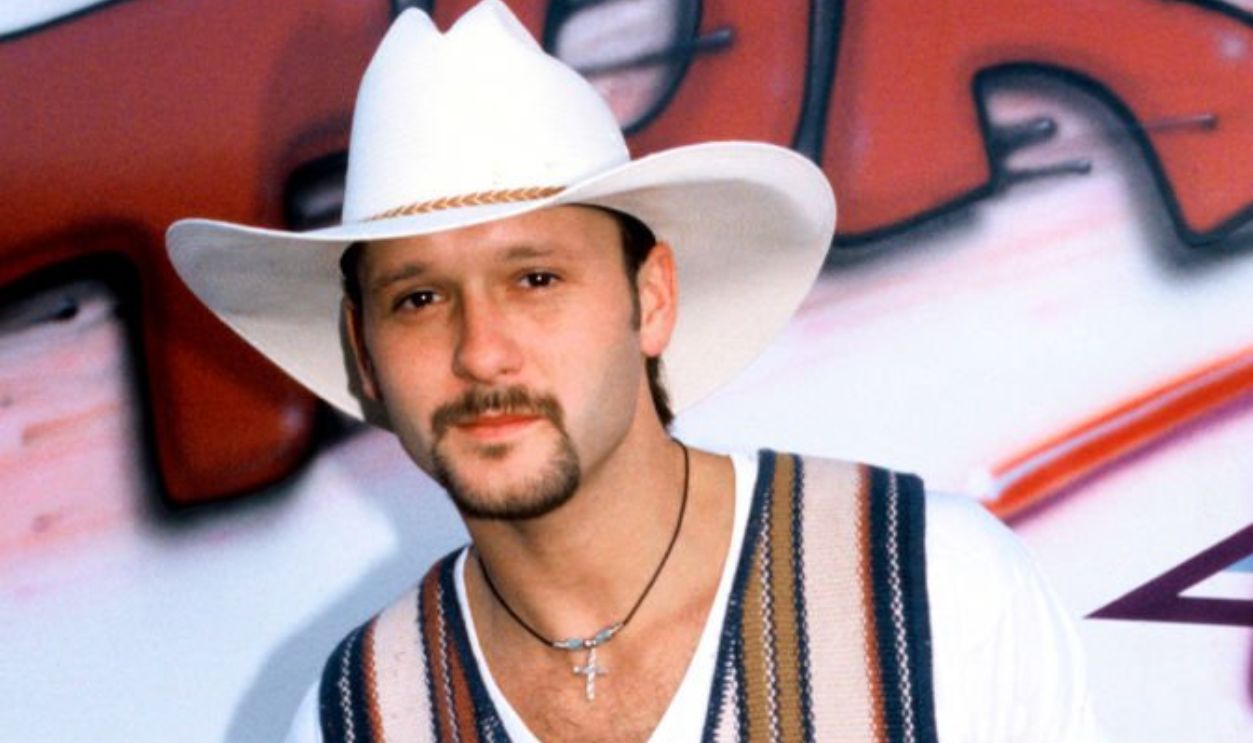
The Dutton Family Gave Tim A New Identity
Working opposite Faith Hill, McGraw helped portray the dangerous journey that establishes the family history explored in Yellowstone. The real-life couple discussed their preparation for the production and the challenges of portraying such demanding characters in a 2021 interview with People. For viewers who primarily knew McGraw through his recordings, 1883 demonstrated how convincingly a successful country performer could inhabit a completely different dramatic world.
You May Also Like:
25 Amazing-But-Forgotten '90s Movies
Beloved '90s TV Shows You Totally Forgot Existed
The Best TV Mini-Series Of The 1990s
Sources: 1, 2, 3, 4, 5, 6, 7, 8, 9, 10, 11, 12, 13, 14, 15, 16, 17, 18, 19