They Were Famous Before Anyone Knew Their Names
Some of the biggest music stars of the 1970s were responsible for songs Americans already knew by heart, even before their own names became famous. Carole King wrote for Aretha Franklin, Neil Diamond helped make the Monkees superstars, and Kris Kristofferson gave Johnny Cash one of his biggest hits. These future legends spent years watching other performers find success with their music before stepping into the spotlight themselves. And for some, the road to fame involved surprising jobs, unlikely friendships, and songs they never expected to become classics.
Carole King Was Already Making History
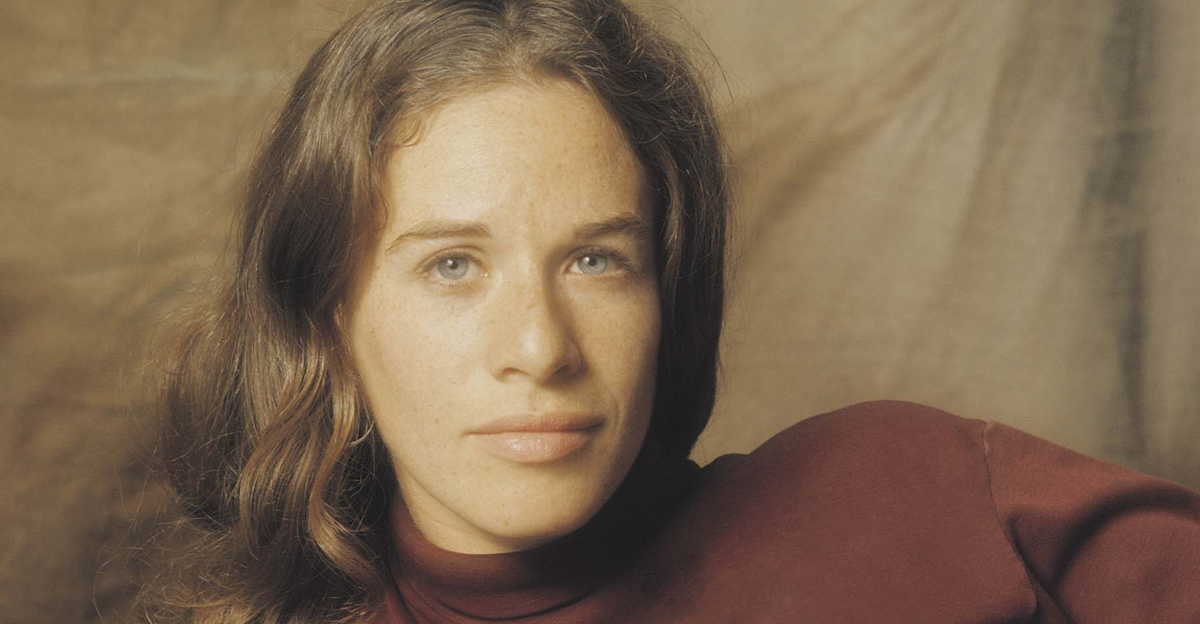
Long before Carole King released Tapestry, she was one of America's most successful young songwriters. In 1960, she and her then-husband Gerry Goffin wrote "Will You Love Me Tomorrow" for the Shirelles, who took it all the way to number one. King was only 17 when she helped create the song, which became the first Billboard Hot 100 chart-topper by a Black female vocal group. It was an extraordinary achievement for someone so young, but King was just getting started.
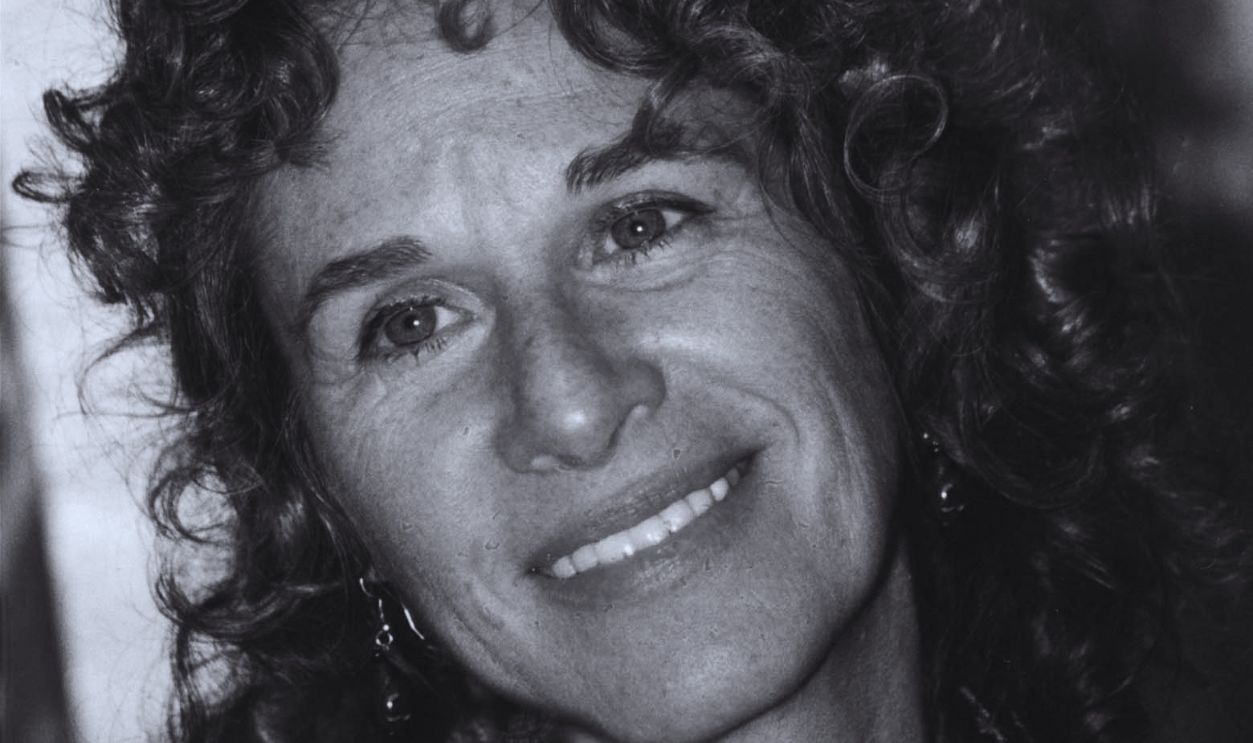 Carole King, Wikimedia Commons
Her Songs Were Everywhere
Throughout the early 1960s, King and Goffin wrote one hit after another for other performers. Little Eva recorded "The Loco-Motion," the Drifters sang "Up on the Roof," and the Chiffons made "One Fine Day" a pop favorite. Bobby Vee also found success with their composition "Take Good Care of My Baby." Millions of people knew these songs, even if they had no idea that the same young woman had helped write them.
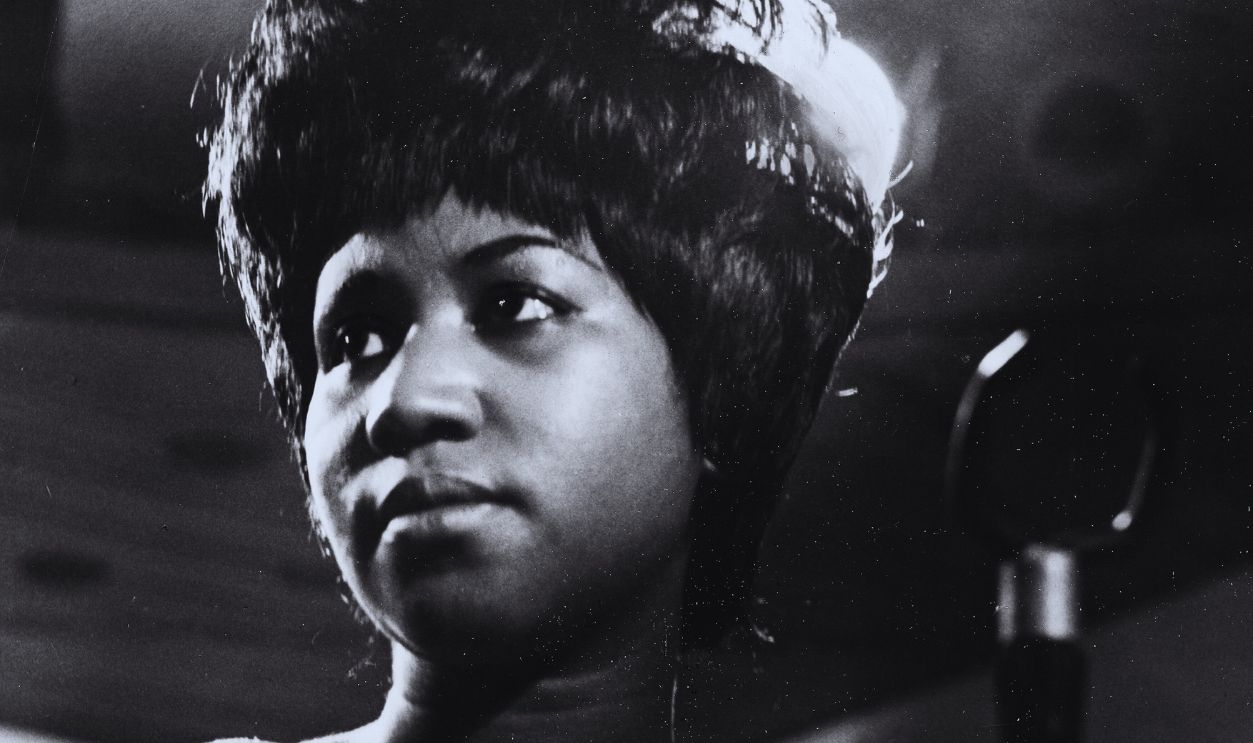
Aretha Franklin Made Her Song A Classic
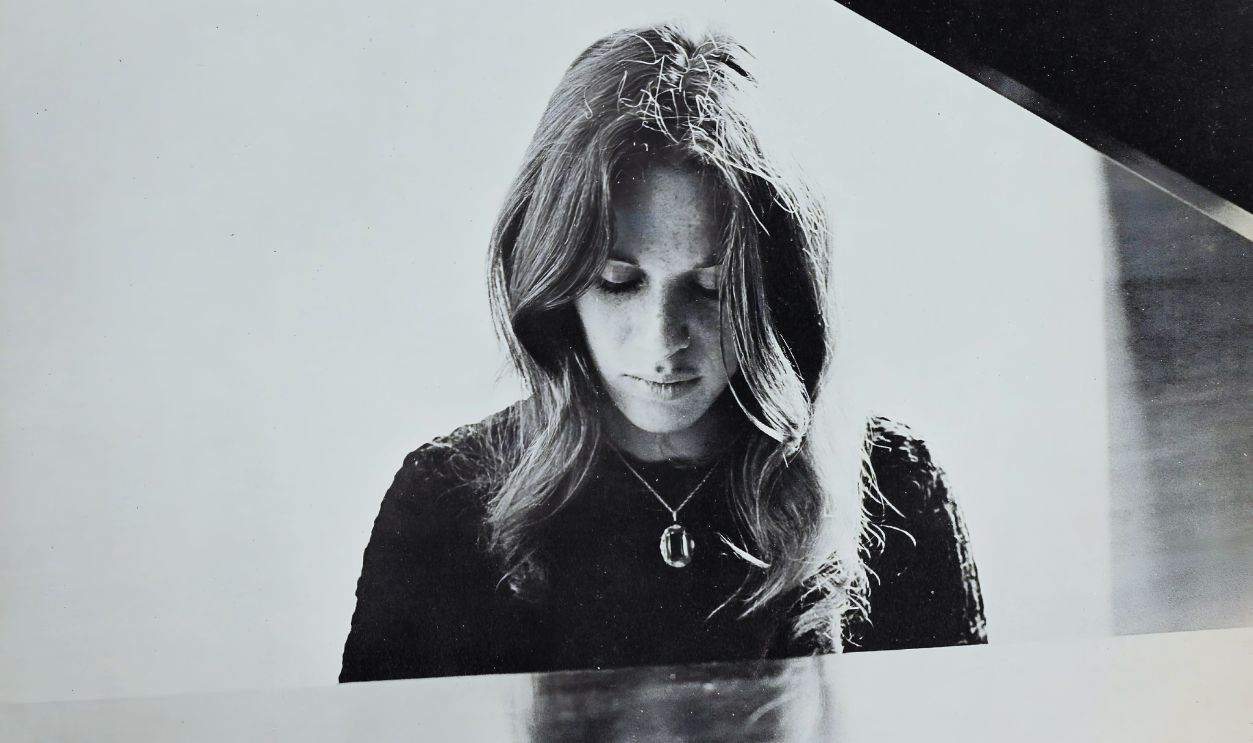
In 1967, King, Goffin, and producer Jerry Wexler wrote "(You Make Me Feel Like) A Natural Woman," which Aretha Franklin transformed into an unforgettable recording. Franklin's powerful performance became one of her signature songs and gave King's songwriting another remarkable showcase. By then, King had already helped shape much of the previous decade's popular music. Yet her greatest achievement as a recording artist was still ahead of her.
Then Tapestry Changed Everything
In 1971, King released Tapestry, an album featuring "It's Too Late," "I Feel the Earth Move," and "You've Got a Friend." James Taylor also recorded "You've Got a Friend," taking it to number one while King's own album became a massive success. Tapestry earned four Grammy Awards and established King as one of the defining voices of the decade. After spending years writing songs for other stars, she had become one herself, and another future legend had followed a remarkably similar path.
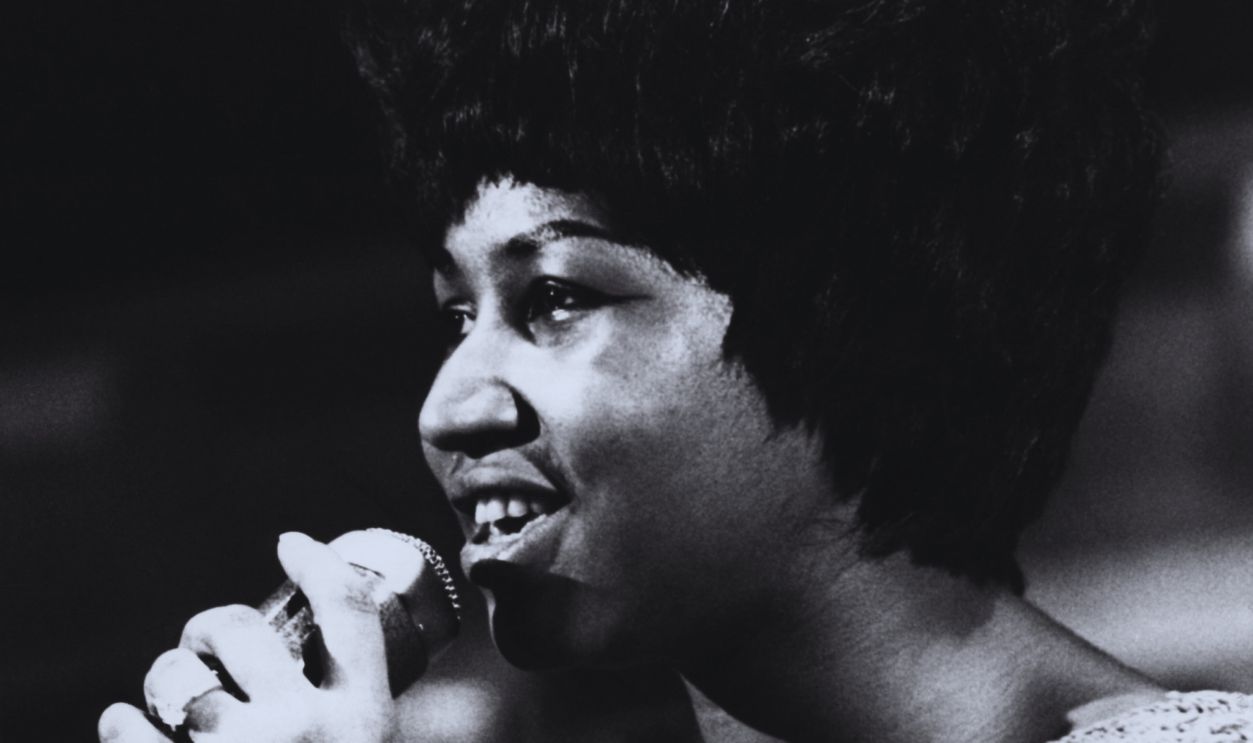 Charlie Gillett Collection, Getty Images
Neil Diamond Wrote Hits For Strangers
Before Neil Diamond became famous for "Sweet Caroline," he was a young songwriter trying to establish himself in New York. During the early 1960s, he worked on songs that he hoped established performers would record. His first significant songwriting success came when Jay and the Americans released "Sunday and Me" in 1965. The song reached the American Top 20, proving Diamond could write a hit, even if most listeners still didn't recognize his name.
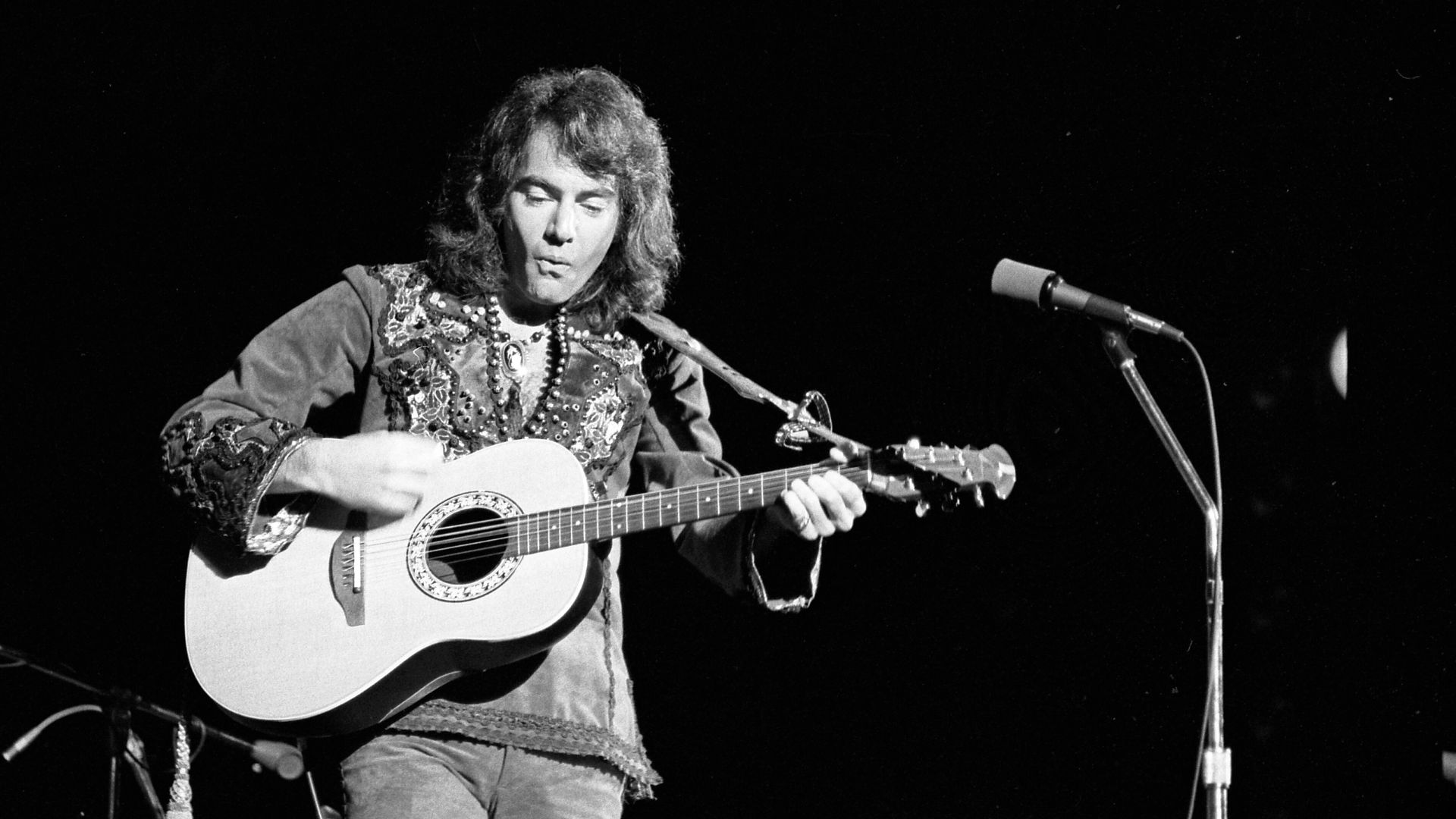 Larry Bessel, Los Angeles Times, Wikimedia Commons
The Monkees Made Him A Star Songwriter
In 1966, the Monkees recorded Diamond's "I'm a Believer," turning it into one of the biggest hits of the decade. The song spent seven weeks at number one on the Billboard Hot 100, giving Diamond an enormous success as a songwriter. He also supplied the group with "A Little Bit Me, a Little Bit You," another major hit. While the Monkees were introducing his music to millions of fans, Diamond was building a recording career of his own.
He Had Hits Of His Own
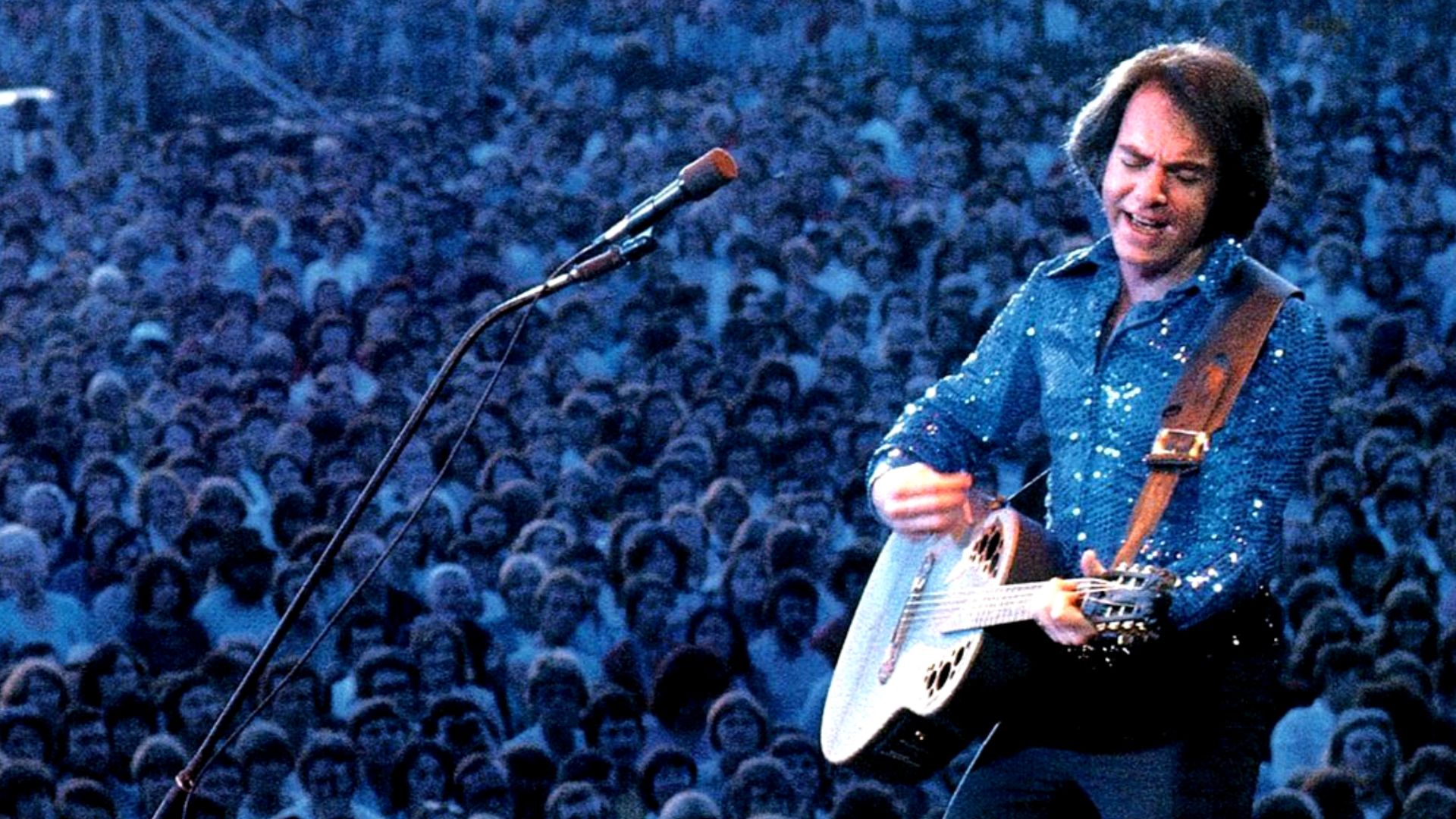
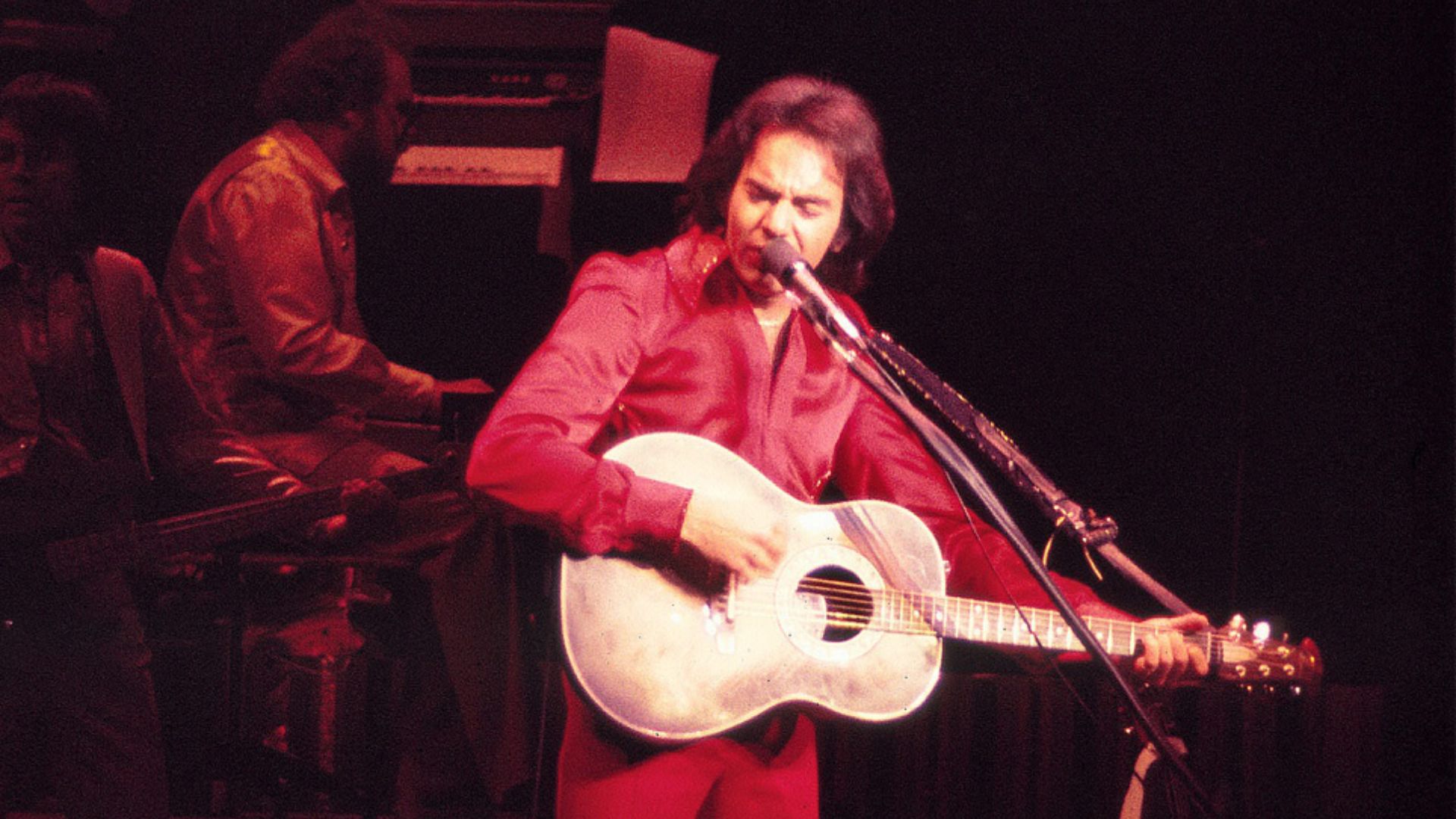
Diamond's recording of "Cherry, Cherry" reached the American Top 10 in 1966, giving him his first major breakthrough as a solo performer. He followed it with recognizable songs including "Girl, You'll Be a Woman Soon" and "Kentucky Woman." His warm, distinctive voice helped audiences connect the songwriter's name with the music they already enjoyed. But it was a song released near the end of the decade that would become one of his most enduring recordings.
 Jessie Eastland, Wikimedia Commons
Sweet Caroline Was Just The Beginning
Diamond released "Sweet Caroline" in 1969, and the song eventually became an American singalong favorite. His first number-one single as a performer arrived in 1970 with "Cracklin' Rosie," followed by another chart-topper, "Song Sung Blue," in 1972. The man who once wrote songs for the Monkees was now enjoying enormous success with his own recordings. And he wasn't the only future 1970s star whose songwriting career began with an entirely different group.
 Alexander Gresbek, Wikimedia Commons
David Gates Wrote A Hit For The Murmaids
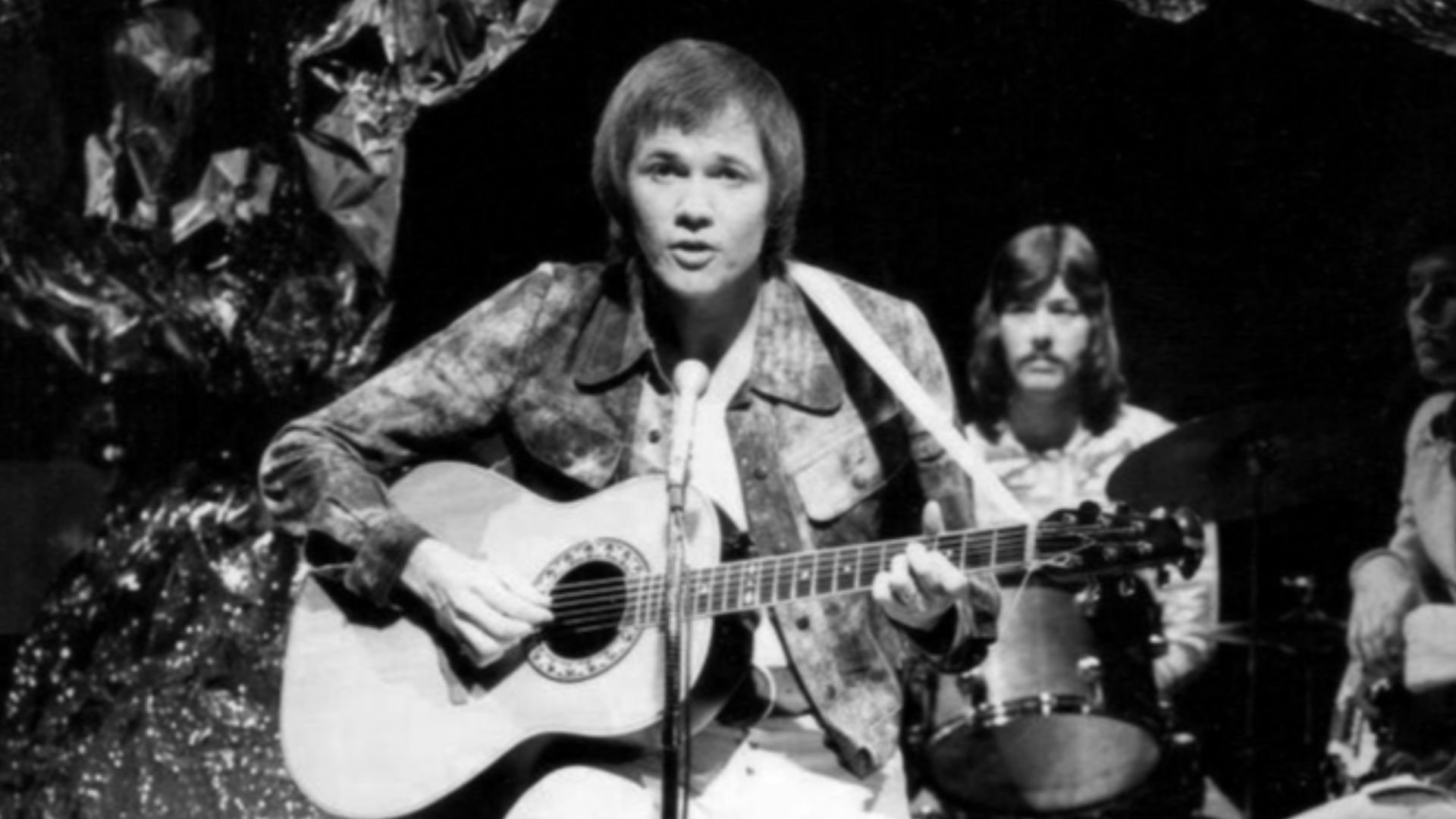
Before David Gates became the voice of Bread, he wrote a song that became one of the early 1960s' most memorable pop hits. The song was "Popsicles and Icicles," recorded by the Murmaids and released in 1963. Its sweet melody helped carry the recording to number three on the Billboard Hot 100. Gates had created a major hit for someone else, but it would take several more years before his own voice became familiar to American listeners.
 CBS Television, Wikimedia Commons
The Monkees Recorded His Music Too
After moving to Los Angeles, Gates built a career as a songwriter, arranger, and studio musician. He worked with performers including Bobby Darin and Connie Stevens, gaining valuable experience behind the scenes. The Monkees also recorded his composition "Saturday's Child" for their debut album in 1966. Gates was becoming a respected figure in the music business, but he increasingly wanted to record his songs himself.

Then He Created Bread
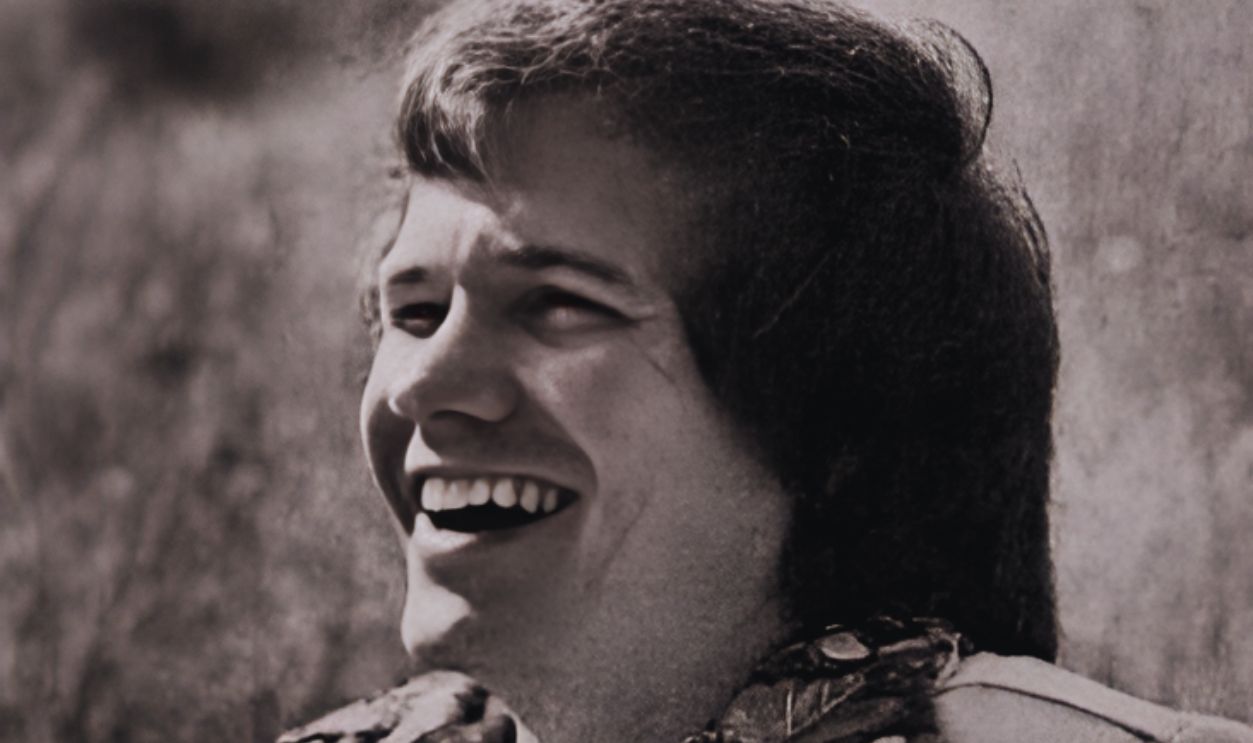
In 1968, Gates formed Bread with James Griffin and Robb Royer, bringing together musicians who shared an interest in melodic pop music. The group's early recordings introduced the gentle, romantic sound that would eventually become its trademark. Gates supplied many of Bread's best-known compositions and performed their lead vocals. After years of helping other artists make records, he was finally preparing to become the recognizable voice behind his own songs.
 Elektra Records, Wikimedia Commons
His Songs Defined Soft Rock
Bread reached number one in 1970 with "Make It with You," beginning an impressive run of popular singles. "If," "Baby I'm-a Want You," "Everything I Own," and "Guitar Man" soon became favorites on American radio. Gates had gone from writing "Popsicles and Icicles" for the Murmaids to creating some of the most recognizable soft-rock songs of the 1970s. Yet another future star's early songwriting career was even more unusual, because he was still working at a bank.
 Al Schlesinger-management/Levinson Associates-publicity, Wikimedia Commons
Harry Nilsson Had A Very Different Day Job
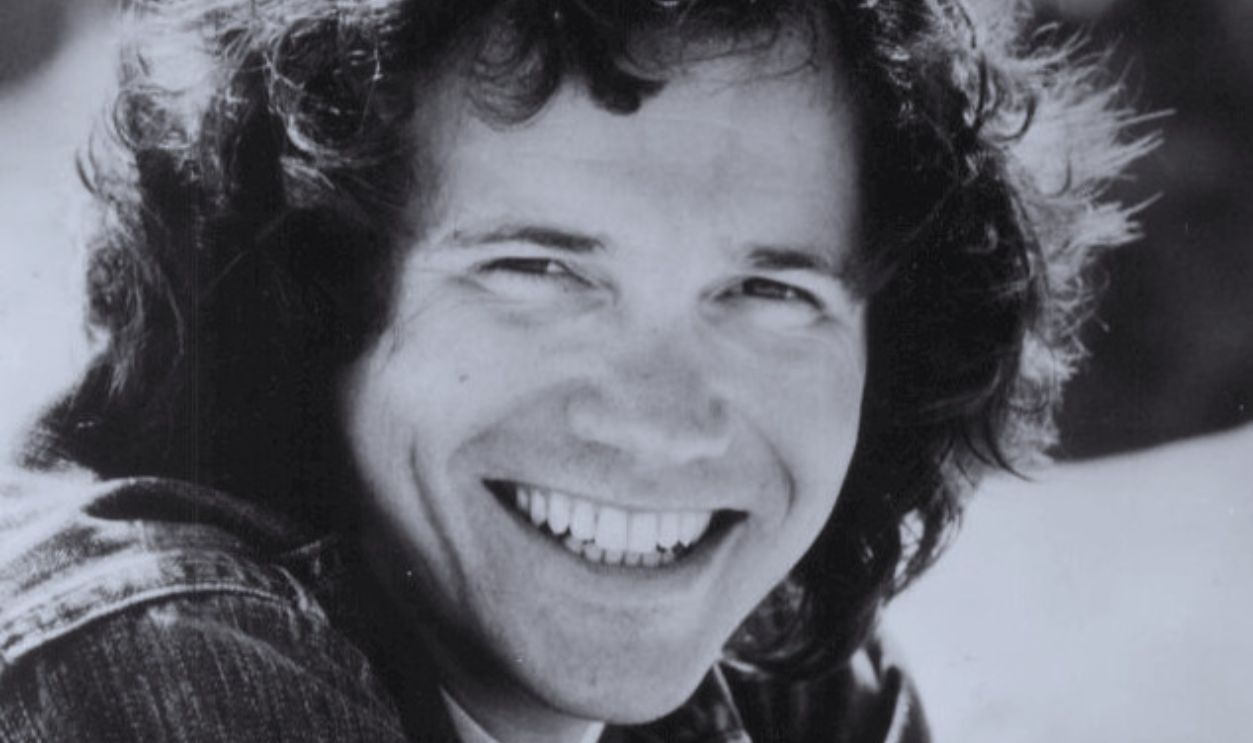
Before Harry Nilsson became a celebrated singer-songwriter, he worked in the computer department of a California bank. During the early 1960s, he often worked the night shift, then spent his remaining hours writing songs and trying to interest music publishers in them. His unusual schedule left little time for rest, but Nilsson was determined to make music his career. Eventually, an opportunity involving one of America's most popular television groups helped change his fortunes.
 RCA Records, Wikimedia Commons
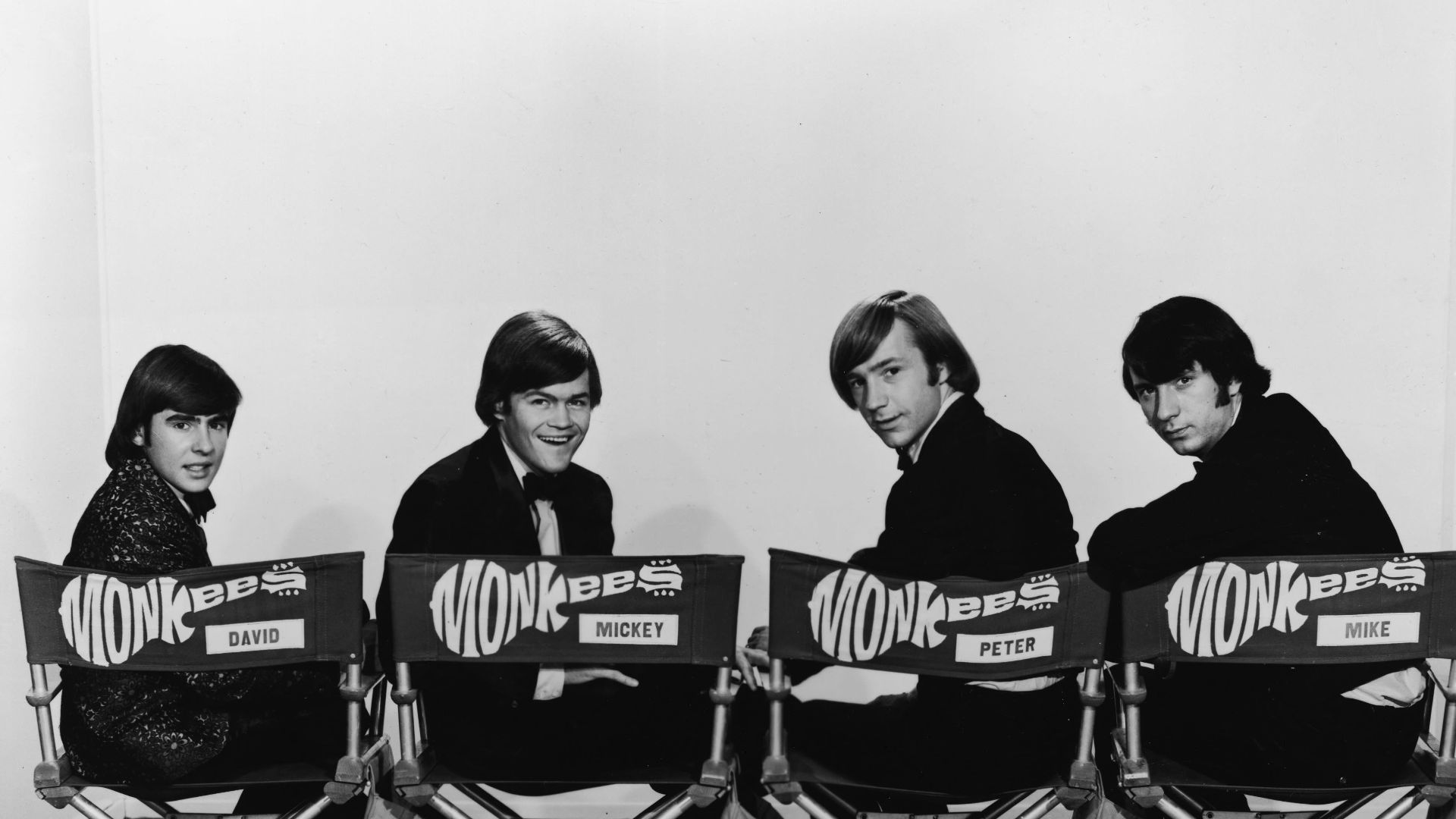
The Monkees Helped Him Quit His Job
In 1967, the Monkees recorded Nilsson's composition "Cuddly Toy" for their album Pisces, Aquarius, Capricorn & Jones Ltd. Davy Jones sang the lead vocal, introducing Nilsson's songwriting to the group's enormous audience. Although it wasn't a major American chart single, the recording helped Nilsson establish himself professionally and earn money from his music. He soon left his banking career behind, although an even bigger songwriting success was waiting around the corner.
 Entertainment International, Wikimedia Commons
Three Dog Night Made One A Hit
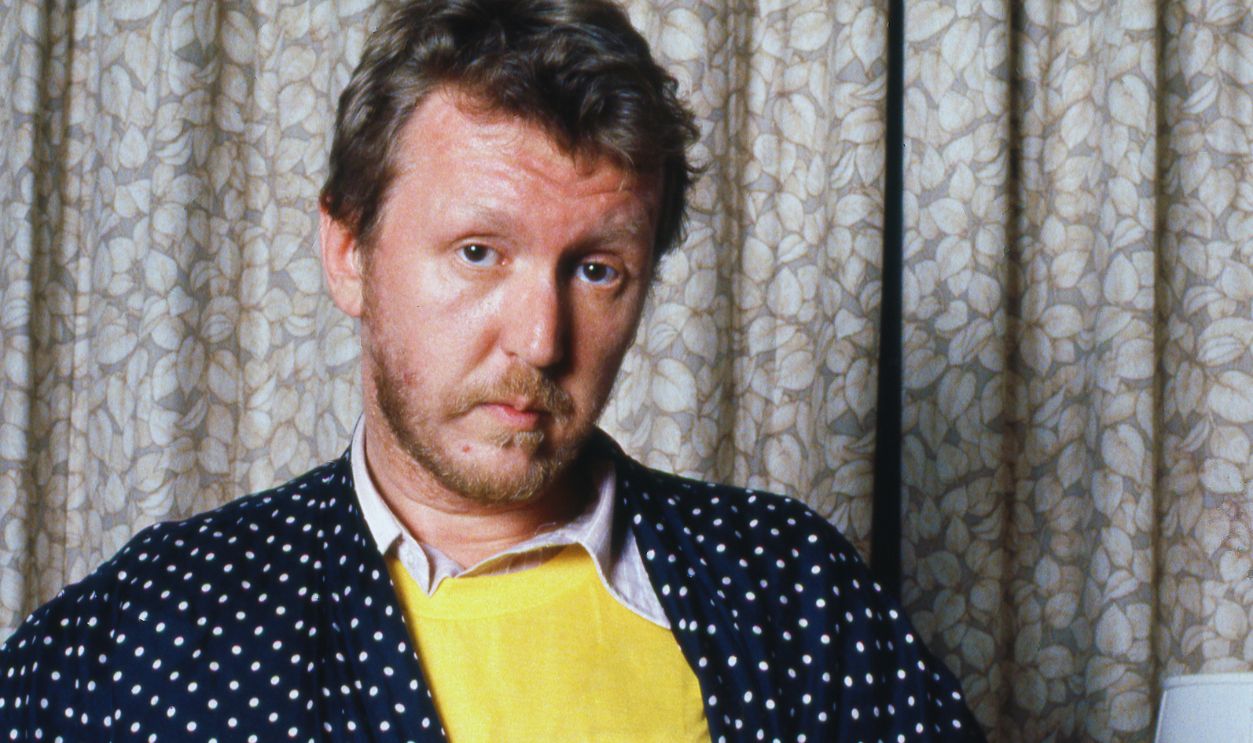
Nilsson wrote and recorded "One," a haunting song that appeared on his 1968 album Aerial Ballet. The following year, Three Dog Night released their own version, taking it into the American Top 10. Their recording introduced Nilsson's songwriting to a much larger audience and became one of the group's earliest signature hits. But the strangest part of Nilsson's career was still ahead of him, because his biggest successes as a singer would come from songs he hadn't written.
His Greatest Hits Belonged To Other Writers
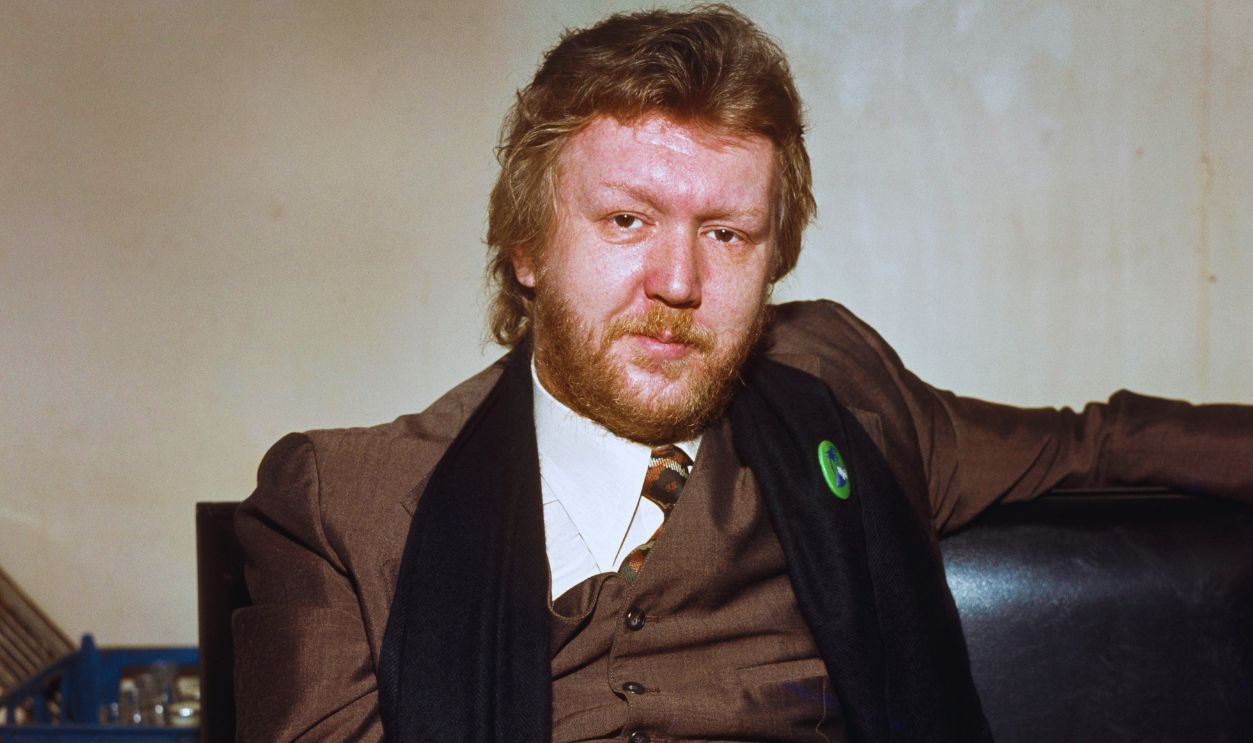
Nilsson achieved major recognition with "Everybody's Talkin'," a Fred Neil composition featured in the 1969 film Midnight Cowboy. In 1972, he reached number one with "Without You," written by Pete Ham and Tom Evans of Badfinger. He also scored a hit with his own playful composition "Coconut," proving his songwriting talents were still very much intact. After writing songs that made other performers successful, Nilsson had become famous for bringing someone else's music to life.
 George Wilkes Archive, Getty Images
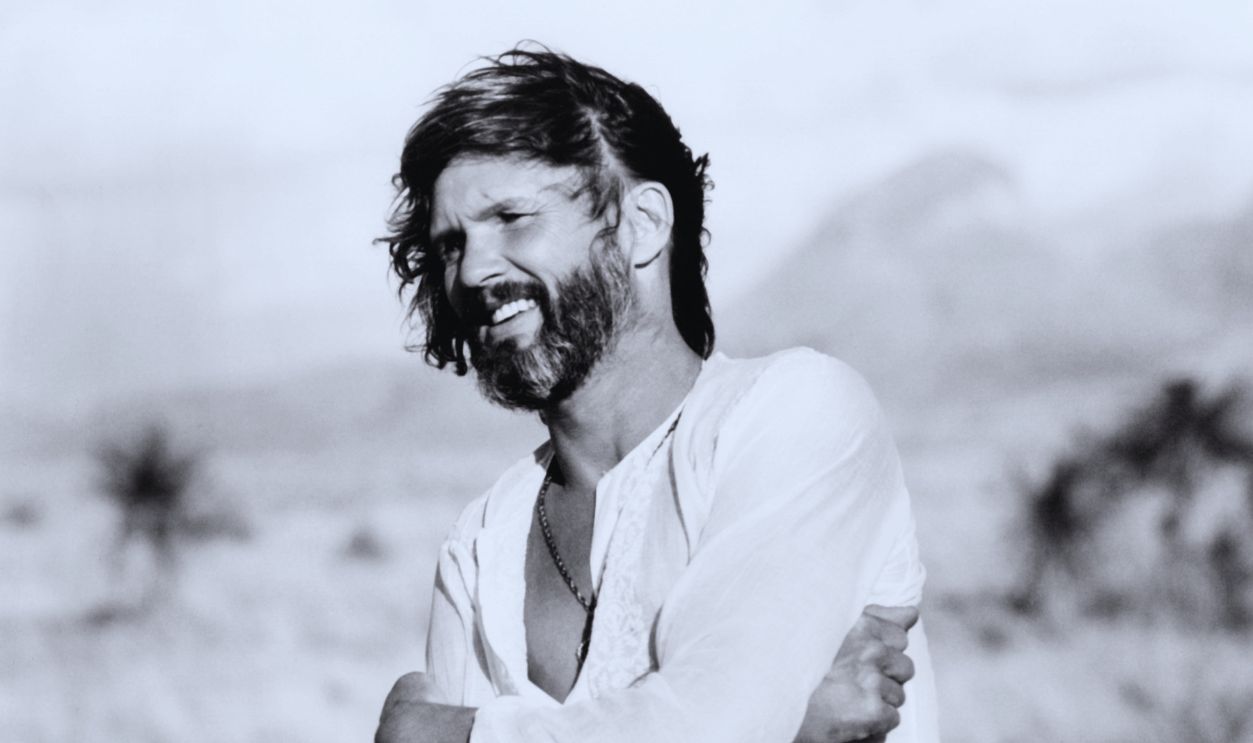
Kris Kristofferson Worked As A Janitor
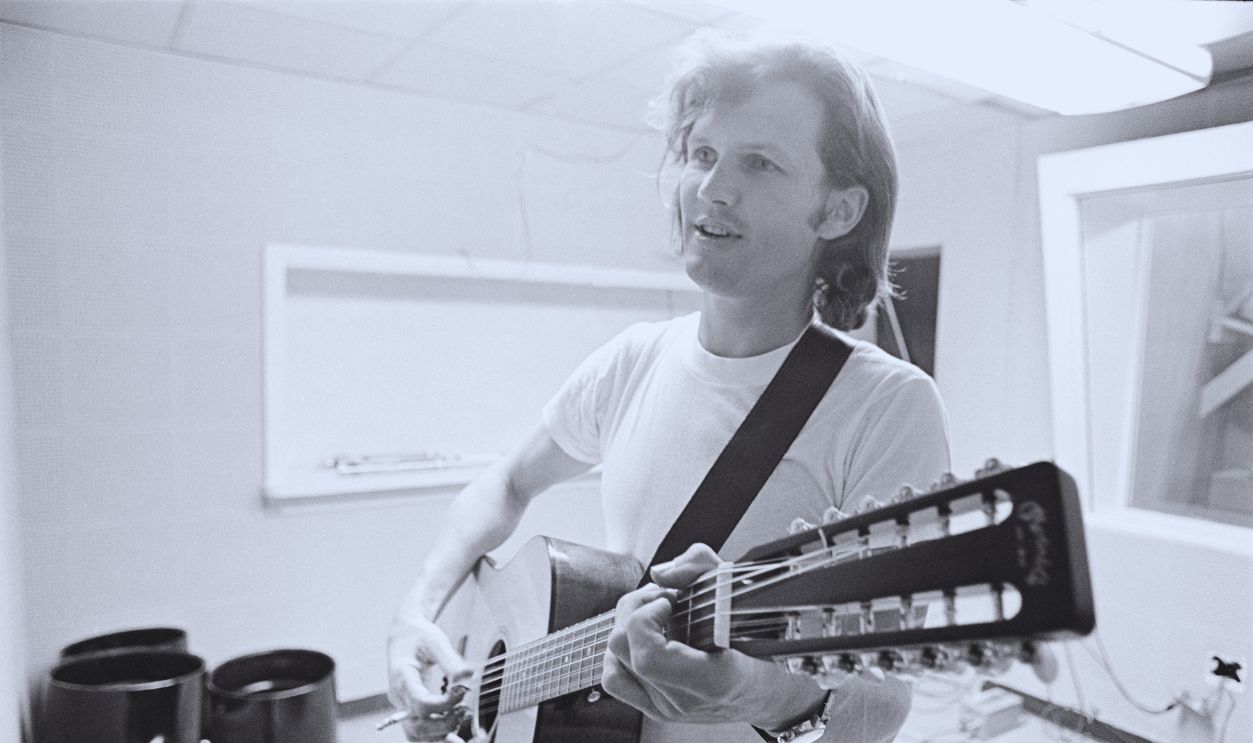
Before Kris Kristofferson became a country music legend, he made an extraordinary career decision. A Rhodes Scholar and former Army officer, he abandoned a promising military career to pursue songwriting in Nashville. He took various jobs to support himself, including working as a janitor at Columbia Records, where he was surrounded by the music industry he desperately wanted to join. It was a remarkable gamble, and one of his earliest successes would come through a singer he greatly admired.
 Al Clayton Photography, LLC, Getty Images
Roger Miller Sang His Song First
In 1969, Roger Miller recorded "Me and Bobby McGee," a song Kristofferson wrote after receiving the title idea from music publisher Fred Foster. Miller's version became a country hit, giving Kristofferson an important breakthrough as a songwriter. Other performers soon recognized the song's potential, and it began reaching audiences far beyond Nashville. Yet its most famous recording would arrive a little later, courtesy of one of rock music's most unforgettable voices.
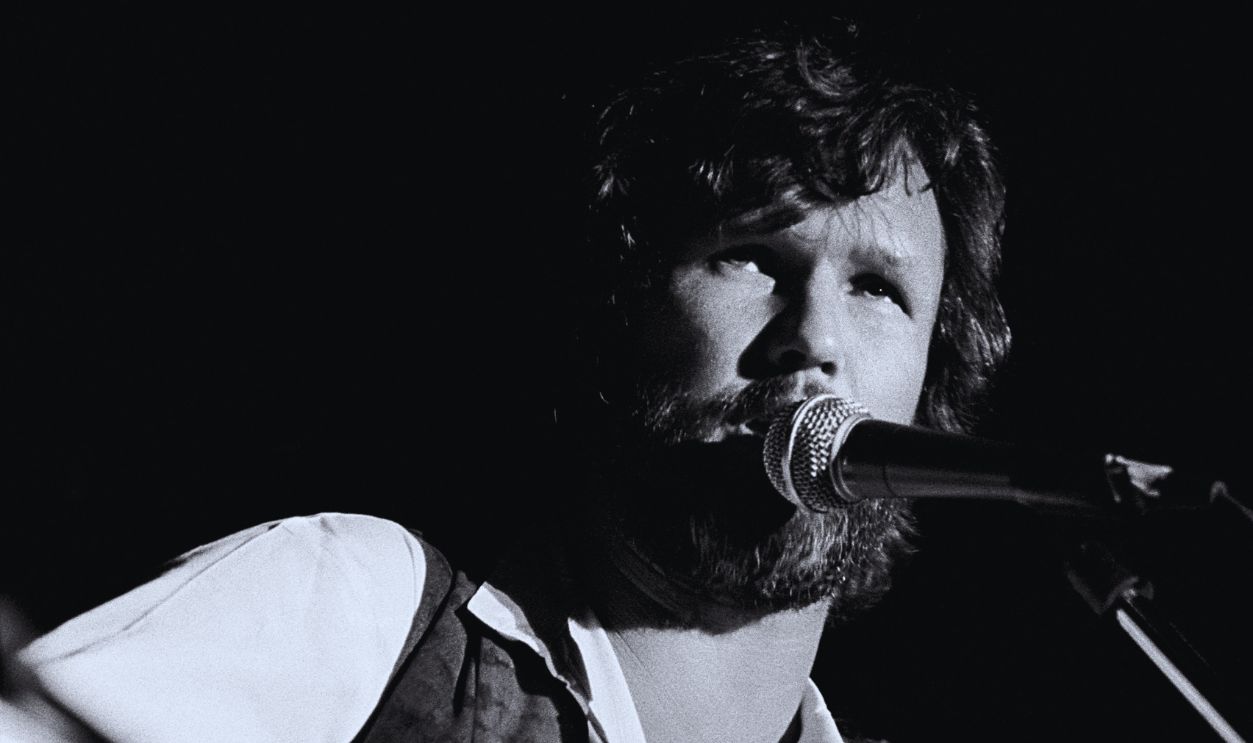
Janis Joplin Made It Unforgettable
Janis Joplin recorded "Me and Bobby McGee" for her album Pearl, which was released in 1971 after her passing. Her emotional performance took the song to number one on the Billboard Hot 100, making it one of the defining recordings of her career. Kristofferson's composition had now become a major pop hit, introducing his writing to an entirely new audience. Remarkably, he had several other songs climbing the country charts around the same time.

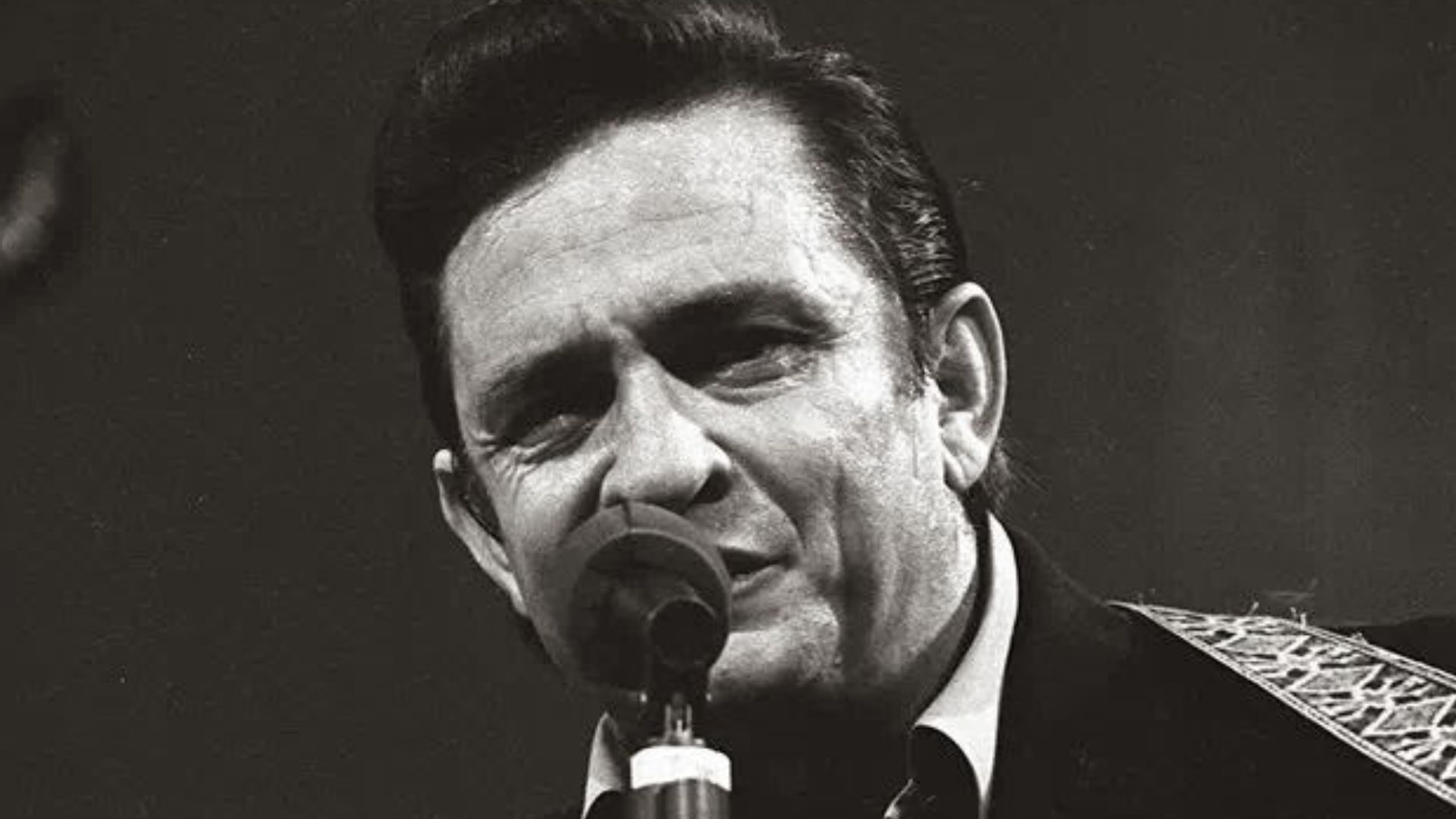
Johnny Cash And Others Followed
Johnny Cash took Kristofferson's "Sunday Mornin' Comin' Down" to number one on the country chart in 1970. Ray Price enjoyed similar success with "For the Good Times," while Sammi Smith topped the country chart with "Help Me Make It Through the Night" in 1971. Kristofferson released his debut album in 1970, but his own commercial breakthrough as a singer came with "Why Me" in 1973. By then, he was already one of Nashville's most respected songwriters, and his acting career would soon bring him even greater recognition.
 User:Johnnycash1950-2003, Wikimedia Commons
J.D. Souther Helped Make The Eagles Famous
J.D. Souther might not be the first name people associate with the Eagles, but he helped write some of their biggest songs. Working closely with Glenn Frey and Don Henley, Souther became an important figure in the Southern California country-rock scene. His ability to combine memorable melodies with heartfelt lyrics made him a valuable collaborator. One of those collaborations would give the Eagles their first number-one single, although Souther wasn't the person singing it.
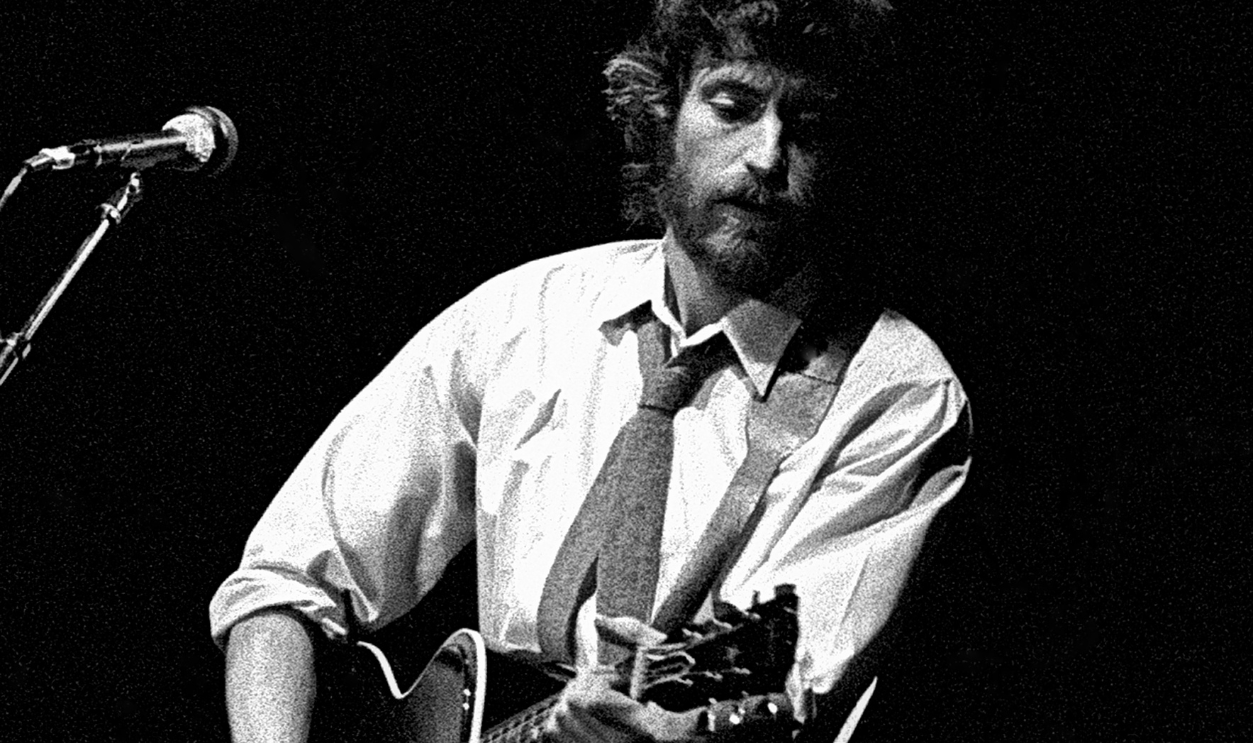
He Helped Write Best Of My Love
Souther co-wrote "Best of My Love" with Frey and Henley, and the Eagles released it in 1974. The song reached number one in 1975, becoming a major milestone in the group's rise to fame. Souther also helped write other Eagles favorites, including "New Kid in Town," "Victim of Love," and "Heartache Tonight." His compositions were becoming American rock classics, even while his own solo recordings remained comparatively overlooked.
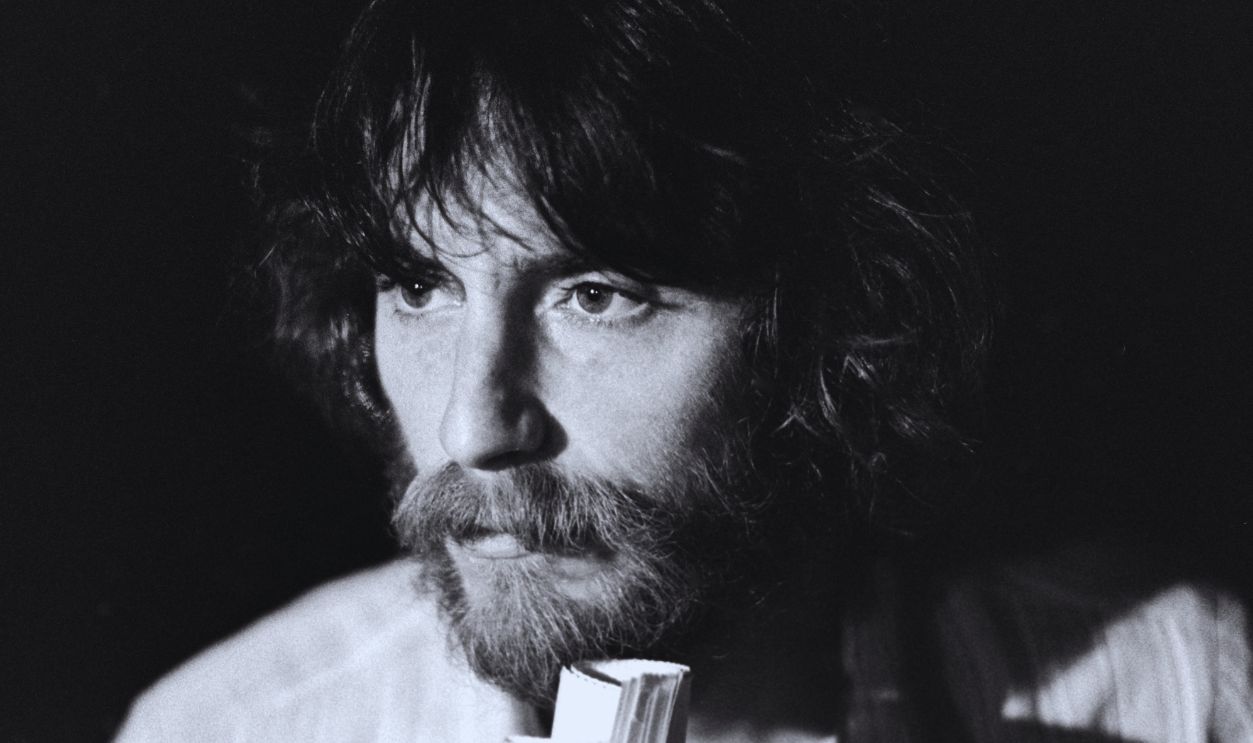 Gijsbert Hanekroot, Getty Images
Linda Ronstadt Sang His Music Too
Souther's songwriting success extended well beyond the Eagles. Linda Ronstadt recorded his composition "Faithless Love" for her hugely successful 1974 album Heart Like a Wheel. She also recorded several other Souther songs, helping introduce his writing to audiences who loved her distinctive voice. Souther was closely connected to some of the biggest performers of the decade, but he still hadn't enjoyed a major solo pop hit of his own.
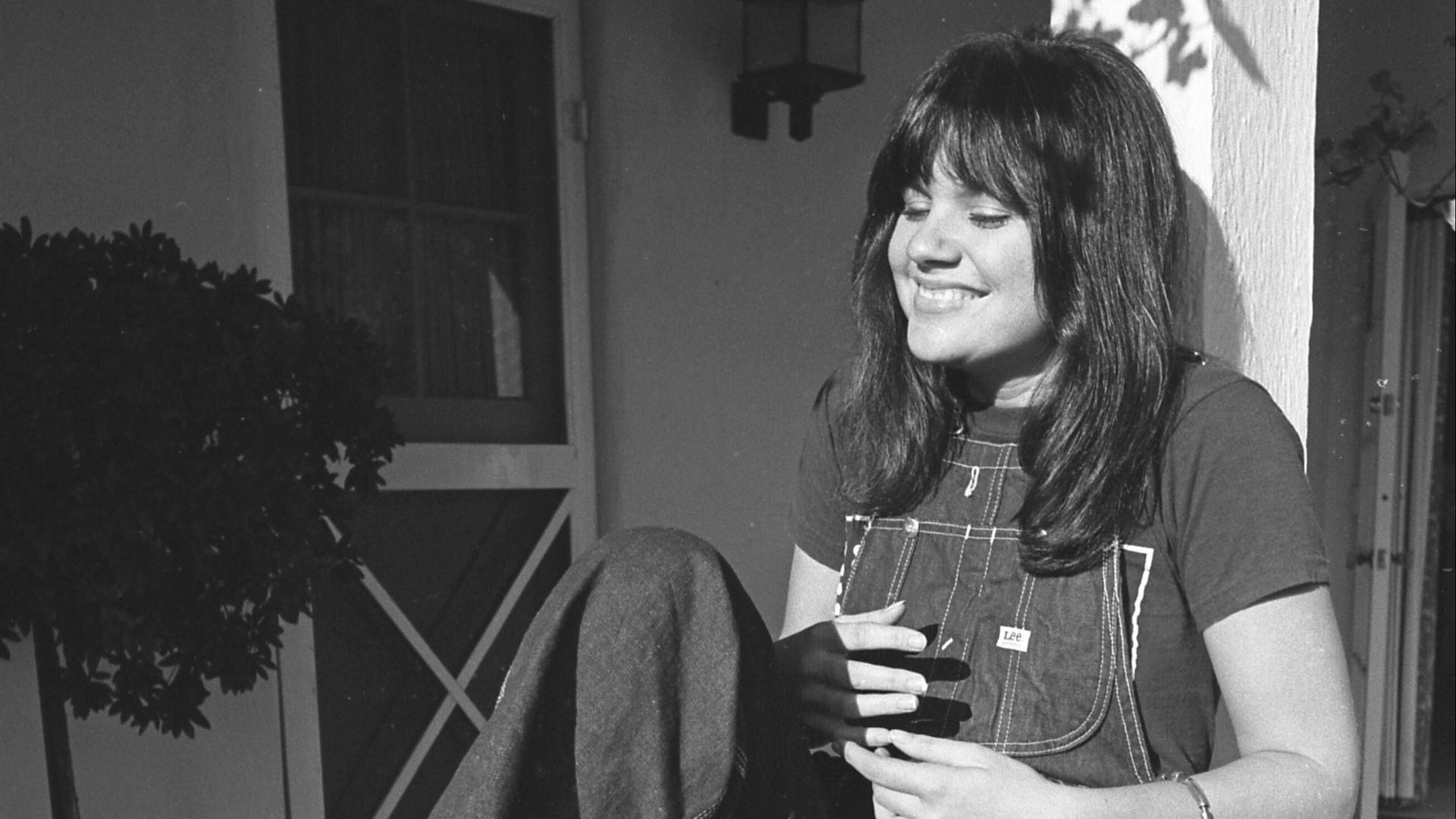 Larry Bessel, Los Angeles Times, Wikimedia Commons
You're Only Lonely Changed Everything
In 1979, Souther finally reached the American Top 10 as a solo performer with "You're Only Lonely." The song climbed to number seven on the Billboard Hot 100 and topped the adult contemporary chart. Its smooth, romantic sound reflected Souther's admiration for Roy Orbison, whose influence could be heard throughout the recording. After years of helping the Eagles and Linda Ronstadt create memorable music, Souther had finally found a major hit under his own name.

Rupert Holmes Wrote A Very Strange Hit
Before Rupert Holmes became famous for "Escape (The Piña Colada Song)," he wrote one of the most unusual pop hits of the early 1970s. The song was "Timothy," recorded by a group called the Buoys and released in 1970. Its cheerful melody disguised a troubling fictional story about three men trapped underground, only two of whom eventually emerge. Holmes later explained that he had deliberately written the song to provoke controversy and attract attention, and his unusual strategy worked.
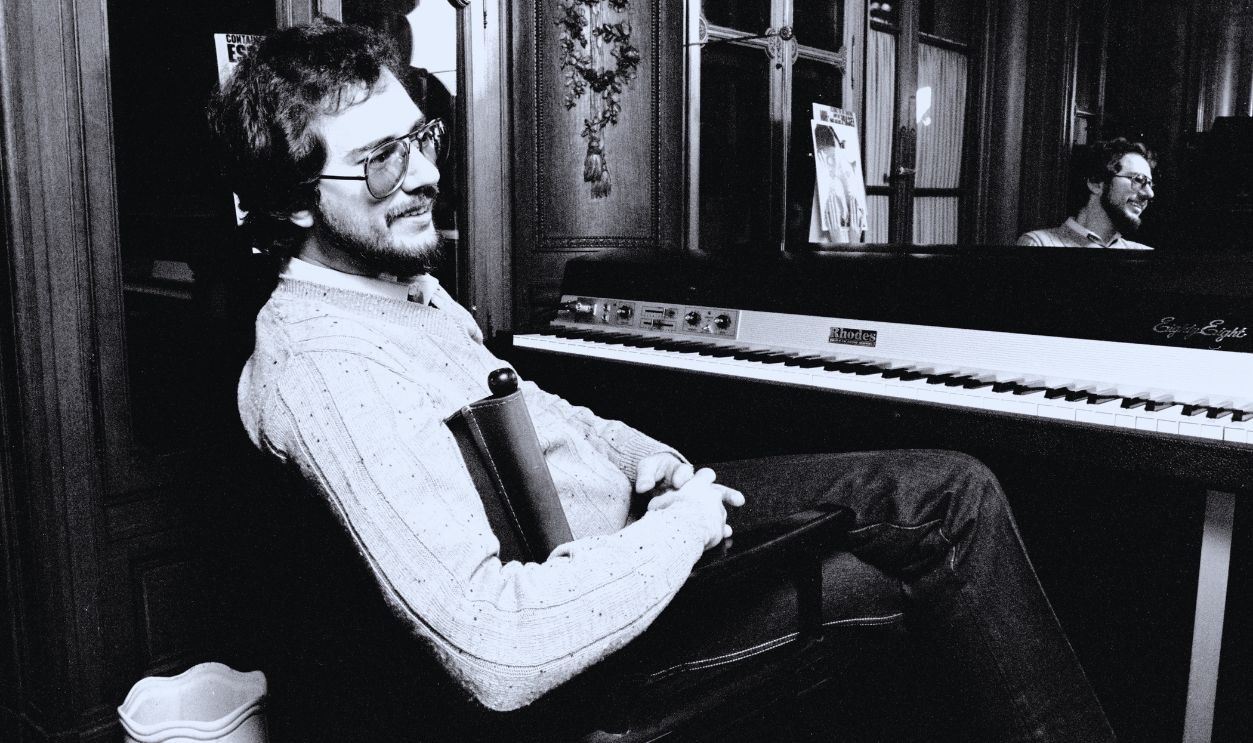
His Unusual Strategy Paid Off
"Timothy" became a Top 20 American hit in 1971, giving Holmes an important breakthrough as a songwriter. He had already written music recorded by other performers, including a song for the television group the Partridge Family. Holmes continued working as a songwriter, arranger, and producer while developing his own recording career throughout the decade. But his biggest breakthrough was still ahead, and it would involve a song with an entirely different kind of surprise ending.
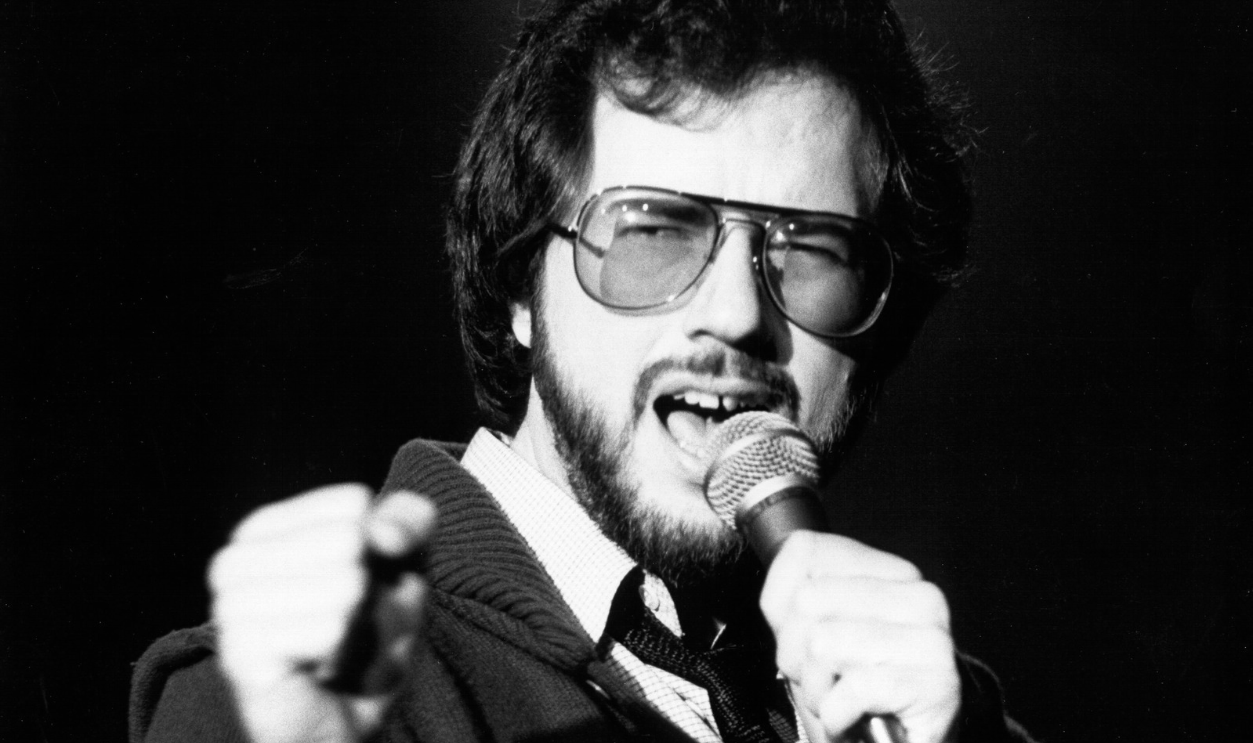 Michael Ochs Archives, Getty Images
Then Came The Piña Colada Song
In 1979, Holmes released "Escape (The Piña Colada Song)," a playful story about a man who answers a personal advertisement without realizing who placed it. The song's memorable twist revealed that the person behind the advertisement was his own partner, who had been searching for something different herself. "Escape" reached number one on the Billboard Hot 100, finally making Holmes a major star as a performer. He followed it with another Top 10 hit, "Him," completing one of the decade's more unusual journeys from behind-the-scenes songwriter to household name.
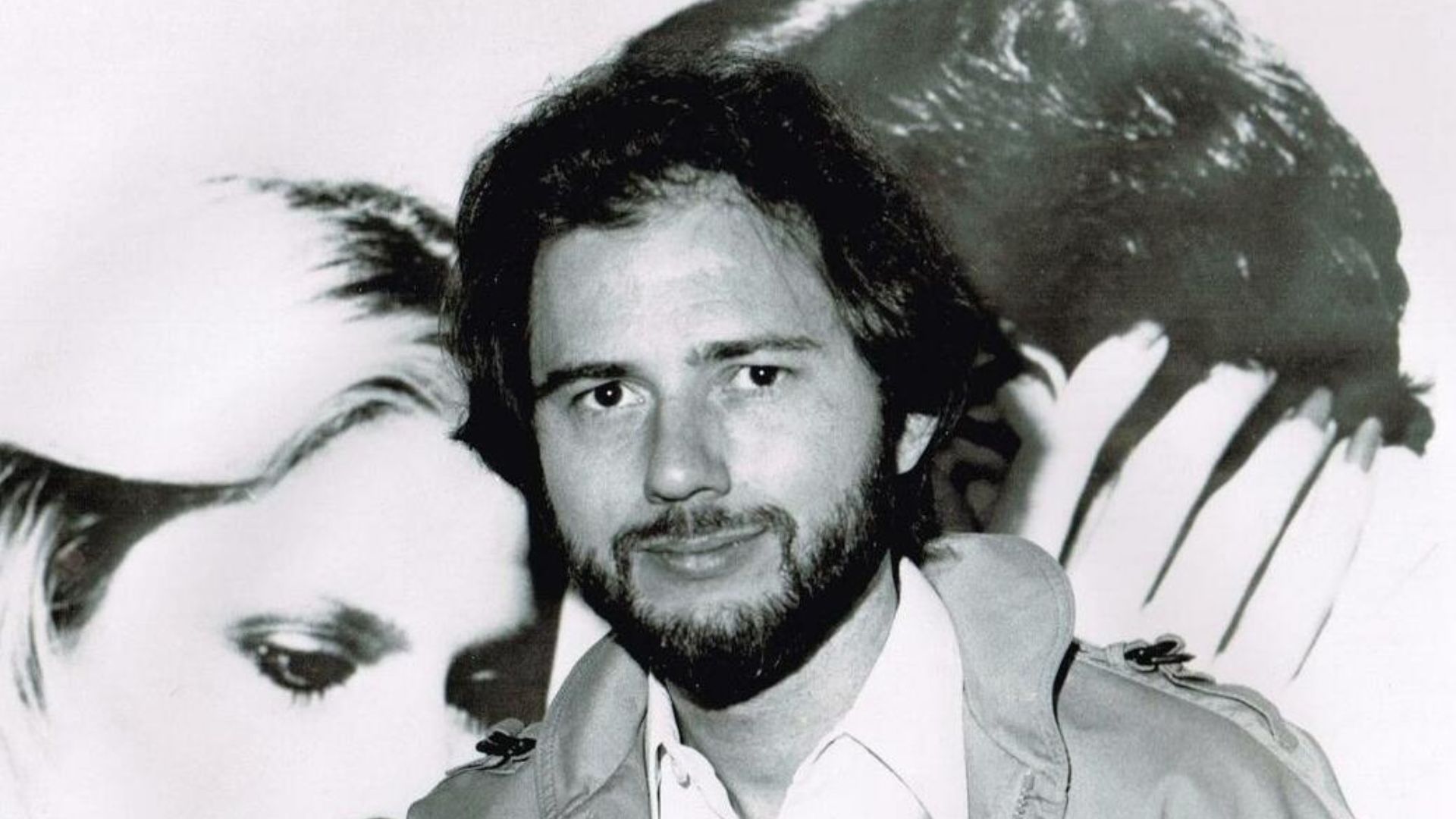 Infinity Records, Wikimedia Commons
They Were The Voices Behind The Hits
Carole King, Neil Diamond, David Gates, Harry Nilsson, Kris Kristofferson, J.D. Souther, and Rupert Holmes all followed different paths to musical fame. Some eventually became famous singing their own compositions, while others found their greatest success by interpreting songs written by someone else. What connected them was their remarkable ability to create music that audiences loved long before the public recognized their names. The next time you hear a classic from the 1960s or 1970s, it's worth remembering that the person singing it might not be the person who made the magic happen.
 Silver Screen Collection, Getty Images
You May Also Like:
Iconic Hits That Make It Feel Like Summer Everyday
The Wildest True Stories Behind Hit Movies
Sources: 1, 2, 3, 4, 5, 6, 7, 8, 9, 10, 11, 12, 13, 14, 15, 16, 17, 18