The Routine Went A Bit Too Far
The outlaw-country movement of the 1970s celebrated singers who refused to play by Nashville's rules. But for some of its biggest stars, rebellion wasn't confined to their music. From chaotic incidents and spectacular run-ins with law enforcement, to doing time behind bars—these country legends sometimes found out that living outside the rules came with a very real price.
 Michael Ochs Archives/Getty Images
Merle Haggard Was The Real Deal
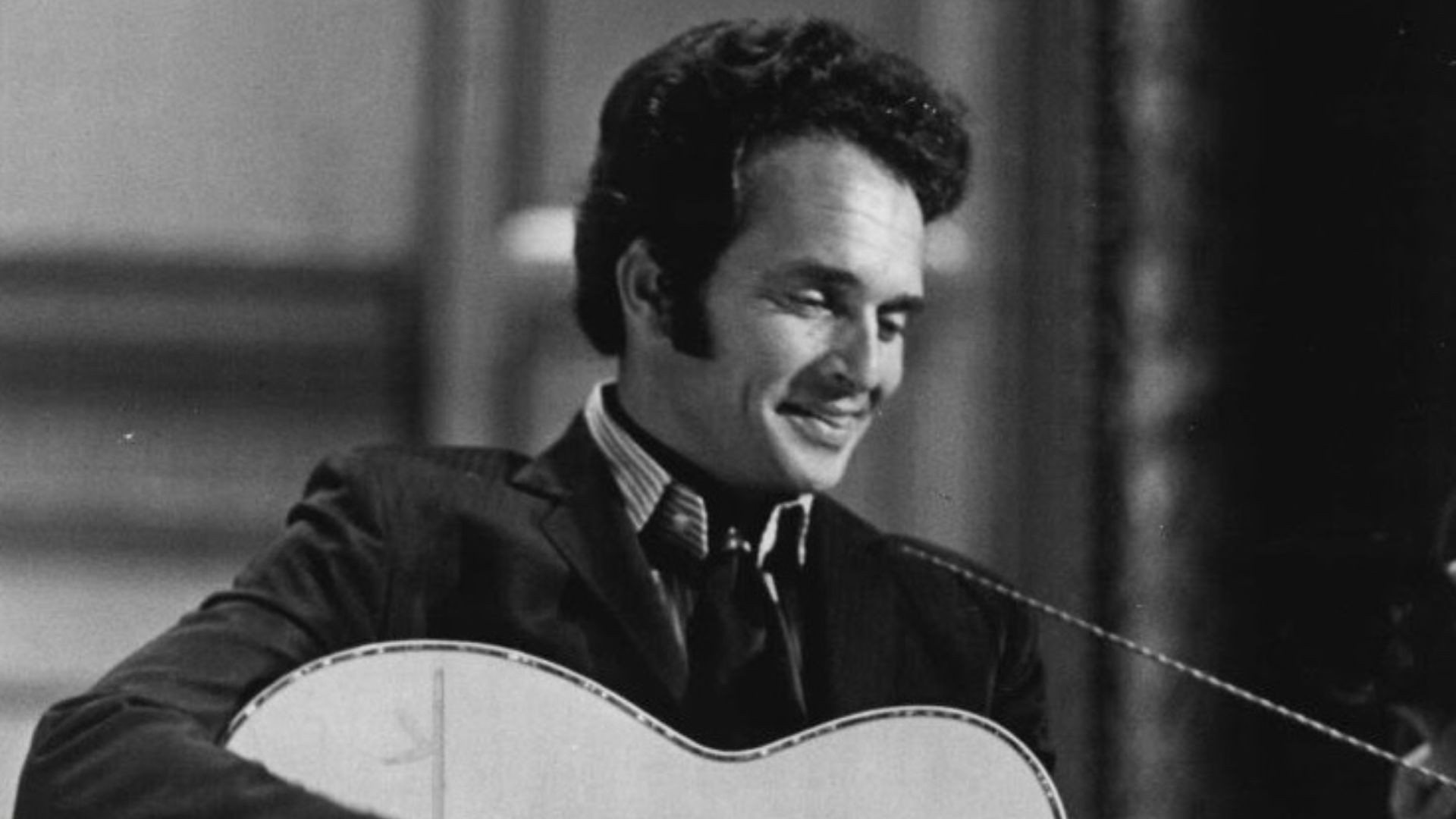
Long before Merle Haggard became one of country's most respected performers, he had a record. A troubled youth in California led to repeated brushes with the law, culminating in a burglary conviction. In 1958, Haggard entered San Quentin State Prison, where he began reconsidering the direction of his life. Unlike many later country stars, he had "up close and personal" experience living the outlaw life before achieving fame.
 Country Music Association, Wikimedia Commons
Johnny Cash Inspired A Turnaround
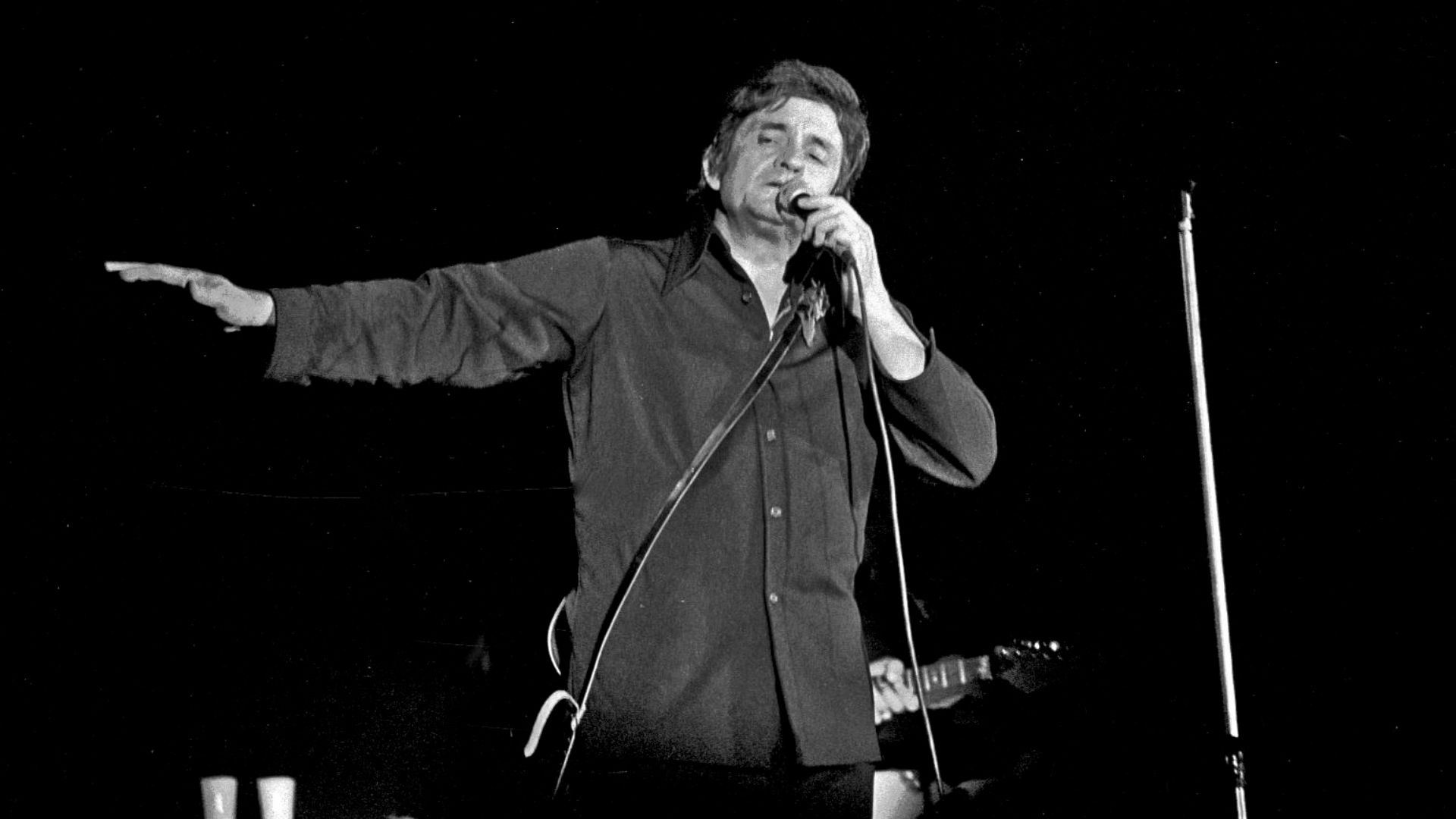
One of Haggard's most important experiences behind the walls came in 1959, when Johnny Cash performed at San Quentin. Haggard was among the inmates watching. Cash's performance helped convince him that music might offer a different future. Haggard eventually received a pardon from California Governor Ronald Reagan in 1972, by which time he was already a major country star.
 Heinrich Klaffs, Wikimedia Commons
Johnny Cash Had His Own Record
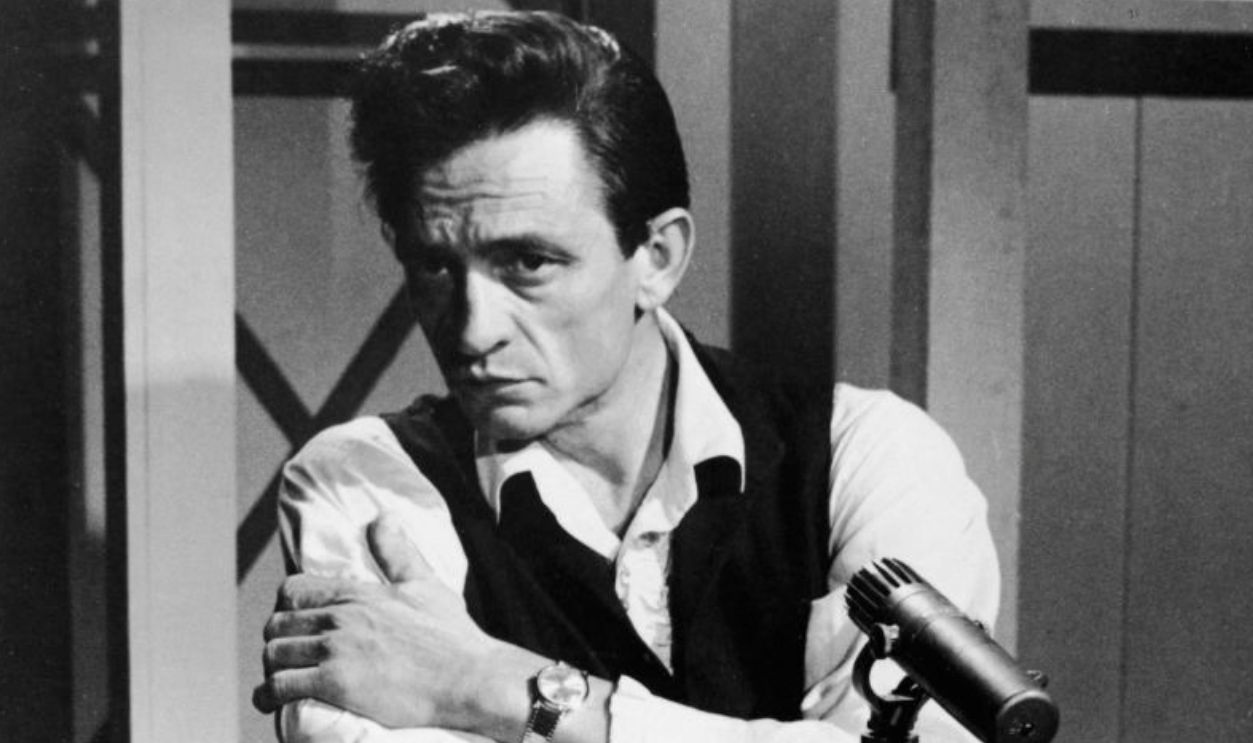
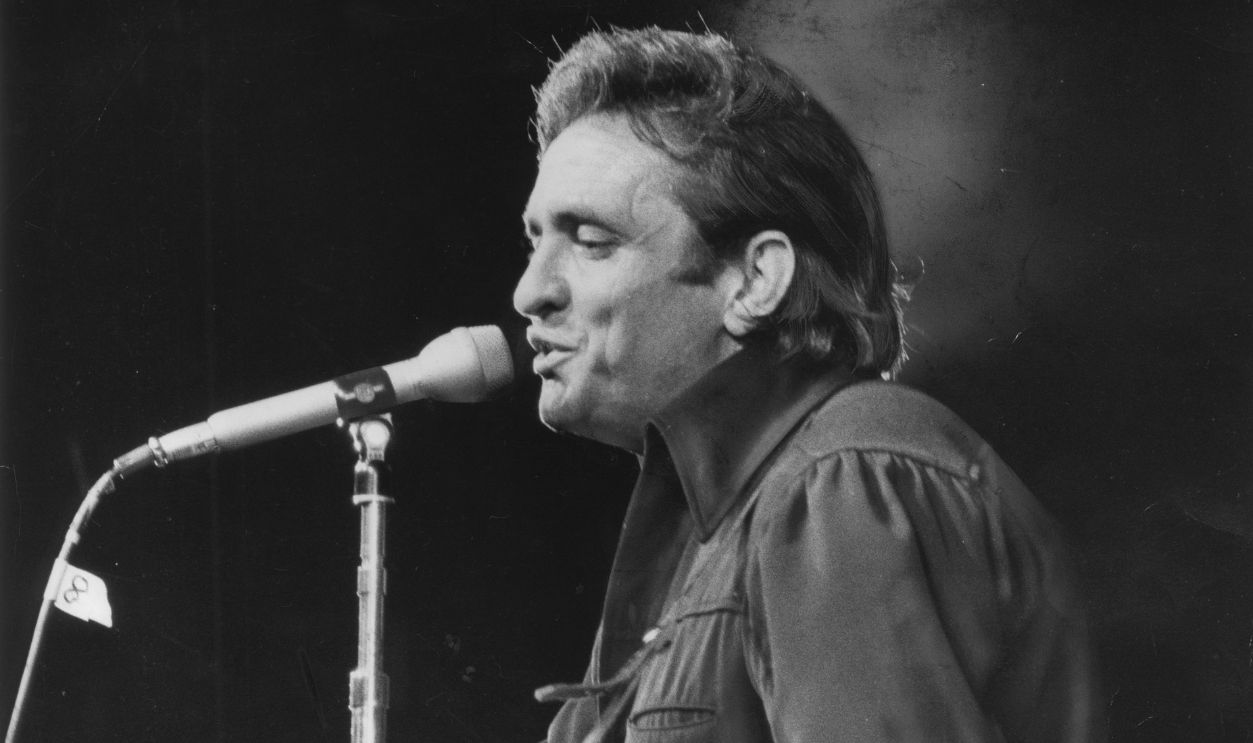
Johnny Cash's famous prison concerts sometimes encouraged the mistaken impression that he had served a lengthy sentence himself. He hadn't. But the Man in Black certainly knew what it felt like to get hauled away in the back seat of a cruiser. In 1965, customs officers in El Paso discovered hundreds of prescription pills concealed in his guitar case as he returned from Mexico. Cash was brought in, and the incident became part of his outlaw legend.
Nabbed For Picking Flowers
Another Cash story sounds almost too ridiculous to be true. In 1965, he was booked in Starkville, Mississippi, on a charge of picking flowers on private property late at night. The incident inspired his later song “Starkville City Jail.” Cash's brushes with the law were generally brief, but they gave his rebellious stage persona an unmistakably authentic edge.
David Allan Coe Knew The Life
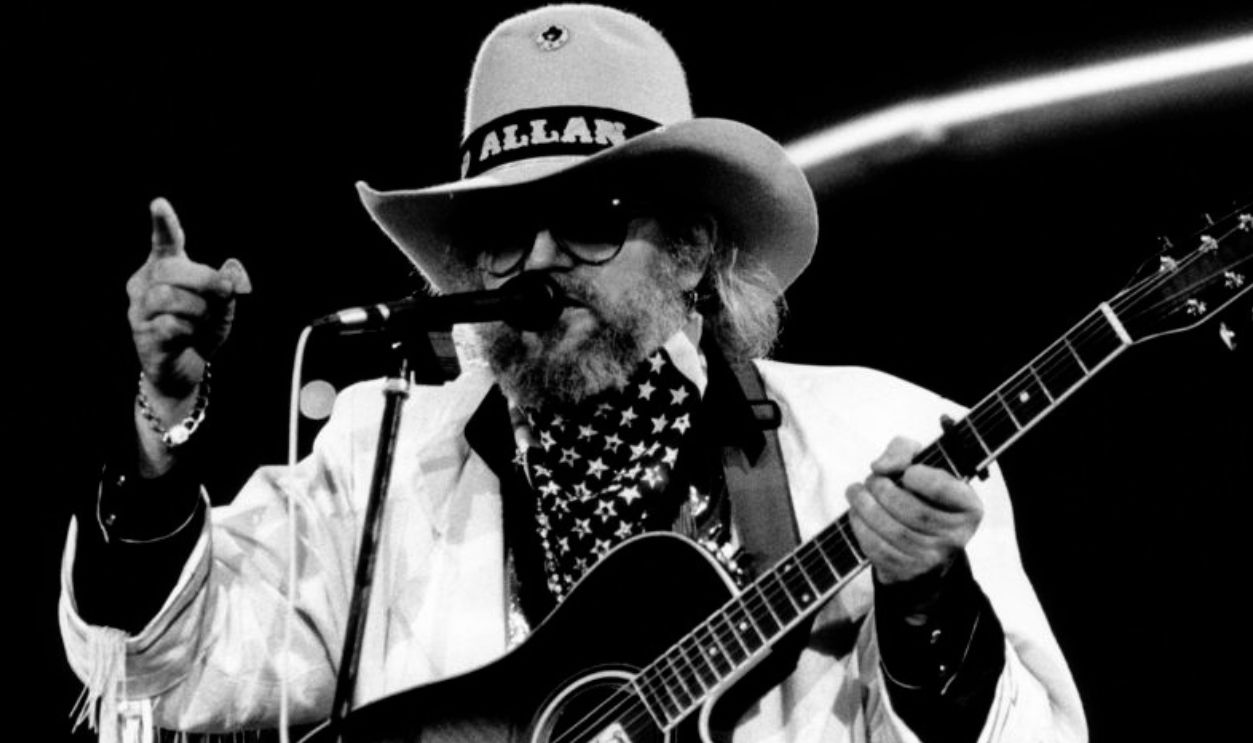
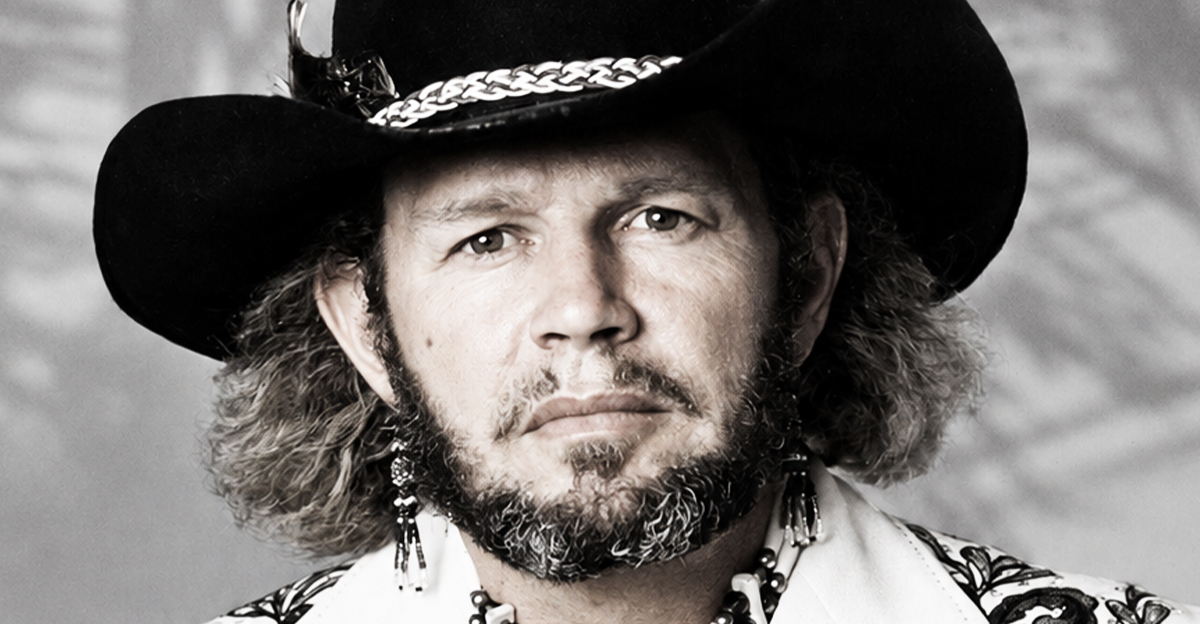
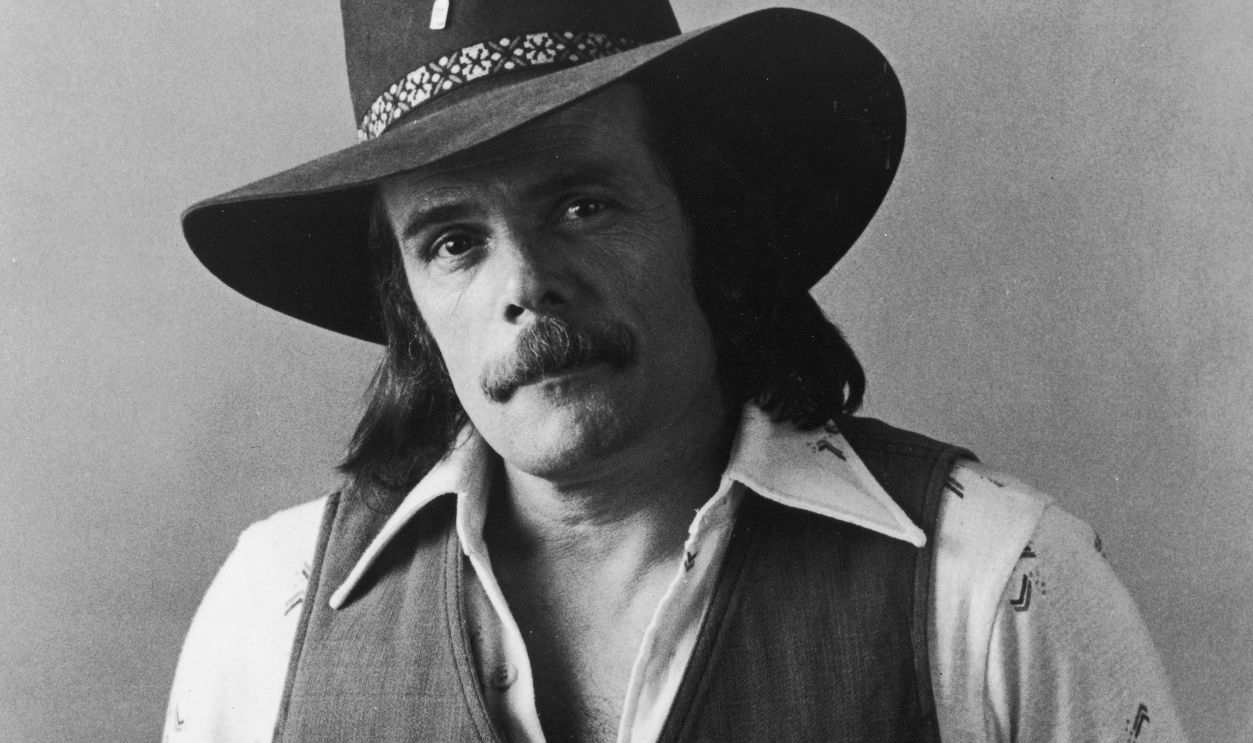
David Allan Coe always talked a big game, but he was far from a pretend outlaw. Before establishing himself as a country performer, he spent much of his youth and early adulthood in correctional institutions, including Ohio State Penitentiary. After his release, he pursued music with an image built around his experiences. His 1970 debut album, Penitentiary Blues, made that background central to his public identity, while showing his formidable songwriting skills.
Coe Later Faced The IRS
Coe's difficulties didn't end with his early imprisonment, but his problems with authority took on a more monetary dimension. Decades after writing Johnny Paycheck's smash hit “Take This Job and Shove It,” he faced federal tax charges. In 2016, Coe was ordered to pay nearly $1 million in taxes, interest, and penalties after admitting that he had failed to meet federal tax obligations.
 Matthew Woitunski from Amesbury, MA, USA, Wikimedia Commons
Johnny Paycheck Forged His Reputation
Johnny Paycheck's outlaw image was supported by a genuinely chaotic personal history. He had been convicted in connection with an altercation while serving in the Navy, and in 1972 he was convicted of check forgery. His 1976 album 11 Months and 29 Days even referenced the length of a suspended sentence associated with a bad-check case. For Paycheck, the outlaw label wasn't a marketing invention, and he would soon escalate to more serious incidents.
Paycheck Let Fly
Paycheck's most serious troubles came after a December 1985 confrontation in an Ohio bar. He opened fire with his revolver at another man, grazing the man's head with a round, and maintained that he had acted in self-defense. Convicted in the case, Paycheck began serving his sentence in 1989. He spent approximately 22 months behind bars before receiving a pardon from Ohio Governor Richard Celeste.
Waylon Jennings Faced Drug Charges
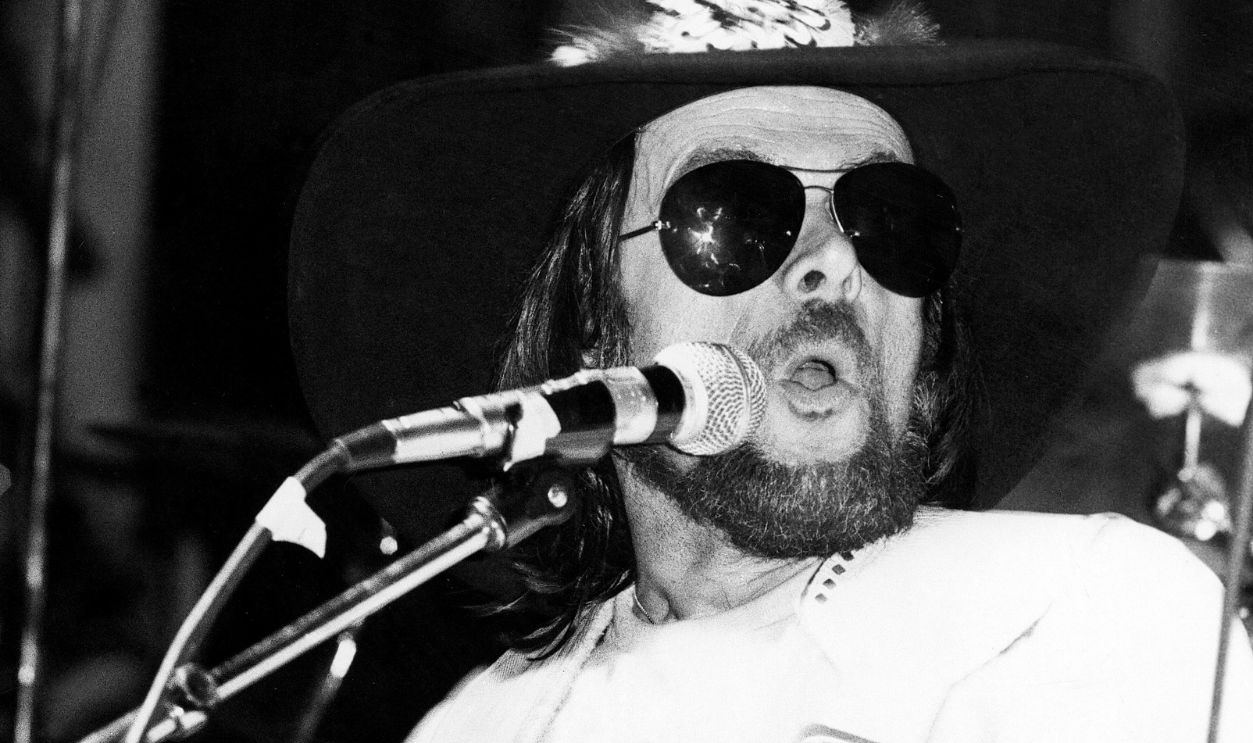
Waylon Jennings was arguably the defining figure of 1970s outlaw country. In 1977, at the height of his fame, he was charged in Nashville in connection with possession of controlled substances. The charges were ultimately dropped because of problems with the authorities' handling of the case. Jennings later spoke candidly about his substance problems, but the incident itself remained one of the most notorious of his career.
Willie Nelson Had Marijuana Troubles
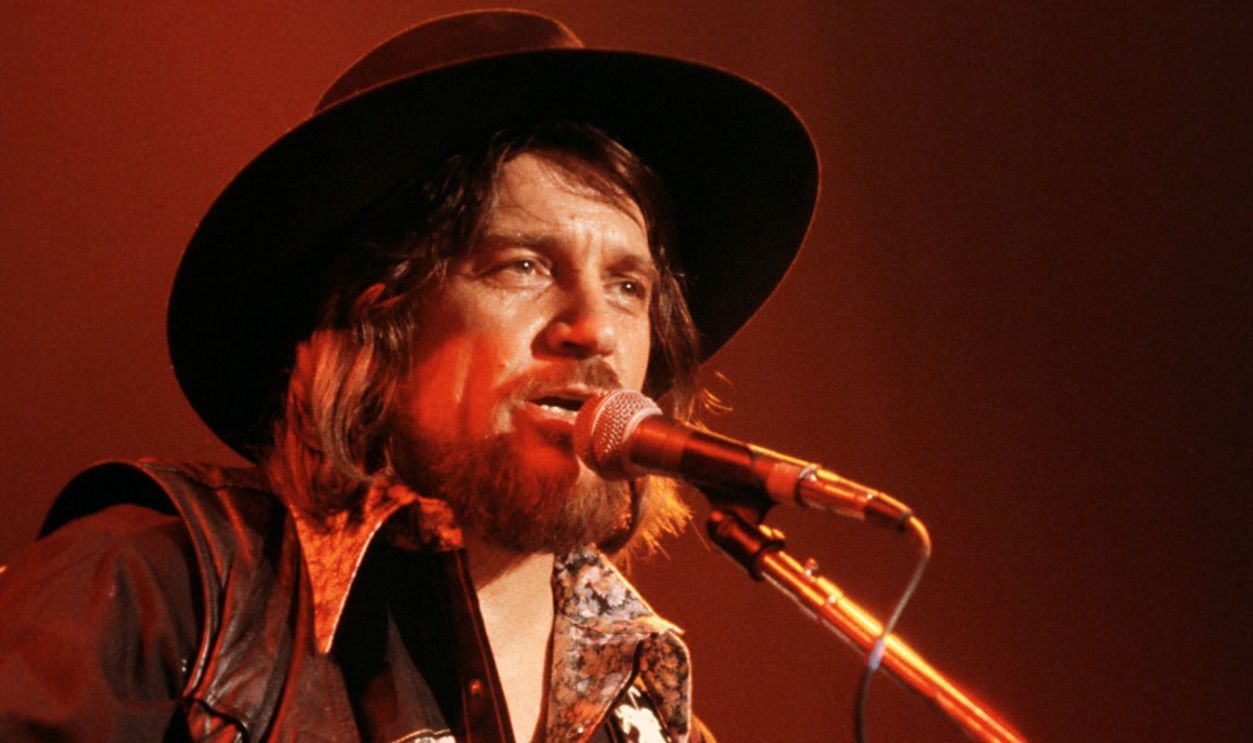
Willie Nelson's affection for marijuana became almost as famous as his music. His first marijuana-related bust reportedly occurred in Dallas in 1974. In 1977, he encountered more trouble when customs officials discovered marijuana in his luggage in the Bahamas. Nelson was briefly incarcerated before being released. Unlike some of his contemporaries, he never seemed particularly interested in hiding his views about cannabis.
 Bob Jagendorf from Manalapan, NJ, USA, Wikimedia Commons
Willie Nelson Vs The IRS
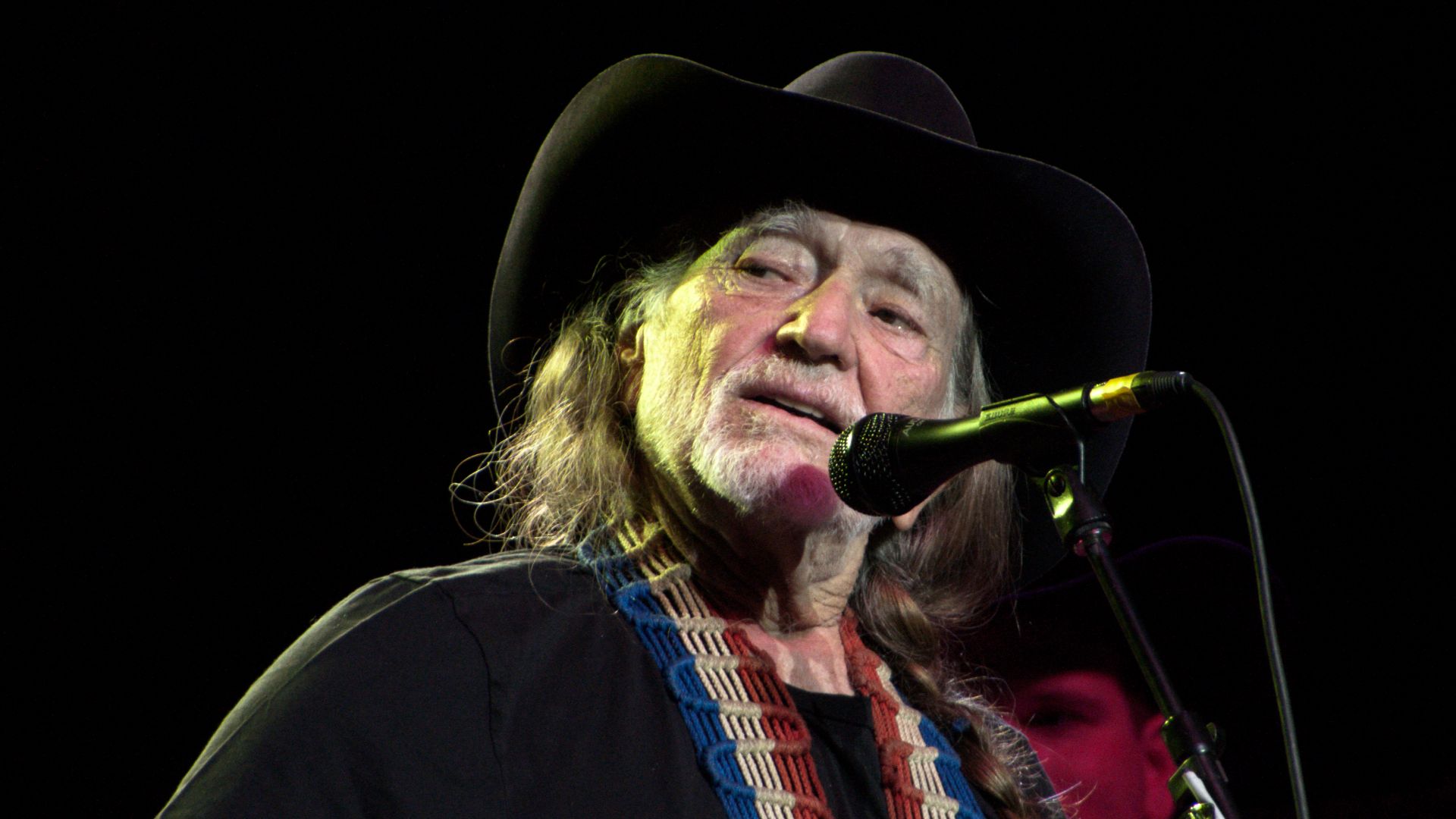
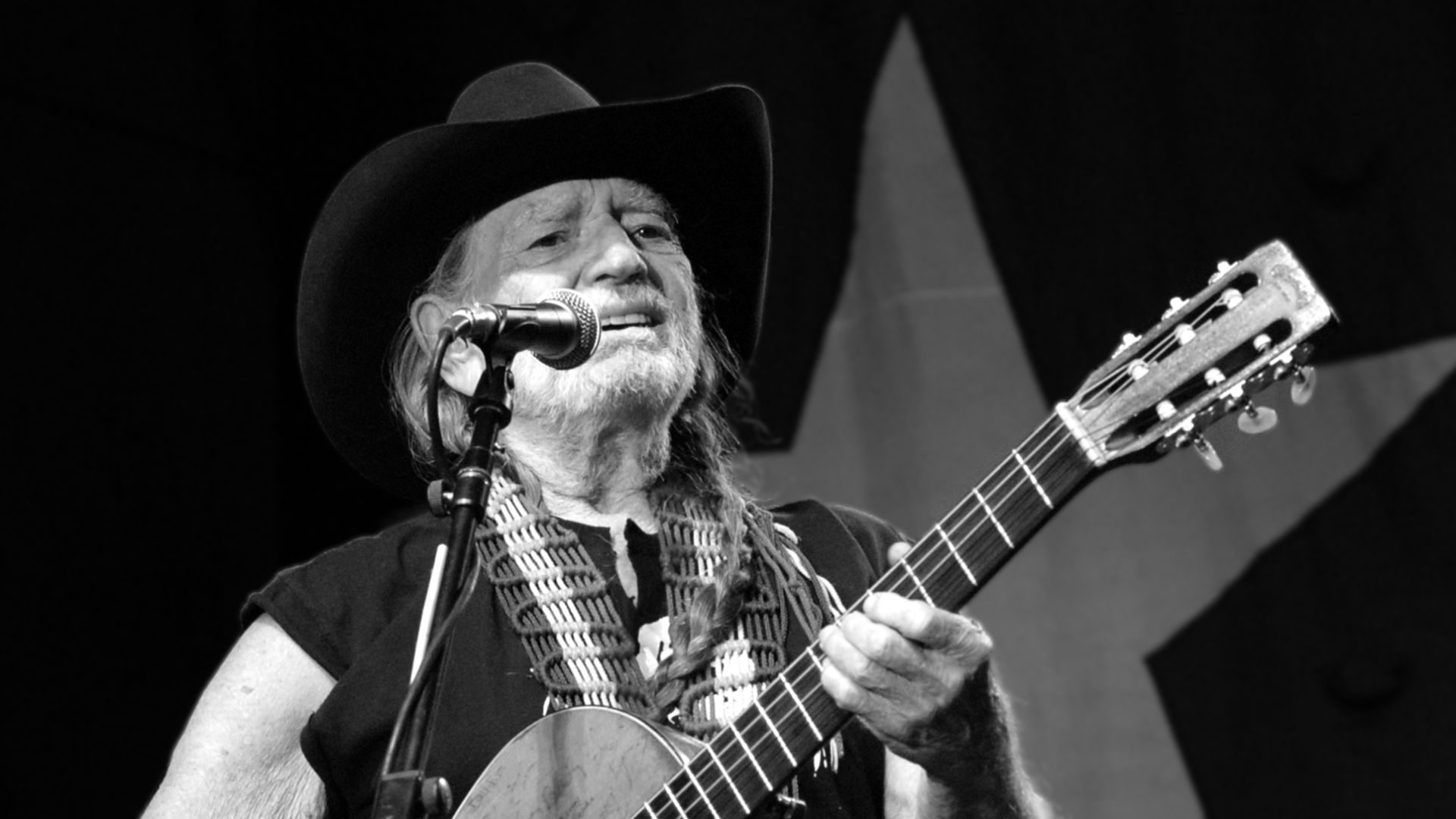
That wasn't Nelson's only run-in with the authorities. In 1990, the Internal Revenue Service seized assets after claiming he owed approximately $16.7 million in taxes, interest, and penalties. The dispute involved investments in tax shelters that the IRS disallowed. Nelson eventually released The IRS Tapes: Who'll Buy My Memories? to help pay his debts, turning a financial catastrophe into one of country music's strangest comeback stories.
 Minette Layne, Wikimedia Commons
George Jones Went Off The Rails
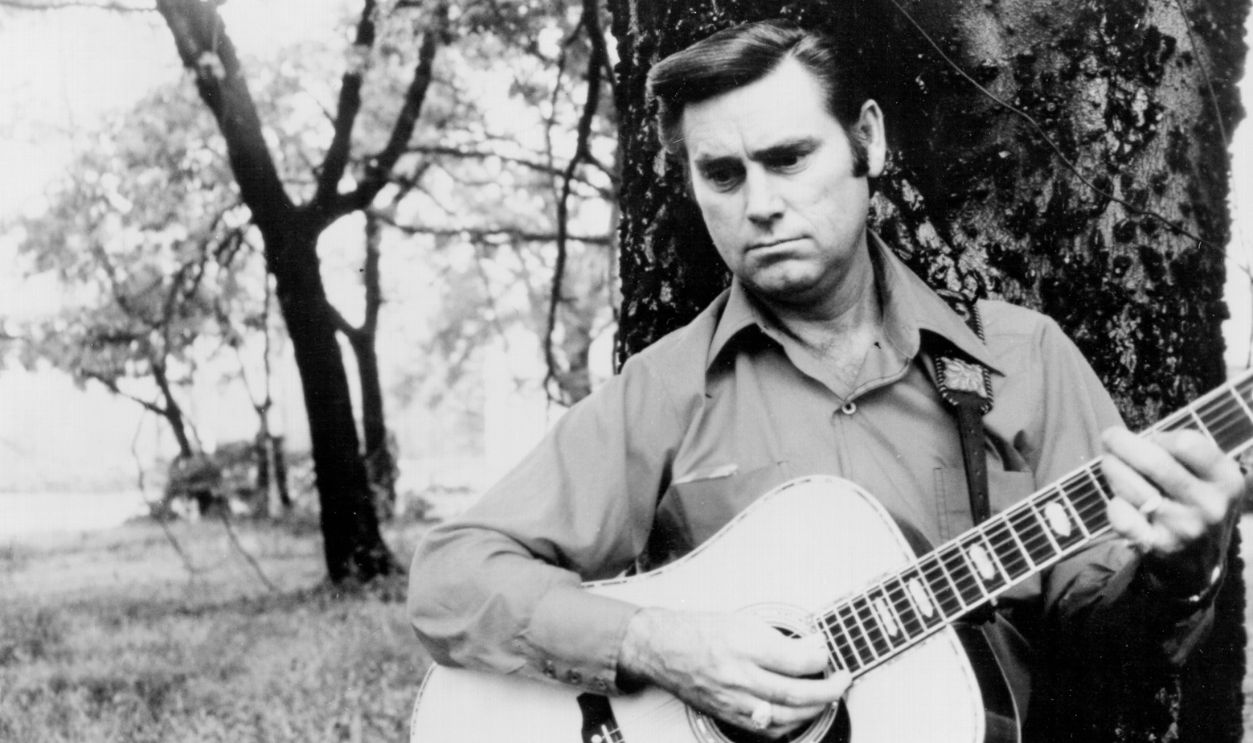
George Jones's magnificent voice was accompanied by a famously turbulent personal life. In March 1982, Mississippi authorities brought him in him on possession charges after a speeding stop. Officers reported discovering a suspicious white substance inside the vehicle. Jones was released shortly afterward, but the incident was another alarming chapter in a period when his behavior was increasingly overshadowing his extraordinary musical talent.
 Michael Ochs Archives, Getty Images
Jones Had A Wild Ride
Just two months later, officers hauled Jones to the curb after spotting his Cadillac weaving along a Tennessee interstate. According to contemporary reports, the vehicle displayed a homemade license plate reading “Possum 3.” Jones was charged with impaired driving, and officers reported that he behaved belligerently during the encounter. He subsequently received a suspended sentence, although prosecutors complained about the handling of the case.
Jerry Jeff Walker Found Bojangles
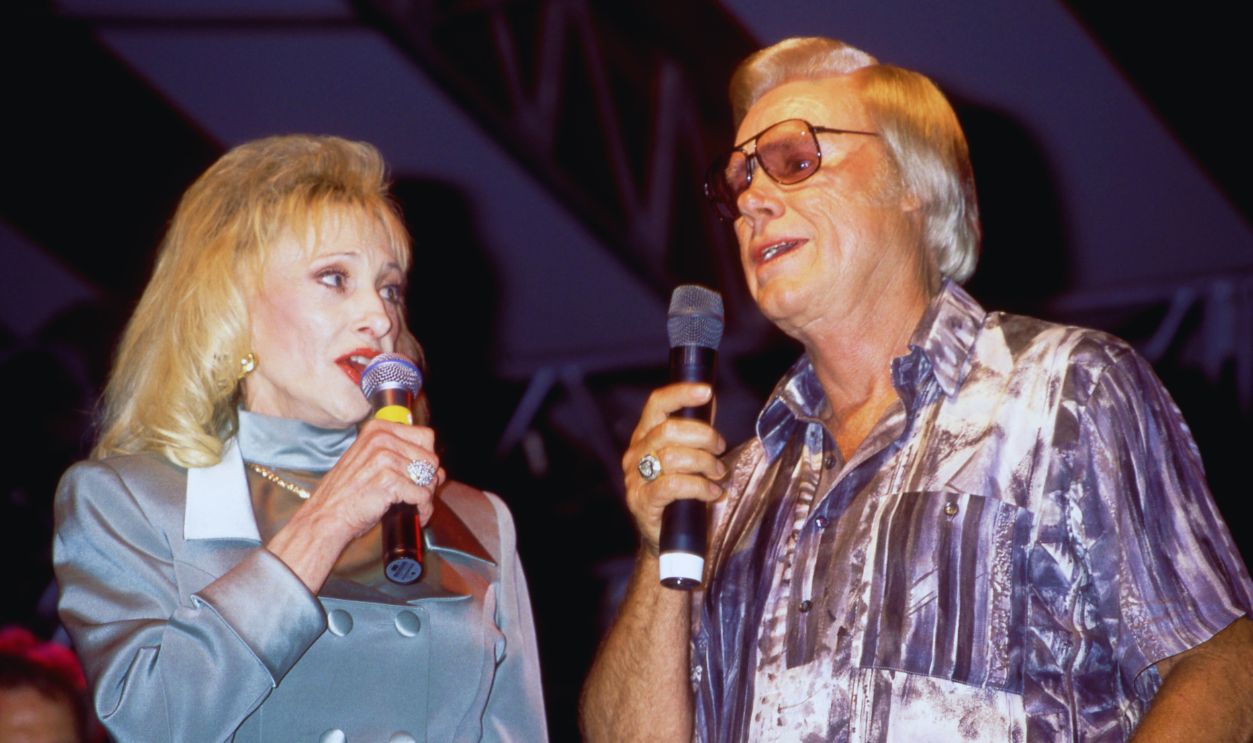
Jerry Jeff Walker became a Texas outlaw-country favorite during the 1970s, but one of his most consequential moments came earlier. During his wandering folk-singer years, Walker spent several days in a cell in New Orleans following a disorderly conduct charge. There, he encountered the street performer who inspired his enduring song “Mr. Bojangles.” An unpleasant brush with the law had unexpectedly produced his most famous composition.
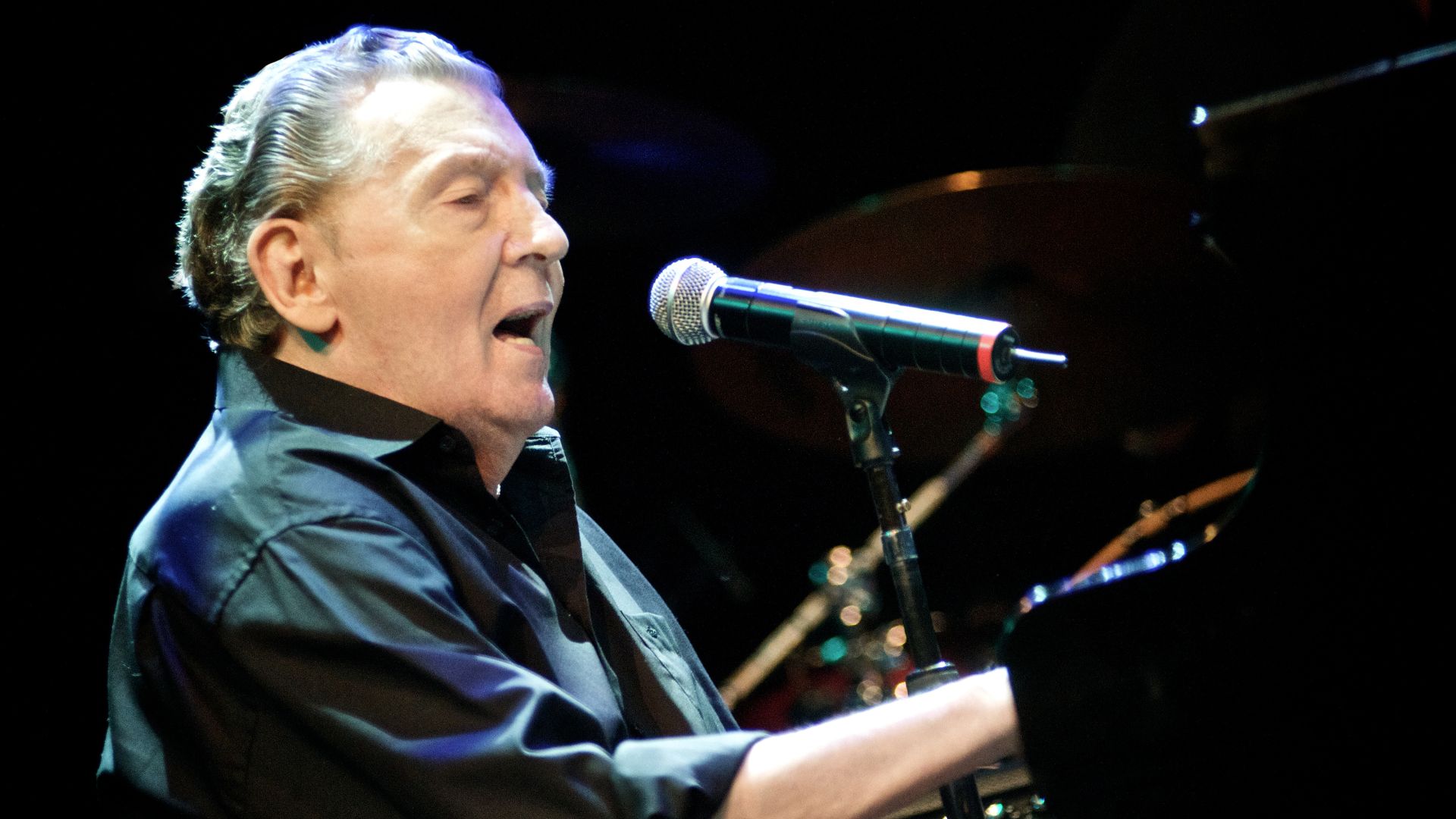
Jerry Lee Lewis Scared Graceland
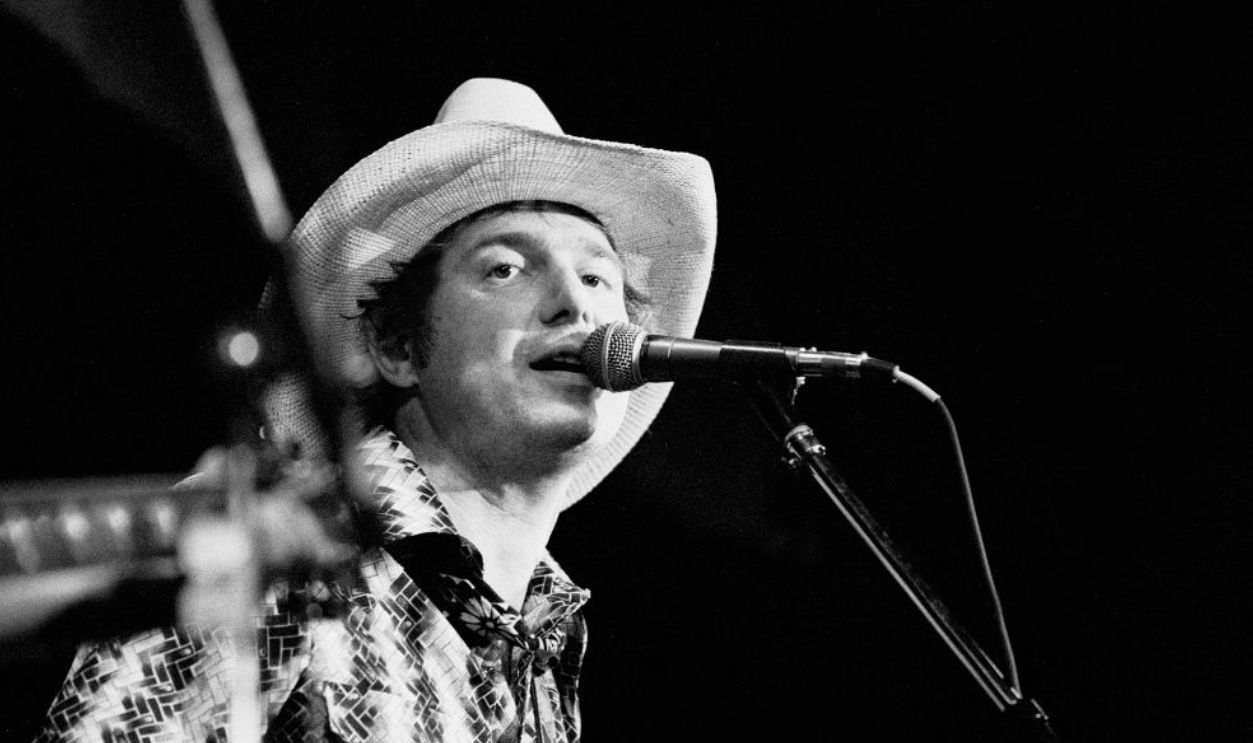
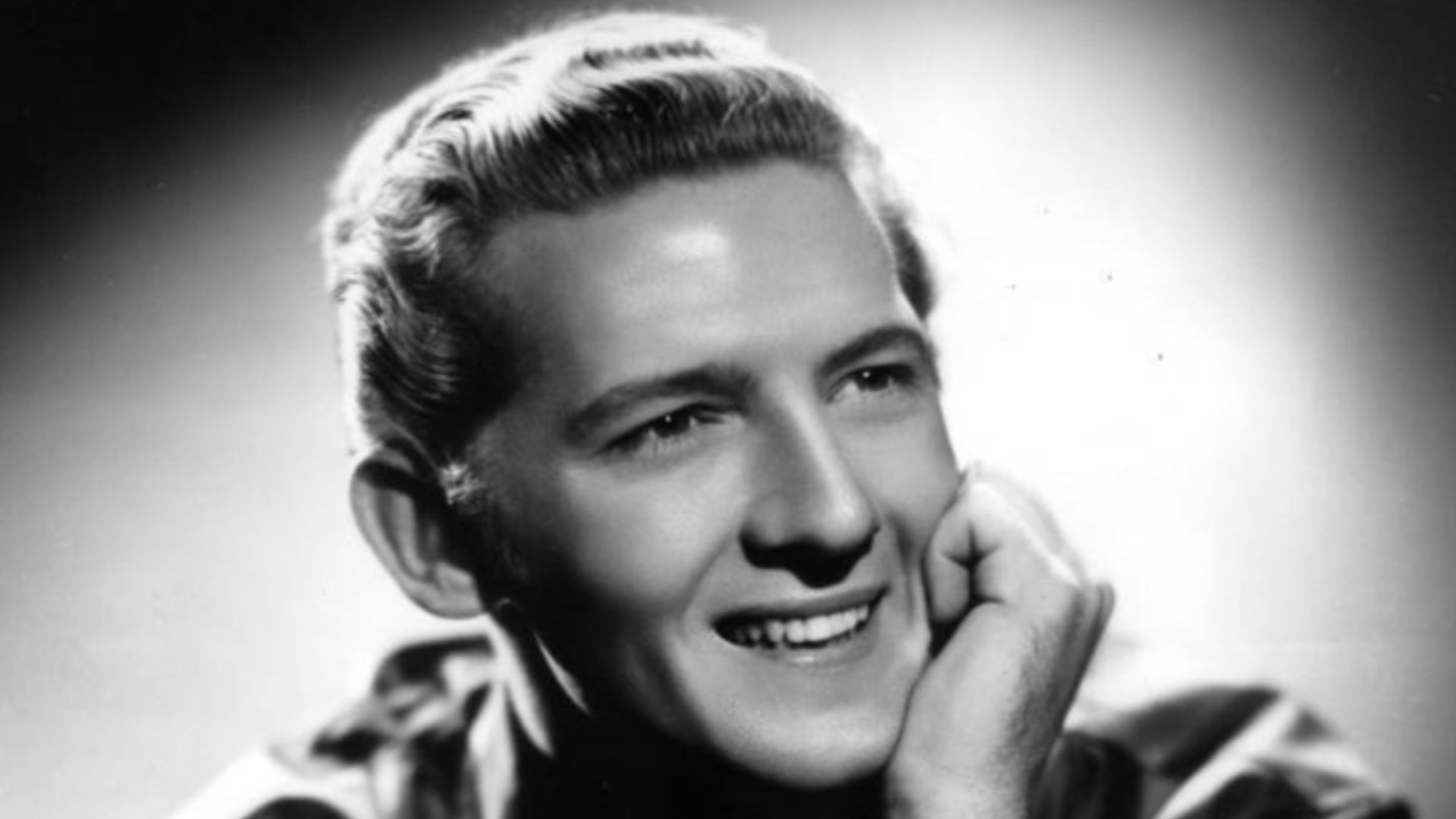
Jerry Lee Lewis had successfully reinvented himself as a country star by the 1970s, but his volatile personality hadn't changed a bit. In November 1976, he arrived at Elvis Presley's Graceland brandishing a revolver after a nightlong binge. He was brought in on charges of public intoxication and possession of a gun. Lewis maintained that he wanted to visit his old friend, but the bizarre episode became one of the most notorious run-ins with the law in music history.
 photographer:Maurice Seymour, Chicago., Wikimedia Commons
Lewis Had Another Incident
The Graceland arrest wasn't Lewis's only frightening episode that year. In September 1976, he opened fire inside his home, and a ricochet struck his bass player, Butch Owens. Owens survived. Though the incident was not the same as the later Graceland arrest, it showed how dangerous Lewis's unpredictable behavior could get during his country-music years.
 Silvio Tanaka from Sao Paulo, Brazil, Wikimedia Commons
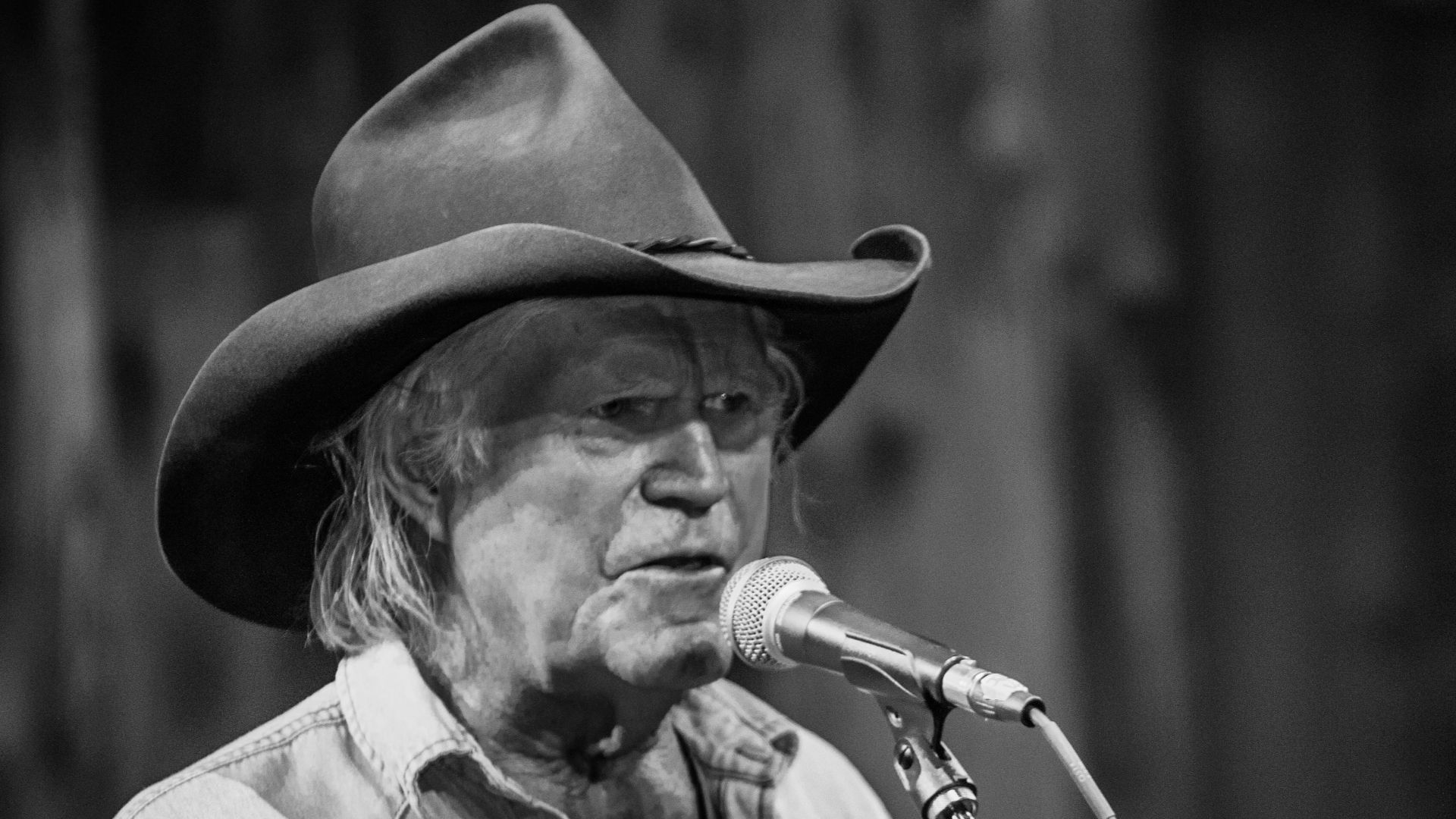
Billy Joe Shaver Faced Trial
Billy Joe Shaver helped define outlaw country through songs recorded by Waylon Jennings and others. Decades later, in 2007, he opened fire on Billy Coker outside a bar near Waco, Texas. Shaver maintained that he acted in self-defense. In April 2010, a jury acquitted him after deliberating for approximately two hours. The case gave one of country's great outlaw songwriters an extraordinary real-life courtroom drama.
 Republic Country Club, Wikimedia Commons
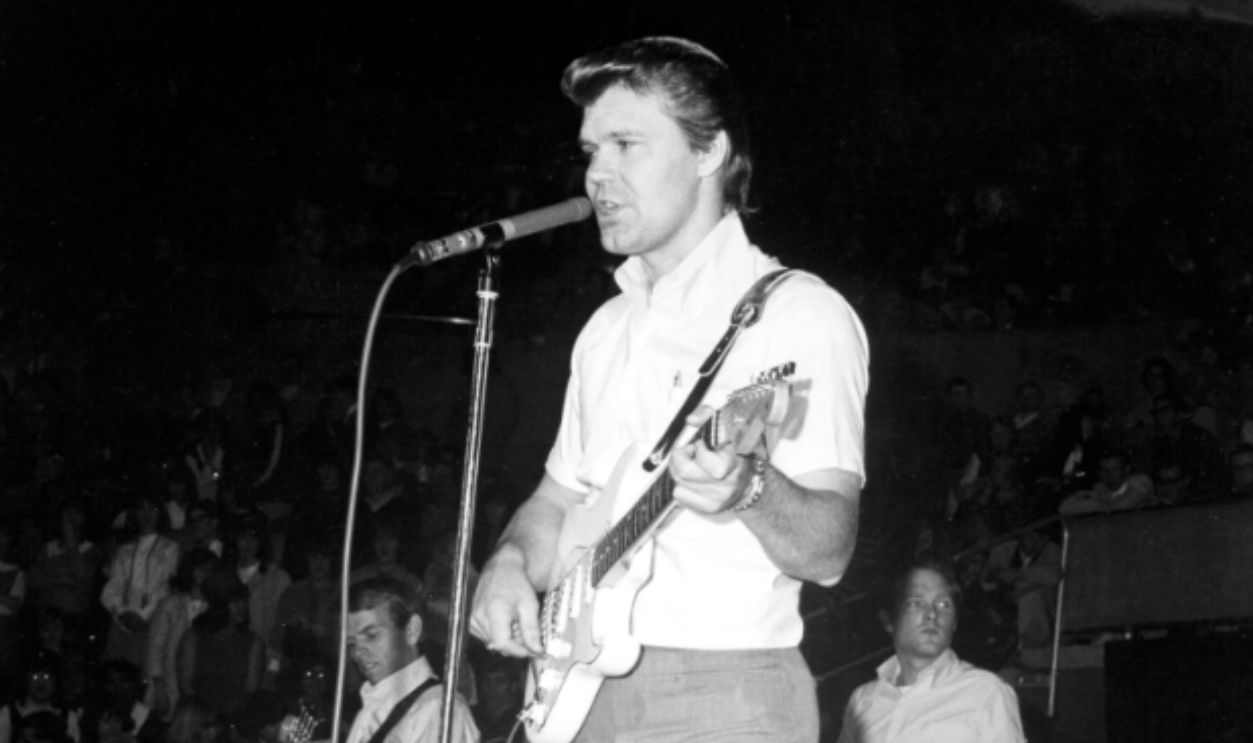
Glen Campbell's Troubling Arrest
Glen Campbell's polished image hardly suggested outlaw country, but the 1975 “Rhinestone Cowboy” singer eventually had a serious encounter with the law. In November 2003, officers locked him up after a traffic collision in Phoenix. Campbell subsequently pleaded guilty to extreme impaired driving and leaving the scene of an accident. He received a ten-day sentence behind bars and community service.
 Michael Ochs Archives, Getty Images
Steve Earle Did Time
Steve Earle arrived in Nashville in 1975 and learned from outlaw songwriters including Townes Van Zandt. His own breakthrough came in the 1980s with the album Guitar Town (1986). By the early 1990s, however, substance problems had derailed his career. In 1994, he received an eighteen-month sentence for possession. Following his release and treatment, Earle returned with some of the most acclaimed music of his career.
 Photo by David Corio/Redferns, Getty Images
The Outlaw Image Had Consequences
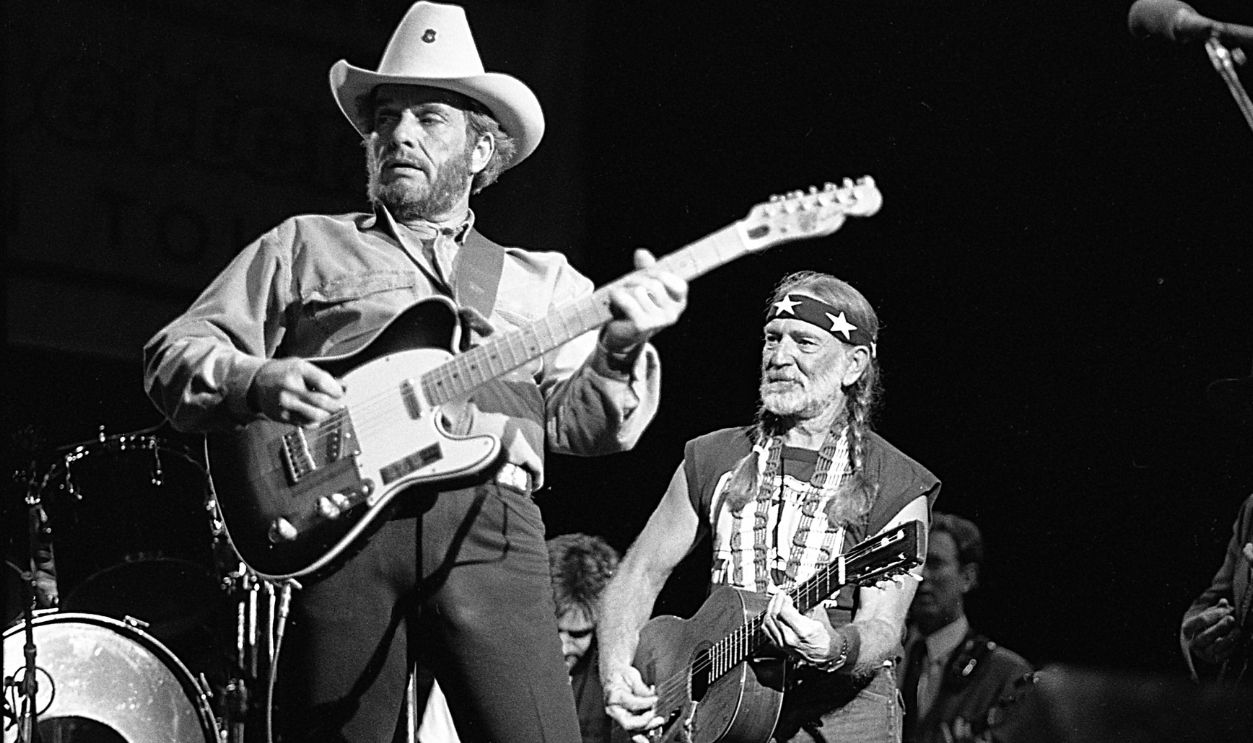
By the end of the 1970s, outlaw country had become a major commercial force. Willie Nelson, Waylon Jennings, Johnny Paycheck, and David Allan Coe helped turn rebellion into a recognizable musical identity. But their histories were very different. Some had a seriously checkered past before becoming famous; others had run-ins with the authorities during their careers, while still others like Glen Campbell faced charges decades afterward. The romantic image concealed some genuinely troubling experiences.
Some Legends Changed Their Lives
For several of these performers, the most remarkable part of the story wasn't the incident itself, but what happened afterward. Haggard built a legendary career after his release. Steve Earle rebuilt his after incarceration and treatment. Willie Nelson eventually resolved his tax difficulties. Their experiences suggest that the outlaw label could describe a painful chapter rather than an entire life, even when the public preferred to focus on the wilder version of the story.
Outlaws In More Than Name
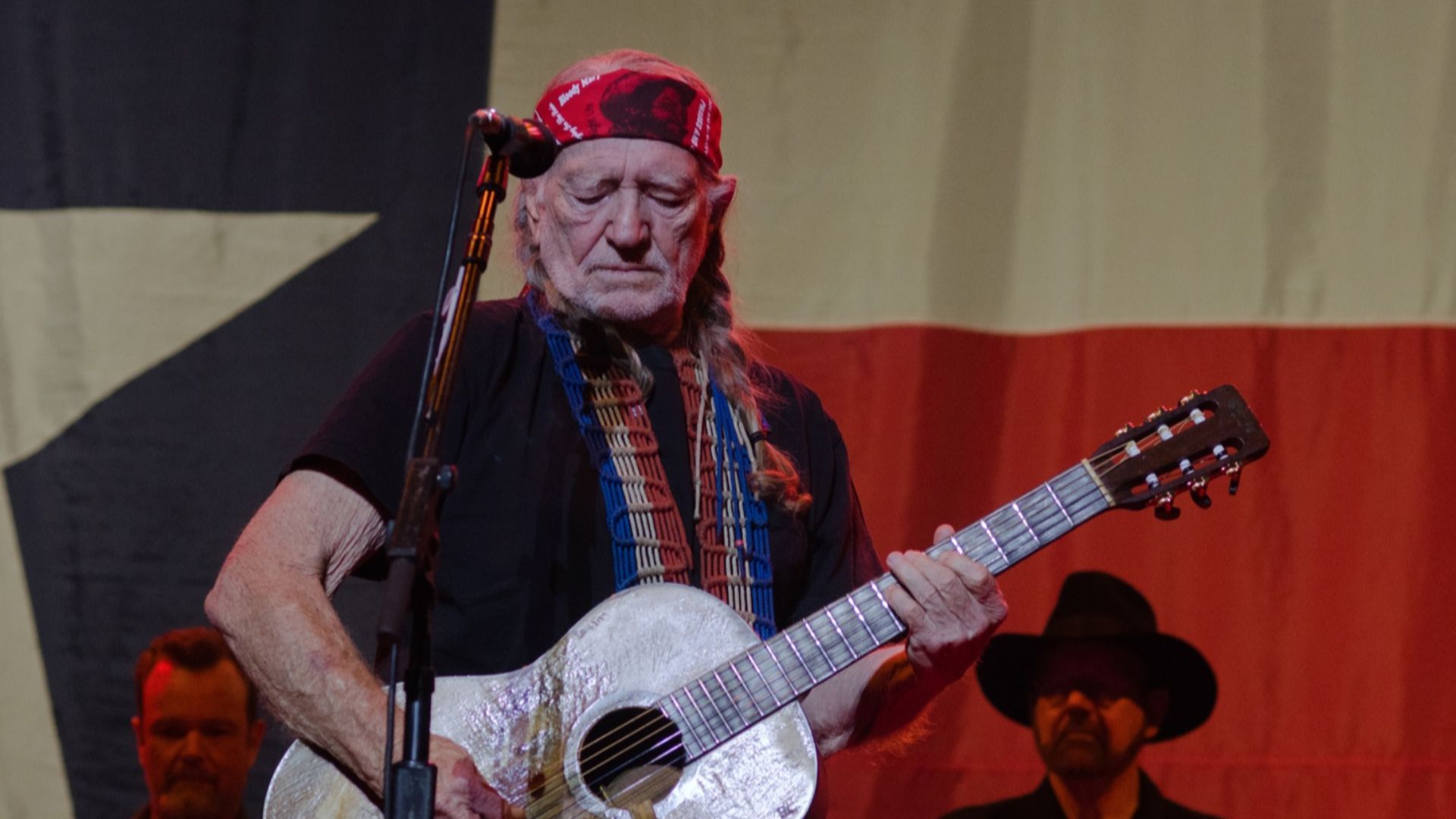
Country music has always loved a rebellious character, but the stars of the 1970s gave that tradition a new intensity. Some simply wanted control of their music. Others had convictions, unpredictable behavior, or spectacular encounters with the authorities as claims to fame. Their stories remind us that there's a big difference between singing about trouble and experiencing its consequences firsthand.
 Cherie Diez, Wikimedia Commons
You May Also Like:
Outlaw Country Legends Who Would Eat Today's "Stars" For Breakfast
Outlaw Facts About Kris Kristofferson, Hollywood’s Singing Movie Star
Sources: 1, 2, 3, 4, 5, 6, 7, 8, 9, 10, 11,12, 13, 14, 15, 16, 17