A Love Song With A Heartbreaking Secret
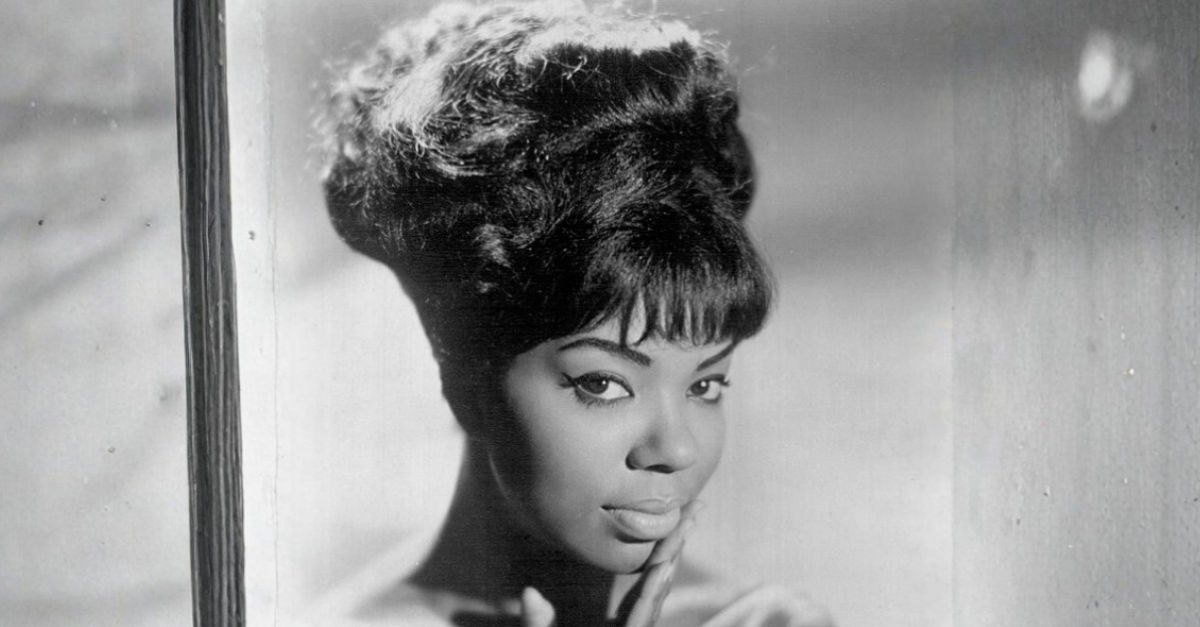
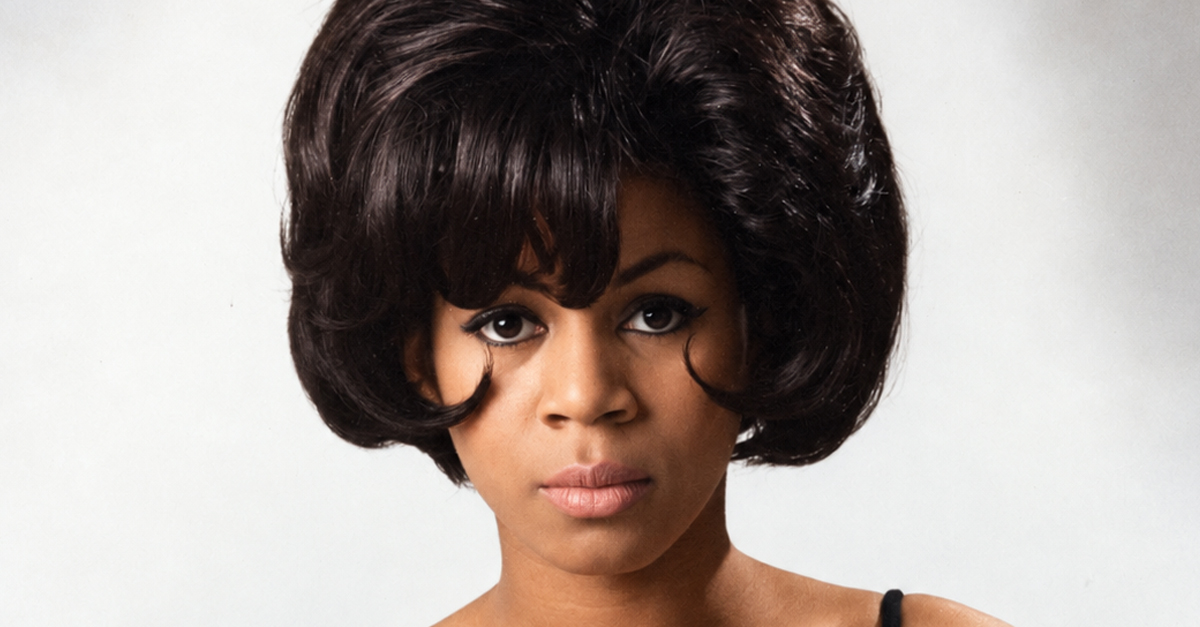
In 1975, Minnie Riperton captivated the world with “Lovin’ You,” a gorgeous ballad that showcased one of the most extraordinary voices in music. What many listeners didn't realize was that the song had begun as a lullaby for her baby daughter, whose name Riperton even sang on the recording. Just four years later, tragedy would strike, leaving that little girl to grow up without her mother and eventually become one of Hollywood's most beloved comedians.
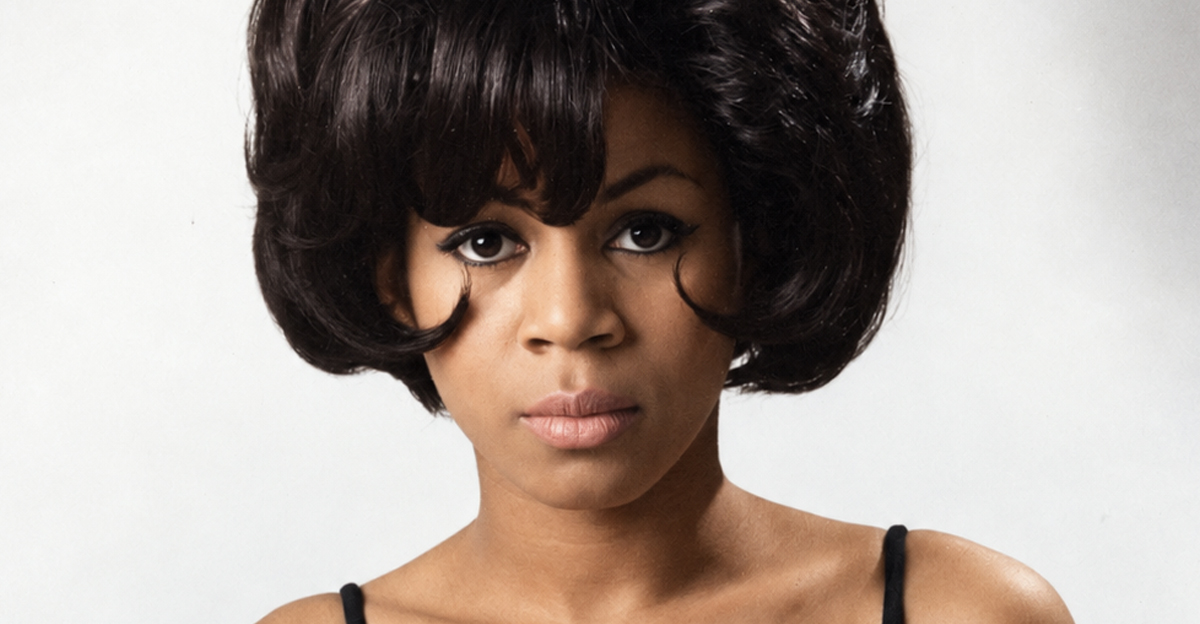 Michael Ochs Archive/Getty Images
The Voice That Seemed Impossible
Born in Chicago on November 8, 1947, Minnie Riperton possessed a remarkable vocal gift that distinguished her from nearly every other singer of her generation. Her range reportedly stretched across five octaves, allowing her to reach astonishingly high notes that few performers could reproduce. Those dazzling notes would eventually become her trademark, but her journey to stardom began long before audiences heard “Lovin’ You.”
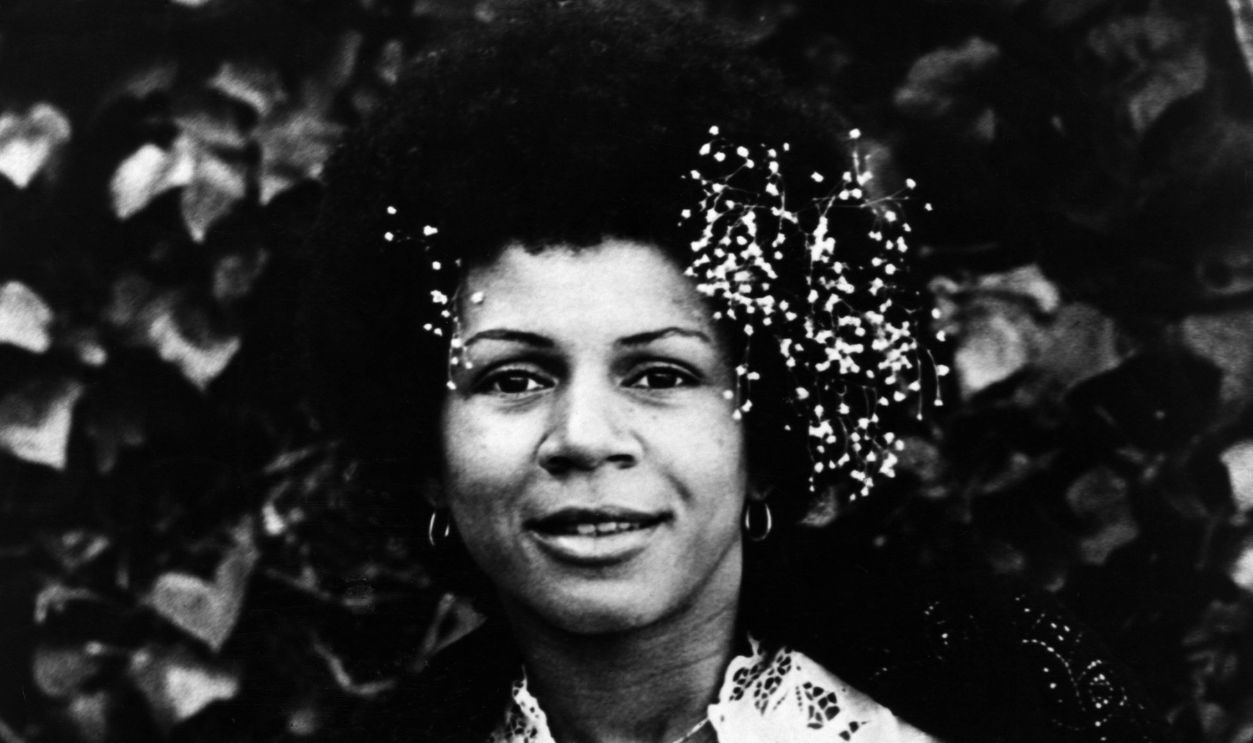
She Was A Musical Prodigy
As a child, Riperton studied music, dance, and drama at Chicago's Abraham Lincoln Center, developing the skills that would shape her extraordinary career. She received classical vocal training and initially considered pursuing opera before discovering that her heart belonged to popular music. By her teenage years, she was already taking her first serious steps into Chicago's flourishing music industry.
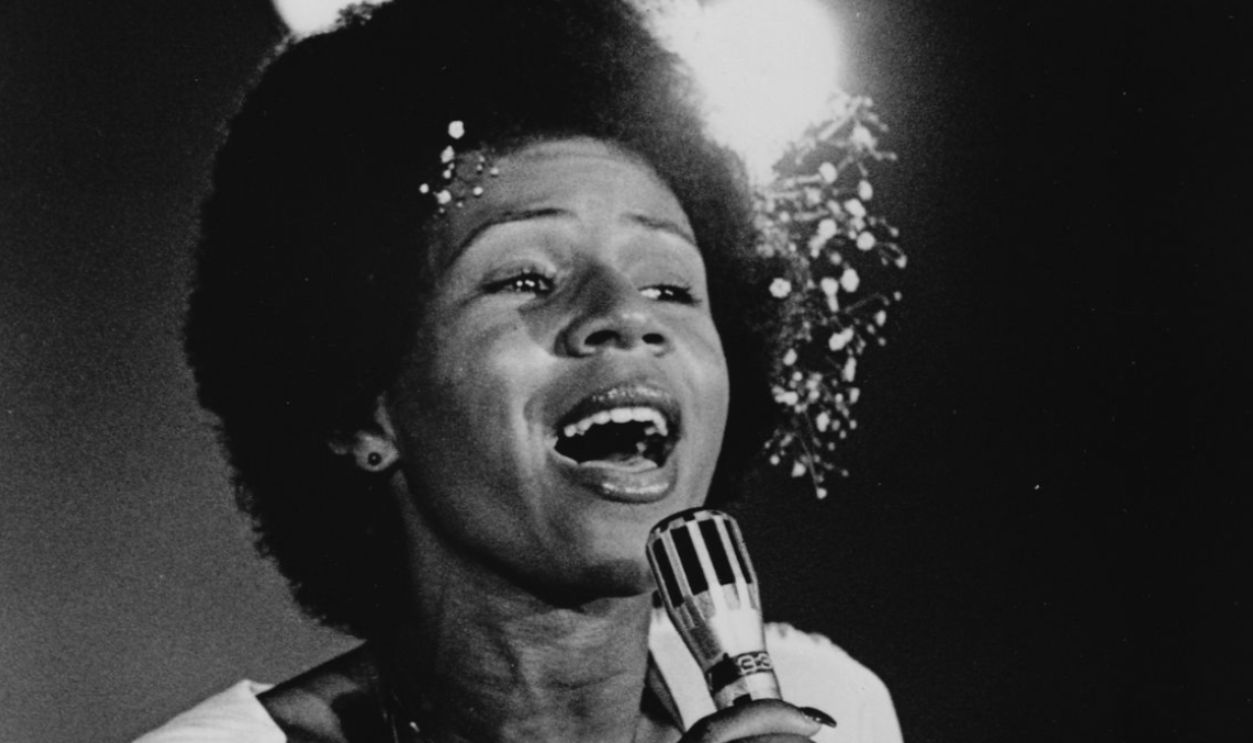
Her First Big Break Was Behind The Scenes
During the early 1960s, Riperton joined a Chicago girl group called the Gems, which recorded for the influential Chess Records label. She also worked as a receptionist at Chess while contributing background vocals to recordings by established performers. Among the artists whose recordings benefited from her talent were Etta James and Fontella Bass, although Riperton was still waiting for her own moment in the spotlight.
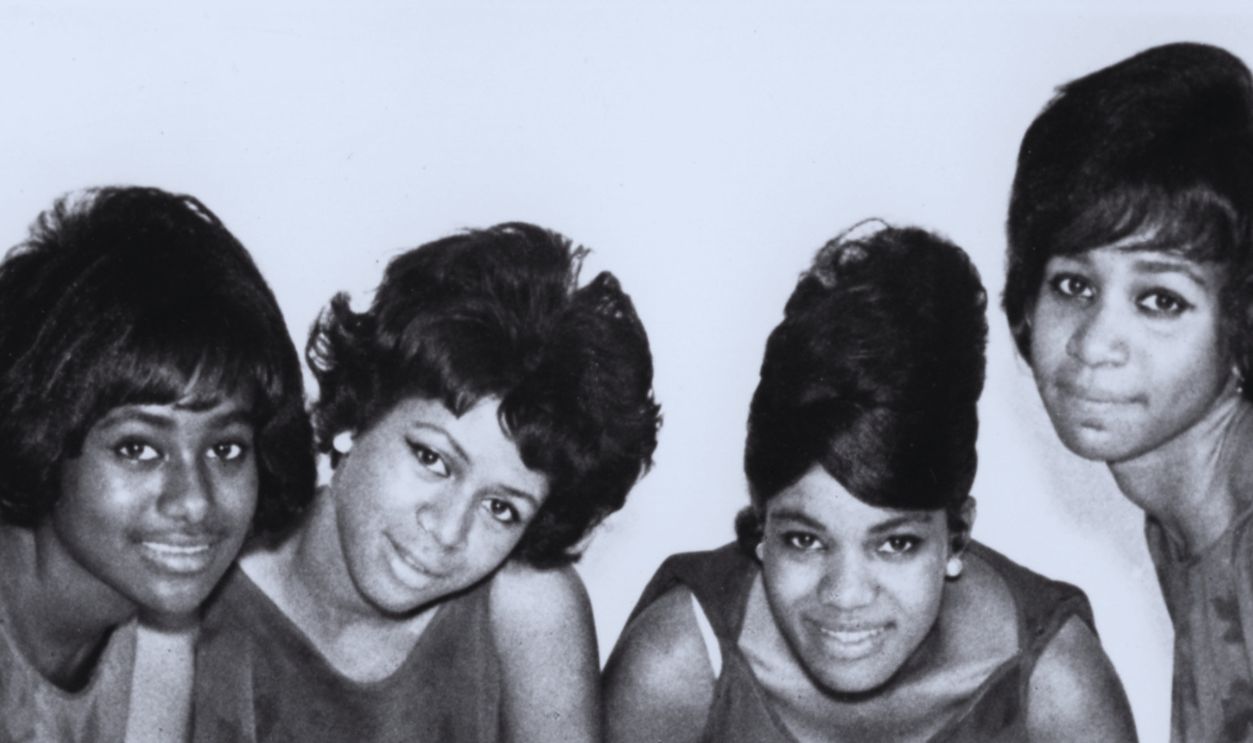 Michael Ochs Archives, Getty Images
She Joined A Band That Broke The Rules
Riperton's career took an adventurous turn when she became the lead singer of Rotary Connection, an experimental group that blended soul, rock, and psychedelic music. The band released several albums during the late 1960s and performed alongside major acts, including the Rolling Stones and Janis Joplin. Its unconventional sound gave Riperton an opportunity to explore the full possibilities of her voice, but an even more important relationship was developing away from the stage.
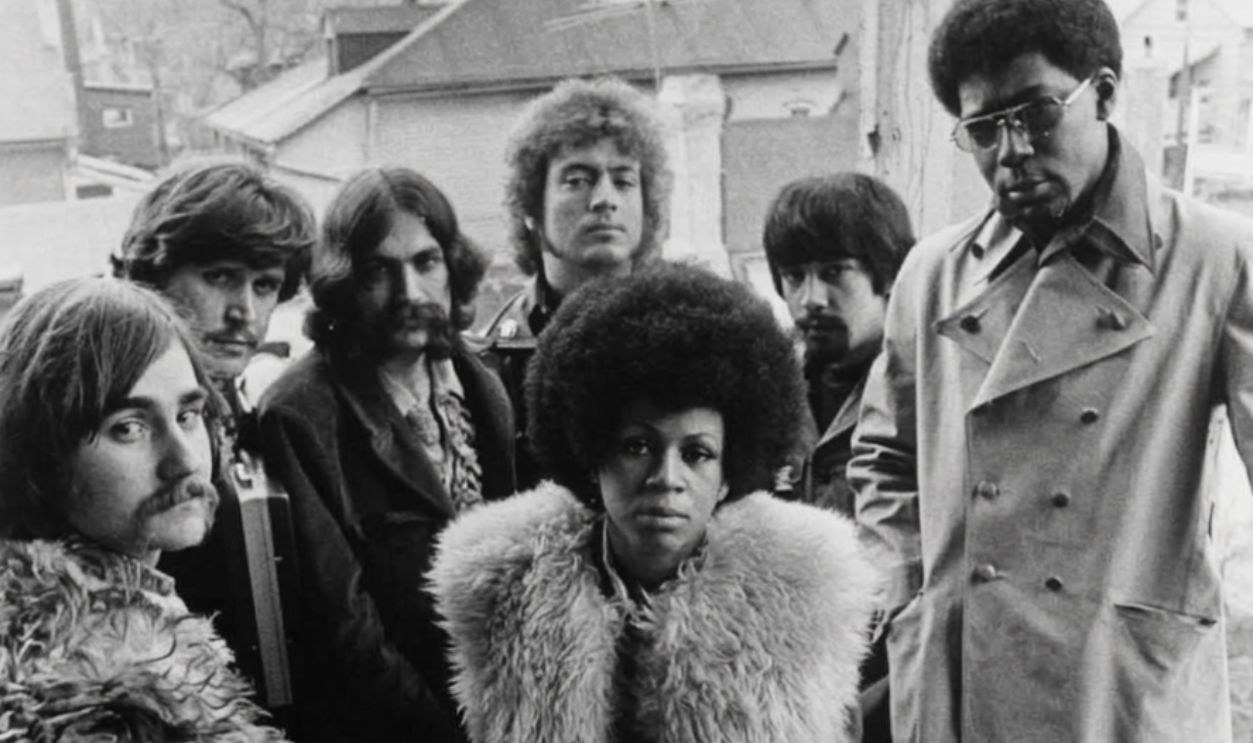 Gilles Petard, Getty Images, Modified
She Met The Man Who Changed Everything
While working in Chicago's music scene, Riperton met a young songwriter and musician named Richard Rudolph, who would become her husband and creative partner. Richard later recalled meeting her at a rock club where he worked, describing an immediate connection between them. Their relationship quickly became a personal and musical partnership, with Richard helping write the songs that would eventually make his wife famous.
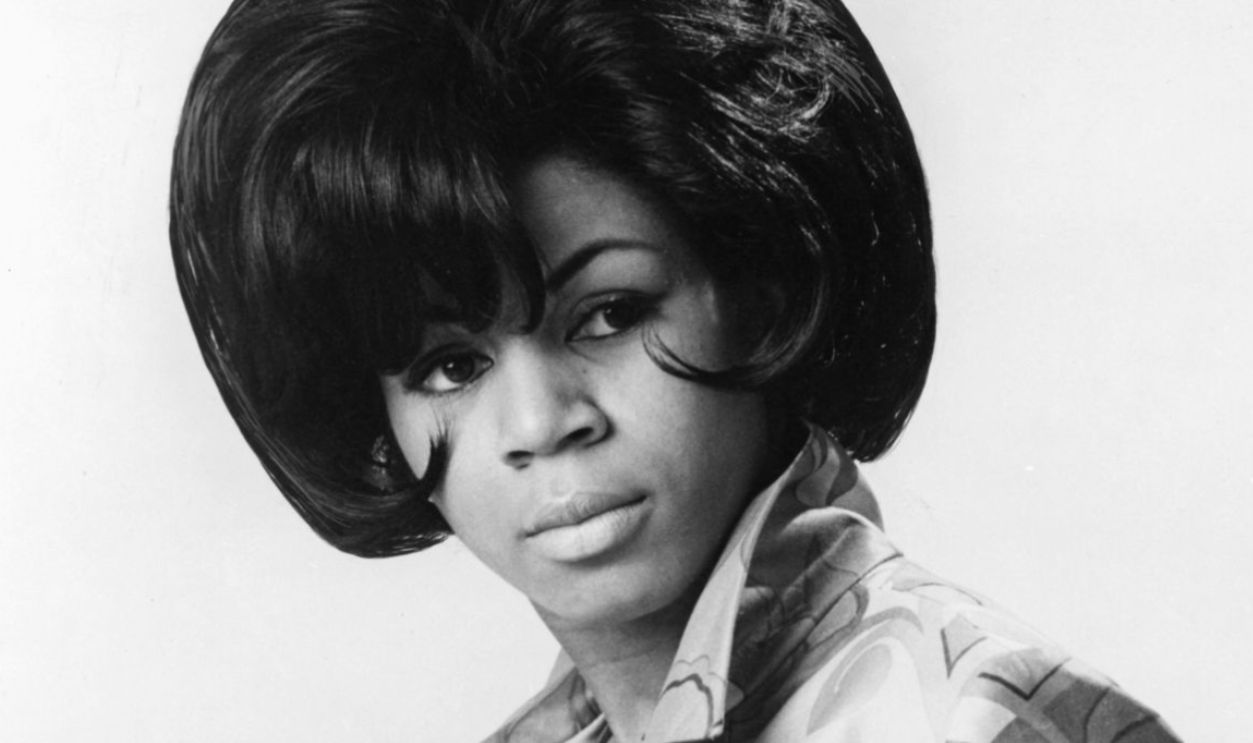 Michael Ochs Archives, Getty Images
Their First Album Didn't Take Off
In 1970, Riperton released her solo debut, Come to My Garden, an ambitious album produced by musician and arranger Charles Stepney. Although the record later earned considerable admiration, it failed to generate significant commercial success when it first appeared. Disappointed by the industry's response, Minnie and Richard relocated to Gainesville, Florida, where their lives took a quieter and more domestic turn.
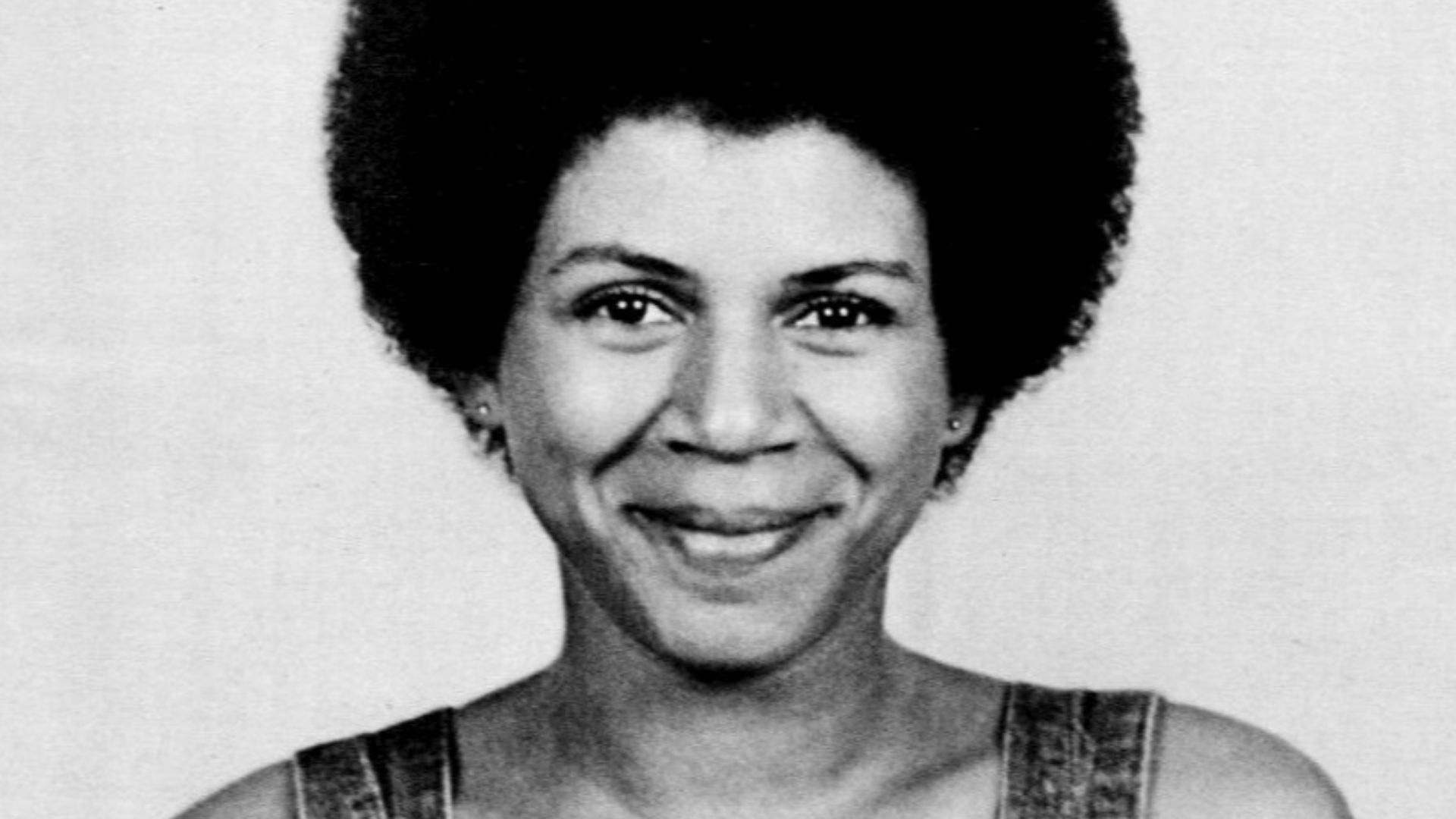 Epic Records, Wikimedia Commons
A Baby Girl Changed Their World
The couple already had a son, Marc, when their daughter Maya was born on July 27, 1972, in Gainesville. With two young children, Minnie and Richard spent their days balancing family life with songwriting, often making music together at home. Neither parent could have imagined that a melody they played for their little girl would eventually become one of the most recognizable songs of the decade.
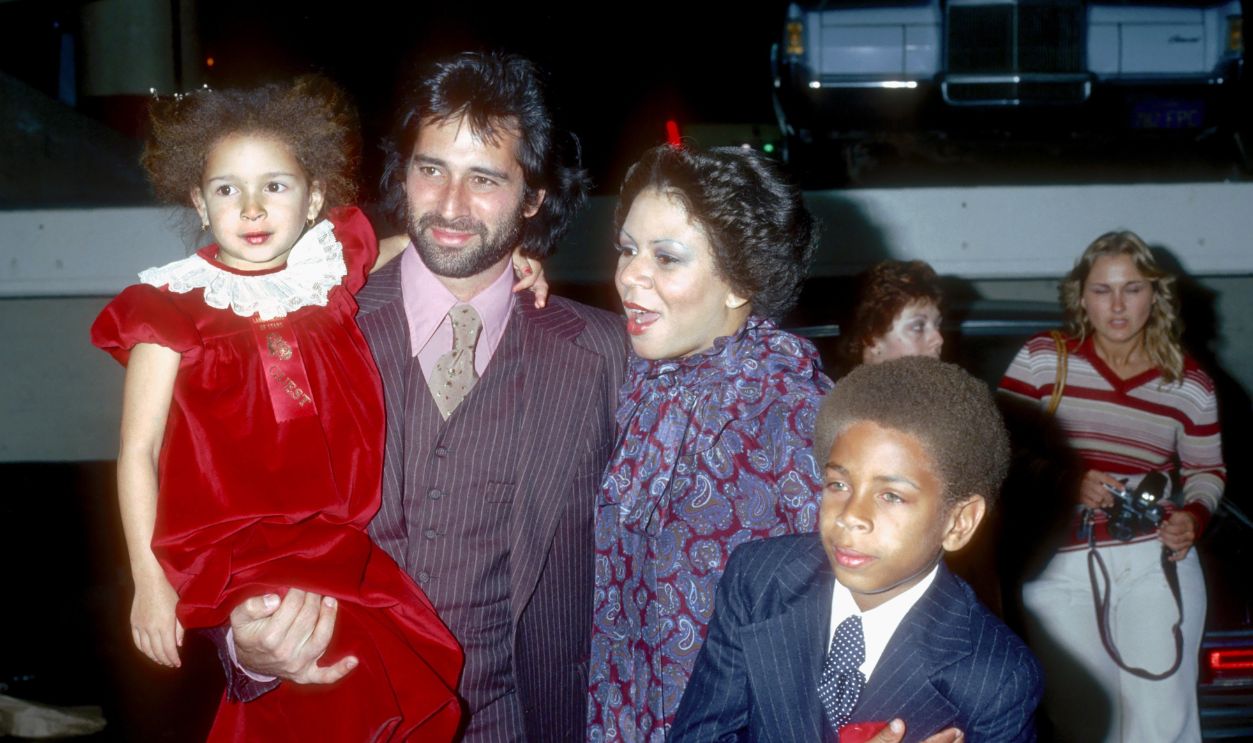 Michael Ochs Archives, Getty Imgaes
A Lullaby Became Something Bigger
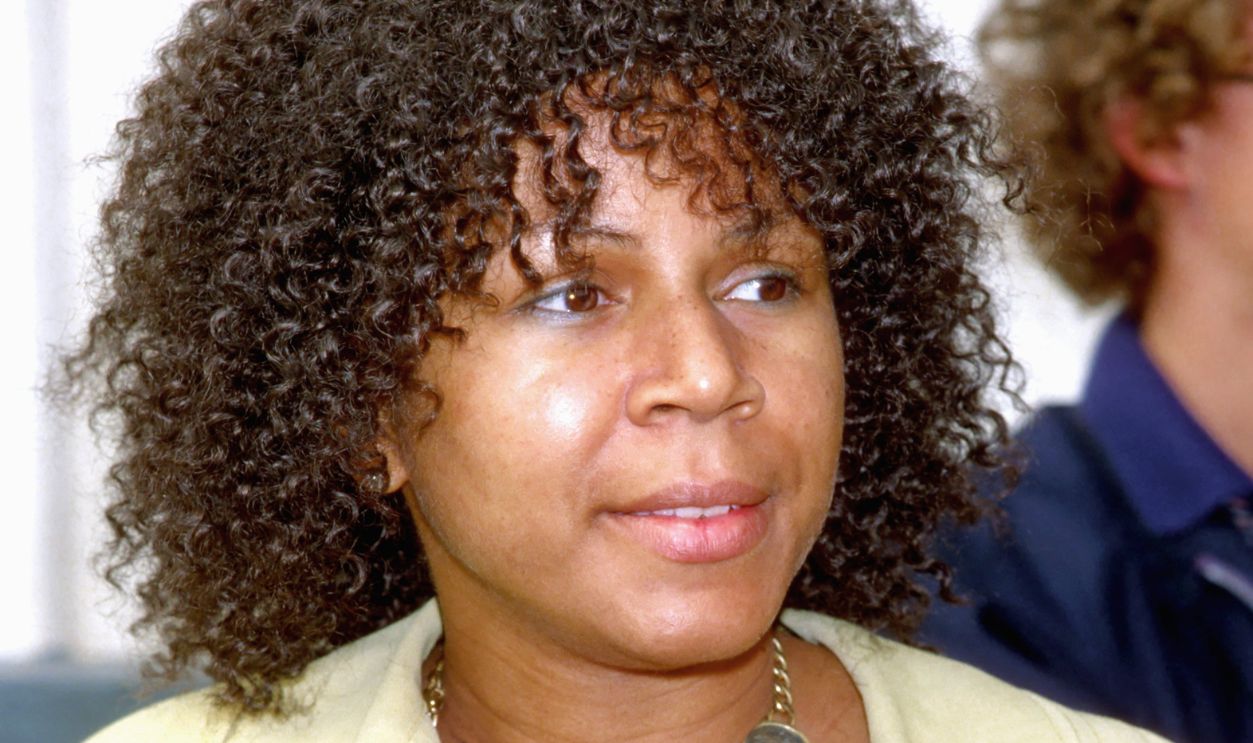
Richard had begun developing the music for “Lovin’ You” in 1971, before Maya was born, but the song gradually evolved as the family settled into life in Florida. According to Richard, Minnie began humming along while he played it, contributing the beautiful melody that would become its defining feature. Richard developed the lyrics and bridge, and the couple soon discovered that their baby daughter particularly loved hearing the music.
 Michael Ochs Archives, Getty Imgaes
The Song Had A Surprisingly Practical Purpose
Maya was apparently a rather demanding baby, and her parents discovered that playing their recording could help keep her entertained. Richard later explained that they created a repeating tape of the unfinished song to play while Maya sat in her baby swing. The music helped the couple enjoy a little private time together, giving the future worldwide hit an unexpectedly ordinary beginning.
Stevie Wonder Entered The Picture
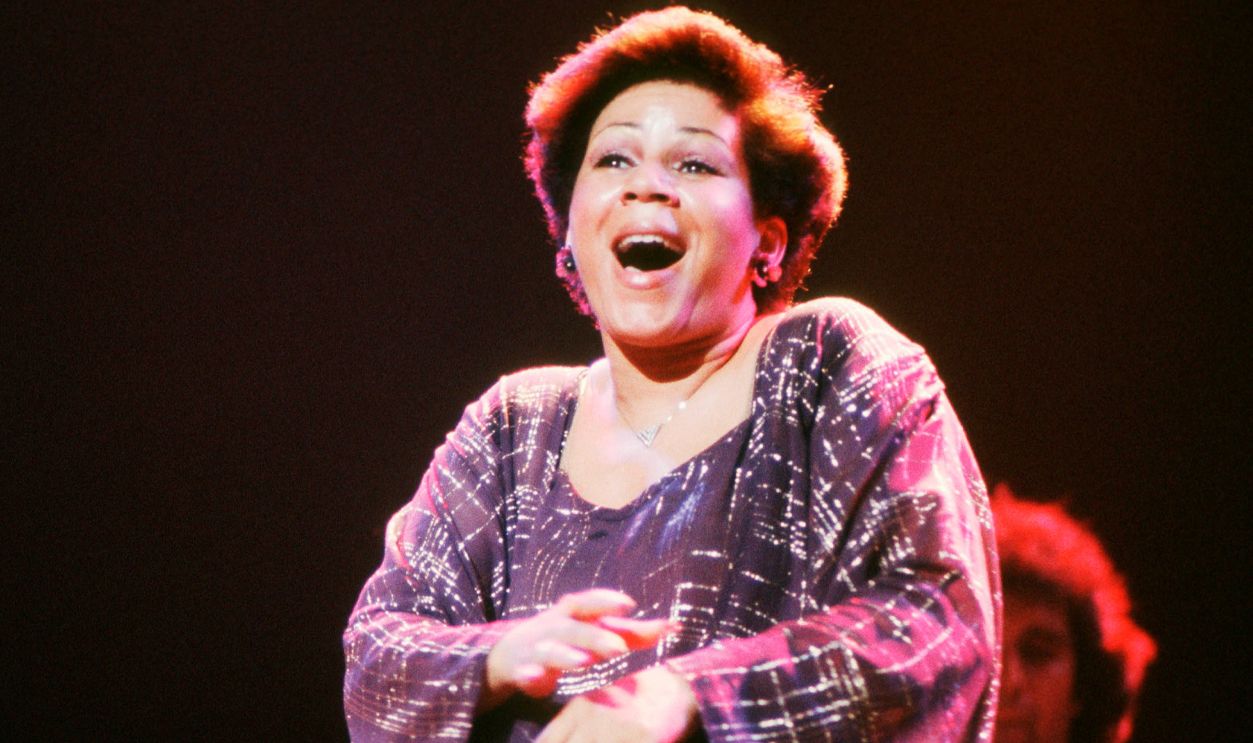
Riperton's fortunes changed when she returned to the recording industry and began working with Stevie Wonder, one of the biggest stars in popular music. Wonder recognized her extraordinary abilities and helped produce her second solo album, Perfect Angel, which was released in 1974. His involvement gave Riperton a new opportunity to reach mainstream audiences, but one particular song would transform everything.
 Michael Ochs Archives, Getty Images
The Recording Was A Family Affair
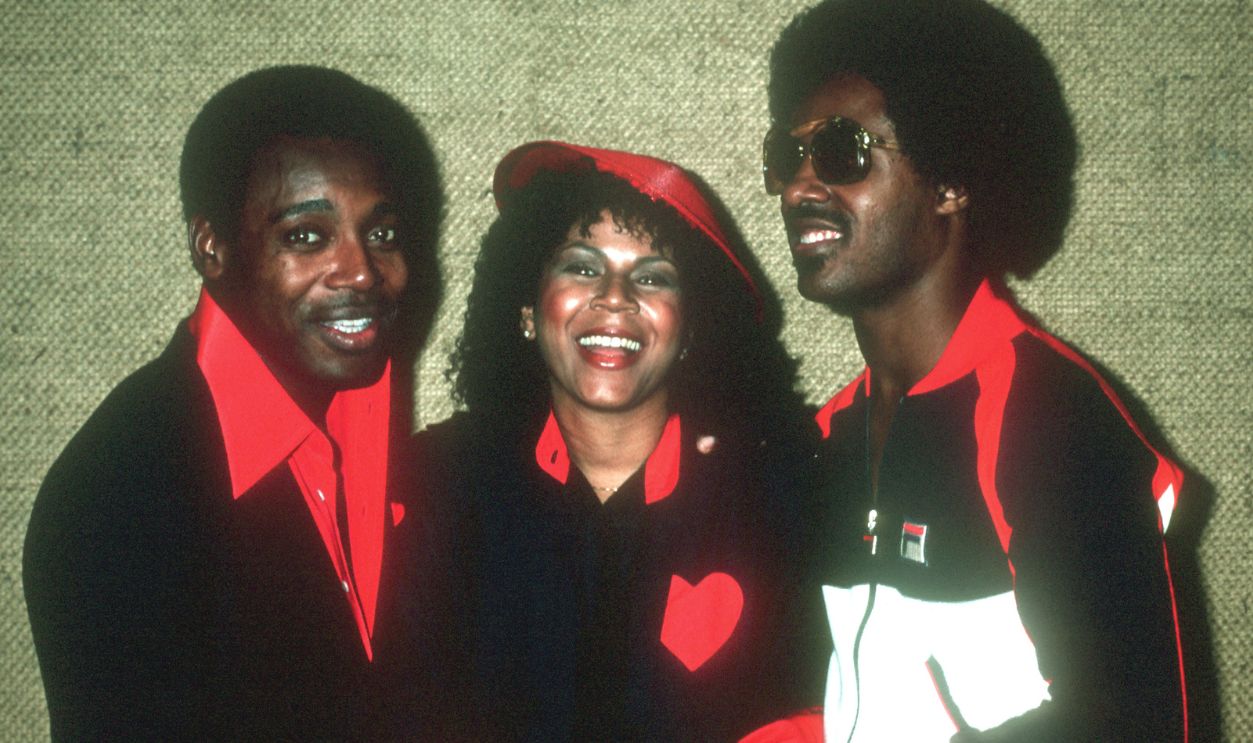
“Lovin’ You” became one of the standout tracks on Perfect Angel, featuring Riperton's delicate vocals and Richard's acoustic guitar. Wonder helped shape the recording, which included the distinctive sound of birds singing in the background. According to Richard, Wonder wanted to recreate the natural atmosphere of the couple's original home recording, making the finished song feel unusually intimate.
 Michael Ochs Archives, Getty Images
She Left Her Daughter A Special Message
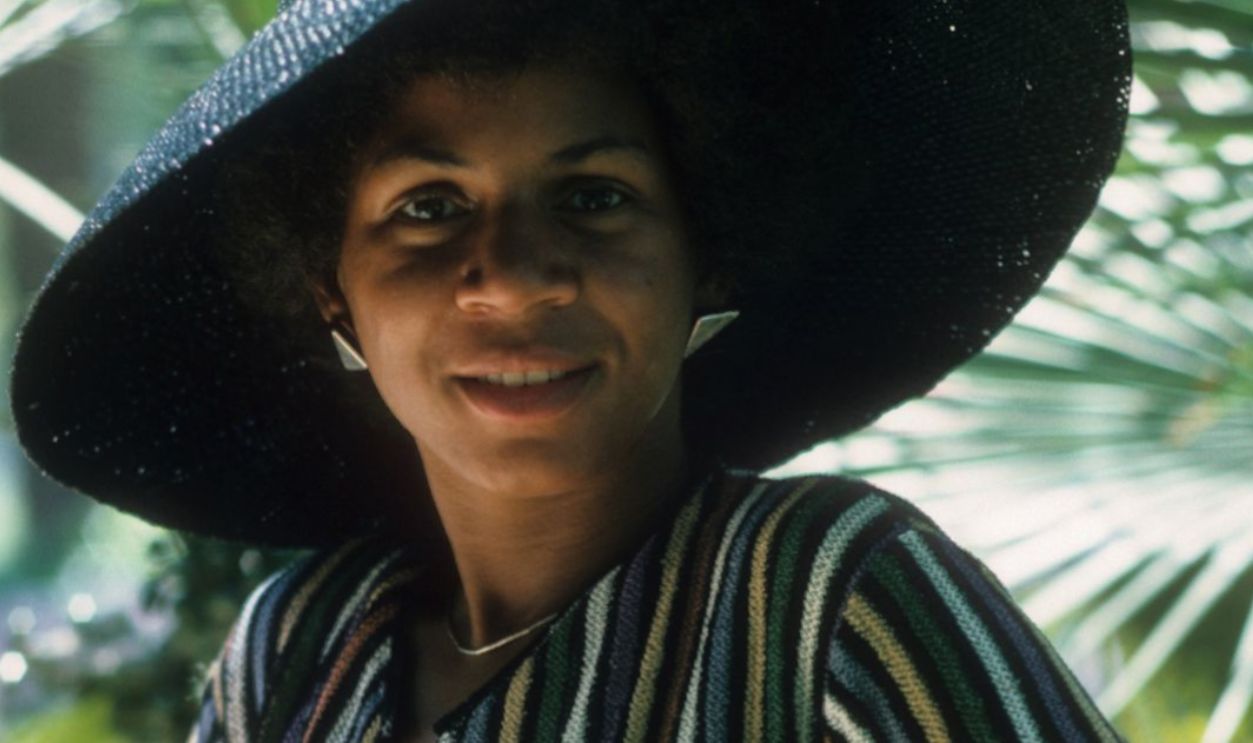
Near the end of the album version of “Lovin’ You,” Riperton can be heard repeatedly singing her daughter's name, Maya. Although the song's romantic lyrics weren't written exclusively about the baby, its origins as a family lullaby gave the recording a deeply personal significance. Years later, Maya would explain that she had always known her name was part of her mother's most famous song, a small detail that would become especially meaningful after tragedy struck.
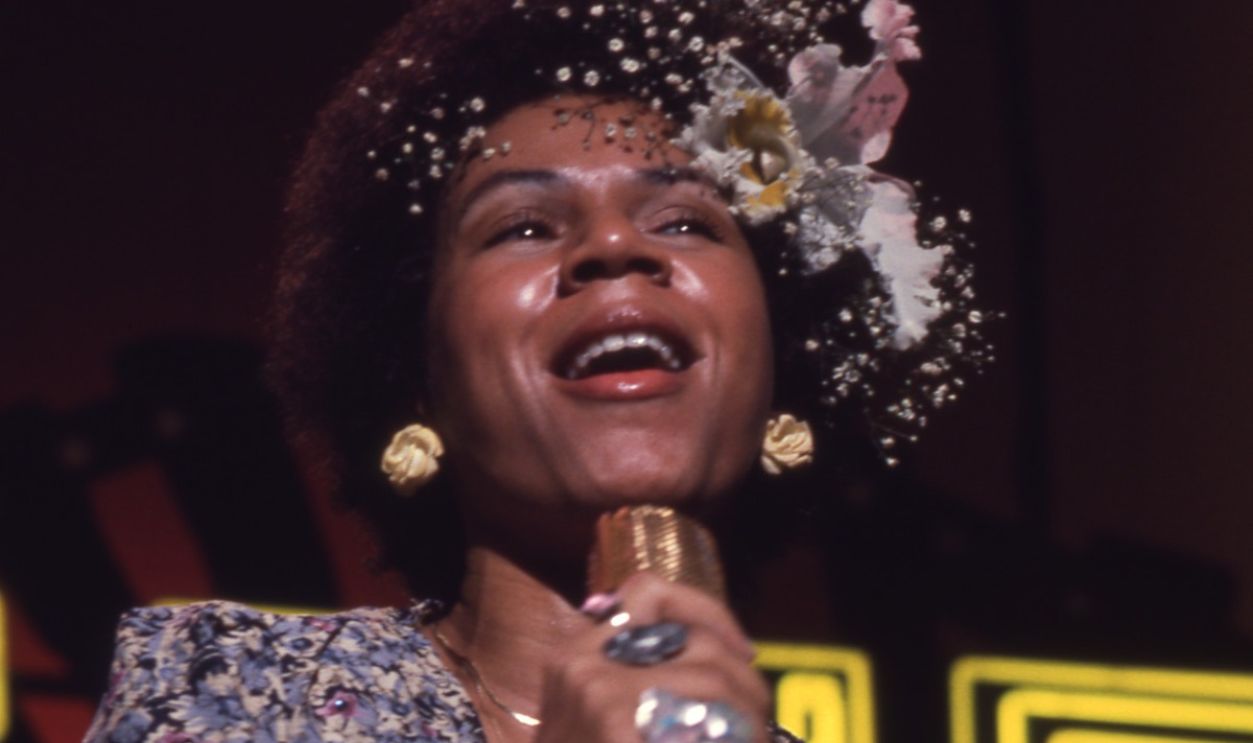
Suddenly, Everyone Knew Her Name
Released as a single in 1975, “Lovin’ You” climbed to number one on the Billboard Hot 100 and turned Riperton into an international star. Its gentle arrangement stood apart from much of the popular music of the era, while her breathtaking high notes made the recording instantly recognizable. After years of working toward success, Minnie finally had the breakthrough she deserved, and her family was right there to experience it.
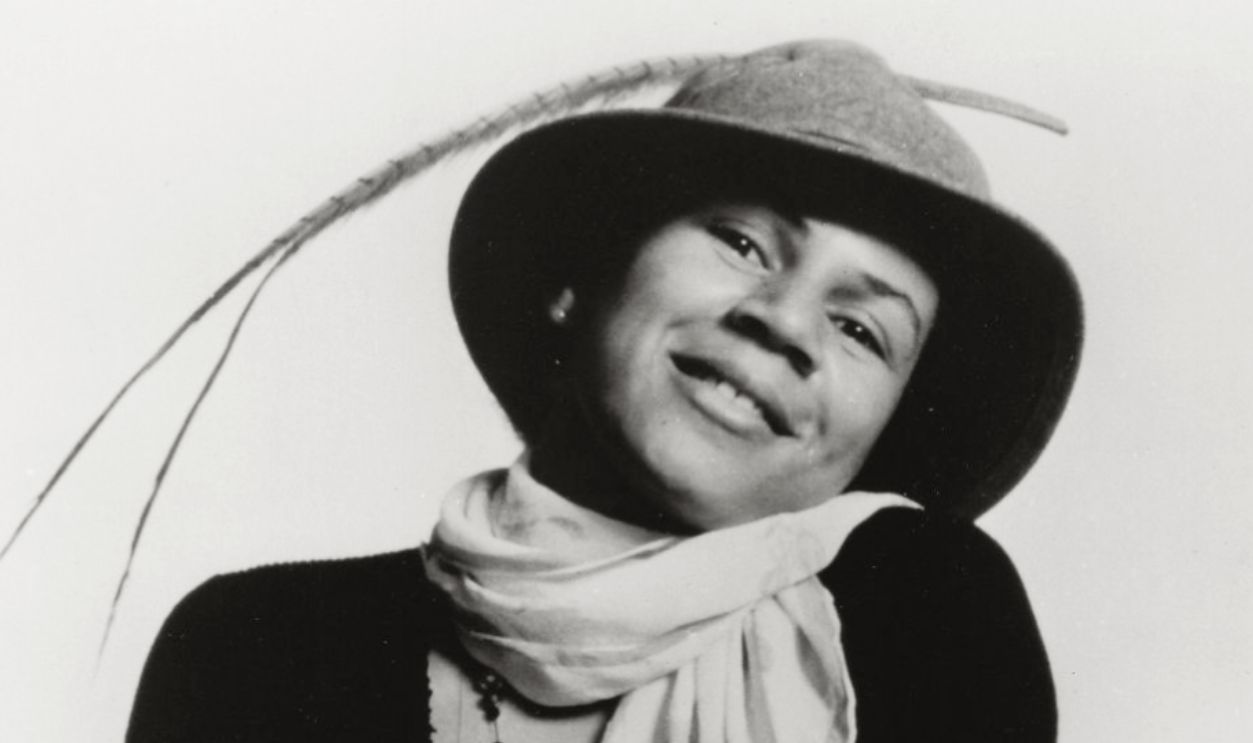
Her Children Were Always Close
Even as Riperton's popularity grew, she remained determined to keep her family together while pursuing her career. Maya later recalled that her mother disliked being separated from her children, so the family frequently traveled together when Minnie performed. Richard played guitar on the road, while Maya and Marc became accustomed to spending their childhood backstage, surrounded by musicians and performers.
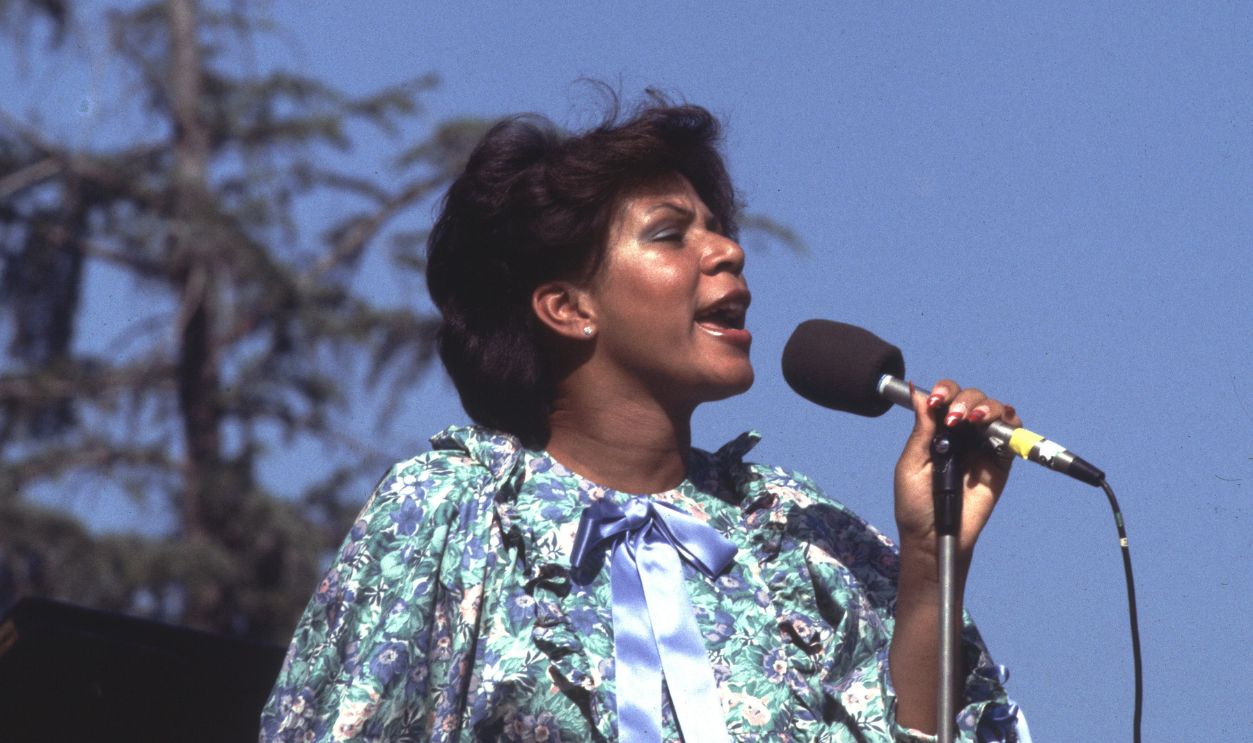
Maya Grew Up In An Unusual World
For Maya, having a famous singer for a mother wasn't particularly strange because music had always been part of her everyday life. She remembered watching Minnie perform in beautiful gowns and seeing the commanding presence her mother brought to the stage. In one especially memorable childhood incident, Maya lost a tooth while the family was traveling through casino country and discovered that the tooth fairy had left her a casino chip.
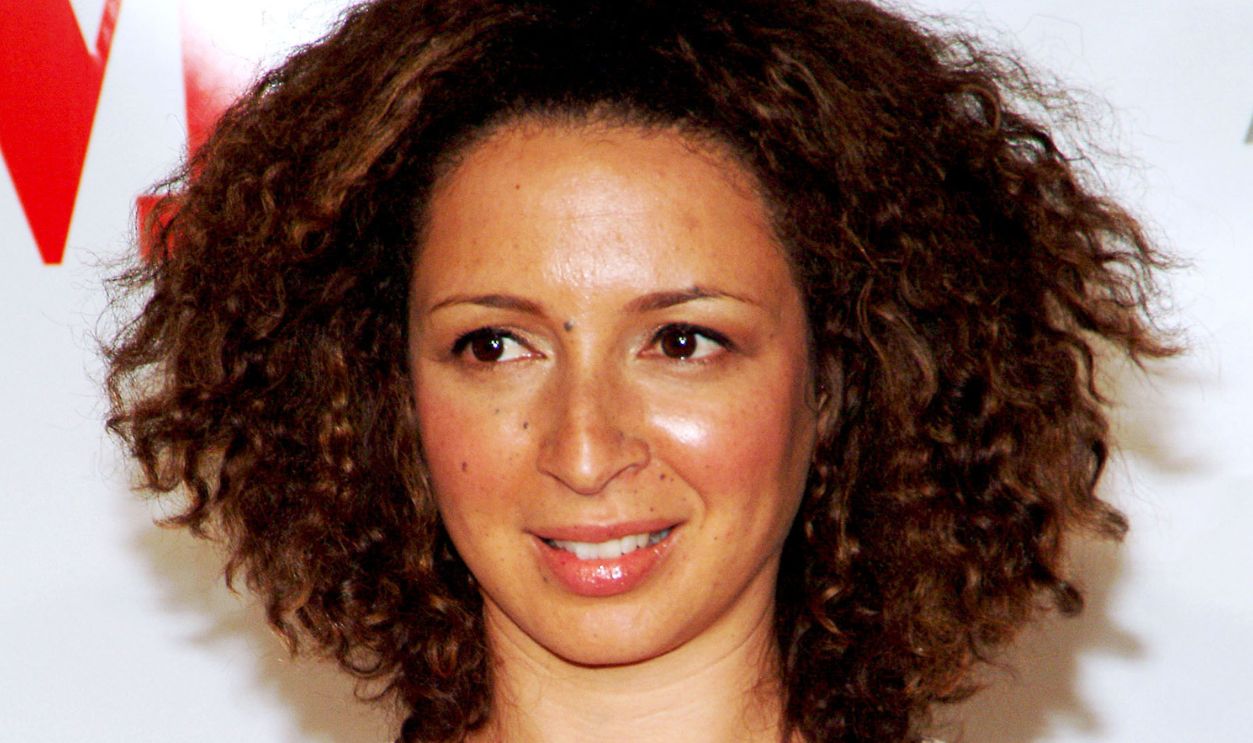
Then Came The Devastating Diagnosis
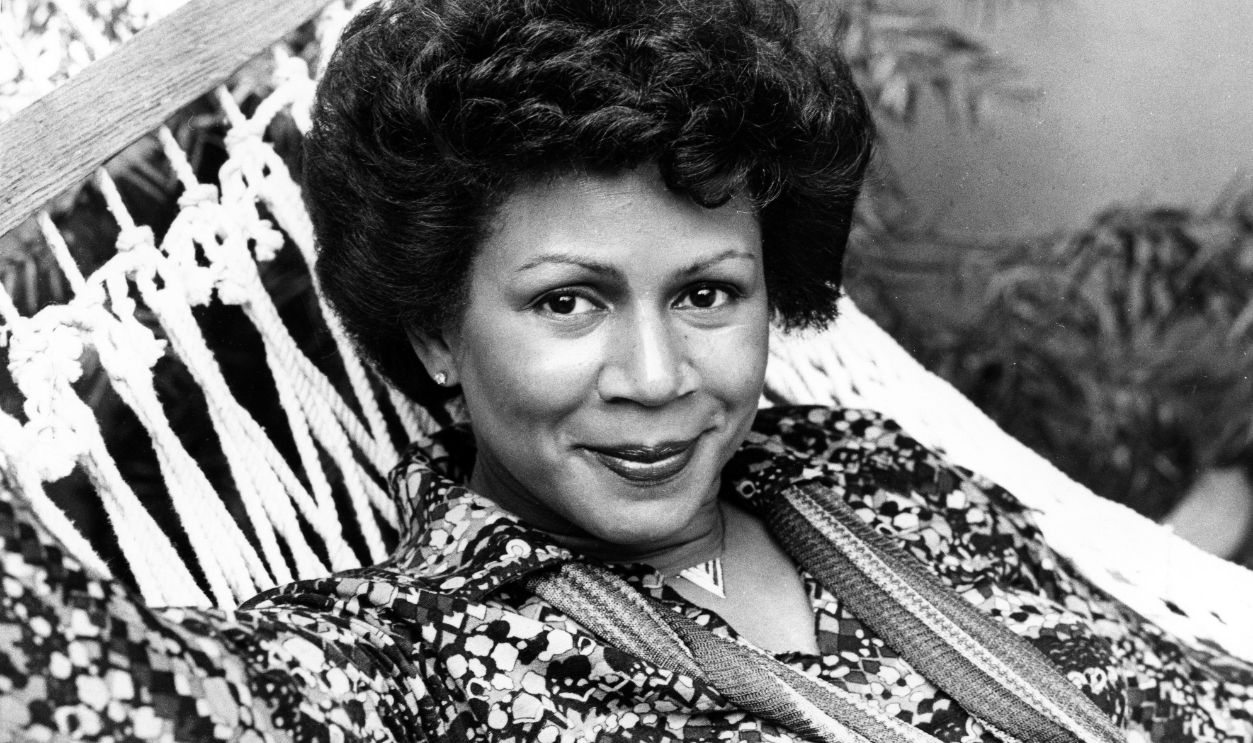
In 1976, when Riperton was just 28 years old, doctors diagnosed her with breast cancer. She underwent a mastectomy, but the disease had already spread, and her prognosis was extremely serious. The diagnosis arrived just as her career was flourishing, threatening the future she had worked so hard to build with her husband and children.
 Michael Ochs Archives, Getty Imgaes
She Refused To Disappear
Rather than retreat entirely from public life, Riperton chose to speak openly about her illness at a time when cancer was often discussed in whispers. She appeared on national television and became an advocate for breast cancer awareness, eventually serving as a national educational spokesperson for the American Cancer Society. Her courage earned widespread admiration, including recognition from President Jimmy Carter, but she also continued making music whenever her health allowed.
She Kept Singing Through The Pain
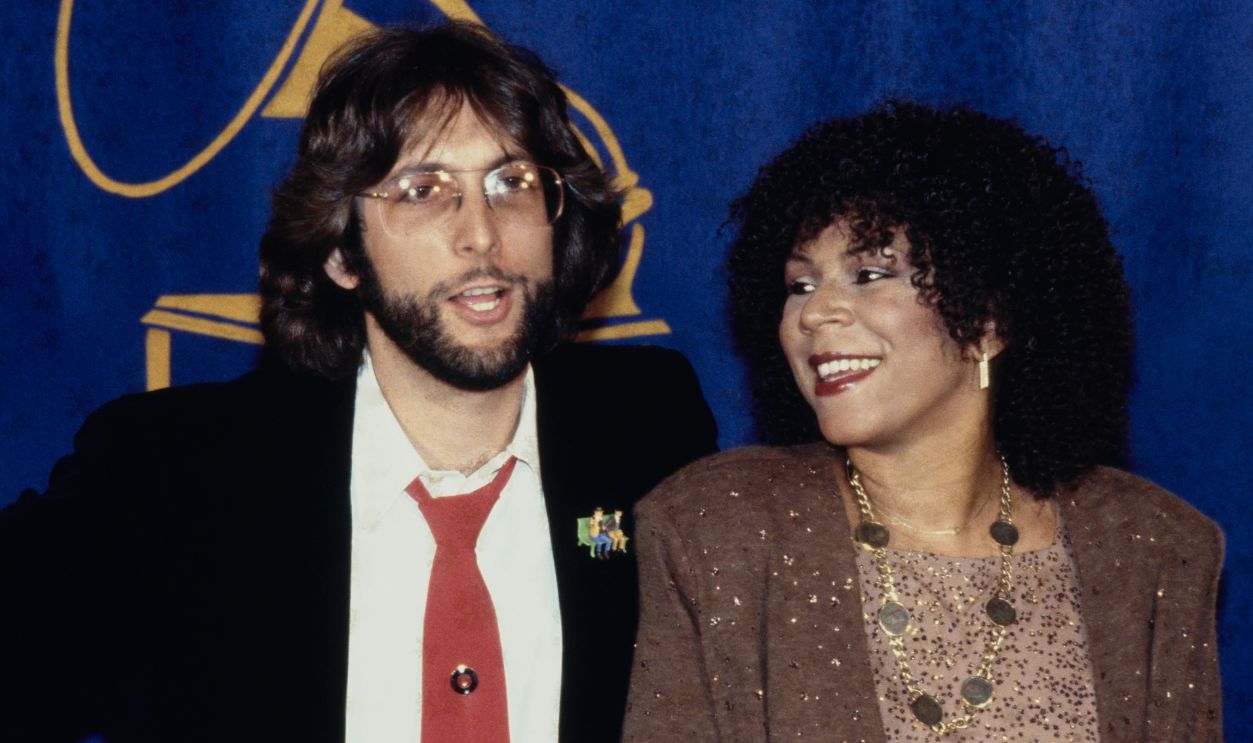
Despite her worsening condition, Riperton toured, performed on television, and recorded additional albums during the final years of her life. Her 1979 album, Minnie, included “Memory Lane,” a song that would later receive a Grammy nomination. Behind the scenes, however, her illness continued to progress, leaving her family facing the possibility of an unimaginable loss.
Her Final Days Were Heartbreaking
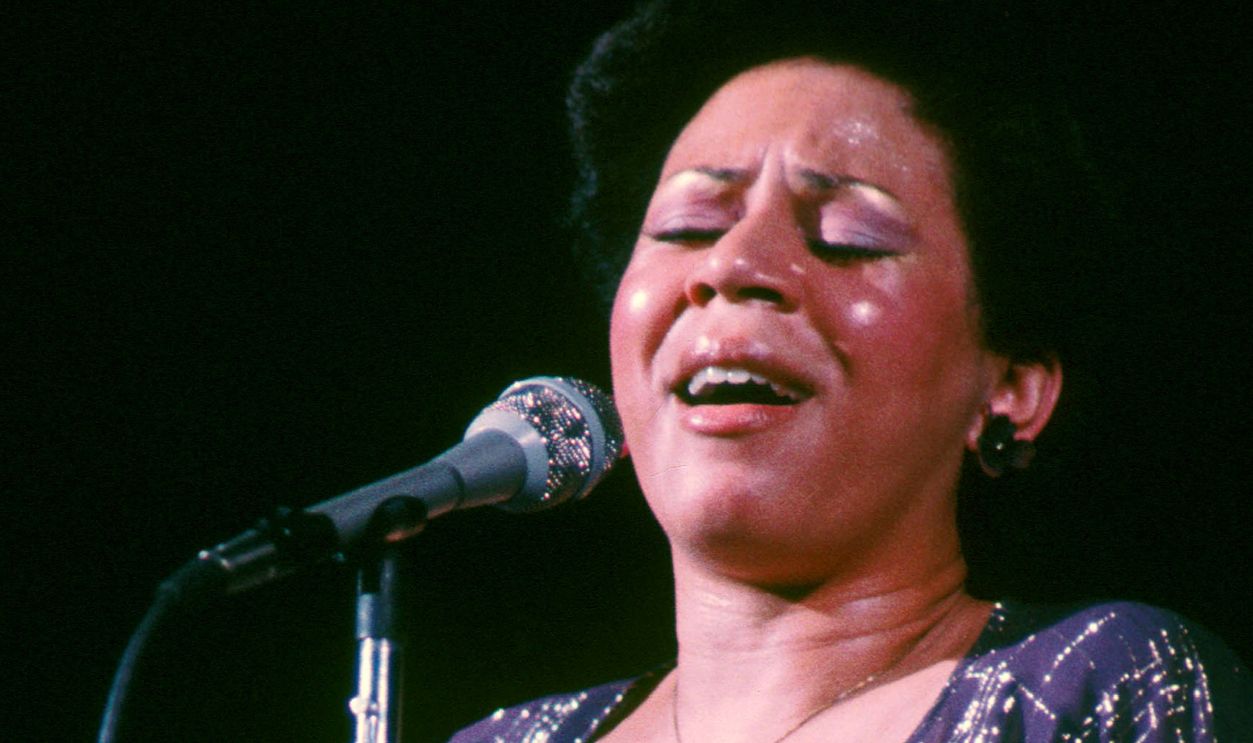
By the summer of 1979, Riperton's health had deteriorated severely, and she was admitted to Cedars-Sinai Medical Center in Los Angeles. On July 12, 1979, she died from breast cancer at just 31 years old, leaving behind her husband and two young children. Maya was only six, with her seventh birthday just fifteen days away, and she would spend the rest of her childhood growing up without the mother whose voice had comforted her as a baby.
Her Little Girl Struggled With The Loss
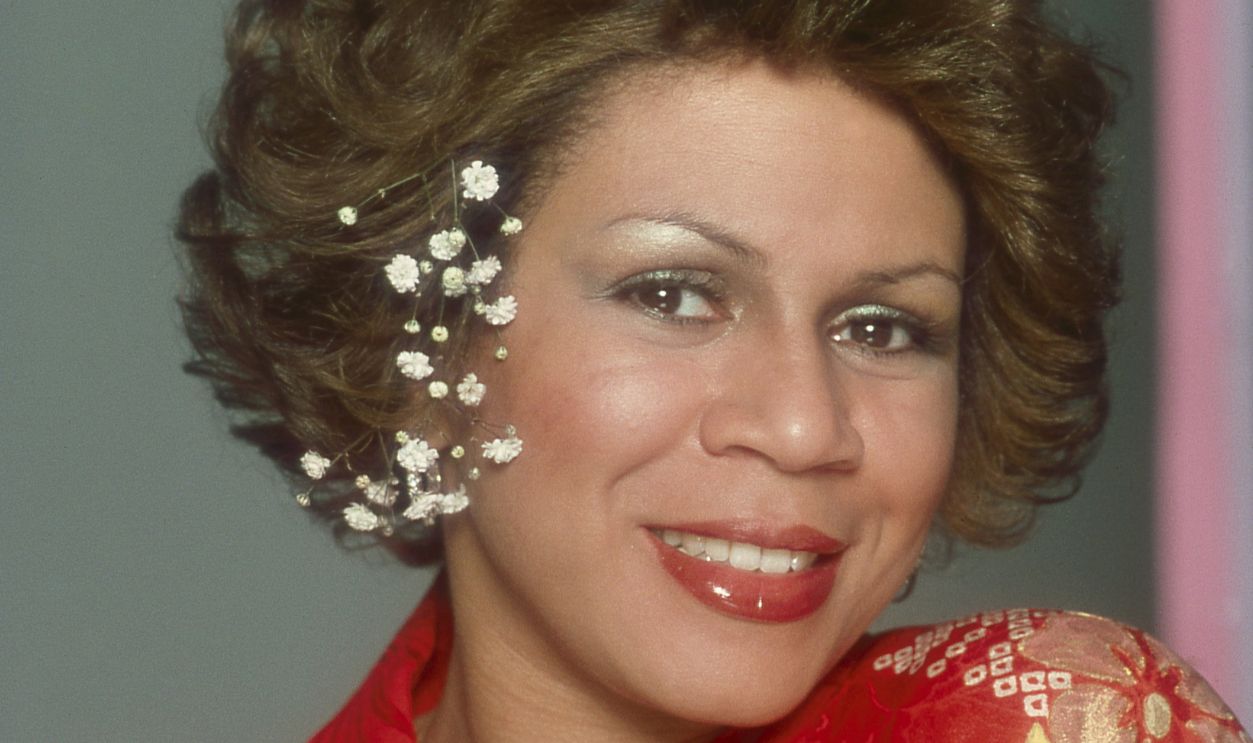
Maya would later explain that losing her mother was particularly difficult because the tragedy unfolded in the public eye. Strangers knew about Minnie's death, and the family received attention that made an already painful experience even harder for a young child to understand. For many years, Maya found it almost impossible to discuss her mother without reopening the emotional wounds of that loss.
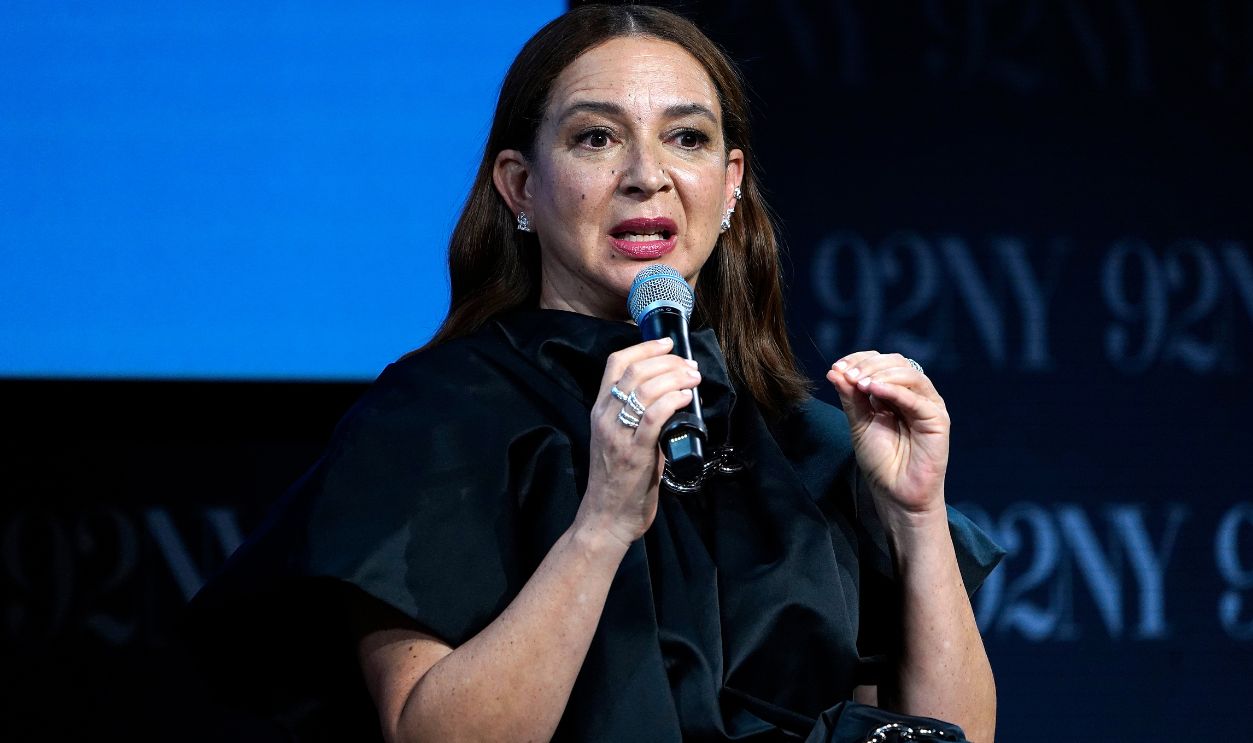
Comedy Became Her Escape
Even before her mother's death, Maya had been fascinated by comedy and loved watching performers make people laugh. After Minnie died, however, humor became something much more important, providing the young girl with a way to cope with her grief. Speaking to The Guardian in 2015, Maya described comedy as her shield against sadness, explaining that making people laugh helped keep her from crying.
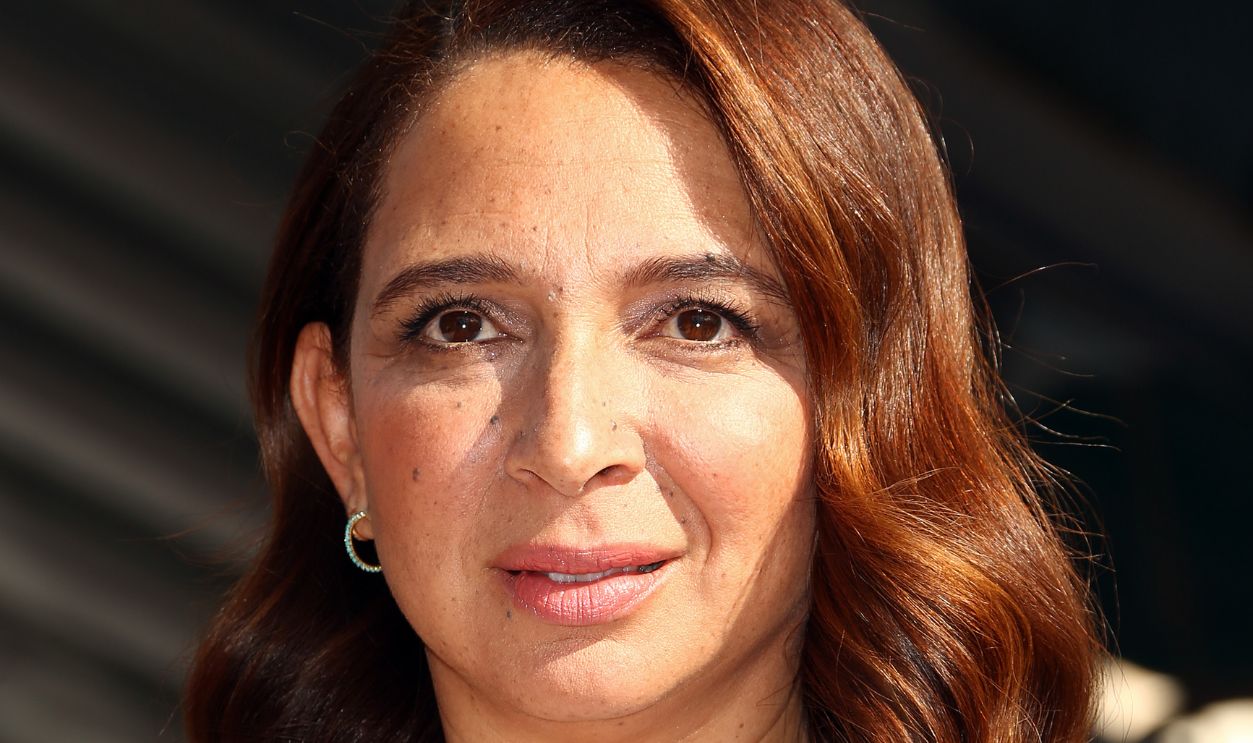
She Dreamed Of Joining Saturday Night Live
As a child, Maya became obsessed with Saturday Night Live, particularly the brilliant character work of comedian Gilda Radner. She loved Radner's outrageous Roseanne Roseannadanna character and even practiced impressions when she was very young. Although her parents had built their careers in music, Maya was increasingly attracted to a different kind of performance, one that would eventually make her famous.
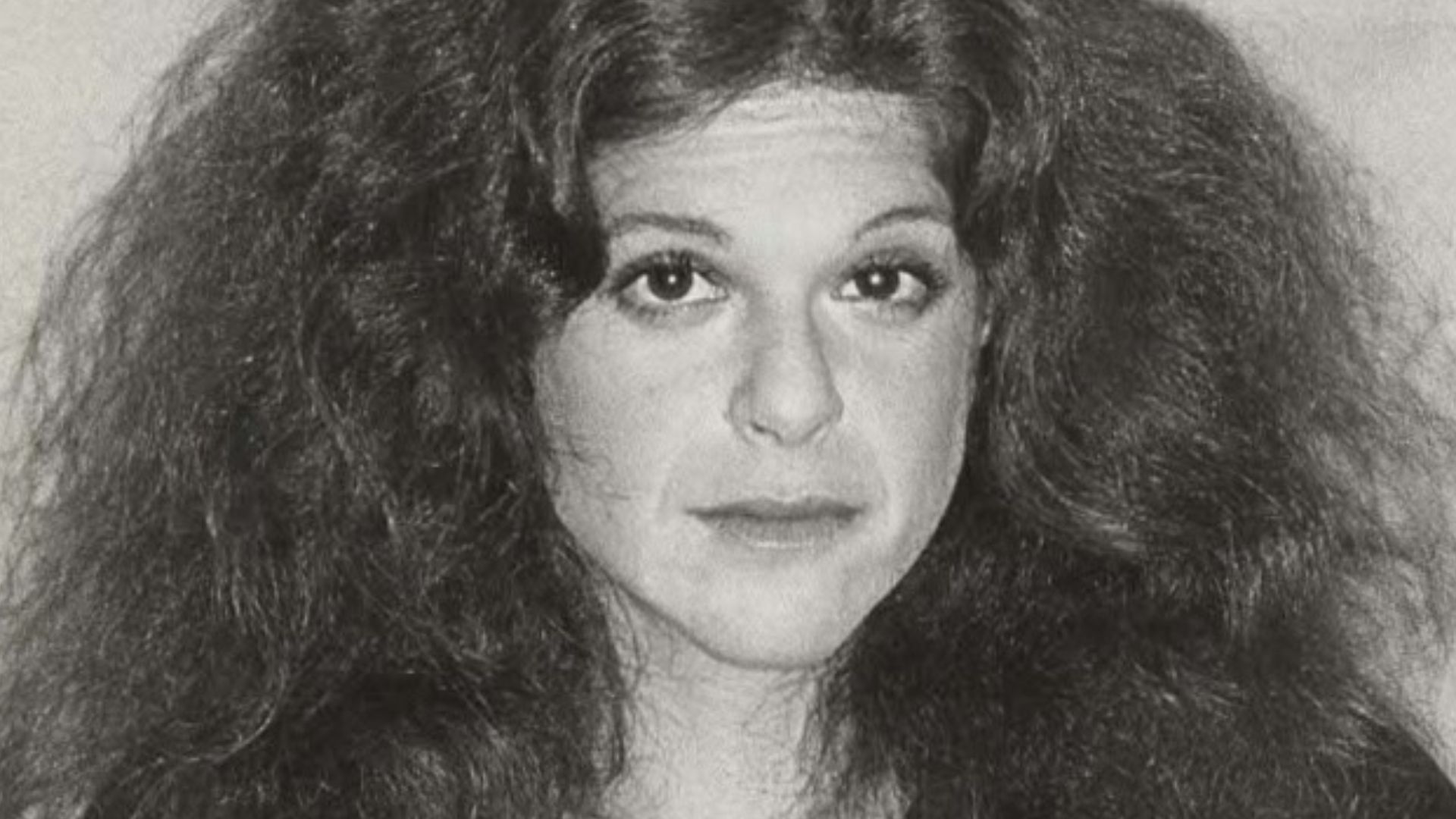
She Almost Followed Her Parents Into Music
Before establishing herself as a comedian, Maya pursued music professionally and joined the alternative rock band The Rentals during the 1990s. She played keyboards with the group and performed on tours that included major acts such as Alanis Morissette and the Red Hot Chili Peppers. Music came naturally to her, but the pull of comedy proved impossible to ignore, eventually leading her toward the Los Angeles improvisational comedy troupe the Groundlings.
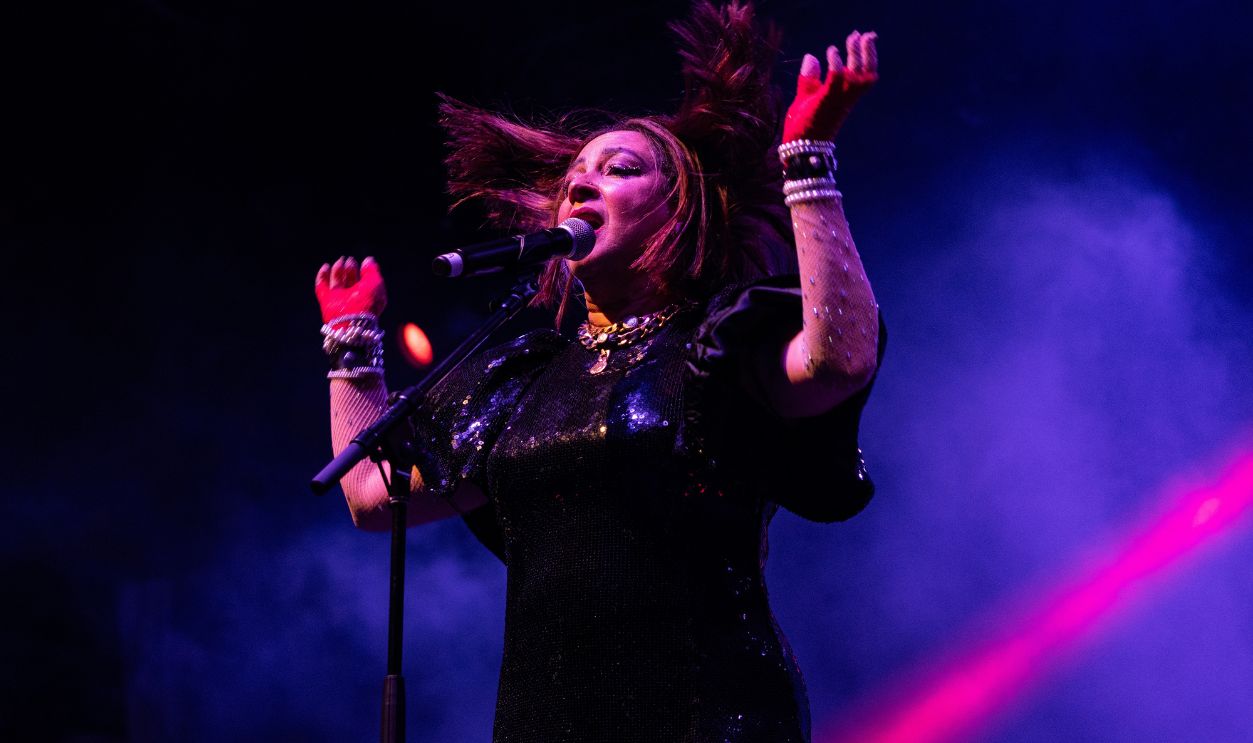
Her Big Break Finally Arrived
In 2000, Maya achieved her childhood dream when she joined the cast of Saturday Night Live, beginning a seven-year run that transformed her into a television star. Her remarkable talent for impressions brought celebrities such as Beyoncé, Oprah Winfrey, and Donatella Versace to life in frequently outrageous sketches. Audiences loved her expressive performances, unexpected voices, and fearless willingness to look ridiculous, establishing her as one of the show's most memorable performers.
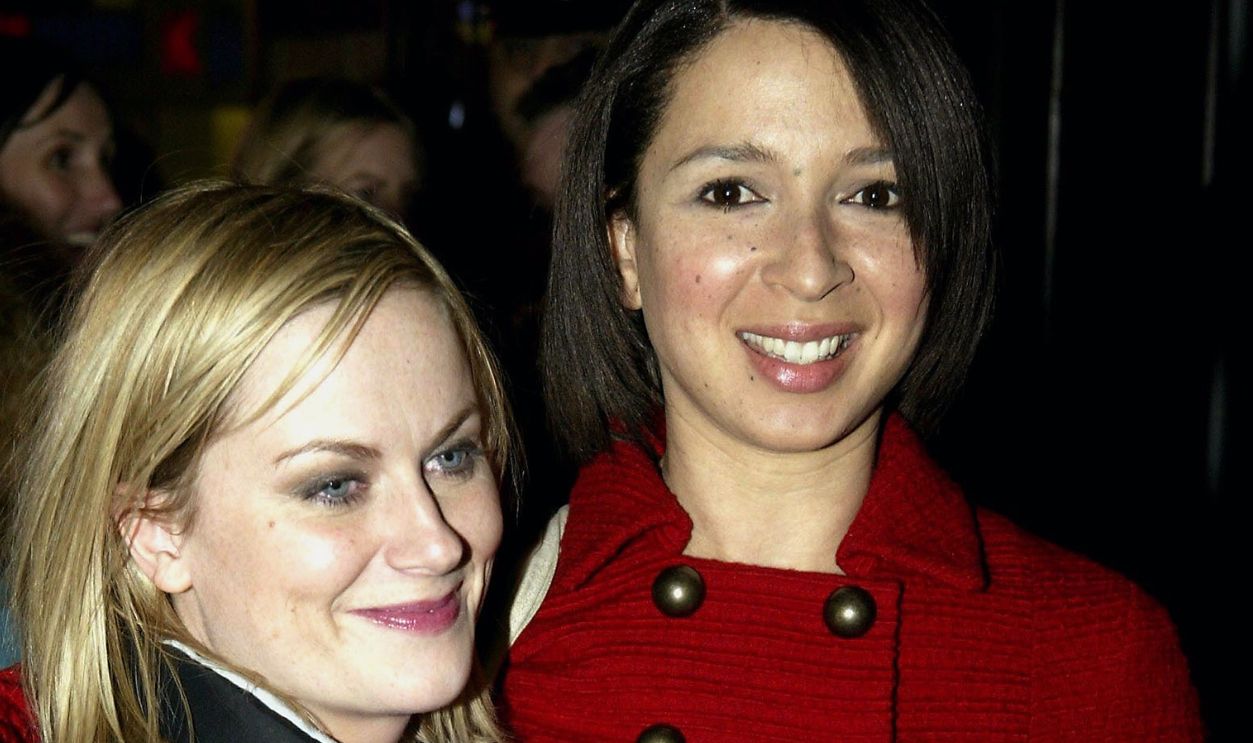
Hollywood Discovered Just How Funny She Was
After leaving Saturday Night Live in 2007, Maya continued building a successful career in film and television. Her performances included memorable appearances in Away We Go, Bridesmaids, and the sitcom Up All Night, demonstrating that she could move comfortably between outrageous comedy and emotional storytelling. In Bridesmaids, she starred alongside Kristen Wiig, helping make the 2011 comedy one of the defining films of its genre.
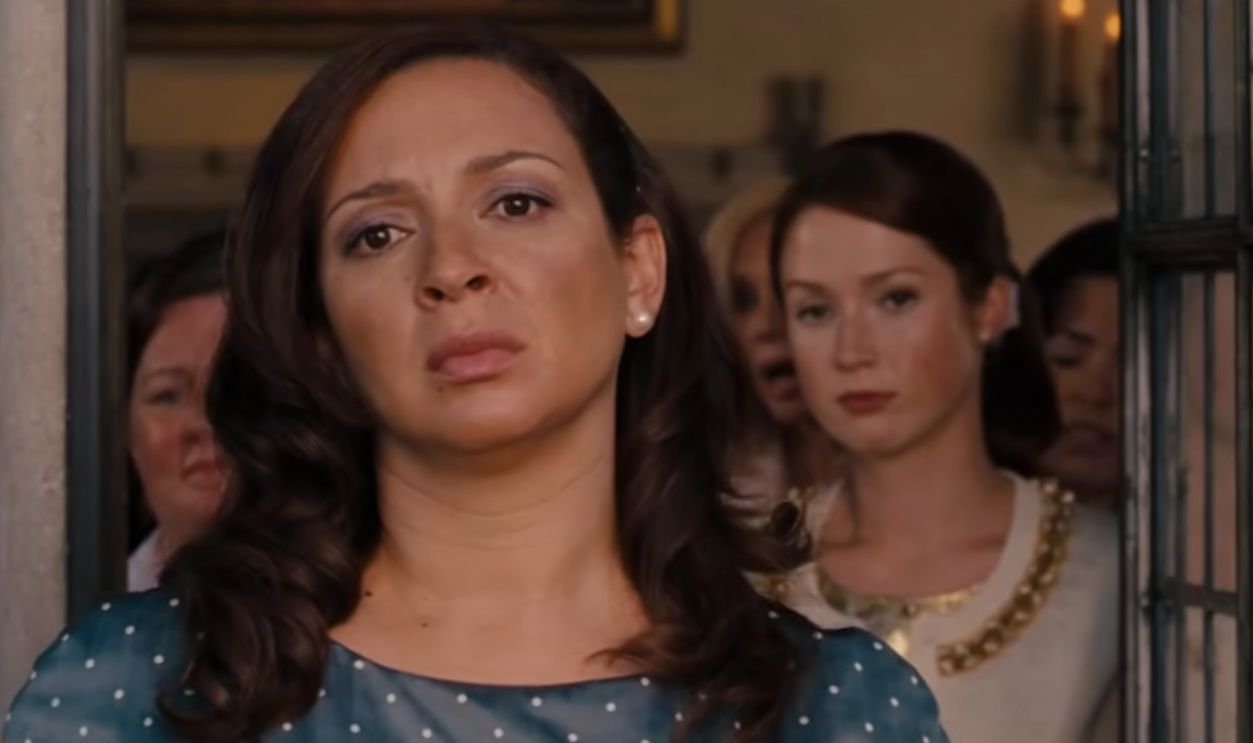 Screenshot from Bridesmaids, NBCUniversal (2011)
She Became A Comedy Powerhouse
Maya's career continued to flourish through voice acting, television comedy, and unforgettable celebrity impersonations. She became a standout performer on the animated series Big Mouth, earned widespread attention for portraying Kamala Harris on Saturday Night Live, and took the leading role in the Apple TV+ comedy Loot. Her work has also brought her multiple Emmy Awards, cementing her reputation as one of the entertainment industry's most versatile comedic talents.
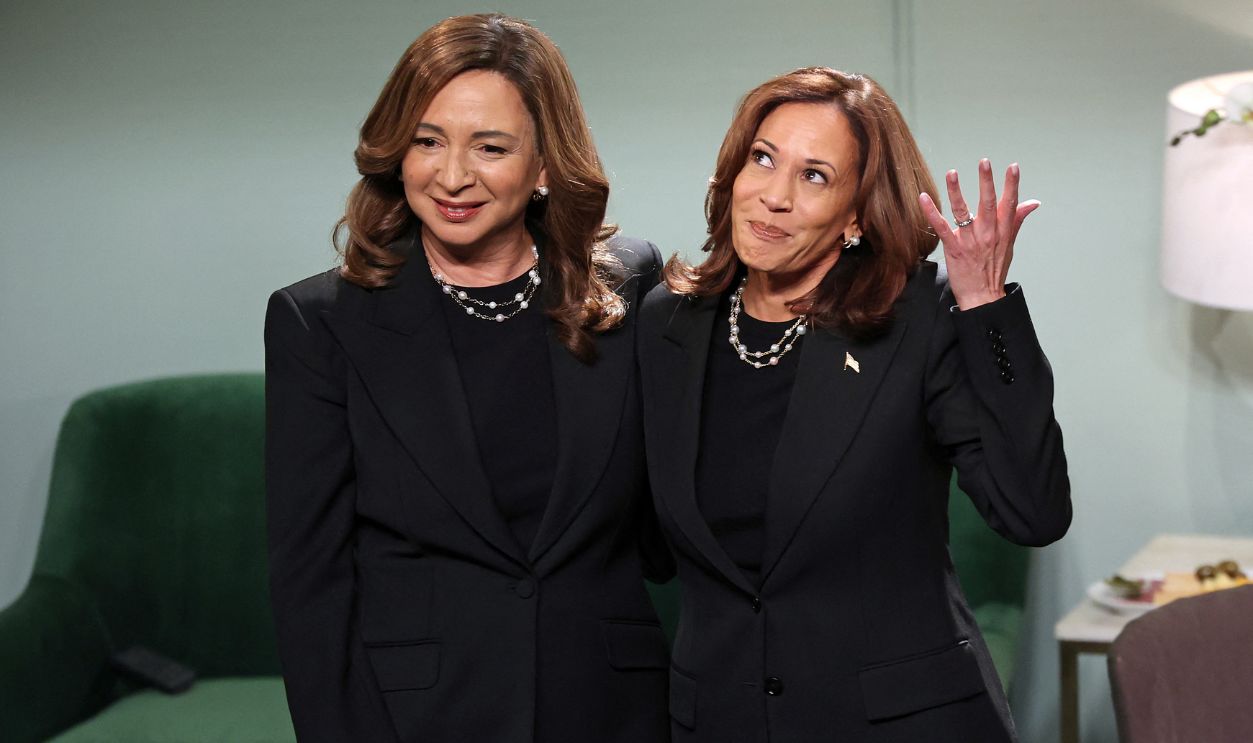 CHARLY TRIBALLEAU, Getty Images
She Never Forgot Where She Came From
Although Minnie never lived to witness her daughter's success, Maya has frequently acknowledged the influence her mother had on her life and performing style. In a 2024 interview with The New Yorker, Maya recalled being fascinated by Minnie's glamorous stage outfits and extraordinary ability to command an audience. She recognized that some of the theatrical confidence she brings to her own characters was inspired by watching her mother perform all those years ago.
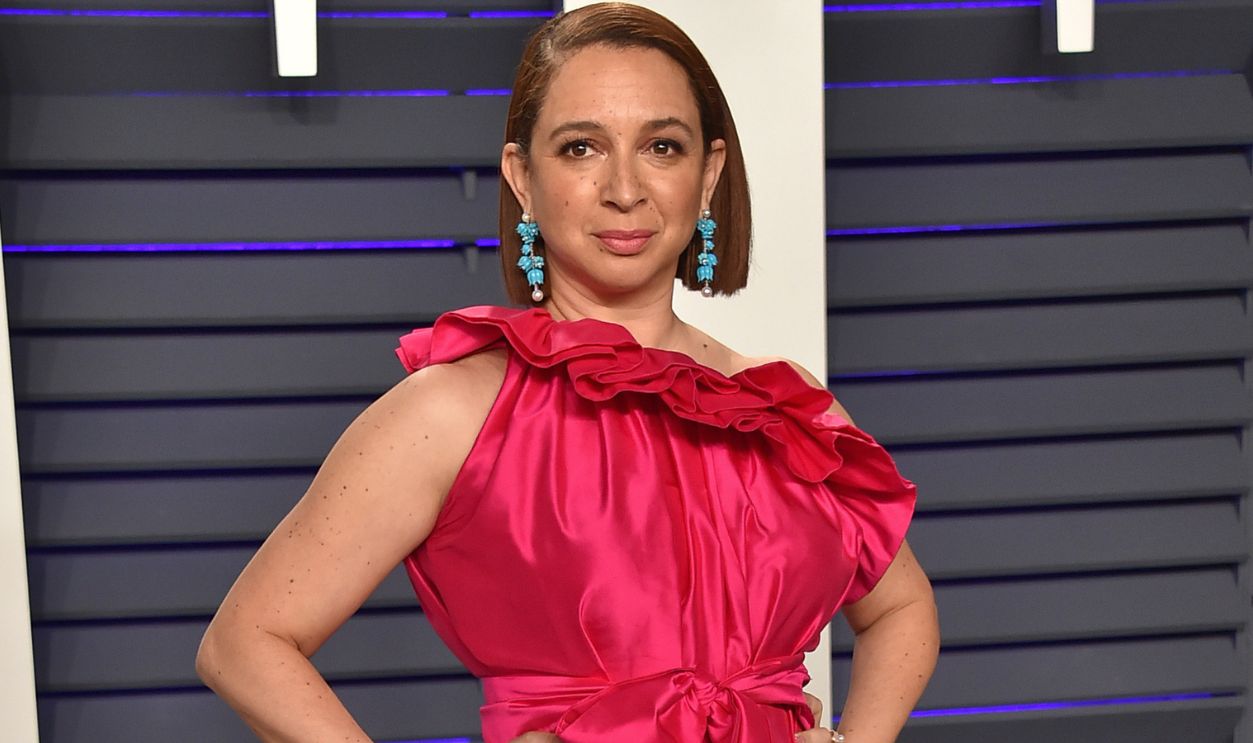
She Honored Her Mother In A Beautiful Way
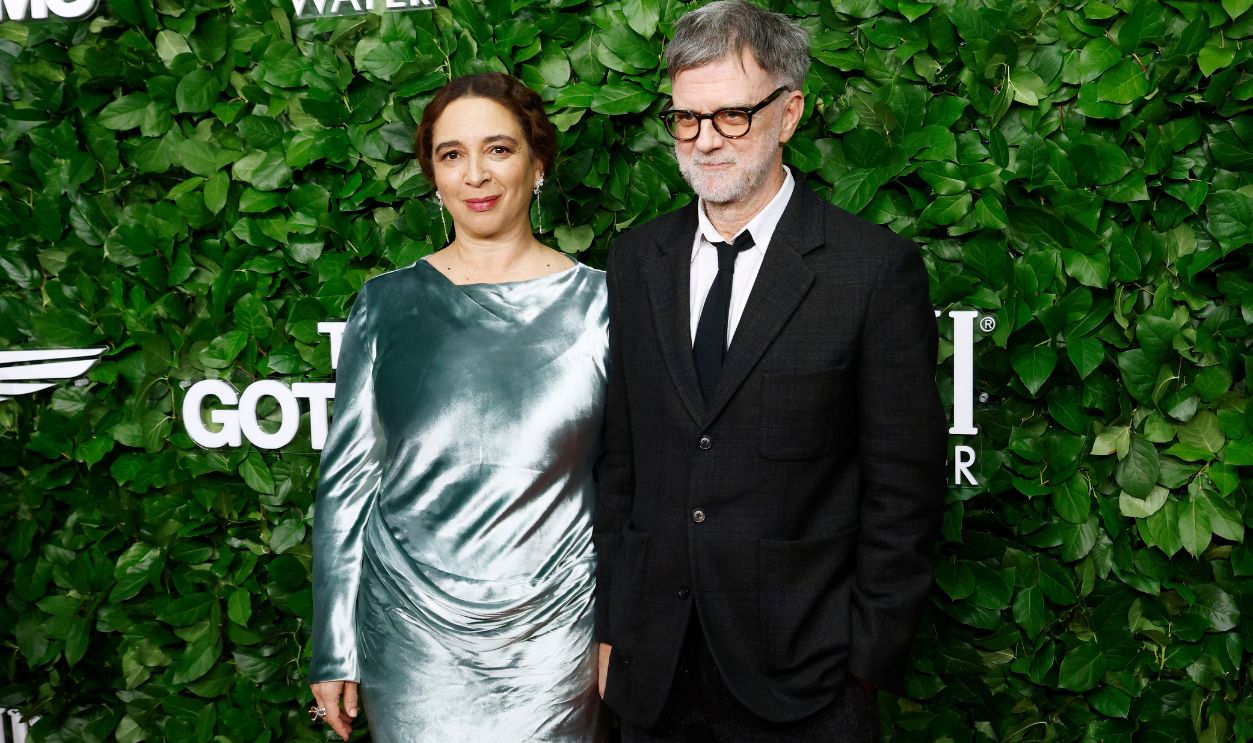
Maya eventually became a mother herself, raising four children with filmmaker Paul Thomas Anderson. When their youngest daughter was born in 2013, the couple named her Minnie, preserving the name of the grandmother she would never meet. Maya has also spoken about the musical abilities of her children, describing how they perform at home and continue the family's long-standing tradition of making music together.
A Mother's Love Lives On
Minnie Riperton never got to see Maya grow into a celebrated comedian, win Emmy Awards, or raise a family of her own. Yet the little girl who once sat listening to her parents' homemade lullaby grew up carrying their musical gifts, theatrical instincts, and remarkable creativity into an entirely different career. More than half a century after “Lovin’ You” was recorded, Minnie's voice still calls out her daughter's name, preserving a tender moment between mother and child that time could never erase.
You May Also Like:
The Best One-Hit Wonders That Left Us Wanting More