Television Loved A Great Bad Guy
The 1980s gave television viewers plenty of heroes to cheer for, but sometimes the villains were having far more fun. They plotted corporate takeovers, commanded robot armies, ruined family dinners, and occasionally tried conquering Earth. Best of all, many were so entertaining that viewers secretly looked forward to their return.
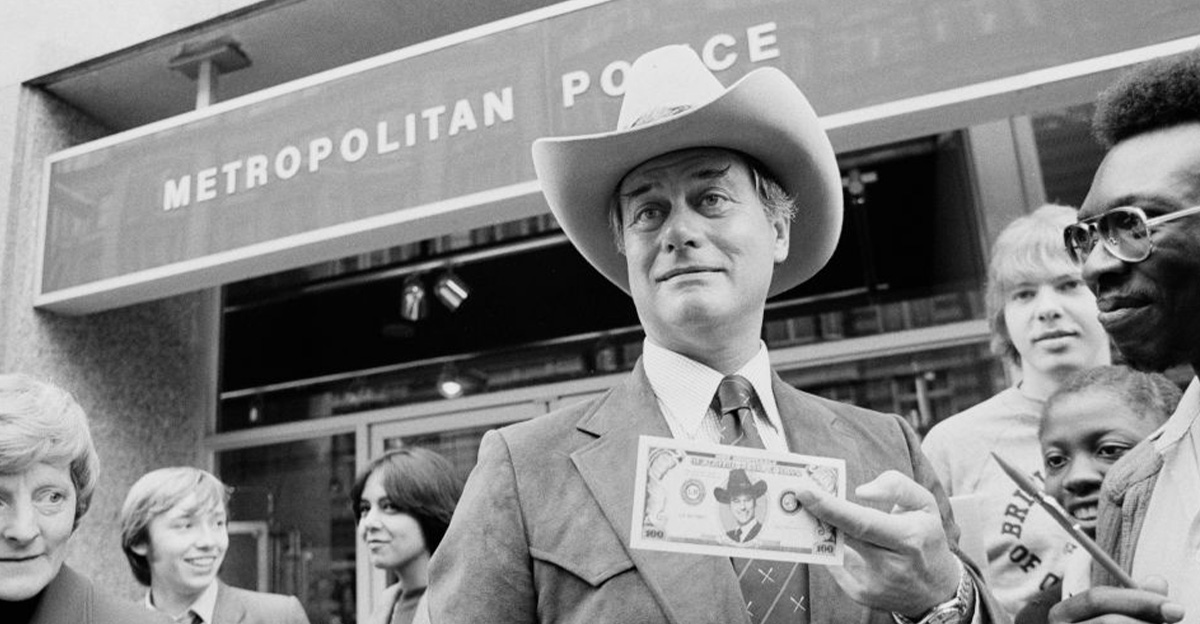
 Frank Tewkesbury, Getty Images
J.R. Ewing Made Scheming Look Easy
Nobody could smirk his way through a double-cross quite like J.R. Ewing on Dallas. Larry Hagman turned the oil tycoon into television’s most lovable snake, betraying relatives and business partners with equal enthusiasm. The famous “Who shot J.R.?” craze proved viewers simply could not get enough of him.
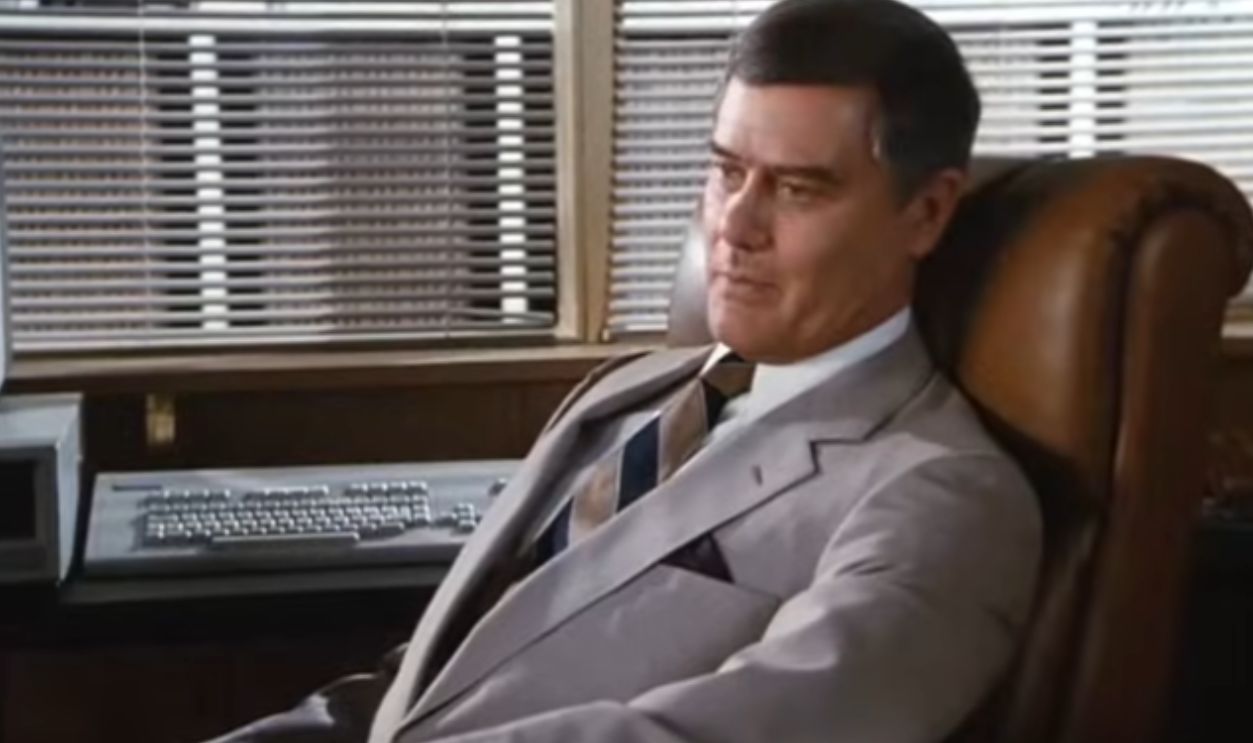 Screenshot from Dallas, Warner Bros. Television (1978-1991)
Alexis Carrington Entered Like A Hurricane
When Joan Collins joined Dynasty as Alexis Carrington, the show suddenly gained the glamorous villain it desperately needed. Alexis could destroy a marriage, sabotage a business deal, and deliver an insult without smudging her lipstick. Her battles with Krystle became some of the decade’s most deliciously over-the-top television.
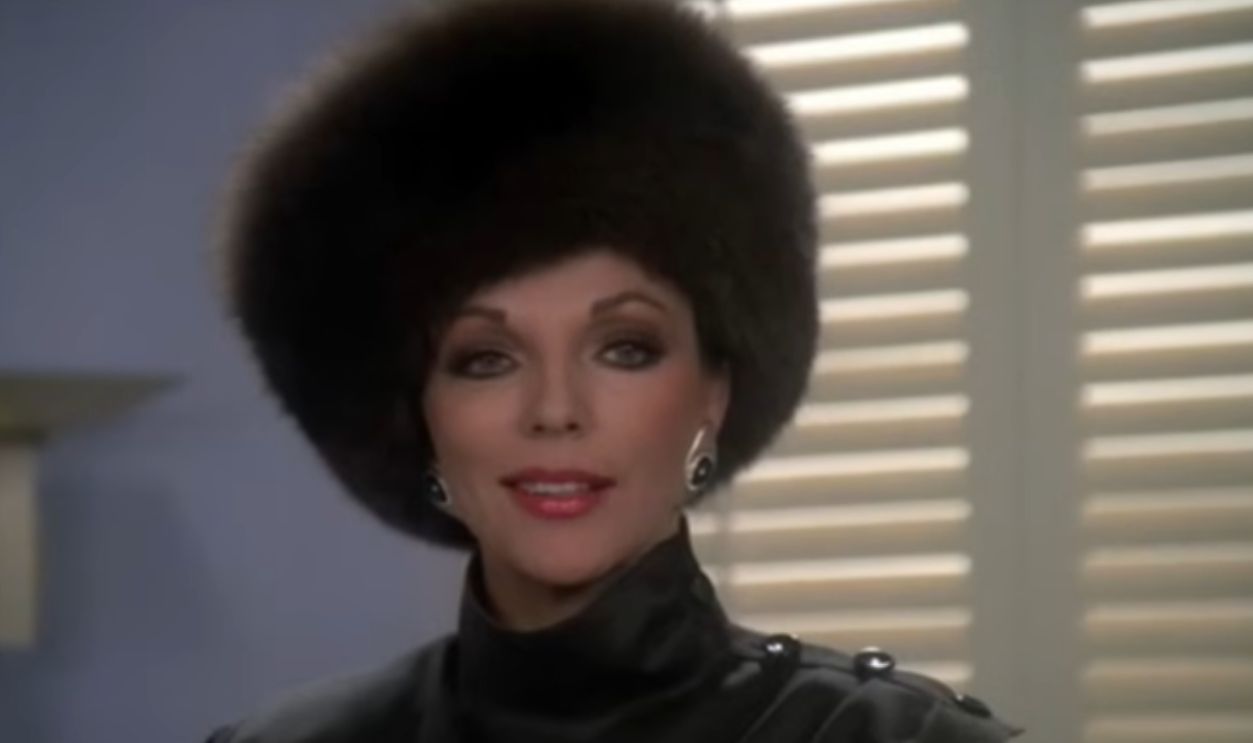 Screenshot from Dynasty, CBS Television Distribution (1981-1989)
Angela Channing Ruled Falcon Crest
Jane Wyman’s Angela Channing didn’t need superpowers or henchmen. She had money, vineyards, family secrets, and absolutely no hesitation about using them. On Falcon Crest, Angela manipulated nearly everyone around her while insisting she knew what was best. Somehow, that only made watching her schemes more entertaining.
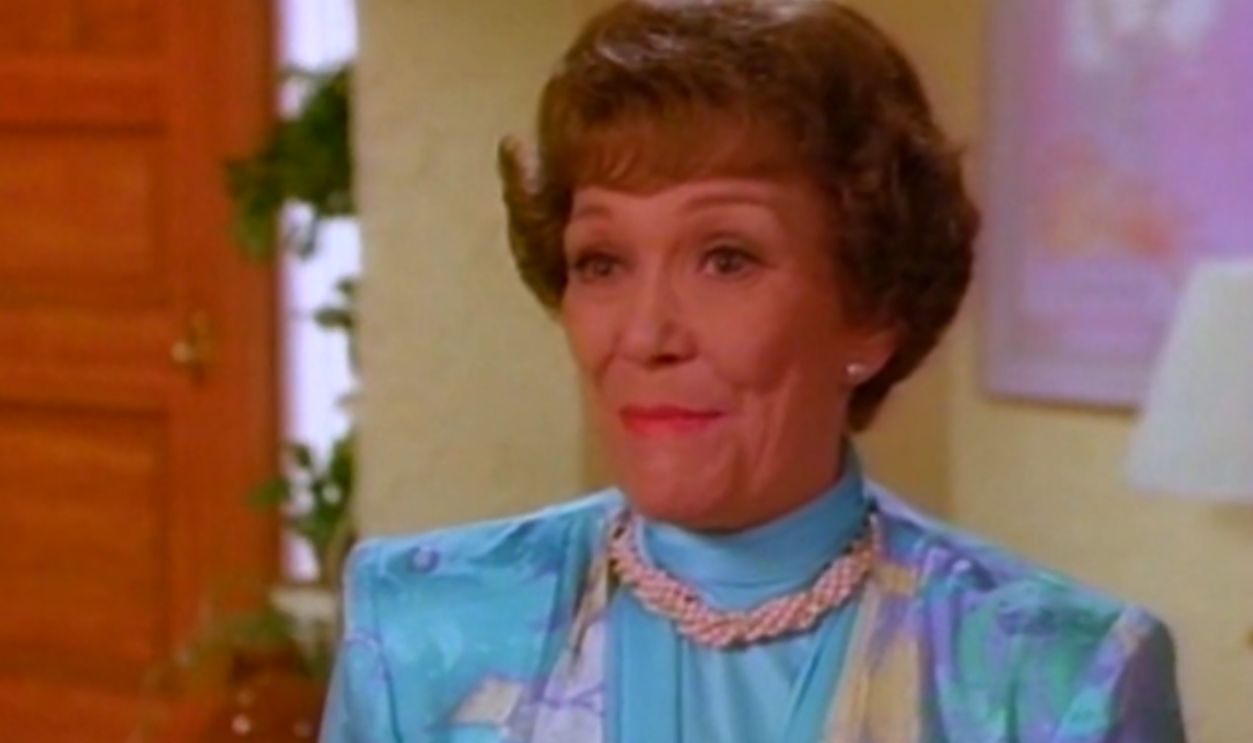 Screenshot from Falcon Crest, Warner Bros. Television (1981-1990)
Abby Cunningham Always Had A Plan
Knots Landing had plenty of complicated characters, but Donna Mills’ Abby Cunningham was on another level. Ambitious, calculating, and endlessly resourceful, Abby could turn almost any situation to her advantage. She might have been trouble, but she was stylish trouble—and television audiences loved every minute of it.
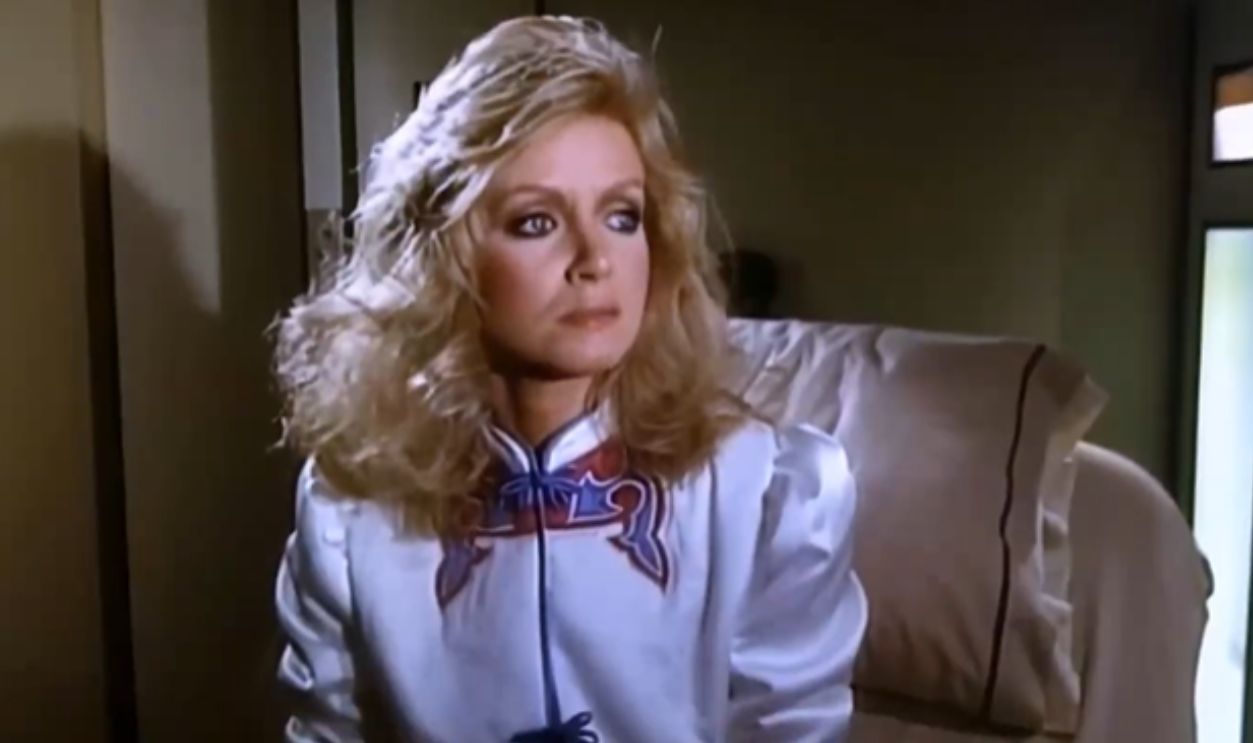 Screenshot from Knots Landing, Warner Bros. Television Distribution (1979-1993)
Diana Made Visitors Terrifying
The aliens on V arrived promising friendship, peace, and advanced technology. Then viewers discovered what was really hiding underneath those friendly human faces. Jane Badler’s Diana became the terrifying face of the Visitors, combining icy confidence with ruthless ambition. Suddenly, welcoming extraterrestrials to Earth didn’t seem like such a good idea.
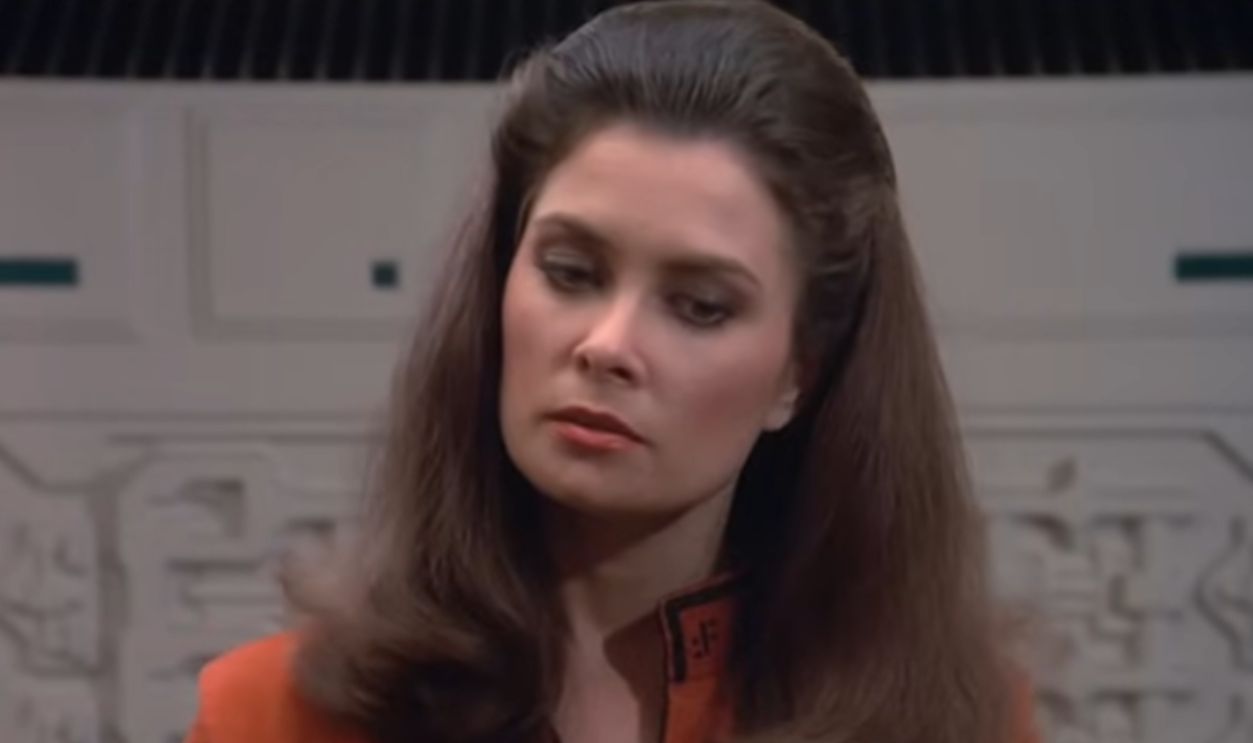 Screenshot from V, Warner Bros. Television (1983-1985)
Murdoc Simply Refused To Stay Gone
Every great hero needs a persistent enemy, and MacGyver found one in Murdoc. Played with gleeful menace by Michael Des Barres, the assassin repeatedly appeared to meet his end—only to return later with another elaborate plan. MacGyver could escape almost anything, apparently including permanently defeating this guy.
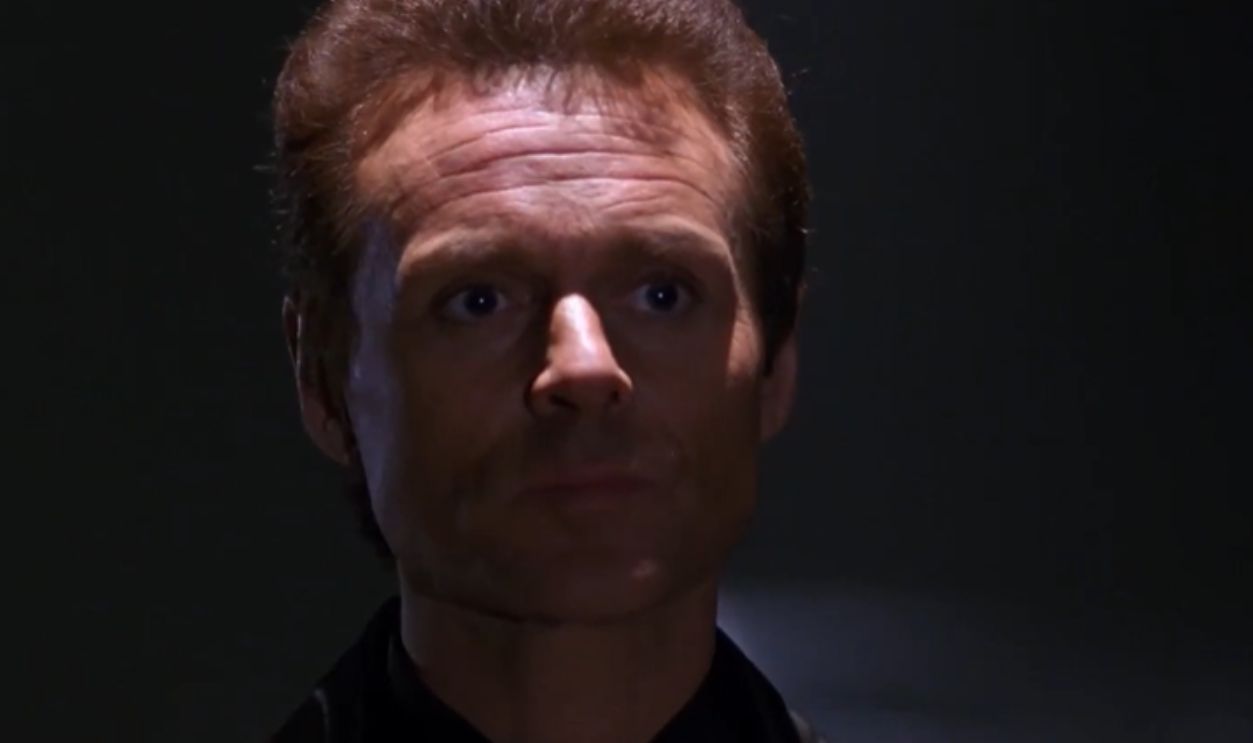 Screenshot from MacGyver, CBS Television Distribution (1985-1992)
Garthe Knight Was Michael Knight Gone Bad
Want to make David Hasselhoff’s hero more interesting? Give him an evil lookalike with facial hair. Knight Rider introduced Garthe Knight as Michael Knight’s sinister double, allowing Hasselhoff to play both hero and villain. Garthe’s theatrical personality made him exactly the sort of gloriously excessive antagonist 1980s television did best.
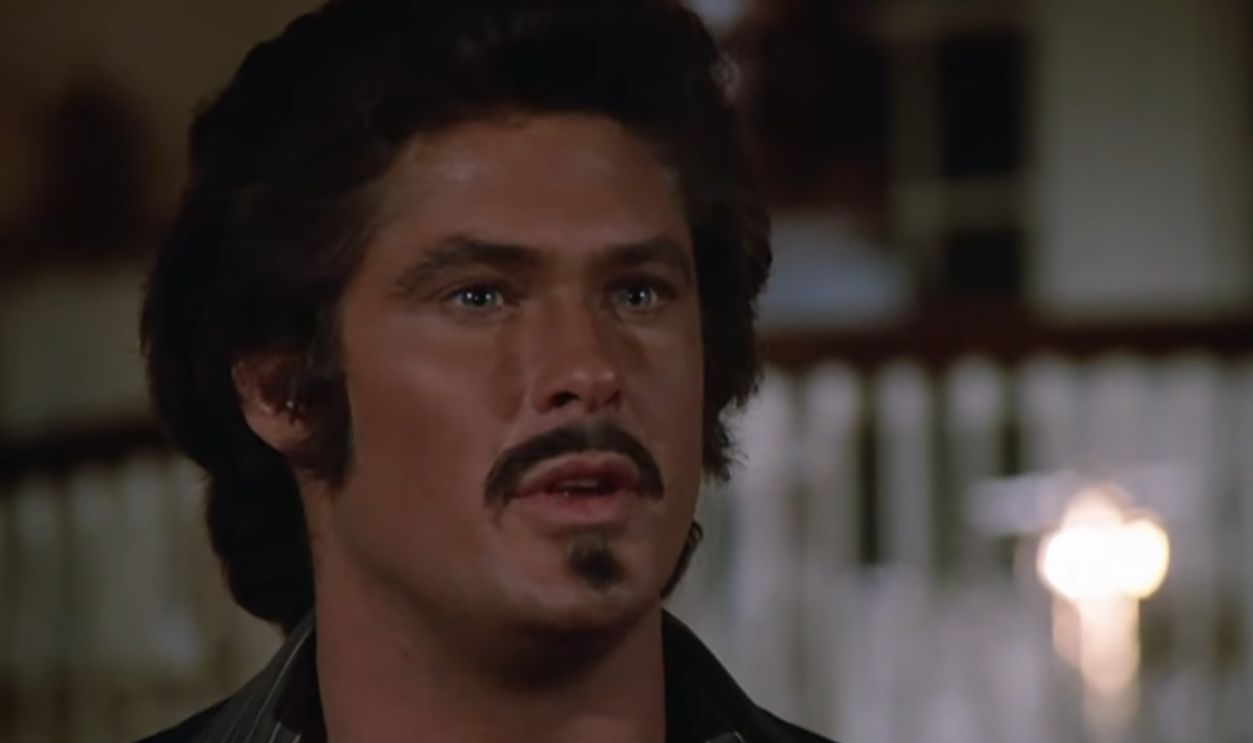 Screenshot from Knight Rider, Universal Television (1982-1986)
KARR Was KITT Without The Manners
KITT was helpful, loyal, and programmed to protect human life. KARR was basically the opposite. The dangerous prototype returned to cause trouble for Michael Knight, proving that an intelligent talking car becomes significantly less charming when self-preservation is its top priority. Even KITT apparently needed an evil twin.
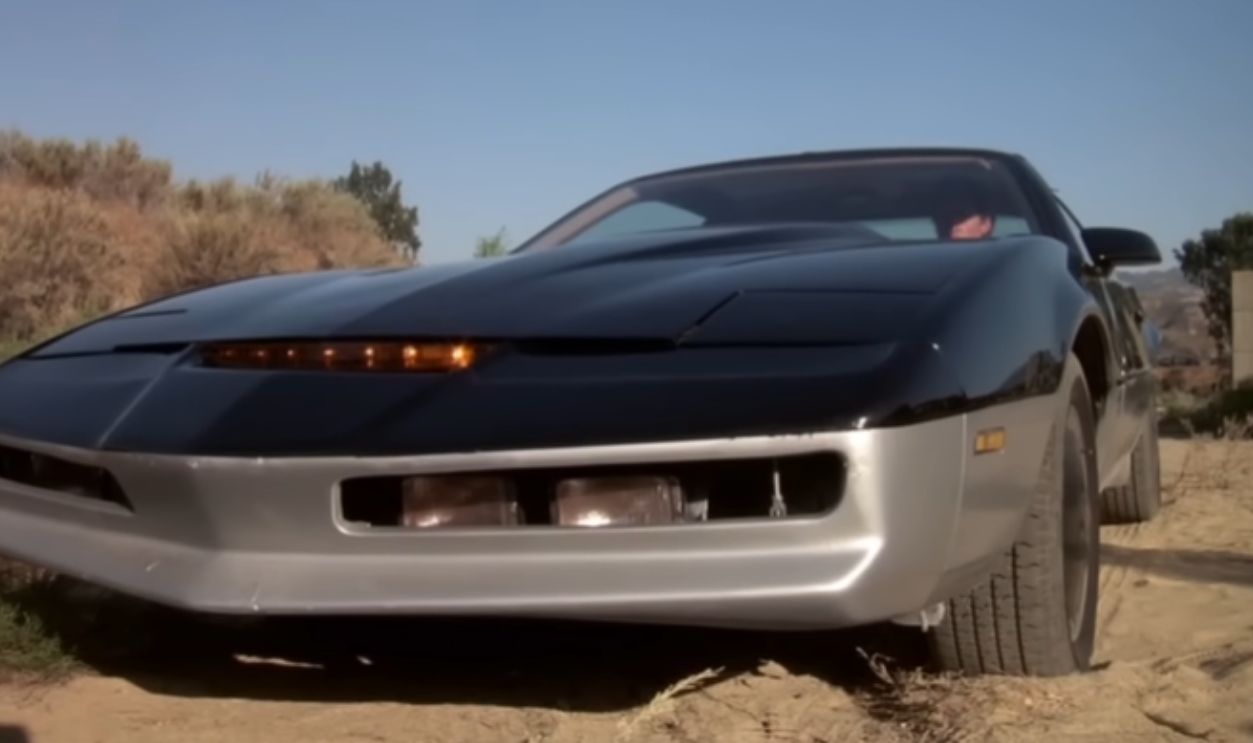 Screenshot from Knight Rider, Universal Television (1982-1986)
Boss Hogg Was Delightfully Crooked
Boss Hogg spent much of The Dukes of Hazzard trying to outsmart the Duke boys, which rarely worked out as planned. Sorrell Booke played the corrupt county commissioner with such comic enthusiasm that he became almost as recognizable as the General Lee. Villainous? Certainly. Intimidating? Usually not for long.
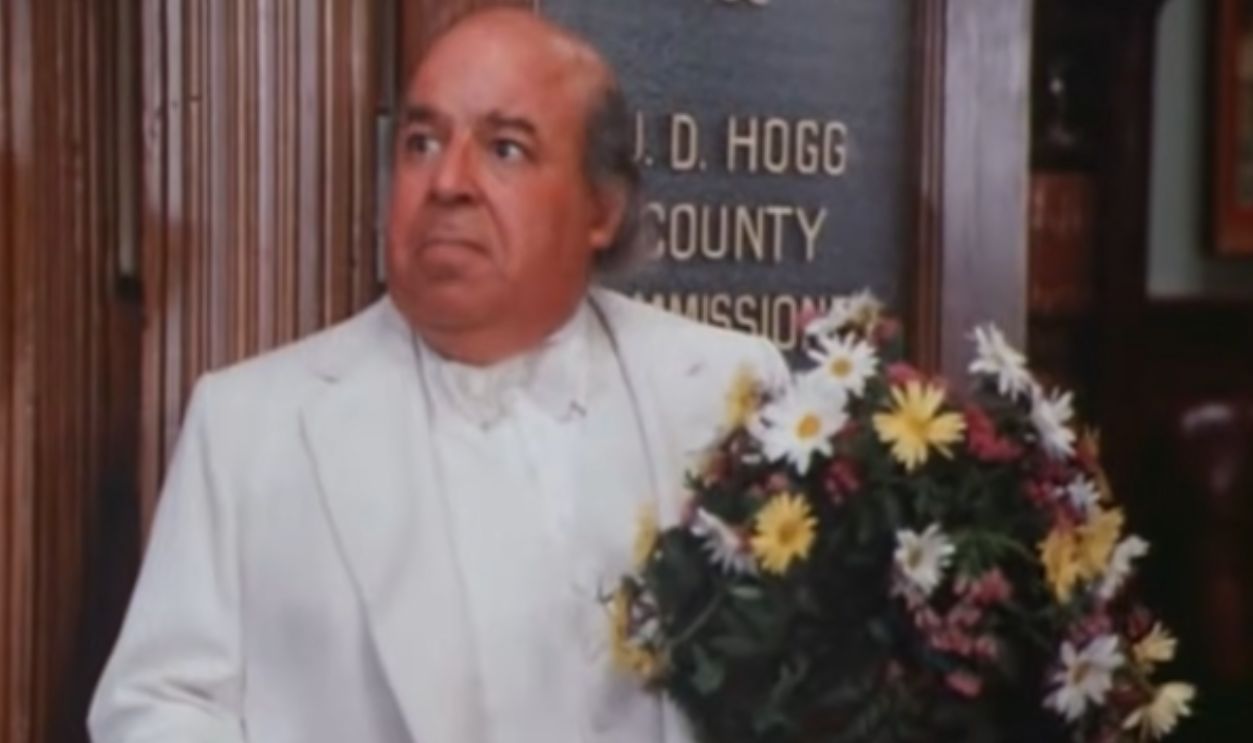 Screenshot from The Dukes of Hazzard, Warner Bros. Television (1979-1985)
Stefano DiMera Became Daytime Royalty
Soap operas specialize in characters who refuse to stay defeated, and Stefano DiMera may have perfected the art. Joseph Mascolo brought the mysterious mastermind to Days of Our Lives in 1982. Schemes, disappearances, secret identities, presumed deaths—Stefano collected soap-opera twists like other people collected coffee mugs.
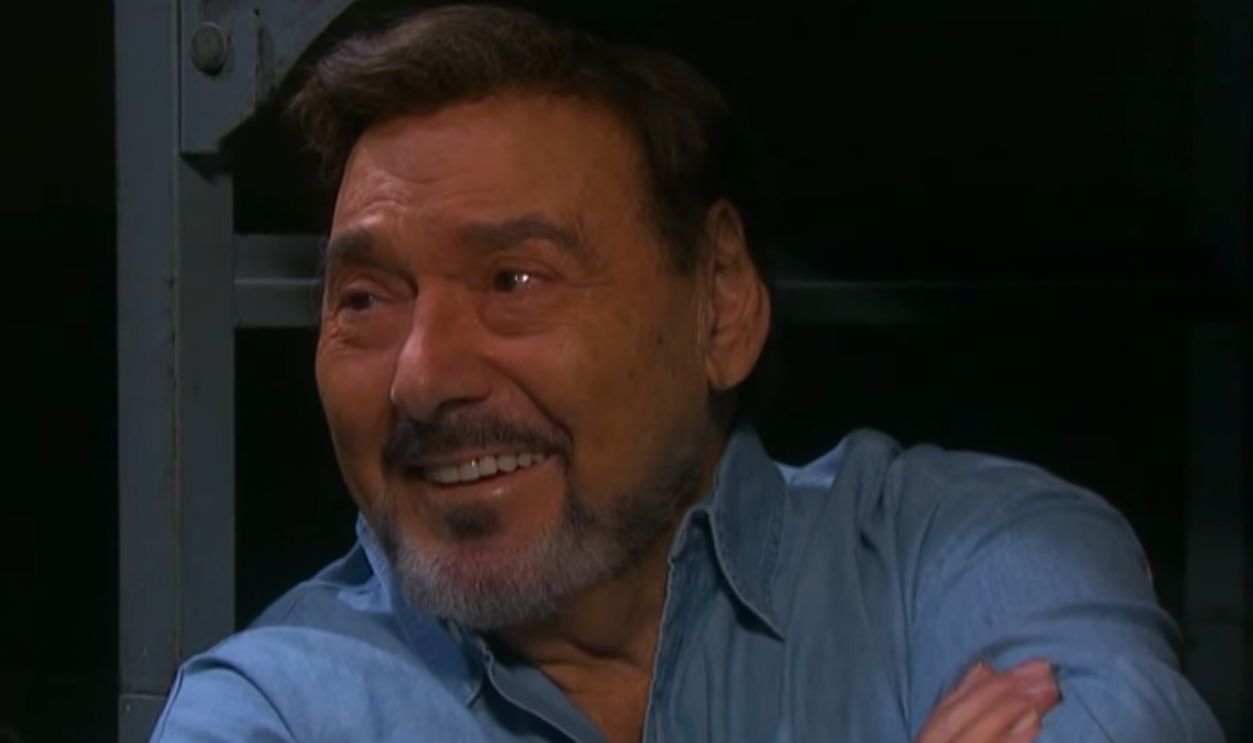 Screenshot from Days of Our Lives, Sony Pictures Television (1965-)
Adam Chandler Could Outscheme Almost Anyone
David Canary’s Adam Chandler arrived on All My Children in 1983 and quickly became one of daytime television’s great manipulators. Wealthy, controlling, and endlessly complicated, Adam could behave terribly one moment and reveal surprising vulnerability the next. That unpredictability helped make him far more interesting than an ordinary villain.
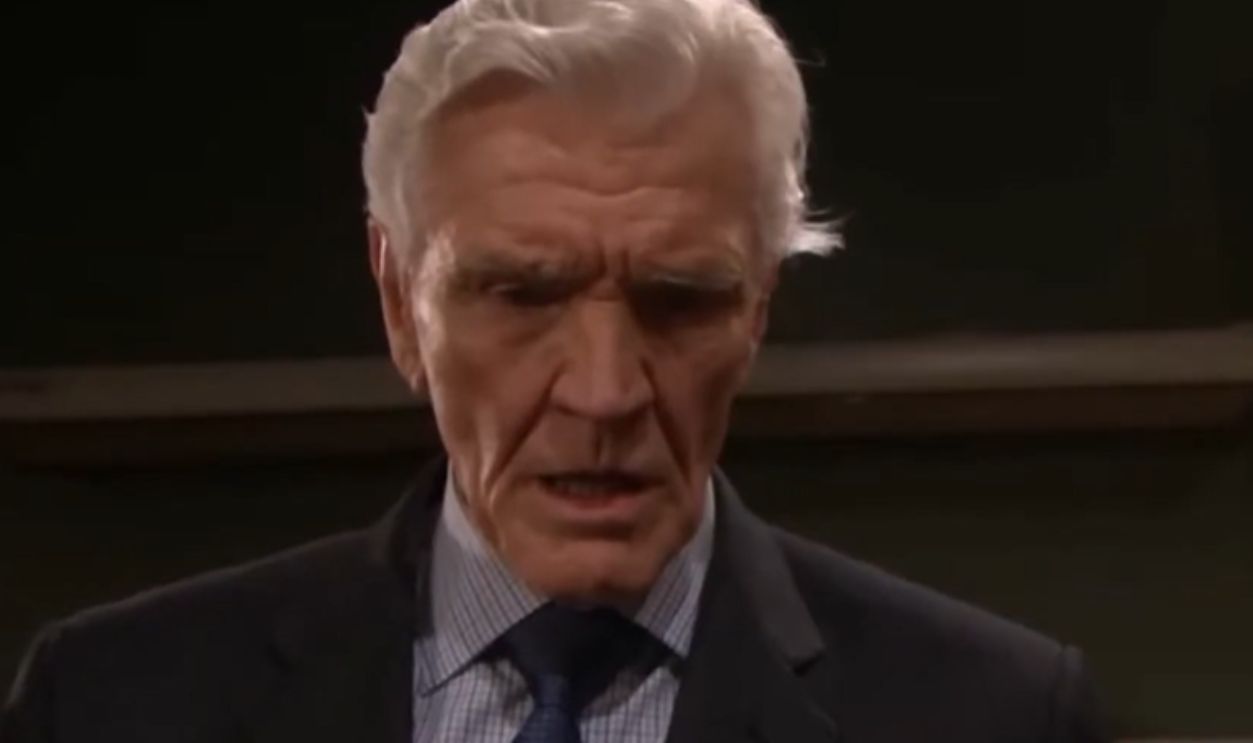 Screenshot from All My Children, ABC (1970-2011)
Helena Cassadine Left A Lasting Curse
Elizabeth Taylor appearing on General Hospital was already an event. Playing the sinister Helena Cassadine made it even better. In 1981, Helena famously cursed Luke and Laura’s marriage, creating one of daytime television’s most memorable villainous moments. Her brief appearance helped turn the Cassadine family into soap-opera legend.
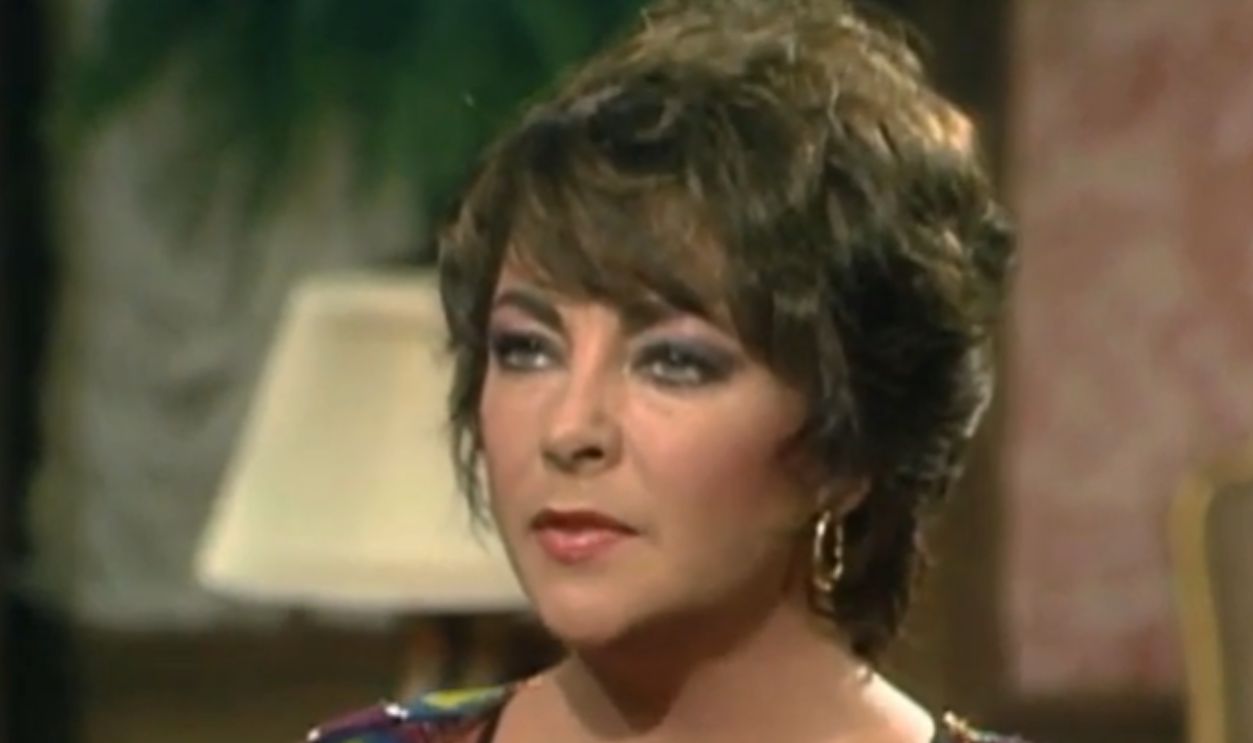 Screenshot from General Hospital, ABC (1963-)
Ivan Gave Magnum A Darker Enemy
Most episodes of Magnum, P.I. balanced mystery, action, and Hawaiian scenery. Ivan changed the mood completely. The Soviet operative had a brutal history connected to Magnum’s wartime experiences, making their confrontation intensely personal. Their final encounter became one of the series’ darkest and most unforgettable moments.
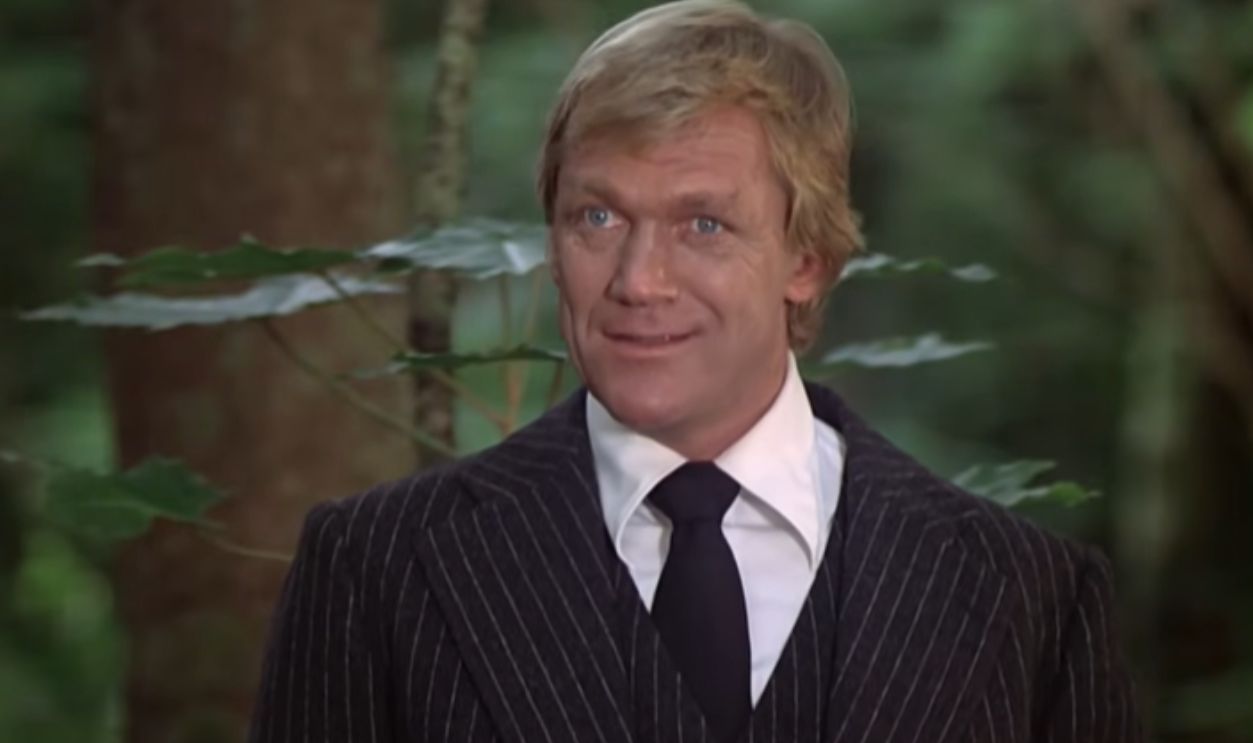 Screenshot from Magnum, P.I., Universal Television (1980-1988)
Calderone Haunted Miami Vice
Miami Vice had no shortage of criminals, but drug lord Esteban Calderone stood out immediately. He was connected to the murder of Crockett’s partner and became part of the show’s earliest mythology. Stylish surroundings could not disguise the danger. Calderone helped establish that this neon-lit Miami had a very dark side.
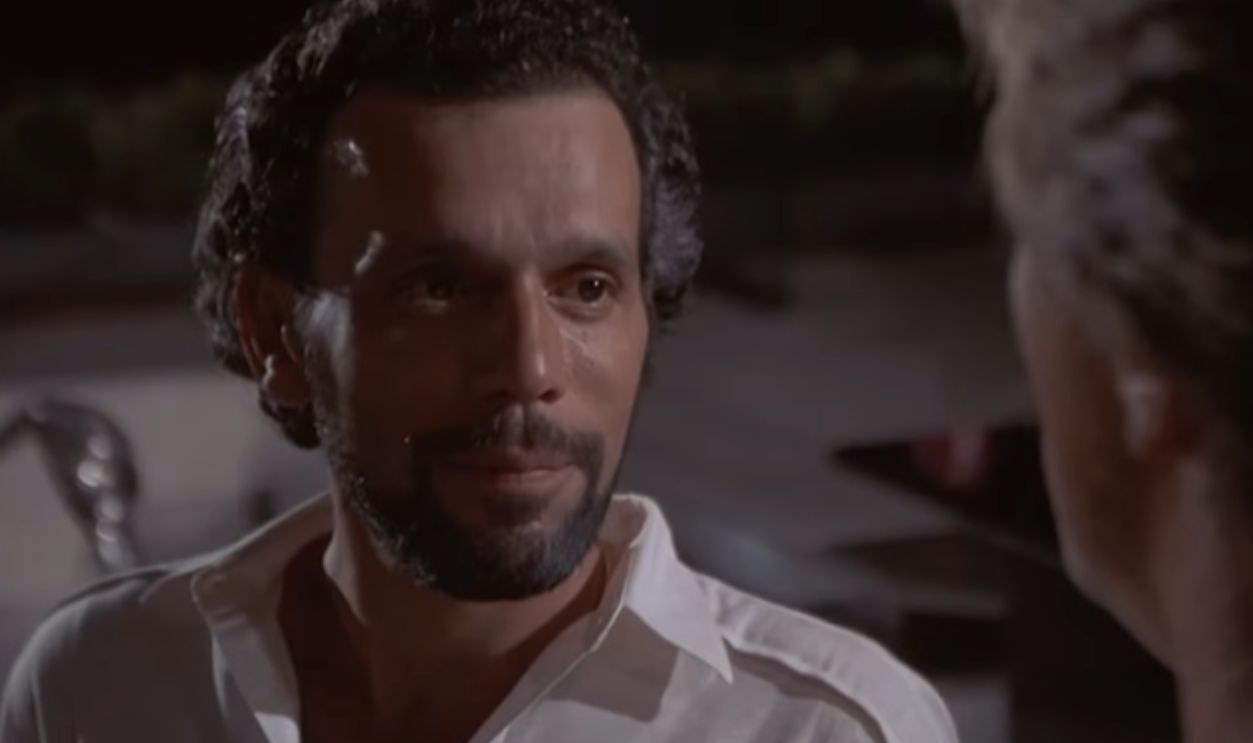 Screenshot from Miami Vice, NBCUniversal Television Distribution (1984-1989)
The Master Loved Causing Trouble
Doctor Who’s greatest recurring enemy entered the 1980s with a new face. Anthony Ainley’s Master was charming, theatrical, ruthless, and seemingly incapable of permanently disappearing. He wanted power, revenge, and occasionally the destruction of everything. Whatever the plan, he always seemed delighted that the Doctor had shown up to stop him.
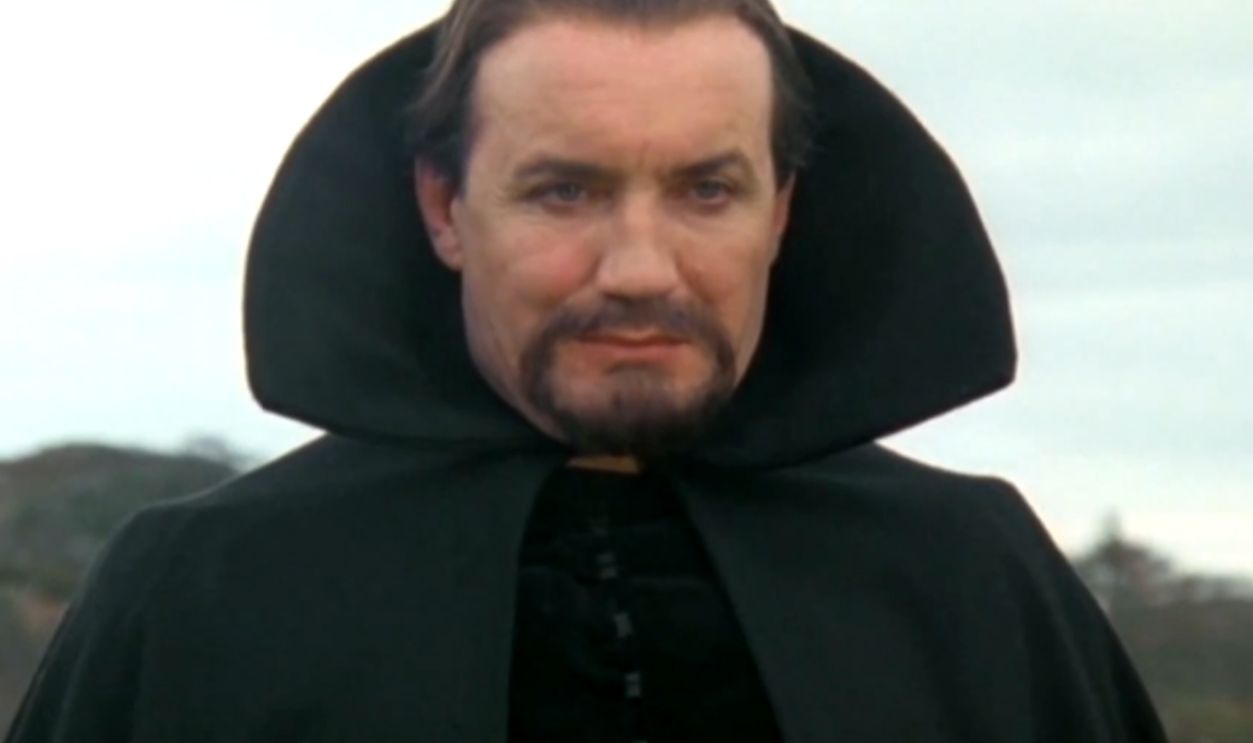 Screenshot from Doctor Who, BBC (1963-1989)
Davros Was Nightmare Fuel
Creator of the Daleks, Davros returned several times during 1980s Doctor Who, looking as unsettling as ever. Half genius and half nightmare, he treated morality as an inconvenience while dreaming up increasingly dangerous schemes. The Daleks were frightening enough by themselves. Meeting the person responsible for them somehow made everything worse.
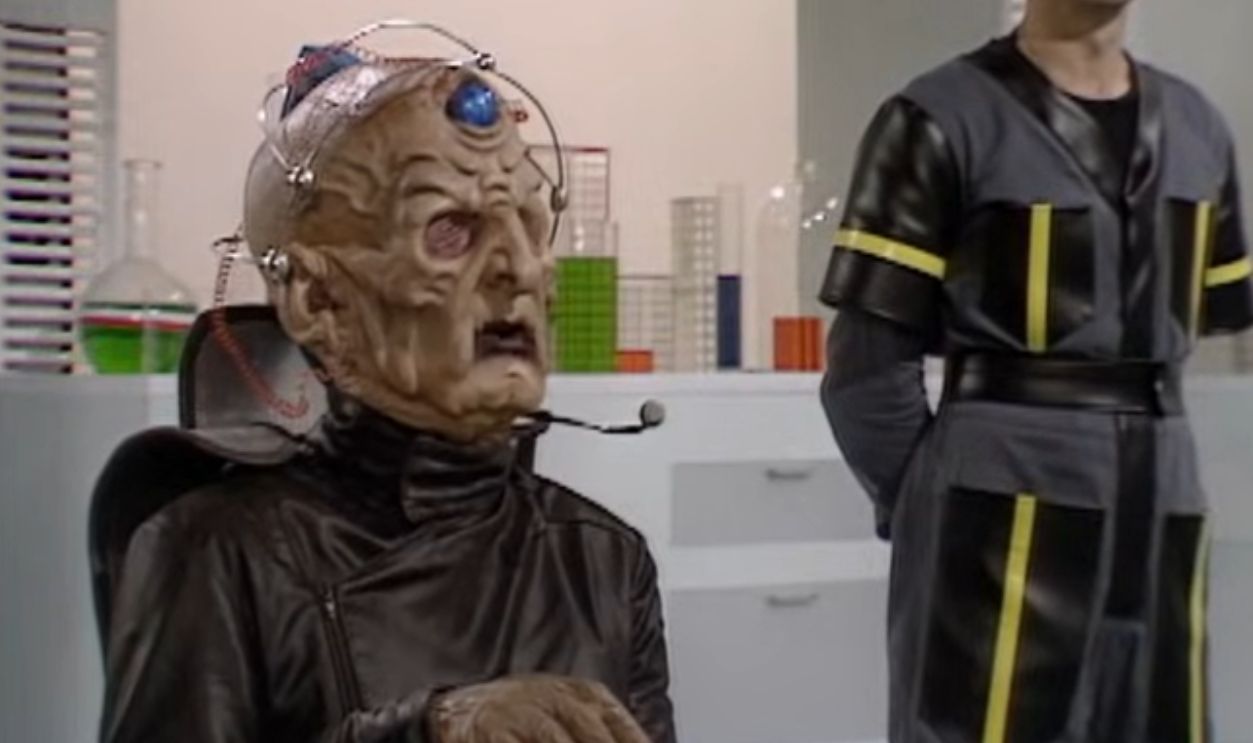 Screenshot from Doctor Who, BBC (1963-1989)
Lore Was Data Without The Conscience
Star Trek: The Next Generation introduced Data as curious, thoughtful, and fascinated by humanity. Then viewers met his brother Lore. Identical in appearance but dangerously unstable, Lore provided Brent Spiner with the chance to turn Data’s familiar face into something threatening. Evil twins were apparently not limited to soap operas.
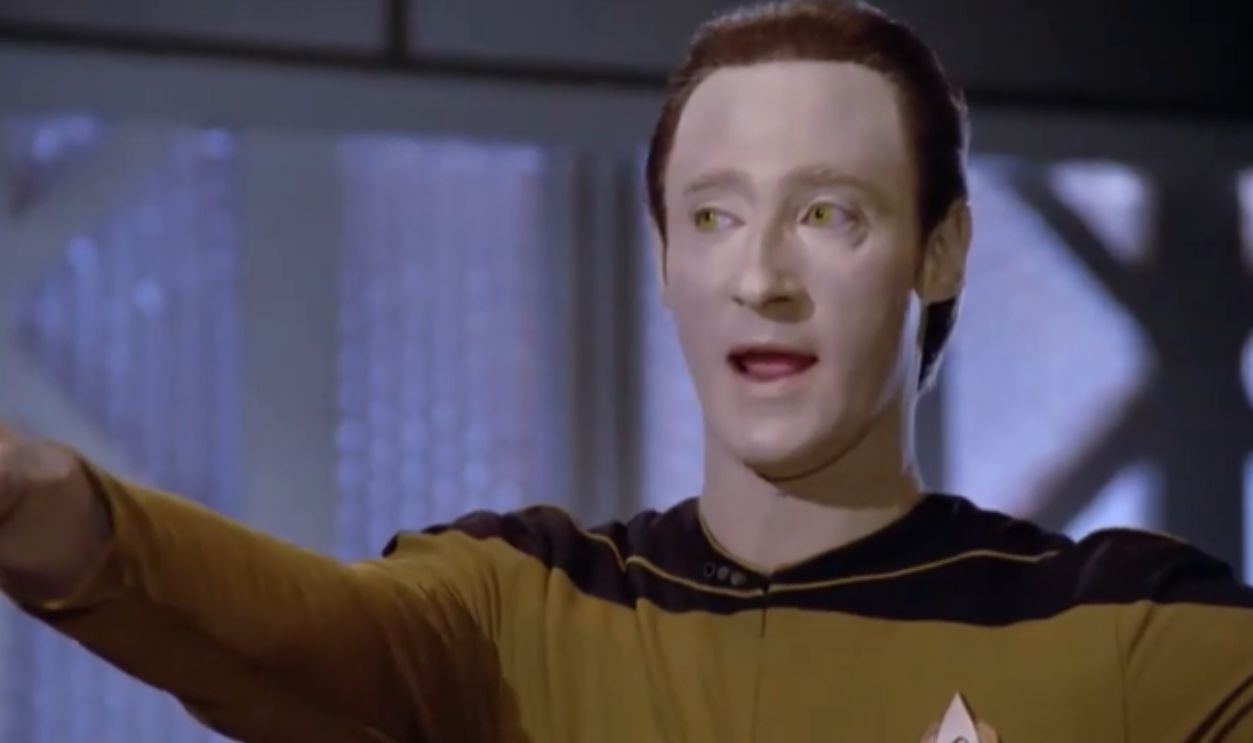 Screenshot from Star Trek: The Next Generation, Paramount Domestic Television (1987-1994)
The Borg Arrived Without Warning
The Borg did not dominate Star Trek: The Next Generation until the 1990s, but their unforgettable introduction came in 1989. Cold, relentless, and uninterested in negotiation, they felt completely different from typical television villains. There were no tantrums or grand speeches—just assimilation, which somehow made them even scarier.
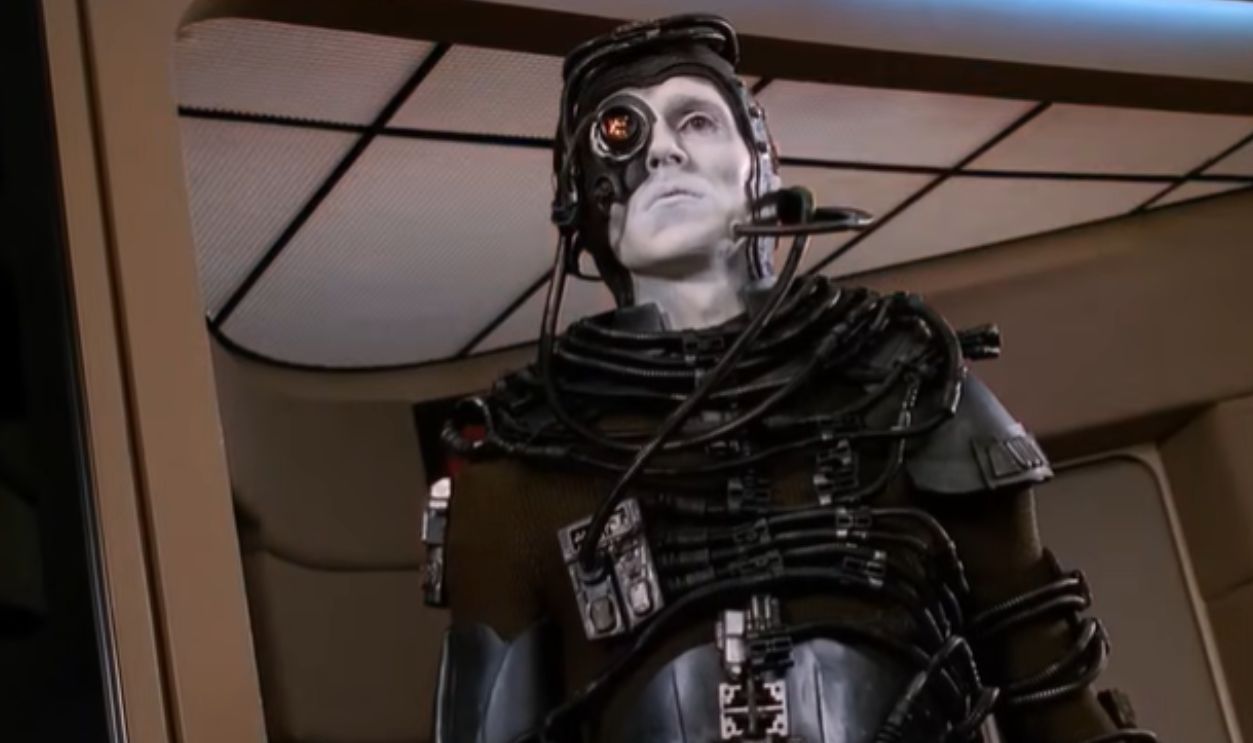 Screenshot from Star Trek: The Next Generation, Paramount Domestic Television (1987-1994)
Cobra Commander Never Stopped Shouting
Cobra Commander spent G.I. Joe developing ridiculously ambitious plans that usually collapsed before the credits rolled. None of that damaged his confidence. With his masked appearance, unmistakable voice, and constant frustration with incompetent underlings, he became one of the defining animated villains of Saturday morning television.
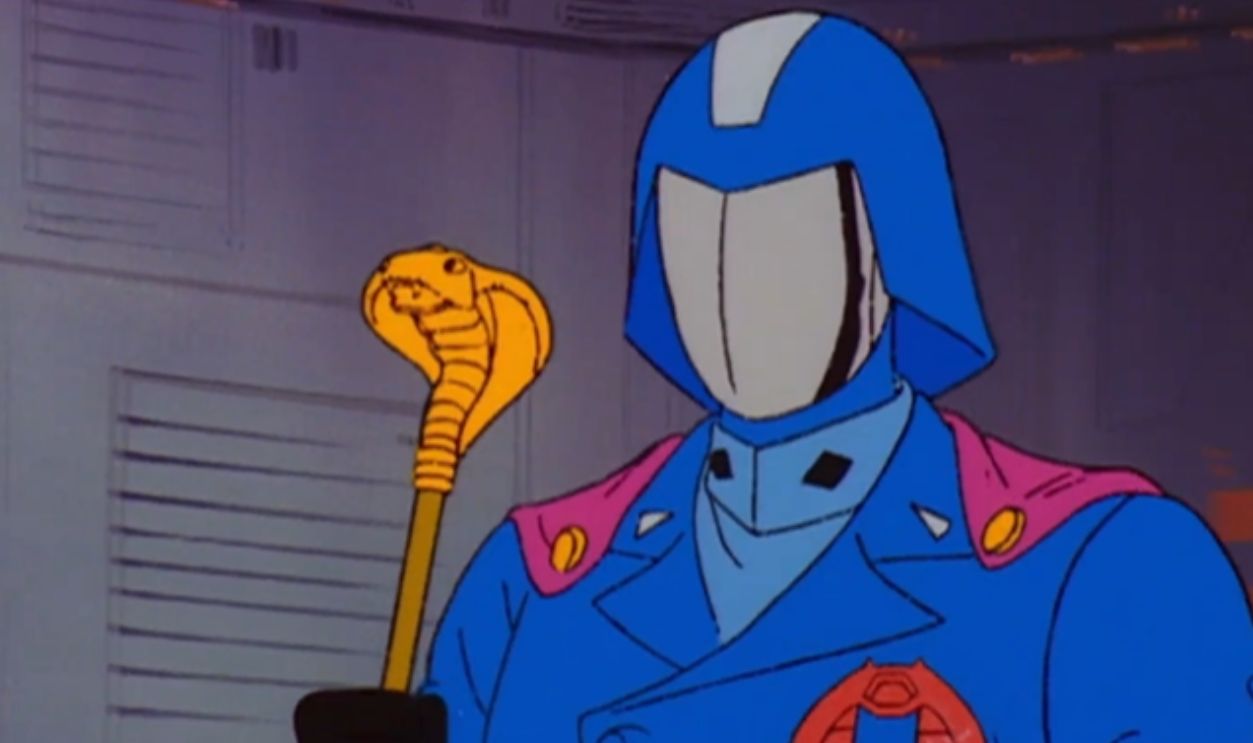 Screenshot from G.I. Joe: A Real American Hero, Claster Television (1983-1986)
Skeletor Had The Best Insults
Skeletor supposedly wanted to conquer Eternia and seize Castle Grayskull, but viewers might remember his sarcastic yelling just as clearly. The He-Man and the Masters of the Universe villain was theatrical, impatient, and surrounded by henchmen who regularly disappointed him. Somehow, losing every week never reduced his enthusiasm.
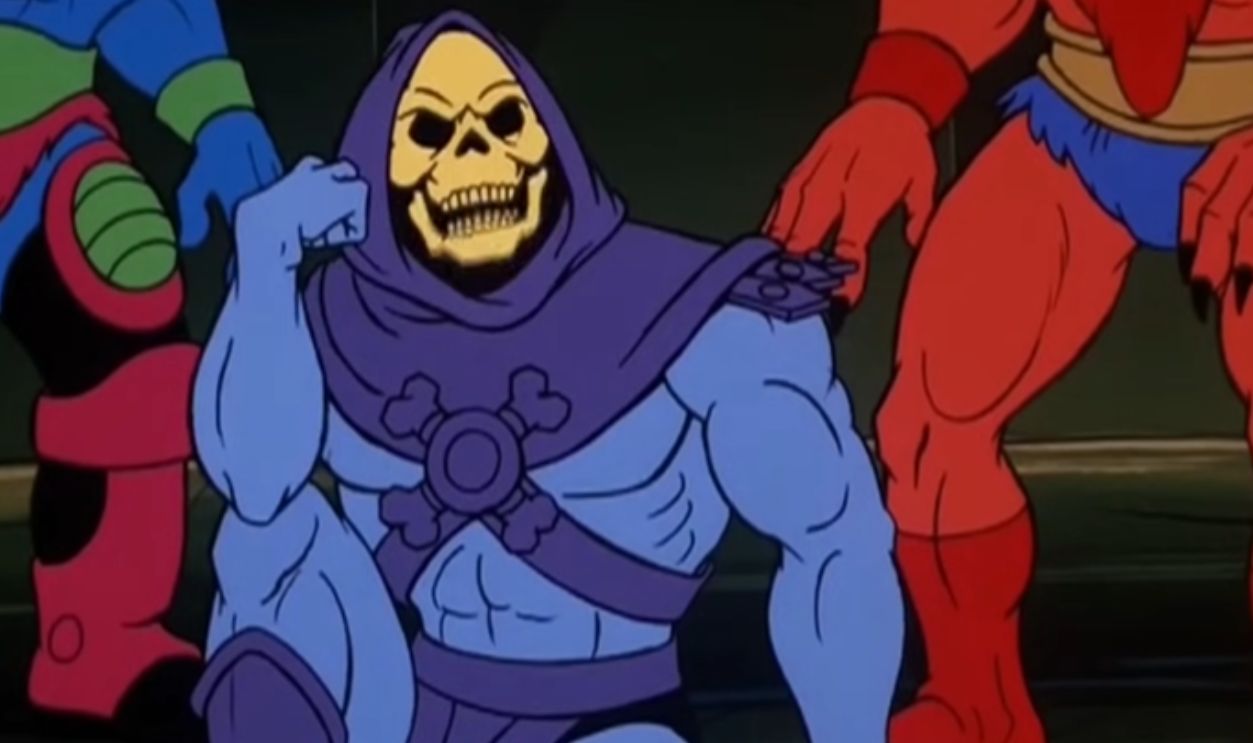 Screenshot from He-Man and the Masters of the Universe, Universal Television (1983-1985)
Megatron Wanted Total Control
Where Optimus Prime represented courage and leadership, Megatron represented raw ambition. The Transformers villain wanted to defeat the Autobots, control Cybertron, and generally make life miserable for everyone standing nearby. His booming voice and constant clashes with Starscream made Decepticon headquarters entertaining even when its plans went nowhere.
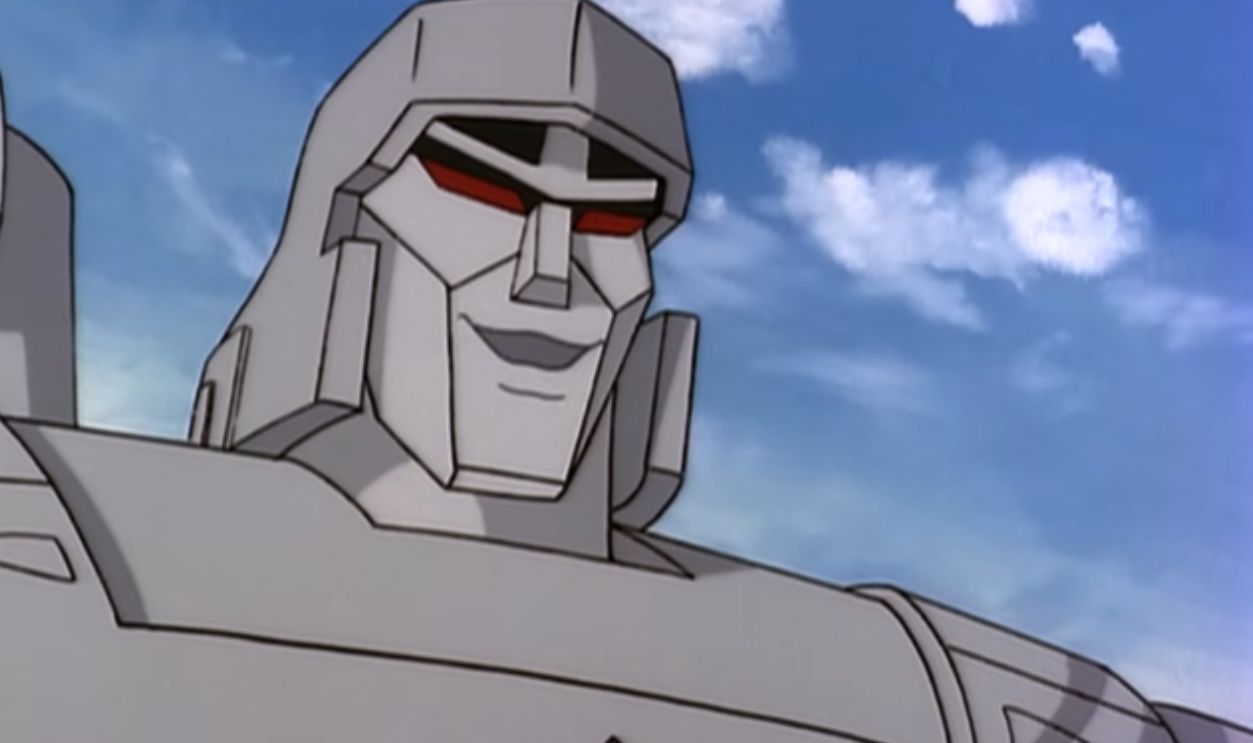 Screenshot from Transformers: Generation 1, Claster Television (1984-1987)
Mumm-Ra Was Genuinely Creepy
Many cartoon villains were more funny than frightening. Mumm-Ra was different. The ancient sorcerer from ThunderCats transformed from a frail mummy into a towering supernatural menace, giving young viewers a surprisingly creepy antagonist. Even his dramatic transformation sequence made it clear that Lion-O had serious trouble coming.
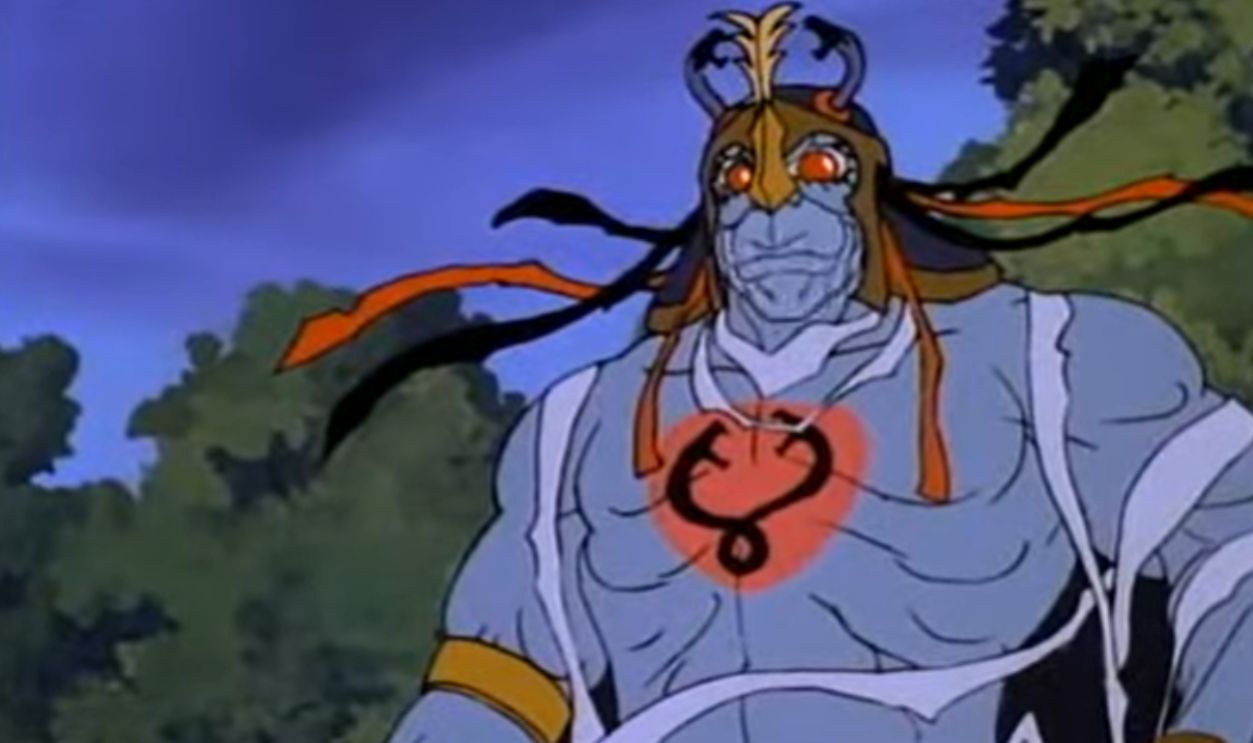 Screenshot from ThunderCats, Warner Bros. Television Distribution (1985-1989)
Shredder Ruined Pizza Night
The 1987 Teenage Mutant Ninja Turtles series transformed Shredder into a wonderfully frustrated villain constantly surrounded by strange mutants and questionable plans. He wanted to defeat Splinter and the Turtles, but usually ended up arguing with Krang. For an evil ninja mastermind, his workplace was remarkably dysfunctional.
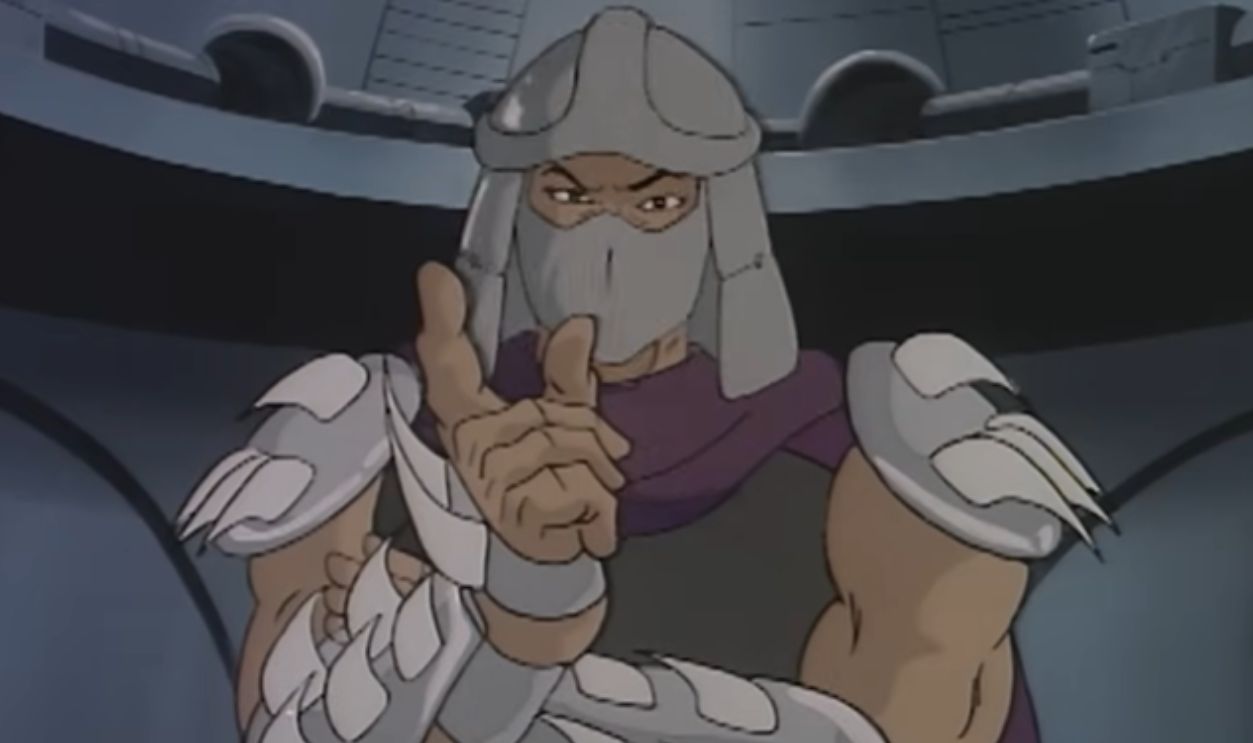 Screenshot from Teenage Mutant Ninja Turtles, Nickelodeon (1987-1996)
Dr. Claw Stayed Mysterious
Viewers watched Inspector Gadget for years without properly seeing Dr. Claw’s face. Instead, they got his metal glove, ominous chair, sinister voice, and unfortunate cat. His elaborate M.A.D. schemes repeatedly failed because of Penny and Brain, although Gadget naturally believed he had solved everything himself.
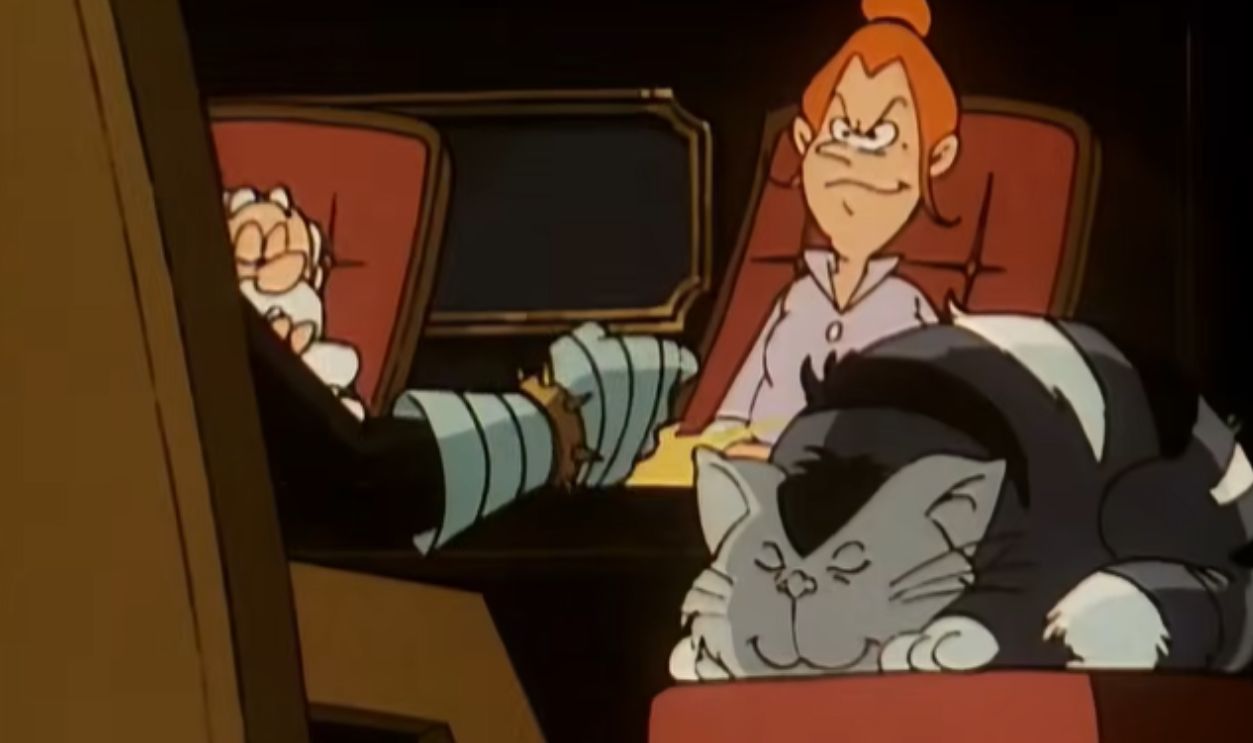 Screenshot from Inspector Gadget, DIC Audiovisuel (1983-1986)
Venger Made Dungeons Dangerous
The kids in Dungeons & Dragons already had enough problems trying to get home. Then there was Venger. With his wings, horned helmet, and menacing voice, he seemed genuinely dangerous compared with many cartoon villains. Every encounter reminded viewers that this colorful fantasy world could become surprisingly dark.
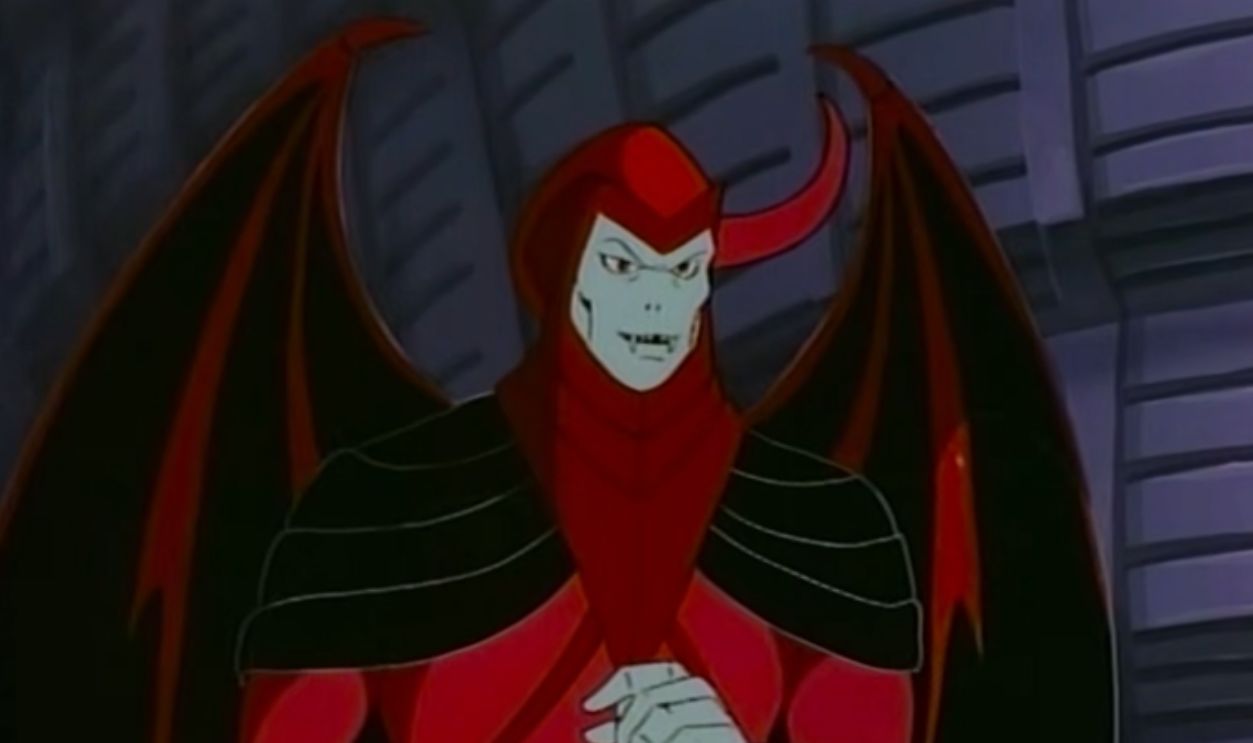 Screenshot from Dungeons & Dragons, CBS (1983-1985)
The Villains We Still Love To Hate
The greatest 1980s television villains did more than make life difficult for the heroes. They made shows more exciting, ridiculous, glamorous, or frightening. Whether they were plotting in boardrooms or commanding evil armies, these characters understood one important rule: if you’re going to be bad, at least be unforgettable.
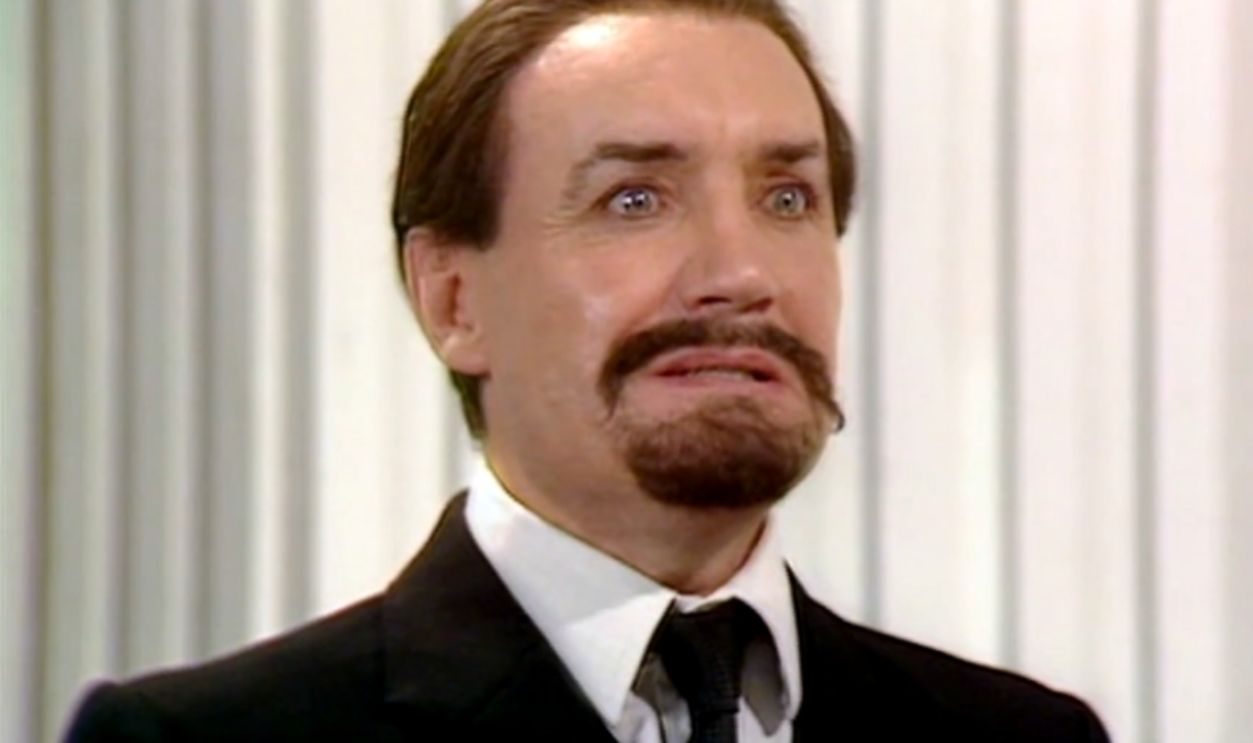 Screenshot from Doctor Who, BBC (1963-1989)
You May Also Like:
Vic Tayback Became Mel Sharples So Completely That Viewers Forgot How Long He Had Been Acting