The Face Everyone Knew
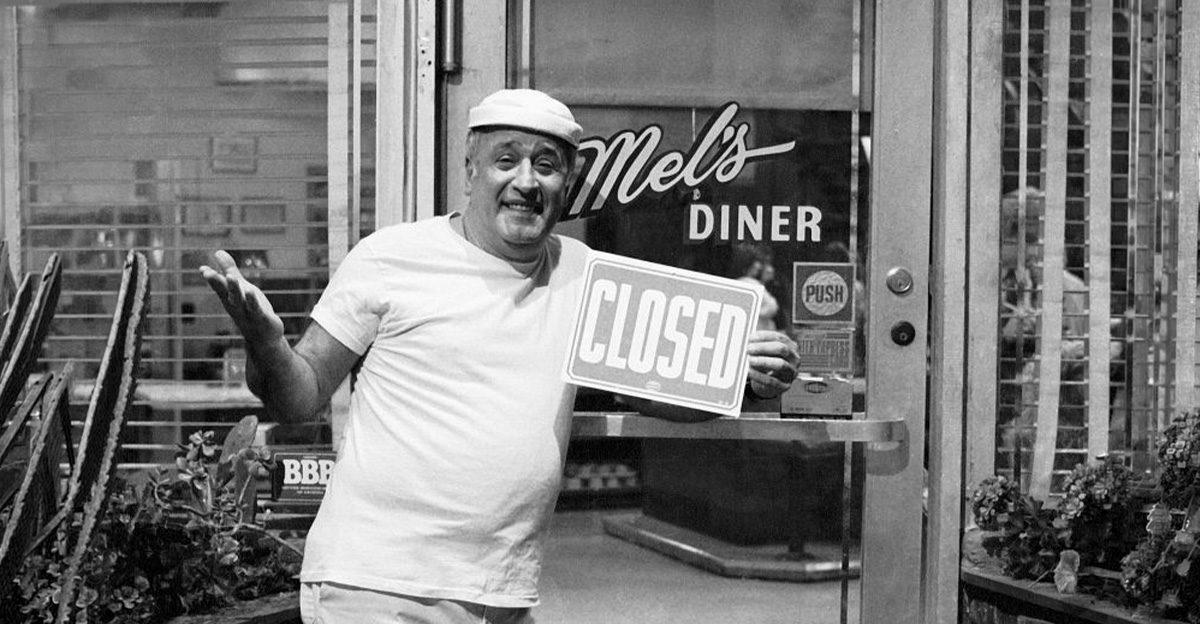
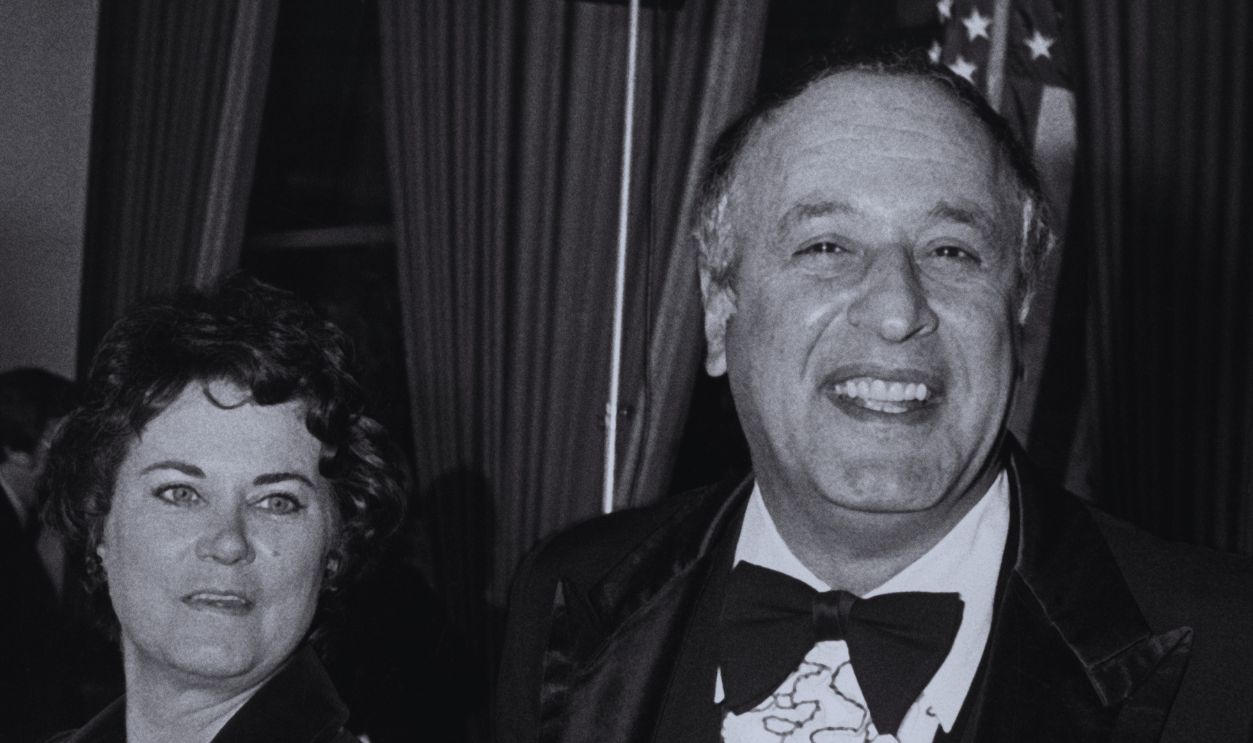
For millions of viewers, Vic Tayback simply was Mel Sharples: the loud, stubborn, perpetually irritated owner of Mel’s Diner on Alice. Yet Tayback had already spent roughly two decades acting before putting on Mel’s white T-shirt and cap. His overnight fame had been years in the making.
Brooklyn Beginnings
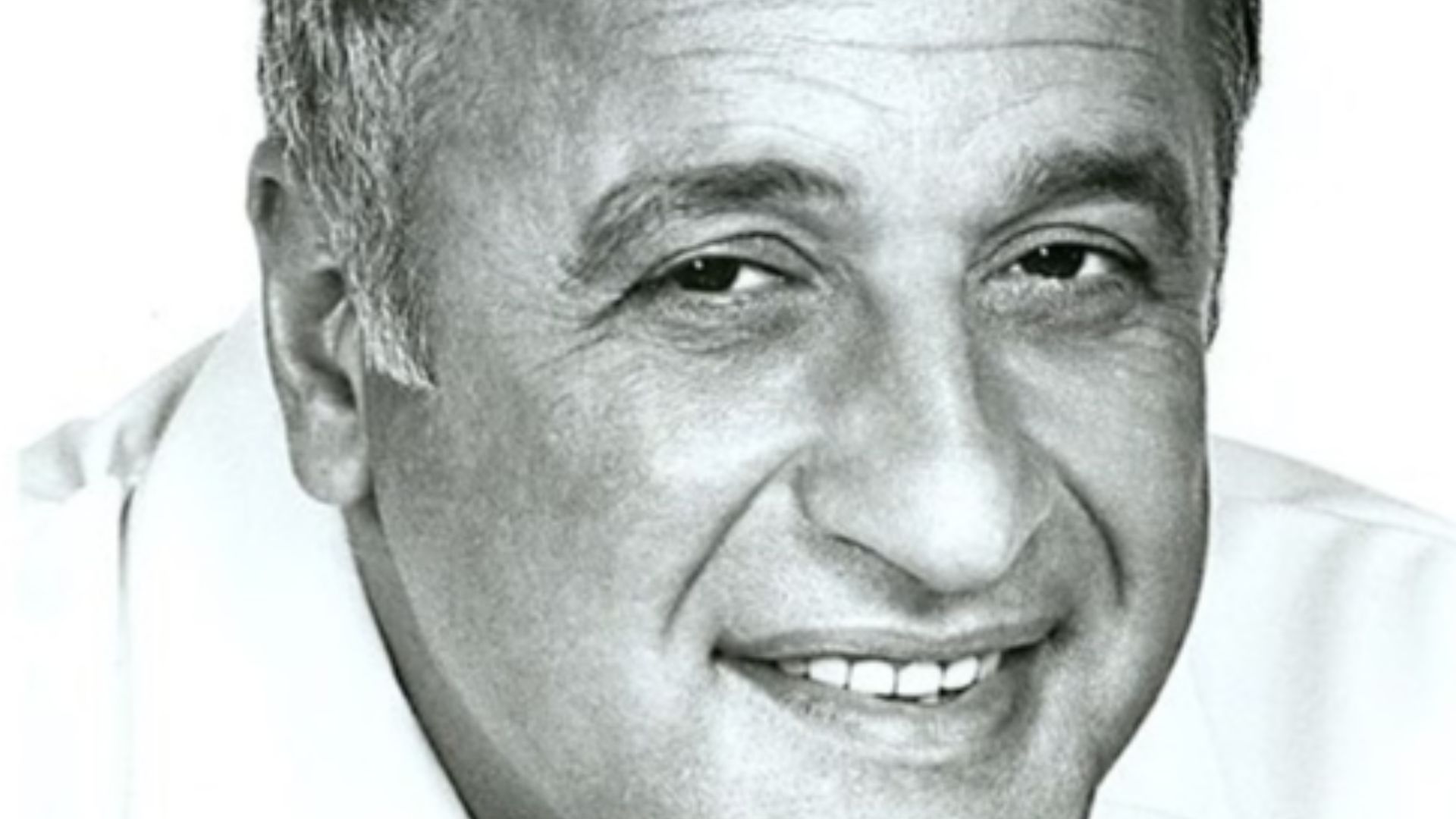
Tayback was born in Brooklyn, New York, in 1930, the son of Syrian immigrant parents. His family later moved to Southern California while he was young, putting him much closer to the entertainment business—although becoming an actor was not originally the plan.
 CBS Network, Wikimedia Commons
He Nearly Chose Broadcasting
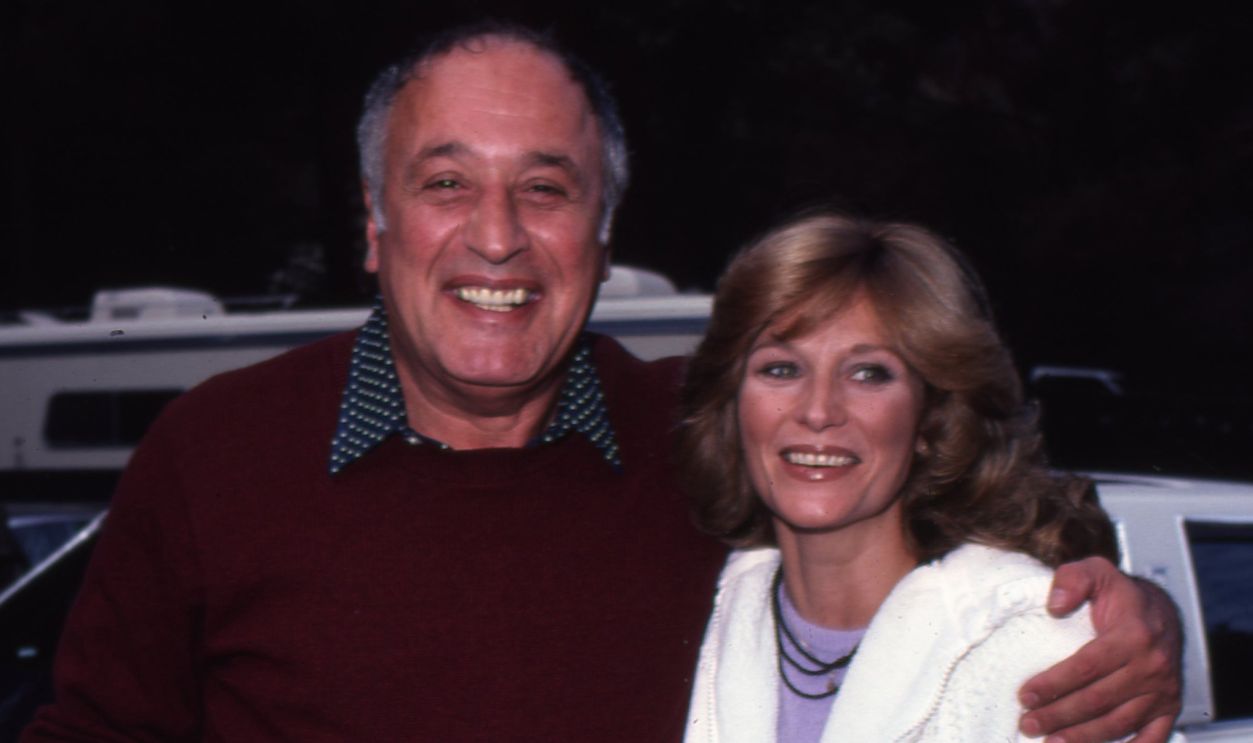
Tayback attended Glendale Community College and studied radio and television broadcasting, imagining that he might become a sports announcer. That career would have suited his unmistakable voice, but a completely different experience showed him that performing could be much more fun.
 Donaldson Collection, Getty Images
Acting Suddenly Made Sense
According to his Los Angeles Times obituary, appearing in a school production of Stalag 17 changed Tayback’s direction. He discovered that he enjoyed getting laughs from an audience. Broadcasting began fading into the background, while acting started looking like something worth pursuing seriously.
The Stage Came First
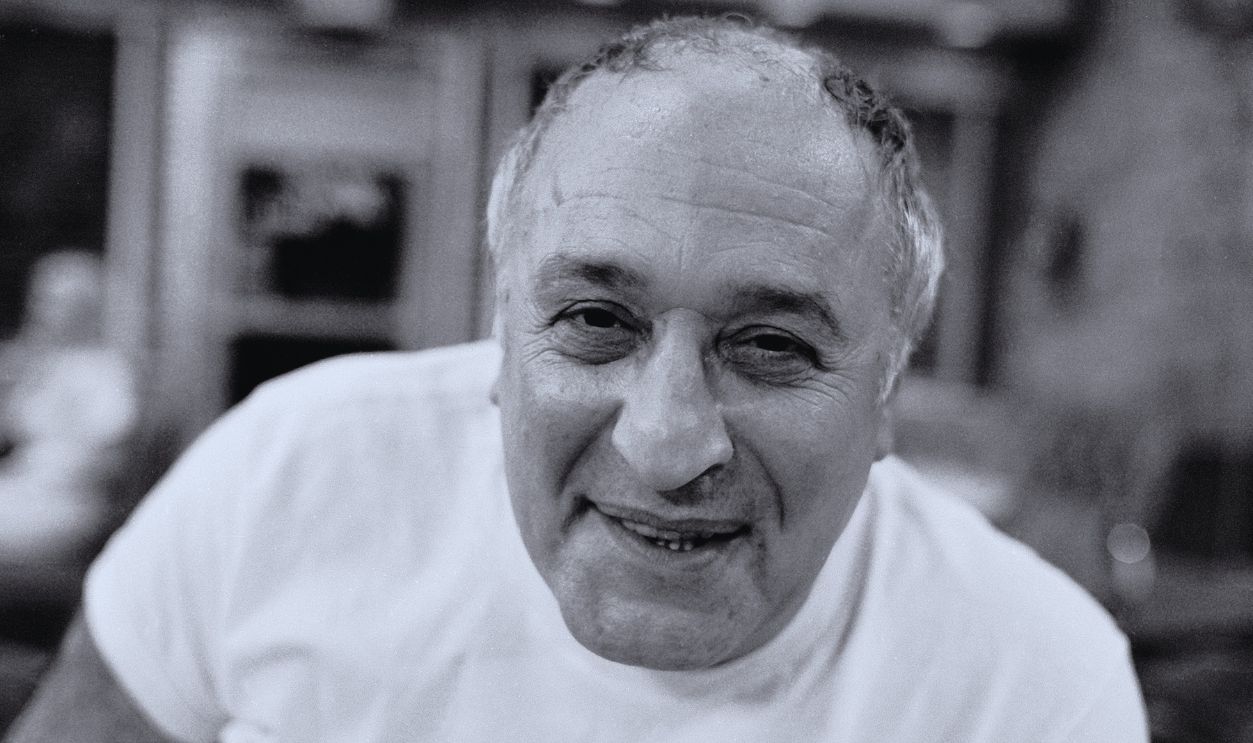
Long before television audiences recognized his face, Tayback was building his skills in theater. Over the years, he appeared in more than 25 stage productions, including Death of a Salesman, Twelve Angry Men, and The Diary of Anne Frank. It was serious training for a future sitcom favorite.
He Helped Build A Theater Company
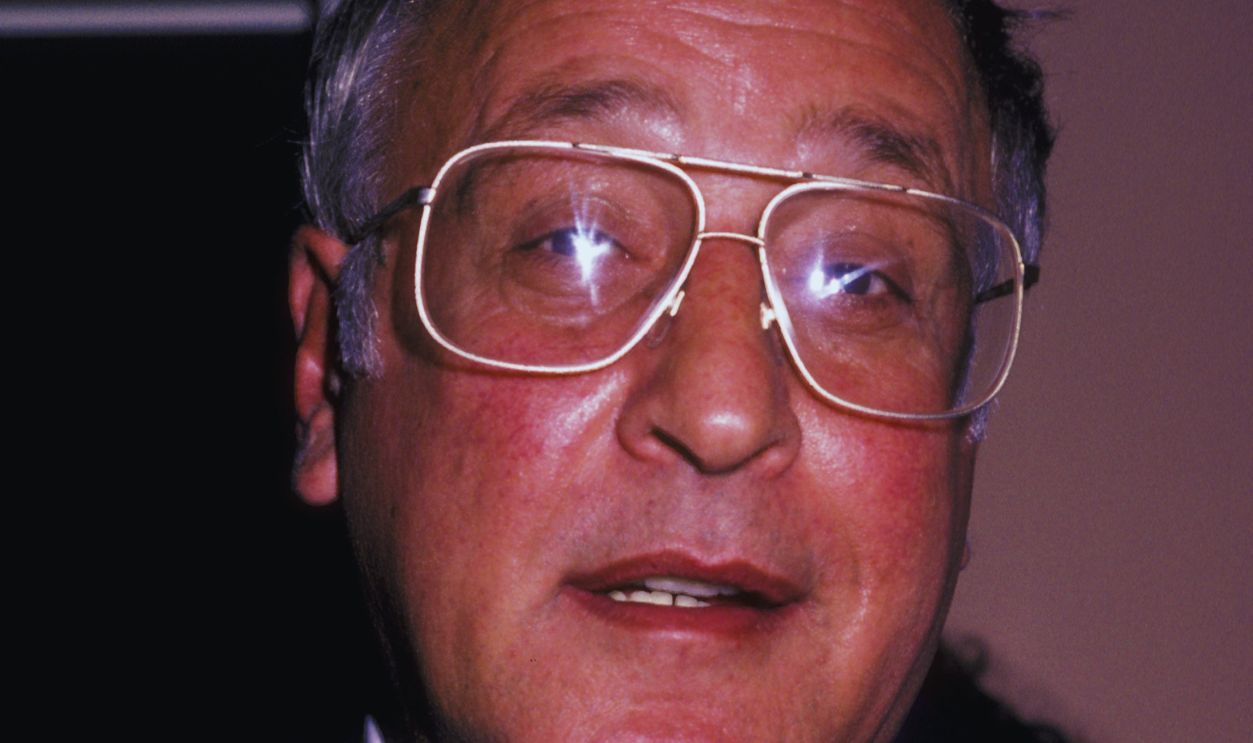
In 1959, Tayback was among the working actors who founded Los Angeles’ Company of Angels alongside performers including Leonard Nimoy, Richard Chamberlain, and Vic Morrow. The goal was simple: give actors somewhere to practice their craft without making commercial success the only concern.
Hollywood Wasn't Exactly Waiting
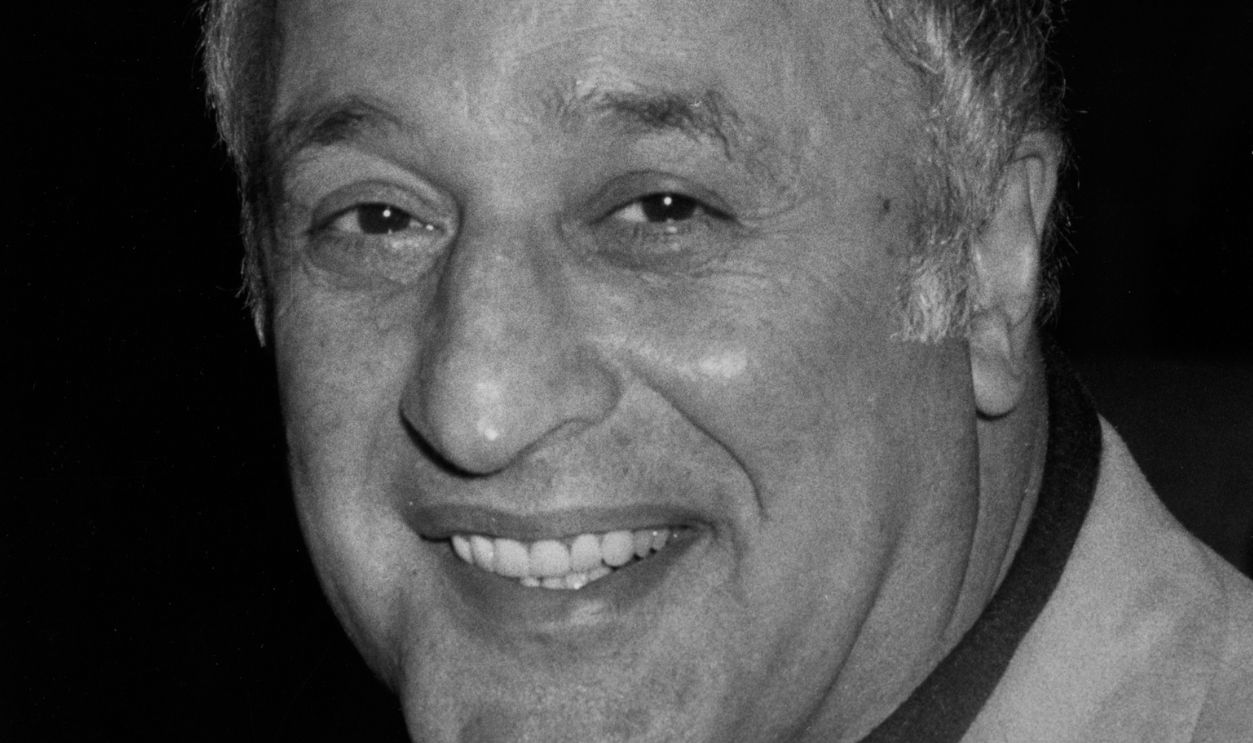
Tayback’s early career looked much like that of countless character actors: small parts, uncertain paychecks, and plenty of patience. Before acting became steady enough to support him, he reportedly worked jobs including bank teller and cab driver. Stardom was nowhere on the immediate horizon.
 Screenshot from Griff, NBCUniversal (1973-1974), enhanced
Television Started Calling
By the 1960s, Tayback was becoming one of those actors viewers recognized without necessarily knowing his name. He popped up across television, accumulating guest appearances rather than landing one giant breakthrough. Hollywood needed believable cops, crooks, businessmen, tough guys, and authority figures, and Tayback could deliver them.
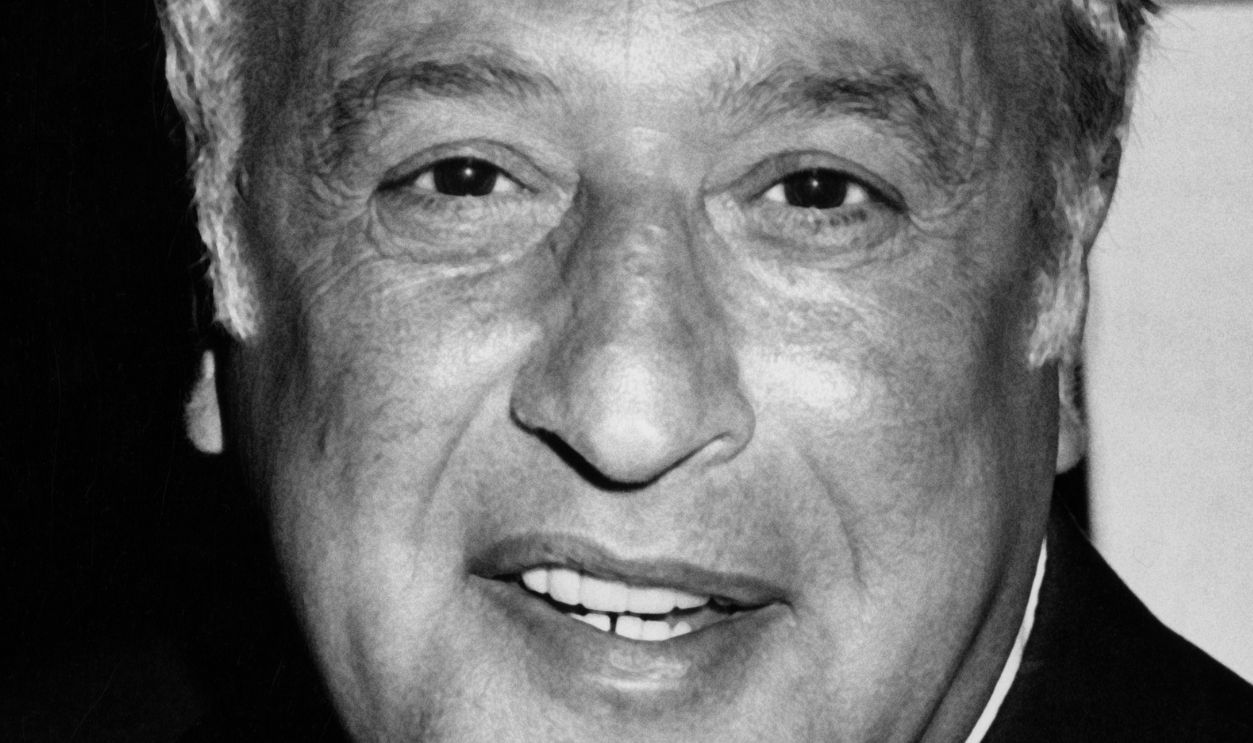
Westerns Were A Natural Fit
His sturdy presence worked particularly well in the westerns that dominated television at the time. Tayback appeared on programs including Gunsmoke, Bonanza, and Rawhide. Even in relatively small roles, he looked like somebody who belonged in whatever rough-and-tumble world the episode required.
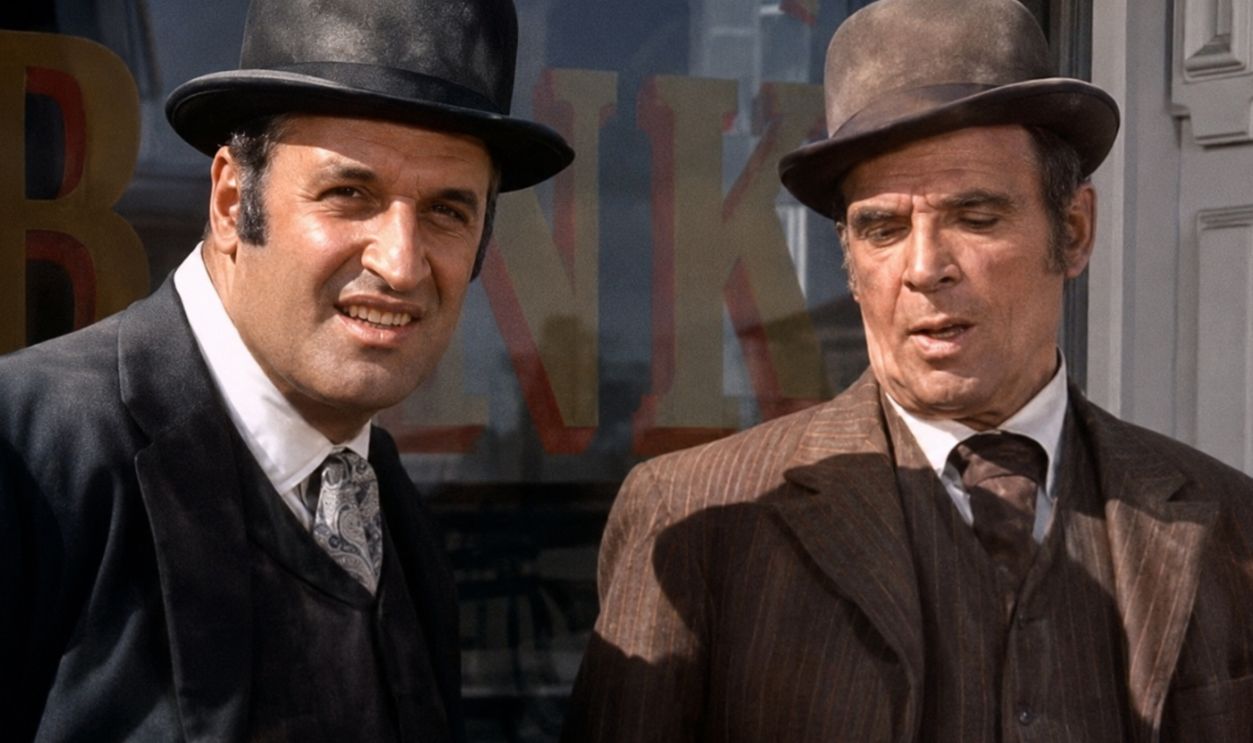 Screenshot from Bonanza, Paramount Global (1959-1973), enhanced
Comedy Wanted Him Too
Tayback wasn't limited to grim-faced heavies. His credits eventually included Get Smart, The Monkees, Bewitched, The Mary Tyler Moore Show, and All in the Family. His intimidating appearance could become very funny when paired with exasperation, confusion, or an explosive temper—qualities Mel would eventually use constantly.
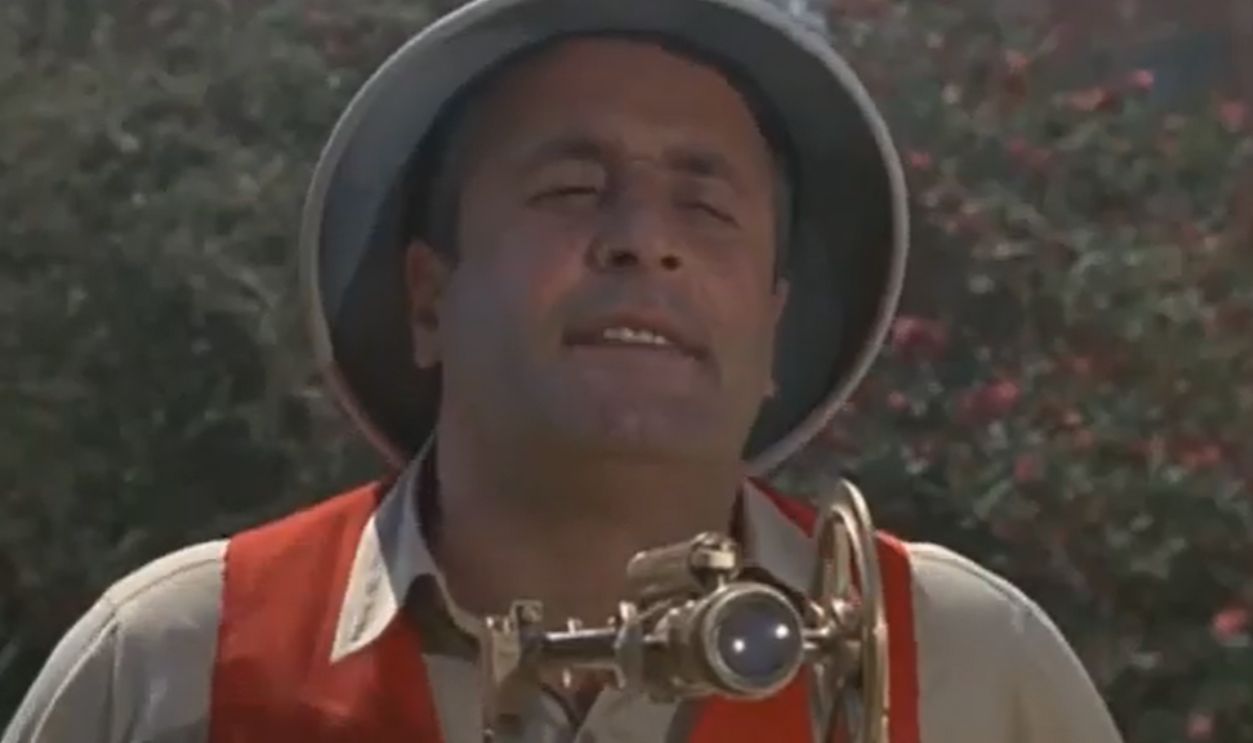 Screenshot from Bewitched, Sony Pictures Entertainment (1964-1972)
Star Trek Made Him A Gangster
One of Tayback’s most memorable pre-Alice television appearances came on Star Trek. In the 1968 episode “A Piece of the Action,” he played gangster boss Jojo Krako. The exaggerated mobster role let Tayback show that he could be threatening and funny almost simultaneously.
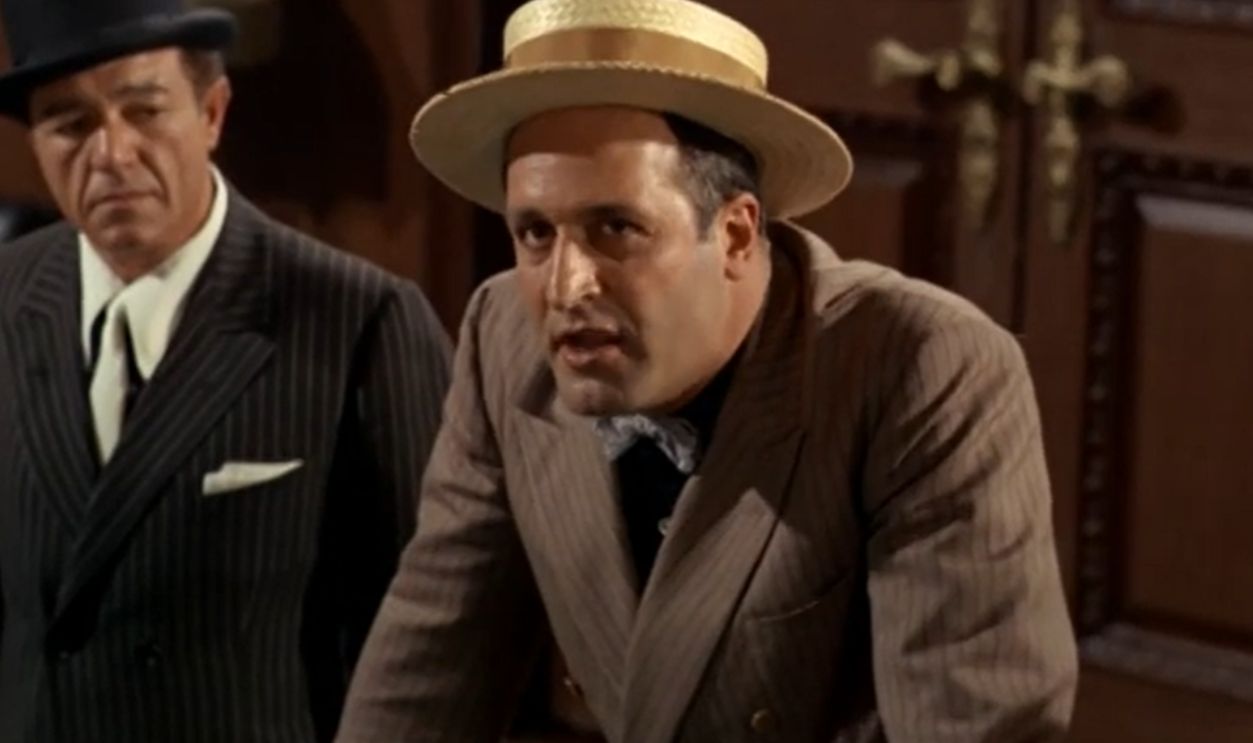 Screenshot from Star Trek: The Original Series, Paramount Global (1966-1969)
Bullitt Put Him In A Classic
That same year, Tayback appeared in Bullitt, the Steve McQueen crime thriller that became famous for its San Francisco car chase. Tayback wasn't the star, but appearing in a movie that enduring gave another boost to a résumé that was steadily becoming more impressive.
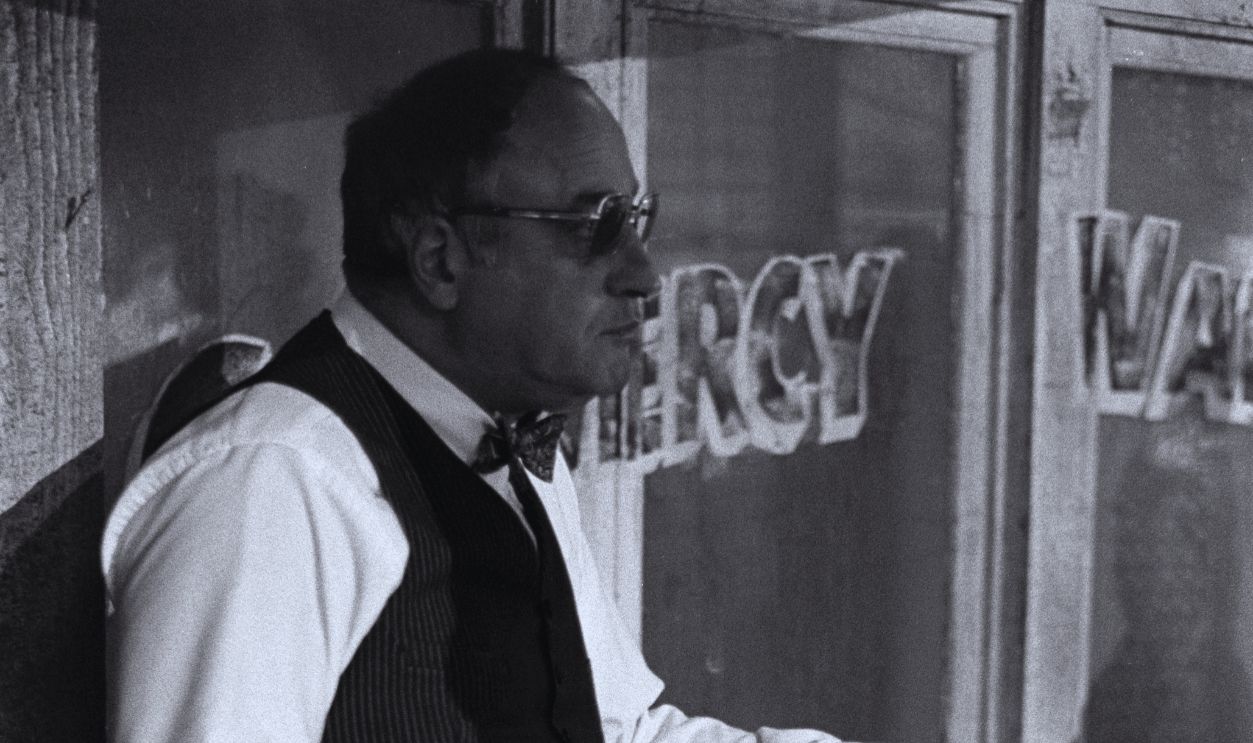
He Became A Dependable Character Actor
This was essentially Tayback’s professional identity before Mel: not a glamorous leading man, but the kind of performer producers could call when they needed instant personality. His face, voice, and physical presence communicated character quickly, an enormously useful talent in movies and episodic television.
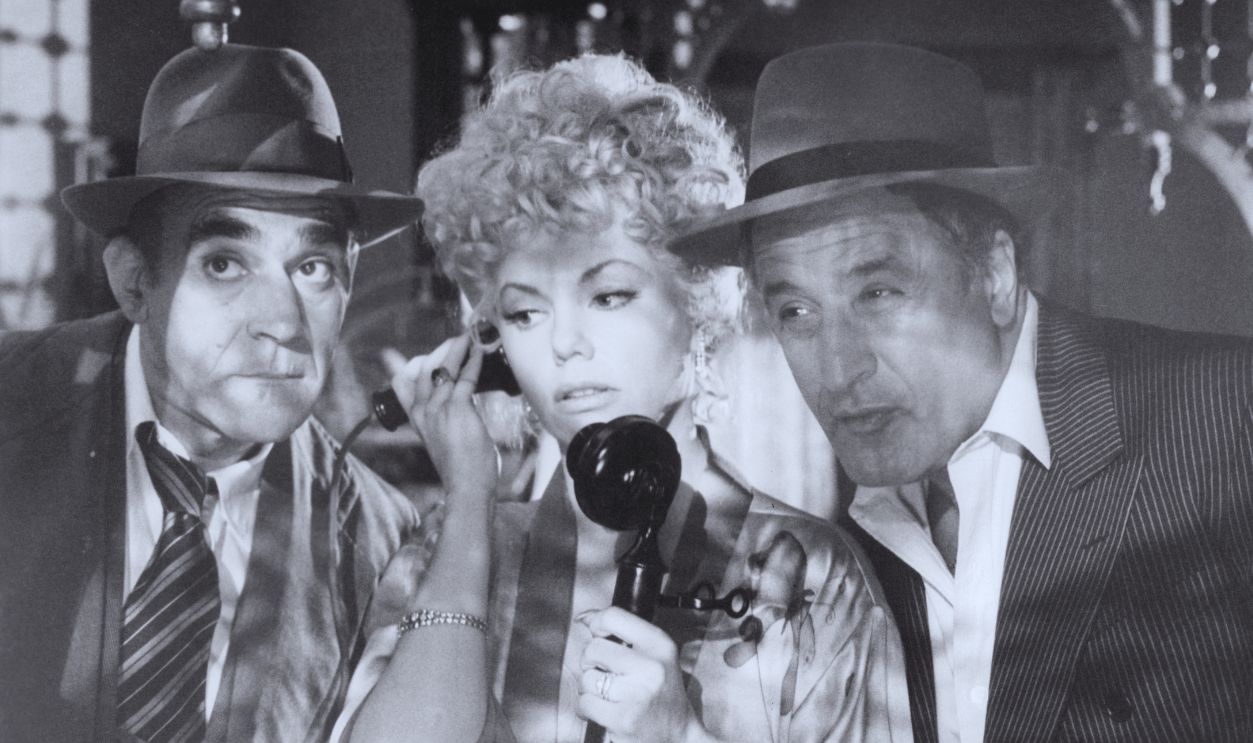 Michael Ochs Archives, Getty Images
The 1970s Brought Bigger Movies
As Tayback entered his forties, his film résumé became stronger. He appeared in Papillon, The Gambler, and Thunderbolt and Lightfoot, among other productions. After years of guest spots, he was now regularly sharing screens with some of Hollywood’s biggest stars.
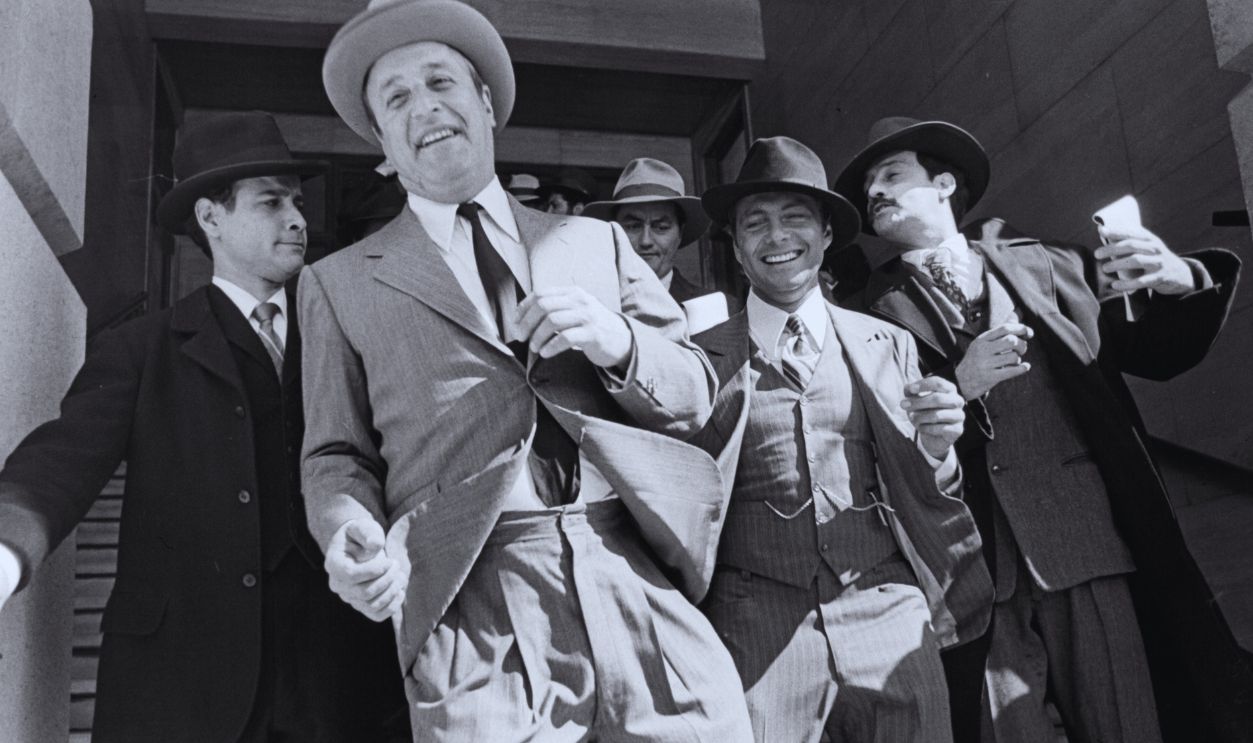 Michael Ochs Archives, Getty Images
Griff Finally Offered Something Regular
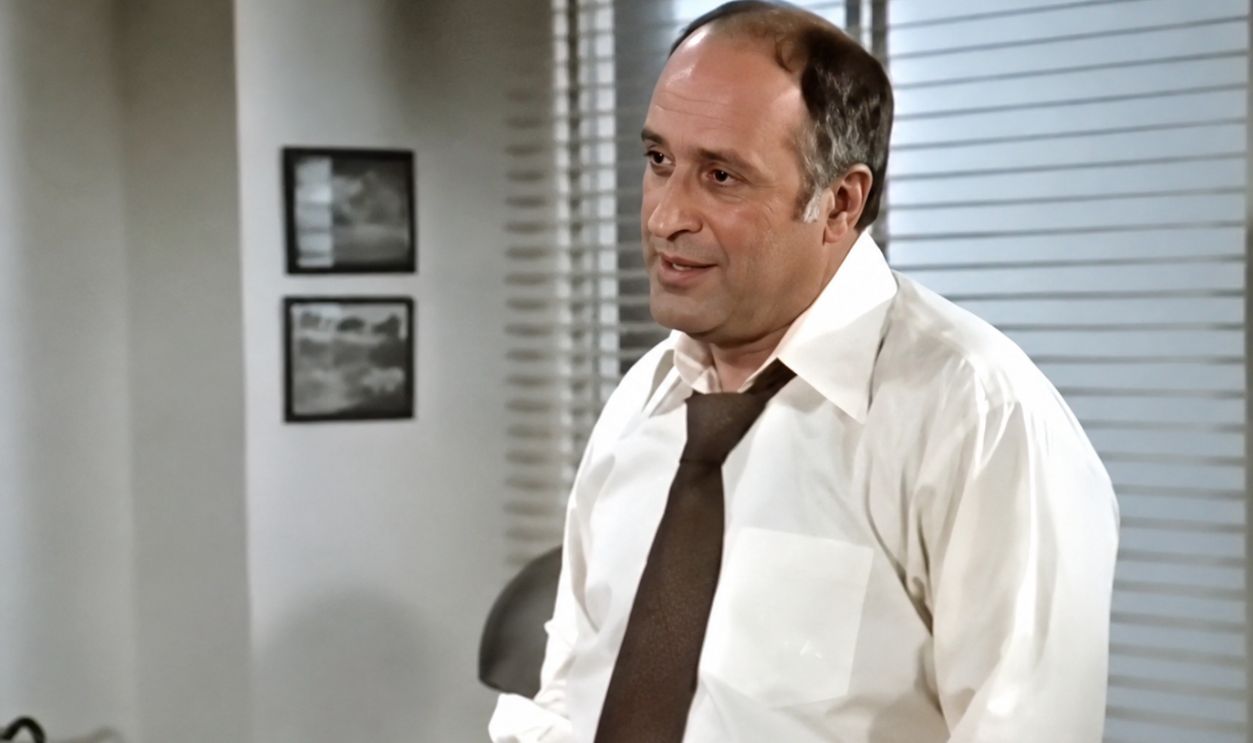
In 1973, Tayback landed his first regular television series role, playing Captain Barney Marcus on the crime drama Griff. The show didn't become his big breakthrough, but after years of bouncing between guest appearances, a recurring part represented meaningful progress.
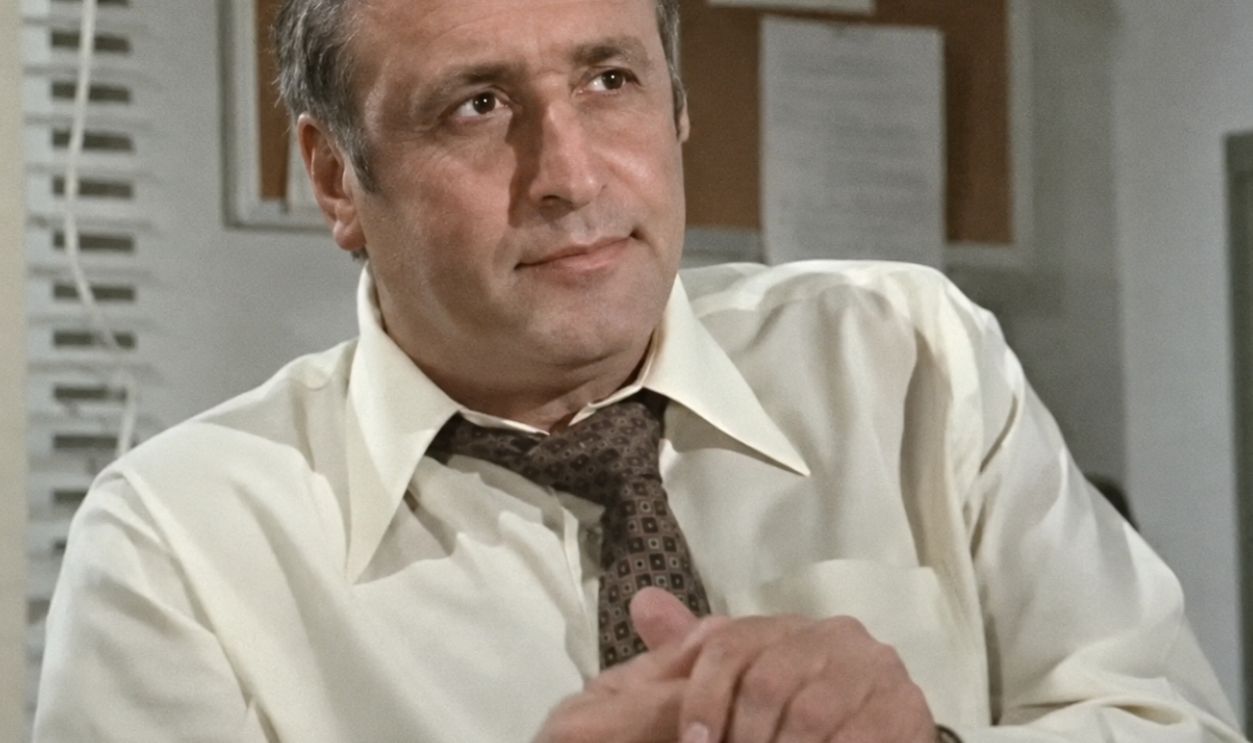 Screenshot from Griff, NBCUniversal (1973-1974), enhanced
Khan! Came Next
Another regular television opportunity followed with the short-lived 1975 detective series Khan!, where Tayback played Lieutenant Gubbins. Again, the series wasn't destined for television immortality. Still, Tayback was clearly moving beyond being merely the familiar guest star who disappeared when an episode ended.
Then Martin Scorsese Called
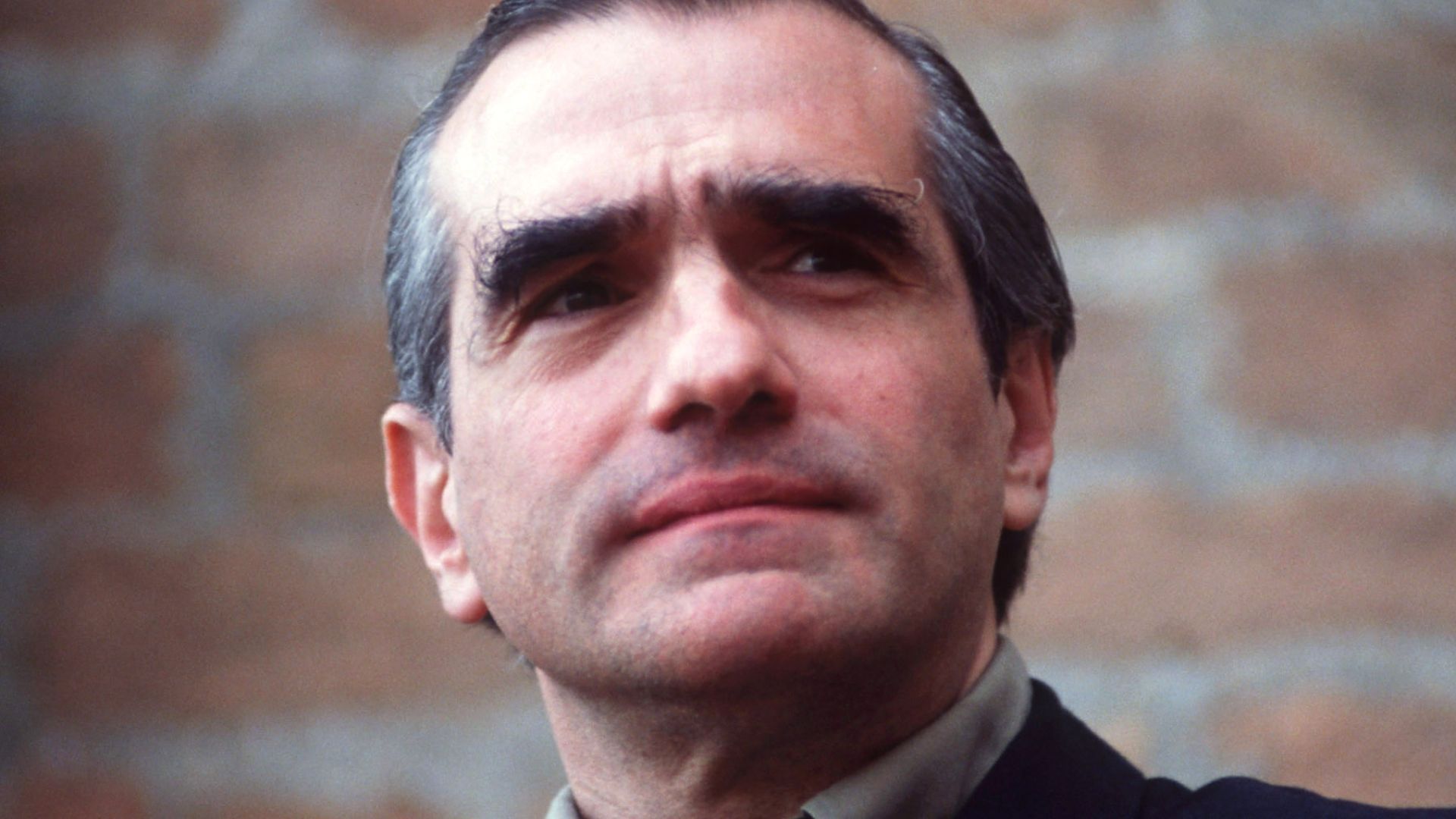
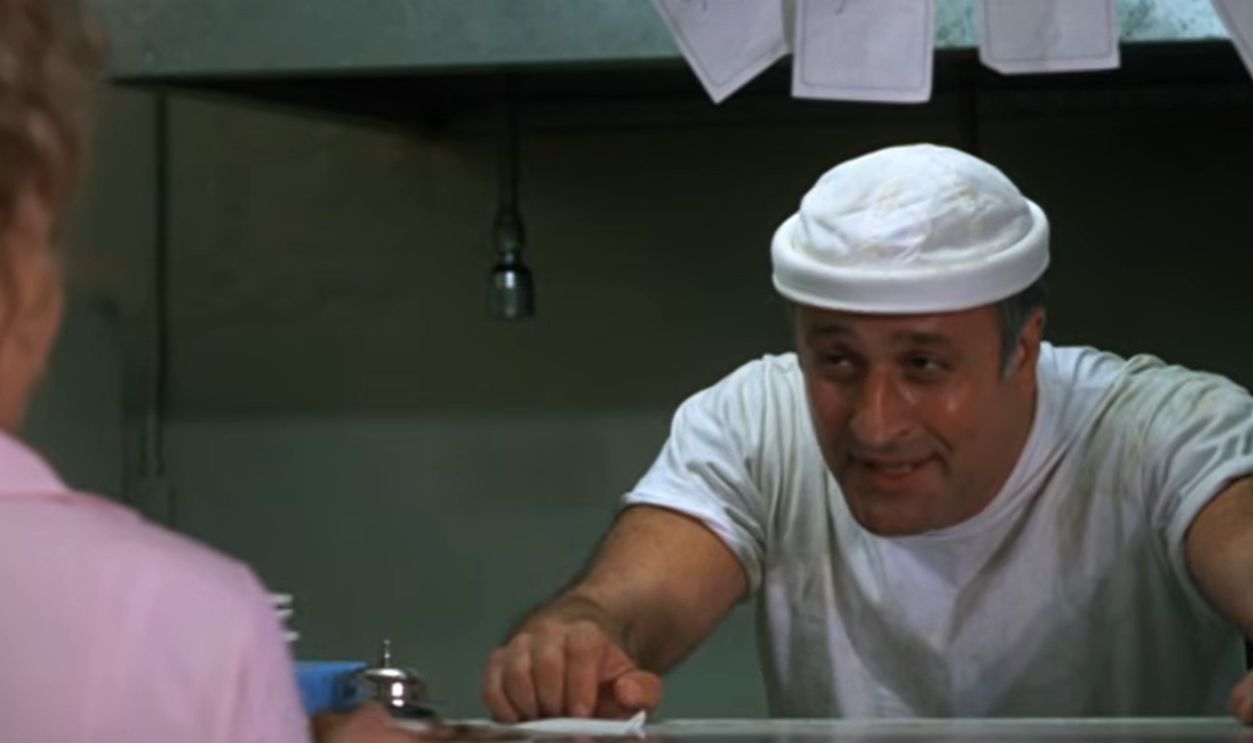
The role that transformed everything arrived with Martin Scorsese’s Alice Doesn’t Live Here Anymore. The 1974 film starred Ellen Burstyn as Alice Hyatt, but among its colorful supporting characters was the gruff owner of the diner where Alice finds work: Mel Sharples, played by Tayback.
 Gorup de Besanez, Wikimedia Commons
Mel Already Felt Fully Formed
Even on film, Mel possessed the ingredients audiences would later recognize: booming irritation, working-class bluntness, and flashes of humanity underneath all that noise. Tayback had spent years playing tough men and comic antagonists. With Mel, those pieces suddenly came together inside one character.
 Screenshot from Alice Doesn’t Live Here Anymore, Warner Bros. Discovery (1974)
He Was The One They Kept
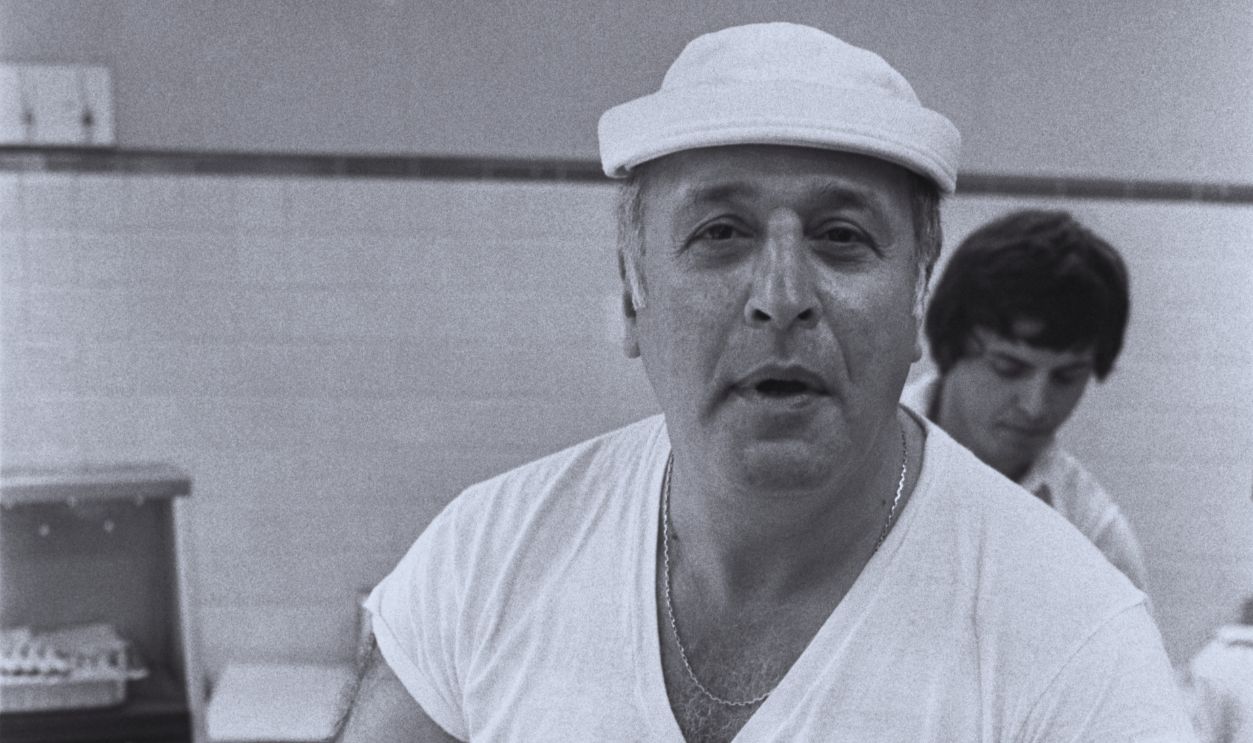
When the movie inspired the CBS sitcom Alice, most major roles were recast. Tayback, however, made the transition and remained Mel for the series. Alfred Lutter briefly returned as Tommy in the pilot, but Tayback became the movie performer who truly carried his character into the long-running show.
Alice Changed Everything
Premiering in 1976, Alice followed Linda Lavin’s widowed Alice Hyatt as she worked at Mel’s Diner in Phoenix. The sitcom lasted nine seasons, finally giving Tayback something he had never previously enjoyed: one character, one workplace, and years to make audiences remember him.
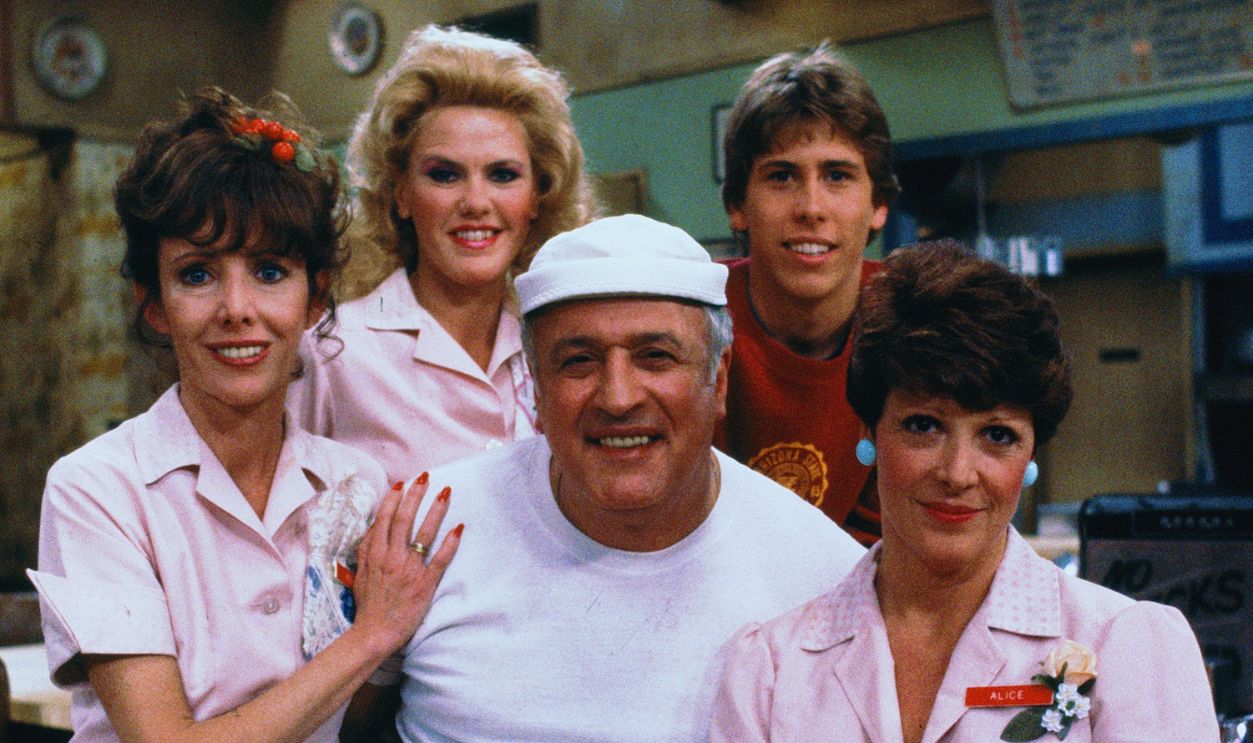
Mel Had An Instant Look
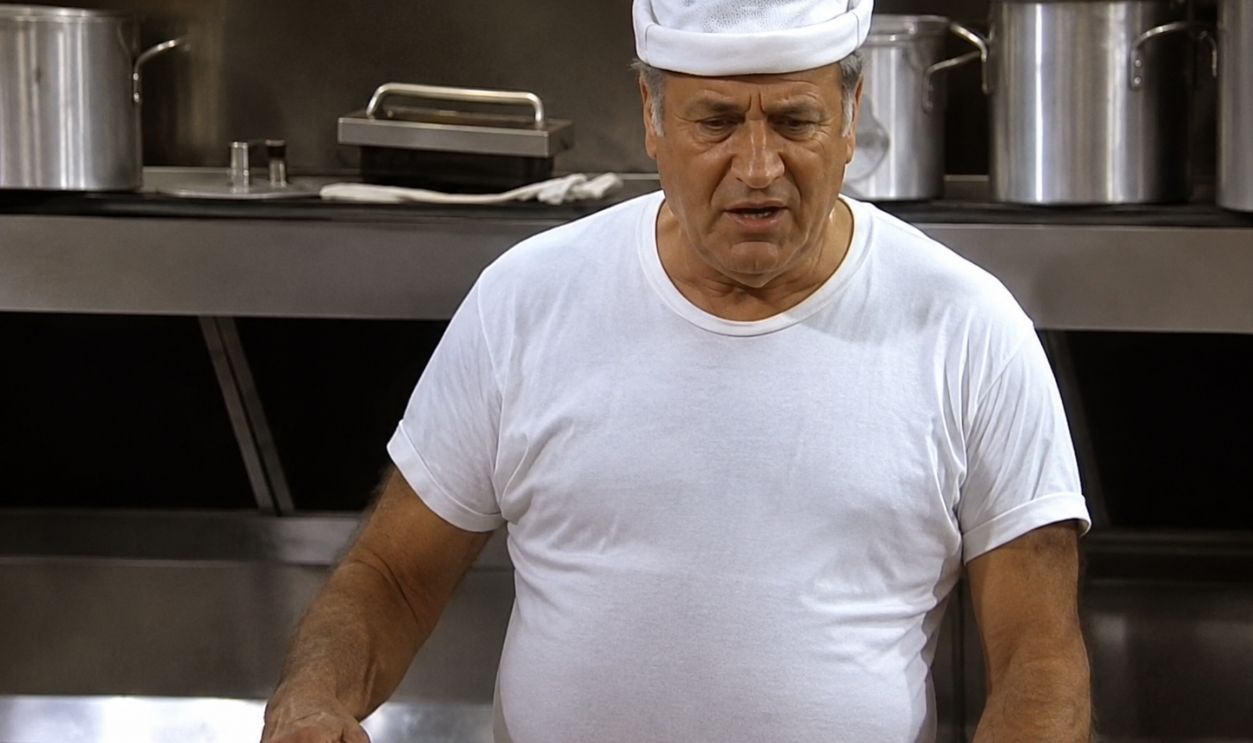
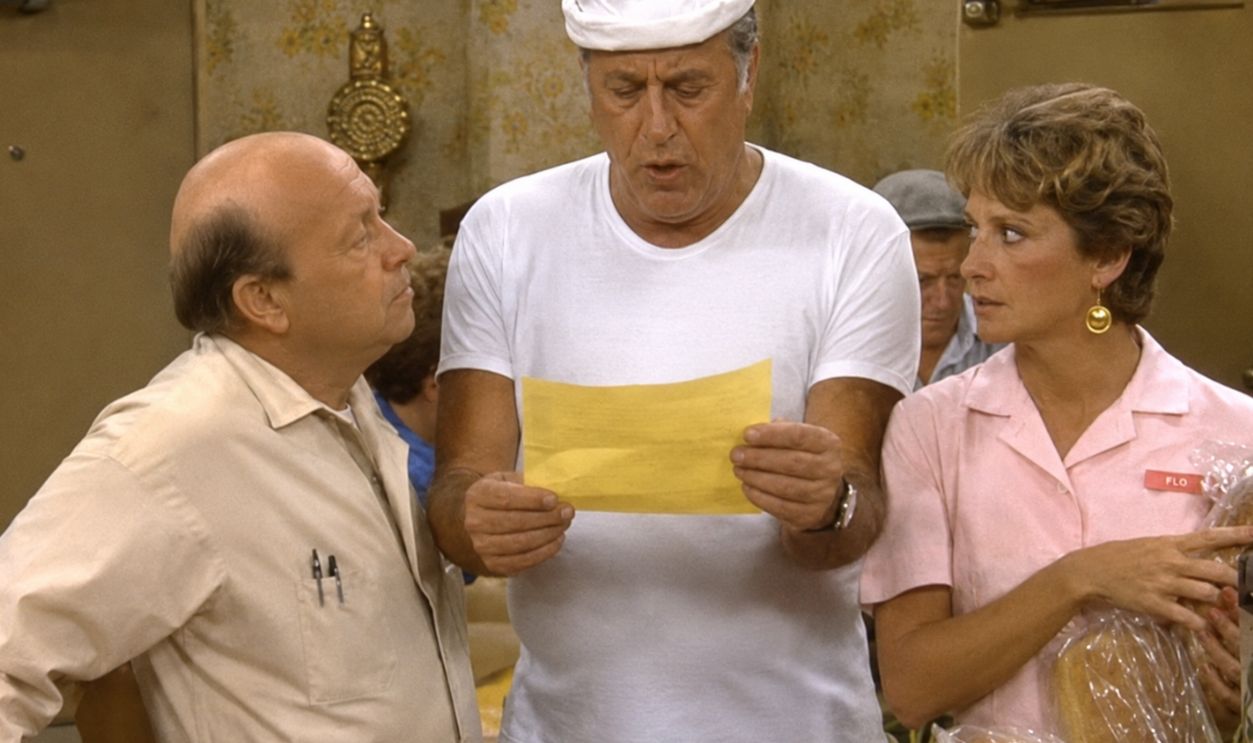
The rolled-up white cap, white T-shirt, apron, and permanently annoyed expression made Mel instantly recognizable. Tayback didn't need an elaborate costume or dramatic entrance. He looked like he'd been standing behind that diner counter complaining about customers since sometime before television was invented.
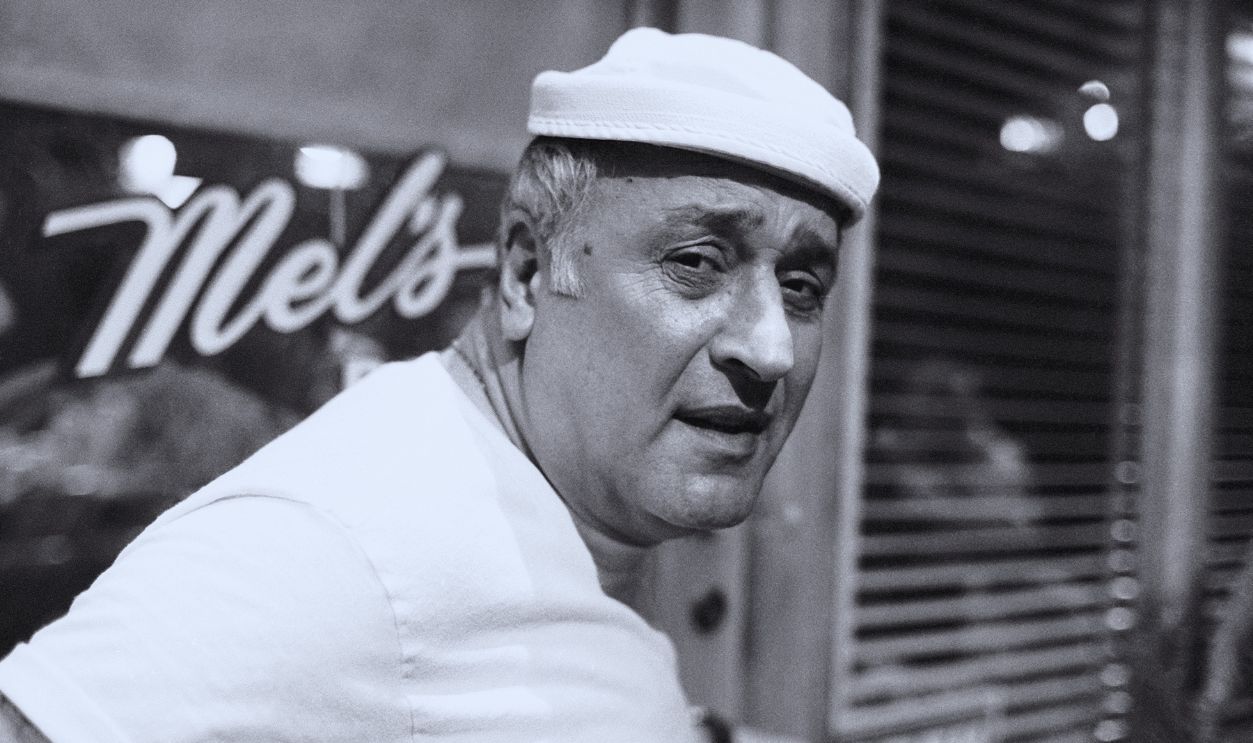
He Was More Than A Loudmouth
Mel worked because Tayback never played him as simply mean. He could yell, complain, insult his employees, and defend his questionable cooking, yet viewers understood that the people in his diner mattered to him. The affection hiding beneath the irritation gave the character staying power.
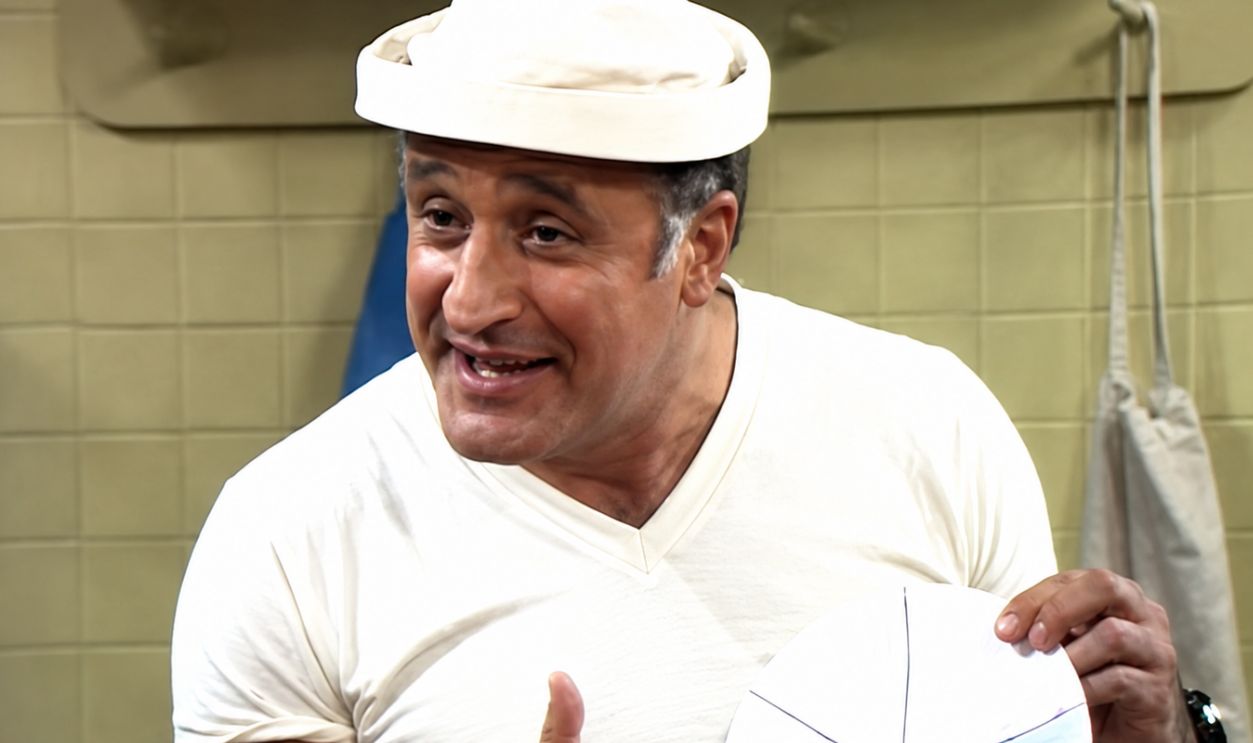 Screenshot from Alice, Warner Bros. Discovery (1976-1985), enhanced
The Ensemble Made Mel Better
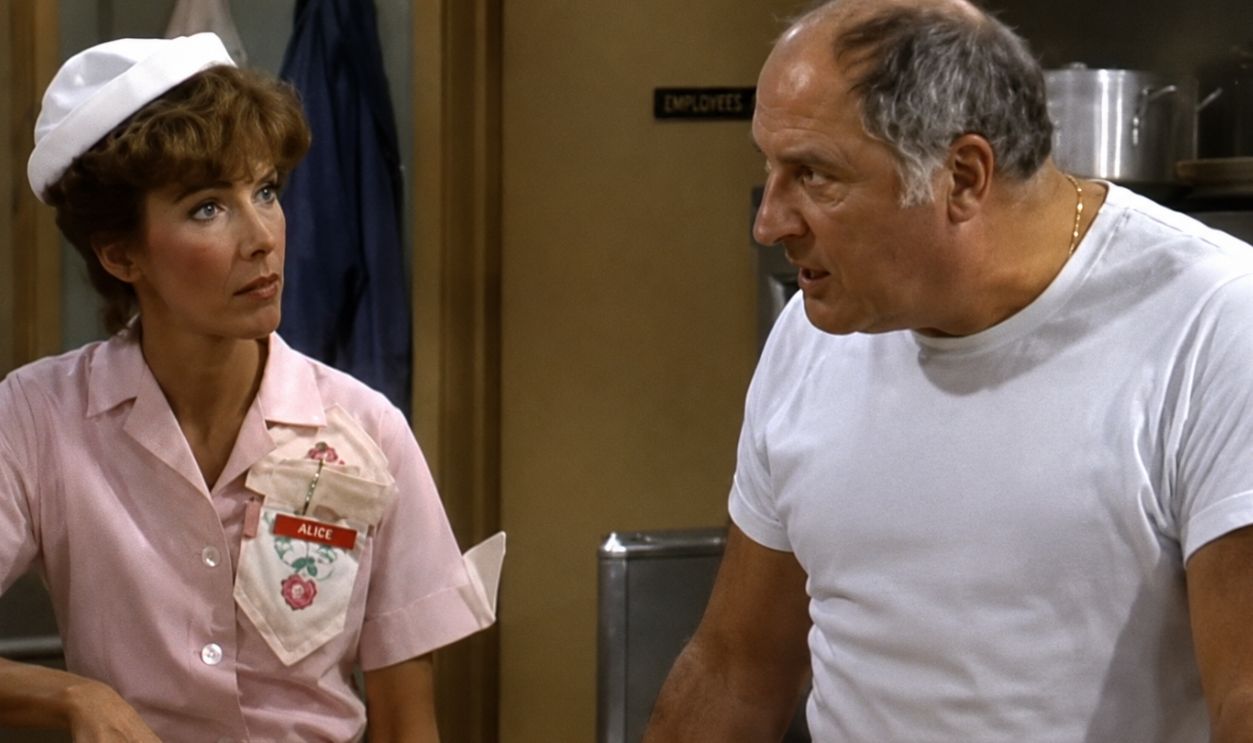
Linda Lavin, Polly Holliday, Beth Howland, and the show's changing collection of diner regulars gave Tayback plenty to push against. Mel’s battles with Flo were particularly memorable, but his frustration with nearly everybody became part of the show’s rhythm. He was the permanently grumpy center of controlled chaos.
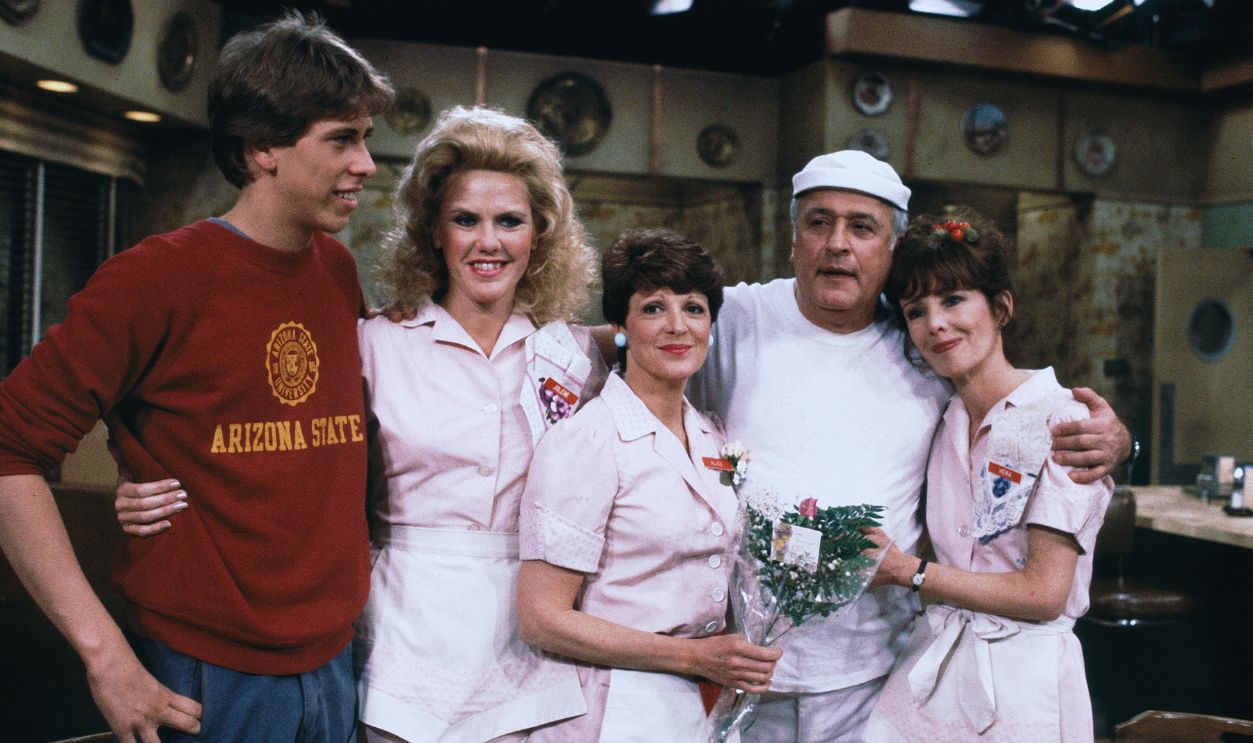
Awards Finally Caught Up With Him
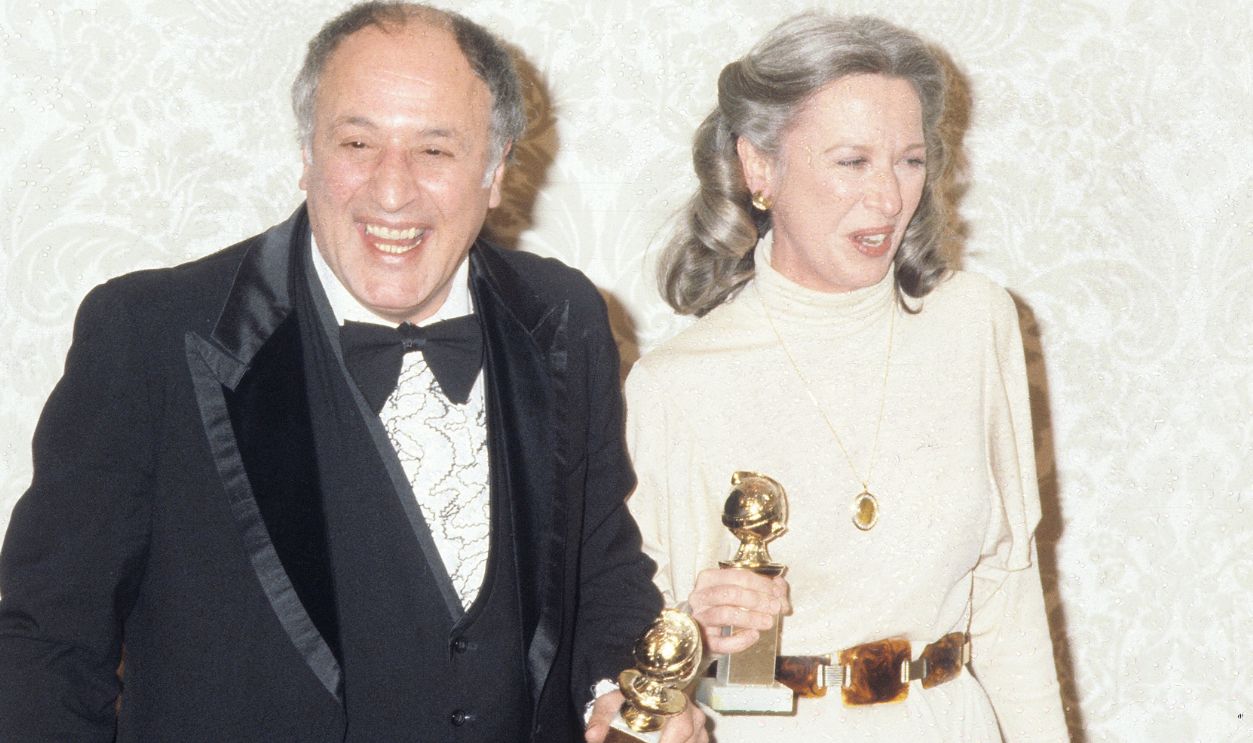
After all those years of supporting parts, Tayback's work as Mel received major recognition. He won two Golden Globe Awards for Alice and also earned a Primetime Emmy nomination. The longtime character actor who once took whatever television guest role came along was suddenly an award-winning sitcom fixture.
Mel Even Followed Him Into Commercials
Becoming so closely associated with Mel had amusing consequences. The show's jokes about Mel being a terrible cook became so familiar that Heinz eventually hired Tayback to promote Heinz 57 Sauce. At that point, the border between Vic Tayback the actor and Mel Sharples the diner cook had become wonderfully blurry.
 Screenshot from Alice, Warner Bros. Discovery (1976-1985), enhanced
He Kept Working After Alice
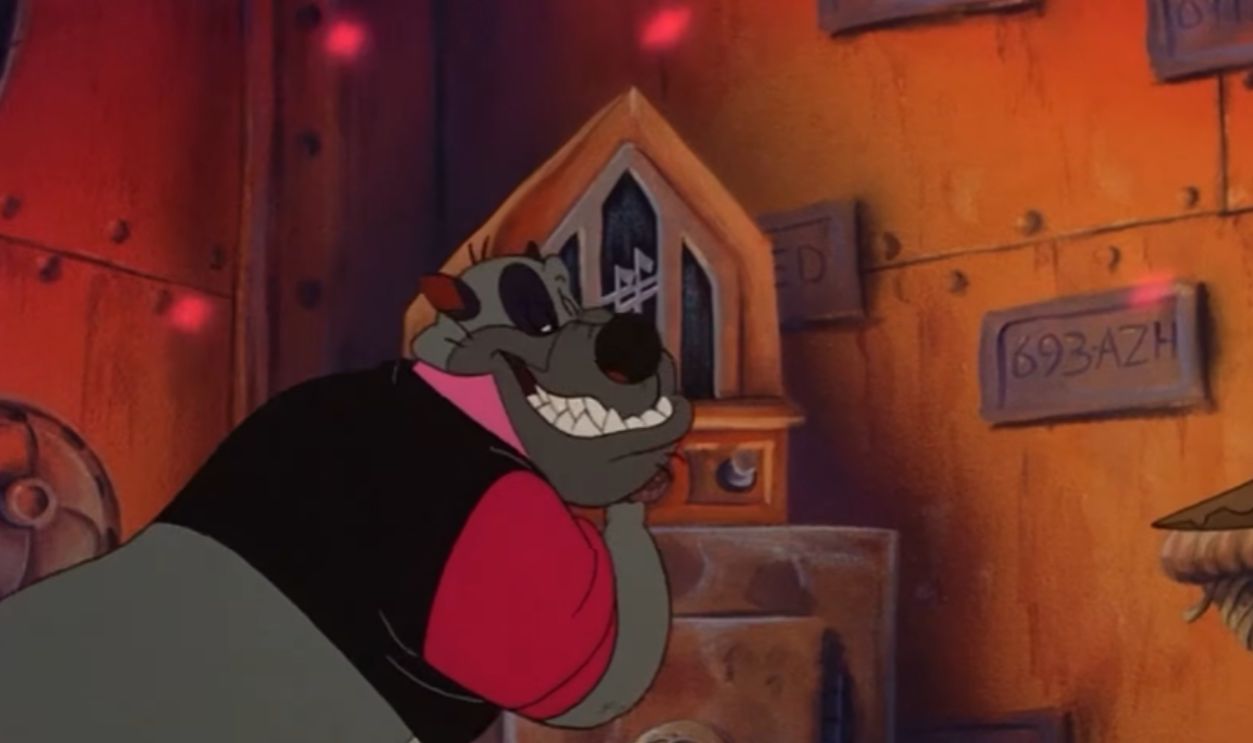
When Alice ended in 1985, Tayback returned to theater while continuing to appear on television and in movies. His later credits included voice work in All Dogs Go to Heaven. He never escaped Mel completely, but he remained what he had always been underneath the fame: a working character actor.
 Screenshot from All Dogs Go to Heaven, Amazon MGM Studios (1989)
Mel Became Bigger Than The Résumé
Tayback died of a heart attack in 1990 at just 60 years old, ending a career that had stretched across stage, television, and film for more than three decades. Yet the sheer strength of Mel Sharples often obscures everything that came first—which is almost the ultimate compliment to a character actor.
 Screenshot from Alice, Warner Bros. Discovery (1976-1985), enhanced
The Man Behind The Diner Counter
Vic Tayback didn't become memorable because Mel Sharples erased his earlier career. Mel worked because that career had prepared him for the part. Years of theater, westerns, crime shows, comedies, and supporting film roles went into one wonderfully irritable diner owner—and viewers believed every second of it.
 Screenshot from Alice, Warner Bros. Discovery (1976-1985), enhanced
You May Also Like:
The Beach Boy With A Dark Side