The Alien Who Took Over Television
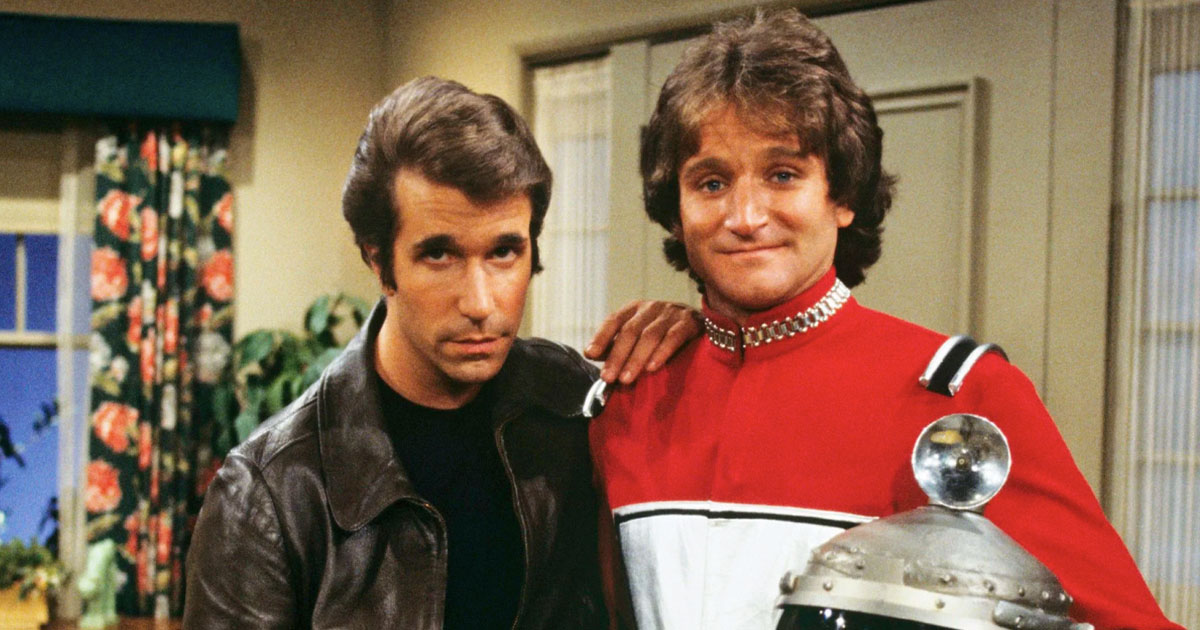
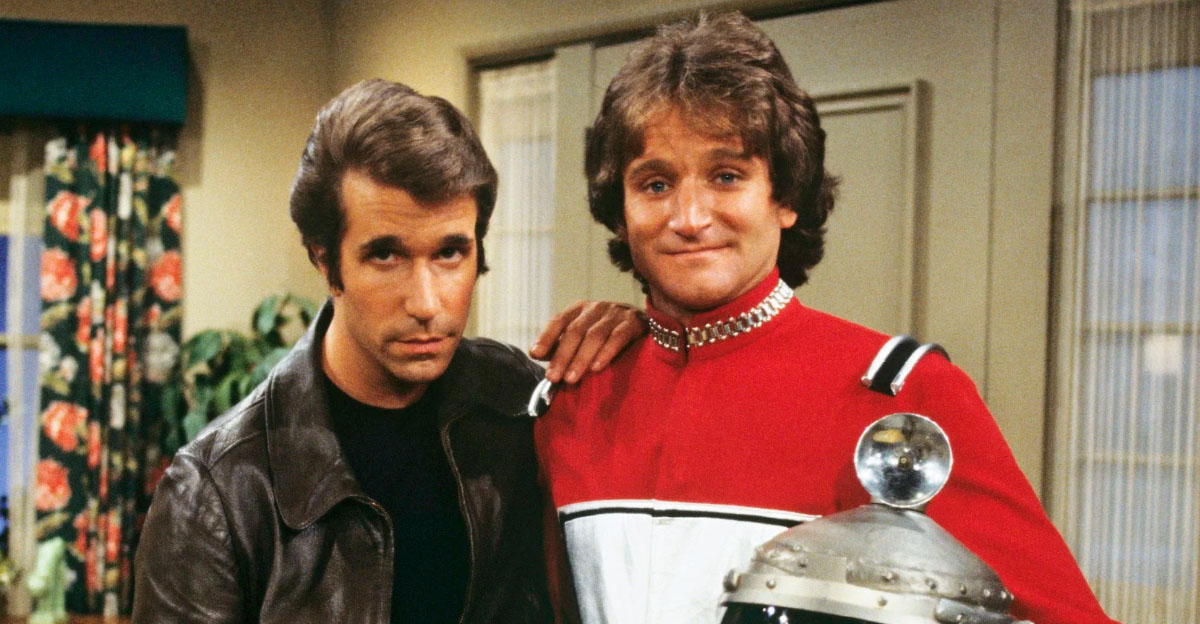
Before Robin Williams became an Oscar winner, a magical nanny, an inspirational teacher, and Disney’s fastest-talking Genie, he appeared on Happy Days as a peculiar alien wearing a silver suit. It was supposed to be one silly guest appearance—but within minutes, everyone watching knew television had discovered someone extraordinary.
He Was Born In Chicago
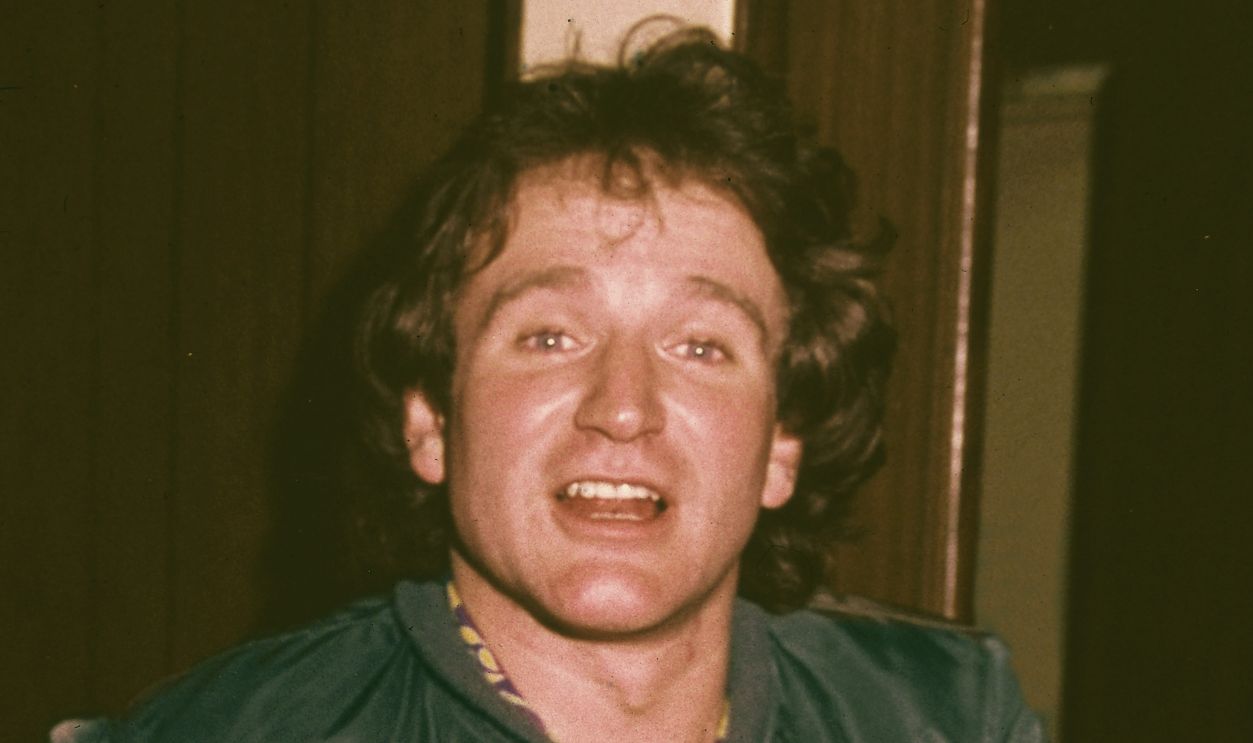
Robin McLaurin Williams was born in Chicago, Illinois, on July 21, 1951. His father, Robert Fitzgerald Williams, worked as an executive for Ford Motor Company, while his mother, Laurie, had previously worked as a model and actress. Their son would eventually combine respectable theatrical training with the energy of a man being chased by imaginary bees.
 Fotos International, Getty Images
He Was A Quiet Child
The performer later famous for filling every second with voices, noises, and improvised characters was surprisingly reserved while growing up. Williams spent long periods entertaining himself, creating imaginary worlds and playing with toy soldiers. Comedy became a way to connect with people—and, occasionally, to escape from uncomfortable silence.
California Helped Him Find The Stage
Williams’ family moved to Marin County, California, when he was a teenager. At Redwood High School, he joined the drama club and began revealing the performer hidden behind his shyness. Classmates reportedly voted him “Funniest” and “Most Likely Not to Succeed,” proving that yearbook predictions should never be treated as legally binding.
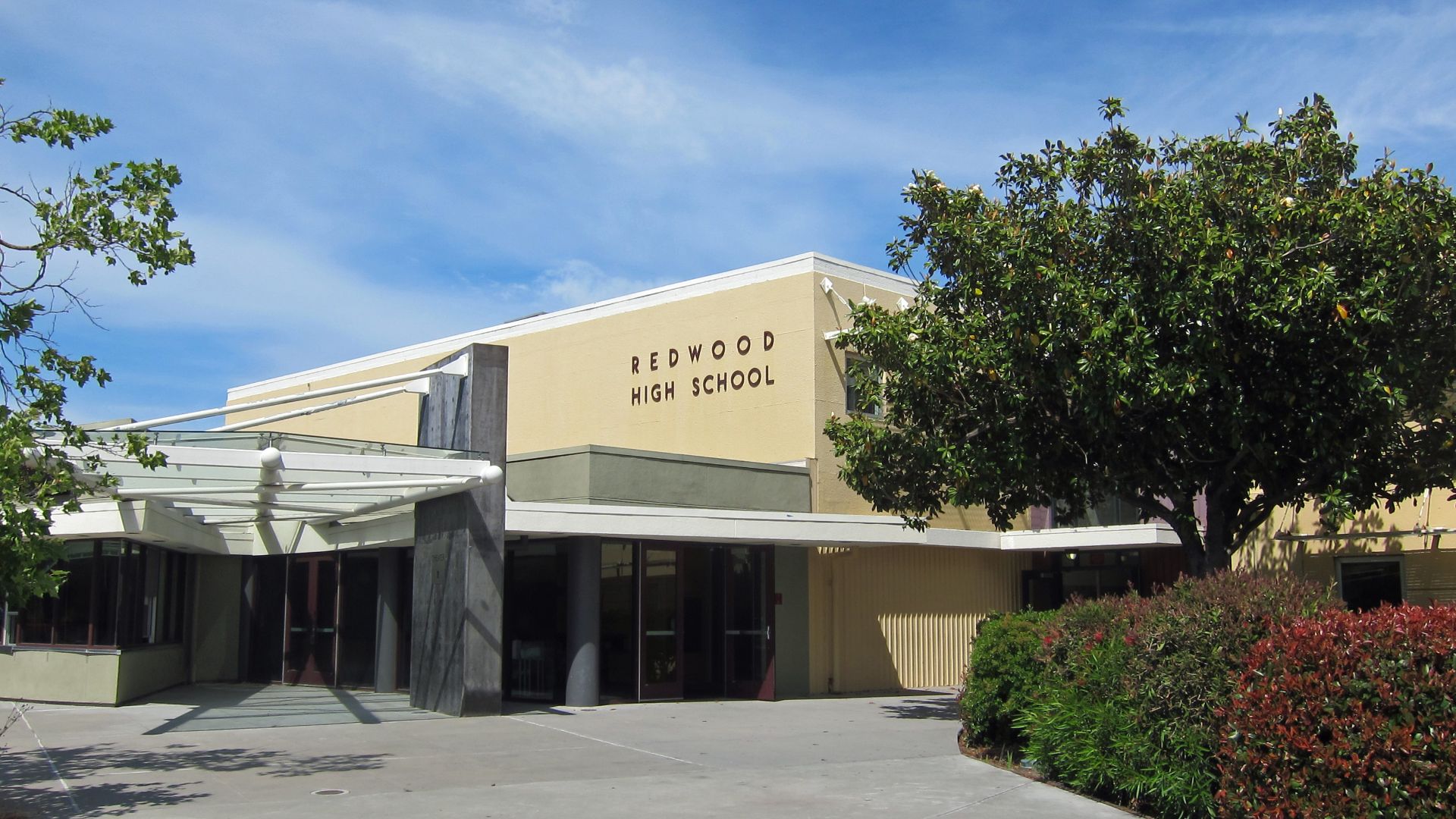 ResearcherQ, Wikimedia Commons
Acting Became More Than A Hobby
After briefly attending Claremont Men’s College, Williams studied theater at the College of Marin. His performance in a school production of Oliver! helped demonstrate that he possessed unusual stage presence. He could play a scripted character, but audiences were already discovering that something unpredictable happened whenever he was given freedom.
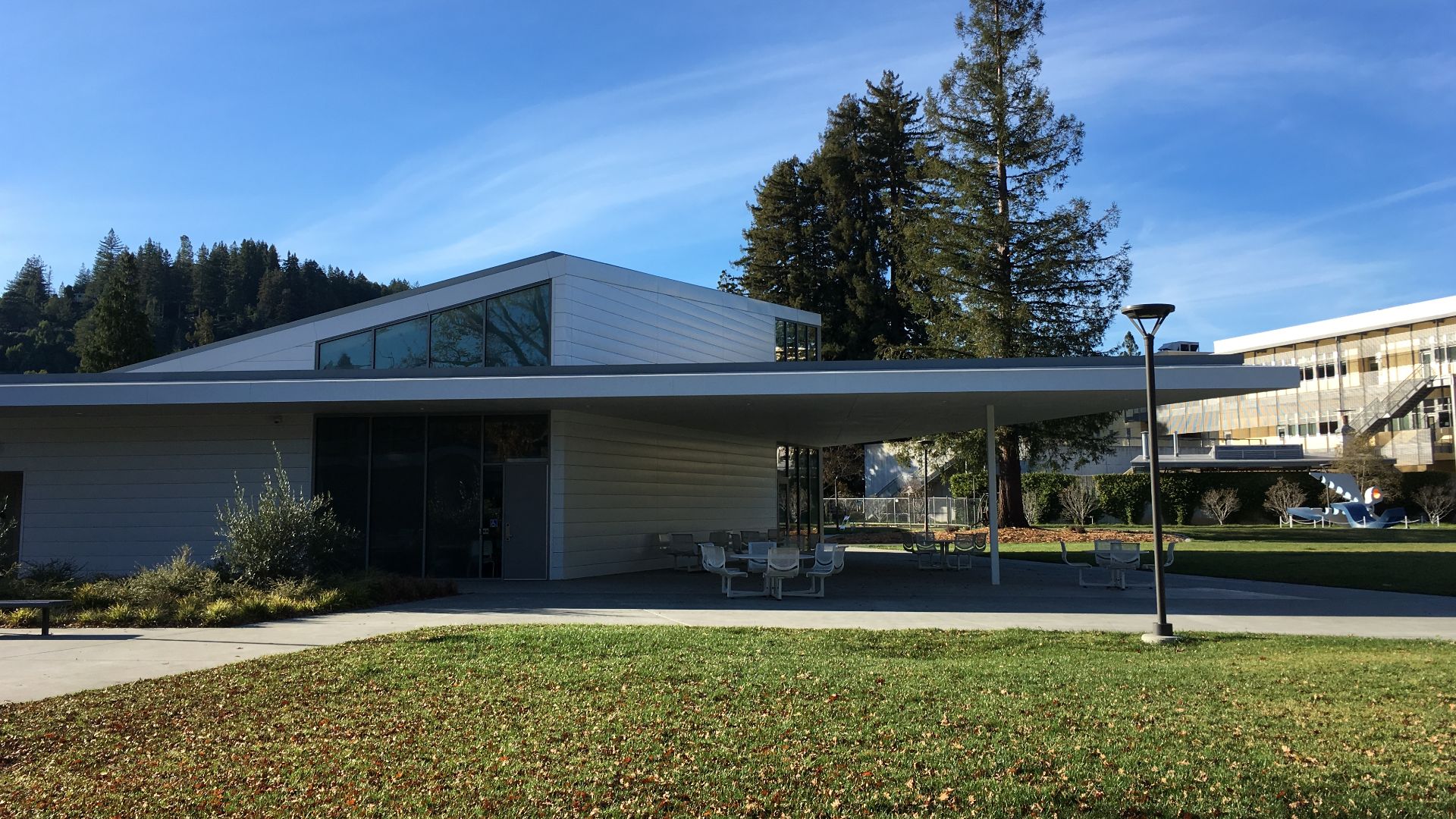 Plasticboob, Wikimedia Commons
Juilliard Recognized His Talent
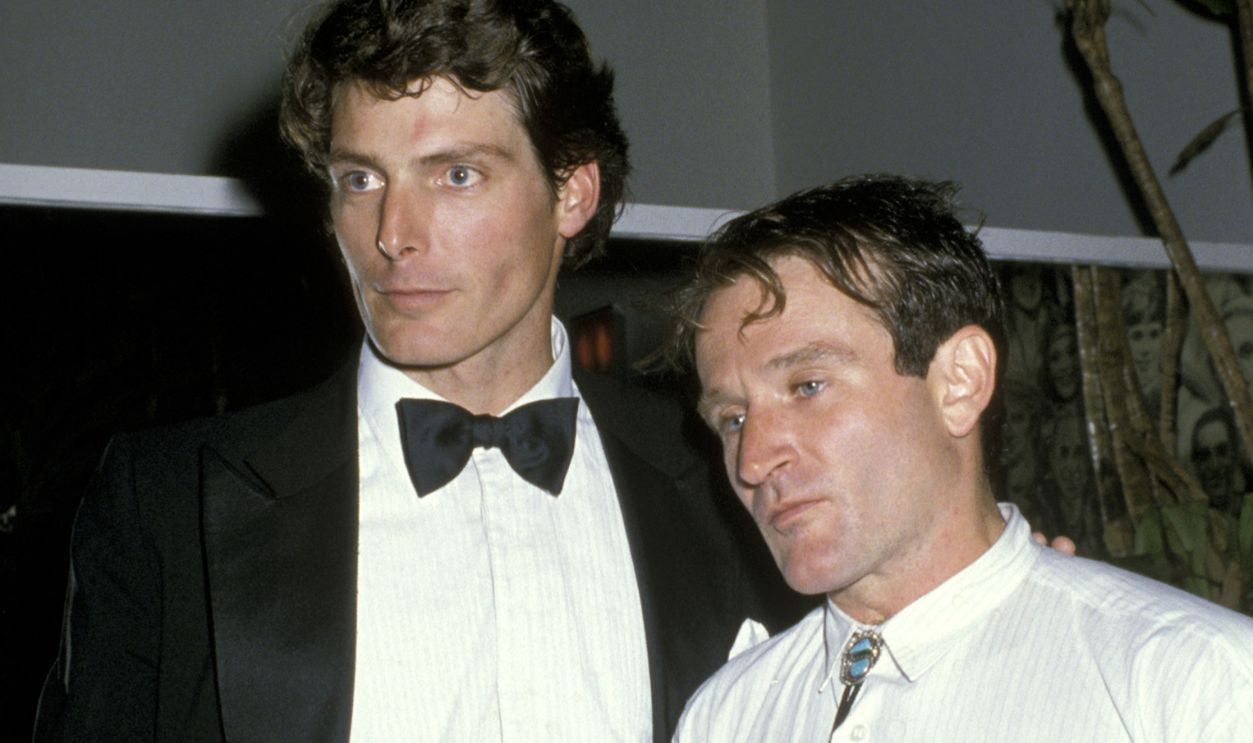
In 1973, Williams entered the prestigious Juilliard School in New York City. He and Christopher Reeve were among the small number of students selected for advanced training under actor and teacher John Houseman. Williams studied classical theater seriously, even if Shakespeare had probably never imagined quite so many sound effects between the lines.
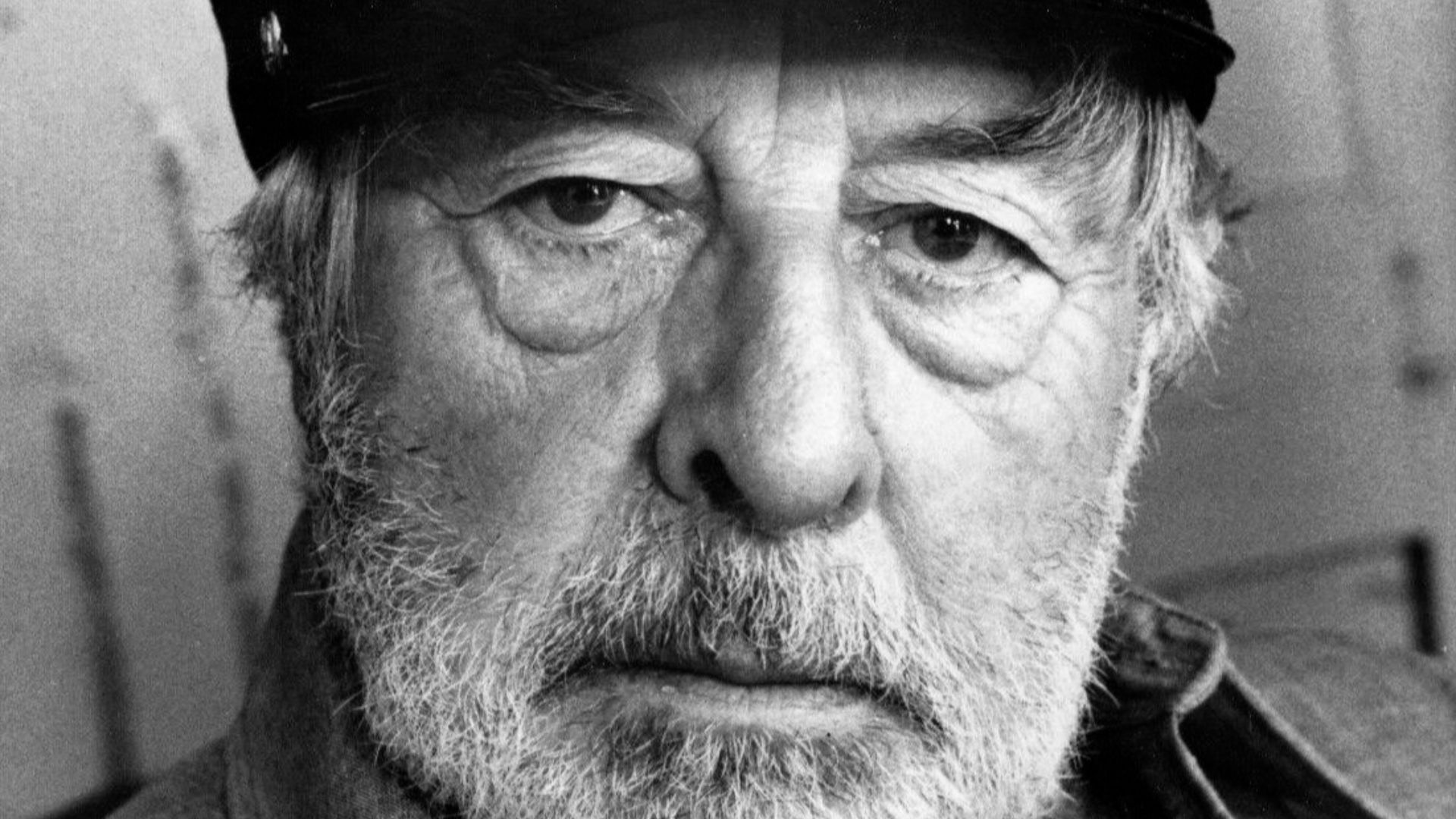 Kim Gottlieb - for Avco Embassy Pictures, Wikimedia Commons
Christopher Reeve Became Family
Williams and Reeve formed a close friendship at Juilliard despite their sharply different personalities. Reeve appeared disciplined and classically heroic, while Williams seemed capable of becoming six people before breakfast. Their friendship endured through fame, personal struggles, and the catastrophic 1995 accident that left Reeve paralyzed.
The Comedy Clubs Set Him Free
Williams eventually left Juilliard and returned to California, where he entered the developing San Francisco comedy scene. Clubs such as the Holy City Zoo gave him space to experiment with impressions, characters, accents, and rapid-fire improvisation. A conventional joke had a beginning and an ending; a Robin Williams joke occasionally required air-traffic control.
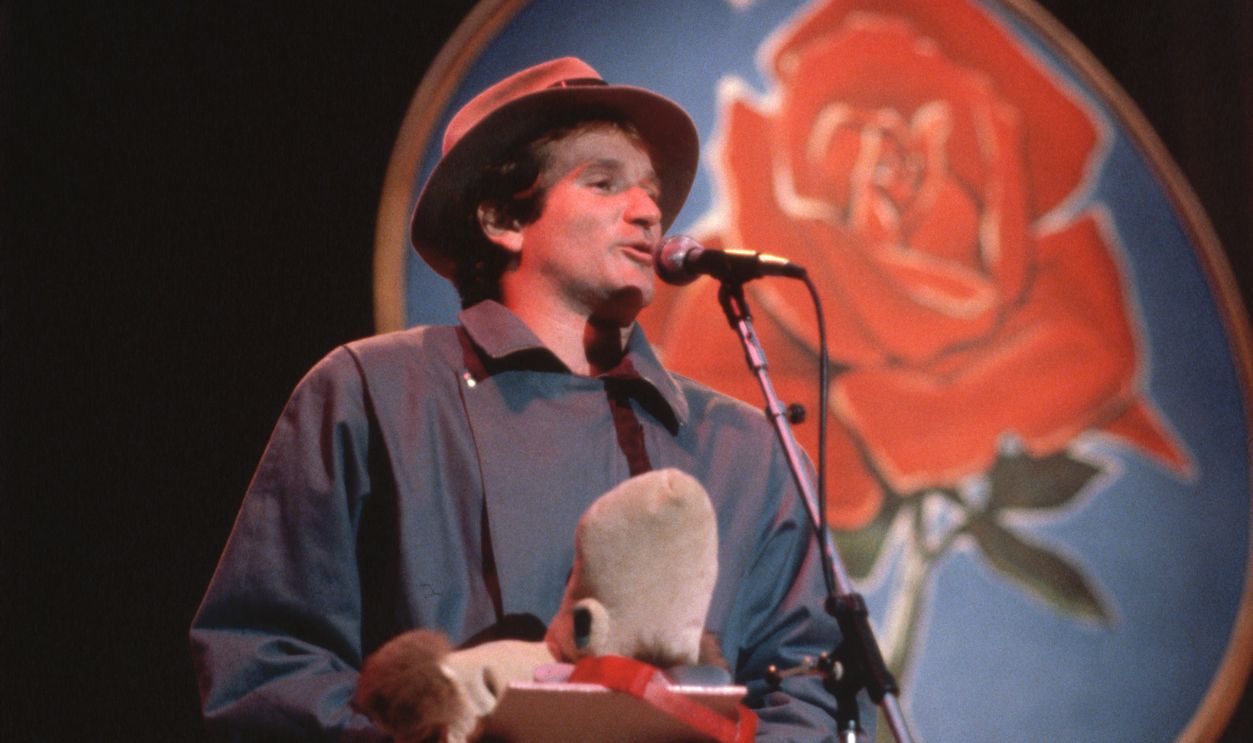
Los Angeles Began To Notice
After building a reputation around San Francisco, Williams performed at Los Angeles venues including the Comedy Store. His unpredictable act attracted television producers, and he appeared on the short-lived 1977 revival of Laugh-In. He also performed on The Richard Pryor Show and made a guest appearance on Eight Is Enough.
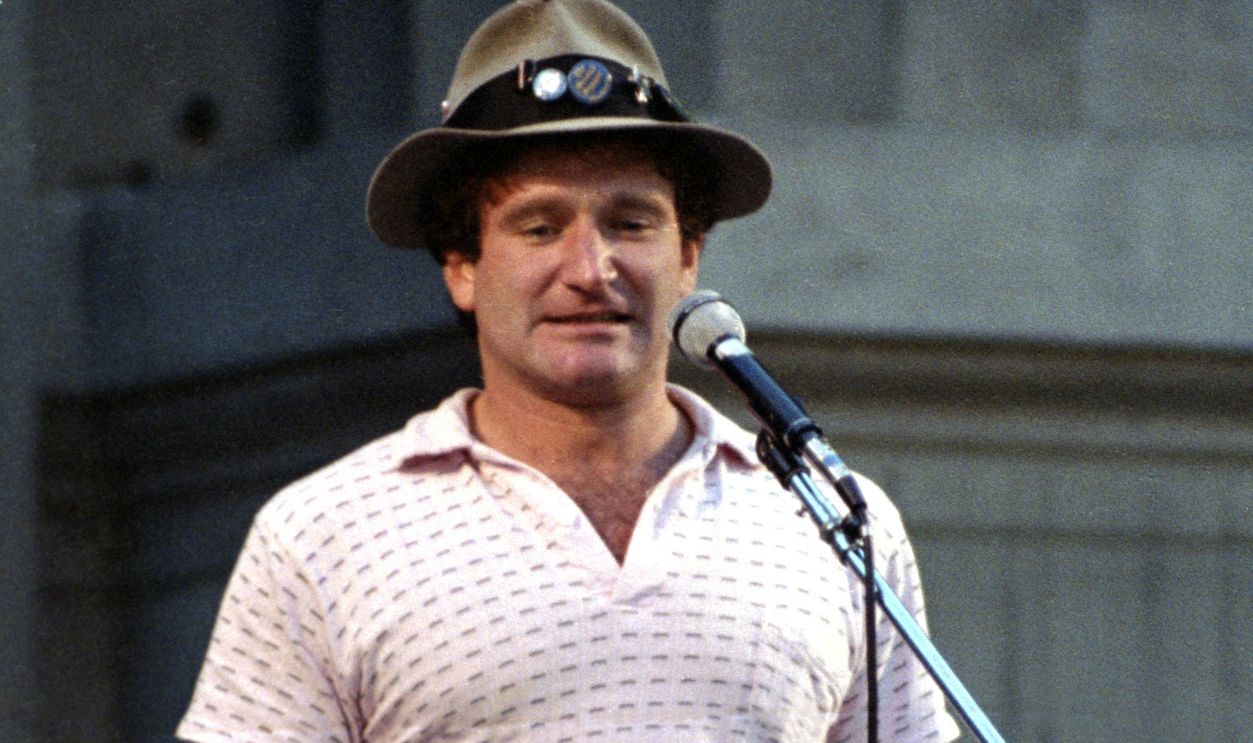
He Was Working—But Hardly Famous
Those early television jobs gave Williams experience, although they did not make him a household name. He remained a rising club comedian with a few small screen credits and an enormous amount of untamed talent. Then a struggling Happy Days script needed someone who could convincingly behave as though Earth customs made no sense.
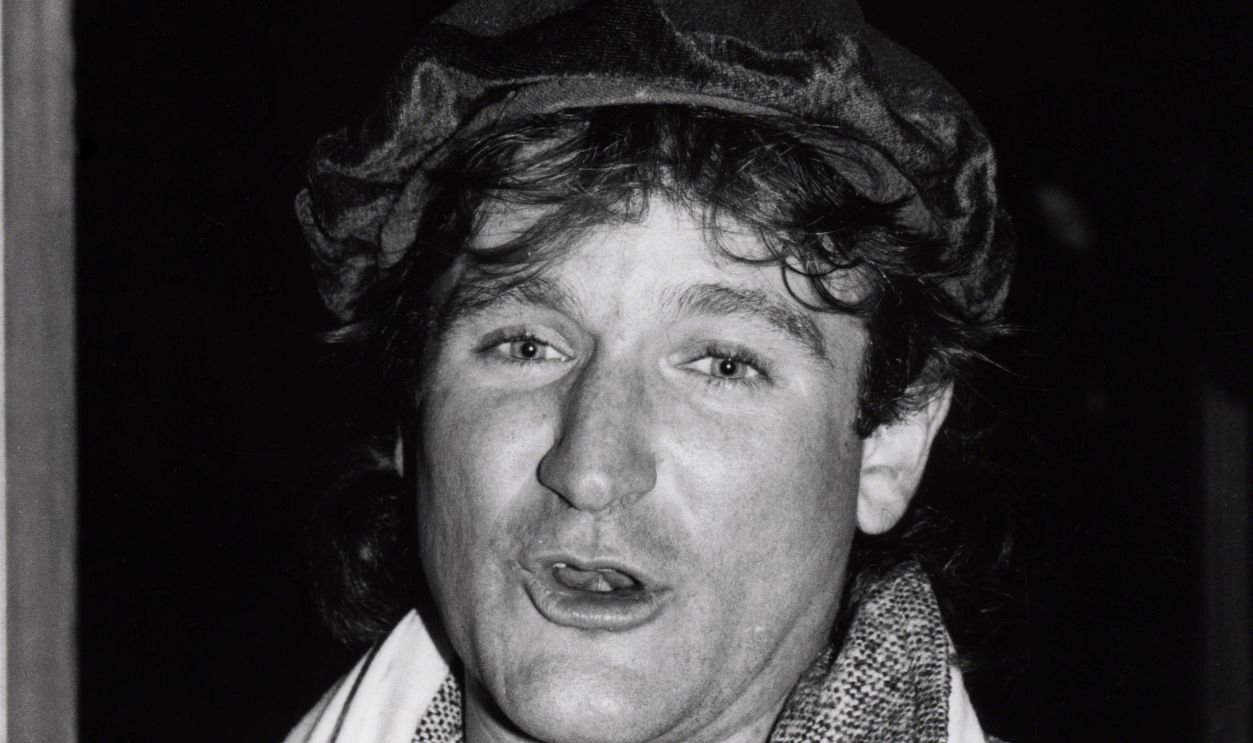
Happy Days Was Already A Phenomenon
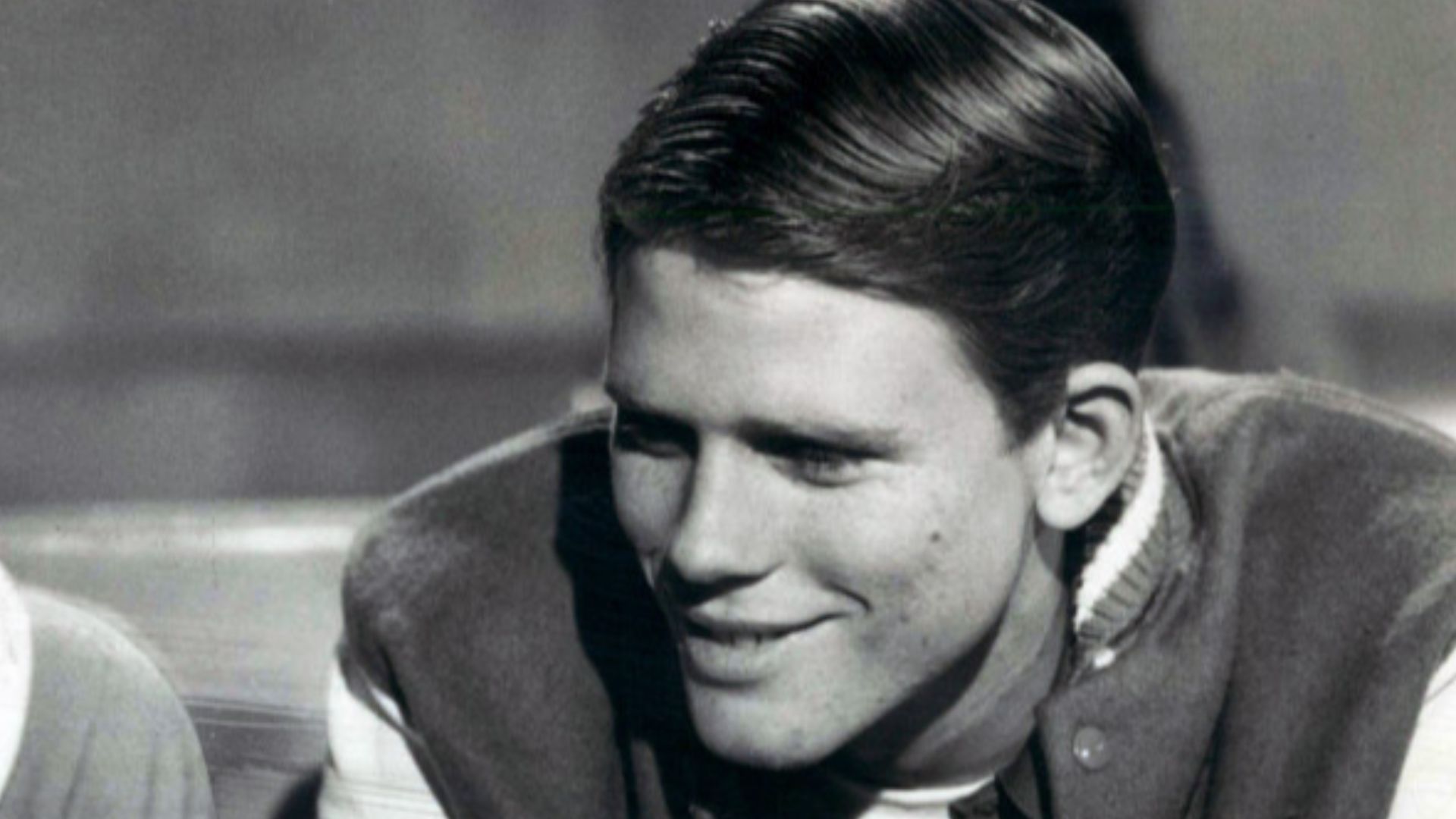
By its fifth season, Happy Days was one of television’s biggest programs. Ron Howard played wholesome teenager Richie Cunningham, while Henry Winkler’s leather-jacketed Fonzie had become a cultural sensation. The nostalgic Milwaukee sitcom seemed like an unlikely place to introduce science fiction—but normality was about to take the evening off.
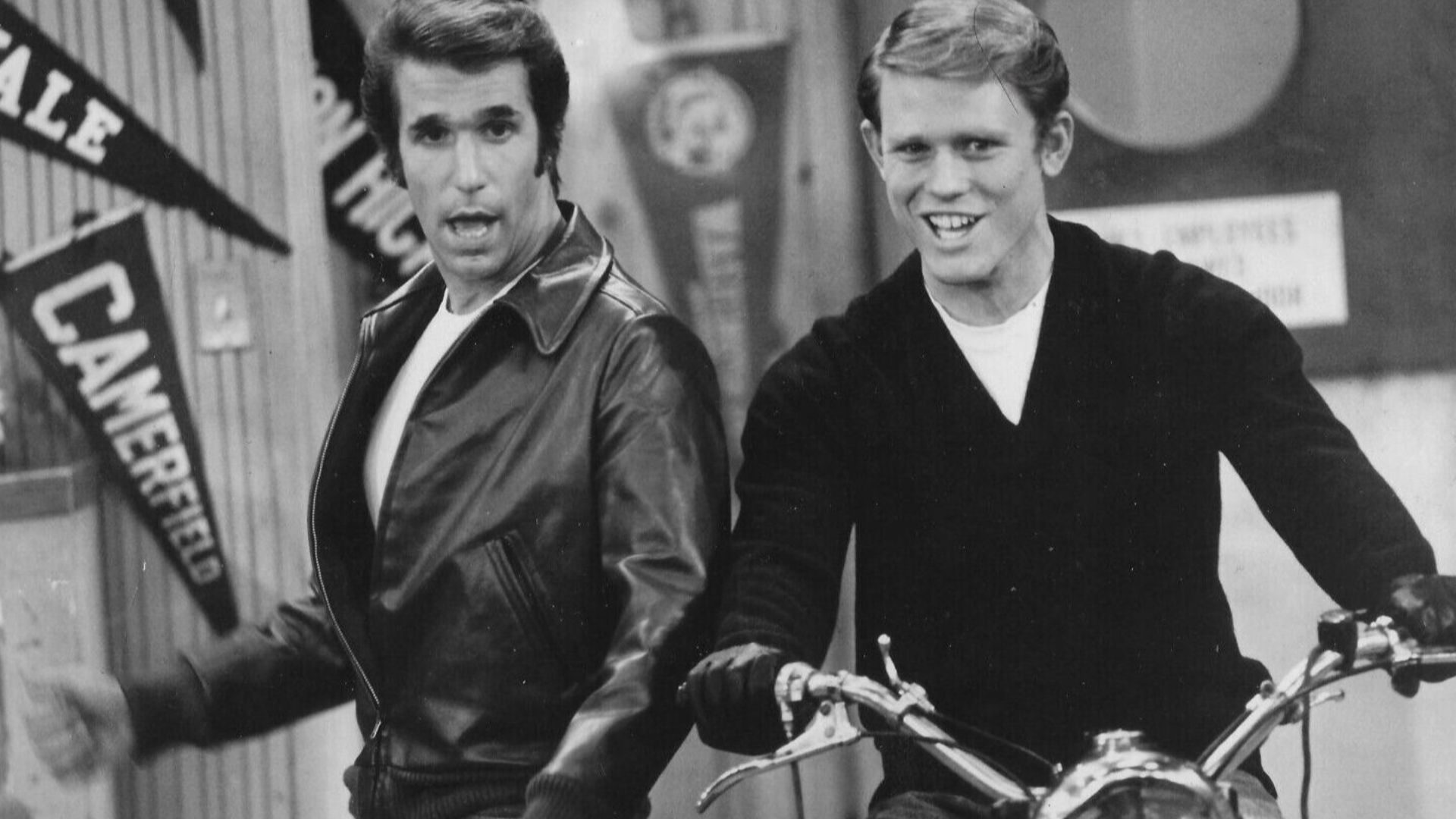 ABC Television. Uploaded by We hope at en.wikipedia, Wikimedia Commons
Star Wars Helped Inspire The Idea
After Star Wars became a sensation in 1977, science fiction was suddenly everywhere. Garry Marshall recalled that his young son suggested putting a spaceman on Happy Days. Marshall embraced the idea, although his writers were less enthusiastic about dropping an extraterrestrial into a sitcom built around diners, sock hops, and 1950s teenagers.
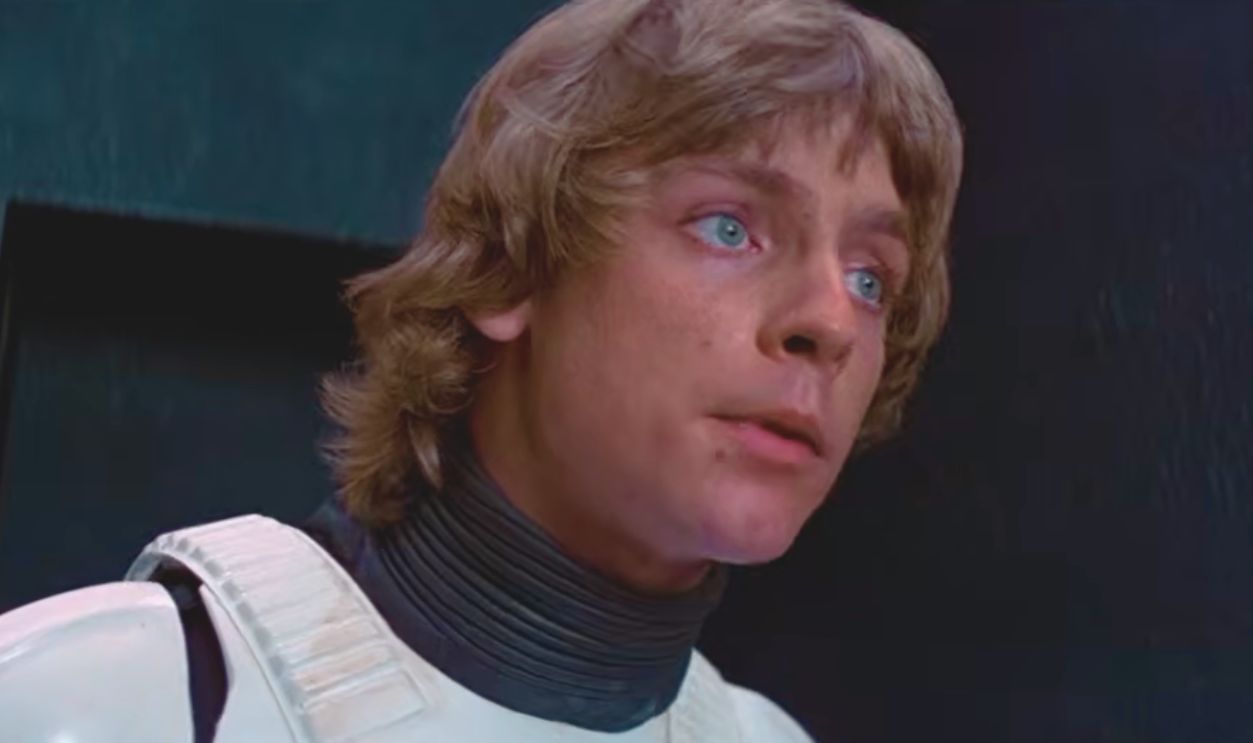 Screenshot from Star Wars, Twentieth Century-Fox Film Corp. (1977)
The Script Alarmed The Cast
The episode became “My Favorite Orkan,” a playful reference to the earlier sitcom My Favorite Martian. Anson Williams, who played Potsie, later remembered the original script as painfully bad—and claimed that revisions somehow made it worse. Apparently, even comedy writers can look at an alien invasion and ask whether things have gone too far.
 ABC Television, Wikimedia Commons
Casting Mork Became A Crisis
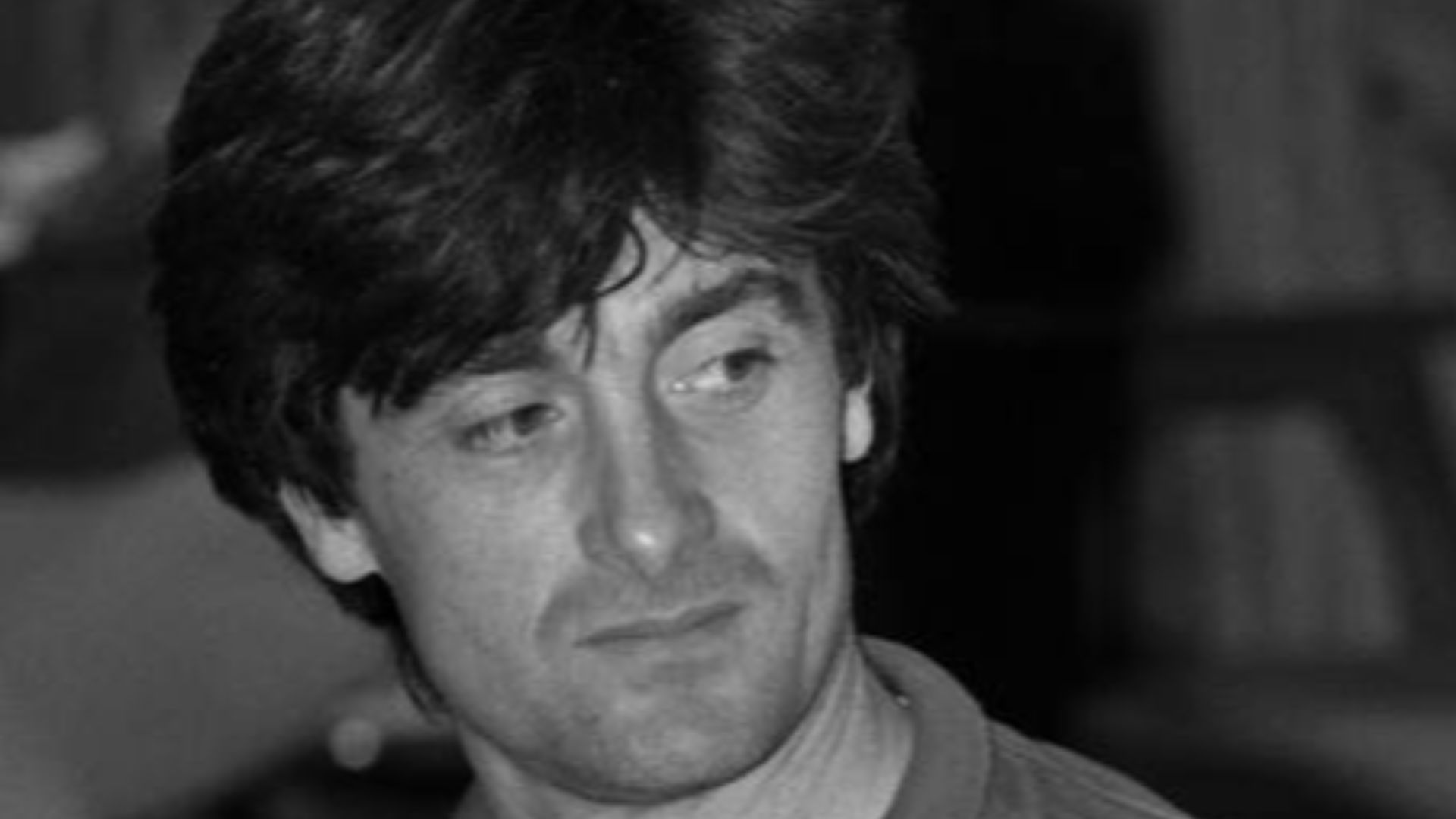
Accounts differ slightly regarding the casting scramble. Roger Rees and Dom DeLuise were reportedly approached, while Anson Williams recalled that John Byner rehearsed the role before withdrawing shortly before filming. Whatever the exact sequence, the production was suddenly missing the actor around whom the entire episode had been constructed.
 Deborah Thomas, Wikimedia Commons
Al Molinaro Suggested A Comedian
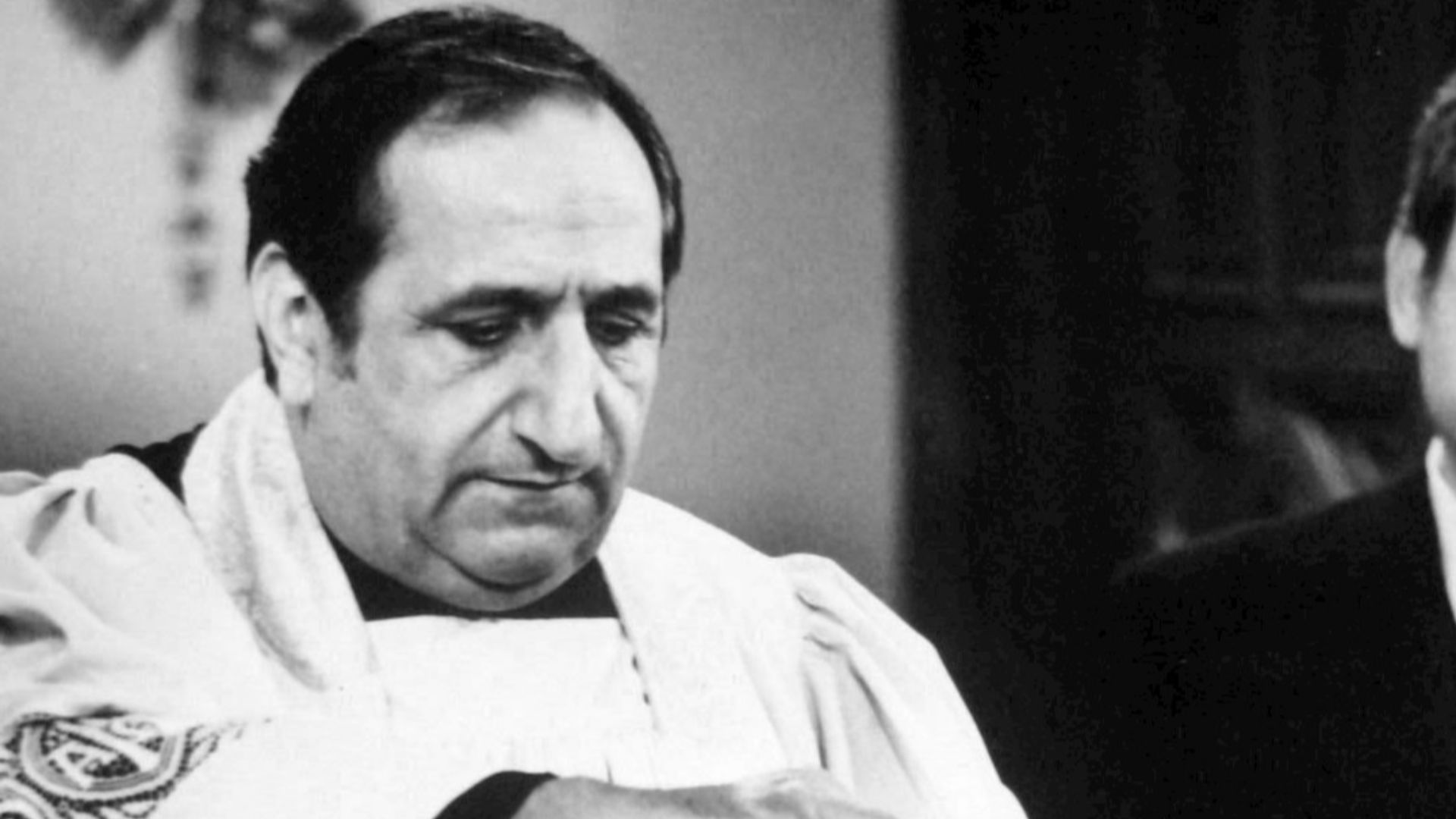
According to one widely repeated account, Al Molinaro—who played diner owner Al Delvecchio—recommended a young comedian he knew through an improvisation class. That comedian was Robin Williams. With filming rapidly approaching, the production brought in a performer who had little sitcom experience but apparently understood aliens unusually well.
 ABC Television, Wikimedia Commons
Ronny Hallin Championed Him
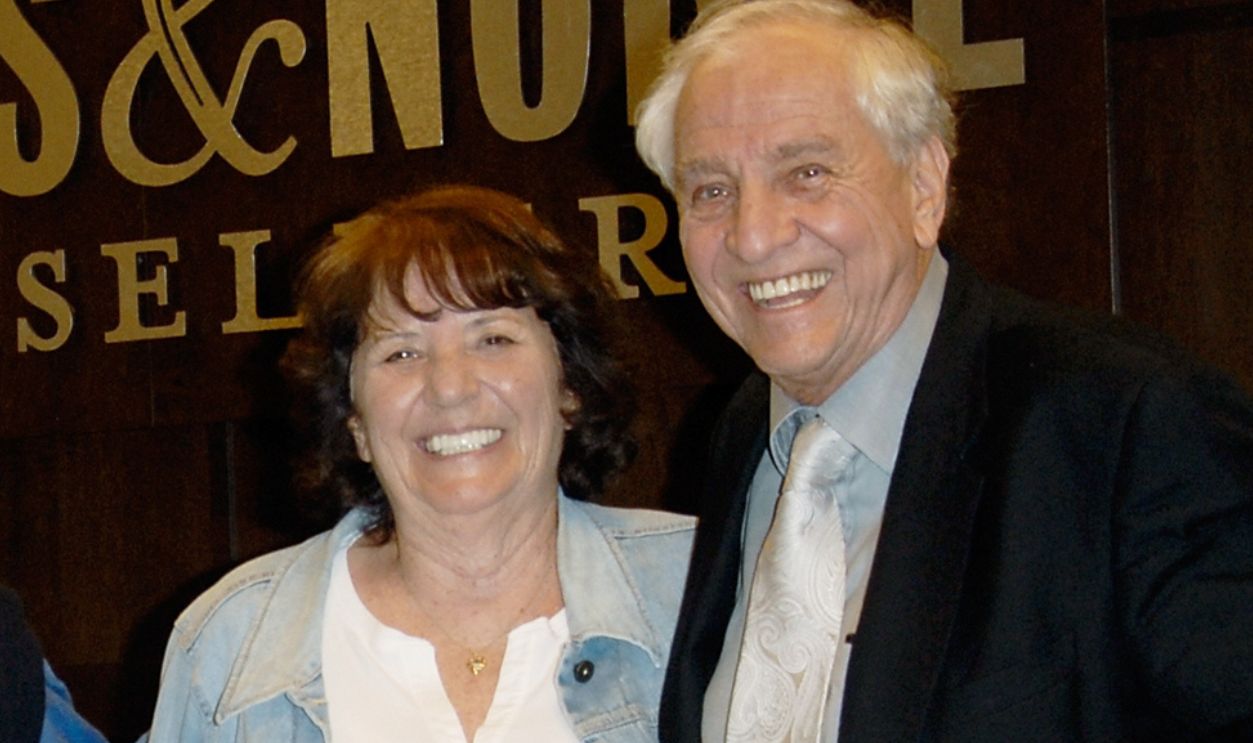
Marshall’s sister, casting director Ronny Hallin, also played a crucial role in getting Williams into the room. Marshall had been uncertain about making time for another largely unknown performer, but Hallin insisted that he watch him. Hollywood history occasionally turns on a casting director saying, in effect, “Trust me—this strange person is different.”
He Took “Have A Seat” Literally
The most famous version of Williams’ audition began when Marshall asked him to sit down. Williams reportedly placed his head on the chair and positioned the rest of his body above it, reasoning that an alien might not understand ordinary furniture. He had transformed a routine instruction into a complete character choice before the audition had properly started.
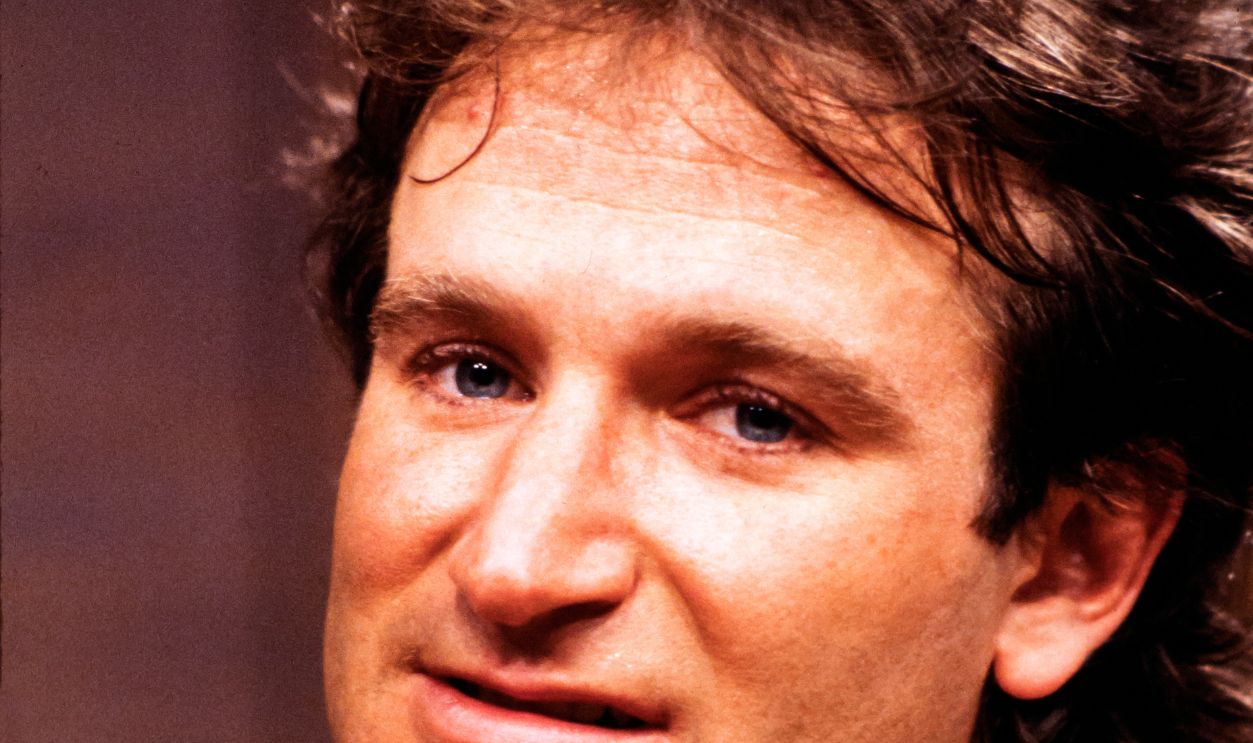
He Was The Only Alien Who Auditioned
Marshall later joked that Williams received the role because he was “the only alien who auditioned.” Beneath the punchline was a serious observation: Williams did not merely deliver Mork’s lines. He imagined how a visitor from another planet might move, speak, think, sit, drink, shake hands, and thoroughly confuse every human nearby.
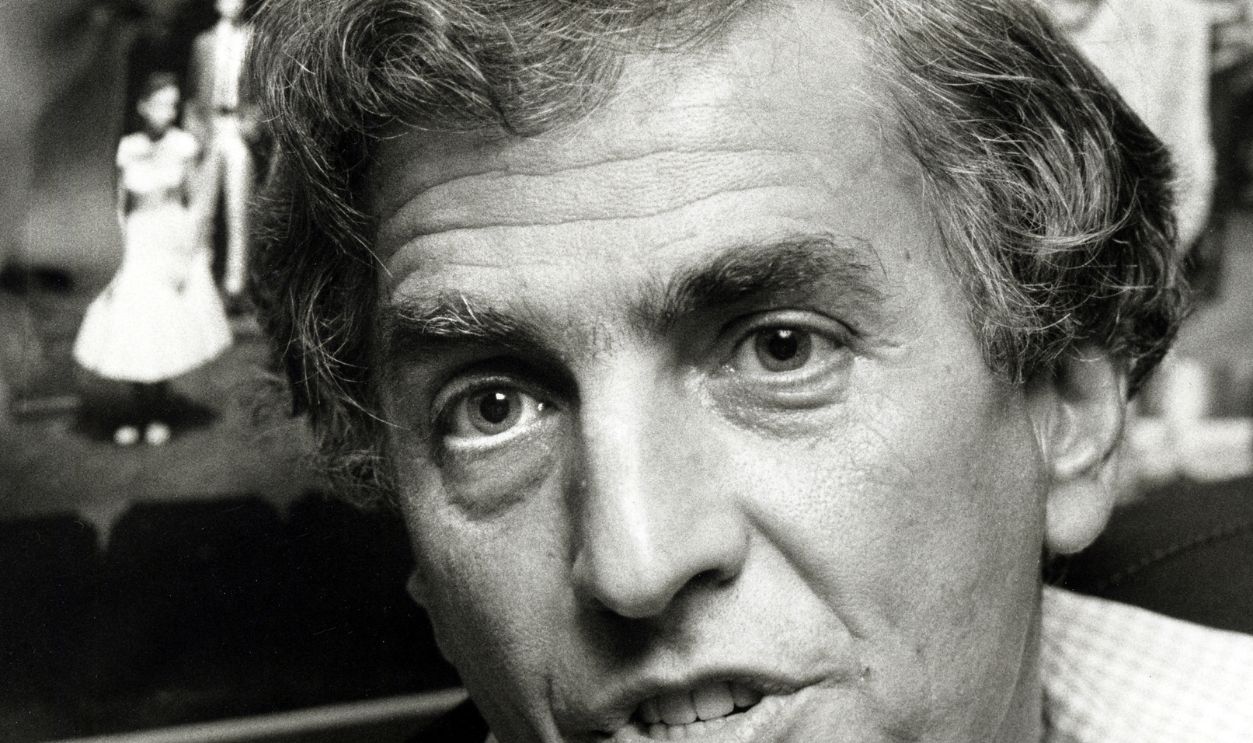
Henry Winkler Saw A Transformation
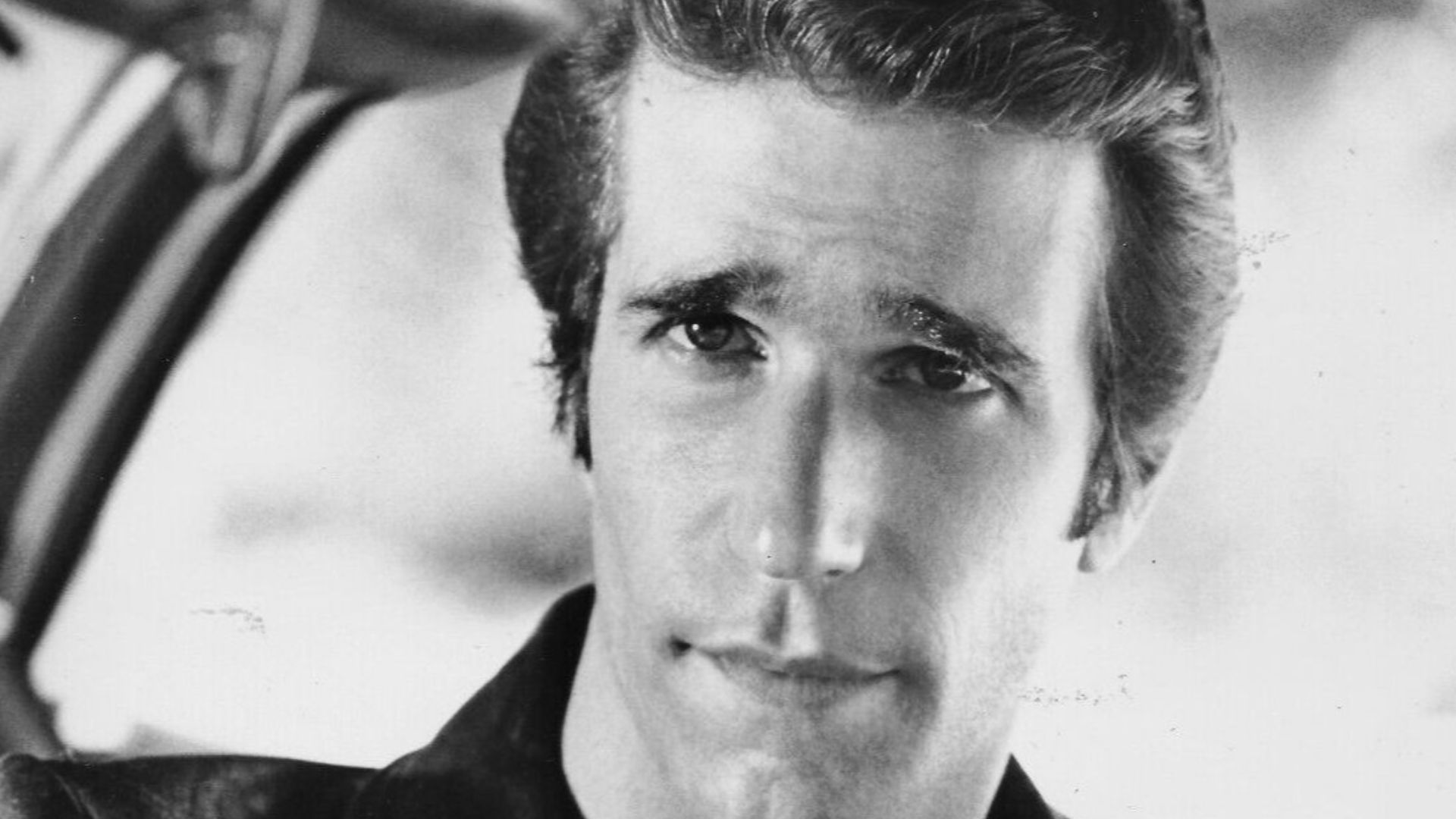
Winkler remembered Williams initially appearing quiet and unassuming. Once the reading began, however, the newcomer erupted with voices, physical comedy, and ideas arriving faster than anyone could process them. Winkler later described him as possessing a “Mount Vesuvius of an imagination”—a natural wonder best appreciated from a respectful distance.
 ABC Television, Wikimedia Commons
The Writers Started Chasing Him
During rehearsal, Williams improvised strange gestures, alien customs, and unexpected lines. The writers reportedly gathered around the set, recording useful ideas and adjusting the script to accommodate what he was creating. Normally, an actor followed the pages; in this case, the pages were desperately attempting to keep up with the actor.
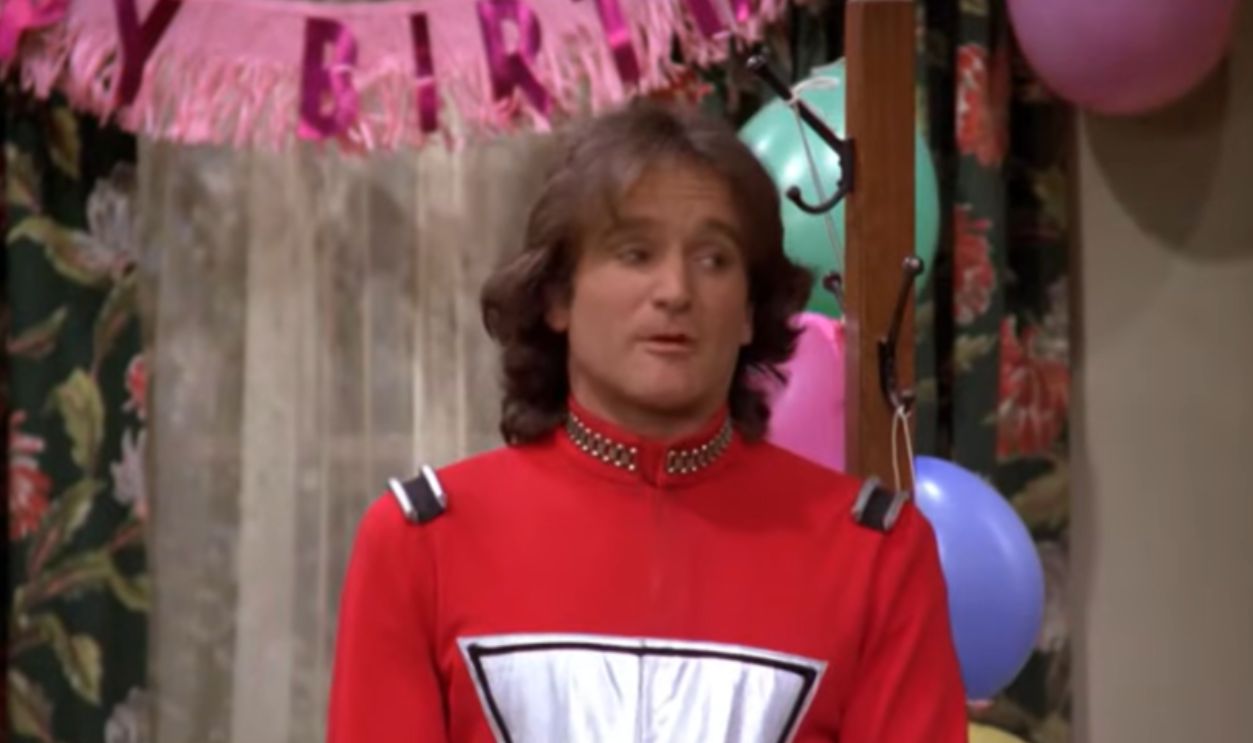 Screenshot from Happy Days, Paramount Television (1974–1984)
The Cast Gave Him Room
The regular performers understood that competing with Williams would only clutter the scene. Winkler concentrated on knowing his own lines and “staying out of his way,” while Howard reacted naturally to Mork’s escalating absurdity. Their restraint mattered enormously: Williams could soar because experienced scene partners quietly gave him a runway.
 Screenshot from Happy Days, Paramount Television (1974–1984)
Mork Operated By Alien Logic
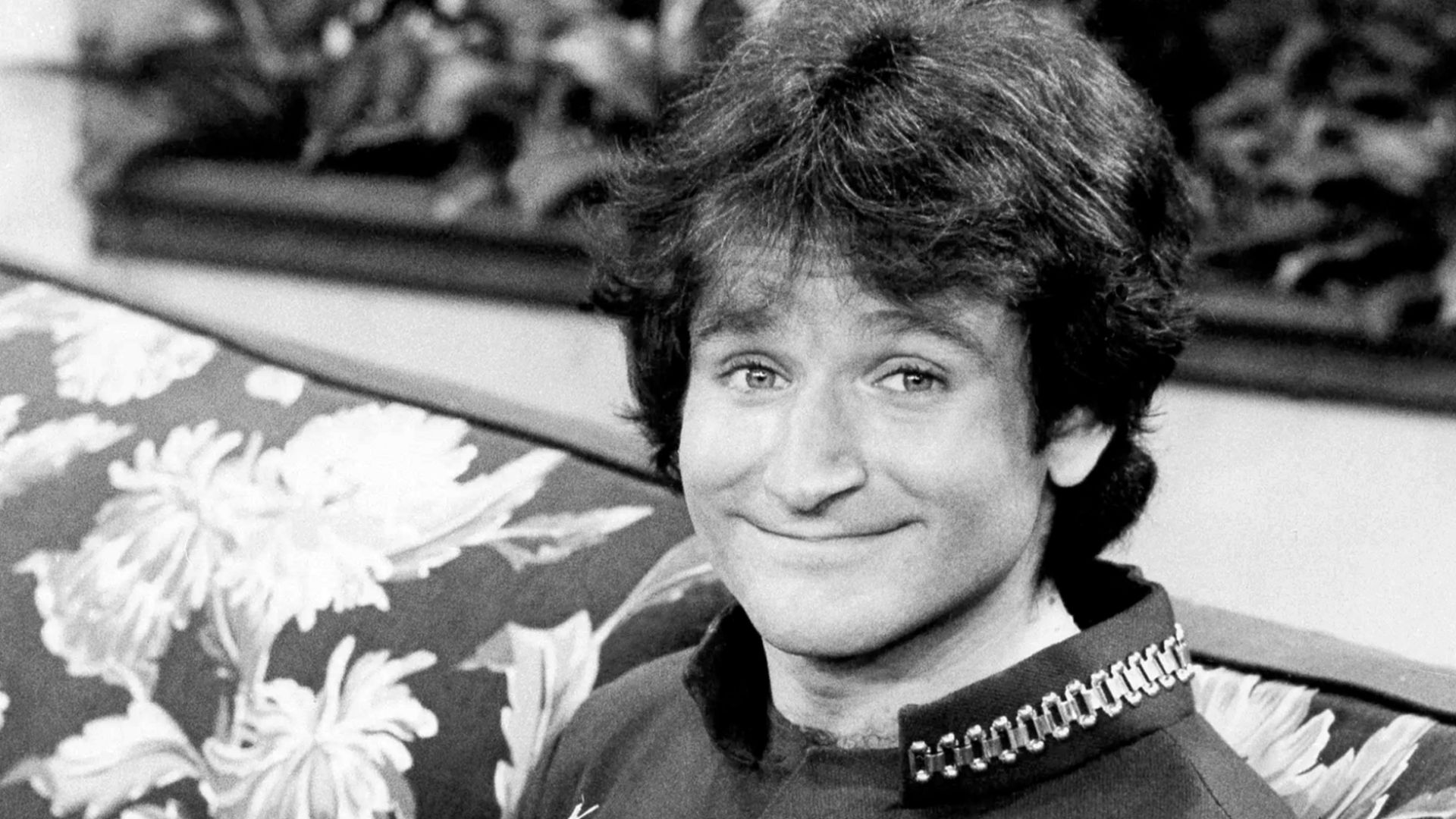
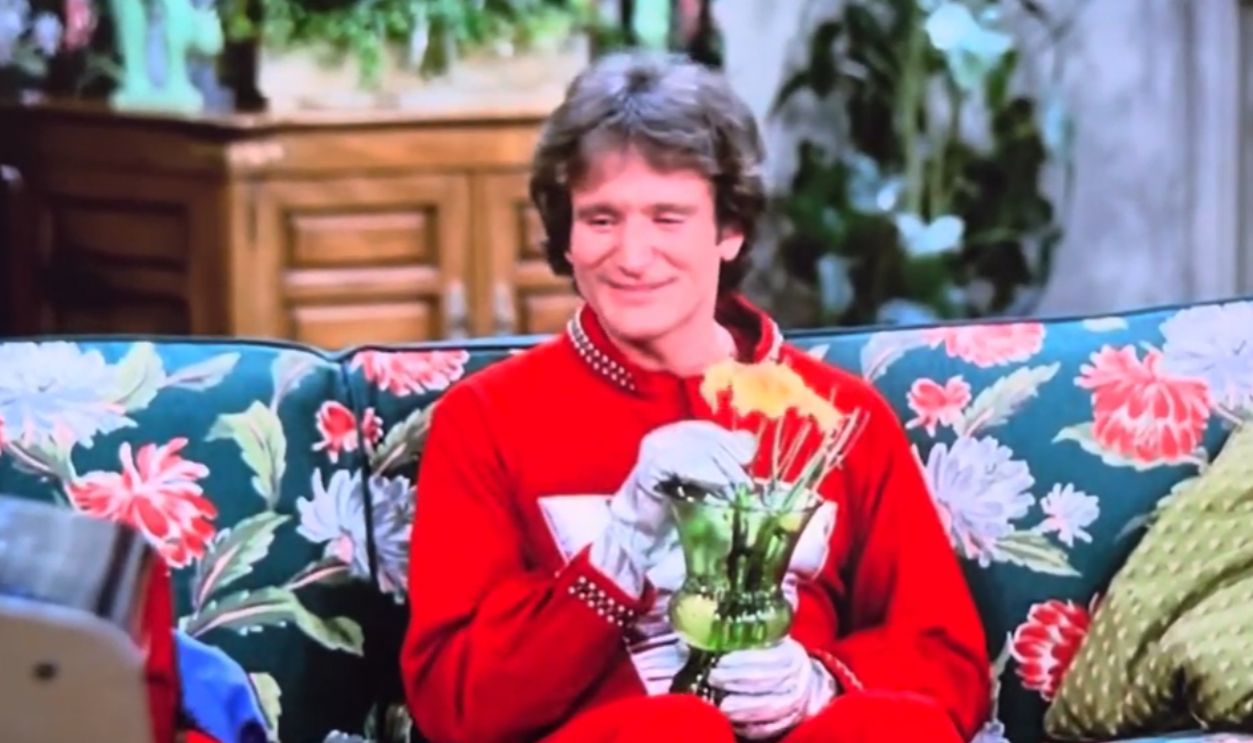
Williams supplied Mork with the greeting “Na-Nu Na-Nu,” accompanied by an unusual hand gesture. He spoke in a high, curious voice, misunderstood basic social rules, and treated ordinary objects as unexplained technology. Mork felt convincing because Williams never played him as a comedian making random jokes; he played him as an alien making perfectly reasonable choices.
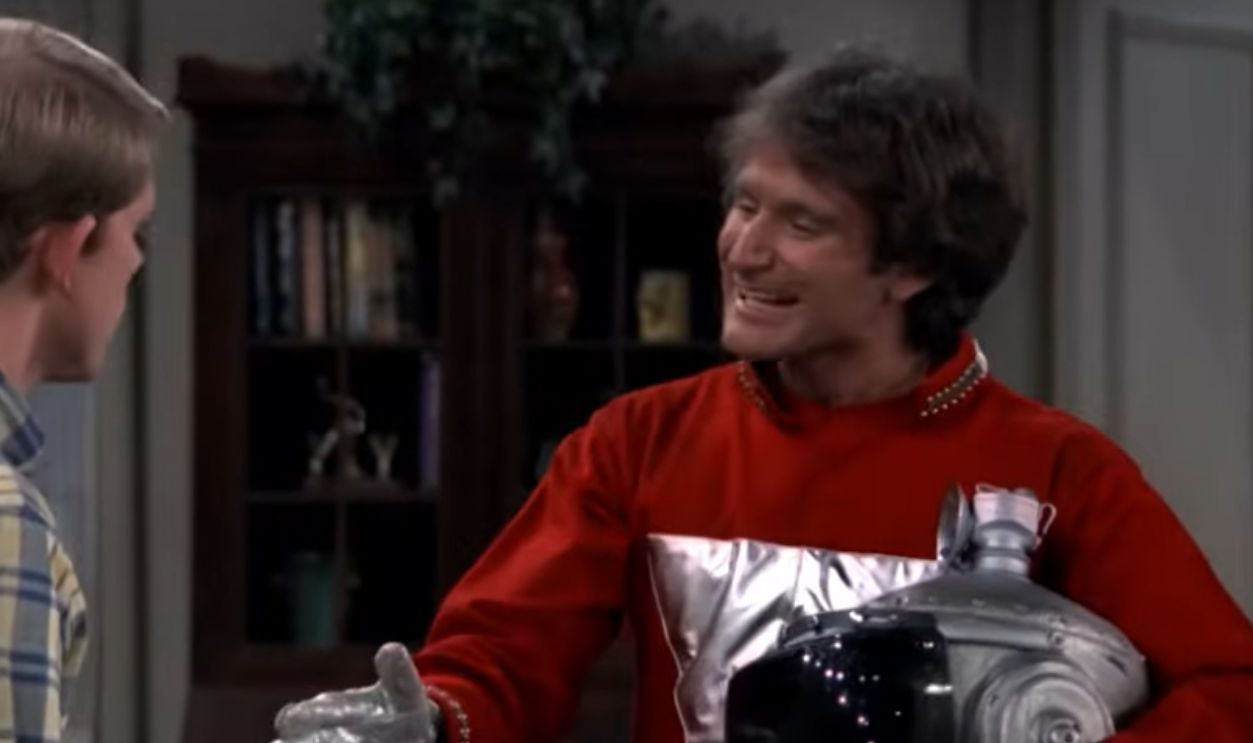 Screenshot from Happy Days, Paramount Television (1974–1984)
Richie Became His Intended Souvenir
In “My Favorite Orkan,” Mork arrives at the Cunningham home searching for an average—or “humdrum”—human to take back to Ork as a specimen. Richie unfortunately meets the qualifications. Mork freezes nearly everyone with his finger, turning a familiar family sitcom into something resembling an interplanetary kidnapping conducted by an extremely cheerful man.
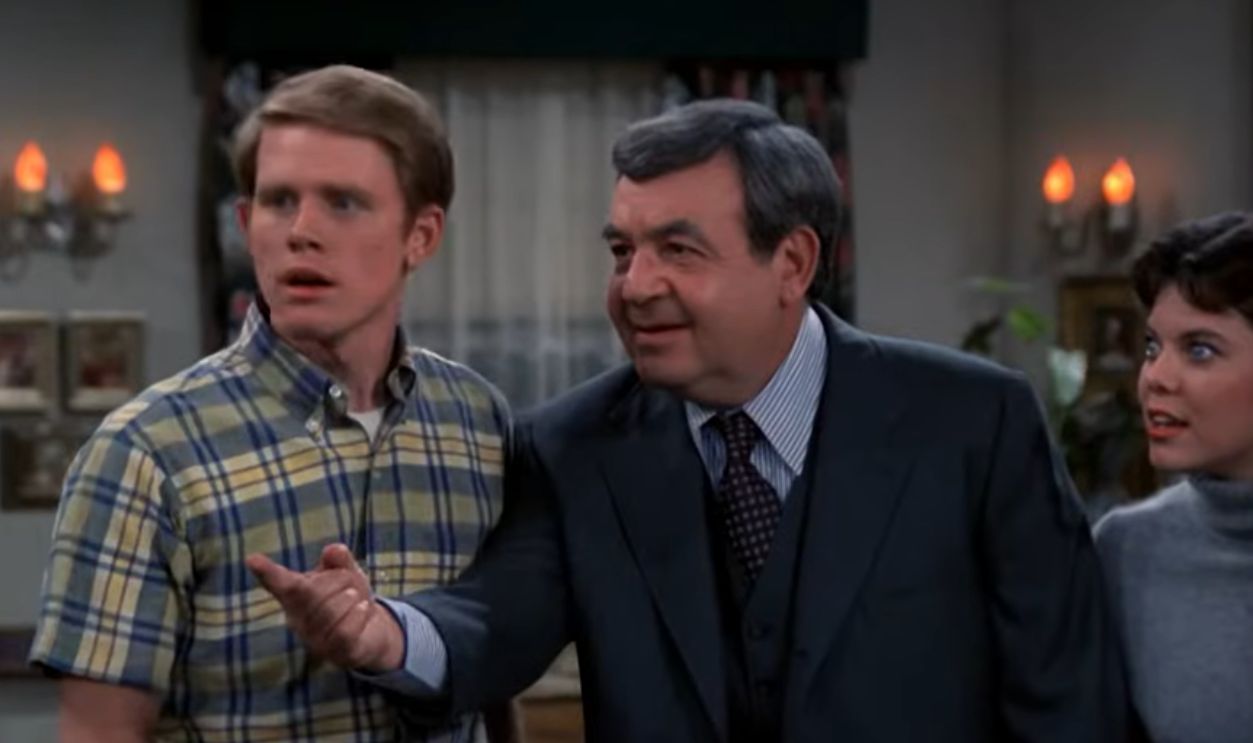 Screenshot from Happy Days, Paramount Television (1974–1984)
Fonzie Challenged The Visitor
Richie turns to Fonzie for help, setting up a confrontation between television’s coolest human and its strangest alien. Mork’s powerful finger faces Fonzie’s legendary thumbs in a wonderfully ridiculous duel. Fonzie ultimately admits defeat, prompting Mork to choose him instead—a rare moment when being cooler than everyone else becomes an intergalactic liability.
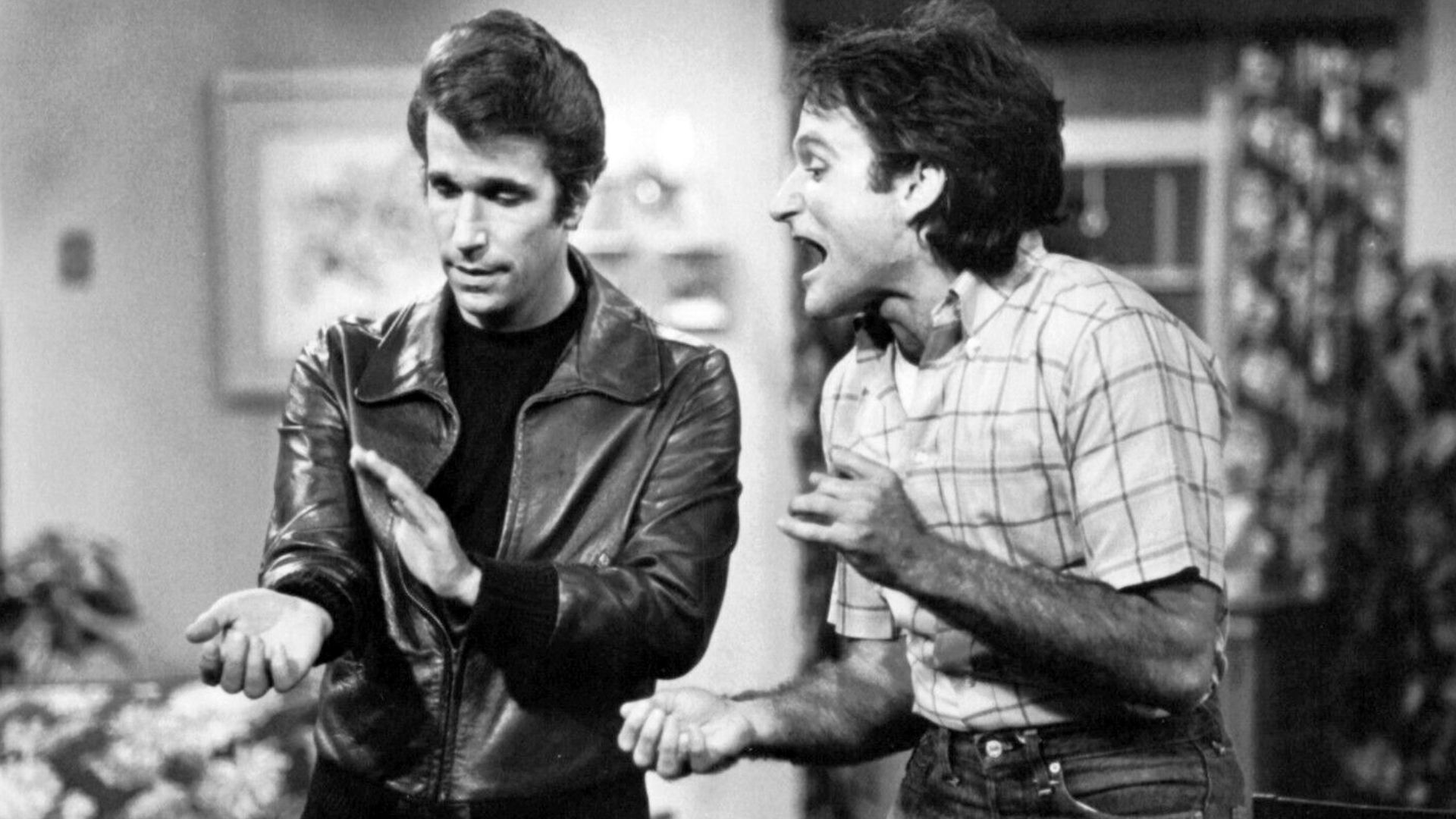
The Original Ending Called It A Dream
When Richie awakens, the adventure appears to have been a dream. A man resembling Mork then arrives at the door asking for directions, leaving Richie understandably unsettled. After Mork became a hit, the episode was reworked for reruns so that the encounter could fit the character’s new television history. Even continuity surrendered to Robin Williams.
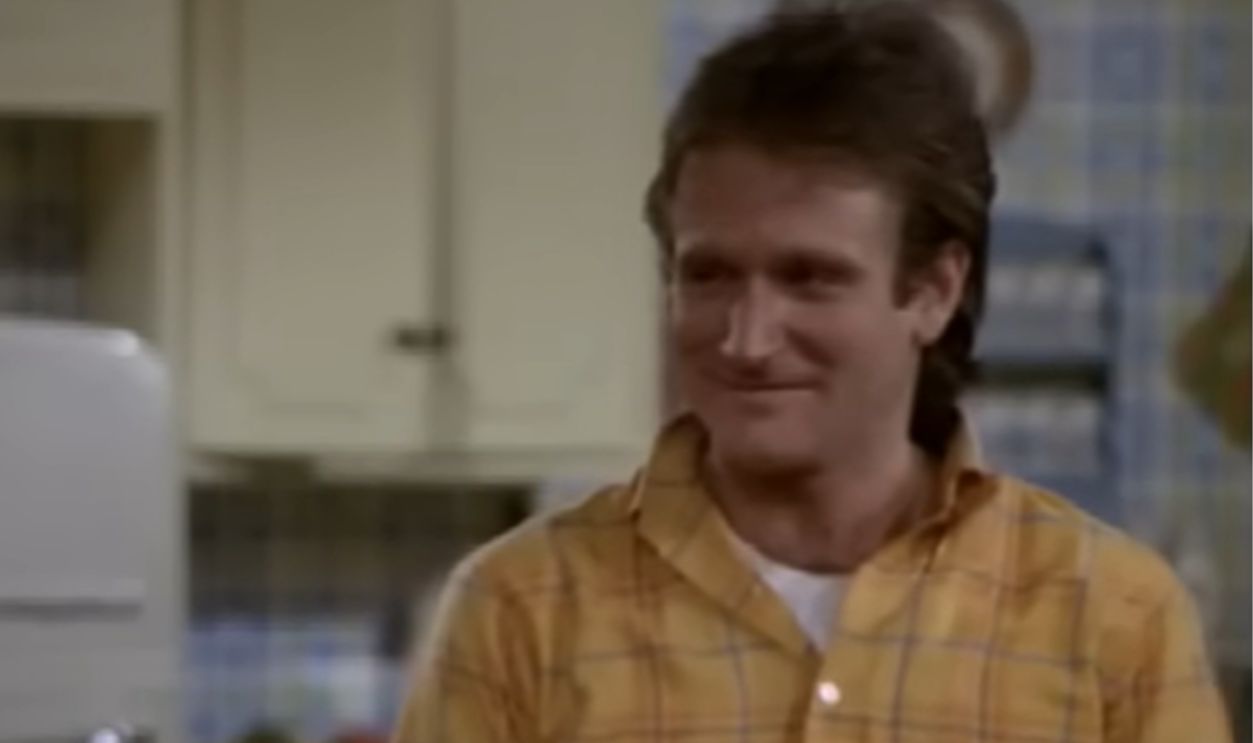 Screenshot from Happy Days, Paramount Television (1974–1984)
America Met Mork In February 1978
“My Favorite Orkan” aired on ABC on February 28, 1978. Viewers had tuned in expecting another evening with Richie, Fonzie, Potsie, and Ralph Malph. Instead, they encountered an unknown performer who treated the television frame as though it were merely a polite suggestion.
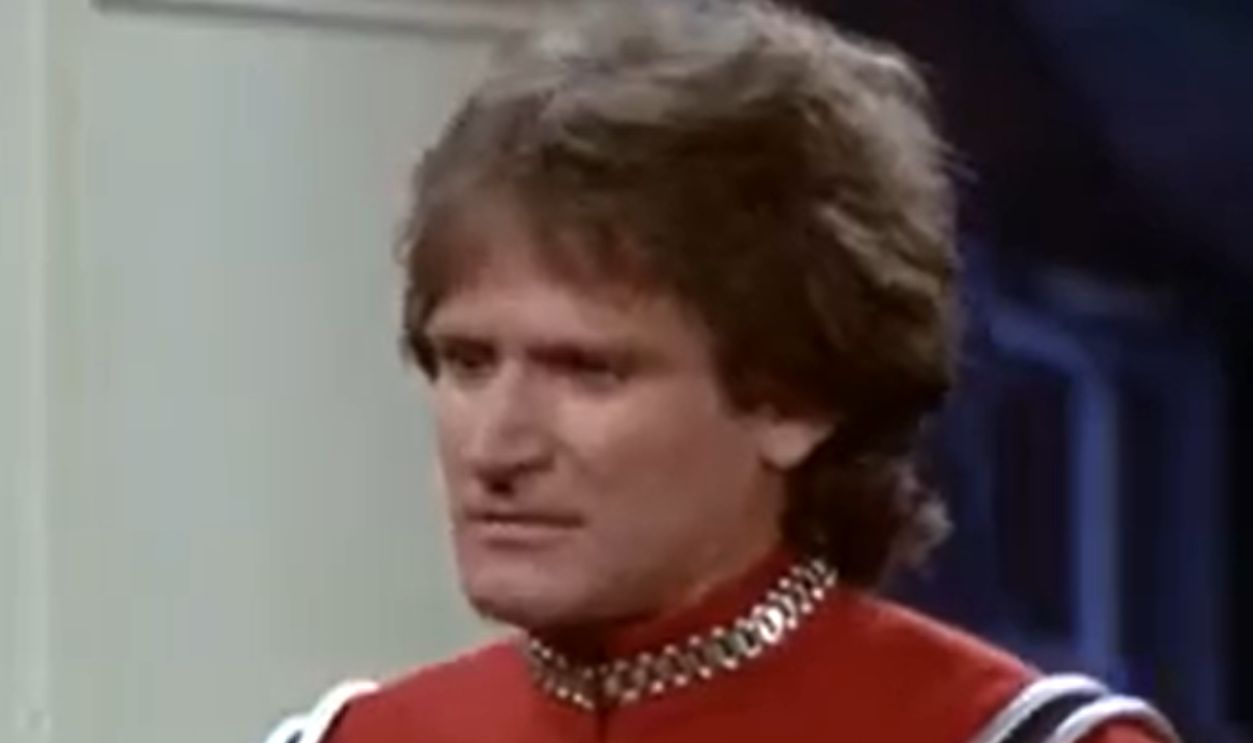 Screenshot from Happy Days, Paramount Television (1974–1984)
The Audience Rose For Him
Marshall recalled that approximately 300 people in the studio audience stood and applauded at the end of the taping. Standing ovations were not a normal response to a sitcom guest appearance, particularly from an actor most viewers had never seen. Williams had entered as an emergency replacement and left looking like television’s next major star.
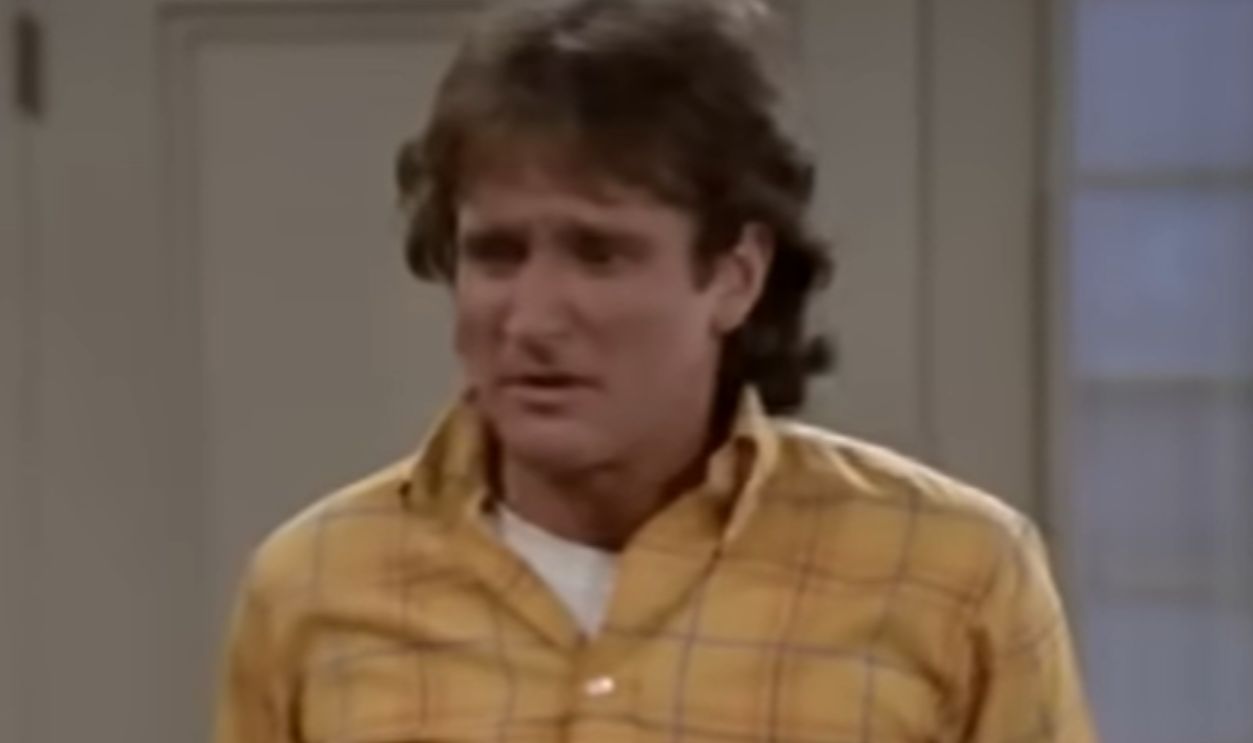 Screenshot from Happy Days, Paramount Television (1974–1984)
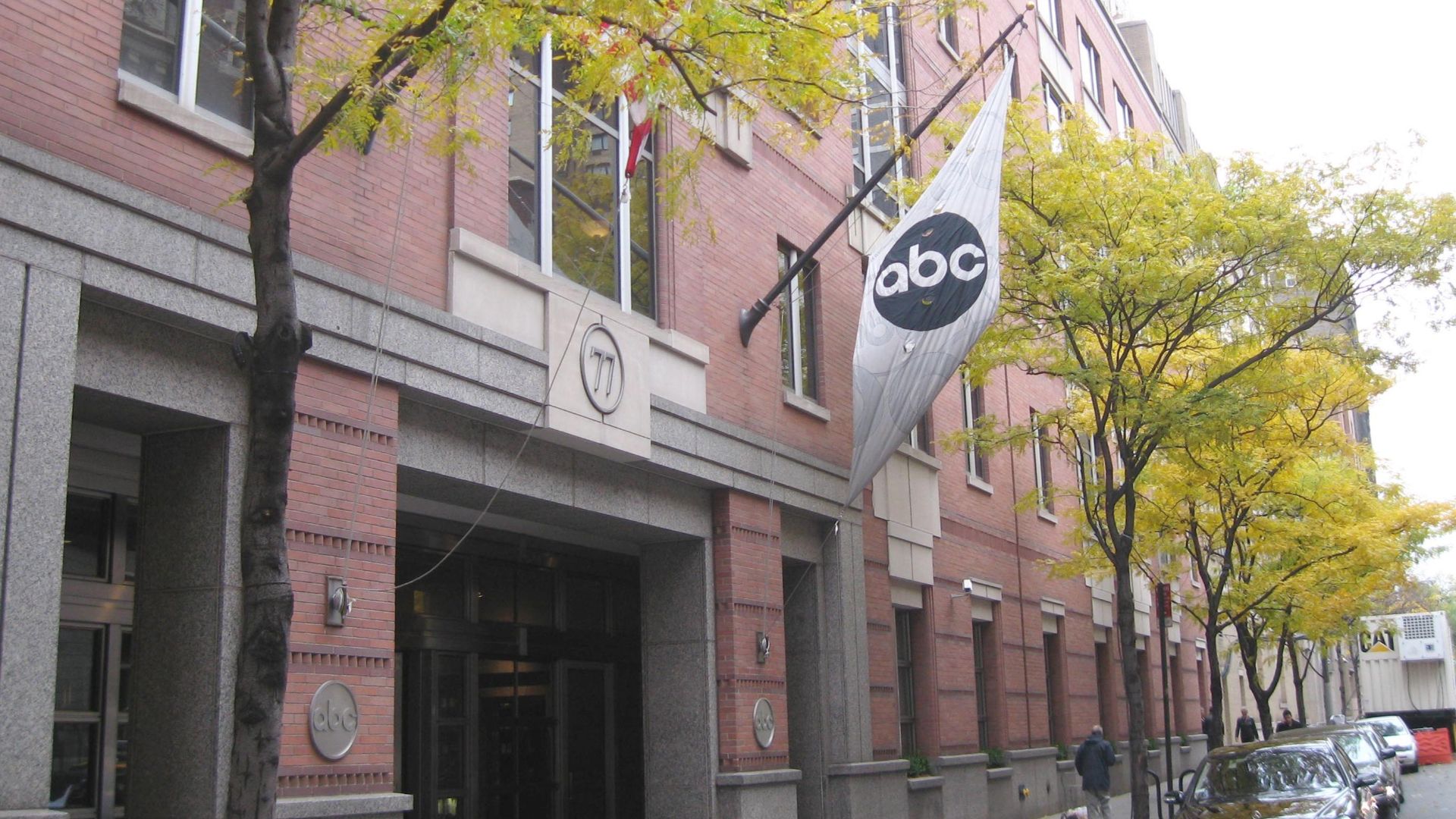
The Producers Knew What They Had Seen
Marshall later said it “didn’t take a genius” to realize Williams could carry his own program. The line was modest; recognizing the opportunity still required executives willing to build a sitcom around a performer who could not be contained by an ordinary script. Fortunately, ABC decided that television needed considerably more Mork.
 Jim.henderson, Wikimedia Commons
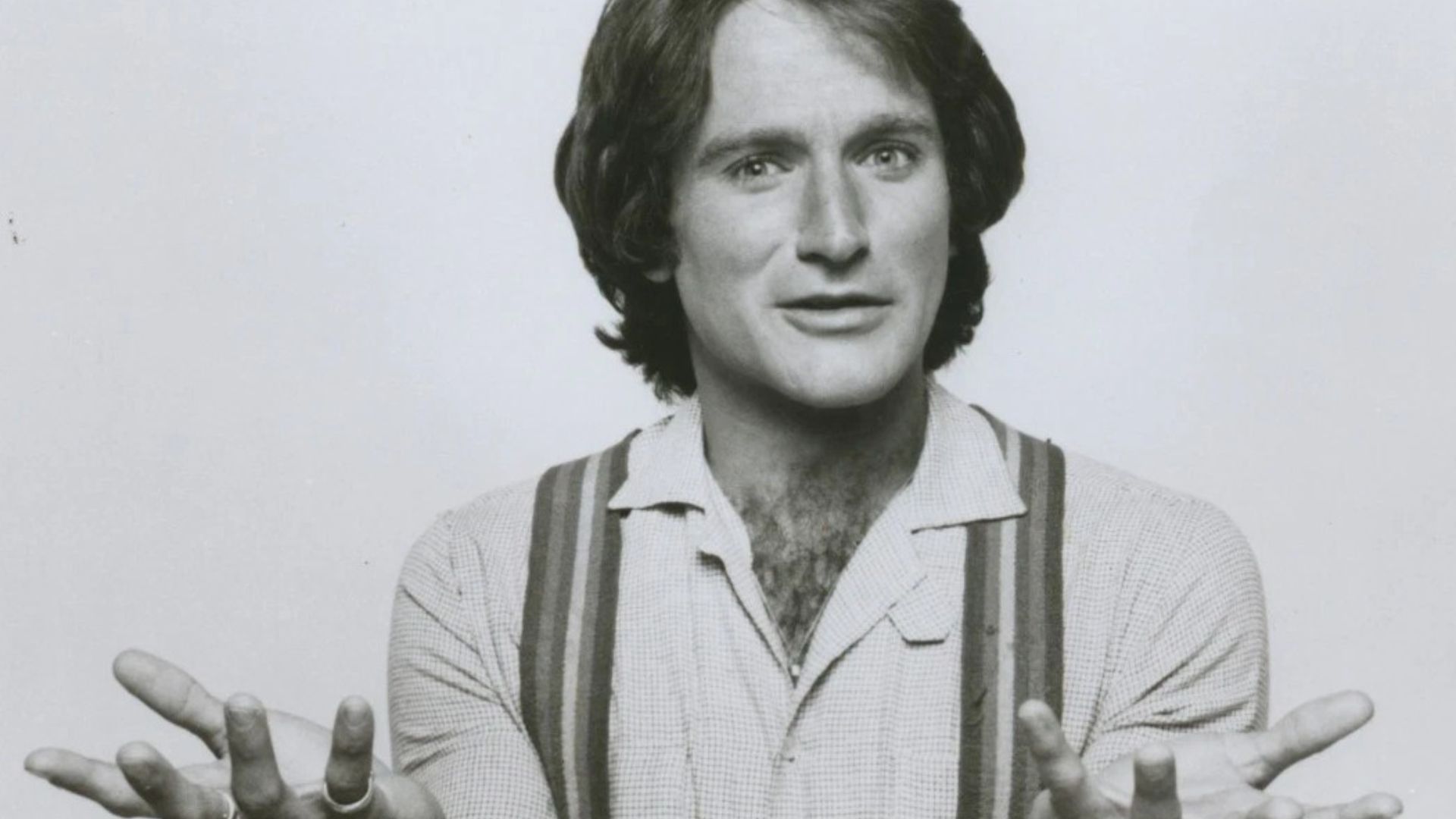
One Episode Created A New Series
Plans quickly developed for Mork & Mindy, a spin-off built around Williams’ alien visitor. Rather than remain in the 1950s setting of Happy Days, Mork traveled to contemporary Boulder, Colorado. He had crossed decades, changed cities, and obtained his own program faster than most people manage to update their mailing address.
 ABC Television, Wikimedia Commons
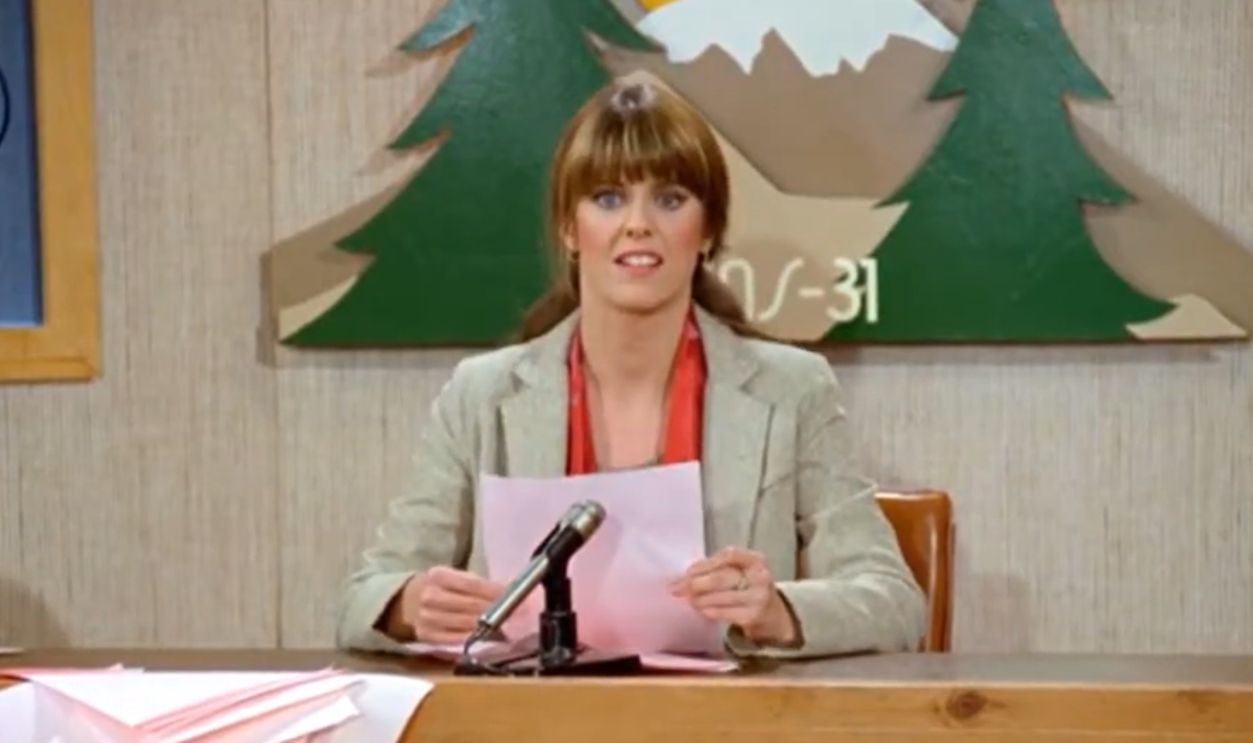
Pam Dawber Helped Ground The Chaos
Pam Dawber played Mindy McConnell, the human who befriends Mork and allows him to live in her attic. Her warm, grounded performance gave Williams something essential to play against. Without Mindy, Mork might have been uninterrupted chaos; with her, he became an innocent outsider slowly learning what made human beings funny, confusing, and lovable.
 Screenshot from Mork & Mindy, Paramount Television Domestic Syndication (1978–1982)
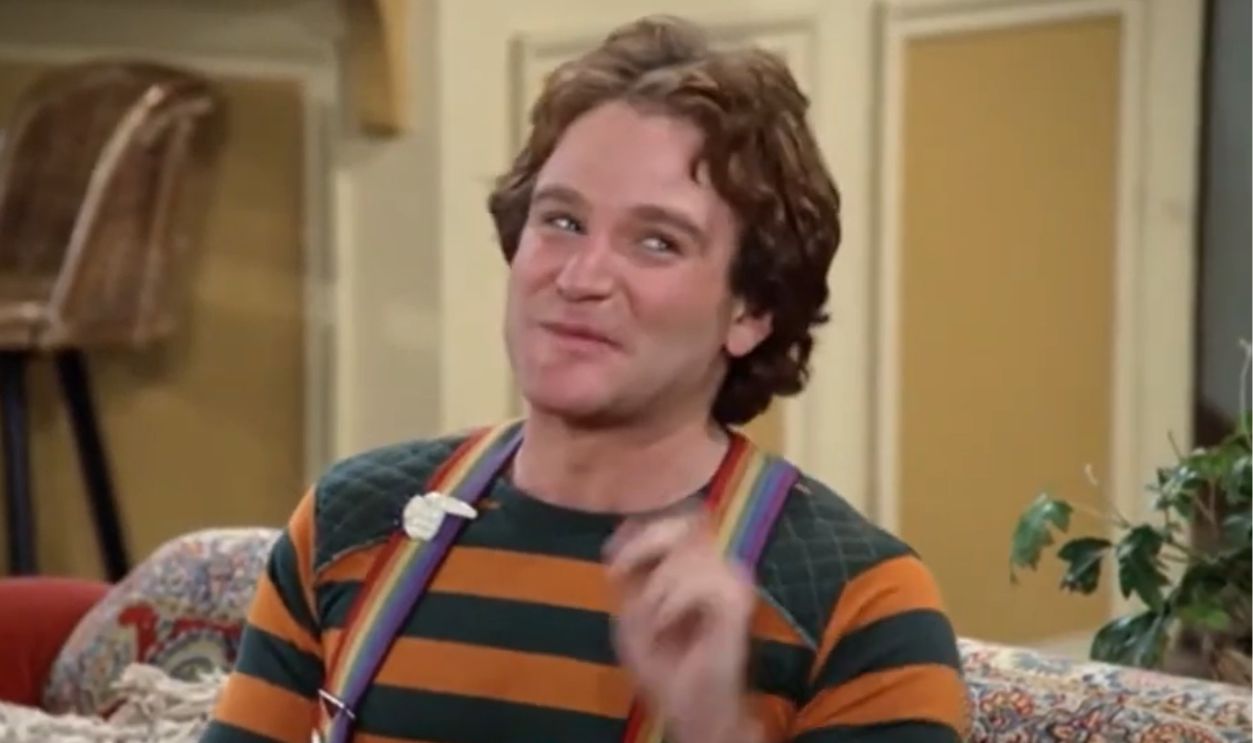
The Writers Made Space For Robin
Mork & Mindy scripts were sometimes structured with room for Williams to improvise. Colleagues recalled pages containing directions that essentially meant Robin would do something funny there. It was a bold writing strategy, although considerably easier than predicting which celebrity impression, foreign accent, or household appliance might suddenly emerge from him.
 Screenshot from Mork & Mindy, Paramount Television Domestic Syndication (1978–1982)
Stardom Arrived At Remarkable Speed
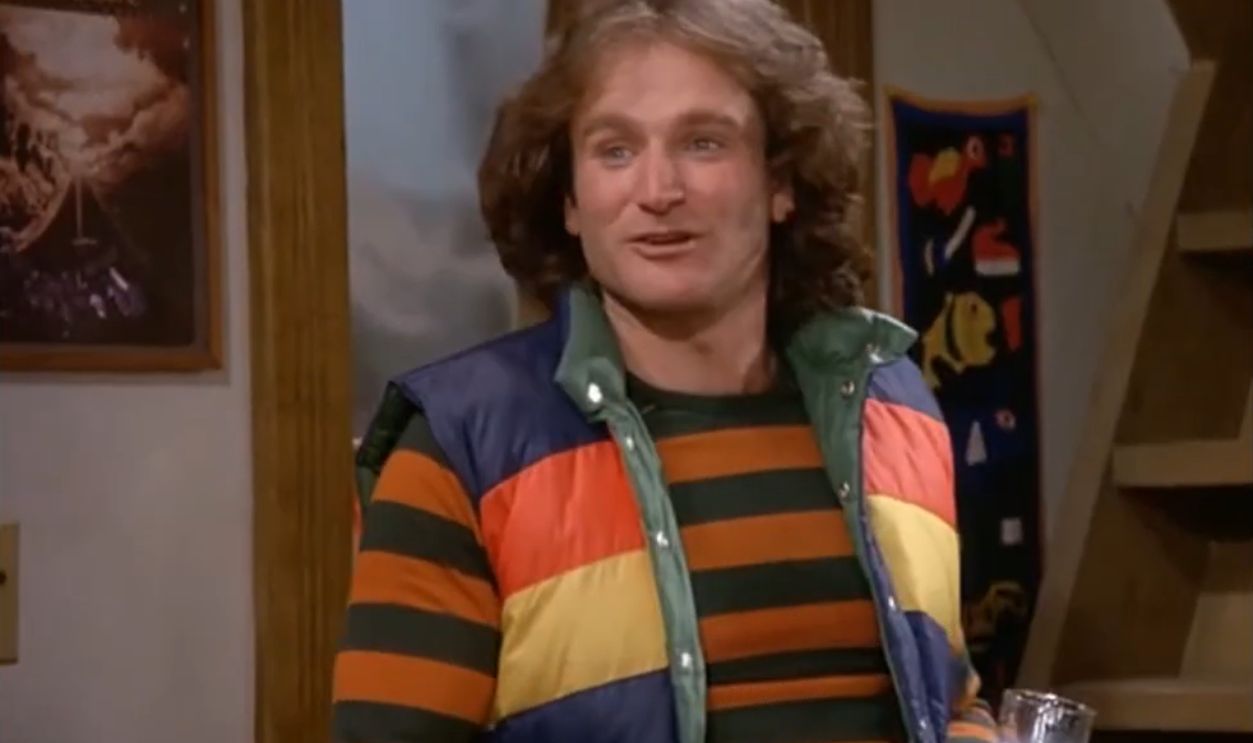
Mork & Mindy premiered on September 14, 1978, less than seven months after “My Favorite Orkan” aired. The show ranked among America’s highest-rated series during its first season, and Williams received an Emmy nomination in 1979. A comedian who had recently been working clubs was now greeted by strangers shouting “Na-Nu Na-Nu.”
 Screenshot from Mork & Mindy, Paramount Television Domestic Syndication (1978–1982)
He Returned To Where It Began
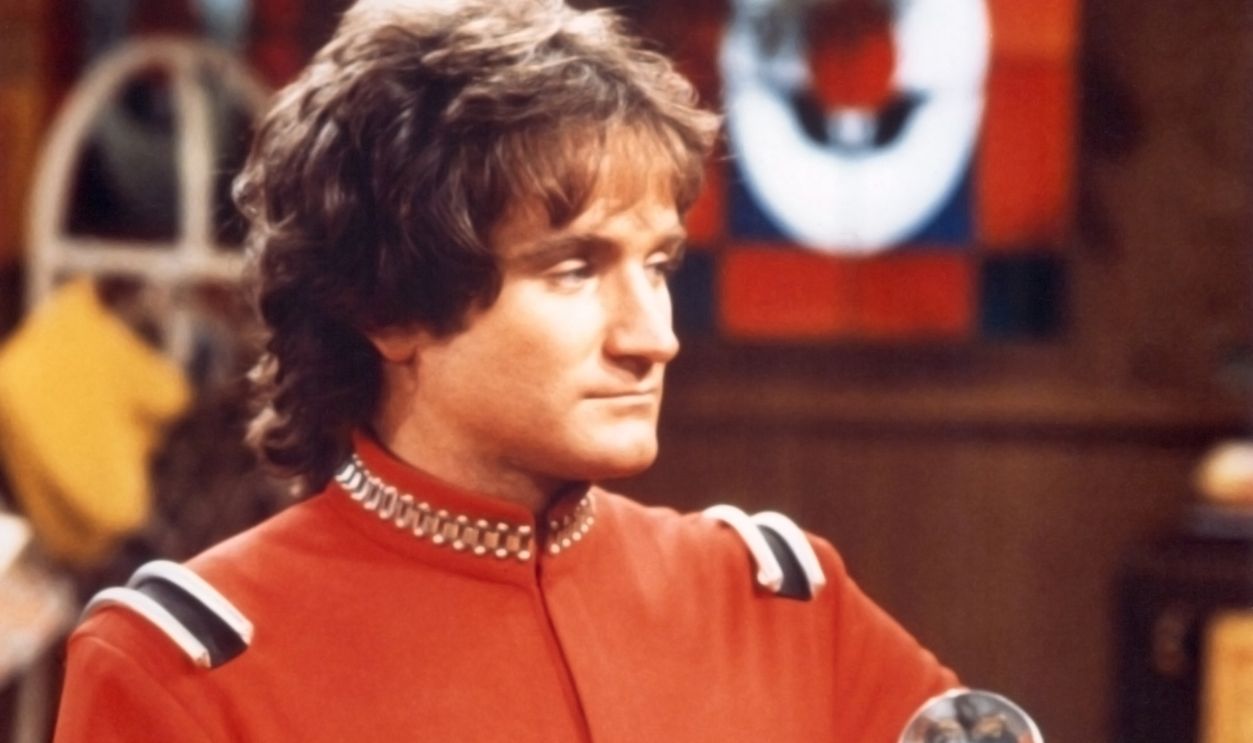
Williams returned to Happy Days as Mork, including the 1979 episode “Mork Returns.” By then, the guest performer had become the star of his own hit series. His return served as a cheerful reminder that this enormous career had begun because one troubled episode needed an alien at nearly the last possible minute.
 Silver Screen Collection, Getty Images
Mork Opened The Door To Movies
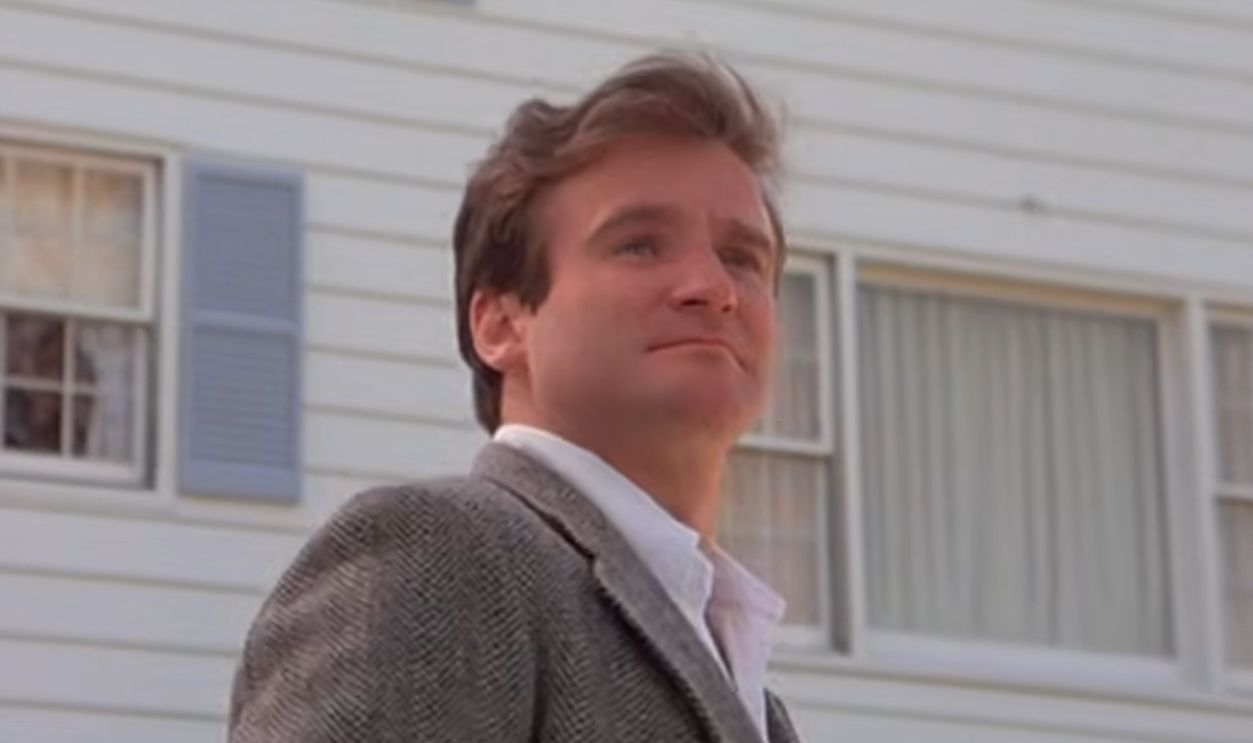
While Mork & Mindy was still airing, Williams starred in Robert Altman’s Popeye in 1980. After the series ended in 1982, The World According to Garp revealed that he could handle emotionally complex dramatic material. Mork had introduced his energy, but Hollywood was beginning to recognize the sensitive actor beneath it.
 Screenshot from The World According to Garp, Warner Bros., Inc. (1982)
He Could Make Audiences Laugh And Ache
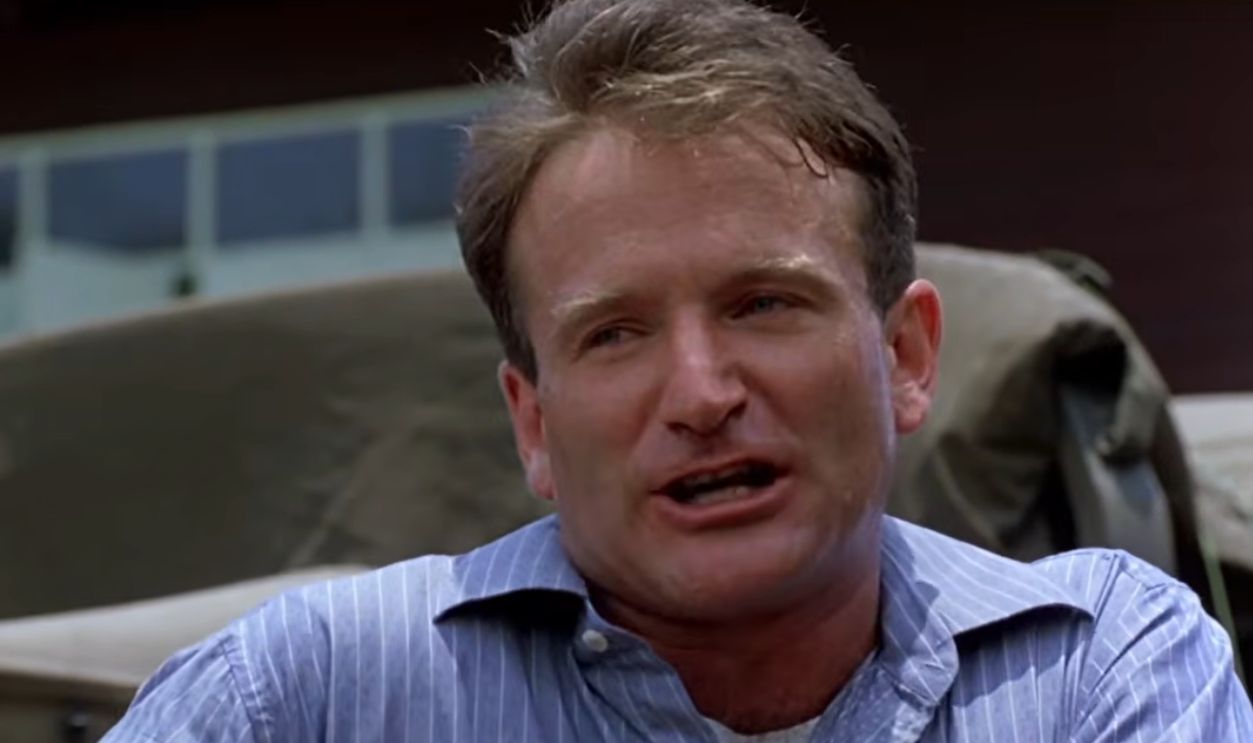
Williams earned Academy Award nominations for Good Morning, Vietnam, Dead Poets Society, and The Fisher King. He could race through impressions one moment and become almost painfully still the next. The same vulnerability that made Mork’s innocence endearing allowed Williams to portray teachers, doctors, fathers, and wounded men with uncommon compassion.
 Screenshot from Good Morning, Vietnam, Buena Vista Pictures Distribution (1987)
His Greatest Roles Reached Every Generation
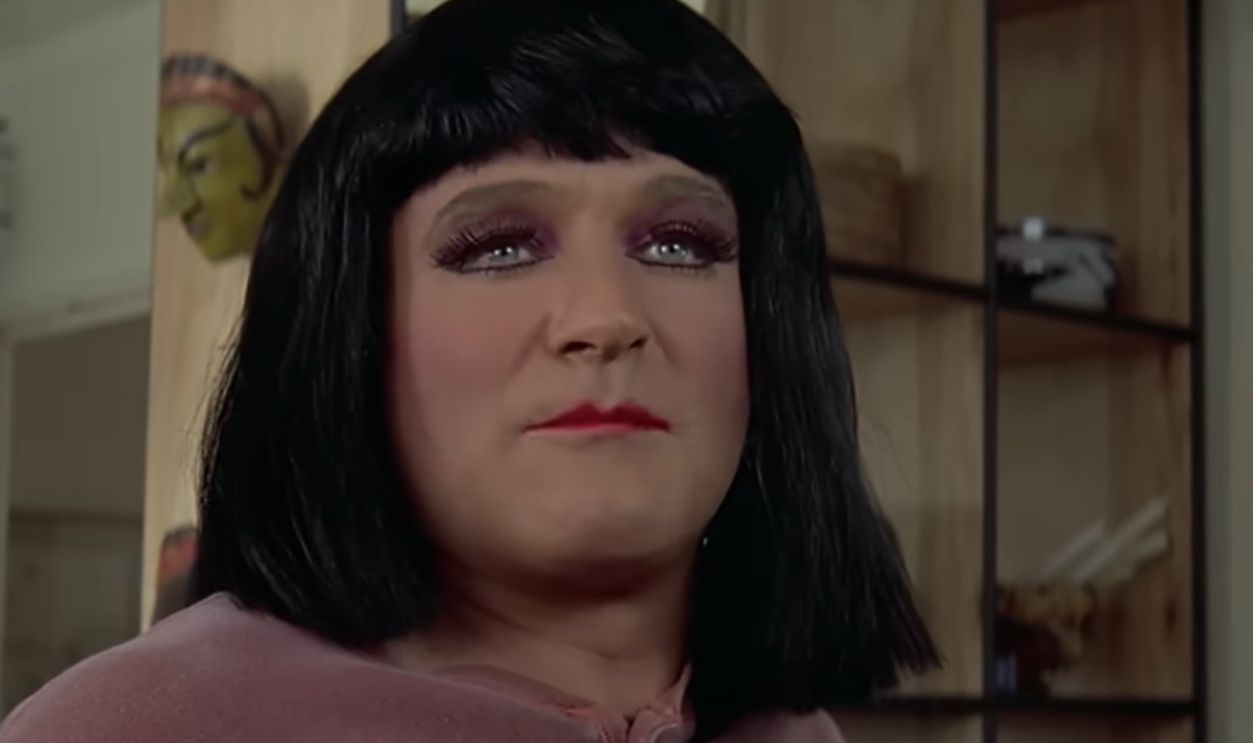
Children knew Williams as the Genie in Aladdin, the grown-up Peter Pan in Hook, and the chaotic father disguised as a housekeeper in Mrs. Doubtfire. Adults found deeper shades in Awakenings, Good Will Hunting, and later darker performances such as One Hour Photo. His range made “Robin Williams movie” nearly impossible to define.
 Screenshot from Mrs. Doubtfire, Twentieth Century Fox (1993)
The Academy Finally Honored Him
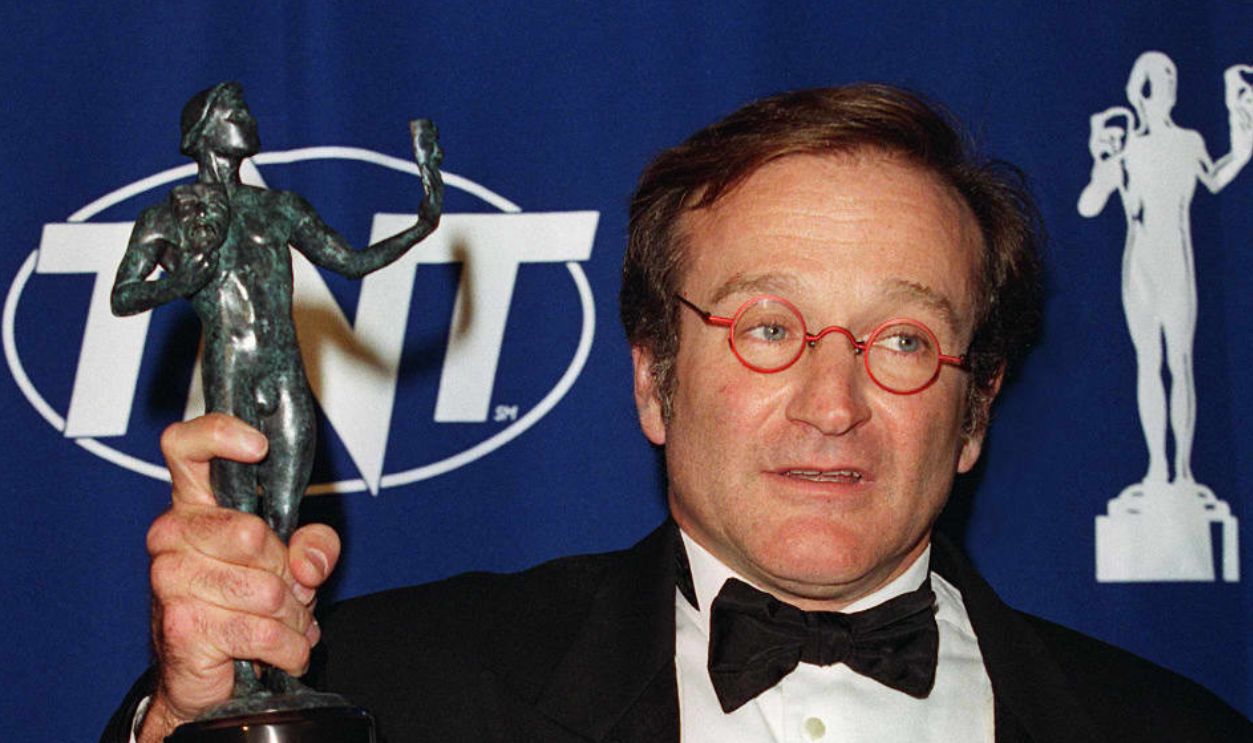
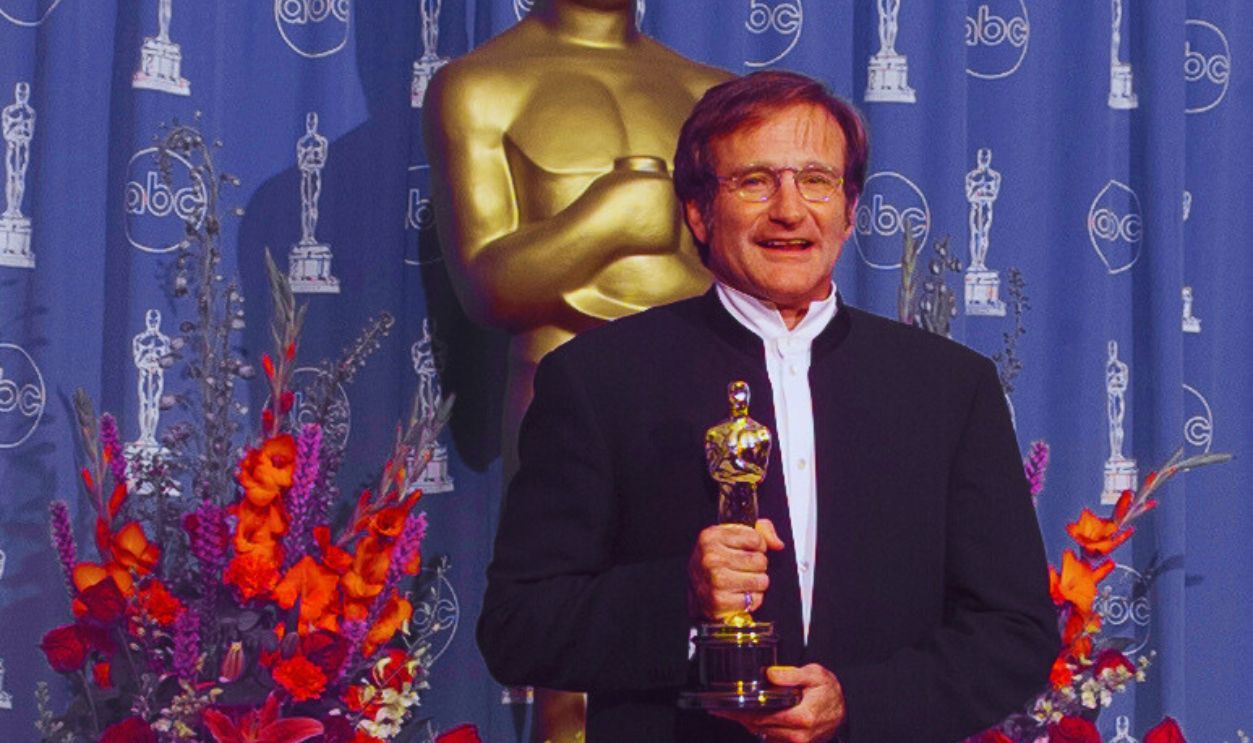
For his performance as therapist Sean Maguire in 1997’s Good Will Hunting, Williams won the Academy Award for Best Supporting Actor. His acceptance speech began with the unusual sight of Robin Williams briefly speechless. Naturally, the condition did not last long, but the emotion behind it was unmistakably genuine.
His Kindness Extended Beyond The Screen
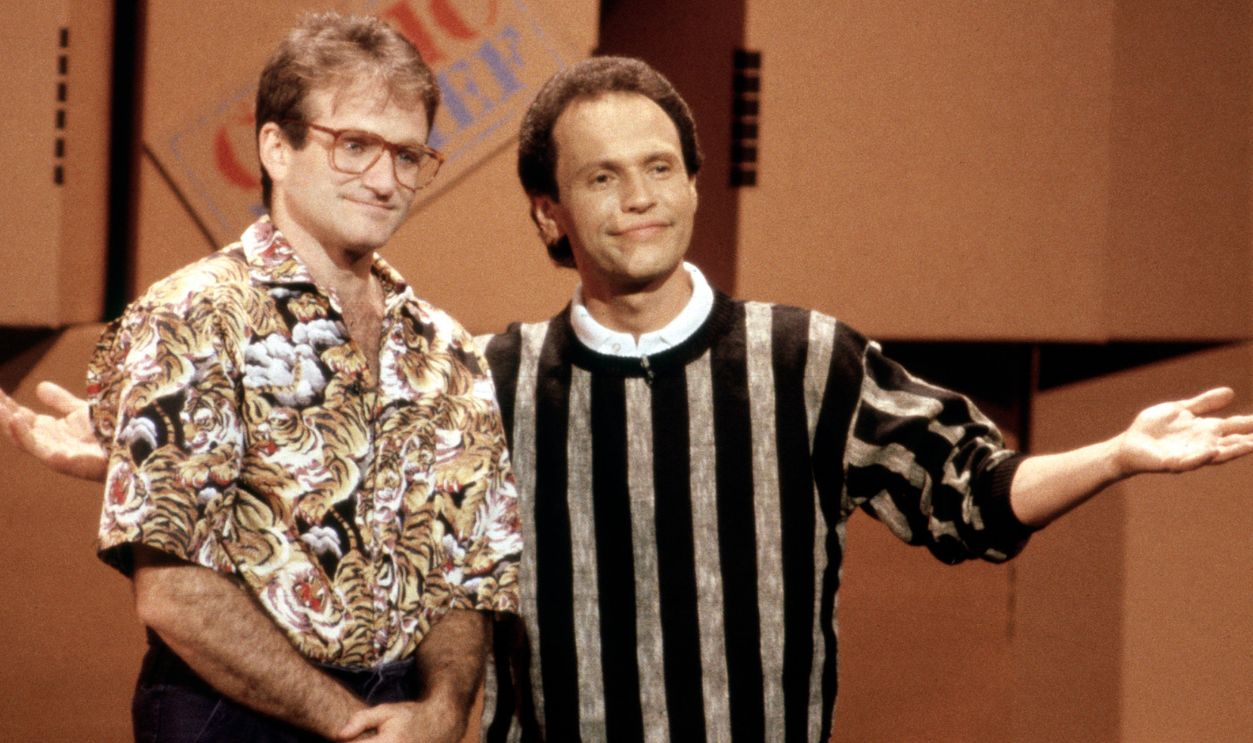
Williams helped lead the Comic Relief specials with Billy Crystal and Whoopi Goldberg, raising money and awareness for people experiencing homelessness. He also supported St. Jude Children’s Research Hospital for a decade, freely contributing his time. One patient’s mother remembered that Williams made the children feel like they were the celebrities.
He Brought Laughter Into Dangerous Places
Between 2002 and 2013, Williams completed six USO tours, visiting service members in 12 foreign countries. The organization estimated that he performed for or met more than 89,000 military personnel. Away from the stage, he signed autographs, listened to personal stories, and thanked people serving far from home.
 Photographer's Mate Airman Milosz Reterski, Wikimedia Commons
He Showed Up For His Friends
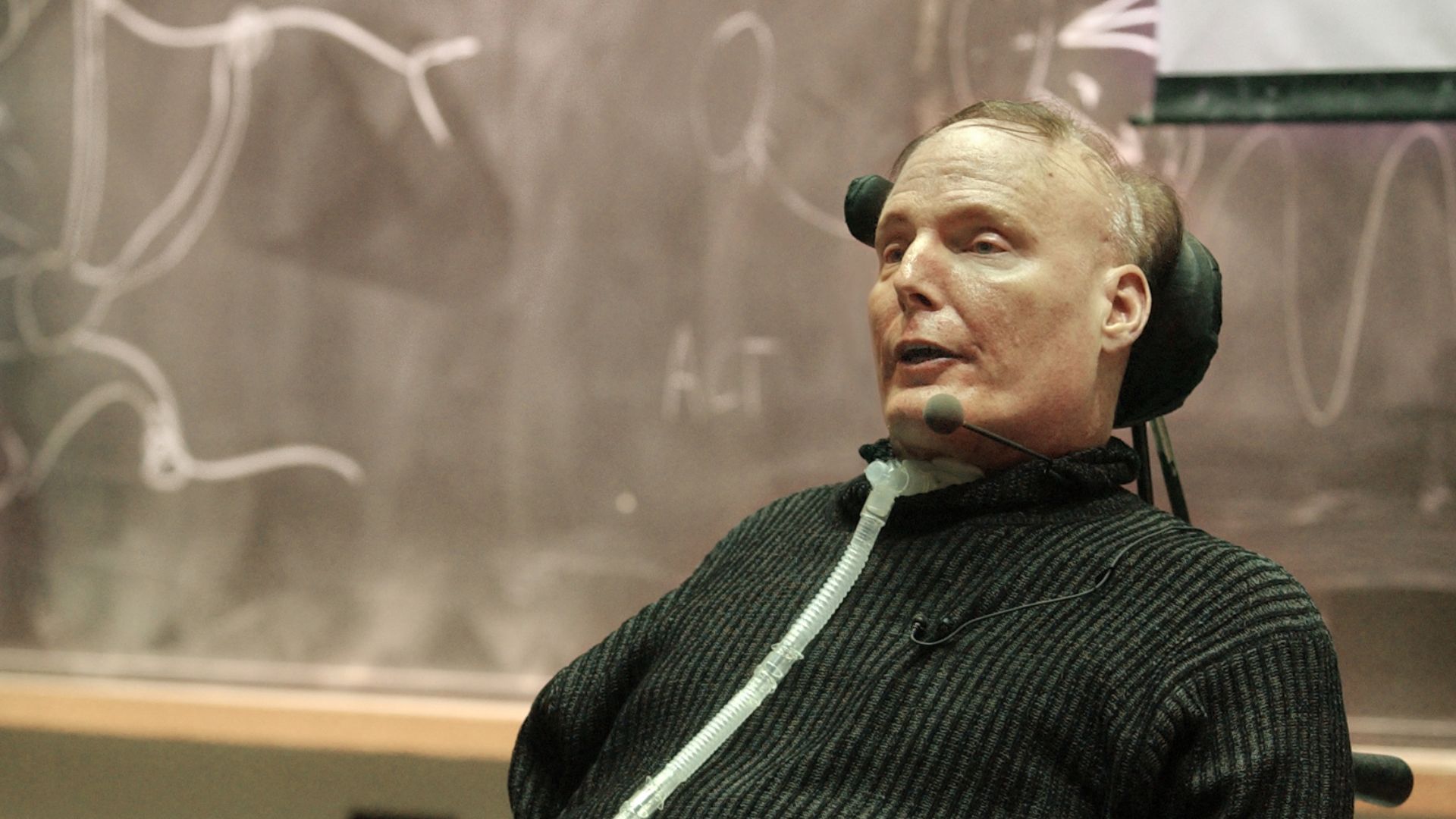
After Christopher Reeve’s devastating riding accident, Williams arrived at the hospital pretending to be an eccentric Russian doctor. Reeve later said it was the first time he laughed after the injury. Beneath all the voices and comic explosions was a friend who understood that sometimes laughter was not a distraction from pain—it was a way through it.
His Final Illness Was Cruelly Misunderstood
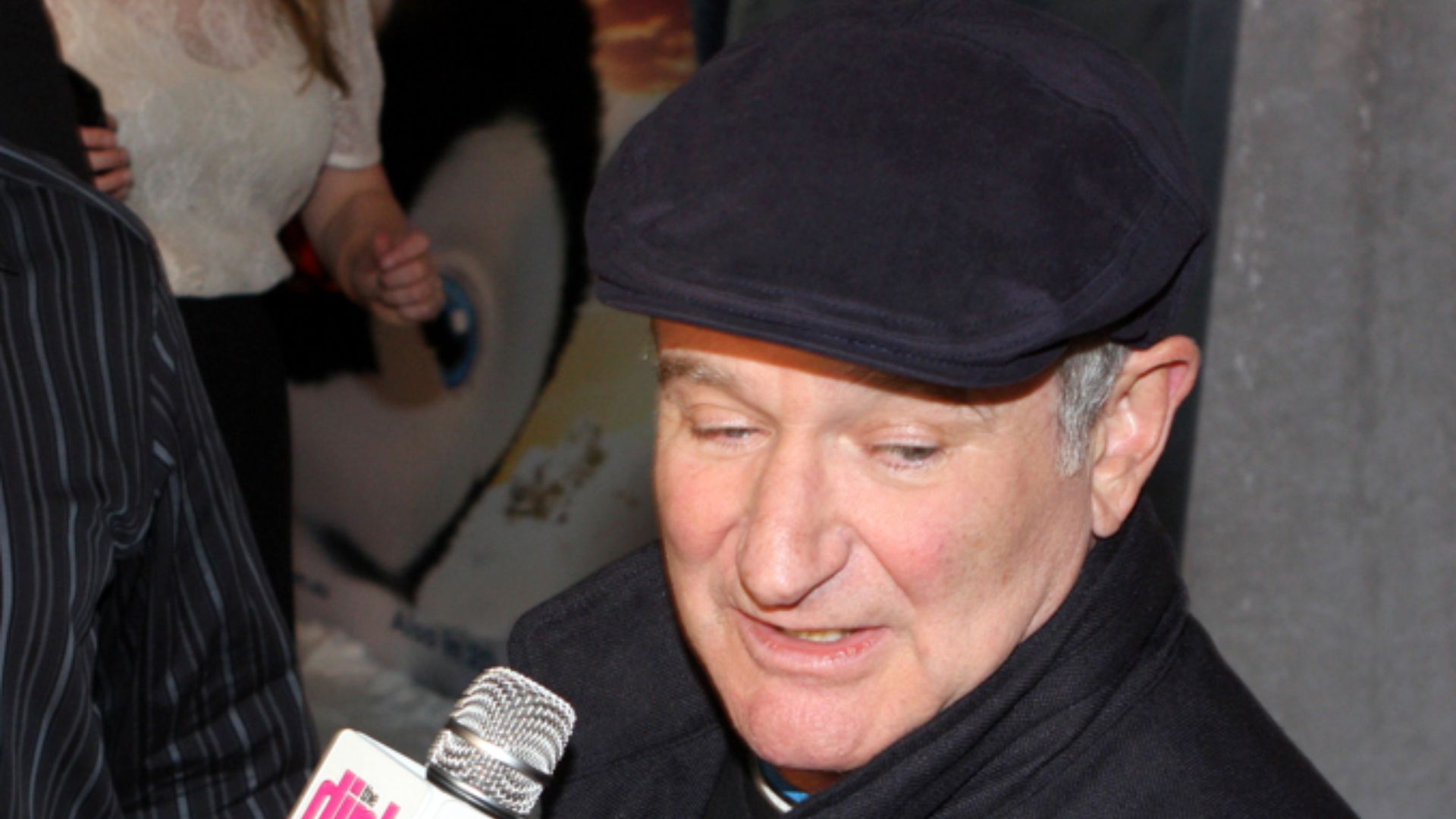
Robin Williams died on August 11, 2014, at the age of 63. An examination after his death revealed that he had been living with advanced Lewy body dementia, a devastating brain disease that had not been correctly diagnosed while he was alive. The discovery helped explain the frightening cognitive, physical, and emotional changes he experienced near the end.
 Eva Rinaldi, Wikimedia Commons
The Laughter Was Only Part Of His Gift
Robin Williams built a long, astonishing career from the freedom to be completely himself. He was a comedian, a classically trained actor, an Oscar winner, a devoted friend, a generous humanitarian, and a remarkably compassionate man who noticed people who felt frightened or forgotten. Mork came to Earth to study humanity; Robin spent the rest of his career reminding us how beautiful it could be.
You May Also Like: