When Making The Album Became Almost As Crazy As The Music
Some classic albums were made through careful planning and professional discipline. These definitely weren’t. Turns out dysfunction can produce some incredible music, and in a few cases, the story of recording the album became nearly as legendary as the thing itself.
 Rob Verhorst/Redferns, Getty Images
Fleetwood Mac - Rumours (1977)
The members of Fleetwood Mac weren't simply having relationship problems while making Rumours. Almost every important relationship inside or around the band was collapsing at once. Lindsey Buckingham and Stevie Nicks had split, Christine and John McVie were divorcing, and Mick Fleetwood's marriage was in trouble. Then they had to sit across from their exes and help record songs clearly written about them.
Co-producer Ken Caillat later summed up his bizarre job by saying, “I had to be a therapist and record producer". There were fights, heavy drinking, and plenty of illicit substances, but the band could somehow switch from emotional battles to extraordinary musical concentration. Buckingham might scream through “Go Your Own Way,” then spend months carefully layering guitars until every piece fit.
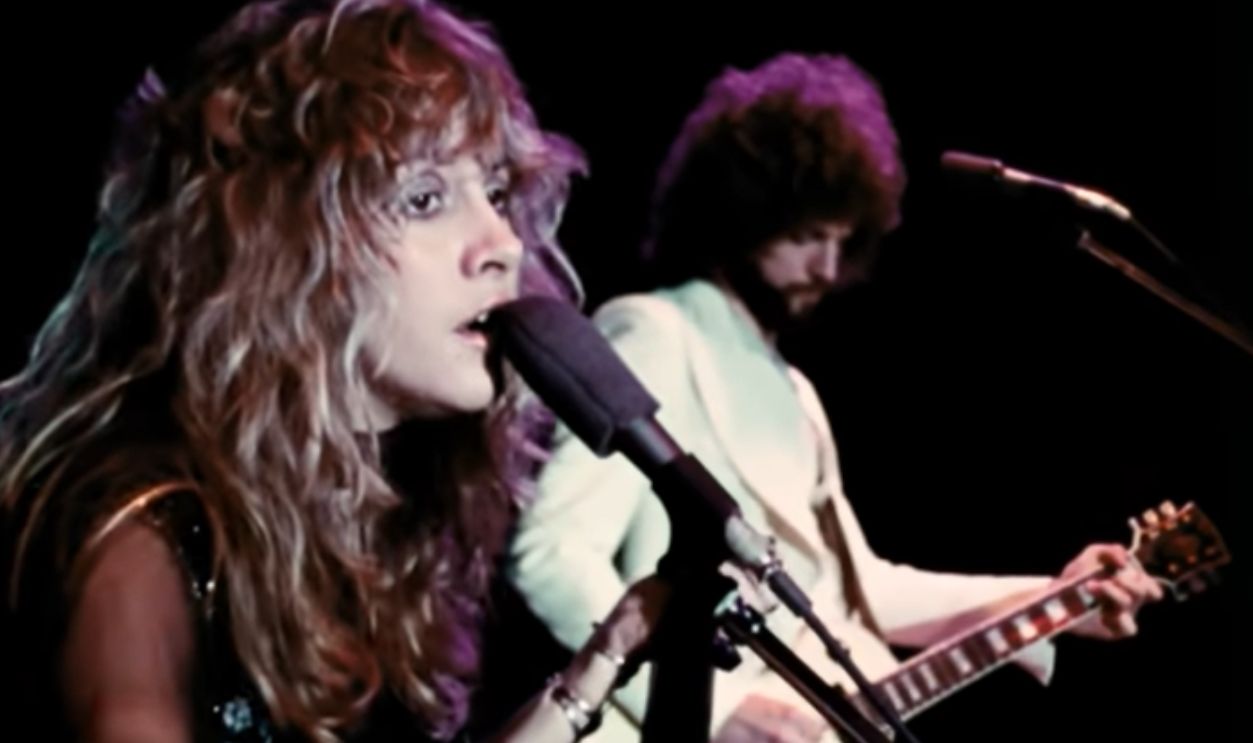 Screenshot from Dreams, Warner Records (1977)
The Rolling Stones - Exile On Main St (1972)
Keith Richards' Villa Nellcôte wasn't remotely suited to recording an album. The Stones were tax exiles living in southern France, so their mobile recording truck was parked outside while cables were dragged through the sprawling villa into a hot, damp basement. Richards later said the basement looked “like [the Führer's] bunker,” with musicians scattered through separate little rooms where they couldn't always see each other.
There wasn't much of a schedule either. Sessions might begin late at night and run into the morning, depending on who happened to show up. Keith Richards and Anita Pallenberg were heavily involved with heavy substances, visitors constantly wandered through the house, and Mick Jagger grew irritated by the endless hangers-on. Somehow, that disorganized environment gave Exile on Main St exactly the loose, murky character people now love about it.
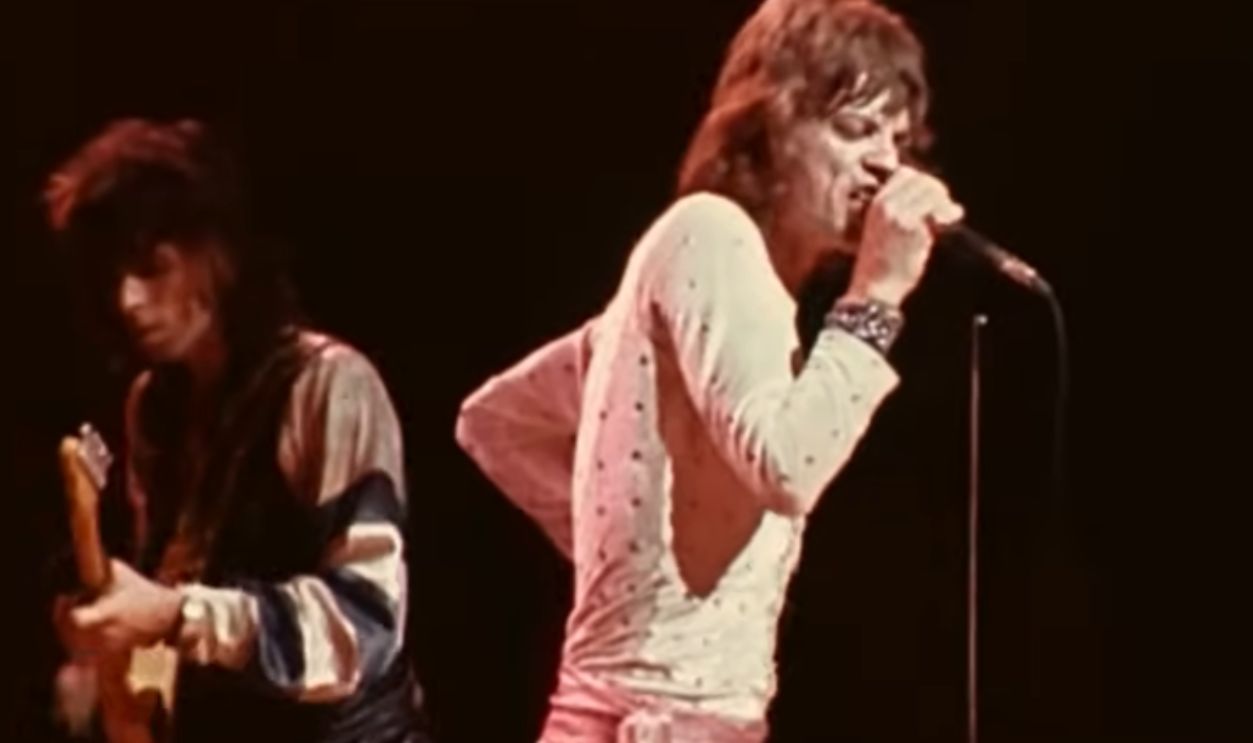 Screenshot from Rip This Joint, Rolling Stones Records (1972)
The Beach Boys - Smile (1966-67)
Brian Wilson wasn't recording Smile like a normal album. He was recording little musical pieces, vocal sections, instrumental passages, sound effects, and strange fragments that he planned to assemble later. That modular approach worked brilliantly on “Good Vibrations,” but applying it across an entire album became increasingly difficult.
The sessions produced some wonderfully odd stories. During work on “Vegetables,” musicians chewed celery and other vegetables for percussion effects. Wilson obsessed over sonic details, moved between studios, and repeatedly revised pieces like “Heroes and Villains". As expectations grew after Pet Sounds, so did the pressure. Eventually, the project became so complicated and emotionally draining that the original Smile was shelved, turning it into one of rock's most famous unfinished albums for decades.
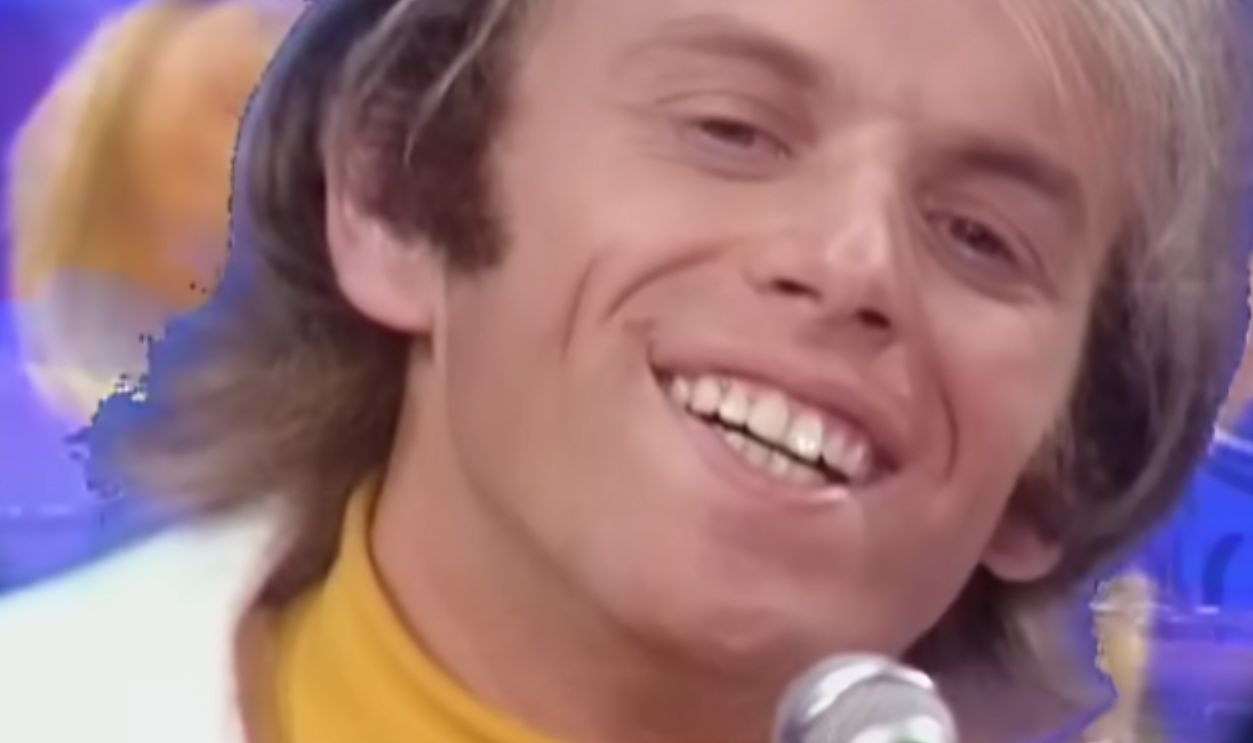 Screenshot from Good Vibrations, The Beach Boys (1966)
Black Sabbath - Vol 4 (1972)
Black Sabbath's move to Los Angeles brought them sunshine, money, and more illicit substances than was remotely healthy. Tony Iommi later admitted the band consumed an “enormous quantity of coke,” while Ozzy Osbourne remembered dealers constantly arriving with white powder and other substances. Iommi's description was even simpler: “It did become insane".
The excess worked its way directly into the album. “Snowblind” wasn't particularly subtle about what the band was doing. The bizarre instrumental “FX” reportedly began when Iommi, heavily intoxicated, started hitting his guitar strings with the crosses hanging around his neck. Yet underneath all that chaos, the band was also becoming more ambitious, bringing piano, acoustic textures, and experimental production into songs that pushed far beyond the sound of their first three albums.
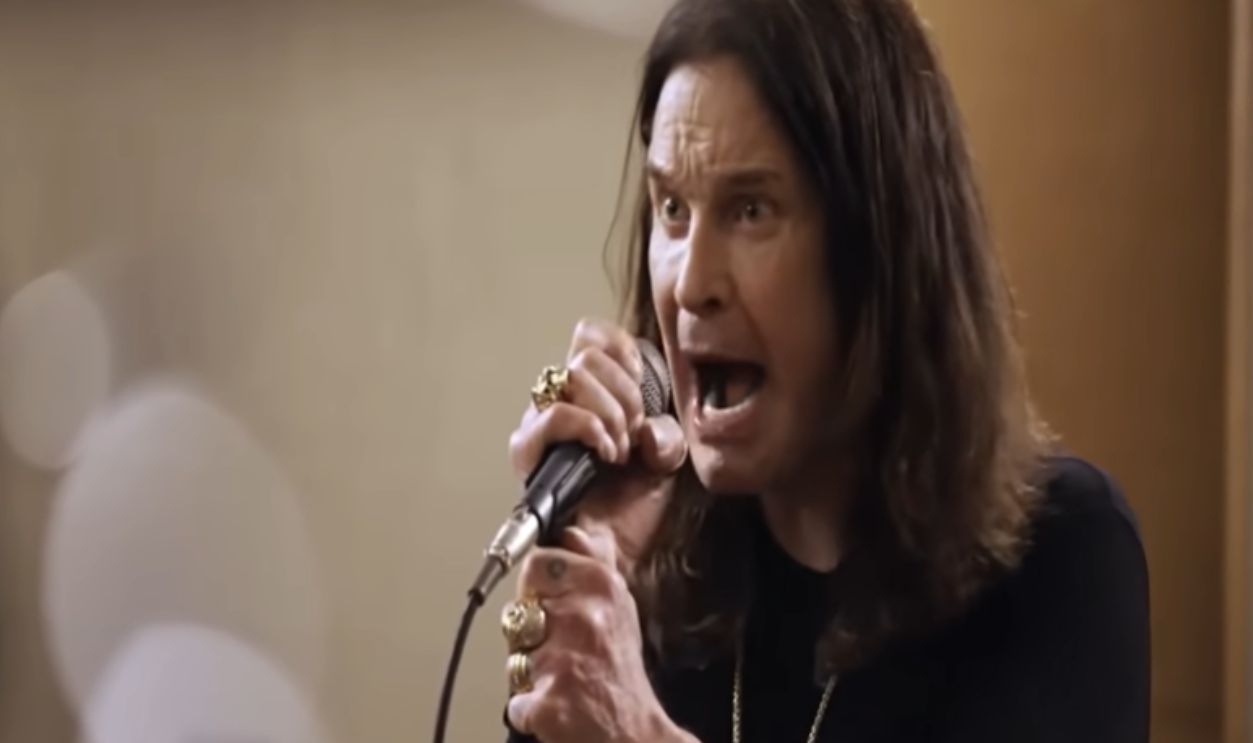 Screenshot from Changes, Vertigo Records (1972)
The Beatles - The White Album (1968)
The Beatles spent roughly four and a half months making The White Album, often working through exhausting late-night sessions. There were so many songs and so many individual ideas that members sometimes worked in separate studios simultaneously. George Martin later had to divide his attention between different rooms while the band increasingly operated less like one unified four-piece group.
Engineer Geoff Emerick became so unhappy with the atmosphere that he quit during the sessions. Then Ringo Starr walked out in August, convinced his playing wasn't good enough and feeling disconnected from the others. When he returned 11 days later, his drum kit was covered in flowers. The sessions weren't constant combat, and archival recordings reveal plenty of laughter and collaboration, but the old sense that the Beatles automatically did everything together was clearly disappearing.
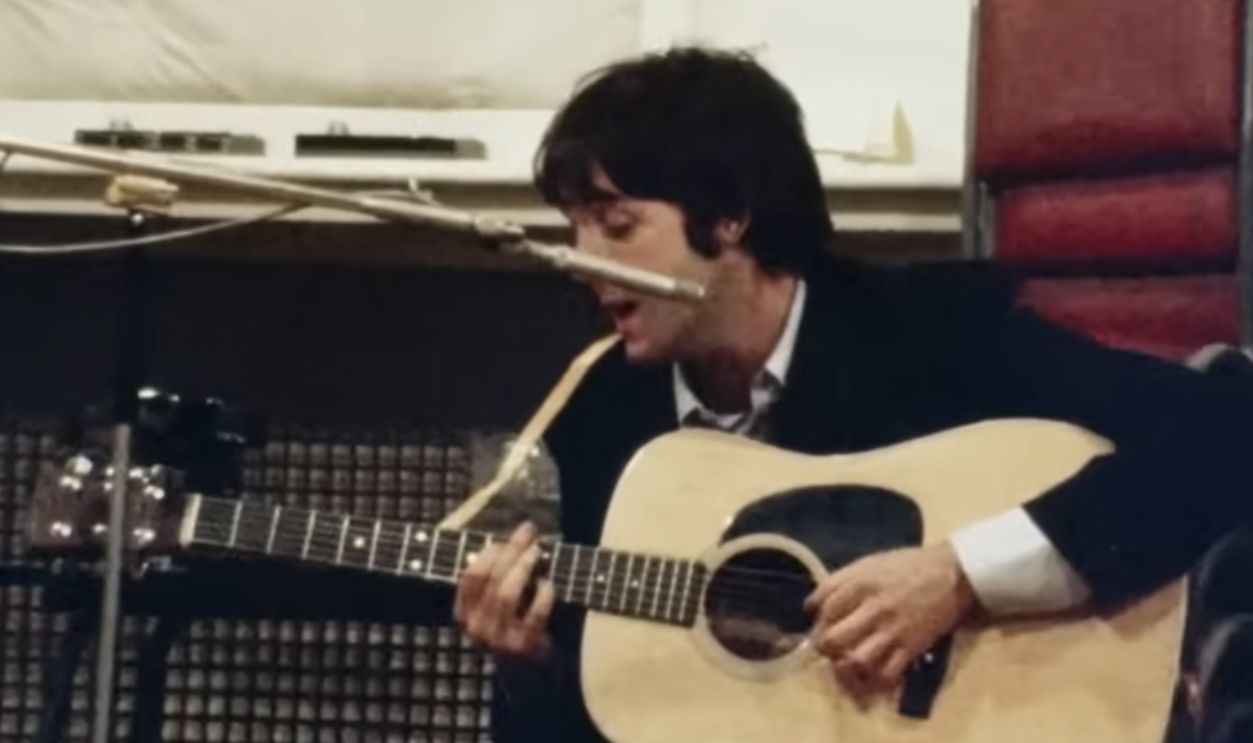 Screenshot from Blackbird, The Beatles (1968)
David Bowie - Station To Station (1976)
David Bowie's Los Angeles period produced brilliant music under conditions even his own musicians found alarming. Bowie was consuming enormous quantities of white powder, barely sleeping, and becoming increasingly absorbed in the cold, aristocratic Thin White Duke persona. He later claimed he remembered almost nothing about making Station to Station.
Guitarist Earl Slick witnessed it firsthand and later said, “David had gone levels into insanity". According to Slick, the rhythm section remained considerably more grounded, which may help explain how the record stayed so precise while Bowie himself was unraveling. Sessions could happen at unusual hours, with Bowie suddenly deciding it was time to work. That disconnect remains one of the album's great mysteries: the man making it was reportedly in terrible shape, yet the finished record sounds remarkably controlled.
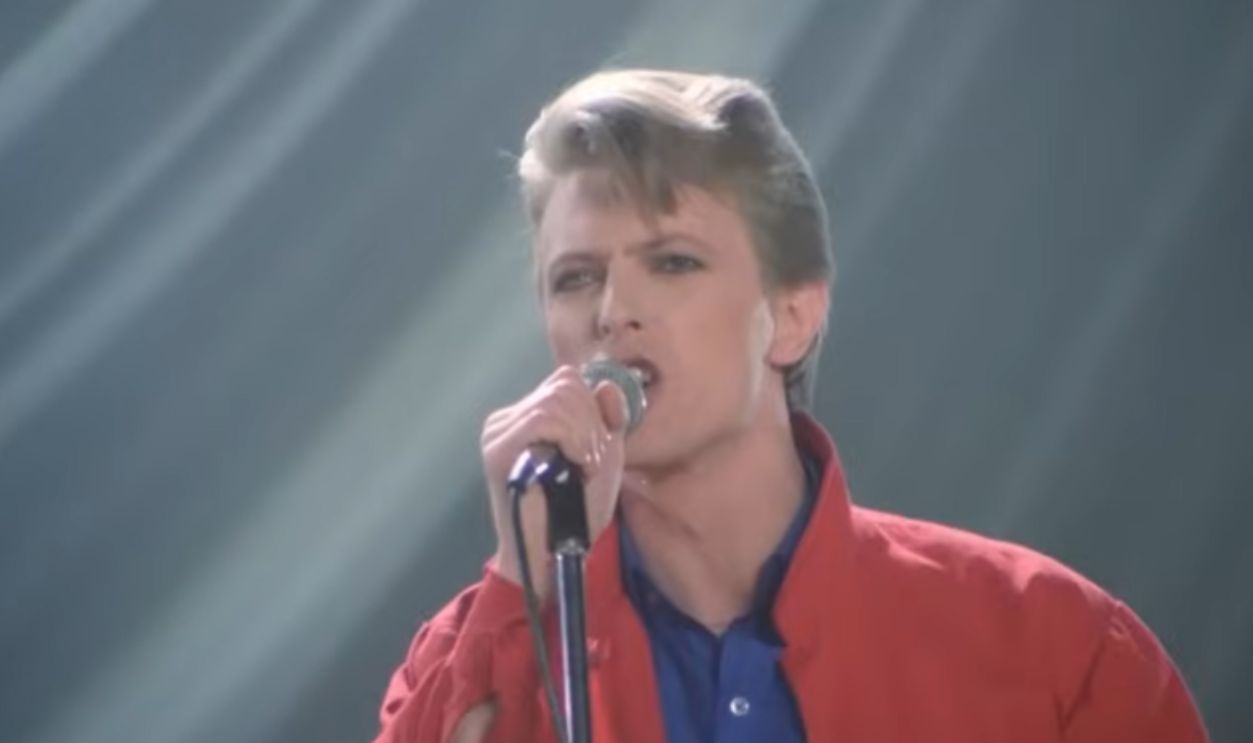 Screenshot from Station to Station, RCA Records (1976)
Queen - “Bohemian Rhapsody” / A Night At The Opera (1975)
Freddie Mercury didn't hand producer Roy Thomas Baker a straightforward demo of “Bohemian Rhapsody". He played the song on piano and explained where different sections would eventually appear, including an opera segment that didn't actually exist yet. Baker remembered Mercury announcing, “Right, now this is where the opera section comes in,” then leaving an empty space on the tape.
That empty space became an enormous undertaking. Baker later estimated that the song required around 180 overdubs and three weeks of recording on 16-track tape. Mercury, Brian May, and Roger Taylor repeatedly layered their voices until the choir sounded far larger than three people. The process involved so much bouncing and rerecording that sections of tape reportedly became thin enough to see through.
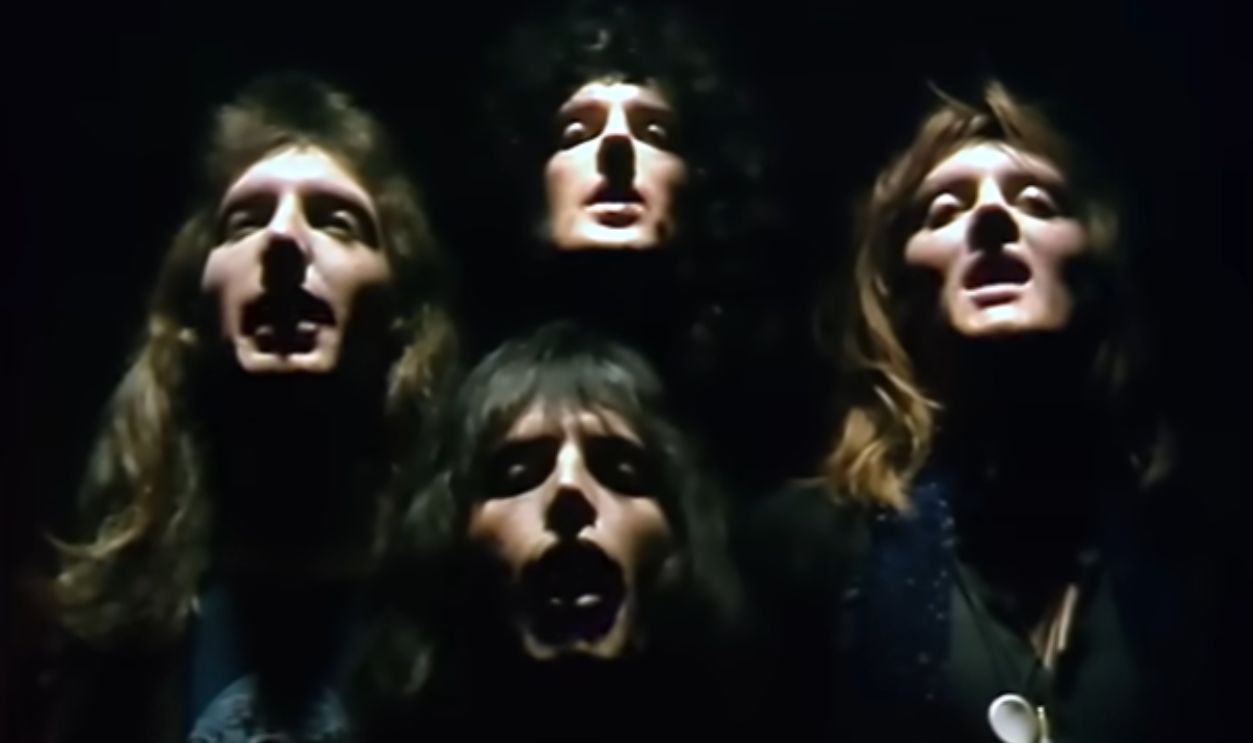 Screenshot from Bohemian Rhapsody, Queen (1975)
Led Zeppelin - Led Zeppelin IV (1971)
Led Zeppelin escaped the formal studio environment by moving into Headley Grange, a large country house in Hampshire. The Rolling Stones Mobile Studio sat outside, while the band's equipment was scattered through the building. Instead of treating the strange acoustics as a problem, Jimmy Page and engineer Andy Johns used them as part of the record.
The most famous example is John Bonham's drum sound on “When the Levee Breaks". His kit was placed in the building's entrance hall, while microphones were positioned high up the stairway. The resulting natural echo became one of rock's most copied drum sounds. The isolation also let the band work without normal studio restrictions, giving them room to experiment with everything from mandolin on “The Battle of Evermore” to the shifting arrangements of “Stairway to Heaven".
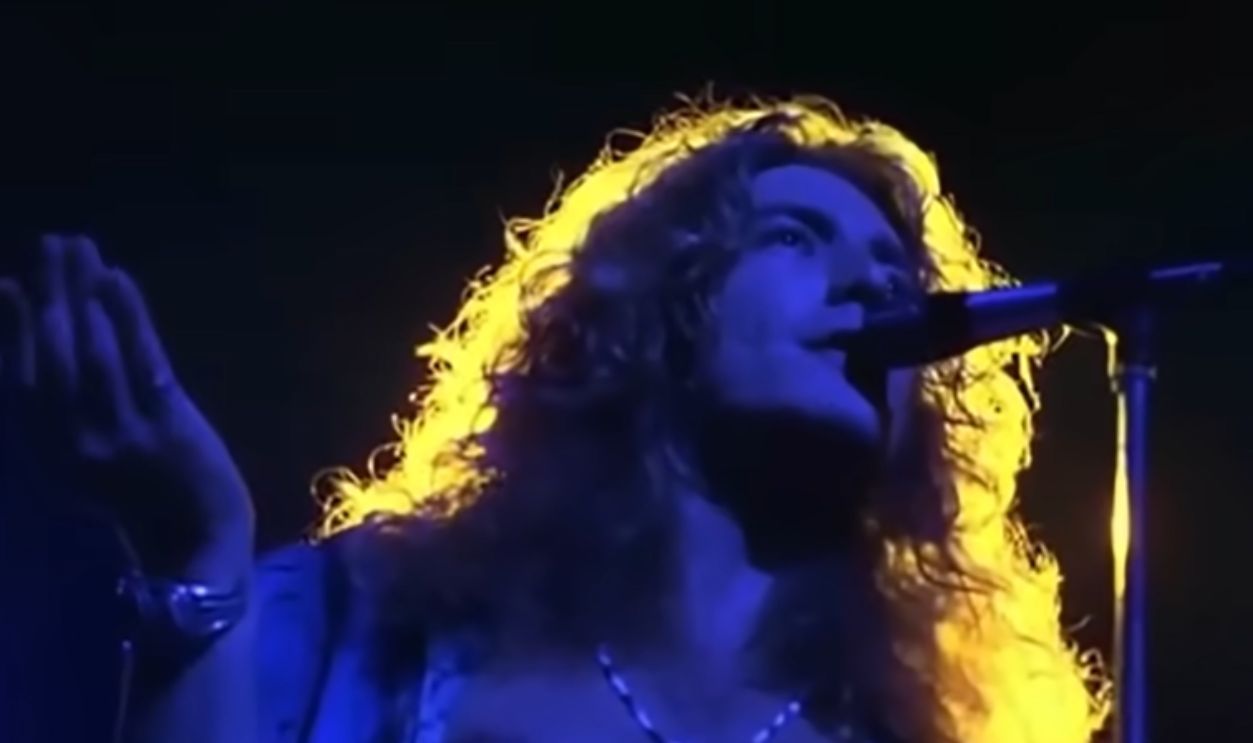 Screenshot from Stairway to Heaven, Atlantic Records (1971)
Red Hot Chili Peppers - Blood Sugar Sex Magik (1991)
Rick Rubin didn't want the Chili Peppers making their next record in an ordinary studio. Instead, the band moved into a sprawling Laurel Canyon mansion and essentially lived inside Blood Sugar Sex Magik while recording it. Anthony Kiedis, Flea, and John Frusciante stayed at the house, while Chad Smith reportedly preferred coming and going rather than sleeping there.
The arrangement gave the band the freedom to jam constantly, and Rubin pushed them toward a rawer sound than the heavily produced funk-metal of their earlier work. Kiedis wrote lyrics throughout the process, including the intensely personal “Under the Bridge". Frusciante's guitar playing became much more restrained and melodic. The mansion itself also developed a reputation among the band as possibly haunted, adding one more strange layer to sessions that already felt removed from normal life.
 Screenshot from Under the Bridge, Warner Records (1992)
The Doors - LA Woman (1971)
The Doors lost longtime producer Paul Rothchild before properly recording LA Woman. Rothchild had grown frustrated with the material, but his departure ended up freeing the band. Robby Krieger later joked, “The warden was gone".
Rather than returning to an expensive professional studio, the Doors converted their cramped rehearsal space on Santa Monica Boulevard into a makeshift recording room. Cables, empty bottles, magazines, instruments, a jukebox, and even a pinball machine filled the space. Jim Morrison sang in the bathroom because the tiled walls created useful natural reverb, and the door was removed so he could communicate with the band. The relaxed environment helped produce one of their rawest records, even as Morrison was approaching the end of his life.
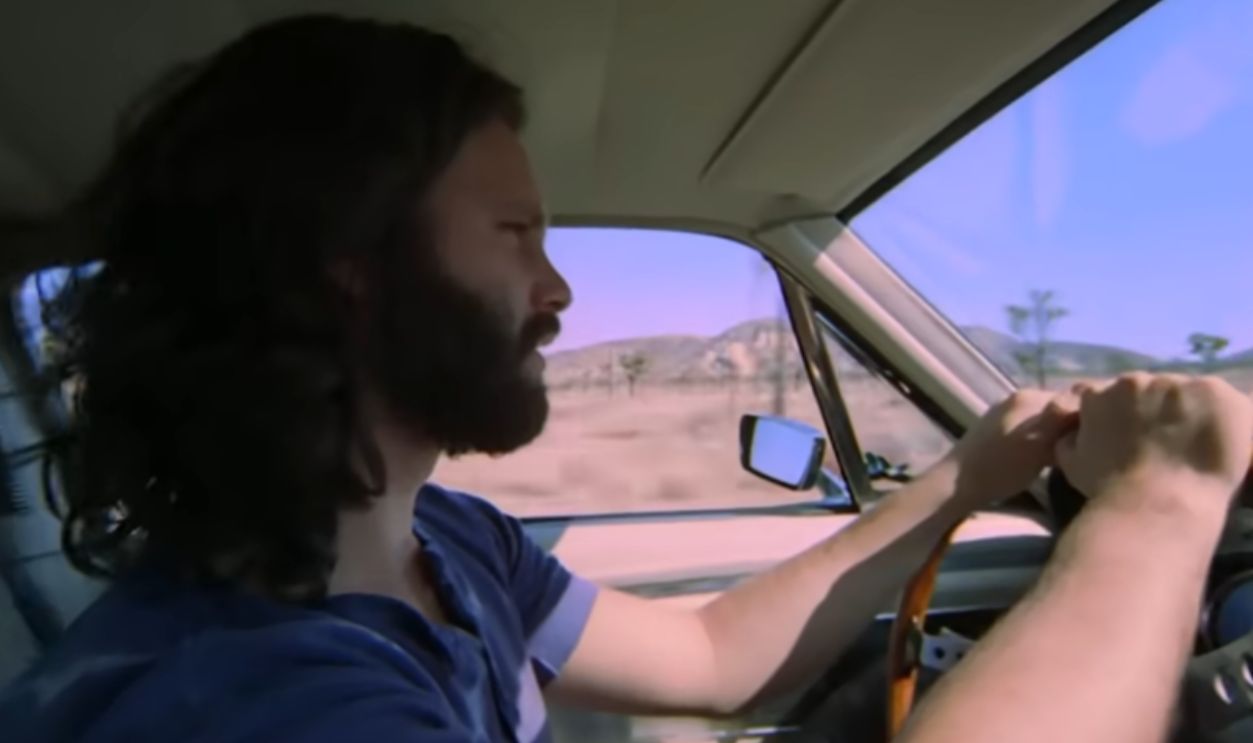 Screenshot from L.A. Woman, The Doors (1971)
Def Leppard - Hysteria (1987)
Making Hysteria became a three-year endurance test. The band initially worked with Jim Steinman after producer Mutt Lange stepped away, but those sessions didn't work and much of the material was eventually started again. Then drummer Rick Allen lost his left arm in a devastating car crash.
Instead of replacing him, Def Leppard helped Allen develop an electronic setup that allowed his feet to trigger sounds previously played with his missing arm. When Allen worried nobody had ever done it before, Lange reportedly answered, “Then you'd be the first".
Lange's perfectionism didn't stop there. Guitar parts could be recorded chord by chord or even note by note, while “Animal” was repeatedly rebuilt across years. Joe Elliott later joked that seeing the final studio bill inspired the band to build its own recording facility.
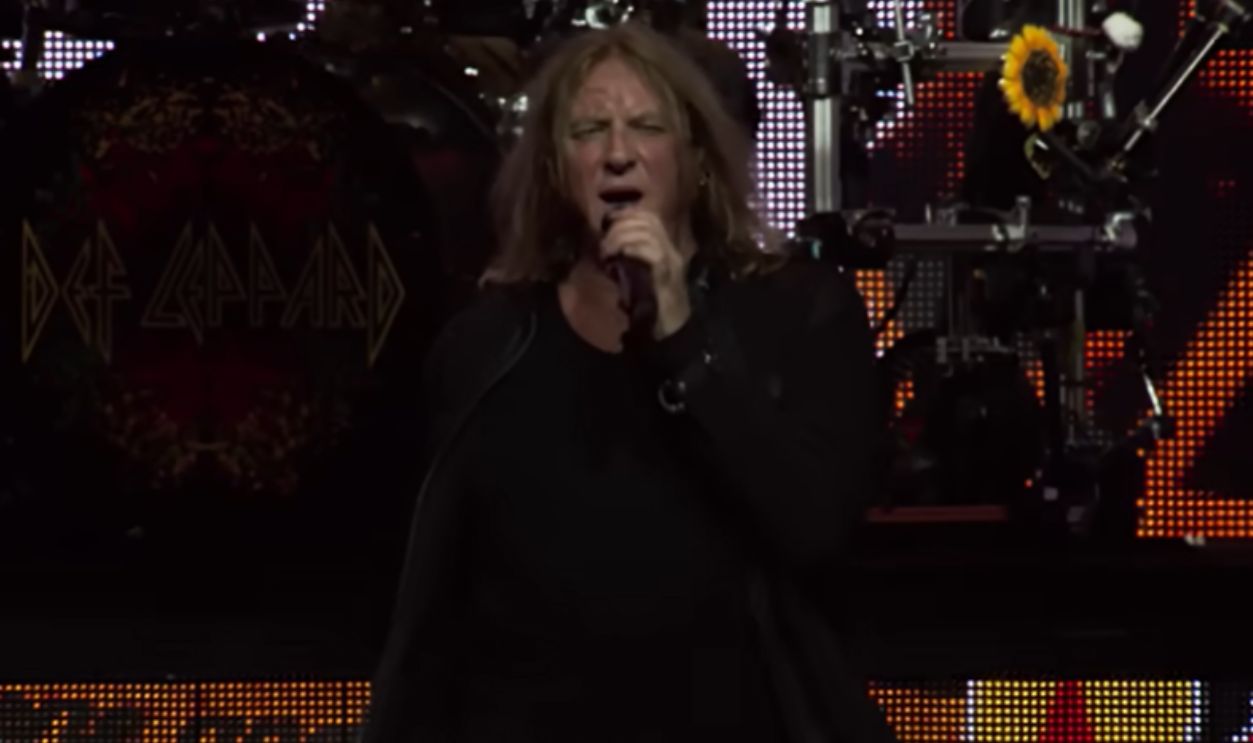 Screenshot from Hysteria, Def Leppard (1987)
Guns N’ Roses - Chinese Democracy (2008)
Most difficult albums take months or perhaps a couple of years. Chinese Democracy became a project that seemed to exist forever. Work stretched across more than a decade while producers, guitarists, engineers, and other musicians cycled through the sessions. Songs could be rerecorded repeatedly even after apparently usable versions already existed.
Then there was Buckethead. Former Guns N' Roses executive Tom Zutaut recalled the guitarist saying he felt most comfortable in a chicken coop, so the studio actually built him one. According to Zutaut, it included chicken wire, straw, furniture, rubber chickens, and disturbing decorations. “What if we built you a chicken coop in the studio?” he remembered asking. Somehow, this was only one strange episode in an album reportedly costing millions before it finally appeared in 2008.
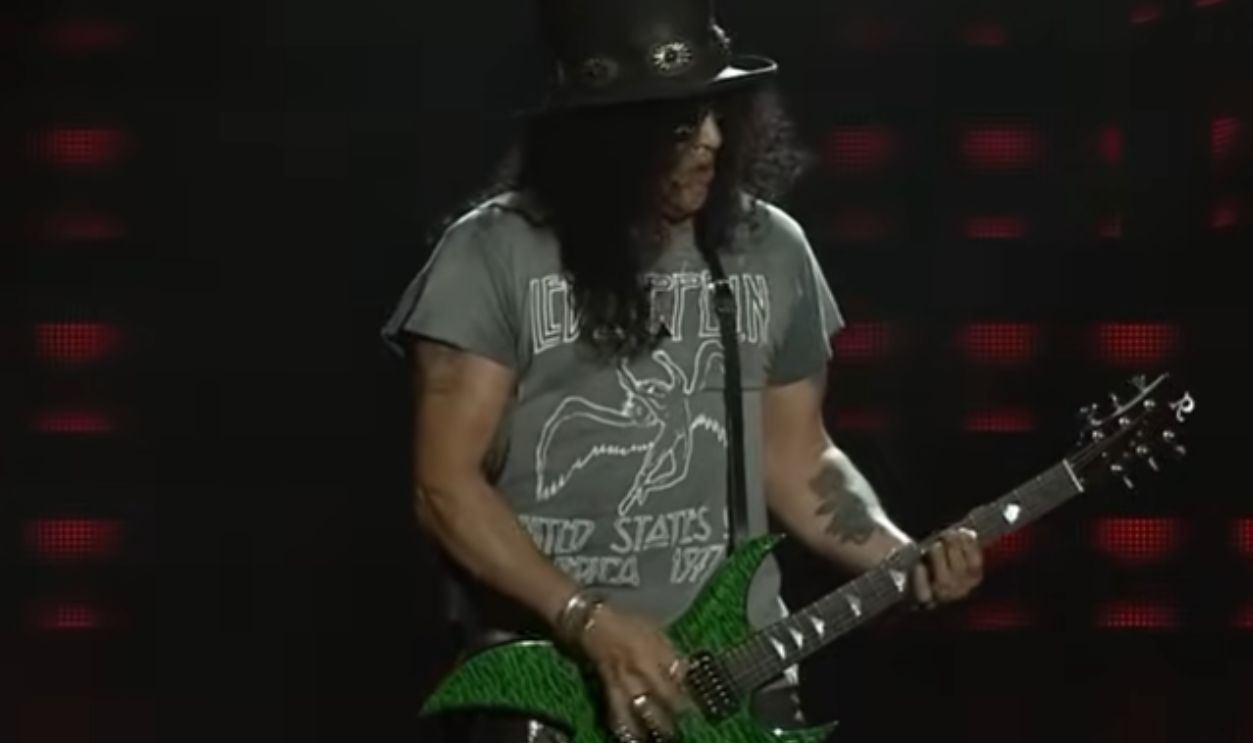 Screenshot from Chinese Democracy, Geffen Records (2008)
Oasis - Be Here Now (1997)
Oasis should probably have taken a break after Morning Glory. Instead, after years of nonstop touring and suddenly becoming one of the world's biggest bands, they went almost immediately back into the studio. The result was a record made with very little sense of restraint.
Producer Owen Morris later remembered “Massive amounts of [illicit substances]. Big fights. Bad vibes. [Bad] recordings". Songs became enormous, guitars were stacked in layer after layer, and “All Around the World” stretched beyond nine minutes. Noel Gallagher has hardly tried to sanitize the story. He described the album as “the sound of five men in the studio, on coke, not [caring at all]". Years later, when he tried remixing some of it, he stopped because cleaning it up seemed to defeat the point.
 Screenshot from Be Here Now, Big Brother Recordings (1997)
Pink Floyd - The Wall (1979)
Pink Floyd made an album about emotional isolation while becoming increasingly isolated from each other. Roger Waters dominated the concept and much of the songwriting, while producer Bob Ezrin found himself trying to mediate between powerful personalities who weren't getting along.
Ezrin later recalled, “I really dreaded going in to face the tension". The sessions moved between Britain and France, partly because of the band's financial situation, and the conflict eventually focused heavily on keyboardist Richard Wright. Waters believed Wright wasn't contributing enough and effectively forced him out of the band. Wright would still play on The Wall tour, but as a salaried musician rather than a full member. The album became one of Pink Floyd's biggest achievements while the group's internal structure was effectively collapsing.
 Screenshot from Another Brick in the Wall, Pt. 2, Pink Floyd Music Ltd. (1979)
Metallica - Metallica (1991)
Metallica had made complicated thrash records by working largely on their own terms. Bob Rock arrived and questioned nearly everything. He wanted the band to record more like a functioning live unit, pushed James Hetfield's vocals harder, challenged Lars Ulrich over drum sounds, and demanded performances that could withstand a completely different kind of production.
The process lasted roughly a year, with Rock remembering that they were together almost every day for 12-hour stretches. Some famously uncomfortable moments were captured on film, including Rock pushing Kirk Hammett through guitar solos. But Rock later rejected the legend that the project was nonstop fighting. “There was tension, but there's tension on every record,” he explained. Whatever the emotional cost, the sessions completely reshaped Metallica's sound and career.
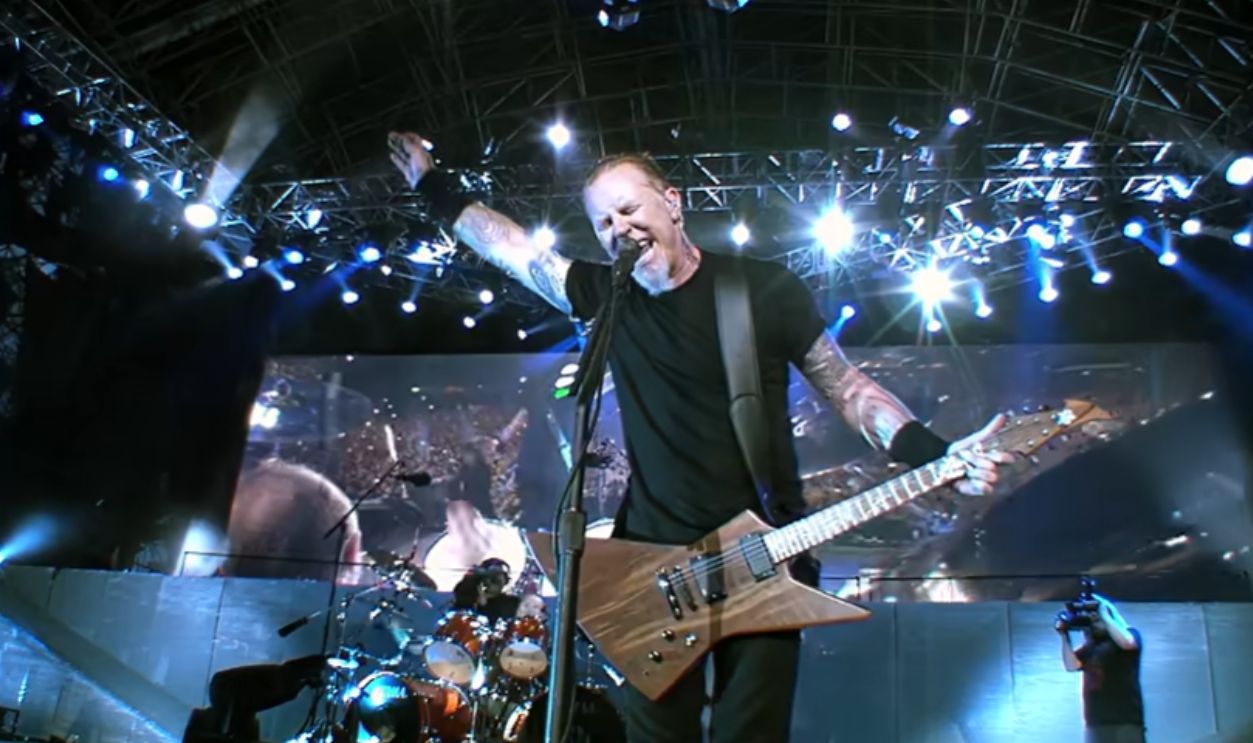 Screenshot from Enter Sandman, Blackened Recordings (1991)
The Clash - London Calling (1979)
Guy Stevens wasn't interested in sitting quietly behind a mixing desk. He believed musicians sometimes needed to be shocked into performing, and footage from the London Calling sessions shows just how literally he took that philosophy.
Stevens can be seen throwing chairs, swinging objects around the room, and at one point hurling a ladder while the Clash continue playing. The Guardian later joked that the footage made it look like Stevens “should have been under sedation". Yet the strange approach worked surprisingly well for a band trying to escape punk's increasingly narrow rules. The Clash stretched into reggae, ska, rockabilly, soul, jazz, and straight rock without losing their urgency, producing an album that sounds focused despite the chaos surrounding its creation.
 Screenshot from London Calling, Epic Records (1979)
The Stooges - Raw Power (1973)
The Stooges arrived in London with a new lineup, a record deal, and not much studio expertise. Guitarist James Williamson later admitted that the band essentially recorded Raw Power themselves with an engineer and didn't entirely know what they were doing technically. “We probably messed it up,” he conceded.
The bass and drums were poorly represented on the original recordings, and the first mix created by Iggy Pop was considered unsuitable by the label. David Bowie was brought in to salvage what he could, but he was dealing with limited tracks and an already difficult recording. The resulting album sounded thin, distorted, and almost broken by conventional standards. Ironically, that ugly quality became part of its influence on punk and alternative rock.
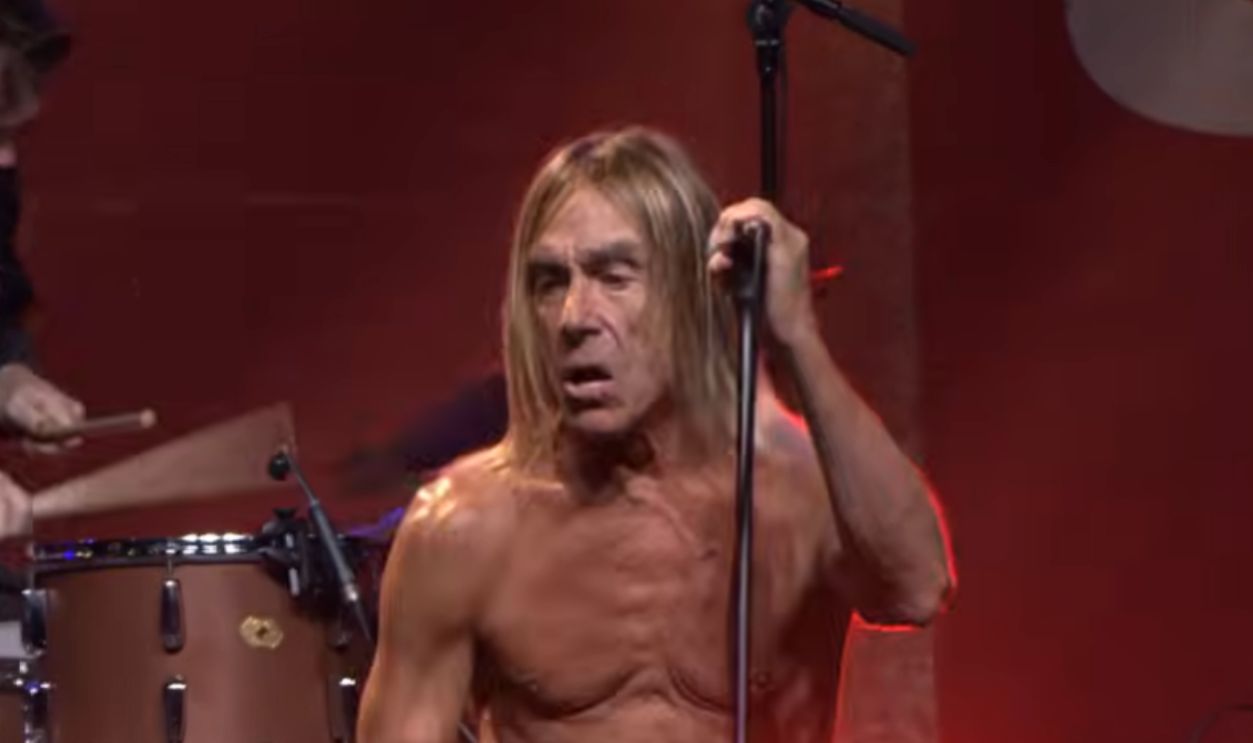 Screenshot from Raw Power, Columbia Records (1973)
Sex Pistols - Never Mind The B*llocks, Here’s The Sex Pistols (1977)
The Sex Pistols looked chaotic in public, but much of this album was built with surprising studio discipline. The complication was that original bassist Glen Matlock had left, while replacement Sid Vicious couldn't reliably play the material and was also hospitalized with hepatitis during part of the process.
That left guitarist Steve Jones to handle much of the bass himself. Jones later explained that he and drummer Paul Cook would record the backing track, then Jones would add bass and layer multiple guitar parts. “I would've loved Sid to have played on the record, but he just couldn't,” Jones said. The supposedly sloppy punk band ended up creating an unusually thick, carefully constructed guitar sound, partly because one member was effectively covering two jobs.
 Screenshot from Anarchy in the U.K., EMI Records (1976)
Aerosmith - Draw The Line (1977)
Aerosmith rented an isolated former convent called the Cenacle, hoping the residential setting would recreate the magic of earlier records. Producer Jack Douglas installed a mobile recording system through the building, putting Joey Kramer's drums in the chapel for natural ambience and Joe Perry's guitar setup inside a walk-in fireplace.
Unfortunately, recording wasn't always the band's highest priority. Illicit substances, sedatives, sports cars, and firearms became part of daily life. Perry later described their condition perfectly: “We were drug addicts dabbling in music, rather than musicians dabbling in [substances]”. Members raced Ferraris and Porsches along nearby roads, while Douglas struggled simply to get everybody working at the same time. Draw the Line captures a band still capable of greatness but visibly beginning to come apart.
 Screenshot from Draw the Line, Columbia Records (1977)
Meat Loaf - Bat Out Of Hell (1977)
Before this became one of the biggest-selling albums ever, practically nobody in the record industry knew what to do with it. Meat Loaf and Jim Steinman repeatedly performed the songs for labels and producers, often practically staging the entire album live in conference rooms. Rejection followed rejection because the material seemed too theatrical, too long, and impossible to categorize.
Todd Rundgren had the opposite reaction. He later said he “rolled on the floor laughing” because it was so outrageous, then decided he had to make it. When Steinman wanted a motorcycle sound on the title track, Rundgren simply recreated one with his guitar. Meat Loaf later remembered watching him build the famous guitar parts astonishingly quickly. An album everyone thought was absurd became successful precisely because nobody toned it down.
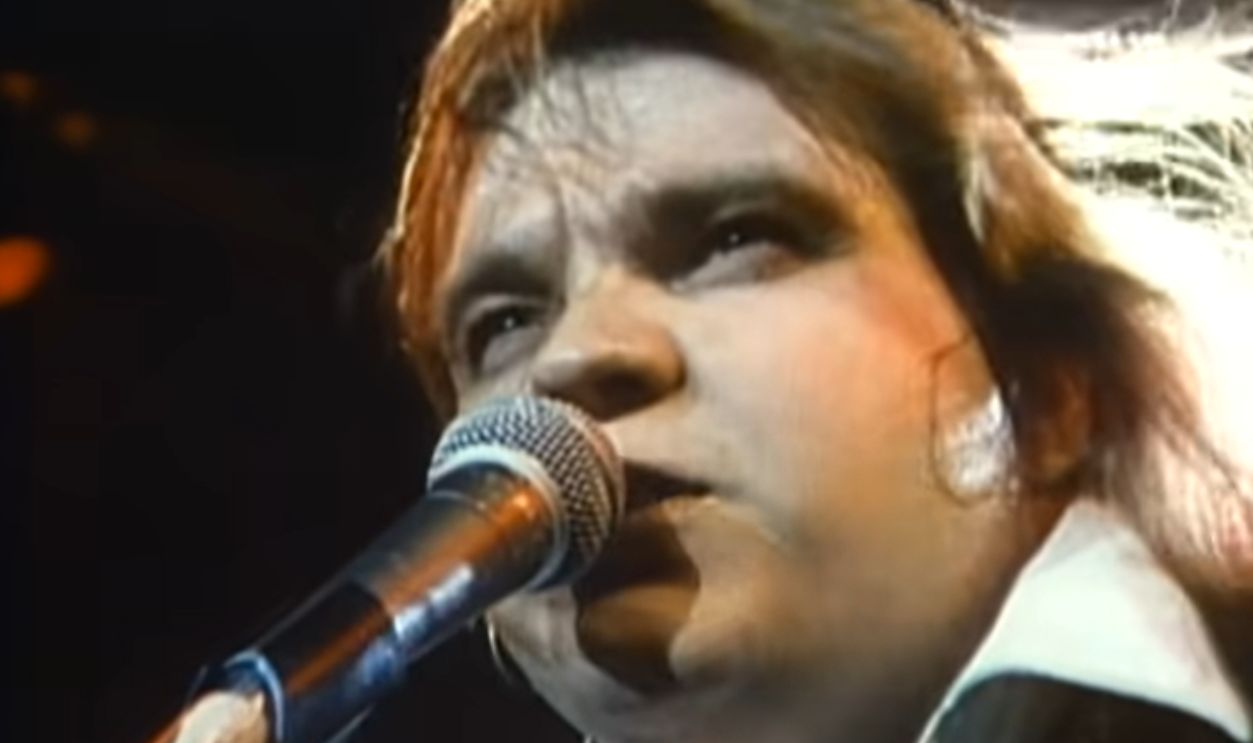 Screenshot from Bat Out of Hell, Cleveland International Records (1977)
You May Also Like:
Legendary Bands That Were Too Chaotic To Last Forever