Thirty Songs—and Almost Thirty Arguments
The Beatles’ White Album is brilliant, strange, beautiful, funny, irritating, and occasionally impossible to explain. Released in November 1968, the double album contained 30 songs and sold a reported two million copies during its first week.
Ranking these songs is clearly going to upset some people. So let’s get started. And please, let us know how your rankings would differ of course.
30: “Wild Honey Pie”
Paul recorded Wild Honey Pie by himself at the end of a session for Mother Nature’s Son. He reportedly admitted it was basically a fragment that stayed on the album because Pattie Harrison liked it. That is a lovely story. It still does not make this much of a song.
 Michael Ochs Archives, Getty Images
29: “Revolution 9”
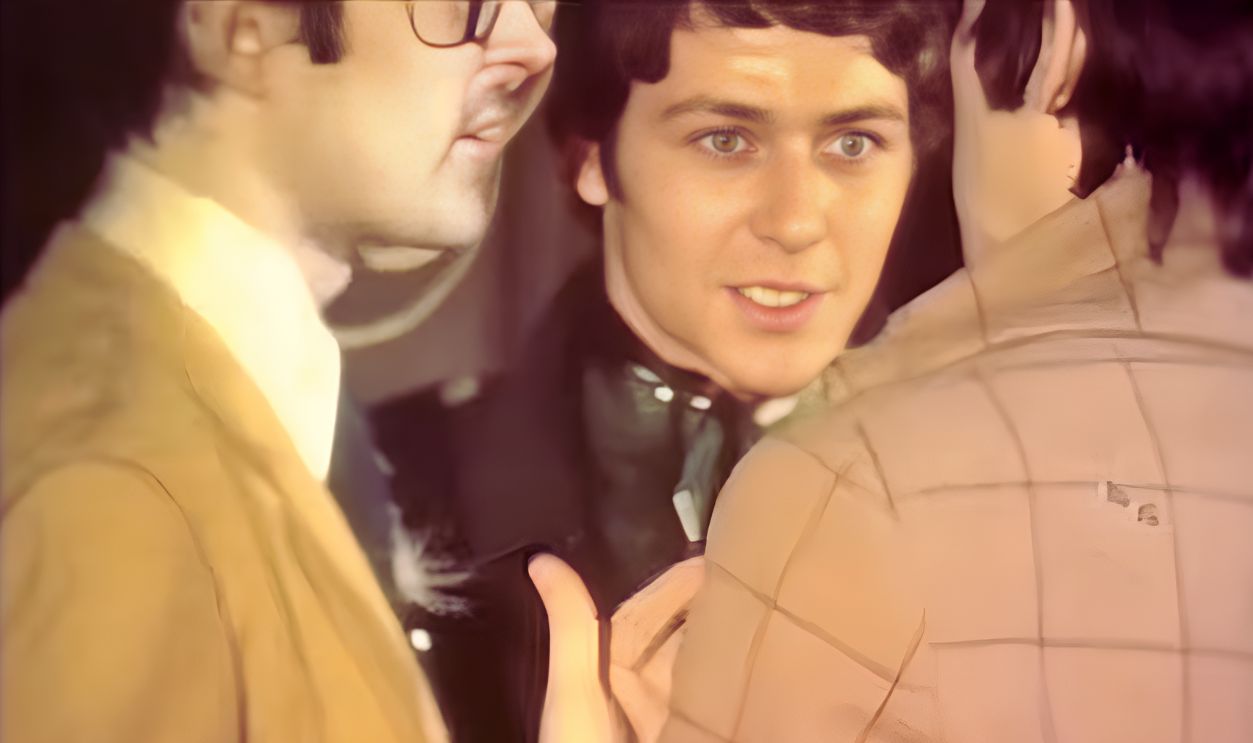
It grew out of the extended ending of Revolution 1, with John Lennon adding tape loops, voices, effects, and pieces pulled from EMI’s archives. It became the longest track The Beatles ever officially released. Historically fascinating? Absolutely. Something most people regularly play for enjoyment? Let’s be honest.
 Screenshot from Revolution 9, Apple Records (1968), Modified
28: “Piggies”
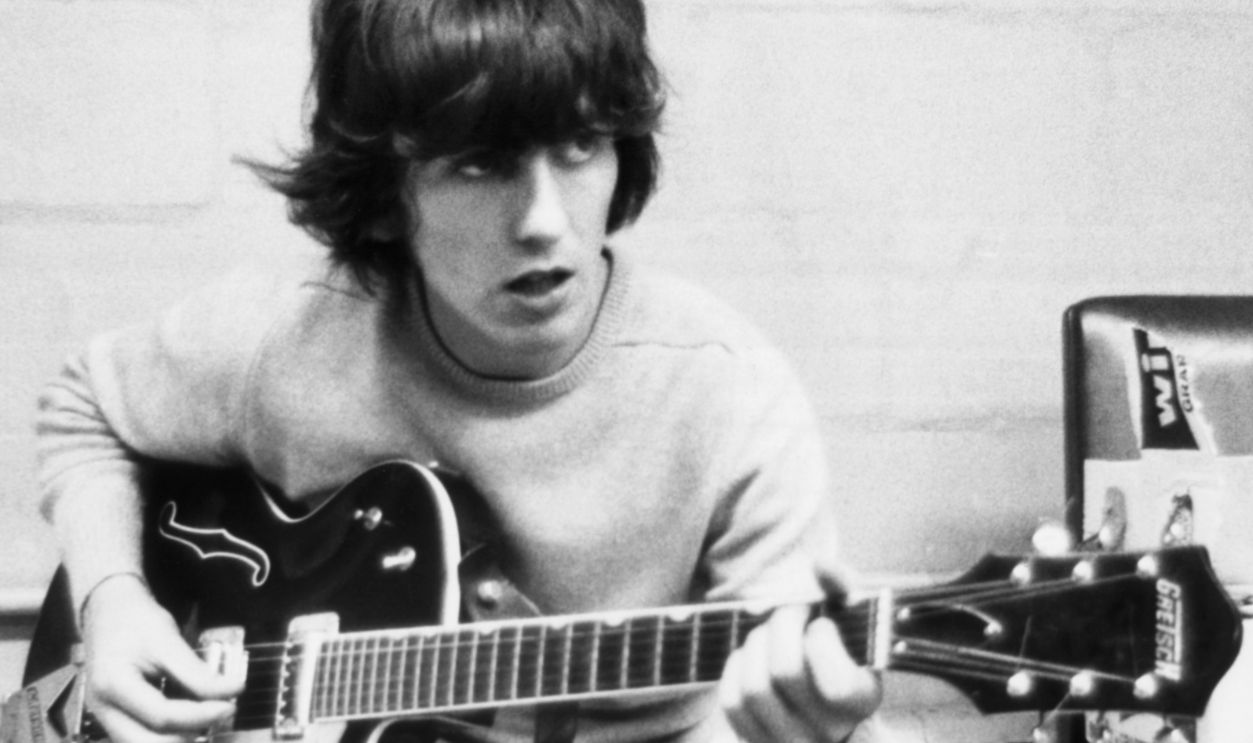
George Harrison’s attack on greed comes with snorting effects, pointed lyrics, and a harpsichord producer Chris Thomas discovered sitting in another Abbey Road studio. That accidental find gives the song its best feature. Unfortunately, once the joke is understood, Piggies does not have many more places to go.
27: “The Continuing Story of Bungalow Bill”
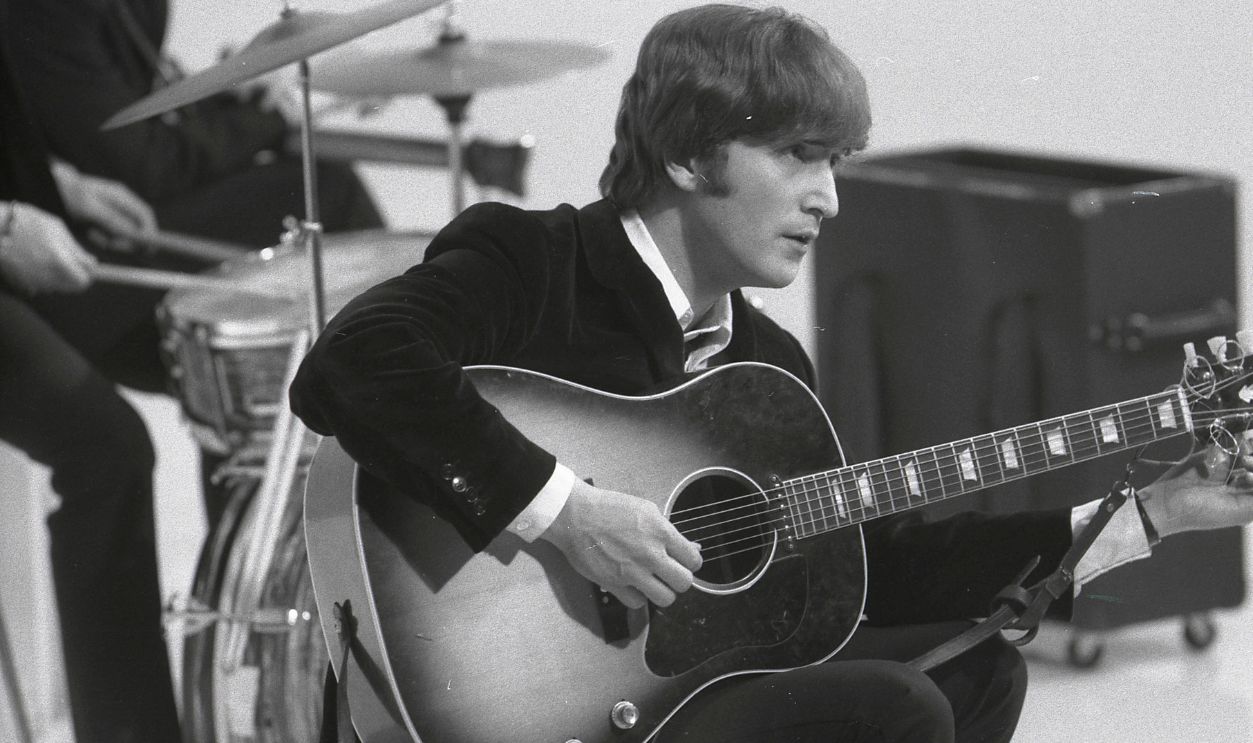
John based this singalong on a fellow visitor at the Beatles’ meditation retreat in India who left with his mother for a tiger hunt. That gives the song a good story behind it. The problem is that the chorus keeps returning like a group of campers who do not realize everyone else has gone to bed.
 Max Scheler - K & K, Getty Images
26: “Honey Pie”
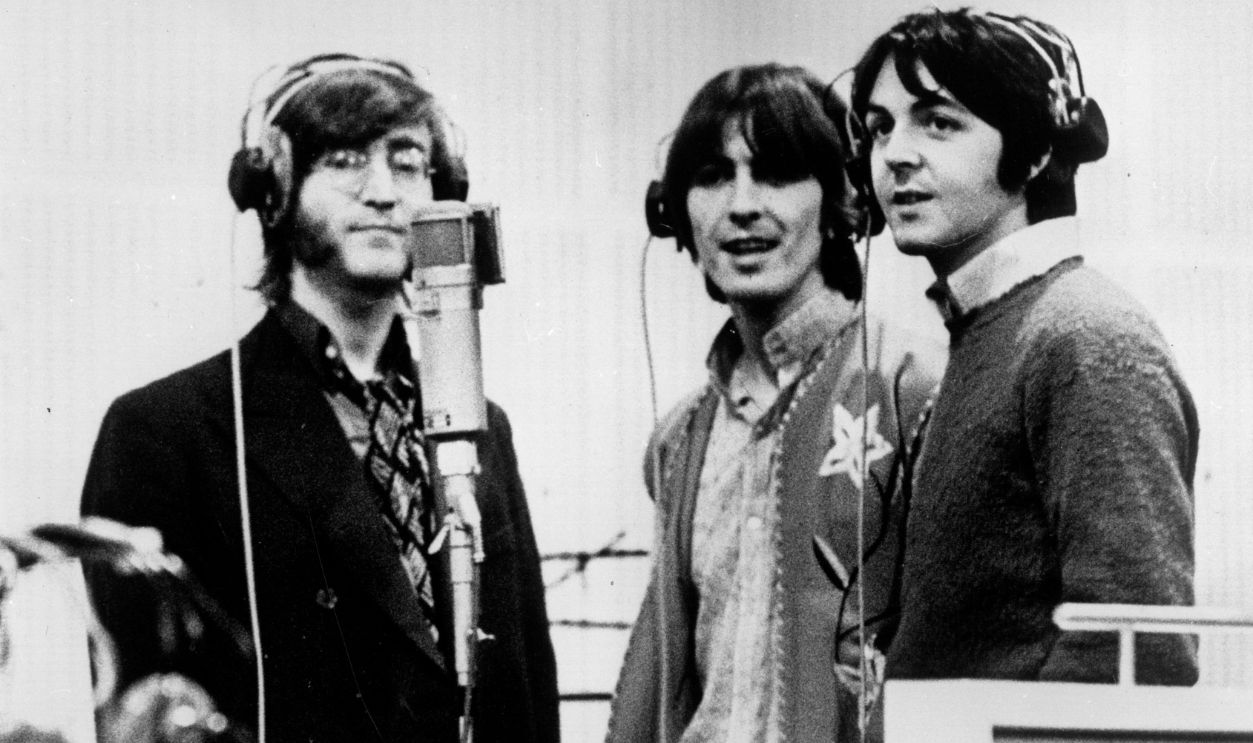
Paul’s tribute to British music hall is so committed that it practically arrives wearing a dinner jacket. John even contributes the jazzy lead guitar. The musicianship is excellent, and the old-record effect is clever. But unless this is exactly your style, Honey Pie can feel longer than its two minutes.
 Keystone Features, Getty Images
25: “Good Night”
John wrote it, Ringo sang it, and George Martin surrounded him with strings, singers, harp, and enough orchestration to close a 1940s Hollywood romance. It is also the perfect calming answer to Revolution 9. Sweet? Yes. A little too sweet? Also yes. But Ringo sells it.
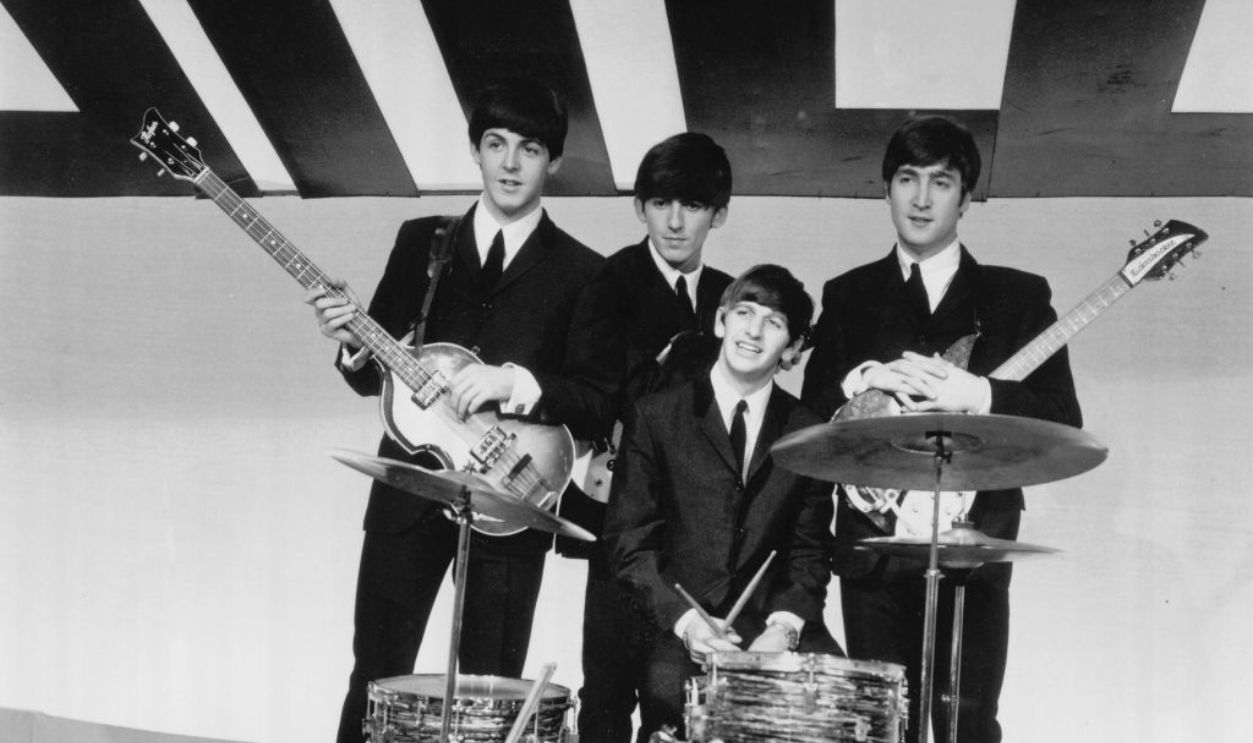
24: “Birthday”
The Beatles created Birthday in the studio on the same day they arranged their session around watching the rock-and-roll film The Girl Can’t Help It on television. That spontaneity gives it energy—and also explains why it sometimes sounds like an extremely talented band making up a birthday song at the last minute.
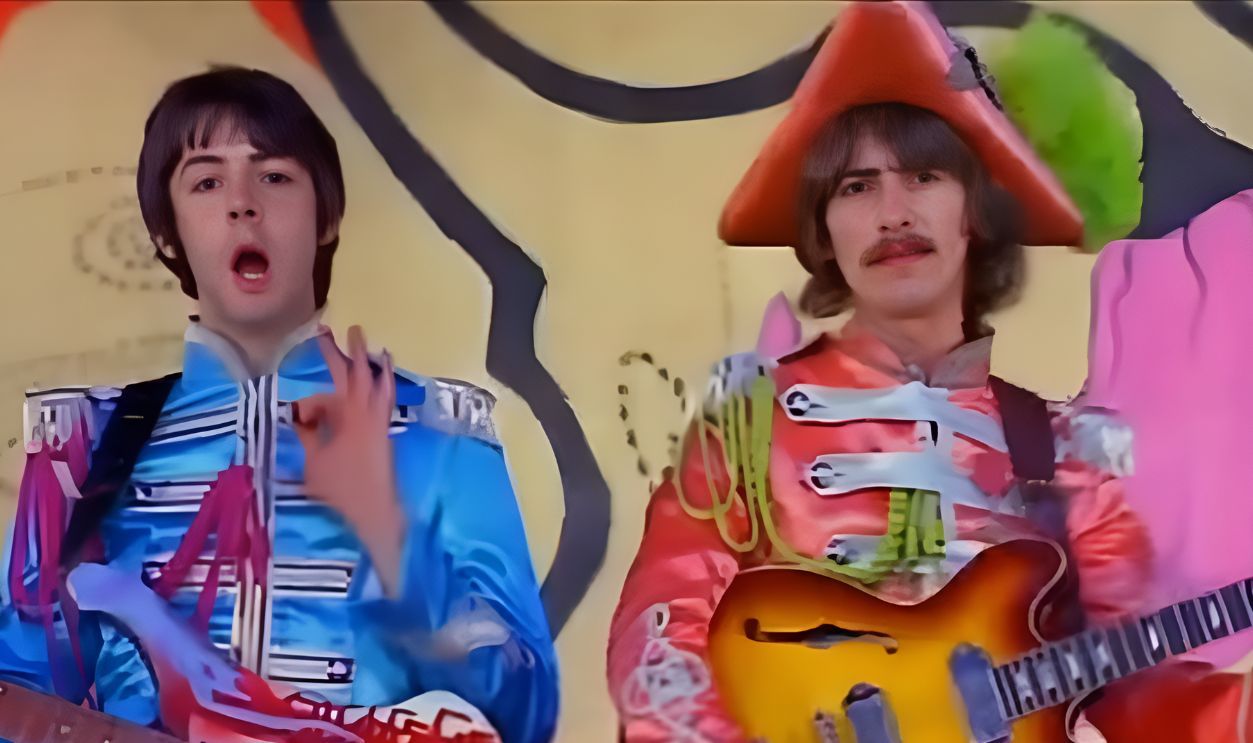 Screenshot from Birthday, Apple Records (1968), Modified
23: “Ob-La-Di, Ob-La-Da”
The title phrase came from Nigerian musician Jimmy Scott, whom Paul knew from the London club scene. The result became one of the album’s biggest singalongs and one of its most divisive songs. Some listeners hear instant happiness. Others hear four minutes they will never get back. Both reactions seem completely reasonable.
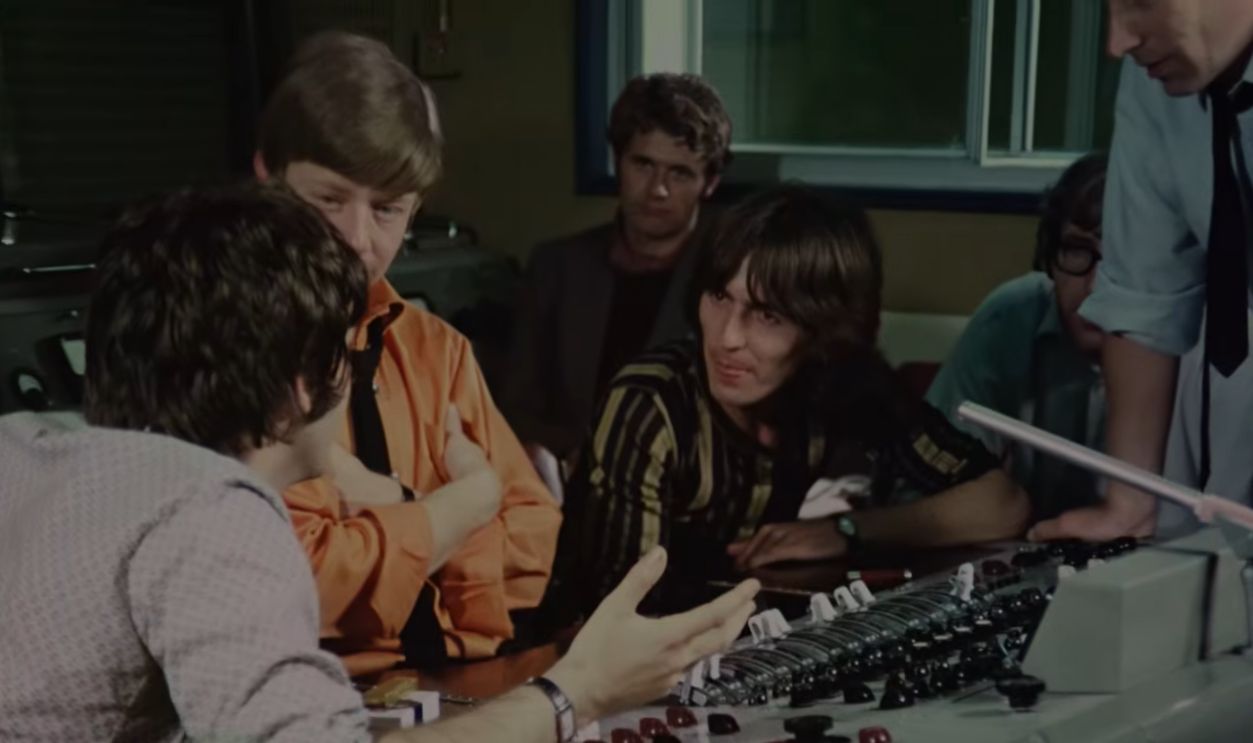 Screenshot from Ob-La-Di, Ob-La-Da, Apple Records (1968)
22: “Revolution 1”
This was the first track The Beatles began recording for the White Album, and it marked John’s increasingly direct interest in politics. The slow, bluesy approach has its defenders, but the faster single version hits considerably harder. Once that version existed, Revolution 1 began sounding a little like the rehearsal before the real thing.
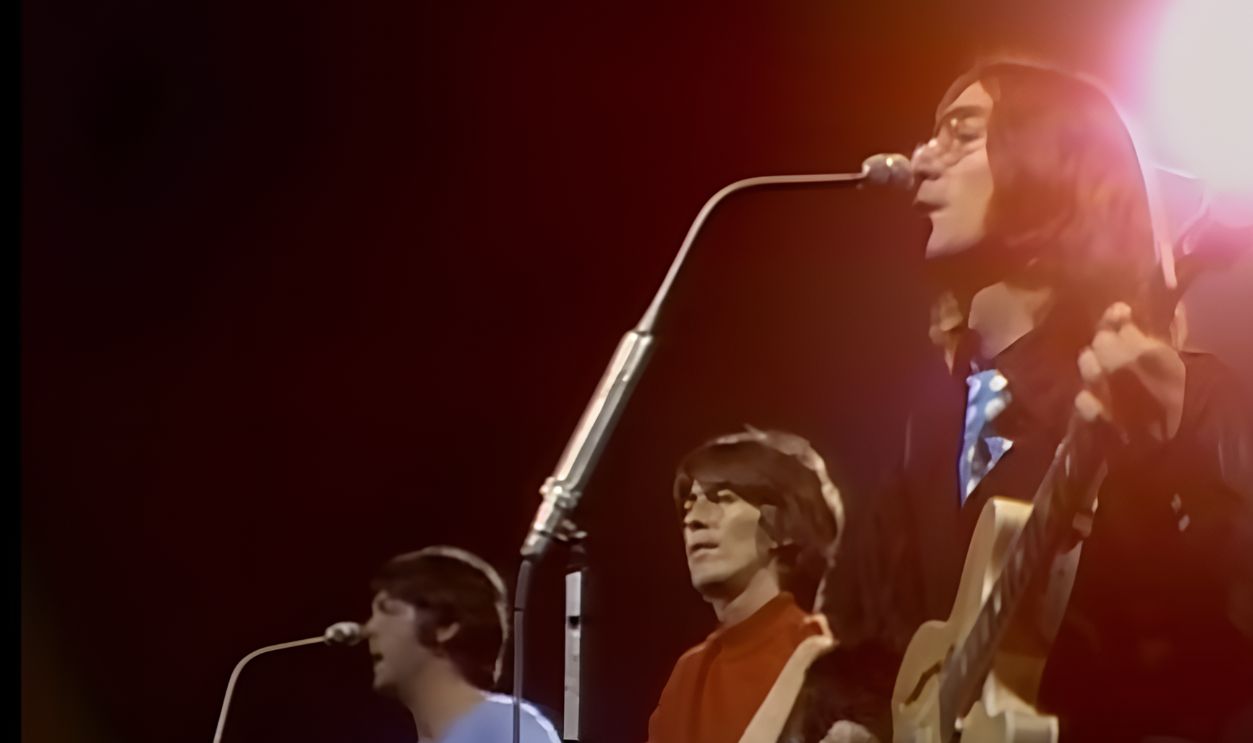 Screenshot from Revolution, Apple Records (1968), Modified
21: “Savoy Truffle”
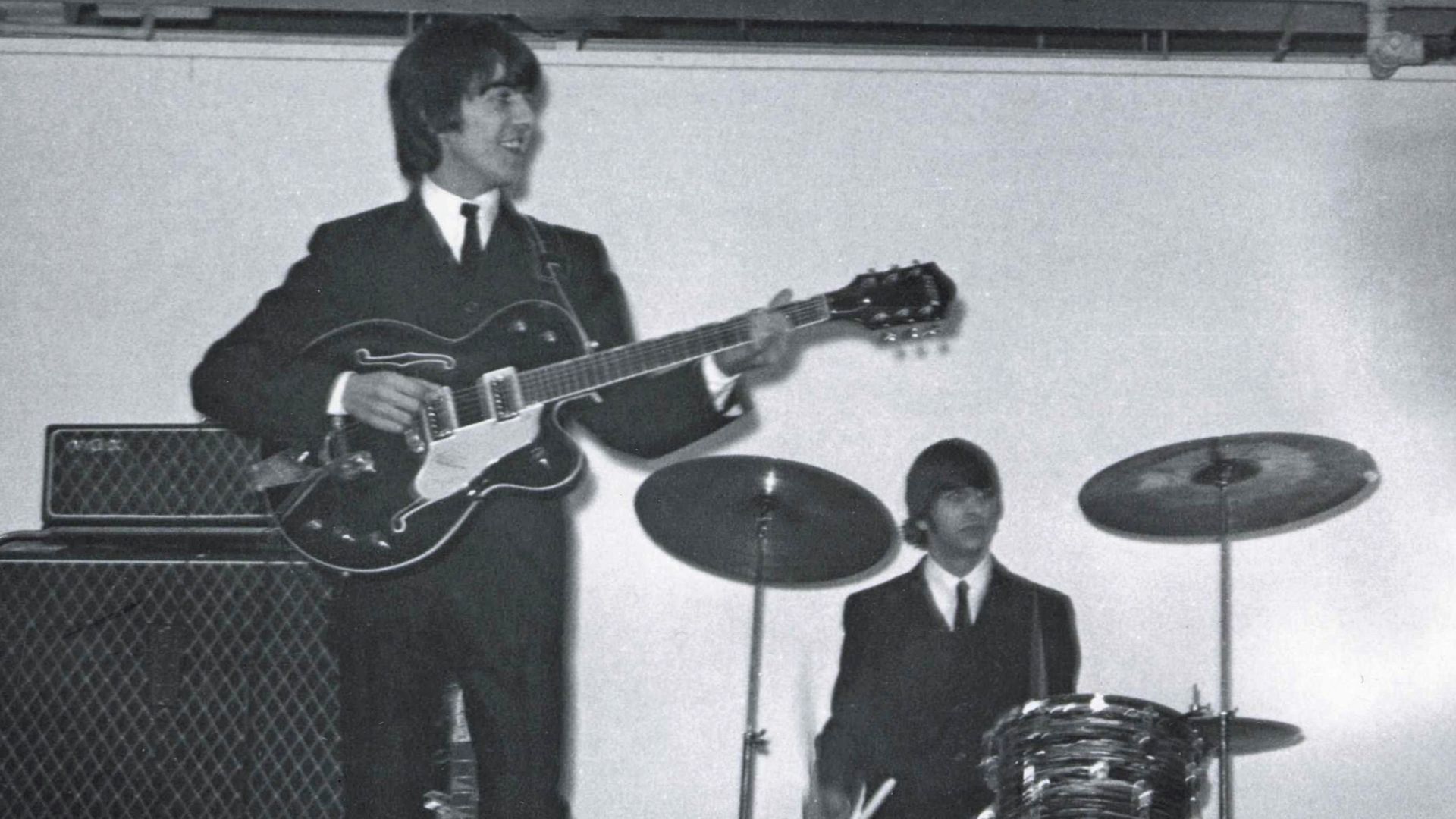
George, Paul, and Ringo recorded the basic track at Trident Studios without John, completing it in one take after rehearsals. The distorted horns give it real bite, and George sounds wonderfully unimpressed with everyone. It is a solid Harrison song—but this album happens to contain three Harrison songs that are considerably better.
 Public Record Office of Northern Ireland, Wikimedia Commons
20: “Everybody’s Got Something to Hide Except Me and My Monkey”
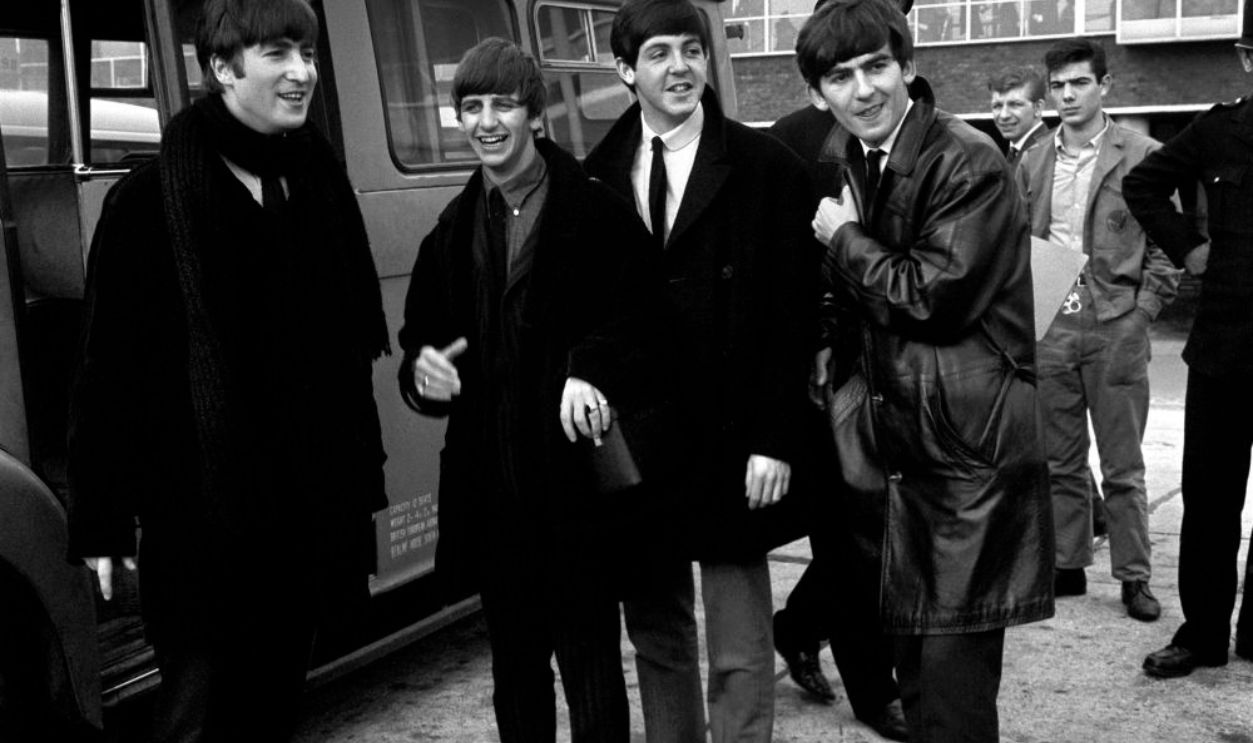
The early Esher demo began as a relaxed blues number, which is hard to believe after hearing the final recording tear through the speakers. The guitars race, the bell refuses to calm down, and John sounds delighted by the chaos. It is tremendous fun, even if the title does half the work.
19: “Martha My Dear”
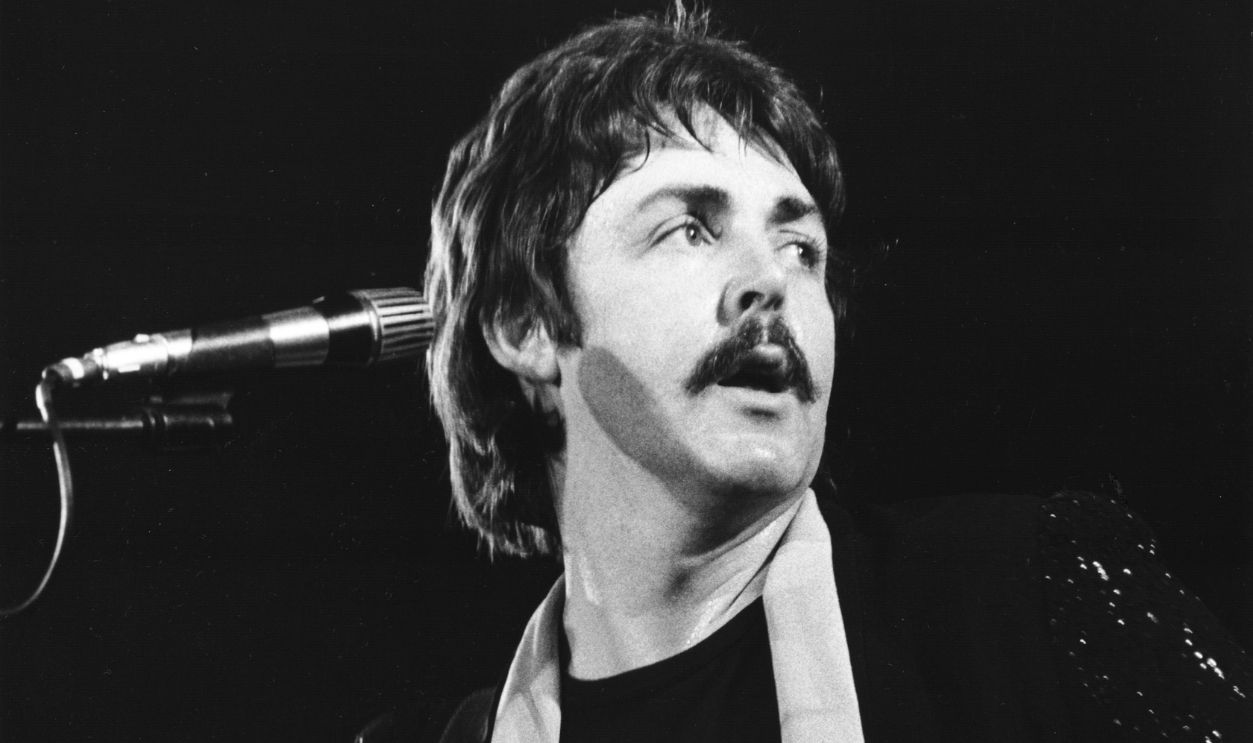
Paul began Martha My Dear as a piano exercise designed to test what he could play. That explains why the keyboard part is far more complicated than the cheerful melody suggests. It is polished, inventive, and packed with musical ideas. Yet it somehow remains one of the album’s easier good songs to forget.
18: “Back in the U.S.S.R.”
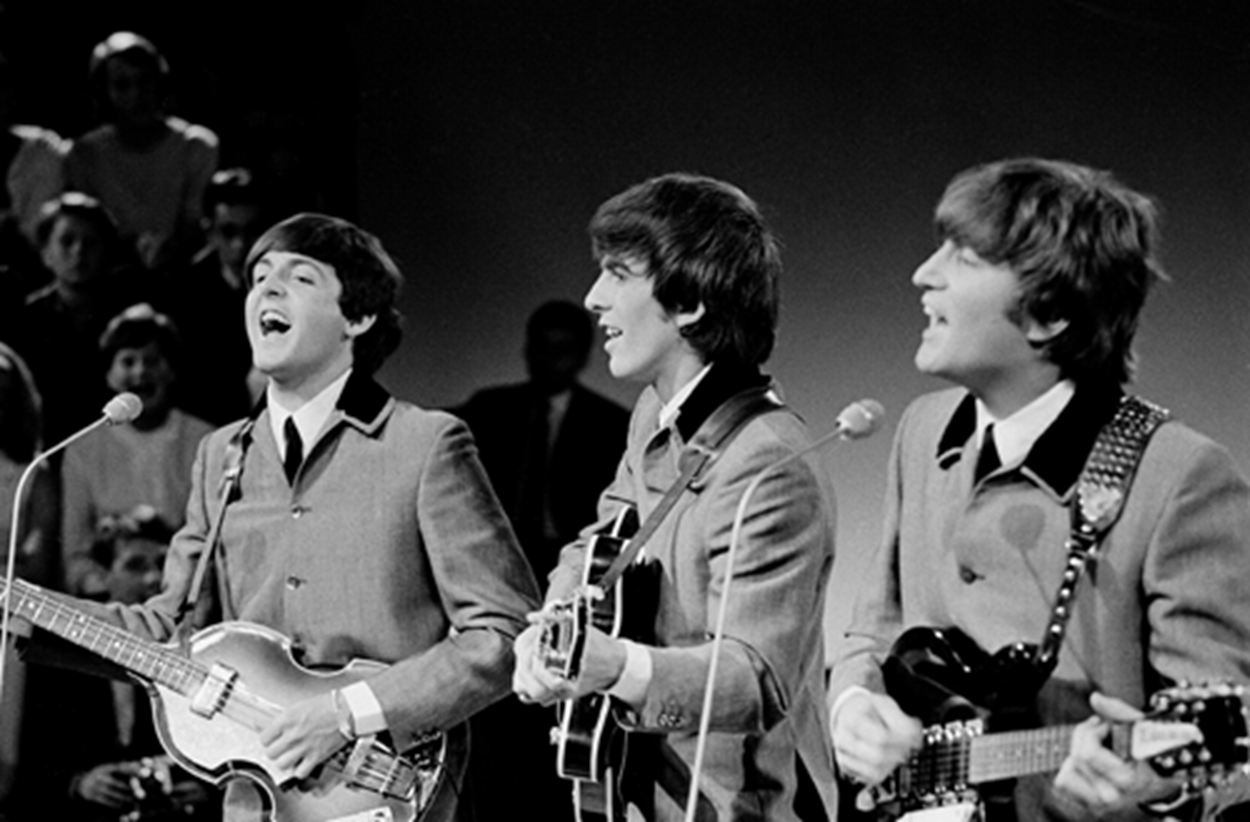
It takes Chuck Berry’s Back in the U.S.A., adds the Beach Boys-style harmonies of California Girls, and sends the whole idea behind the Iron Curtain. It is energetic and memorable. But once the joke and musical impersonations are stripped away, several songs below still have more depth.
 Omroepvereniging VARA, CC BY-SA 3.0 NL, Wikimedia Commons
17: “Glass Onion”
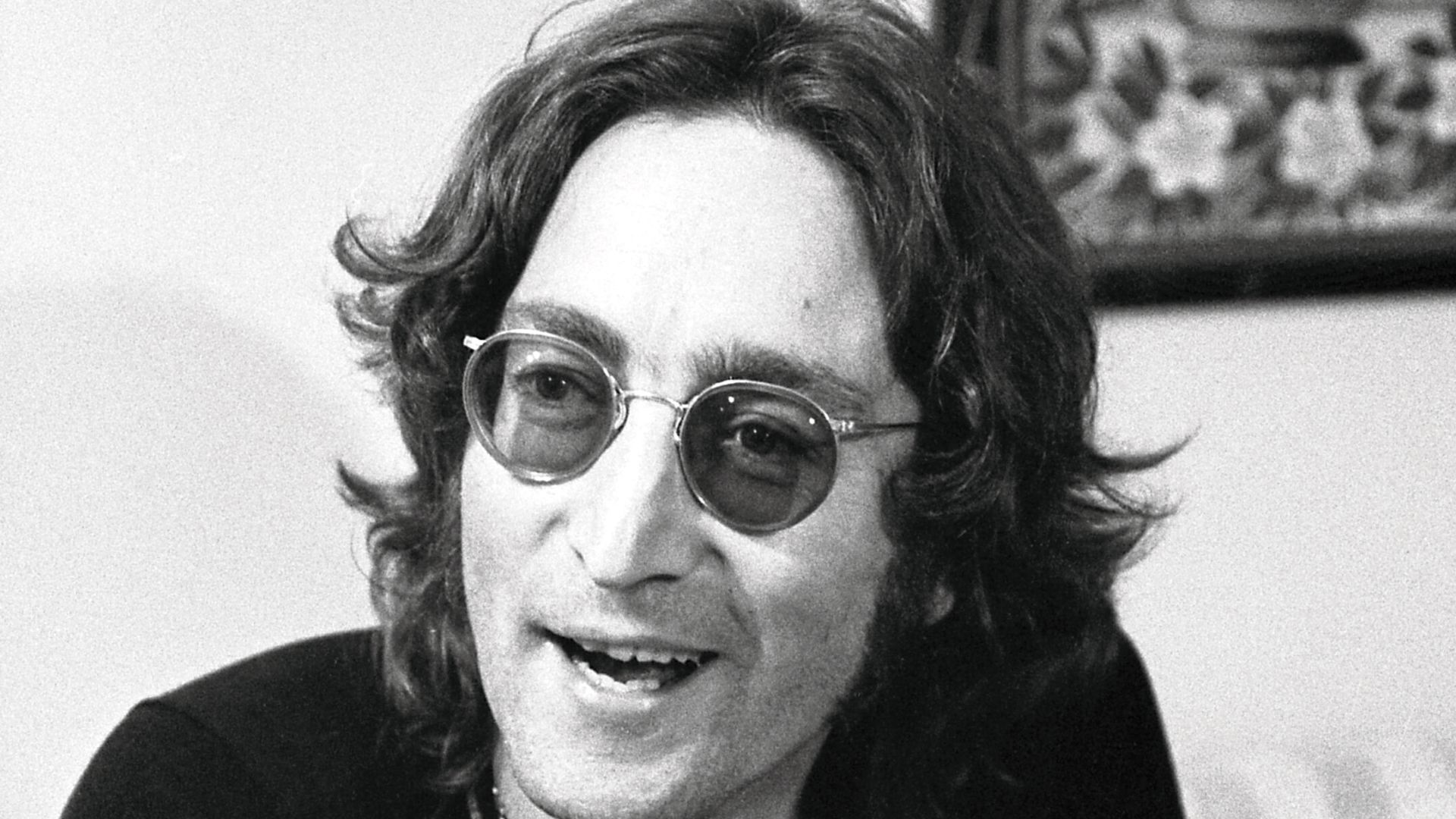
By 1968, fans were treating Beatles lyrics like classified documents. John responded by filling Glass Onion with references to Strawberry Fields Forever, Lady Madonna, The Fool on the Hill, and several other songs. People searched it for answers anyway—which probably made the joke even funnier to him.
 Tony Barnard, Los Angeles Times, Wikimedia Commons
16: “Why Don’t We Do It in the Road?”
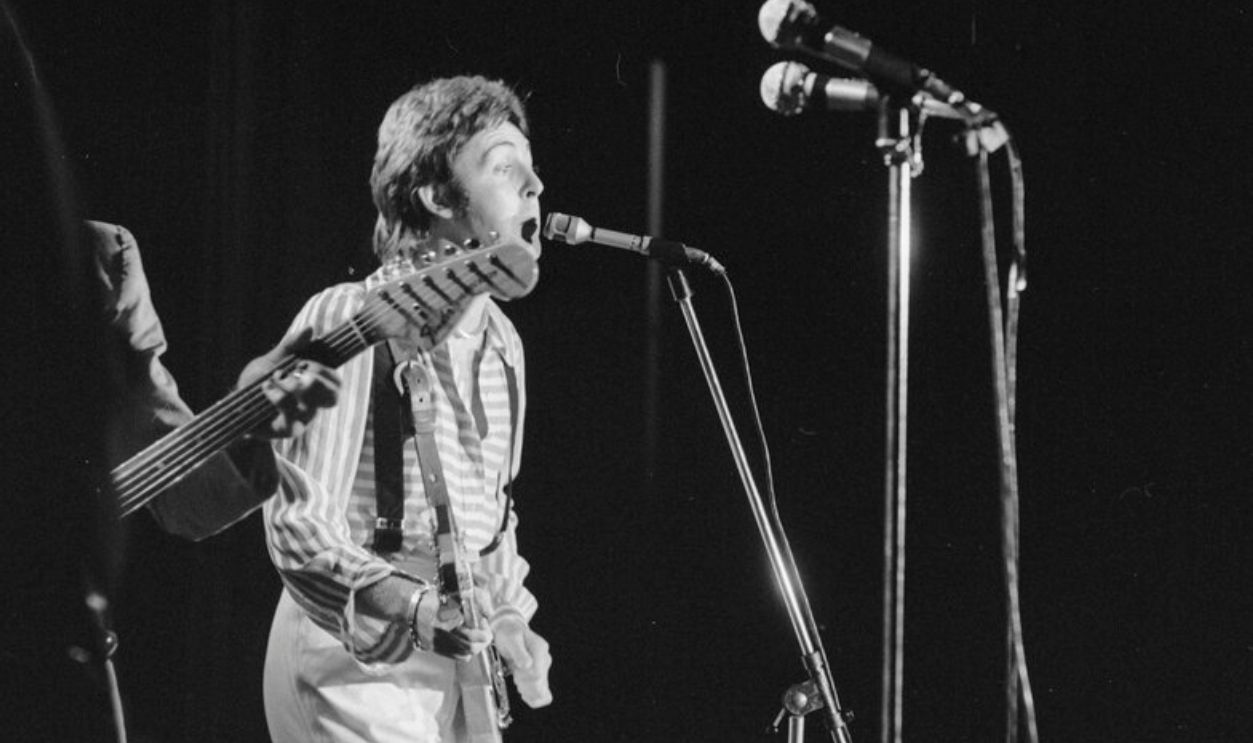
Paul began recording this alone while John and George were busy elsewhere, completing five takes during the first session. Ringo joined him the following day, adding drums and handclaps while Paul piled on the remaining instruments. It is primitive, ridiculous, completely unsubtle—and much better than it has any right to be.
 ETH Library, CC BY-SA 4.0, Wikimedia Commons
15: “Yer Blues”
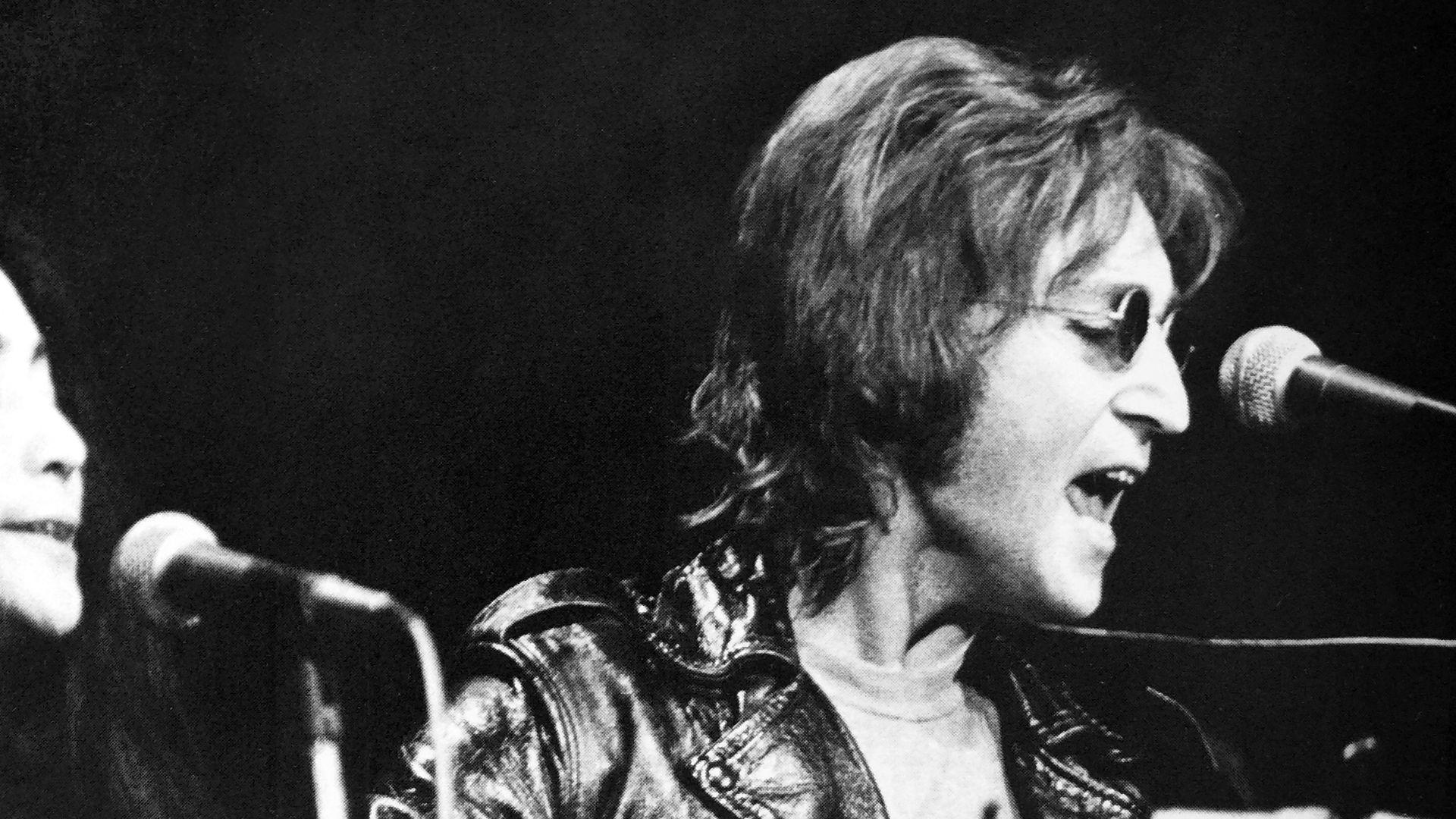
John wrote Yer Blues while supposedly seeking peace and enlightenment in India, which apparently was not going particularly well. The song sits somewhere between blues parody and genuine misery, but Lennon’s performance removes any doubt that the emotion was real. It sounds cramped, uncomfortable, and exactly as it should.
14: “Long, Long, Long”
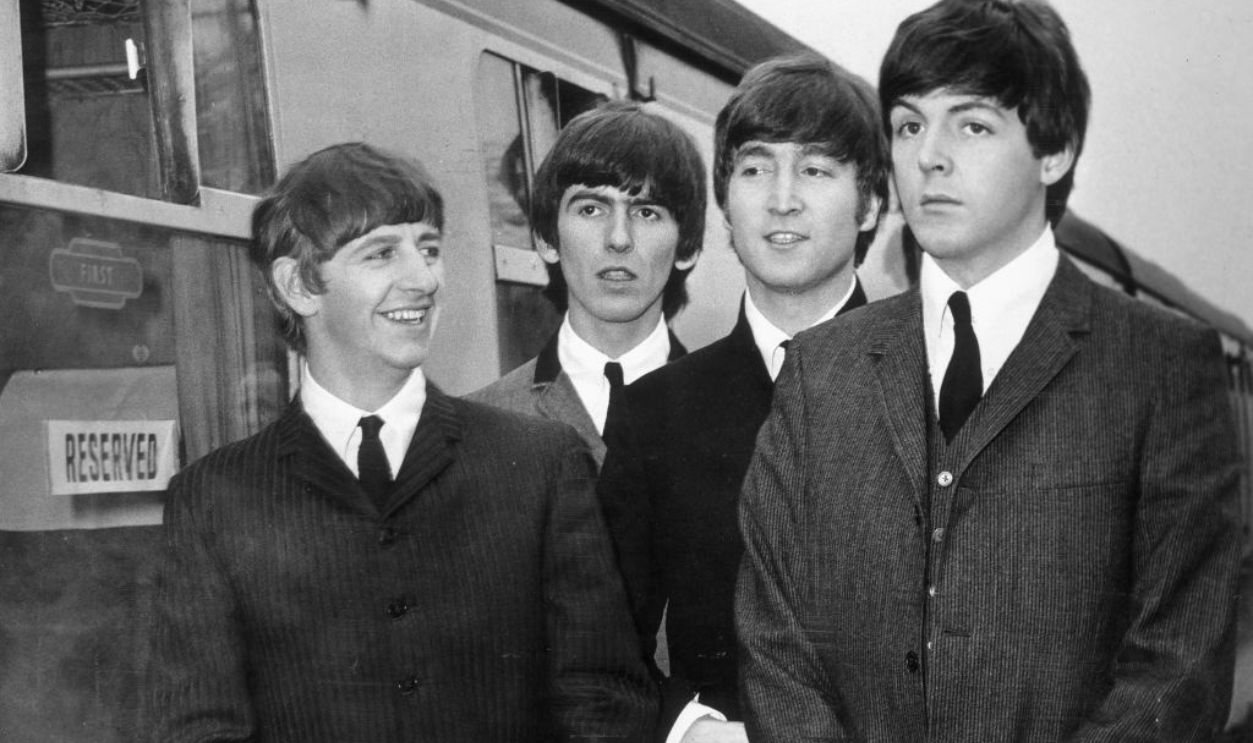
George, Paul, and Ringo reportedly worked through 67 takes of the rhythm track without John. The strange rattling ending began when a bottle of Blue Nun wine vibrated on top of a Leslie speaker. They liked the accident so much that they set up microphones and recreated it. It is a beautiful deep cut, even if it has become slightly overpraised in recent years.
13: “Don’t Pass Me By”
Ringo’s first recorded composition had been around for years, with press reports referring to it as early as 1963. In 1964, Ringo tried to give the unfinished song a plug during a New Zealand interview, and Paul later sang part of it on BBC radio. The wild violin and slightly crooked rhythm are part of the charm. It does not sound polished—and it would be worse if it did.
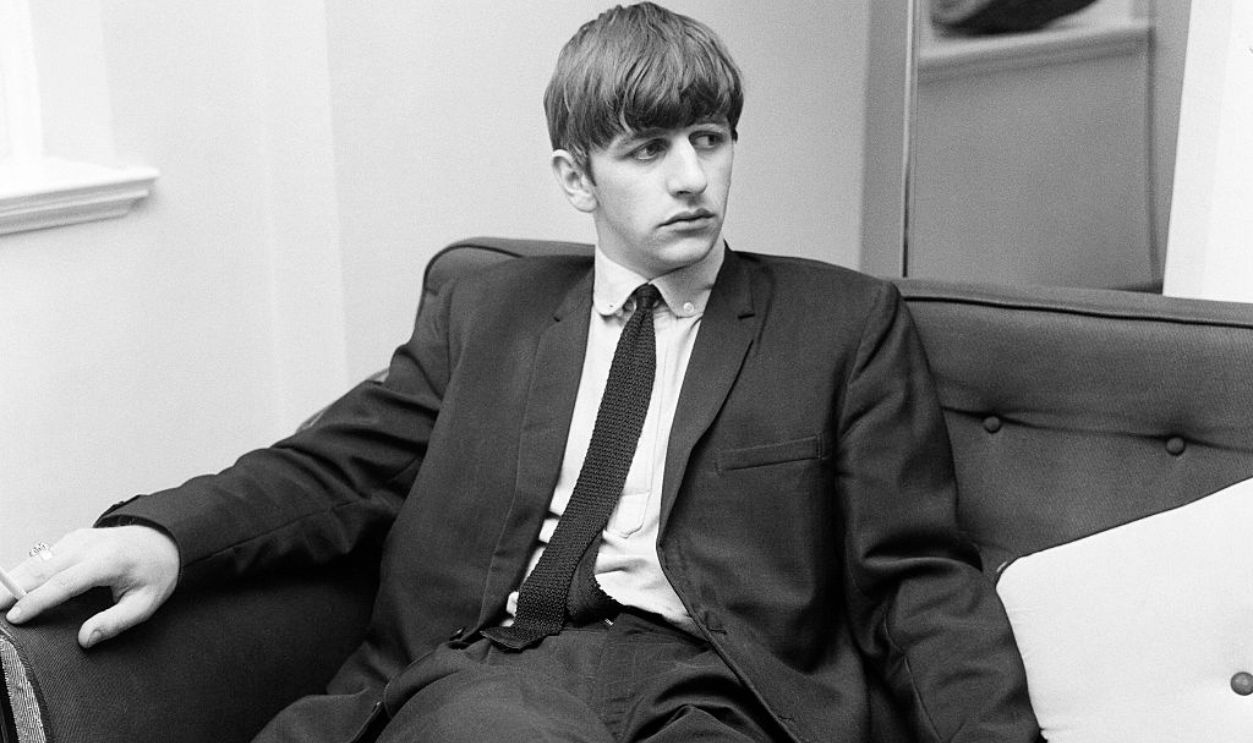
12: “Cry Baby Cry”
John took the language of an old nursery rhyme and turned it into something quietly eerie. Then Paul’s improvised Can You Take Me Back? fragment appears at the end, sounding like a voice drifting in from another room. It is one of those White Album moments that becomes stranger every time you hear it.
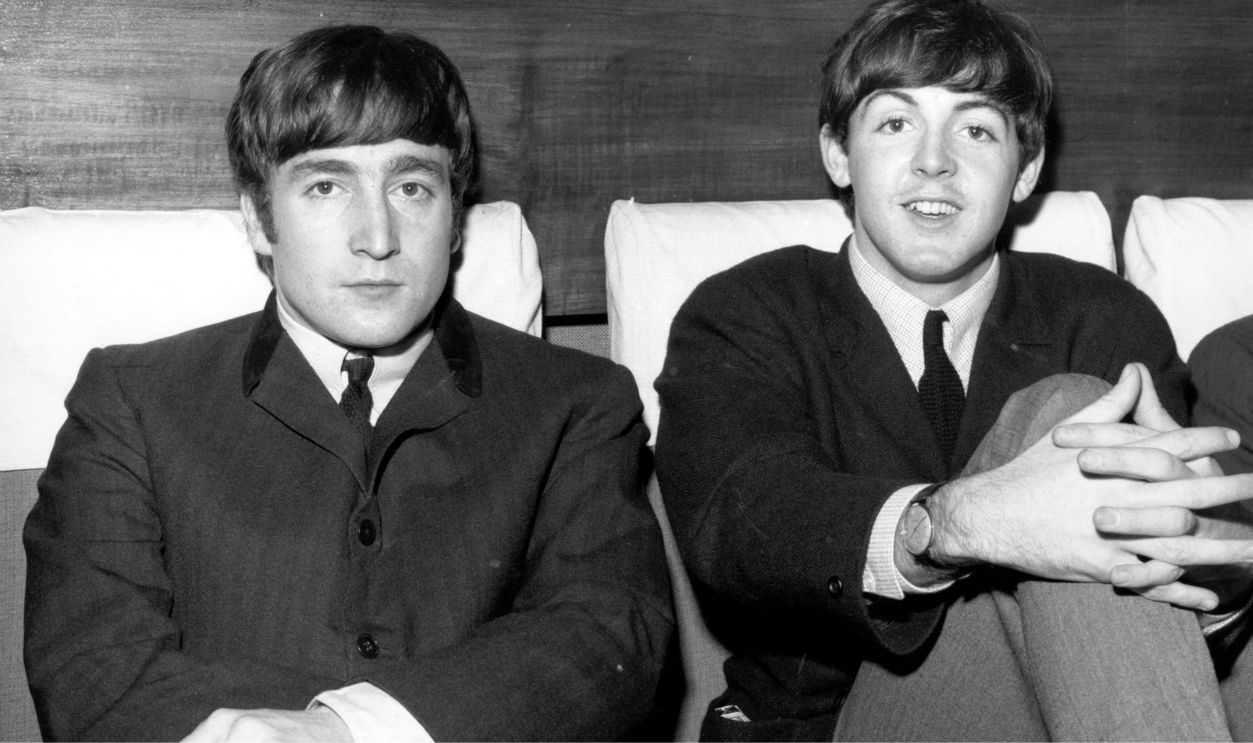
11: “I Will”
Paul had carried the melody around for some time, but he worked on the lyrics while the group was in India. Even then, they were not completely finished. He later recorded it with John and Ringo providing light percussion while George did not participate. Nothing here is complicated, and nothing needs to be. I Will is Paul proving that a beautiful melody, delivered simply, can accomplish more than an entire studio full of effects.
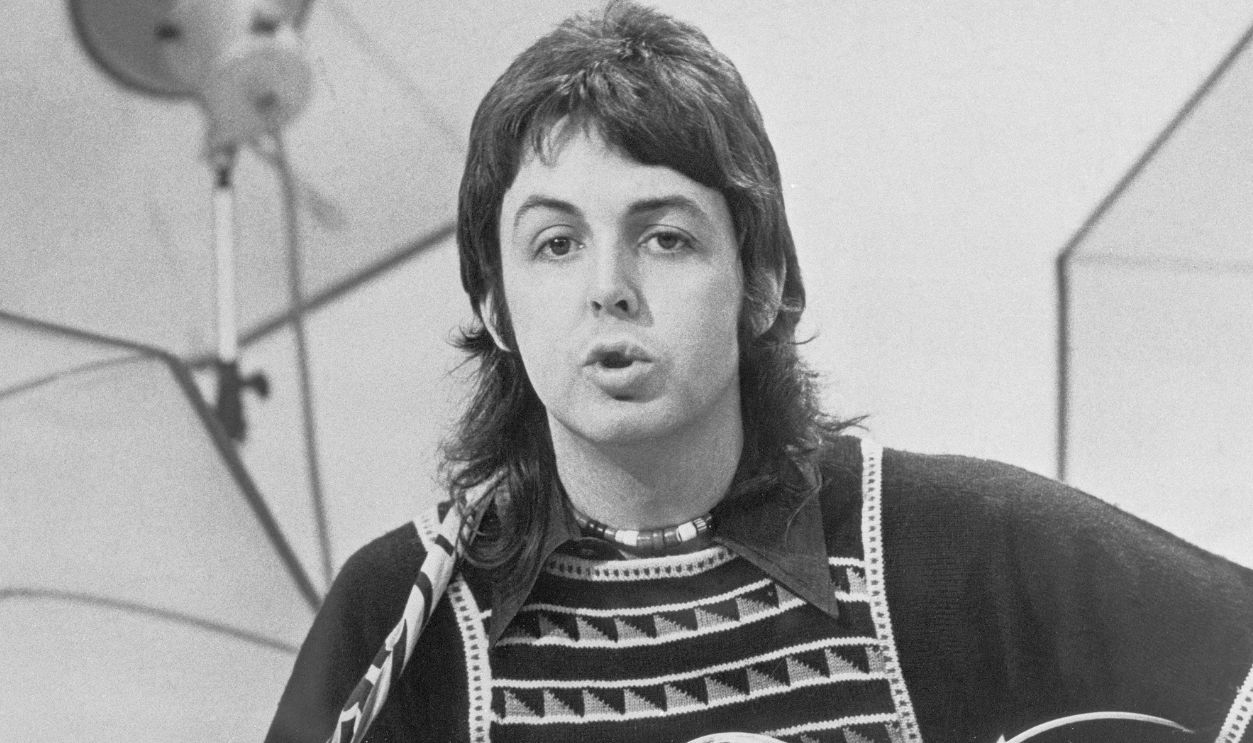
10: “Mother Nature’s Son”
The song was partly inspired by a lecture Maharishi Mahesh Yogi gave in India, although Paul completed much of it while visiting his father in Liverpool. It feels effortless—just Paul, guitar, gentle brass, and a melody that seems to float. On almost any other album, this might have been the obvious standout.
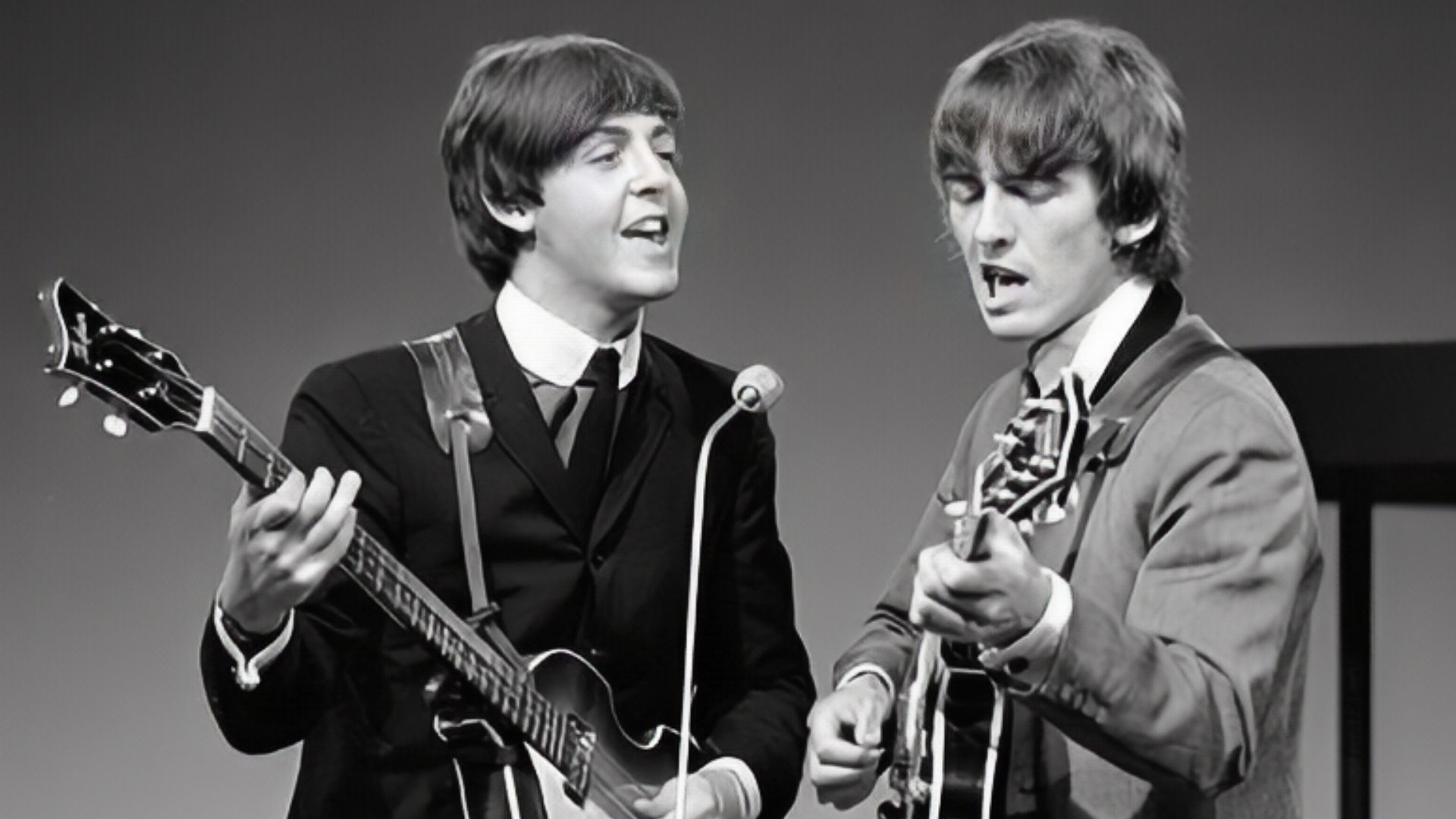
9: “Sexy Sadie”
The Beatles recorded 21 takes during one early session, some stretching as long as eight minutes before the arrangement was tightened. That work paid off. The piano is terrific, John’s vocal drips with disappointment, and the winding finish makes everything feel increasingly unstable. Few Beatles songs make bitterness sound this catchy.
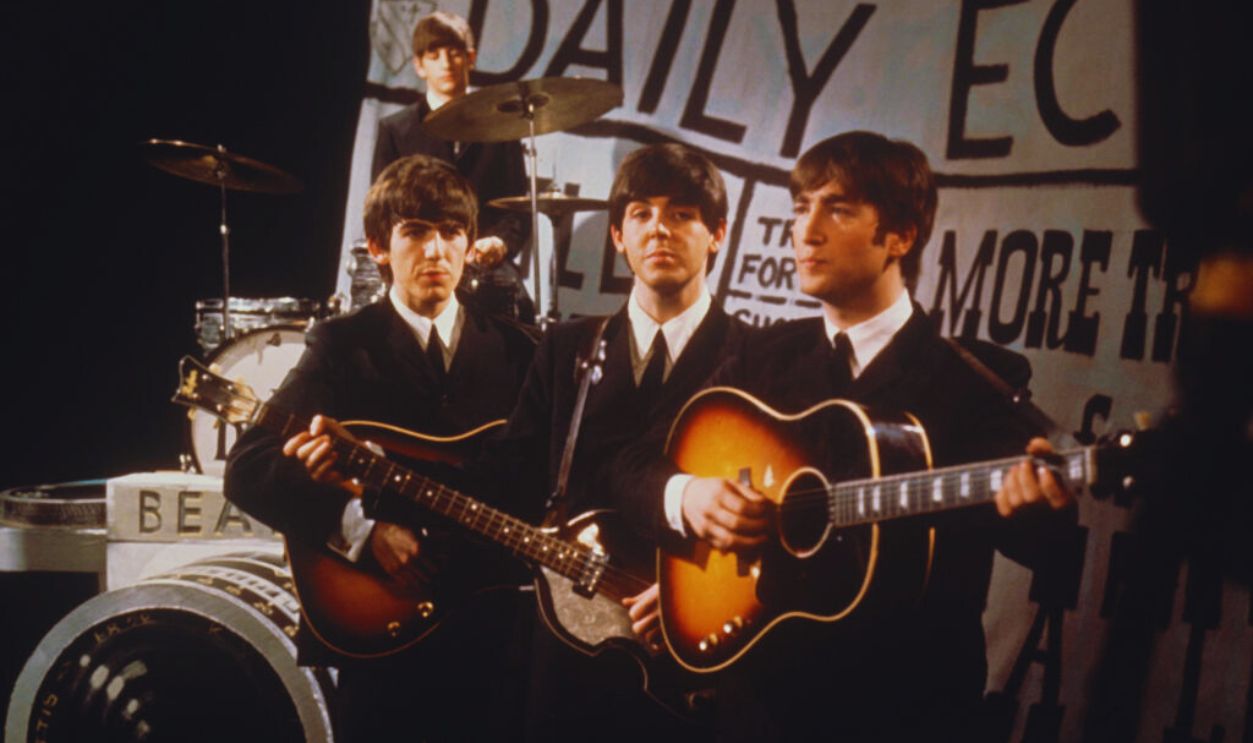
8: “Helter Skelter”
Paul set out to make something louder and dirtier than anything The Beatles had previously recorded. Mission accomplished. The guitars grind, Ringo attacks the drums, and Paul sings as though he plans to win an argument with the entire building. It still sounds shockingly heavy for a recording made in 1968.
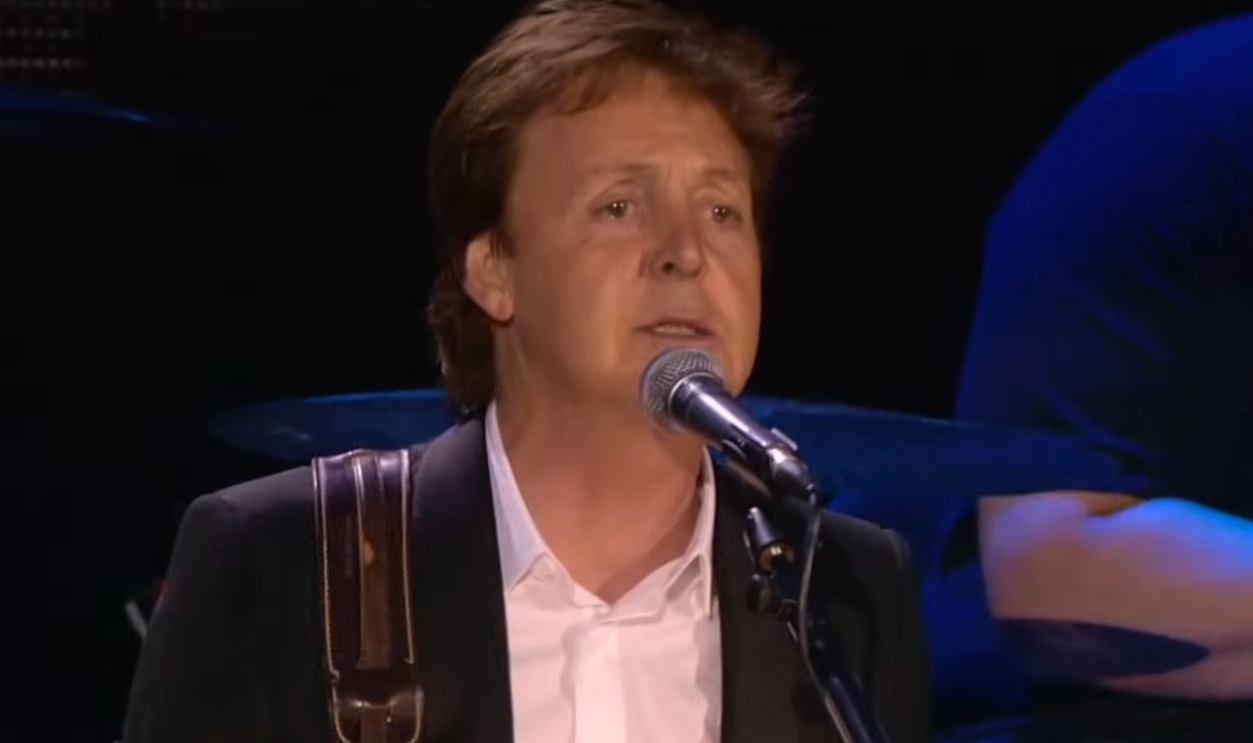 Screenshot from Helter Skelter, Apple Records (1968)
7: “Rocky Raccoon”
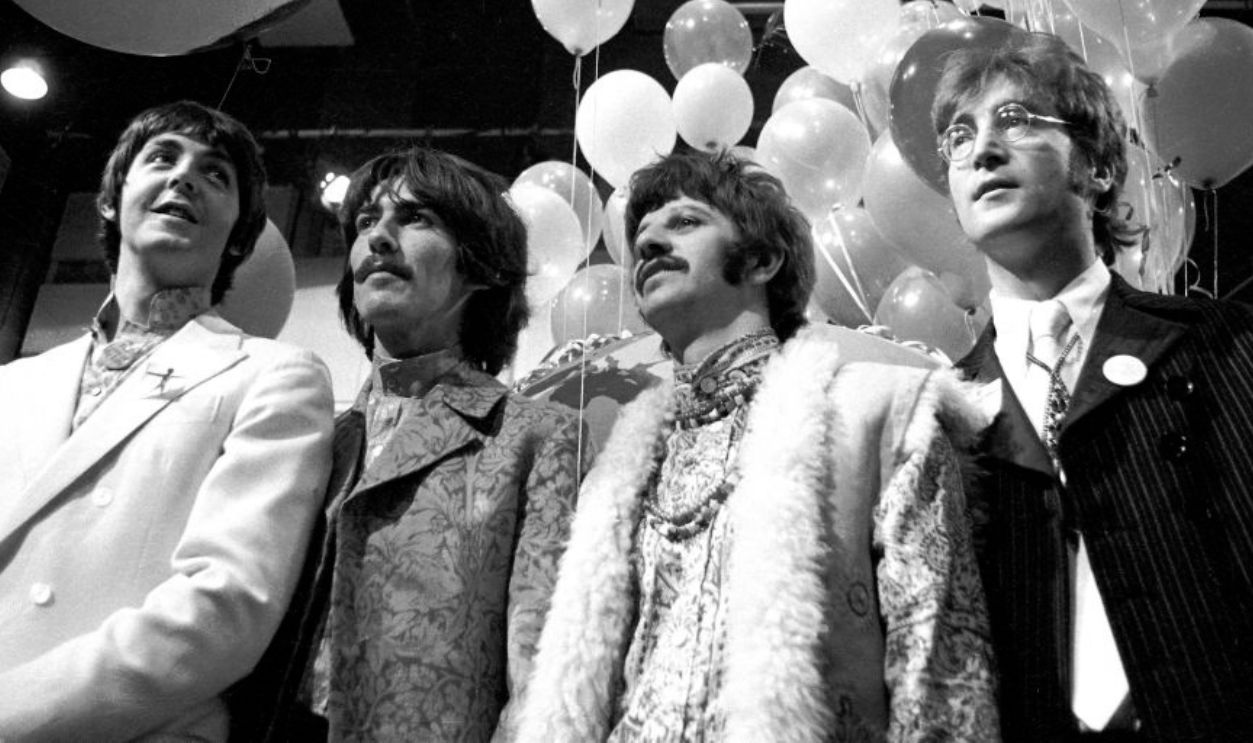
Paul described Rocky Raccoon as a miniature one-act play, and that is exactly what it is. There is Rocky, Nancy, Dan, a hotel room, a doctor, and a Gideon’s Bible—all packed into three minutes. The band completed it during one session, and its tossed-off looseness is a huge part of the appeal.
6: “Julia”
This was the only Beatles recording performed entirely by John Lennon. Written for his mother, it also used the fingerpicking technique Donovan had taught him in India. There is no band, no elaborate arrangement, and nowhere for Lennon to hide. That vulnerability is precisely why Julia remains so powerful.
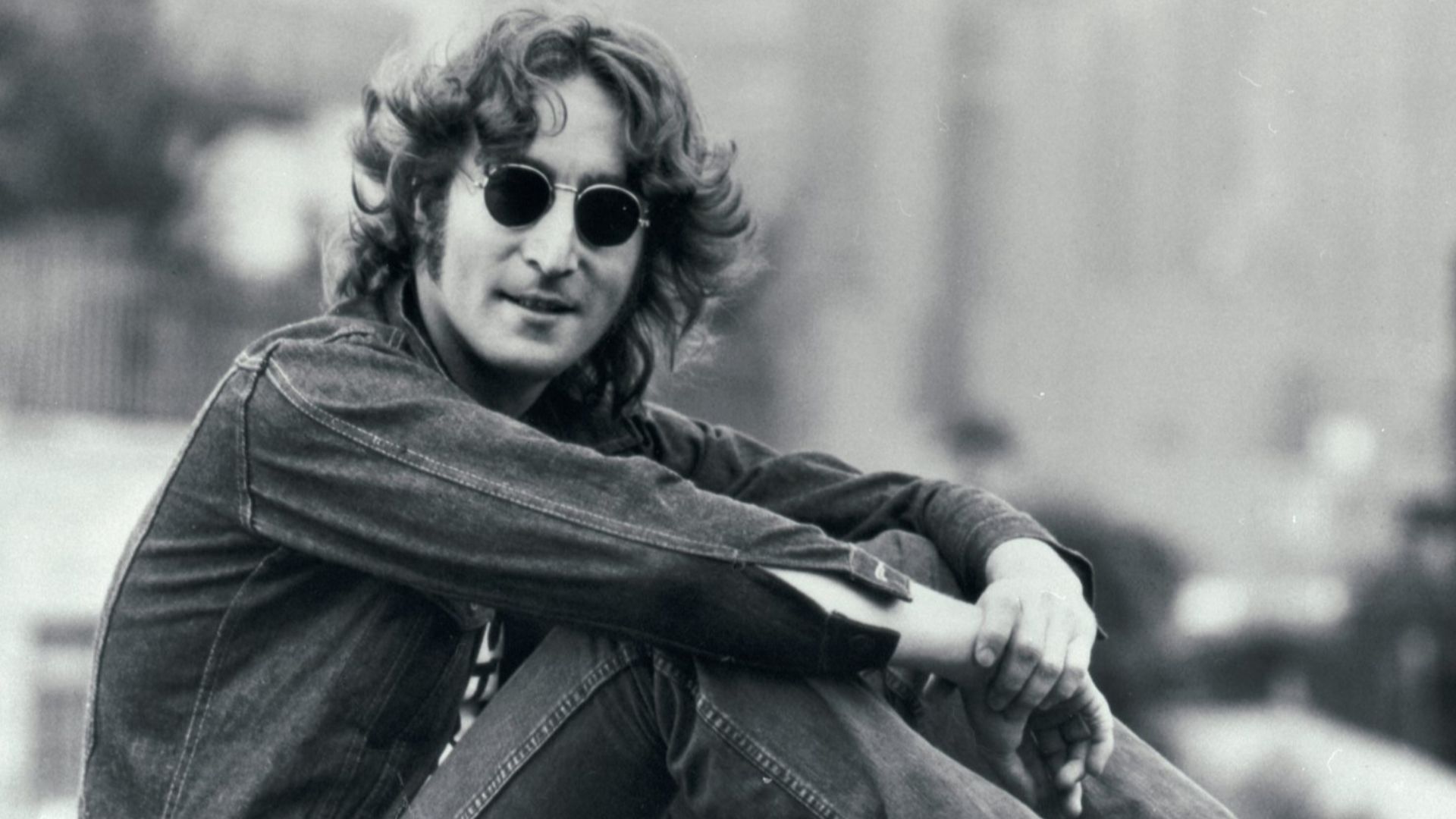 Bob Gruen; Distributed by Capitol Records, Wikimedia Commons
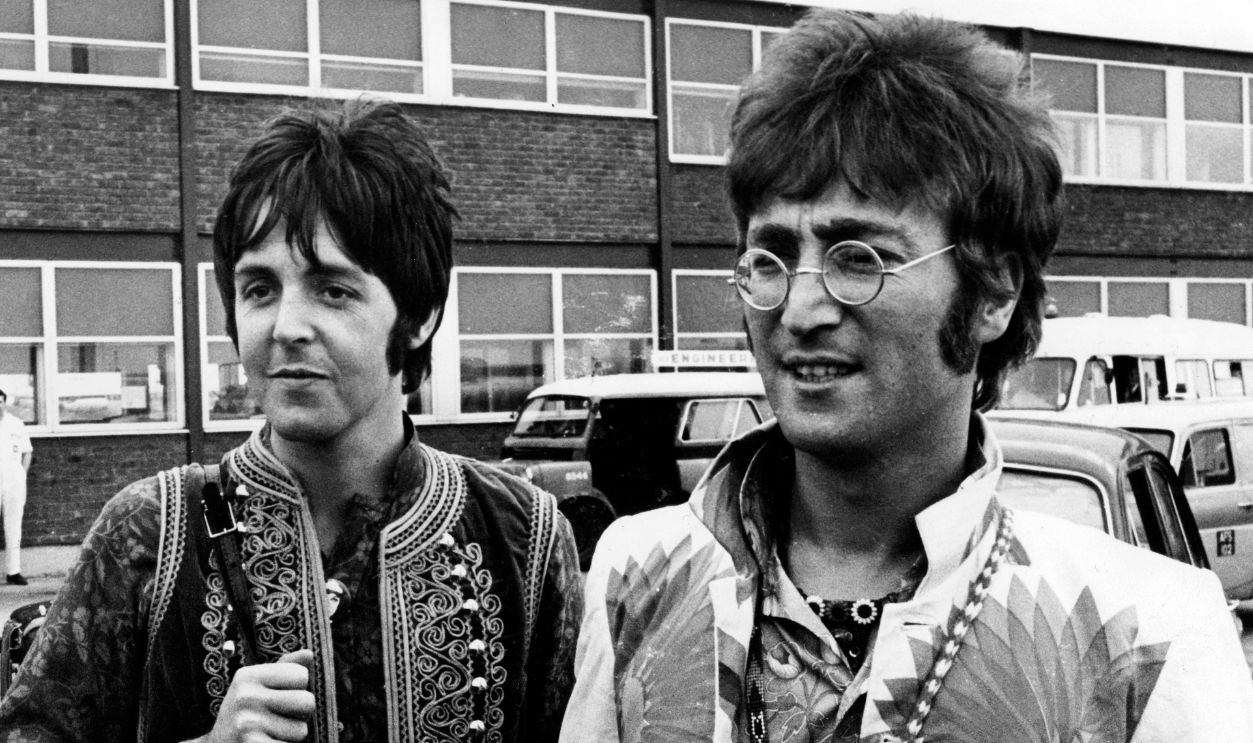
5: “I’m So Tired”
John sounds half asleep, completely irritated, and about ten seconds away from throwing something across the room. The song uses a circular chord pattern similar to several of his other compositions, but the performance makes it unique. Nobody has ever sounded this exhausted while remaining so completely in control.
 Cummings Archives, Getty Images
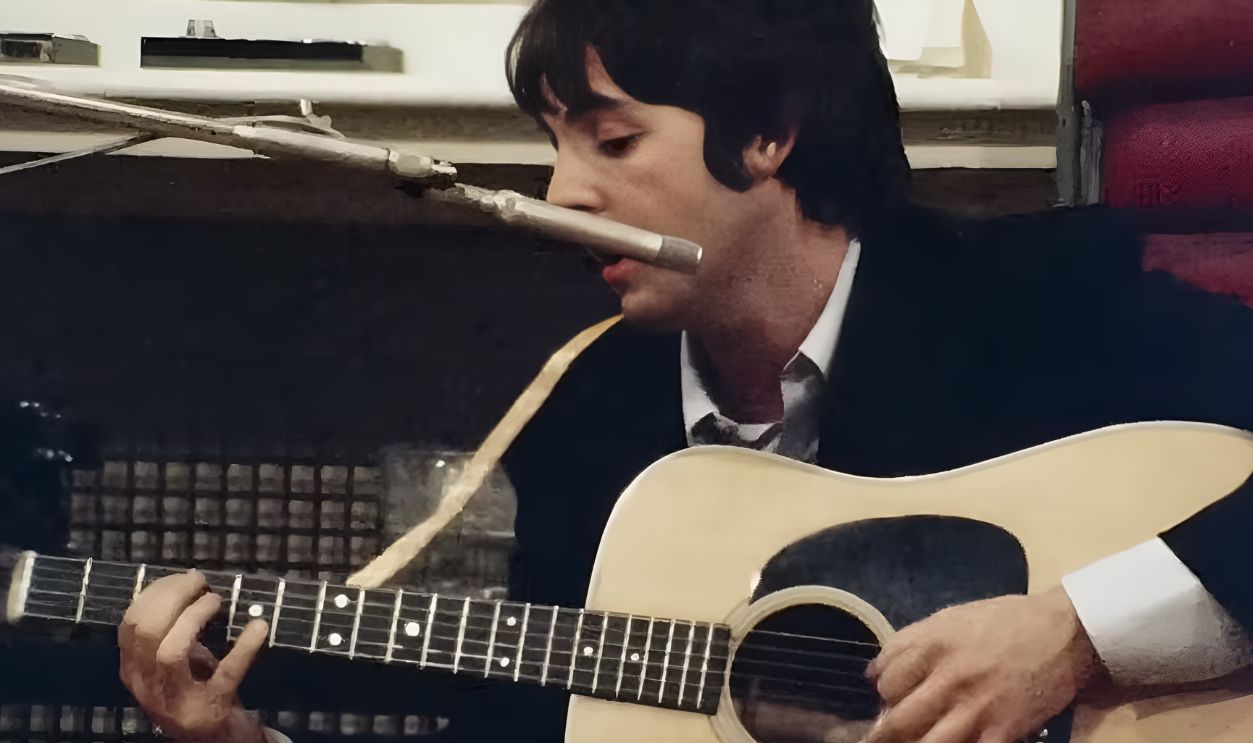
4: “Blackbird”
This is essentially Paul alone with an acoustic guitar, yet it sounds completely full. There is no giant chorus, guitar solo, or unnecessary studio decoration. The melody does everything. McCartney reportedly performed it for fans gathered outside his London home shortly after writing it—which must have been quite a night to choose that particular sidewalk.
 Screenshot from Blackbird, Apple Records (1968), Modified
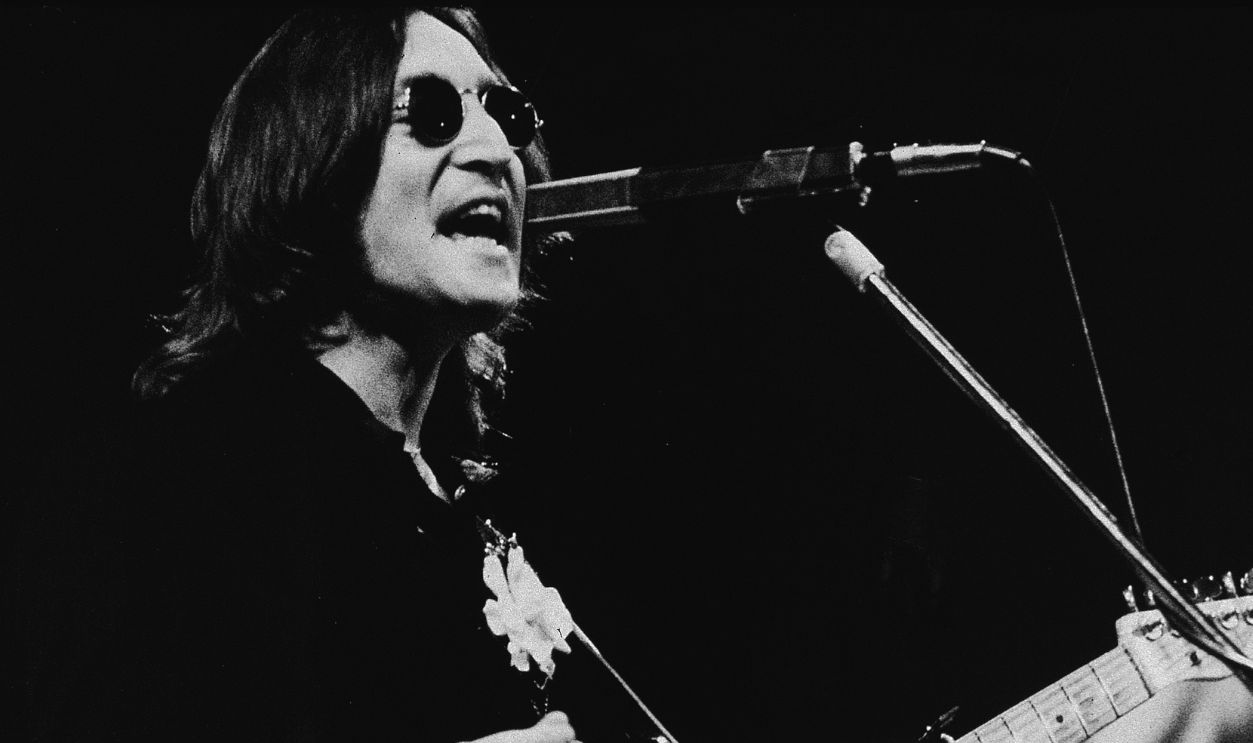
3: “Happiness Is a Warm Gun”
John assembled the song from four different fragments, creating a recording that changes direction every time you think you understand it. The Beatles needed dozens of takes to make the shifting rhythms work. Somehow, it never feels complicated. It feels like one strange, brilliant idea unfolding exactly as intended.
 New York Times Co., Getty Images
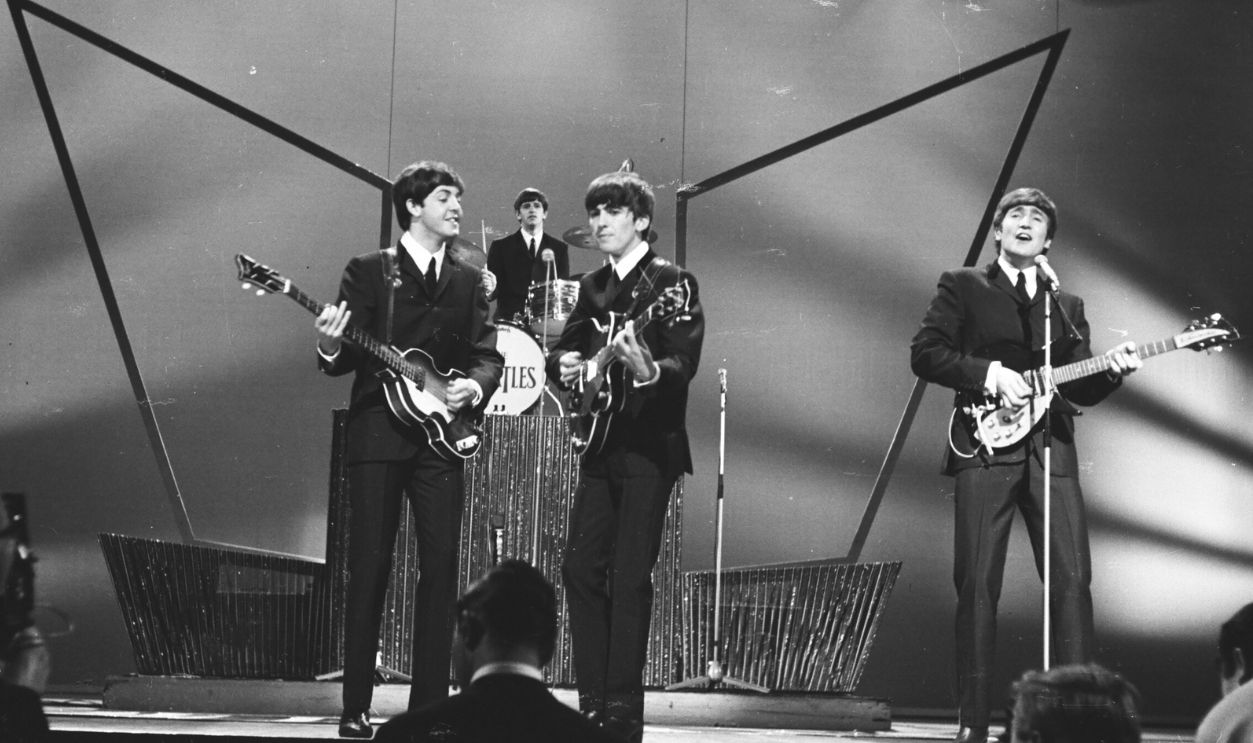
2: “Dear Prudence”
John wrote it for Prudence Farrow, who had become so absorbed in meditation during the India retreat that Lennon and George reportedly tried to coax her outside. The song begins gently, then keeps building until it seems to open up completely. Ringo was temporarily gone, but the recording never feels as though anything is missing.
 Stanley Bielecki/ASP, Getty Images
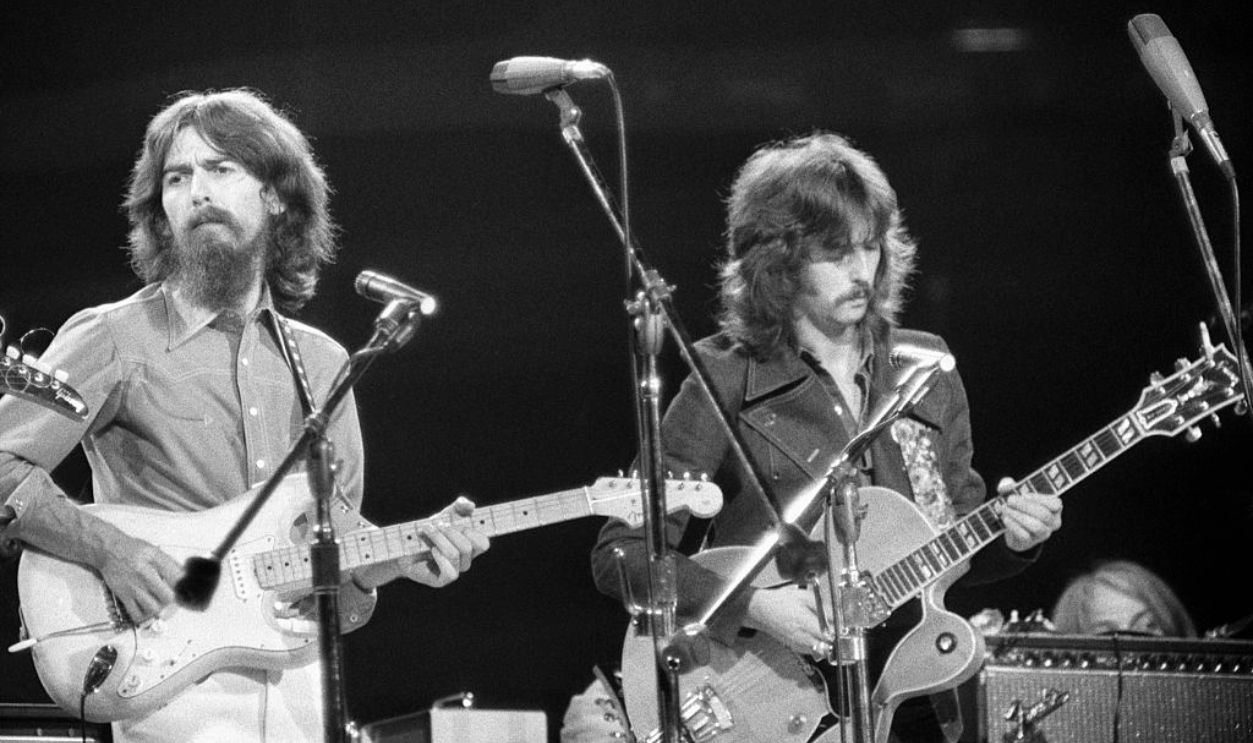
1: “While My Guitar Gently Weeps”
George found the phrase “gently weeps” after opening a book at random and decided to build a song around it. He later invited Eric Clapton to play lead guitar, reportedly causing the other Beatles to take the session more seriously. The result was not merely George’s best song here. It was the album’s masterpiece.
The Mess Is the Whole Point
Could the White Album have been reduced to one nearly perfect record? Of course. Remove the experiments, throwaways, old-fashioned detours, and songs that seem to exist mainly because nobody was willing to say no, and there is an astonishing single album hiding inside it.
But it would not be the White Album. The unevenness is part of what has kept people talking, debating, and rearranging these 30 songs since 1968.
You Might Also Like:
The Glam Rock Icons Who Turned The 1970s Into A Spectacle
Can You Name The 20 Greatest Rock Songs That Weren't Sung By The Band's Lead Singer? We Can