When The Music Industry Said No
Imagine spending months recording an album, only for your record label to decide nobody should hear it. That's exactly what happened to these musicians, including some of the biggest names in music. From creative disagreements to commercial concerns, these finished recordings encountered unexpected roadblocks. Some eventually reached audiences decades later, while others remain locked away.
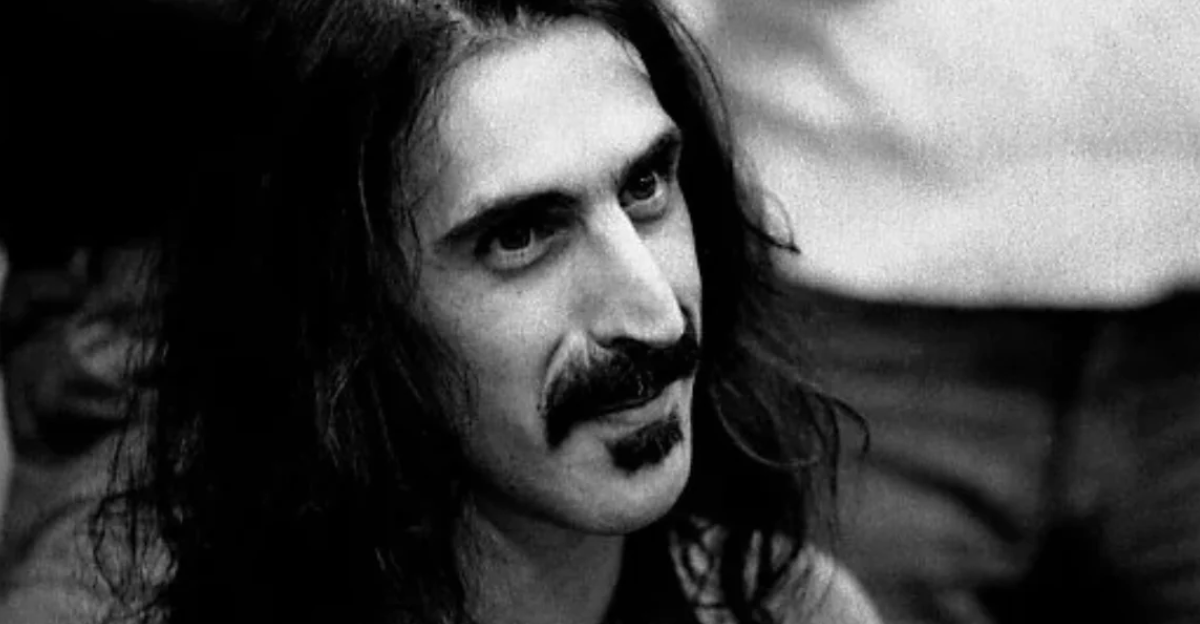
Wicked Lester: The Album Epic Rejected Before Kiss Existed
Before Kiss, Gene Simmons and Paul Stanley recorded an album with Wicked Lester. Epic Records rejected the finished project in the early 1970s. The musicians eventually formed Kiss, while their earlier recordings remained largely unheard outside unofficial copies.
 Michael Sears, Wikimedia Commons
Frank Zappa: The Four-Record Project Warner Wouldn't Support
Frank Zappa envisioned Läther as an ambitious four-record release in 1977. A dispute involving Warner Bros. prevented the original project from appearing as intended. Zappa even broadcast the music on radio, but the complete collection didn't receive an official release until 1996.
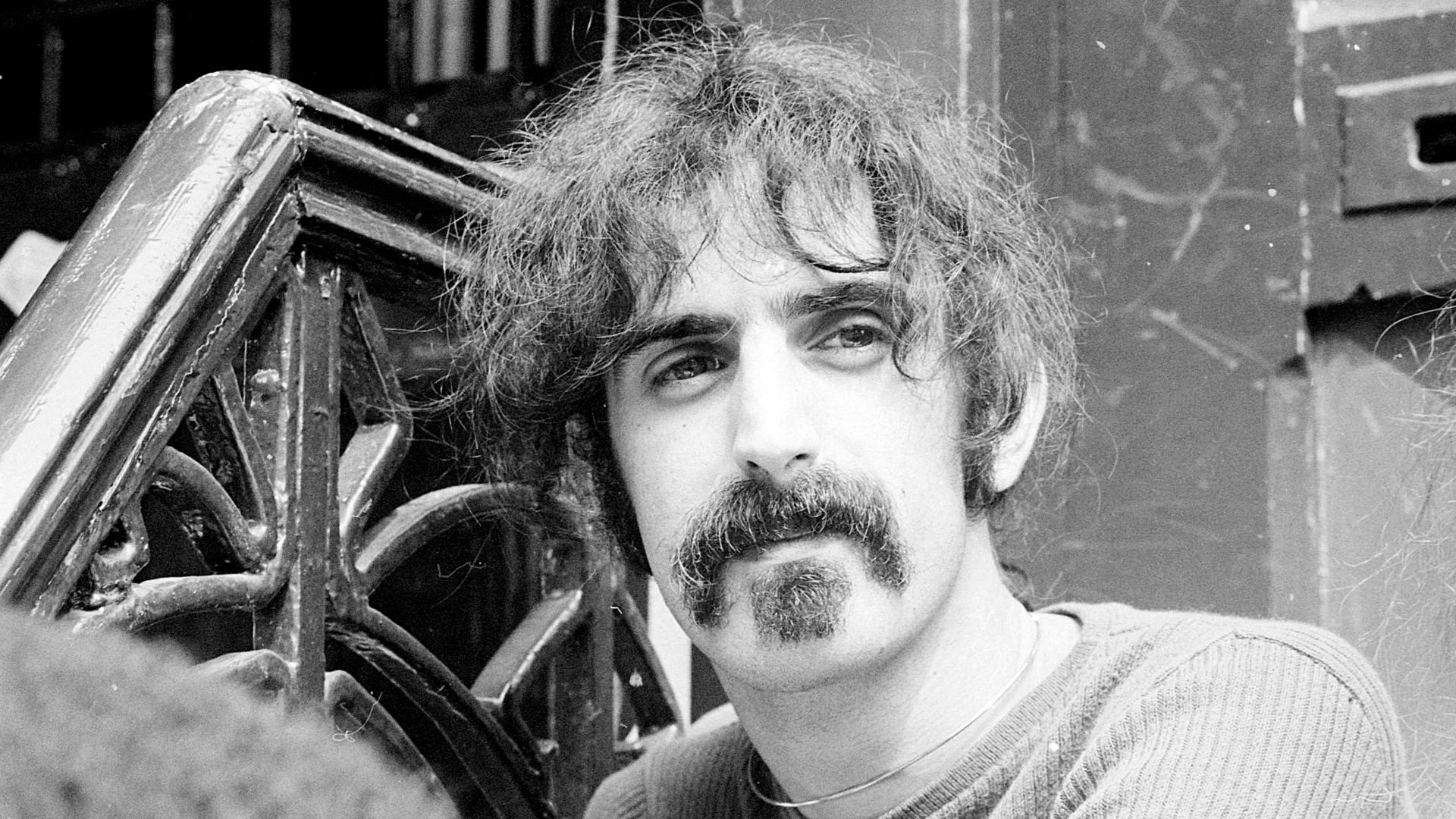 Fotopersbureau De Boer, Wikimedia Commons
Neil Young: One Night Of Recording, Forty Years Of Waiting
Neil Young recorded Hitchhiker during a single session in 1976. His label considered the stripped-down performances insufficiently finished and wanted fuller recordings. Young eventually released several songs elsewhere, but the original acoustic album remained unavailable until 2017.
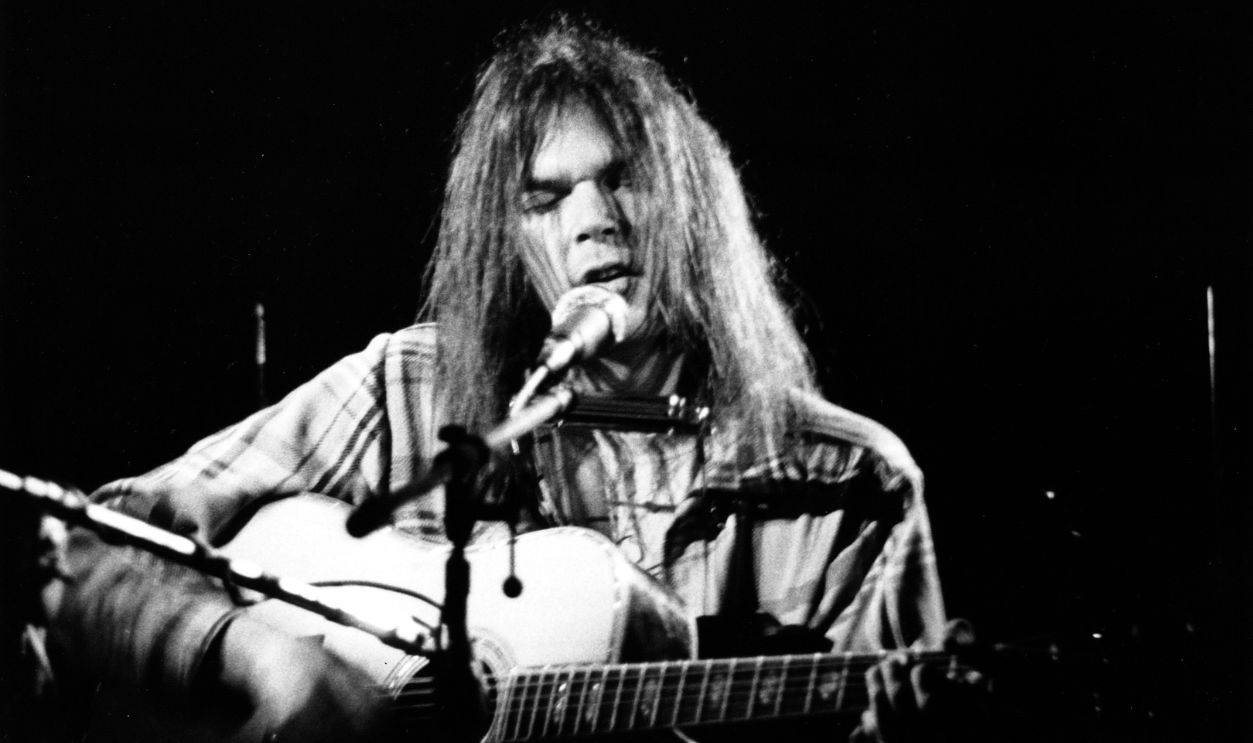
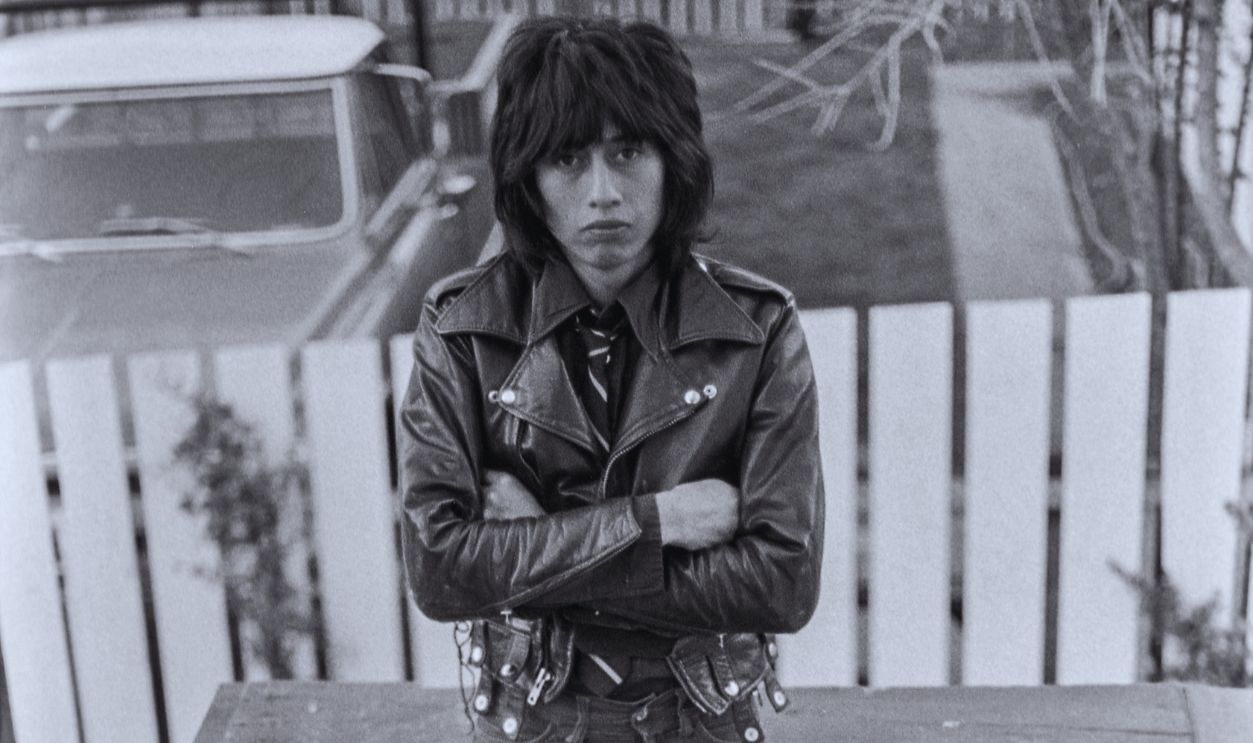
True Believers: The Album EMI Buried Just Before Release
Alejandro Escovedo's band True Believers recorded Hard Road after signing with EMI. The label shelved the album during a corporate reorganization in 1987, shortly before its planned arrival. The recordings eventually surfaced alongside the band's debut in 1994.
Geto Boys: The Album Geffen Refused To Distribute
The Geto Boys' self-titled 1990 album encountered resistance over its lyrical content. Geffen Records refused to distribute the finished recording, disrupting its scheduled release. Producer Rick Rubin secured an alternative arrangement, allowing the album to reach stores that September.
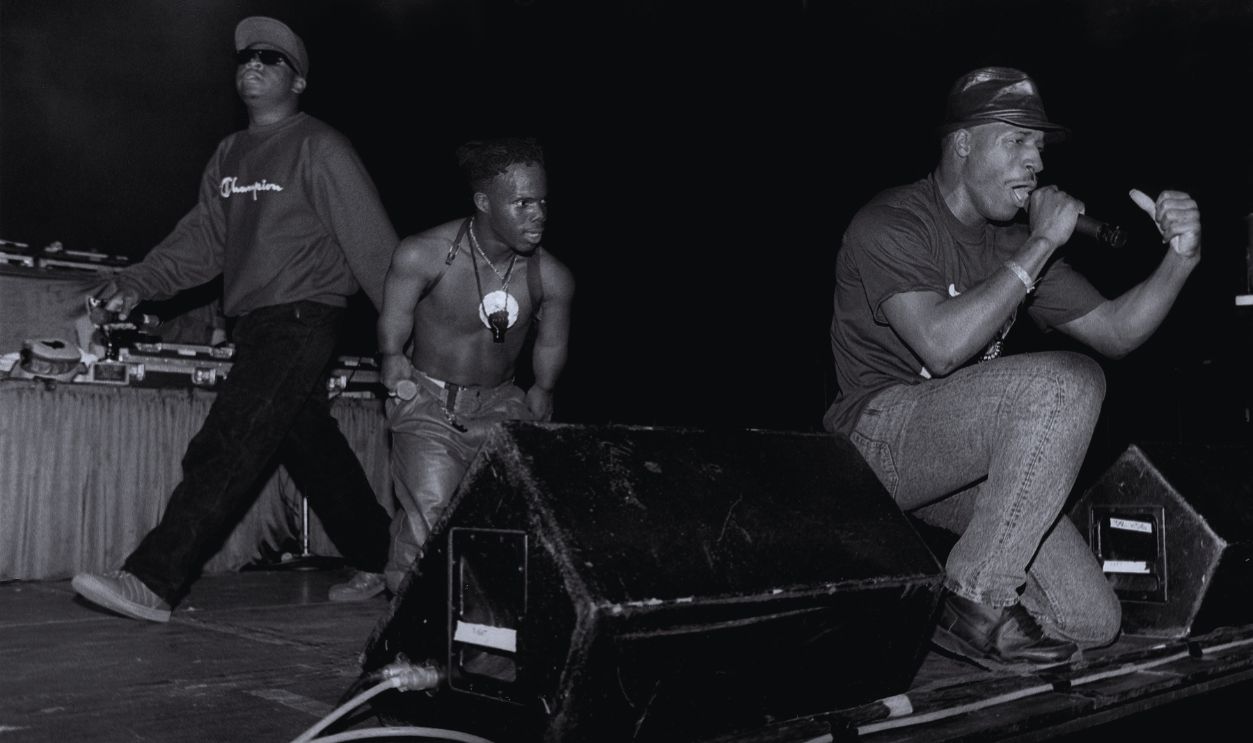
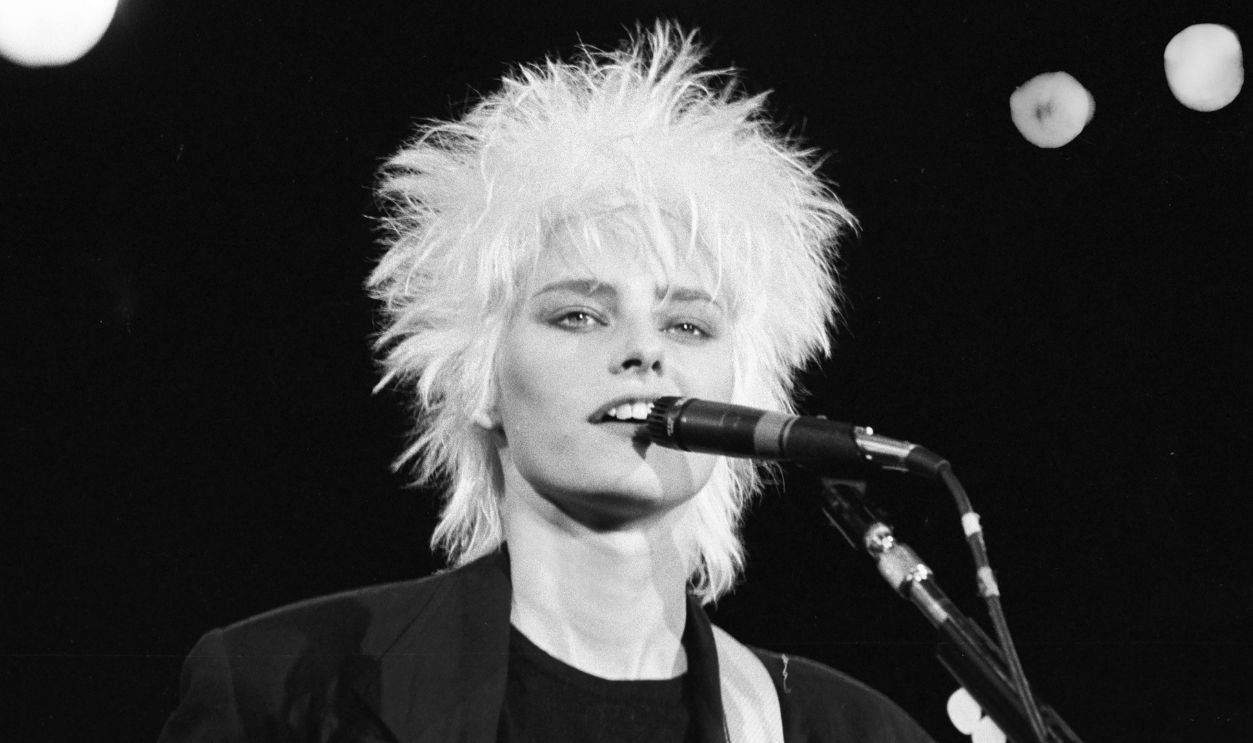
Aimee Mann: The Album She Had To Buy Back
Aimee Mann completed Bachelor No. 2 while dealing with corporate changes at her label. Interscope wanted more commercially appealing material instead of the album she had prepared. Mann bought back the masters and released the record herself in 2000.
 John Kisch Archive, Getty Images
Toadies: The Follow-Up Interscope Didn't Want
After the success of Rubberneck, Toadies recorded Feeler in 1998. Interscope rejected the album, leaving the band without its anticipated follow-up. The musicians later revisited the material, releasing a newly recorded version of Feeler in 2010.

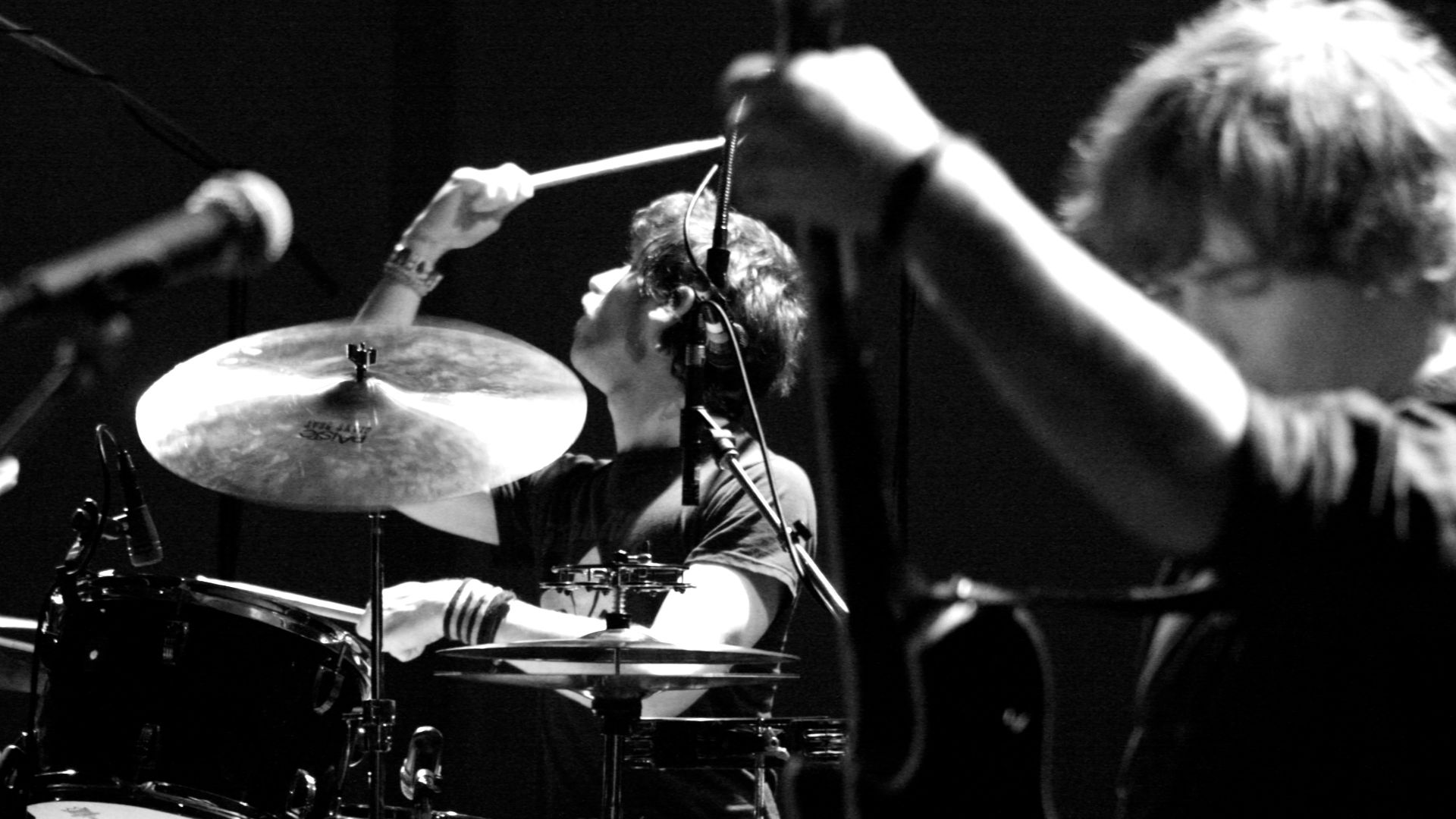
Nada Surf: The Album Elektra Wouldn't Release In America
Nada Surf finished The Proximity Effect in 1998, but Elektra wanted additional commercially appealing songs. The band resisted, and the label withheld its American release. After buying back the recordings, Nada Surf independently issued the album domestically in 2000.
 FXR [aka Soundz'FX], Wikimedia Commons
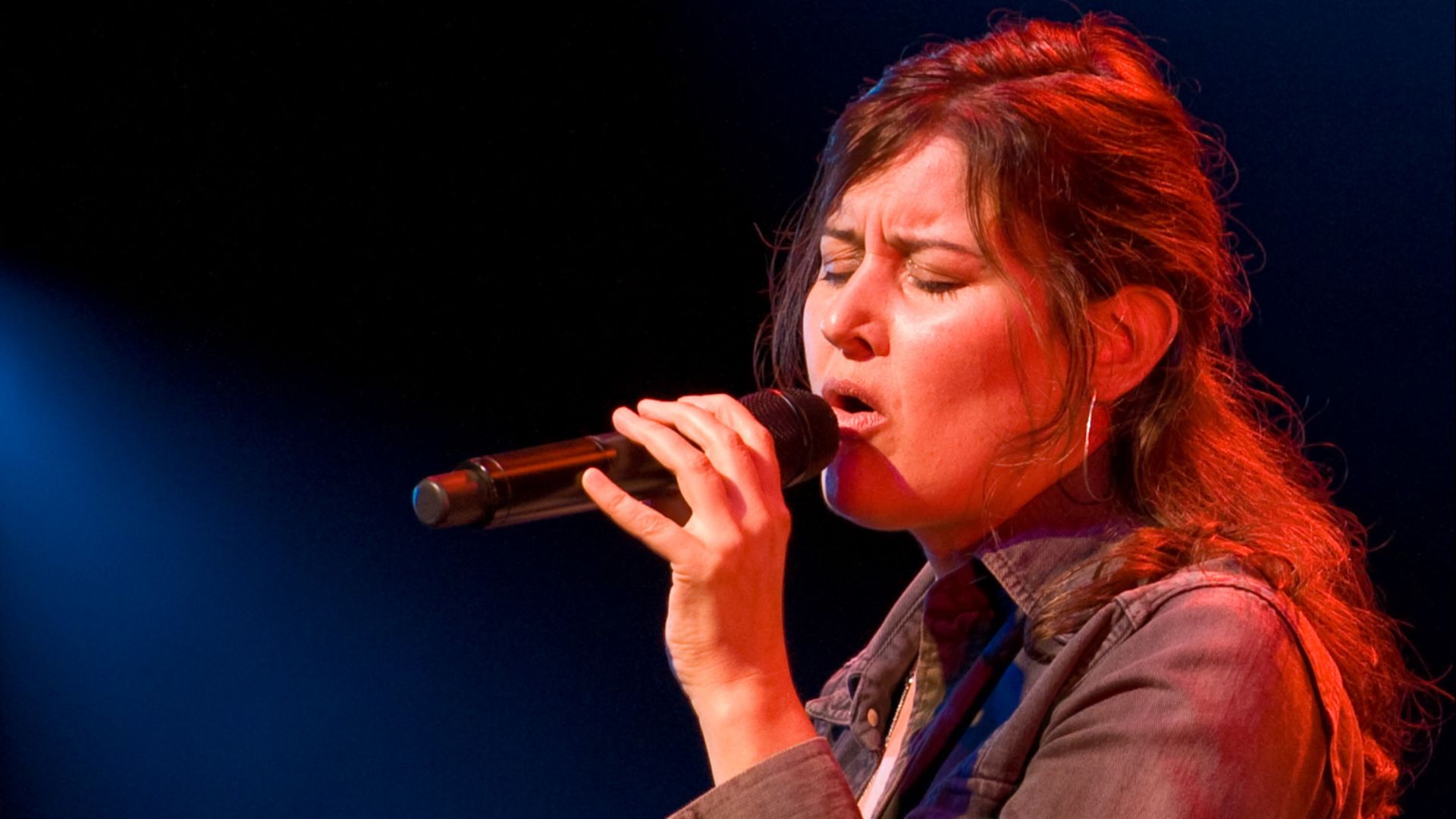
Paula Cole: The Complete Album Warner Left Behind
Paula Cole recorded an entire album with producer Hugh Padgham during 2001 and 2002. Warner Bros. declined to release the project, despite the completed sessions. Cole eventually departed the label, leaving those recordings among her largely unheard work.
 (Kirk Stauffer), Wikimedia Commons
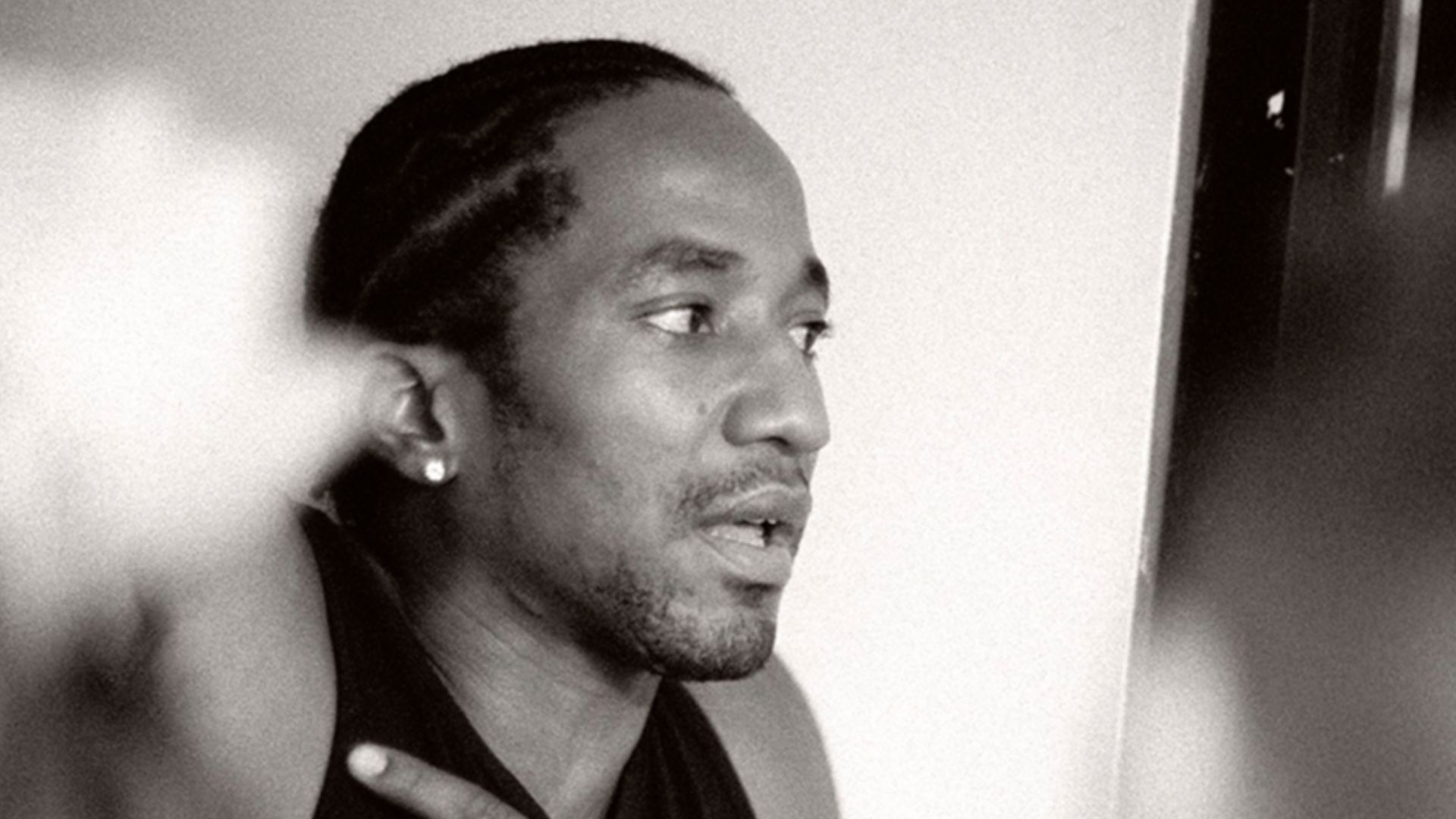
Q-Tip: The Jazz-Inspired Album Arista Rejected
Q-Tip completed Kamaal the Abstract, blending jazz, soul, and hip-hop. Arista executives wanted a stronger radio single and shelved the unconventional recording around 2002. After years of delays, the album finally arrived in 2009 through another label.
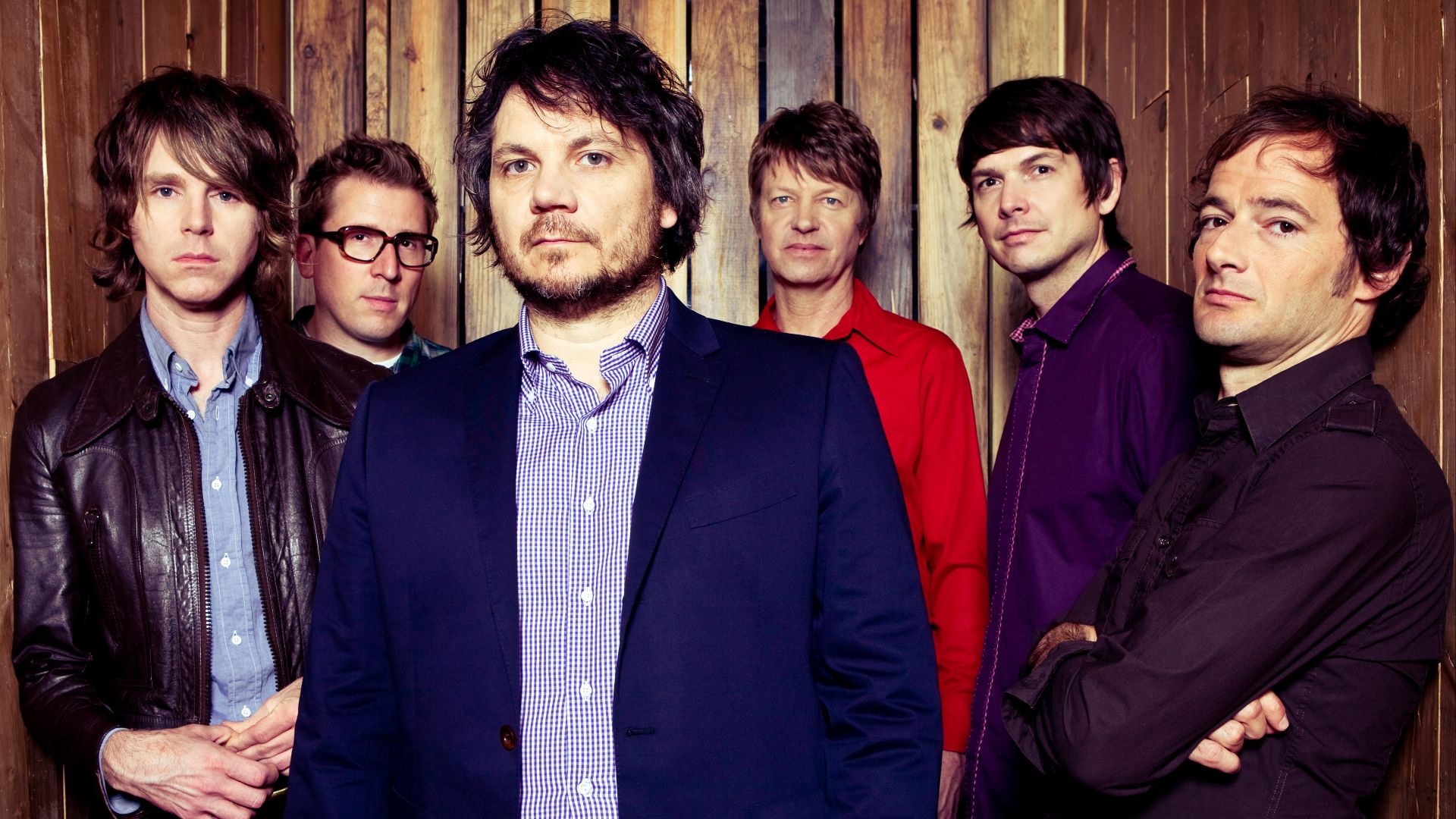
Wilco: The Album Reprise Thought Would End Their Career
Wilco delivered Yankee Hotel Foxtrot to Reprise Records in 2001. Executives questioned its commercial potential and declined to release it unchanged. The band recovered the recordings, and Nonesuch finally issued the album in 2002 to considerable critical praise.
 Austin Nelson, Wikimedia Commons
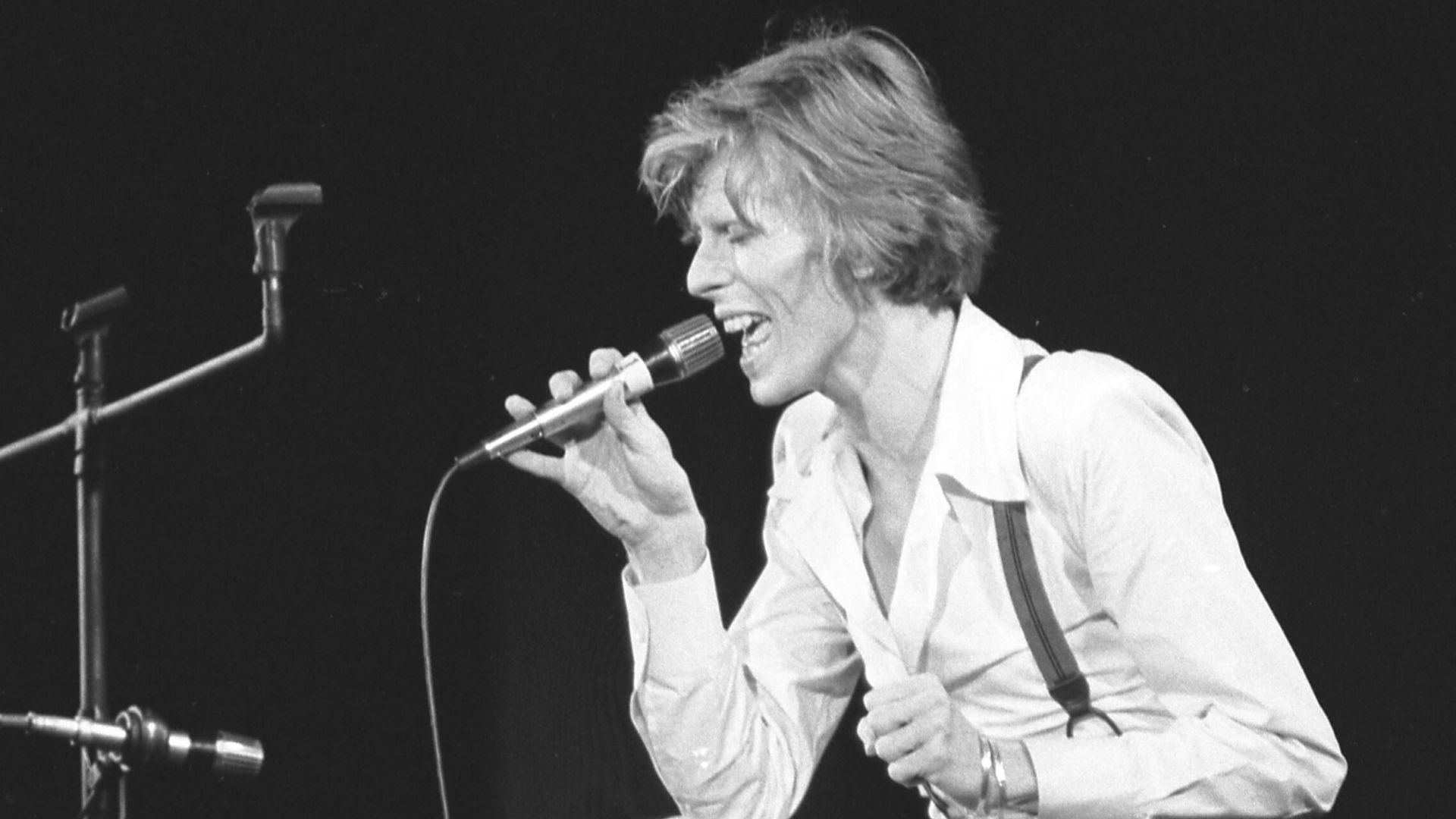
David Bowie: The Finished Album Virgin Wouldn't Release
David Bowie recorded Toy in 2000, revisiting songs from his earliest musical years. Virgin stalled its planned release amid disagreements about scheduling and distribution. The completed project remained officially unavailable until Bowie's estate issued it in 2021 and 2022.
 Tony Barnard, Los Angeles Times, Wikimedia Commons
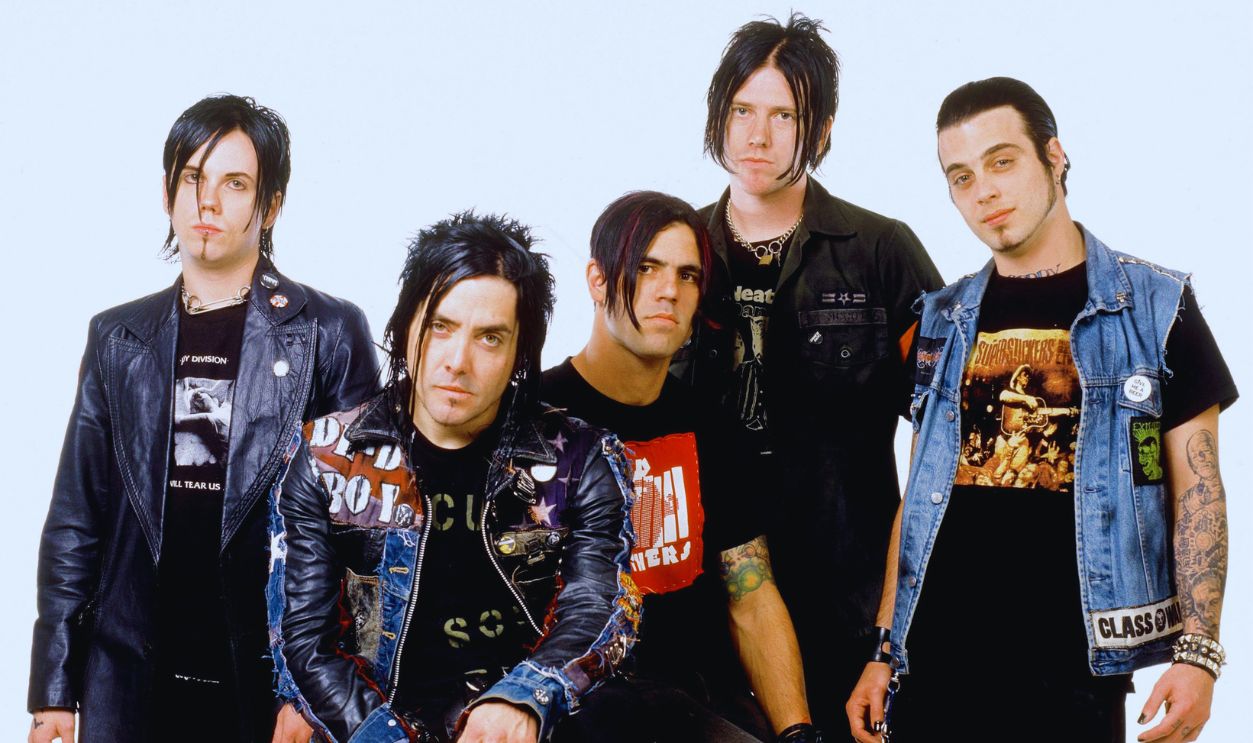
Amen: The Record Virgin Kept In Its Vault
Rock band Amen finished its third album before separating from Virgin Records in 2002. The company reportedly considered the music commercially unsuitable and declined to release it. Disagreements over the recording costs prevented the band from recovering its masters.
Fiona Apple: The Album That Inspired A Fan Campaign
Fiona Apple's original Extraordinary Machine sessions were completed with producer Jon Brion in 2003. Epic questioned the project's commercial appeal, while Apple also expressed dissatisfaction with the recordings. Fans campaigned for its release before a substantially revised album appeared in 2005.

Nellie McKay: Twenty-Three Songs Columbia Didn't Want
Nellie McKay wanted Pretty Little Head released as a 23-song double album. Columbia insisted on a shorter version, creating a dispute that ended their relationship. McKay eventually released her complete preferred version independently in 2006.
 Bridget Laudien, Wikimedia Commons
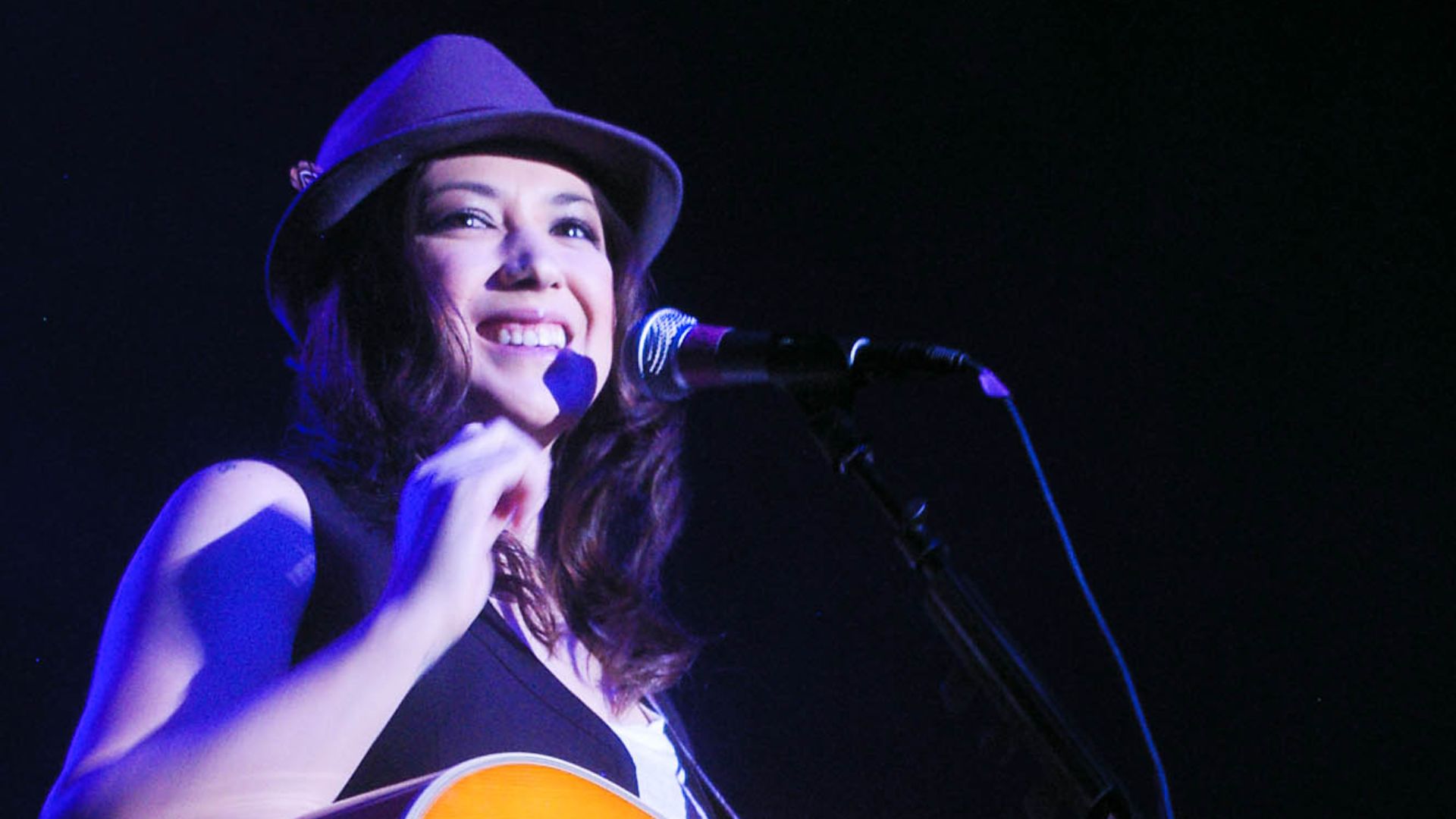
Michelle Branch: Two Finished Albums Left Unreleased
Michelle Branch has described completing two albums that Warner Bros. never properly issued: Everything Comes and Goes and West Coast Time. Changes at the label repeatedly disrupted her release plans. Some material appeared separately, but both original projects remained shelved.
 Alaina Buzas, Wikimedia Commons
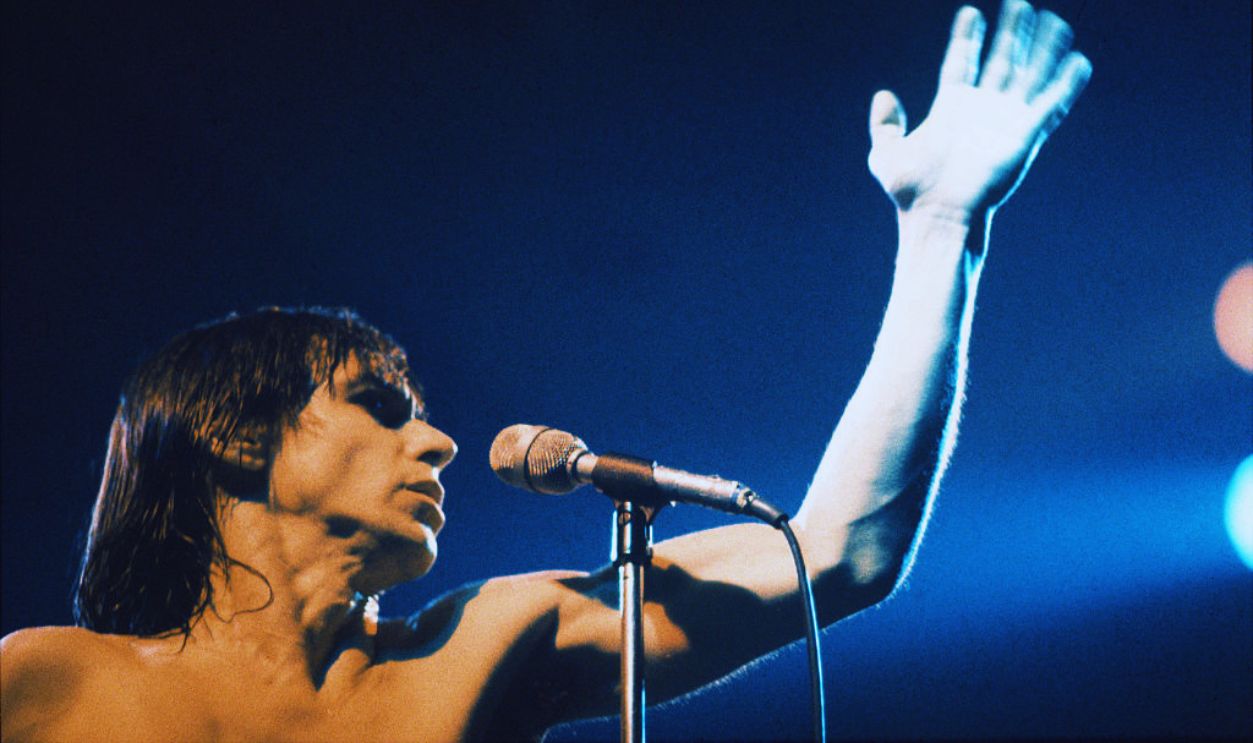
Iggy Pop: The French Album Virgin Turned Down
Iggy Pop recorded Après, featuring interpretations of French classics and other familiar songs. Virgin EMI rejected the completed album in 2012, doubting its commercial prospects. Rather than abandon the music, Pop arranged an independent digital release.
 Virginia Turbett, Getty Images
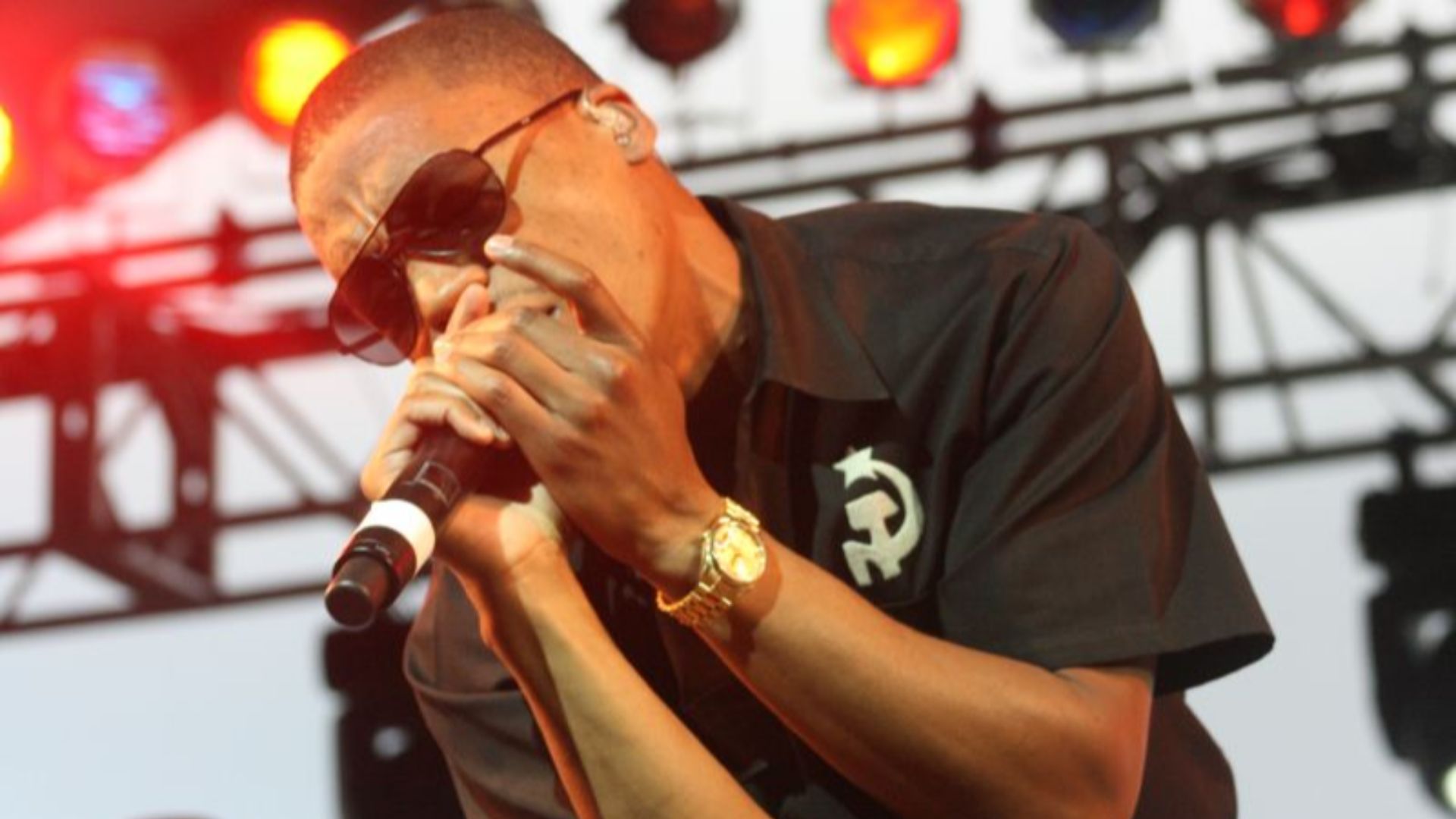
Lupe Fiasco: The Album Fans Had To Campaign For
Lupe Fiasco spent years waiting for Atlantic Records to release Lasers. Label disagreements repeatedly delayed the completed project, leaving its release uncertain. Fans organized a petition and demonstrated outside Atlantic's headquarters before the album finally appeared in 2011.
 Julio Enriquez from Denver,CO, USA, Wikimedia Commons
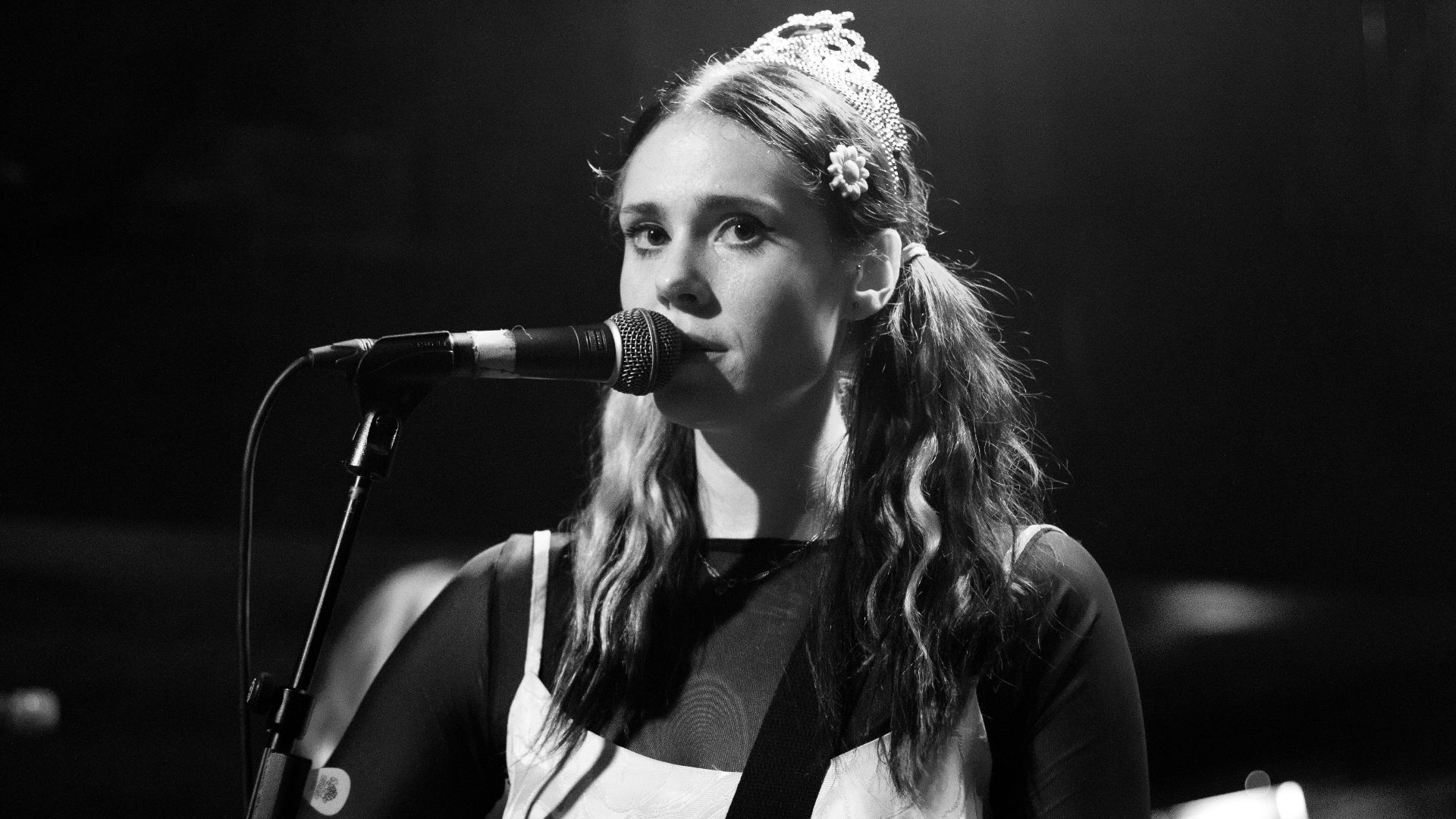
Kate Nash: The Album That Cost Her A Record Deal
Kate Nash recorded Girl Talk, moving toward a rougher, guitar-driven sound. Her label dropped her after hearing the new material, ending their working relationship. Nash raised money independently and released the album through her own company in 2013.
JoJo: The Album Trapped By Her Record Contract
JoJo completed material for Jumping Trains, but the album never received its planned release through Blackground Records. The label's operational problems left her career stalled. JoJo later explained that contractual restrictions prevented her from releasing those recordings independently.

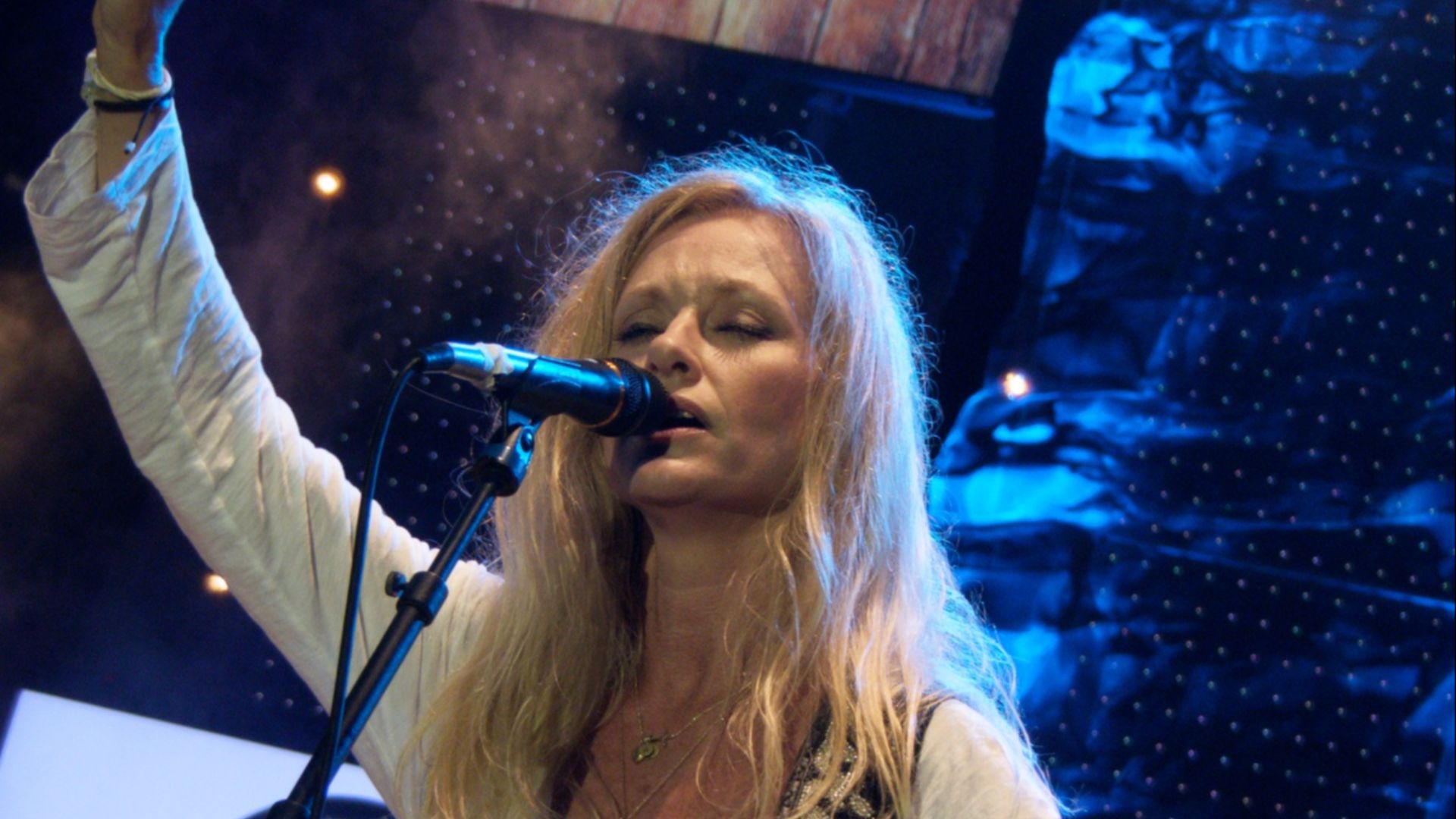
Shelby Lynne: The Album Lost Highway Didn't Want
Shelby Lynne presented Tears, Lies, and Alibis to Lost Highway Records, only to have the company reject it. Frustrated, she decided to leave and establish her own label. The album eventually appeared independently in 2010.
 Justin Higuchi, Wikimedia Commons
Smashing Pumpkins: The Album Virgin Wouldn't Sell
Billy Corgan wanted to release the Machina material as an extensive double album. Virgin rejected that plan, leaving Machina II without a conventional commercial release. The band pressed just 25 copies and encouraged recipients to share the music online.
 Graham Racher, Wikimedia Commons
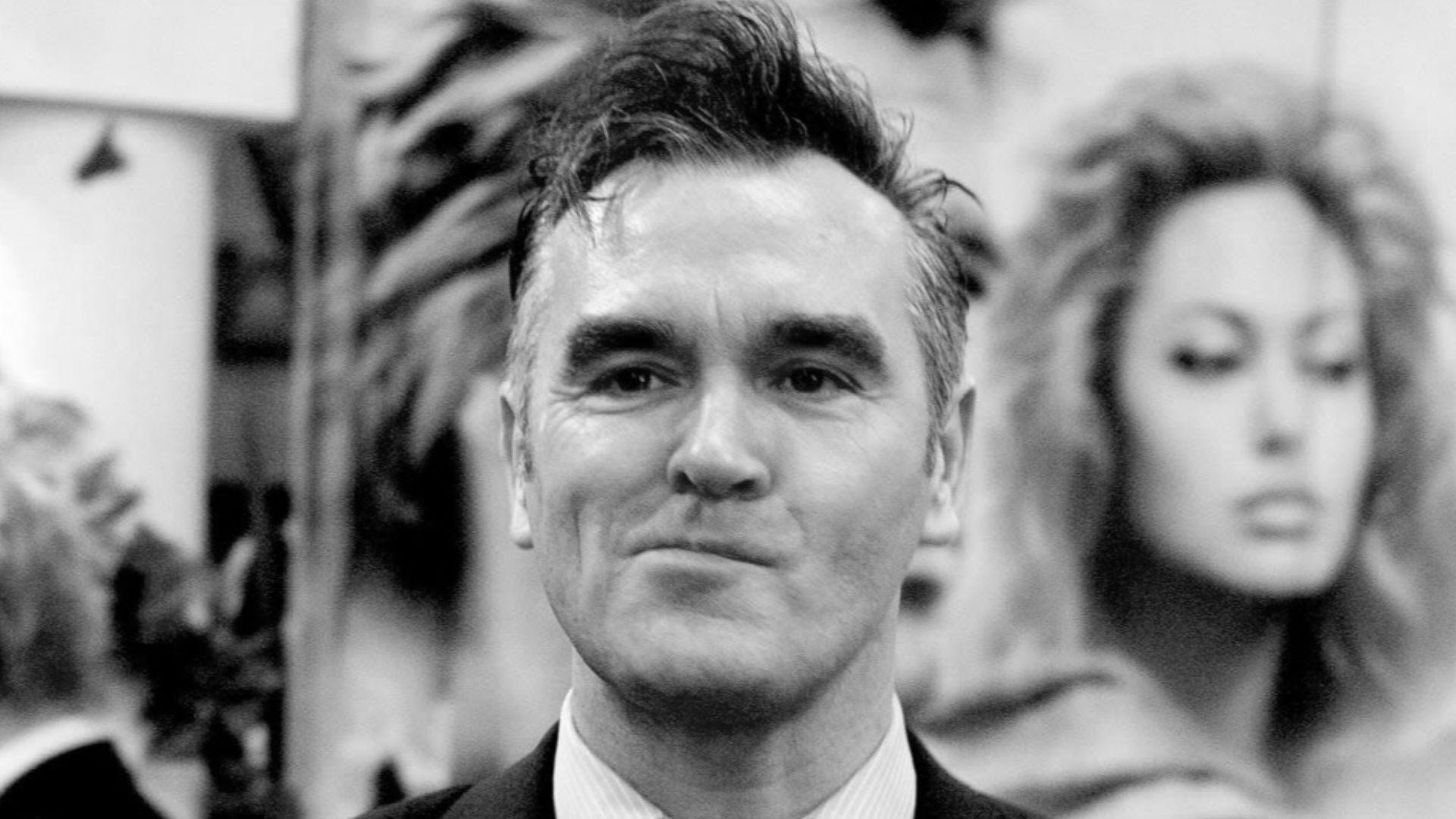
Morrissey: The Album Capitol Signed But Never Released
Morrissey recorded Bonfire of Teenagers in 2021 and subsequently secured a deal with Capitol. Its planned 2023 release never happened. He later recovered the rights and said other major labels had declined the project. It remained unreleased in 2026.
 Caligvla sur Wikipédia anglais, Wikimedia Commons
Kim Petras: The Completed Album Republic Kept Delaying
Kim Petras said Detour had been finished for six months when she publicly criticized Republic Records in January 2026. She accused the company of withholding a release date. The album ultimately arrived through her own BunHead Records that May.

You May Also Like:
Forgotten 90s Singer-Songwriters Who Deserve To Be Discovered By A New Generation
Iconic Albums Recorded In Strange Places, And The Stories Behind Them