A family matter
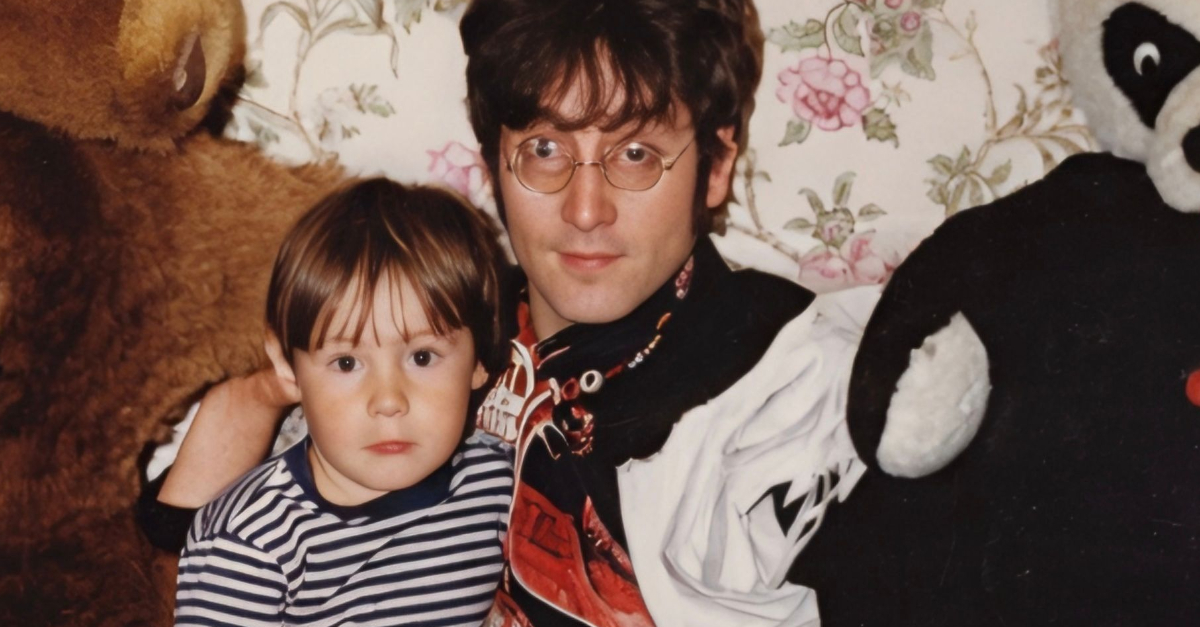
Millions heard love and hope in John Lennon’s music. His eldest son knew a much more complicated man. When John was gone, the family’s problems were far from over. There was a fortune, a painful dispute, and a story that followed his sons for decades. Now Sean Lennon is challenging it.
 Manchester Daily Express, Getty Images
The first Lennon boy
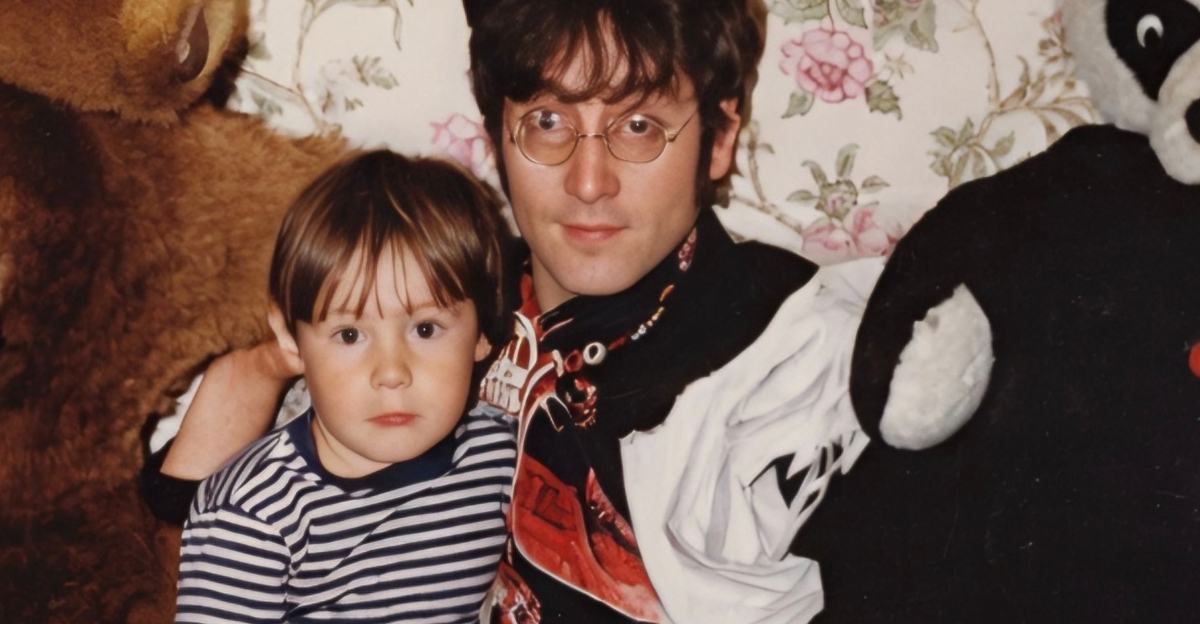
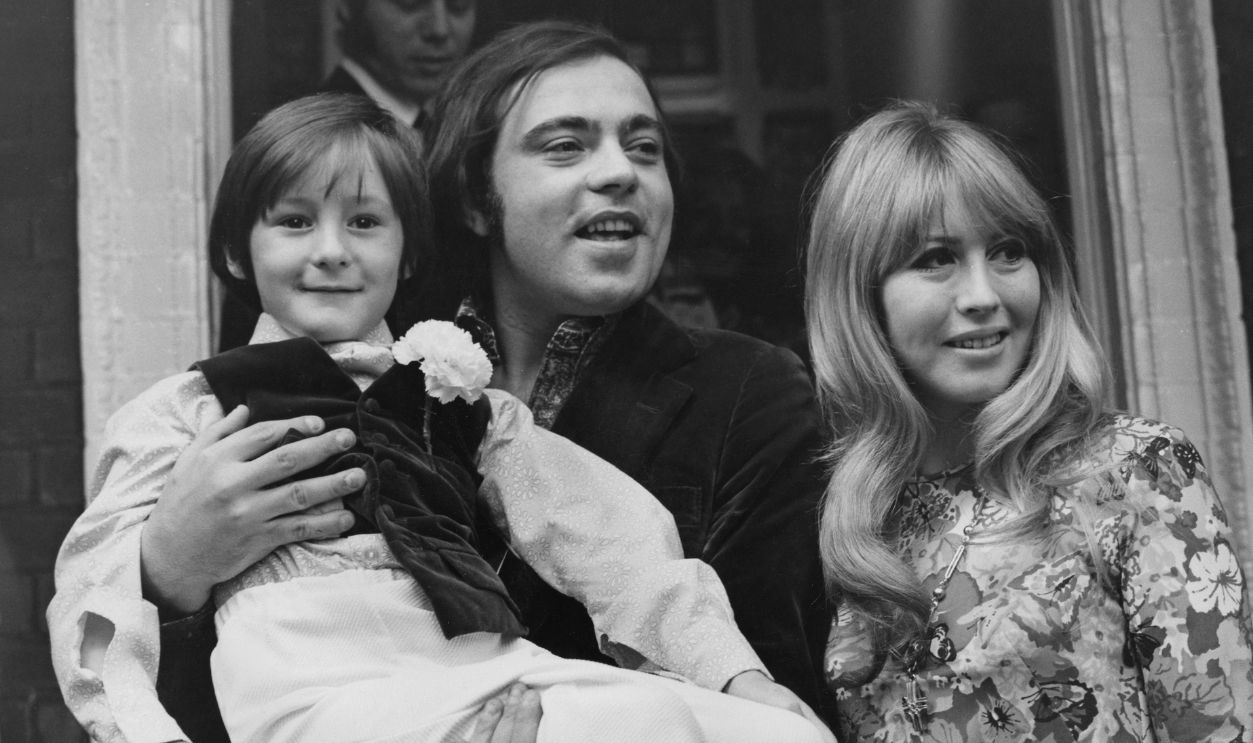
Julian Lennon was born in April 1963 to John and his first wife, Cynthia. His father was becoming one of the most famous musicians on the planet. From the outside, that might sound like a wonderful childhood. Julian’s memories would tell a different story.
The family broke apart
John and Cynthia divorced in 1968, when Julian was five. John married Yoko Ono the following year. For Julian, this wasn’t just a famous couple splitting up. It was the beginning of a childhood in which his father was increasingly somewhere else.

Paul noticed the little boy
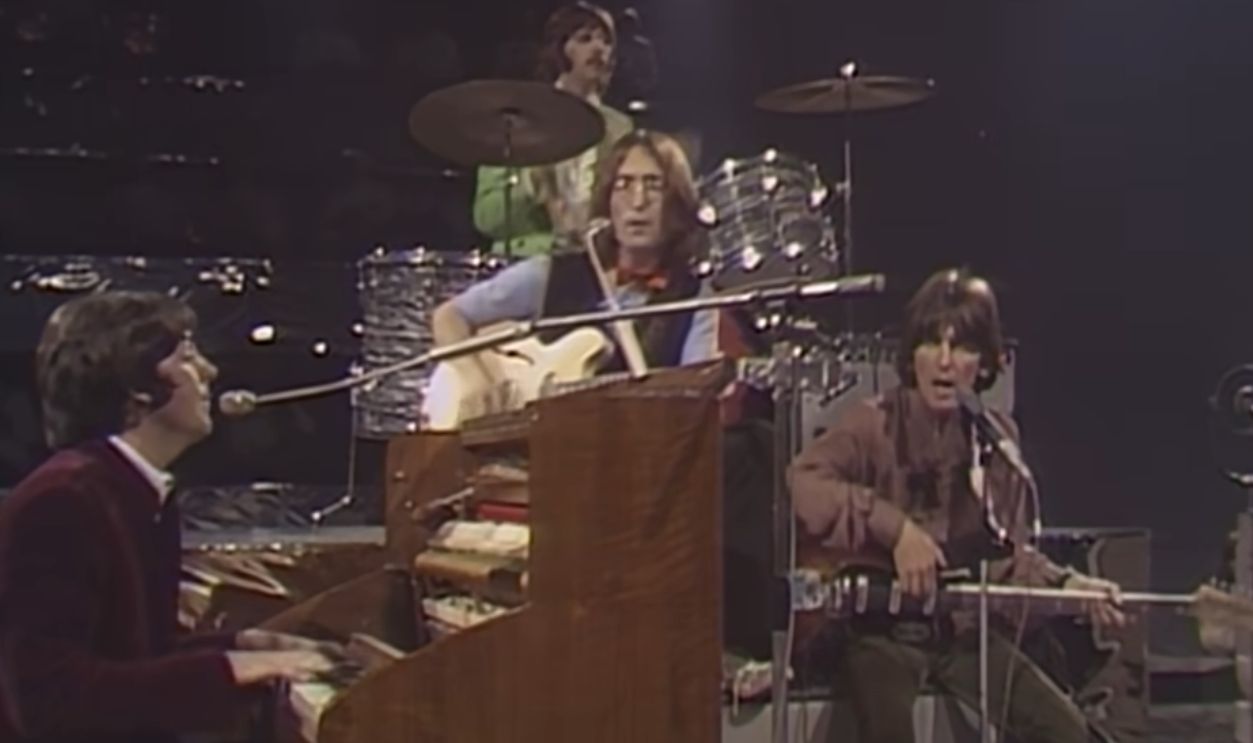
Paul McCartney understood that a child was caught in the middle. He began writing a song to comfort Julian during his parents’ separation. Its original name was “Hey Jules.” The world came to know it as “Hey Jude.” Quite a gift for a five-year-old.
 Koen Suyk / Anefo, Wikimedia Commons
A beautiful song with a painful reminder
But being the inspiration for a beloved Beatles song didn’t make the experience behind it any easier. Julian later explained to Esquire that references to “Hey Jude” could bring back his parents’ separation, his mother’s pain, and how rarely he saw his father afterward.
 Screenshot from Hey Jude, Apple Records (1968)
May Pang helped bring them together
There was a warmer chapter in the 70s. During John’s relationship with May Pang, she helped him reconnect with Julian. They spent time together, including a trip to Disney World in 1974. For a boy who rarely saw his father, those visits mattered.

John started another family
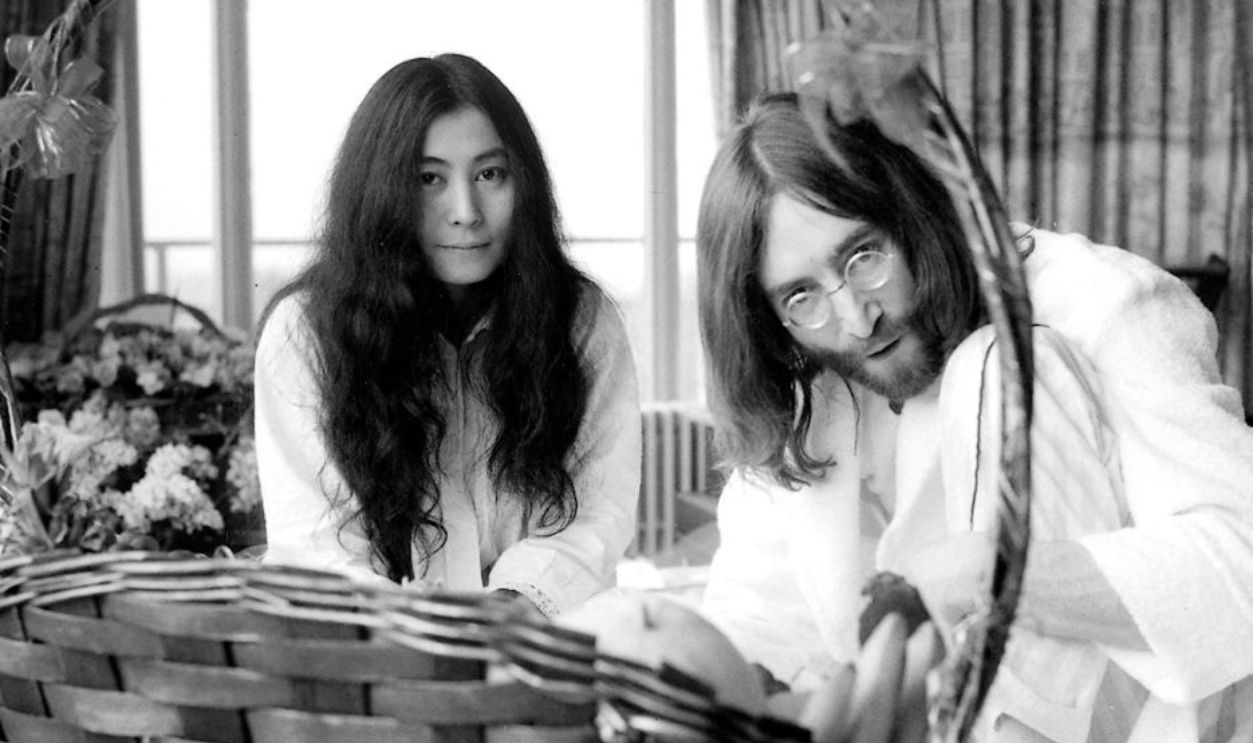
Sean was born to John and Yoko in October 1975. John stepped away from releasing music for several years and devoted himself to raising his younger son. The difference was difficult to miss: Julian had experienced an absent father, while Sean had a father who stayed home.
Then both boys lost him
John’s life ended outside his New York apartment building on December 8, 1980. Julian was 17. Sean was five. Whatever their different experiences of their father, both were left without him. The financial arrangements he left behind would become another painful part of the family’s story.
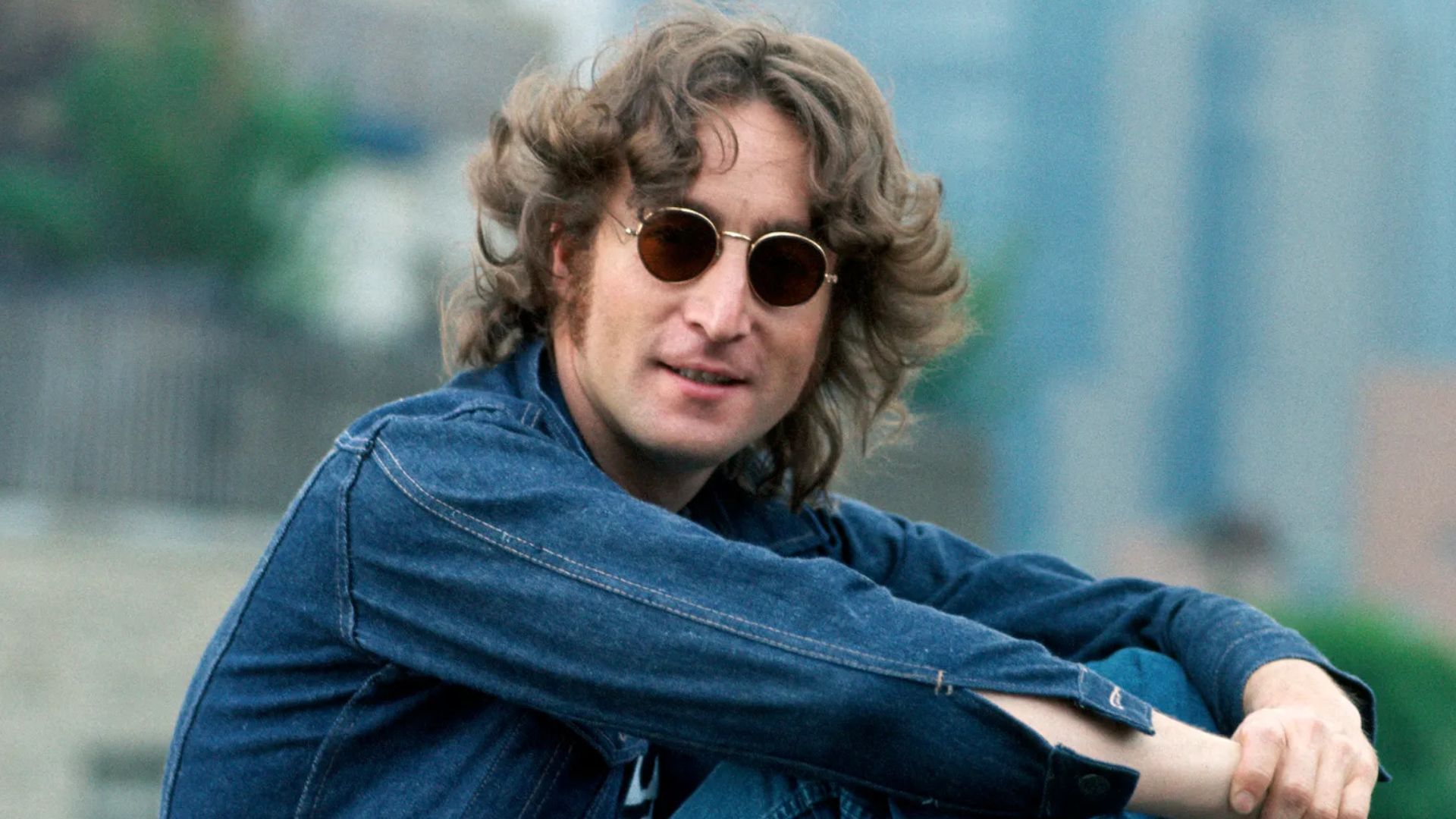 Bob Gruen; Distributed by Capitol Records, Wikimedia Commons
There was already an earlier trust
Reports of the divorce arrangements describe a £100,000 trust for Julian that was later shared with Sean. That arrangement predated John’s final will. It’s an important distinction, because references to the brothers’ trusts don’t necessarily explain every part of what they received from their father.
 Joost Evers / Anefo, Wikimedia Commons
The will wasn’t a simple list
John had signed his final will in November 1979. Its published text provided a financial bequest for Yoko and directed the remaining estate into a separate trust. Yoko and Eli Garber were named as trustees. The crucial details weren’t all contained in the will itself.
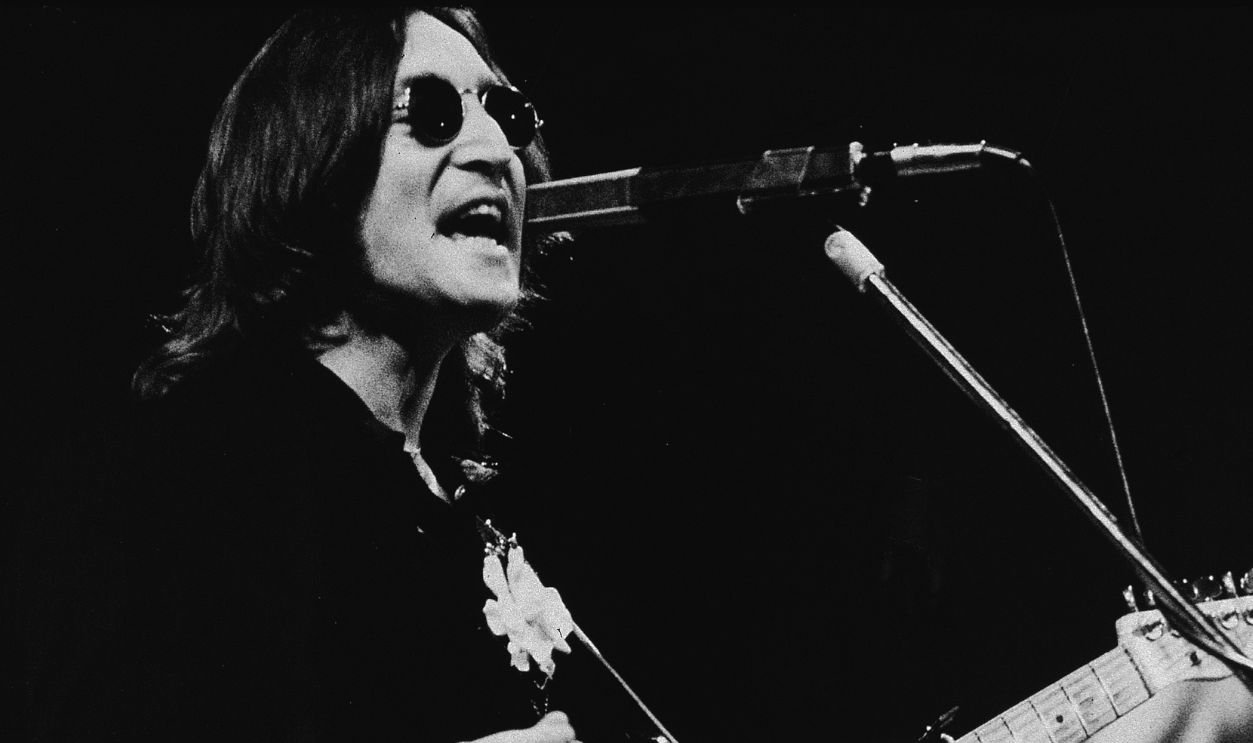 New York Times Co., Getty Images
Neither son was named directly
Here’s something often missing from the familiar version: the published will doesn’t name either Julian or Sean as a direct beneficiary. That matters. A missing name in that document doesn’t establish what someone received through the separate trust agreement it referenced.
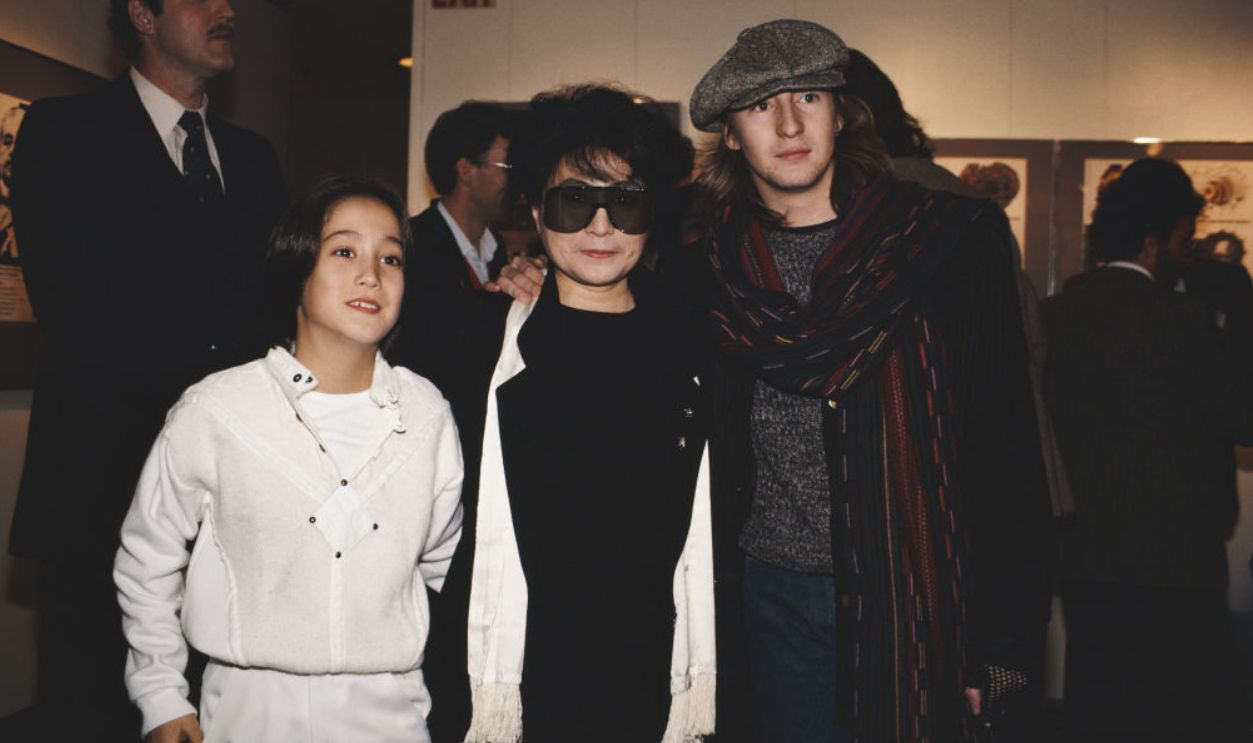
Julian still had a fight ahead
Whatever the arrangements on paper, Julian’s dispute over his father’s estate was real. Years later, he discussed the struggle in interviews. This wasn’t simply fans deciding he must have been treated unfairly. Julian himself described a painful process that eventually ended in a financial settlement.
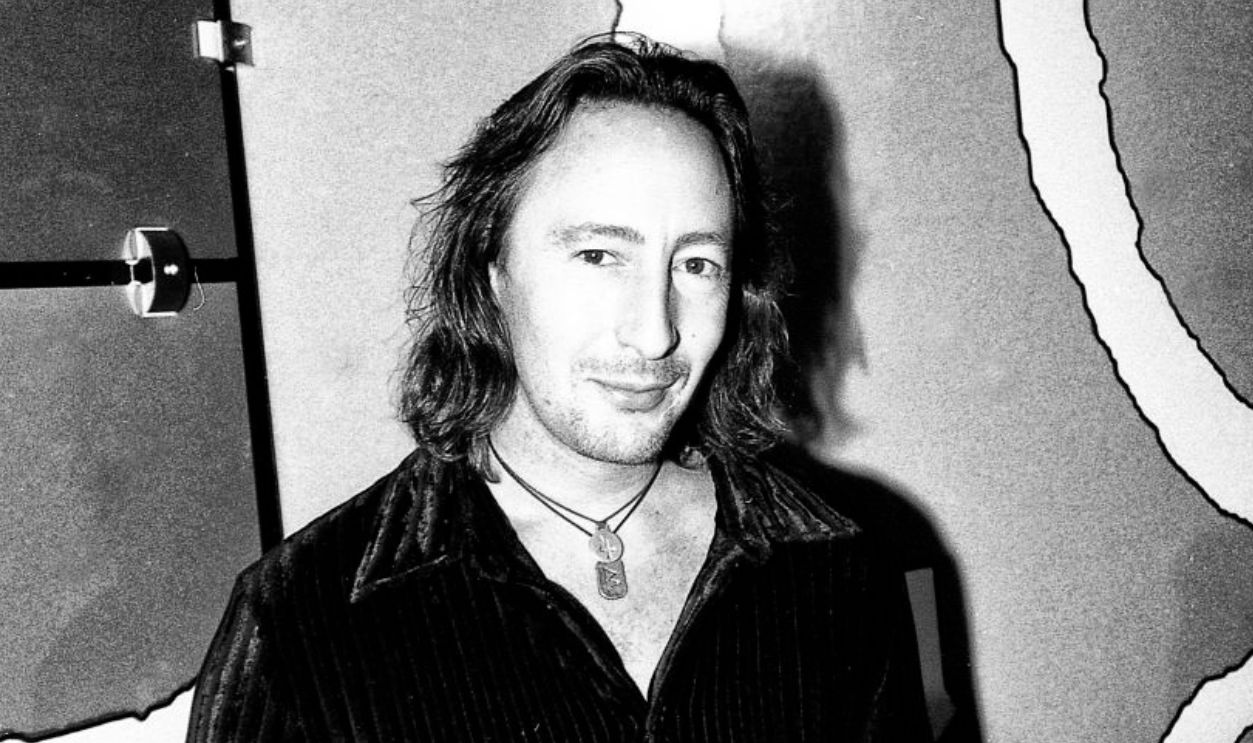
He was making his own money, too
Meanwhile, Julian had built a music career. His 1984 debut album, “Valotte,” went platinum in the United States, and “Too Late for Goodbyes” became a major hit. He wasn’t simply sitting around waiting for an inheritance. He was trying to establish a name already carrying enormous expectations.
The settlement came in 1996
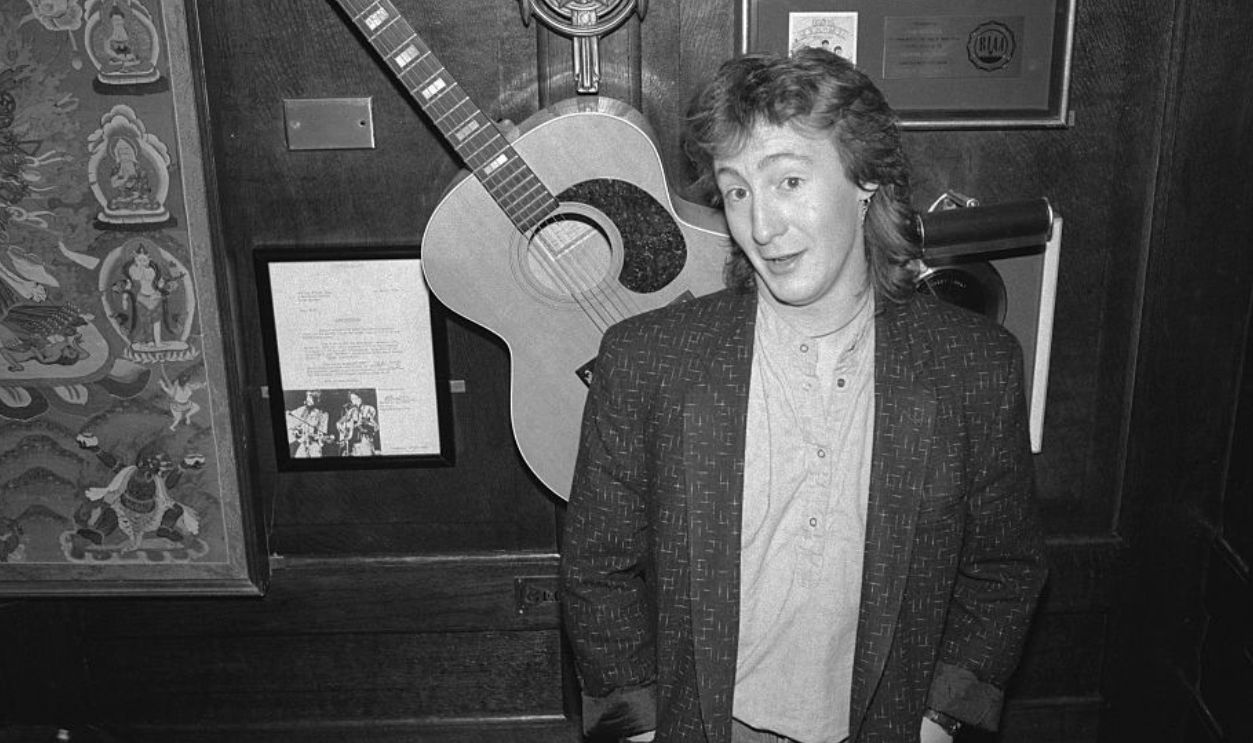
Julian reached a settlement over the estate in 1996, sixteen years after his father’s passing. That long gap is often described as a sixteen-year court battle. More precisely, the dispute ended sixteen years later; that doesn’t establish that he spent the entire period in court.
He didn’t call it fair
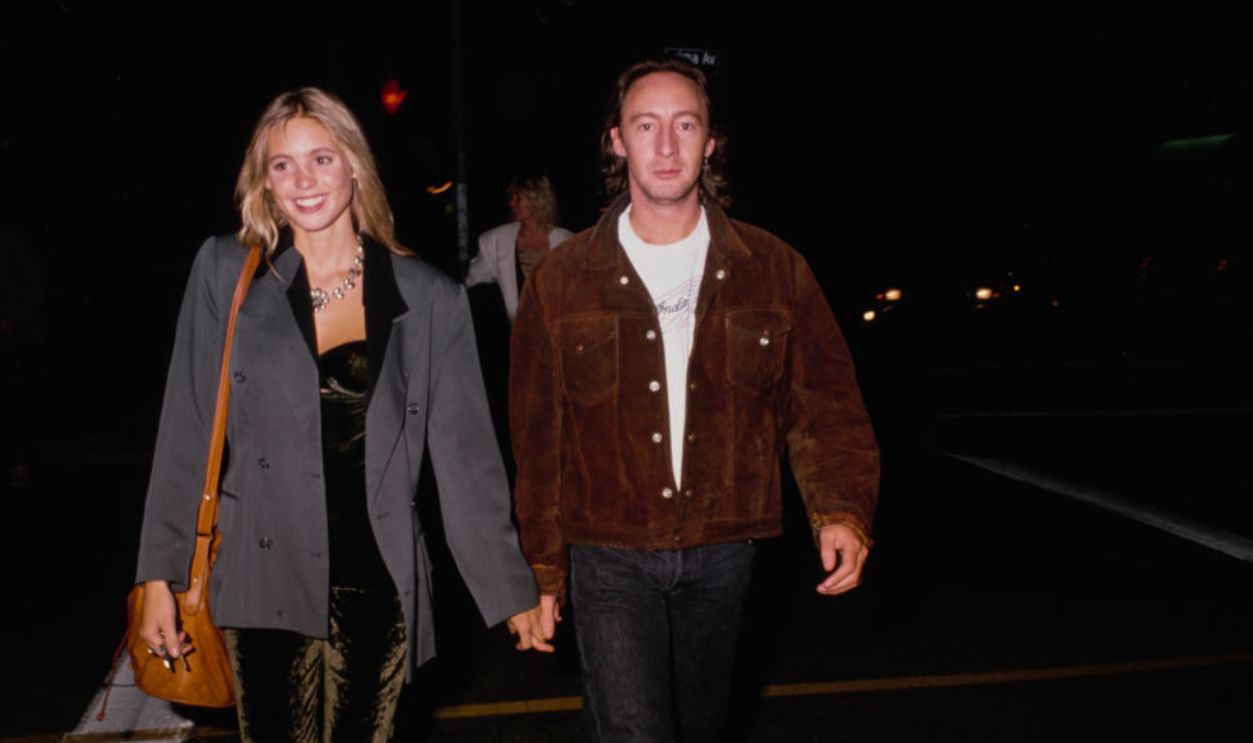
In a 1998 Telegraph interview, Julian was asked whether he thought the settlement was fair. His answer wasn’t exactly a glowing endorsement: “No, I don’t think it was necessarily fair, but I’m OK.” Accepting an agreement and feeling properly treated were clearly two different things.
He wanted the fight to end
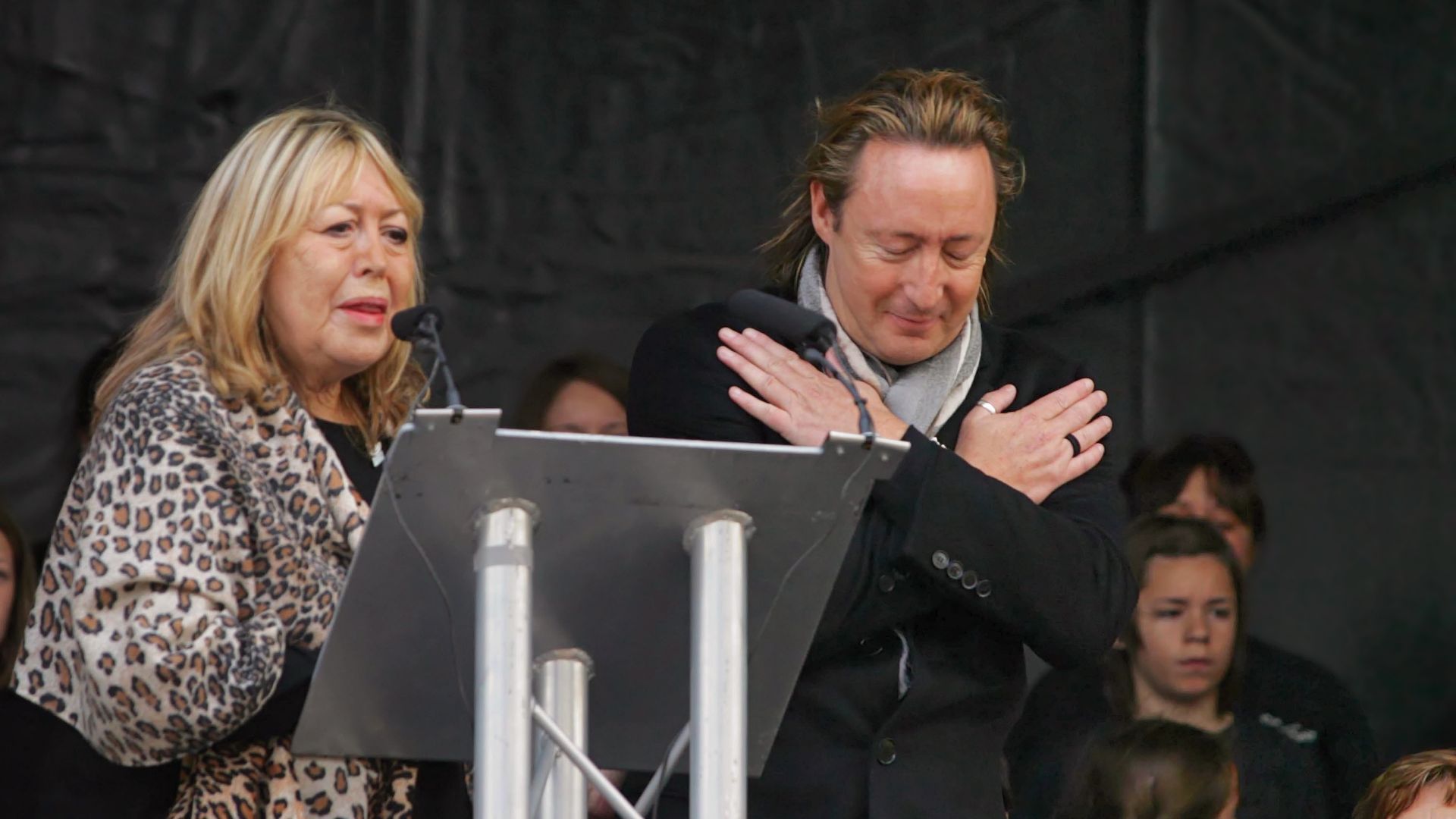
Julian explained that the estate had far greater financial resources than he did. He feared a lengthy court case, ugly public accusations, and the loss of privacy for both brothers. Settling offered something beyond money: a chance to close a chapter he wanted finished.
 DavidPMaynard, Wikimedia Commons
That famous figure isn’t confirmed
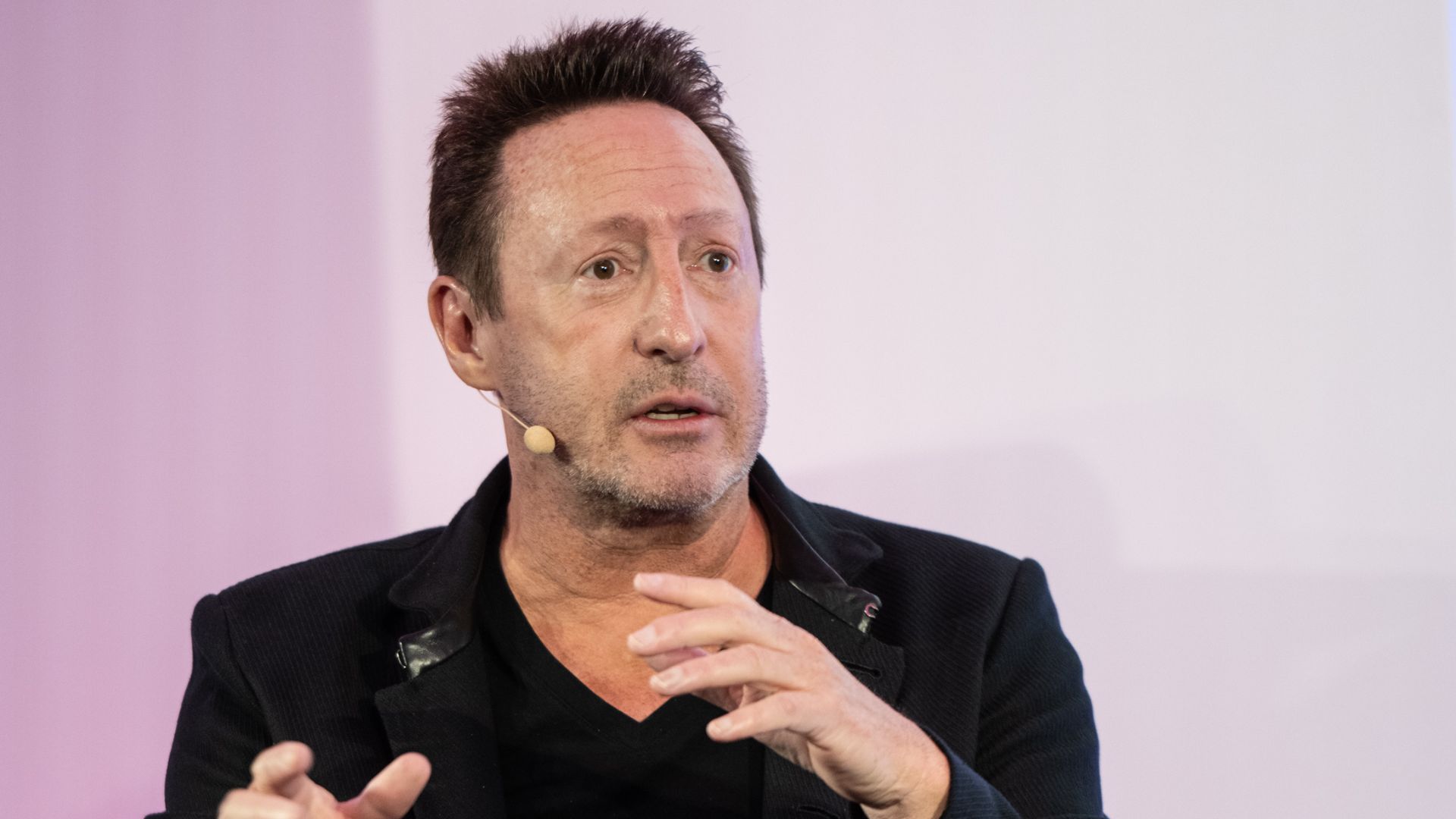
You’ll often see the settlement described as £20 million. Some newer accounts even turn it into $20 million. But Julian challenged the reported figure in a 1998 Salon interview. He couldn’t disclose the actual amount, but said: “It was minimal compared to even that figure.”
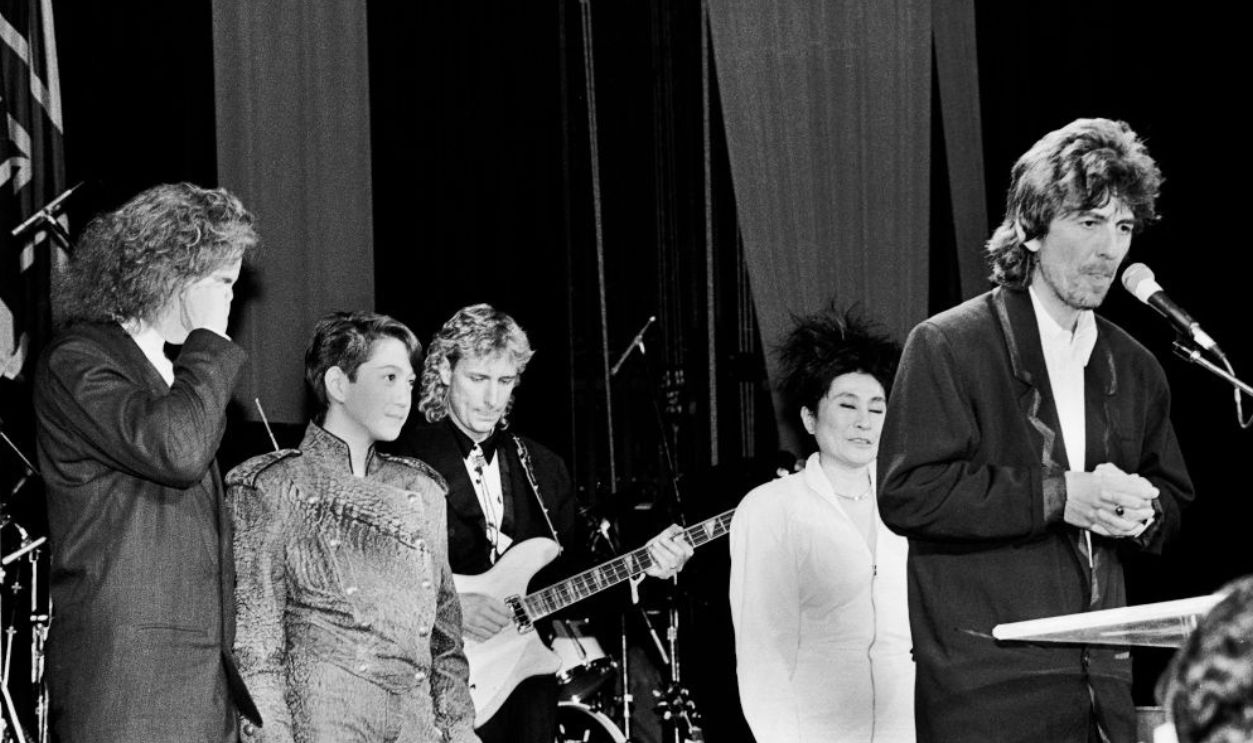
The personal belongings hurt, too
For Julian, the dispute wasn’t only about the size of a payment. He told the Telegraph that the lack of personal mementoes was especially painful. He described receiving no offers of keepsakes and instead having to purchase things connected to his father himself.
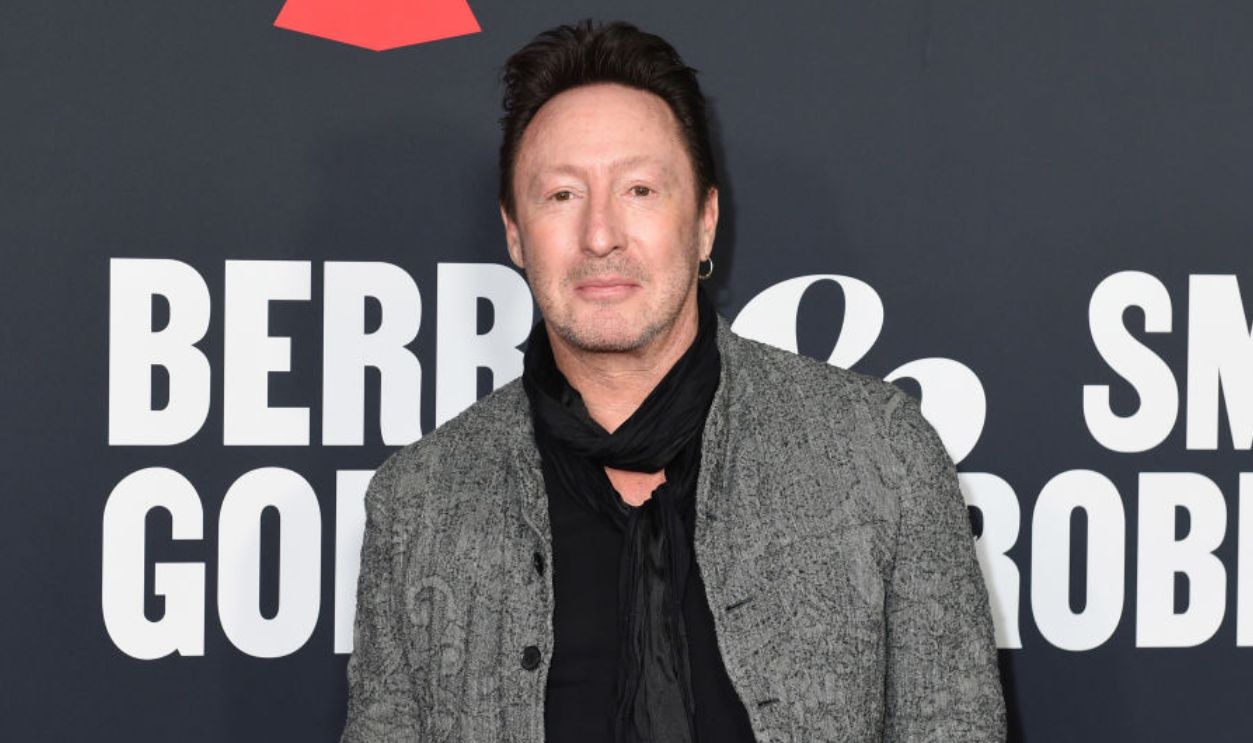
Even “Hey Jude” came with a price
Among his purchases were McCartney’s handwritten recording notes for “Hey Jude,” the song written with him in mind. Julian also acquired John’s Afghan coat associated with “Magical Mystery Tour” and a cape from “Help!” These were pieces of music history—but the connection was considerably more personal for him.
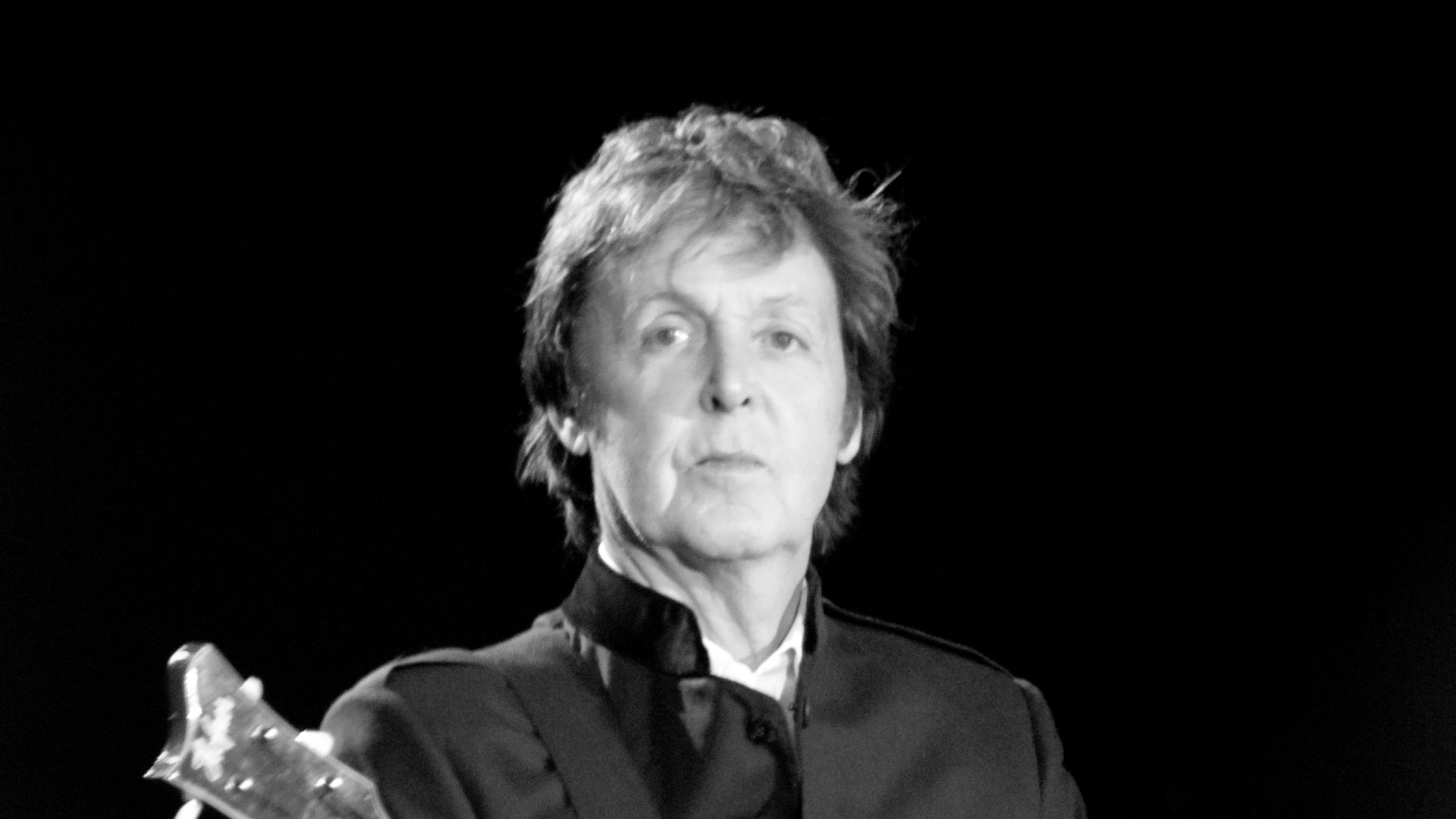
He used the settlement to move forward
Julian put some of the settlement money into his own record label, Music From Another Room, which released “Photograph Smile” in 1998. After years of being judged against his father, the agreement helped him gain more control over how he released his own work.
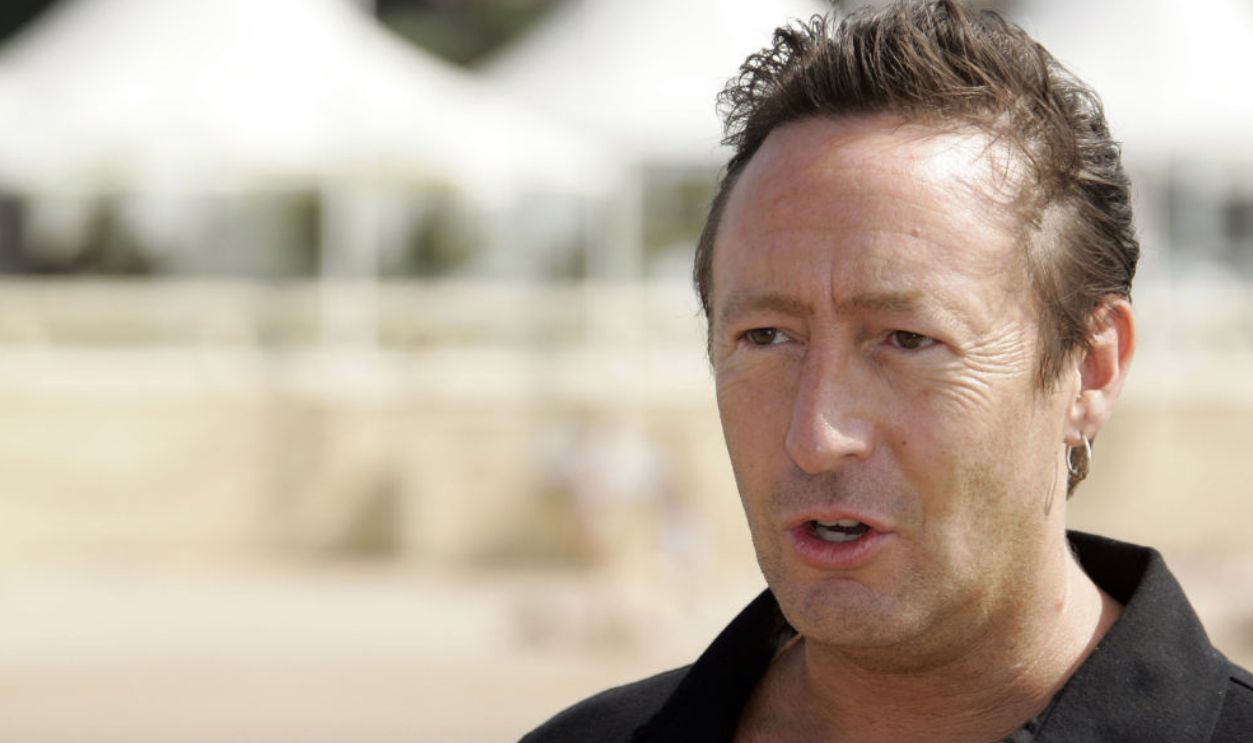 Jean Baptiste Lacroix, Getty Images
There was royalty income as well
In 2007, Julian sold a significant portion of his financial interest in royalties from Beatles songs co-written by John to Primary Wave. The price wasn’t disclosed. It’s an important piece of the story: Julian’s financial connection to his father’s music went beyond a settlement payment.
He still felt outside the family business
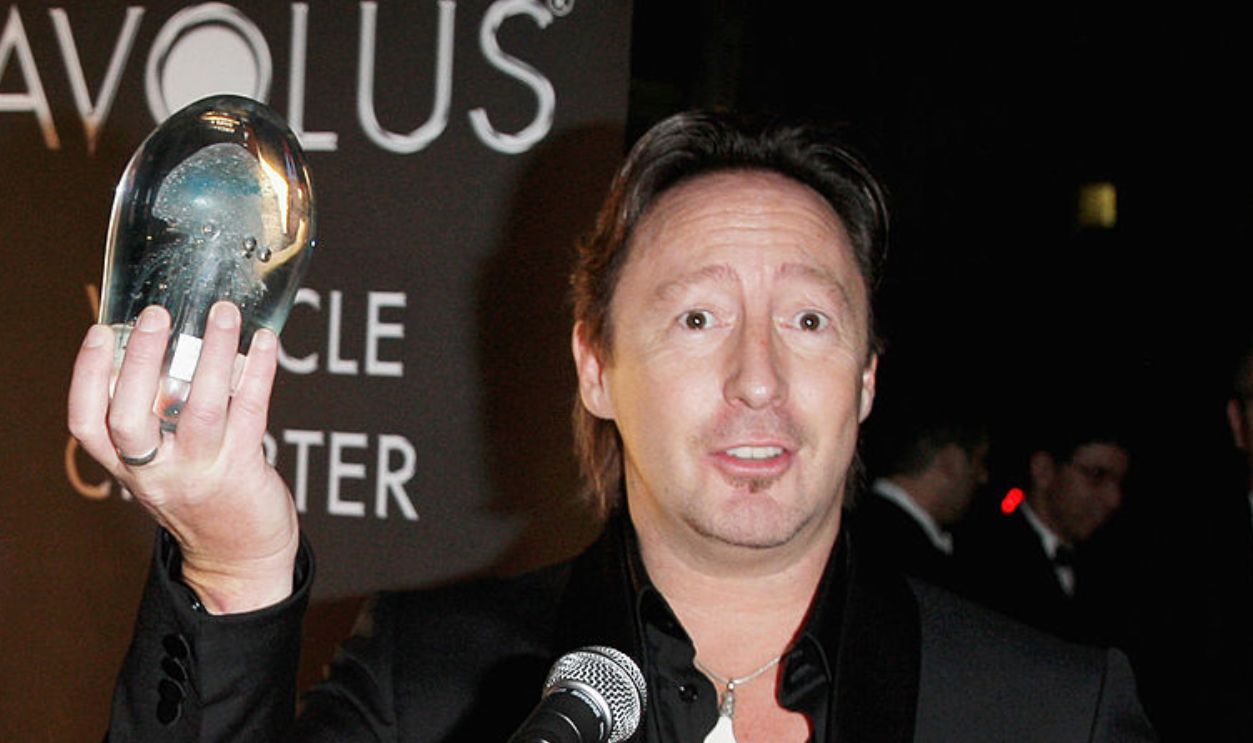
Having a financial interest didn’t make Julian an insider on everything Beatles-related. In January 2025, he told The Guardian that he often learned about new projects along with everyone else. He described Sean as a close friend who shared what information he could.
Then came a birthday photo
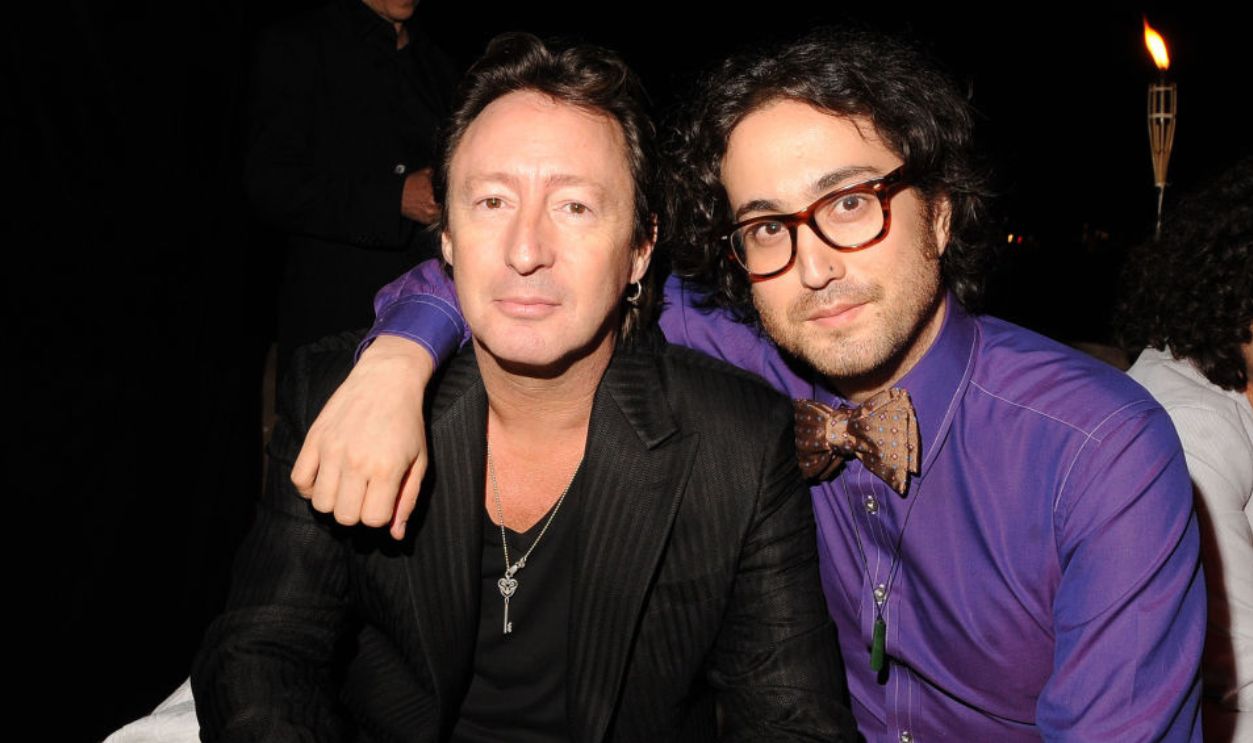
In October 2026, Sean shared a photograph of himself spending time with Julian around his 51st birthday. It should have been a fairly ordinary family moment. Instead, someone used the picture to bring up the brothers’ childhoods—and the inheritance story that never seems to go away.
Someone repeated the familiar version
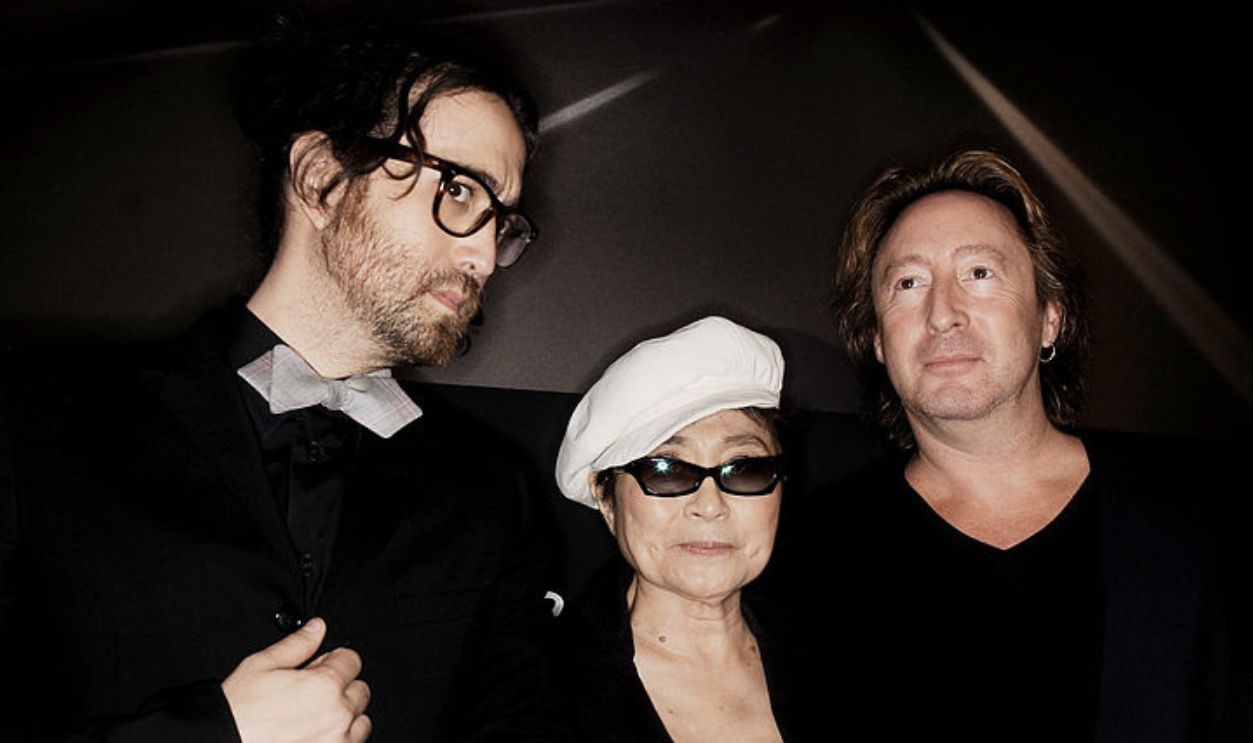
Writer Wesley Yang contrasted the brothers’ experiences, alleging that Sean had inherited most of the estate while Julian had been largely excluded and forced to fight for a smaller share. It was the kind of account many readers would recognize. Sean, however, wasn’t letting it pass.
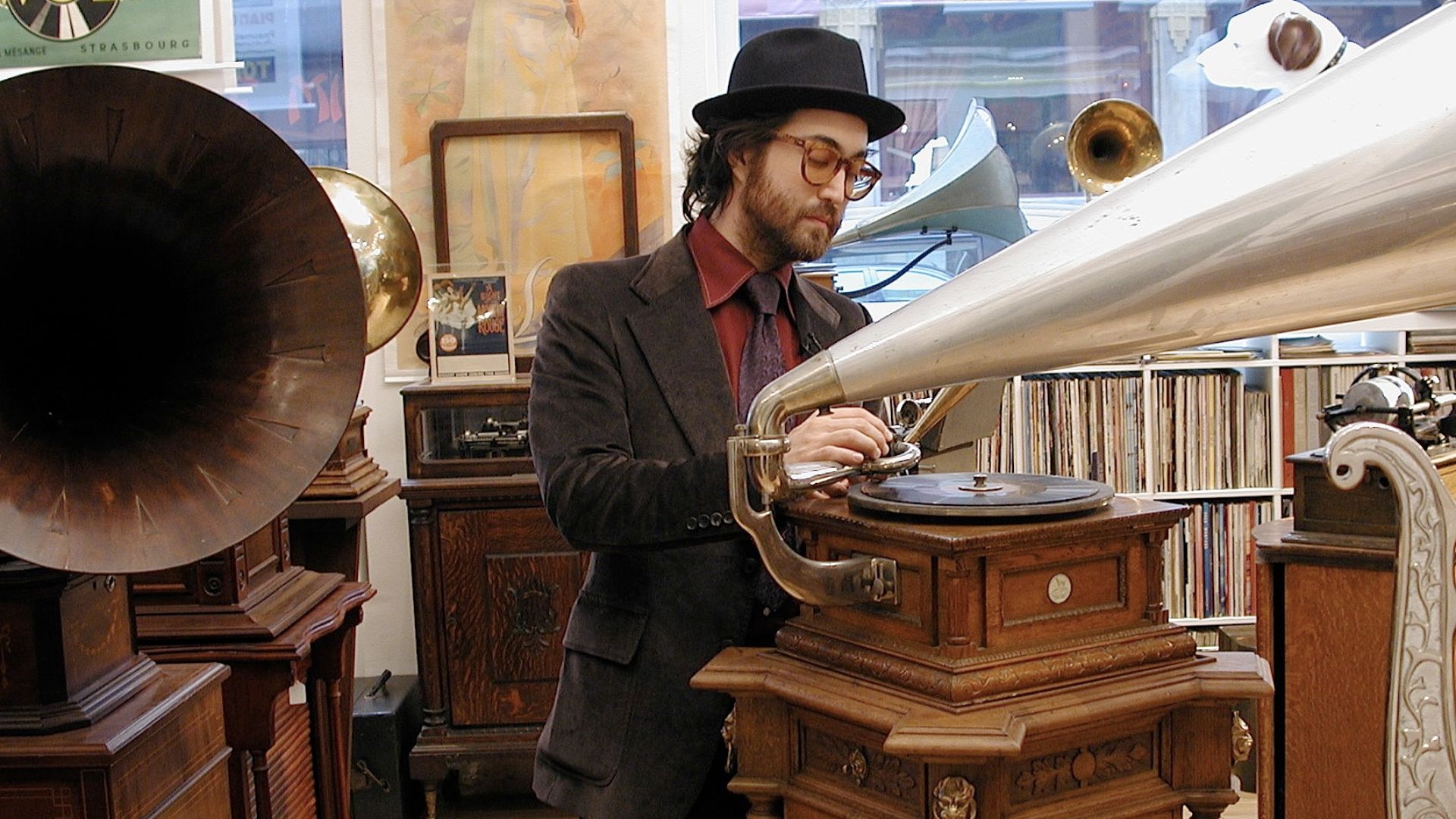
Sean said the trusts were equal
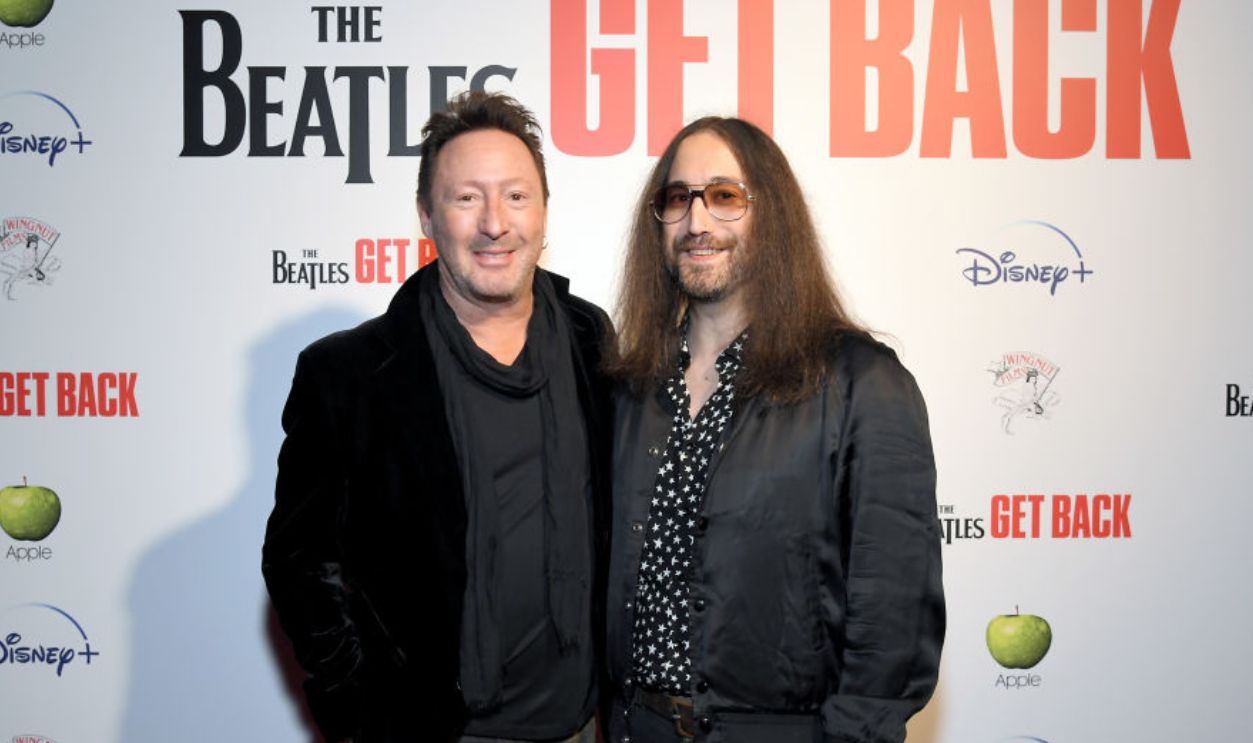
Sean replied: “Julian and I inherited the same amount from our dad. Our trusts were equal.” He added that Julian’s was actually slightly larger, though the difference was negligible. That directly challenged the claim that Sean had personally received vastly more through their father’s trusts.
 Jalal gerald Aro, Wikimedia Commons
But the statement left questions
Sean didn’t identify the amounts or explain which trust arrangements he meant. He also didn’t spell out how Julian’s later settlement fitted into the comparison. His statement matters, but it doesn’t provide a complete financial history of an estate whose private details remain largely private.
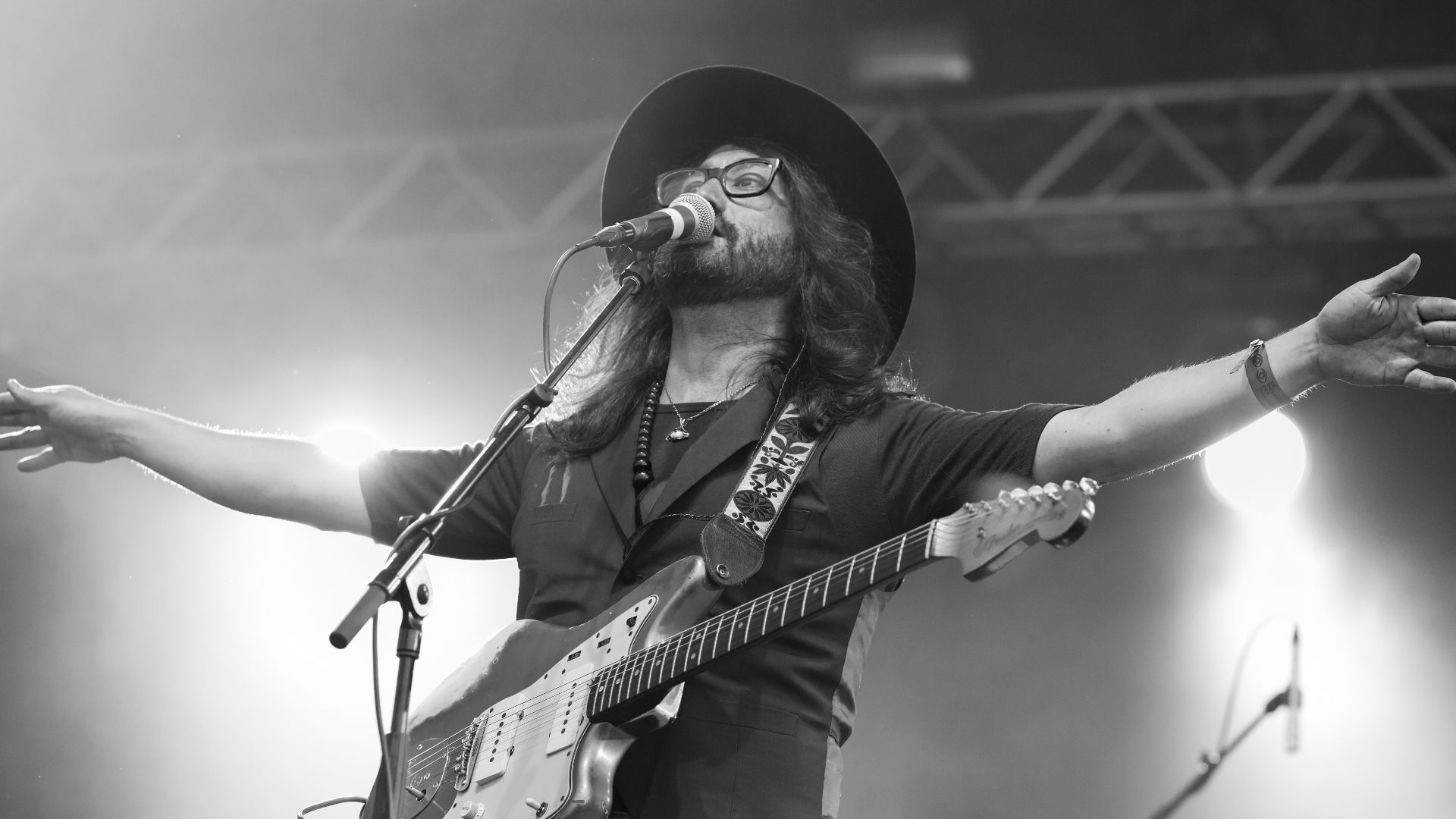
Those two accounts could both be true
Julian’s account concerns the struggle to reach a settlement and how he felt treated. Sean’s statement concerns the relative amounts they inherited. Those claims don’t automatically cancel each other out. Comparable trust payments wouldn’t, by themselves, tell us what happened during the years before the dispute ended.
 charlene aqualina, Wikimedia Commons
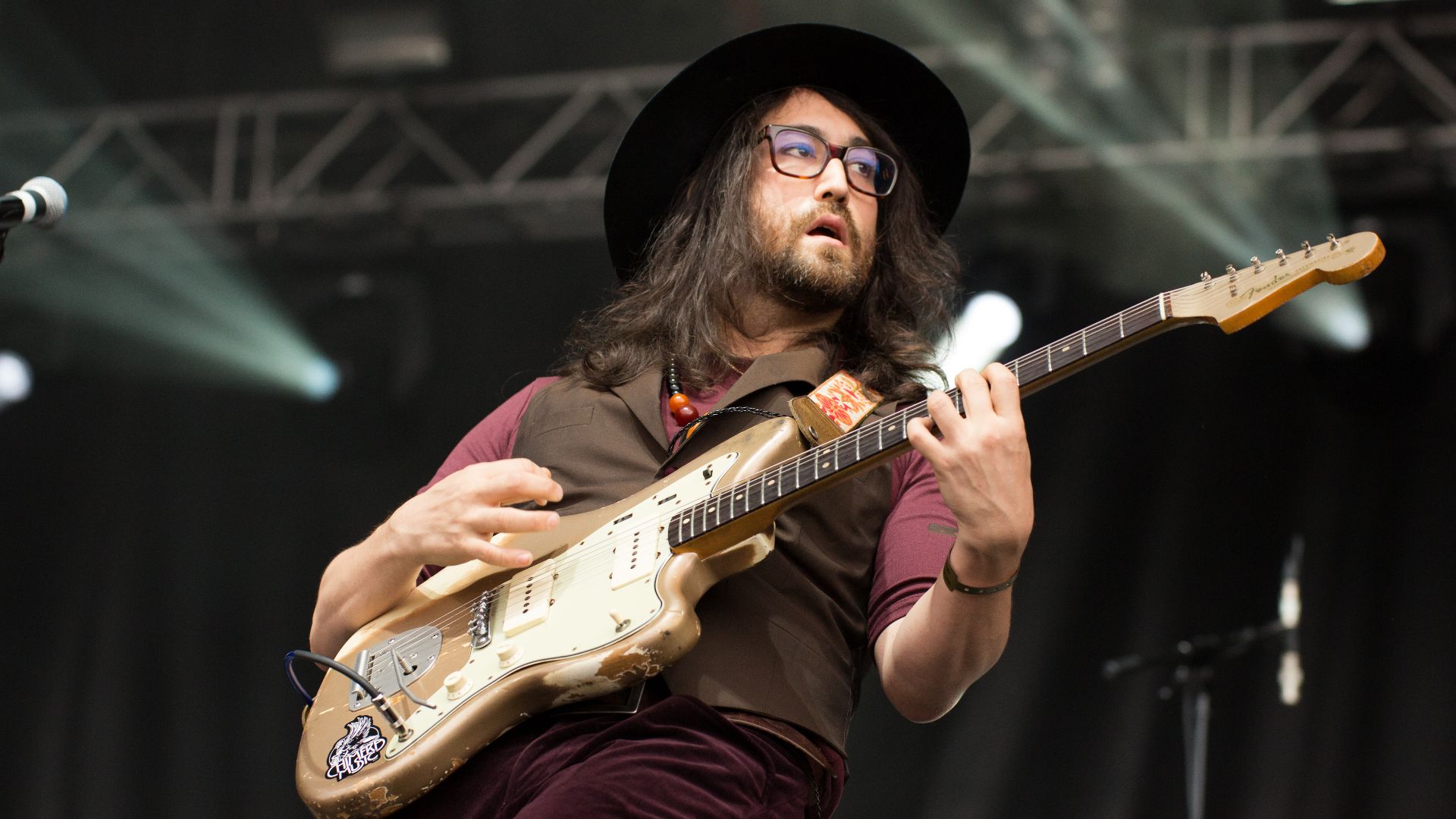
Sean never wanted Julian cast as his enemy
In a 2025 Vanity Fair interview, Sean said Julian had been his childhood hero and had taught him guitar. He rejected the idea that their relationship was the feud people imagined. Whatever happened between Julian and the estate, Sean described his brother as someone he loved and admired.
A payment couldn’t settle everything
Sean’s statement challenges the simple story that one brother got everything and the other got almost nothing. It doesn’t erase Julian’s account of the dispute—or the childhood that came before it. Even equal trusts couldn’t give him back the time he wished he’d had with his father.
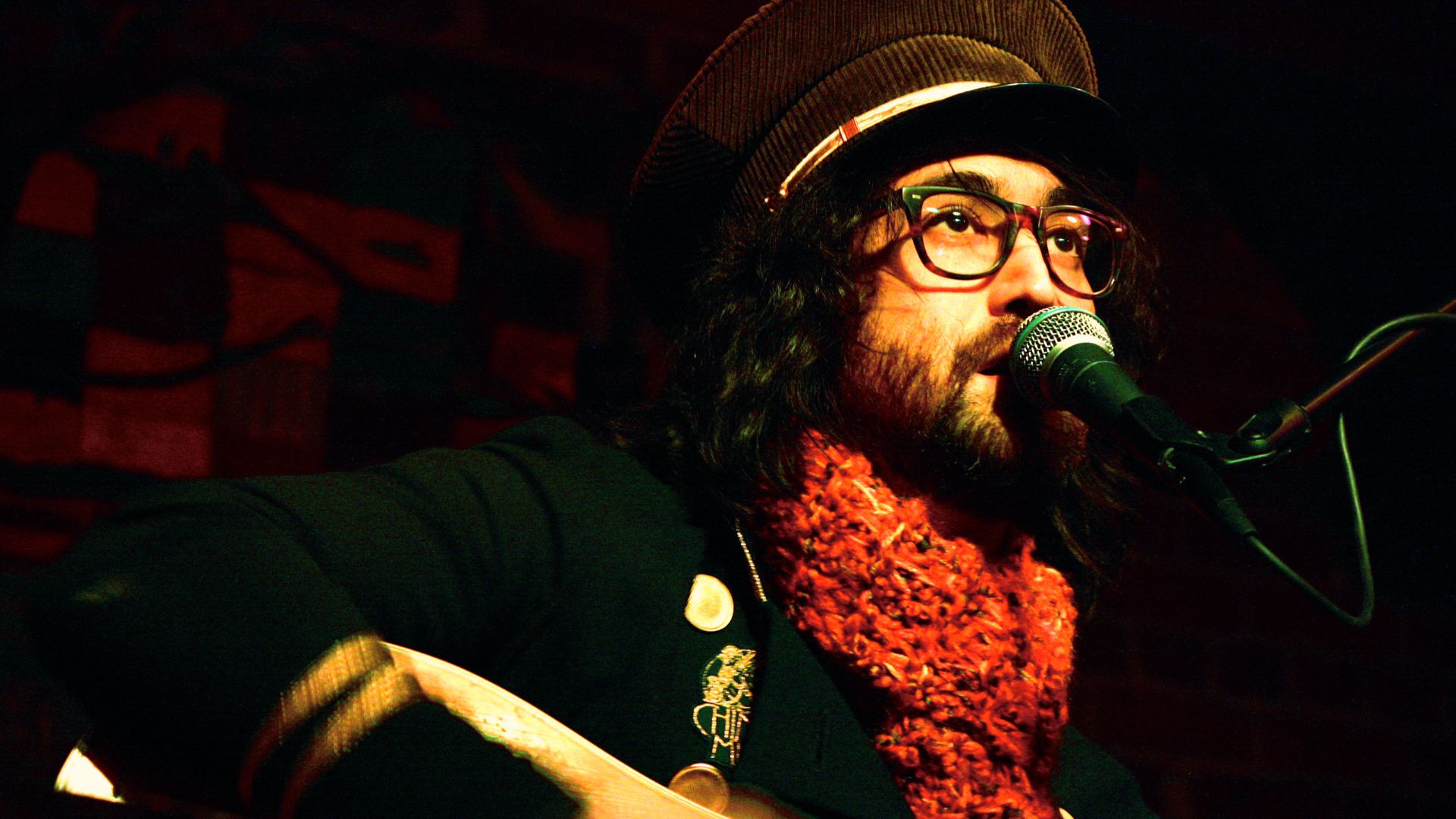 Stephanie M, Wikimedia Commons
You Might Also Like:
Musicians Who Appeared In Famous Songs Without Most Listeners Ever Knowing