The Voices Worth Rediscovering
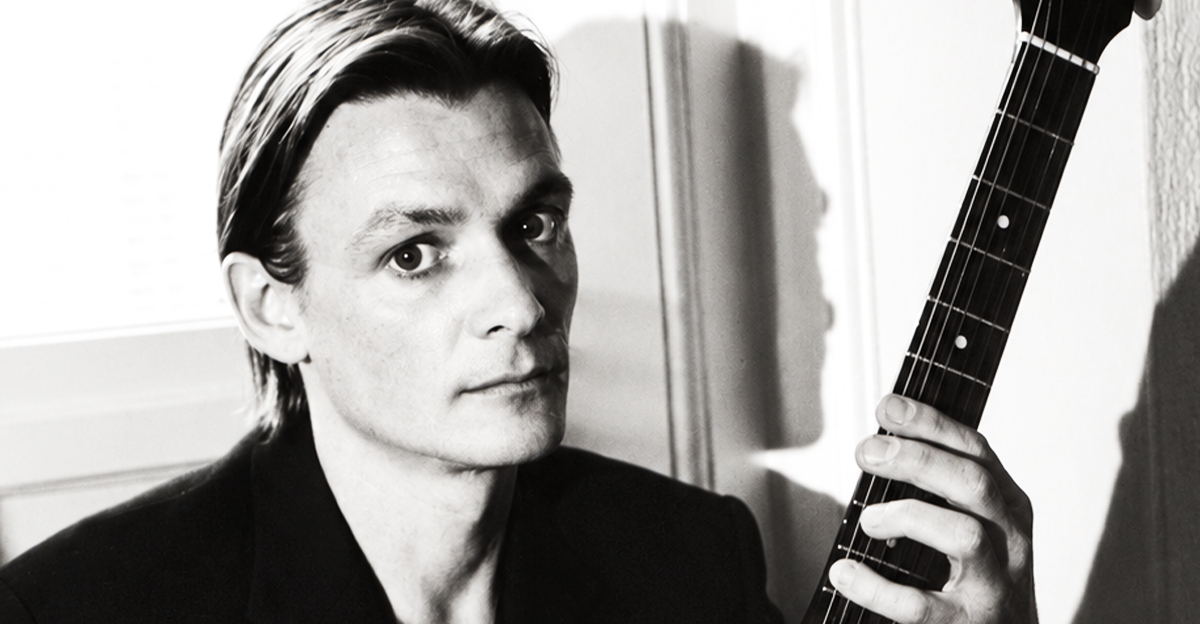
The 1990s gave us more than grunge, boy bands, and pop superstars. It was also a golden age for singer-songwriters with distinctive voices, unusual lyrics, and songs that sounded like nobody else's. Some had enormous hits, others developed devoted cult followings, and many are still making music. Here are the artists whose 90s recordings deserve a whole new audience. (Above: Chris Whitley)
 Chris Whitley. Photo by Rob Verhorst/Redferns, Getty
Michael Penn
Michael Penn's "No Myth" became an unlikely radio hit in 1990, introducing listeners to his literate lyrics and Beatles-influenced melodies. His albums Free-for-All (1992) and Resigned (1997) deserved more commercial attention than they received. Penn later developed a successful career composing for film and television, but his beautifully crafted pop songs remain worth discovering.
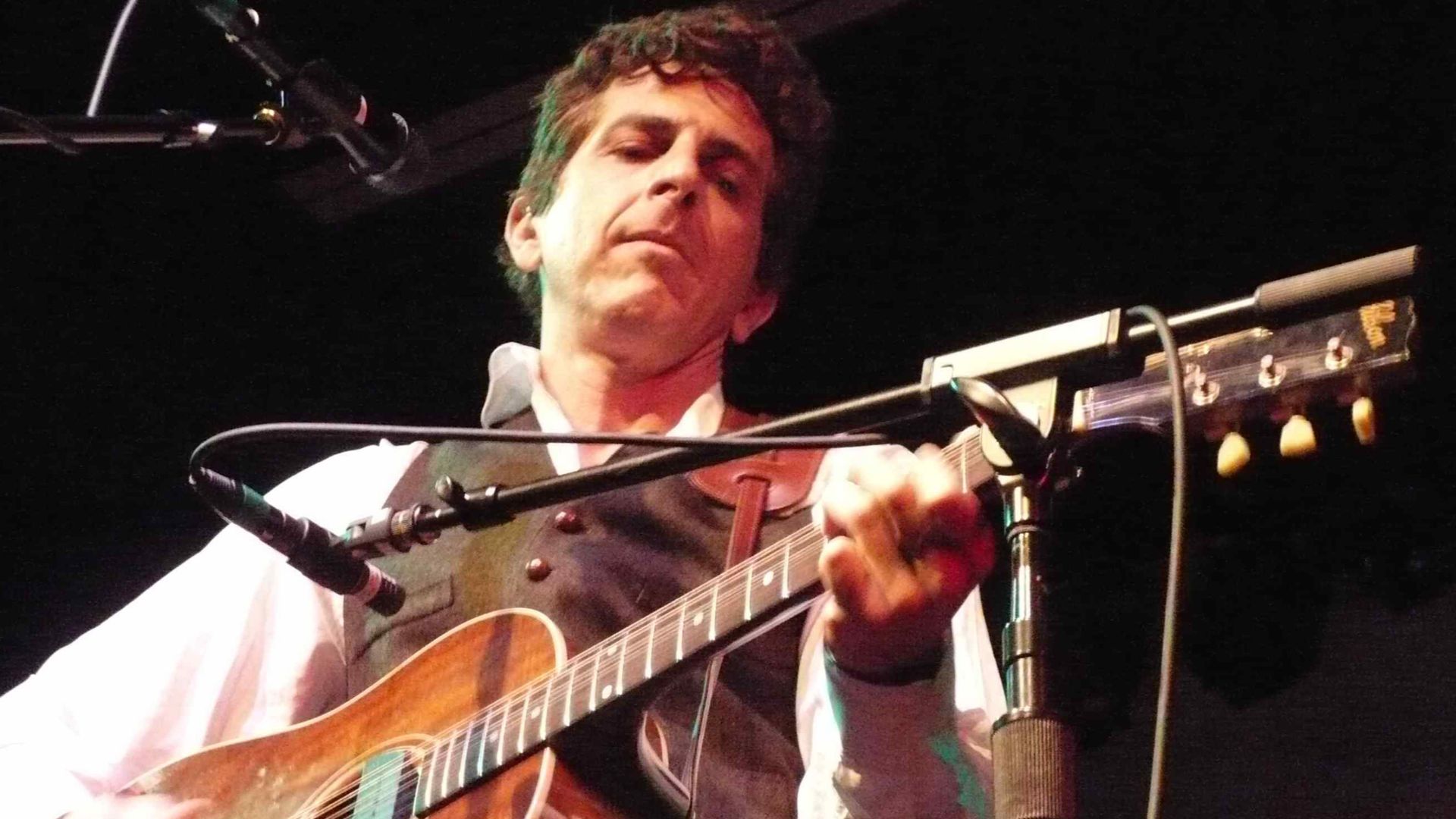 Cyn Graham Chepigan, Wikimedia Commons
Paula Cole
Paula Cole became a household name with "Where Have All the Cowboys Gone?" and "I Don't Want to Wait," both from This Fire (1996). But those hits only hint at her musical range. Her expressive voice, adventurous arrangements, and emotionally direct songwriting make her deeper repertoire worth exploring. Cole has continued recording, giving younger listeners plenty to explore beyond the radio favorites.
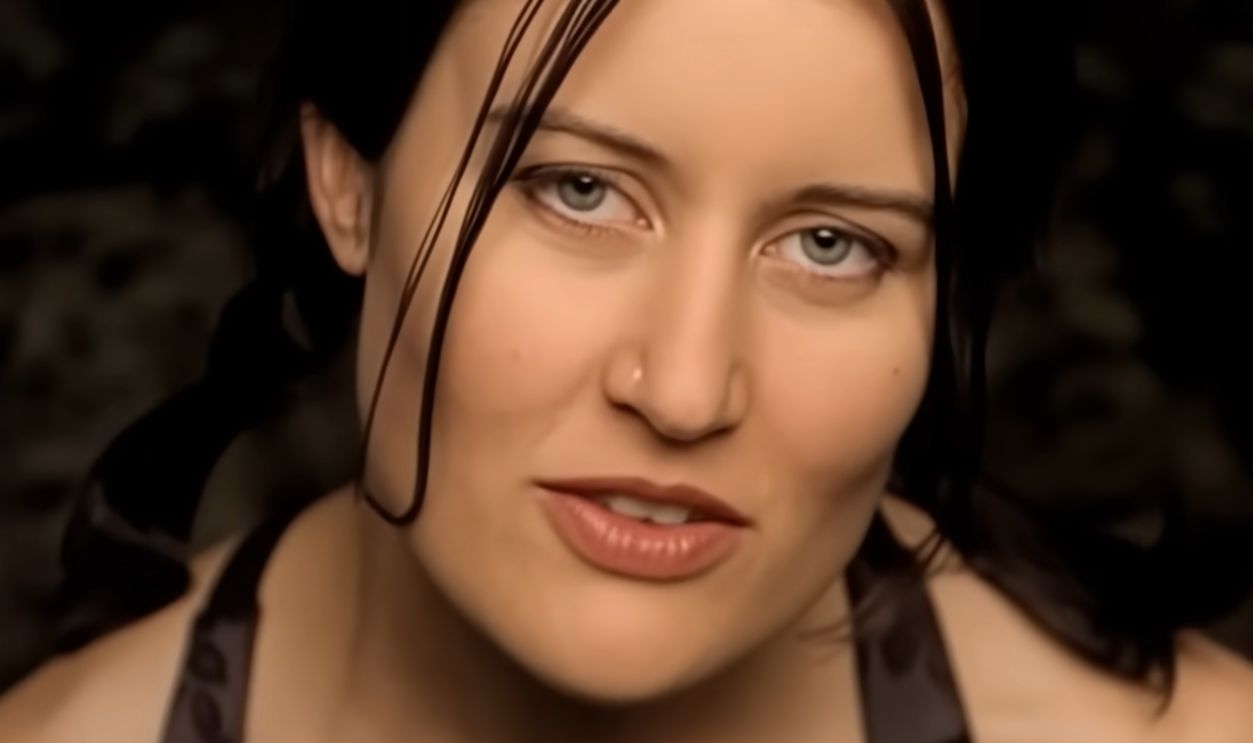 Screenshot from Where Have All the Cowboys Gone?, Warner Records (1996)
Tracey Thorn
As one half of Everything But the Girl, Tracey Thorn helped create some of the 90s' most sophisticated pop music. The duo's Amplified Heart (1994) and Walking Wounded (1996) moved between acoustic intimacy and electronic experimentation. Thorn's understated, unmistakable voice also shines throughout her solo recordings. Her work offers a compelling alternative to more conventional pop singing.
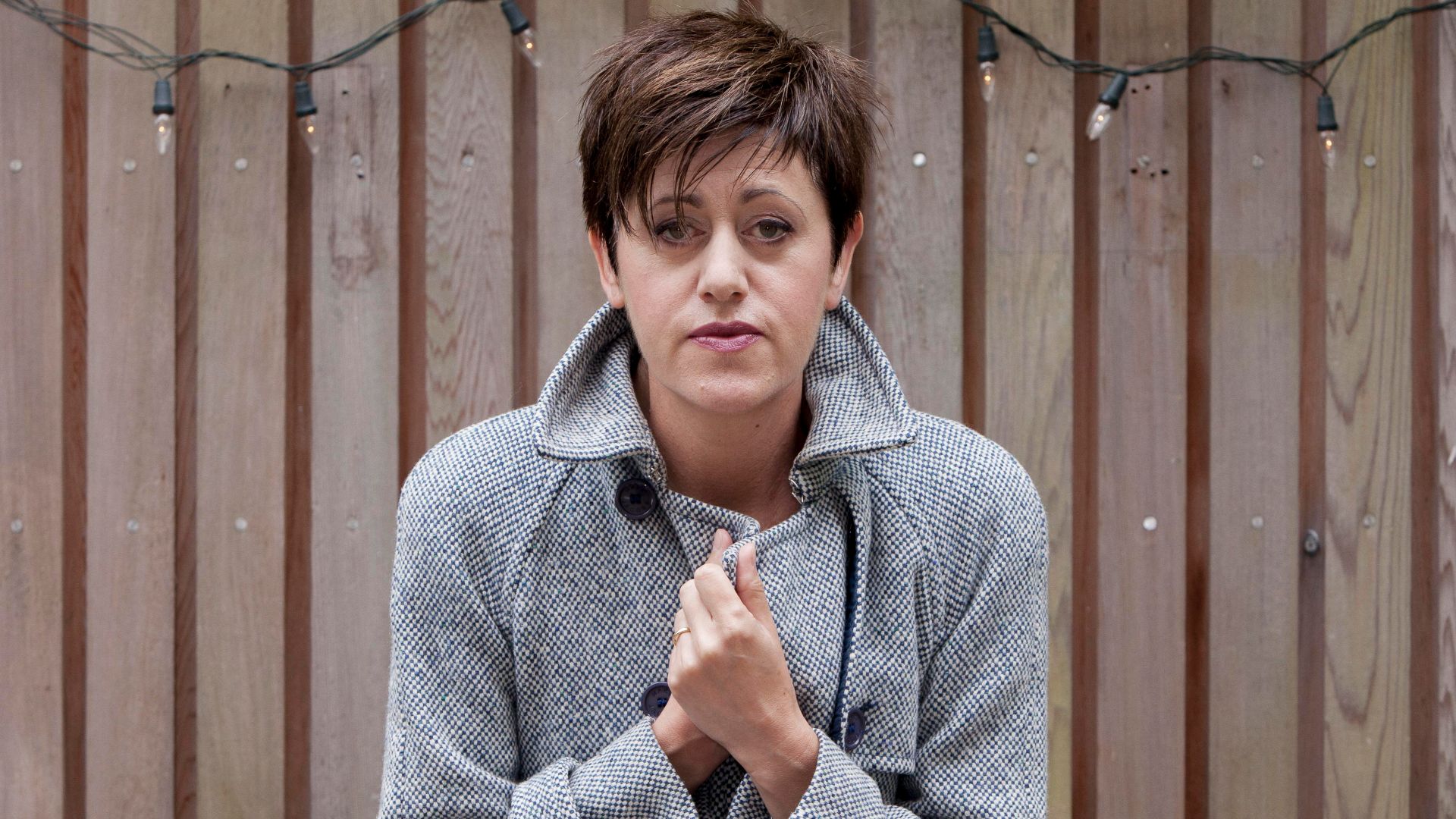 Edwardmbishop, Wikimedia Commons
Juliana Hatfield
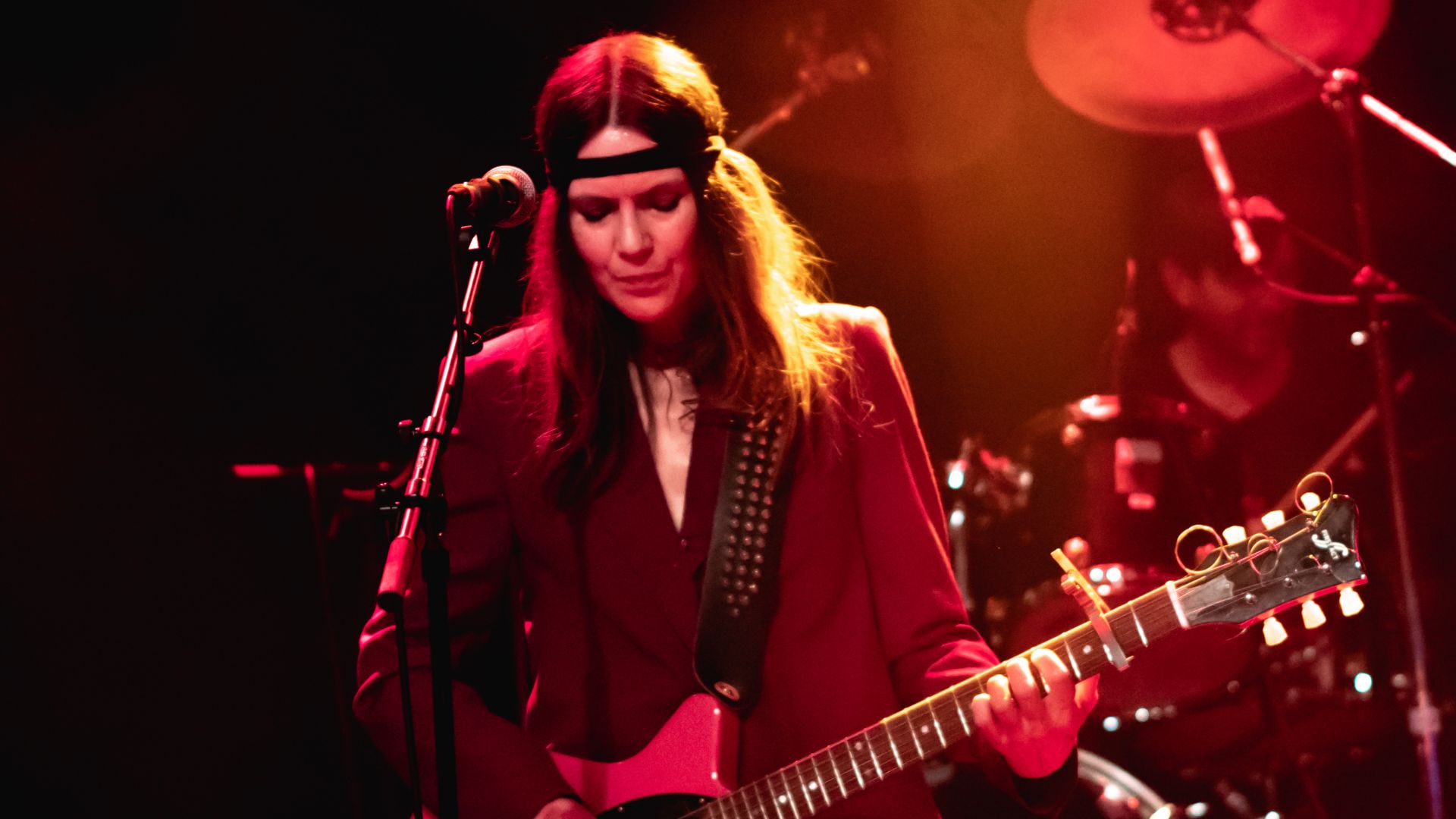
Juliana Hatfield emerged from the Blake Babies to become one of alternative rock's most distinctive solo artists. Her album Become What You Are (1993), recorded with the Juliana Hatfield Three, featured the unforgettable "My Sister." Hatfield combined crunchy guitars with vulnerable, frequently witty lyrics. She's stayed remarkably productive, and her music deserves far more attention from younger indie-rock fans.
Shawn Colvin
Shawn Colvin's "Sunny Came Home" became a major hit in 1997, but her career was already flourishing long before that breakthrough. Her debut Steady On (1989) and follow-up Fat City (1992) established her as an exceptionally thoughtful songwriter. Colvin's warm vocals and intricate acoustic arrangements make her recordings essential listening for anyone interested in modern folk-pop.
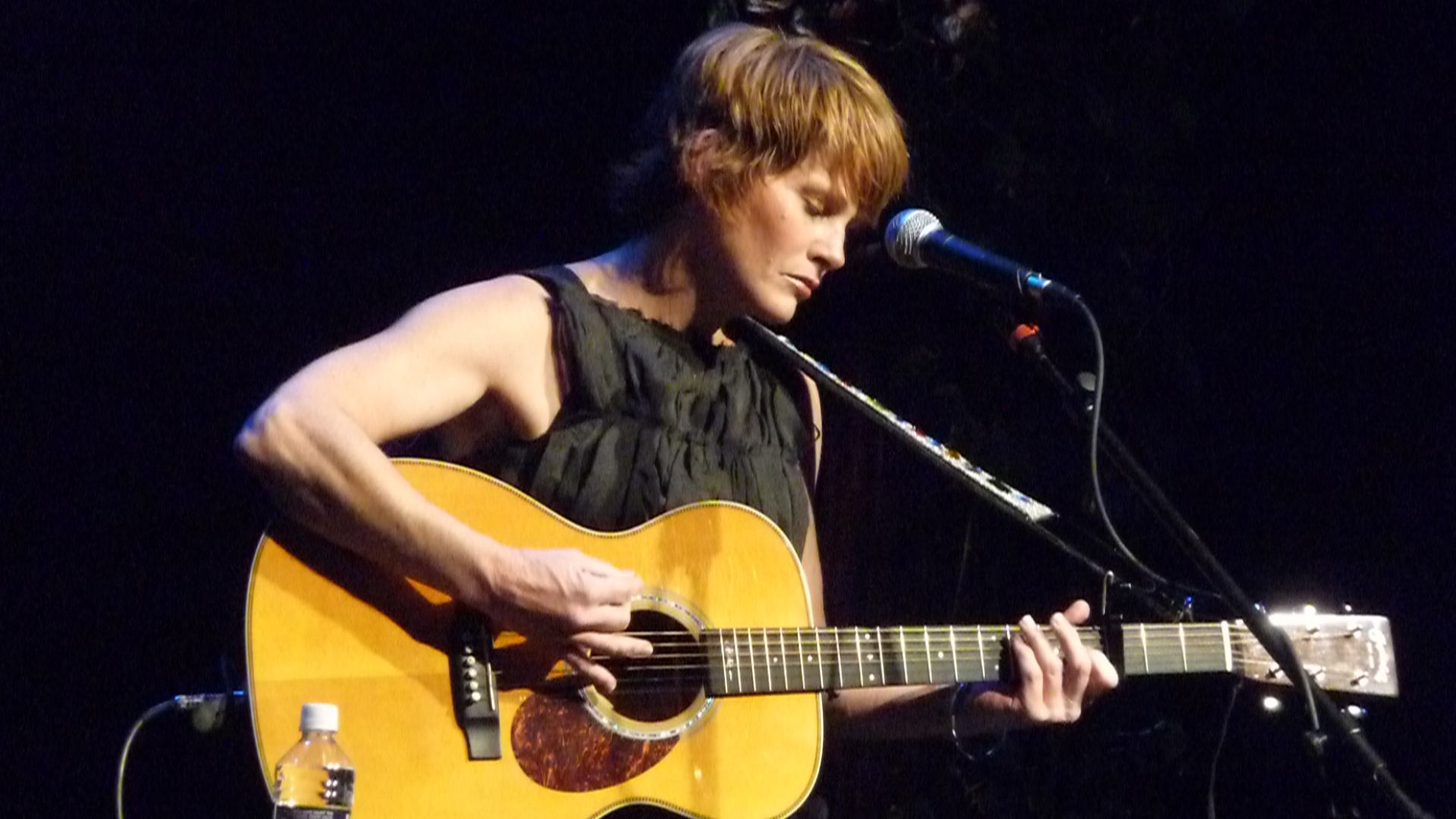 Korye Logan, Wikimedia Commons
Joan Osborne
Joan Osborne's "One of Us" was everywhere in 1995, but her album Relish offered much more than one memorable single. Osborne drew from blues, soul, rock, and folk, delivering songs with an earthy confidence that distinguished her from many contemporaries. Her powerful voice has remained a constant throughout her career, making her 90s breakthrough an excellent starting point.
 Screenshot from One of Us, Mercury Records (1995)
Duncan Sheik
Duncan Sheik scored a substantial hit with "Barely Breathing" in 1996, but his self-titled debut album revealed a songwriter interested in far more than conventional radio pop. His introspective melodies and carefully layered arrangements anticipated the quieter side of 2000s alternative music. Sheik later found major success in musical theater, including the Tony-winning Spring Awakening.
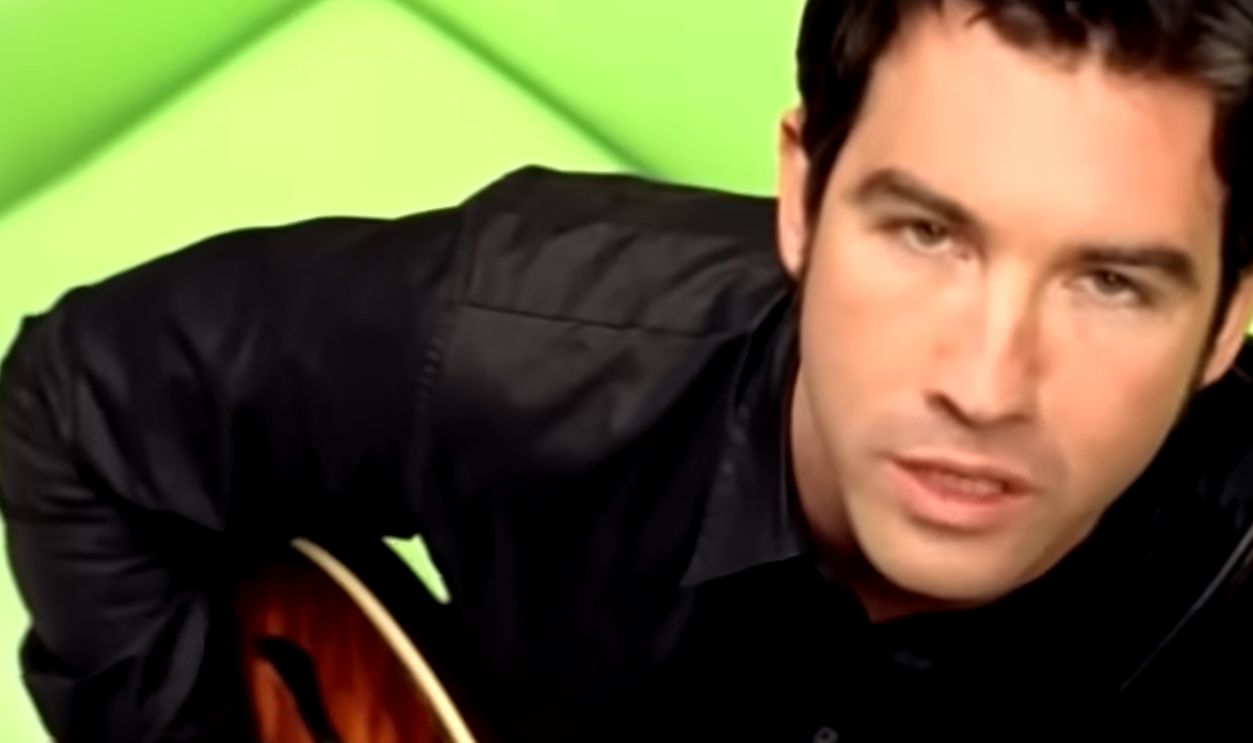 Screenshot from Barely Breathing, Atlantic Records (1996)
Lisa Loeb
Lisa Loeb became famous when "Stay (I Missed You)" reached number one in 1994, despite her not yet having a recording contract. Her subsequent albums Tails (1995) and Firecracker (1997) demonstrated that she was far more than a one-hit wonder. Her conversational lyrics, melodic instincts, and gentle humor still sound remarkably fresh.
 Screenshot from Stay (I Missed You), RCA Records (1994)
Edie Brickell
Edie Brickell's breakthrough arrived with New Bohemians' "What I Am" in 1988, but her music remained a distinctive presence in the early 90s. The group's Ghost of a Dog (1990) and Brickell's solo debut Picture Perfect Morning (1994) showcased her relaxed, playful songwriting. Her blend of folk, jazz, and alternative rock deserves renewed appreciation.
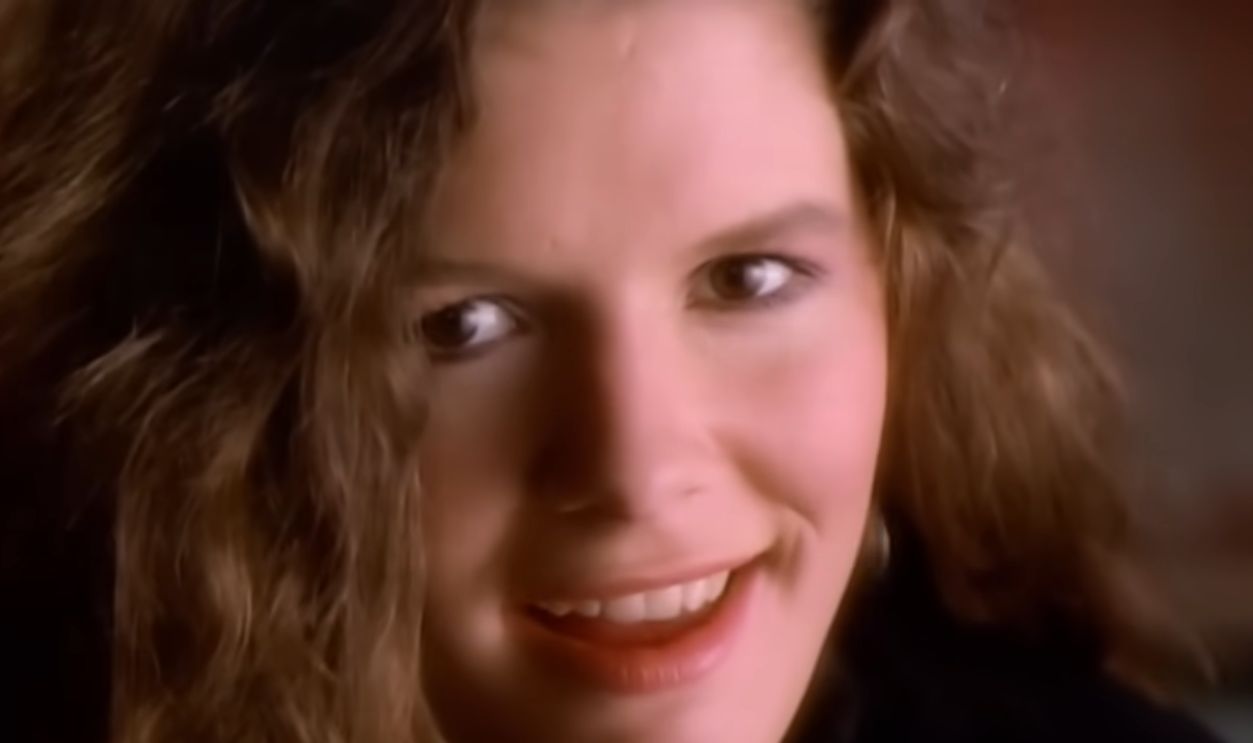 Screenshot from What I Am, Geffen Records (1988)
Freedy Johnston
Freedy Johnston earned critical acclaim with Can You Fly (1992) and This Perfect World (1994), the latter featuring "Bad Reputation." His specialty was writing deceptively catchy songs about complicated people and imperfect relationships. Johnston's melodic storytelling never translated into sustained mainstream stardom, but his recordings remain among the decade's finest examples of intelligent guitar pop.
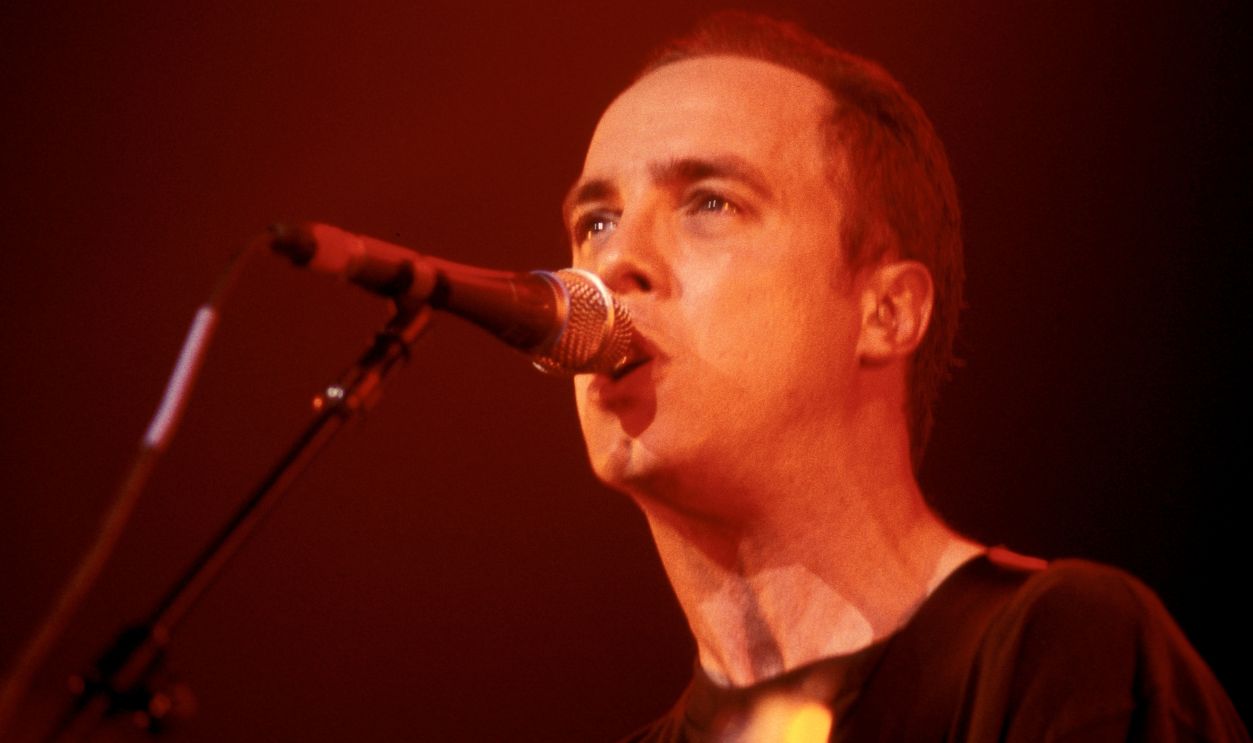
Aimee Mann
After finding success with 'Til Tuesday, Aimee Mann established herself as an outstanding solo artist with Whatever (1993) and I'm with Stupid (1995). Her sharp observations about disappointment, ambition, and relationships were matched by elegant pop melodies. Mann later reached new audiences through her contributions to Magnolia (1999), but her earlier albums are equally deserving of rediscovery.
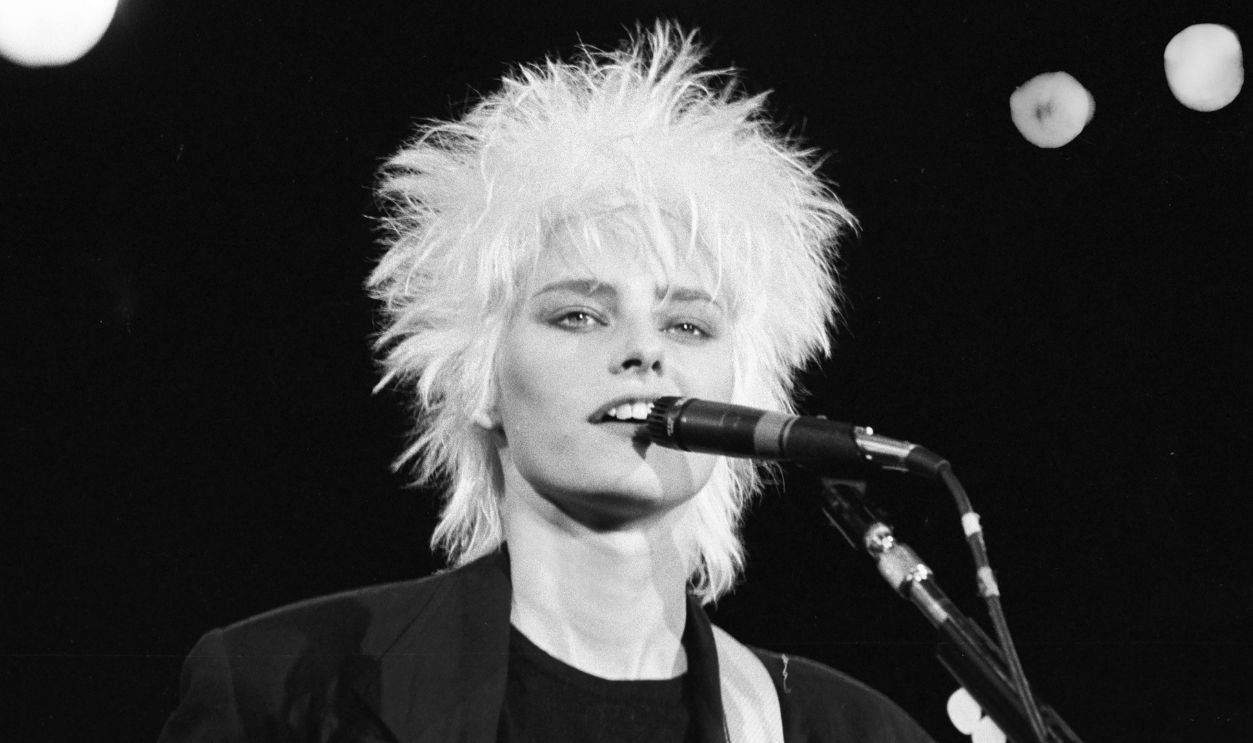 John Kisch Archive, Getty Images
Jill Sobule
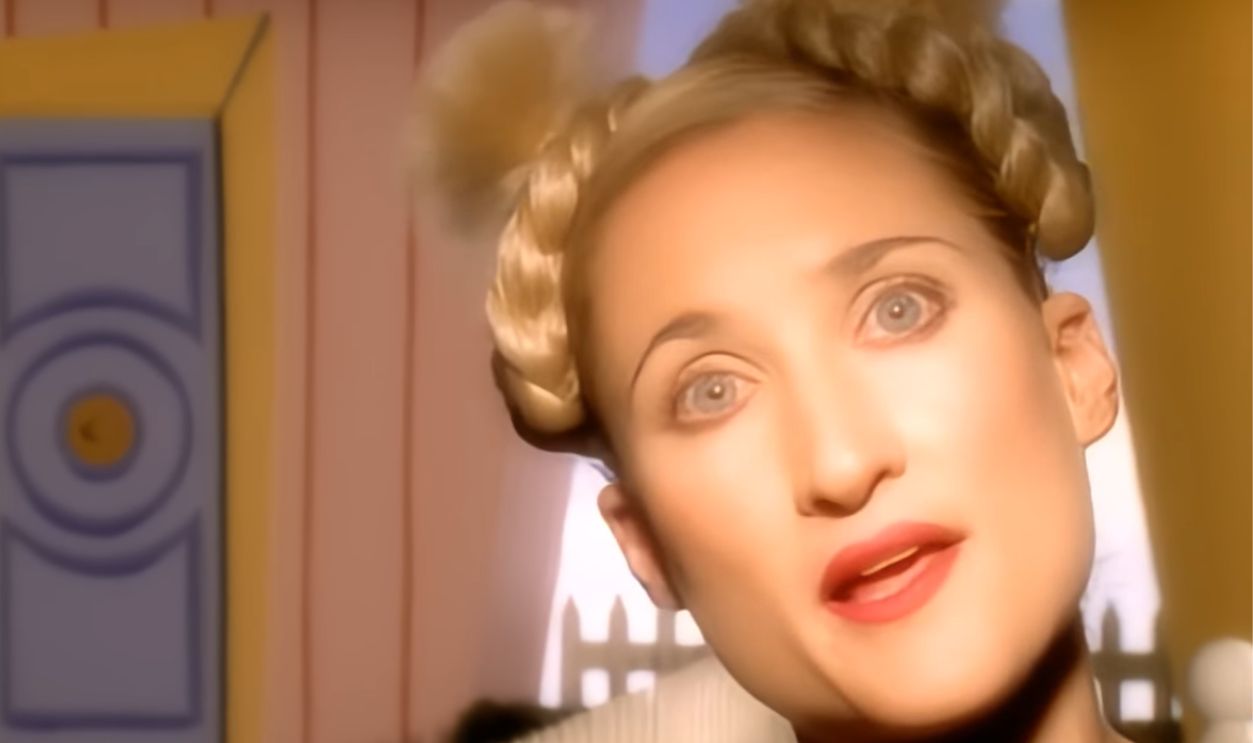
Jill Sobule's 1995 single "I Kissed a Girl" introduced her witty, unconventional songwriting to mainstream audiences. Yet her catalog also included moving songs about loneliness, family, and social expectations. Albums such as Jill Sobule (1995) and Happy Town (1997) revealed an artist who could be funny and heartbreaking within the same song. Sobule died in 2025, leaving a rich musical legacy.
 Screenshot from I Kissed a Girl, Atlantic Records (1995)
Heather Nova
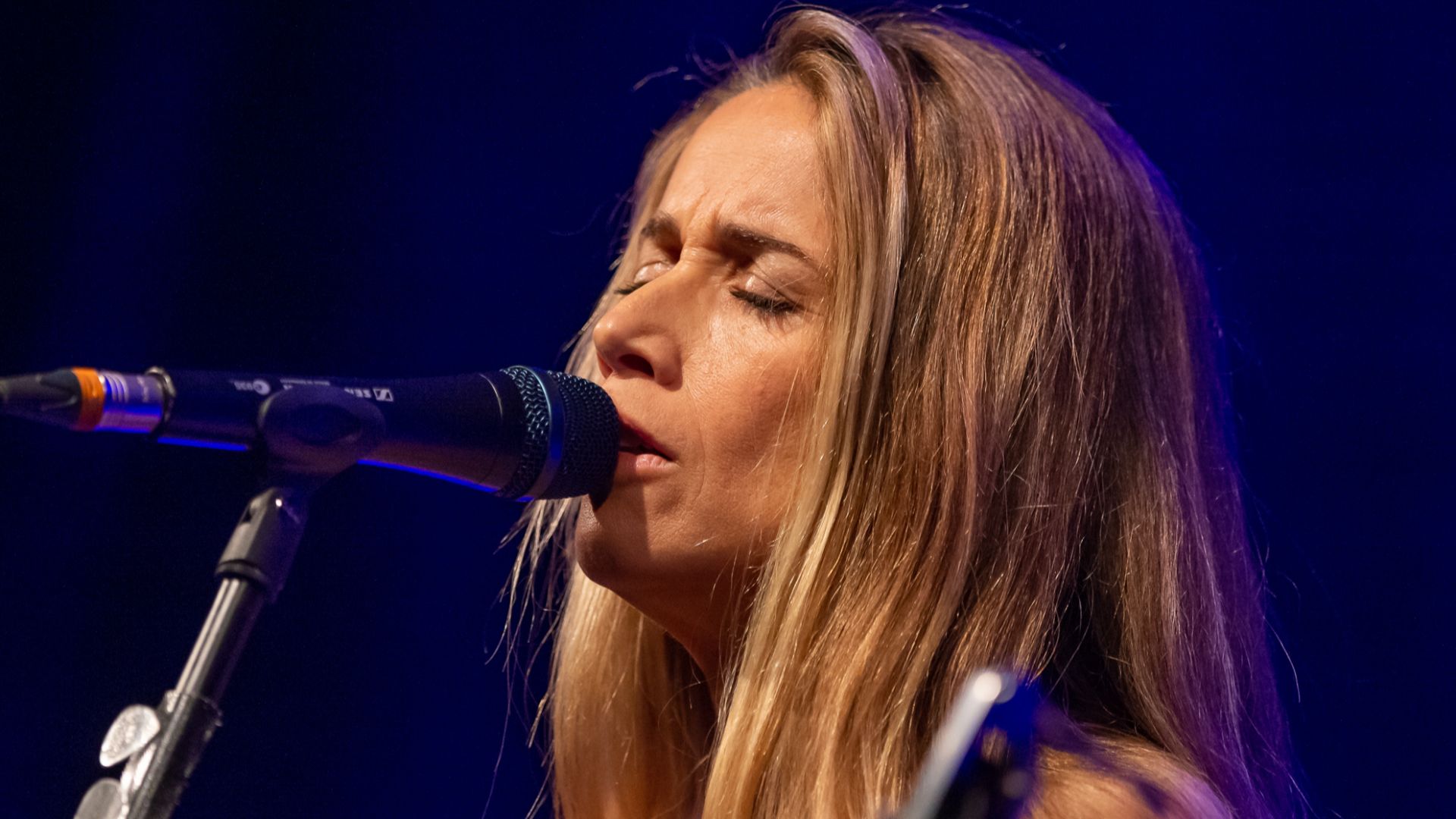
Bermuda-born Heather Nova gained an international following with albums including Oyster (1994) and Siren (1998). Songs such as "Walk This World" and "London Rain (Nothing Heals Me Like You Do)" combined soaring vocals with atmospheric alternative rock. Although particularly successful in Europe, Nova never achieved equivalent American mainstream recognition. Her 90s albums remain impressive showcases for her songwriting.
 Stefan Brending (2eight), Wikimedia Commons
Sophie B. Hawkins
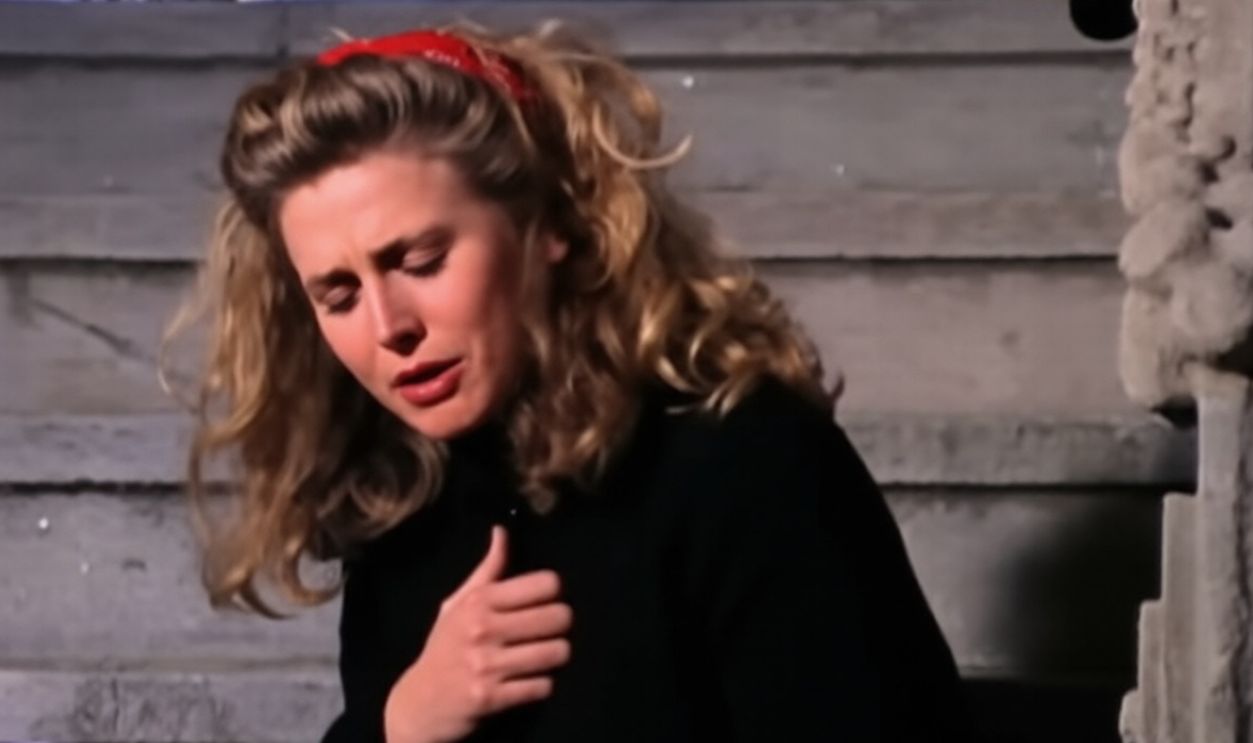
Sophie B. Hawkins broke through with "Damn I Wish I Was Your Lover" in 1992 and scored another major hit with "As I Lay Me Down" in 1995. Her music mixed pop, soul, and rock with a strikingly personal songwriting approach. Beyond those familiar singles, her albums reveal a musician whose creative ambitions extended well beyond the usual radio formula.
 Screenshot from As I Lay Me Down, Columbia Records (1995), Enhanced
Grant-Lee Phillips
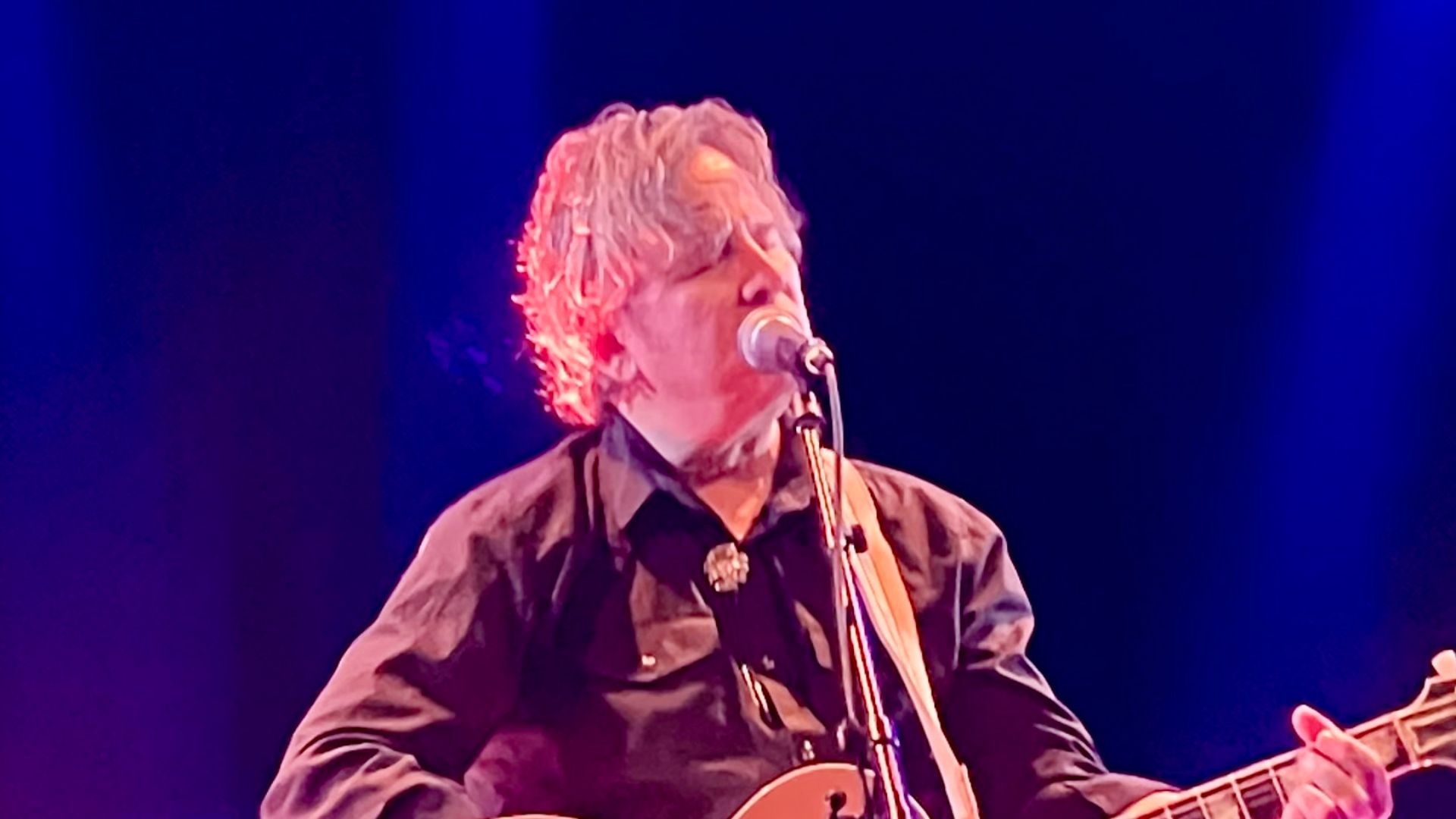
Grant-Lee Phillips fronted Grant Lee Buffalo, one of the 90s' most distinctive alternative-rock bands. Albums such as Fuzzy (1993) and Mighty Joe Moon (1994) combined atmospheric guitars, Americana influences, and Phillips' commanding voice. After the band dissolved, he established a rewarding solo career. His songwriting deserves renewed attention from listeners discovering the roots of modern indie folk.
Tracy Bonham
Tracy Bonham's "Mother Mother" became an alternative-rock hit in 1996, driven by her ferocious vocals and unforgettable chorus. Her debut album The Burdens of Being Upright (1996) revealed a classically trained violinist with a gift for emotionally charged songwriting. Bonham's later recordings explored different musical directions, but her early work remains a striking example of 90s alternative rock.
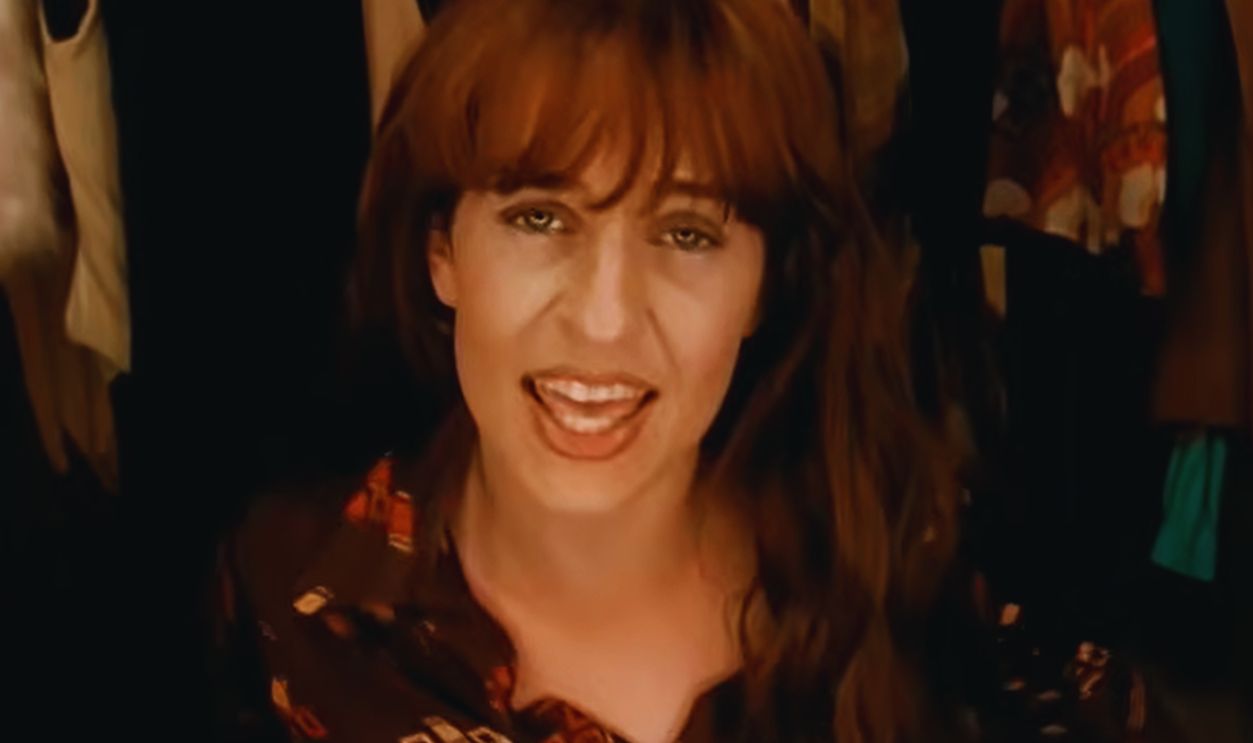 Screenshot from Mother Mother, Island Records (1996)
Poe
Poe's debut album Hello (1995) produced the alternative hits "Angry Johnny" and "Trigger Happy Jack." Her music mixed rock, electronic textures, and unconventional storytelling, giving her a sound unlike most female solo artists of the period. Her ambitious follow-up, Haunted (2000), expanded that approach. Poe's small but fascinating catalog deserves a much larger audience.
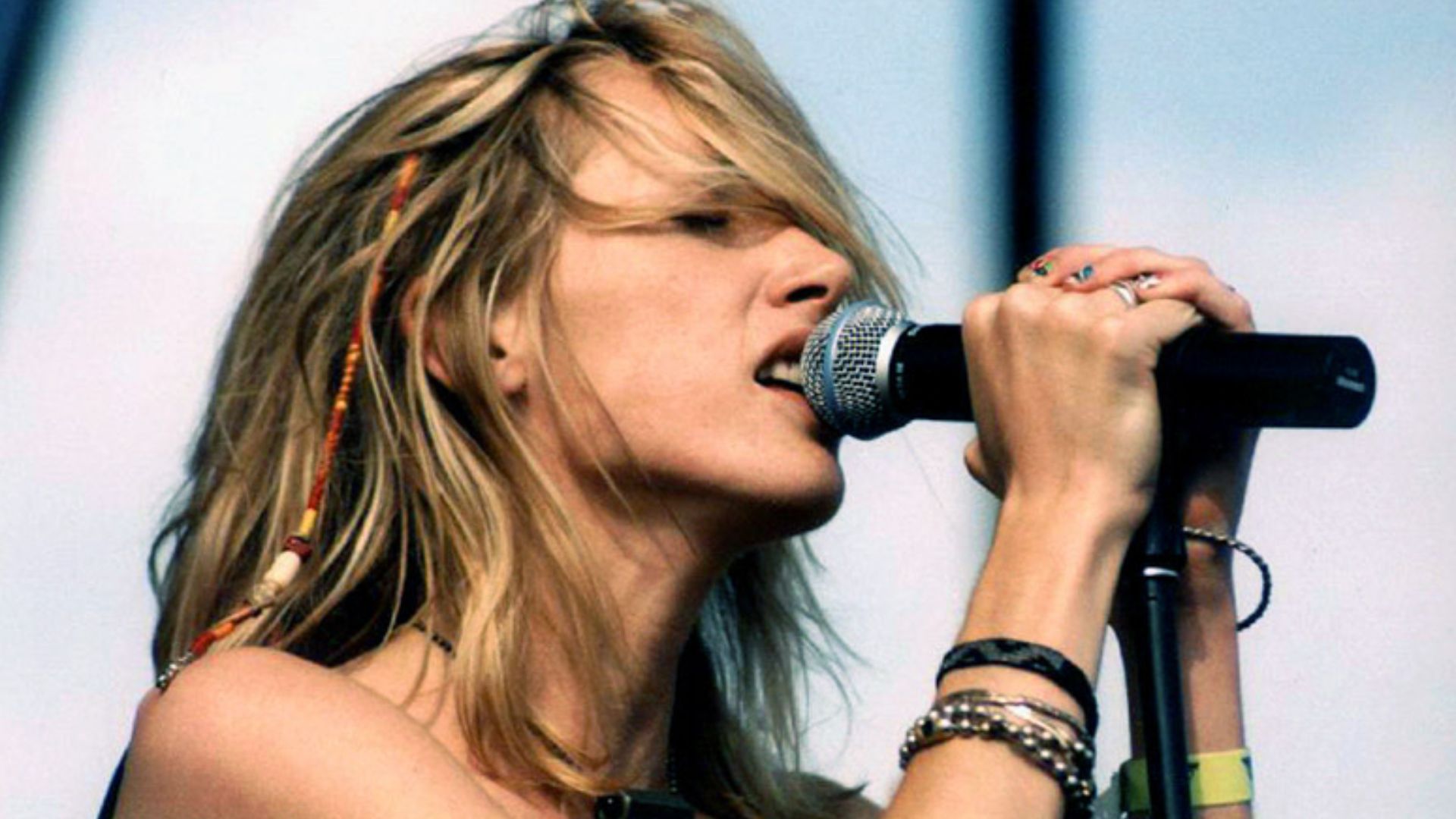 Kent Hagan Pox Rox, Wikimedia Commons
Abra Moore
Abra Moore first gained attention as a member of Poi Dog Pondering before launching a solo career. Her album Strangest Places (1997) featured "Four Leaf Clover," a breezy alternative-pop hit that earned her a Grammy nomination. Moore's appealing combination of folk, pop, and thoughtful lyrics made her a natural fit for 90s adult-alternative radio.
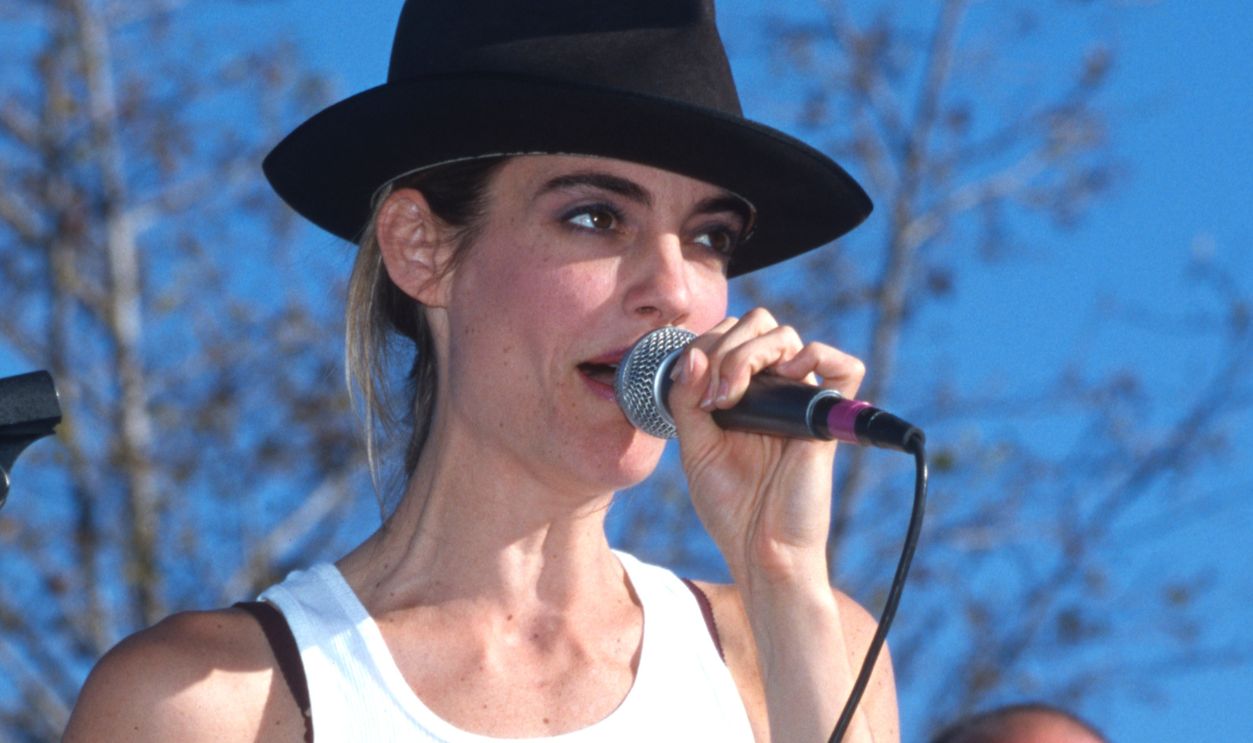
Jennifer Trynin
Jennifer Trynin's "Better Than Nothing" became an alternative-radio favorite in 1995, helping introduce her debut album to a wider audience. Her guitar-driven songs balanced melodic hooks with raw emotional honesty. Although her later music received less attention, both records remain rewarding examples of the decade's independent-minded rock songwriting.
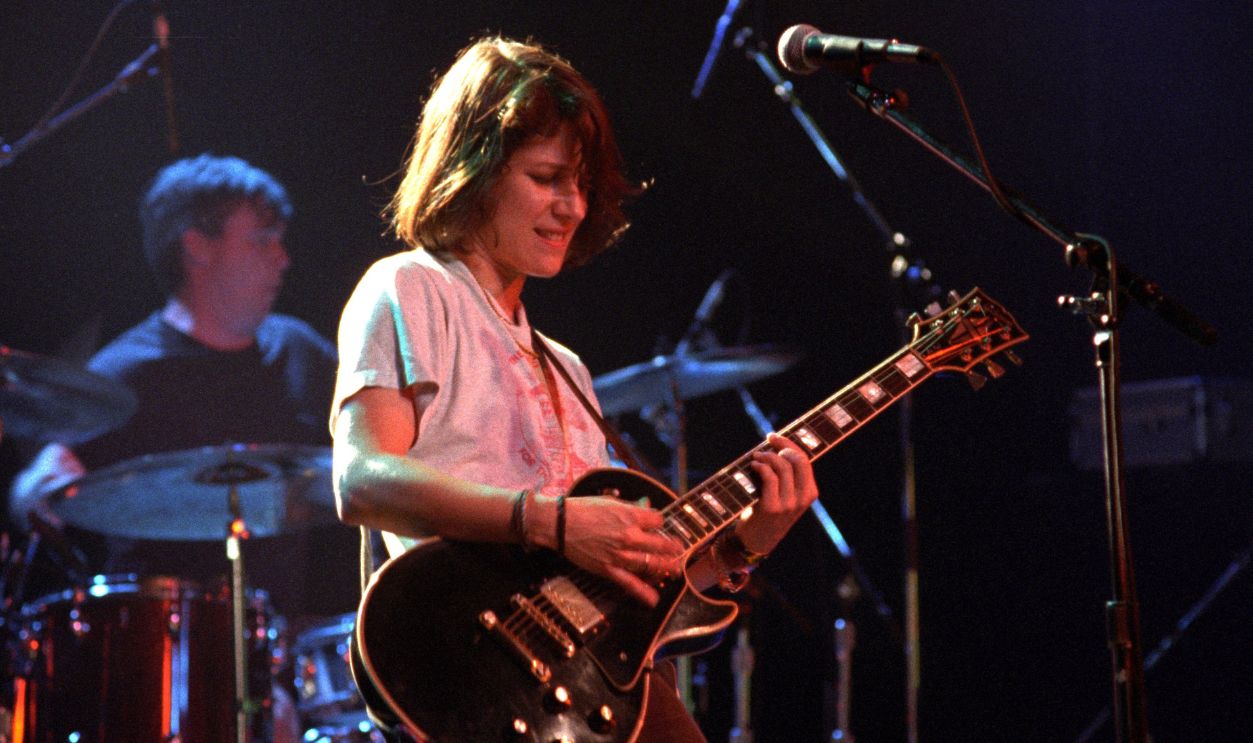
Mary Lou Lord
Mary Lou Lord developed her reputation performing in subway stations and on street corners before emerging on the indie scene during the 90s. Her acoustic recordings combined folk storytelling with alternative-rock sensibilities. Albums such as Got No Shadow (1998) introduced her intimate singing style to a broader audience. Her music offers a wonderfully unpolished alternative to mainstream 90s production.
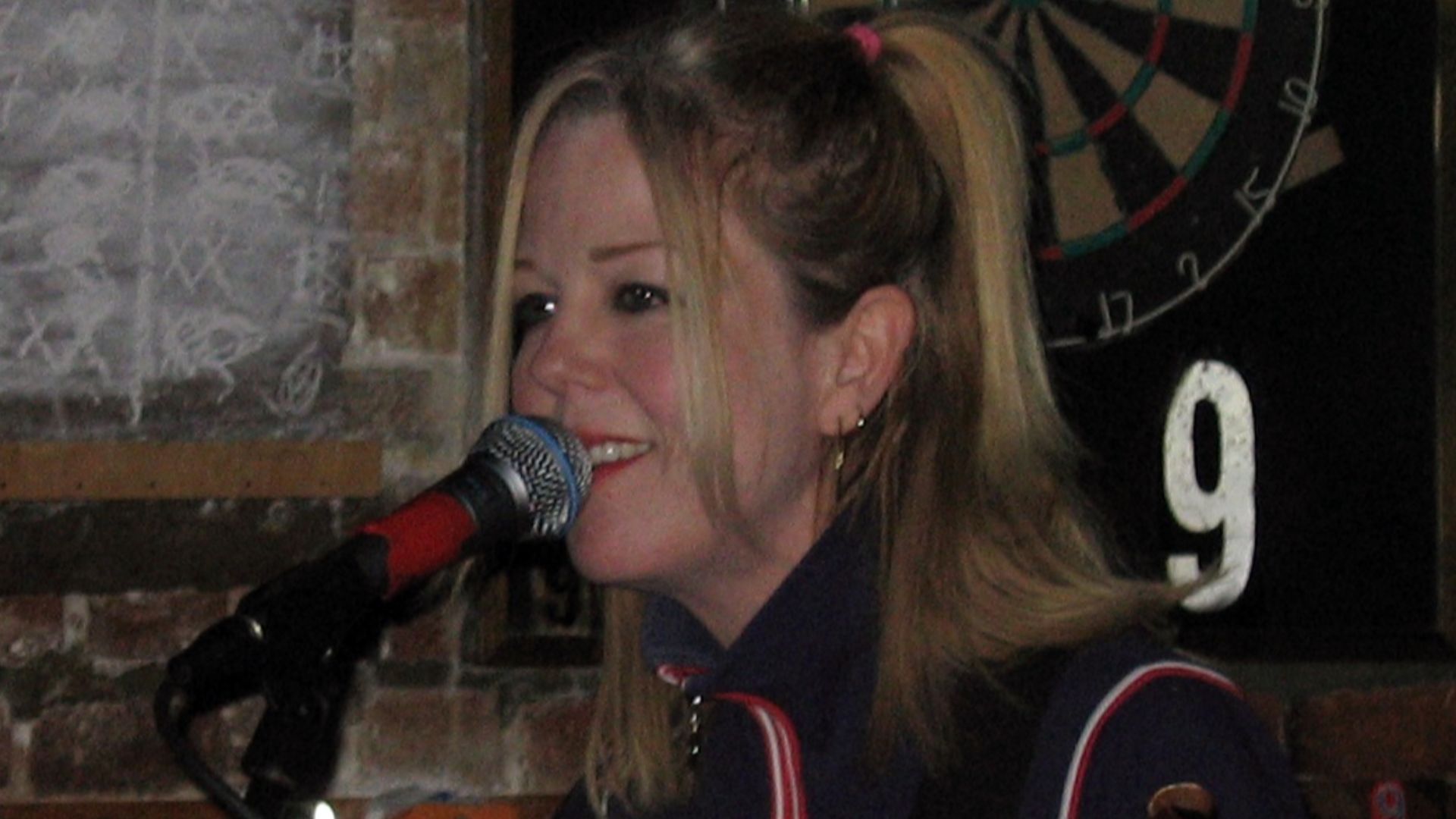 Flickr user Oldangelmidnight - David McMahon, Wikimedia Commons
Ron Sexsmith
Canadian songwriter Ron Sexsmith earned admirers with his self-titled album in 1995, followed by Other Songs (1997) and Whereabouts (1999). His gift for melancholy melodies and beautifully observed lyrics drew comparisons to classic songwriters. Although he's earned considerable critical respect, mainstream success has remained elusive. Younger fans of thoughtful, understated pop would find plenty to love.
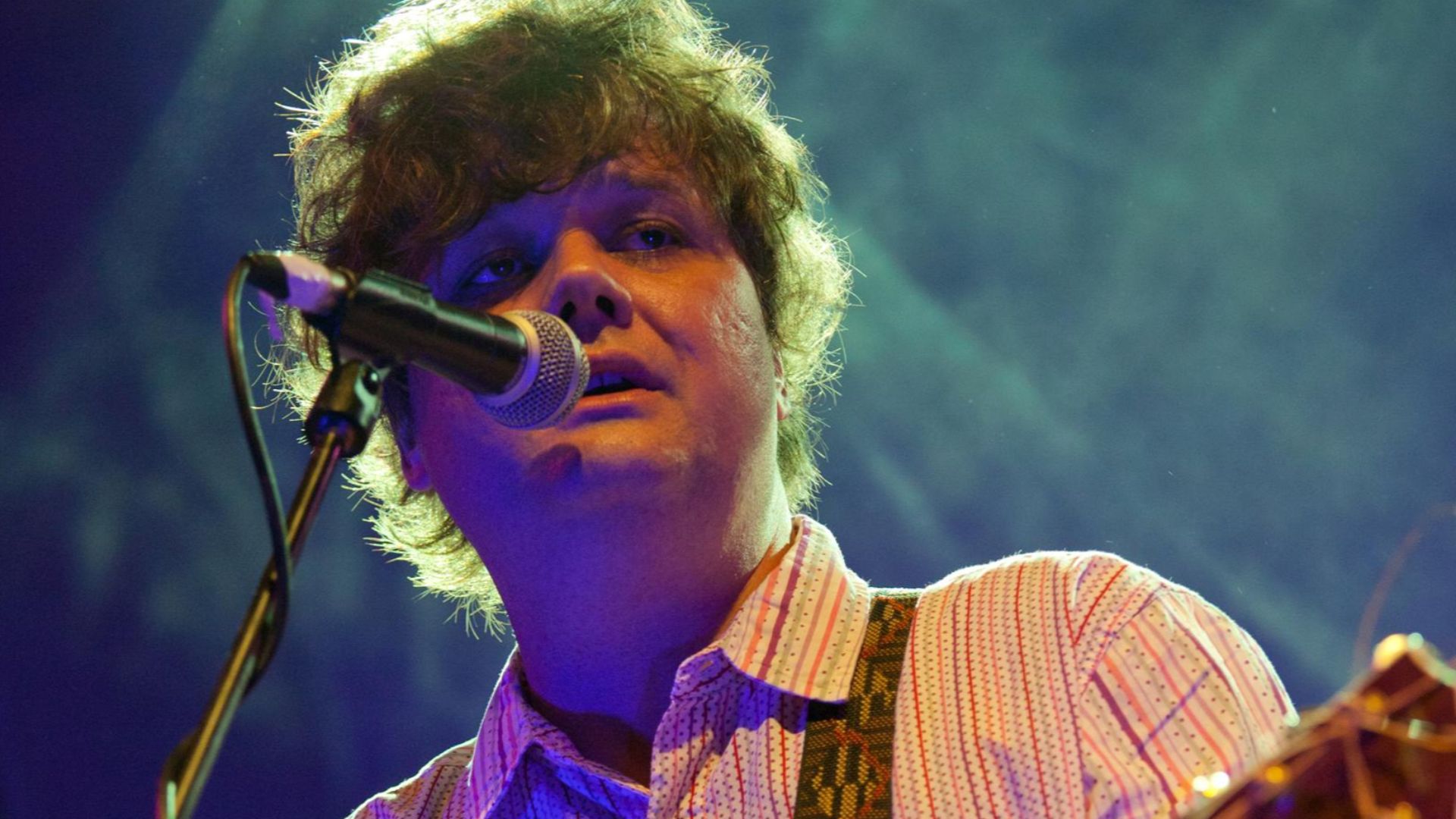 Alterna2/Xavi Torrent, Wikimedia Commons
Sarah Harmer
Before launching her acclaimed solo career, Sarah Harmer fronted the Canadian alternative-rock band Weeping Tile. Their albums Cold Snap (1996) and Valentino (1997) showcased her distinctive voice and sharp songwriting. Harmer later moved toward a more intimate folk sound with You Were Here (2000). Her early recordings deserve rediscovery alongside her celebrated solo work.
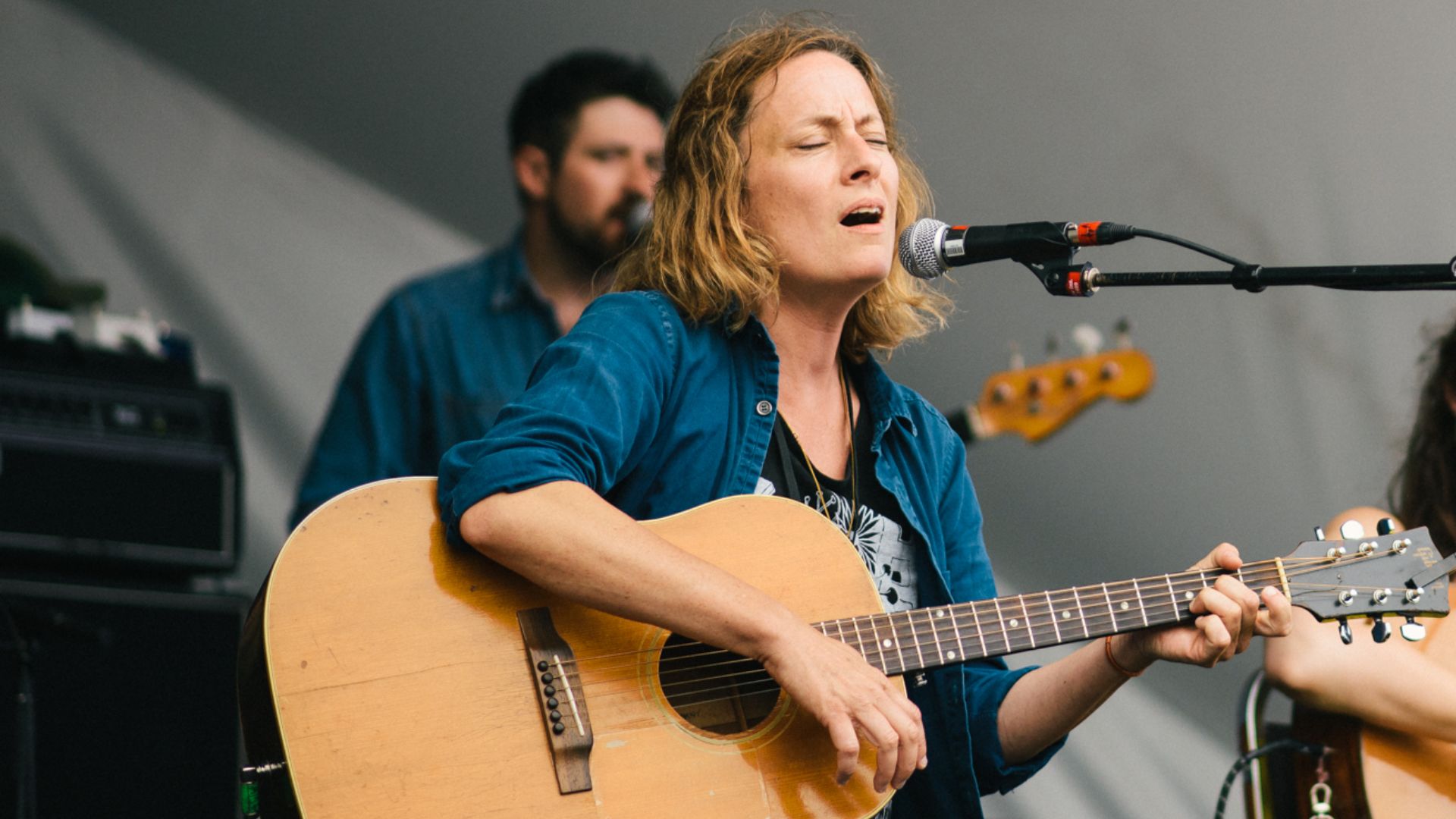 Levi Manchak, Wikimedia Commons
John Wesley Harding
British-born songwriter John Wesley Harding, also known as Wesley Stace, developed a devoted following during the 90s with witty, literate folk-rock albums. The Name Above the Title (1991) and Why We Fight (1992) showcased his fondness for memorable melodies and clever storytelling. He subsequently established himself as a novelist, but his musical catalog remains remarkably rewarding.
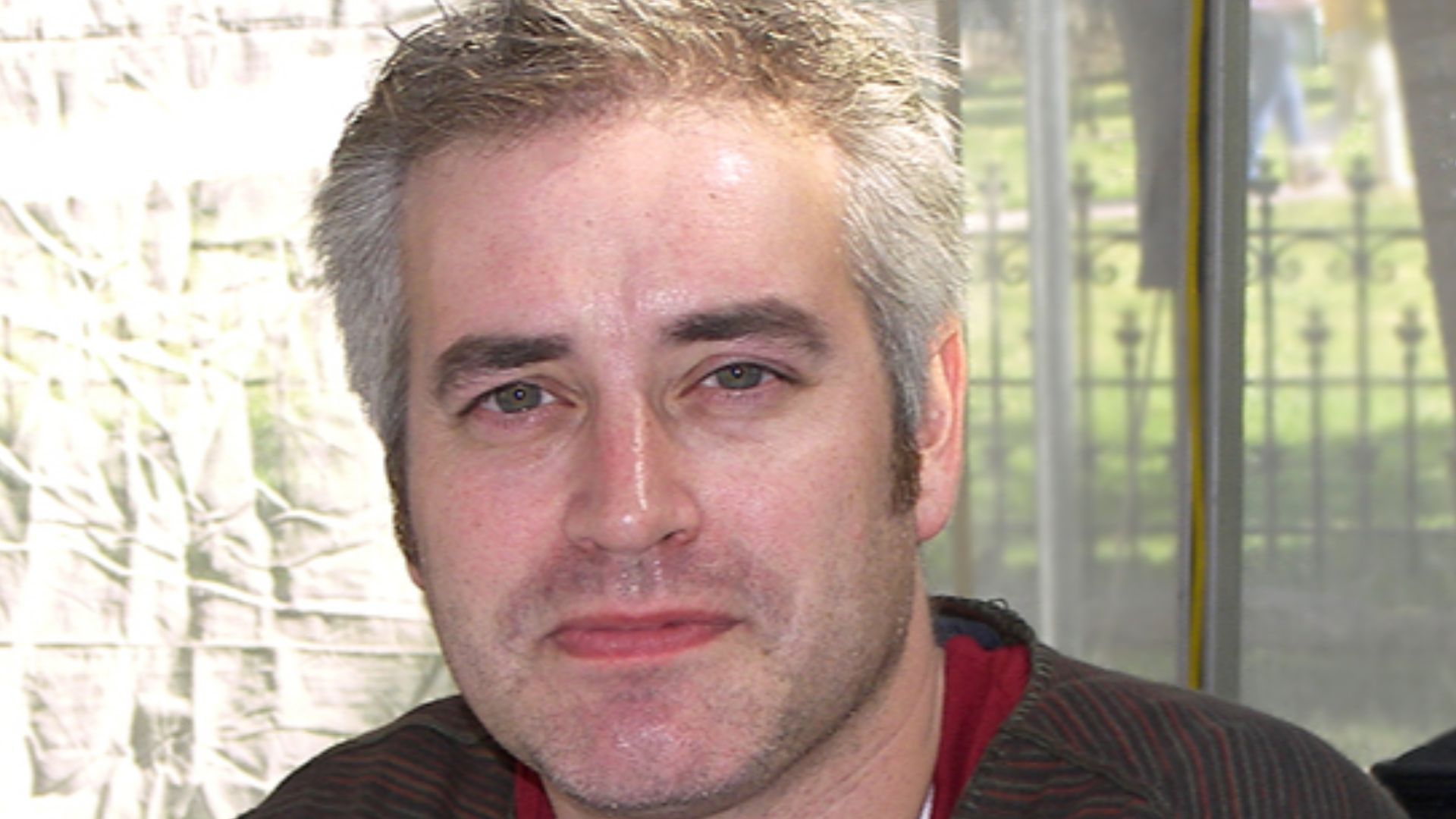 Larry D. Moore, Wikimedia Commons
Victoria Williams
Victoria Williams never became a conventional pop star, but her unusual voice and imaginative songwriting made her a beloved figure in alternative music. Her album Loose (1994) featured songs that moved effortlessly between whimsy and heartbreak. Artists including Pearl Jam and Lou Reed contributed to the 1993 tribute album Sweet Relief, demonstrating the respect she commanded among fellow musicians.
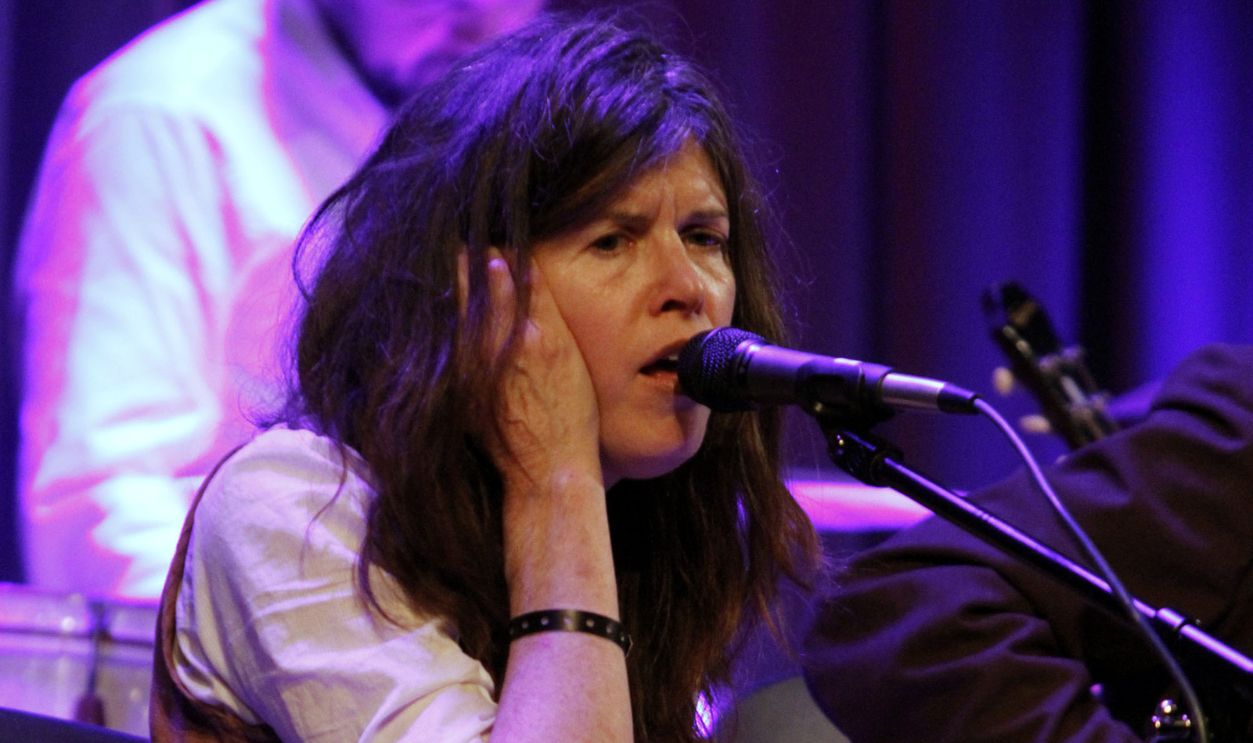
Patty Griffin
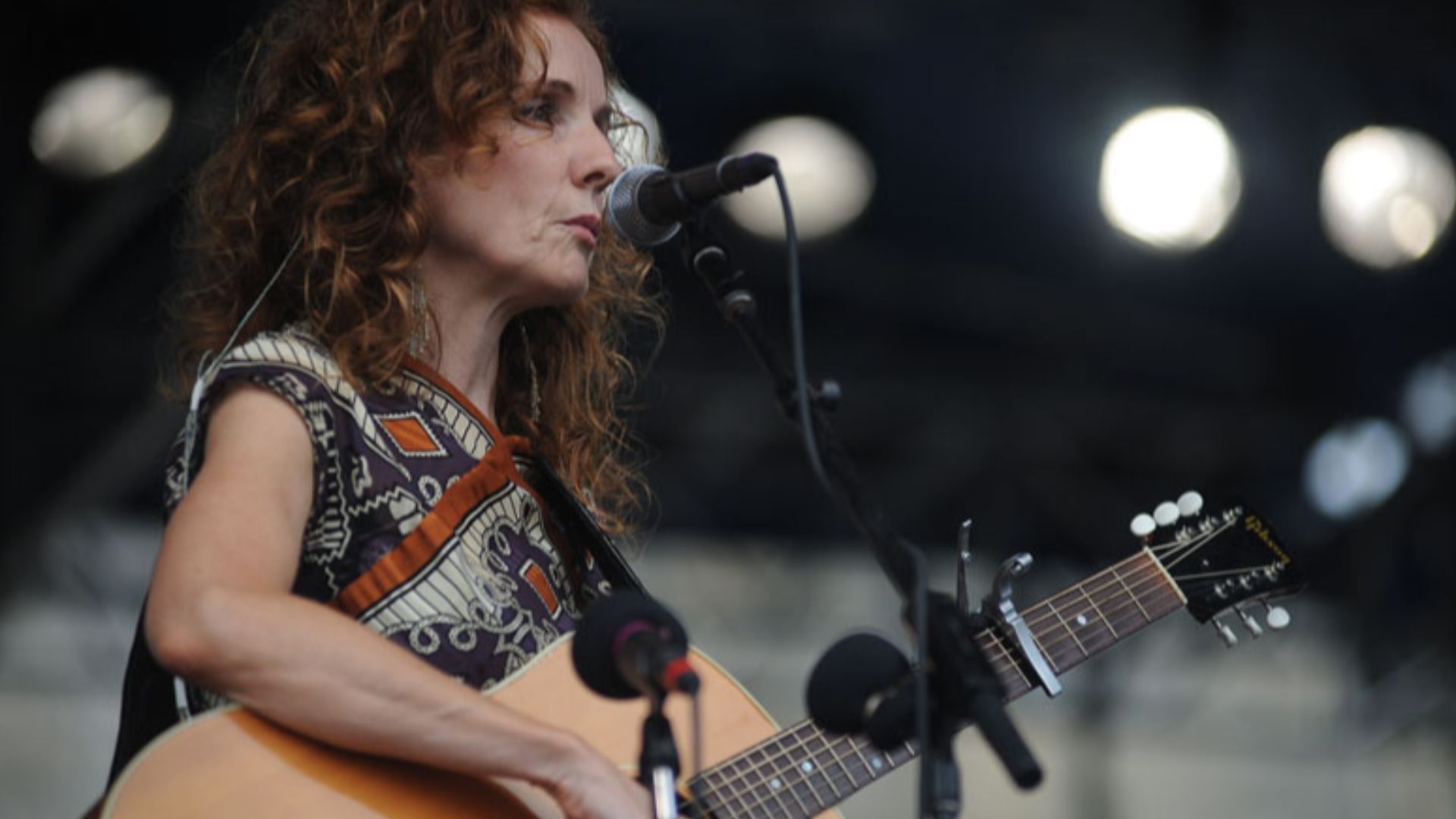
Patty Griffin's debut album Living with Ghosts (1996) introduced a remarkably powerful voice and a gift for emotionally devastating songwriting. Her follow-up, Flaming Red (1998), demonstrated a tougher, more rock-oriented side. Griffin subsequently became an acclaimed Americana artist whose songs were recorded by numerous performers. Her first two albums remain extraordinary introductions to her talent.
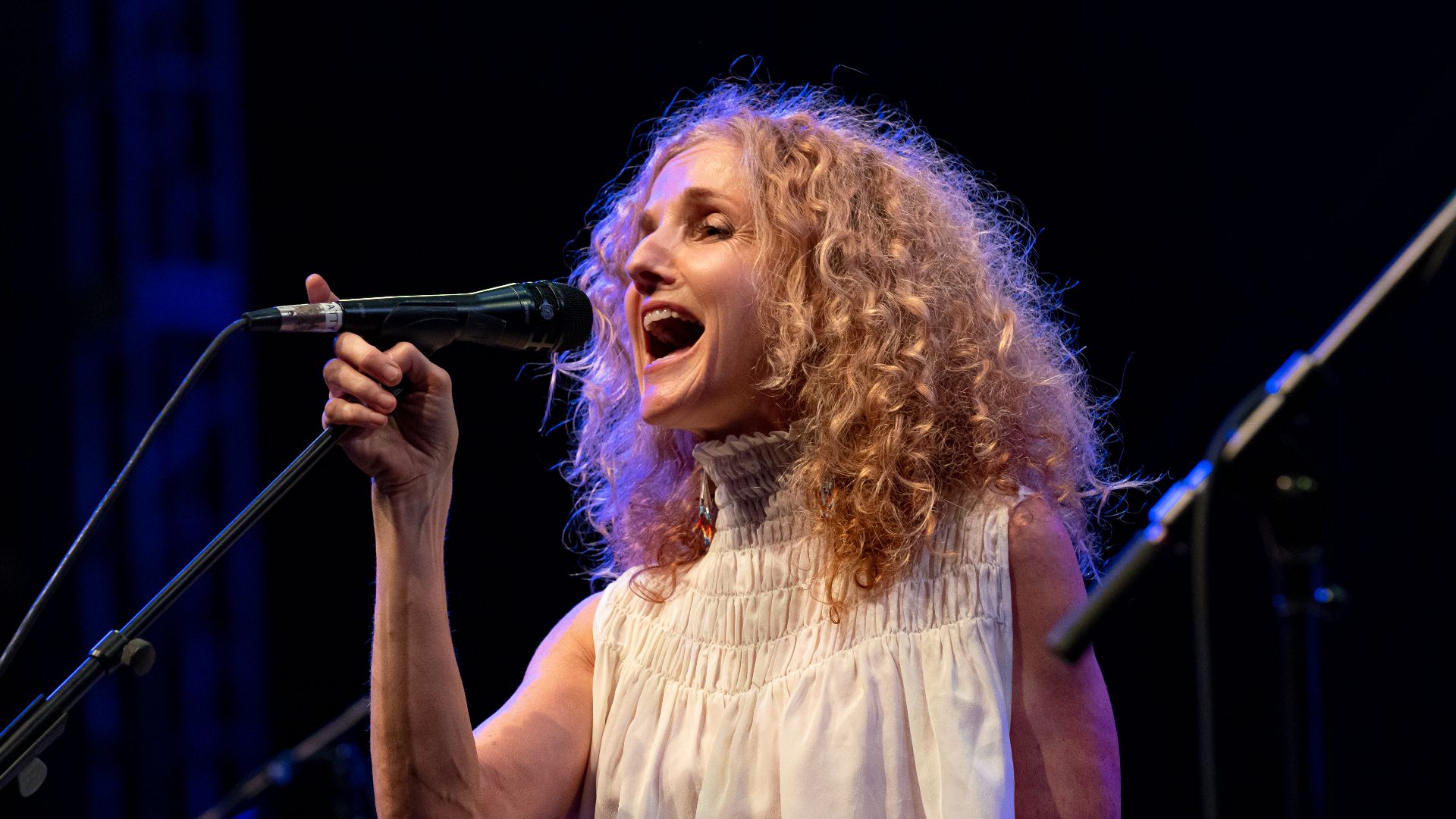 Peter Matthews from New York City, United States, Wikimedia Commons
Lisa Germano
Violinist and singer-songwriter Lisa Germano developed one of the decade's most unsettling and distinctive musical identities. Her albums Happiness (1993), Geek the Girl (1994), and Excerpts from a Love Circus (1996) explored difficult emotions through atmospheric, unconventional arrangements. Germano's work rarely sounded designed for commercial radio, but adventurous younger listeners could find it fascinating.
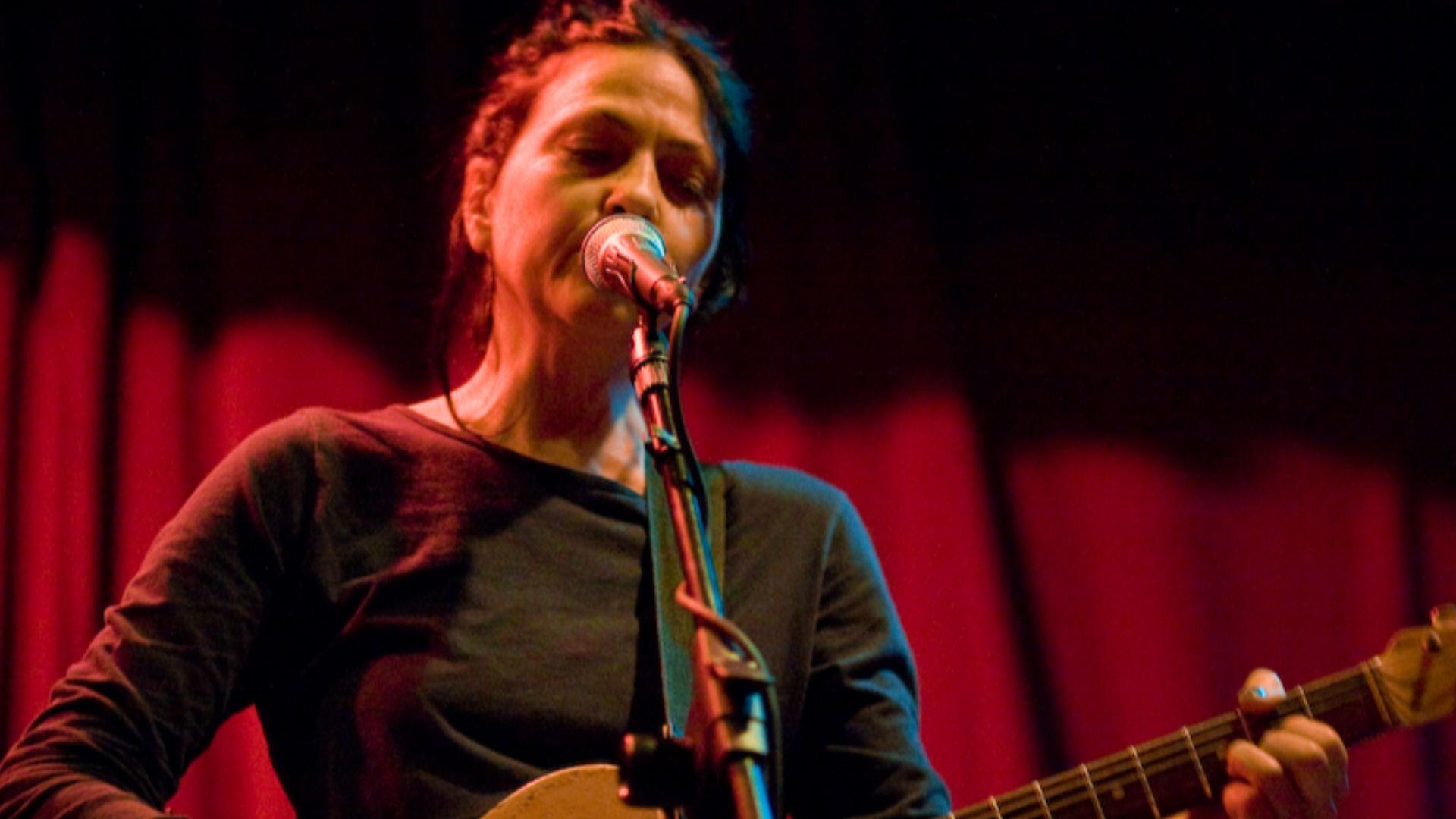 Bob Sanderson, Wikimedia Commons
Pete Droge
Pete Droge scored a modest alternative-radio hit his album Necktie Second (1994). His laid-back vocals and rootsy guitar arrangements recalled Tom Petty and classic American rock. Later albums, including Find a Door (1996), demonstrated his knack for melodic songwriting. His 90s recordings deserve another listen.
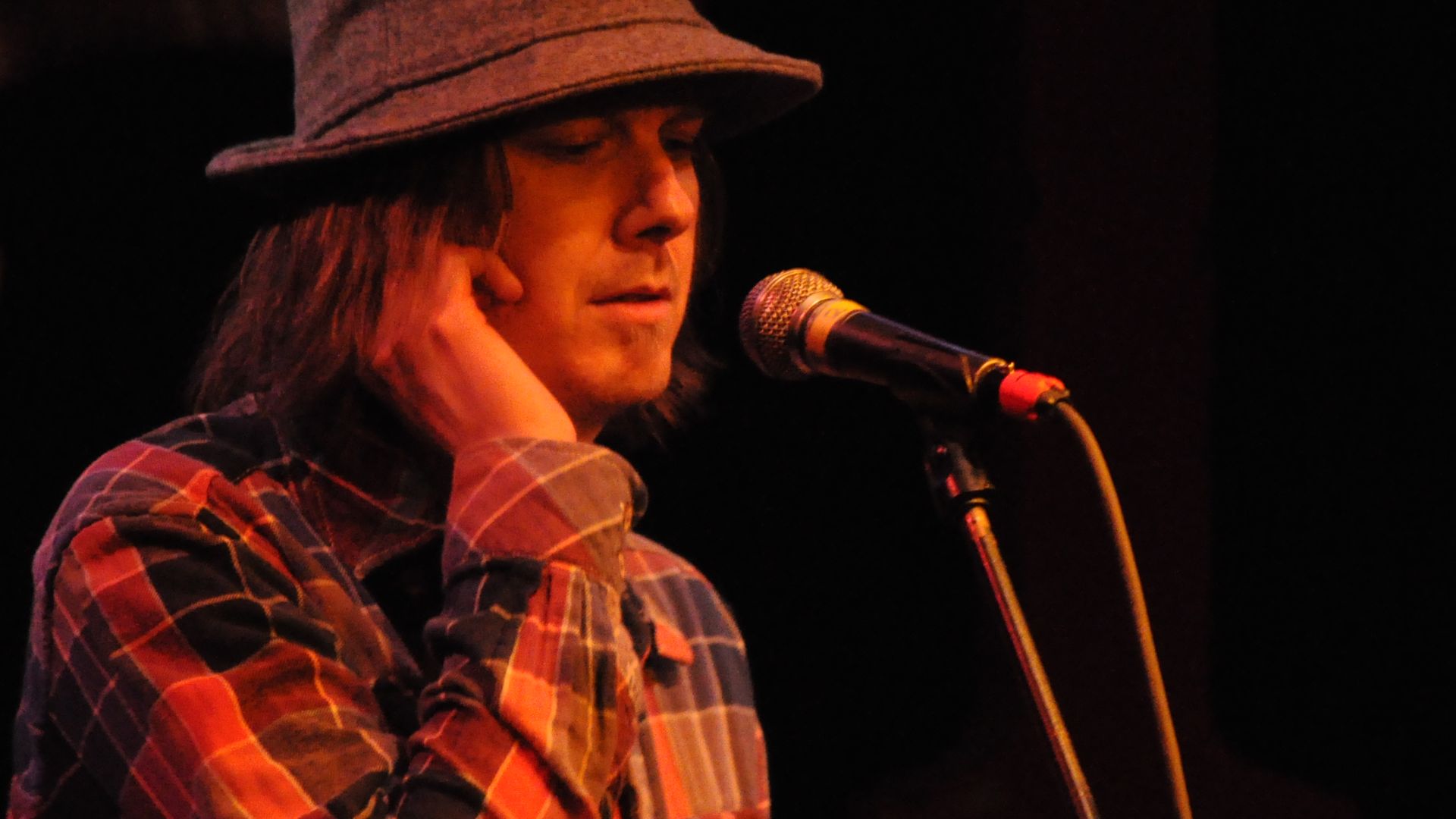
Mark Eitzel
As the frontman of American Music Club, Mark Eitzel developed a reputation for intensely personal lyrics and emotionally charged performances. His solo album 60 Watt Silver Lining (1996) brought his songwriting into a more intimate setting. Although he never became a mainstream star, Eitzel's influence extended well beyond his commercial success, making him a fascinating discovery for younger listeners.
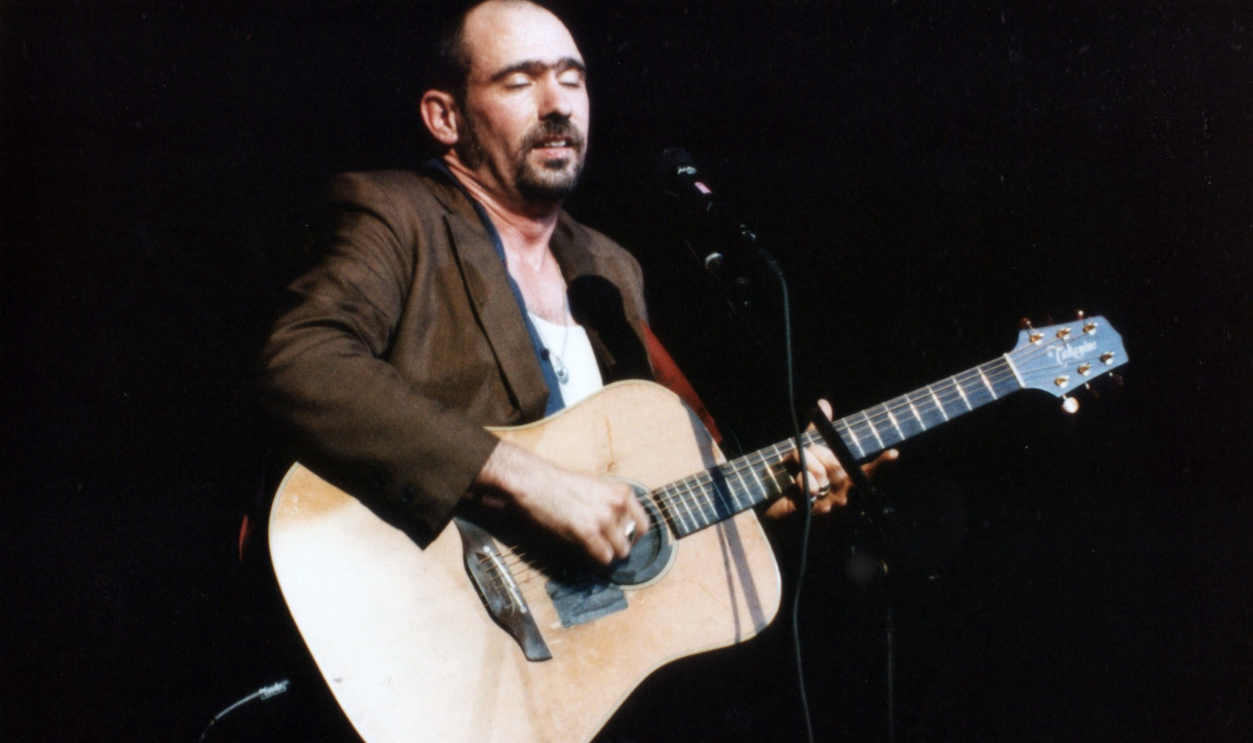
Jennifer Kimball
Jennifer Kimball first attracted attention as half of the folk duo The Story, alongside Jonathan Brooke. Their albums Grace in Gravity (1991) and The Angel in the House (1993) featured intricate harmonies and thoughtful songwriting. Kimball later released the solo album Veering from the Wave (1998), an understated collection that deserves recognition beyond her original audience.
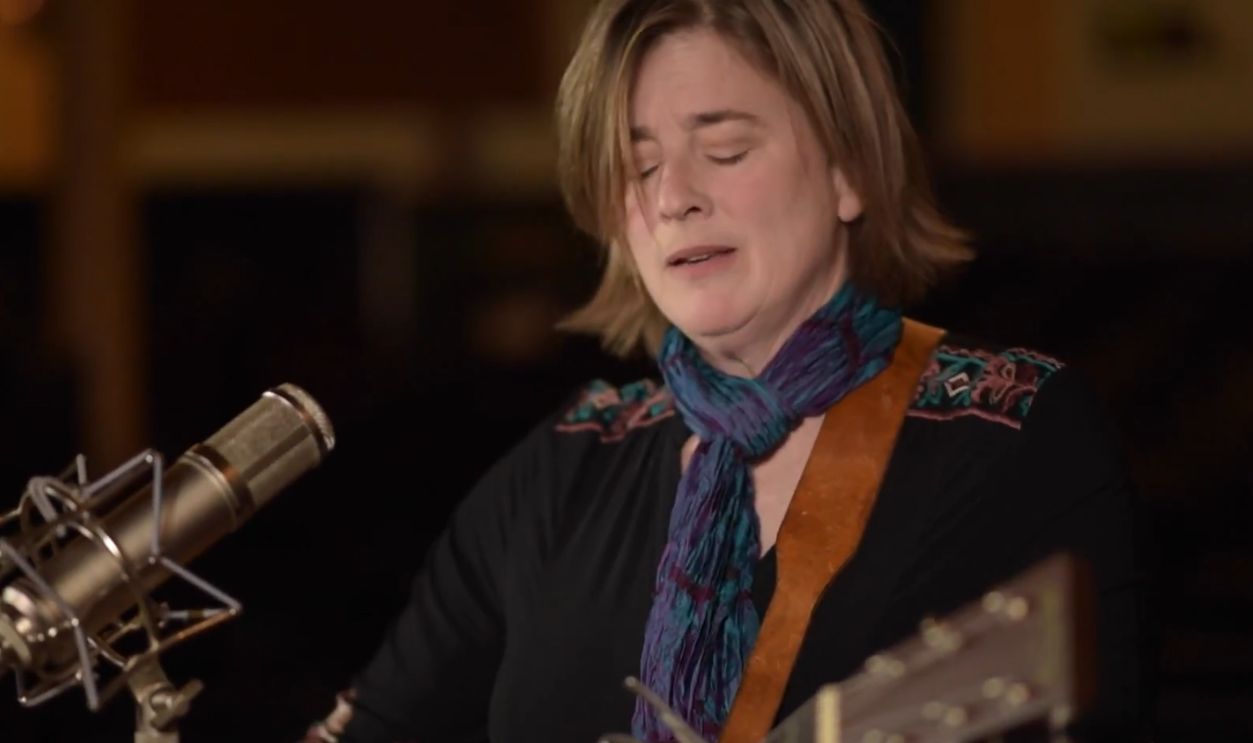 Screenshot from Love and Babies, Epoisse Records (2017)
Jonatha Brooke
After her success with The Story, Jonatha Brooke established herself as a solo artist with Plumb (1995) and 10 Cent Wings (1997). Her intricate guitar playing, unusual melodic structures, and emotionally perceptive lyrics made her a favorite among discerning folk-pop listeners. Brooke continued building an impressive career, but her 90s albums remain particularly rewarding.
 Kmzundel (talk), Wikimedia Commons
Holly McNarland
Canadian singer-songwriter Holly McNarland first attracted attention with her independent EP Sour Pie (1995), before breaking through with her debut full-length album Stuff (1997), featuring the alternative-rock hits "Numb" and "Elmo." Her forceful vocals and emotionally raw lyrics distinguished her from the decade's more polished pop performers. McNarland achieved considerable success in Canada, winning the Juno Award for Best New Solo Artist in 1998, but her music deserves a wider international audience.
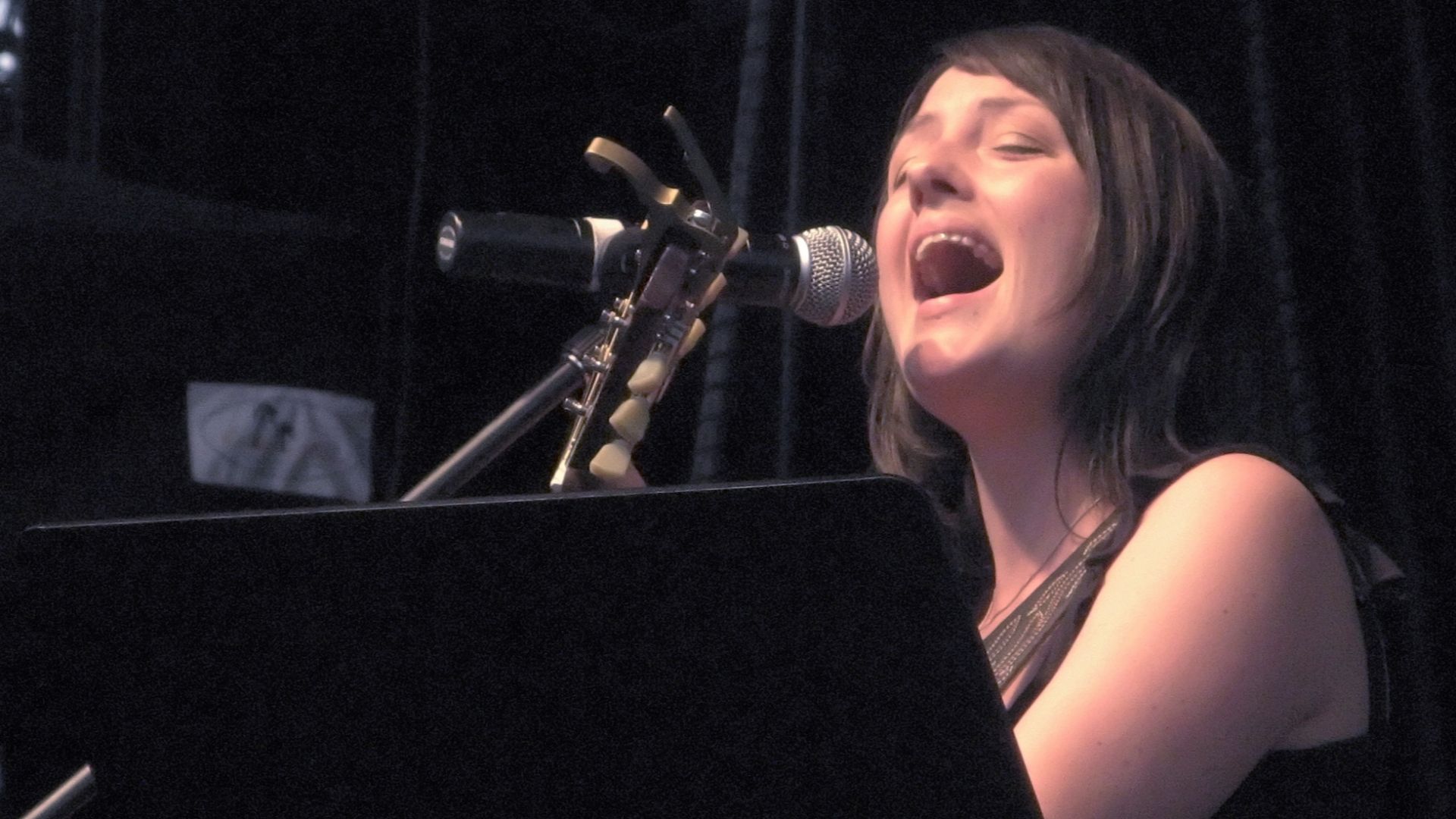 David Carroll, Wikimedia Commons
Chantal Kreviazuk
Chantal Kreviazuk's debut album Under These Rocks and Stones (1996) established her as one of Canada's promising new singer-songwriters. Songs such as "Surrounded" showcased her expressive vocals and piano-driven arrangements. She subsequently built a successful career as both a performer and songwriter for other artists. Her early recordings deserve renewed attention from fans of melodic adult-alternative music.
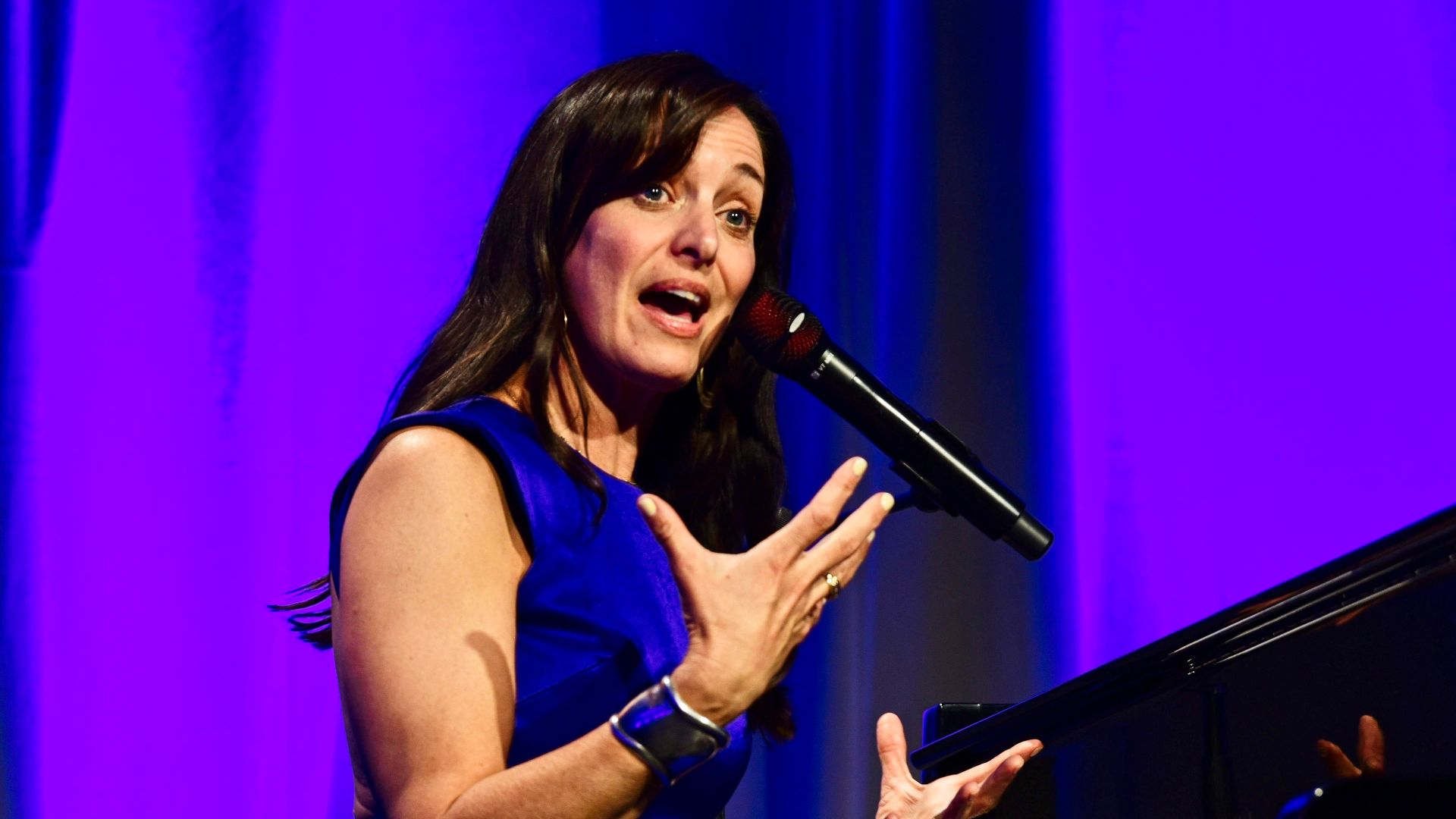 Mykola Swarnyk, Wikimedia Commons
Tara MacLean
Canadian singer-songwriter Tara MacLean emerged during the 90s with Silence (1996), an album of atmospheric folk-pop that attracted attention through songs such as "Evidence." Her delicate vocals and introspective writing made her a natural fit for the era's growing female singer-songwriter movement. She later joined the group Shaye, but her solo recordings remain worth discovering.
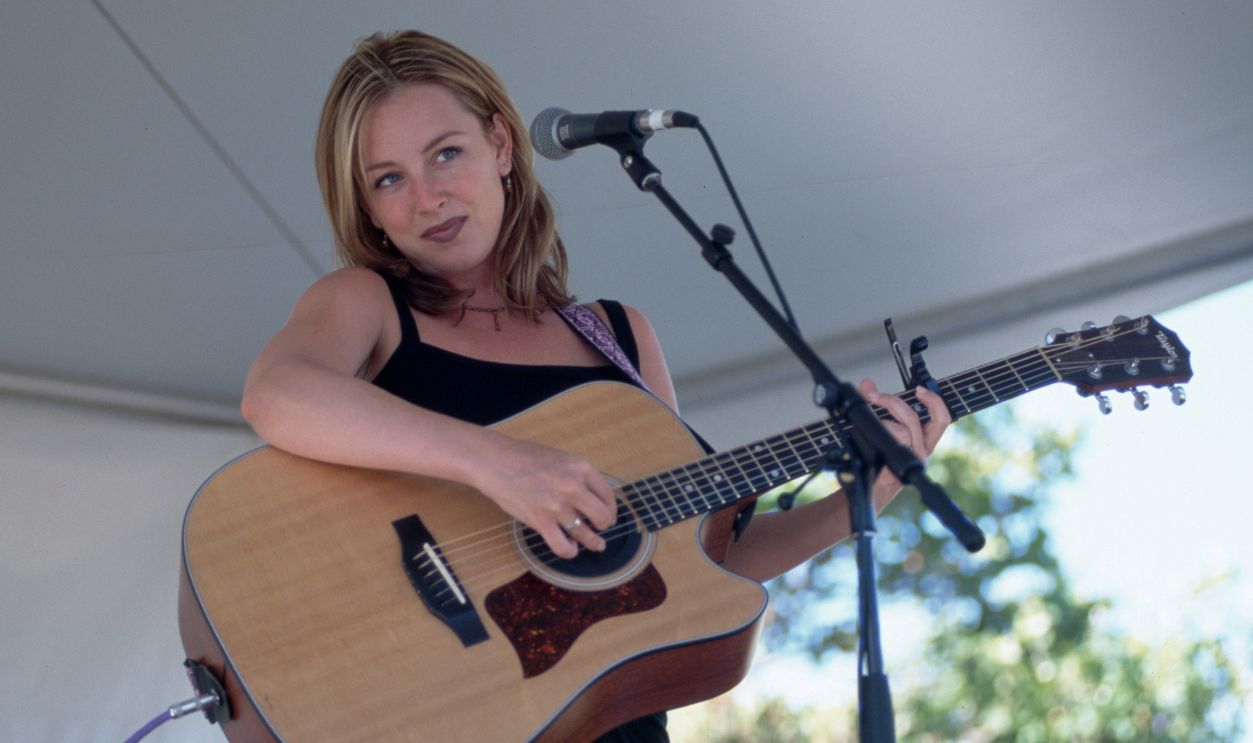
Jude
Jude Christodal, who performed simply as Jude, released No One Is Really Beautiful (1998), an album that combined acoustic guitar, alternative rock, and sharply observed lyrics. Songs such as "I'm Sorry Now" demonstrated his gift for melodic storytelling. Although he never became a major mainstream name, his work remains a worthwhile discovery for fans of 90s alternative pop.
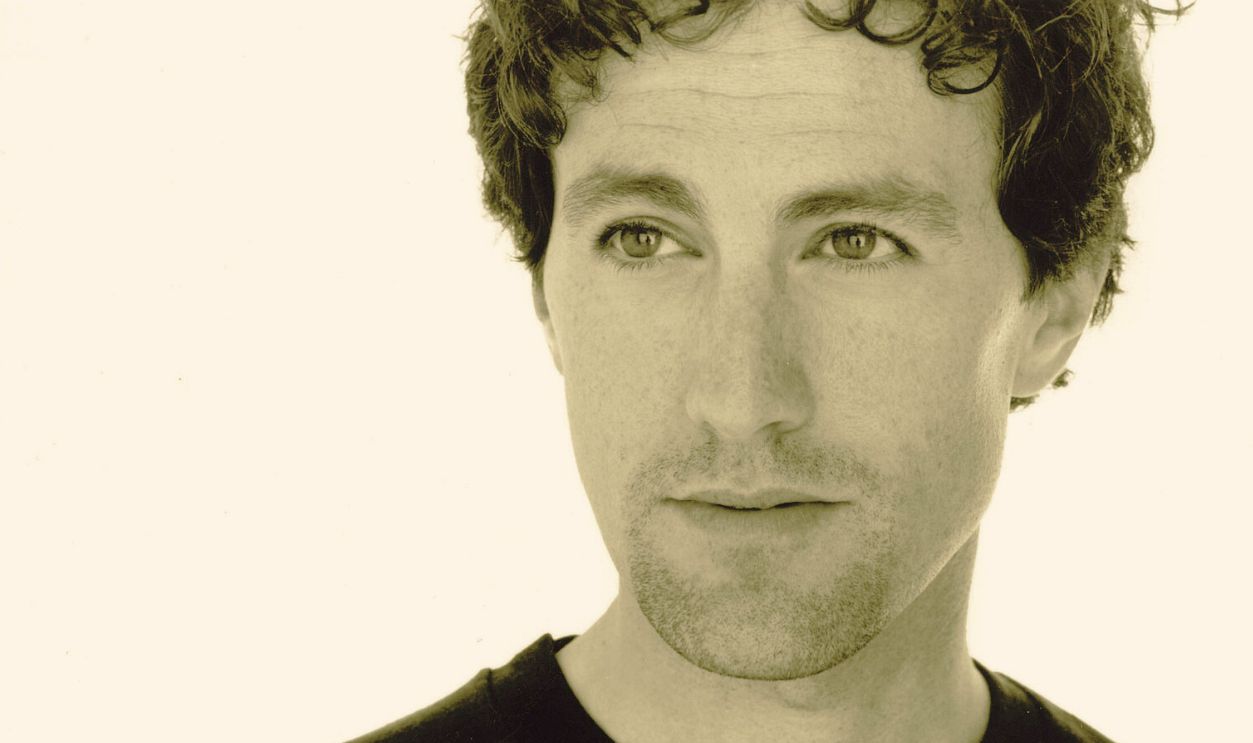 Jude Christodal, Wikimedia Commons
Jude Cole
Jude Cole enjoyed his greatest commercial success at the beginning of the decade with "Baby, It's Tonight" and "Time for Letting Go." His album A View from 3rd Street (1990) combined polished pop-rock production with thoughtful songwriting. Cole later concentrated on producing and managing other artists, but his own recordings deserve renewed attention.
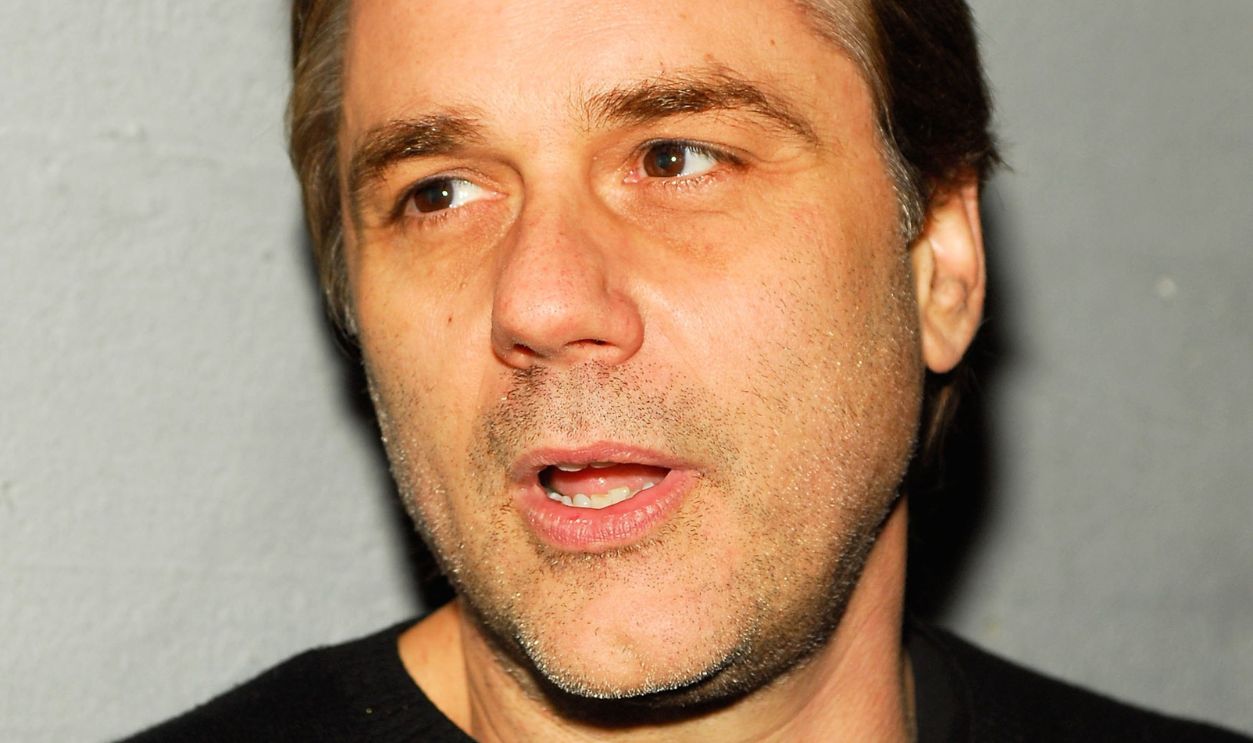 Michael Tullberg, Getty Images
Dan Wilson
Dan Wilson achieved mainstream success as the singer and principal songwriter of Semisonic, whose "Closing Time" became a defining hit of 1998. But the band's albums Great Divide (1996) and Feeling Strangely Fine (1998) contained plenty of equally impressive songwriting. Wilson later became a highly successful collaborator with artists including Adele and the Chicks, making his earlier work especially interesting to revisit.
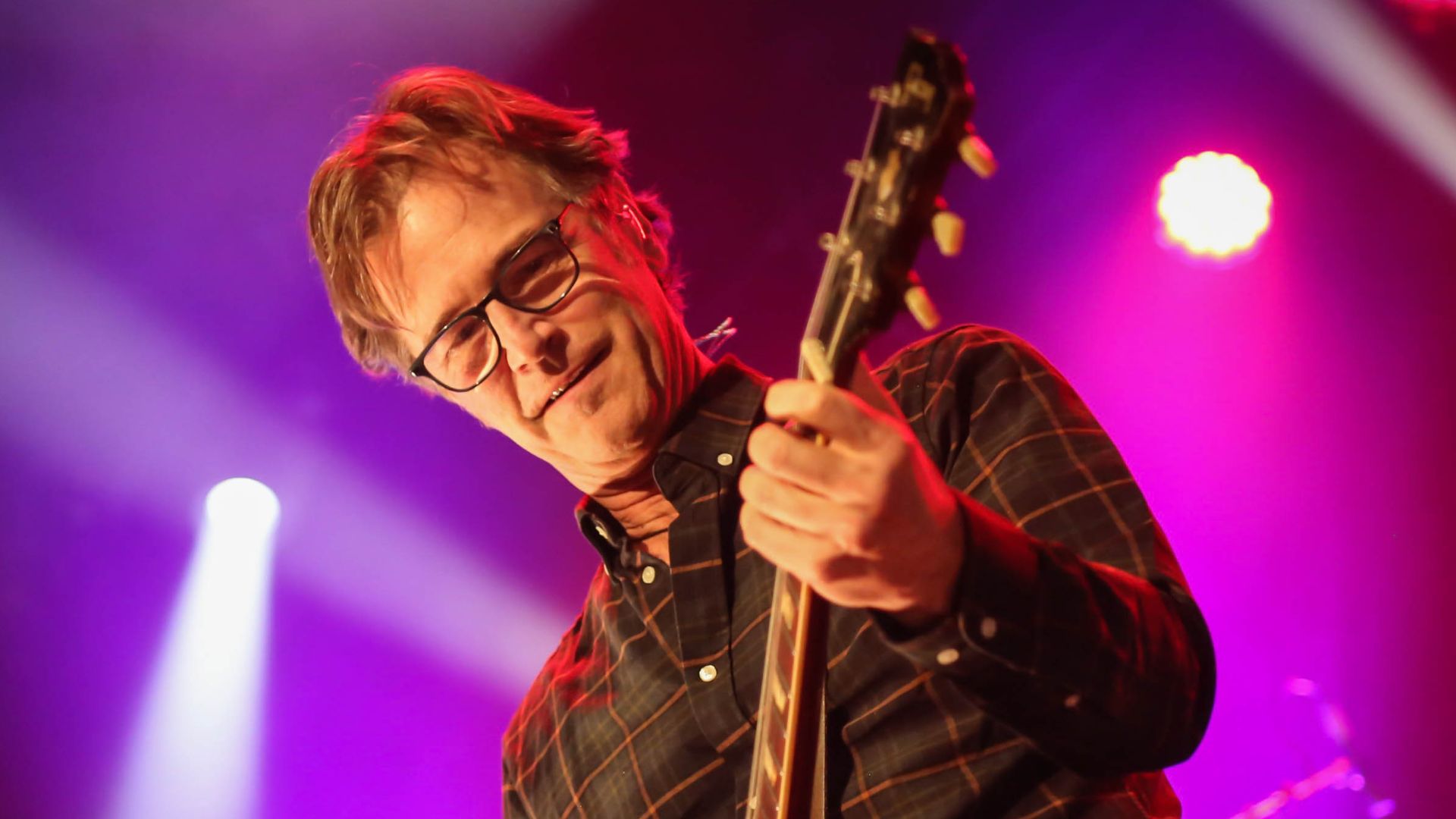 Andy Witchger, Wikimedia Commons
Nina Gordon
Nina Gordon helped define the sound of 90s alternative rock as a founding member of Veruca Salt. Her songs, including "Seether" and "Volcano Girls," combined heavy guitars with irresistible pop melodies. After leaving the band, she released the solo album Tonight and the Rest of My Life (2000). Her songwriting deserves recognition beyond the grunge-era nostalgia surrounding Veruca Salt.
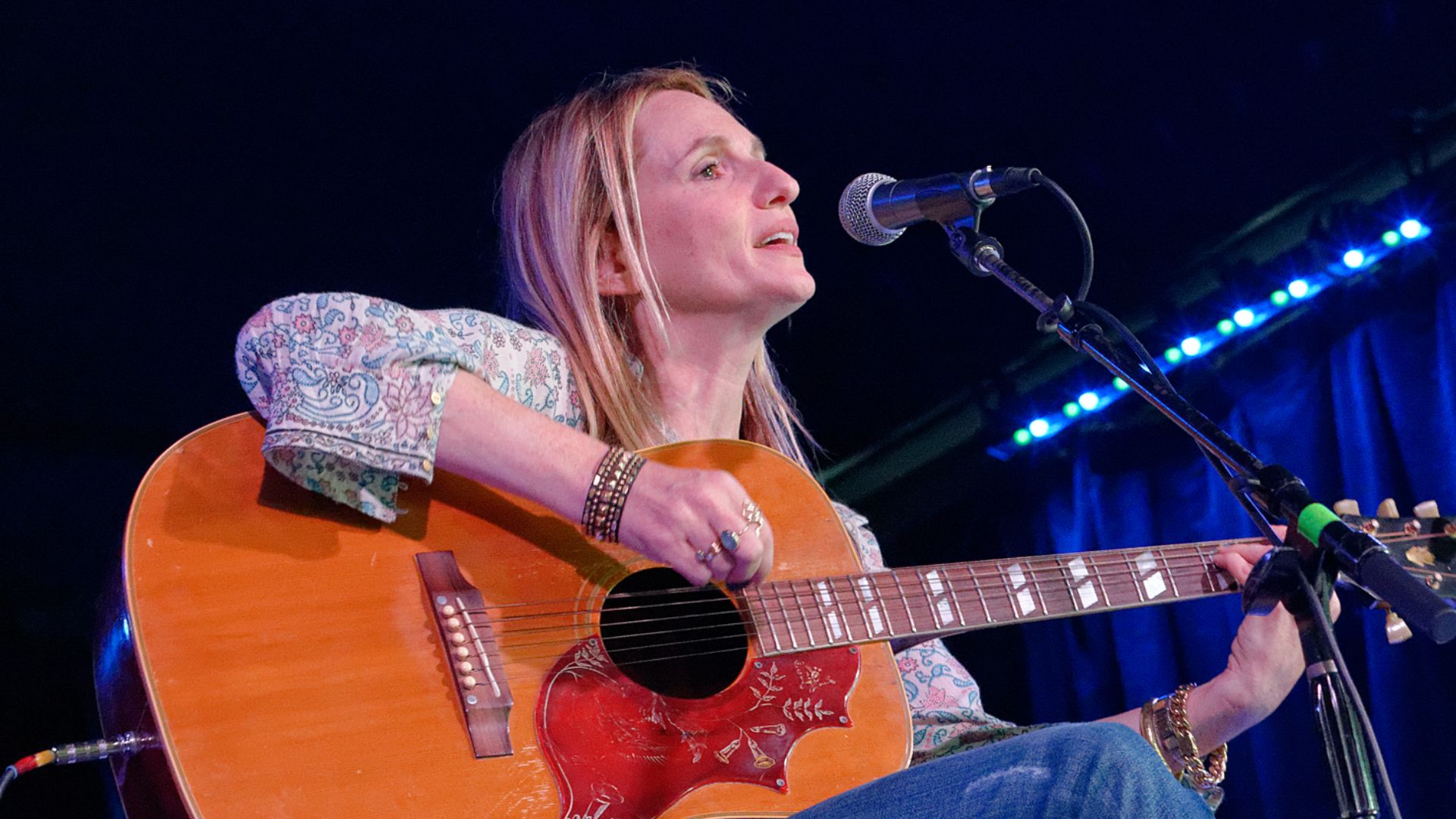 Justin Higuchi from Los Angeles, CA, USA, Wikimedia Commons
Louise Post
Louise Post was Nina Gordon's creative partner in Veruca Salt, contributing songwriting, vocals, and guitar to the band's breakthrough albums. Her work on American Thighs (1994) and Eight Arms to Hold You (1997) helped establish the group's distinctive combination of sweetness and distortion. Post continued making music after the 90s, and her contributions deserve a fresh audience.
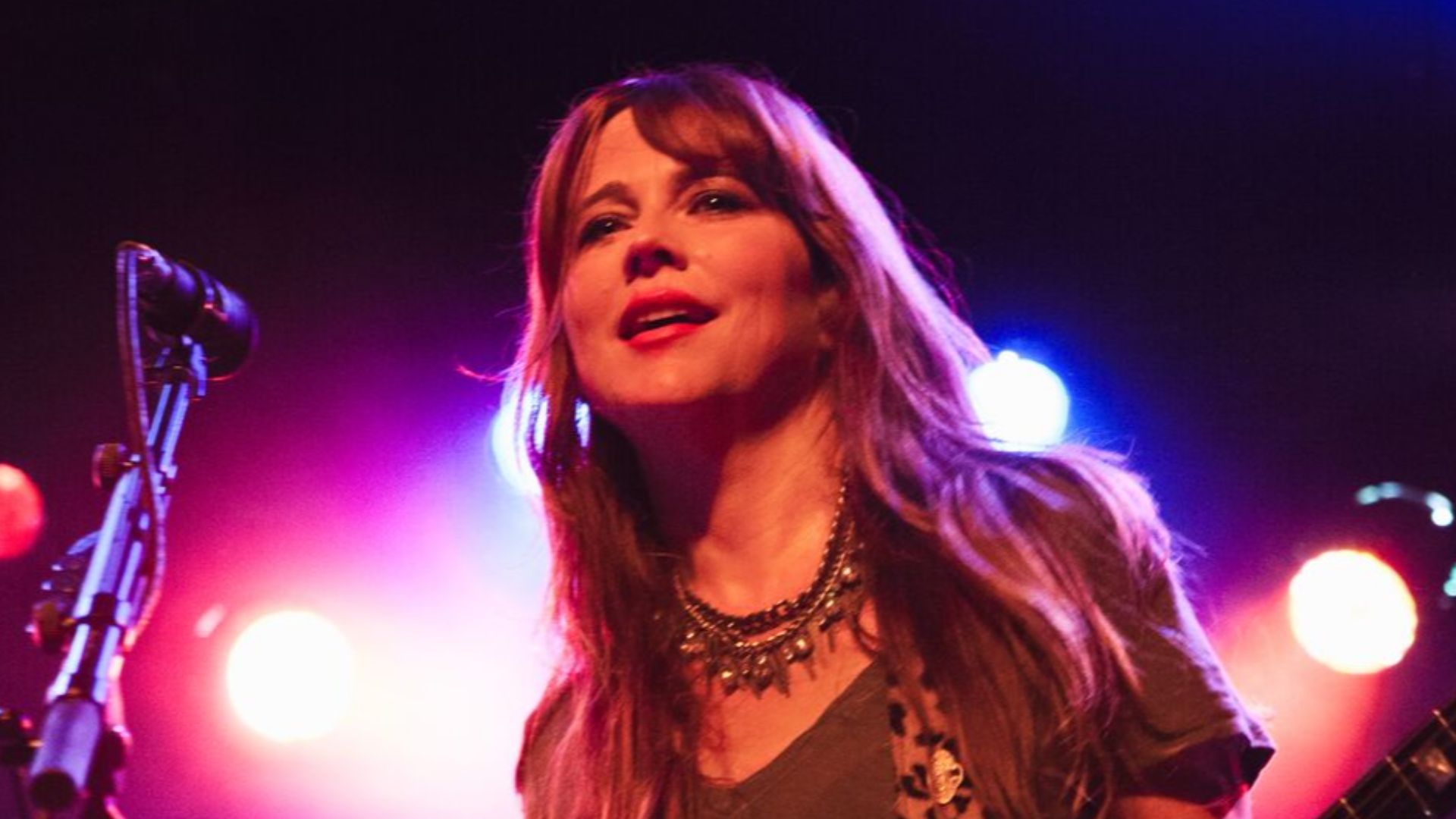 Ninastiefel, Wikimedia Commons
Chris Whitley
Chris Whitley's debut album Living with the Law (1991) introduced a remarkable musician whose haunting voice and inventive slide-guitar playing defied easy categorization. Blending blues, folk, and alternative rock, Whitley followed it with increasingly adventurous recordings, including Din of Ecstasy (1995). Although he never achieved sustained mainstream success, his uncompromising music earned devoted admirers. Whitley died in 2005, leaving behind an amazing musical legacy.
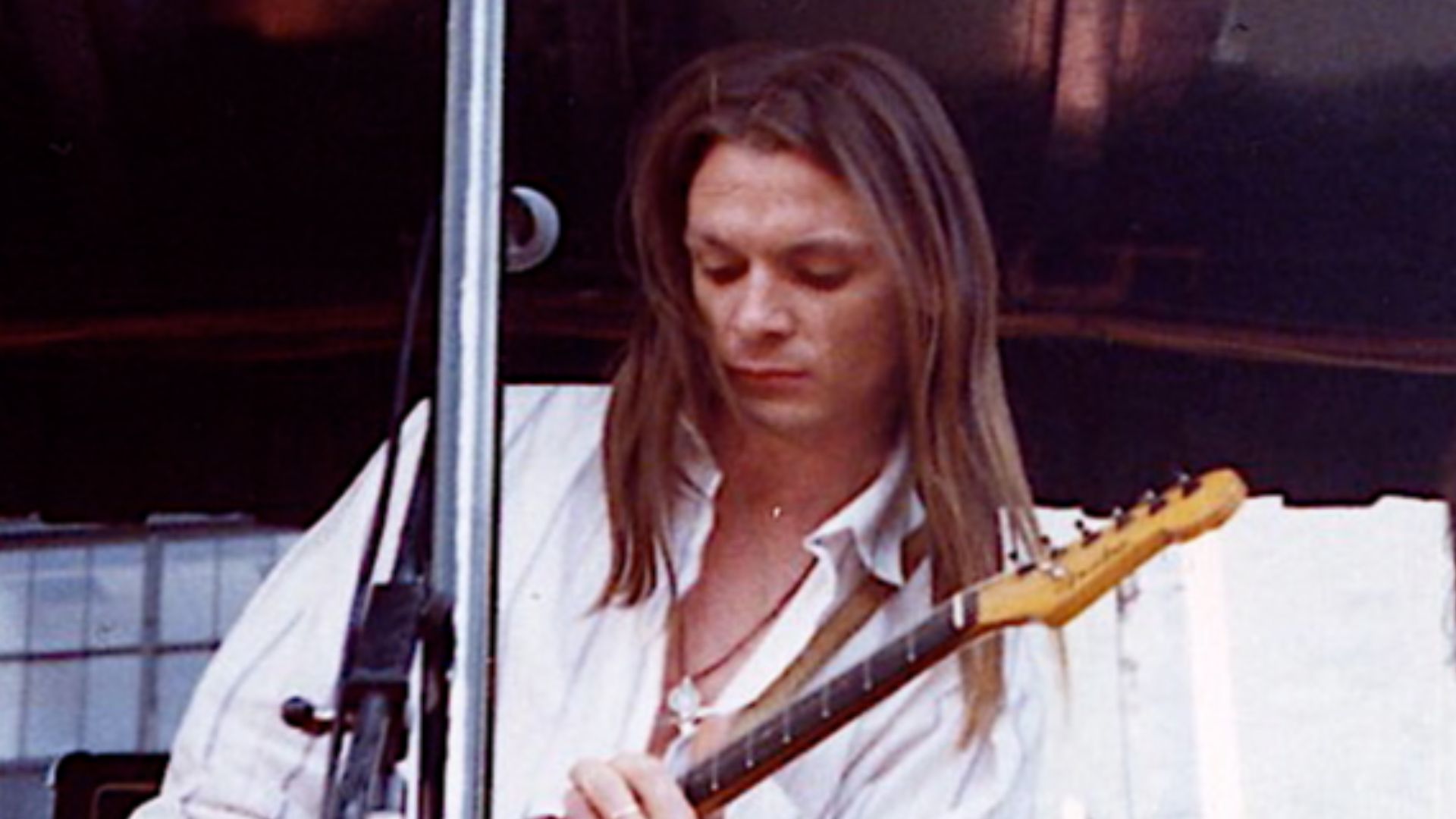 Dina Regine, Wikimedia Commons
Tanya Donelly
Tanya Donelly played important roles in Throwing Muses and the Breeders before forming Belly, whose album Star (1993) became an alternative-rock favorite. Songs such as "Feed the Tree" showcased her unusual melodies and dreamy vocals. Her solo debut, Lovesongs for Underdogs (1997), demonstrated that her songwriting remained compelling outside a band setting.
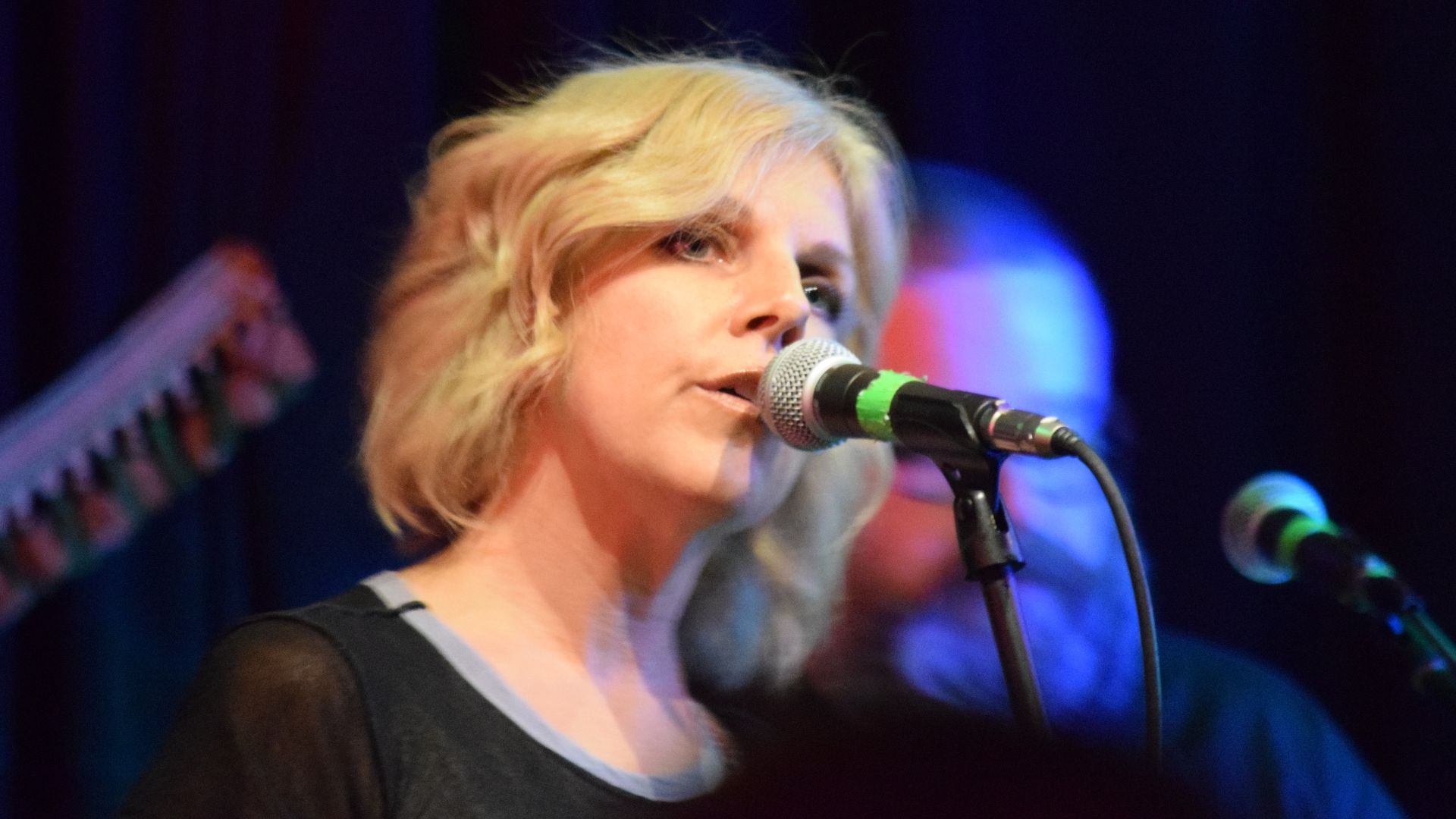 jamie_okeefe, Wikimedia Commons
Vic Chesnutt
Georgia singer-songwriter Vic Chesnutt developed a devoted cult following during the 1990s with albums such as Little (1990), West of Rome (1991), and Is the Actor Happy? (1995). His dark humor, unconventional melodies, and painfully honest lyrics made him one of alternative folk's most distinctive voices. Chesnutt died in 2009, but his remarkable songwriting continues to reward adventurous listeners.
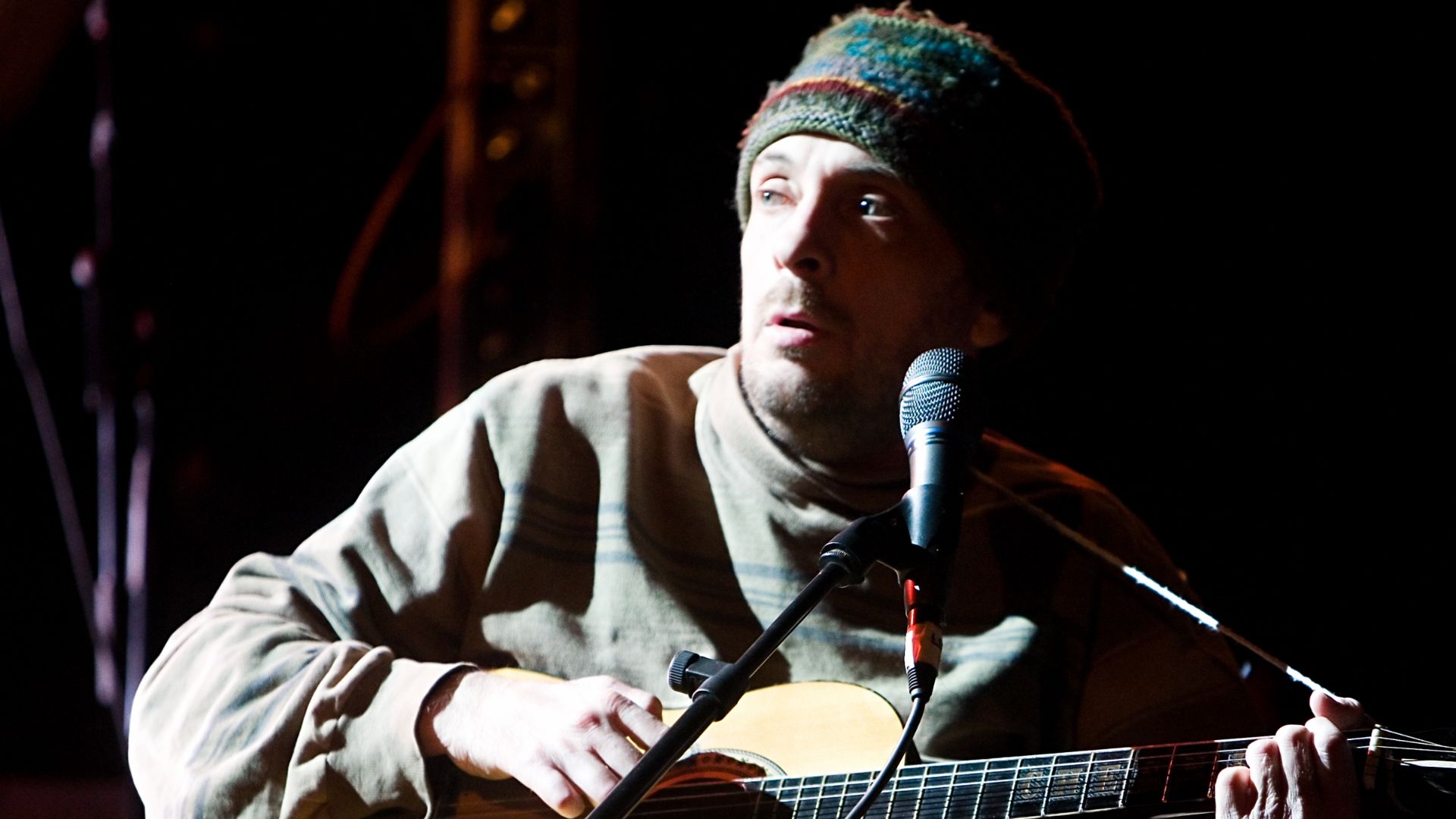 Bertrand from Paris, France, Wikimedia Commons
Kristin Hersh
Kristin Hersh established herself as the driving creative force behind Throwing Muses before releasing her solo debut Hips and Makers (1994). Its single "Your Ghost," featuring Michael Stipe, introduced a quieter side of her songwriting. Hersh's uncompromising lyrics, distinctive guitar playing, and haunting voice make her an essential discovery for listeners interested in alternative rock's more adventurous side.
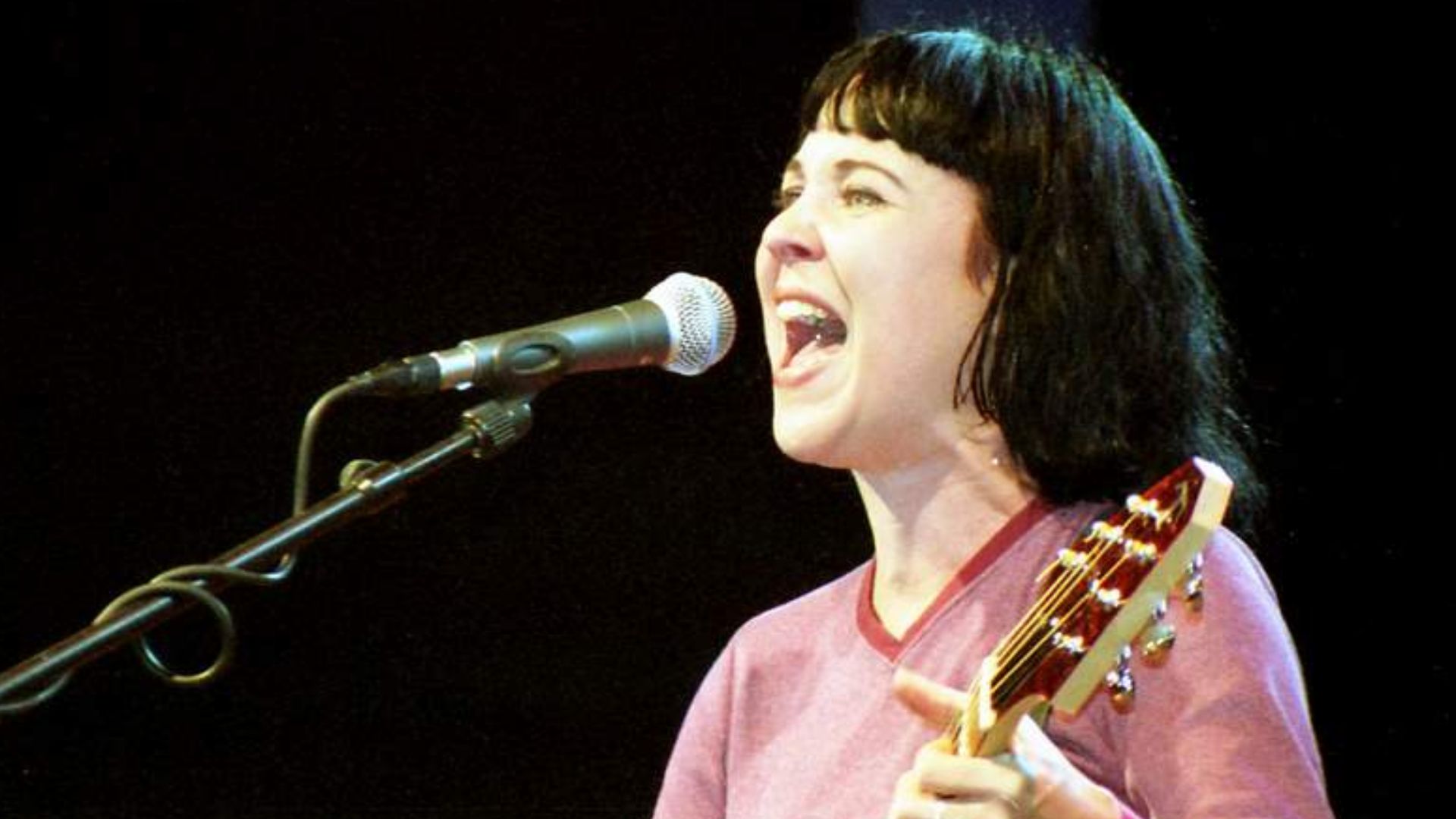 Hunter Desportes, Wikimedia Commons
David Gray
British singer-songwriter David Gray spent much of the 1990s building a devoted following before his album White Ladder (1998) transformed his career. Songs such as "Babylon" and "This Year's Love" combined heartfelt lyrics, acoustic guitar, and subtle electronic arrangements. Gray eventually became a major international star, but his earlier albums reveal a rawer, equally compelling songwriter deserving of rediscovery.
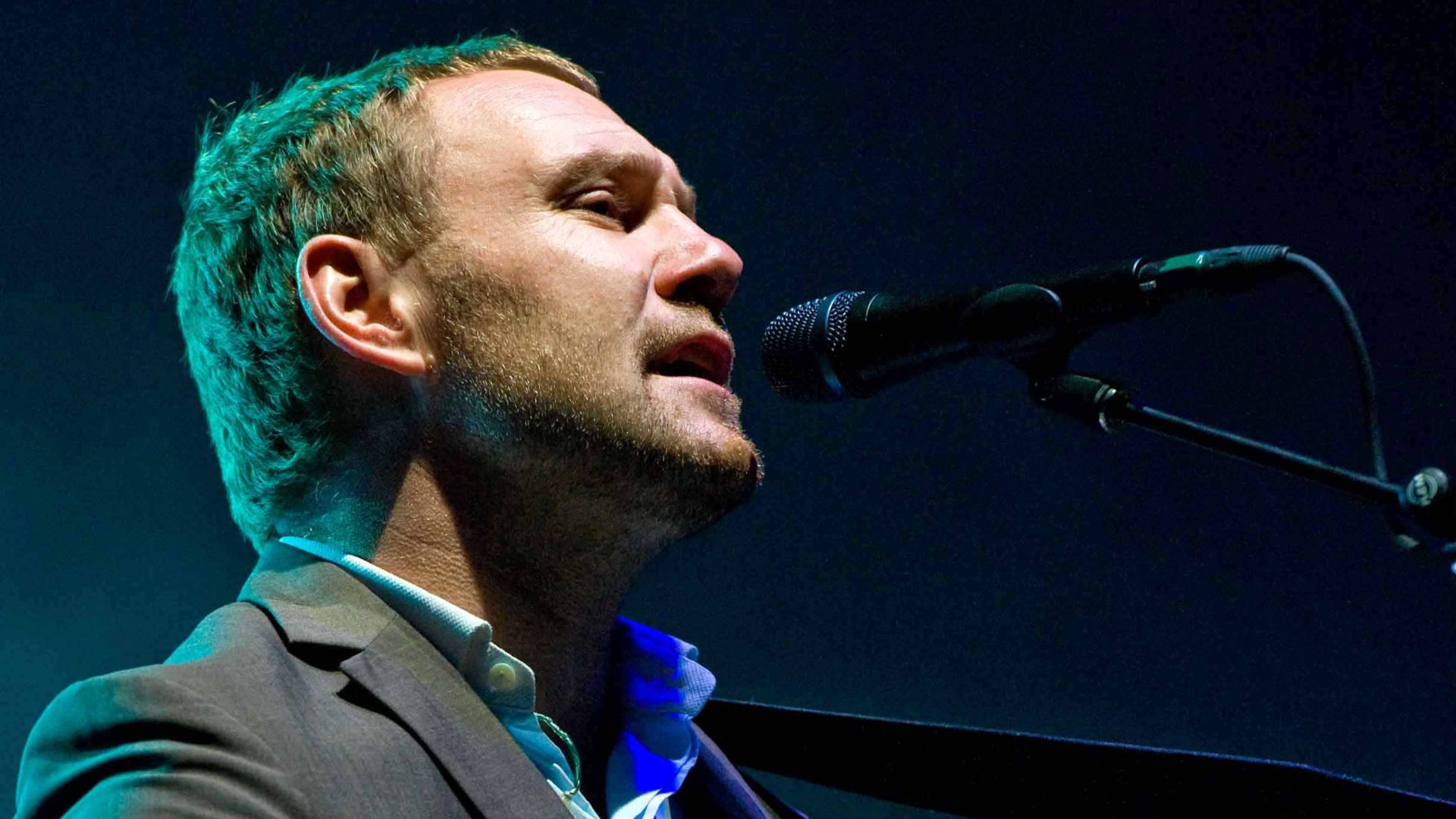 (Kirk Stauffer), Wikimedia Commons
Frente!'s Angie Hart
Australian singer-songwriter Angie Hart became internationally recognizable as the voice of Frente!, whose acoustic cover of New Order's "Bizarre Love Triangle" attracted considerable attention in the mid-90s. But the band's original material, particularly on Marvin the Album (1992), demonstrated that there was much more to Frente! than one famous cover. Hart contributed to the group's songwriting, including co-writing "Labour of Love" with guitarist Simon Austin, while other members also supplied material. Her distinctive vocals and later solo work deserve renewed attention.
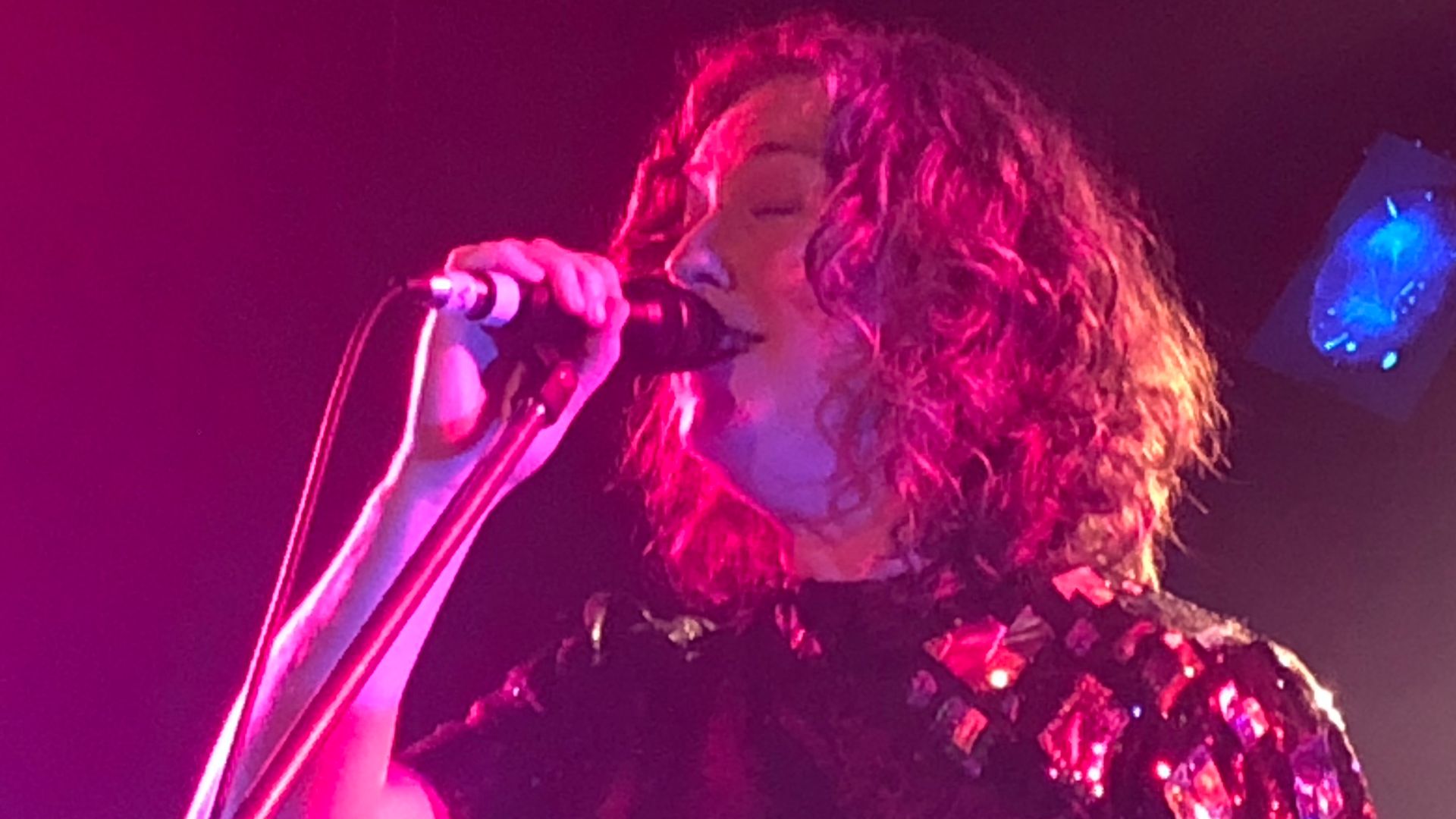
The Music Is Still There
Some of these artists had enormous hits. Others built smaller but fiercely loyal audiences. What connects them is that their best music has outlasted the trends that originally surrounded it. For younger listeners willing to explore beyond the decade's most familiar playlists and start rooting around in the 90s, the decade still has plenty of remarkable voices waiting to be heard.
You May Also Like:
Great 60s Songs Sung By Artists Most People Couldn't Name Today. How Many Do You Remember?
Forgotten Rock Bands From The 1970s—Their Songs Survived, But Their Names Didn’t