When Talking Records Outsold Rock Stars
Long before podcasts and streaming specials, families gathered around record players to hear comedians, satirists, and storytellers perform entire routines. Some of these spoken-word albums became so popular that they competed with Elvis, the Beatles, and the biggest singers of the day. How many do you remember hearing?
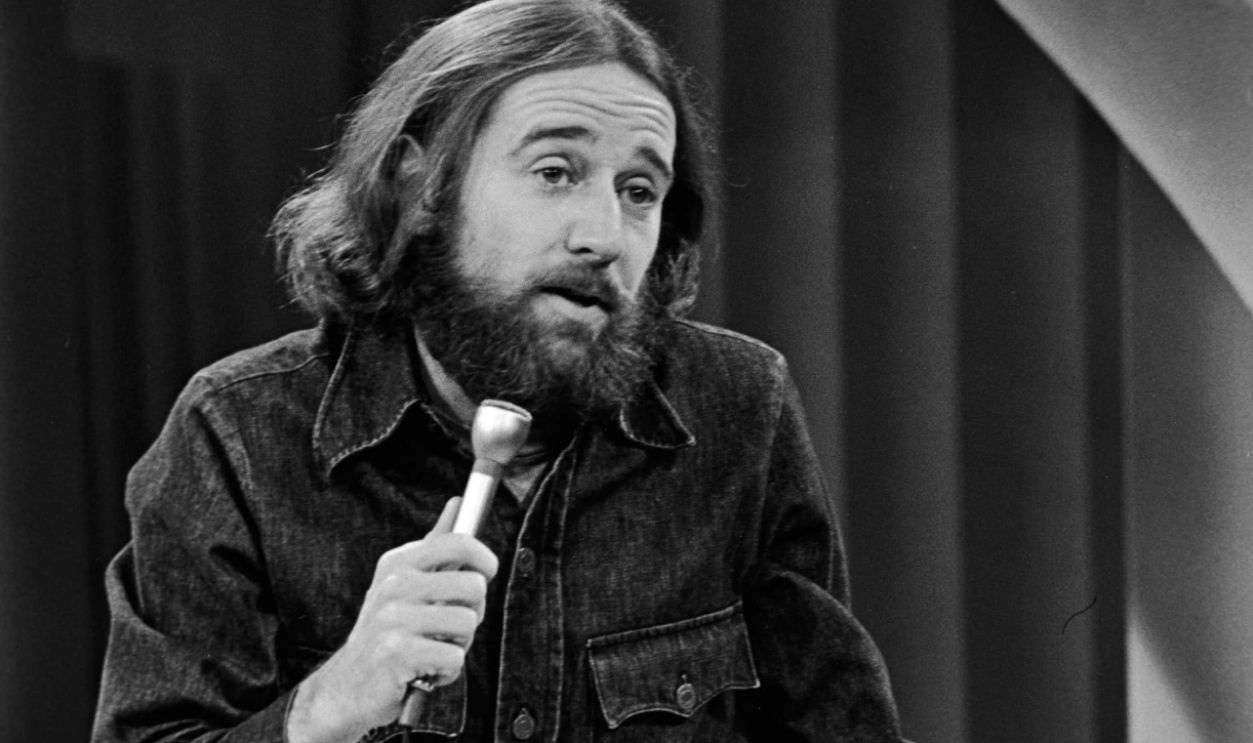
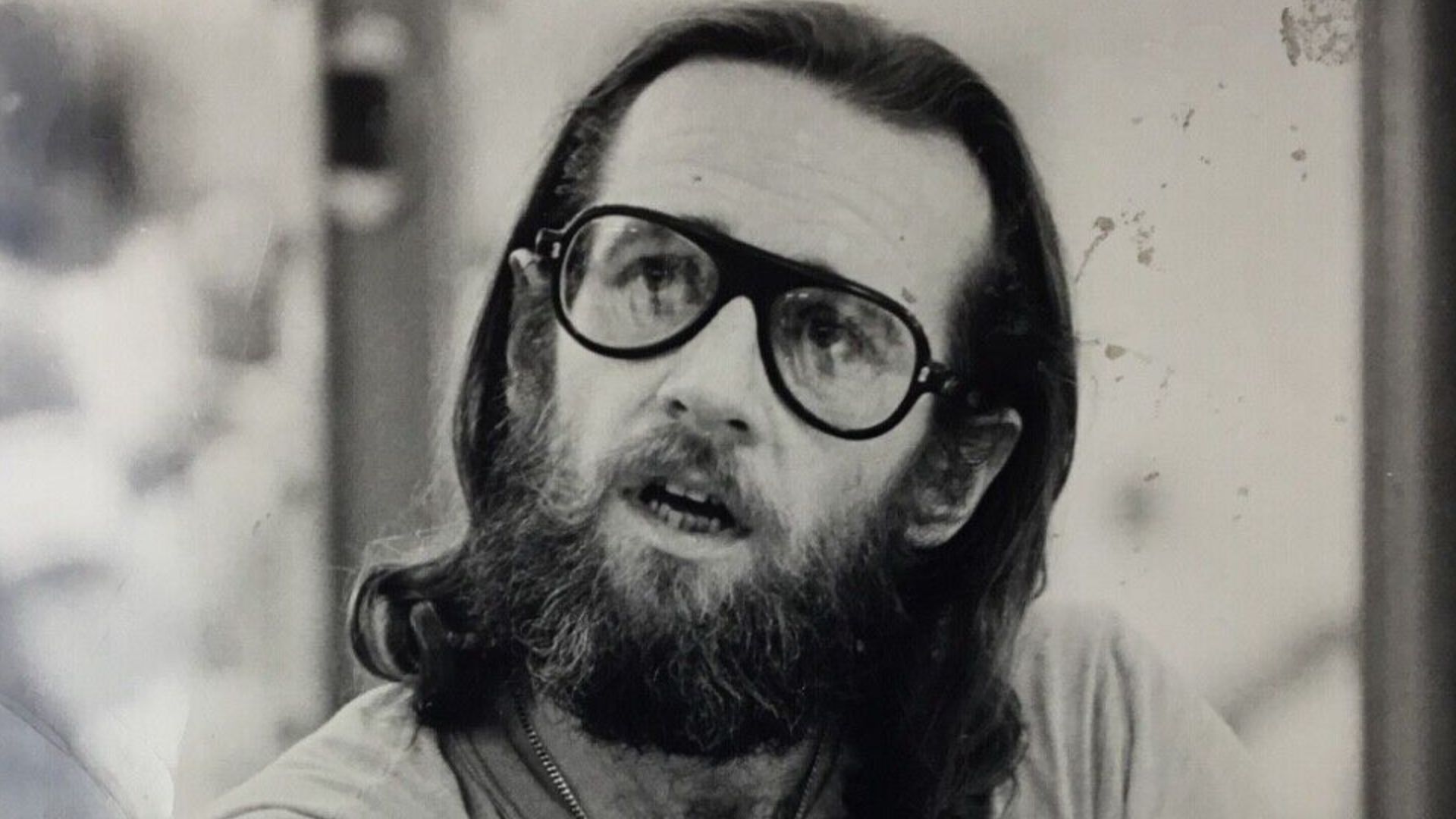
#25: On the Road — George Carlin
George Carlin’s 1977 album reached No. 90 on the Billboard 200, an impressive showing for a record built almost entirely around one man talking. Recorded at the Dorothy Chandler Pavilion in Los Angeles, it featured Carlin examining language, advertising, religion, and everyday absurdities with the precision of a slightly irritated professor.
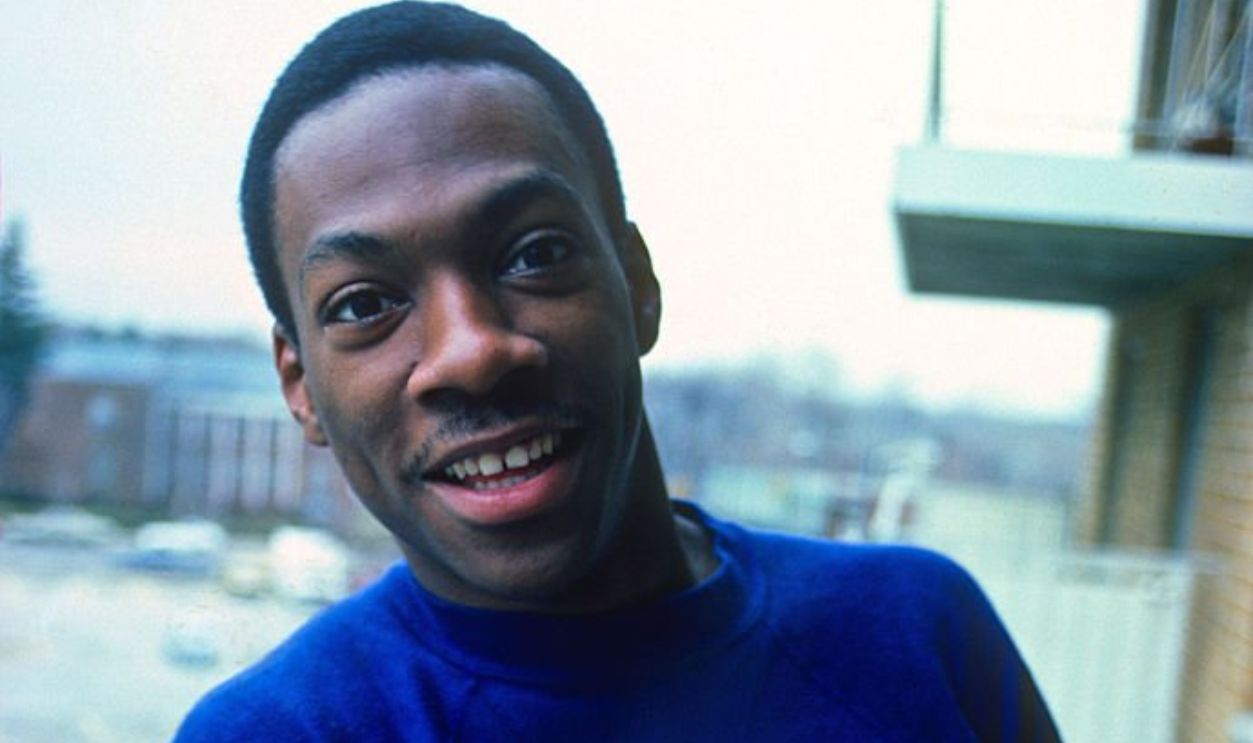
#24: Eddie Murphy — Eddie Murphy
Released in 1982, Eddie Murphy’s self-titled debut comedy album reached No. 52 on the Billboard 200 and eventually earned platinum certification. Murphy was barely into his twenties, but his popularity on Saturday Night Live had already made him a star. Fans bought the record to hear material television could not comfortably broadcast.
 Allan Tannenbaum, Getty Images
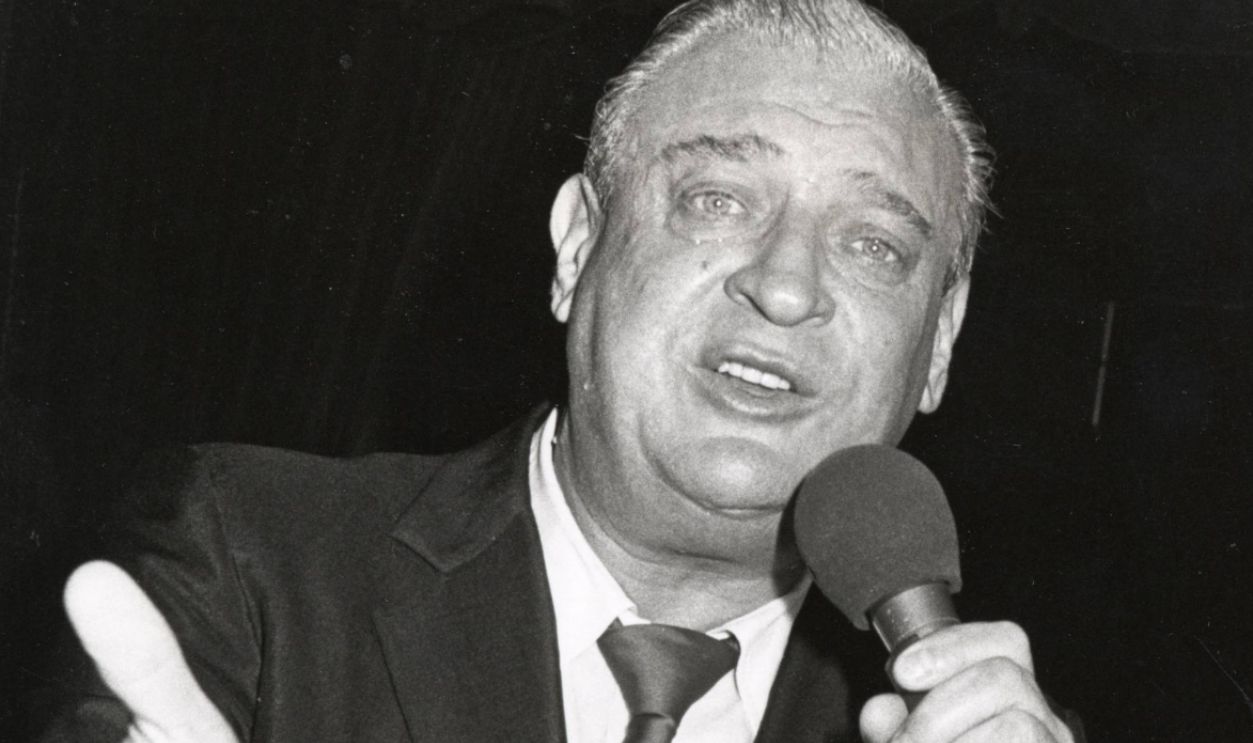
#23: No Respect — Rodney Dangerfield
Rodney Dangerfield turned his most famous complaint into a hit comedy album in 1980. No Respect climbed to No. 48 on the Billboard 200, proving that listeners were perfectly willing to pay for an entire record about one man’s humiliations. Dangerfield’s rapid-fire delivery made repeat listening essential because another joke arrived before the previous laugh had ended.
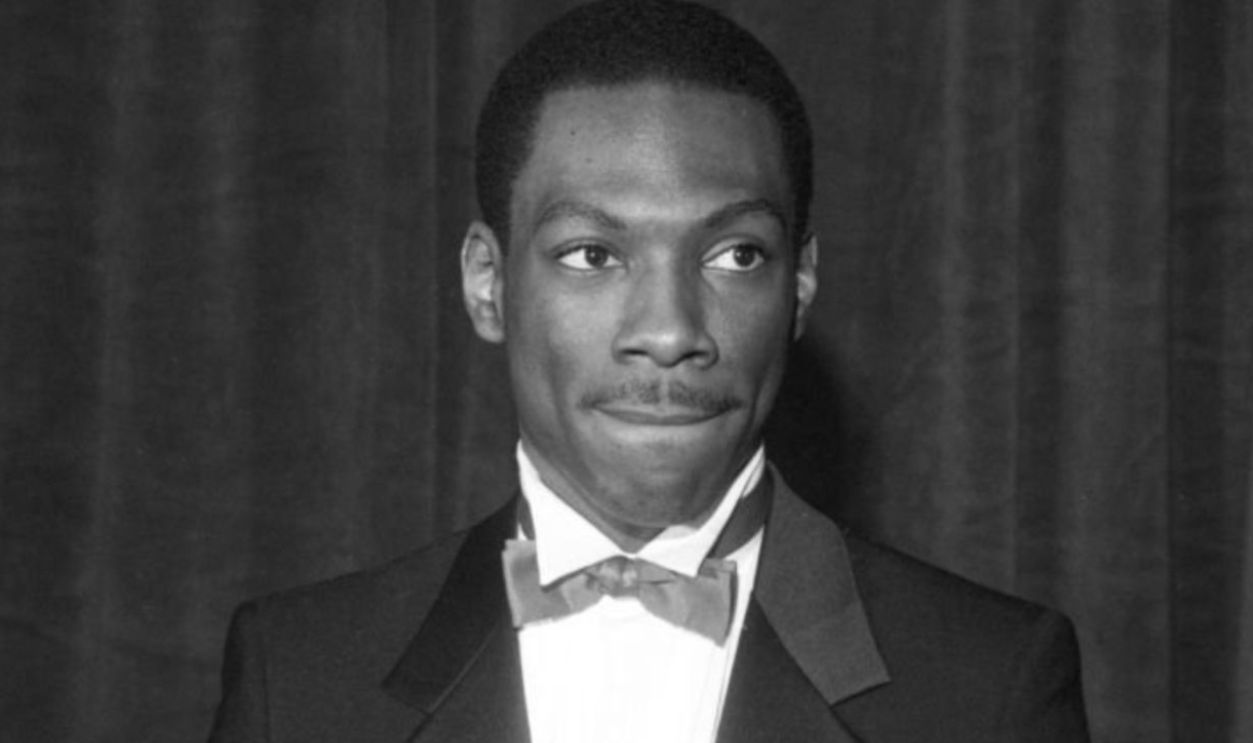
#22: Comedian — Eddie Murphy
Murphy’s second live comedy album reached No. 35 on the Billboard 200 and became an even bigger seller than his debut, earning double-platinum certification. Released in 1983, Comedian captured the young performer during his rapid transition from television sensation to movie star. Apparently, becoming famous did not stop him from having plenty to discuss.
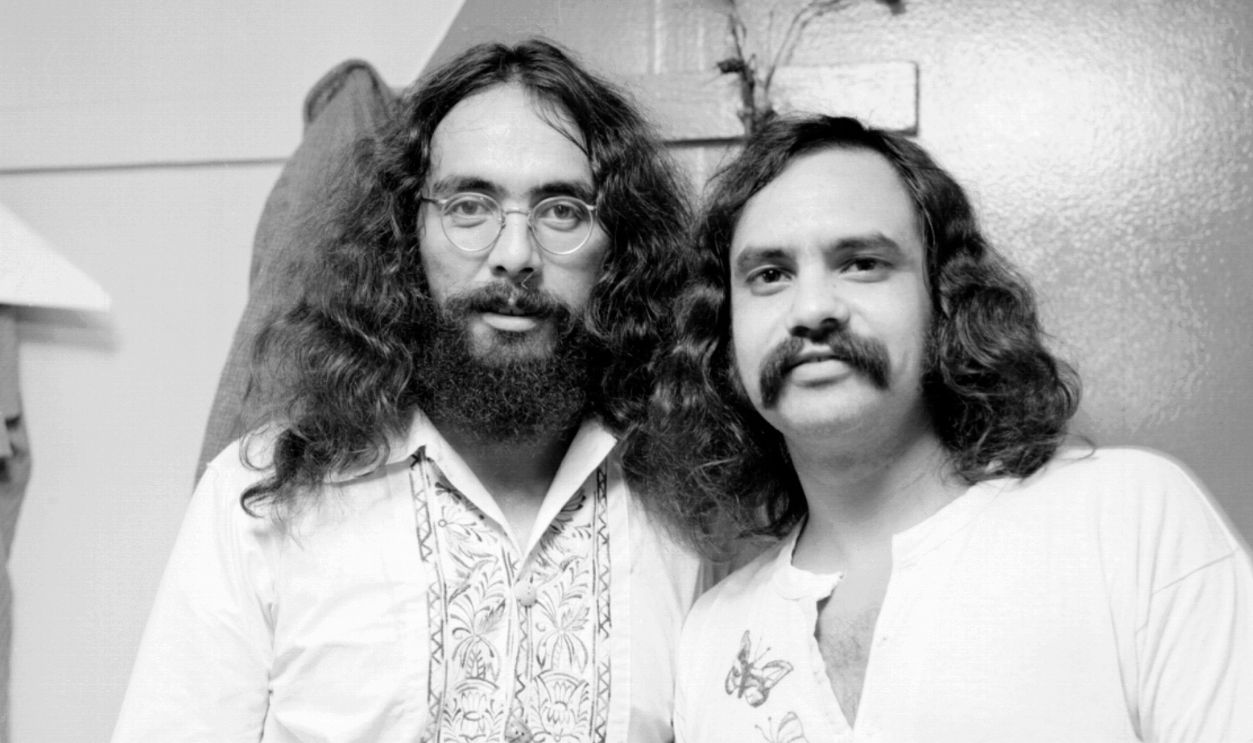
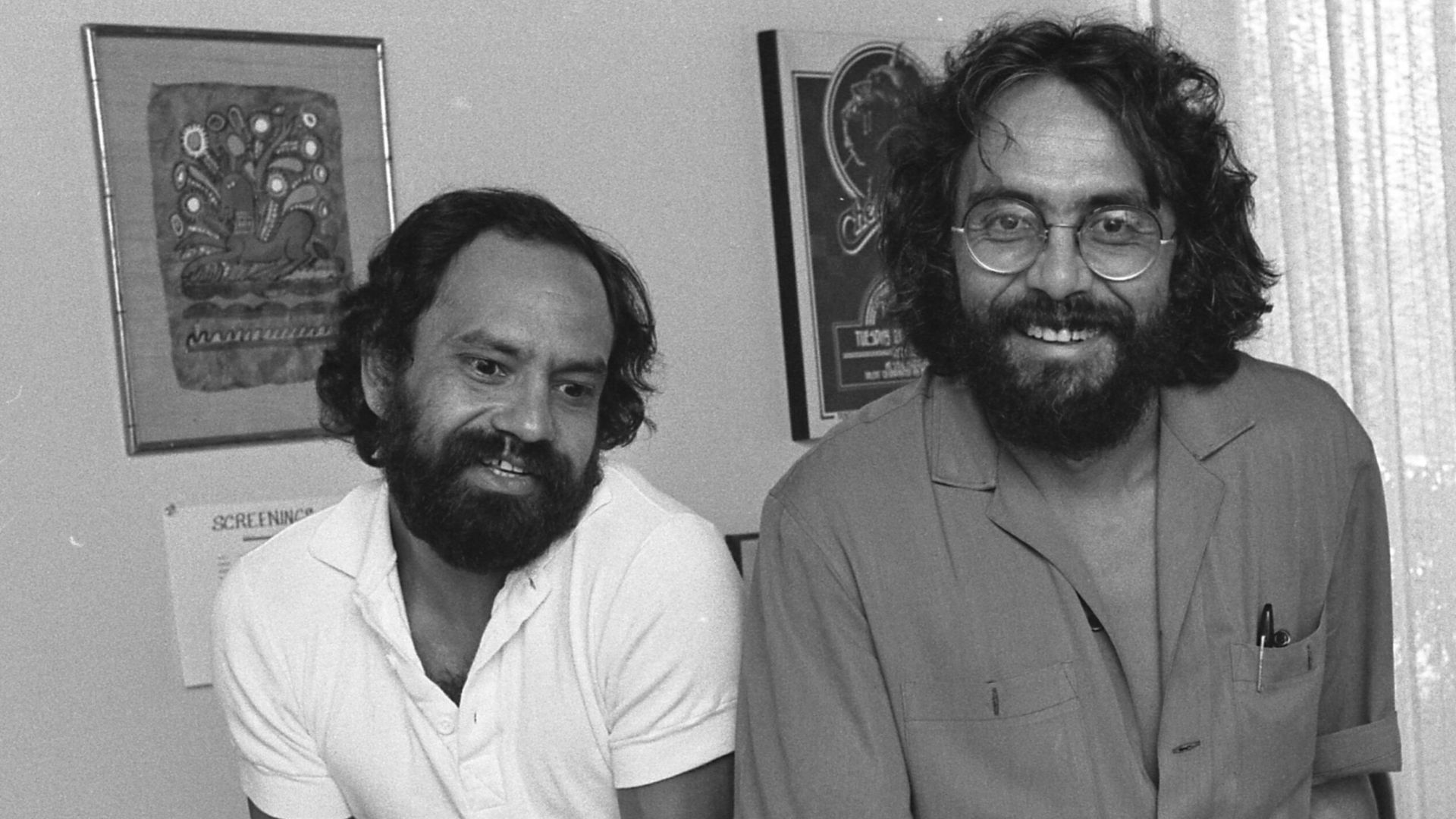
#21: Cheech and Chong — Cheech & Chong
Cheech Marin and Tommy Chong’s 1971 debut introduced record buyers to their counterculture characters and studio-created sketches. It reached No. 28 on Billboard’s album chart, powered partly by the endlessly quoted “Dave” routine. The record demonstrated that a comedy duo could create an entire imaginary world without costumes, scenery, or anyone opening the door.
 Michael Ochs Archives, Getty Images
#20: A Personal Appearance — Shelley Berman
Shelley Berman’s fourth album reached No. 25 on the Billboard 200 in 1961. His carefully constructed monologues often placed him in awkward conversations, with Berman performing only one side of the exchange. Listeners supplied the unseen character in their imaginations, making his records feel like miniature radio plays with one extremely anxious participant.
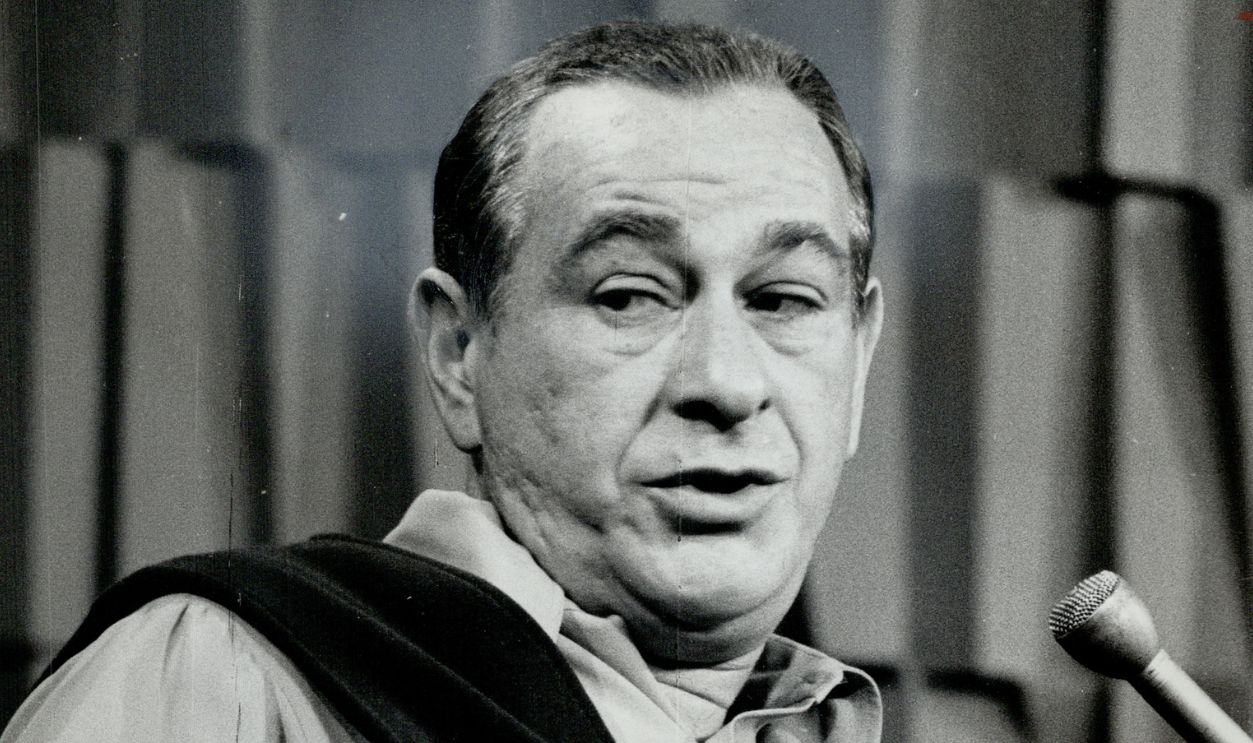
#19: Class Clown — George Carlin
Released in 1972, Class Clown reached No. 22 on the Billboard album chart and captured Carlin’s transformation from conventional nightclub comic to counterculture observer. Its most famous routine examined words prohibited from broadcast television. That material would eventually become connected to a landmark Supreme Court case involving broadcast regulation, giving the album an unusually serious legacy.
 The Bellringer., Wikimedia Commons
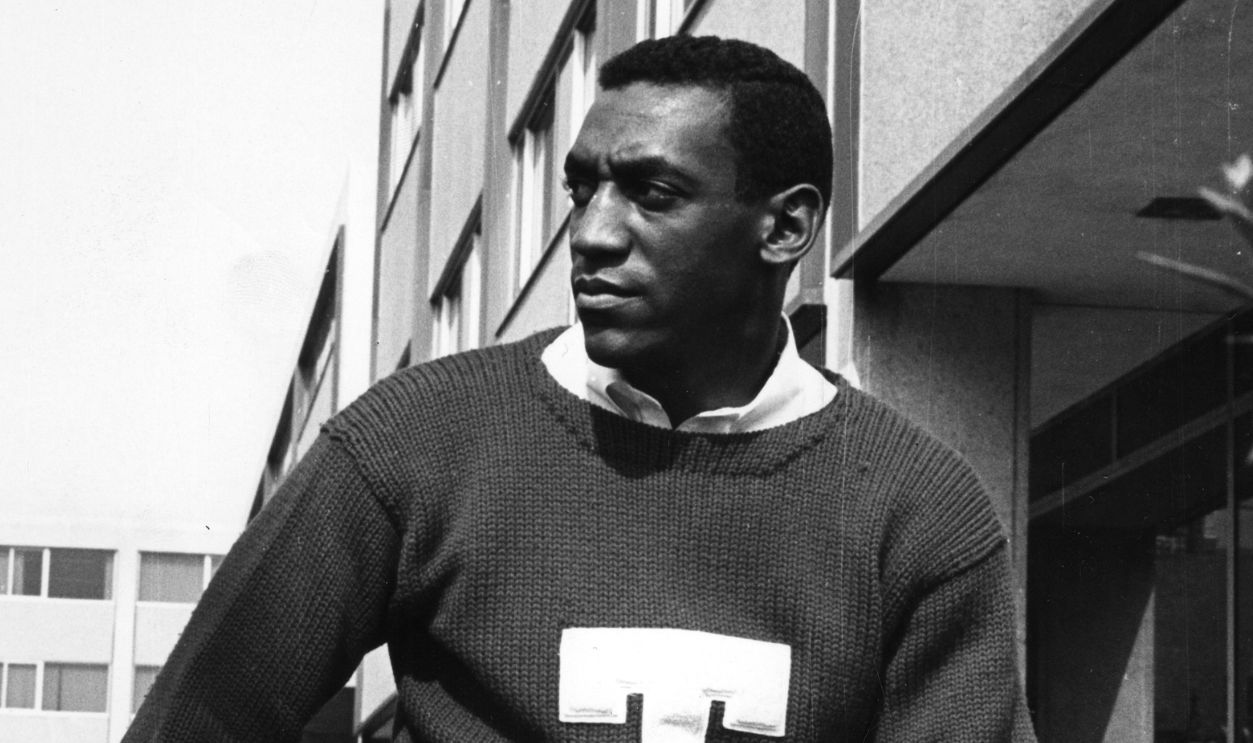
#18: Bill Cosby Is a Very Funny Fellow…Right! — Bill Cosby
Bill Cosby’s 1963 debut album climbed to No. 21 on the Billboard chart and remained there long enough to establish him as a major recording star. The album introduced his conversational storytelling style to listeners nationwide. Rather than simply delivering punchlines, he recreated childhood experiences and let the humor emerge gradually from the details.
 Transcendental Graphics, Getty Images
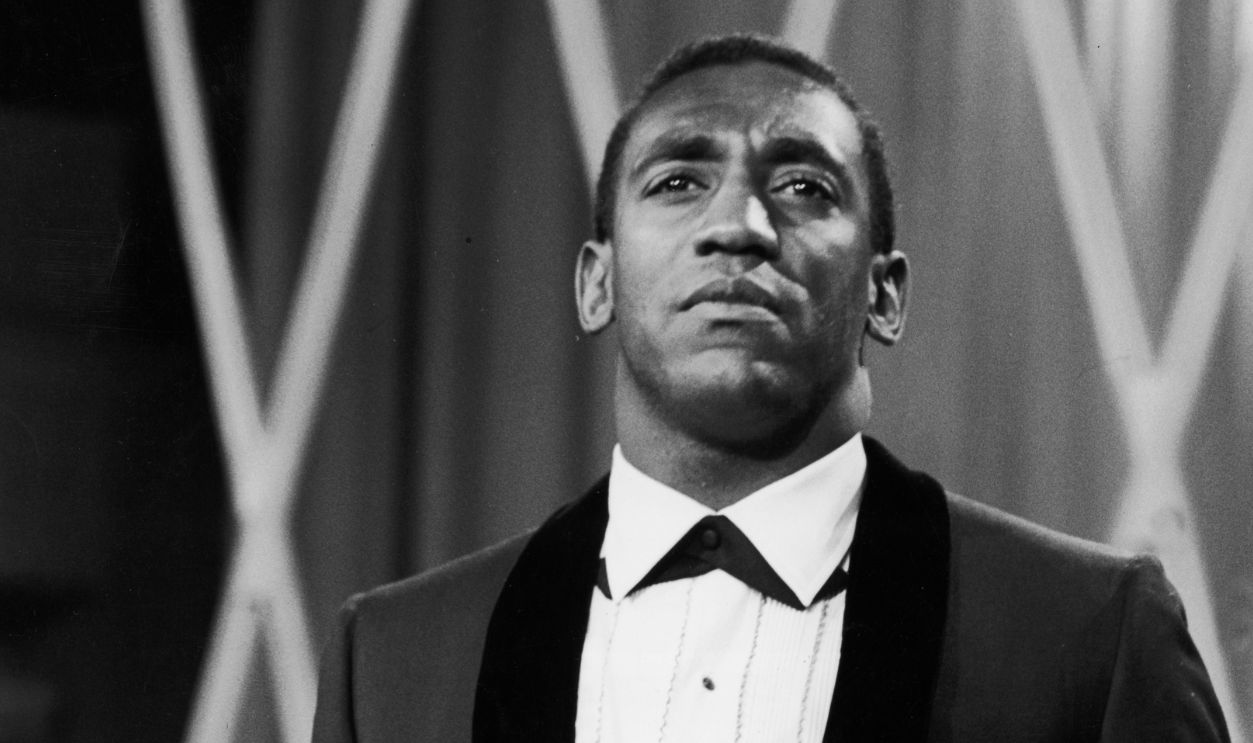
#17: Why Is There Air? — Bill Cosby
Released in 1965, Why Is There Air? reached No. 19 on the Billboard 200 and spent more than two years on the chart. Its routines covered college, marriage, sports, and family life. The album’s longevity showed how often comedy records were replayed in homes, dorm rooms, and anywhere people owned both a turntable and patient neighbors.
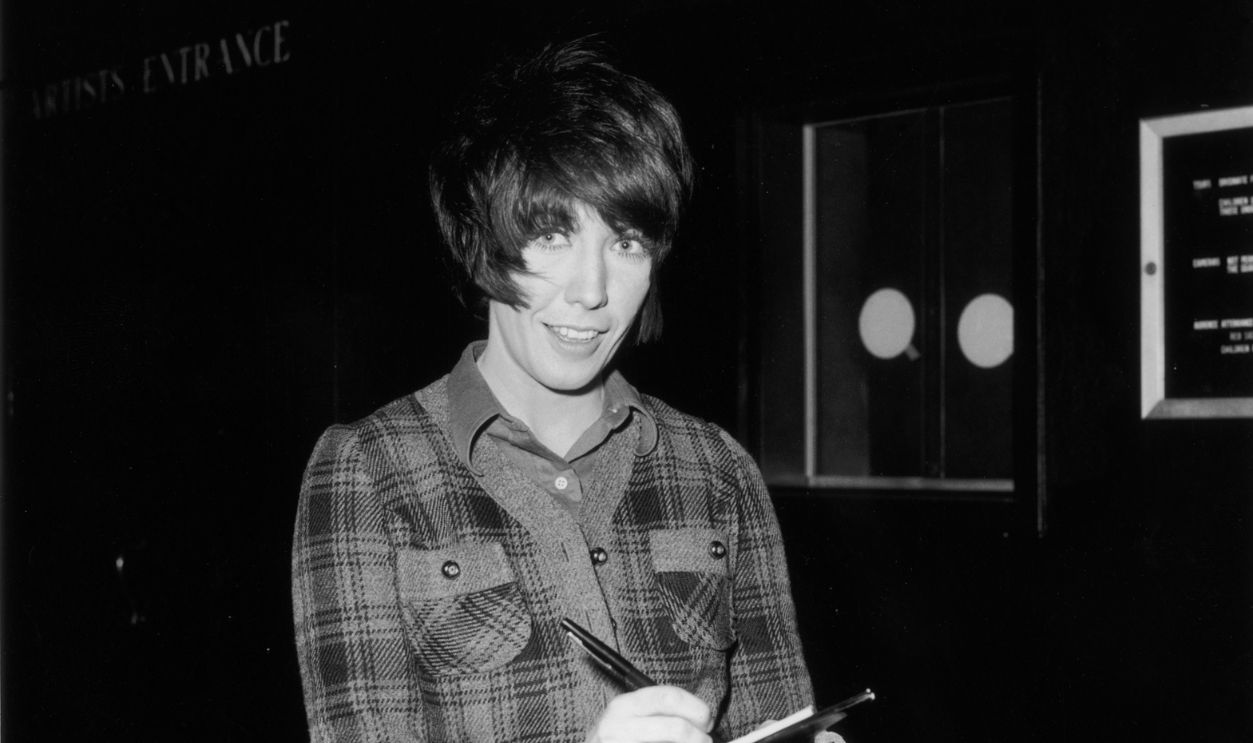
#16: This Is a Recording — Lily Tomlin
Lily Tomlin’s 1971 debut reached No. 15 on the Billboard 200, becoming the highest-charting solo comedy album by a woman at the time. Tomlin performed characters including Ernestine, the confidently unhelpful telephone operator. The album also won a Grammy, confirming that irritating customer service could become prestigious art when performed with sufficient comic timing.
 Fotos International, Getty Images
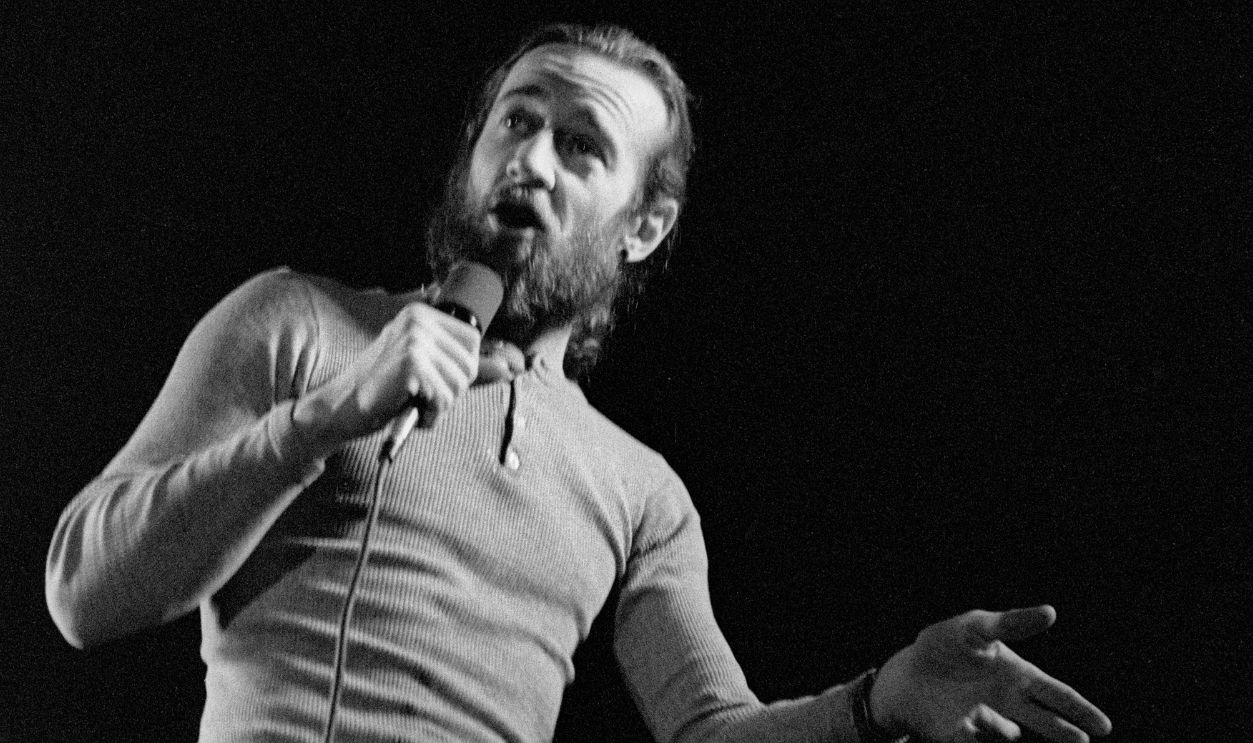
#15: FM & AM — George Carlin
Carlin divided this 1972 album between his older, television-friendly style and the sharper counterculture material transforming his career. FM & AM reached No. 13 on Billboard’s album chart and won a Grammy. The title cleverly contrasted safer AM-radio entertainment with the freer attitudes associated with FM, effectively documenting Carlin reinventing himself in real time.
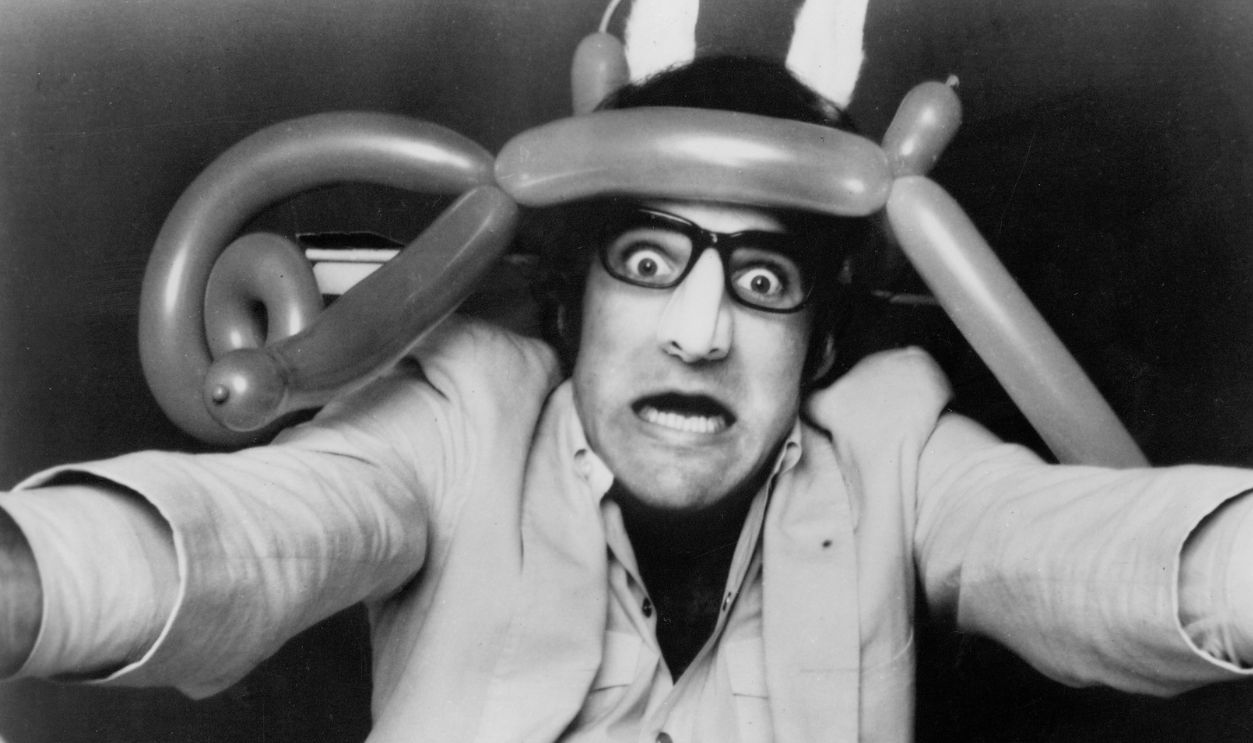
#14: Let’s Get Small — Steve Martin
Steve Martin’s first comedy album reached No. 10 on the Billboard 200 in 1977 and became a platinum seller. Some routines depended on physical movements, so listeners could hear Martin’s shoes as he performed invisible dances. Somehow, the missing visuals made the album funnier, encouraging fans to imagine exactly what nonsense he was doing onstage.
 Michael Ochs Archives, Getty Images
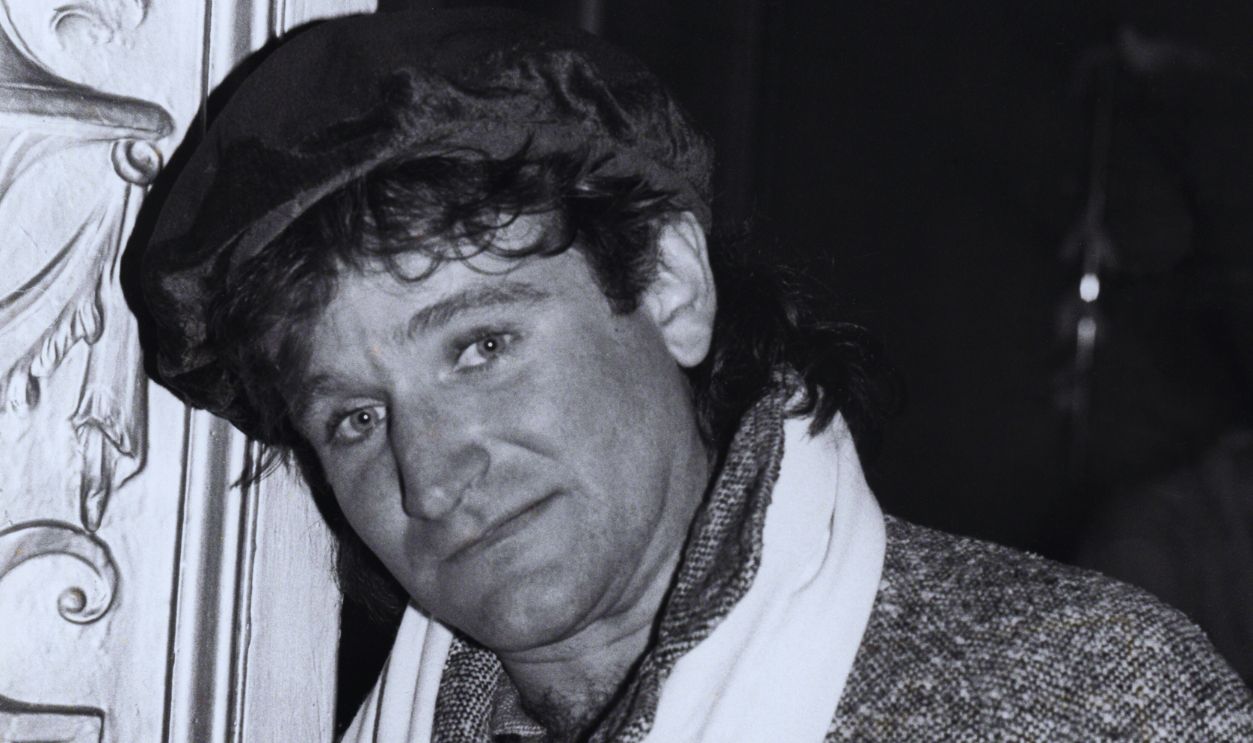
#13: Reality…What a Concept — Robin Williams
Recorded while Robin Williams was becoming famous through Mork & Mindy, this 1979 album reached No. 10 on the Billboard 200 and earned gold certification. Williams raced through characters, accents, impressions, and improvised detours at remarkable speed. Listening could feel like turning a radio dial while someone else changed every station before you could object.
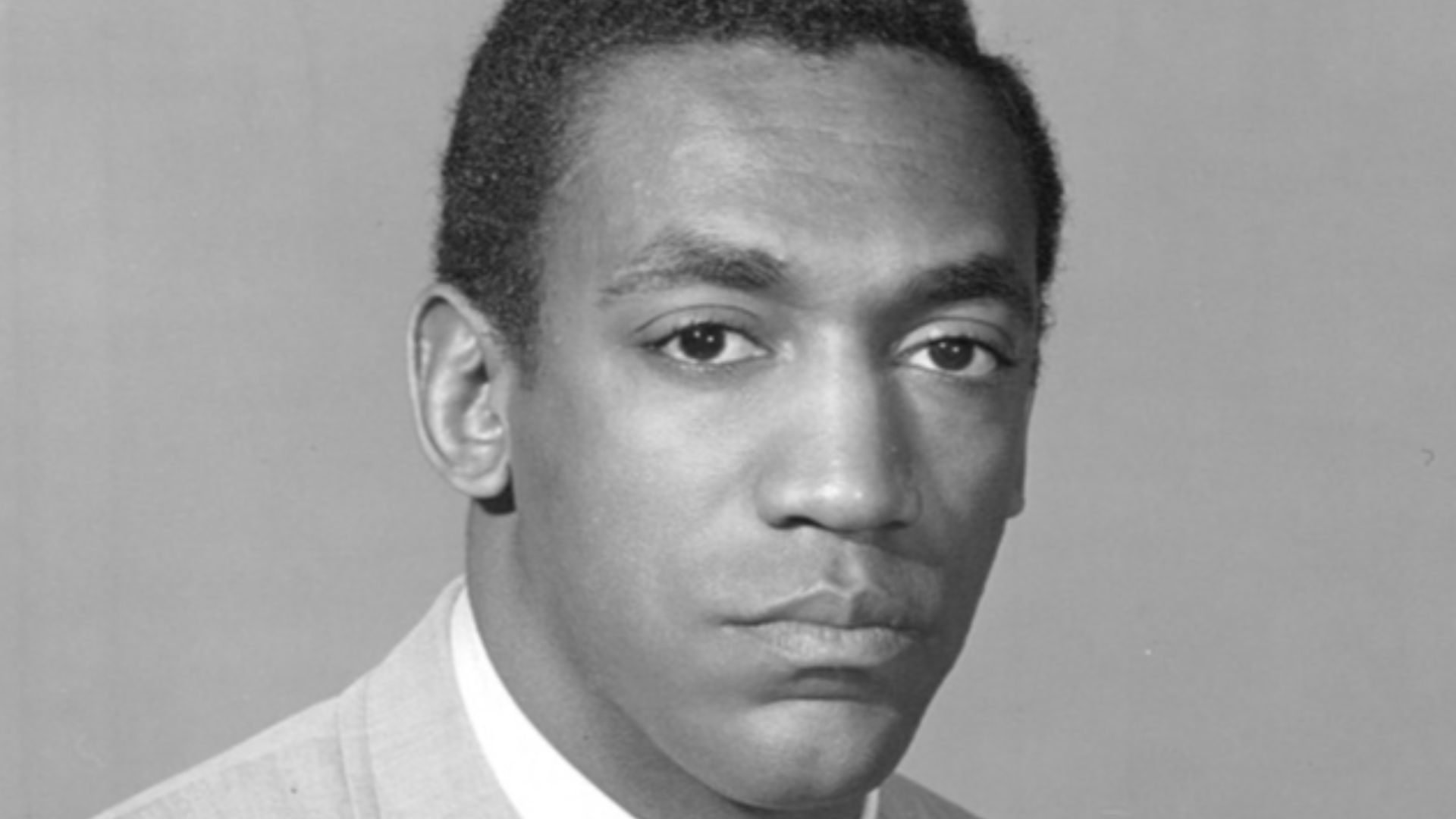
#12: Wonderfulness — Bill Cosby
Wonderfulness reached No. 7 on the Billboard 200 in 1966 and spent more than 100 weeks on the chart. The childhood stories included early appearances by characters associated with Fat Albert and his friends. Listeners treated these recollections almost like favorite television episodes, replaying them until entire families could anticipate every turn in the story.
 NBC Television, Wikimedia Commons
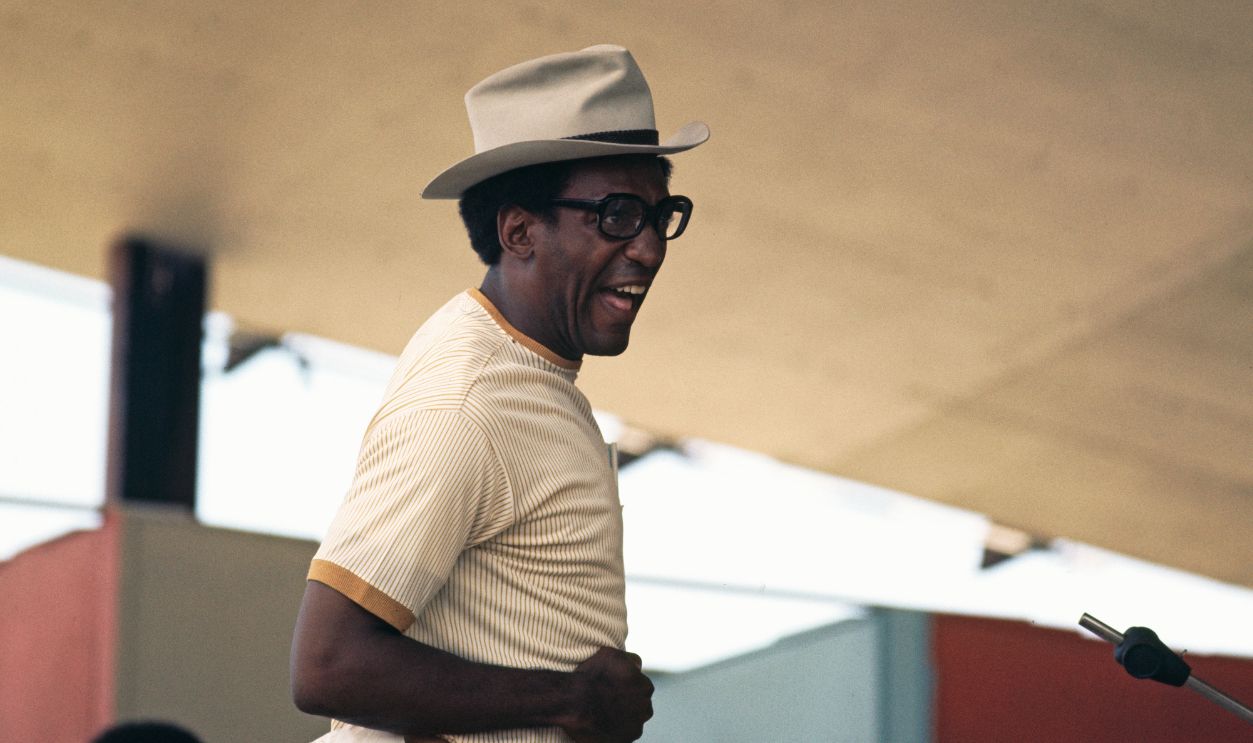
#11: To Russell, My Brother, Whom I Slept With — Bill Cosby
This 1968 album also reached No. 7 on the Billboard 200. Its title routine recalled the comedian sharing a childhood bed with his younger brother and the arguments that followed. The lengthy story demonstrated why the album format suited spoken comedy: a performer could patiently build a scene without worrying about commercial breaks or impatient television producers.
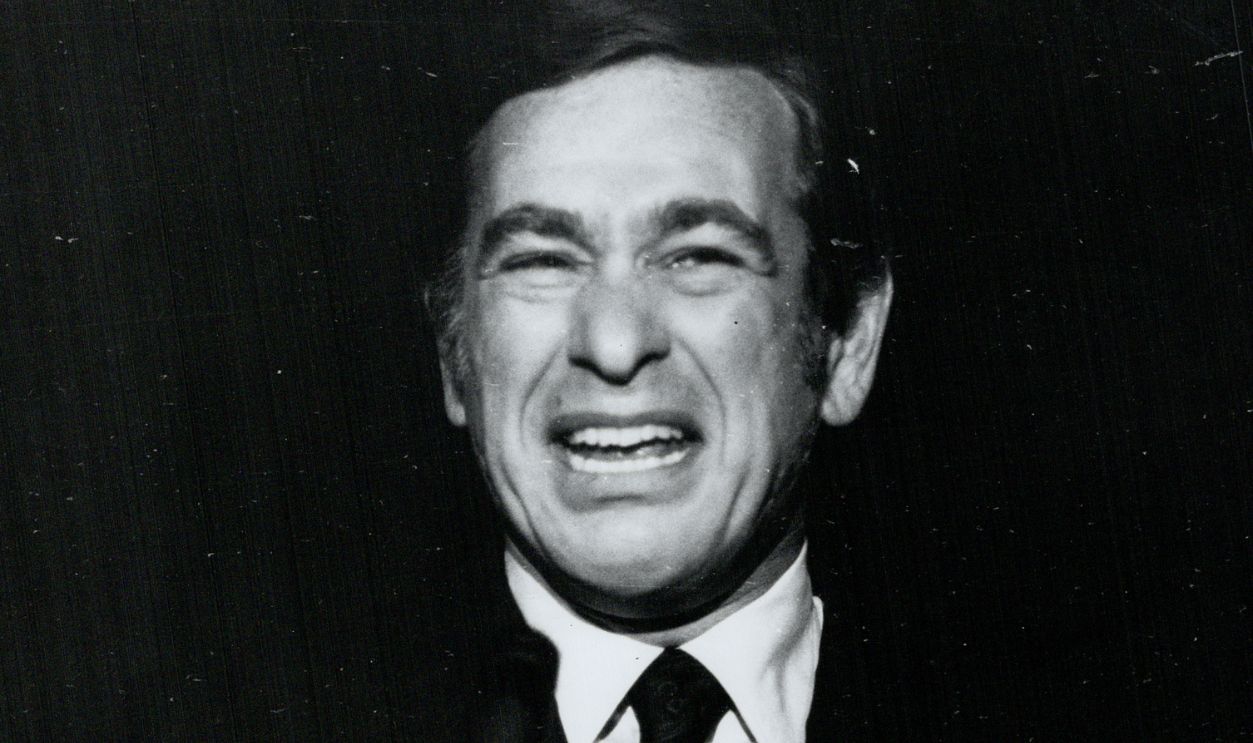
#10: Outside Shelley Berman — Shelley Berman
Berman quickly followed his successful debut with Outside Shelley Berman, which reached No. 6 on Billboard’s album chart in 1959. The record mixed polished telephone routines with longer character pieces. Its success confirmed that his first hit had not been a novelty. American listeners genuinely wanted more stories from the nervous man sitting on a stool.
#9: Cheech & Chong’s Wedding Album — Cheech & Chong
Designed to resemble an actual wedding album, this 1974 release climbed to No. 5 on the Billboard 200. The packaging invited curiosity, but the duo’s sketches kept the record selling. Like their earlier albums, it functioned as an audio comedy program that teenagers could replay privately, preferably after making certain their parents were nowhere near the turntable.
 Tony Barnard, Los Angeles Times, Wikimedia Commons
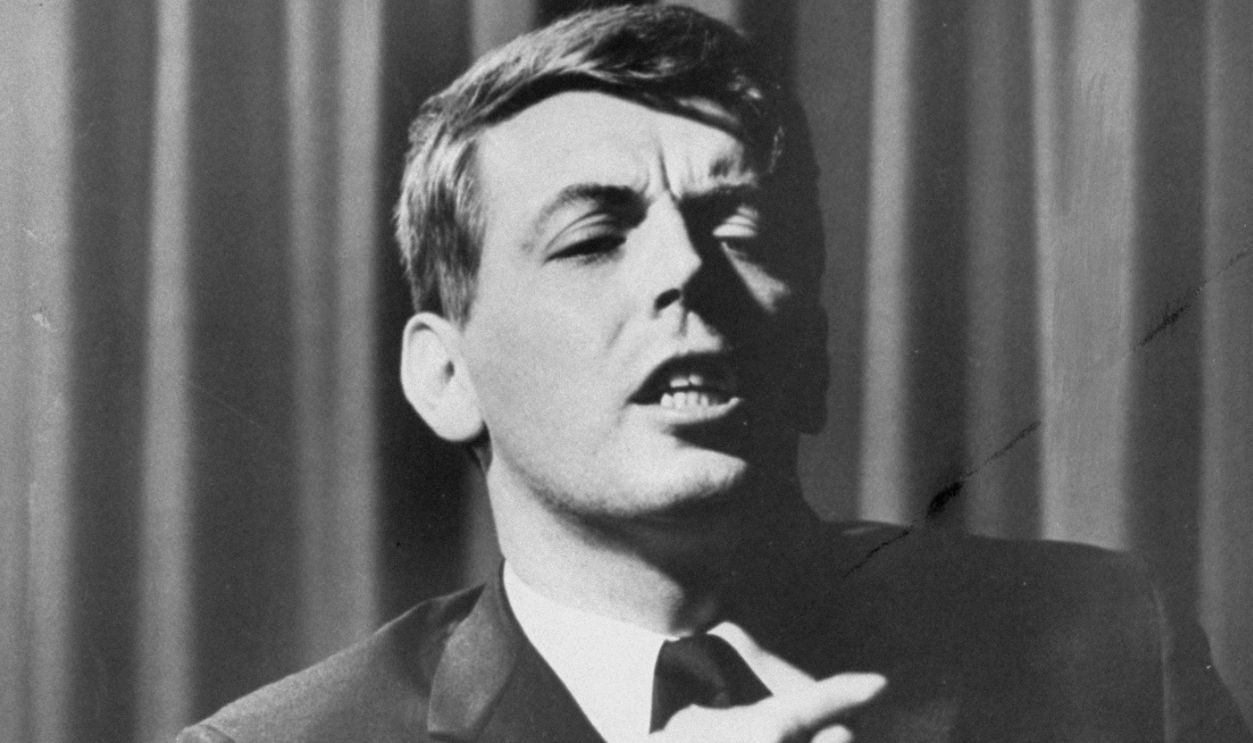
#8: The First Family, Volume Two — Vaughn Meader
Vaughn Meader’s follow-up to The First Family reached No. 4 on the album chart in 1963. Once again, Meader impersonated President John F. Kennedy while other performers portrayed members of the administration and Kennedy family. The sequel proved the original had become more than a brief novelty, although real events would soon make the entire act impossible to continue.
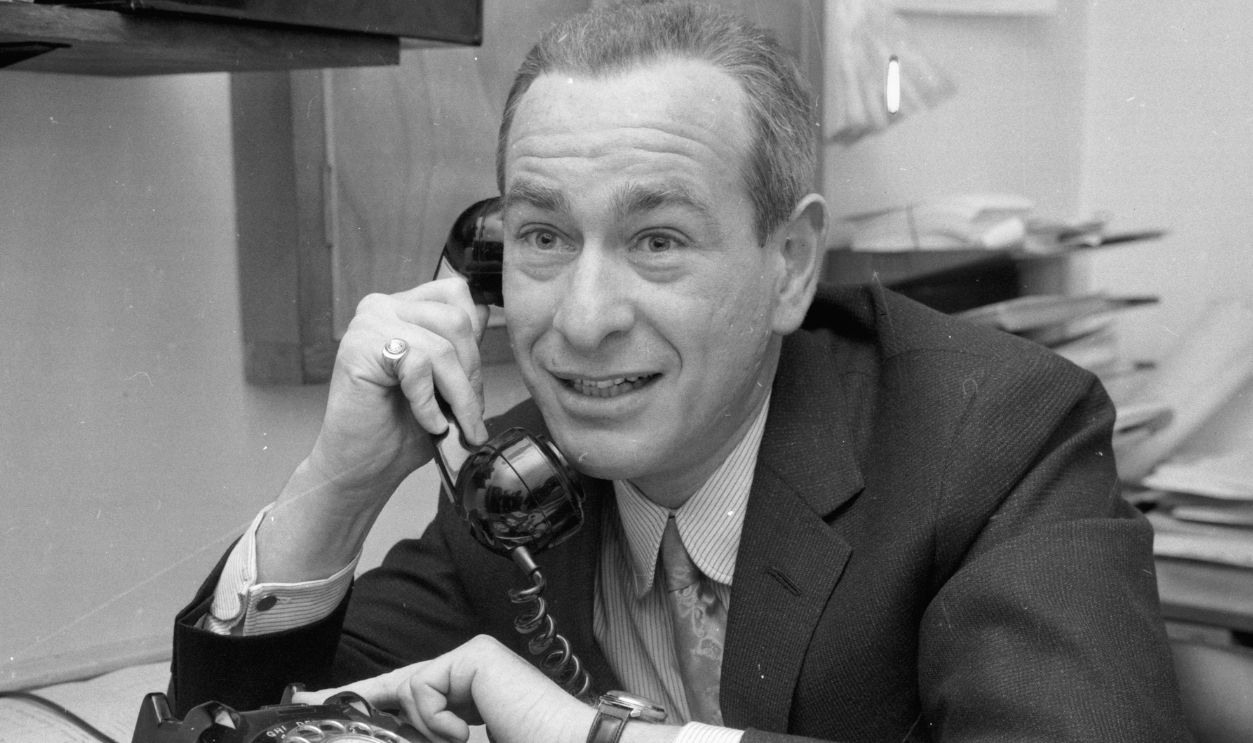
#7: The Edge of Shelley Berman — Shelley Berman
Shelley Berman’s third major comedy album climbed to No. 4 on the Billboard 200 in 1960. By then, audiences knew exactly what they were buying: carefully rehearsed stories about modern anxiety, family relationships, and uncomfortable conversations. Berman could turn an ordinary telephone call into something that sounded like a complete one-man stage production.
 Michael Ochs Archives, Getty Images
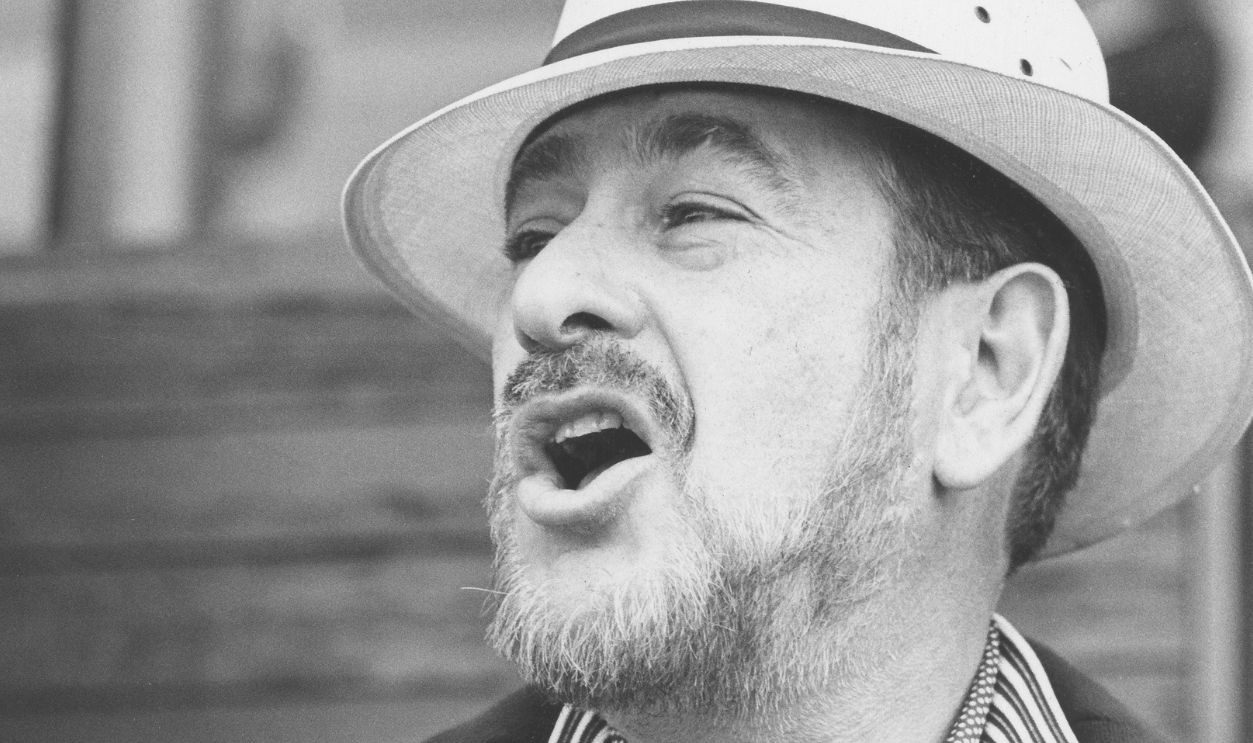
#6: Inside Shelley Berman — Shelley Berman
Berman’s 1959 debut reached No. 2 on Billboard’s album chart and became the first comedy record certified gold. It also won the inaugural Grammy for spoken comedy. His intimate monologues suited home listening perfectly. Audiences felt as if Berman were nervously telling stories in their living rooms, although thankfully without asking to use the telephone.
#5: Revenge — Bill Cosby
Released in 1967, Revenge reached No. 2 on the Billboard 200 and became one of the decade’s biggest comedy albums. The recording introduced Fat Albert and other childhood characters who later inspired an animated television series. A spoken record had effectively served as the testing ground for characters that millions would eventually recognize from Saturday-morning television.
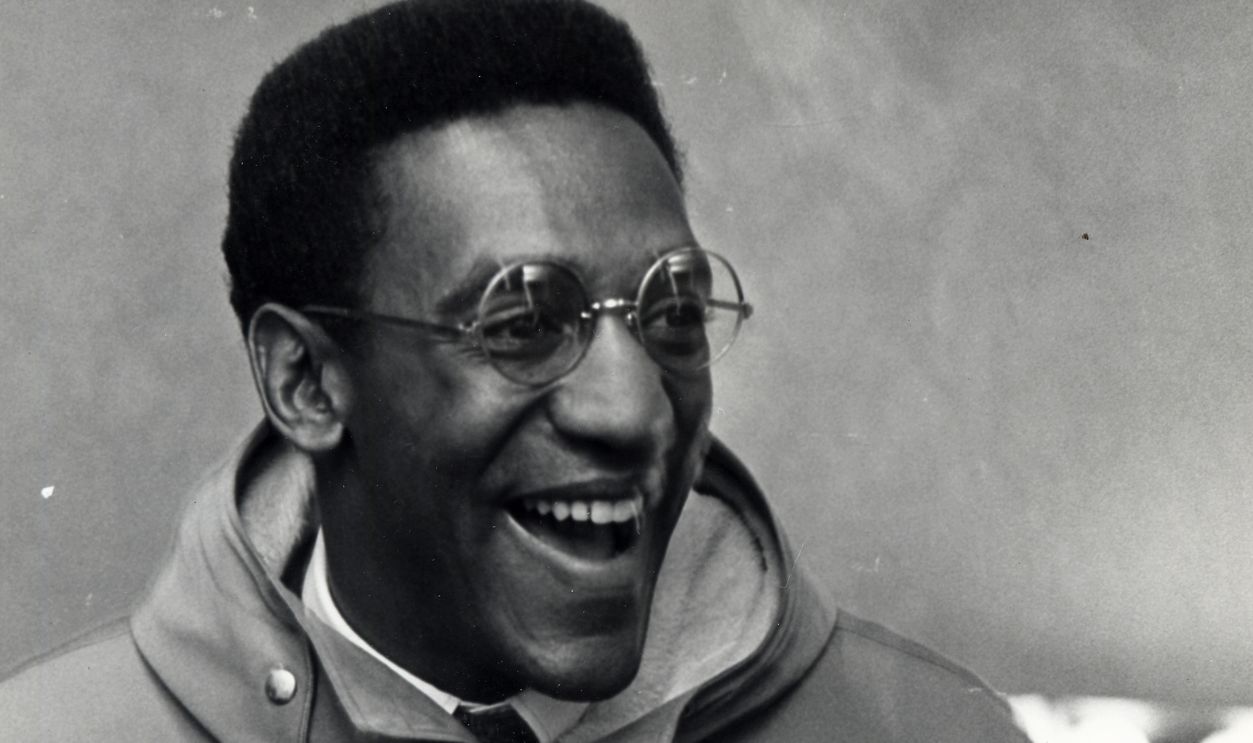
#4: Big Bambú — Cheech & Chong
Cheech & Chong’s second album climbed to No. 2 on the Billboard 200 in 1972 and sold more than two million copies. Early editions included an enormous rolling paper tucked inside the elaborate package, which ensured record-store attention. Beneath the gimmick was an inventive collection of sketches that listeners repeated until the dialogue became communal shorthand.
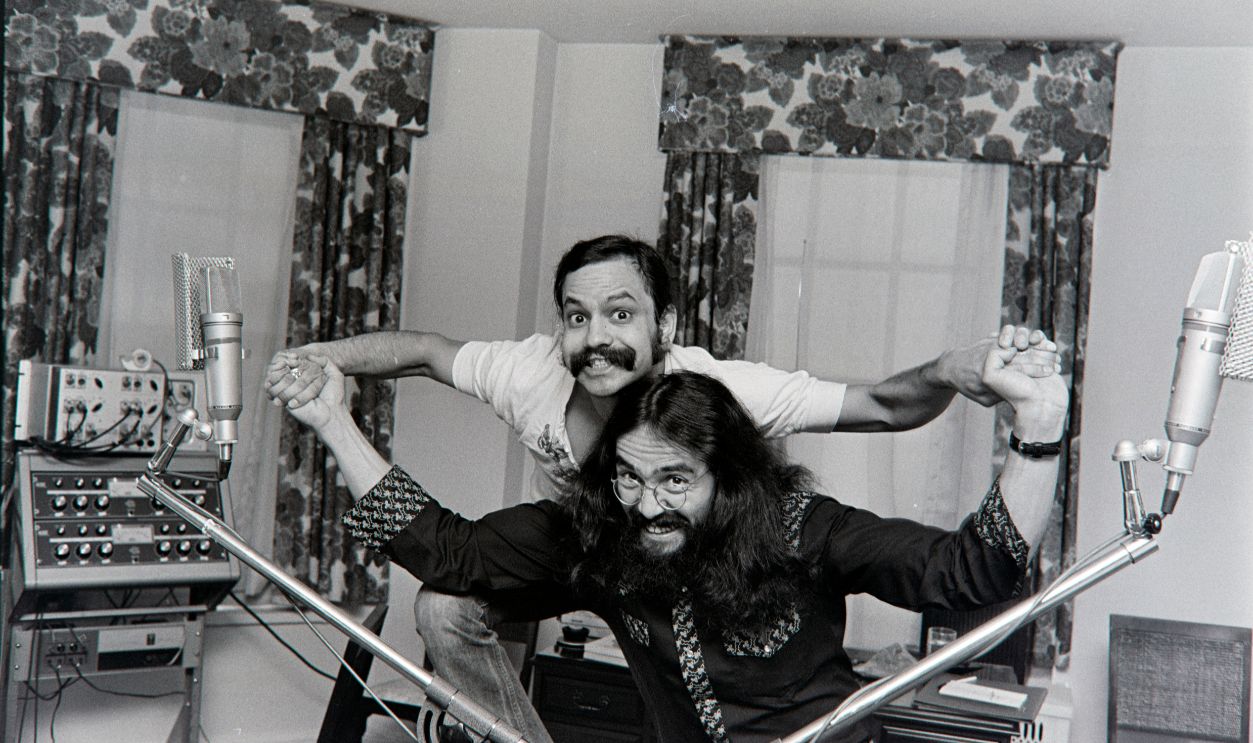
#3: A Wild and Crazy Guy — Steve Martin
Steve Martin’s 1978 album reached No. 2 on the Billboard chart and became one of the most successful stand-up recordings ever released. It captured audiences roaring for Martin as though he were a rock star. The record also introduced “King Tut,” which became a hit single and helped turn Martin’s deliberately foolish stage character into a national phenomenon.
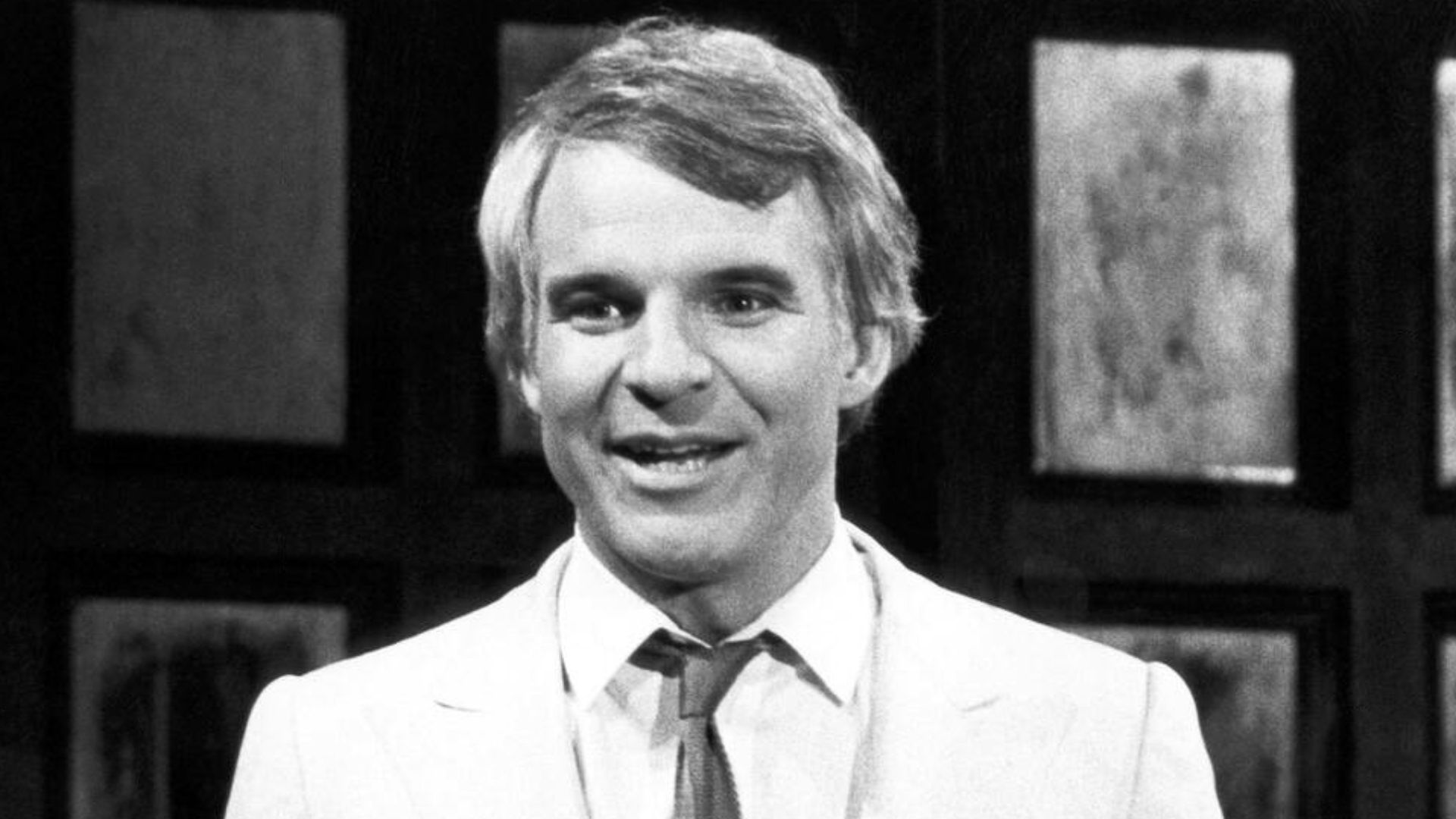
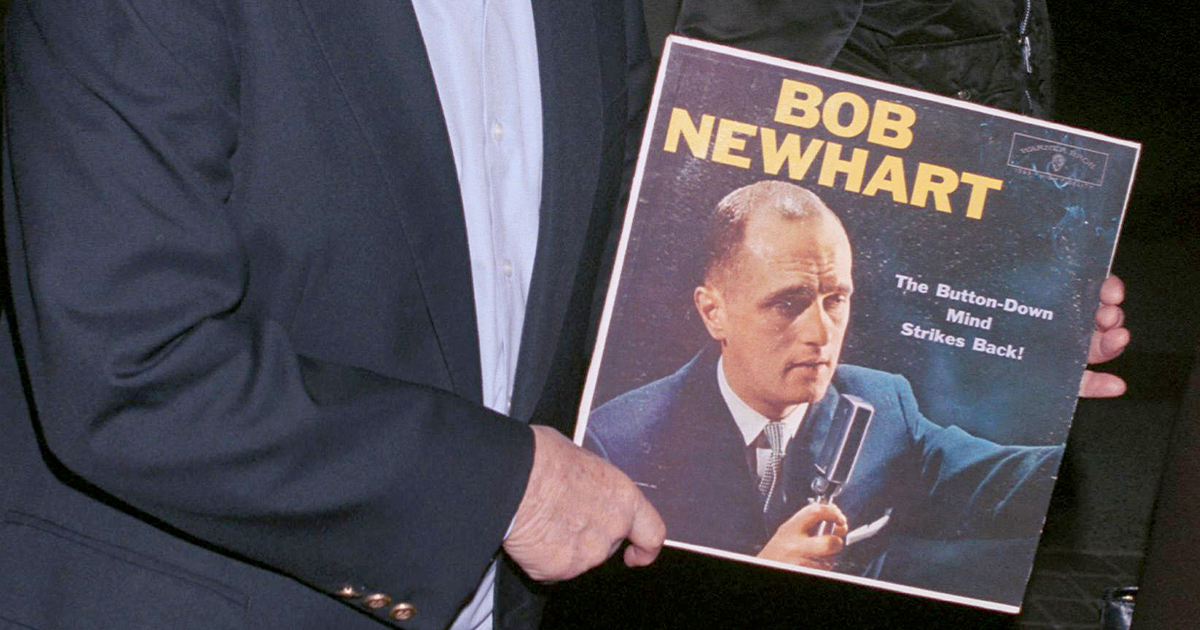
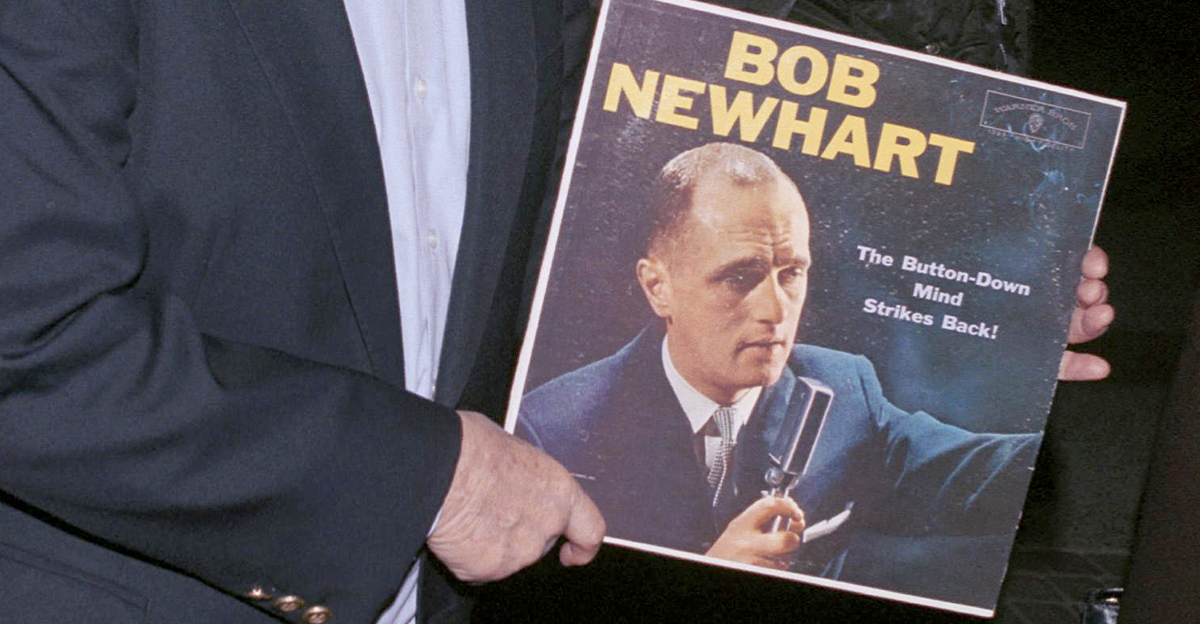
#2: The Button-Down Mind of Bob Newhart — Bob Newhart
Bob Newhart’s 1960 debut became the first stand-up comedy album to reach No. 1 on Billboard’s main album chart. It stayed there for 14 nonconsecutive weeks and won the Grammy for Album of the Year. Newhart performed one-sided conversations so convincingly that listeners could practically hear the imaginary people making his life unnecessarily difficult.
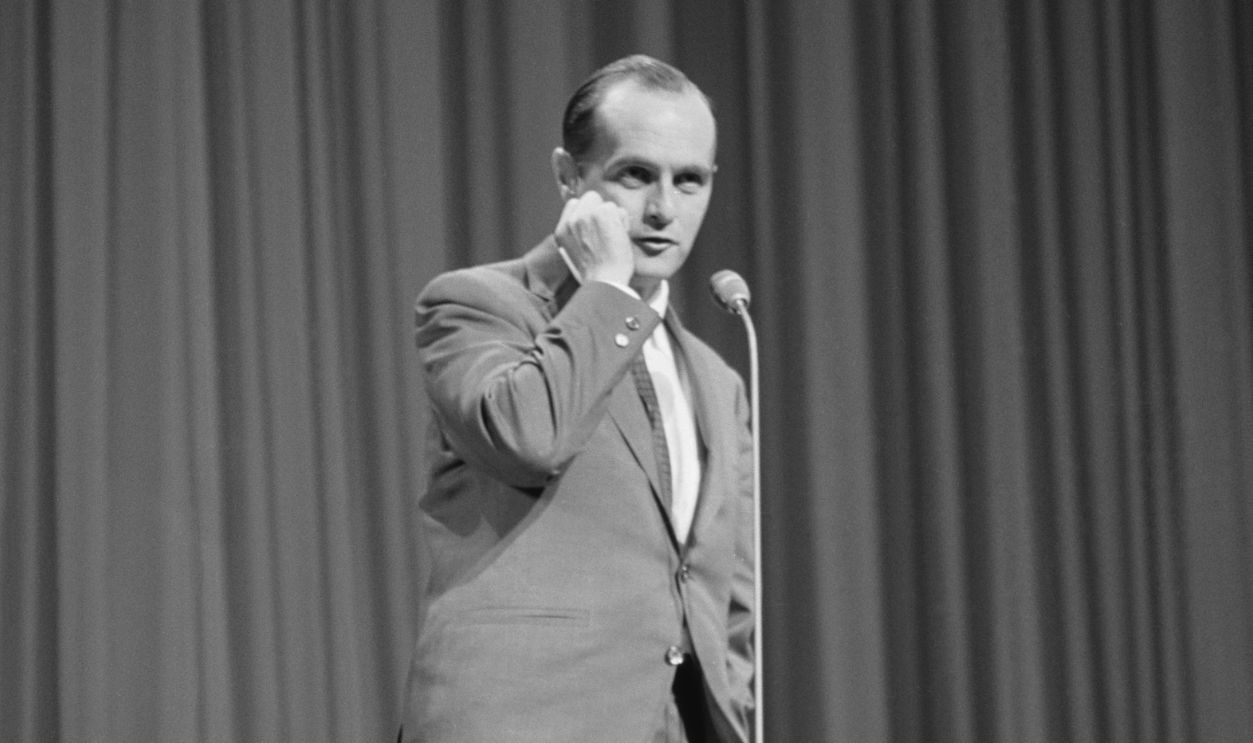
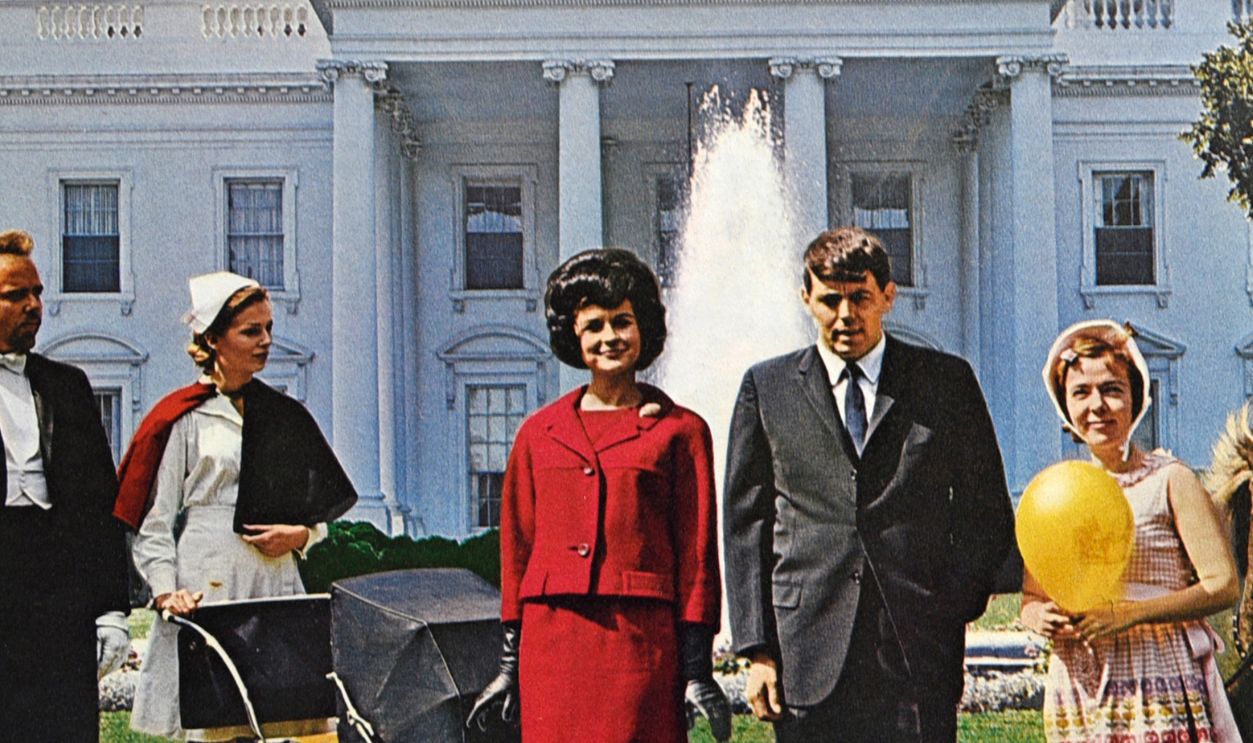
#1: The First Family — Vaughn Meader
Released in 1962, this affectionate satire of President John F. Kennedy’s administration became a genuine cultural sensation. It spent 12 weeks at No. 1, sold millions of copies, and won the Grammy for Album of the Year. For a brief period, a record filled with political impersonations competed with the biggest musical acts in America—and won.
 Robert Alexander, Getty Images
You May Also Like: Ron Glass Became A 1970s Sitcom Star on Barney Miller—Then Reinvented Himself For A Whole New Generation