When The Real Drama Was Happening Off Camera
Some shows are remembered for unforgettable characters, shocking twists, or chaotic reality-TV moments. Others carry a second reputation entirely: the messy one that happened behind the scenes. From alleged toxic workplaces to cast feuds and lawsuits, these productions became infamous for reasons that had very little to do with what made it to air.
America’s Next Top Model
America’s Next Top Model was built on transformation, pressure, and public judgment, which made it addictive television at the time. Contestants were pushed through extreme makeovers, harsh critiques, emotionally loaded photo shoots, and eliminations that often seemed designed to break confidence before building it back up. Years later, viewers began rewatching old clips and noticing how many moments involved body-shaming, racial insensitivity, gender policing, or contestants being punished for not responding to humiliation correctly.
Tyra Banks later acknowledged that some past moments were insensitive, especially after specific clips resurfaced online. The show’s original appeal came from watching young models get tested, but its second life on social media turned it into a time capsule of reality TV’s cruelest habits.
 Screenshot from America’s Next Top Model, The CW (2003-2018)
The Ellen DeGeneres Show
For years, The Ellen DeGeneres Show was one of daytime television’s most carefully polished brands. The dancing, giveaways, celebrity games, and “be kind” messaging made it feel like a safe, upbeat corner of TV. That image took a major hit in 2020 when former and current staffers alleged that the workplace behind the scenes was far less cheerful than the show’s public persona suggested. Reports included allegations of intimidation, racism, fear, and misconduct by senior producers. WarnerMedia launched an internal investigation, three top producers left the show, and Ellen DeGeneres apologized to staff.
The scandal landed so hard because the allegations weren't just about a difficult TV workplace. They seemed to contradict the entire emotional product the show had been selling to viewers for years.
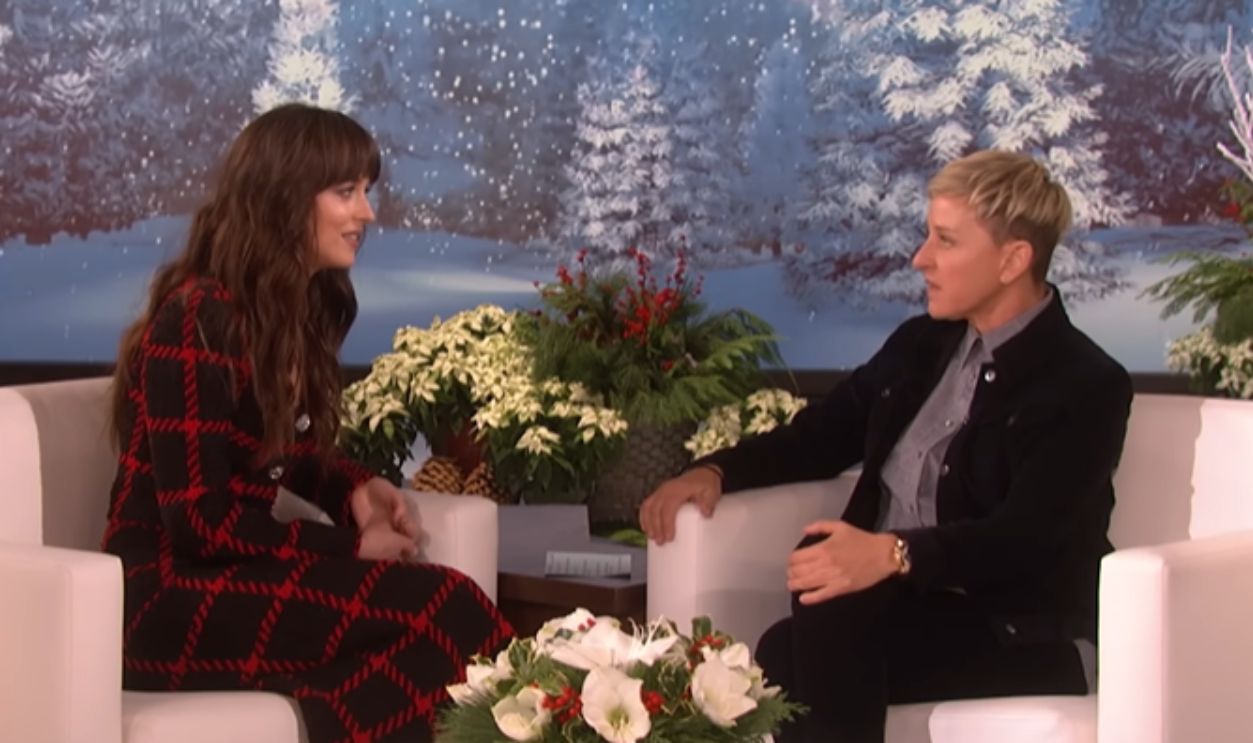 Screenshot from The Ellen DeGeneres Show, Warner Bros Television (2003–2022)
One Tree Hill
One Tree Hill was already known for romantic chaos, jealous rivalries, and melodramatic teen angst, but the behind-the-scenes allegations that emerged years later were far more serious. In 2017, multiple women who worked on the series accused creator Mark Schwahn of sexual harassment and emotional manipulation, describing his conduct as something many people around the production knew about. Hilarie Burton, Sophia Bush, Bethany Joy Lenz, and other cast and crew members supported a public statement detailing a culture where women said they felt targeted, controlled, or forced to navigate unsafe dynamics while keeping the show alive.
The allegations changed the way many fans viewed the series, especially because so much of the show’s appeal came from its emotional intimacy and its passionate fan community.
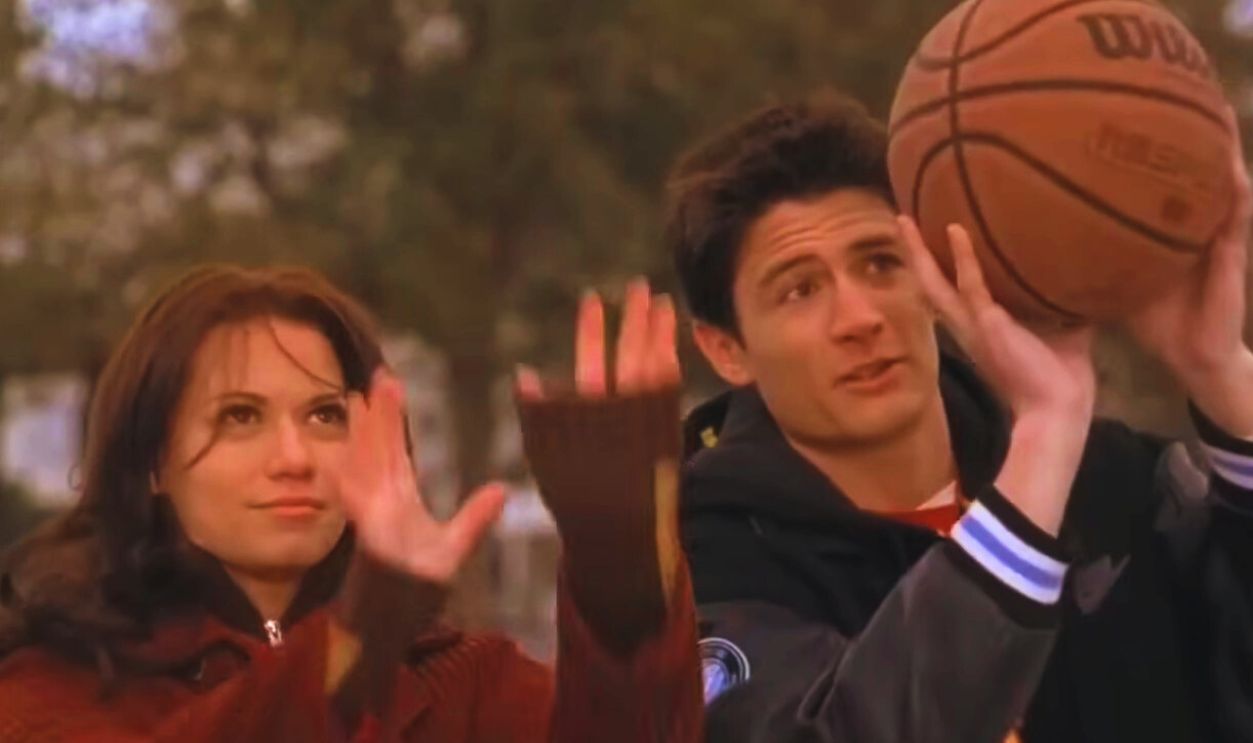 Screenshot from One Tree Hill, The Warner Bros. (2003–2012)
The OC
The OC became one of the defining teen dramas of the 2000s almost instantly, which meant its young cast went from relative normality to intense fame very quickly. Behind the glossy Newport Beach image, later accounts suggested a set affected by fatigue, personality clashes, and the pressure of sustaining a pop-culture phenomenon. Mischa Barton later said she experienced bullying and difficult dynamics that contributed to her decision to leave, though others connected to the show have disputed or softened parts of that narrative.
Tate Donovan also said the younger cast became harder to work with later in the run, suggesting that early fame changed the mood on set. The show burned bright and fast, and its off-screen tension mirrored the way the series itself seemed to lose momentum after its first huge wave.
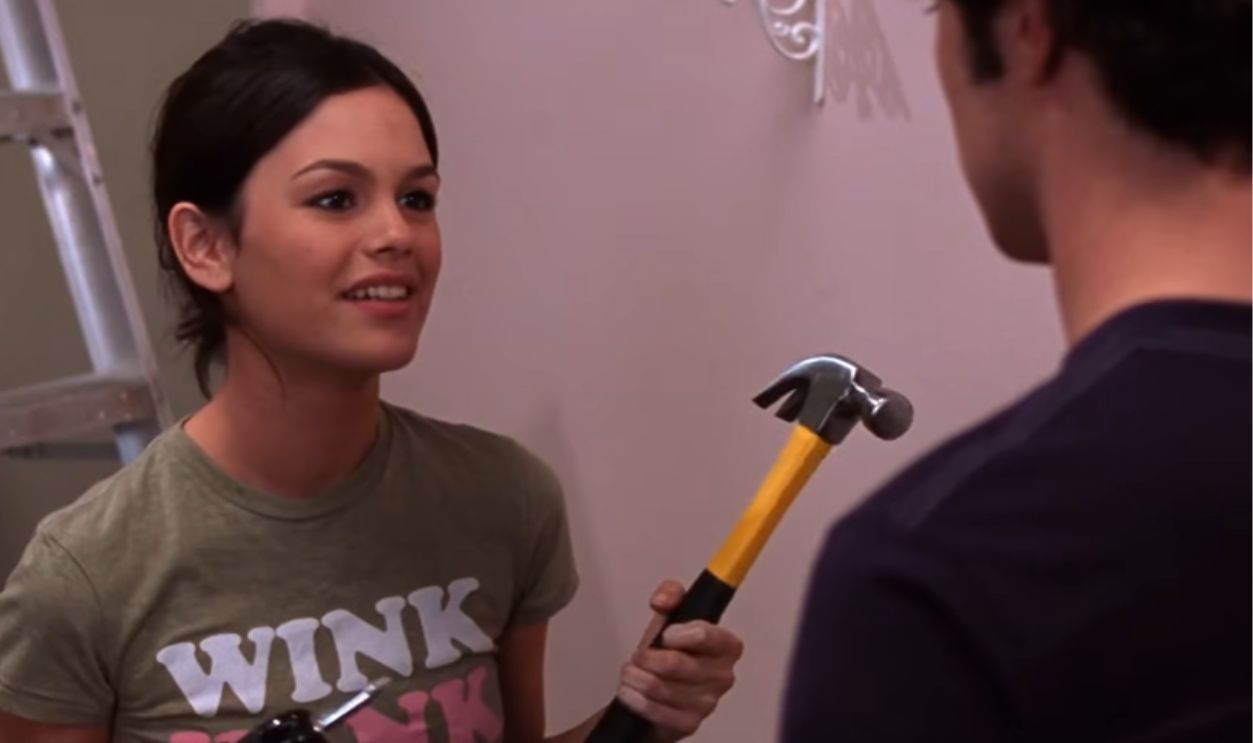 Screenshot from The OC, Warner Bros. (2003–2007)
Buffy The Vampire Slayer
Buffy the Vampire Slayer spent years being praised as a feminist landmark, which made later accounts of its production especially jarring. Charisma Carpenter publicly accused creator Joss Whedon of hostile and toxic behavior on Buffy and Angel, saying the experience affected her deeply. Several former cast members voiced support for Carpenter, while Sarah Michelle Gellar later said she didn't want to be forever associated with Whedon’s name and referred to her experience on the show as part of an “extremely toxic male set".
For fans, the allegations were painful because Buffy was a rare TV gem that people connected to ideas of empowerment, trauma, found family, and survival. The contrast between the show’s message and the alleged atmosphere behind it became impossible to ignore.
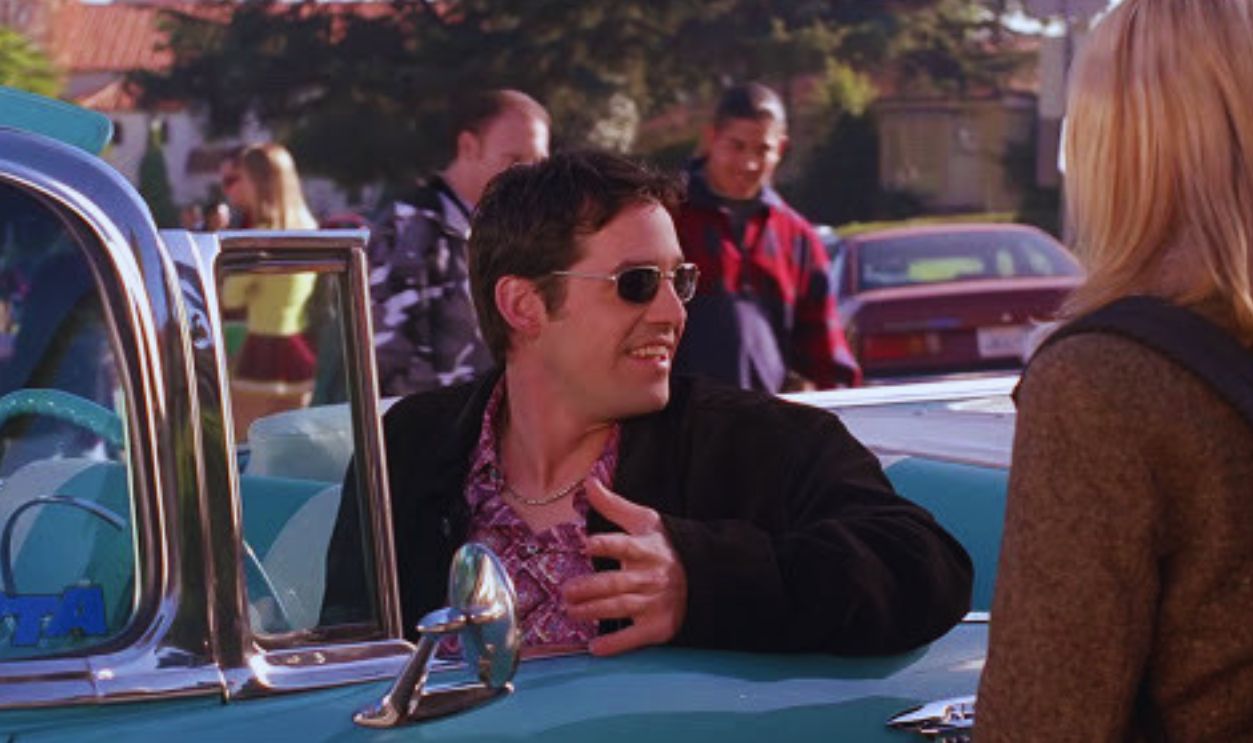 Screenshot from Buffy the Vampire Slayer, 20th Century Fox Television (1997–2003)
iCarly
iCarly was one of Nickelodeon’s brightest, goofiest hits, built around web-show sketches, colorful sets, and young performers who seemed to be having the time of their lives. Jennette McCurdy’s memoir later complicated that image dramatically. McCurdy wrote about the pressures of child stardom, her difficult relationship with her mother, disordered eating, and painful experiences in the entertainment industry. She also described a powerful workplace figure only as “The Creator” and alleged that Nickelodeon offered her money not to speak publicly about her experiences, which she said she refused.
The book did more than just affect how people saw iCarly. It fed into a broader re-examination of children’s television, where young stars were expected to appear cheerful and silly while working in environments they often had little power to challenge.
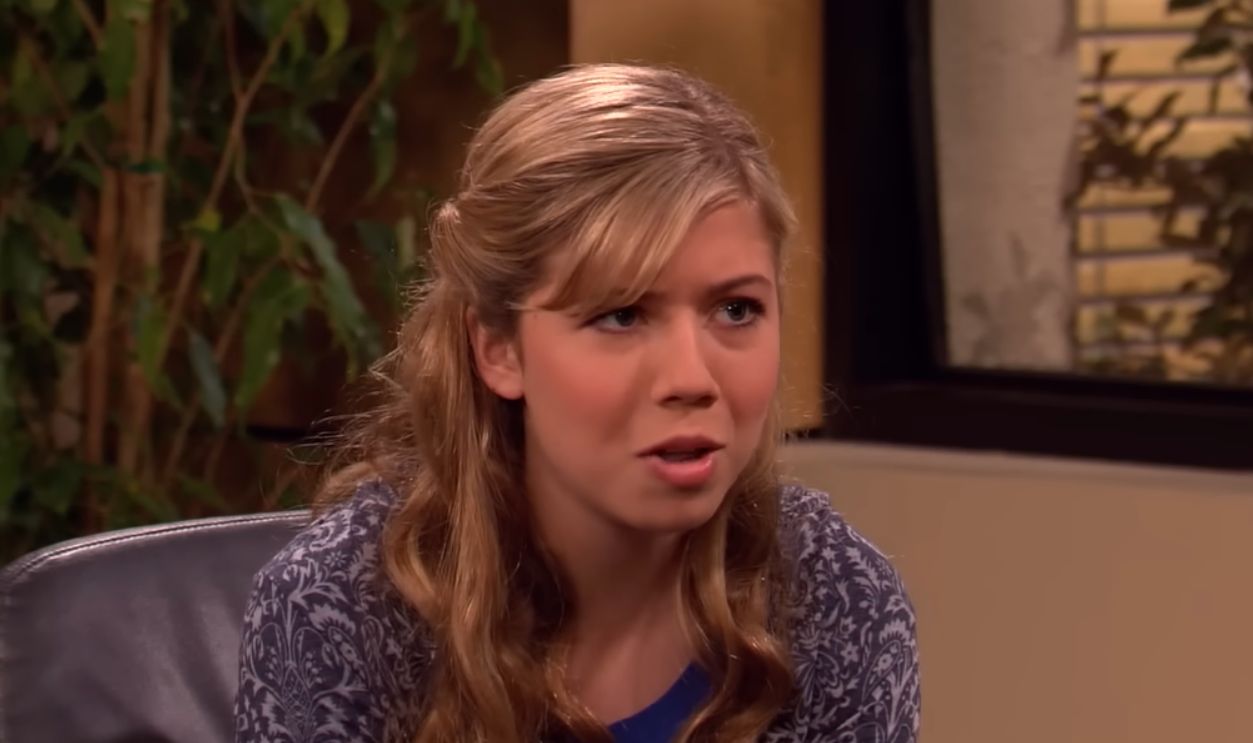 Screenshot from iCarly, Nickelodeon (2007–2012)
Zoey 101
Zoey 101 looked like the dream version of teen life: a sunny boarding school by the beach, big dorm rooms, cute friendships, and mostly harmless comedy. In later years, though, the show became part of the wider conversation around Nickelodeon’s treatment of young performers. Alexa Nikolas, who played Nicole, has spoken publicly about feeling mistreated, excluded, and unsupported during her time on the series. She also appeared in discussions surrounding Quiet on Set: The Dark Side of Kids TV, which brought renewed attention to the adult-controlled environments behind popular children’s shows.
The public conversation around Zoey 101 became even more complicated because many viewers had remembered it as escapist comfort TV. The contrast between the breezy fantasy onscreen and the accounts from former child actors made that nostalgia much harder to keep simple.
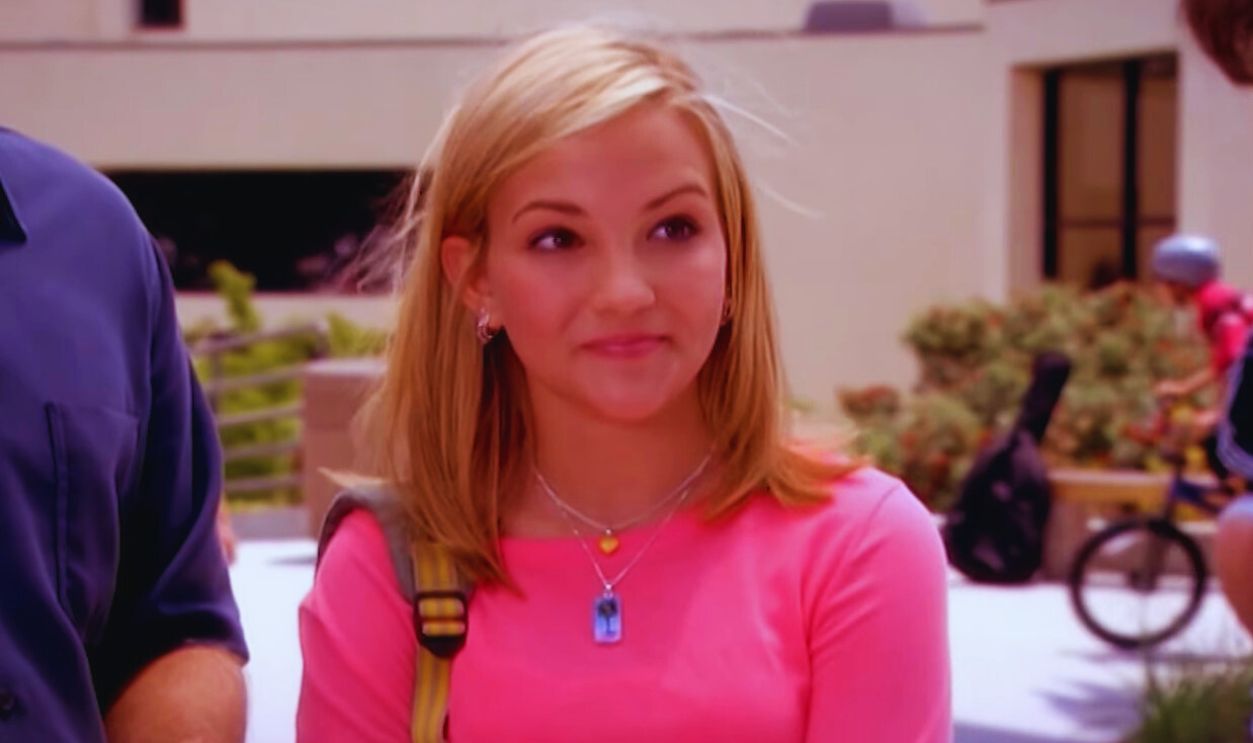 Screenshot from Zoey 101, Nickelodeon (2005–2008)
Grey’s Anatomy
Grey’s Anatomy has survived so much off-screen turbulence that its longevity almost feels like part of the drama. Ellen Pompeo later said the show’s first decade involved serious culture issues and a toxic work environment, a striking admission from the person at the center of the series. The production also weathered the Isaiah Washington controversy, TR Knight’s departure, Katherine Heigl’s public frustration with the writing and Emmy consideration, and Patrick Dempsey’s highly publicized exit after years as one of the show’s central stars.
Yet Grey’s kept going, repeatedly reshaping its cast and storylines around departures that would have badly damaged other shows. In a strange way, the series became its own behind-the-scenes survival drama, constantly losing major pieces and still finding a way to continue.
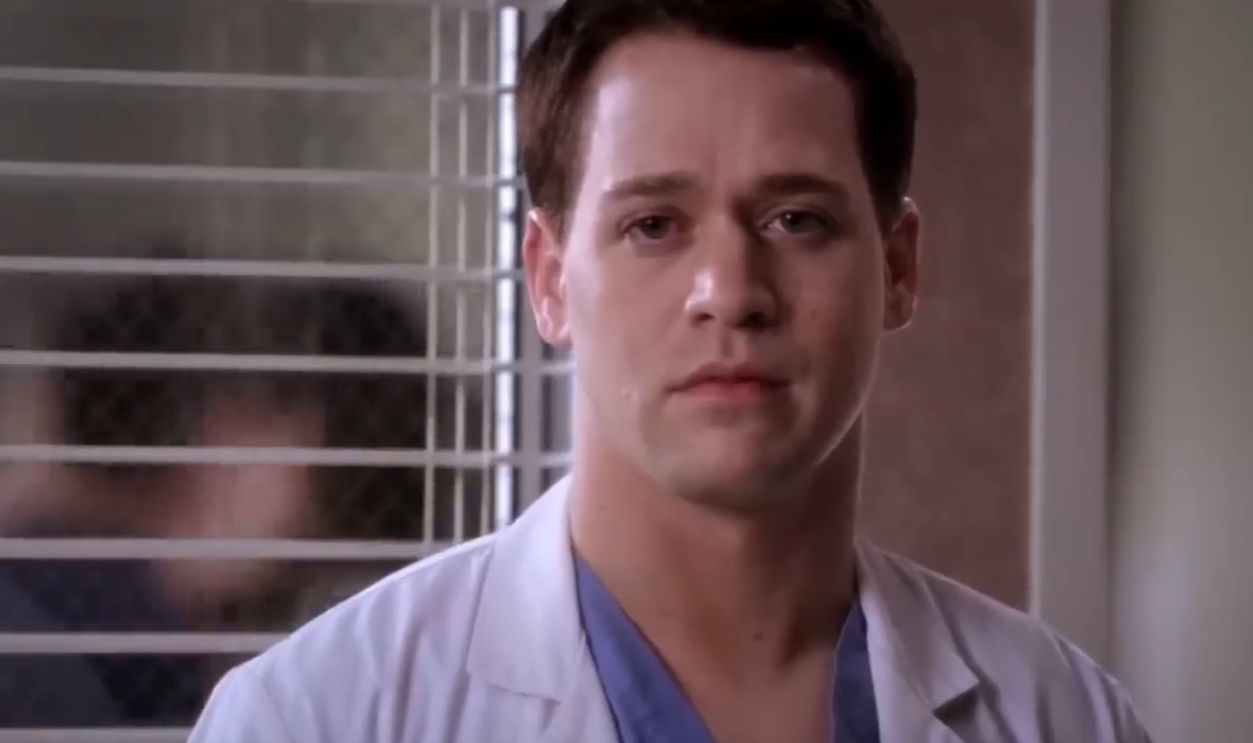 Screenshot from Grey’s Anatomy, ABC (2005–present)
Dr Phil
Dr Phil built its brand around confrontation, personal crisis, and the promise that messy problems could be dragged into the light and fixed. That made the 2022 allegations about the show’s workplace especially uncomfortable. Current and former employees alleged a toxic environment involving verbal spats, fear, intimidation, racism, and questionable treatment of guests. Representatives for Phil McGraw and the show denied the allegations and criticized the reporting, but the story still raised uncomfortable questions about how daytime television manufactures emotional intensity.
The show’s format relied on vulnerable people sharing their worst moments in front of cameras, often under the authority of a host presented as a stabilizing figure. The allegations suggested that the atmosphere behind that format may have been much harsher than viewers realized.
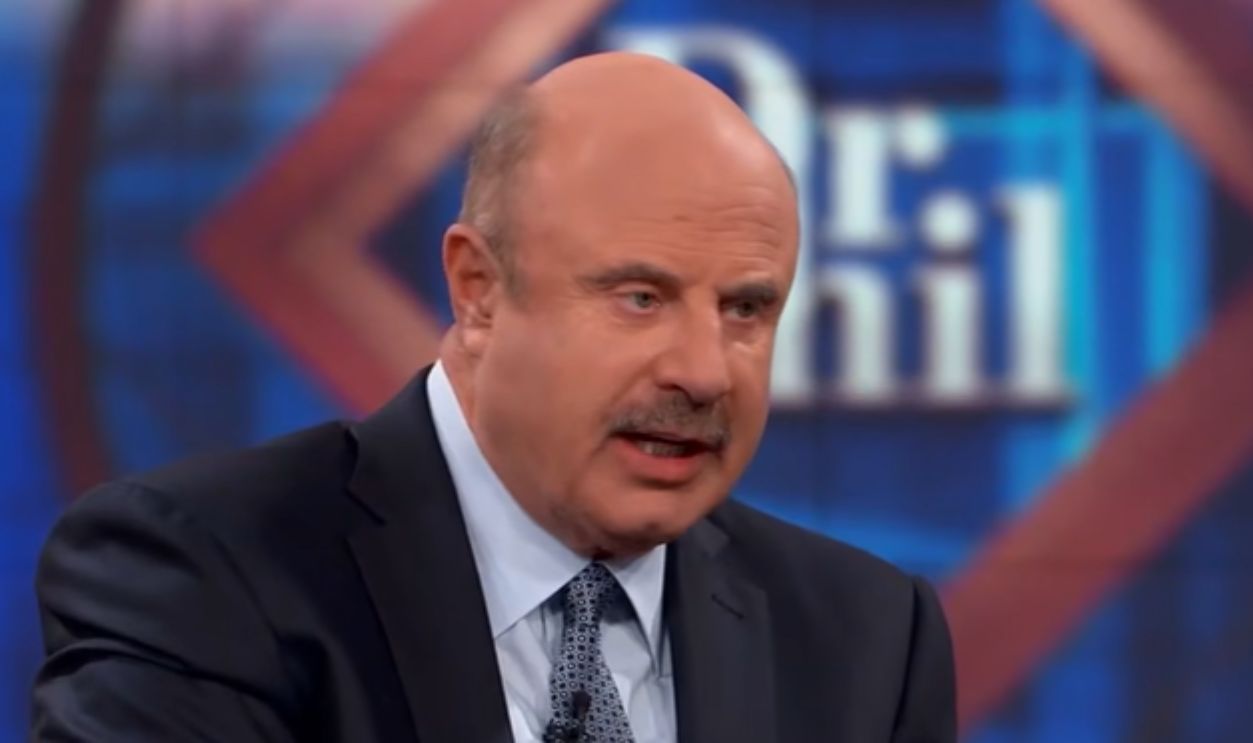 Screenshot from Dr Phil, CBS (2002–2023)
The Idol
The Idol became infamous before it even premiered, which is usually a terrible sign. The HBO series originally had Amy Seimetz directing, but she exited after much of the project had reportedly already been filmed. Sam Levinson then took over, with reports of extensive rewrites, reshoots, delays, and a major shift in tone. Rolling Stone published claims from production sources describing the new version as chaotic and more sexually exploitative than the original concept, while HBO and people connected to the series defended the production and pushed back on the idea that the set was unsafe or disrespectful.
By the time viewers finally saw the show, the conversation had already been dominated by its production history. The result was a series that seemed to arrive carrying the weight of its own bad press.
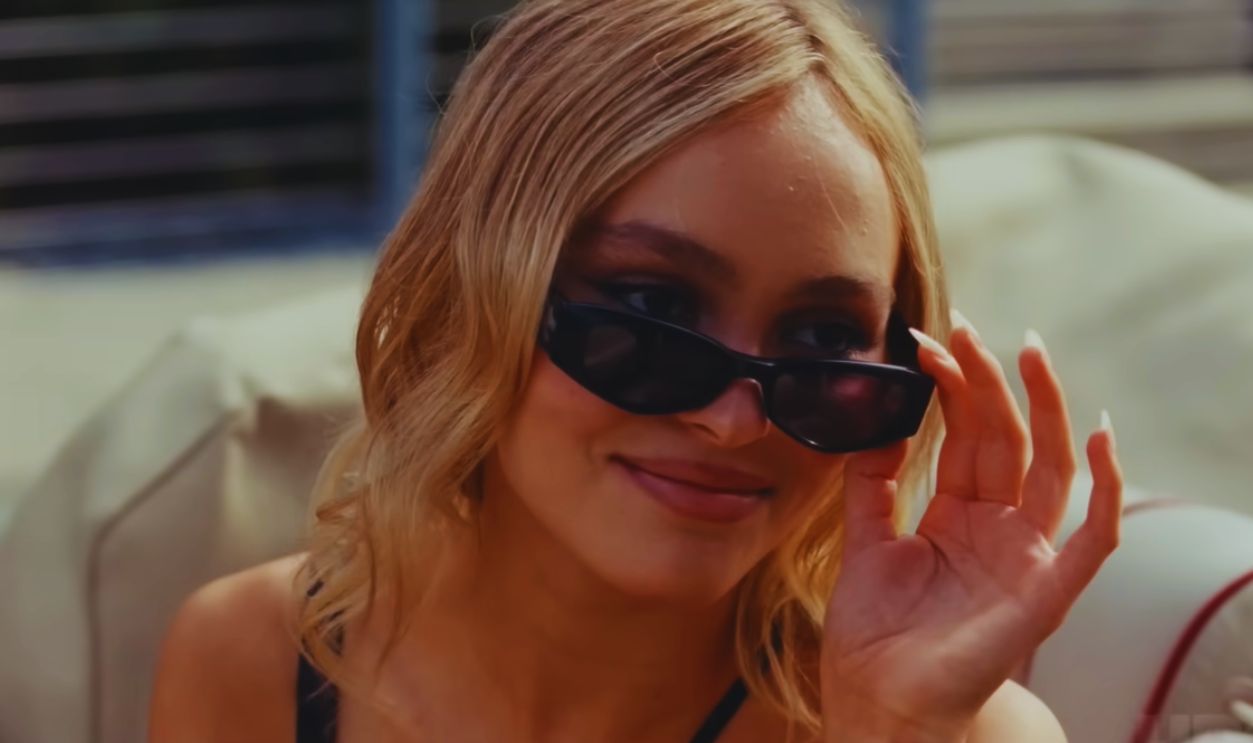 Screenshot from The Idol, HBO (2023)
Late Night With David Letterman
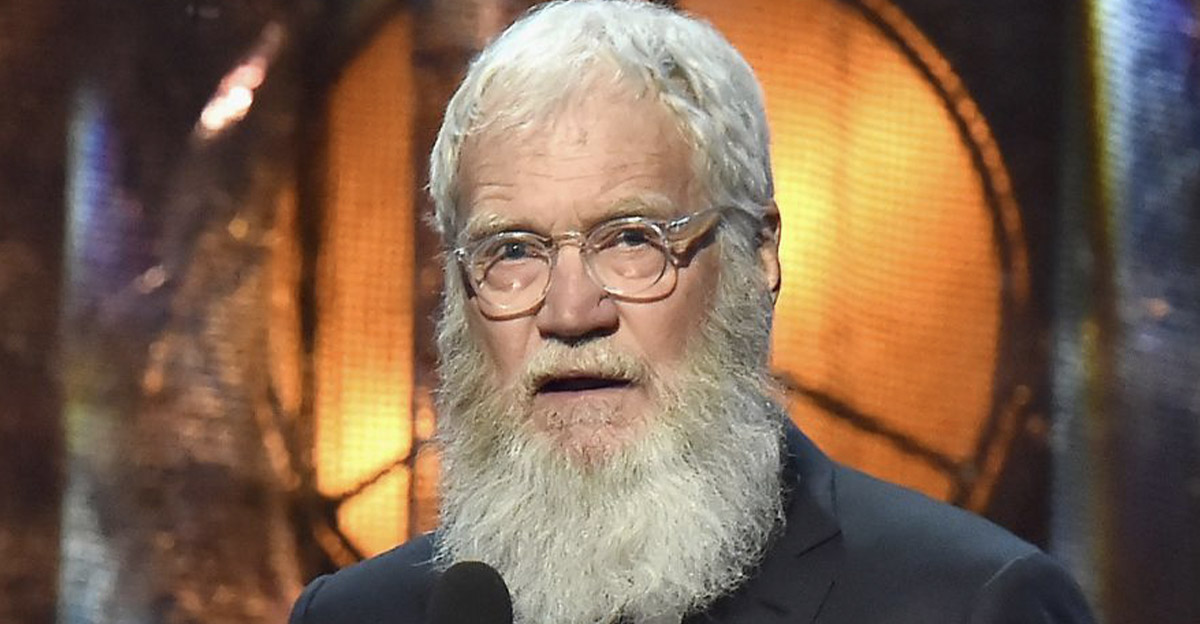
The most public scandal tied to David Letterman’s workplace came during his later CBS years, but it changed how many people discussed the larger Letterman environment. In 2009, Letterman admitted on air that he had sexual relationships with women who worked for him after an extortion attempt became public. The admission was shocking because late-night television had long operated like a boys’ club, where powerful hosts were treated as untouchable cultural figures. Former writer Nell Scovell later wrote about what she described as a workplace shaped by sexual favoritism and an atmosphere that made women feel professionally diminished.
Letterman’s brilliance as a performer and interviewer remained part of television history, but the scandal forced a more serious conversation about power, access, and gender in late-night comedy rooms.
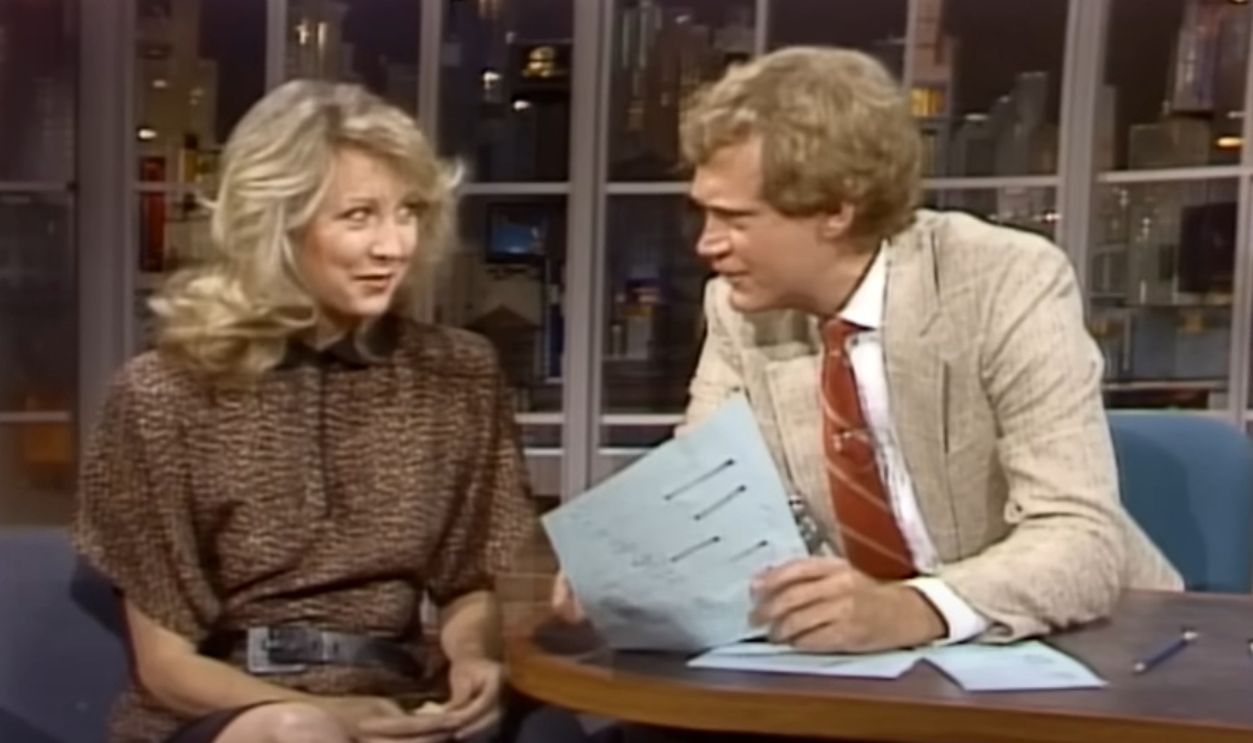 Screenshot from Late Night with David Letterman, NBC (1982–1993)
The Arrowverse
The Arrowverse looked like one big interconnected machine, with shared characters, crossovers, producers, writers, and fan expectations stretching across multiple CW superhero shows. That interconnected structure made the allegations involving executive producer Andrew Kreisberg especially disruptive. In 2017, Warner Bros suspended and then fired Kreisberg after multiple people accused him of sexual harassment and inappropriate behavior. Kreisberg had worked across The Flash, Supergirl, Legends of Tomorrow, and Arrow, so the fallout touched a major piece of the network’s superhero brand.
These were shows built around moral clarity, teamwork, and heroic responsibility, which made the behind-the-scenes accusations feel especially sour. The studio’s decision to remove him marked a major public reckoning inside one of TV’s biggest genre universes.
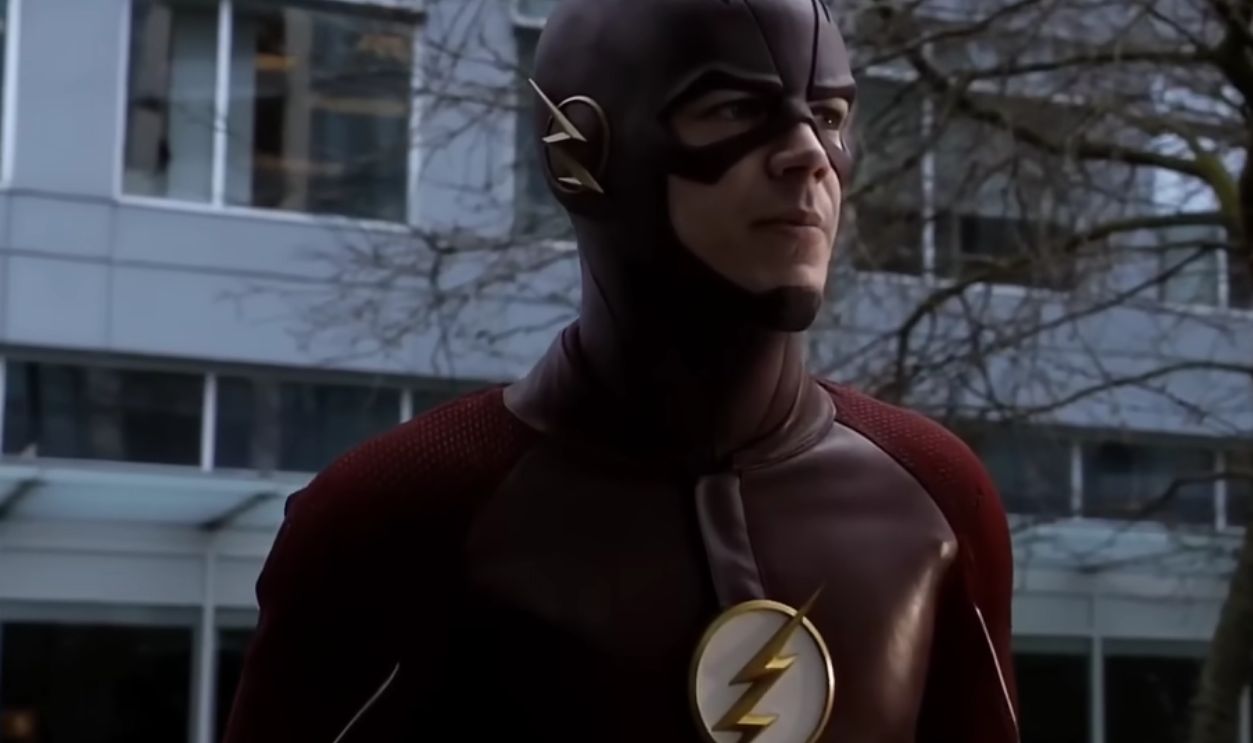 Screenshot from The Flash, Warner Bros. Television Distribution (2014-2023)
Boy Meets World
Boy Meets World is remembered as a warm coming-of-age sitcom, but several later conversations among the cast made its legacy more complicated. Trina McGee, who played Angela Moore, spoke publicly about racism, exclusion, and feeling isolated during her time on the show. She said she had been told to “turn down” her “Black meter,” and Will Friedle later apologized for an offensive remark he had made years earlier. McGee also discussed being absent from the series finale, saying she had been led to believe other cast members did not want her there, though later conversations on the cast’s podcast explored how misunderstandings and communication failures played into that pain.
The show remains beloved, but these accounts revealed that the comfort some fans felt was not shared equally by everyone making it.
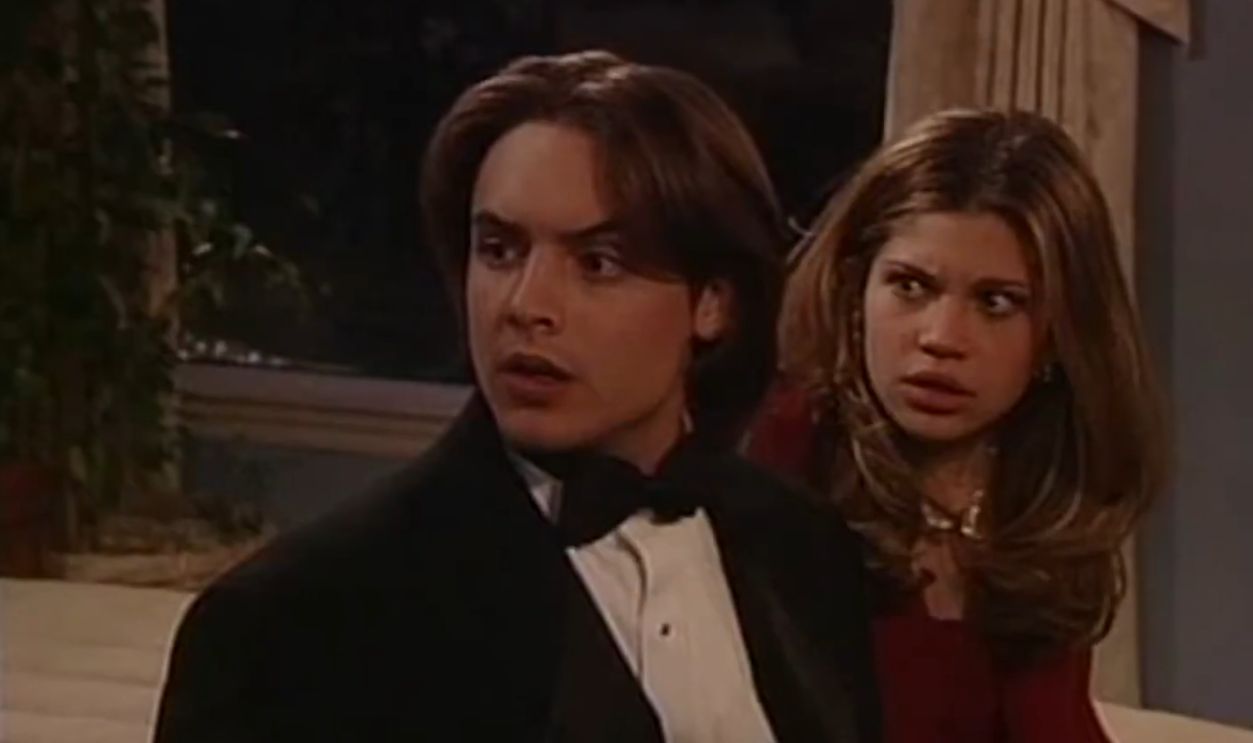 Screenshot from Boy Meets World, ABC (1993–2000)
Community
Community was one of the smartest sitcoms of its era, but its production history could be almost as chaotic as the fictional community college at its center. Chevy Chase clashed repeatedly with creator Dan Harmon, reportedly objecting to material, leaving set, and eventually exiting after reports that he used a racial slur during an on-set confrontation. Harmon also behaved badly in his own right, including publicly playing an angry voicemail from Chase and later apologizing to former writer Megan Ganz for harassment and misusing his power. The show’s brilliance came partly from its willingness to deconstruct sitcom formulas, fandom, ego, and insecurity.
Unfortunately, several behind-the-scenes stories suggested that the same combustible personalities fueling the comedy were also making the workplace harder than it needed to be.
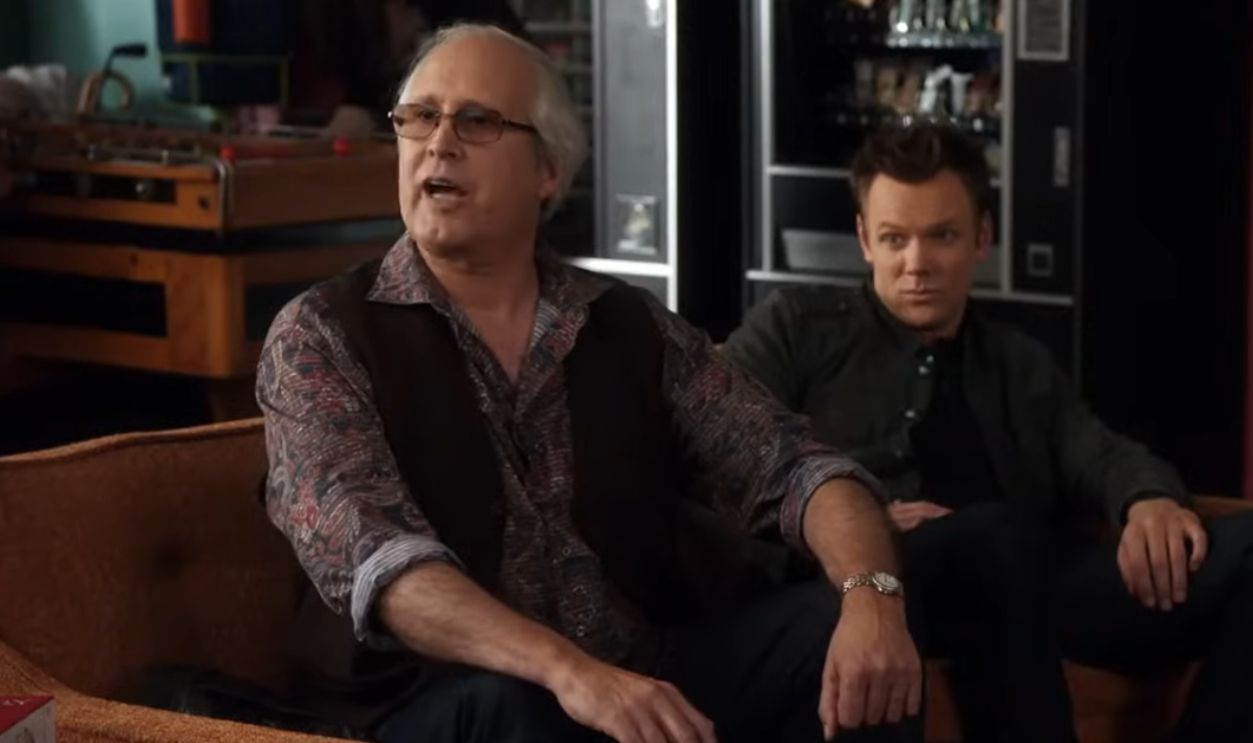 Screenshot from Community, NBC (2009–2015)
Criminal Minds
Criminal Minds seemed like the kind of procedural that could run forever without much turbulence. Then Thomas Gibson’s firing became a major industry story. Gibson had played Aaron Hotchner since the show began, making him one of the most recognizable faces of the series. In 2016, he was dismissed after an on-set altercation with writer-producer Virgil Williams while Gibson was directing an episode. Reports said Gibson kicked Williams during a dispute; Gibson later described the incident as a disagreement that escalated and expressed regret over how things unfolded.
The firing forced the show to abruptly write out a foundational character after more than a decade. For a series built around behavioral control, professionalism, and reading human conflict, the behind-the-scenes rupture was unusually messy.
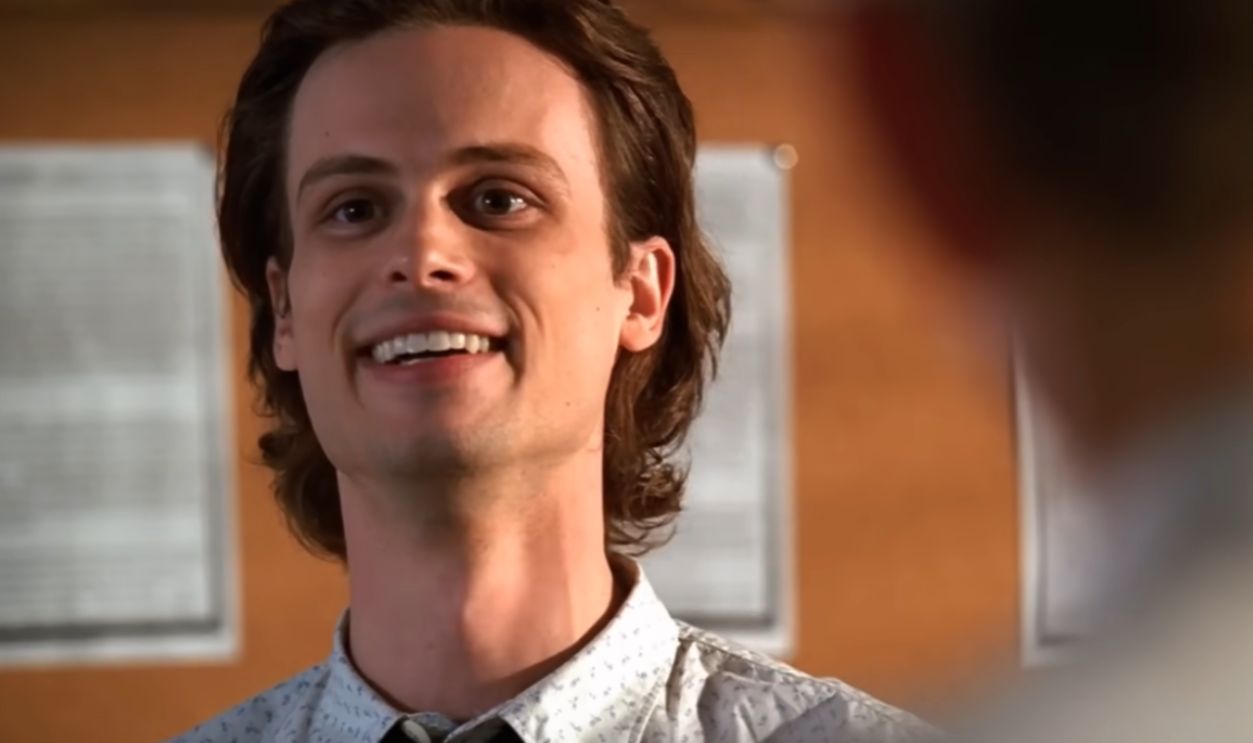 Screenshot from Criminal Minds, Paramount Global (2005-present)
Deadliest Catch
Deadliest Catch is different from most production nightmares because the danger isn't hidden behind Hollywood gossip. It is right there in the premise. The show follows crab fishermen working in the Bering Sea, where freezing water, brutal storms, heavy machinery, exhaustion, and life-threatening accidents are part of the job. Camera crews have to film in that same environment, dealing with cramped boats, slick decks, unpredictable weather, and the knowledge that a mistake can become catastrophic very quickly.
Captain Phil Harris’s stroke and passing became one of the series’ defining emotional moments, but it wasn't the only example of real danger surrounding the fleet. The production’s intensity came from the fact that the crew wasn't just recreating risk, but were documenting people living inside it.
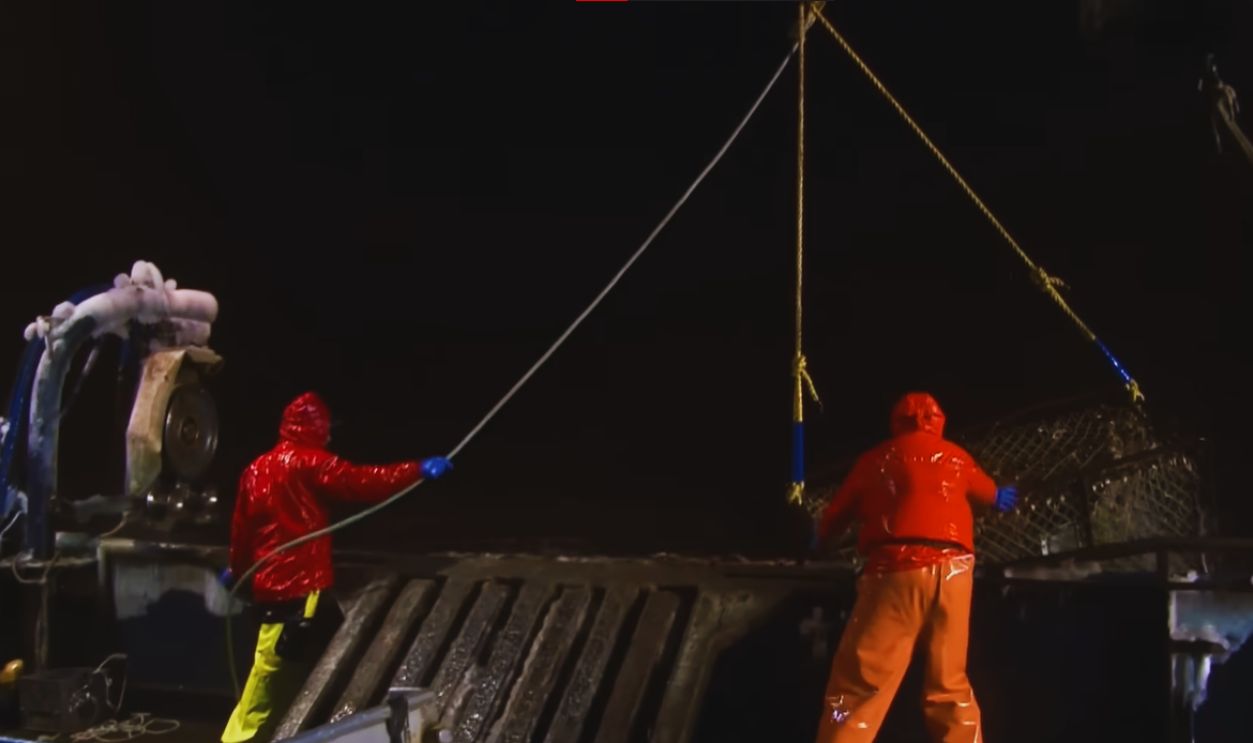 Screenshot from Deadliest Catch, Discovery Channel (2005–Present)
Glee
Glee was sold as bright, scrappy, inclusive musical joy, but its real-world legacy became unusually tragic and complicated. Cory Monteith passed on during the show’s run, forcing the series to address the loss of one of its central stars. Later, Mark Salling’s court case and passing further darkened the show’s history, and Naya Rivera’s accidental drowning in 2020 added another devastating chapter for fans and cast members. Separately, Lea Michele faced allegations from Samantha Ware and others about bullying and microaggressions on set. Michele publicly apologized for causing pain, though she said she didn't remember some incidents in the same way.
The result is that Glee now exists in two emotional registers at once: the joyful musical fantasy people loved, and the painful off-screen history that followed it.
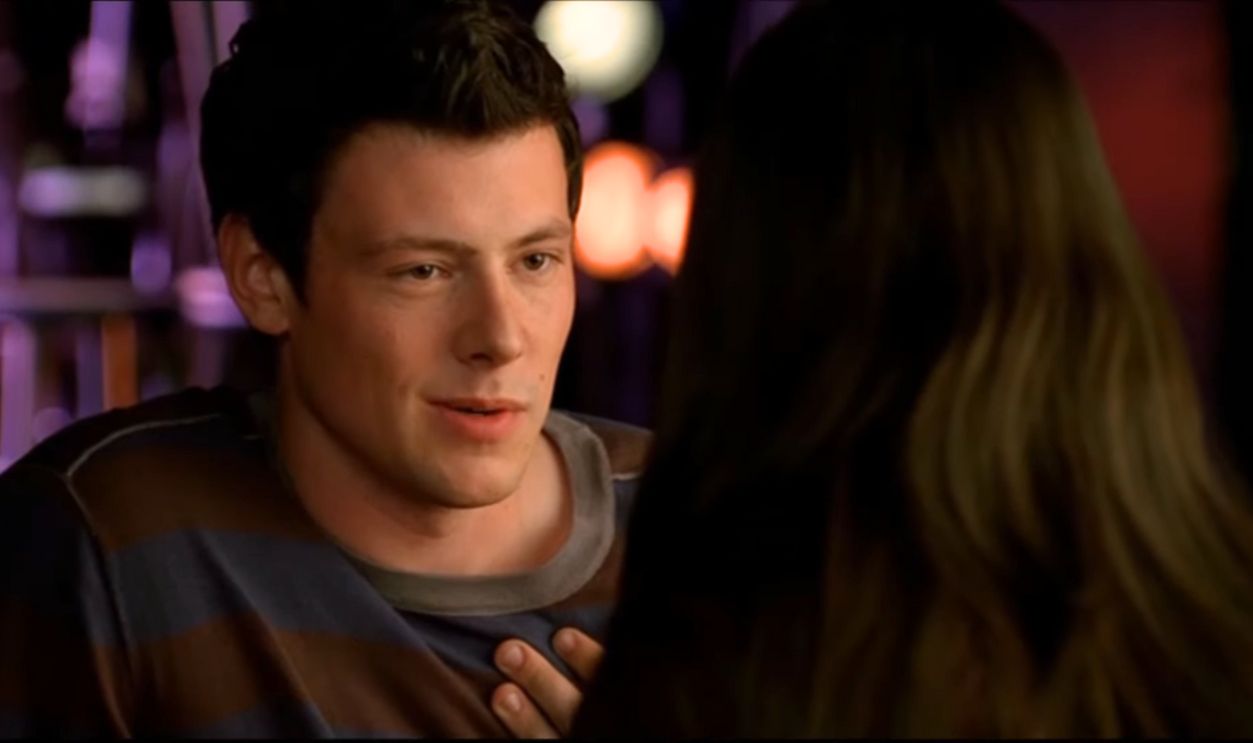 Screenshot from Glee, 20th Television (2009–2015)
Euphoria
Euphoria is intense by design, with long nights, emotional breakdowns, stylized chaos, and scenes that look exhausting even before anyone talks about the production. During Season 2, reports emerged that some background actors and crew members had complained about long shoots, late meals, bathroom access, and difficult working conditions. HBO said the production complied with safety guidelines and guild protocols, and reporting noted that no formal SAG-AFTRA complaints were confirmed. The show also became a magnet for rumors about creative disagreements and cast dynamics, especially around Barbie Ferreira’s reduced role and later exit.
Because Euphoria exists in a constant online feedback loop, every report, rumor, and behind-the-scenes whisper became part of how audiences interpreted the finished episodes.
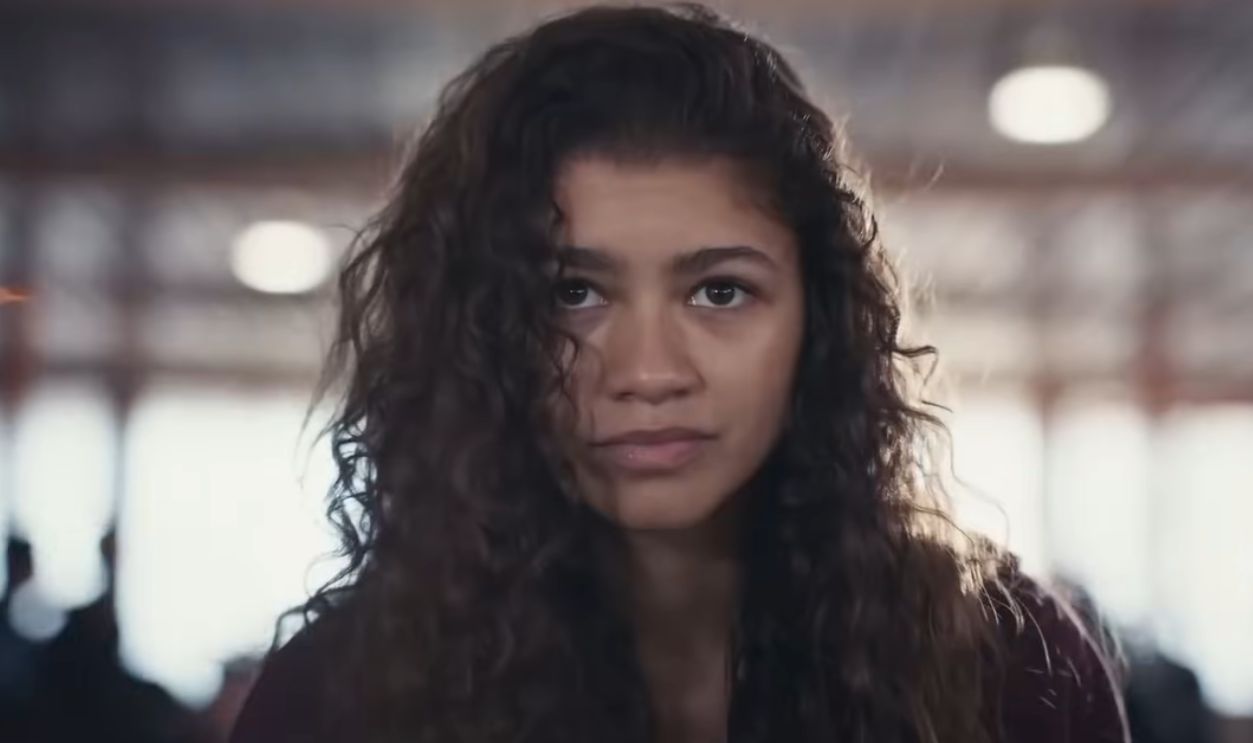 Screenshot from Euphoria, HBO (2019–2023)
Desperate Housewives
Desperate Housewives was already a show about secrets, feuds, betrayals, and suburban image management, so its off-screen court drama felt almost eerily appropriate. Nicollette Sheridan sued creator Marc Cherry and ABC, alleging that Cherry struck her during a rehearsal and that her character, Edie Britt, was written off in retaliation after she complained. Cherry denied wrongdoing and said the character’s passing had been a creative decision. The case dragged through trials, appeals, dismissals, and conflicting accounts, turning private production tension into public courtroom material.
It also fed long-running rumors about cast friction and difficult dynamics around the series. For a show that thrived on carefully manicured surfaces hiding ugly conflicts underneath, the lawsuit felt like Wisteria Lane spilling into real life.
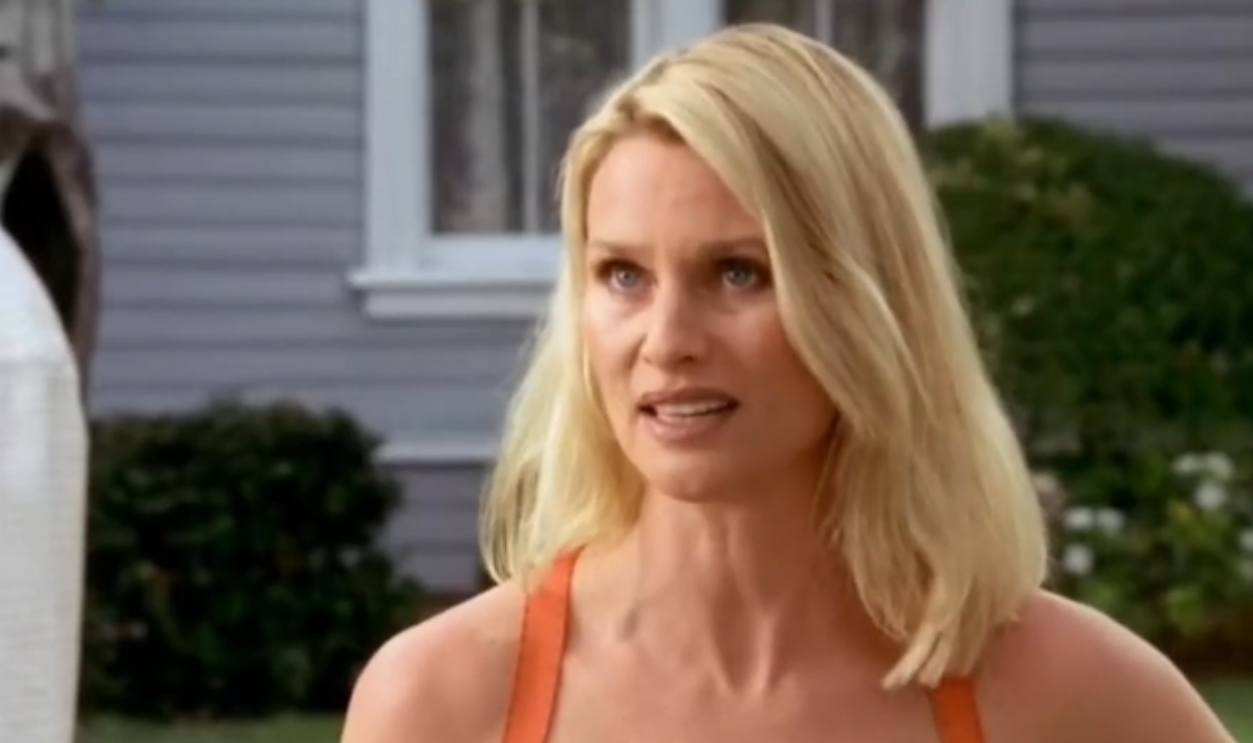 Screenshot from Desperate Housewives, ABC (2004–2012)
Riverdale
Riverdale was chaotic onscreen in a way that fans often loved, but one of its biggest behind-the-scenes controversies involved a much more practical concern: exhaustion. In 2017, KJ Apa was involved in a late-night car crash after leaving set following a long workday. Reports said the incident prompted concern among cast and crew about long hours and whether actors were being expected to drive themselves home while fatigued. SAG-AFTRA said it would investigate, while Warner Bros. said safety was a priority and that transportation or hotel accommodations were available if Apa felt too tired to drive.
The issue mattered because TV production often depends on punishing schedules that viewers never see. In this case, a teen drama known for lurid twists briefly became part of a larger industry conversation about worker safety.
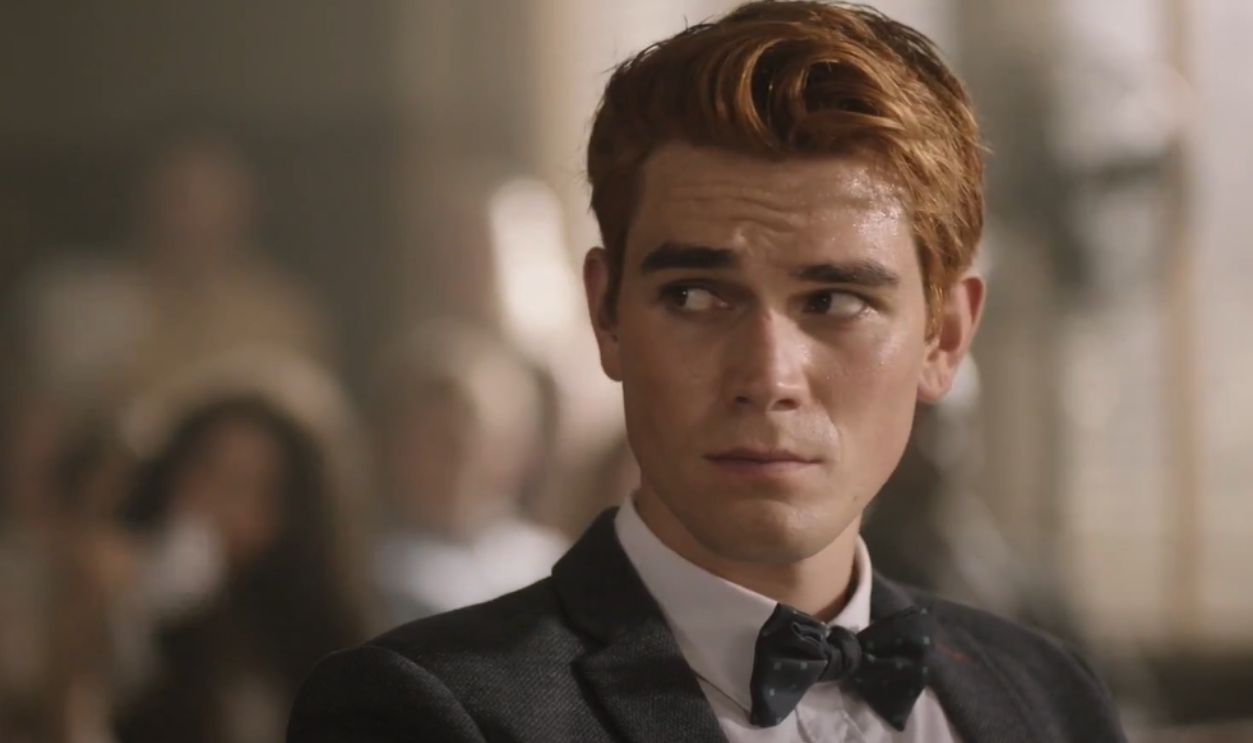 Screenshot from Riverdale, The CW (2017–2023)
You May Also Like:
Iconic Movies That Were A Nightmare Behind The Scenes
Famous TV Guest Stars From The 1980s Who Stole The Whole Episode