A Hit Show And One Very Unhappy Star
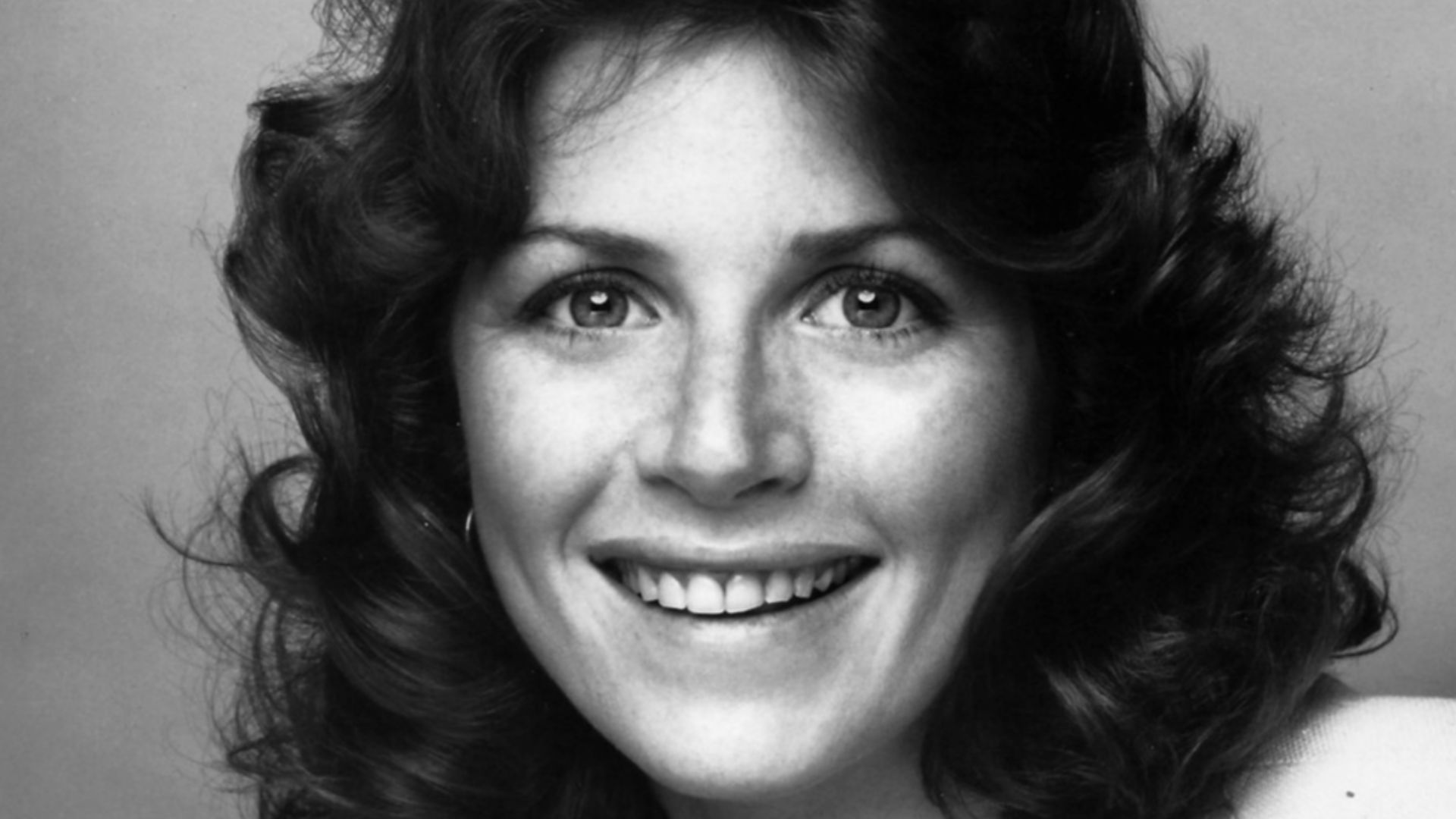
By the late 70s, Marcia Strassman had what thousands of struggling actors dreamed about: a starring role on one of television's biggest sitcoms. Millions knew her as Julie Kotter, and Welcome Back, Kotter had made her famous.
But while she might've once prayed for a break like this, once she got it, she prayed every day for it to end.

Strassman Had Been Acting For Years
Strassman didn't suddenly appear out of nowhere when Kotter came along. She had started working as a teenager, appeared onstage and in commercials, and later played Nurse Margie Cutler during the early years of M*A*S*H. By the mid-70s, she was still waiting for the role that would make her widely recognizable.
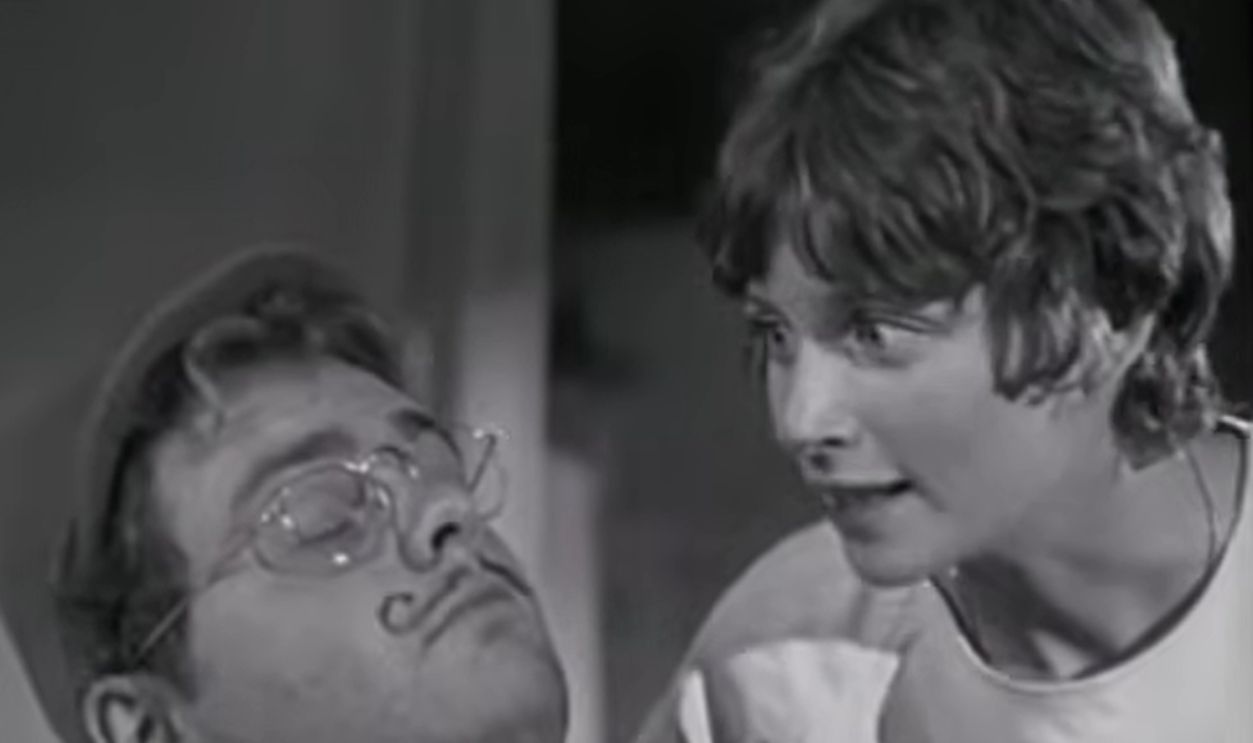 Screenshot from MASH*, CBS (1972–1983)
Then Came Julie Kotter
In 1975, Strassman landed the role of Julie Kotter, wife of Gabe Kaplan's wisecracking Brooklyn teacher. The series followed Kotter as he returned to his old high school to teach the remedial students known as the Sweathogs. It was exactly the kind of network sitcom role that could change an actor's career.
 ABC Television, Wikimedia Commons
And The Show Took Off
Welcome Back, Kotter quickly became a major hit, finishing No. 18 in the Nielsen ratings during its first season and climbing to No. 13 in its second. John Sebastian's instantly recognizable theme song also climbed all the way to No. 1 in 1976. Suddenly, Strassman was part of a genuine pop-culture phenomenon.
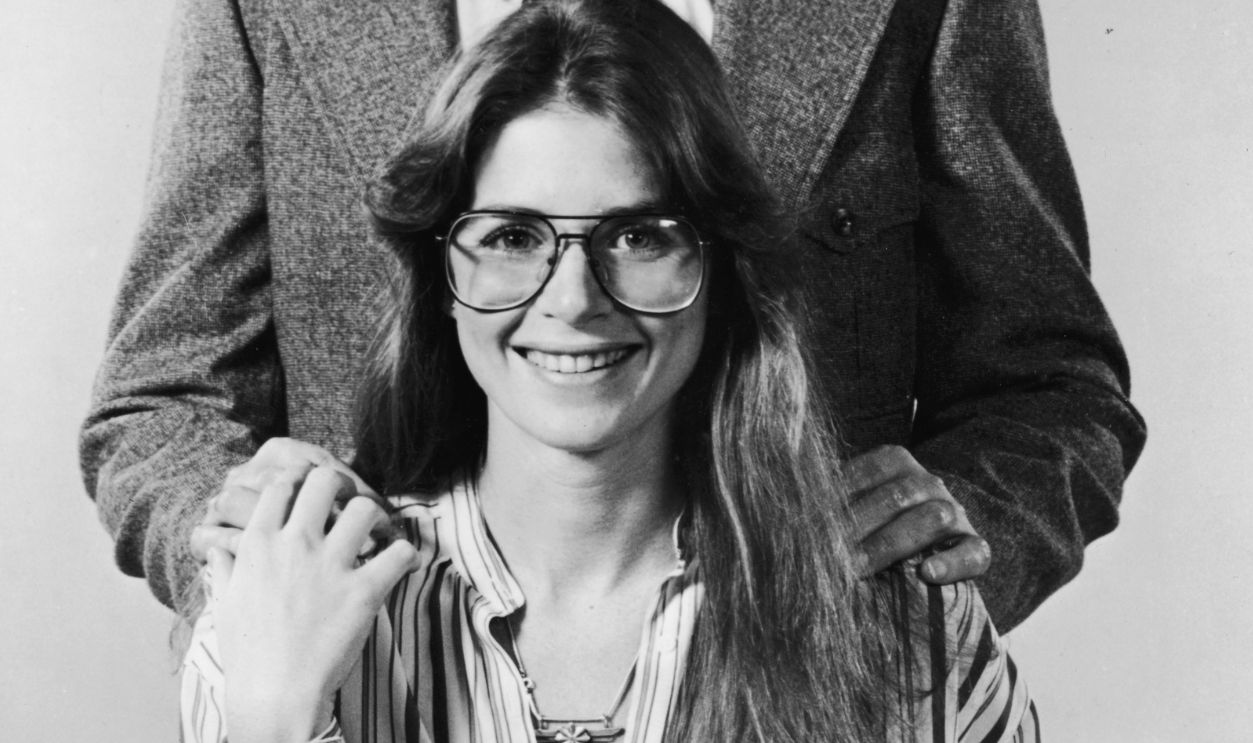
But Julie Wasn't Exactly A Sweathog
There was a problem. Most of the action happened at Buchanan High, where Kaplan and the Sweathogs got the best jokes and storylines. Julie was usually back at home, which meant Strassman often found herself waiting around for a comparatively small part of each episode.
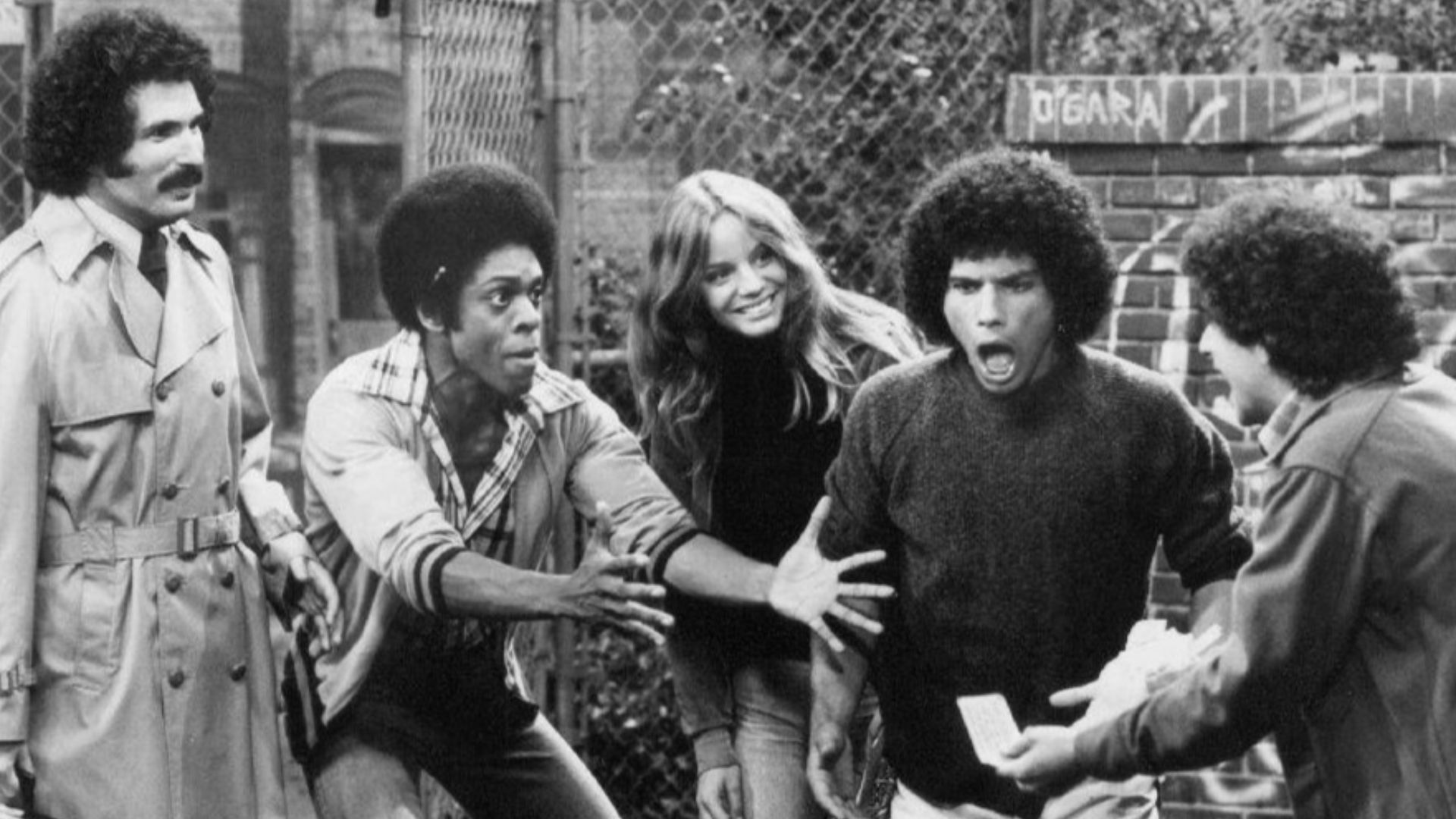 ABC Television, Wikimedia Commons
Her Role Started To Feel Very Familiar
Strassman later complained that Julie's function had become little more than listening to Kotter return home and tell stories. She summed up her frustration by saying that for years her role essentially consisted of asking, “And what happened, honey?” It wasn't exactly what an ambitious actress had hoped for.
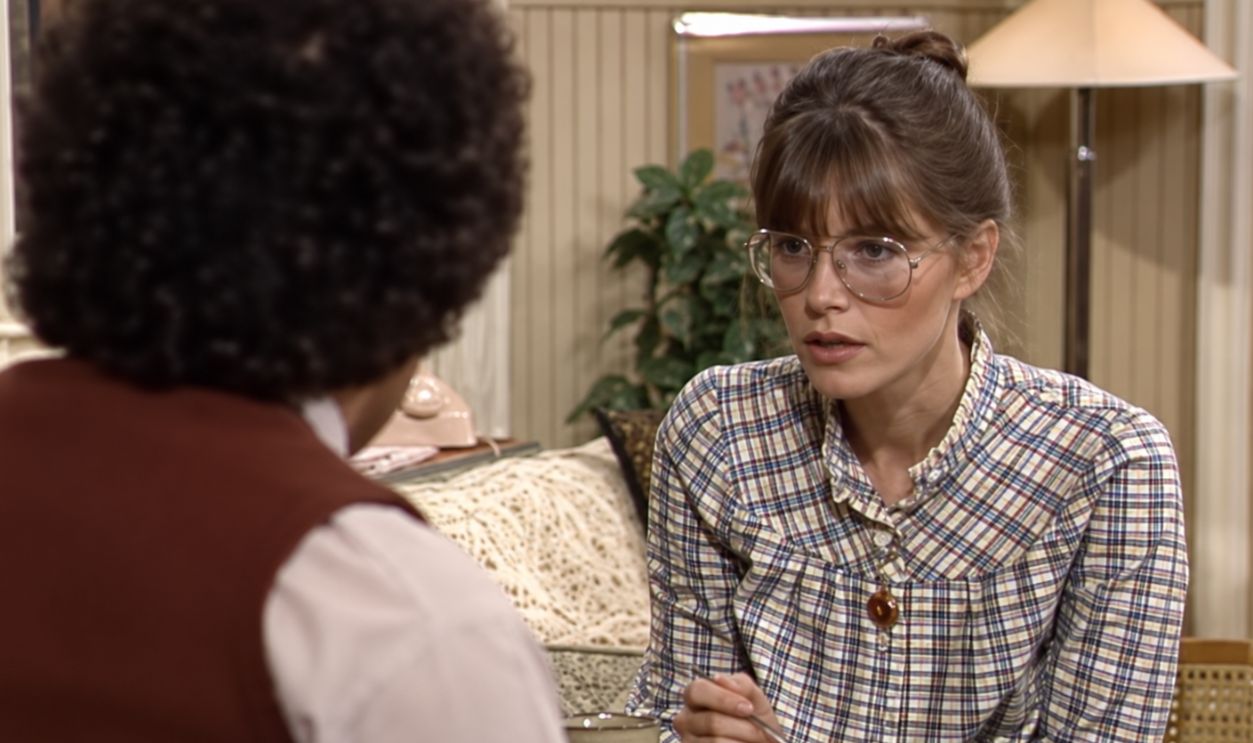 Screenshot from Welcome Back, Kotter, Warner Bros. Television Distribution (1975–1979), Modified
And The Frustration Kept Growing
By Strassman's own later account, this wasn't a temporary annoyance. She spent much of the four-year run feeling underused. In a 1991 interview, she said she hadn't particularly enjoyed Kotter because she simply didn't have enough to do.
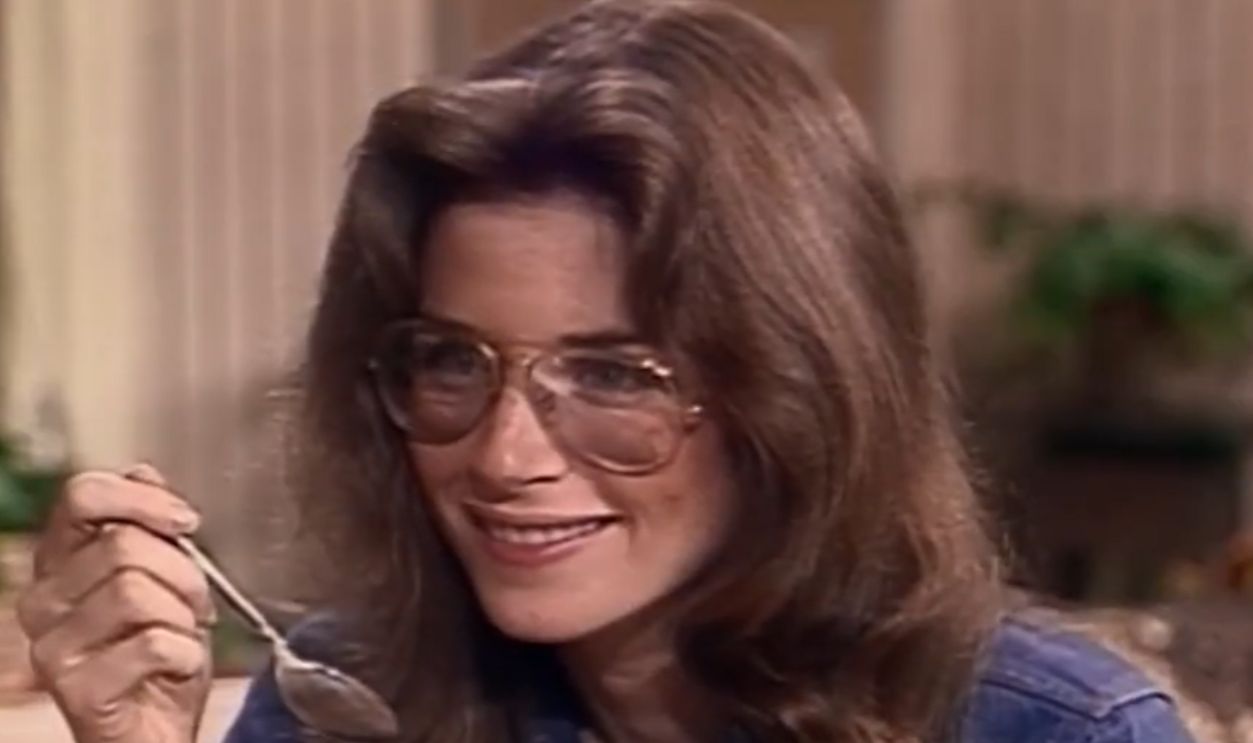 Screenshot from Welcome Back, Kotter, Warner Bros. Television Distribution (1975–1979)
She Wanted Out
Eventually, Strassman decided she didn't merely want better material. She wanted out of Welcome Back, Kotter altogether. According to a 1978 People profile, she had quietly spent about 18 months trying to escape her contract before finally deciding to make her unhappiness very public.
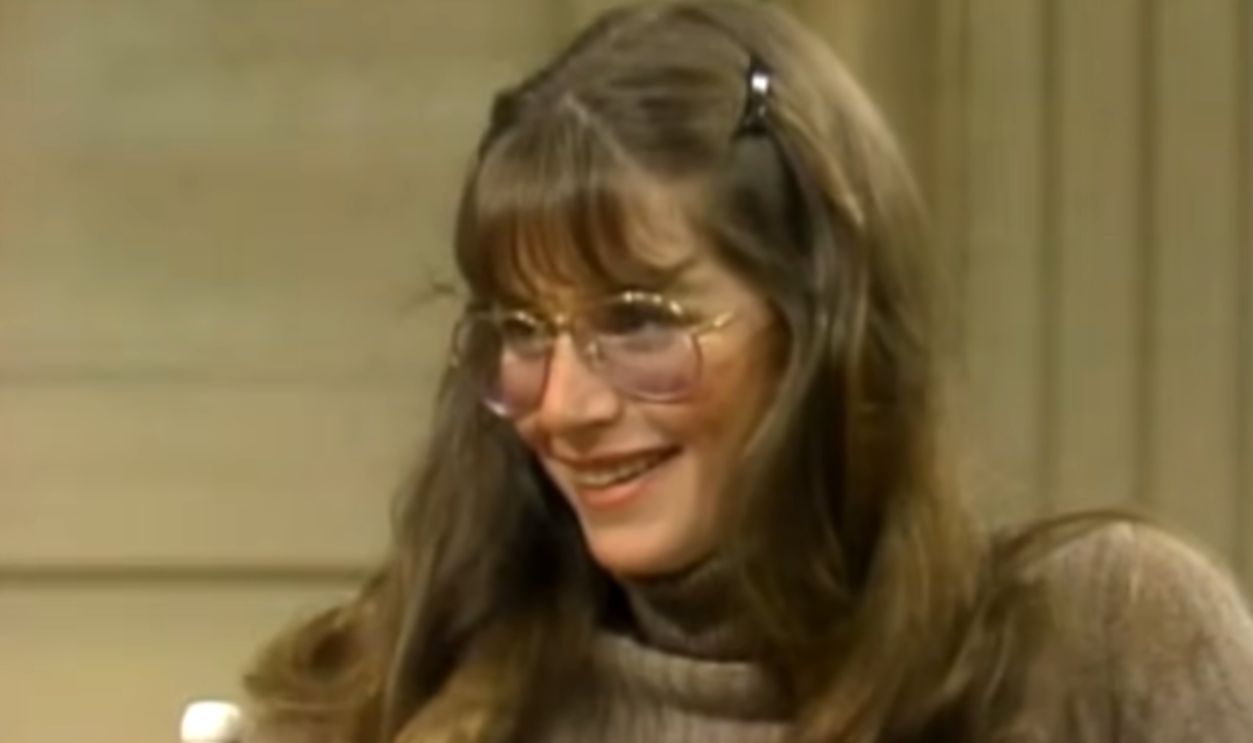 Screenshot from Welcome Back, Kotter, Warner Bros. Television Distribution (1975–1979)
Then She Said The Quiet Part Out Loud
In November 1978, People published an astonishingly candid interview with Strassman. She wasn't diplomatic about how she felt. She said she was miserable working on the series and then delivered the line that would follow her for decades: “I pray every day for a cancellation.”
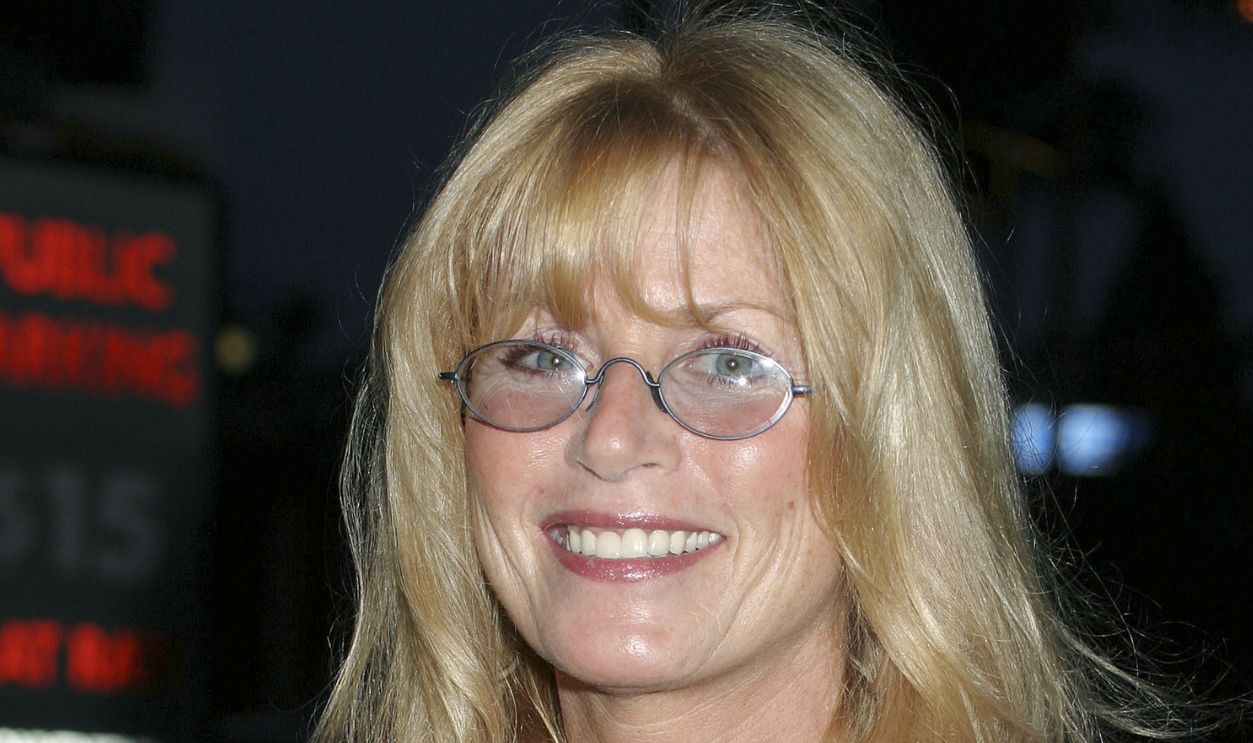 Giulio Marcocchi, Getty Images
This Wasn't Normal Hollywood Complaining
Actors have been complaining about their television jobs for as long as television has existed. But openly hoping that your still-running network series gets canceled is something else entirely. Especially when that series is the biggest thing that has happened to your career.
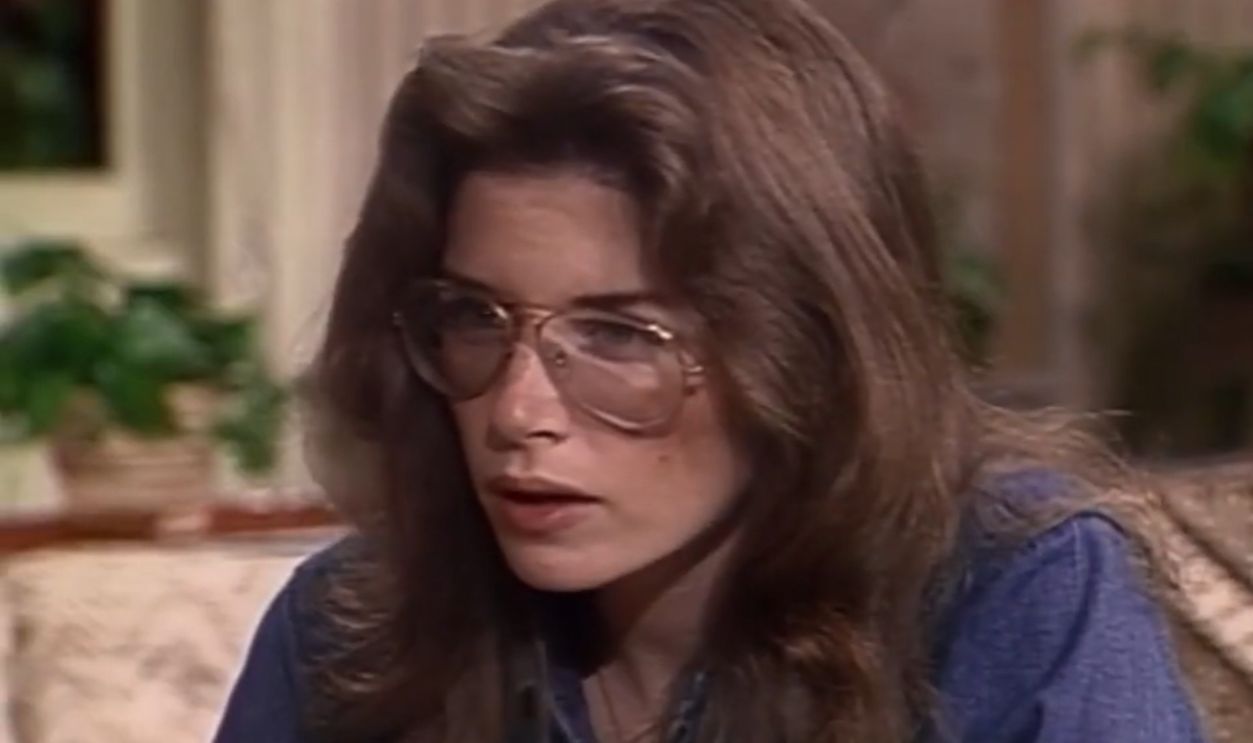 Screenshot from Welcome Back, Kotter, Warner Bros. Television Distribution (1975–1979)
And She Had A Problem With Gabe Kaplan
Strassman's frustration wasn't only about screen time. She also described a difficult relationship with Kaplan, saying his attitude toward her could swing from warm to distant. From her perspective, that unpredictability had made working together increasingly uncomfortable.
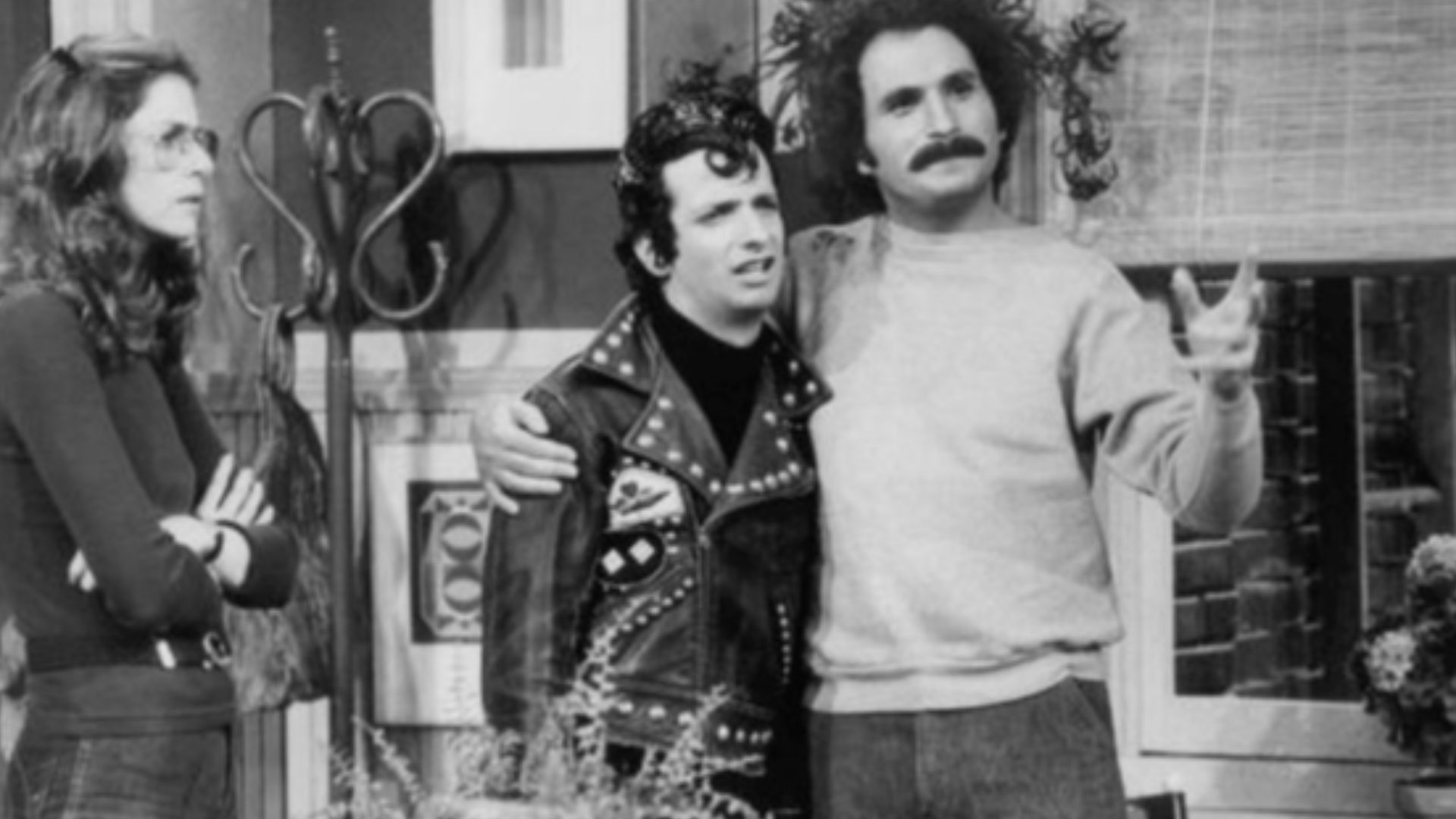 ABC Television, Wikimedia Commons
Kaplan Said He Was Shocked
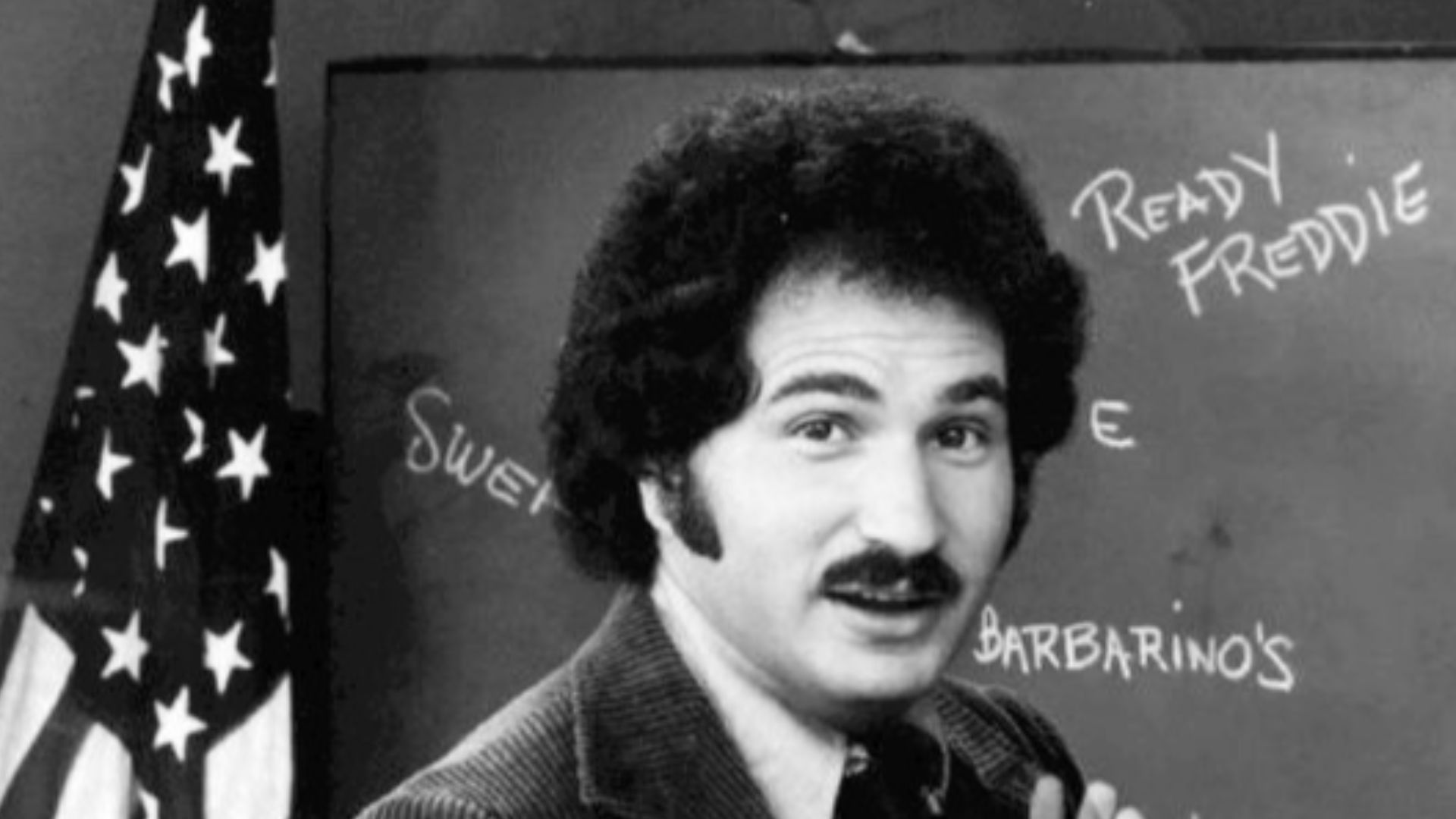
Kaplan's reaction suggested that the two stars weren't even operating with the same understanding of their relationship. He told People he was stunned by the depth of Strassman's hostility and said he had actually pushed during story conferences for Julie to receive a larger role.
 ABC Television, Wikimedia Commons
The Contract Made Everything Worse
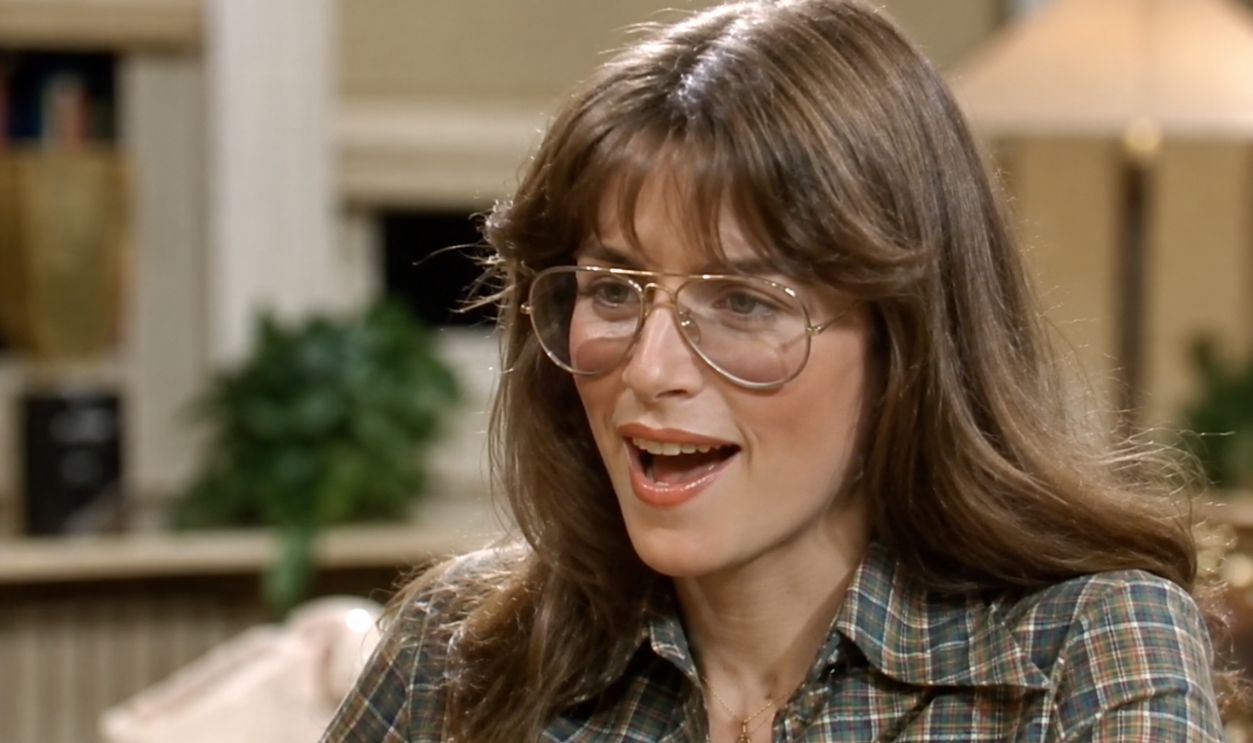
Strassman was also locked into a five-year Kotter contract. She told People that the commitment had already forced her to turn down two movie roles. From her perspective, she wasn't simply stuck playing an underwritten character. She believed the job was keeping her from pursuing better opportunities elsewhere.
 Screenshot from Welcome Back, Kotter, Warner Bros. Television Distribution (1975–1979), Modified
So She Went Public
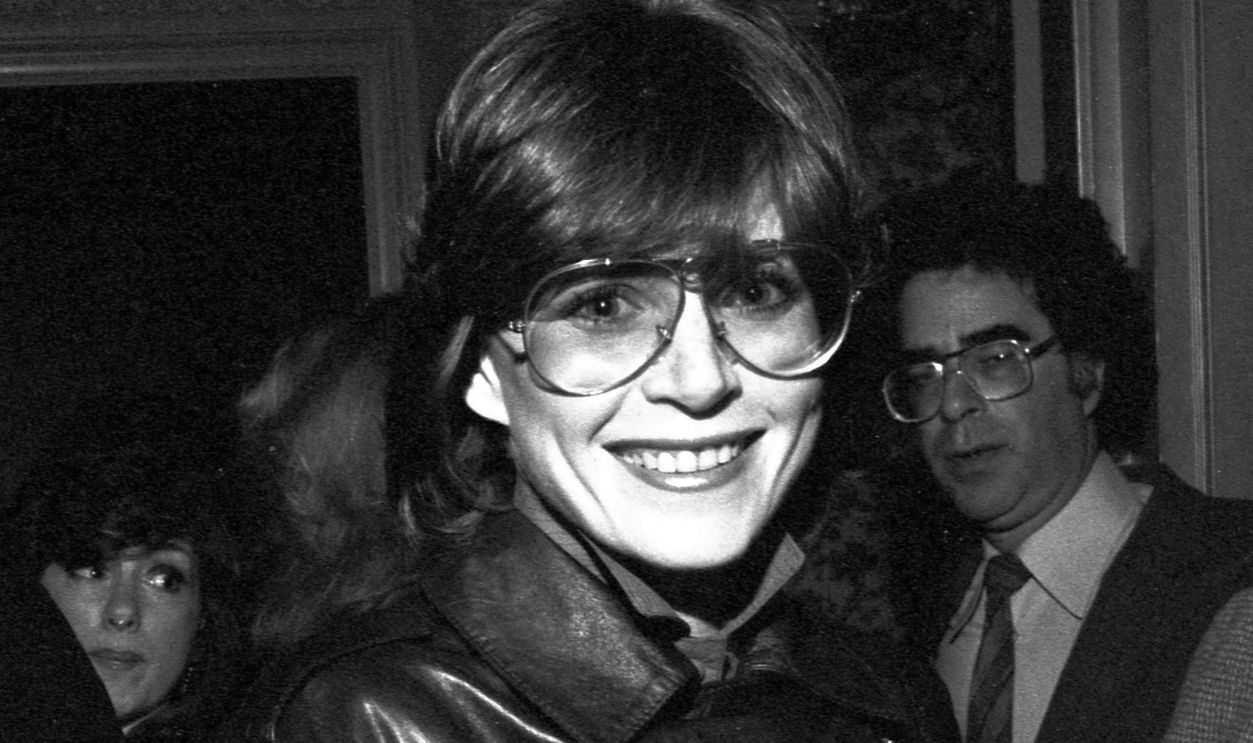
After months of trying unsuccessfully to get free, Strassman stopped keeping her frustrations private. She criticized Kaplan publicly during a press event, then returned to a workplace where everyone apparently knew exactly what had been said. Unsurprisingly, that did not make the atmosphere any more comfortable.
The Cast Had Started Taking Sides
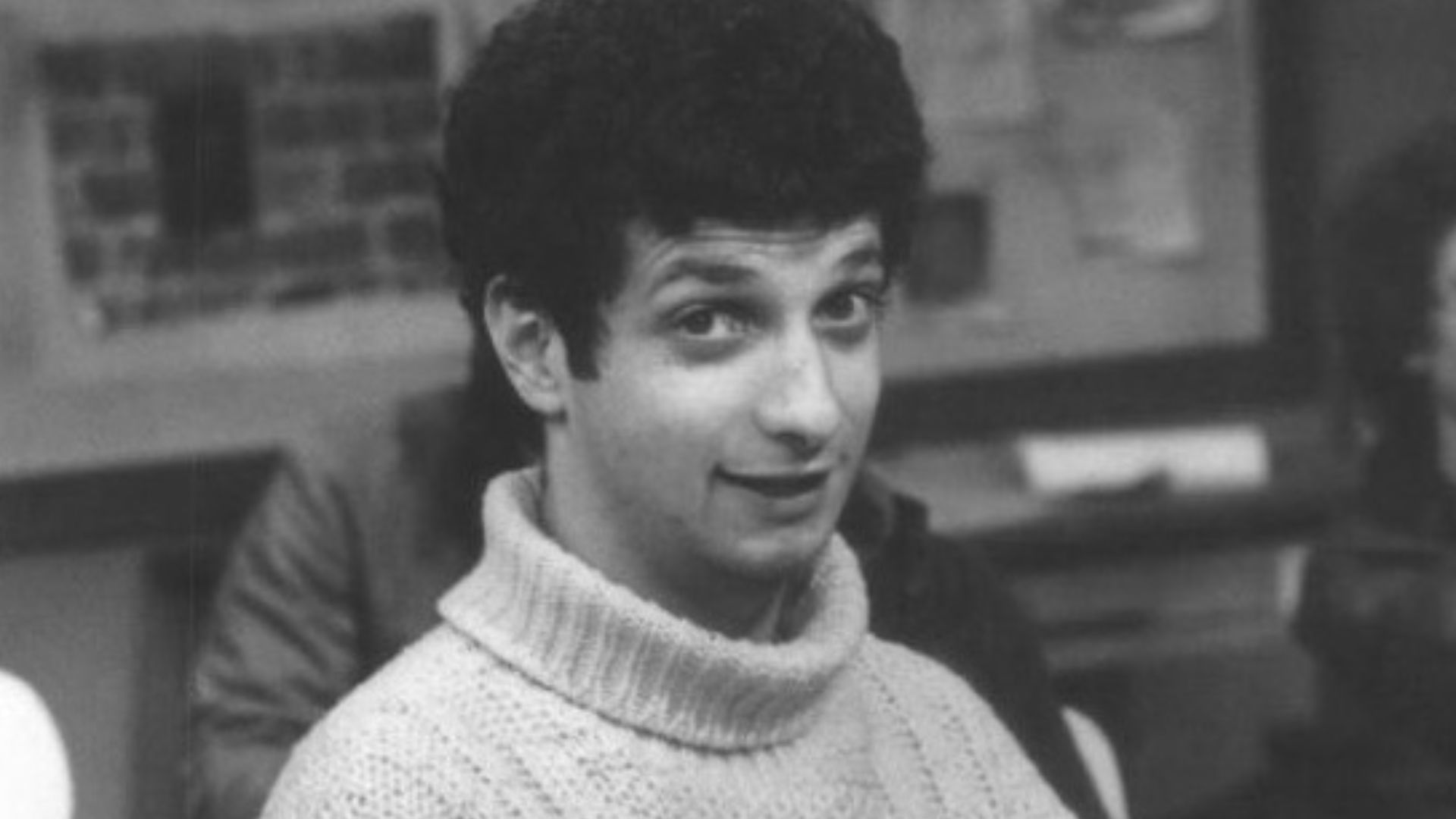
By late 1978, People described a Kotter set that had become deeply divided. Ron Palillo was particularly close to Strassman, Robert Hegyes was more aligned with Kaplan, while John Travolta managed to remain friendly with both. The happy Sweathog family viewers saw on television was looking considerably less happy off-camera.
 ABC Television Network., Wikimedia Commons
But Kaplan Was Fighting His Own Battle
At the same time, Kaplan was locked in a serious creative struggle with executive producer James Komack. Kaplan wanted the show to remain more grounded in teacher-student stories. Changes behind the scenes pushed it toward broader comedy, and Kaplan's appearances became increasingly limited during the fourth season.
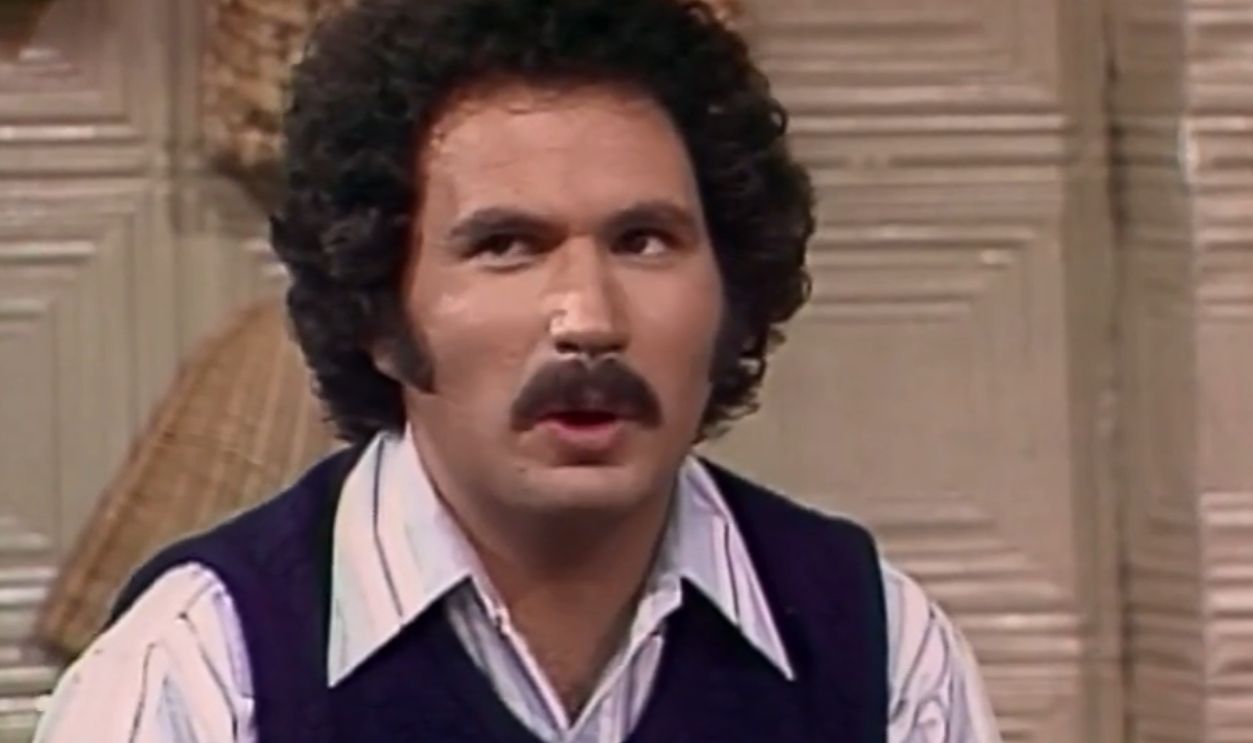 Screenshot from Welcome Back, Kotter, Warner Bros. Television Distribution (1975–1979)
Then The Story Took A Strange Turn
According to Strassman's later account, she and Kaplan eventually compared notes and concluded that producer James Komack had been separately telling each of them that the other disliked them. Suddenly, some of the tension between them began to look very different.
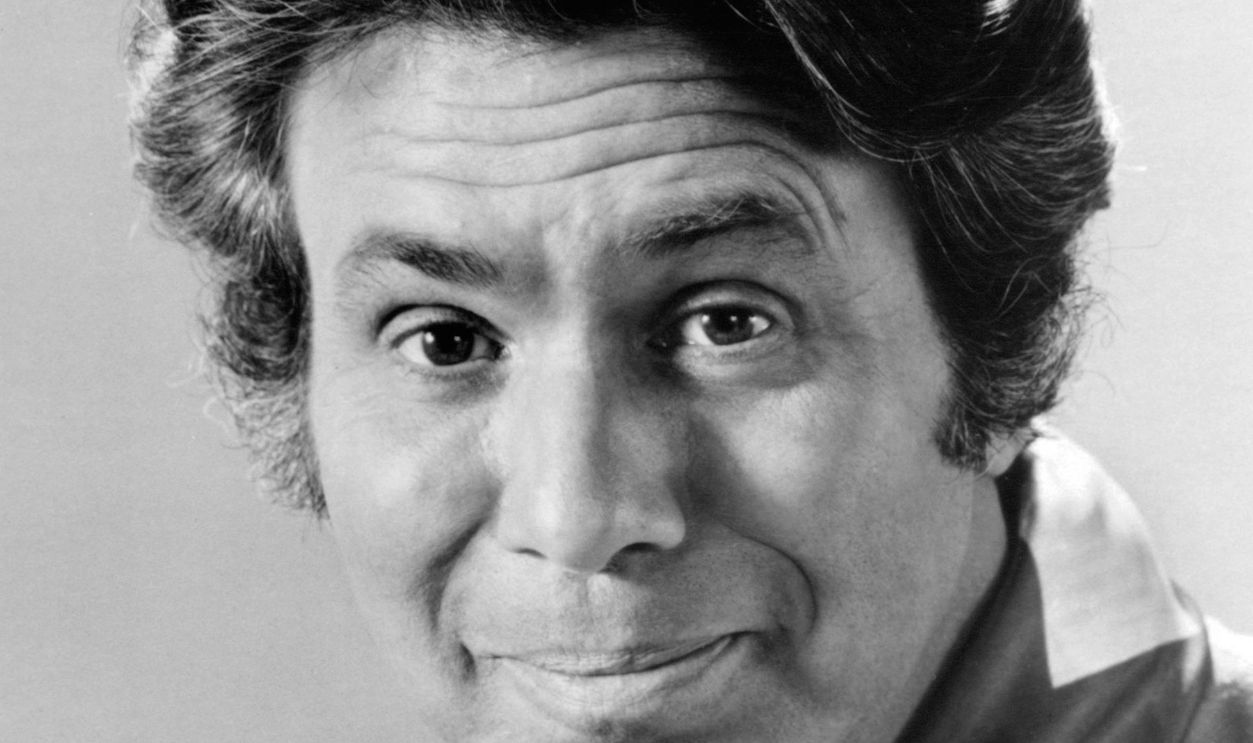 Michael Ochs Archives, Getty Images
They Finally Talked To Each Other
According to that later account, once Strassman and Kaplan actually discussed the situation directly, they realized that at least some of their feud had been fueled by what they had been told rather than what either had actually said. Kaplan also explained that he had wanted Julie to have more substantial material.
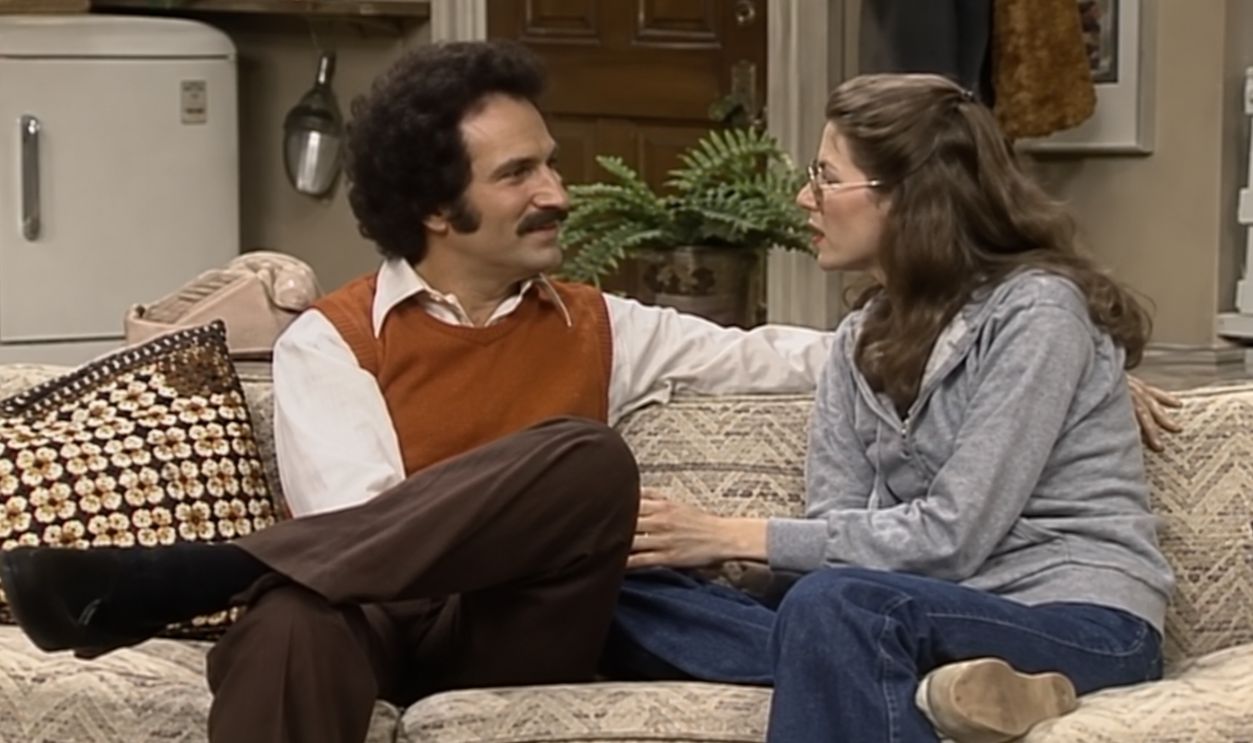 Screenshot from Welcome Back, Kotter, Warner Bros. Television Distribution (1975–1979), Modified
Then They Did Something Nobody Expected
Not long after the explosive People article appeared, Kaplan guest-hosted The Tonight Show. One of his guests was Marcia Strassman. Contemporary television listings confirm that the supposedly feuding television spouses appeared together on the November 1978 broadcast.
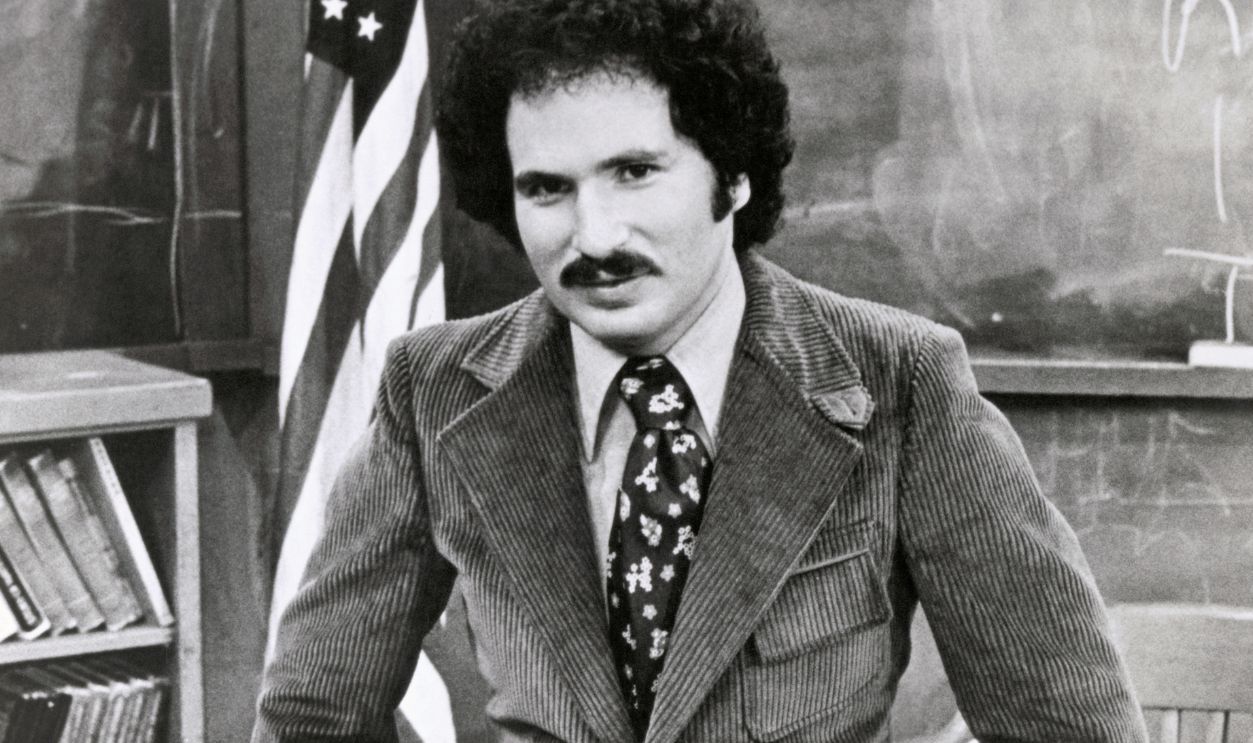
Unfortunately, The Show Had Bigger Problems
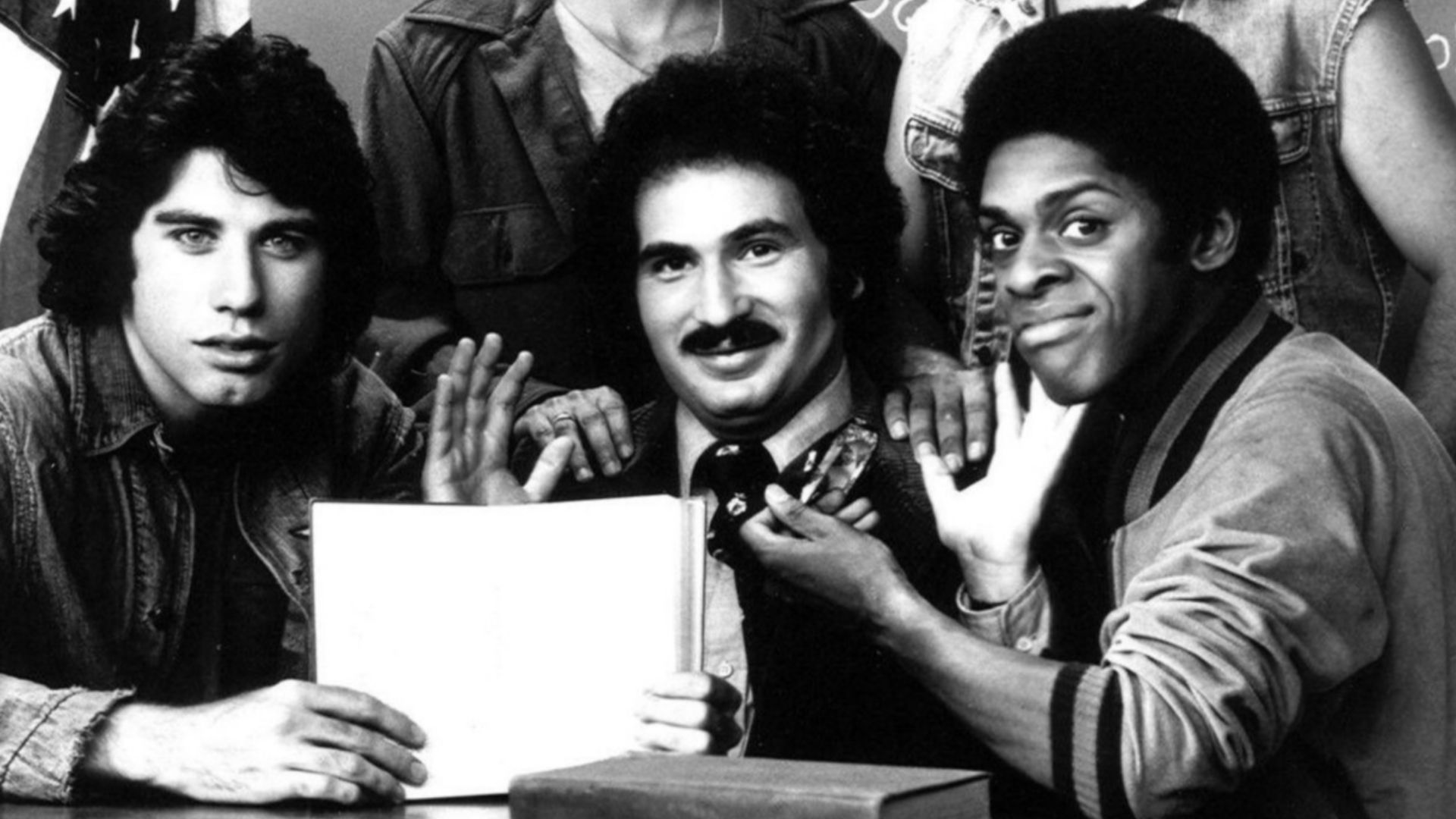
By then, Welcome Back, Kotter was already losing viewers. After ranking among television's most popular programs during its first two seasons, it dropped sharply during its final year. ABC shuffled it around the schedule, while both Kaplan and an increasingly movie-focused Travolta appeared less frequently.
 ABC Television, Wikimedia Commons
Strassman Actually Worried It Might Recover
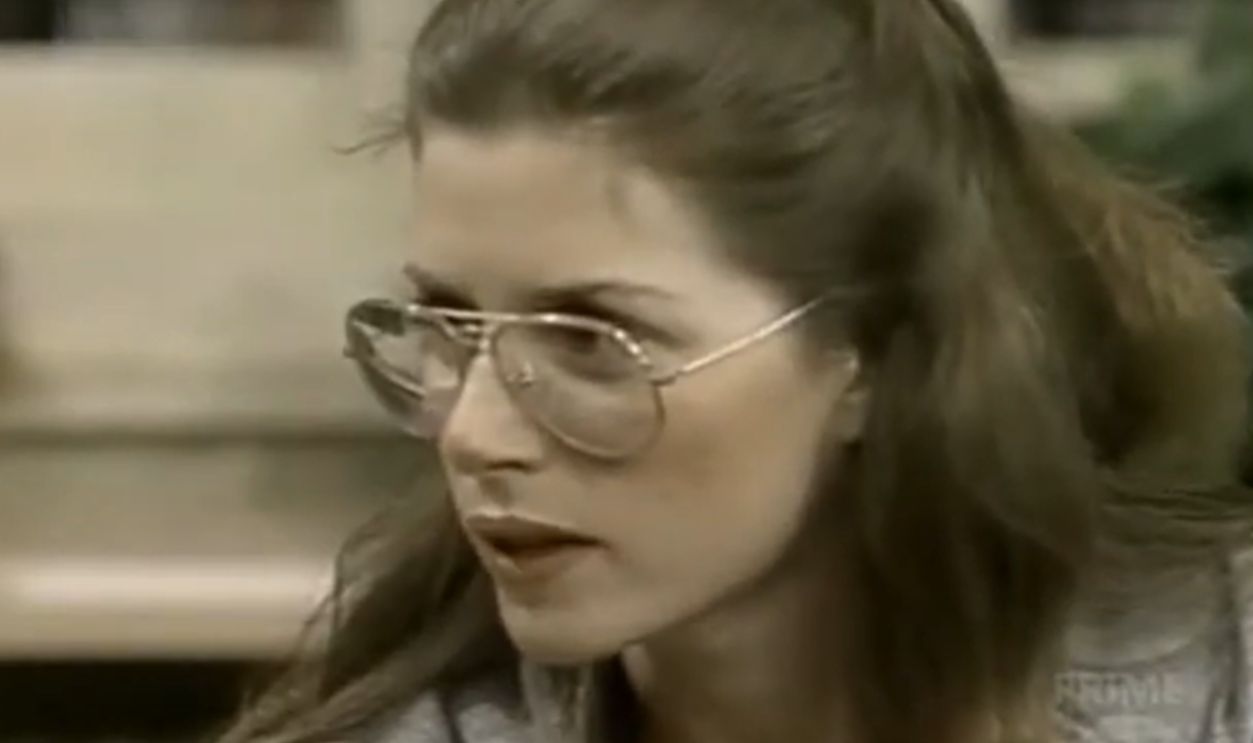
There was one particularly funny moment in the middle of all this. When ABC moved Kotter to what was hoped would be a better time slot, Strassman reportedly reacted with dismay. After spending so long hoping for cancellation, the last thing she wanted was for the network to somehow turn it into a hit again.
 Screenshot from Welcome Back, Kotter, Warner Bros. Television Distribution (1975–1979)
This Time, She Got Her Wish
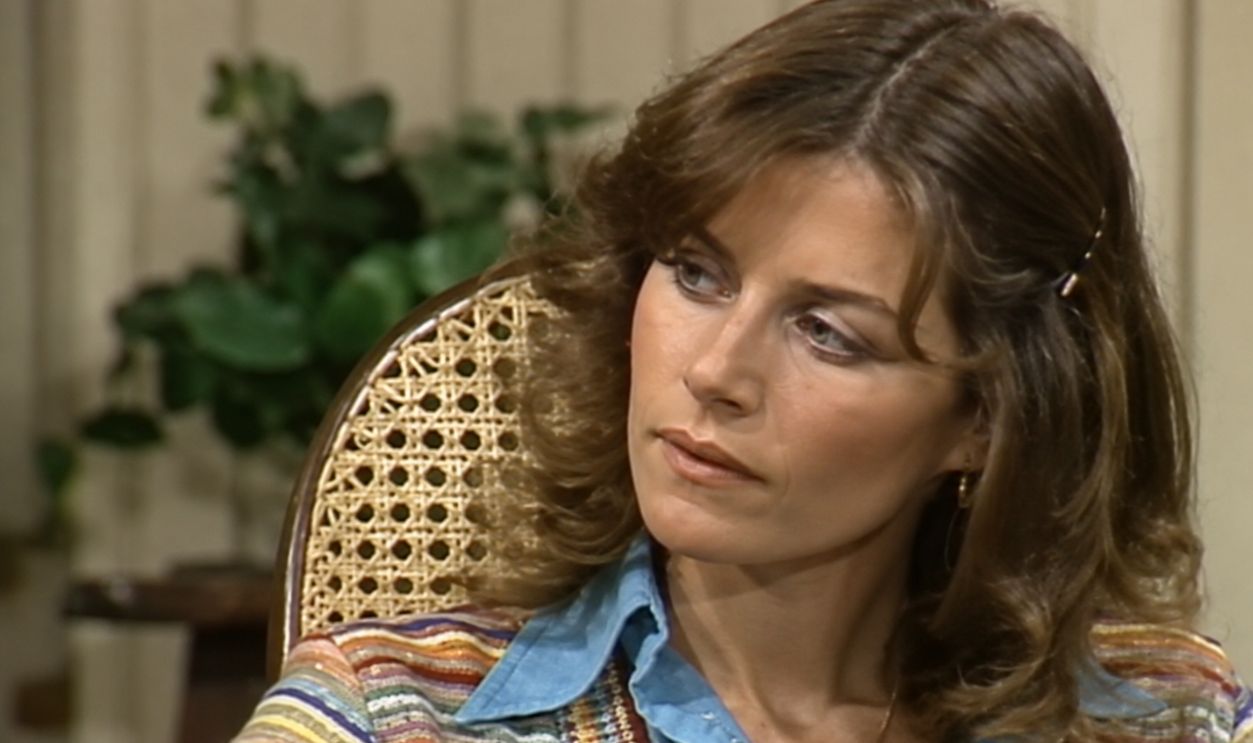
It didn't happen. Welcome Back, Kotter finished its fourth and final season in 1979. The show that had made Strassman famous was finally over, ending one of the strangest combinations Hollywood can produce: a career-making opportunity that the person living through it desperately wanted to escape.
 Screenshot from Welcome Back, Kotter, Warner Bros. Television Distribution (1975–1979), Modified
And She Finally Got To Move On
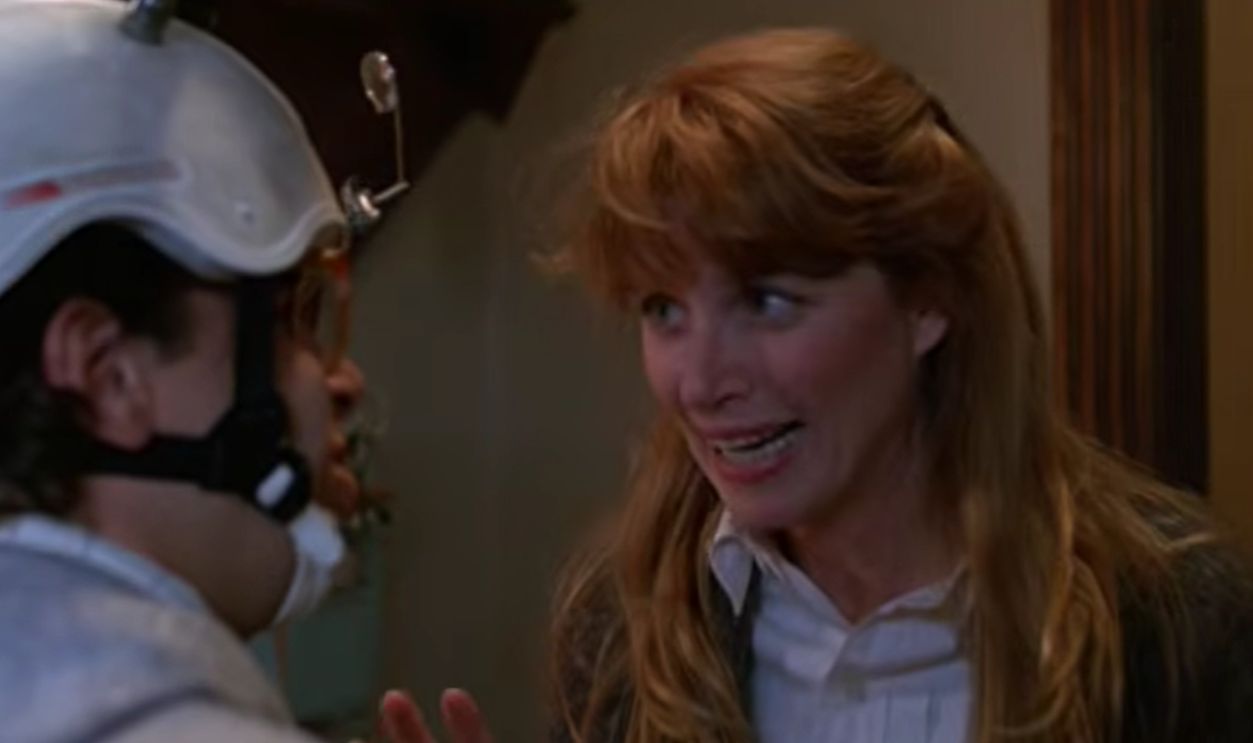
Strassman continued working steadily after Kotter, eventually reaching an entirely new generation as Diane Szalinski in Honey, I Shrunk the Kids alongside Rick Moranis. She returned for Honey, I Blew Up the Kid and continued appearing regularly in television and film.
 Screenshot from Honey, I Shrunk the Kids, Buena Vista Pictures Distribution, Inc. (1989)
Years Later, She Still Didn't Look Back Fondly
Years later, Strassman didn't suddenly pretend that Welcome Back, Kotter had secretly been a wonderful experience. She remained candid about how frustrated she had been and how little she felt Julie had been given to do. Fame had come from the show, but happiness definitely hadn't.
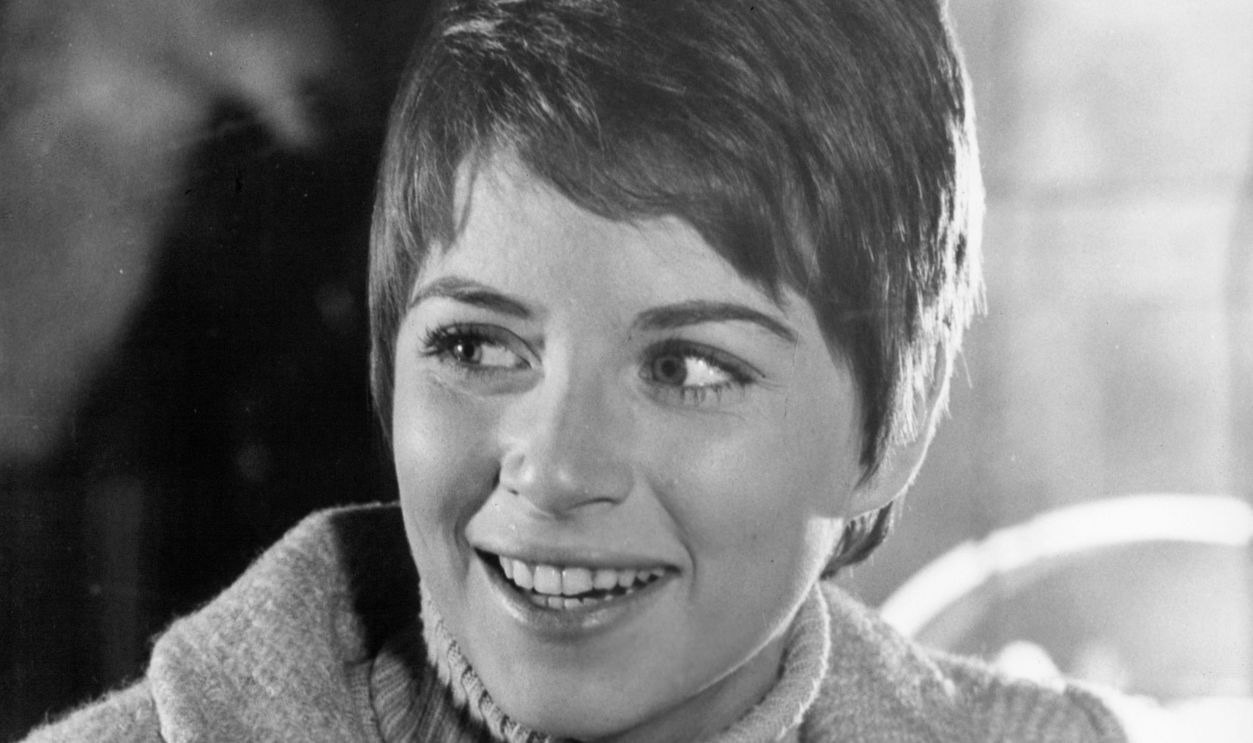 Michael Ochs Archives, Getty Images
Yet Julie Kotter Never Really Left Her
That may be the strangest part. Welcome Back, Kotter made Marcia Strassman famous, but it also gave her a role she desperately wanted to escape. Sometimes the big break you spend years chasing isn't the one you end up wanting.
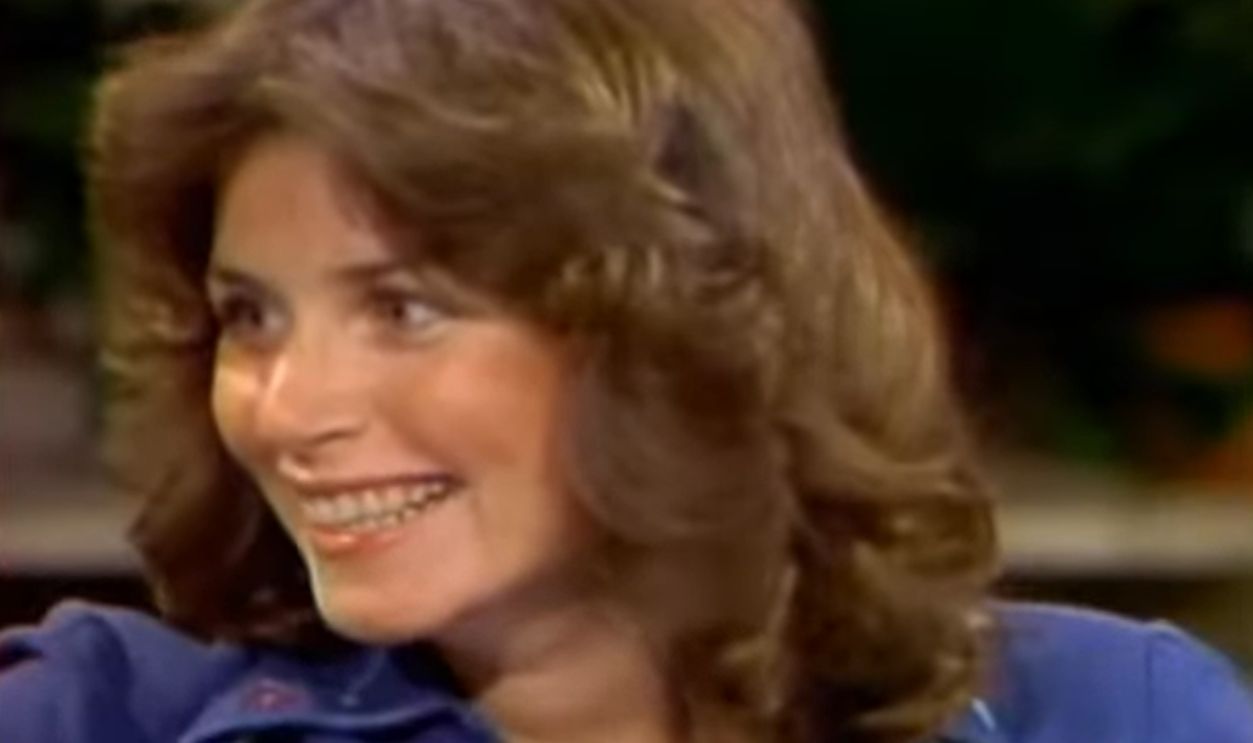 Screenshot from Welcome Back, Kotter, Warner Bros. Television Distribution (1975–1979)
You Might Also Like:
Spellbound Facts About Elizabeth Montgomery, TV’s Angelic Enchantress