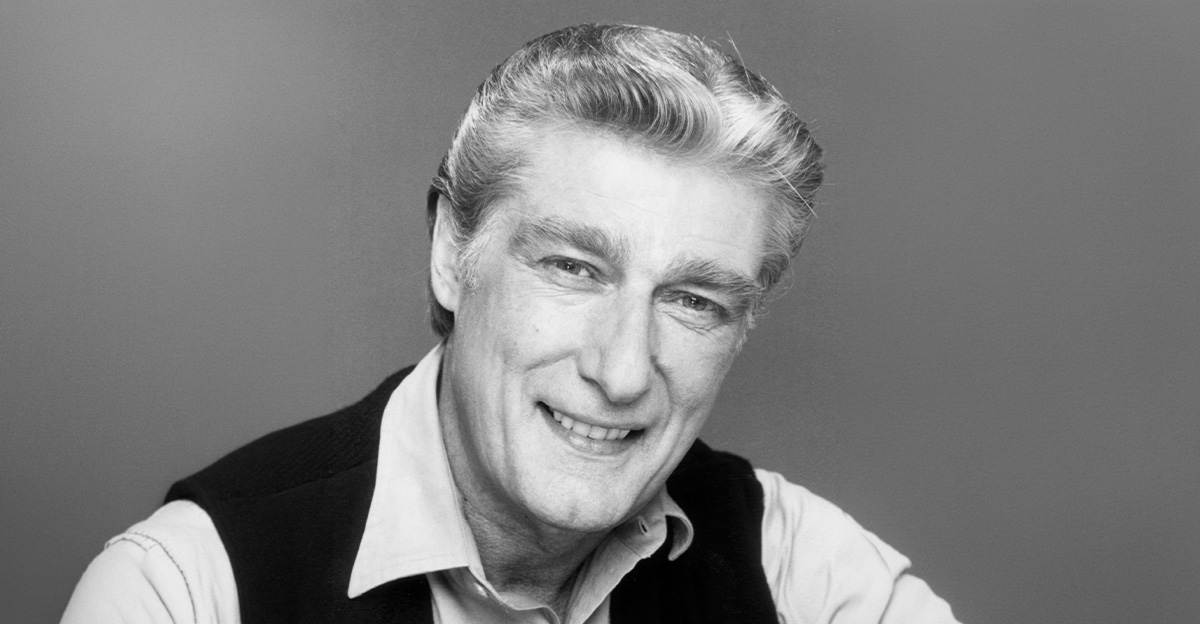
Richard Mulligan Knew How to Make Chaos Charming
Richard Mulligan could do something few sitcom actors manage: play a complete lunatic without losing the audience’s affection. As Burt Campbell on Soap, he turned madness into comedy gold. Then, years later, Empty Nest proved his first hit was definitely no accident.
 Fotos International, Getty Images
He Started in the Bronx
Born in the Bronx in 1932, Mulligan didn’t grow up with an obvious path toward television stardom. He served in the Navy before studying at Columbia University, where his original ambition had less to do with performing and more to do with writing.
 Screenshot from One Potato, Two Potato, Rialto Pictures (1964)
He Wanted to Write Plays
Mulligan studied playwriting at Columbia and initially imagined himself creating characters instead of playing them. Acting entered the picture almost as research. He wanted to understand what performers actually did with a writer’s words. That curiosity ended up changing his entire life.
 Screenshot from Empty Nest, The Walt Disney Company (1988-1995)
A Flat Tire Changed His Plans
According to Mulligan, a flat tire once led him to stop at a community theater while dropping off a script. He was talked into auditioning for Eugene O’Neill’s Beyond the Horizon. He got the role—and eventually caught the acting bug.
 Screenshot from Empty Nest, The Walt Disney Company (1988-1995)
Broadway Taught Him the Craft
By 1960, Mulligan had reached Broadway, working as an assistant stage manager and understudy in All the Way Home. More theater followed, including A Thousand Clowns, Never Too Late, and Thieves. Years before sitcom fame, he had serious stage training.
 Screenshot from One Potato, Two Potato, Rialto Pictures (1964)
The Movies Came Early
Mulligan’s movie career began modestly, including an uncredited appearance in 1963’s Love with the Proper Stranger, directed by his older brother Robert Mulligan. Bigger parts followed, but Richard quickly showed that he was going to be much more than a director’s kid brother.
 Screenshot from Empty Nest, The Walt Disney Company (1988-1995)
One Potato, Two Potato Showed His Range
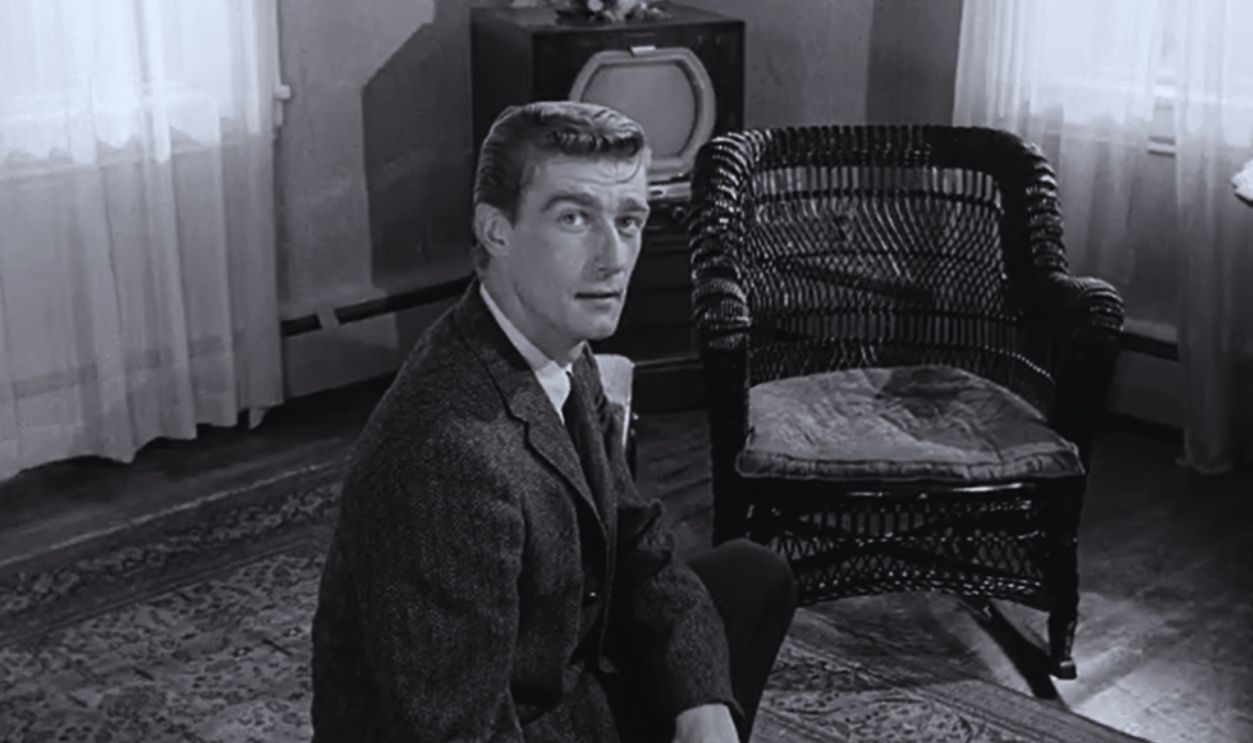
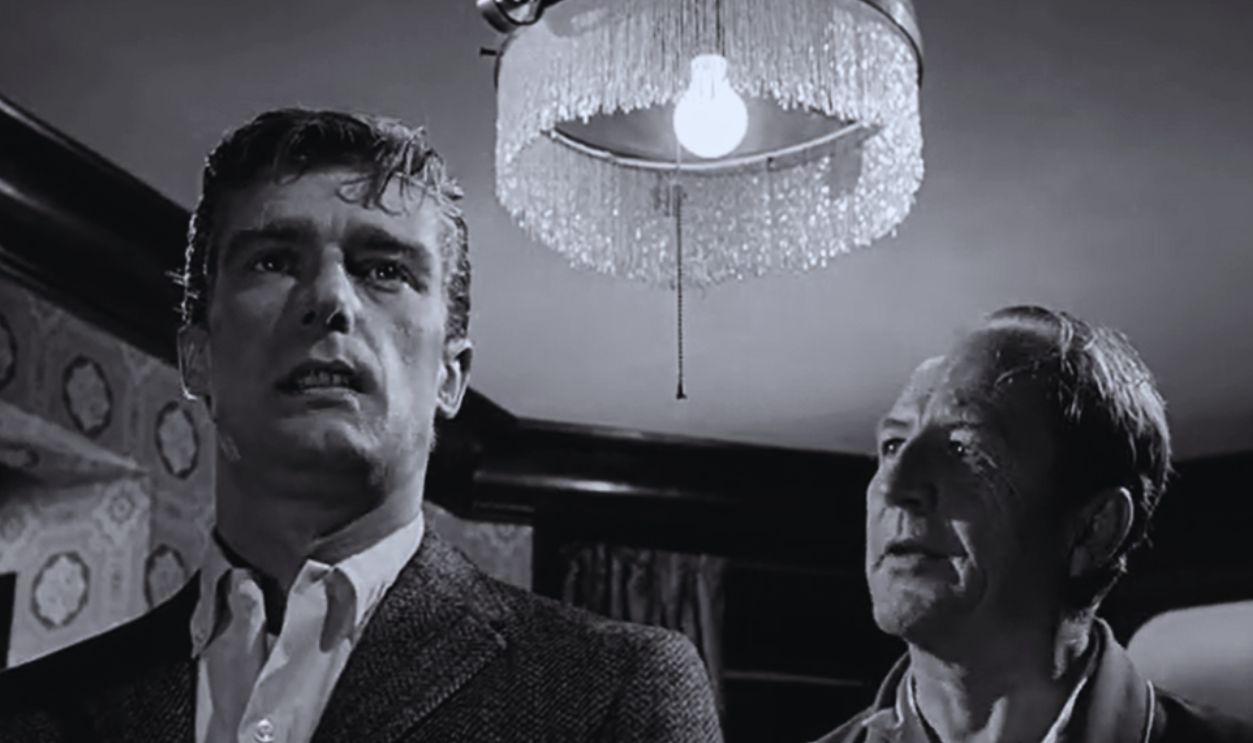
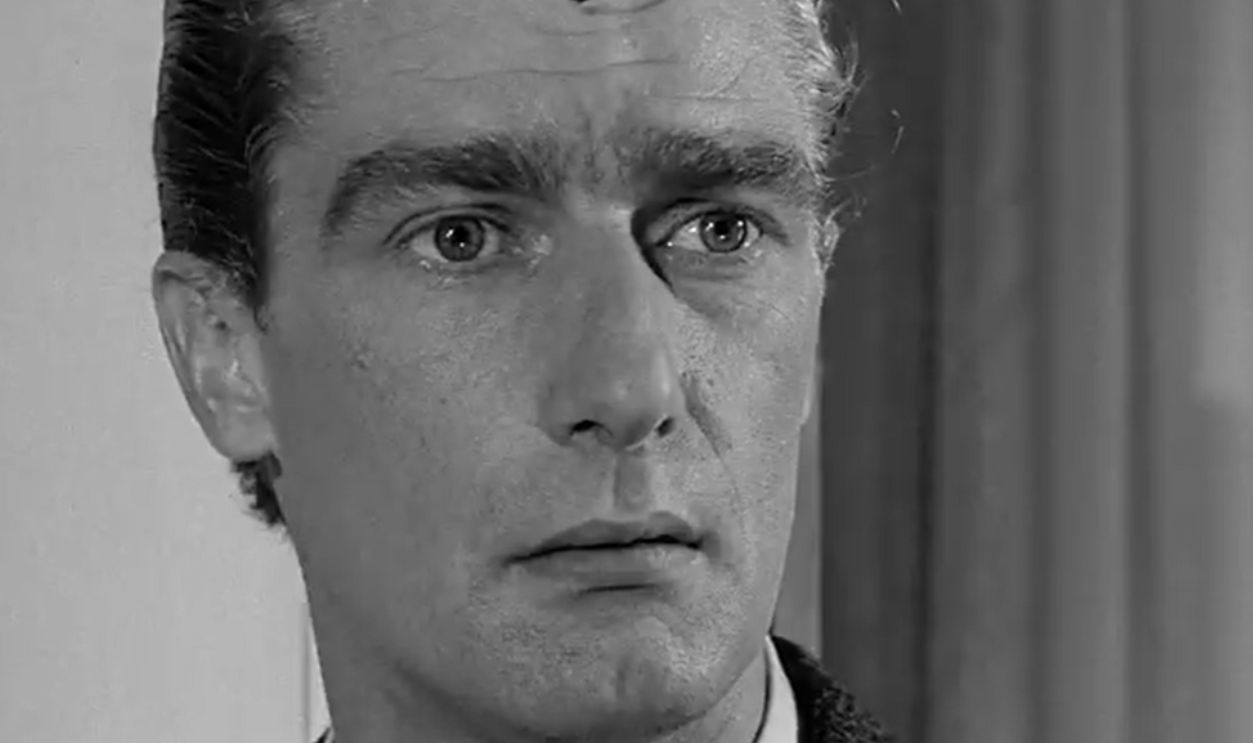
In 1964, Mulligan appeared in One Potato, Two Potato, a groundbreaking drama about interracial marriage. It was a long way from the broad physical comedy that later made him famous, offering early proof that Mulligan’s résumé had plenty of dramatic weight too.
 Screenshot from One Potato, Two Potato, Rialto Pictures (1964)
Little Big Man Let Him Go Wild
Mulligan landed one of his most memorable movie roles in 1970’s Little Big Man, playing General George Armstrong Custer opposite Dustin Hoffman. His Custer was wild-eyed, arrogant, and increasingly unhinged—a perfect showcase for the manic intensity Mulligan could summon so brilliantly.
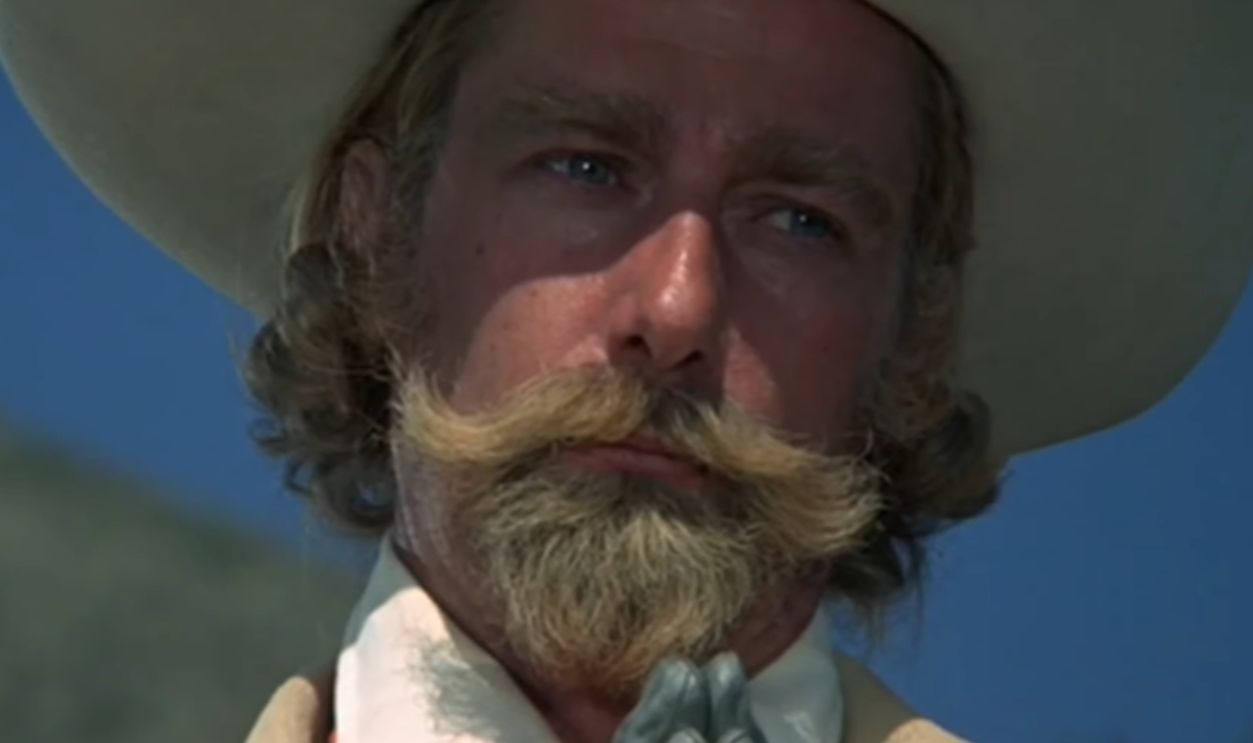 Screenshot from Little Big Man, Paramount Global (1970)
Television Was Already Calling
Before Soap, Mulligan had already spent years bouncing between film, stage, and television. He even starred in the short-lived 1960s sitcom The Hero. The show didn’t make him a household name, but television was clearly starting to discover what he could do.
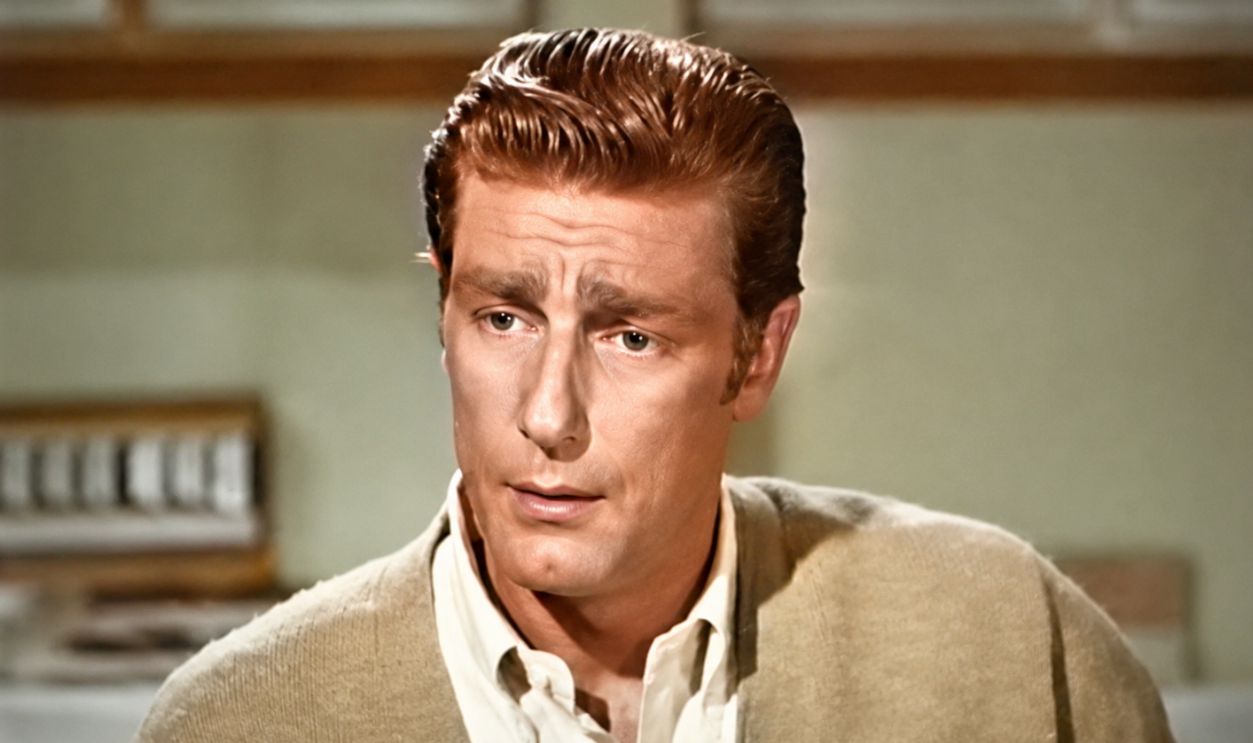 Screenshot from The Hero, Warner Bros. Discovery (1966-1967), enhanced
Then Soap Changed Everything
In 1977, Mulligan joined ABC’s Soap, Susan Harris’s outrageous parody of daytime melodramas. He played Burt Campbell, husband of Mary Campbell and one of the bewildered patriarchs at the center of a family tree that seemed specifically designed to cause nervous breakdowns.
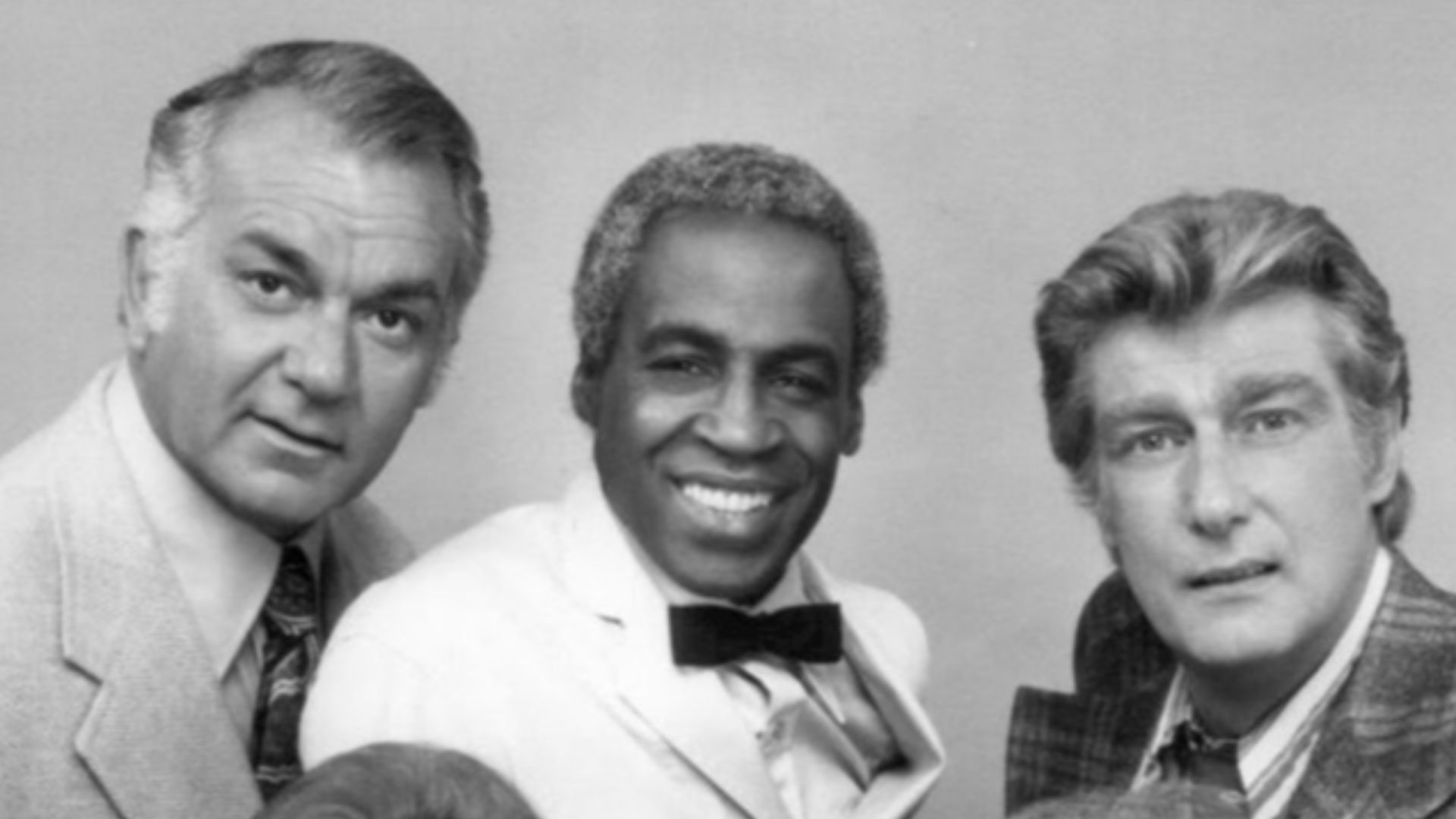 ABC Television, Wikimedia Commons
Burt Campbell Was a Beautiful Mess
Burt could sputter, panic, shout, sulk, and completely unravel before most sitcom characters had finished pouring coffee. Mulligan threw his whole body into the performance. Yet somehow, beneath all that frantic energy, Burt remained strangely sweet and easy to root for.
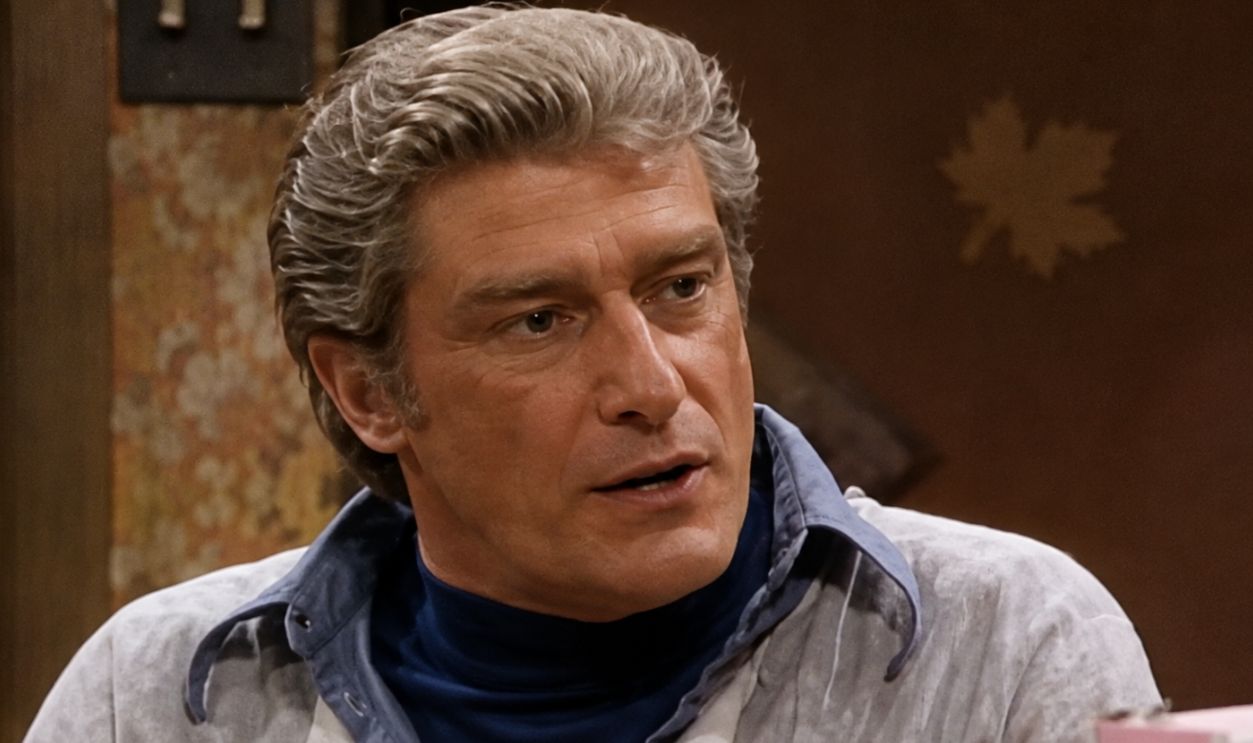 Screenshot from Soap, Sony Pictures Entertainment (1977-1981), enhanced
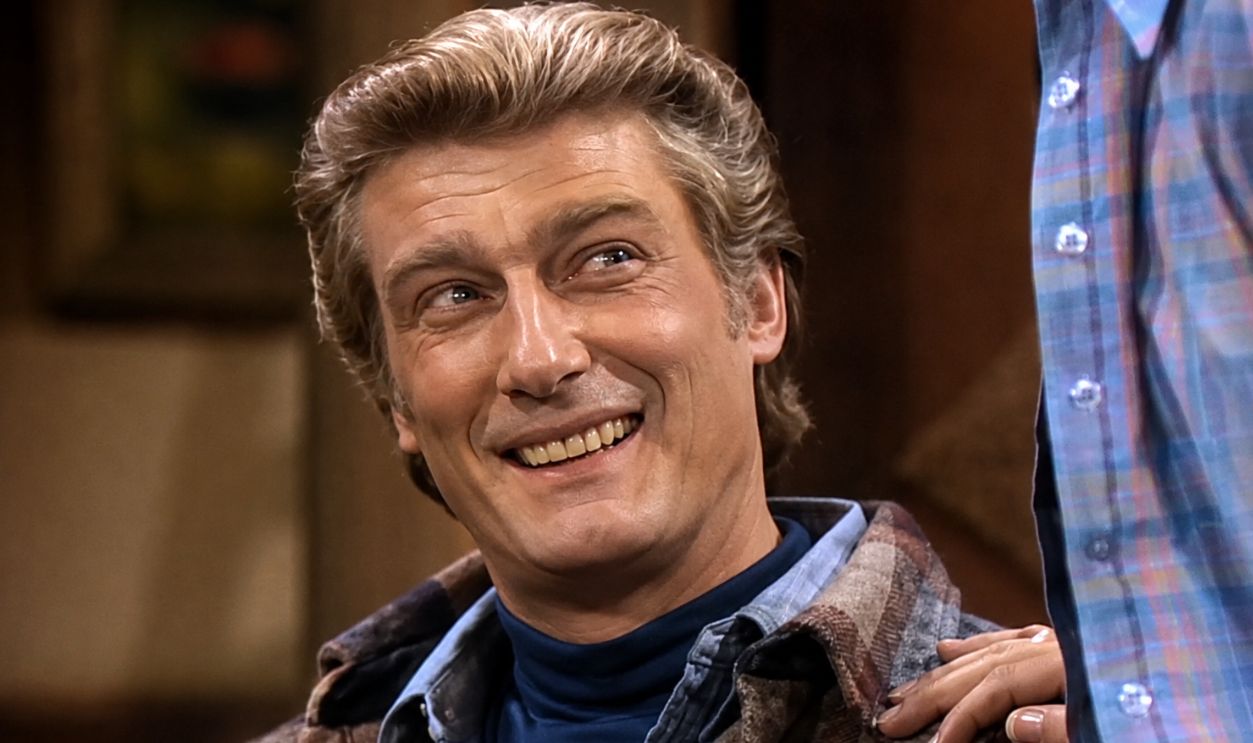
Mulligan Found the Man Inside the Joke
That was Mulligan’s secret weapon. Burt wasn’t simply a collection of funny reactions. However ridiculous the storyline became, Mulligan played his character’s confusion seriously. The comedy got bigger because Burt seemed genuinely convinced that every bizarre new disaster was absolutely ruining his life.
 Screenshot from Soap, Sony Pictures Entertainment (1977-1981), enhanced
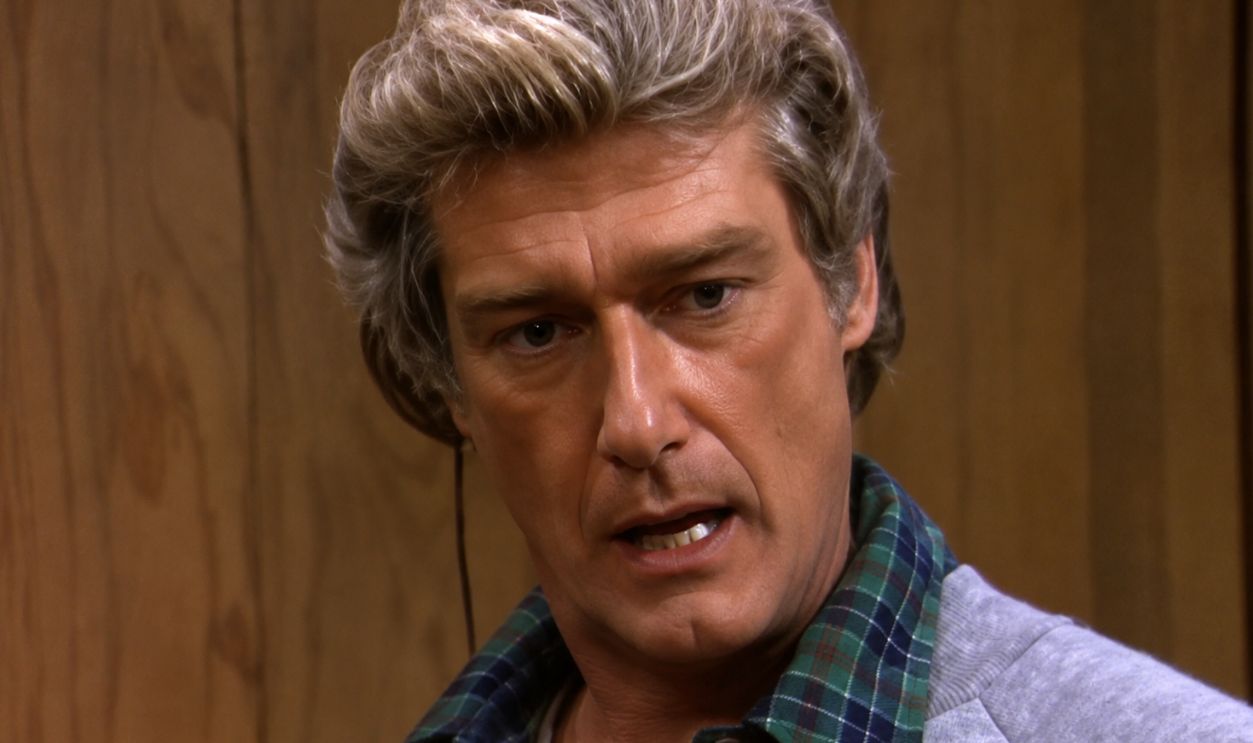
Soap Let Him Go Completely Wild
 Screenshot from Soap, Sony Pictures Entertainment (1977-1981), enhanced
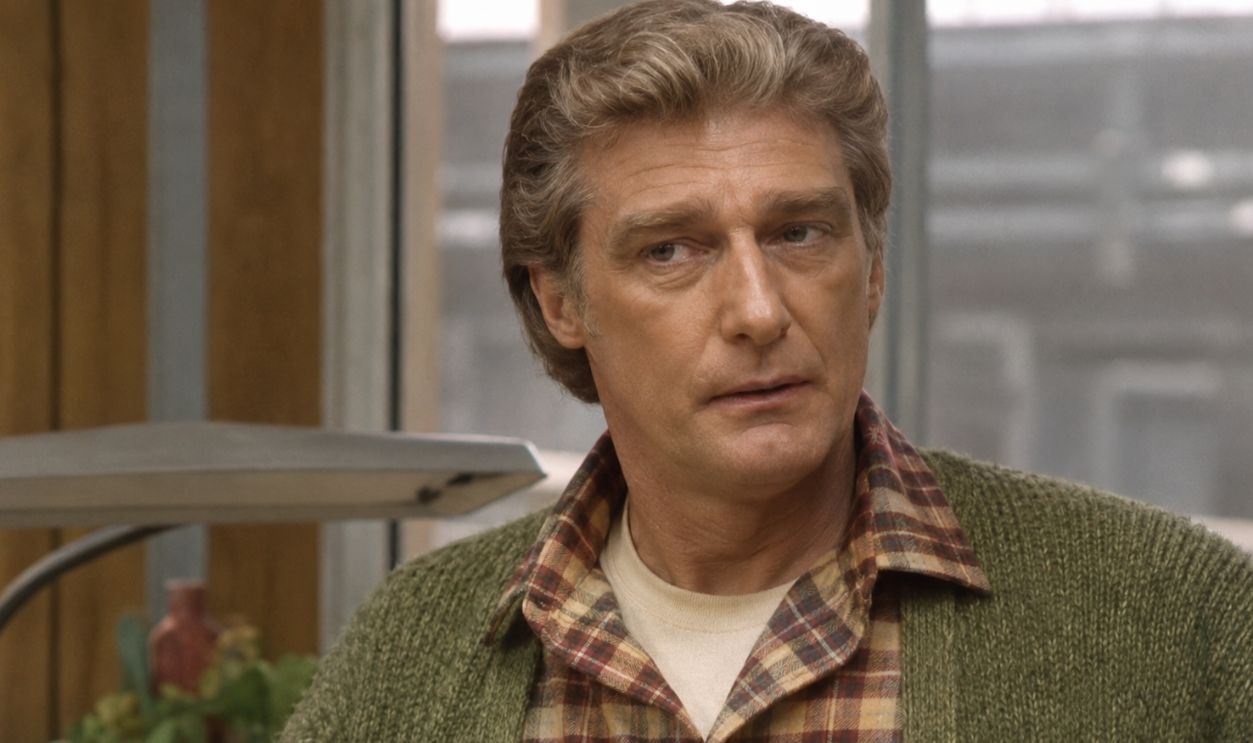
The Emmy Made It Official
Mulligan’s wonderfully unrestrained work eventually earned major recognition. In 1980, he won the Primetime Emmy for Outstanding Lead Actor in a Comedy Series for Soap. He was nominated again the following year, confirming just how much he stood out in that talented ensemble.
 Screenshot from Soap, Sony Pictures Entertainment (1977-1981), enhanced
He Kept Moving After Soap
When Soap ended after four seasons, Mulligan didn’t disappear. He returned to movies and television, taking the kind of eccentric supporting parts that suited his unpredictable energy. He might not always have been the star, but ignoring him onscreen was practically impossible.
 Screenshot from Teachers, Amazon MGM Studios (1984)
Blake Edwards Knew What He Had
Director Blake Edwards especially understood Mulligan’s comic possibilities. Mulligan appeared in several Edwards films, including S.O.B., Trail of the Pink Panther, Micki & Maude, and A Fine Mess. Few directors were better suited to finding uses for his controlled chaos.
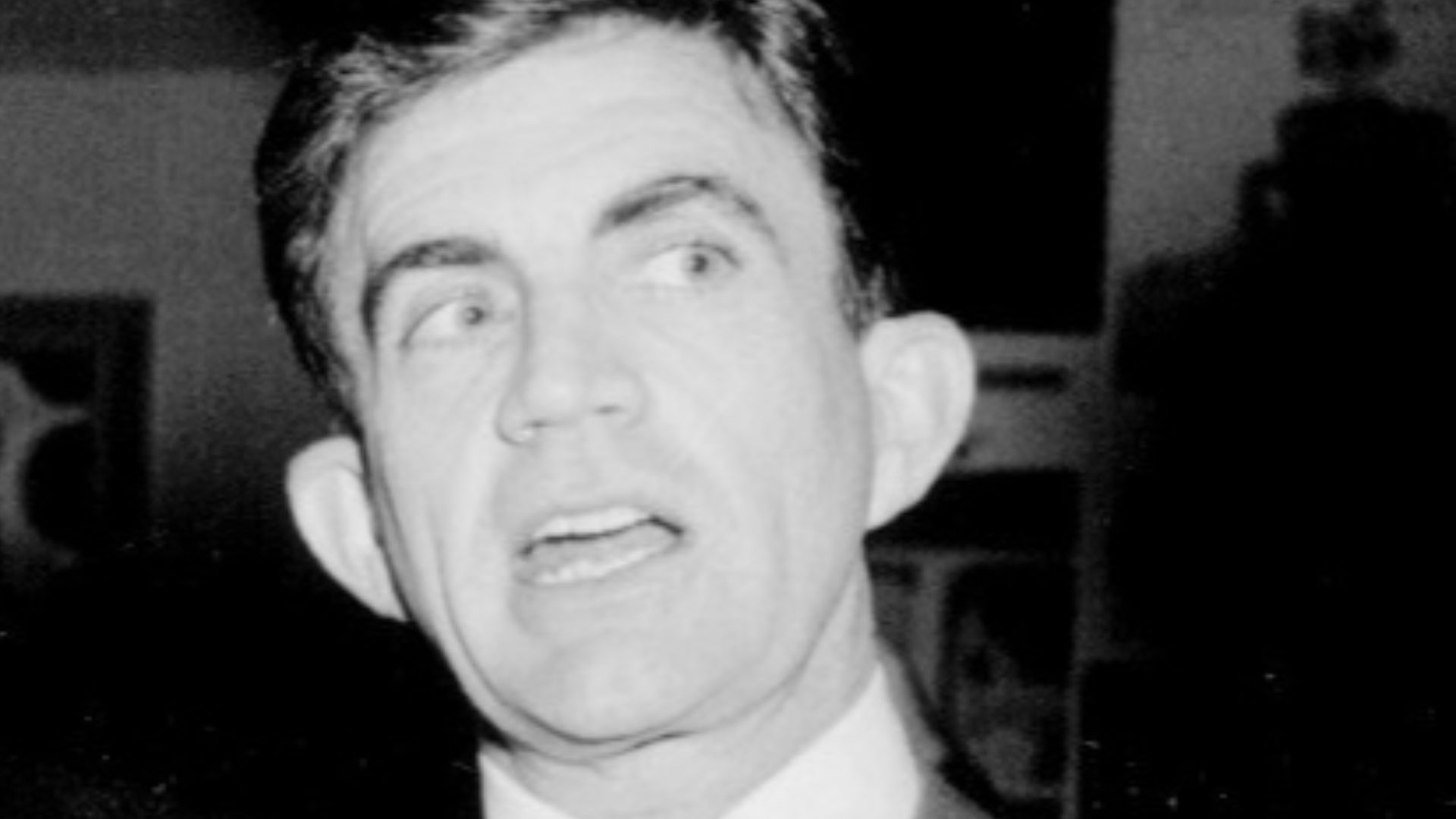 Photo by G. K. Austin, Burbank, CA, Wikimedia Commons
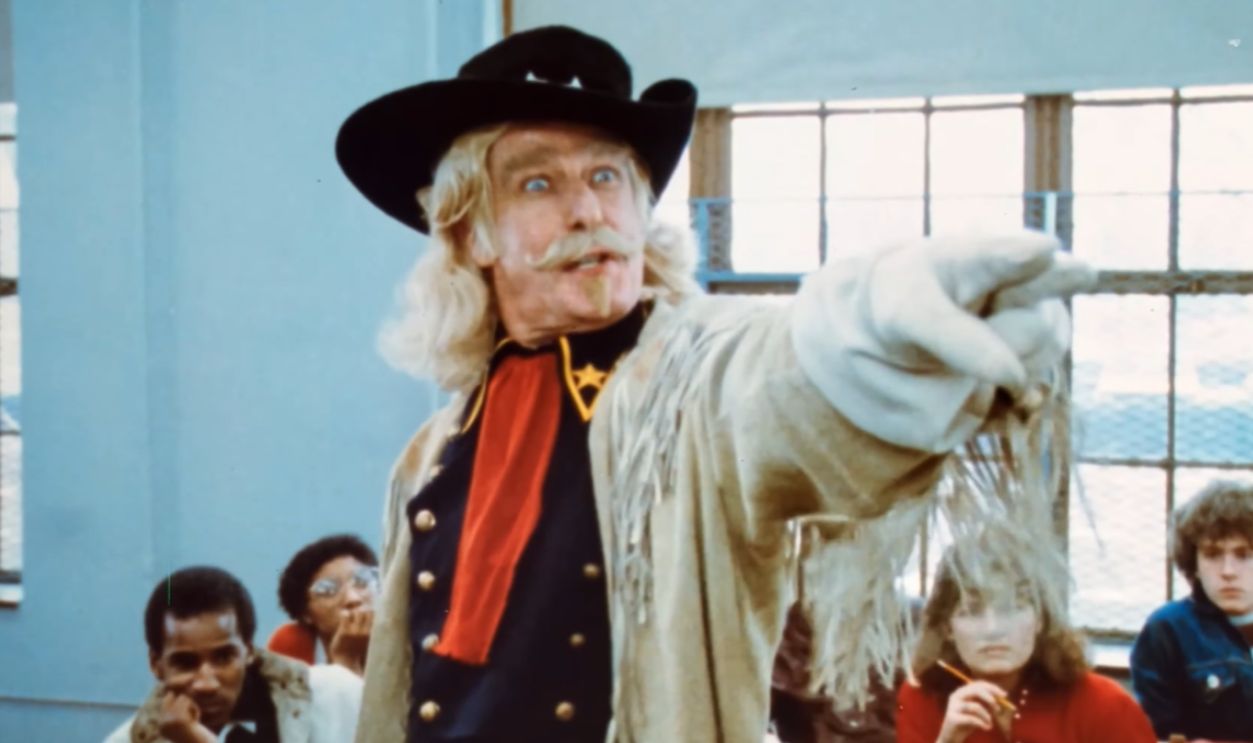
Teachers Gave Him Another Great Oddball
In the 1984 comedy-drama Teachers, Mulligan played an eccentric substitute history teacher who brings lessons dramatically to life. Naturally, that included dressing up as General Custer—a very funny callback for anyone who remembered exactly who Mulligan had played in Little Big Man.
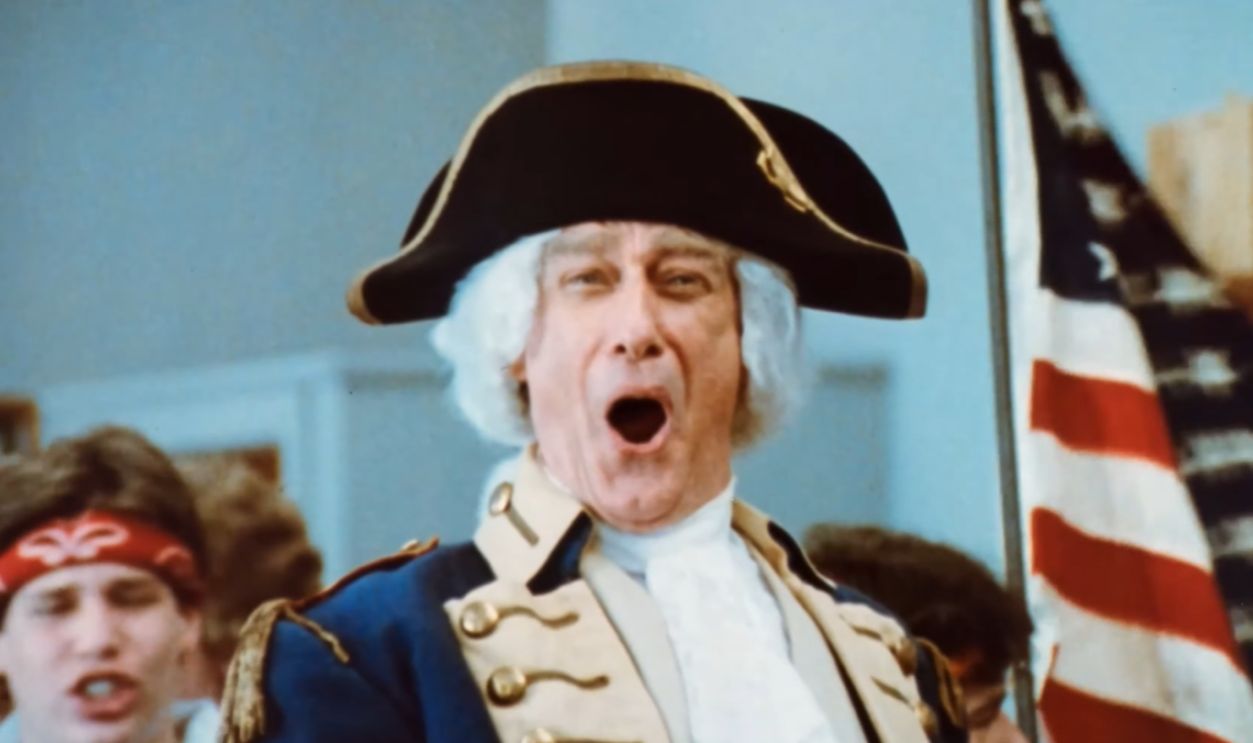 Screenshot from Teachers, Amazon MGM Studios (1984)
Disney Turned Him Into Einstein
Mulligan even found his way into Disney animation. In 1988’s Oliver & Company, he supplied the voice of Einstein, the gang’s lovable Great Dane. It was a smaller assignment, but his distinctive comic personality translated nicely even when audiences couldn’t see that famously expressive face.
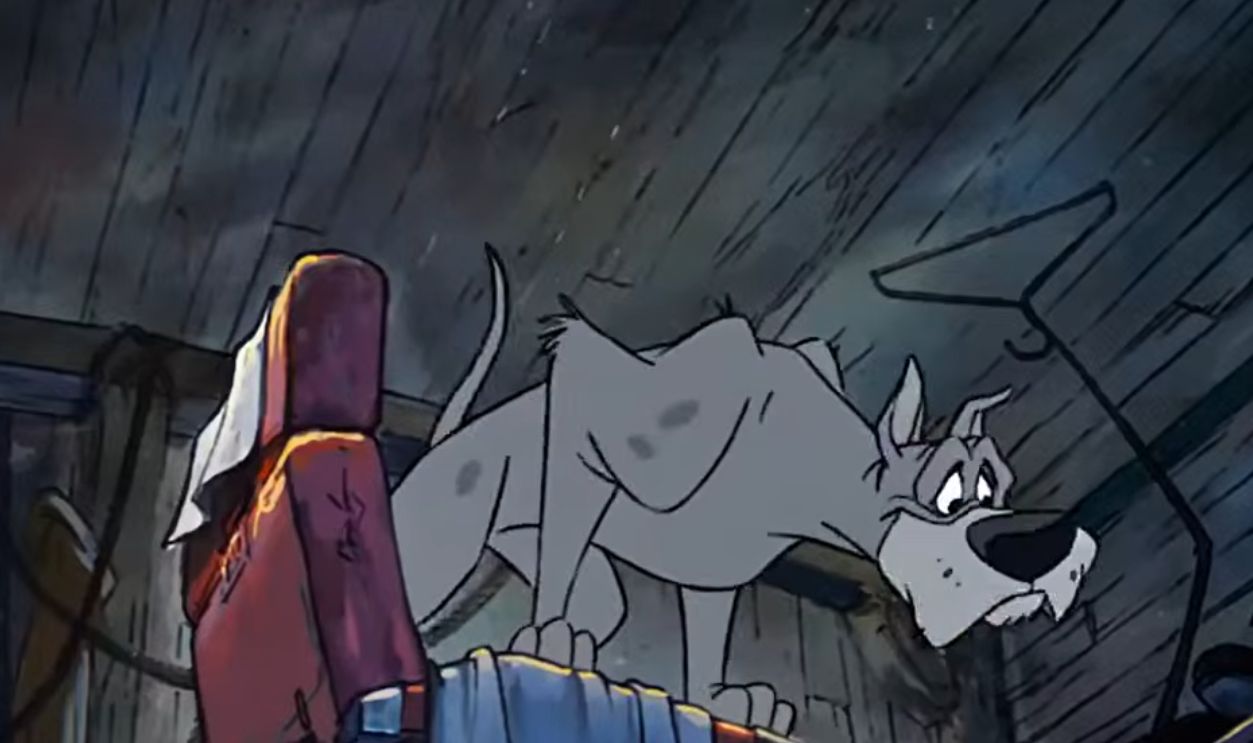 Screenshot from Oliver & Company, The Walt Disney Company (1988)
Empty Nest Became the Perfect Second Act
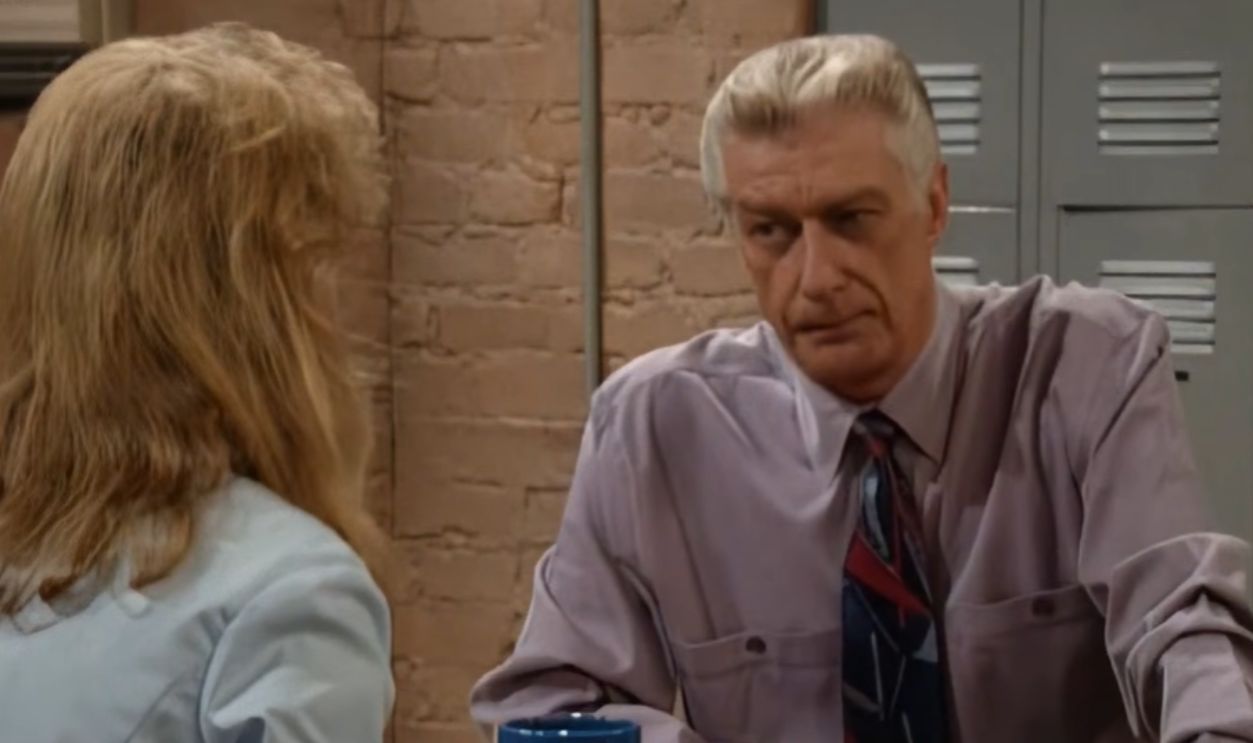
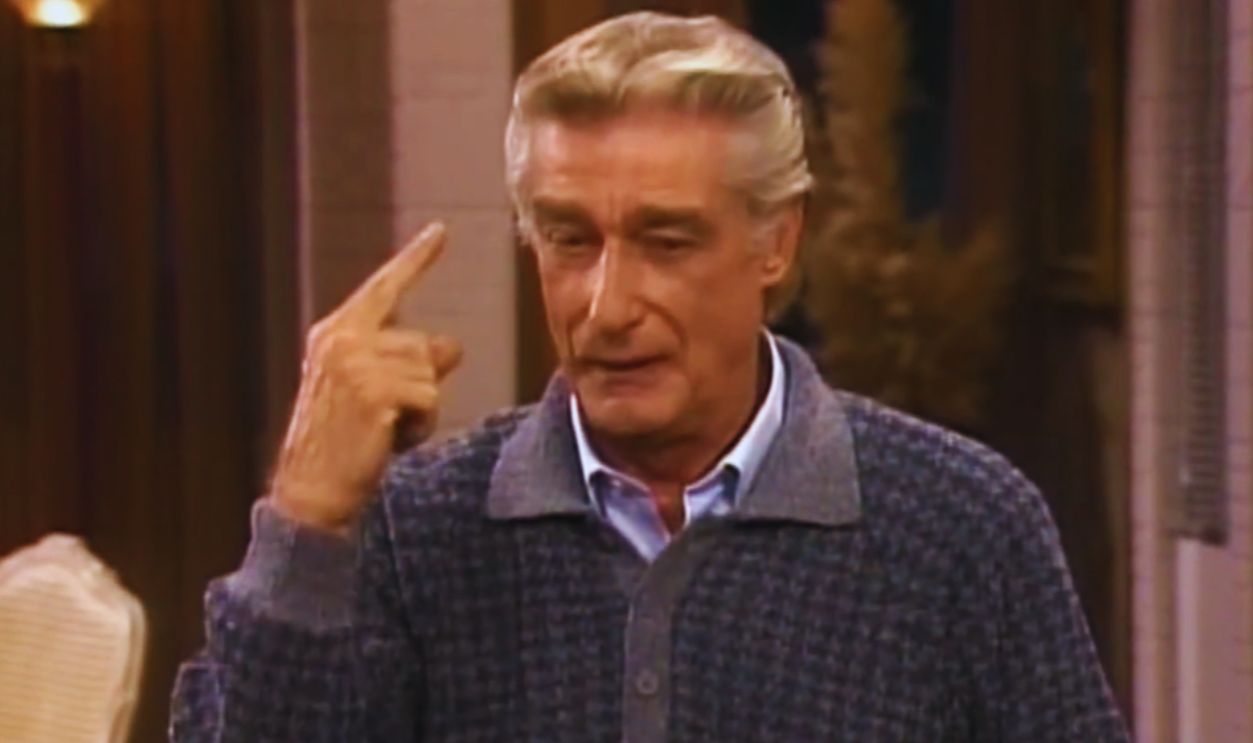
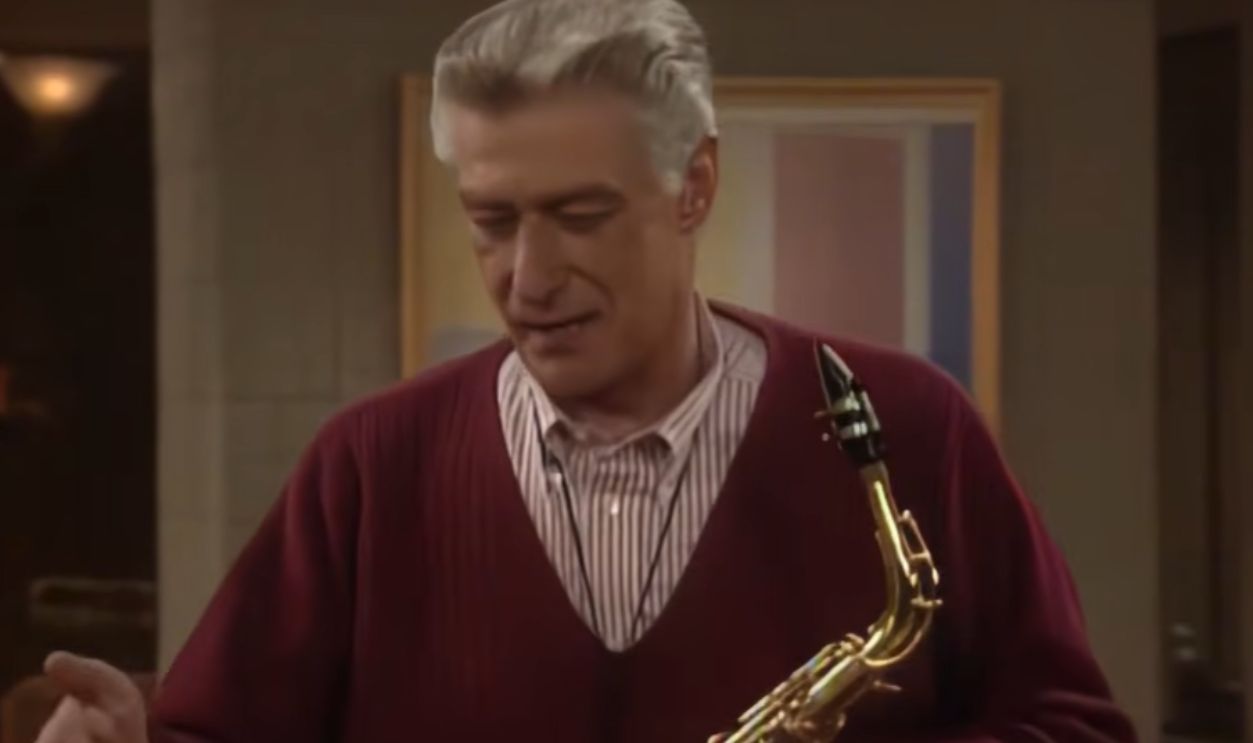
That same year, Mulligan landed the role that would define the second half of his television career. NBC’s Empty Nest cast him as Dr. Harry Weston, a widowed pediatrician whose supposedly empty home becomes considerably less empty when his grown daughters are around.
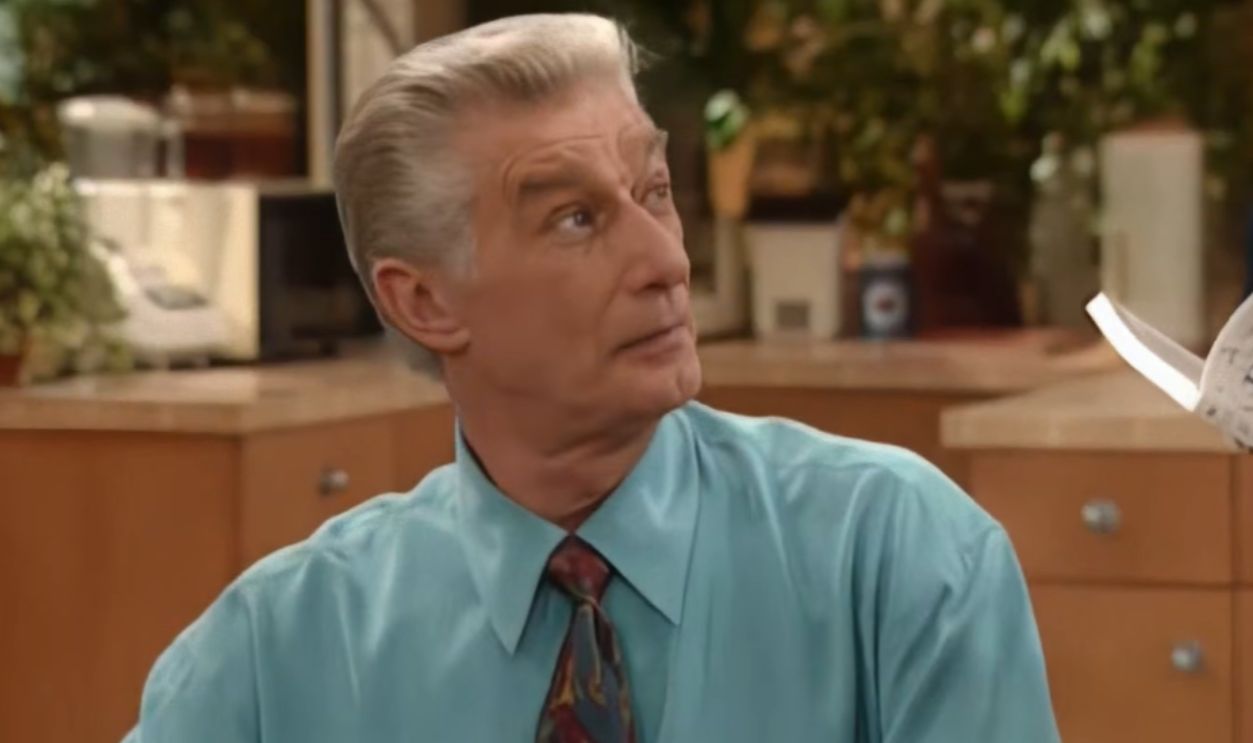 Screenshot from Empty Nest, The Walt Disney Company (1988-1995)
Harry Weston Was a Different Kind of Dad
Harry wasn’t Burt Campbell with a medical degree. He was steadier, warmer, and more grounded, even when surrounded by sitcom chaos. Mulligan had matured as a performer, and Empty Nest allowed him to keep the comic timing while showing more tenderness and quiet exasperation.
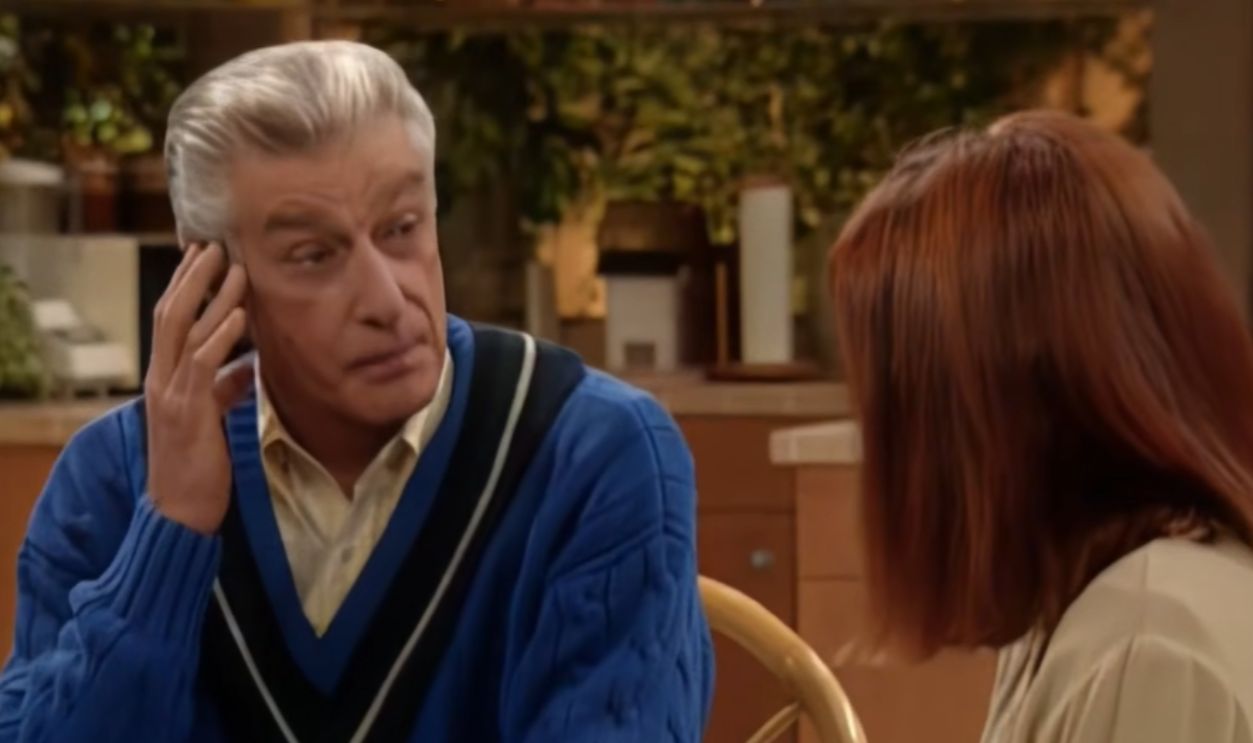 Screenshot from Empty Nest, The Walt Disney Company (1988-1995)
The Golden Girls Connection Helped
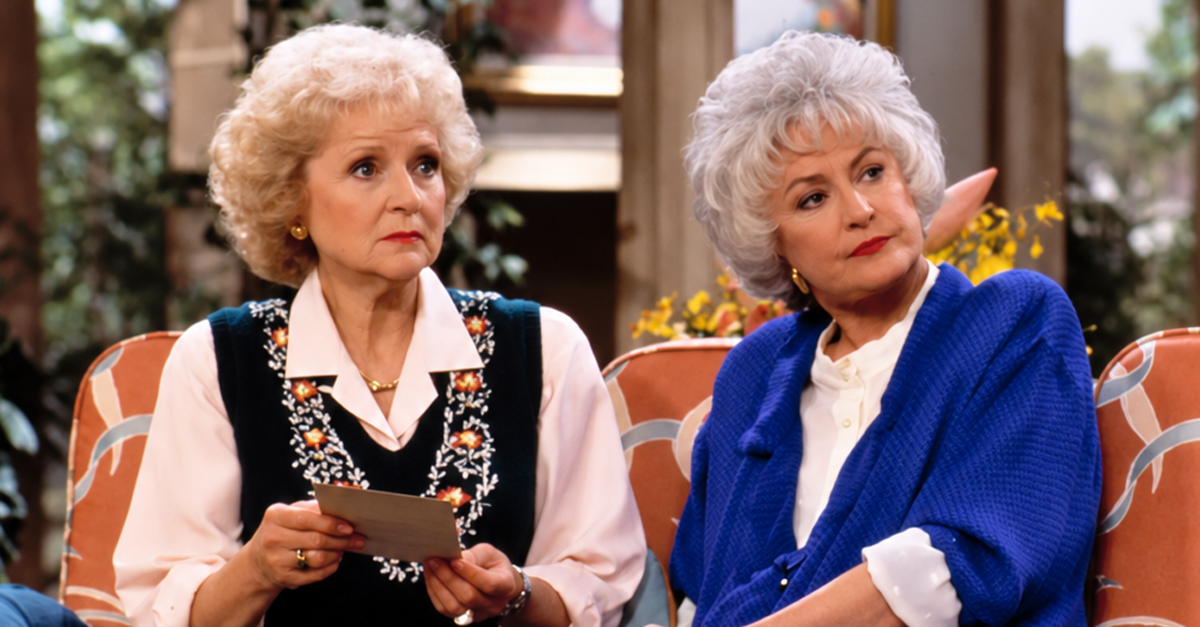
Empty Nest was created by Susan Harris as a spin-off of The Golden Girls, placing Harry Weston right inside one of television’s most popular comedy universes. Characters crossed between the shows, giving Mulligan another connection to Harris years after their success together on Soap.
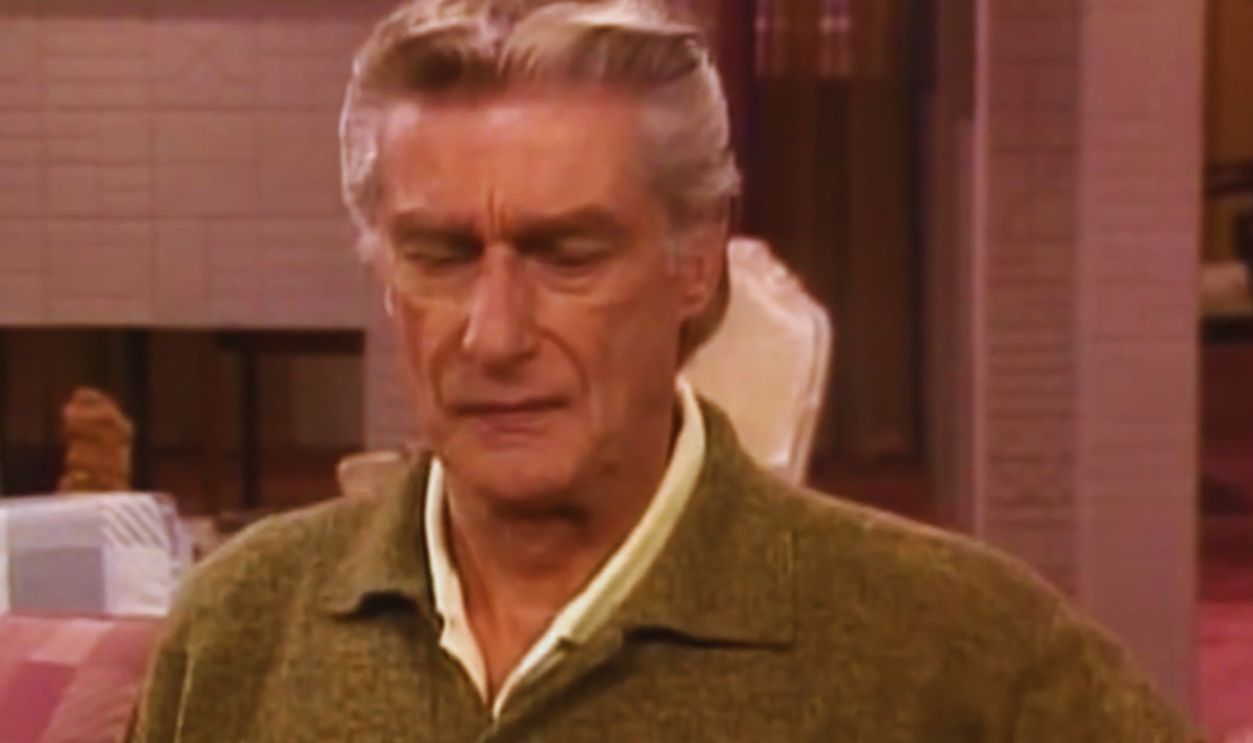 Screenshot from Empty Nest, The Walt Disney Company (1988-1995)
The Cast Gave Him Room to Shine
Dinah Manoff and Kristy McNichol played Harry’s daughters, while Park Overall became a scene-stealer as his nurse, Laverne. David Leisure supplied neighborly irritation as Charlie Dietz. Mulligan sat comfortably in the middle, holding together a show packed with strong comic personalities.
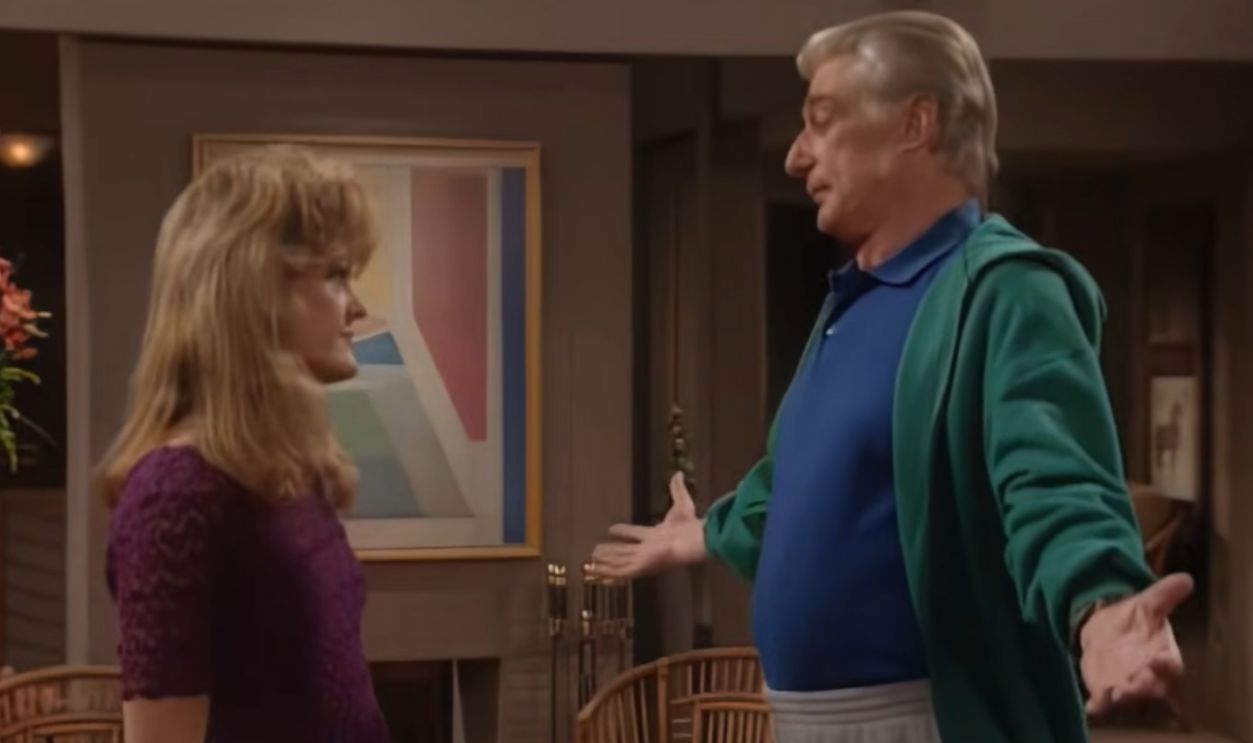 Screenshot from Empty Nest, The Walt Disney Company (1988-1995)
Another Emmy Proved It Was No Fluke
Just one season into Empty Nest, Mulligan won the 1989 Emmy for Outstanding Lead Actor in a Comedy Series. He received additional nominations in 1990 and 1991. Nearly a decade after winning for Burt Campbell, television had rewarded him all over again.
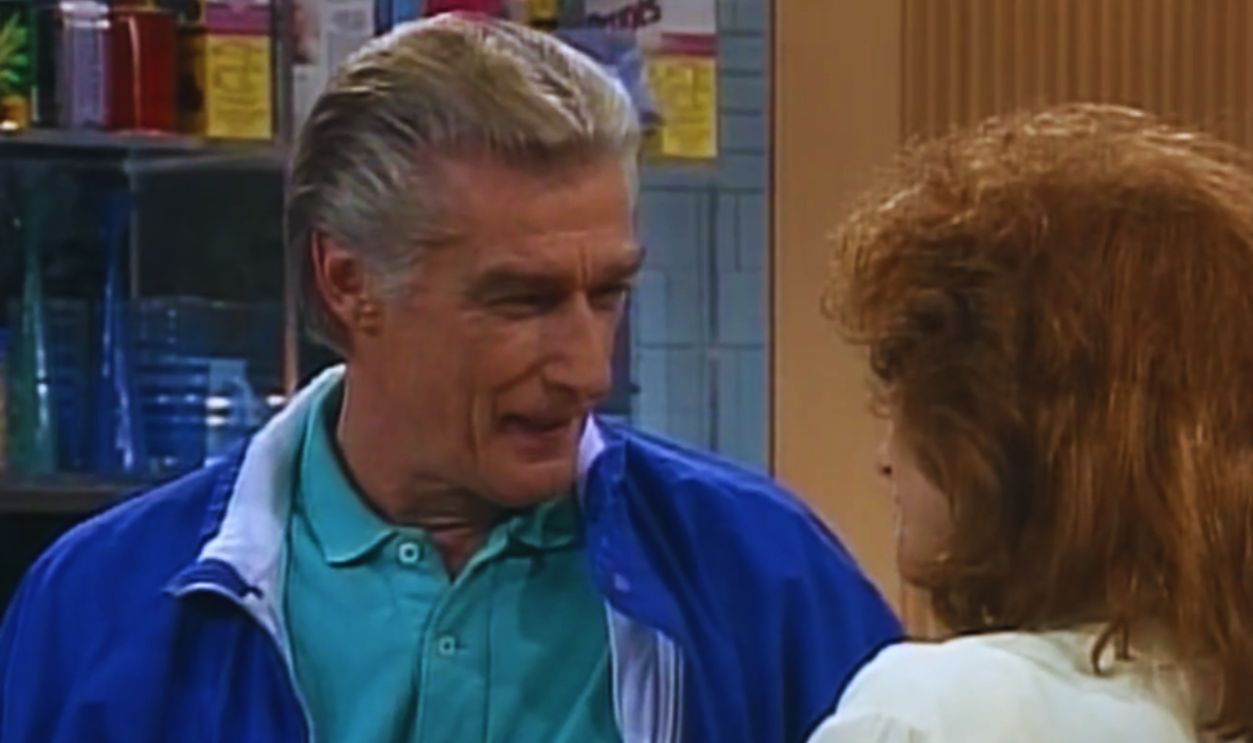 Screenshot from Empty Nest, The Walt Disney Company (1988-1995)
A Golden Globe Came Too
The trophies didn’t stop with the Emmy. Mulligan also won the 1989 Golden Globe for Best Performance by an Actor in a Television Series—Musical or Comedy for Empty Nest, then earned two more Globe nominations for the role in 1990 and 1991.
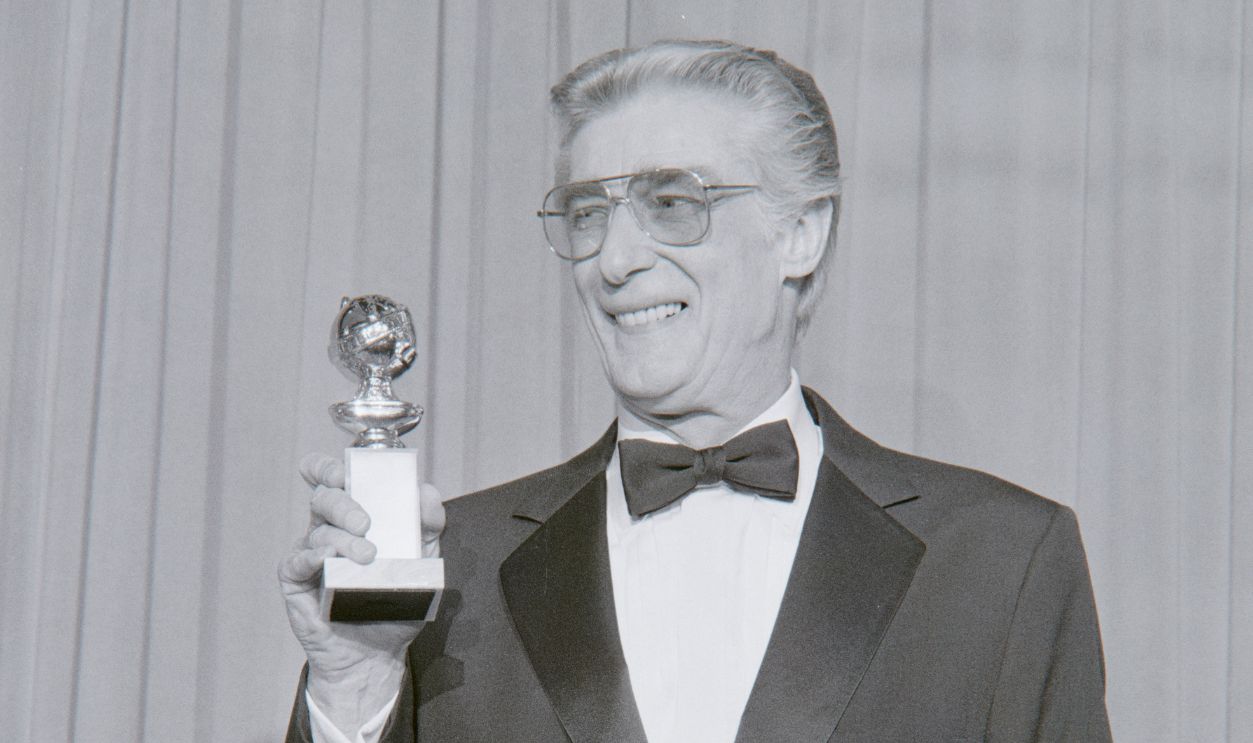
Seven Seasons Made It His Longest Run
Empty Nest lasted seven seasons, from 1988 to 1995, giving Mulligan an even longer television run than Soap. By then, Harry Weston wasn’t simply another character on his résumé. Mulligan had become one of those familiar sitcom faces audiences happily welcomed every week.
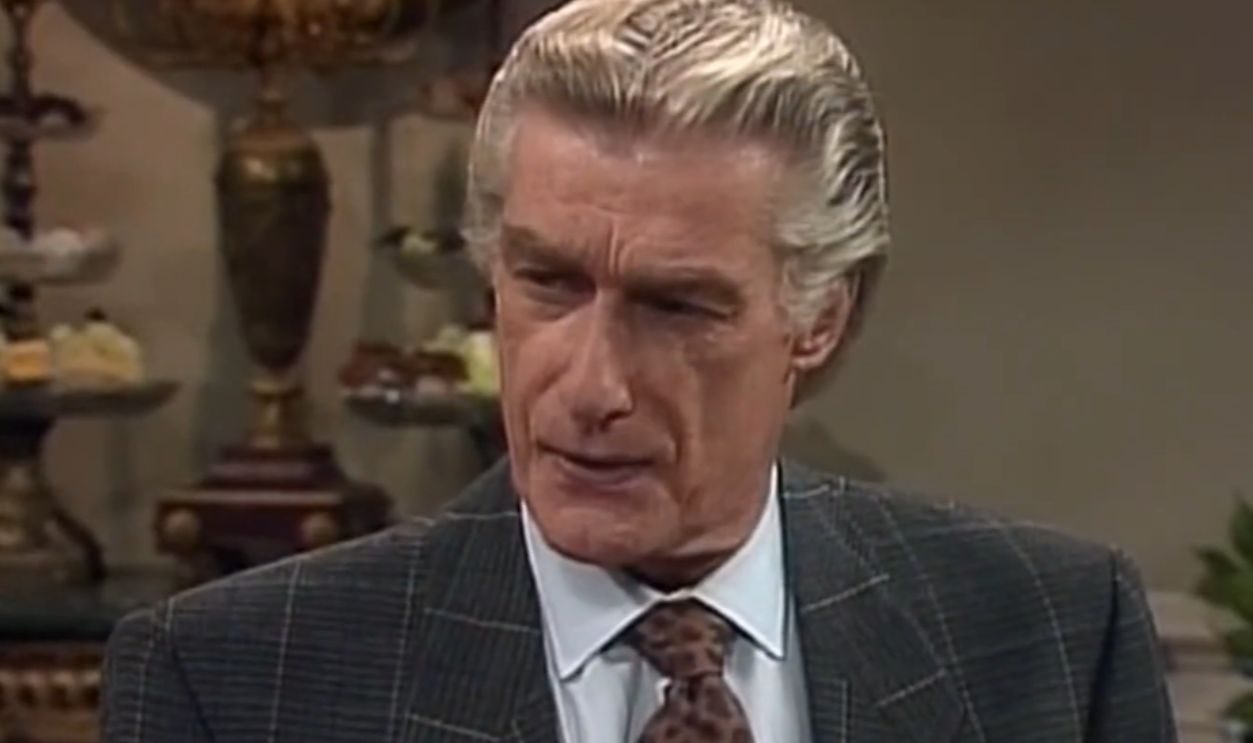 Screenshot from Empty Nest, The Walt Disney Company (1988-1995)
His Final Years Were Quieter
After Empty Nest ended, Mulligan worked only occasionally. Illness eventually prevented him from continuing his career, and he died from cancer in 2000 at age 67. Colleagues remembered a performer whose explosive onscreen style contrasted with a gentle, thoughtful personality away from the cameras.
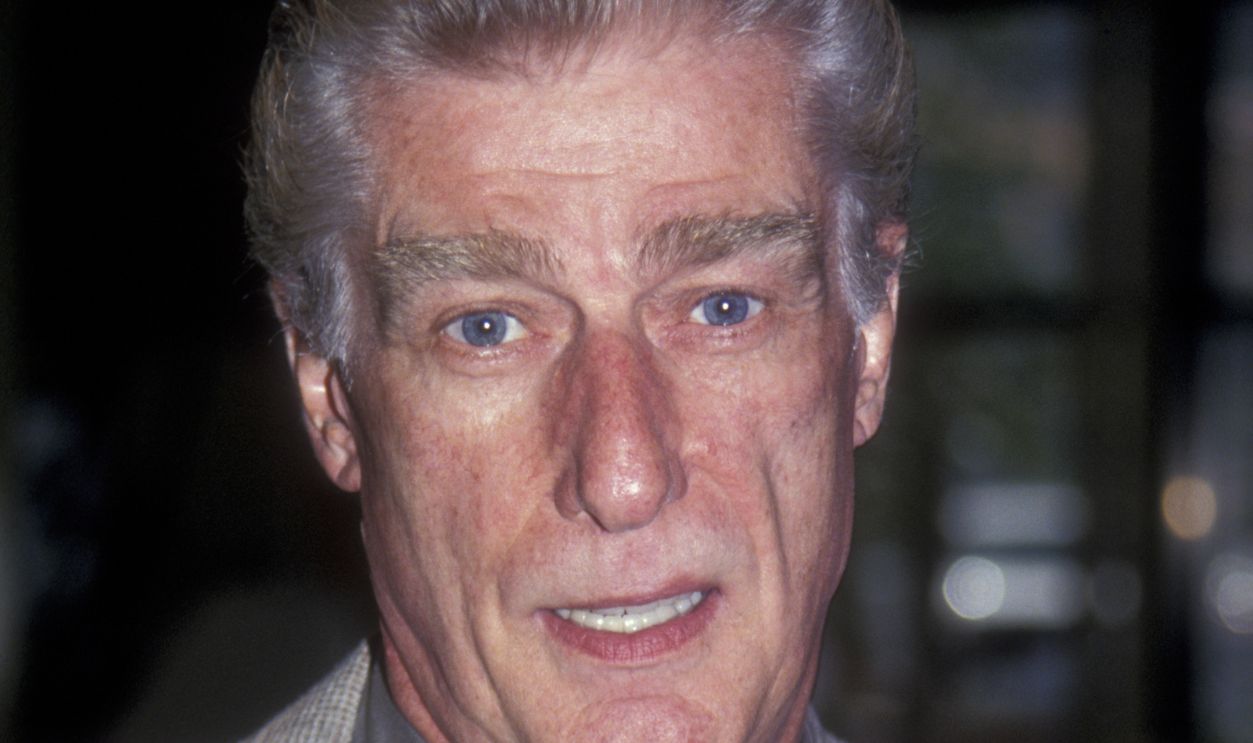 Ron Galella, Ltd., Getty Images
Two Sitcom Roles, One Remarkable Legacy
Richard Mulligan somehow made two very different TV fathers unforgettable. Burt Campbell let him explode; Harry Weston let him soften. Together, Soap and Empty Nest showed his full gift: he could make ridiculous situations hilarious, human characters lovable, and ordinary sitcom scenes entirely his own.
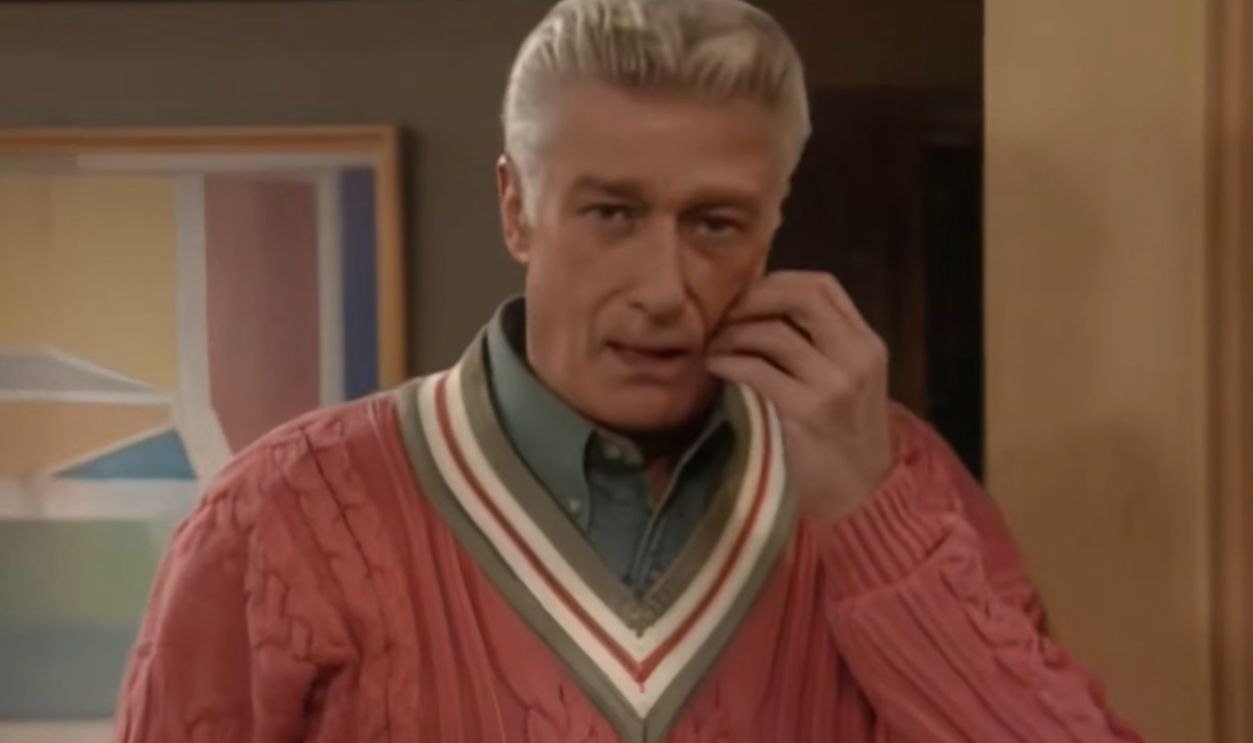 Screenshot from Empty Nest, The Walt Disney Company (1988-1995)
You May Also Like:
America's Sweetheart Had A Heartbreaking Story
Andy Griffith: The Hidden Darkness Behind the Sheriff’s Badge