The Role That Changed Everything
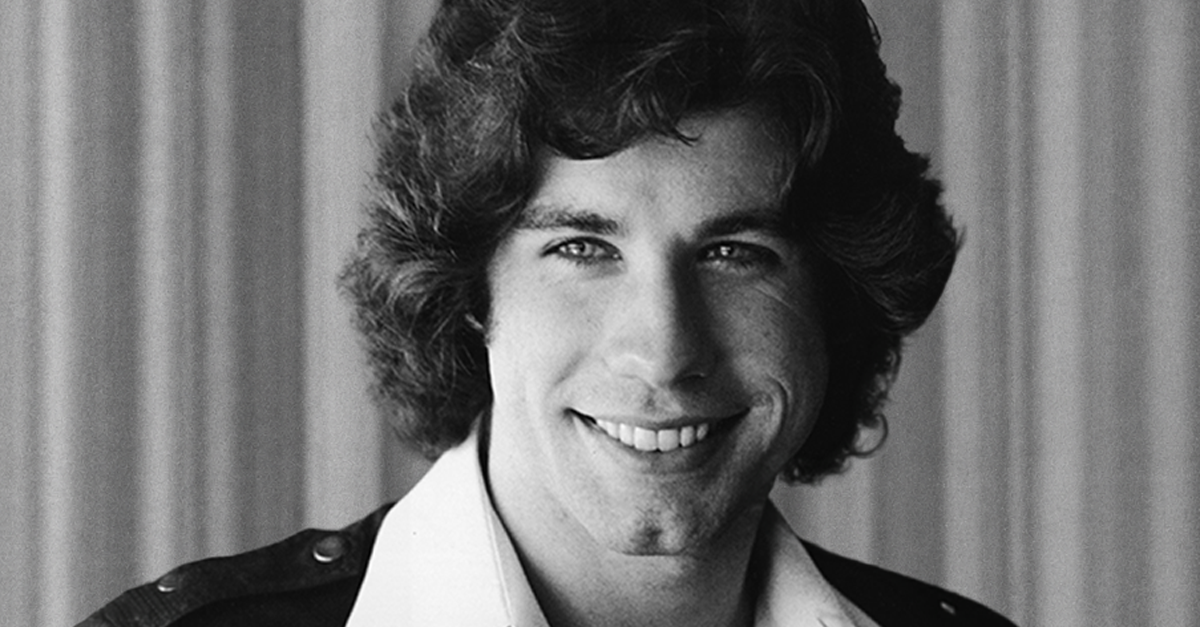
Before John Travolta became one of Hollywood’s biggest movie stars, he was Vinnie Barbarino on Welcome Back, Kotter. The ABC sitcom gave audiences their first sustained look at his comic timing, charisma, and unmistakable screen presence. It also created the momentum that carried him from television comedy to international fame.
A Performer From The Beginning
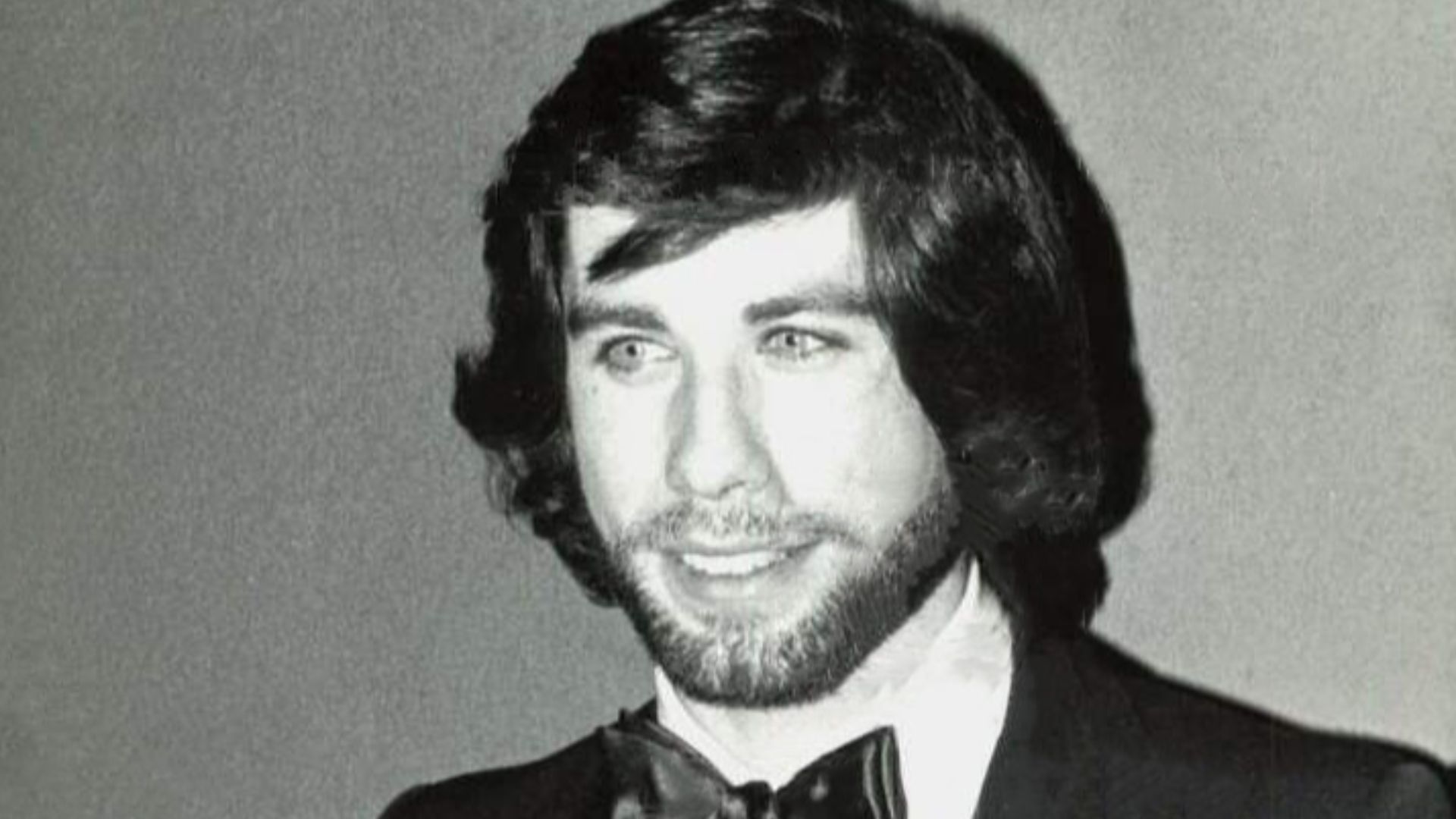
Travolta was born in Englewood, New Jersey, in 1954 and grew up in a family that encouraged performance. Acting, singing, and dancing all became serious interests while he was still young. Those abilities would eventually make him unusually well suited for the entertainment landscape of the 1970s.
 Glenn Waggner, Wikimedia Commons
Leaving School For Show Business
Travolta left high school before graduating and pursued acting professionally in New York. He appeared in theatrical productions and gained experience performing for live audiences. His decision was risky, but it placed him closer to the auditions and opportunities that could launch a career.
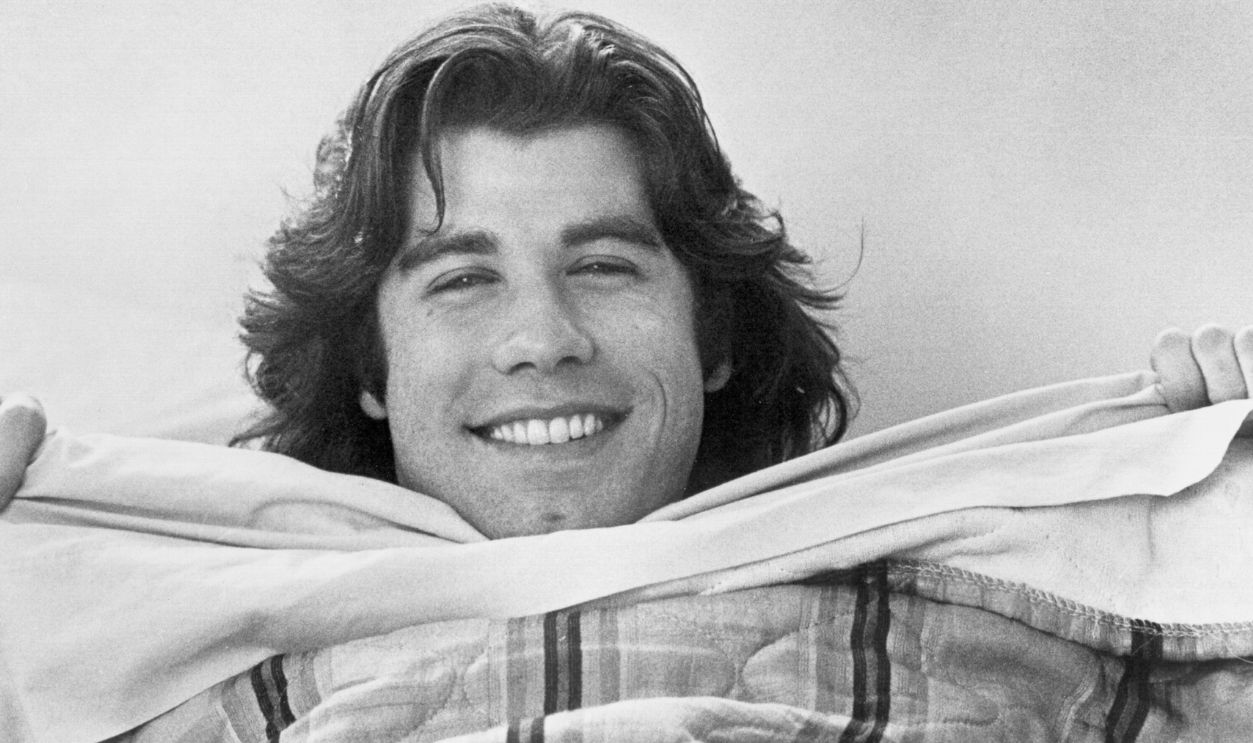 Michael Ochs Archives , Getty Images
An Early Connection To Grease
One of Travolta’s early stage jobs was playing Doody in a touring production of Grease. The part allowed him to combine comedy, acting, singing, and movement years before he played Danny Zuko in the movie. It also demonstrated that his later musical success had been built on genuine theatrical experience.
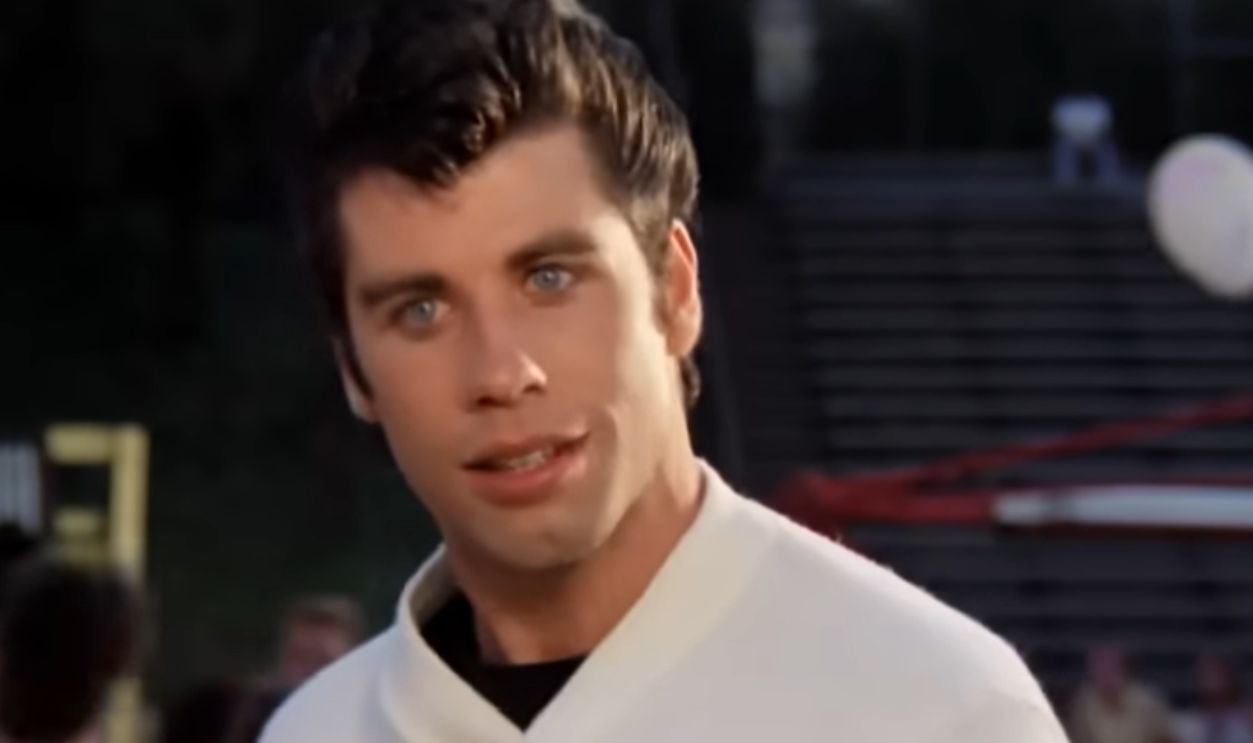 Screenshot from Grease, Paramount Pictures (1978)
Small Roles Before Stardom
After moving to Los Angeles, Travolta began appearing in television programs such as Emergency! and Medical Center. These were modest assignments rather than star-making performances. They still helped him gain experience in front of cameras while introducing him to the demands of television production.
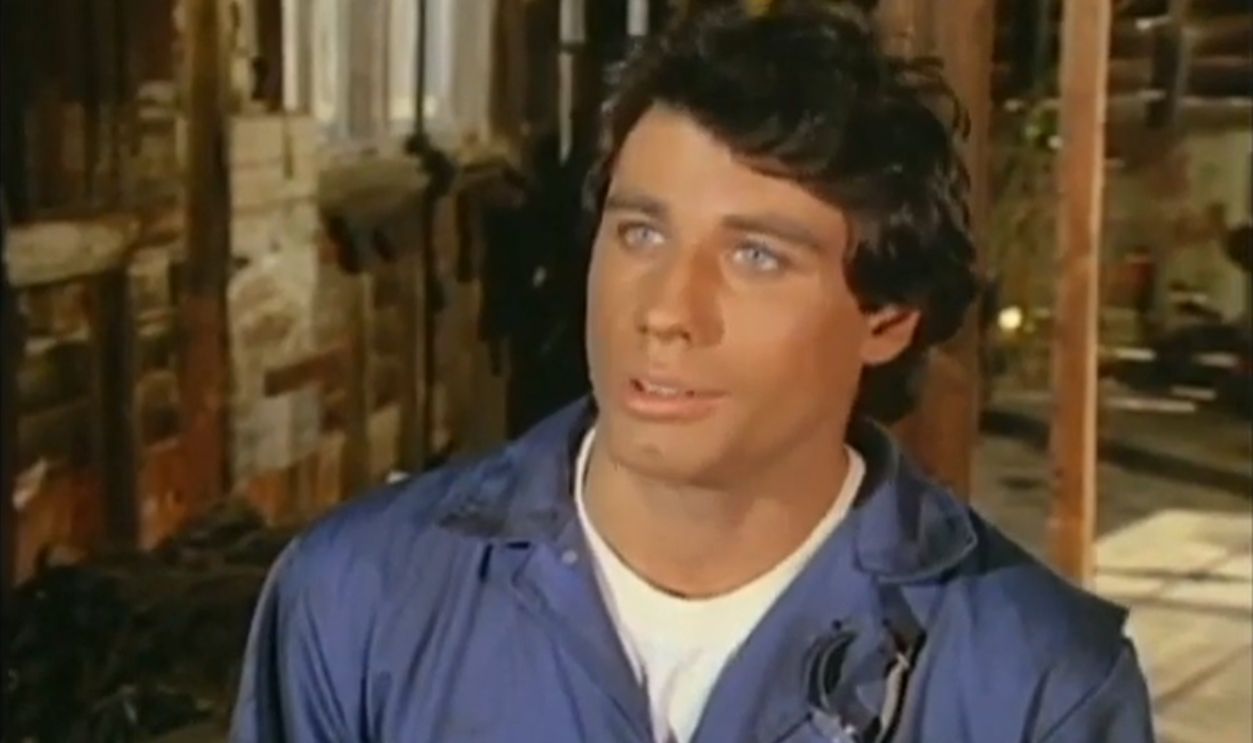 Screenshot from Medical Center, Metro-Goldwyn-Mayer Television (1969–1976)
A Sitcom Set In Brooklyn
Welcome Back, Kotter premiered on ABC in September 1975. Gabe Kaplan played Gabe Kotter, a teacher returning to his former Brooklyn high school to instruct a group of remedial students known as the Sweathogs. The premise mixed classroom comedy with an affectionate look at young outsiders.
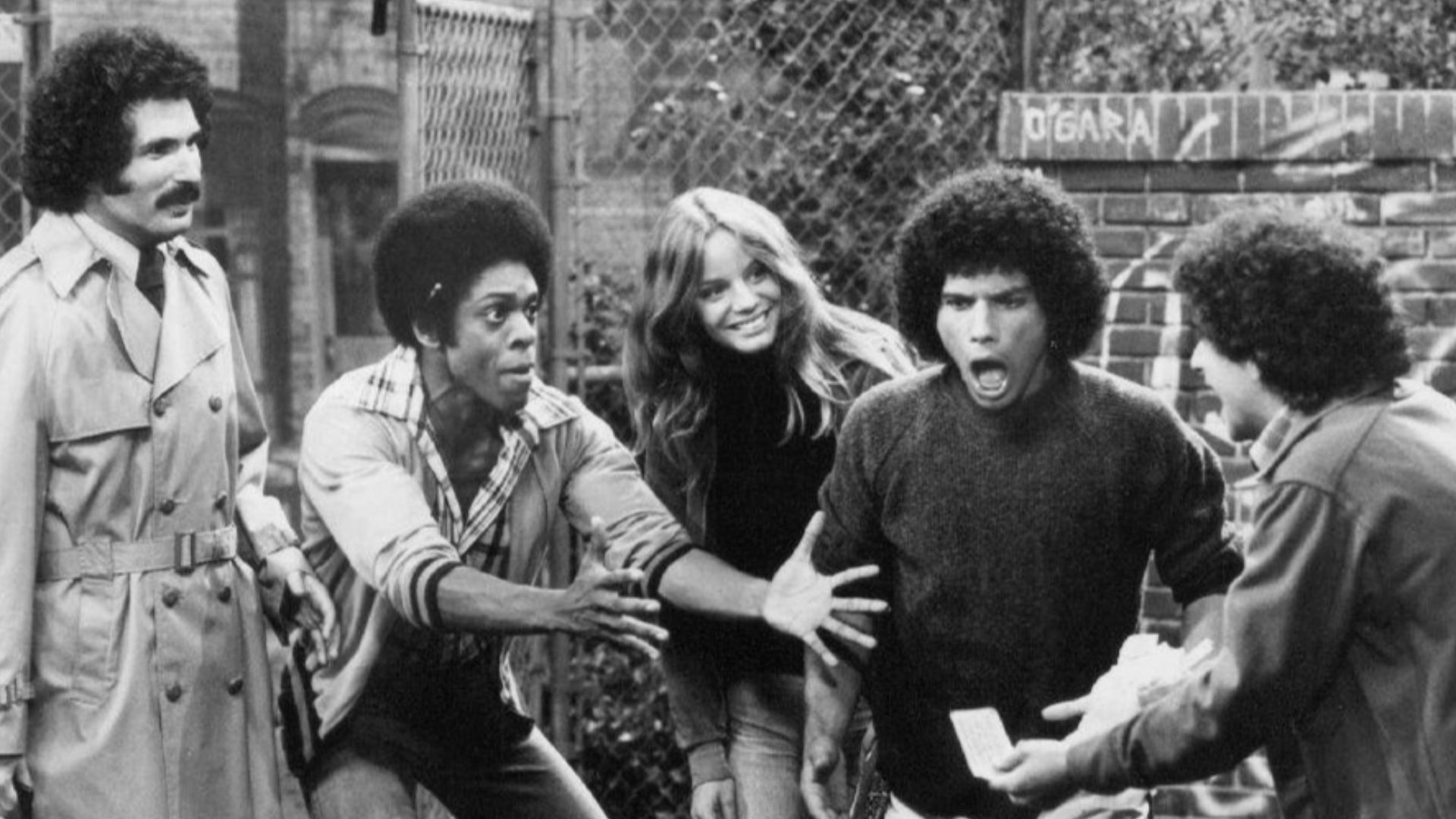 ABC Television, Wikimedia Commons
Meeting Vinnie Barbarino
Travolta played Vinnie Barbarino, the confident and frequently confused unofficial leader of the Sweathogs. Barbarino could be vain, mischievous, and academically hopeless, but Travolta made him difficult to dislike. His relaxed delivery and physical comedy immediately distinguished him within the ensemble.
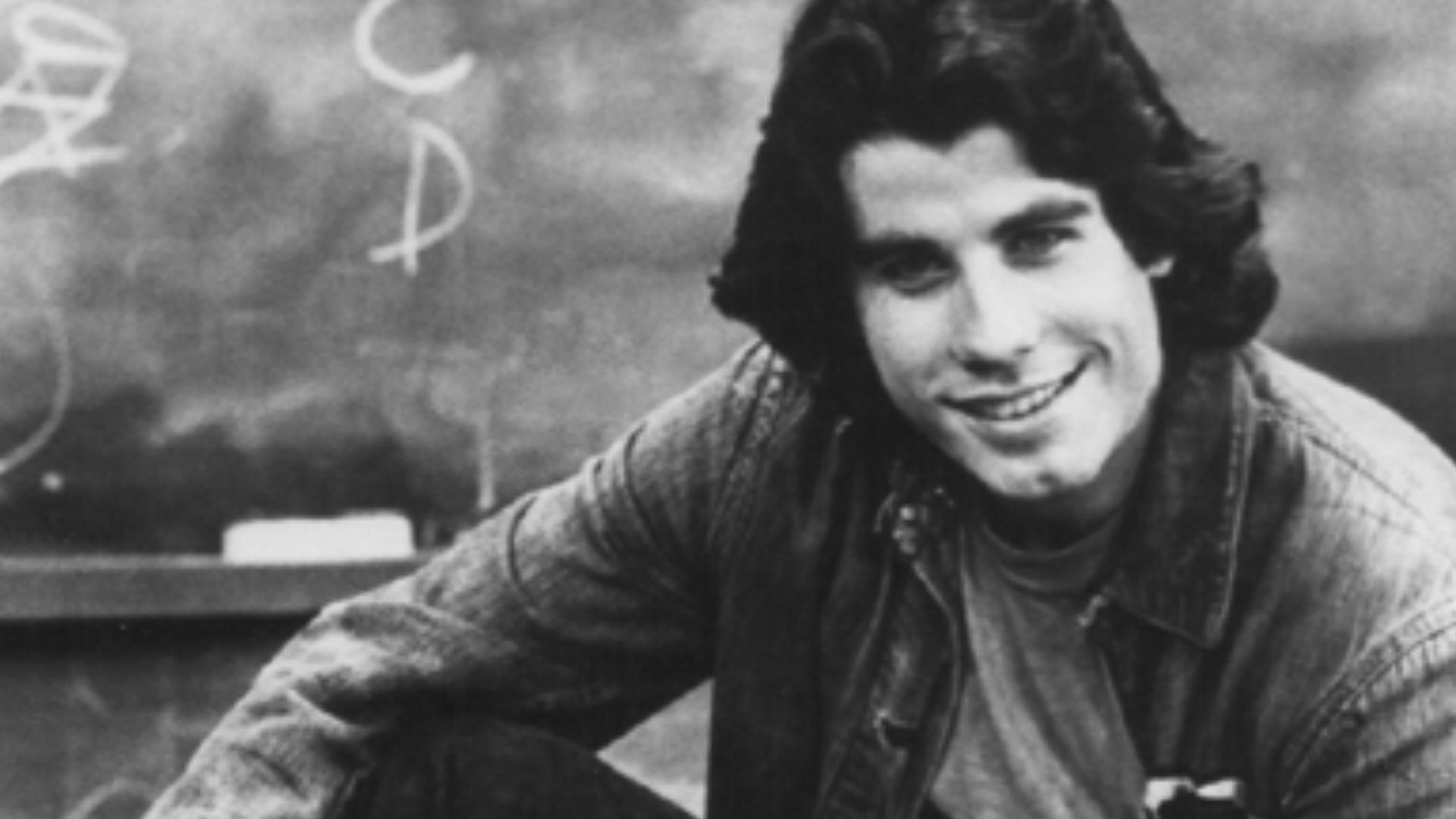 ABC Television Network., Wikimedia Commons
A Competitive Audition
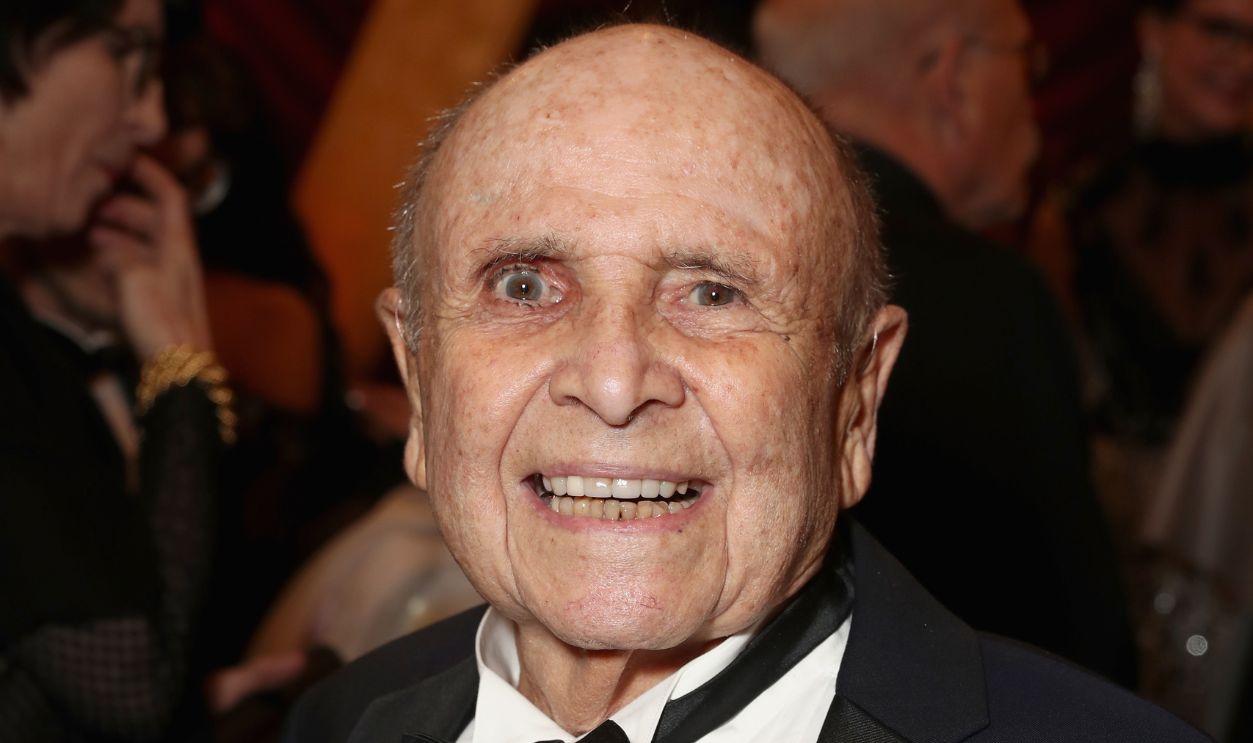
Casting director Lynn Stalmaster was involved in assembling the young actors who became the Sweathogs. Travolta was not yet widely known, but his charisma made him a strong choice for Barbarino. Once the cameras started rolling, it quickly became clear that the newcomer had unusual star potential.
Catchphrases Became Part Of The Appeal
Barbarino’s confused responses and playful attitude produced some of the sitcom’s most memorable exchanges. Travolta knew how to pause, react, and stretch a simple line for maximum effect. Those skills made the character entertaining even when he was not at the center of the story.
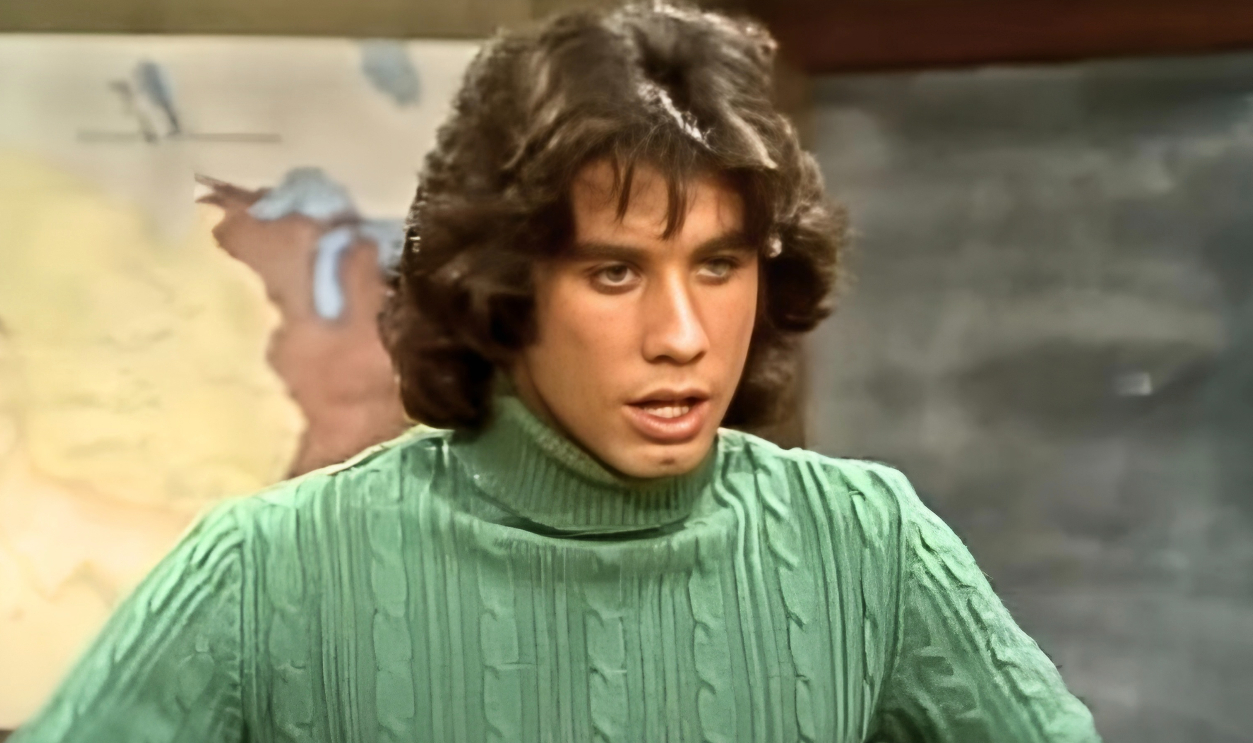 Screenshot from Welcome Back, Kotter, Warner Bros. Television (1975–1979)
The Show Became A Hit
The first season of Welcome Back, Kotter ranked among the most-watched programs on American television. It also received an Emmy nomination for Outstanding Comedy Series in 1976. The sitcom’s popularity turned its cast members into recognizable stars, with Travolta generating especially intense interest.
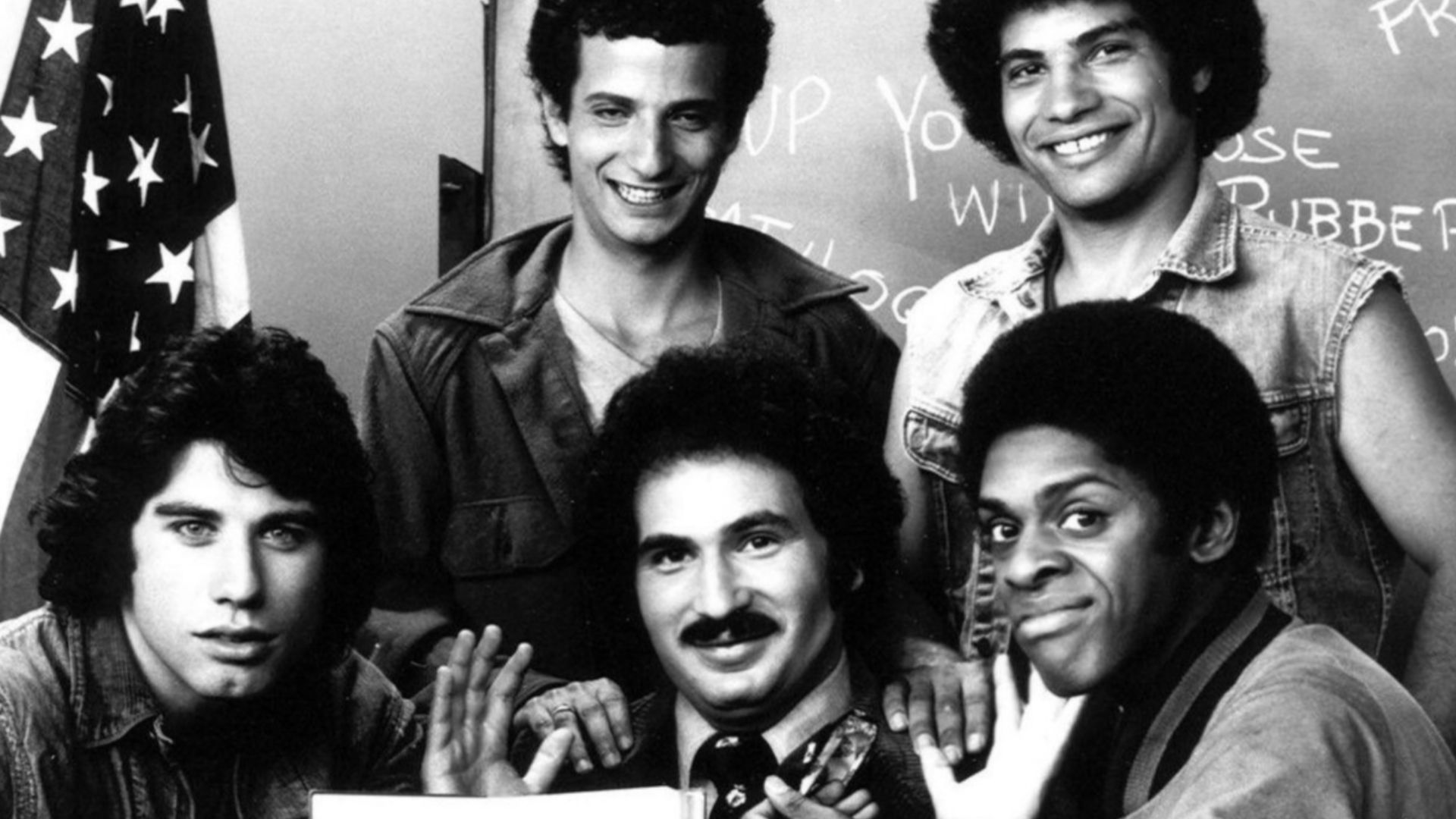 ABC Television, Wikimedia Commons
Barbarino Became The Breakout Character
Although Welcome Back, Kotter was designed as an ensemble comedy, Barbarino soon became its most visible student. Travolta’s image appeared on posters and other merchandise aimed at the show’s growing fan base. Public appearances demonstrated that many viewers were watching as much for him as for the classroom stories.
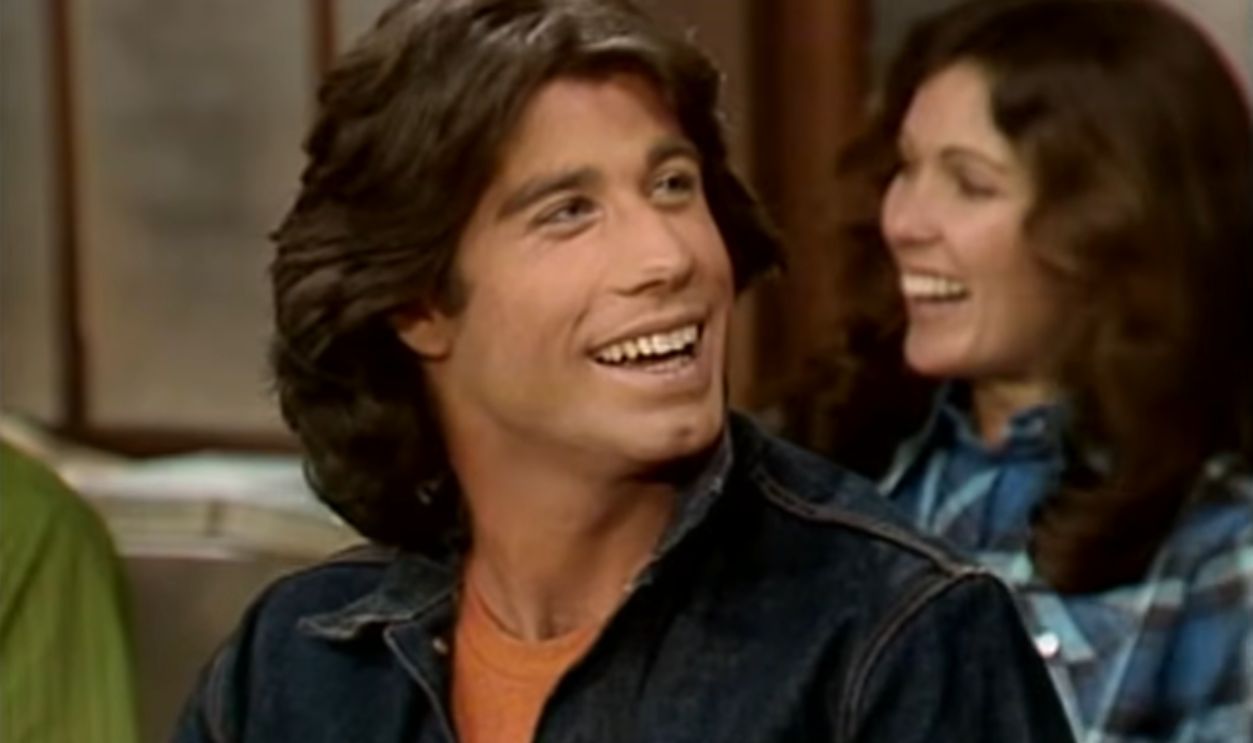 Screenshot from Welcome Back, Kotter, Warner Bros. Television (1975–1979)
Fan Mail Confirmed His Popularity
Travolta received enormous amounts of fan mail during the height of the series. The attention showed that his appeal extended beyond the role itself. Hollywood executives could see that audiences were already prepared to follow him into other projects.

His Dramatic Potential Was Already Visible
Barbarino was primarily a comic character, but Travolta occasionally revealed greater emotional range beneath the jokes. His charm could shift into frustration, insecurity, or sincerity when an episode required it. Those moments hinted that he might be capable of carrying more serious material.
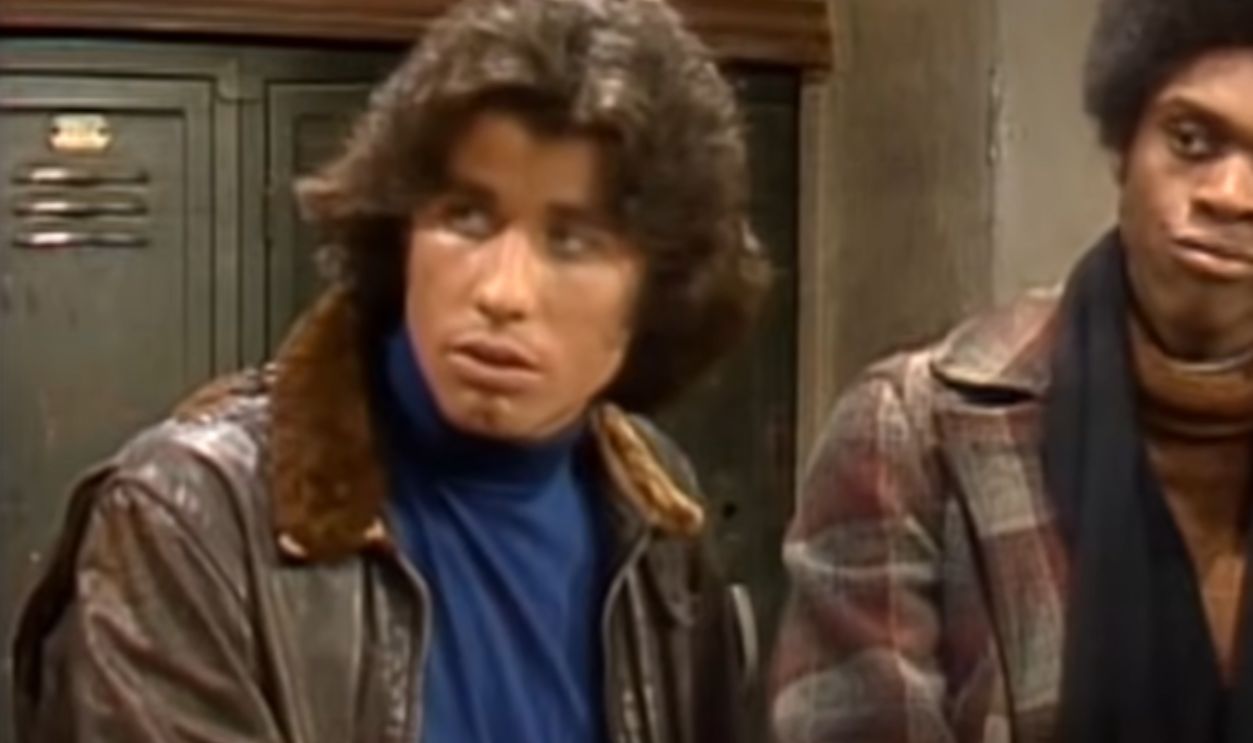 Screenshot from Welcome Back, Kotter, Warner Bros. Television (1975–1979)
Carrie Put Him On The Big Screen
While still appearing on Welcome Back, Kotter, Travolta played Billy Nolan in Brian De Palma’s 1976 horror film Carrie. The character was far less likable than Barbarino and gave the actor an early opportunity to work in a major feature film. It was a supporting role, but it helped move him beyond the sitcom format.
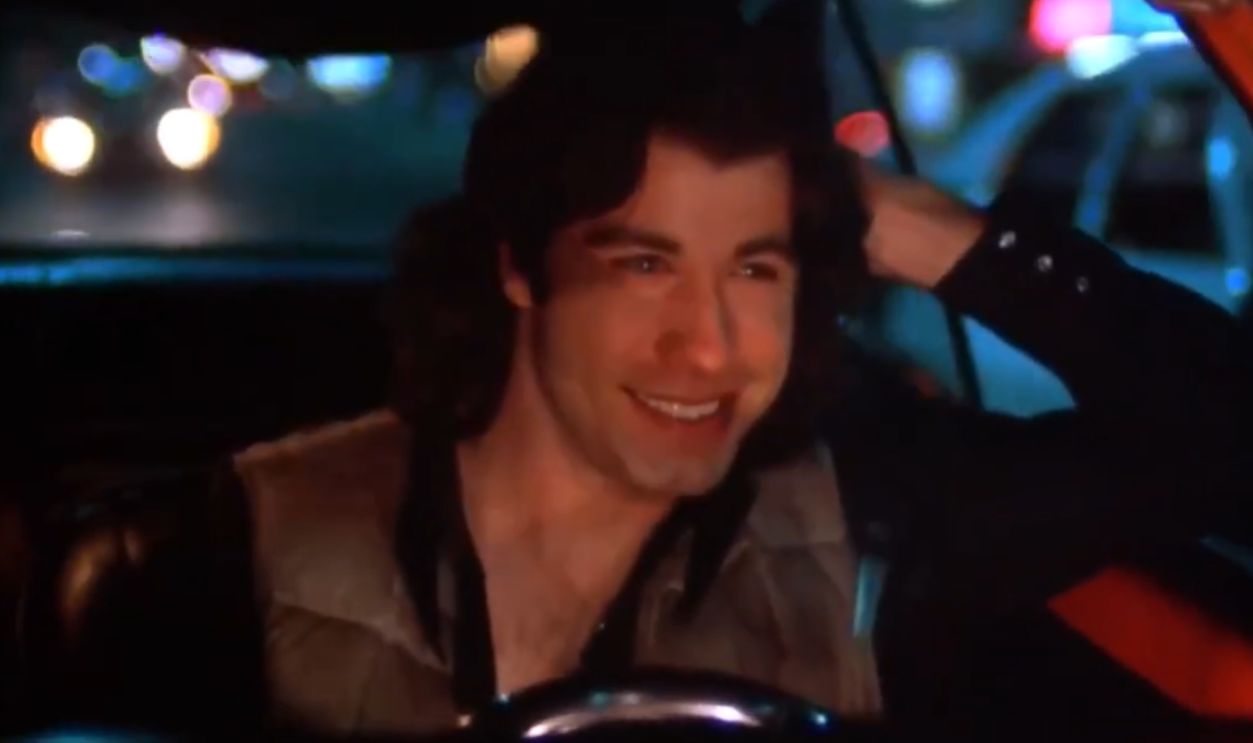 Screenshot from Carrie, United Artists (1976)
A Television Movie Expanded His Range
Travolta also starred in the 1976 television movie The Boy in the Plastic Bubble. He played a teenager born with a compromised immune system who had spent much of his life isolated from the outside world. The dramatic performance allowed viewers to see a more sensitive side of the actor.
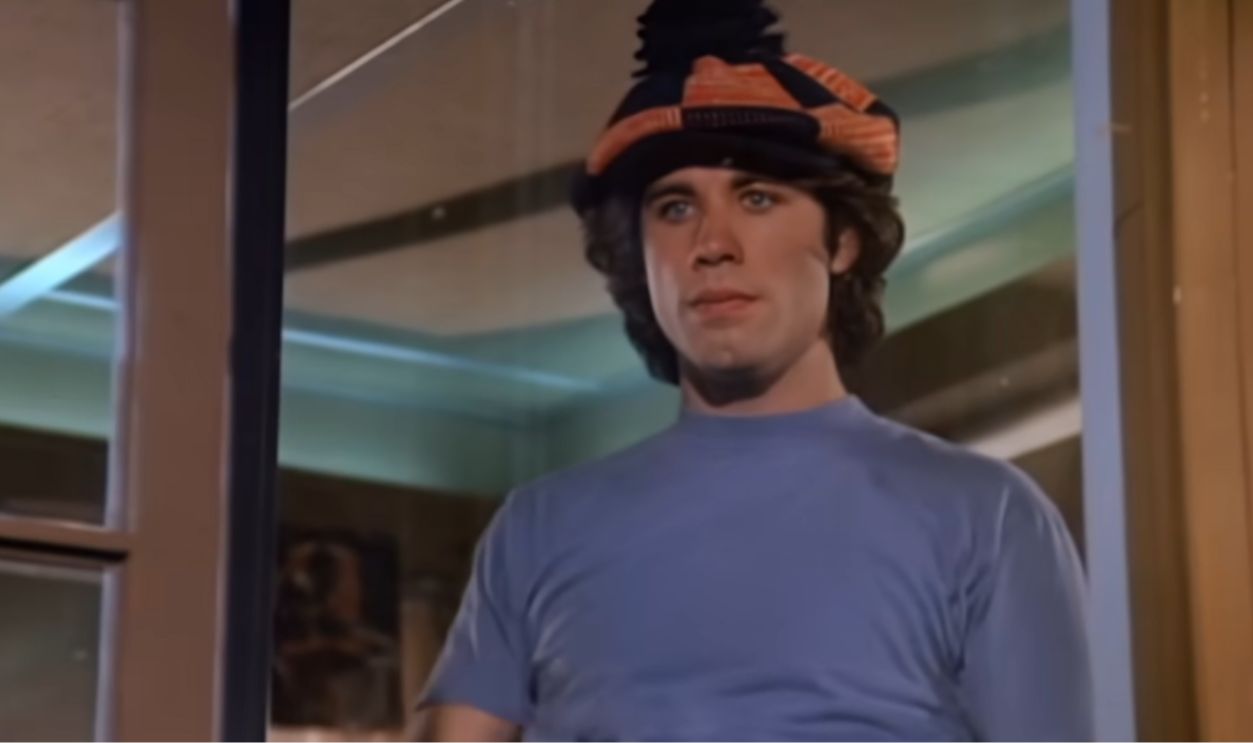 Screenshot from The Boy in the Plastic Bubble, ABC Circle Films (1976)
Hollywood Still Saw A Television Star
Making the jump from a hit sitcom to serious movie stardom was not considered automatic. Some industry figures doubted whether the actor known as Vinnie Barbarino could convince audiences in a dramatic leading role. Travolta needed a film that would transform his familiar charm into something deeper.
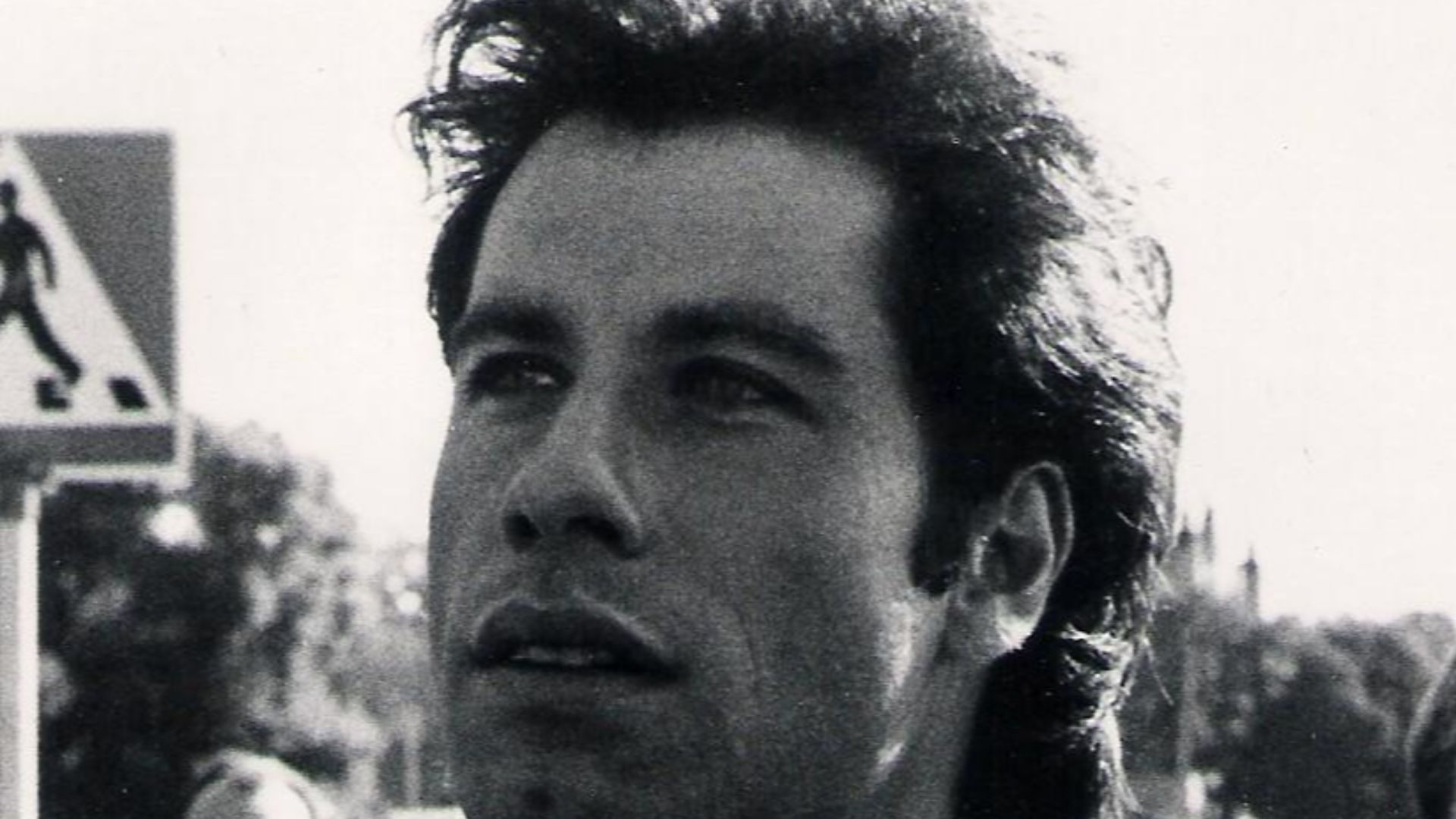
Saturday Night Fever Changed The Conversation
That opportunity arrived with Saturday Night Fever, released in 1977. Travolta played Tony Manero, a restless young man who escapes the frustrations of his Brooklyn life through dancing. The setting felt connected to Barbarino’s world, but the film demanded a much more complex performance.
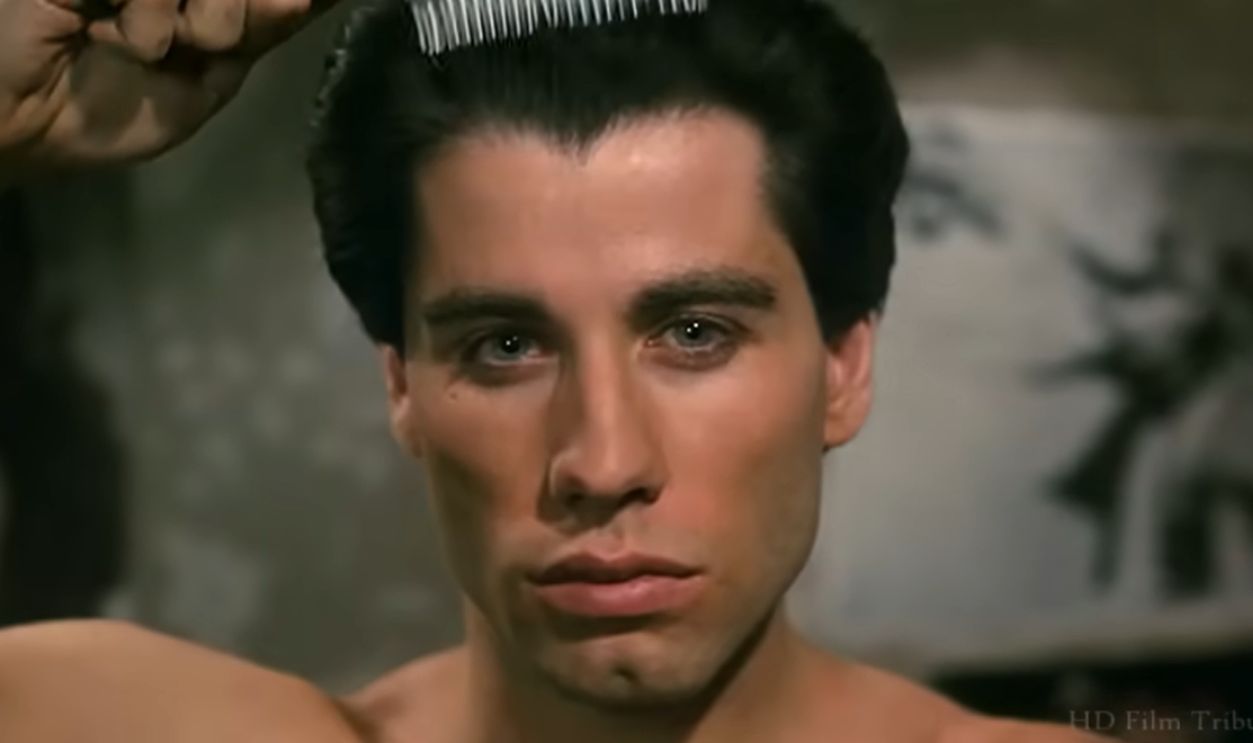 Screenshot from Saturday Night Fever, Paramount Pictures (1977)
Months Of Dance Training Paid Off
Travolta devoted extensive time to preparing the film’s dance sequences. He understood that the camera needed to show his entire body so audiences could appreciate that he was performing the movements himself. His commitment helped turn Tony’s dancing into an expression of ambition, confidence, and emotional escape.
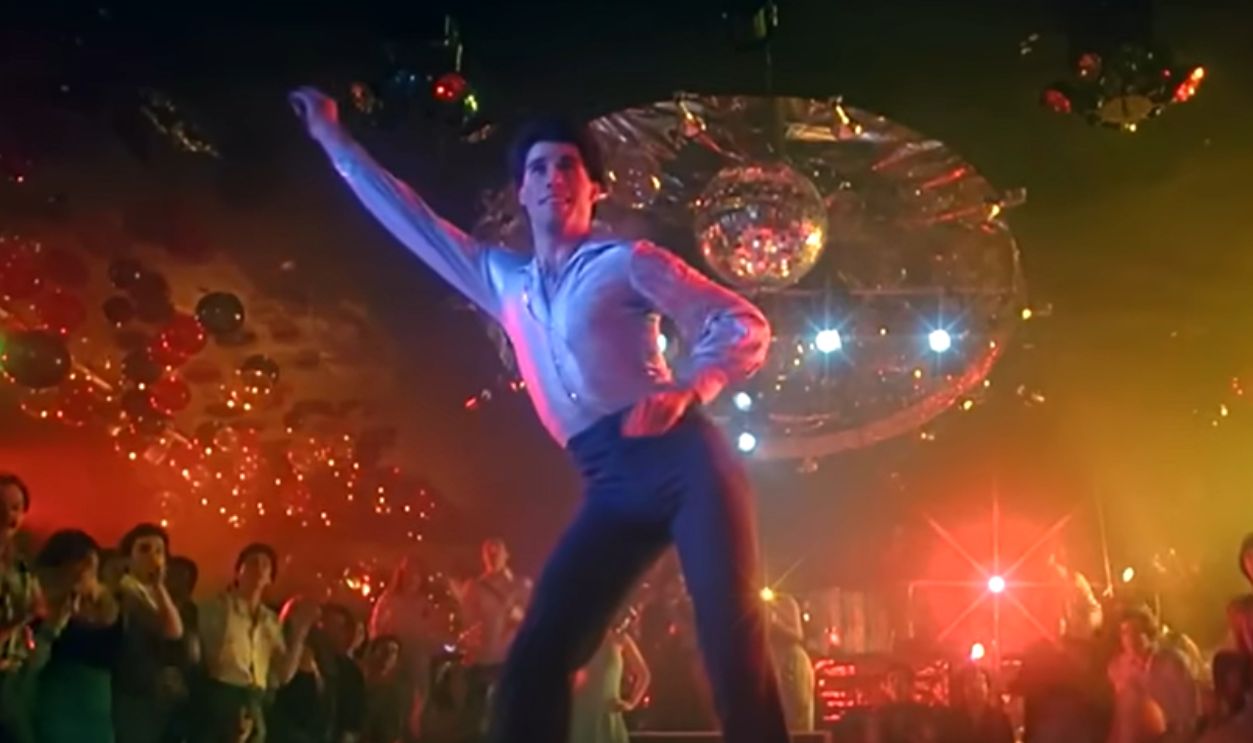 Screenshot from Saturday Night Fever, Paramount Pictures (1977)
Barbarino Helped Audiences Accept Tony
Travolta’s television fame initially attracted attention to Saturday Night Fever. Viewers already associated him with youthful energy, Brooklyn humor, and a distinctive physical presence. The movie used those familiar qualities while revealing anger, longing, and emotional uncertainty that Barbarino rarely displayed.
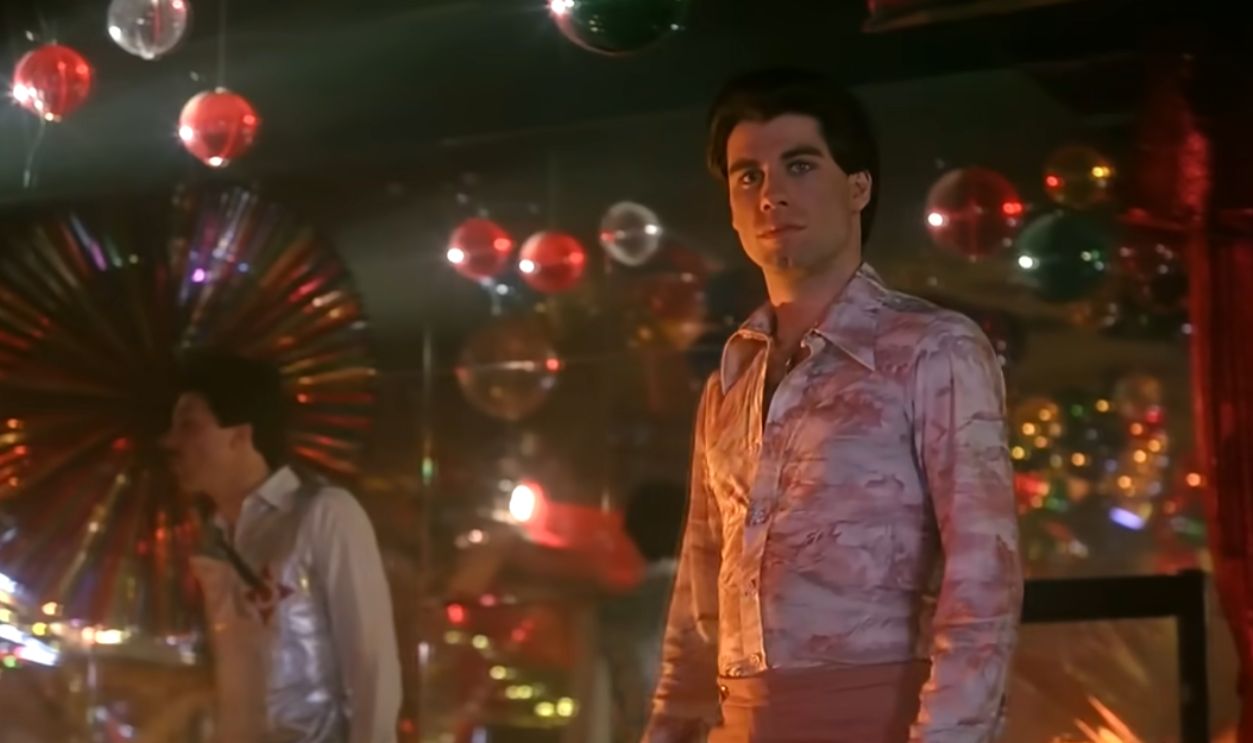 Screenshot from Saturday Night Fever, Paramount Pictures (1977)
An Oscar Nomination Followed
Travolta received an Academy Award nomination for Best Actor for Saturday Night Fever. He was only 24 when the ceremony took place, making the achievement especially striking. The nomination confirmed that the former sitcom favorite had become a respected dramatic movie actor.
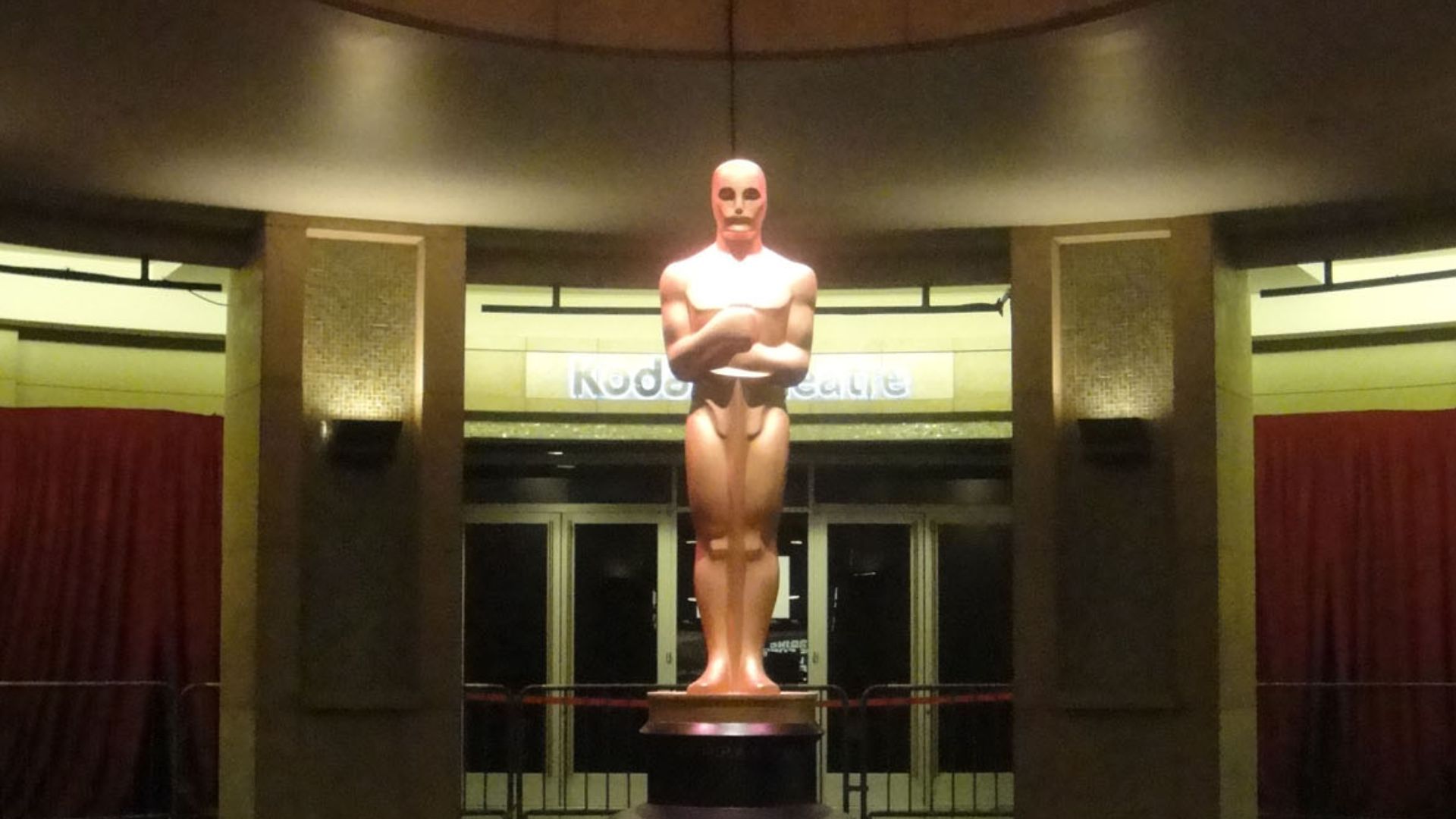 The Conmunity - Pop Culture Geek from Los Angeles, CA, USA, Wikimedia Commons
Grease Made Him A Global Favorite
Travolta followed Saturday Night Fever with Grease in 1978. As Danny Zuko, he combined his stage background, musical abilities, comic instincts, and newly established movie-star confidence. The film became the highest-grossing movie of 1978 and further expanded his international popularity.
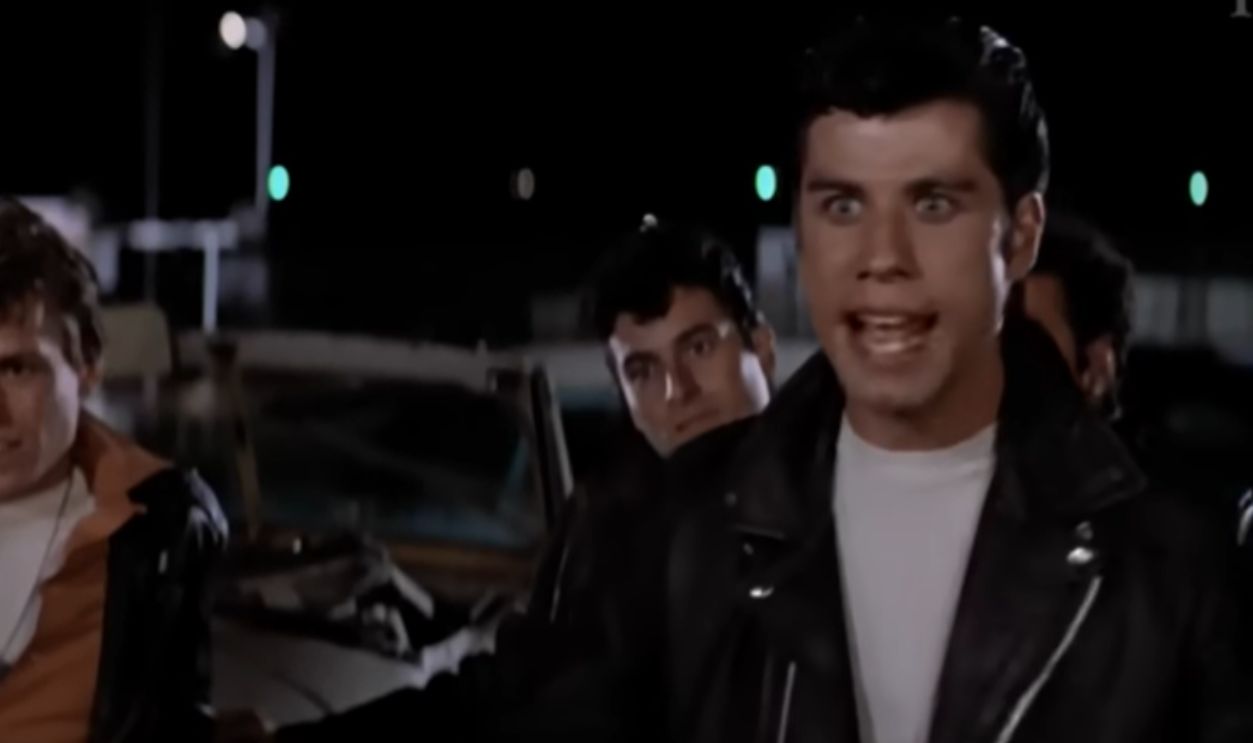 Screenshot from Grease, Paramount Pictures (1978)
Television Stardom Became Movie Stardom
Within a few years, Travolta had moved from a network sitcom to two of the defining popular films of the late 1970s. That transition was remarkable because television stars often struggled to be taken seriously by movie studios. Welcome Back, Kotter had not trapped him in television, but instead provided the visibility he needed to reach the next level.
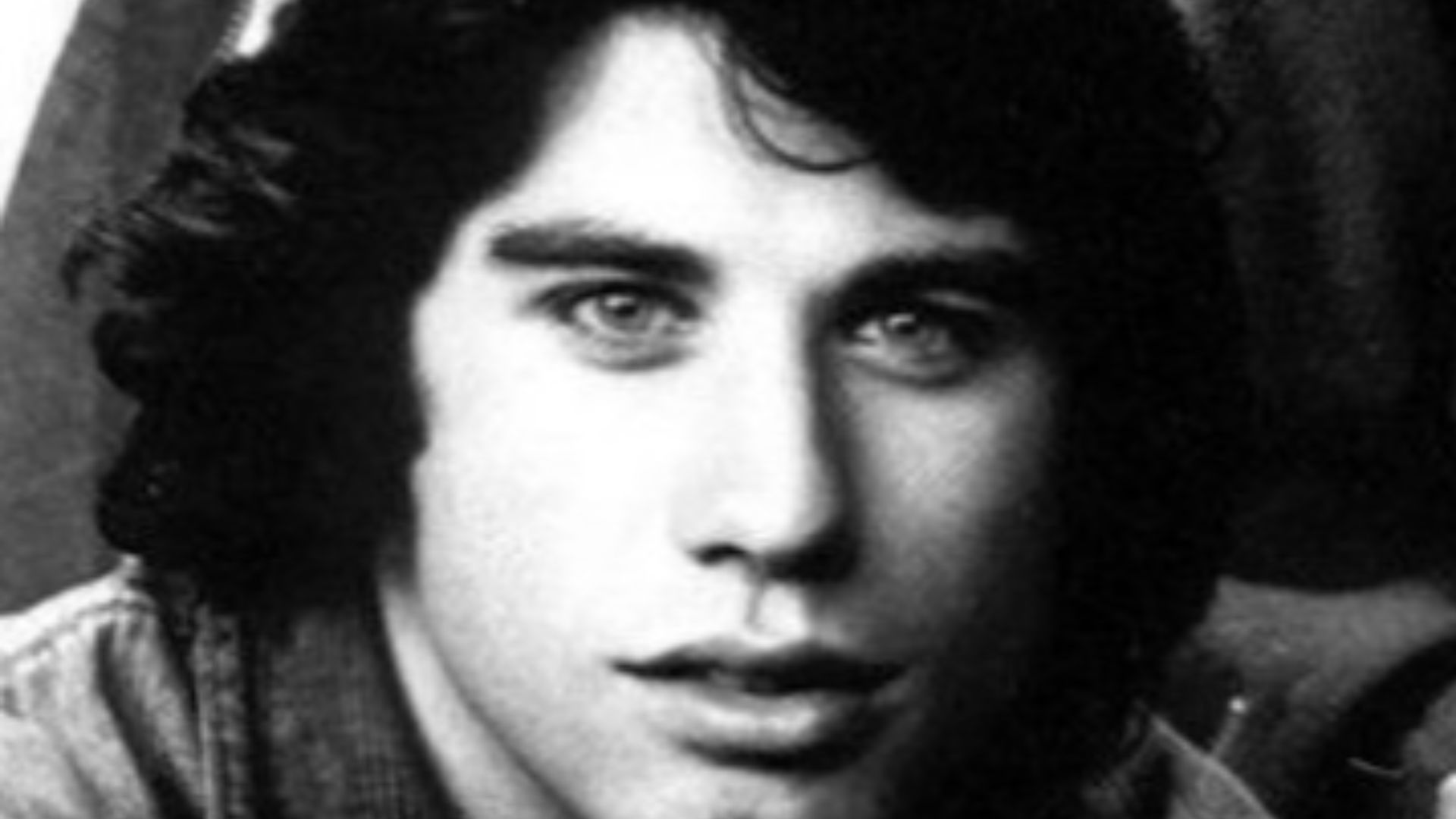 ABC Television, Wikimedia Commons
Leaving The Classroom Behind
Travolta’s appearances on Welcome Back, Kotter became less frequent as his film career accelerated. The sitcom continued through 1979, but its breakout performer had already outgrown the boundaries of Buchanan High School. Vinnie Barbarino had become the first chapter of a much larger career.
 Undergrounded199, Wikimedia Commons
Success Did Not Remain Constant
Travolta continued finding notable roles in films including Urban Cowboy and Brian De Palma’s Blow Out. However, several later projects performed poorly, and his position near the top of Hollywood became less secure during the 1980s. The decline demonstrated how quickly even extraordinary early success could become difficult to sustain.
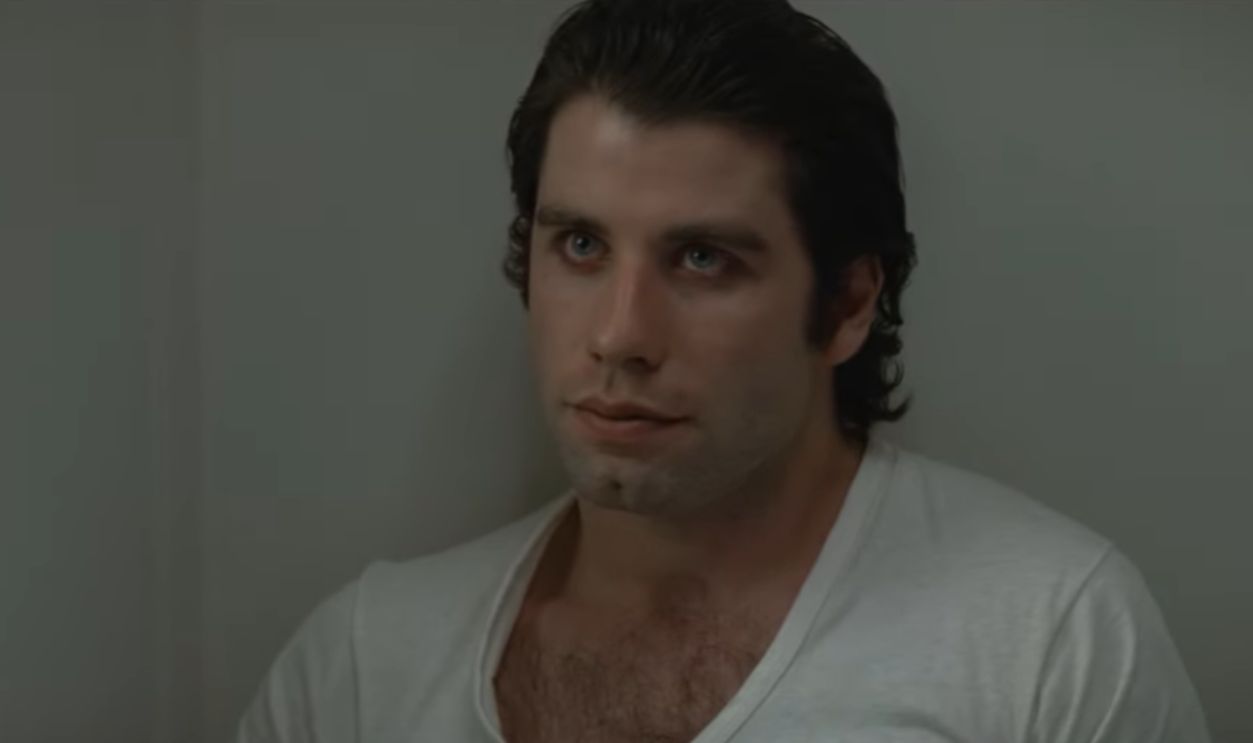 Screenshot from Blow Out, Filmways Pictures (1981)
Comedy Gave Him Another Boost
The 1989 comedy Look Who’s Talking became a major commercial success and introduced Travolta to a new generation of moviegoers. Its sequel followed in 1990, briefly restoring his box-office momentum. Still, the career transformation that followed would be even more dramatic.
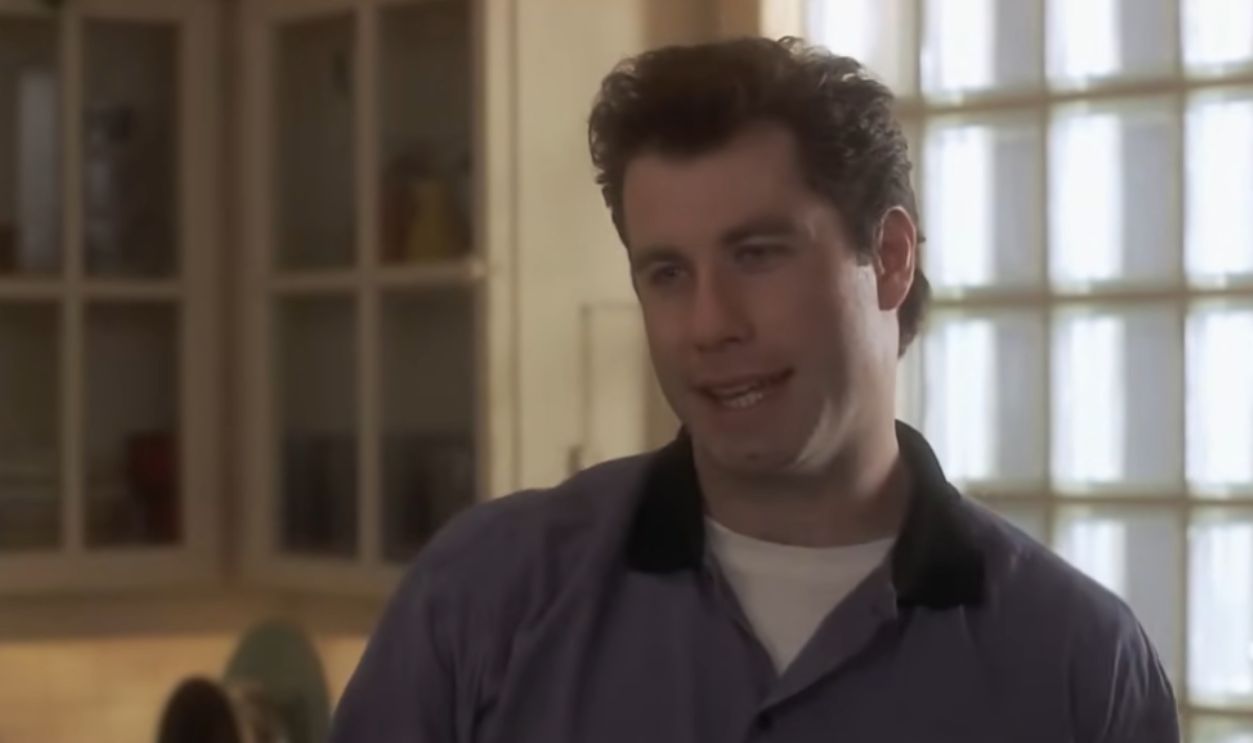 Screenshot from Look Who’s Talking, TriStar Pictures (1989)
Pulp Fiction Created A Second Act
Quentin Tarantino cast Travolta as Vincent Vega in the 1994 film Pulp Fiction. The role made clever use of the actor’s established charm while presenting it in a darker, stranger, and more unpredictable form. His performance earned another Academy Award nomination for Best Actor and reopened doors across Hollywood.
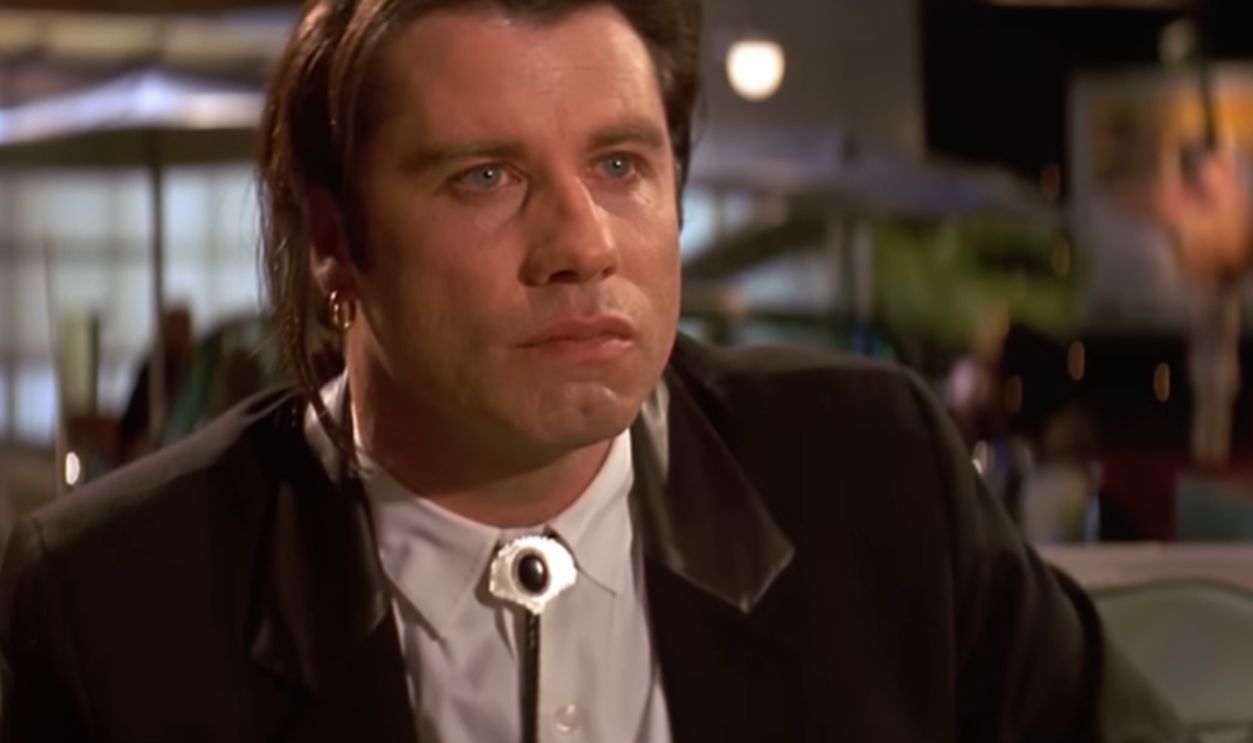 Screenshot from Pulp Fiction, Miramax Films (1994)
The Comeback Led To Major Roles
After Pulp Fiction, Travolta starred in movies including Get Shorty, Broken Arrow, Face/Off, Primary Colors, and A Civil Action. He won a Golden Globe for his performance in Get Shorty. His renewed success proved that his appeal could survive changing genres, audiences, and decades.
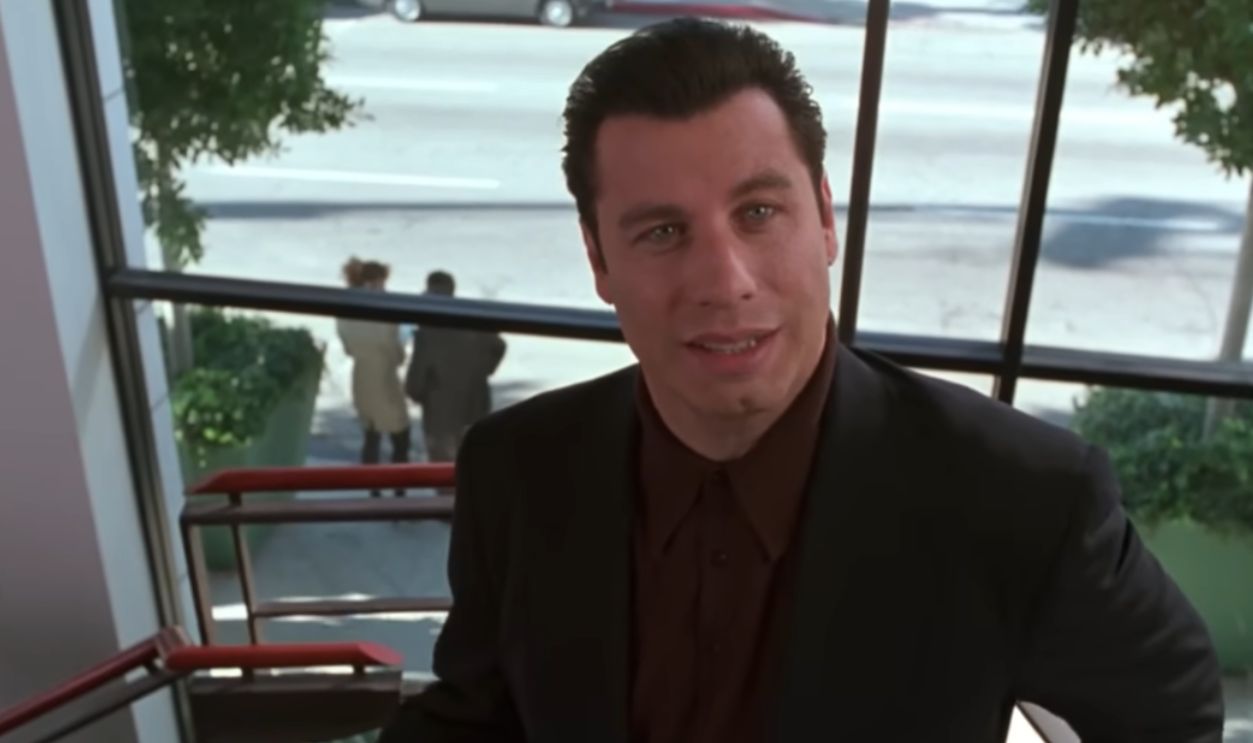 Screenshot from Get Shorty, Metro-Goldwyn-Mayer (1995)
Musical Talent Returned In Hairspray
Travolta returned to movie musicals with Hairspray in 2007, playing Edna Turnblad. The performance required singing, dancing, broad comedy, and extensive physical transformation. It earned him another Golden Globe nomination and recalled the versatility that had defined his earliest years.
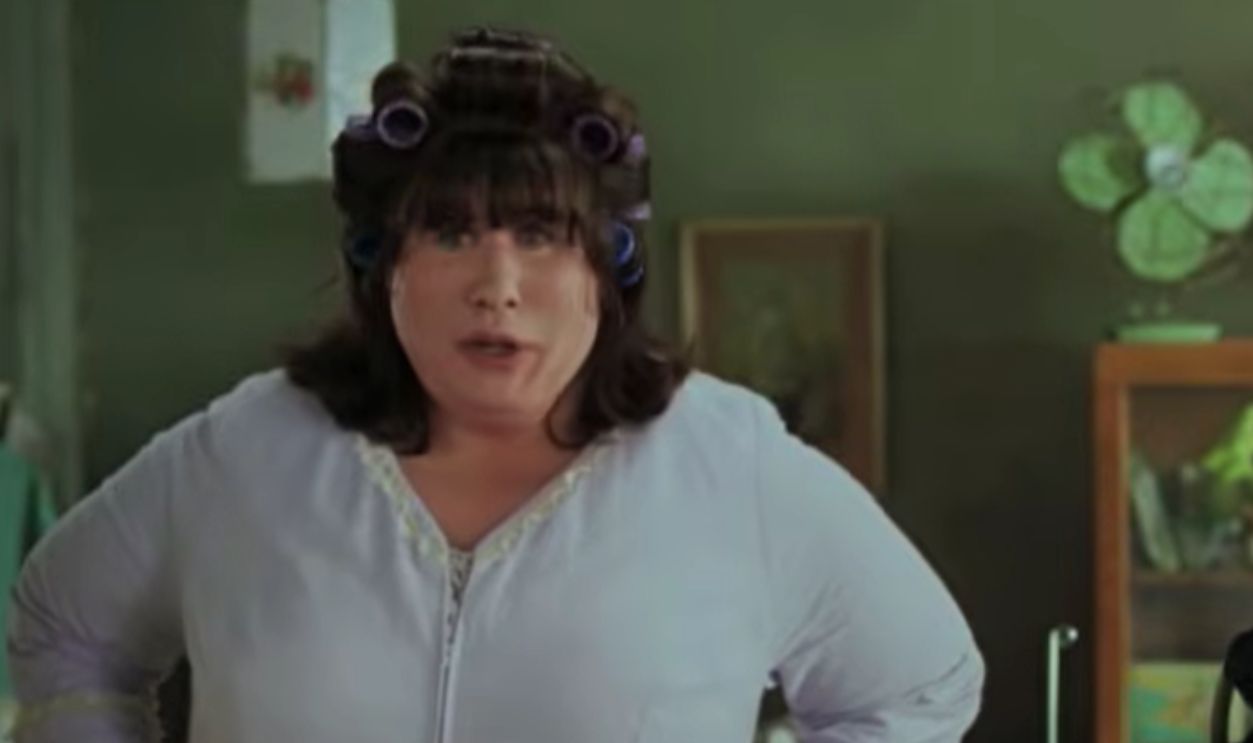 Screenshot from Hairspray, New Line Cinema (1988)
Barbarino's Legacy Lasted
Travolta eventually played heroes, villains, dancers, gangsters, politicians, and parents, but Vinnie Barbarino remained an important part of his screen identity. Welcome Back, Kotter did not create his talent, since he had already built experience onstage and in television. What the sitcom did provide was a weekly showcase that introduced millions of viewers to a future Hollywood star.
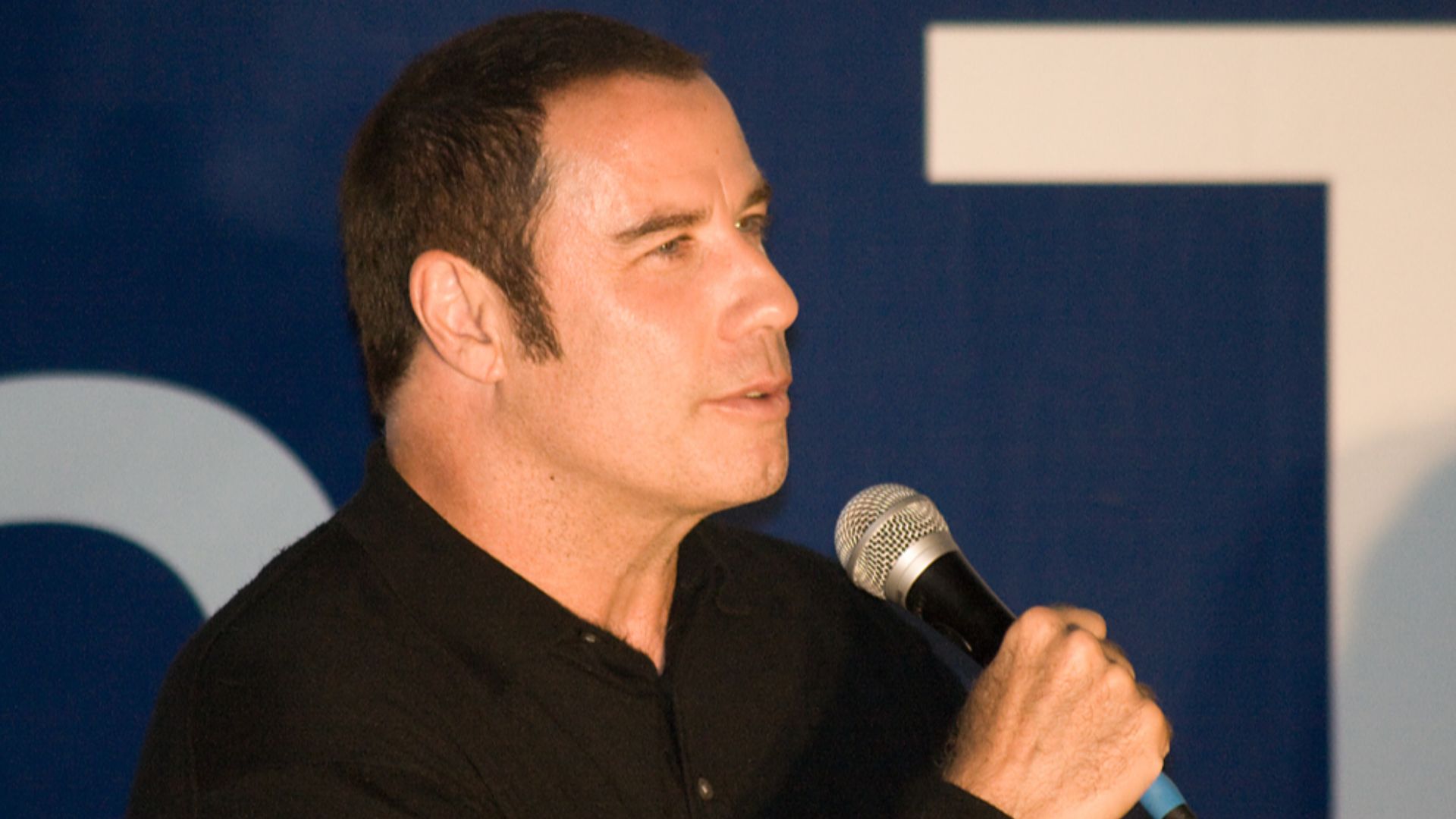 Michael Wolf, Wikimedia Commons
The Role That Started It All
Travolta's career has included blockbuster musicals, acclaimed dramas, action films, comedies, awards recognition, and one of Hollywood's greatest comebacks. Even with all those accomplishments, the role that first made him famous remains essential to his story. Before Tony Manero, Danny Zuko, or Vincent Vega, there was Vinnie Barbarino showing audiences that an extraordinary career was just beginning.
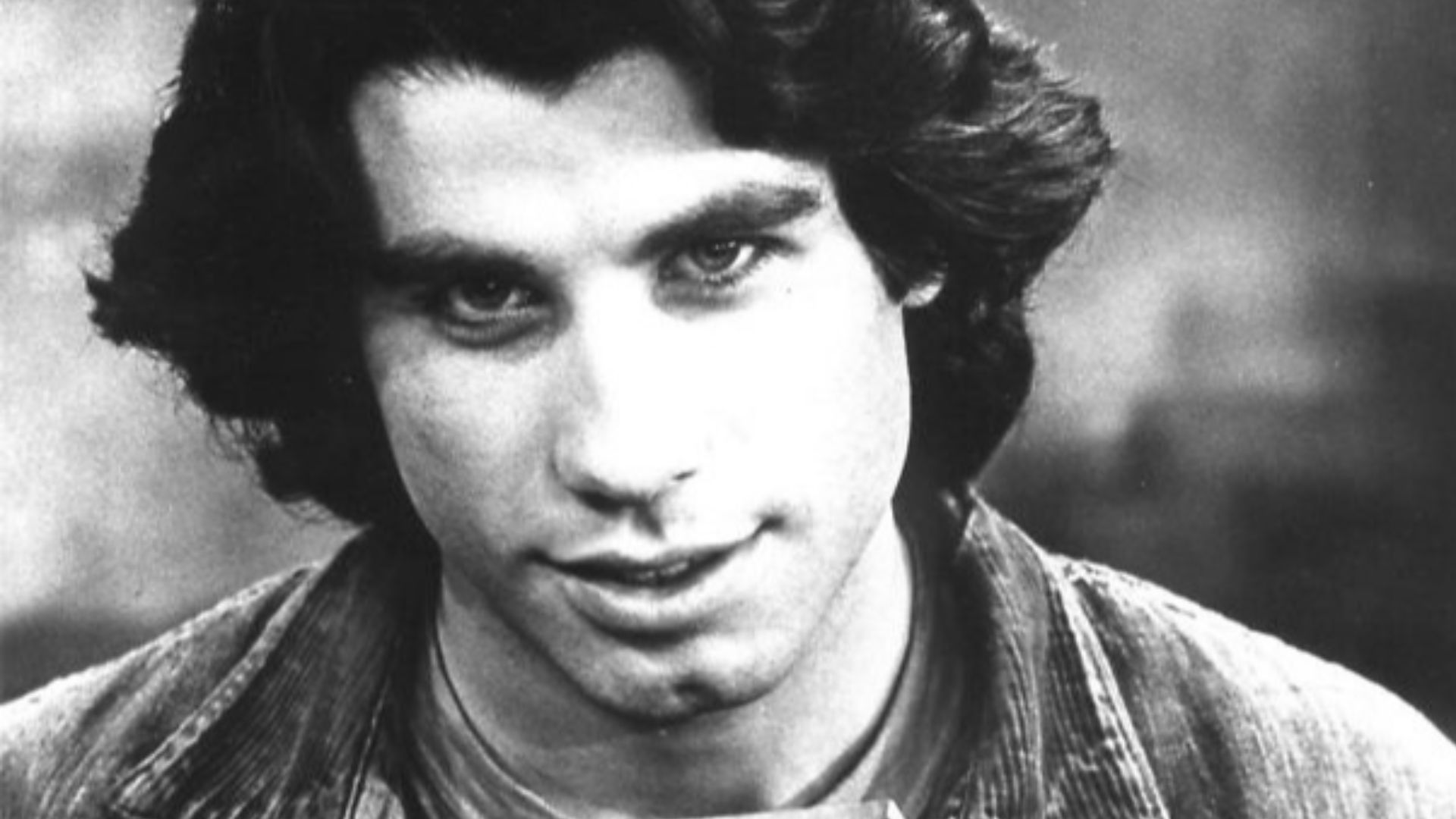 ABC Television Network., Wikimedia Commons
You May Also Like:
What Happened To Welcome Back, Kotter Star Ron Palillo After The Sitcom Ended?
Sitcom Neighbors Who Became Just As Memorable As The Main Characters