What Happened To Gabe Kaplan?
In 1975, Gabe Kaplan wasn’t just starring in a hit sitcom — he was the voice of a generation of wisecracking underachievers. Welcome Back, Kotter exploded almost overnight. The Sweathogs became pop culture. But for Kaplan, fame wasn’t the fairy tale it seemed.
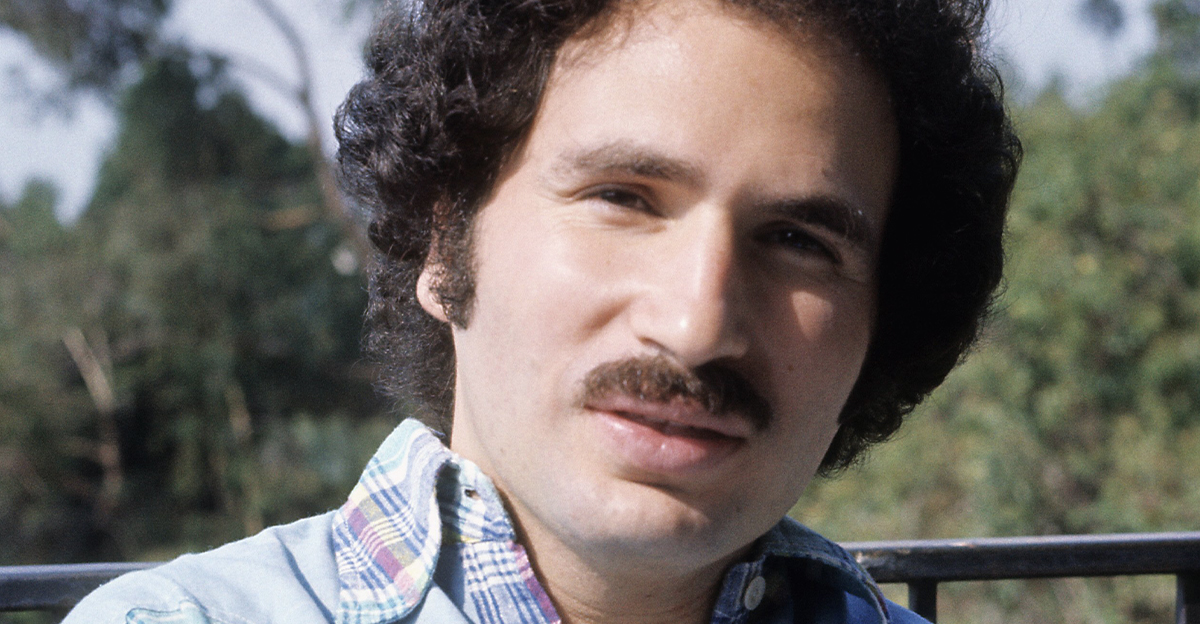 Donaldson Collection / Contributor, Getty Images
A Stand-Up Comic First
Gabriel Weston Kaplan was born on March 31, 1945, in Brooklyn, New York. Before television ever found him, he was a struggling stand-up comic performing in small clubs. His material focused on his experiences teaching remedial high school students in Brooklyn. That material would change his life.
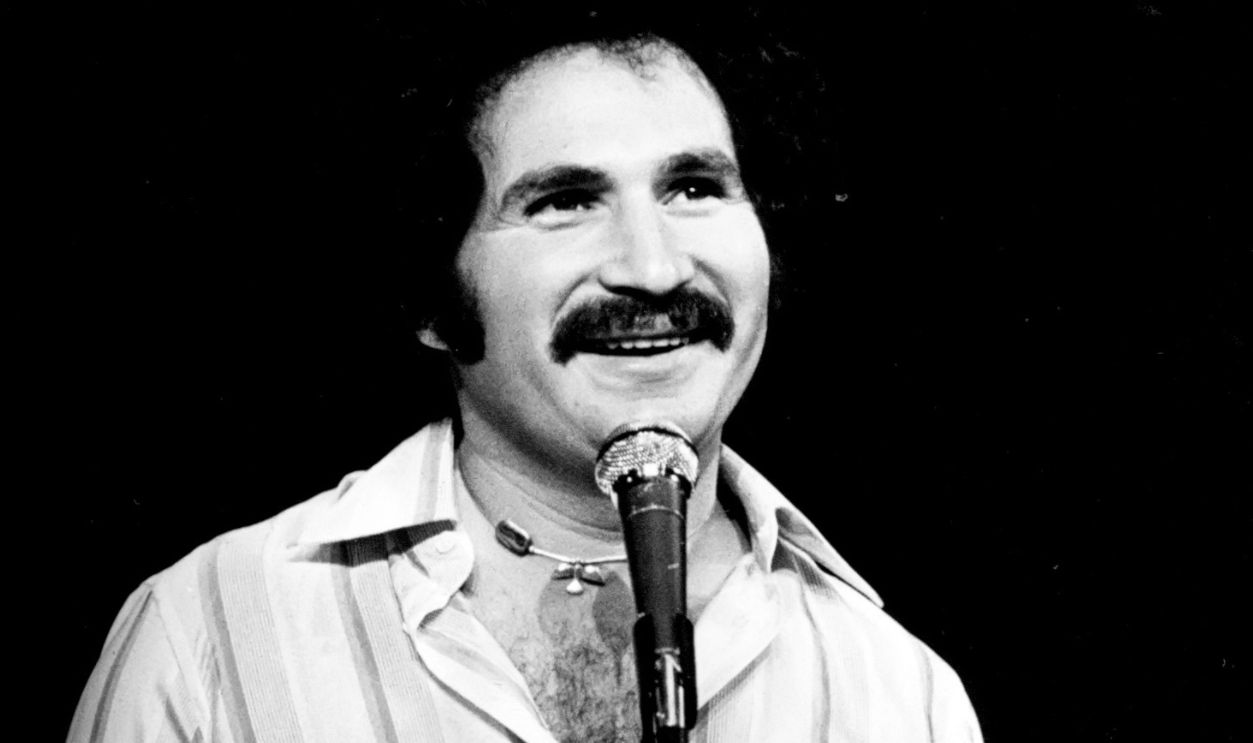
The Idea That Became a Hit
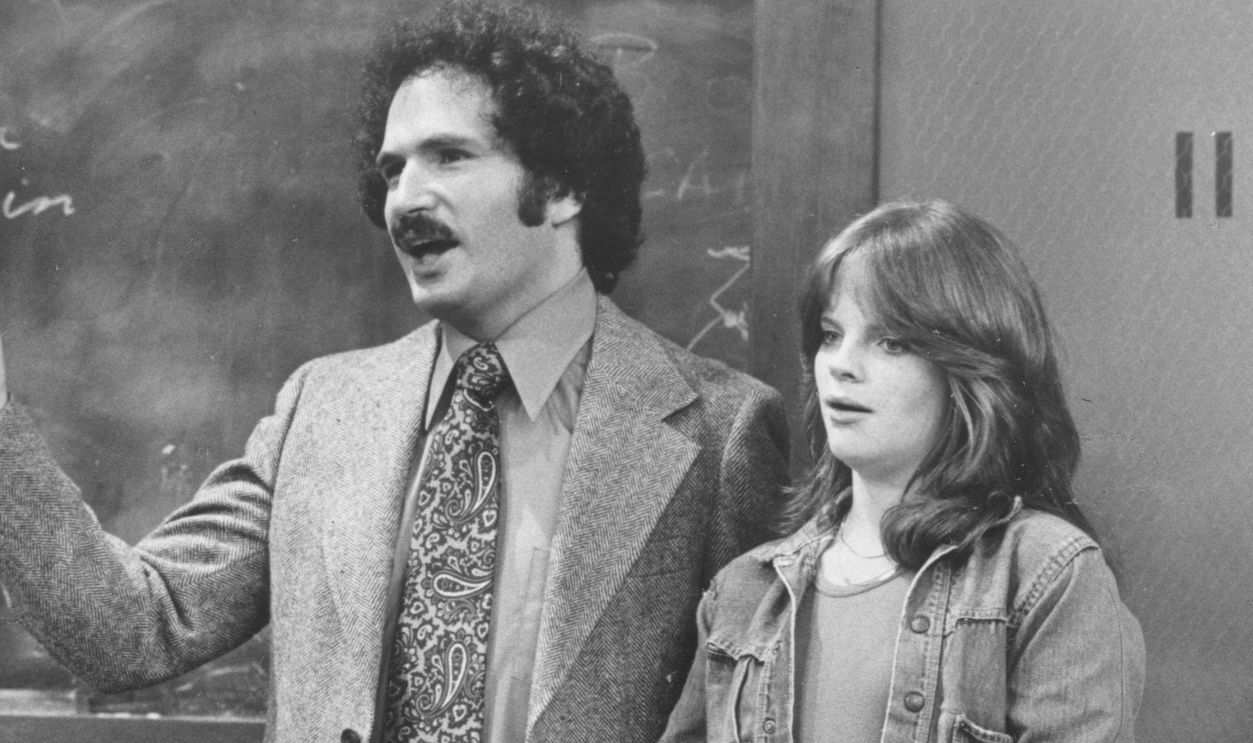
Kaplan’s stand-up routines caught the attention of producer Alan Sacks. Together, they developed the concept that became Welcome Back, Kotter. The show premiered on ABC on September 9, 1975. Kaplan starred as Gabe Kotter — the teacher returning to his old school to guide a group of lovable misfits.
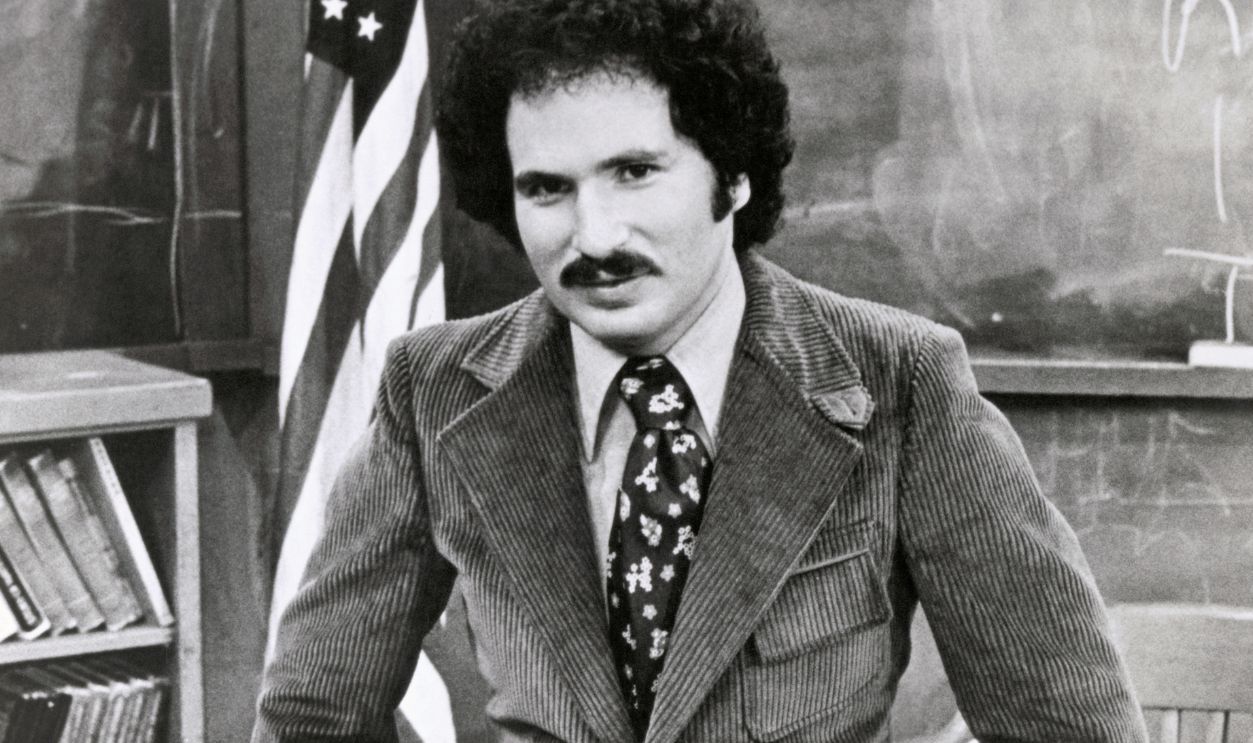
Overnight Fame
The show became a ratings success. Kaplan earned a Golden Globe nomination in 1976 for Best Actor in a Television Series – Musical or Comedy. Suddenly, he was recognizable everywhere.
But sitcom fame can be deceptive.
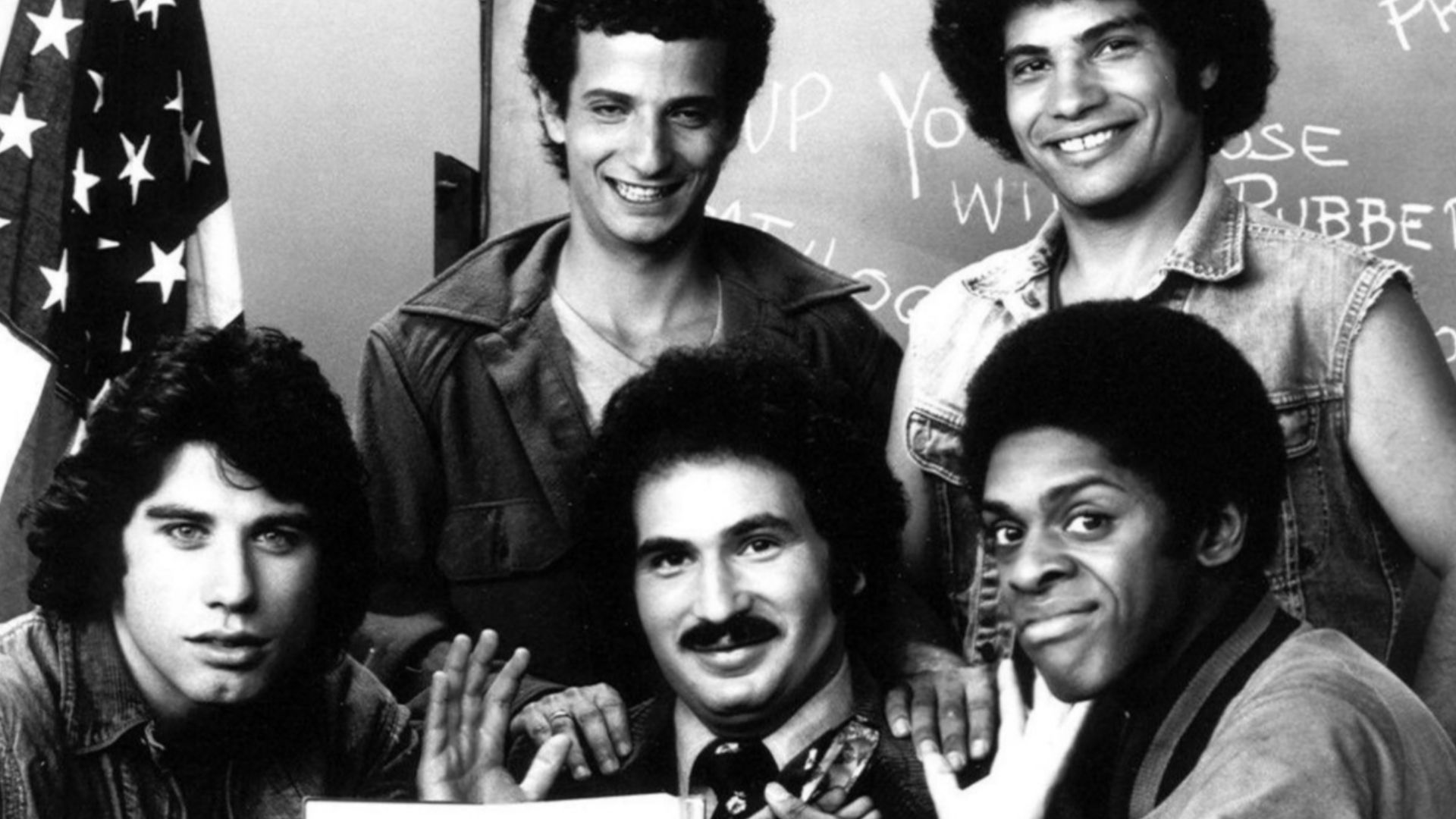
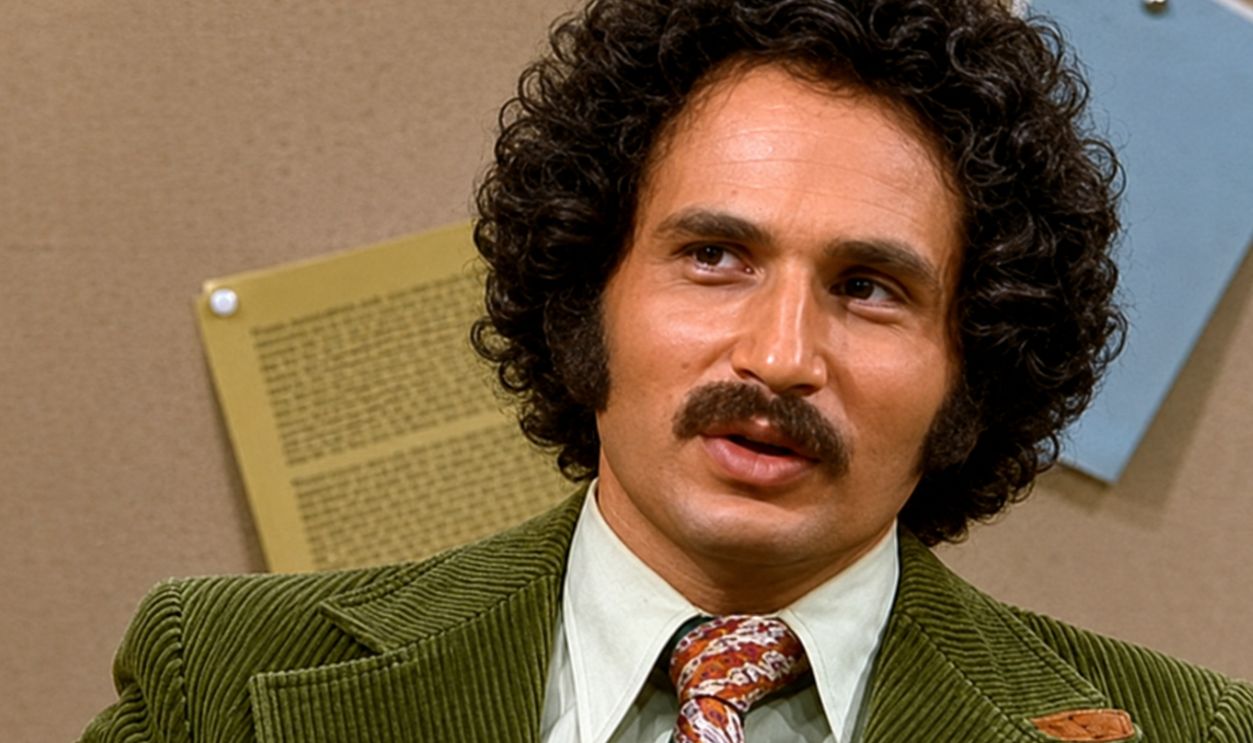 Screenshot from Welcome Back, Kotter, Sony Pictures Entertainment (1975-1979), enhanced
The Travolta Problem
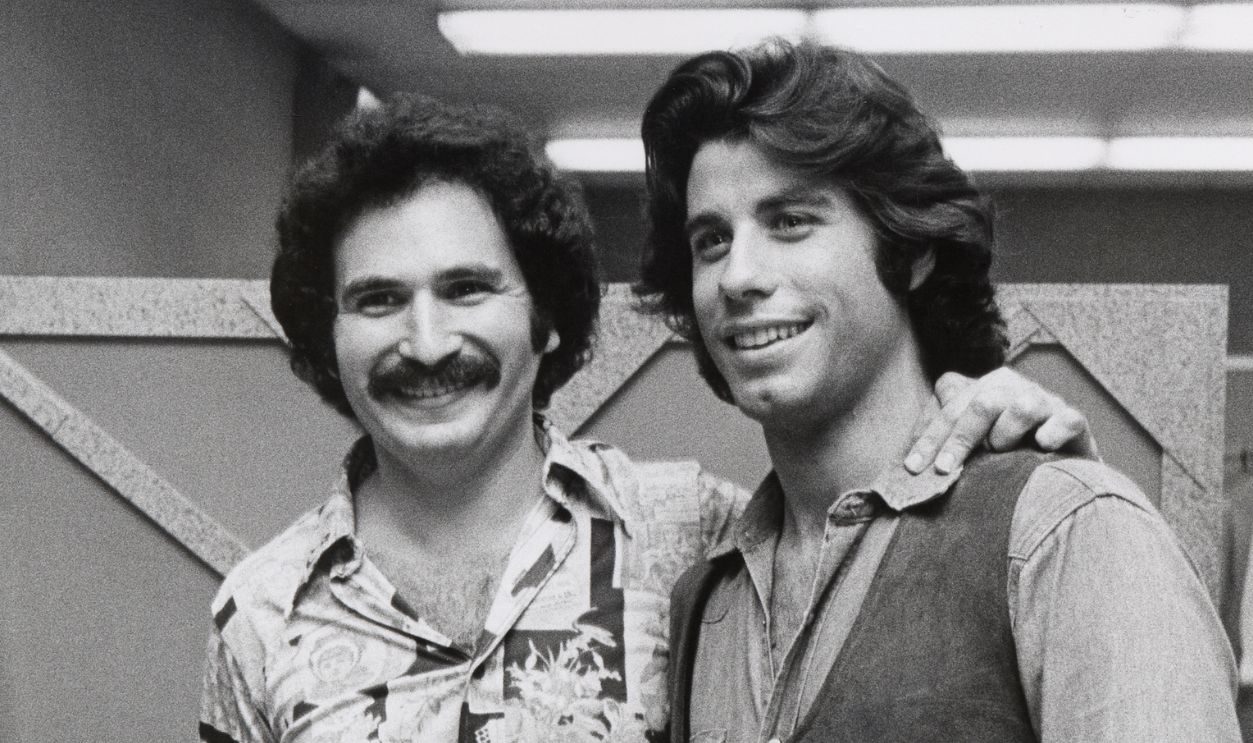
John Travolta, who played Vinnie Barbarino, quickly became the breakout star. By 1977, Saturday Night Fever had made him a global sensation. The spotlight shifted dramatically. Kaplan later admitted that Travolta’s rising stardom changed the dynamic of the show.
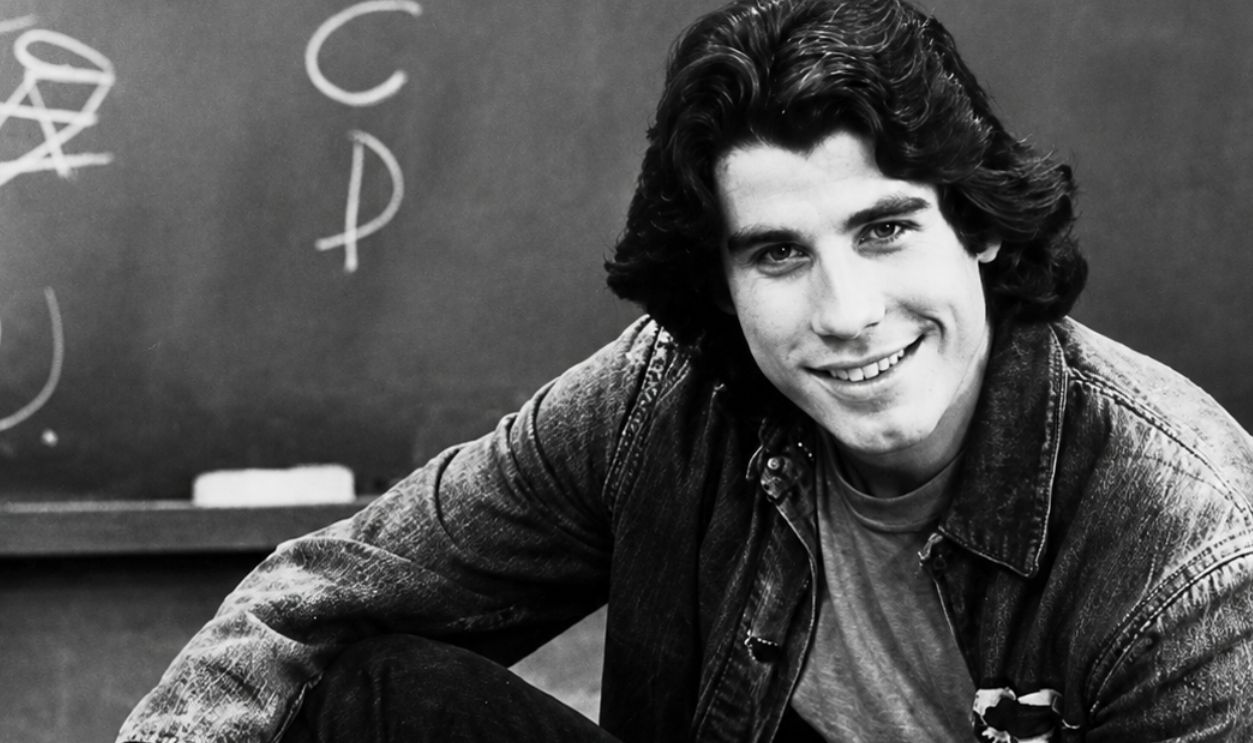 ABC Television Network., Wikimedia Commons, enhanced
Creative Frustrations
Kaplan was not just the star — he was a creator and writer. He often clashed with producers over creative direction. By the fourth season, tensions were high. He appeared in fewer episodes during the show’s final year in 1978–1979.
 ABC Television, Wikimedia Commons
Leaving His Own Show
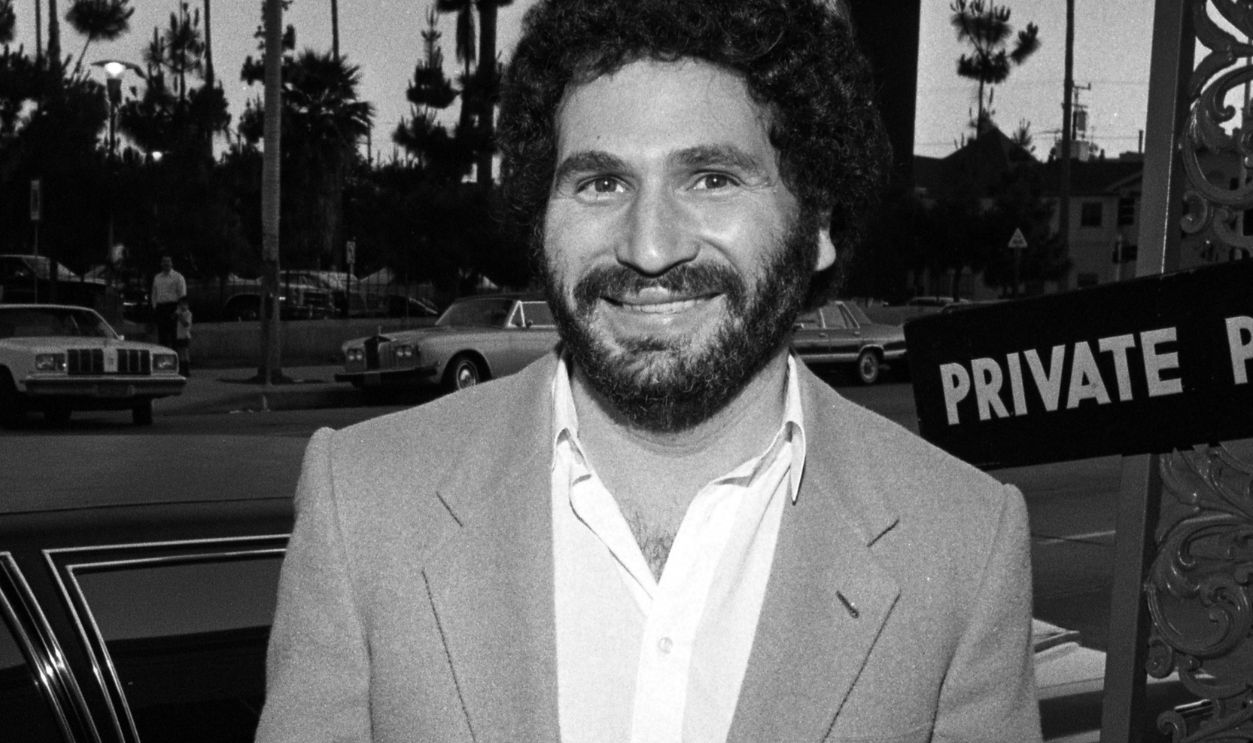
In 1979, Kaplan left before the series officially ended. ABC replaced him with new characters to keep the show afloat. But without Kotter, the magic faded. The series ended in June 1979.
Typecast and Boxed In
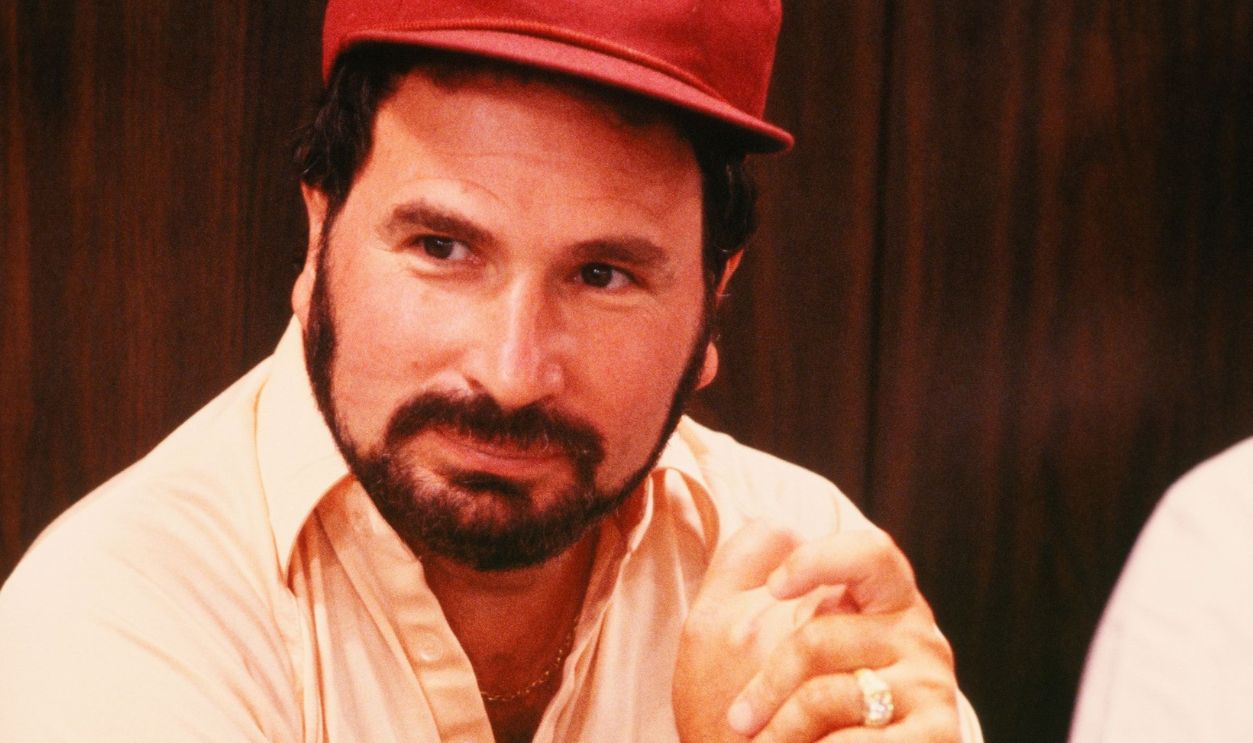
After Kotter, Kaplan struggled to land roles that weren’t just variations of the sarcastic teacher. Unlike Travolta, he didn’t pivot into major film roles.
Hollywood had already decided who he was.
A Brief Talk Show Attempt
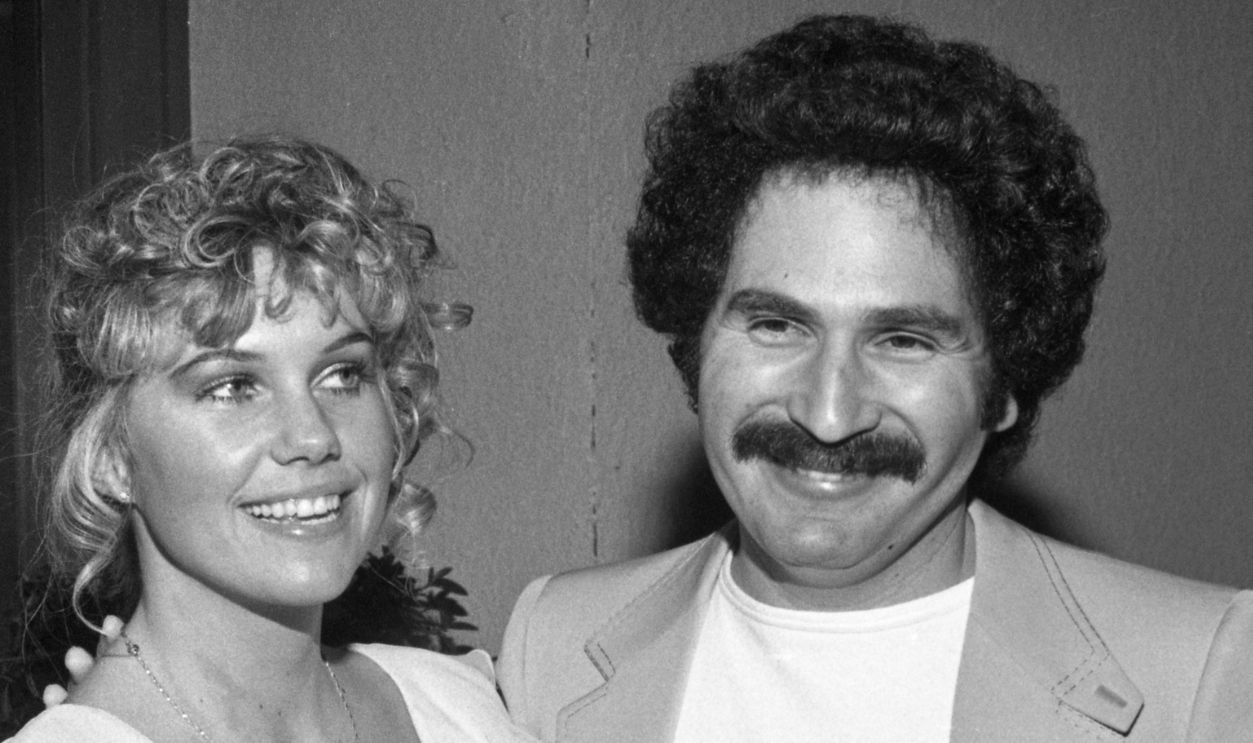
In 1980, Kaplan hosted a short-lived late-night talk show called The Gabe Kaplan Show. It lasted just a few months. Television fame hadn’t guaranteed staying power.
The Poker Obsession
Kaplan had always loved poker. In the 1980s, he began playing professionally. And unlike acting, this wasn’t about applause.
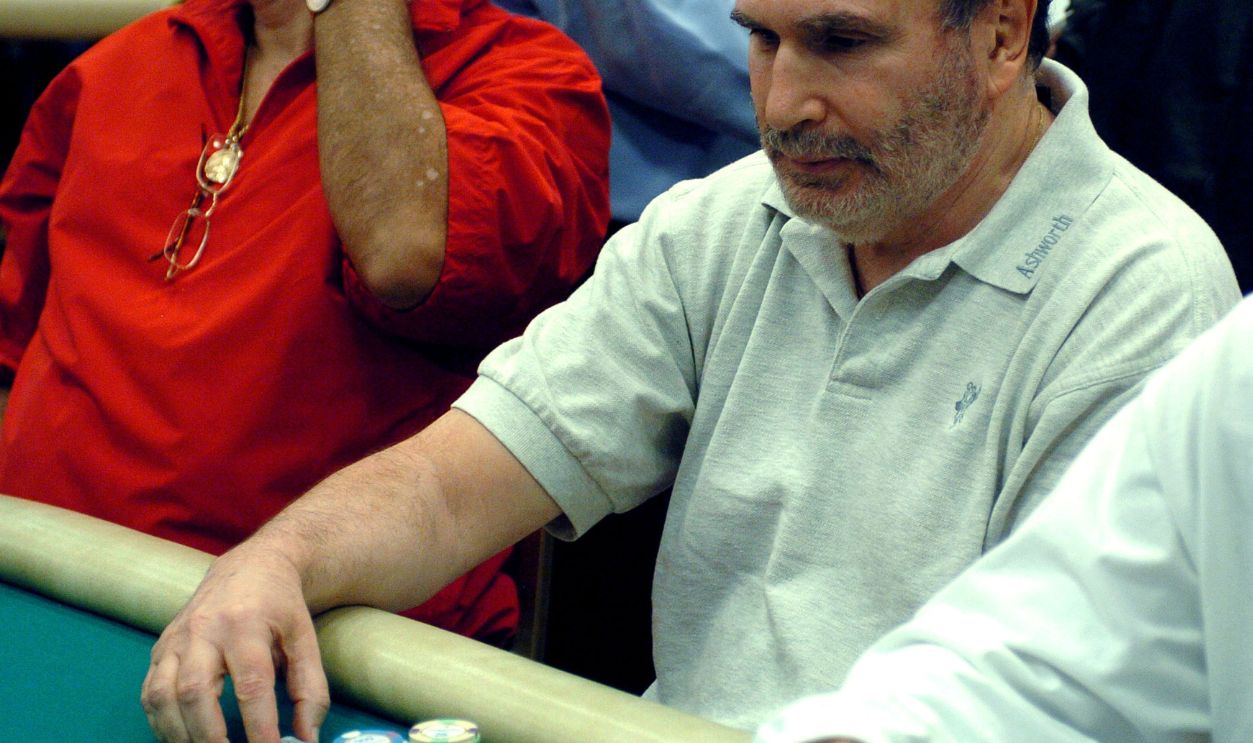
Reinventing Himself at the Table
Kaplan became a respected professional poker player. In 1980, he won a major tournament in Amarillo, Texas. By the 1990s, he was regularly competing in high-stakes games in Las Vegas.
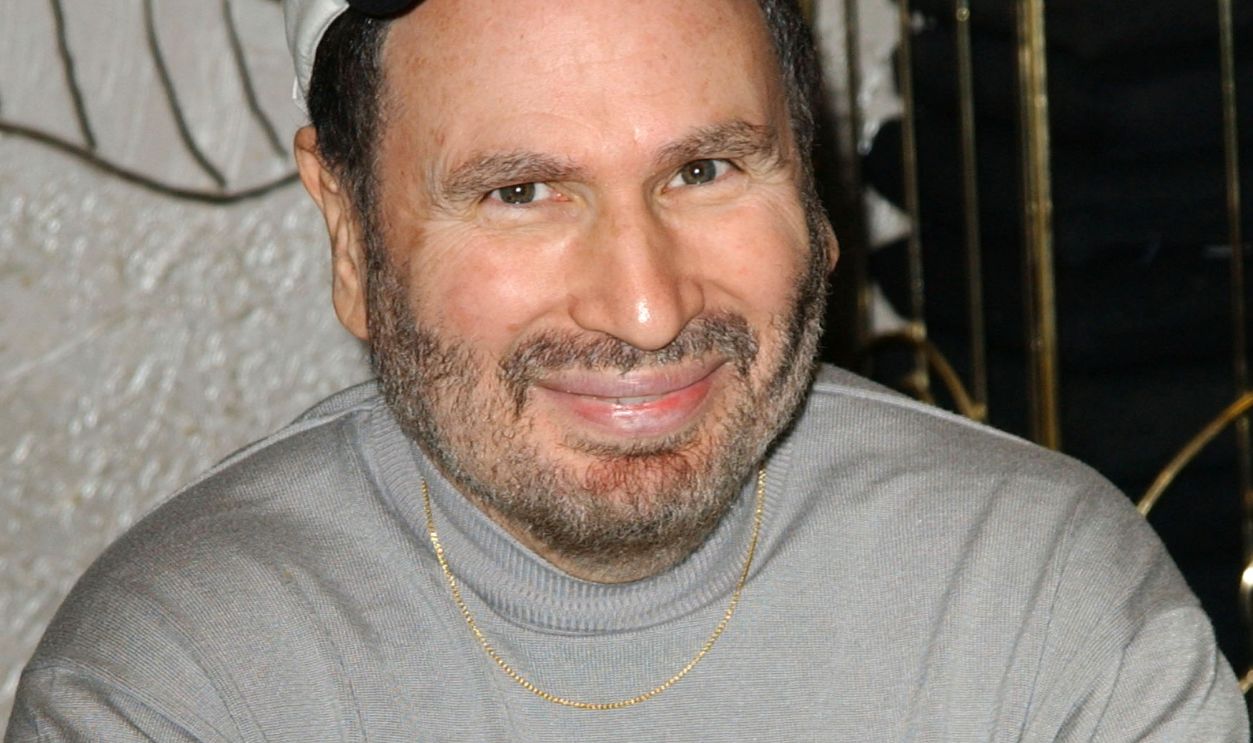
The Surprising Second Act
Kaplan wasn’t just playing casually — he was competing at the highest levels. He eventually became a commentator for the television series High Stakes Poker in the 2000s.
Ironically, he found a second career on television — just not in comedy.
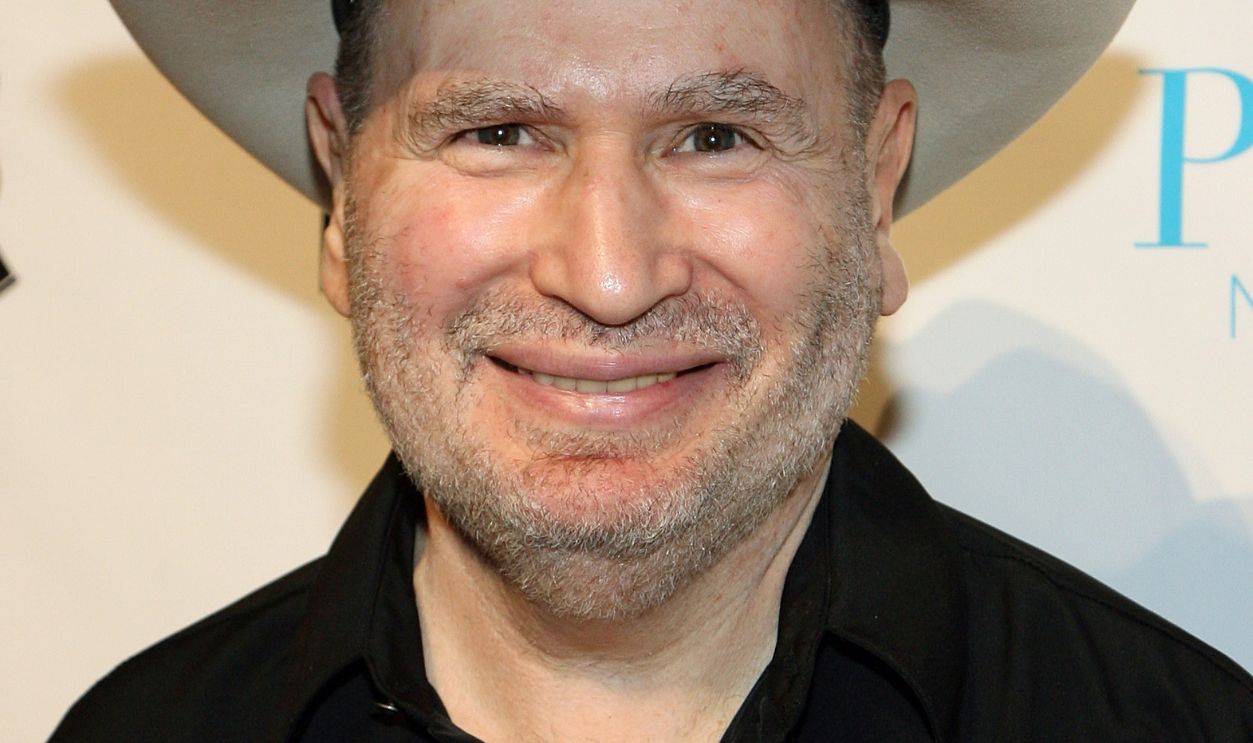
Fame on His Own Terms
Unlike the sitcom machine, poker gave Kaplan autonomy. There were no scripts. No executives. No typecasting.
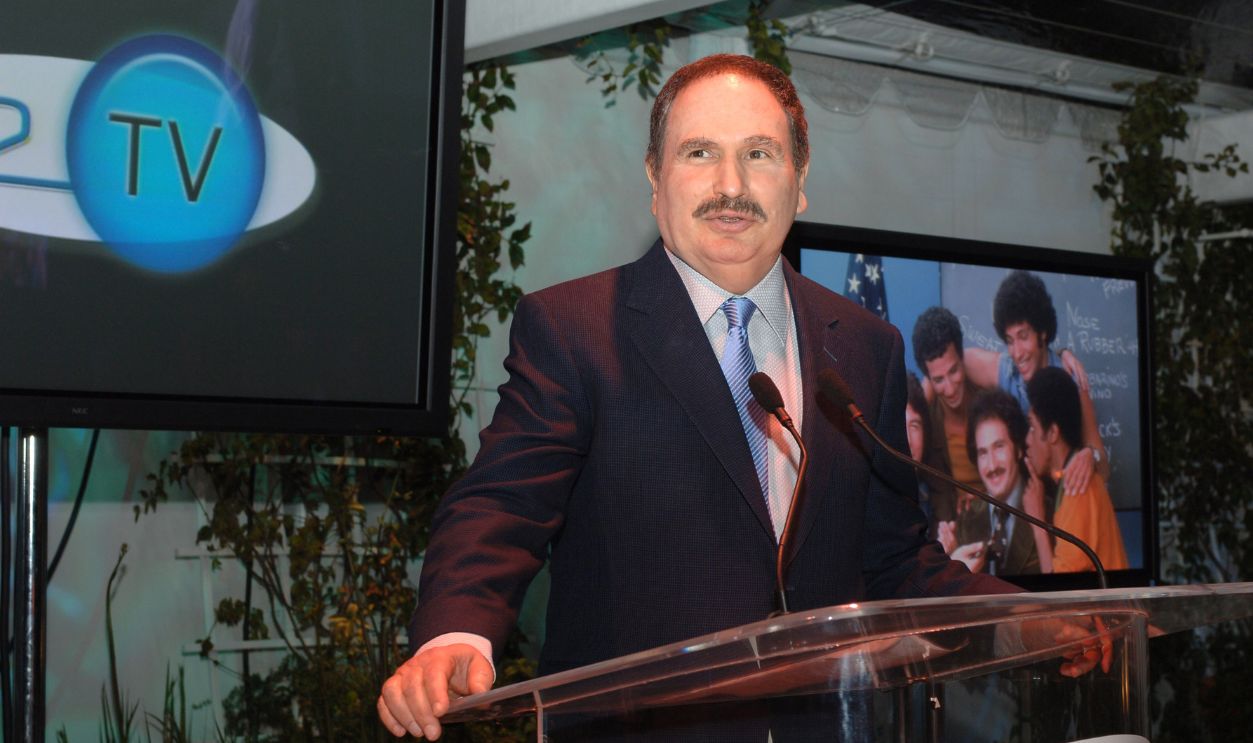
Why Didn’t He Chase Hollywood Harder?
Kaplan never publicly expressed regret about stepping away from acting prominence. In interviews, he has said he didn’t enjoy the Hollywood politics that came with television success.
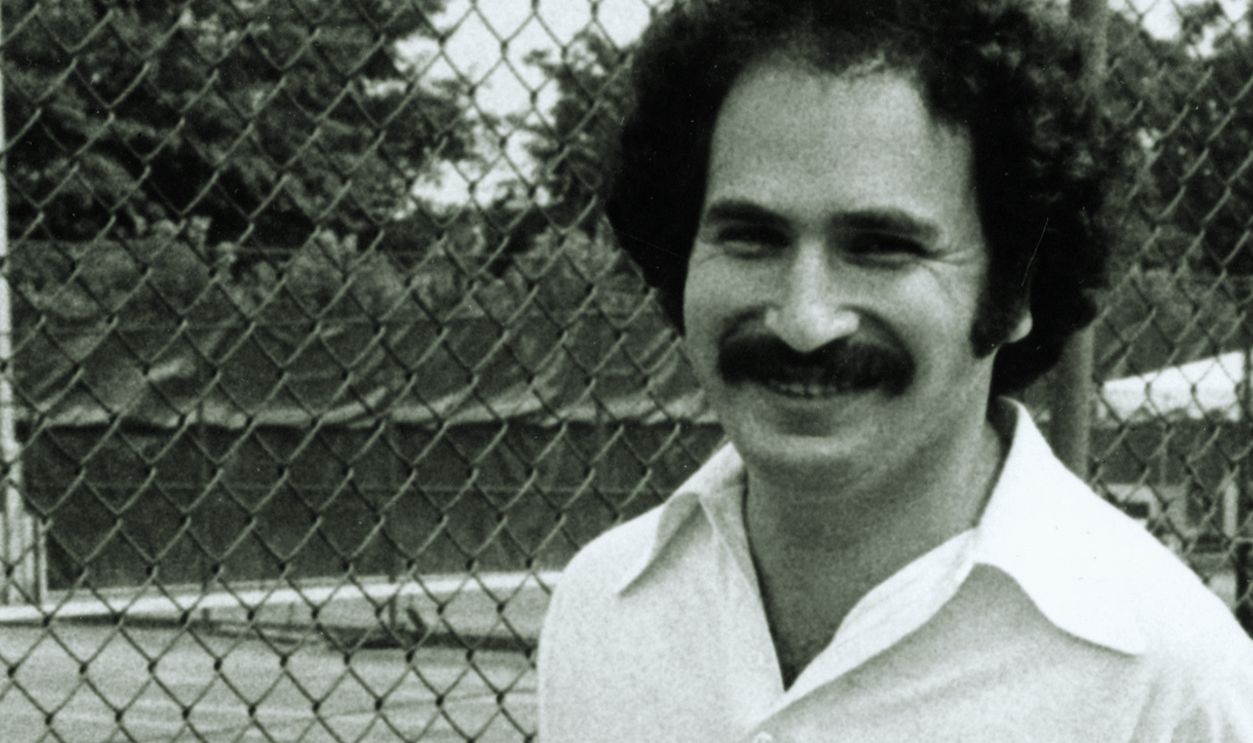
The Pressure of Being “Mr. Kotter”
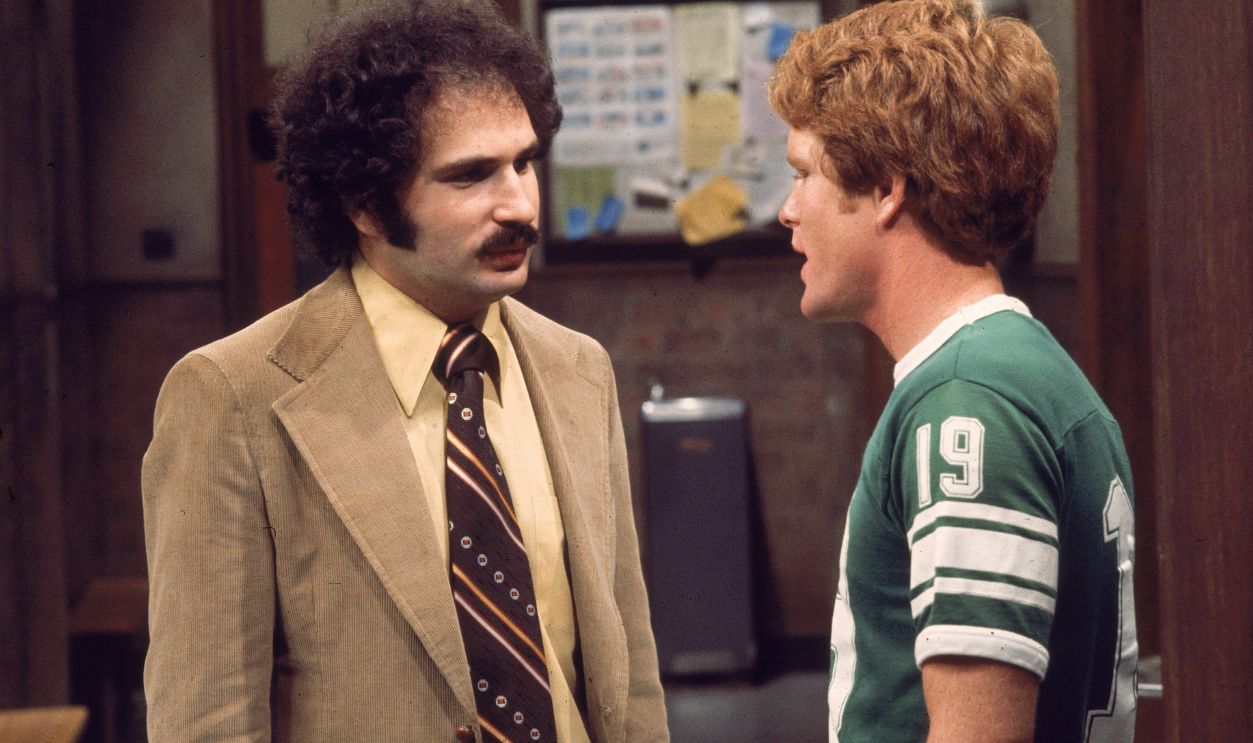
For audiences, he would always be Mr. Kotter. For Kaplan, that label felt limiting. The very role that made him famous also boxed him in creatively.
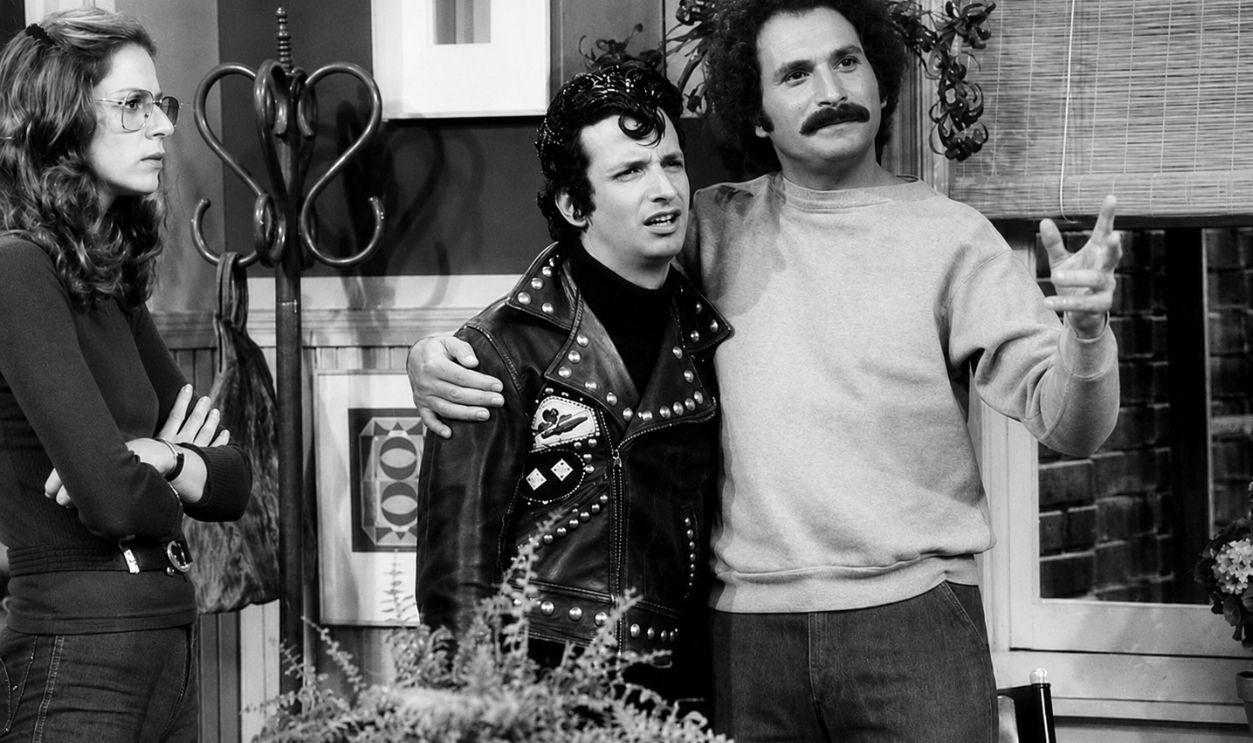 ABC Television, Wikimedia Commons, enhanced
A Different Kind of Success
Poker rewarded strategy and patience — two traits Kaplan reportedly valued. By the 2000s, he was respected in a completely different industry. Not a celebrity at the table — but a competitor.
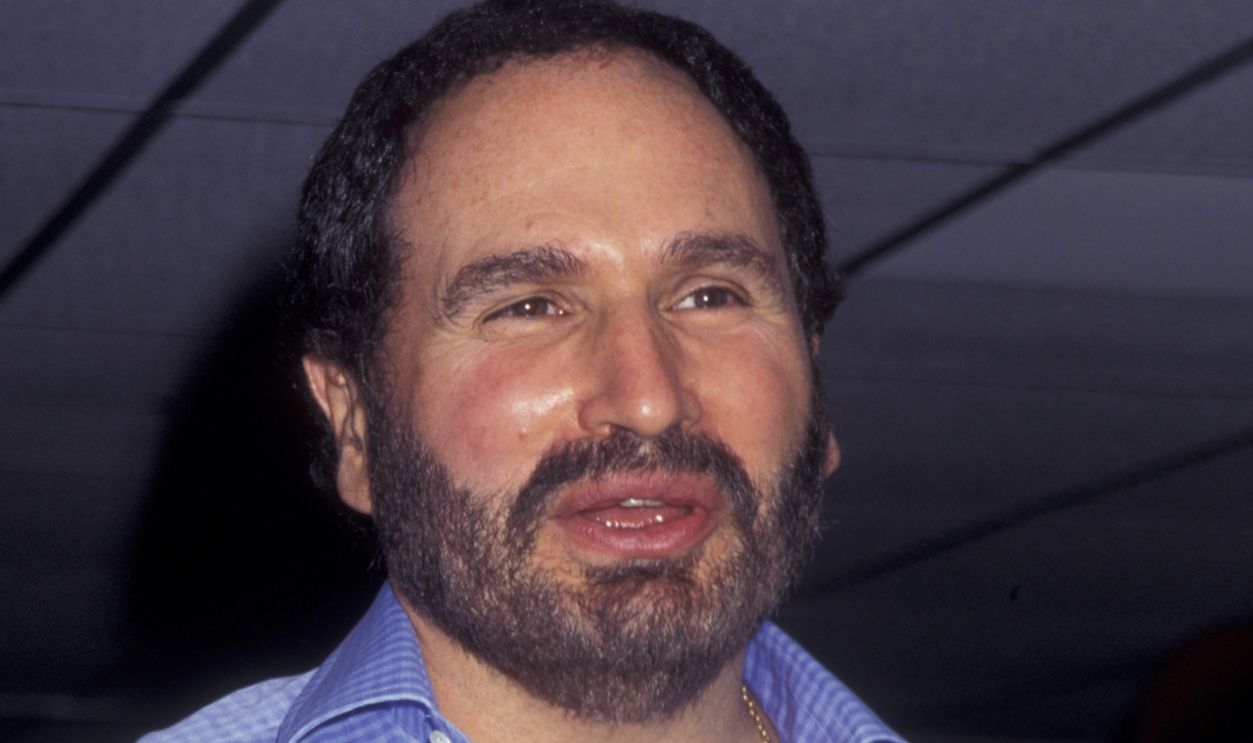 Ron Galella, Ltd., Getty Images
Quiet Years, No Headlines
Unlike many 1970s television stars, Kaplan avoided public scandals. No dramatic meltdowns. No tabloid implosions. Just a gradual exit from mainstream Hollywood.
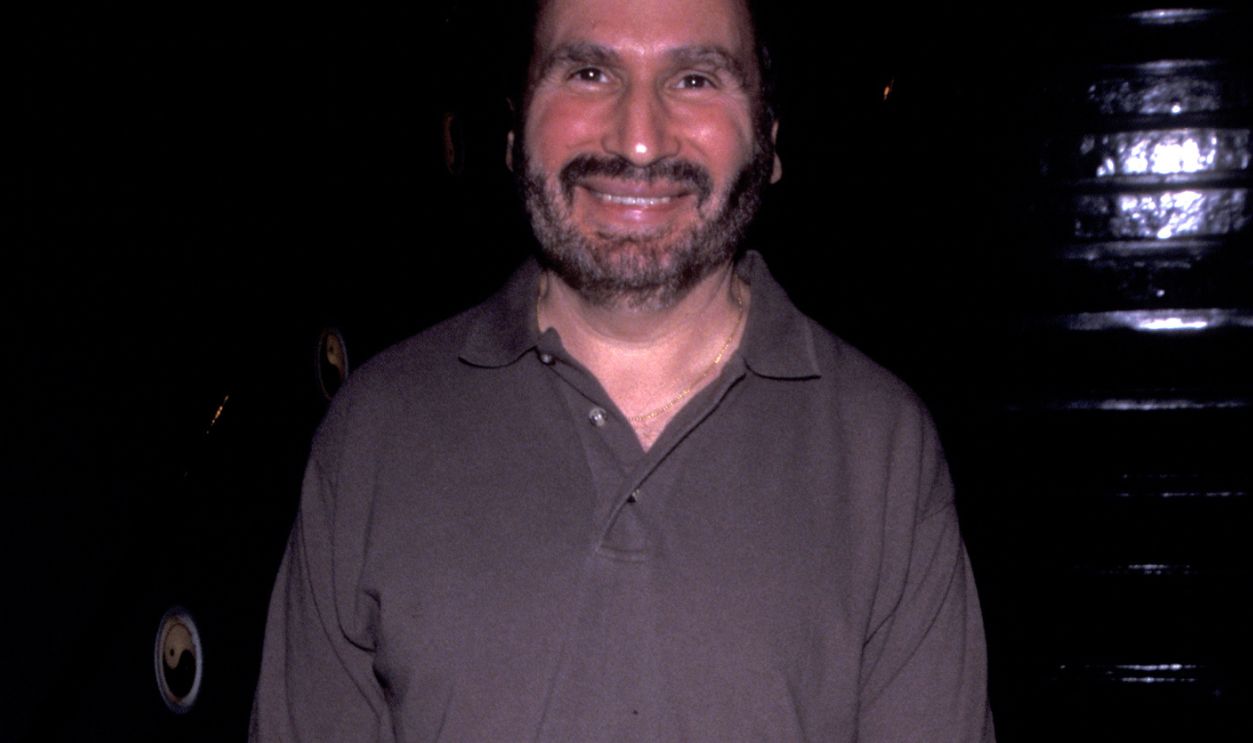 Ron Galella, Ltd., Getty Images
So Why Didn’t He Have a Bigger Acting Career?
The answer is layered. Typecasting played a role. Travolta’s meteoric rise shifted the spotlight. Creative disputes pushed him away. And perhaps most importantly — Kaplan didn’t seem desperate to stay.
Walking Away Is Its Own Statement
Many actors cling to fame. Kaplan stepped away from it. That choice alone changed the trajectory of his career.
 Smith Collection/Gado, Getty Images
The Real Ending
Gabe Kaplan didn’t crash after Welcome Back, Kotter. He pivoted. From sitcom star to professional poker player. From Hollywood sets to Las Vegas tables.
Fame Is Complicated
Kaplan helped create one of the most memorable sitcoms of the 1970s. But he discovered something many stars eventually learn — Fame isn’t always freedom.
Where He Ended Up
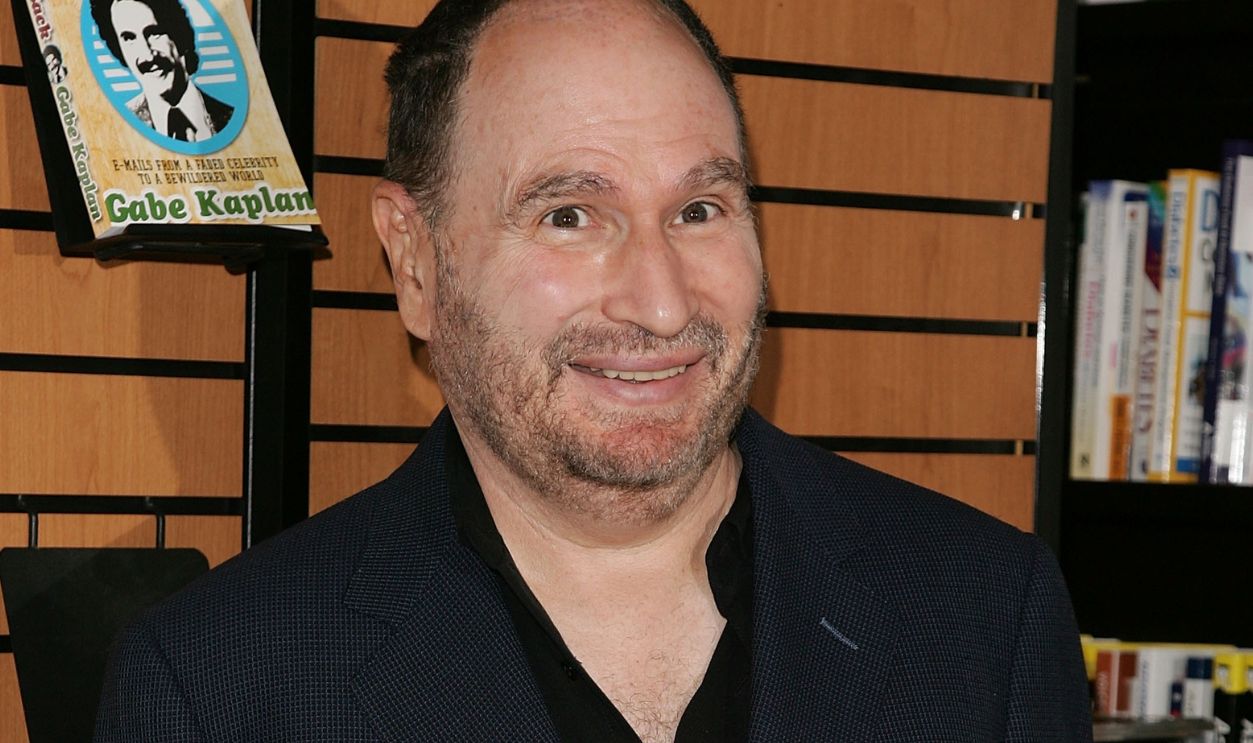
Today, Kaplan is remembered both as the teacher who led the Sweathogs and as a serious figure in professional poker circles. Not every career needs a sequel season.
Sometimes the second act is quieter — but just as intentional.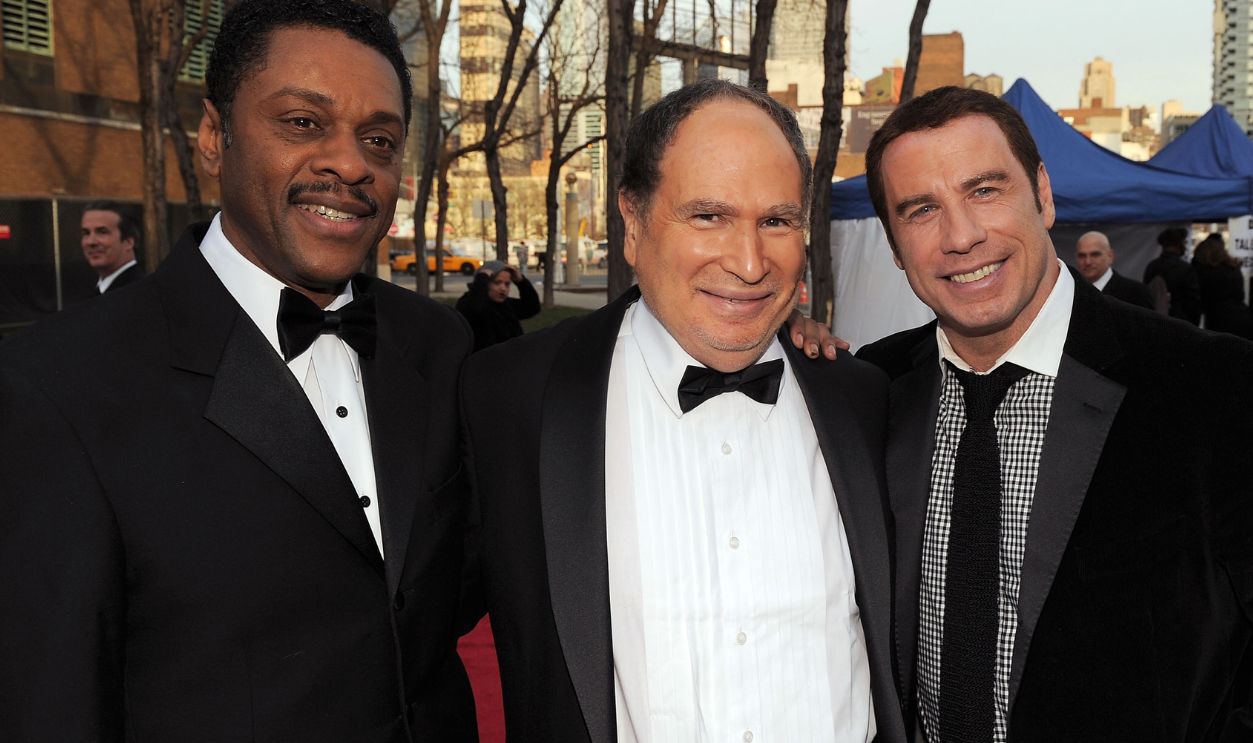 Larry Busacca, Getty Images
You May Also Like:
Natalie Wood’s death was one of Hollywood’s most enduring mysteries—until the captain of her yacht changed his story.