The Woman Who Chose Her Own Path
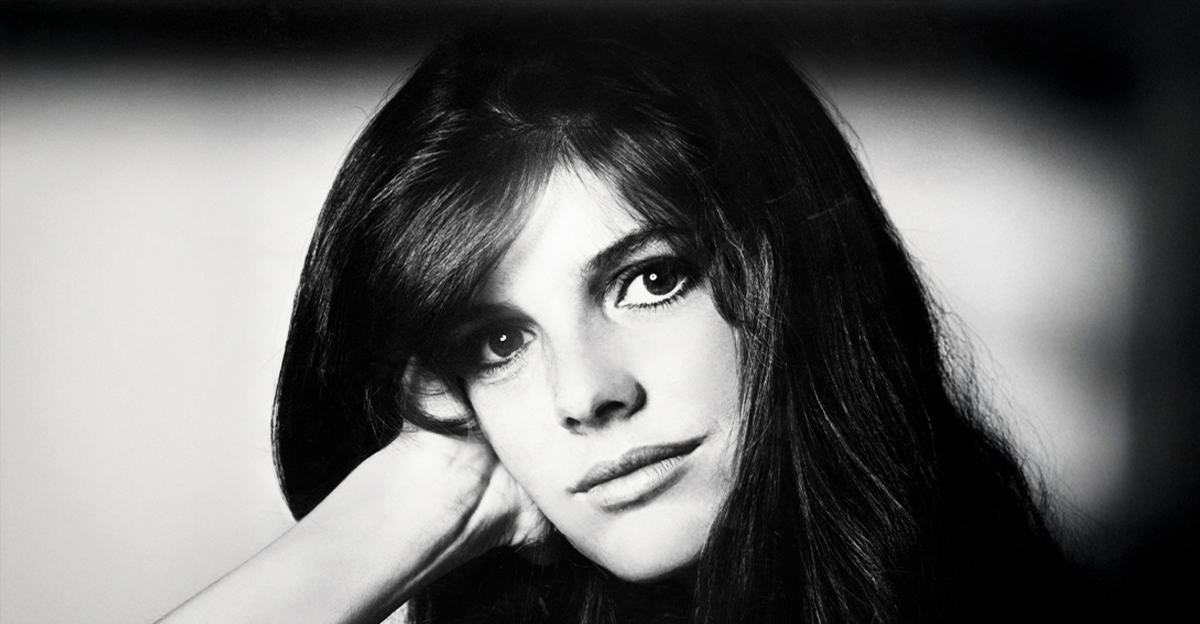
Katharine Ross became one of Hollywood's brightest stars during the late 1960s, earning acclaim in some of the era's most celebrated films. But while her talent made her a legend, particularly in Westerns, her refusal to simply follow Hollywood's expectations ultimately shaped the opportunities she accepted and those she left behind.
 Silver Screen Collection/Getty Images
A California Childhood
Katharine Juliet Ross was born on January 29, 1940, in Hollywood, California. Her father served in the U.S. Navy before becoming an Associated Press reporter. The family later settled in Walnut Creek, where Ross spent much of her childhood and developed an early love of storytelling.
 Las Lomas High School, Wikimedia Commons
Finding The Acting Bug
Ross attended Las Lomas High School before enrolling at Santa Rosa Junior College. After discovering a passion for acting through student productions, she left college and moved to San Francisco, where she studied with the influential Actors Workshop.
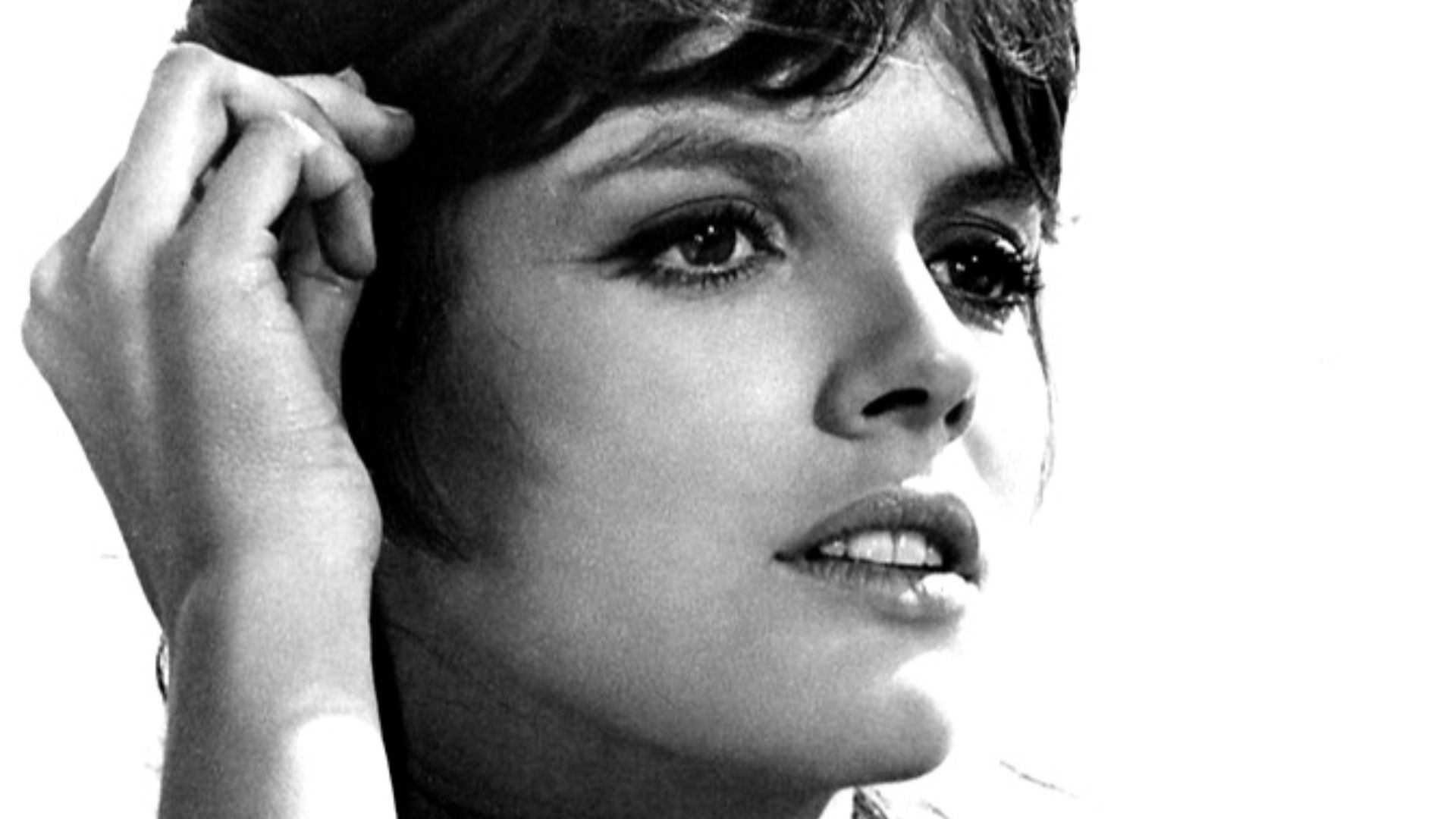
Learning Her Craft
Ross spent several years performing in stage productions while honing her technique. The demanding theatrical environment helped build the confidence and discipline that would soon carry her into television and eventually some of Hollywood's biggest productions.
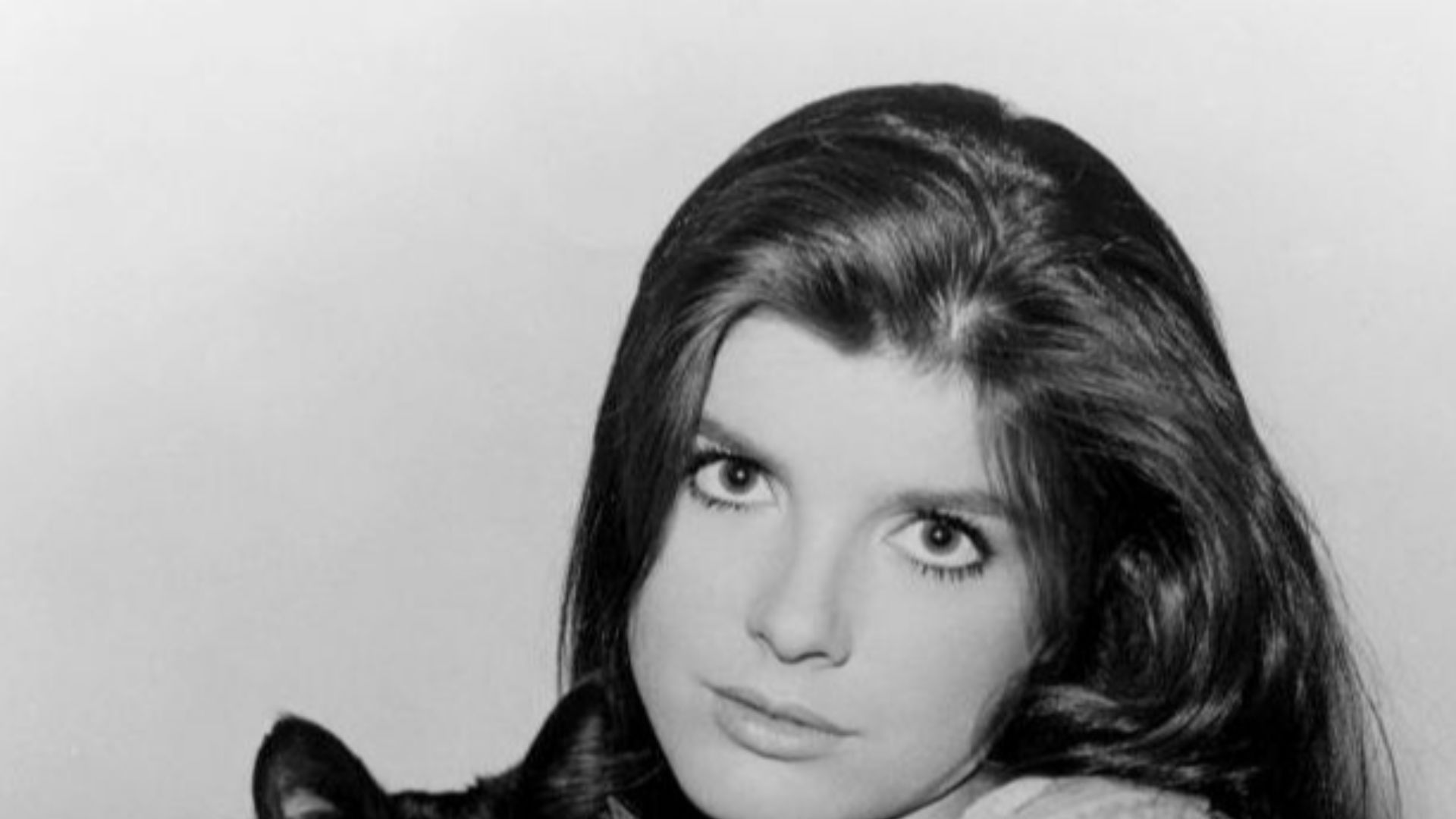 Unknown authorUnknown author, Wikimedia Commons
Television Beginnings
Ross entered television during the early 1960s with appearances on series including Sam Benedict, Arrest and Trial, The Alfred Hitchcock Hour, The Virginian, The Big Valley, and Gunsmoke. These roles quickly established her as a versatile young actress.
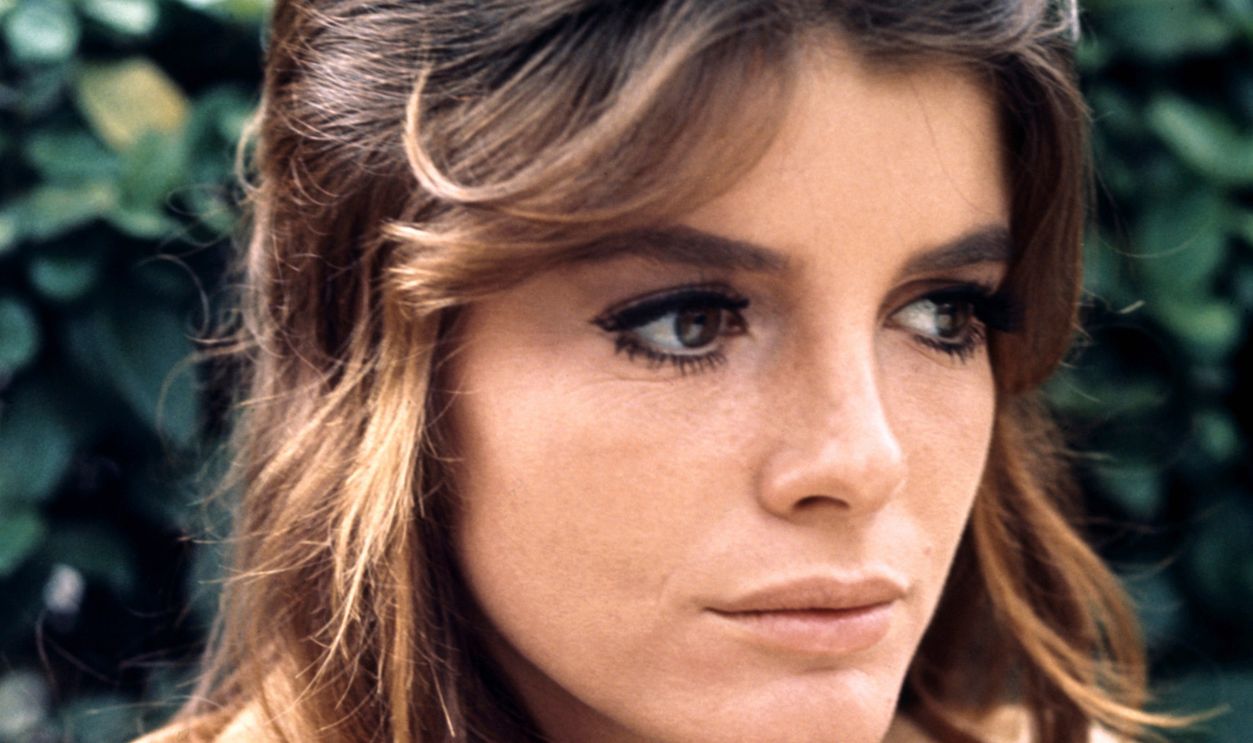 Silver Screen Collection, Getty Images
Entering The West
The Western genre proved especially welcoming to Ross. Her striking screen presence and natural confidence fit perfectly within frontier stories, allowing her to share the screen with many of television's biggest Western stars before her movie career truly took off.
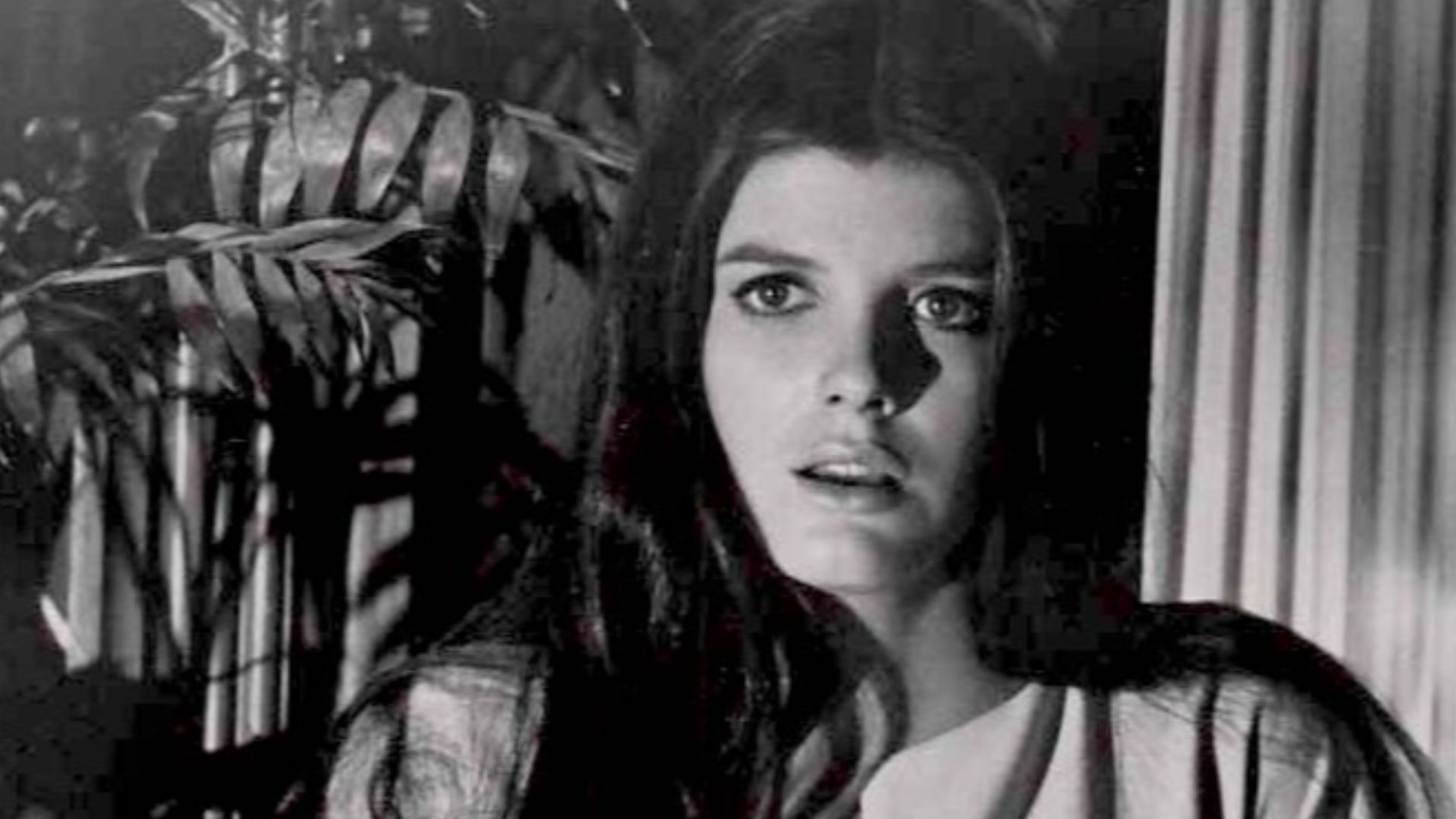 Universal Pictures, Wikimedia Commons
Universal Contract
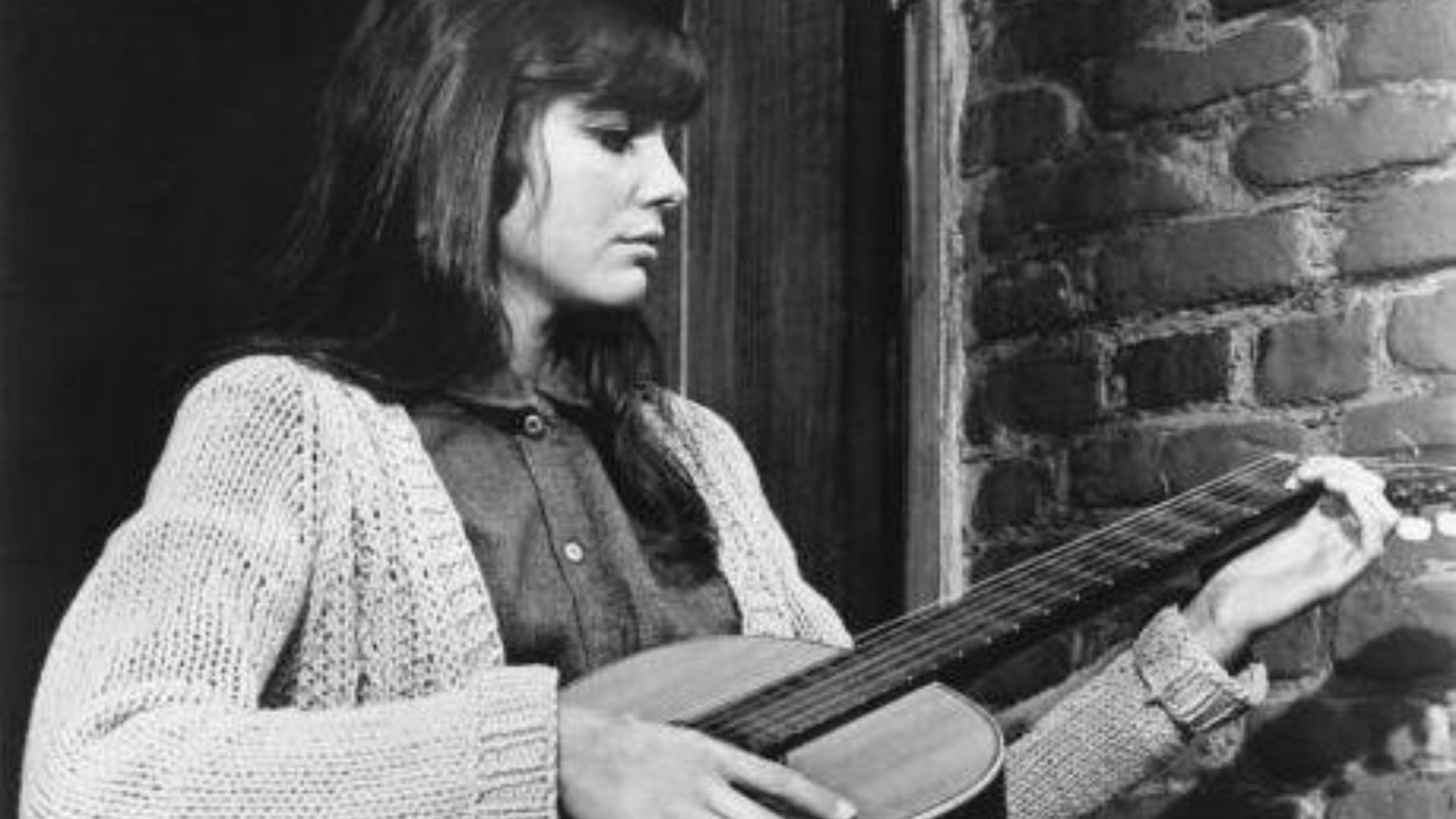
Universal Pictures soon signed Ross to a long-term contract, seeing enormous potential in the young actress. Like a lot of the studio players of the era, she was expected to accept assigned roles while continuing to build her résumé through both films and television.
 Easter Pictures, Wikimedia Commons
A Frustrating System
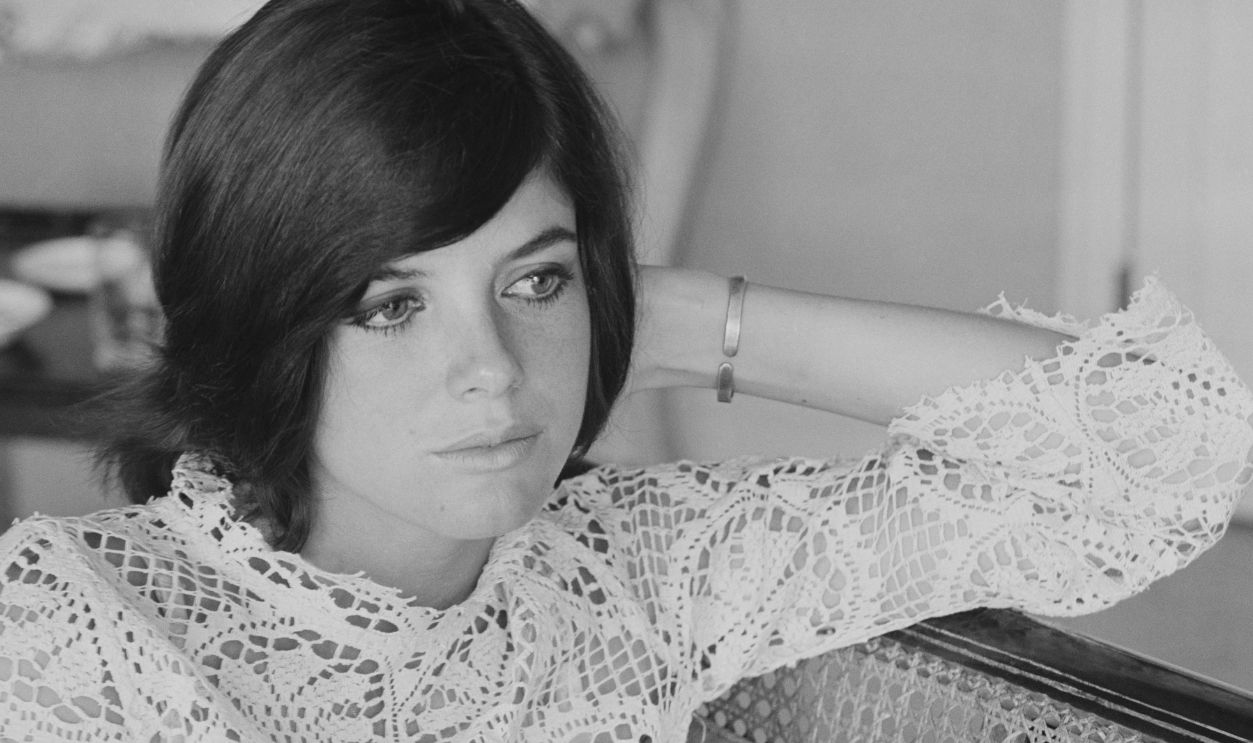
Ross gradually became frustrated with the studio system's rigid expectations. Rather than accepting every assignment, she started to get selective about the projects she wanted, believing quality mattered more than simply remaining constantly visible on screen.
Hollywood Pushback
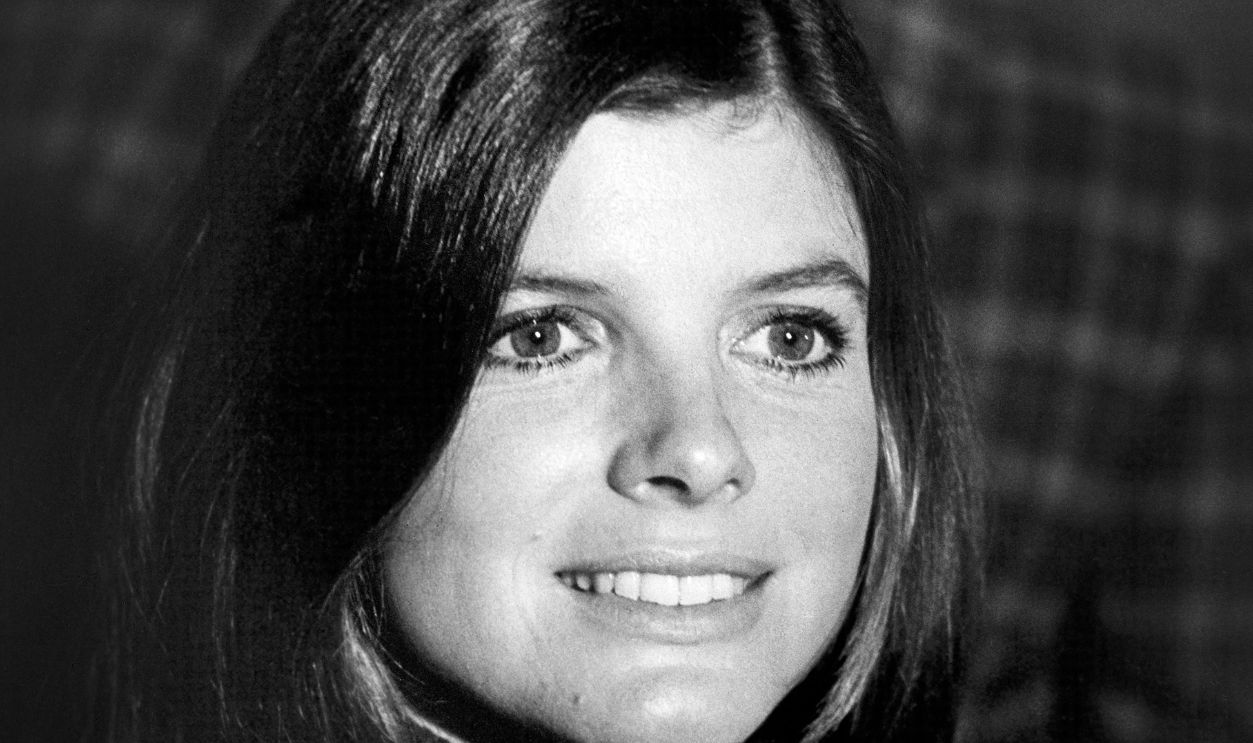
Her independence didn't always sit well with studio executives. Ross turned down several projects she found uninteresting, and as her relationship with Universal became strained, the studio became less enthusiastic about offering her the kinds of roles she truly wanted.
 Universal History Archive, Getty Images
The Graduate
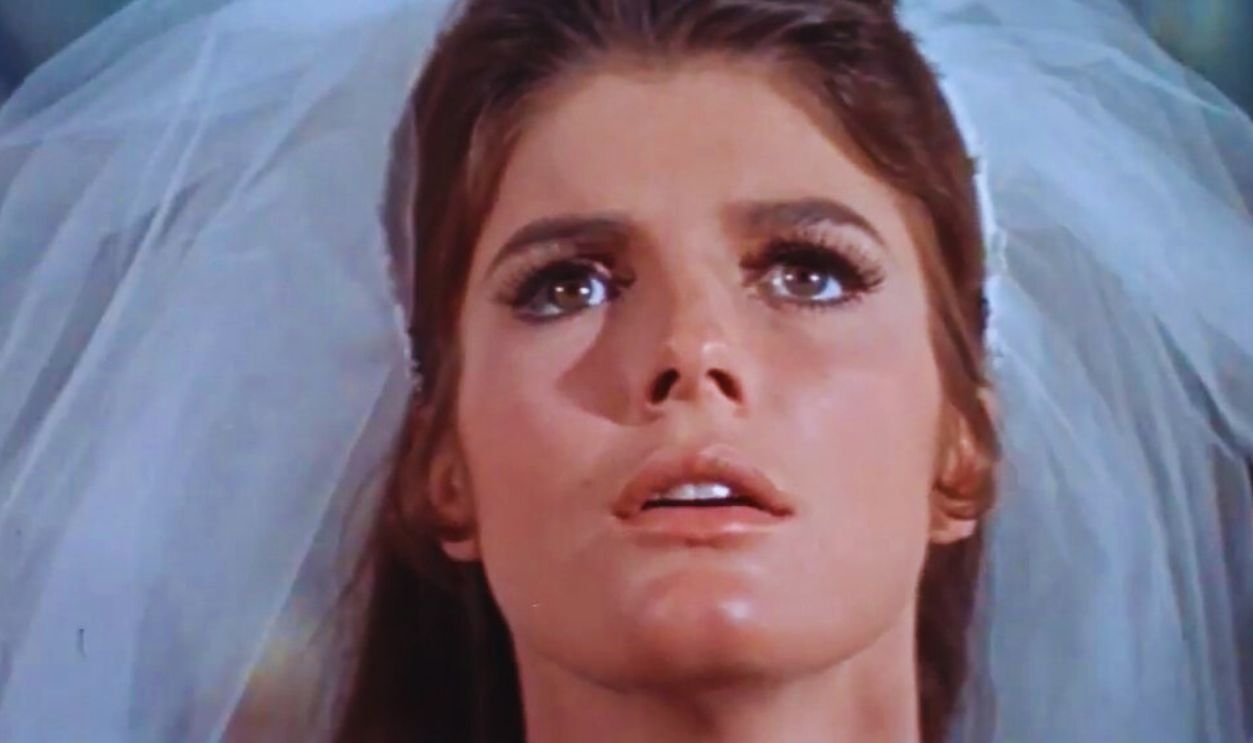
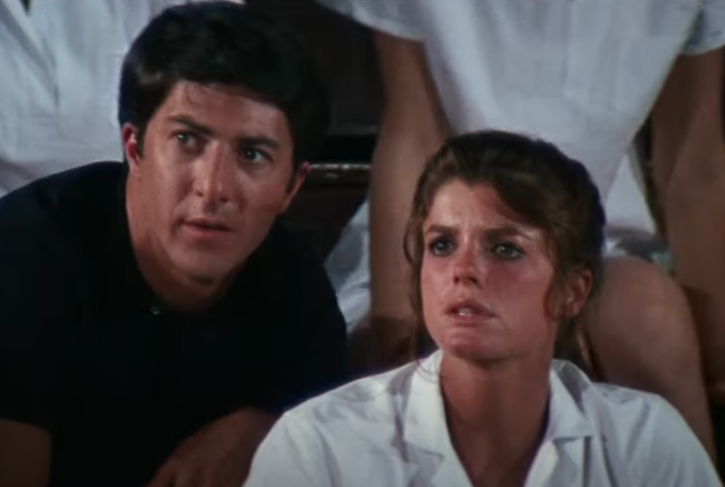
Everything changed with The Graduate (1967). Cast as Elaine Robinson opposite Dustin Hoffman, Ross delivered a quietly compelling performance that earned widespread acclaim, an Academy Award nomination for Best Supporting Actress, and international recognition.
 Screenshot from The Graduate, Embassy Pictures (1967)
Overnight Stardom
Following the enormous success of The Graduate (1967), Ross suddenly became one of Hollywood's most sought-after young actresses. Her understated style contrasted sharply with many contemporary stars and helped establish a fresh screen persona that audiences immediately embraced.
 Screenshot from The Graduate, Embassy Pictures (1967)
Bound By Universal
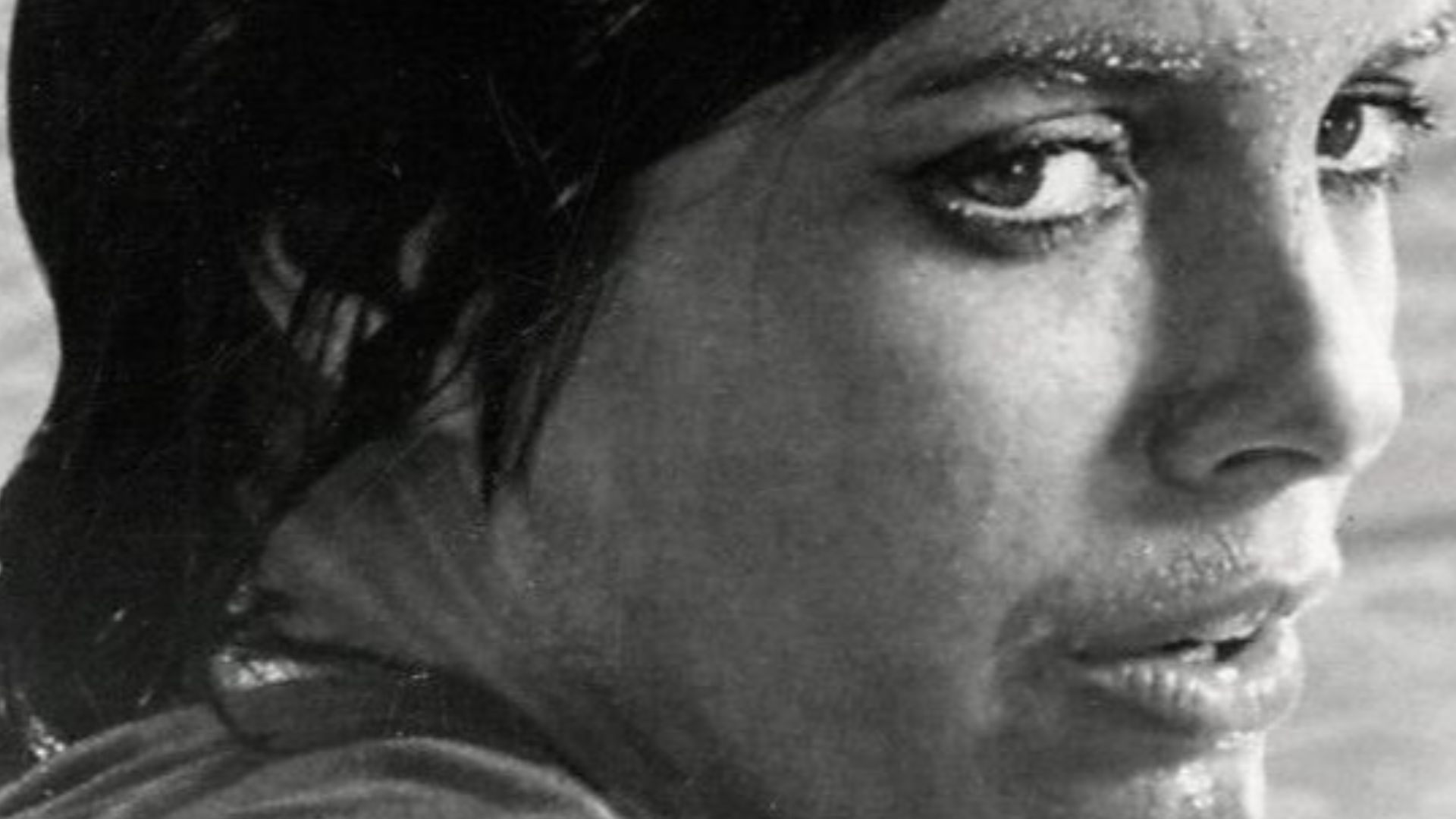
Under her Universal Pictures contract, Ross was expected to accept roles the studio assigned while steadily building her profile. Instead, she often declined projects she found unappealing. Among the most famous was the female lead in the Steve McQueen-led thriller Bullitt (1968), a role Ross passed on before it ultimately went to Jacqueline Bisset, a decision that further strained her relationship with the studio.
 NBC Television, Wikimedia Commons
Butch Cassidy
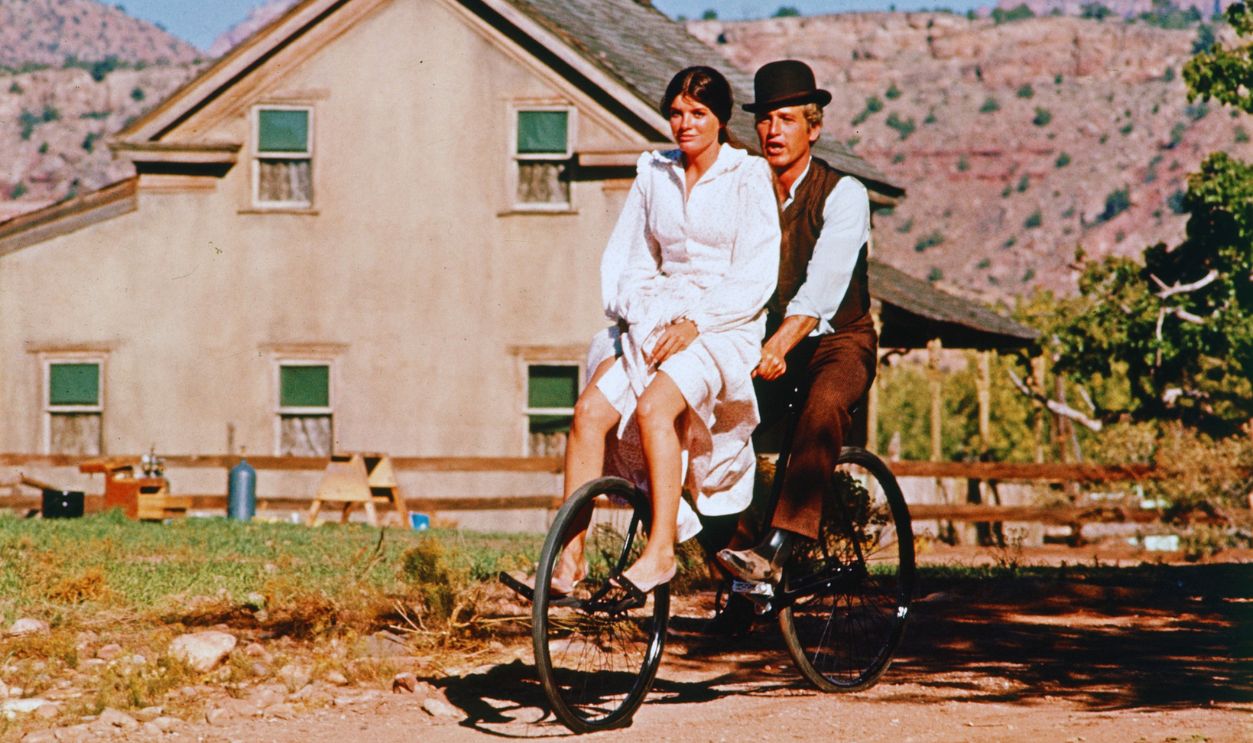
Ross cemented her place in movie history with Butch Cassidy and the Sundance Kid (1969). Playing schoolteacher Etta Place opposite Paul Newman and Robert Redford, she became part of one of the most beloved westerns ever produced.
 Screenshot from Butch Cassidy and the Sundance Kid, 20th Century-Fox (1969)
A Western Favorite
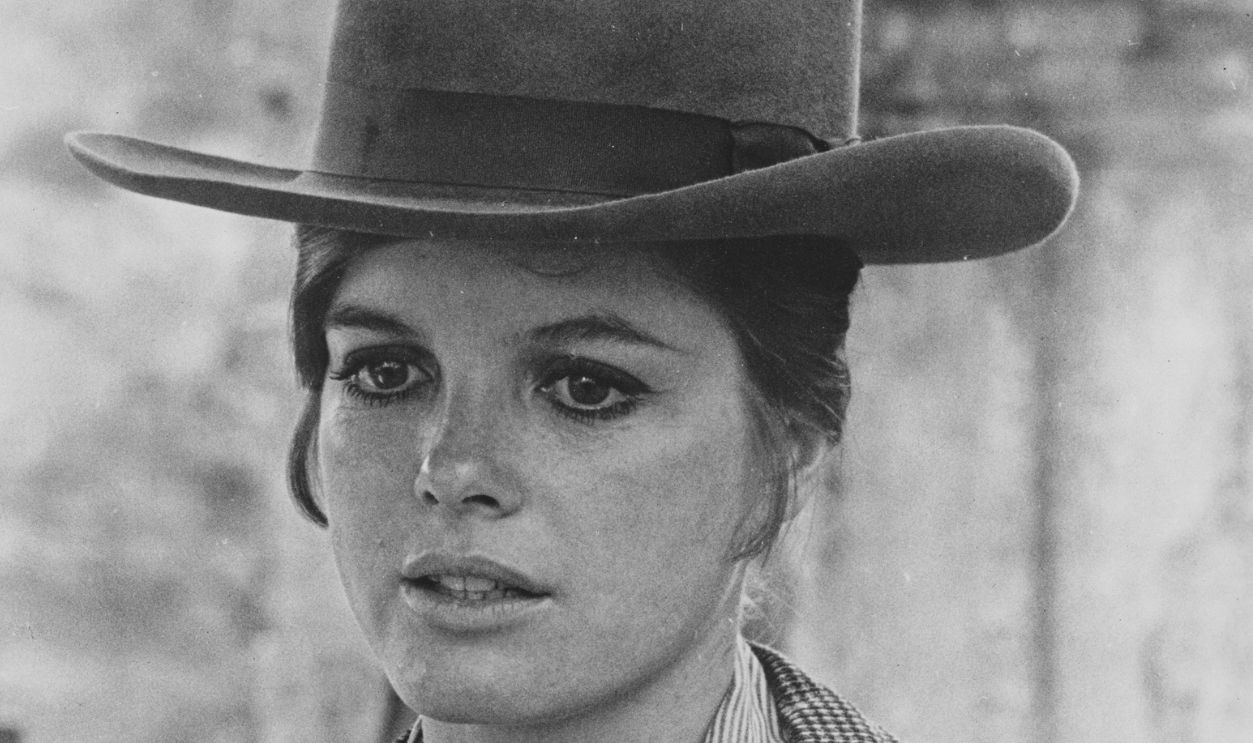
Although Ross excelled in many genres, Westerns became central to her legacy. Her understated performances offered a refreshing alternative to the stereotypical frontier heroines common in earlier Hollywood productions.
 John Springer Collection, Getty Images
Tell Them Willie Boy
Ross reunited with Robert Redford in Tell Them Willie Boy Is Here (1969). The revisionist Western tackled difficult subjects involving race, justice, and Native American history, demonstrating Ross's willingness to choose more thoughtful and challenging material.
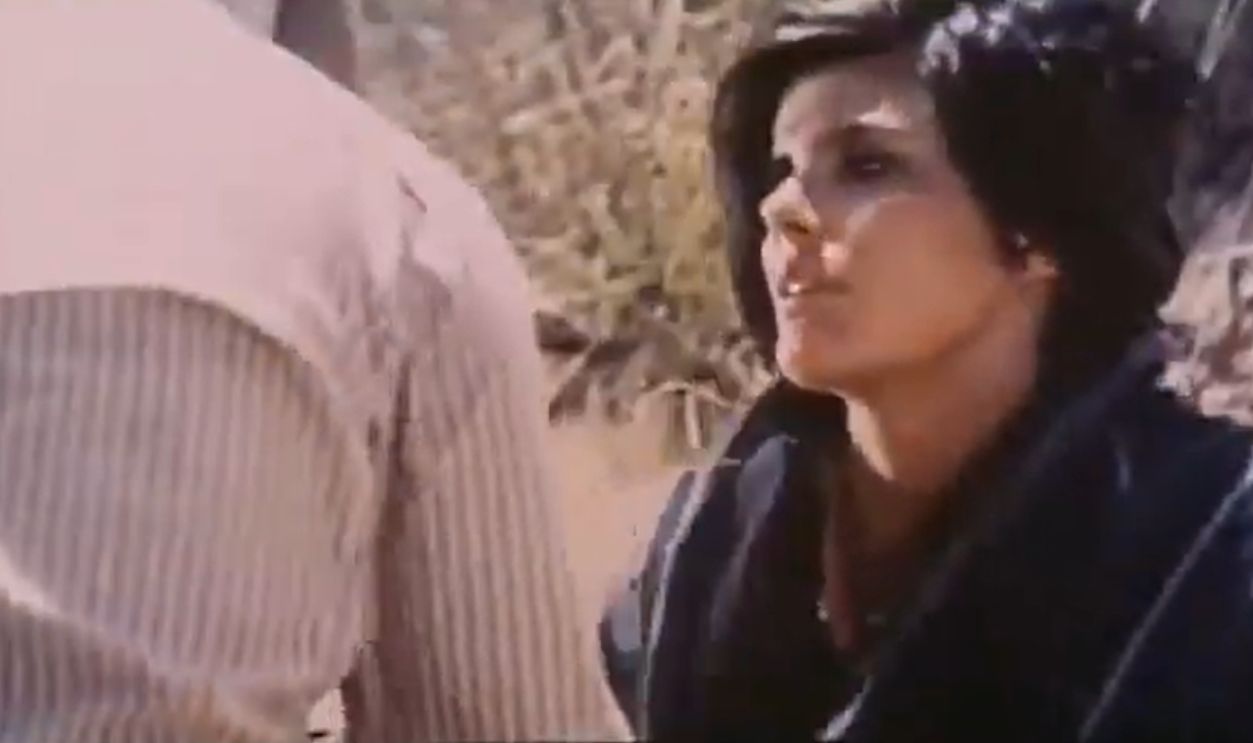 Screenshot from Tell Them Willie Boy Is Here, Universal Pictures (1969)
Turning Down Airport
Ross became known for making independent career choices, even when they carried significant risks. One of her most notable decisions was turning down the role of a stewardess in Airport (1970). Although the blockbuster proved enormously successful, Ross chose not to accept the part, preferring to wait for roles that better matched her artistic interests.
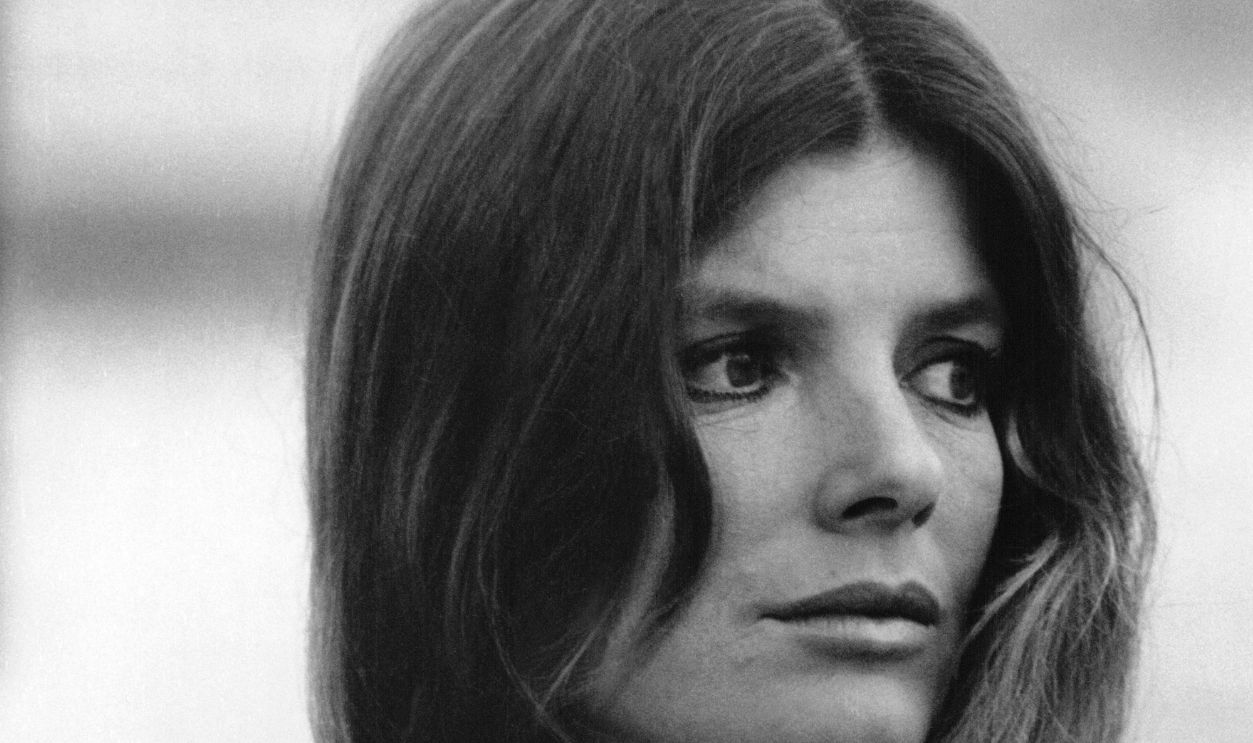 Gilles GIRIBALDI, Getty Images
Opportunities Narrowed
Ross's reputation for independence sometimes worked against her. After turning down roles that didn't interest her, she found some opportunities becoming harder to secure. One notable disappointment came when she lost the starring role in Play It As It Lays (1972), which ultimately went to Tuesday Weld, reflecting Hollywood's increasingly cautious attitude toward her selectiveness.
 Unknown authorUnknown author, Wikimedia Commons
Stepping Away From Hollywood
After marrying acclaimed cinematographer Conrad Hall in 1969, Ross deliberately eased back from Hollywood's relentless pace. Rather than chasing every film offer that came along, she devoted more time to stage work, appearing in theater productions while becoming increasingly selective about screen roles. The decision reflected her growing determination to shape her career on her own terms, even if it meant giving up some high-profile opportunities.
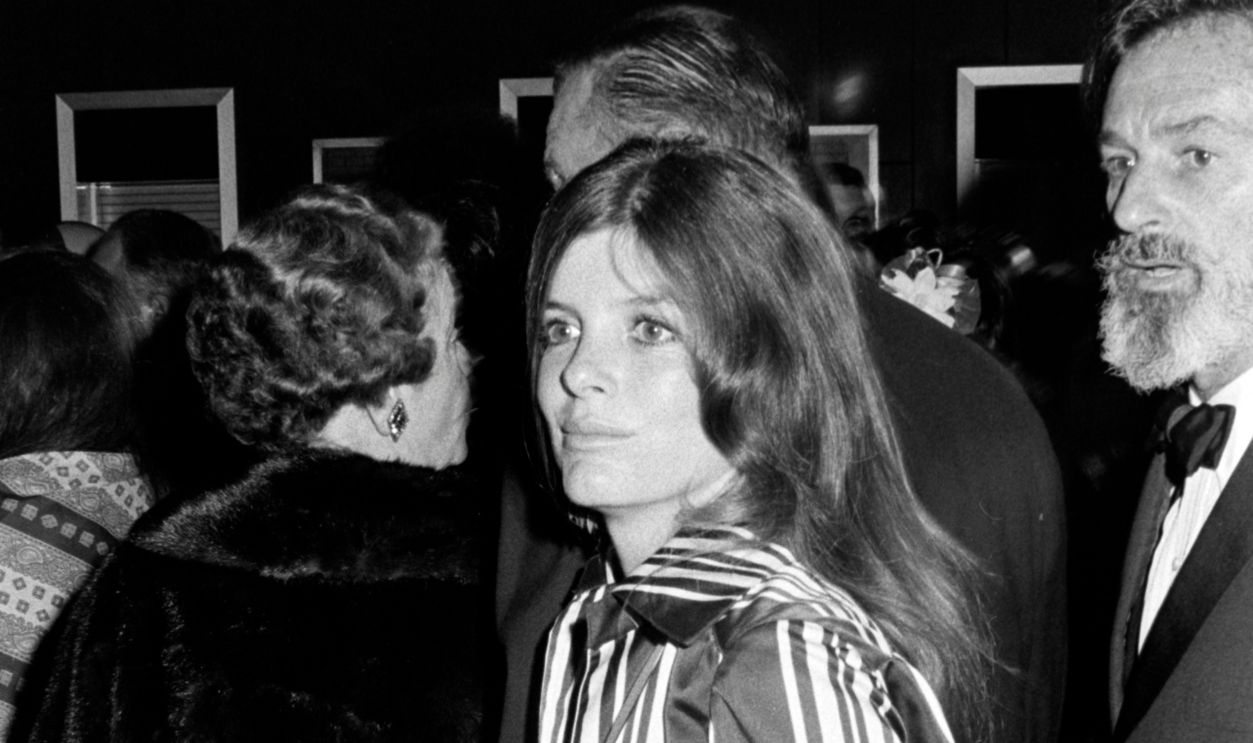
Expanding Her Range
Ross continued building an impressive résumé with performances in Fools (1970), They Only Kill Their Masters (1972), and several other dramatic projects that showcased her versatility beyond the Western genre.
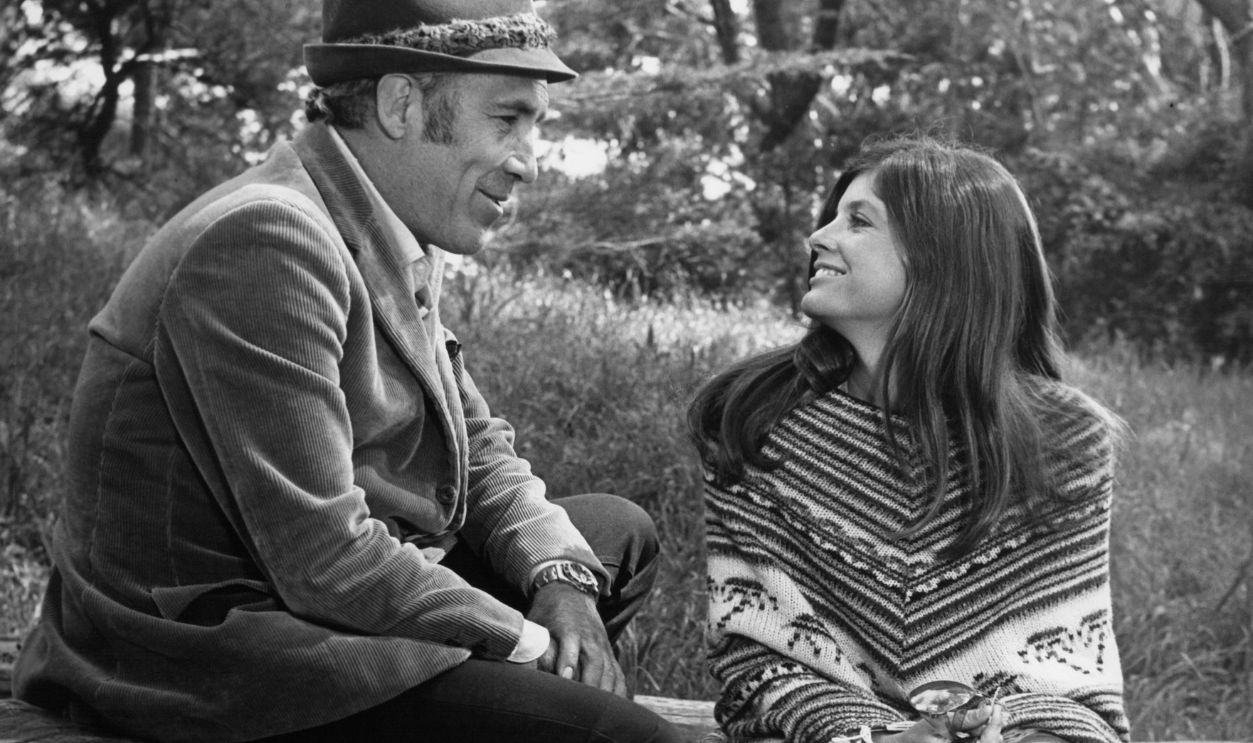 Silver Screen Collection/Getty Images
The Stepford Wives
Ross delivered another iconic performance in The Stepford Wives (1975). The film evolved into a cultural phenomenon, with its unsettling examination of gender roles ensuring that her performance remained one of the defining achievements of her career.
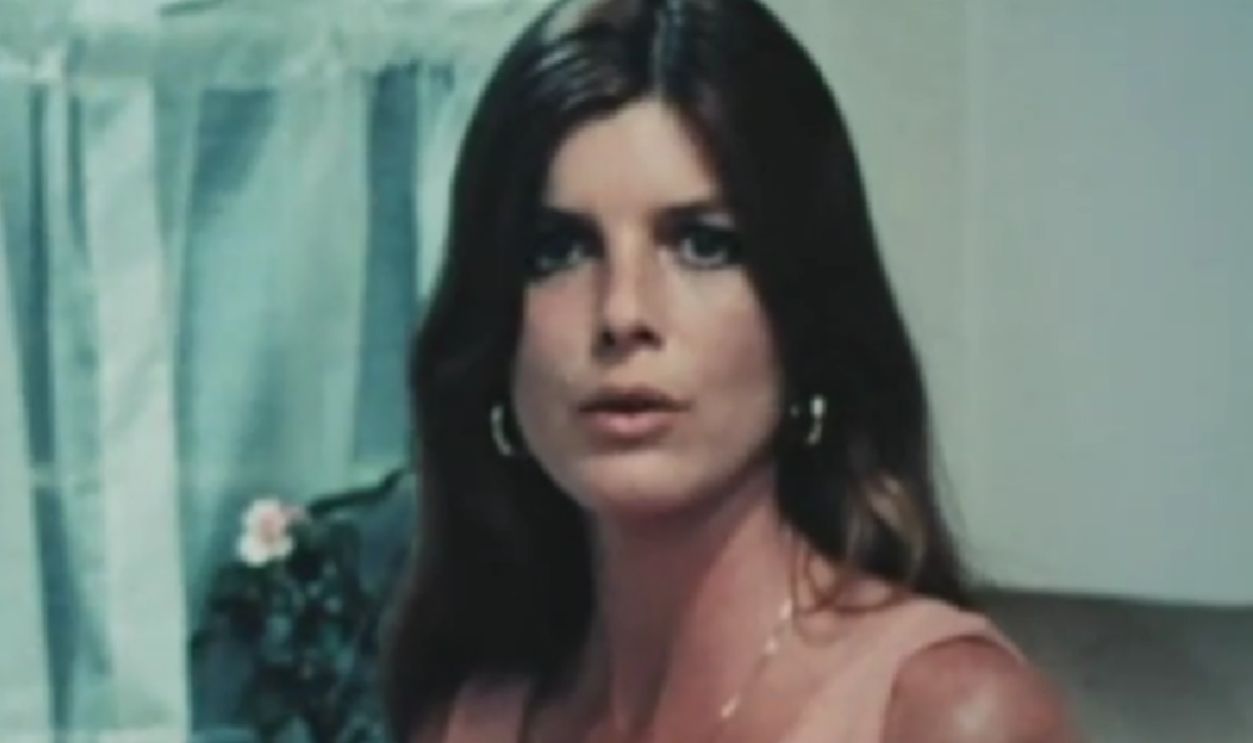 Screenshot from movie The Stepford Wives (1975)
Seventies Success
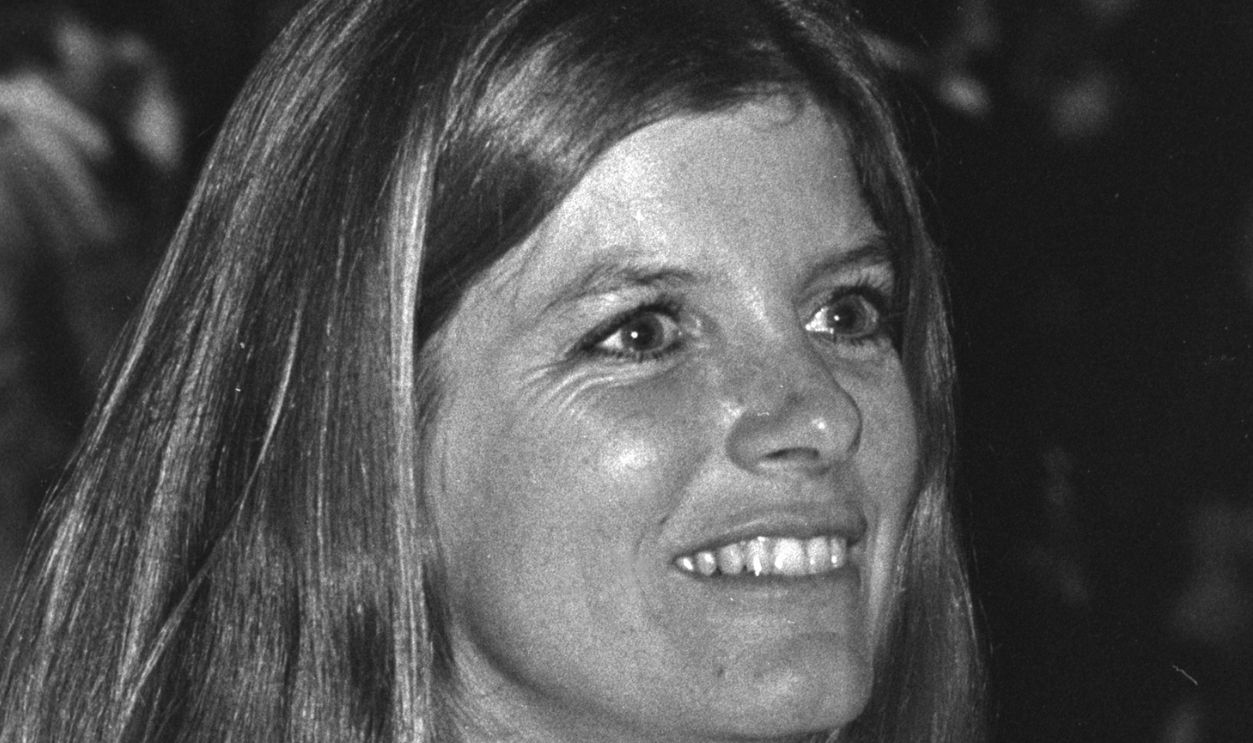
Throughout the 1970s, Ross remained an admired leading lady despite appearing less frequently than many of her contemporaries. Her careful selection of projects reflected her commitment to quality rather than maintaining constant visibility.
Into The Eighties
Ross successfully transitioned into the next decade with appearances in films like The Final Countdown (1980), Wrong Is Right (1982), and other film projects. Although Hollywood had changed considerably since her breakthrough, she continued finding memorable roles.
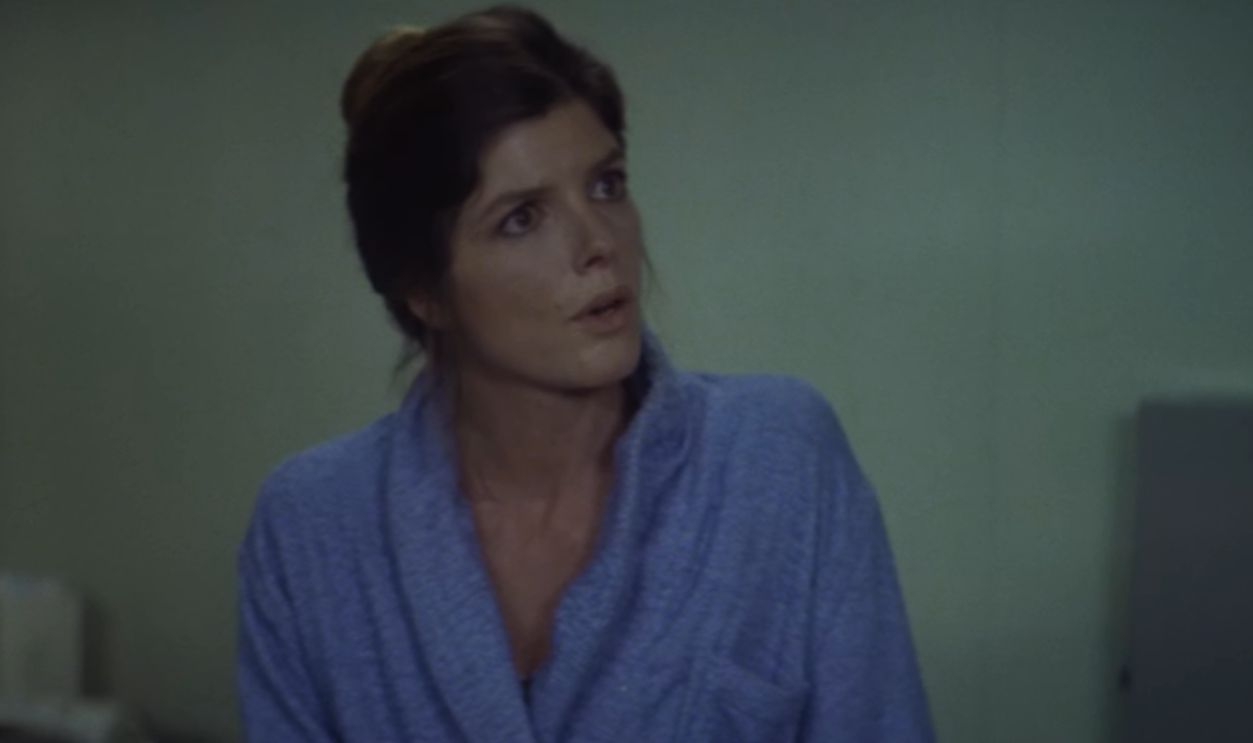 Screenshot from The Final Countdown, United Artists (1980)
The Colbys
Television audiences welcomed Ross back when she joined the cast of The Colbys. The glamorous prime time drama introduced her to a new generation of viewers while demonstrating that her screen presence remained as compelling as ever.
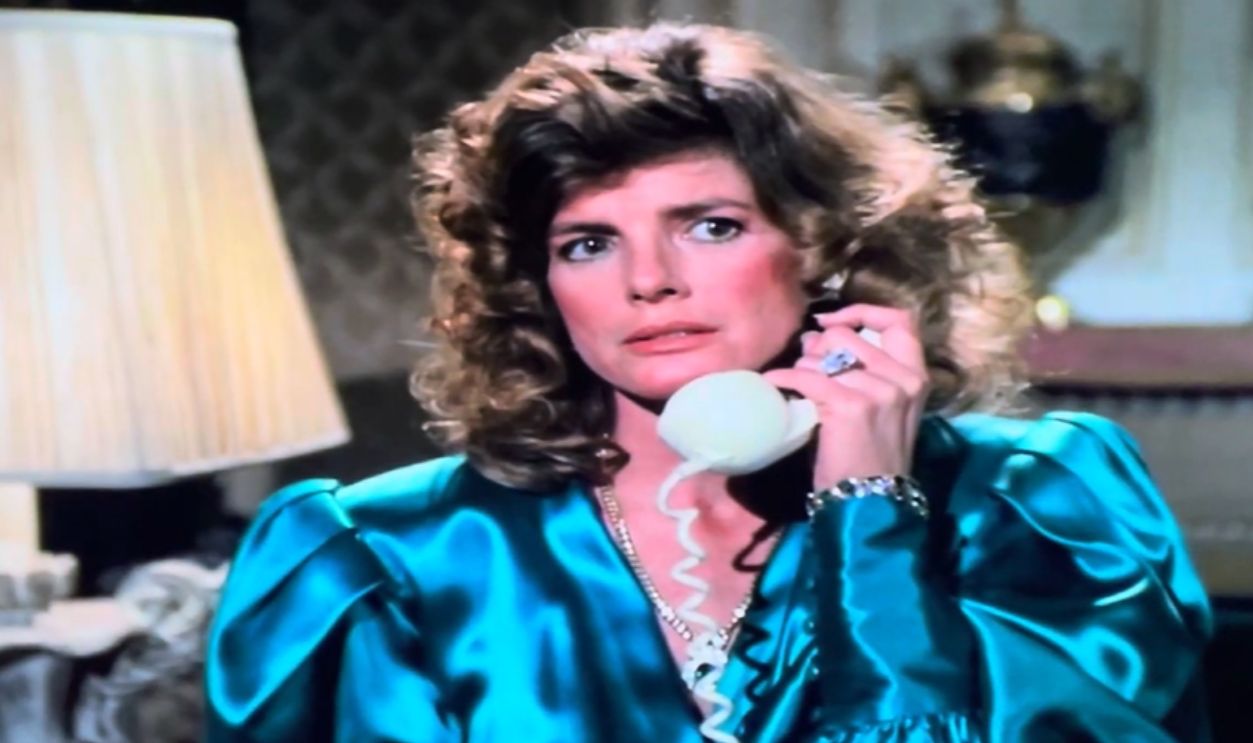 Screenshot from The Colbys, ABC (1985–1987)
Meeting Sam Elliott
Ross first met fellow actor Sam Elliott while they both worked on Butch Cassidy and the Sundance Kid (1969), although they shared little screen time. Their relationship truly developed years later during another film production.
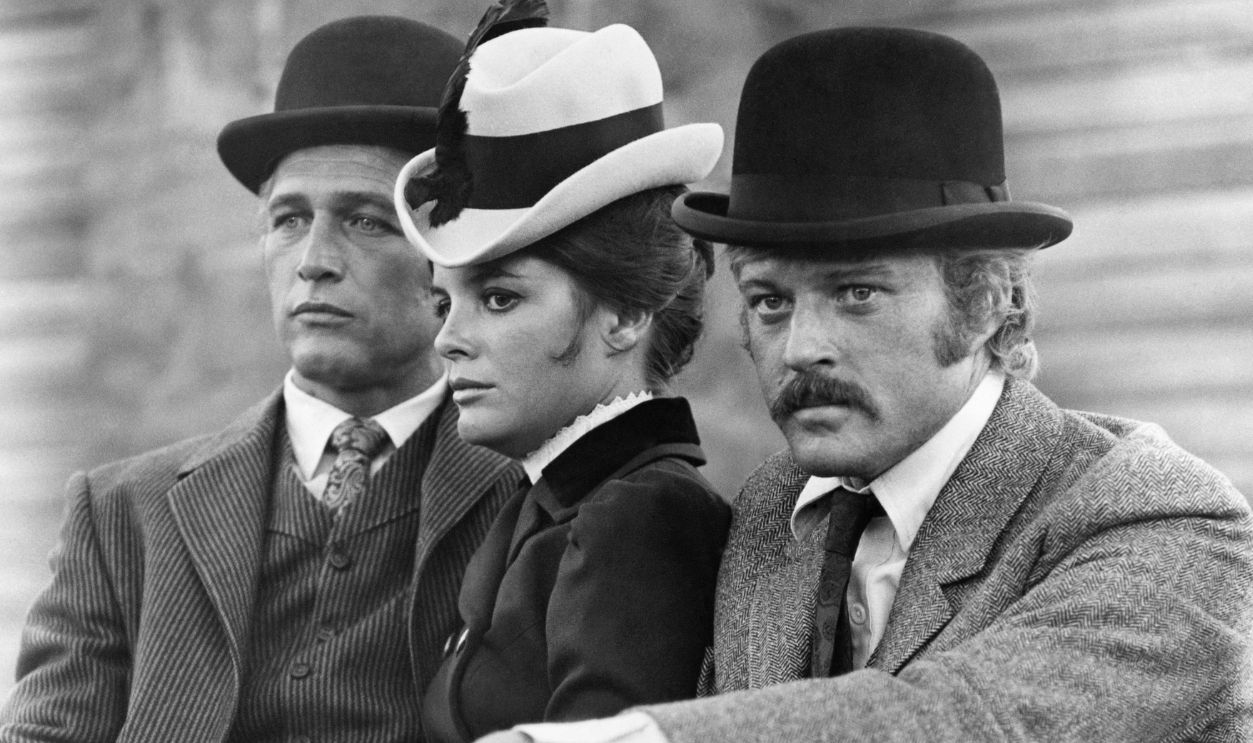 John Springer Collection, Getty Images
A Lasting Marriage
Ross and Elliott married in 1984 and became one of Hollywood's most enduring couples. They welcomed daughter Cleo Rose Elliott and largely avoided the publicity that surrounded many celebrity marriages, preferring a quieter private life together.
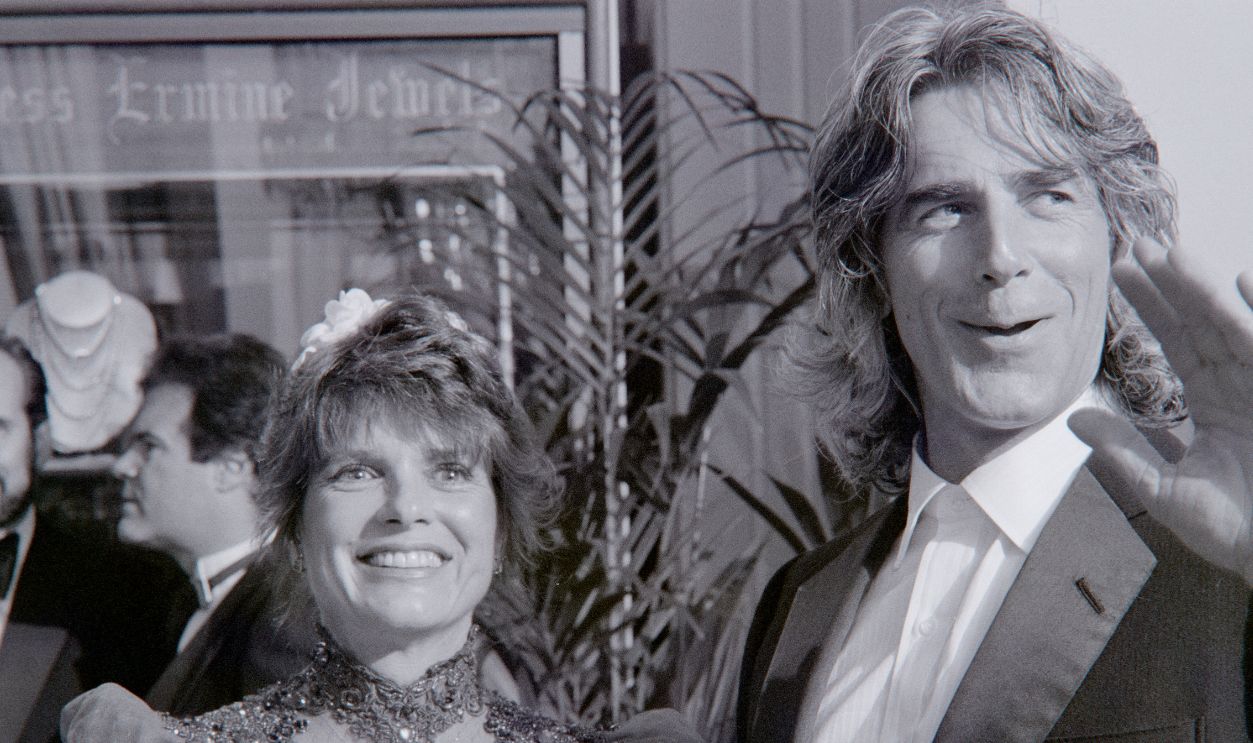
Donnie Darko
Ross introduced herself to younger audiences with Donnie Darko (2001), playing Dr. Lilian Thurman. The cult classic became enormously influential over time, adding another memorable chapter to a career already spanning four decades.
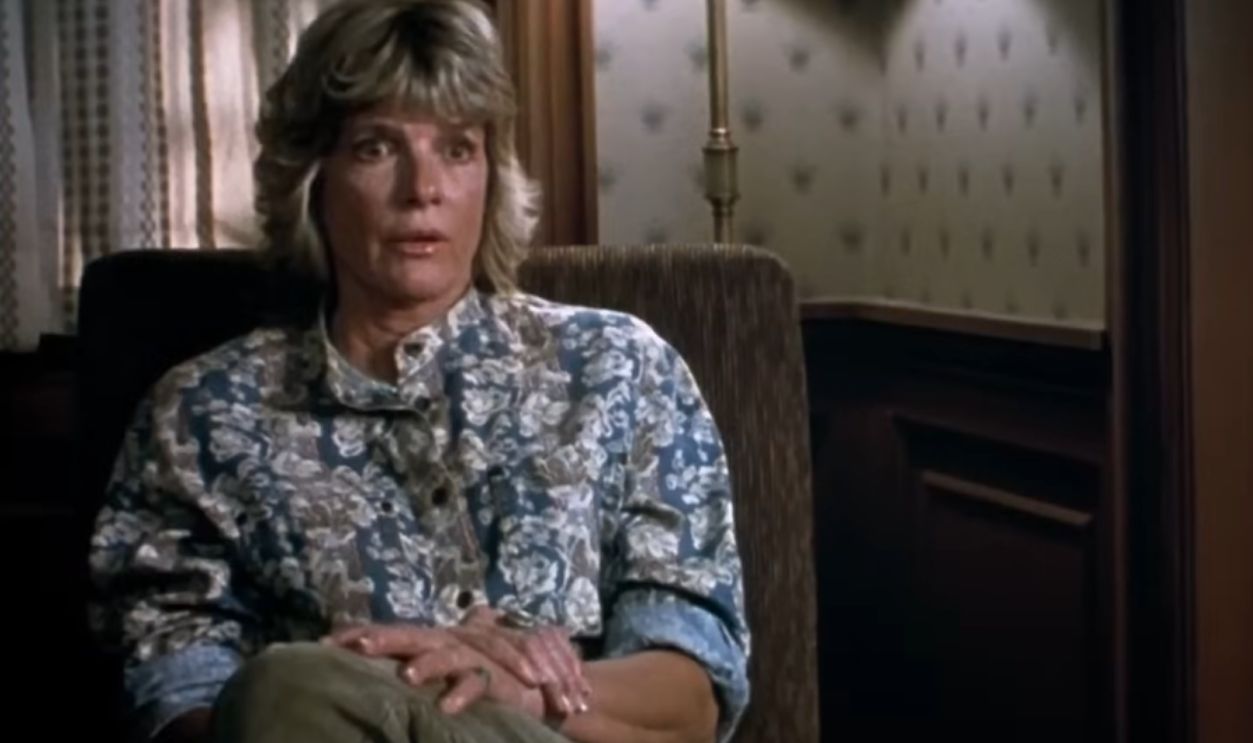 Screenshot from Donnie Darko, Newmarket Films (2001)
Honors And Legacy
Although she never became one of Hollywood's most prolific actresses, Ross earned lasting admiration through carefully chosen performances. Her work in westerns, dramas, thrillers, and television demonstrated remarkable range and enduring artistic integrity.
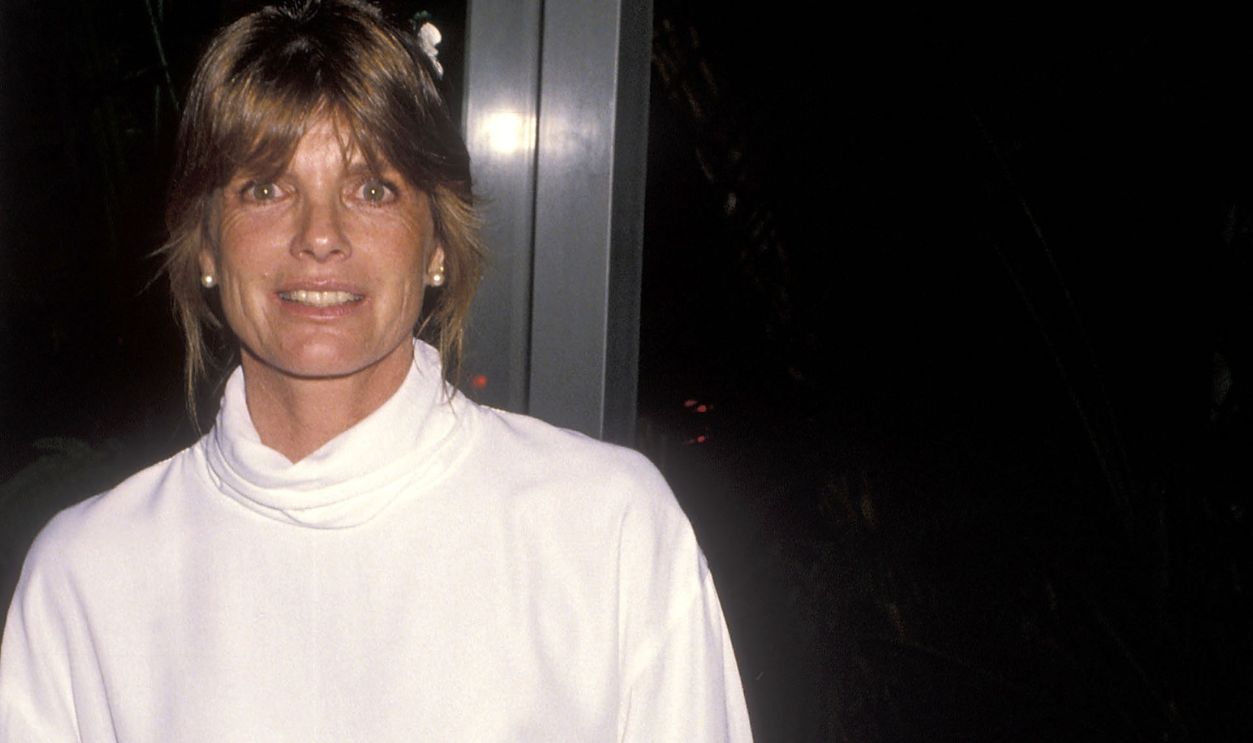
A Career On Her Terms
Katharine Ross's career illustrates both the rewards and challenges of independence in Hollywood. By refusing to follow every studio expectation, she may have sacrificed certain opportunities, but she also built a body of work that remains admired for its quality rather than its quantity.
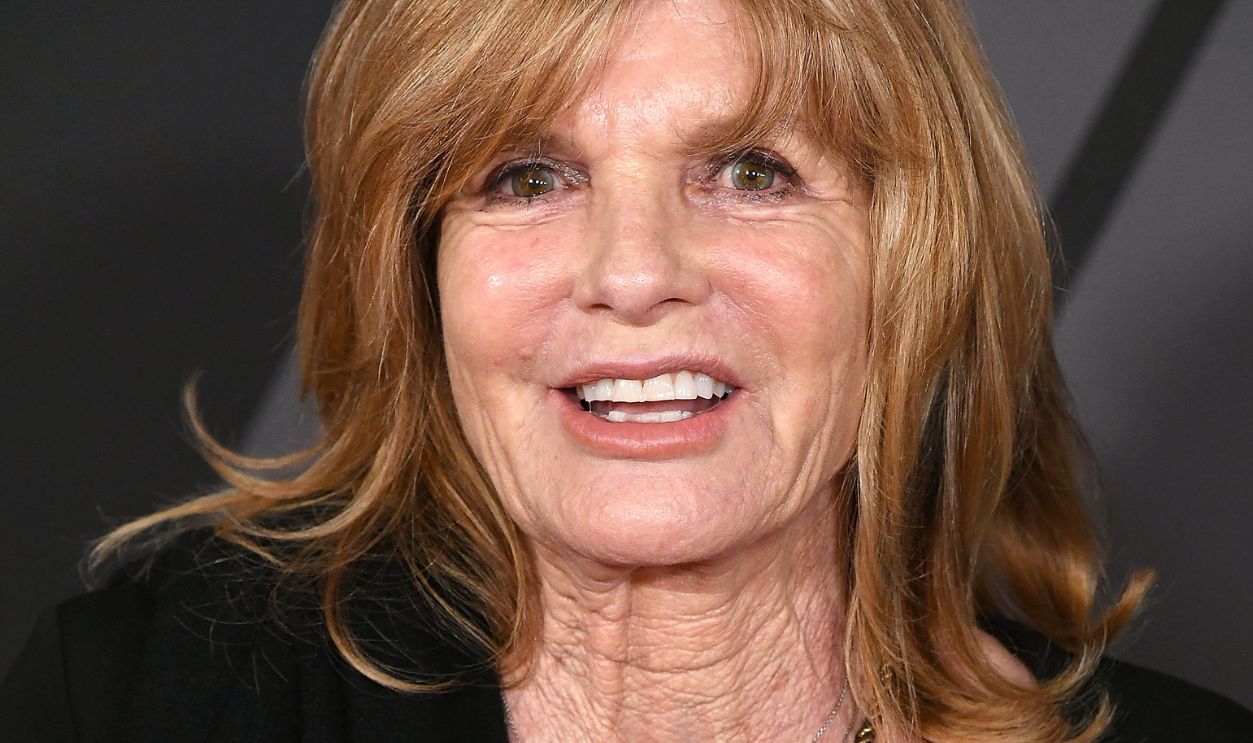
An Enduring Western Icon
From The Graduate (1967) to Butch Cassidy and the Sundance Kid (1969), Tell Them Willie Boy Is Here (1969), and The Stepford Wives (1975), Katharine Ross helped define a remarkable era of American filmmaking. Her intelligence, grace, and determination continue to inspire audiences and filmmakers alike.
 Silver Screen Collection, Getty Images
You May Also Like:
The Acting Legend Of Anne Bancroft
Why Ann-Margret's Comeback Surprised Hollywood
What happened to Barbara Eden after I Dream of Jeannie ended?