Across Five Decades
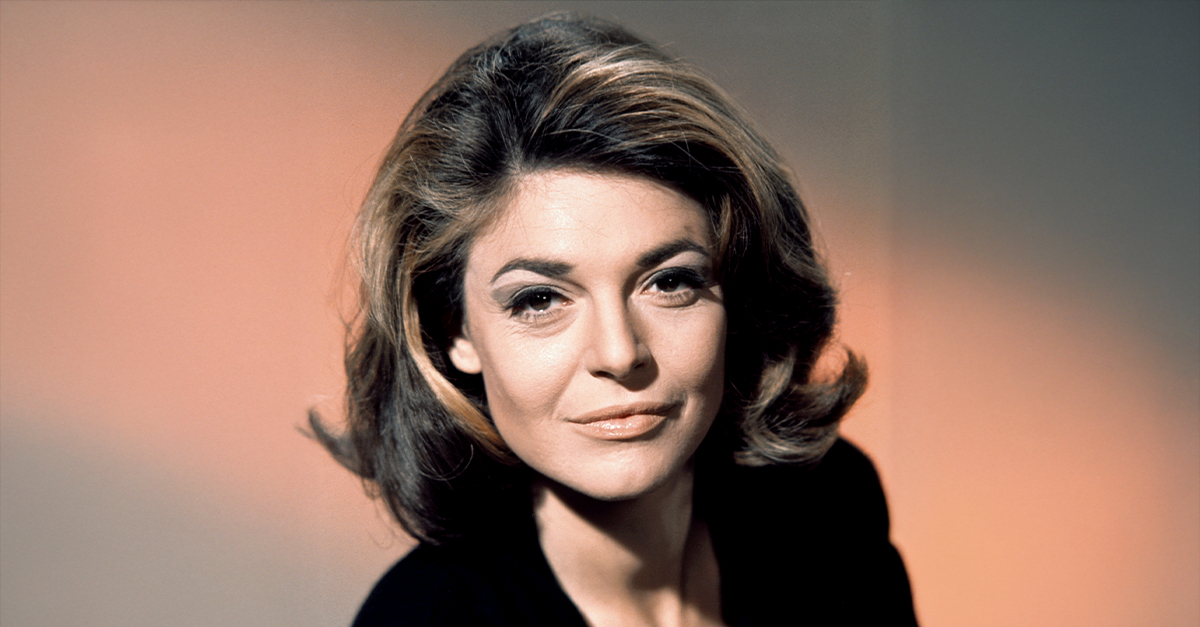
Anne Bancroft was one of the most accomplished actresses of the twentieth century. She conquered film, television, and Broadway while earning nearly every major acting honor. But despite decades of acclaimed performances, one role in particular came to dominate public memory.
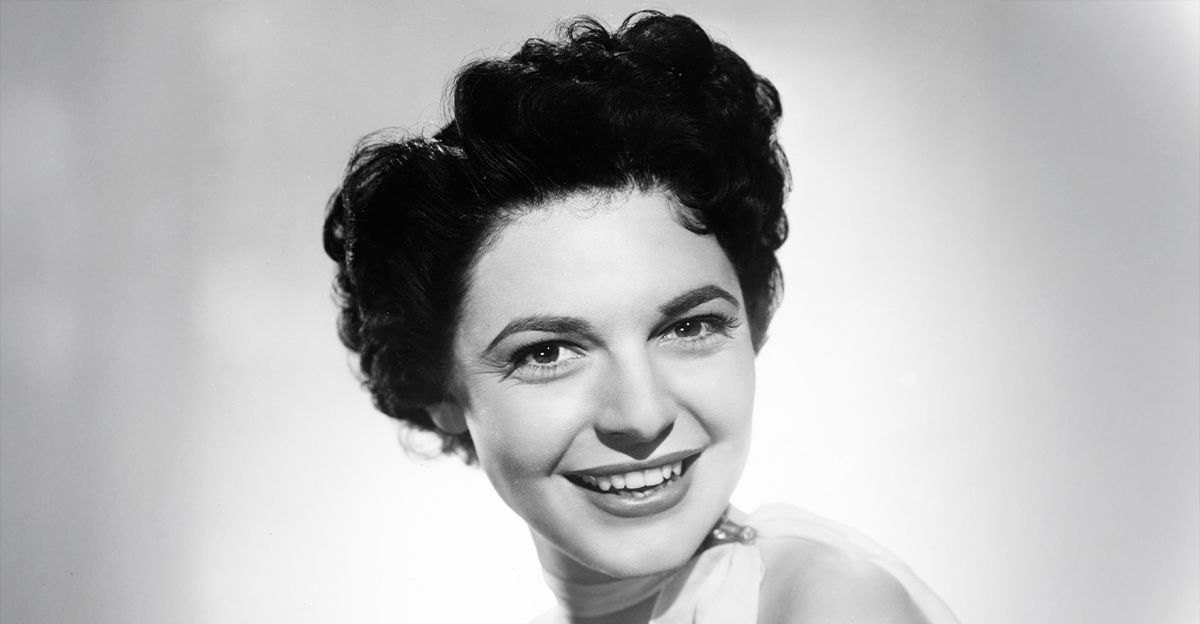 Twentieth Century-Fox, Wikimedia Commons
Growing Up In The Bronx
Anne Bancroft was born Anna Maria Louisa Italiano on September 17, 1931, in the Bronx, New York. Raised in the Belmont section known as Little Italy, she grew up in a family of Italian immigrants who encouraged her interests and ambitions.
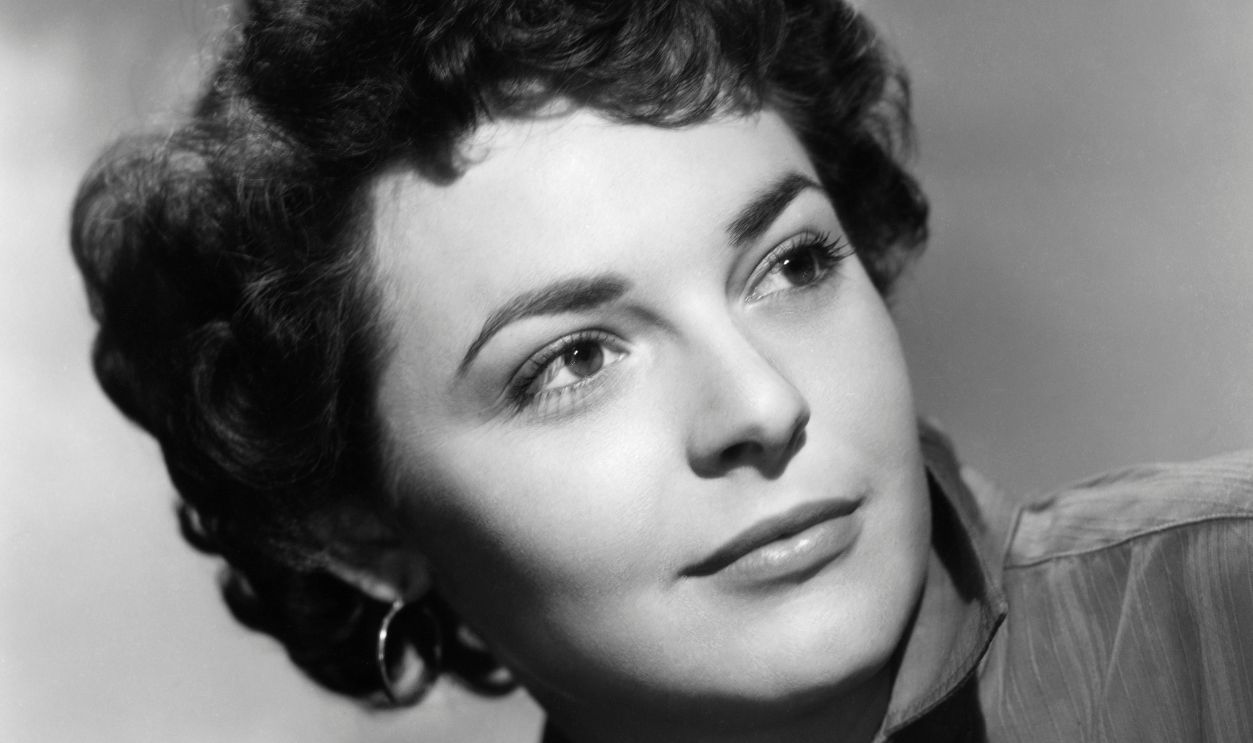 John Springer Collection, Getty Images
Early Interest In Acting
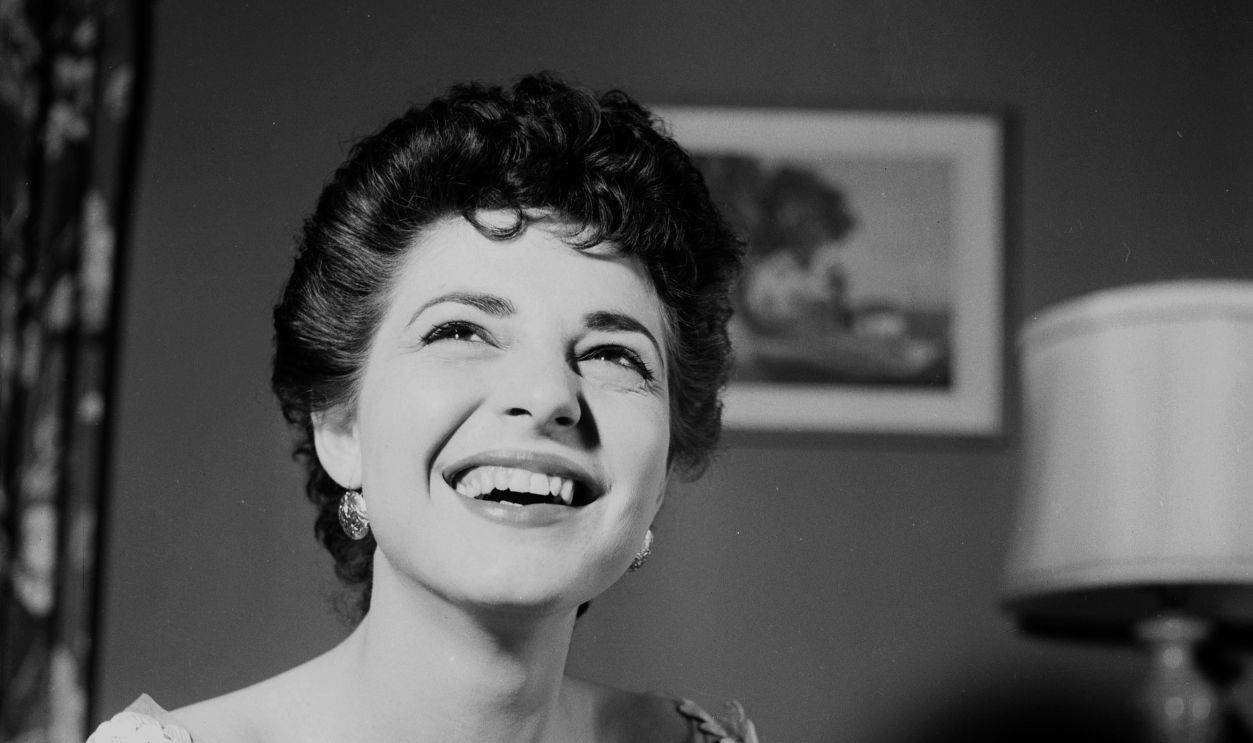
Bancroft developed an interest in performing while still a child. She attended Christopher Columbus High School and later studied acting at the American Academy of Dramatic Arts, where she worked to transform her enthusiasm into a professional career.
 Michael Ochs Archives, Getty Images
First Television Appearances
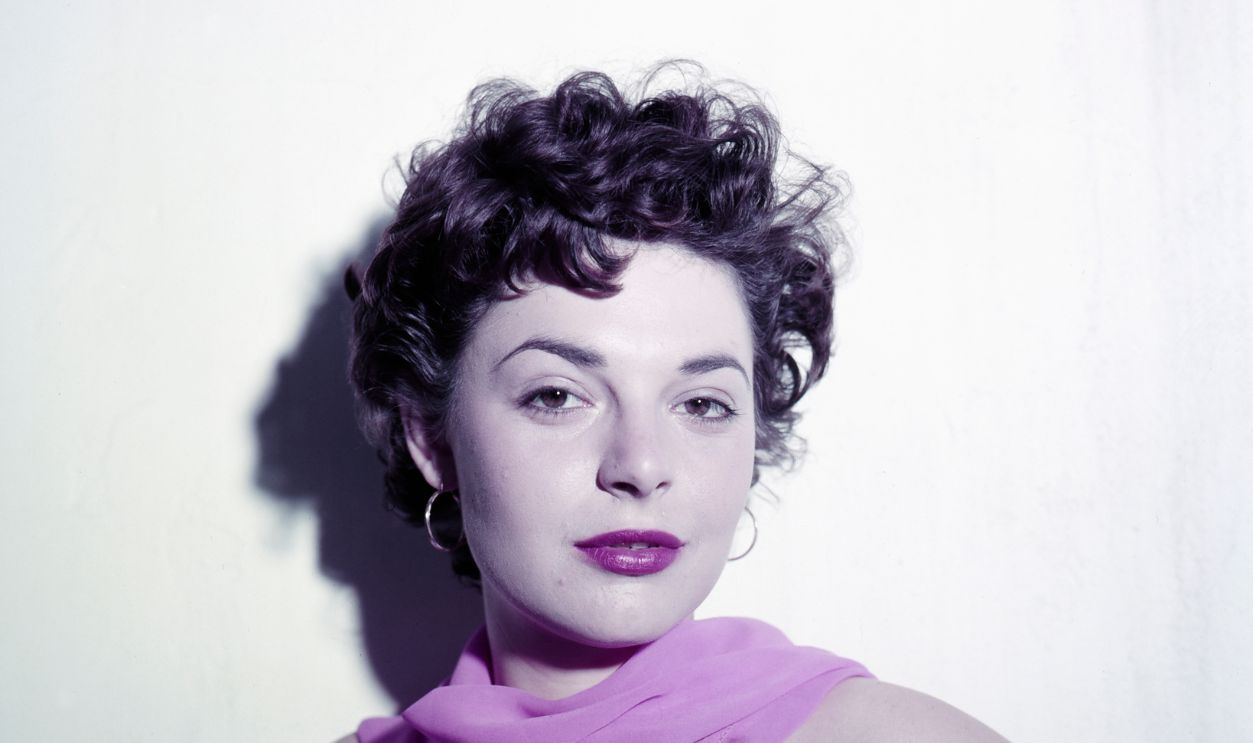
During the early 1950s, Bancroft began appearing on television shows like Studio One and The Goldbergs. These small roles provided valuable experience and helped her gain exposure within the entertainment industry as she searched for opportunities in larger productions.
The Short Career Of Anne Marno
Anna had made her TV appearances under the name Anne Marno. The change was part of a common Hollywood practice of reshaping young performers' public identities. But when she signed with 20th Century Fox, studio chief Darryl Zanuck decided she needed a more marketable name.
 Silver Screen Collection/Getty Images
Becoming Anne Bancroft
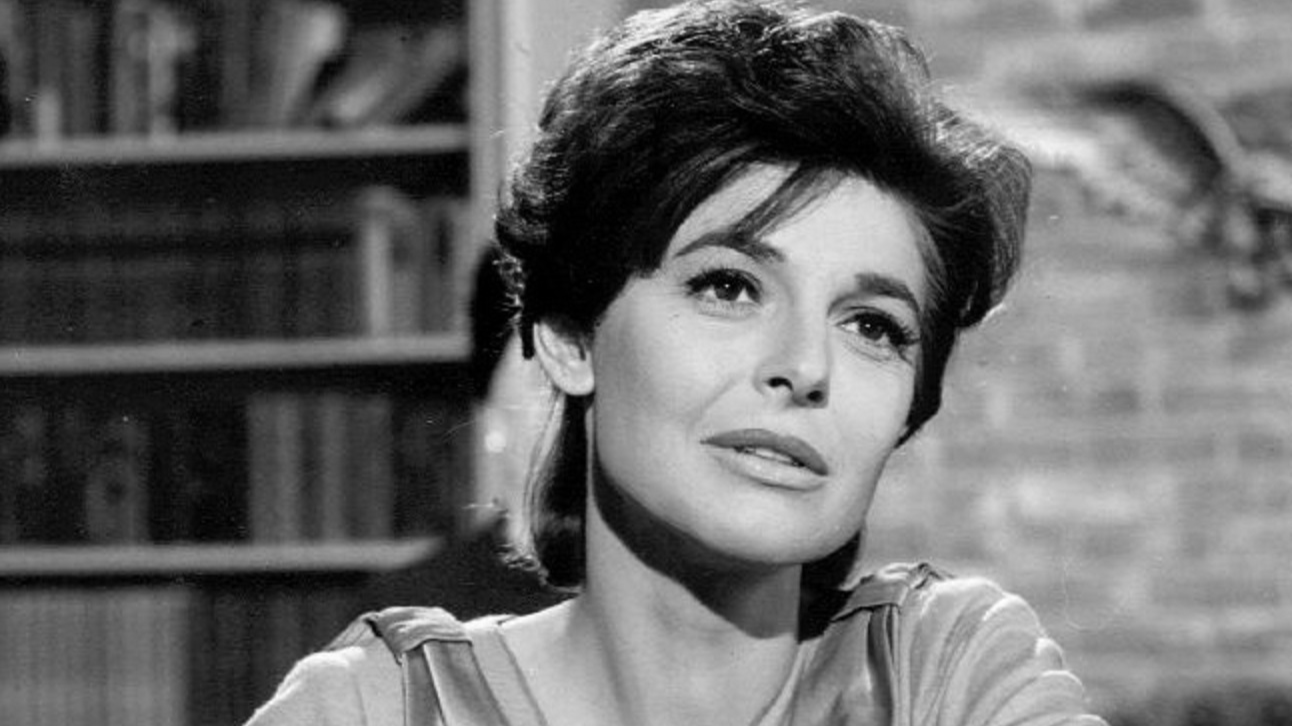
Zanuck decided that the name Anne Marno just wouldn’t do, and she needed a name that sounded a lot more English. Anne Marno now became Anne Bancroft, the professional name she would use throughout the rest of her career. Under that name, she began building her reputation in both film and television.
 NBC Television, Wikimedia Commons
Early Film Roles
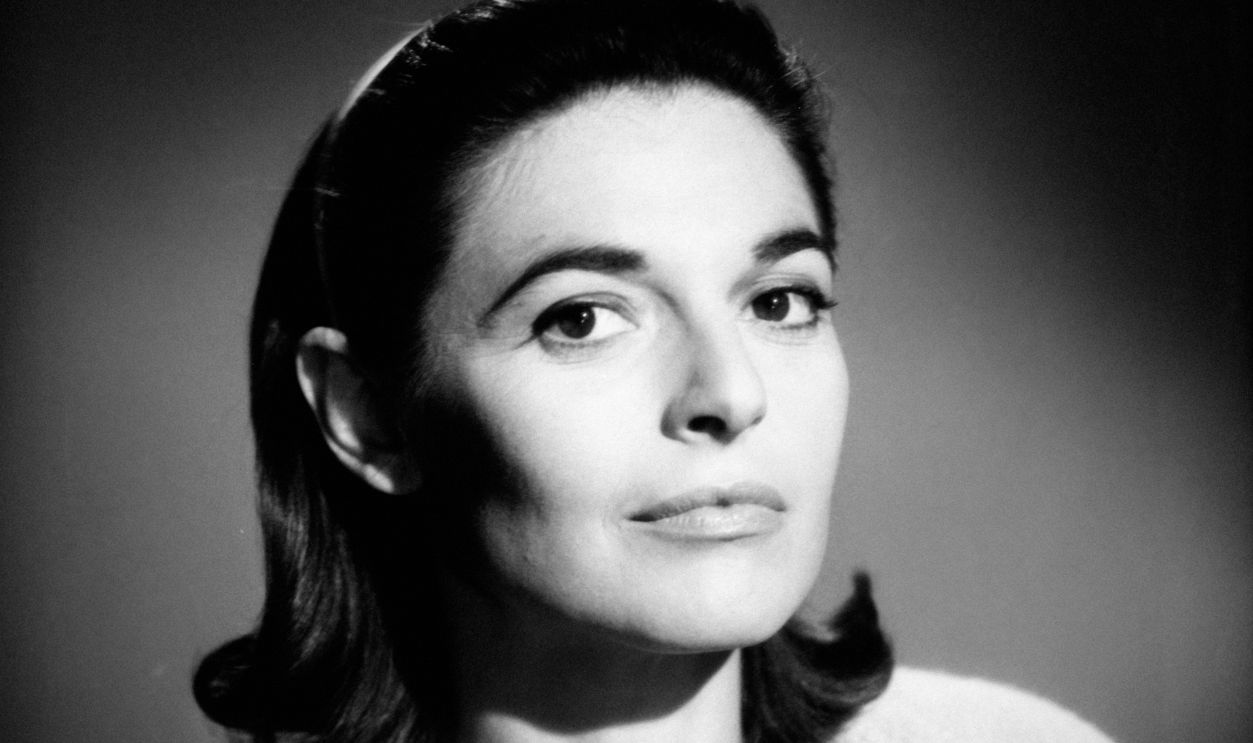
Fox cast Bancroft in a series of films during the 1950s. Although she worked steadily, the roles often failed to showcase the full range of her abilities. She later expressed frustration with the limitations of the parts she received.
 Pictorial Parade, Getty Images
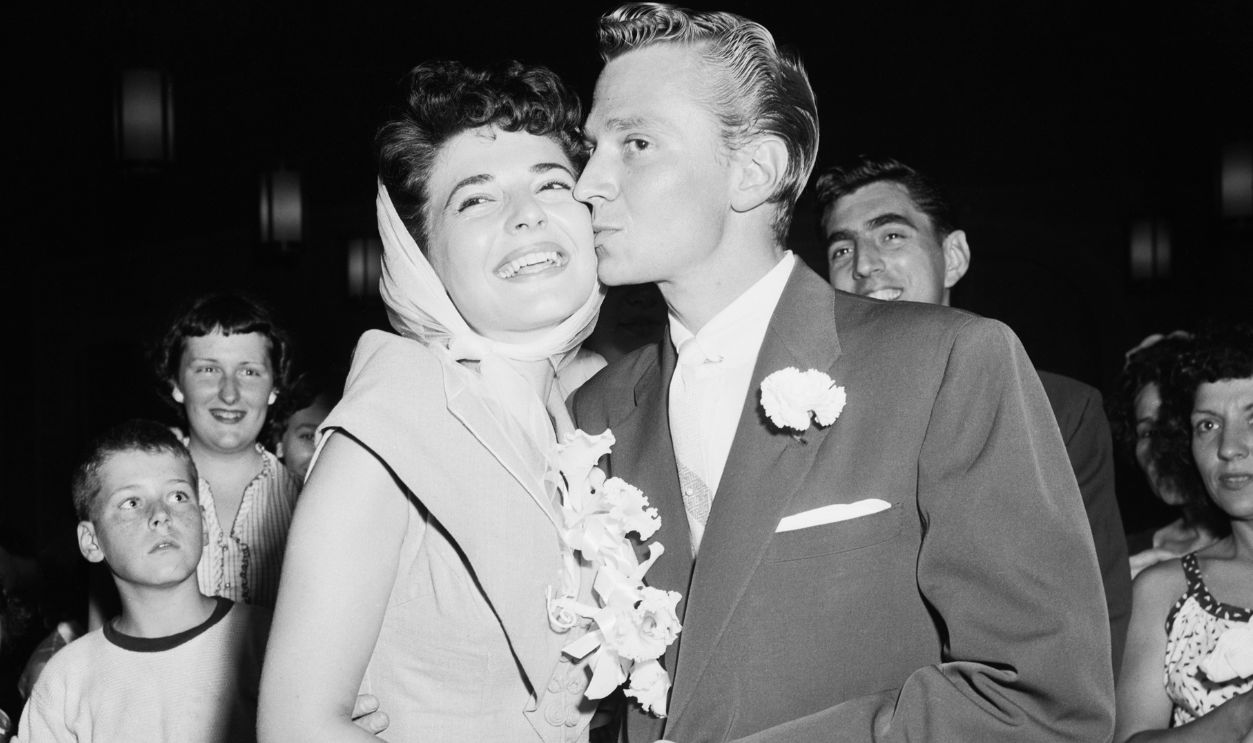
Marriage To Martin May
In 1953, Bancroft married Martin May. The marriage took place during the early years of her Hollywood career, when she was still attempting to establish herself as a major actress within the studio system.
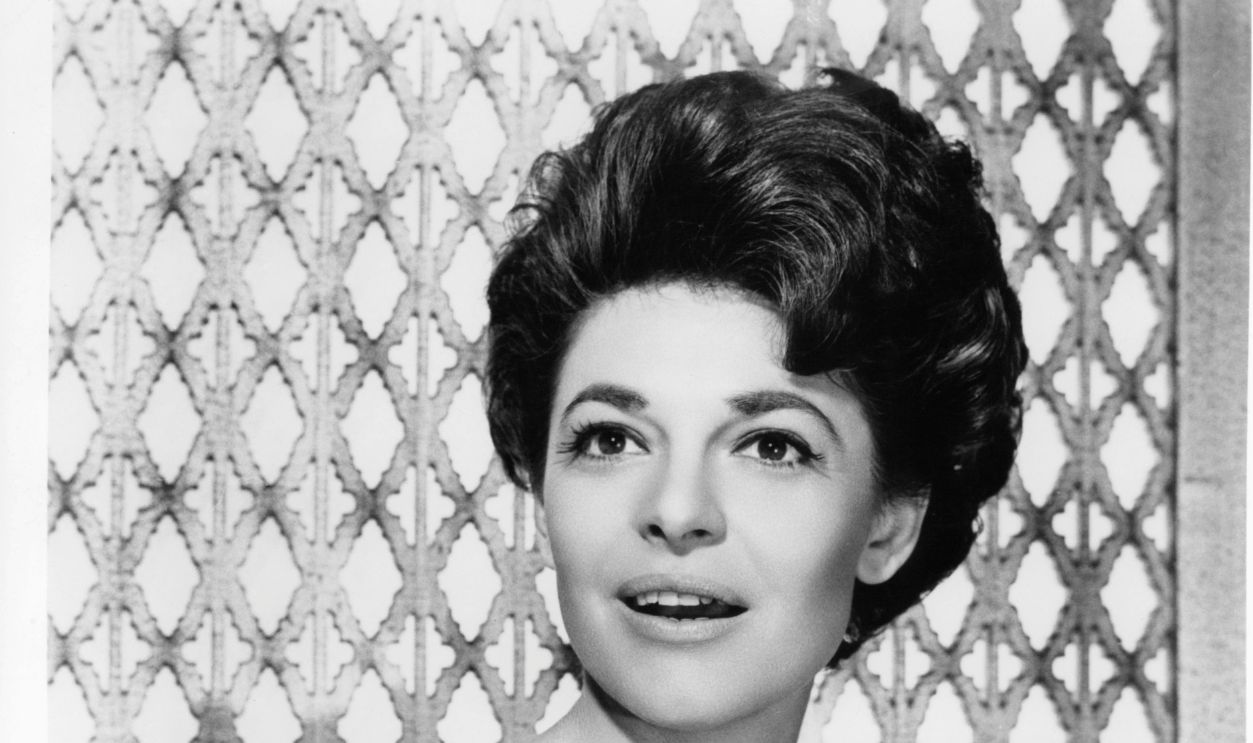
The Last Hunt Injury
While filming The Last Hunt (1956), Bancroft suffered a serious injury. A horse stepped on her neck, causing hospitalization. The incident added to the difficulties she faced during a period when her Hollywood career seemed stalled.
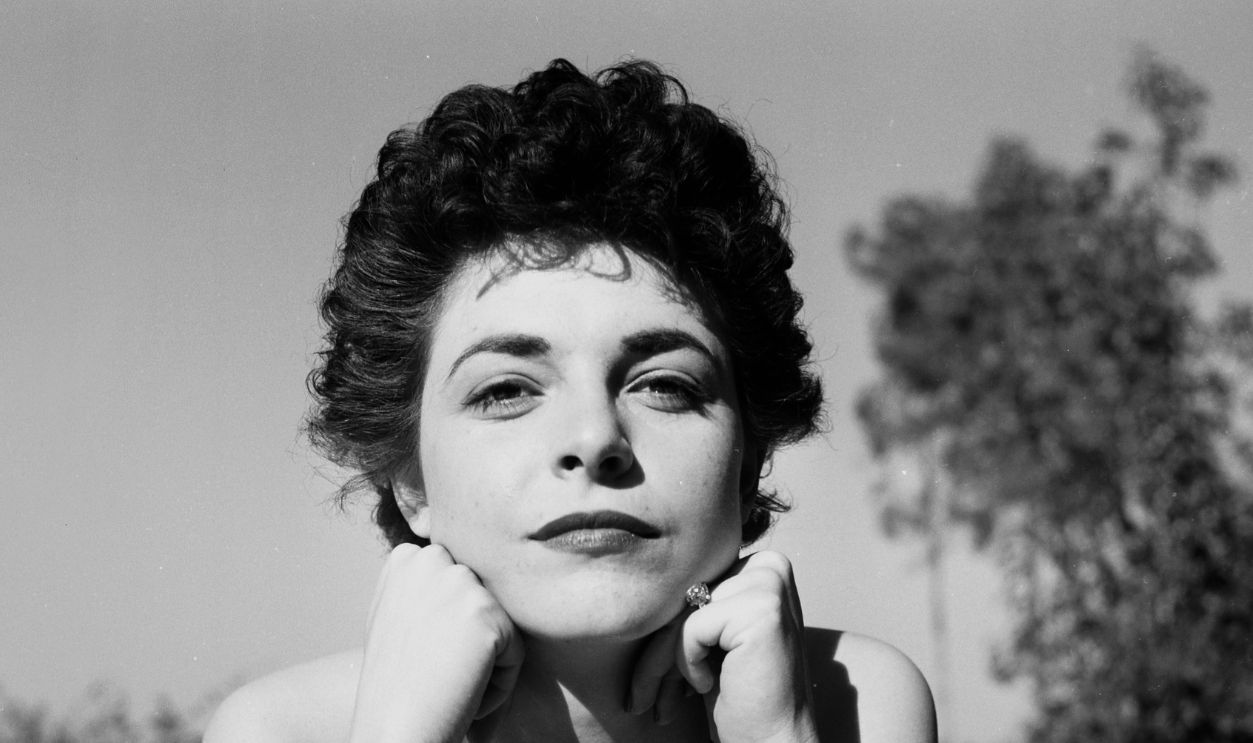
Hollywood Disillusionment
Despite appearing in numerous productions, Bancroft became increasingly dissatisfied with Hollywood. She felt underused as an actress and struggled with discouragement. According to accounts of her life, she experienced periods of depression during these years.
 Michael Ochs Archives, Getty Images
Turning To Broadway
Rather than remain trapped in unsatisfying film roles, Bancroft left Hollywood and moved toward the stage. Broadway offered opportunities for more challenging material and allowed her to demonstrate dramatic abilities that had largely gone unnoticed in films.
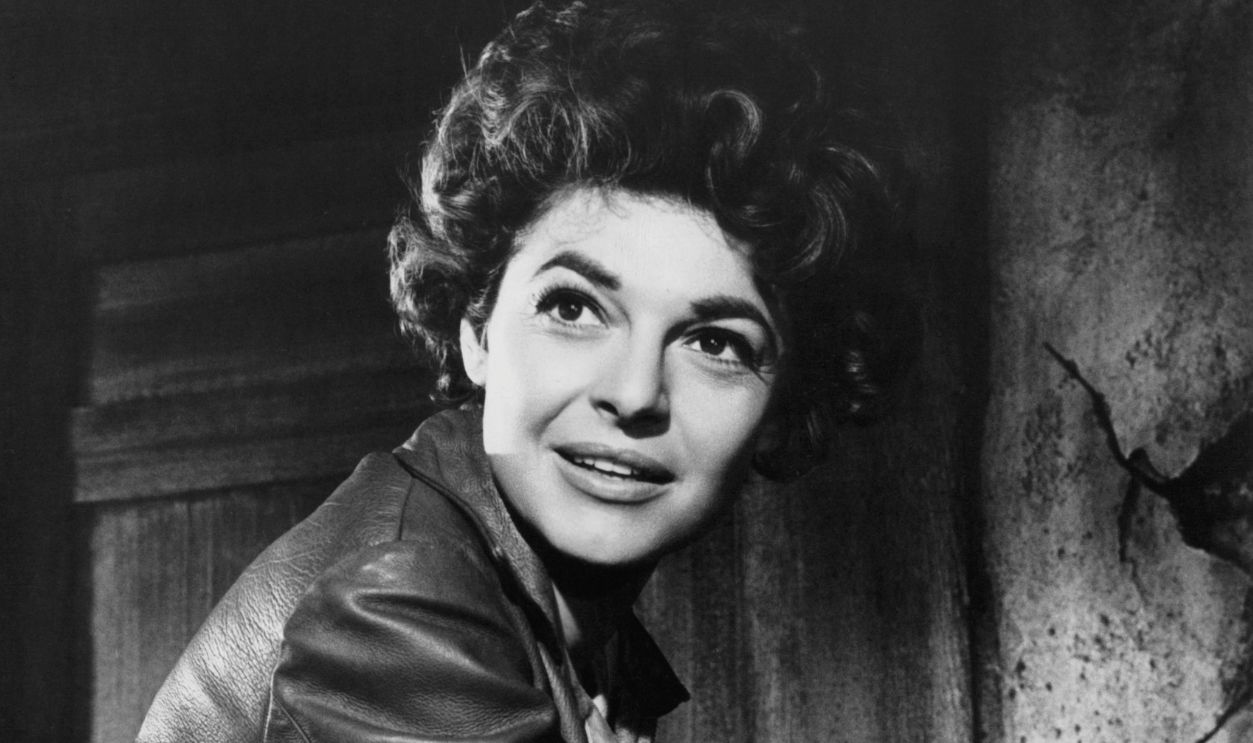
Broadway Recognition
The move proved transformative. Bancroft earned acclaim for her performances in Broadway productions such as Two for the Seesaw (1958–59) and The Miracle Worker (1959–61). Critics praised her dramatic range, and theater audiences quickly recognized talents that Hollywood had largely failed to utilize during the 1950s.
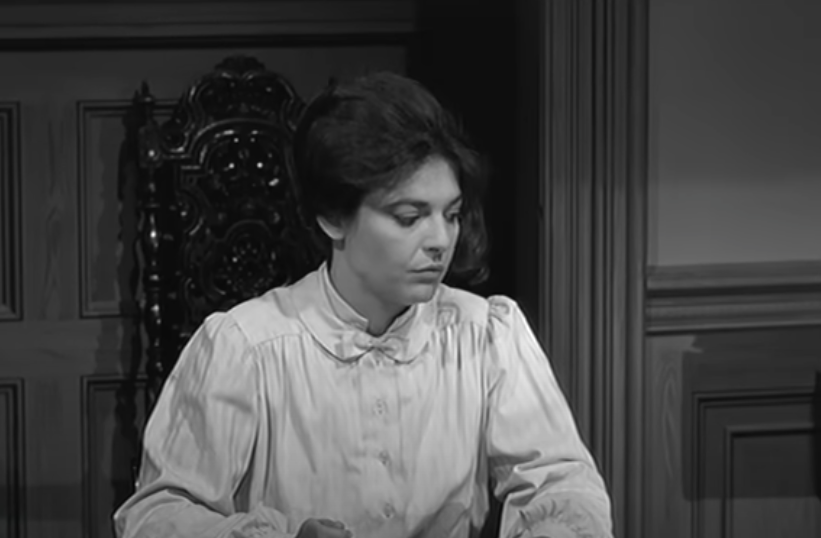 Screenshot from The Miracle Worker, United Artists (1962)
First Tony Award
In 1958, Bancroft won the Tony Award for Best Featured Actress in a Play for her performance as Gittel Mosca in Two for the Seesaw. The award marked a major turning point in her career and helped establish her as one of Broadway's most respected performers.
Second Tony Award
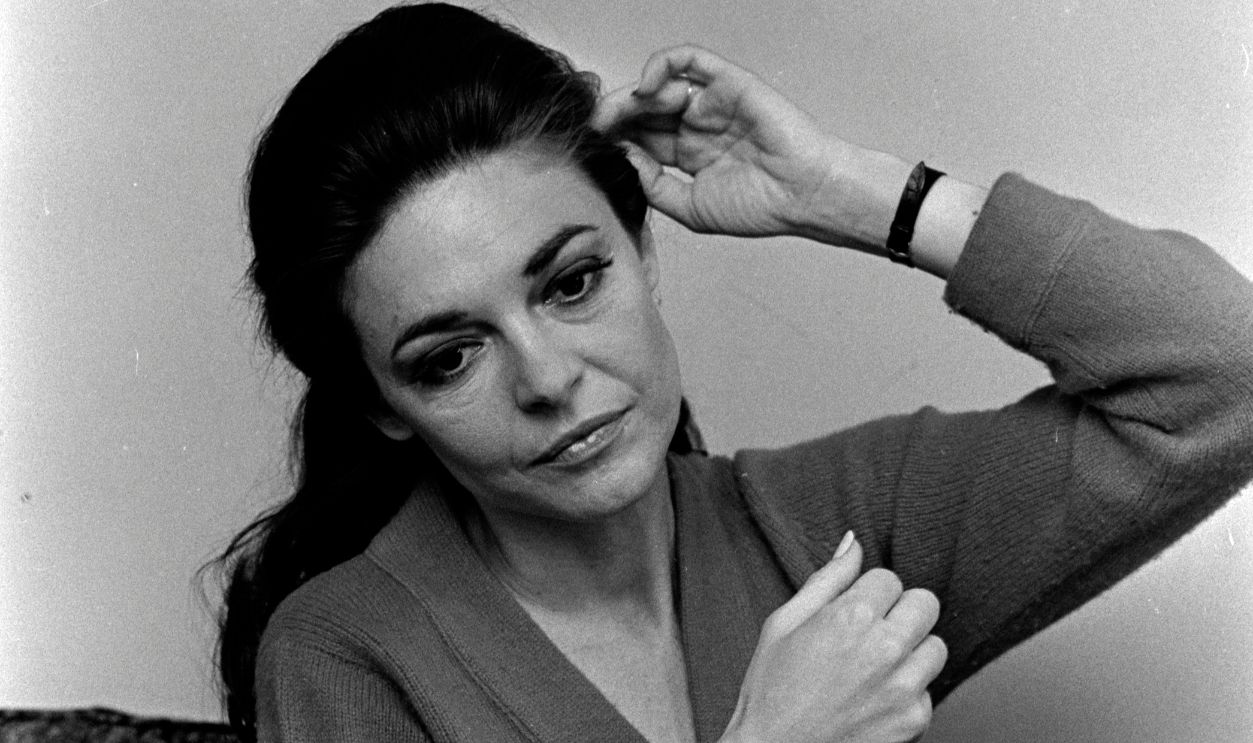
Bancroft earned her second Tony Award in 1960, winning Best Actress in a Play for her portrayal of Annie Sullivan in The Miracle Worker. Her powerful performance as Helen Keller's determined teacher became one of the most celebrated stage roles of her career and laid the foundation for her later film success.
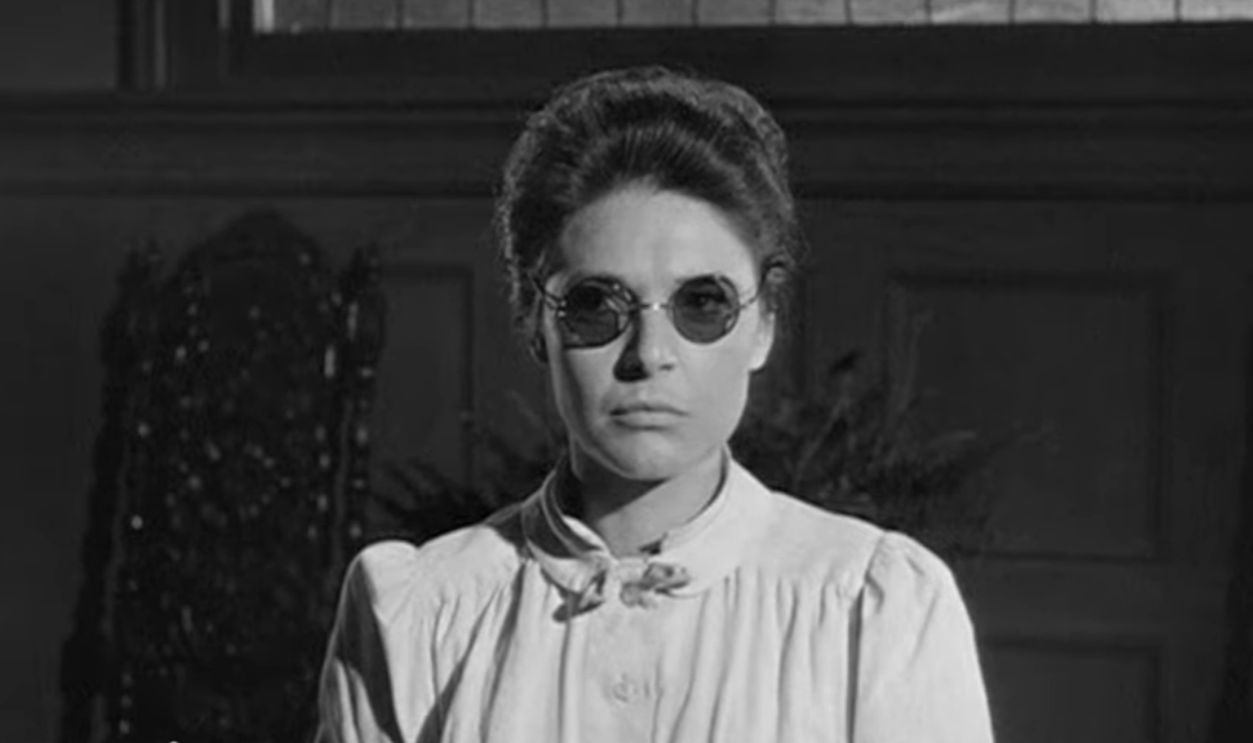 Screenshot from The Miracle Worker, United Artists (1962)
Bringing Annie To Film
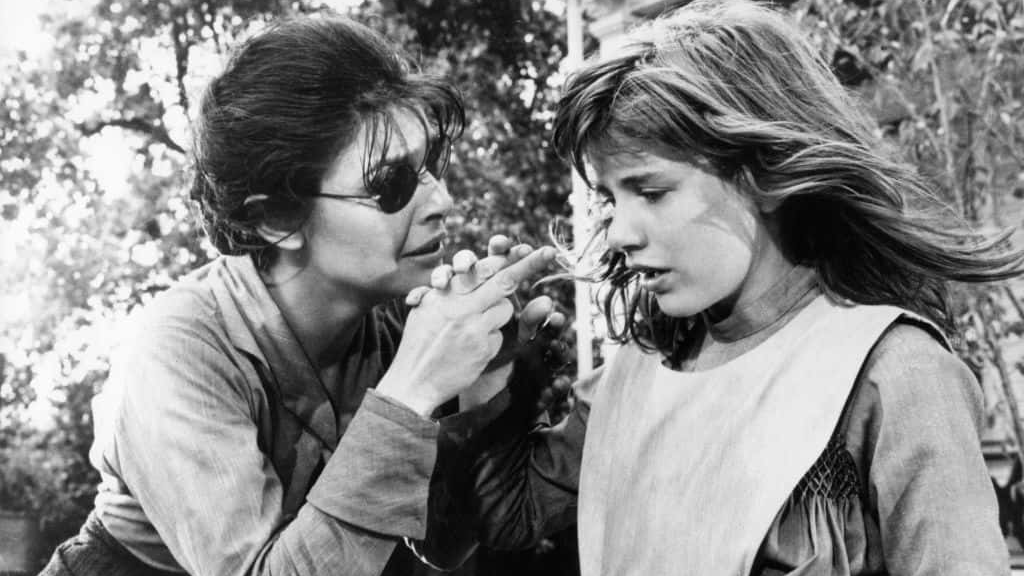
When The Miracle Worker was adapted for the screen in 1962, Bancroft reprised her role. The film version co-starring Patty Duke introduced her acclaimed performance to a much larger audience and further elevated her reputation within the industry.
Academy Award Victory
Bancroft won the Academy Award for Best Actress for The Miracle Worker (1962). The victory represented a remarkable turnaround from her difficult Hollywood years and established her as one of the leading actresses of her generation.
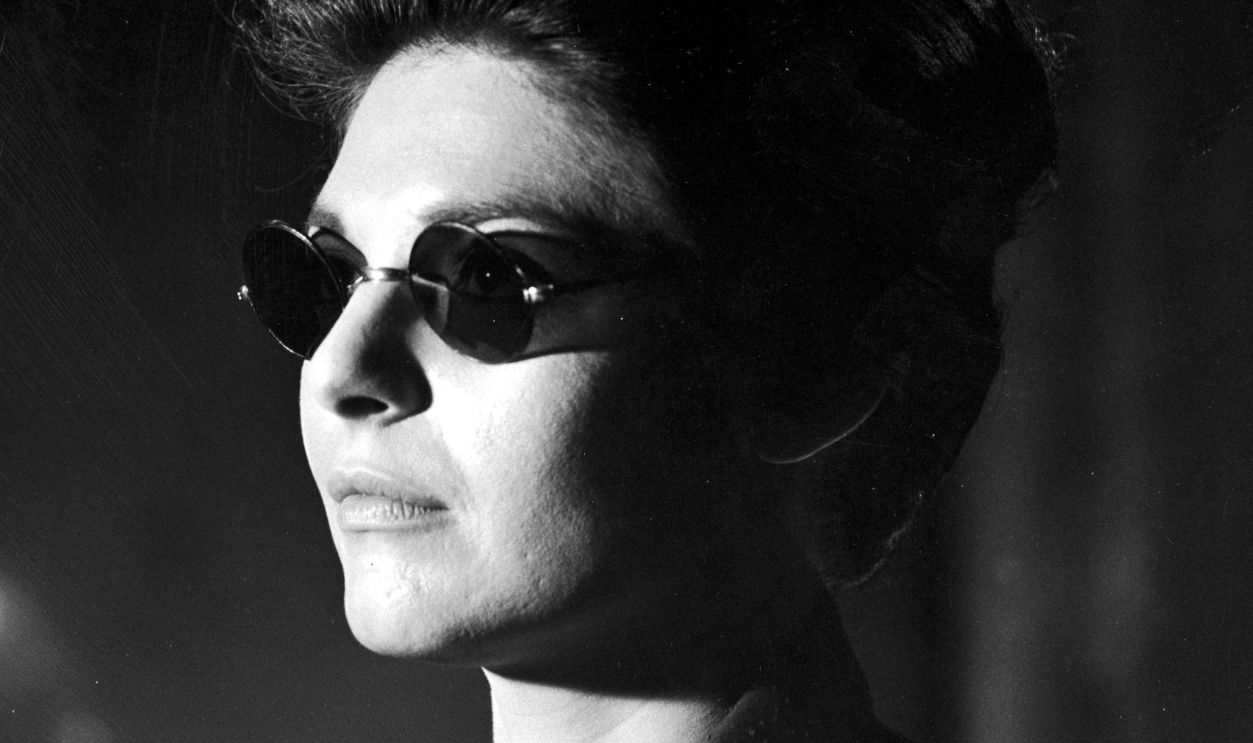
Meeting Mel Brooks
In 1961, Bancroft met comedian and writer Mel Brooks. The two quickly formed a deep connection despite having very different public personas. Their relationship would become one of Hollywood's most admired marriages.
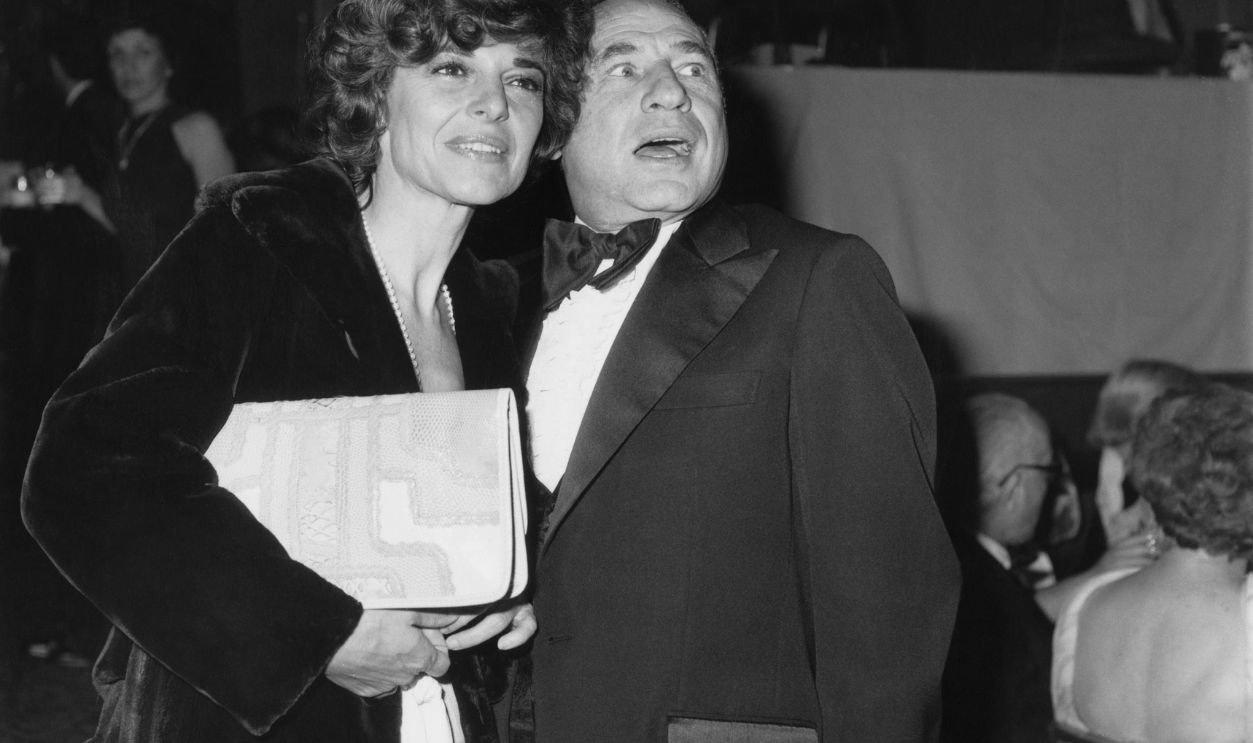
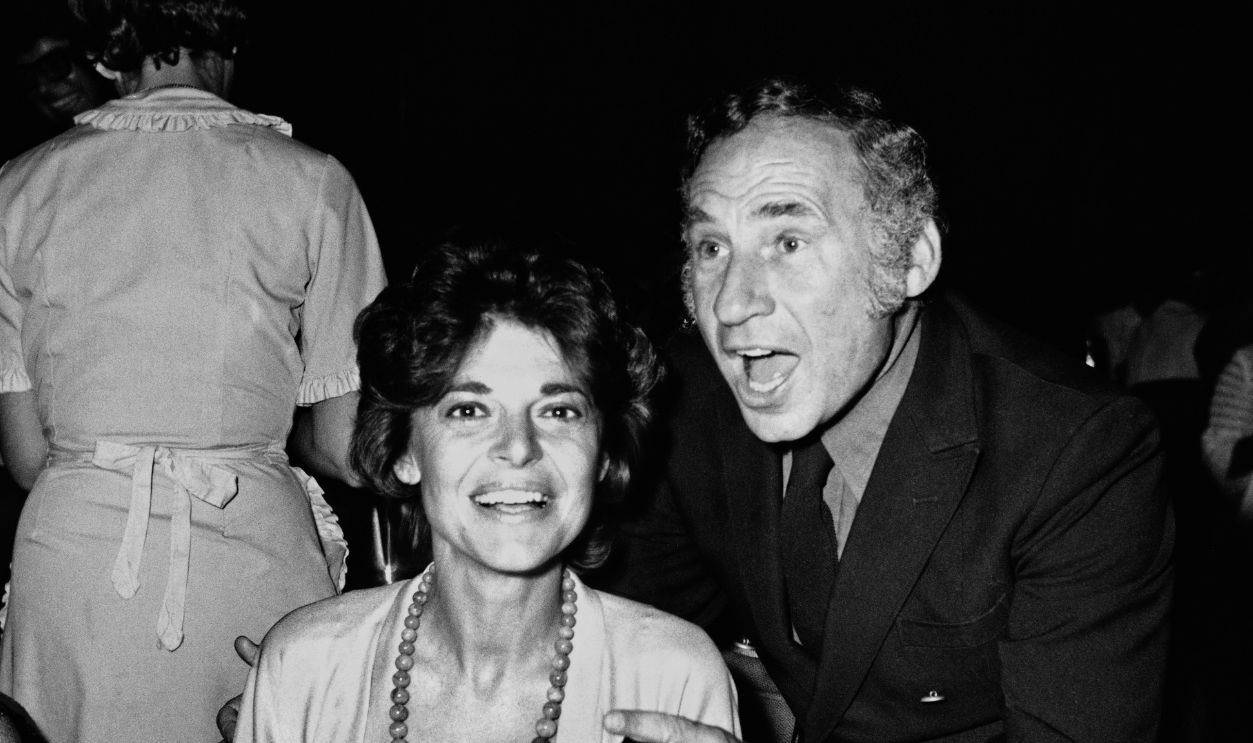
Marriage To Mel Brooks
Bancroft and Brooks married in 1964. Their union lasted for decades and became known for its stability, affection, and mutual respect. Both frequently spoke about the importance of their relationship throughout their lives.
The Graduate Phenomenon
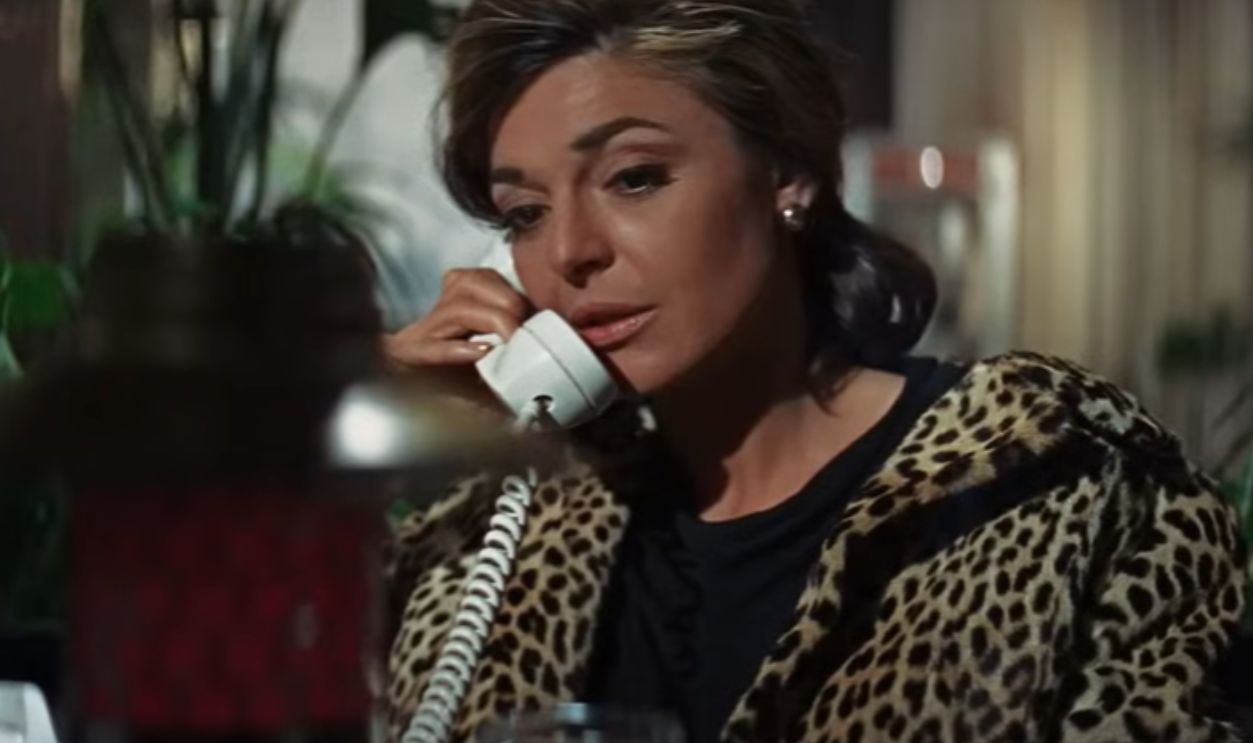
Bancroft's most famous role arrived with The Graduate (1967). Cast as the seductress Mrs. Robinson and co-starring with Dustin Hoffman and Katharine Ross, she created one of cinema's most memorable characters. Directed by Mike Nichols, the film became a cultural sensation and remains closely associated in the public mind along with the Simon & Garfunkel song of the same name.
 Screenshot from The Graduate, Embassy Pictures (1967)
Overshadowing Everything Else
Although Bancroft had already won an Oscar and achieved major stage success, she later admitted she never fully understood why Mrs. Robinson overshadowed so much of her other work. Like it or not, the character became inseparable from her public image.
Triple Crown Achievement
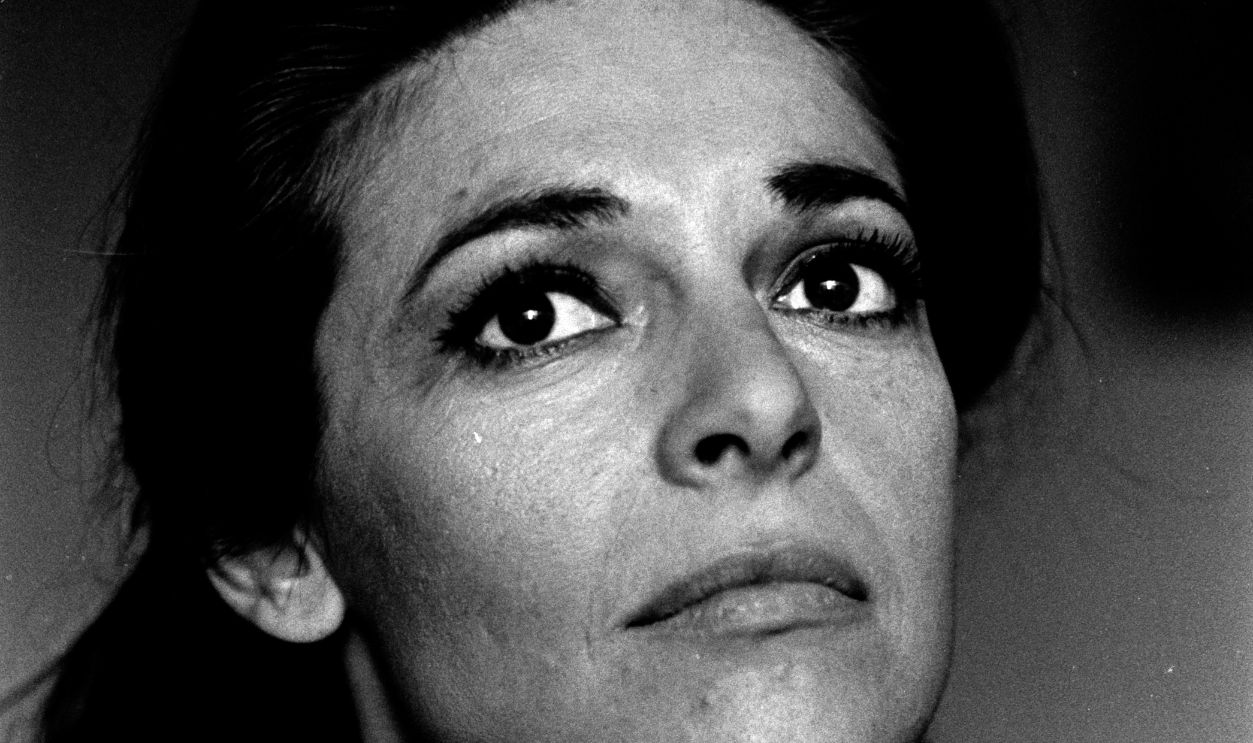
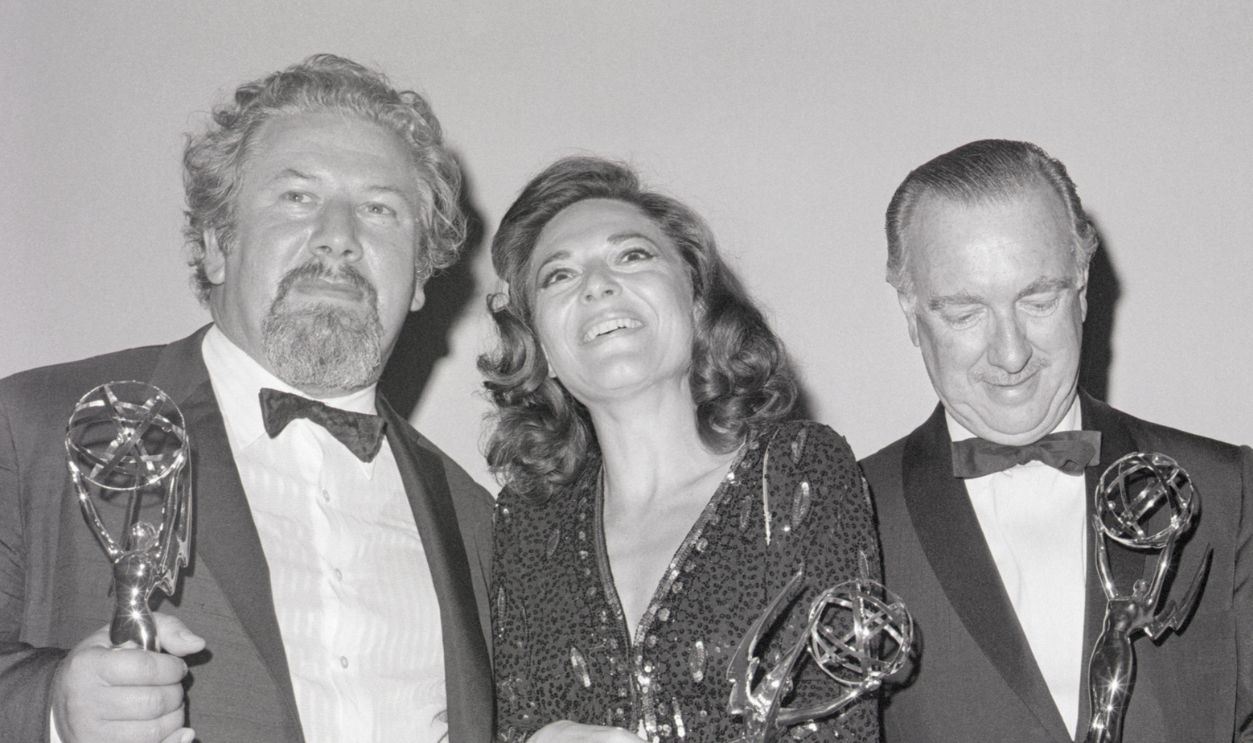
In 1970, Bancroft won an Emmy Award for her portrayal of 14 different women in the TV special Annie: The Women in the Life of a Man. The award made Bancroft one of the relatively few performers to achieve the Triple Crown of Acting (Oscar, Tony, Emmy) through victories in film, television, and theater. The accomplishment reflected her extraordinary versatility.
Max Brooks
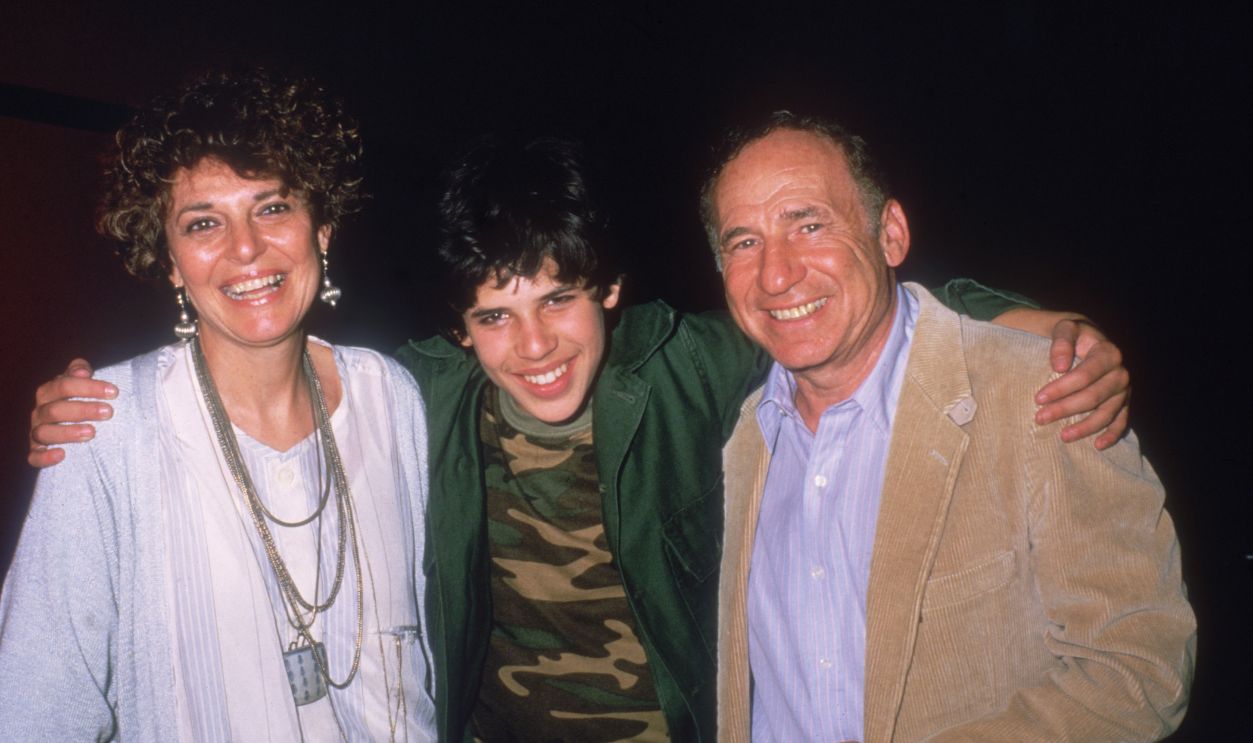
In 1972, Bancroft and Mel Brooks welcomed their son, Max Brooks. Motherhood became an important part of her life, and the family, including Mel Brooks’ three kids from his first marriage, remained notably close throughout the decades that followed.
Collaborating With Brooks
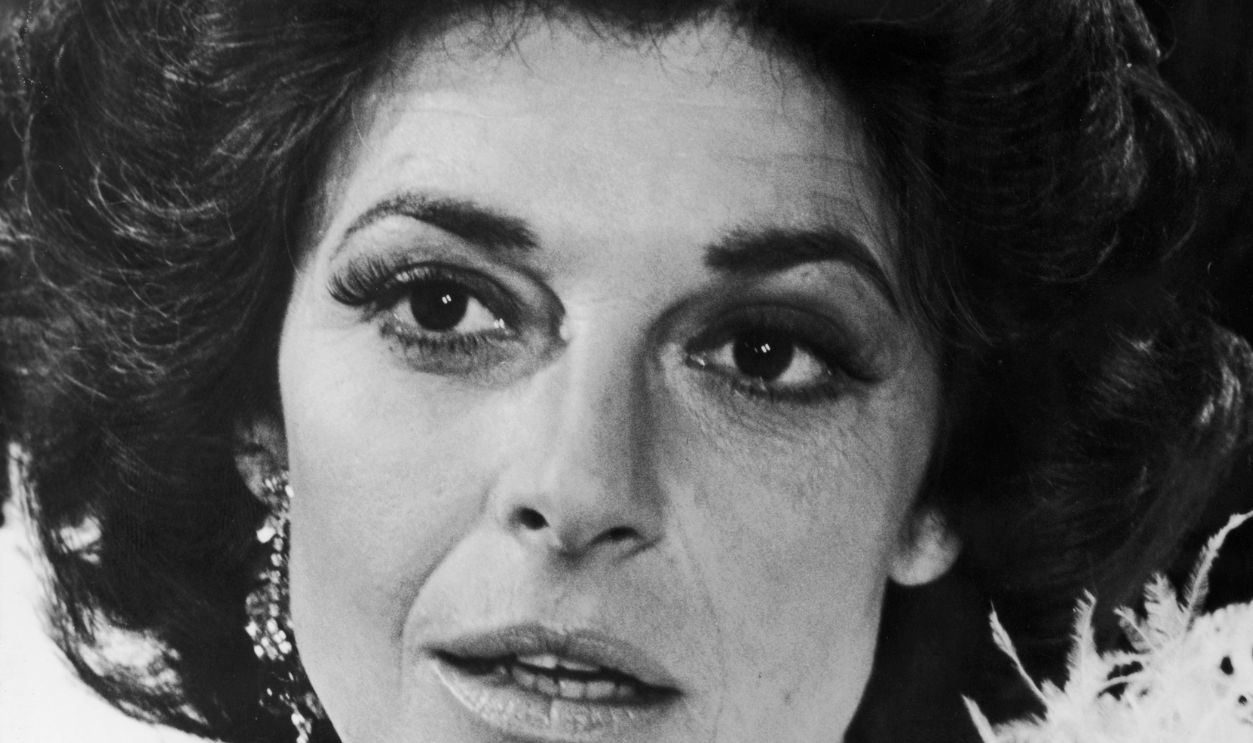
Throughout the 1970s, Bancroft appeared in projects connected to her husband's work, including Blazing Saddles (1974) and Silent Movie (1976). Their collaborations allowed audiences to see another side of her talent while maintaining the strong personal and professional partnership they shared.
To Be Or Not To Be
Bancroft starred opposite Brooks in To Be or Not to Be (1983), a remake of the 1942 film of the same name. The film gave the couple one of their most prominent on-screen collaborations and showcased their ability to work together effectively as performers.
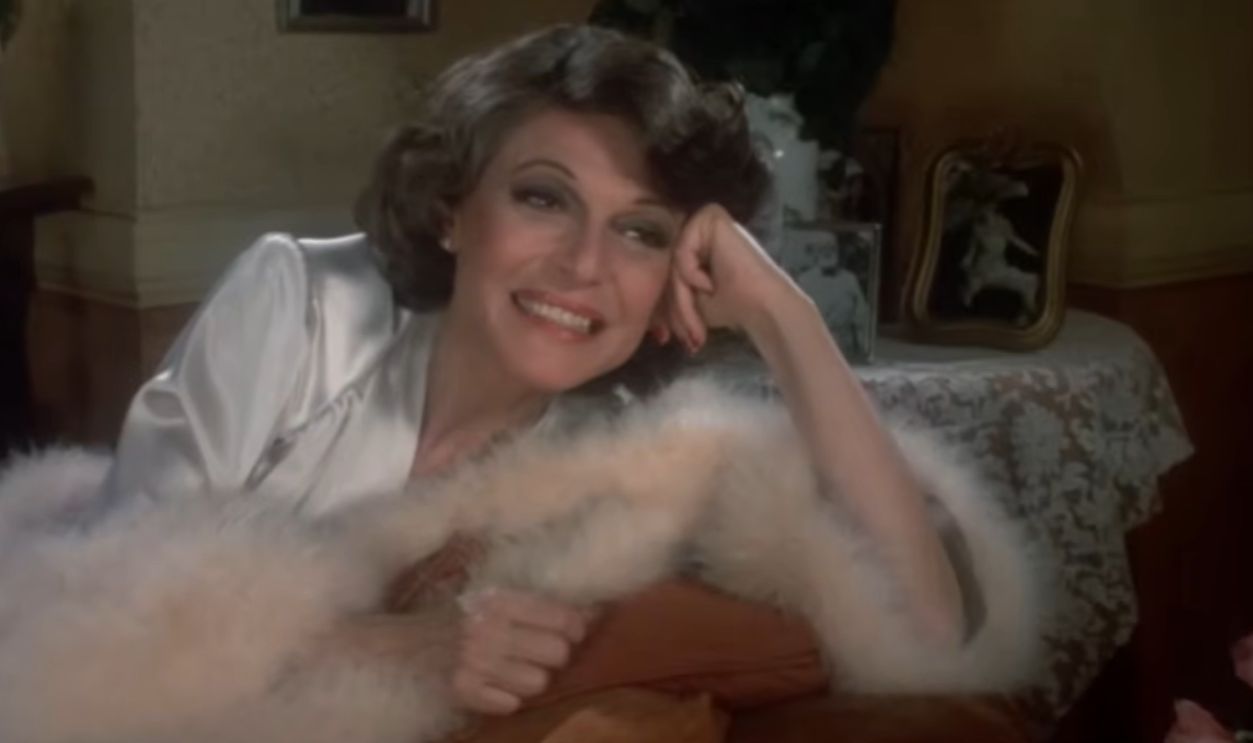 Screenshot from To Be or Not to Be, 20th Century Fox (1983)
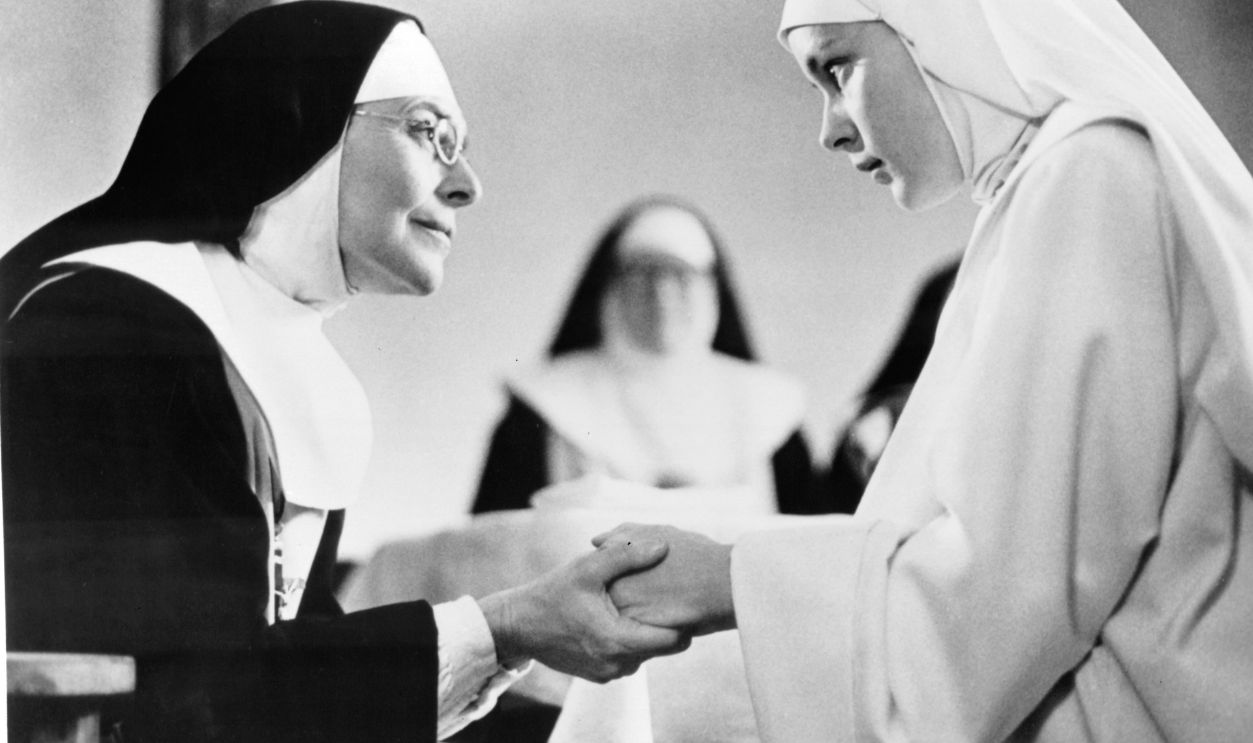
Agnes Of God
Bancroft earned another Academy Award nomination for her performance in Agnes of God (1985). The nomination demonstrated that she remained a respected dramatic force decades after her breakthrough success.
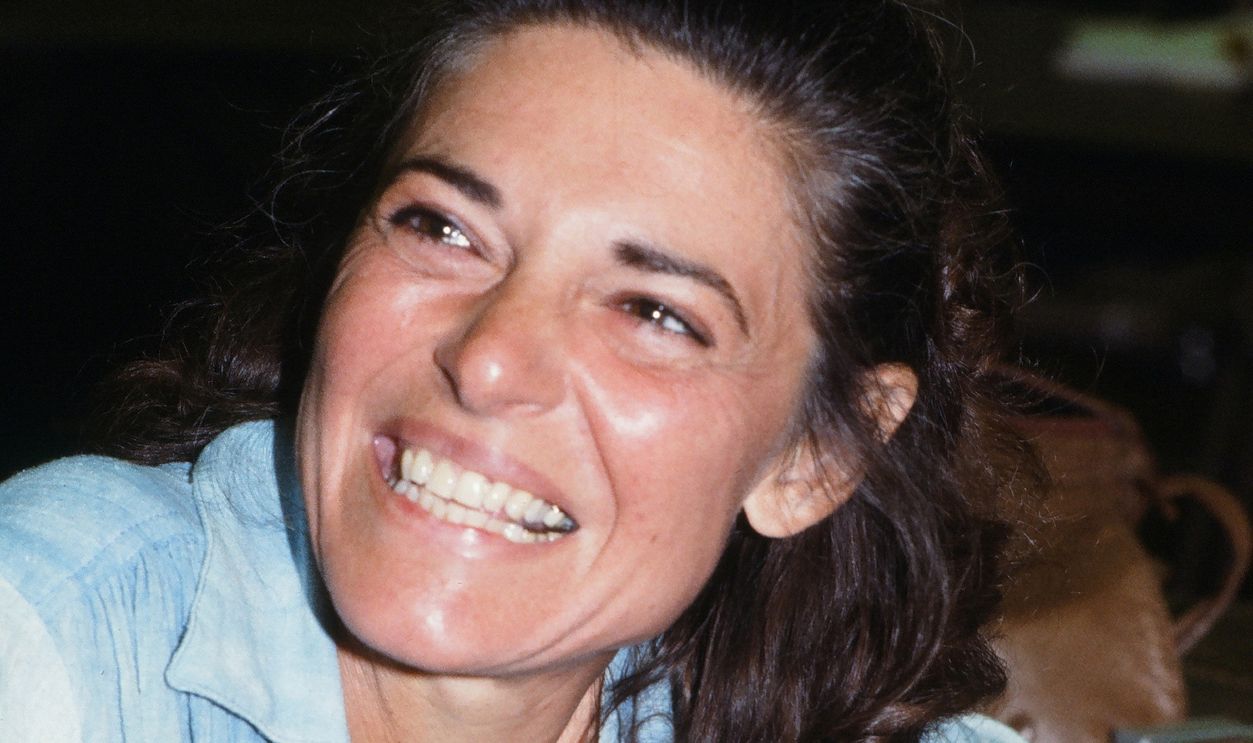
Later Career And Voice Work
During the 1990s, Bancroft continued acting while expanding into voice work. She contributed to projects including Antz (1998) and In Search of Peace (2001). These performances introduced her talents to younger audiences.
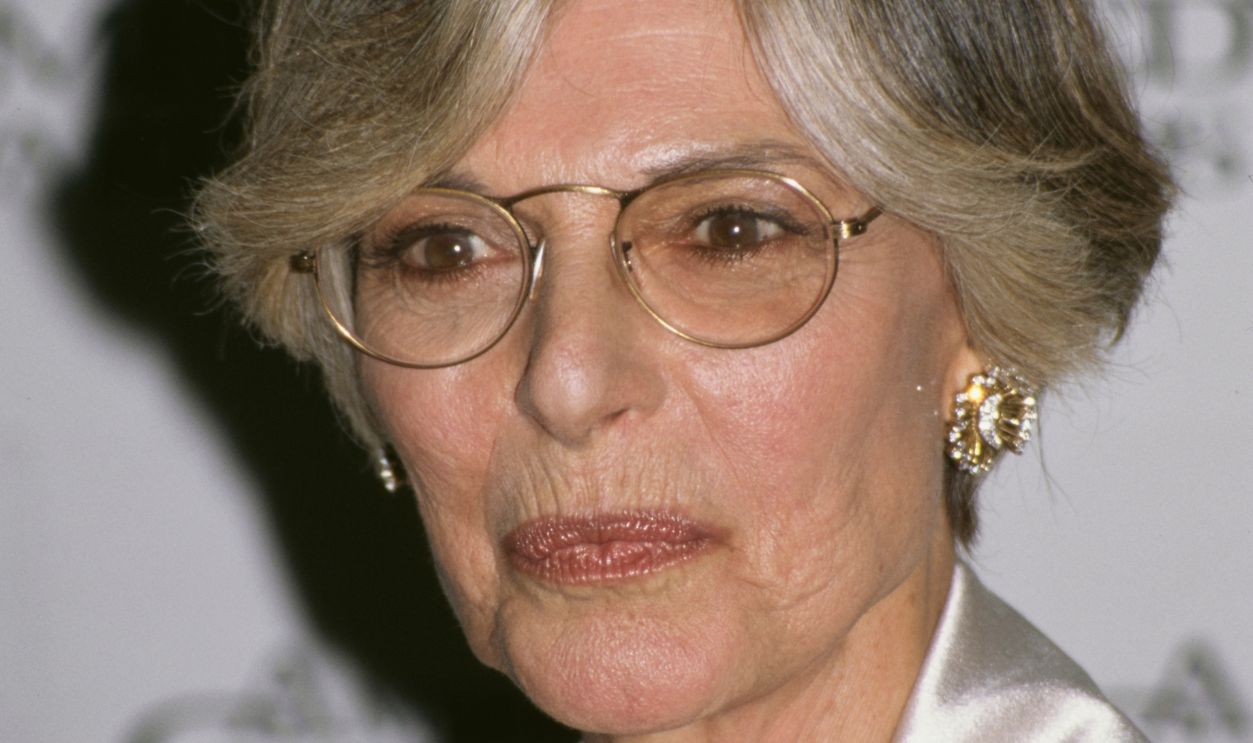
Final Years And Legacy
Anne Bancroft died on June 6, 2005. Her final voice role was in Delgo (2008), which was dedicated to her memory upon its release three years later. Even if many audiences remembered her first as Mrs. Robinson, the many tributes celebrated a performer who mastered stage, screen, and television through countless productions over more than five decades of work.
You May Also Like:
Iconic Stars From The 1960s That No Millennial Or Gen Z Would Ever Recognize