The Decade Style Broke Rules
The 1960s changed fashion fast. Clothes felt bolder and more personal. Style reflected youth culture and confidence, creating a visual imprint that still feels familiar across pop culture and everyday wardrobes today for modern audiences.
Audrey Hepburn
Grace came naturally to Audrey Hepburn, both on screen and off. Her close partnership with Hubert de Givenchy shaped many defining looks, including the black dress in Breakfast at Tiffany’s. By 1961, fashion formally recognized her lasting influence with Hall of Fame honors.
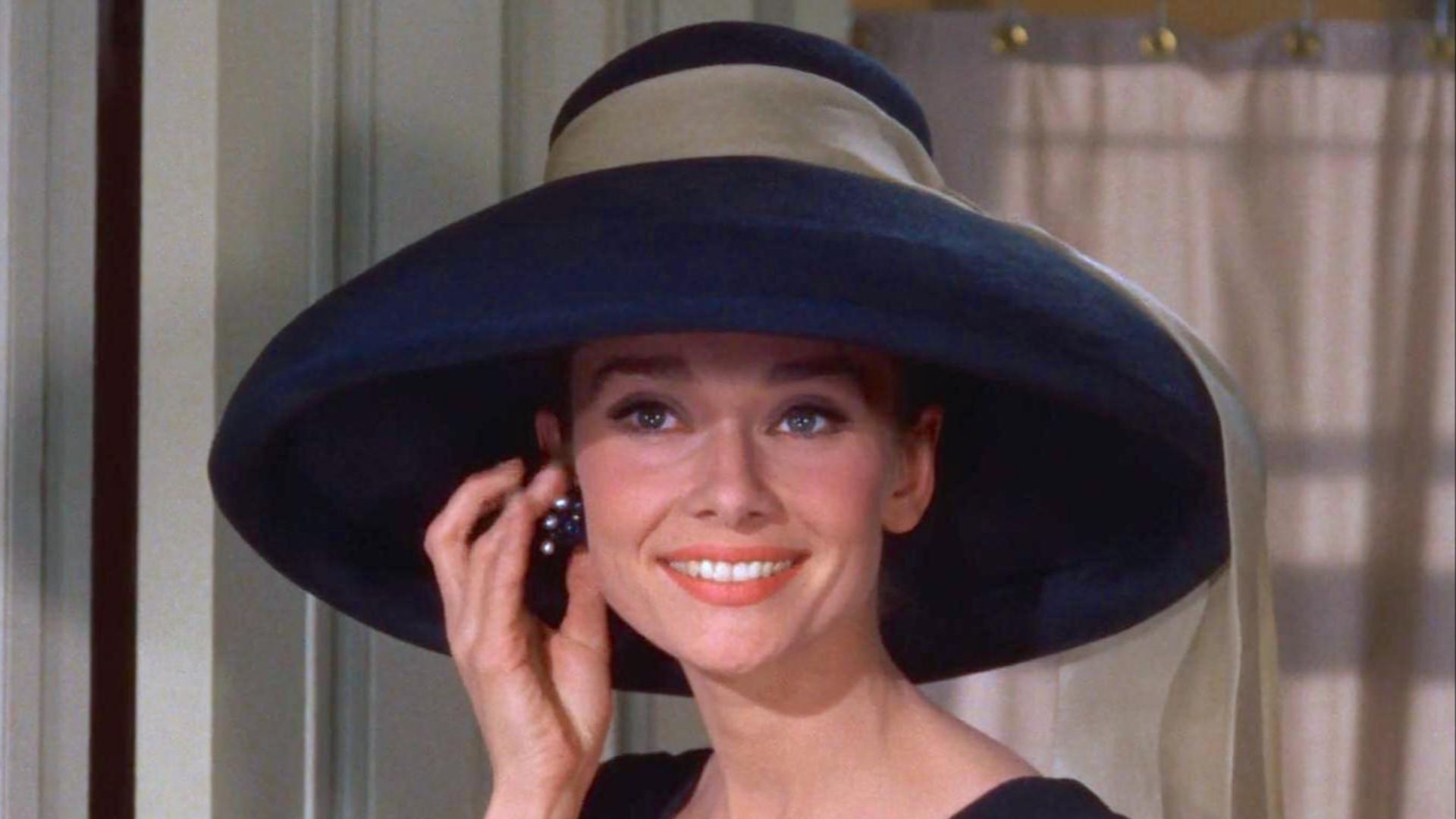 Trailer screenshot, Wikimedia Commons
Jackie Kennedy Onassis
American style shifted when Jackie Kennedy entered the White House. Tailored Oleg Cassini suits and pillbox hats became visual shorthand for elegance. Chanel-inspired looks and later Oscar de la Renta designs gained popularity through her wardrobe, while the name Jackie O followed her into global fame.
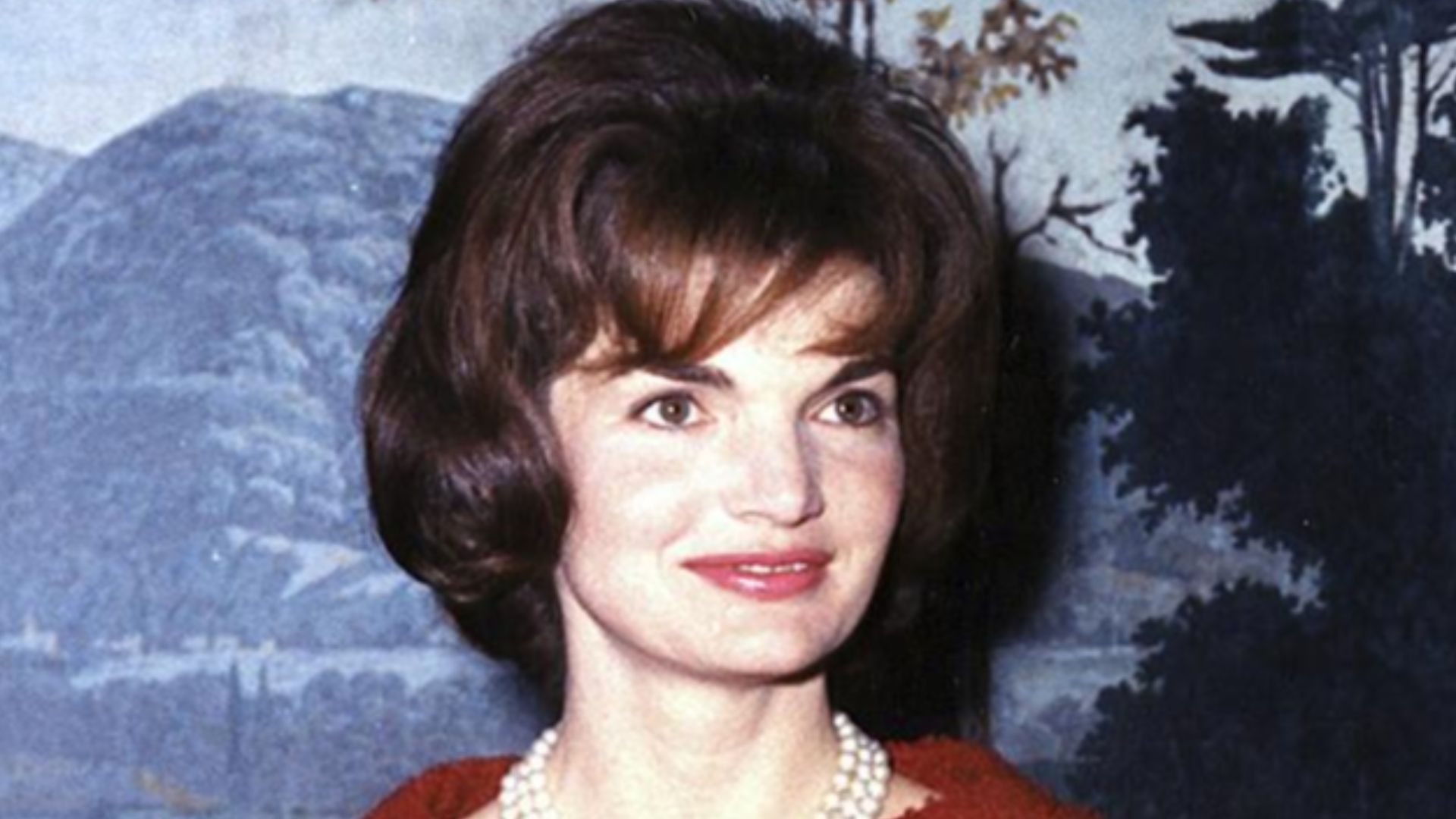 Robert Knudsen, Wikimedia Commons
Brigitte Bardot
Brigitte Bardot made effortlessness feel daring. After And God Created Woman, the off-the-shoulder Bardot neckline spread fast. The tousled hair and relaxed bohemian style also softened traditional beauty standards, giving femininity a freer and more natural edge throughout the 1960s.
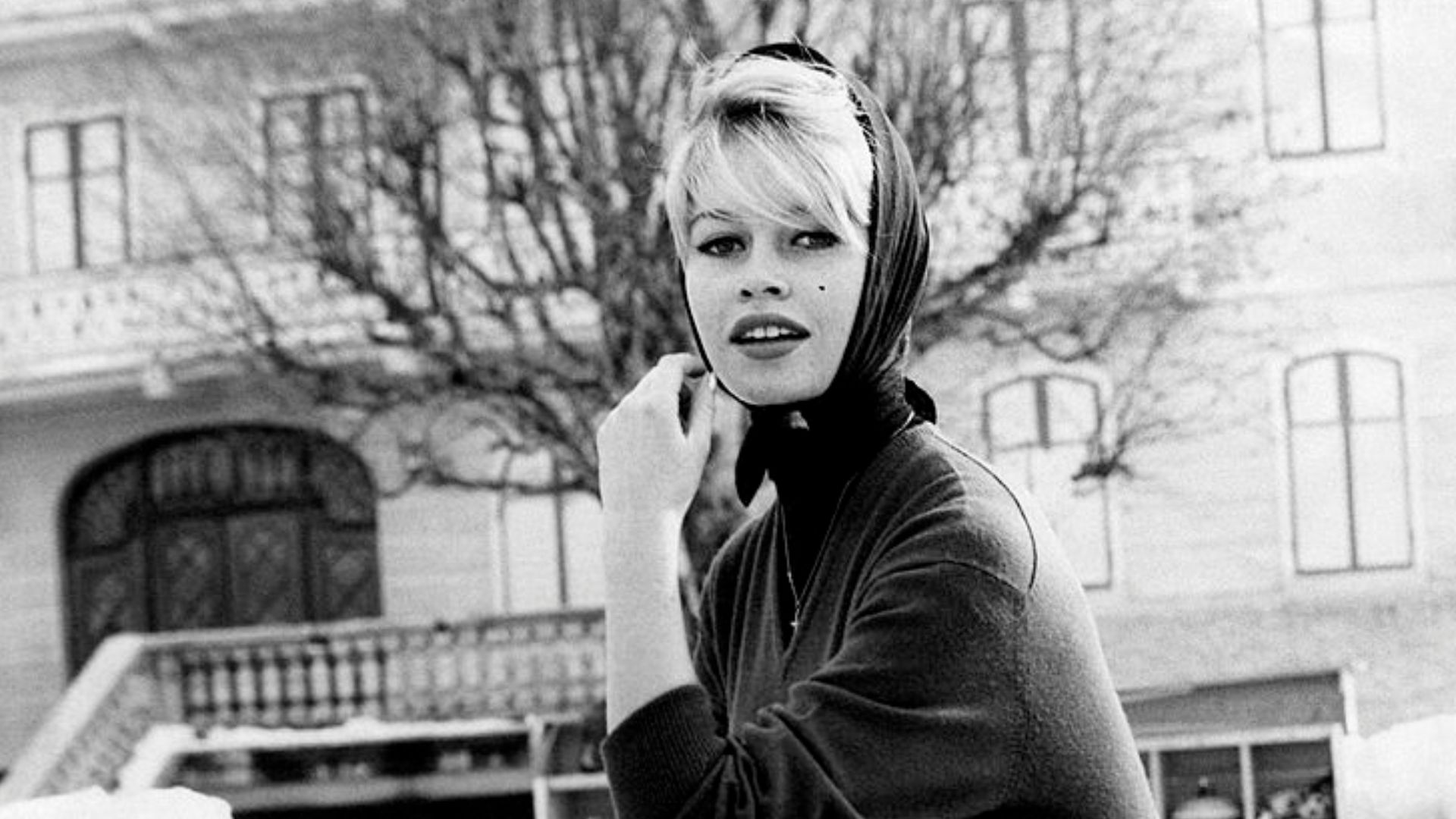 Unknown (Mondadori Publishers), Wikimedia Commons
Twiggy
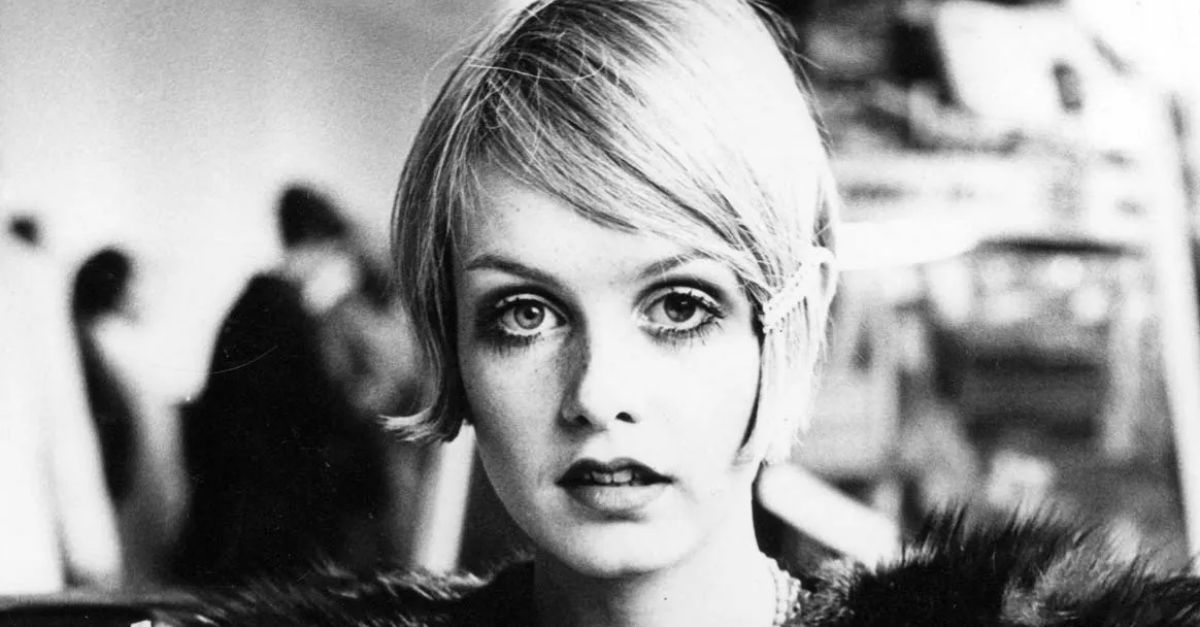
Fashion changed direction the moment Twiggy appeared. Born Lesley Hornby, she earned the Face of 1966 title from the Daily Express. Her thin frame and graphic eye makeup broke modeling norms by launching the first teenage supermodel of the Swinging Sixties.
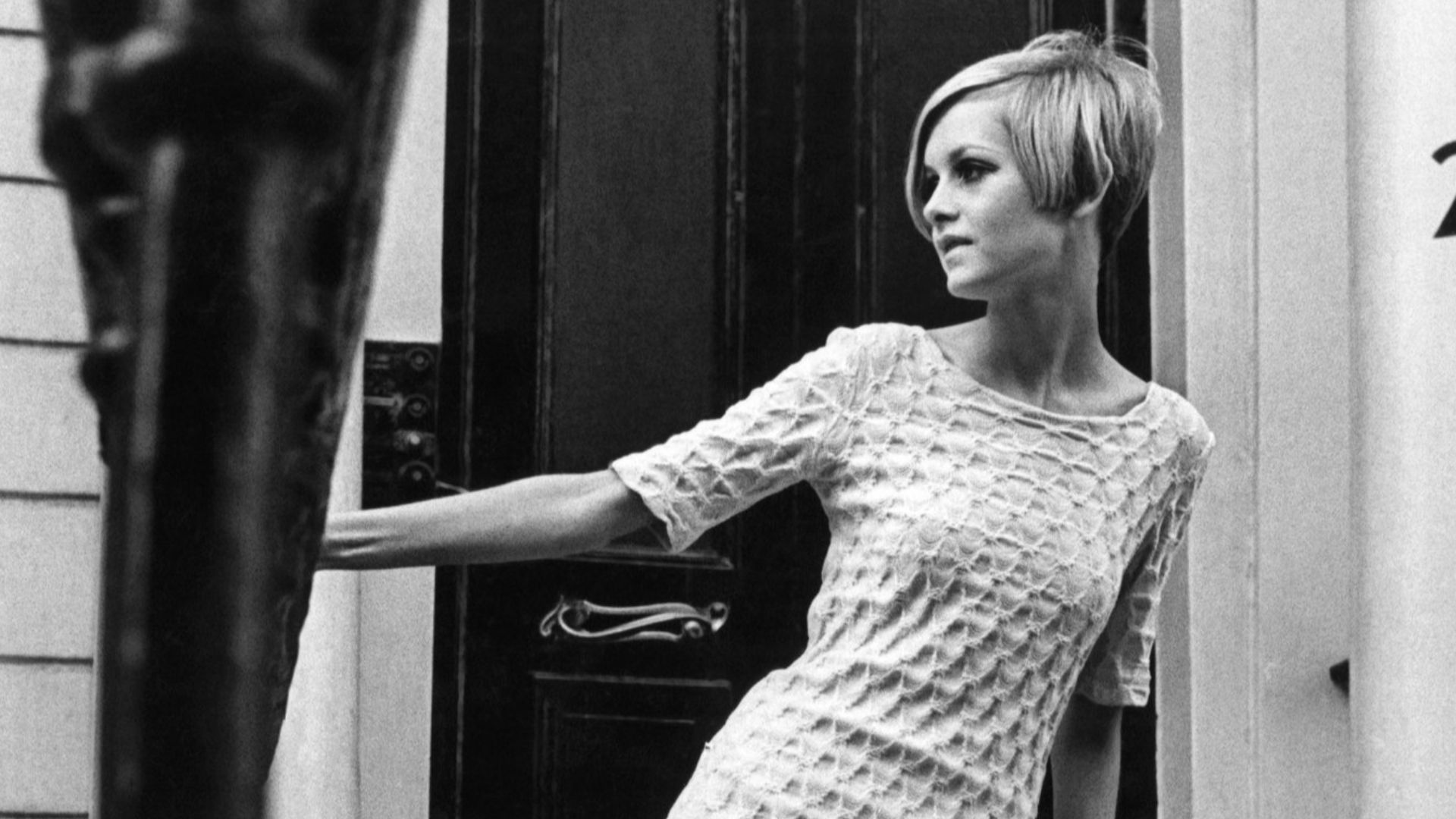 KRLA Beat/Beat Publications, Inc., Wikimedia Commons
Jean Shrimpton
Jean Shrimpton brought freshness to fashion at the right moment as street shoots with photographer David Bailey replaced stiff studio poses. Major magazine covers followed quickly, while Swinging London embraced her easy presence, earning her the nickname The Shrimp and a central place in the cultural scene.
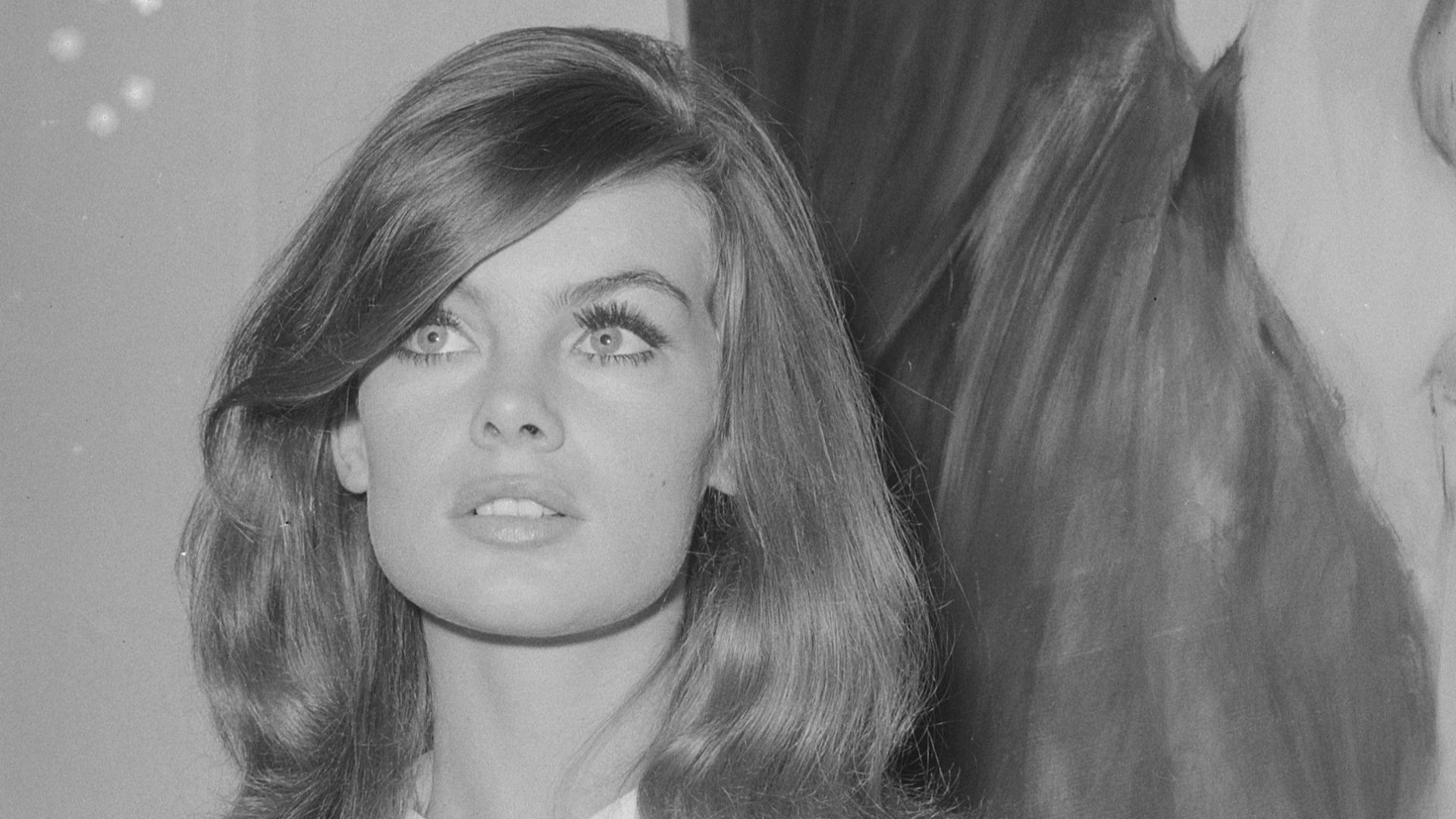 Joost Evers / Anefo, Wikimedia Commons
Jane Birkin
Nothing about Jane Birkin felt forced. Though English-born, she became a French style symbol through mini dresses, flared jeans, and boots. A wicker basket completed the look, and years later, Hermes confirmed her impact by naming the Birkin bag after her.
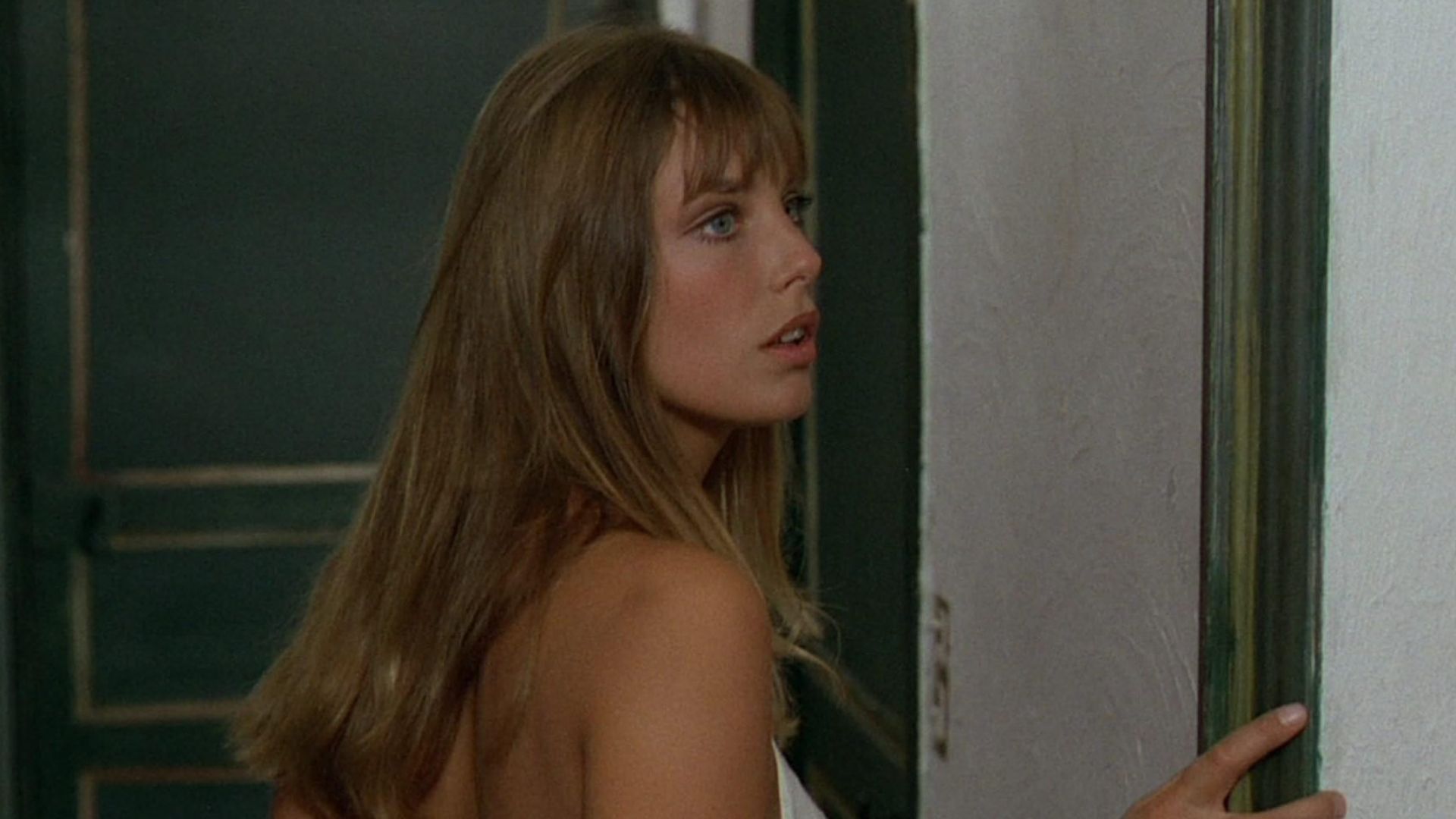 deepskyobject, Wikimedia Commons
Sophia Loren
Sophia Loren carried confidence that matched her talent. She symbolized La Dolce Vita glamour while earning an Academy Award for Two Women in 1961. That win made history for non-English performances and confirmed her place as one of cinema’s most commanding figures.
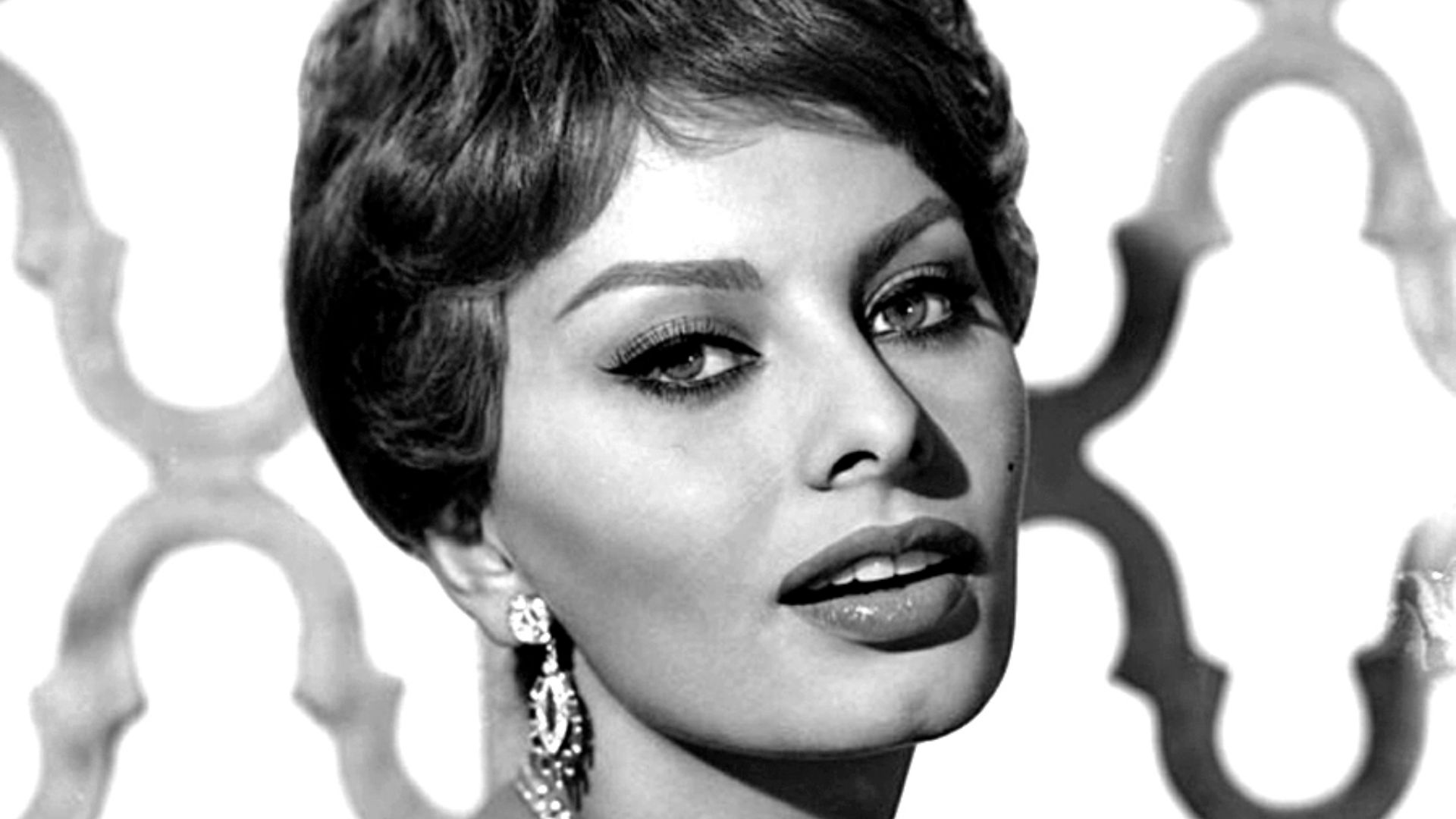 Paul A. Hesse Studios, Wikimedia Commons
Diana Ross
Style and sound rose together when Diana Ross led The Supremes. Coordinated gowns and metallic finishes shaped group fashion, paired with bold hairstyles that completed the look. Her bouffant became instantly recognizable, turning Motown glamour into one of the decade’s most copied visual signatures.
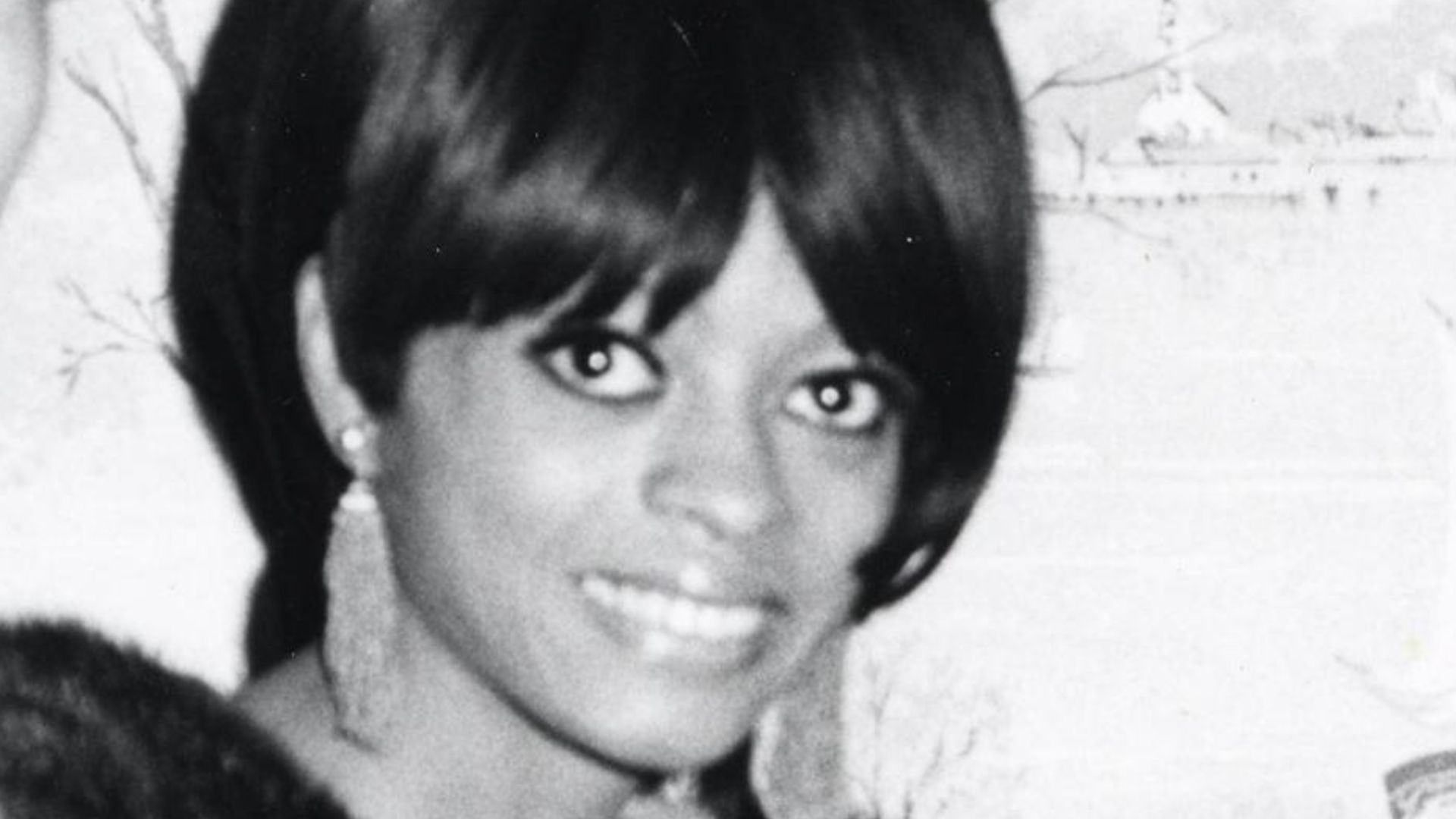 City of Boston Archives from West Roxbury, United States, Wikimedia Commons
Edie Sedgwick
Edie Sedgwick turned downtown art into magnetic style. As Andy Warhol’s muse, she starred in underground films and captured the attention of youth culture. Vogue even named her a Youthquaker in 1965, and platinum hair with bold eyeliner sealed her It Girl status.
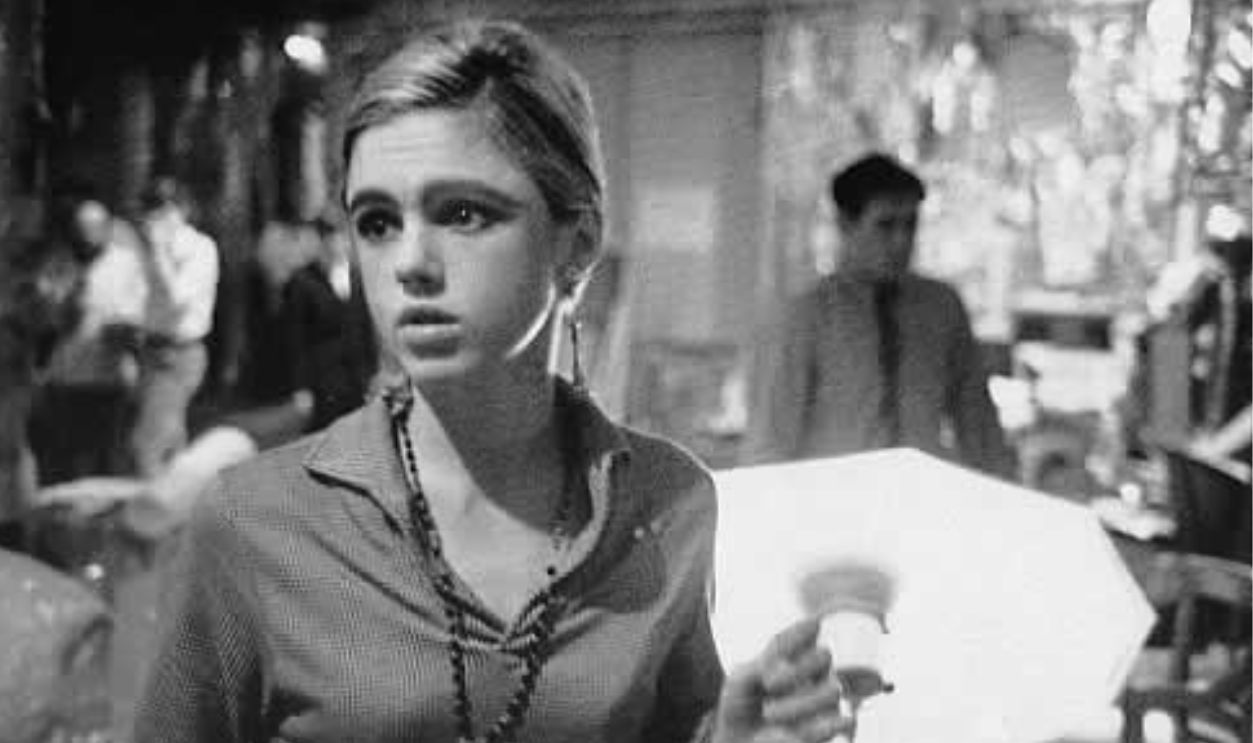
Mia Farrow
Few looks changed a decade faster than the pixie cut worn by Mia Farrow. Vidal Sassoon styled it for Rosemary’s Baby in 1968, making it instantly iconic. Film success followed, and designer Pierre Cardin later embraced her as a muse.
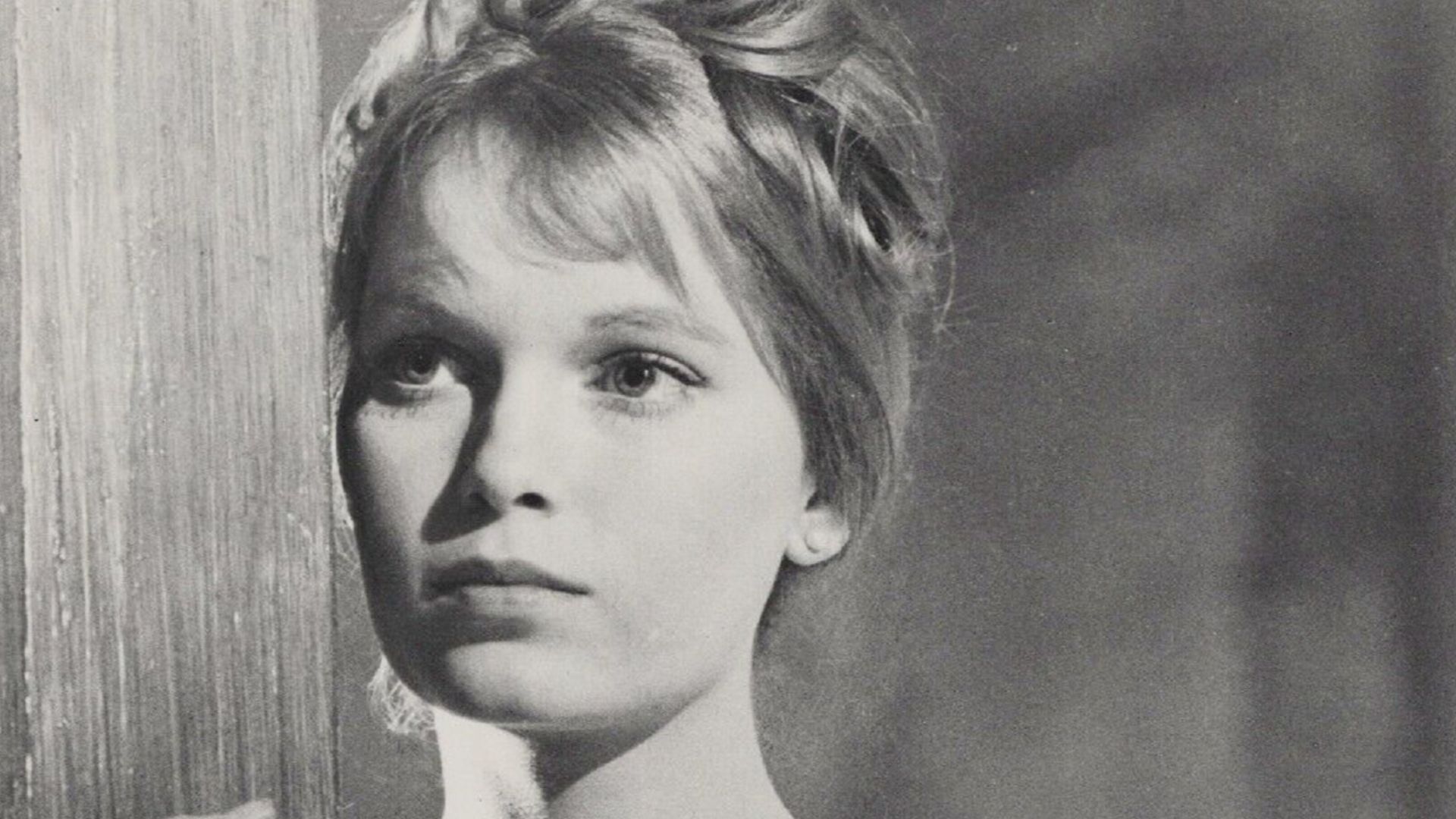 20th Century Fox, Wikimedia Commons
Elizabeth Taylor
Elizabeth Taylor lived larger than the screen could hold. Striking violet eyes and dramatic glamour drew attention, and two Academy Awards backed the image. As the highest-paid star of the 1960s, her twice-repeated marriage to Richard Burton kept the world watching.
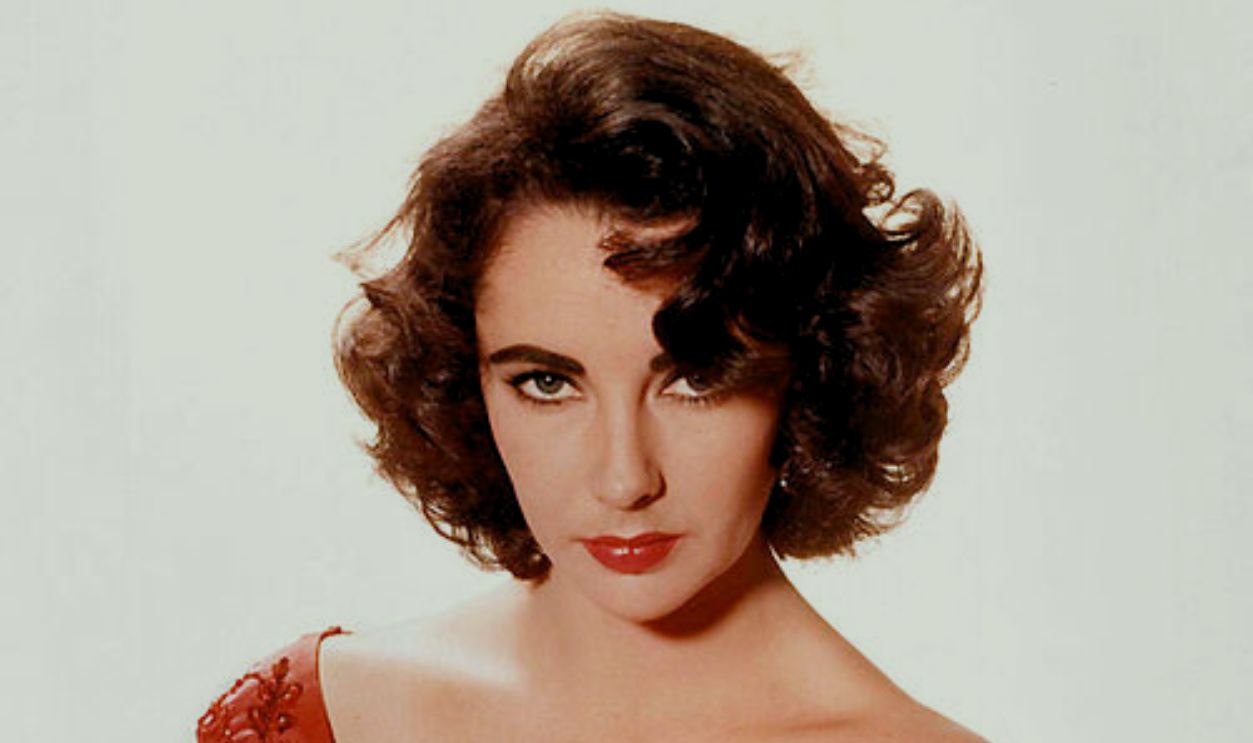 Studio publicity still, Wikimedia Commons
Julie Christie
Swinging London gained a new symbol through Julie Christie’s rise. An Academy Award for Darling in 1965 captured the era’s mood, while Doctor Zhivago expanded her fame. Magazine covers followed, and a tomboy image earned her the label anti-goddess.
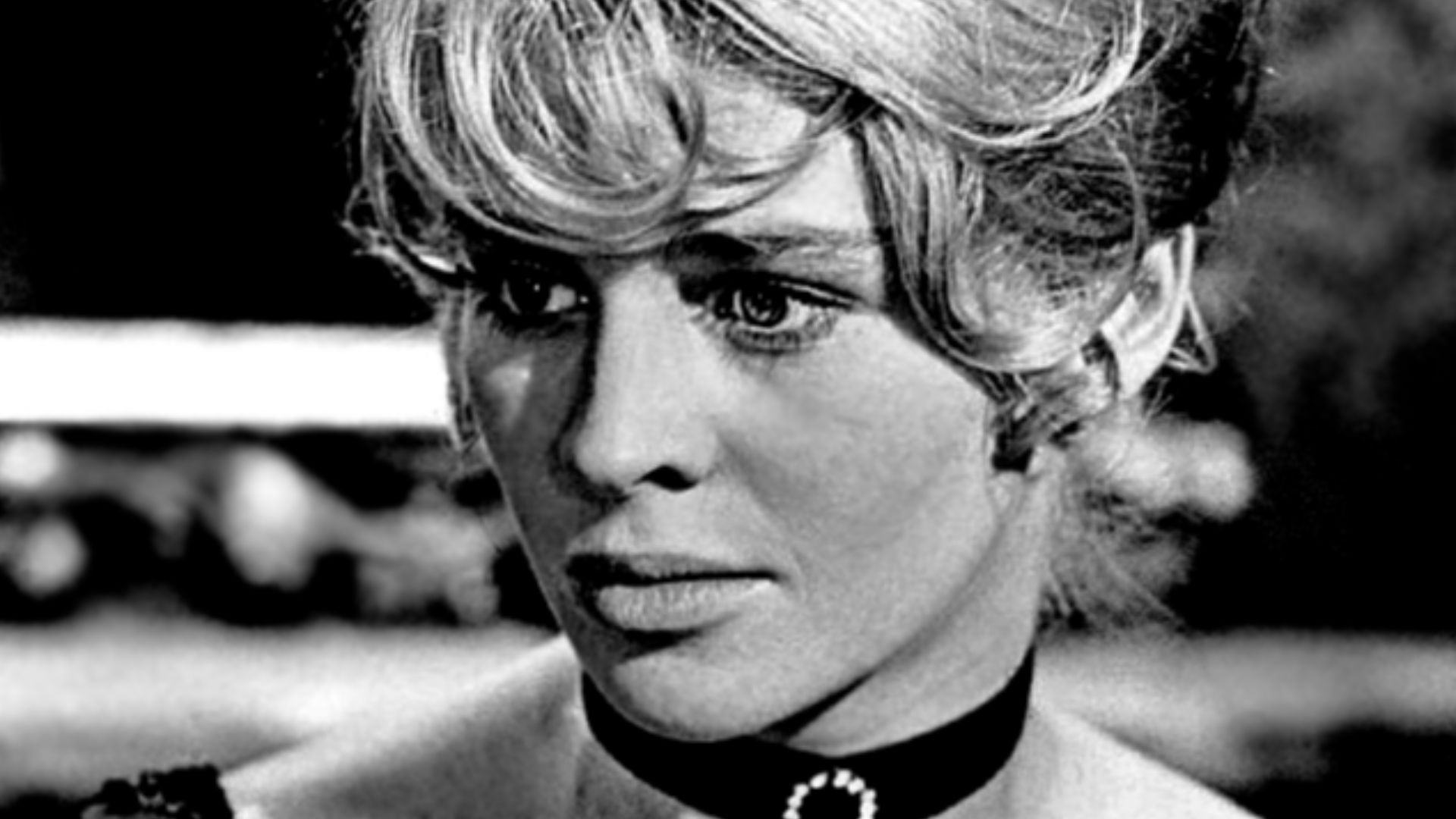 news service, Wikimedia Commons
Anita Pallenberg
Fashion took a darker, freer turn with Anita Pallenberg in view. Closely tied to The Rolling Stones, her bohemian rock style shaped late 1960s looks. A role in Barbarella added cult status, while romances with Brian Jones and Keith Richards fueled intrigue.
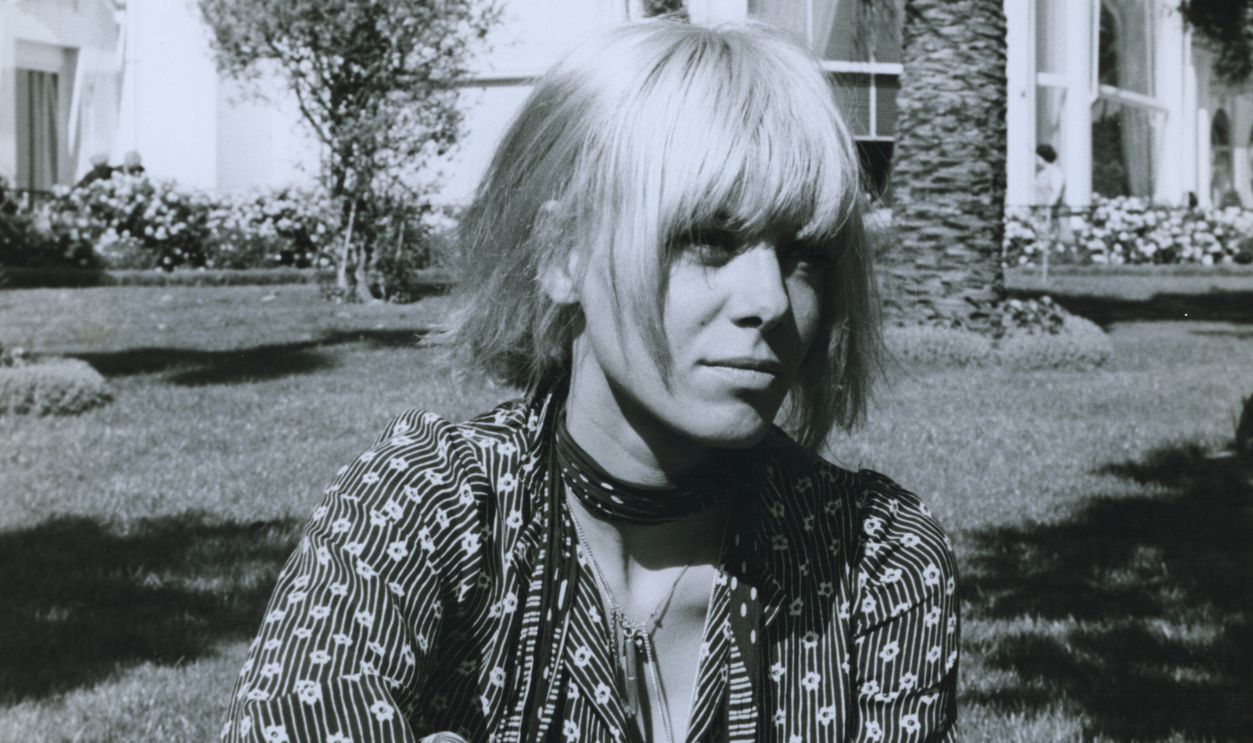 REPORTERS ASSOCIES, Getty Images
Catherine Deneuve
Cool elegance shaped Catherine Deneuve’s screen presence from the start. Roles in The Umbrellas of Cherbourg and Belle de Jour established her icy blonde image. Yves Saint Laurent even crafted many signature looks, and her marriage to photographer David Bailey also tied her closely to London fashion circles.
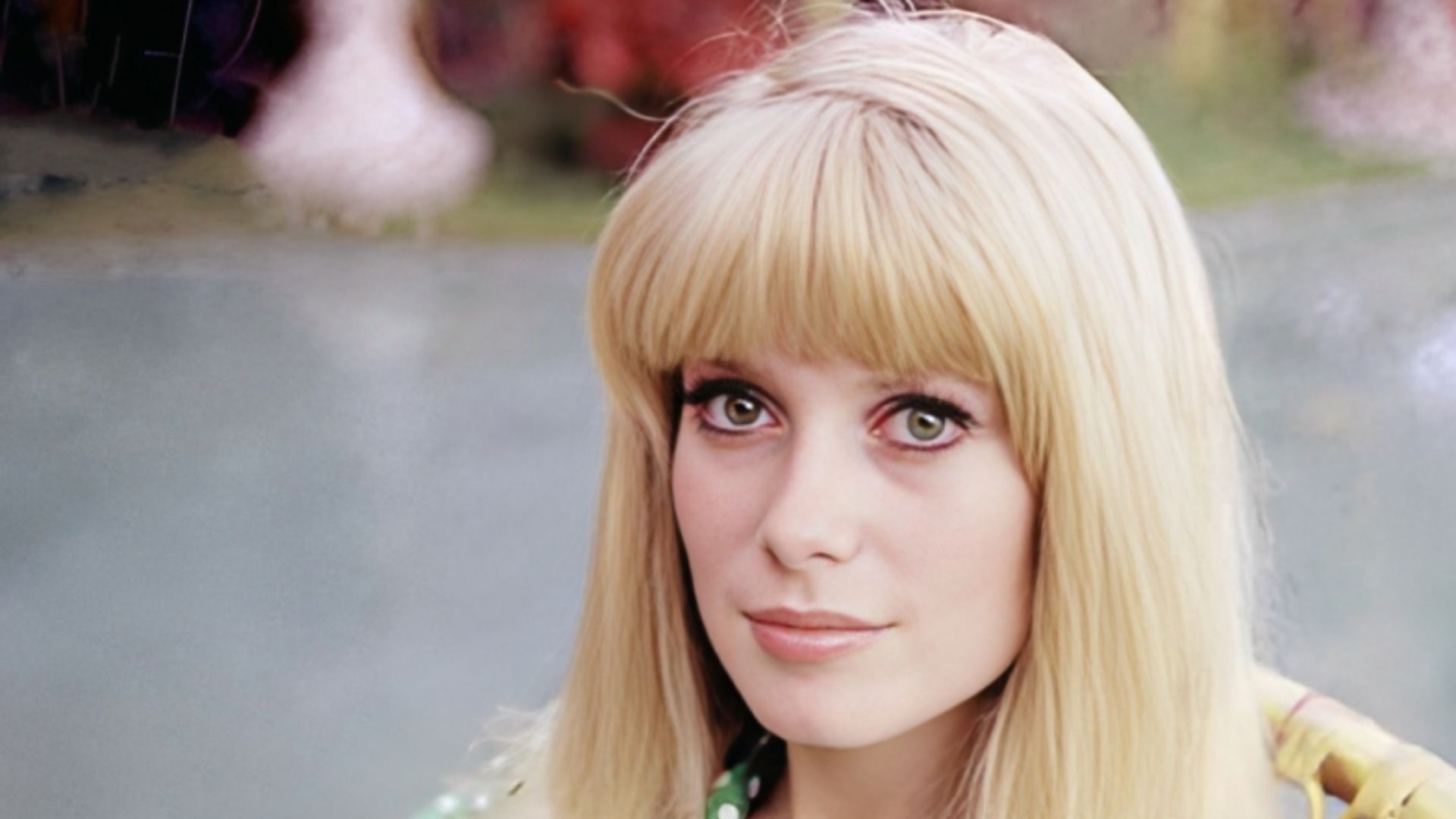 Photo Londi, Wikimedia Commons
Mary Quant
Youth style shifted once Mary Quant’s designs hit the London streets. She popularized the miniskirt and defined the Chelsea look, placing her at the heart of Mod fashion. Naming the skirt after her Mini car reflected the playful spirit behind her influence.
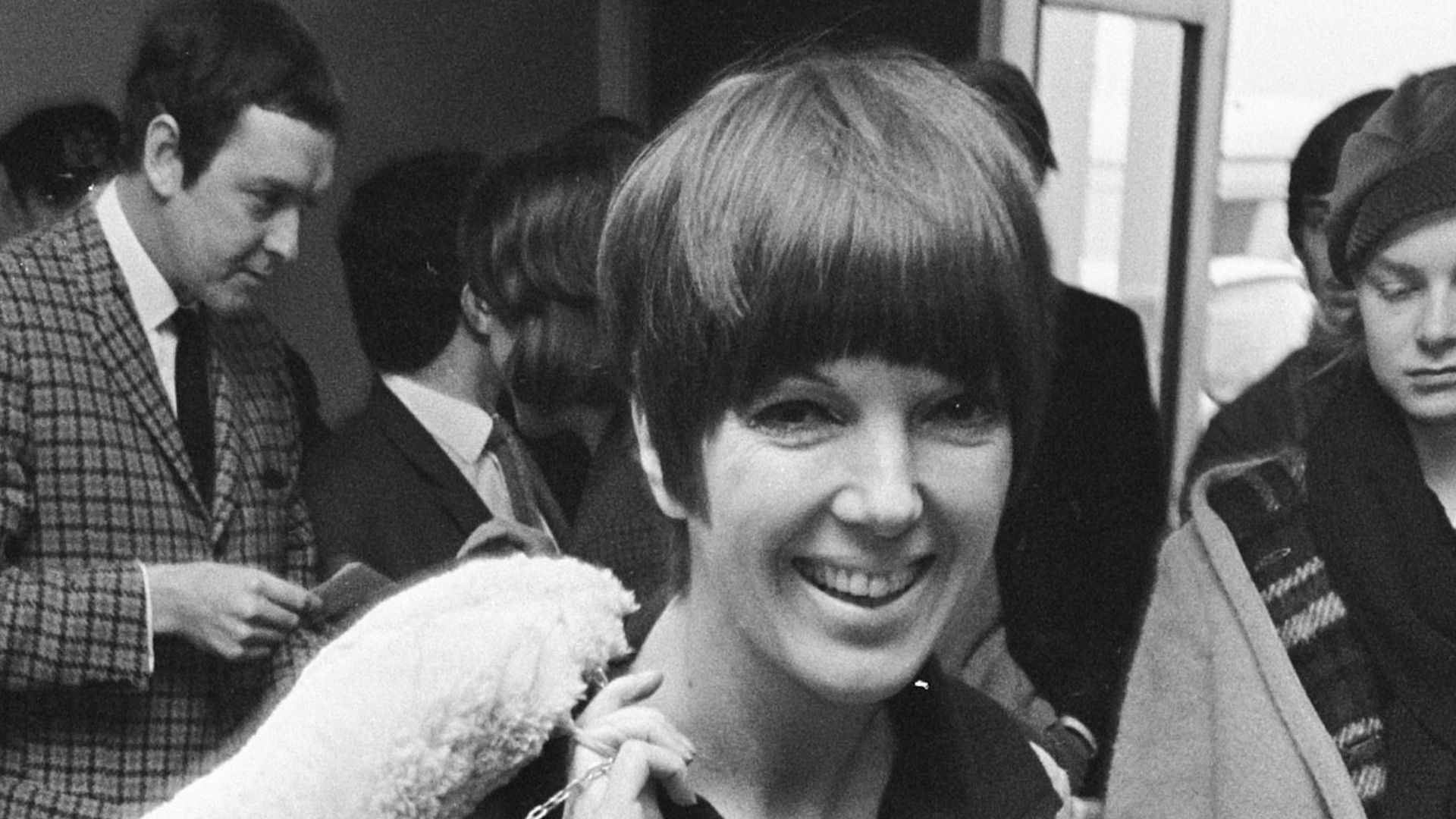 Jack de Nijs for Anefo / Anefo, Wikimedia Commons
Veruschka
Height alone made people stop and stare, and Veruschka used it well. Born Vera von Lehndorff, she stood six feet tall and brought a striking presence to fashion. A role in Blow-Up sealed icon status, while LIFE later called her The Girl Everybody Stares At.
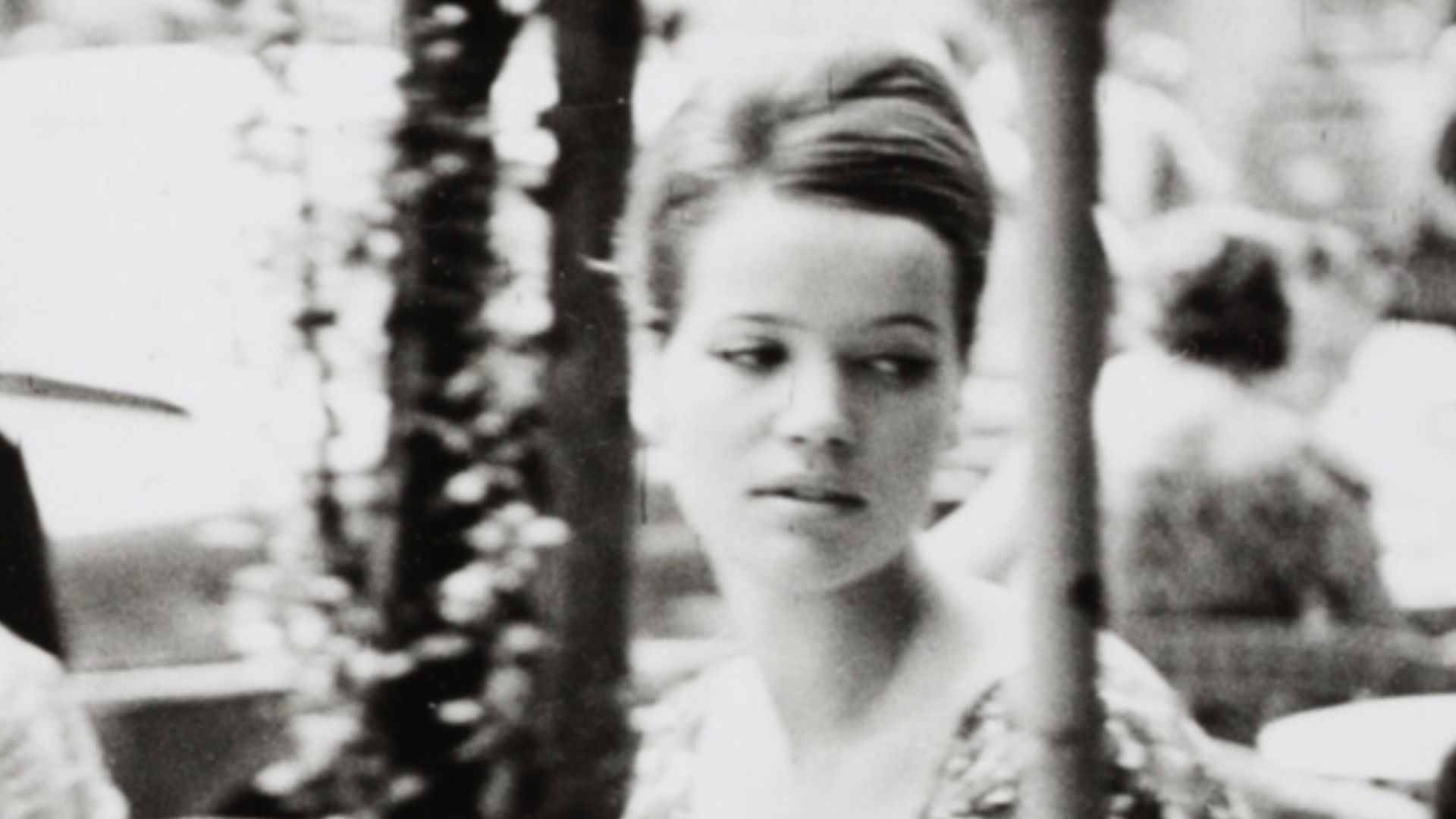 Barbara Niggl Radloff, Wikimedia Commons
Francoise Hardy
Quiet confidence set Francoise Hardy apart from louder pop stars. Her song Tous les garcons et les filles made her famous in 1962, and Parisian style followed naturally. Designers like Paco Rabanne admired her look, and Mick Jagger openly called her his ideal woman.
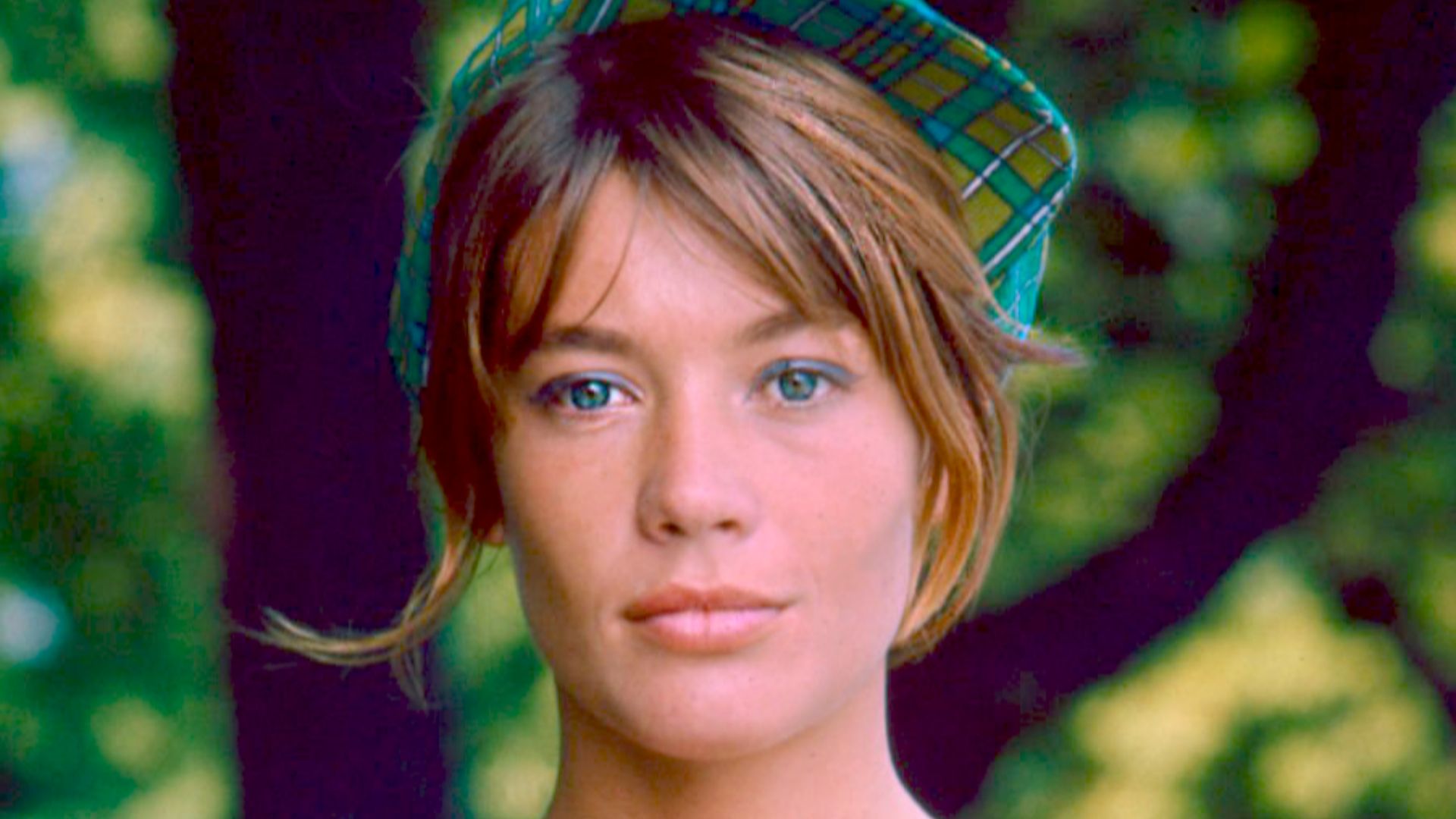 Steve Schapiro, Wikimedia Commons
Nancy Sinatra
Famous parents never defined Nancy Sinatra’s image. A sharp turn came with These Boots Are Made for Walkin’, which became a 1966 anthem. Mod fashion matched the attitude, and her television special Movin’ with Nancy, brought that style into American living rooms.
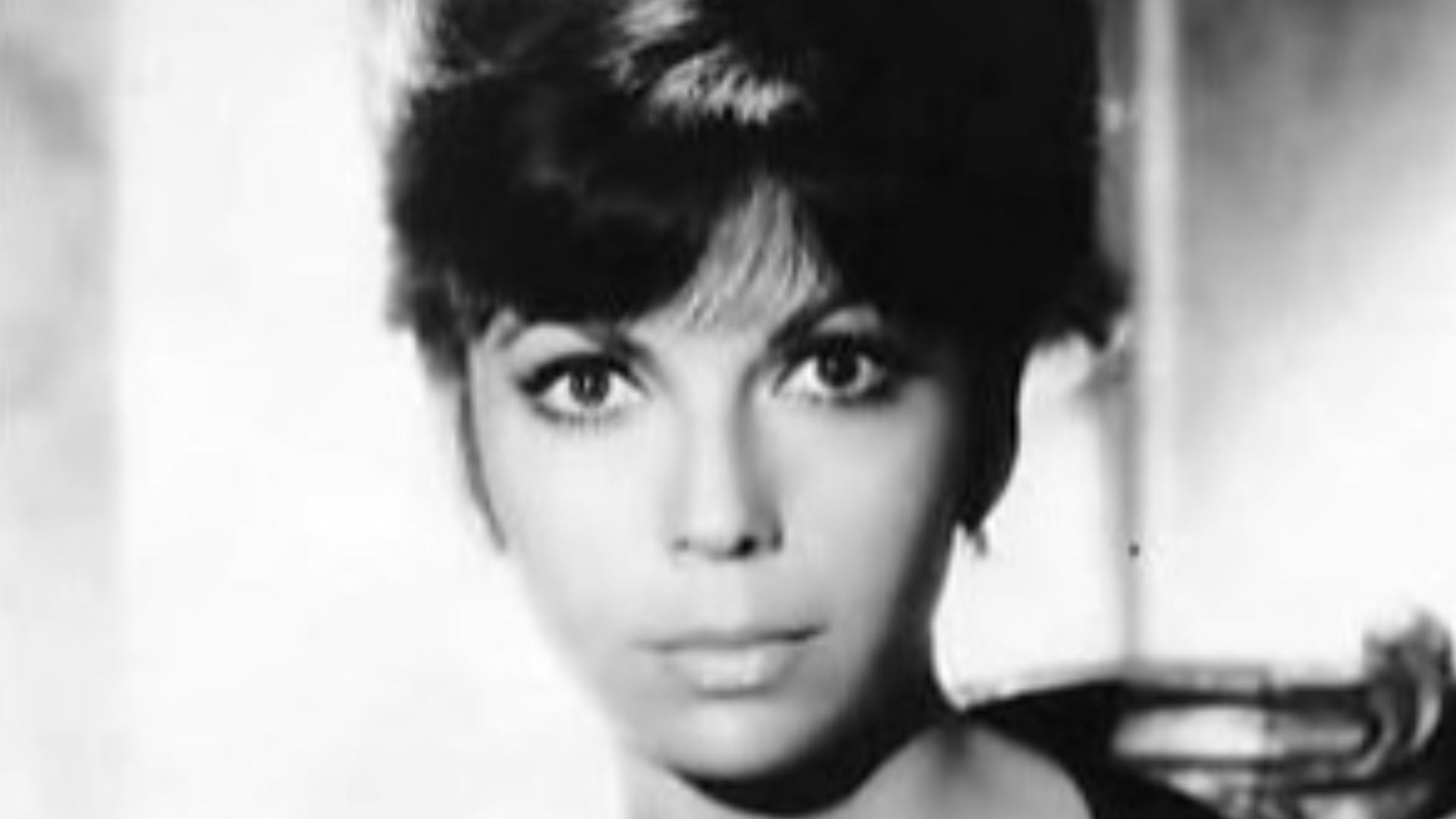 Reprise Records, Wikimedia Commons
Cher
Television introduced Cher as impossible to ignore. Rising with Sonny and Cher, she wore bold prints, fringed vests, and bell-bottoms that stood out instantly. Her long straight hair became iconic, and psychedelic fashion reached mainstream America through late 1960s TV appearances.
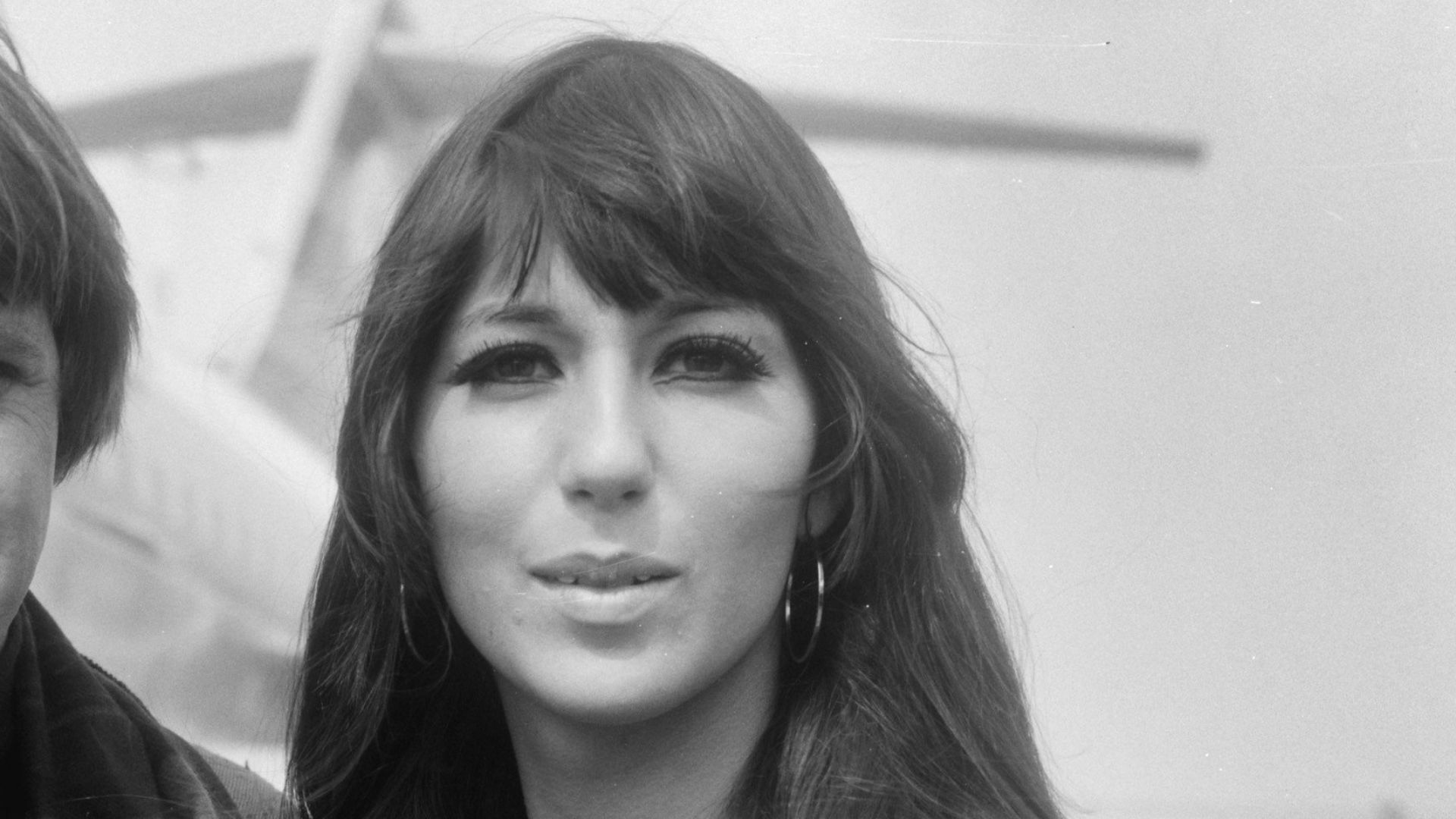 Joop van Bilsen / Anefo, Wikimedia Commons
Sharon Tate
Hollywood glamour gained a gentler glow through Sharon Tate. Roles such as Valley of the Dolls pushed her into public view, and fashion magazines loved her airy, ethereal style. Her 1968 marriage to director Roman Polanski pulled her even deeper into the decade’s celebrity spotlight.
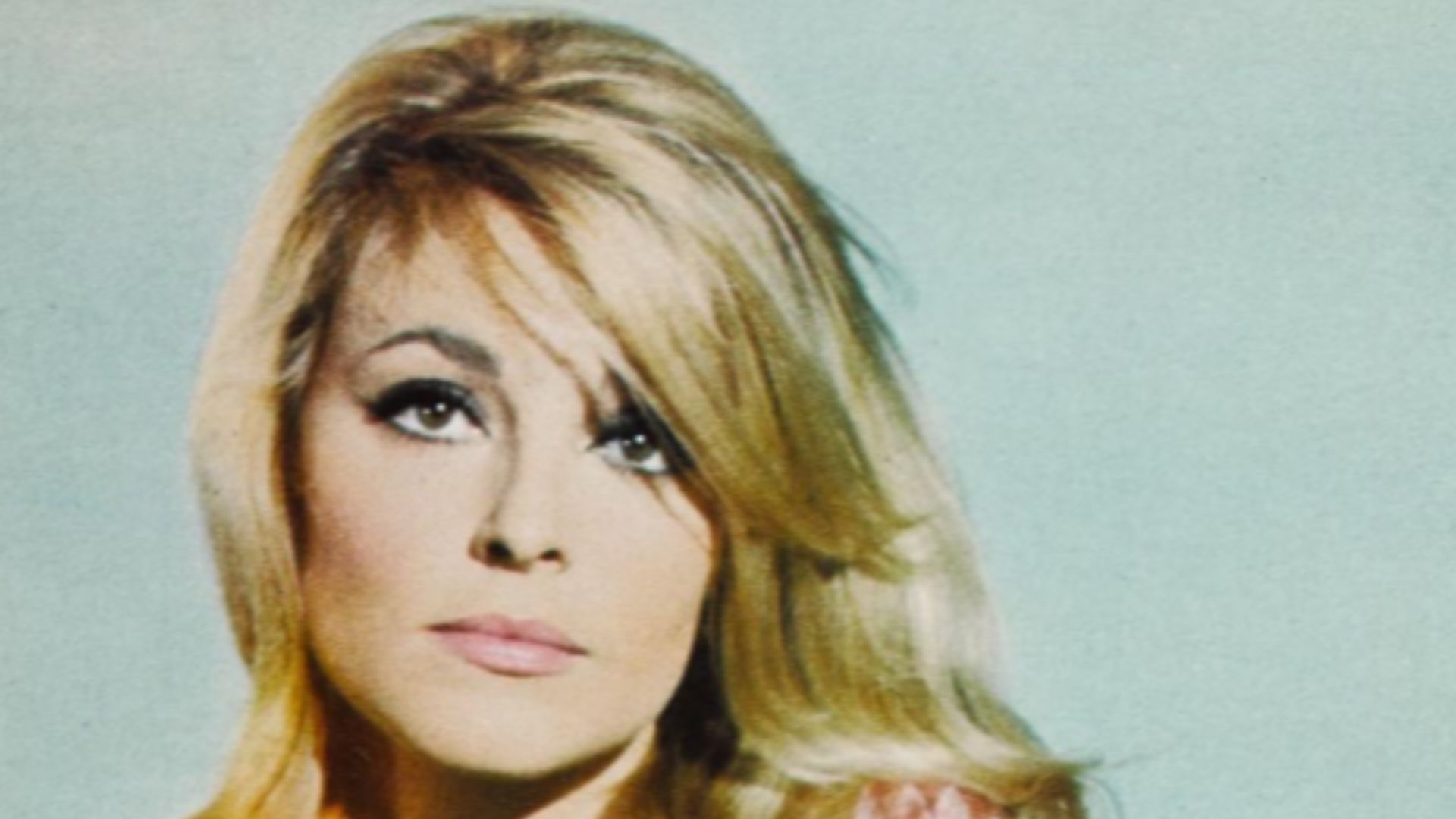 Unknown authorUnknown author, Wikimedia Commons
Yoko Ono
Avant-garde ideas shaped everything Yoko Ono touched. Her work in the Fluxus movement blended art, music, and fashion with a minimalist edge. Her marriage to John Lennon in 1969 also placed her at the center of counterculture, later amplified by their Bed In for Peace.
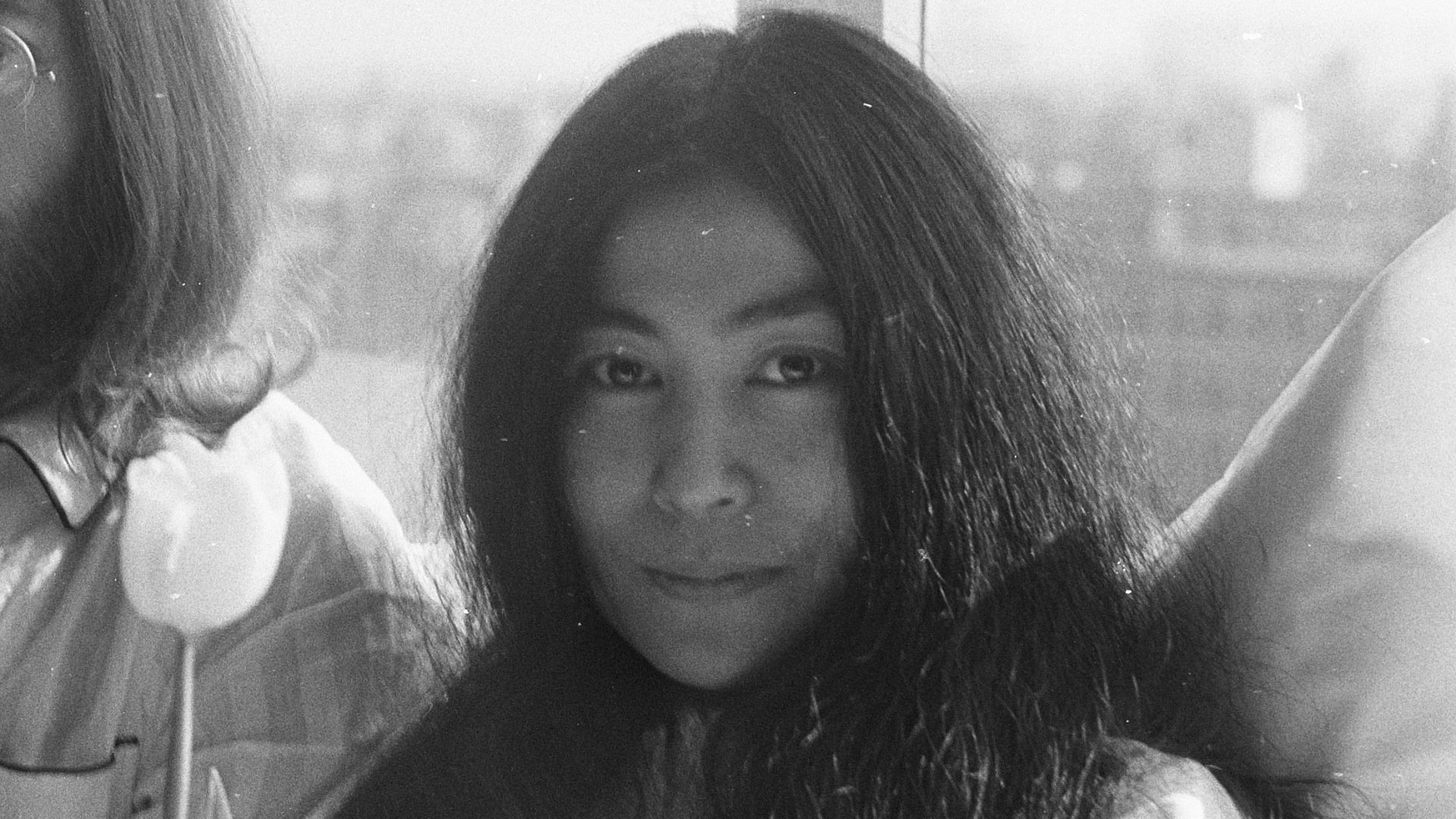 Eric Koch / Anefo, Wikimedia Commons
Pattie Boyd
Swinging London found a muse in Pattie Boyd. Modeling work and Mod style set her apart, while marriage to George Harrison in 1966 pulled her into music history. Songs like Something and Layla later traced emotional inspiration back to her presence.
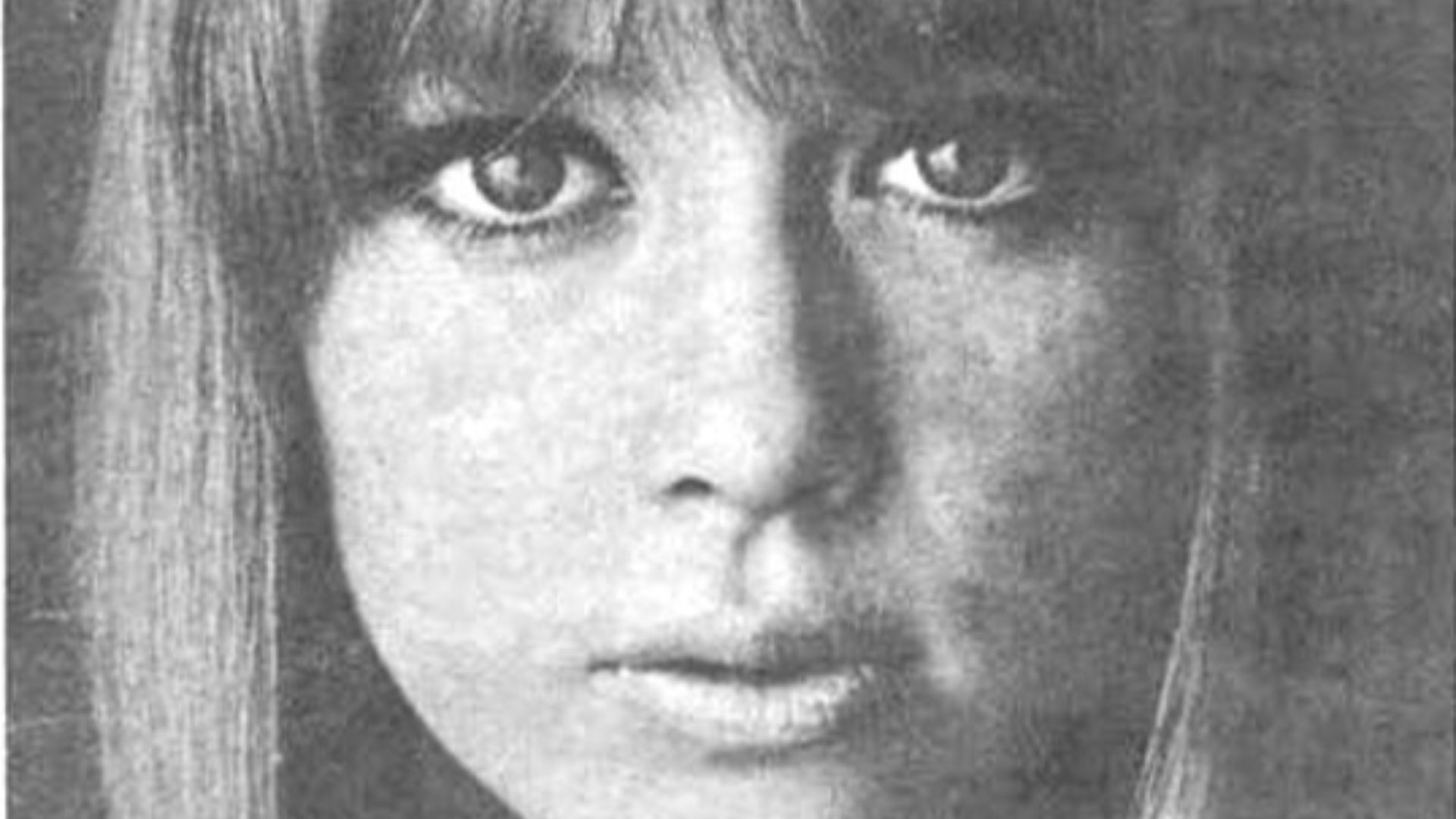
Claudia Cardinale
International fame followed Claudia Cardinale across continents. Roles in The Leopard and Once Upon a Time in the West showcased Mediterranean glamour that felt powerful yet natural. Success in both Italian cinema and Hollywood turned her into one of the decade’s most recognizable faces.
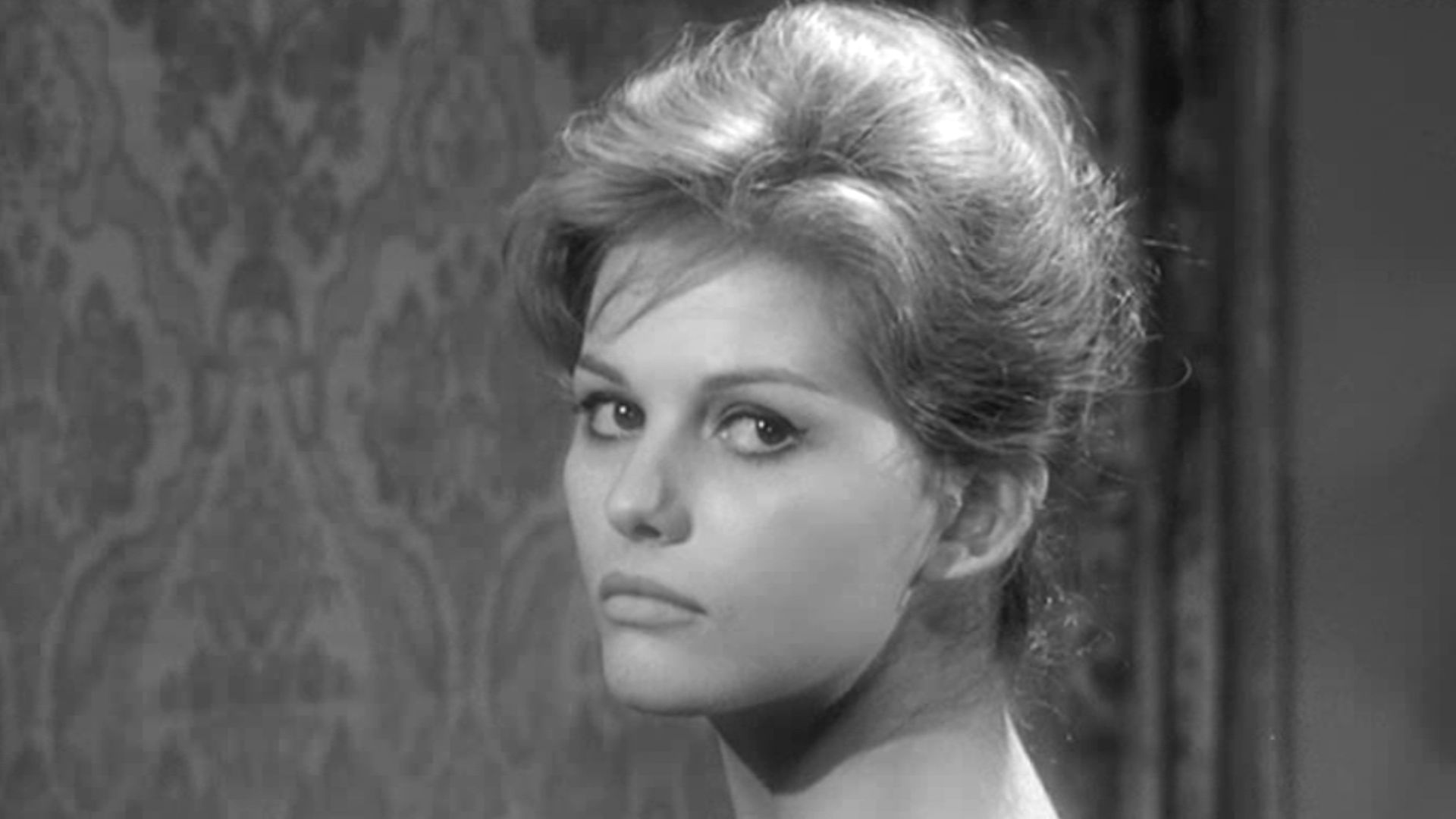 Gawain78 at the Italian Wikipedia project., Wikimedia Commons
Barbra Streisand
Barbra Streisand never matched the industry’s expectations, which made her stand out even more. Broadway success in Funny Girl sparked her rise, and an Academy Award in 1968 confirmed it. Her bold mix of glamour, individuality, and early vintage fashion reshaped ideas about what high style could be.
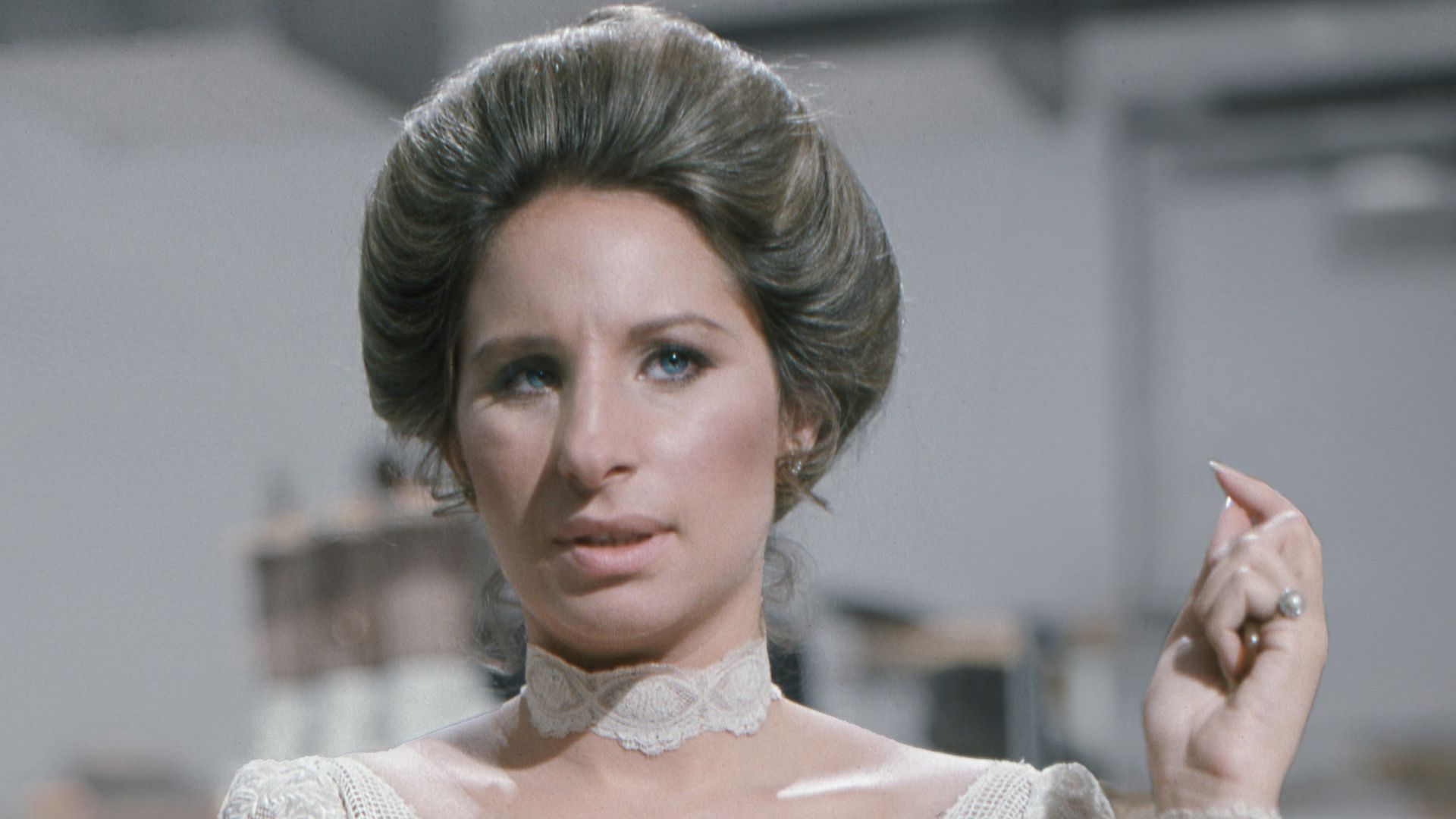 Allan warren, Wikimedia Commons
Raquel Welch
Pop culture shifted after audiences saw Raquel Welch in One Million Years B.C.. The fur bikini image spread worldwide, making her a global symbol of 1960s glamour. Roles in films like Fantastic Voyage followed, and posters turned her into a pin-up phenomenon.
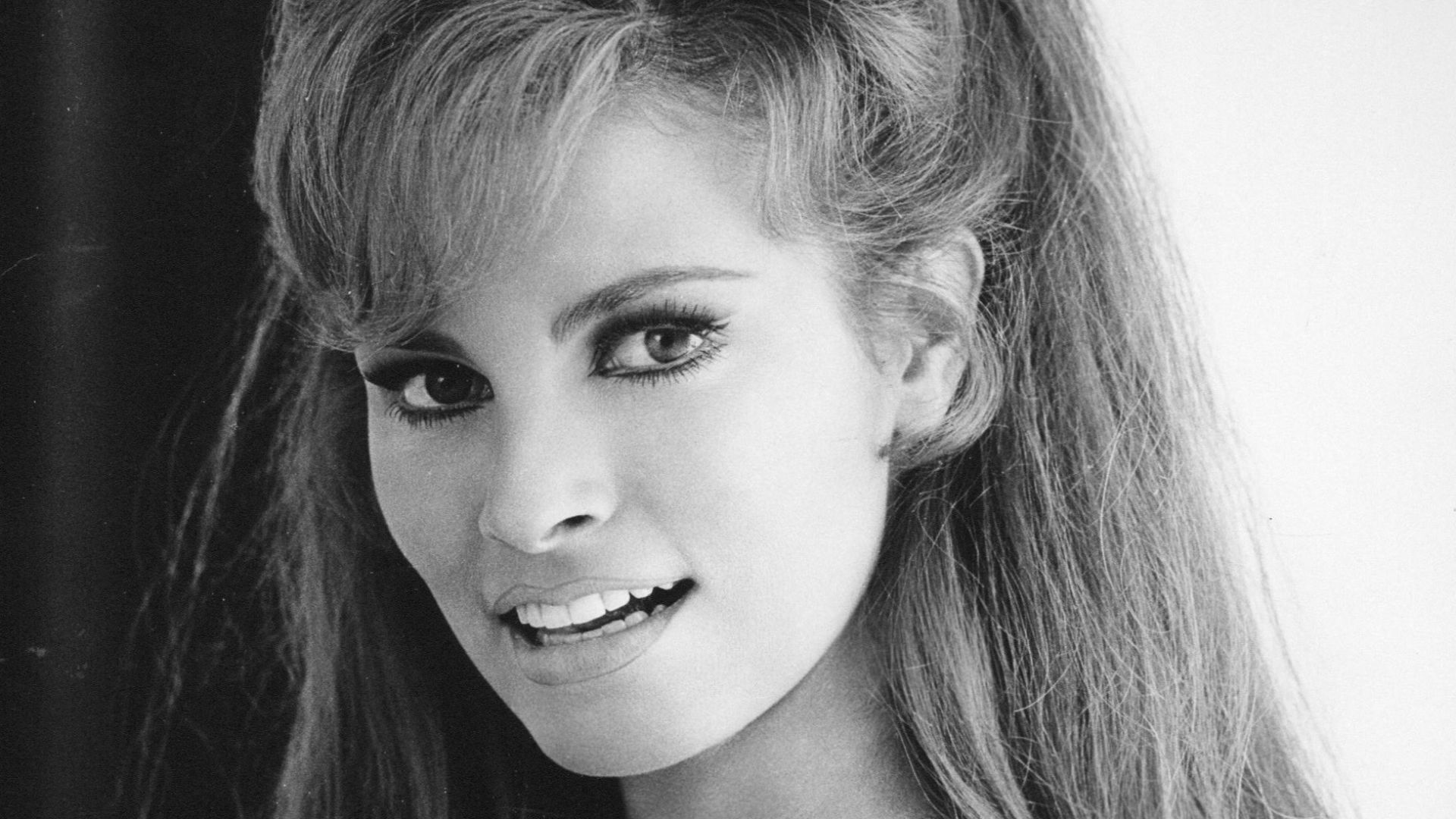 Unknown author, Wikimedia Commons