A Comedic Gift That Shapes American Culture
Few figures altered comedy as profoundly as Mel Brooks, with a career that spanned television writing and acting in iconic films and on Broadway. His quotes reflect a philosophy that left an imprint on American entertainment.

“Tragedy Is When I Cut My Finger. Comedy Is When You Fall Into An Open Sewer And Die”
Mel Brooks uses exaggeration to explain how comedy reframes pain, showing that perspective rather than cruelty drives laughter. The quote outlines his belief that humor distills experience by turning minor misfortune into insight about shared human reactions.

“If You’re Quiet, You’re Not Living. You’ve Got To Be Noisy And Colorful And Lively”
Instead of a punchline, this statement reveals Brooks’s creative ethos. He values energy and argues that expressiveness fuels comedy and art alike, a mindset shaped by decades working in the entertainment business.
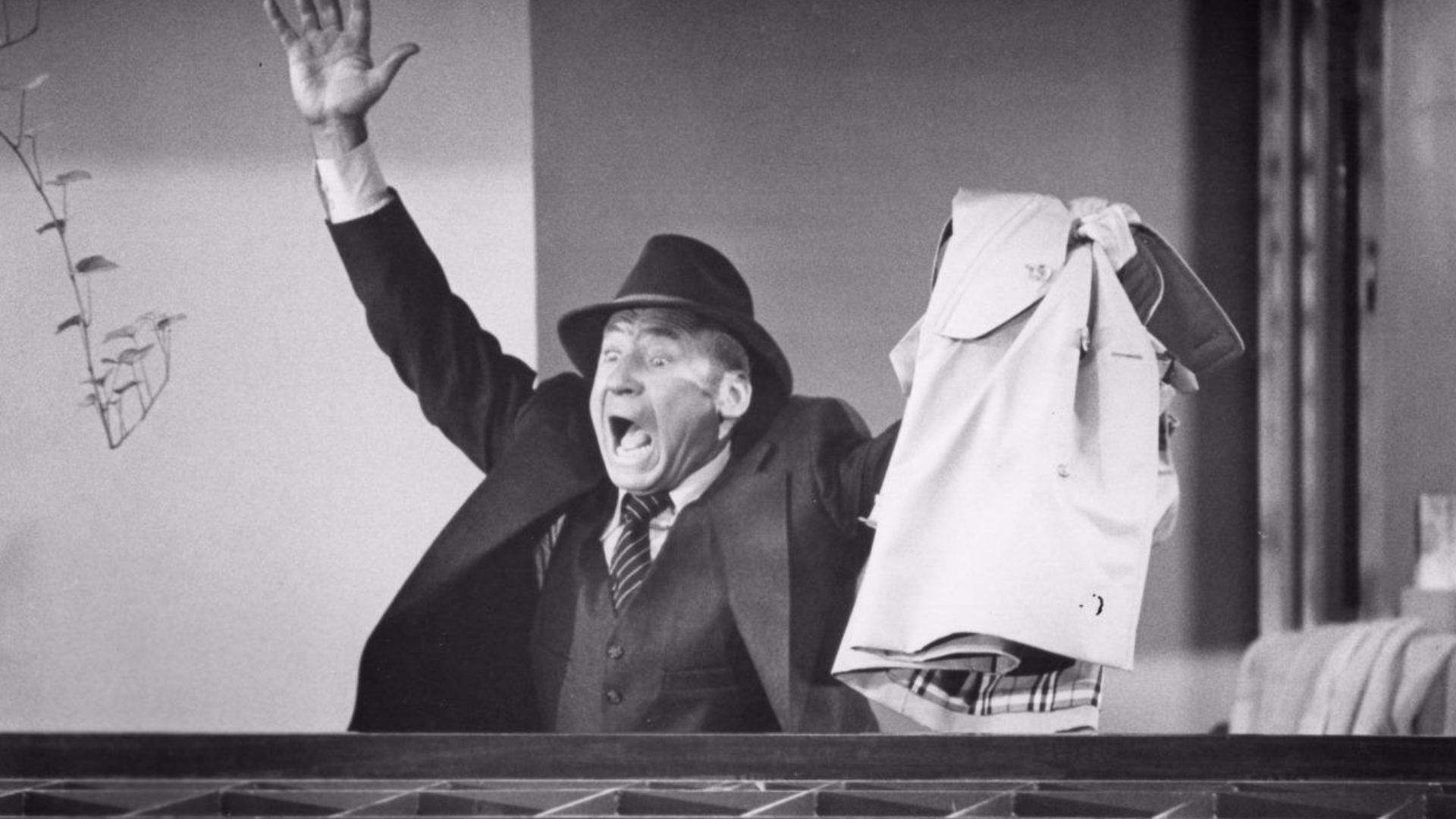 20th Century Fox, Wikimedia Commons
“Humor Is Just Another Defense Against The Universe”
Shared during later interviews, this observation reflects the comedian’s worldview. Comedy functioned as a psychological shield, helping people process fear, disorder, and loss without denial or retreat from difficult realities that define modern life.
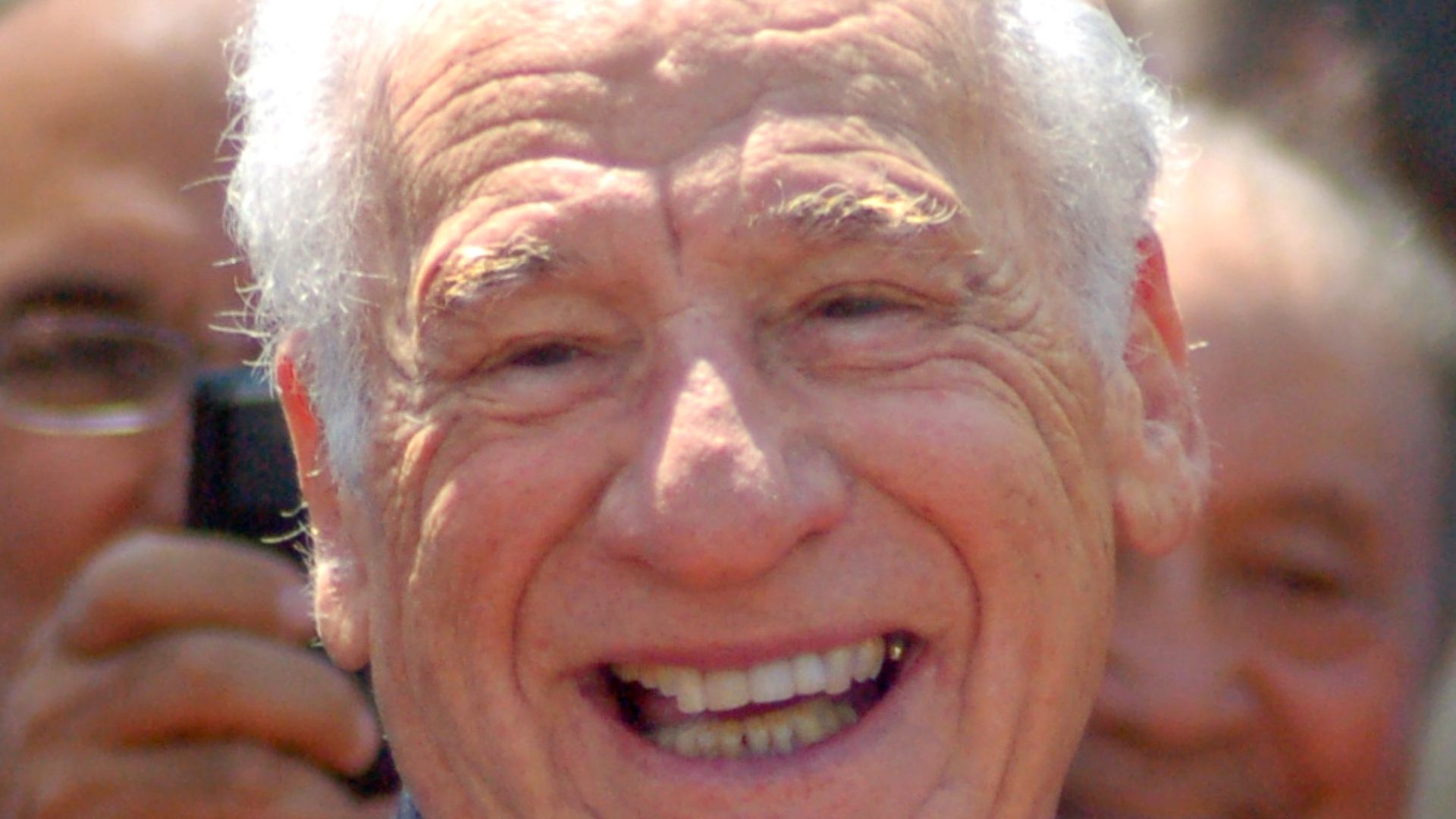 Angela George at https://www.flickr.com/photos/sharongraphics/, Wikimedia Commons
“It’s Good To Be The King”
Spoken in History of the World, Part I, this simple line distills his satire of unchecked power. Its staying power shows how privilege shields authority from consequence and restraint in a society that could have double standards.
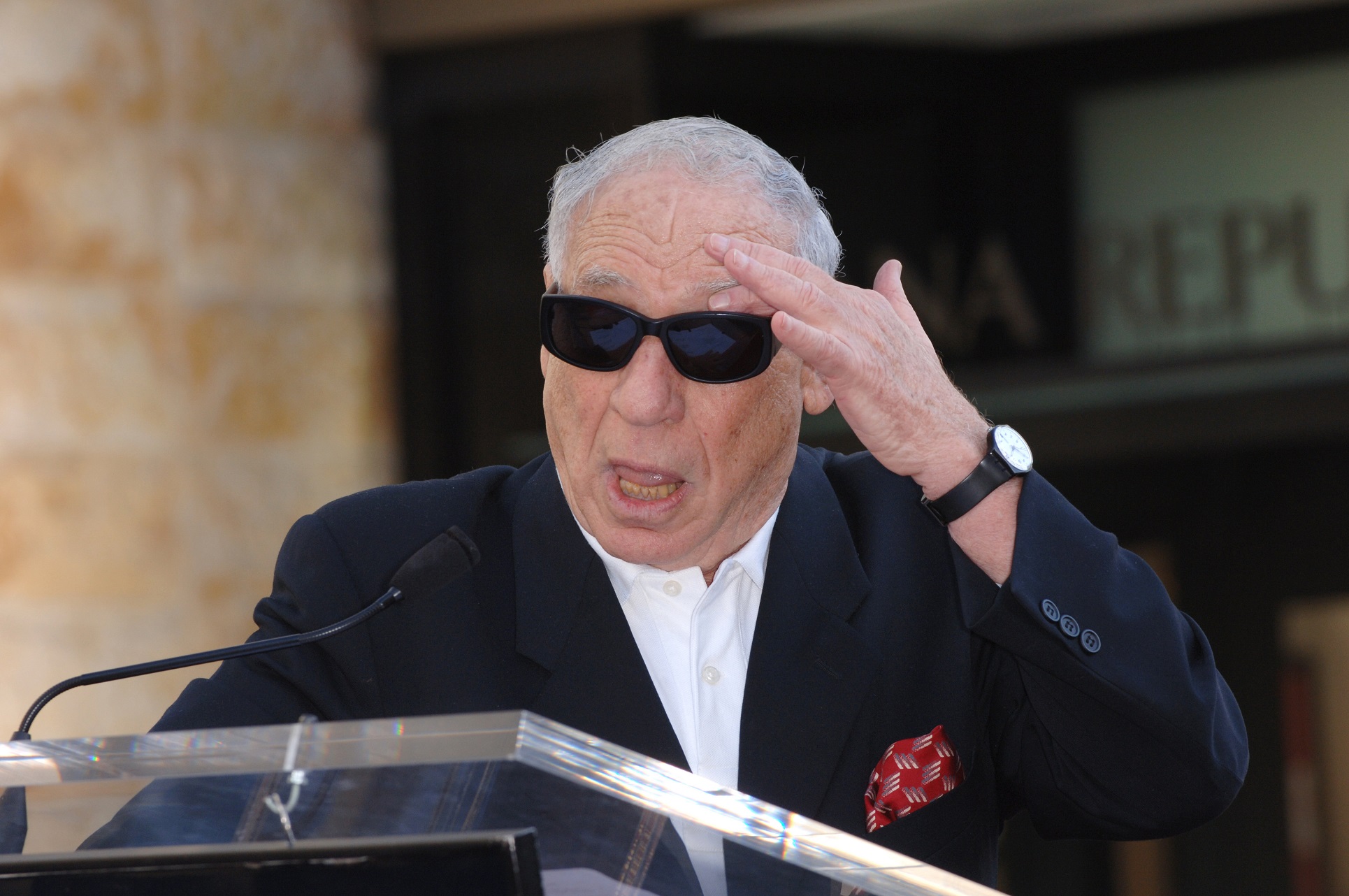 Featureflash Photo Agency , Shutterstock
“If God Wanted Us To Fly, He Would Have Given Us Tickets”
This quote blends logic, religion, and wordplay to highlight Brooks’s intellectual approach to humor. Without mocking belief, it reframes certainty itself by exposing how literal thinking can undermine profound questions about existence.
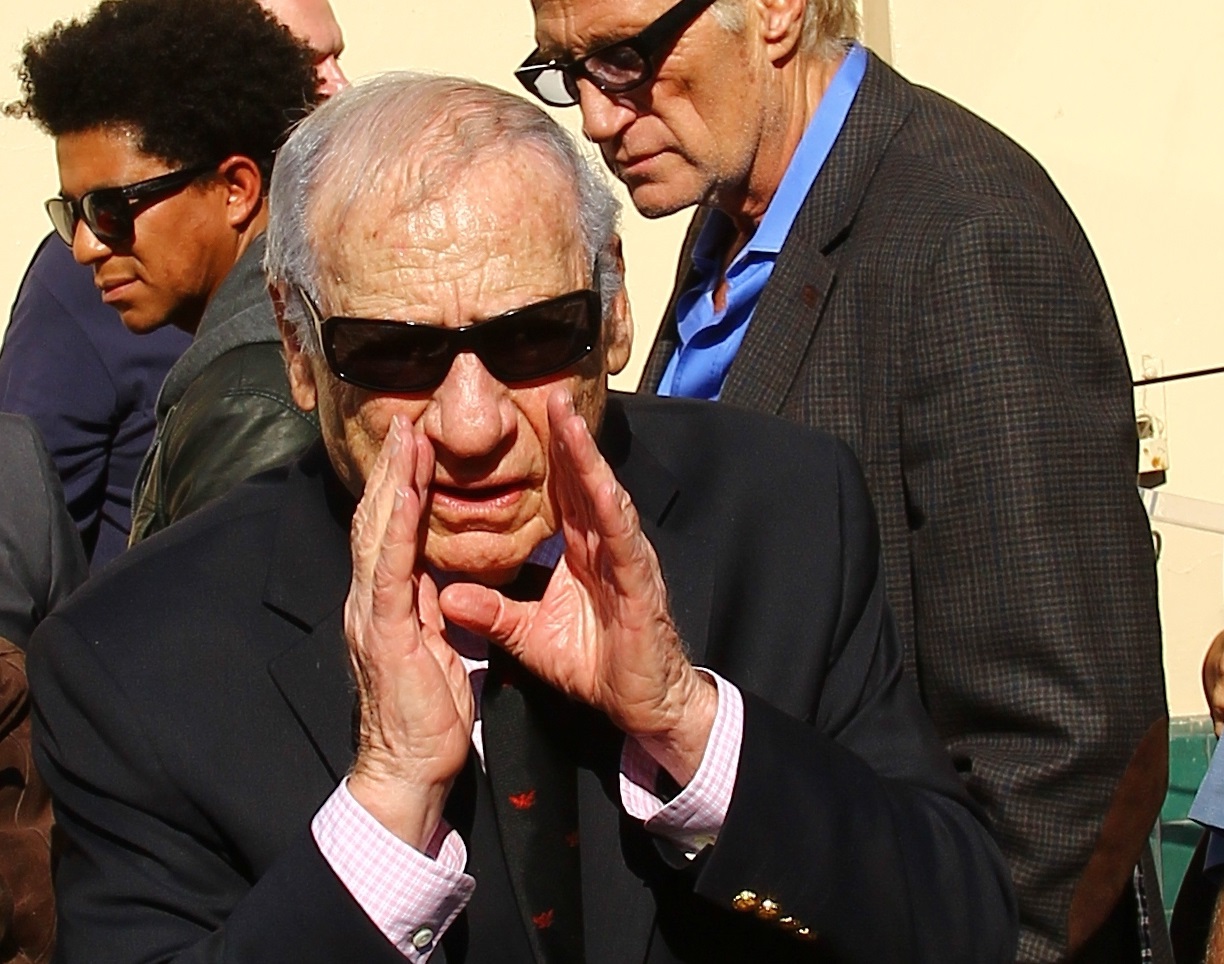
“Life Literally Abounds In Comedy If You Just Look Around You”
Reflecting Brooks’s beliefs, he mentions that humor exists in everyday observation, not manufactured situations. By paying attention to ordinary behavior, he suggests people can recognize absurdity woven into daily life.
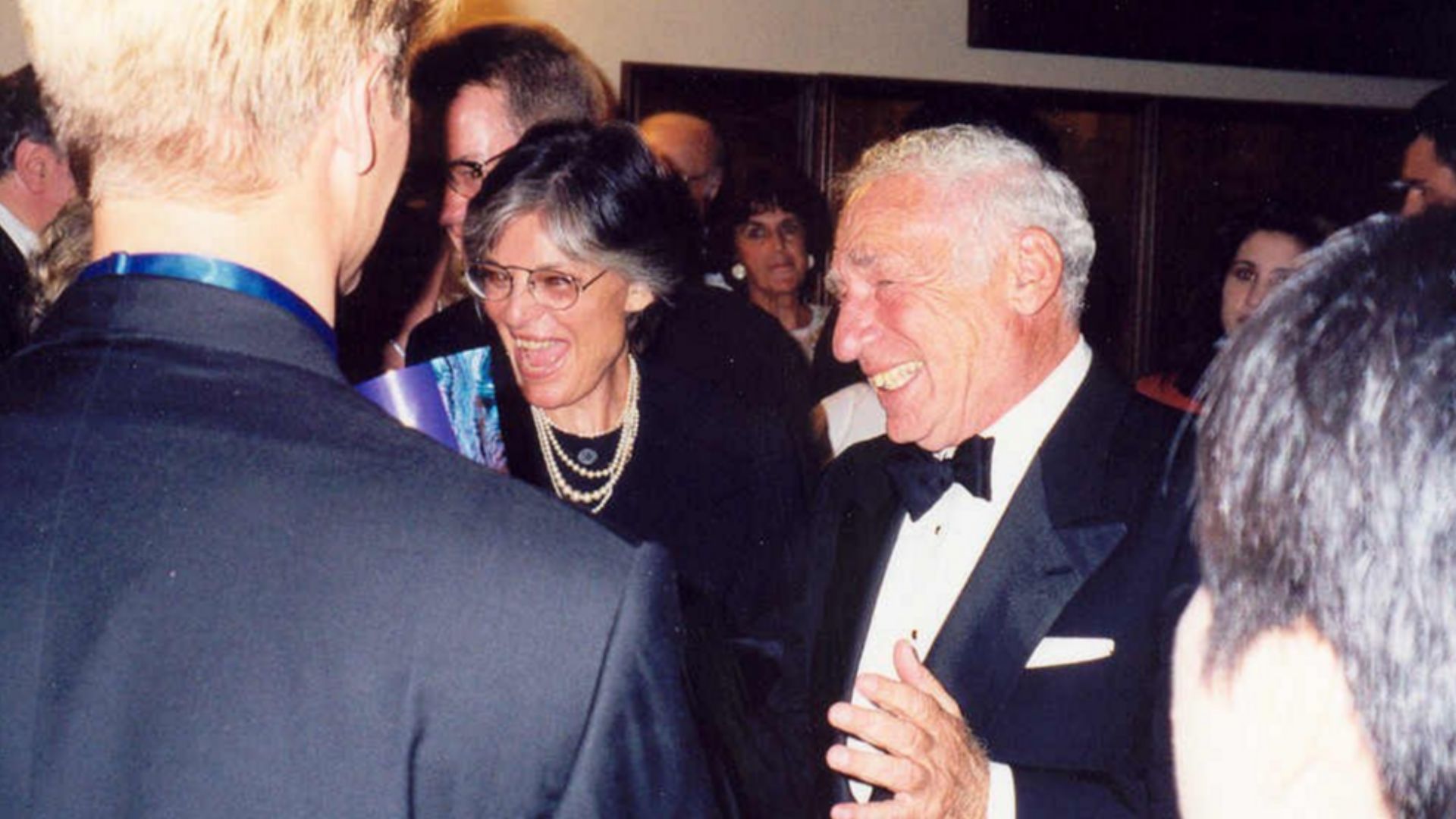
“Bad Taste Is Simply Saying The Truth Before It Should Be Said”
Brooks reframes bad taste as a timing issue rather than a moral failure. The quote highlights how comedy depends on context by showing that truth delivered too early can unsettle audiences before they are ready to process it.
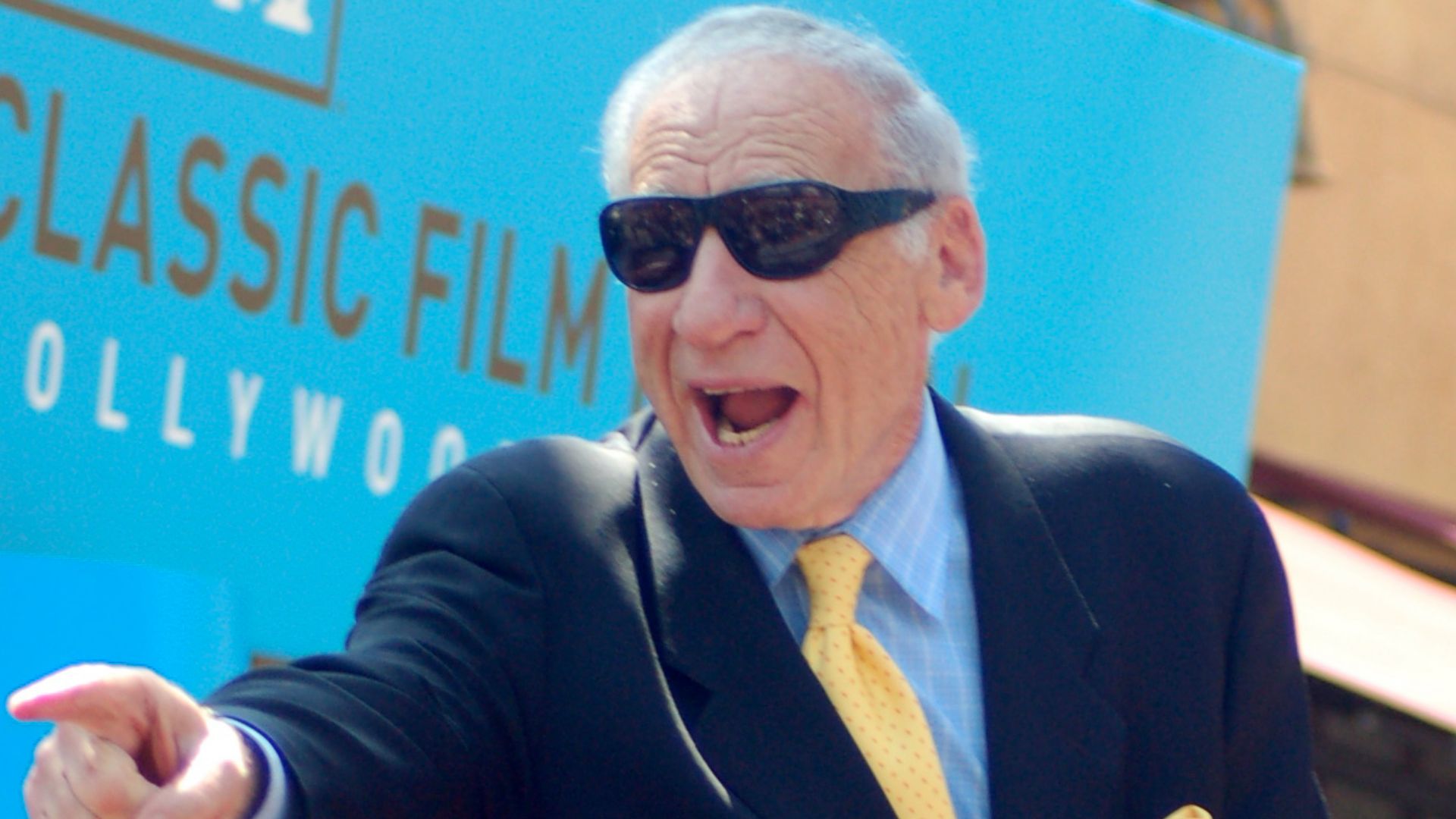 Angela George at https://www.flickr.com/photos/sharongraphics/, Wikimedia Commons
“My Job Is To Get People Laughing”
At the core of Brooks’s career sits a clear mission. He views comedy as service, focusing less on ego or prestige and more on delivering shared relief and joy through humor that reaches broad audiences.
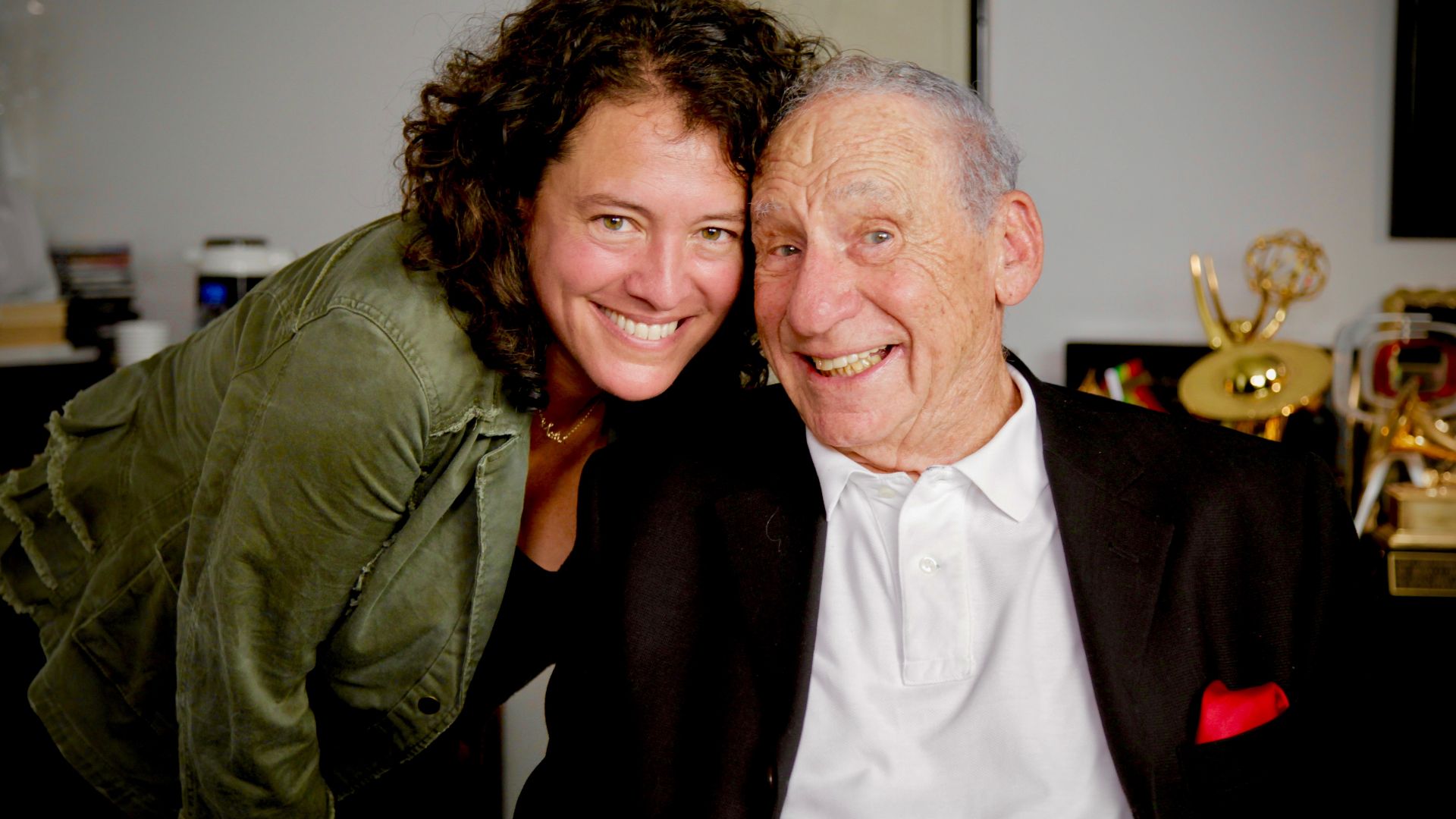
“Hope For The Best. Expect The Worst. Life Is A Play. We’re Unrehearsed”
Here, Brooks compares life to performance without preparation. The line captures uncertainty as a shared condition, and suggests that humor becomes a coping tool when people handle outcomes without scripts or clear direction.
 U.S. federal government, Wikimedia Commons
“As Long As The World Is Turning And Spinning, We’re Gonna Be Dizzy, And We’re Gonna Make Mistakes”
This quote frames human error as inevitable and not shameful. Brooks uses motion as a metaphor to remind audiences that confusion and missteps are natural responses to constant change.

“You Got To Be Brave. If You Feel Something, You’ve Really Got To Risk It”
Brooks emphasizes emotional courage as a creative necessity. The quote frames vulnerability as strength and argues that meaningful work and genuine connection require action despite uncertainty or fear of failure.

“Everything We Do In Life Is Based On Fear, Especially Love”
Here, Brooks links fear to motivation. He implies that love intensifies vulnerability, which makes fear unavoidable. The artist suggests that humor helps people acknowledge those tensions without becoming overwhelmed by them.

“Look, I Don’t Want To Wax Philosophic, But I Will Say That If You’re Alive You’ve Got To Flap Your Arms And Legs”
Using physical imagery, Brooks describes life as constant motion. The quote highlights participation over reflection by suggesting that engagement and effort matter more than certainty when questioning existence without clear instructions.

“Rhetoric Does Not Get You Anywhere, Because Hitler And Mussolini Are Just As Good At Rhetoric”
The American artist separates persuasion from substance in this warning. By referencing history, he argues that eloquence alone lacks moral value. He highlights the need to judge ideas by action and consequence.
 Roger-Viollet , Wikimedia Commons
“We Want To Get People Laughing; We Don’t Want To Offend Anybody”
Rather than dismissing sensitivity, Brooks recognizes audience diversity. The quote highlights his intent to entertain without alienation, revealing how balance and awareness shaped his approach even while working in satire-heavy genres.
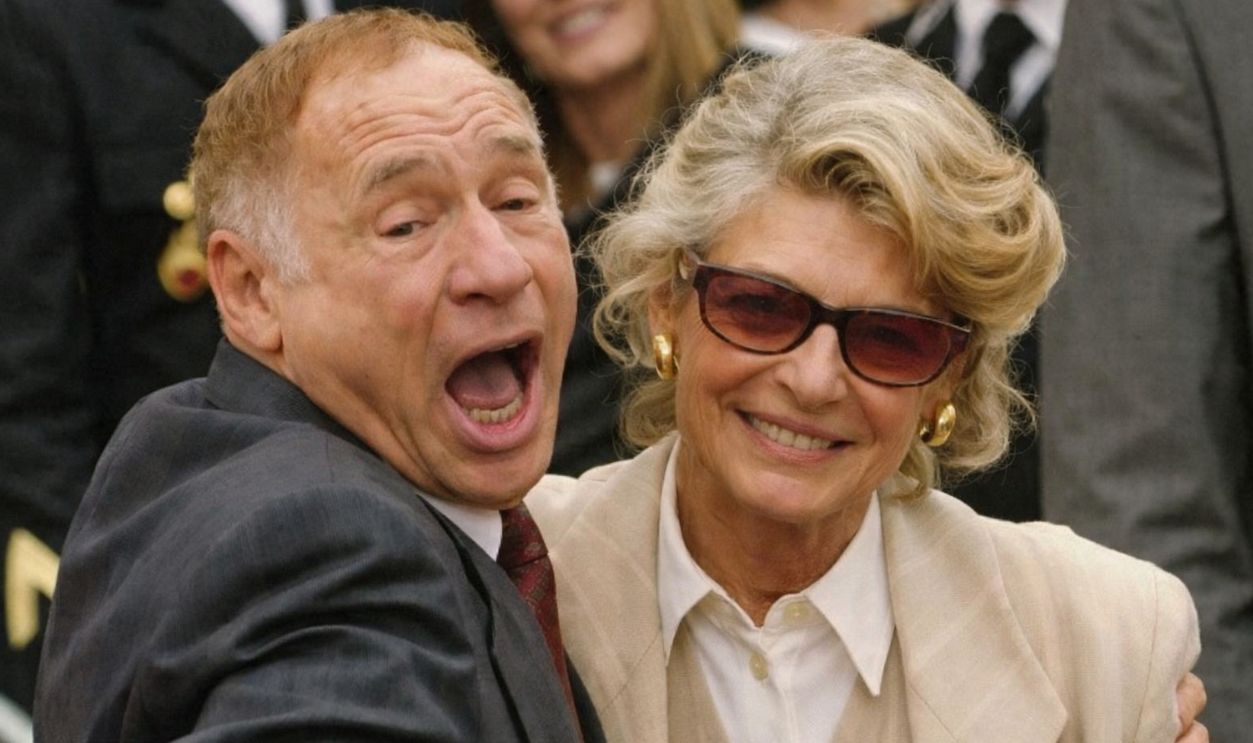 Georges Biard, CC BY-SA 3.0, Wikimedia Commons
“Well, Just Being Stupid And Politically Incorrect Doesn’t Work”
This remark separates intention from shock value. Brooks suggests that provocation alone lacks substance by arguing that effective comedy requires thought and purpose instead of relying on offense as a substitute for insight.
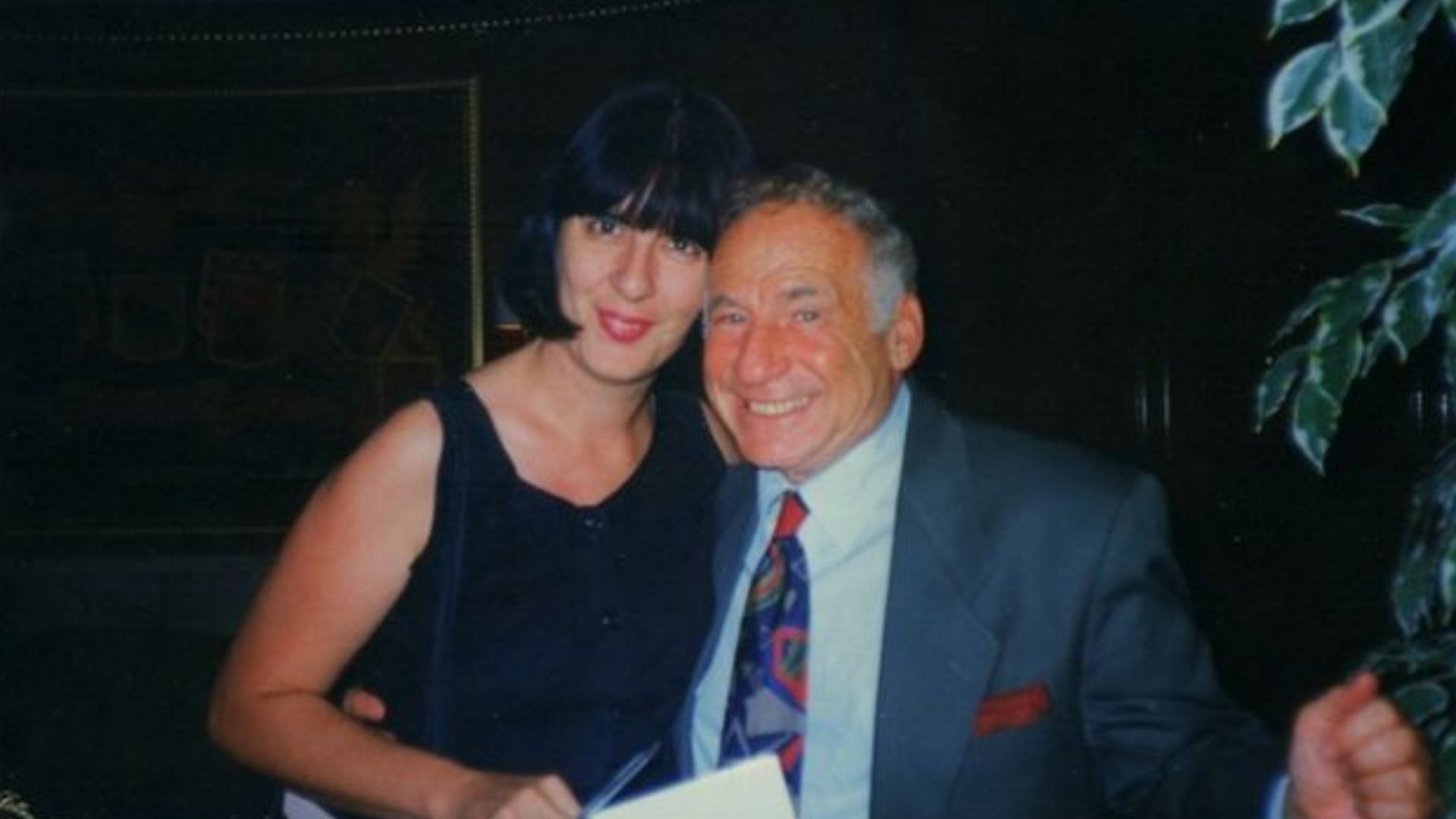 User:Caulfieldh, Wikimedia Commons
“You’re Always A Little Disappointing In Person Because You Can’t Be The Edited Essence Of Yourself”
By acknowledging imperfection, Brooks comments on public expectation. He points out the gap between image and reality, and reminds audiences that real people can’t match the carefully shaped versions presented through performance or media.
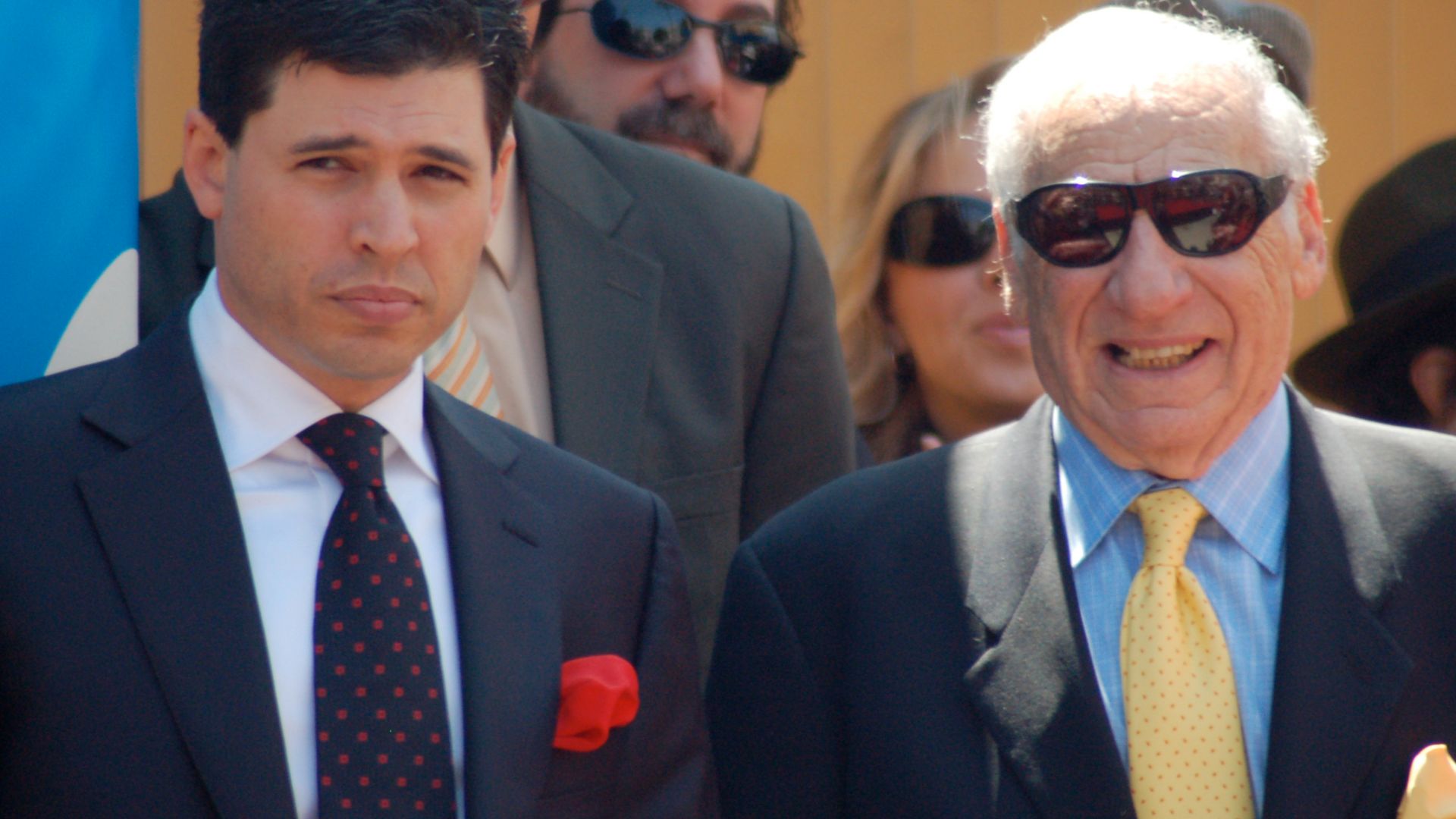 Angela George at https://www.flickr.com/photos/sharongraphics/, Wikimedia Commons
“I’ll Accept Bad Taste In A Minute, As Long As There’s Some Great Comedy”
Brooks draws a line between shock and substance. He suggests that taste matters less than intent, as comedy earns forgiveness when it demonstrates skill and purpose without relying on provocation alone.
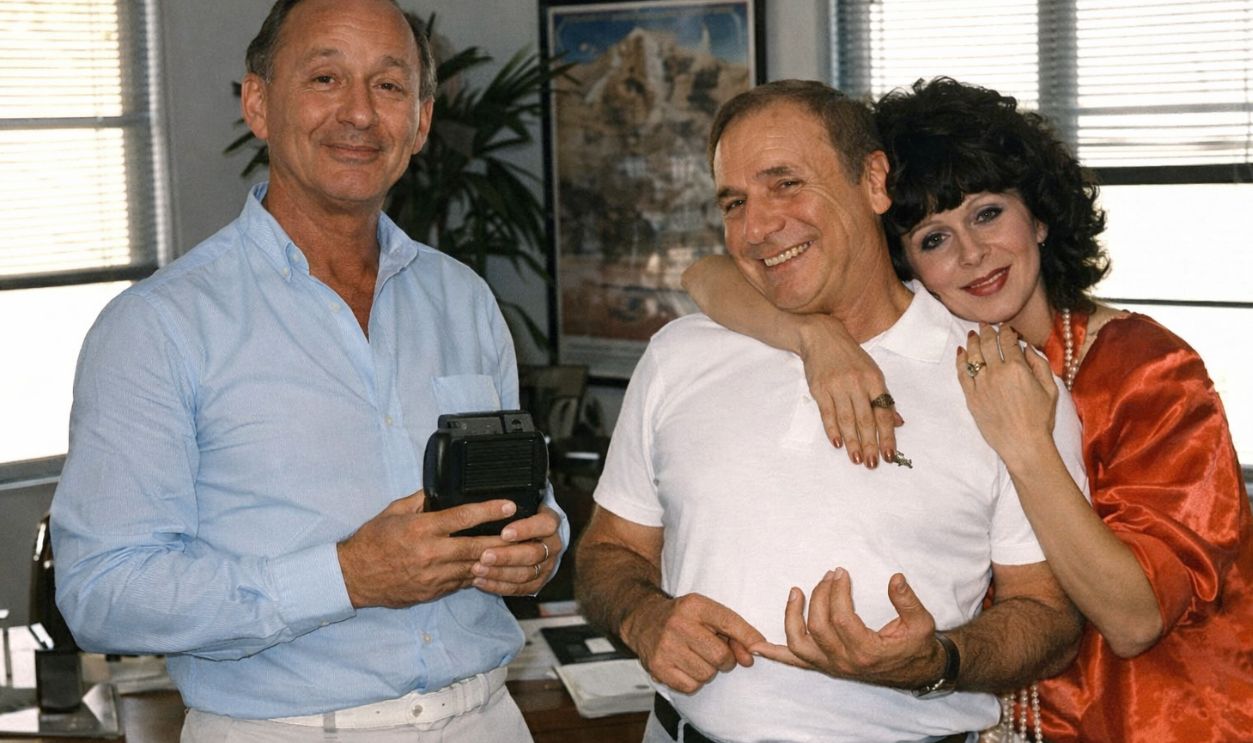 Ed Hayek, CC BY-SA 3.0, Wikimedia Commons
“A Brushstroke Of Vanity Is Good To Add Into The Mix”
Here, Brooks frames vanity as a creative ingredient rather than a flaw. He implies confidence can sharpen performance, helping artists commit fully to ideas while avoiding the paralysis that comes from excessive self-doubt.

“Never Retire! Do What You Do And Keep Doing It”
Instead of glorifying rest, Brooks celebrates continuity. The quote reflects his belief that purpose and creativity thrive through ongoing engagement, especially when work remains meaningful, stimulating, and connected to personal identity.

“You Cannot Have Fun With Anything That You Don’t Love Or Admire Or Respect”
Affection anchors this statement. Brooks argues that enjoyment depends on genuine regard by shedding light on the idea that successful comedy grows from understanding and appreciation, and not detachment or contempt.
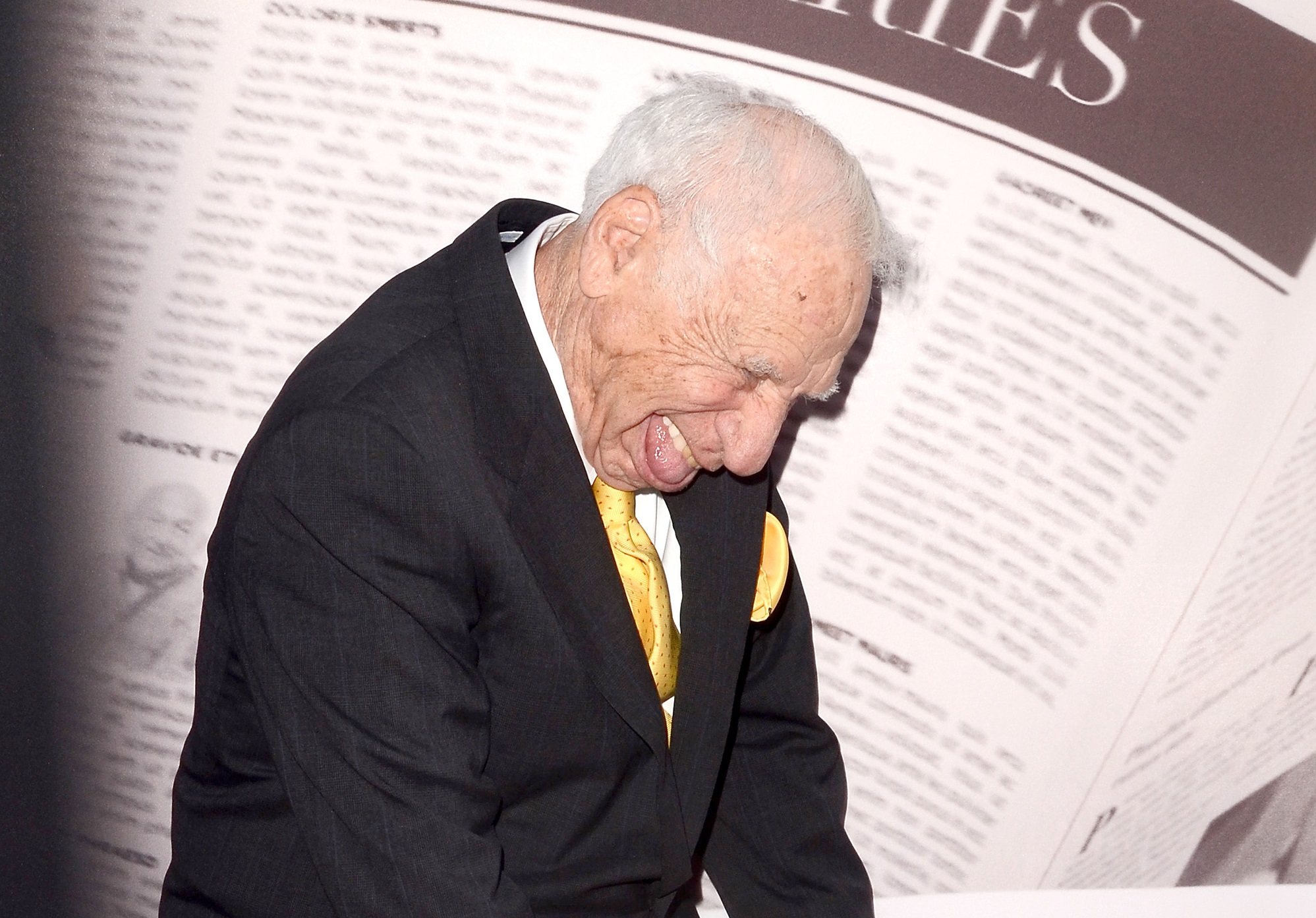
“The Final Test Of Fame Is To Have A Crazy Person Imagine He Is You”
In this overstatement, Brooks comments on celebrity distortion. The quote suggests that fame reaches an odd extreme when public image becomes detached from reality. It reveals how recognition can warp perception beyond the individual’s control.
 John Mathew Smith & www.celebrity-photos.com from Laurel Maryland, USA, Wikimedia Commons
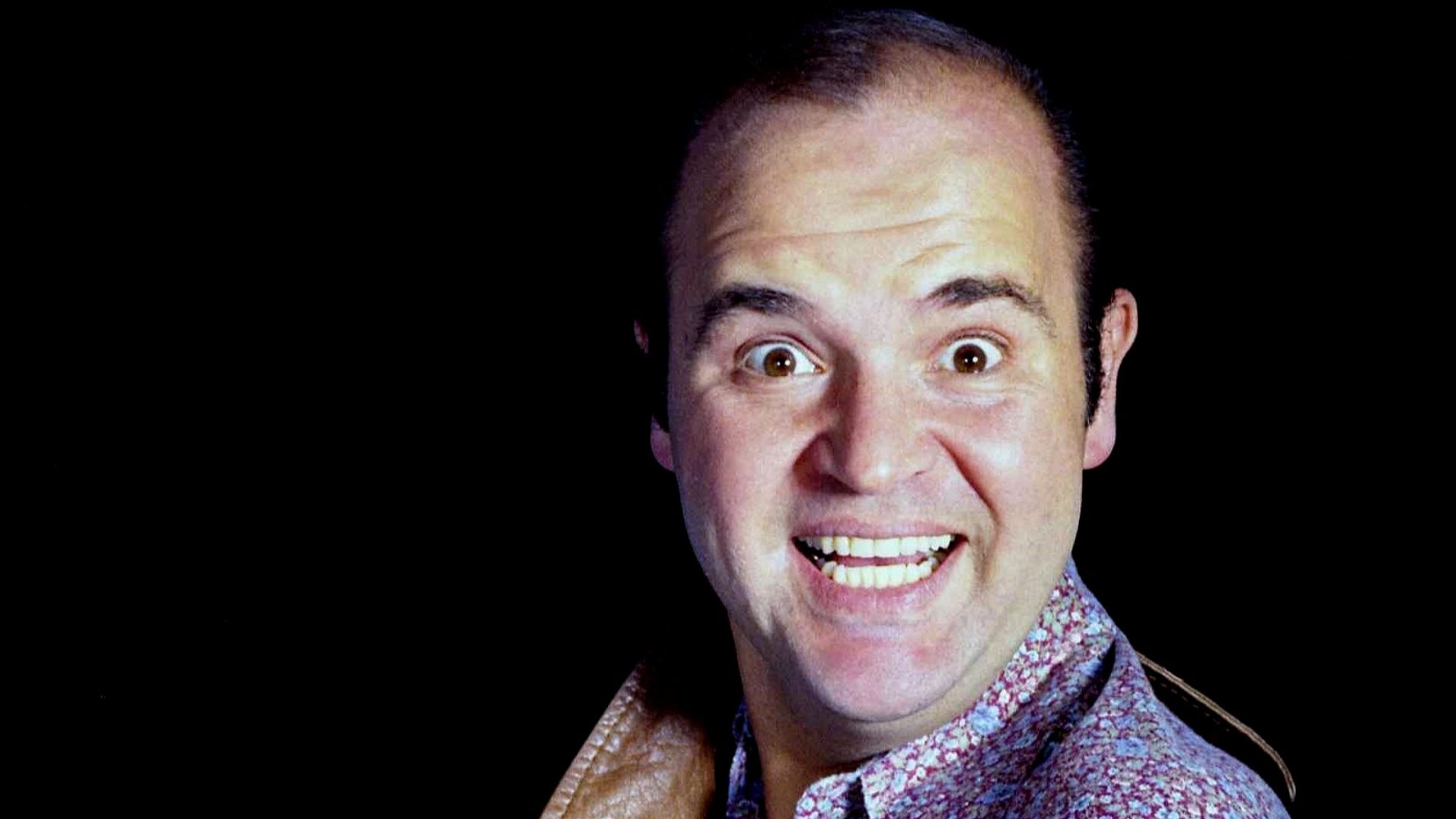
“Dom DeLuise Was A Big Man In Every Way”
Spoken with warmth, this line honors both physical presence and generosity of spirit. Brooks highlights character alongside talent, showing how collaboration and kindness shaped his long-standing creative relationships.
 Allan Warren, Wikimedia Commons
“Anybody Can Direct, But There Are Only Eleven Good Writers”
Through exaggeration, Brooks elevates writing as the foundation of storytelling. The quote highlights his belief that strong ideas and language drive success, while technical execution matters most when linked to solid creative vision.
 Aaron Burden aaronburden, Wikimedia Commons
“Oh, I’m Not A True Genius. I’m A Near Genius”
Self-awareness defines this line. Brooks downplays mythmaking around brilliance, favoring craft and persistence over labels. At the same time, he acknowledges that confidence and humility can coexist in a sustained creative career.