

When The Credits Roll Too Fast
You probably know Walter White, Don Draper, and the inmates of Litchfield by name. But the people who actually put words in their mouths? Those names tend to blur by in a tiny white font at the end of the episode. So let’s slow those credits down. Here are 22 writers who quietly built the worlds, characters, and episodes you still think about long after the season ended—and who deserve to have their names lodged in your brain right next to the shows you binge on repeat.
Ronald D. Moore Reimagined Space Battles As Therapy Sessions
Ronald D. Moore didn’t just reboot Battlestar Galactica—he detonated the idea that sci-fi had to be shiny and optimistic. After cutting his teeth on Star Trek: The Next Generation and Deep Space Nine, he turned Battlestar into a gritty, spiritual, politically charged survival story. The show’s best episodes feel less like spaceship adventures and more like existential crisis group chats with Vipers parked outside.
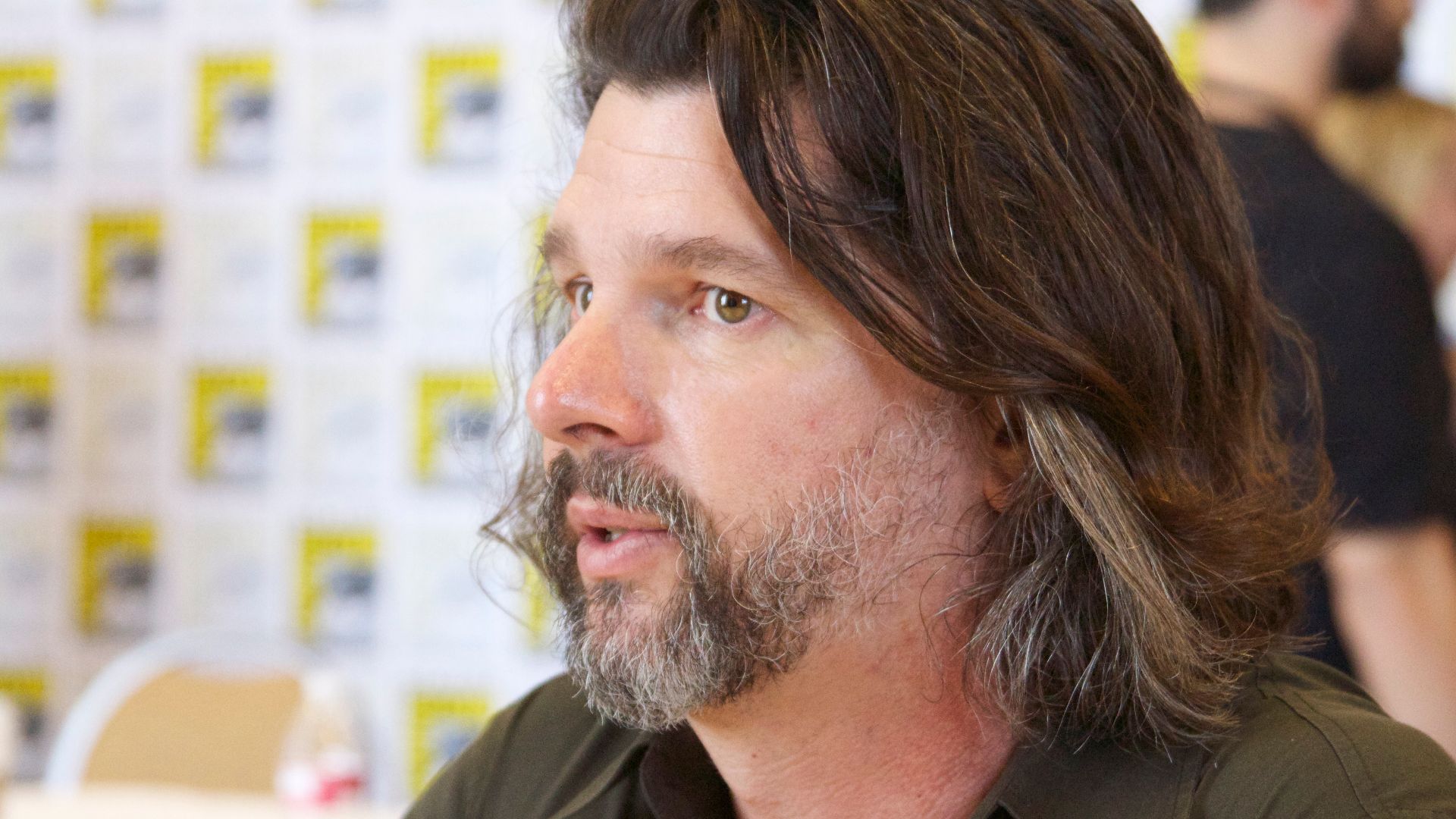 Keith McDuffee, Wikimedia Commons
Ira Steven Behr Made Ferengi Feel Weirdly Relatable
On Deep Space Nine, Ira Steven Behr helped turn Star Trek from a pristine starship cruise into a messy frontier town with taxes, trauma, and bar tabs. He deepened the Ferengi from comic relief to surprisingly layered characters with their own culture and philosophy. The show’s long-game arcs, especially around war and politics, carry his fingerprints all over them.
Jack Pulman Turned Classic Epics Into TV You Couldn’t Look Away From
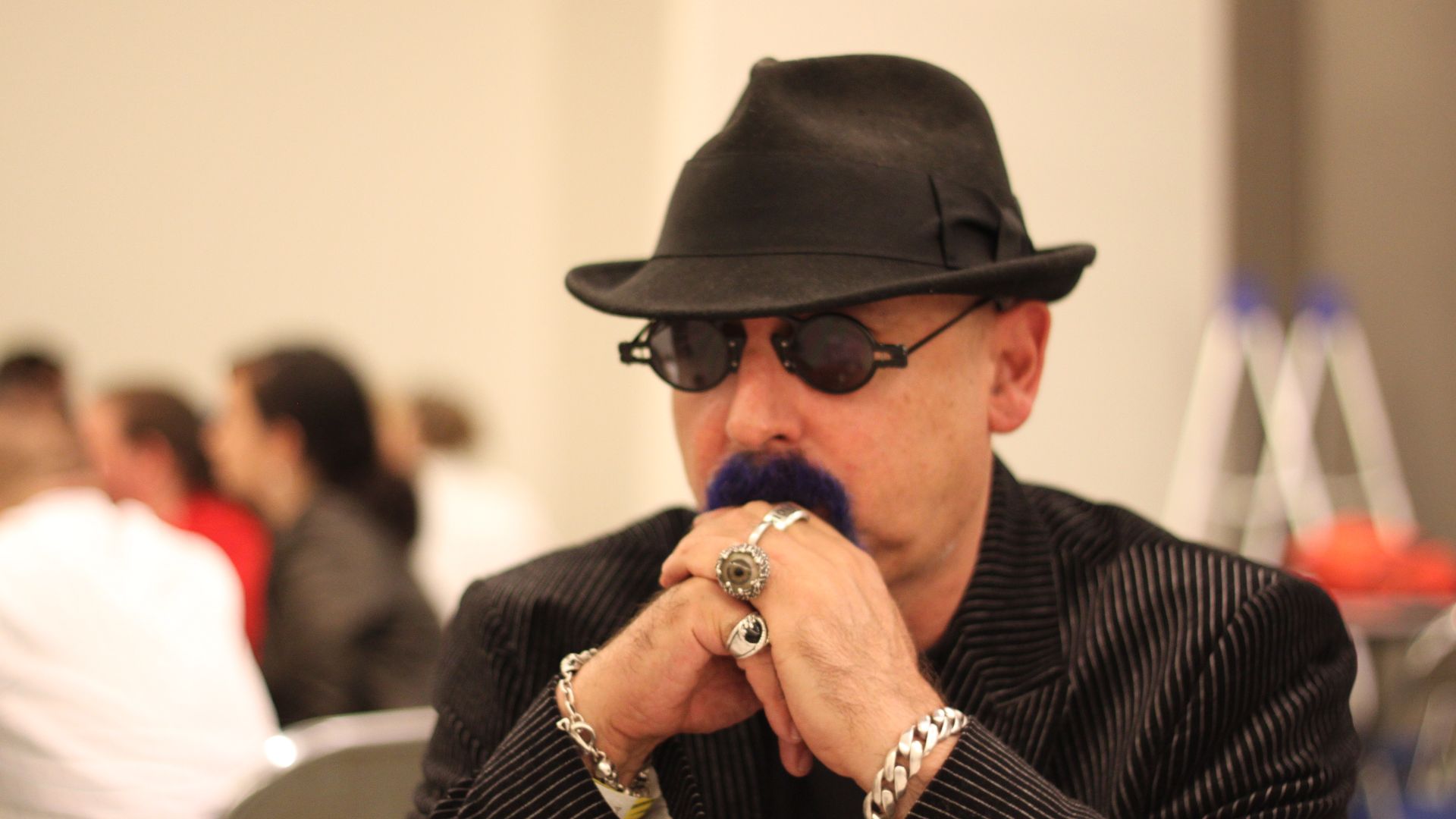
Before prestige TV was a brand, Jack Pulman was quietly proving that literary adaptations could be addictive. His work on I, Claudius and War and Peace showed how to translate dense historical drama into compulsively watchable television. If you’ve ever binged a costume drama and forgotten you were technically “watching homework”, you’re living in Pulman’s shadow.
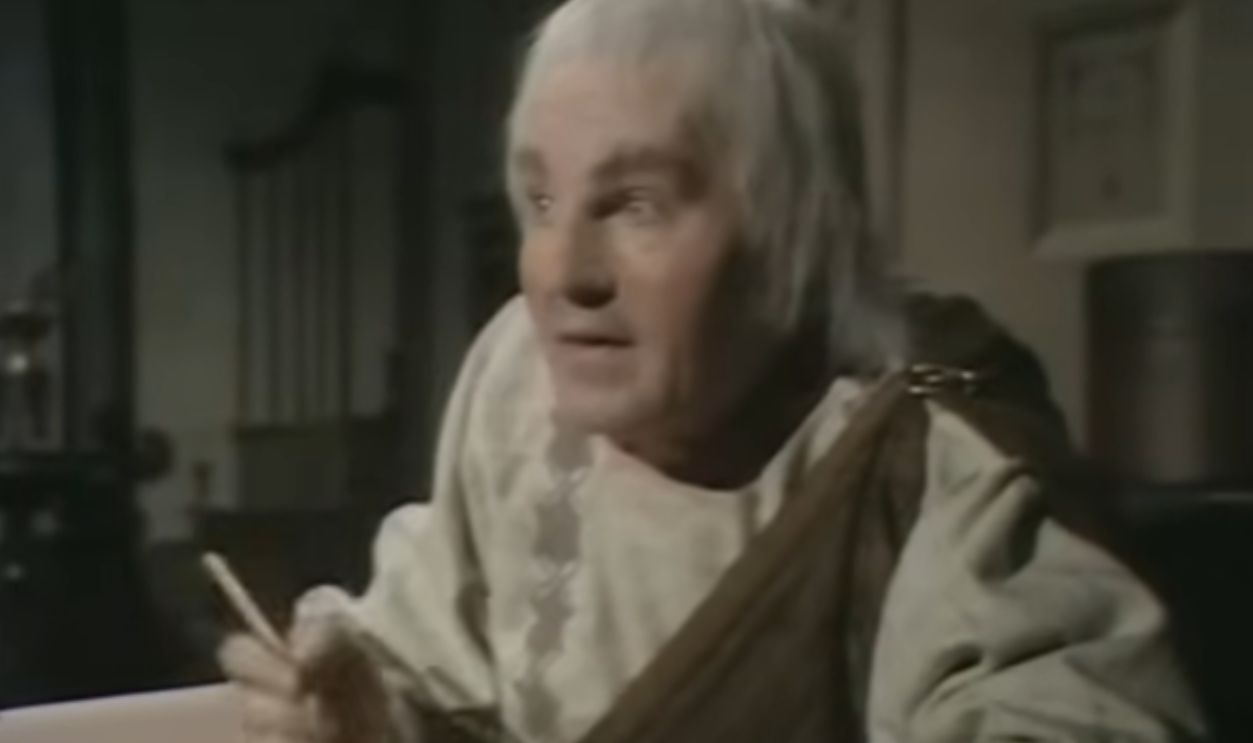 Screenshot from I, Claudius, BBC (1976)
Aaron Sorkin Made Rapid-Fire Banter A Lifestyle
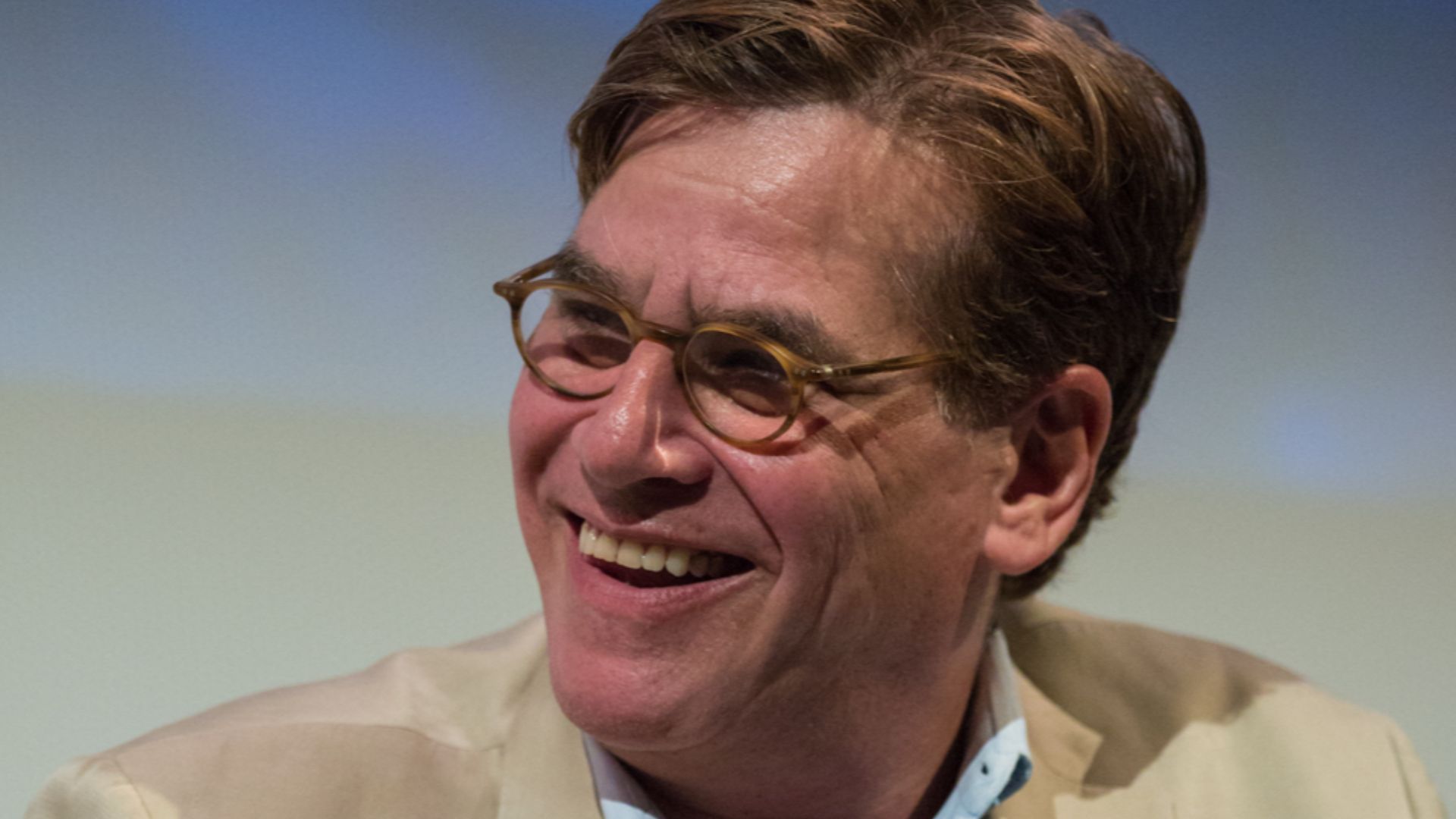
Yes, Aaron Sorkin is one of the more famous names on this list, but most people know the vibe before they know the writer. The walk-and-talks of The West Wing, the backstage chaos of Sports Night, the newsroom idealism of The Newsroom—all pure Sorkin. He turned policy debates and workplace meetings into verbal tennis matches where everyone sounds just a little smarter than any of us do in real life.
Beau Willimon Turned Politics Into A Chess Match You Couldn’t Win
With House of Cards, Beau Willimon dragged political drama into a darker, more Machiavellian place. Francis Underwood’s schemes, layered monologues, and icy asides to camera all grew out of Willimon’s fascination with power. Even if you came for the plot twists, you stayed for the way he made backroom deals feel as tense as a thriller.
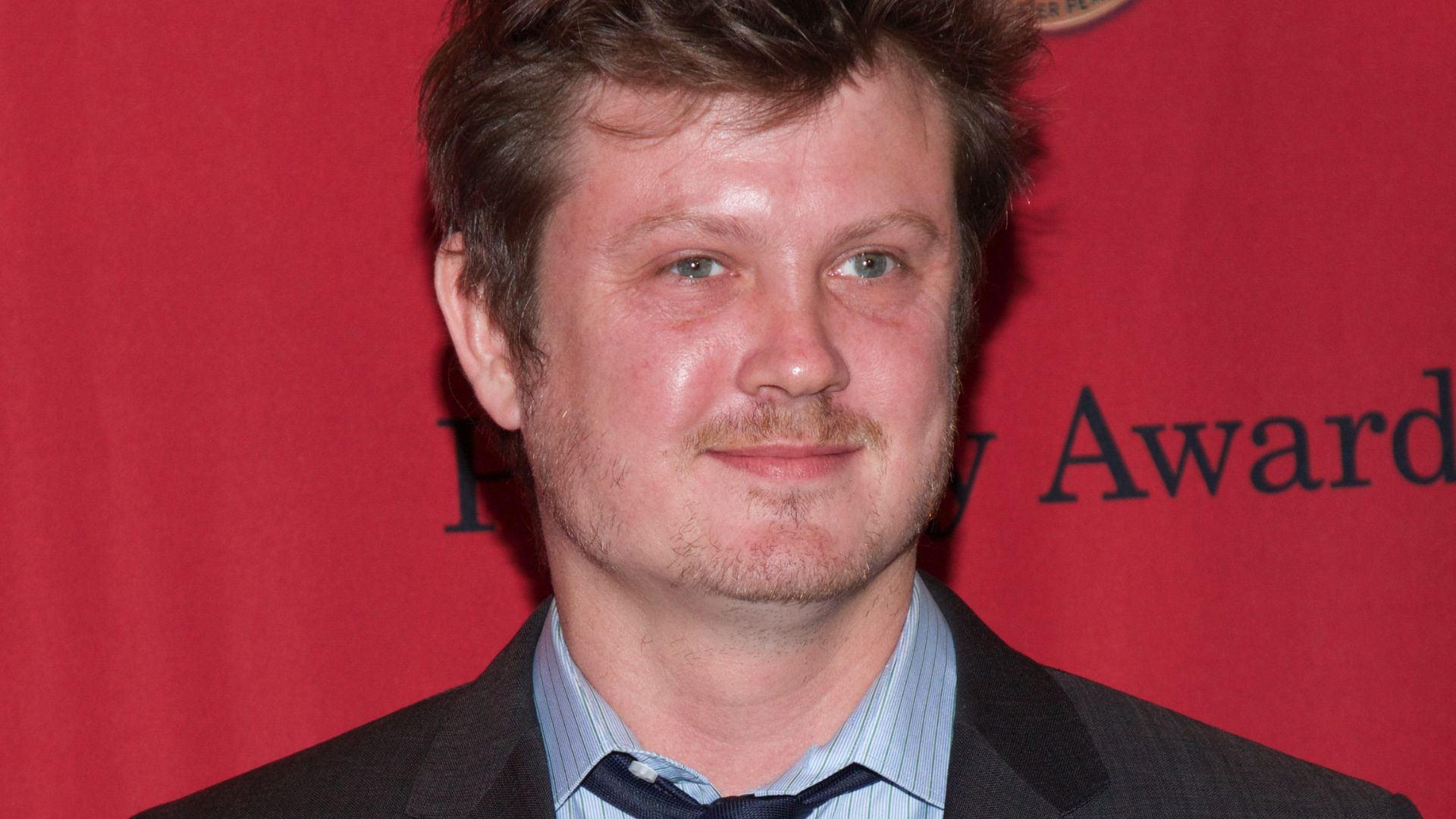 Peabody Awards, Wikimedia Commons
Tobias Lindholm Proved Coalition Talks Can Be As Tense As Car Chases
Danish writer Tobias Lindholm helped make Borgen a must-watch for anyone who thought politics was too dry to be dramatic. His episodes turn cabinet reshuffles and coalition negotiations into emotional minefields. He’s a master of the quiet dilemma—the kind where a single compromise can wreck a career, a relationship, or an entire government.
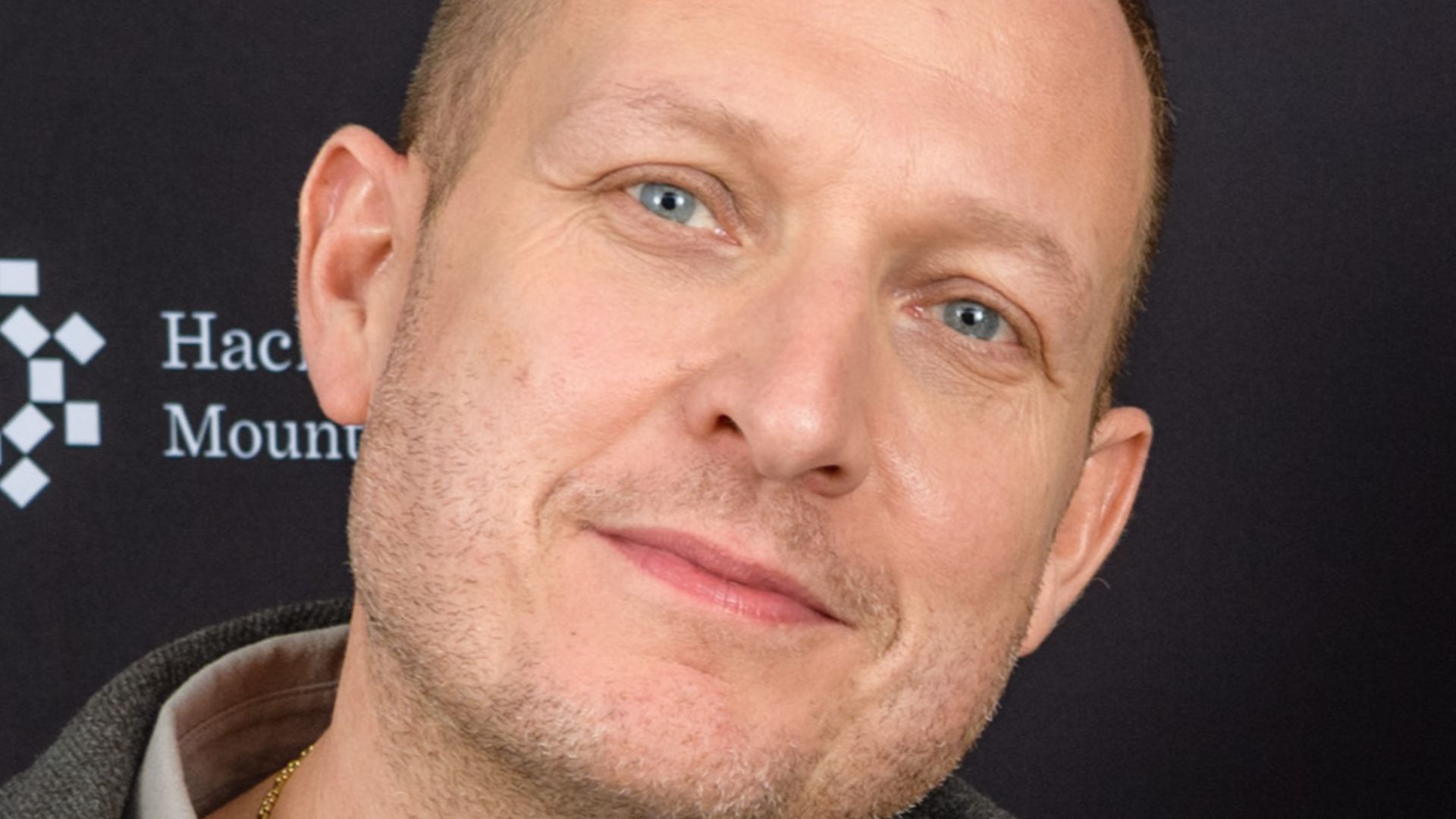 Montclair Film, Wikimedia Commons
David Benioff Helped Bring Dragons And Trauma To Sunday Nights
David Benioff co-created Game of Thrones and co-wrote many of its most talked-about episodes. Long before memes and think pieces pounced on every plot choice, he was one of the people figuring out how to squeeze sprawling novels into intense, hour-long gut punches. From courtroom speeches to shocking deaths, a lot of what you remember came off his keyboard.
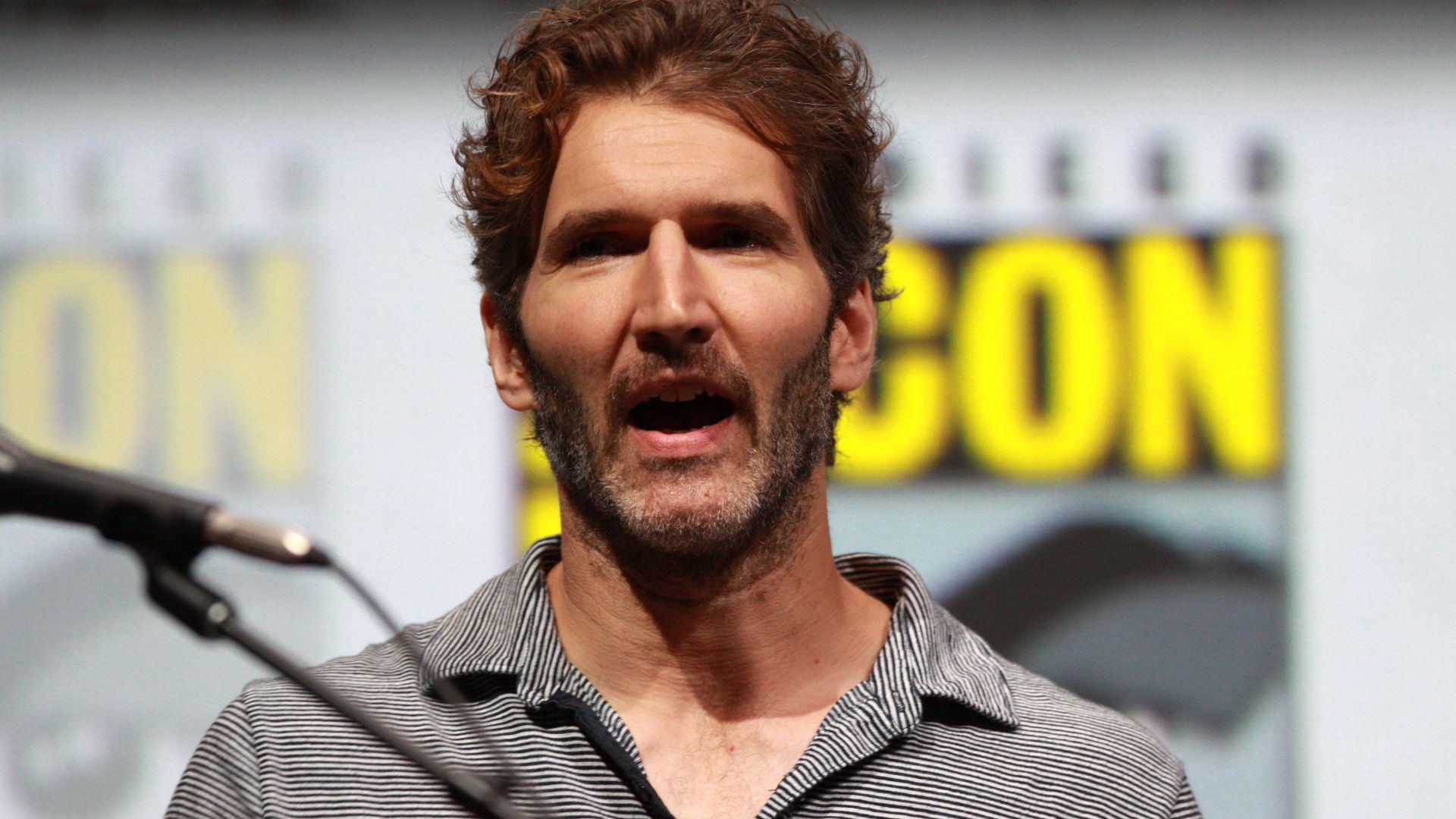 Gage Skidmore from Peoria, AZ, United States of America, Wikimedia Commons
D.B. Weiss Turned Fantasy Lore Into Water-Cooler Television
Working alongside Benioff, DB Weiss helped transform Game of Thrones from a nerdy fantasy series into appointment viewing. He balanced political intrigue, brutal battles, and intimate character moments in a way that kept fans theorizing between episodes. Whatever you think of how it ended, the stretch where the show ruled pop culture owes plenty to his writing.
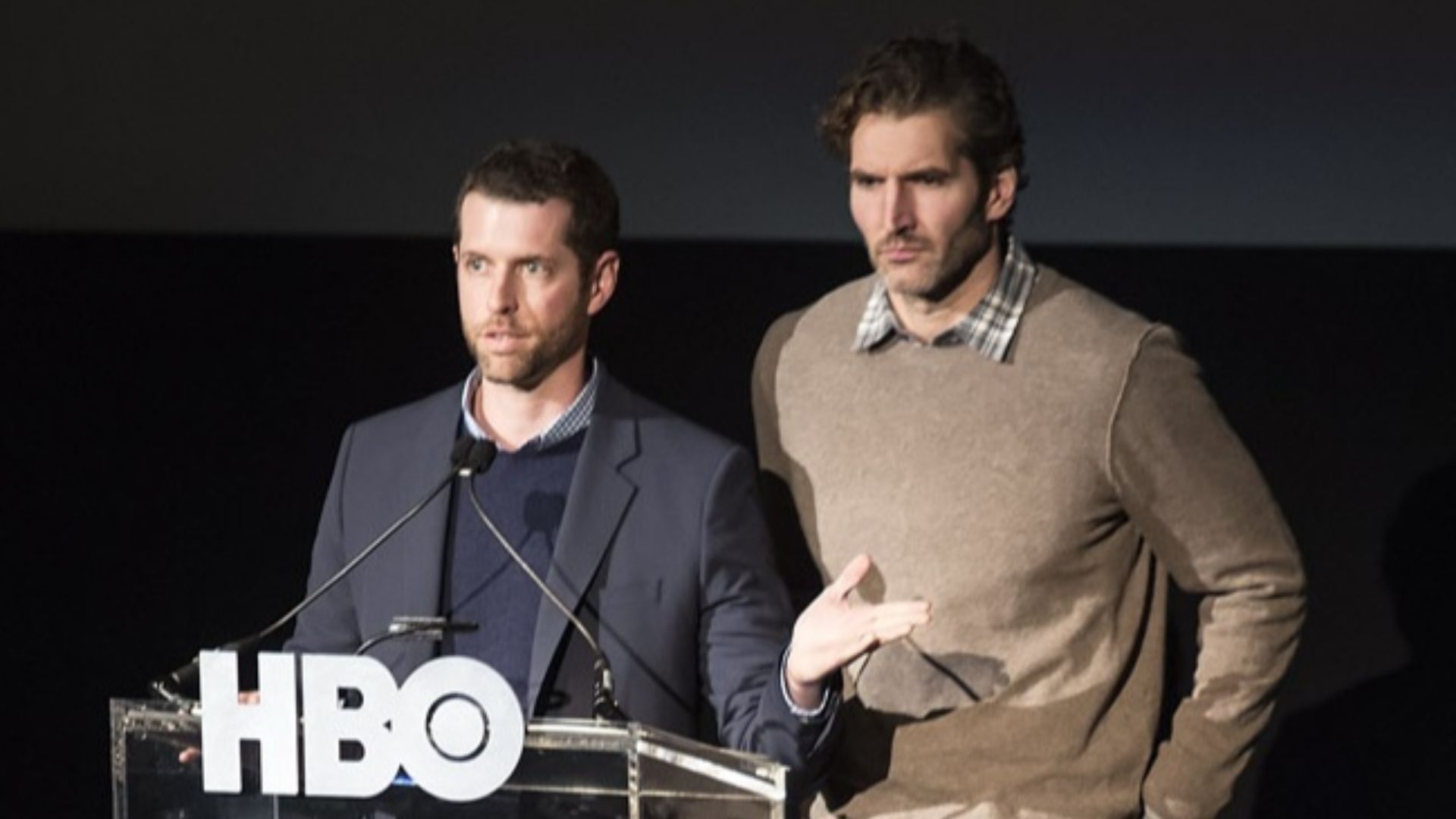
Sam Esmail Made Paranoia Feel Comfortingly Familiar
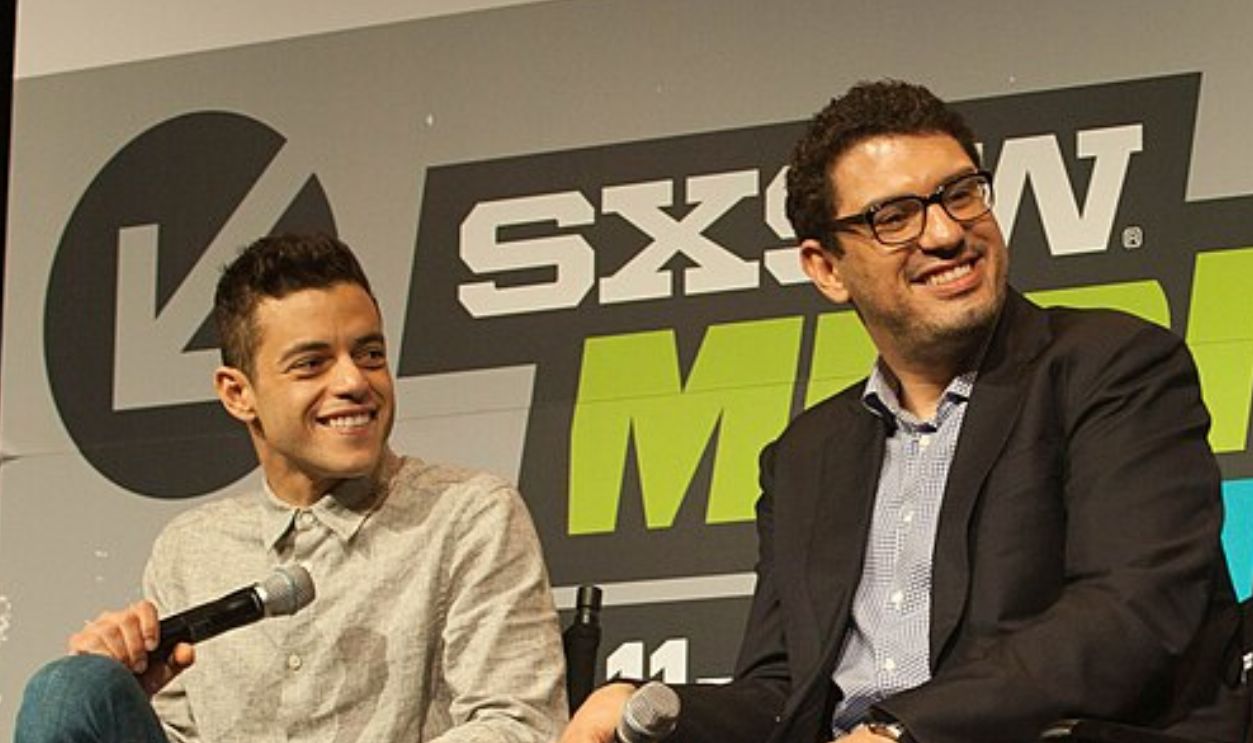
With Mr Robot, Sam Esmail wrote a series that felt like crawling inside someone’s glitching brain. The show’s unreliable narration, overlapping realities, and carefully crafted monologues created a hacker thriller that was really about loneliness and connection. He took corporate conspiracy and personal anxiety and fused them into a story that felt eerily of its time.
René Echevarria Quietly Shaped The Heart Of Starfleet
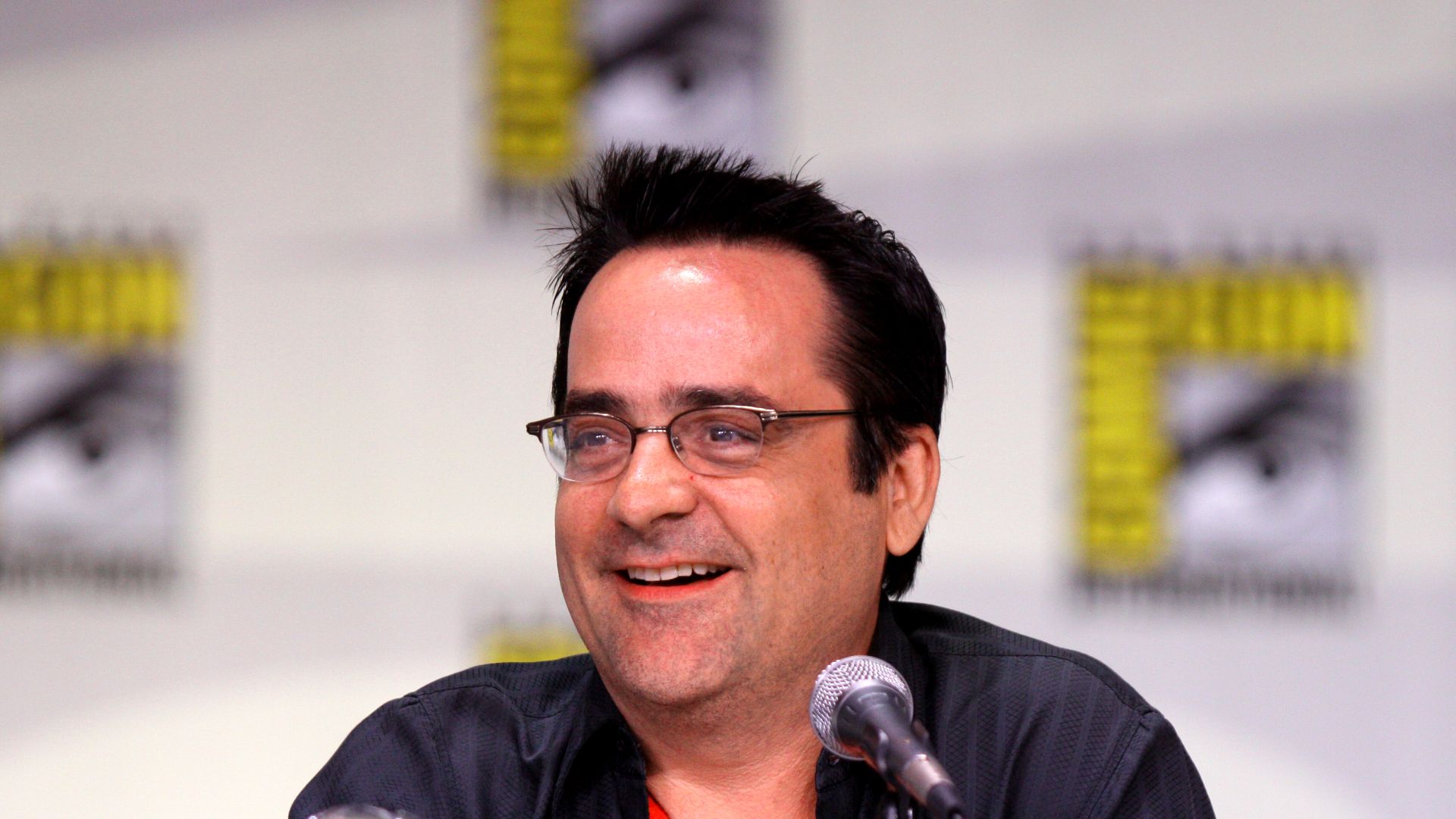
René Echevarria jumped from theater into Star Trek and became one of the franchise’s most quietly influential voices. His scripts for The Next Generation and Deep Space Nine often dug into morality, identity, and what “the future” might actually do to regular people. If you remember an episode that made you unexpectedly emotional about starships, there’s a good chance his name is in the credits.
 Gage Skidmore from Peoria, AZ, United States of America, Wikimedia Commons
Matthew Weiner Built Madison Avenue’s Most Haunting Ghost
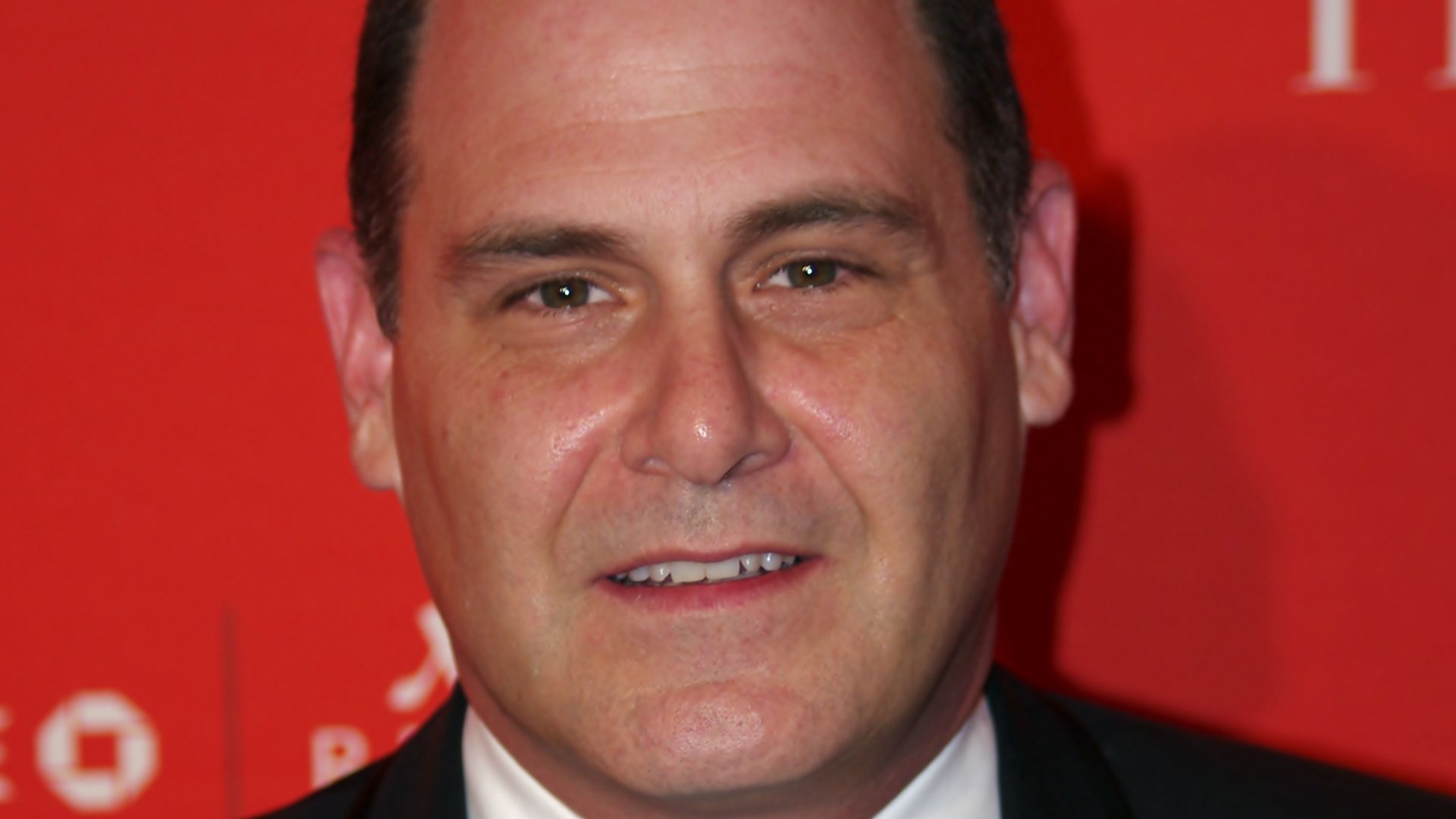
As creator and head writer of Mad Men, Matthew Weiner gave television one of its most eerily human antiheroes. Don Draper’s lies, flashbacks, and late-night office revelations come from Weiner’s fascination with memory and reinvention. He helped prove that a show about advertising in the 1960s could secretly be about everything you’re still worried about today.
 David Shankbone, Wikimedia Commons
Charlie Brooker Turned Your Phone Into A Horror Prop
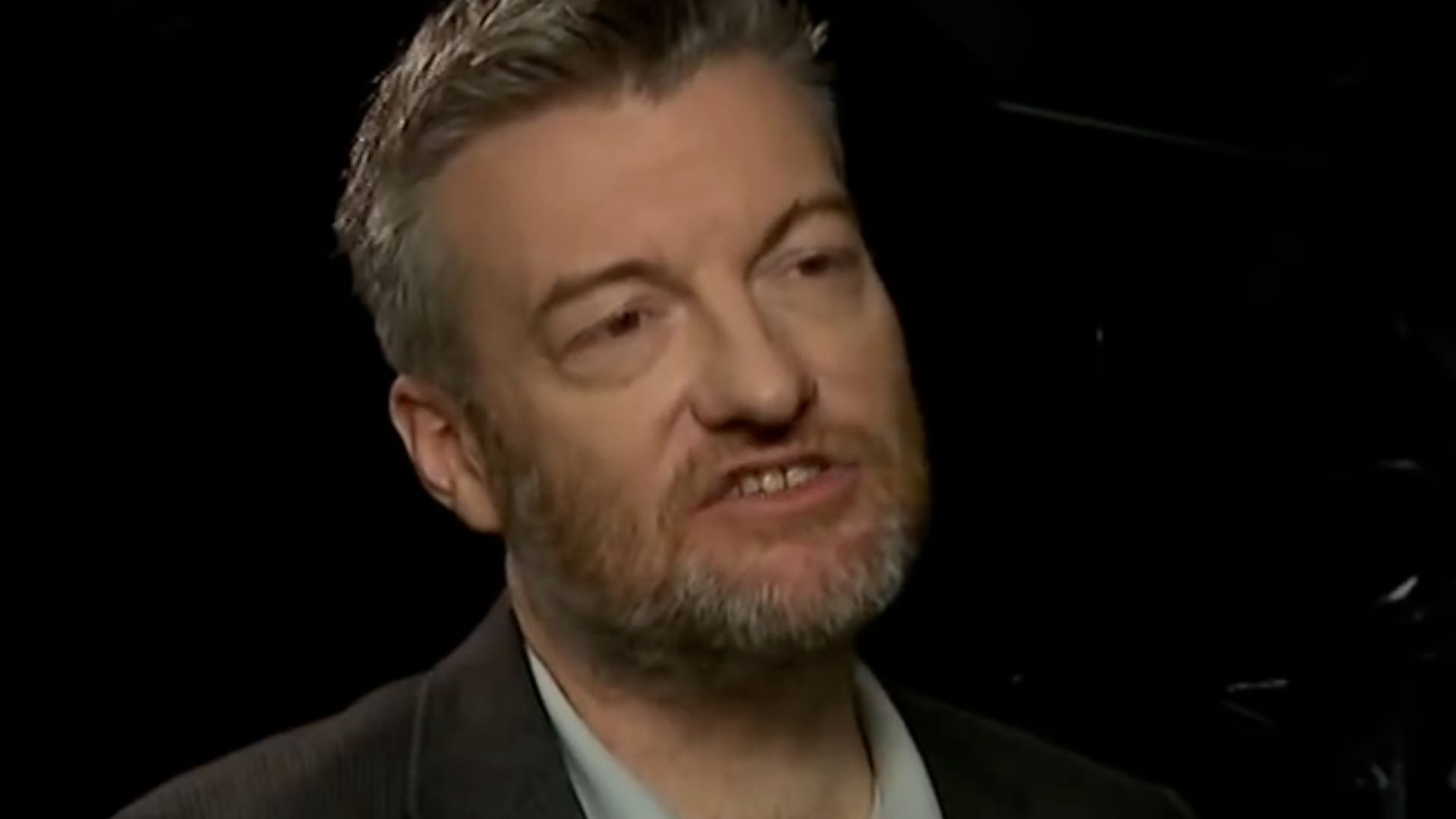
Charlie Brooker’s Black Mirror has single-handedly changed how people use the phrase “this feels like a Black Mirror episode”. Starting from his background in satire and TV criticism, he wrote stories that treat technology like a funhouse mirror for our worst impulses. He made anthology TV cool again—and convinced an entire generation to fear new gadgets just a little more.
Noah Hawley Made Crime Stories Feel Like Strange Fairy Tales
On Fargo, Noah Hawley took inspiration from the original film and spun out seasons that feel like midwestern myths. His writing blends grit with surreal humor and philosophical detours. One minute you’re watching a robbery gone wrong; the next you’re pondering fate, family, and the cosmic meaning of a snowstorm.
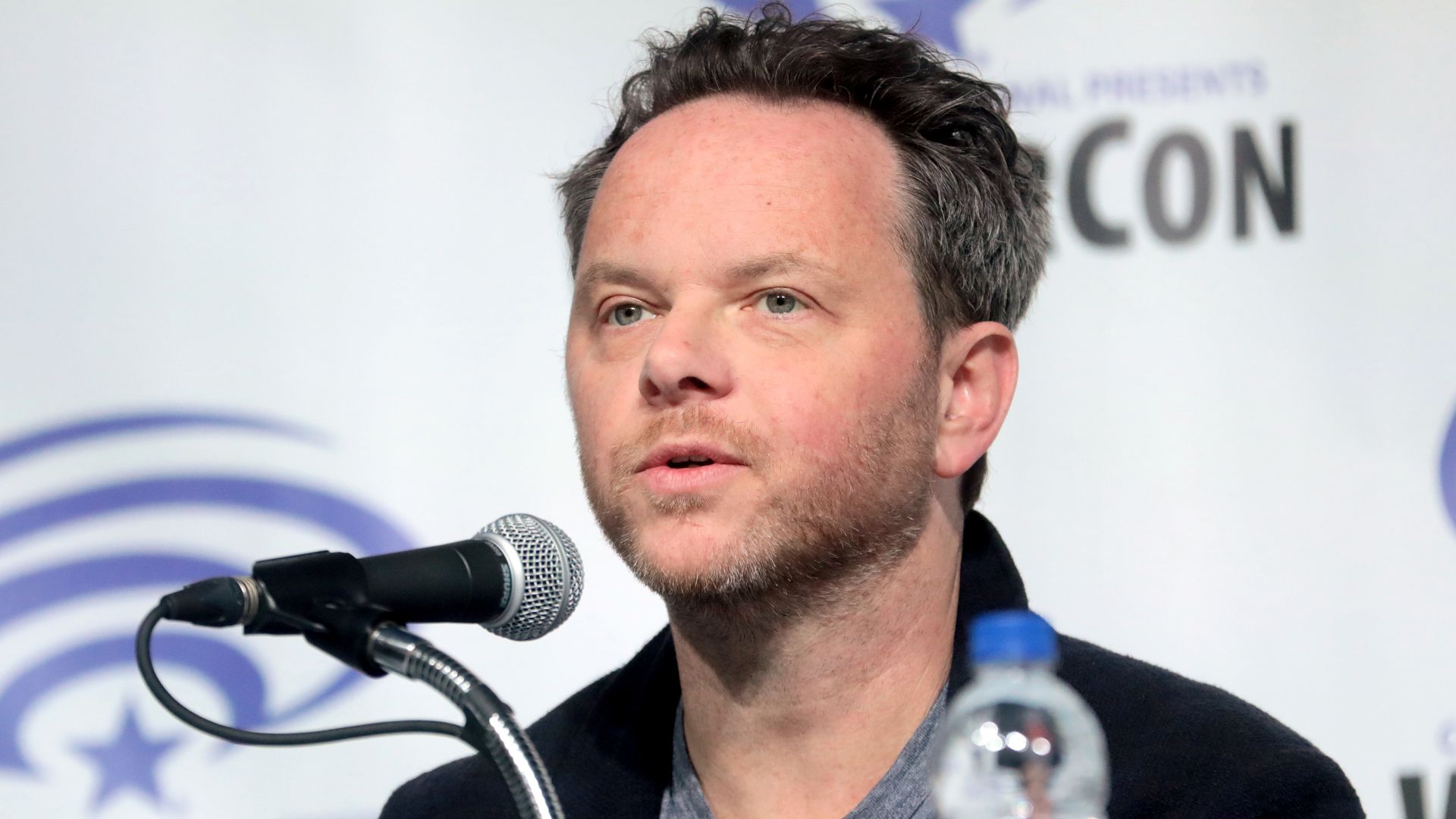 Gage Skidmore from Peoria, AZ, United States of America, Wikimedia Commons
David Simon Turned Journalism Into Epic Television
Former reporter David Simon brought his love of messy detail to The Wire, where institutions matter as much as individuals. His scripts treat schools, docks, newsrooms, and street corners as overlapping ecosystems. He’s not flashy on the page, but the slow-burn storytelling he pioneered has influenced just about every “serious” drama that came after.
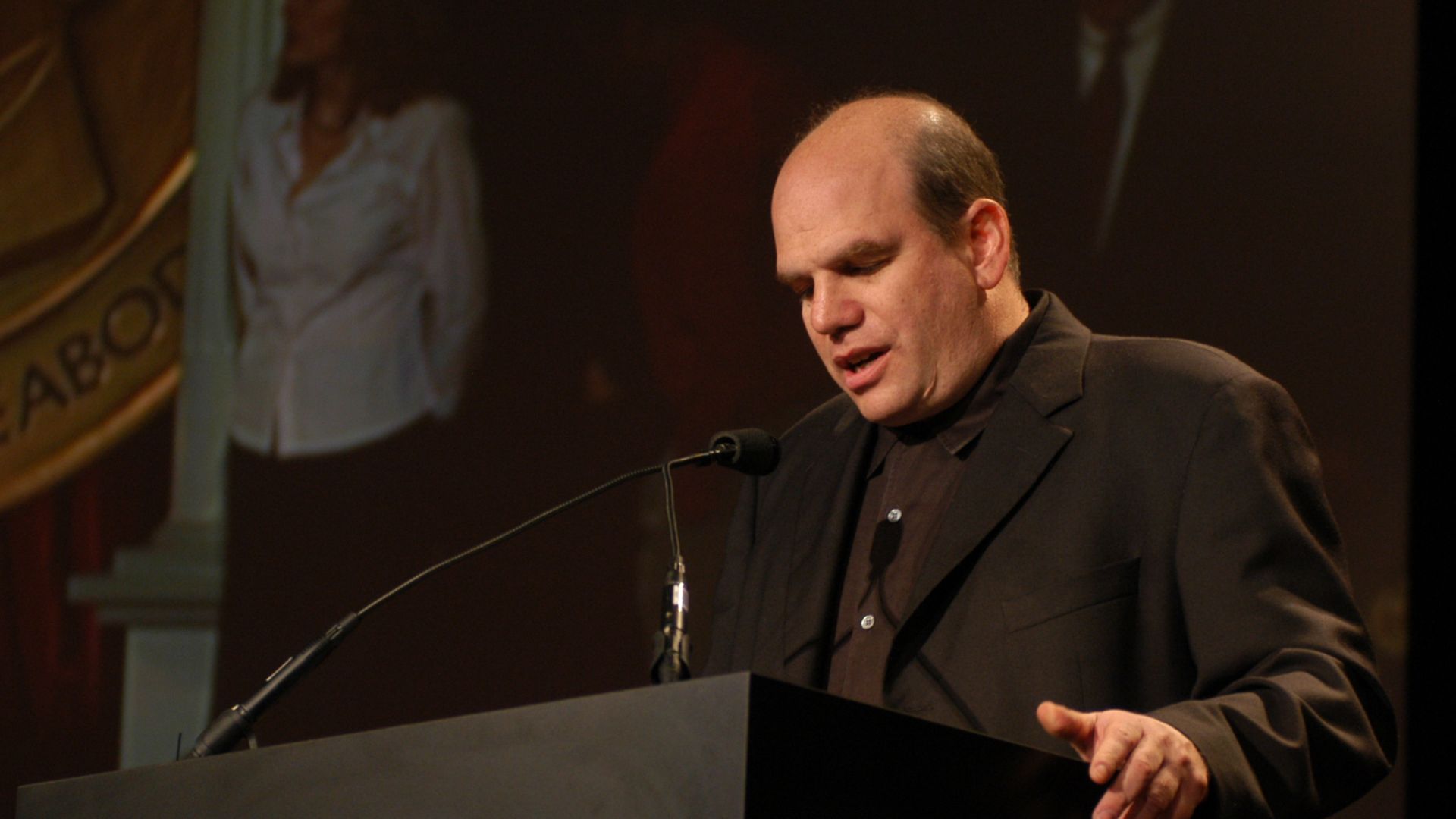 Peabody Awards, Wikimedia Commons
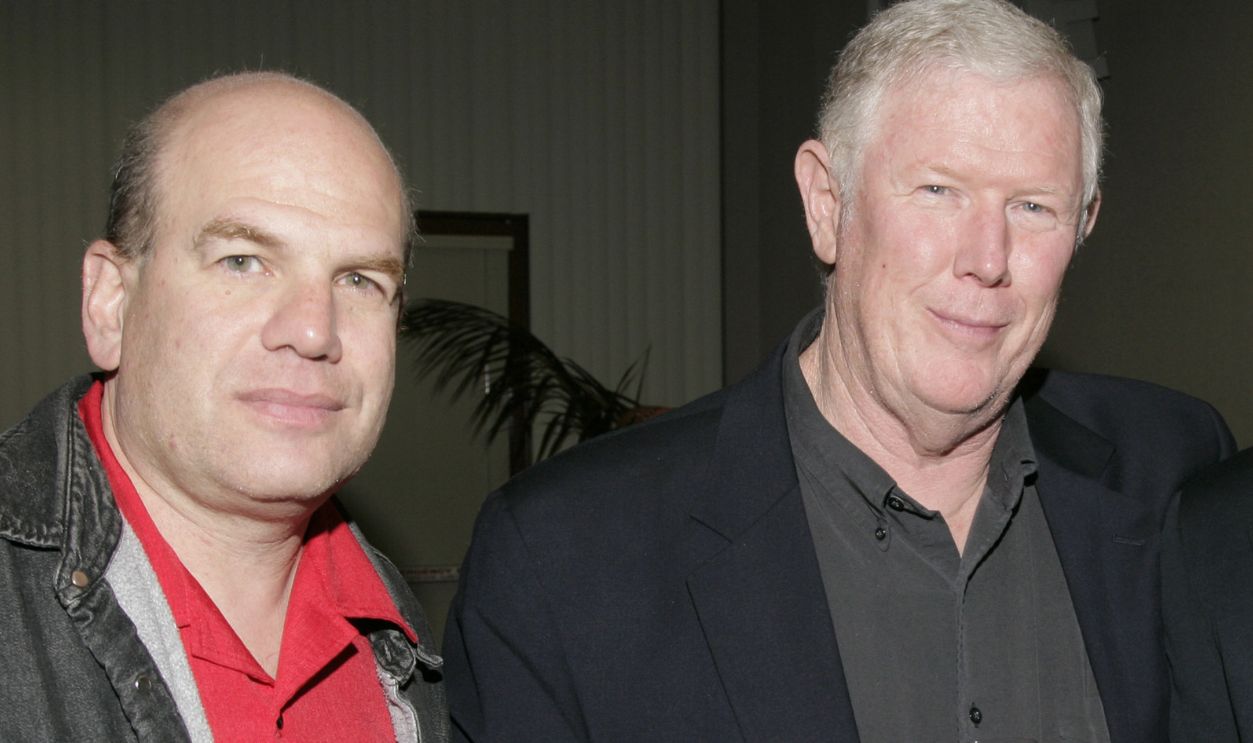
Ed Burns Brought The Beat Cop’s Perspective To Prestige TV
A former Baltimore detective, Ed Burns teamed with David Simon to co-write much of The Wire. His experience on the job helped ground the show’s cases and characters in reality. Those scenes that feel uncomfortably true—the frustrating investigations, the bureaucratic roadblocks—owe a lot to what Burns saw long before he ever entered a writers’ room.
Alan Ball Made Death Weirdly Comforting
Alan Ball, who wrote American Beauty, brought his gift for dark humor and emotional honesty to Six Feet Under. His scripts turned a family-run funeral home into a sprawling meditation on life, grief, and the ways people try (and fail) to connect. He gave TV one of its most perfectly bittersweet finales—still cited whenever “great endings” come up.
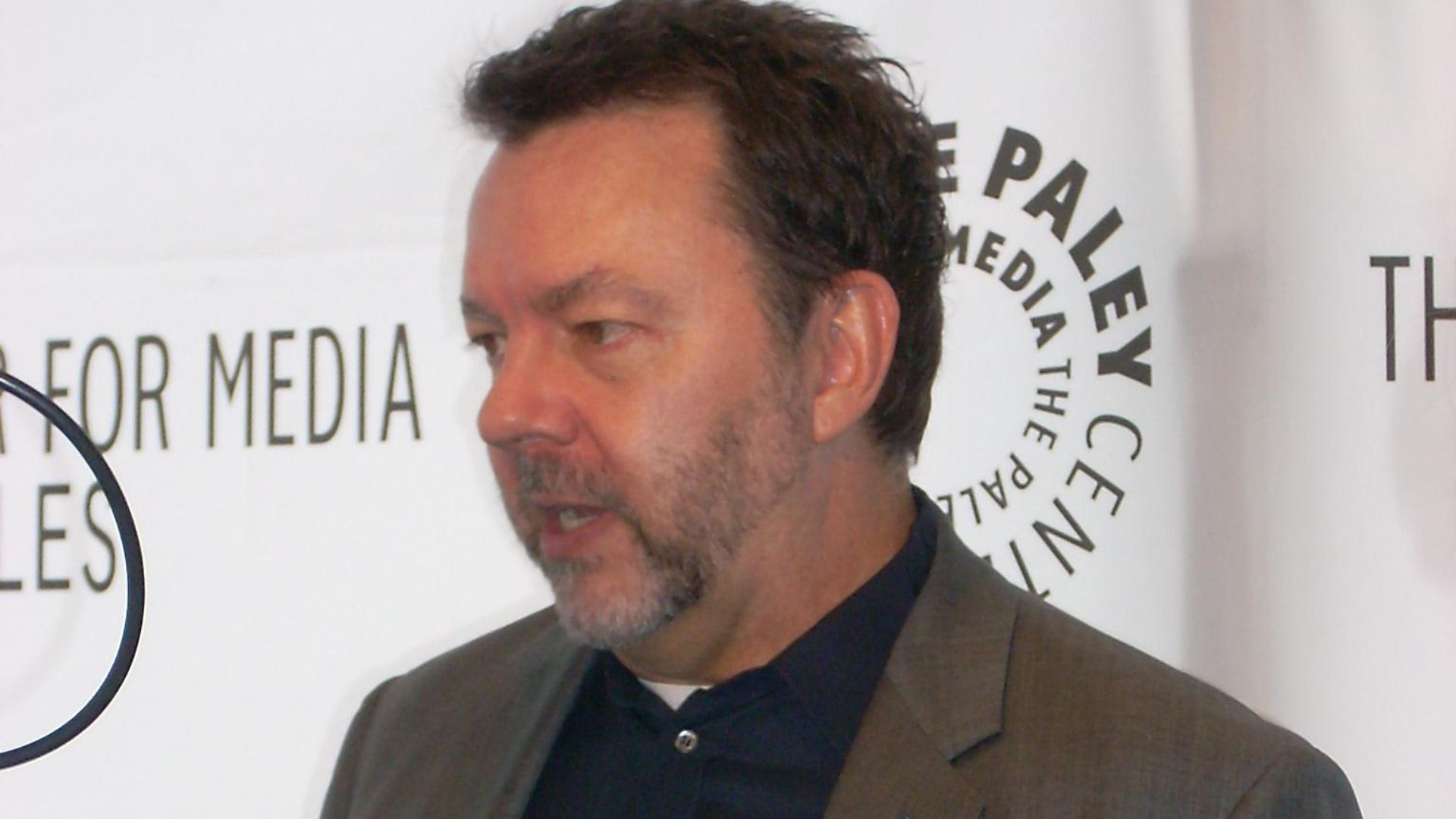 Kristin Dos Santos, Wikimedia Commons
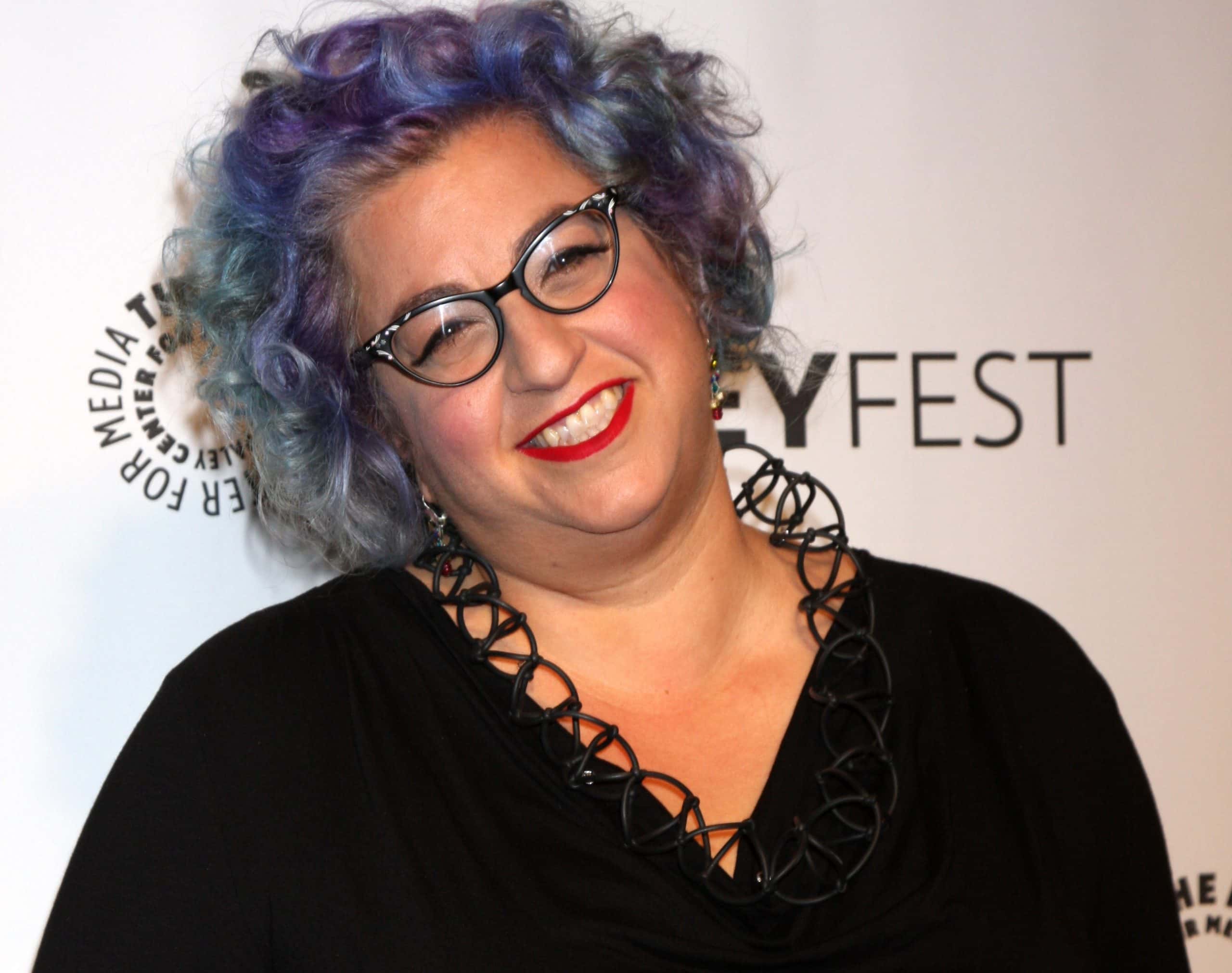
Jenji Kohan Found Comedy In Chaos And Consequences
Jenji Kohan doesn’t write safe little half-hour distractions. With Weeds and Orange Is The New Black, she plunged into messy characters making even messier decisions, then mined their stories for both laughs and heartbreak. Her writing gave space to complicated women who don’t apologize for taking up narrative room.
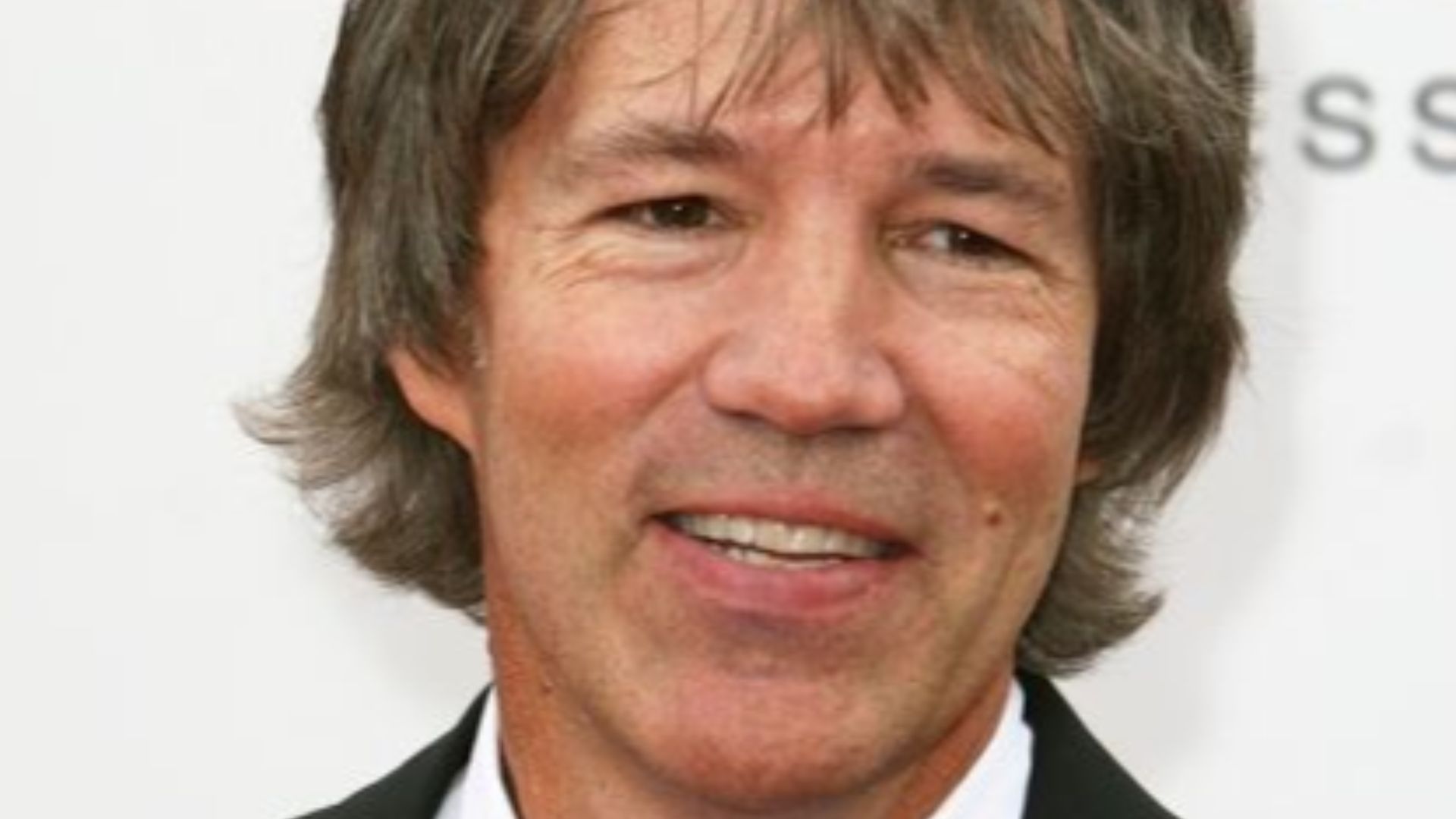
David E. Kelley Proved Legal Dramas Can Be Totally Unhinged
David E. Kelley helped define the modern courtroom show with series like Ally McBeal, Boston Legal, and Big Little Lies. A former lawyer, he mixes sharp court puzzles with offbeat humor and emotionally charged clashes. If you’ve ever been shocked at how dramatic a closing argument can feel on TV, Kelley probably raised your expectations.
 Twilight100, Wikimedia Commons
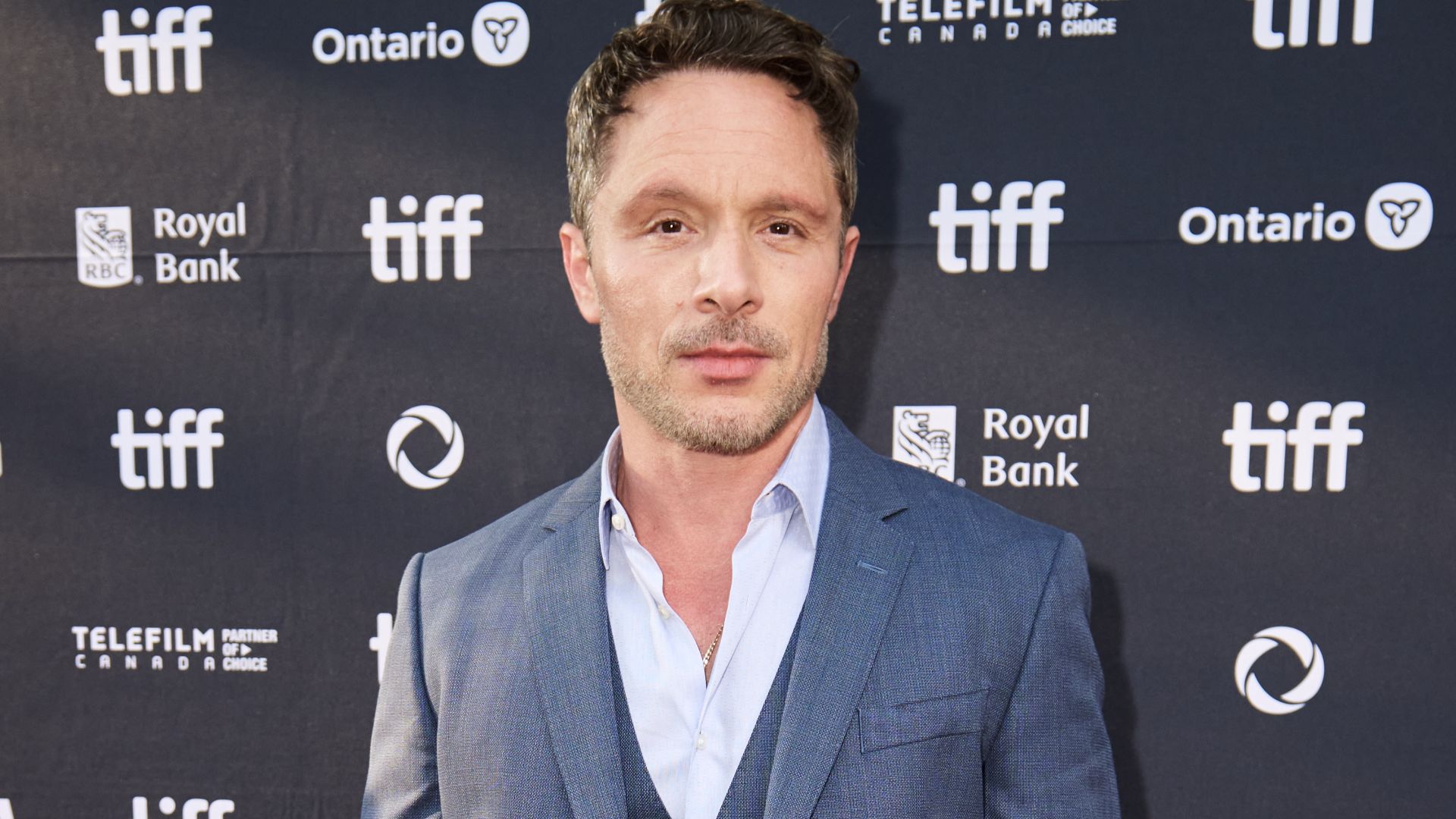
Nic Pizzolatto Turned Philosophical Monologues Into Must-See TV
True Detective didn’t just give us eerie scenes—it gave us Rust Cohle’s long, spiraling speeches about time, fate, and the universe. That’s Nic Pizzolatto, a novelist-turned-showrunner who writes detectives like they’re haunted poets. His episodes feel like being pulled through a nightmare you can’t stop analyzing afterward.
 Gabriel Hutchinson, Wikimedia Commons
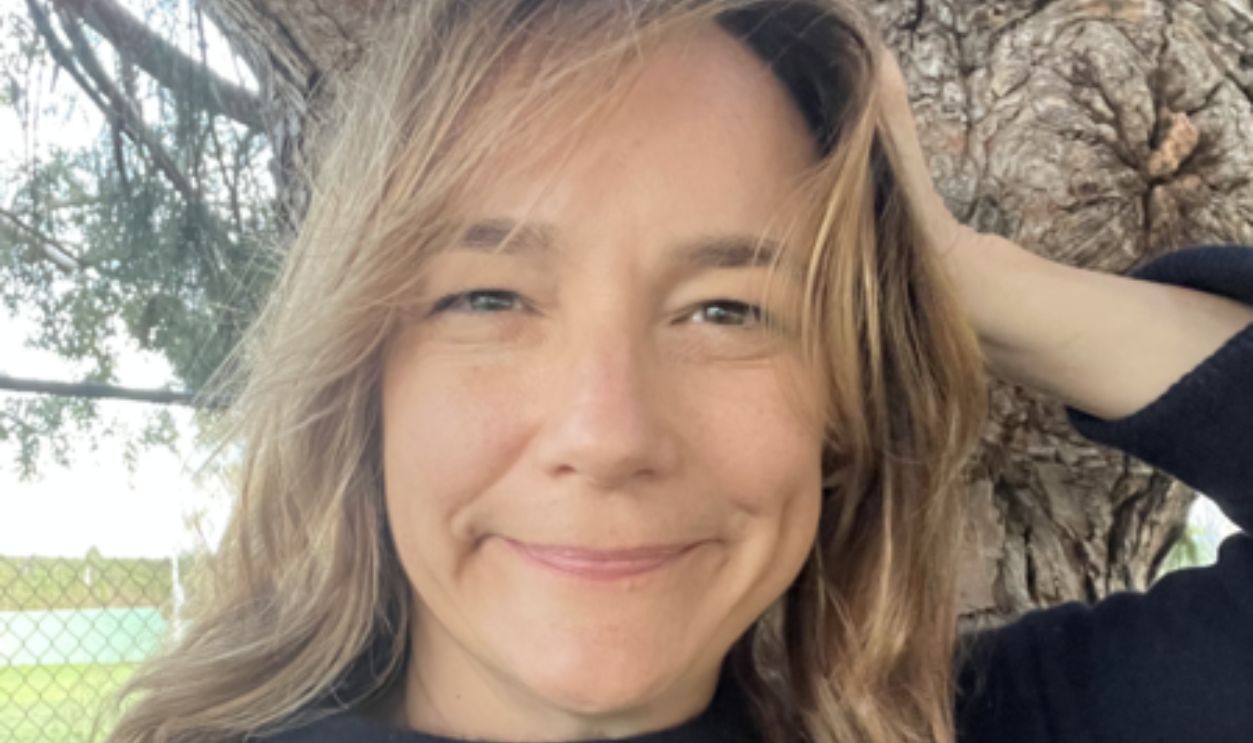
Semi Chellas Helped Don Draper’s World Fall Apart Gracefully
Semi Chellas joined Mad Men and ended up co-writing some of its most quietly devastating episodes. She has a knack for capturing the tiny shifts—the glance, the hesitation, the offhand comment—that signal tectonic emotional change. When you think about the later seasons’ surprisingly tender moments amid the chaos, you’re probably thinking of her work.
 Schellasasst, Wikimedia Commons
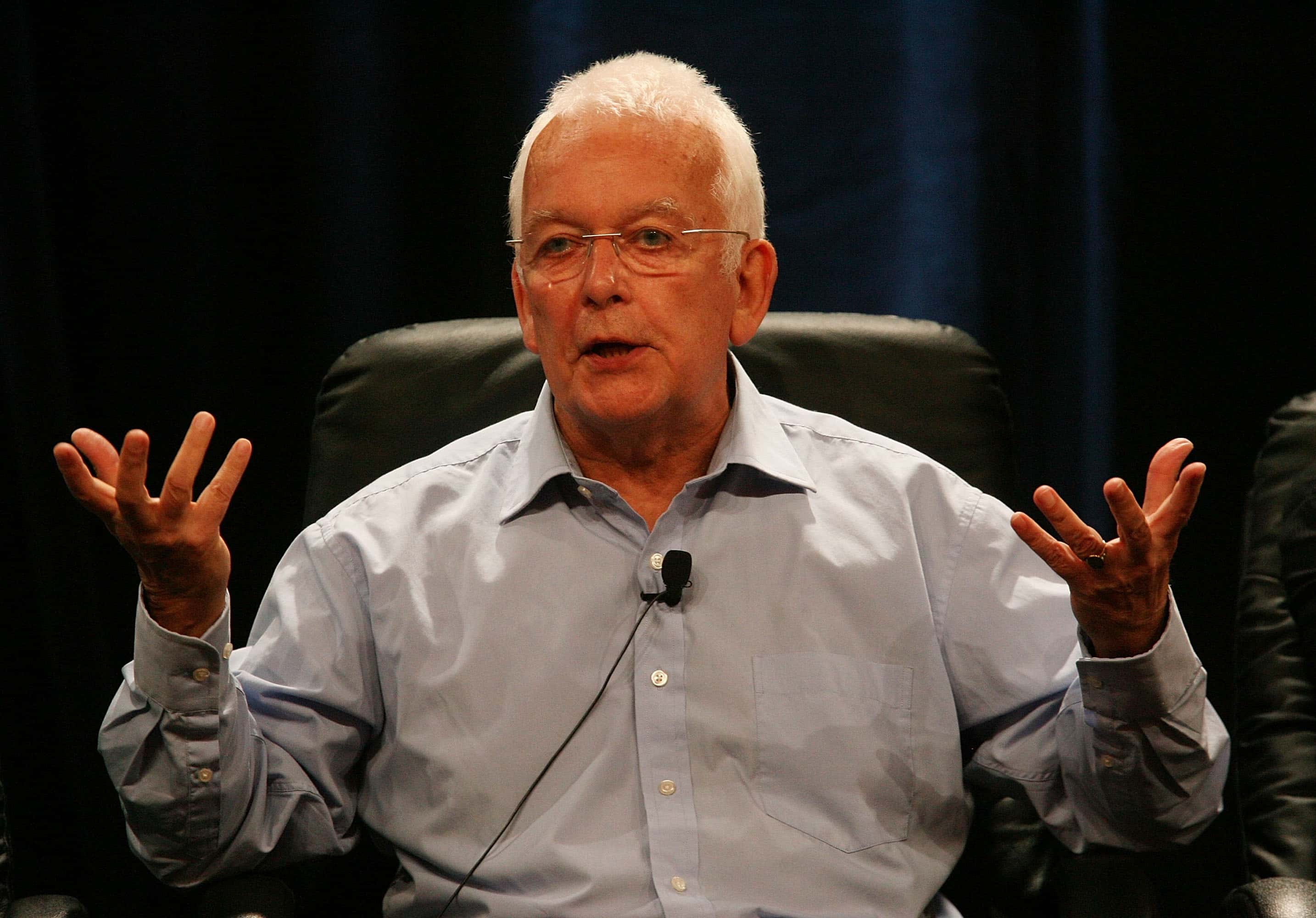
Andrew Davies Made Period Dramas Feel Surprisingly Modern
If you’ve ever swooned over Pride and Prejudice (yes, the Colin Firth one) or been unexpectedly hooked on Bleak House and War & Peace, Andrew Davies is the reason. He specializes in adapting door-stopping novels into pacey, emotionally rich series. He sneaks contemporary energy into classic stories, making them feel immediate instead of museum-piece respectable.
 Kristin Dos Santos, Wikimedia Commons
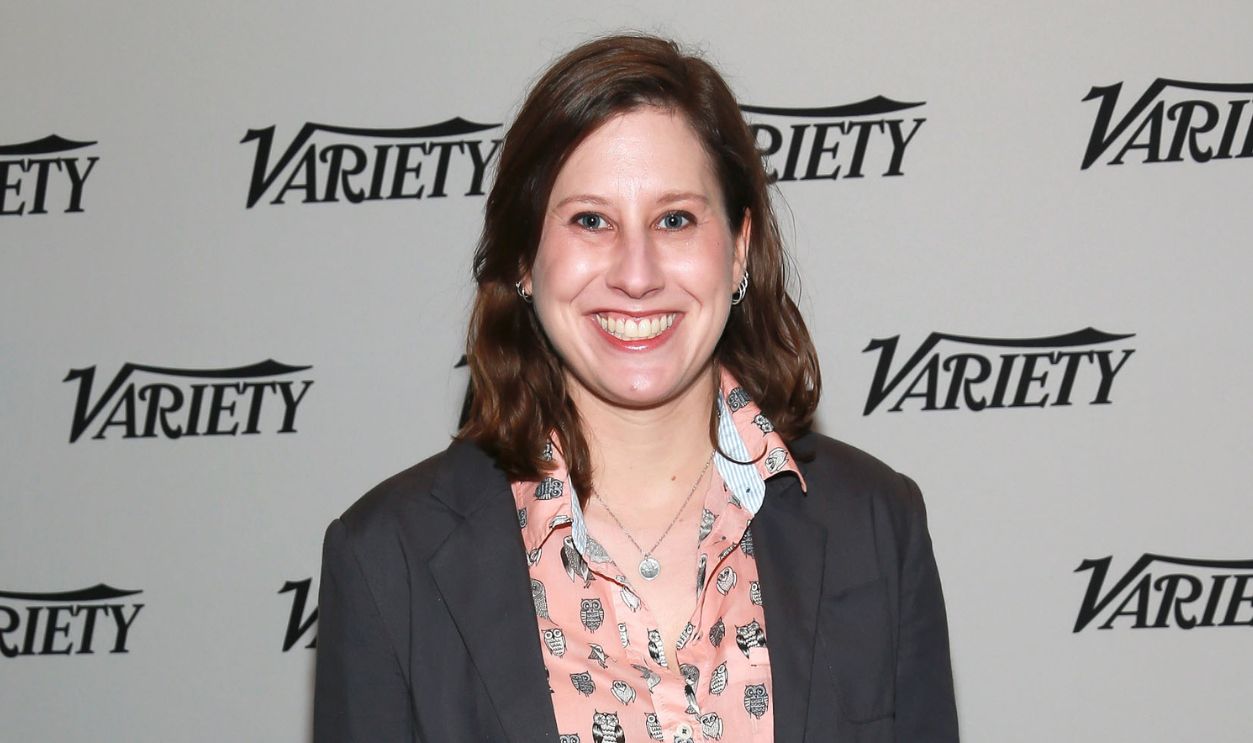
Gennifer Hutchison Turned “Side Characters” Into Fan Favorites
Gennifer Hutchison is one of the key voices behind Breaking Bad and Better Call Saul. Her episodes often spotlight characters on the margins, showing how small choices spiral into life-changing consequences. She’s especially good at writing the kind of tension where nothing explodes, but you’re still holding your breath for the entire hour.
 Imeh Akpanudosen, Getty Images
You May Also Like:
These Might Just Be The Best Christmas TV Episodes Ever Aired
The First TV Shows To Break Major Barriers
Ranking The Most Expensive TV Shows Ever Made, According To Data
Source: 1
.jpg)