When The Opening Credits Were Half The Fun
Before streaming let people skip the intro, TV theme songs had to do real work to get viewers hooked. They introduced the mood, explained the premise, sold the characters, and sometimes became more memorable than half the episodes. The best 1980s themes did all of that in under a minute, which is why so many viewers can still hear them instantly.
 NBC/NBCUniversal, Getty Images
Cheers - “Where Everybody Knows Your Name”
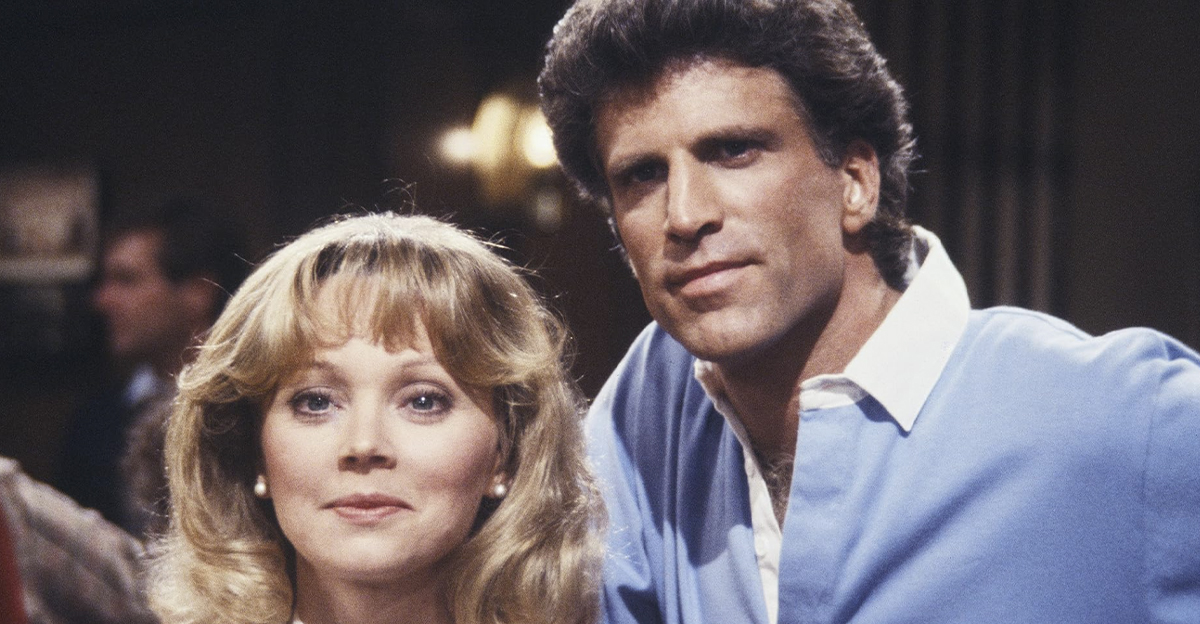
Few TV themes captured a show’s soul better than “Where Everybody Knows Your Name.” It made Cheers feel less like a sitcom about a bar and more like a place viewers personally visited every week. Gary Portnoy’s weary, warm vocal gave the show instant emotional pull before anyone even sat on a barstool.
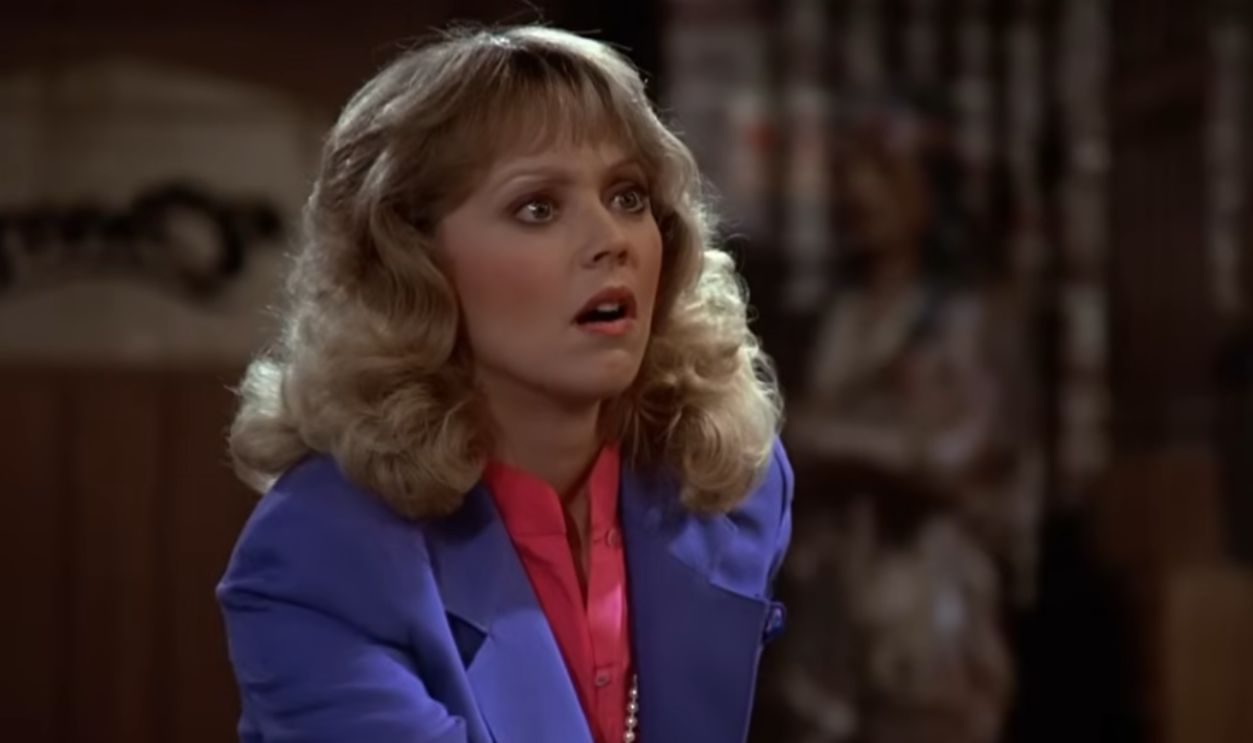 Screenshot from Cheers, NBC (1982–1993)
Miami Vice - “Miami Vice Theme”
The Miami Vice theme didn’t need words because the synths said everything. Jan Hammer’s slick, moody instrumental sounded like speedboats, neon lights, expensive jackets, and undercover danger all at once. It was so tied to the show’s style that hearing it now feels like stepping directly into 1980s television cool.
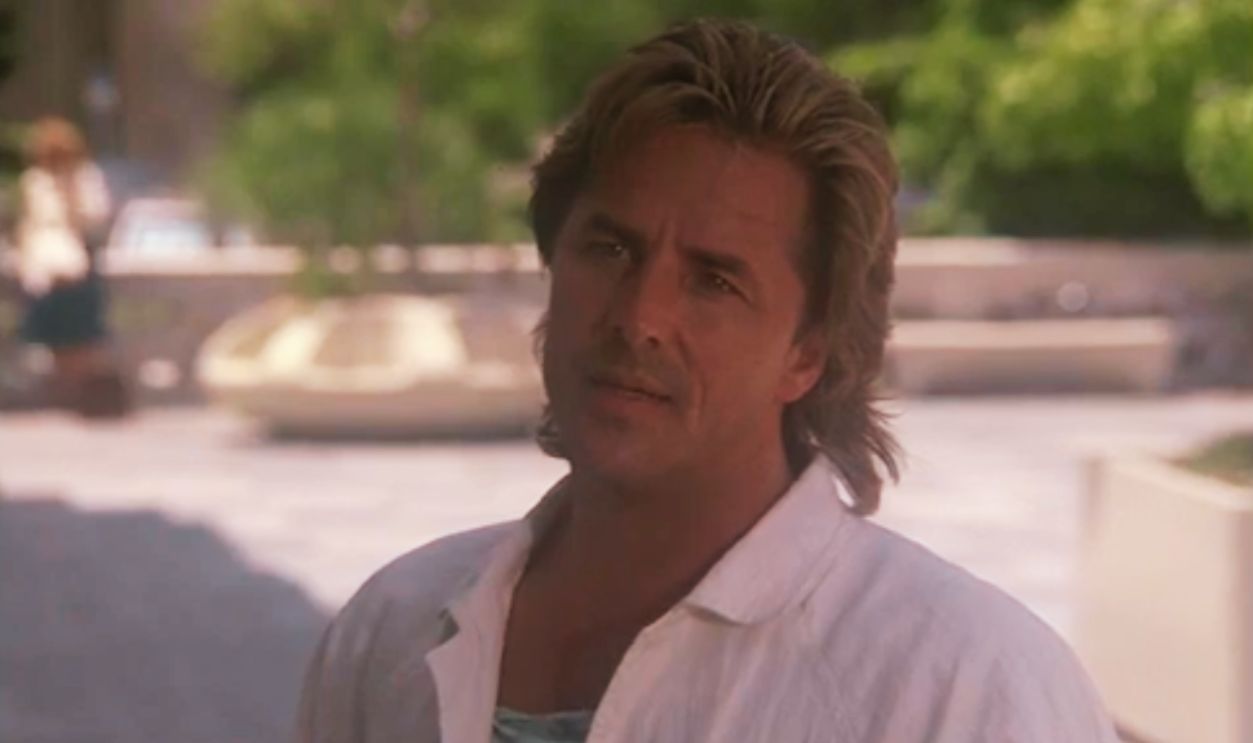 Screenshot from Miami Vice, MCA TV (1984–1990)
The Golden Girls - “Thank You For Being A Friend”
“Thank You for Being a Friend” was already a great song before The Golden Girls, but Cynthia Fee’s version made it TV immortality. The theme promised warmth, loyalty, cheesecake, and four women who could roast each other brutally without ever breaking the friendship underneath. It still feels like a hug with punchlines.
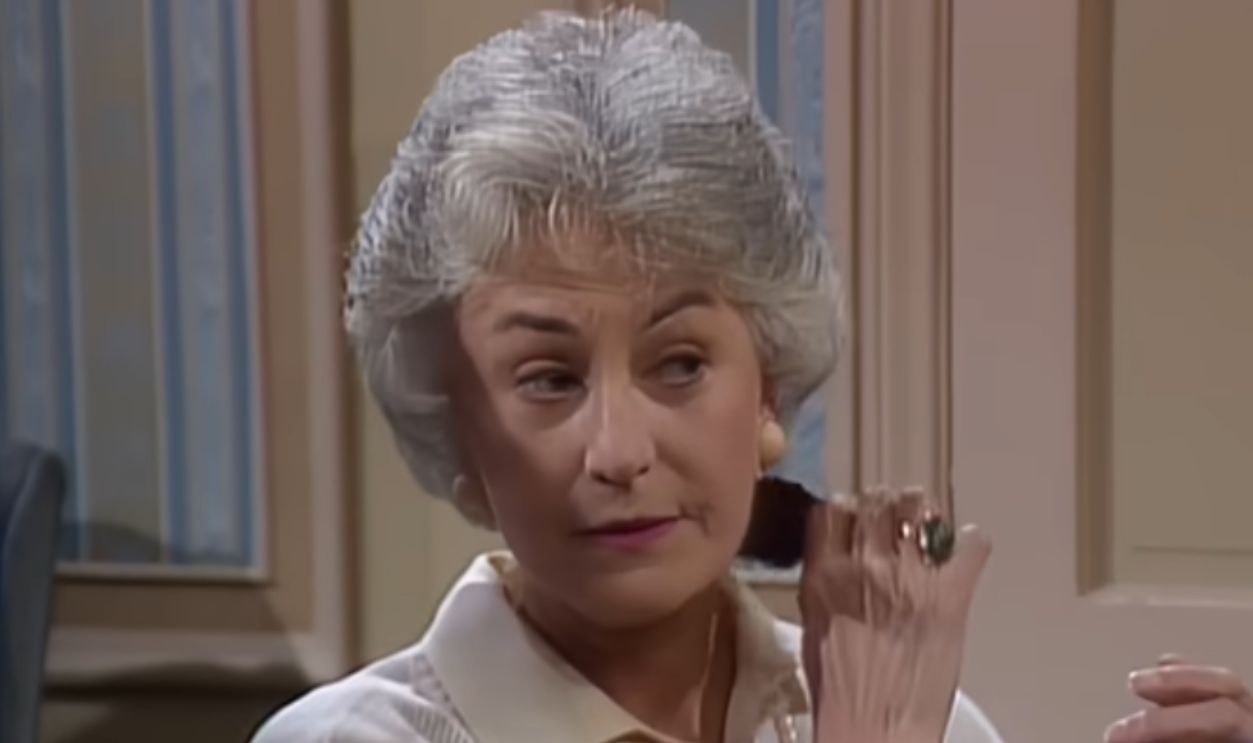 Screenshot from The Golden Girls, Buena Vista Television (1985–1992)
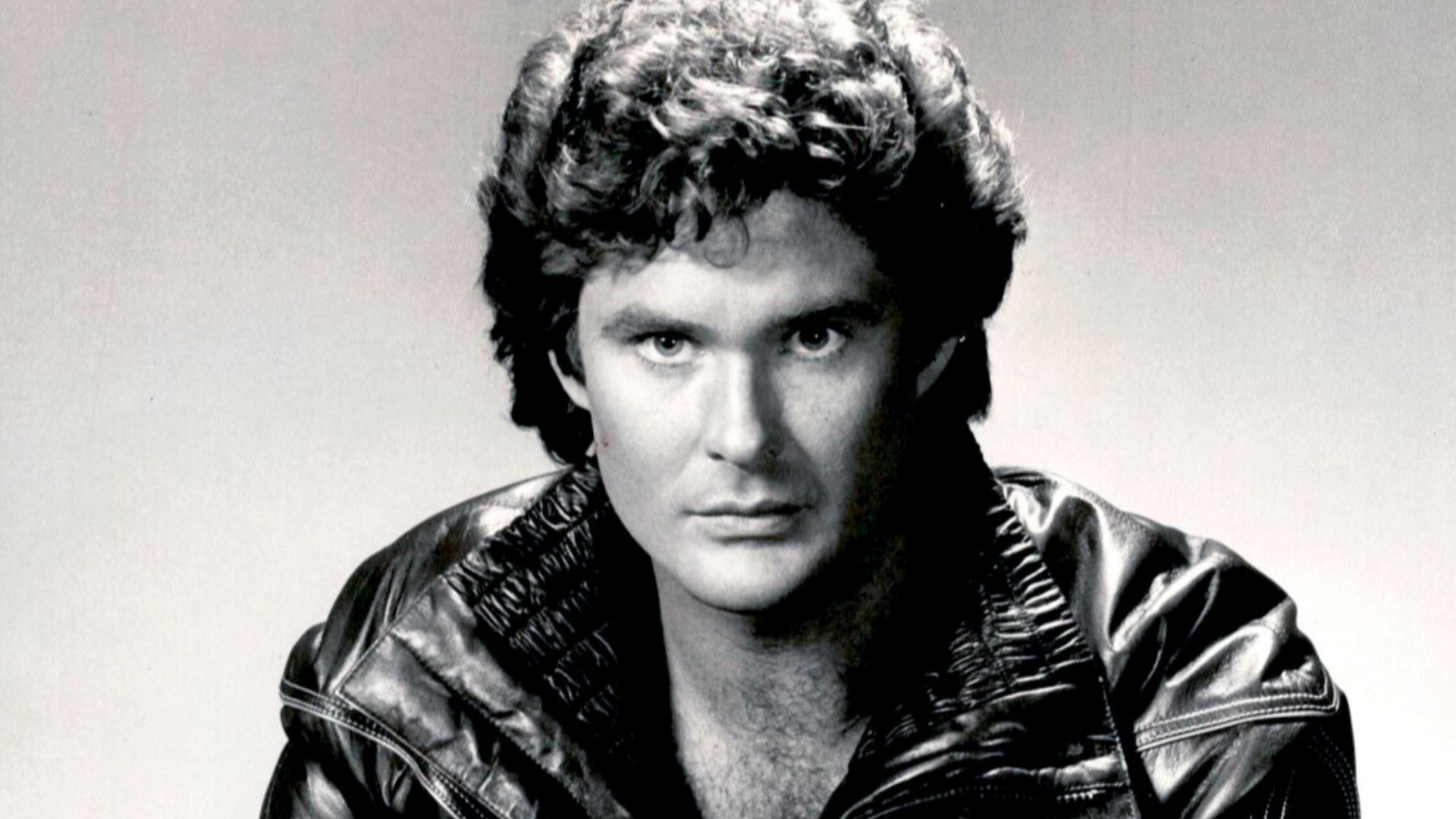
Knight Rider - “Knight Rider Theme”
The Knight Rider theme was pure electronic adrenaline. Those pulsing synths made KITT seem futuristic before the car even spoke, while the driving rhythm matched Michael Knight’s shadowy crime-fighting mission. It’s one of those themes that can make someone immediately picture a black Trans Am speeding through the desert.
The Greatest American Hero - “Believe It Or Not”
“Believe It or Not” became one of the decade’s most gloriously optimistic theme songs. Joey Scarbury’s vocal made the whole show feel like a regular guy accidentally stumbling into greatness and barely understanding how to control it. The song was so catchy that it outgrew the series and became a pop hit on its own.
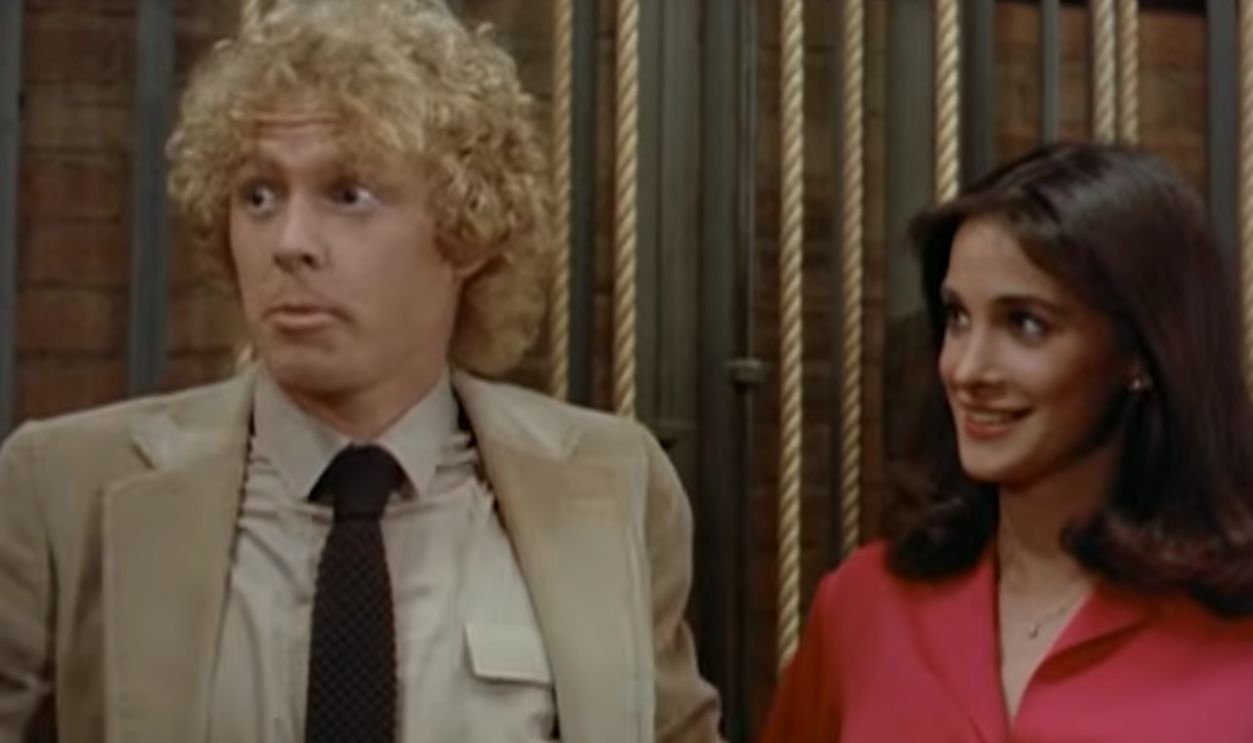 Screenshot from The Greatest American Hero, Syndivision (1981–1983)
The Facts Of Life - “The Facts Of Life”
The Facts of Life theme worked because it sounded like advice from someone who had already survived adolescence. It was upbeat, direct, and impossible to forget after a few episodes. The song neatly matched the show’s mix of boarding-school friendships, awkward lessons, and growing pains with a chorus viewers could instantly remember.
 Screenshot from The Facts of Life, Embassy Telecommunications (1979–1988), Modified
The A-Team - “The A-Team Theme”
The A-Team theme sounded like a mission briefing with drums. It had military swagger, adventure, and just enough cartoonish confidence to match a show where plans always came together after explosions, disguises, and improvised weapons. You didn’t sing this one. You marched around the living room pretending something dramatic was about to happen.
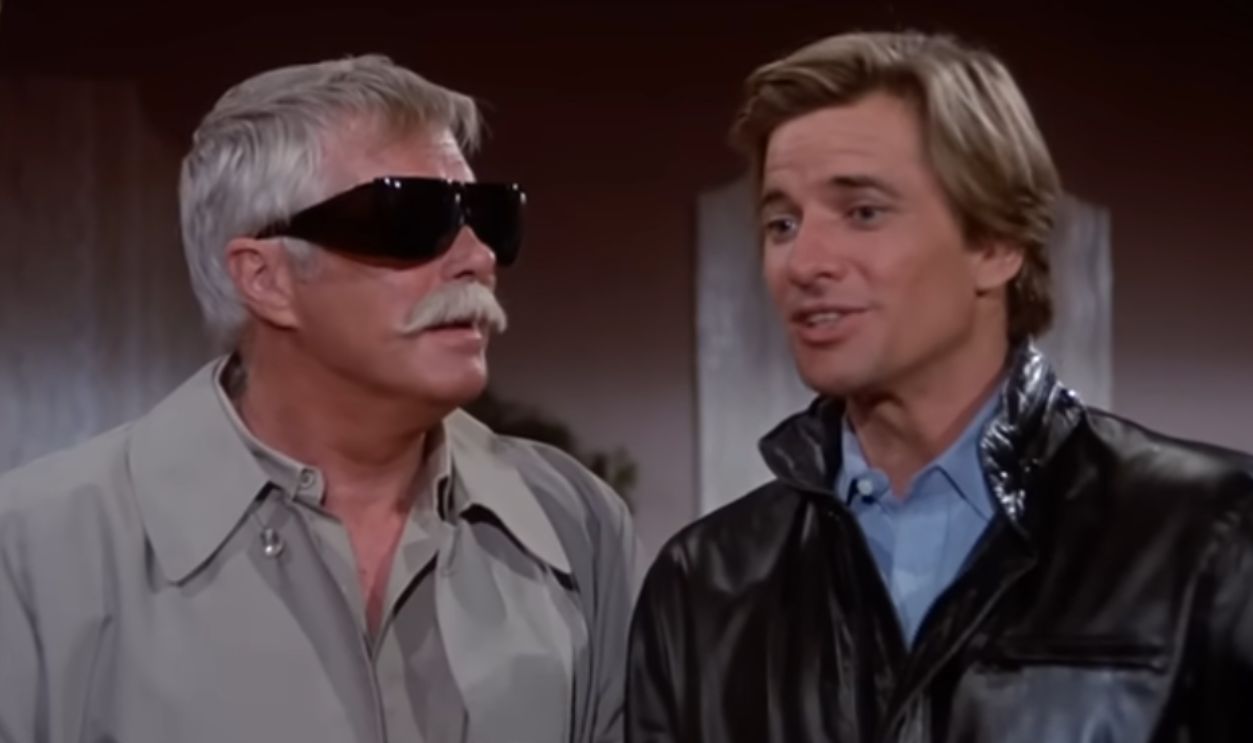 Screenshot from The A-Team, MCA TV (1983–1987)
Growing Pains - “As Long As We Got Each Other”
“As Long as We Got Each Other” had the soft-focus warmth that 1980s family sitcoms did so well. The theme told viewers that the Seavers might argue, embarrass one another, and learn obvious lessons, but the family bond would hold. It was sentimental, catchy, and practically built for closing-credit nostalgia.
 Screenshot from Growing Pains, Warner Bros. Television (1985–1992)
Diff’rent Strokes - “It Takes Diff’rent Strokes”
The Diff’rent Strokes theme explained the whole premise with cheerful confidence. Different lives, different backgrounds, one blended household, and plenty of sitcom lessons waiting ahead. The song was simple, bright, and instantly recognizable, which made it perfect for a show built around big personalities and even bigger catchphrases.
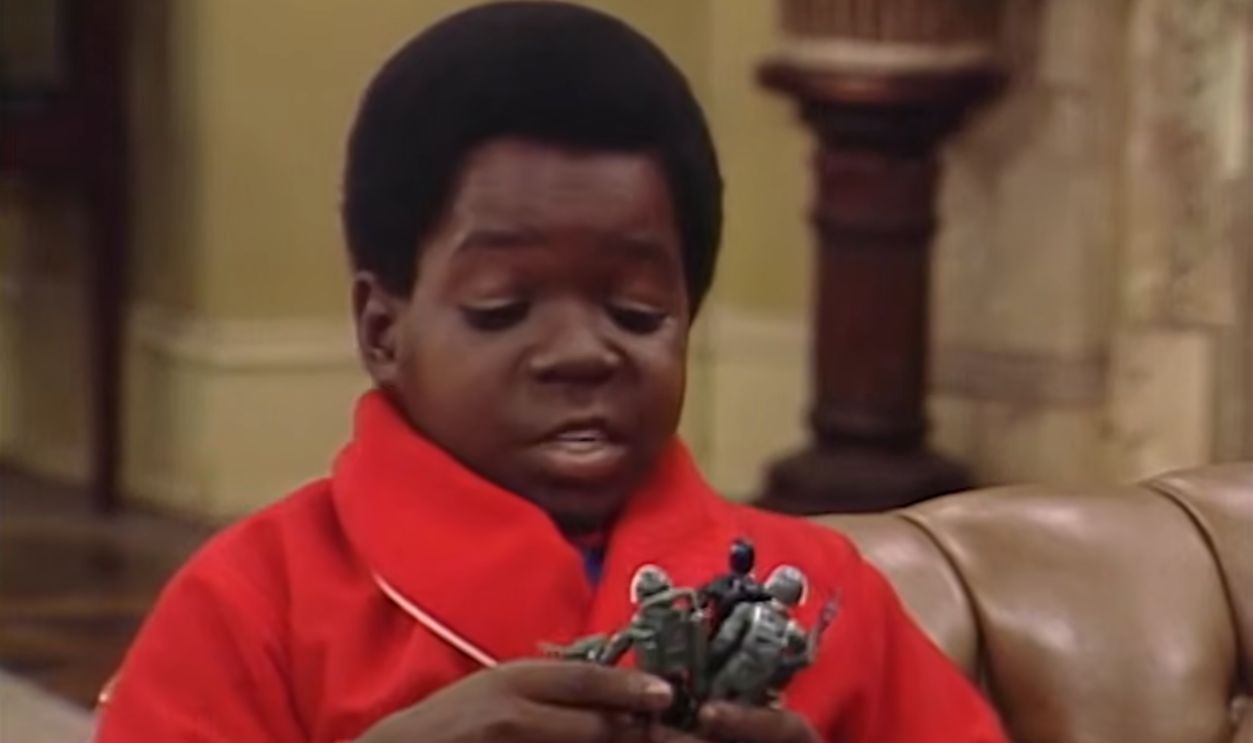 Screenshot from Diff’rent Strokes, Embassy Telecommunications (1978–1986)
Magnum, P.I. - “Magnum, P.I. Theme”
The Magnum, P.I. theme had swagger without trying too hard. It sounded adventurous, relaxed, and ready for a helicopter shot over Hawaii. Mike Post and Pete Carpenter gave Thomas Magnum a theme that matched his whole vibe: cool, charming, capable, and just dramatic enough to remind viewers there was danger under the sunshine.
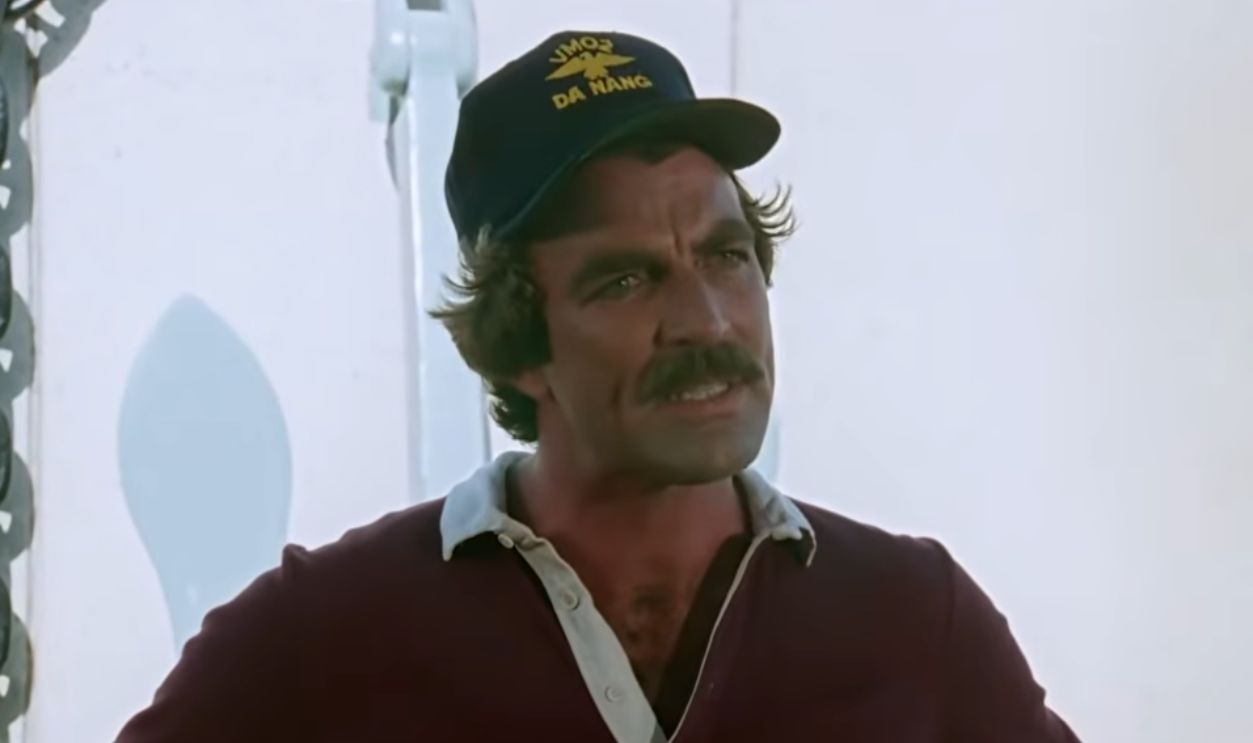 Screenshot from Magnum, P.I., MCA TV (1980–1988)
Perfect Strangers - “Nothing’s Gonna Stop Me Now”
“Nothing’s Gonna Stop Me Now” may be one of the most aggressively hopeful sitcom themes of the entire decade. It turned Balki and Larry’s odd-couple setup into a full inspirational anthem. The song made moving to a new city, chasing a dream, and sharing an apartment with your cousin sound weirdly heroic.
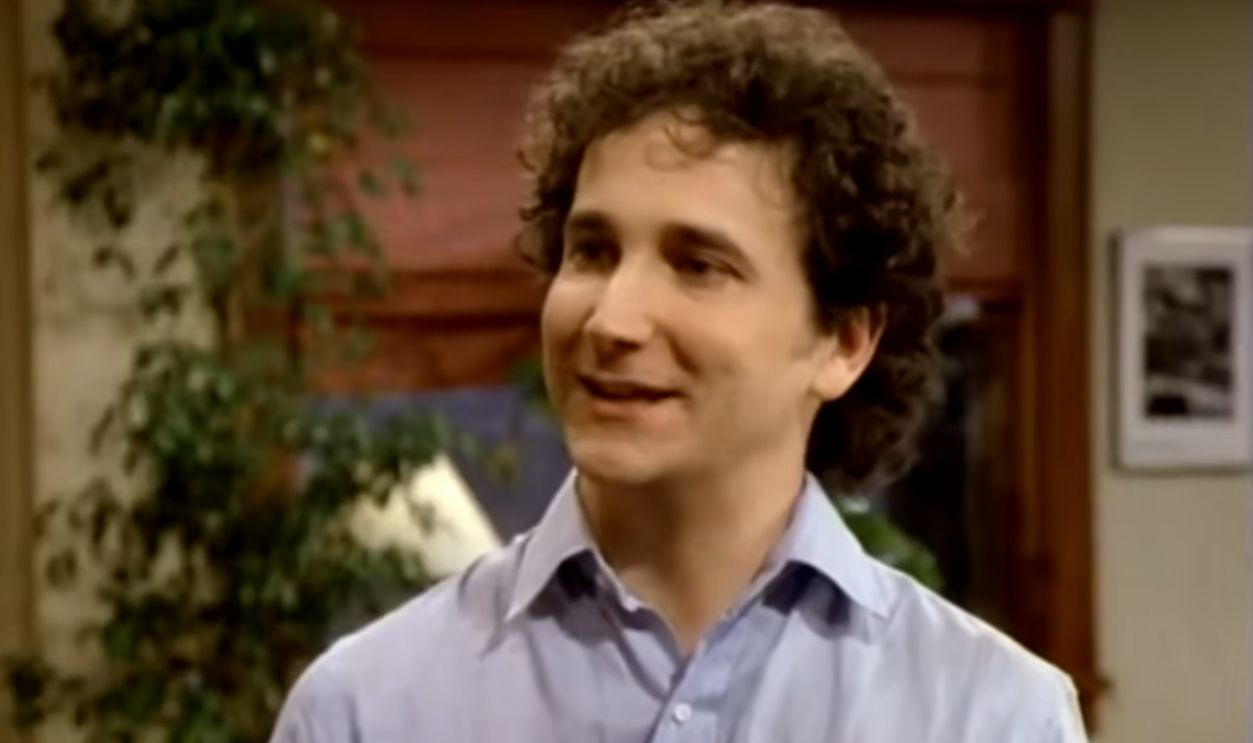 Screenshot from Perfect Strangers, Lorimar Television (1986–1993)
The Dukes Of Hazzard - “Good Ol’ Boys”
Waylon Jennings gave The Dukes of Hazzard a theme that sounded like it was being sung from the passenger seat of the General Lee. “Good Ol’ Boys” was folksy, mischievous, and perfectly matched to a show about fast cars, corrupt officials, and cousins who solved most problems by jumping over something.
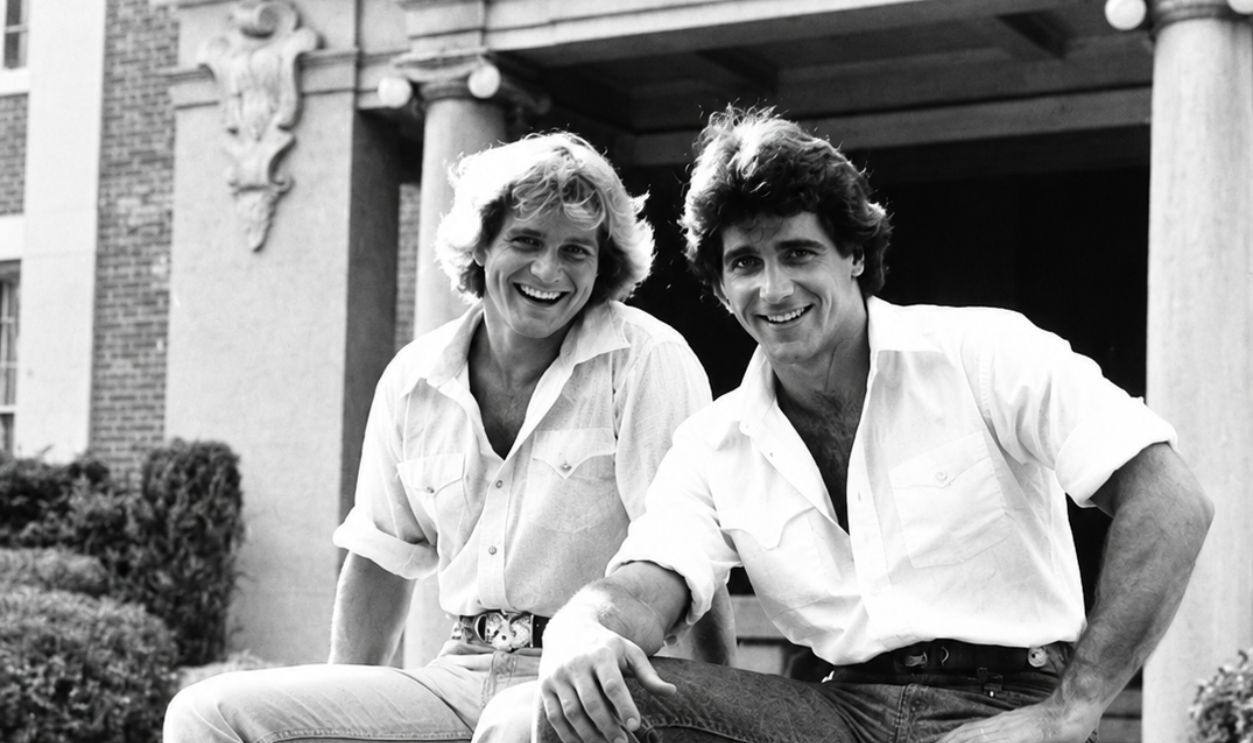 Warner Bros. Television / CBS, Modified
Hill Street Blues - “Hill Street Blues Theme”
The Hill Street Blues theme was softer and sadder than most police-show music. Mike Post’s piano melody gave the series a worn-down humanity before the precinct chaos began. Instead of announcing action, it suggested exhaustion, danger, and emotional weight, which helped the show feel more mature than the average cop drama.
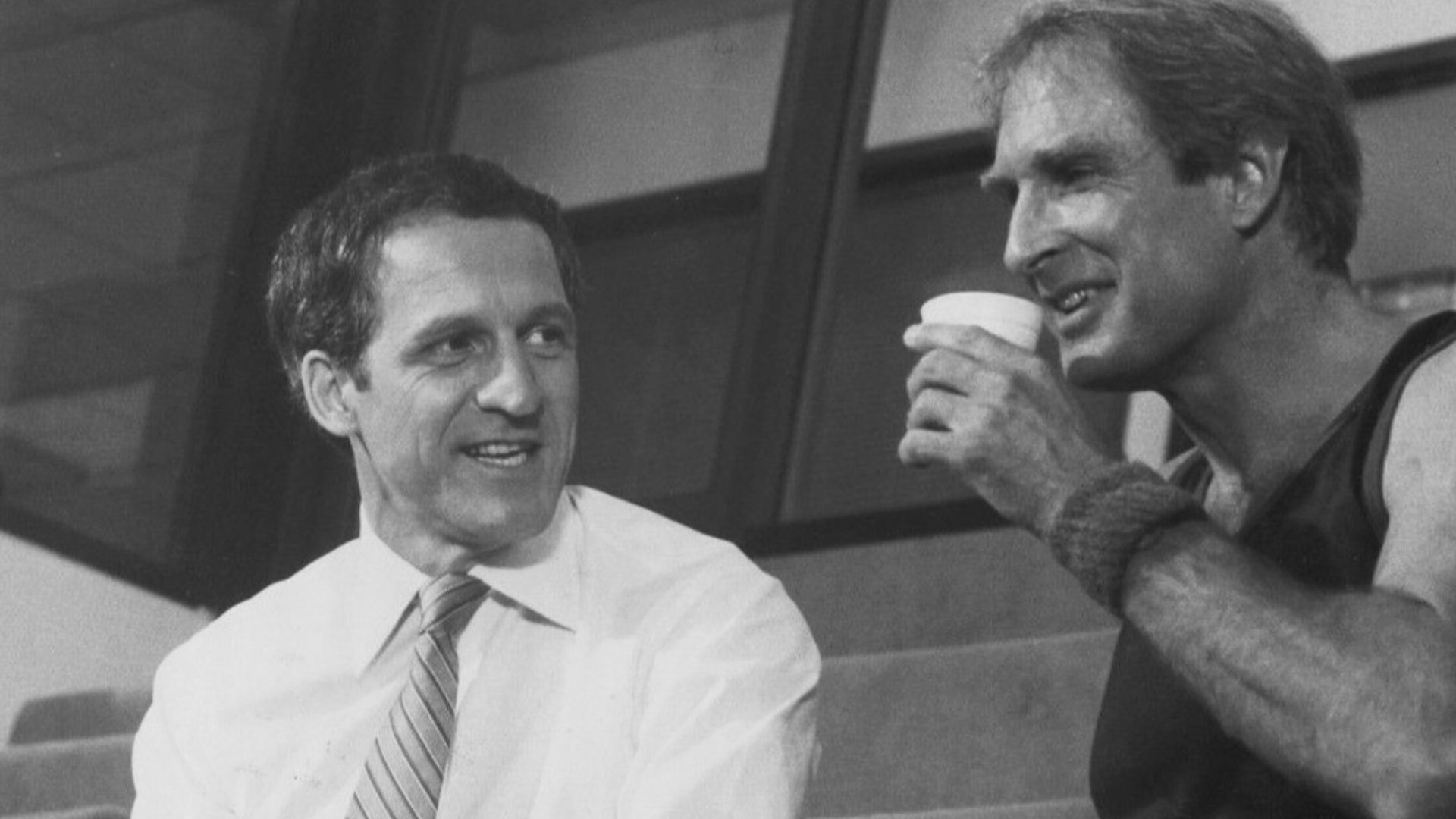 NBC Television, Wikimedia Commons
Full House - “Everywhere You Look”
“Everywhere You Look” was pure late-1980s comfort television. The theme made San Francisco, family chaos, and group hugs feel like one giant emotional safety net. Jesse Frederick’s vocal practically promised that no matter how messy life got, someone would be waiting with advice, applause, or a suspiciously tidy living room.
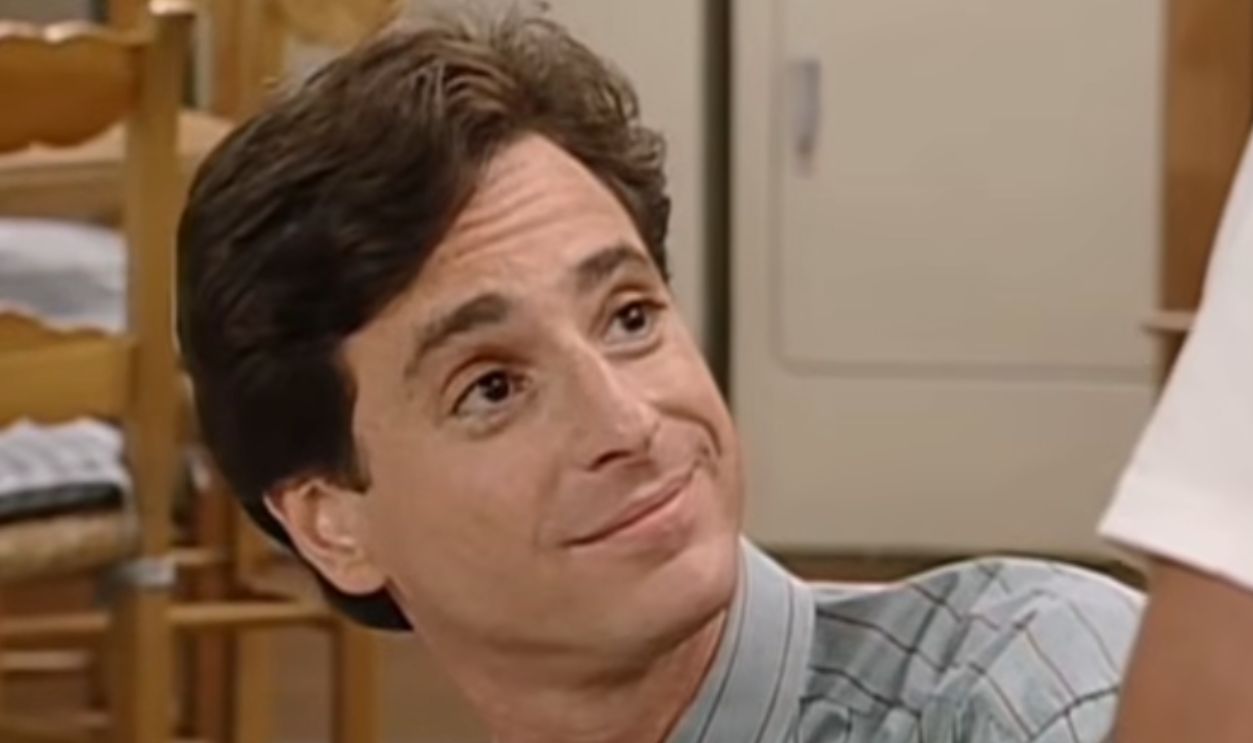 Screenshot from Full House, Lorimar-Telepictures (1987–1995)
Moonlighting - “Moonlighting”
Al Jarreau’s Moonlighting theme sounded smooth, romantic, and a little mischievous, which was exactly right for Maddie and David. It had the glossy feel of a late-night jazz club, but with enough playful energy to match the show’s arguments, flirting, and mystery-comedy chaos. It made detective work sound stylish.
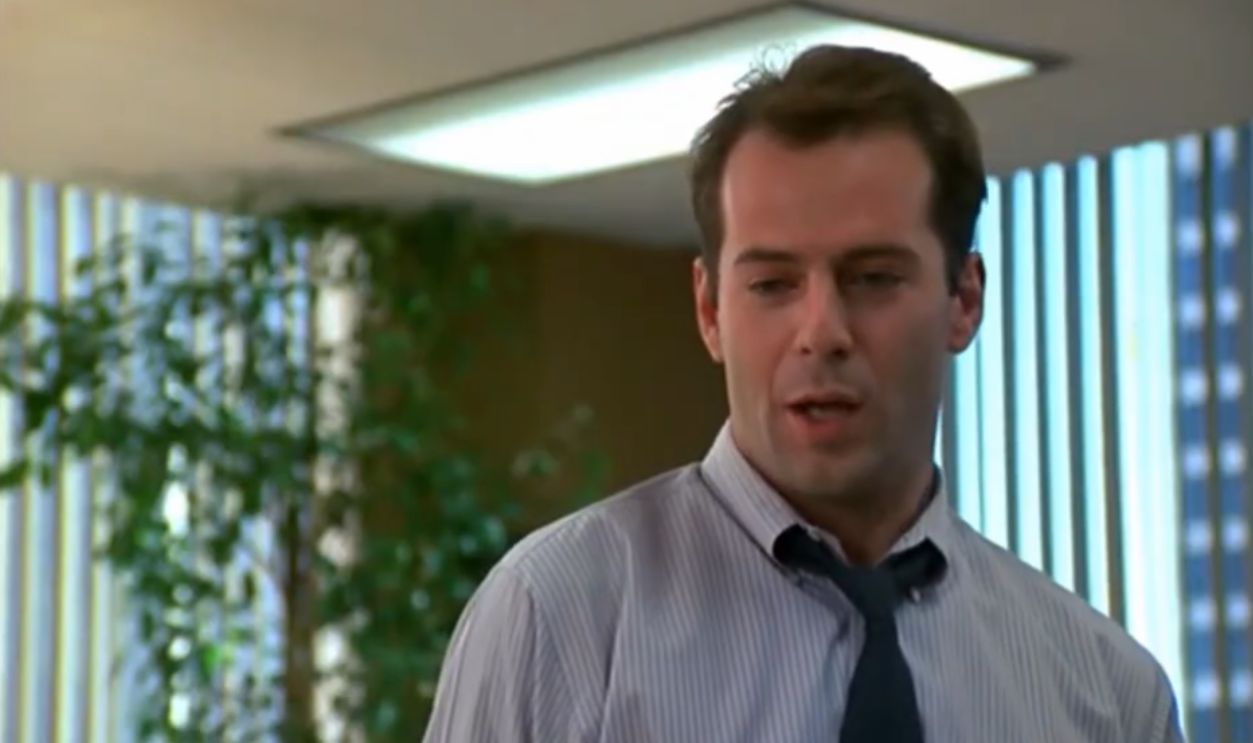 Screenshot from Moonlighting, ABC (1985–1989)
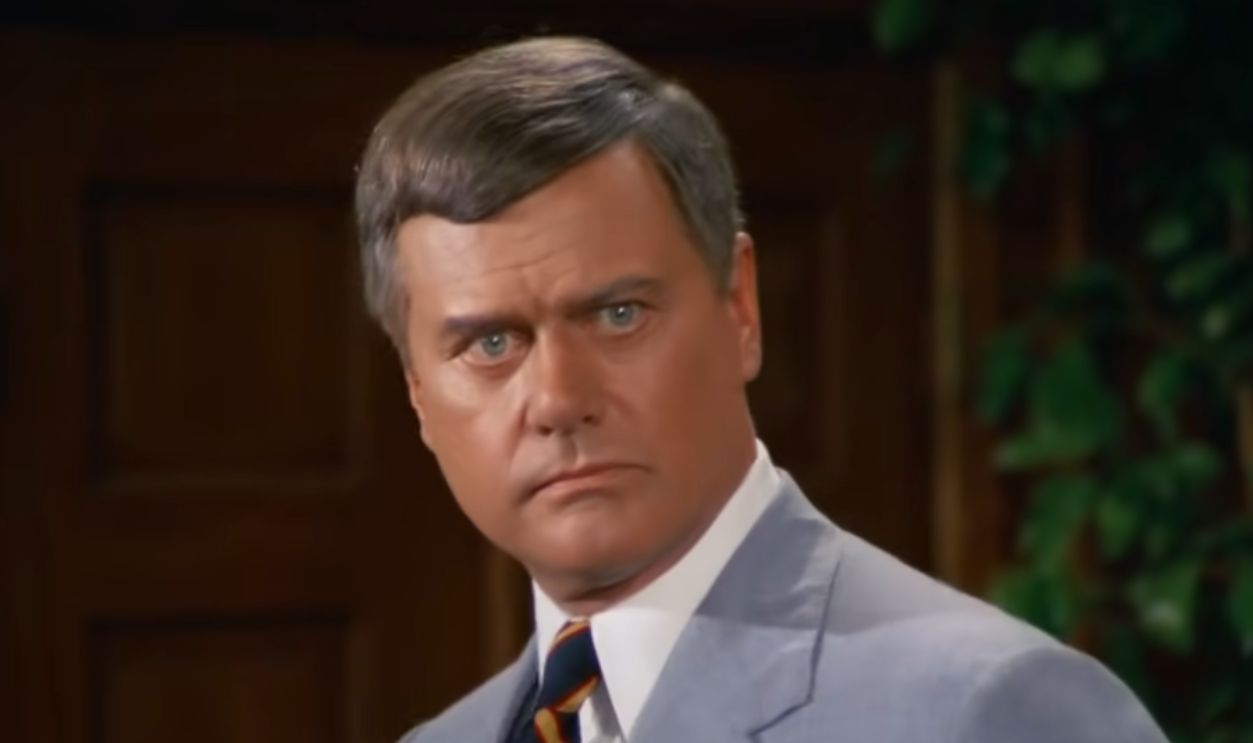
Dallas - “Dallas Theme”
The Dallas theme sounded like money, oil, betrayal, and giant shoulder pads. Its grand, sweeping energy made the Ewing family’s business feuds feel almost royal. You didn’t need lyrics to understand the assignment. This was a theme for people who owned ranches, made enemies, and stared dramatically across swimming pools.
 Screenshot from Dallas, CBS (1978–1991)
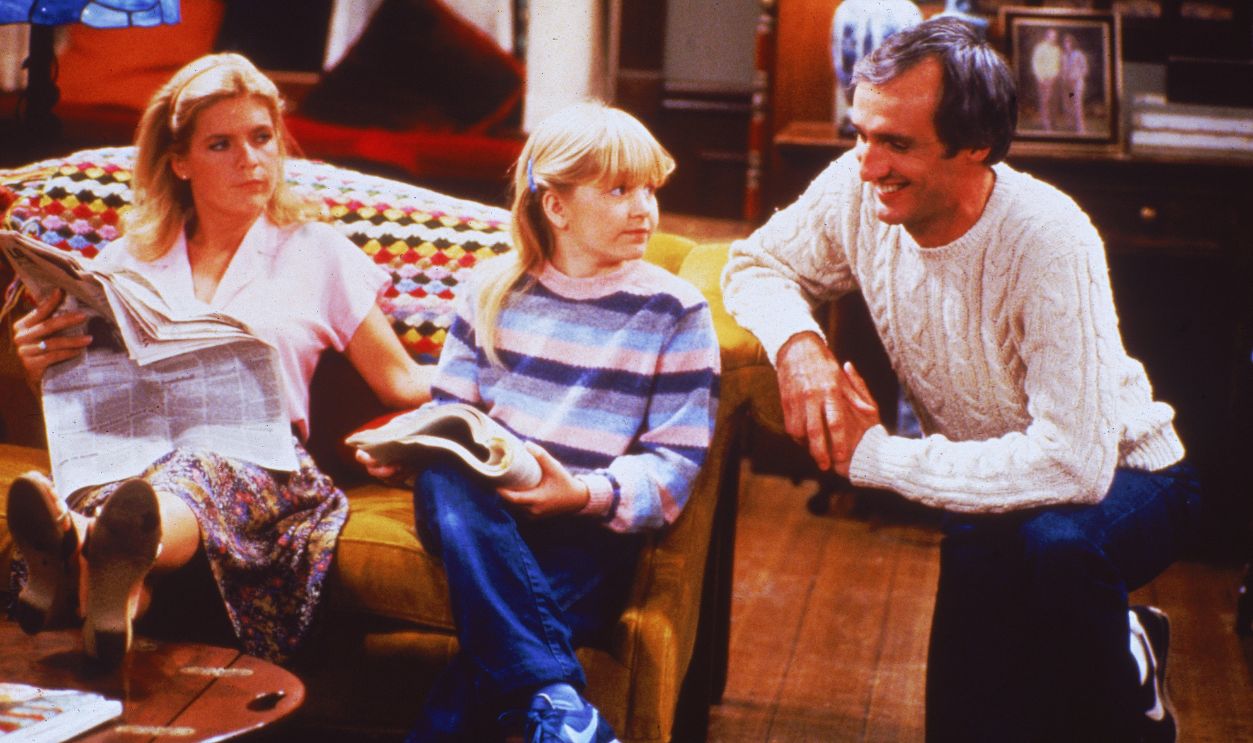
Family Ties - “Without Us”
“Without Us” leaned into the emotional center of Family Ties. The Keatons were a family full of political arguments, generational clashes, and very different personalities, but the theme reminded viewers that affection held it all together. It was sweet, earnest, and extremely 1980s in the best possible way.
 Fotos International, Getty Images
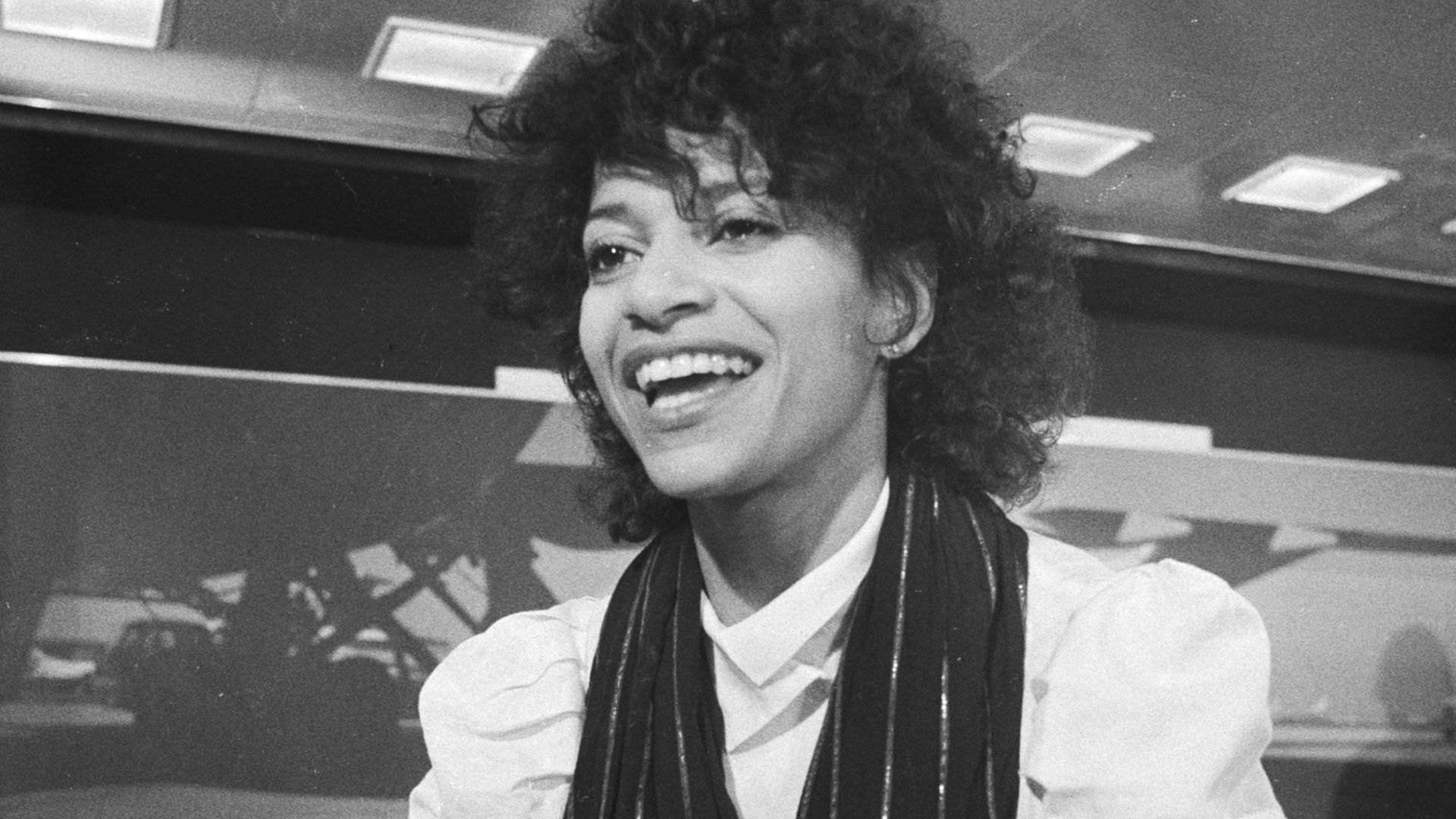
Fame - “Fame”
The Fame theme didn’t just introduce a show. It announced ambition at full volume. Irene Cara’s original film song carried into the television version with all its hunger, movement, and big-dream energy intact. For viewers, it made performing-arts school look exhausting, dramatic, and completely worth it.
 Croes, Rob C. for Anefo, Wikimedia Commons
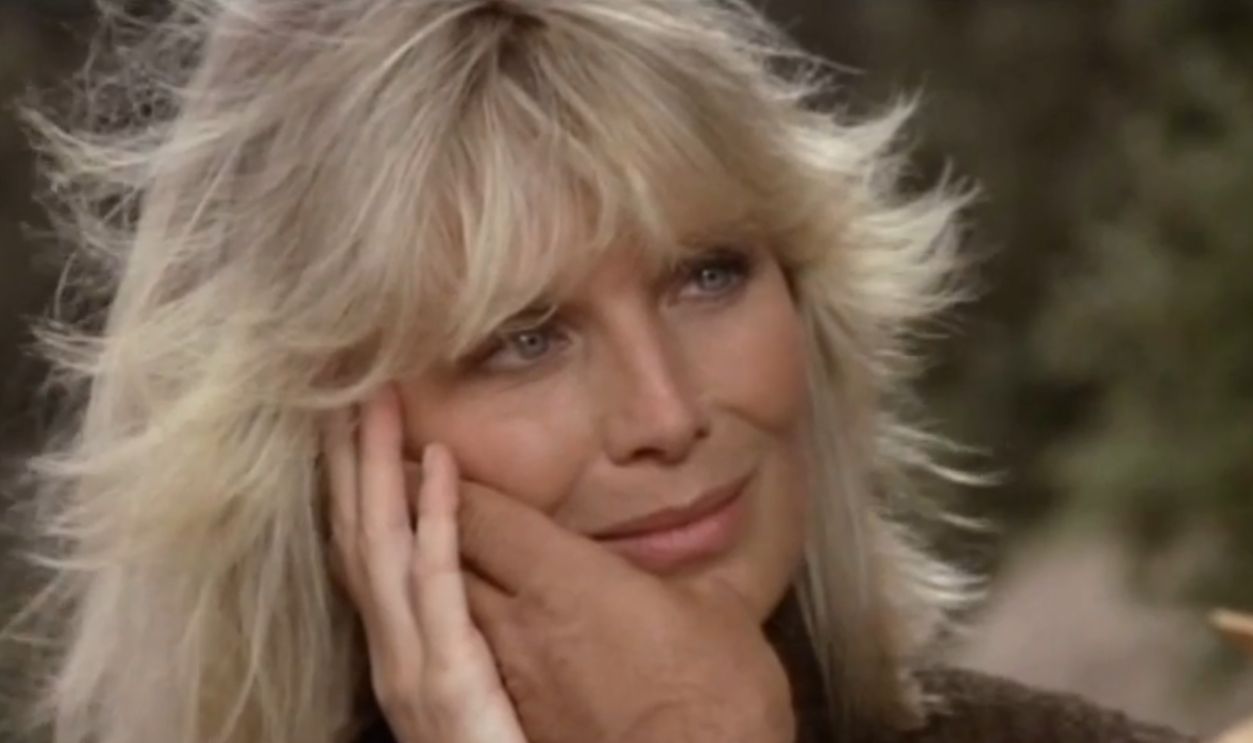
Dynasty - “Dynasty Theme”
The Dynasty theme was all glamour and menace. Bill Conti’s sweeping music made every mansion entrance, boardroom fight, and champagne-fueled betrayal feel enormous. It didn’t have to be hummed by everyone to be memorable. It simply had to sound expensive, which it absolutely did.
 Screenshot from Dynasty, ABC (1981–1989)
Who’s The Boss? - “Brand New Life”
“Brand New Life” matched the show’s sunny domestic reset perfectly. Tony, Angela, Samantha, Jonathan, and Mona were all adjusting to a household that didn’t fit traditional sitcom rules, and the theme made that change feel upbeat instead of complicated. It was breezy, friendly, and very easy to get stuck in your head.
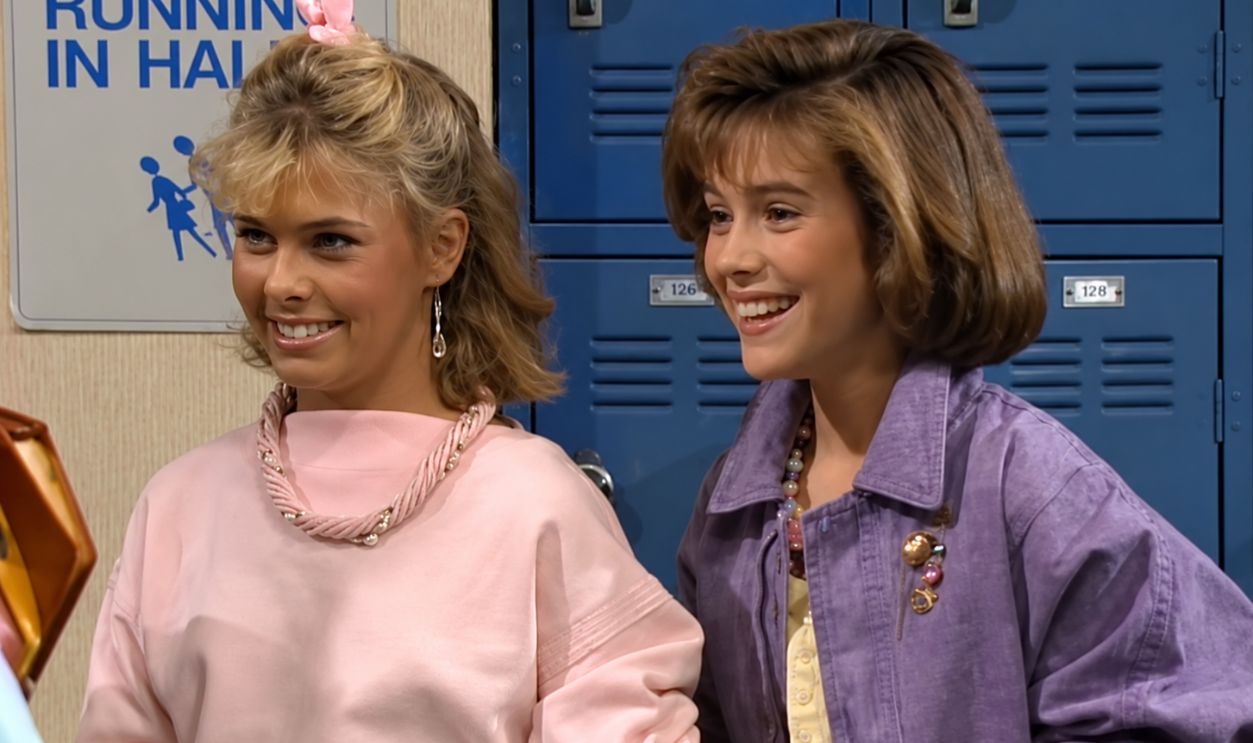 Screenshot from Who’s the Boss?, Columbia Pictures Television (1984–1992), Modified
MacGyver - “MacGyver Theme”
The MacGyver theme had a restless, inventive energy that suited a hero who could stop a disaster with chewing gum and a paper clip. It moved fast without sounding too aggressive, which fit the show’s brain-over-bullets appeal. The melody still instantly brings to mind improvised gadgets and narrow escapes.
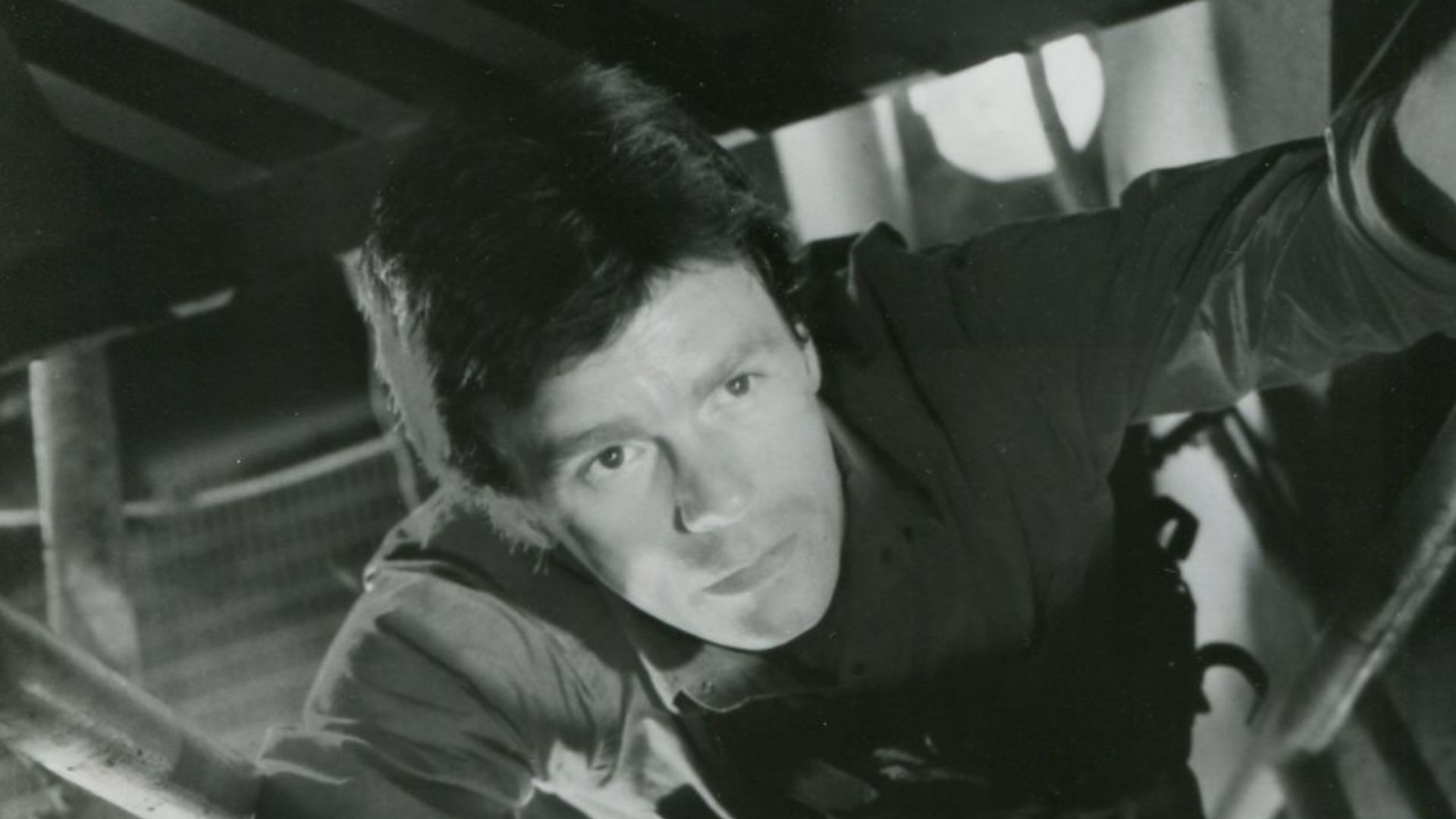
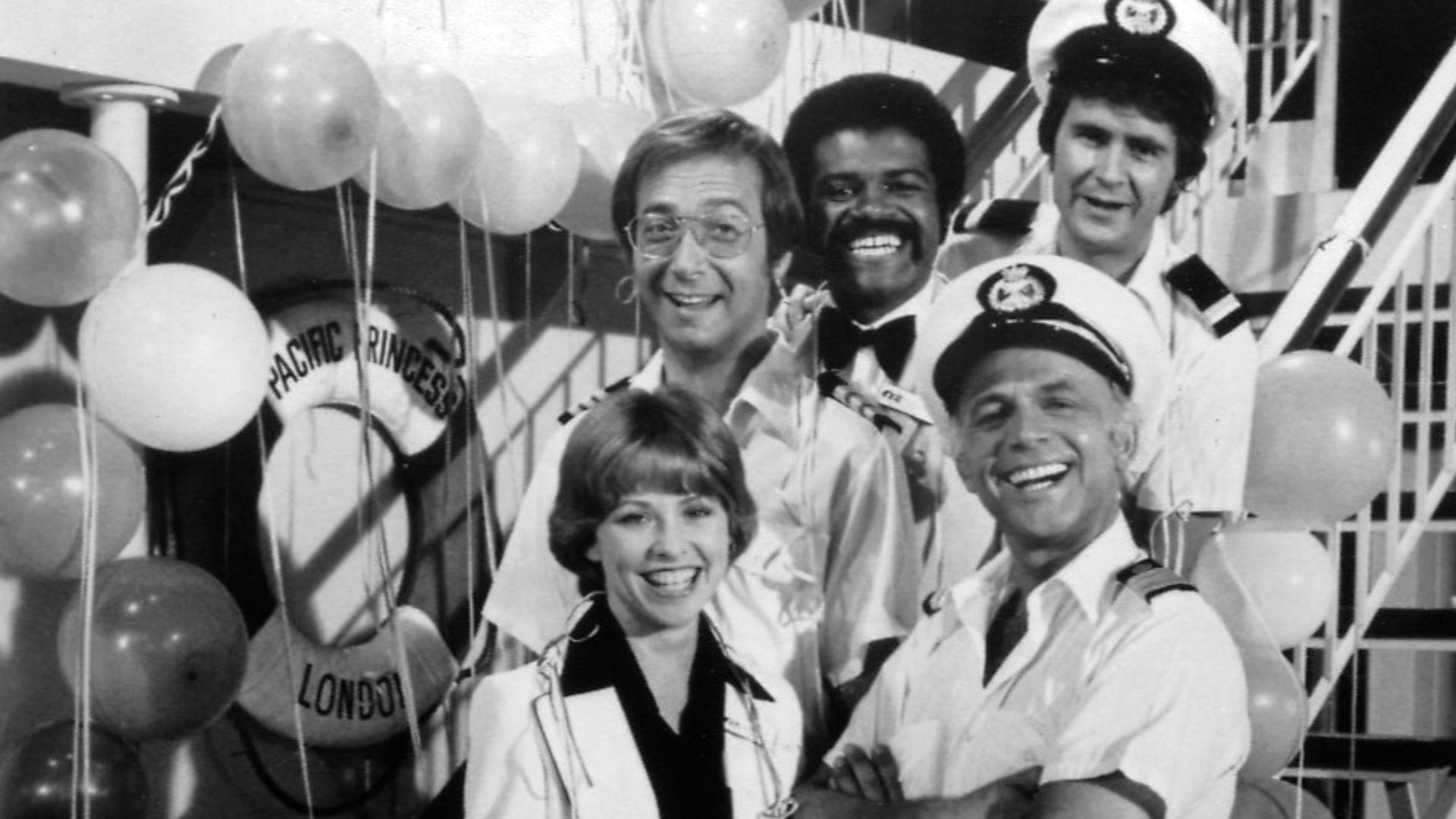
The Love Boat - “The Love Boat”
Even though The Love Boat began in the late 1970s, its theme kept sailing straight through 1980s television memory. The song was bright, romantic, and wonderfully cheesy, promising guest stars, vacation flings, and mild emotional complications at sea. It was basically a cruise brochure you could sing.
 ABC Television
Uploaded by We hope at en.wikipedia, Wikimedia Commons
ABC Television
Uploaded by We hope at en.wikipedia, Wikimedia Commons
Punky Brewster - “Every Time I Turn Around”
“Every Time I Turn Around” captured Punky’s scrappy, colorful optimism. The theme had a bouncy sweetness that matched a kid who could walk into a lonely apartment building and somehow make everyone’s life brighter. It was cute without being too polished, which helped it fit the show’s emotional underdog charm.
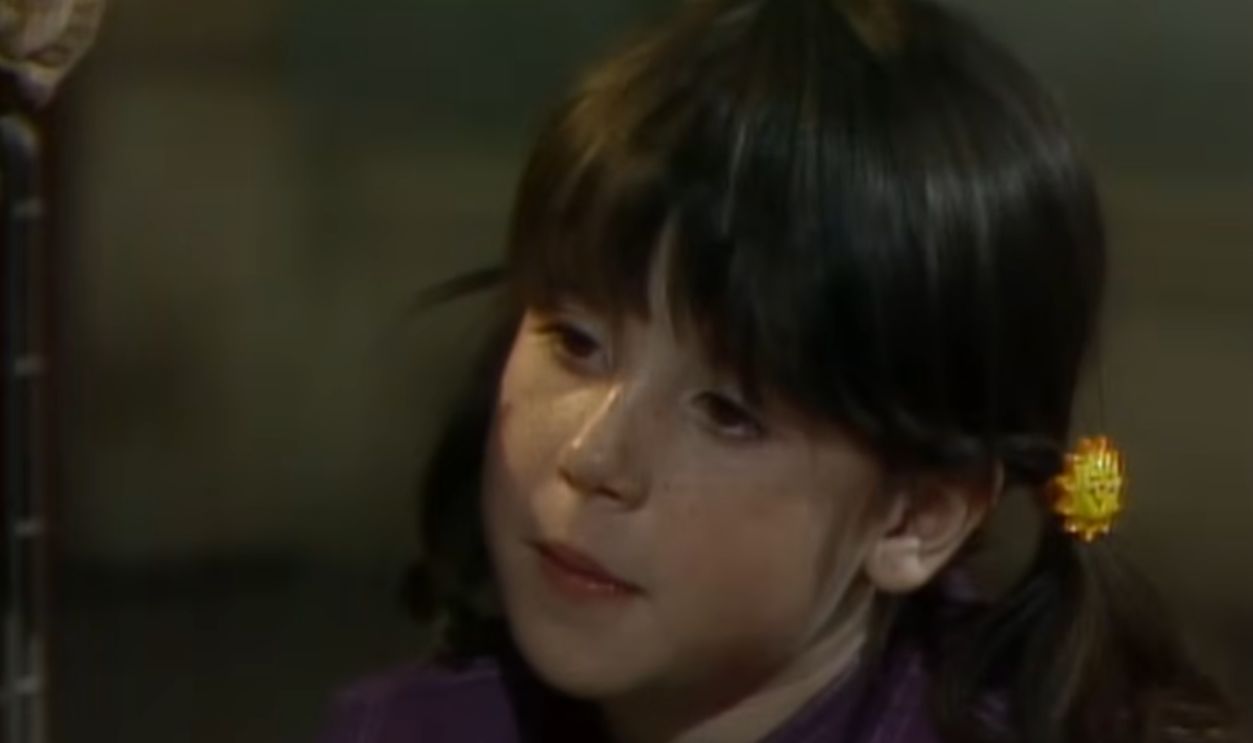 Screenshot from Punky Brewster, NBC (1984–1988)
L.A. Law - “L.A. Law Theme”
The L.A. Law theme was sleek, confident, and extremely grown-up. Mike Post’s music gave the legal drama a polished West Coast feel, with saxophone and synth touches that immediately placed it in the 1980s. It sounded like expensive suits, office politics, courtroom tension, and after-hours complications.
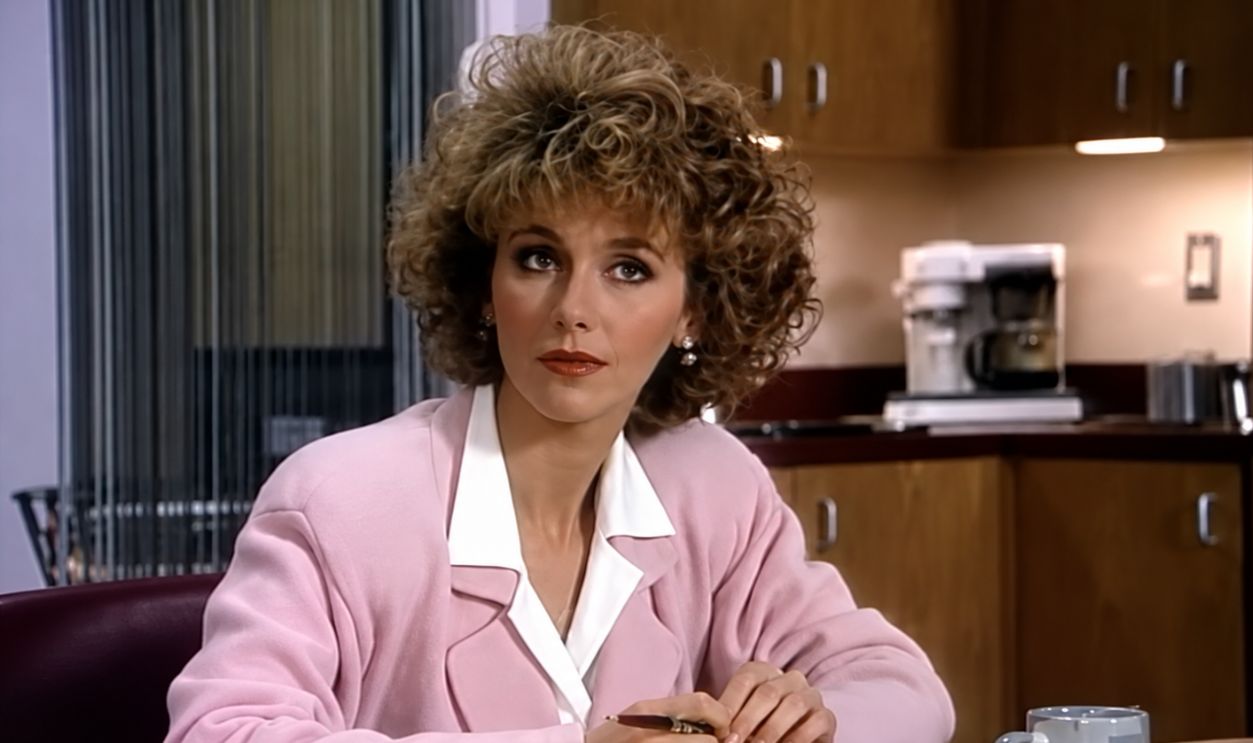 Screenshot from L.A. Law, 20th Century Fox Television (1986–1994)
Charles In Charge - “Charles In Charge”
The Charles in Charge theme did not waste time being subtle. It told viewers exactly who Charles was, what he did, and why the household needed him. That directness was part of the charm. Like many sitcom themes of the era, it was basically a cheerful job description set to music.
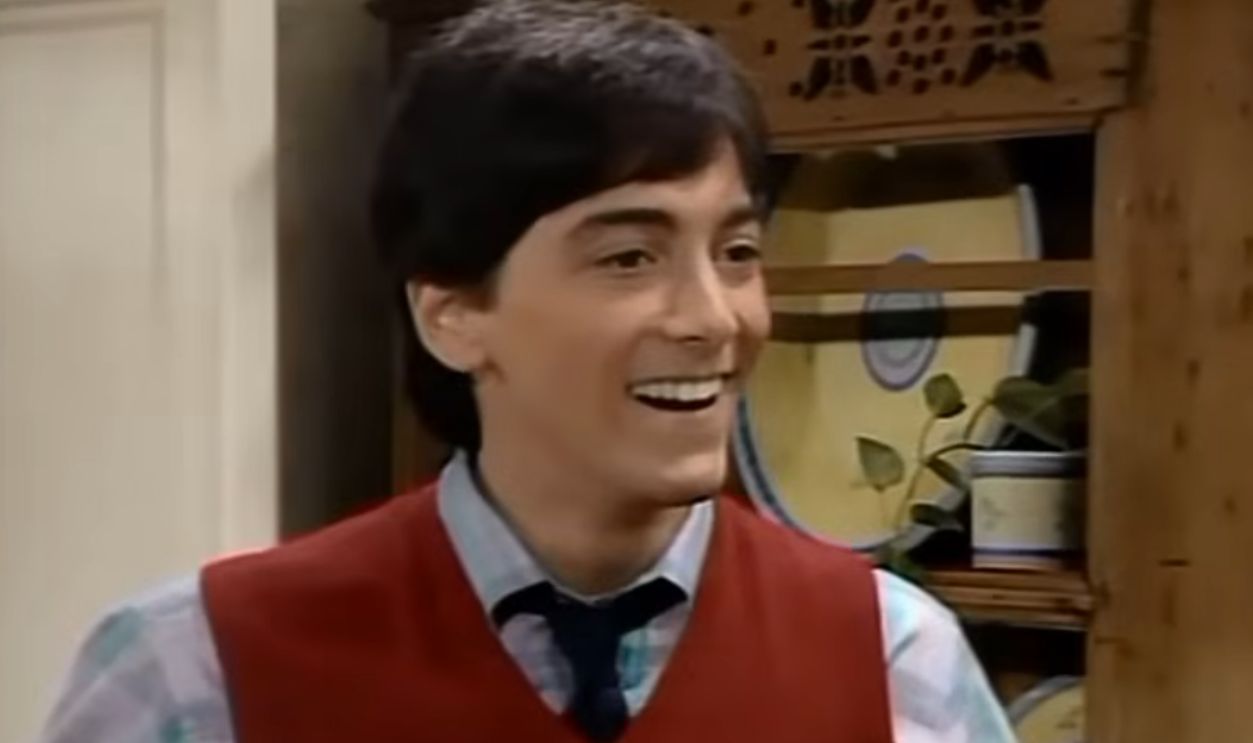 Screenshot from Charles in Charge, MCA Television (1984–1990)
227 - “There’s No Place Like Home”
The 227 theme had warmth, gospel flavor, and neighborhood personality. Marla Gibbs helped make the show feel rooted in community, and the song reinforced that sense of home before each episode started. It was less about explaining the plot and more about pulling viewers into a building where everybody had opinions.
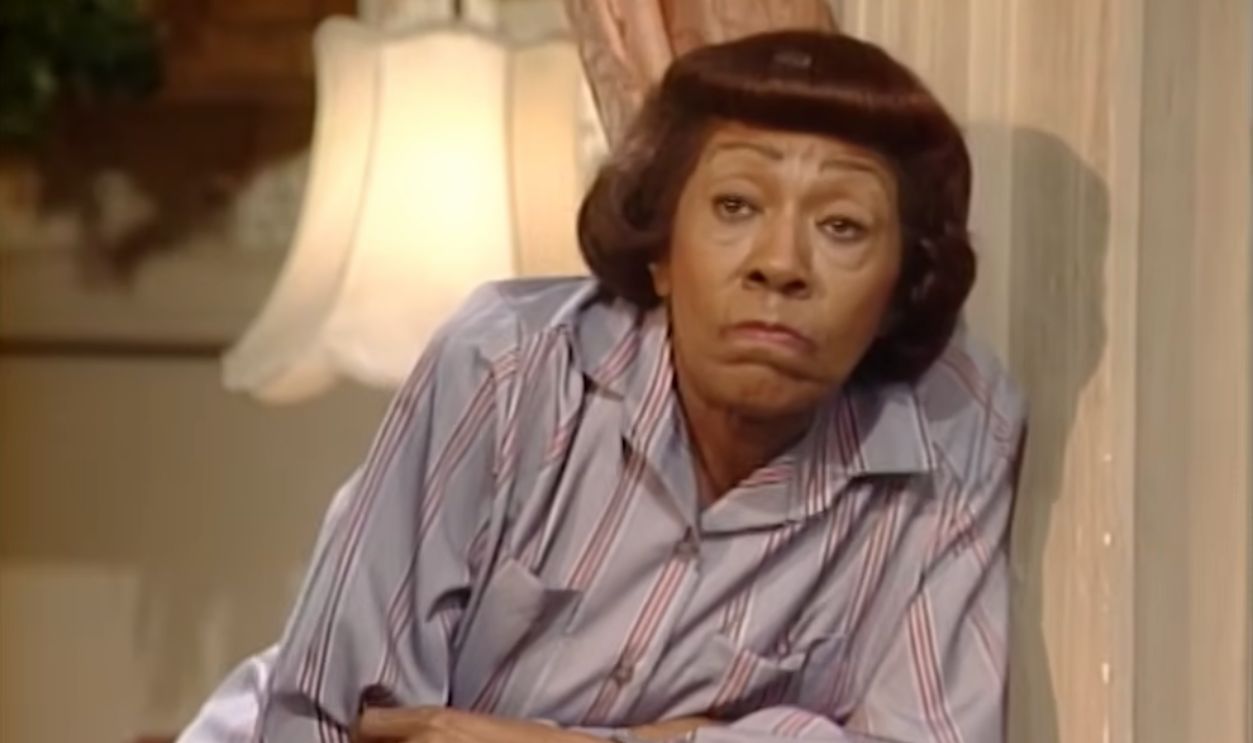 Screenshot from 227, Embassy Television (1985–1990)
Simon & Simon - “Best Of Friends”
“Best of Friends” gave Simon & Simon a breezy, brotherly charm. The show was about two very different private-investigator siblings, and the theme leaned into that easygoing partnership. It sounded relaxed, sunny, and just a little mischievous, which fit Rick and A.J.’s mismatched but loyal dynamic perfectly.
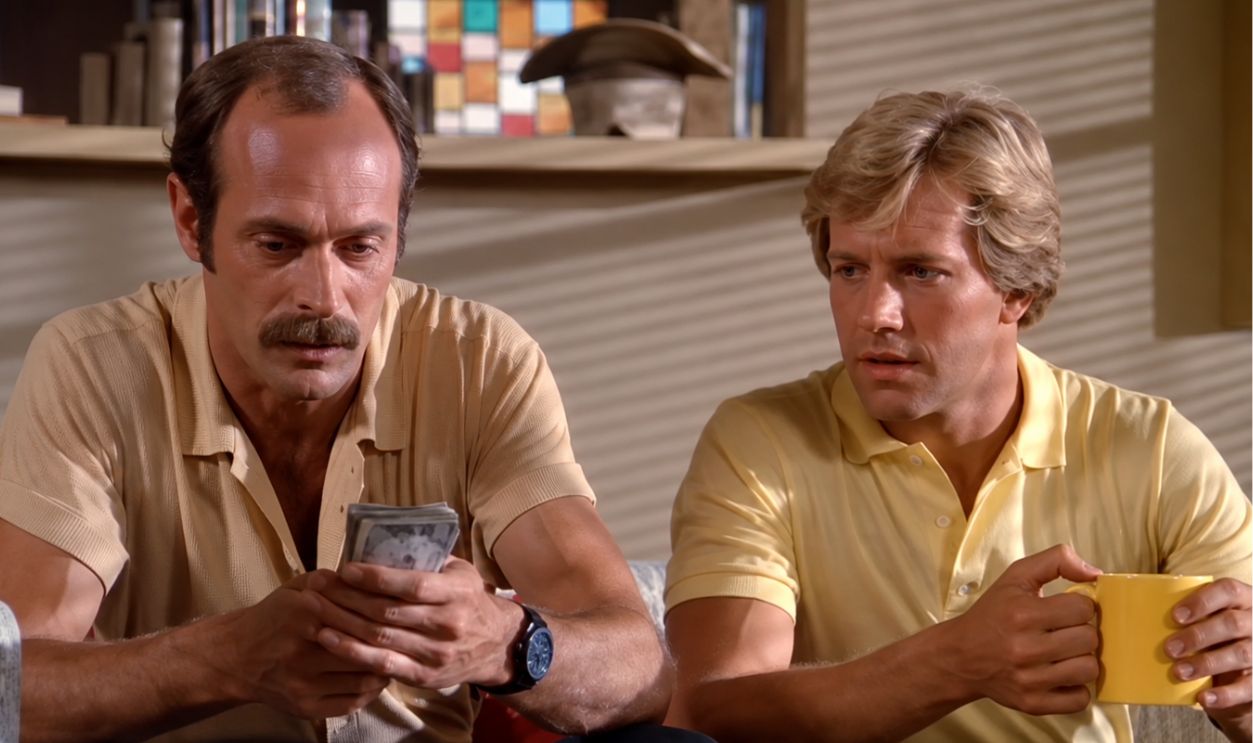 Screenshot from Simon & Simon, Universal Television (1981–1989), Modified
Amen - “Shine On Me”
Amen opened with a gospel-powered theme that immediately separated it from standard sitcom music. “Shine On Me” gave the show warmth, spirit, and church energy before the comedy even began. It fit a series built around faith, ego, community, and Sherman Hemsley turning every room into a performance space.
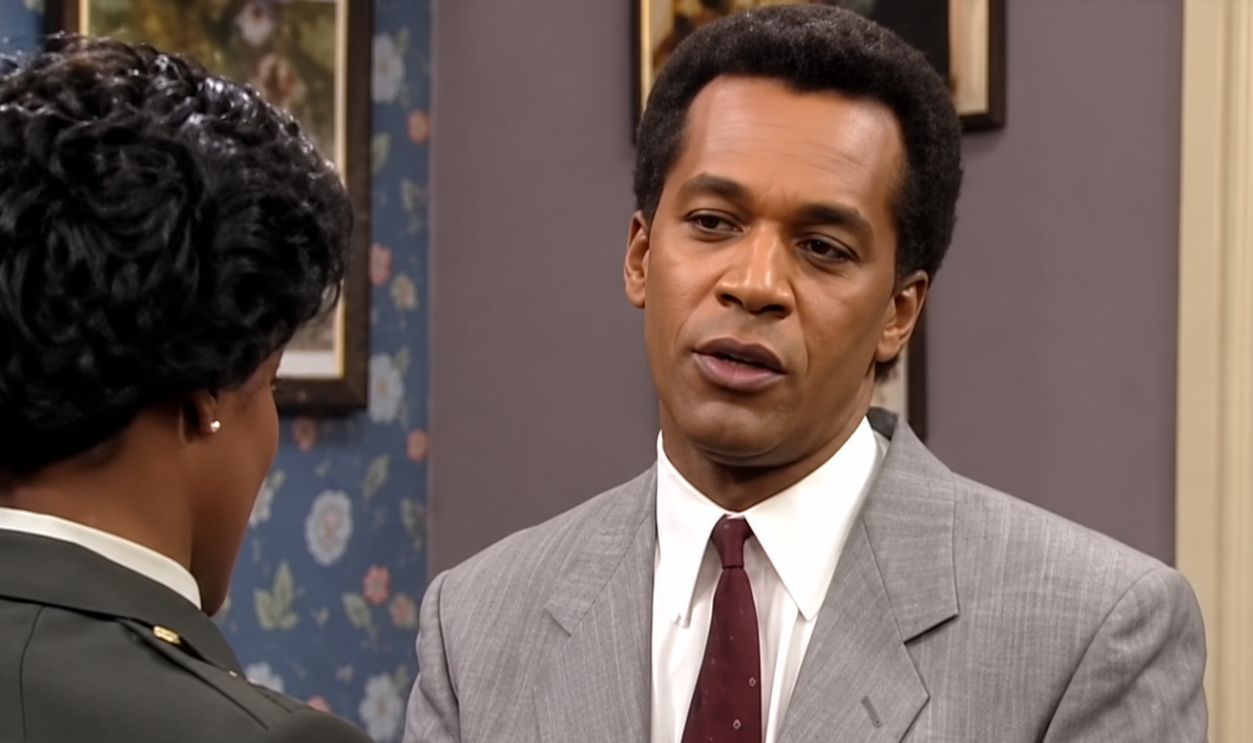 Screenshot from Amen, MCA Television (1986–1991), Modified
Mr. Belvedere - “According To Our New Arrival”
“According to Our New Arrival” sounded unusually polished for a family sitcom about a British butler moving in with a chaotic American household. That was the joke and the charm. The theme gave Mr. Belvedere an air of sophistication while the show itself promised domestic messes, lessons, and plenty of culture clashes.
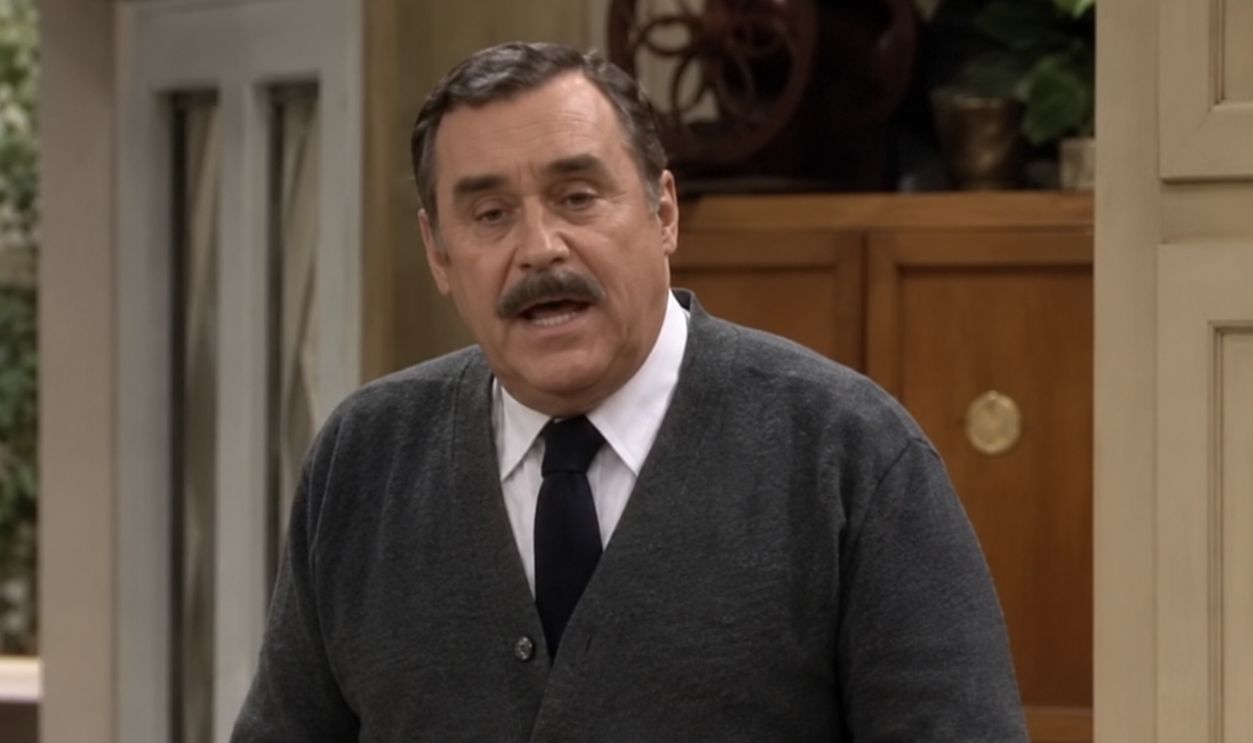 Screenshot from Mr. Belvedere, 20th Century Fox Television (1985–1990), Modified
My Two Dads - “You Can Count On Me”
“You Can Count on Me” gave My Two Dads the kind of warm, slightly sentimental opening that 1980s sitcoms loved. The unusual premise needed a theme that made the family arrangement feel sweet instead of strange. The song did exactly that, turning an odd setup into something reassuring.
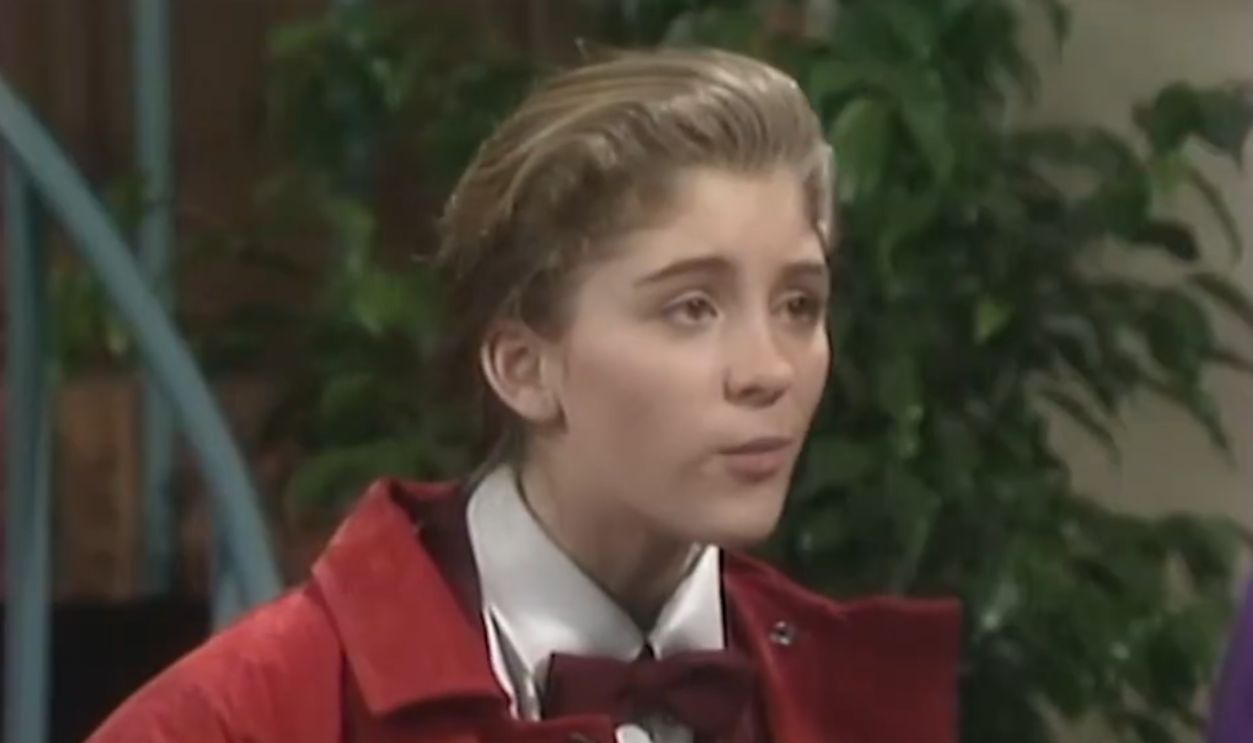 Screenshot from My Two Dads, TeleVentures (1987–1990)
You May Also Like:
The Most Unforgettable TV Villains From The 1980s
Sitcom Moms From The 1980s Who Made Every Episode Feel Like Home—Which One Was Your Favorite?
These 1980s Movie Soundtracks Defined Gen X—How Many Do You Still Know By Heart?