The Sitcom Husbands Who Deserve Another Look
Classic sitcom husbands were often overshadowed by mischievous children, eccentric neighbors, and larger personalities. However, many brought patience, loyalty, humor, or genuine romantic chemistry to their marriages. From supernatural suburbia to crowded 1990s households, who was the best catch?
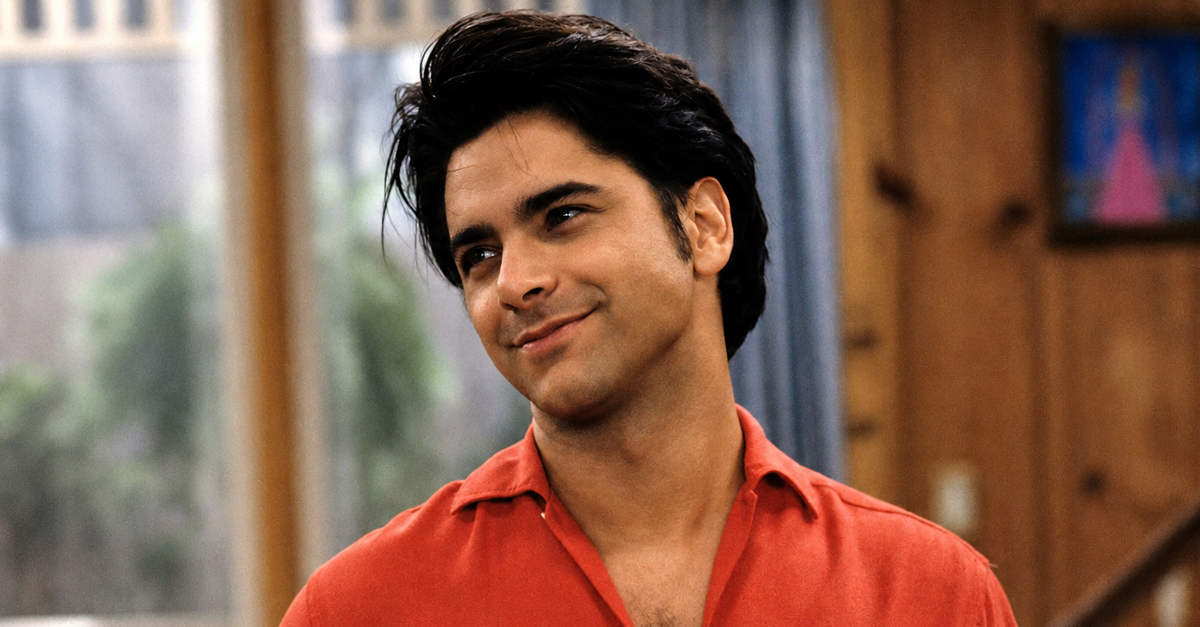
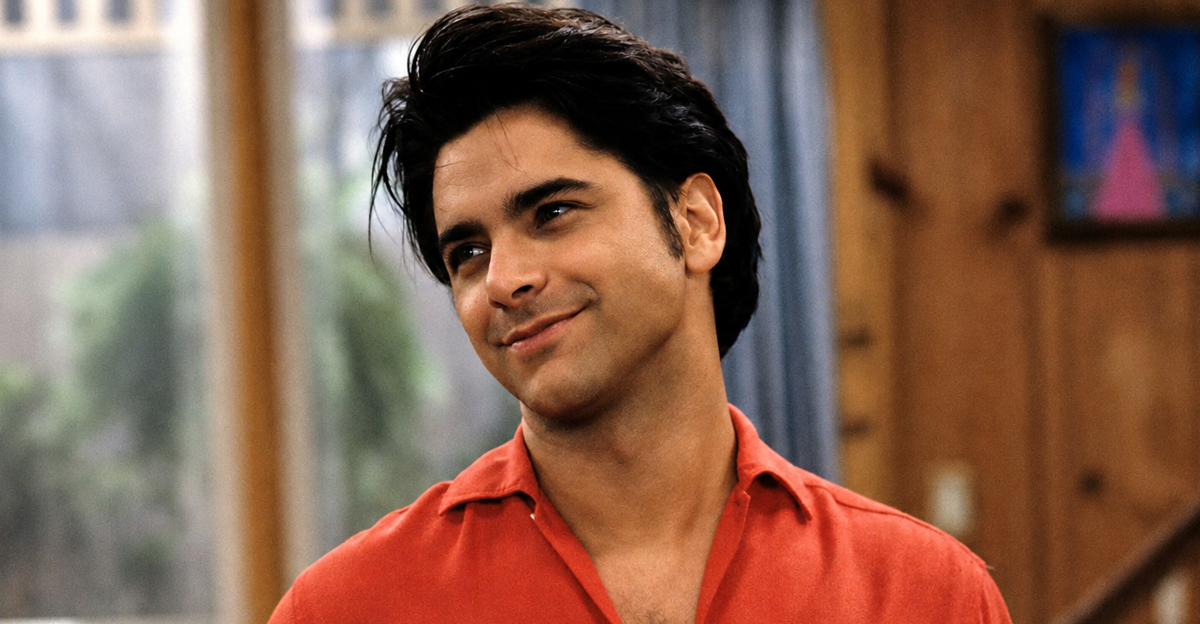 Screenshot from Full House, Warner Bros. Television (1987–1995)
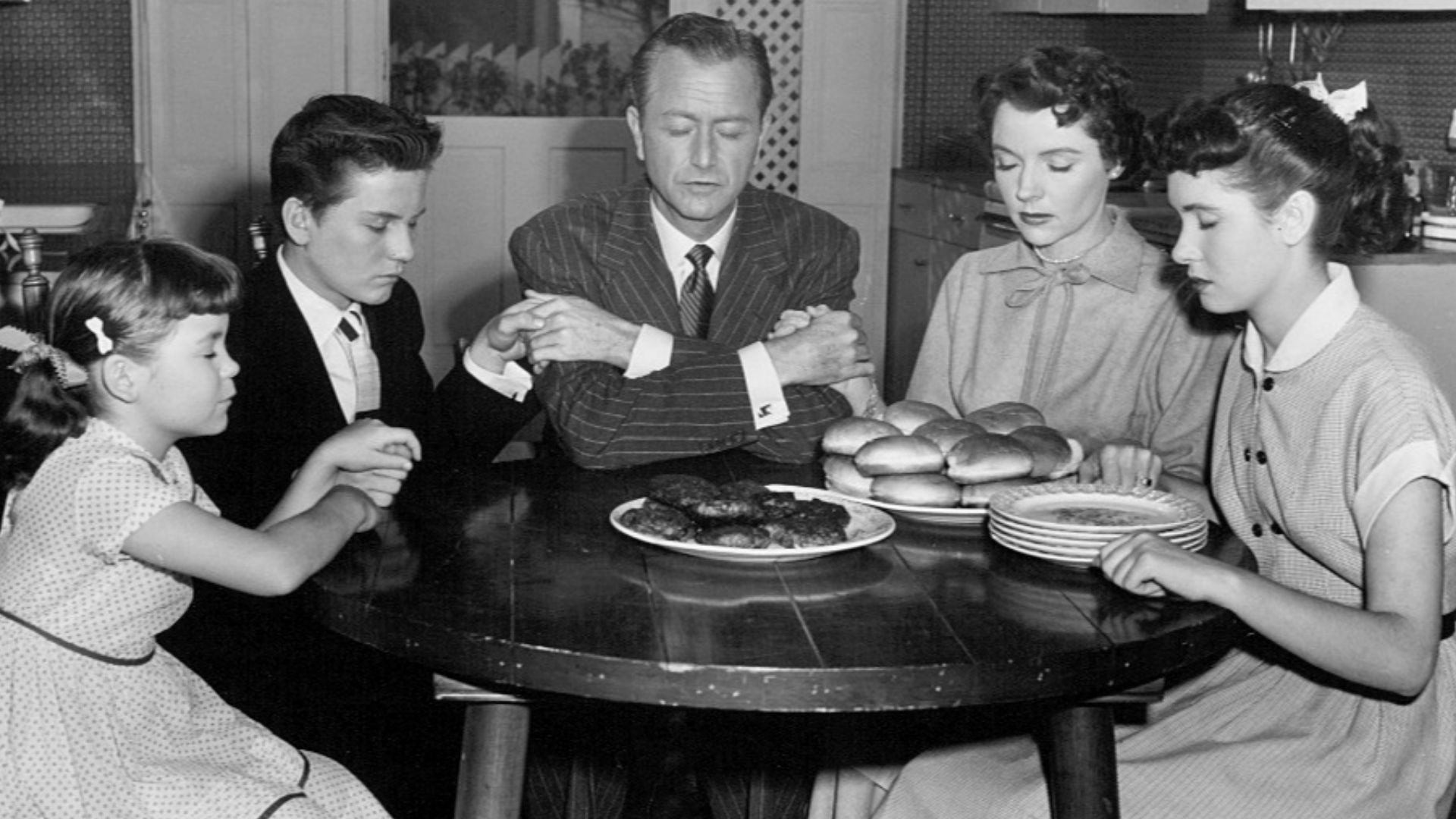
Jim Anderson Could Admit When He Was Wrong
Robert Young played insurance salesman Jim Anderson on Father Knows Best, but the title was never entirely literal. Jim occasionally lost his temper, made mistakes, and discovered that Margaret or the children understood a situation better than he did. His ability to reconsider his position made him more human than his flawless reputation suggests.
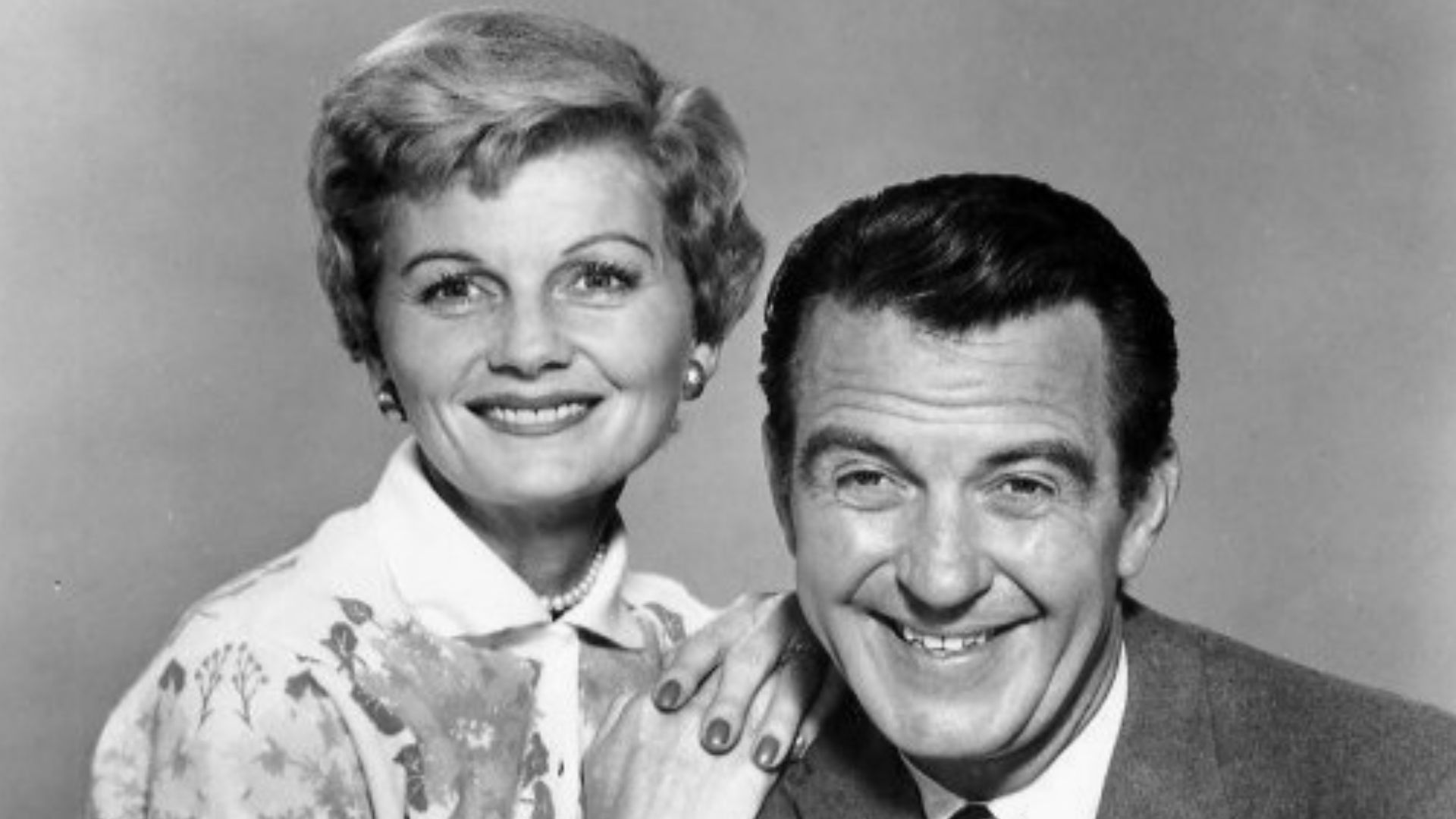
Ward Cleaver Preferred Calm Conversations
Leave It To Beaver followed its young characters, leaving Ward and June Cleaver slightly outside the spotlight. Ward generally approached Beaver and Wally’s problems with measured advice instead of dramatic punishment. His quiet partnership with June made him a reassuring presence without requiring him to dominate every story.
 ABC Television, Wikimedia Commons
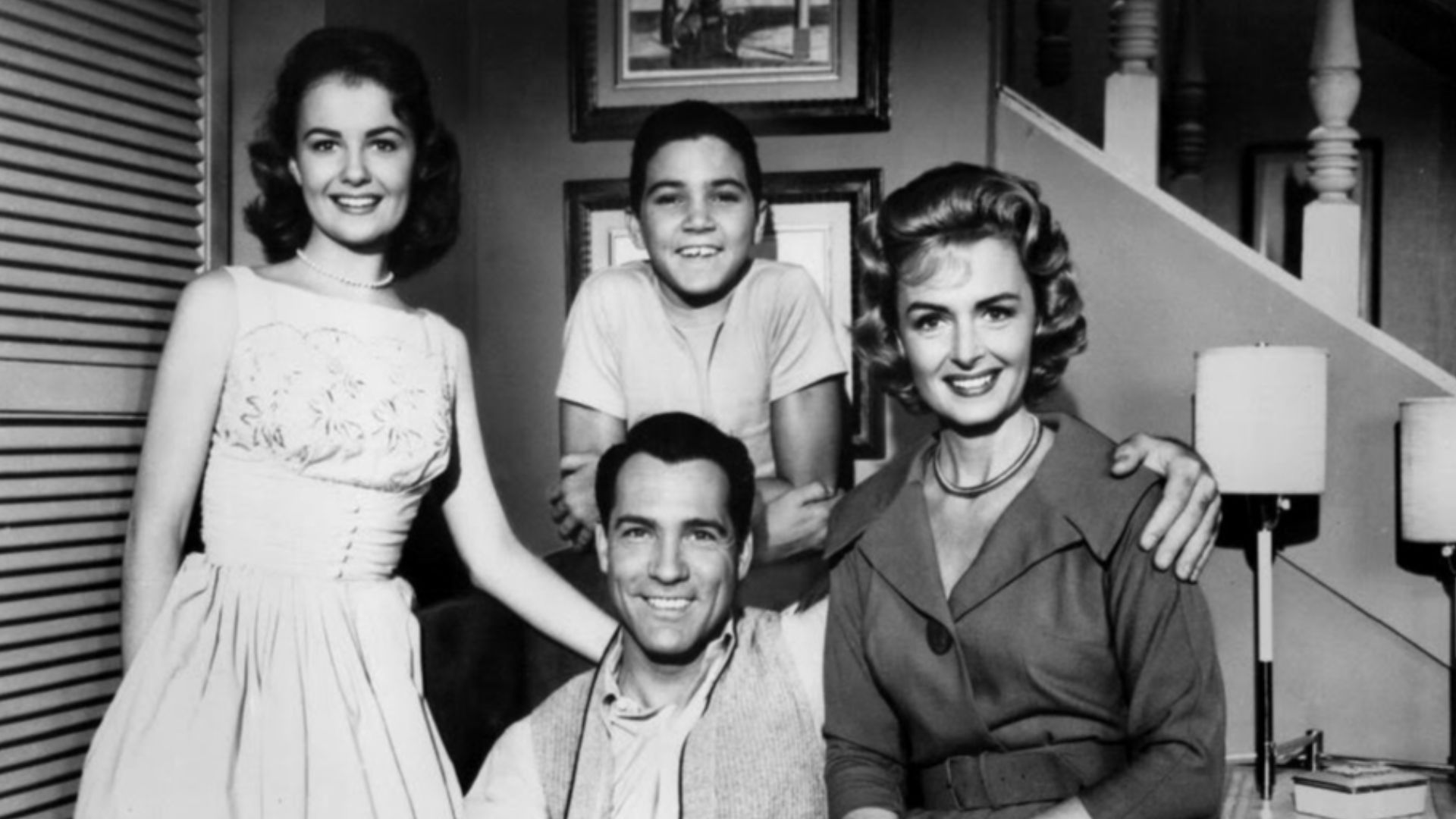
Alex Stone Respected Donna’s Capabilities
Carl Betz played pediatrician Alex Stone opposite Donna Reed on The Donna Reed Show. Donna frequently took control of family problems, and Alex generally recognized that his intelligent, resourceful wife could handle herself. He represented a remarkably relaxed husband within the more rigid domestic conventions of 1950s television.
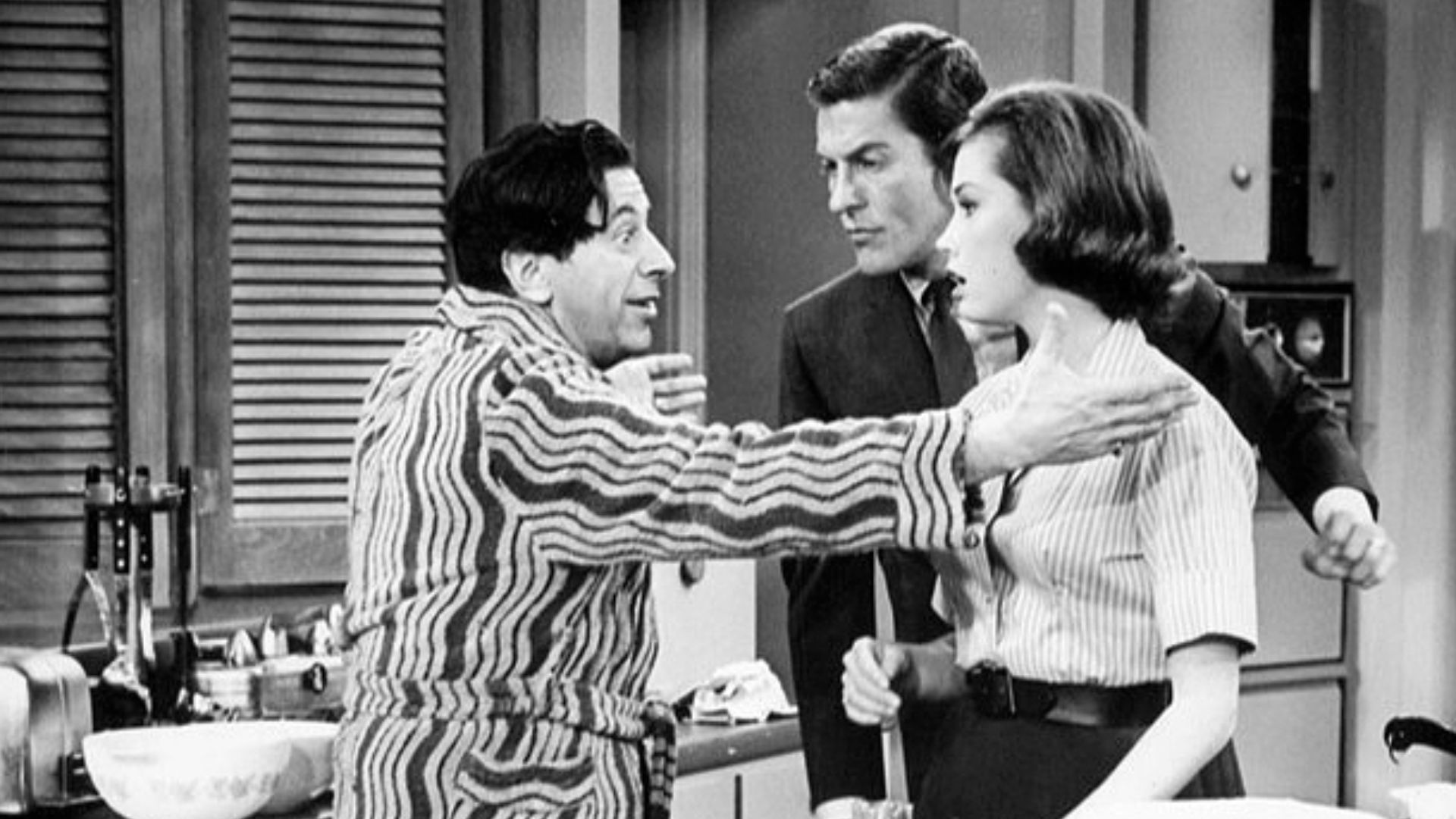
Rob Petrie Made Marriage Look Fun
Rob Petrie balanced his television-writing career with family life in The Dick Van Dyke Show. He and Laura argued, teased each other, danced together, and repeatedly found humor in their mistakes. Their obvious friendship made the Petries’ marriage feel warmer and more playful than many television relationships of the period.
 CBS Television Uploaded by We hope at en.wikipedia, Wikimedia Commons
Herman Munster Had An Enormous Heart
Herman Munster looked intimidating, but Fred Gwynne played him as an emotional and affectionate family man. He adored Lily, tried to provide for the household, and was frequently more sensitive than the supposedly ordinary people around him. A husband built like Frankenstein’s monster somehow became one of television’s gentlest romantics.
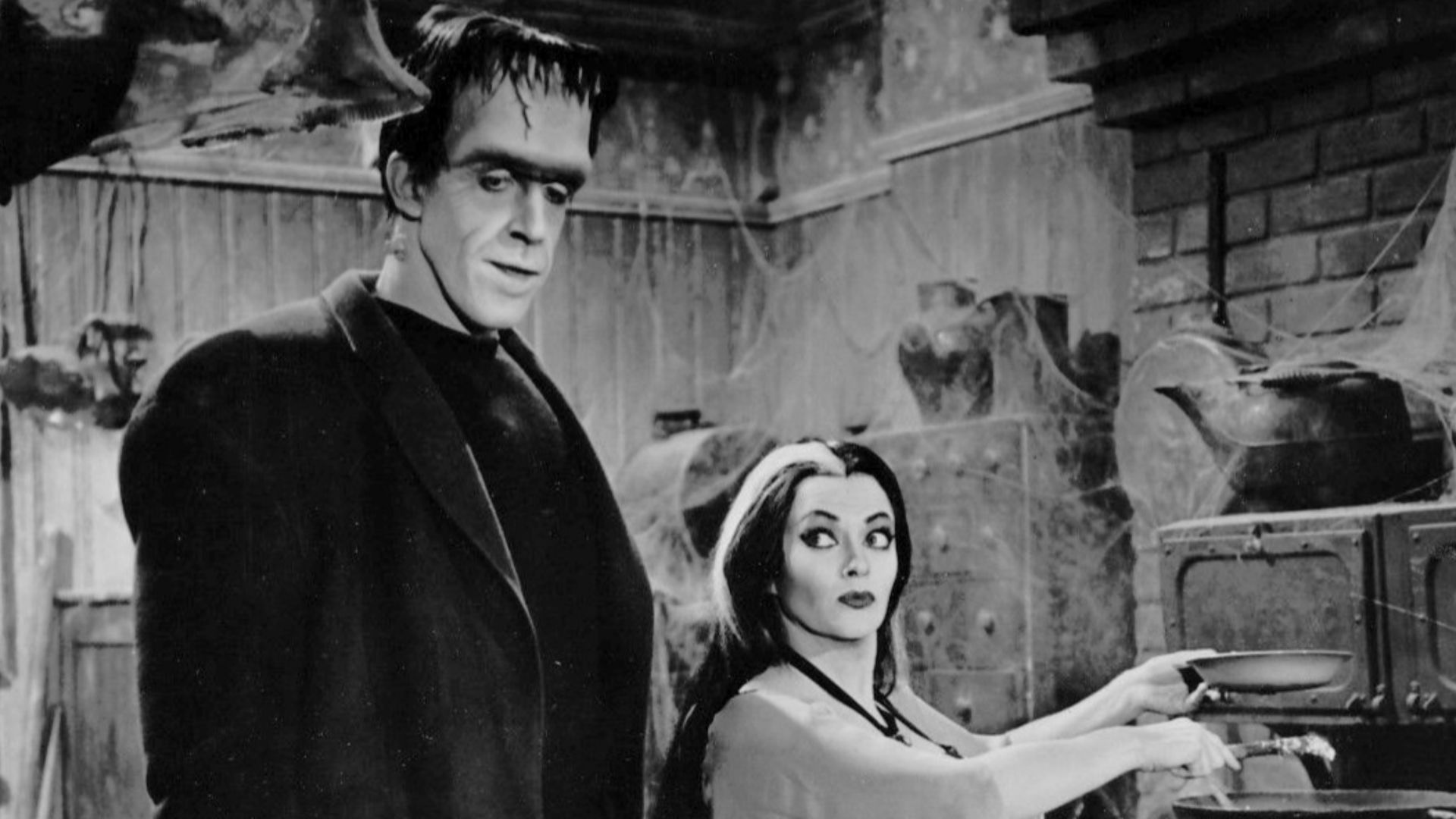 CBS Television, Wikimedia Commons
Gomez Addams Never Hid His Feelings
Gomez and Morticia Addams offered something unusual on 1960s television: married people who were still passionately attracted to each other. John Astin’s Gomez openly admired his wife, encouraged the family’s eccentricities, and never wanted Morticia to become more conventional. His enthusiasm could be exhausting, but his devotion was impossible to miss.
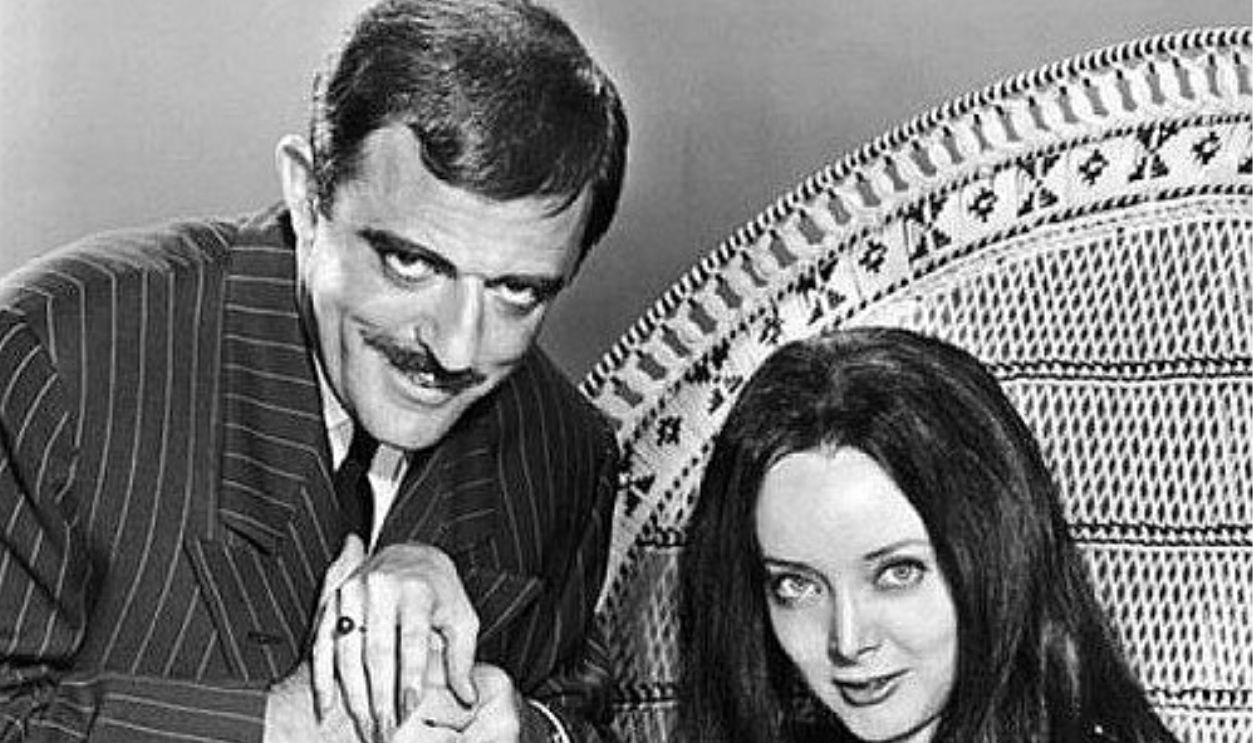 ABC Television, Wikimedia Commons
Darrin Stephens Accepted The Impossible
On Bewitched, advertising executive Darrin Stephens discovered shortly after marrying Samantha that his new wife was a witch. He could be frustratingly rigid about magic, yet he stayed committed while enduring spells, time travel, supernatural relatives, and Endora’s constant interference. Dick York originated the role, while Dick Sargent played Darrin after the fifth season.
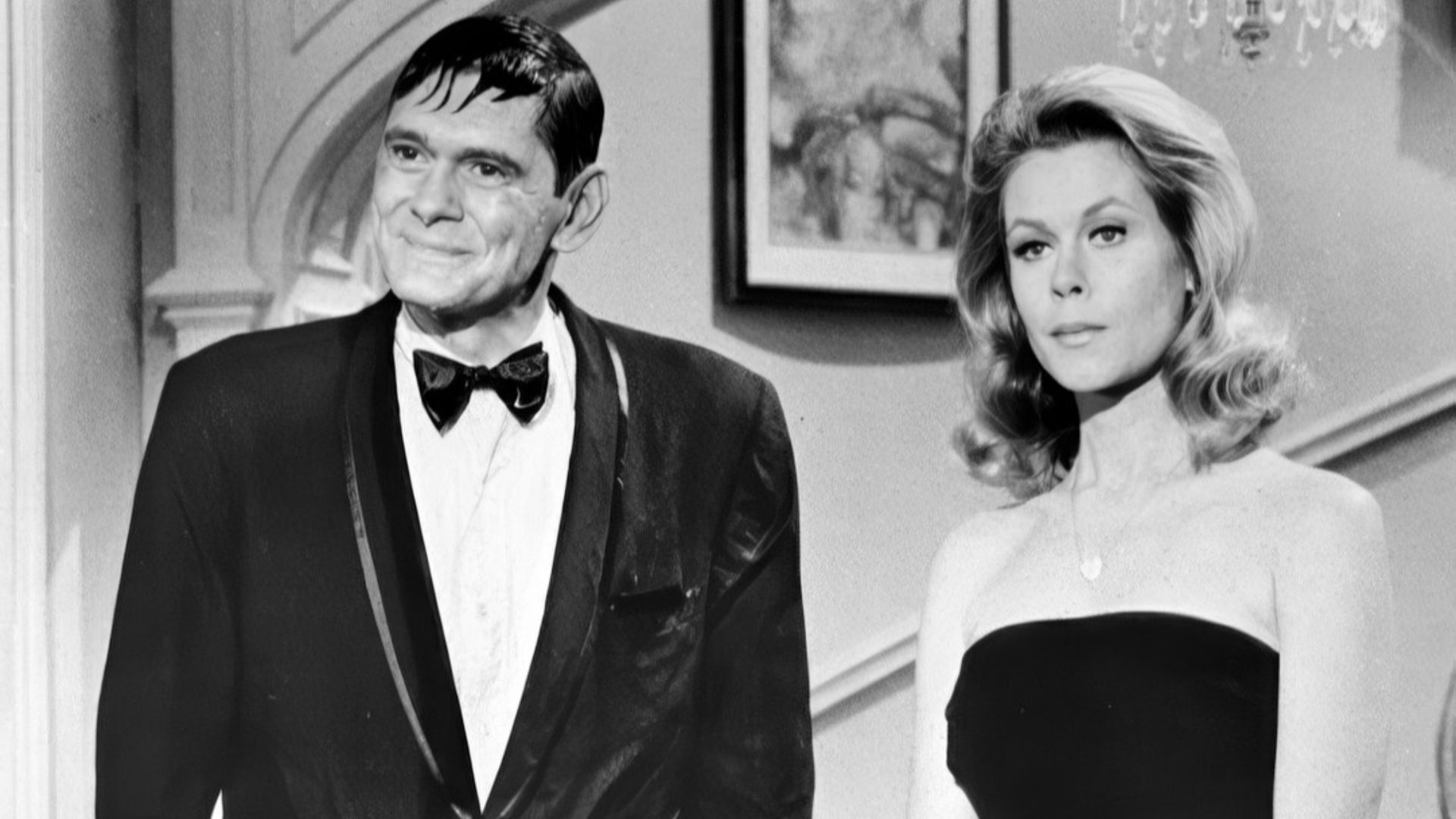 ABC Television Uploaded by We hope at en.wikipedia, Wikimedia Commons
Tony Nelson Eventually Chose Jeannie
Astronaut Tony Nelson spent much of I Dream Of Jeannie concealing Jeannie’s existence and trying to control her unpredictable magic. Their relationship gradually became romantic, and they finally married during the fifth season. Tony was frequently exasperated, but adapting to life with a 2,000-year-old genie required impressive patience.
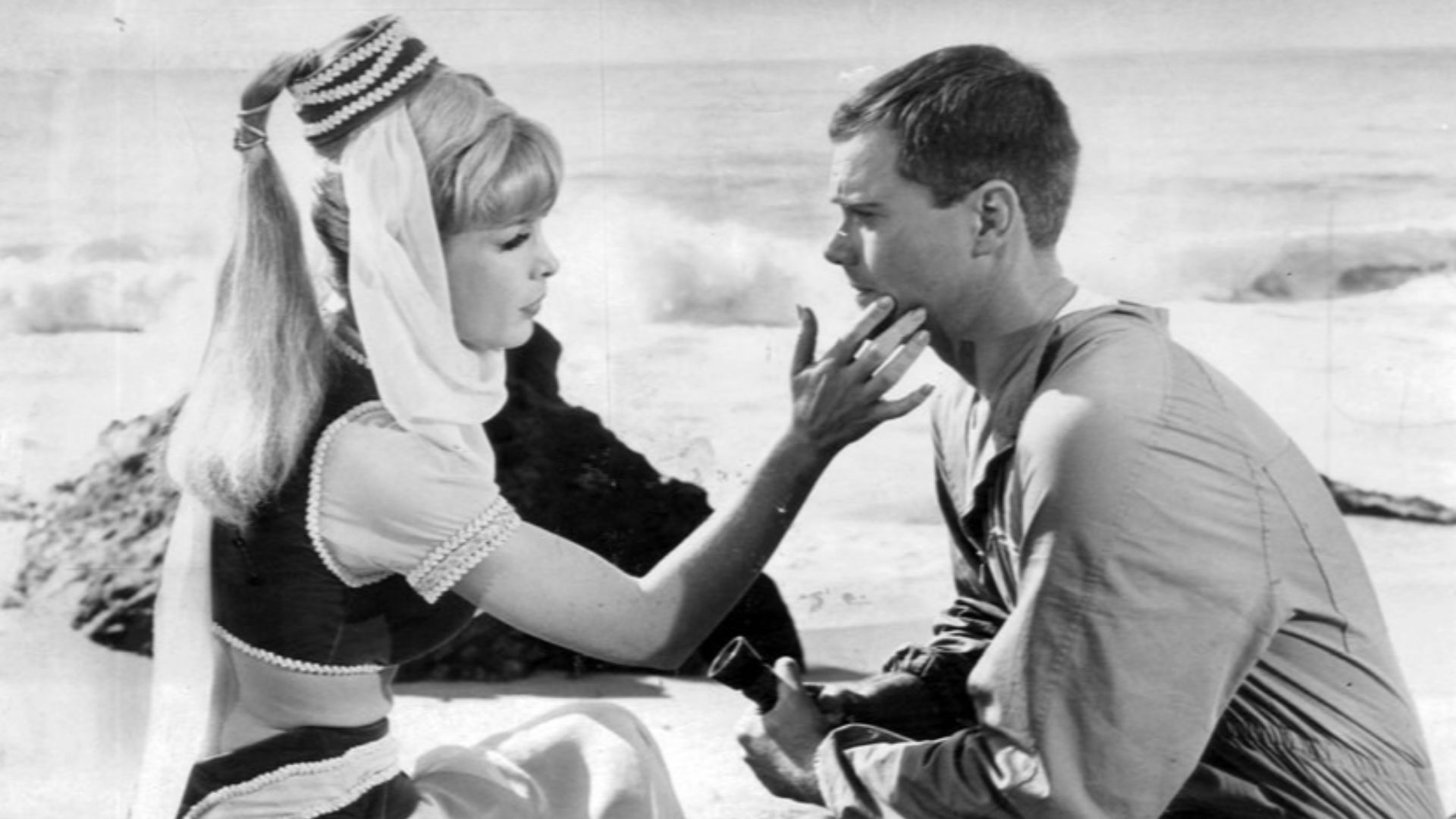 NBC Television , Wikimedia Commons
Mike Brady Embraced A Bigger Family
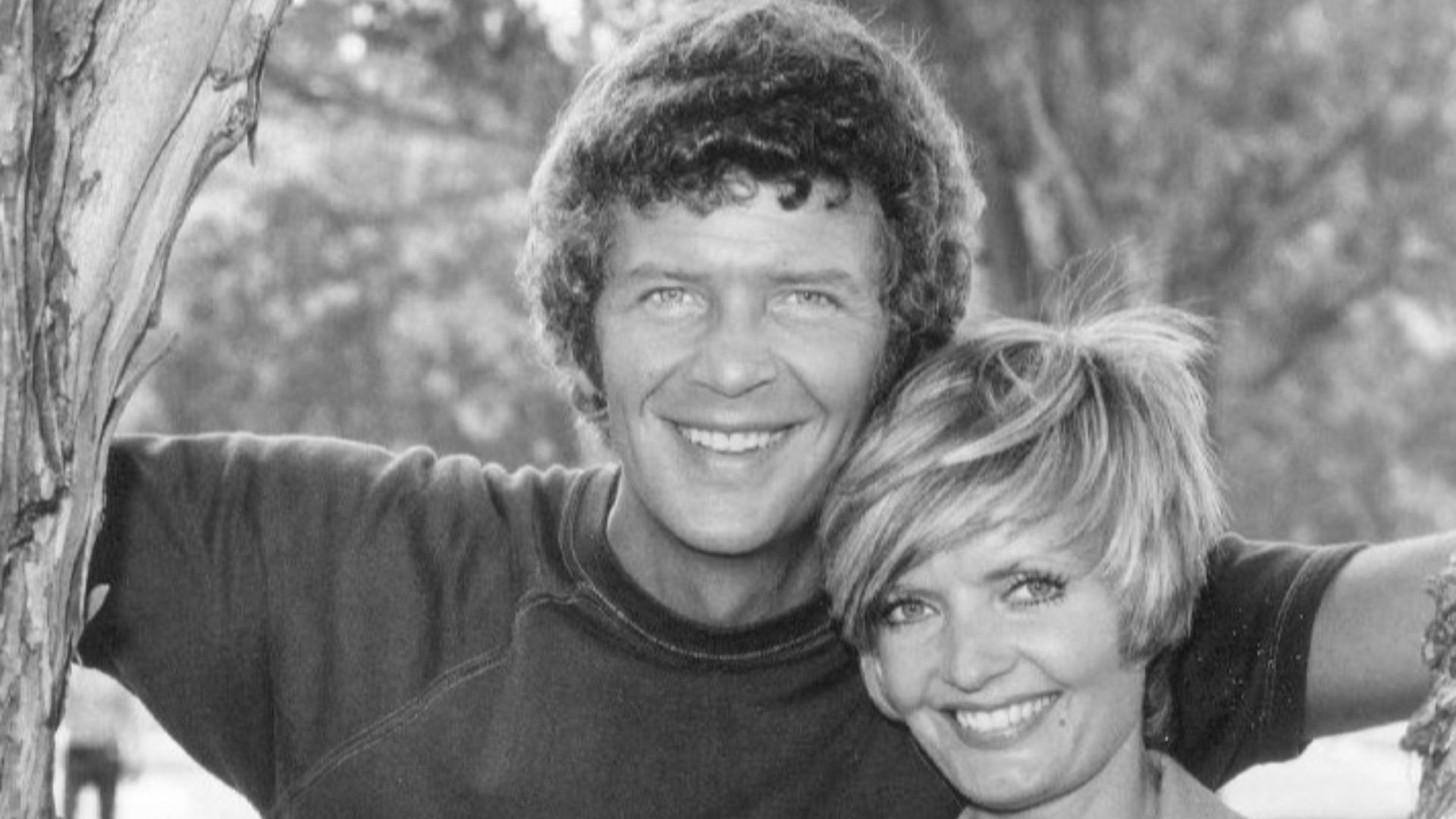
Mike Brady was a widowed architect raising three sons when he married Carol on The Brady Bunch. The couple created a blended household in which Mike treated all six children as members of one family. He sometimes delivered overly polished speeches, but his willingness to become a committed stepfather remains one of his best qualities.
 ABC Television., Wikimedia Commons
Bob Hartley Valued An Equal Partner
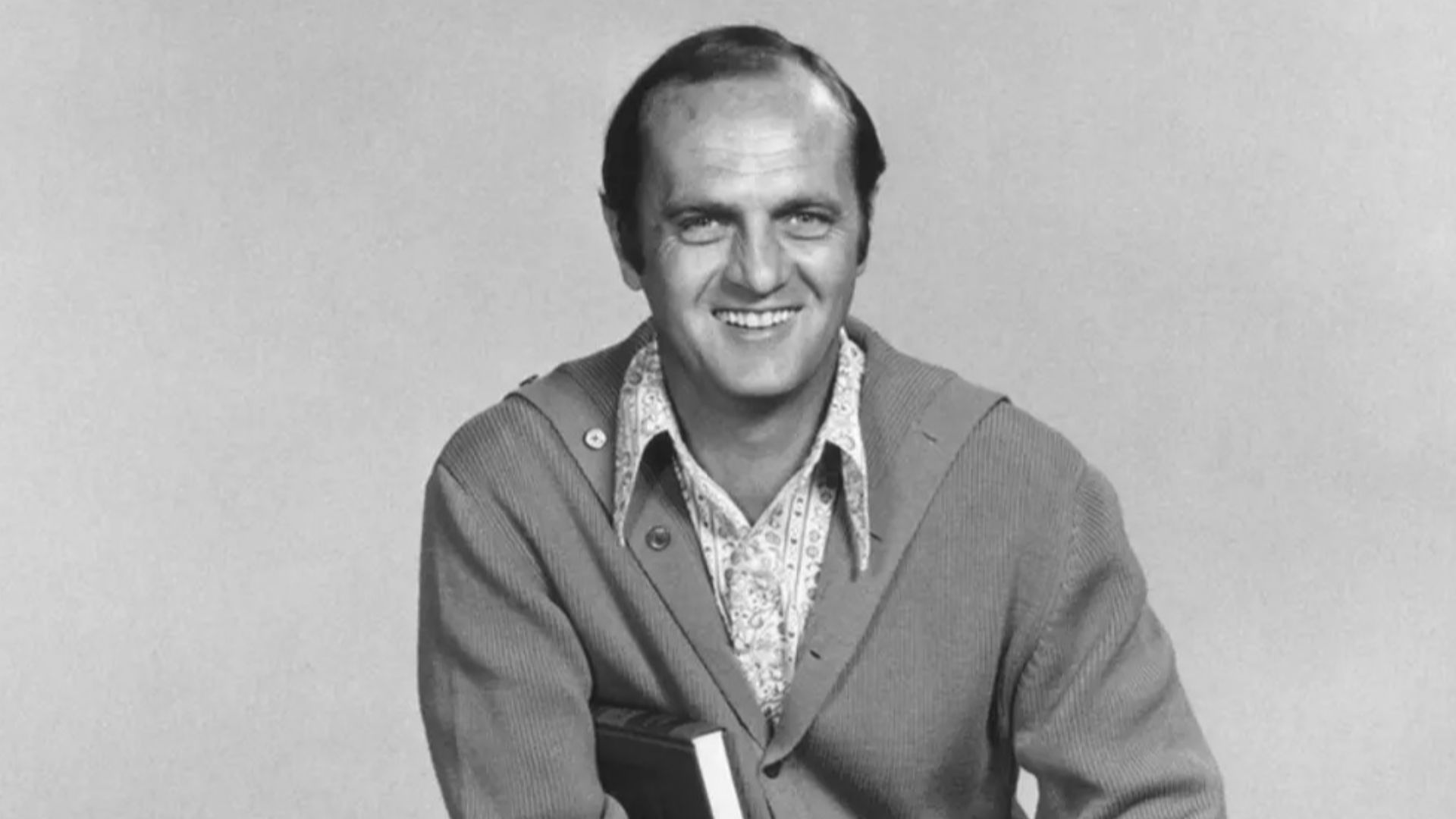
Psychologist Bob Hartley and his wife Emily had one of the most adult marriages on 1970s television in The Bob Newhart Show. Emily developed her own career as an educator, while the childless couple filled their lives with work, friends, and frequent bedtime conversations. Bob’s dry humor worked because Emily could challenge him and deliver equally sharp observations.
 CBS Television, Wikimedia Commons
Howard Cunningham Offered More Than Advice
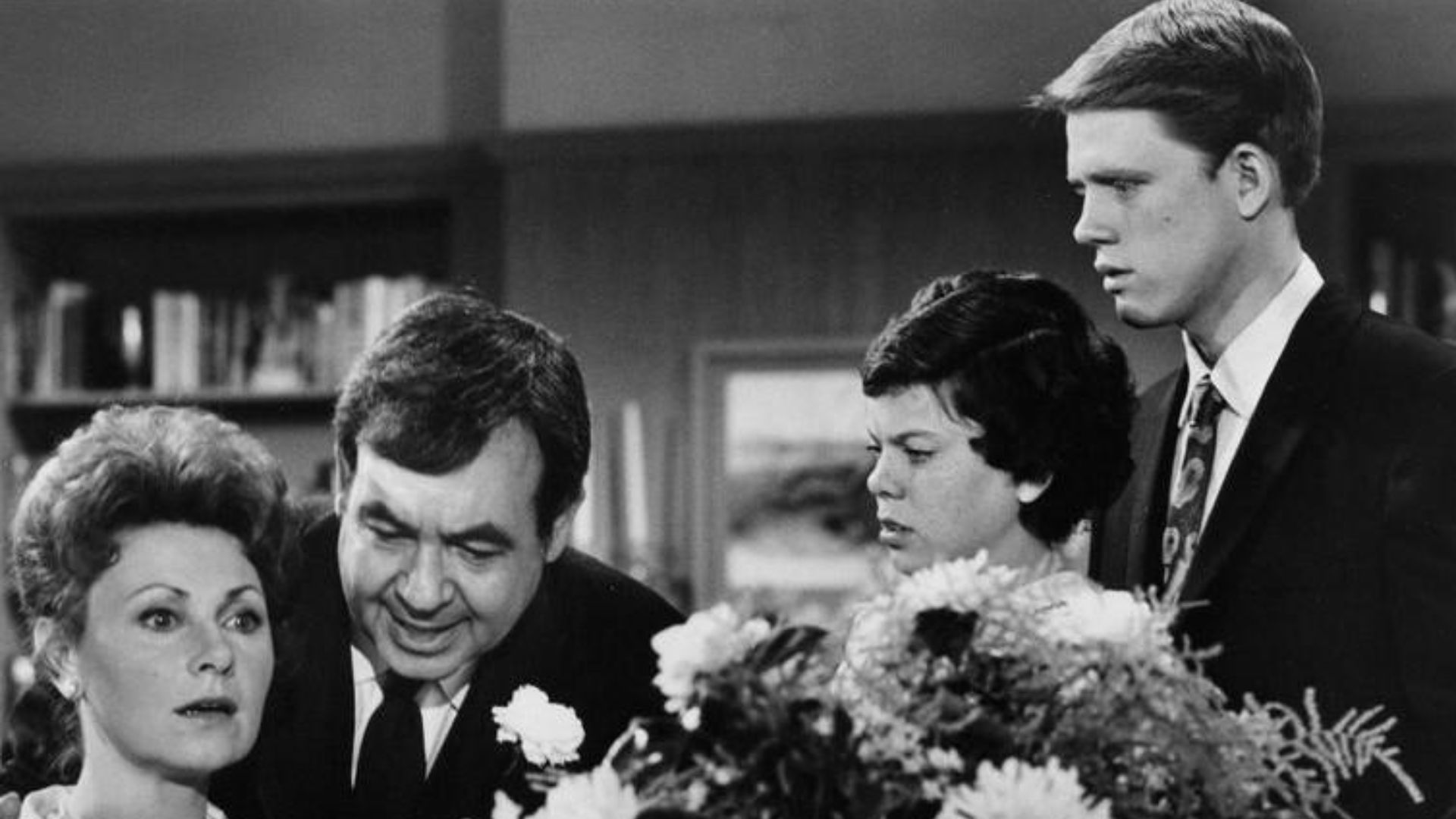
Fonzie eventually dominated Happy Days, but Howard Cunningham remained the dependable center of the Cunningham household. The hardware-store owner shared a loving marriage with Marion and gradually welcomed Fonzie into the family’s orbit. He was traditional without being completely inflexible, especially when Richie helped him reconsider an outdated position.
 ABC Television, Wikimedia Commons
James Evans Kept Fighting For His Family
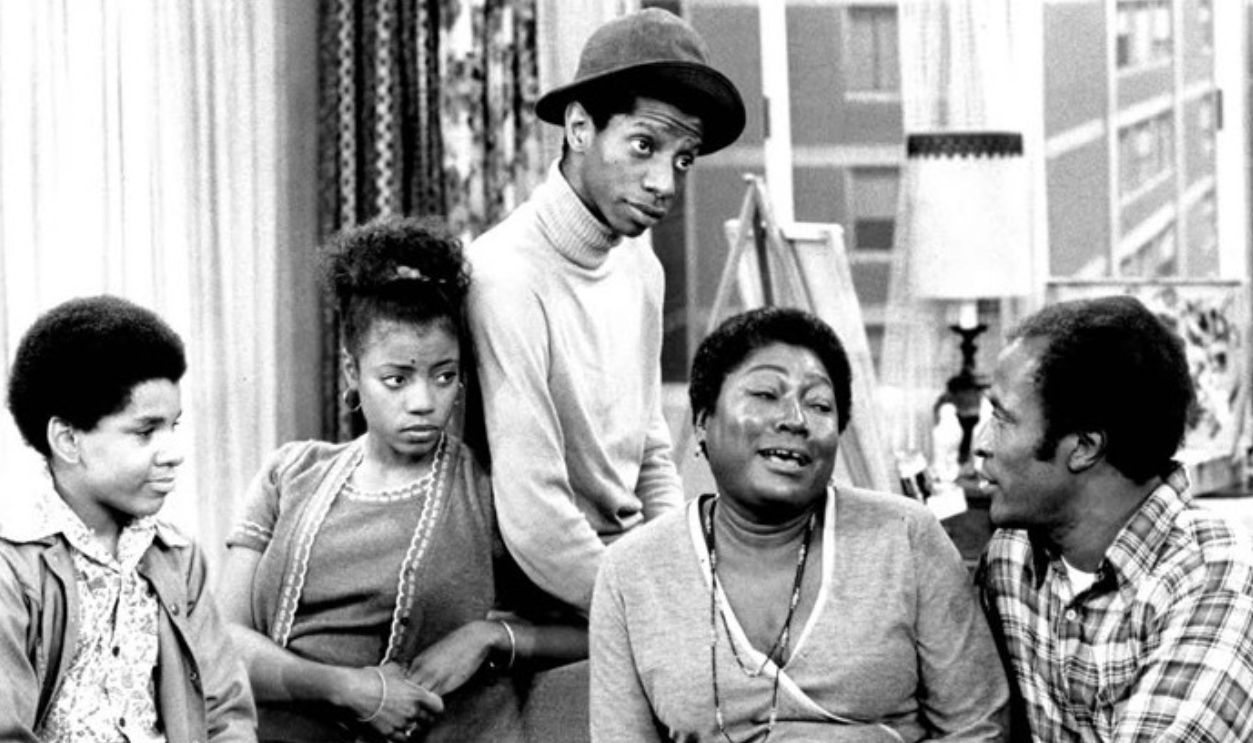
James Evans faced unemployment, discrimination, and financial hardship while raising three children with Florida on Good Times. He worked multiple jobs when necessary and remained determined to give his children better opportunities. His temper could be formidable, but his loyalty to Florida and the family was never treated as a joke.
 CBS Television, Wikimedia Commons
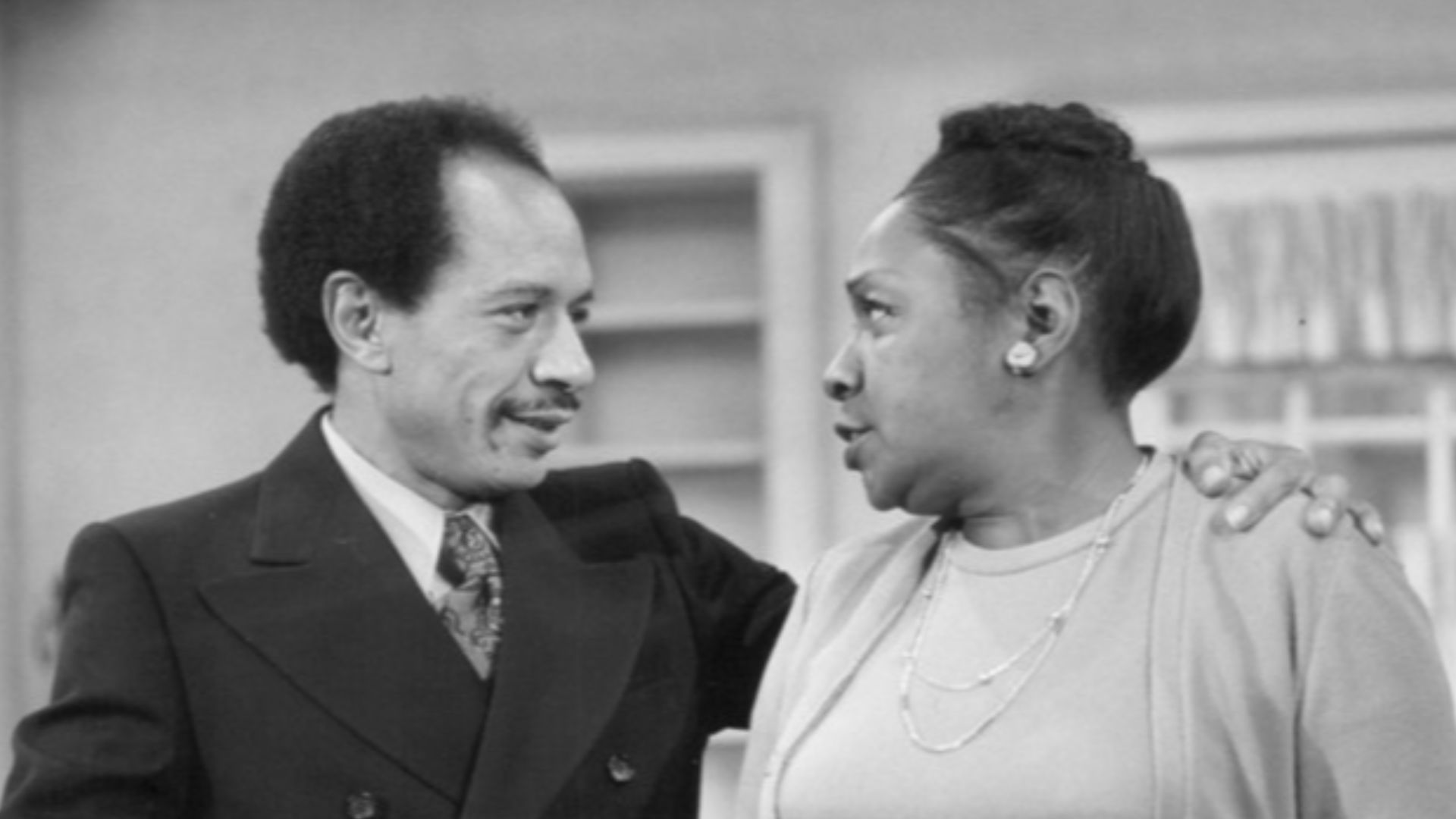
George Jefferson Built A Life With Louise
George Jefferson’s temper and outrageous remarks generated much of The Jeffersons’ comedy. He also built a successful dry-cleaning business that allowed him and Louise to leave their old neighborhood for a Manhattan penthouse. Louise regularly corrected his worst behavior, but their long marriage survived because George respected her far more than he liked admitting.
 CBS Television Uploaded by We hope at en.wikipedia, Wikimedia Commons
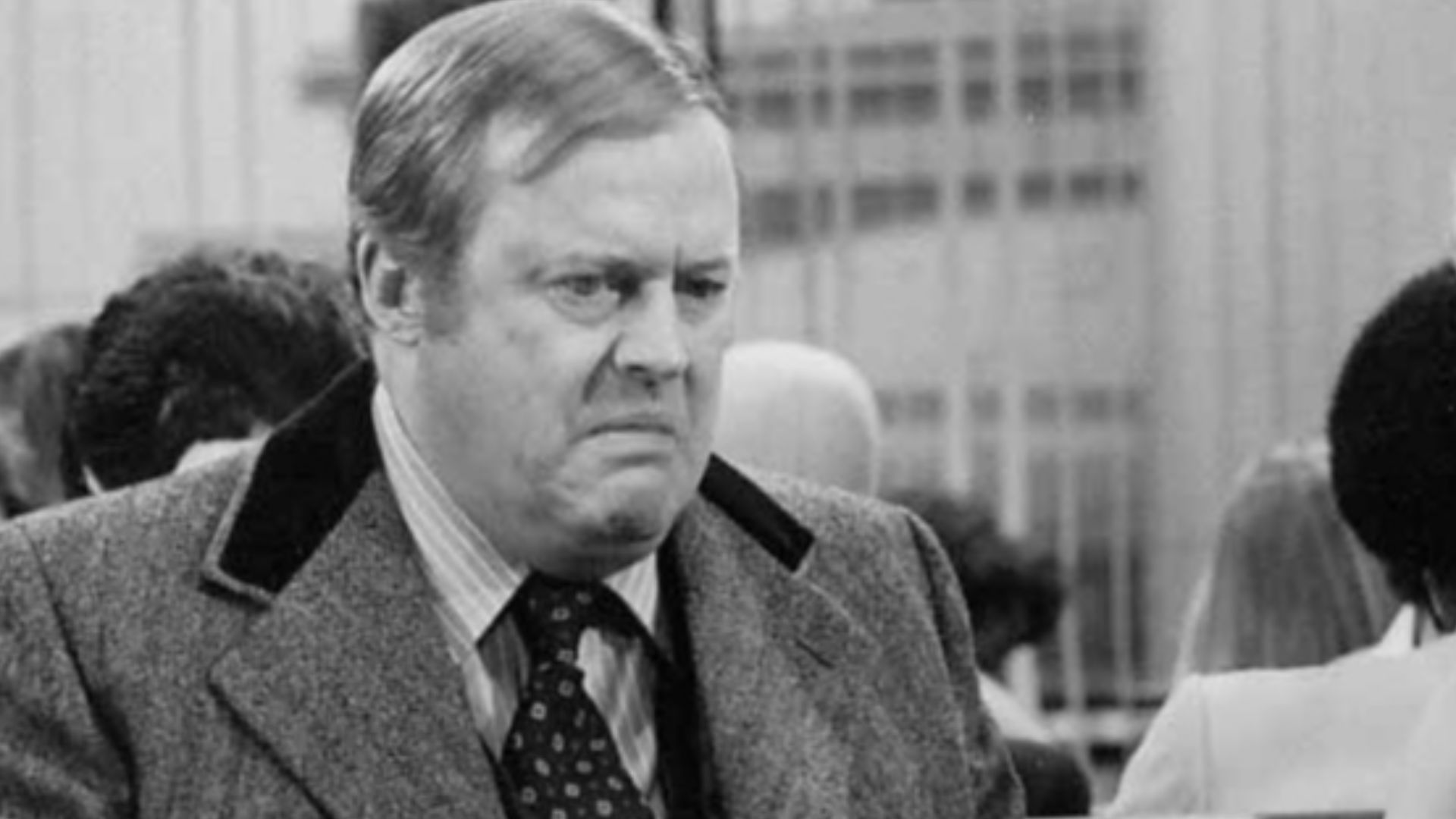
Tom Willis Remained Calm Under Pressure
Tom and Helen Willis lived near the Jeffersons and raised two adult children together. Their marriage gave television one of its earliest regularly appearing interracial couples, frequently exposing George’s prejudices in the process. Tom’s calm manner and unwavering affection for Helen made him an appealing contrast to his explosive neighbor.
Dick Loudon Shared His Dream
In Newhart, writer Dick Loudon left New York with his wife Joanna to operate a country inn in Vermont. Dick was surrounded by bizarre townspeople, but Joanna usually stood beside him with amused confidence. Their marriage gave the show a steady foundation while nearly everything beyond the inn’s front door became increasingly surreal.
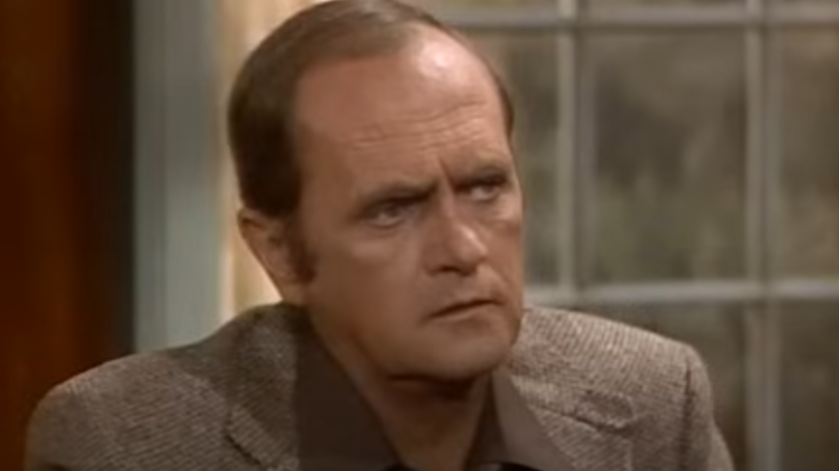 Screensshot from Newhart, CBS (1982–1990)
Steven Keaton Supported Elyse’s Ambitions
On Family Ties, Steven and Elyse Keaton were former Peace Corps volunteers raising children whose politics often differed sharply from their own. Steven managed a public television station, while Elyse maintained her career as an architect. He never treated her professional ambitions as a threat, which helped make their marriage feel notably modern.
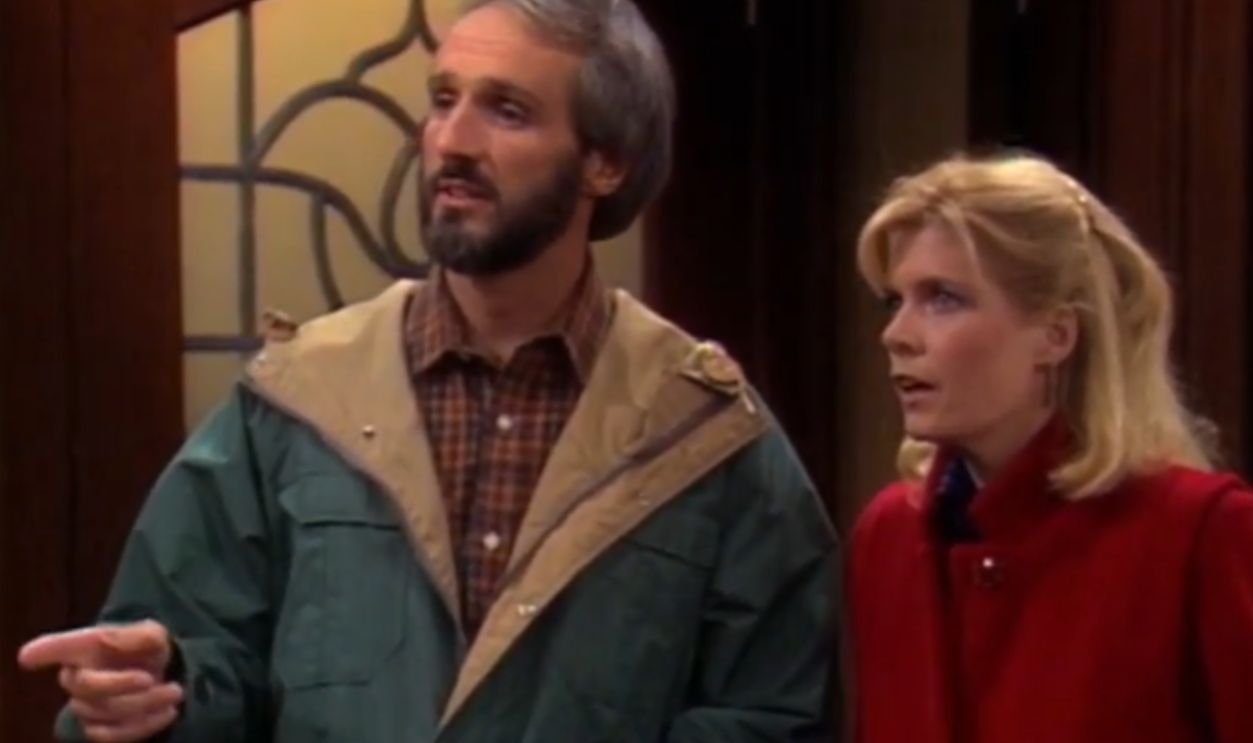 Screenshot from Family Ties, Paramount Domestic Television (1982–1989)
Jason Seaver Changed His Routine
On Growing Pains, psychiatrist Jason Seaver moved his practice into the family home when Maggie returned to work as a reporter. The arrangement allowed him to care for their children while continuing his career. Jason made plenty of parenting mistakes, but his willingness to reorganize his life around Maggie’s opportunity was quietly progressive.
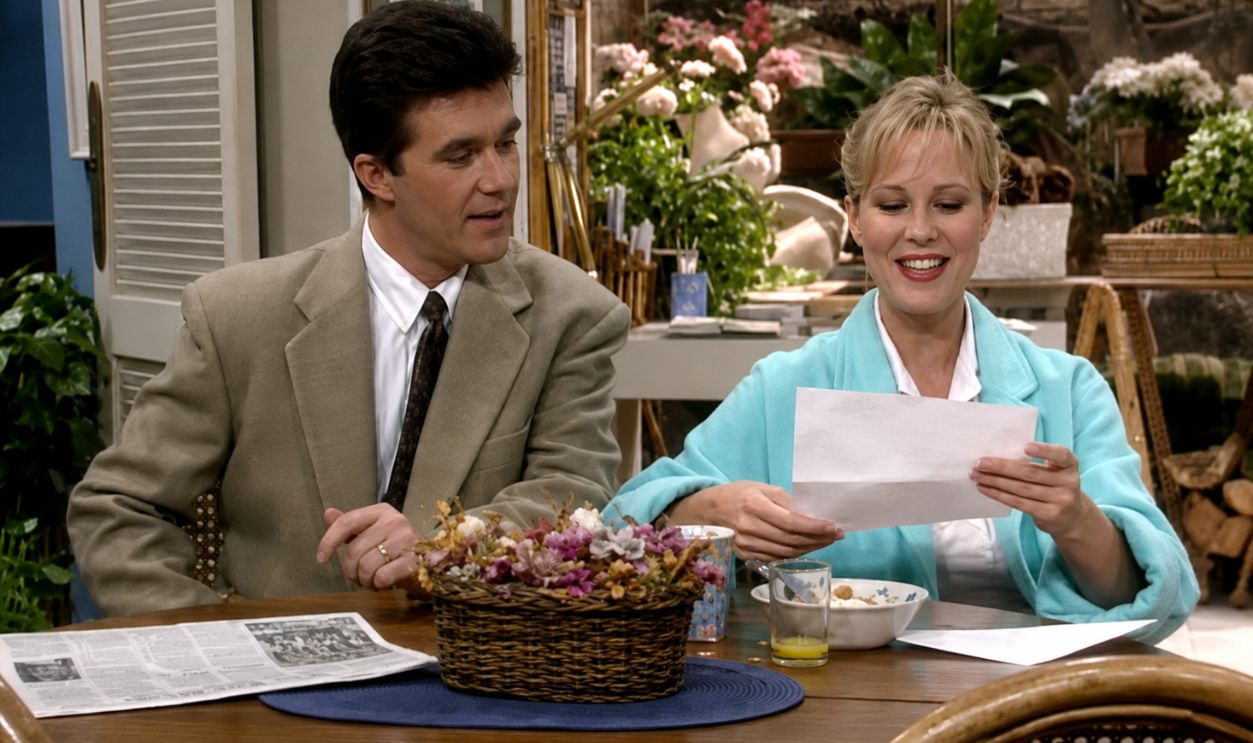 Screenshot from Growing Pains, ABC (1985–1992), Enhanced
Jesse Katsopolis Grew Into Marriage
Jesse Katsopolis entered Full House as a motorcycle-riding musician who prized his freedom and carefully maintained hair. His relationship with Rebecca Donaldson gradually became serious, leading to their 1991 wedding and the arrival of twin sons. Jesse remained dramatic, but marriage revealed a responsible and deeply affectionate side beneath the leather jacket.
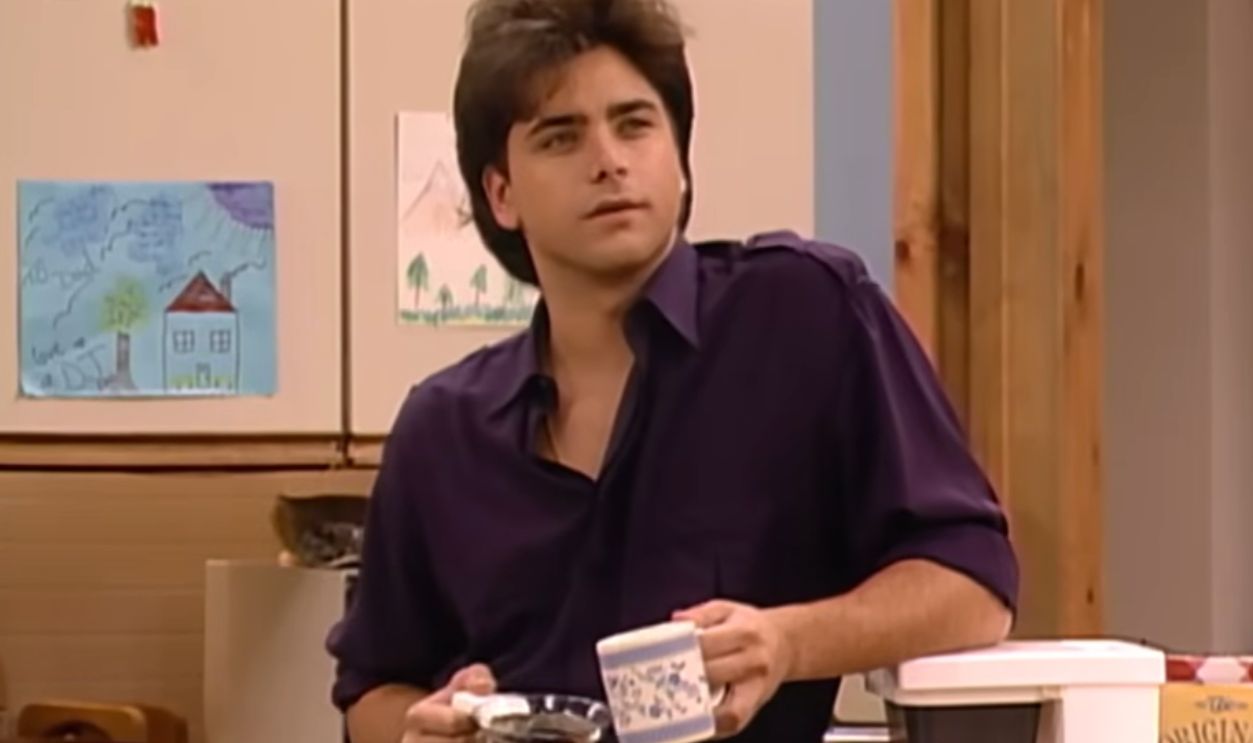 Screenshot from Full House, Warner Bros. (1987-1995), Enhanced
Dan Conner Shared The Burden
Dan and Roseanne Conner faced unstable employment, bills, parenting problems, and the exhaustion of working-class life on Roseanne. Their parenting could be sarcastic, but the original series repeatedly balanced those jokes with affection and mutual support. Dan was imperfect, yet he treated Roseanne as a partner in the family’s ongoing struggle to stay afloat.
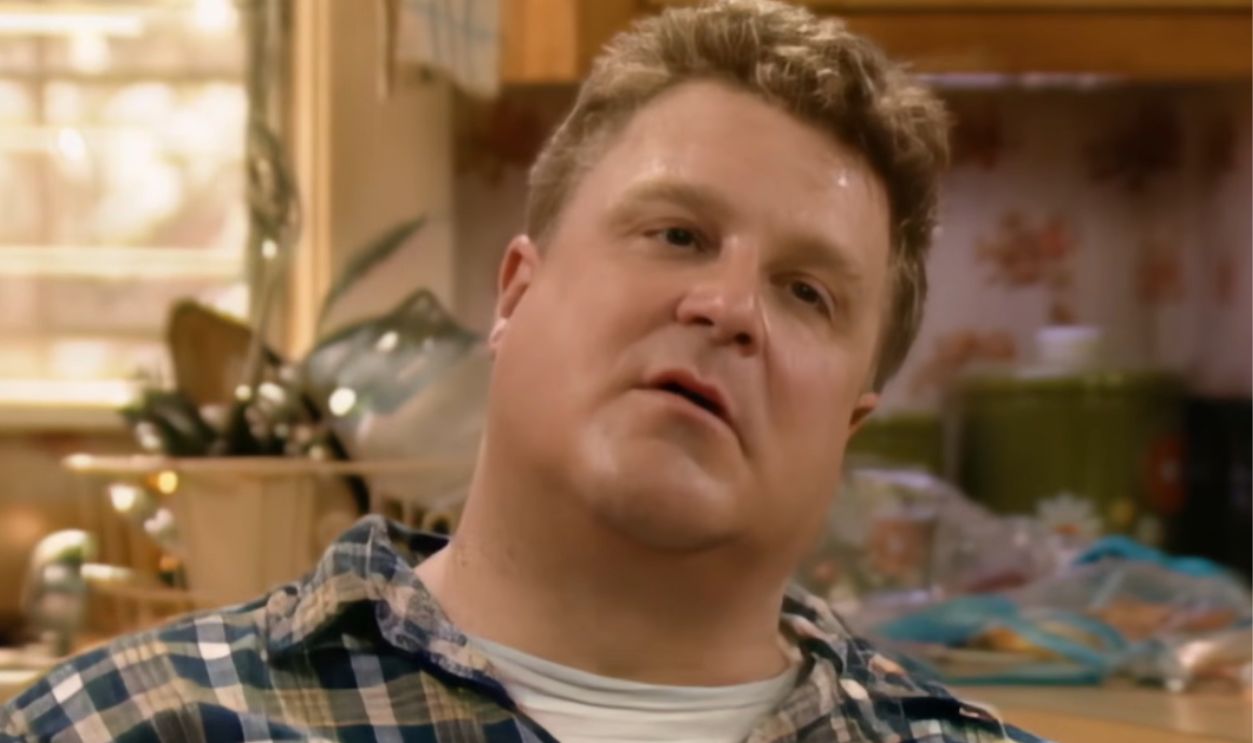 Screenshot from Roseanne, Carsey-Werner Distribution (1988-1997, 2018)
Carl Winslow Protected More Than His House
Carl Winslow was a Chicago police officer, husband to Harriette, and father within an increasingly crowded household on Family Matters. He frequently became frustrated with Steve Urkel, but his anger rarely erased his underlying decency. Carl’s devotion extended beyond his immediate family, even when additional relatives and neighbors tested his patience.
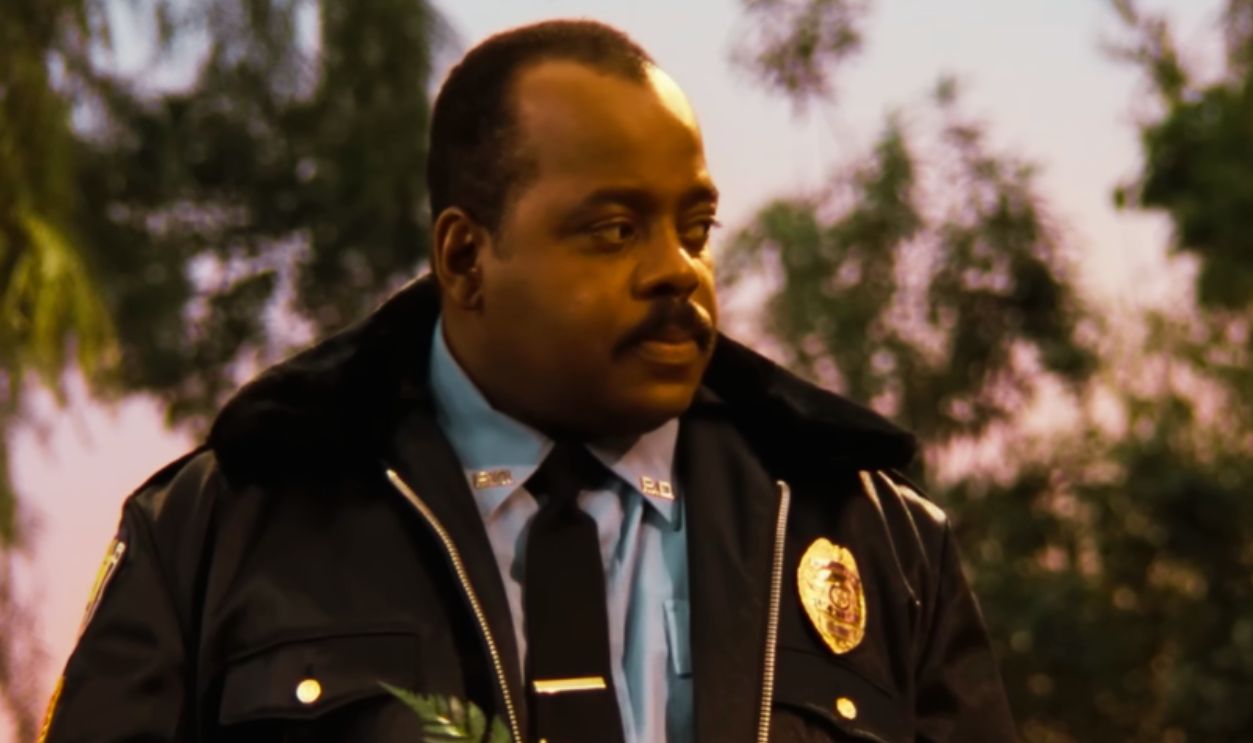 Screenshot from Family Matters, Warner Bros. (1989-1998)
Joe Hackett Was Dependably Grounded
Joe Hackett owned Sandpiper Air, a tiny airline operating from Nantucket, with his less responsible brother Brian. His longtime connection with Helen Chappel developed through breakups, reconciliations, and years of unresolved feelings before they married. Joe could be rigid, but his reliability made him the steady center of Wings’ eccentric airport community.
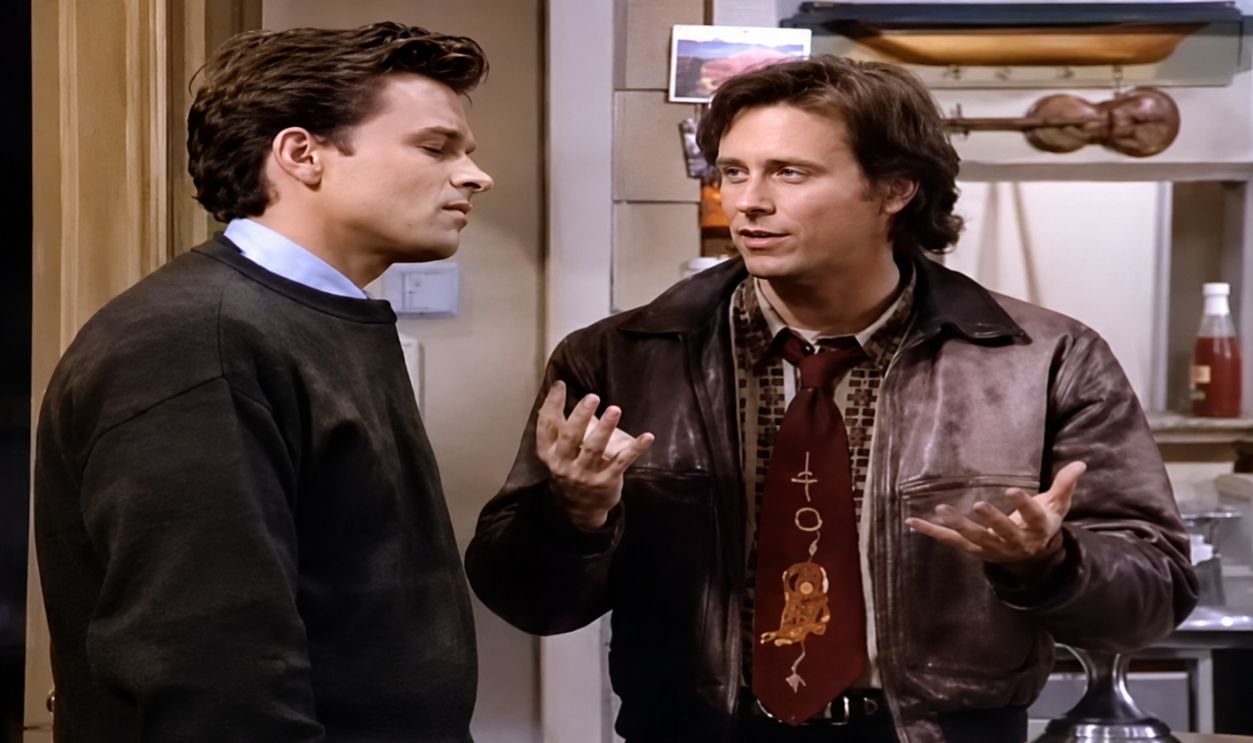 Screenshot from Wings, Paramount Television (1990-1997)
Philip Banks Opened His Home
Philip Banks was a successful lawyer who later became a judge on The Fresh Prince Of Bel-Air. He and Vivian raised four children while also welcoming their nephew Will into their Bel-Air home. Uncle Phil could be strict, but his intelligence, moral conviction, and fierce protectiveness made him one of the strongest husbands and father figures of the 1990s.
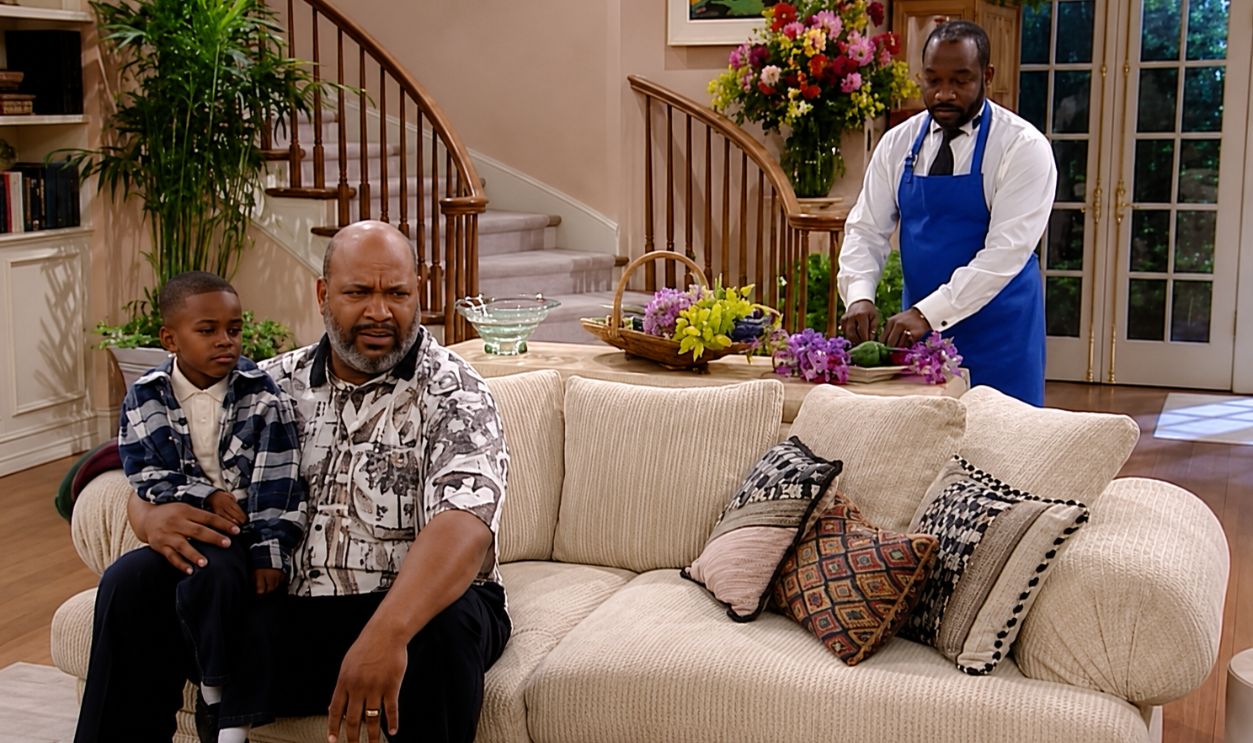 Screenshot from The Fresh Prince of Bel-Air, NBC (1990–1996), Enhanced
Frank Lambert Took On A New Family
Contractor Frank Lambert married beautician Carol Foster and combined their separate households on Step By Step. The newlyweds suddenly found themselves managing six children who did not always want to become siblings. Frank’s laid-back warmth helped balance Carol’s more organized approach while the family slowly learned to function together.
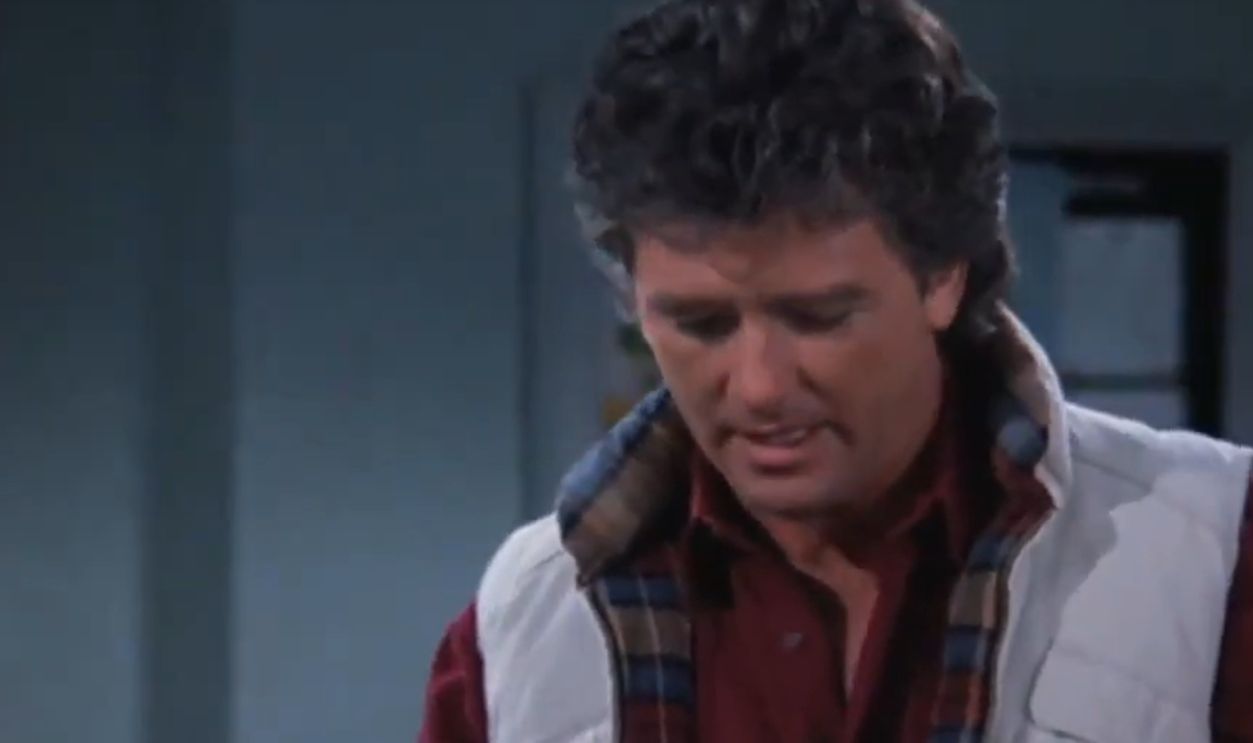 Screenshot from Step by Step, ABC (1991–1997); CBS (1997–1998)
Tim Taylor Learned To Listen
Tim Taylor loved tools, cars, and presenting himself as an authority on Home Improvement. His impulsive decisions regularly frustrated Jill, but their arguments usually forced him to recognize his ego and reconsider his behavior. Tim required plenty of guidance from Wilson, yet he repeatedly returned home ready to apologize and try again.
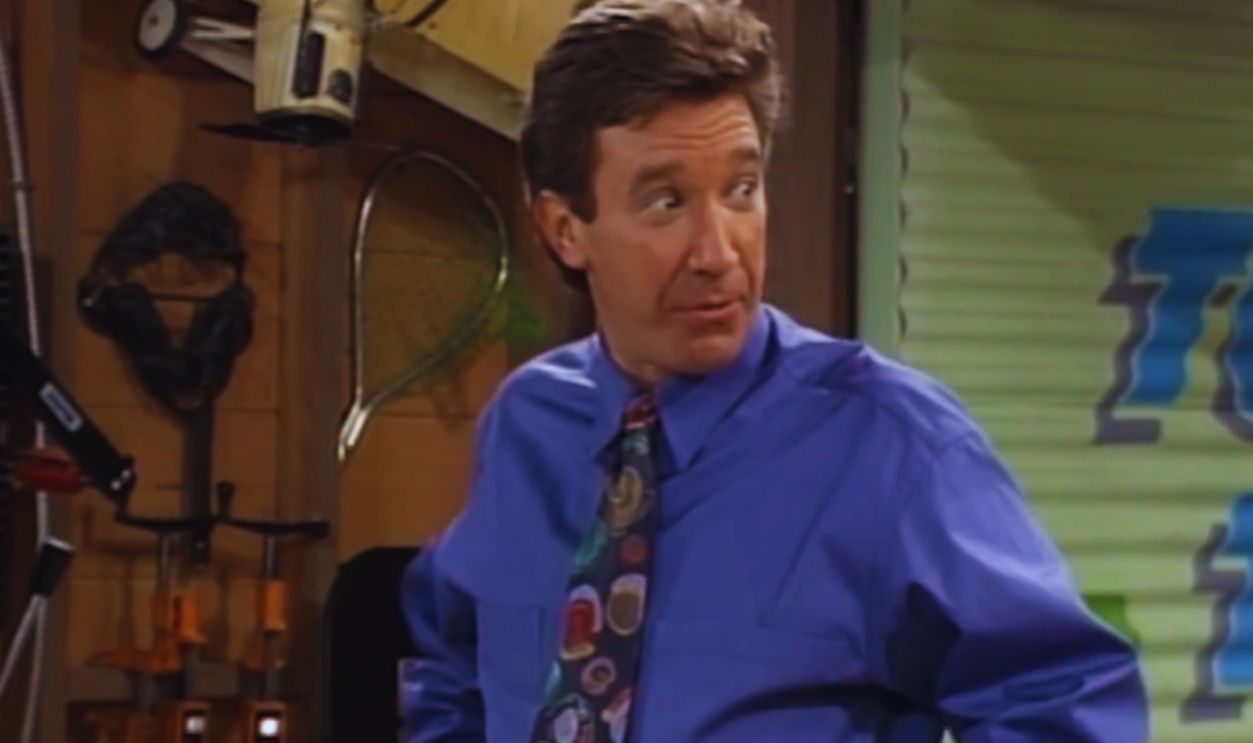 Screenshot from Home Improvement, The Walt Disney Company (1991-1999)
Paul Buchman Embraced Ordinary Marriage
Mad About You followed documentary filmmaker Paul Buchman and public-relations specialist Jamie Buchman through everyday newlywed life in New York. Paul was anxious, talkative, and capable of turning small misunderstandings into complicated problems. His willingness to discuss those problems made the Buchmans’ marriage feel recognizable rather than artificially perfect.
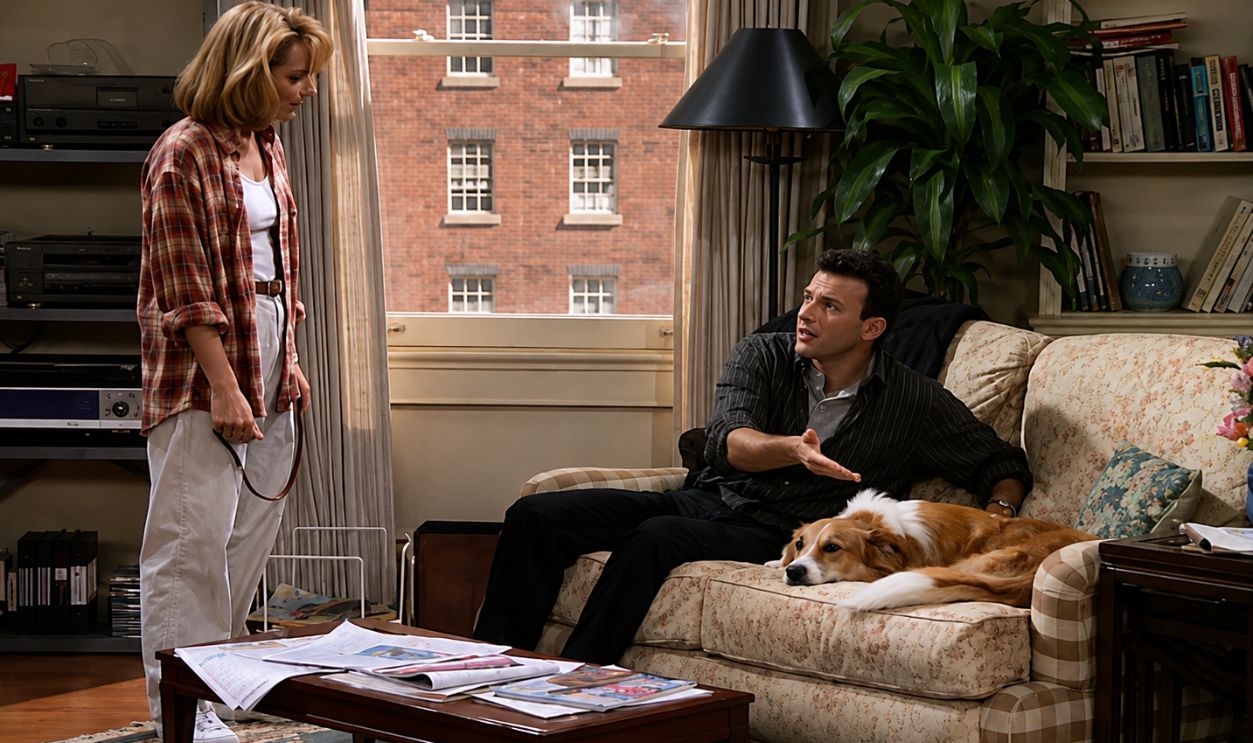 Screenshot from Mad About You, NBC (1992–1999)
Alan Matthews Kept The Romance Alive
Alan and Amy Matthews raised Cory, Eric, and Morgan while maintaining identities beyond parenthood on Boy Meets World. The series revealed that the couple secretly met for regular romantic dates, giving their children the mistaken impression that Amy was seeing another man. Alan understood that a lasting marriage required attention even after children and careers had made life busy.
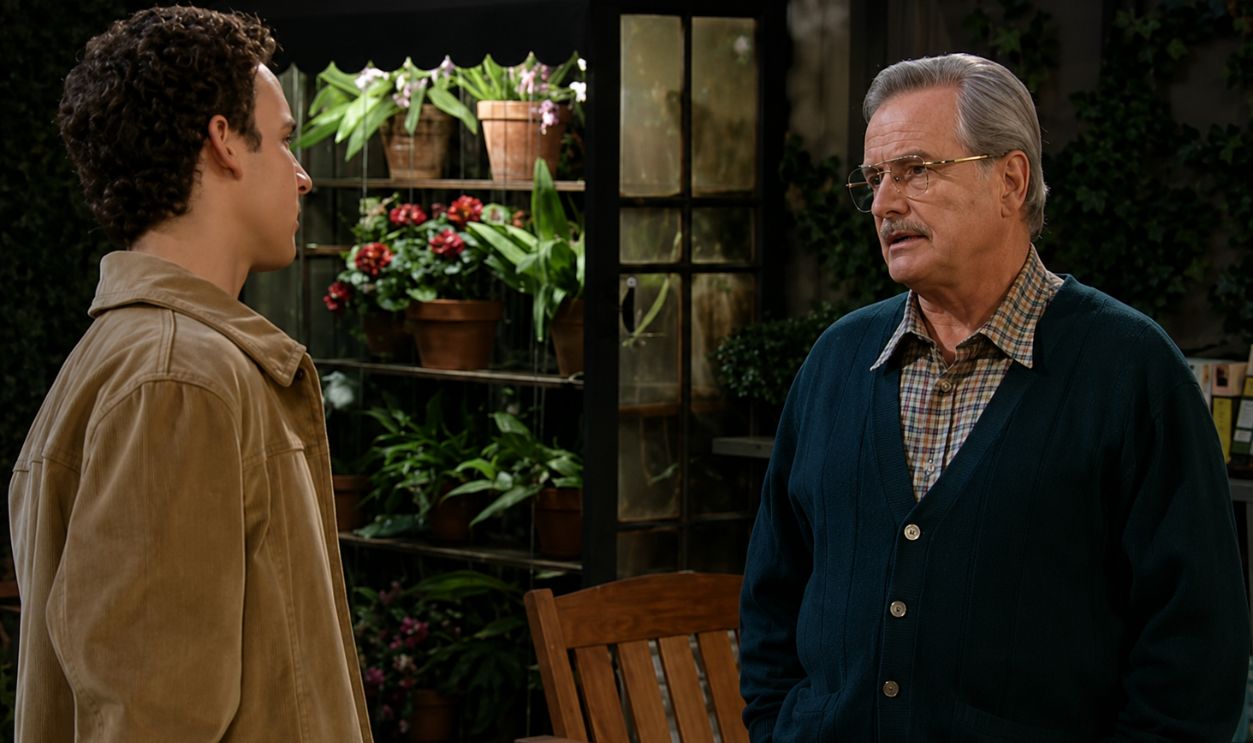 Screenshot from Boy Meets World, Buena Vista Television (1993-2000), Enhanced
Which Classic Husband Gets Your Vote?
Some of these men offered calm reliability, while others brought passion, humor, or the ability to survive magical relatives. None was perfect, and several would require considerably more patience than the others. Would you choose Rob Petrie, Gomez Addams, Philip Banks, Darrin Stephens, or another underrated husband entirely?
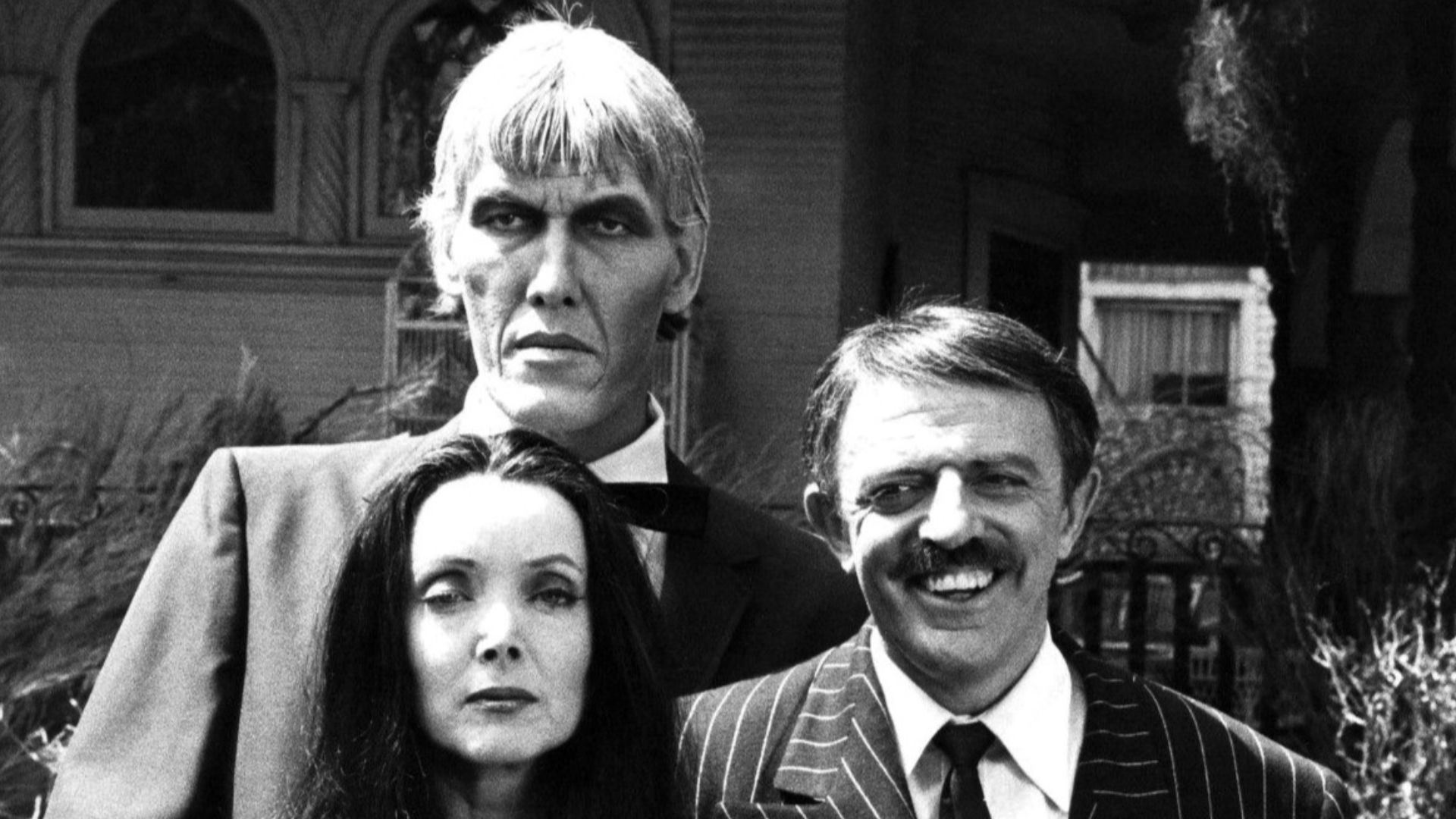 NBC Television, Wikimedia Commons
You May Also Like:
How Family Ties Star Michael Gross Became One Of The Most Believable Sitcom Dads On TV
Sources: 1, 2, 3, 4, 5, 6, 7, 8, 9, 10, 11, 12, 13, 14, 15, 16, 17, 18, 19, 20, 21, 22, 23, 24, 25, 26, 27, 28