He Felt Real.
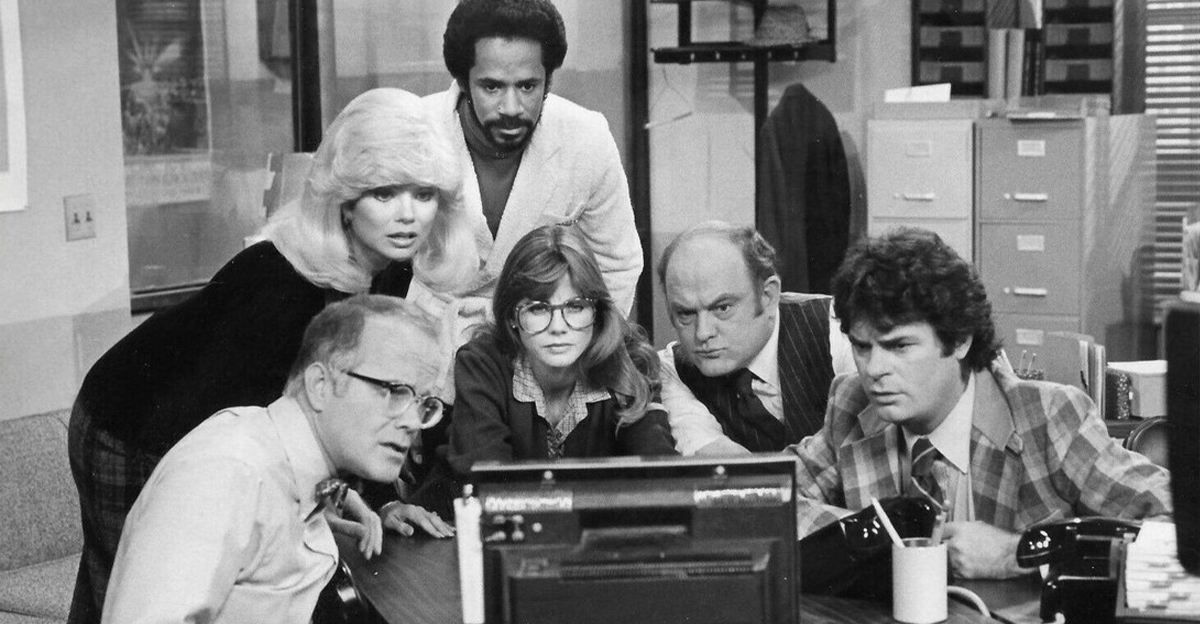
As Steven Keaton on Family Ties, Michael Gross created a father who could be principled, affectionate, stubborn, embarrassed, frightened, and completely outmaneuvered by his own children. Gross never played Steven as an all-knowing sitcom authority, which is precisely why audiences trusted him.
 Gary Null/NBC via Getty Images
Serious Training Came Before Sitcom Fame
Gross studied drama at the University of Illinois Chicago and earned a Master of Fine Arts degree from the Yale School of Drama. He then built experience through theater, television movies, and Broadway work, including the original production of Martin Sherman’s Bent. That classical background gave him the discipline to make everyday domestic comedy feel specific rather than casual.
 Ron Galella, Ltd., Getty Images
Television Was Not His Obvious Destination
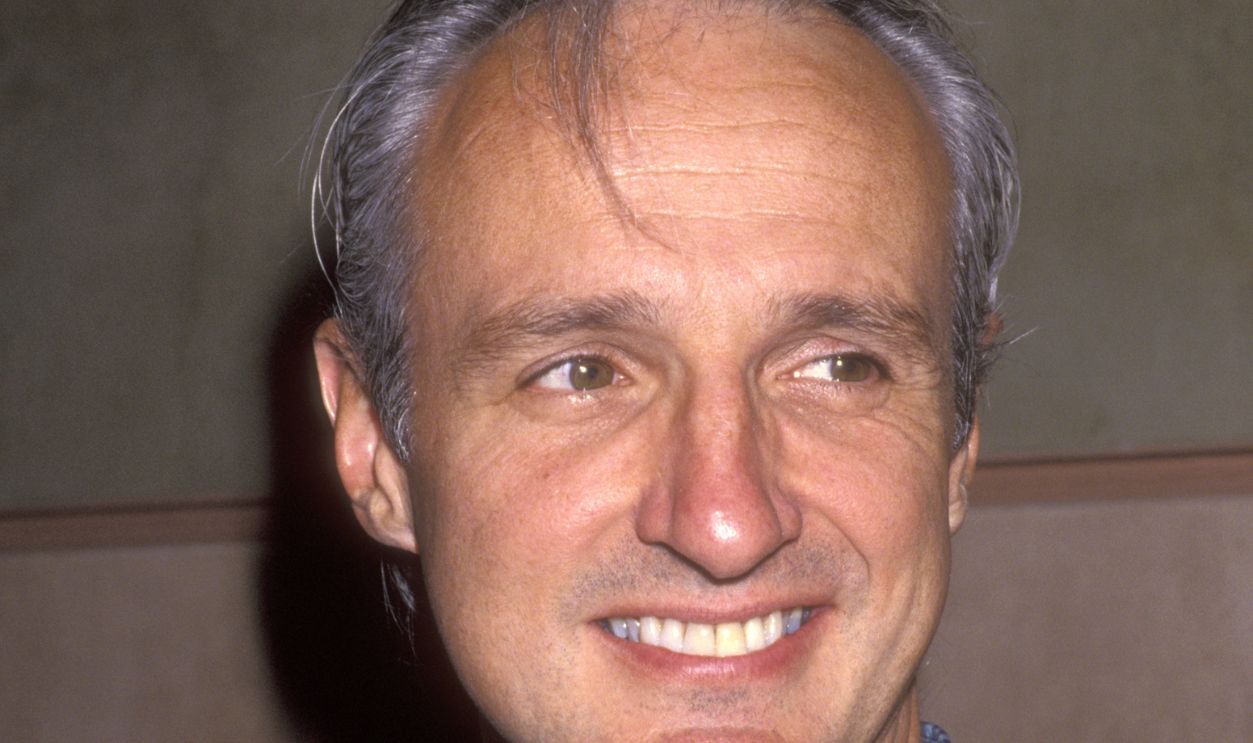
Before Family Ties, Gross was better known within the theater world than to the national television audience. His relatively limited screen résumé meant viewers did not bring a familiar comic persona to Steven Keaton. Gross could therefore introduce the father as a complete character rather than as another variation on an established celebrity image.
 Ron Galella, Ltd., Getty Images
Ed O’Neill Helped Point Producers Toward Him
Ed O’Neill was considered for Steven but concluded that he was not right for the part. In his Television Academy interview, O’Neill recalled suggesting fellow stage actor Michael Gross instead. The unlikely recommendation helped connect the future Al Bundy with the man who would become his near-opposite among famous television fathers.

Steven And Elyse Were Supposed To Lead
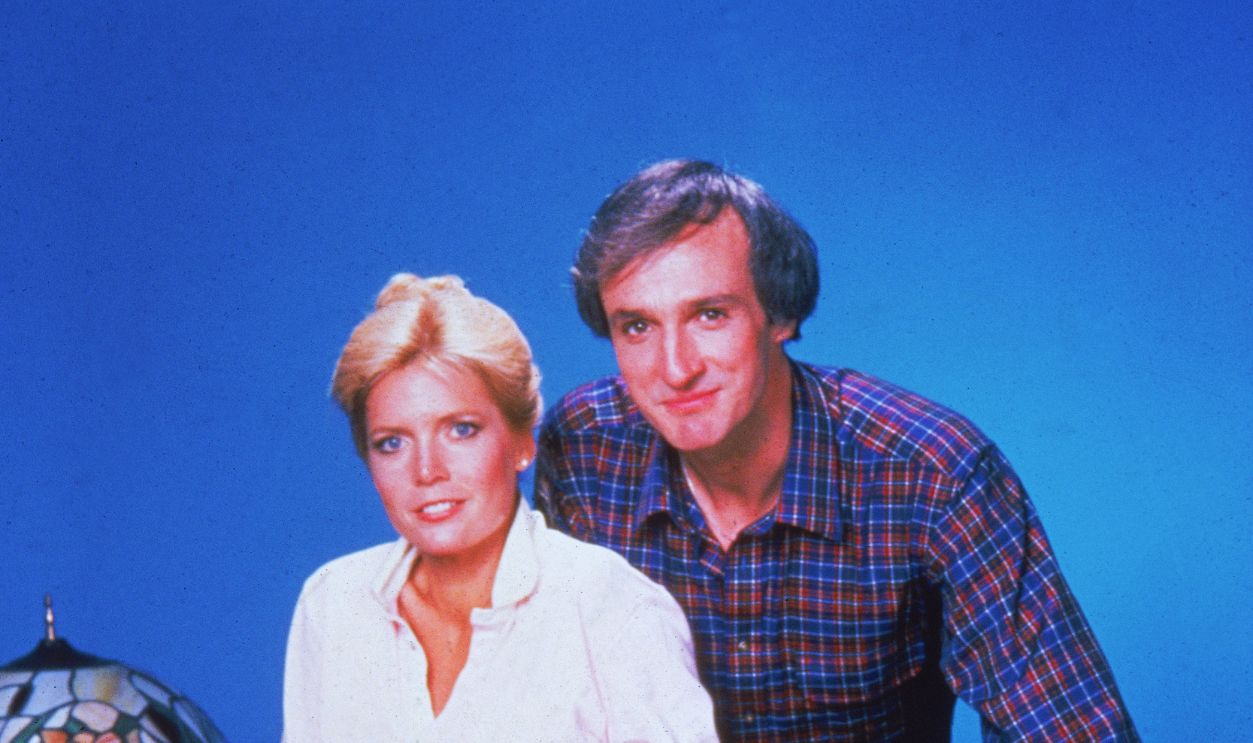
Creator Gary David Goldberg originally developed Family Ties around former 1960s idealists raising children in the more conservative 1980s. Gross and Meredith Baxter were cast as the crucial parental center of that premise. Michael J. Fox’s popularity eventually shifted greater attention toward Alex, but Steven and Elyse remained the structure that made the generational conflict meaningful.
 Pictorial Parade, Getty Images
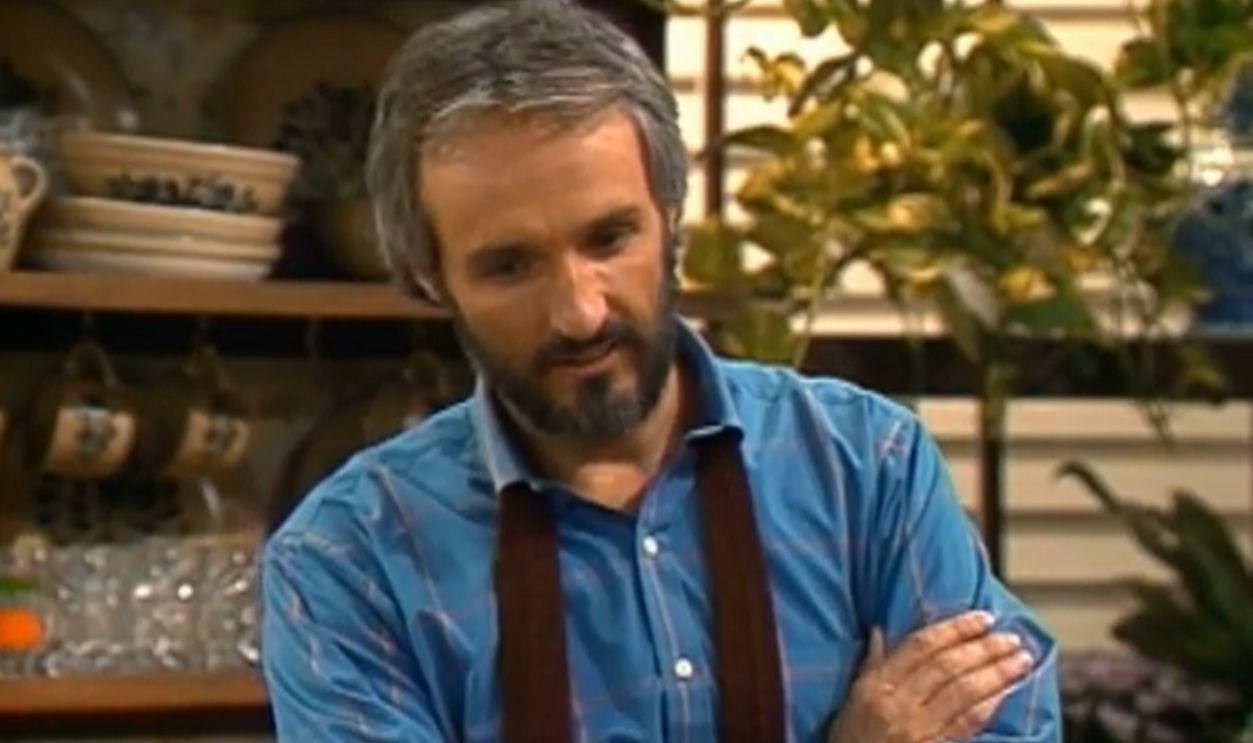
Steven Was A Former Radical With A Mortgage
Steven was not presented as a bland suburban father without a past. He and Elyse had embraced liberal politics and countercultural ideals before settling in Columbus, Ohio, and raising a family. That history let Gross play someone trying to preserve youthful principles while accepting the compromises and responsibilities of middle age.
 Screenshot from Family Ties, Paramount Domestic Television (1982–1989)
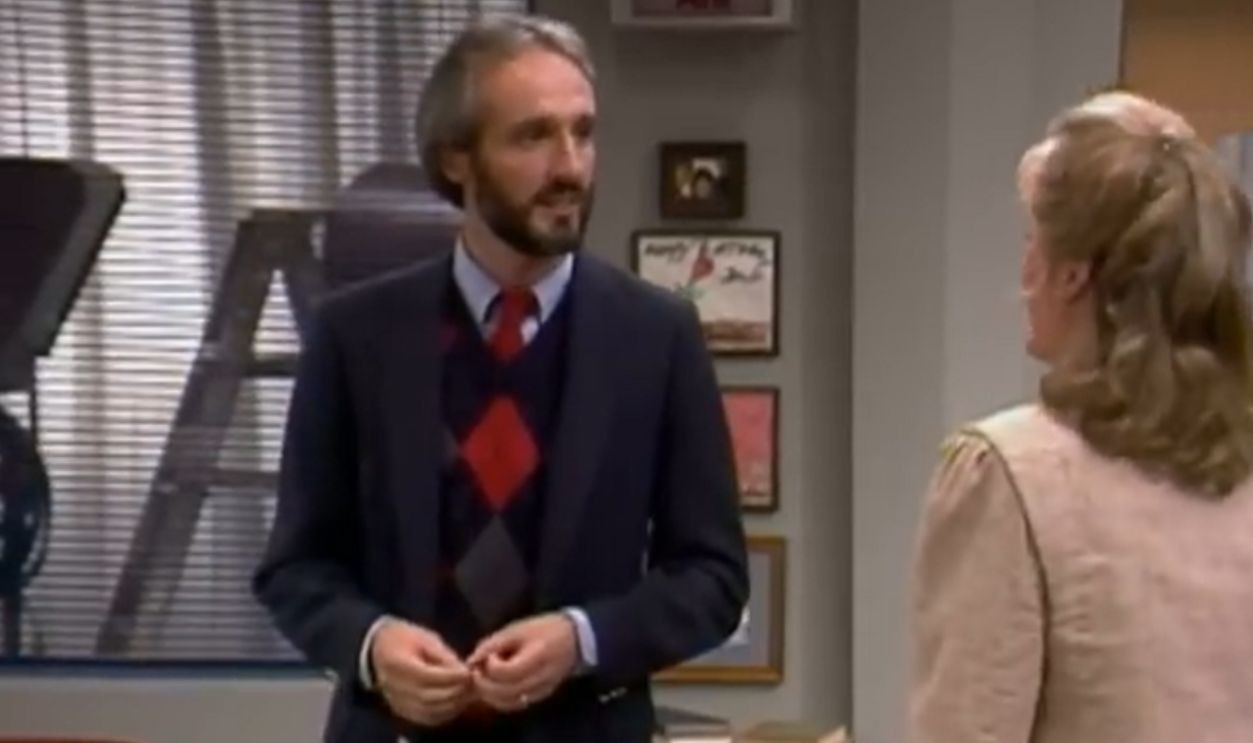
His Ordinary Job Helped Ground Him
Steven managed WKS, a local public television station, rather than holding a glamorous or implausibly lucrative position. The job suited his civic-minded values while also providing stories about budgets, programming, colleagues, and professional frustration. Gross made Steven look like a recognizable working parent who still had to worry about what happened after he left the breakfast table.
 Screenshot from Family Ties, Paramount Domestic Television (1982–1989)
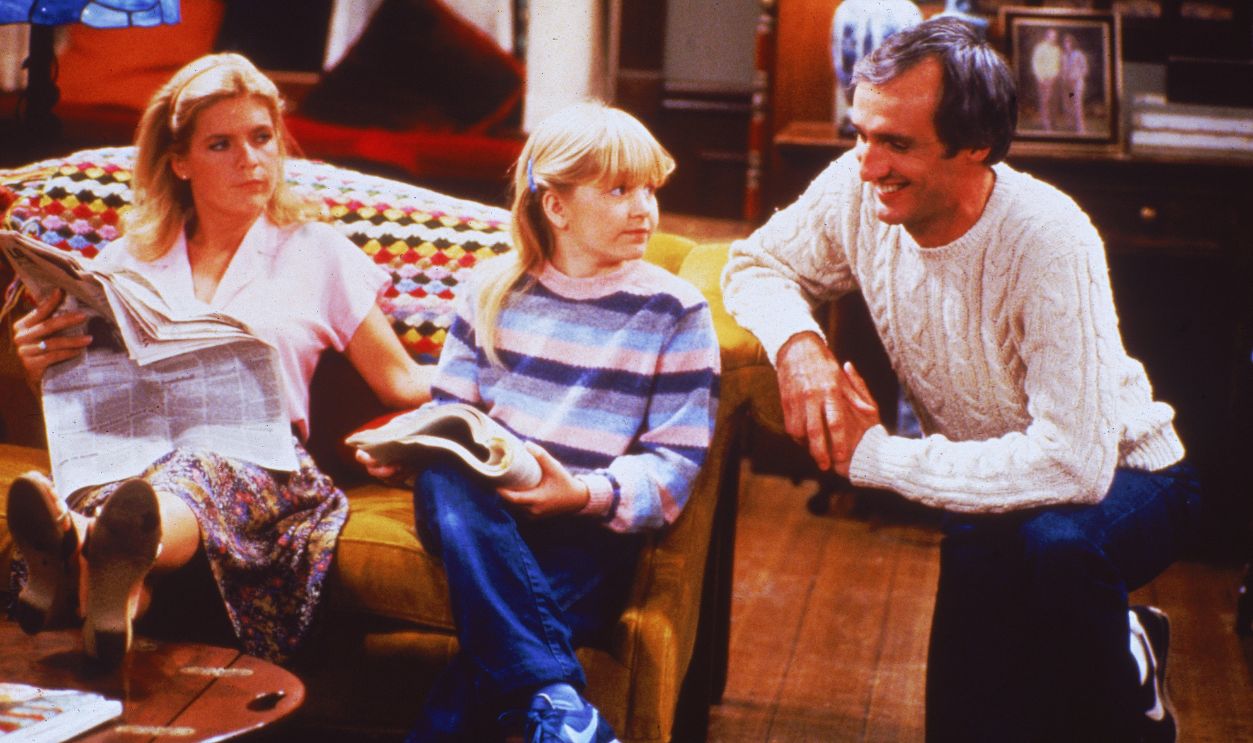
His Marriage Felt Like A Partnership
Steven and Elyse shared parenting authority instead of following a rigid arrangement in which the father made every important decision. Elyse maintained a demanding career as an architect, while Steven cooked, worried, apologized, and handled household problems. Their marriage felt believable because both characters could be right, wrong, tired, affectionate, or irritated without threatening the basic strength of the relationship.
 Fotos International, Getty Images
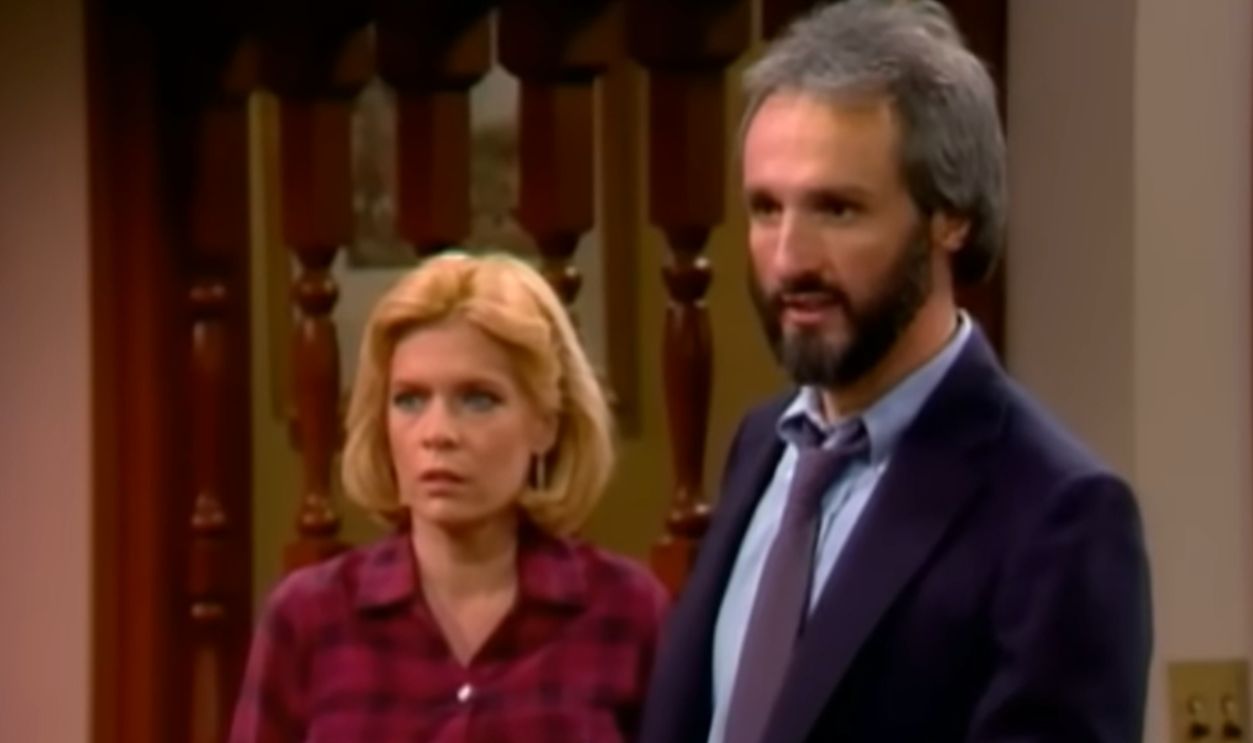
Meredith Baxter Made The Marriage Convincing
Gross and Baxter were both born on June 21, 1947, and were 35 when they began playing the Keaton parents. Their shared generational perspective helped them present Steven and Elyse as people with a common history rather than actors randomly paired for a pilot. They remained close friends and continued reuniting for stage work and public appearances long after the sitcom ended.
 Screenshot from Family Ties, Paramount Domestic Television (1982–1989)
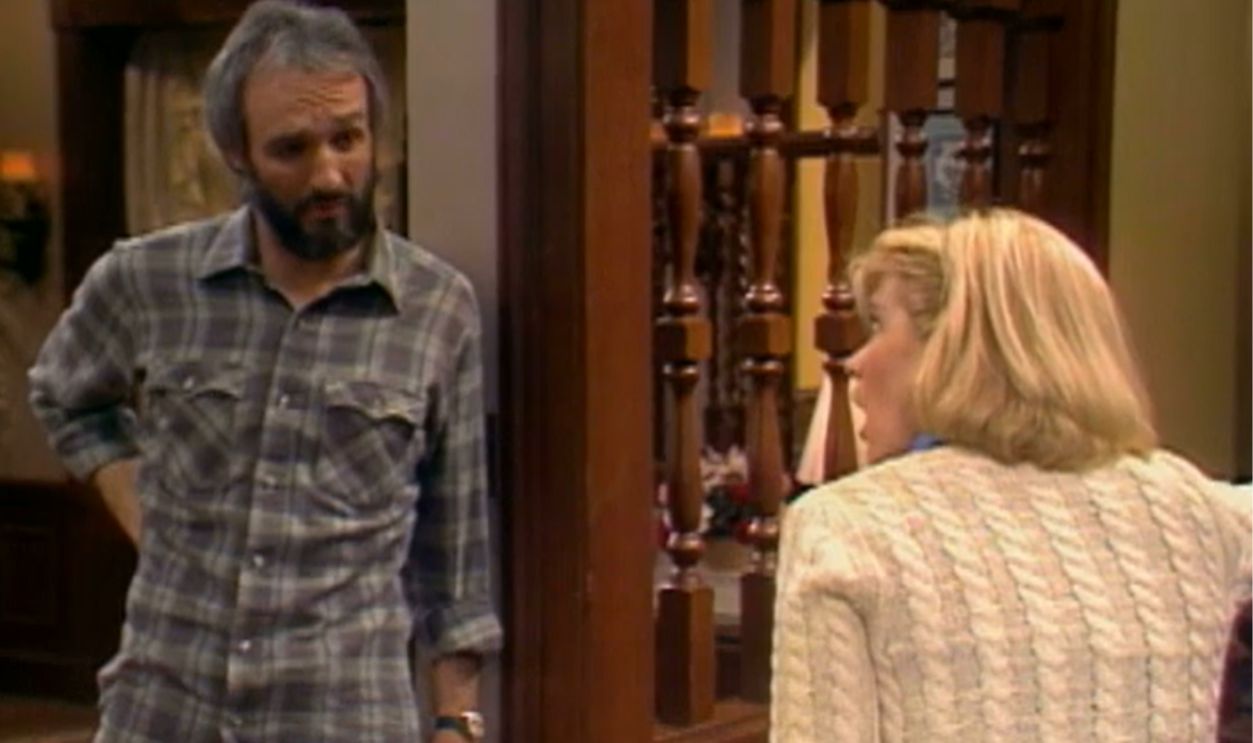
They Did Not Pretend Marriage Was Effortless
Steven and Elyse disagreed about work, money, children, relatives, and personal priorities. Gross allowed Steven to become defensive or petty without turning those moments into evidence that he was secretly a bad husband. The couple’s ability to argue, reconsider, and reconnect made their affection more persuasive than constant harmony would have been.
 Screenshot from Family Ties, Paramount Domestic Television (1982–1989)
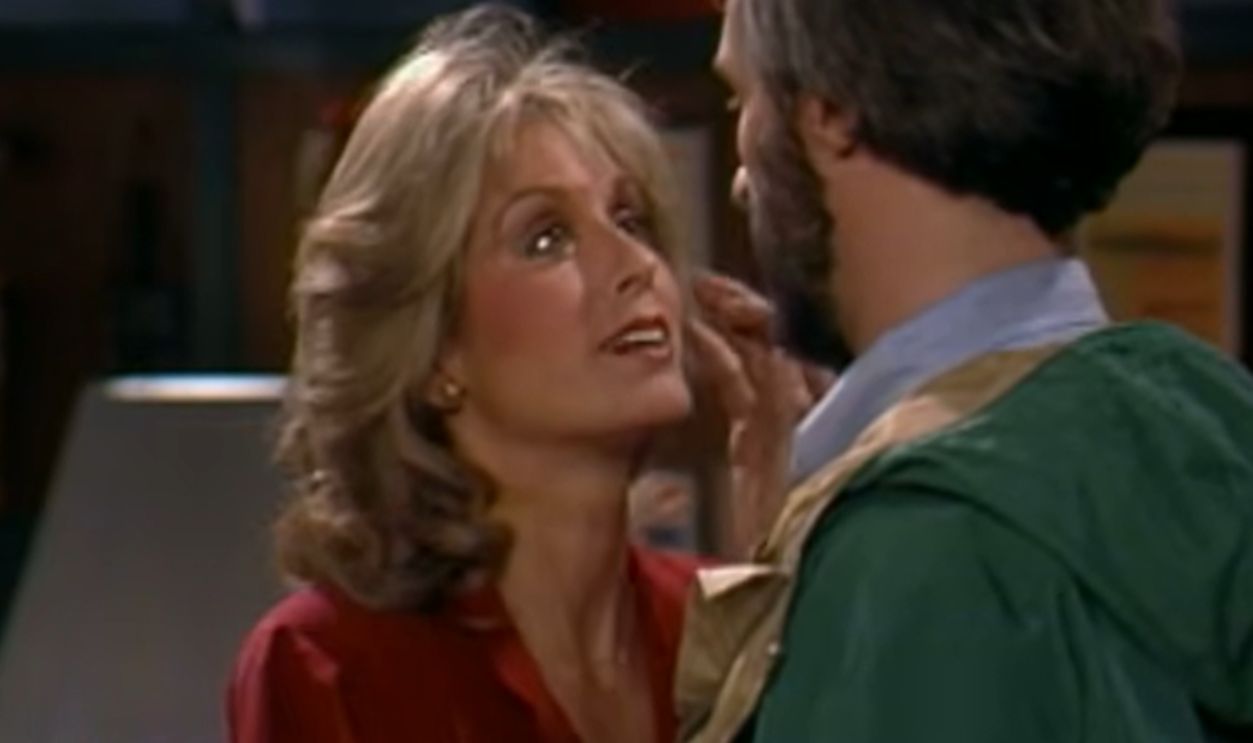
Gross Knew When To Listen
Some of Steven’s strongest moments came when Gross remained quiet and let another actor carry the emotional center of a scene. He reacted with concern, confusion, wounded pride, or reluctant understanding instead of searching for an extra joke. That generosity made Steven feel like a father actually absorbing what his family was telling him.
 Screenshot from Family Ties, Paramount Domestic Television (1982–1989)
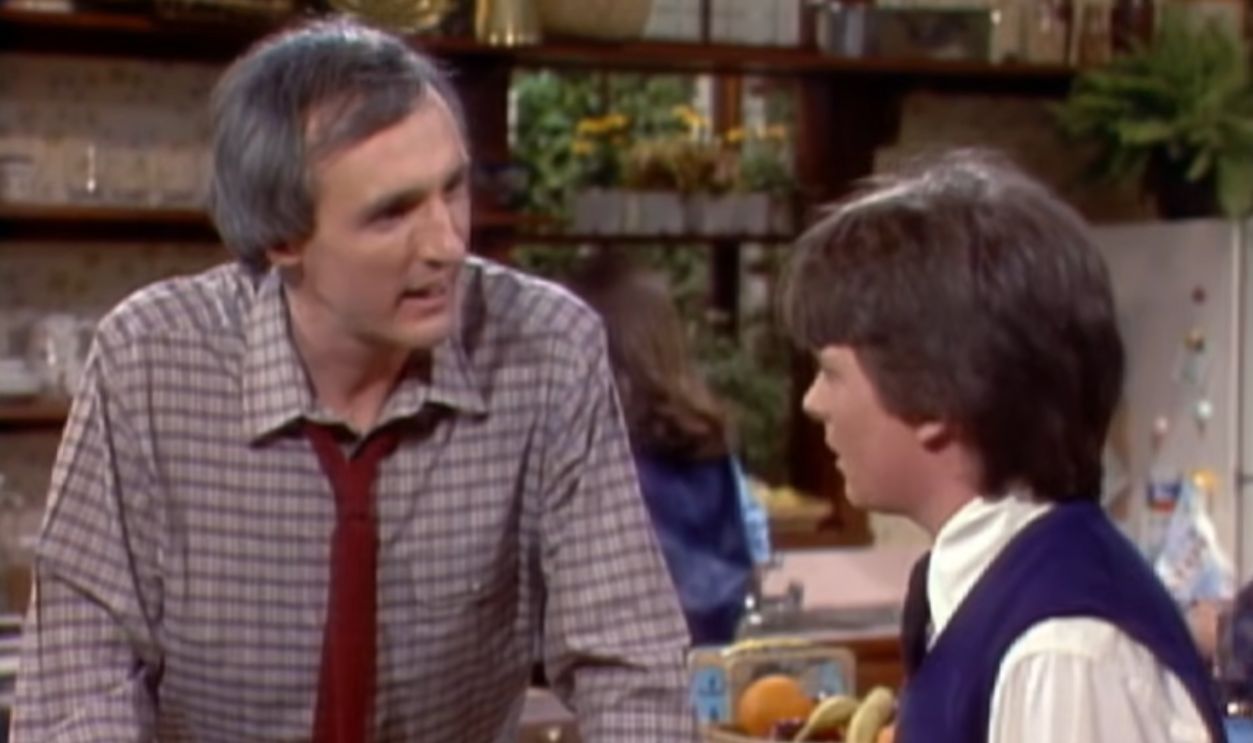
Alex Gave Him The Perfect Conflict
Alex P. Keaton embraced conservative politics, free enterprise, and personal wealth, placing him in direct opposition to his liberal parents. Steven could be baffled by his son’s worldview while remaining proud of Alex’s intelligence and drive. Gross made the conflict funny because Steven’s ideological frustration never erased his unconditional love.
 Screenshot from Family Ties, Paramount Domestic Television (1982–1989)
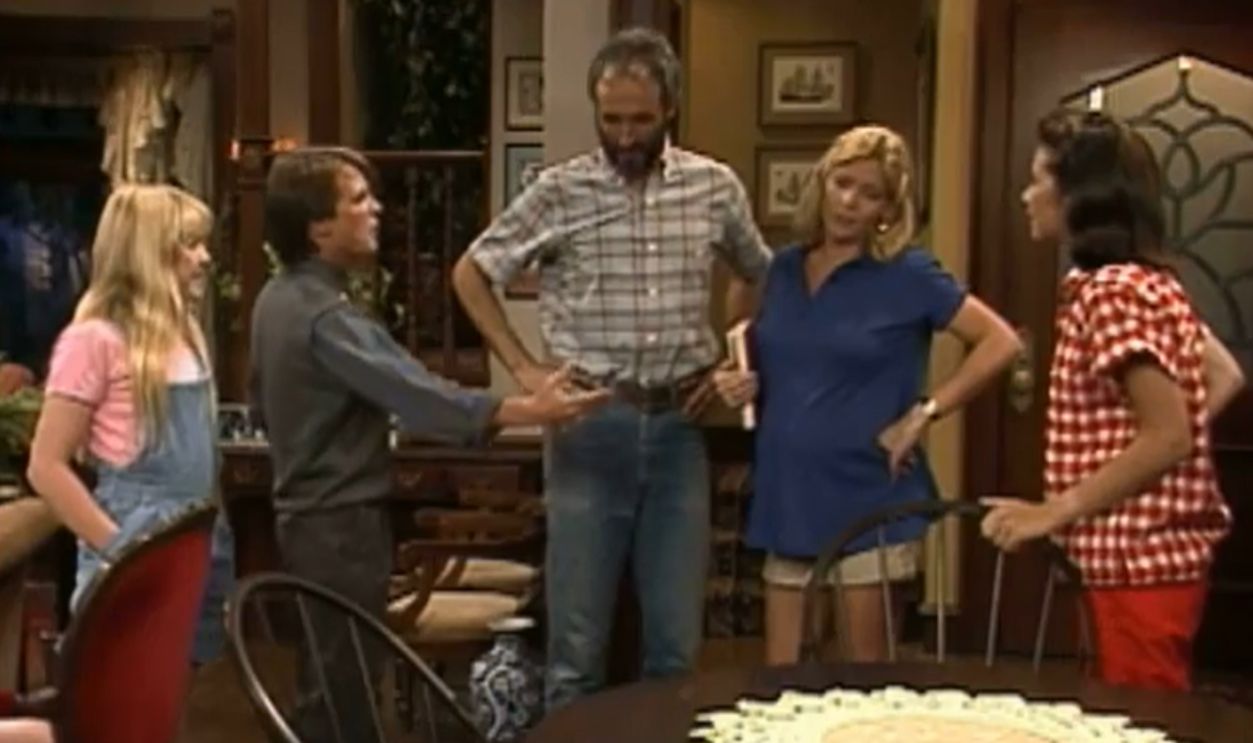
Political Arguments Stayed Inside The Family
The Keatons regularly disagreed about Ronald Reagan, capitalism, social responsibility, and the legacy of the 1960s. Gross later remembered the show as belonging to an era when political opponents could argue and still search for compromise. Steven’s ability to keep loving Alex offered a warmer model of disagreement than treating every political difference as a reason to end a relationship.
 Screenshot from Family Ties, Paramount Domestic Television (1982–1989)
Michael J. Fox Changed The Show
Network research quickly showed that audiences were especially drawn to Fox’s approachable appearance, physical comedy, and characterization of Alex. Goldberg warned Gross and Baxter that the show’s focus would shift toward their television son and said he would understand if they wanted to leave. They stayed, allowing the family comedy to evolve around its breakout star instead of resisting his success.
 Screenshot from Family Ties, Paramount Domestic Television (1982–1989)
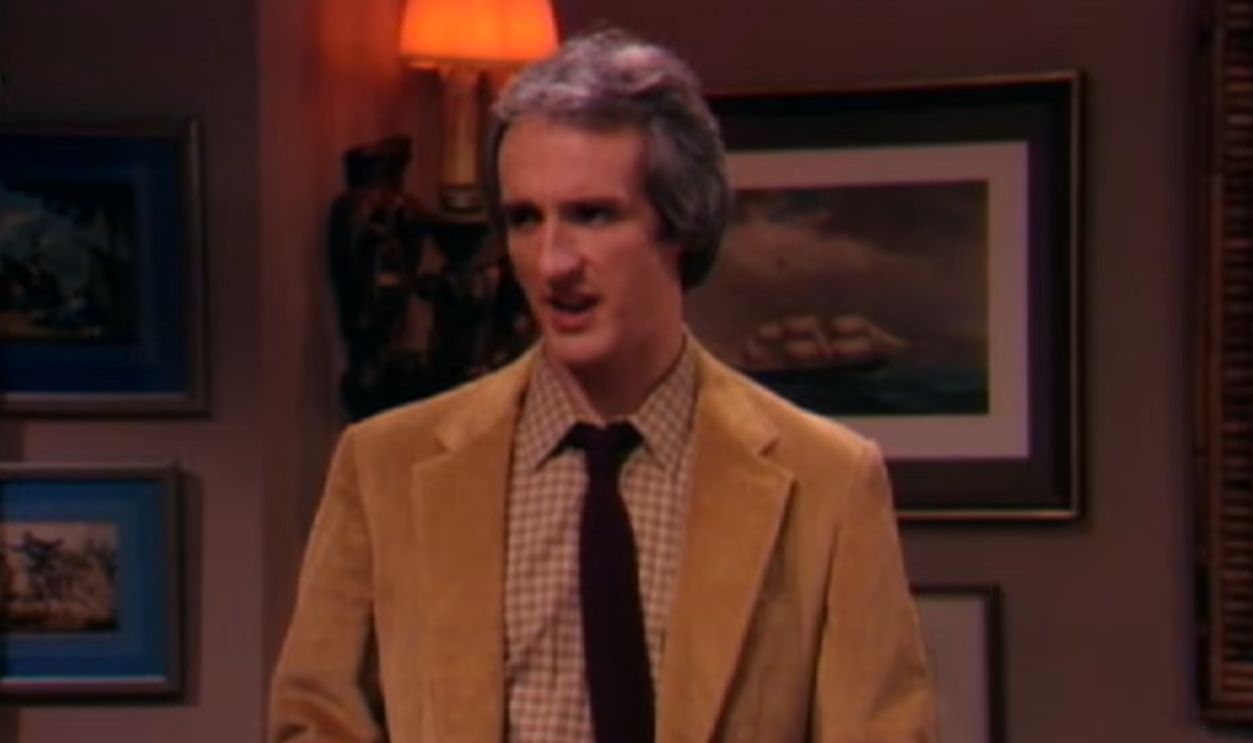
Gross Never Fought For The Spotlight
Fox later spoke warmly about how Gross and Baxter handled his sudden rise within what had originally been conceived as their show. Gross did not make Steven compete with Alex for comic dominance or emotional importance. By supporting Fox’s performance, he made the father-son relationship stronger and helped the entire ensemble benefit from the younger actor’s popularity.
 Screenshot from Family Ties, Paramount Domestic Television (1982–1989)
Mallory Brought Out His Patience
Mallory was less interested in politics and academics than Alex, but Steven did not treat her as a failed version of her brother. He worried about her decisions, struggled to understand her priorities, and occasionally underestimated her abilities. Gross gave those scenes the recognizable tension of a parent learning that different children require different kinds of encouragement.
 Screenshot from Family Ties, Paramount Domestic Television (1982–1989)
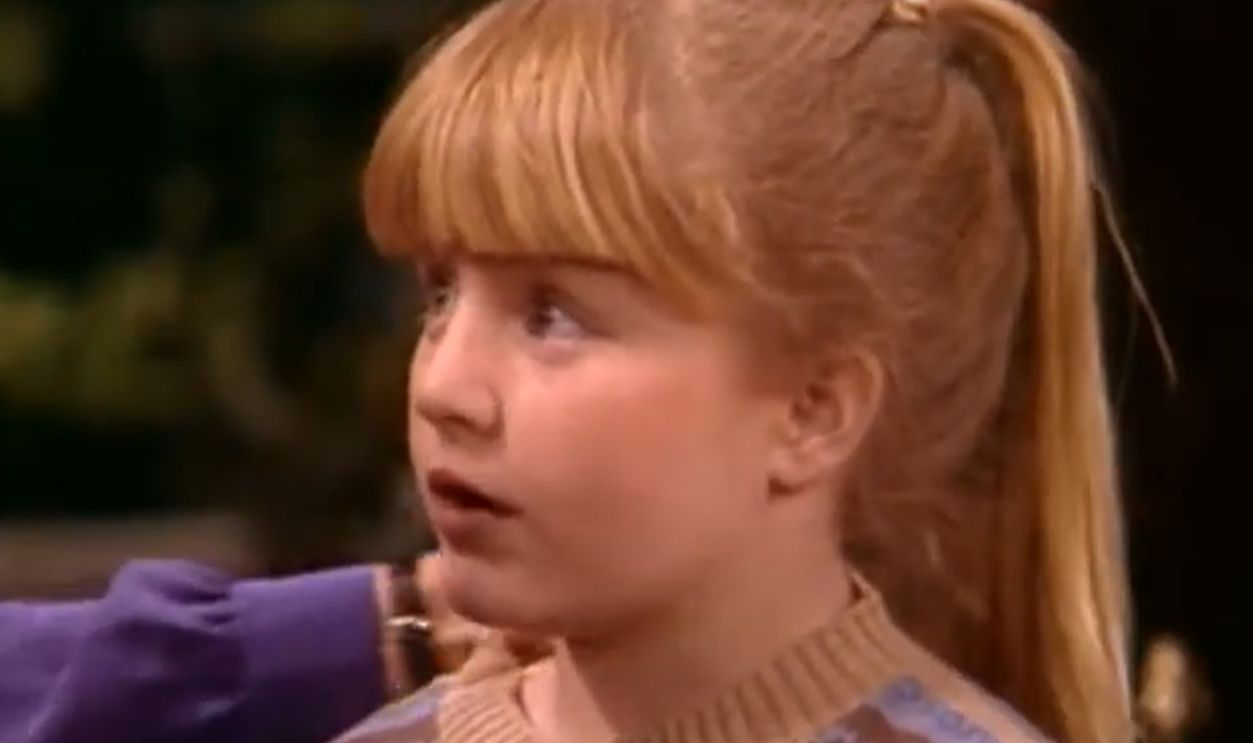
Jennifer Kept Him From Feeling Too Wise
Jennifer often observed the family’s chaos with a younger child’s blunt honesty. Her questions could expose contradictions in Steven’s lectures or reveal that the adults had made a situation needlessly complicated. Gross responded with the mixture of amusement and exasperation familiar to parents who realize the youngest person in the room has made the clearest point.
 Screenshot from Family Ties, Paramount Domestic Television (1982–1989)
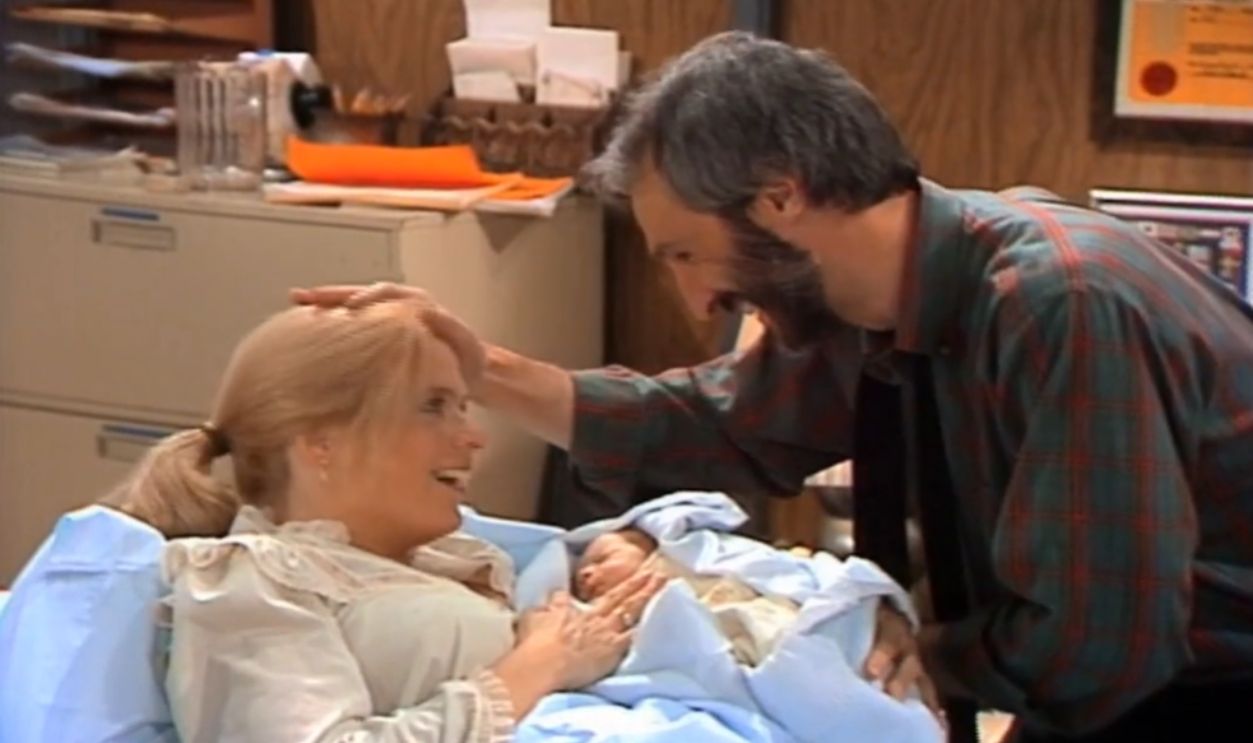
Andy Let Steven Begin Again
The birth of Andy during the series gave Steven and Elyse another child after years of parenting older siblings. Meredith Baxter’s real-life pregnancy was incorporated into the show, expanding the Keaton household rather than temporarily hiding the actress. Gross adjusted Steven’s energy accordingly, showing both the tenderness and fatigue of a middle-aged father returning to diapers and sleepless nights.
 Screenshot from Family Ties, Paramount Domestic Television (1982–1989)
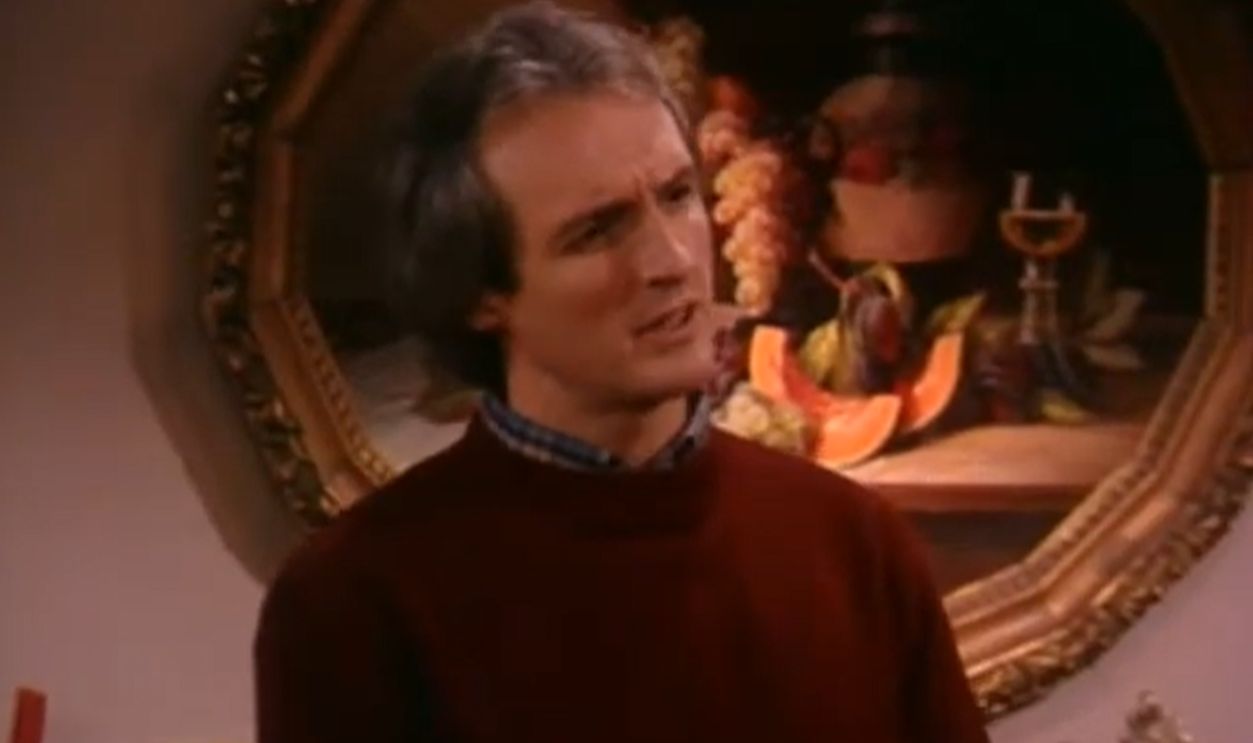
He Could Discipline Without Becoming A Tyrant
Steven set rules and expected honesty, but the children were allowed to question him. Gross rarely relied on shouting or exaggerated intimidation to establish parental authority. Steven’s disappointment often carried more weight because viewers understood how deeply he wanted his children to become decent adults.
 Screenshot from Family Ties, Paramount Domestic Television (1982–1989)
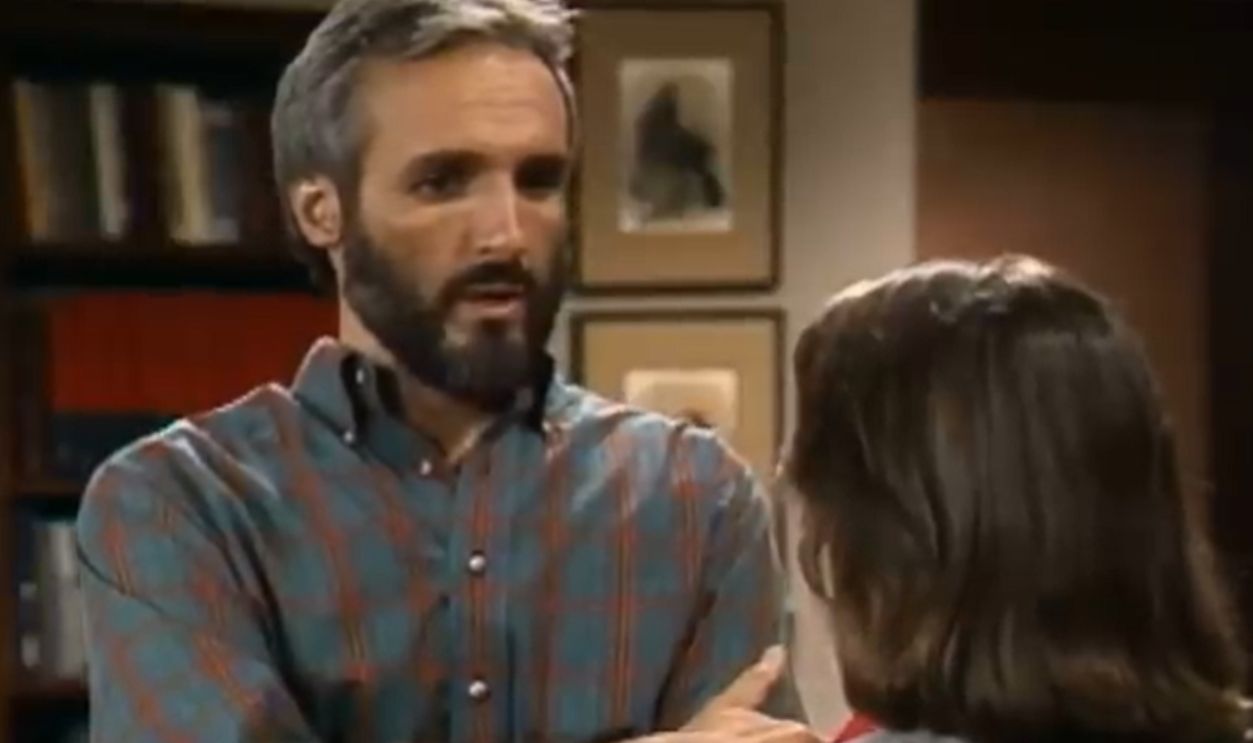
His Mistakes Made Him Trustworthy
Steven could overreact, misjudge a situation, or become attached to an argument long after the evidence had turned against him. The scripts allowed the children and Elyse to expose those mistakes, and Gross let the character experience genuine embarrassment. A father willing to apologize felt more believable than one who always received the final word.
 Screenshot from Family Ties, Paramount Domestic Television (1982–1989)
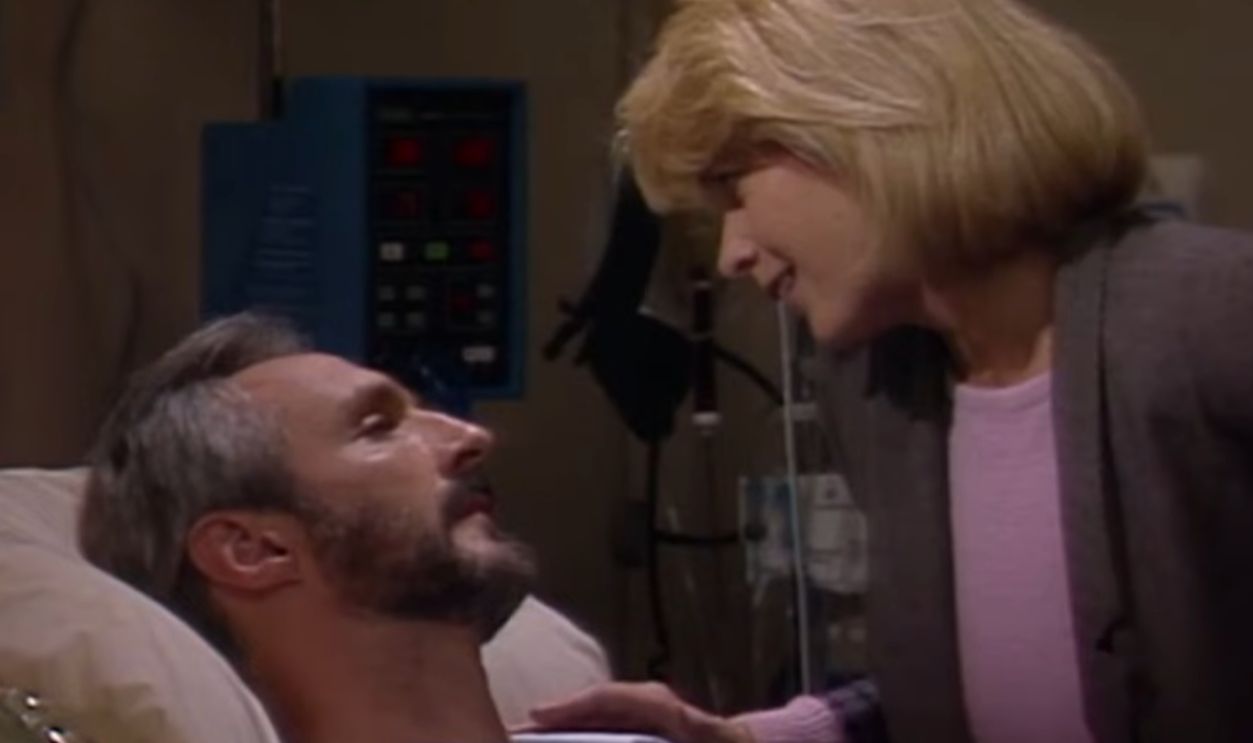
Heartstrings Made Him Vulnerable
The seventh-season story “Heartstrings” placed Steven in the hospital after a heart attack. The family confronted the possibility of losing him while Steven faced surgery and the reality of his own mortality. Gross’s performance temporarily removed the security audiences associated with the Keaton household and showed how much the family depended on Steven’s presence.
 Screenshot from Family Ties, Paramount Domestic Television (1982–1989)
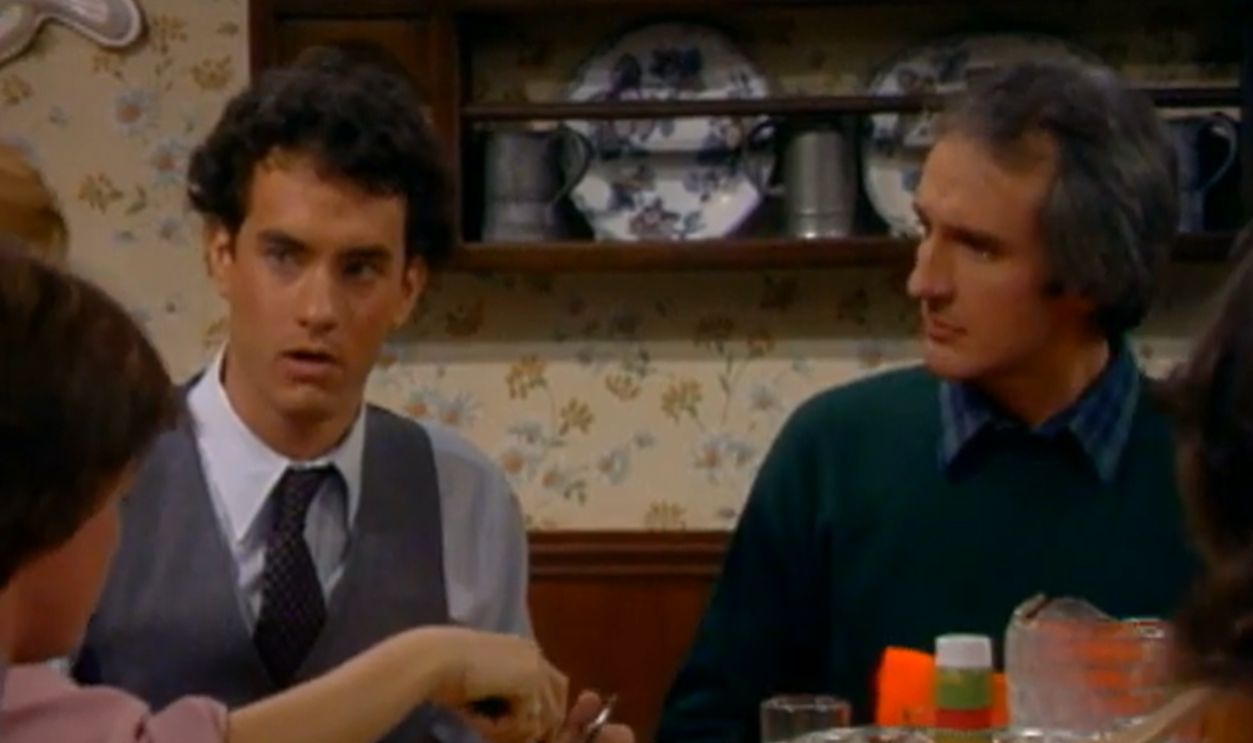
Serious Problems Entered The Living Room
Family Ties sometimes used the Keaton household to address issues that could not be resolved with one easy joke. In “Say Uncle,” Tom Hanks played Elyse’s brother Ned, whose alcoholism becomes impossible for the family to ignore. Steven’s reactions helped the episode show how love and denial can exist together when a relative is in trouble.
 Screenshot from Family Ties, Paramount Domestic Television (1982–1989)
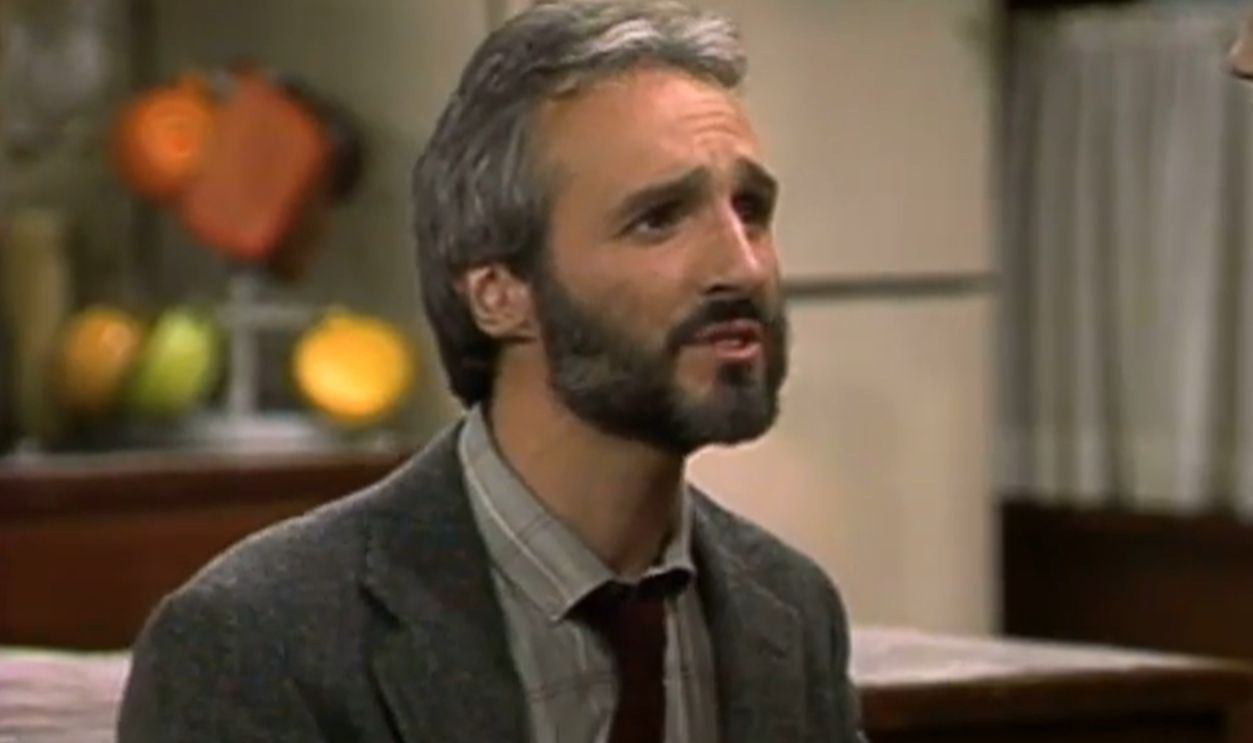
Gross Protected Steven From Sentimentality
The show could become emotional, but Gross generally resisted playing Steven as impossibly noble. He used impatience, dry humor, awkwardness, and self-doubt to keep the character from turning into a speech-delivering symbol of perfect fatherhood. The warmth worked because it emerged from recognizable behavior rather than constant declarations.
 Screenshot from Family Ties, Paramount Domestic Television (1982–1989)
His Comedy Was More Physical Than It Looked
Steven was usually calmer than Alex, but Gross knew how to use startled pauses, defeated posture, nervous movement, and escalating frustration. His theater training helped him build reactions that remained readable without becoming cartoonish. Even when Steven lost control of a conversation, Gross maintained the sense that a real adult was trying desperately to recover his dignity.
 Screenshot from Family Ties, Paramount Domestic Television (1982–1989)
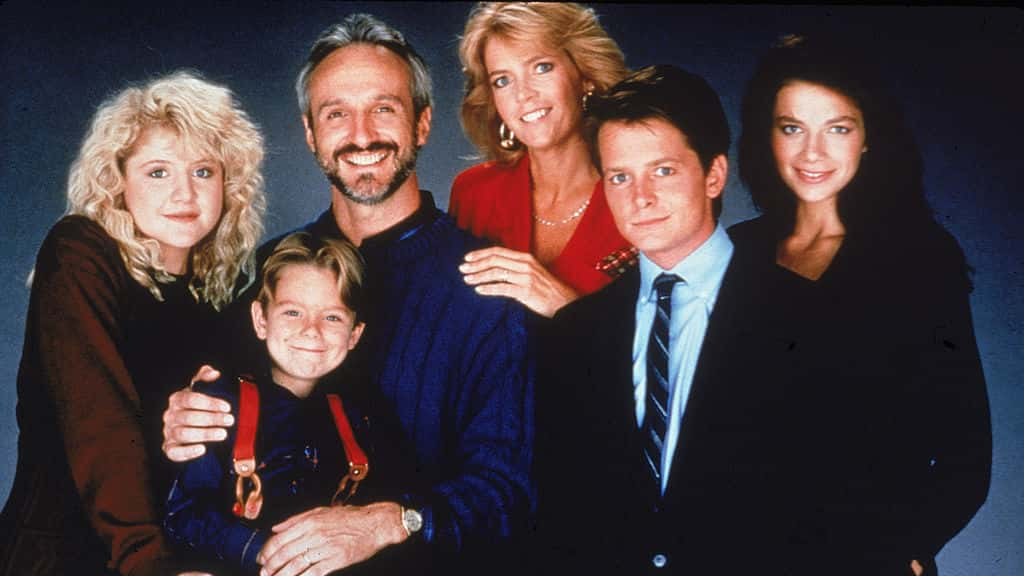
The Cast Operated Like A Family
Gross has repeatedly described the Family Ties set as unusually harmonious. During later reunions, he and Baxter recalled a collaborative environment in which the regular performers welcomed guest actors rather than protecting their territory. That off-screen stability helped the Keatons project ease and familiarity that would have been difficult to manufacture.
 Fotos International, Getty Images
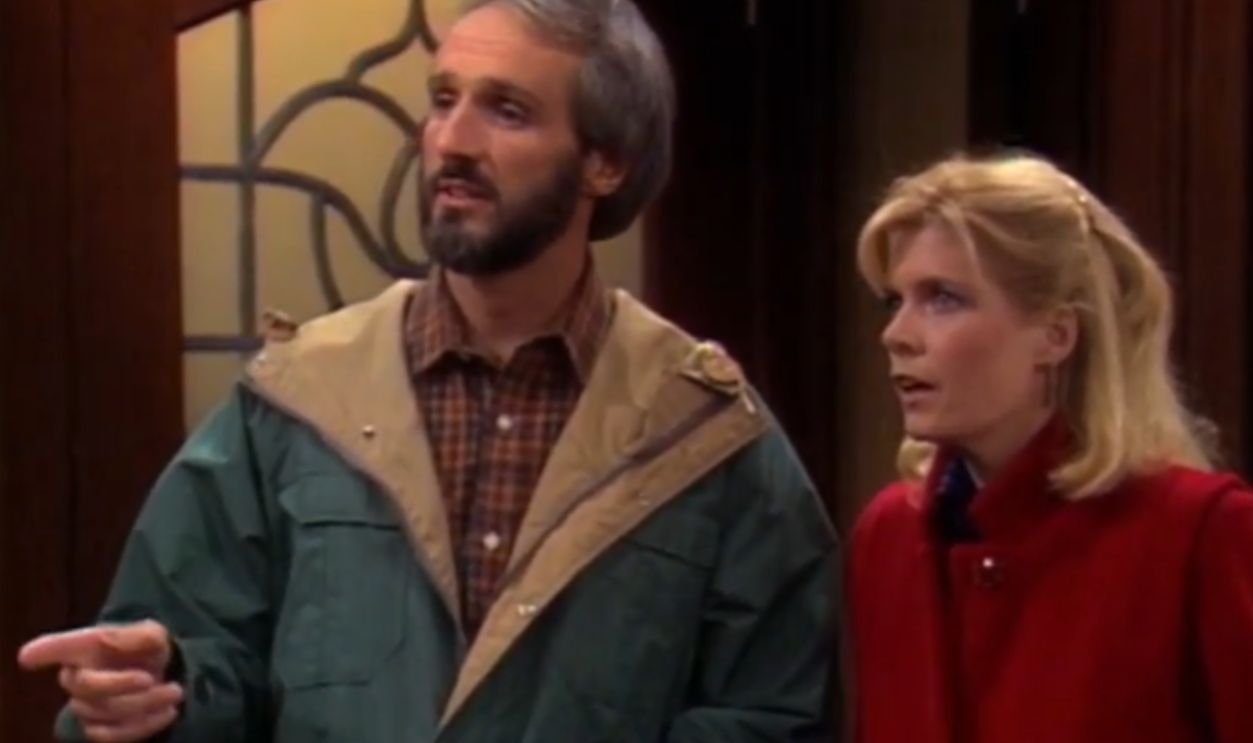
Seven Seasons Deepened The Illusion
Family Ties aired on NBC from 1982 to 1989 and produced roughly 175 episodes across seven seasons. Gross played Steven through the entire run, allowing the audience to watch him respond to changing children, careers, relationships, and cultural attitudes. Repetition did not flatten the character because Gross kept adjusting Steven as the family entered new stages.
 Screenshot from Family Ties, Paramount Domestic Television (1982–1989)
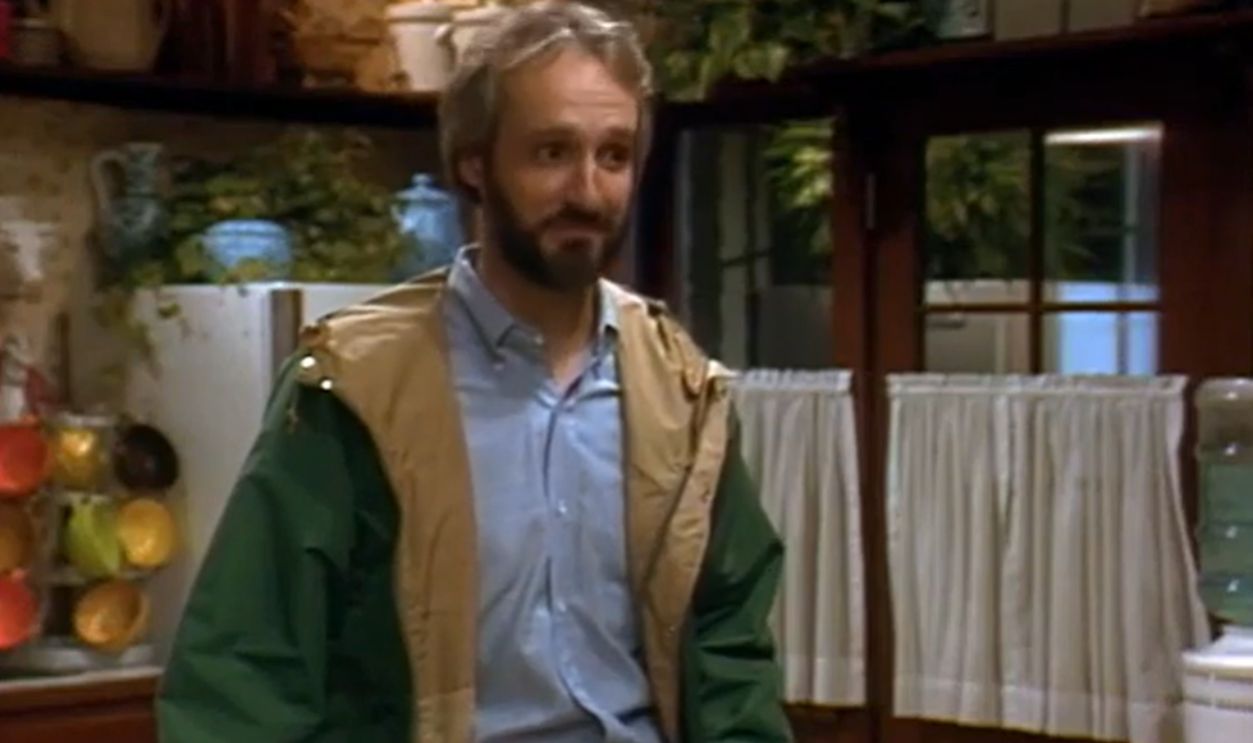
The Ending Came Before The Family Felt Exhausted
Gross later explained that actors on a successful series live with constant uncertainty about renewal until years have unexpectedly passed. By the end of Family Ties, Fox’s film career was expanding and the younger characters were naturally moving toward adulthood. Ending the show allowed the Keatons to remain a beloved family rather than stretching the premise until their original relationships no longer made sense.
 Screenshot from Family Ties, Paramount Domestic Television (1982–1989)
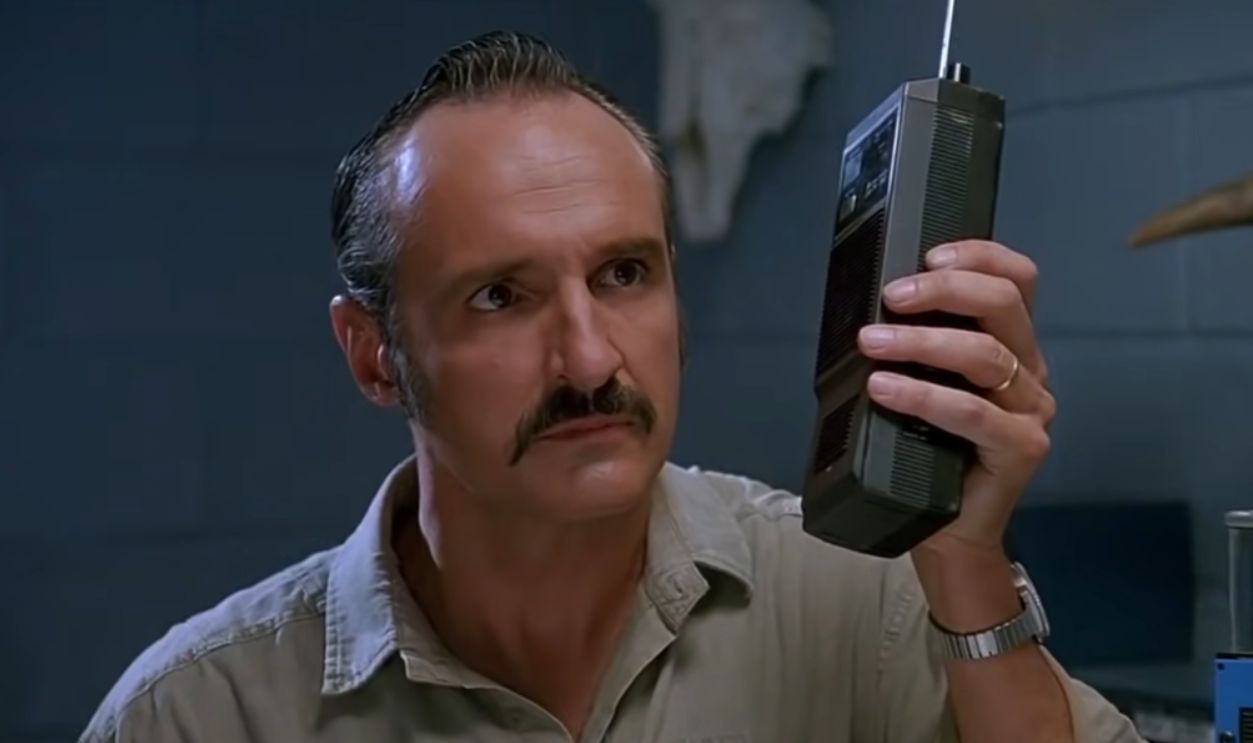
Tremors Revealed The Size Of His Range
One year after Family Ties ended, Gross appeared in Tremors as armed survivalist Burt Gummer. The paranoid, heavily equipped monster hunter looked and sounded almost nothing like the gentle public-television manager from Ohio. Gross continued playing Burt across films and a television series for decades, proving that Steven’s naturalism was an acting choice rather than the limit of his personality.
 Screenshot from Tremors, Universal Pictures (1990)
Steven Keaton Still Feels Like A Father
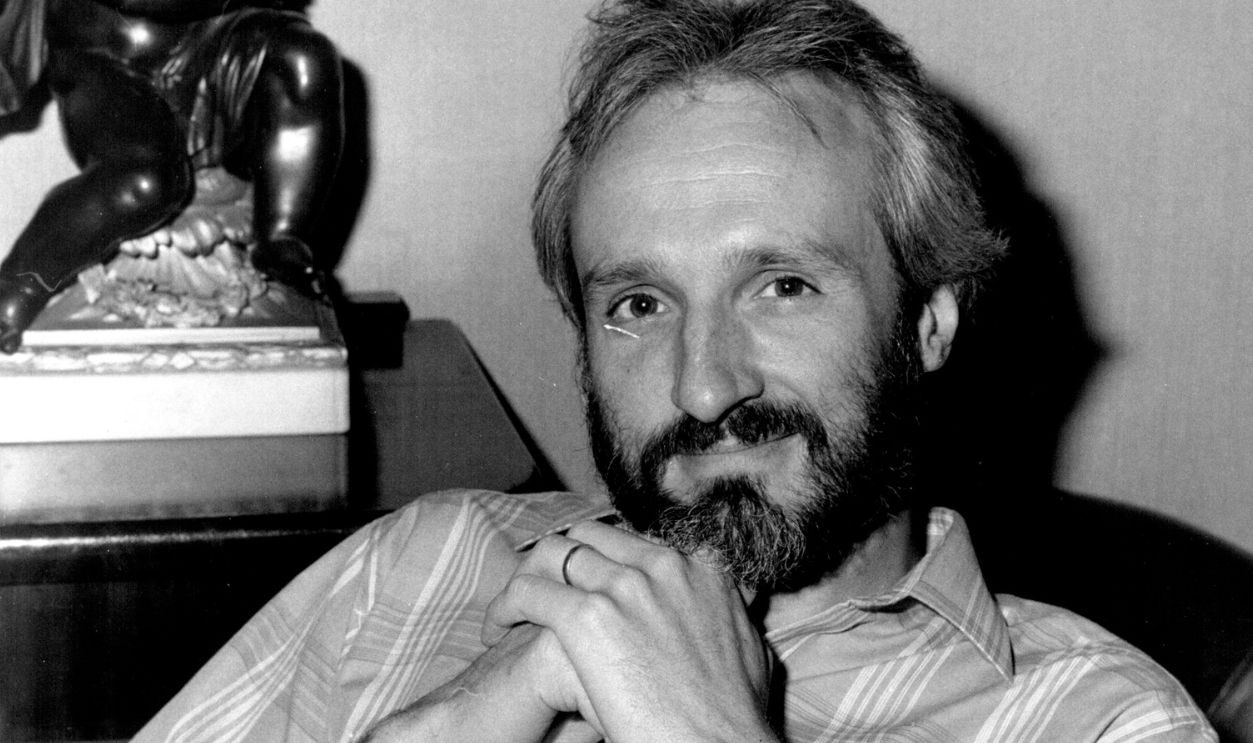
Gross made Steven believable by allowing strength and uncertainty to occupy the same scene. He could defend his values, comfort a frightened child, mishandle an argument, admit defeat, and return the next day still trying to do better. That imperfect consistency is why Steven Keaton remains less like a television archetype and more like somebody’s dad.
 Fairfax Media Archives, Getty Images
You May Also Like:
TV Shows From The 1980s That No One Remembers
Splendid TV Shows 80s Kids Still Talk About
The Most Stylish TV Cop Shows Ever Made
Sources: 1, 2, 3, 4, 5, 6, 7, 8, 9, 10, 11, 12, 13, 14, 15, 16, 17, 18