
2025 Goodbyes
2025 was one of those years that felt like a steady stream of bad news—icon after icon, voice after voice, presence after presence. Some were legends who’d been around forever. Others were gone far too soon. Either way, the cultural void they left behind was impossible to ignore.
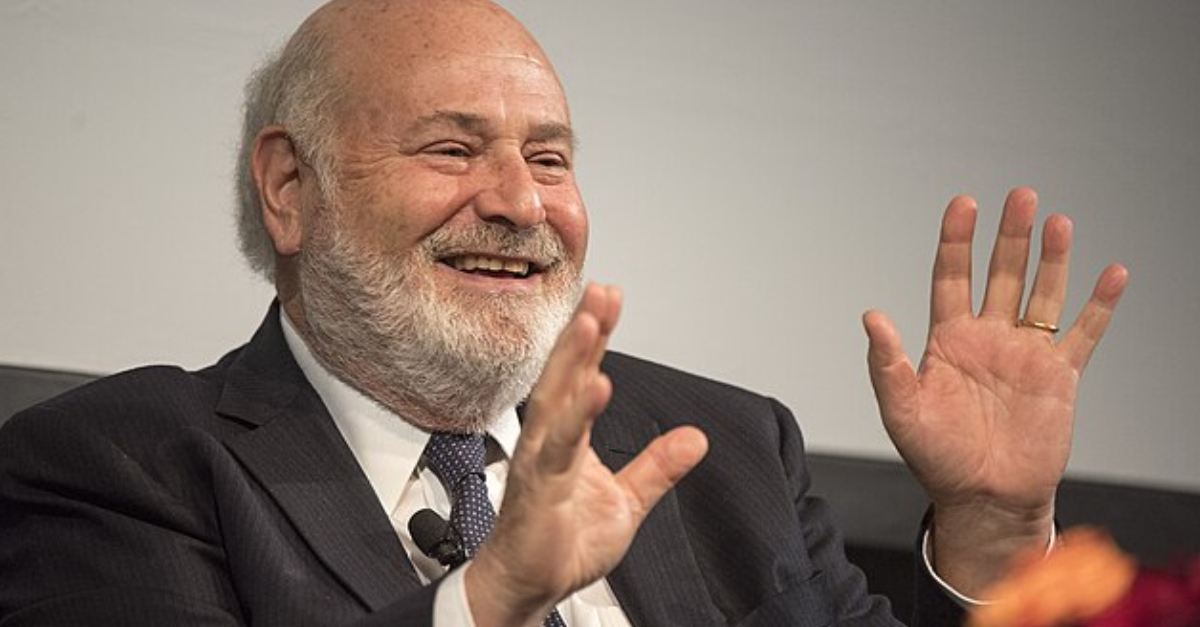
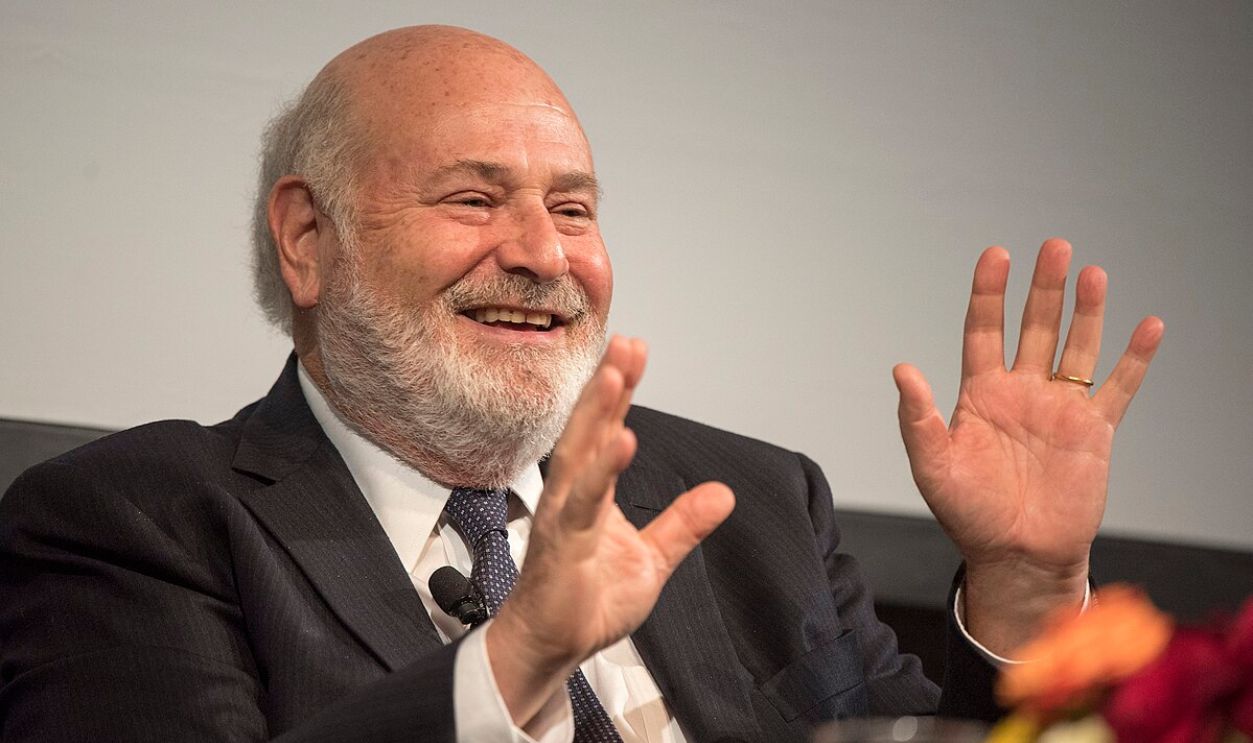
Rob Reiner
Rob Reiner’s career had range most people only dream of—actor, director, producer, and a pop-culture fixture for decades. From early television fame to directing massive classics, he shaped modern entertainment in ways that still ripple through film and TV today, influencing multiple generations of creators
Robert Redford
Redford wasn’t just a movie star—he represented an entire era. As both actor and director, he embodied old-school Hollywood while pushing the industry forward through independent film and the Sundance legacy. Even people who didn’t closely follow his work understood what he stood for culturally.
 Silver Screen Collection, Getty Images
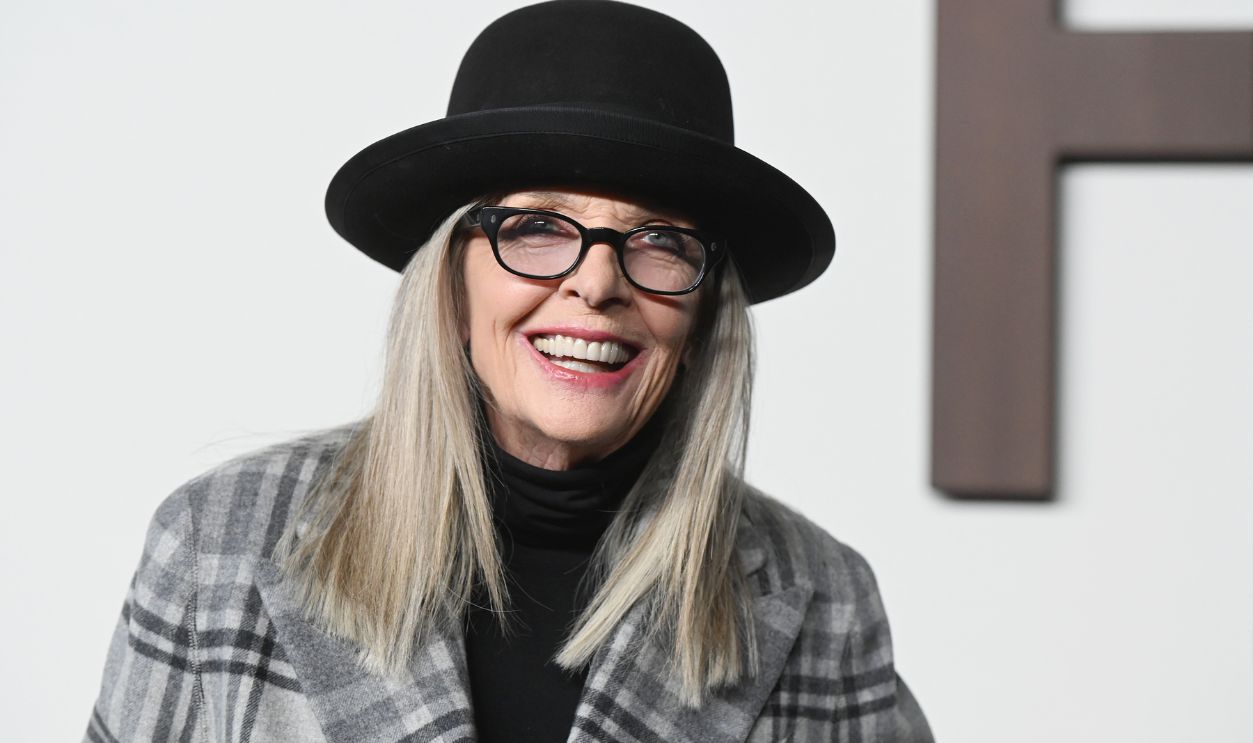
Diane Keaton
Keaton had that rare quality where her personality never felt like an act—awkward, sharp, stylish, hilarious, and quietly devastating when needed. She moved from classic roles into later-career hits without ever feeling dated, out of touch, or reliant on nostalgia.
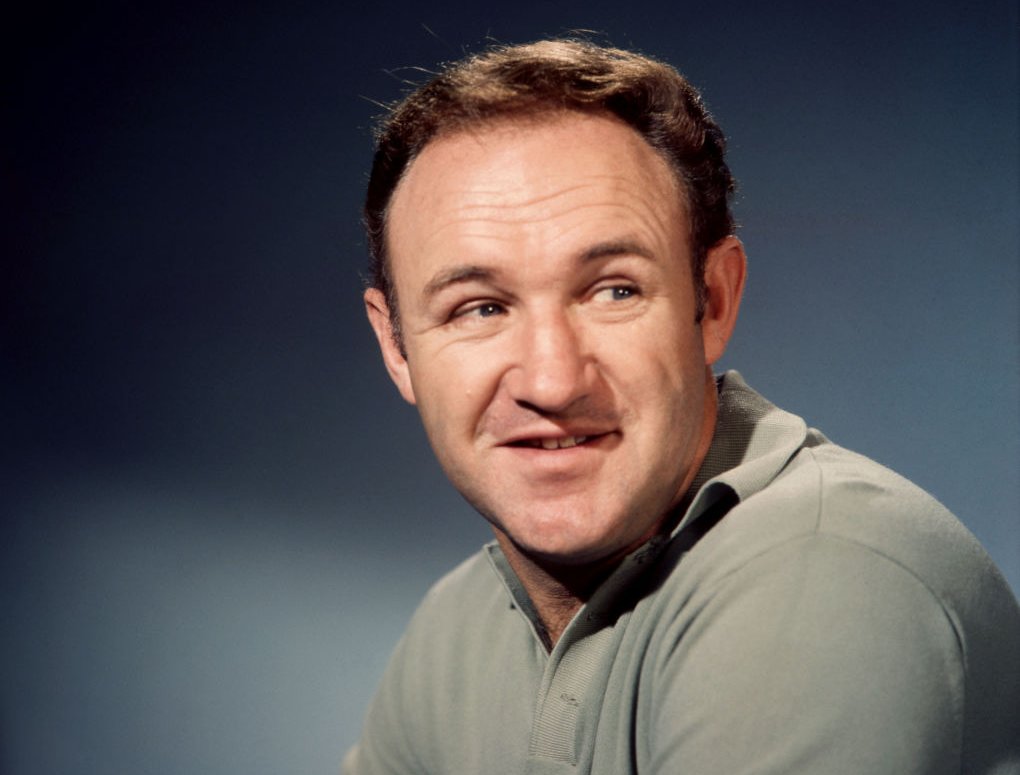
Gene Hackman
Hackman made intensity look effortless. He could play menace, authority, desperation, or quiet charm—sometimes all in the same film. He didn’t need grand speeches to dominate scenes, relying instead on presence, timing, and complete control of his performances.
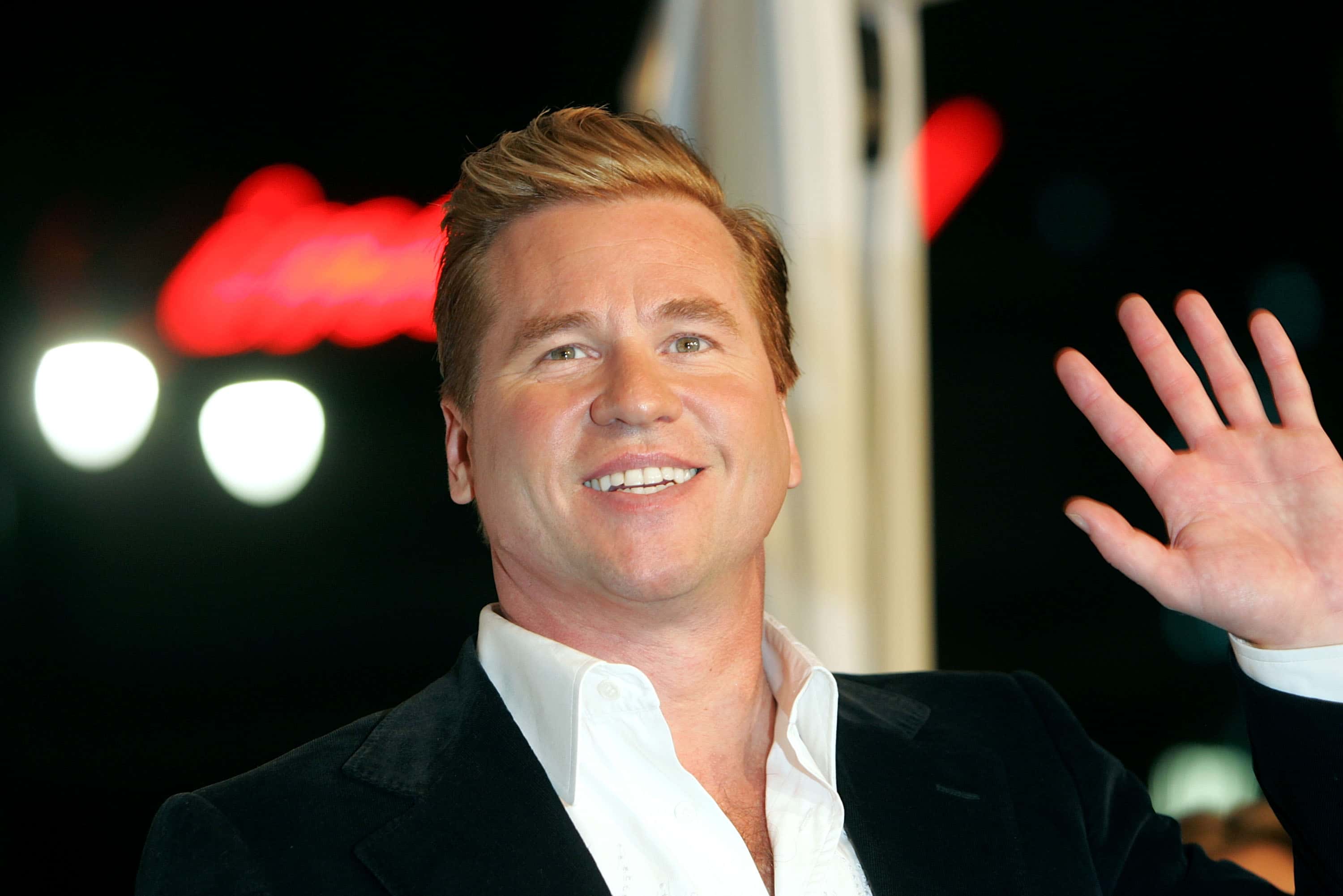
Val Kilmer
Kilmer’s career was fearless and unpredictable. He could be magnetic, eccentric, or deeply serious depending on the role, always fully committed. Even as health struggles reshaped his later years, admiration for his talent and dedication never truly faded.
Michelle Trachtenberg
Trachtenberg’s death hit especially hard because so many people felt like they grew up with her. She wasn’t just a former child star—she became a recognizable presence across multiple TV eras. The loss felt sudden, shocking, and deeply unfair.

Malcolm-Jamal Warner
For many viewers, Warner was permanently part of family television history. Beyond that iconic role, he built a steady career with real longevity. His passing felt like losing someone familiar—someone who’d quietly been present in living rooms for decades.
 Sean Coon (spcoon), Wikimedia Commons
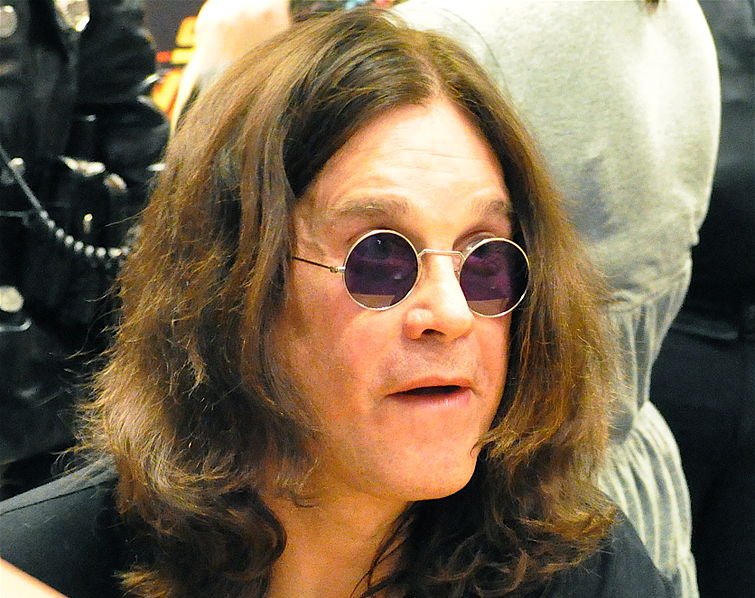
Ozzy Osbourne
Ozzy helped define heavy metal’s entire DNA—dark, theatrical, loud, and wildly charismatic. His influence stretched far beyond one band or decade. Entire generations of musicians built careers in a world he helped create and normalize.
 Kevin Burkett, Wikimedia Commons
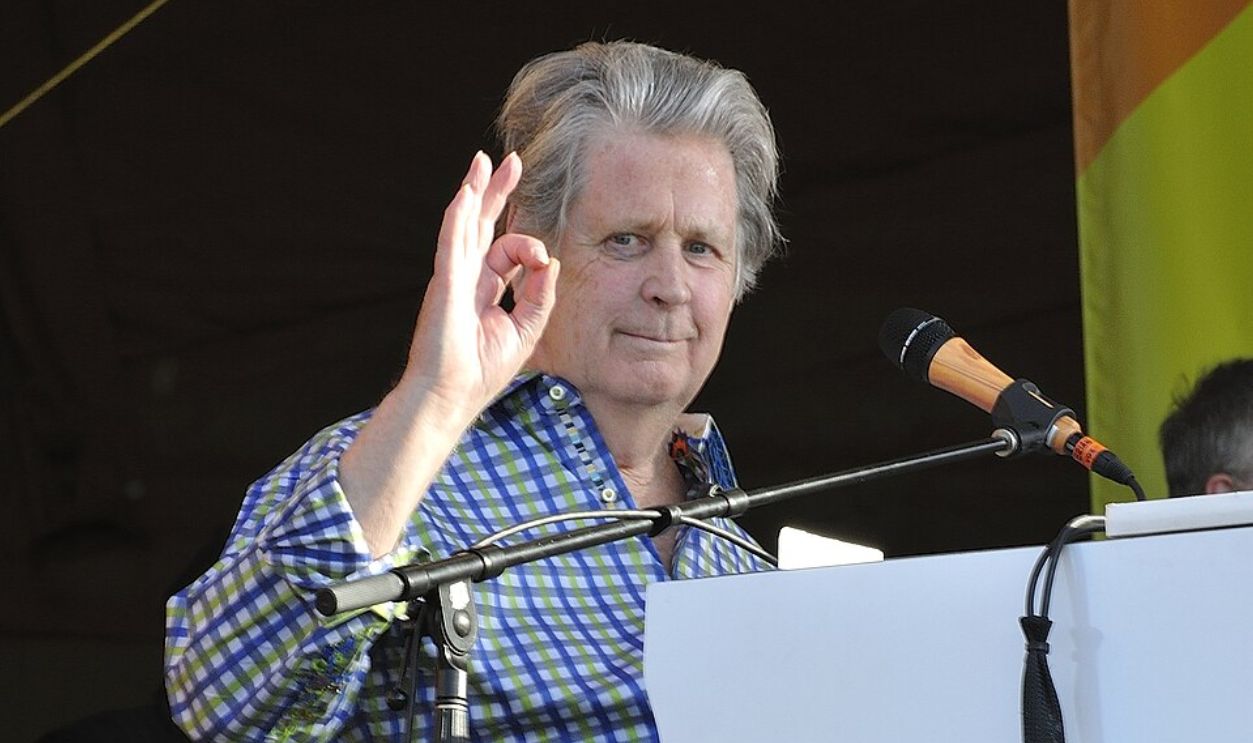
Brian Wilson
Wilson wasn’t just a songwriter—he was a musical architect. His harmonies, ambition, and emotional complexity reshaped pop music. Even listeners unfamiliar with his catalog have heard his influence echoed throughout decades of modern recording.
 Takahiro Kyono, CC BY 2.0, Wikimedia Commons
D’Angelo
D’Angelo didn’t just make hits—he shaped the sound of neo-soul. His music felt intimate, layered, and deeply human, influencing an entire generation of R&B artists. His death felt like losing an artist who still had more to say creatively.

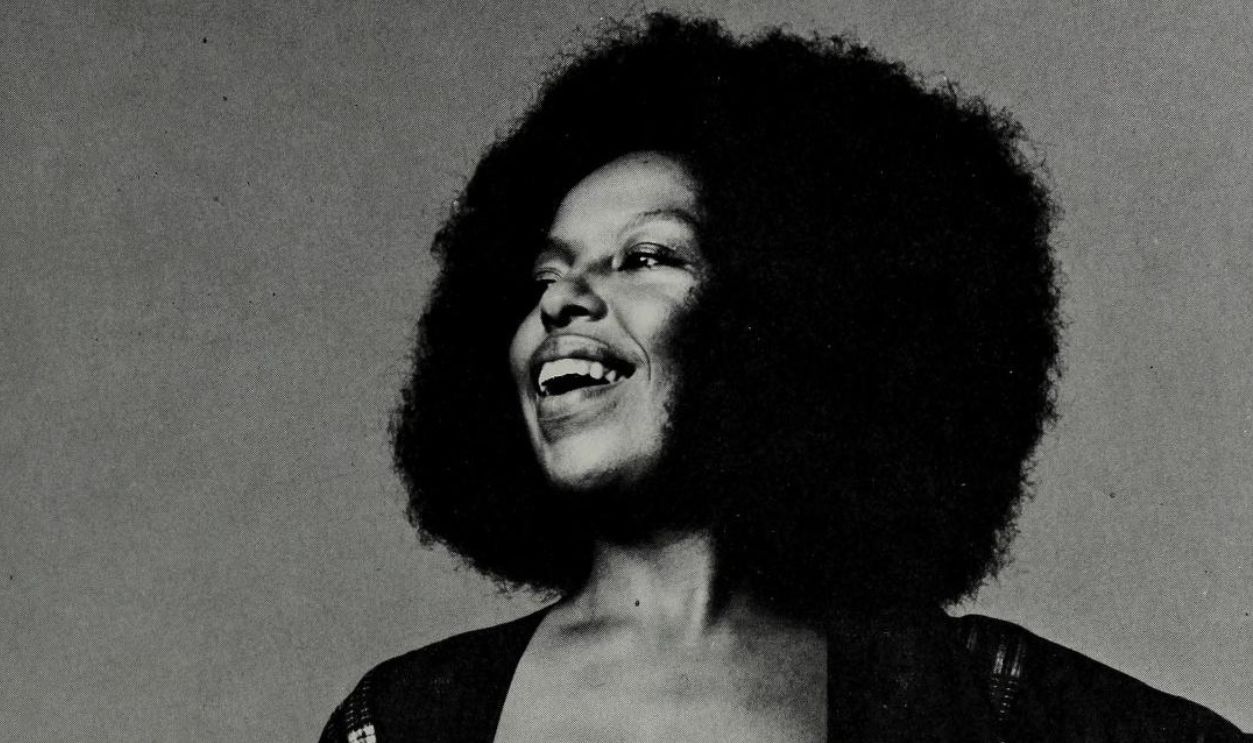
Roberta Flack
Flack’s voice didn’t rely on power to be devastating. She sang with restraint, control, and quiet intensity, making every word land harder. Her recordings became timeless because they felt personal rather than performative or overly polished.
 Atlantic Records, Wikimedia Commons
Sly Stone
Sly Stone’s influence is so embedded in modern music that it’s easy to forget how revolutionary it once was. He blurred genre lines before it was common, laying groundwork that funk, soul, and pop artists still rely on today.
 Chris Hakkens, Wikimedia Commons
Connie Francis
Francis was an old-school pop giant whose voice instantly transported listeners to another era. With massive crossover success and enduring popularity, her passing felt like the closing of a major chapter in American popular music history.
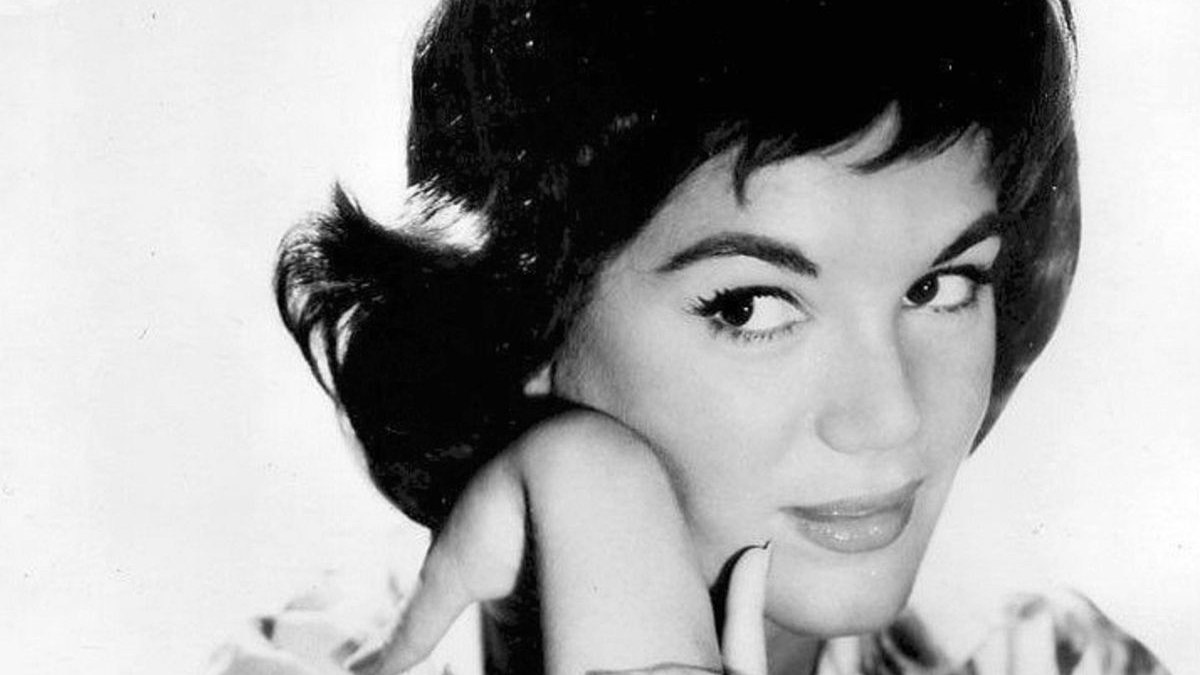 ABC Television, Wikimedia Commons
Peter Yarrow
As one-third of Peter, Paul and Mary, Yarrow helped define the folk era and the belief that music could also be activism. His songs became cultural touchstones, remembered as much for meaning as for melody.
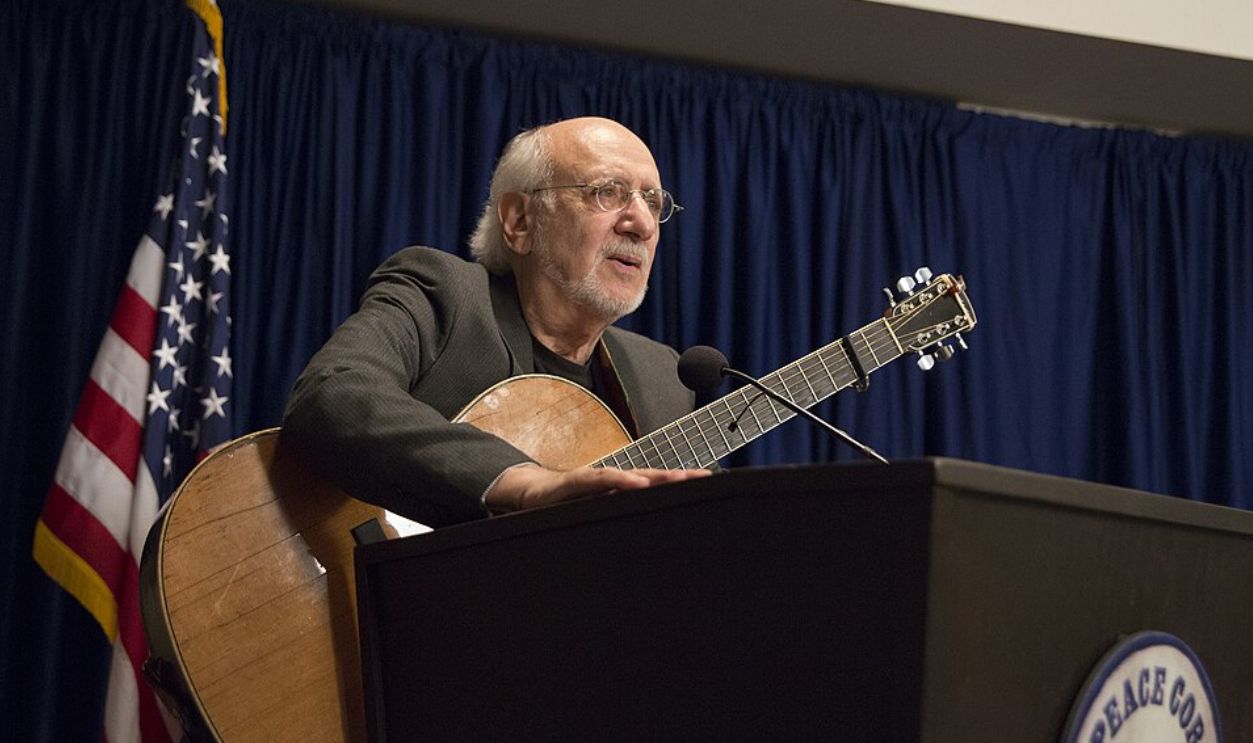 Peace Corps, Wikimedia Commons
Anne Burrell
Burrell brought big personality to food television without ever feeling manufactured. She taught, competed, mentored, and made cooking feel approachable. Fans connected with her because she felt genuine, energetic, and unapologetically herself on screen.
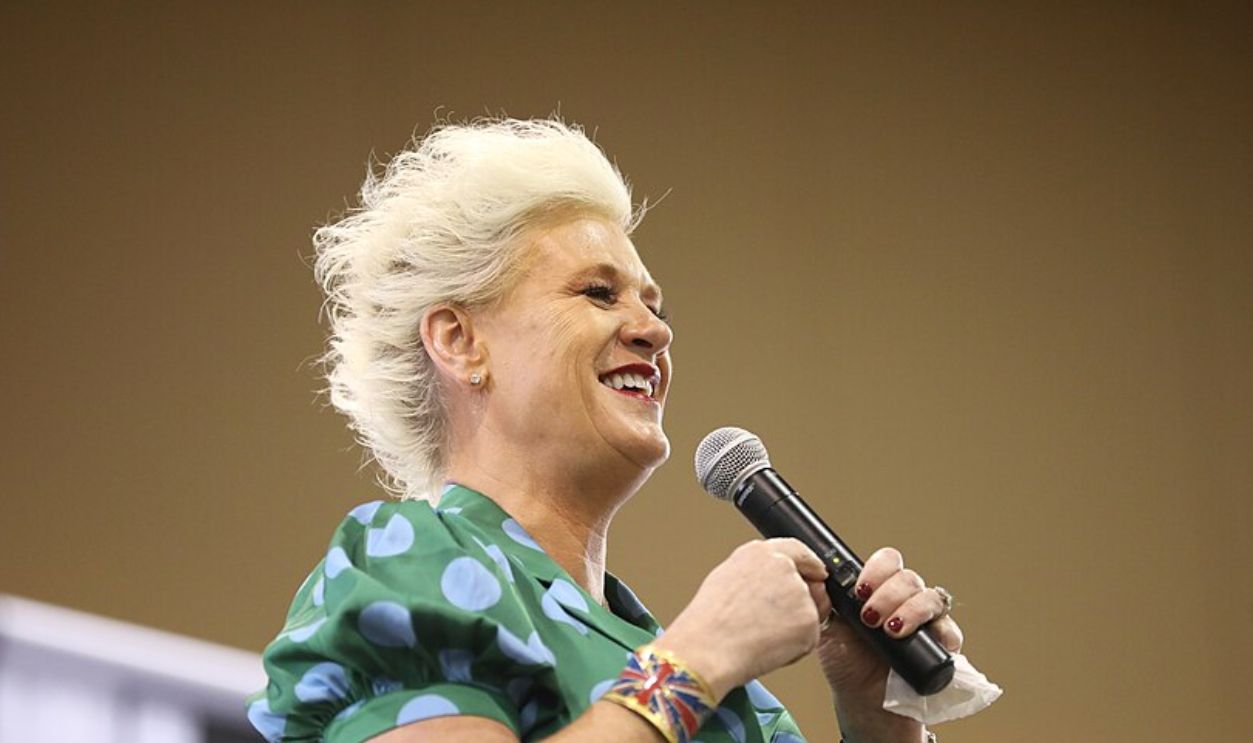 Gage Skidmore, CC BY-SA 2.0, Wikimedia Commons
Isiah Whitlock Jr.
Whitlock had a presence that made scenes feel fuller simply by being in them. While many fans associate him with The Wire, his work extended well beyond one role, always grounded, expressive, and memorable.
 Slick-o-bot, Wikimedia Commons
Anthony Geary
Geary wasn’t just a soap star—he was soap history. His work helped define daytime television’s peak era, turning long-running storylines into cultural moments audiences followed for decades.
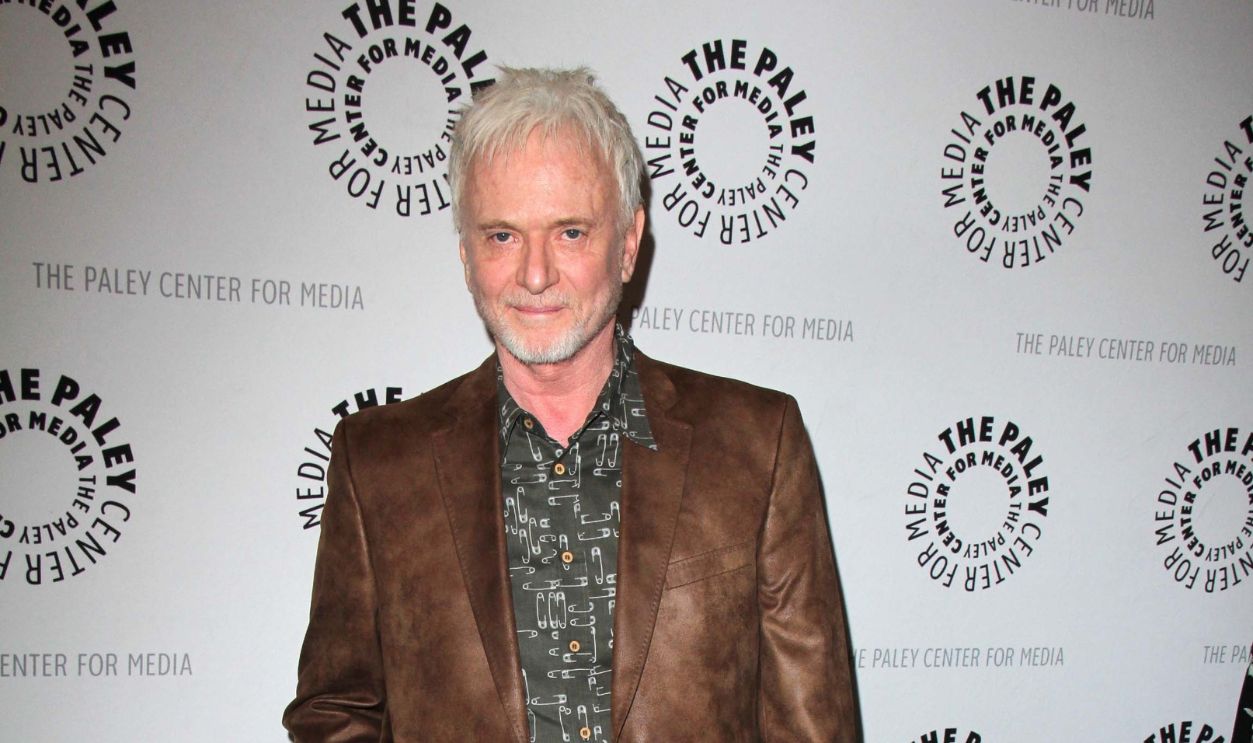
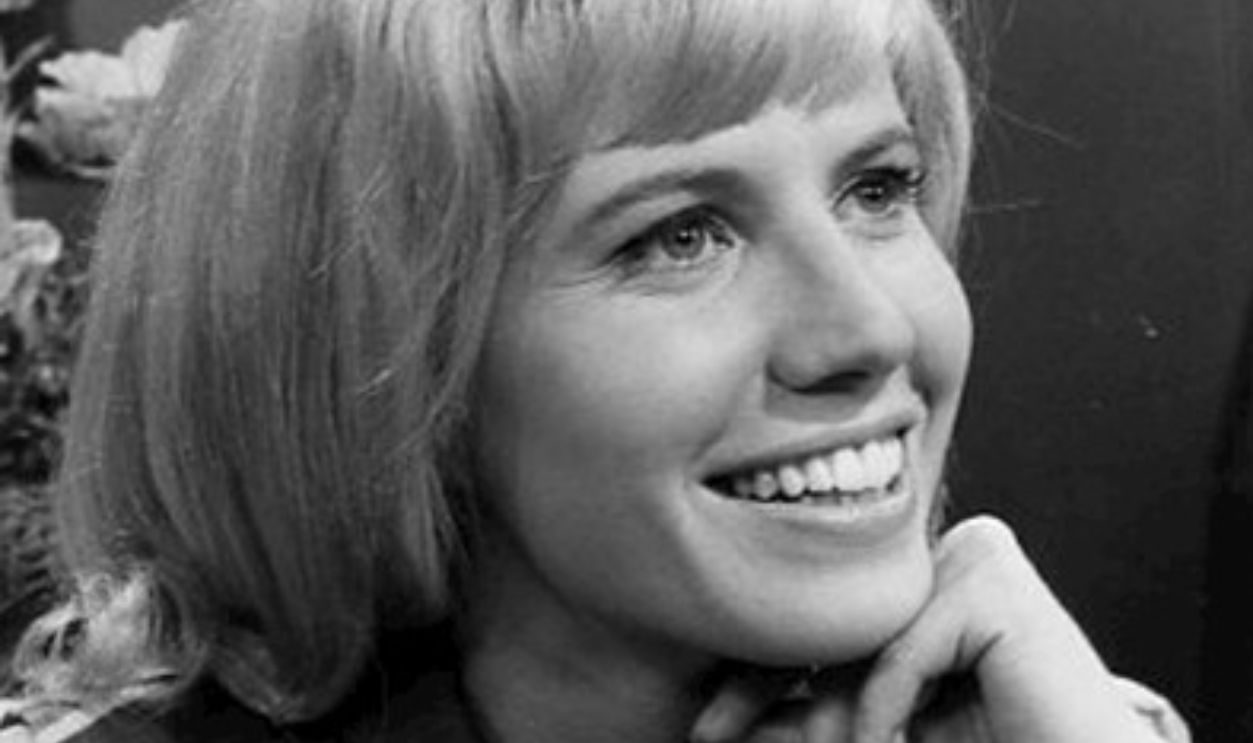
Leslie Charleson
Charleson spent decades as a constant presence on General Hospital. Soap audiences build long relationships with performers, and her passing felt like losing someone who’d always been there, even quietly in the background.
 CBS Television, Wikimedia Commons
Jean Marsh
Marsh helped shape prestige period television long before it became a streaming staple. As both creator and star, her influence on storytelling—especially in British television—was foundational and widely acknowledged.
 ABC Television, Wikimedia Commons
Ruth Buzzi
Buzzi represented classic television comedy at its sharpest. Her work relied on timing, physicality, and instantly recognizable characters that made her a staple of sketch comedy’s golden era.
 John Mathew Smith & www.celebrity-photos.com from Laurel Maryland, USA, Wikimedia Commons
Priscilla Pointer
Pointer worked steadily across stage, film, and television for decades, often grounding scenes with realism and warmth. Reaching 100 years old was remarkable—but so was her sustained career in entertainment.
 Lincoln Center Repertory Theater/photo-Martha Swope, New York, Wikimedia Commons
Roy Thomas Baker
Baker was one of the rare producers whose name mattered because the records he shaped became permanent. His work helped define some of rock’s biggest sounds, making his loss deeply felt among musicians and fans.

Elle Simone Scott
Scott became a meaningful presence in food media through her work with America’s Test Kitchen and beyond. She was also known for mentorship and representation, making her death at 49 especially painful.

Pat Finn
Finn was the definition of a familiar face—an actor you’d seen everywhere even if you never knew his name. His warmth and humor helped make television feel lived-in and authentic.

Richard Dimitri
Dimitri’s career spanned character acting, comedy, and sitcom creation. He worked steadily behind and in front of the camera, quietly shaping entertainment without ever chasing the spotlight.
 ABC Television, Wikimedia Commons
Kim Woodburn
Woodburn became a television icon by turning cleaning into entertainment through sheer force of personality. Blunt, funny, and impossible to ignore, she built a loyal following by never pretending to be anything else.

Gloria Romero
Romero was celebrated as a pillar of Philippine cinema, with a career that spanned generations. She wasn’t just famous—she was respected, treated as a cultural institution in her own right.
 Film Development Council of the Philippines, Wikimedia Commons
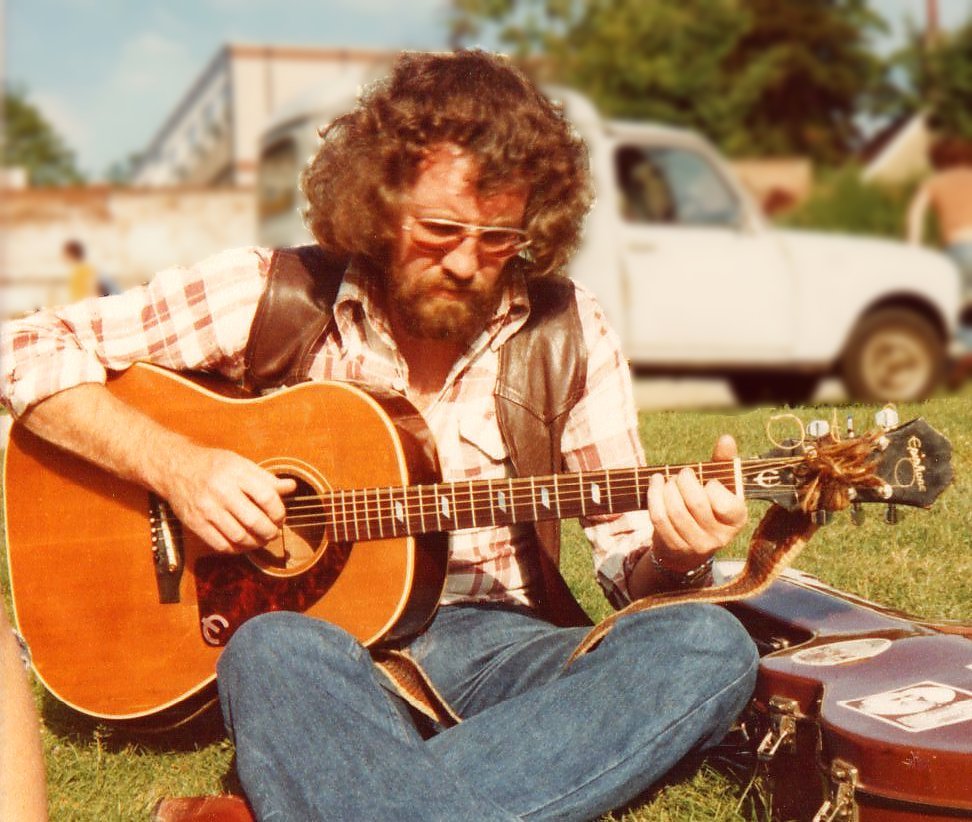
Wizz Jones
Jones was a quiet legend in folk and guitar circles, influencing musicians who later achieved far greater fame. His death felt like losing one of those behind-the-scenes figures who shaped a sound from the inside.
 Tony 1212, CC BY-SA 4.0 , Wikimedia Commons
The Vivienne
The Vivienne brought wit, star power, and real performance chops to the drag world. Her death at 32 shocked fans because it felt like a life—and career—cut far too short.
 Polar bear garlic bread, Wikimedia Commons
Jiggly Caliente
Jiggly was beloved for her humor, warmth, and openness. Her presence meant something beyond television, especially within the drag community, where her loss was felt deeply and personally.
 Patrick Finnegan from Lafayette, IN, USA, Wikimedia Commons
Barbie Hsu
Hsu was a defining pop-culture figure across Asia, especially for audiences who grew up with her television work. Her passing showed just how global celebrity grief can be.
 Ding Yuin Shan, Wikimedia Commons
Tatiana Schlossberg
Schlossberg was a journalist, author, and member of a famous political family. Her death at 35 felt brutally premature and served as a reminder that visibility offers no protection from tragedy.
 U.S. Embassy London, Wikimedia Commons
Sean Swayze
Often mentioned in the shadow of his brother Patrick, Sean Swayze had his own place within Hollywood’s orbit. His passing marked another loss in a family long familiar with public grief.

Wayne Osmond
As a member of the Osmond family, Wayne Osmond helped define a specific era of American pop fame. Even casual listeners recognized the name, making his passing quietly significant.
 MGM Records, Wikimedia Commons
Andrew Pyper
Pyper was a bestselling thriller author with a loyal readership and a reputation for evolving his craft. His death at 56 shocked fans who felt he still had much more to write.
 Dan Harasymchuk, Wikimedia Commons
You Might Also Like:


_(cropped).jpg)


.jpg)
.jpg)


