Television Crime Has Never Looked Better
Crime shows have always delivered action and suspense, but the very best also had serious style. Whether it was sharp suits, iconic cars, unforgettable music, or instantly recognizable cities, these series made fighting crime look cooler than ever. They proved great television is as much about atmosphere as solving the case.
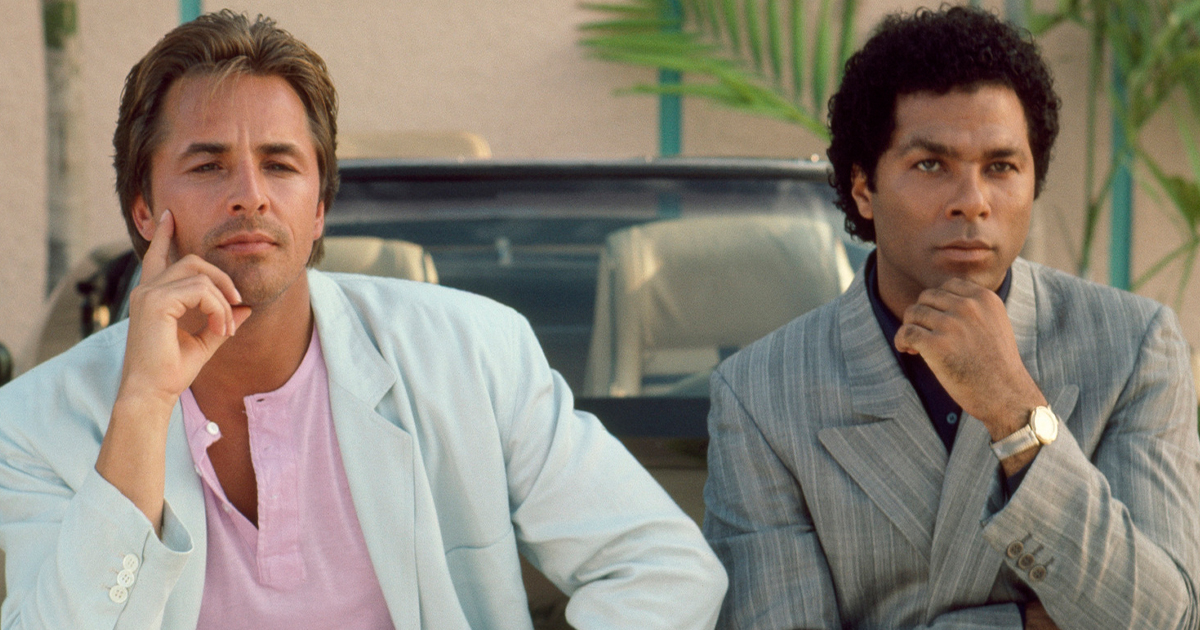
 Screenshot from Miami Vice, Universal Television (1984-1990)
Peter Gunn
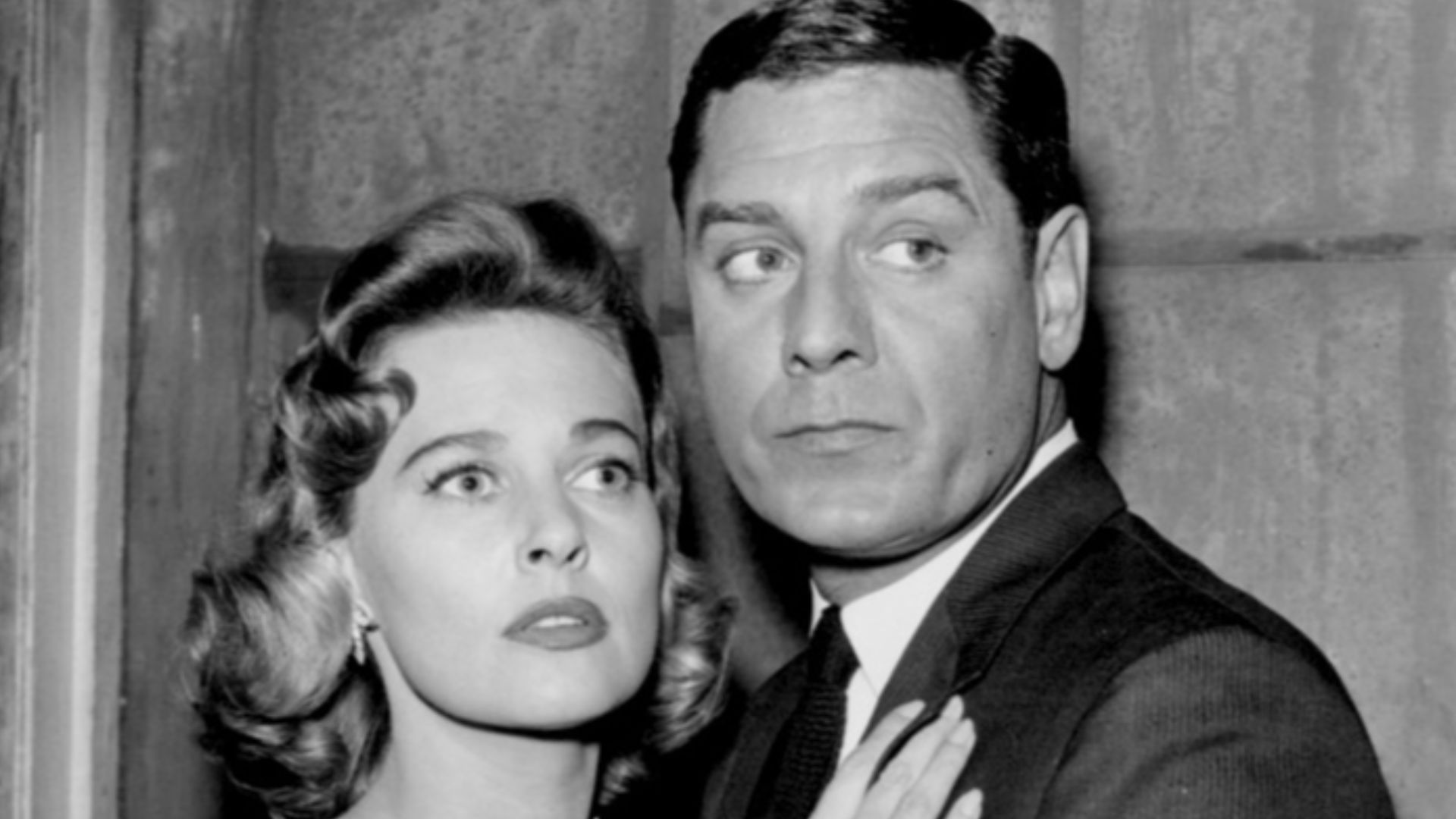
Few television detectives entered a room with more effortless confidence than Peter Gunn. Craig Stevens played the sophisticated private investigator, while Henry Mancini’s jazz score gave the series a rhythm unlike anything else on television in the late 1950s. Its shadowy photography, stylish nightclubs, and cool musical identity helped establish a visual language that later crime shows repeatedly borrowed.
 NBC Television, Wikimedia Commons
Hawaii Five-O
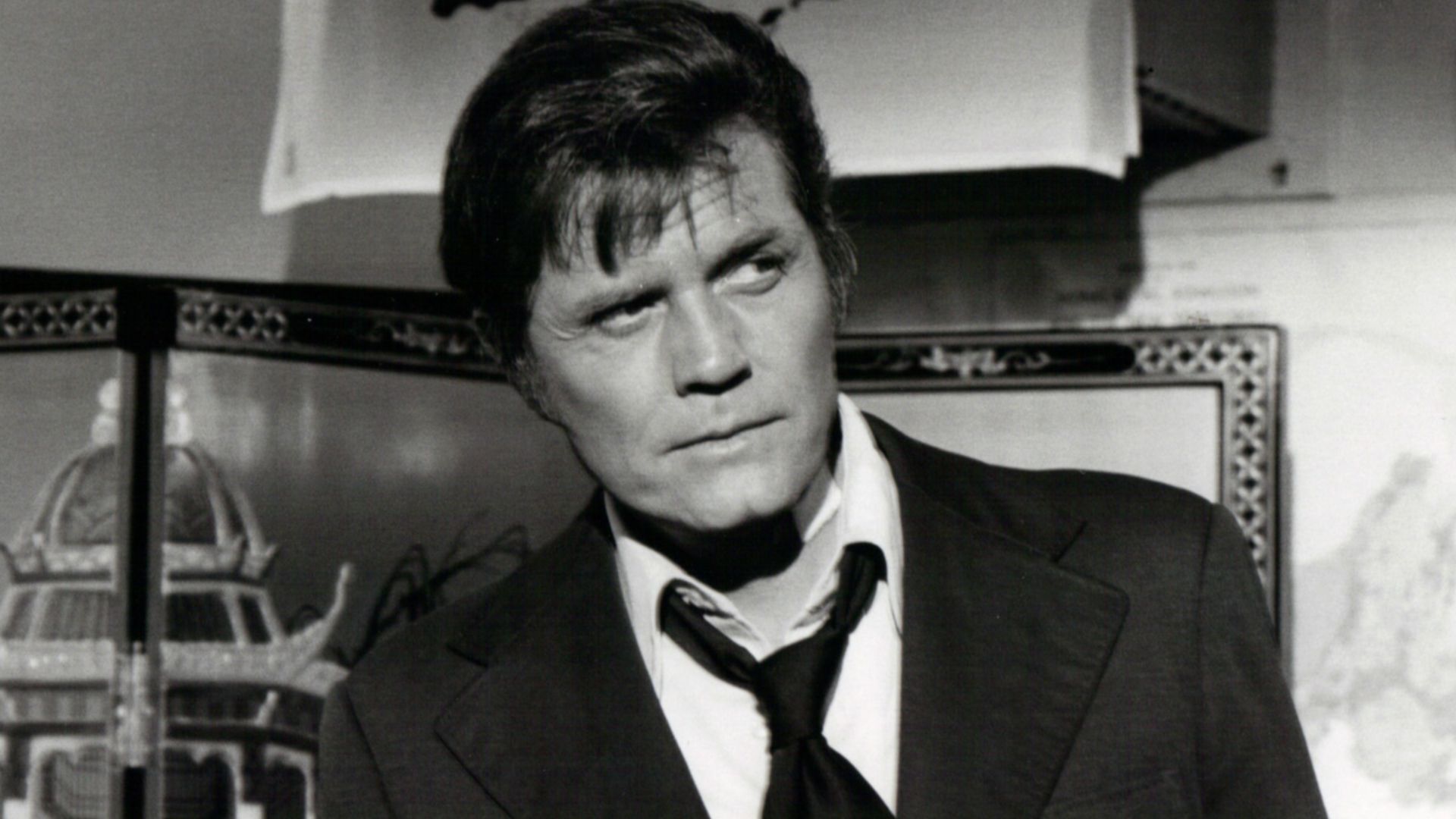
Jack Lord’s Steve McGarrett brought immaculate suits and commanding authority to the Hawaiian islands. The original Hawaii Five-O used dramatic landscapes, sweeping location footage, and Morton Stevens’ famous theme music to create a police show that felt larger than life. McGarrett rarely looked unsettled, even when pursuing criminals through some of television’s most beautiful scenery.
 CBS Television, Wikimedia Commons
The Mod Squad
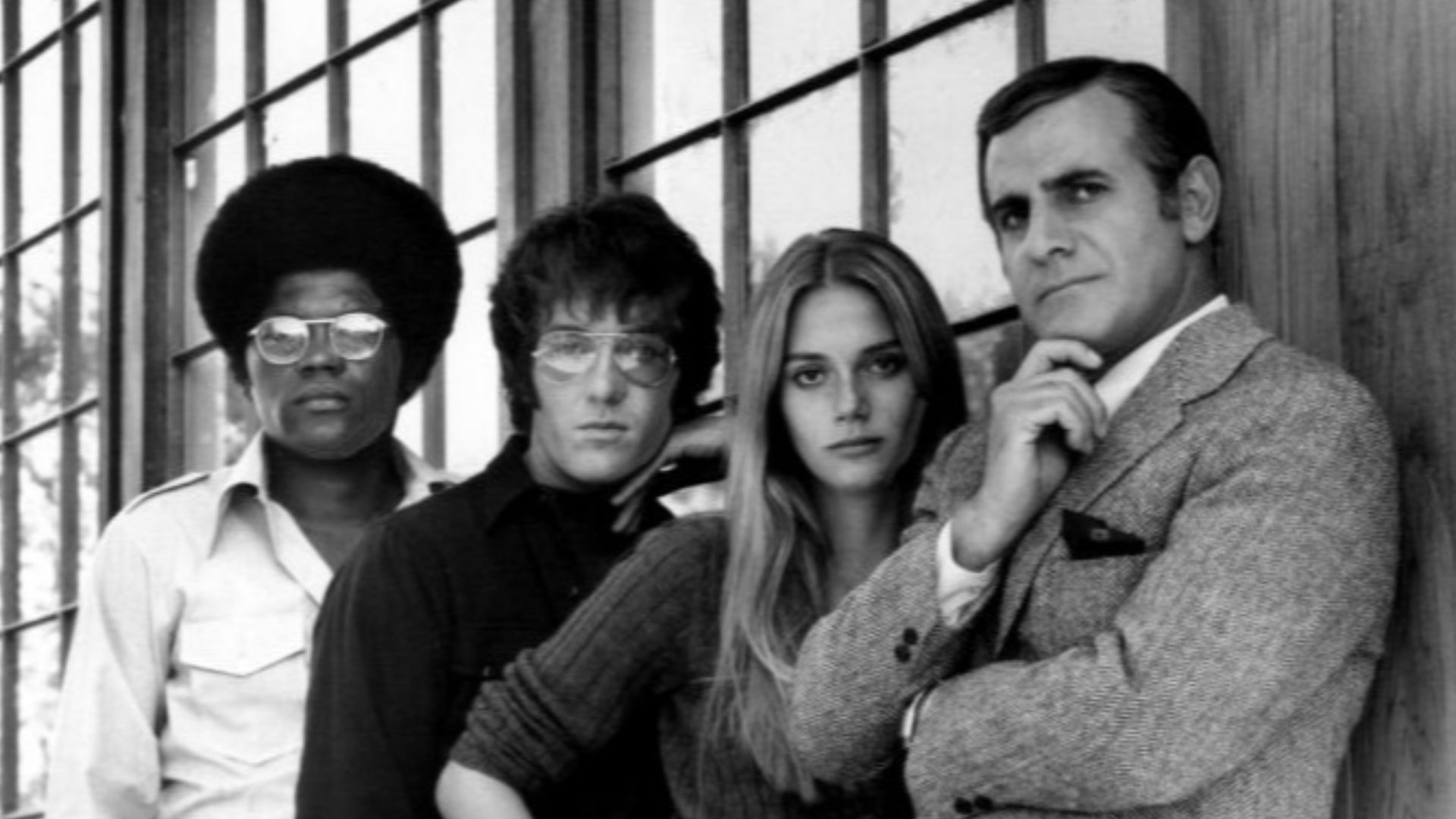
The Mod Squad arrived in 1968 with three young undercover officers who looked nothing like traditional television cops. Julie Barnes, Linc Hayes, and Pete Cochran wore contemporary clothes and moved comfortably through the era’s counterculture. The show’s fashionable cast and socially conscious stories helped make police television feel younger, looser, and more connected to the changing world.
 ABC Television, Wikimedia Commons
The Streets Of San Francisco
The Streets of San Francisco used its setting as far more than a convenient backdrop. Karl Malden and Michael Douglas pursued suspects through steep streets, crowded neighborhoods, docks, and instantly recognizable landmarks. The frequent location filming gave the series a kinetic energy that studio-bound police dramas could not easily match.
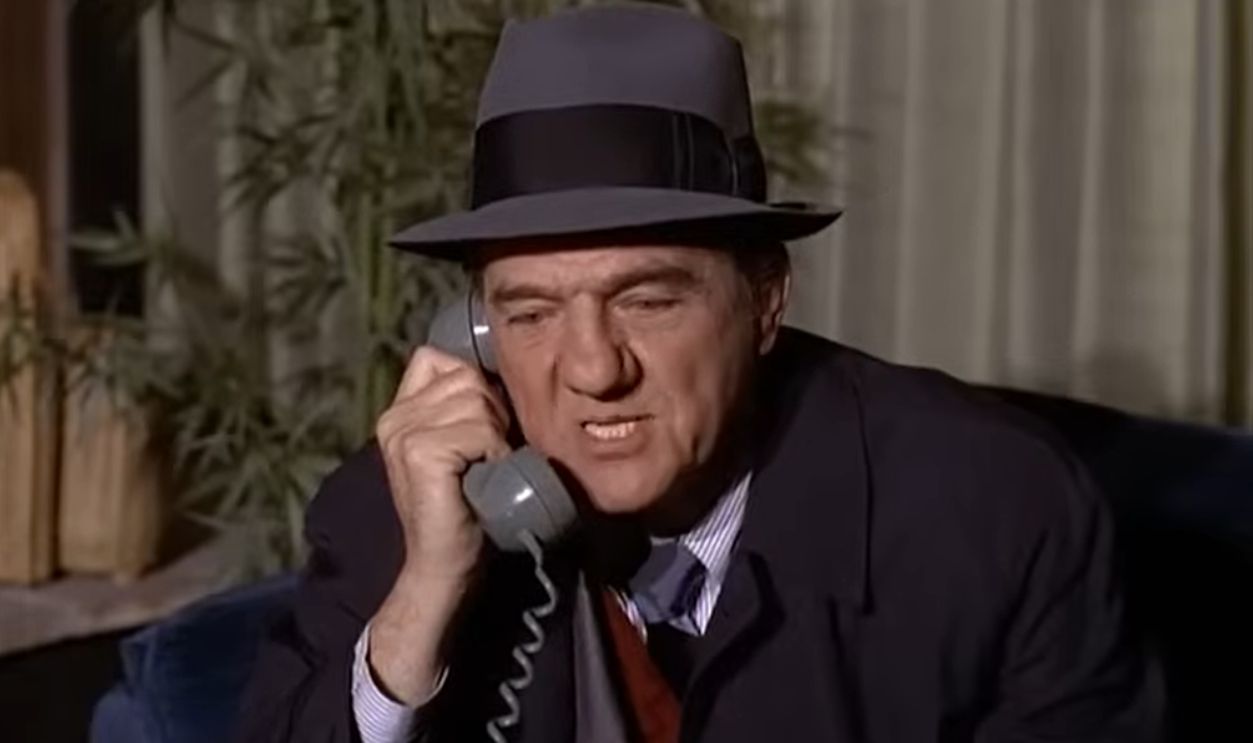 Screenshot from The Streets of San Francisco, ABC (1972–1977)
Kojak
Telly Savalas turned Lieutenant Theo Kojak into one of the most recognizable television detectives of the 1970s. His tailored suits, confident swagger, lollipops, and sharp dialogue gave the character an instantly identifiable style. Kojak looked completely at home in gritty New York precincts, crowded streets, and dimly lit interrogation rooms.
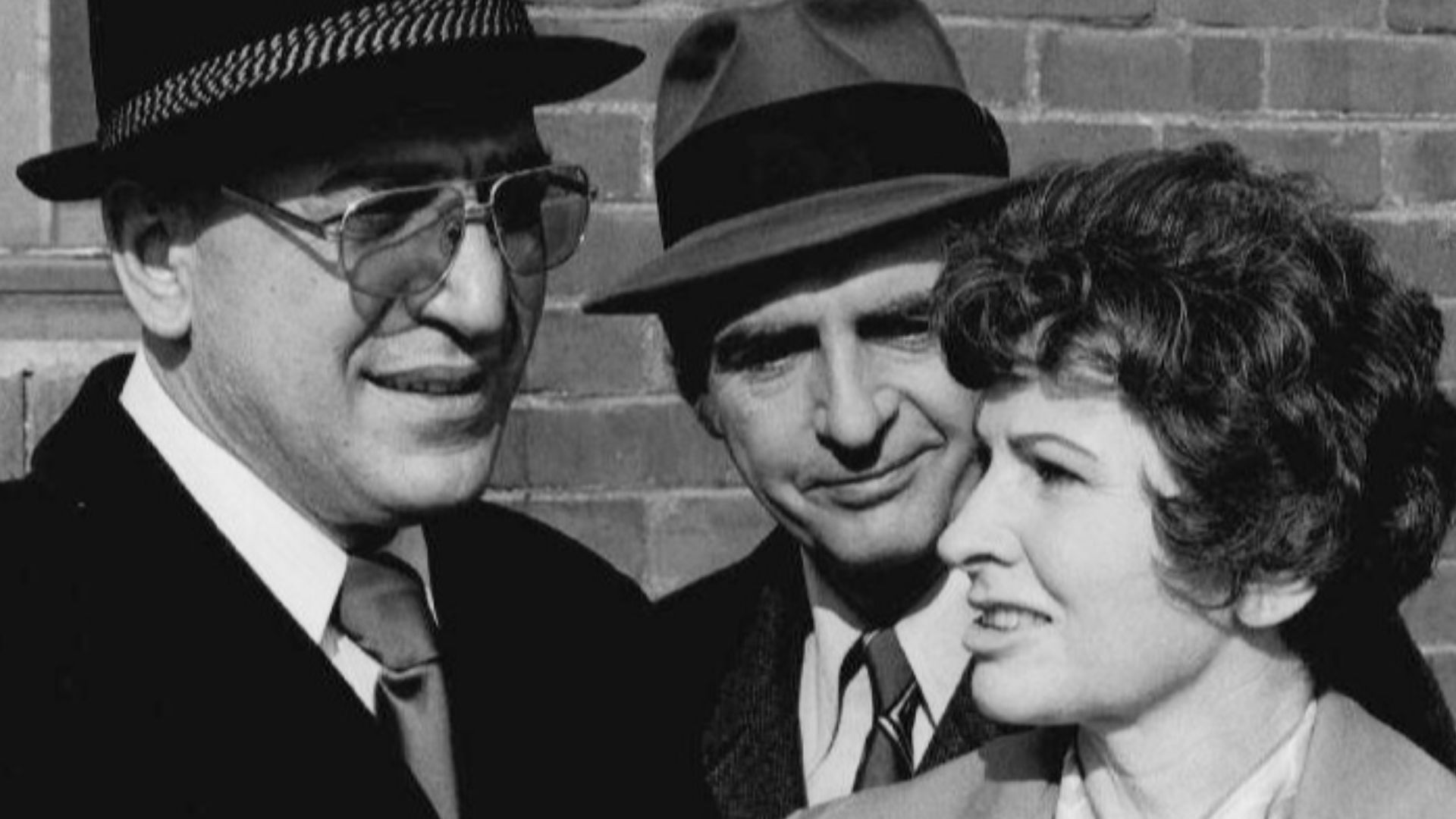 CBS Television, Wikimedia Commons
Police Woman
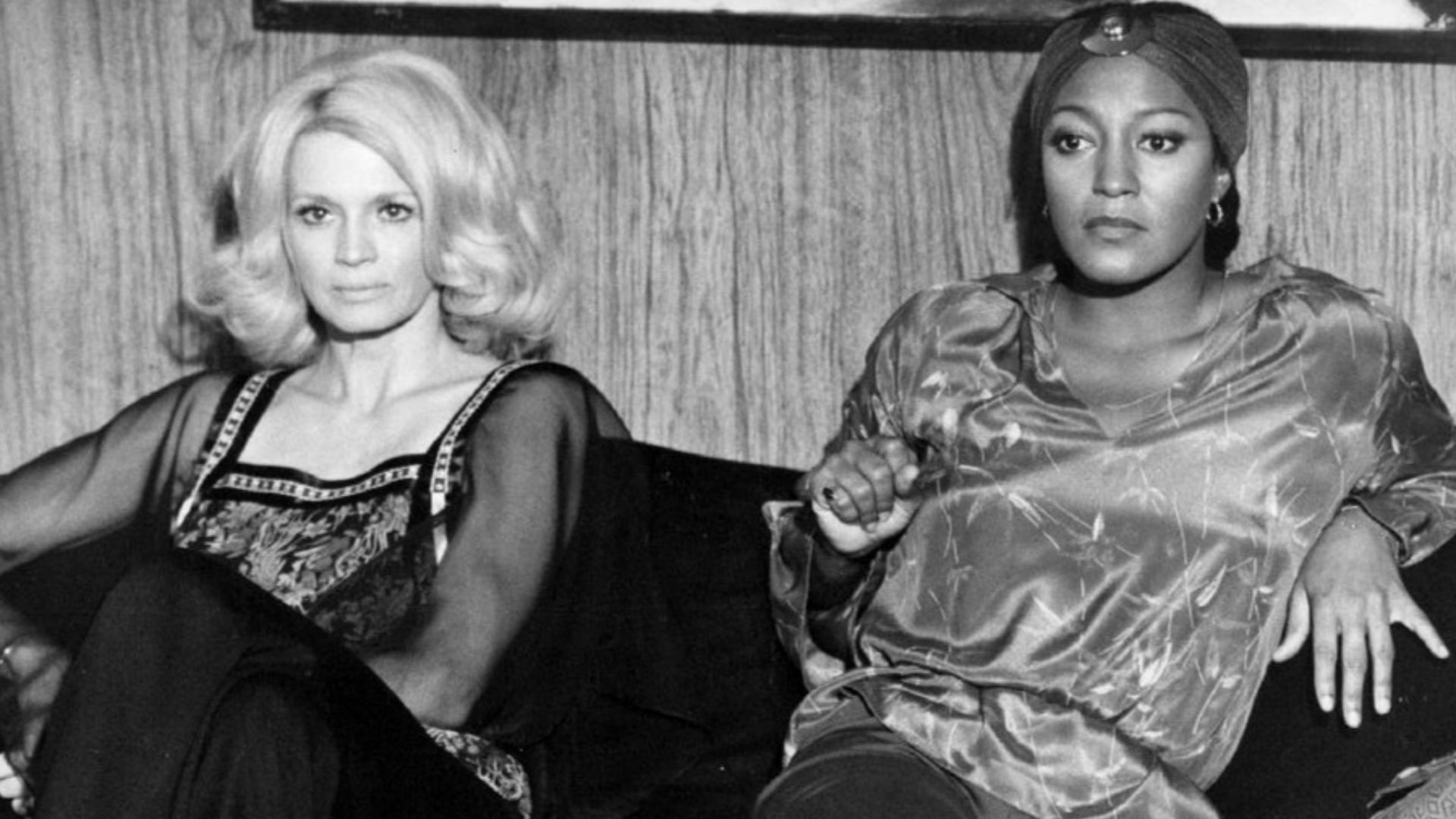
Angie Dickinson starred as Sergeant Pepper Anderson, an undercover officer with the Los Angeles Police Department. Her assignments required frequent changes in clothing and identity, allowing Police Woman to mix police procedure with glamorous disguises and fashionable 1970s wardrobes. Dickinson’s presence helped make the series one of the first successful hour-long American dramas built around a female lead.
Starsky And Hutch
David Starsky and Kenneth Hutchinson were memorable detectives, but their red Ford Gran Torino often stole the scene. The contrasting personalities and wardrobes of Paul Michael Glaser and David Soul gave the partnership an easygoing visual chemistry. Car chases, street clothes, and California locations made the show feel closer to youth culture than many earlier police dramas.
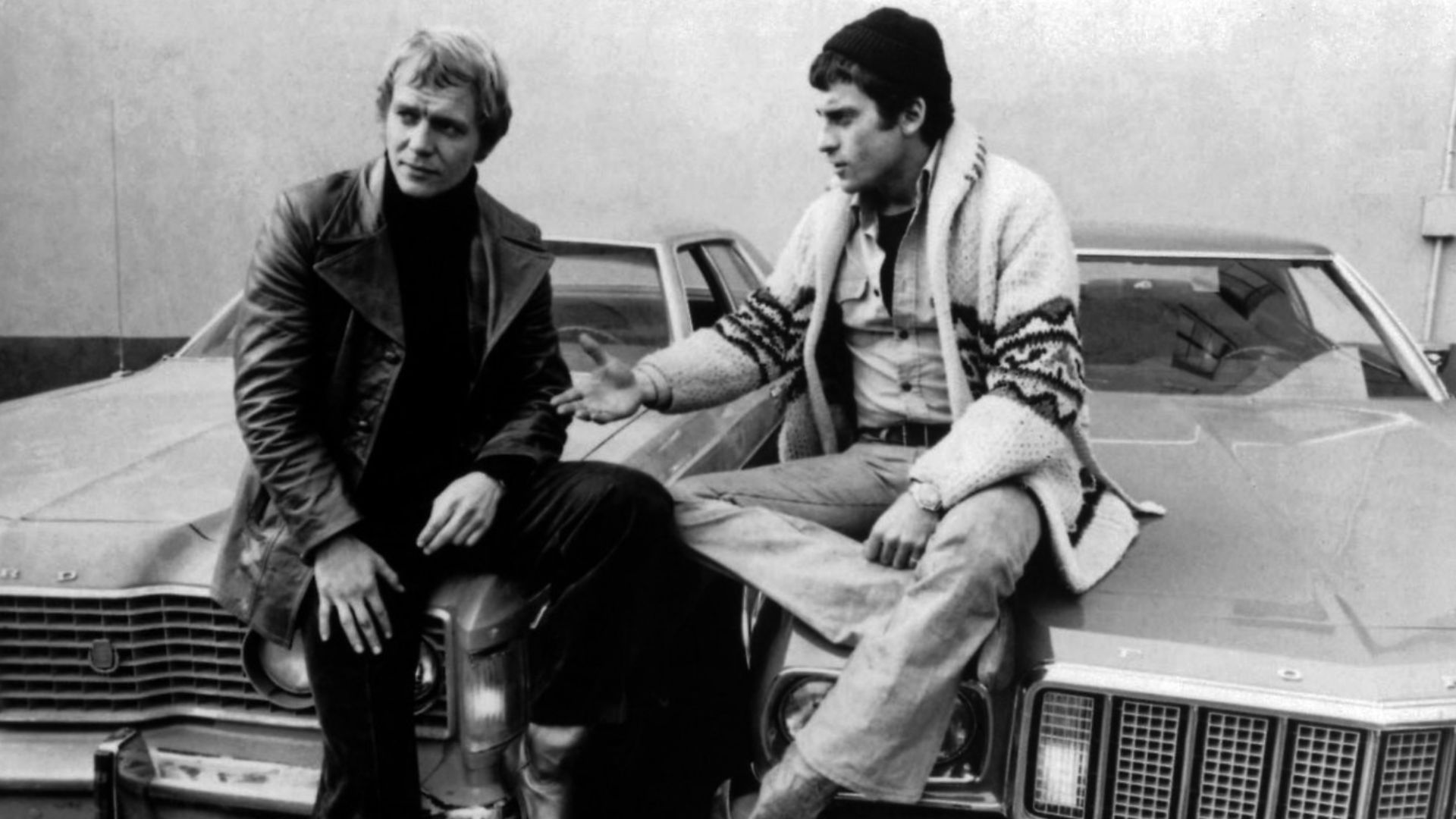 ABC Television, Wikimedia Commons
The Professionals
The Professionals followed CI5 agents Bodie and Doyle as they tackled terrorism, organized crime, and threats to national security. Martin Shaw and Lewis Collins brought fitted jackets, fast cars, and contrasting personalities to the partnership. The series combined police drama, spy thriller, and action spectacle without ever slowing down for long.
Magnum, P.I.
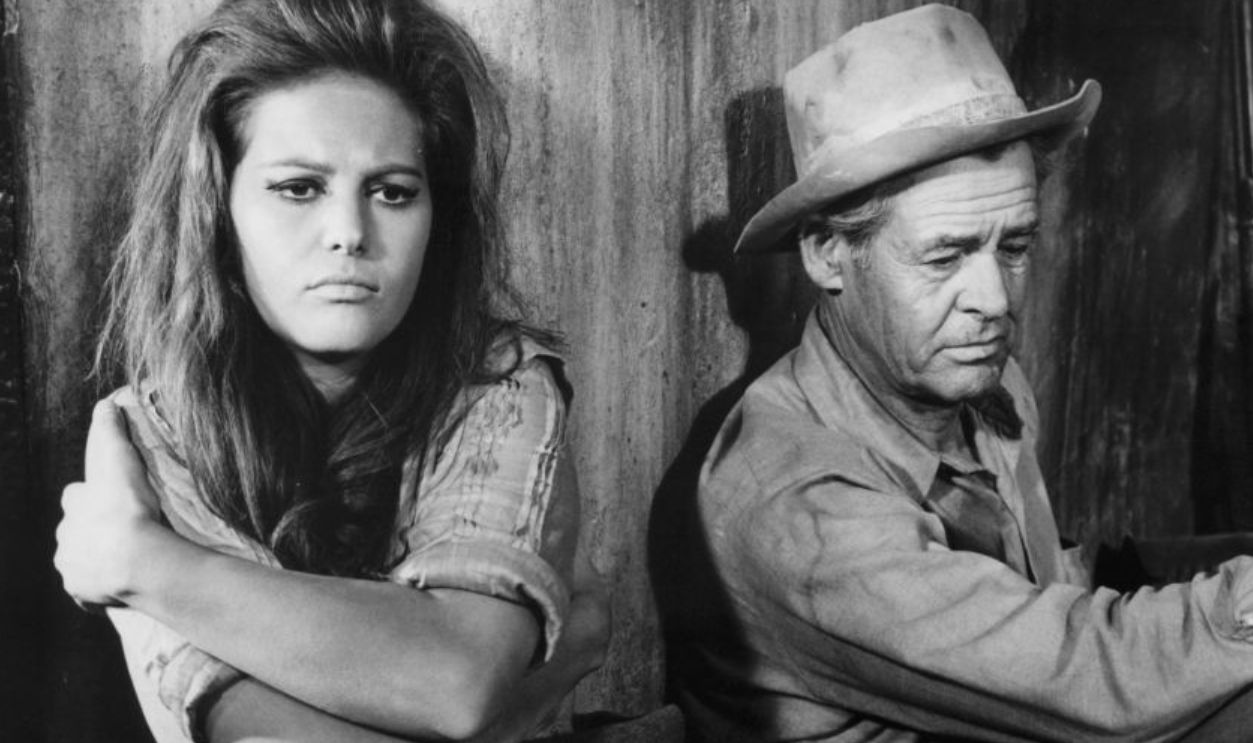
Thomas Magnum was a private investigator rather than a police officer, but he became one of television’s defining crime fighters. Tom Selleck’s Hawaiian shirts, Detroit Tigers cap, mustache, and borrowed Ferrari 308 GTS created a look that viewers could recognize instantly. The sunny setting and relaxed wardrobe concealed a series that frequently explored loyalty, trauma, and Magnum’s military past.
Miami Vice
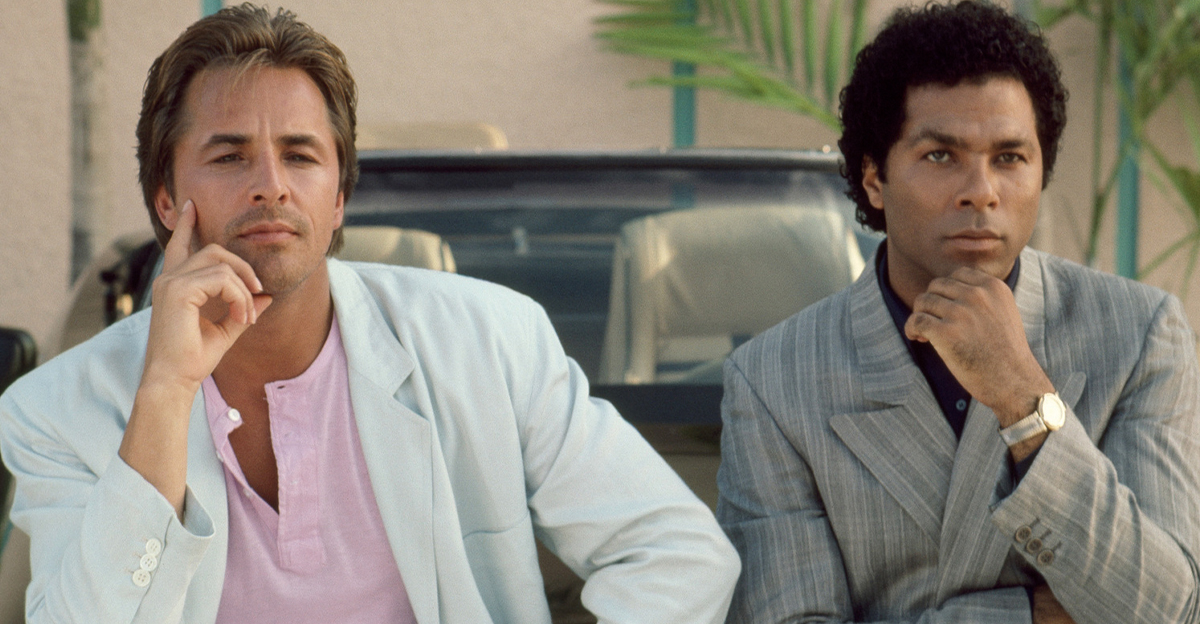
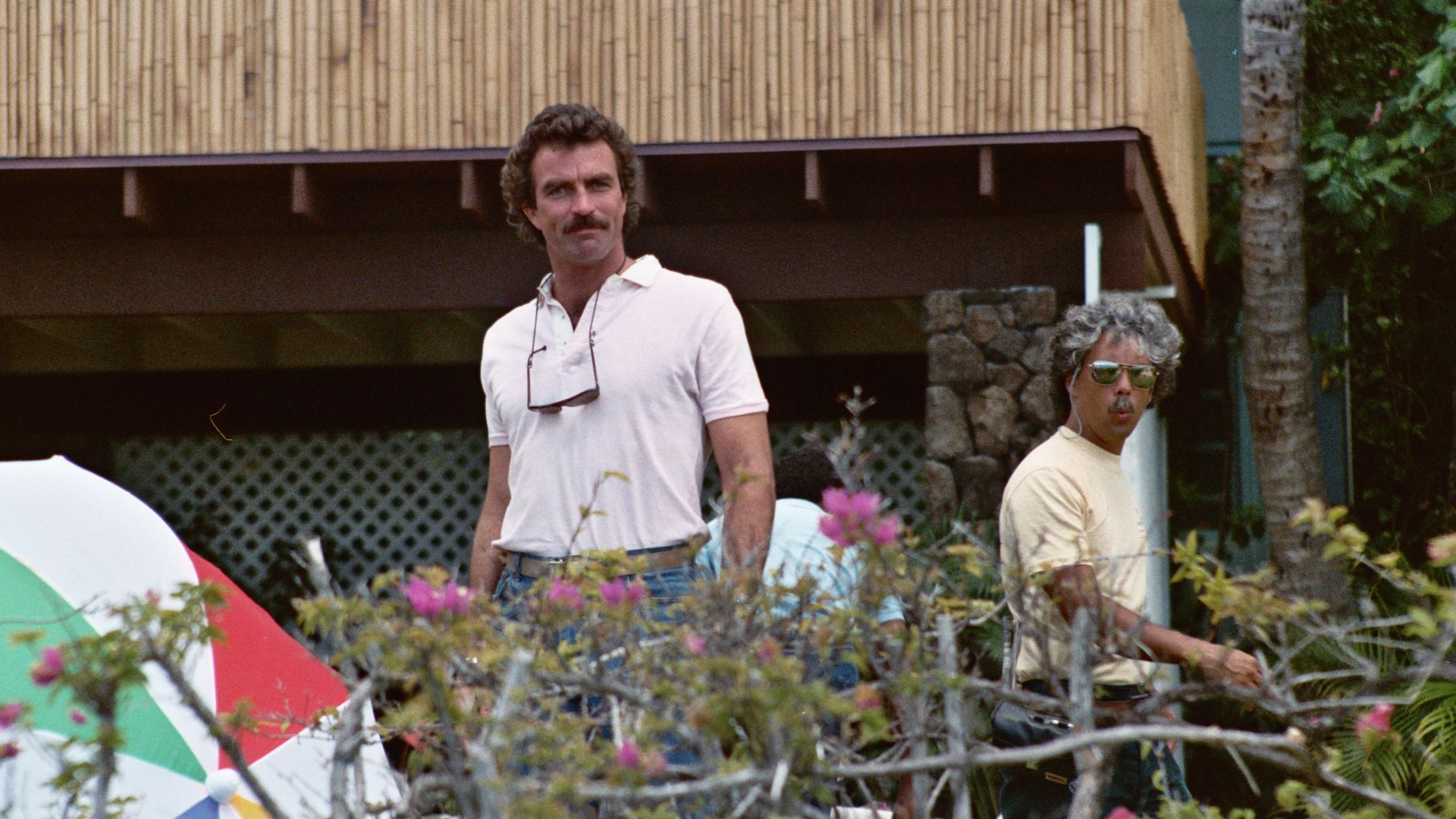
No police series fused crime, fashion, architecture, music, and location more completely than Miami Vice. Don Johnson and Philip Michael Thomas pursued criminals through a pastel-colored world of designer clothing, expensive cars, speedboats, neon signs, and contemporary pop songs. The series transformed Miami’s image and demonstrated that a weekly television drama could possess the visual ambition of a feature film.
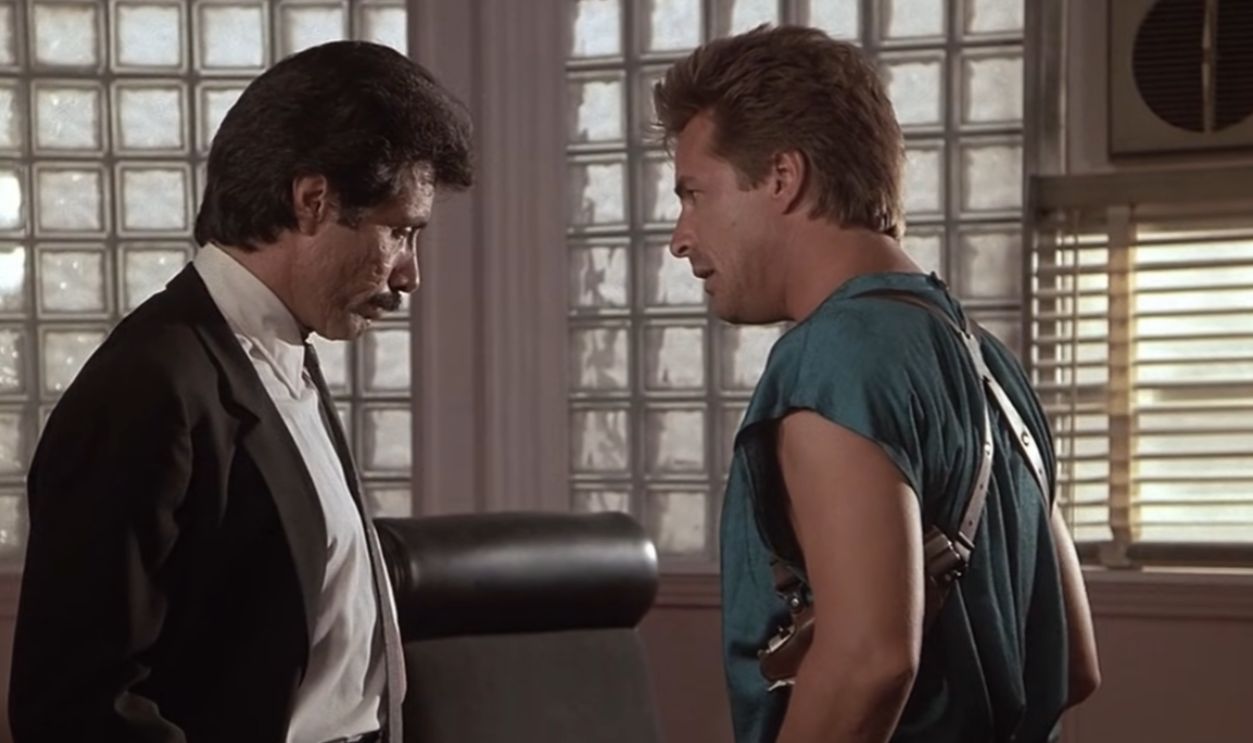 Screenshot from Miami Vice, NBC (1984–1989)
21 Jump Street
Premiering in 1987, 21 Jump Street gave police television a youthful new identity by placing young-looking officers undercover in high schools. Johnny Depp's breakout role brought instant star power, while contemporary fashion, music, and fast-paced direction captured the look and energy of the late 1980s. The result was a cop show that felt every bit as stylish as the decade that inspired it.
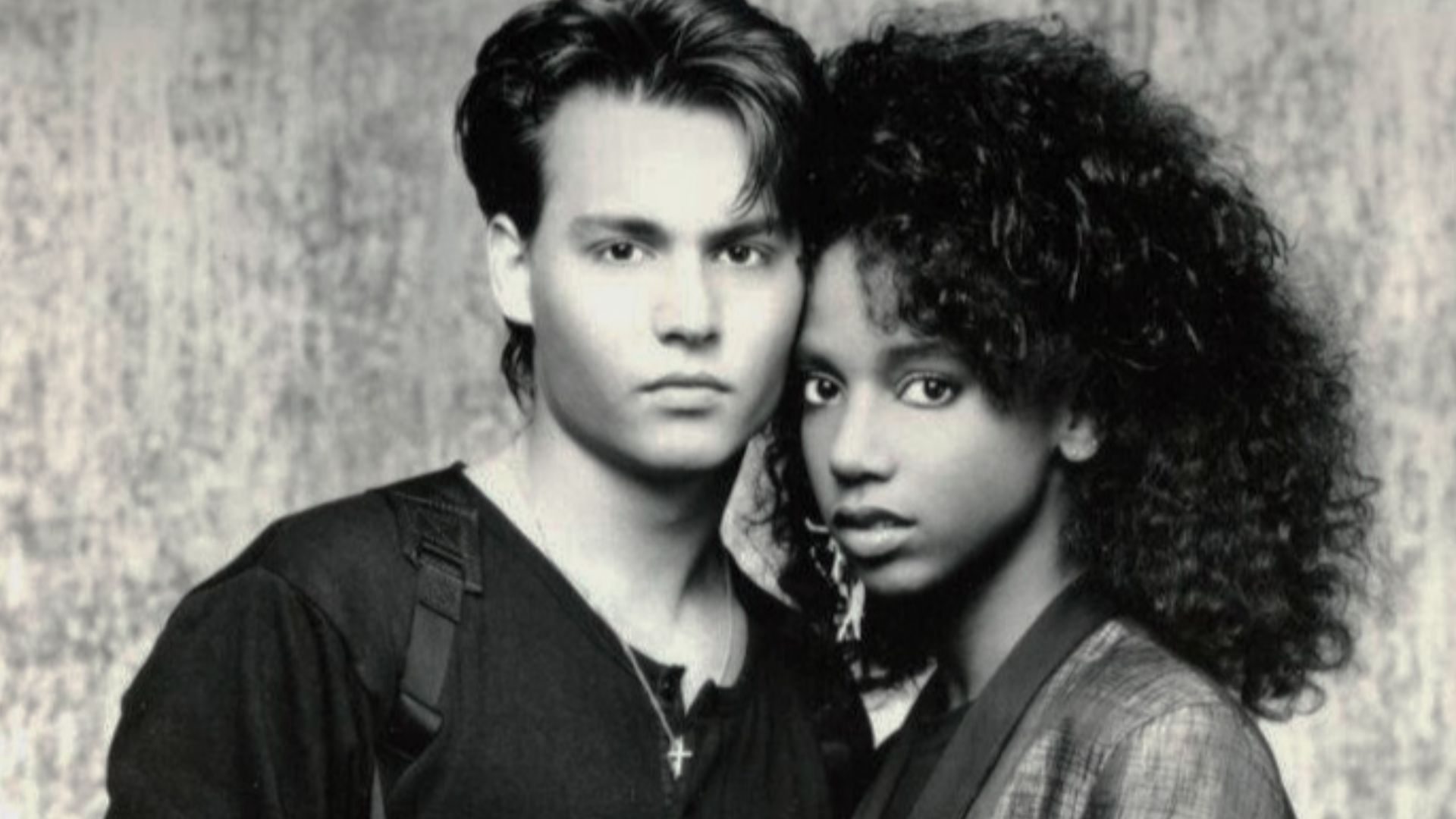 Fox Broadcasting Company, Wikimedia Commons
Crime Story
Created by Chuck Adamson and executive produced by Michael Mann, Crime Story brought cinematic ambition to 1980s television. Dennis Farina played Chicago police lieutenant Mike Torello, whose pursuit of gangster Ray Luca stretched from Chicago to the bright casinos of Las Vegas. Period cars, vintage clothing, dramatic lighting, and carefully selected music gave the show an unusually rich identity.
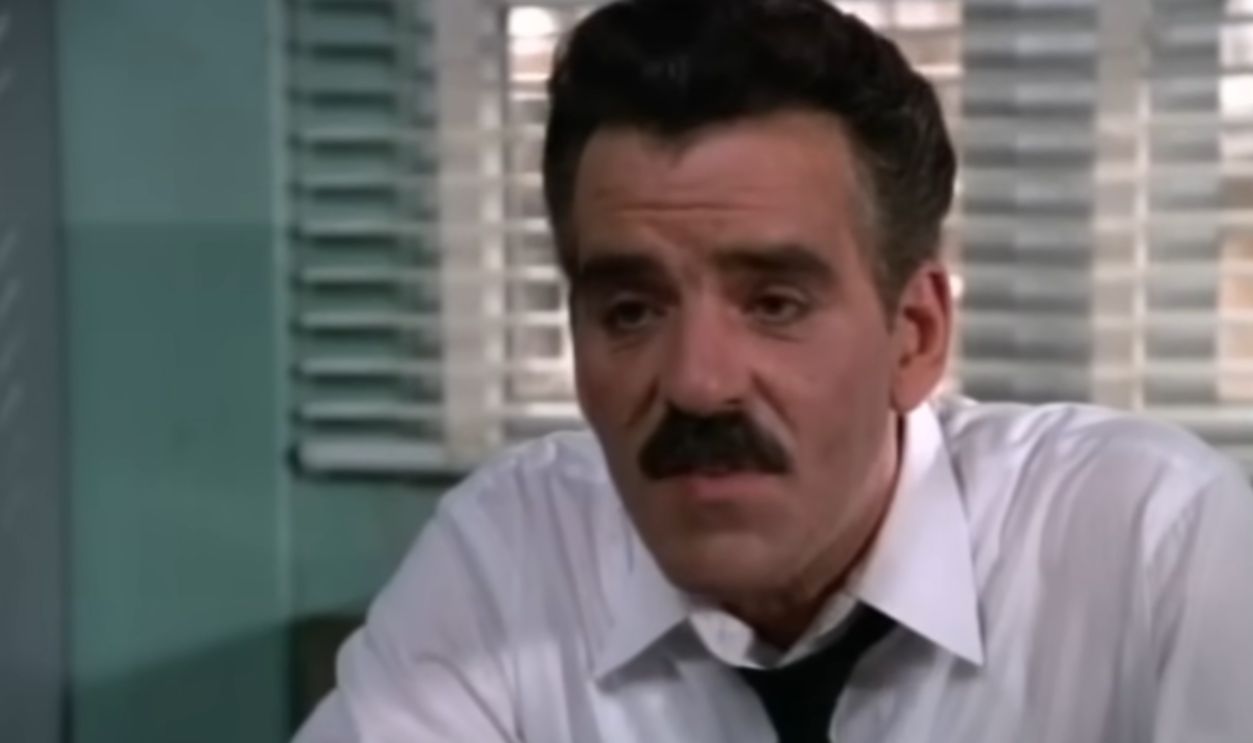 Screenshot from Crime Story, NBC (1986-1988)
NYPD Blue
NYPD Blue pushed the visual and dramatic boundaries of American broadcast television when it premiered in 1993. Its restless cameras, fragmented editing, adult dialogue, and complicated detectives created a rougher alternative to polished network procedurals. Dennis Franz’s Andy Sipowicz was rarely fashionable, but the show surrounding him made urban realism feel daring and modern.
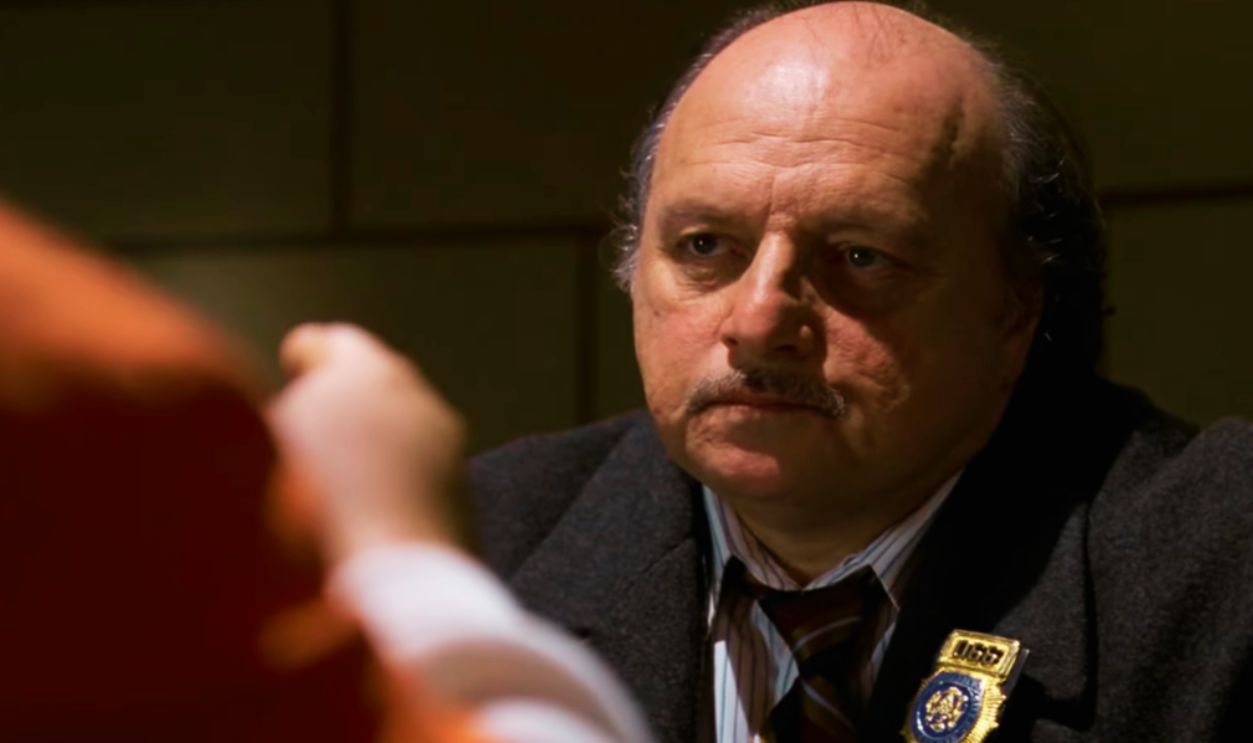 Screenshot from NYPD Blue, ABC (1993-2005)
Nash Bridges
Don Johnson returned to television crime in Nash Bridges, this time playing a relaxed San Francisco police inspector. His character drove a bright yellow Plymouth Barracuda and worked against some of the city’s most photogenic locations. The show never attempted to recreate Miami Vice, but it understood the appeal of pairing Johnson with distinctive clothes, cars, and scenery.
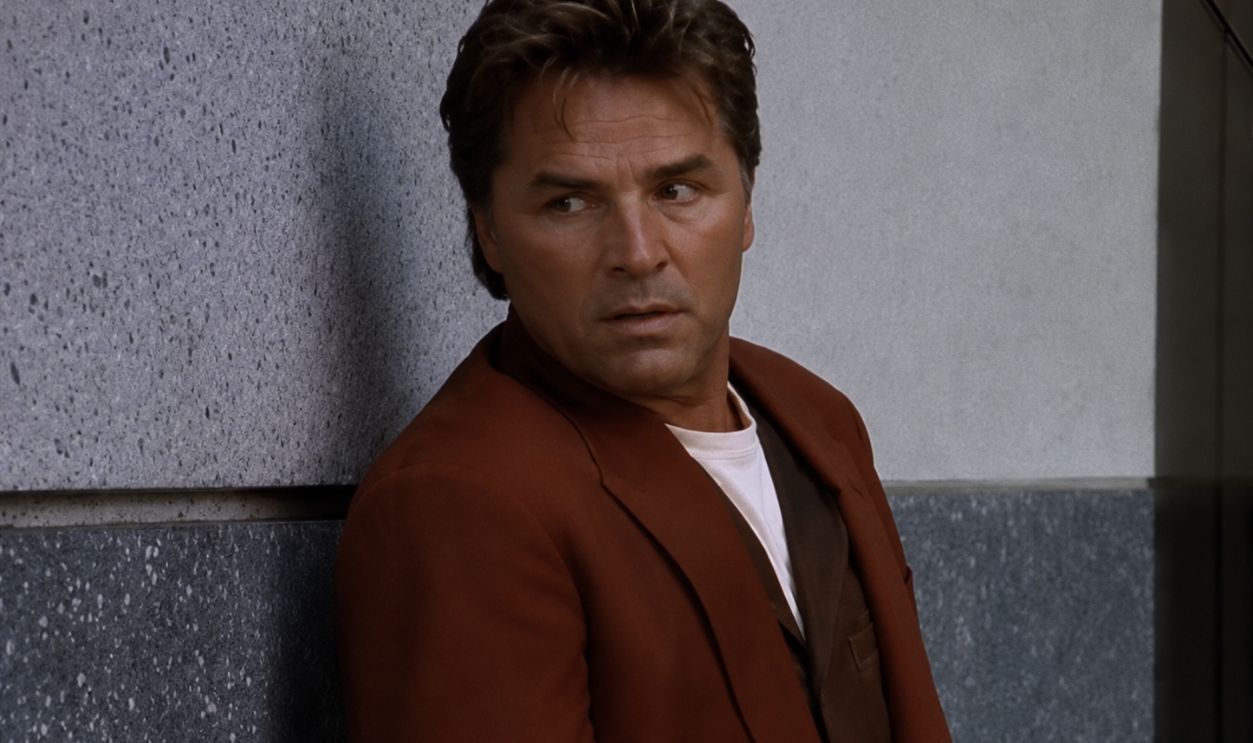 Screenshot from Nash Bridges, CBS Television Distribution (1996-2001)
The X-Files
FBI agents Fox Mulder and Dana Scully spent much of The X-Files exploring dark warehouses, forests, basements, and government facilities. The series used deep shadows, cold colors, flashlights, and atmospheric Vancouver locations to create a look that was immediately recognizable. Mulder’s slightly rumpled suits and Scully’s increasingly polished wardrobe provided another memorable visual contrast.
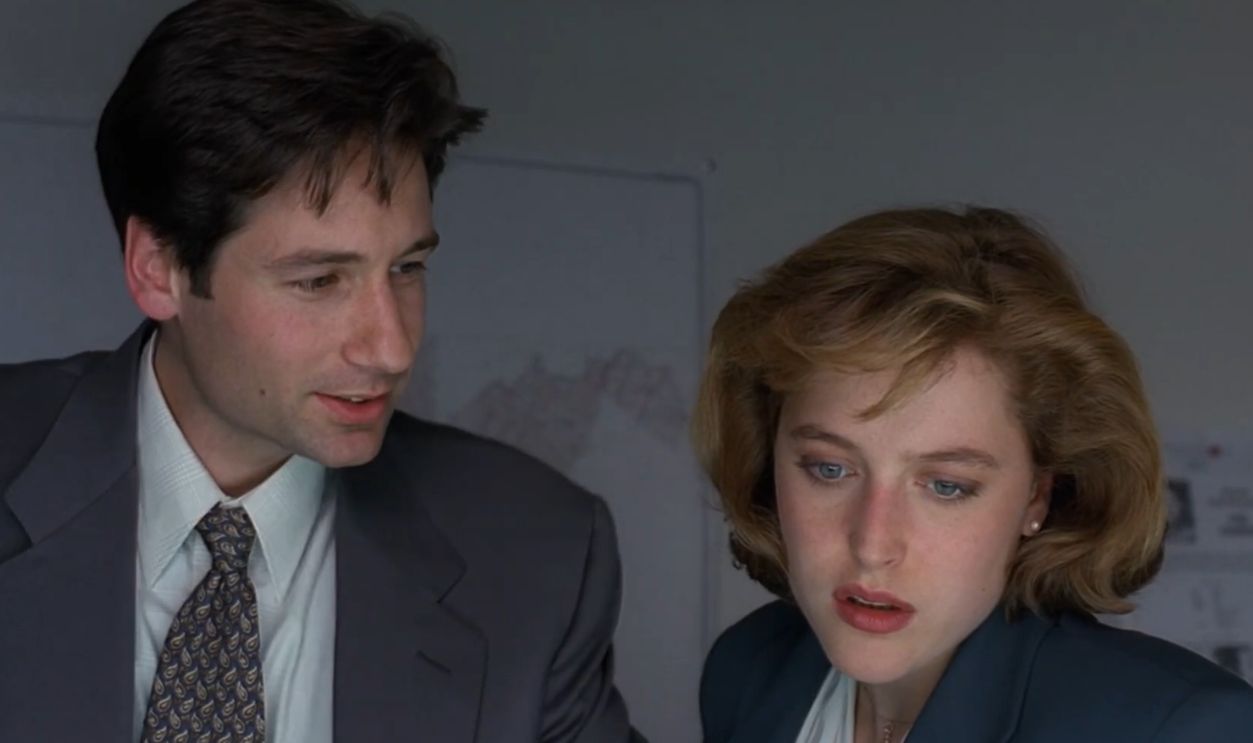 Screenshot from The X-Files, Fox Broadcasting Company (1993–2018)
The Wire
The Wire avoided flashy police heroics and treated Baltimore as a complicated social system rather than a stylish playground. Even so, its careful compositions, authentic locations, and patient observation created a powerful visual identity. The detectives looked like working public employees, which made the show’s realism more distinctive than expensive cars or designer suits ever could.
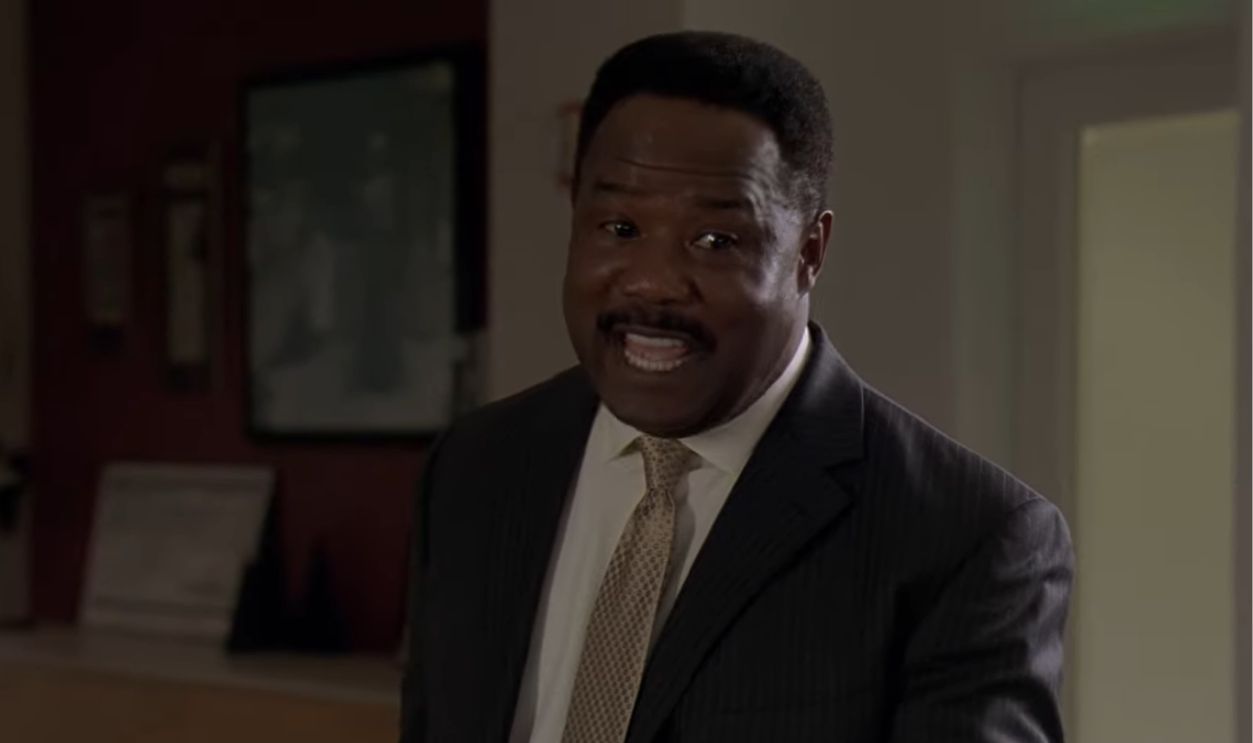 Screenshot from The Wire, HBO(2002–2008)
The Shield
The Shield opened with corrupt detective Vic Mackey committing a shocking crime and rarely allowed viewers to relax afterward. Handheld camerawork, sudden zooms, harsh light, and crowded Los Angeles locations gave the series an urgent documentary quality. Michael Chiklis completed the image with sunglasses, a shaved head, and a physical presence that made Mackey instantly intimidating.
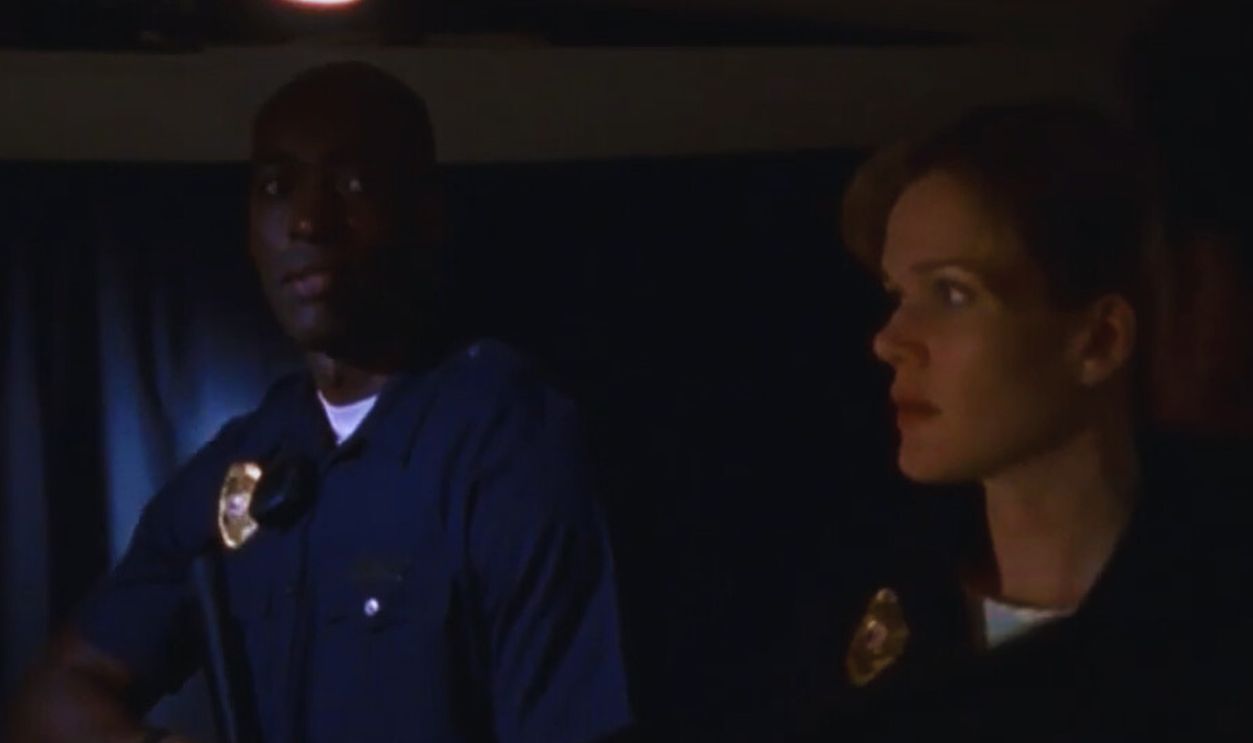 Screenshot from The Shield, FX (2002-2008)
CSI: Miami
CSI: Miami presented police science through blazing sunlight, saturated colors, glass buildings, and immaculate laboratories. David Caruso’s Horatio Caine turned the removal of his sunglasses into a signature ritual before the opening credits. The show’s exaggerated visuals were never subtle, but they made the Miami crime scene unmistakable.
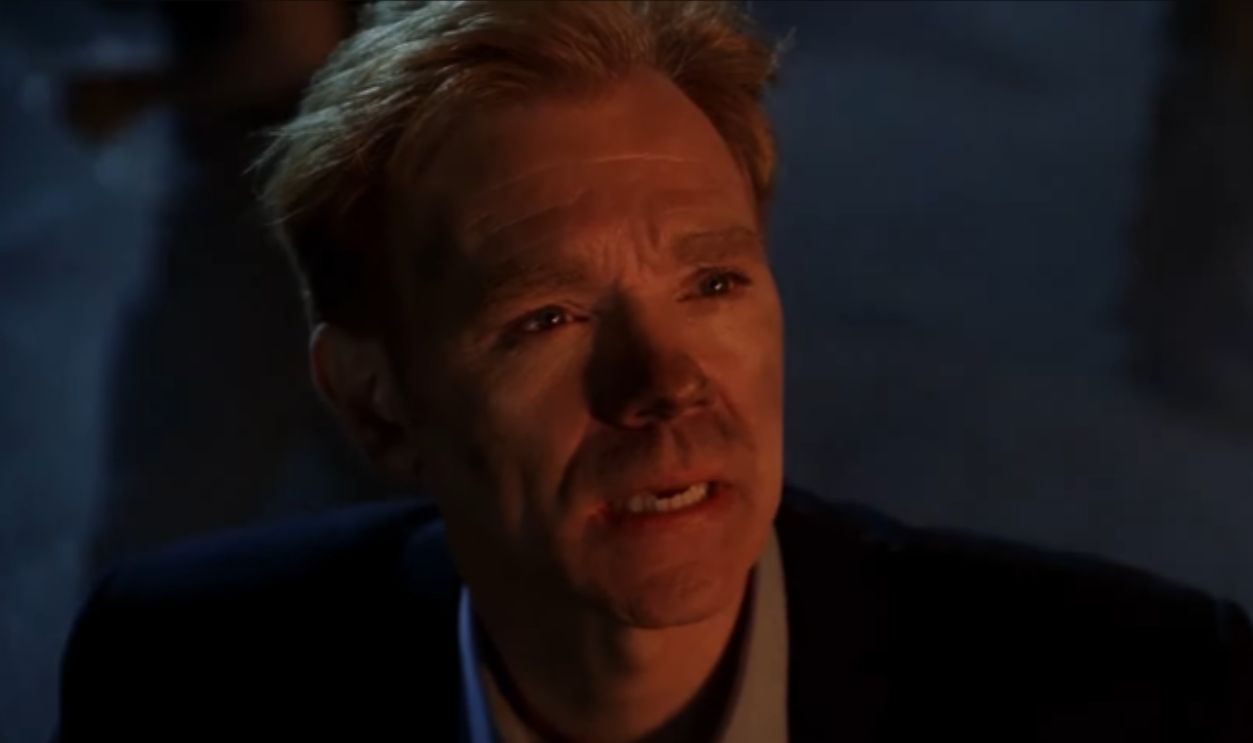 Screenshot from CSI: Miami, CBS (2002-2012)
Life On Mars
Life on Mars sent modern detective Sam Tyler back to a rough Manchester police department in 1973. The British series embraced period cars, wide collars, leather jackets, smoky offices, and the music of David Bowie. Its visual contrast between Tyler’s modern instincts and Gene Hunt’s old-school swagger gave the time-travel mystery much of its personality.
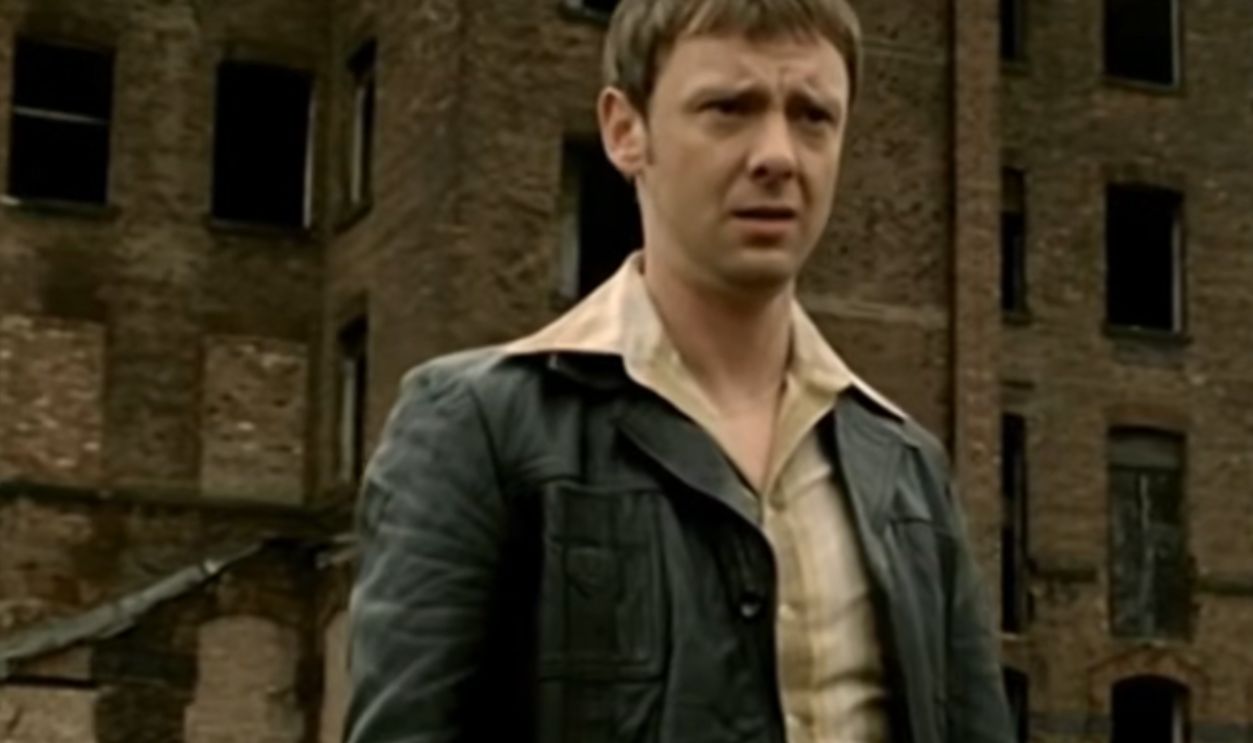 Screenshot from Life On Mars, BBC (2006-2007)
Luther
Idris Elba’s John Luther prowled London in a rumpled shirt, dark suit, red tie, and distinctive grey overcoat. Rain, concrete buildings, empty streets, and dramatic nighttime photography made the city feel as troubled as the detective. Luther’s clothing barely changed, turning his worn uniform into a reflection of his obsessive personality.
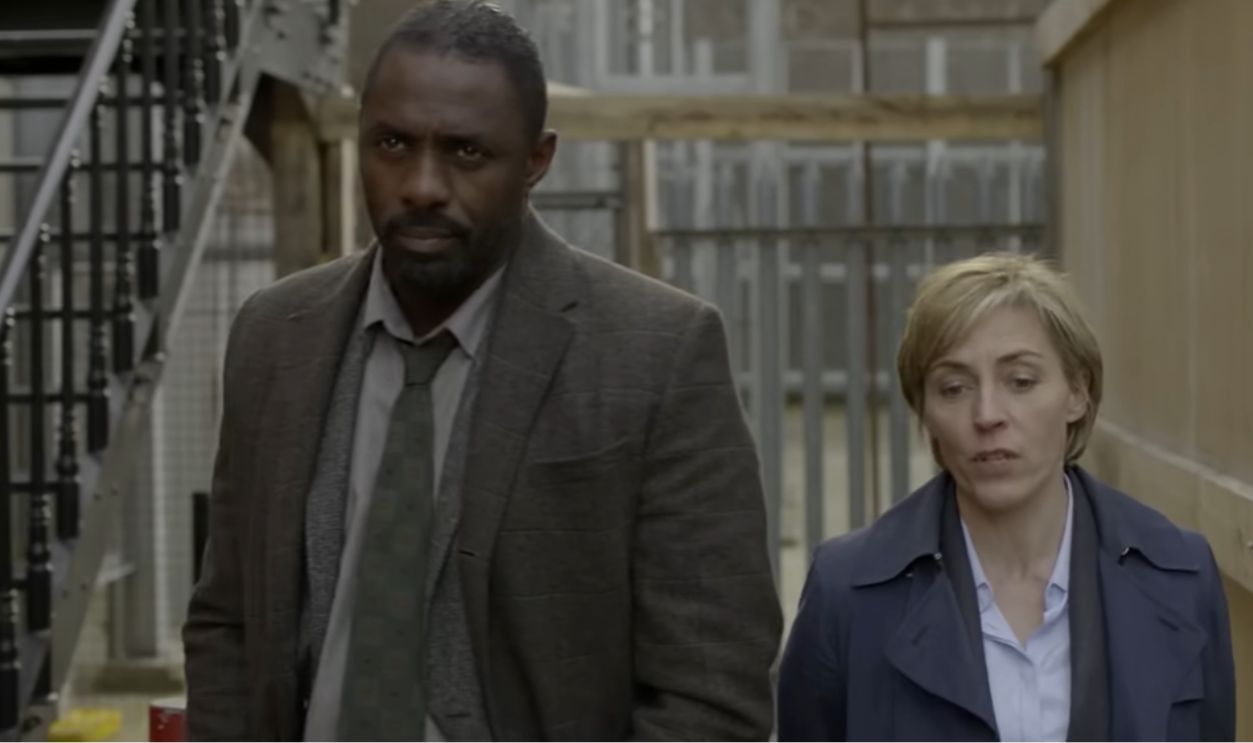 Screenshot from Luther, BBC Studios (2010-2019)
Justified
Deputy U.S. Marshal Raylan Givens dressed more like a Western gunslinger than a modern federal officer. Timothy Olyphant’s hat, boots, tailored jackets, and calm manner gave the character a silhouette that was recognizable before he spoke. The Kentucky locations and Elmore Leonard-inspired dialogue completed a show that treated old-fashioned cool with intelligence and humor.
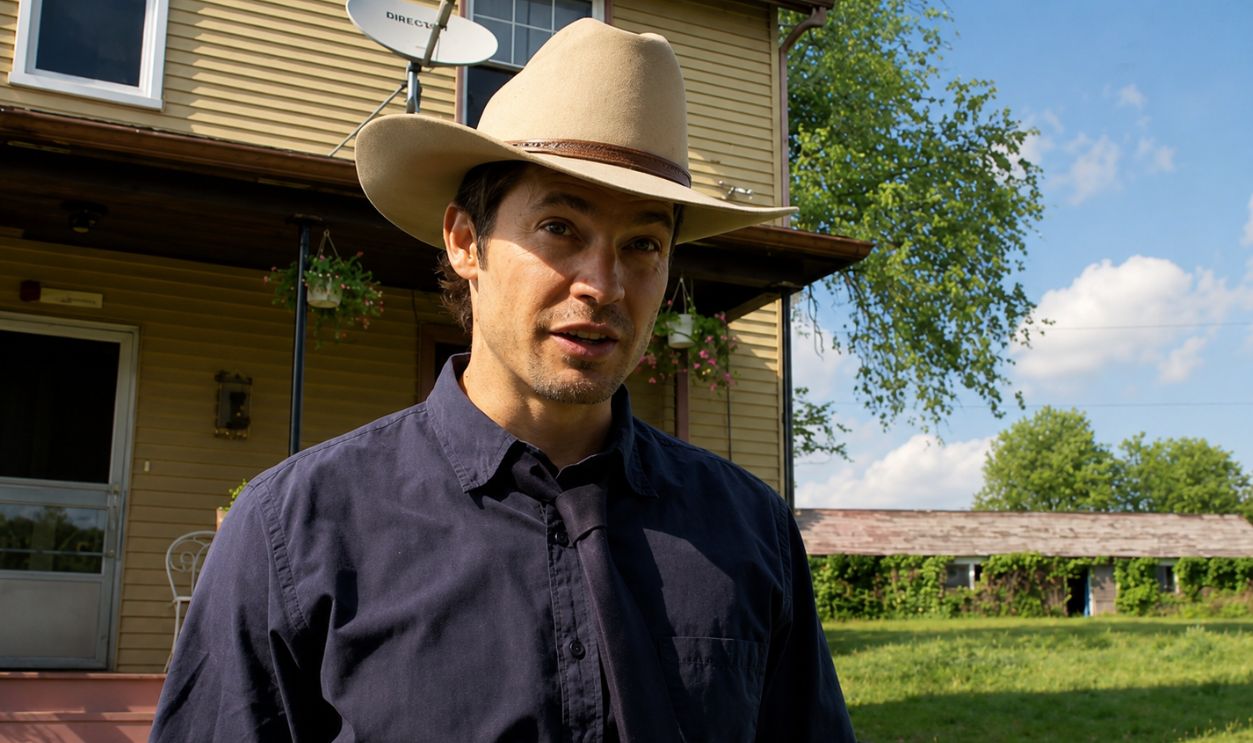 Screenshot from Justified, Sony Pictures Television (2010-2015)
True Detective
The first season of True Detective placed Matthew McConaughey and Woody Harrelson against the haunting landscapes of Louisiana. Director Cary Joji Fukunaga used decaying buildings, flat highways, industrial structures, and humid wilderness to create an atmosphere of dread. The season’s celebrated extended tracking shot also demonstrated how ambitious television crime direction had become.
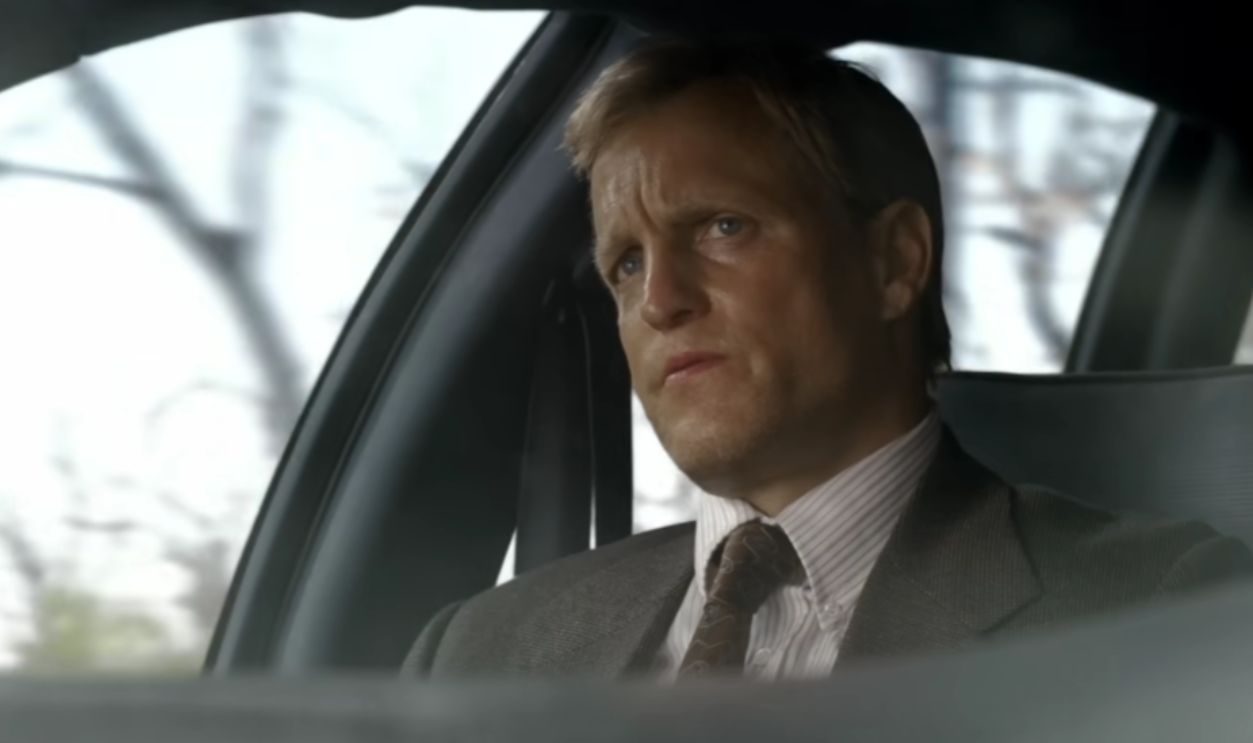 Screenshot from True Detective, HBO(2014)
Bosch
Bosch adapted Michael Connelly’s detective novels without treating Los Angeles like a sunny postcard. Titus Welliver’s Harry Bosch lived in a hillside house, listened to jazz, and drove through a city defined by darkness, distance, and glowing nighttime streets. His simple suits and understated manner suited a series that preferred quiet confidence to obvious glamour.
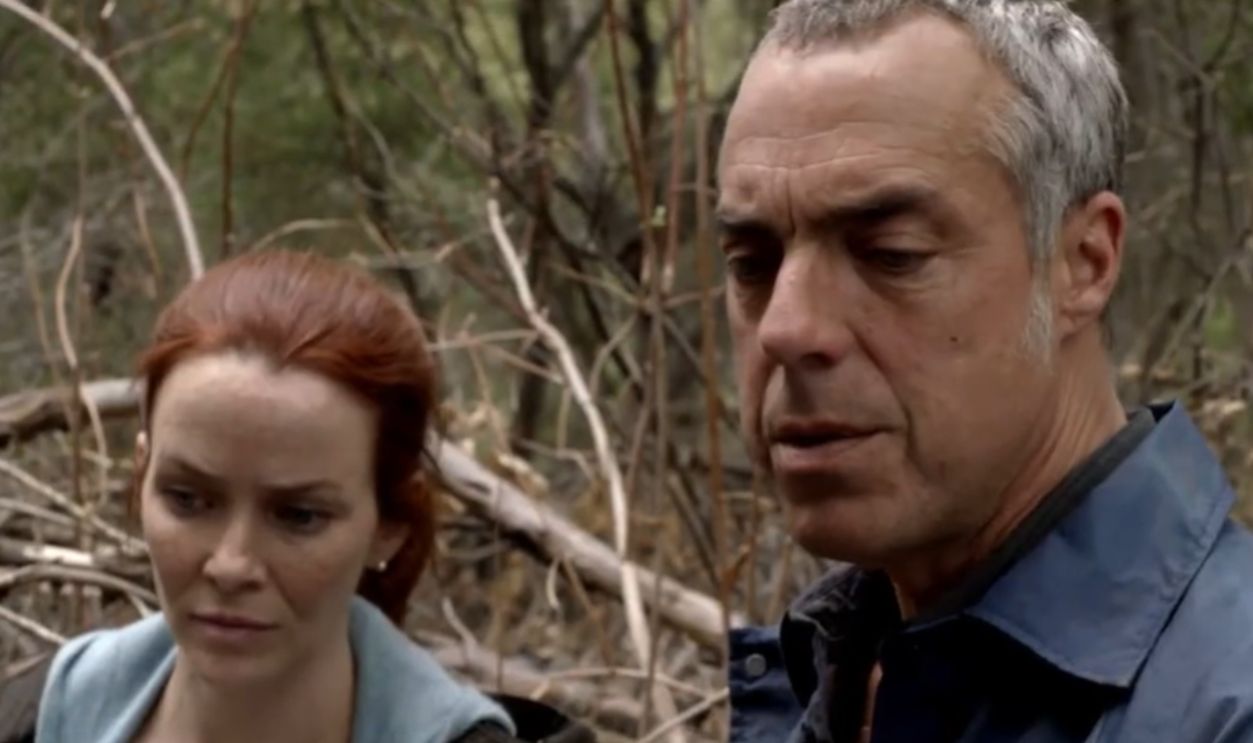 Screenshot from Bosch, Amazon Prime Video (2014-2021)
Tokyo Vice
Tokyo Vice followed journalist Jake Adelstein as his reporting brought him into contact with detectives, criminals, and the city’s organized crime networks. Michael Mann directed the pilot, establishing an atmospheric world of neon streets, crowded clubs, motorcycles, and shadowy interiors. The show’s sharply dressed characters and nighttime photography made its version of Tokyo feel alluring and dangerous.
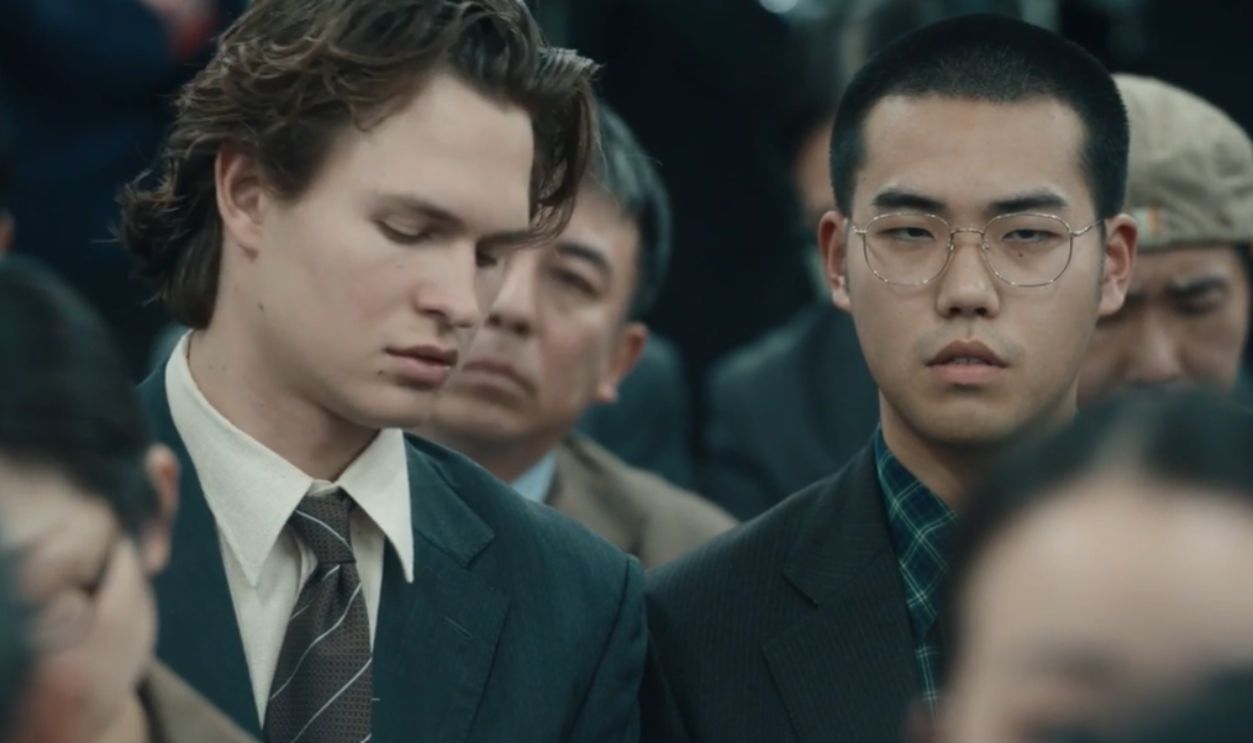 Screenshot from Tokyo Vice, HBO Max (2022-2024)
Style Comes In Many Forms
The most stylish cop shows did not all rely on designer suits, sports cars, or glamorous locations. Some found their identity in shaky cameras, rain-soaked streets, period clothing, or detectives who wore the same battered coat every day. What connected them was a clear visual personality that made their worlds recognizable within seconds.
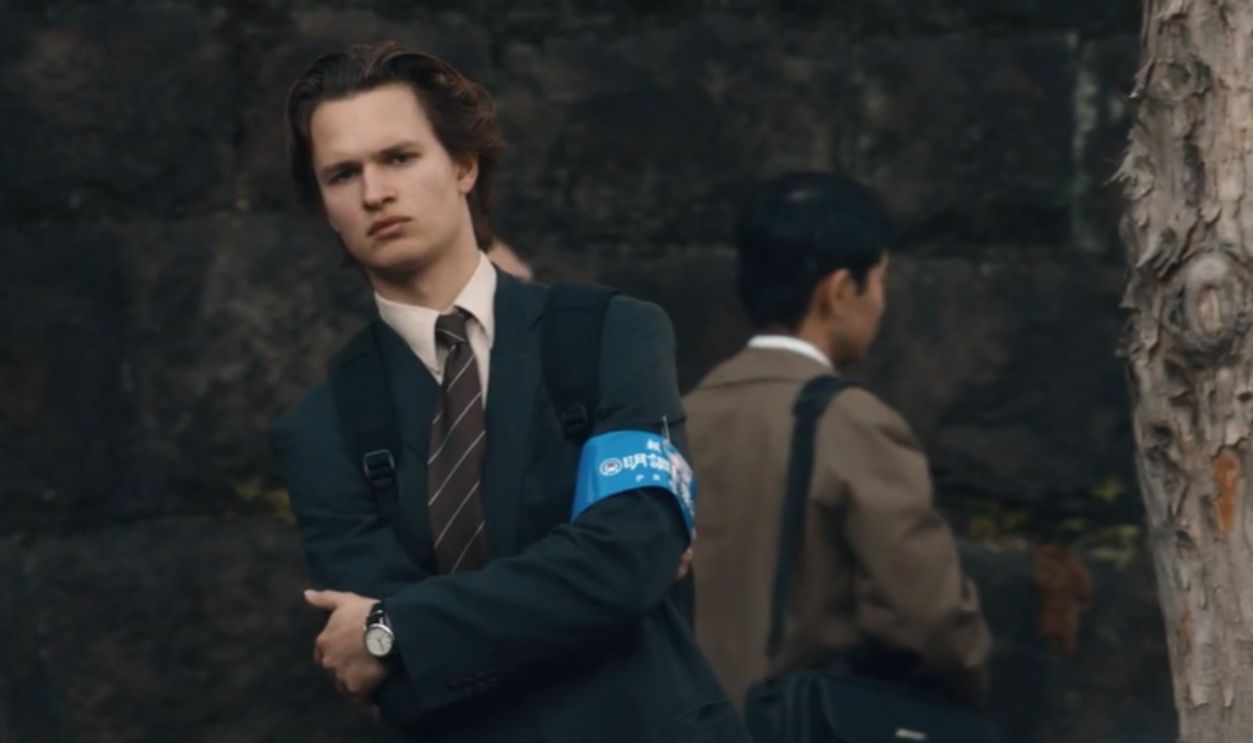 Screenshot from Tokyo Vice, HBO Max (2022-2024)
You May Also Like:
Forgotten Detective Shows From The 1980s That Briefly Dominated Television
The Surprising Way The Rockford Files Revived James Garner's Career
How Larry Wilcox became one of television's most recognizable police officers.