The Teen Star Who Refused The Expected Ending
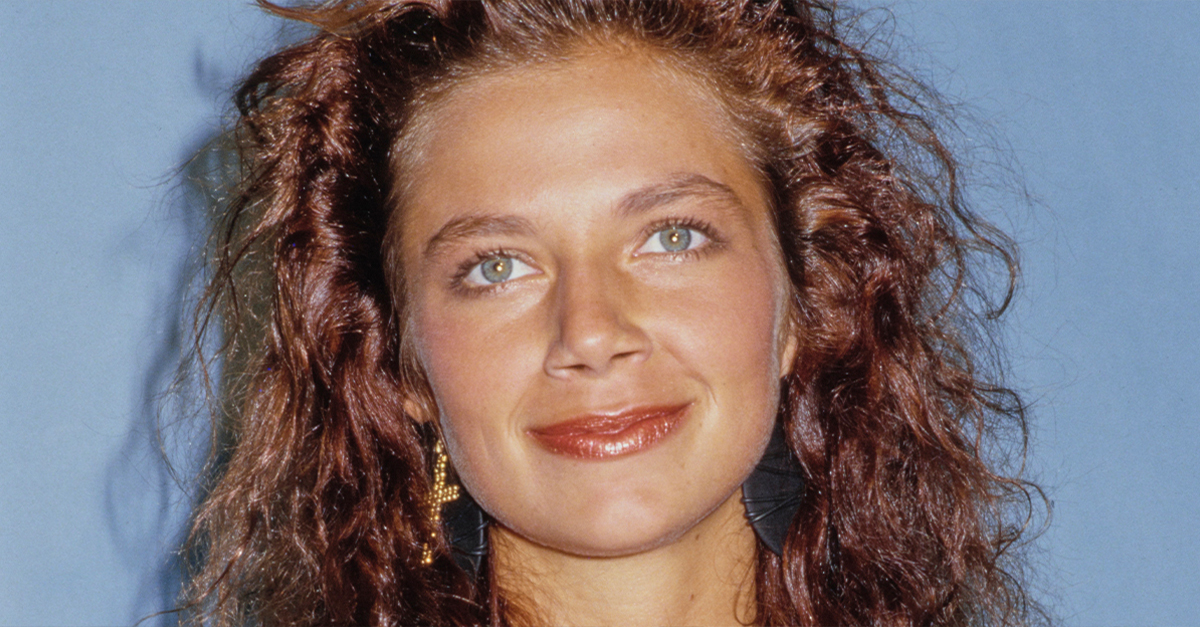
Justine Bateman became one of television’s most recognizable young stars as Mallory Keaton on Family Ties. Fans might have expected her to spend the rest of her career chasing bigger roles. But instead, she turned down a surprising road.
She Entered Hollywood As A Teenager
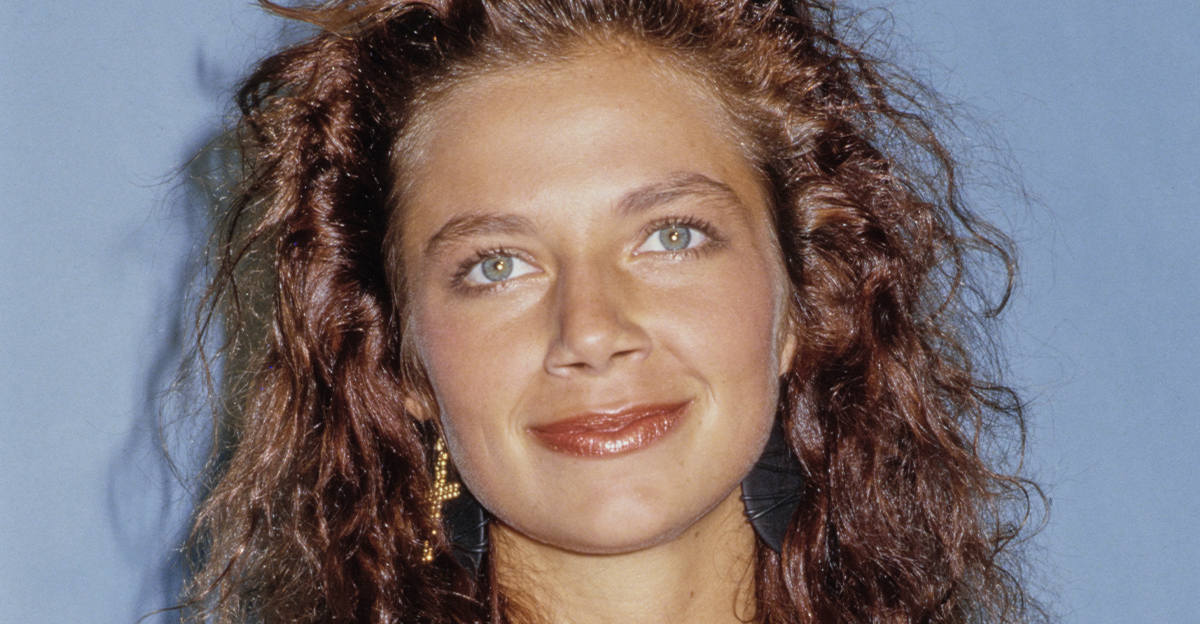
Bateman began acting while still in her teens. After seeing her younger brother Jason finding work, she approached his agency and soon began auditioning herself. By 16, she had landed the role that would define the first phase of her life.
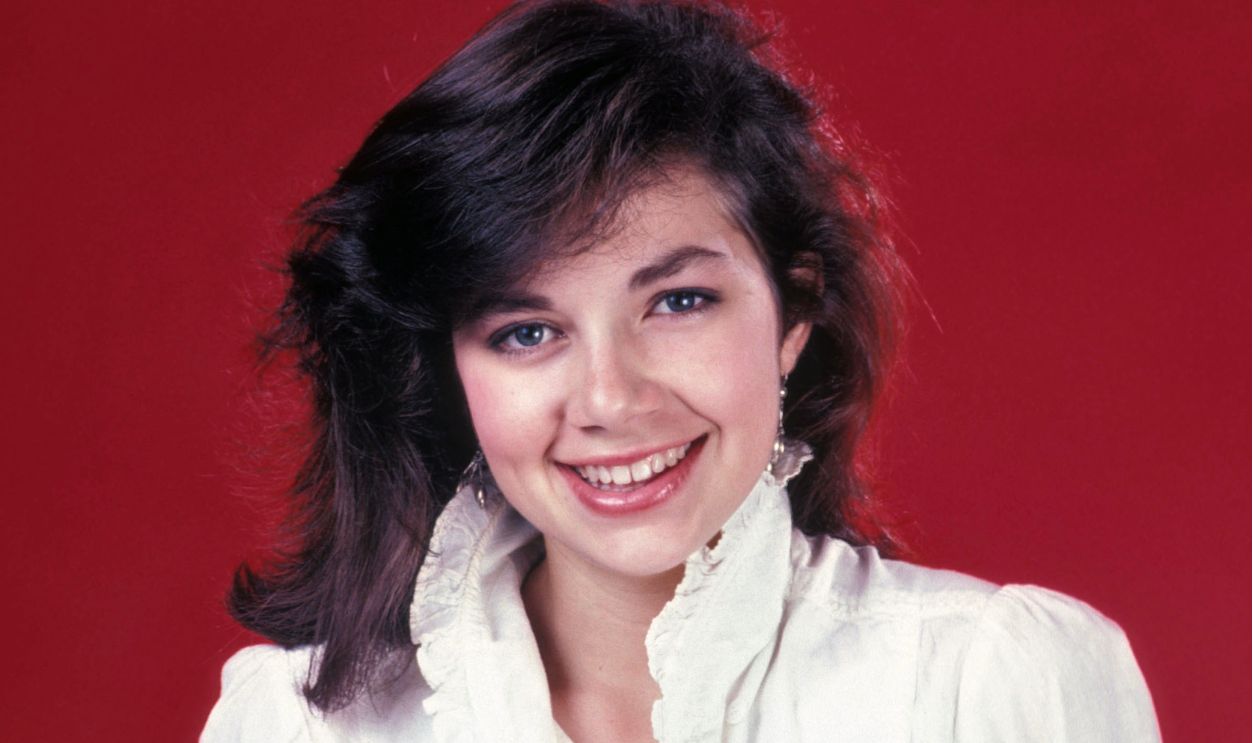
Mallory Keaton Made Her Famous
When Family Ties premiered in 1982, Bateman played Mallory Keaton, the fashion-conscious daughter of former hippies Steven and Elyse Keaton. The character could be vain and academically scattered, but Bateman made her funny, warm, and increasingly more layered as the series evolved.
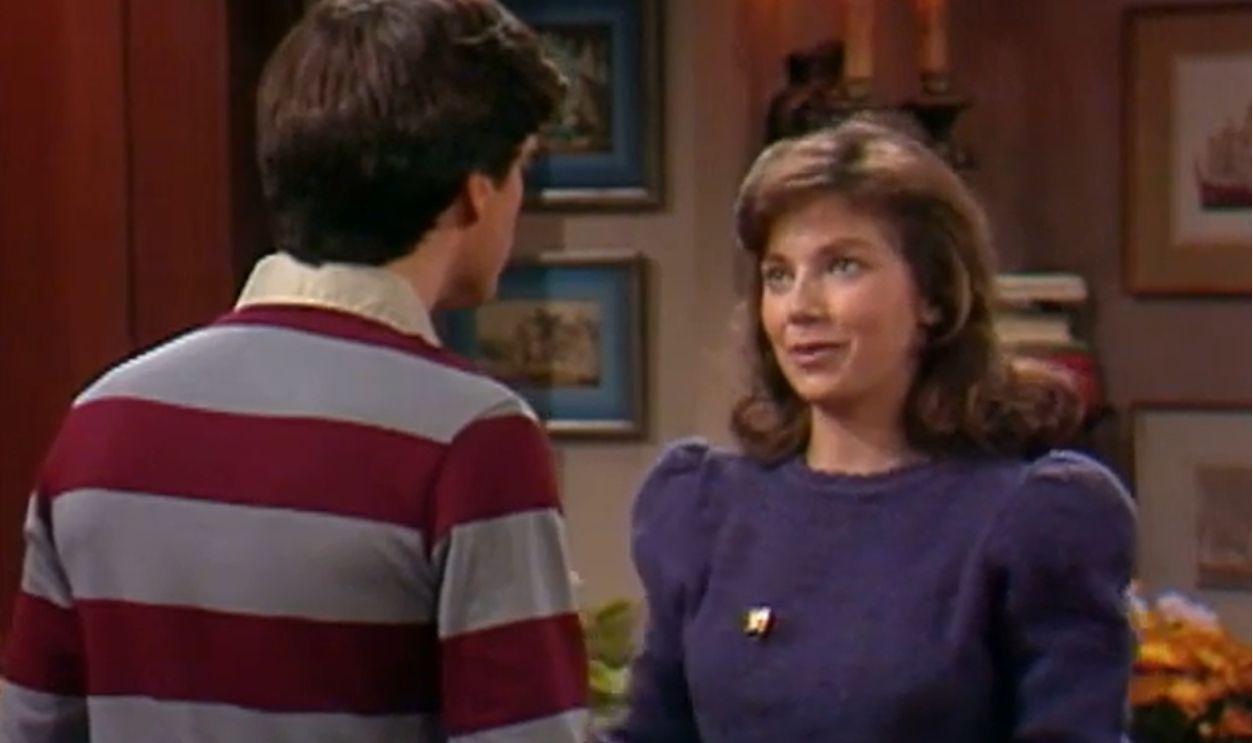 Screenshot from Family Ties, NBC (1982–1989)
Fame Arrived Before Adulthood
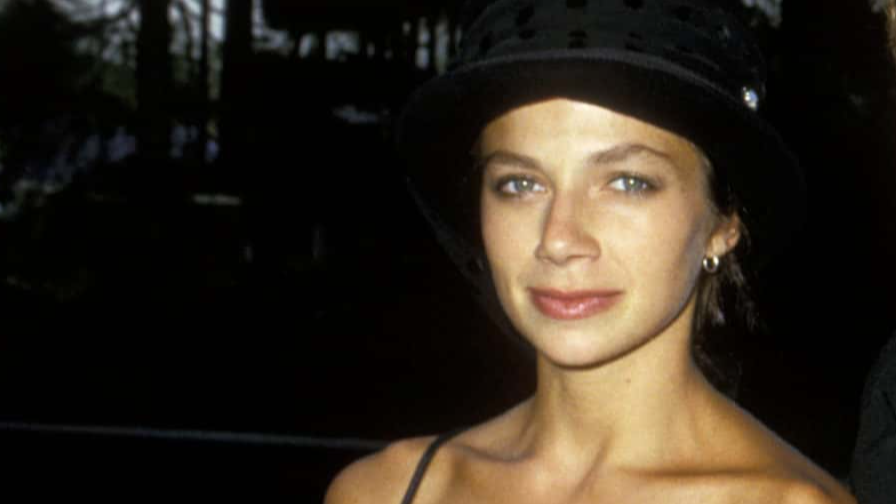
Bateman was still a teenager when audiences began recognizing her everywhere. The sitcom became one of NBC’s defining comedies of the 1980s, and its young cast became part of pop culture. Bateman was suddenly experiencing adult-level fame before she had even decided what adulthood would look like.
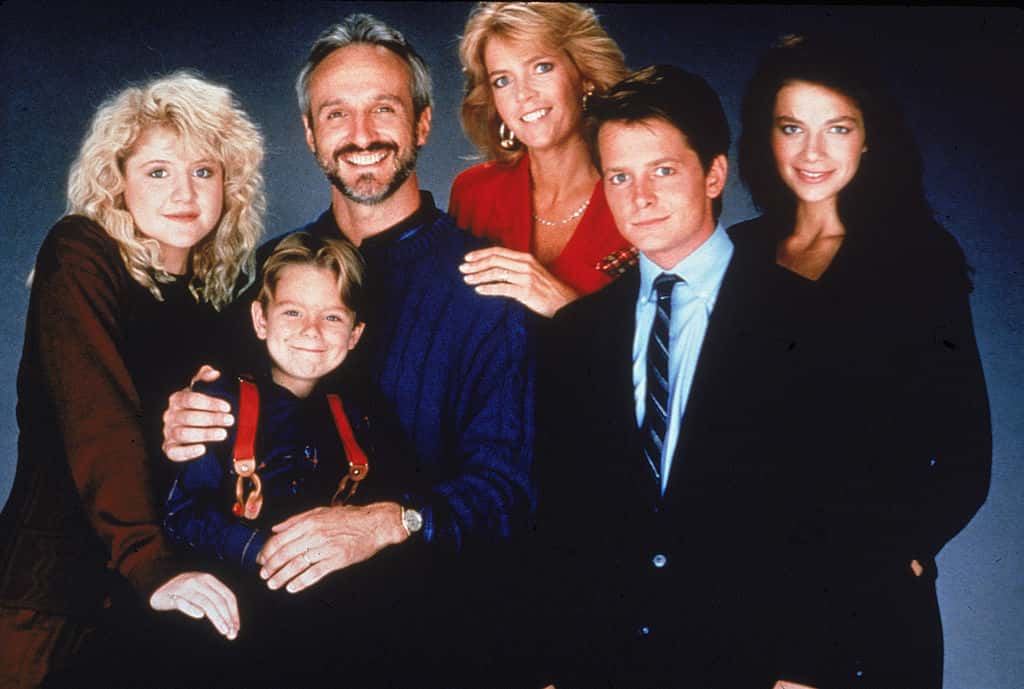 Fotos International, Getty Images
She Was More Than Michael J Fox’s TV Sister
Michael J Fox became the show’s breakout star, but Bateman earned major recognition of her own. She received two Emmy nominations for Outstanding Supporting Actress in a Comedy Series, in 1986 and 1987, as well as a Golden Globe nomination for Family Ties.
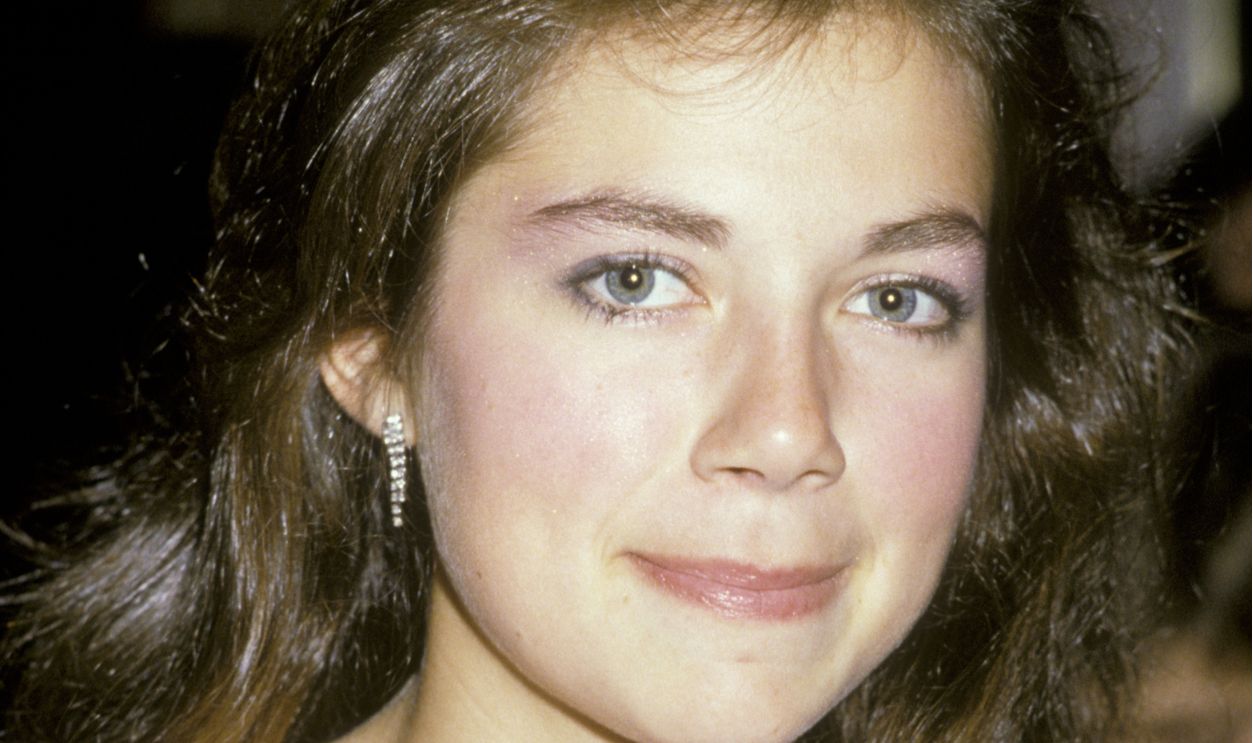
Mallory Turned Her Into A Teen Idol
Bateman’s image became closely associated with Mallory’s clothes, hair, romances, and comic confidence. Decades later, profiles still described her as one of the biggest teen television stars of the 1980s. The problem was that fame had attached itself to one version of her before she had finished becoming herself.
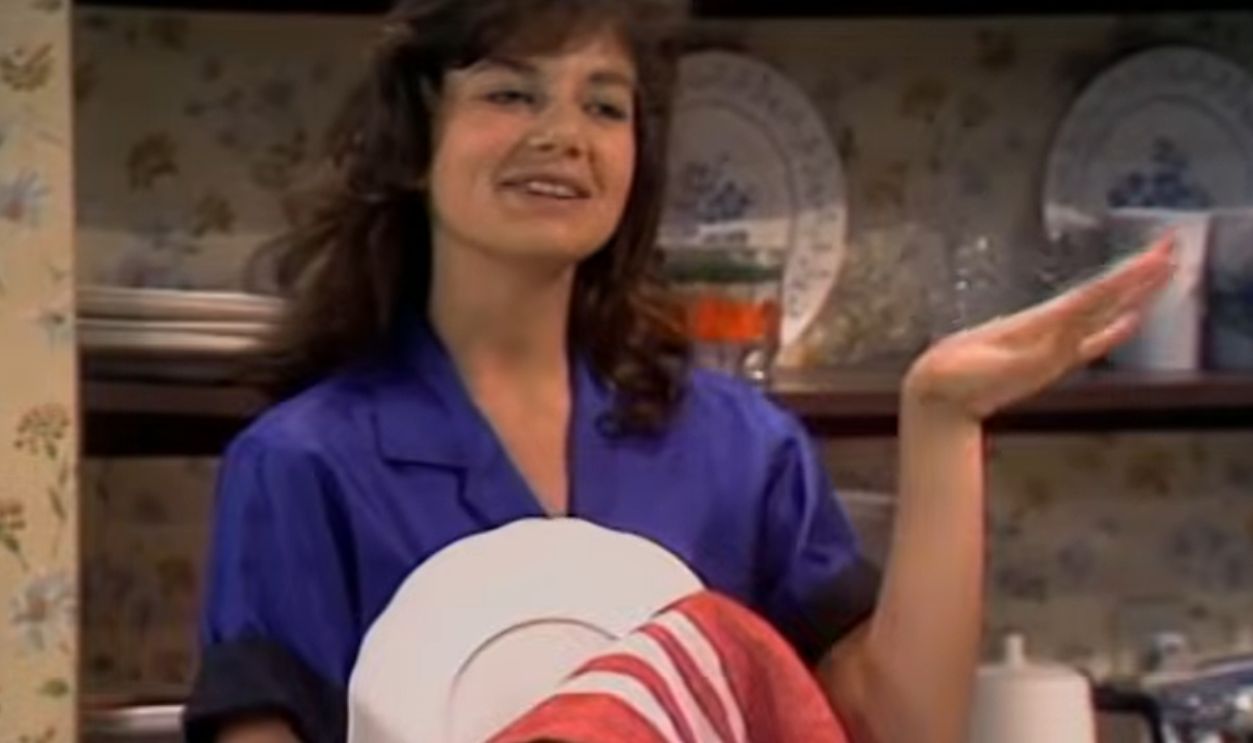 Screenshot from Family Ties, NBC (1982–1989)
She Tried Movies While The Show Was Still Running
In 1988, Bateman made her feature-film debut in Satisfaction, playing the leader of a young rock band. The film also featured a then-little-known Julia Roberts. The role gave Bateman a chance to play someone very different from Mallory Keaton.
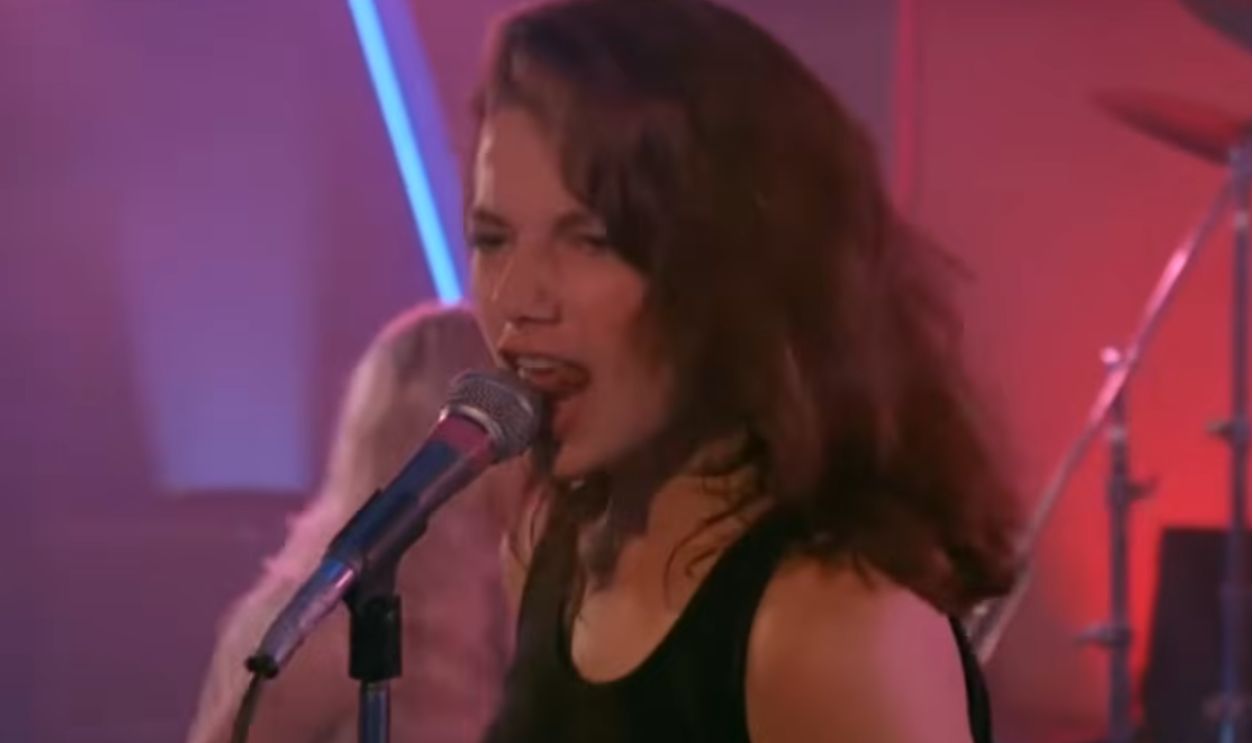 Screenshot from Satisfaction, Twentieth Century Fox (1988)
But She Had Already Lost One Important Choice
Bateman had wanted to attend college when she was 17. According to UCLA, she applied to schools on the East Coast, expecting she could study and occasionally return to Los Angeles for filming. A supervising producer told her that would not work while she remained under contract.
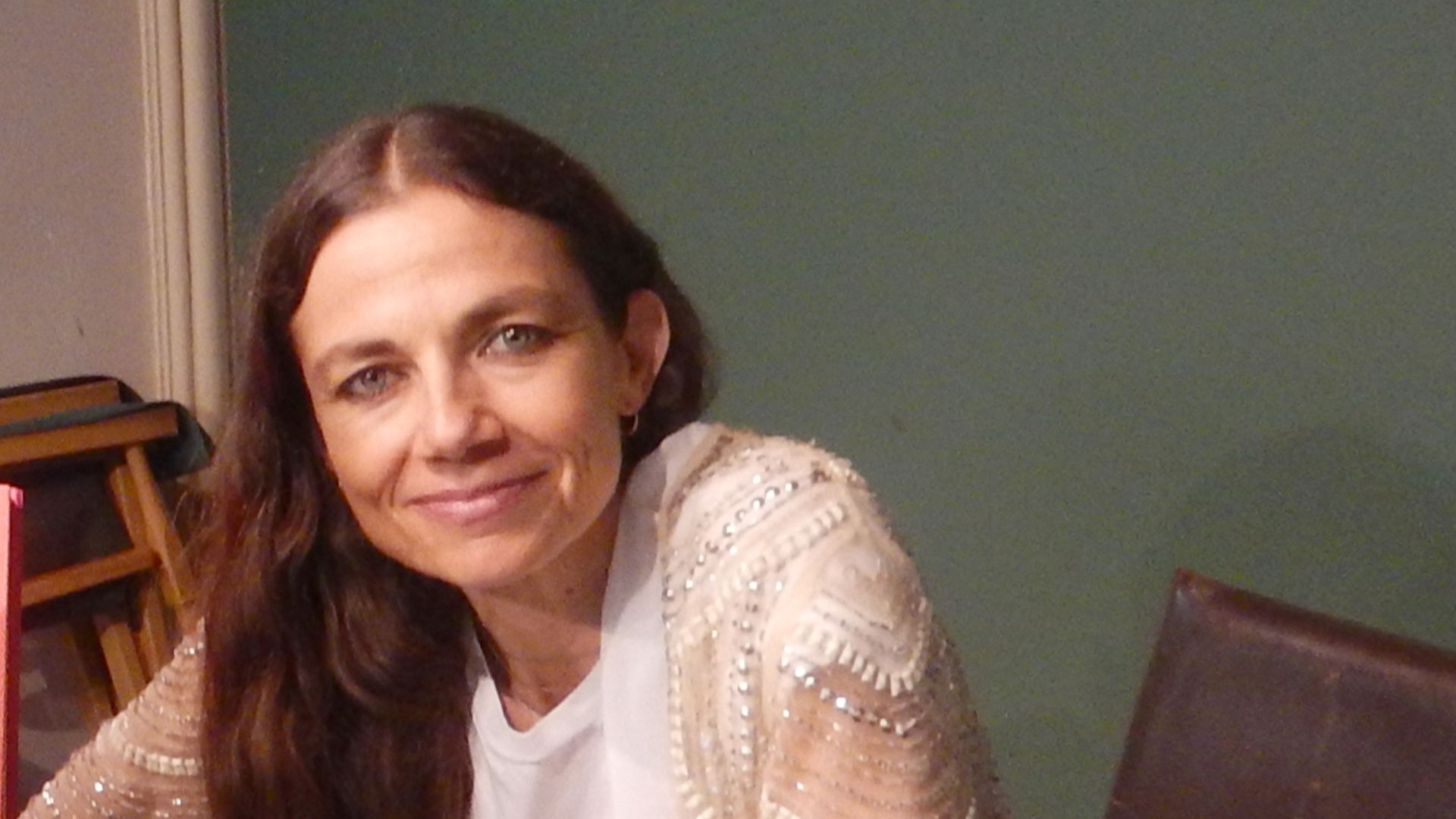
Family Ties Ended In 1989
After seven seasons, Family Ties came to an end. Bateman was no longer the teenage newcomer viewers had first met. She had spent much of adolescence and early adulthood working on the same successful series, and now she had to decide what came after the role everyone associated with her.
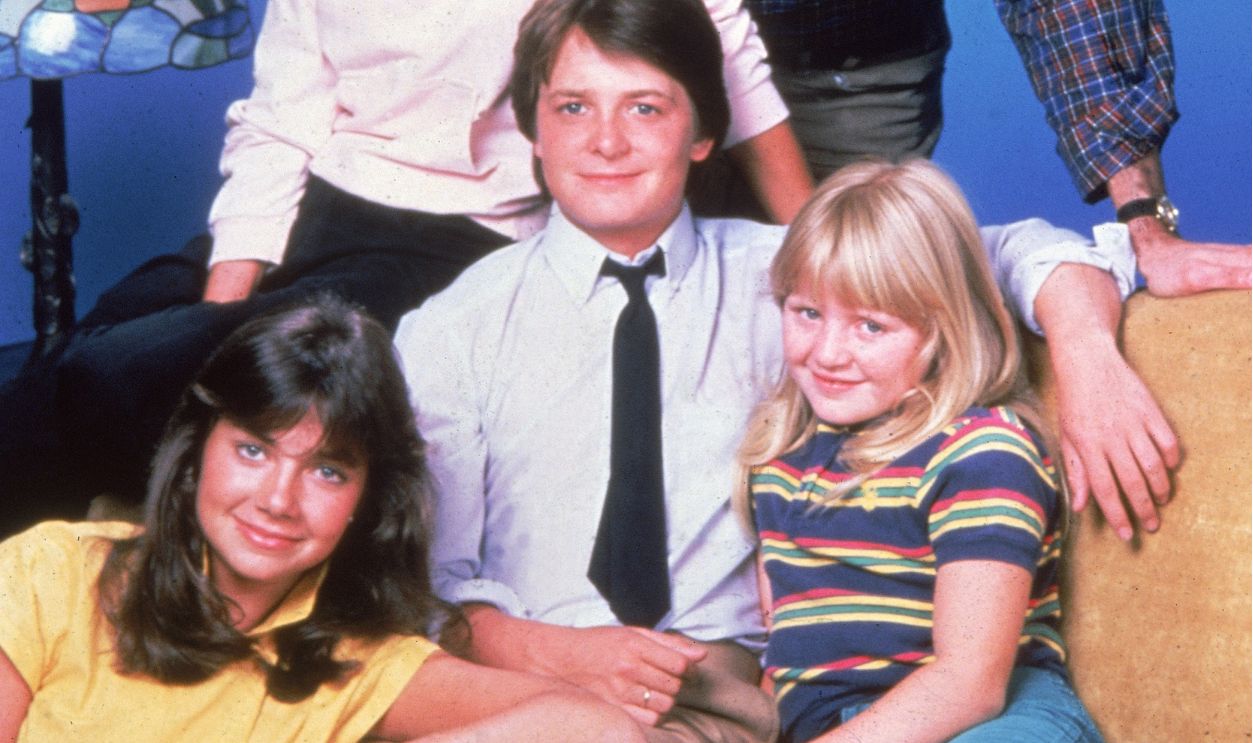 Pictorial Parade, Getty Images
The Obvious Next Step Never Quite Fit
Bateman continued acting after the sitcom, appearing in television and film projects including Men Behaving Badly, Arrested Development, and Desperate Housewives. But she later acknowledged that after Family Ties, she struggled to find a satisfying place for herself simply as an actress.
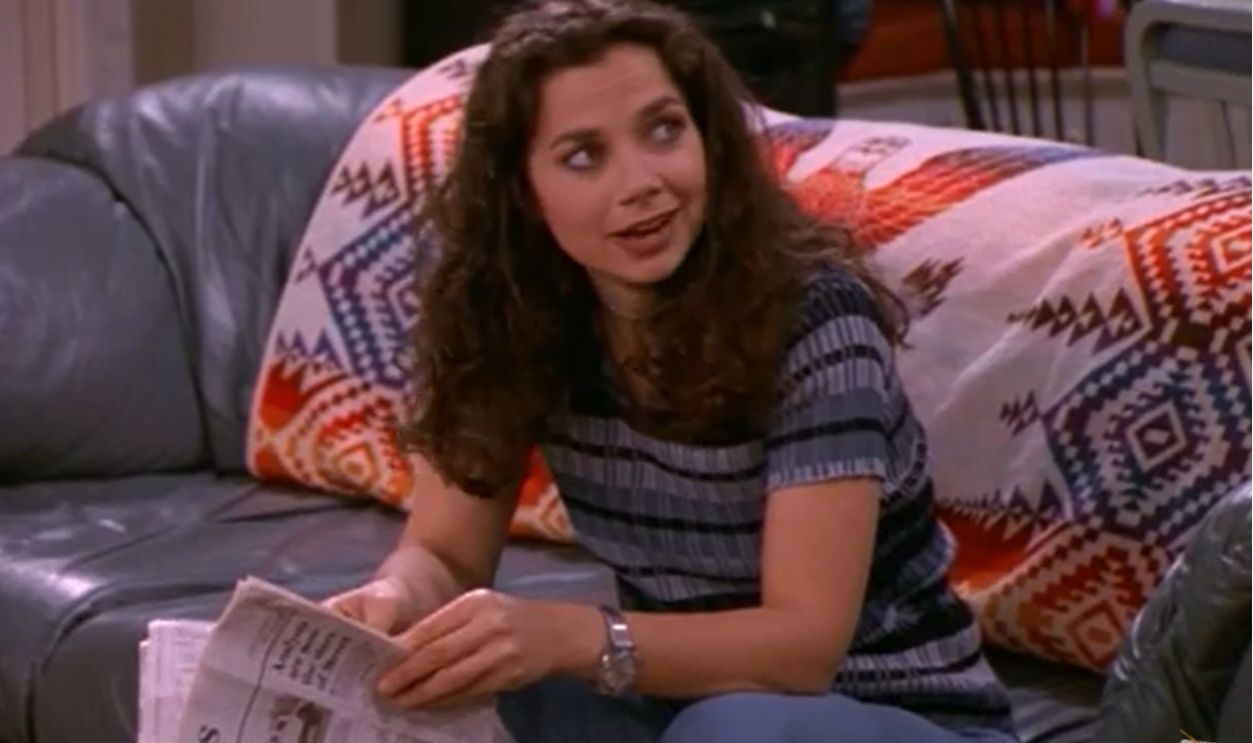 Screenshot from Men Behaving Badly, BBC (1992–1998)
So She Started Looking Elsewhere
Instead of endlessly trying to reproduce her teenage fame, Bateman began moving into other creative fields. Over the years she worked as a television writer and producer, explored internet content, ran a digital media consulting business, and became increasingly interested in how technology was reshaping entertainment.
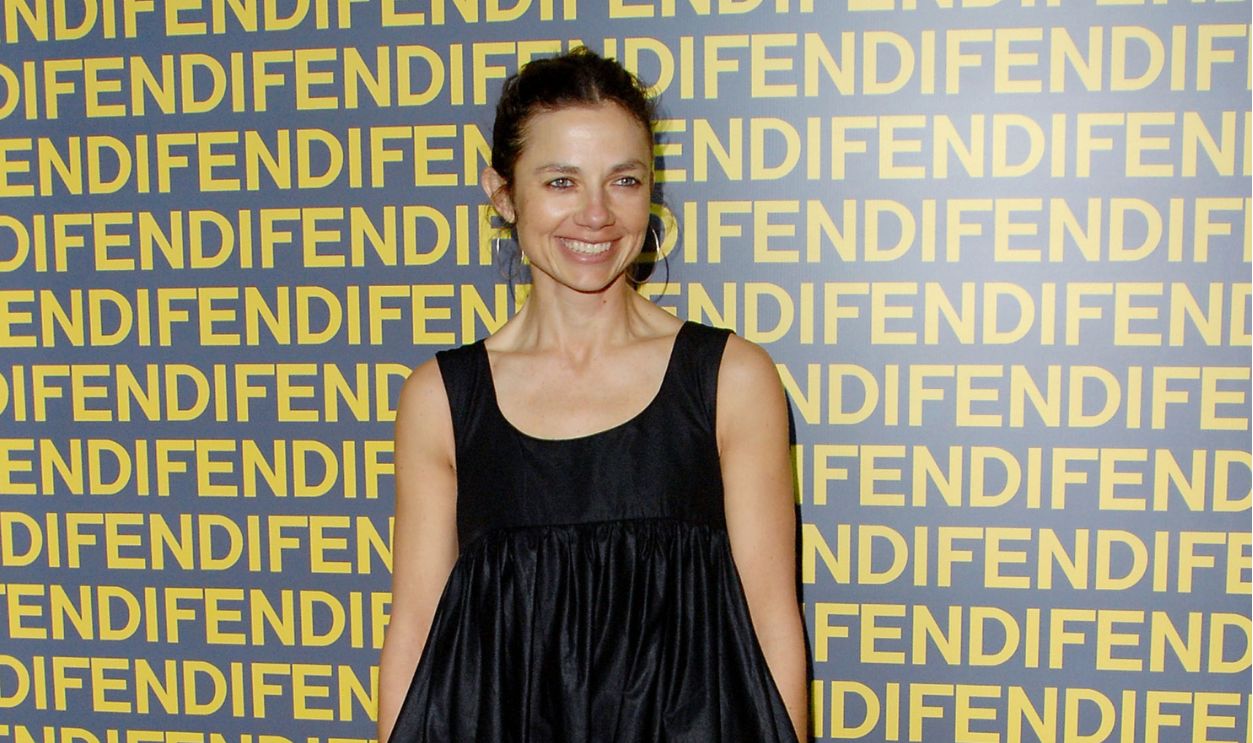
Then She Became A Fashion Designer
Around 2000, Bateman took a break from acting and launched Justine Bateman Designs. The clothing line specialized in distinctive knitwear, and her pieces were carried by stores including Saks Fifth Avenue and Fred Segal. Courtney Love was among the people who wore her work.

Fashion Was Not Just A Celebrity Side Project
Bateman did not merely attach her name to somebody else’s clothes. A 2001 trademark filing for Justine Bateman Designs covered a wide range of apparel, while interviews described her directly discussing the pieces she created. She had genuinely stepped into another profession.
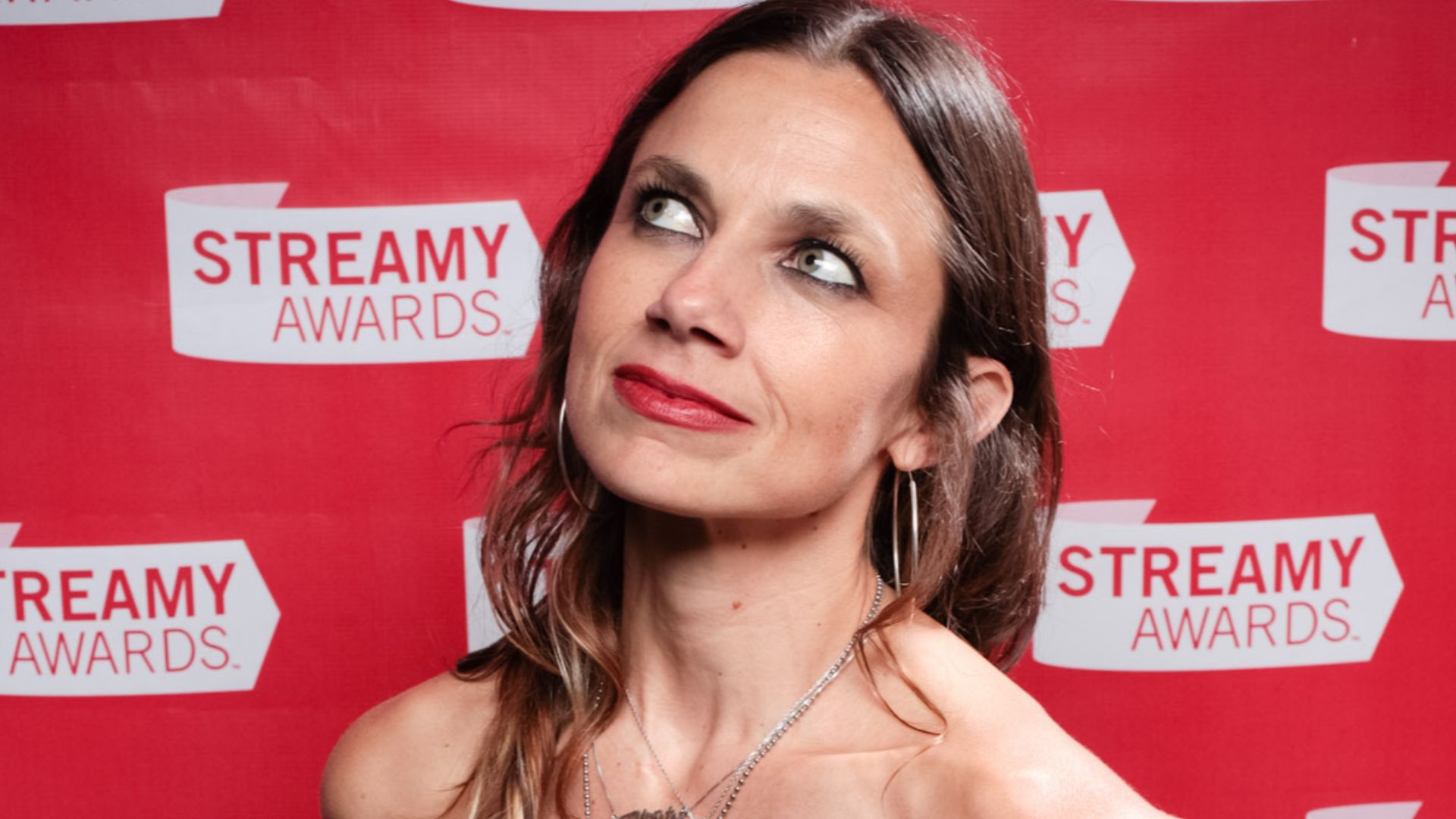 The Bui Brothers, Wikimedia Commons
Technology Became Another Reinvention
Her interests eventually moved deeper into digital media. Bateman worked with internet content and consulting before deciding she wanted to understand the technology itself rather than depend entirely on other people to explain what could or could not be built.
At 46, She Went Back To College
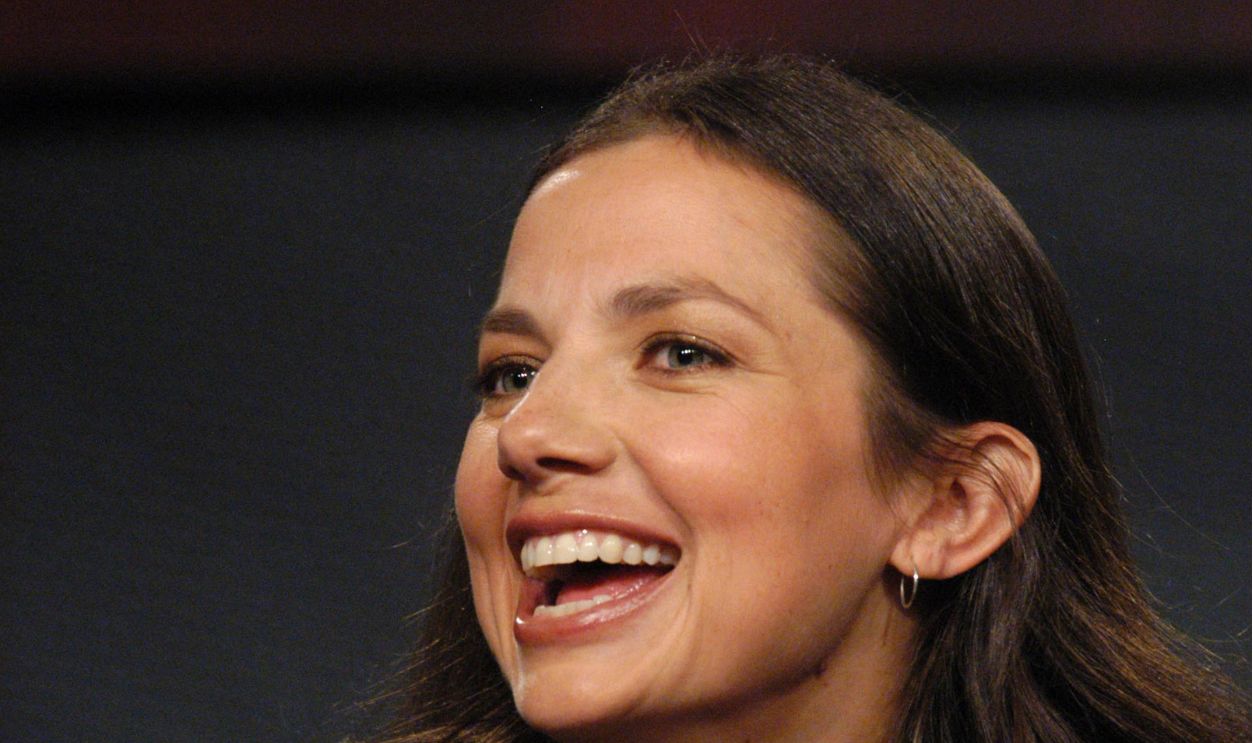
In 2012, three decades after Family Ties had interrupted her original college plans, Bateman enrolled at UCLA as a freshman at age 46. She was not there for a ceremonial celebrity experience. She designed an interdisciplinary course of study combining computer science with digital media management.

She Took Computer Science Seriously
Bateman studied programming alongside economics, technology, business, and public policy. UCLA described her as intensely motivated, and she explained that understanding coding would allow her to evaluate technological ideas herself rather than simply hand concepts to engineers.
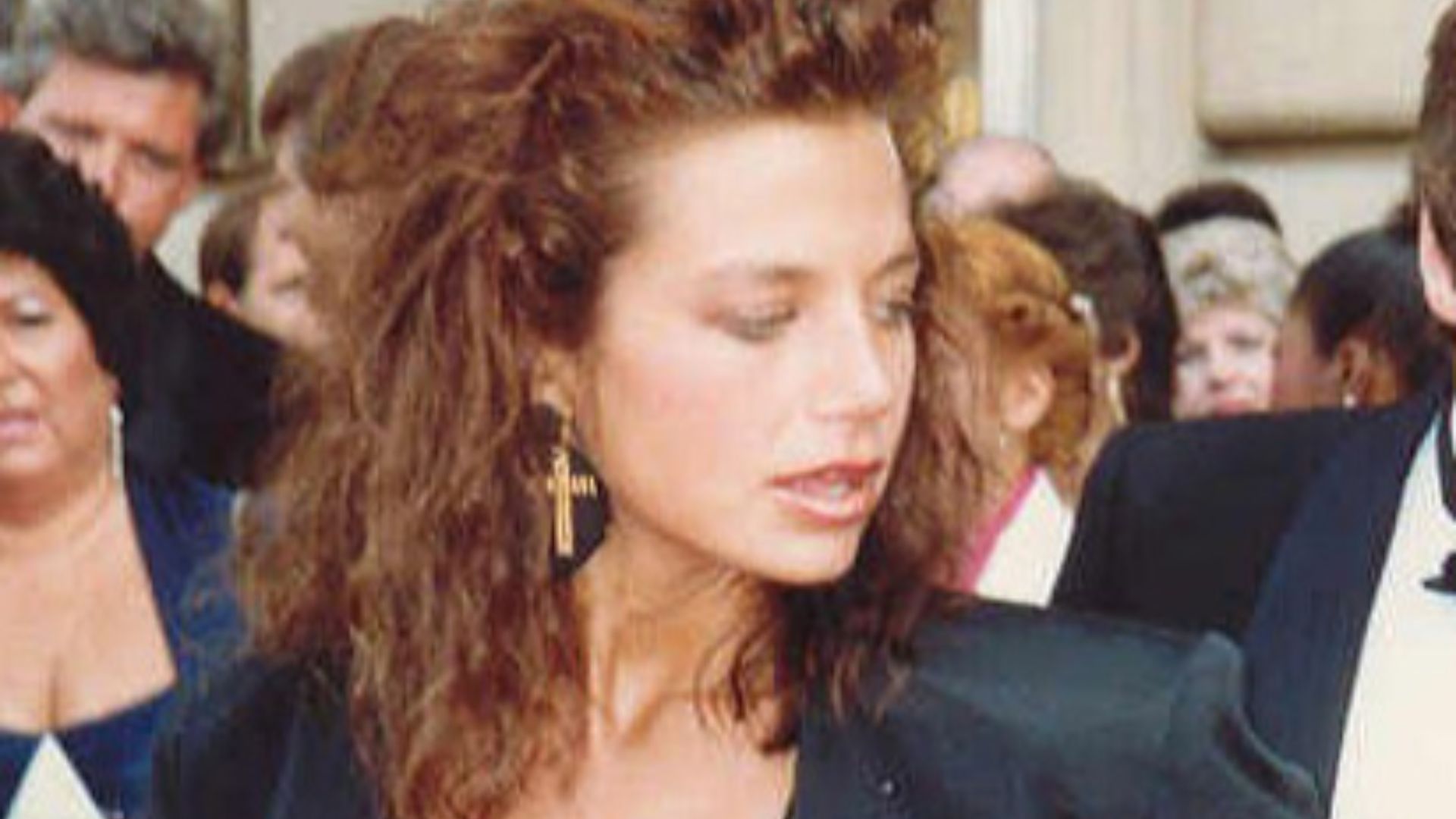
She Finally Got The Education Fame Had Delayed
Bateman graduated from UCLA in 2016. At commencement, Chancellor Gene Block highlighted her reinvention, noting that she had started college at 46 and constructed an independent academic program around technology and digital media.
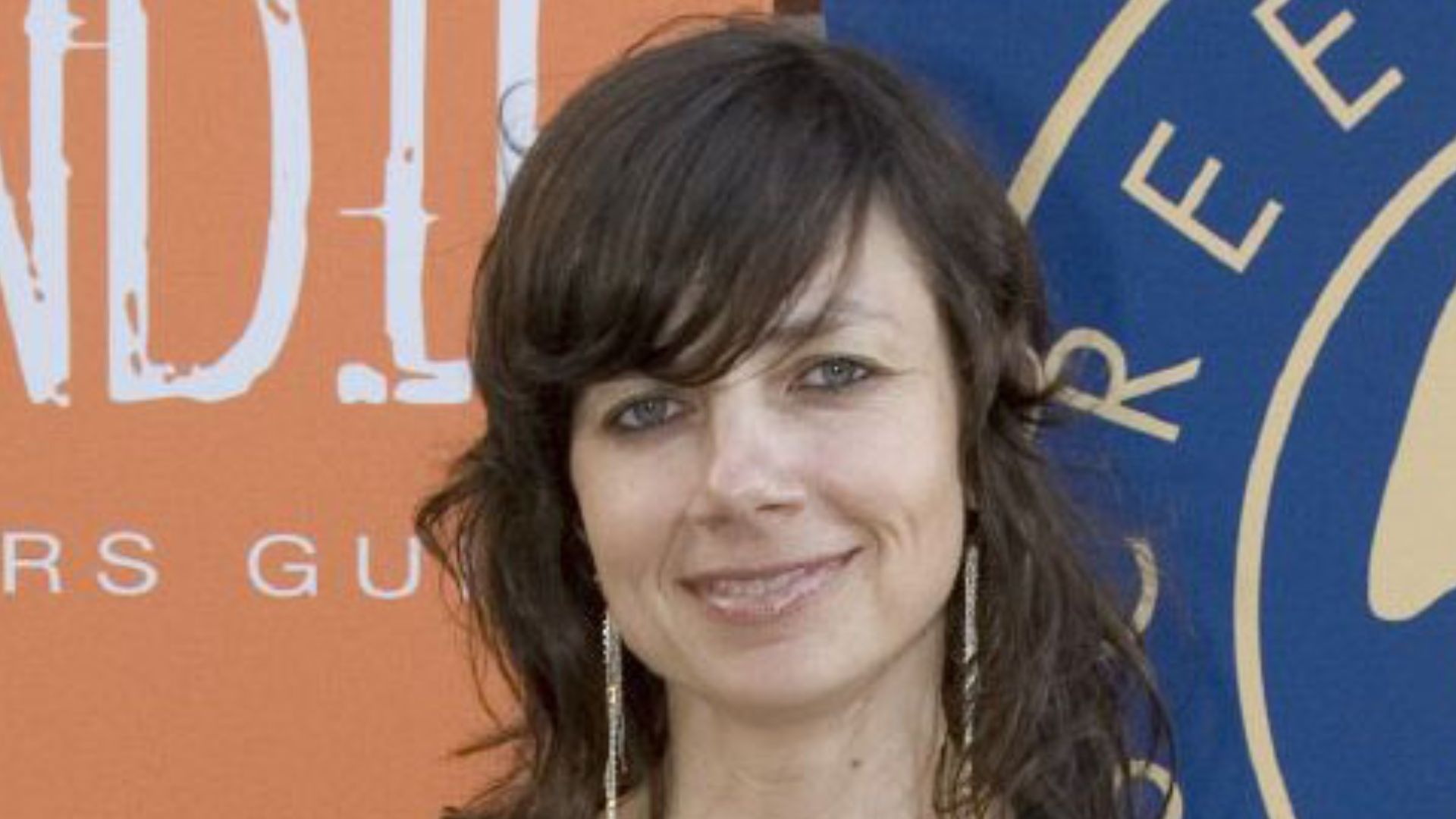 sagindie from Hollywood, USA, Wikimedia Commons
She Had Another Ambition Waiting
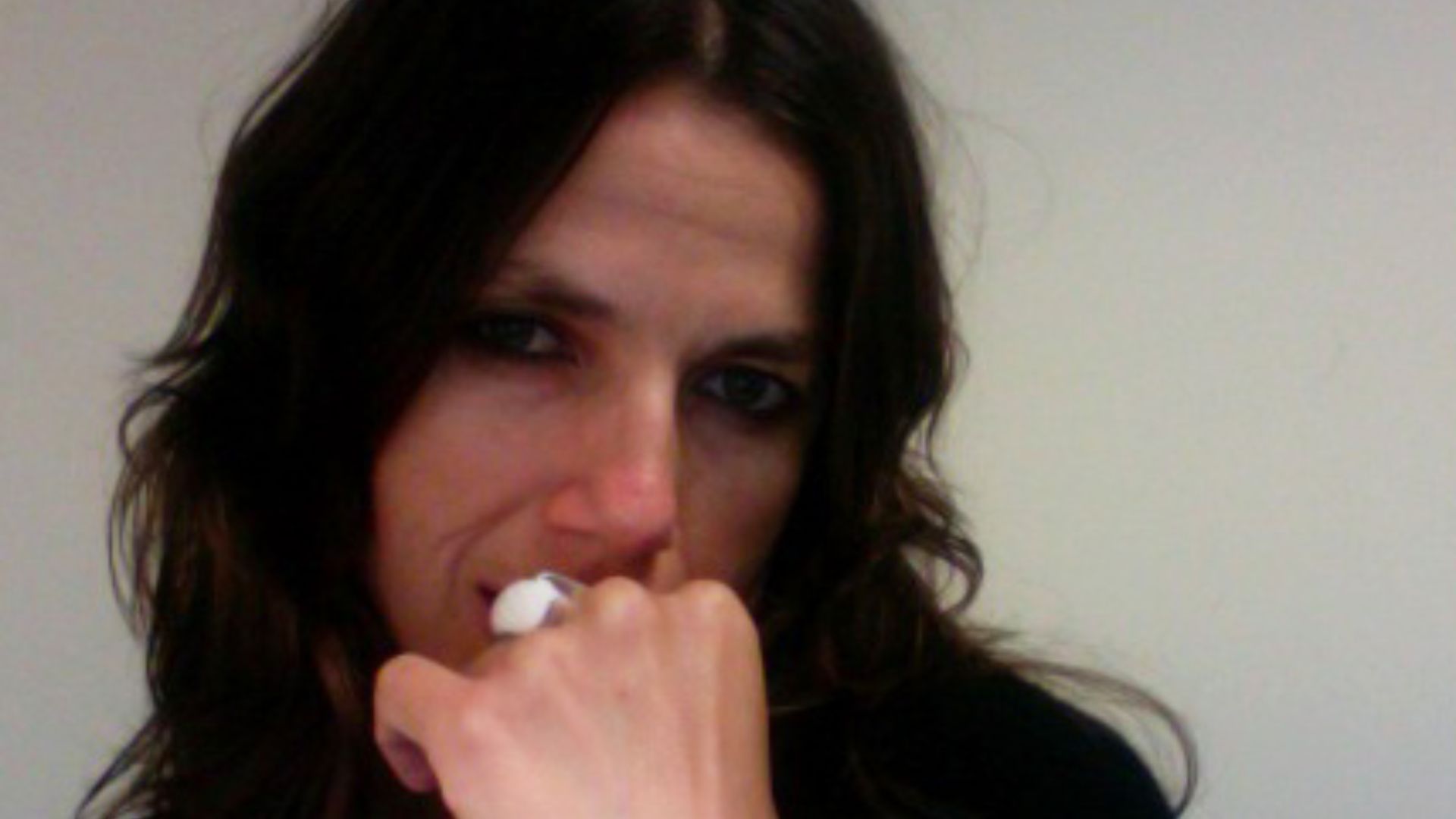
Even while exploring fashion and technology, Bateman had been writing. She later told the Los Angeles Times that she had wanted to direct since she was 19 but had waited because she did not believe she was ready. Eventually, the fear of never doing it became stronger than the fear of failing.
 Justine Bateman, Wikimedia Commons
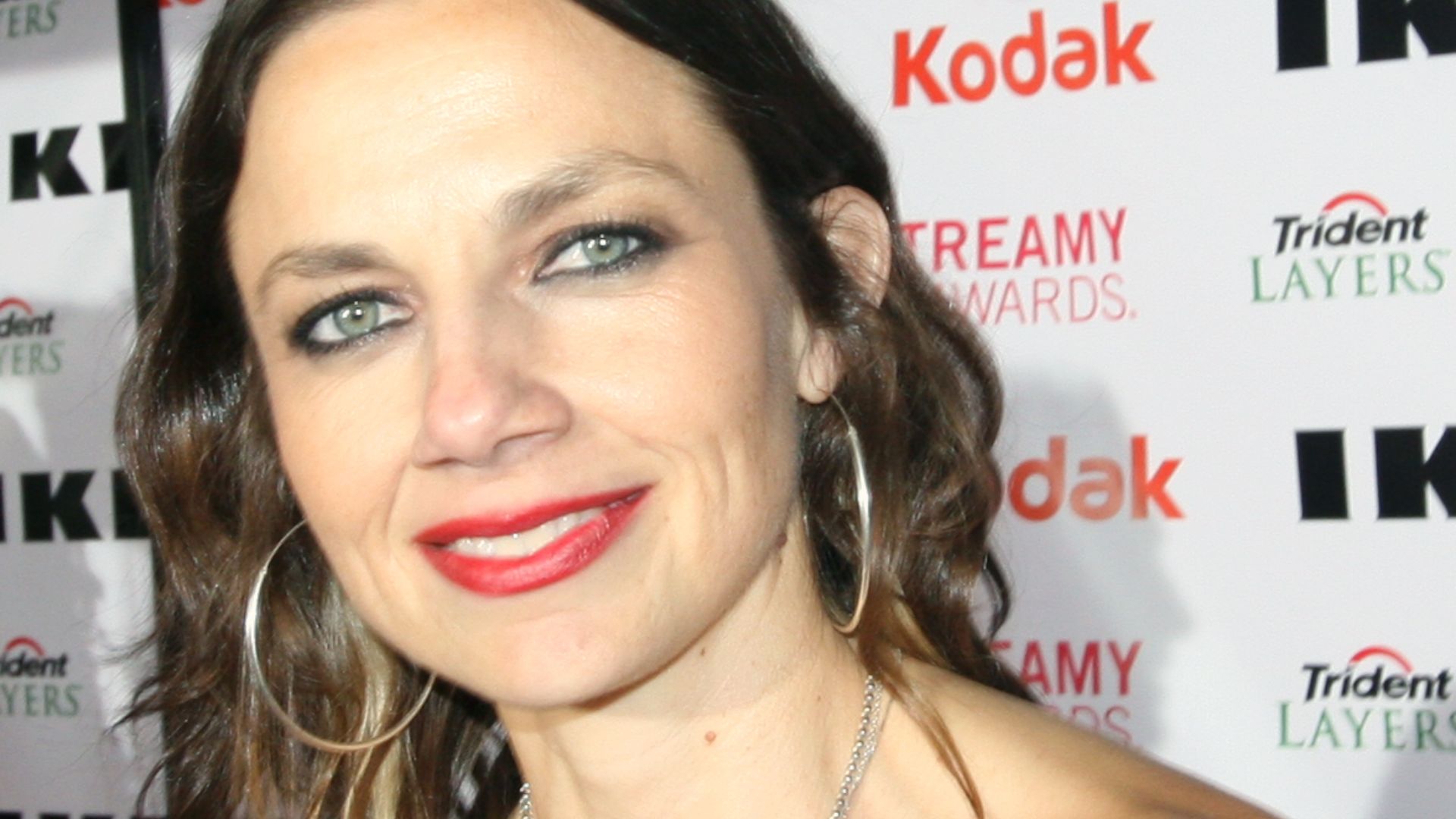
Her First Film As Director Was A Short
Bateman made her directing debut with the short film Five Minutes. It premiered at the Toronto International Film Festival in 2017. The move marked another major shift: the former sitcom star was now putting herself behind the camera rather than simply waiting for somebody to cast her.
 Andy Sternberg from Los Angeles, United States, Wikimedia Commons
Then Came Violet
Her feature directing debut, Violet, starred Olivia Munn, Luke Bracey, and Justin Theroux. Bateman also wrote the film. It was originally scheduled to premiere at SXSW in 2020 before the festival was canceled, then finally premiered through SXSW Online in 2021 and later screened at the Toronto International Film Festival.
She Also Turned Fame Into A Subject
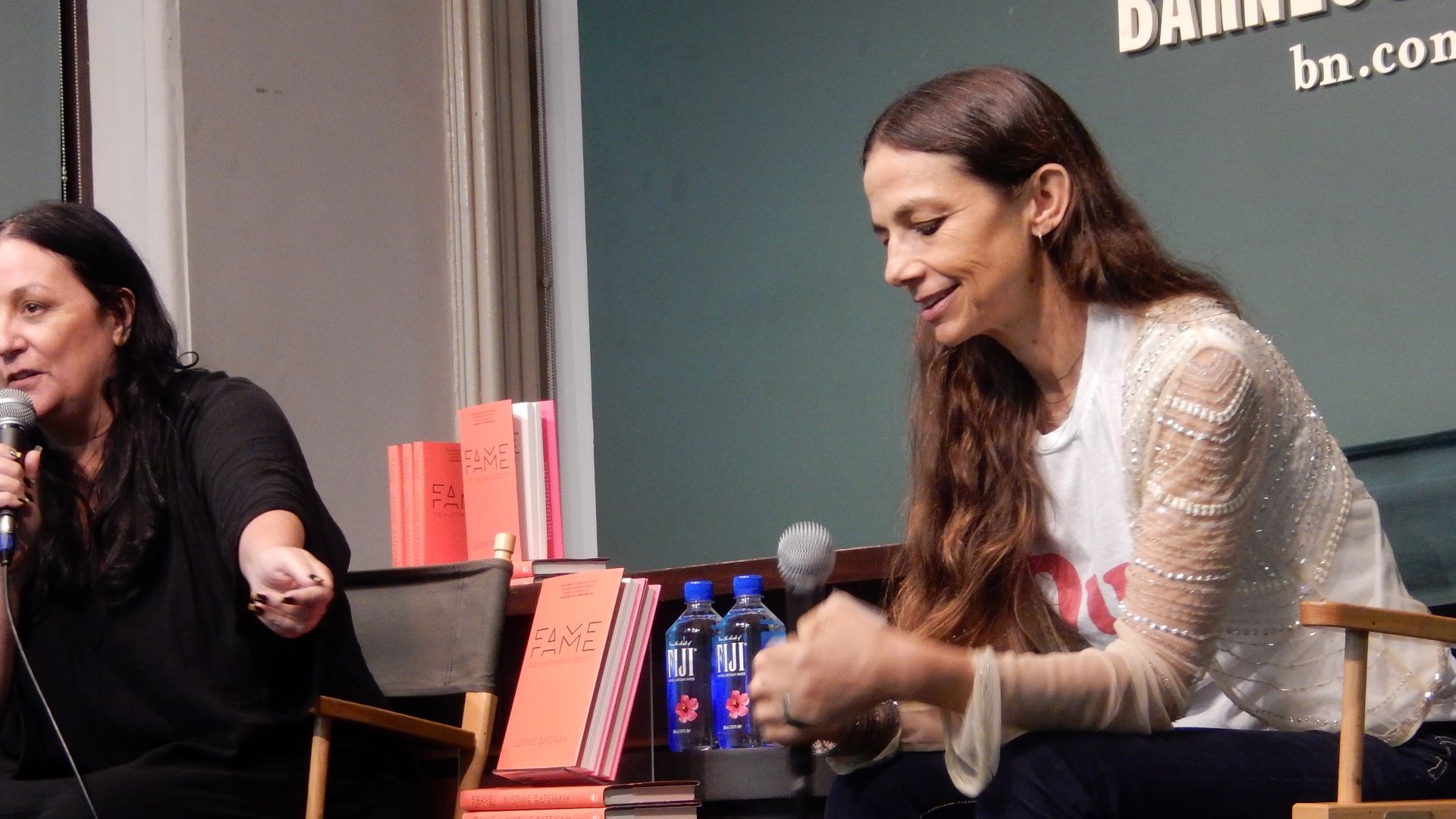
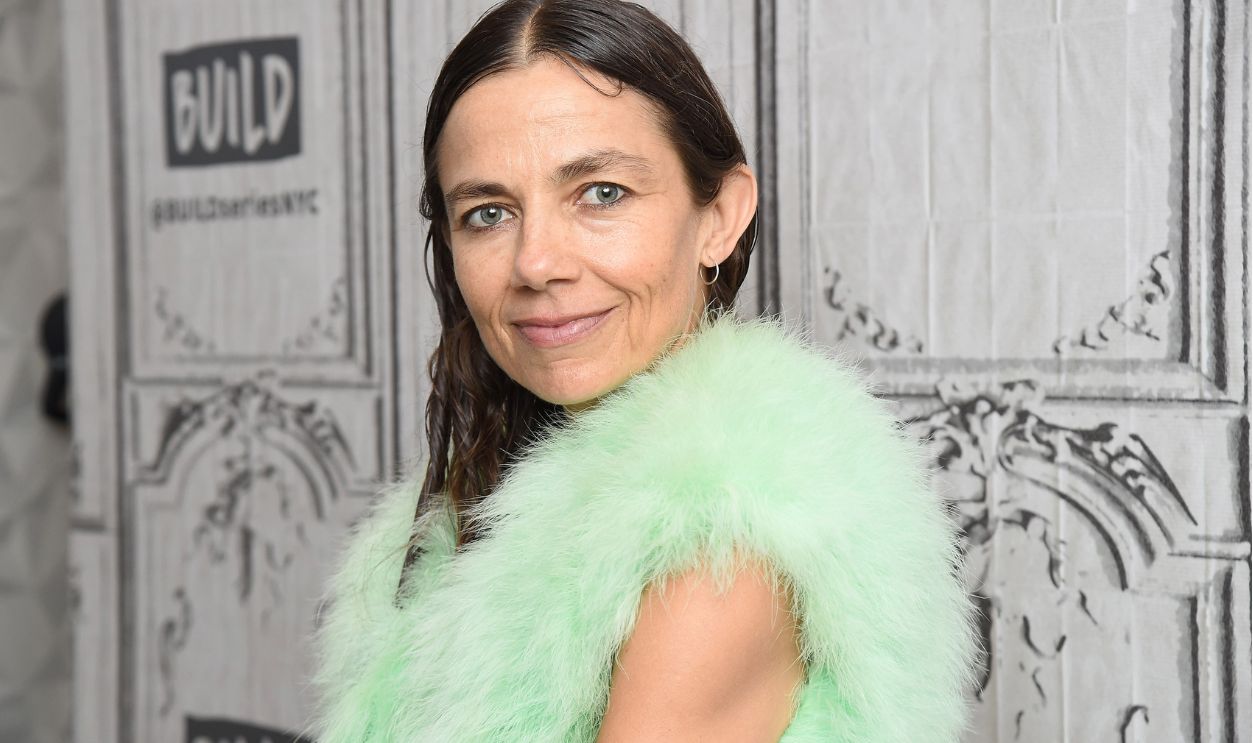
In 2018, Bateman published Fame: The Hijacking of Reality. Rather than writing a conventional celebrity memoir, she examined what fame does to both the famous person and the people watching them. Her teenage success had become material for a much broader argument about celebrity culture.
 irina slutsky from san francisco, USA, Wikimedia Commons
She Had Seen Fame From Both Sides
Bateman understood the rush of being suddenly famous and the disorienting experience of watching that attention fade. Fame drew on those changes rather than pretending celebrity had been an uncomplicated gift. Her old teen-idol identity became something she could analyze instead of simply relive.
Then She Took On Hollywood’s Fear Of Aging
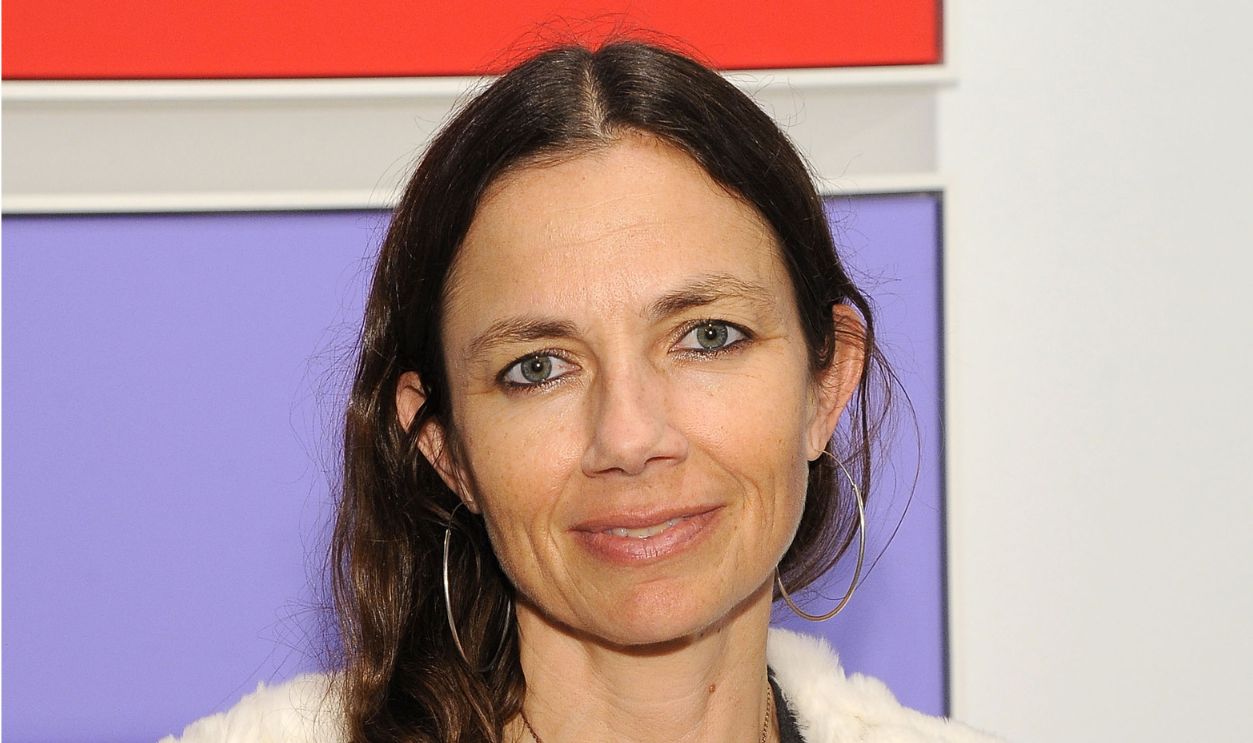
Her 2021 book Face: One Square Foot of Skin examined cultural anxiety around women’s aging faces. Bateman challenged the assumption that wrinkles or visible age represent problems that women are obligated to correct, especially in industries obsessed with youth.
She Refused To “Fix” Her Own Face
When commentators later focused on Bateman looking older, she pushed back publicly. She said she liked seeing evidence that she was no longer the person she had been at 20 and rejected the idea that an aging face needed cosmetic correction. Her response made her part of a much larger conversation.
 Matt Winkelmeyer, Getty Images
She Became A Voice In The AI Fight
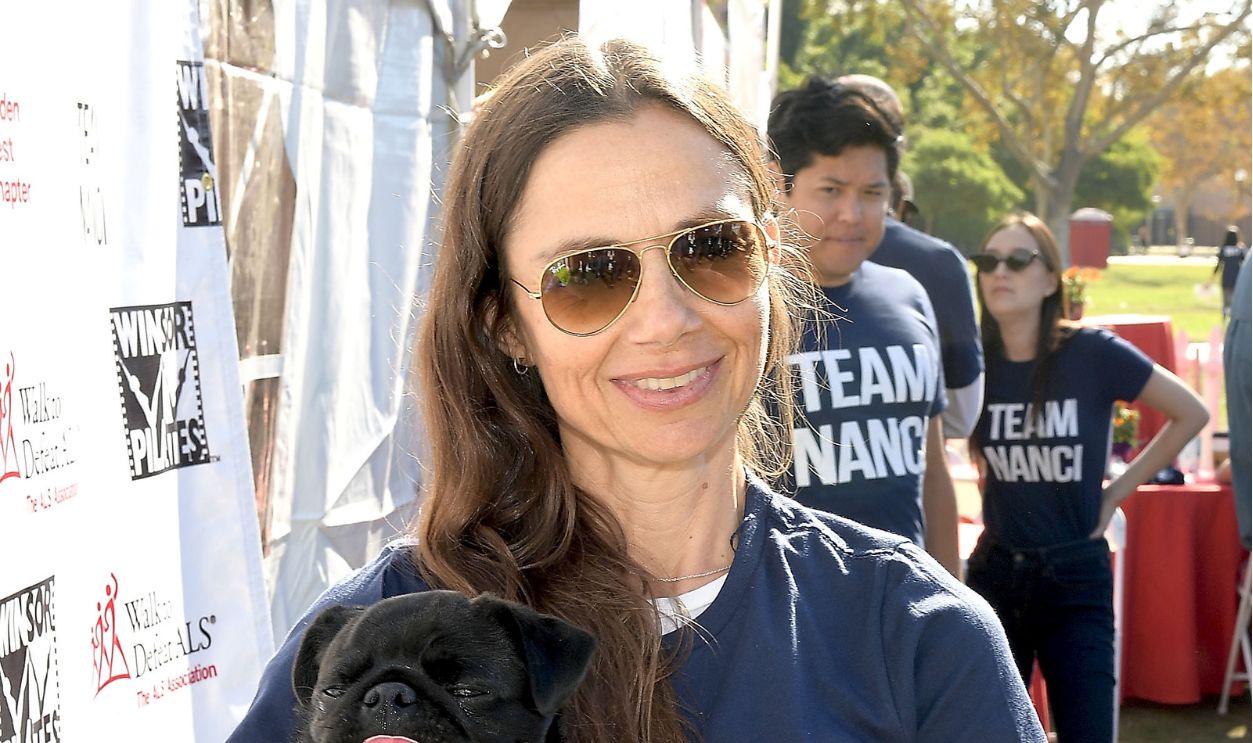
Bateman’s technology background eventually intersected with Hollywood again in an unexpected way. During the industry’s battles over generative AI, she became a prominent critic of using the technology to replace human creative work, particularly actors, writers, and performers’ likenesses.
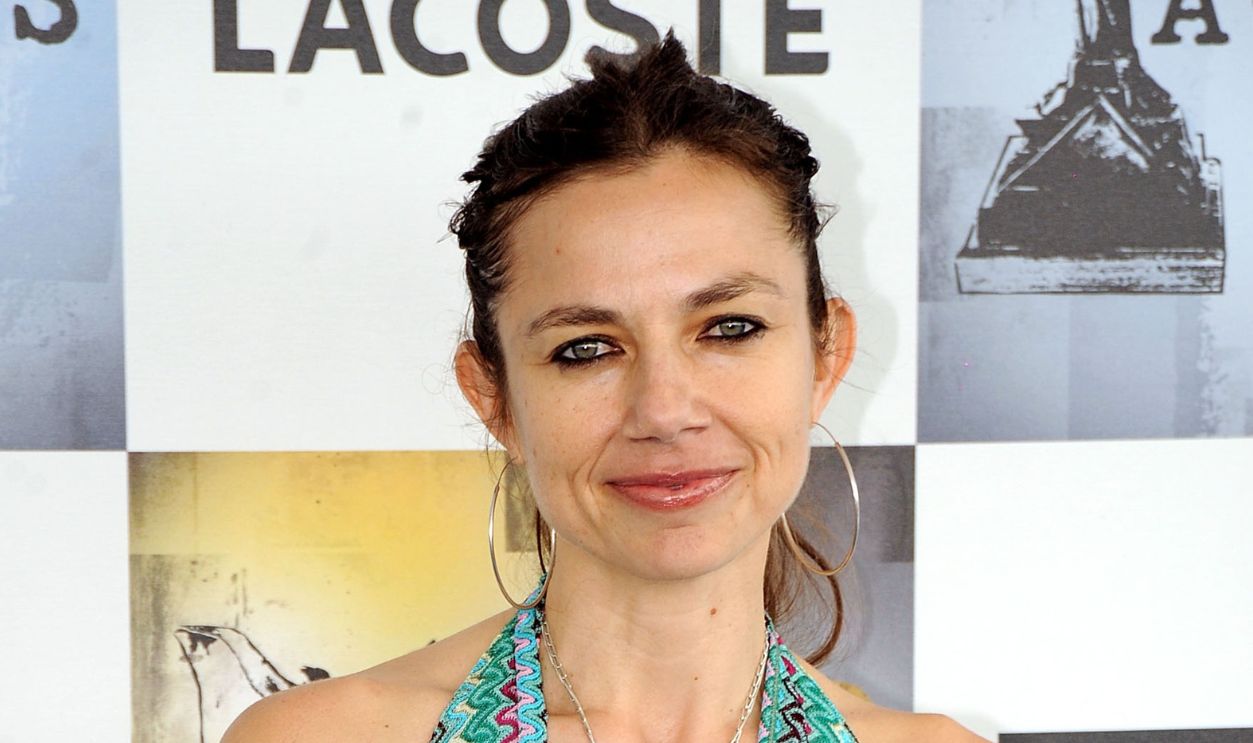
Her Computer Science Detour Suddenly Made Sense
The former sitcom star who had gone back to school to study computing could now speak about AI from both sides of the entertainment-technology divide. She understood acting as a performer, production as a filmmaker, and technology well enough to challenge what she believed the industry was getting wrong.
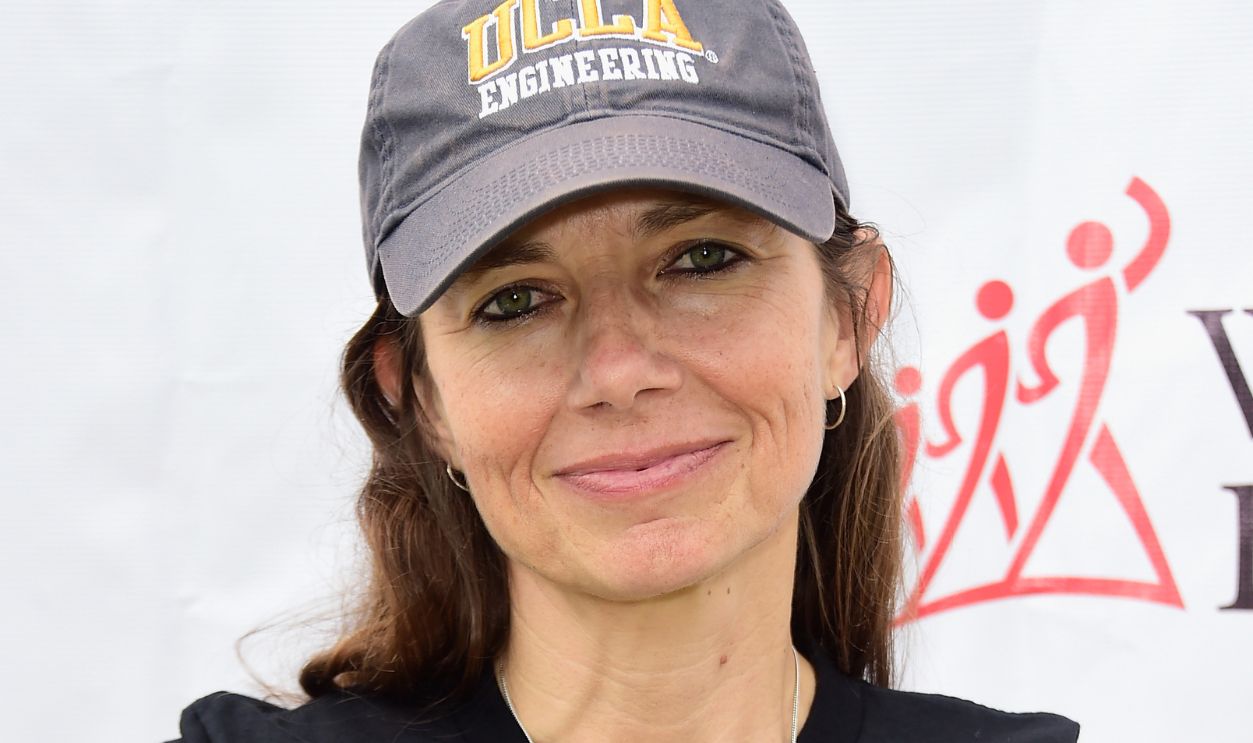
She Never Really Followed A Straight Line
Bateman’s post-Family Ties life is difficult to reduce to a normal Hollywood career arc. She has been an actress, fashion designer, producer, writer, digital-media entrepreneur, college student, computer-science graduate, filmmaker, author, aging advocate, and outspoken critic of generative AI.
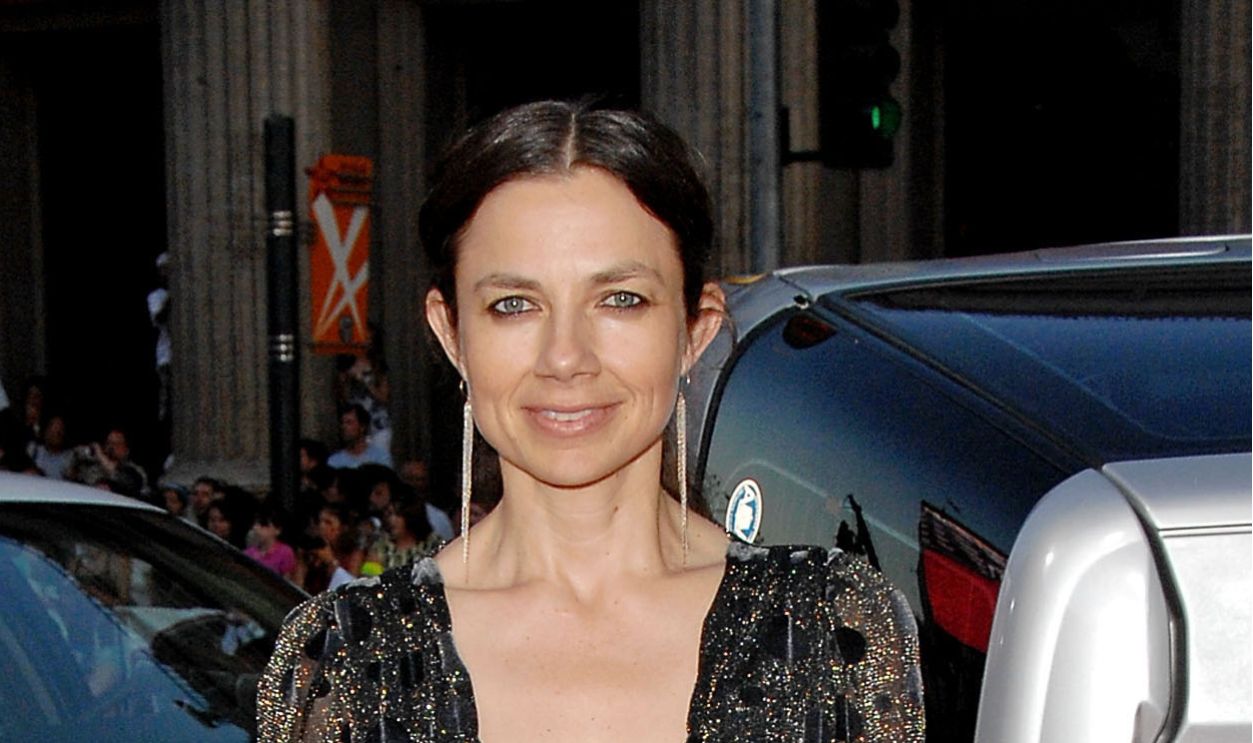
Justine Bateman’s Inspiring Second Act
Justine Bateman became a Family Ties teen idol before she was old enough to know where fame would lead. Instead of spending the next four decades trying to stay Mallory Keaton, she kept changing direction. Her strangest achievement may be that she made reinvention—not nostalgia—the defining feature of her adult life.
You May Also Like:
TV Theme Songs From The 1980s That Viewers Can Still Sing From Memory
The Most Unforgettable TV Villains From The 1980s
Sources: 1, 2, 3, 4, 5, 6, 7, 8, 9, 10, 11, 12, 13, 14, 15, 16, 17, 18, 19, 20, 21, 22, 23, 24